Leaf Cleaning Almaty
Professional leaf cleaning on your property in Almaty. Fast, high-quality, affordable. Order…
on requestProfessional cleaning of adjacent areas, parking lots and lawns in Almaty

Professional leaf cleaning on your property in Almaty. Fast, high-quality, affordable. Order…
on requestProfessional winter territory cleaning in Almaty. Cleanliness, safety, and order. Order snow…
on requestFrom inspection to result with guarantee
We visit the site, measure the area and assess contamination. We create a work plan considering the type of surface and season.
Manually collect branches, bottles, paper, and other large items. We use 120-liter garbage bags.
Using brooms and Stihl leaf blowers to sweep leaves, dust, and dirt from paths and lawns. We pay attention to corners and curbs.
Using a Kärcher K7 hot water pressure washer to clean asphalt and tiles from oil stains and moss.
Treat tile joints and asphalt cracks with an eco-friendly herbicide. We remove weeds manually or mechanically.
Optional: mow the lawn with a trimmer or lawnmower to a height of 5-7 cm. Collect the cut grass in bags.
Collected debris and plant residues are removed in our own truck with a capacity of up to 20 m³. We leave the area clean.
We walk through the entire area with the client, checking the quality. We take a before-and-after photo report for confirmation.
Stihl BR series leaf blowers allow collecting leaves from an area of 500 m² in 60 minutes. This is 3 times faster than manual sweeping. We use them for lawns, paths and parking lots to minimize dust and noise.
The Kärcher K7 with a pressure of 180 bar effectively removes oil stains, moss and dirt from asphalt and tiles. We use eco-friendly Sodasan detergents safe for plants and animals.
Husqvarna snow blowers with a 50 cm clearing width handle snow up to 30 cm deep. We clear paths and parking lots in one pass without damaging the surface.
We use herbicides based on acetic acid that decompose within 24 hours. They destroy weeds on paths and lawns without accumulating in the soil. Safe for children and pets.
We sign an official contract specifying the deadlines and scope of work. If within 3 days after cleaning you notice any shortcomings, we will fix them for free. The guarantee applies to all types of services.
We have trucks with a body volume of up to 20 m³, which allows us to remove bulky waste and plant residues in one trip. This reduces cleaning time and lowers costs for the client.
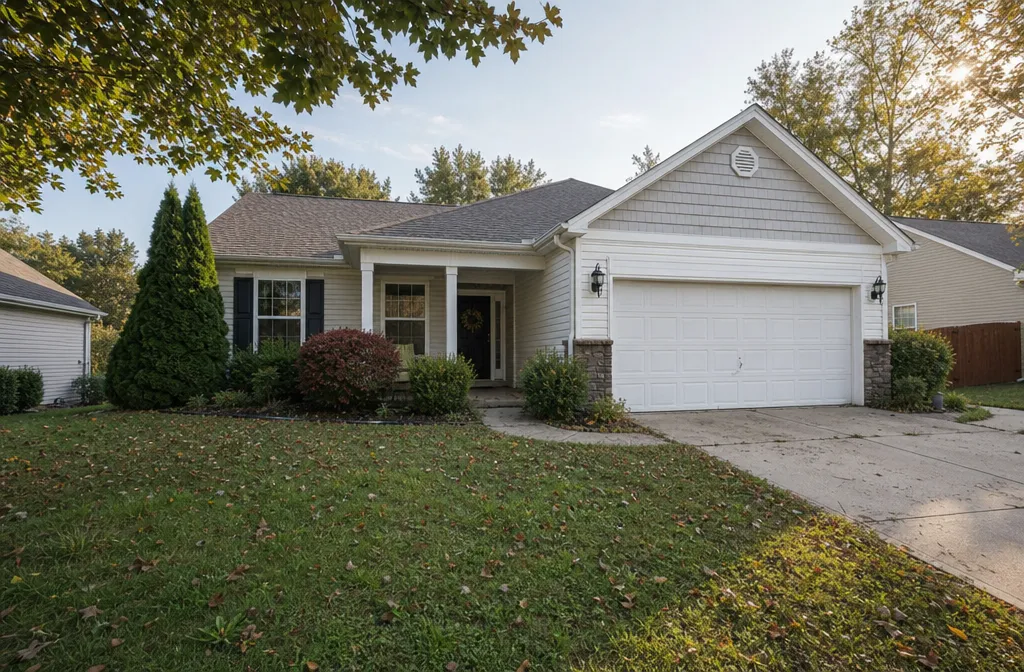
 After
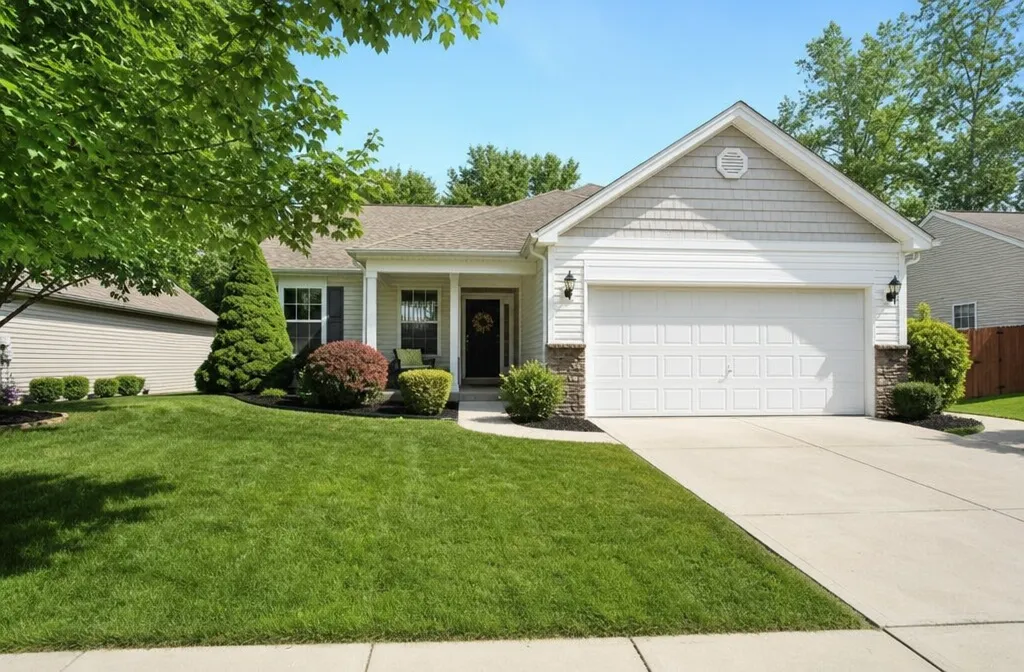
After
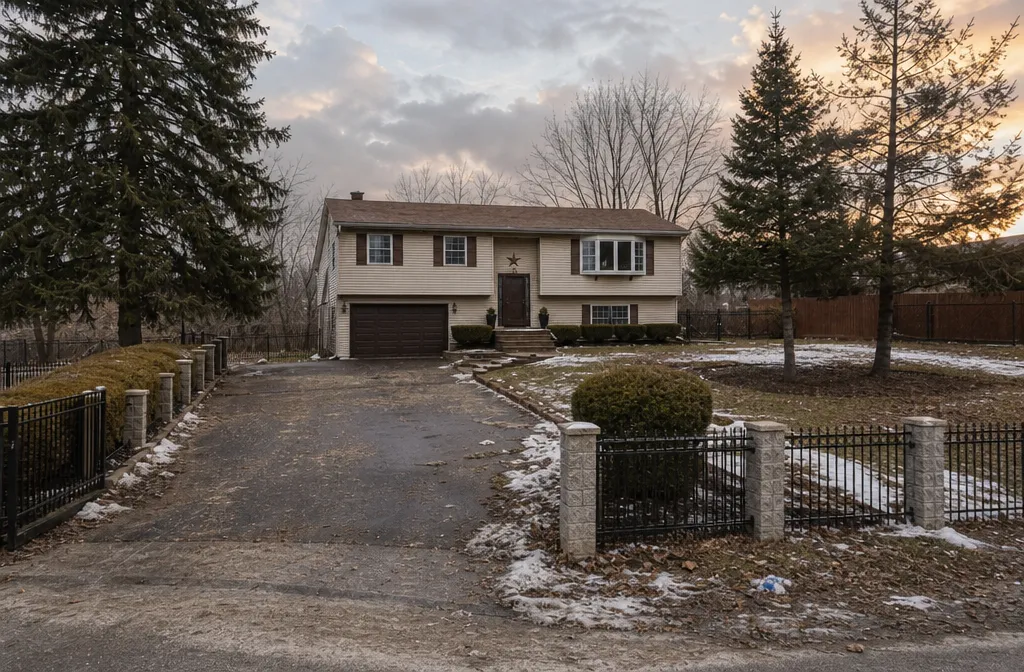
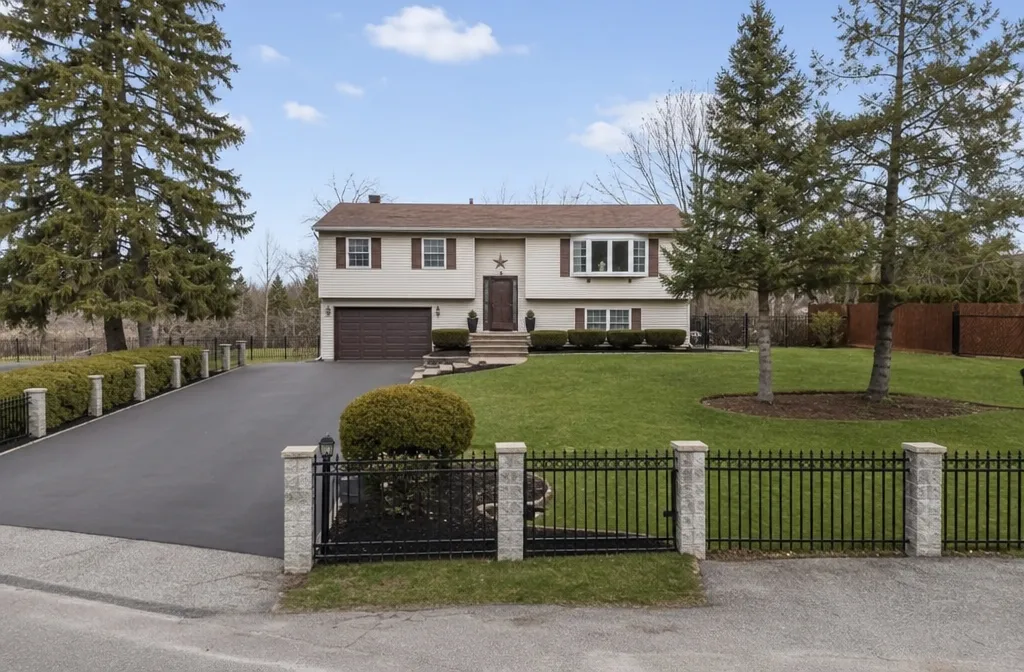
Request: Required to clean the front yard of leaves, trash, and weeds, and tidy up the paths.
Done: Removed leaves, hauled away trash, pulled weeds, swept and washed the path tiles.
Cost: 17 000 ₸
Master: Aigul Saparbayeva, Territory Cleaning Master
Total: The front yard is clean, well-groomed, paths are free of stains and dust.
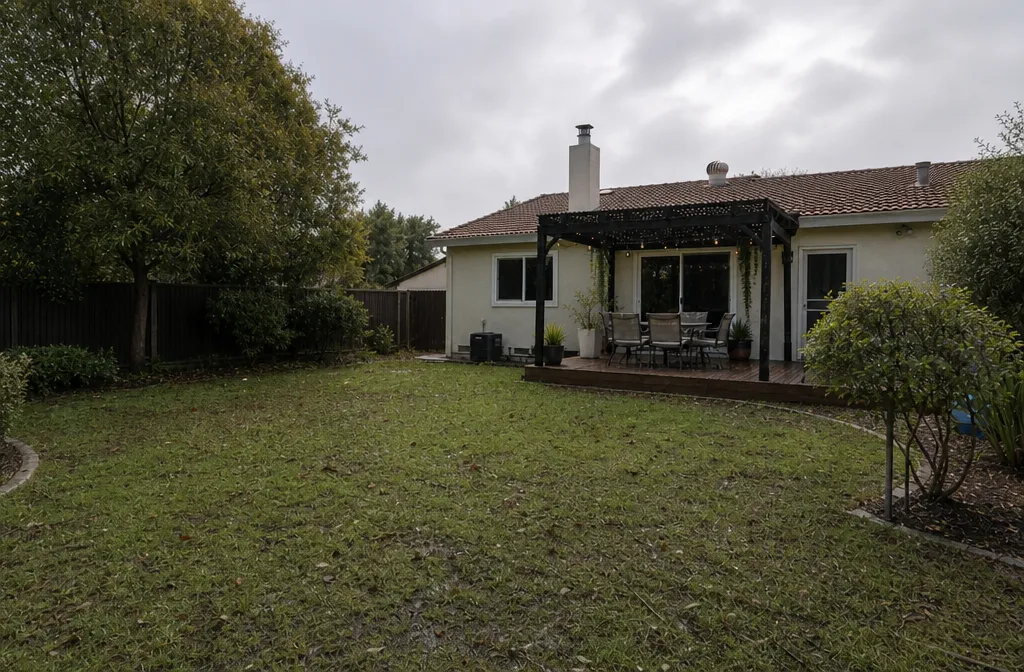
 After
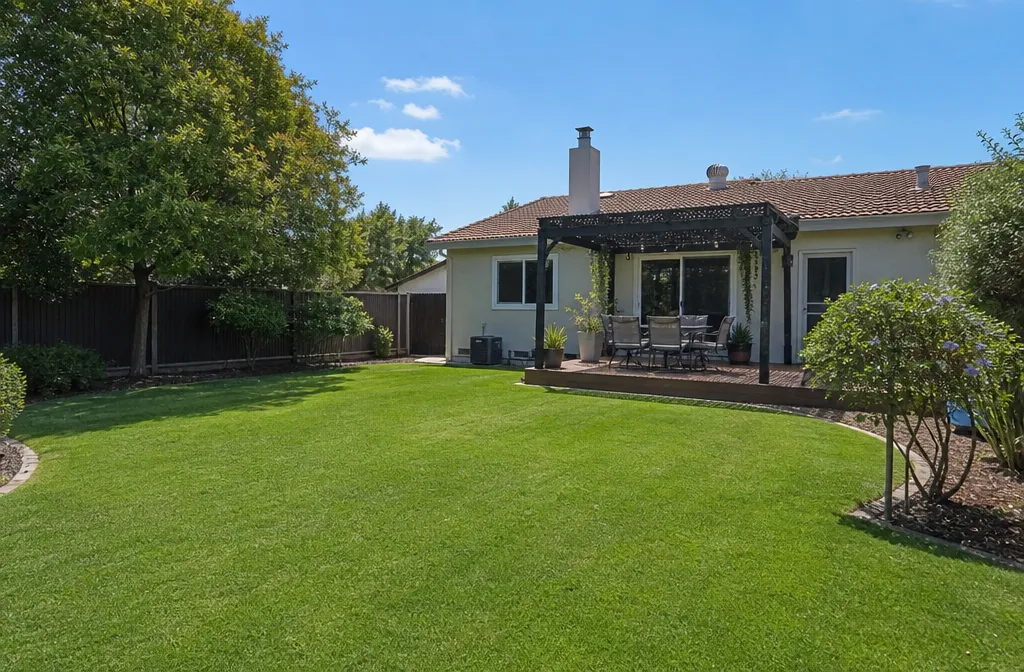
After
Request: Needed to clean the yard of trash, leaves, and branches, and mow the lawn.
Done: Collected and hauled away trash, leaves, and branches, mowed the lawn, trimmed edges.
Cost: 18 000 ₸
Master: Yerlan Kassymov, Territory Cleaning Master
Total: The yard is clean, the lawn is neatly trimmed, no trash.
 After
After
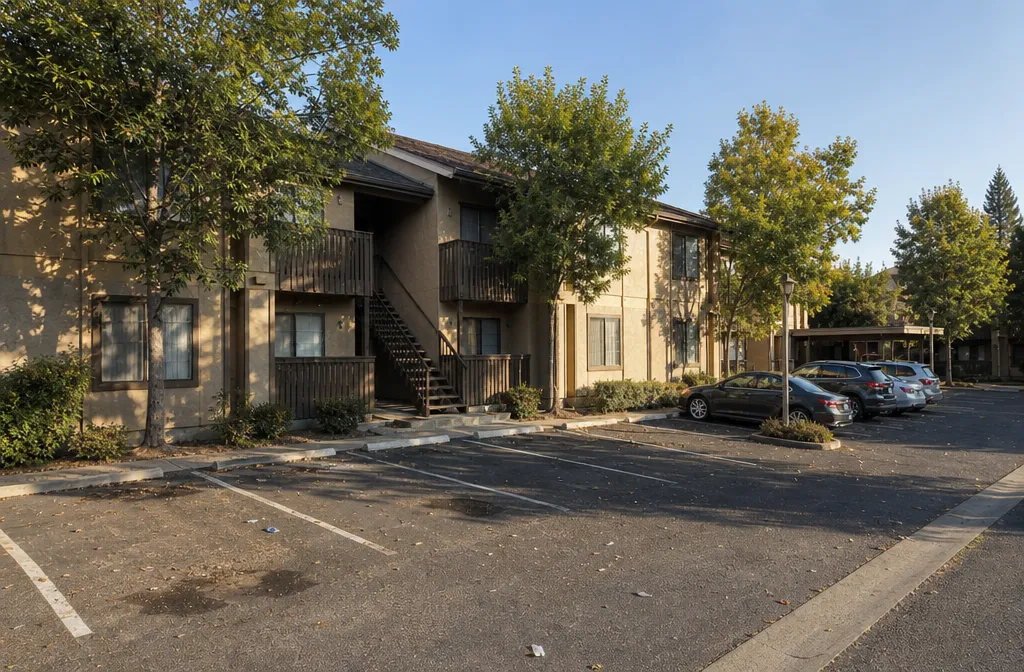
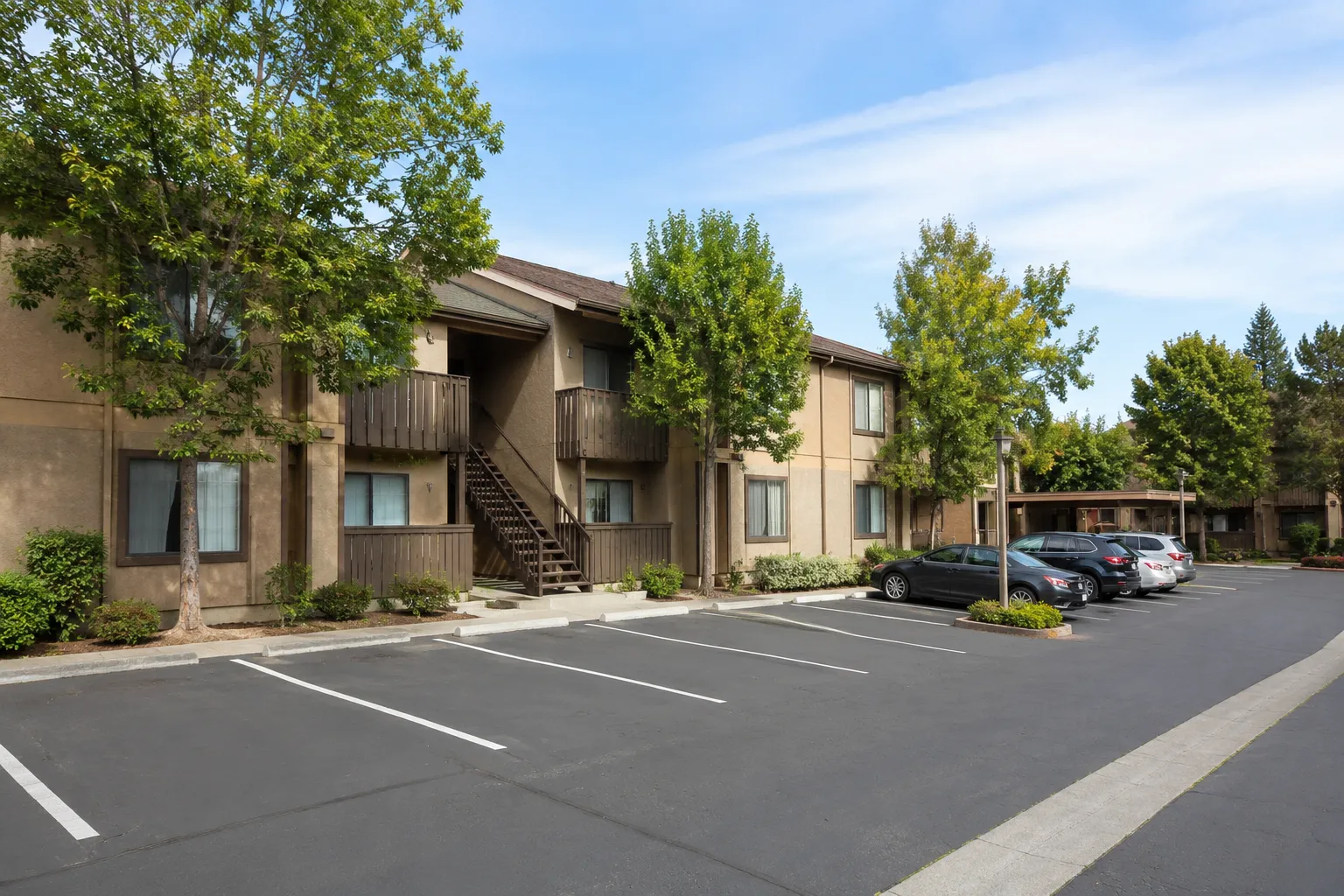
Request: Required to clean the parking lot of trash, sand, and oil stains.
Done: Swept and hauled away trash, removed oil stains with special products, washed the asphalt.
Cost: 19 000 ₸
Master: Marat Akhmetov, Territory Cleaning Master
Total: The parking lot is clean, free of trash, stains, and dust.
 After
After
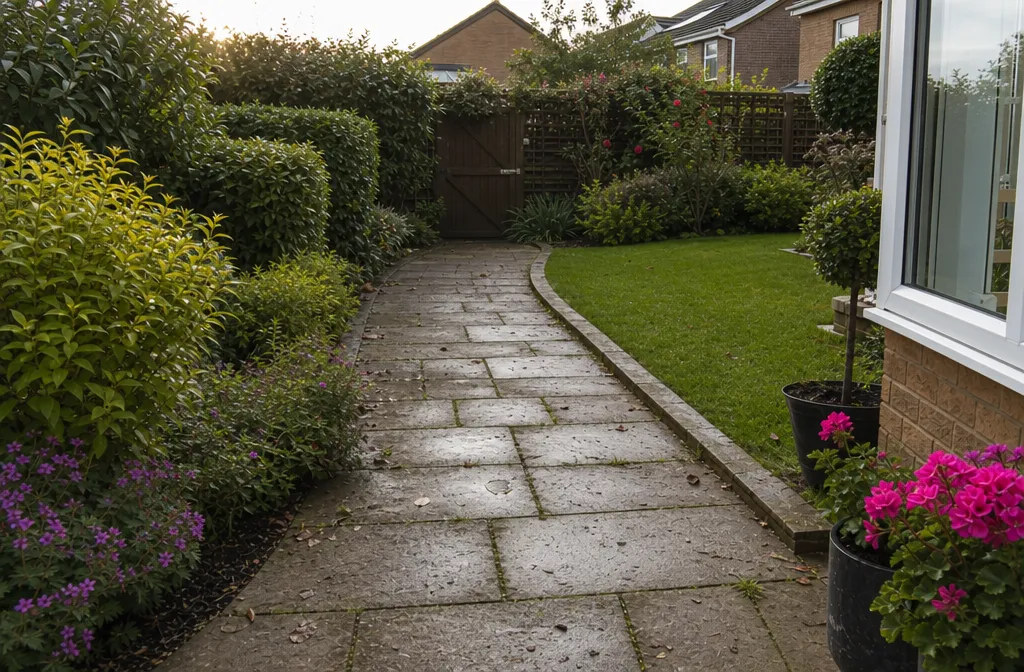
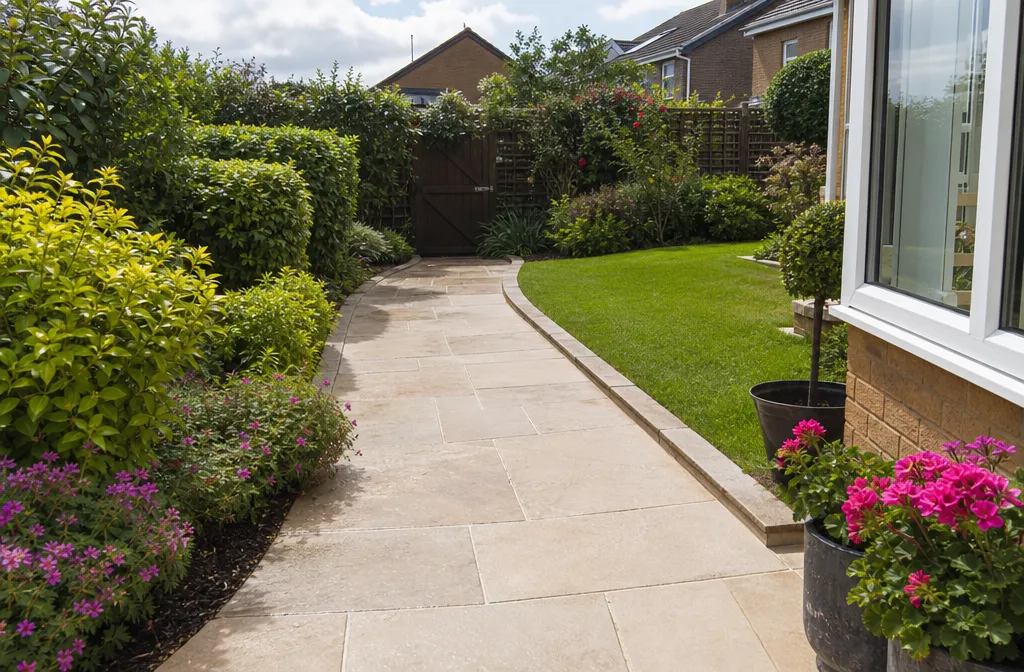
Request: Needed to clean the path of dirt, moss, and leaves.
Done: Removed moss and dirt, pressure-washed the tiles, swept.
Cost: 16 000 ₸
Master: Gulmira Bekova, Territory Cleaning Master
Total: The path is clean, free of moss and stains, tiles are bright.
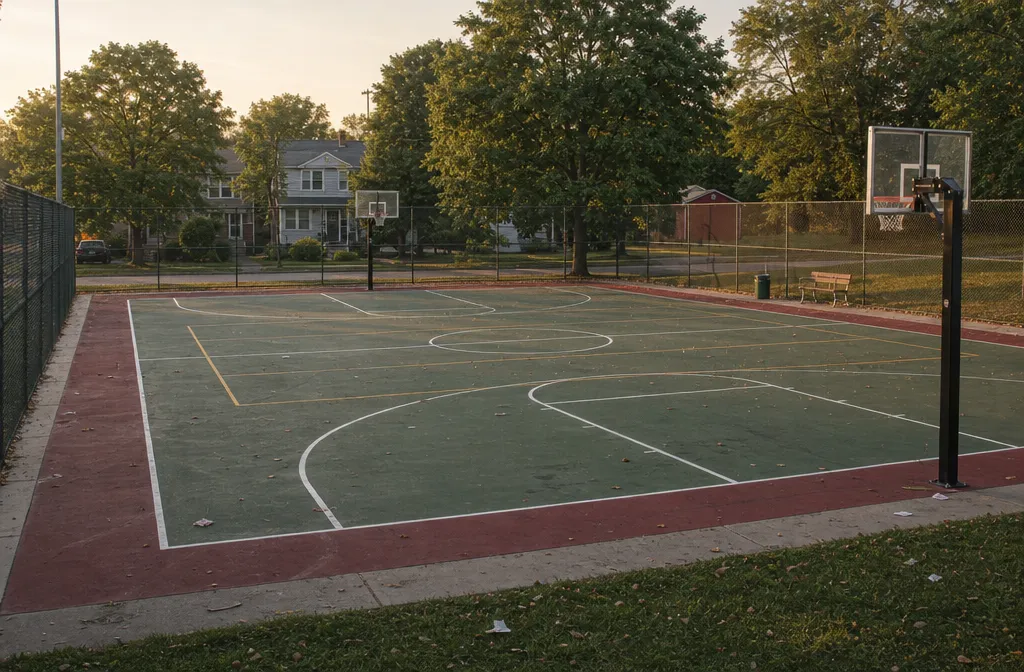
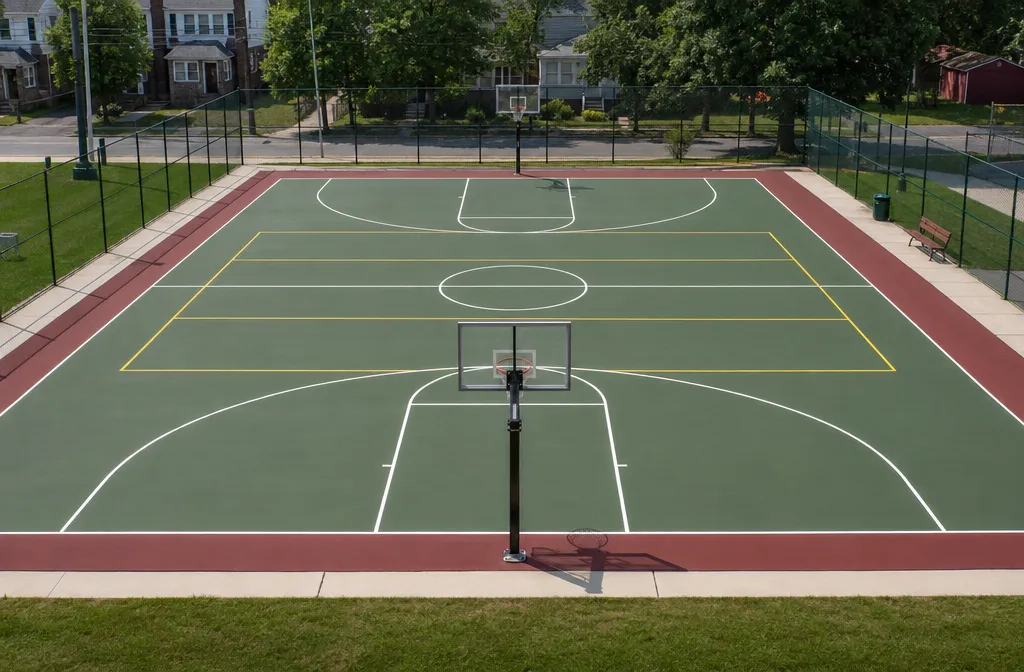 After
After
Request: Required to clean the court of trash, leaves, and dust.
Done: Swept and hauled away trash, washed the surface, removed stains.
Cost: 17 000 ₸
Master: Asset Nurlanov, Territory Cleaning Master
Total: The court is clean, free of trash and dust, surface without stains.
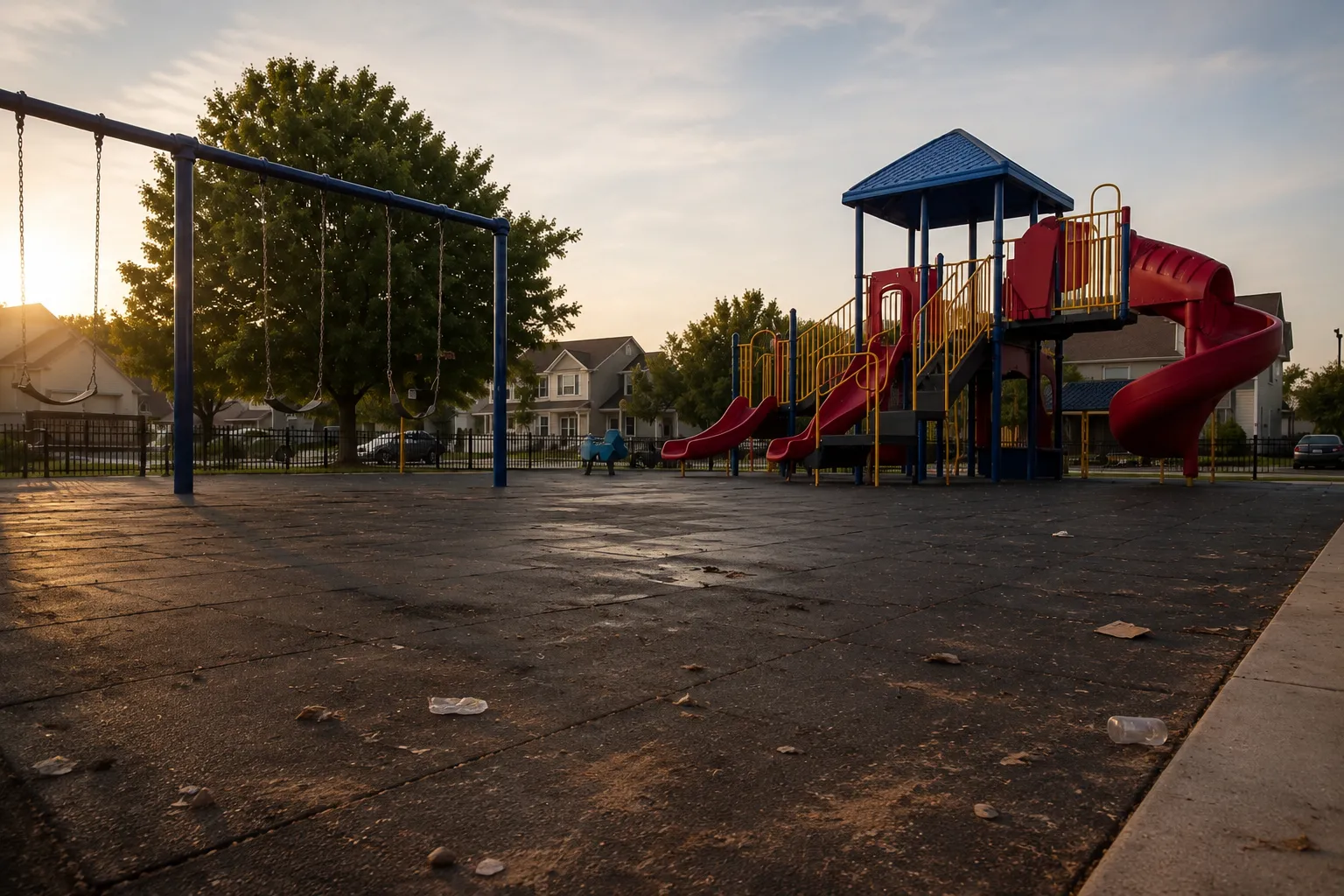
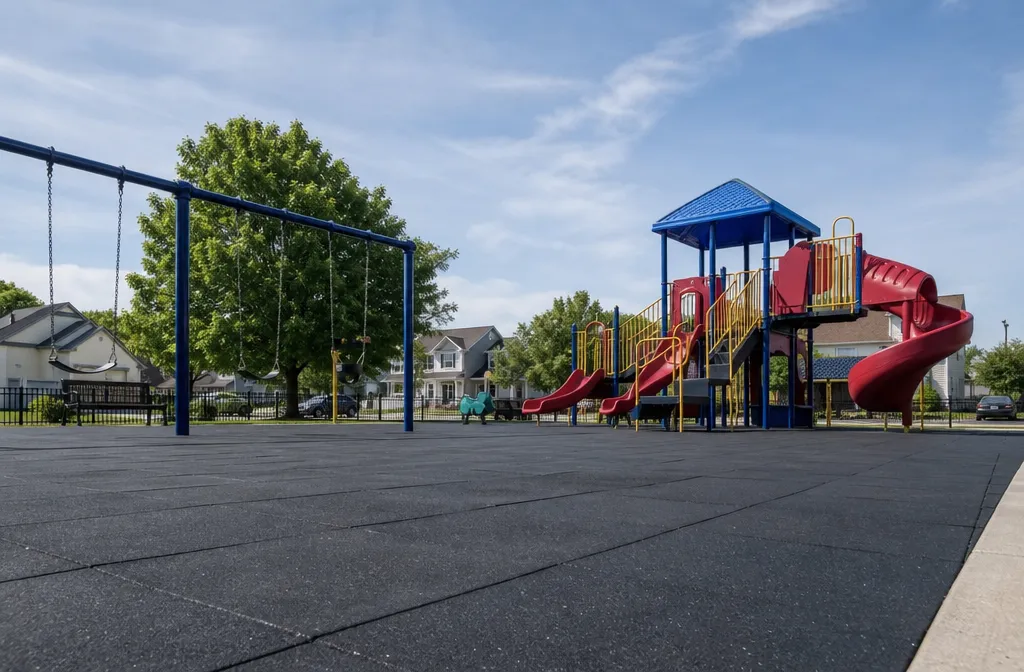 After
After
Request: It was necessary to clean the playground from trash, sand, and dirt.
Done: Collected trash, removed leaves, washed the surface and equipment.
Cost: 19 000 ₸
Master: Ainagul Zhumabekova, territory cleaning master
Total: The playground is clean, free of trash and dirt, equipment shines.
 After
After
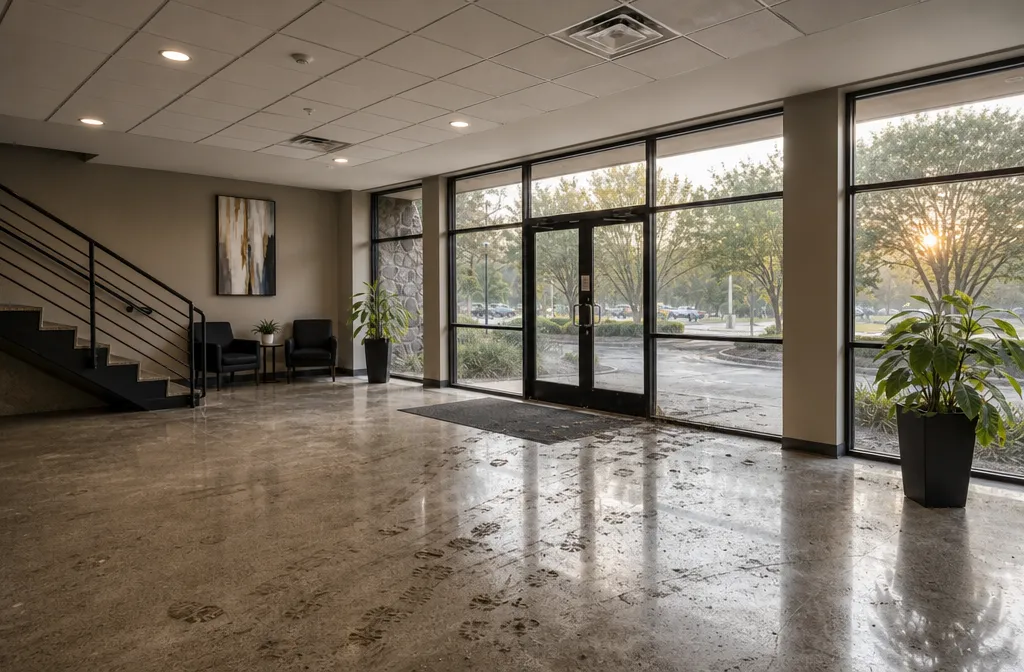
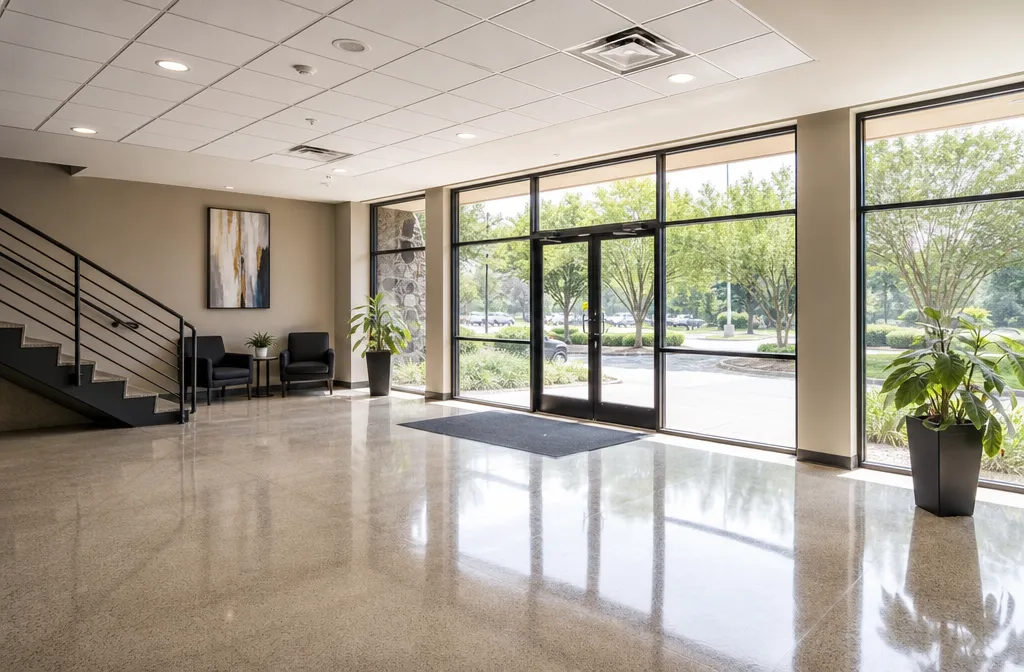
Request: It was required to clean the entrance area from dust, dirt, and shoe marks.
Done: Swept and washed the floor, removed stains from tiles, wiped doors and handrails.
Cost: 16 000 ₸
Master: Daniyar Seitzhanov, territory cleaning master
Total: The entrance is clean, floor shines, no stains or dust.
 After
After
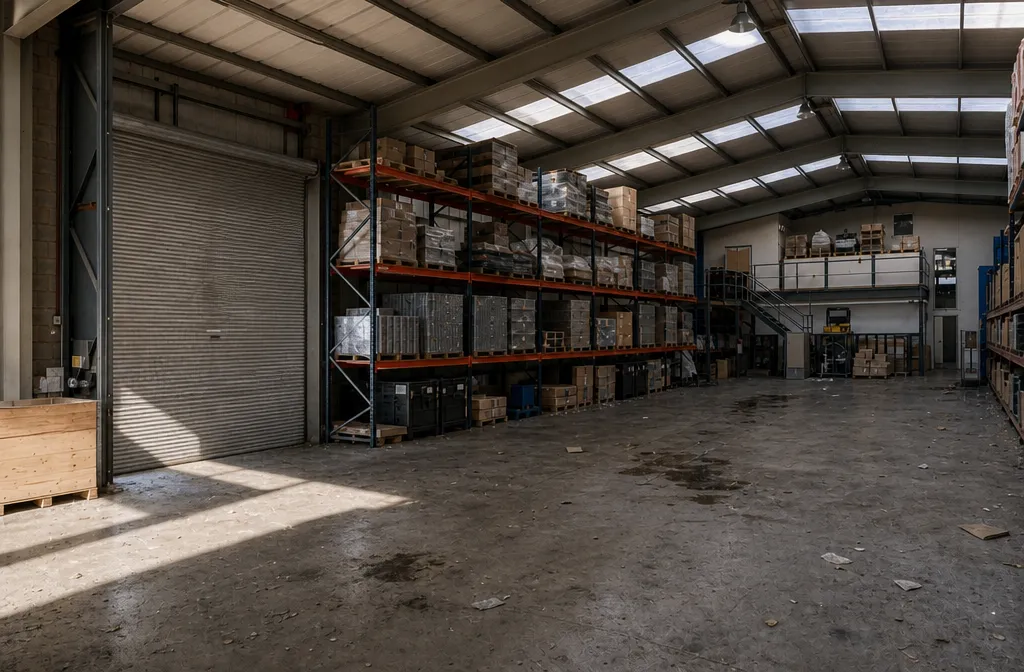
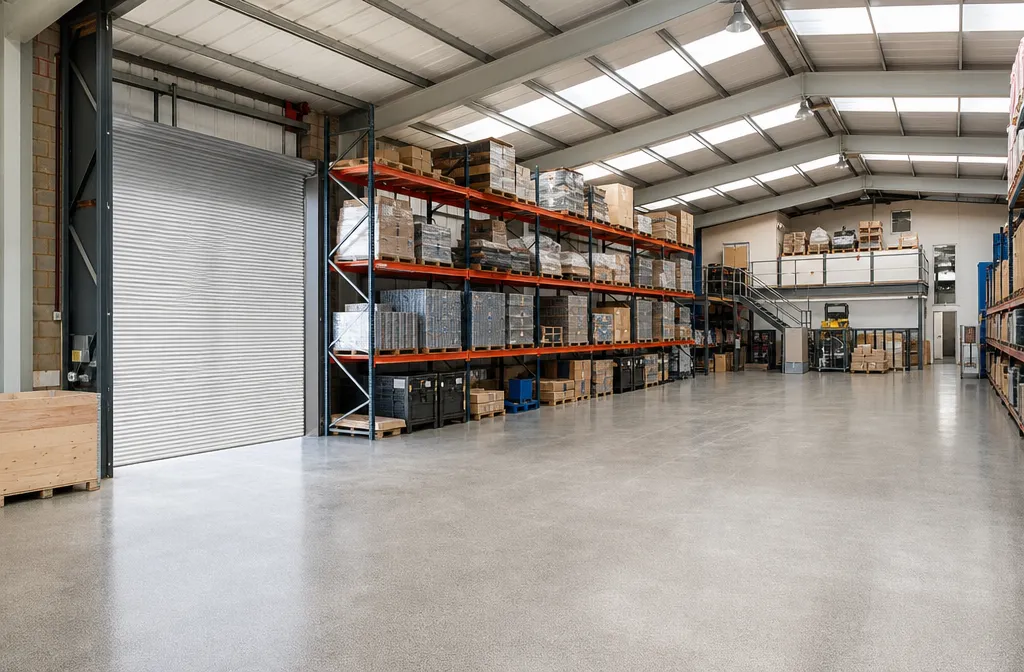
Request: It was necessary to clean the warehouse from dust, trash, and oil stains.
Done: Swept and removed trash, removed oil stains, washed concrete floor.
Cost: 17 000 ₸
Master: Nurzhan Aliyev, territory cleaning master
Total: The warehouse is clean, free of trash and stains, floor without dust.
 After
After
Request: It was required to clean the area from remaining snow, sand, and trash.
Done: Removed snow and ice, hauled away sand and trash, swept paths.
Cost: 19 000 ₸
Master: Bakhytzhan Muratov, territory cleaning master
Total: The territory is clean, free of snow and trash, paths are dry.
 After
After
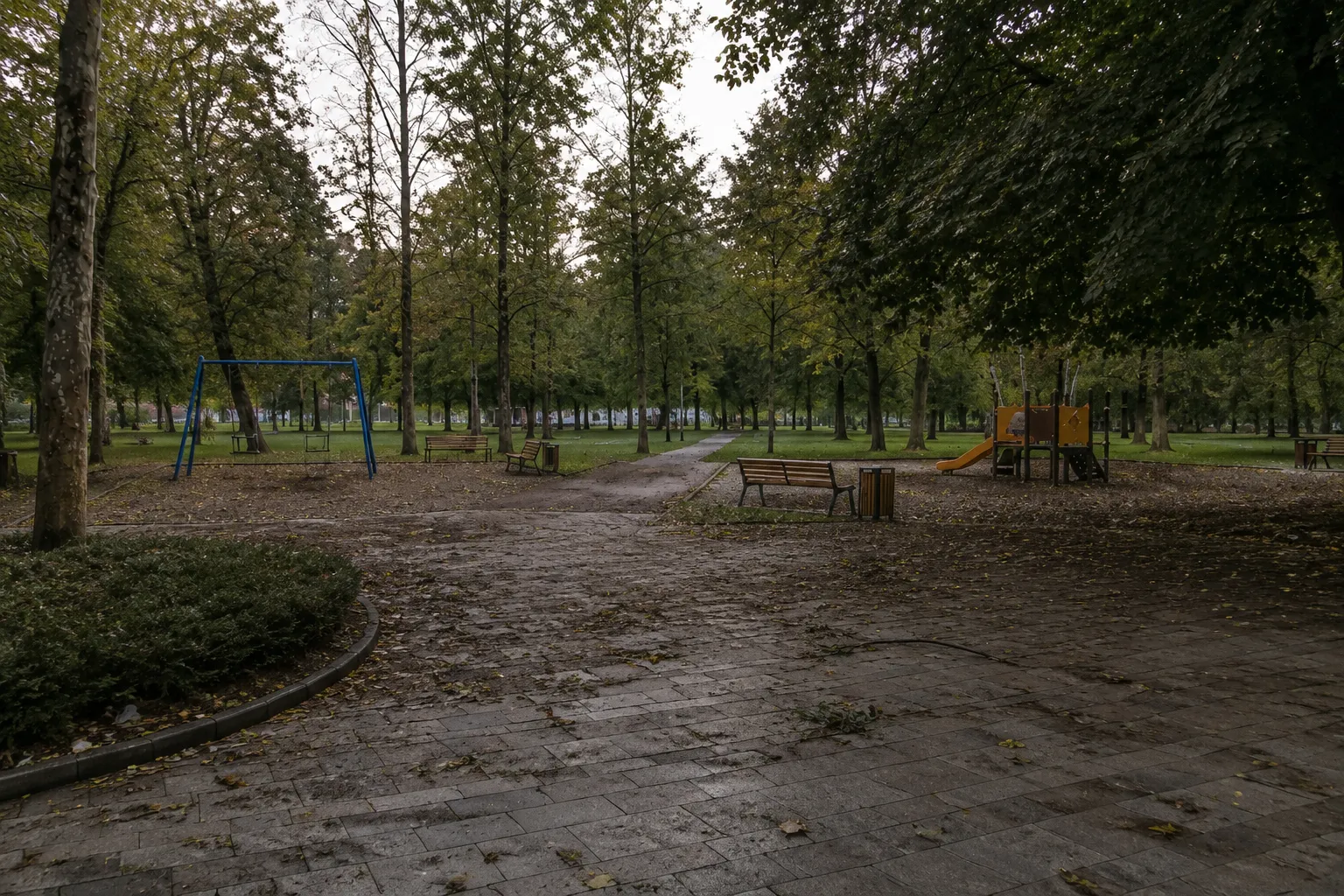
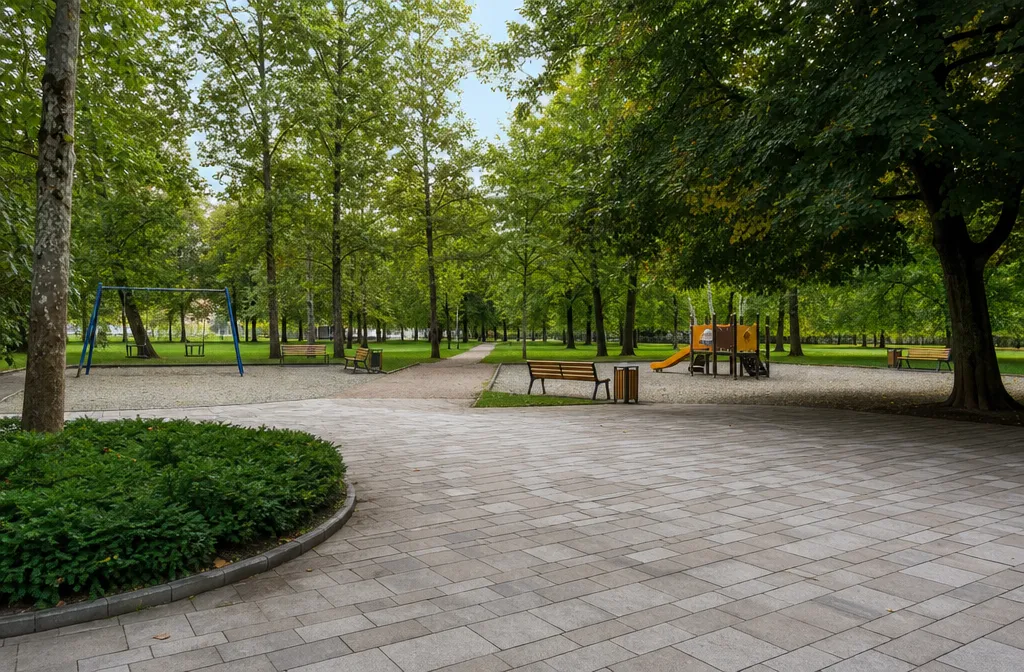
Request: It was necessary to clean the park from trash, leaves, and branches.
Done: Collected and removed trash, leaves, and branches, swept paths.
Cost: 18 000 ₸
Master: Aidar Abdrakhmanov, territory cleaning master
Total: The park is clean, paths free of trash, lawns well-groomed.
All cleaners are profi-clean staff with training, uniform and security check. Each order has a team leader who controls quality.
This question worries every plot owner or commercial area manager — after a deep clean, you want to see not only cleanliness but also living greenery without burns, and pets should not inhale chemicals. At profi-clean, we work daily with different types of surfaces and living plants, so let’s break down which formulations are truly safe and which can cause harm.
In practice, if the packaging does not have a “safe for plants” note, the product at least requires isolating the lawn with film before spraying. In our experience, there was a case where a client used a cheap concentrate for facade washing — within three days, the grass along the paths turned yellow for half a meter.
In Almaty, in spring after the snow melts, we recommend doing the first treatment with steam rather than chemicals — at this time, pets are especially active in sniffing and licking surfaces after winter, and the risk of poisoning is 2–3 times higher.
| Zone | Recommended Product | Plant Risk Level | Animal Risk Level |
|---|---|---|---|
| Concrete paths and blind area | Alkaline concentrate Kiehl (pH 8.2) | Low — when rinsed 5 meters away from the lawn | Low — after drying for 3 hours |
| Tiles and paving stones | Oxygen bleach Sodasan | Minimal — decomposes within a day | Minimal — fragrance-free |
| Lawn and flower beds | Steam treatment (120 °C) | Zero — no chemicals | Zero — no residues |
| Children’s playground | Neutral coconut-based soap | Minimal — only with direct contact | Zero — safe for human consumption |
| Parking lot and driveway | Enzyme cleaner based on bacteria | Low — biodegradable within 14 days | Low — does not attract animals |
On concrete surfaces, more aggressive chemicals are acceptable — alkali is quickly neutralized by cement dust and does not penetrate deeply. However, for paving stones with sand in the joints, it’s better to use oxygen-based compounds: they do not destroy the sand cushion and do not kill weeds, which would then have to be pulled out by hand.
In the mountainous areas of Almaty (the “Gorny Gigant” and “Kamenka” microdistricts), the soil is looser and chemicals seep through faster — there, the product dilution should be 1.5 times weaker than on the plain. This is a non-obvious point we discovered over 8 years of work: on dense clay soils of “Tastak,” the concentration can be standard, but on the foothill loams, only 50% of the norm.
Cleaning leaves and branches is not just about tidying up, but also about preventing moisture stagnation and lawn rot, which can destroy up to 30% of the root system in a season. In Almaty, the leaf fall season lasts from September to November, and during this time, up to 5–8 cubic meters of organic matter accumulates on the plot. We’ll tell you how to handle this task without harming the plants or your budget.
We recommend starting cleanup in Almaty from mid-September, without waiting for the leaves to fall completely. The reason: wet leaves that have been on the lawn for more than 5–7 days block oxygen access to the roots and provoke fungal growth — especially under the crowns of maples and poplars, which shed their leaves in waves here. In our practice, clients who started cleaning at the end of October lost up to 20% of their lawn cover in tree trunk circles by November. The optimal interval is once every 7–10 days, and raking leaves after rain or watering is useless: wet leaves stick to the rake and clog the leaf blower. Wait for the top layer to dry for 2–3 hours in windy weather or 6–8 hours in cloudy weather.
| Branch type | Volume from a typical 15-acre plot | Recommended method | Why it’s effective in Almaty |
|---|---|---|---|
| Small (up to 1 cm) and leaves | 4–6 cubic meters per season | Composting in a pile with a nitrogen accelerator | On the southern slopes of the city, compost matures in 4–6 months — by spring you get mulch for flower beds |
| Medium (1–5 cm) | 1–2 cubic meters after spring pruning | Shredding with a garden chipper into wood chips for paths | In Almaty, pine and poplar wood chips do not rot for 2–3 years — 3–4 times cheaper than purchased bark |
| Large (from 5 cm) and trunks | 0.5–1 cubic meter every 2 years | Removal by specialized equipment to a logging waste collection point | There are three such points in the city — the nearest one to the Medeu district accepts up to 10 tons per day for free |
Small branches and leaves should not be burned in Almaty: from October to November, the city has a “smoke regime” due to fog, and the fine for burning garbage on the plot is 10–30 MCI. Composting or processing into wood chips is cheaper and safer for the air.
The most common mistake is raking leaves close to the trunk of fruit and ornamental trees. In Almaty, on plots with apple, apricot, and elm trees, the root collar is often located 5–10 cm above the soil level, and mechanical cleaning with a rake exposes it — after 2–3 weeks, the open tissues freeze during night frosts. Our advice: step back at least 30–40 cm from the trunk and remove leaves in this area only with gloved hands or a soft brush. Around shrubs — currants, raspberries, honeysuckle — it is better to leave the leaves until spring: they serve as natural insulation for the roots during frosts down to –25 °C, and in the spring they are dug into the soil as organic matter. At the same time, make sure the leaf layer does not exceed 5–7 cm, otherwise slugs and fungus will breed underneath.
These two types of services are often confused, but they have fundamentally different goals, technologies, and personnel requirements. At profi-clean, we separate these areas because equipment for outdoors and for home is not interchangeable, and a mistake in choosing a method leads to coating damage or ineffective cleaning.
Territory cleaning is maintaining the sanitary and aesthetic condition of open spaces: sidewalks, lawns, parking lots, entrance groups, and recreation areas. Indoor cleaning is aimed at deep cleaning of internal surfaces — floors, walls, upholstered furniture, plumbing — taking into account interior materials. If the main enemies outdoors are pollen, leaves, road dirt, and bird droppings, then indoors they are household dust, grease, mold, and bacteria. In our practice, there was a case where a client wanted to wash facade panels with the same solution used for hall floors — this led to streaks on the alucobond, which had to be polished separately. Outdoor contaminants are more aggressive and often require acidic or alkaline solutions that would destroy laminate or paint indoors.
For outdoor areas, we use high-pressure washers (Kärcher with 150–200 bar pressure), rotary sweepers, and snow blowers — equipment designed for abrasive particles and temperature fluctuations. Indoors, we use floor scrubbers with water flow control, carpet extractors, and steam cleaners. The chemicals also differ: for outdoor areas, profi-clean uses biodegradable concentrates based on surfactants (e.g., Kiehl Line Top), which break down in the soil within 48 hours, while for cleaning, we use hypoallergenic Sodasan products labeled “for childcare facilities.” Outdoor cleaning agents often contain chlorine or alkali — their fumes in an enclosed space will irritate mucous membranes. In my opinion, the main mistake is trying to wash paving slabs with a tile cleaner: it won’t handle oil stains, and the cost of rework will double.
An indoor cleaner knows fabric and coating types and can work with an extractor and steam station. A territory specialist is an operator of heavy machinery (tiller, snow blower, ride-on mower) and a chemical technologist who calculates reagent concentration for a specific type of contamination. At profi-clean, a staff technologist creates a treatment map for each site: for a parking lot — an emulsion for bitumen stains, for a lawn — aeration and leaf collection without damaging the root system. Time standards also differ: 100 m² of indoor space takes 40–60 minutes, while 100 m² of territory takes 20–30 minutes with mechanized cleaning, but manual cleaning of tile joints can take an hour. Because of this, the cost per square meter of territory is often lower than for indoor spaces, although outdoor equipment is more expensive to maintain.
Territory cleaning in Almaty is strictly tied to the season: in spring — removal of meltwater and sand after reagents, in summer — grass mowing and poplar fluff collection, in autumn — leaves from fruit trees (apricot, apple), in winter — snowfall up to 30 cm per night and black ice. Indoor cleaning is weakly seasonal — the peak of orders for general cleaning is before Nauryz and the New Year holidays. In the mountain zone (Alatau District microdistricts), snow melts two weeks later than in the center — we have to adjust the dispatch schedule. In our territory cleaning orders, 40% are private houses in Gorny Gigant and Kok-Tobe, where not just leaf collection is needed, but also removal of windfall debris. For comparison: in cleaning, 70% of orders are apartments and offices in the center, where quietness and no chemical smell are important. We smooth out seasonal overloads by dividing crews: in winter, cleaners switch to snow removal from roofs and entrance groups, and in summer, to facade washing.
The most common one is hiring a company that specializes only in indoor spaces for outdoor work. Our clients from the Alatau village tried to save money and invited a cleaning crew for yard work — they used household chemicals that didn’t wash oil off the concrete and damaged the lawn with a concentrated alkaline solution. We had to be called in for soil remediation and deep cleaning of the tiles with an abrasive disc. The second mistake is ignoring seasonal contracts: a territory cleaning contractor must have a fleet of equipment for all seasons, otherwise in autumn they’ll arrive with a broom instead of a leaf blower, and in winter — without a salt spreader. Before signing a contract, request a territory inspection report and a sample treatment map — this will show whether the company understands the difference between cleaning and territory cleaning.
Territory cleaning in Almaty requires adaptation to the sharply continental climate of the foothills — temperature fluctuations, dust storms in summer, and heavy snowfall in winter dictate their own rules for each season.
After the snow melts in the Medeu and Bostandyk districts, a mixture of sand, reagents, and dirt remains on the sites, which ordinary sweeping only spreads around. We start the season with mechanical waste collection — Stihl BR 600 blowers remove dry debris, then we wash hard surfaces with Karcher hot water (85 °C) units and a neutral Kiehl solution that dissolves oil stains from reagents. In low-lying areas — the “Koktobe” and “Samal-2” microdistricts — meltwater stagnates, so we clean storm drains and gutters before washing. April frosts can occur until mid-month, and after washing, the asphalt may become covered with an ice crust if an anti-icing component is not added to the water — our technology provides for its dosage at temperatures below +5 °C. A common mistake is washing areas before the ground has completely dried: moisture seeps into the lawn, causing the grass to rot at the roots, so we wait for 3-4 dry days after the main snowmelt.
From June to August, Almaty experiences heat up to +35 °C, and the main problem is fine dust that settles on the leaves of shrubs and fruit trees, blocking photosynthesis. At sites in the Auezov and Zhetysu districts, we perform wet cleaning twice a week: first, we knock dust off plants with water at 40 bar pressure, then treat the lawns with the “Green-Stim” preparation to relieve dust stress. Poplar fluff — the city’s June scourge — clogs air conditioner and ventilation filters at commercial sites; we collect it with a wet broom-sweeper before it gets wet and compresses into a crust. Watering lawns on the territory is a separate task: in the heat, grass requires 20-25 liters of water per square meter per week, and we automate the process through a drip irrigation system with a timer to prevent root drying. In my opinion, the most common mistake owners make is watering the lawn during the day, in the scorching sun: droplets act like lenses, burning the leaves, so all our watering routes are set for 5:00-7:00 AM.
September-October in Almaty is the leaf fall season, and territory cleaning during this period determines the lawn’s fate the following spring. We remove leaves every 3-4 days using Billy Goat blowers and vacuums because a leaf layer thicker than 5 cm creates a greenhouse effect: the grass rots underneath, and snow mold appears. On sites with fruit trees — apples, apricots, apricots (uryuk) — we must remove the leaves from the site rather than burying them in compost, as codling moth and scab larvae overwinter in them. In October, before the first frosts, we apply potassium-phosphorus fertilizer (autumn norm — 30 g/m²) to strengthen the root system for winter. In low-lying areas — for example, near Al-Farabi Avenue — after leaf fall, we mulch the tree trunk circles with larch bark in a 5-7 cm layer: this retains moisture and prevents bark cracking during temperature fluctuations between night and day. If leaves are left for the winter, they will turn into an acidic mass that acidifies the soil and destroys the lawn — in our practice, such sites were restored for 2-3 consecutive seasons.
From November to March, Almaty receives up to 80-100 cm of snow, and territory cleaning focuses on clearing paths, parking lots, and entrance groups. We use compact Husqvarna ST 227P snow blowers for areas from 500 square meters — they fit through 90 cm openings and do not damage paving stones, unlike shovels with metal edges. Ice on tiles is the main injury risk for visitors to shopping centers and business centers; we treat paths with granite chips of 2-5 mm fraction instead of salt: salt corrodes paving joints and kills tree roots near paths. To protect perennials — roses, thujas, junipers — in November, we wrap the crowns with two layers of burlap and mulch the root zone with a 10-15 cm layer of peat. Coniferous plants in Almaty often suffer from sunburn in February-March, when the sun is already bright but the roots are still in frozen ground and cannot supply moisture — we install shading screens on the south side a month before the expected warming. In shopping center parking lots, where snow is compacted by wheels to a concrete-like state, we use the “Bionord” reagent based on carbamide — it melts ice at -25 °C and is non-aggressive to asphalt, but its excess leaves white streaks, so after a thaw, we must wash the parking lot with a high-pressure washer and neutral shampoo.
Winter territory maintenance is not just about aesthetics, but also about the safety of people and the preservation of surfaces. Let’s break down the key mistakes and methods we use at profi-clean.
Technical salt (NaCl) is the cheapest option, but in Almaty we have abandoned it: with temperature swings from -5°C during the day to -15°C at night, it causes cracking in asphalt and paving stones due to crystallization in the pores. Sand doesn’t melt ice; it only provides temporary traction — during snowfall, it gets washed into storm drains, clogging the grates. Modern de-icers based on potassium or magnesium acetate work down to -25°C, do not damage concrete, and won’t burn animals’ paws. In our territory maintenance contracts for HOAs and business centers, we use the “Bionord” mixture (1-3 mm granules) — its application rate is 40-80 g/m² compared to 150-200 g for salt. Practical tip: on tiles and terrazzo, de-icers should only be applied after mechanical territory cleaning — if you spread them on slush, the chemicals won’t reach the ice and will be ineffective.
A thin layer of ice (up to 5 mm) at temperatures above -10°C is easily removed with a scraper fitted with a rubber blade — a metal scraper leaves scratches on granite and polished concrete. Thick ice (from 2 cm), formed after a thaw and subsequent freezing, is useless to chip: you risk breaking off a piece of the surface along with the ice. In such cases, we use Kärcher HDS 7/16 C steam generators — a 140°C steam jet melts the ice into water within 3-5 minutes, which we immediately sweep away, and then treat the area with a de-icer. On sites with architectural concrete (stylobates, entrance groups), steam is the only safe method: it doesn’t create micro-cracks, unlike crowbars and picks. In my opinion, the main mistake clients make is trying to chip ice at -20°C: the ice becomes brittle, but the surface underneath is even more brittle, and chipping is guaranteed.
On parking lots over 500 m² and pedestrian zones along facades, manual spreading of de-icers from a bucket results in an uneven layer — overuse on walkways and remaining ice at the edges. We use TracMaster 60 tow-behind spreaders (working width 3-6 m) for parking lots and Solo 475 backpack sprayers for sidewalks — they calibrate the dose to 30 g/m² with an accuracy of ±5 g. An important nuance for Almaty sites: if territory cleaning is scheduled before 8 AM, and there was sleet overnight (typical for the foothills), the de-icer is applied immediately after the first pass of the snow blower, without waiting for the water to freeze on the asphalt. Our regulations for business centers on Al-Farabi Avenue state: when air humidity is above 80% and the temperature is around 0°C, treatment is repeated every 4 hours because condensation from fog creates a new layer of ice on top of the de-icer.
Snow collected from the territory should not be piled on lawns — the grass underneath suffocates within 2-3 weeks, leaving bare patches in the spring. In Almaty, this is critical for sites with landscape design (residential complexes “Triumph”, “Akbulak”): we haul the snow to a special disposal site or store it on a concrete pad sloped towards a storm drain. Another nuance is snow piles near drainage grates: when it melts, the water cannot drain, freezes at night, and expands the asphalt joints. During territory cleaning, we always leave 30-40 cm of clear space around each storm drain inlet and check that the catch basin isn’t clogged with debris before the frost sets in — this prevents spring flooding of building foundations.
Eco-friendly territory cleaning goes beyond simply choosing “safe” products — it requires understanding how each component of the process affects the soil, plants, and groundwater, especially in the conditions of the Almaty foothills.
Certified biodegradable concentrates are the foundation of safe cleaning. At profi-clean, we use German chemicals from Kiehl and Sodasan, which are broken down by microorganisms within 28 days (OECD 301B standard) and do not accumulate in the soil. These concentrates are free of phosphates, chlorine, and optical brighteners, unlike household bleaches or cheap detergents whose metabolites are toxic to earthworms and soil microflora. For Almaty areas with loamy soils and shallow groundwater (Almalinsky, Bostandyk districts), biodegradability is critical: chlorine and phosphates migrate into aquifers within 3–5 months. While local brands with eco-labels have emerged in the Kazakhstan market, we verify their compliance with European standards — Kiehl and Sodasan have laboratory protocols excluding phytotoxicity for lawn grasses and shrubs.
The main mistake is the belief that an “eco” product can be used in larger amounts than the norm. Even certified biodegradable concentrates, when the dosage is exceeded by 1.5–2 times, create a film on plant leaves, blocking photosynthesis for 5–7 days. In our practice, there was a case at the “Almaly” residential complex: after treating paths with Sodasan concentrate at double strength (the cleaner overcompensated for grease stains), the lawn along the curb turned yellow within a week. The reason — an excess of surfactants disrupted the leaf cuticle. The second typical blunder is using the same concentrate for different types of dirt (oil, bird droppings, road dust) without adjusting the pH. For oily stains on asphalt, alkaline formulations (pH 9–10) are needed; for limescale, acidic ones (pH 4–5). A universal neutral solution won’t handle either task, forcing the cleaner to use more — returning to the first mistake. Therefore, at profi-clean, a specific dilution protocol with pH meter verification is prescribed for each type of contamination on the premises.
Sweeping the area with a broom or regular brush creates a PM10 peak of up to 500 µg/m³ — 10 times higher than the WHO standard. For eco-friendly cleaning, we use equipment with HEPA filters H13–H14 (capturing 99.97% of particles up to 0.3 microns) and built-in water filters. Our Kärcher and Nilfisk scrubber-dryers are equipped with a water recirculation system: dirty water is filtered, and clean water is re-supplied to the brushes, reducing water consumption by 70% compared to hose watering. In Almaty, where water scarcity is acute in summer (especially in the Medeu district, where water comes from mountain springs with limited flow), this is a direct contribution to resource conservation. For areas inaccessible to machinery (narrow paths, flower beds), we use handheld vacuum cleaners with HEPA filters and replaceable kraft paper bags — they collect dust without raising it back into the air, unlike broom sweeping, which merely moves dust from place to place.
In spring and autumn, eco-friendly territory cleaning requires different strategies due to Almaty’s wind patterns. In March–April, when southeastern winds (from the mountains) blow, dust and pollen rise into the air and settle on leaves and surfaces — dry cleaning (sweeping) only worsens the situation. We switch to low-pressure wet treatment: moistening the surface with a Sodasan solution (0.5% concentration) fixes the dust and washes it into the storm drain without a dust cloud. In autumn, during heavy leaf fall, it is important not to rake leaves into piles on the lawn — within 2–3 days, an anaerobic environment forms underneath, killing earthworms and promoting fungi. We collect leaves with a vacuum shredder (mulching) and transport them for composting, not to a landfill. For lawns, we use a “low-mow” regime: a cutting height of 6–8 cm so that roots don’t dry out and require frequent watering — this reduces water consumption by 30% per season. In summer, during the flowering period of poplars and ragweed, wet cleaning of paths and benches is carried out twice daily (6:00 AM and 6:00 PM) to reduce the concentration of allergens in the ground-level air — this is especially relevant for residential areas like Kamenka and Orbita, which have abundant green spaces.
Ordered cleaning of the area near a private house. Leaves and branches were removed, lawn mowed, everything clean.
Thank you, Aigerim! Glad you are satisfied.
Washed the asphalt at the shopping center parking lot. Oil stains were not completely removed, but overall it became much cleaner.
After construction, we did territory cleaning: removed trash, swept, compacted the soil. Very timely.
Thank you for your feedback! Always ready to help.
Cleaned the school stadium from trash and dry grass. Children now run safely.
Ordered cleaning of the square before the holiday. Collected leaves, emptied trash bins, everything shines.
Great that we made it in time for the holiday! Thank you for choosing us.
Mowed the grass and removed weeds. Good result, but a bit delayed in time.
Needed cleaning of the parking lot area. Removed trash, swept, even refreshed the markings.
Glad you liked everything!
Sifted the sandbox, washed the slides, removed trash. Now it's a pleasure to play.
Did cleaning around the office: weeded flower beds, swept paths. Looks great.
Thank you for the review, Timur!
Cleaned the plot after winter. Did a lot, but not all branches were removed, had to arrange it myself.
Gulnara, we apologize for the inconvenience. We will take your comment into account.
Ordered cleaning of the warehouse area. Removed junk, swept, became spacious and clean.
Cleaned the park alleys of leaves and trash. Very pleasant to walk.
Thank you, Olga! We look forward to seeing you again.
Ordered cleaning of the community area: swept roads, mowed lawns. Residents are happy.
Cleaned up trash and sand from the basketball court. The surface was washed, but there are still gum stains.
Thank you for the note, we will clean it additionally.
Summer terrace and around the cafe — we cleaned the area. Tables were washed, umbrellas were wiped. Guests appreciated it.
Glad we helped create coziness!
Removed old tires, swept driveways. It looks much tidier now.
Cleaned the hospital grounds: mowed grass, removed trash. Patients are pleased.
Thank you for your trust!
Cleaned up debris after facade renovation. Overall clean, but some small debris remains here and there.
Ordered territory cleaning at the dacha: weeding beds, removing leaves. Now it's beautiful.
Great, Lyazzat! Come again.
Swept and washed floors in the bays, took out trash. Work done quickly.
Cleaned the school grounds: removed leaves, swept paths. Children are safe.
Thank you for your feedback!
Cleaned trash and dust in the warehouse. But some shelves were not wiped, had to redo.
Arman, sorry for the oversight. We'll fix it next time.
Ordered cleaning of the flower garden area: weeding, loosening, removal of dry plants. The result exceeded expectations.
Thank you, Aliya!
Removed construction debris, swept, and washed the floors. Now it's clean to work.
Needed cleaning of the parking lot area: removed trash, washed the asphalt. Cars are now clean.
Glad you're satisfied!
The field was mowed, markings updated. But not all pits were filled — please finish.
Bauyrzhan, thank you for your feedback. We'll finish it soon.
Before the season opening, we cleaned the restaurant area: washed the terrace, cleaned the paths. Everything is perfect.
Cleaned the construction site after foundation pouring. There was a lot of debris, but we handled it excellently.
Thank you for your trust, Yermek!
Ordered cleaning of the dacha area: mowed the grass, removed dry branches. Now we can relax.
Removed trash and leaves, but puddles after rain were not removed. Overall okay.
Dmitry, we'll take note of your wish.
Cleaned the hotel grounds: pool, sun loungers, paths. Guests are delighted.
Thank you, Assel! Glad to cooperate.
Cleaned the square of trash, painted the benches. Now it's pleasant to sit.
Before September 1, we ordered cleaning of the school grounds. Everything was washed, mowed, trash removed. Great!
Thank you, Zukhra! Have a successful school year.
Mowed the lawn but left piles of cut grass. Had to clean up ourselves.
Ilyas, we apologize. We'll be more careful in the future.
Ordered cleaning of the playground: sifted sand, washed slides, removed trash. Kids are happy.
Cleaned the factory grounds: removed scrap metal, swept. It's safe now.
Thank you for the feedback, Artur!
Cleaned the parking lot: washed asphalt, removed trash. Cars are clean.
Leveled the field, applied markings. But didn't remove stones from the edges — you could trip.
Rinat, we'll fix it soon.
Before opening the summer terrace, we cleaned the grounds. Everything sparkles, guests are happy.
Thank you, Sabina!
Cleaned up trash and dust in the garage, removed old spare parts. Now it's tidy.
We recommend a deep cleaning once a month and maintenance cleaning weekly. For lawns, mowing once every 2 weeks during the season is sufficient.
Leave a request on the website or call us. The manager will clarify the area and type of territory, and agree on the date and time for the team to arrive.
Deadlines depend on the area: up to 10 acres — 2-3 hours, up to 1 hectare — 4-6 hours. The exact time is agreed upon during assessment.
Yes, we perform both one-time and regular cleanings. One-time orders are possible without a contract, payment in cash or via Kaspi.
Yes, we work daily from 8:00 AM to 8:00 PM, including Saturdays and Sundays. Weekend visits have no extra charge.
We accept cash, Kaspi Gold, Halyk Bank, as well as non-cash payments with VAT. No prepayment required.
For one-time orders, a contract is not mandatory, but we recommend it for guarantee. For regular service, a contract is signed for a period of at least 1 month.
Yes, we provide snow and ice removal services using Husqvarna snow blowers and anti-icing reagents.
After cleaning, we issue a certificate of completion and a receipt. For legal entities, closing documents with VAT.
Yes, when signing a contract for monthly cleaning, a 10% discount is provided, and for weekly cleaning, a 15% discount.
Tell us about your experience with profi-clean — it helps other clients and us improve.
We currently operate in Almaty. Other cities are coming soon.