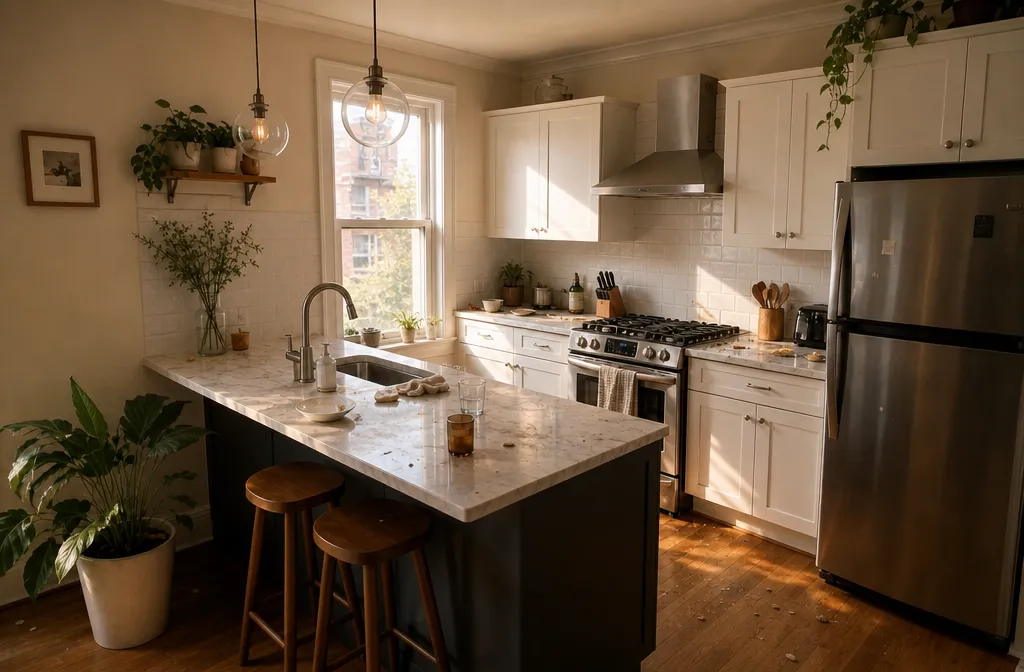
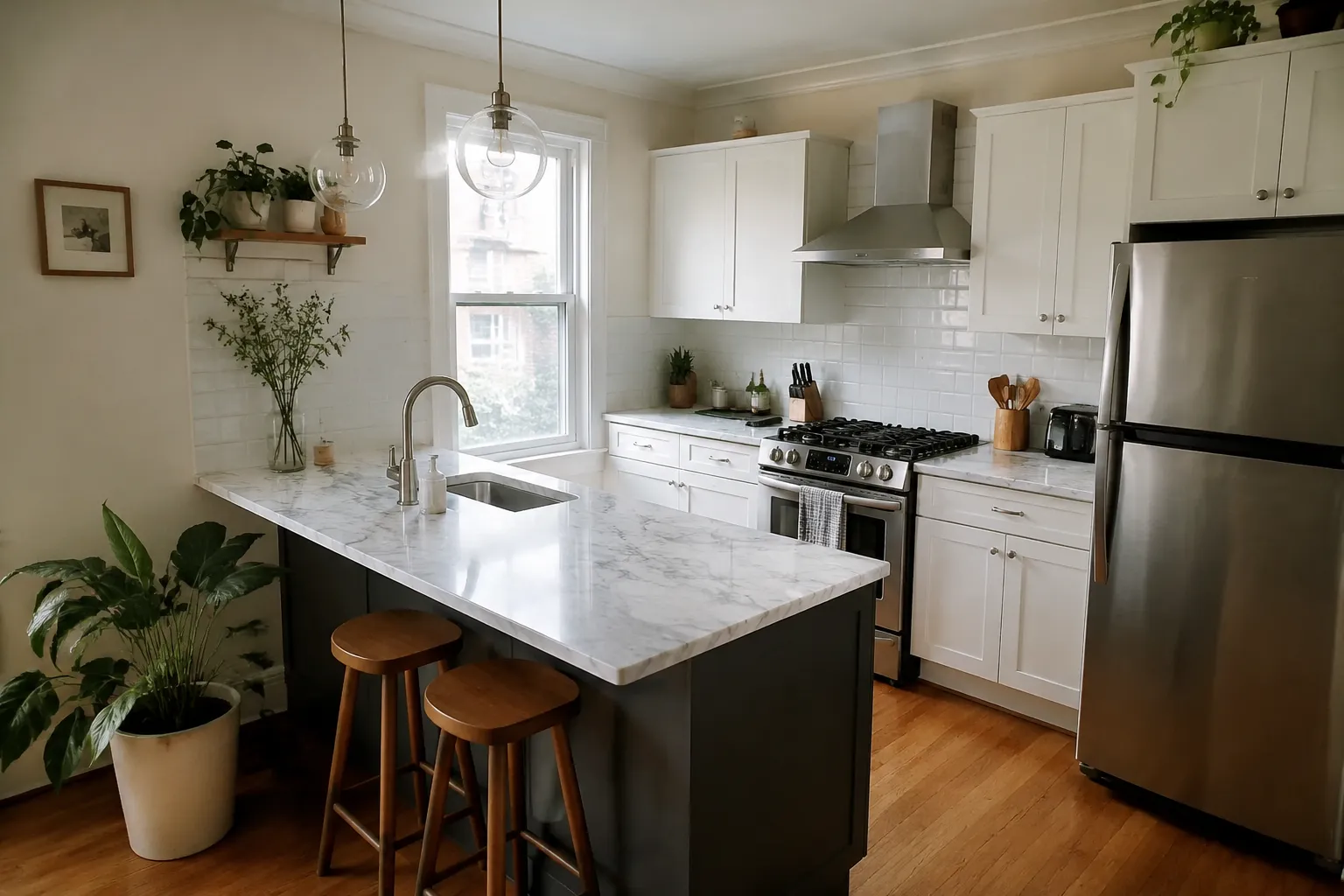
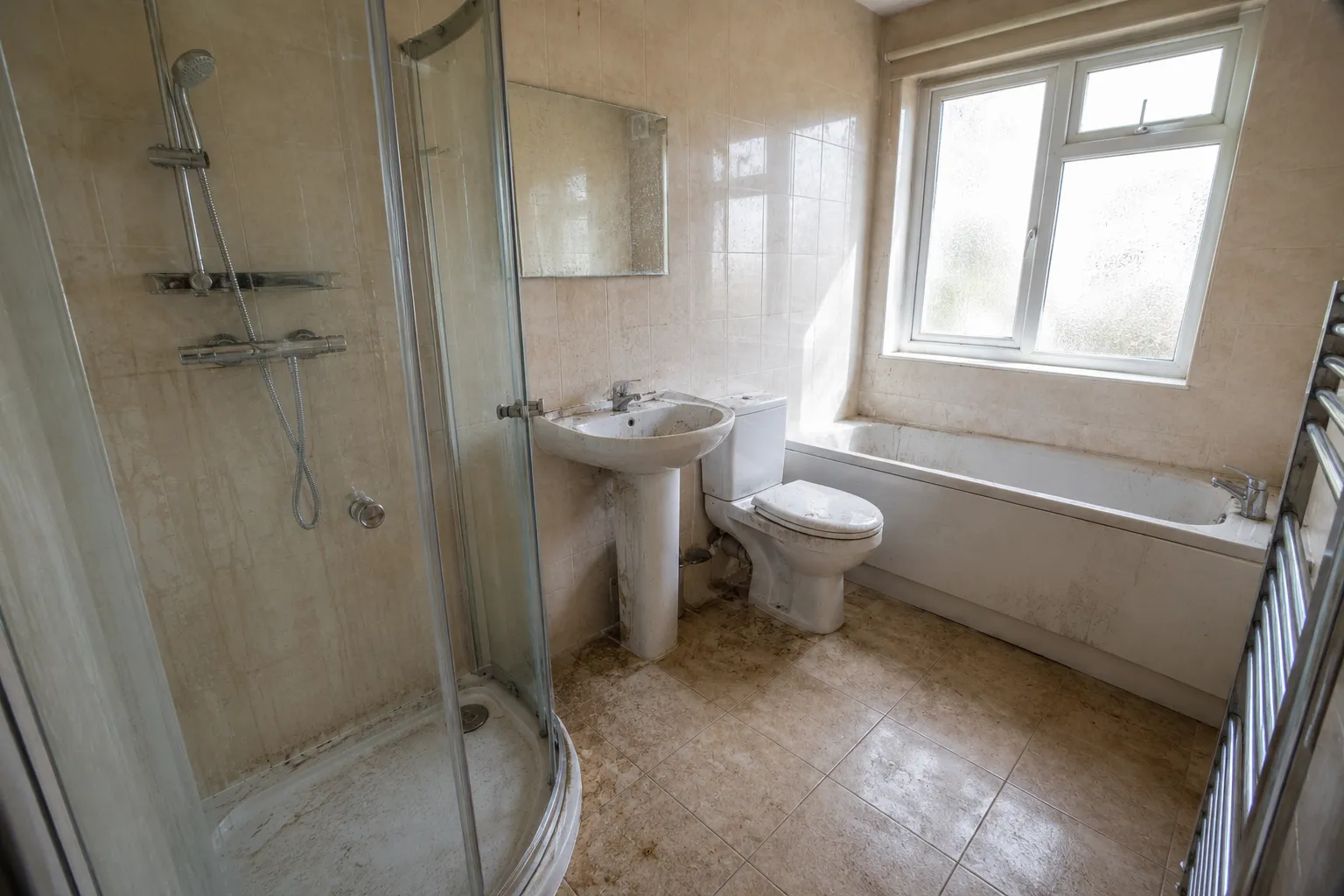
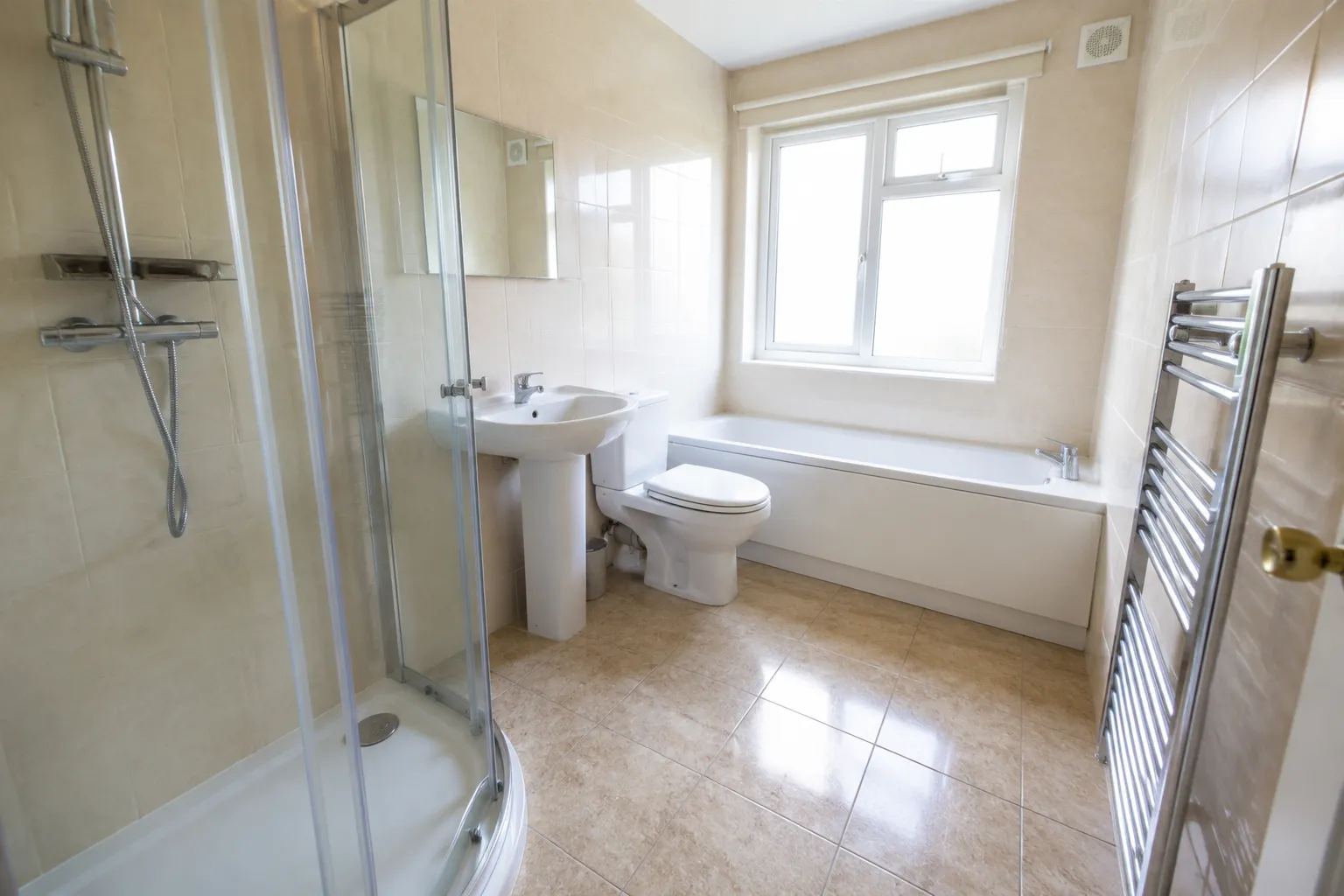
How VIP Cleaning Differs from General Cleaning
At first glance, VIP and general cleaning seem similar: both are deep and labor-intensive. But the difference lies not in the scope of work, but in the approach to the task and the final result you receive.
Different Depth of Surface Treatment
General cleaning aims to remove visible dirt and dust from all open surfaces: floors, baseboards, window sills, radiators are washed, cabinets are wiped inside and out. The VIP format at profi-clean goes down to the level of microparticles that settle in the most inconspicuous places — the top edges of kitchen cabinets, the back walls of the refrigerator, ventilation grilles, and the tops of interior doors. These areas become sources of allergens and dust mites, especially in Almaty apartments with stretch ceilings, where dust accumulates for years. In VIP cleaning, we use Karcher SG 4/4 steam cleaners with a steam temperature of 140°C — it disinfects and removes old deposits without chemicals. Our practice shows: after general cleaning, up to 30% of dust remains on top shelves; after VIP cleaning, less than 5%.
Approach to Hard-to-Reach Areas
- Back walls of household appliances: during general cleaning, the refrigerator and washing machine are usually not moved — only visible parts are wiped. In the VIP format, appliances are moved, the space behind them is cleaned, and the back wall is treated for dust and condensation.
- Interior cavities of furniture: general cleaning only affects drawers and shelves that can be pulled out. In VIP cleaning, we remove fronts, clean the internal frames of cabinets, guides, and drawer bottoms from crumbs and small debris.
- Lighting fixtures: chandeliers and sconces are usually not included in general cleaning — only accessible shades might be wiped. VIP cleaning includes dismantling fragile elements, washing each part, and reassembling without streaks.
- Heating radiators: during general cleaning, they are wiped from the top, but in VIP cleaning, we use special brushes for the inter-section space, where a layer of dust up to 2 mm accumulates over the winter.
- Area behind the toilet and siphon: standard cleaning only washes the outside of the plumbing, while VIP cleaning includes dismantling the siphon, cleaning the inside of the toilet bowl, and treating the floor behind it — an area where mold often develops in Almaty apartments with poor ventilation.
Chemicals and Safety for Residents
General cleaning often uses universal detergents — they handle grease and limescale but leave a chemical residue on surfaces that can cause allergies for household members. In VIP cleaning, profi-clean uses professional hypoallergenic chemicals from Kiehl and Sodasan — they are biodegradable and contain no chlorine, phosphates, or aggressive surfactants. On kitchen surfaces and children’s toys, we use products with a pH of 5.5 — they do not erode the protective layer of the material and are safe in case of accidental contact with food. The difference is fundamental: after general cleaning, the apartment needs to be aired for 2-3 hours due to the smell of chemicals; after VIP cleaning, you can enter immediately. For families with children under three years old or asthmatics, we recommend the VIP format — it eliminates the risk of respiratory tract irritation even with prolonged stay in the room.
Equipment and Air Filtration
General cleaning is usually done with a regular vacuum cleaner with a dust bag — it releases up to 40% of fine particles into the air, which then settle back down. VIP cleaning at profi-clean is performed with industrial vacuum cleaners equipped with HEPA filters class H13 — they capture 99.97% of particles as small as 0.3 microns, including pollen, mold spores, and pet dander. After standard cleaning in an Almaty apartment with plastic windows, the concentration of suspended PM2.5 particles in the air can remain elevated for another 4-6 hours. After VIP cleaning with HEPA filtration, the air becomes cleaner than outside — this is confirmed by measurements with our laser particle counter before handing over the property. If there is an allergy sufferer in the house, general cleaning without quality filtration will only worsen the situation, while the VIP format provides real relief.
Approach to Disinfection
General cleaning does not include targeted surface disinfection — cleaning agents remove dirt but do not kill 100% of bacteria and viruses. In the VIP format, we treat all contact zones (door handles, switches, remote controls, handrails, faucets) with antiseptic solutions based on QAC (quaternary ammonium compounds) with a 10-minute exposure — this kills up to 99.9% of pathogens. In Almaty apartments, where windows are rarely opened in winter, up to 500 CFU/cm² of bacteria accumulate on handles and switches over the season — more than on a toilet seat. During VIP cleaning, we treat these points twice: first with a cleaning agent, then with an antiseptic. For families with infants who put everything in their mouths, or for people with weakened immune systems, such double treatment is not a luxury but a necessity.
What contaminants are removed during VIP cleaning
profi-clean VIP cleaning is designed to remove contaminants that standard cleaning or even general cleaning cannot handle: from stubborn grease deposits to pollen and biological traces. We break down the apartment or house by layers of contamination — from visible debris to microparticles settled in porous surfaces.
Mineral and construction contaminants
Cement dust, fine construction particles, and grout residue are among the most aggressive contaminants after renovation. Cement and gypsum particles have an abrasive structure: during regular wet cleaning, they scratch laminate flooring, polished countertops, and glass facades. In our practice, there was a case where a client tried to wash grout residue off a shower partition with a regular cleaning agent — a month later, matte streaks remained on the glass, requiring polishing. During VIP cleaning, we use pH-neutral solutions with chelating agents (Kiehl Deep Clean) that bind calcium and cement ions without damaging the surface. To remove hardened splashes of mounting foam, we use a special remover Sodasan, which softens the foam without acetone — otherwise, chemical burns remain on plastic windowsills. Special attention is given to micro-cracks in tiles: without a professional extractor, construction dust remains in the joints at a depth of 1-2 mm and resurfaces upon first contact with water.
Grease and oily deposits
Kitchen grease settles not only on the hood and tiles but also on the ceiling, cabinet doors, and cornices — at heights up to 3 meters, the grease layer can reach 0.3–0.5 mm over six months of active cooking. Regular dish gels do not break down polymerized grease (that which has been heated): it turns into a film resembling varnish. For VIP cleaning, we use alkaline solutions with a pH of 10–12 (Kiehl Fat Dissolver), which hydrolyze grease into glycerin and soap — this is the only way to remove the deposit without abrasives. On wooden facades, grease penetrates into the pores, and if scrubbed with a hard sponge, the protective lacquer coating wears off — we use long-pile microfiber and let the solution sit for 3-5 minutes before rinsing. Our experience shows that on MDF cabinets without a protective film, grease is only removed with steam at 120°C — otherwise, yellow stains remain, appearing after a week.
Biological contaminants and organic matter
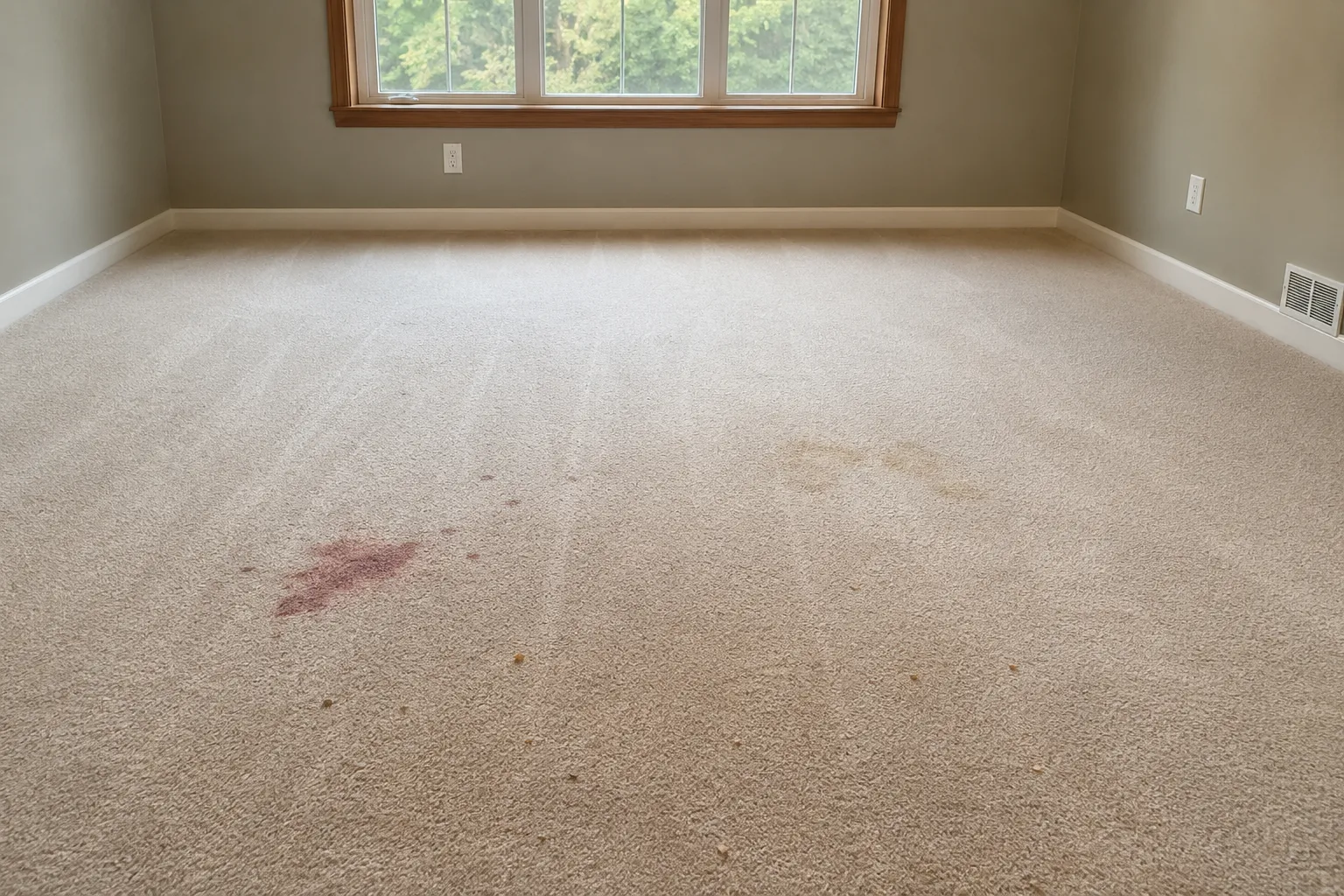
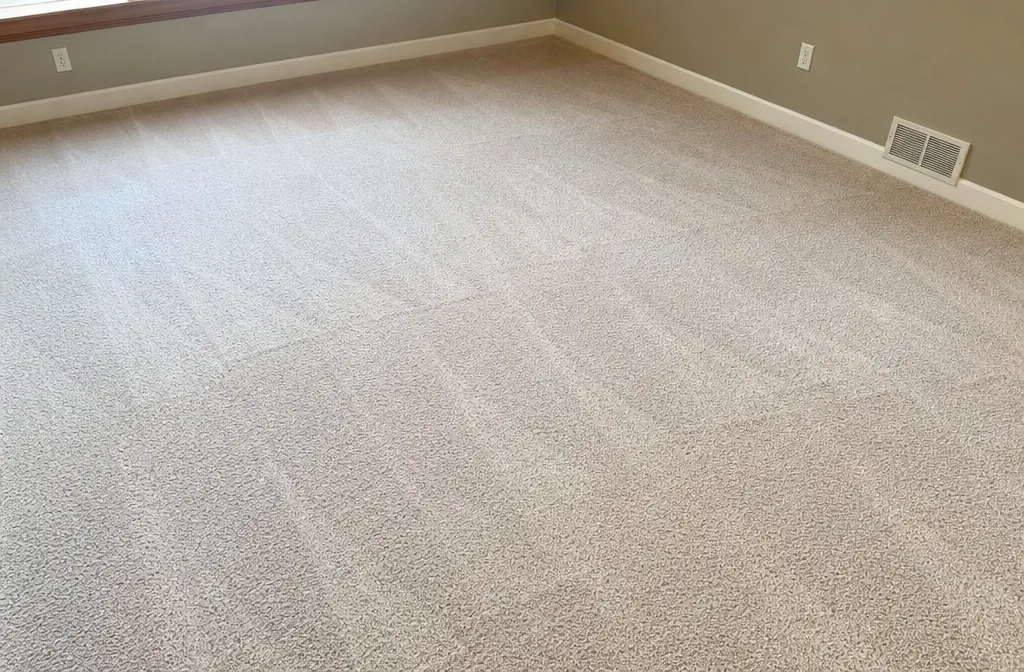
Mold, fungus, traces of insect and pet activity — a category requiring disinfection without toxic fumes. In Almaty, due to high humidity during the off-season (especially in ground-floor apartments and basements), black mold Aspergillus niger appears on tile joints in the bathroom and under the kitchen sink. During VIP cleaning, we do not just wash off visible deposits — we treat the affected area with oxygen bleach Sodasan (active oxygen 12%), which destroys mycelium up to 2 mm deep in the grout. Pet urine stains on carpets are a separate issue: uric acid crystallizes in the fibers and remains after regular cleaning; when re-wetted, the smell returns. We use an enzyme neutralizer with a bacterial culture that breaks down the crystals into water and carbon dioxide within 10-15 minutes. After this treatment, the carpet does not smell even at 60% indoor humidity.
Pollen, allergens, and microparticles
Plant pollen, house dust mites, mold spores, and skin cell particles are invisible contaminants that a damp cloth cannot remove. Standard cleaning merely redistributes them through the air: microparticles measuring 0.3–5 microns (PM2.5) resettle on surfaces within 20–30 minutes. During profi-clean’s VIP cleaning, we work in three stages: first, we vacuum with an H13-class HEPA filter (capturing 99.97% of particles down to 0.3 microns), then we wipe all surfaces with a damp microfiber cloth treated with an antistatic agent (Kiehl Anti-Dust), and finally, we treat textiles and upholstered furniture with dry steam at 130°C — this destroys dust mites up to 3–4 mm deep in the upholstery. For apartments with allergy sufferers, we additionally flush the air conditioning system: the indoor unit can accumulate up to 200 grams of pollen per season, and without disassembling the filters, VIP cleaning does not provide a lasting effect — allergens return within 2-3 days with the first use of the split system.
Special Care for Premium Surfaces
VIP cleaning differs from standard cleaning not so much in the set of actions, but in the approach to each surface: premium interiors in Almaty feature materials that standard chemicals and rough mechanics can simply destroy. Let’s break down the nuances of working with delicate coverings — from marble to natural silk.
Marble and Natural Stone: Why You Can’t Wash with Vinegar and Bleach
Marble is a carbonate rock that reacts with acids: vinegar, lemon juice, and even some household cleaners leave dull spots — micro-etchings that cannot be washed away and require re-polishing. In Almaty, marble is often laid in hallways and kitchens, where it is exposed to juices, wine, and coffee. At profi-clean, we use only neutral pH products (pH 7–8) on a water base — for example, the Kiehl line for stone, which does not disrupt the crystal lattice. The second risk is abrasive sponges: the rough side leaves scratches where dirt gets embedded. For marble, we use microfiber cloths with a density of 300–400 g/m² and a soft pile. After wet cleaning, we always apply a protective crystallizer impregnation — it extends the shine for 6–8 months. If the marble already has acid etching, only professional grinding with diamond discs can save it, but this is a separate service not included in regular VIP cleaning.
Lacquered Wood and Veneer: Water is the Main Enemy
Engineered wood flooring with a lacquer coating or furniture made of natural veneer fears stagnant moisture: if you leave a wet cloth on a lacquered surface for 10–15 minutes, the lacquer begins to cloud, and water seeps into the joints, causing swelling. In Almaty apartments with underfloor heating, this risk is higher — temperature fluctuations expand micro-cracks. Our technology: a slightly damp cloth (wrung “dry”), movement strictly along the grain, without circular rubbing. For stain removal, we use alcohol-based products with no more than 10% concentration, as they evaporate faster than water. Once a quarter, we apply a wax or oil polish based on carnauba wax — it prevents the lacquer from drying out and cracking. We never use steam cleaners on veneer: steam under pressure penetrates under the lacquer layer and peels it off. Before VIP cleaning in homes with wooden floors, we check the humidity level with a hygrometer — if the room is dry (below 40%), we humidify the air before washing to prevent the wood from “pulling” moisture from the cloth.
Natural Silk, Velvet, and Velour: Dry Cleaning or Steam?
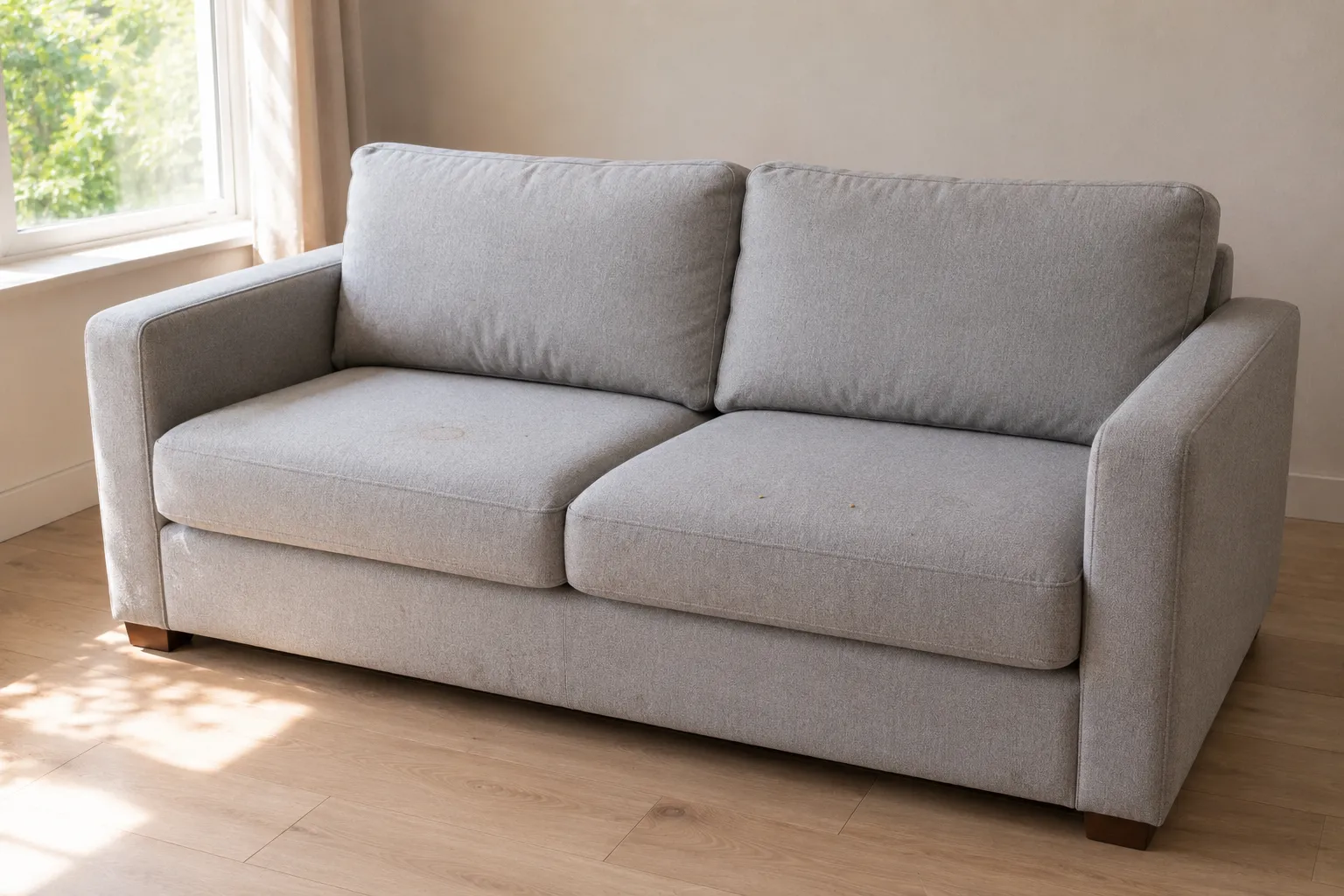
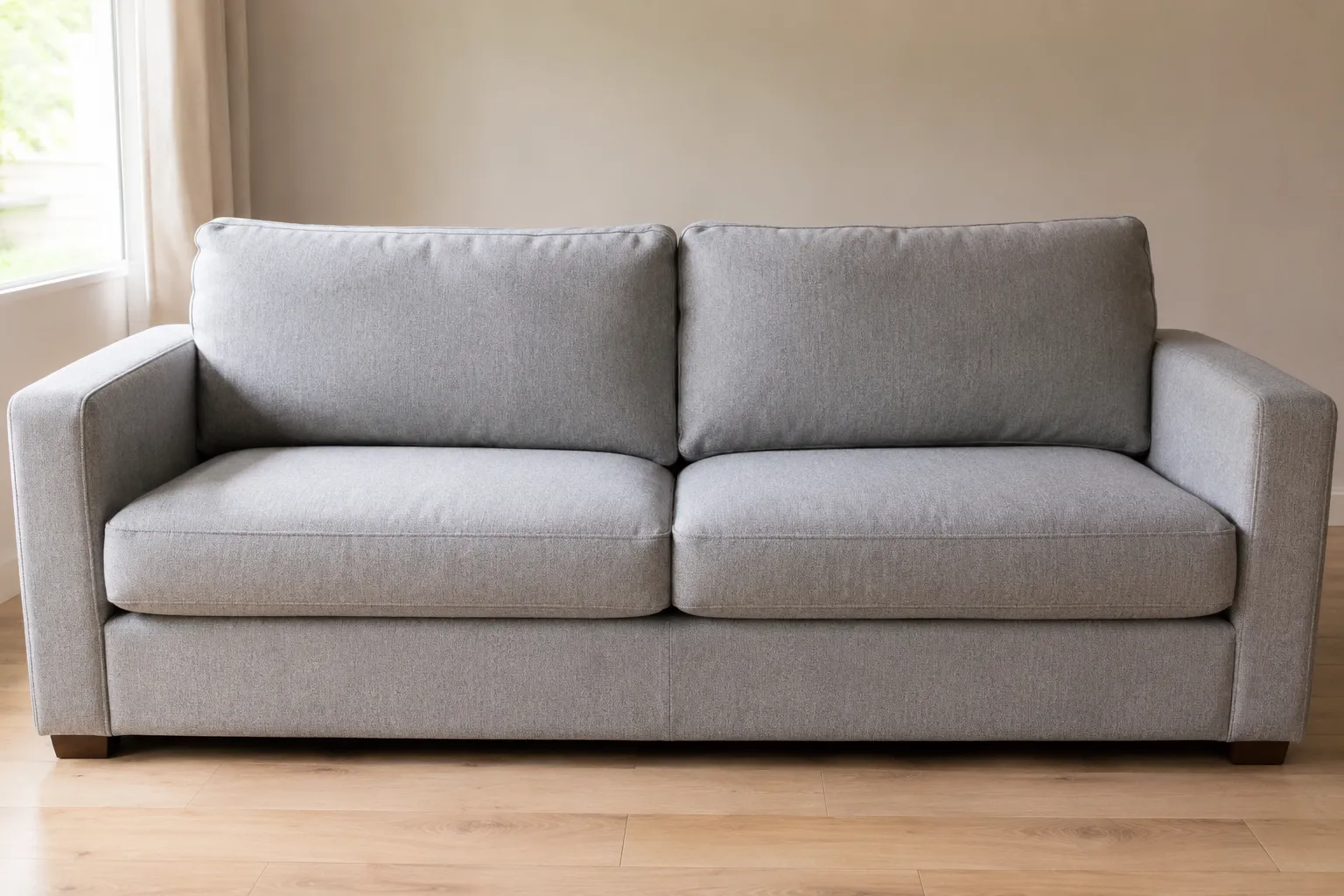
Curtains made of natural silk, velvet chair upholstery, velour bedspreads — all these fabrics require different modes. Silk shrinks and loses color at temperatures above 40°C, so we hand-wash it in cold water with a special shampoo (alkali-free) and dry it flat away from radiators. Velour and velvet are pile fabrics: if you rub them with a wet brush, the pile gets flattened and “bald spots” appear. At profi-clean, we clean velour using the dry foam method: we apply a foamed solution (Sodasan for delicate fabrics), let it dry for 30–40 minutes, then collect it with a vacuum cleaner with a turbo brush. For velvet, we only use a steam cleaner with low pressure (up to 3 bar) and a brush attachment with natural bristles — the steam softens the dirt but does not flatten the pile. A common mistake owners make is trying to remove a stain from velvet with a damp cloth: the dirt gets smeared deeper, and after drying, a halo remains. In Almaty, where there is a lot of pollen and poplar fluff in the spring, delicate fabrics get clogged especially quickly — we recommend vacuuming velour furniture once a week with a brushless attachment.
Matte and Glossy Kitchen Facades: Different Chemistry
Kitchen facades made of MDF with matte enamel, glossy plastic, or acrylic are three different materials that react differently to the same products. Glossy acrylic gets scratched even by microfiber with coarse pile (e.g., old rags) — we use 100% polyester wipes with a density of 320 g/m², which leave no micro-scratches. Matte enamel is afraid of acetone-based degreasers — they wash off the top layer of paint, leaving whitish stains. In practice, in Almaty apartments with active cooking (pilaf, manti, frying), grease deposits on facades harden within 2–3 days, and regular products can’t remove them — preheating with steam at 60 °C and an alkaline solution with pH 9–10 followed by neutralization is required. We apply the solution for 3–5 minutes, rinse with distilled water, then polish the facades with an antistatic agent — it repels dust for 2–3 weeks. It is forbidden to use abrasive pastes on any glossy surfaces — they leave a “cobweb” of scratches visible under side lighting. In homes with premium kitchens (Scavolini, Valcucine), we always request the material passport from the manufacturer — not all “universal” products are suitable even for one brand.
Mirrors, Glass, and Chrome Faucets: Streak-Free
Premium interiors often feature large mirror panels (floor-to-ceiling, built into wardrobes) and frosted glass partitions — for example, in showers. Mirrors in Almaty suffer from hard water: calcium salts leave a white residue that cannot be removed with regular glass cleaner. We use distilled water and a solution with isopropyl alcohol (30%) — it evaporates without streaks and leaves no rainbow film. Chrome faucets (Grohe, Hansgrohe) require a different approach: acidic cleaners are unacceptable (they etch the chrome coating), and abrasive sponges leave matte spots. In practice, in Almaty apartments with water hardness of 7–8 mg-eq/L, limescale on faucets appears within 2–3 weeks — we remove it with a paste based on citric acid (5% concentration, 2-minute exposure time) and polish with microfiber to a shine. We clean frosted glass partitions in showers only with a soft sponge and a neutral cleaner — using a steam cleaner on frosted glass can leave streaks that appear after drying. After cleaning, we apply a water-repellent spray to the glass — it reduces the frequency of cleaning by half and prevents the formation of “stone” deposits.
How to Prepare Your Apartment for VIP Cleaning
Preparing for VIP cleaning in Almaty differs from regular tidying up — it reduces the cleaners’ work time by 15–20% and improves the quality of the final result. I’ll tell you what to do before our arrival to make the premium cleaning as effective as possible.
Clearing Surfaces of Personal Items
Personal items on tables, dressers, and windowsills slow down the cleaner’s work by 30–40 minutes per shift. Before the profi-clean team arrives, we ask you to remove cosmetics, documents, jewelry, and small decor from horizontal surfaces — our team does not move other people’s items to avoid losing anything. On open shelves in Almaty living rooms, books, souvenirs, and photo frames are often placed: it’s better to gather them in one group on the floor or in a box, rather than leaving them individually. In bedrooms with vanity tables, clear the countertop itself — we will carefully wipe the bottles and jars from the outside, but we do not look inside the drawers. In the kitchen, remove bread bins, sugar bowls, and cutting boards from the work area — this allows the technician to treat the entire countertop surface without gaps. In children’s rooms, our team does not touch toys assembled into structures, but it’s better to put small parts on the floor into a container — this speeds up vacuuming. In my opinion, the main rule is to simply put items you don’t want touched into a closed closet or drawer: this eliminates questions for the cleaner and maintains your boundaries.
Protecting Particularly Fragile Items
Fragile items — vases, figurines, collectible glass — we recommend putting them away in a cabinet or removing them from open shelves before a VIP cleaning. In our orders in Almaty, we encounter antique chandeliers from Bohemia and Japanese porcelain on consoles — their value can reach a significant amount, and standard cleaning insurance does not cover accidental chips. If an item cannot be moved (e.g., a built-in illuminated display case), notify our dispatcher in advance — for such areas, we assign an additional staff member to secure fragile elements during wet cleaning. Paintings and mirrors in heavy frames are removed and wiped separately by us, but small wall panels without fasteners are best taken down before our arrival. In apartments with premium renovations on Al-Farabi Avenue, marble sculptures and designer Murano glass lamps are often present — we treat these only with a dry cloth, but if you remove them beforehand, the cleaner can wash the floor underneath without risking damage to the fragile decor. By the way, glass coffee tables with thick tops weigh up to 40 kg — they don’t need to be moved; just clear the surface, and our team will work around the legs from both sides.
Preparing cabinets and dressing rooms
VIP cleaning includes treating the front facades of cabinets and top shelves, but not the interior contents of dressing rooms. To allow the profi-clean cleaner to wipe the doors without obstruction, close all drawers and ensure that doors are not blocked by clothes hanging from hangers. In dressing rooms with an area of 6 m² or more, which are found in elite residential complexes in Almaty (e.g., “Triumph,” “Moscow”), we wipe all open shelves with shoes and accessories — if belts or watches are lying on them, put them away in a closed case. Wardrobes with mirrored doors are cleaned with a special streak-free solution, but before that, close the doors to prevent the solution from getting on clothes. In dressing rooms with open storage systems (rail systems, rods), our team does not remove hangers — they simply vacuum the floor and wipe accessible horizontal rods. Built-in wine cabinets and cosmetic refrigerators are treated externally, but we do not open them — keep access to the front panel clear. If you have a closed safe or a box with documents, simply inform the administrator when placing the order — the cleaner will work around this area along the perimeter, without touching the locks.
Ensuring access to all areas
Access to remote areas — mezzanines, storage rooms, balconies, and loggias — speeds up VIP cleaning by 20–30 minutes. Before the profi-clean team’s visit, open doors to all rooms, including dressing rooms, laundry rooms, and utility rooms — if any door is locked, the cleaner will not be able to vacuum the floor underneath. Balconies and loggias in Almaty’s new buildings are often cluttered with boxes and construction materials — it’s best to remove them or group them in one corner so that the technician can treat the entire floor area. In apartments with panoramic windows spanning 5–8 meters, remove potted houseplants from the windowsills — our team washes windowsills and frames on both sides, and plants may get in the way or suffer chemical burns. Mezzanine cabinets under the ceiling are not opened by us, but if you want the cleaner to wipe their doors, remove boxes and bags from them. In private houses and penthouses with terrace access, ensure a passage to outdoor furniture — our team treats it as well, if specified in the order. Additionally, if the home has a winter garden or greenhouse with tropical plants, notify the dispatcher in advance: we use only water-based solutions without alcohol to avoid damaging the leaves.
Checking the operation of engineering systems
Working ventilation, air conditioners, and plumbing are the foundation of a high-quality VIP cleaning, as without them it’s impossible to remove all dust and streaks. Before the profi-clean cleaners arrive, turn on the supply ventilation for 15–20 minutes — fresh air accelerates the drying of cleaning solutions on windows and mirrors, reducing the risk of streaks. Check that all taps have water and the drain works without clogs — for wet cleaning of each room, a master uses up to 5–8 liters of water, and interruptions in the water supply in Almaty (especially in the upper part of the city — in Kamenka or Gorny Gigant) stop the process. We treat split-system air conditioners externally and clean the filters, but this requires access to the indoor unit — remove decorative panels or curtains from it. In apartments with a “smart home” system, turn off motion sensors during cleaning so the light doesn’t turn on with every cleaner’s movement — this saves batteries and nerves. We do not touch dishwashers and washing machines, but if they are built into the kitchen set, open the cabinet doors under them — our team will wipe the baseboards and floor inside the niche. In practice, if you check all taps and ventilation the day before the visit, cleaning takes an hour faster, and the quality of window washing is noticeably higher — without streaks or deposits from stagnant water.
Why order VIP cleaning in Almaty
VIP cleaning solves tasks that general cleaning cannot handle — from allergenic pollen during the flowering period to grease deposits on premium facades, typical for Almaty kitchens with gas stoves. Let’s break down why a professional approach is more profitable than self-cleaning, what risks owners take when trusting cleaning to unverified teams, and what to look for when choosing a contractor in Almaty.
What are the risks when ordering from non-professionals
- Damage to delicate surfaces: inexperienced cleaners use abrasive powders on matte stone or marble — micro-scratches remain, visible in the light; restoration of such a surface is calculated individually.
- Allergic reaction after cleaning: cheap chemicals with chlorine and phosphates leave a film on surfaces — for Almaty residents with sensitivity to pollen and poplar fluff, this provokes coughing and a runny nose, especially in May–June.
- Damage to textiles during wet cleaning: hand-made carpets made of silk or viscose cannot be treated with a steam cleaner — the pile shrinks and loses its shine; in Almaty, such carpets are found in homes near Medeu and Gorny Gigant.
- Streaks on double-glazed windows: an incorrectly selected scraper leaves scratches on the glass, and soap solution leaves a whitish deposit on plastic frames, which hardens and can only be removed with a special compound.
- Missing hidden areas: top shelves of cabinets, back walls of the refrigerator, space behind the sofa and under the bathtub — dust accumulates in these places, which spreads throughout the entire apartment within an hour when the air conditioner is turned on.
Why VIP cleaning by profi-clean is safe for allergy sufferers
In Almaty, from April to October, the concentration of pollen and poplar fluff in the air exceeds the norm by 3–5 times — this forces apartment owners with children and asthmatics to look for the most hypoallergenic cleaning service. profi-clean uses professional chemicals from German brands Kiehl and Sodasan with EcoCert and Nordic Swan Ecolabel certificates — these compounds do not contain chlorine, phosphates, formaldehyde, or synthetic fragrances. After