Display case inspection
We assess the type of dirt, presence of stickers, scratches, and chips. We determine the necessary products and tools.
Professional cleaning and polishing of glass display cases without streaks in Almaty

We work with any types and materials
Streak-free cleaning with removal of fingerprints and dust.
from 6,500 ₸Thorough cleaning of horizontal surfaces.
from 6,000 ₸Treatment with safe, odorless products without removing products.
from 6,500 ₸Cleaning of glass doors and shelves with access to exhibits.
from 1,500 ₸Careful cleaning around lights, no risk of short circuits.
from 6,500 ₸Hard-to-reach corners and joints cleaned with scraper and microfiber.
from 6,500 ₸Cleaning of sliding doors and tracks.
from 6,500 ₸Cleaning of glass countertops and side panels.
from 6,500 ₸Gentle cleaning and polishing to a shine, without scratches.
from 6,500 ₸Removal of dust and handprints from shelves and glass.
from 6,500 ₸We use safe Kiehl glass cleaners, harmless to food.
from 6,500 ₸Cleaning of small parts and corners, preservation of fragile items.
from 6,500 ₸From inspection to result with guarantee
We assess the type of dirt, presence of stickers, scratches, and chips. We determine the necessary products and tools.
We remove items from shelves upon agreement. We protect surrounding surfaces with film or cloth.
We remove dust and cobwebs from surfaces and corners with a soft brush or microfiber.
We remove stickers and adhesive residue with a stainless steel scraper and special solvent.
We spray professional glass cleaner Kiehl evenly over the entire surface.
We use microfiber and Ettore squeegee to remove dirt and streaks. Movements from top to bottom.
Final treatment with dry microfiber for perfect shine and removal of moisture residue.
We inspect the showcase for smudges and cleanliness. We return items to their places as agreed.
We use Kiehl — German products that leave no streaks and are safe for display cases with food. They effectively remove grease and glue without damaging the coating. Your display cases will be perfectly clear.
We use professional Ettore squeegees with rubber blades that remove all moisture in one pass. The surface remains dry and streak-free. The tool does not scratch glass.
We use scrapers with stainless steel blades that are safe for glass. They easily remove stickers, glue, and dried dirt without leaving marks. Each blade is replaced before a new display case.
We have worked with Mega, Esentai Mall, and other large facilities. We know the specifics of illuminated, refrigerated, and corner display cases. Our technicians are trained to work with all types of glass.
If you notice streaks after our work, we will re-clean the display case for free. We are confident in our quality, so we offer a guarantee. Your display cases will shine.
We clean display cases before the store opens (from 6 AM) or after closing. We do not disturb customers or cause inconvenience. The schedule is agreed individually.
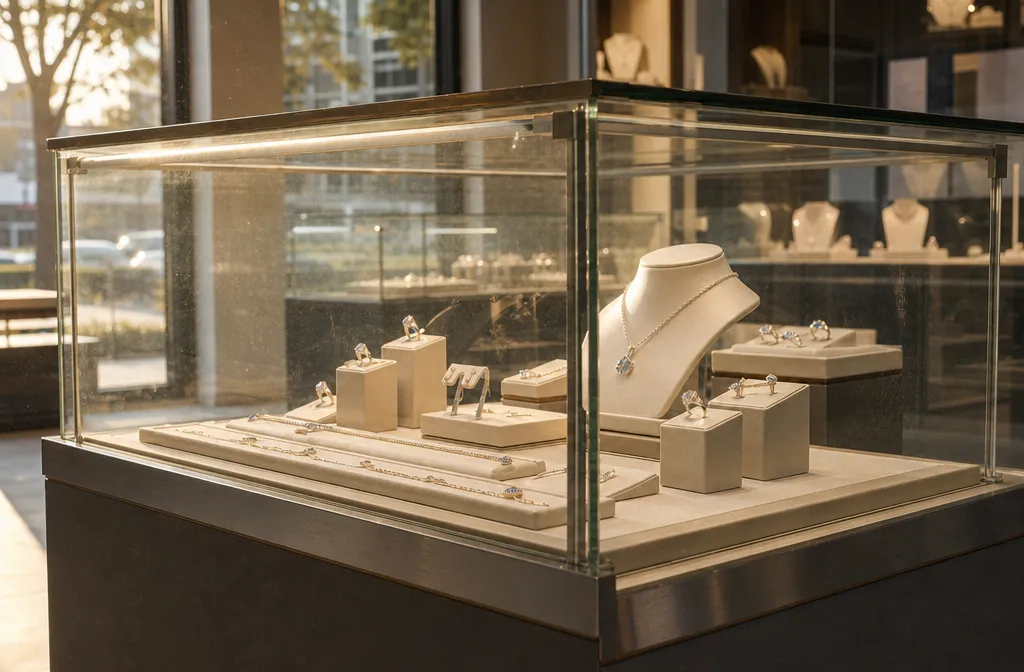
 After
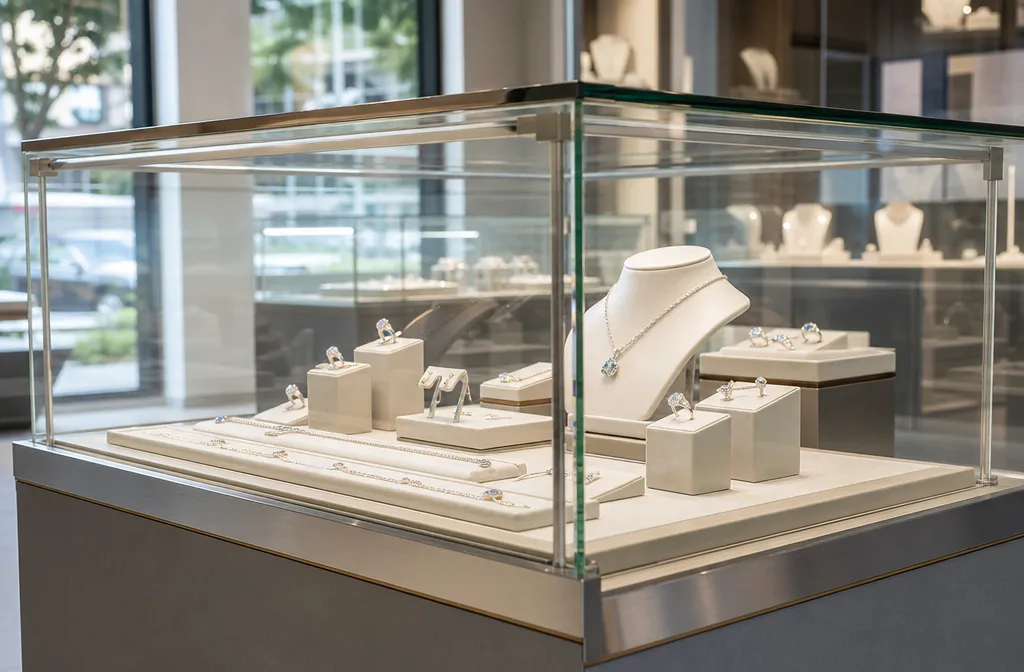
After
Request: Need to clean a glass showcase with lighting from fingerprints and dust.
Done: Cleaned the glass and lighting, removed smudges, polished to a shine.
Cost: 6 000 ₸
Master: Aigul Serikova, cleaning master
Total: The showcase shines, jewelry is perfectly visible without glare.
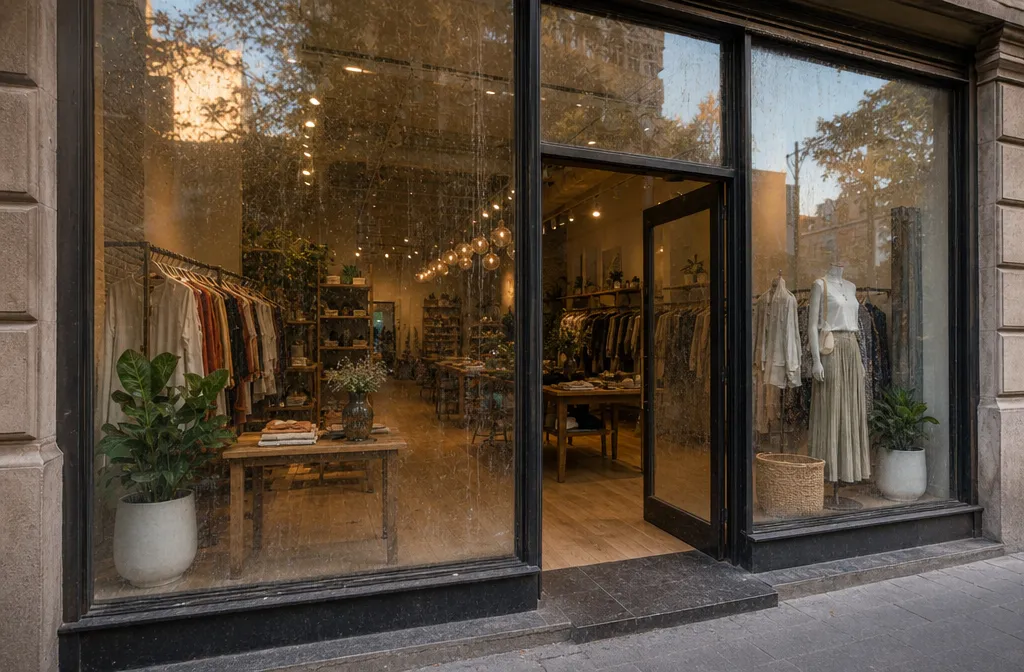
 After
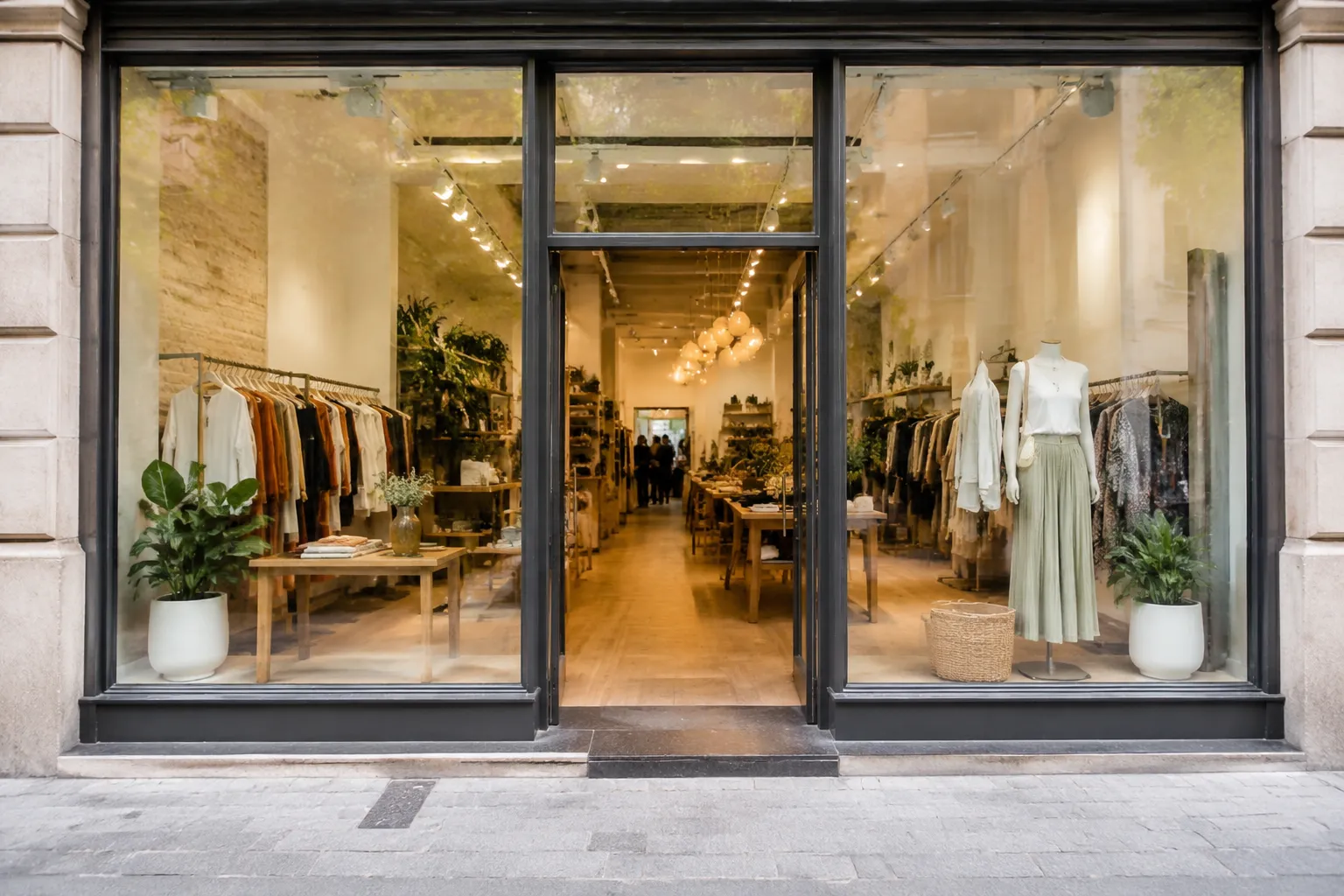
After
Request: Need to wash a large window from outside and inside.
Done: Washed the glass on both sides, removed smudges and dust.
Cost: 7 000 ₸
Master: Damir Nurgaliev, cleaning master
Total: The window is clear, without smudges, attracting customers.
 After
After
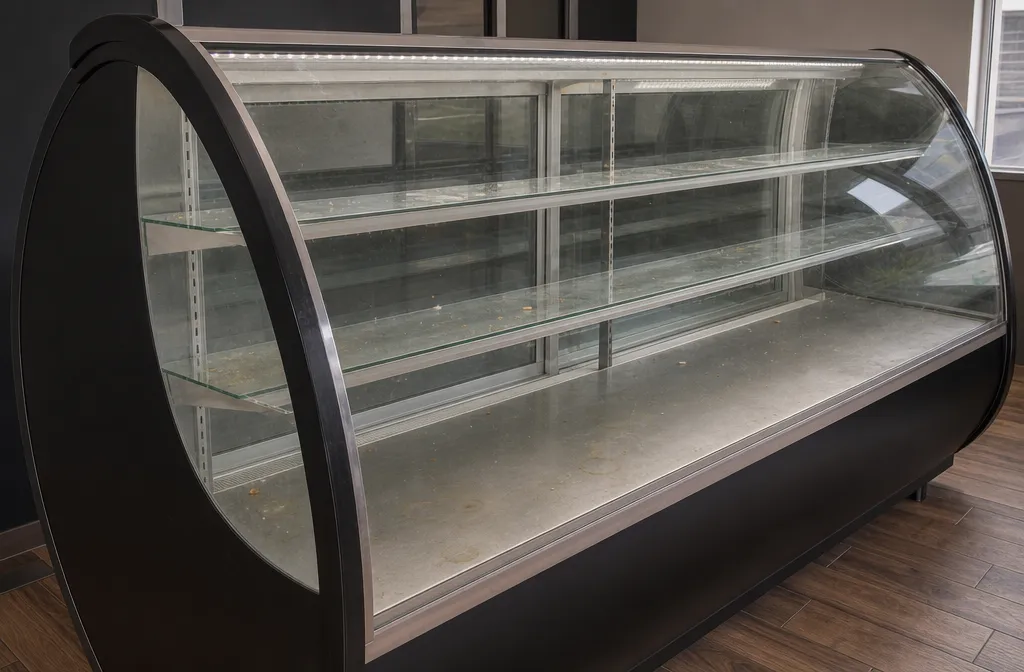
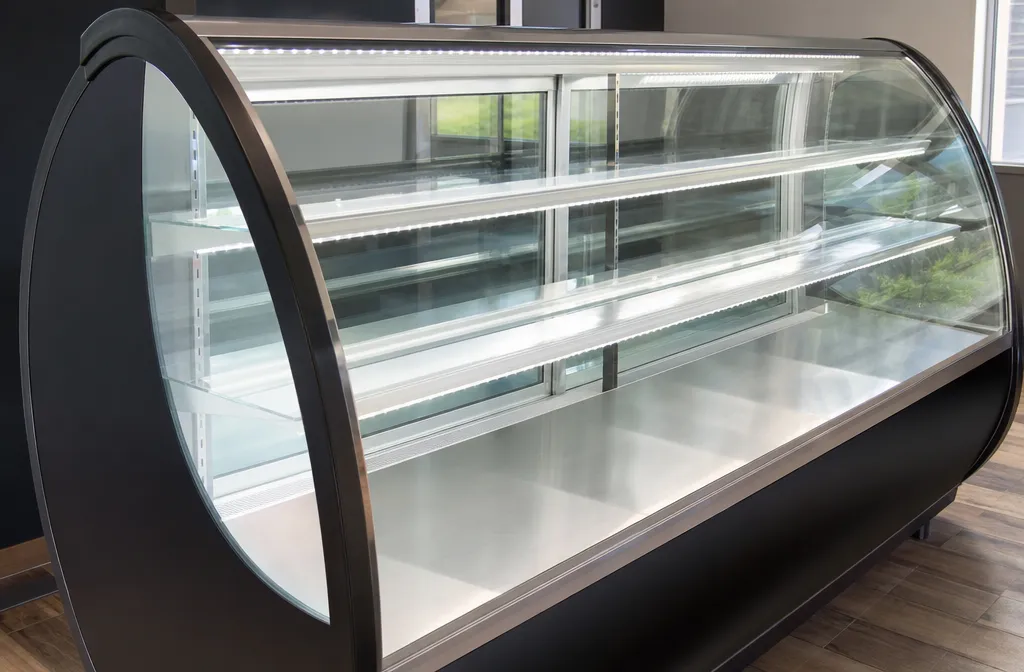
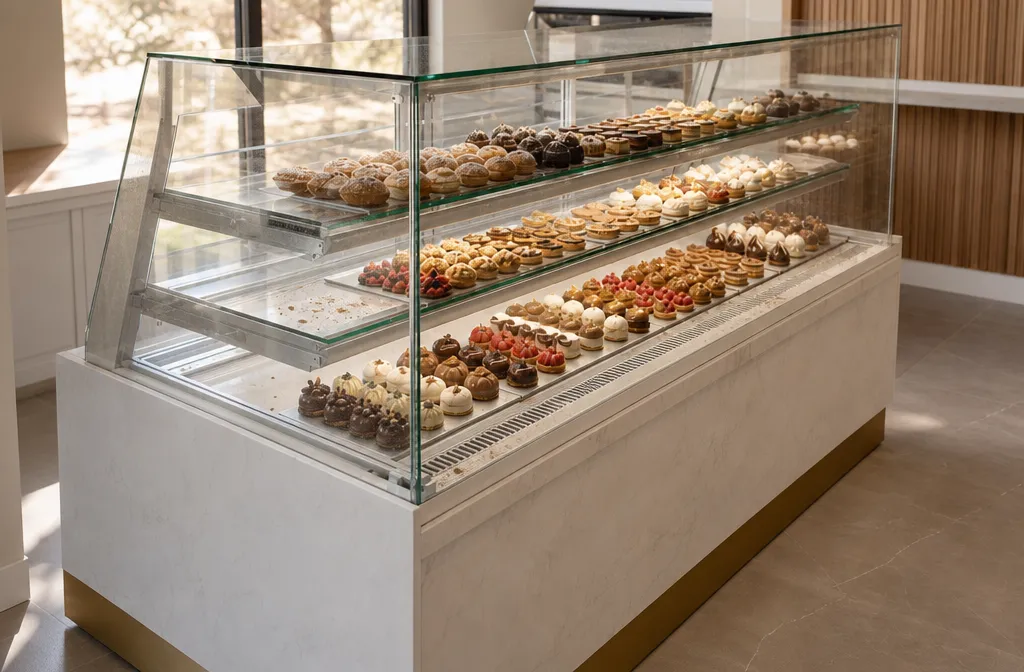
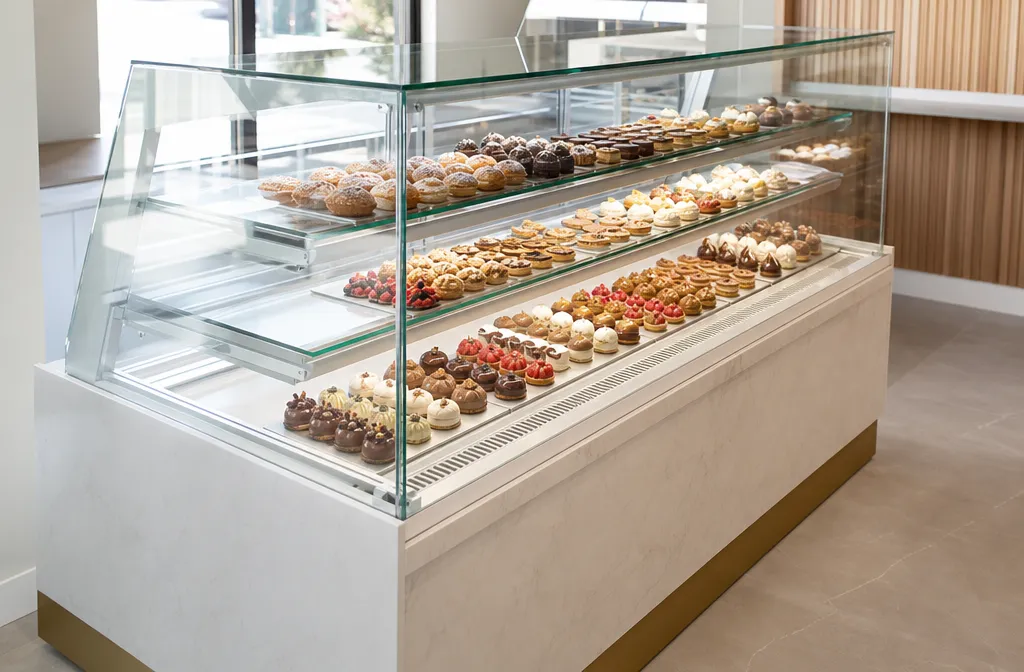
Request: Need to clean the display case from residue and fingerprints.
Done: Removed residue, washed the glass and shelves, disinfected.
Cost: 8 000 ₸
Master: Gulnaz Akhmetova, cleaning master
Total: The display case is clean, products are clearly visible, no odor.
 After
After
Request: Need to clean the counter from flour dust and stains.
Done: Cleaned the glass and counter, removed residue and crumbs.
Cost: 7 000 ₸
Master: Yerzhan Kassymov, cleaning master
Total: The counter is transparent, baked goods look appetizing.
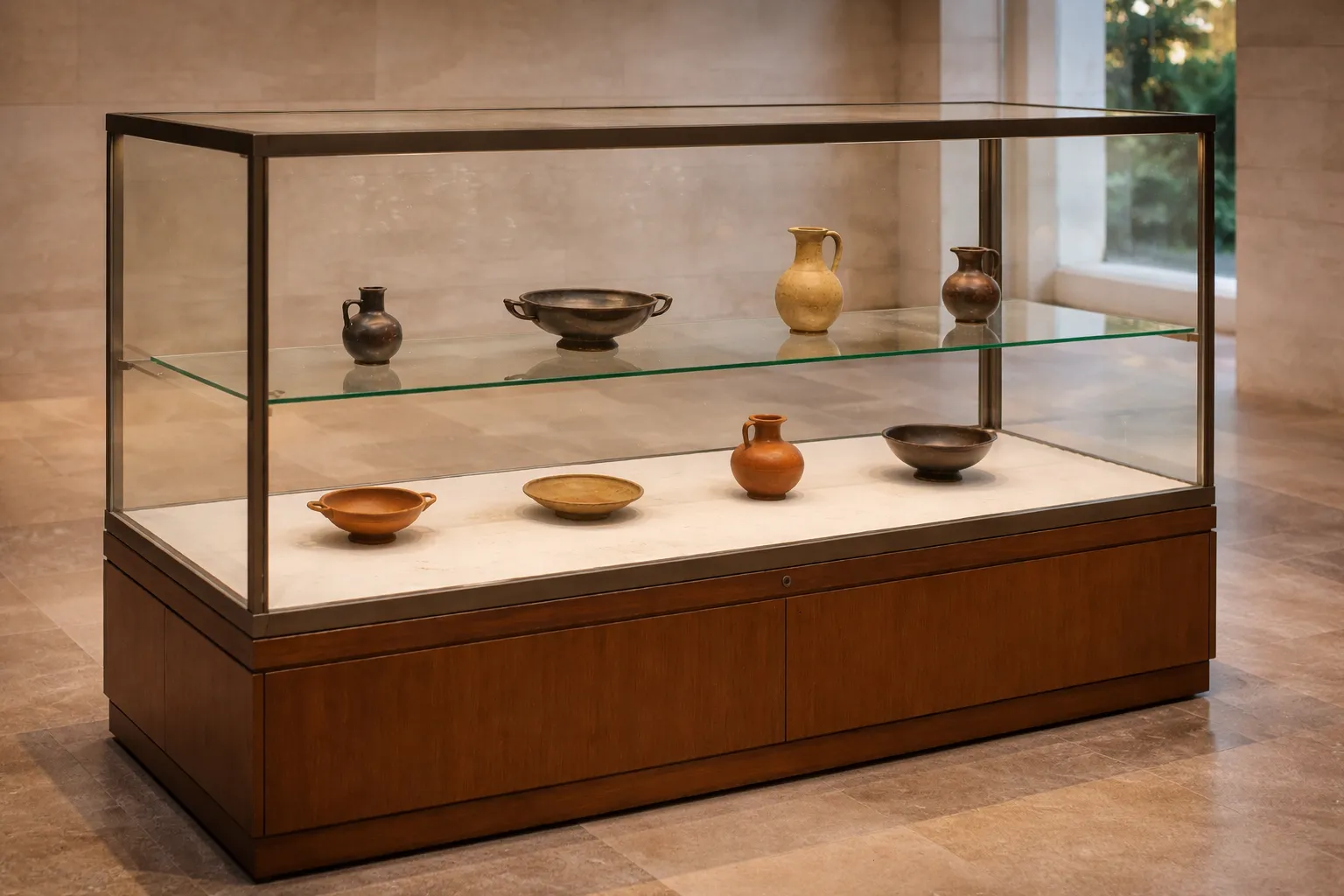
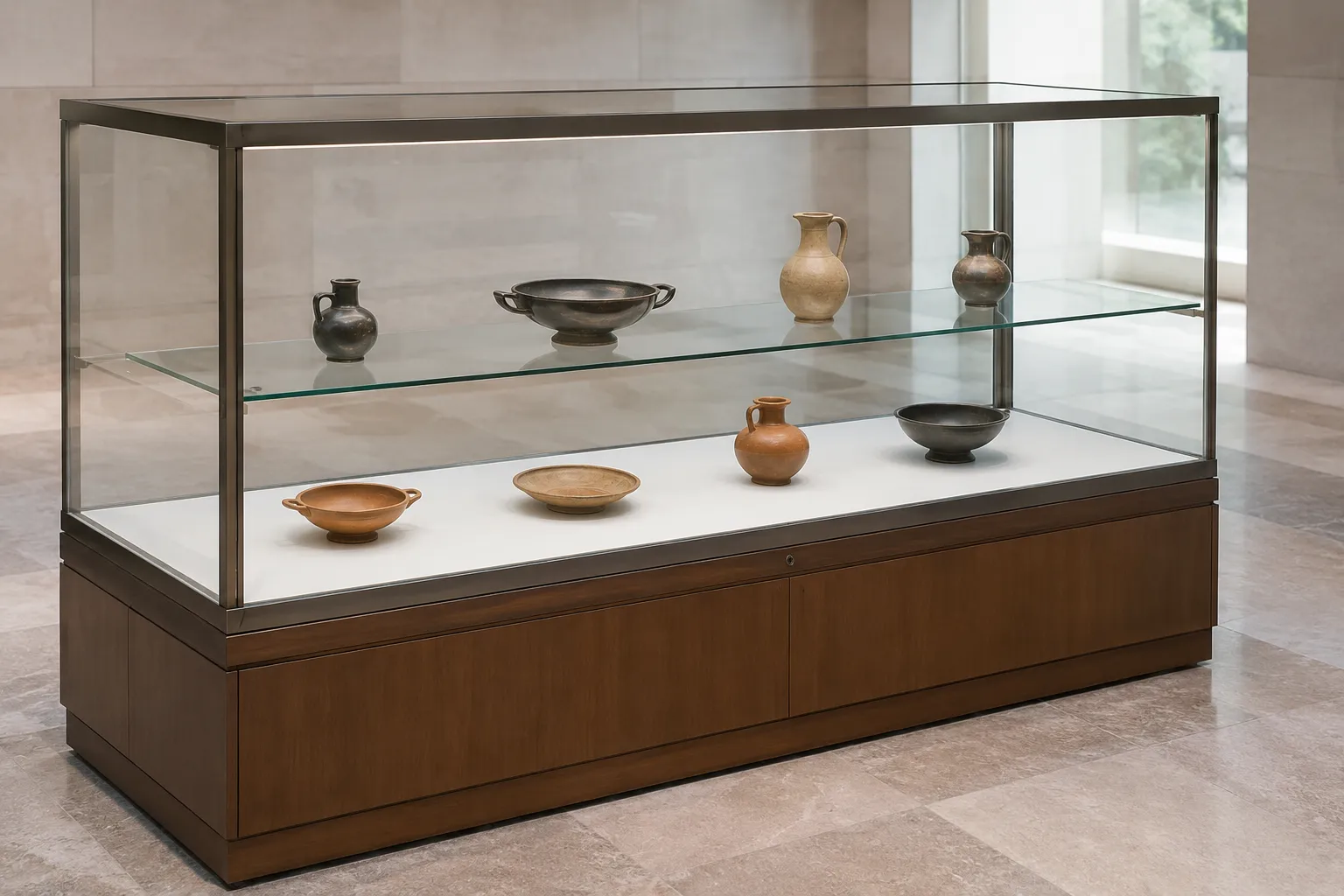 After
After
Request: Need to clean the display case from dust and fingerprints.
Done: Wiped the glass and shelves, polished to a shine.
Cost: 6 000 ₸
Master: Aliya Sagintayeva, cleaning master
Total: Exhibits are clearly visible, without glare or dust.
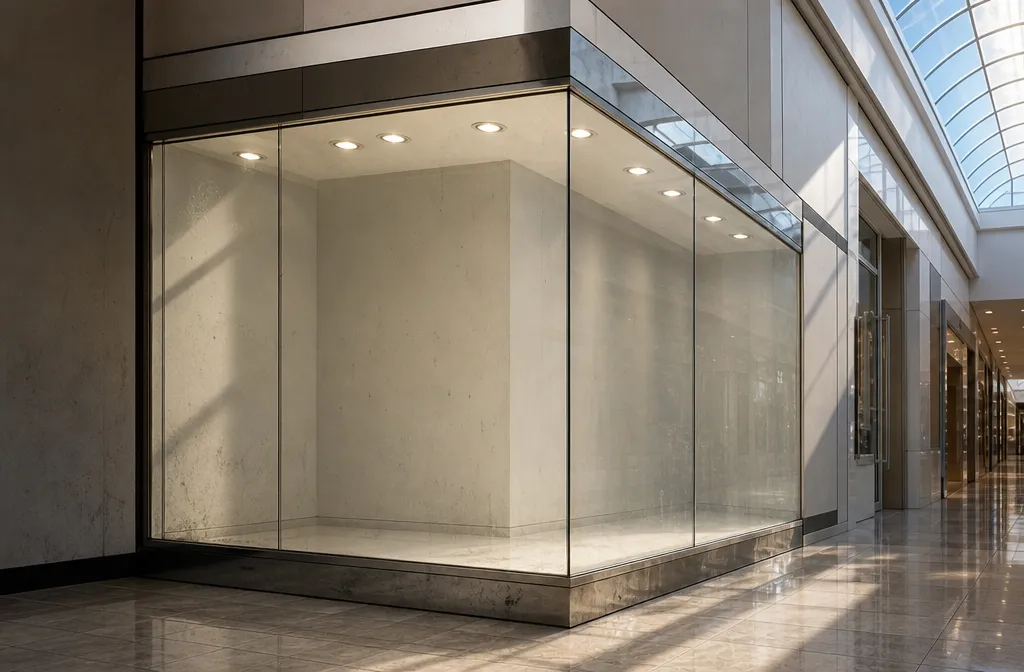
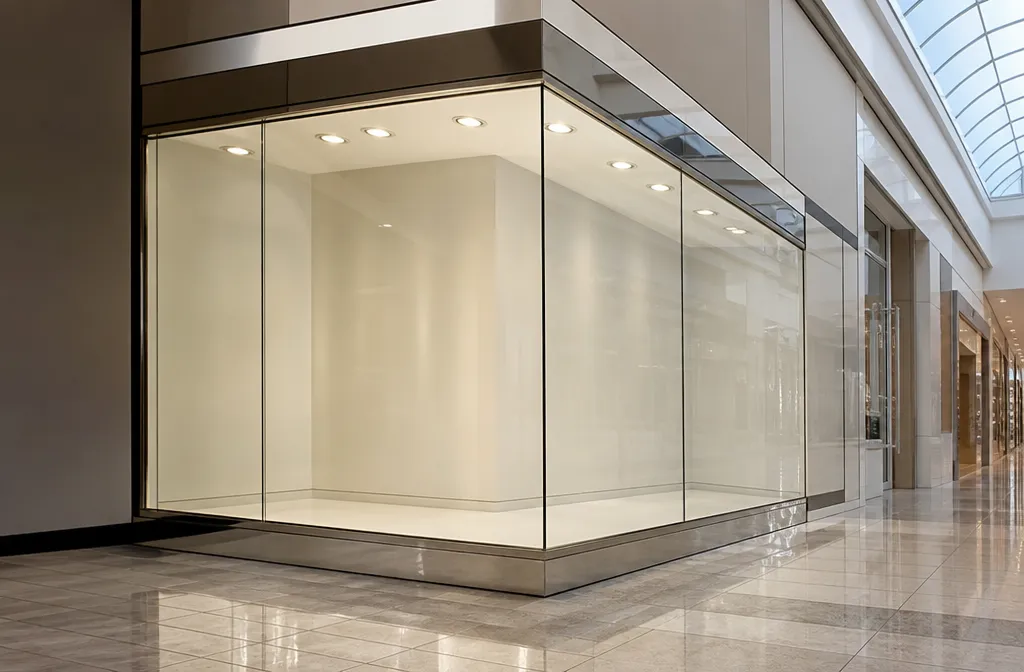 After
After
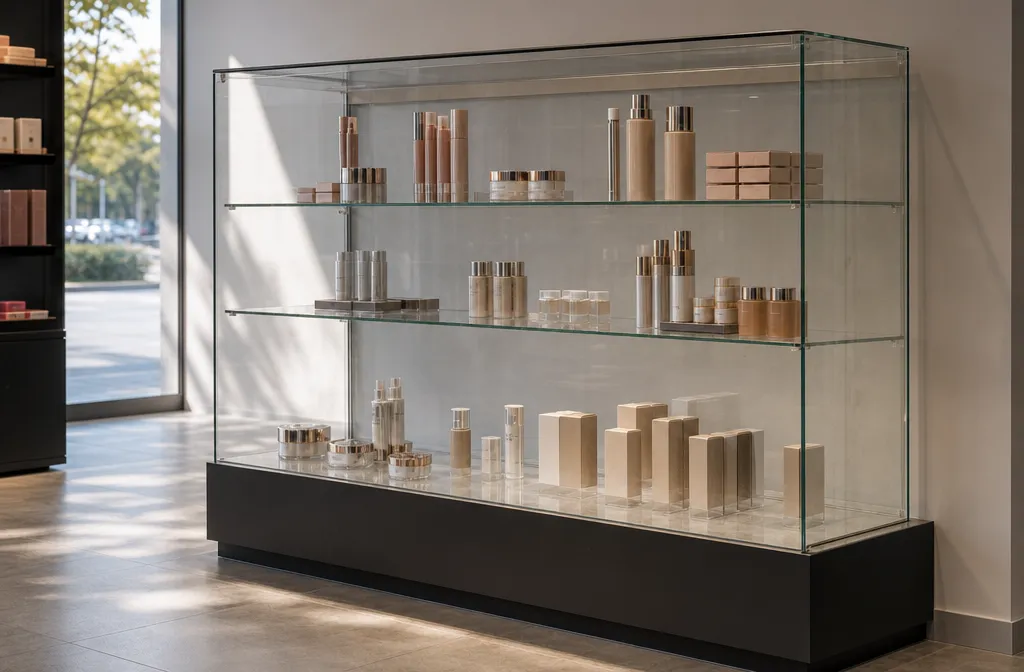
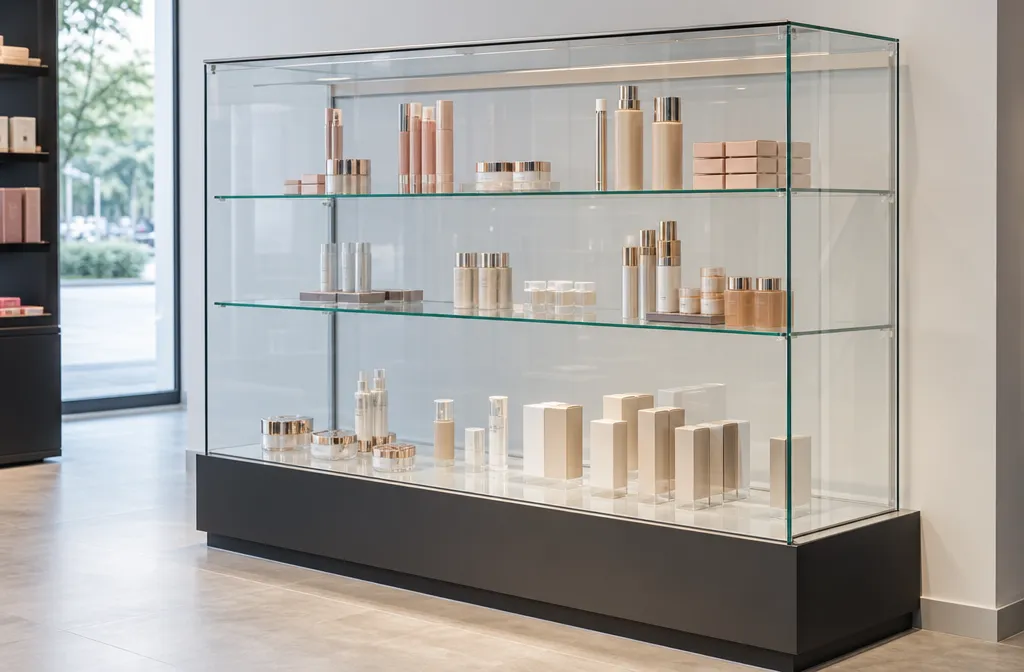
Request: Need to clean a large corner vitrine in a shopping mall.
Done: Cleaned the glass, removed streaks and dust from corners.
Cost: 8 000 ₸
Master: Ruslan Omarov, cleaning master
Total: The vitrine shines, attracting visitors' attention.
 After
After
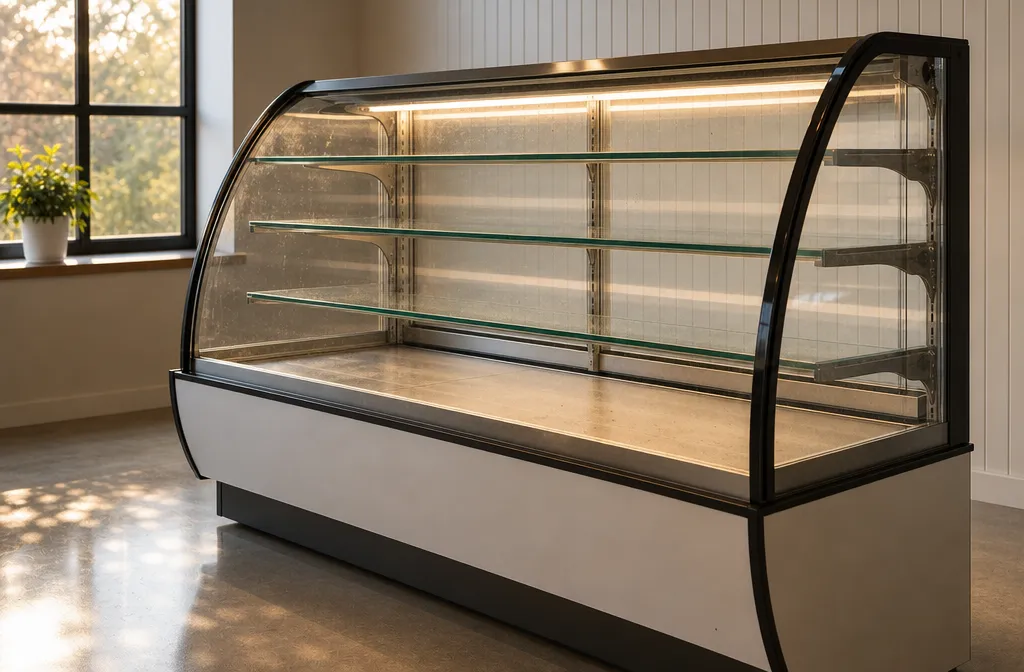
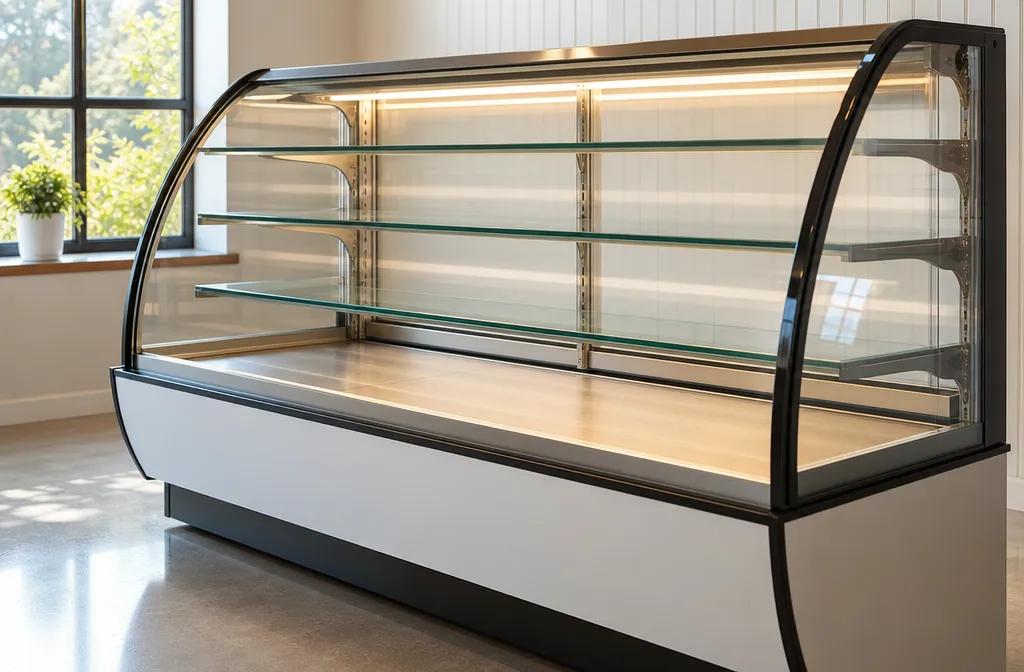
Request: Need to clean glass shelves from dust and cosmetic residue.
Done: Cleaned the shelves, removed streaks and stains.
Cost: 7 000 ₸
Master: Assel Mukanova, cleaning master
Total: Shelves are transparent, products look attractive.
 After
After
Request: Need to clean the illuminated display case from dust and streaks.
Done: Cleaned the glass and lights, polished to a shine.
Cost: 6 000 ₸
Master: Nurlan Bekzhanov, cleaning master
Total: Lighting is bright, the display case shines without defects.
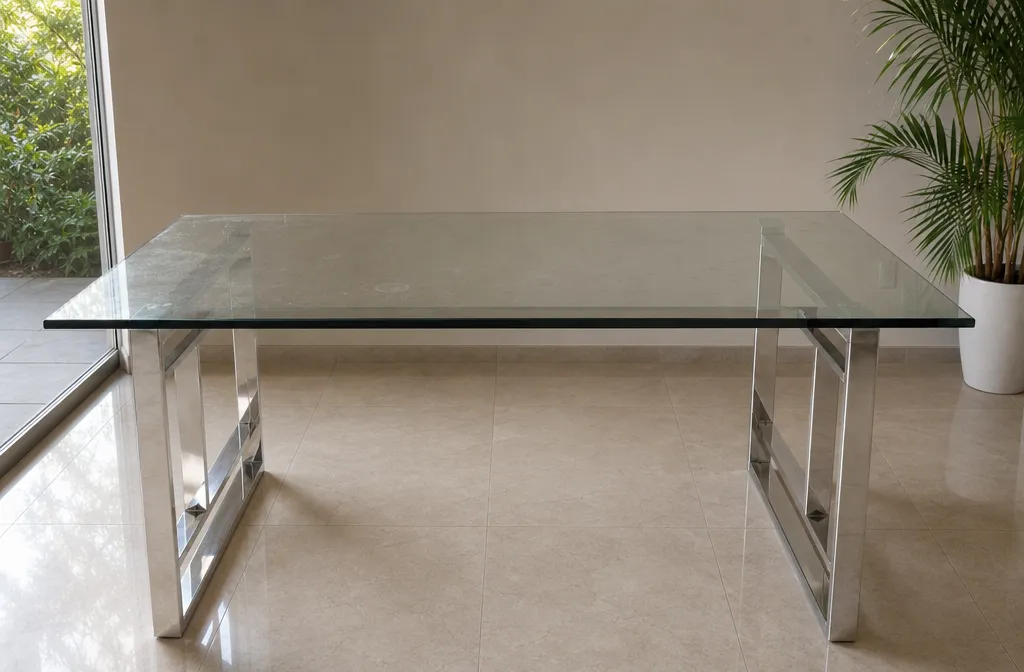
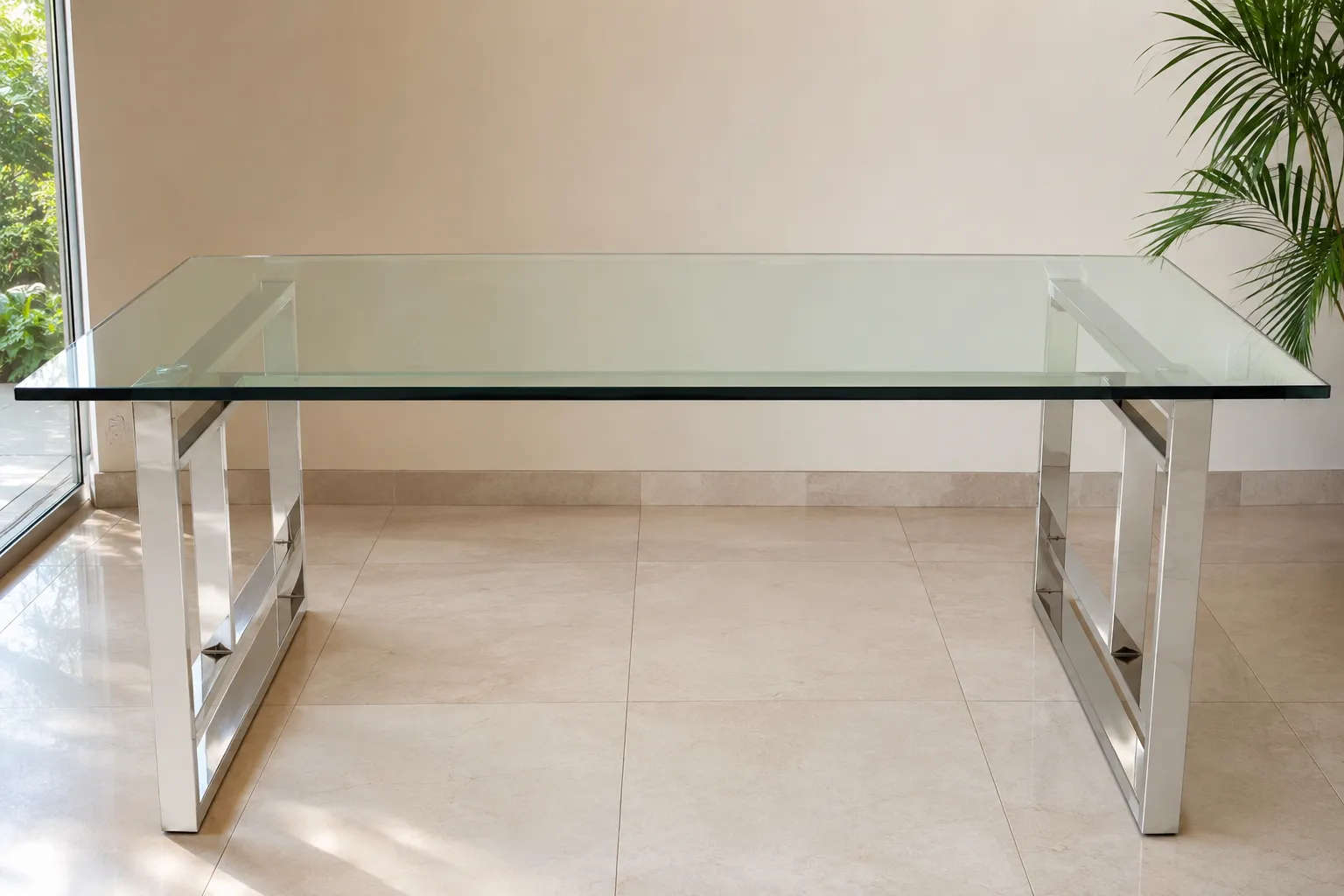 After
After
Request: Need to clean the glass tabletop from fingerprints and dust.
Done: Cleaned the glass, removed streaks, polished.
Cost: 8 000 ₸
Master: Dana Kairbekova, cleaning master
Total: Table is transparent, without stains or glare.
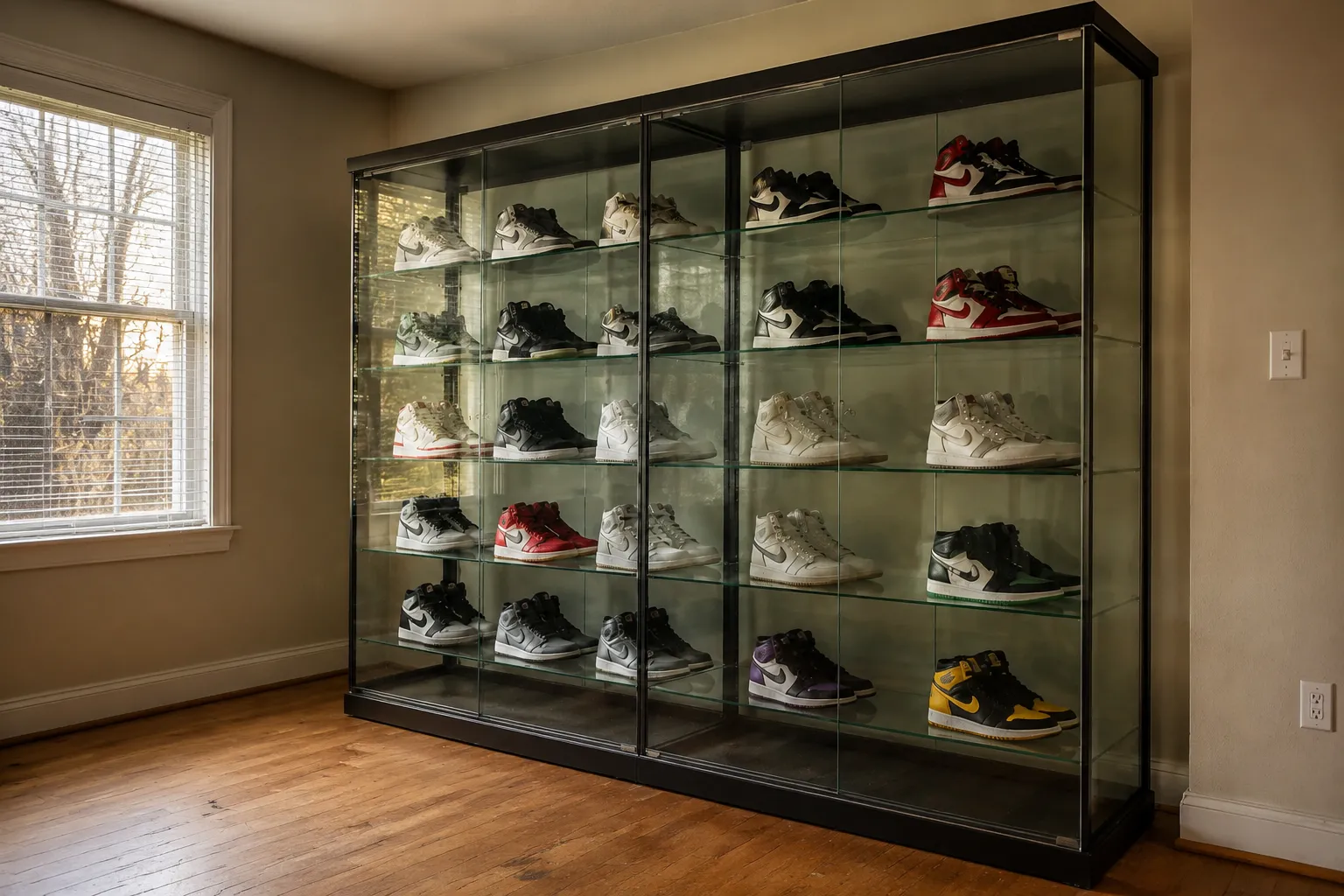
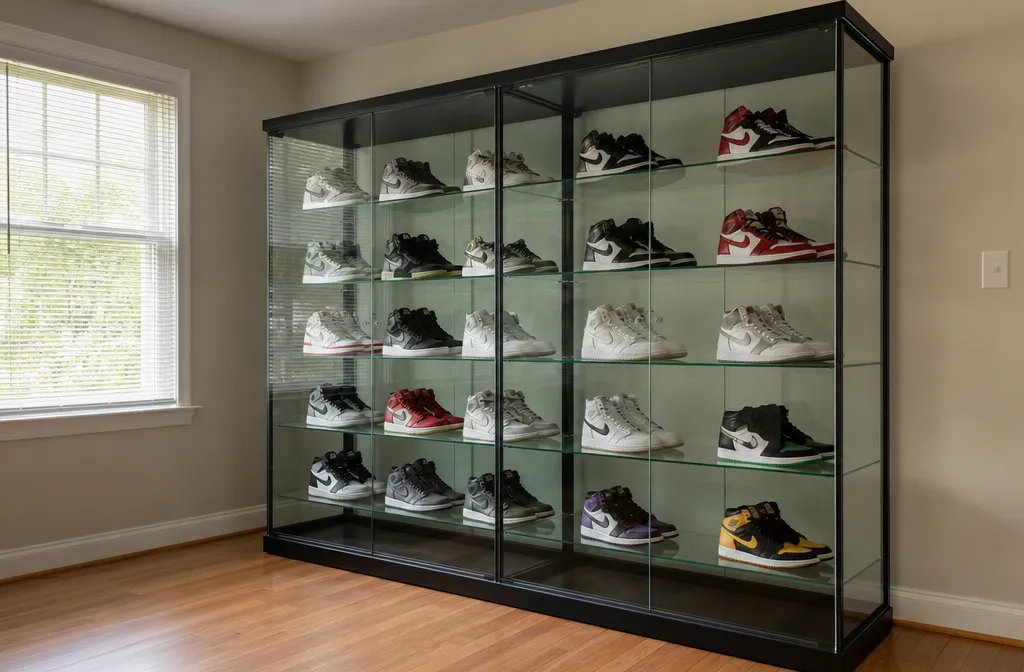 After
After
Request: Need to clean the display case from dust and fingerprints.
Done: Cleaned the glass and shelves, removed streaks.
Cost: 7 000 ₸
Master: Marat Ibraev, cleaning master
Total: Shoes are clearly visible, the display case is dust-free.
All cleaners are profi-clean staff with training, uniform and security check. Each order has a team leader who controls quality.
The difference between professional showcase cleaning and regular washing is not about the price, but about the approach to materials, safety, and long-term results. Regular washing removes visible dirt, while professional cleaning solves issues that a store or office owner might not even be aware of.
Professional showcase cleaning by profi-clean uses hypoallergenic Kiehl and Sodasan chemicals — they are free of chlorine, ammonia, and phosphates, safe for painted frames, chrome elements, and lighting. Regular washing with household products often “eats away” the factory coating on aluminum frames within 8-10 treatments, especially in Almaty’s hard water conditions, which leaves salt deposits. On tinted or mirrored glass — for example, in boutiques on Panfilov Street — harsh chemicals cause film delamination within just 3-4 months. In our professional approach, we use pH-neutral formulas that do not disrupt the coating structure or leave micro-cracks on the glass. Rubber seals receive a silicone impregnation after our treatment, extending their lifespan by 2-3 times, while joints and seams are dried with microfiber to prevent moisture stagnation. In practice, this means the showcase remains airtight 40-50% longer than with monthly household washing — especially important for refrigerated displays in grocery stores and cafes.
Almaty’s dust — fine, abrasive, mixed with exhaust fumes and smog — settles on glass in a dense layer within 2-3 days, especially on showcases facing Abay and Dostyk Avenues. Regular washing with soap and water spreads this suspension across the glass, creating a sticky film that attracts new dust even faster. In professional showcase cleaning, we use an antistatic concentrate — it neutralizes the glass’s charge, causing dust to settle 60-70% slower than after regular washing. Temperature fluctuations — from +35°C in summer to -15°C in winter — cause moisture from household washing to freeze in frame joints, expand, and deform seals, leading to drafts in the sales area. Our technology includes drying joints and using winter formulas with a lower freezing point, preventing profile damage. For showcases in the Medeu and Gorny Gigant areas, where UV radiation is 20-25% more intense, we apply a UV-protective film to prevent merchandise fading on shelves — something regular washing cannot achieve.
| Parameter | Regular Washing | Professional Cleaning by profi-clean |
|---|---|---|
| Tools | Sponge, rag, newspaper | Color-coded microfiber (different for glass, frames, seals) |
| Products | Household chemicals with ammonia/chlorine | pH-neutral Kiehl/Sodasan, antistatic agent, silicone sealant treatment |
| Water | Tap water | Demineralized (free of hardness salts) |
| Frame treatment | Not done or wiped with the same cloth | Separate profile cleaning, joint drying, sealant treatment |
| Drying | Wiped dry with a cloth | Microfiber drying + compressed air blowing of joints |
| Result | Streaks in side light, film after 2-3 days | Streak-free, antistatic — glass stays clean for 7-10 days |
In practice, professional display window cleaning provides not only aesthetics but also extends the structure’s lifespan: treated seals and frames last 2-3 years longer, and the glass does not become cloudy from chemical damage.
The frequency of display window cleaning is not a fixed number, but a balance between traffic, season, and landlord requirements. In Almaty shopping centers with a footfall of 5,000 people per day or more, the cleaning schedule is stricter than in district centers. At profi-clean, we base it on three factors: the intensity of soiling, the type of glass, and the terms of the lease agreement.
Glass facades of stores near the main entrance and food court areas get 3-4 times dirtier than others — in one day, street dust, cooking grease, and handprints from passersby settle on them. For such locations in Almaty shopping centers (Mega Alma-Ata, Aport, Dostyk Plaza), we recommend daily dry wiping with microfiber and wet cleaning every 2-3 days. Missing even one day creates a film that visually reduces the quality of the display — the customer subconsciously perceives the window as “dirty.” Our practice shows: with a daily schedule, fingerprints don’t have time to set, and deep cleaning once a month takes 40% less time.
Display windows in central galleries and near boutiques with low footfall (less than 3,000 people per day) can be cleaned twice a week — this is enough to remove settled dust and accidental soiling. However, the type of glass is important here: matte and tinted surfaces require gentler products, otherwise, whitish streaks from hard Almaty water (pH 7.8–8.2) remain. For such coatings, we use the hypoallergenic concentrate Sodasan — it doesn’t leave a salt film and is suitable for windows with film. Twice a week is also the optimal rhythm for display windows in air-conditioned areas: temperature fluctuations cause condensation, which, without regular removal, leaves spots on the glass. Tip: if the shopping center has poor ventilation, reduce the interval to 2 days — humidity above 65% accelerates dust settling.
Showcases in service corridors, warehouse areas, and emergency exits of stores can be washed once a week — they carry no advertising load and are rarely seen by visitors. But even here there is a nuance: oily deposits from ventilation and exhaust systems often accumulate on such glass. Regular water with detergent doesn’t work — an alkaline solution (pH 9–10) is needed to break down the grease. In our practice, there was a case at the “Asia Park” shopping center: weekly cleaning of warehouse showcases with Kiehl alkaline concentrate reduced the number of insects near trash containers by 30% — the fat stopped attracting ants and cockroaches. This is a non-obvious but practical bonus: glass cleanliness affects the sanitary condition of the surrounding area.
In spring and autumn in Almaty, humidity and dust levels change sharply: in March-April — pollen storms (pollen concentration up to 1,500 grains per m³), in September-October — smog from heating and leaf fall. During these periods, we increase the cleaning frequency by one additional day per week for all types of showcases. This is especially important for glass with anti-glare coating — pollen and soot become embedded in the coating’s micro-cracks within 3–4 days, after which they can only be removed by polishing. Our recommendation: during the poplar blooming period (May) and the start of the heating season (October), switch entrance showcases to daily wet cleaning — this prevents the formation of a persistent gray film that visually ages the storefront.
Professional showcase cleaning in Almaty relies not on a “magic spray,” but on three pillars: the acid-base balance of chemicals, water hardness, and mechanics with tension control. An error in any link results in streaks, drips, or etched outlines. Here’s what actually works for us.
Household chemicals contain ammonia and abrasive surfactants that wash away tinting and matte coating within a year. We use professional concentrates: Kiehl (Germany) for greasy deposits and Sodasan (organic) for daily maintenance. The difference is fundamental: Kiehl works at pH 9–10 — it breaks down nicotine, fingerprints, and reagents in 40 seconds without mechanical friction. Sodasan, based on plant enzymes, leaves no rainbow film on double-glazed windows — this is critical for illuminated showcases where every smear is visible. Household chemicals cause streaks within an hour, while professional products maintain mirror cleanliness for up to three days in dry weather. On greasy showcases (cafes, fast food), we pre-degrease with an alkaline concentrate — and only then finish with Sodasan. No store-bought “glass cleaner” provides this sequence; it simply rinses away dirt rather than breaking it down at the molecular level.
An ordinary squeegee with a utility blade leaves scratches on glass 4 mm thick — showcases in Almaty are often thinner (3–6 mm), and micro-scratches fill with dust, making the glass cloudy within six months. We use professional Unger blades with an 18° sharpening angle (household ones are 22°) — they cut off the dirt layer without touching the glass. For large showcases (from 2×2 m), we use a telescopic holder with a hinge: it maintains a 45° angle across the entire pane without sagging. Our technician visually inspects blades for each site — if there’s a nick, the squeegee is discarded. In household cleaning, a blade is dulled after 10–15 passes; with us, it’s after each showcase.
Water in Almaty is hard (up to 7–8 mg-eq/L) — after drying, a carbonate deposit remains that cannot be removed with a simple solution. We use a three-stage filter with reverse osmosis on a mobile station: the water becomes deionized (0 ppm salts). It leaves no spots even without wiping — just rinse and it dries without a trace. At sites without access to electricity (individual boutiques), we carry a 50-liter tank — this is enough for 8–10 standard showcases. Without such water, professional cleaning in Almaty turns into a battle against deposits, where every second pass requires polish.
Ordinary cotton rags leave lint and pilling. We use microfiber with a density of 350 g/m² with a red border (for glass) and a blue one (for frames) — this eliminates the transfer of grease from plastic to glass. The cloth is washed after each display window at 60°C in our laundry; one cloth lasts up to 50 cycles, after which it is disposed of. In households, microfiber is boiled and loses its structure — we control density every 10 washes. If lint starts to cling, the batch is written off.
Display windows on the second floor and above (Al-Farabi Avenue, shopping centers) require a telescopic pole with water supply at a pressure of 3 bar and a replaceable nozzle. We use the Unger Ninja — it supplies deionized water through a hose, and the cleaner works from the ground without ladders. Working with water on ladders is prohibited — it creates slippery floors and a risk of falling. For display windows with internal lighting, we use a Karcher SG 4/4 steam cleaner: steam at 140°C degreases joints and corners without chemicals that could damage the silicone sealant of the LED strip.
Almaty’s air is not a backdrop for advertising but an aggressive environment: dust from desert winds, smog from vehicles and thermal power plants settle on display windows as a dense film within 2–3 days. We will explain why standard washing doesn’t work here and what tactics profi-clean uses for stores on Abay and Al-Farabi Avenues.
Dust in Almaty is not just sand: it contains up to 40% soot particles and bitumen compounds from exhaust fumes (data from 2GIS and local eco-posts). The smog, stagnating in the basin, adds microparticles of oil and acid precipitation. When this “cocktail” mixes with condensation on the glass, a hydrophobic film forms that ordinary detergent cannot wash off — it only spreads it, creating rainbow streaks in the sun. On display windows at intersections (e.g., Raiymbek — Seifullin), the deposit sets in within 4–6 hours in dry weather. Professionals use alkaline concentrates with pH 9–11 for organic matter and acidic compounds for mineral deposits — depending on the city zone.
Fine PM2.5 particles from smog do not just settle — they are absorbed into the micropores of the glass, especially on display windows with internal heating (in winter, the temperature difference forces smog into the structure). Within 2–3 months without deep cleaning, glass loses up to 15% of its transparency: LED lighting begins to “dim,” and products look faded. On display windows with perimeter LED strips (jewelry and shoe stores on Furmanov Street), the deposit creates a “halo” effect — a blurred glow that distorts color rendition. profi-clean treats such surfaces with a cerium oxide-based polishing paste once a quarter — this restores transparency without abrasive wear.
Store owners often ask for display windows to be washed with distilled water, believing it removes streaks. In Almaty, this is a mistake: distilled water is a chemically aggressive medium for glass without a mineral buffer. It leaches silicon ions from the surface, making the glass more porous and vulnerable to re-soiling. In practice, a display window washed with distilled water gets dirty in 1–2 days faster than after alkaline cleaning with a final rinse using softened water. We use a reverse osmosis system followed by remineralization — this provides a neutral pH of 6.5–7.5 and prevents corrosion of aluminum frames, typical for display windows on open terraces of shopping centers “Mega” and “Aport.”
Winds from the Ili Valley (April–June) carry not only dust but also pollen: a sticky layer settles on display windows, attracting smog. In autumn — rains with acidity pH 4.5–5.0, leaving a matte deposit. In winter — road reagents: salt and sand, which react with aluminum profiles, causing pitting corrosion. profi-clean changes the cleaning protocol by season: in spring — pre-degreasing with enzyme agents, in summer — protective nano-polishing, in autumn — acid neutralization, in winter — treatment with a silicone compound to repel salt spray. Without seasonal adaptation, a display window at the corner of Timiryazev — Gagarin can lose its presentable appearance in one windy day.
Aggressive chemicals vs. smog — a risk for structural elements: silicone seals age from alkali in 3–4 cycles, and paint on metal signs (especially matte coating) peels off like film. In Almaty, about 60% of shops have signs made of composite aluminum — they cannot be treated with acid. profi-clean uses isolating gels: applies the compound only to the glass, bypassing seams, and rinses it off after 5–7 minutes, preventing runoff. For display windows with gold coating (jewelry boutiques on Zenkov Street), only neutral chemicals with a pH of 7 are used — otherwise, the coating tarnishes within six months. This is a rule we’ve tested on dozens of sites: saving 10 minutes on seal protection results in a facade replacement within a year.
Even after professional window cleaning, a display window loses its appearance within a week if basic daily protection rules are not followed. We’ve compiled profi-clean’s practice: what actually works between our visits.
In the evening, before turning on the alarm, go over the glass with a microfiber cloth (350-400 g/m²) — this removes 80% of the dust and smog that has settled during the day. Wet cleaning once a day is only needed in the rainy season; otherwise, streaks remain from evaporating Almaty water with a hardness of 7-8 mg-eq/L. Use a separate cloth for the aluminum profile — it accumulates hand grease from passersby, which over time eats into the anodized coating. In my opinion, the main mistake is wiping dry glass with a sponge: the abrasive leaves micro-damage, and during the next cleaning, chemicals penetrate deeper into the scratches. An evening dry wipe extends the interval between professional washes from 7 to 12-14 days.
In winter in Almaty, road workers spread a sand-salt mixture that, at zero temperatures, scatters 3-5 meters and settles on the lower third of the display window. The salt reacts with the glass, leaving matte spots that regular water cannot remove. At profi-clean, we recommend applying a silicone-based hydrophobic compound to the lower part of the window (up to 70 cm from the ground) — it repels the salt solution, and stains are washed off with simple spraying. In summer, the same area suffers from bitumen splashes from the road — these are only removed with a solvent that strips the glass’s factory protection. Moreover, if you treat with a hydrophobic agent every two weeks, bitumen does not stick to the surface and is removed with a microfiber cloth without chemicals. In our orders for basement-level display windows, tenants save up to 30% on unscheduled cleanings thanks to this treatment.
Outdoor air conditioner units hanging above the display window blow dusty air directly onto the glass, and condensation leaves limescale streaks that bake in the sun within 3-4 hours. If the unit hasn’t been cleaned in a year, it emits an oily suspension — this mixes with Almaty dust and forms a sticky film that alkaline agents cannot remove. Install a canopy above the window, 30 cm wider than the unit — this reduces contamination by 60-70%. Another option is to redirect the airflow with a diffuser to the side, rather than downward. Before the air conditioning season (May-June), request a unit cleaning from service technicians — oily emissions will disappear, and the window cleaning will last a week longer.
On glass doors and counters in clothing stores, fingerprints appear every 2-3 hours during peak times. The reason is hand grease mixing with urban dust, forming a sticky layer that leaves streaks with every wipe without a special product. Use an anti-static glass cleaner with nano-silicon dioxide particles — it fills the micro-pores of the surface, so fingerprints do not embed but remain on the film and wash off without a trace. Apply it to a clean, dry window after professional cleaning, then renew it every 10 days. At our sites in the “Mega” and “Esentai Mall” shopping centers, this treatment reduced daily window wipes from 4-5 to 1-2 times a day.
Never use abrasive cleaning pastes (Comet, Cif with granules) on glass display cases — they leave micro-scratches that create a “foggy glass” effect in sunlight. The same applies to metal scrapers: even a glass blade is only suitable for stubborn tape and paint, but during daily cleaning it strips the top layer of glass. In Almaty, a common mistake is wiping display cases with a soapy solution made from laundry soap: the soap reacts with hard water salts and leaves a whitish residue visible when light shines through. The best option is distilled water or a special glass conditioner that neutralizes salts. Moreover, if the display case has a frosted pattern or sandblasted design, regular glass cleaners with ammonia will erode the frosted coating after 5-6 uses — use only neutral pH products. In our practice, a boutique in “Grand Park” had its sandblasted design fade within six months precisely due to incorrect chemicals; restoration cost more than a new cleaning service.
We ordered showcase cleaning for a boutique — the glass became transparent, no streaks. Very satisfied.
Thank you, Aigerim! Glad the showcases are sparkling.
Cleaned the panoramic windows on the first floor. Now it's bright and presentable. No streaks.
We had showcase cleaning at our coffee shop. They were quite dirty, cleaned well, but slightly chipped the paint on the frame.
Sorry for the oversight, we've informed the team. Ready to touch up at our expense.
They tidied up the showcases in an hour. Flowers look gorgeous against the clean glass.
Showroom window cleaning — perfectly clean, no streaks. Cars outside are clearly visible.
Thank you, Erlan! Glad to help.
Ordered window cleaning. Overall fine, but had to rewash one glass — there was a spot.
We apologize, we'll take note for quality control improvement.
We regularly do window cleaning once a month. Neat, fast, and without chips. I recommend.
Cleaned the large windows at the entrance. Clients noticed — they say it's brighter.
Thank you for your feedback! Glad you liked it.
Ordered window cleaning. Done quickly, but didn't vacuum the windowsills. Otherwise clean.
Thanks, we passed the note to the team. We'll take it into account next time.
Cleaned windows inside and out. Result exceeded expectations. Will order again.
Did window cleaning in a business center. 3-meter-high glass — cleaned perfectly, no streaks.
Thank you for the high rating!
Cleaned windows with cakes. Now everything shines, products are better visible.
Contacted for window cleaning — done excellently. No drips, glass is transparent.
Glad you're satisfied!
Washed well, but left small streaks on one window. Otherwise clean.
Sorry, we passed it to the team. We'll come redo it.
Window cleaning at the restaurant — fast, quality. Glass shines, guests are happy.
Ordered window washing. Everything is great, even old stains removed.
Thank you, Saule!
Performed window cleaning. Glass is transparent, like new. Recommend.
Thank you for your review!
Washed well, but there were tape residue on one window. Had to finish myself.
We apologize, we'll be more careful in the future.
We do regular window cleaning — always clean, no complaints. Prices are fair.
Cleaned panoramic windows. Now our display is visible to passersby. Thank you!
Thank you for the review, Anara!
Ordered window cleaning — done in an hour. Everything is great, no complaints.
Cleaned well, but didn't wipe the windowsills. Had to remind. Otherwise fine.
Sorry for the oversight, we'll take note.
Showcase cleaning in our store is super. The TVs in the display window are perfectly visible.
Thank you, Arman!
On average, 30-40 minutes depending on size and dirt. A small display case (up to 2 m²) takes 20 minutes, a large one (4-8 m²) up to 60 minutes.
Leave a request on the website or call us. We will clarify the type and number of display cases, agree on a time, and come at your convenience.
Yes, we use German glass cleaners Kiehl, which are safe for food products. They leave no odor and are non-toxic.
Our clients praise us for no streaks, punctuality, and neatness. We work with shopping centers and stores and have many positive reviews.
A display case of 4 m² is considered medium-sized; the cleaning cost is based on an individual rate. If there are stickers or polishing is required, the price may be higher.
Yes, when signing a contract for weekly or monthly cleaning, a discount of up to 15% is provided. Contact the manager for details.
Yes, we clean display cases with lighting and internal shelves. We carefully treat lights and hard-to-reach areas.
We clean all types of glass display cases: counters, exhibition cabinets, refrigerated display cases, corner cases, jewelry cases, and others.
Yes, we remove stickers and glue residue using a scraper and special solvents. This is included in the service or charged extra.
Yes, we guarantee no streaks. If streaks remain after cleaning, we will re-clean the display case for free.
Tell us about your experience with profi-clean — it helps other clients and us improve.
We currently operate in Almaty. Other cities are coming soon.