Office Window Cleaning in Almaty
Professional office window cleaning in Almaty. Pristine clarity and shine without streaks.…
on requestProfessional Window Cleaning in Almaty — Streak-Free and Safe

Professional office window cleaning in Almaty. Pristine clarity and shine without streaks.…
on requestProfessional window cleaning after renovation in Almaty. We remove construction dust, streaks,…
on requestProfessional showcase cleaning in Almaty from profi-clean. Purity and shine without streaks.…
on requestProfessional window cleaning in Almaty from profi-clean. Cleanliness and shine without streaks.…
on requestFrom inspection to result with guarantee
The master inspects the windows, determines the type of dirt (dust, construction, bird droppings) and selects chemicals. Records the condition of frames and hardware.
We protect the floor and furniture with film, remove items from the windowsill. Prepare tools and solutions.
Remove dust and dirt from frames, windowsills, and sills using a brush and Kiehl cleaning agent.
Spray professional Kiehl solution onto the glass, distributing evenly across the entire surface.
Wash the glass with an Unger microfiber mop, removing main dirt.
Use an Unger rubber squeegee to remove water and cleaning solution, moving top to bottom. Wipe edges with a cloth.
Clean hard-to-reach areas (corners, joints) and hardware (handles, hinges) with a brush and cloth.
We check the quality, remove protection, take out the trash. If necessary, wipe the windowsill dry.
The Unger ErgoTec squeegee ensures even contact of the rubber blade with the glass, eliminating streaks and smears. Combined with microfiber and professional Kiehl (Germany) products, 99.97% surface cleanliness is achieved. Masters are trained in using this tool.
We use professional Kiehl (Germany) and Sodasan chemicals — they leave no streaks and are safe for health. All products are certified and contain no aggressive solvents. Windows stay clean longer.
For high windows, we use Unger telescopic poles up to 8 meters. Masters work with safety harnesses and follow safety standards. You don't have to risk leaning out of the window.
We guarantee the result. If after our cleaning you notice streaks or missed spots, the master will return and re-clean the window for free. Quality control is performed at every stage.
All profi-clean masters have insurance and undergo regular training. We use only working equipment and personal protective equipment. We work carefully, without damaging frames and slopes.
We accept orders daily from 8:00 AM to 10:00 PM. A master's visit is possible on the day of application if slots are available. Average order completion time is 1-2 hours.
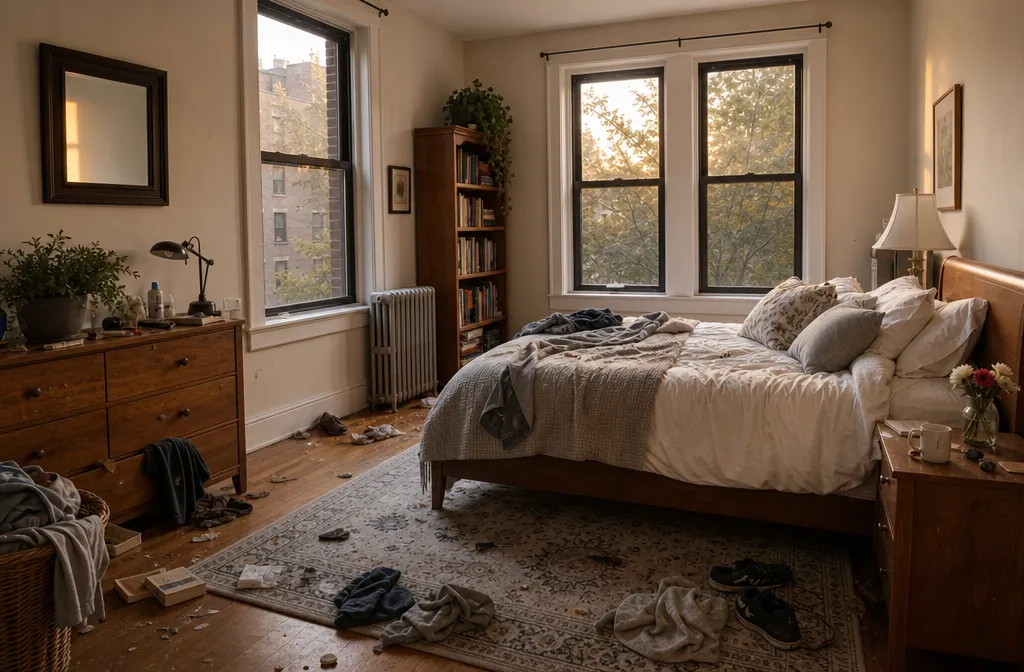
 After
After
Request: The client asked to wash a double-hung window in the bedroom after winter.
Done: The master cleaned the frames, slopes and glass on both sides, removed dried streaks.
Cost: 6 000 ₸
Master: Aigul Nurmanova, window cleaning master
Total: The window became transparent, without streaks, the windowsill and slopes are perfectly clean.

 After
After
Request: A resident of a new building ordered cleaning of a panoramic window from outside and inside.
Done: The specialist washed a 4×2 m double-glazed window, including hard-to-reach external areas.
Cost: 7 000 ₸
Master: Timur Zhaksybekov, window cleaning master
Total: The window is completely transparent, the view of the city opened without distortion.
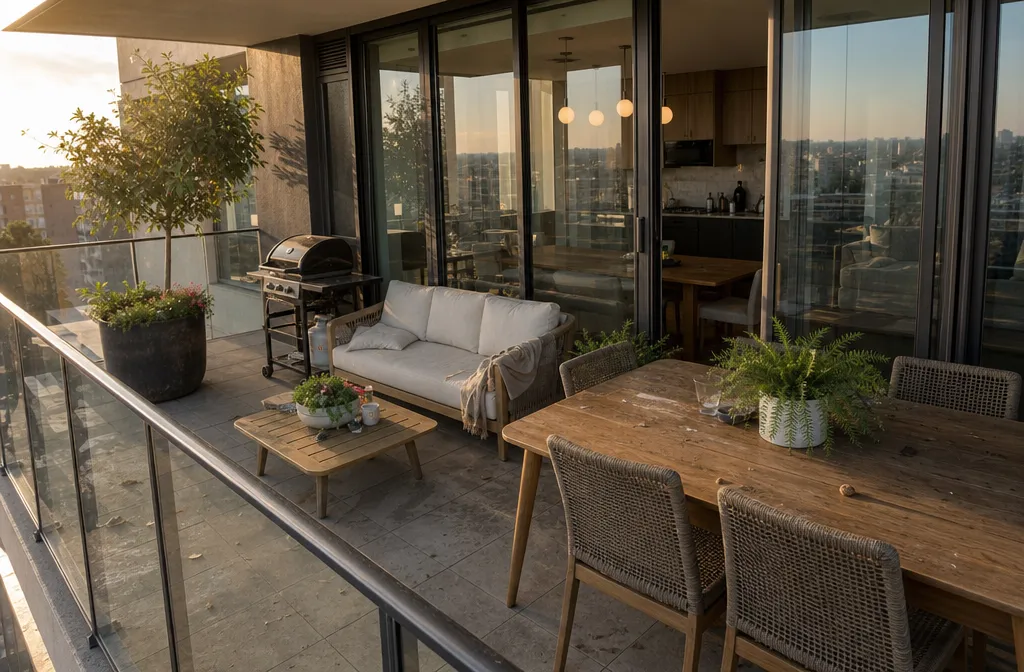
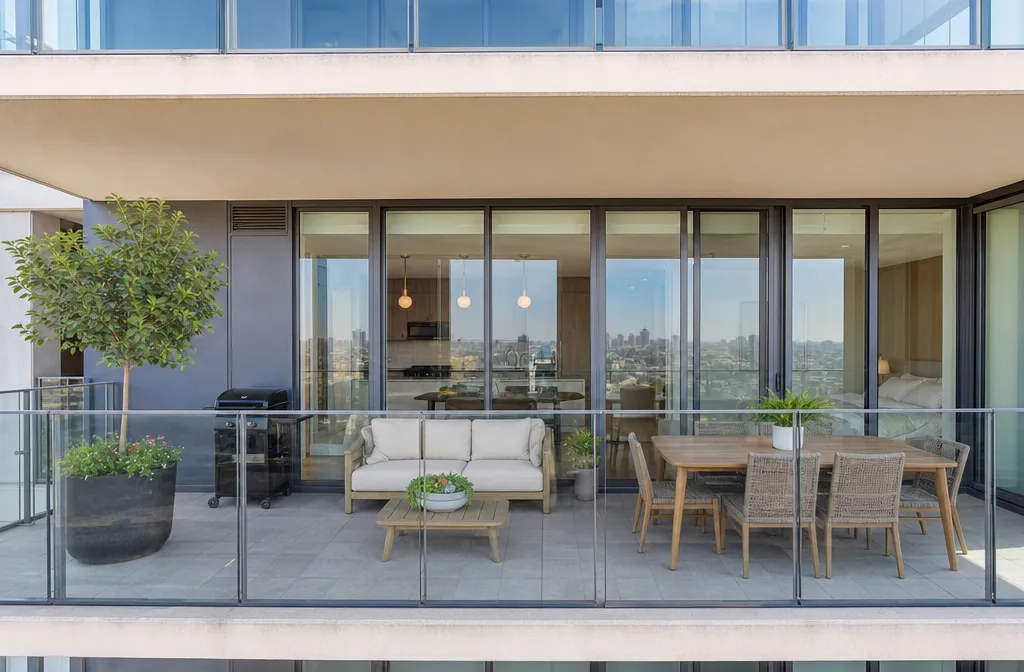 After
After
Request: The client asked to wash the balcony glazing on both sides on the 15th floor.
Done: The master cleaned 6 sections of sliding frames and glass, including the outer side.
Cost: 8 000 ₸
Master: Aliya Sagitova, window cleaning master
Total: The glass is transparent, the frames are dust-free, the balcony became brighter and more spacious.
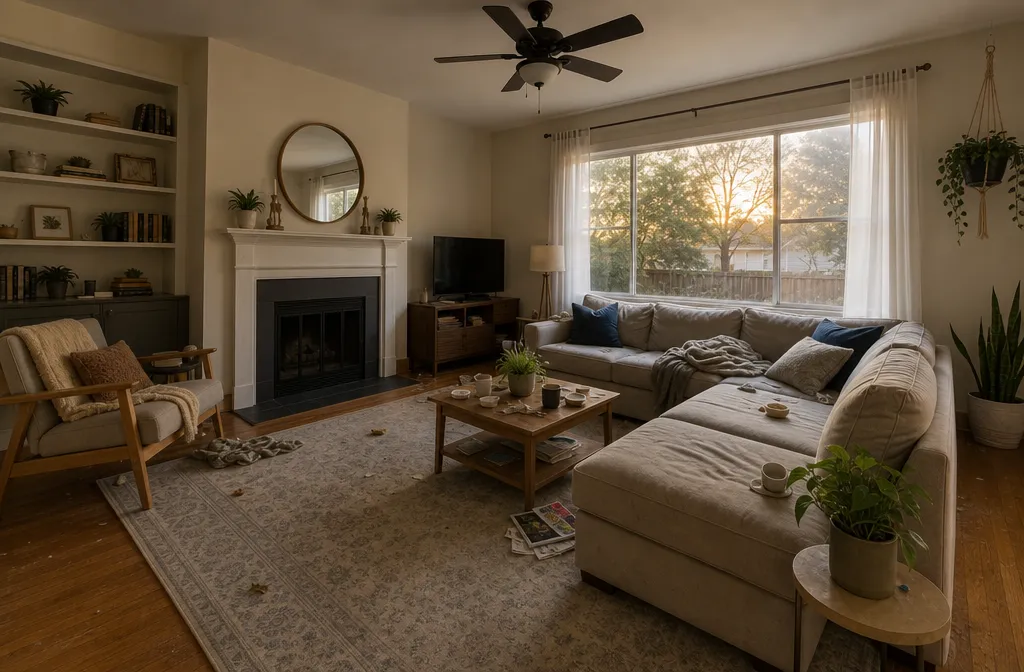
 After
After
Request: The homeowner asked to wash a tall French window to the floor.
Done: The specialist cleaned the sashes, windowsill and glass on both sides, removed plaque.
Cost: 7 000 ₸
Master: Daniyar Abdrakhmanov, window cleaning master
Total: The window became perfectly transparent, the room filled with natural light.
 After
After
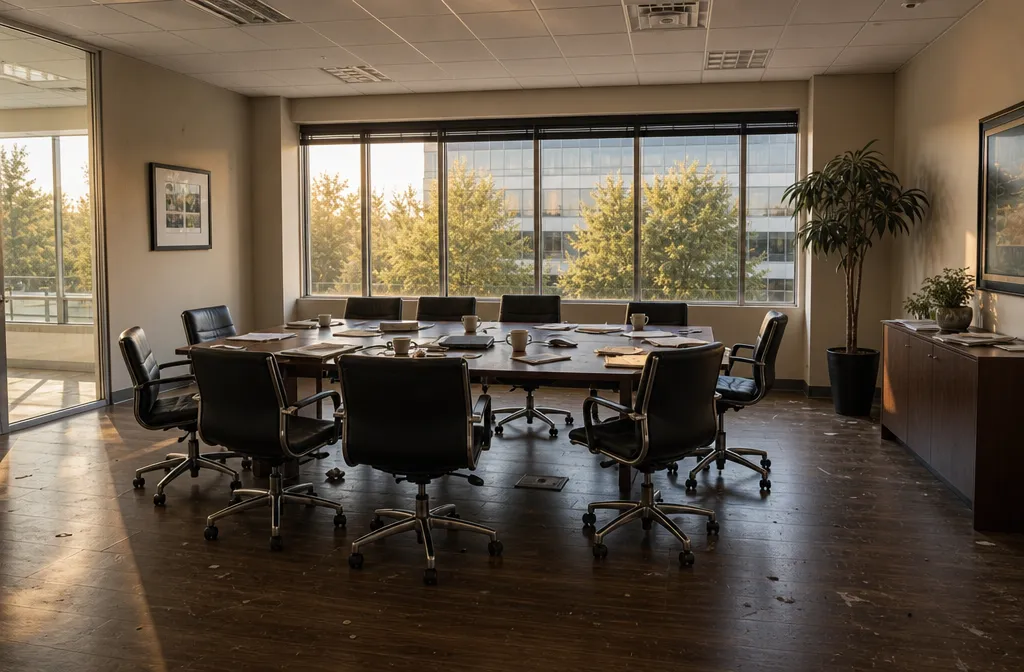
Request: The company ordered cleaning of panoramic windows in the meeting room after renovation.
Done: The master washed 3 large windows, frames and windowsills, removed construction dust.
Cost: 8 000 ₸
Master: Maira Akhmetova, window cleaning master
Total: The windows are transparent, without streaks, the panoramic view of the city is fully open.
 After
After
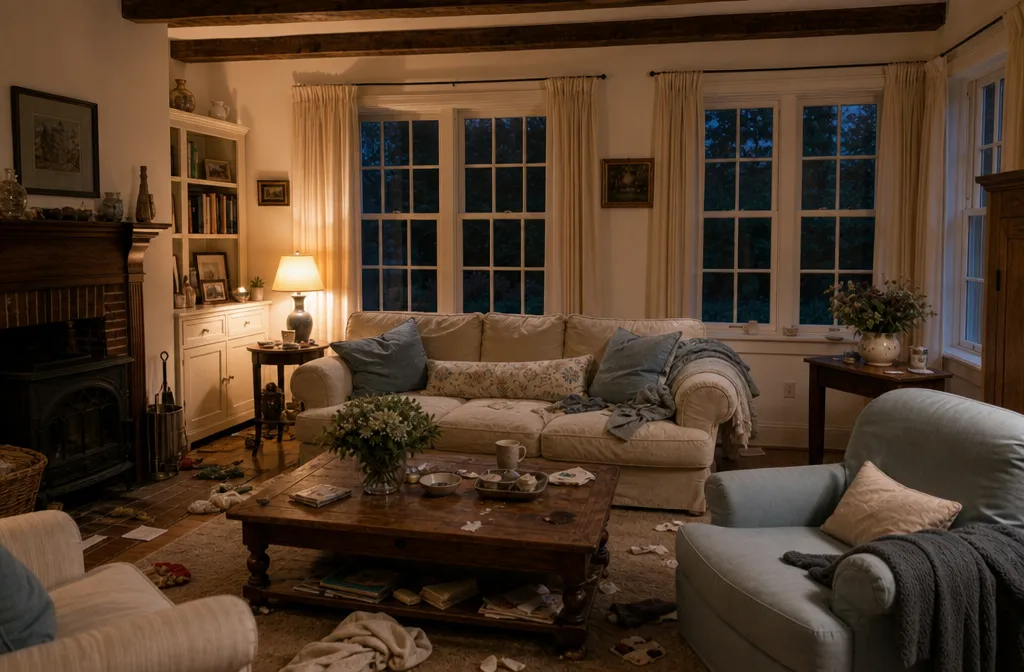
Request: The cottage owner asked to wash the arched window in the living room with stained glass inserts.
Done: The specialist carefully cleaned the arch, stained glass elements, and windowsill.
Cost: 8 000 ₸
Master: Yerzhan Kusainov, window cleaning master
Total: The window sparkles with cleanliness, stained glass inserts shimmer in the sun.
 After
After
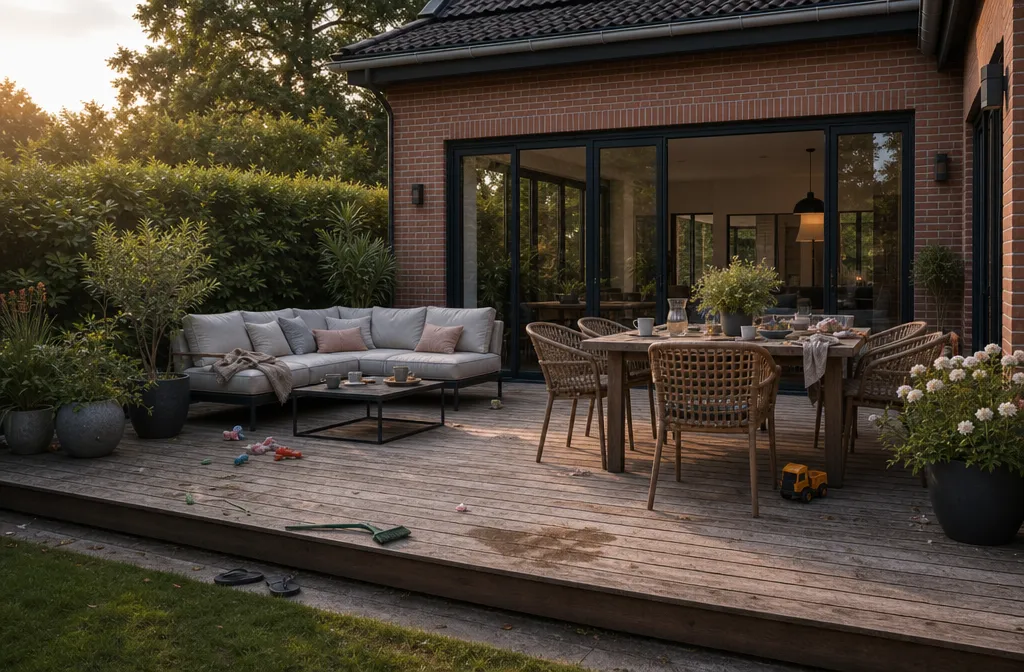
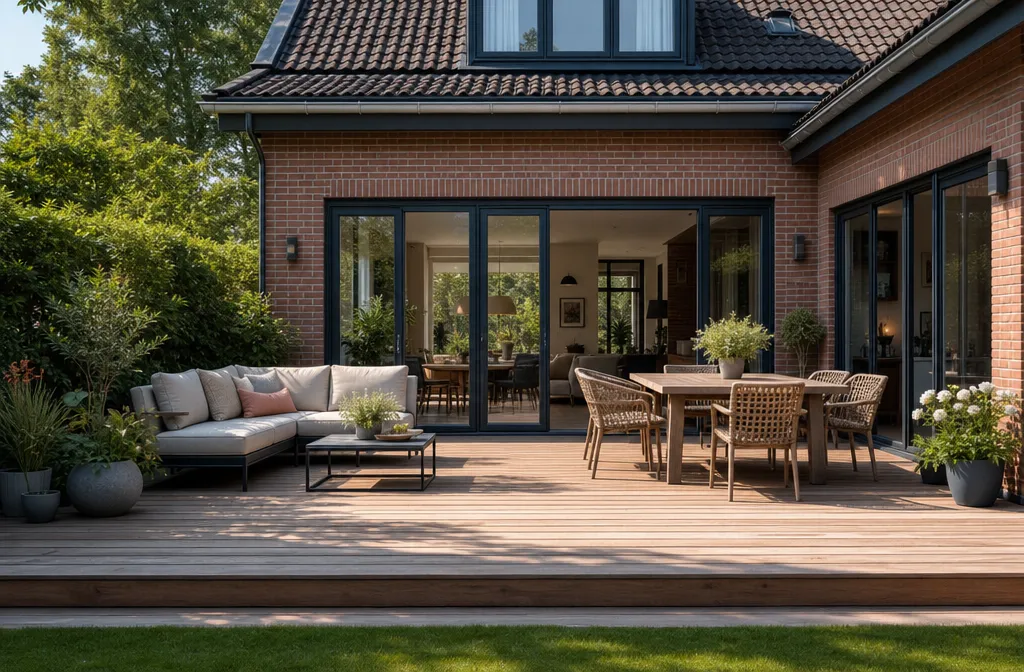
Request: The client ordered washing of the terrace sliding glazing after winter.
Done: The master cleaned 4 sashes, tracks, and frames, removed dirt from seals.
Cost: 7 000 ₸
Master: Ainagul Bekova, window cleaning master
Total: The glass is transparent, the tracks are clean, the terrace is ready for the summer season.

 After
After
Request: The homeowner asked to wash the dormer window in the lived-in attic.
Done: The specialist cleaned the glass, frame, and slopes, removed dust from hard-to-reach areas.
Cost: 6 000 ₸
Master: Nurlan Sadykov, window cleaning master
Total: The window became transparent, the attic filled with natural light.

 After
After
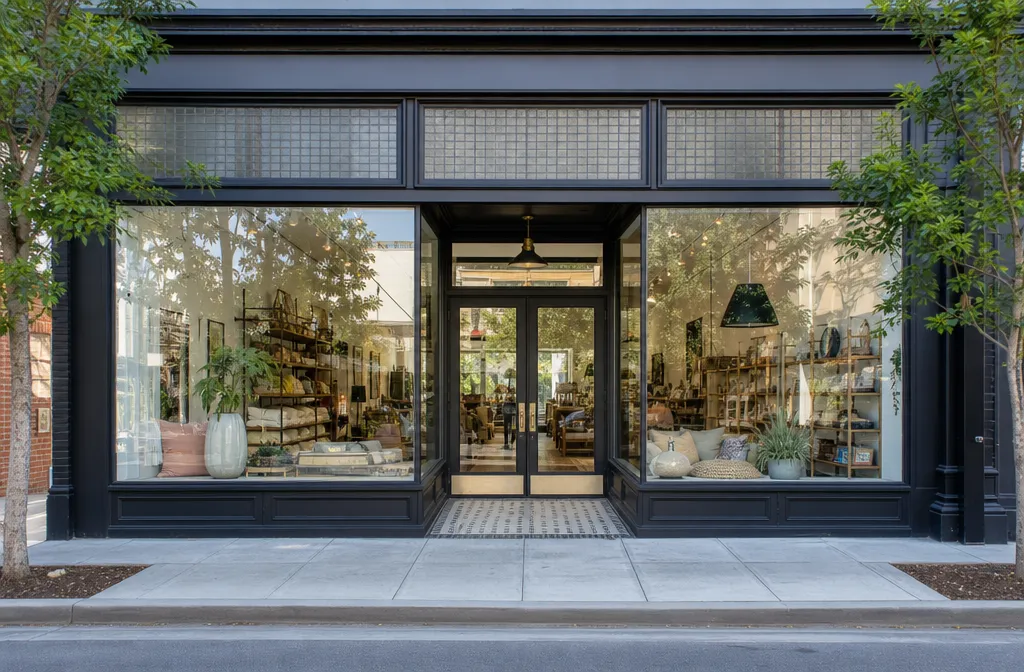
Request: The boutique owner asked to wash the display window and glass entrance group.
Done: The master cleaned the display glass, frames, and windowsills, removed fingerprints.
Cost: 8 000 ₸
Master: Gulmira Tleubayeva, window cleaning master
Total: The display window is transparent, goods are clearly visible, the store looks tidy.
 After
After
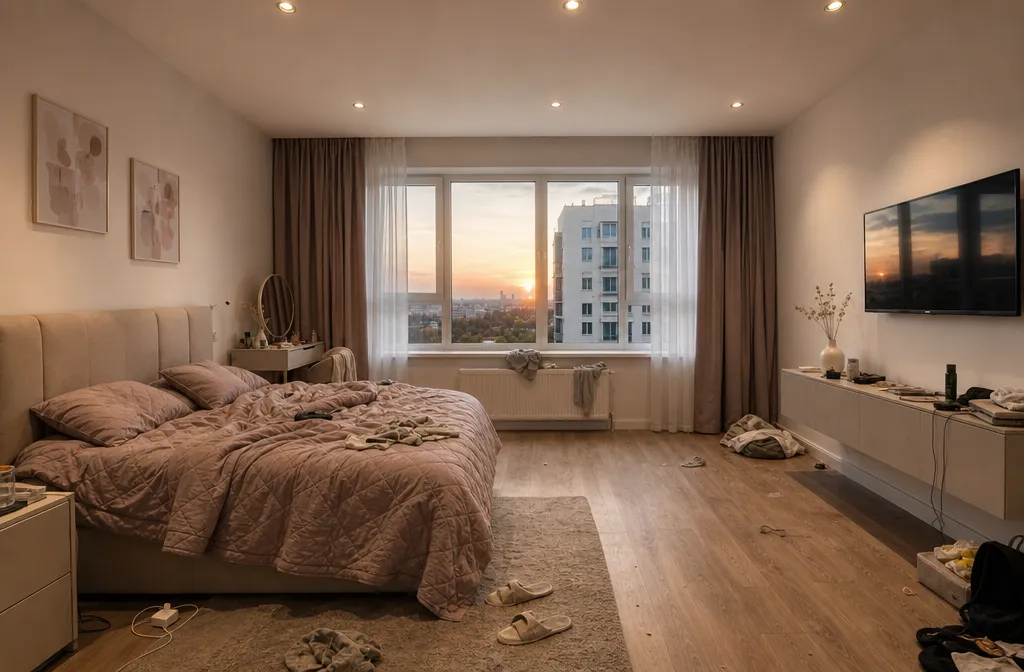
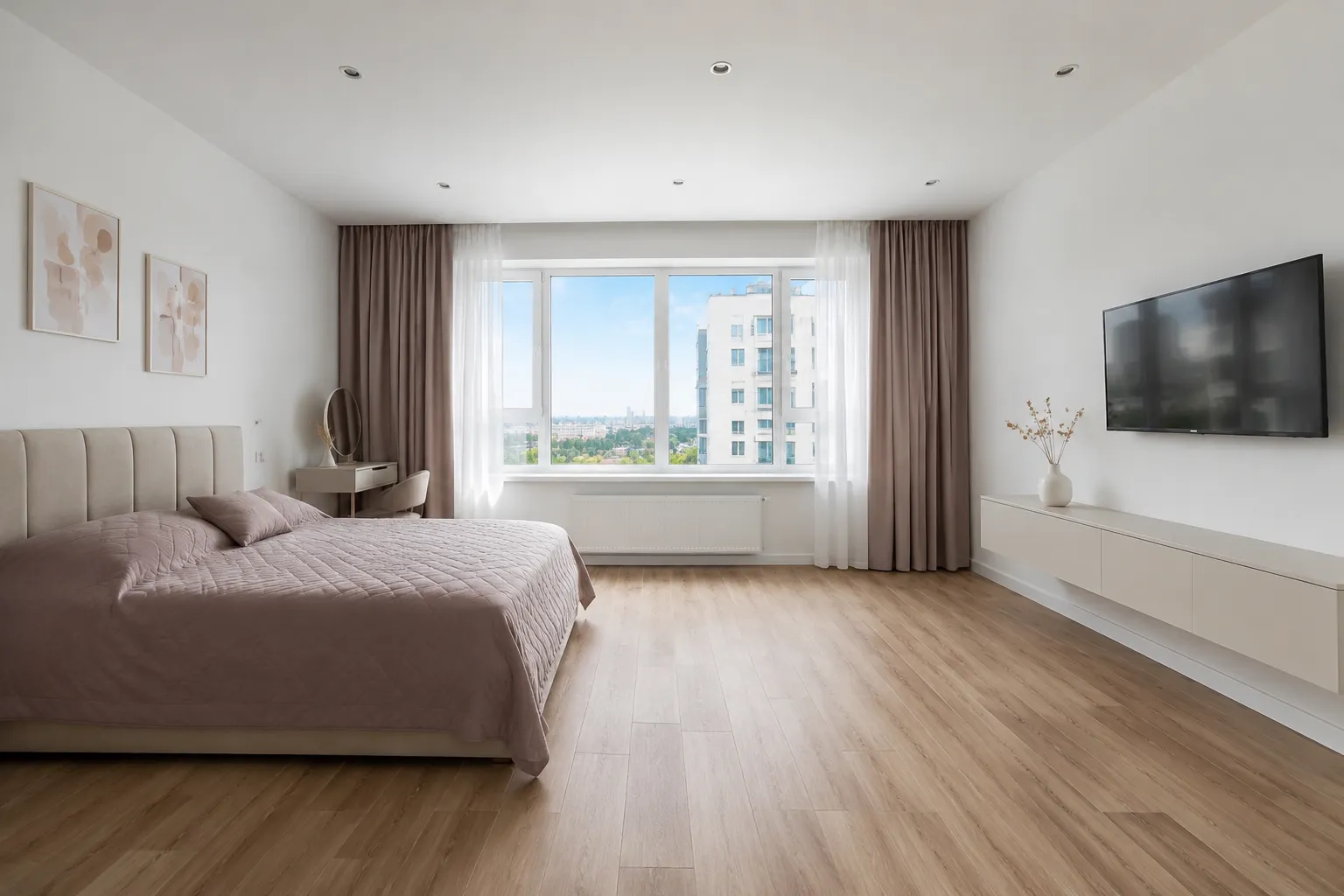
Request: The developer ordered window washing in the apartment after renovation, glass covered in cement dust.
Done: The specialist cleaned the glass, frames, and windowsills from construction dirt and deposits.
Cost: 9 000 ₸
Master: Bakhytzhan Omarov, window cleaning master
Total: Windows are completely clean, without traces of cement and dust, the room is ready for occupancy.
All cleaners are profi-clean staff with training, uniform and security check. Each order has a team leader who controls quality.
Windows in Almaty get dirty faster than in any other city in Kazakhstan — due to a combination of the dusty wind rose, smog from thermal power plants, and poplar fluff in May. Over the course of a year, a significant amount of dry residue settles on a single square meter of glass, and plain water with a cloth simply cannot handle it.
The main reason is the geographical bowl. Almaty lies in a lowland at the foot of the Trans-Ili Alatau, and the air stagnates here for 3-5 days straight, especially in winter and autumn. PM2.5 and PM10 particles from cars and CHP-2 settle on the glass not as a dry residue, but embed themselves into micropores due to condensation: humidity in the city stays at 60-70% for most of the year. In summer, lawn watering adds to the problem — water from sprinklers, mixed with soil and fertilizers, forms a sticky limescale film on the windows. In our orders, we note: windows on the first to third floors in the Medeu and Bostandyk districts require washing 2-3 weeks more often than in the Auezov district — due to proximity to trees and lawns. Above the fifth floor, the residue is predominantly dust-smog based, without organic components. Moreover, a regular microfiber cloth with detergent only removes 60-70% of such residue — the rest remains as streaks visible in the sun.
Spring is the most aggressive period for glass in Almaty. In March-April, winds from Altyn-Emel and the Ili Valley bring fine sandy dust that scratches the glass if wiped with a dry cloth. May brings poplar fluff: it sticks to wet glass after rain and dries into a crust that can only be removed by softening. In summer, windows suffer from hard water stains — drops from sprinklers evaporate in the sun within 15-20 minutes, leaving whitish rings. Autumn is the season of drizzling rain: water mixed with dust leaves horizontal streaks that accumulate into a dirty crust over 2-3 days. In winter, there is snow mixed with de-icing reagents: on lower floors along Abay Avenue and Timiryazev Street, glass becomes coated with a salt residue that corrodes seals if not washed off before frost. In our practice, there was a case: a client on Zharokov Street washed windows in November with plain water; a week later, at -10°C, the guides of the sliding sashes froze — requiring a seal replacement.
| Type of Residue | Source | Harm to Windows |
|---|---|---|
| Smog Film | Emissions from CHP-2, motor vehicles (Al-Farabi Ave., Abay Ave.) | Oxidizes rubber seals, leaves a yellow tint on white frames |
| Sandy-Clay Crust | Winds from the Ili Valley (March-April) | Micro-scratches on glass — dullness, cannot be washed off without special products |
| Limescale Residue | Sprinklers, lawn watering (Medeu, Gorny Gigant districts) | White spots, set in 2-3 sunny days — requires acid for removal |
| Salt Streaks | De-icing reagents (winter, city center and south) | Corrosion of aluminum frames and hardware |
| Organics (pollen, fluff, foliage) | Poplars, birches, lawns (May-June) | Mold on seals with prolonged contact with moisture |
The most insidious type is the smog film. It is invisible in cloudy weather, but in the sun it turns into a matte haze, reducing light transmission by 15-20%. If such a film is not removed for 2-3 months, it reacts with PVC frame plasticizers — the frames turn yellow locally, and they cannot be whitened. Sandy crust does not scratch the glass immediately: after the first wash with a dry cloth, micro-scratches appear, which become noticeable over time when held up to the light. Before spring washing, always spray the glass with water for 3-5 minutes to soften the sand — this reduces the risk of scratches by 80%.
The most common mistake Almaty residents make is washing windows on a sunny day. Water on heated glass evaporates within 40-60 seconds, and the cleaning solution leaves rainbow streaks that are visible even after a second pass. The second most frequent mistake is using a hard sponge or abrasive paste: after one season of such washes, the glass loses its luster and starts to “dust” in the sun. The third is washing frames and glass with the same solution: bitumen from the road often settles on frames (especially at the corner of Dostyk Avenue and Satpayev Street), and if you wipe the glass with the same mixture, the bitumen embeds into the surface. The fourth is ignoring the seals: in Almaty, due to temperature fluctuations (from +35°C in summer to -25°C in winter), the rubber cracks, and moisture gets inside the profile, causing mold. The fifth is washing only the outside: the inside accumulates nicotine residue, kitchen grease, and air conditioner dust — after six months, this layer becomes sticky and attracts even more dirt. In our orders, we have noticed that if you wash windows every three months on both sides, the seals last 2-3 years longer than with annual washing from the street only.
The optimal schedule for Almaty is four washes per year, by season. In spring (April) — mandatory removal of the sandy crust and pollen: if you skip this stage, the summer heat will “bake” the residue, and in autumn it will have to be soaked off with acid. In summer (June) — washing off poplar fluff and limescale from sprinklers: fluff left for a month starts to rot on the seals and attracts ants. In autumn (September) — preparation for winter: removal of the smog film and treatment of seals with silicone lubricant to prevent the rubber from freezing to the frame. In winter (January) — cleaning salt stains: if you don’t wash off the reagents by March, they will corrode the paint on aluminum frames. In areas with intensive greenery (Medeu, Bostandyk, Gorny Gigant), a fifth wash may be needed in August — due to wormwood pollen, which leaves a yellow residue in 2-3 days. On glazed balconies and loggias, the frequency can be reduced to three times if they face the courtyard — there is less road dust there.
There is no universal washing schedule — the frequency depends on the season, floor, cardinal direction, and type of glazing. In Almaty, where dust and smog settle on the glass in a matter of days, the standard recommendation of “once every six months” does not work. Let’s break down realistic intervals for city apartments and houses.
Two seasonal washes per year is the baseline that prevents dirt from embedding into the seals and frames. In spring, after the snow melts, a reagent film with traces of sand and bitumen remains on the glass — if you don’t wash it off before the heat arrives, it bakes under the sun into a hard-to-remove residue. In autumn, before the heating season begins, windows are washed to remove summer pollen, dust with poplar fluff, and traces of rain. In our practice at profi-clean, the number of orders for window washing triples or quadruples in April and October — clients who skip one of the seasons end up with glass that has a matte residue by winter, which cannot be cleaned with regular household chemicals. Therefore, plan for at least two washes per year as a mandatory minimum, even if the windows face the courtyard.
Southern and southwestern facades in Almaty receive maximum UV exposure and more dust from the wind. Under direct rays, water streaks and greasy fingerprints dry in a couple of hours, leaving micro-scratches when you try to wipe them off with a dry cloth. In our orders, windows on the sunny side get dirty twice as fast as those on the north side — pollen and smog stick to the heated glass, and within a month, a persistent matte film appears. For such glass, the optimal interval is once every 4–6 weeks during the warm season, with mandatory use of hypoallergenic Kiehl chemicals that do not leave rainbow streaks in the sun. If the windows are panoramic and face south, in my opinion, it is reasonable to schedule a cleaner’s visit once a month to avoid reaching a state where the residue embeds into the glass.
Apartments up to the fourth floor and rooms with windows facing busy streets (for example, Abay Avenue or Timiryazev Street) receive an additional load from exhaust fumes and road dust. Two weeks after washing, a sticky gray coating appears on windowsills and glass — a mixture of soot from diesel trucks and fine road dust. Unlike upper floors, where dirt is mostly dry and blown away by the wind, on lower floors it is damp and oily, so it eats in faster. Due to this factor, the interval between washes is reduced to three to four weeks, and during the heating season — to two to three. At profi-clean, we use Sodasan compound based on plant-based surfactants for such windows: it dissolves bitumen stains in 2–3 minutes without abrasives and leaves no scratches, which are inevitable when mechanically cleaning with the rough side of a sponge — tested on hundreds of orders across the city.
There are situations that require immediate washing outside the schedule — it’s not worth putting off until the season. First trigger: after renovation or balcony glazing — cement dust, mounting foam, and sealant residue remain on the glass, which dry into dots that can only be removed with a scraper. Second: seasonal blooming — poplar fluff and pollen in May-June clog the drainage holes of frames, and if not flushed out in time, water begins to accumulate inside the profile, leading to seal swelling. Third: heavy rain with hail or a dust storm — after such events, lime streaks and sandy abrasive remain on the glass, which cause micro-scratches when rubbed. In our practice at profi-clean, there was a case where a client postponed washing after a dust storm for two weeks — the coating had set in so much that it had to be removed with a professional compound for cement stain removal instead of a regular glass cleaner. So, if you see that the glass has lost transparency after bad weather, call a cleaner within the next 2–3 days to avoid spending money on abrasive polishing.
Almaty’s climate, with its sharp changes and four distinct seasons, dictates its own rules for window care. We’ve broken down how each season affects dirt and what mistakes are most often made during seasonal washing.
In spring, windows get dirty comprehensively: after winter, salt streaks from reagents and road grime remain on the glass, and from mid-April, pollen from flowering trees and poplar fluff are added. Pollen, mixing with moisture, forms a sticky coating that cannot be washed off with plain water — chemicals with active surfactants are needed. Fluff gets clogged in seals and frame drainage holes, causing water to leak inside the profile at the first rain. At profi-clean in spring, we always flush drainage channels with a vacuum cleaner slot nozzle and treat seals with silicone lubricant — otherwise, condensation on the windows becomes the norm by autumn. Before the season starts, we also check the condition of the rubber seals: they harden in the frost over winter, and without treatment, they start letting in drafts.
In summer, the main enemy of windows is ultraviolet light and high temperature: under the sun, water droplets dry in 2-3 minutes, leaving rainbow streaks from mineral salts. Therefore, in summer, we wash windows only in cloudy weather or early morning, using a compound with a drying retardant. The second problem is traces from midges and mosquitoes: their protein eats into the glass, and if not removed immediately, after two sunny days, a matte spot remains that can only be cleaned with an abrasive paste. In Almaty, construction and road work are also active in summer — cement dust settles on glass and windowsills, mixing with lawn watering. Our recommendation: in July-August, wash windows once every 3-4 weeks, not once a season, otherwise the cement suspension starts scratching the glass when rubbed with a dry cloth.
In autumn, windows get dirty faster than any other time of year — due to wet road dust kicked up by car tires that settles on facades, including the glass. In Almaty, this is compounded by smog from private sector heating: soot from coal and fuel oil mixes with rainwater, forming black streaks that run down the glass and dry into a crust. Washing off such soot with regular cleaning agents is difficult — we use an alkaline concentrate that breaks down hydrocarbon compounds, then neutralize the surface with an acidic rinse; otherwise, a white film remains on the glass. Before winter, we always treat the seals and hardware: if this isn’t done, the mechanism freezes in cold weather, and the rubber loses its elasticity and cracks. In our experience, an October window cleaning order with winter preparation extends the lifespan of the hardware by 2-3 years compared to those who only wash in spring.
In winter, windows get dirty in their own way: the main pollutant is road de-icing salts, which wind and tires carry onto facades. These salts don’t just leave white streaks; when they freeze, they crystallize in the glass’s micro-cracks and gradually destroy the top layer — a “crazing” pattern appears in the sun. Washing windows in sub-zero temperatures is risky: water freezes on the glass within 30-40 seconds, and using a regular squeegee can scratch the surface with ice chips. At profi-clean, for winter washing we use a warm solution with an antifreeze additive (temperature +15 °C) that doesn’t freeze down to -10 °C, and a rubber squeegee without a metal edge. In freezing weather, plastic frames become brittle — you must not press on the sash while washing, or the welded joint in the corner may crack. Practical tip: if your windows face a busy street, schedule winter washing during a thaw when the temperature is no lower than -5 °C; otherwise, the salt residue will stay on the glass until spring, embedding deeper with each freeze-thaw cycle.
Glass stays clear for no more than a week if it isn’t protected from Almaty’s dust and condensation after washing. At profi-clean, we’ve noticed the difference between a window that stays clean for a month and one that gets dirty in three days comes down to three simple techniques that most clients ignore.
After washing, apply a professional anti-static agent to the dry glass — it neutralizes the electrostatic charge that attracts dust. We use nano-ceramic-based formulas from the Kiehl brand: they create an invisible film that repels smog particles and pollen. In our Almaty orders, windows with anti-static treatment stay clean 2-3 times longer than untreated ones — especially on lower floors where dust concentration is higher due to road traffic. Important: anti-static agent should only be applied to perfectly clean and degreased glass — if micro-particles of dirt remain under the film, they get “sealed in” and can only be removed by mechanical polishing.
Rubber seals on frames are the main source of dirty streaks on glass after rain: dust settles on the porous rubber, and water washes it onto the glass. We recommend treating the seals with silicone lubricant after every second wash — it fills micro-cracks, repels moisture, and prevents dust from sticking. In Almaty’s conditions with sharp temperature swings (from +35°C in summer to -20°C in winter), rubber without lubricant hardens in one season, loses elasticity, and gaps appear at the joints through which dust blows in. In practice: seals treated with silicone once every three months last 5-7 years instead of 2-3, and windows stay 70% cleaner after rain.
Mosquito nets are the main accumulator of outdoor dirt: they trap up to 80% of the dust heading toward the glass, but they quickly clog up themselves. If the net is dirty, every gust of wind “blows” dust onto the freshly washed glass — the clean effect disappears within a day. We advise washing nets separately from windows, at least once a month during the dusty season (April-May) and once every two months the rest of the time. Remove the net, wash it with a soft brush and soapy solution (no abrasives — they tear the mesh), and air-dry it completely. A damp net reinstalled will collect all the outdoor particulate matter within 2-3 hours and turn into a dirt filter — making the window wash pointless.
Condensation on windows is the main cause of rapid re-soiling: on a wet surface, dust sets in 2-3 hours, while on a dry surface, it takes 12-15 hours. After washing, be sure to ventilate the room for 10-15 minutes to let the glass dry completely, and maintain humidity at 40-50% — a household dehumidifier or simply regular micro-ventilation will work. In Almaty apartments with plastic windows and no supply ventilation, humidity in winter reaches 70-80% — condensation forms every morning, and clean windows get dirty overnight. Our recommendation: install a supply valve on the frame (cost is calculated individually) — it will solve the condensation problem and extend window cleanliness by 2-3 times without additional washing.
Even a perfectly washed window will have streaks if wiped with the wrong cloth. Microfiber with short pile (120-180 g/m²) leaves no lint and absorbs moisture without streaks — unlike cotton rags, which leave threads and soap residue on the glass. At profi-clean, we use professional microfiber cloths with color coding: blue for glass, green for frames, yellow for windowsills. Do not wash them with fabric softener — it clogs the fiber pores, and the cloth stops absorbing water, simply smearing dirt around.
The choice between hiring cleaners and washing windows yourself is not just about saving money. Our experience shows that behind the apparent cheapness of the DIY approach lie hidden costs that are rarely considered until the first streak appears.
An unforeseen consequence: when washing yourself, you not only spend money on disposable cloths and chemicals but also wear out the seals with aggressive alkalis — replacing them costs a significant amount per window, which is several times more expensive than annual professional care.
In practice, Almaty residents who have tried washing panoramic windows on the 4th-5th floor themselves return to us within a month — due to streaks from hard water and leftover marks from mosquito nets, which are problematic to remove without skill.
| Window Type | Why It’s Hard to Do Yourself | Our Advantage |
|---|---|---|
| Panoramic (from 2.5 m wide) | Requires a telescopic pole at least 4 m long and two people for synchronized washing | We work in pairs: one washes from the outside using a lift, the other from the inside — done in 40 minutes without streaks |
| Dormer and fixed windows | No external access; requires a magnetic brush with adjustable tension | We use professional magnets with up to 30 kg of pull force that won’t scratch the glass |
| Windows after renovation | Hardened cement, construction foam, and paint on frames — removal requires special solvents | We use Sodasan removers for PVC and scrapers with ceramic blades that won’t damage the profile |
| Second floor and above | Risk of falling, awkward posture, no safety gear | We arrive with industrial climbing equipment and insurance for each cleaner |
| Old wooden frames | Alkaline cleaners eat away paint, and water seeps into cracks, causing rot | We use neutral pH solutions and silicone impregnation for wood |
Expert recommendation: if your home has double-glazed windows with energy-saving coating (usually marked as i-glass), never wash them with abrasive pastes or the rough side of a sponge — the coating wears off after 2–3 cycles, and the window loses its thermal insulation. We only use soft microfiber and pH-neutral solutions that preserve the coating for the entire lifespan of the double-glazed unit.
Ordered window washing in an apartment — 3 rooms. Glass perfectly clear, not a single streak. Very satisfied.
Thank you, Aigerim! Glad you liked everything.
Did window washing in an office on 2 floors. Worked fast, no mess. Excellent result.
Washed panoramic windows in the house. Almost perfect, but one glass had a streak. Overall good.
Daniyar, we'll take note. Next time we'll check more thoroughly.
Did window washing on the balcony. They were very dirty after winter, now sparkling. Thank you!
Storefronts polished to a shine. Passersby stop—noticeable. High quality.
Glad to help with the storefronts, Yerlan!
Ordered window cleaning at a cottage. Worked carefully, even wiped the frames. Very clean.
Windows are high, but they managed. However, had to wait long for the master. Quality is okay.
Kuanysh, we apologize for the delay. We are optimizing the schedule.
Ordered window cleaning for the cafe. It immediately became brighter, visitors praise the view. Thank you!
Windows in the meeting room cleaned perfectly. Now it's pleasant to work, the sun doesn't glare.
Timur, great! Glad you're comfortable.
Did window cleaning in a two-room apartment. Fast, no streaks. Will order again.
Windows in the townhouse cleaned well, but one master was an hour late. Satisfied with quality.
Alexey, sorry for the delay. We'll take note.
Ordered window cleaning in the bathroom—plastic panes. Now like new, no film.
Cleaned the veranda at the dacha—huge windows became transparent. Even cleaned the frames.
Thank you, Aizhan! Come again.
The store needed window cleaning for the entrance group. Done in the evening, everything sparkled by morning. Customers noticed.
One-room apartment, windows cleaned well but slightly scratched the windowsill. Overall okay.
Saule, we apologize for the windowsill. We'll offer a discount next time.
Ordered window cleaning at a restaurant with a panoramic view. Now guests praise the cleanliness. Very satisfied.
In the new apartment, the windows on the loggia were dusty after renovation. Now perfectly clean.
Lyazzat, great! Glad we helped.
Ordered window cleaning at the office on the 5th floor. Done, but the cleaner forgot equipment. Average quality.
Bakhyt, sorry for the inconvenience. We'll address this with the staff.
Window cleaning in the attic bedroom — handled perfectly, even hard-to-reach places were wiped.
Sliding windows on the terrace cleaned to a shine. Now the garden is visible. Neat work.
Thank you, Arman! Pleased.
Ordered window cleaning in the kitchen. Glass is clean, but greasy stains on the frames not fully removed. Overall good.
Gaukhar, we'll take note of the frames. We'll send a technician to redo.
Windows in the children's room cleaned quickly, no chemical smell. The child is happy.
We ordered window cleaning for the beauty salon's shop window. Now passersby look inside. Great job.
Serik, thank you! Wishing your salon success.
On average, 15-20 minutes for a standard double-hung window. Panoramic windows up to 3 m² take about 30 minutes. Time depends on the degree of dirt.
Yes, if we have available masters, we come on the day of the order. We work without days off from 8:00 AM to 10:00 PM.
Yes, we use telescopic poles up to 8 meters and safety equipment. The masters are trained and insured.
We recommend 2-4 times a year. In spring and summer, due to pollen and poplar fluff, more often. In autumn after rains.
Professional chemicals from Kiehl (Germany) and Sodasan. They are streak-free, safe for children and animals, and do not cause allergies.
It is advisable to clear the windowsills of items. We will do the rest ourselves: protect the floor, remove curtains if necessary.
We accept cash, Kaspi, Halyk, transfers. Payment after the work is done.
Yes, if there are streaks left, we will rewash for free. The guarantee is valid for 24 hours.
Yes, using telescopic poles up to 8 meters. If windows do not open, we wash from the outside with a pole.
Yes, when ordering 5 or more windows, a 10% discount. For regular customers, individual terms.
Tell us about your experience with profi-clean — it helps other clients and us improve.
We currently operate in Almaty. Other cities are coming soon.