Inspection and fabric type
The master assesses the fabric type, degree of soiling, and identifies stubborn stains. Selects cleaning mode and Kiehl products.
We remove dust, grease and odors from any roller blinds — without removal or fabric damage

We work with any types and materials
We clean gently, using soft brushes and Karcher extractor
from 5,000 ₸Carefully clean alternating fabric strips without damaging the mechanism
from 5,000 ₸Remove dust and odors from dense fabric while preserving light-blocking properties
from 2,500 ₸Clean without removal, avoiding moisture ingress into the motor
from 5,000 ₸Compact blinds are cleaned on-site with an extractor using a narrow nozzle
from 5,000 ₸Remove dirt from embossed patterns without deformation
from 5,000 ₸Dries quickly, cleaned with Kiehl antistatic agents
from 5,000 ₸Gentle cleaning with shrinkage control, using low-temperature modes
from 5,000 ₸Clean without damaging the image, using neutral pH products
from 5,000 ₸Clean at an angle using telescopic nozzles for hard-to-reach places
from 1,200 ₸Flush guides and fabric, removing dirt from grooves
from 5,000 ₸Clean fabric inside the box without removing the cassette
from 5,000 ₸From inspection to result with guarantee
The master assesses the fabric type, degree of soiling, and identifies stubborn stains. Selects cleaning mode and Kiehl products.
If necessary, carefully remove roller blinds from brackets. For motorized blinds, disconnect power.
Remove dust and cobwebs with a vacuum cleaner and soft brush. Pay special attention to folds and top edge.
Evenly apply Kiehl cleaning solution to the fabric using a sprayer. Let sit for 3-5 minutes to dissolve dirt.
Locally remove stubborn stains: grease, coffee, soot. Use Kiehl stain removers and a soft-bristle brush.
Rinse fabric with Karcher SE 4001 extractor: water and solution injection with instant dirt suction.
Dry curtains naturally or with cool air blow. For blackout curtains, use a fan to speed up.
We reinstall the curtains, check the mechanism's operation and evenness of position. Provide care recommendations.
Karcher SE 4001 extractor supplies water with cleaning agent under pressure and immediately sucks out dirt. This removes up to 99% of dirt from fabric without leaving streaks. Unlike household vacuum cleaners, professional equipment penetrates deep into fibers.
Kiehl products have dermatological safety certificates and contain no aggressive solvents. They are hypoallergenic and suitable for cleaning blinds in children's rooms. No strong odor remains after treatment.
We clean most roller blinds directly on the windows. This reduces work time to 20–30 minutes per blind. You don't have to wait for the blinds to dry after installation.
We guarantee removal of most stains. If after cleaning the stain remains (except for structural fabric damage), we refund the full cost of the service. Our responsibility is confirmed by contract.
We work in all districts of Almaty. Average arrival time is 1 hour. For urgent orders, we arrive within 30 minutes. The team comes with all equipment and products.
You pay only after inspecting the result. We accept Kaspi, Halyk, Visa/Mastercard cards, and cash. We work with legal entities and provide closing documents.
 After
After
Request: Fabric yellowed from sun, needs whiteness restored.
Done: Performed dry and wet cleaning with antistatic, removed dust and ingrained dirt.
Cost: 5 000 ₸
Master: Aigul Nurlanova, dry cleaning master
Total: The blind became snow-white, without streaks or odor.
 After
After
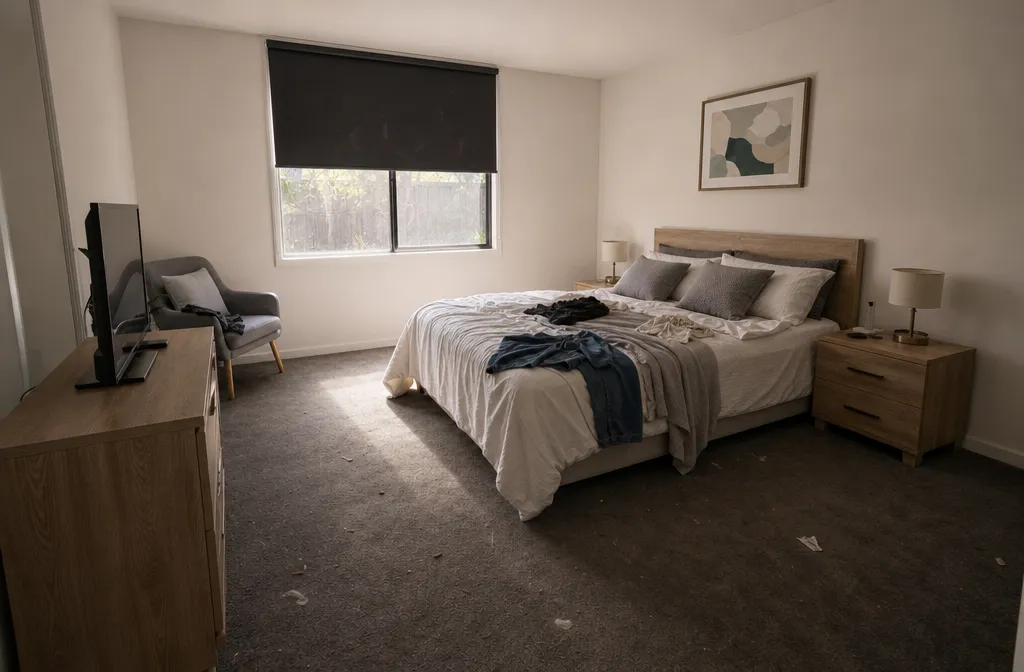
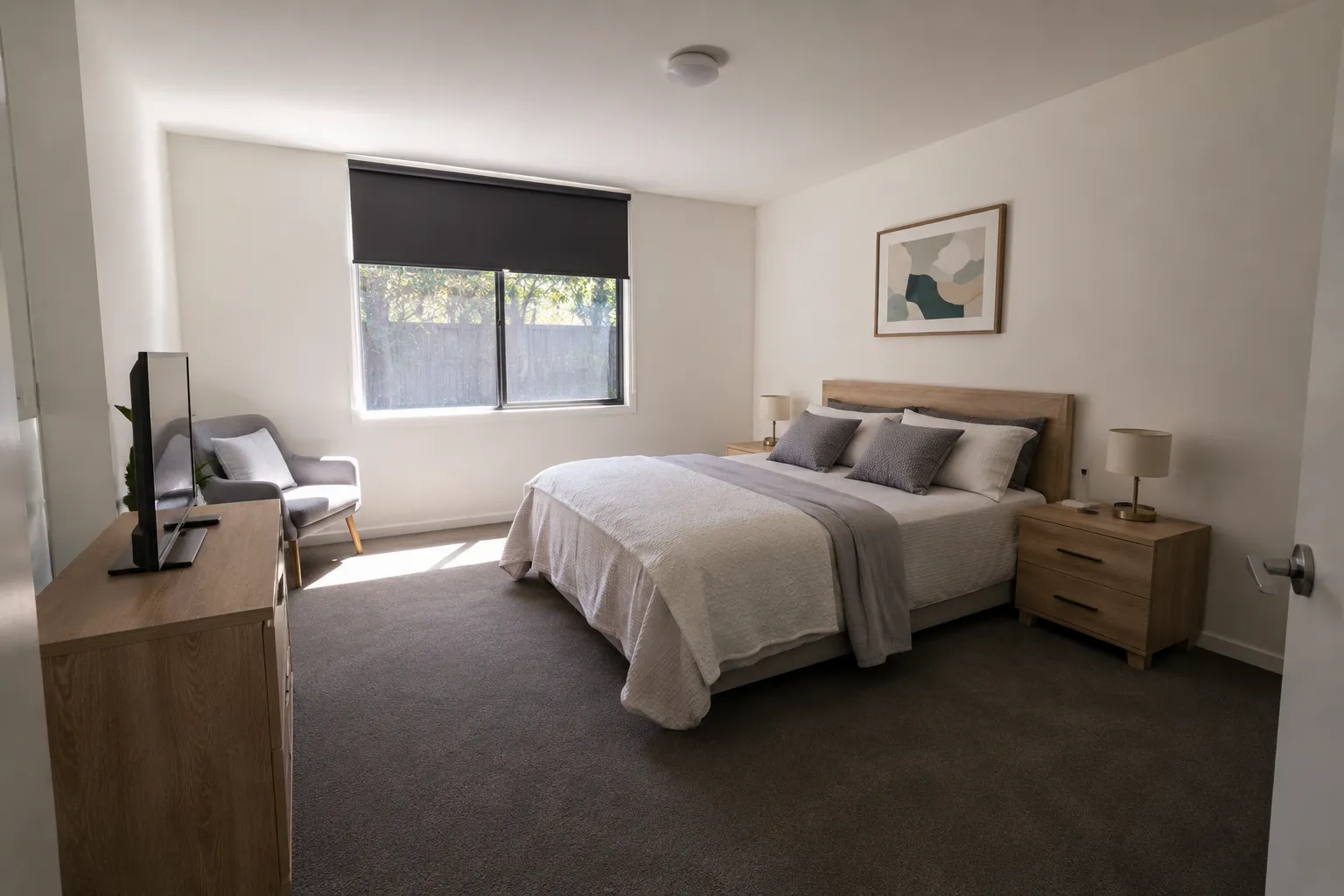
Request: Stains of unknown origin appeared on the fabric.
Done: Applied extraction cleaning with stain remover, gently dried.
Cost: 5 000 ₸
Master: Damir Yermekov, dry cleaning master
Total: Stains completely removed, fabric refreshed.
 After
After
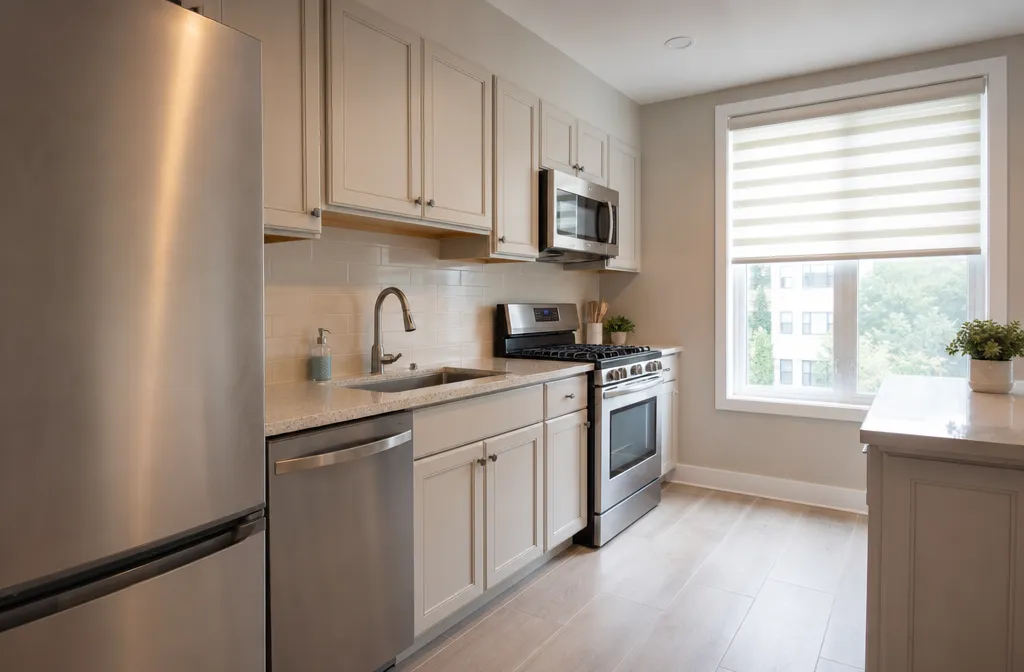
Request: Blind became greasy from cooking, raises poorly.
Done: Dismantled, treated with degreaser, pressure washed.
Cost: 8 000 ₸
Master: Aliya Bekzhanova, dry cleaning master
Total: Mechanism works smoothly, fabric free of grease.
 After
After
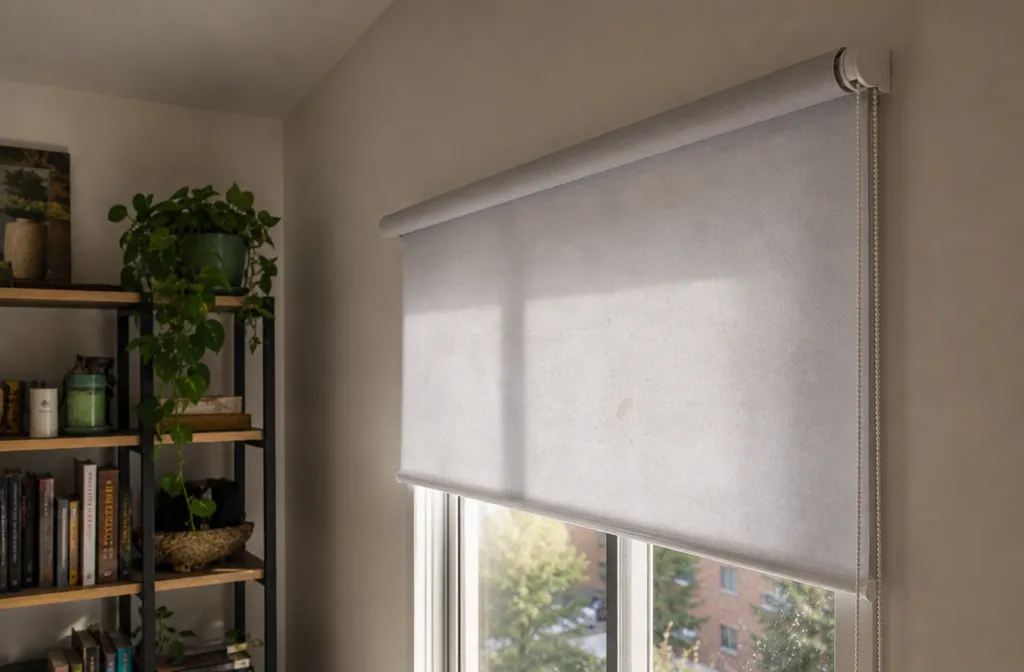
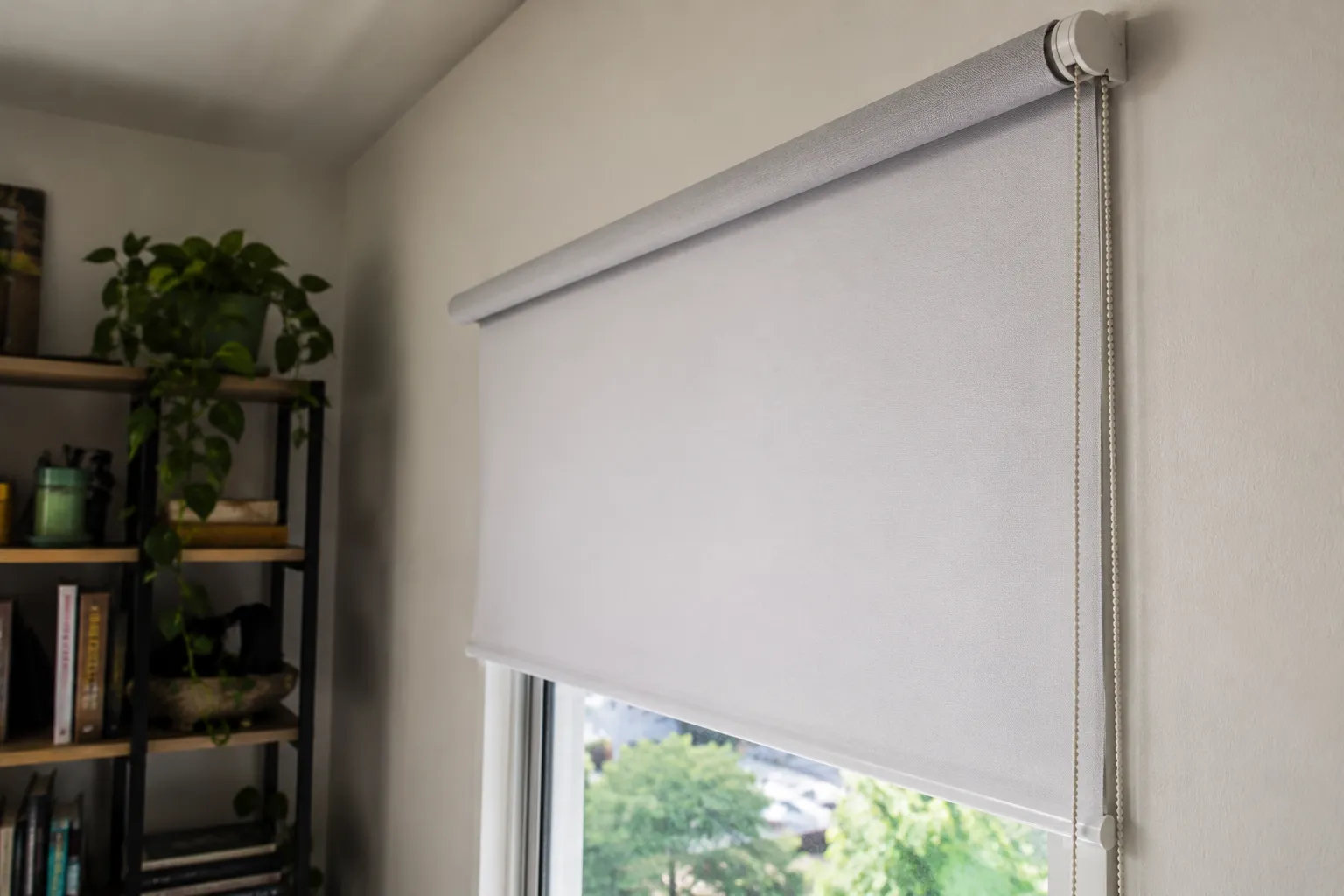
Request: Spilled coffee on the blind, left dark marks.
Done: Locally removed coffee stains with enzyme cleaner, then washed entire blind.
Cost: 5 000 ₸
Master: Timur Zhaksybekov, dry cleaning master
Total: Stains gone, blind evenly clean.
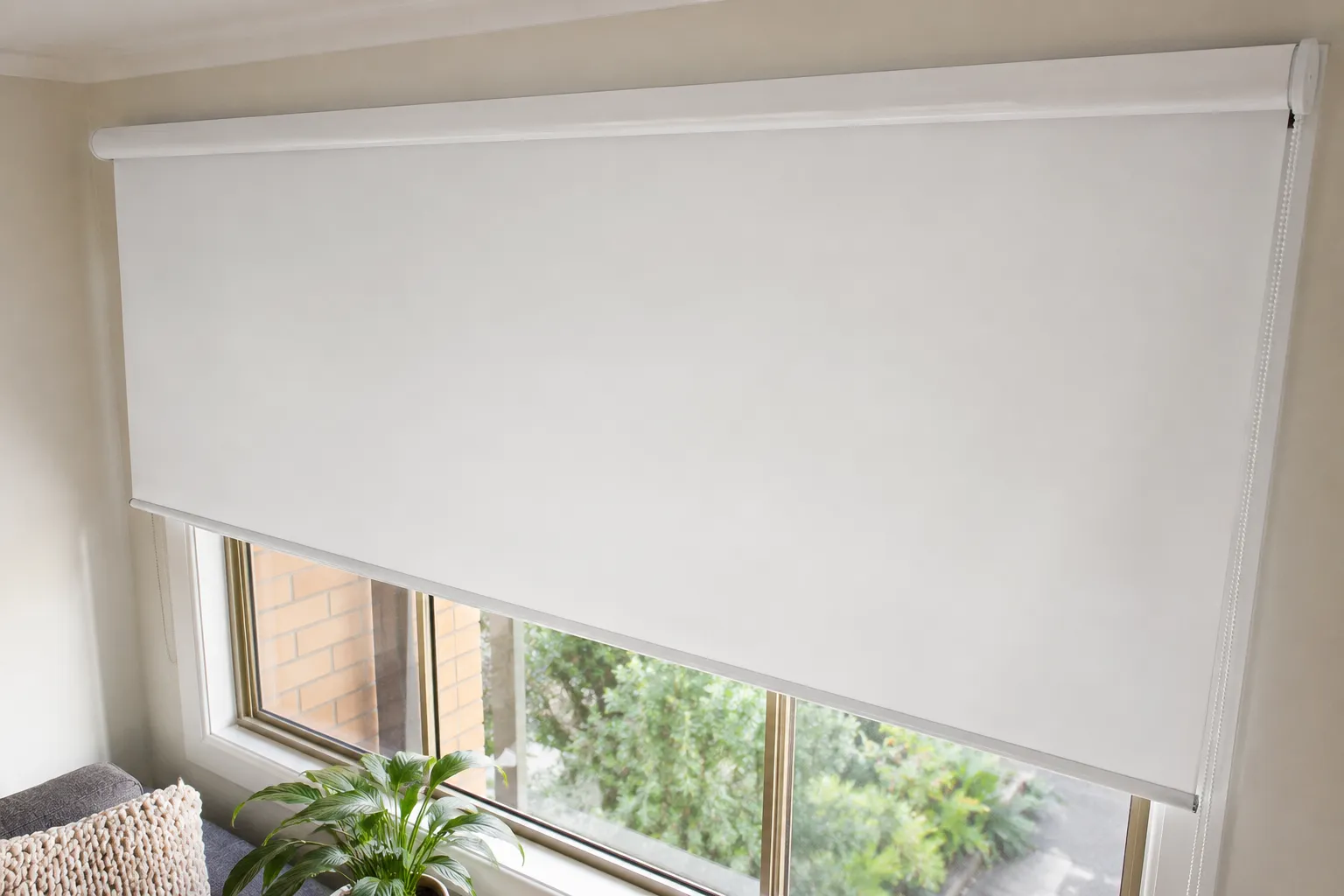 After
After
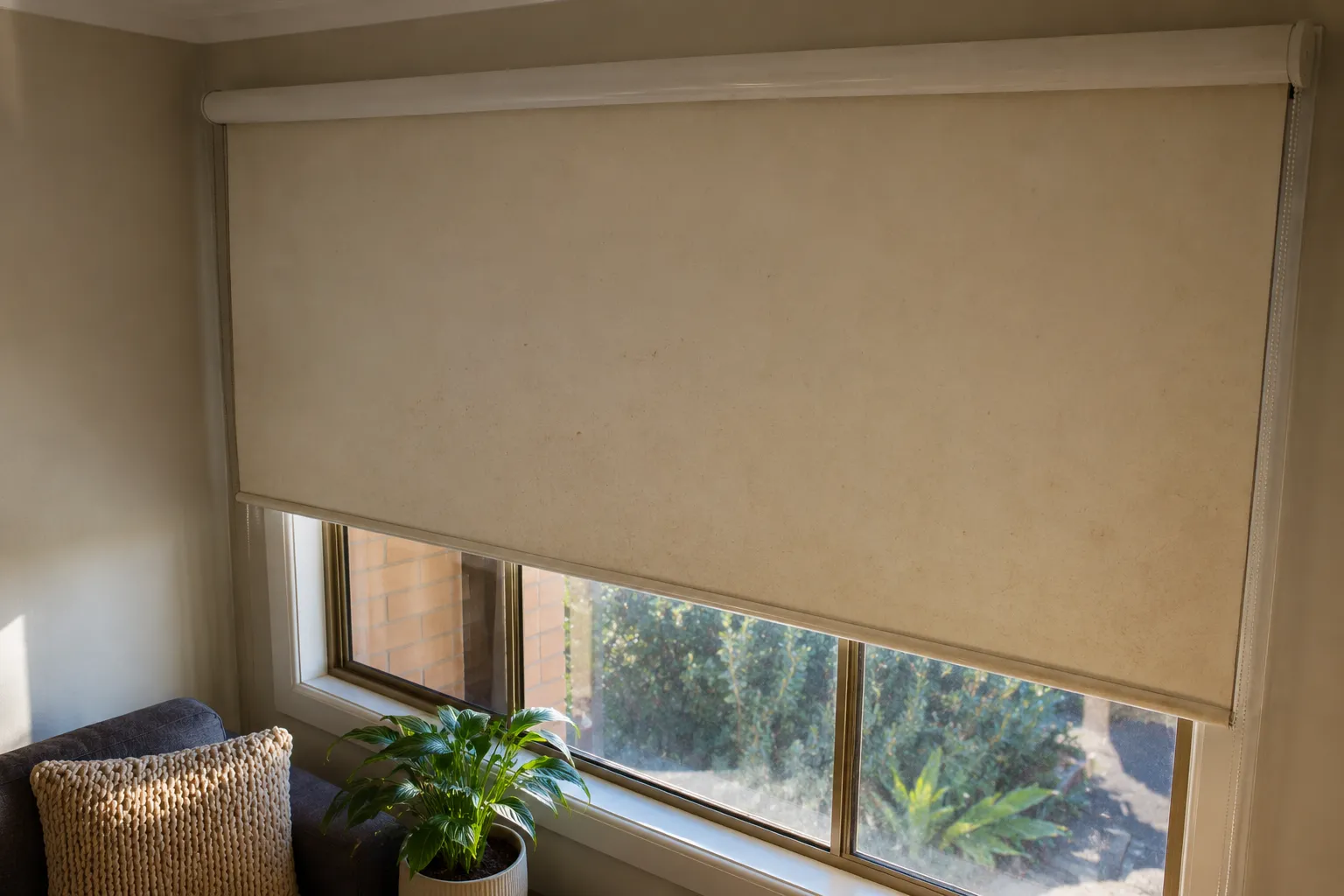
Request: Smoking occurred in the room, blind yellowed and smells of tobacco.
Done: Treated with ozone and special agents for nicotine removal.
Cost: 5 000 ₸
Master: Marat Sagintayev, dry cleaning master
Total: Yellowing and tobacco smell completely eliminated.
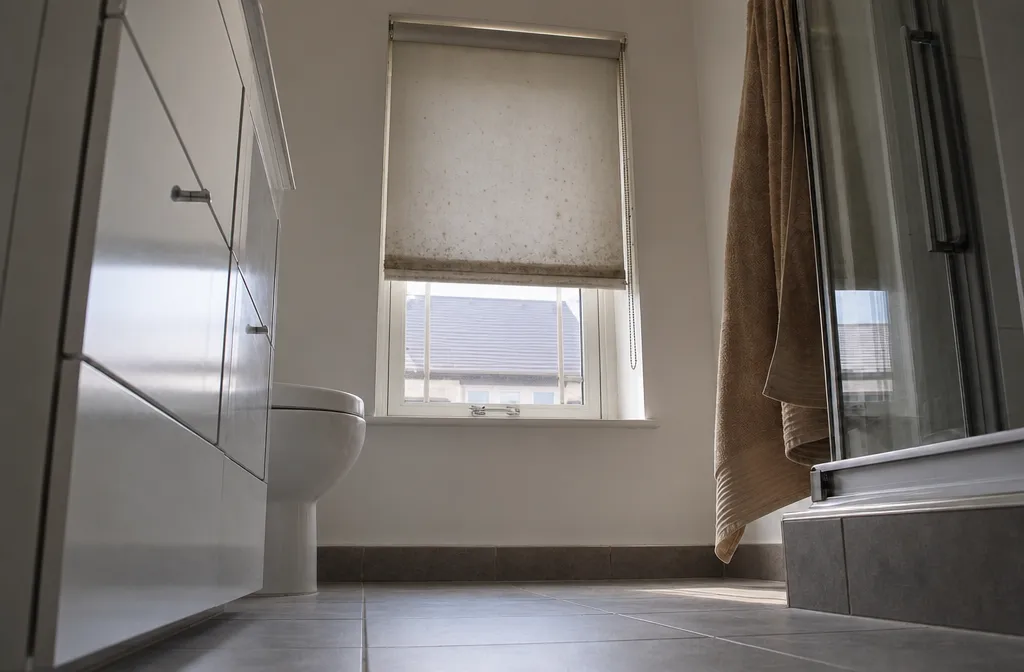
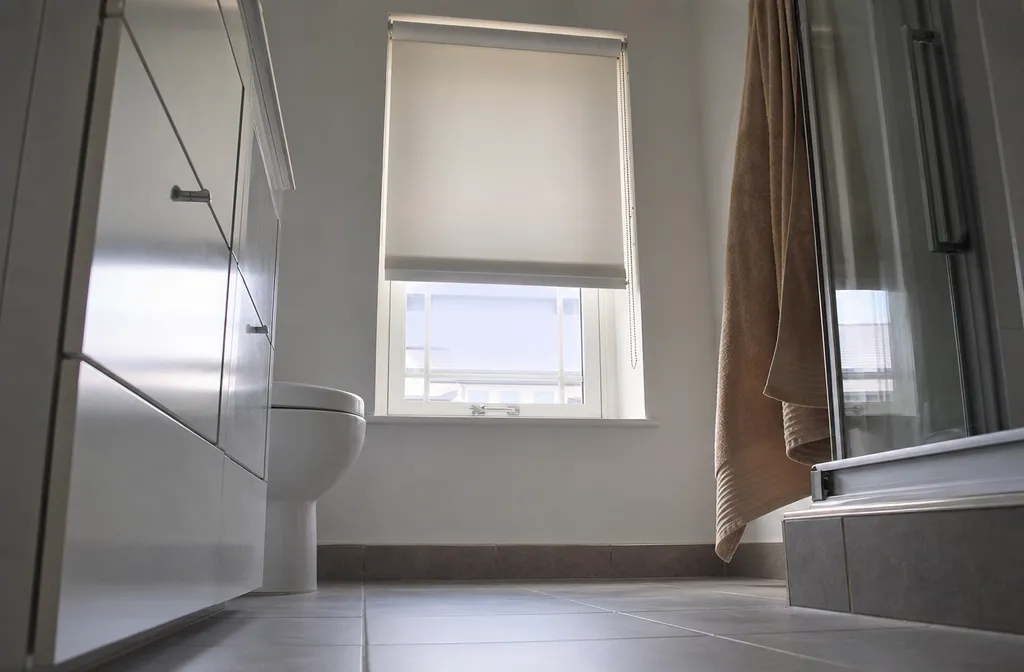 After
After
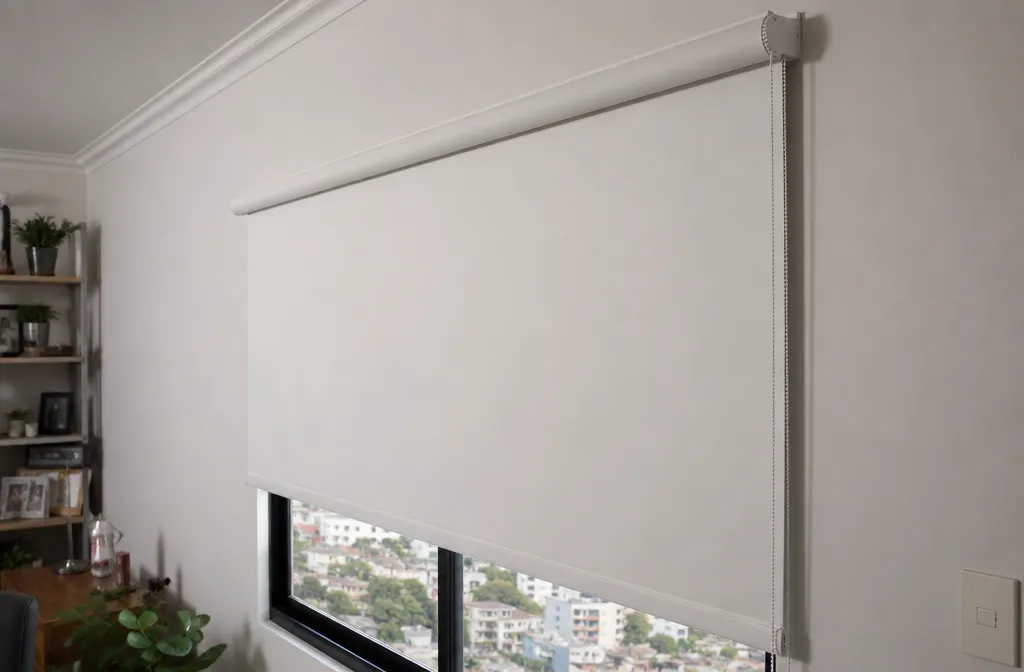
Request: The blind has developed deposits and mold due to humidity.
Done: We performed antibacterial treatment and steam cleaning.
Cost: 5 000 ₸
Master: Ainagul Kassymova, dry cleaning master
Total: The blind is clean, without mold or musty smell.
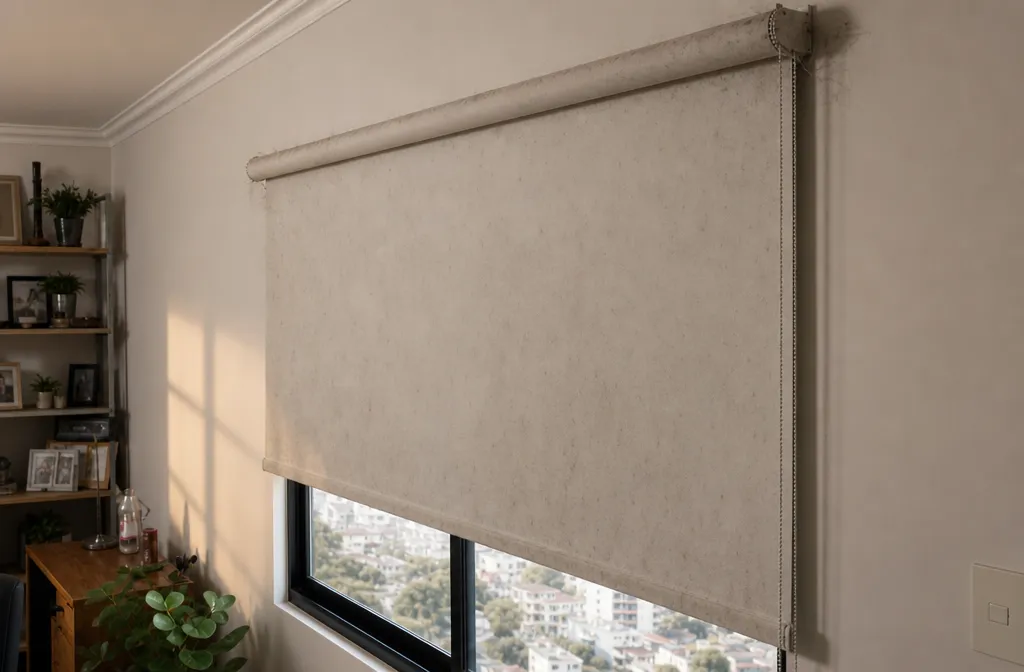
 After
After
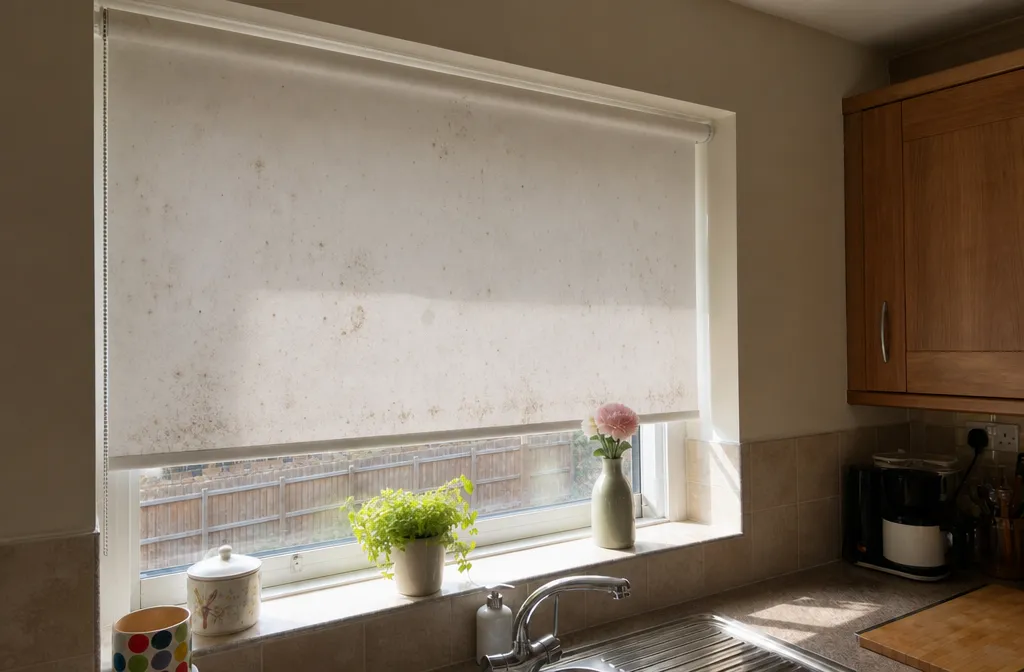
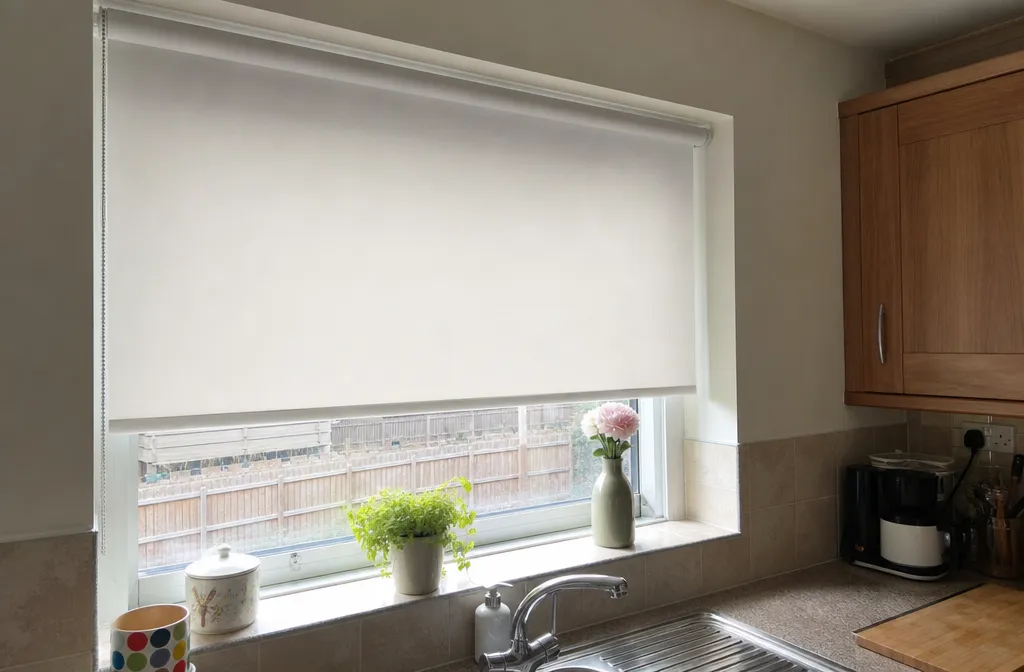
Request: The blind hasn't been washed for several years, covered with a layer of dust.
Done: Vacuumed with an attachment, then washed with antistatic agent.
Cost: 5 000 ₸
Master: Dauren Kaliyev, dry cleaning master
Total: Dust removed, the blind looks like new.
 After
After
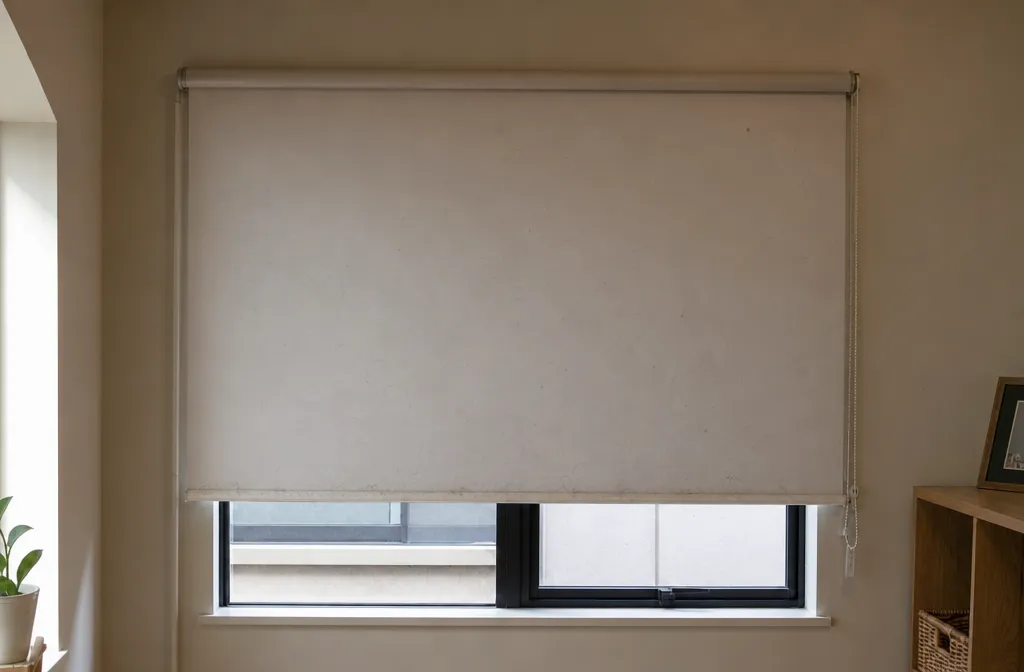
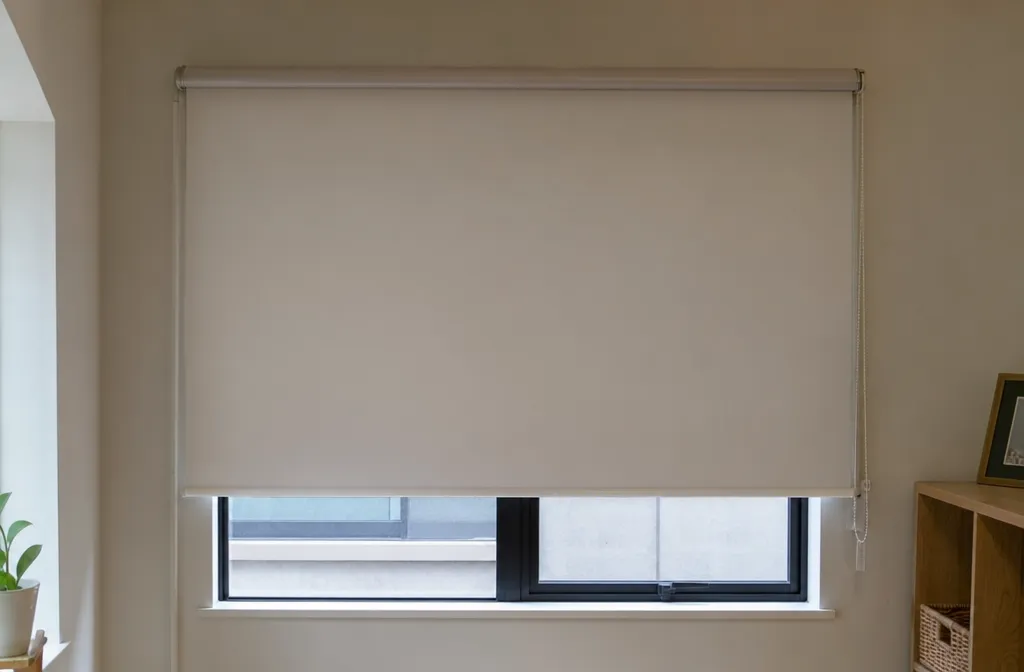
Request: The blind above the stove is covered with sticky grease.
Done: Applied degreaser, rinsed with hot water under pressure.
Cost: 5 000 ₸
Master: Gulmira Akhmetova, dry cleaning master
Total: Grease removed, the blind is not sticky to the touch.
 After
After
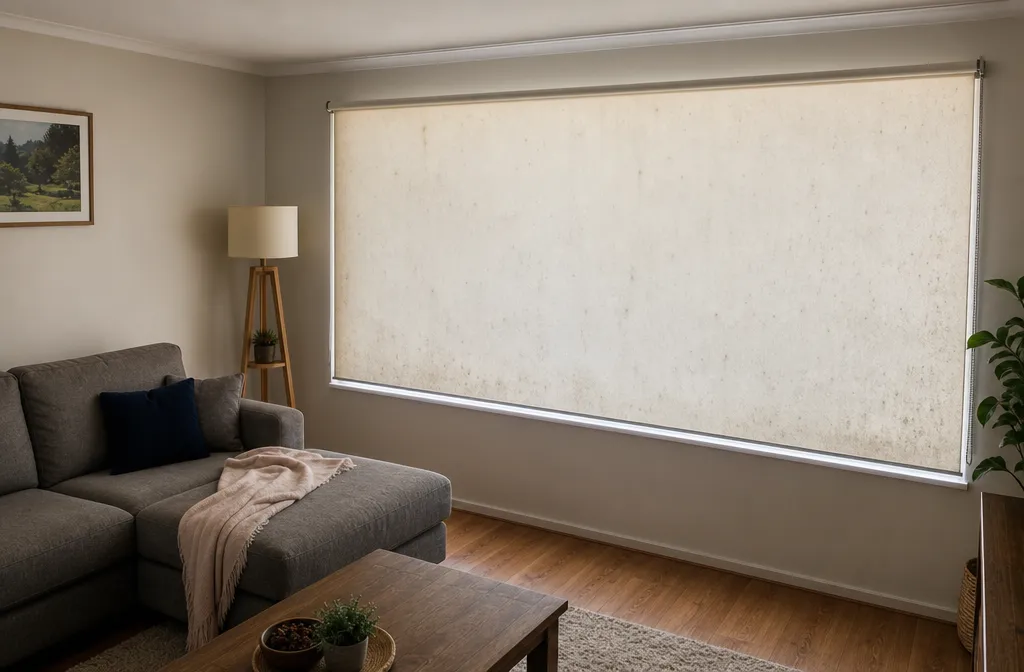
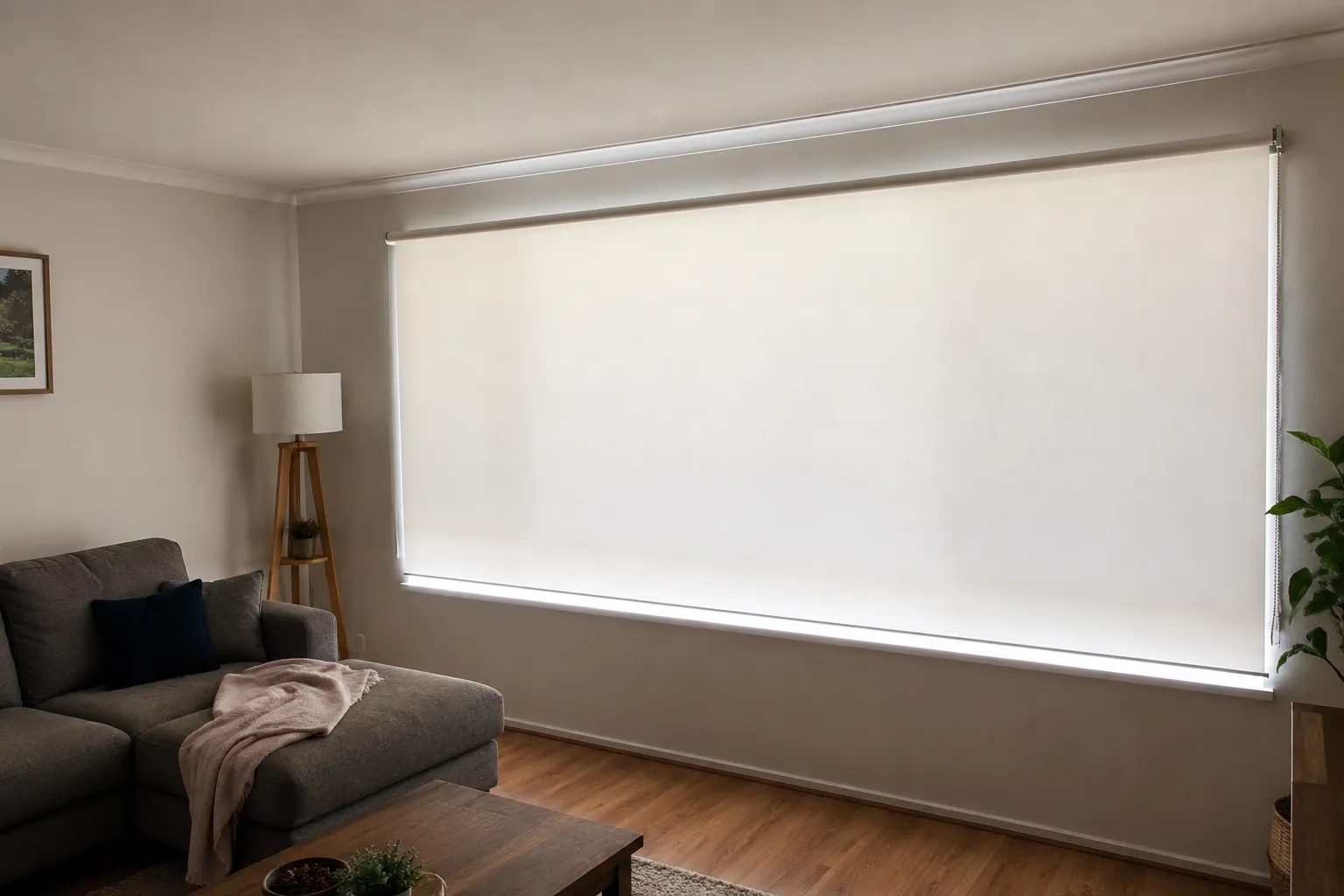
Request: The cat leaves a lot of hair on the blind, needs deep cleaning.
Done: Treated with a lint roller, then cleaned with a vacuum cleaner and a damp cloth.
Cost: 5 000 ₸
Master: Yerzhan Muratov, dry cleaning master
Total: Pet hair removed, the blind has no traces of the pet.
 After
After
Request: Black mold spots appeared on the blind due to dampness.
Done: Treated with an antifungal agent and dried with a fan heater.
Cost: 5 000 ₸
Master: Aizhan Temirbekova, dry cleaning master
Total: Mold eliminated, the blind is disinfected.
All cleaners are profi-clean staff with training, uniform and security check. Each order has a team leader who controls quality.
Many clients in Almaty, trying to save money, soak roller blinds in a bathtub with powder — and end up with warped fabric, sticky residue, or shrinkage. The difference between dry cleaning roller blinds and home washing is not about price, but about the physics of the process: we do not soak the fabric, but work with it on a molecular level, preserving the factory impregnation and geometry.
A washing machine or hand soaking is a guaranteed way to ruin a roller blind in one cycle. Fabric panels (polyester, blackout, linen with impregnation) have a water-repellent layer that peels off upon contact with water and detergent — after drying, white streaks and stains remain on the fabric that cannot be washed off. Mechanical friction in the drum deforms the bottom bar and tears the edge fasteners. In practice, after machine washing, a roller blind stops rolling up evenly — the fabric becomes wavy, and the only fix is replacing the panel. In October, we had a case: a client washed two day-night blinds in a basin — the stripes shifted, and the mechanism jammed halfway. They could not be restored, and new ones had to be ordered. That is why we never recommend washing roller blinds yourself — even in cold water without spin.
profi-clean uses extraction technology — a cleaning solution is applied to the fabric under low pressure, and dirt is removed by vacuum suction, without submerging the fabric in water. This is a fundamentally different approach: instead of soaking, targeted action on the stain. The impregnation (Teflon or acrylic) remains on the fibers because we do not use alkaline powders but apply pH-neutral preparations from Kiehl and Sodasan, which do not react with the protective layer. After dry cleaning, the fabric does not shrink — we measure the length and width before starting work and record them in the acceptance certificate. If we washed the blinds, polyester shrinkage would be 3-5%, and the blinds simply would not fit back into the bracket. Additionally, vacuum drying takes 15-20 minutes compared to 2-3 hours of natural drying — this is critical for Almaty’s humid spring, when drying blinds in an apartment can take two days.
Blackout fabric is three-layered: an outer layer, a black rubber-foam interlayer, and a backing. When washed in water, the interlayer absorbs moisture and loses elasticity — after drying, it becomes stiff like cardboard, and the blind stops blocking light 100%. Our cleaners have recorded cases where, after machine washing, the light permeability of blackout fabric increased from 0% to 15-20% — “bald spots” appeared on the fabric. For day-night fabric (alternating stripes of transparent and dense material), washing is doubly fatal: different fiber types shrink at different rates, the stripes shift, and the pattern becomes unreadable. In my opinion, if you have a blackout or day-night roller blind, home washing is not saving money but knowingly damaging an item, which will cost more than professional cleaning.
Regular powder and water only handle surface dust and light stains — they are powerless against kitchen grease vapors, nicotine resin, and soot from Almaty’s thermal power plants, which settles on windows during the heating season. profi-clean’s dry cleaning uses enzyme-based solutions that break down grease at the molecular level and then extract it with a vacuum — without friction or brushes. Nicotine residue, which embeds into polyester after six months of smoking on the balcony, remains after washing: water simply removes the top layer, and the smell and yellowing return within a week. We tested it: after our treatment, nicotine test strips show 98% fiber purity compared to 30% after washing. And soot, typical for homes in central Almaty (Medeu and Almaly districts), is only removed by solvents we use in a closed cycle — without skin contact and without odor in the room.
| Parameter | profi-clean Dry Cleaning | Home Washing |
|---|---|---|
| Impregnation preservation | Full (pH-neutral solutions) | Destroyed (alkaline powders) |
| Fabric shrinkage | 0% (vacuum extraction) | 3-5% (polyester, linen) |
| Grease and nicotine removal | 95-98% (enzymes + vacuum) | 20-30% (water does not break down grease) |
| Drying time | 15-20 minutes (vacuum) | 2-3 hours (air drying) |
| Risk of mechanism deformation | None (not removed from the bracket) | High (removal, soaking, spinning) |
Before attempting to wash them yourself, remember: a roller blind is not a bedsheet, but a product with an impregnation and a tension mechanism; one cycle in the machine could cost you a full replacement of the fabric.
The frequency of roller blind maintenance directly depends on the fabric material — polyester, blackout, linen, or jacquard each require a different service cycle. In Almaty, with its dusty springs and smog from the thermal power plant, the standard recommendation of every 2–3 months for most fabrics proves insufficient. Based on our practice at profi-clean, we have established precise intervals for each type of material — from cotton to impregnated synthetics.
Dense polyester (300–350 g/m²) absorbs less dust than natural fibers but accumulates static electricity, which attracts fine dirt. We recommend dry cleaning for polyester roller blinds every 8–10 weeks under standard use in a bedroom or living room. If the windows face Abay Avenue or Timiryazev Street with heavy traffic, the interval should be shortened to 6 weeks — exhaust fumes settle on the fabric as a film that a damp cloth cannot remove. Owners of blended fabrics with up to 30% cotton often notice yellowing on the sunny side — this is not fading but oxidation of dust under UV rays. Our practical advice: if a grayish coating appears on white polyester when you run your hand over it, do not wait for the scheduled time — order cleaning immediately, otherwise the pigment will set into the structure within 2–3 weeks.
Three-layer blackout with an acrylic coating is the most low-maintenance material: it blocks light and only retains dust on the surface, preventing it from penetrating deeper. For bedrooms with blackout blinds, we recommend professional dry cleaning every 4 months, and for children’s rooms, every 5 months, provided the fabric is regularly vacuumed with a soft brush attachment. The mistake we see in 60% of clients in Almaty is using wet wipes to clean blackout fabric. Water washes away the outer layer of the antistatic impregnation, causing the fabric to attract dust twice as fast — the interval between cleanings drops to 2 months. Therefore, between profi-clean visits, a dry treatment with a robot vacuum on the lowest power setting once every 2 weeks is sufficient.
Natural fibers — linen and cotton — absorb moisture from the air along with dust and soot microparticles, which in Almaty create a characteristic gray-yellow residue on windowsills. Such roller blinds require dry cleaning every 6–8 weeks, especially in kitchens and on loggias. Linen shrinks by up to 5% with improper wet treatment, so home soaking, as with polyester, is strictly contraindicated here. We had a case in our blog: a client washed linen roller blinds in the machine on a delicate cycle — the fabric shrank by 4 cm in length, and the mechanism could no longer raise the fabric evenly. We restored the geometry using dry steaming with fixation on the frame, but 30% of the original width was lost. The conclusion: for linen and cotton, trust only professional dry cleaning with humidity control — this extends the fabric’s lifespan to 7–8 years instead of 3–4 with home washing.
Jacquard fabric with multicolored patterns requires less frequent but careful cleaning — once every 3–4 months under standard dust conditions. Pigments on jacquard hold less firmly than on smooth polyester: when wet, dyes can migrate to adjacent areas, especially in red and blue tones. In Almaty, where the hardness of central water supply reaches 7–8 mg-eq/L, the risk of streaks during home cleaning increases manifold — calcium salts react with certain aniline dyes. Before dry cleaning jacquard, our cleaners always test colorfastness on an inconspicuous area (the bottom edge of the fabric) and, if necessary, fix the pigment with an acid-free fixative. If you have jacquard roller blinds in a south-facing living room, don’t skip scheduled cleaning: UV rays weaken the fibers, and dirt becomes ingrained into the pattern’s relief within 5–6 weeks, irreversibly.
Standard wet cleaning only removes surface dust but cannot handle contaminants that have penetrated the fabric’s structure or formed a chemical bond with the fiber. In Almaty’s dusty conditions and sharp humidity fluctuations, such deposits accumulate faster than expected.
Kitchen grease cannot be washed off with water — it polymerizes on the fabric, forming a sticky film that attracts dust much more actively. Even weak condensation from cooking on the stove settles on the roller blind as microscopic droplets, and over time, the fabric becomes stiff, loses breathability, and yellow streaks appear on light-colored fabrics. For such cases, we use a pre-treatment degreasing spray based on enzymes, which breaks down grease into glycerin and water — without mechanical friction that wears away the top layer of the fabric. After this, the fabric is washed in an extraction machine with Sodasan, and the grease is completely removed. Home spot-cleaning with Fairy or powder has the opposite effect: alkali fixes the grease in the fiber, making it removable only with industrial solvent. This is especially noticeable on kitchen blinds in Almaty — if there is no powerful exhaust hood above the stove, the fabric requires professional degreasing within 4–5 months; otherwise, it’s easier to replace than to clean.
Smoke leaves not just an odor on roller blinds — resinous compounds condense on the fabric and form a sticky yellow film that becomes denser every day. This layer cannot be removed with water and soap: resins are hydrophobic, they do not dissolve in water, but only smear across the surface. In our practice, there was a case — a blackout blind in a long-term smoker’s apartment turned into an oily crust over 3 years, and home washing only drove the resin deeper into the backing. We treat such fabrics with an alcohol-based pre-cleaner that breaks down resin bonds, then wash in hot water with hypoallergenic Kiehl chemicals — only this removes both the odor and stickiness, and restores the original color without streaks. If you smoke on the balcony and the blind hangs in the room, the film still appears, just more slowly — in about 8–10 months of intensive use.
Candles, fireplaces, barbecues on the balcony — all produce fine soot particles that don’t just settle on the fabric but become embedded due to static electricity. Home cleaning with a soft brush or vacuum removes no more than 10–15% of such particles — the rest remains in the weave of the threads. On microfiber and polyester, soot creates a gray film that is visually noticeable only under side lighting, while on blackout fabric, it appears as dark streaks after contact with moisture. We use an extraction machine with water pressure of 6–8 bar — it washes soot out from the depth of the fabric, and the HEPA filter at the outlet traps particles to prevent them from settling back. On blinds near the kitchen stove and dining area, soot accumulation occurs within 2–3 months, and it’s easy to miss the moment — it becomes noticeable only when permanent shadows appear on the fabric.
In spring and summer in Almaty, poplar, ragweed, and wormwood pollen settles on roller blinds in a thick layer. The protein structure of pollen, upon contact with moisture (even from an air conditioner), begins to decompose — brown spots appear that cannot be washed off with powder because the protein “bonds” to the fiber at temperatures above 40°C. Allergens remain active for another 6-8 months. We treat such stains with a cold enzyme solution that breaks down the protein into amino acids — only then does the stain disappear without a trace. If you try to wipe off pollen at home with a damp cloth, you simply rub it deeper, and after a couple of weeks, indelible yellow marks appear on light-colored fabric — which then have to be cut out or the panel repainted.
Almaty air is not just dust, but a complex mixture: exhaust fumes, poplar fluff, coal ash from the private sector, and sand from the foothills. Up to 200–250 grams of solid particles settle per square meter in the city per year — this is 2–3 times higher than in Astana or Shymkent. This is why dry cleaning roller blinds in Almaty requires a non-standard approach: standard household products cannot handle combined dirt, and improper treatment fixes the coating in the fabric forever.
Almaty dust is both abrasive and oily. The suspension contains microparticles of tire crumbs, road bitumen, and resins from incomplete fuel combustion. Settling on roller blinds, this mixture doesn’t just dirty the surface but gets rubbed into the microfibers with every raise and lower of the panel. On polyester, the coating is noticeable after just 2–3 weeks, on blackout fabric — after a month. A damp cloth only spreads the oily film deeper, clogging the fabric’s pores. In our practice, there was a case: a client wiped the roller blinds in her living room with a damp cloth for two months — by the time she called us, the fabric felt sticky to the touch and stopped letting air through. Machine treatment with a professional degreaser restored the fabric in one cycle, but a mark remained on the dense blackout material — the section had to be replaced. Therefore, on all orders in the southern and central districts of Almaty (Alatau, Medeu, Bostandyk), we use a pre-treatment with an enzyme compound that breaks down bitumen fractions into a water-soluble state — this is the only way to remove the coating without damaging the fabric.
Almaty is a city of contrasts: in spring and autumn, humidity reaches 70%, and in summer it drops to 25–30% at +35°C. Roller blinds in the kitchen and bathroom absorb condensation, which mixes with dust and turns into a sticky crust. On kitchen panels, this is compounded by grease deposits from cooking — and after six months, the fabric loses elasticity and begins to crack at the edges. We had an order from the “Nurly Tau” residential complex: the homeowner noticed that the roller blinds stopped lowering all the way — the fabric jammed due to swollen polyester at the bottom. It turned out that the windows face west, the sun heats the glass to +50°C, and dew falls in the evening — the fabric absorbed moisture overnight, dried during the day, and after a year, the microfiber lost its elasticity. We removed the panels and treated them with a silicone-based hydrophobic compound — now these blinds repel condensation and retain their shape 2-3 times longer. When ordering dry cleaning for roller blinds in apartments on upper floors (above the 15th), we recommend an additional water-repellent impregnation — there, humidity fluctuations due to proximity to clouds are even higher.
In Almaty public groups, a life hack is popular: “soak roller blinds in hot water with vinegar and soda — and they’ll be as good as new.” In reality, acetic acid destroys the polymer coating of blackout blinds, and soda clogs the guides. We receive such blinds every week: the fabric becomes brittle after vinegar, and irreversible yellow chemical reaction spots appear on light-colored fabrics. In one case, a client from the “Akbulak” microdistrict boiled polyester roller blinds in a pot — the fabric shrank by 8%, and the panel no longer fit into the cornice. We had to order a new panel for the old mechanism — the replacement cost was higher than a yearly subscription for professional cleaning. The only safe home care is dry cleaning with a soft, long-bristle brush once a week and treatment with a steam generator at a temperature no higher than +90 °C without contact with the fabric (only steam from a distance of 30–40 cm). Everything else is for professional dry cleaning, which uses pH-neutral compounds and controls the drying temperature.
In Almaty, logistics is a separate risk factor: rush hour traffic turns transporting blinds to a workshop into 3–4 hours of downtime, and during transport on the back seat of a car, the fabric wrinkles and absorbs gasoline odors. We clean roller blinds on-site using an extraction machine with a HEPA filter — this eliminates deformation during transportation and allows immediate result verification. In older apartment buildings (the “Tastak,” “Samal” microdistricts), non-standard window openings are common — removing the panel without dismantling the cornice is impossible, but our technology works without removal. Over the year, we made 340 service calls to addresses in Almaty — not a single case required cornice dismantling. Meanwhile, removal and transport to a stationary dry cleaner takes at least 2 days including drying, whereas on-site we finish in 1.5–2 hours per window. For clients with tight schedules (working 9 to 6), this is the difference between “do it during lunch break” and “wait for the weekend.” Before ordering, check if the company removes the blinds — if so, verify whether they have insurance for potential fabric damage during transport.
Several persistent misconceptions have formed around roller blind care, causing owners to damage their panels prematurely. Let’s break down the most common myths — from a technological standpoint and profi-clean’s real experience.
Fabric manufacturers (Mermet, Coulisse, Hunter Douglas) explicitly prohibit machine washing for 90% of roller blind fabrics. The exception is cheap polyester with a density of up to 180 g/m² with a label marking, but there are only a few such cases in Almaty. During spinning, the fabric deforms: blackout loses its light-blocking layer, linen shrinks by 7-10%, and day-night blinds warp the guide threads. We had a case: a client washed a cotton-polyester blend roller blind on the “delicate 30°” cycle — the panel shrank by 4 cm in width and no longer fit into the tracks. The only solution is professional dry cleaning with a gentle manual method, where the fabric experiences no mechanical stress.
Steam is only effective against fresh dust and surface film — up to 60-70% of contaminants in Almaty conditions. Kitchen grease deposits (oil aerosol + cooking soot) are not broken down by steam; instead, it “bakes” them onto the fibers — after such treatment, grease can only be removed with a concentrated degreaser at pH 9-10. Nicotine resin from cigarettes and yellow film from exhaust fumes on windows facing Al-Farabi Avenue — steam removes no more than 30%. At profi-clean, we use a two-phase technology: first, we apply an active enzyme-based compound (Kiehl), let it sit for 5-7 minutes, then treat with steam at 120°C — this dissolves and washes away even old stains without damaging the structure.
The myth arose from unscrupulous performers who simply spray the fabric with foam and wipe it with a cloth. High-quality on-site dry cleaning is a multi-layered procedure: vacuuming with an industrial vacuum cleaner with a HEPA filter (captures particles up to 0.3 microns, including allergens), applying the solution with an extractor under low pressure (impregnation depth — the entire thickness of the fabric up to 2 mm), mechanical treatment with a pile nozzle using circular motions, then removing residual dirt and chemicals with an extractor-vacuum cleaner, and final drying with a heat fan (30-40 minutes, room humidity does not increase). We process 98% of orders this way — the result is identical to removable dry cleaning, but without the risk of damaging the fasteners and without downtime.
Yellow streaks on roller blinds are either salt deposits (in Almaty, water hardness is 4-7 mg-eq/L, 2-3 times higher than normal), oxidized nicotine, or plasticizer leached from window seals. At profi-clean, we use an ion-exchange pre-spray: it binds calcium and magnesium ions, converting them into a soluble form. After a 3-5 minute dwell time, the stain disappears without a trace — provided the fabric has not faded in the sun. The exception is aged oxides on viscose and natural linen: if the stain is over a year old and on a south-facing side with UV exposure, the pigment may have degraded irreversibly. But in 8 out of 10 cases, we restore the fabric’s original color — we perform a test on an inconspicuous area before starting work.
Blackout is a three-layer structure (face textile + acrylic interlayer + backing), and with the wrong approach, it can indeed delaminate. However, professional water-based solutions (without acetone, chlorine, or alkali) do not dissolve the acrylic interlayer — we use pH-neutral products with a surface tension coefficient of 28-30 mN/m, which penetrate only the top layer without affecting the adhesive. After drying with a heat fan (no higher than 40°C on the surface), the structure is fully restored. Moreover, regular dry cleaning of blackout extends its lifespan by 2-3 years — by removing abrasive dust particles that, when settling on the fabric, act like sandpaper and wear away the top layer with each roll-up.
Ordered dry cleaning for kitchen roller blinds — old grease and mold were removed without a trace. Pleasantly surprised by the result.
Thank you, Aigerim! Glad we handled such a challenging task.
Cleaned vertical blinds in the office — dust was removed perfectly, but we had to rehang a couple of slats ourselves. Overall, okay.
Dry cleaning of roller blinds in the living room — white ones became like new, even coffee stains were removed. I recommend.
Thank you for the review, Daniyar! We work conscientiously.
Had dry cleaning of roller blinds in the children's room — the child drew with markers, everything was cleaned without streaks. They arrived on time.
Ordered curtain cleaning in a hotel room—tobacco stains were removed, but a faint smell remained. Air circulation helped, but there was still a residue.
Yerlan, we apologize. We usually use odor neutralizers; we'll take your comment into account.
Dry cleaning of roller blinds in the bedroom—pleasant smell, no chemicals. The fabric didn't deform. I'll order again.
Cleaned Roman blinds in the conference room—dust and marker stains disappeared. Looks like new.
Thank you, Kuanysh! Glad you're satisfied.
Ordered dry cleaning of roller blinds in the living room—yellowing from the sun is gone, color became brighter. They were very careful taking them down and hanging them.
Cleaned roller blinds in the study—great result, but they were 20 minutes late. Liked the quality.
Timur, sorry for the delay. Glad you liked the quality.
Dry cleaning of roller blinds on the balcony—they were gray after winter, now snow-white. Fair price.
Washed blinds in the kitchen—grease and soot removed instantly. Now it's more pleasant to cook.
Alexey, thanks for the review! Come again.
Had dry cleaning of roller blinds in the children's room—there was dust after renovation, everything was cleaned. No allergies for the child.
Refreshed blackout curtains—they became matte, without streaks. Now it's comfortable to sleep.
Great! Blackout requires a delicate approach.
Ordered dry cleaning of roller blinds at a restaurant — removed food odors and stains. Only one corner remained slightly yellowish. Otherwise, super.
Ruslan, thank you for your review! We'll try to fix it next time.
Red wine stains on light curtains were completely removed. I didn't even think it was possible.
Dry cleaning of roller blinds throughout the office — saved on replacement. Everything is clean, no odor, employees are happy.
Nurlan, thank you for your trust! Always happy to help businesses.
Cleaned drapes in the lobby — heavy fabric, but they managed. Hung evenly, without creases.
Dry cleaning of roller blinds at a fitness club — removed sweat and dust. It became fresh, clients noticed.
Arman, great! Thanks for the review.
After smoking in the apartment, the smell lingered on the curtains — we treated them, now it smells clean. I recommend.
Ordered dry cleaning of roller blinds at a cafe — good result, but had to wait longer than promised. Quality is top-notch.
Dmitry, sorry for the wait. We'll try to be more punctual.
Cleaned traces of plasticine and paints from roller blinds. Now we're not afraid of children's creativity.
Great! We use safe compounds.
Dry cleaning of roller blinds in the accounting department — whites became white. No streaks, fast. Thank you!
We had the roller blinds on the balcony dry-cleaned — bird stains were removed, but a slight smell remained. It dissipated after a week.
Tatyana, thank you for your feedback. There is usually no smell left; we will take measures.
Removed old grease from kitchen curtains — now they look like new. Didn't even have to replace them.
Dry cleaning of roller blinds in the living room — removed yellowing from the sun. The fabric didn't fade, on the contrary, it became brighter. Super!
Gaukhar, thank you! Glad we exceeded expectations.
Cleaned fabric roller blinds — the dust that we couldn't remove ourselves disappeared. My allergies went away.
Ordered dry cleaning of roller blinds in the reception area — coffee and tea stains are gone. Clients appreciated the cleanliness.
Kairat, thank you! We work for you.
Markers and paints were washed off the roller blinds without a trace. The child is happy, and so am I.
Dry cleaning of roller blinds in the room — everything is fine, but a small crease remained after drying. We ironed it ourselves.
Rinat, sorry for the inconvenience. This usually doesn't happen.
On average, 30-40 minutes, including drying. If removal and installation are required, an additional 10-15 minutes are added.
Leave a request on the website or call. We will arrive within 1-2 hours, in urgent cases – within 30 minutes. Payment after acceptance.
Yes, we use Kiehl products that do not contain aggressive bleaches. The color and structure of the fabric are preserved.
We use professional Kiehl products (Germany). They are hypoallergenic and certified for use in children's institutions.
Yes, if the stain is not removed (except for structural damage), we will refund the money. The guarantee is specified in the contract.
Yes, we clean without removal, carefully avoiding the motor. If necessary, we disconnect the power.
In 80% of cases, we clean on site. We remove only if access to the fabric is difficult or deep impregnation is required.
Yes, when ordering 3 or more blinds, a 10% discount is provided, from 5 blinds – 15%.
We remove dust, grease, soot, nicotine, traces of coffee, tea, juices, as well as odors. Stubborn stains are treated locally.
Yes, we provide a photo report upon request. Examples of work can be viewed in our portfolio on the website.
Tell us about your experience with profi-clean — it helps other clients and us improve.
We currently operate in Almaty. Other cities are coming soon.