Inspection and identification of dirt
We visually assess the type of dirt: streaks, film, limescale. We use a flashlight to detect hidden defects.
Professional glass partition cleaning in Almaty — streak-free and safe for the coating

We work with any types and materials
Cleaning clear glass with removal of streaks and fingerprints.
from 12,000 ₸Cleaning matte surface without damaging the texture.
from 12,000 ₸Polishing mirrors to a shine without scratches.
from 12,000 ₸Gentle cleaning of laminated glass.
from 12,000 ₸Cleaning without peeling off the film.
from 12,000 ₸Cleaning the image without damaging the paint.
from 12,000 ₸Cleaning glass and aluminum frame.
from 14,500 ₸Cleaning sashes and tracks.
from 12,000 ₸Cleaning fixed structures.
from 12,000 ₸Cleaning door leaf and hardware.
from 12,000 ₸Removing soap scum and limescale deposits.
from 12,000 ₸Cleaning display windows and internal partitions.
from 12,000 ₸From inspection to result with guarantee
We visually assess the type of dirt: streaks, film, limescale. We use a flashlight to detect hidden defects.
We remove dust and large particles using a HEPA vacuum cleaner. Wipe the frame with a damp microfiber cloth.
Spray Kiehl or Sodasan solution onto the glass. Leave for 2-3 minutes to dissolve dirt.
Remove stubborn stains (paint, glue) with a stainless steel blade scraper. Movements at a 45° angle.
Reapply the solution, wash with microfiber, then remove moisture with a squeegee. Vertical movements.
Wipe the aluminum frame and rubber seals with microfiber. Use a brush for joints.
Polish the glass with a dry microfiber cloth in circular motions. Remove residual moisture.
We check the quality under natural light. We photograph the result. We touch up if necessary.
We use Kiehl and Sodasan concentrates that effectively remove dirt without damaging tempered glass, triplex, and mirrors. The products are certified and safe for children and pets.
We use professional squeegees with natural rubber blades that provide a perfectly smooth surface without streaks. The technology removes 100% of moisture in one pass.
We use vacuum cleaners with HEPA H13 filters that trap 99.97% of particles up to 0.3 microns. This guarantees cleanliness in the joints and frame of the partitions.
If streaks remain after cleaning, we will re-clean the partition for free within 24 hours. The guarantee applies to all types of glass surfaces.
All masters undergo training on working with fragile materials: triplex, mirrors, matte glass. We use special tools for safe cleaning.
To remove construction film, we use a steam cleaner and extractor that soften the adhesive without scratches. The process takes up to 30 minutes per 1 m².
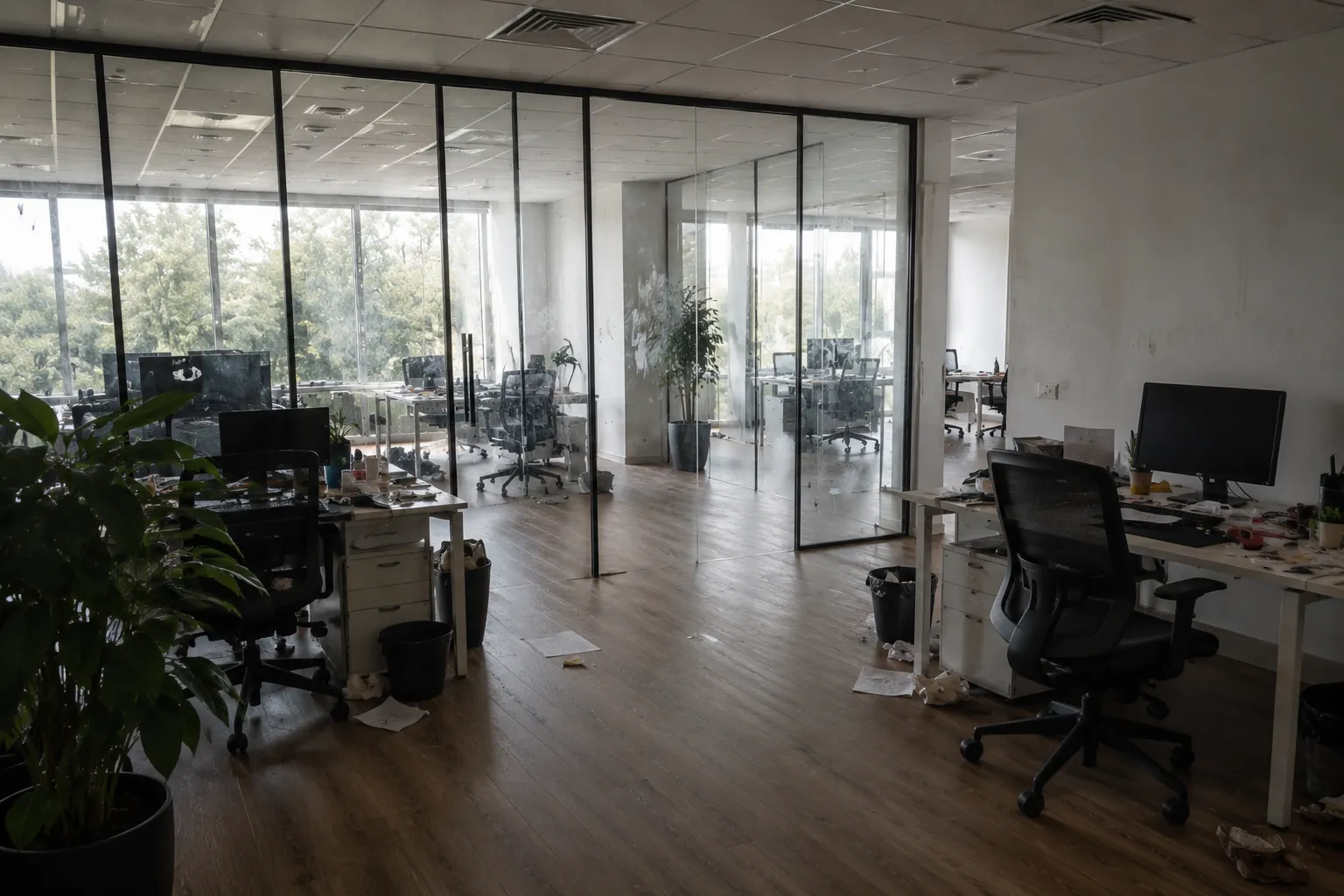
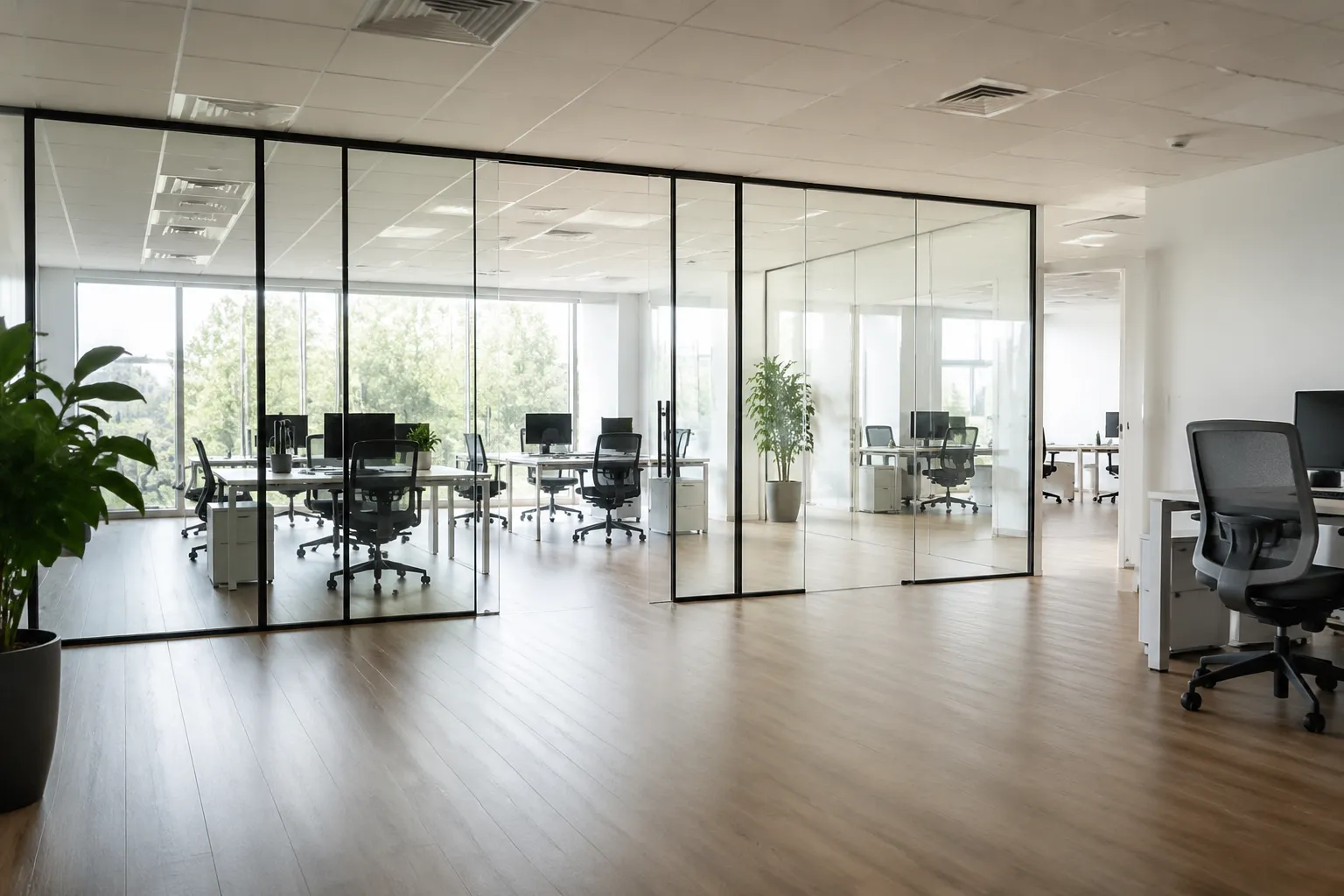 After
After
Request: The client asked to remove streaks and fingerprints from the glass partition in the open space.
Done: We performed professional glass cleaning using a degreaser and microfiber cloth.
Cost: 14 000 ₸
Master: Aigul Nurtazina, cleaning master
Total: The partition became transparent, without streaks or fingerprints.
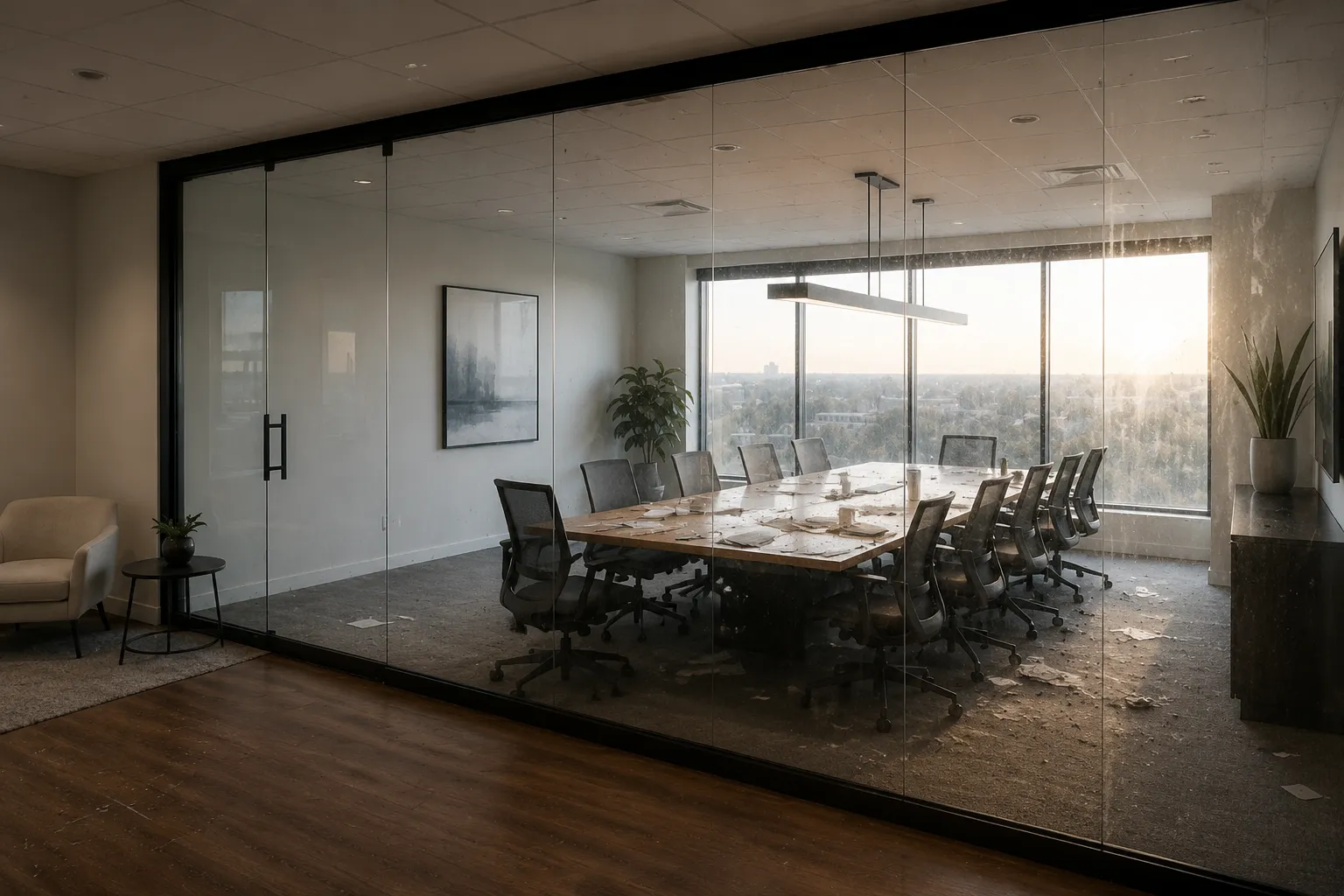
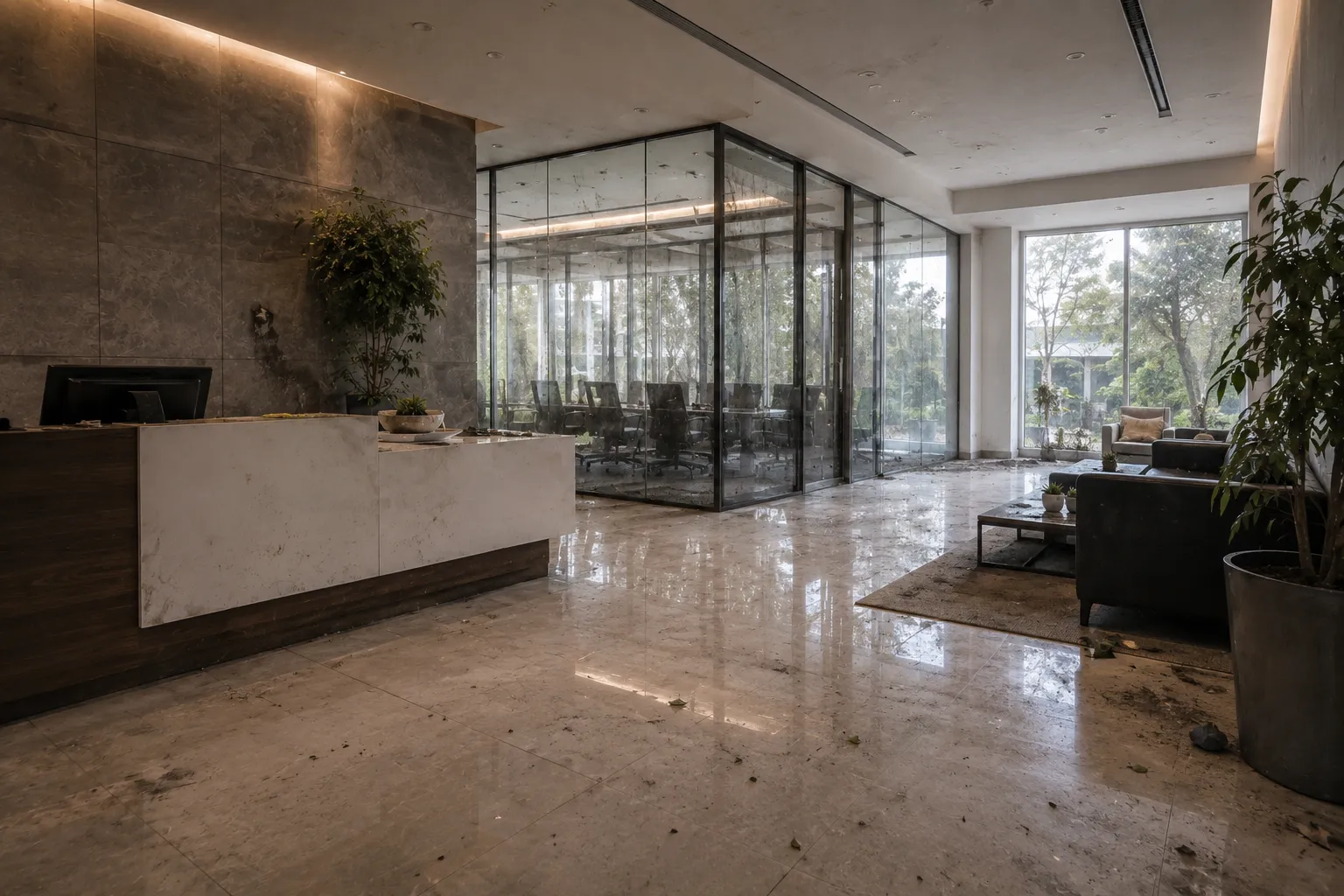
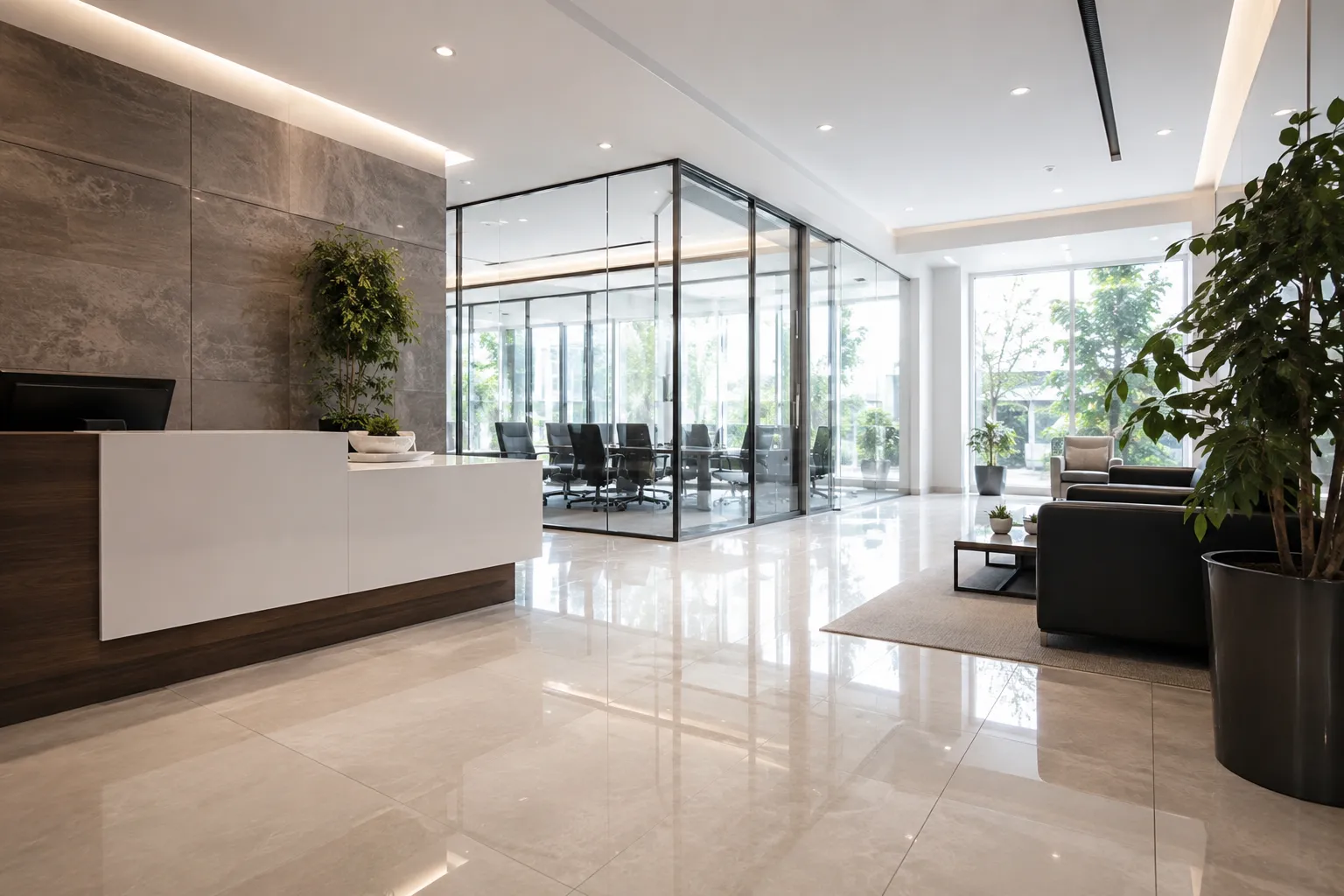
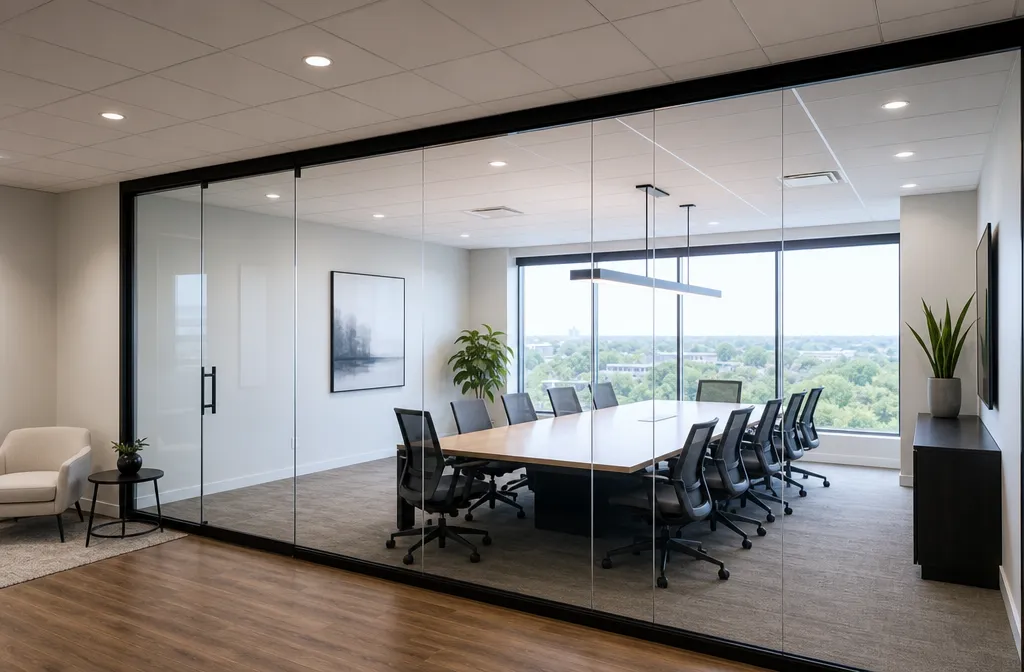 After
After
Request: It was necessary to clean the glass wall in the meeting room from dust and greasy stains.
Done: We performed glass cleaning using a professional scraper and cleaning solution.
Cost: 15 000 ₸
Master: Timur Zhaksybekov, dry cleaning master
Total: The glass became perfectly clean, the room looks fresh.
 After
After
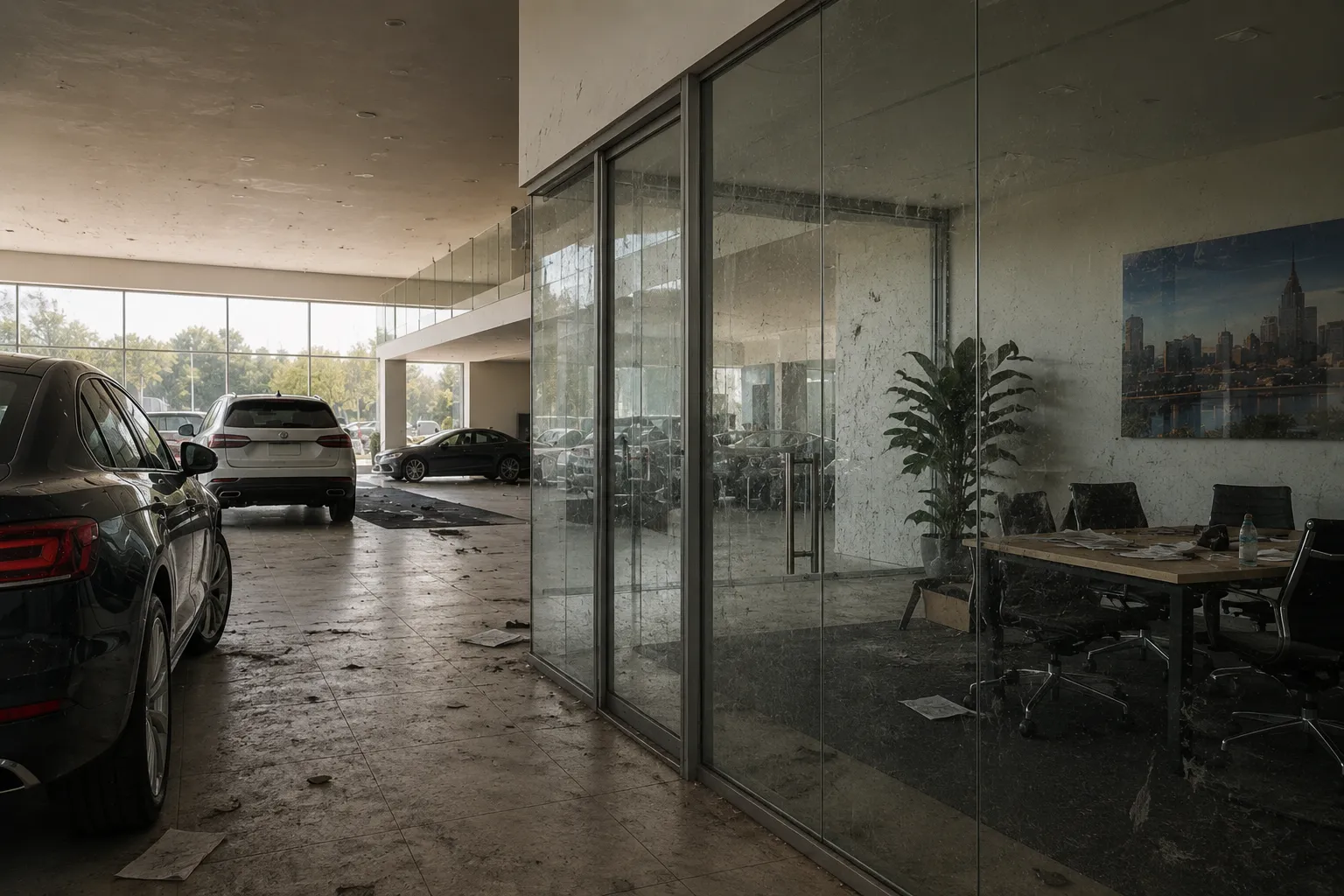
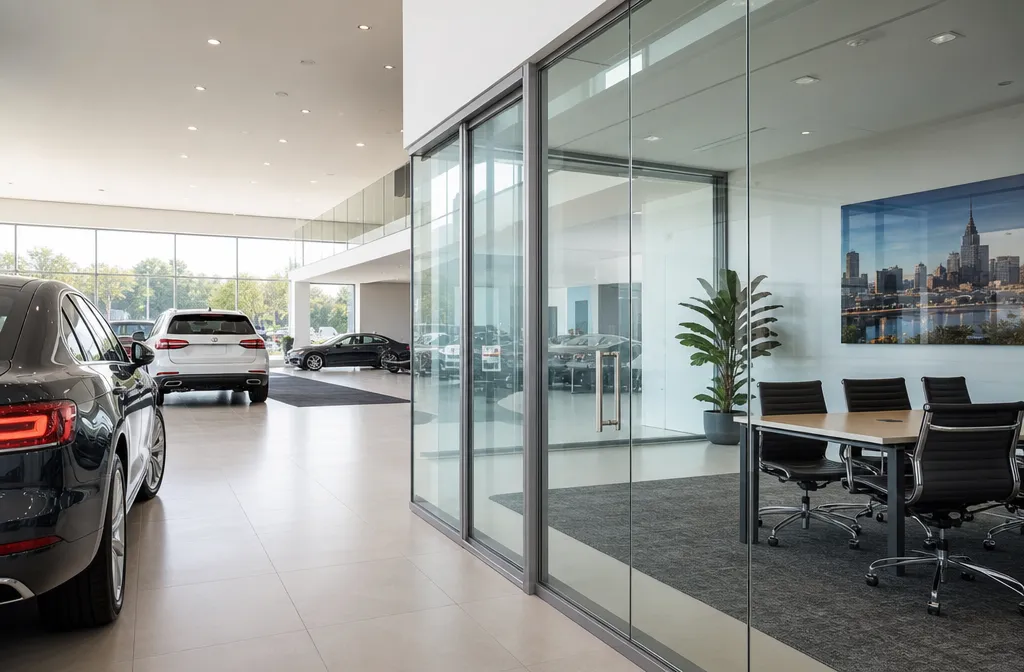
Request: It was necessary to clean the glass panels in the lobby from dirt and handprints.
Done: We performed glass cleaning using a special compound and a rubber squeegee.
Cost: 14 000 ₸
Master: Aliya Serikova, cleaning master
Total: The lobby became brighter, the glass panels shine with cleanliness.
 After
After
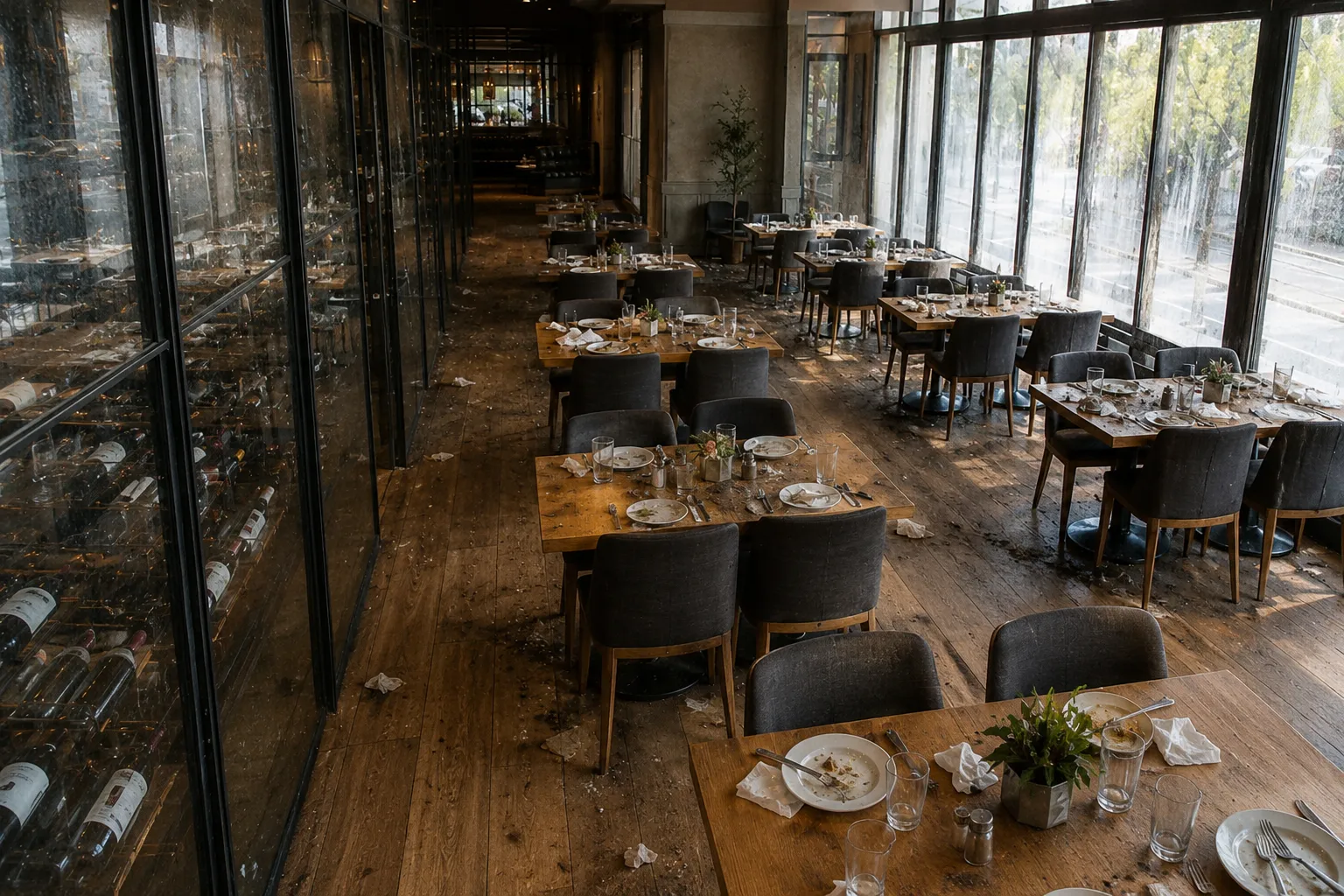
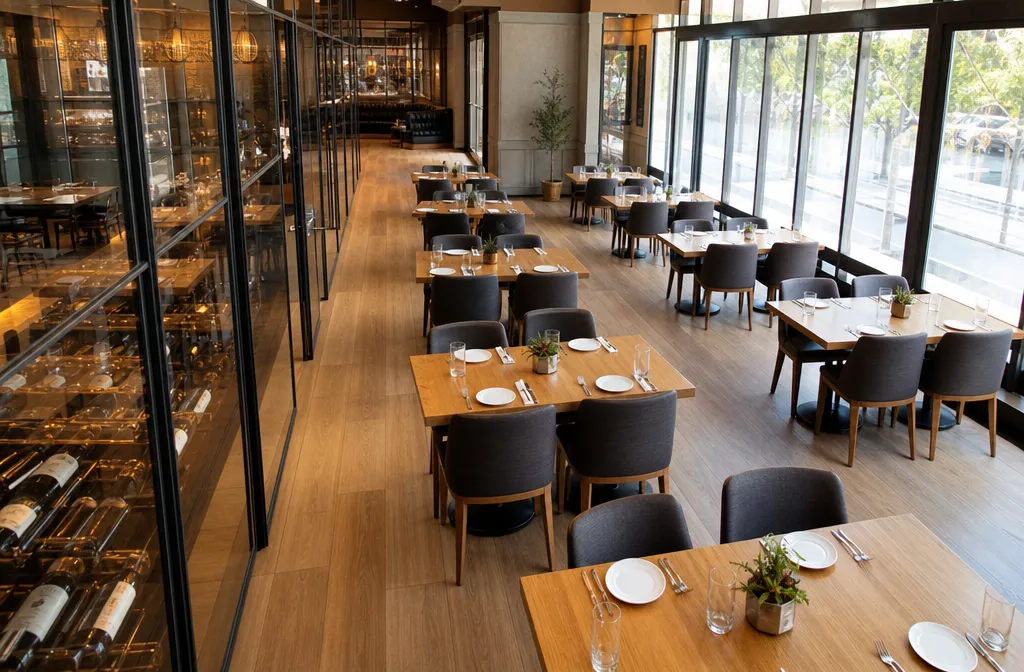
Request: The client asked to remove streaks and dust from the glass partitions in the exhibition hall.
Done: We cleaned the glass using a professional cleaning solution and a lint-free cloth.
Cost: 13 000 ₸
Master: Yerzhan Kaliyev, cleaning master
Total: The partitions became transparent, products are clearly visible.
 After
After
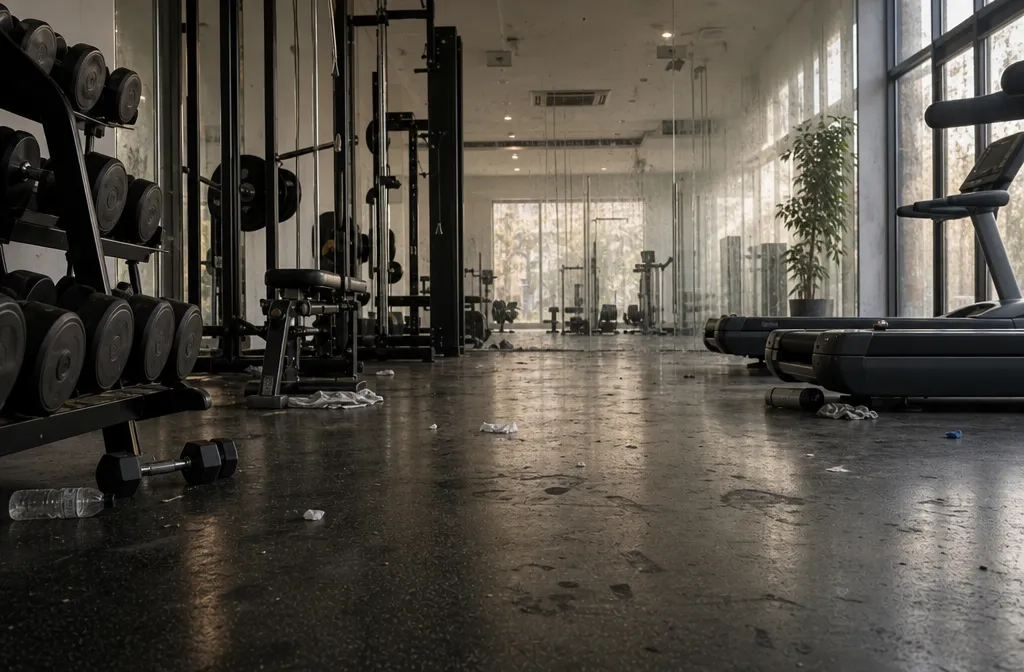
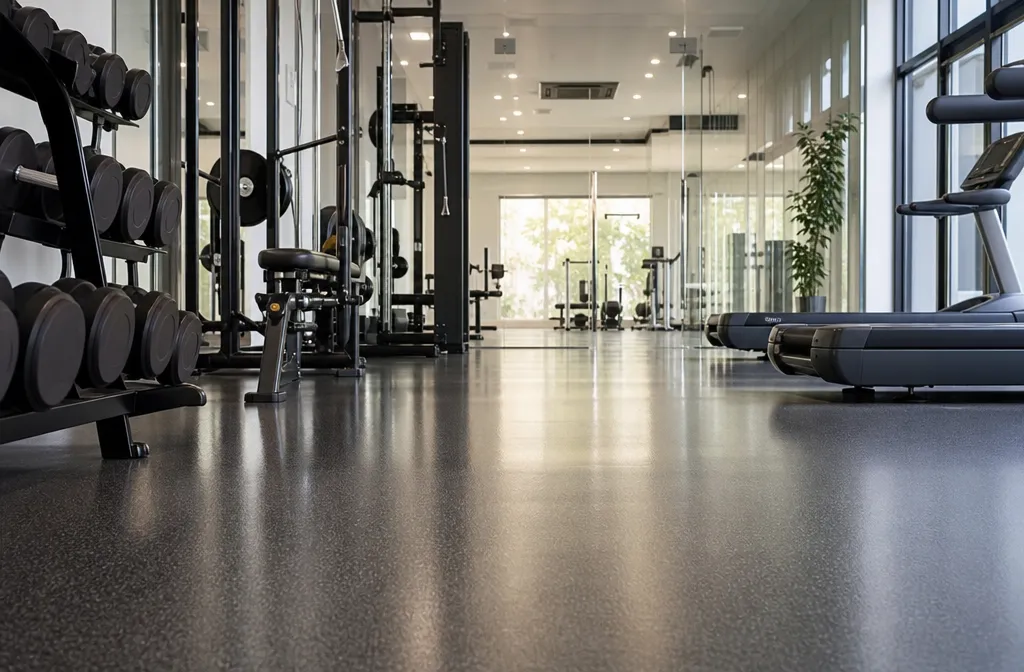
Request: It was necessary to clean the glass partitions in the hall from grease and splashes.
Done: We applied a degreasing agent and thoroughly washed the glass.
Cost: 14 000 ₸
Master: Gulmira Akhmetova, cleaning master
Total: The glass is clean, without greasy stains, the hall looks tidy.
 After
After
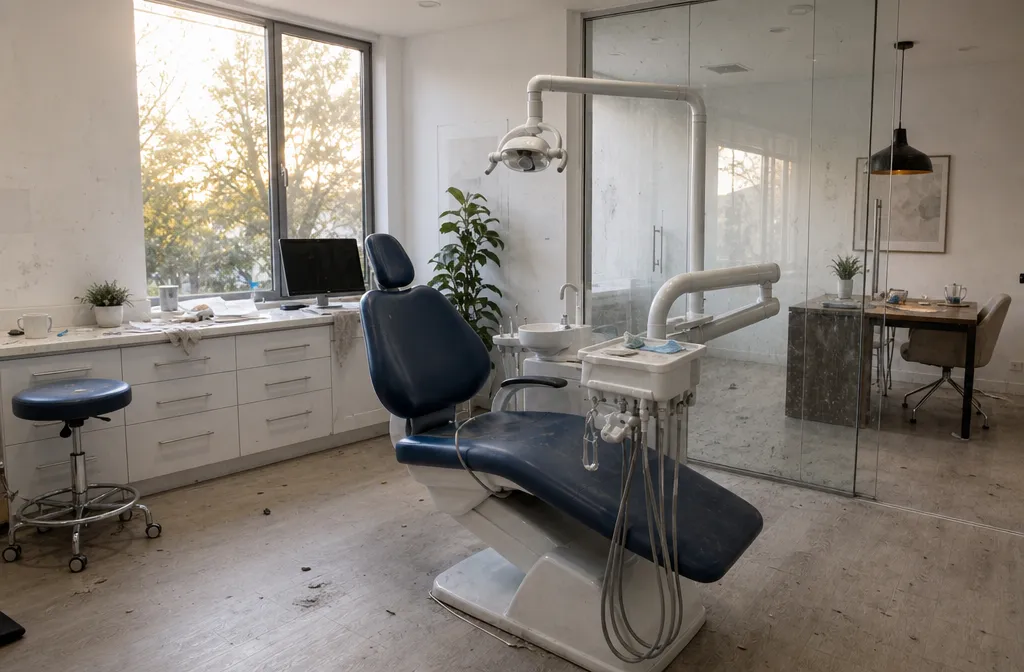
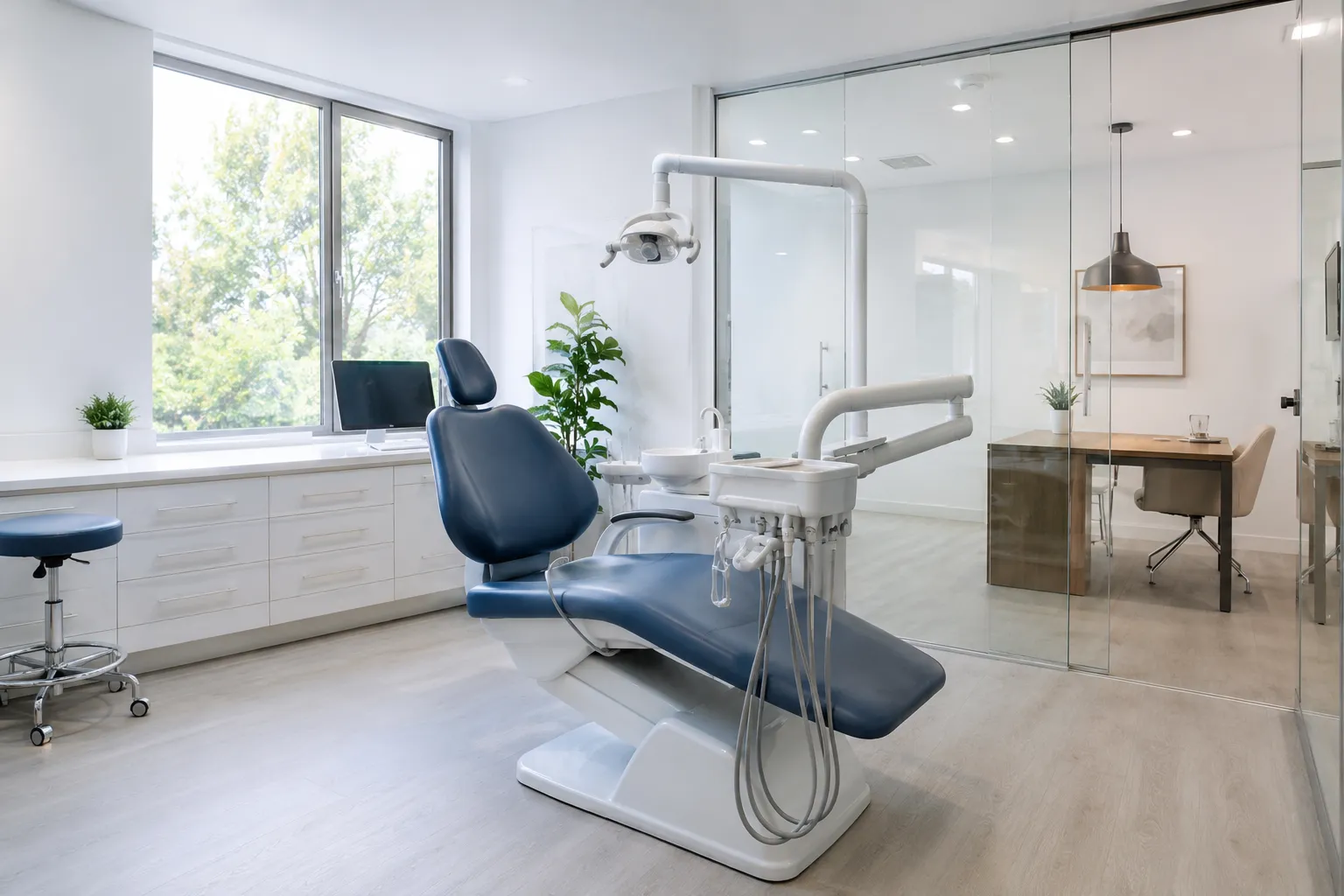
Request: Need to clean the glass panels from sweat and dust.
Done: Cleaned the glass with disinfectant and microfiber.
Cost: 14 000 ₸
Master: Ruslan Iskakov, cleaning master
Total: The glass is clear, without streaks or odors.
 After
After
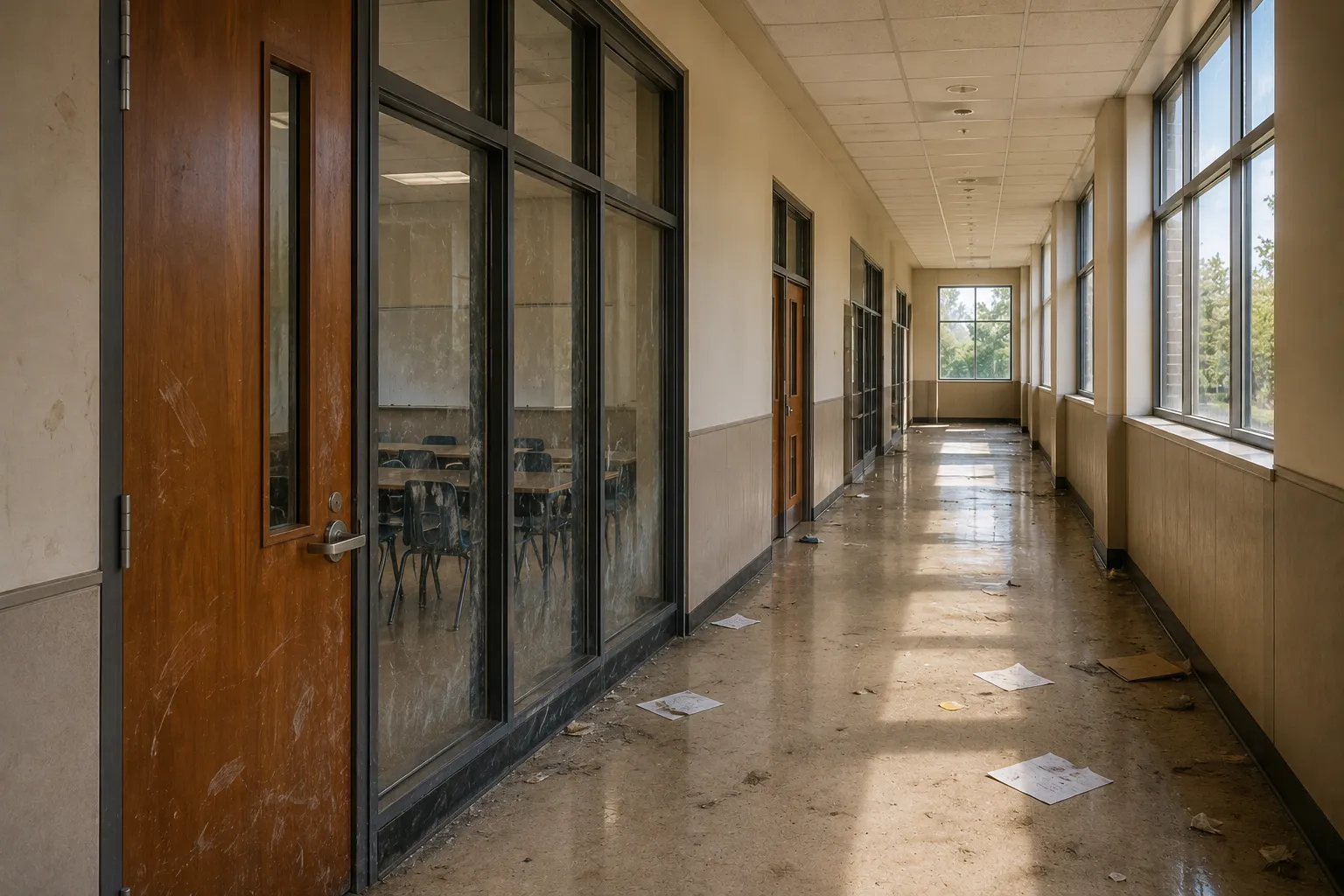
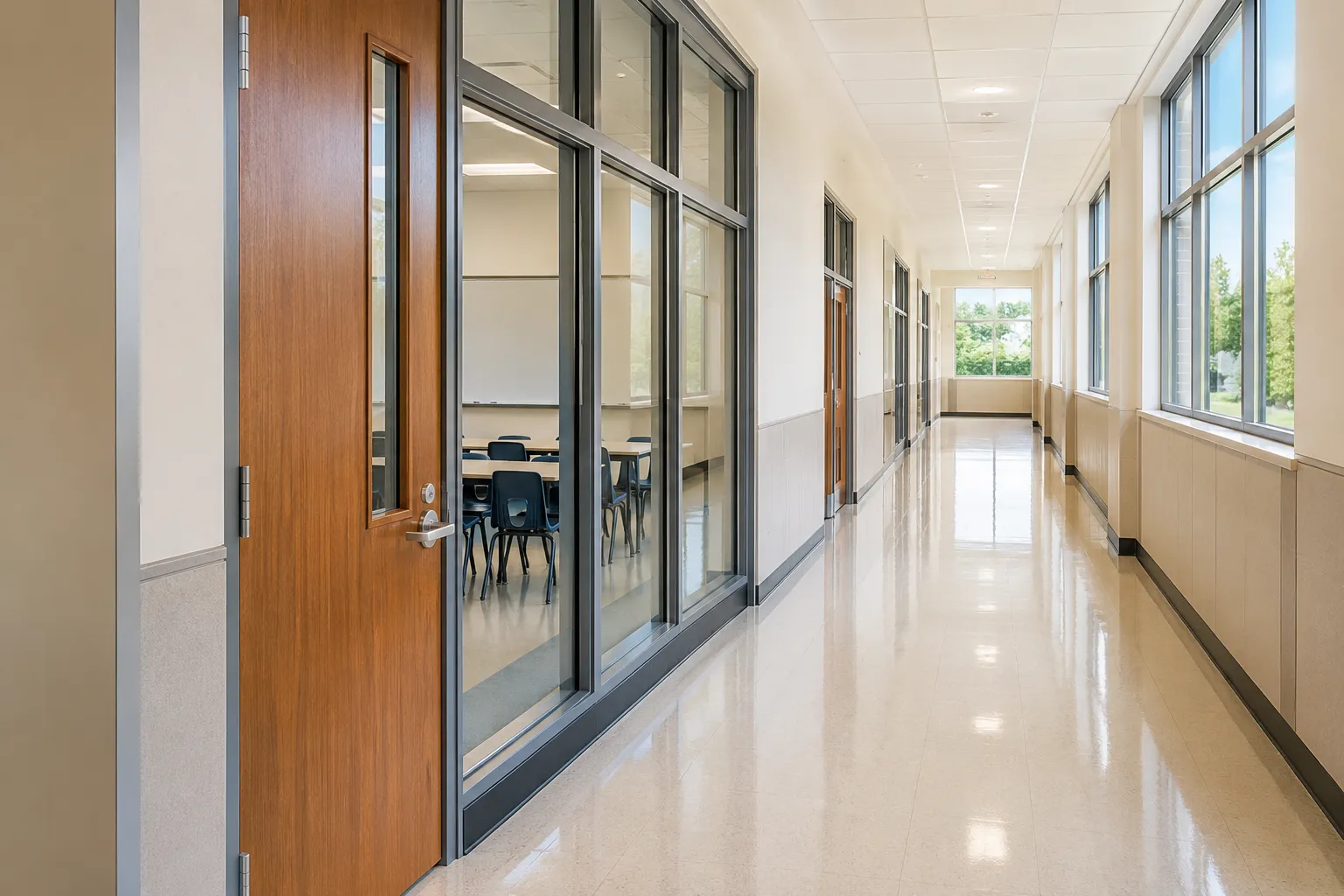
Request: The client asked to wash the glass partitions in the corridor to a shine.
Done: Cleaned the glass with professional product and polished.
Cost: 13 000 ₸
Master: Dana Muratova, cleaning master
Total: The partitions shine, the clinic looks sterile.
 After
After
Request: Need to clean the glass partitions in the corridor from palm prints.
Done: Cleaned the glass with an anti-static effect.
Cost: 12 000 ₸
Master: Asset Kairbekov, cleaning master
Total: The glass is clean, without handprints, the corridor is bright.
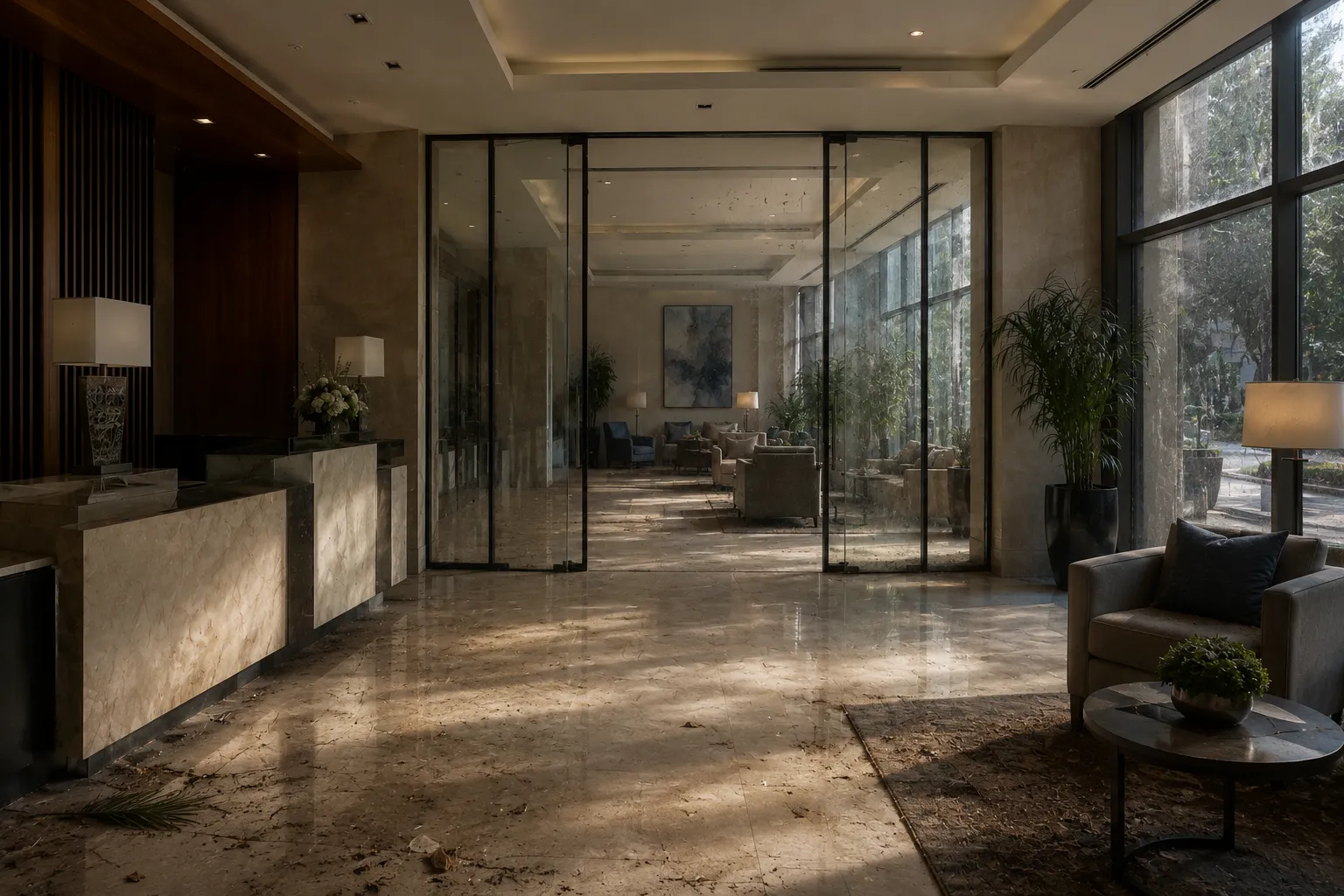
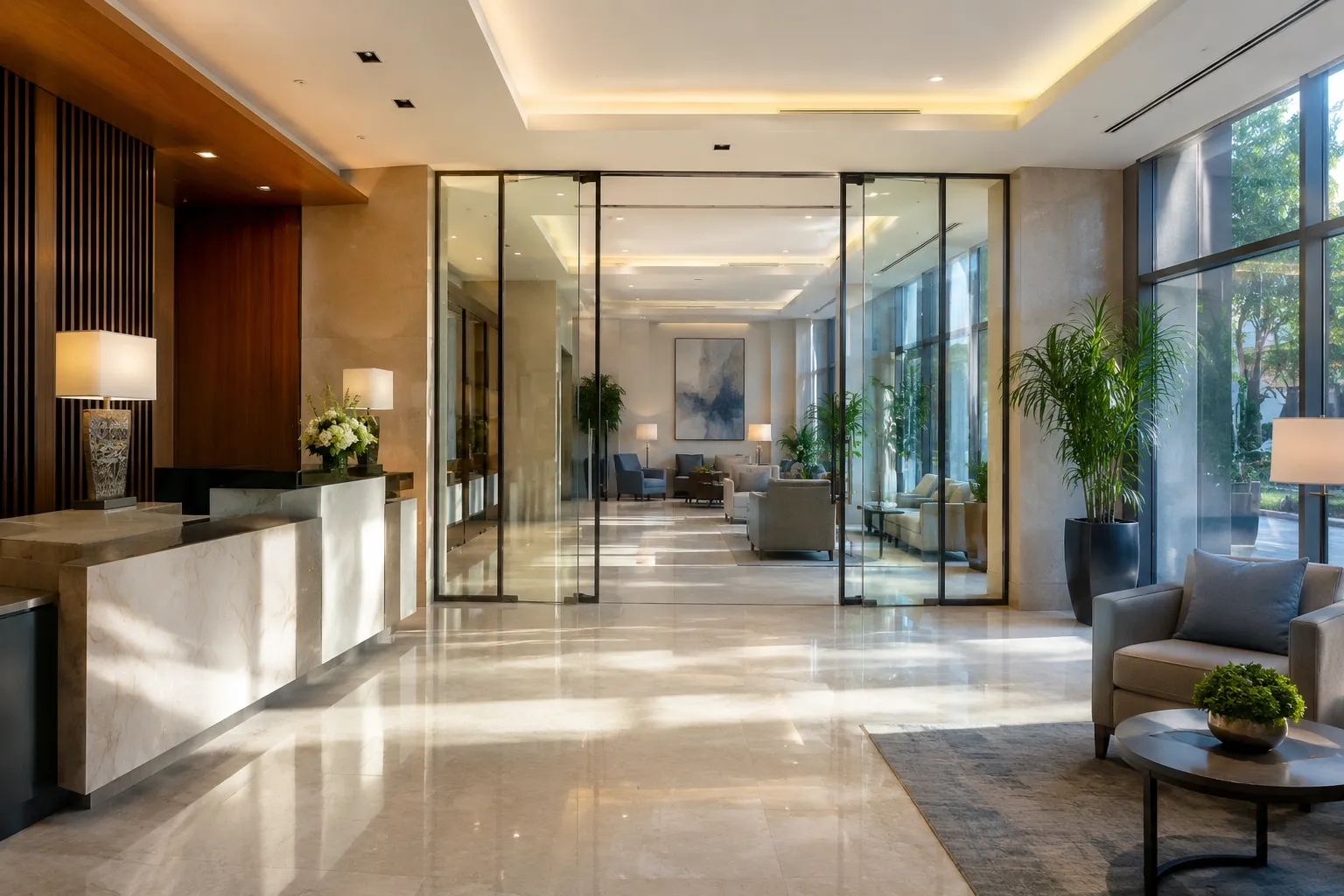 After
After
Request: It was required to remove streaks and dust from the glass partition in the lobby.
Done: Performed glass cleaning with conditioner for shine.
Cost: 14 000 ₸
Master: Meruert Temirova, cleaning master
Total: The lobby became elegant, the glass is transparent and shiny.
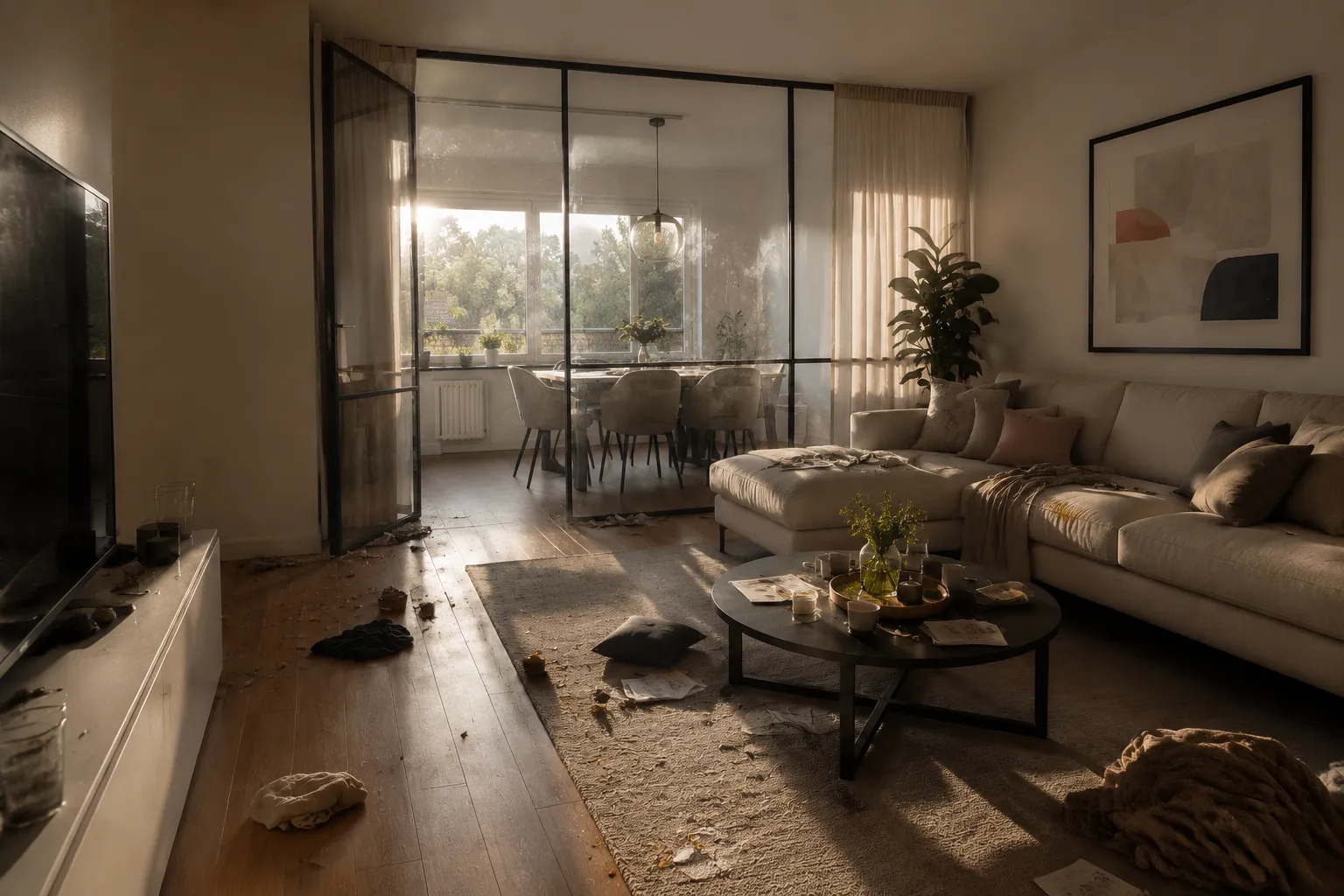
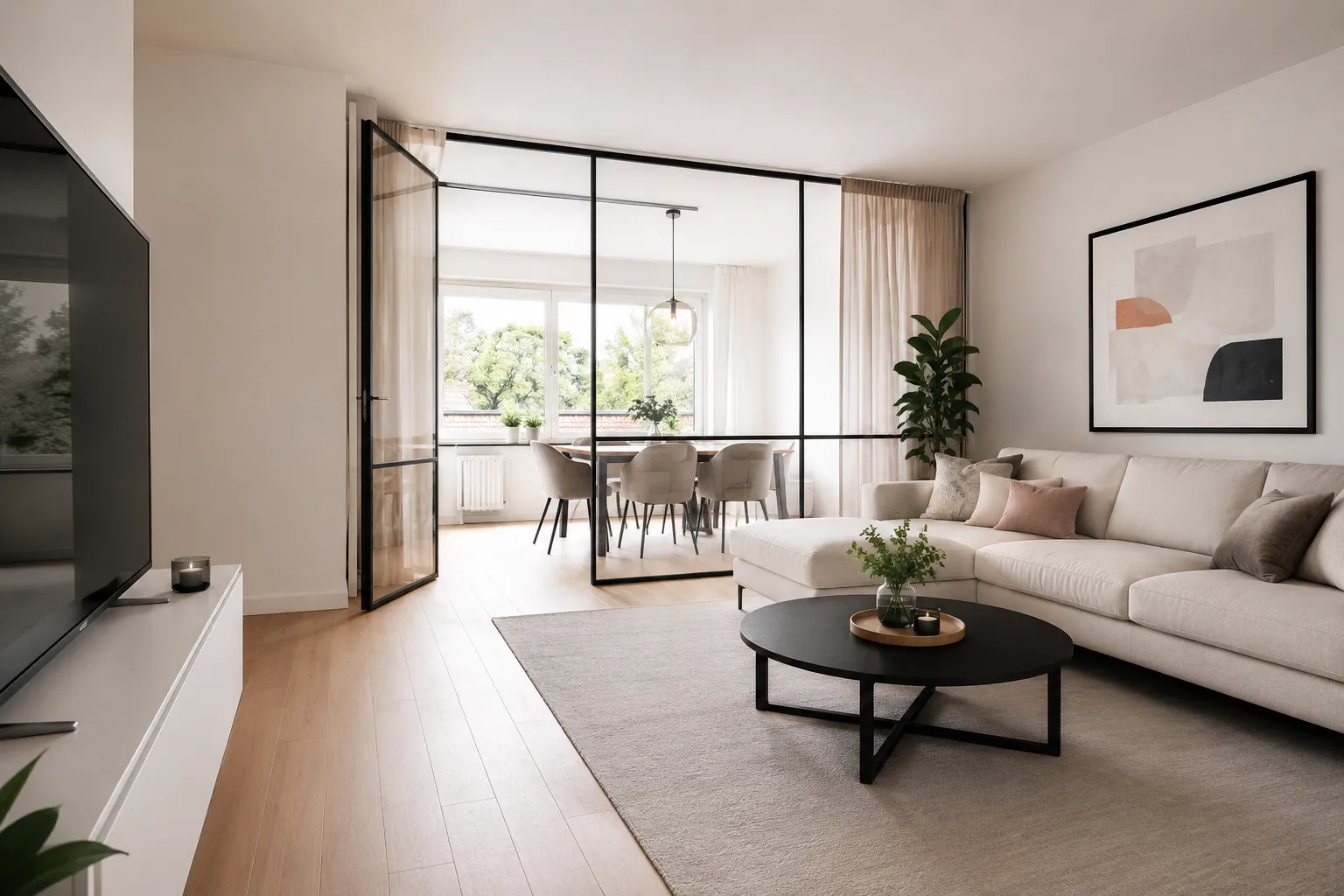 After
After
Request: The client asked to wash the glass partition in the living room from dust and stains.
Done: Cleaned the glass using a product for mirrors and glass.
Cost: 13 000 ₸
Master: Nursultan Bekov, cleaning master
Total: The partition is transparent, the room visually feels more spacious.
All cleaners are profi-clean staff with training, uniform and security check. Each order has a team leader who controls quality.
Cleaning glass partitions is not part of wet cleaning, but a separate technological process: the requirements for chemicals, tools, and qualifications are fundamentally different. Regular wiping of “glass” with a cloth and all-purpose cleaner almost guarantees streaks, scratches, and a film, especially on frosted and tinted surfaces. Let’s break down the key differences.
In standard cleaning, a cleaner removes dust, crumbs, and drink stains — surface-level contaminants soluble in household products. Glass partitions accumulate a different layer: fingerprints with skin oils, silicone from seals, settled grease vapor from the kitchen area, fine glue splatters from stickers, and marker marks. At a height of 2–3 meters, fine dust settles, which, without a specialized product, forms an abrasive suspension upon contact with water and scratches the glass. In Almaty, due to dusty air and frequent construction, this problem is more acute — in residential complexes like “Turksib”, “Akbulak”, and offices in the business center “Nurly Tau”, we record a coating that cannot be removed in a single wet cleaning. Therefore, cleaning partitions includes pre-treatment: applying a degreasing compound, letting it sit for 2–3 minutes, and only then mechanical removal. In regular cleaning, there is no such stage — it’s enough to wipe the surface without waiting for a chemical reaction.
For cleaning glass partitions, we use a professional squeegee with a stainless steel blade and a replaceable rubber strip of 45–60 cm — it removes water without streaks in a single pull. Regular cleaning uses a microfiber cloth or foam sponge, which leaves lint and streaks, especially on frosted glass. Another nuance is the height of the partitions: a standard mop cannot reach the top edge of 2.5–3 m, and a stepladder is often unavailable in offices. At profi-clean, for such tasks, we have telescopic poles up to 4 m with a rotating adapter and interchangeable attachments — this allows cleaning the partition continuously without moving the ladder. In regular cleaning, a cleaner works at height only if instructed, without specialized tools, and often misses the top third of the panel — where gray plaque accumulates over the years, which cannot be removed without chemicals. When cleaning partitions after renovation (e.g., removing protective film), a scraper with a 10 cm blade is additionally used to cut off residual glue — in household cleaning, such a tool is not used, and the film remains on the glass, eventually turning into a yellow stain.
Universal household cleaners (Mr. Proper, Clin) contain ammonia and alcohols, which leave a microscopic film on the glass upon drying — this creates rainbow streaks and attracts dust. For partitions in offices and residential complexes, we use professional Kiehl concentrates — they create a hydrophobic layer on the surface that repels water and dust for 7–10 days. On frosted and tinted glass (e.g., in meeting rooms), we use Sodasan — a hypoallergenic composition without ammonia and phosphates, safe for the film and leaving no traces on the frosted texture. In regular cleaning, such products are not used — a pH-neutral cleaner for floors and glass is sufficient, which is not designed for specific contaminants (glue, silicone, grease). In Almaty, in rooms with panoramic windows and glass partitions on the sunny side (southern facades of business centers like “Almaty Towers”, residential complex “Premiera”), ammonia-based compounds accelerate the fading of tinting film within 1–2 years. In our orders, we strongly recommend replacing such chemicals with ammonia-free ones — this preserves the coating and appearance of the partition. Meanwhile, if a cleaner arrives with a household cleaning product, they can imperceptibly damage the tinting, and the owner will only notice it after several months.
The most common mistake is using the same water for floors and glass. When a cleaner mops the floor and then uses the same mop (or water) to wipe a glass partition, sand and dirt from the floor are transferred to the glass, causing scratches that are especially noticeable on transparent surfaces in sunny weather. The second mistake is dry wiping without pre-wetting: dust on dry glass acts as an abrasive, and with every cloth movement, micro-scratches appear, which over time make the glass cloudy. The third is working with dried stains: if glue or marker drops are rubbed dry, they are ground into the pores of the glass and leave a dark mark that cannot be removed even with professional products. In regular cleaning, this is not paid attention to — the task is to “remove dust,” not to “restore transparency.” On frosted partitions (for example, in the “Almaty Towers” offices), improper washing leaves greasy fingerprints that are invisible under artificial light but appear in daylight — then the partition looks dirty within a day. In our practice, there was a case where partitions in a conference room were washed with a regular cloth after floor cleaning, and after three months, the frosted coating on the lower part turned gray — the section had to be replaced, as the ingrained dirt could not be washed off.
Almaty has high dust levels due to smog and construction, plus frequent precipitation in spring and autumn (dust settles on the glass with rain and turns into a crust after drying). Regular weekly cleaning cannot handle such deposits — specialized washing is required every 2–3 weeks to maintain transparency. In offices with open spaces, glass partitions are the main source of light, and dirty glass reduces illumination by 30–40%, according to our lux meter measurements. Owners of the residential complexes “Turksib,” “Akbulak,” and the business centers “Nurly Tau” order partition washing as a separate service, not as part of cleaning, because when combined, cleaners save time on the glass — and streaks remain. At profi-clean, partition washing is allocated to a separate technological map with quality control based on five parameters (transparency, absence of streaks, shine, joint cleanliness, seal condition), and the cleaner performing this task undergoes separate training. In regular cleaning, there is no such check — it is enough for the surface to look visually clean. As a result, washing glass partitions in Almaty is not the same service as cleaning, but a separate discipline with its own chemicals, tools, and quality standards, and it should be ordered as an independent task, not as an addition to wet cleaning.
Glass partitions in offices and homes in Almaty encounter different types of contaminants, each requiring its own approach. In our 8 years of experience in the cleaning industry at profi-clean, we have identified five main categories of deposits that are most often mistakenly attempted to be cleaned with universal products — damaging the surface.
The most common enemy of glass partitions is the skin oil from the hands of employees and visitors. During peak hours (from 9 to 11 AM), up to 30–40 people leave marks on a single 2×2 meter partition in a high-traffic area. This film is invisible to the naked eye but appears as a cloudy haze under side light from lamps. A regular alcohol-based glass cleaner spreads the grease across the surface, creating streaks that become noticeable after drying. At profi-clean, for such contaminants, we use an alkaline concentrate Kiehl with a pH of 10–11 — it emulsifies skin oil within 30–40 seconds of contact, after which it is rinsed off with distilled water without residue.
Almaty is a city with a high concentration of poplar and elm pollen in May-June, plus year-round fine dust from highways. On glass partitions on the first floor or in rooms with a forced ventilation system without fine filtration, up to 2-3 grams of dust per square meter settles per week. This dust contains abrasive particles of quartz and bitumen — if you wipe it with a dry cloth or sponge, micro-scratches appear on the glass, which over time turn into matte streaks. We remove such deposits only using the wet degreasing method: first, we spray neutral Sodasan, let it sit for 2-3 minutes to soften, then remove it with a 300 g/m² microfiber cloth — it traps particles inside the fiber and does not scratch the glass.
In Almaty, the hardness of tap water is 7-8 mg-eq/L, which is higher than the Kazakhstan average (5-6). After each wet cleaning with regular water, calcium and magnesium salts remain on the glass. Within a month, a white deposit 0.1-0.3 mm thick forms on the partition near the cooler or sink, which cannot be washed off with a regular glass cleaner. Acidic products (based on citric or acetic acid) dissolve calcium deposits in 5-7 minutes, but aggressive formulations with hydrochloric acid damage the aluminum profile of the partitions — we had a case at the “Nurly Tau” business center where, after a self-cleaning attempt, the profile became stained. We use a special Kiehl compound for removing limescale with a pH of 3-4, which is safe for seals and metal.
Temporary signs, duty schedules, and advertising stickers are often placed on glass partitions in offices — after removal, a sticky layer remains, which darkens over time and collects dust. Standard solvents (acetone, white spirit) remove the glue but leave a greasy film and can damage matte coating or tinting. For such contaminants, profi-clean uses an orange solvent based on d-limonene — it breaks down acrylic glue in 15-20 seconds without emitting toxic fumes. After treatment, simply wipe the glass with a dry microfiber cloth, and the surface regains transparency without additional washing.
After finishing work, glass partitions are left with paint splatters, cement dust, drops of mounting foam, and traces of painter’s tape. The most insidious are microscopic cement particles that embed into the pores of the glass under high humidity (60-70% in new buildings in Almaty). If not removed within 3-5 days, the cement crystallizes and requires mechanical sanding — which risks loss of transparency. We arrive for post-renovation cleaning within 48 hours of work completion: first, we dust the partitions with an industrial vacuum cleaner with a HEPA filter, then apply a neutral cleaner to remove cement mist, and only then remove spot contaminants with a stainless steel blade scraper — a plastic scraper cannot handle hardened cement, and a metal one without skill scratches the glass.
The frequency of cleaning glass partitions in Almaty offices depends on the intensity of use, building location, and type of glass coating — there is no single frequency, and it is determined by three factors: traffic, seasonality, and visibility of dirt.
In open-plan areas where 50+ employees and visitors pass daily, glass partitions accumulate fingerprints, dust, and skin oils within 3-4 days. By the end of the work week, the matte haze at hand level (70-120 cm from the floor) becomes visible to the naked eye. We recommend washing such partitions once a week — on Friday evening or over the weekend, so the glass greets employees clean on Monday. In meeting rooms with an intensity of 5-7 meetings per day, the interval is reduced to twice a week: marks from whiteboards, water splashes, and palm prints remain on the glass, which, with weekly cleaning, have time to “set” into the porous structure of the matte coating. In our practice, there was a case: in an IT company office on Al-Farabi Avenue, partitions were cleaned once every two weeks, and within a month, a film of nicotine and office dust formed on the glass, which had to be washed off with a special compound, doubling the treatment time.
In offices with up to 4 people and in low-traffic areas (archives, server rooms, storage rooms), glass partitions are mainly soiled by dust rather than contact marks. In Almaty’s dry climate with temperature fluctuations and frequent ventilation, dust settles on vertical surfaces within 10-14 days — enough for the glass to lose transparency and start “glaring” under fluorescent lights. The optimal schedule is once every two weeks during the heating season (October-April) and once every three weeks in summer, when windows are opened less often and less street dust enters. An important nuance: if the office faces a busy street (e.g., Abay Avenue or Timiryazev Street), the dust load is 1.5-2 times higher due to exhaust fumes and road dust — in this case, the interval is reduced to 10 days even with low traffic. With monthly cleaning, micro-scratches from dry dust particles appear on the glass during wiping — we use a two-pass technology with pre-wetting to eliminate the abrasive effect.
In Almaty, there are two peak periods for glass partition soiling: March-April (gusty winds with dust and poplar fluff particles) and October-November (dirt from shoes tracked through the office and condensation on glass due to temperature changes). During these months, we recommend increasing the cleaning frequency by one cycle: weekly partitions should be cleaned every 5 days, bi-weekly ones every 10 days. Condensation is a particular problem: on glass partitions in reception areas and entrance groups, it settles every morning when the temperature difference with the outside is 10°C or more. If condensation is not removed with a damp cloth daily, mineral streaks from water droplets remain on the glass, turning into a whitish deposit within a month that requires acid cleaning. At one of our sites — an office center on Seifullin Avenue — we implemented a rule: the reception cleaner wipes the entrance partitions with a microfiber cloth and distilled water at 9:00 AM and 2:00 PM, and we perform deep cleaning with specialized products weekly.
Frosted (sandblasted) and tinted glass partitions have a microporous surface on which dirt adheres faster but becomes visually noticeable later — after 2-3 weeks instead of 7-10 days for clear glass. A common client mistake: they wait until the frosted glass looks “visibly dirty” and order cleaning once a month. By that time, skin oils and dust have already penetrated the micro-irregularities of the coating, and regular cleaning with an alkaline product does not remove them completely — a gray haze remains, visible under side lighting. For frosted partitions, we use neutral pH formulations (5.5-6.5) and low-lint microfiber cloths to avoid damaging the texture. The schedule for such coatings is once every two weeks for high-traffic areas and once every three weeks for offices. Tinted glass (film 5-35%) requires special care: alcohol-based products and abrasive sponges destroy the tinting layer within 3-4 cleanings. On models with film, we work only with water and 2-3 drops of Sodasan Neutral per liter — this provides streak-free cleanliness and extends the tint’s lifespan by 1-2 years compared to aggressive chemicals.
Frosted glass and decorative film are the two most demanding coatings for glass partitions: they require different cleaning approaches than clear glass, and any mistake is immediately visible.
Frosted glass is a surface with micro-irregularities created by sandblasting or acid etching. These micro-irregularities act like an abrasive: if you rub frosted glass with the rough side of a sponge or a medium-bristle brush, the frosted texture wears away, leaving shiny bald spots that cannot be restored. At profi-clean, we use only microfiber with a density of 300-350 g/m² and pH-neutral solutions without abrasive particles. The second difference is that frosted glass takes longer to dry than clear glass due to its larger surface area: water gets trapped in the pores. If moisture is not completely removed, whitish salt streaks remain after drying, which are especially visible against the frosted background. Therefore, the final drying of a frosted partition is done with a dry microfiber cloth in two passes — the first removes the bulk of the moisture, the second eliminates any residue. On clear glass, one pass is sufficient.
Decorative film is a polymer layer applied to the glass, and its weak point is the edge. If, during cleaning, a stream of water is directed at an angle onto the edge of the film, water seeps underneath it, and after 2-3 cycles, the film begins to peel off at the corners. Our instruction for cleaners is to wash film-covered partitions only with a sponge using wrung-out water, without direct contact of the sprayer with the edge. The second risk is solvents: alcohol, acetone, and ammonia soften the polymer and leave cloudy stains on the film that cannot be washed off. We use Sodasan Glasreiniger solutions, which are based on plant-derived surfactants, free of alcohol and ammonia. The third feature is that the film becomes statically charged and attracts dust more strongly than bare glass: in a dry office with air conditioning, a film-covered partition becomes covered in a layer of dust within 3-4 days, whereas clear glass stays clean for up to a week. Therefore, for film-covered partitions, we recommend a weekly dry wipe with an antistatic microfiber cloth between main cleanings.
The first mistake is using a scraper on frosted glass. On clear glass, a scraper with a blade is a standard tool for removing dried splashes, but on a frosted surface, it leaves scratches visible at an angle to the light. The second is washing the film with hot water (above 40°C): the polymer softens, loses its rigidity, and begins to “breathe” — it bubbles up, and these bubbles cannot be pressed back down. We control the water temperature on-site with a thermometer; in winter in Almaty, tap water comes out at 55-60°C, so before cleaning film-covered partitions, we always cool it to 35-40°C. The third is using silicone-based products for shine: on frosted glass, silicone clogs the pores, and the surface ceases to be frosted — it feels greasy to the touch and starts to glare. The fourth mistake is chaotic cloth movements: on a frosted surface, streaks from random wipes remain noticeable and can only be removed by moving from top to bottom along the entire height of the partition. In our practice, there was a case where an office in the “Nurly Tau” business center ordered cleaning after another service — the film-covered partition was damaged by an ammonia-based product, and three sections had to be re-laminated.
In Almaty, there are two seasons that create specific risks for these surfaces. Spring and autumn are the periods of flowering and pollen: fine yellow pollen settles on frosted glass and, upon drying, becomes embedded in the pores. If it is not washed off within a day with a soft sponge without pressure, the pollen sets and requires an acid wash (3% citric acid), which is contraindicated for film. In winter — road de-icing agents: in Almaty, streets are sprinkled with calcium chloride, and its particles are carried into offices on shoes. On frosted glass, calcium chloride crystallizes, leaving white salt stains that cannot be washed off with plain water — a weak vinegar solution (5 ml per liter) is needed, but on film-covered partitions, we replace it with the professional solution Kiehl K-34, which is safe for the polymer. In summer — intense ultraviolet radiation: under direct sunlight, frosted glass heats up to 50-55°C, and if washed with cold water (10-15°C from the tap), the temperature difference creates micro-cracks on the surface — the frosted texture loses its uniformity. Our cleaners work with room-temperature water (20-22°C) during the summer months, letting it sit in tanks before starting the cleaning.
Guarantee on clear glass washing — no streaks, and we provide it for 24 hours. For frosted glass and film, we extend the guarantee to 48 hours because defects appear more slowly on these surfaces: on frosted glass, residual moisture in the pores evaporates for up to 6-8 hours, and only after that can you see if whitish spots remain. On film, hidden runs under the edge become noticeable after 12-24 hours, when the water dries and leaves a salt outline along the edge. If you see a defect 48 hours after our washing, we will come back for free and fix it. This approach is non-standard for the Almaty market: most cleaners offer the same guarantee for all types of glass, without considering the difference in the speed of defect manifestation.
The cleanliness of glass partitions depends not only on the quality of washing — in our orders for offices in Almaty, the duration of transparency directly depends on the treatment performed afterwards. Let’s break down three working methods to extend the result.
We apply a professional antistatic agent from the Kiehl concern (Glass Protect series) to clean glass — it neutralizes the static charge that attracts dust and fine particles. Without treatment, dust settles on the partition within 3–4 days after washing; with antistatic treatment, it lasts up to 12–14 days in a standard office. The difference is especially noticeable in meeting rooms with a lot of electronics: monitors, projectors, and air conditioners generate static, and untreated glass “collects” dust faster. For open-plan zones, we combine the antistatic agent with dry microfiber polishing — this removes the residual charge after applying the compound. On frosted partitions, the antistatic agent is applied only by spraying without rubbing, to avoid clogging the film’s micro-relief. In residential spaces, the effect is slightly weaker — due to less ventilation and more humid air, but dust still does not settle for at least 7–8 days. Office owners in business centers on Al-Farabi Avenue should consider that with operating supply ventilation, the antistatic effect is reduced by 2–3 days due to the constant influx of outdoor air.
For partitions that retain streaks after manual washing or condensation from air conditioners, we use the hydrophobic compound Sodasan Glass Seal — it creates an invisible film on the glass that repels water. Drops roll off the surface without leaving traces, and condensation does not form a dense white coating. In offices with a central air conditioning system (the most common case in Almaty), the hydrophobic coating works for 3–4 weeks, then the coating thins from frequent glass cleaning. On glass partitions in shower areas of fitness clubs and spas, the hydrophobic coating lasts up to 6 weeks — thanks to water constantly washing away new dirt from the surface. The hydrophobic coating should only be applied to perfectly clean, degreased glass: if a microparticle of dust gets under the film, it will create a crystallization point for salt from the water, and a white spot will appear within a week. In rooms with hard tap water (typical for the southern part of Almaty — Alatau and Nauryzbay districts), a hydrophobic coating is mandatory for partitions in kitchen areas — without it, drops dry with limescale deposits after 2–3 drying cycles.
The easiest way to preserve the results of a professional cleaning is a dry wipe every 3–4 days using a special microfiber cloth with a density of 300–400 g/m². Wet cleaning between professional washes, on the other hand, is harmful: a regular cloth with water smears grease and leaves streaks, while household detergents (Fairy, Mr. Proper) leave a film on the glass that attracts dust. We recommend profi-clean clients use E-Cloth cloths (officially imported to Kazakhstan) for dry wiping — they electrostatically attract dust without chemicals. For frosted partitions, dry wiping is mandatory: moisture clogs the pores of the frosted film, causing it to yellow after 2–3 months. In high-traffic offices (more than 50 people per day), dry cleaning should be done daily — 2–3 minutes per partition is enough, but it prevents fingerprints from setting in. In residential homes, dry wiping is needed every 5–7 days if there are no pets in the apartment — fur sticks to static faster. In practice: if you are not ready to wipe partitions with a dry cloth every 3–4 days, order a professional cleaning once every 2 weeks — dirt does not have time to set in, and cleaning is cheaper than once a month with removal of stubborn grime.
I ordered cleaning of glass partitions in the office — the result is excellent, the glass shines with no streaks.
Thank you, Aigerim! Glad you liked it.
The glass walls in the cafe look like new, the work was done quickly and neatly.
We had glass partitions cleaned at the mall — overall good, but there were small marks left in the corners.
Thank you for your feedback! We will take note and improve.
The clear partitions are now sparkling, clients and employees noticed the difference.
Ordered glass partition cleaning at a fitness club — the dirt was ingrained, but they did an excellent job.
Thank you for your trust! Always happy to help.
Glass doors in the house were cleaned perfectly, even old streaks were removed.
Glass partition cleaning at the restaurant went well, but we had to reschedule due to our schedule — they were flexible.
Glad we could adjust! Thank you for your feedback.
At the school, glass stained glass windows were cleaned of fingerprints and dust — the kids are thrilled.
I ordered glass partition cleaning at the car dealership — now the windows are like mirrors, attracting customers.
Great! Thank you for choosing profi-clean.
They cleaned the partitions, but there are small scratches on the glass — possibly old, but I'm not sure.
Hello! We apologize if there were any misunderstandings. We usually work without damage.
Ordered glass partition cleaning for the office — employees are happy, there is more light.
Glass walls in the exhibition hall look flawless after cleaning, thanks for the promptness.
Thank you, Olga! Glad you liked everything.
Glass partition cleaning in the hotel lobby — clean, but one master was 15 minutes late.
We apologize for the delay. We'll try to be more punctual next time.
In the beauty salon, the glass display cases were cleaned to a shine, and clients praise the look.
I ordered cleaning of glass partitions in the coworking space — now the space looks fresh and spacious.
Thank you! We're glad you appreciated it.
The glass display cases in the pharmacy became transparent, without streaks — excellent work.
The cleaning of glass partitions in the spa salon was done well, but the price could have been lower.
Thank you for your feedback! We strive to keep prices fair for the quality.
In the bank, the glass doors and partitions were cleaned — it became brighter and tidier.
We had the glass partitions cleaned in the conference hall — the result exceeded expectations, clean and no chemical smell.
Thank you, Bakhyt! We always use safe products.
The glass display cases were washed, but streaks remained — we had to redo them ourselves.
Hello! We apologize for the inconvenience. Please contact us, and we will fix the situation.
I ordered cleaning of glass partitions for the pavilion — done quickly, the glass shines.
In the kindergarten, the glass inserts in the doors were cleaned — safe and clean, the children are happy.
Thank you for your trust! Always happy to help.
Washing glass partitions in the warehouse — there was a lot of dirt, but we managed. Only a faint smell of the cleaning agent remains.
Thank you for your feedback! We will try to use less fragrant products.
Cleaning a standard office partition (2×2 m) takes about 60 minutes. Time depends on the degree of dirt and type of glass.
Yes, the used Kiehl and Sodasan products have environmental certificates and are safe for people and animals after drying.
Yes, we work daily, including weekends. Weekend visits have no surcharge.
Remove personal items and documents from the surface. Ensure access to the partitions. No special preparation is required.
We accept cash, Kaspi Pay, Halyk Bank, card transfer. Non-cash payment is available for legal entities.
Yes, we guarantee no streaks. If any remain, we will re-clean for free within 24 hours.
Yes, we clean frosted partitions with special products that do not damage the frosted surface.
Professional cleaning is recommended every 1-3 months depending on usage intensity.
The minimum order amount is based on individual pricing. For small orders, a travel surcharge may apply.
Yes, we sign contracts, provide closing documents and invoices for payment.
Tell us about your experience with profi-clean — it helps other clients and us improve.
We currently operate in Almaty. Other cities are coming soon.