Reception and inspection
We mark the item, determine the fabric type and stain type. We record the item's condition for quality control.
Professional dry cleaning of T-shirts in Almaty. We remove any stains, restore freshness and shape.

We work with any types and materials
Gentle cleaning preserving shape and color without shrinkage.
from 2,000 ₸Special treatment of collar and cuffs to maintain structure.
from 2,000 ₸Print fixation and gentle stain removal without damaging the design.
from 2,000 ₸Hand treatment of embroidery to prevent thread deformation.
from 2,000 ₸Delicate cleaning with protection of rhinestones from falling off and tarnishing.
from 2,000 ₸Quick drying and odor removal without shrinkage.
from 2,000 ₸Soft cleaning for delicate fibers preserving drape.
from 2,000 ₸Cleaning preserving loose fit and fabric softness.
from 2,000 ₸Thorough treatment of long sleeves and cuffs.
from 2,000 ₸Express cleaning of thin straps and delicate fabric.
from 2,000 ₸Sweat and odor removal while preserving moisture-wicking properties.
from 2,000 ₸Careful cleaning of neckline without stretching the fabric.
from 2,000 ₸From inspection to result with guarantee
We mark the item, determine the fabric type and stain type. We record the item's condition for quality control.
Apply stain removers Kiehl or Sodasan to stains. Let sit to soften stains.
Soak in professional solution for tough stains (wine, grass, blood).
Use Karcher SE 4001 extractor and Polti Vaporetto steam generator to remove dirt from fibers.
Remove chemical residues with special solution, neutralize pH.
Dry at low temperature without shrinkage. Use ventilation and humidity control.
Steam to remove wrinkles and refresh appearance. Iron according to fabric type.
We check for stains, odor, and deformation. Pack in a cover.
We use German stain removers Kiehl and organic Sodasan. They effectively remove grease, grass, coffee, wine, paint, and sweat, while being safe for fabric and skin. They do not cause allergies and leave no streaks.
The Karcher SE 4001 extractor provides deep fiber cleaning without damaging the fabric. It removes dirt and detergent residues, extending the life of the T-shirt.
The Polti Vaporetto steam generator with steam temperature up to 100°C disinfects the fabric, kills bacteria, and removes odors without chemicals. Ideal for sports T-shirts and children's items.
Our masters have certificates and at least 3 years of experience. They know the specifics of different fabrics and correctly select cleaning modes for each type of T-shirt.
We guarantee stain removal. If a stain remains after dry cleaning, we will refund your money. We are confident in the quality of our services and use only proven technologies.
When ordering 3 or more T-shirts, we pick up and deliver your items for free in Almaty. Save time – we will come to you.
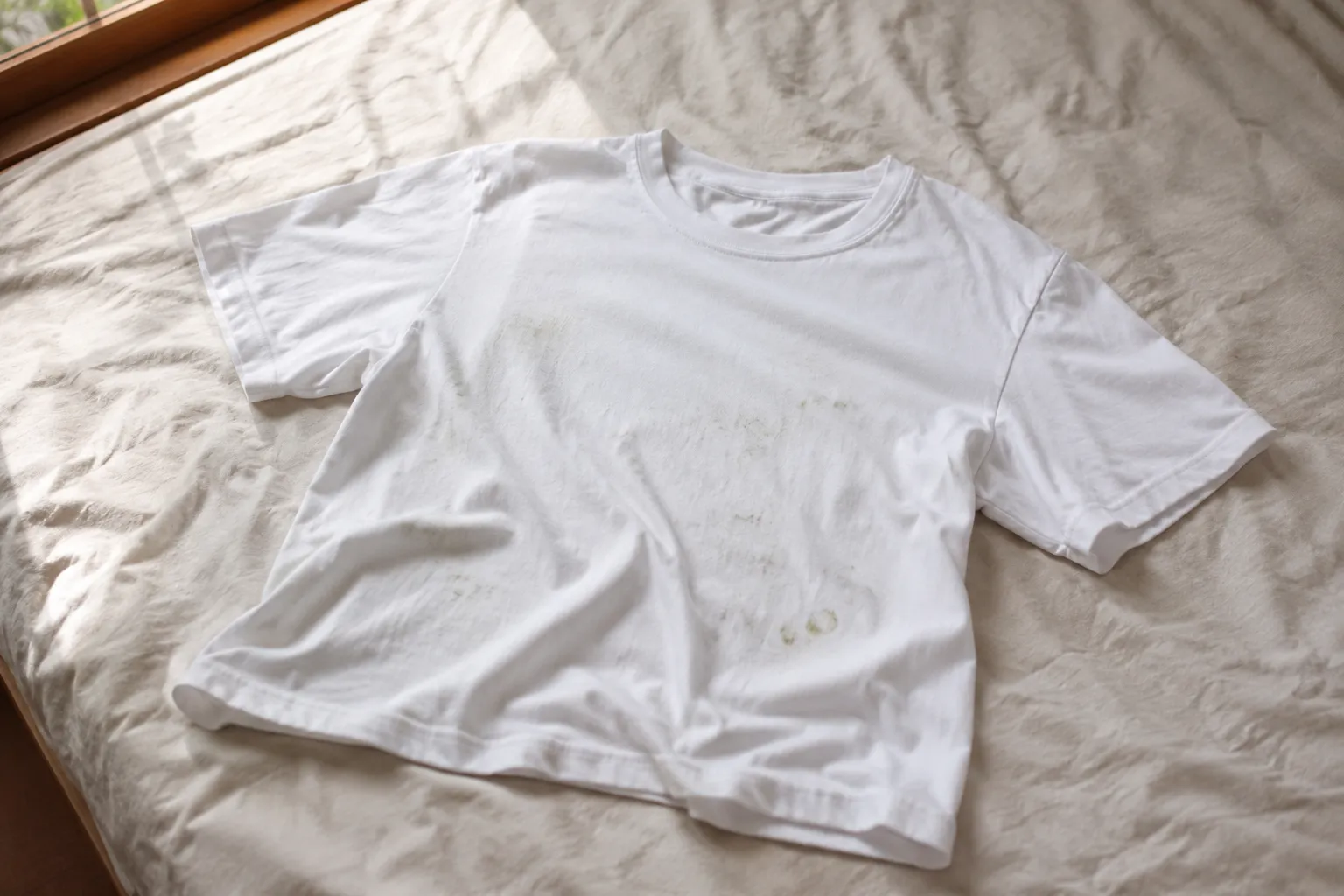
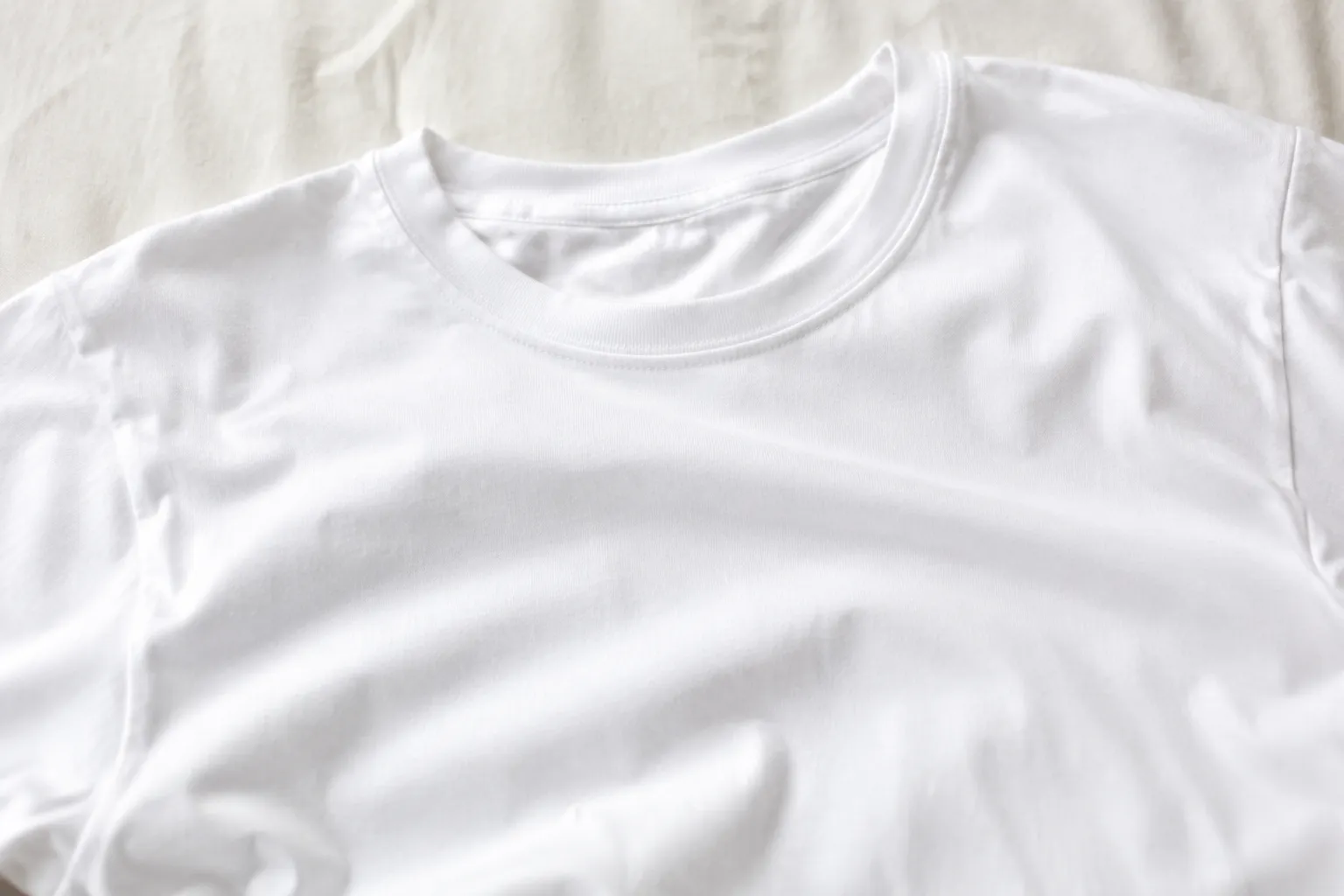 After
After
Request: Remove green grass stains from a white cotton t-shirt.
Done: Treated stains with enzyme stain remover and washed at 40°C.
Cost: 2 000 ₸
Master: Aigerim Nurpeisova, dry cleaning master
Total: Stains completely gone, fabric retained whiteness and softness.
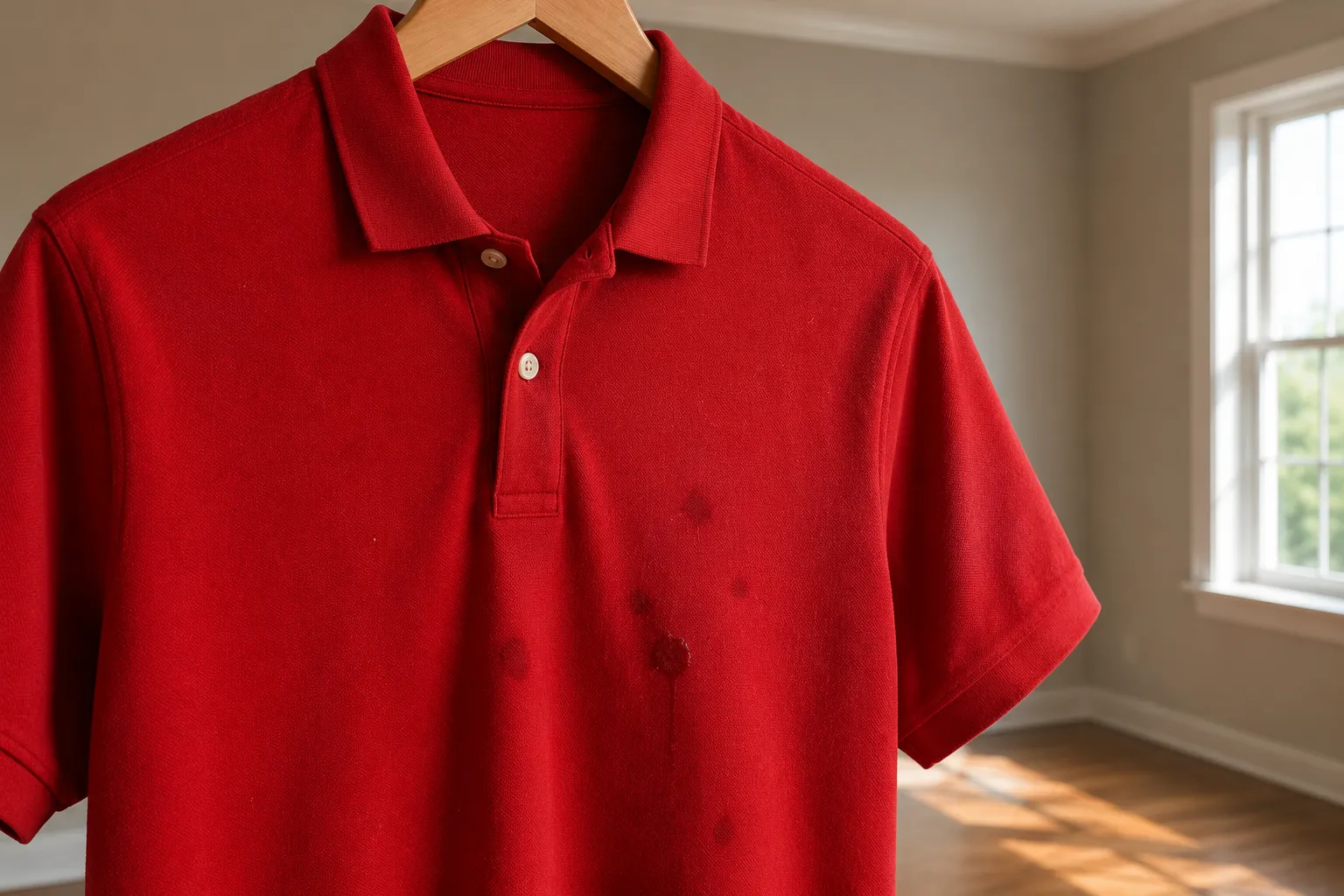
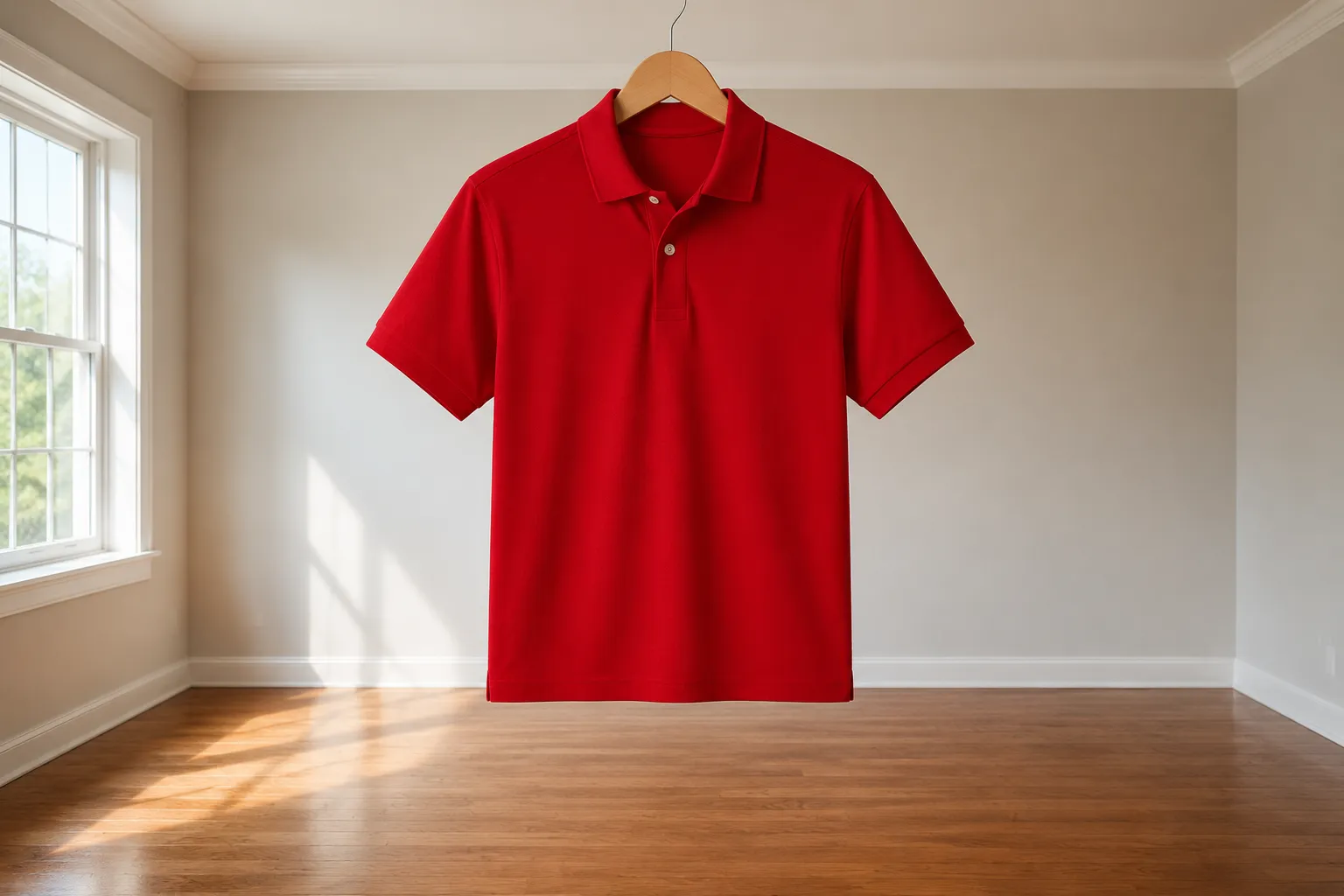 After
After
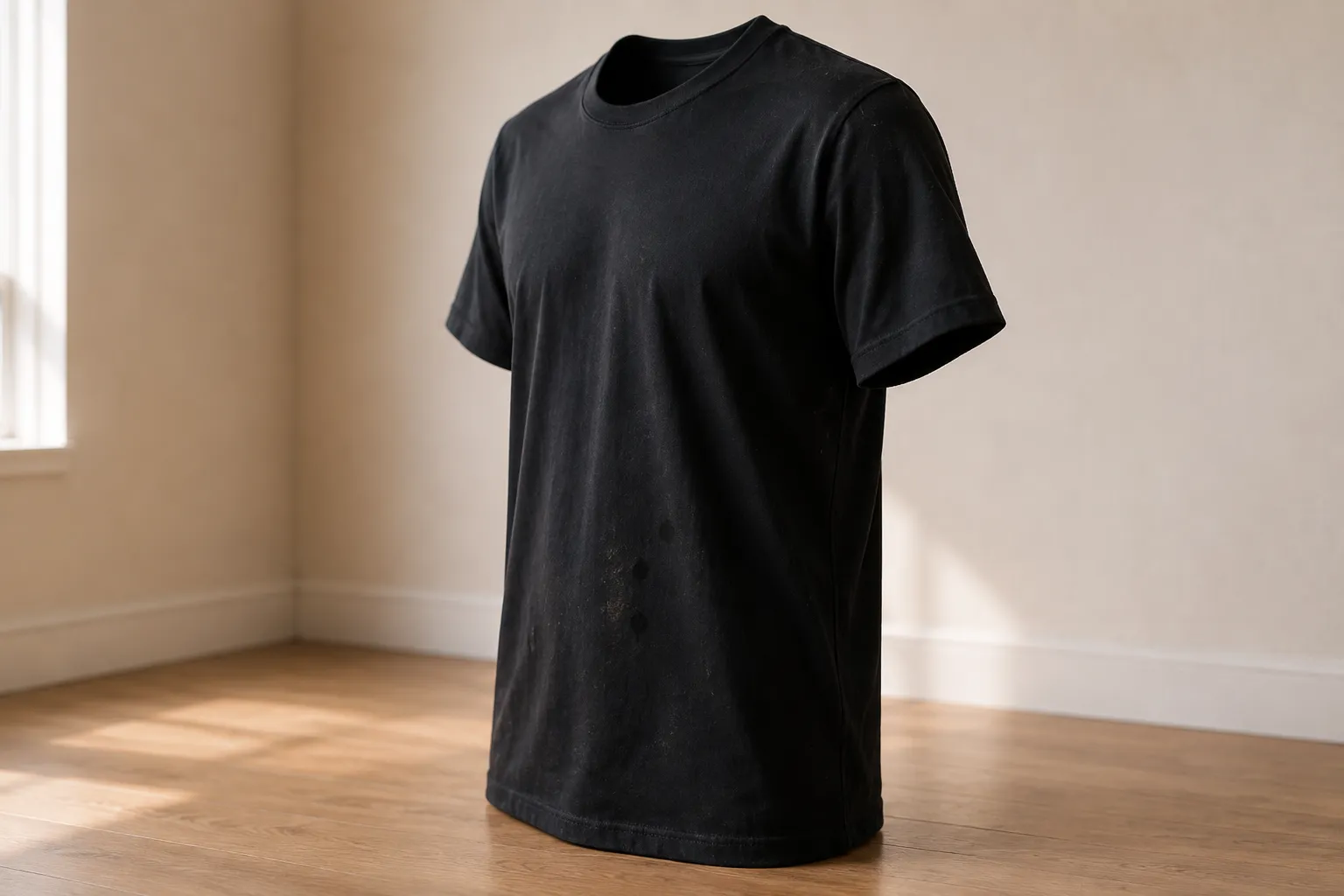
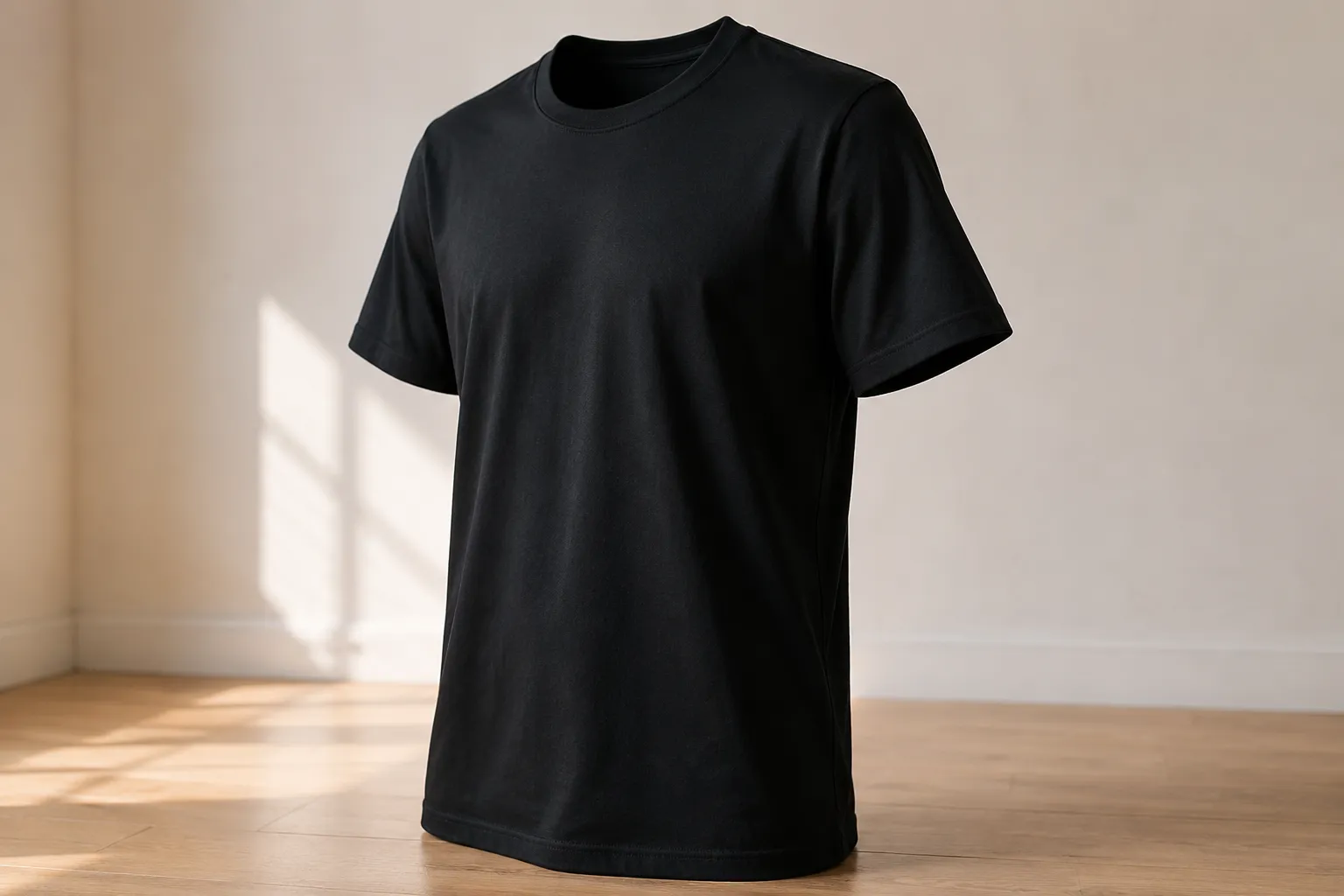
Request: Remove grease stain from a black polo shirt after cooking.
Done: Applied degreaser, gently scrubbed and rinsed.
Cost: 15 000 ₸
Master: Timur Zhaksybekov, dry cleaning master
Total: Oil stain removed, fabric did not fade and retained color.
 After
After
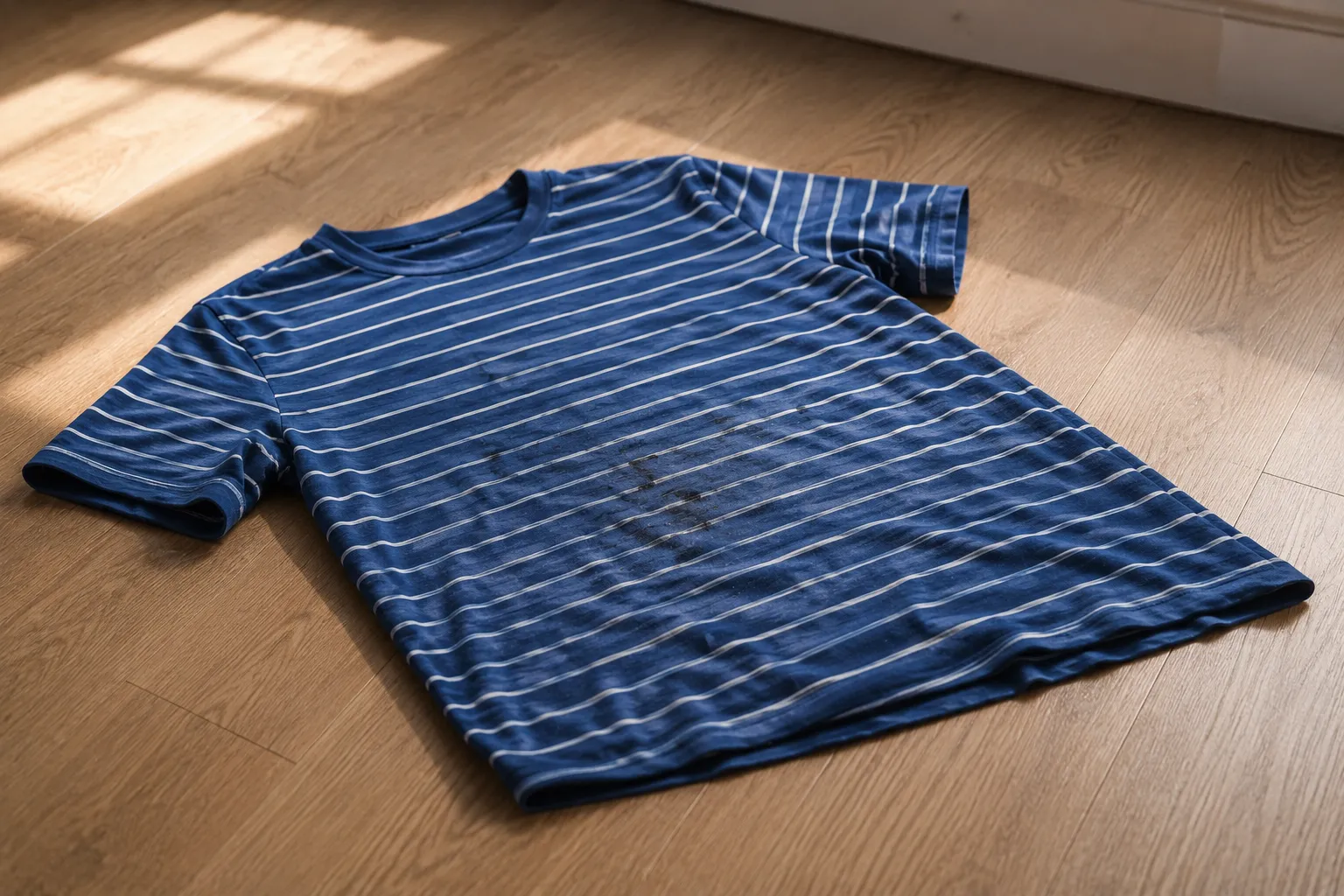
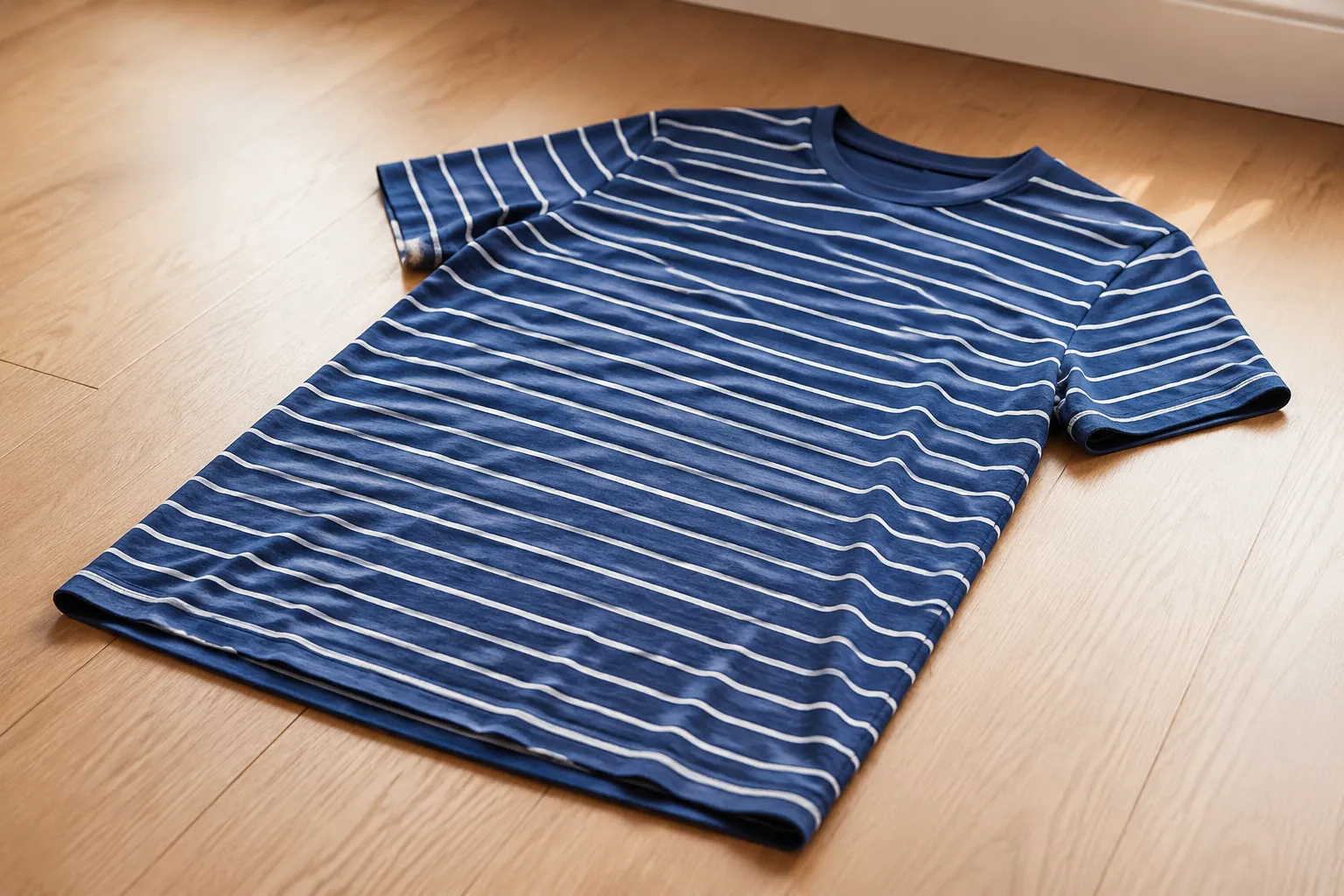
Request: Remove fresh coffee stain from a printed t-shirt.
Done: Blotted stain, treated with oxygen bleach and washed.
Cost: 2 000 ₸
Master: Dinara Sagintayeva, dry cleaning master
Total: Coffee stain gone, print undamaged.
 After
After
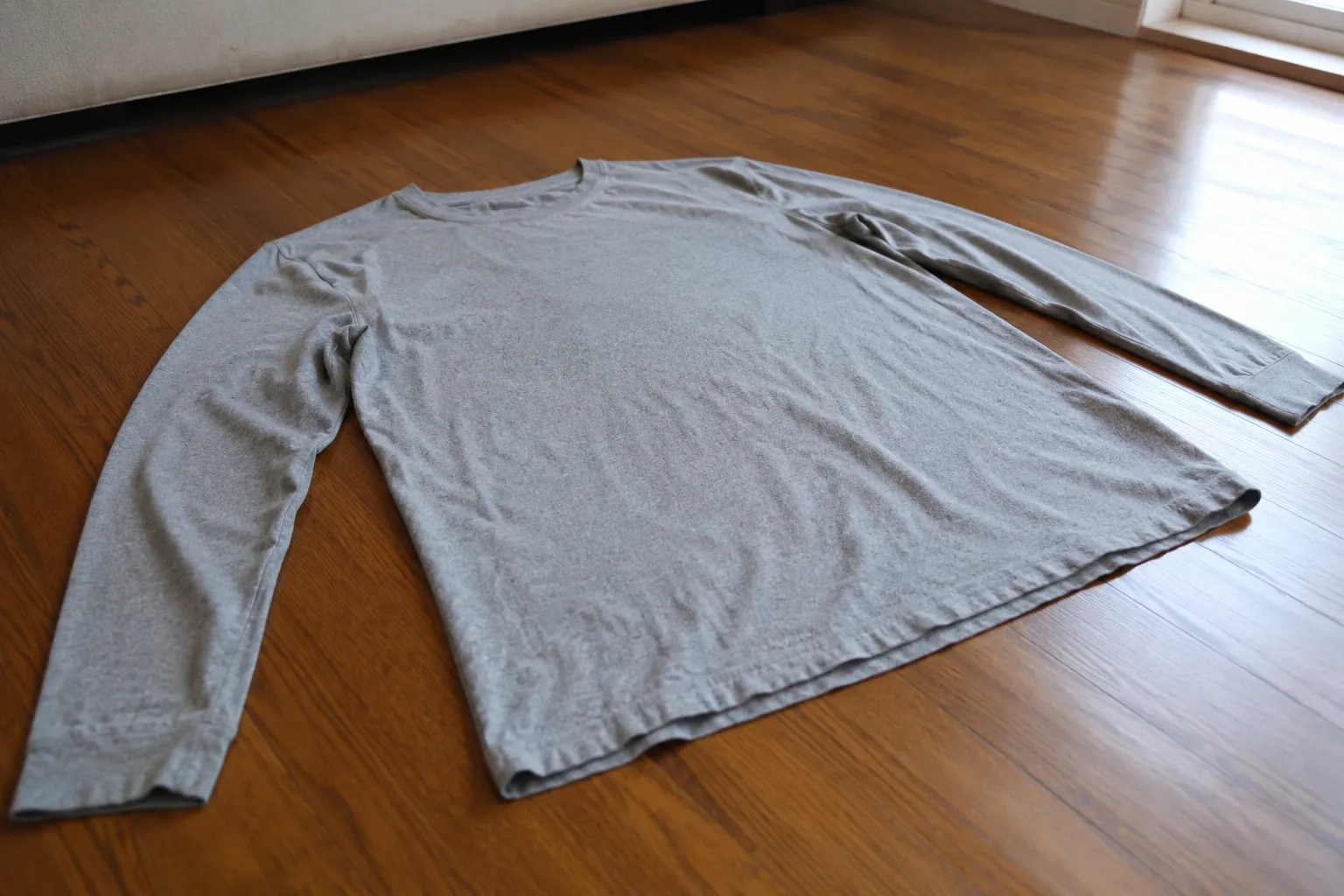
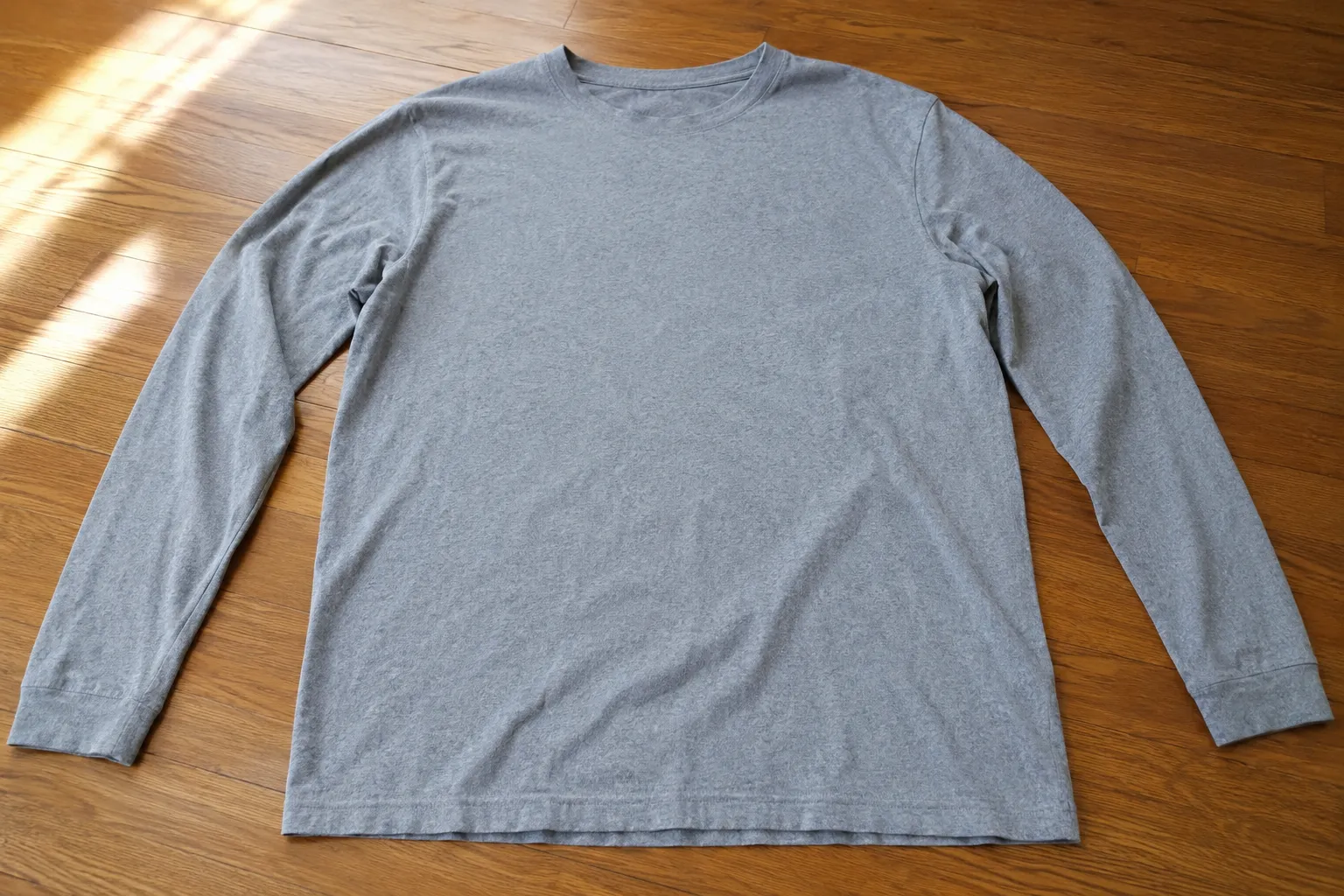
Request: Get rid of yellow sweat marks on a synthetic t-shirt.
Done: Soaked in saline solution, treated with enzyme stain remover.
Cost: 2 000 ₸
Master: Aigerim Nurpeisova, dry cleaning master
Total: Yellow marks disappeared, fabric refreshed and not deformed.
 After
After
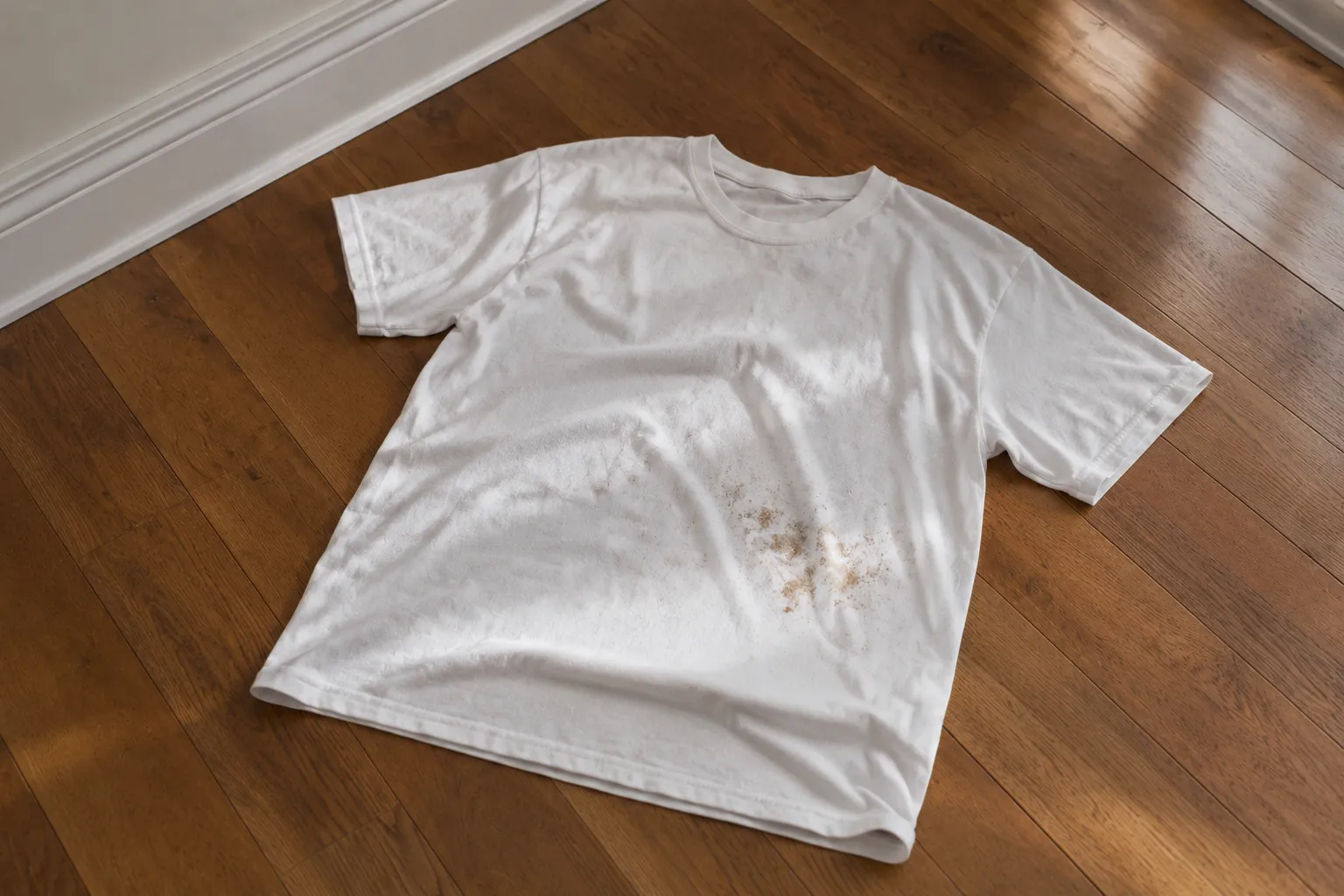
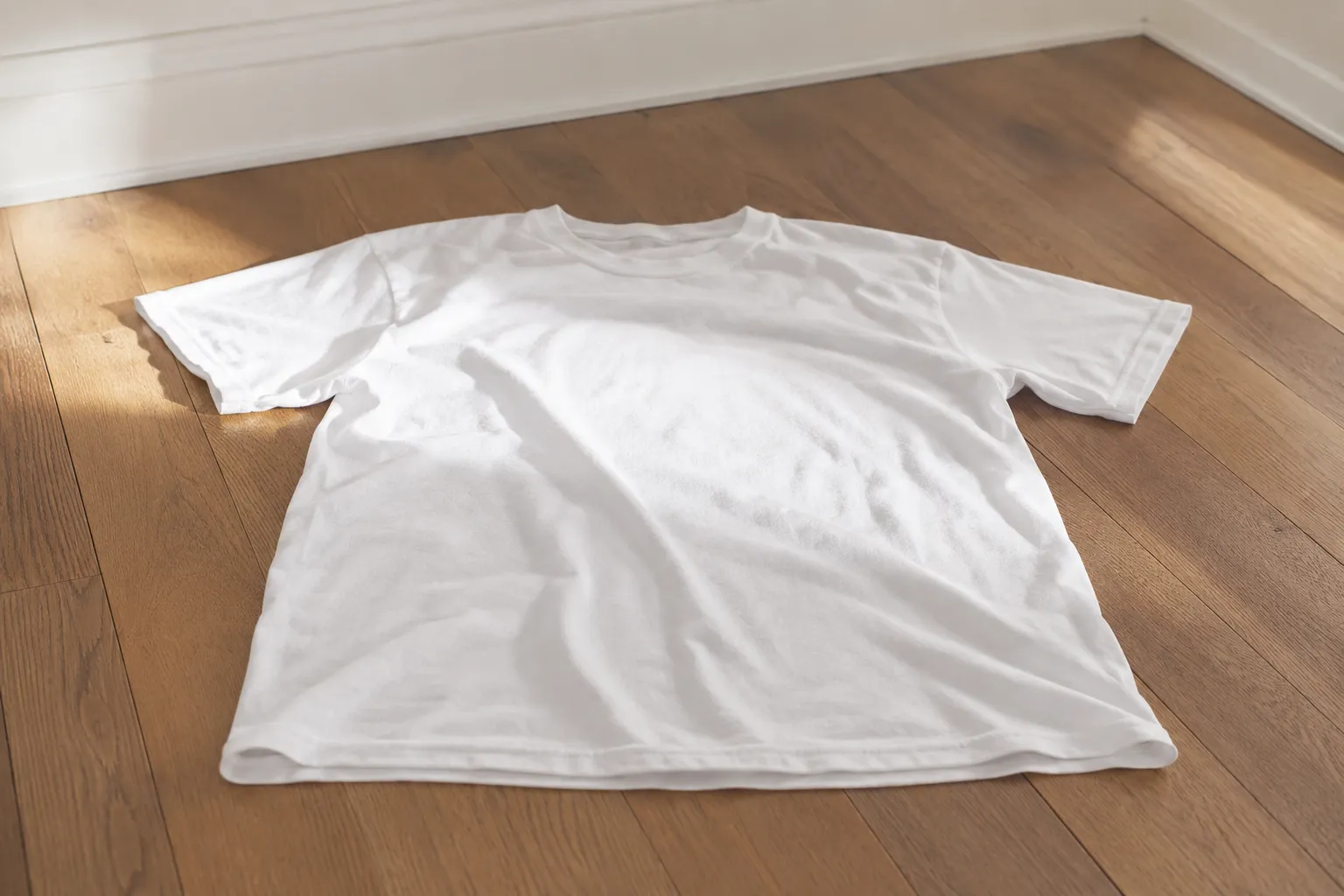
Request: Remove red wine stain from a viscose t-shirt.
Done: Blotted stain, treated with wine stain remover and washed in cold water.
Cost: 2 000 ₸
Master: Timur Zhaksybekov, dry cleaning master
Total: Wine stain completely removed, fabric did not shrink or fade.
 After
After
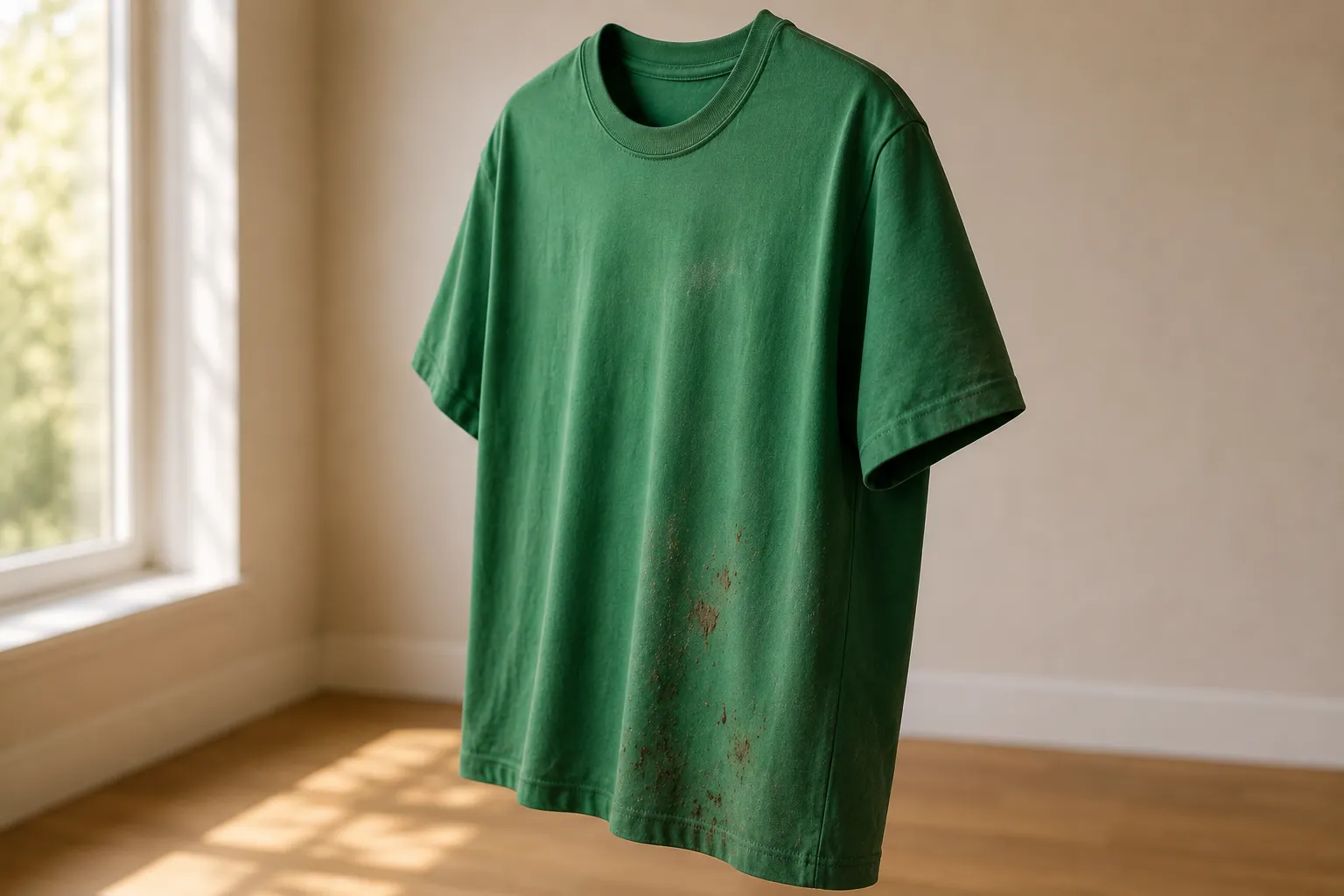
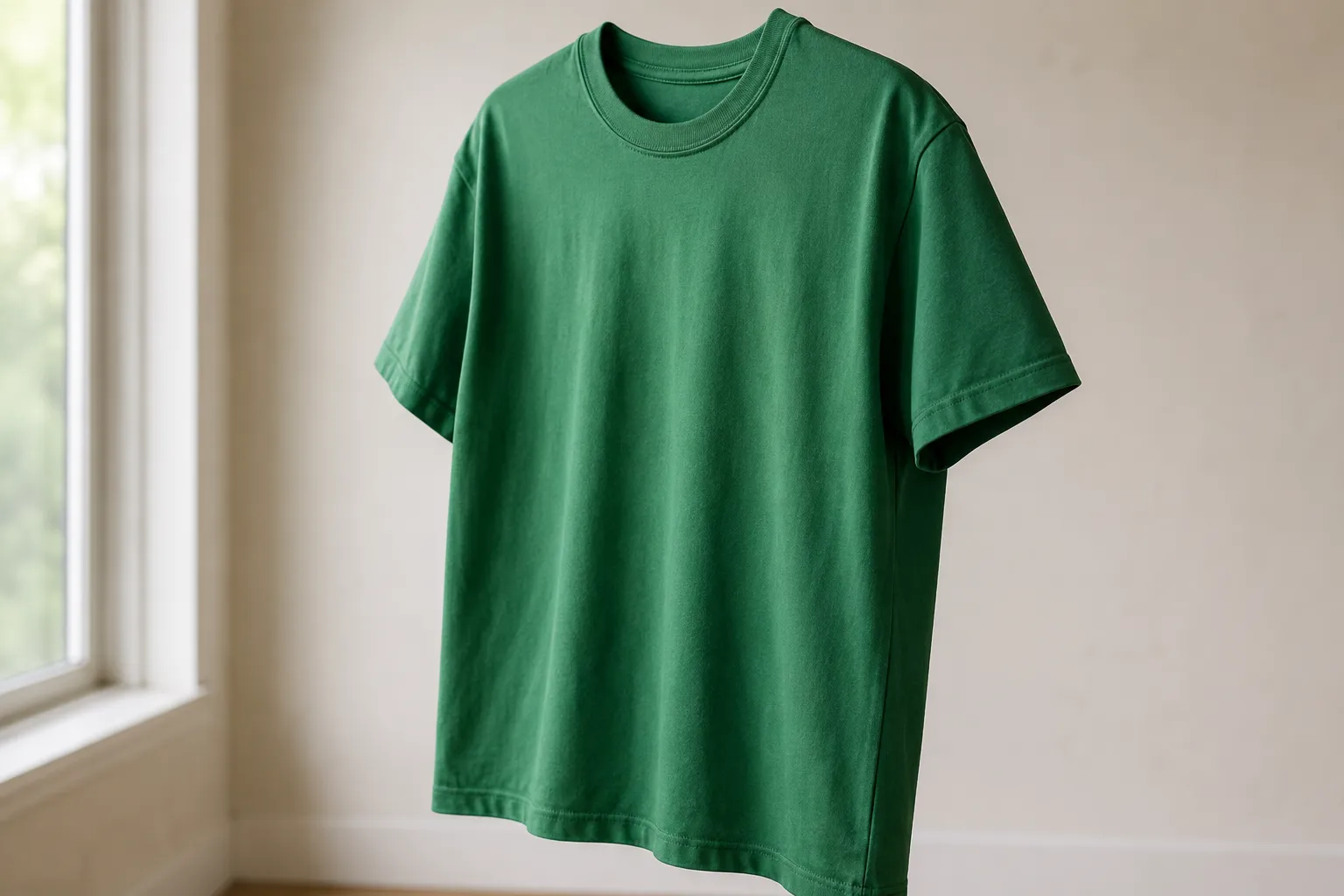
Request: Remove ink stain from long sleeve t-shirt.
Done: Treated the stain with alcohol, then a special stain remover.
Cost: 2 000 ₸
Master: Dinara Sagintayeva, dry cleaning master
Total: Ink completely removed, fabric undamaged.
 After
After
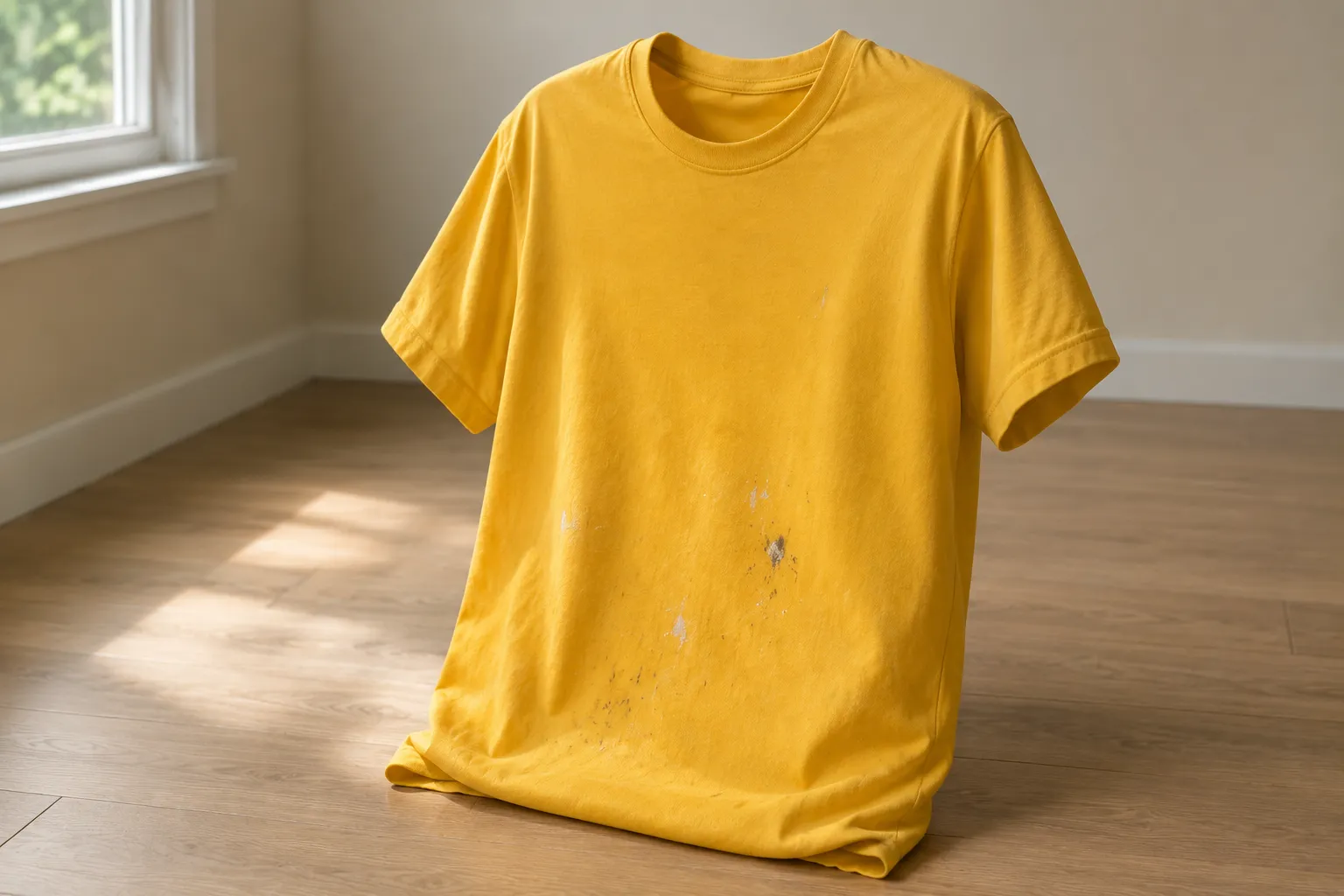
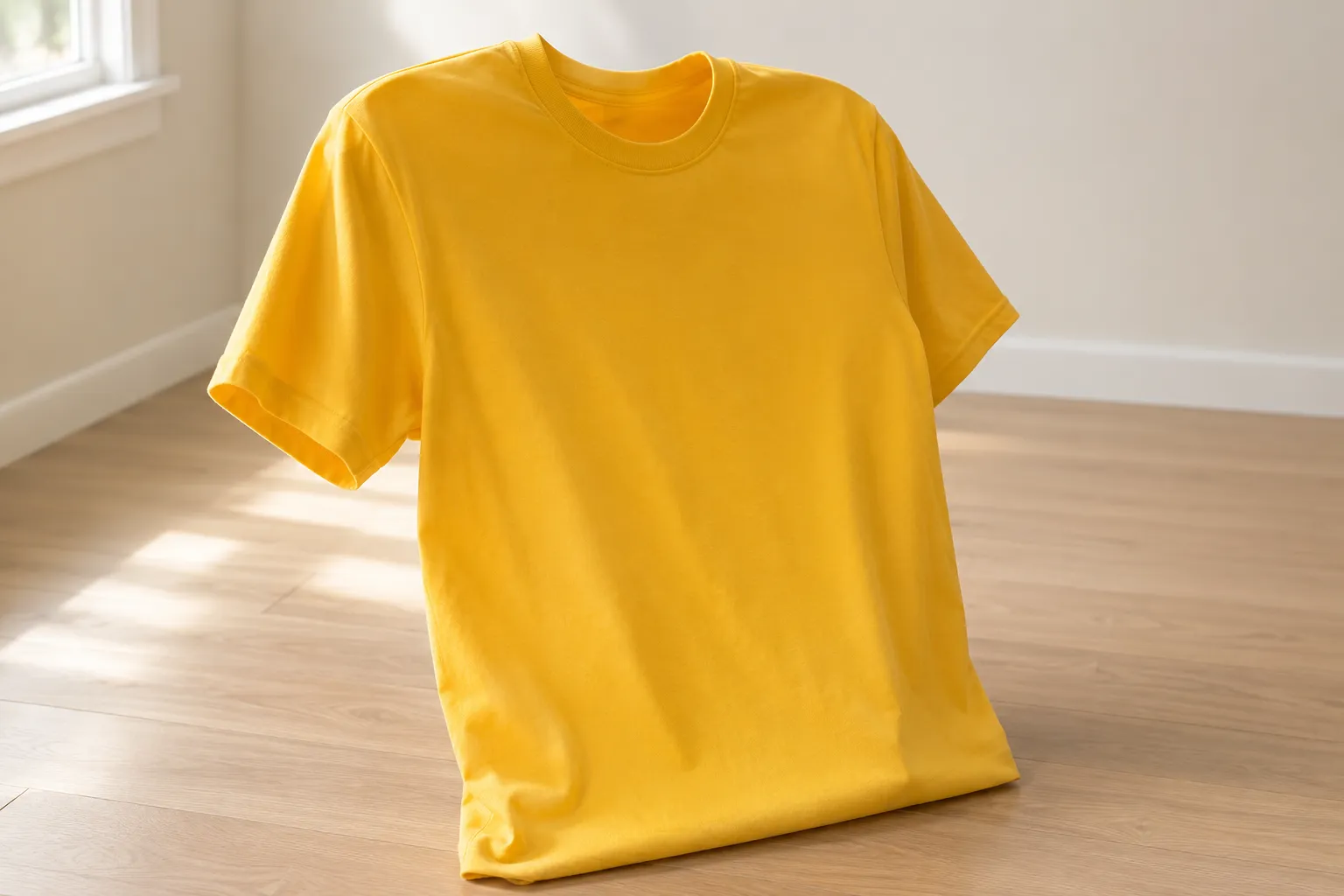
Request: Clean t-shirt with embroidery without damaging the threads.
Done: Gently hand-washed using a mild detergent.
Cost: 2 000 ₸
Master: Aigerim Nurpeisova, dry cleaning master
Total: T-shirt is clean, embroidery unharmed, colors vibrant.
 After
After
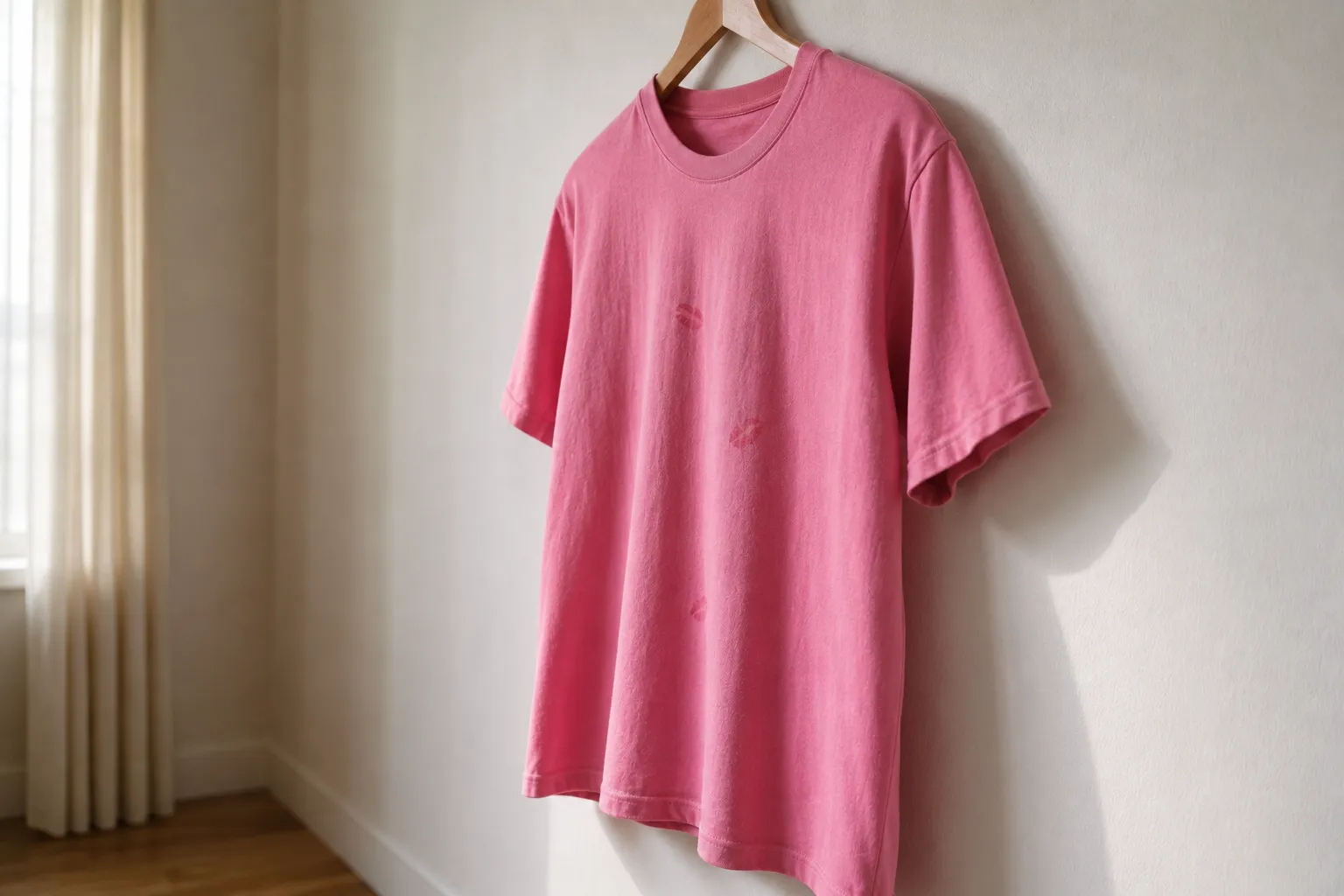
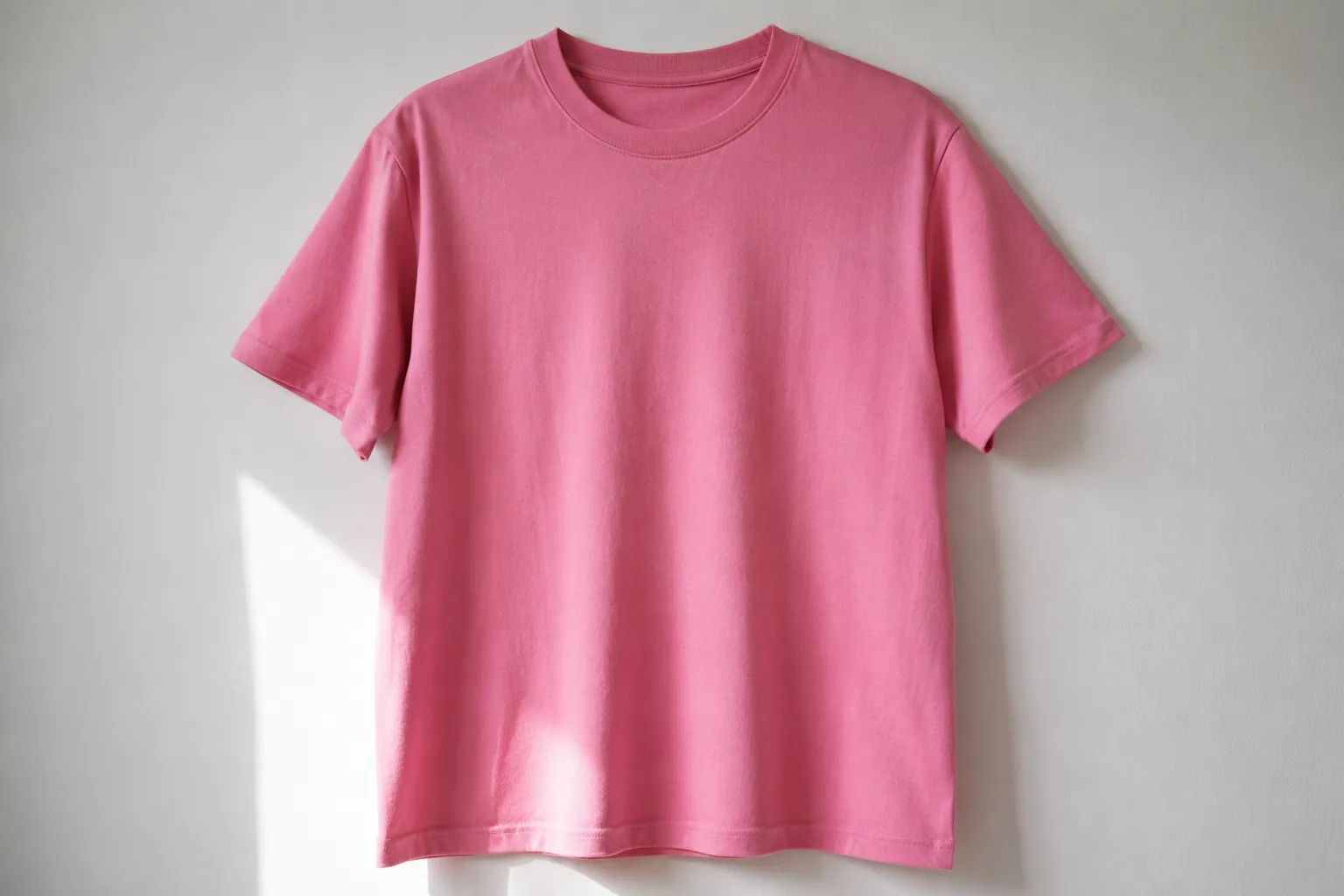
Request: Clean t-shirt with rhinestones without damaging the decoration.
Done: Hand wash in cold water with mild shampoo, dry in shade.
Cost: 2 000 ₸
Master: Timur Zhaksybekov, dry cleaning master
Total: T-shirt is clean, rhinestones intact, sparkling like new.
 After
After
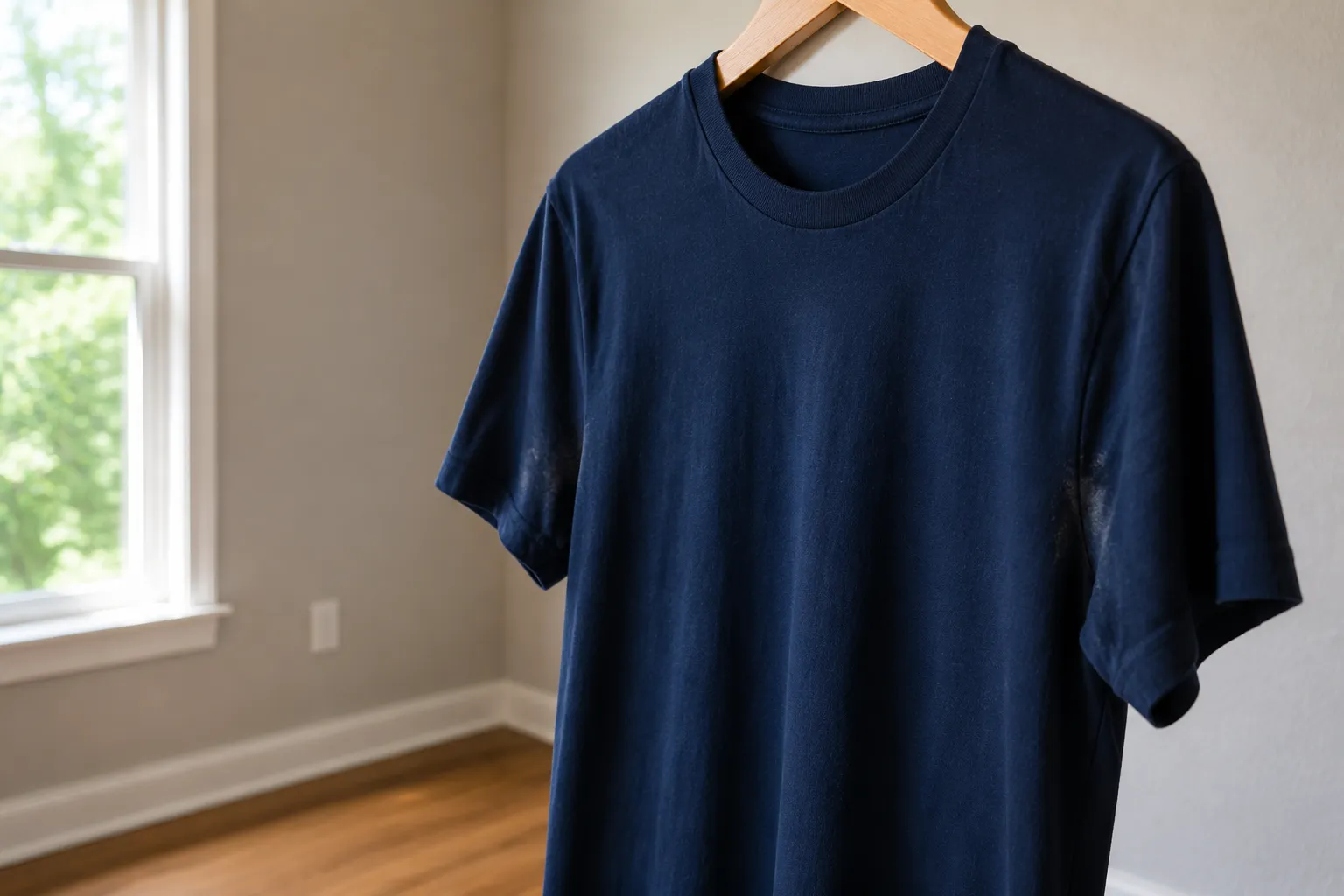
Request: Remove dried mud from white sport t-shirt.
Done: Soaked, treated stains with a brush, and washed in washing machine.
Cost: 2 000 ₸
Master: Dinara Sagintayeva, dry cleaning master
Total: Mud completely removed, t-shirt white and fresh.
 After
After
Request: Remove food stains from children's cotton t-shirt.
Done: Treated stains with enzyme cleaner and washed at 30°C.
Cost: 2 000 ₸
Master: Aigerim Nurpeisova, dry cleaning master
Total: Food stains gone, t-shirt soft and safe for child.
All cleaners are profi-clean staff with training, uniform and security check. Each order has a team leader who controls quality.
Machine washing gradually destroys the fabric’s structure, while professional dry cleaning restores a t-shirt’s original appearance without contact with the aggressive mechanics of the drum. Let’s break down how the approaches differ and what risks you take by choosing home washing instead of service treatment.
Cotton and viscose lose their shape after 3–5 cycles in the machine due to a spin cycle at 800–1000 rpm. The fibers twist, shrinkage reaches 5–7% in length, and the collar stretches by 1–2 cm. At profi-clean, we use steam generators with a pressure of 4 bar — the fabric is smoothed out without mechanical compression. In our practice, t-shirts made of 100% cotton retain their geometry after 10 dry cleanings, while after 10 machine washes, they become rags. Before putting an item in the machine, check the label: if it says “dry clean only” — washing will guaranteed ruin the item in one cycle.
Thermal film and flock peel off at 40 °C and above, and machine friction wears off up to 30% of the pigment in 20 minutes of a cycle. In dry cleaning, t-shirts with prints are treated with enzyme-based stain removers without heating above 30 °C — the design remains intact. We had a case: a client brought in a t-shirt with a sublimation print after machine washing — the colors had faded by 40%. Restoration required reprinting, which cost more than the item itself. For t-shirts with rhinestones or sequins, machine mode is contraindicated — the glue softens, and the decoration falls off; in dry cleaning, such elements are fixed with steam.
Grease stains, deodorant marks, and set-in sweat rings — the machine with powder only handles 50–60% of them. The reason: oil and protein stains require solvents, not water. In t-shirt dry cleaning, we use perchloroethylene (PERC) and hydrocarbon solvents — they break down fat bonds at the molecular level. For example, a vegetable oil stain on viscose is removed in one cycle in PERC, while in the machine with gel, it takes 3–4 washes with the risk of setting the stain. Our statistics: 85% of orders for t-shirt dry cleaning are items ruined by home washing, not by a difficult stain. If a smell remains after washing, it means bacteria have settled in the fibers, and only a professional solvent can remove them.
A set-in stain is not just dirt, but a chemical reaction that has already bonded with the fabric fibers. Unlike a fresh stain, which often comes out in one wash, an ingrained stain requires a step-by-step approach: from identifying its composition to selecting a solvent safe for the specific fiber type.
Attempts to scrub a set-in stain with laundry soap or douse it with bleach have the opposite effect: alkali “cooks” the protein (blood, milk, sweat) deeper into the cotton structure, and chlorine bleach destroys the dye, leaving a yellow stain. On synthetics (polyester, nylon), alcohol or acetone can dissolve the fiber itself — resulting in a hole with melted edges. In our practice, we had a case where a client tried to remove a three-month-old coffee stain with vinegar: the stain turned into a persistent gray-brown discoloration that even a professional stain remover couldn’t handle — the t-shirt had to be re-dyed. In my opinion, the only working scenario for a set-in stain is diagnosis under a UV lamp at a dry cleaner: different types of stains (grease, tannin, protein, oil paint) fluoresce differently, and the technician selects a solvent based on the glow zone, not by guesswork.
| Stain type | What we do | When we don’t take it |
|---|---|---|
| Coffee/tea (older than 1 month) | Treatment with tannin pre-spotter + hydrocarbon cleaning | If the t-shirt has already been boiled — the tannin has “cooked” with the cellulose, removal is impossible |
| Red wine (dried) | Enzymatic stain remover with 40-minute exposure + cold rinse | On viscose — the pigment penetrates the fiber cavity, only re-dyeing is an option |
| Grease/oil (set-in) | Perchloroethylene cleaning + repeat after 24 hours if the stain has “come out” | If the t-shirt was ironed — the grease has polymerized and become non-washable |
| Grass (dry, last year’s) | Alcohol-based pre-spotter + mechanical exfoliation with steam | On delicate fabrics (silk, cashmere) — chlorophyll destroys the fiber, cleaning won’t save it |
| Sweat/deodorant (yellow underarms) | Oxygen bleach at 60°C + acid neutralization | If the aluminum salts from deodorant have already crystallized in the fabric — a faint mark remains |
Before bringing a t-shirt with a set-in stain, check the label: if the manufacturer specifies “dry clean only” (letter P or F in a circle), machine washing voids the warranty, while professional dry cleaning will restore the item to a “like-new” condition even after a year in the closet.
Each fabric reacts to chemicals and mechanics differently — what saves cotton can shrink viscose. At profi-clean, we select the method based on the fiber composition so that the t-shirt fits perfectly, not a size smaller.
Natural fibers of cotton and linen withstand intensive mechanical treatment and high temperatures — these are the only fabrics where a harsh mode with active friction is acceptable. For them, we use perchloroethylene (PERC) in a short 15-minute cycle, which removes even embedded grease from collars and cuffs. But there is a nuance: bright dyes on cotton (especially red, blue, and green) may bleed upon first contact with the solvent — we test colorfastness on an inconspicuous seam area. In my opinion, the main mistake in home washing is soaking cotton in hot water with bleach: the fiber swells, the dye washes out unevenly, and the t-shirt loses color in patches. In professional dry cleaning, cotton t-shirts are kept at 30°C — enough to dissolve dirt but safe for the pigment.
Artificial cellulose fibers like viscose and bamboo lose up to 40% of their strength when wet — improper spinning or high temperatures cause irreversible shrinkage of up to 10% of the length. In our machines, we treat such t-shirts exclusively in a hydrocarbon environment at 25°C with minimal mechanical impact — the drum rotates 2 times slower than for cotton. In October, we had a case: a client brought in a viscose t-shirt with a red wine stain that had been unsuccessfully washed at home in hot water — the item shrank by 8 cm in length, although the stain remained. When working with viscose, it is critical not to overdry the t-shirt: we dry it on a horizontal mesh without a centrifuge, otherwise the fiber breaks and pills form. Before ordering dry cleaning for a viscose t-shirt, check if the service has a “delicate drying” mode — without it, the item can lose its shape in one cycle.
Synthetic fibers melt at 60-70°C and accumulate static electricity, which attracts dust and lint from the machine’s air. We clean polyester and t-shirts with elastane (up to 15% content) in a liquid CO₂ environment at 31°C — this method does not heat the fabric above room temperature and leaves no static charge. The problem with home washing of synthetics is that fabric softener leaves a film on the fibers that clogs pores — the t-shirt stops “breathing” and smells of sweat faster. In professional treatment, we add a water-based antistatic agent (Sodasan) directly in the final cycle — after this, the item does not stick to the body and is less electrified when worn. For t-shirts with heat-transfer film prints (common on polyester), dry cleaning is safer than washing: water and friction peel off the film in 3-4 cycles, while the solvent does not damage it.
Wool fibers are covered with scales that interlock upon sudden heating or cooling, causing irreversible shrinkage — a merino t-shirt can shrink from size 48 to size 52 in one wash. We clean wool and cashmere exclusively in a hydrocarbon environment (K4) at a stable 20°C — no steam, no contact with water, only gentle dissolution of grease stains. In our practice, there was a case where a cashmere t-shirt was washed in a machine on the “wool” cycle — shrinkage was 12%, and the item could not be restored even with professional stretching. For wool t-shirts with appliqués or embroidery, dry cleaning is preferable: water softens glue and threads, while the solvent preserves their structure. If the t-shirt has a sweat stain (protein soiling), on wool we use an enzyme pre-spotter (Kiehl) — it breaks down the protein without heat, which would “set” the stain into the fiber.
When a t-shirt returns from dry cleaning with a foreign smell — chemical, musty, or stale moisture — it is not a defect, but a signal of a technology violation. In our practice, we break down such cases step by step: from airing to re-treatment.
The most common cause is residual solvent in the fabric fibers. Professional agents like perchloroethylene or hydrocarbon solvents require precise ventilation time and correct drying temperature. If the t-shirt is removed from the machine before the full extraction cycle (usually 15–20 minutes at 60–70°C), some solvent molecules remain in the fabric structure. The second most common mistake is poorly rinsed conditioner or neutralizer: on synthetics (polyester, elastane), they concentrate in folds and under cuffs. In our profi-clean machines, we use a triple rinse cycle with deionized water — this guarantees that all chemicals are washed out to safe trace levels. If the smell appears a day after receiving the order, check storage conditions: a humid microclimate in an airtight bag activates bacterial growth, and the t-shirt smells not of chemicals, but of mustiness.
If a T-shirt smells like chemicals right after you receive it, don’t rush to take it back—most mild odors disappear after 2–3 hours of airing out. Hang the item on a hanger in a well-ventilated area (on a balcony or near an open window, but not in direct sunlight—UV rays can damage some dyes). If the smell doesn’t fade within 4 hours, try dry freezing: place the T-shirt in a dry plastic bag and put it in the freezer for 8–10 hours at a temperature of −18 °C—low temperatures accelerate the desorption of volatile compounds from the fibers. For delicate fabrics (silk, viscose, thin cotton), use baking soda: pour 100–150 g of baking soda into an airtight container, place the T-shirt on a rack above it (without contact with the soda), and seal for 12 hours—the soda will absorb odor molecules. Our technologist Aigerim Kassymova recommends this method for printed T-shirts: unlike steam cleaners, baking soda does not soften the thermal film or distort the design.
If DIY methods haven’t helped—the smell persists after 24 hours of airing and freezing—it means the solvent has penetrated deep into the fiber structure, and professional deodorization is required. At profi-clean, for such cases, we use ozone treatment in a sealed chamber: ozone oxidizes volatile compound molecules, turning them into harmless carbon dioxide and water. The procedure takes 30–40 minutes and doesn’t require re-soaking, so the T-shirt experiences no additional mechanical stress. The second option is treatment with a steam-air mixture at 80–90 °C under reduced pressure: in a vacuum chamber, the solvent evaporates at a lower temperature than in open air and is removed through HEPA-class filters. We guarantee the repeat treatment—if the smell doesn’t go away after it, we refund the cost of the service. An important nuance for Almaty residents: during the humid spring and autumn, don’t leave your T-shirt drying on the balcony for more than a day—high air humidity (in Almaty, it reaches 75–80% in the off-season) slows down evaporation and can lock the smell into the fabric for a long time.
A normal smell after dry cleaning is mild, reminiscent of medical alcohol or ether, and disappears within 2–3 hours in the open air. A defective smell is sharp, sour, or ammonia-like, doesn’t dissipate within 6–8 hours, and intensifies when moistened (for example, if you drop water on the fabric). A second sign of a defect: the smell is concentrated in one spot—under the arms, on the cuffs, around the collar—rather than being spread across the entire garment. This means the solvent wasn’t evenly extracted from dense areas of the fabric. At our facility, each drying stage has a residual solvent sensor—if its concentration exceeds 5 ppm (parts per million), the machine blocks unloading and starts an additional airing cycle. For comparison: the European standard for dry cleaning is up to 50 ppm, meaning our threshold is 10 times stricter. If you’re unsure about the quality, bring your T-shirt to our drop-off point—a technician will check the residual solvent level with a portable gas analyzer in 2 minutes, and it’s free.
To ensure your T-shirt doesn’t smell after dry cleaning, pay attention to three things before handing it over to the service. First—fabric type: polyester, nylon, and elastane hold onto solvent longer than cotton, so for synthetics, choose water-based dry cleaning (wet-cleaning) rather than perchloroethylene. In our price lists, we mark each T-shirt with a colored tag: green—water-based cleaning, blue—dry solvent cleaning. Second—freshness: don’t drop off a T-shirt you’ve just worn with sweat or moisture—moisture reacts with the solvent, forming volatile acids that produce a sharp smell. The right approach: dry the item on a hanger for 2–3 hours before packing it in a bag. Third—packaging airtightness: if you’re transporting the T-shirt on public transport or in cold weather, use a breathable cover (cotton or mesh) rather than plastic—condensation inside the bag creates a greenhouse effect and can lock in the smell even before cleaning begins. In practice, Almaty cleaners at profi-clean recommend dropping off T-shirts during the warm season in the first half of the day—this way, the machine completes a full drying cycle before the evening humidity rises.
The frequency of professional cleaning depends not on the calendar, but on three factors: intensity of wear, fabric type, and storage conditions. Here at profi-clean, we’ve developed a simple rule of thumb: a cotton t-shirt worn once a week should be sent in every 2–3 months, while synthetic sports models need cleaning after 5–6 workouts. Let’s break down how to avoid mistakes with the schedule for different situations.
For everyday cotton and linen t-shirts worn 1–2 times a week, the optimal interval between dry cleanings is 8–12 weeks. During this time, the fabric accumulates microparticles of sweat and sebum, which are not removed even by the most aggressive machine washing and begin to destroy the fibers from within. In our practice in the Almaty market, we’ve noticed that t-shirts sent in once a quarter last 30–40% longer than those washed at home every two weeks. For viscose, it’s better to shorten the interval to 6–8 weeks: it loses its shape faster from moisture, and professional steam treatment restores the fit. Before putting a t-shirt into long-term storage—for winter or a business trip—be sure to send it for dry cleaning, otherwise, old stains will oxidize and become much harder to remove.
T-shirts made of polyester, nylon, and blended fabrics for fitness and running require a different approach: they need to be sent for dry cleaning after 5–6 intense workouts, regardless of their appearance. Sports synthetics don’t absorb moisture but trap bacteria in the fabric’s micropores—regular washing at 30–40°C kills only 60–70% of the microflora, and the remaining bacteria multiply, causing a persistent “worn-in” odor. At profi-clean, we use ozone water treatment at 18°C for such t-shirts—it destroys up to 99.9% of bacteria without damaging the elastane. If you just air out your t-shirt on the balcony after a workout instead of washing it, send it for dry cleaning after 3–4 sessions—salt buildup from sweat on synthetics happens faster than on cotton.
T-shirts with heat transfers, rhinestones, sequins, or embroidery are the most finicky category: they are cleaned less often, but strictly as needed. The optimal schedule is no more than once every 4–6 months, and only when visible soiling appears. Mechanical action in a washing machine destroys a print in 10–15 cycles, and even gentle dry cleaning with perchloroethylene (if the technician doesn’t know the specifics) can peel off the heat-transfer film. In our workshop, we pre-test the adhesion of the decor on an inconspicuous area: prints on t-shirts from Almaty brands (like local merch) are often water-based and require exclusively manual spot treatment without soaking. If the decor has started to crack or peel, it’s better to avoid dry cleaning altogether until restoration—steam treatment from a distance of 30 cm and spot removal with hydrogen peroxide will extend the item’s life for another 2–3 seasons.
I ordered dry cleaning for a T-shirt — the white one after coffee became like new, all stains gone. Very satisfied.
Glad we managed! We look forward to seeing you again.
My favorite printed T-shirt was cleaned of paint, the design was not damaged. Super!
Dry cleaning of a T-shirt after workout — the smell is gone, but a slight yellow mark on the collar remained. Overall okay.
Thank you for your feedback! Next time we will treat the collar separately.
I entrusted a silk T-shirt to dry cleaning — the result is perfect, not a thread damaged. I recommend.
I sent the polo for cleaning, but the sweat smell remained. Had to rewash at home.
We apologize. We usually remove odors, maybe we missed it. We'll redo it for free.
Dry cleaning of my son's t-shirt from markers — they removed everything, didn't damage the fabric. Thank you!
Always happy to help with kids' stains!
They cleaned the company logo t-shirt from machine oil. Logo intact, clean. Great.
Ordered dry cleaning for a t-shirt — the dark one became brighter but faded a bit. Tolerable.
Sorry about the fading. For dark fabrics we use a gentle cycle.
After a picnic, the t-shirt was green from grass — returned clean. No traces.
Glad we helped! See you again.
Dry cleaning of a linen t-shirt — removed juice stains, fabric didn't shrink. Perfect.
They completely cleaned an old blood stain from the t-shirt. Didn't expect that.
Tough stains are our specialty.
Dry cleaning of an oversized t-shirt — wine stains gone, but shape changed a bit. Had to steam it.
Thanks for the feedback! We'll take it into account for bulky items.
Removed oil stain from t-shirt without a trace. Quality work.
I sent a colored t-shirt to dry cleaning — the colors became brighter, no stains. I'm thrilled.
Great to hear! We'll be happy to see you again.
After painting, the t-shirt had paint stains — they cleaned almost everything, but small dots remained. It's okay.
Sorry it's not perfect. For such cases, we recommend pre-treatment.
Dry cleaning of a t-shirt with rhinestones — all rhinestones intact, clean. Super!
After cleaning, the t-shirt smelled of chemicals, had to air it out. Stain removal was average.
Sorry about the smell. We use safe products, but sometimes it takes time.
We sent a white t-shirt to dry cleaning — it came back snow-white. Tea stains disappeared.
Glad we restored the whiteness!
They cleaned the ink stain from a pen on the t-shirt. I didn't think it was possible.
Dry cleaning of a cotton t-shirt — grass stains were removed well, but the fabric became a bit stiffer.
Thank you! Next time we'll add fabric softener.
The grease stain on the t-shirt was removed in one go. No streaks. Excellent.
Dry cleaning of a t-shirt with embroidery — threads didn't fade, embroidery looks like new. Thank you!
We treat details with care.
Synthetic t-shirt cleaned of sweat odor, but deodorant stains remained. Overall not bad.
Sorry, synthetics are more difficult. We'll try another method.
Ordered dry cleaning of a t-shirt after rain — dirt and streaks removed. Like new.
T-shirt stained with oil paint cleaned. Design not damaged.
Glad we managed!
Dry cleaning of a t-shirt from mold — stains became paler but didn't disappear completely. Disappointed.
We apologize. Mold is difficult to remove completely, we'll redo it.
Red wine on t-shirt — removed without a trace. Surprisingly fast.
Took a polo to dry cleaning — ingrained sweat removed, color refreshed. Recommend.
Thank you for your trust!
T-shirt with sequins cleaned carefully, but a couple of sequins fell off. Mostly good.
Sorry for the loss. We'll try to be more careful.
Dry cleaning of a t-shirt from motor oil — oil removed completely. Great job.
The blueberry stain on the t-shirt disappeared after cleaning. The color did not change.
Glad to help!
Standard dry cleaning takes 1-2 days. Express dry cleaning (with extra charge) is done in 3 hours.
Leave a request on the website or call. For orders of 3 or more T-shirts, pickup and delivery are free in Almaty.
Just hand over the item as is. Do not pre-treat stains — this may set them. We will handle it professionally.
The price depends on the fabric type and decor: at an individual rate for children's or tank tops, at an individual rate for T-shirts with complex decor.
Yes, for orders of 3 or more T-shirts, free pickup and delivery are provided. Volume discount is discussed individually.
Extra charge for removing tough stains (wine, grass, paint) is at an individual rate on top of the base price.
We accept cotton, polyester, viscose, knitwear, as well as T-shirts with prints, embroidery, rhinestones, sequins, and others.
Yes, we clean such T-shirts. We use gentle modes to avoid damaging the decor. Price depends on complexity.
We remove stains from grease, grass, coffee, wine, paint, sweat, blood, ink, and others. We use professional stain removers.
The process includes 8 stages: inspection, pre-treatment, soaking, cleaning with extractor and steam, rinsing, drying, ironing, quality control.
Tell us about your experience with profi-clean — it helps other clients and us improve.
We currently operate in Almaty. Other cities are coming soon.