Inspection and diagnosis
The technician assesses the fabric type, degree of soiling, identifies stubborn stains (coffee, tea, ink). Determines optimal products and cleaning mode.
Professional dry cleaning of office furniture and carpets in Almaty
We work with any types and materials
Remove coffee, tea, and ink stains from upholstery, restore color.
from 3,500 ₸Gentle cleaning of leather or eco-leather with conditioning.
from 3,500 ₸Deep extraction of dirt from upholstery and padding.
from 11,000 ₸Cleaning of complex configurations, including seams and armrests.
from 18,000 ₸Quick dry cleaning of seat and backrest without disassembly.
from 1,500 ₸Cleaning of ingrained dirt and stains using Karcher extractor.
from 1,200 ₸Gentle cleaning of all pile types with odor removal.
from 15,000 ₸Stain removal and steam disinfection, safe for allergy sufferers.
from 7,000 ₸Compact item — cleaning in 30 minutes.
from 2,500 ₸Cleaning of upholstery and frame from dust and dirt.
from 2,500 ₸Spot treatment of stains and fabric refreshing.
from 11,000 ₸Cleaning of acoustic panels without damaging the structure.
from 15,000 ₸From inspection to result with guarantee
The technician assesses the fabric type, degree of soiling, identifies stubborn stains (coffee, tea, ink). Determines optimal products and cleaning mode.
We remove dust, crumbs, and dry dirt from the surface and folds. We use a HEPA vacuum cleaner with 99.97% filtration for allergy sufferers.
We apply a pre-treatment stain remover Kiehl or Sodasan on stubborn stains. Leave for 5-10 minutes to break down dirt.
The Karcher Puzzi 10/1 extractor delivers hot water with detergent under pressure and immediately vacuums up the dirty liquid. Removes dirt from deep within the fibers.
We disinfect the surface with steam at 120°C. Kills bacteria, mold, and dust mites without chemicals.
We apply a neutralizing solution to remove detergent residues. This prevents stickiness and rapid re-soiling.
We set up professional fans to speed up drying. Humidity drops to normal within 1-2 hours.
We check the cleaning quality, re-treat problem areas if necessary. Provide care recommendations.
We use German Kiehl products for stubborn stains and organic Sodasan for hypoallergenic cleaning. All compounds are safe for people and equipment, leave no streaks.
The Karcher Puzzi 10/1 extractor delivers hot water with detergent under pressure and immediately vacuums up dirt. This removes contaminants from deep within the pile, not just the surface.
We use industrial vacuum cleaners with HEPA filters that trap 99.97% of particles up to 0.3 microns. The office air remains clean, important for allergy and asthma sufferers.
All cleaning compounds have safety certificates and contain no chlorine, ammonia, or phosphates. Cleaning can be done in the presence of employees without relocation.
If a stain reappears within 14 days after dry cleaning, we will treat the area again free of charge. The guarantee covers all types of stains.
We accept orders daily from 8:00 to 22:00. Same-day dispatch for orders placed before 16:00. We work without weekends and holidays.
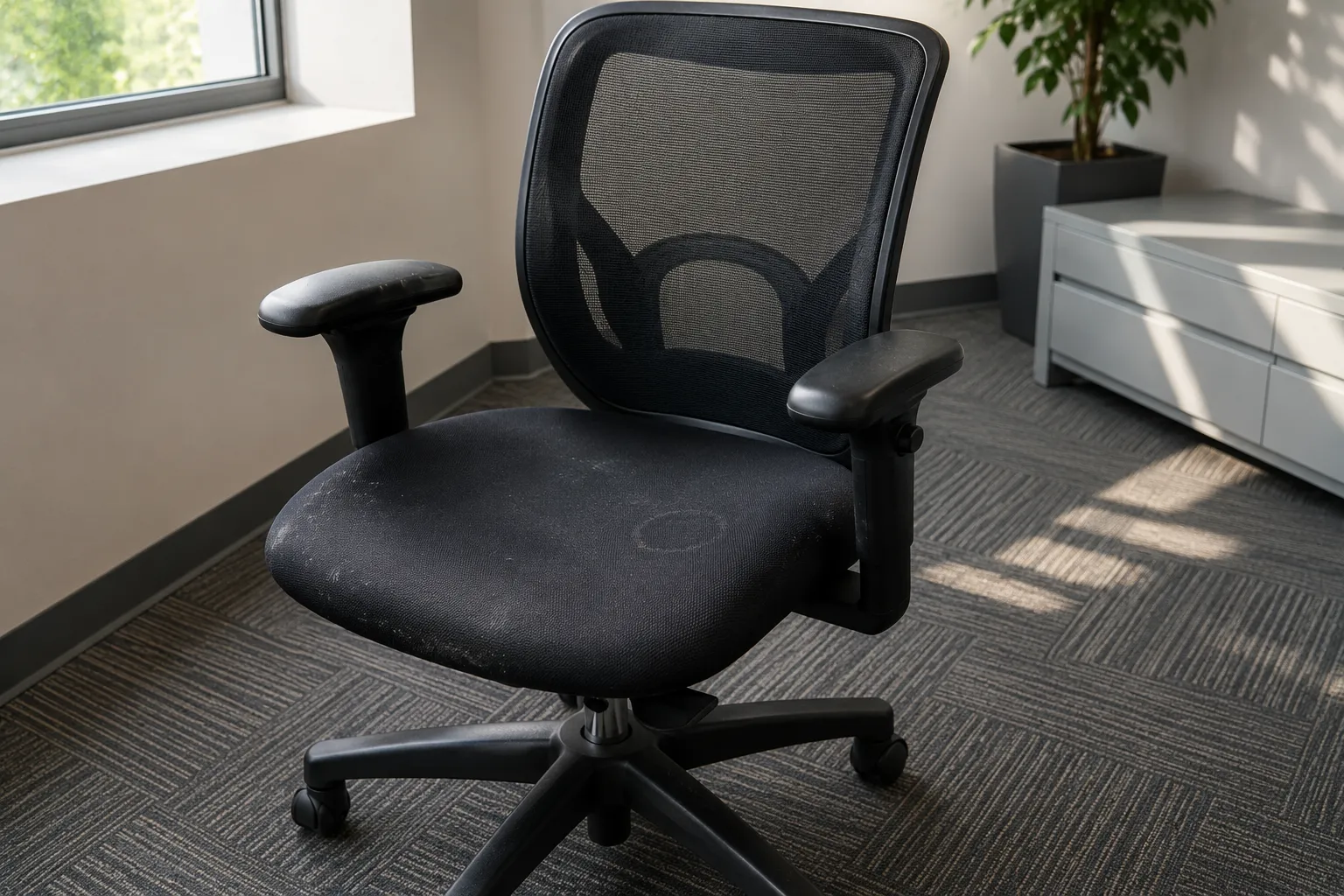
 After
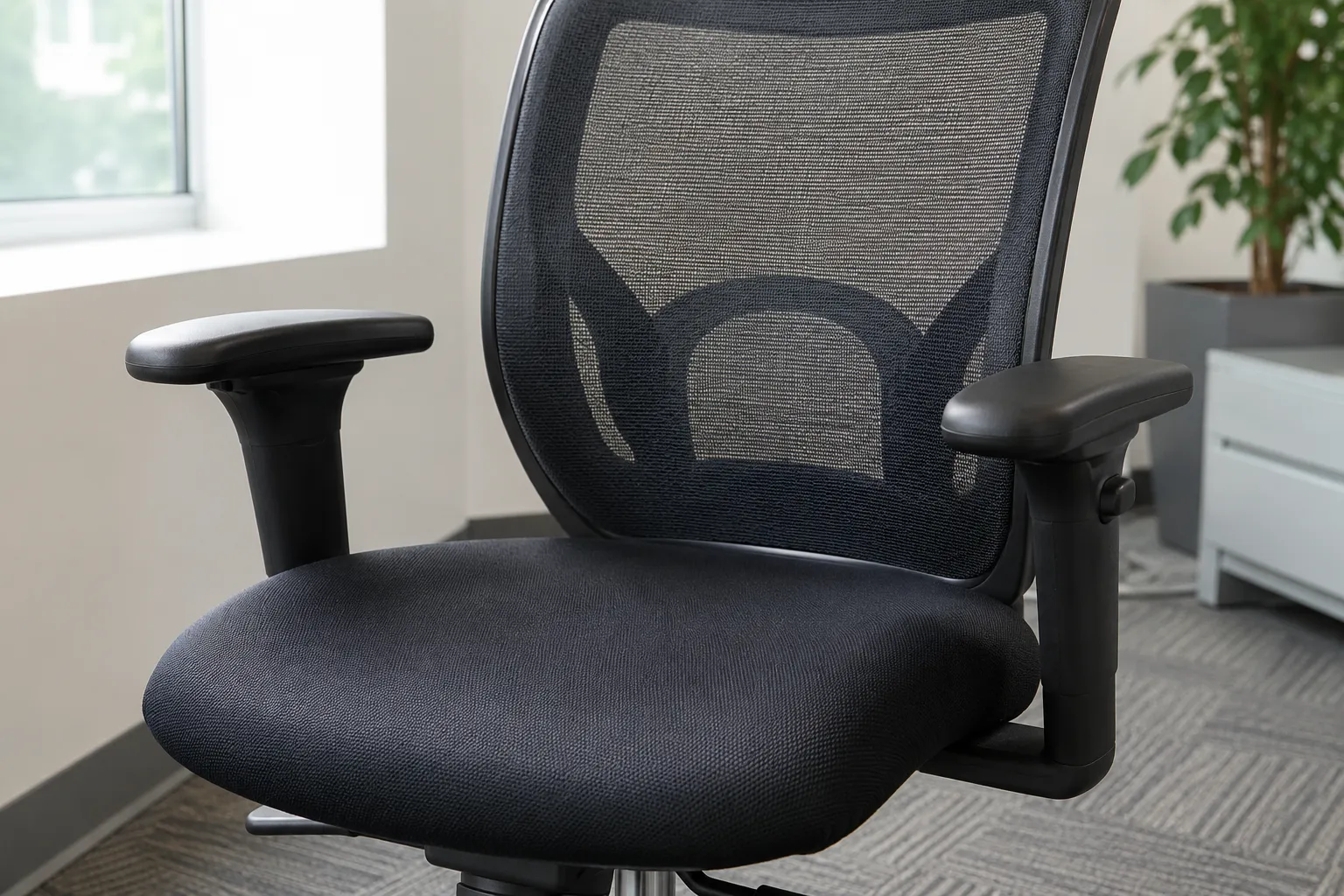
After
Request: Remove old stains and refresh the upholstery of an office chair.
Done: Performed deep extraction cleaning of upholstery using a steam generator and a carpet cleaner.
Cost: 3 500 ₸
Master: Aigul Serikova, dry cleaning master
Total: Chair fully cleaned, no stains, upholstery color restored.
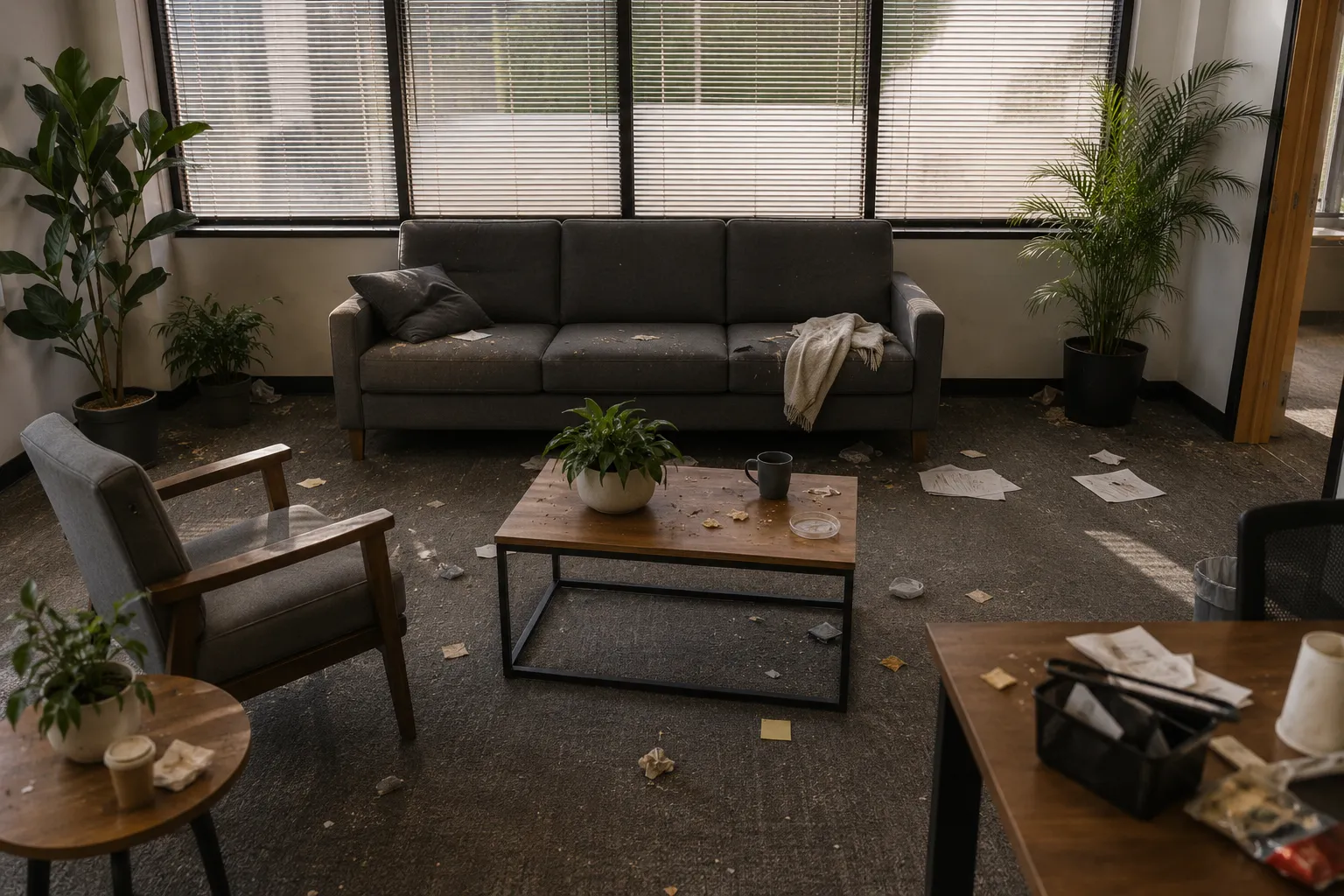
 After
After
Request: Remove coffee stains and refresh the fabric of an office sofa.
Done: Treated stains with stain remover, performed extraction cleaning of the entire sofa surface.
Cost: 11 000 ₸
Master: Bakhytzhan Nurlanov, dry cleaning master
Total: Sofa clean, no stains, pleasant smell, fabric refreshed.
 After
After
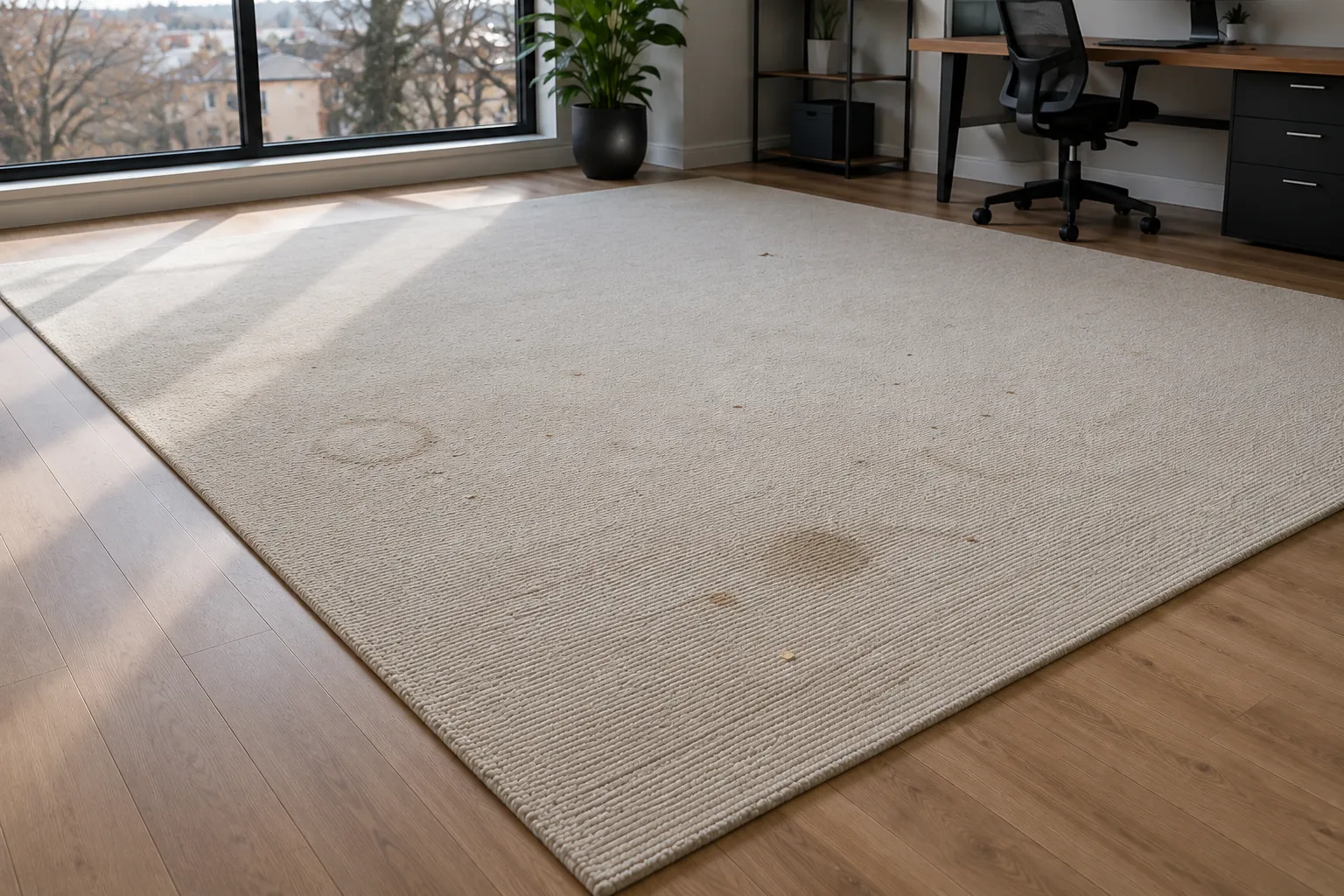
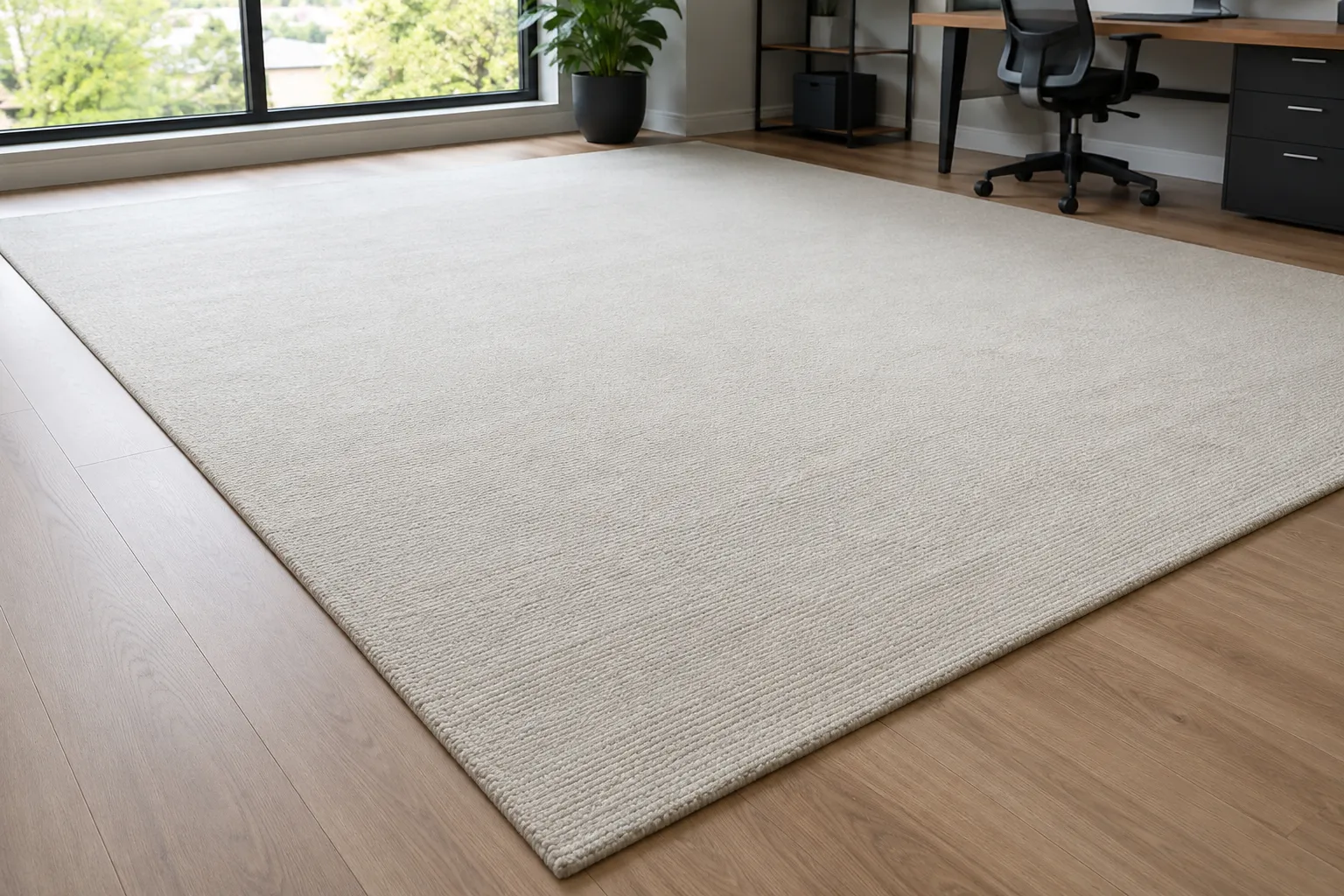
Request: Remove ingrained dirt and coffee spill marks on an office carpet.
Done: Performed dry cleaning of the carpet using a rotary machine and special powder.
Cost: 17 000 ₸
Master: Marat Askarov, dry cleaning master
Total: Carpet fully cleaned, pile lifted, colors brighter.
 After
After
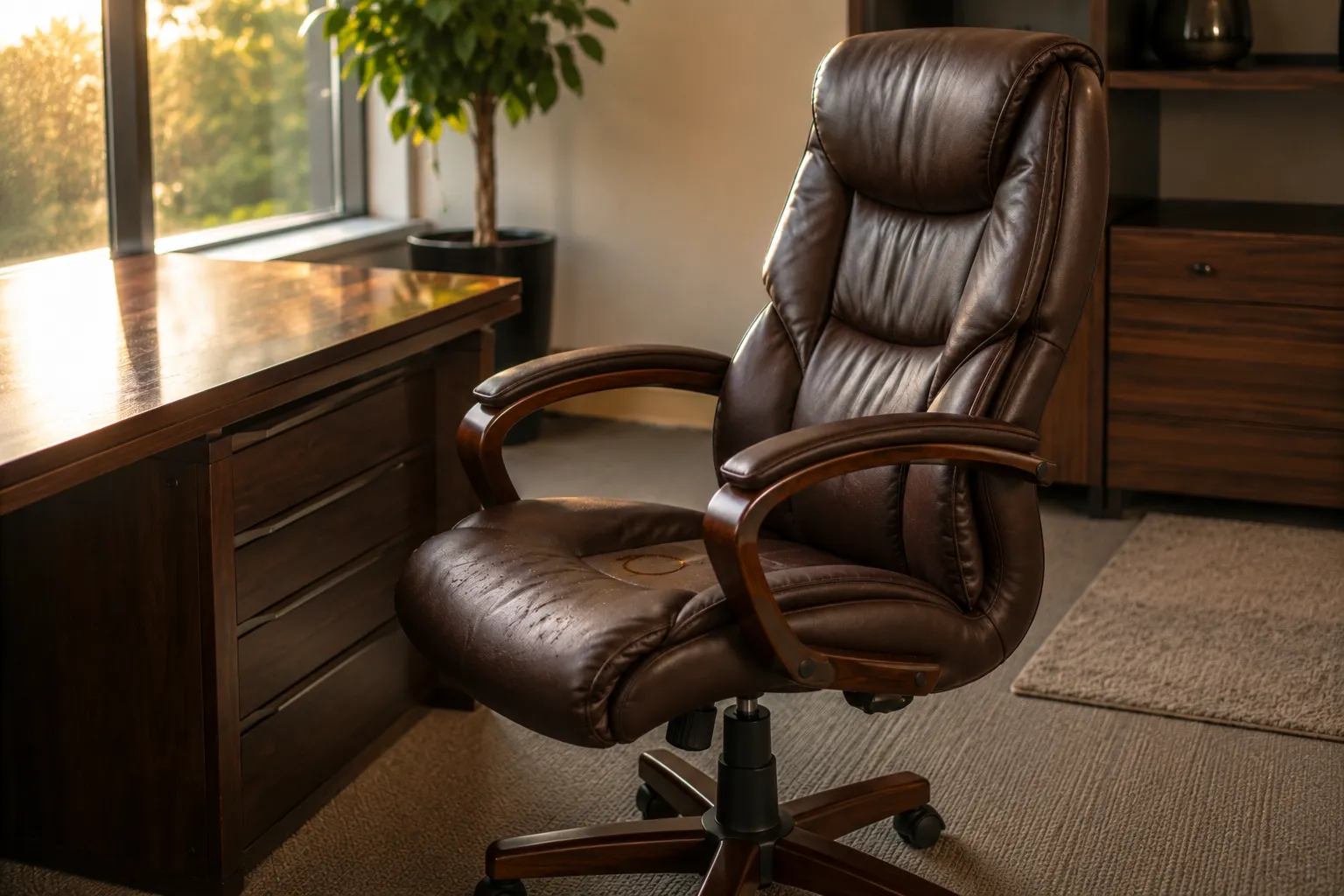
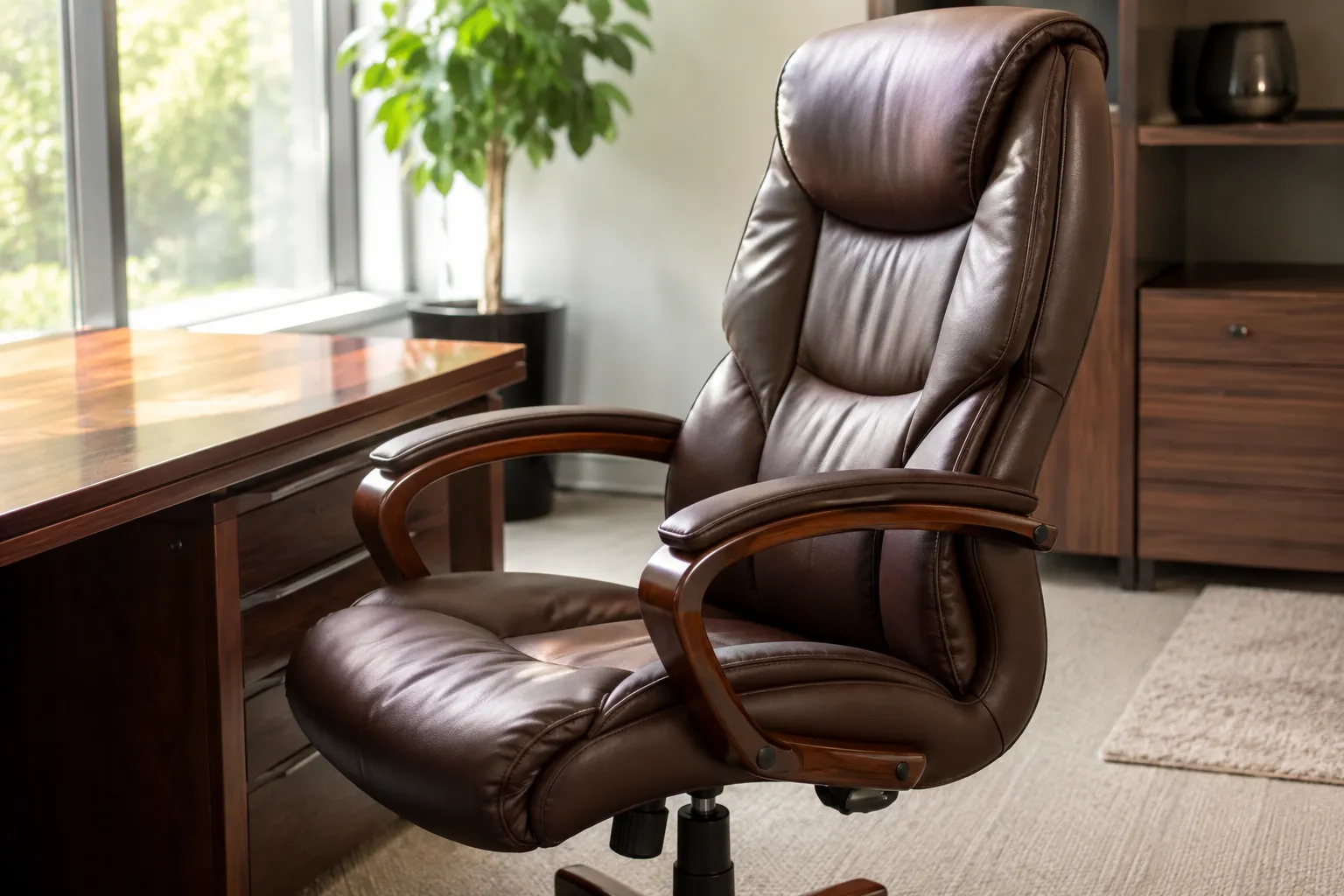
Request: Refresh an expensive leather executive chair, remove scuffs.
Done: Cleaned leather with a special compound, applied conditioner to restore color.
Cost: 3 500 ₸
Master: Gulnara Temirova, dry cleaning master
Total: Chair like new: leather soft, color even, no scuffs.
 After
After
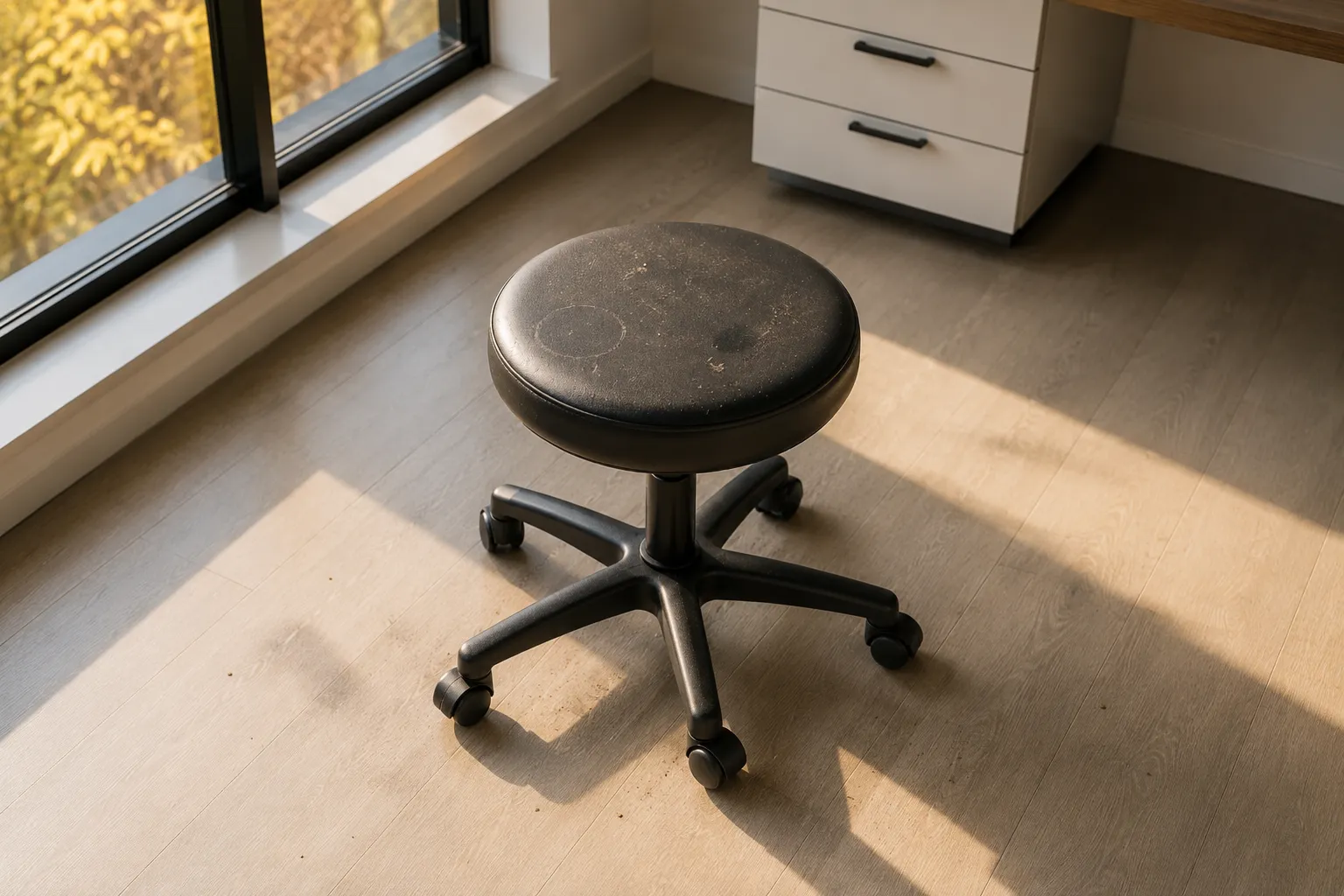
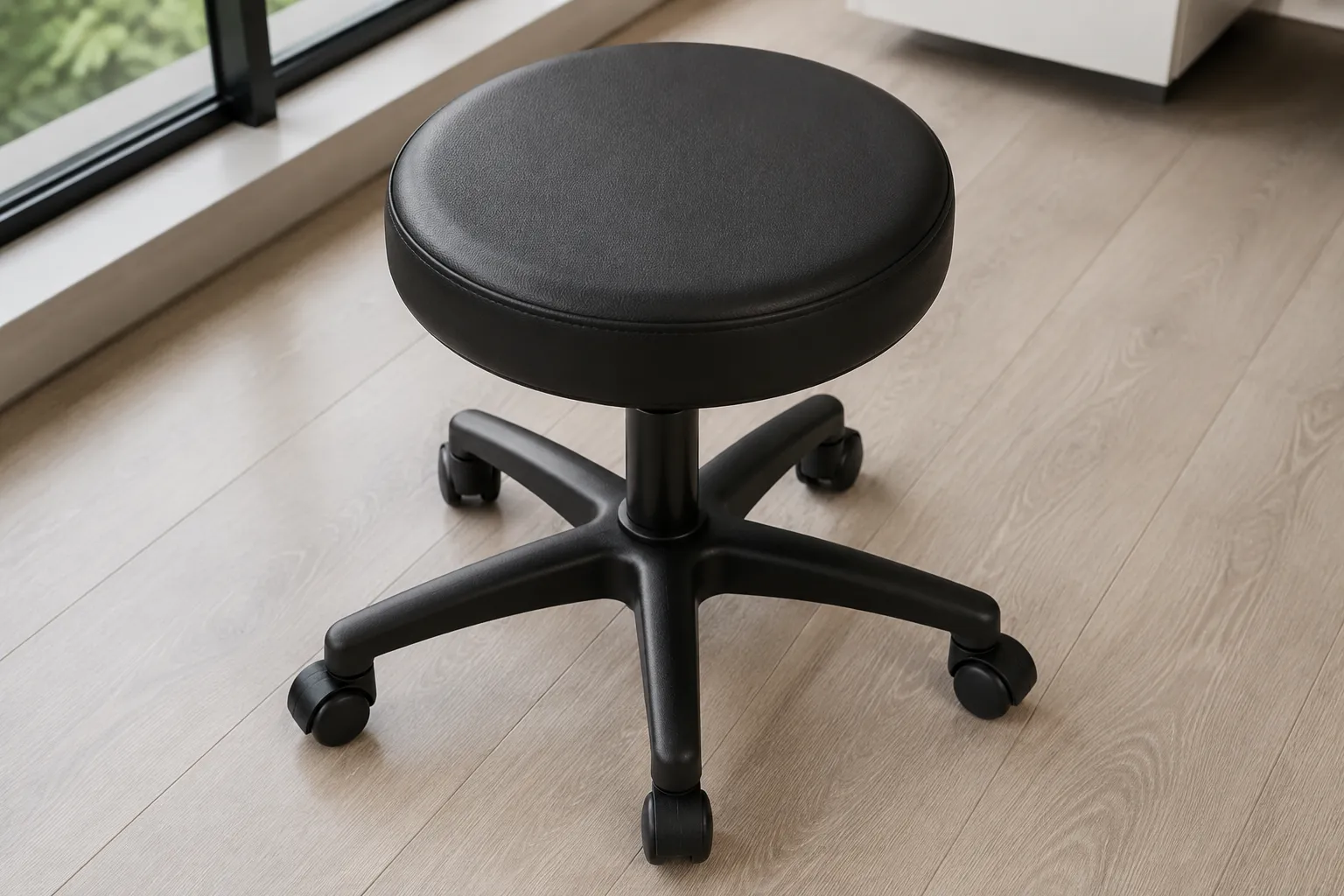
Request: Remove paint stains and dirt from the upholstery of an office stool.
Done: Applied stain remover for tough stains, then extraction cleaning of the entire stool.
Cost: 1 500 ₸
Master: Dauren Kaliyev, dry cleaning master
Total: Stool clean, stains removed, upholstery fresh.
 After
After
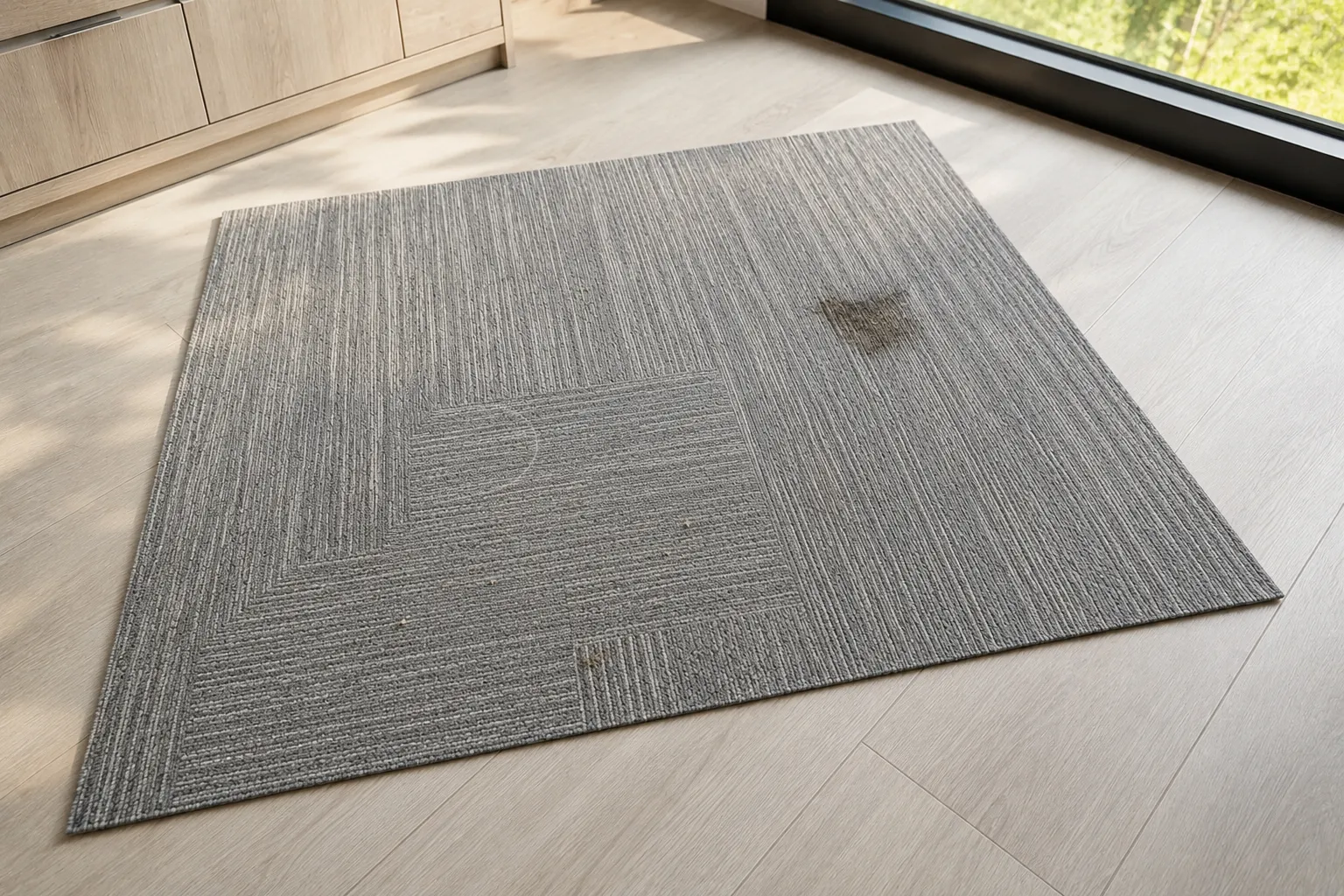
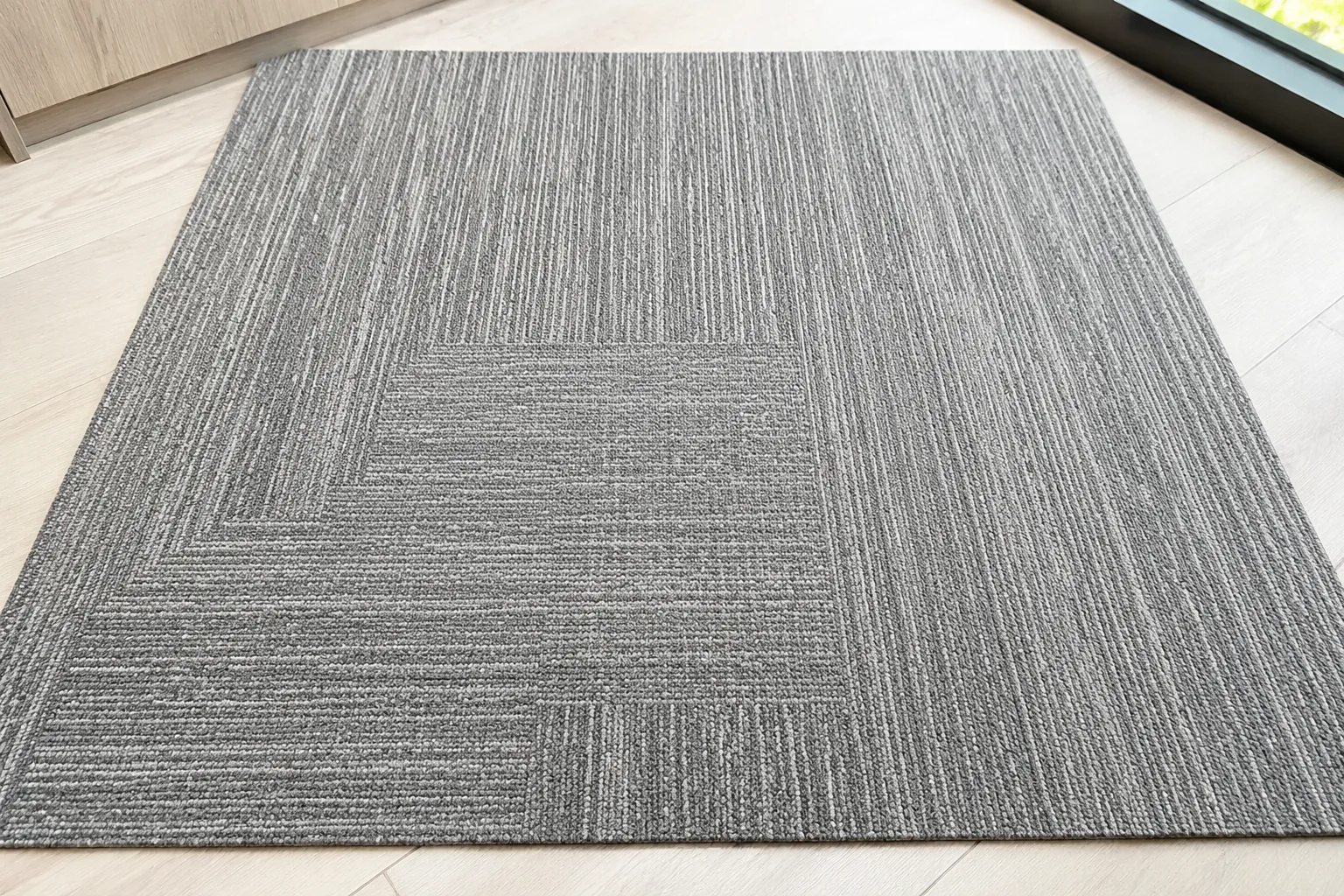
Request: Clean the carpet tile in the office corridor from dirt and streaks.
Done: Performed deep extraction cleaning using shampoo and a rotary machine.
Cost: 7 000 ₸
Master: Aizhan Bekzhanova, cleaning master
Total: Tile is clean, no streaks, pile restored.
 After
After
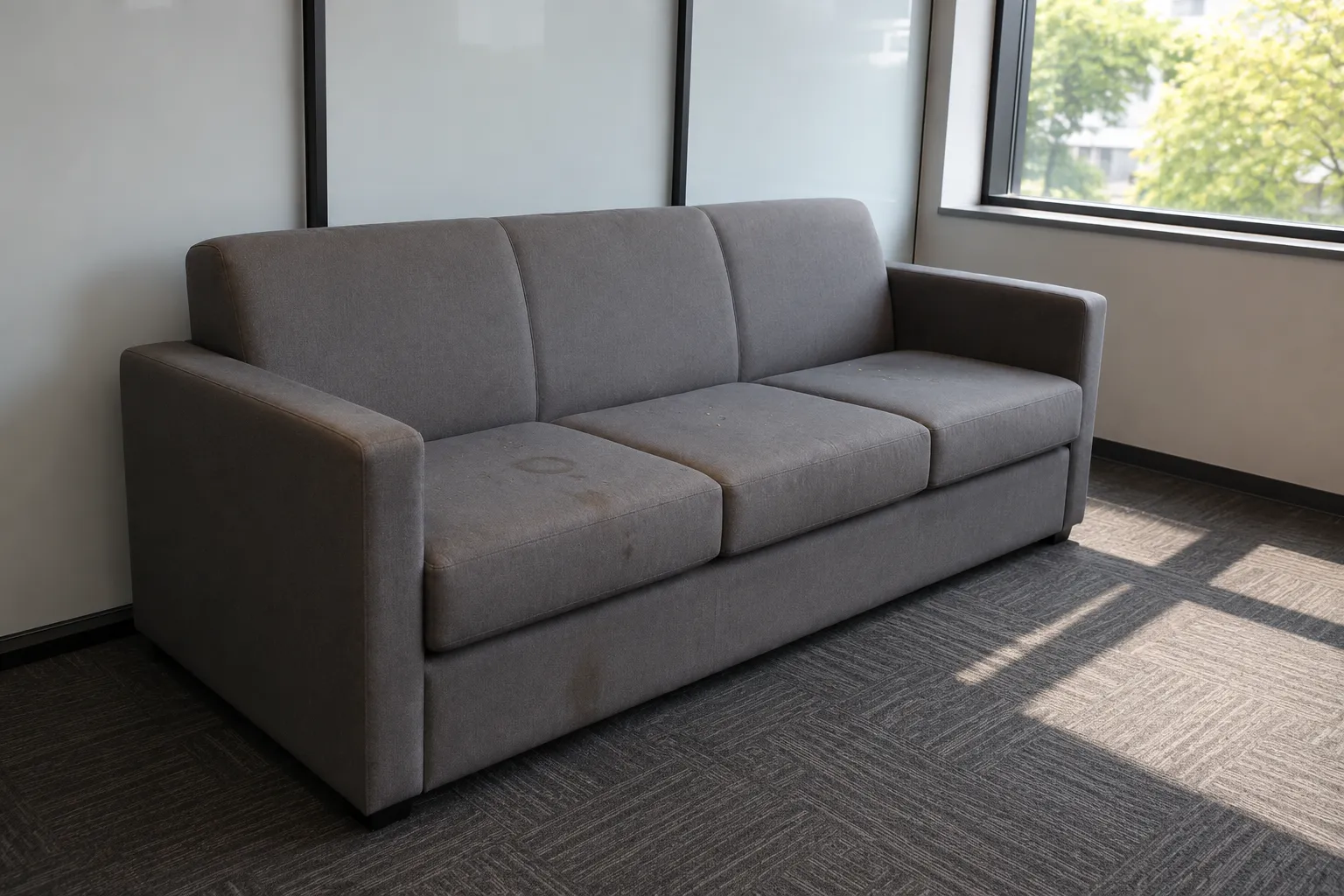
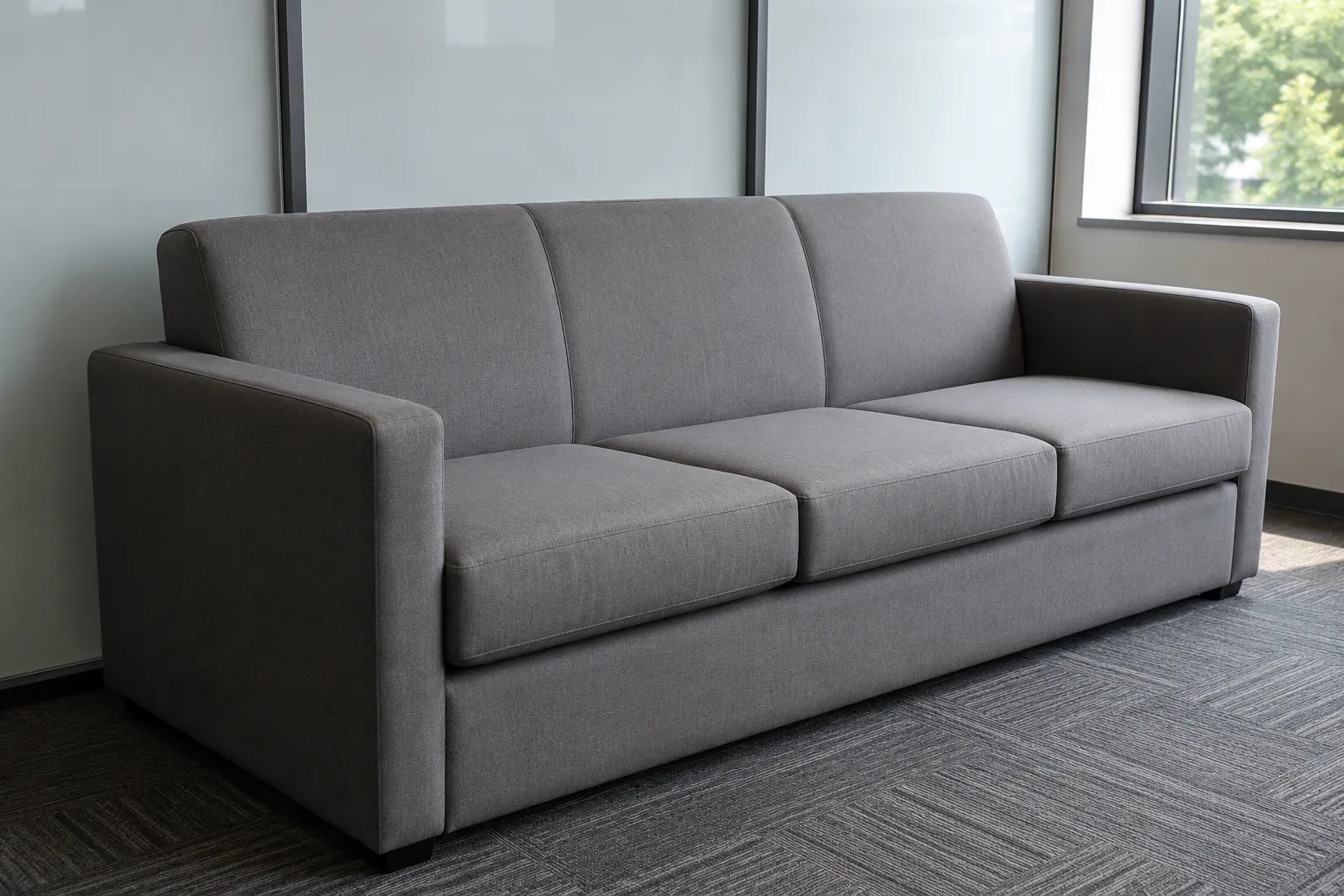
Request: Remove marker stains and refresh the sofa upholstery in the meeting room.
Done: Treated stains with an alcohol-based solution, performed extraction cleaning of the entire sofa.
Cost: 11 000 ₸
Master: Yerlan Sagintayev, cleaning master
Total: Sofa is clean, no stains, fabric refreshed, pleasant smell.
 After
After
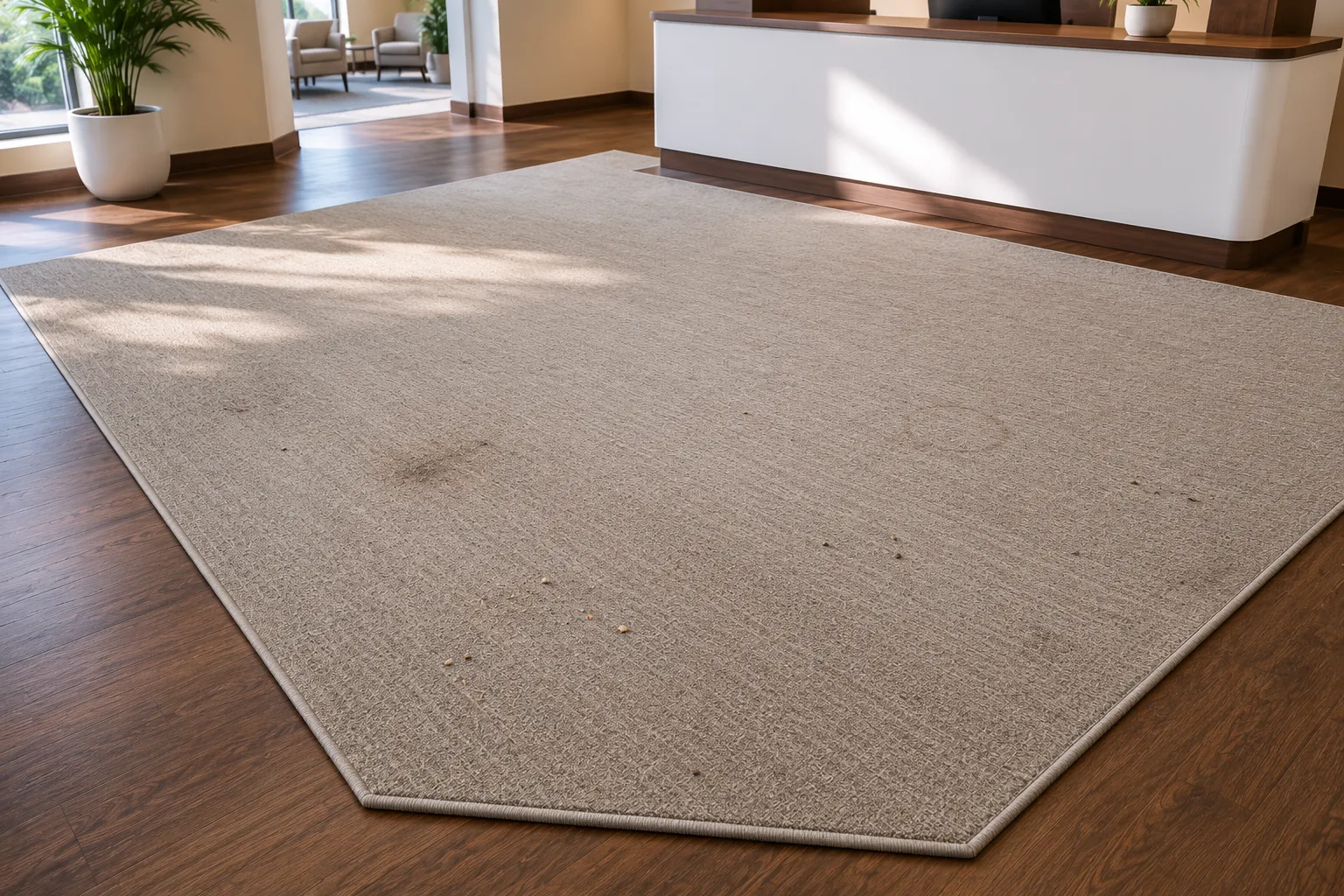
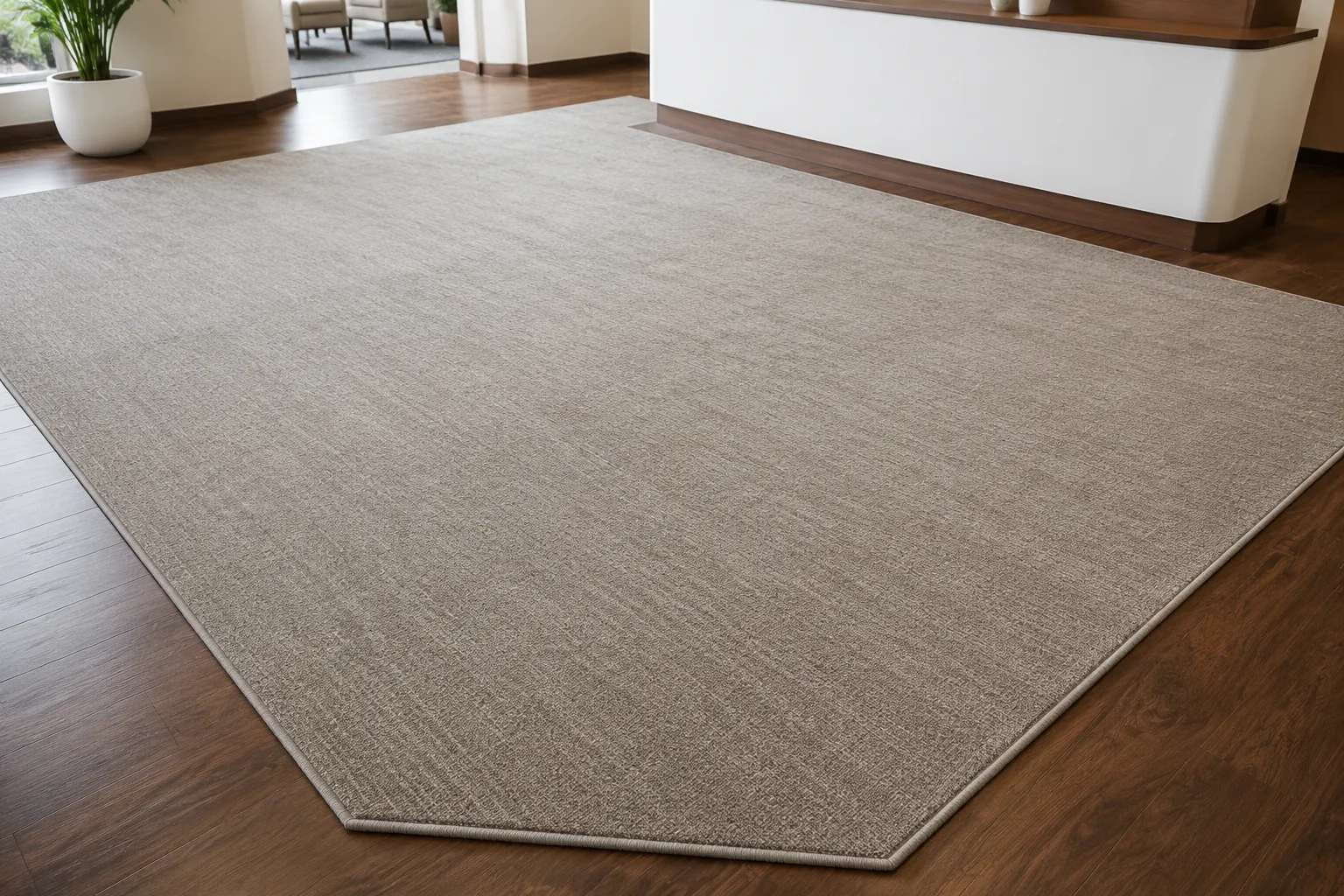
Request: Remove dirt and shoe marks from the carpet in the reception area.
Done: Performed dry cleaning of the carpet using a rotary machine and powder.
Cost: 15 000 ₸
Master: Zhanna Akhmetova, cleaning master
Total: Carpet is clean, no traces of dirt, pile fluffy.
 After
After
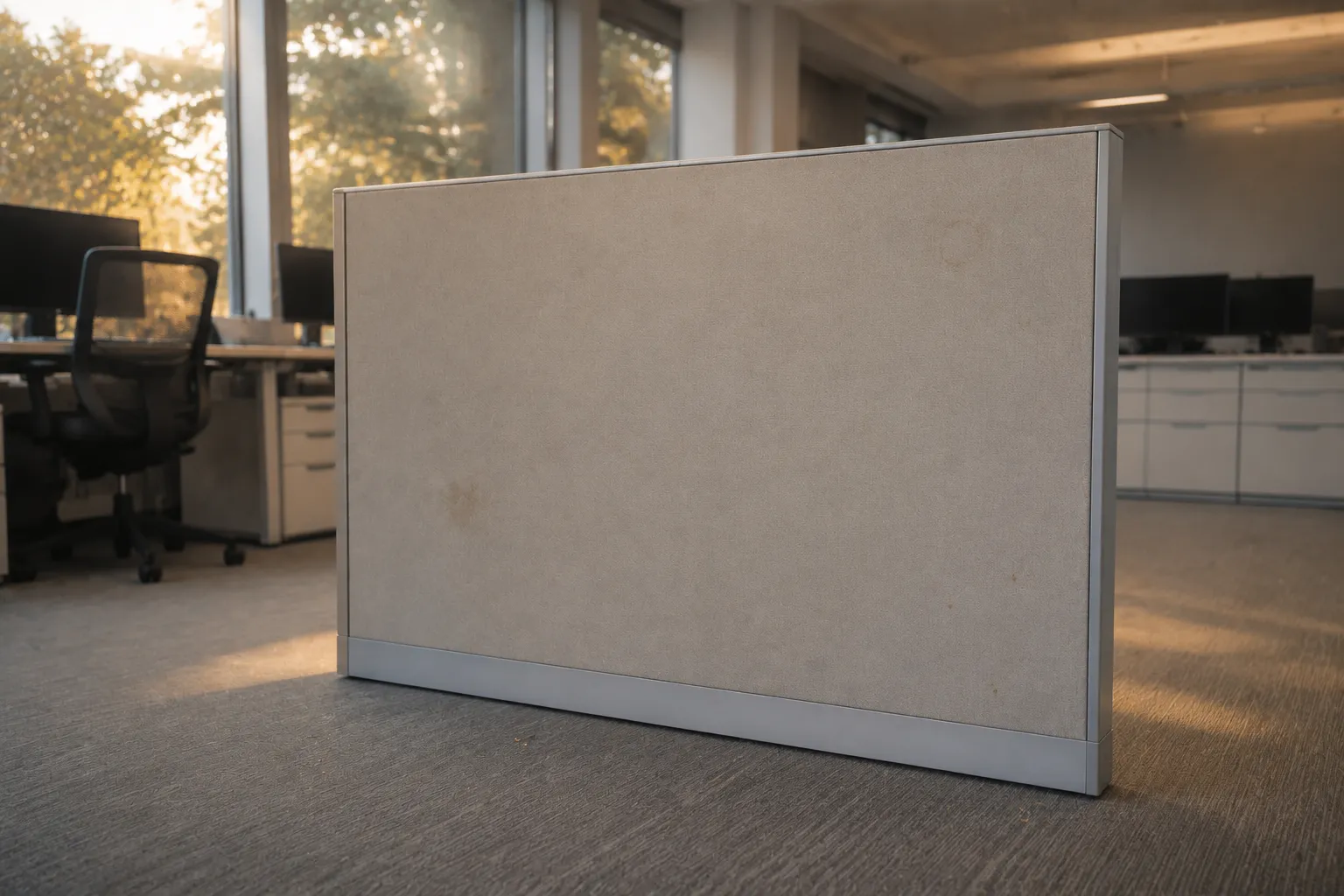
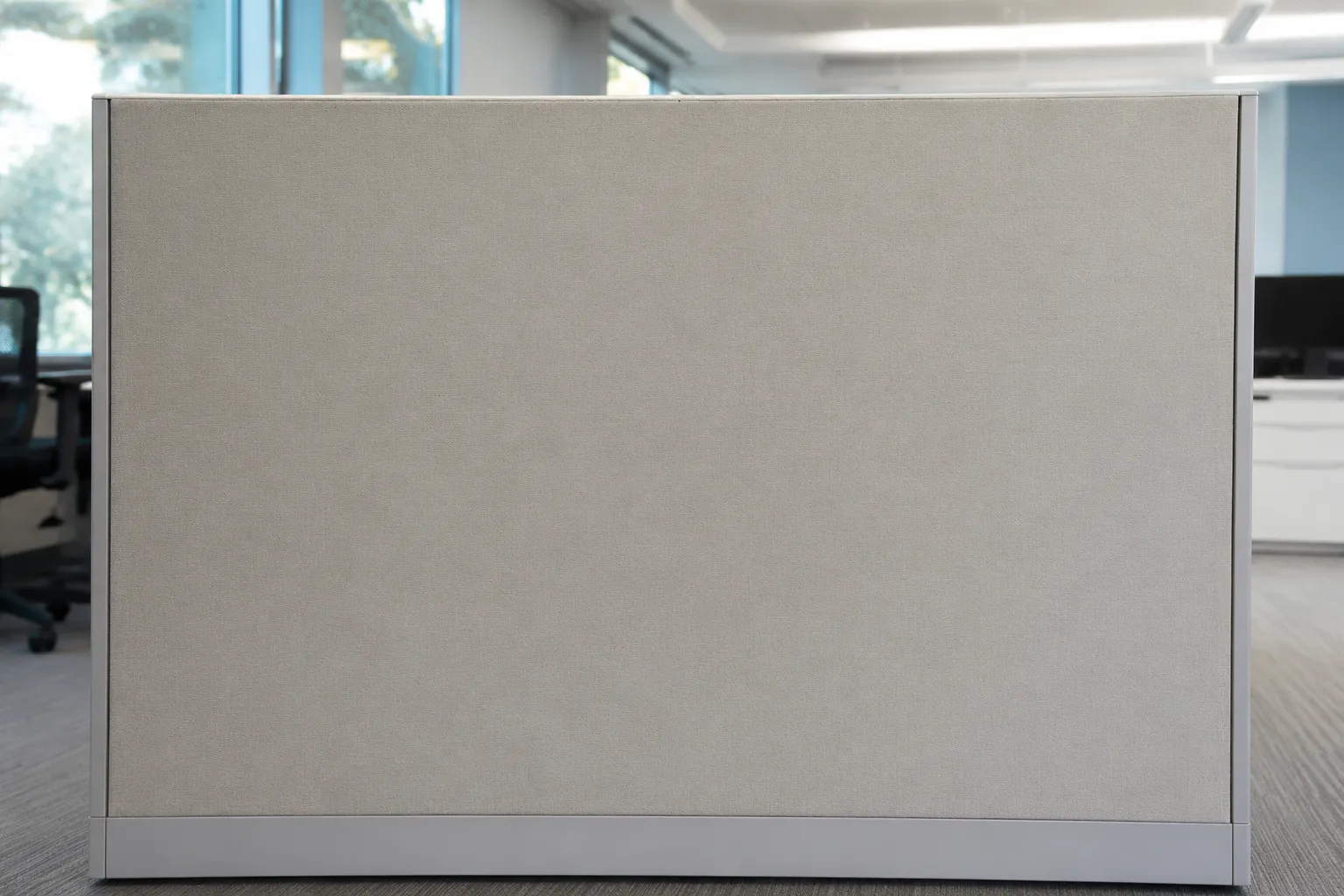
Request: Clean the fabric panels of the office partition from dust and stains.
Done: Treated stains with stain remover, performed extraction cleaning of all panels.
Cost: 17 000 ₸
Master: Maksat Zhumabayev, cleaning master
Total: Panels are clean, no stains, color restored.
 After
After
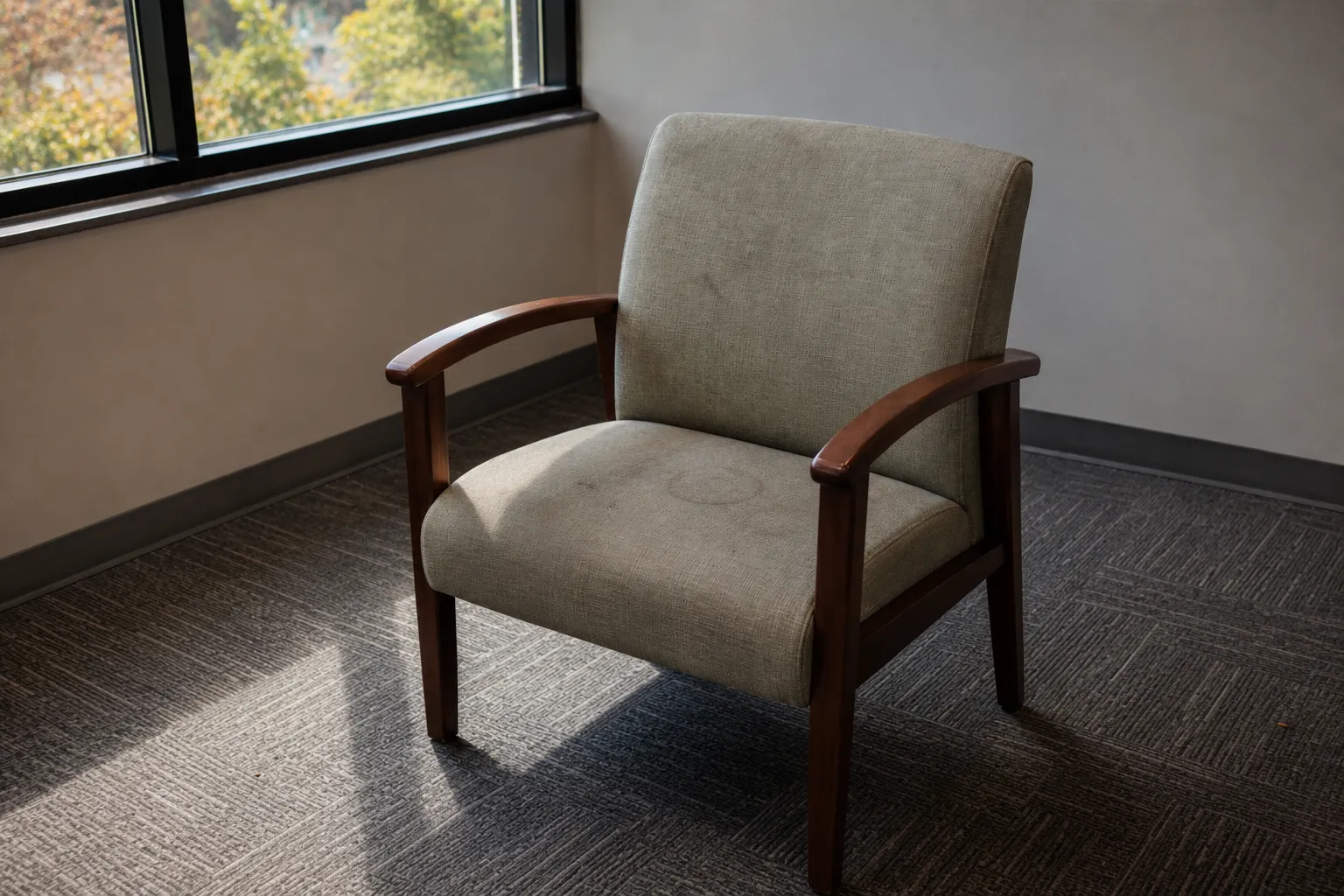
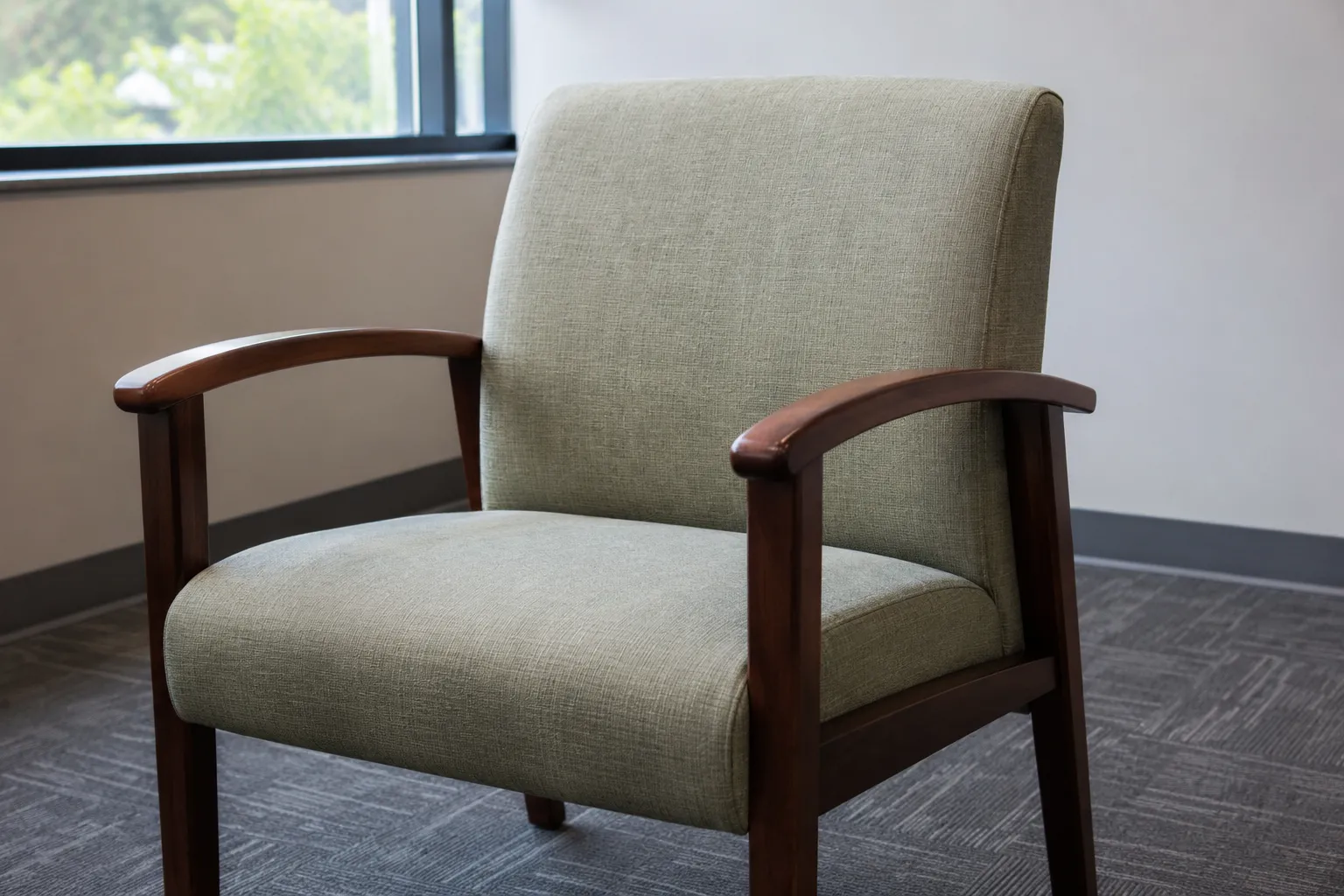
Request: Remove stains and refresh the upholstery of the soft armchair in the waiting area.
Done: Applied foam cleaning followed by extraction to remove dirt.
Cost: 3 500 ₸
Master: Aliya Ibrayeva, cleaning master
Total: Armchair is clean, no stains, upholstery fresh and soft.
All cleaners are profi-clean staff with training, uniform and security check. Each order has a team leader who controls quality.
Office surfaces come into daily contact with dozens of types of soiling — from spilled coffee to ink from a burst pen. We have broken down the most common stains by type and the methods to remove them without damaging the fabric.
Coffee and tea are the most common contaminants for office chairs and carpeting: they account for up to 40% of profi-clean’s callouts in Almaty. We remove a fresh black coffee stain with cold water and a neutral pH agent in 2–3 minutes — hot water “brews” the tannin into the fibers, making it much harder to remove. Tea leaves a yellow pigment that, without a professional enzyme cleaner (e.g., Bio-Tex), can reappear 2–3 days after drying. On carpet with a 5–7 mm pile, we use an extractor heated to 60 °C — this dissolves the oils from coffee beans that regular foam cannot tackle. If the stain is old (more than a day), we apply an oxygen bleach for 15 minutes and rinse under 8 bar pressure — aged coffee marks are removed by 95% even from beige carpet. Never rub a wet stain with a cloth — this pushes the pigment deeper, and even dry cleaning may leave a “shadow.”
Ink from pens and permanent markers are the second most difficult after grease: they penetrate the fabric structure within 10–15 seconds. On chairs with fabric upholstery (Trevira, polyester), we use 70% isopropyl alcohol — it dissolves the dye without damaging the protective coating, and on leather, a special Kiehl compound with pH 5.5 that does not strip the factory finish. Gel ink requires cold water and an enzyme — alcohol “bakes” it in. Ballpoint pens leave an oily residue, which we treat with a citrus-based solvent (D-Limonene): it breaks down the oil in 3–5 minutes, after which the residue is removed with water. On carpet in Almaty meeting room areas, we have encountered permanent marker stains on light tones — these required a three-pass removal: alcohol → neutralizer → extraction. If the ink has already dried, do not use vinegar or citric acid — they fix the dye, making the stain irreversible.
Greasy stains from food, machine oil, or hand cream are the most insidious category: they are not visible immediately, but after 2–3 days, dark halos appear on the carpet. We apply an absorbent (cornstarch or diatomite) to a fresh stain for 10 minutes — it draws the oil to the surface, after which an emulsifier (alkyl polyglucoside) breaks down the residue without a soapy film. On microfiber chair upholstery, grease is removed with a cold degreaser in one pass, while on velvet, only hot extraction at 80 °C will do, otherwise a mark will remain. In our orders for the “Nurly Tau” and “Ramstore” business centers, the most common stains are from sandwich and nut oils — their difficulty lies in mixing with dust to form a sticky film. Hot water above 90 °C is contraindicated for synthetic fabrics — it “cooks” the oil into a polymer that no solvent can tackle.
Red wine, pomegranate juice, and berry drinks leave anthocyanin pigments that instantly bond with the cellulose of cotton and wool. For a fresh wine stain, we cover it with salt (which draws out the moisture), then rinse with cold water and 3% hydrogen peroxide — this oxidizes the pigment without affecting the fabric dye. On carpet in Almaty offices (especially in open-plan areas), aged juice stains require an enzyme preparation with amylase — it breaks down the sugars and starches that glue the pile together. On light upholstery, we use an oxygen bleach at pH 10, but only after testing on an inconspicuous area: some cheap fabrics (polypropylene) lose color with alkali. Never pour soda water on red wine — the acid fixes the pigment, turning the stain purple.
Blood, urine, and other biological fluids contain proteins that coagulate at temperatures above 40°C and permanently bond to fabric. We use only cold water (10–15°C) with a proteolytic enzyme — it breaks down protein bonds in 5–7 minutes, after which residues are removed with a wet vacuum. On carpeting in Almaty offices (especially in medical centers and children’s areas), after stain removal we always apply an antibacterial spray based on lactic acid — it kills bacteria without chlorine and leaves no odor. Dry heat (hair dryer, radiator) makes blood stains permanent: even professional dry cleaning cannot guarantee removal if the protein has “cooked.”
Many managers confuse daily cleaning with professional dry cleaning, although these are fundamentally different processes in terms of goals, methods, and results. Regular cleaning removes visible debris and dust from surfaces, while office dry cleaning solves problems at the fabric structure level — removing set-in stains, bacteria, and odors that a standard damp cloth cannot handle.
During daily cleaning, a cleaner wipes countertops, windowsills, and chair armrests with a damp cloth — this is sufficient for hygiene of visible areas. But office upholstery and carpeting act like a sponge: particles of coffee, ink, and skin oils penetrate 2-3 mm deep into the fiber, where they remain even after a dozen damp cleanings. Our office dry cleaning uses extraction technology — it injects cleaning solution deep into the fabric under pressure, then vacuums it out along with dissolved dirt. What remains on the cloth after cleaning is only 15-20% of the actual upholstery contamination; the rest accumulates inside. In our practice, there was a case: an office chair that was wiped daily with a damp rag released water the color of black tea after extraction — that was three months’ worth of accumulated sweat and office dust beneath the top layer of fabric.
Daily cleaning is designed for loose dirt (sand, crumbs) and water-soluble stains (spilled water, juice). Office specifics involve combined stains: coffee with milk (protein + tannin), ink from pens (alcohol + dye), foundation from armrests (oil + pigment). Each type requires its own chemistry: protein is broken down by enzyme agents, grease by alkaline compounds, ink by alcohol solvents. A universal cleaning product from the store fixes such stains, making them practically irremovable. That is why our office dry cleaning in Almaty begins with diagnostics: we determine the nature of each stain under a UV lamp and select the reagent — for carpeting with coffee marks we use oxygen bleach, and for leather chairs with greasy residue, a neutral degreaser that does not dry out the material.
Damp cleaning with bleach or household detergent only kills bacteria on smooth surfaces but does not affect the microflora inside the upholstery. Studies show: an office chair that has not been deep-cleaned for 6 months harbors up to 20,000 bacteria per square centimeter — more than a toilet seat. Carpeting accumulates dust mites, mold spores, and allergens that employees inhale daily. Office dry cleaning uses hot extraction (water + steam up to 95°C), which kills 99.9% of bacteria and washes allergens out of the fiber. After treatment, the carpet becomes safe for asthmatics and allergy sufferers — this is critical for open-plan spaces where 20-30 people with different sensitivities work in one room.
Paradox: frequent damp cleaning of carpeting and upholstery with household chemicals accelerates their wear. Water with an alkaline pH washes out the protective coating of the fiber, leaving it vulnerable to abrasion. After a year of daily wiping, an office chair looks “greasy” — the pile is flattened, the color fades. Our dry cleaning uses pH-neutral compounds (5.5-7.0) that do not disrupt the fabric structure, and after extraction, a protective Teflon layer is applied — it repels water and dirt for 3-4 months. According to our observations, regular dry cleaning every six months extends the service life of office carpeting from 3 to 5-6 years, while cleaning alone reduces it to 2 years due to gradual pile destruction.
Daily cleaning takes place during working hours or early in the morning, taking 30-60 minutes per floor and not requiring employee evacuation. Office dry cleaning is a full-scale operation: furniture needs to be moved, carpeting needs 3-4 hours to dry, and chairs cannot be used until the upholstery is completely dry (2-3 hours in summer, up to 6 hours in winter). In Almaty, where humidity during the heating season drops to 20%, drying is faster, but it still requires planning the process for a weekend or Friday evening. We recommend combining dry cleaning with general office cleaning: in one visit, our cleaners first perform carpet and upholstery extraction, followed by wet cleaning of all hard surfaces to avoid spreading moisture to clean areas. This saves time: instead of two visits, just one, and the office is ready for work by Monday morning.
The most common mistake is trying to replace dry cleaning with intensive cleaning: ordering carpet washing with a steam cleaner or treating chairs with household shampoo. A steam cleaner provides a temperature of 120-140°C, which fuses synthetic fibers (polypropylene, polyamide) — the carpet becomes stiff and loses its volume. Household shampoo leaves a sticky film that attracts dust — within a week, the carpet gets dirty faster than before washing. Professional dry cleaning uses a rotary machine with low pressure (1.5-2 bar) and special anti-resorption shampoos — they leave no residue and do not fuse the fibers. If you notice that after cleaning the carpet looks “flattened” or white streaks appear on the upholstery, this is a sign that the process is not following the technology.
The optimal schedule for office dry cleaning depends on the intensity of room use and the type of coverings — there is no single timeframe for all businesses, but we have derived three basic scenarios based on load.
In open-plan areas, meeting rooms, and reception areas where 40+ people pass daily, deep cleaning is required every 2-3 months. In such spaces, carpets and upholstered furniture accumulate street dust and micro-particles of rubber from shoes faster than in offices. In our orders for business centers in Almaty, we noticed: if you skip a planned cycle, after 4-5 months, rolled paths appear on the fibers that cannot be removed with a vacuum cleaner — only extraction with shampoo restores the structure. Moreover, on light-colored coverings, visible signs of wear appear as early as the end of the second month. For such areas, we recommend combining monthly dry cleaning with an extractor and quarterly wet treatment — this extends the carpet’s service life by 2-3 years without replacement.
In offices for 2-4 people and small meeting rooms with up to 15 visitors per day, the interval between dry cleanings is 4-6 months. Here, the main problem is not street dirt, but spilled drinks and cosmetic stains on chair upholstery. According to our statistics, 70% of calls for such areas are related to local stains, not general greasiness. If the situation is neglected, oily marks from hands on armrests penetrate the fabric within 3-4 weeks and require not just spot removal, but full chair treatment with upholstery disassembly. In practice, we advise ordering office dry cleaning in Almaty for medium zones twice a year: in spring — after the rainy and slushy season, and in autumn — before the start of the heating season, when indoor air becomes drier and dust rises more actively.
In private offices, archives, and storage rooms with a traffic of up to 5 people per day, deep cleaning is needed every 8-12 months. Here, the key factor is not mechanical dirt, but the accumulation of dust mites and allergens in pile coverings. In Almaty, where the heating season lasts from October to April, dry air in offices reduces humidity to 20-25% — this slows down mite reproduction but does not stop it completely. We have noticed: in offices where dry cleaning has not been done for over a year, employees with allergies more frequently complain of nasal congestion and eye redness by mid-afternoon. The optimal option is to schedule annual dry cleaning for June-July, when the office is partially empty due to vacations, and the high outdoor temperature allows for faster drying of treated surfaces without the risk of mold.
Even with a perfect schedule, it’s worth adjusting the frequency of office dry cleaning if you notice three signals: the carpet no longer recovers its pile after the morning vacuuming, matte patches appear on upholstery in high-traffic seating areas, or a damp wool smell lingers an hour after wet cleaning. These indicators suggest that cleaning agents and water are no longer handling the depth of soiling—extraction with a pre-spray of an enzyme solution is needed. In our practice, there was a case at an Almaty coworking space: the client insisted on quarterly cleaning, despite a daily footfall of 80 people. By the end of the second year, the carpet had to be replaced—compacted paths in walkways were beyond restoration. If the load is above average, it’s safer to shorten the interval to 6-8 weeks than to save on cleaning and lose the flooring after a year and a half.
Properly preparing a room before the cleaners arrive reduces work time by 20–30% and eliminates the risk of damaging documents or equipment—this is what really matters, not just “clearing the desks.”
Employees’ personal items, documents, and small office equipment are the first things that should leave desks and shelves. Anything on surfaces hinders access to upholstery and carpet: the cleaner has to navigate around items or move them, which reduces cleaning quality. In practice, we ask to remove cups, photo frames, pens, staplers, folders—essentially anything not fixed—from desks and windowsills. Cables and extension cords are best temporarily taped to desk legs or placed in cable channels: if they hang to the floor, a vacuum can suck them in, and cleaning a chair base can snag and shift them. In my opinion, the most common mistake is leaving laptops and monitors on desks. We don’t touch screens or keyboards, of course, but dust from chair upholstery flies up to half a meter around during cleaning—tiny particles settle on keys and ventilation grilles. Before dry cleaning, remove laptops from the work area—this protects equipment from micro-abrasive wear, invisible to the eye but accumulating over a year.
System units, printers, and shredders are high-risk areas because dust from cleaning compounds and water vapor can enter ventilation openings. We recommend covering office equipment with thick plastic wrap or cloth, not just moving it to a corner: steam from the extractor rises up to a meter high and condenses on cold metal casings, causing contact corrosion. Filing cabinets with documents should be locked, or if there’s no lock, seal the doors with painter’s tape around the perimeter to prevent moisture from getting inside. This is especially important for bottom drawers—at a height of 10–15 cm from the floor, the concentration of water mist during carpet cleaning is highest. In our practice, there was a case at a law firm where folders with case files in lower desk drawers were left open—after carpet cleaning, the top sheets of documents became wavy. If the room has a server rack or switch, ask the administrator to turn them off during drying—humidity in the room during these 4–6 hours is 15–20% higher than normal, which is critical for servers.
The most common mistake is trying to pre-wash the carpet or wipe stains with household products. We’ve often seen office managers pour bleach or vinegar on old coffee stains—after such treatment, the stain turns into a stable chemical compound that even professional stain removers can’t handle. The second mistake is leaving heavy furniture on the floor (safes, copiers, large potted ficus trees). If a safe weighs over 100 kg, it can’t be moved without special equipment—cleaners will treat around it, but a patch of dirt will remain underneath, standing out against the clean carpet. The third mistake is not ventilating the room before the team arrives: if the room is stuffy and humid, cleaning compounds take 30–40 minutes longer to dry, and chair upholstery may have streaks from uneven drying. In Almaty, with its dry continental climate, this is less common than in coastal cities, but in offices with central air conditioning, humidity drops to 20–25%—and conversely, overly dry air makes dry cleaning foam too light, so it doesn’t adhere to vertical surfaces.
| Room Type | What to Do Before Dry Cleaning | What to Leave in Place |
|---|---|---|
| Open-space (work area) | Remove all personal items from desks, take off laptops, secure cables | Stationary partitions (we clean them on-site) |
| Meeting room | Move chairs to the hallway, remove flip chart and markers | Table (if glass, cover with film) |
| Executive office | Clear bookshelves of fragile items (trophies, figurines) | Solid wood furniture (it is moisture-resistant) |
| Reception area | Remove business card holders, souvenirs, corporate print materials | Reception desk (we clean it on-site, but with prior protection of the monitor screen) |
| Kitchen / break room | Remove dishes from open shelves, unplug the water cooler | Refrigerator (we do not touch it) |
If an accident occurs in the office — a burst pipe, flooding from neighbors upstairs, or a chemical reagent spilled on the carpet — there is no time for preparation. In such situations, we work “on the fly”: cleaners move furniture themselves, cover equipment with film, and proceed with emergency water extraction and cleaning. Our teams carry universal protective covers for 10–15 monitors and a roll of industrial film — this is a standard kit for emergency callouts. However, for scheduled dry cleaning, which is carried out once a quarter or half-year, 15–20 minutes of preparation by the office manager pays off with deeper cleaning and no claims regarding property safety. In Almaty, where offices are often located in older buildings with imperfect ventilation, a properly prepared room also guarantees that after our work, you won’t have to air out the office for a week.
Carpeting in Almaty offices wears out differently than in homes — constant foot traffic, chair casters, heels, and spilled stationery create combined soiling that cannot be removed with regular wet mopping.
Wear factor: office flooring receives 4–6 times more pedestrian traffic per square meter than in an apartment — and dust from Almaty streets settles deeper. Type of soiling: offices predominantly have oily stains (ink, toner, hand grease) and static dust, which in the dry air of air-conditioned spaces is mechanically driven in by chair casters. Cleaning specifics: daily vacuuming only removes the surface layer, while fibers accumulate ingrained dirt, which after 6–8 months turns the pile into a hard, compressed layer. Difference in approaches: if home dry cleaning is done once every 1–2 years, office carpeting requires treatment every 6 months — otherwise, restoring the color with deep cleaning is no longer possible. Our experience: at profi-clean, we have encountered carpeting that, after a year without professional dry cleaning, lost up to 40% of its original softness — it can only be restored with hot water extraction cleaning under pressure.
Operating principle: we use Kiehl and Sodasan water-based formulations with a pH of 6–7 — they break down dirt into molecules without releasing ammonia or chlorine, which are typical for budget products. Safety for people: after dry cleaning, the room can be occupied within 40–60 minutes — active components evaporate, leaving no sticky layer where new dust can get trapped. Office specifics: unlike home cleaning, where you can air out for days, in business centers with central ventilation, it is crucial that the product does not have a strong odor — allergy sufferers and asthmatics react to the slightest irritants. Compatibility with flooring: hypoallergenic chemicals do not wash out the protective impregnation of the pile, so the carpeting accumulates less static for longer — this reduces dust settling by 20–30% per month. Our recommendation: before the first dry cleaning in a new office, order a test on an inconspicuous area — if the coating does not change shade after drying, the treatment is safe for the entire room.
Use of household chemicals: regular carpet shampoo or stain remover with bleach leave streaks and destroy the coating’s adhesive layer — bubbles appear at the seams of the sheets after 2–3 months. Overly wet cleaning: when carpet is soaked with water without professional extraction, moisture gets trapped in the underlay and causes mold — this is especially critical in Almaty offices with basement floors. Neglecting protective impregnation: after dry cleaning, the coating must be treated with a water-repellent compound — without it, any stain soaks in within 10–15 seconds instead of 2–3 minutes, making it harder to remove. Mechanical wear from brushes: a stiff rotary brush at high speeds pulls fibers from the base — office carpet with short pile looks “bald” after just six months of such treatment. Ignoring humidifier zones: near water coolers and coffee stations, the carpet is constantly damp — if not dried with an industrial fan, mold develops there, which no chemical can wash away.
Dust load: due to the city’s location in the foothills of the Trans-Ili Alatau, the air contains more fine dust than in lowland cities — it settles on the carpet even with closed windows, and air conditioners spread it throughout the floor. Typical layout: in Almaty business centers, “bobrik” carpet with short, dense pile is often used — it is convenient for wheeled chairs, but ingrained dirt is harder to wash out of such fibers than from high pile. Seasonality: in spring and autumn, reagents and dirt are brought into offices from the street — in one day, the corridor near the elevator gets as dirty as a month of work in a room with carpet at the entrance. Accessibility issues: in some offices, furniture is not moved before dry cleaning — cleaners work around tables and cabinets, leaving areas with stagnant dirt under the legs, which later stand out against the general background. Schedule recommendation: in Almaty offices with open-plan layouts, schedule dry cleaning for a period when employees are working remotely or with a reduced staff — this allows the coating to dry completely before people return.
Choosing a contractor for office dry cleaning is a decision that affects employee health, furniture lifespan, and company reputation. We will explain why profi-clean is not just another cleaning company, but a systematic partner for Almaty businesses.
profi-clean is a direct service provider, not an aggregator that resells orders to random crews. We dispatch our own in-house cleaners to the site, who have completed two weeks of training under the supervision of our technologist. This means that a specific master is responsible for quality, not a virtual dispatcher you have never met. In our practice, there was a case: in an IT company office on Abay Avenue, a cleaner noticed that the stain on the carpet was not spilled tea, but ingrained toner from a cartridge. He did not follow the standard protocol but called a senior technologist, who applied a citrus-based solvent — the stain was removed without damaging the pile. An aggregator in such a situation would have sent another master with the same set of products, and the carpet would have had to be replaced. Direct responsibility means that those who actually hold the equipment in their hands are accountable for the result, not a manager in a call center.
In Almaty offices, where central heating is on during the cold season, the air becomes dry, and the concentration of volatile chemical compounds from carpets and furniture is higher. We use exclusively hypoallergenic chemicals from Kiehl (Germany) and Sodasan (Switzerland) — formulations with a neutral pH, free of chlorine, phosphates, and fragrances. After treatment, no chemical smell remains in the room, which can cause headaches or allergic coughs in some employees. At open-space facilities, we use Low-Moisture Cleaning technology — minimal coating moistening (up to 6% moisture), allowing furniture to be returned to use within 30–40 minutes, not a day later. Before ordering office dry cleaning, request certificates for the products from us — we provide them for your HR department if the company has employees with confirmed allergies.
Most cleaners in Almaty use vacuum cleaners with standard bag filters that trap particles down to 5–10 microns. profi-clean uses Karcher Puzzi 10.8 and Nilfisk extractors with HEPA H13 filtration — they capture 99.97% of allergens, dust mites, and mold spores as small as 0.3 microns. This is especially critical for meeting rooms and offices with carpeting — precisely where fine dust accumulates under chair casters, which a regular vacuum cleaner simply redistributes into the air. With a HEPA filter, it is physically trapped in the tank and removed from the site, rather than settling on desks and office equipment. In offices on Al-Farabi Avenue, where the carpet had not been replaced for 7 years, we saw black sediment during the first water extraction — it was years of accumulated soot from street dust and exhaust fumes. After two extraction cycles with a HEPA filter, the indoor air became cleaner according to a pulse oximeter reading (checked for the client’s report).
profi-clean provides a written guarantee on the result — 24 hours from the completion of work. If within a day streaks, chemical residue, or odors appear on cleaned surfaces, we return and redo the area for free, without additional approvals. In Almaty, we dispatch to the site within 60 minutes of the request — this is feasible for offices within BAKAD, Medeu, and Almaly districts. Our dispatch center operates from 8:00 AM to 9:00 PM, seven days a week, including Fridays and Saturdays — the hours when offices undergo deep cleaning before the weekend. When ordering via Kaspi Pay or Halyk QR, request processing time is reduced to 15 minutes, as payment is instant and we immediately schedule the site. For sites with constant access (security, pass systems), we work night shifts — from 10:00 PM to 6:00 AM — to avoid disrupting daytime operations.
We ordered dry cleaning for office chairs — coffee stains disappeared without a trace. They arrived on time and worked carefully.
Thank you, Aigerim! We're glad the result met expectations.
The carpet in the meeting room was cleaned perfectly, but after drying there was a slight smell. It dissipated after a day.
The office sofa after dry cleaning looks like new. Even old tea stains were removed.
Thank you for your feedback! Always happy to help.
The blinds were cleaned of dust and greasy film — they became transparent. Fast and high quality.
I ordered dry cleaning for carpets at the office — the stains were removed, but one carpet shrank. A bit disappointed.
Yerlan, we apologize. Contact us, and we will resolve the issue.
The soft chairs and sofas in the reception area look like new. Juice and dirt stains disappeared.
We had dry cleaning done for the chairs at the office — the result exceeded expectations. The fabric lightened, no stains.
Thank you, Kuanysh! Come back again.
The carpet was cleaned perfectly, but it was a bit late for the start of the workday. Had to wait.
Sorry for the delay, we will take it into account in the future.
The entrance area after dry cleaning at the office was transformed — the floor and carpets are clean, without streaks.
The sofa in the lounge area was cleaned of coffee and chocolate. No stains left, fabric not damaged.
I ordered dry cleaning for carpets at the office — toner stains were completely removed. Smells fresh.
Glad we handled the toner. That's a tough stain.
The blinds were cleaned well, but one slat has a scratch. Might have been there before us.
Olga, we apologize. We will check the equipment.
Dry cleaning for upholstered furniture at the office — excellent result. All chairs and sofas look like new.
The carpet in the hallway was cleaned of dirt after winter. It became lighter and fresher.
Thank you, Bolat! Carpets suffer especially in winter.
Chairs after dry cleaning in the office look like new from the store. Marker stains were removed.
Thank you for your feedback! We'll be happy to help again.
The sofa was cleaned, but white streaks appeared after treatment. We had to re-clean it ourselves.
Yermek, sorry for the inconvenience. Contact us and we will re-treat it.
I ordered dry cleaning for office carpets — very satisfied. They even fluffed the pile, making it fluffy.
The sofa in the reception area was cleaned of stains of unknown origin. Looks great.
Staff chairs after dry cleaning in the office became clean and pleasant to the touch. Highly recommend.
Thank you, Kamchat! Glad you liked it.
The carpet was cleaned well, but the cleaning took longer than promised. The result pleased me.
Sorry for the delay. We'll try to be more punctual.
We did dry cleaning in the office — the furniture in the rooms became perfectly clean. No food stains.
The blinds were cleaned of dust and soot. They look like new and let in more light.
We ordered dry cleaning for carpets in the office — everything is great. Coffee and ink stains disappeared.
Thank you, Raushan! Glad to help.
The chairs were cleaned well, but one chair squeaks a little after drying. Possibly a coincidence.
Sergey, sorry. Check the mechanism or contact us.
The sofa in the waiting area after dry cleaning in the office — no stains or odors. Very satisfied.
The carpet in the director's office was cleaned of dirt and dust. It became soft and clean.
Dry cleaning in the office for all soft surfaces went perfectly. The result is immediately visible.
Thank you, Farida! Come back again.
The time depends on the number of items. One chair takes about 40 minutes, carpet in a 20 m² room takes 1.5-2 hours. A full office with 10 chairs and carpet takes 4-6 hours.
Yes, we use products without chlorine or harsh chemicals (Kiehl, Sodasan). Cleaning is done during working hours, employees can stay in the room. We cover equipment with film.
Call us or leave a request on the website. We'll agree on a convenient time and arrive on the day of order. Minimum order amount is based on individual pricing.
We remove stains from coffee, tea, juice, ink, grease, blood, wine, and others. Tough stains are treated with enzymes.
It's advisable to clear surfaces of personal items and papers. No need to move furniture—we'll do that ourselves.
We accept cash, Kaspi Gold, Halyk Bank, and card transfers. Non-cash payment is available for legal entities.
Yes, a 14-day guarantee. If a stain reappears, we'll treat it for free.
Yes, we use hypoallergenic Sodasan products and HEPA filters. After drying, the air is cleaner than before cleaning.
With fans, 1-2 hours. Without fans, up to 4 hours. We recommend not sitting until fully dry.
We work within Almaty and a 10 km radius from the city. Trips outside the city are by arrangement.
Tell us about your experience with profi-clean — it helps other clients and us improve.
We currently operate in Almaty. Other cities are coming soon.