Inspection and water test
We measure pH, chlorine level, alkalinity and hardness. We identify the type of contamination.
Professional pool cleaning of any complexity in Almaty

We work with any types and materials
Thorough cleaning of concrete basin with removal of limescale and algae.
from 20,000 ₸Gentle cleaning of composite surface without scratches.
from 20,000 ₸Cleaning of PVC liner with soft brushes and safe chemicals.
from 20,000 ₸Comprehensive cleaning of large volumes with disinfection according to SanPiN standards.
from 20,000 ₸Cleaning of attractions, nozzles and high-performance filters.
from 20,000 ₸Cleaning of hydromassage nozzles and pipelines, disinfection.
from 20,000 ₸Hypoallergenic cleaning with safe products for children.
from 22,000 ₸Regular cleaning with chemical control for high load.
from 20,000 ₸Express cleaning with minimal downtime for guests.
from 20,000 ₸Delicate cleaning with aromatherapy and mild chemicals.
from 20,000 ₸Cleaning of biofilters and removal of organics without chemicals.
from 20,000 ₸Manual cleaning with wood impregnation or stone polishing.
from 20,000 ₸From inspection to result with guarantee
We measure pH, chlorine level, alkalinity and hardness. We identify the type of contamination.
We remove leaves, insects, and floating debris from the surface and bottom.
We treat the waterline and walls with a brush using acidic or alkaline cleaner.
Using a manual or automatic vacuum to remove dirt from the bottom and corners.
We wash sand, cartridge, or diatomaceous earth filters.
We add chlorine, bromine, or active oxygen for disinfection.
Using special products to remove limescale and grease stains.
We rinse the basin and check water quality.
We only use certified Kiehl and Bayrol chemicals. Acidic products remove limescale and rust, alkaline ones remove grease stains and organics. Each composition is selected according to water type and basin material.
Dolphin robotic cleaners effectively clean the bottom and walls without human intervention. They handle any type of dirt: sand, leaves, algae. Time savings of 40%.
We use HEPA vacuum cleaners to remove dust and debris around the basin. Filters trap 99.97% of particles, including allergens. The recreation area remains perfectly clean.
All profi-clean masters have certificates for working with chemicals and equipment. Average experience is 4 years. They regularly undergo training on new technologies.
If after our cleaning the water becomes cloudy within 3 days, we perform a free re-treatment. The guarantee covers all types of work.
Low-water technology allows cleaning the pool without complete draining. Saves up to 20 m³ of water. We use special pumps and filters for circulation.
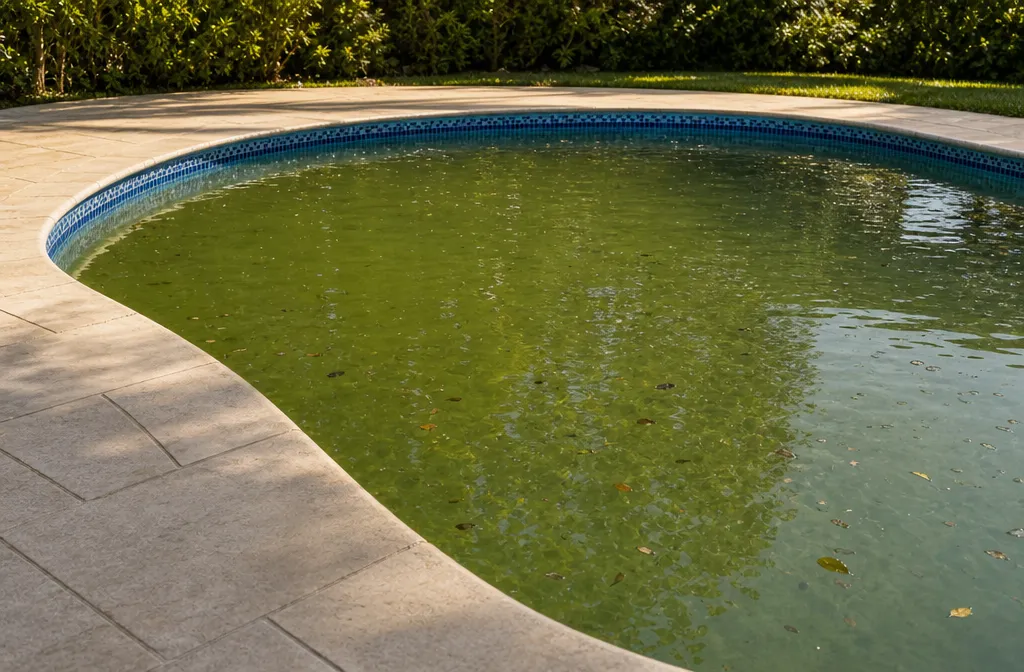
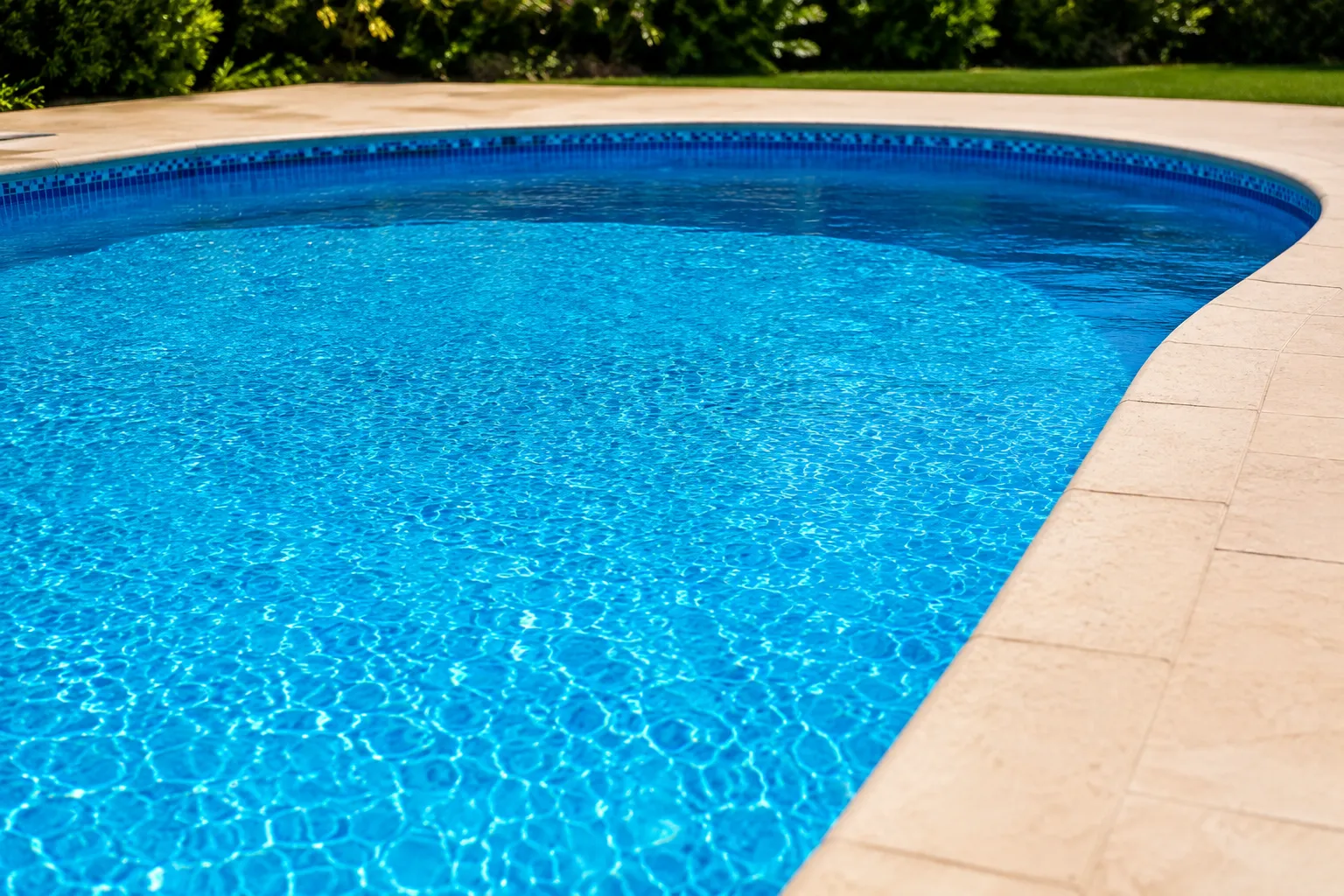 After
After
Request: Water turned green, unpleasant odor, urgent cleaning needed.
Done: Performed shock chlorination, mechanical cleaning of walls and bottom, filter rinse.
Cost: 20 000 ₸
Master: Aigul Nurlanova, pool master
Total: Water is clear, odorless, pool ready for use.
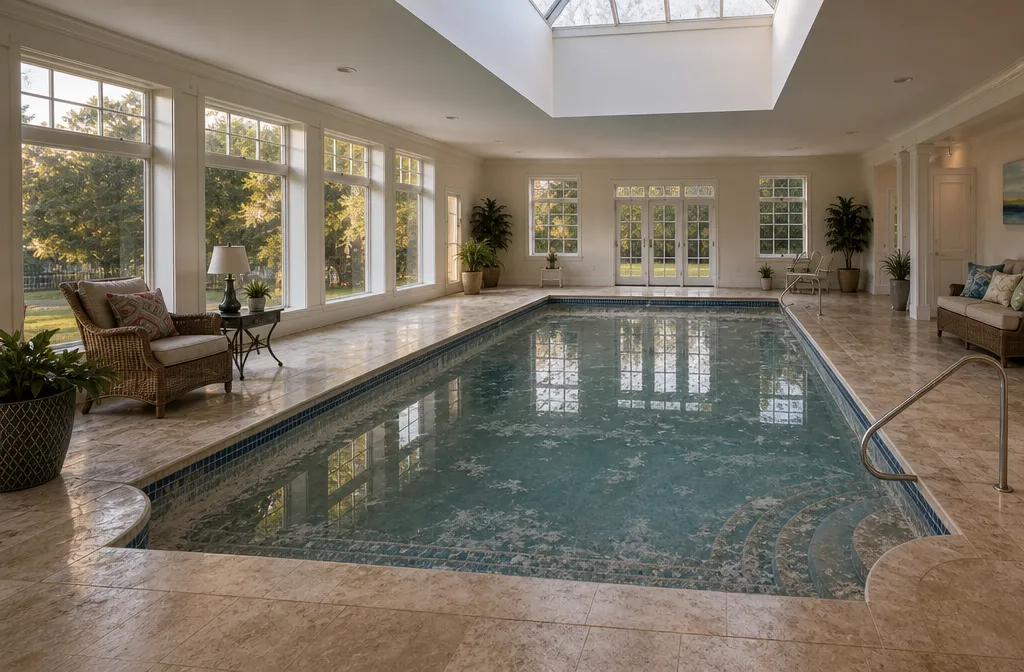
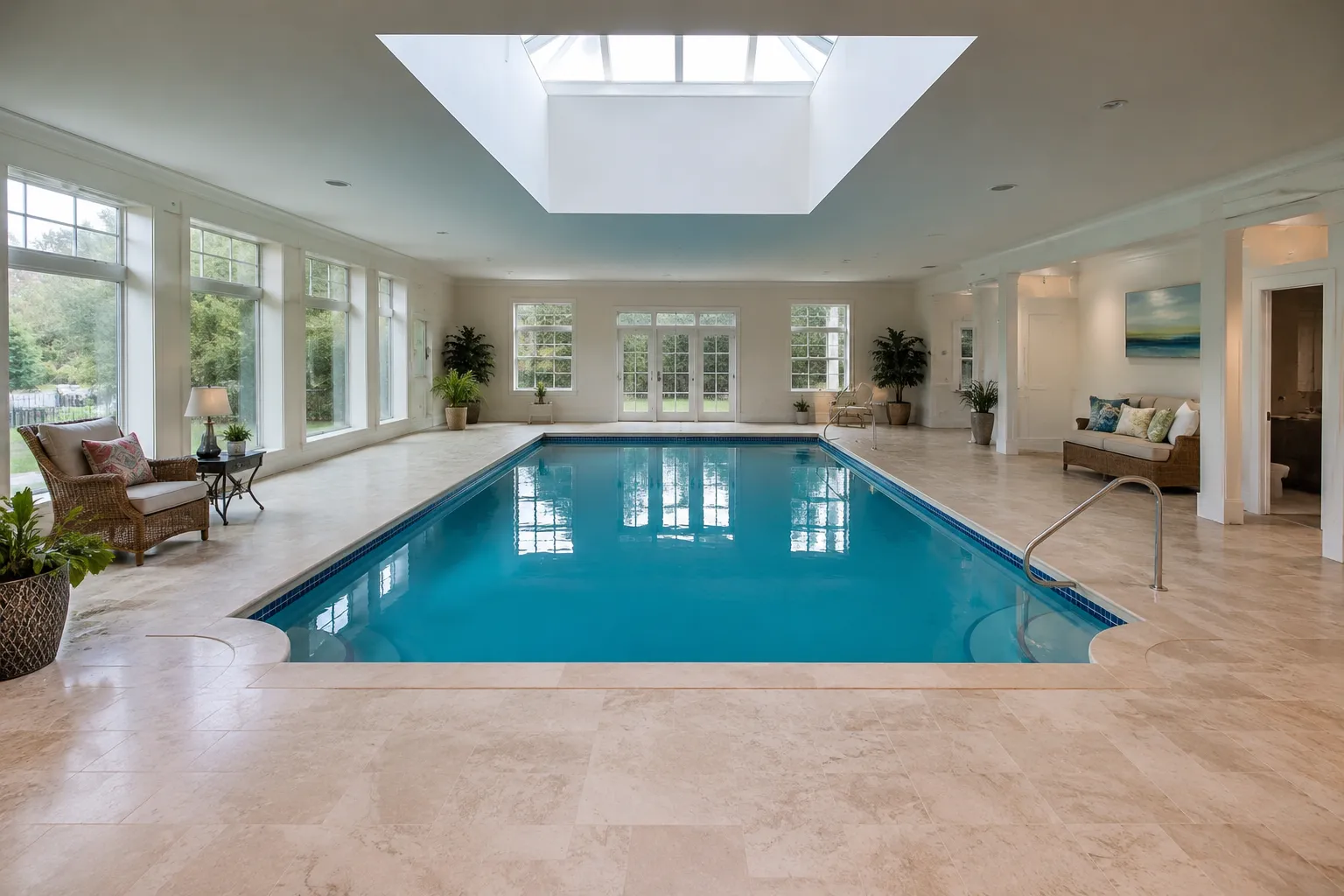 After
After
Request: White coating on walls and bottom, water cloudy.
Done: Removed calcium deposits with special agent, polished surface.
Cost: 21 000 ₸
Master: Damir Sagintayev, pool master
Total: Tiles clean, shiny, water clear.
 After
After
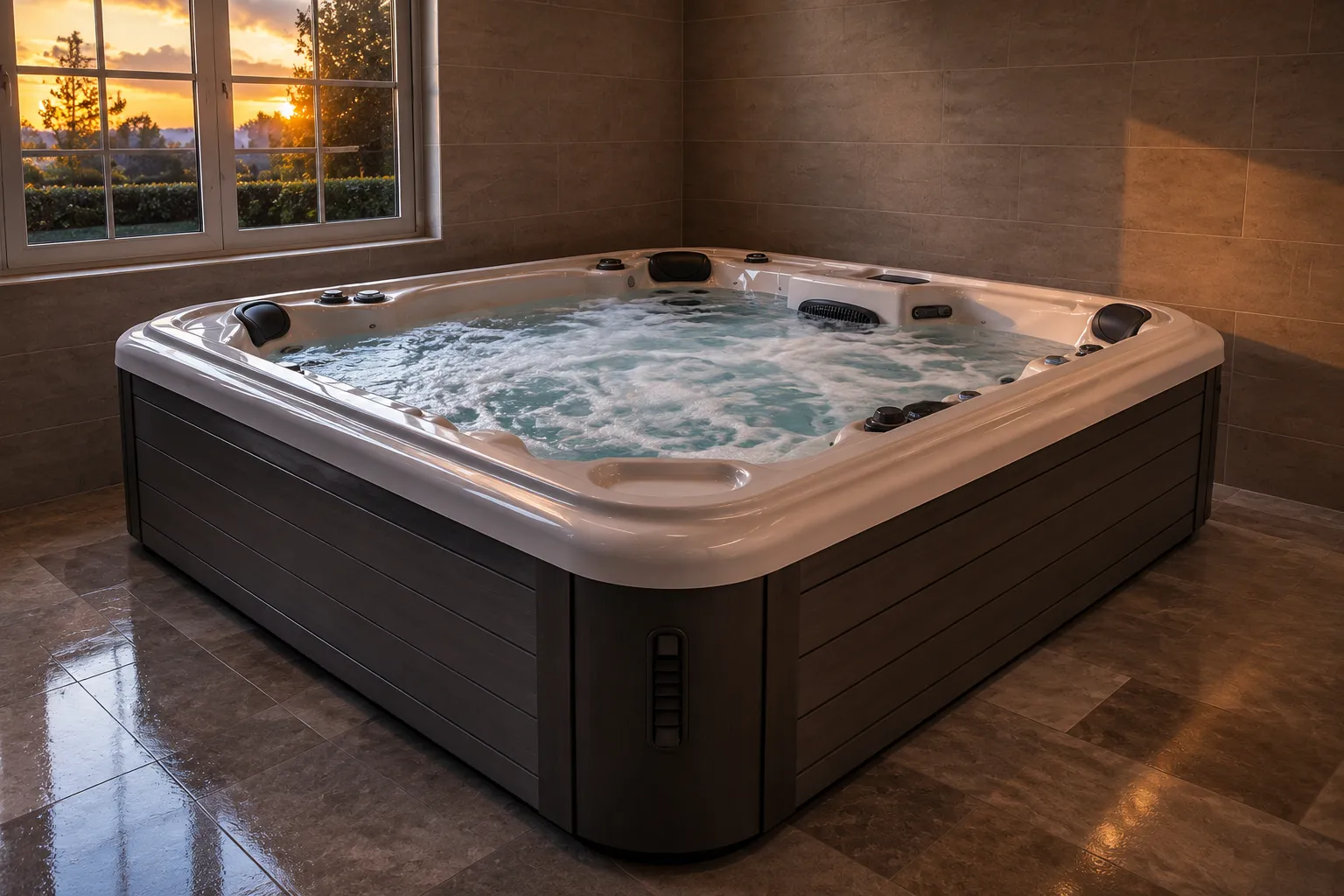
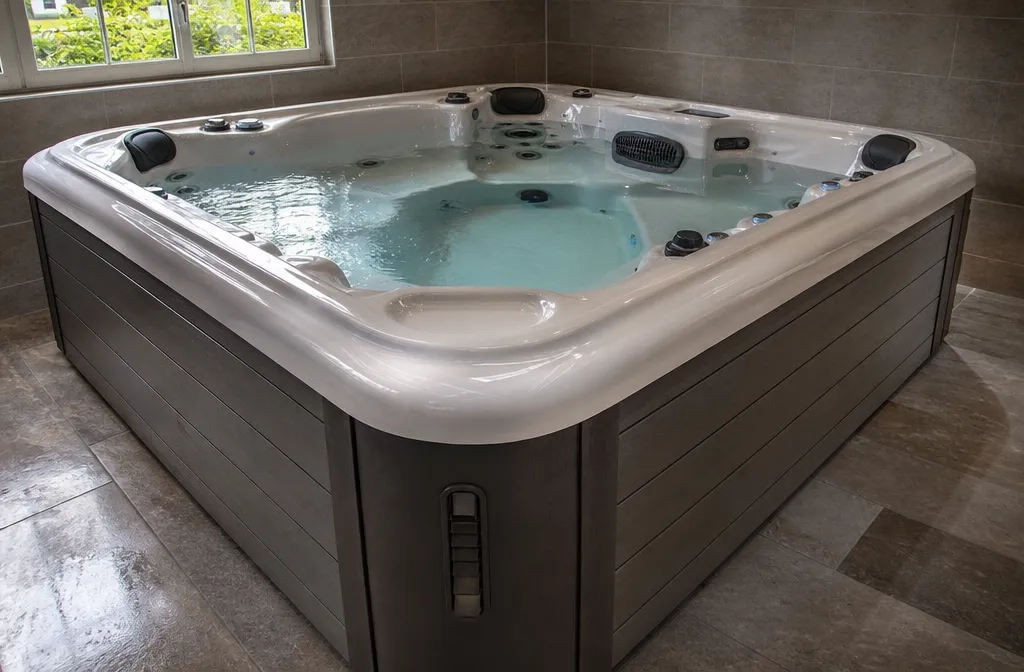
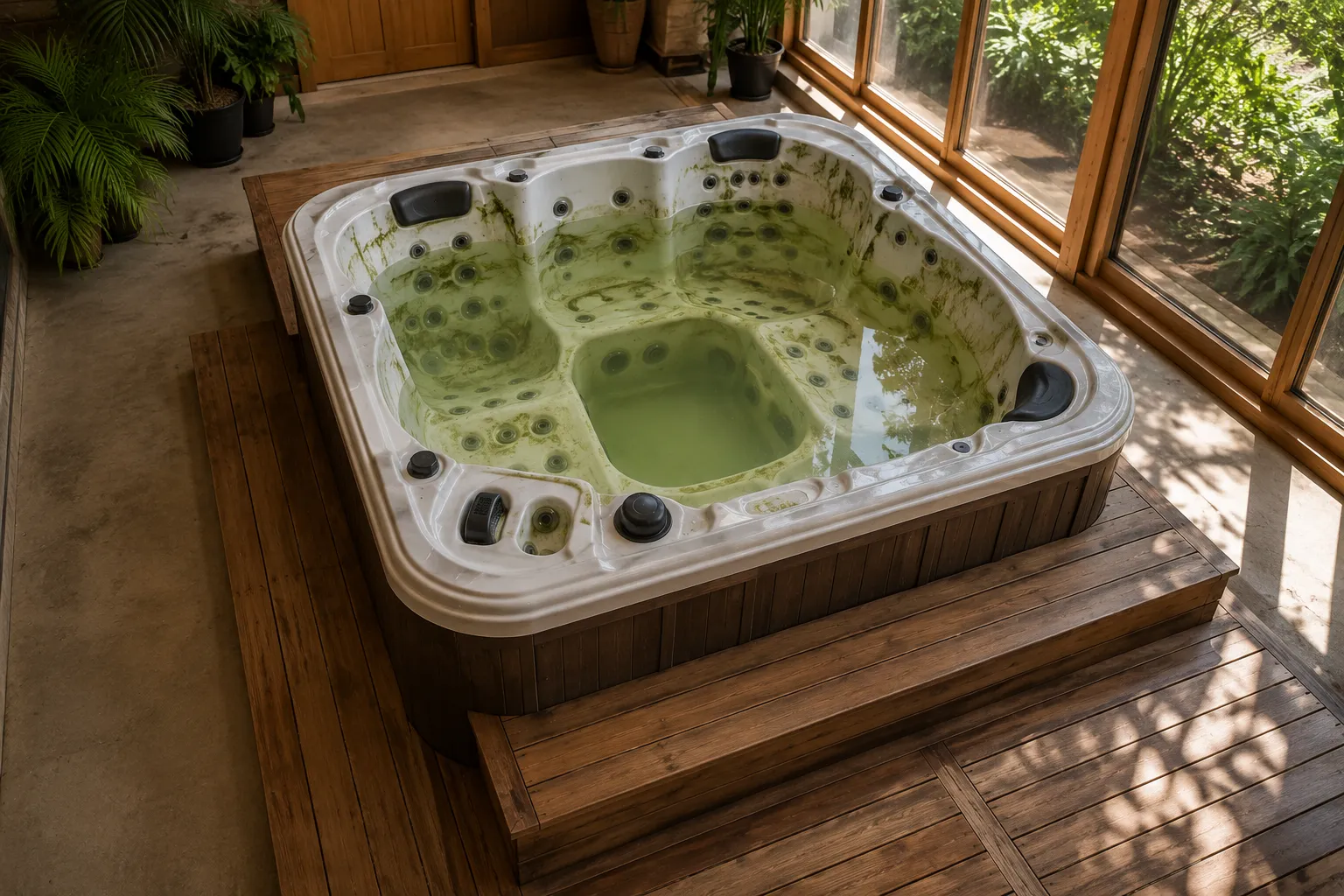
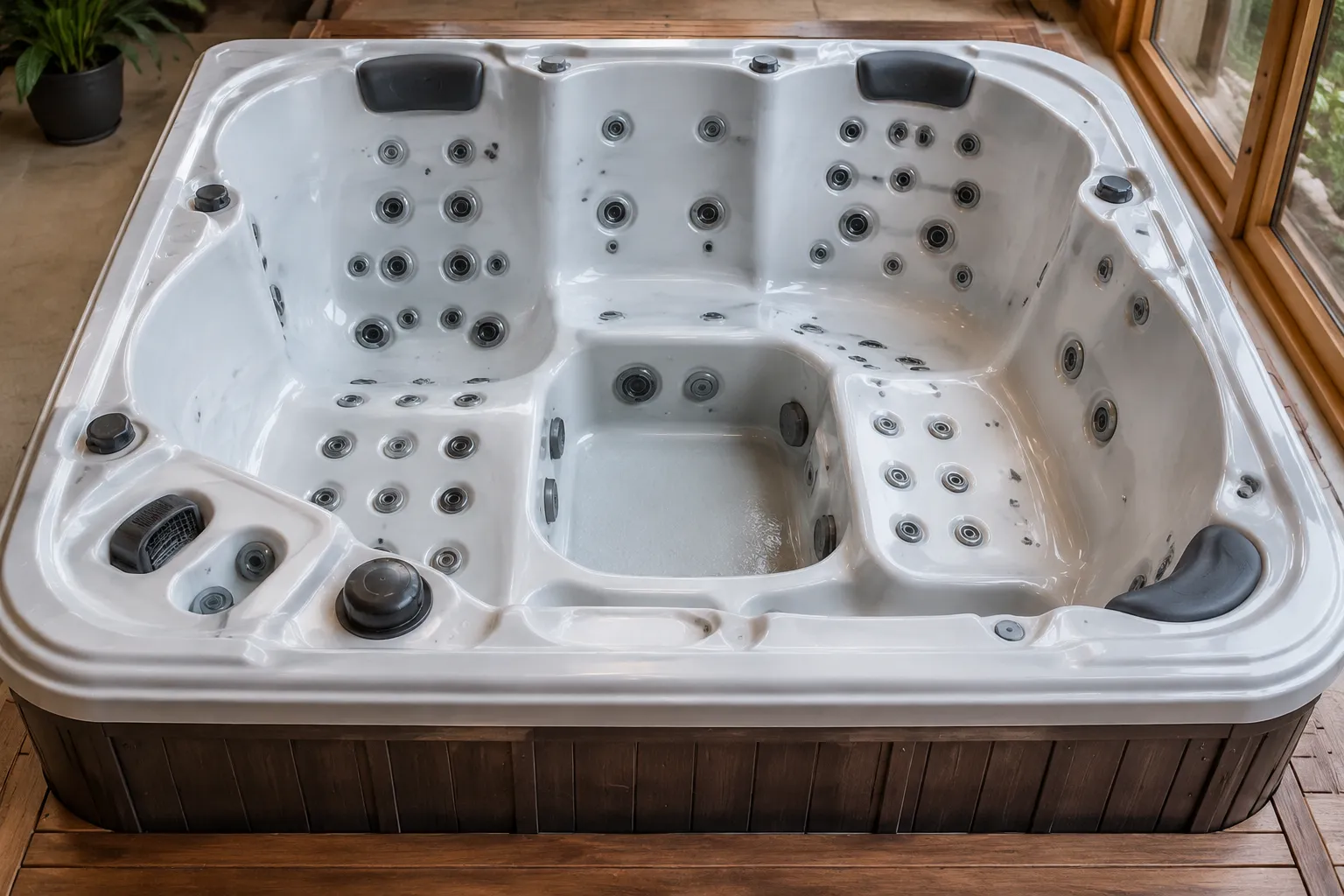
Request: After turning on the jacuzzi, abundant foam appeared.
Done: Drained water, cleaned jets and pipes, refilled with antifoam agent.
Cost: 22 000 ₸
Master: Aliya Muratova, pool master
Total: Water clean, no foam, jacuzzi works properly.
 After
After
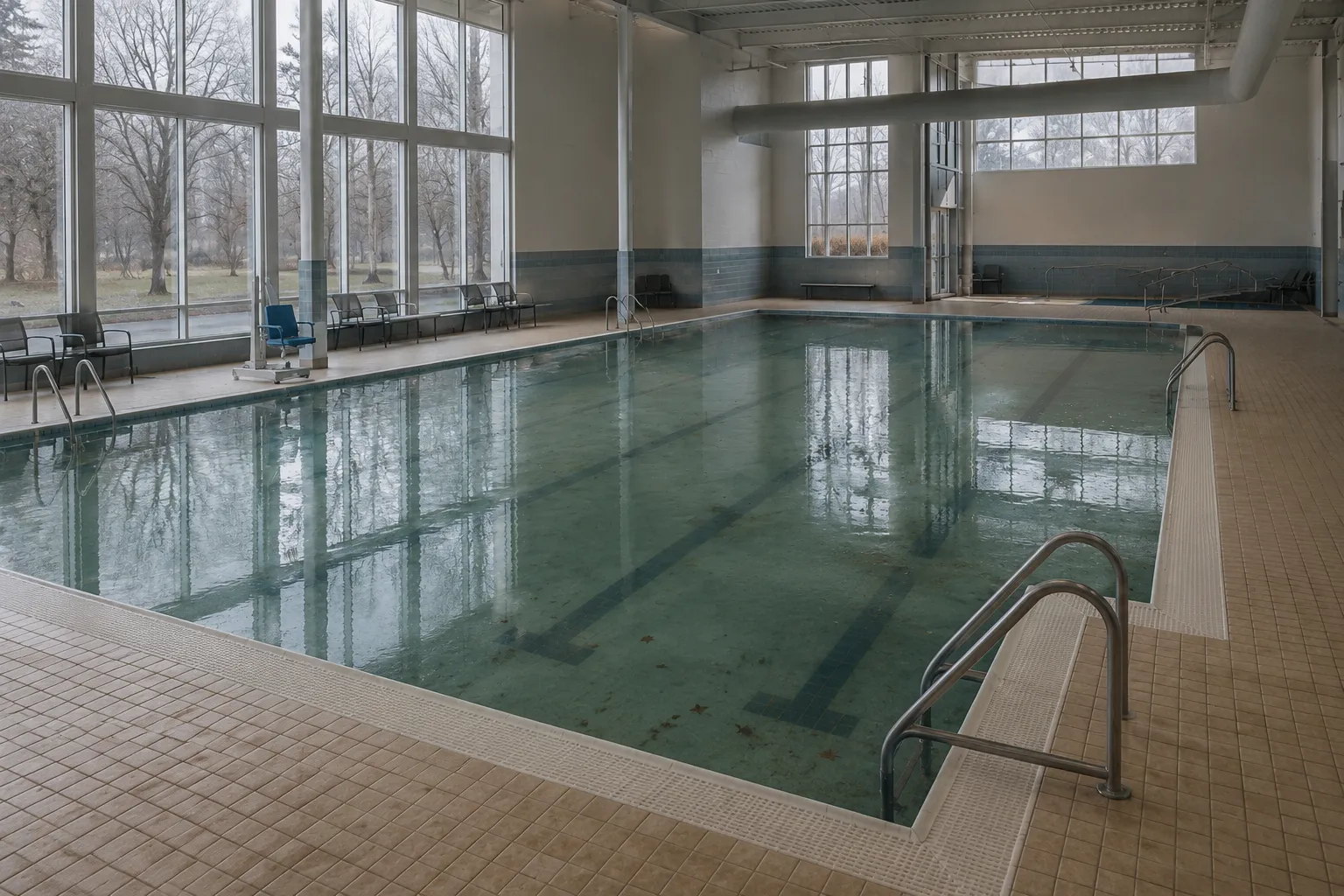
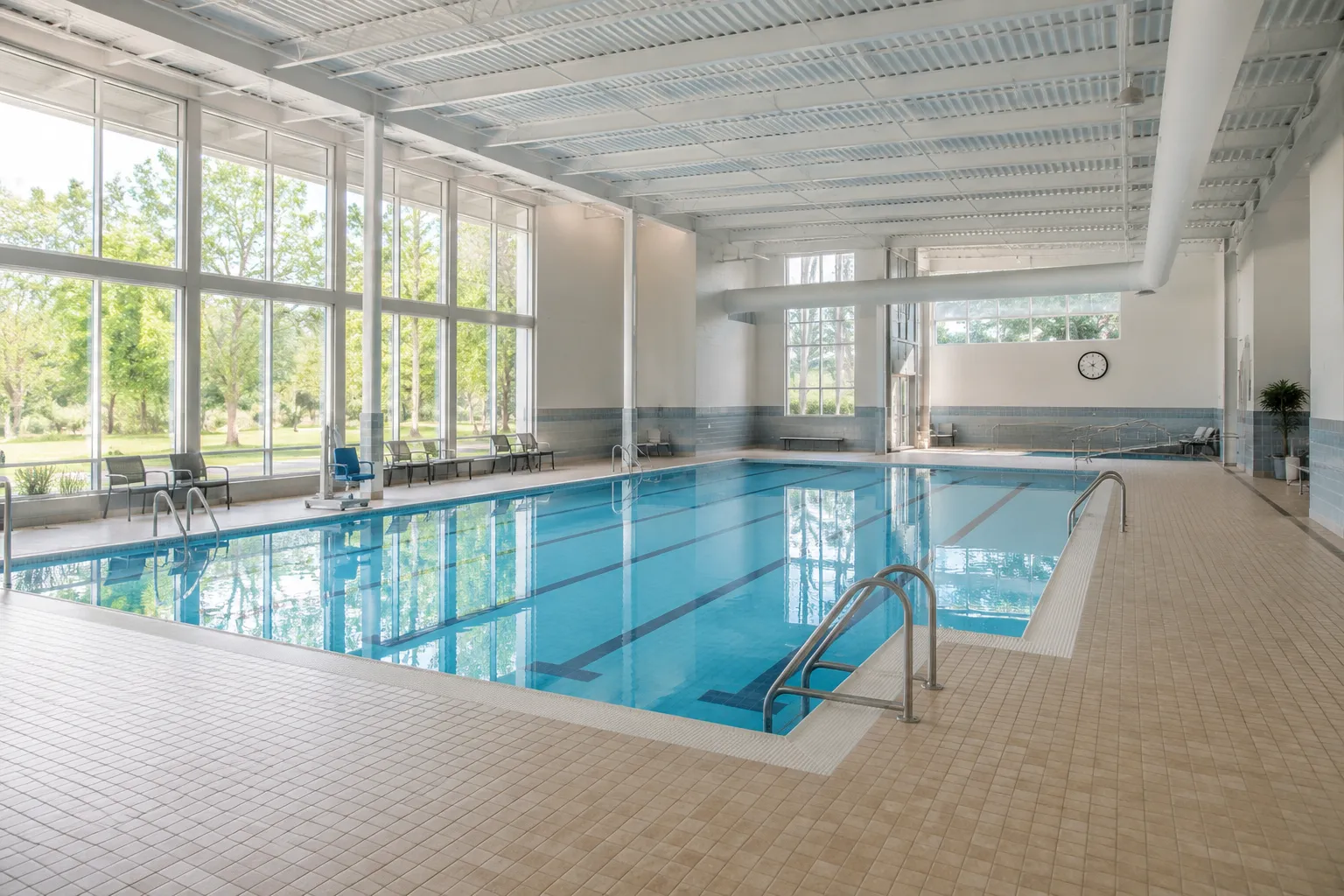
Request: Water cloudy, poor visibility, visitors complain.
Done: Performed coagulation, filtration, filter cleaning and disinfection.
Cost: 21 000 ₸
Master: Yerzhan Kassymov, pool master
Total: Water crystal clear, meets sanitary standards.
 After
After
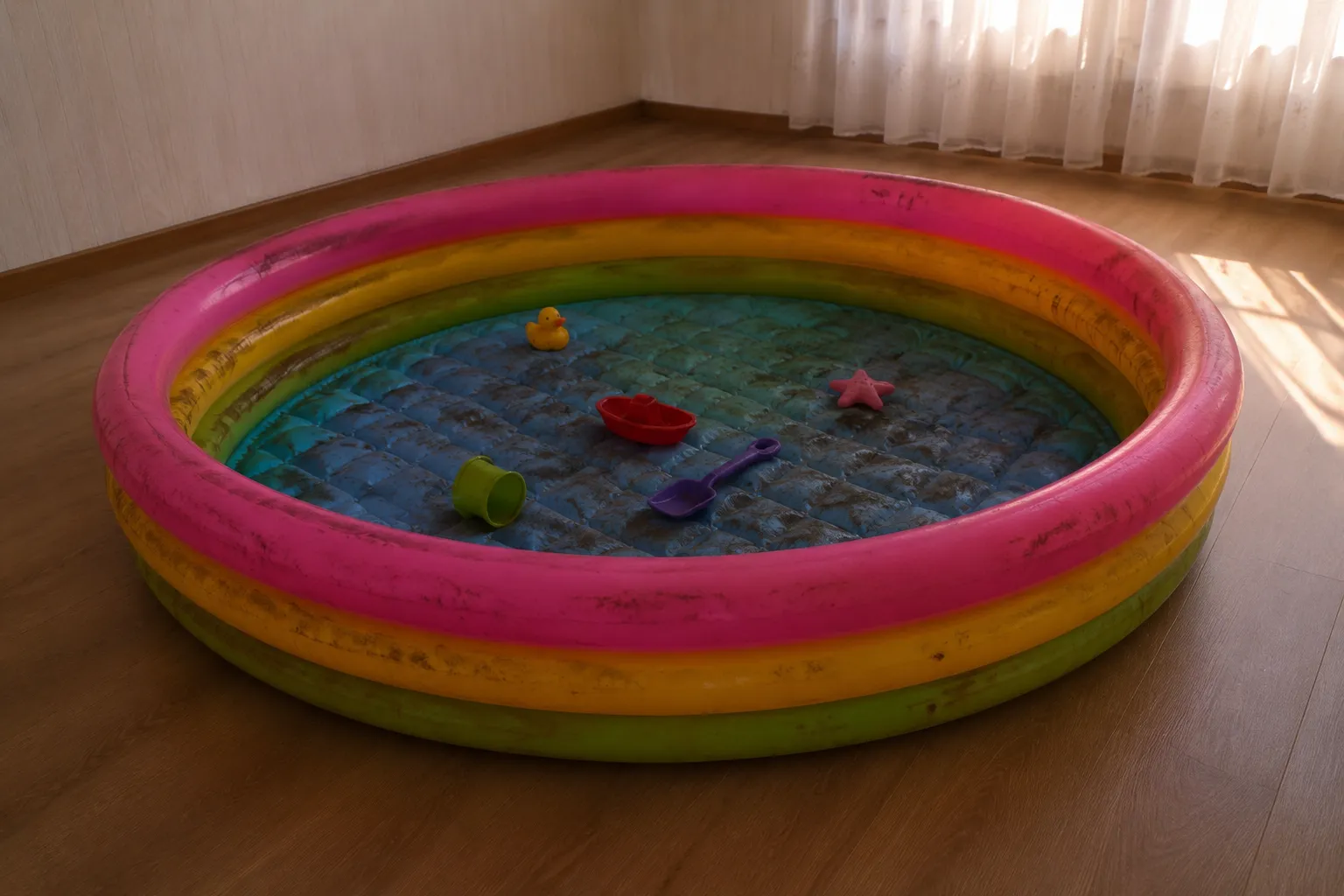
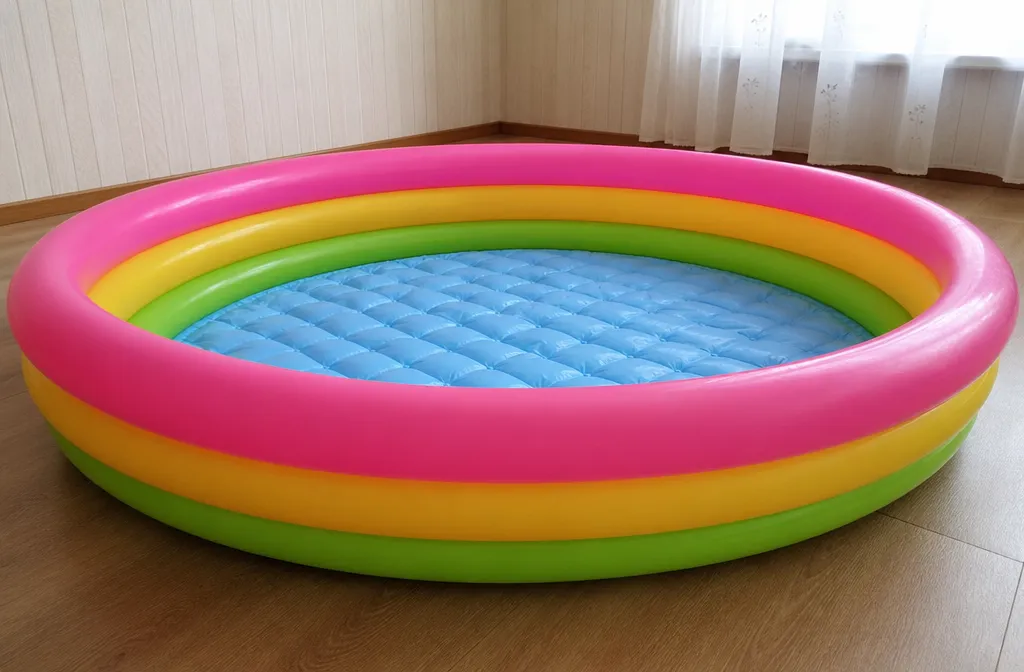
Request: Green algae on walls and bottom, water cloudy.
Done: Removed algae manually, treated with algaecide, filtered water.
Cost: 20 000 ₸
Master: Meruert Abdrakhmanova, pool master
Total: Surfaces clean, water clear, no odor.
 After
After
Request: Dark stains of unknown origin on the bottom and walls.
Done: Treated stains with a special stain remover, washed and disinfected.
Cost: 22 000 ₸
Master: Zhanna Kaliyeva, pool specialist
Total: Stains completely removed, pool safe for children.
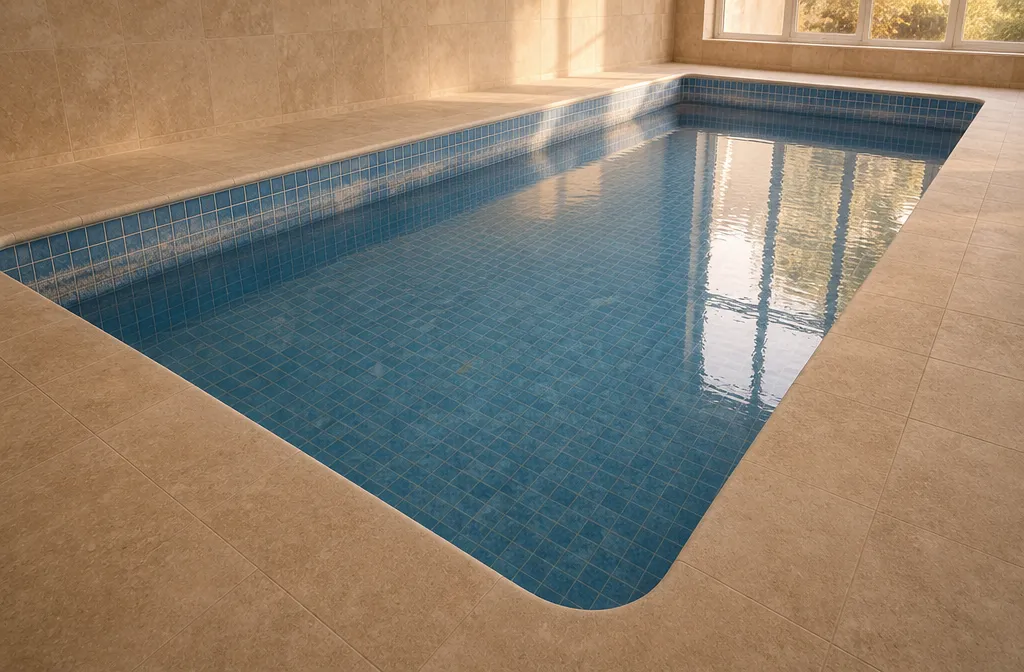
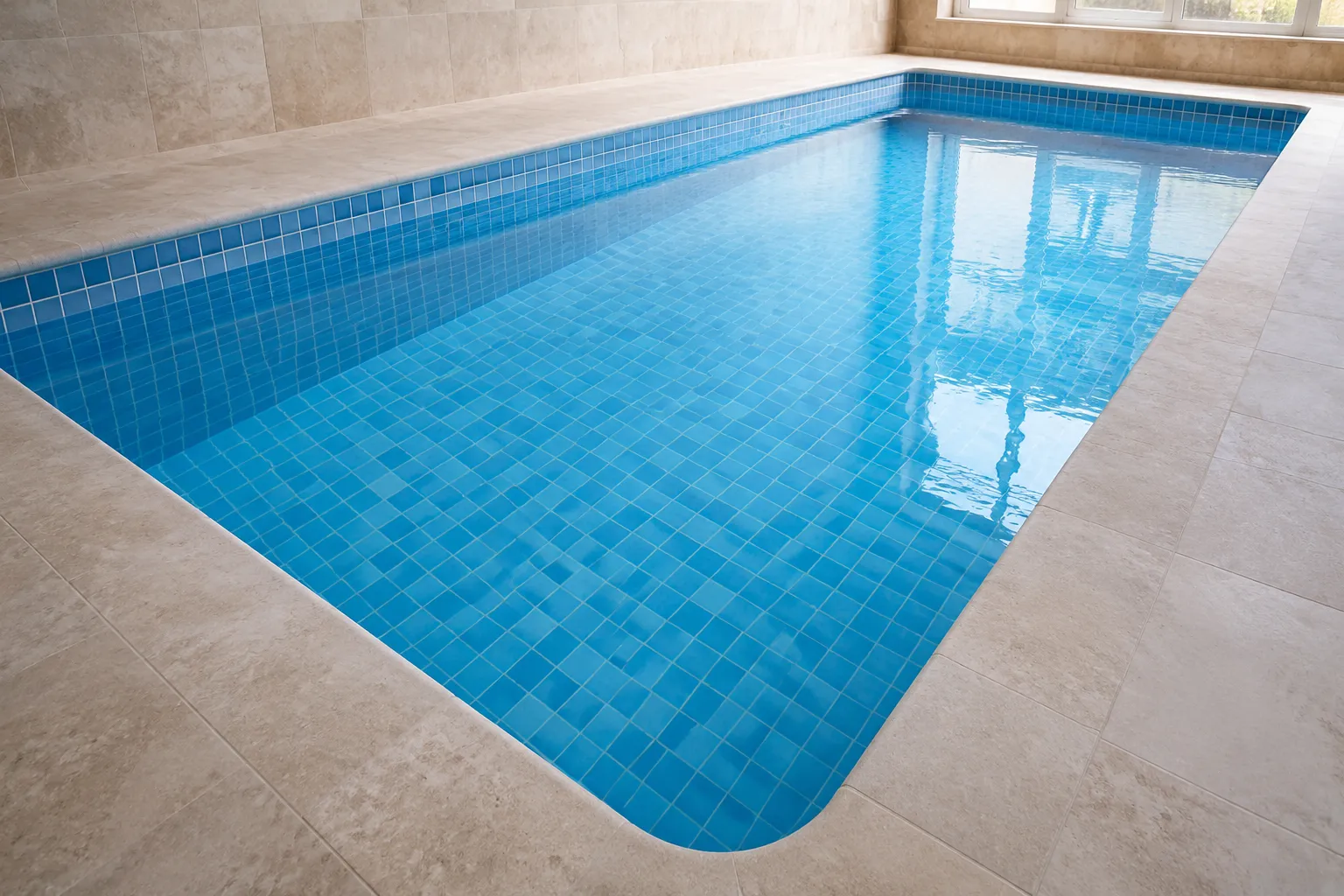 After
After
Request: Tiles around the pool covered with white limescale, look untidy.
Done: Removed limescale with an acidic cleaner, washed and polished the tiles.
Cost: 21 000 ₸
Master: Ruslan Ospanov, pool specialist
Total: Tiles shine, no limescale, aesthetic look.
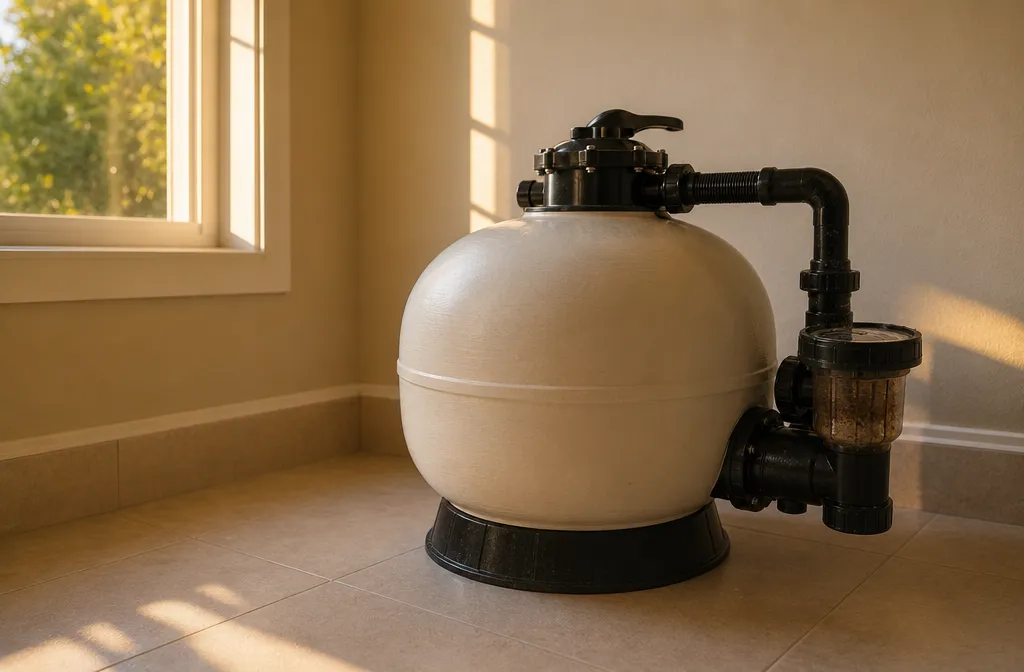
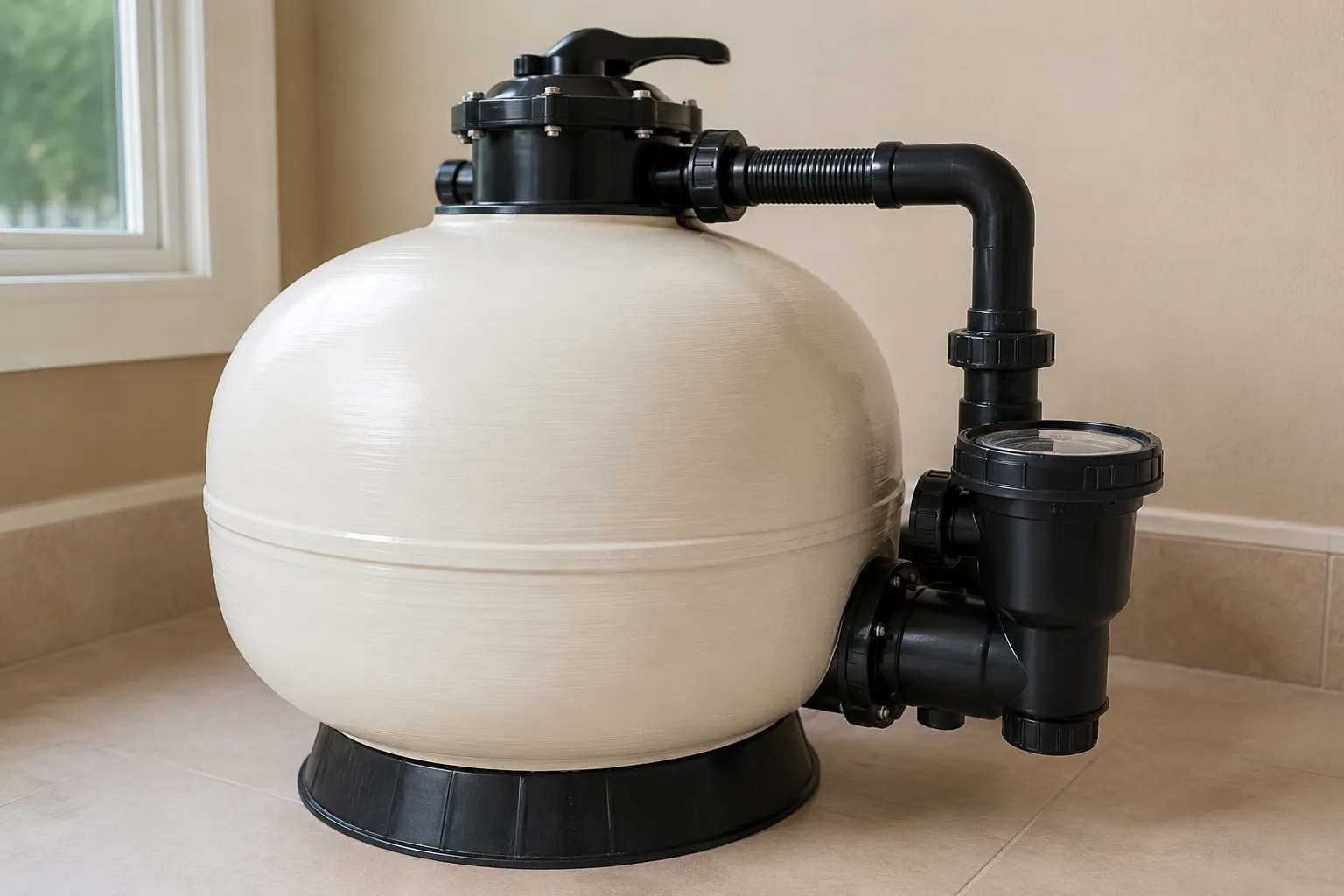 After
After
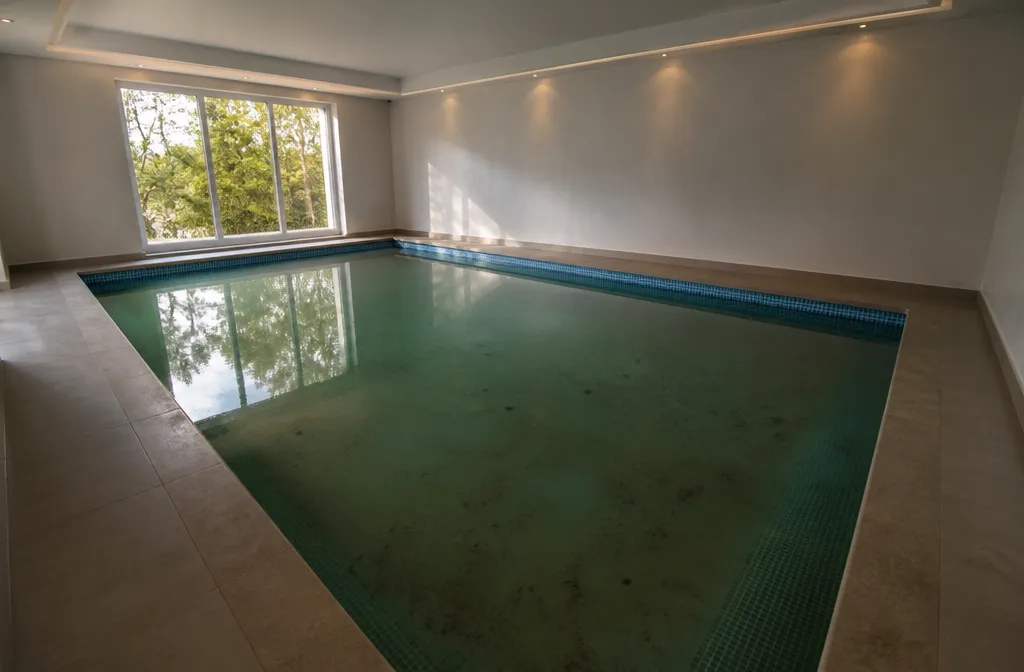
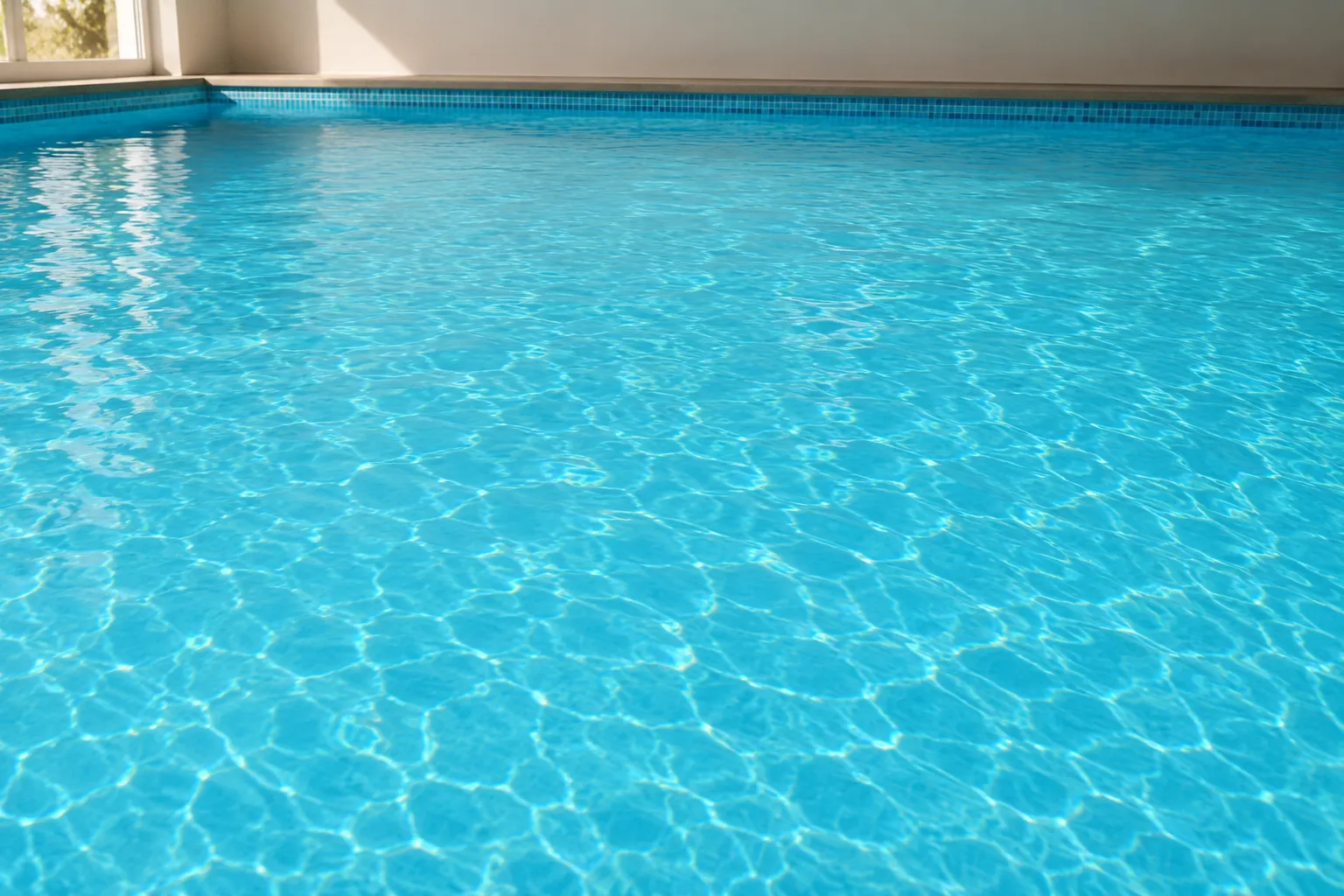
Request: Filter clogged, water circulates poorly, pressure high.
Done: Disassembled filter, washed cartridges, replaced seals.
Cost: 20 000 ₸
Master: Timur Zhaksybekov, pool specialist
Total: Filter clean, pressure normal, circulation restored.
 After
After
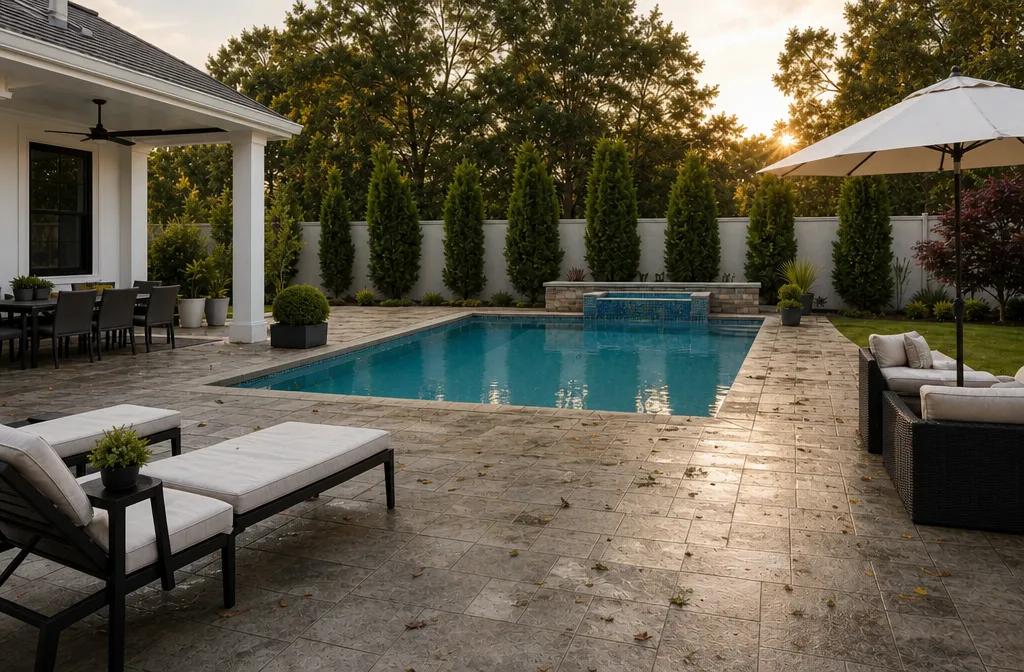
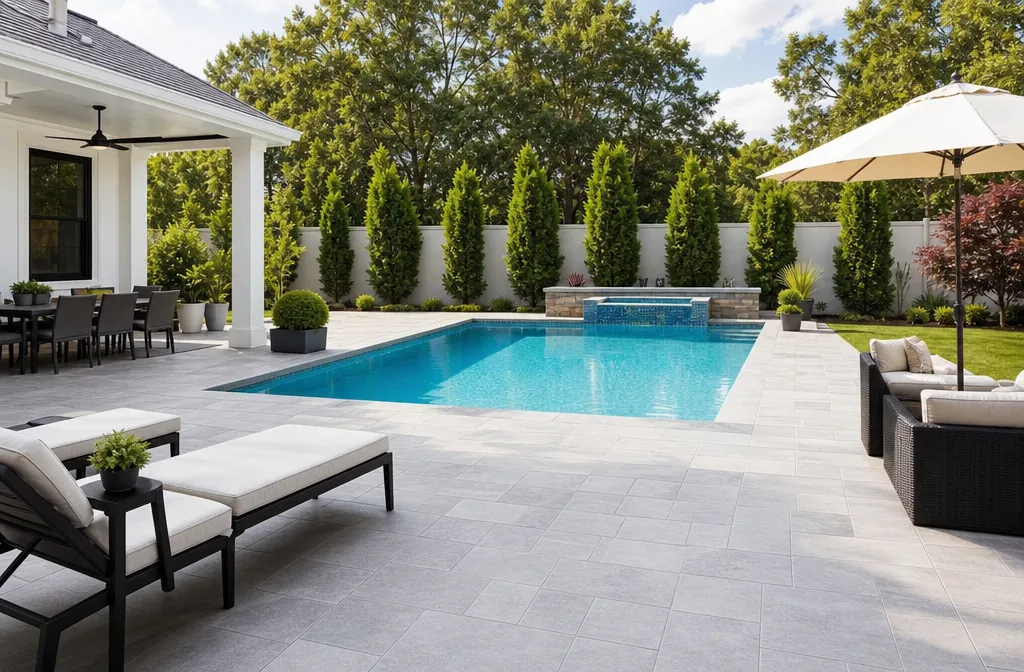
Request: After treatment water is cloudy, with sediment.
Done: Adjusted pH, added flocculant, performed filtration.
Cost: 22 000 ₸
Master: Ainagul Serikova, pool specialist
Total: Water clear, no sediment, chemical balance normal.
 After
After
Request: Deck dirty, water stains, leaves.
Done: Swept, washed with detergent, treated for mold.
Cost: 23 000 ₸
Master: Bakhytzhan Nurpeisov, pool specialist
Total: Deck clean, no stains, pleasant appearance.
All cleaners are profi-clean staff with training, uniform and security check. Each order has a team leader who controls quality.
We encounter three fundamentally different types of contamination, each requiring its own chemicals and techniques — there is no universal solution.
Green suspended matter in the water is just the tip of the iceberg: algae spores settle on walls and tile joints, forming a slippery biofilm that the filter cannot catch. Yellow (mustard algae) and black (black spot) algae penetrate grout and silicone sealants — they cannot be removed with a brush; acid treatment with manual spot removal is needed. We use algaecides based on quaternary ammonium compounds (profi-clean Algistop) — they work at pH 7.2–7.6, not at any level as cheap analogues promise. In practice: if the owner has neglected the pool for a month, the green film is removed in 2–3 mop passes, while black spots require spot grinding of the joints and a repeat treatment after 48 hours. In Almaty’s water with high hardness (up to 7 mg-eq/L), algaecides work 20% less effectively — we adjust the dosage on-site using test strips.
Tap water in Almaty has a high content of calcium and magnesium (up to 350 mg/L), so white deposits on the waterline and tiles appear within 10–14 days without maintenance. This is not just an aesthetic issue: the carbonate crust clogs the nozzles of bottom cleaners and narrows the flow of skimmers, reducing filtration efficiency by 30–40%. We remove the deposit with an acid gel based on phosphoric acid (not hydrochloric acid — it corrodes grout) with an exposure time of 7–10 minutes and neutralization with soda. On mosaic tiles with dark grout, the acid is applied only with a brush, not a sprayer — drops on light tiles leave matte spots that can only be polished with diamond paste. If the pool is on automatic top-up from a well, the limescale layer builds up twice as fast — in such cases, we recommend installing an antiscalant dispenser before the water inlet.
Grease is the most insidious type because it is invisible to the eye but forms a monomolecular film on the water’s surface, blocking gas exchange and promoting bacterial growth. Traces of sunscreen, SPF filters, and body oils accumulate at the waterline and in the corners of stairs — a regular brush only spreads them. We use an enzymatic cleaner, profi-clean Degreaser, which breaks down fats into glycerin and fatty acids in 15 minutes — its pH is 8.5, making it safe for PVC liners and acrylic shells. In public pools (fitness clubs, spas), the grease load is 3–4 times higher due to constant contact with skin and cosmetics — there, we combine enzymatic treatment with ultrasonic waterline cleaning once a month. Our cleaners always test the water with a tester for combined chlorine levels: if chloramines (chlorine smell) exceed 0.6 mg/L, it means there is too much organic matter, and mechanical grease removal is needed before shock treatment.
Choosing the wrong reagent is the most expensive mistake: acid corrodes plastic and joints, while alkali is useless against limestone. Let’s break down the strict criteria.
Hydrochloric or sulfamic acid only works against limescale, rust, and silicate deposits — things that become firmly embedded in the basin due to hard water. In Almaty, water has a total hardness of 5-7 mg-eq/L, so a limescale ring forms within 2-3 weeks at the waterline. We use acid when the deposit cannot be removed with a brush and white crystalline crusts are visible — this is calcium carbonate in the third stage. On mosaics and tiles, the acid solution is kept for no longer than 3-5 minutes, otherwise the grout is etched. Important: acid should not be poured onto a dry basin — only onto a wet surface to avoid local overheating and tile cracking. Before acid treatment, we always test the joint on an inconspicuous area — if the grout foams, it means it has already degraded and will start to crumble.
Alkaline compounds with a pH of 10-14 (caustic soda, potassium hydroxide) saponify fats and destroy algae biofilm — this is the choice for pools with heavy use, where water becomes cloudy from cosmetics, sweat, and sunscreens. In private pools in Almaty with open access, we perform alkaline cleaning every 2-3 weeks during the season: a slippery film forms on the walls — this is bacterial slime that acid cannot remove. Alkali is safe for PVC membranes and acrylic basins but aggressive towards aluminum ladders and stainless steel — they may darken after treatment, so we isolate metal with film. An important nuance: alkali must not be mixed with chlorine — toxic chlorine gas is released instantly. After alkaline treatment, neutralization with citric acid to pH 7.2-7.6 is mandatory, otherwise residual alkalinity will damage swimmers’ skin.
| Type of deposit | Appearance | Which reagent to use | Risk of error |
|---|---|---|---|
| Limescale | White crusts, rough surface, not washed off by water | Acidic (hydrochloric / sulfamic) | Alkali won’t work — waste of time |
| Grease film | Slippery to the touch, oily streaks, cloudy water | Alkaline (caustic / potassium hydroxide) | Acid will leave the film, water will continue to bloom |
| Rust stains | Orange-brown spots near metal parts | Acidic with corrosion inhibitor | Alkali does not remove iron oxides |
| Algae biofilm | Green / brown spots, slime on walls | Alkaline + algaecide after | Acid preserves spores |
If the basin has combined contaminants — grease + limestone (a typical picture for outdoor pools after winter), we always start with the alkaline stage. Alkali washes away the grease layer, exposing mineral deposits for the acid. The reverse order leads to disaster: acid penetrates unevenly through the grease, burning spots on the tiles, and then alkali cannot neutralize the acid burns. In our practice, there was a case — the owner applied acid to a basin with an oily deposit, and a month later, cracks appeared in the seams at the burn sites. The break between stages is at least 12 hours so the basin dries completely and we can evaluate the result of the alkaline treatment. After the acid stage, we must rinse the basin with water and a pH-neutral cleaning agent — acid residues change the water pH by 2-3 units, which destroys filter cartridges in one wash.
Filtration is the heart of clean water, and the filter type determines not only its maintenance schedule but also the quality the owner will get. In our practice in Almaty, sand, cartridge, and diatomaceous earth systems are most common, and each has its own set of critical nuances that cannot be ignored.
A sand filter is the most common and low-maintenance option for private pools. Its base is quartz sand with a fraction of 0.4–0.8 mm, which traps particles from 20–40 microns. Every 5-7 days, we perform a backwash: water is sent in the reverse direction, flushing dirt into the drain. However, over time, the sand wears down, its fraction decreases, and filtration efficiency drops — the standard service life of the media is 3-5 years, but on Almaty water with high calcium content (hardness 7-10 mg-eq/l), the sand can “cement” within 2 years, turning into a monolith. Sign: after backwashing, the pressure gauge does not drop, and the water flow weakens. In such cases, we do not top up with new sand but completely replace the media — this is the only way to restore throughput. For sand filters, it is important to check the condition of the multiport valve once a month: if the gaskets have dried out, water will bypass the sand, rendering the entire cycle useless.
Cartridge filters are finer than sand filters — they trap particles from 10 microns, but require more frequent attention. We recommend washing the cartridge with a strong stream of water once every 1-2 weeks, and once a month, soaking it in a solution of citric or hydrochloric acid (pH 2-3) for 2-4 hours to dissolve limescale deposits. On Almaty water, cartridges clog with salt deposits faster than in regions with soft water, so without an acid bath, the element’s lifespan drops from 1-2 seasons to 3-4 months. An important nuance: after soaking, the cartridge must be thoroughly rinsed with clean water — acid residues will enter the pool and shift the pH, requiring additional chemical correction. We have noticed that owners often skip the acid treatment, and then a hard crust forms on the cartridge that cannot be washed off — replacement is the only option. To extend the filter’s life, alternate between two cartridges: while one is in use, the other dries after cleaning.
Diatomaceous earth (DE) filters are the most effective type for those who demand crystal-clear water; they trap particles down to 1-3 microns, including some algae and bacteria. Inside are mesh cartridges coated with diatomaceous earth powder (fossilized diatom shells). Every 1-2 months, we perform a backwash and add fresh powder through the skimmer — approximately 100-150 g per load. The main challenge is disposing of the spent powder: it cannot be flushed down the drain or onto the ground, as diatomite is abrasive and can clog pipes, and inhaling the dust is dangerous for the lungs. We collect the spent powder in sealed bags and deliver it to construction waste collection points — in Almaty, this is the landfill on the Kulzhinsky tract. Every 2-3 years, a complete replacement of the mesh cartridges is required if they have become deformed or torn — this is indicated by a drop in pressure and cloudy water. With DE filters, it is critical to prevent the powder from drying on the mesh: if the filter has been dry for more than a week, the powder will cake, and the cartridges will need to be replaced.
In Almaty, pool cleaning has its own specifics due to two factors: water from mountain sources has high hardness (up to 7-8 mg-eq/L), and sharp temperature fluctuations in spring and autumn accelerate algae blooms. We deal with this daily.
The hardness of Almaty water (total calcium and magnesium salt content) is higher than the Kazakhstan average — up to 8 mg-eq/L compared to 4-5 in Astana or Karaganda. This directly affects the rate of limescale formation: without pH and total alkalinity correction, white deposits on the walls and floor appear within 10-14 days after cleaning, and on heat exchangers and heating elements within a month. We had a case where the owner of a private pool on Gornaya Street replaced the heat exchanger after six months — it was overgrown with an 8 mm thick layer of calcite, and efficiency dropped by 40%. Moreover, he regularly chlorinated the water but did not control total alkalinity (TA). In practice: if TA is above 180 ppm, calcium precipitates even at a normal pH of 7.2-7.4. The first thing we do on-site is measure TA and, if necessary, lower it to 100-120 ppm using sodium bisulfate; otherwise, any cleaning provides results for 5-7 days instead of 2-3 weeks.
Almaty’s spring, with daytime temperatures of +20°C and nighttime temperatures of +5°C, creates ideal conditions for algae growth: in warm water, photosynthesis is active, and nighttime cooling does not kill the spores but only slows their growth. The peak of algae blooms occurs in April-May and September-October, when the daily temperature difference is 10-15°C. During such periods, green turbidity appears within 3-4 days if heating is not used — in unheated outdoor pools in the Botanichesky or Alatausky districts, we record a surge in service calls precisely during these months. The solution we recommend: during the off-season, maintain free chlorine levels at 3-4 ppm instead of the summer norm of 1-2 ppm, and run the filtration for 10-12 hours instead of the standard 6-8. At one site on Timiryazev Street, the owner ignored this rule, and over two weeks in April, the pool turned so green that 40 cubic meters of water had to be drained — the cost of excess water and chemicals exceeded the annual maintenance fee. Meanwhile, simply increasing filtration time from 6 to 10 hours in March-April and September-October reduces the number of unscheduled cleanings by three times.
Almaty is a city with high air dust levels, especially in calm weather when smog accumulates in the basin. For open pools, this means that 3-5 grams of dust and fine sand per square meter settle on the water surface daily. In May-June, poplar fluff adds to the problem; it doesn’t just float on the surface but becomes waterlogged, sinks, and clogs skimmers within 2-3 hours. If the skimmer basket isn’t cleaned daily, the fluff enters the filter and drastically reduces its throughput capacity — the sand filter starts pushing sediment back into the pool. We had a service call on Zharokova Street: the owner complained about cloudy water, and the reason was simple — the skimmer was 80% clogged with fluff, making the filtration system essentially run idle. During fluff season, our cleaners always check skimmers first and recommend installing catch nets with 1-2 mm mesh — these trap the fluff before it gets wet and simplify maintenance to one net skimming per day instead of three.
In the private sector of Almaty (Alatausky, Nauryzbaysky districts, part of Bostandyk district), many owners use well water instead of the central water supply. Its hardness can reach 12-14 mg-eq/L, plus iron is often present (up to 2-3 mg/L) — the water produces a yellow-brown sediment on the walls within a week of filling. If such water is poured directly into the pool without pre-treatment, reagents for pH and chlorine correction work unpredictably: chlorine binds with iron and precipitates, and pH “drifts” by 0.5-1 unit per day. Our recommendation for such sites is to install a reverse osmosis system or at least a water softener at the inlet before the initial fill; otherwise, monthly reagent costs are 3-4 times higher than with tap water. At one site in the Kok-Tobe settlement, the owner ignored this advice and spent a significant amount on chemicals monthly instead of a smaller one — we calculated the difference over six months and convinced him to install a softener, which paid for itself in 4 months.
Almaty is located at an altitude of 700-900 meters above sea level — atmospheric pressure here is 7-9% lower than on the plains. This directly affects the solubility of gases in water: chlorine and oxygen dissipate faster. In our conditions, free chlorine in an open pool at +25°C loses up to 50% of its concentration within 4 hours under direct sunlight, whereas on the plains (e.g., in Aktau) it takes 6-7 hours. Therefore, we adjust the dosage: in Almaty, stabilized chlorine (with cyanuric acid) provides a stable effect for 3-4 hours longer than non-stabilized chlorine. Meanwhile, owners who buy reagents following instructions from a Moscow or Kyiv website (altitude 150-200 m) often complain that the chlorine “doesn’t hold” — this isn’t a defect, but physics: at 800 meters altitude, gas solubility is 8-10% lower, and a tablet designed for 10 cubic meters actually works for 8-9 cubic meters. Our technician checks this at every site using a DPD test 2 hours after chlorine addition — if residual chlorine is below 1 ppm, we increase the dose by 15-20% from the factory standard.
Even after professional cleaning, pool water remains clear only with proper daily care — without it, deposits and bacteria return within 3-5 days. In Almaty, due to hard water, this process accelerates, so we’ve gathered proven practical rules to help maintain the result after our visit.
The rule “the longer, the cleaner” doesn’t work: excessive filtration overloads the pump and increases electricity bills. The optimal pump runtime is 8-10 hours per day in the warm season and 4-6 hours in winter during conservation. In Almaty with its temperature fluctuations, we recommend running filtration in two sessions: 4 hours in the morning and 4 hours in the evening, when the water mixes most actively — this reduces engine load and allows the sand in the filter to settle between cycles. At our sites, we’ve noticed that with continuous pump operation of 12+ hours, the sand filter compacts faster, requiring backwashing every 3-4 days instead of the standard 5-7.
The main mistake owners make is pouring reagents “by eye,” which leads to pH imbalance and the death of the filter’s beneficial microflora. The normal chlorine level for a private pool is 1-3 mg/l, and pH should be maintained at 7.2-7.6; a deviation above 8.0 makes chlorine ineffective, and the water becomes cloudy even with an excess of chemicals. In our practice, there was a case where a client in Almaty poured a triple dose of algaecide against algae — as a result, the pH dropped to 6.4, causing mucous membrane irritation in children, and 40% of the water had to be drained. Before adding any product, check the current readings with a tester — this saves both chemicals and time on restoring the balance.
Limescale at the water-air boundary forms due to evaporation and the high hardness of Almaty water — in a week, it can etch into the tile so deeply that acid washing is required. To avoid this, wipe the waterline with a soft sponge and a neutral cleaner (pH 7) every 3-4 days — this takes 5 minutes but prevents the grout from becoming porous. For mosaic or glass tile pools, we recommend using only liquid, non-abrasive cleaners — a stiff brush scratches the glaze, and dirt gets trapped in the micro-cracks, which cannot be removed without dismantling.
In Almaty, the poplar blooming season (May-June) and autumn leaf fall (September-October) create peak loads on the filtration system — up to 1-2 kg of organic matter can enter the pool per day. The best protection is a pool cover or a skimmer net installed before the blooming starts; daily surface cleaning with a skimmer net is mandatory, otherwise, the organic matter decomposes and provides a breeding ground for bacteria. If leaves do end up on the bottom, do not try to wash them into the filter — remove them manually or with a pool vacuum, otherwise, the rotting debris clogs the sand and creates an unpleasant odor that can only be eliminated by completely replacing the filter media.
The frequency of professional cleaning depends on usage intensity: for country pools used only on weekends, one profi-clean visit per month is sufficient, while for year-round pools used daily, once every two weeks is needed. We notice that owners in Almaty often skip the off-season cleaning in April and October, when the water is not yet warm but starts to bloom due to temperature fluctuations — it is during these months that the most persistent green algae form, which then requires shock treatment. If you notice that the water is clouding faster than usual or there is a smell of chloramines (a sharp “pool” smell), do not wait — this is a signal that the balance is disturbed, and self-correction will no longer yield results without a full system flush.
Analyzing requests for pool restoration after owners’ attempts to clean it themselves, we see the same miscalculations — from incorrect chemical dosing to equipment damage. Here are six typical mistakes that turn a simple cleaning into an expensive repair.
The most common mistake is using a universal chlorine-based product for all types of deposits. Chlorine is effective against bacteria and green algae but is powerless against limescale: it only oxidizes the layer without dissolving its crystalline structure. Carbonate deposits require acidic formulations based on hydrochloric or sulfamic acid, while greasy deposits from cosmetics and sunscreens require alkaline degreasers with a pH above 11. If you pour acid onto an oily film, it will emulsify the fat into the water, creating a cloudy suspension that settles on the bottom and clogs the filter within 2-3 hours. At profi-clean, we use a three-stage testing process: first, we determine the type of deposit by testing a rinse sample from the wall, then we select the reagent, and only then do we start cleaning. Before buying chemicals, check the water pH and the type of contamination — this will save a significant amount on unnecessary products.
Many people drain all the water before cleaning, thinking it makes it easier to reach the walls. In reality, this is a grave mistake: without water, the hydrostatic pressure outside the bowl (groundwater) can deform the plastic casing or push out the tiles on a concrete pool. In Almaty, with groundwater levels up to 1.5 meters on the southern slopes, this load is especially dangerous — cases of the bowl floating out of the ground after draining have been recorded. The correct sequence is: first, remove large debris and sediment with a skimmer and bottom vacuum, then treat the walls with a brush and reagent, and only then partially drain the water (no lower than 30 cm from the bottom) to clean the waterline. Complete draining is only for winterization or major repairs, and always after consulting an engineer.
To speed up the process, owners often use metal brushes or scrapers — especially on tile joints and corners. Metal leaves micro-scratches on acrylic and polypropylene bowls, where algae then multiply: according to our data, after such cleaning, the biofilm recovers 2-3 times faster. On concrete pools with mosaic tiles, metal strips the glaze from the tiles, exposing the porous base — within a month, dark mold spots form in these areas. The only acceptable tool is a medium-rigidity nylon brush marked “for pool surfaces” (e.g., from Poolmaster or Kokido). For stubborn limescale, use a paste remover with a 10-15 minute dwell time, not mechanical scrubbing — this preserves the coating for 3-4 seasons longer.
After chemical cleaning, suspended matter from deposits and dead algae enters the filter, clogging it within 1-2 filtration cycles. If you don’t backwash the sand filter for 3-5 minutes, the sand compacts into a monolith — throughput drops by 40-60%, and the water remains cloudy. Cartridge filters after aggressive chemicals need more than just a hose rinse; they should be soaked for 2 hours in a special cleaner solution (e.g., Aqua Chem Filter Cleaner) — otherwise, oily residues won’t wash out and start to rot, creating an odor. In our pool restoration orders after DIY cleaning, 30% of cases are linked specifically to a clogged filter — owners complain about cloudy water, not realizing the culprit is not the reagent but the dirty filter. Rinse the equipment immediately after finishing the cleaning, before turning on circulation.
We ordered pool cleaning, the water became clear, and the mold in the seams disappeared. Very satisfied with the result.
Thank you, Aigerim! We're glad you liked it.
Professionally cleaned the pool, removed limescale. Only slightly delayed the start of work.
Pool cleaning was excellent: removed leaves, cleaned filters. The water is now like new.
Thank you for your feedback!
Very high-quality cleaning: walls without deposits, water clear. The kids are thrilled.
We contacted for pool cleaning before the season. Everything was done quickly, and the guests appreciated it.
Thank you, Yerlan! Always happy to help.
The cleaning went fine, but there were streaks left on the tiles. We had to re-wash them ourselves.
We apologize, we will take your comments into account.
Pool cleaning was done at the highest level. The water is crystal clear, and the equipment was checked.
Amazingly, even old algae stains are gone. Now the pool looks like new.
Glad you are satisfied!
Pool cleaning was done well, but there wasn't enough time to clean the gutter. Otherwise, everything was super.
After cleaning, the pool looks like new, the water is clear. The kids swim with pleasure.
Thank you for your kind words!
Ordered pool cleaning after winter. All dirt is gone, water is clean. I recommend.
Professional cleaning: mold is gone, water doesn't smell of chlorine. Clients are happy.
Thank you for your feedback!
We had pool cleaning done, the workers were polite, everything was cleaned. But they were an hour late.
We apologize for the delay.
After cleaning, the pool sparkled and the water was perfectly clear. The guests were delighted.
Pool cleaning helped deal with algae. The water became clear within a day.
Thank you, Bakhtiyar!
Very clean, no chemical smell. Now we only come to you.
Glad to see you again!
Ordered pool cleaning, they arrived on time and did an excellent job. The tiles are shining.
Clean, but they didn't clean the filter. Had to call, then they finished it.
Sorry, we'll make it right.
Pool cleaning was done quickly, the water is clear. Thank you for the great work!
Thank you, Sergey!
Amazing result: the plaque is gone, the water is soft. Very satisfied.
Pool cleaning was done, but there was still cloudiness. Had to re-clean.
We apologize, we will work on our mistakes.
Leaves, dirt – everything was removed. The pool is ready for the swimming season.
Ordered pool cleaning for the hotel, everything went great. Guests are happy.
Thank you for your trust!
Cleaned well, but didn't fully dry the floor around the pool. Had to wipe it ourselves.
Sorry, we'll take note.
Pool cleaning after winter is the best solution. Water is clean, everything shines.
The masters arrived on time, worked neatly. The result exceeded expectations.
Thank you!
We regularly order pool cleaning, always high quality. Thanks to the team.
Glad for the ongoing cooperation!
After cleaning, the water became clear, children stopped complaining about the smell.
Pool cleaning was done, but sand remained at the bottom. Had to vacuum ourselves.
We apologize, we'll be more careful.
Crystal clear water, pleasant aroma. Clients are delighted.
Thank you for the review!
For private pools, cleaning is recommended every 2-4 weeks; for public pools, weekly. Frequency depends on usage and season.
Yes, we use certified Kiehl and Bayrol products that are safe when properly dosed. After treatment, the water meets SanPiN standards.
On average, 2-3 hours for a private pool up to 50 m³. Larger volumes may require up to 6 hours.
Remove large debris from the surface, turn off automation (if required), and ensure access to equipment. No need to drain the water.
In 90% of cases, we work without draining water using low-water technology. Draining is only needed for heavy contamination or water replacement.
We accept cash, Kaspi, Halyk, and bank transfers. Card payment on site is also possible.
Yes, if the water becomes cloudy within 3 days, we will restore its clarity for free.
Yes, we clean pools in fitness clubs, hotels, water parks, and spas. We sign contracts for regular maintenance.
We travel to suburbs of Almaty (up to 30 km). Travel cost depends on distance; please check with the manager.
Yes, one-time cleaning is available. After that, you can sign a contract for regular maintenance.
Tell us about your experience with profi-clean — it helps other clients and us improve.
We currently operate in Almaty. Other cities are coming soon.