Deep Dry Cleaning of Sofa Almaty
Professional deep dry cleaning of sofa in Almaty. We remove stubborn stains,…
on requestProfessional sofa dry cleaning in Almaty — we remove any stains and odors, restore freshness to upholstery.

Professional deep dry cleaning of sofa in Almaty. We remove stubborn stains,…
on requestProfessional dry cleaning of sofa in Almaty. We remove stains and odors,…
on requestProfessional dry cleaning of sofa cushions in Almaty. We remove stains, odors,…
on requestProfessional dry cleaning of silk sofas in Almaty. Gently remove stains, restore…
on requestProfessional sofa cleaning with a washing vacuum cleaner in Almaty. We remove…
on requestProfessional upholstery cleaning for urine stains in Almaty. We remove odors and…
on requestFrom inspection to result with guarantee
The master inspects the sofa, determines the fabric type and degree of soiling. Selects appropriate products.
We remove dust and debris from the surface and crevices using a vacuum cleaner with a HEPA filter. This prevents streaks.
We apply a pre-treatment stain remover Kiehl or Sodasan to local stains (wine, grease, urine, coffee). Wait 5-10 minutes.
The Karcher extractor foams the cleaning solution and extracts dirt along with water. Deep cleans fibers.
The steam generator delivers steam at 120°C for disinfection and odor removal. Kills bacteria and dust mites.
We apply a neutralizer to remove residual cleaning solution. Rinse with clean water.
We use fans and a dehumidifier for quick drying of the upholstery. The sofa dries in 2-4 hours.
We check the cleaning quality. Upon request, we apply a protective stain repellent (extra service).
We use professional products Kiehl (Germany) and Sodasan (organic). They are hypoallergenic, safe for children and pets. Leave no harmful residues on upholstery.
Karcher SE 4001 extractor washes out dirt 99% deeper than a household vacuum cleaner. It foams and extracts contaminants from fabric fibers.
Steam treatment at 120°C destroys 99.9% of bacteria and dust mites. Effectively removes odors and allergens.
We guarantee results: if a stain is not removed, we refund your money. We are confident in the quality of our services.
Master visit on the day of order in Almaty — free. No need to bring the sofa to the dry cleaner.
Certified masters with experience from 3 years. Regularly undergo training on working with different fabrics.
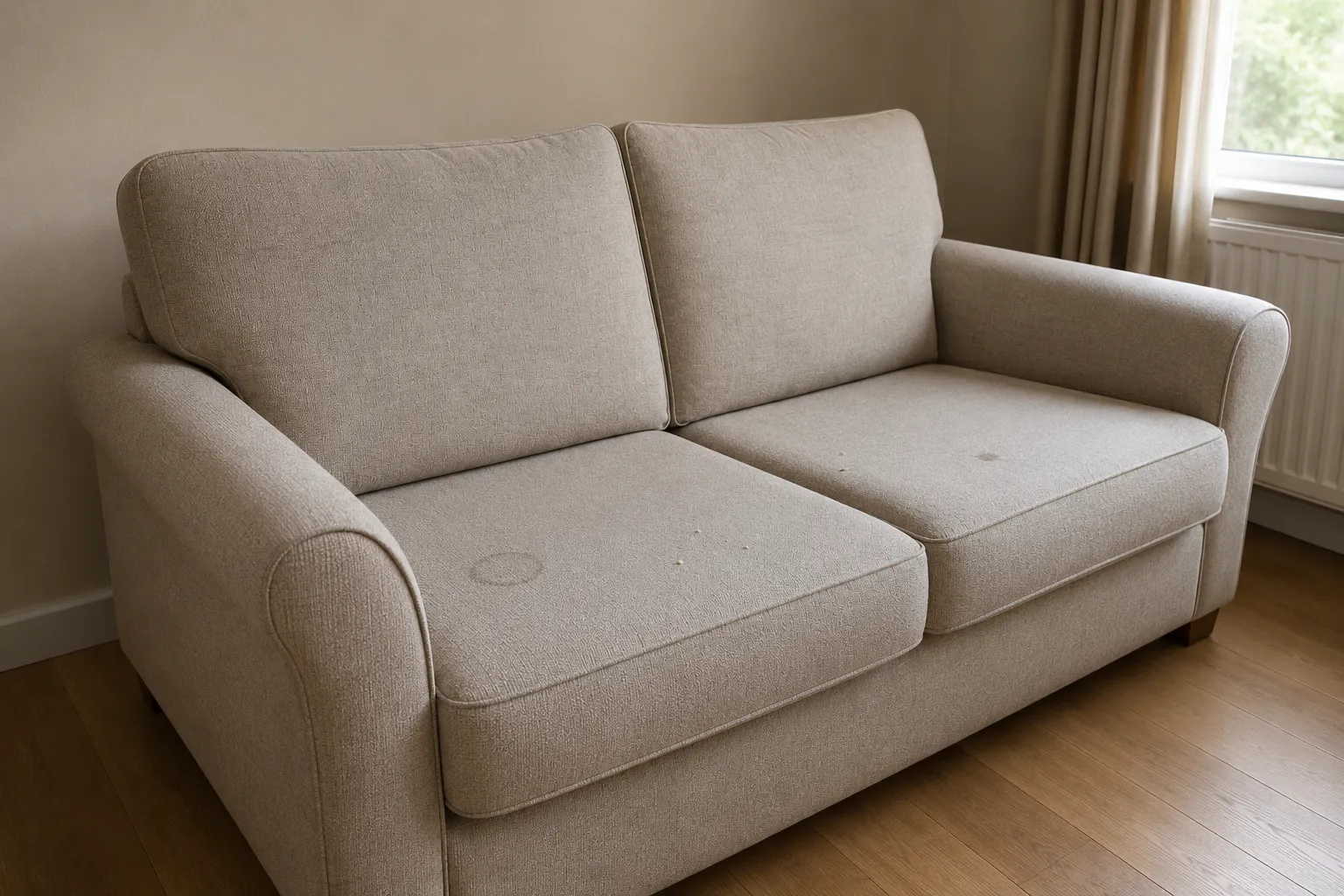
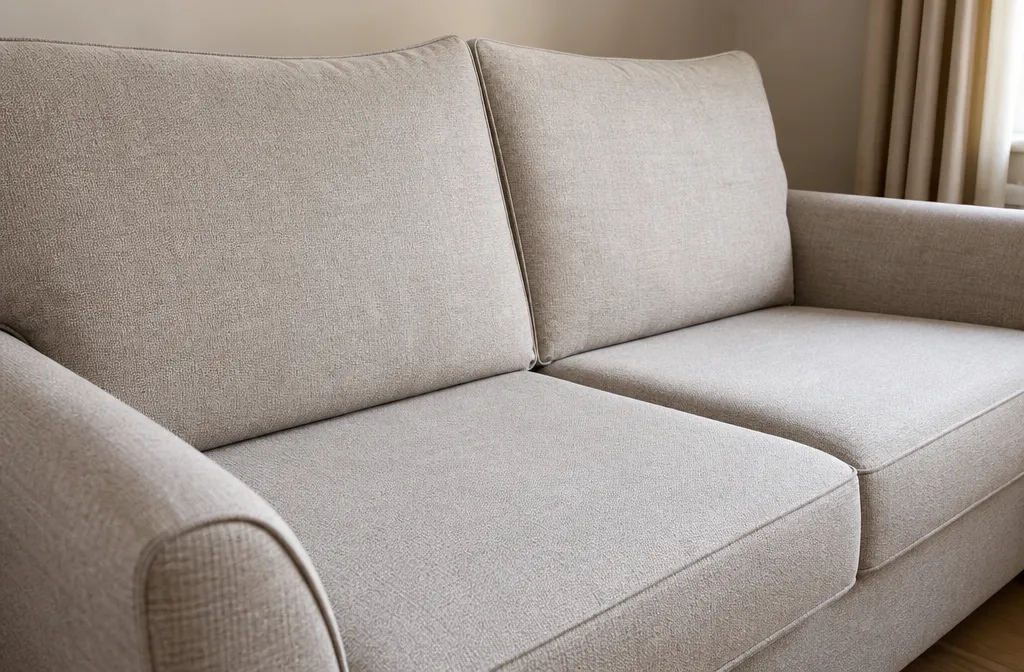 After
After
Request: The sofa has greasy stains and dust, needs a fresh look.
Done: We performed deep dry cleaning of the upholstery with stain removal and deodorization.
Cost: 11 000 ₸
Master: Aigul Sagintayeva, dry cleaning master
Total: The sofa is clean, without stains or odors, the fabric is refreshed.
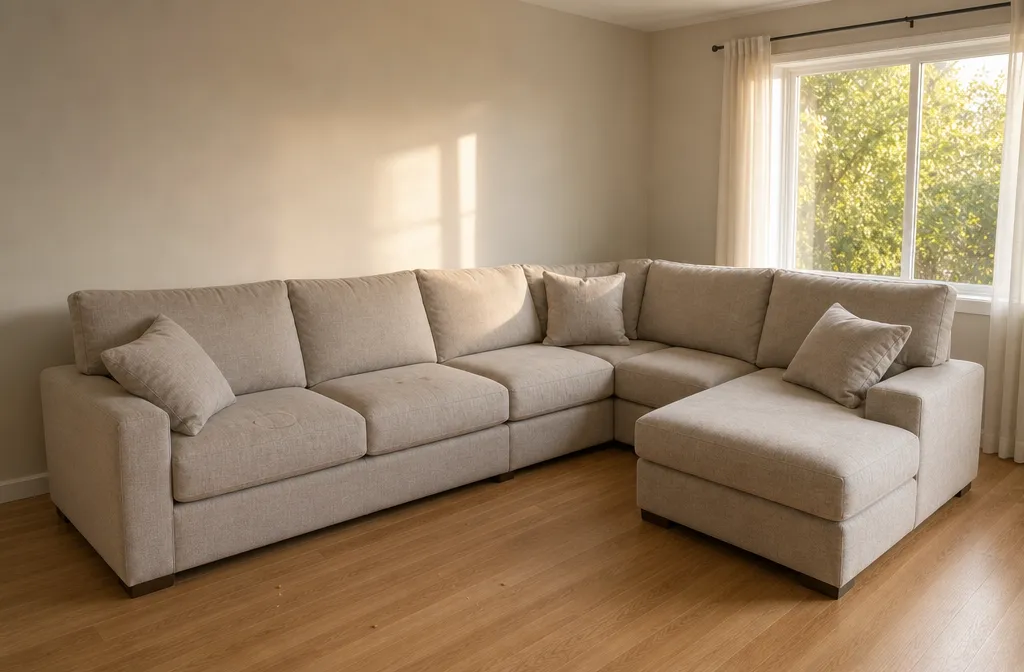
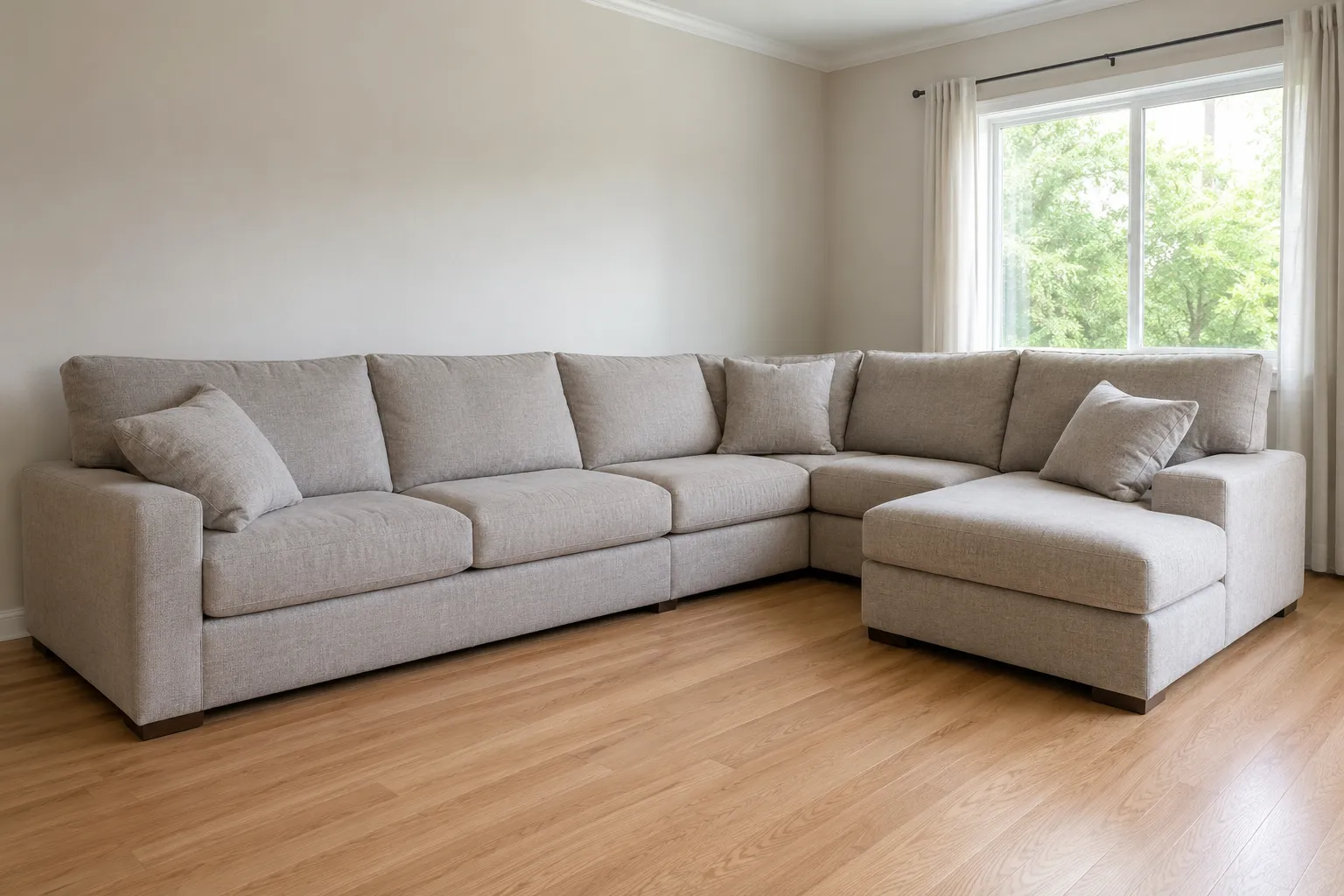 After
After
Request: Corner sofa lost color, stains from food and drinks appeared.
Done: We performed extraction cleaning with shampoo and stain remover.
Cost: 18 000 ₸
Master: Nurlan Akhmetov, dry cleaning master
Total: The sofa is completely cleaned, color is rich, no stains.
 After
After
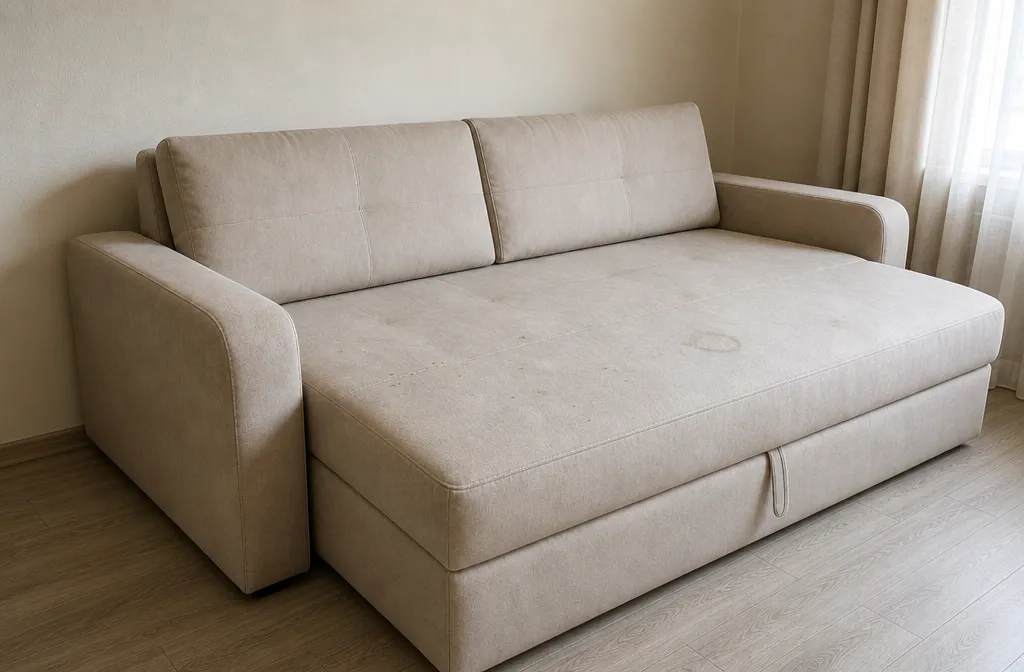
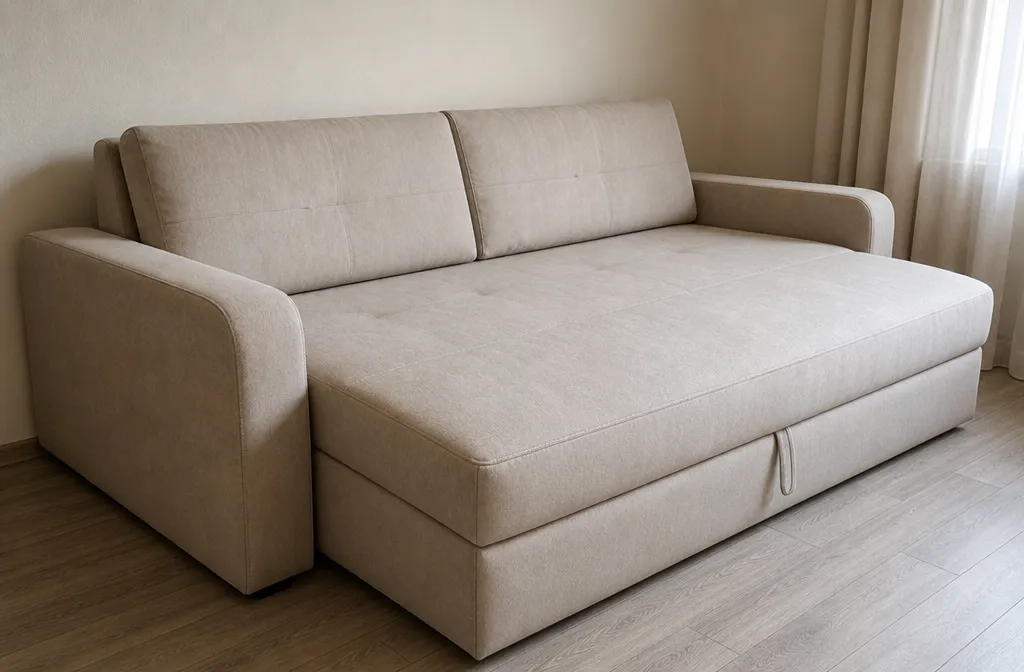
Request: Sofa bed is used often, upholstery is greasy and yellowed.
Done: We performed dry cleaning with eco-friendly spray and mechanical treatment.
Cost: 11 000 ₸
Master: Daniyar Kaliyev, dry cleaning master
Total: Upholstery is clean, no streaks, sofa ready for use.
 After
After
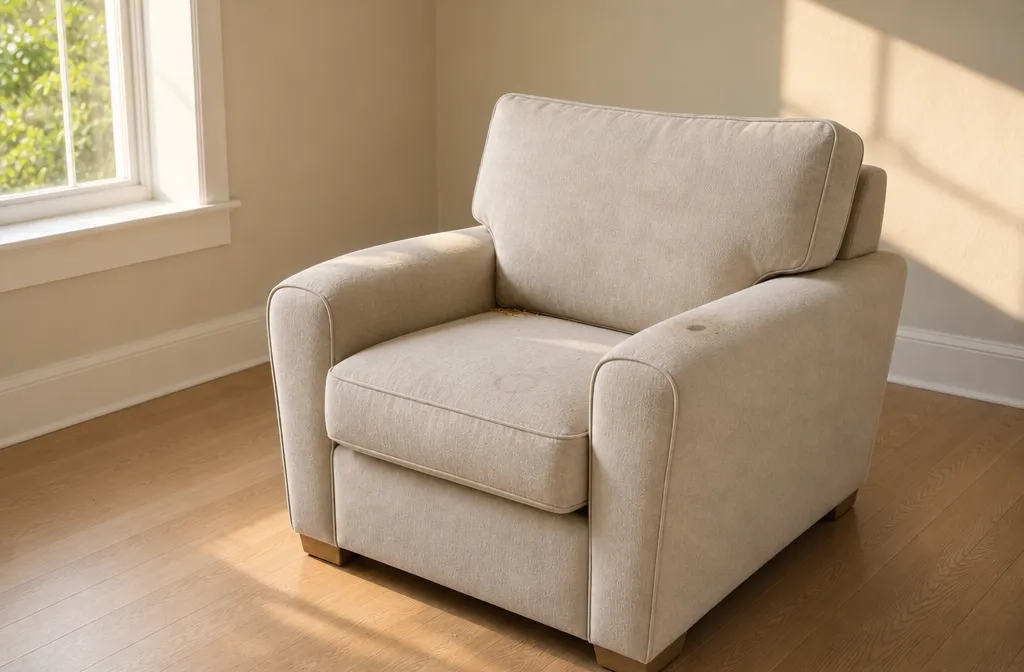
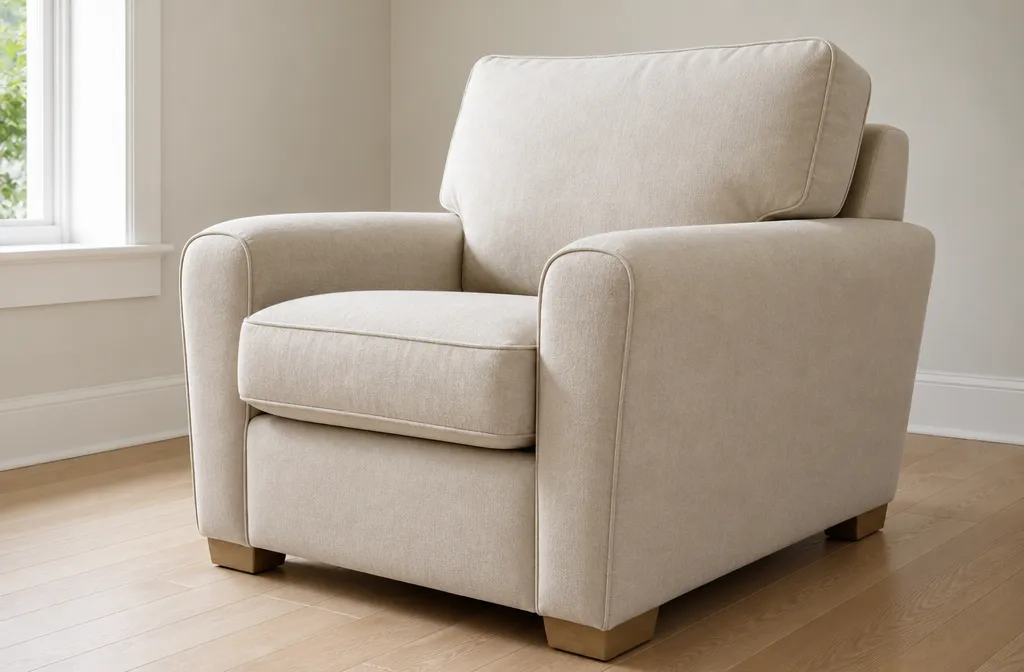
Request: The armchair in the living room is dirty, with coffee stains.
Done: Removed coffee stains and dust, treated with steam and vacuumed.
Cost: 3 500 ₸
Master: Ainagul Muratova, dry cleaning master
Total: The armchair looks like new, without stains or odors.
 After
After
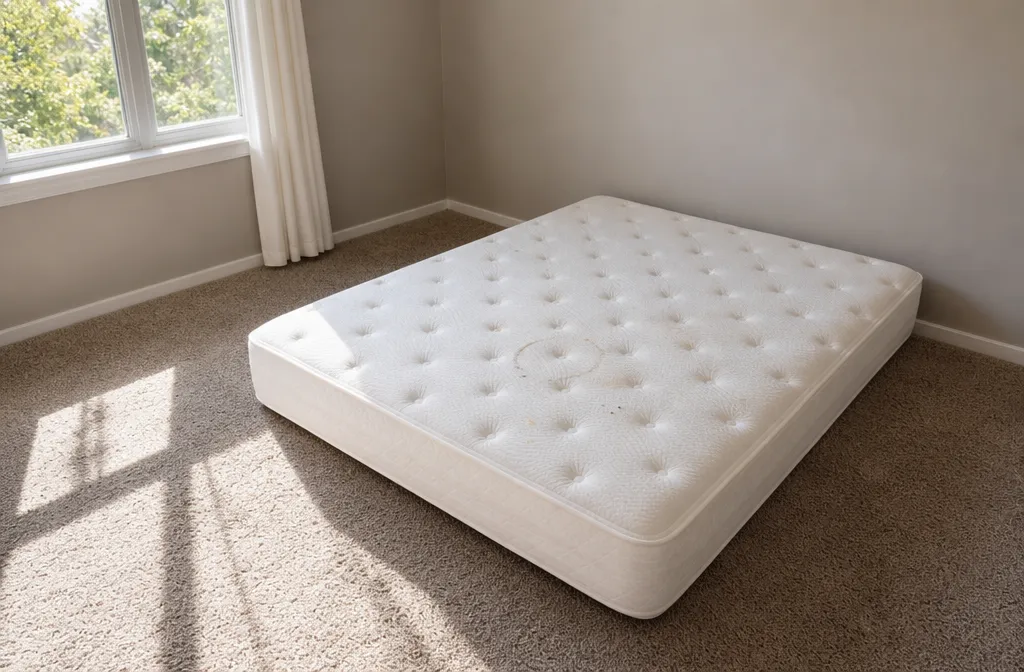
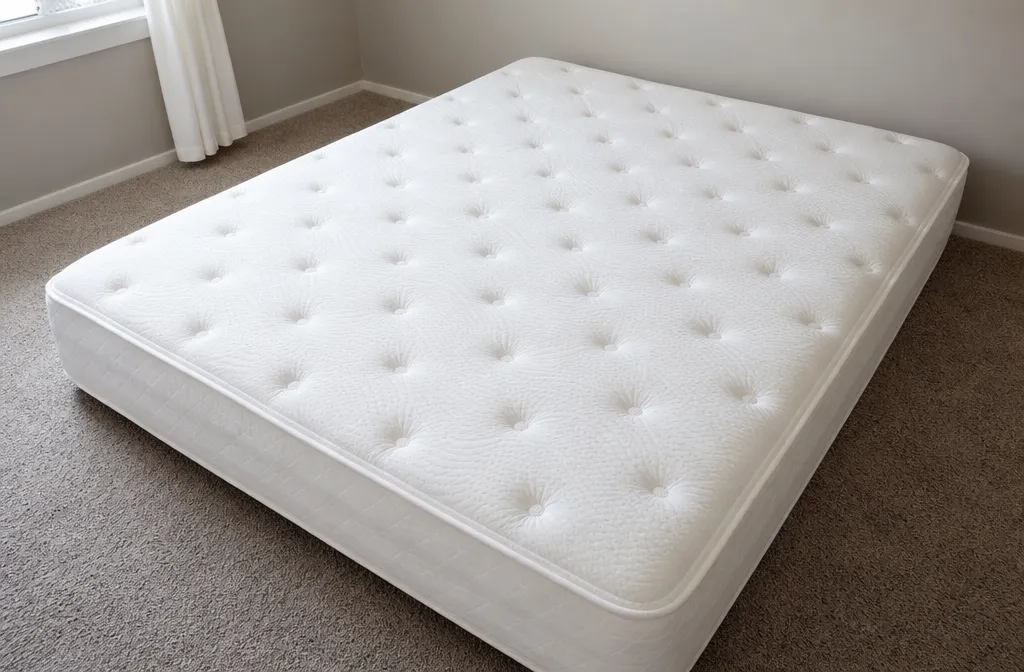
Request: The mattress has yellow stains and an unpleasant odor.
Done: We performed deep cleaning with enzyme cleaner and drying.
Cost: 7 000 ₸
Master: Bakhytzhan Aliyev, dry cleaning master
Total: Mattress is clean, fresh, without stains or odor.
 After
After
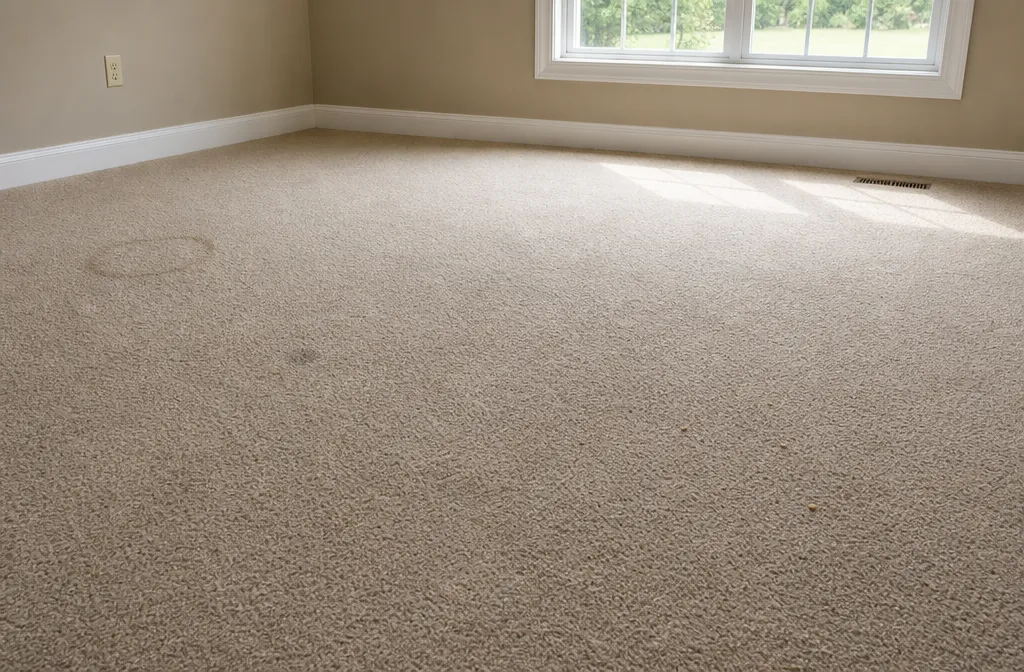
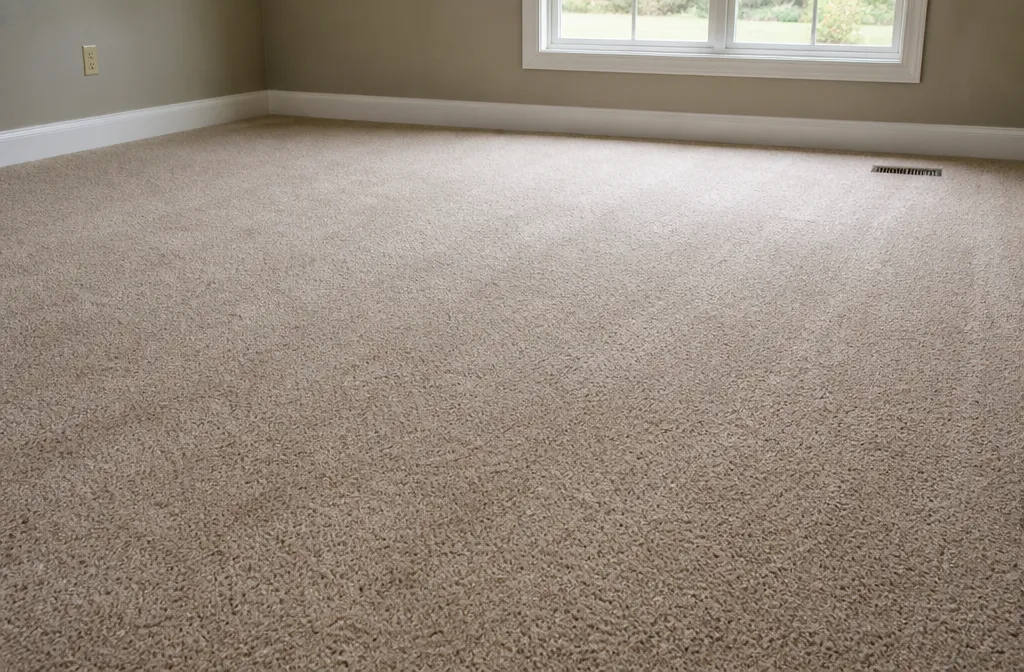
Request: The living room carpet has lost its color, with wine stains and dirt.
Done: Performed extraction cleaning with shampoo and stain remover.
Cost: 13 000 ₸
Master: Gulmira Serikbayeva, dry cleaning master
Total: Carpet is clean, colors are bright, pile is fluffy.
 After
After
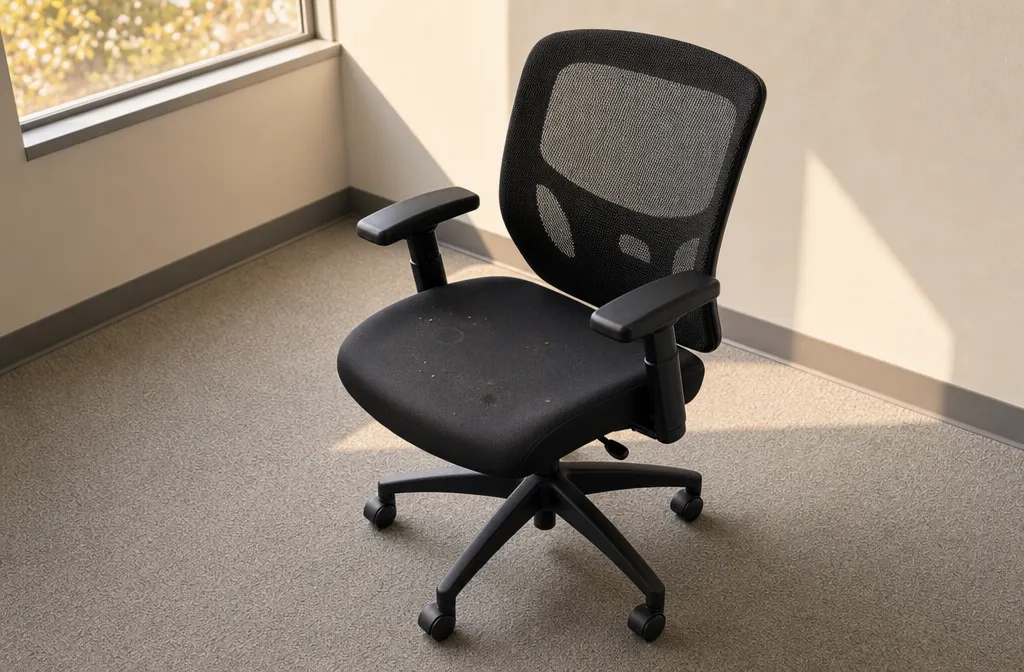
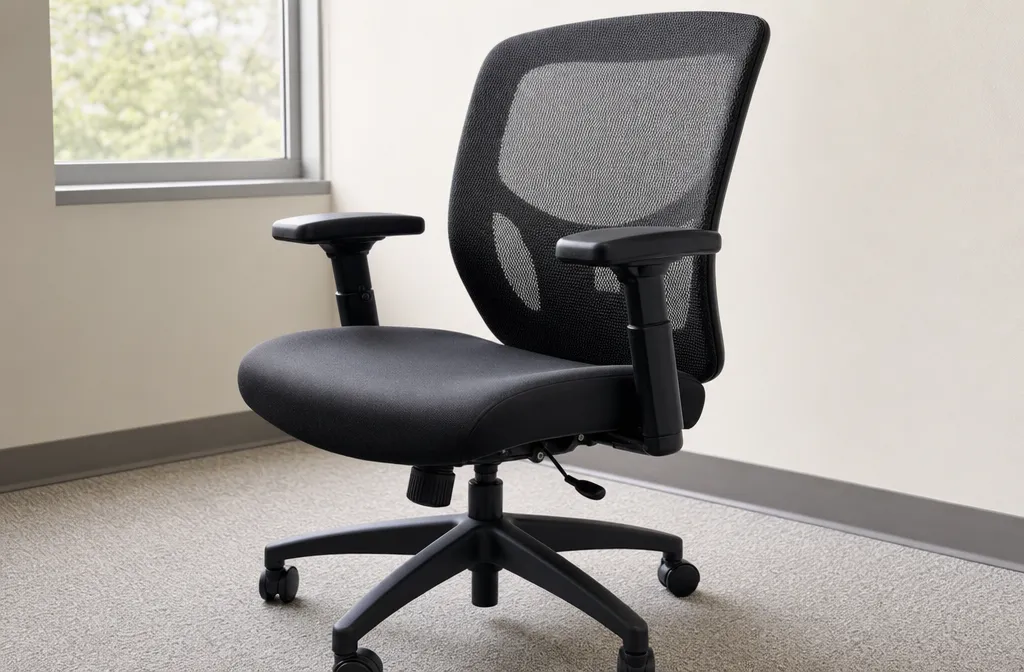
Request: The office chair is greasy, with tea stains on the seat.
Done: Cleaned upholstery and plastic elements, removed stains.
Cost: 3 500 ₸
Master: Yerlan Kassymov, dry cleaning master
Total: Chair is clean, no stains, upholstery refreshed.
 After
After
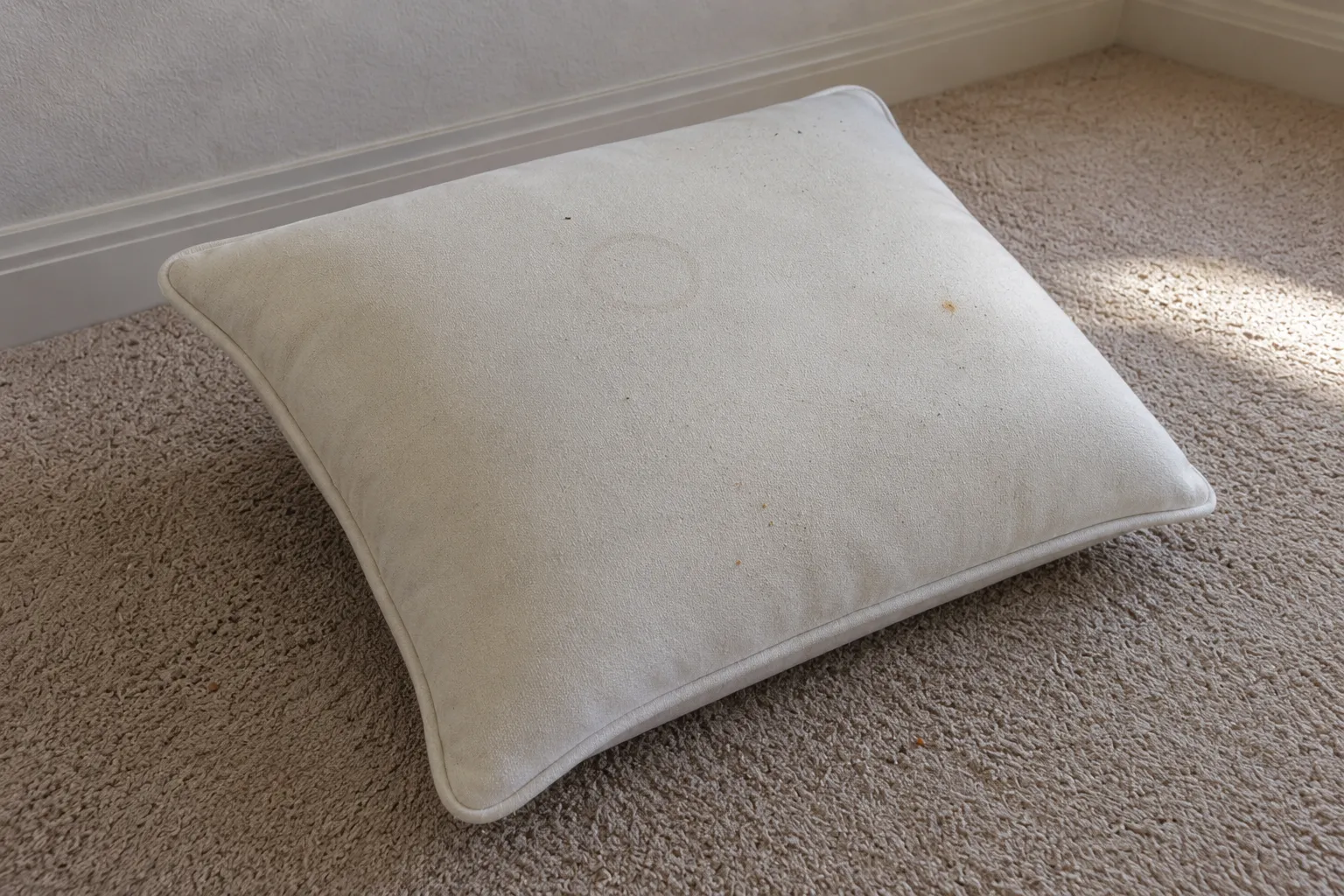
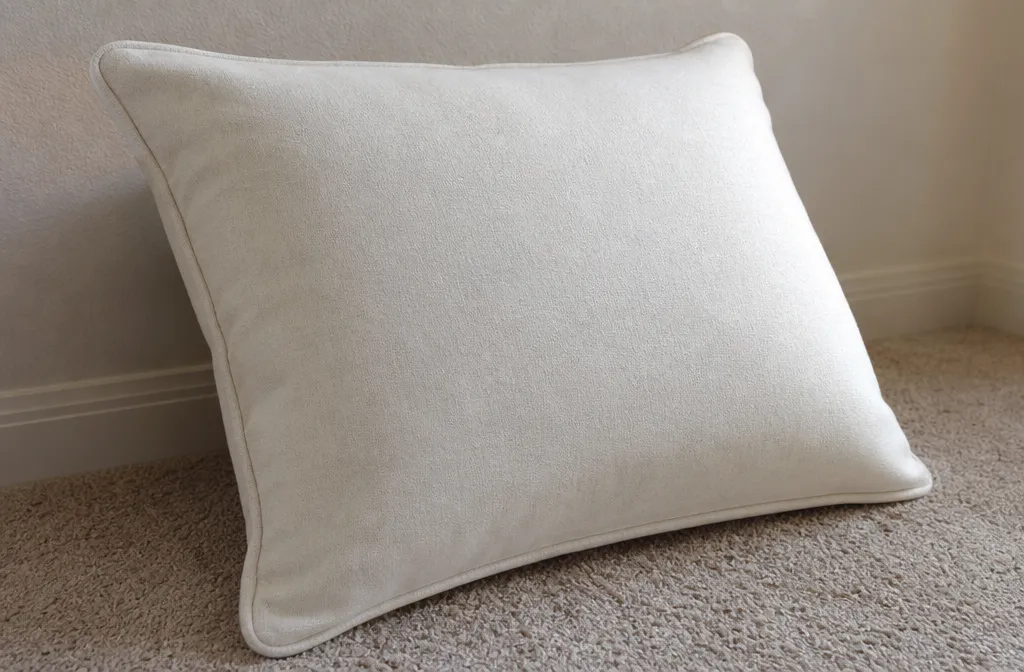
Request: Decorative cushions on the sofa have yellowed and smell.
Done: Cleaned fabric and filling, removed odors.
Cost: 11 000 ₸
Master: Aliya Zhumatayeva, dry cleaning master
Total: Cushions are clean, fresh, no stains or odor.
 After
After
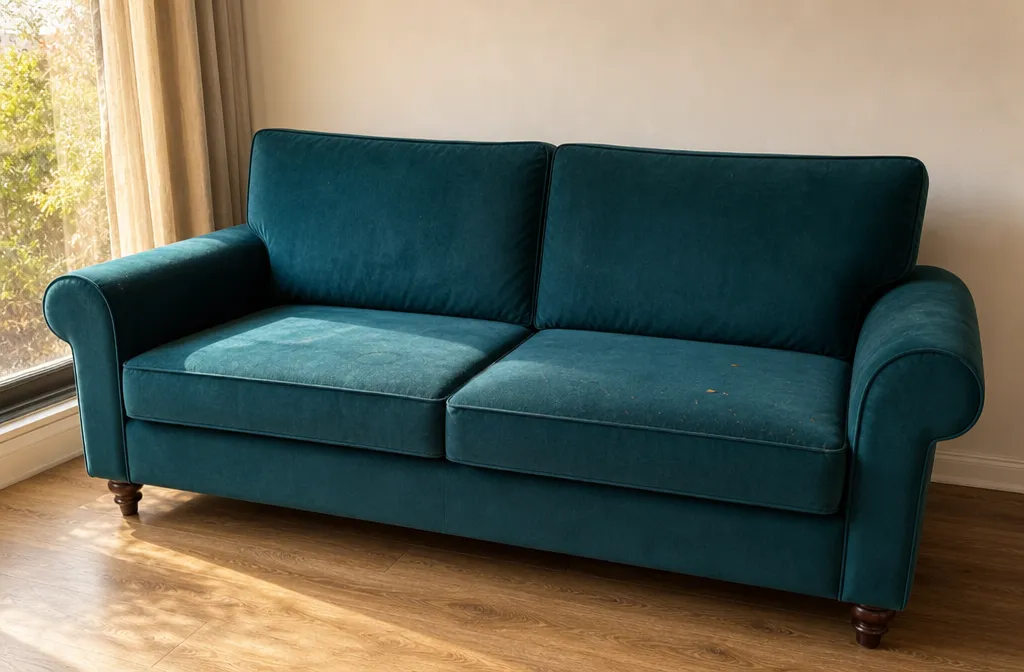
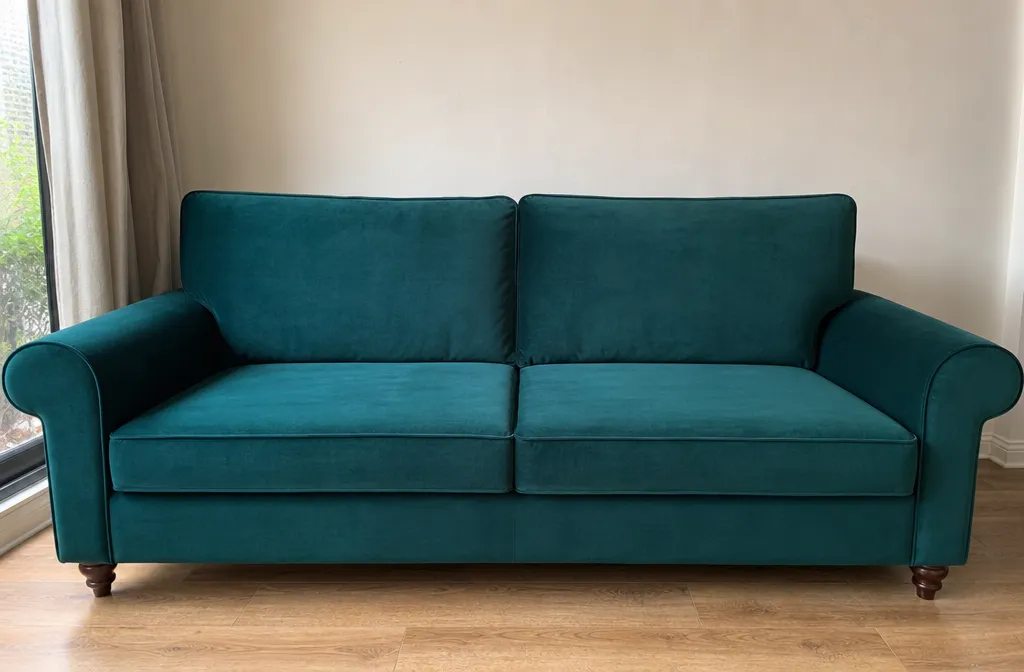
Request: Velvet sofa lost its sheen, developed greasy areas.
Done: Performed delicate cleaning with pile restoration.
Cost: 11 000 ₸
Master: Aizhan Nurpeisova, dry cleaning master
Total: Sofa is velvety, no stains, color became rich.
 After
After
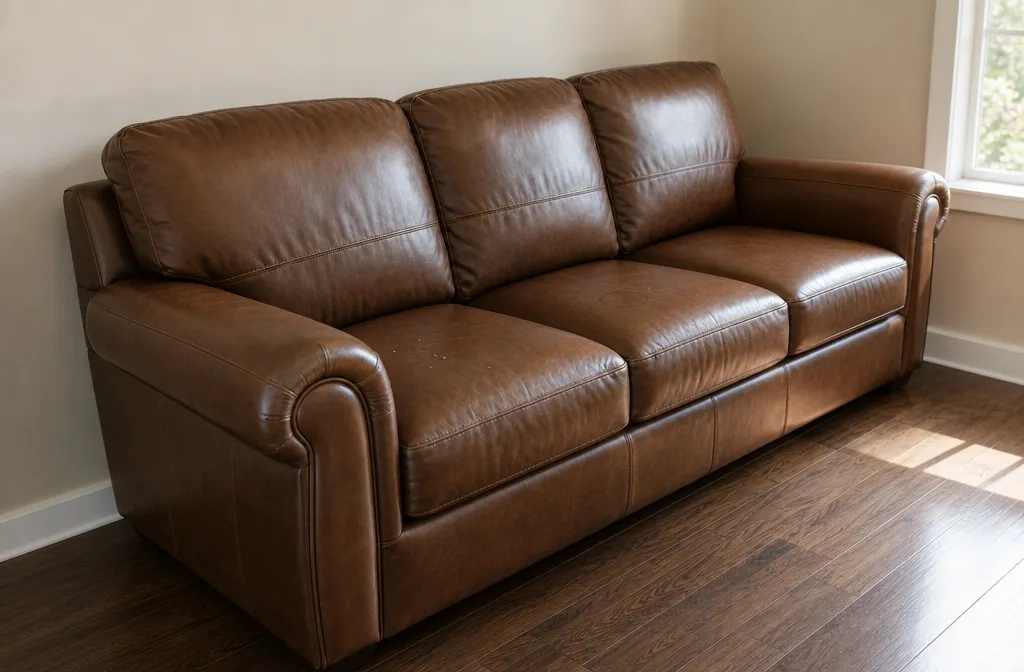
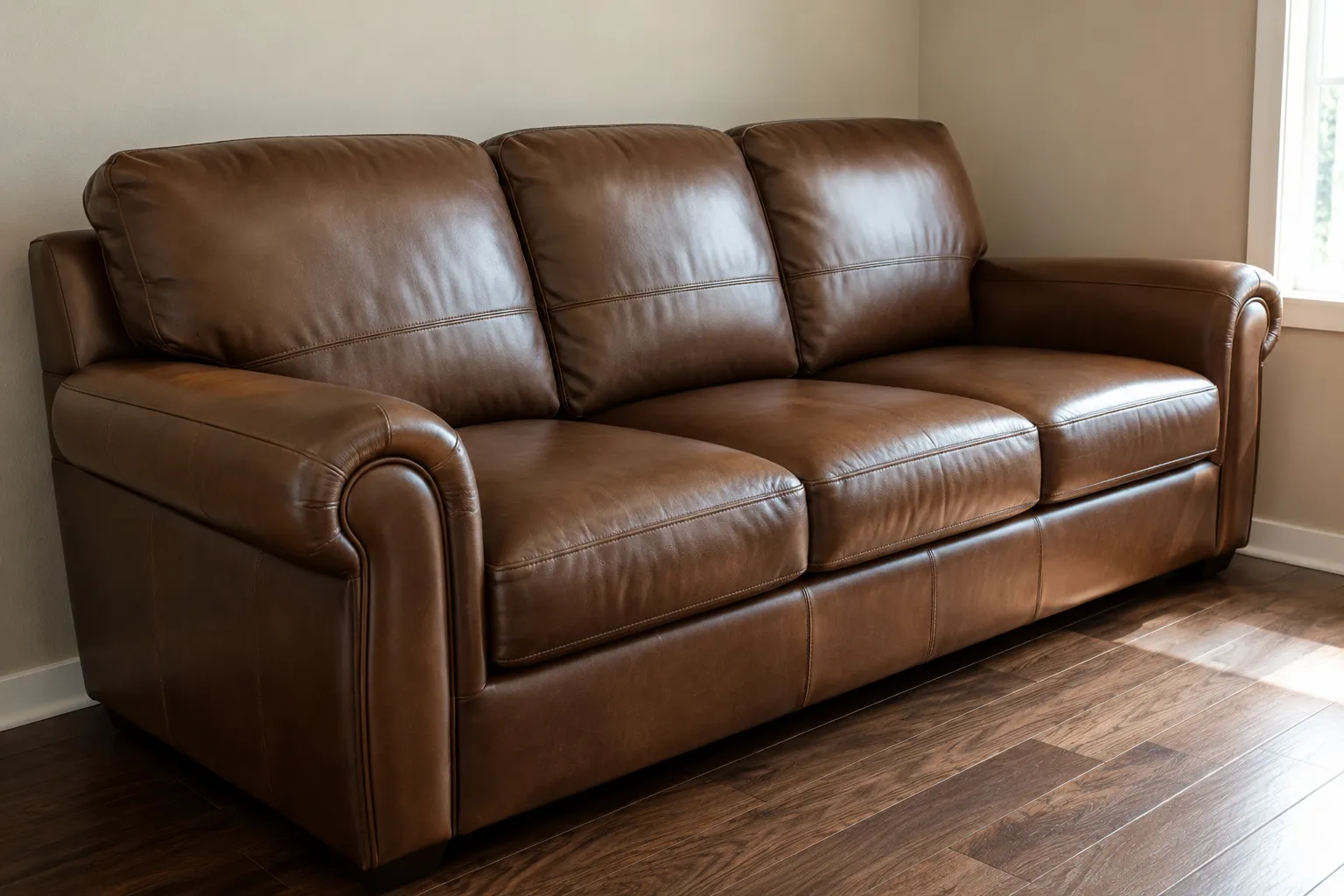
Request: Leather sofa cracked and lost its shine, has stains.
Done: Cleaned leather, applied conditioner and protective coating.
Cost: 11 000 ₸
Master: Talgat Utepov, dry cleaning master
Total: Sofa shines, leather is elastic, no stains.
All cleaners are profi-clean staff with training, uniform and security check. Each order has a team leader who controls quality.
Many people think a powerful vacuum cleaner solves the problem of clean upholstery, but in reality, this is an illusion — sofa dry cleaning goes much deeper, changing not only the appearance but also the hygienic properties of the furniture.
A vacuum cleaner, even with a turbo brush and HEPA filter, only removes the surface layer — up to 2-3 mm of the pile. The remaining dirt, ingrained over months or years, stays beneath the fiber layer. In our practice, a standard vacuum cleaner leaves up to 85% of grease stains, pollen allergens, and dust mites that are embedded at a depth of 5-10 mm. The dust mite, for example, doesn’t live on the surface — it hides inside the cushions where humidity and temperature are stable. A vacuum cleaner only agitates the top layer, sending allergens into the air for 2-3 hours. Dry cleaning, however, washes them away permanently — extracting the water along with the dirt.
Regular cleaning doesn’t remove greasy handprints, spilled coffee, saliva, and sweat — they become fixed in the fabric through polymerization. A vacuum cleaner simply passes over the hardened film without changing its composition. Professional dry cleaning uses alkaline and enzyme-based solutions that break down fats into water-soluble fractions — which are then extracted by the extractor. If your sofa has stains from sugary drinks or greasy food, they cannot be removed without chemicals. The summer heat in Almaty accelerates stain setting — within 3-4 days, a fresh stain becomes impossible to remove with household products. This is why, in our service calls to the “Nurly Tau” residential complex, most requests are precisely for old, set-in stains.
Fabrics behave differently: velvet and chenille lose their pile over time from vacuum cleaner friction, while microfiber, conversely, mats down due to static. Dry cleaning restores the structure through impregnation and subsequent drying with pile-raising. On the velvet of Almaty IKEA sofas and Turkish models from “Mechta,” we see a classic picture: after a year of vacuuming, the pile is flattened, and bald spots appear on the armrests. After professional dry cleaning with a pile-raising comb, the fabric is restored by 70-80%. For natural leather and eco-leather, a vacuum cleaner is useless against grease deposits — they can only be removed with special degreasing compounds; otherwise, the leather hardens and cracks.
A vacuum cleaner does not kill bacteria and fungi — it only collects some of the dried particles. Mold spores, especially relevant for sofas in apartments on the first floors of Almaty (areas like “Samal,” “Microdistrict 5”), remain in the filling. Dry cleaning using antibacterial agents (Kiehl with silver clathrate) destroys up to 99.9% of pathogens. Wet extraction also removes dust mite waste products — the main trigger for allergies in children. Our experience shows: after dry cleaning, clients with asthma experience attacks less frequently for 2-3 weeks, until new dust accumulates. A vacuum cleaner does not provide this effect — it only temporarily reduces the concentration of allergens in the air.
The frequency of professional sofa dry cleaning depends not on the calendar, but on three factors: intensity of use, type of upholstery, and room conditions. Here at profi-clean, we’ve derived an empirical formula based on 8 years of work in Almaty — I’ll explain how it works and where owners usually make mistakes.
For upholstered furniture in a common living room where the family spends evenings and entertains guests, the recommended interval between professional cleanings is once every 6–8 months. This is enough to remove dust mites, sebum, pollen, and road grime that settle on cushions and backrests even with weekly vacuuming. In our orders, we noticed: owners who skipped the semi-annual cleaning often came back at the 12-month mark with set-in stains from spilled coffee or greasy marks on headrests. Intermediate care — treatment with a steam cleaner every 2–3 months — prolongs freshness but does not replace the deep extraction of dirt from the filling. In practice, this means: if you clean your sofa once a year, by the third year the upholstery loses 30–40% of its color due to the abrasive action of dust between the fibers.
Sofas in children’s rooms or in areas where children and pets play require dry cleaning every 3–4 months. The reason is not only obvious stains from juices, plasticine, or fur — on Almaty dust, which contains particles of sand and exhaust fumes, children’s upholstery accumulates 2–3 times more allergens per square centimeter than in a bedroom. We have treated sofas where, 4 months after the previous cleaning, mold spores were found in a dust sample — they are brought in on clothes after walks in parks. For such surfaces, we use hypoallergenic chemicals from Kiehl and Sodasan labeled “for children’s institutions” — they do not leave a sticky layer that attracts new dirt. If a cat or dog lives in the house, an unscheduled cleaning is added to the schedule after the shedding period (spring and autumn) — fur gets clogged in the filling and starts to rot, creating a smell that cannot be aired out.
A sofa in the bedroom, used only for sitting once a week or as a spare bed, can be cleaned once every 10–12 months. But there is a catch: low usage intensity does not mean no contamination. Dust in Almaty apartments settles evenly — over a year, up to 2–3 mm of fine particulate matter accumulates on horizontal cushion surfaces, which a vacuum cleaner with a standard filter cannot trap. Our cleaners have noticed: on sofa-beds in bedrooms that hadn’t been cleaned for 18 months, when removing covers, dust resembling gray sand poured out from under the cushions. If the sofa is by a window on the sunny side (southern districts of Almaty — Bostandyk, Medeu), UV rays destroy dyes and the polymer impregnation of the fabric — here, cleaning is needed every 8 months to prevent fading that cannot be restored.
The climate of Almaty adds two peak periods when sofa dry cleaning should be planned outside the standard schedule. Spring (March–April) is the season of snowmelt and street dirt: owners bring reagents and street suspension onto the upholstery, which embeds into the fabric within 2–3 days. Autumn (September–October) is the period of poplar fluff and ragweed flowering: pollen gets clogged in the micro-pores of the upholstery and triggers allergies even in those who never complained before. At profi-clean, we recommend preventive cleaning at the end of March and the end of September — regardless of whether six months have passed since the previous one. This synchronizes the schedule with natural cycles and reduces the strain on the household’s respiratory system. In winter, with working radiators, the air is drier — dust rises more easily, and the sofa accumulates static electricity, attracting lint. Owners of apartments with central heating in Almaty (old housing stock — Auezov, Almaly districts) often complain about a “gray coating” on the upholstery a month after cleaning — this is not dirt, but settled suspension from the radiators, and a steam generator is powerless here; extraction is needed.
Even if you stick to the recommended intervals, there are objective markers that your sofa needs an unscheduled dry cleaning. First is the smell. If, when pressing on a cushion, you feel mustiness or a sweetish “old fabric aroma” — a bacterial process has already started inside the filling. Second is stickiness. Run your palm over the upholstery: if the skin sticks or a gray mark remains on your hand — it’s a mix of sebum and dust that has “hardened” over time. Third are stains that “spread.” On velvet and microfiber, a greasy stain increases in diameter over time because the oil migrates along the fibers. In such cases, don’t wait for the scheduled time — call a master within a week, otherwise the stain will penetrate the foam, and it can only be removed by replacing the filling. In our significant orders in Almaty, we recorded that 80% of requests for “sofa rescue” come precisely after owners tried to remove the stain with home remedies (soda, vinegar, Fairy) — this destroys the fabric’s impregnation and fixes the contamination permanently.
A common mistake is to assume that if a sofa looks clean and doesn’t smell, professional cleaning isn’t necessary. In reality, 60–70% of upholstered furniture contaminants are invisible to the eye: these are dust mites (Dermatophagoides), their excrement, mold spores, and bacteria that multiply at humidity levels above 50%. In Almaty, where the average annual indoor humidity ranges from 45 to 65% (higher during the rainy months of May and November), the biological load on the filling grows faster than in drier regions. A vacuum cleaner with a HEPA filter collects 99.7% of particles from the surface but does not extract contaminants from deep within the foam padding — and that’s precisely where, after 8–10 months, a “dust cushion” forms, making the sofa stiff and reducing its lifespan by 2–3 years. Our cleaners use an extractor with a water ring — it flushes the filling through and draws out the suspension that isn’t visible until you drain the water from the tank. If after regular vacuuming you still sneeze or feel nasal dryness — that’s a signal to move your dry cleaning schedule up by 1–2 months.
Some owners tie dry cleaning to the calendar — “once a year before New Year’s.” This is a poor strategy because the intensity of soiling is uneven. If you hosted guests in the summer, placed the sofa on the balcony (pollen, exhaust fumes), or had renovations in the next room — by December, the sofa is already oversaturated with dirt, and the New Year’s cleaning only fixes the problem without solving it. At profi-clean, we recommend keeping a simple log: note the cleaning date and any “force majeure” events (spills, renovations, moving, getting a pet). When you see that 4–5 months have passed since the last treatment and there have been 2–3 such events — call a technician without waiting for the six-month interval. On one of our jobs in the “Samal” microdistrict, a sofa was cleaned in March, and in June there was a flood from the upstairs neighbors — the moisture lifted all the accumulated dust from the filling, and by August the sofa started to smell musty. An unscheduled cleaning with antibacterial treatment solved the problem in 2 hours, while delaying until December would have led to mold inside the foam — requiring its replacement.
The simplest way to determine your frequency: number of months between cleanings = 12 ÷ (number of active users + 1), where an “active user” is a person who sits on the sofa daily for more than 2 hours. For a family of three (two adults + one child), this is 12 ÷ (3 + 1) = 3 months. For a single person who only uses the sofa in the evening — 12 ÷ (1 + 1) = 6 months. If there is a dog or cat in the house, divide the result by another 1.5: for a family of three with a cat — 3 months ÷ 1.5 = 2 months. This formula accounts for Almaty’s dustiness and typical humidity — in practice, it gives an interval during which the sofa does not accumulate a critical mass of contamination. Never wait until stains or odors appear — by that point, deep cleaning will be significantly more expensive due to additional procedures (deodorization, antibacterial treatment).
Even with regular cleaning, contaminants appear on the upholstery that neither a vacuum cleaner nor household chemicals can handle — their resistance depends on the chemical nature of the stain and the fabric’s structure. In our 8 years of practice, we classify stains into three categories of difficulty: protein-based, oily, and combined, and each requires its own strategy.
Protein coagulates when heated and becomes permanently “welded” to the fabric fibers, so trying to remove such a stain with hot water is the worst thing you can do. In our orders for sofa dry cleaning in Almaty, we see the consequences: after home treatment with boiling water, a blood stain turns yellow-brown and can no longer be removed without damaging the upholstery dye. The professional approach is cold water with an enzyme stain remover (neutral pH 6-7), which breaks down the protein into amino acids without damaging the pile. For animal urine, an ultraviolet lamp is additionally used — it reveals the boundaries of the stain invisible to the eye; if only the visible part is treated, the smell will return within a month due to uric acid crystals in the cushion.
Grease does not dissolve in water — it “seals” the fiber, and regular carpet shampoo only pushes it deeper into the padding. On microfiber and velvet, an oil stain migrates within an hour: if not treated immediately, it spreads 2-3 cm wider than its original outline within a day. Our method involves applying a degreasing pre-spray based on hydrocarbon solvents (e.g., from Kiehl) with a dwell time of 10-15 minutes, followed by hot water extraction at 4-5 bar pressure using a turbo brush. On leather sofas, grease absorbs more slowly, but if left overnight, it reacts with the dye, leaving a dark stain that cannot be removed without repainting.
This requires a two-phase treatment: first, an enzyme compound breaks down the milk protein, then a solvent removes the oil fraction of cocoa butter or vegetable fat. In our orders for sofa dry cleaning, the price for such treatment is calculated individually — because on velvet, a combined stain may require 3-4 cycles of application and extraction, while on smooth fabric (jacquard, satin), a single pass is sufficient. A typical mistake is mixing products: laundry soap + vinegar + soda creates an alkaline environment with a pH of 9-10, which “cooks” the protein and oxidizes the fat, making the stain permanent. The correct sequence: enzyme → organic solvent → water extraction.
Such stains contain anthocyanins and tannins — natural dyes that chemically bond with cotton cellulose or wool protein within 20-30 minutes. On synthetics (polyester, acrylic), they hold less strongly, but on natural fabrics, they embed into the fiber. We use an acidic stain remover (pH 3-4, citric or oxalic acid) — it breaks the pigment bond without affecting the fabric dye. In the Almaty market, sofas made of Turkish velvet with bright shades are common — on such fabrics, chlorine or hydrogen peroxide cannot be used: they bleach the dye itself, leaving a white spot instead of a red one. For ink from pens — an alcohol-based compound with glycerin: alcohol dissolves the dye, glycerin prevents it from spreading across the dry fiber.
In Almaty, humidity is high in spring and autumn, especially in apartments on the first floors or in basement premises — mold on the sofa appears as black dots that masquerade as dirt. Mold grows mycelium into the padding (foam rubber, holofiber), and surface cleaning does not help: after 2-3 weeks, the stains return. Our technology involves treatment with a fungicidal compound (based on quaternary ammonium compounds) followed by UV drying for 2-3 hours; the mycelium dies only when the cushion is completely dry to the core. If mold has penetrated the foam rubber deeper than 3-4 cm, we recommend replacing the padding, as it is impossible to completely remove the fungus from the porous structure without disassembling the sofa.
The Almaty climate creates unique conditions for upholstered furniture soiling: dry summers with dust and poplar fluff give way to humid autumns, when street dirt lingers in the upholstery, and sharp winter temperature fluctuations cause condensation on windows and mold on sofas near windowsills. Understanding these factors is the first step to proper care, which we at profi-clean consider with every visit.
Almaty is a city in a basin where dust and exhaust fumes settle on surfaces 2–3 times more actively than in flat cities due to the lack of natural ventilation. PM2.5 and PM10 particles, which we see as a gray coating on windowsills, clog into the micropores of velour, microfiber, and flock, creating a sticky film of grease deposits and soot. If such upholstery is simply vacuumed with a household appliance without a HEPA filter, fine dust sinks deeper into the padding and, after six months, produces a characteristic musty smell. In practice, this means that a sofa in an apartment on Abay Avenue or Satpayev Street requires professional extraction cleaning every 4–5 months, not once a year like in the suburbs. In our practice, there was a case: a client complained about their child’s allergy — after washing the upholstery with a machine using a water filter and extractor, so much black suspension went into the water that we changed three tanks.
From the end of May to mid-July in Almaty, poplar fluff flies so densely that it settles on sofas even with closed windows — through ventilation and frame gaps. The fluff itself is not aggressive, but it acts like a magnet for street dust and microspores: dust mites and mold fungi accumulate inside it, especially if the sofa is near a balcony or window. When we go out for orders during this season, standard dry cleaning is ineffective — the fluff sticks to the pile due to static electricity and requires wet treatment with an antistatic agent. A typical mistake owners make is trying to wipe off the fluff with a damp cloth: this spreads the dirt over the upholstery and clogs the pores, after which the sofa dries for 2–3 days and acquires a musty smell. We use pre-treatment with steam at 120 °C, which instantly destroys the sticky layer of pollen, followed by extraction with a hypoallergenic Kiehl concentrate that neutralizes allergen proteins. The optimal time for dry cleaning is immediately after the end of the poplar flowering, at the end of July, when the fluff is no longer flying, but its remnants have not yet embedded into the fabric.
In Almaty apartments and offices, the most common stains on sofas are from coffee, tea, and sweet sodas, and this is no coincidence: the culture of tea drinking and coffee breaks is denser here than the average in Kazakhstan, especially in business centers on Al-Farabi Avenue and in the residential complexes “Nurly Tau” and “Akbulak”. Caffeine and tannins from tea penetrate the upholstery fibers within 10–15 minutes, forming a yellow-brown stain with clear boundaries. If you immediately splash water on it, the tannins “brew” and become even more fixed — this is why we see old stains that clients have unsuccessfully tried to wipe off at home. At profi-clean, we treat such contaminants with an enzyme composition with a pH of 4.5–5.5, which breaks down organic pigments without heating the fabric, and then remove the residue with cold extraction. Sweet sodas leave a sticky sugar layer that attracts dust and, after a month, turns into a gray coating — it is only visible under ultraviolet light but can be felt to the touch. Advice: if you spill a drink, immediately blot the stain with a dry napkin without rubbing and call a master within 2–3 hours — before the sugar crystallizes in the fibers.
Humidity in Almaty in winter and spring reaches 70–80% due to frequent thaws and snowmelt, and in old housing stock (areas “Staraya Ploshchad”, “Tastak”, basement apartments on Zheltoksan Street), condensation on windows and walls is the norm. If a sofa is placed flush against a cold wall or near a window, mold forms on the back and armrests: first a white coating, then black spots. The danger is that the mycelium grows into the foam rubber by 3–5 cm within a month, and simple surface cleaning does not remove the smell — it returns after 2–3 weeks. We have encountered this in first-floor apartments in the “Almaty-2” microdistrict: dry cleaning with an antifungal Sodasan concentrate and drying with an industrial fan for 4–6 hours gives a lasting result, but only if the sofa is moved 15–20 cm away from the wall for ventilation after treatment. Without this, the mold returns within the season. Our algorithm: first — a test for hidden mold with ultraviolet light, then — steam treatment at 140 °C, then — application of a fungicide followed by drying. After cleaning, we recommend installing a supply air valve or at least ventilating the room daily for 10 minutes in the morning and evening.
In Almaty studio apartments and kitchen-living rooms, where the sofa is 2–3 meters from the stove, the upholstery absorbs not only odors but also microscopic fat particles that settle on the fabric and oxidize over time, causing a yellow tint and a rancid smell. Tobacco smoke adds nicotine resin – it doesn’t dissipate but polymerizes on the fibers, and after a year, the sofa smells like an ashtray even after airing out. In such cases, we apply ozonation after the main dry cleaning: an ozone generator for 30–40 minutes in an empty room breaks down odor molecules at the atomic level, leaving only clean, neutral air. However, there is a nuance: ozone can bleach some dyes, so before treatment, we test colorfastness on an inconspicuous area. For greasy kitchen stains, pre-emulsification is effective – applying a degreasing agent for 5–7 minutes before extraction; otherwise, the grease remains deep in the foam padding and releases odor when the sofa is heated by sunlight or radiators. In our practice, we had a job at the “Grand Alatau” residential complex: a sofa had absorbed cooking odors for 3 years, and after the first cleaning, the smell returned in 10 days – we had to do a repeat treatment with ozonation and partial replacement of the cushion filling.
In our practice, the most unpleasant thing is seeing a sofa with a faded stain after the owner tried to remove grease with a “home remedy.” Let’s break down which chemicals are safe for different fabric types and what will definitely ruin the upholstery.
Chlorine-based products and abrasive powders are the main enemies of upholstered furniture. Chlorine destroys dyes, leaving whitish streaks on microfiber and velvet after just 15 minutes of contact. Abrasive particles scratch the pile of chenille and flock, making the surface “bald” – it cannot be restored. Alkaline stain removers (like bleach) eat away the fabric’s impregnation and tighten the threads, especially on sofas with an “anti-claw” effect. Our recommendation: if the label doesn’t say “for upholstery” or “for delicate fabrics,” don’t risk it – we had a case where a single treatment with laundry soap turned a velvet sofa into a stiff rag.
At profi-clean, we use two classes of products: water-based (Kiehl) for routine cleaning and solvent-based (Sodasan) for stubborn stains. Water-based formulas are neutral surfactants with a pH of 6-7 that lift dirt to the surface without damaging the fiber; they are safe for velvet, microfiber, flock, and wool fabrics. Solvents, on the other hand, work on the principle of “like dissolves like” – they draw out greasy stains from oil, cream, or sauce, but on thin synthetic fabrics (polyester with acrylic), they can tighten the pile if left on too long. The difference is critical
I ordered sofa dry cleaning — they removed an old red wine stain, the sofa looks like new.
Glad we handled the tough stain! Thank you for your feedback.
The leather sofa became matte after cleaning, no shine. Stains are gone, but one area is slightly darker. Okay, but not perfect.
profi-clean sofa dry cleaning — the corner sofa after two cats and kids was cleaned to like-new condition. No smell, dried quickly.
Thank you! We work with any dirt.
Mold on the sofa after the basement — completely removed, treated with antifungal. The musty smell is gone.
The sofa cleaning is done, but after drying there are streaks on the upholstery. I had to wipe it myself. Overall clean, but a residue.
Sorry about the streaks. They usually don't happen. We'll redo it for free if you call.
The white sofa was cleaned of marker and chocolate stains. The kid tried hard, but profi-clean handled it. I recommend.
Ordered sofa cleaning — they removed Labrador hair and odor. I couldn't have done it with a vacuum myself. They arrived on time.
Thank you for your trust! Pets are welcome too.
It smelled of tobacco from previous owners. After cleaning, the smell went away 90%, but a little remained. After a week it aired out completely. Good.
profi-clean sofa cleaning — cleaned the leather sofa from grease stains, applied impregnation. Now it's not afraid of moisture.
Impregnation extends the life of leather. Glad to help!
Spilled coffee on a new sofa — called profi-clean, removed the stain without a trace. Prompt and neat.
Sofa cleaning was needed after a pen burst. They removed the ink completely, the upholstery was not damaged. Well done.
Thank you! Ink is our specialty.
The sofa smelled of cat urine. Cleaning removed the odor, but after a month it came back a little. Treated again — now it's fine. Good thing there's a guarantee.
Yes, sometimes a repeat treatment is needed. Glad it all worked out.
I ordered sofa cleaning — they removed an oil stain from a burger. The sofa was cleaned and vacuumed. Pleasant to sit on.
After renovation, the sofa was covered in dust and dirt. profi-clean restored it to its original color. Fast and high-quality.
My child has a dust allergy — we had the sofas dry cleaned with anti-allergenic treatment. He stopped sneezing. Very satisfied.
Anti-allergenic treatment is our pride. Stay healthy!
Old tea stains became lighter but didn't disappear completely. The rest is clean. Overall not bad, but I expected more.
The light-colored sofa after profi-clean's dry cleaning looks like it's from a showroom. Berry stains are gone. Thank you!
Blood stains on the sofa — removed without a trace. I thought I'd have to throw it away. profi-clean saved it.
Blood is removed with special compounds. Glad to help.
Dry cleaning was needed after a birthday party — chocolate, juice, ice cream. Everything was cleaned, the sofa smells great.
The mold seemed to be removed, but it reappeared after a week. Had to call others. Apparently, the treatment was superficial.
We apologize. Mold requires deep treatment. Contact us, we'll do it again for free.
I dropped foundation on the sofa — profi-clean's dry cleaning removed the stain in an hour. Not even a trace left.
The puppy made a puddle on the sofa. profi-clean removed the smell and stains. Now the sofa is fresh. I recommend to all dog owners.
Thank you! We work with any odors.
profi-clean sofa dry cleaning — pulled a lot of dust out of an old sofa. Breathing became easier. The only downside was it took a long time to dry (a day).
Sorry for the long drying time. Next time we'll offer accelerated drying.
Grease stain from pizza removed perfectly. The sofa became matte, no traces. Great job.
Ordered sofa dry cleaning — removed tobacco smell and refreshed the upholstery. Now it's pleasant to be in the room.
After cleaning, the leather sofa became elastic, scratches became less noticeable. Painted the edges — excellent.
Thank you! Leather care is our specialty.
profi-clean sofa dry cleaning — red wine stains are gone, but a slight pink tint remained on the white. Almost invisible. Good, but not perfect.
Sorry. With a repeat treatment, we'll remove it completely. Contact us.
After renovation, the sofa was covered in cement dust and paint. profi-clean cleaned everything to a shine. Even removed paint from the upholstery.
profi-clean sofa dry cleaning — removed Persian cat fur completely, sofa odor-free. Came at a convenient time.
Thank you! We look forward to seeing you again.
Spilled red wine on a light sofa. profi-clean removed the stain in an hour. No trace. Very satisfied.
Child drew on the sofa with a pen — profi-clean sofa dry cleaning removed all traces. Upholstery didn't fade. Thank you!
Glad to help! Children are everything to us.
The mold was removed, but it appeared again after a month. Apparently, the problem is deeper. The cleaning was high-quality, but it didn't solve the cause.
Sorry. Mold often returns without eliminating the source. We recommend a consultation with our specialist.
I ordered dry cleaning of sofas — food and grease stains are gone. The sofa smells fresh. The master was neat.
Hair dye got on the sofa — profi-clean removed it without any issues. Now the sofa looks like new. Many thanks.
Paint is tricky, but we managed. Glad to help.
profi-clean sofa dry cleaning — they removed the sweat smell well, but a slight chemical smell remained. It dissipated after a day. Overall, great.
Sorry about the smell. We use safe products that dissipate quickly.
After dry cleaning, the sofa dries in 2 to 4 hours depending on the fabric and humidity. We use accelerated drying with fans and a dehumidifier.
Call or leave a request on the website. The master will come at a convenient time and perform the cleaning on-site. Payment by cash, Kaspi, or Halyk.
Yes, we use hypoallergenic products from Kiehl and Sodasan, safe for children and pets. No harmful residues remain after cleaning.
Dry cleaning of a two-seater sofa costs according to an individual tariff. The price includes inspection, dry cleaning, stain removal, extractor cleaning, steam treatment, and drying.
Dry cleaning of a corner sofa costs according to an individual tariff. It includes all stages from inspection to final drying.
Dry cleaning of a sofa bed costs according to an individual tariff. We clean all elements, including the mattress part.
We clean any sofas: two-seater, three-seater, corner, sofa beds, as well as armchairs, mattresses, carpets, chairs, poufs, and benches.
Yes, we clean sofas made of velvet, microfiber, leather, eco-leather, and other fabrics. We use appropriate products for each type.
Yes, we remove urine odor using special enzyme products that break down uric acid. Steam treatment additionally eliminates the smell.
Yes, we guarantee the result. If a stain is not removed, we will refund your money. Our masters are certified and have experience from 3 years.
Tell us about your experience with profi-clean — it helps other clients and us improve.
We currently operate in Almaty. Other cities are coming soon.