Inspection and testing
The technician inspects the sofa, determines the type of silk and soiling. Tests the cleaning agent on a hidden area for compatibility.
Professional silk sofa dry cleaning with fabric safety guarantee

We work with any types and materials
Compact sofa for living room or bedroom, requiring gentle cleaning of each element.
from 11,000 ₸Standard three-seater sofa, cleaning includes treatment of seats and backrest.
from 11,000 ₸Corner design with modules, requiring thorough treatment of joints and corners.
from 18,000 ₸Folding sofa with transformation mechanism, cleaning includes access to all folds.
from 11,000 ₸Individual armchair with silk upholstery, cleaned considering all curves.
from 3,500 ₸Armchair with rocking mechanism, requiring fixation for safe cleaning.
from 3,500 ₸Small upholstered bench, often used in hallway, cleaned quickly and delicately.
from 2,500 ₸Soft pouf, cleaning takes minimal time but requires care.
from 2,500 ₸Vertical headboard surface, cleaned considering possible stains from hair and cosmetics.
from 11,000 ₸Dining or office chair with silk seat, requires spot cleaning.
from 1,500 ₸Soft seat without backrest, often used as footrest, cleaned over entire surface.
from 11,000 ₸Long chaise lounge for relaxation, cleaning includes treatment of extended surface and headrest.
from 11,000 ₸From inspection to result with guarantee
The technician inspects the sofa, determines the type of silk and soiling. Tests the cleaning agent on a hidden area for compatibility.
We remove dust and crumbs with a HEPA vacuum cleaner with a soft brush that won't scratch silk. The filter traps 99.97% of allergens.
We spray pH-neutral Kiehl or Sodasan cleaner, safe for silk. The formula penetrates fibers, dissolving dirt without damage.
Manual stain treatment with enzyme formulas. The technician carefully removes traces of food, drinks, blood, urine without rubbing.
Karcher SE 4001 extractor with low pressure removes dirt and cleaning solution. Silk won't deform, moisture evaporates quickly.
We treat the sofa with steam at up to 60°C. This disinfects, smooths wrinkles, and refreshes color.
Accelerated drying with industrial fans and dehumidifier. The sofa dries completely in 2-4 hours.
Inspect the sofa under good lighting, remove streaks. Optionally apply protective impregnation for silk.
We use a professional HEPA vacuum that traps up to 99.97% of particles as small as 0.3 microns. This ensures removal of pollen, dust mites, and other allergens from silk upholstery. Your sofa becomes safe for asthmatics and allergy sufferers.
Each of our technicians has a certificate for working with silk and delicate fabrics, as well as at least 3 years of experience. They know how to handle natural and artificial silk to avoid shrinkage, color loss, or deformation. Regular training in new technologies is our practice.
We guarantee removal of most stains from silk. If a stain remains after cleaning, we will refund the full cost of the service. This is possible thanks to the use of professional enzyme formulas and many years of experience. Your comfort is our priority.
If the stain is complex or the fabric requires a special approach, our appraiser will come to you for free. He will conduct a test on a hidden area, select the optimal technology, and provide an exact cost. No hidden fees — only transparency.
We use only pH-neutral formulas without chlorine or aggressive solvents. Kiehl and Sodasan products are specially designed for delicate fabrics, preserving fiber structure and color brightness. They are safe for children and pets.
Our Karcher SE 4001 extractor is designed for upholstered furniture: it removes dirt and detergent at low pressure without damaging silk. This prevents stretching and loss of shape. Combined with 8-step cleaning technology, the result exceeds expectations.
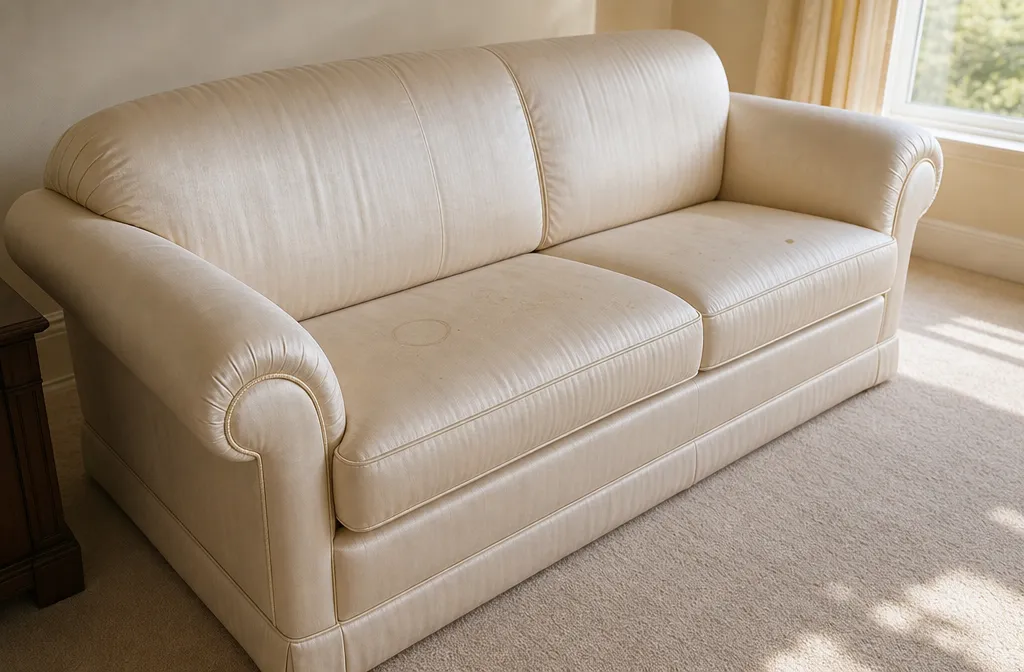
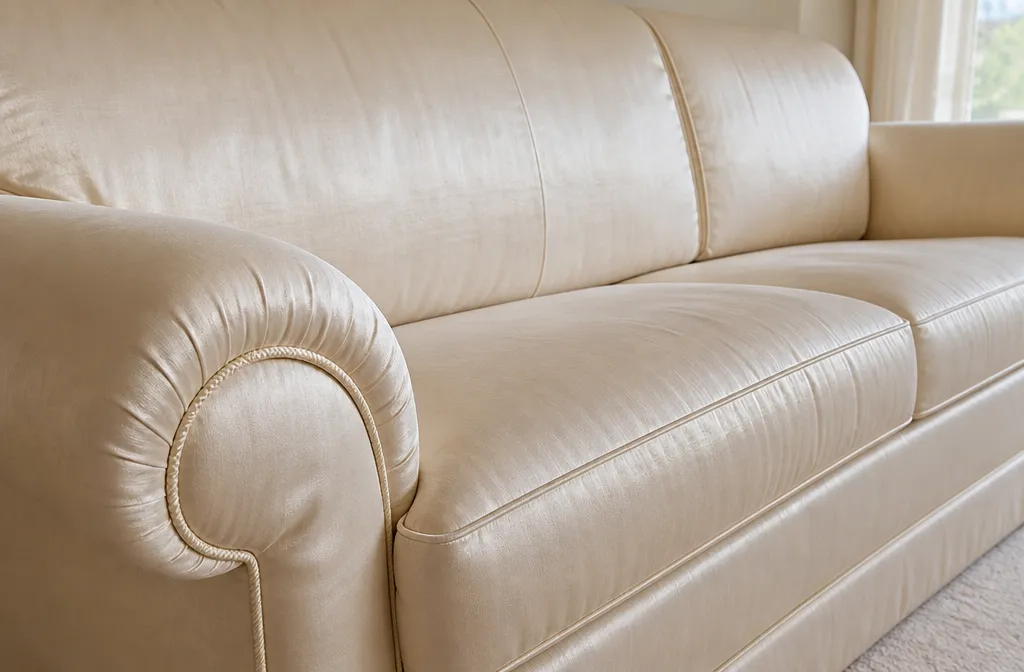 After
After
Request: Need to clean silk upholstery of sofa from old stains and dust.
Done: Delicate dry cleaning performed using specialized products for silk.
Cost: 11 000 ₸
Master: Aigul Sadykova, dry cleaning master
Total: Sofa fully cleaned, colors restored, fabric soft and fresh.
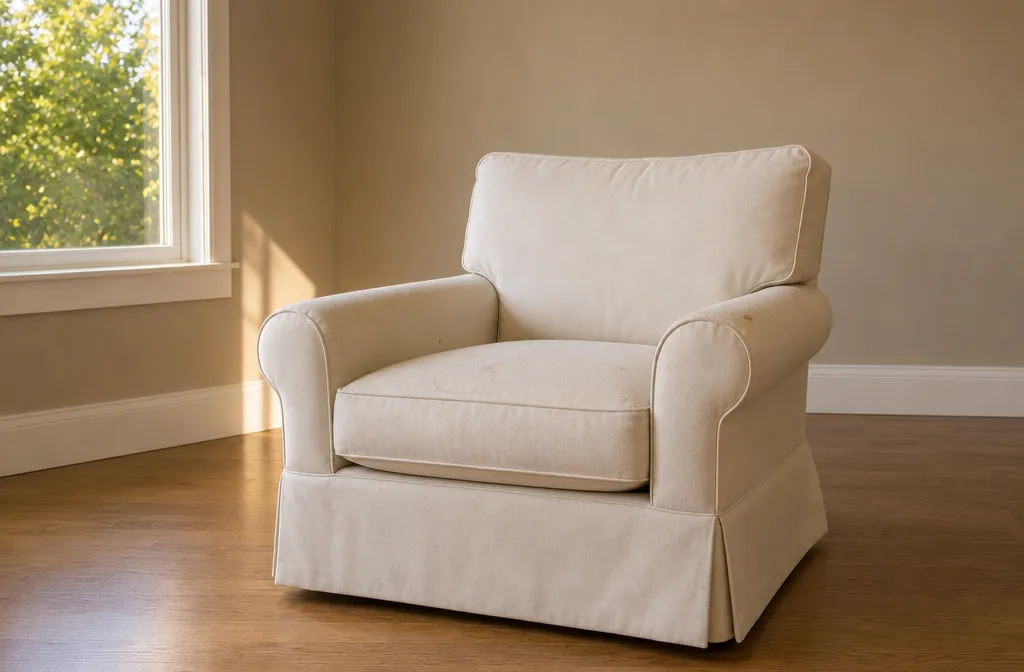
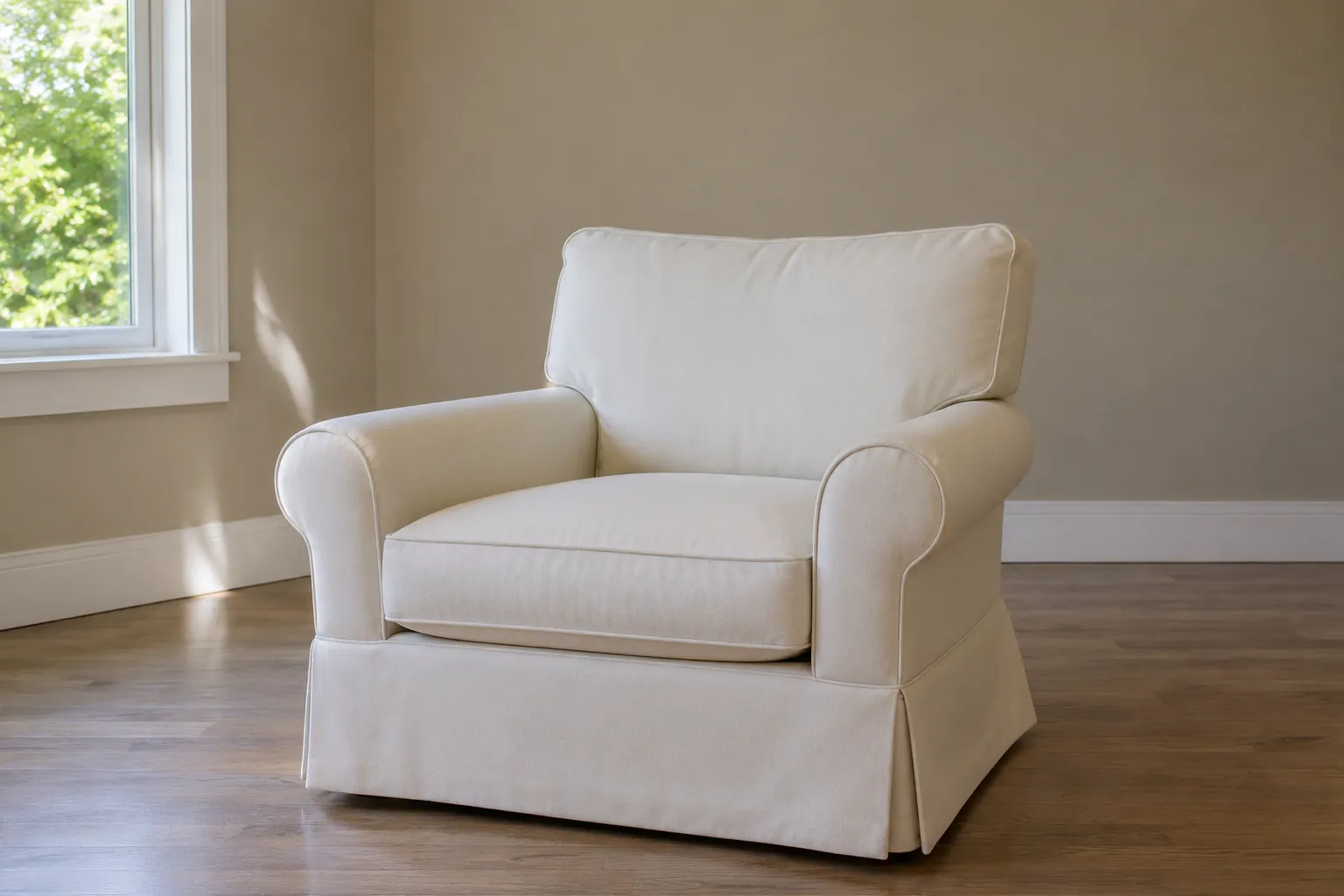 After
After
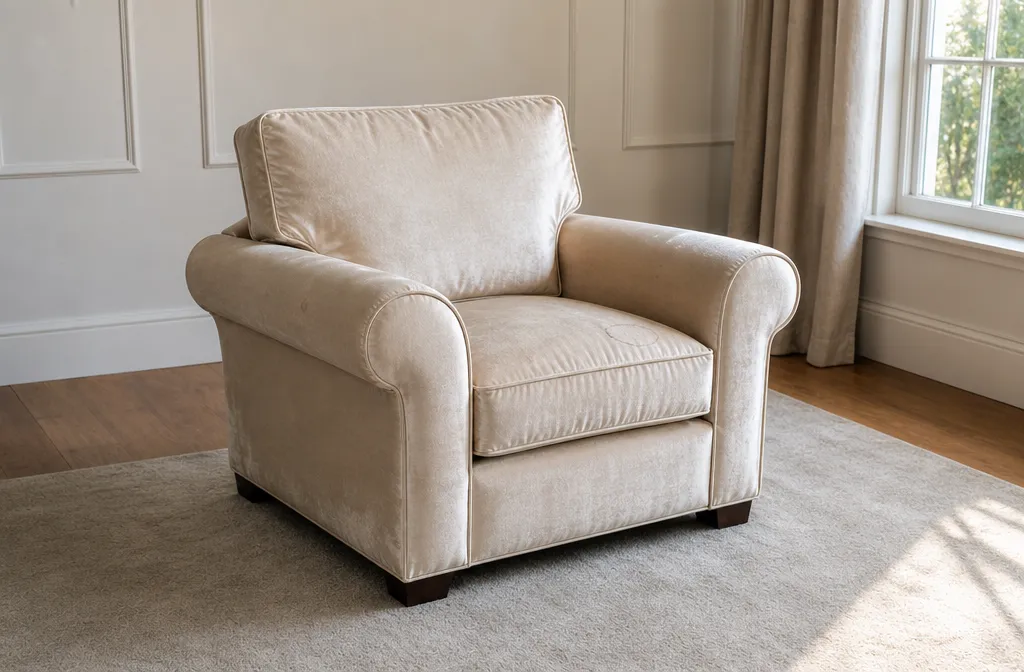
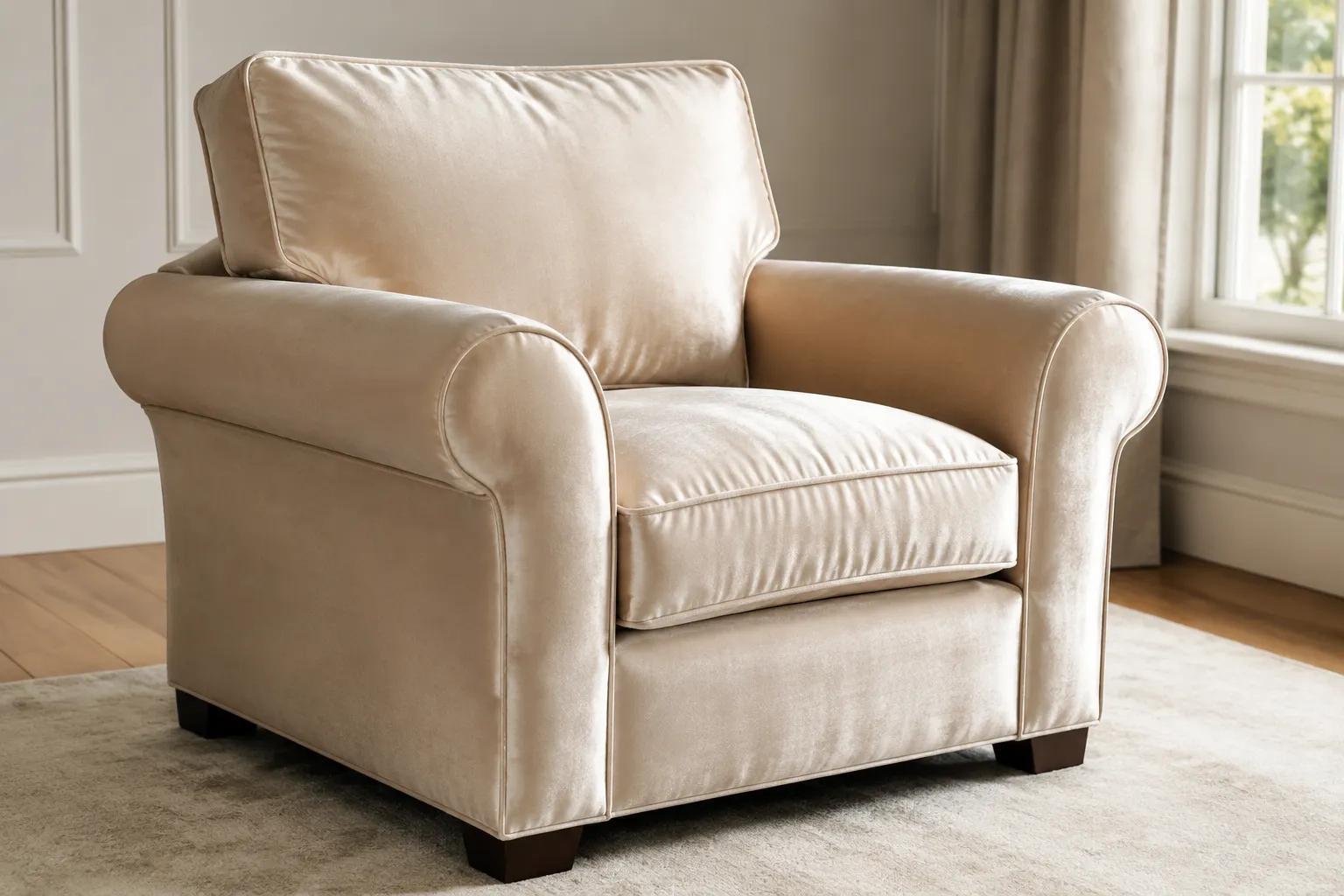
Request: Need to remove stains and refresh silk upholstery of armchair.
Done: Deep cleaning performed using silk foams and vacuum extraction.
Cost: 3 500 ₸
Master: Timur Zhaksybekov, dry cleaning master
Total: Armchair clean, no stains, pile restored, pleasant smell.
 After
After
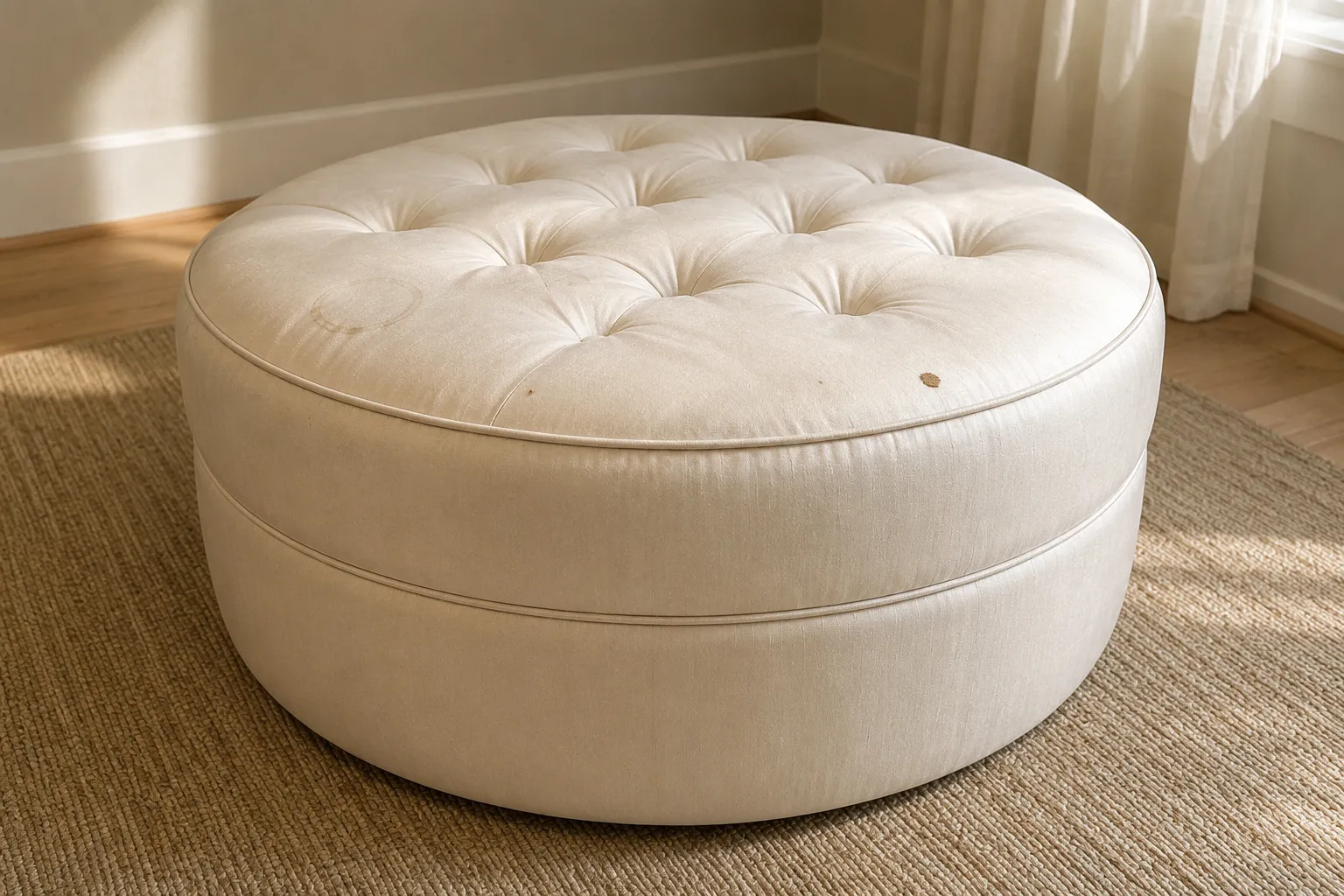
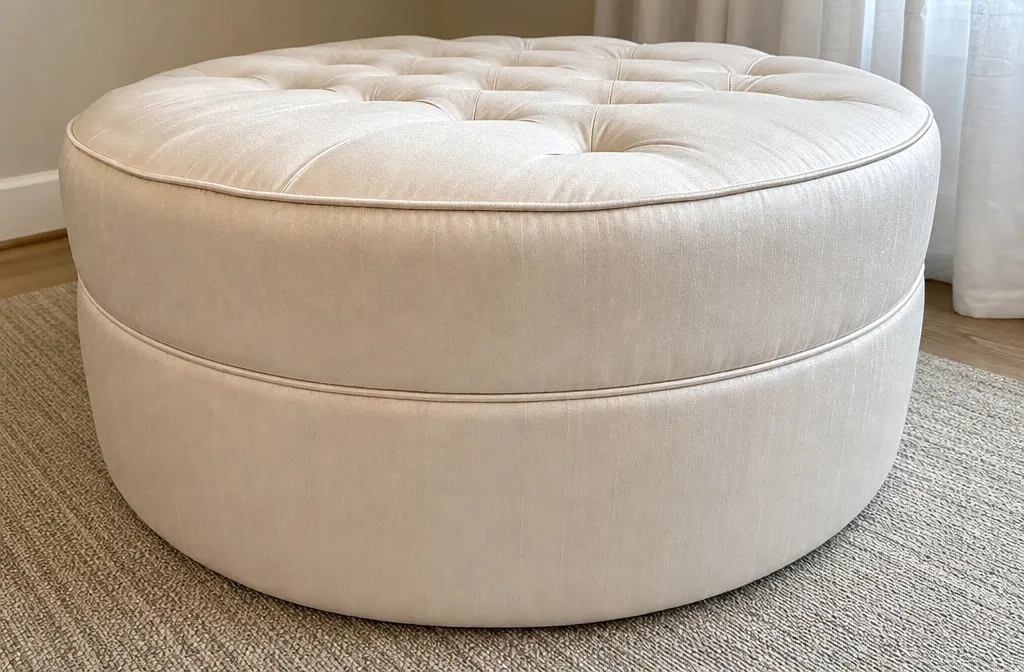
Request: I want to clean silk ottoman from dust and minor dirt.
Done: Dry cleaning performed using soft brush and vacuum cleaner.
Cost: 2 500 ₸
Master: Diana Nurgaliyeva, dry cleaning master
Total: Ottoman perfectly clean, no streaks, fabric breathes.
 After
After
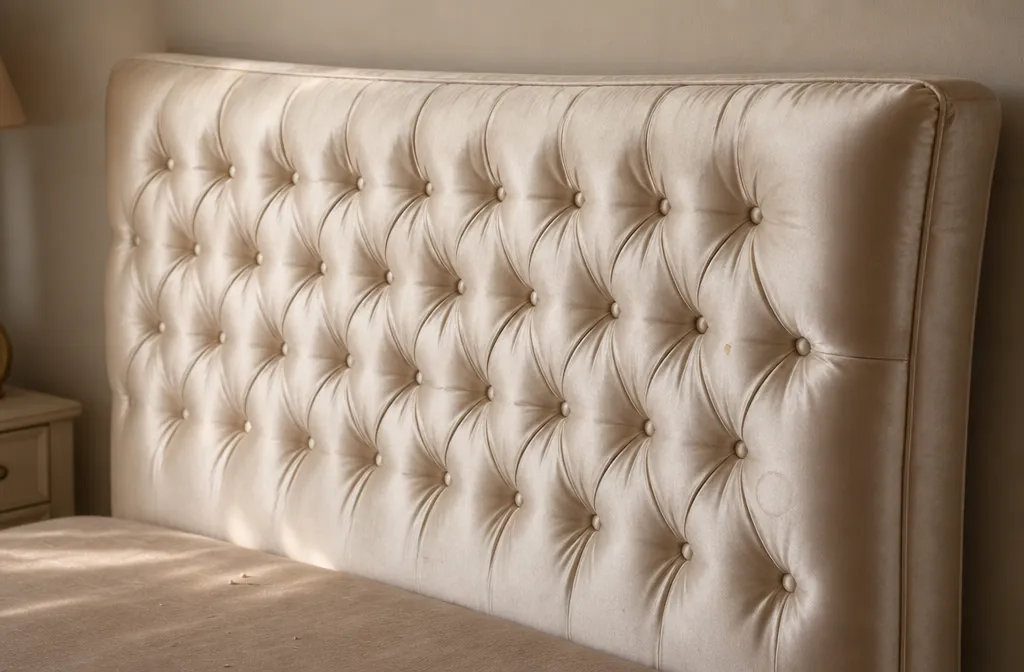
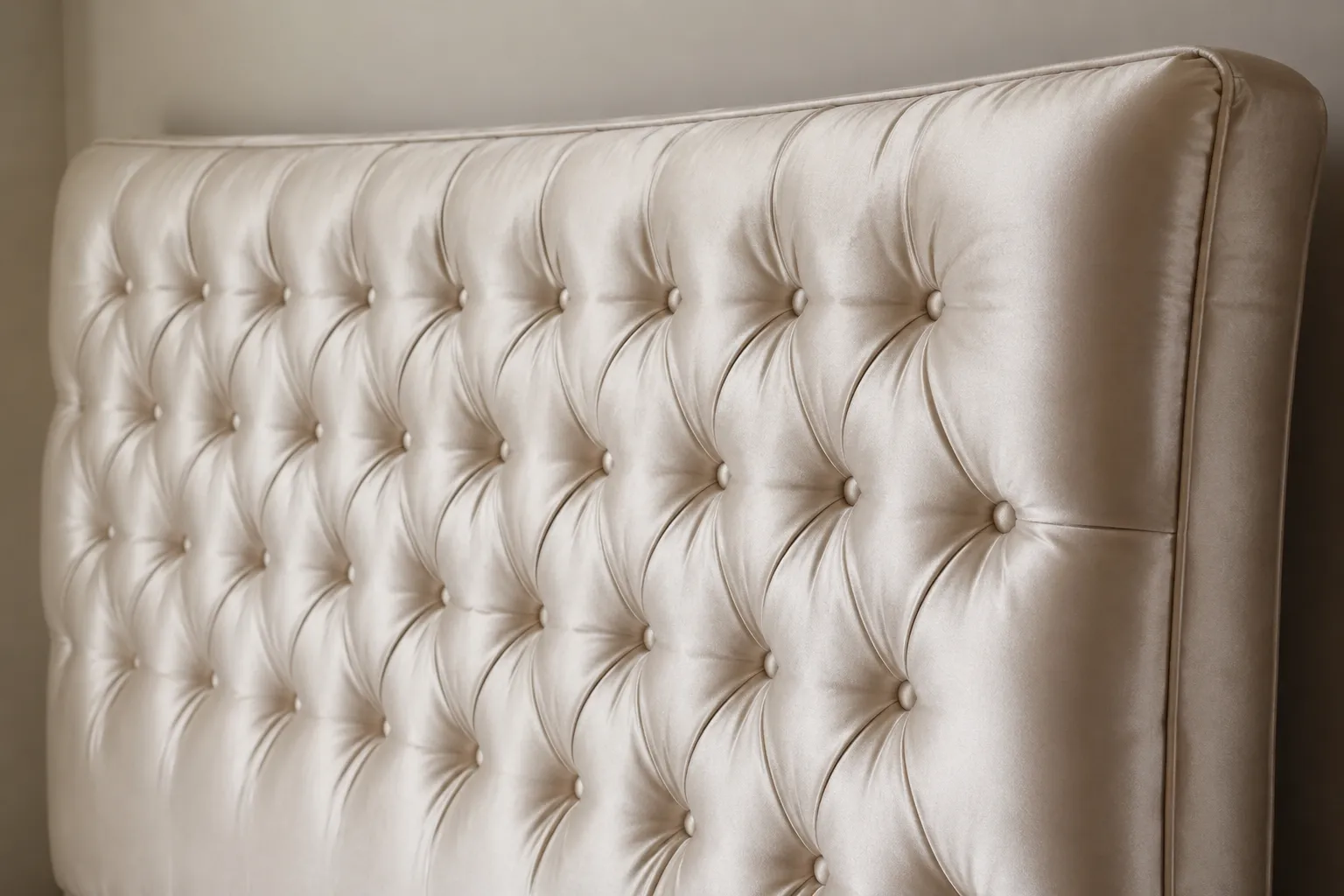
Request: Need to clean silk headboard from dust and fingerprints.
Done: Steam cleaning and delicate dust removal performed.
Cost: 12 000 ₸
Master: Aliya Kassymova, dry cleaning master
Total: Headboard fresh, no stains, color became more saturated.
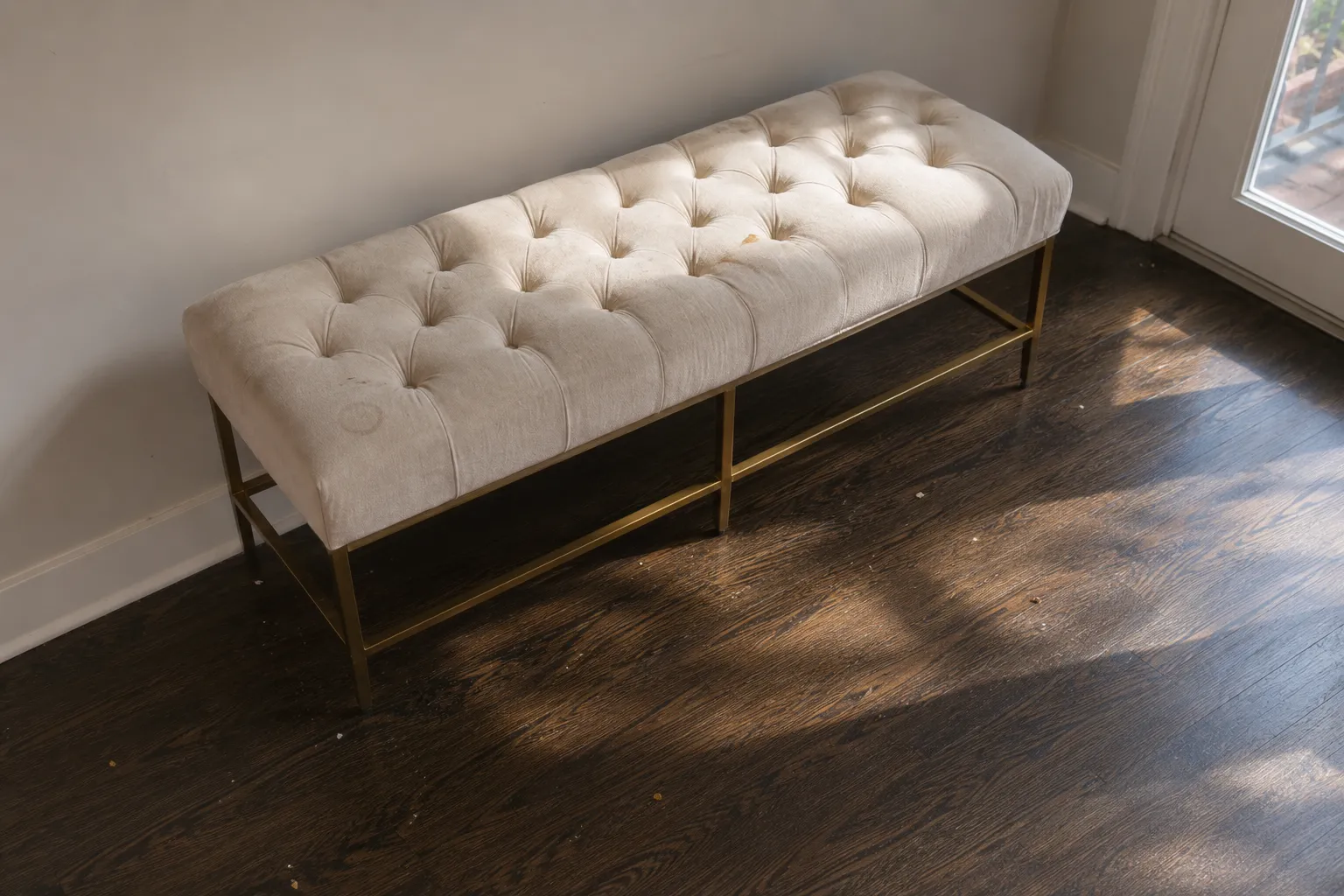
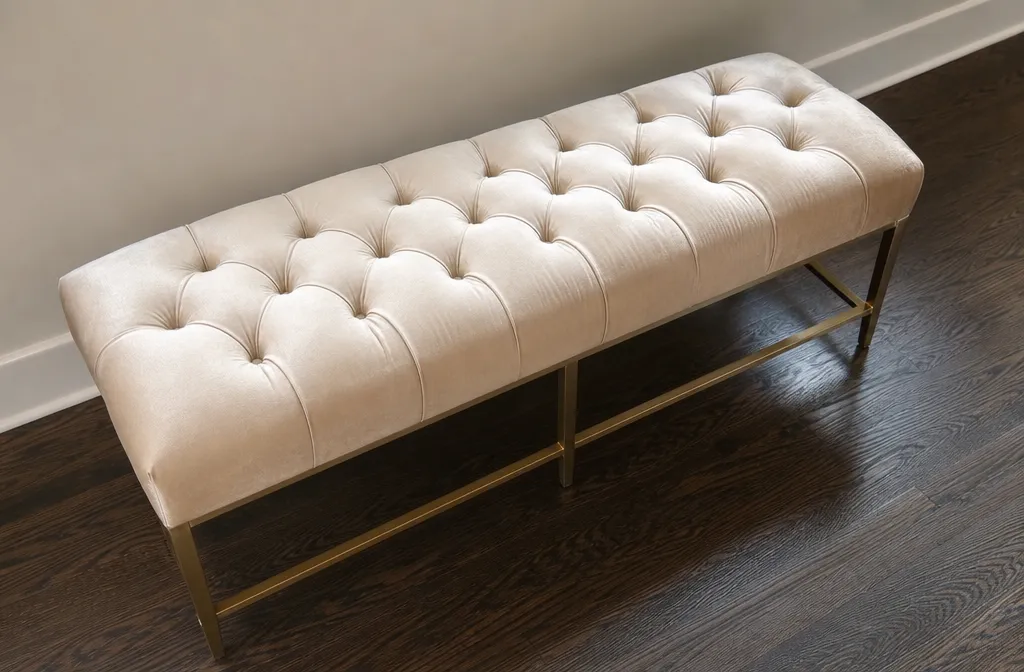 After
After
Request: Please clean silk bench from dust and light dirt.
Done: Dry cleaning performed using enzyme stain remover.
Cost: 2 500 ₸
Master: Yerzhan Omarov, dry cleaning master
Total: Bench clean, no streaks, fabric soft.
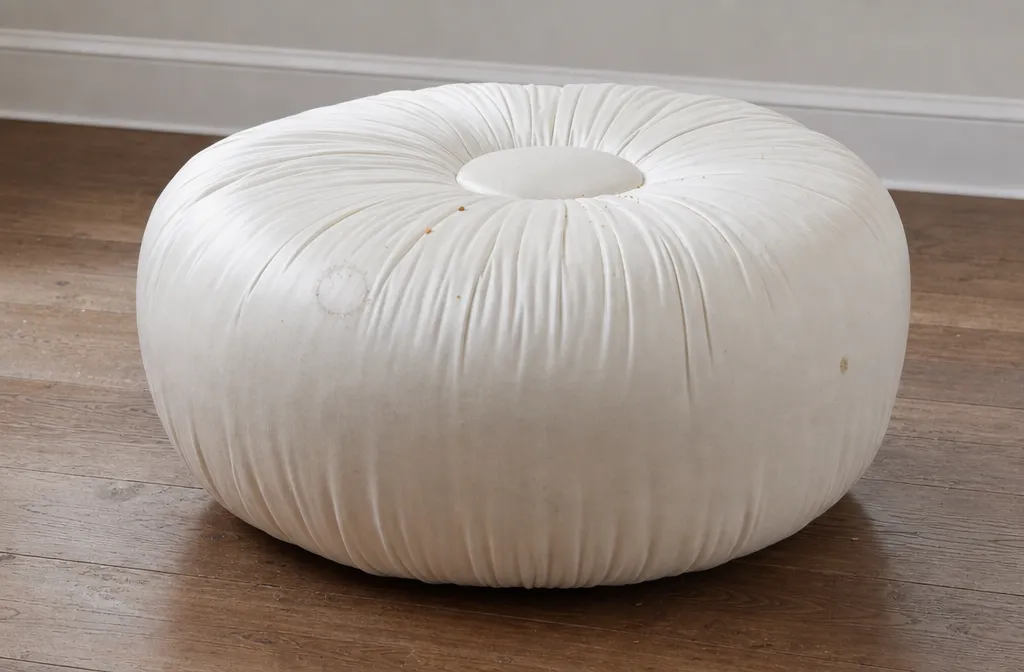
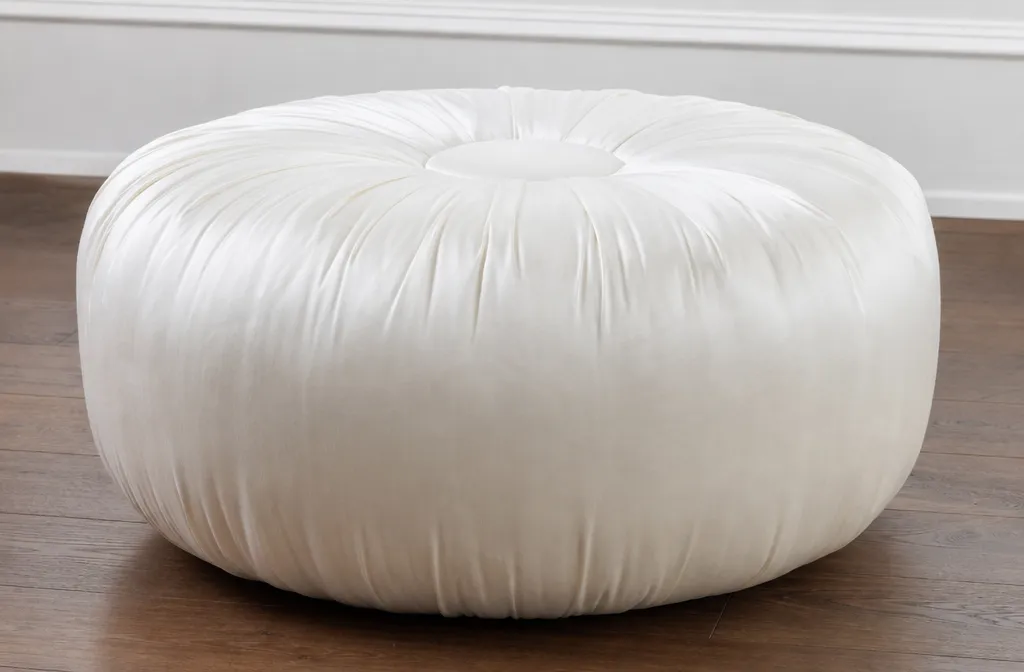 After
After
Request: Clean silk pouf from dust and shoe marks.
Done: Cleaning with foam and vacuum extraction performed.
Cost: 2 500 ₸
Master: Gulnara Bekzhanova, dry cleaning master
Total: Pouf like new, no stains, pleasant to the touch.
 After
After
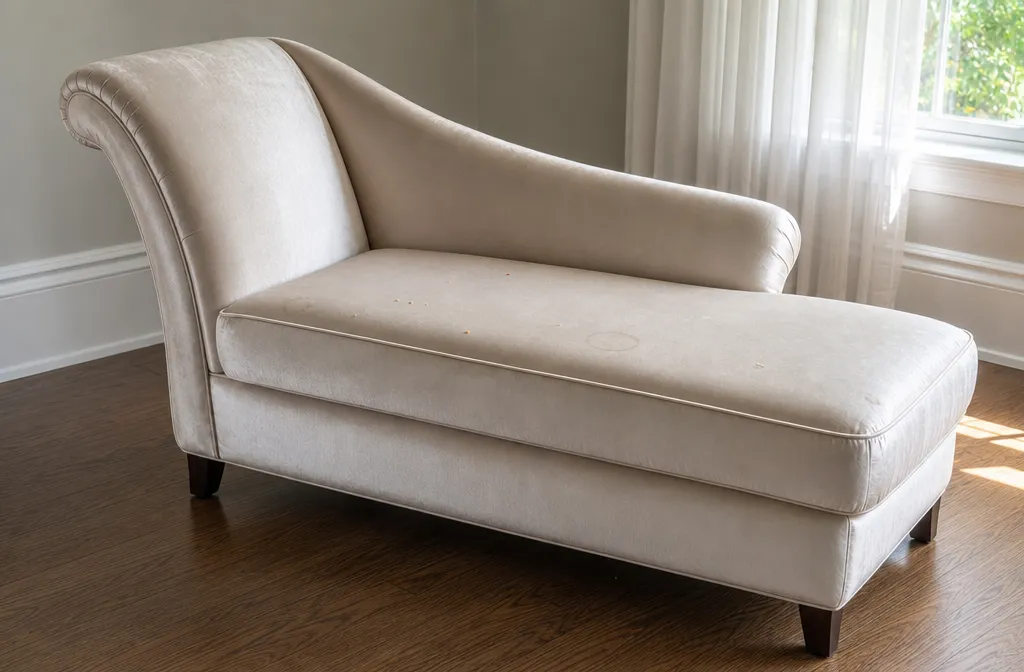
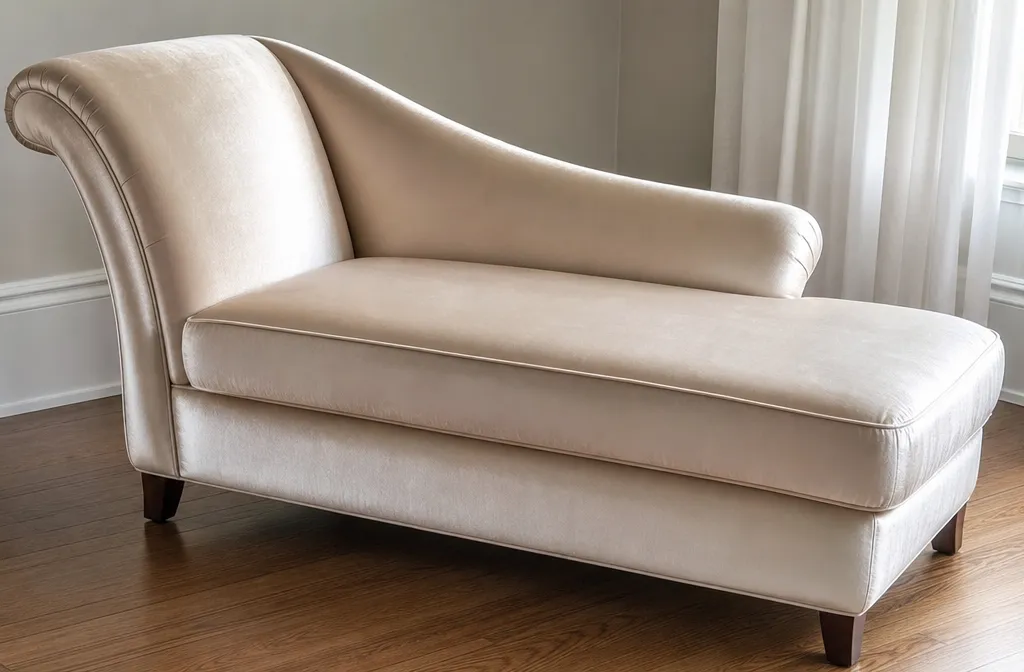
Request: Requires dry cleaning of silk chaise lounge from dust and old stains.
Done: Deep cleaning performed using silk stain remover.
Cost: 12 000 ₸
Master: Aigul Sadykova, dry cleaning master
Total: Chaise lounge clean, odor-free, colors vibrant.
 After
After
Request: Need to clean silk upholstery of chair from dust and stains.
Done: Delicate dry cleaning with steam performed.
Cost: 1 500 ₸
Master: Timur Zhaksybekov, dry cleaning master
Total: Chair perfectly clean, fabric without streaks.
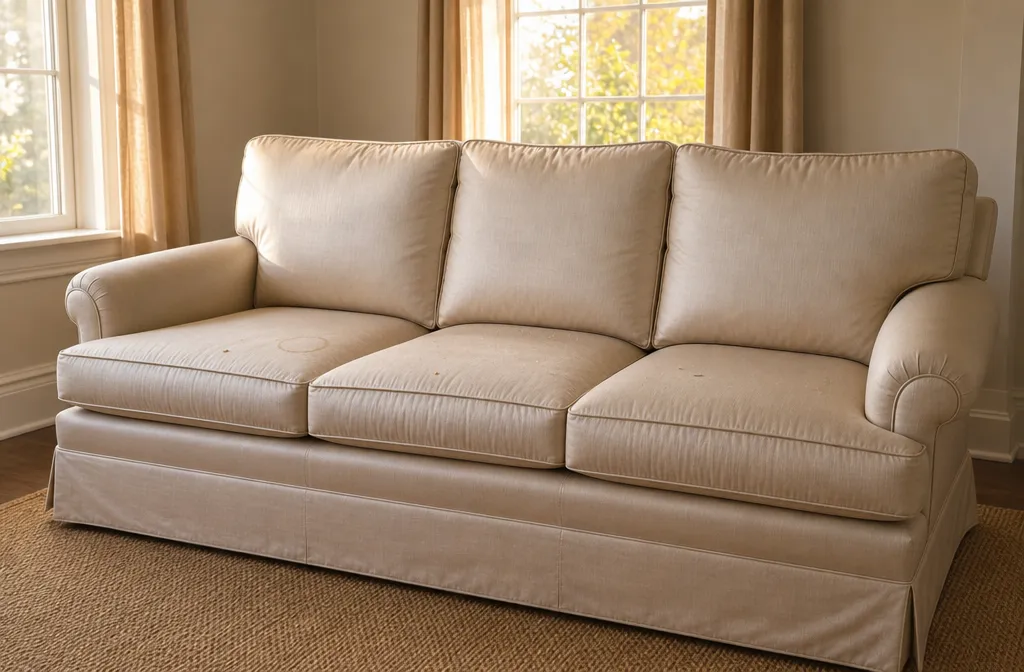
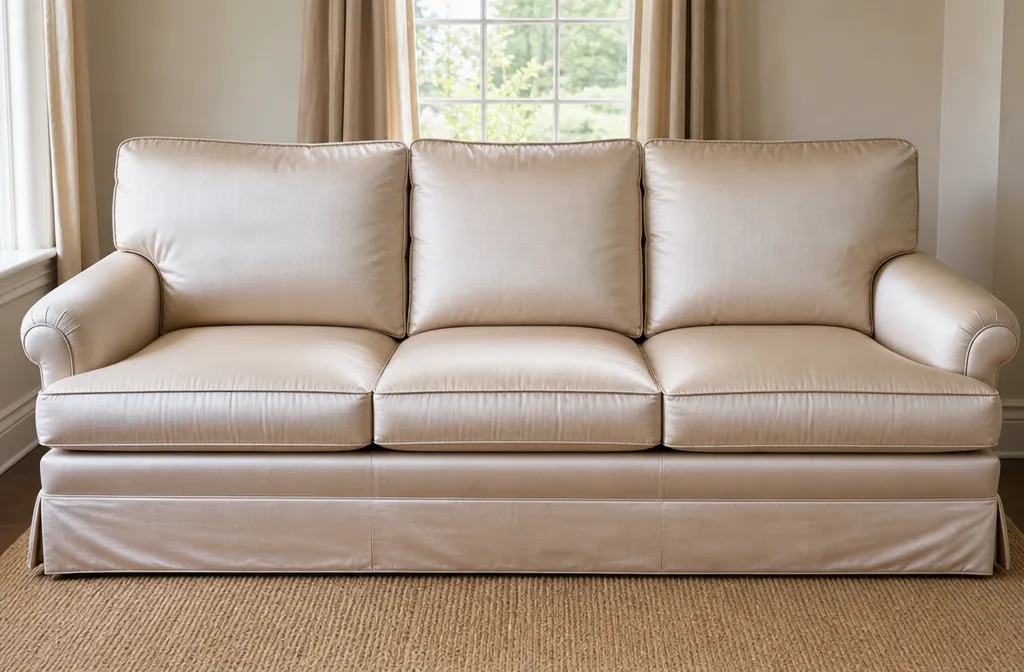 After
After
Request: Spilled red wine on silk sofa, need urgent removal.
Done: Emergency stain treatment and deep sofa cleaning applied.
Cost: 11 000 ₸
Master: Diana Nurgalieva, dry cleaning master
Total: Wine stain completely removed, sofa fresh and clean.
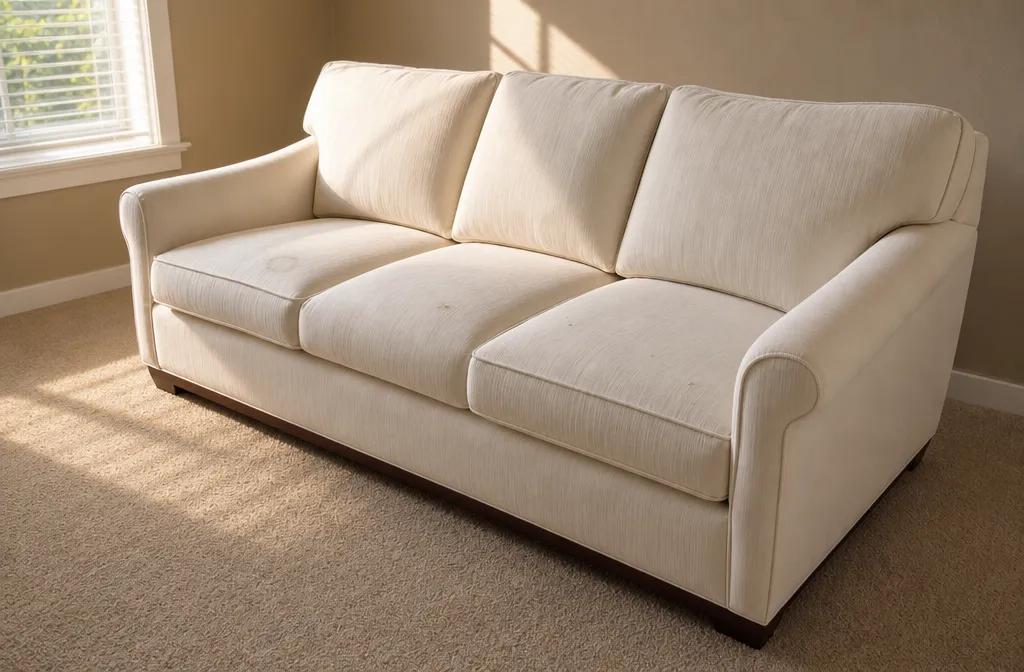
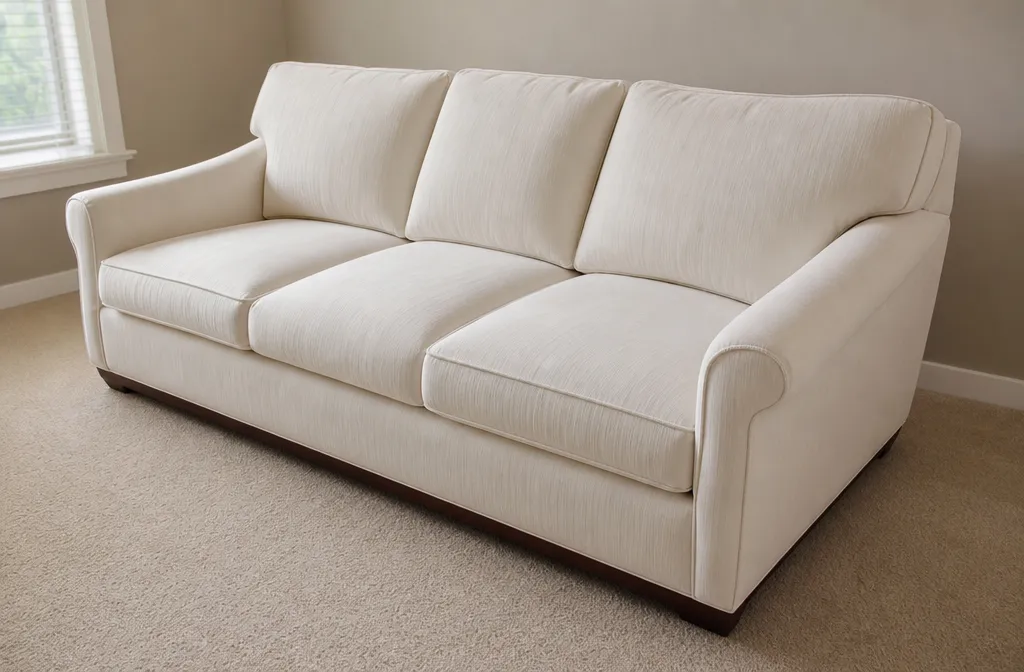 After
After
Request: Cat left stains and odor on silk sofa, need cleaning.
Done: Deep cleaning with enzymatic stain remover and deodorization performed.
Cost: 11 000 ₸
Master: Yerzhan Omarov, dry cleaning master
Total: Stains and odor eliminated, sofa clean and fresh.
All cleaners are profi-clean staff with training, uniform and security check. Each order has a team leader who controls quality.
Silk is a natural animal fiber that is fundamentally different from cotton, polyester, or wool in its structure and reaction to external influences. In Almaty, where humidity and temperature fluctuations during the off-season reach 30-40%, owners of sofas with silk upholstery particularly often face fabric shrinkage or color loss after careless cleaning. At profi-clean, we classify silk as a “delicate material” and apply a separate protocol for it, which excludes standard methods used for synthetics or blended fabrics.
Silk fiber is fibroin, a protein polymer composed of microfibrils bonded together by sericin glue. Unlike cotton (cellulose) or polyester (petroleum products), fibroin absorbs up to 30% of its own weight in water, but at the same time loses tensile strength when wet — the breaking load of wet silk drops by 15-20% compared to its dry state. In Almaty, where the hardness of tap water in the Bostandyk and Medeu districts reaches 8-10 mg-eq/L, regular wet cleaning with household shampoos leaves calcium stains on the fibroin that cannot be removed without special products. Synthetics do not have this effect — polyester and nylon do not react with hardness salts. Therefore, when cleaning silk, we use only demineralized water with a pH of 6.0-6.5 to avoid disrupting the fiber’s ionic balance.
In our practice, there was a case where a client from the Samal-2 microdistrict treated a red wine stain with vinegar and soda — a white chemical burn stain remained on the silk, which even a professional solvent could not remove. We recommend that for any soiling of silk upholstery, you immediately test the composition’s reaction in an inconspicuous area; otherwise, a local stain turns into a defect across the entire cushion surface.
Household vacuum cleaners with a rotating turbo brush at 3000-4000 rpm knock dust out of synthetic pile, but for silk, this is mechanical stress: the bristles ruffle the delicate threads, pull out individual fibrils, and after 3-4 cleanings, the upholstery starts to “fluff up” — losing its characteristic smooth sheen. In Almaty, where the air contains up to 80-100 µg/m³ of dust (Kazhydromet data during peak smog), owners of silk sofas often vacuum them twice a week, accelerating wear. At profi-clean, for silk, we only use a soft bristle attachment with suction power adjusted to 200 W — this is enough to remove dust from the surface without pulling threads from the weave. For deep cleaning, we use a steam cleaner with a steam temperature of 95-100°C, but from a distance of 15-20 cm, so that the hot steam does not melt the sericin layer between the silk layers — this is a common mistake when steaming at home, where the steam is brought too close to the fabric.
Raw silk — a fibroin fiber that loses up to 30% of its strength when wet and is irreversibly deformed by alkali — fundamentally distinguishes its approach from cotton, polyester, or wool. Each fabric dictates its own chemistry, temperature, and mechanics, but silk requires a unique set of restrictions.
The isoelectric point of silk lies in the pH range of 4.5–5.5 — it is at this acidity level that the fiber retains its elasticity and does not degrade. Cotton can withstand a pH of up to 10.5, polyester up to 12, and wool up to 7.5, so universal stain removers with a pH of 8–9, safe for most upholstery fabrics, are a guaranteed loss of sheen and a stiff feel for silk. In our practice, we use only specialized formulations with a pH of 5.0–5.5 from Kiehl for silk — they do not disrupt the fibroin lattice and do not wash out natural proteins. Before applying any product to silk upholstery, be sure to check its pH with litmus paper: if the reading is above 6.0, the product is unsuitable, even if the label says “delicate.”
Fibroin begins to denature at 45–50 °C, and at 60 °C the fiber loses up to 50% of its strength — this is irreversible. For comparison: cotton is washed at 60–90 °C, polyester at 40–60 °C, and wool at 30–40 °C, but silk requires temperatures no higher than 25–30 °C, even for soaking. In Almaty, tap water in summer can heat up to 28–32 °C, which is already close to the upper limit, so we always use filtered water cooled to 22–25 °C — this eliminates thermal shock to the fiber. If you soak a stain remover in warm water instead of cold water, the risk of silk shrinkage increases by 70% — our technicians check the temperature with an infrared thermometer before every contact with the fabric.
A silk thread consists of 50–100 microfibrils bonded by sericin — when subjected to mechanical friction from a brush or steam cleaner, these microfibrils tear, and the fabric loses its characteristic pearlescent luster. Cotton and polyester can withstand intensive rubbing of stain remover with a stiff bristle brush, wool can handle moderate rubbing, but silk is cleaned exclusively using the “blotting” method: the stain remover is applied with a spray bottle, left for 3–5 minutes, and then absorbed with a microfiber cloth without any rubbing motions. In our practice, there was a case where a client independently rubbed a red wine stain on silk upholstery with a sponge — afterward, a matte patch of abraded pile remained at the stain site, which could not be restored. On silk, any circular motions are prohibited — only vertical “blotting” touches with a clean cloth are allowed.
Silk absorbs up to 30% of its own weight in moisture, with the fiber swelling unevenly — hence the characteristic “waves” and distortions after wetting. Cotton shrinks evenly by 3–5%, polyester does not shrink at all, and wool shrinks up to 10% at incorrect temperatures, but silk can experience localized shrinkage of up to 15% in certain areas if water only contacts the stain rather than the entire upholstery. This is precisely why we never wet silk spot-wise — the entire sofa surface is moistened evenly using a sprayer with a fine mist nozzle to avoid differences in tension between adjacent areas. After moistening, silk is dried only with a cold air blast from an industrial fan — a heat gun or hair dryer with hot air causes irreversible fiber deformation within 2–3 minutes.
In the Almaty dry-cleaning market, cases still occur where masters use the same products for silk as for wool or microfiber — this leads to three consequences: loss of sheen, a stiff feel, and the appearance of whitish watermarks after drying. A common mistake is using a steam cleaner with a steam temperature of 120–140 °C to “refresh” silk upholstery: the steam denatures the fibroin on the surface, and the fabric becomes matte, as if sandblasted. In our conditions of high water hardness in Almaty (up to 7–8 mg-eq/L), ordinary tap water leaves lime deposits on silk that cannot be removed without a special softener — we use only demineralized water for the final rinse. If, after dry cleaning, silk upholstery feels like starched fabric, it means the master did not neutralize the alkaline product residues, and the fiber has already sustained micro-damage that will manifest within 2–3 months as cracks at the folds.
Trying to save money or meet a tight deadline, owners of silk upholstery often take actions that a professional cleaner would call a surefire way to ruin a sofa. Let’s break down the five most common mistakes we encounter in our practice in Almaty.
Household chemicals from the supermarket are the main enemy of silk. Products containing chlorine, enzymes, or aggressive surfactants (like in “Vanish” or “Antipyatin”) instantly destroy fibroin fibers — the fabric loses its luster, thins out, and can tear at the slightest tension. An alkaline environment (pH > 8), typical of laundry detergents, washes out natural resins from silk, making it stiff and brittle. In professional dry cleaning of a silk sofa, only neutral formulations with a pH of 5.5–7 are used — for example, Kiehl concentrates based on citrus extracts. Tip: if the stain is fresh (wine, coffee), blot it with a dry napkin, but do not rub or douse it with the first spray you find — this will set the contamination deep into the fiber.
Silk consists of the finest threads twisted from several fibrils. Stiff bristles or even the abrasive side of a sponge tear these threads, causing “pills” and whitish pulls on the surface that cannot be removed. On suede silk (e.g., “Chateau” fabric), scrubbing leads to irreversible pile wear — resulting in bald spots noticeable at different lighting angles. At profi-clean, we use only microfiber attachments and steam generators with adjustable pressure for silk — contact with the fabric is minimal, and dirt is removed by vacuum extraction. Remember: any movement of a brush on silk is already micro-damage.
Silk loses up to 30% of its tensile strength when wet — this is a scientific fact confirmed by textile laboratory tests. When you pour water on a sofa hoping to wash away a stain, the water penetrates the filling (foam rubber, synthetic padding), and the sofa takes 2–5 days to dry. During this time, moisture migrates back into the silk, causing fiber shrinkage and yellow streaks from dissolved dust. In Almaty, with its humidity fluctuations from dry summers to rainy autumns, such “drying” often results in mold inside the sofa. Professional cleaning uses the low-moisture method: a minimal amount of solution is applied to the fabric (literally 10–15 ml per square meter), and all dirt is extracted with an extractor equipped with HEPA filtration. The home alternative is only dry cleaning with a soft brush and vacuum cleaner once a week.
Seeing a wet spot on silk, many turn on a hairdryer at full power or place a fan heater nearby. This is fatal: hot air (above 40 °C) causes uneven fiber shrinkage — the sofa may warp, waviness appears at the seams, and the color fades by 1–2 tones in the dried area. Silk should dry naturally at room temperature (18–24 °C) with good ventilation but without drafts. If shrinkage has already occurred, restoring the fabric’s geometry is impossible — only reupholstering the sofa. In our practice, there was a case: a client in the Auezov district dried a juice stain with a hairdryer, and the silk tightened so much that a 3 cm deep crease formed on the seat. We offer a 24-hour guarantee on the result, but with such damage, only replacing the upholstery would have helped.
Internet tips like “rub the stain with vinegar and soda” or “apply lemon juice” are a direct path to chemical burns on the fabric. Acetic acid (even 9% table vinegar) has a pH of about 2.5 — an aggressive environment that corrodes fibroin. Soda, on the other hand, creates an alkaline reaction (pH 9+). The result: a discolored spot with a stiff structure remains at the “cleaning” site, which no professional stain remover can handle. The situation is even worse with lemon juice — organic acids combined with ultraviolet light (if the sofa is near a window) cause photochemical destruction of the dye, and the fabric yellows unevenly. Before experimenting with home recipes on a sofa costing from 500,000 tenge, order a silk sofa dry cleaning from profi-clean — the visit takes 60 minutes, and the price per seat meter is lower than the cost of reupholstering the damaged area.
“`markdown
Choosing a specialist for silk upholstery isn’t about price, but about understanding the physical and chemical properties of fibroin. In Almaty, there are dozens of offers, but only a few know how to work with capricious natural fiber without the risk of shrinkage or loss of luster.
Start your search on 2GIS and Google Reviews, not Instagram bloggers. In Almaty, there are many private cleaners who show beautiful “before/after” photos, but in reality, they mask defects with silicone spray — the silk turns yellow under it within a month. Look for companies with a separate “silk” section in their portfolio and real reviews from owners of natural silk sofas. At profi-clean, for example, every silk case is recorded on video under a UV lamp — this is the only way to prove the stain is gone and the fabric structure is intact. Before the visit, ask the master for a checklist: did they test the dye for fastness, do they know the pH of a neutral composition for fibroin — if the answer is vague, look for someone else.
Ask how they determine the type of silk — tussar, mulberry, or raw silk require different tactics: tussar needs lower steam temperature, mulberry needs minimal moisture. Clarify if they use enzyme stain removers (protease, lipase) — they break down protein-based stains without friction that wears down fibroin. Our technologist Aigerim Kassymova also recommends asking about drying: if the master promises “it will dry in an hour” — they are either using a heat gun that causes shrinkage, or lying. In Almaty’s humid climate (especially in spring and autumn), natural drying of silk takes 8–12 hours with ventilation running. If the master isn’t willing to wait — they don’t understand the physics of the fiber.
Saving 30–40% on silk dry cleaning results not just in a ruined sofa, but in hidden defects. The most common is micro-tears in fibroin: they aren’t visible immediately, but after 2–3 months, the upholstery starts “shedding” fine fibers, and it can’t be restored. The second risk is residual alkalinity: cheap products aren’t fully neutralized, and after six months, the silk turns yellow in streaks, especially on the sunny side of the room. In our practice, there was a case where a client from Almaty brought in a sofa after a “budget” cleaning — the master used a carpet cleaner, and the fibroin thread lost 70% of its strength. We had to reupholster the section from scratch. Before ordering, check if the company offers a guarantee against shrinkage and color change — if there’s no guarantee, it’s a red flag. “`
The choice between dry and wet treatment for silk upholstery is not a matter of convenience, but of preserving the fiber: two fundamentally different methods yield different results on delicate fibroin.
The dry method using powder or water-based foam compounds (up to 15% moisture) is the only option for raw silk and taffeta, where even brief contact with water causes shrinkage of up to 8% in the warp. In our practice on orders for dry cleaning of silk sofas in Almaty, we use dry treatment when there are no greasy or protein-based stains on the upholstery — such stains are not extracted by foam, only smeared. An extractor with a HEPA filter collects up to 97% of the used compound in one pass, leaving humidity at 5-7%, which is safe for the frame’s adhesive bonds. On sofas with wine or sweat stains, dry cleaning only fixes the pigment deeper into the fiber — a different approach is needed here.
Water-based solutions with a neutral pH (5.5–6.5) and enzymatic components are the only way to remove set-in protein and tannin stains from silk that dry foam cannot handle. The extraction method, applying the solution at a pressure of 2–3 bar with immediate vacuum collection, allows control over the depth of saturation: on dense satin (warp thread 22 mm), up to 40% moisture is acceptable; on chiffon, no more than 20%. The key risk is residual moisture in the filling: if the foam under the upholstery is not dried with an industrial fan for 4–6 hours, yellow streaks from migrating salts may appear on the fibroin within 2–3 days. In Almaty, with its humid climate (average air humidity 65%), drying time increases by 30–40% — we use heat guns with temperature control not exceeding 35°C to avoid overdrying the fiber.
| Parameter | Dry Cleaning | Wet Extraction |
|---|---|---|
| Residual moisture in fabric | 5–7% | 20–40% (depends on weave) |
| Effectiveness against grease stains | Low (smearing) | High (emulsification) |
| Removal of protein stains (blood, milk) | Does not work | Works (enzymes pH 5.5–6.5) |
| Shrinkage risk for raw silk | Minimal (up to 1%) | High (up to 8%) |
| Total drying time for a sofa | 1–2 hours | 4–8 hours (with forced drying) |
| Suitability for taffeta and organza | Yes | Only with reservations |
When taking an order for silk sofa dry cleaning, we first conduct a test on an inconspicuous area: a drop of water with pH-neutral soap should roll off without being absorbed — if it absorbs within 5 seconds, the fabric has an open weave and the wet method is contraindicated. For stains of plant origin (tea, coffee, berries), the working algorithm is: dry foam for 10 minutes + extraction — this is sufficient for 80% of cases, and only if pigment remains, we proceed to spot wet treatment with 3% boric acid. Grease stains from cosmetics or food on silk always require the wet method with pre-application of an absorbent (cornstarch for 30 minutes), otherwise the oil penetrates the fibroin by 0.5–0.8 mm and becomes irremovable. On sofas with combined upholstery (silk + velvet), we treat the zones with different methods, separating them with polyethylene film to prevent moisture migration — this is the only way to avoid a stain at the fabric junction.
I ordered dry cleaning of a silk sofa — tea stains completely gone, fabric not damaged.
Glad you liked the result! Gentle cleaning of silk is our specialty.
The silk sofa with embroidery looks like new after cleaning. No smell left.
Dry cleaning of a silk sofa removed yellowness, but one corner slightly faded. Overall great.
Thank you for your feedback! In case of slight fading, we recommend retreatment in a month.
Red wine stains on a silk sofa were completely removed. The master was careful.
Thank you! For silk, we use only safe compounds.
We did dry cleaning of a silk sofa — it hadn't been cleaned in 10 years, but now it looks like it's from a showroom.
Cleaning antique silk is a responsible task; glad we managed it!
After cleaning, small streaks appeared on the silk. Had to redo it.
We apologize. Contact us — we'll fix it for free.
Ordered dry cleaning of a silk sofa with fringe — everything is clean, fringe undamaged.
After cleaning the silk sofa, I stopped sneezing. The dust was thoroughly removed.
Client health is our priority. We use hypoallergenic products.
Dry cleaning of a silk sofa with jacquard pattern went well, but the pattern on the armrest got slightly misaligned.
Thank you for the feedback. For jacquard, we use manual treatment; we'll take it into account in the future.
Grease stain on silk removed without a trace. The sofa is soft and fresh.
Had dry cleaning of a silk sofa with ruffles — everything delicate, frills not wrinkled.
A complex element, but we managed. Glad to help!
Cleaned a white silk sofa after a wedding — stains from champagne and cream are gone.
Congratulations! Perfect for such a celebration.
Dark silk sofa dry cleaning — stains removed, but slight wear appeared on the seat.
Sorry for the flaw. With dark silk, the risk of wear is higher, but we will compensate.
Grandma's 80s silk sofa looks like new after cleaning. Thanks for the care.
We value family heirlooms! Glad to extend their life.
Ordered dry cleaning for a silk sofa — coffee stains disappeared, fabric didn't fade.
Cleaned a silk sofa with gilded legs — gilding unharmed, silk shines.
Thank you! We work carefully with decor.
Silk sofa dry cleaning removed stains, but chemical smell lingered for a week.
We apologize. Usually the smell dissipates in a day; we'll check the products.
Silk sofa with feather filling — no fluff coming out after cleaning, no stains.
Child spilled paint on silk — dry cleaning saved the day, paint removed.
Children are our inspiration! Glad we helped.
Lace inserts on silk sofa shrank a bit after cleaning, but overall fine.
Thanks for the feedback. Next time we'll use a gentler mode for lace.
Ordered silk sofa dry cleaning — result exceeded expectations, living room transformed.
After professional dry cleaning, a silk sofa dries in 2 to 4 hours with fans and a dehumidifier. Complete drying may take up to 6 hours depending on room humidity. We recommend not sitting on the sofa until fully dry.
No, if the right products and equipment are used. We use pH-neutral solutions from Kiehl and Sodasan, and a Karcher extractor with low pressure. We always test on a hidden area before cleaning.
Yes, we travel to your home throughout Almaty. Our technician arrives with all equipment and supplies. The visit time is arranged, usually within 1-2 days. For urgent cases, we can dispatch within 2 hours.
Simply remove pillows and throws from the sofa. Move fragile items nearby. If there are removable covers, take them off (we clean them separately). The technician will prepare the work area.
We recommend professional dry cleaning every 6-12 months. With heavy use or if allergy sufferers are present, every 3-4 months. Regular cleaning extends the life of silk.
We remove most stains: from food, drinks (wine, juice, coffee), blood, urine, sweat, cosmetics. Tough stains are treated with enzyme solutions. If a stain cannot be removed, we guarantee a refund.
Yes, we guarantee the result. If a stain is not removed, we refund the full cost of the service. We also guarantee fabric integrity when following the technology.
Yes, we accept Kaspi, Halyk cards, and cash. Non-cash payment is available for legal entities.
Yes, all products used are certified, free of chlorine and harsh solvents. After cleaning and drying, the sofa is safe for children and pets.
Travel outside Almaty is charged extra: at an individual rate per kilometer from the city. The minimum travel fee is confirmed when ordering.
Tell us about your experience with profi-clean — it helps other clients and us improve.
We currently operate in Almaty. Other cities are coming soon.