Inspection and testing
The technician inspects the sofa, determines the fabric type and degree of soiling. On an inconspicuous area, they test the compatibility of cleaning agents with the upholstery.
Professional dry cleaning of sofas in Almaty — remove dust, stains, and odors without water

We work with any types and materials
Compact two-seater sofa, cleaning without disassembly — fast and economical.
from 11,000 ₸Standard three-seater sofa, requires more time for treatment.
from 11,000 ₸Multi-section corner sofa, each section cleaned separately.
from 18,000 ₸Sleeper sofa, cleaning of sleeping area and transformation mechanism.
from 11,000 ₸Delicate leather cleaning with special products without damaging the coating.
from 11,000 ₸Eco-leather cleaning with gentle, abrasion-resistant compounds.
from 11,000 ₸Velvet requires gentle brushing to restore the pile.
from 11,000 ₸Flock — delicate fabric, dry powder cleaning without friction.
from 11,000 ₸Chenille — dense fabric resistant to dirt, cleaning with extractor.
from 11,000 ₸Jacquard with pattern, cleaning without fading, color fixation.
from 11,000 ₸Microfiber — quick-drying material, cleaning with powder and extractor.
from 11,000 ₸Tapestry — durable fabric, careful cleaning to avoid damaging the weave.
from 11,000 ₸From inspection to result with guarantee
The technician inspects the sofa, determines the fabric type and degree of soiling. On an inconspicuous area, they test the compatibility of cleaning agents with the upholstery.
We thoroughly vacuum the sofa with a powerful vacuum cleaner equipped with a HEPA filter, removing dust, pet hair, and fine debris from all crevices and folds.
We evenly apply dry cleaning powder Kiehl or Sodasan over the entire upholstery surface. The powder penetrates the fibers and absorbs dirt.
Using a special brush, we work the powder into the fabric to ensure deeper penetration into the fibers and better dirt binding.
We leave the powder on the upholstery for 15-20 minutes to absorb oils, dirt, and odors. Time depends on the level of soiling.
Using a Karcher Puzzi 10.8 extractor, we remove the powder along with dirt. The machine vacuums everything without residue, leaving no moisture.
If stains remain, we treat them locally with Prochem stain remover. The product is applied spot-wise and removed with the extractor.
Final blow-drying (if needed) and brushing the pile with a brush to restore fabric structure. The sofa is ready for use in 1-2 hours.
We only use certified hypoallergenic products from German brands Kiehl and Sodasan. They contain no harsh chemicals, so they are safe for children, pets, and people with allergies. Yet they effectively remove even old stains and odors.
The Karcher Puzzi 10.8 extractor allows deep dry cleaning without wetting the upholstery. It injects cleaning solution and immediately vacuums it up along with dirt. This eliminates the risk of fabric shrinkage and streaks, and the sofa dries in 1-2 hours.
Our vacuums are equipped with HEPA filters that trap up to 99.97% of particles as small as 0.3 microns. This includes pollen, pet dander, dust mites and their waste. After cleaning, the air in the room becomes significantly cleaner, which is especially important for asthmatics and allergy sufferers.
All profi-clean technicians undergo training and hold certificates for working with various upholstery types. Average experience is 3+ years. They know how to select the right product and cleaning method for velvet, leather, flock, and other materials to avoid damaging the covering.
We guarantee that after dry cleaning, your sofa will be clean and fresh. If any stain is not removed the first time, we will treat it again for free. Our goal is complete customer satisfaction, so we stand by our quality.
We value your time and are ready to come at your convenience, including weekends and holidays. Order cleaning before 12:00 PM and the technician will arrive the same day. We serve all of Almaty, and the visit is free.
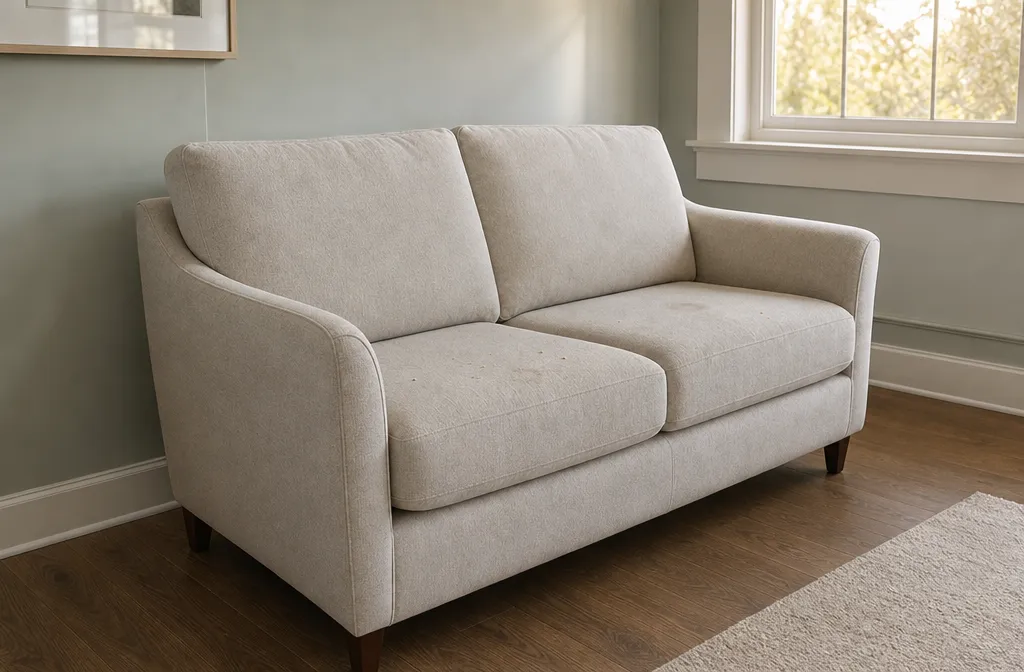
 After
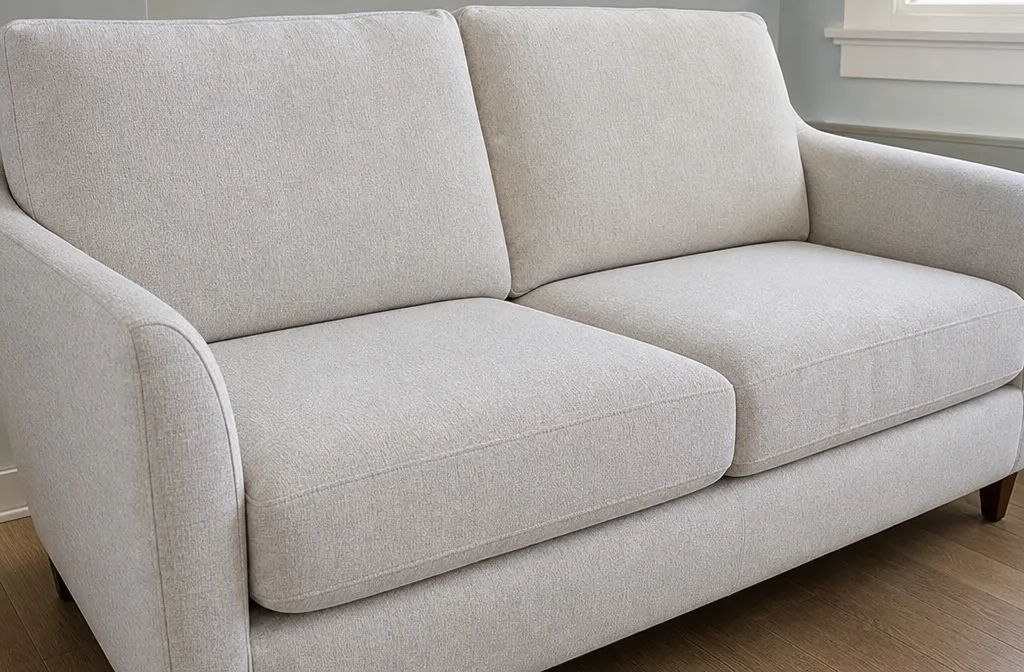
After
Request: A two-seater sofa has greasy stains and dust, needs deep cleaning.
Done: Performed dry cleaning using a powder extractor and stain remover.
Cost: 11 000 ₸
Master: Aigul Sadykova, dry cleaning master
Total: The sofa is completely cleaned of stains and dust, original fabric color restored.
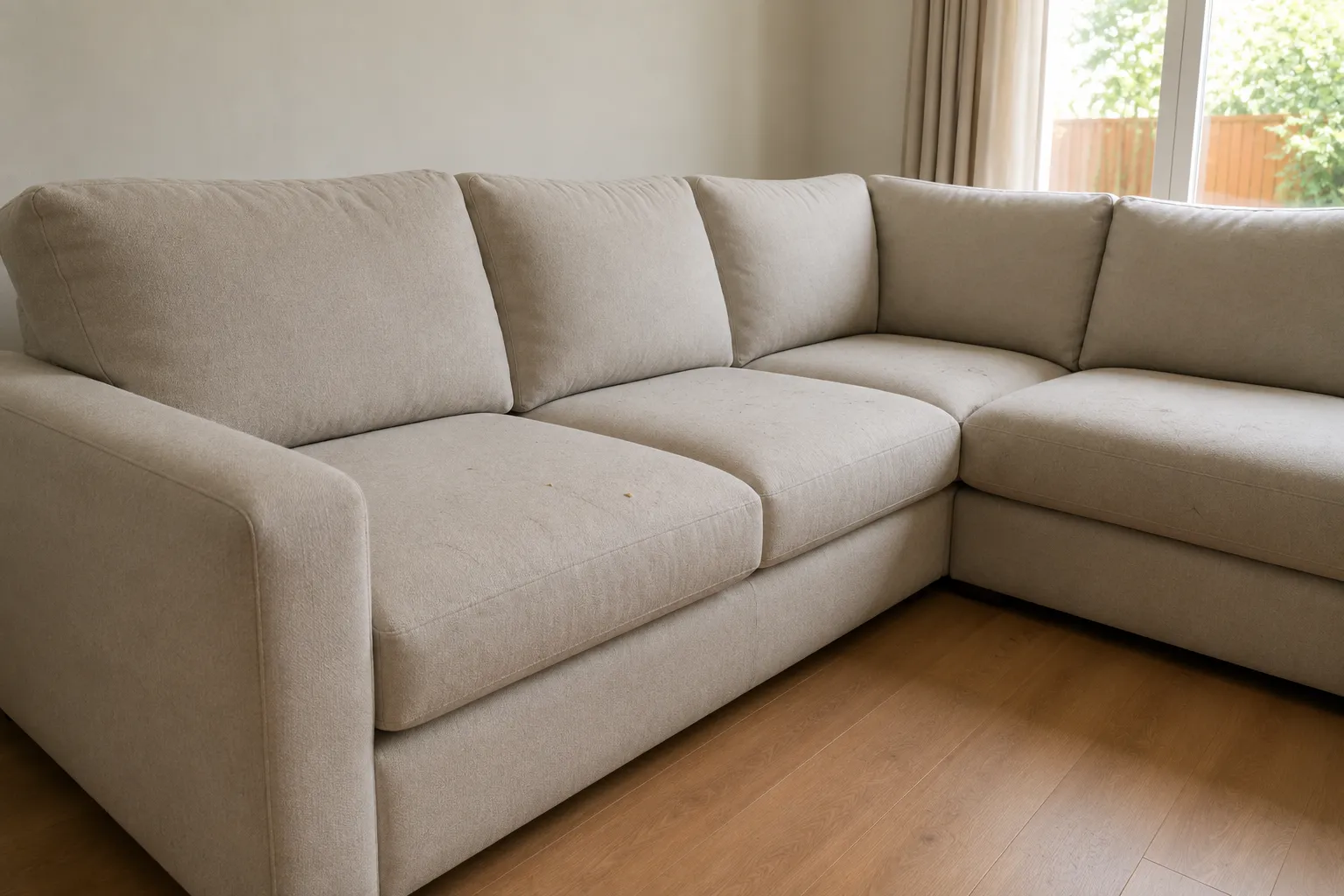
 After
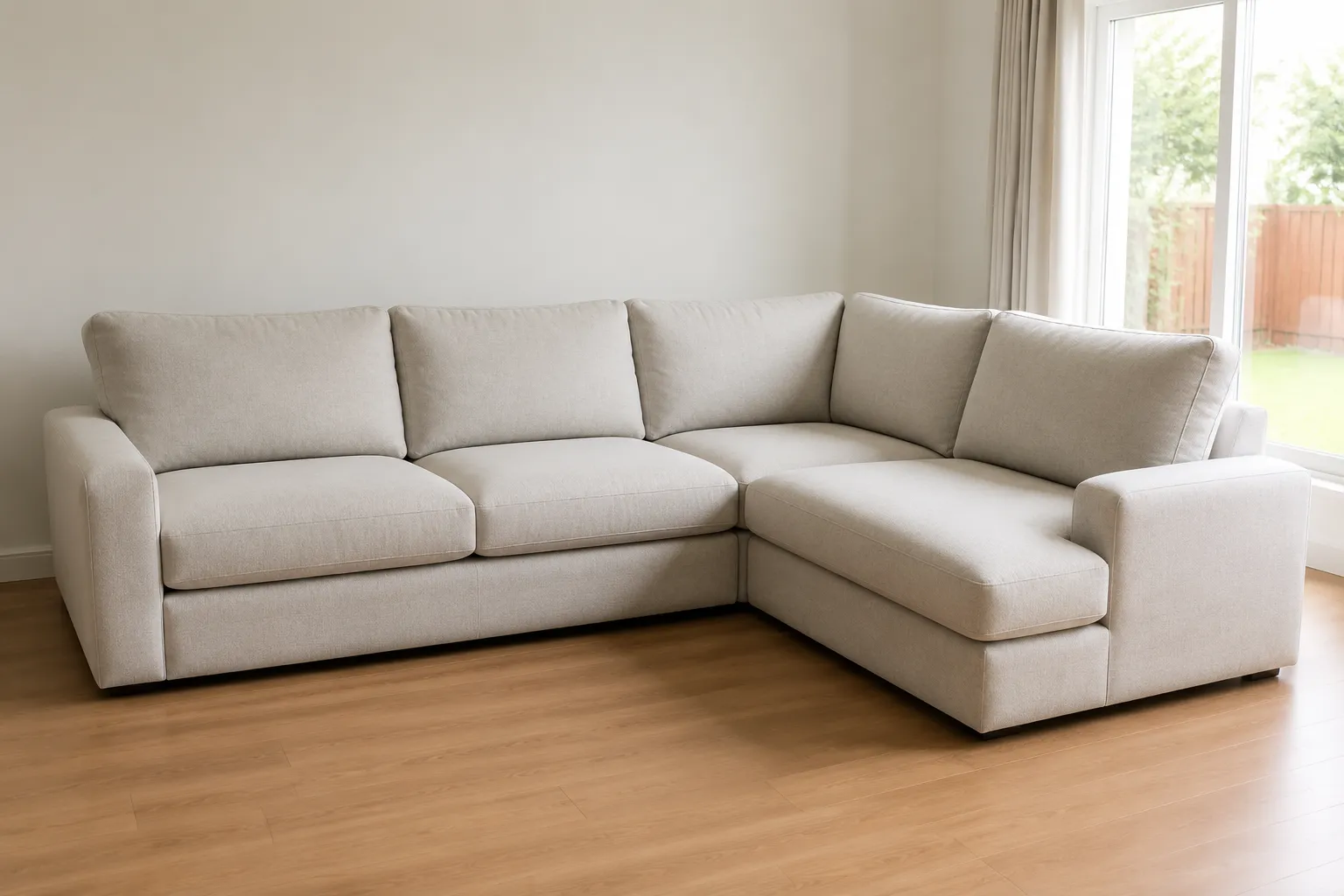
After
Request: A corner sofa in the living room needs cleaning from dust and odors.
Done: Performed dry cleaning of all sections with steam treatment and deodorization.
Cost: 11 000 ₸
Master: Bekzhan Nurlanov, dry cleaning master
Total: The sofa is completely refreshed, odors eliminated, fabric soft and clean.
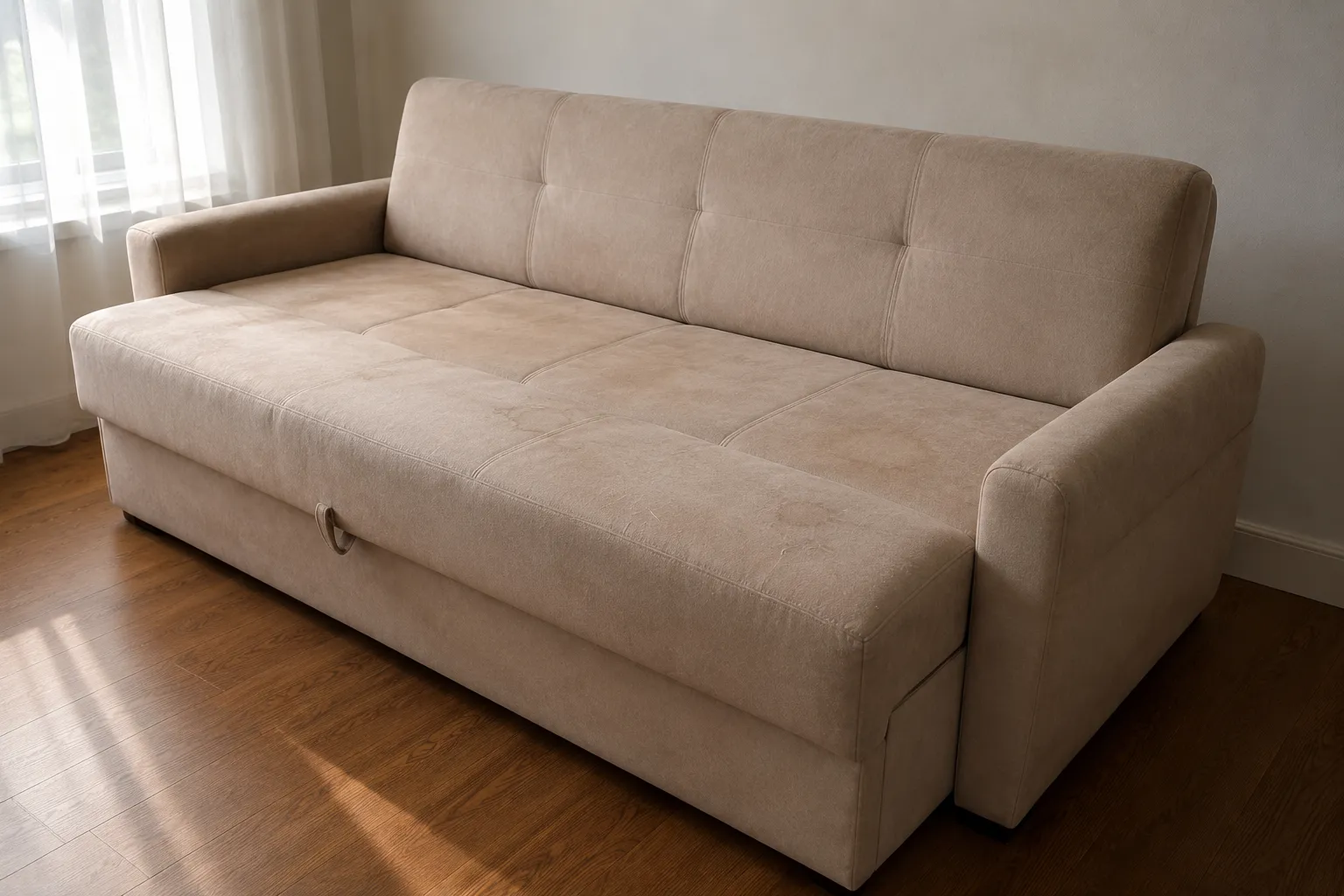
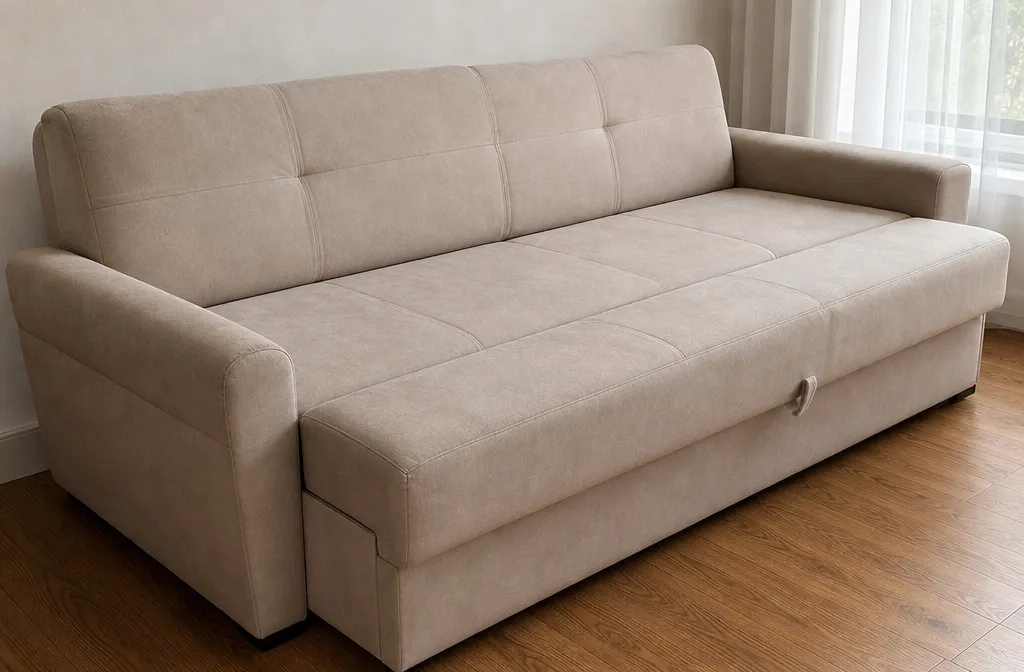 After
After
Request: A sofa bed in the bedroom has become dirty from frequent use.
Done: Performed dry cleaning with dirt extraction and antibacterial treatment.
Cost: 11 000 ₸
Master: Gulmira Akhmetova, dry cleaning master
Total: The sofa bed is clean, free of stains and allergens, ready for use.
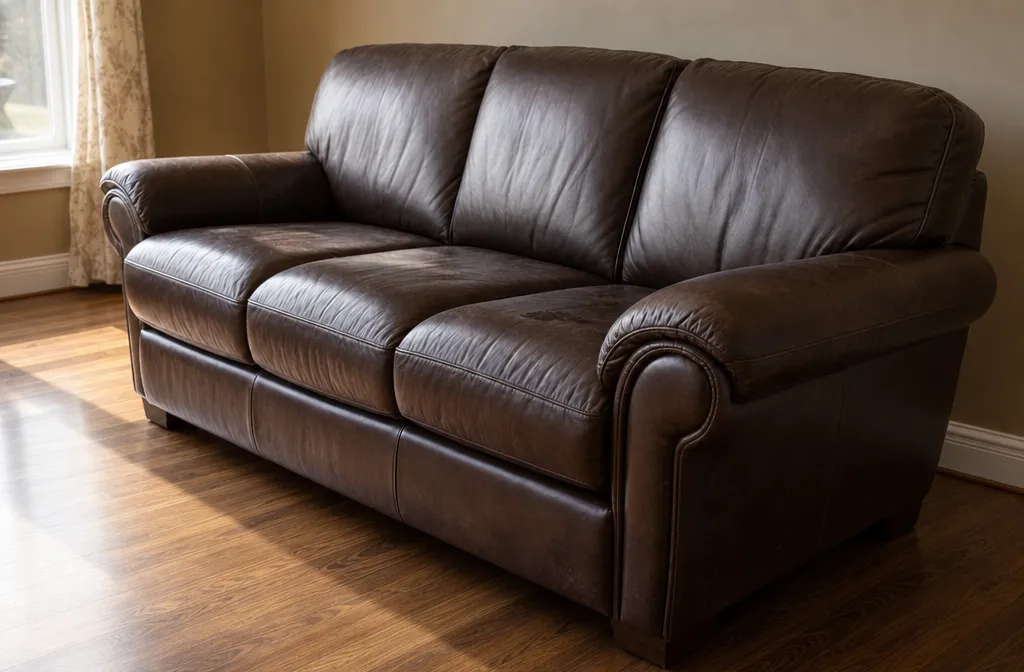
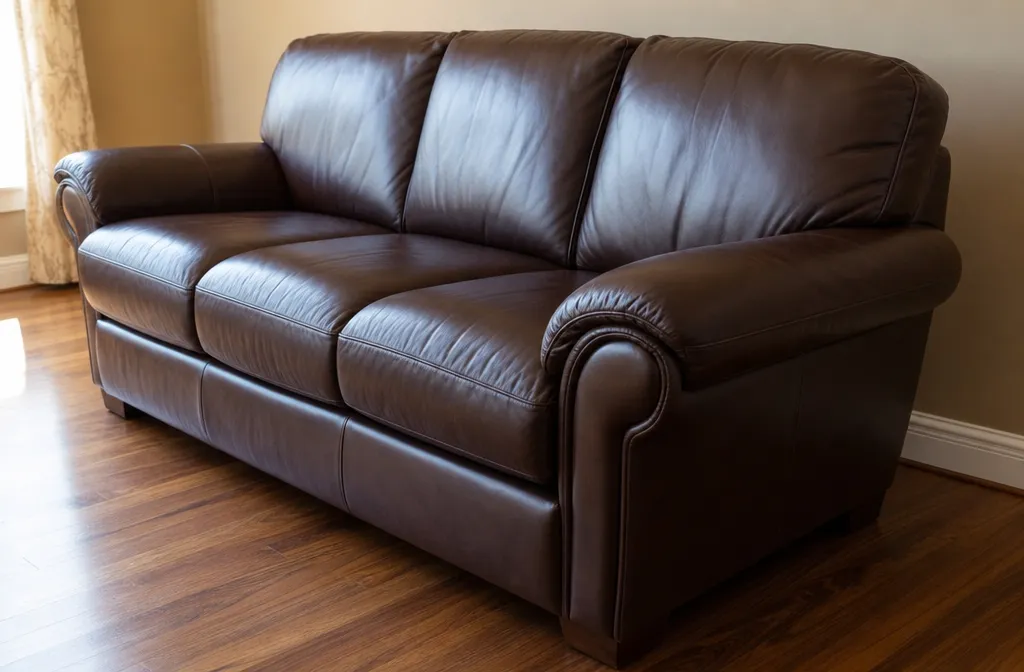 After
After
Request: A leather sofa has lost its shine and developed scuffs.
Done: Performed dry cleaning with leather conditioning and polishing.
Cost: 11 000 ₸
Master: Damir Iskakov, dry cleaning master
Total: The sofa is restored: leather soft, shiny, without scuffs or stains.
 After
After
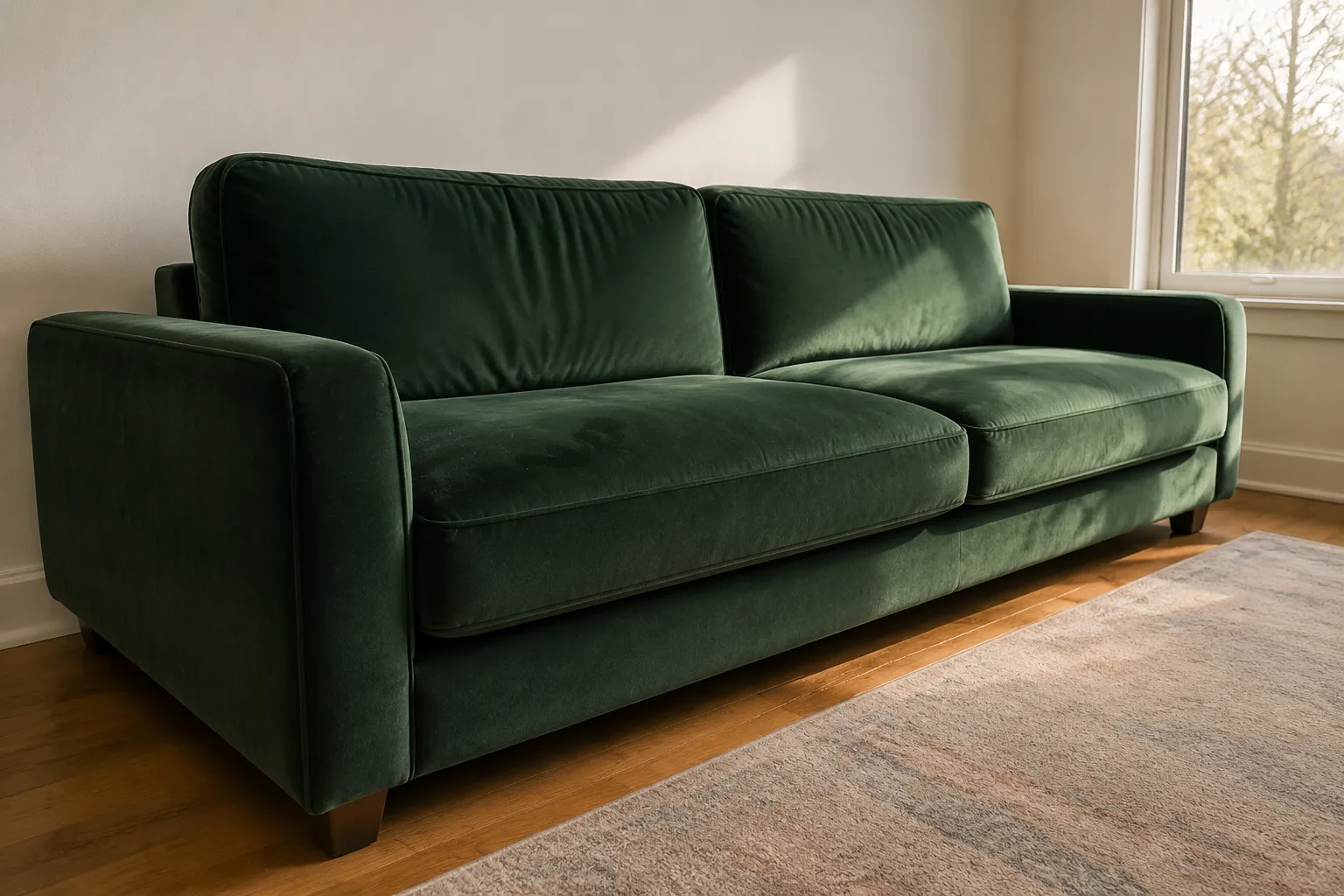
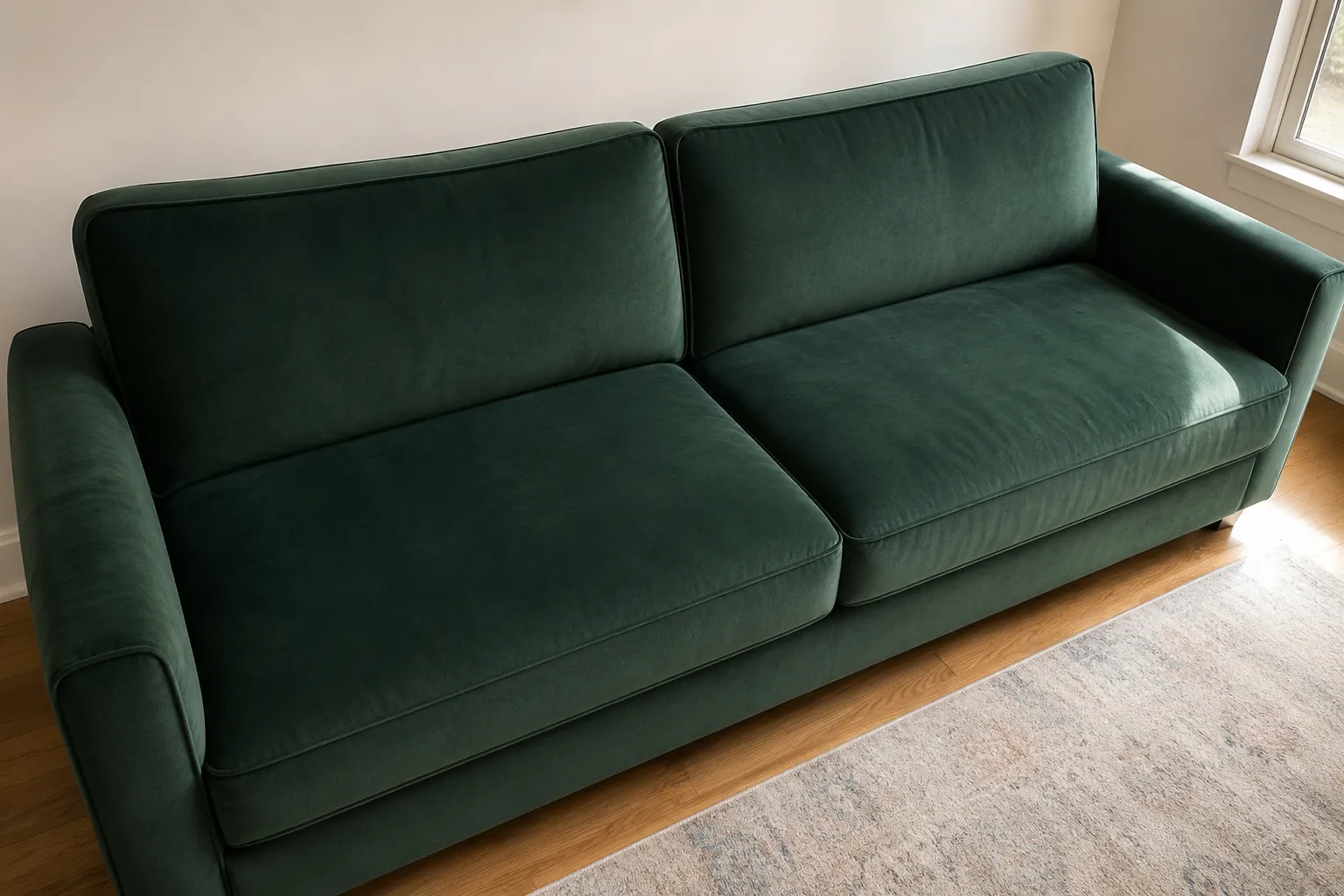
Request: A velvet sofa in the living room has become greasy and lost its appearance.
Done: Performed dry cleaning with a gentle powder and pile brush.
Cost: 11 000 ₸
Master: Yerzhan Kaliyev, dry cleaning master
Total: Velvet restored: pile lifted, color bright, no stains.
 After
After
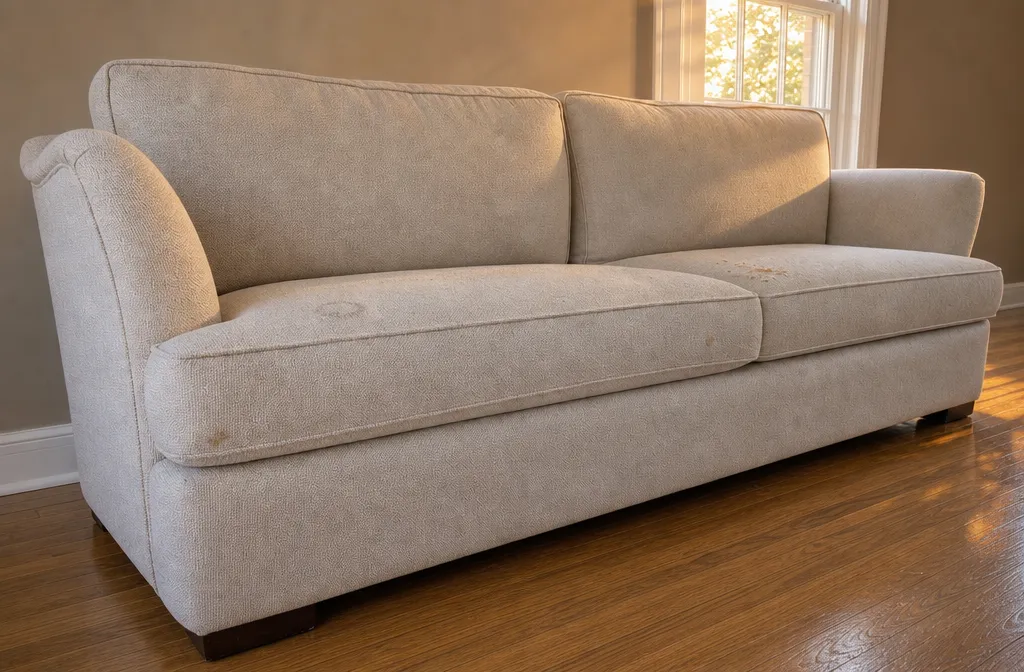
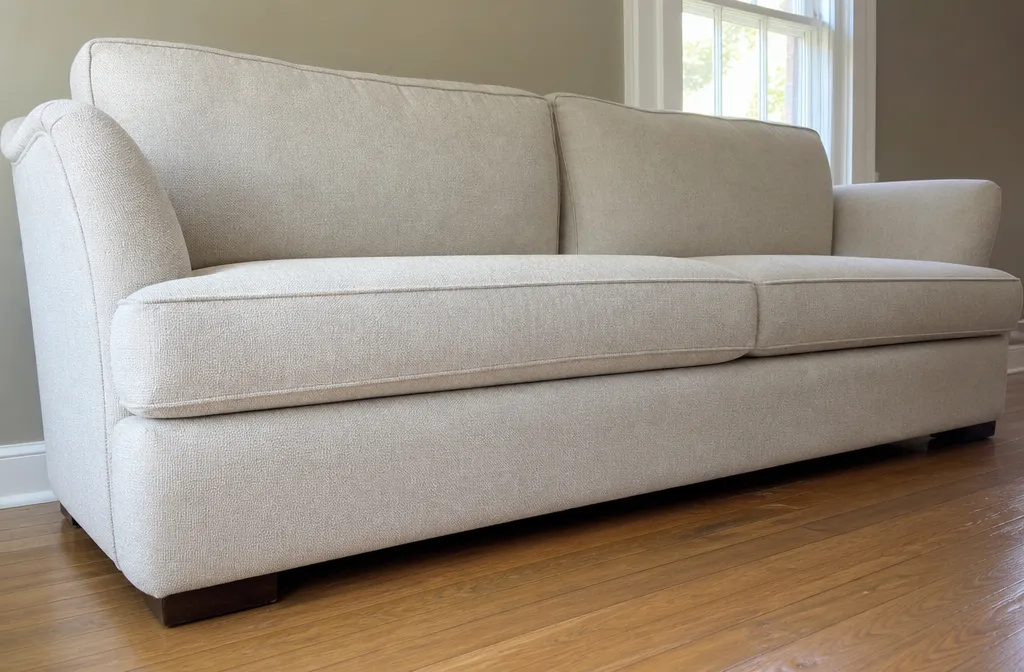
Request: Fabric sofa with old food and drink stains.
Done: Applied stain remover, performed dry cleaning with dirt extraction.
Cost: 11 000 ₸
Master: Zhanna Bekova, dry cleaning master
Total: All stains removed, sofa clean and fresh, no streaks.
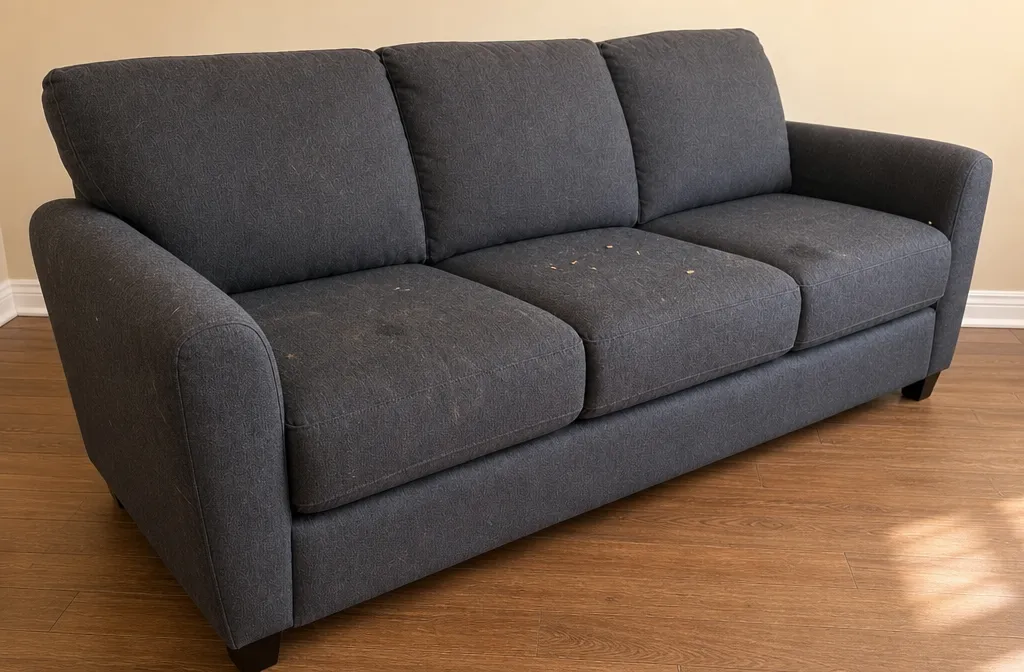
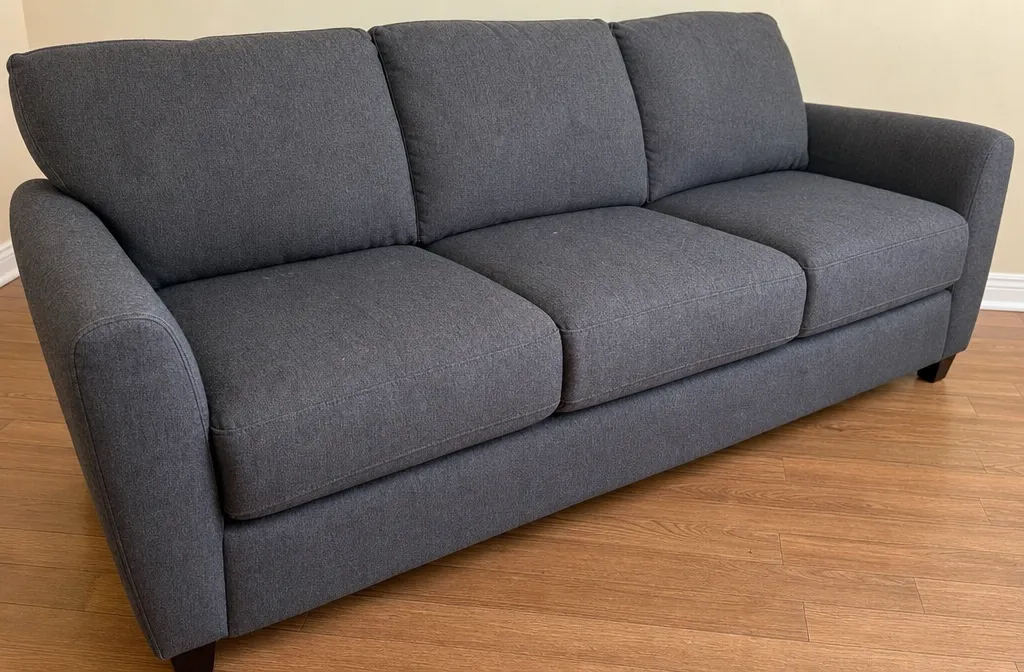 After
After
Request: Sofa covered in cat hair, needs cleaning and allergen removal.
Done: Removed hair with vacuum, performed dry cleaning with antistatic.
Cost: 11 000 ₸
Master: Ilyas Muratov, dry cleaning master
Total: Sofa completely cleaned of hair, no odor or allergens.
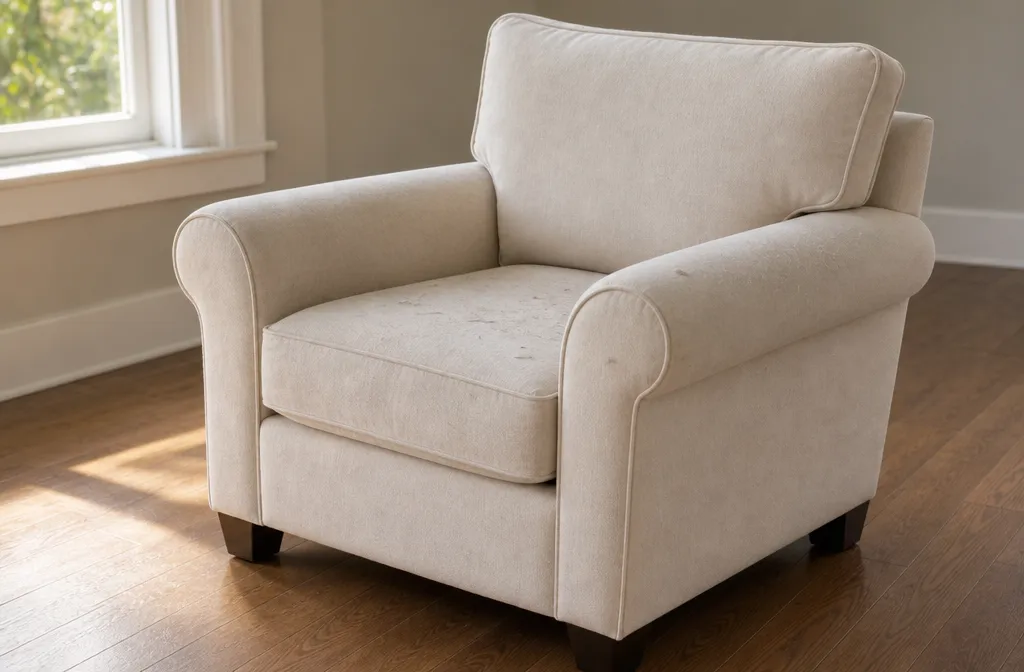
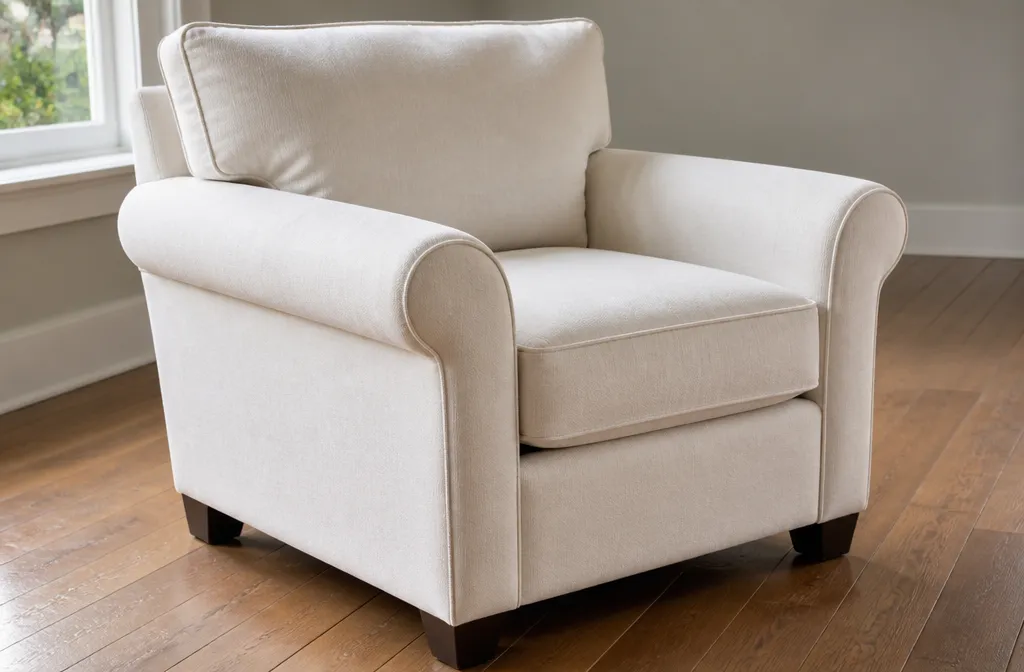 After
After
Request: Armchair in office soiled from daily use.
Done: Performed dry cleaning with stain treatment and deodorization.
Cost: 3 500 ₸
Master: Kamila Temirova, dry cleaning master
Total: Armchair clean, no stains or odors, like new.
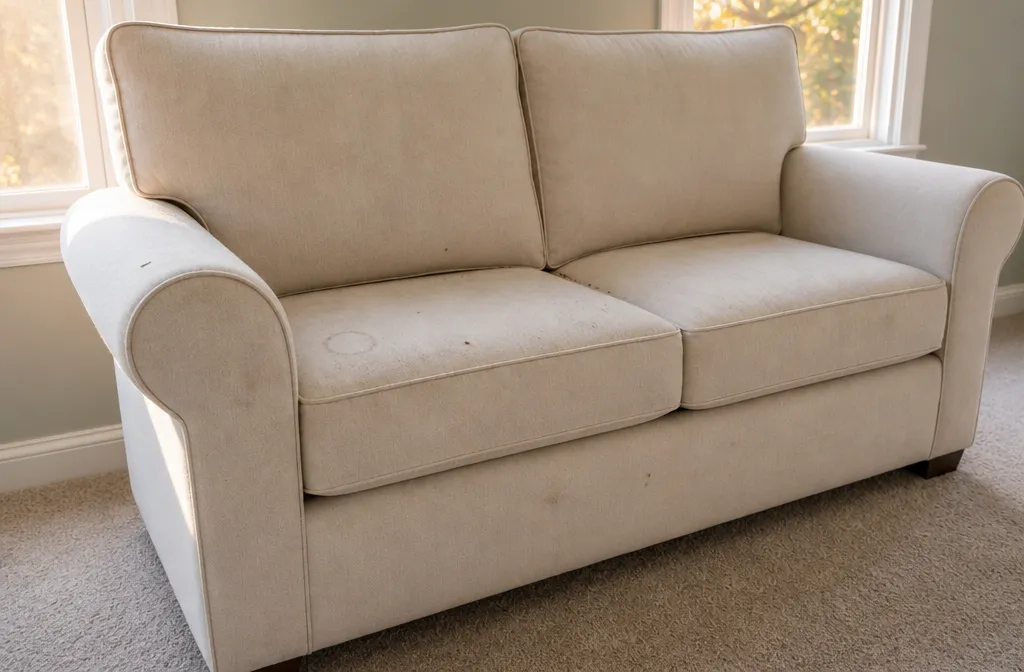
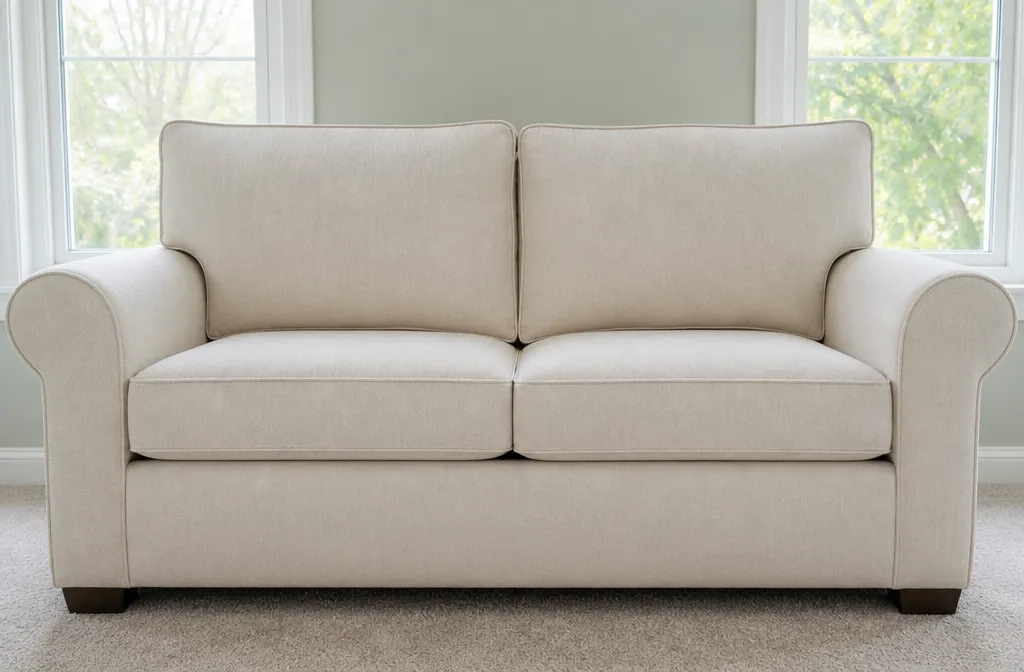 After
After
Request: Couch in hallway dusty and has shoe marks.
Done: Performed dry cleaning with stain removal and vacuuming.
Cost: 13 000 ₸
Master: Lyazzat Serikova, dry cleaning master
Total: Couch clean, no stains or dust, fresh look.
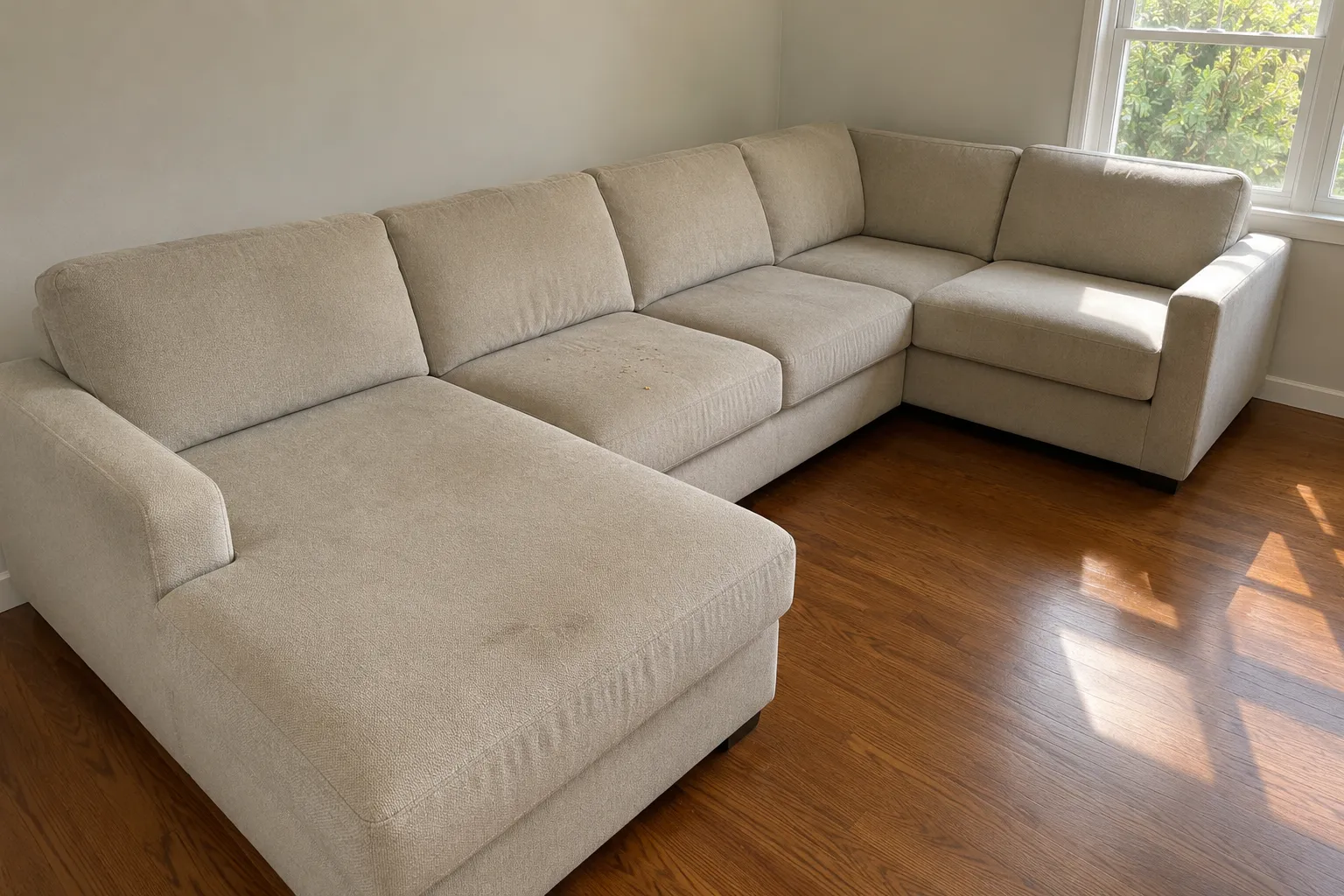
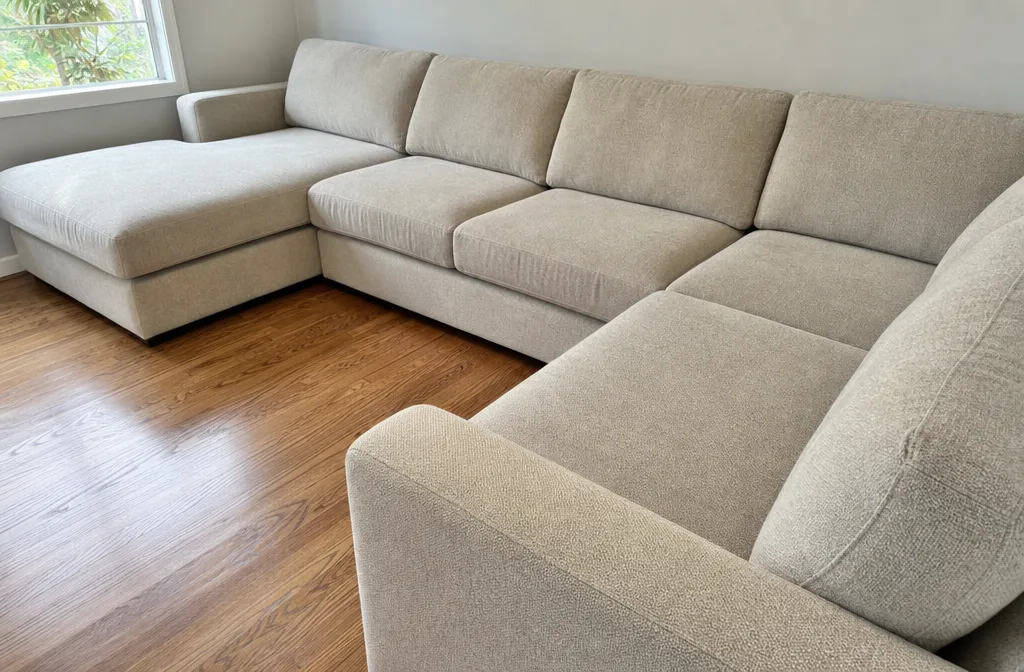 After
After
Request: Sectional sofa in living room needs comprehensive cleaning.
Done: Performed dry cleaning of all sections with treatment of seams and cushions.
Cost: 11 000 ₸
Master: Marat Abdrakhmanov, dry cleaning master
Total: Whole sofa clean, sections without stains, overall look refreshed.
All cleaners are profi-clean staff with training, uniform and security check. Each order has a team leader who controls quality.
The main difference lies in the amount of water that comes into contact with the upholstery and filling. This determines what type of dirt can be removed and how quickly the sofa will be ready for use.
During dry cleaning, we apply a foam made from a hypoallergenic solution (Kiehl or Sodasan) to the upholstery and, after 10–15 minutes, collect it with an extractor along with the dust. Water is only used for foaming – it hardly penetrates the fabric. Therefore, dry sofa cleaning in Almaty is suitable for delicate fabrics (velvet, flock, chenille) and sofas with foam filling: the filling doesn’t absorb moisture and doesn’t deform. The sofa dries in 2–4 hours, and you can sit on it by the evening. In my opinion, this is the optimal option for apartments with children, where the sofa is needed every day.
Here, we work by supplying water under pressure through an extractor – the solution is injected into the upholstery and immediately suctioned out with the dirt. This method penetrates deeper than dry foam and removes stubborn stains (grease, coffee, juice, animal urine). However, because the foam absorbs water, the sofa takes 8 to 24 hours to dry, and during Almaty’s humid autumn, up to a day and a half. If you don’t wait for complete drying, mold can develop inside. We only use wet cleaning on sofas with spring blocks or removable covers – on foam models, the risks outweigh the benefits.
Dry sofa cleaning is effective against most household stains, but not all – it’s important to understand the method’s limitations so you don’t expect the impossible from a waterless treatment.
Fresh spilled drinks are removed by profi-clean’s dry cleaning with 95-98% effectiveness – perchlorethylene-based solvents capture tannins and acids without washing them deeper into the filling. Old red wine or pomegranate juice stains require pre-soaking with a stain remover 10-15 minutes before the main treatment – without this step, the pigment may remain in the pile of velvet or chenille. On light-colored fabrics (beige flock, cream microvelvet), a yellow halo sometimes remains after coffee removal – this is removed by a repeated local application of an absorbent with a 20-minute dwell time. If the stain is older than three weeks and has already “set” into the fiber due to radiator heat, the chance of complete removal drops to 60-70% – we warn about this when accepting the order during the inspection.
Vegetable oil, mayonnaise, greasy sauces, and foundation cream are dissolved by organic solvents in one pass – dry chemistry prevents the grease from “spreading” across the fabric, as happens with water. A problem arises on sofas with moisture-repellent impregnation (Scotchgard, Teflon coating) – the grease is sealed under the protective layer, and without breaking it down, the stain won’t come out. In our practice, there was a case where a client couldn’t remove an olive oil stain from a microfiber sofa for three years – dry treatment with pre-heating the stain using an industrial hairdryer to 40°C opened the fabric’s pores, and the solvent removed the contamination in 15 minutes. On dark fabrics (black velvet, dark grey flock), grease is often invisible to the eye but noticeable to the touch and attracts dust – dry cleaning removes both the stickiness and subsequent adhesion.
Dry cleaning removes blood, dairy products, and biological fluids less effectively than wet cleaning – without water, protein compounds “coagulate” and become fixed in the fiber. We only take on such stains after a mandatory test on an inconspicuous area: if the fabric doesn’t bleed, we apply a water-alcohol solution locally, let it dry for 40 minutes, and then treat it with a dry compound. Fresh blood (up to 2 hours old) is removed completely; old blood leaves a residual trace of 5-10%, visible only under ultraviolet light. On sofas with foam filling, protein stains are the most dangerous – they become a breeding ground for mold inside the block if the sofa isn’t dried within 4-6 hours. Therefore, when working with such stains, we always use an industrial blower fan after treatment to ensure no moisture remains inside.
Alcohol-soluble inks (ballpoint pens, some felt-tip pens) are removed by dry cleaning in 1-2 cycles — solvents soften the pigment, and the absorbent draws it into the powder. Waterproof markers and acrylic paints do not respond to the dry method — they are only removed mechanically (scraping) or by dissolving with a special solvent, which we use only on dense fabrics like burlap and tapestry. On velour and flock, attempting to remove a permanent marker with dry cleaning leads to the stain spreading over a larger area — we had a job where a child drew on a sofa with a blue marker, and the client made it worse by trying to wipe it off with a wet wipe. In such cases, we first fix the stain’s borders with talc, then treat it with a solvent point-by-point — the result is 80-90% on light fabrics and 60% on dark ones.
Pet urine is a combined soiling: pigment (urobilin) + salts + bacteria. Dry cleaning removes the visible mark and part of the odor but does not eliminate urea from the padding — without an enzyme neutralizer, the odor returns within 2-3 days when humidity rises. profi-clean uses a two-stage protocol: first, dry treatment to remove the pigment, then spraying a bacterial neutralizer with a 6-8 hour dwell time and final drying. On sofas with foam density below 25 kg/m³, urine penetrates deep into the block within 15-20 minutes — if more than an hour has passed since the soiling, we recommend partial replacement of the padding, as no cleaning method will remove the odor from the middle of the foam.
After dry cleaning, the upholstery remains almost dry — this is the main advantage of the method, but care is still needed to maintain the result and prolong freshness.
For 24 hours after treatment, it’s best not to sit on the furniture, even if the covering feels dry. Micro-particles of the cleaning compound are still active: they continue working on residual dirt inside the fabric fibers. If you sit on the sofa, the pile gets flattened, and dirt from clothing is rubbed back into the upholstery — reducing the cleaning effect by 30–40%. In my opinion, the most common client mistake is leaving cushions or blankets on the sofa: this slows evaporation and can cause streaks on velour or flock. It’s better to remove everything and let the fabric “breathe” at room temperature. In our practice, there was a case where wet cleaning left dark spots on chenille due to slow drying — this doesn’t happen with dry cleaning, but airing is still essential.
To keep your sofa fresh as long as possible, vacuum the upholstery once a week with a soft brush attachment — this removes abrasive dust particles that wear down the pile. Once a month, treat the cushions with a low-pressure steam generator: steam kills dust mites and removes odors without chemicals. If you eat or drink on the sofa, place cotton throws on the armrests and seat — they absorb most of the dirt and are easy to wash. By the way, dry cleaning of sofas in Almaty is especially relevant in spring and autumn: during the rainy season, street dirt from clothing soils the fabric faster, and preventive treatment every six months keeps the upholstery in good condition longer.
If grease stains or tobacco odor appear on the upholstery — home remedies won’t help; professional dry cleaning is required. Grease penetrates deep into the padding, and surface cleaning only spreads it across the fabric. Odor is absorbed into the foam: without extraction using a HEPA-filter vacuum, it will linger for months. Base the frequency on usage: a living room sofa used daily needs professional treatment every 6–9 months, while a bedroom sofa needs it once a year. If you notice that a dark mark remains on a cloth after home cleaning — it means dust has set in, and it’s time to call cleaners with professional chemicals and equipment.
The sofa upholstery determines which dry cleaning method will yield results without damage — at profi-clean, we select the compound and mode for the specific material rather than using a one-size-fits-all approach.
Velvet is a capricious material: its pile flattens when wet and loses its shine, so dry cleaning a sofa is the only option here. We apply a neutral pH absorbent (Kiehl Green Line) to the dry surface, let it sit for 15–20 minutes to absorb fats and dust, then collect it with a vacuum cleaner equipped with a turbo brush — the rotating bristles lift the pile instead of flattening it. On velvet, it is strictly forbidden to rub stains with a brush: rubbing spreads the dirt deeper and leaves bald patches. In our practice, velvet most often suffers from spilled coffee — we treat it spot-wise with a dry stain remover Sodasan, without affecting neighboring areas to avoid blurring the boundary.
Flock (pile on an adhesive base) looks similar to velvet but is afraid of alcohol and acetone solvents — they dissolve the adhesive layer, causing the pile to peel off in patches. For flock, we exclusively use water-foam compounds with minimal moisture (aerosol spray, not pouring) and a stiff brush with synthetic bristles — it does not scratch the coating. After cleaning, flock dries in 30–40 minutes, but it is important not to sit on the sofa for another hour: the adhesive layer gains strength after contact with moisture. In Almaty, flock is often chosen for children’s sofas — it cleans easily from markers and plasticine if oil-based solvents are not used.
Chenille is a fabric with a characteristic “rib” made of twisted threads, which absorbs moisture 2–3 times faster than velvet and takes a long time to dry. During wet cleaning, water remains inside the weave, provoking mold and a musty smell — especially in spring and autumn in Almaty apartments with poor ventilation. We clean chenille using a dry method with a low absorbent consumption (50–60 g/m² instead of the standard 80–100) and mandatory treatment of the underside of the cushion — that’s where sweat and dust mites accumulate, which breed more actively on chenille due to the dense thread interweaving. Before cleaning chenille, we always check the dye fastness on an inconspicuous area — cheap fabrics of this type fade upon contact with any reagent.
Microfiber (polyester with micro-pile) is an undemanding material: dry cleaning a sofa works with any absorbent, but we prefer Kiehl with enzymes — they break down protein (blood, milk, baby formula) without a trace. The secret is that on microfiber, stains “bake” under sunlight within 2–3 days — if cleaning is done later, a repeat treatment is needed 12 hours after the first one. Eco-leather (polyurethane on a fabric base) does not tolerate dry cleaning: abrasive granules scratch the top layer, leaving matte streaks. For eco-leather, we use a damp cloth with neutral soap — this is the only safe option, and we warn the client about this before departure to avoid disappointment.
Many sofa owners fear that after cleaning, the fabric will shrink, fade, or lose its shape — and their concerns are justified with the wet method. Dry cleaning a sofa minimizes these risks because it uses a minimal amount of water and gentle solvents that do not penetrate deep into the filling. In our practice at profi-clean, 90% of cases with damaged upholstery are the result of DIY wet cleaning or hiring inexperienced technicians.
Water, getting into the sofa filling (polyurethane foam, holofiber, synthetic padding), creates an ideal environment for mold: foam rubber takes 3–5 days to dry in an apartment, and during this time, fungi develop inside, causing a musty smell and destroying the fibers. At profi-clean, we have encountered sofas where, after self-washing the upholstery, black mold formed inside on 40–50% of the filling area — such a sofa cannot be restored, only the block can be replaced. Dry cleaning a sofa leaves the upholstery moisture at 5–10% compared to 60–80% with wet cleaning — the fabric dries in 15–30 minutes, while the filling remains dry. Therefore, for sofas with orthopedic blocks or latex, the dry method is the only safe option if you don’t want to replace the filling after six months.
Wet cleaning softens the adhesive base of embossing on velvet and flock — after drying, the pile lies unevenly, “bald spots” appear, and the dye on cheap fabrics migrates to adjacent areas. In contrast, dry cleaning of a sofa uses a cellulose-based sorbent or polymer granules that absorb dirt without aggressive friction and without chemical impact on the dye. In practice, this means that after our cleaning, chenille retains its velvety feel, and jacquard retains its pattern clarity, whereas after wet treatment, the same fabrics often lose 20-30% of their color saturation. Almaty’s hard water (up to 8 mg-eq/L) amplifies this effect: white salt streaks remain on velvet, which can only be removed by repeated dry cleaning.
The wet method (extraction with shampoo) is used for stubborn oil and grease stains, as well as for microfiber or cotton upholstery, but only if the sofa manufacturer indicates the permissibility of such care in the product passport. In our orders from a significant amount, we have encountered sofas where wet cleaning was performed before us — the result: deformation of the foam rubber in corner modules (sagging of 3-5 cm), delamination of synthetic padding, and the appearance of yellow streaks on light-colored fabric. Our principle: if the upholstery is blended (polyester + viscose, polyester + cotton) or has a water-repellent impregnation — dry cleaning of the sofa is mandatory; wet cleaning destroys the impregnation in one go. Before ordering, check the label on the sofa: if it has a “dry clean only” symbol (P) — the wet method voids the factory warranty.
I ordered dry cleaning of a sofa—they removed old coffee stains, the leather looks like new. Very satisfied.
Thank you, Aigerim! Glad we handled the stains.
After cleaning, the corner sofa was transformed: dust and odor gone, color became richer. Pleasantly surprised by the quality.
We had dry cleaning done on the sofa—less dust, child stopped sneezing. Downside: had to air it out for a long time.
Daniyar, thanks for the feedback! Next time we'll use a faster-drying formula.
The sofa bed looked terrible after a long rental. After cleaning—like new from the store, no streaks.
Zhanna, thank you! Glad we restored the sofa's cleanliness.
Ordered dry cleaning for a light-colored leather sofa. Excellent result: stains removed, color evened out.
Got rid of cat odor on the sofa. The smell is almost completely gone, only a faint trace remained the next day. Overall good.
Thank you, Assel! We recommend treating with a spray for prevention.
Dry cleaning of the sofa is amazing! Kids drew with markers, everything was cleaned without a trace.
Kuanysh, glad to help! Contact us again.
After cleaning, breathing became easier, the sofa is clean and dust-free. Highly recommend for allergy sufferers.
Ordered dry cleaning of the sofa — grease stains from food disappeared, leather not damaged. The technician arrived on time.
Timur, thank you for your feedback!
The sofa was very greasy, especially the armrests. After cleaning, it became much better but not perfect. Probably due to old upholstery.
Gulnara, thank you for your honesty. For such stains, we recommend intensive treatment.
Dry cleaning of the sofa removed the tobacco smell that had set in over the years. Smells fresh. Recommend.
Spilled red wine on a light sofa. Cleaners arrived quickly, no stains left. Thank you!
Olga, glad we saved the sofa! Contact us.
Had dry cleaning of the sofa bed. Everything is great, even old tea stains were removed. Will come again.
Aizhan, we look forward to seeing you again!
After cleaning, the leather sofa looks like new: scuffs are almost invisible, color refreshed.
Dry cleaning of the sofa handled berry stains, but a slight streak remained on the velvet. Overall not bad.
Laura, we'll take your comment into account. For velvet, we select gentle products.
After dry cleaning, the sofa is clean, no hair, no smell. The cat didn't recognize it—walks around it. Funny and pleasant.
We did dry cleaning of the sofa—kids stained it with plasticine, everything cleaned off, not even a trace left. Super!
Saule, thank you! Glad we helped.
The sofa came from previous owners with a strange smell. After dry cleaning, the smell disappeared, it became comfortable to sit on.
I ordered dry cleaning of a suede sofa. I was afraid they'd ruin it, but the result exceeded expectations: soft, clean, no streaks.
Aliya, thank you for your trust! We work carefully.
Cleaning helped, but the greasy spots on the armrests became slightly lighter, not completely. The rest is excellent.
Nurlan, thanks for the feedback. Next time we'll try intensive cleaning.
We did dry cleaning of the sofa bed. Coffee and chocolate stains disappeared, the fabric became softer. Satisfied.
After cleaning, the leather sofa looks well-maintained, scratches are less noticeable. The color is even.
Askar, thank you! We recommend regular leather care.
Dry cleaning of the sofa removed pomegranate stains that I thought were hopeless. I was very happy.
Less dust, easier to breathe. But after cleaning, there was a slight chemical smell that faded in a couple of days.
Bakhtiyar, thanks for the feedback! We use hypoallergenic products, but sometimes the smell lingers.
I ordered dry cleaning of the sofa — grease stains from hands are gone, the sofa looks renewed. Thank you.
Karlygash, glad to help!
After renovation, the sofa smelled of paint; I thought I'd have to replace it. Dry cleaning completely removed the smell. I recommend it.
Dry cleaning of the sofa saved it from children's paint and marker stains. Now the sofa is like new. Very satisfied.
Anar, thank you! Come back again.
Less dust, but on the complex upholstery, some small lint remained. Overall clean.
Serik, we'll take note and improve quality.
We spilled red wine on a light sofa. Had dry cleaning done — no trace. Professionals!
The old sofa was transformed after dry cleaning: color became brighter, greasy areas disappeared. Like new.
Arman, thank you! Glad we gave the sofa a second life.
My son spilled ink on the sofa. I thought it was ruined. Dry cleaning removed the stain completely. Thank you to the masters!
The greasiness is gone, but a slight residue remains on light areas. Otherwise, good.
Bekzat, thank you! We'll try to improve the result.
Dry cleaning of a leather sofa: removed scuffs, applied protection. Now the sofa shines. Very satisfied.
Assel, glad you liked it!
The dog smell disappeared after cleaning. The sofa is fresh. Thank you.
I ordered dry cleaning of the sofa — they removed oil stains that my mother-in-law left. Now peace in the family :)
Zhuldyz, great result! Glad we helped.
On average, cleaning one sofa takes 1 to 2 hours depending on size and level of soiling. After cleaning, the sofa dries completely in 1-2 hours and is ready for use.
Yes, we use hypoallergenic Kiehl and Sodasan products that contain no toxic substances. After cleaning, no harmful fumes remain, so children and pets can be nearby immediately after drying.
The average price for dry cleaning a two-seater sofa in Almaty is based on an individual rate. The cost includes inspection, vacuuming, powder application, extraction, and final treatment.
The price for a corner sofa (up to 3 sections) is based on an individual rate. If there are more sections, the cost is calculated individually.
Yes, when ordering cleaning of two or more sofas, we offer a 10% discount. Seasonal promotions are also available—check with our operator.
You can use the calculator on our website: select the type of sofa and quantity, add additional services, and the system will calculate the final price.
We clean all types of sofas: two-seater, three-seater, corner, sofa beds, leather, eco-leather, as well as sofas with upholstery in velvet, flock, chenille, jacquard, microfiber, and tapestry.
Yes, we specialize in cleaning delicate fabrics. For velvet we use a soft brush, for flock—dry powder without friction, for chenille—a low-pressure extractor.
The package includes: inspection, vacuuming with a HEPA filter, application of dry powder Kiehl/Sodasan, working it in, dwell time 15-20 minutes, removal with Karcher extractor, local stain treatment with Prochem, and final drying.
The process consists of 8 stages: inspection, vacuuming, powder application, working in, waiting, extraction, stain treatment, drying. A detailed description of each stage is available in the 'How We Work' section.
Tell us about your experience with profi-clean — it helps other clients and us improve.
We currently operate in Almaty. Other cities are coming soon.