Inspection and fabric test
The master inspects the upholstery, checks color fastness and reaction to cleaning products on an inconspicuous area.
Deep cleaning of sofas with an extractor in Almaty — removing stains, odors, and dust

We work with any types and materials
Straight sofas are cleaned with a Karcher Puzzi extractor, removing dust and stains from the entire surface.
from 11,000 ₸Corner sofas require disassembly of modules to access each segment.
from 18,000 ₸We clean the transformation mechanism and upholstery, treating folds and joints.
from 11,000 ₸Compact armchairs are cleaned quickly, with attention to armrests.
from 3,500 ₸Office chairs with fabric back and seat are treated for dust and grease.
from 3,500 ₸Rocking chairs are cleaned considering the tilt, using foam treatment.
from 3,500 ₸Mattresses are cleaned on both sides, removing dust mites and yellow stains.
from 7,000 ₸Carpets are cleaned on-site with an extractor, price per m².
from 11,000 ₸Soft chairs with upholstery are treated for dirt on the seat and back.
from 1,500 ₸Ottomans are cleaned completely, including legs and sides.
from 2,500 ₸Banquettes are cleaned considering decorative elements and upholstery.
from 2,500 ₸Headboards are cleaned from dust and cosmetic marks using gentle products.
from 2,500 ₸From inspection to result with guarantee
The master inspects the upholstery, checks color fastness and reaction to cleaning products on an inconspicuous area.
Remove dust, crumbs, and debris from the surface and crevices using a HEPA vacuum to avoid streaks during wet cleaning.
Apply stain remover Kiehl or Sodasan to local stains, let it sit for dissolution.
Spray cleaning shampoo (Kiehl) evenly over the entire surface, avoiding over-wetting.
Treat the surface with a soft brush to loosen dirt and improve product penetration.
Use a Karcher Puzzi or Bissell extractor to rinse away solution and dirt, supplying water and vacuuming it up.
Remove residual moisture to speed up drying and prevent streaks.
We fluff the pile, air out the room, and provide care recommendations. 90% humidity dissipates within 2-4 hours.
We use professional Karcher Puzzi 10.8 and Bissell Big Green extractors that apply cleaning solution under pressure and immediately suction dirt, penetrating up to 5 cm into the upholstery. This removes dust, allergens, and stains from the filling, which is not possible with regular vacuum cleaners.
Thanks to powerful suction and certified Kiehl (Germany) and Sodasan (organic) products, we remove up to 99% of allergens and dust mites. This is confirmed by independent tests. Especially important for families with children and allergy sufferers.
When ordering cleaning of two or more items (e.g., sofa + armchair), the master's travel within Almaty is free. Travel outside the city is paid separately. We work from 8:00 to 22:00 without days off, travel on the day of order.
If a stain is not removed after cleaning, we refund the money. We use only professional products and equipment, so we guarantee quality. You are satisfied or we refund.
Our technology includes 8 stages: from fabric inspection to final drying. Each stage is important for deep cleaning and preserving upholstery color. We do not skip any step.
profi-clean employs over 40 full-time masters trained in using extractors and Kiehl/Sodasan products. All masters have medical records and use individual uniform sets.
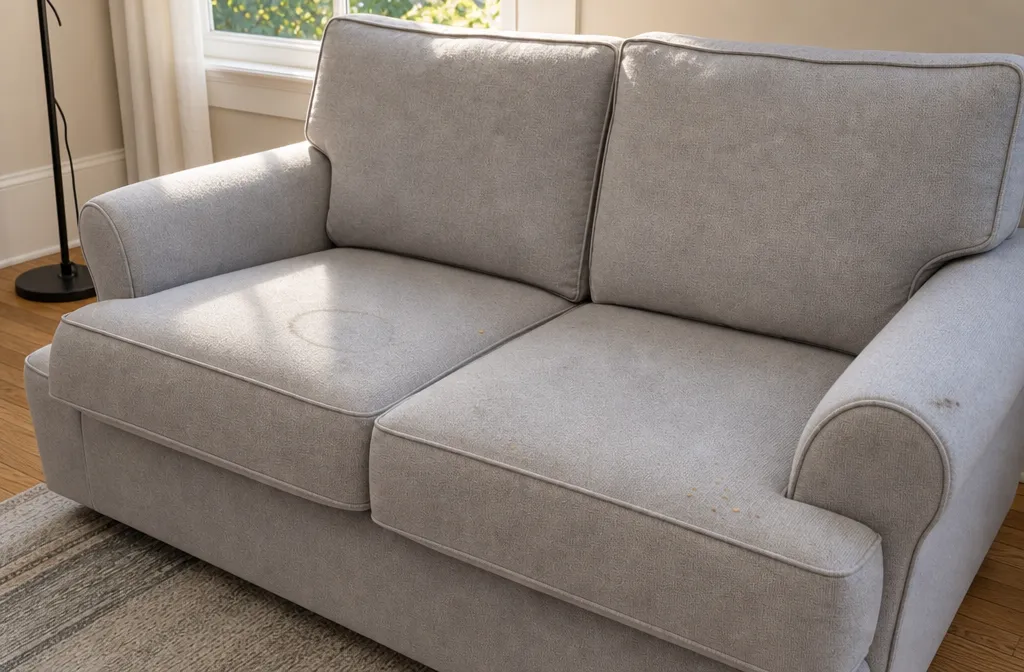
 After
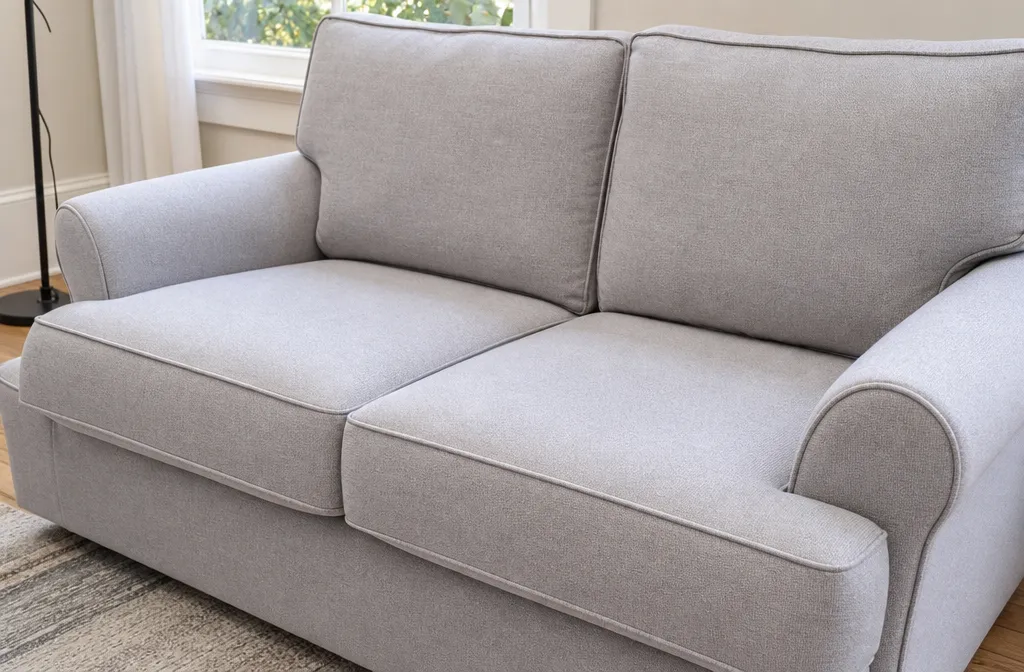
After
Request: Need to remove stains and refresh the upholstery of a two-seater sofa in the living room.
Done: Deep cleaning performed with an extraction cleaner using an enzyme cleaner and hot water at 60°C.
Cost: 11 000 ₸
Master: Aizhan Nurgaliyeva, dry cleaning master
Total: Sofa fully cleaned, stains removed, upholstery softer and fresher.
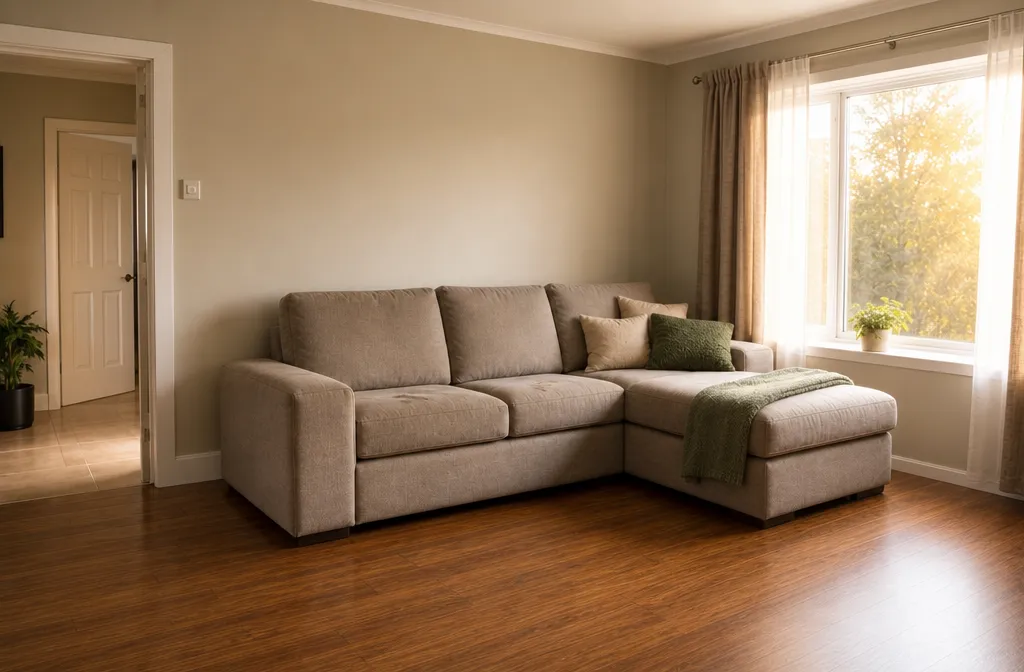
 After
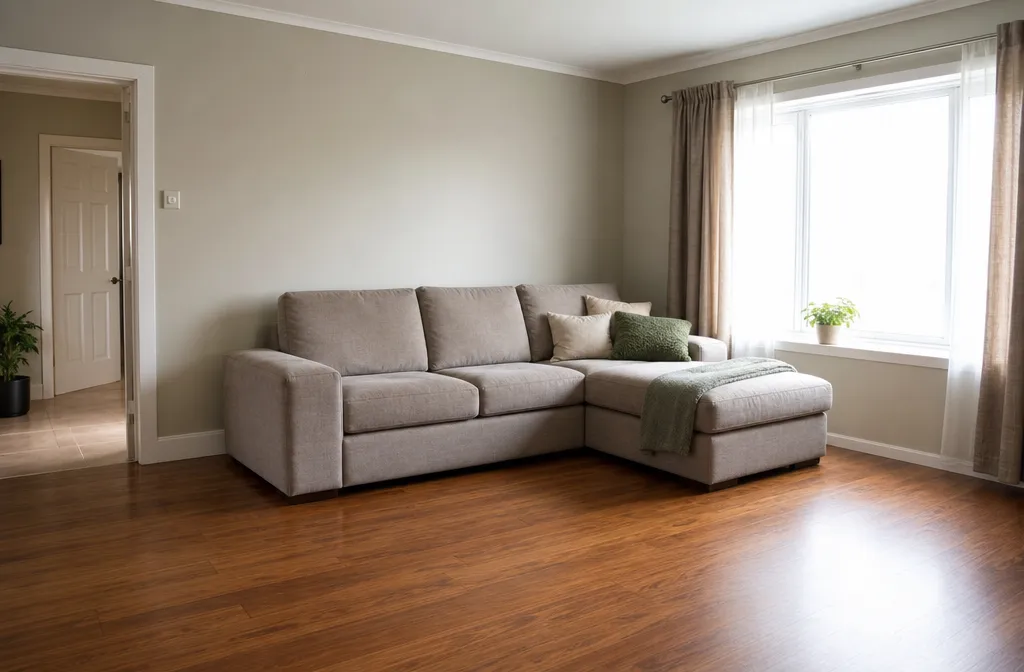
After
Request: Need to remove old stains from a corner sofa and restore its color.
Done: Cleaning performed with an extraction cleaner with pre-treatment of stains using a stain remover.
Cost: 18 000 ₸
Master: Timur Zhaksybekov, dry cleaning master
Total: Stains completely gone, upholstery evenly cleaned, color restored.
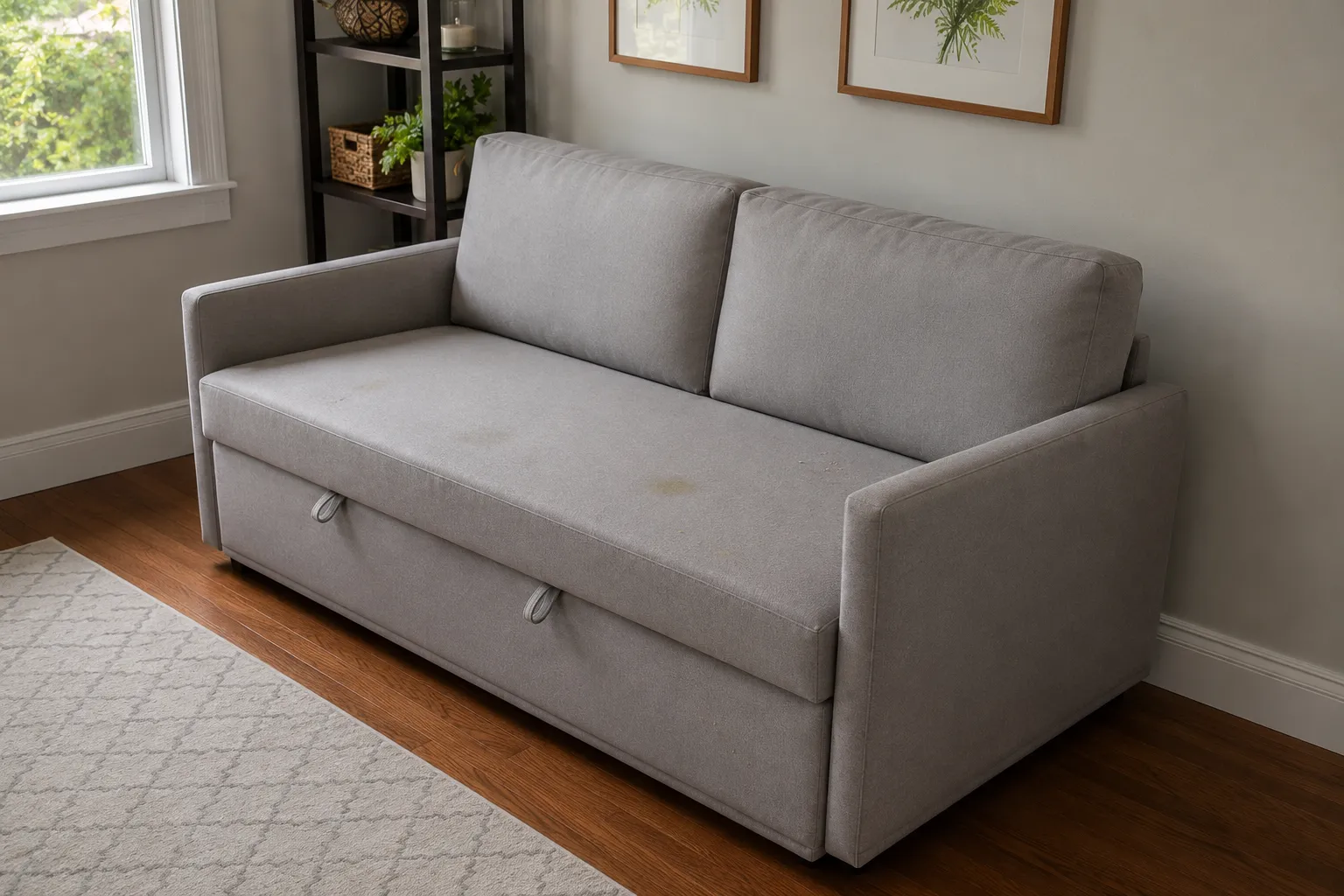
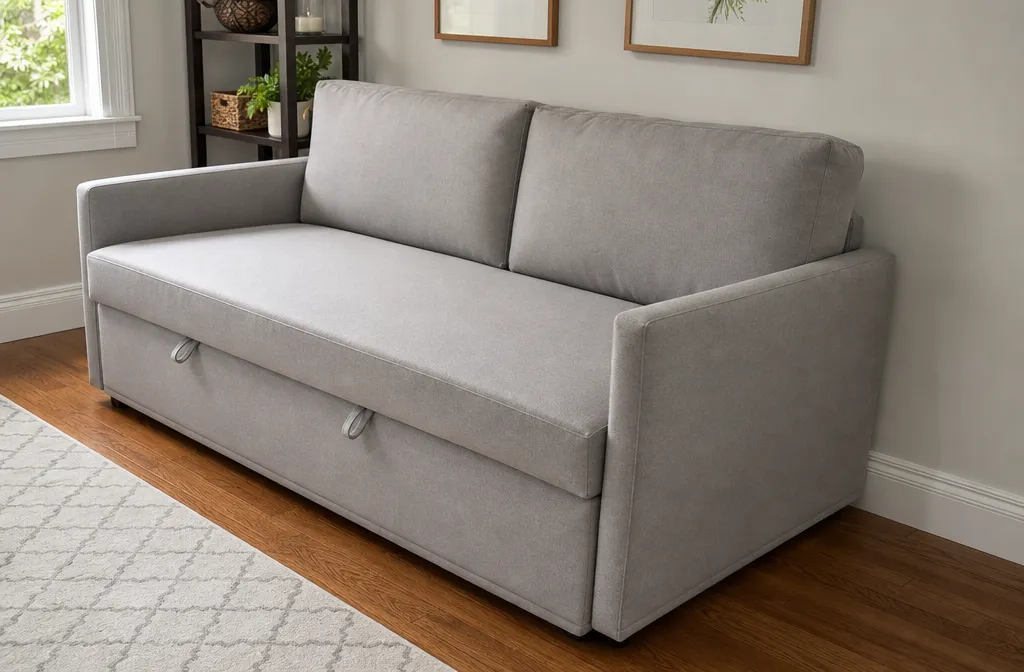 After
After
Request: Urgently remove urine odor and stains from a sofa bed after a dog.
Done: Enzymatic cleaning performed with an extraction cleaner with odor neutralization and disinfection.
Cost: 11 000 ₸
Master: Marat Dosov, dry cleaning master
Total: Odor and stains eliminated, sofa fresh and safe for pets.
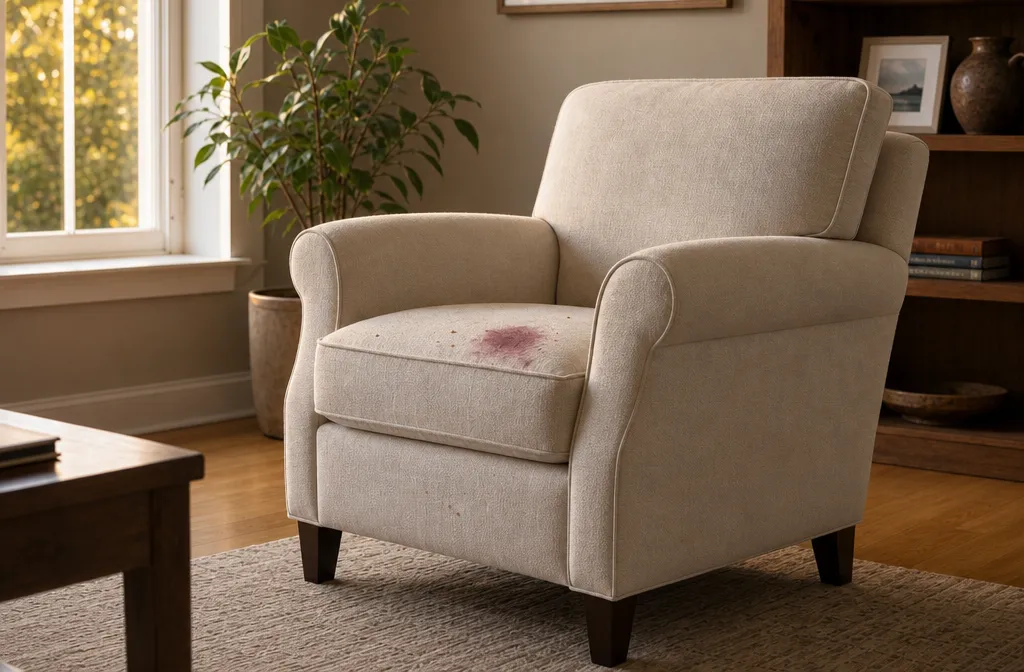
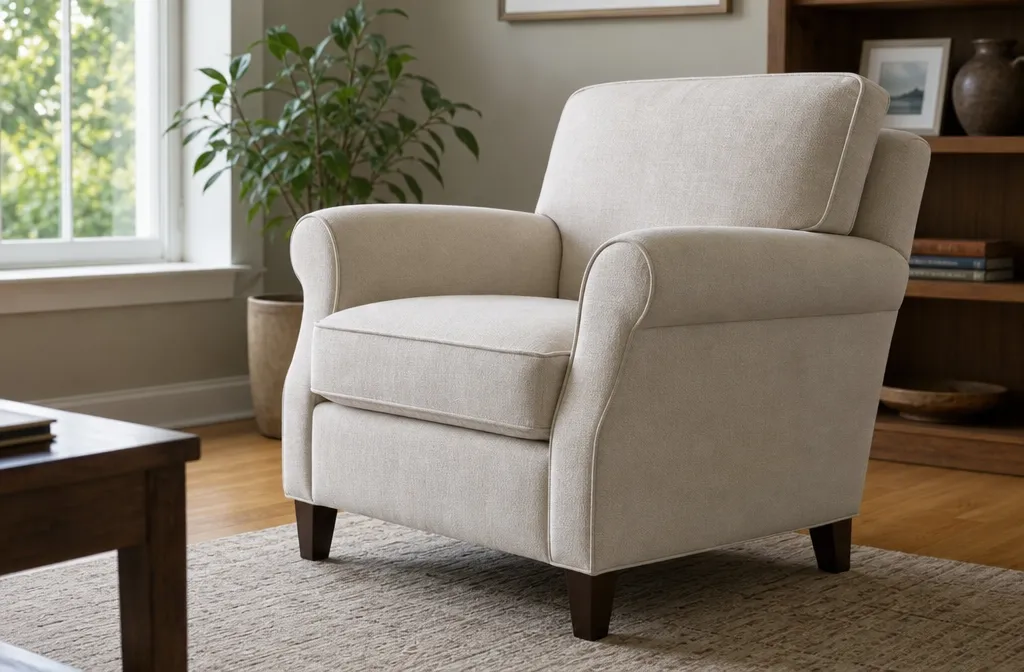 After
After
Request: Remove red wine from an armchair, stain is fresh, urgent cleaning needed.
Done: Local stain treatment and full cleaning of the armchair performed with an extraction cleaner.
Cost: 3 500 ₸
Master: Aigul Sagitova, dry cleaning master
Total: Wine stain completely removed, armchair clean and streak-free.
 After
After
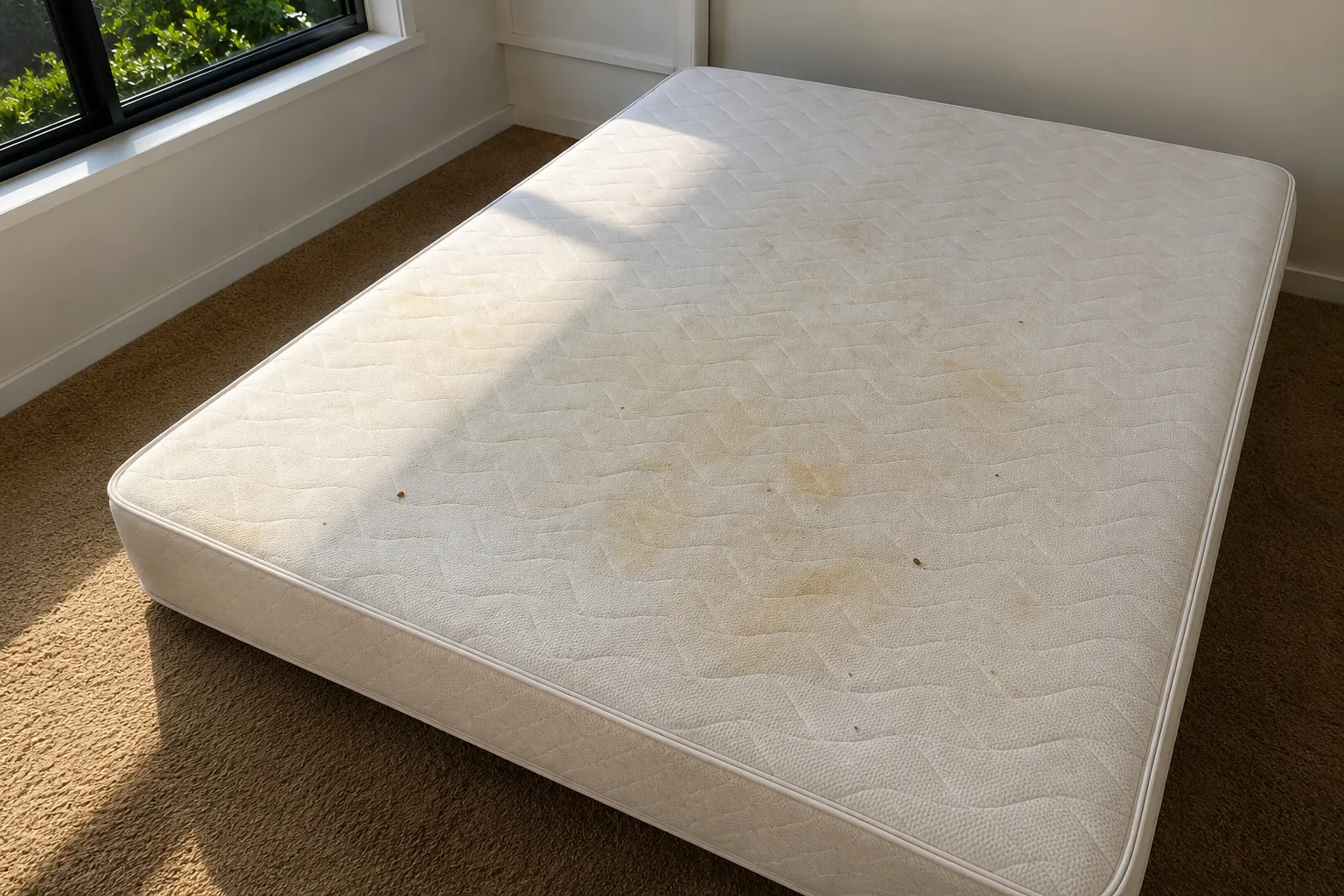
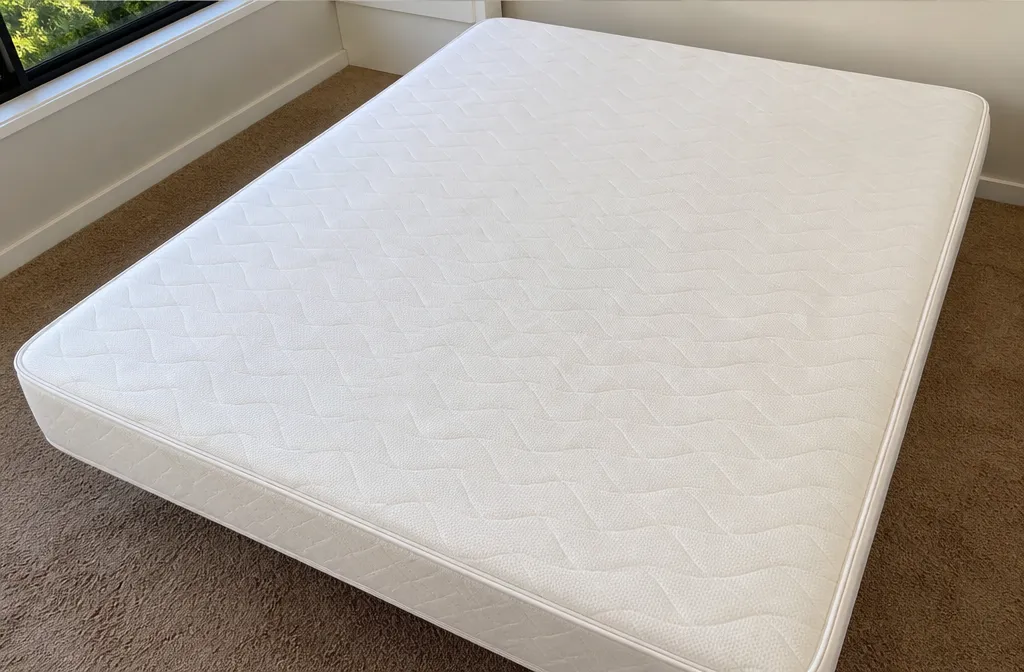
Request: Remove yellow sweat stains from a mattress and refresh it.
Done: Cleaning with an extraction cleaner using oxygen bleach and hot water.
Cost: 7 000 ₸
Master: Daniyar Kusainov, dry cleaning master
Total: Yellow stains gone, mattress white and fresh.
 After
After
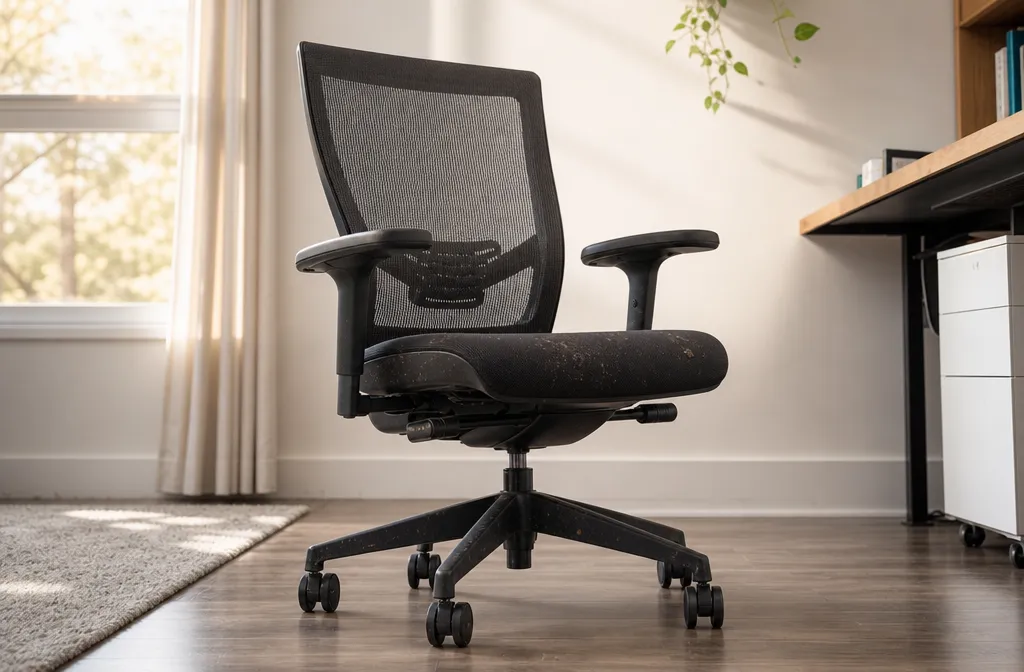
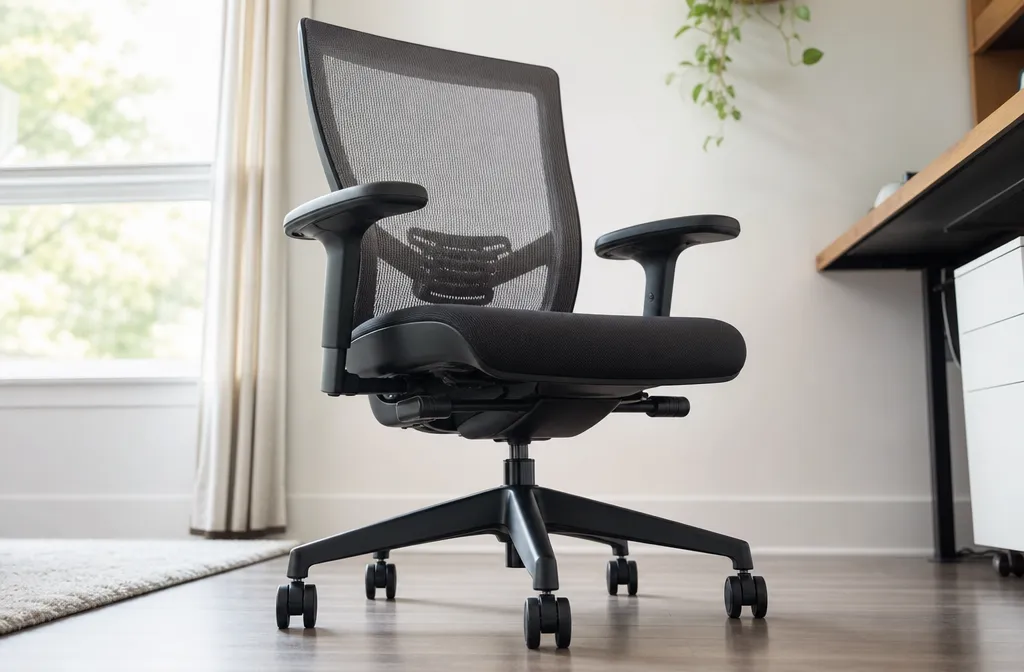
Request: Clean an office chair from ingrained dirt and stains.
Done: Deep cleaning with a carpet cleaner using a brush and degreaser.
Cost: 3 500 ₸
Master: Yerzhan Omarov, dry cleaning master
Total: Chair fully cleaned, dirt removed, appearance refreshed.
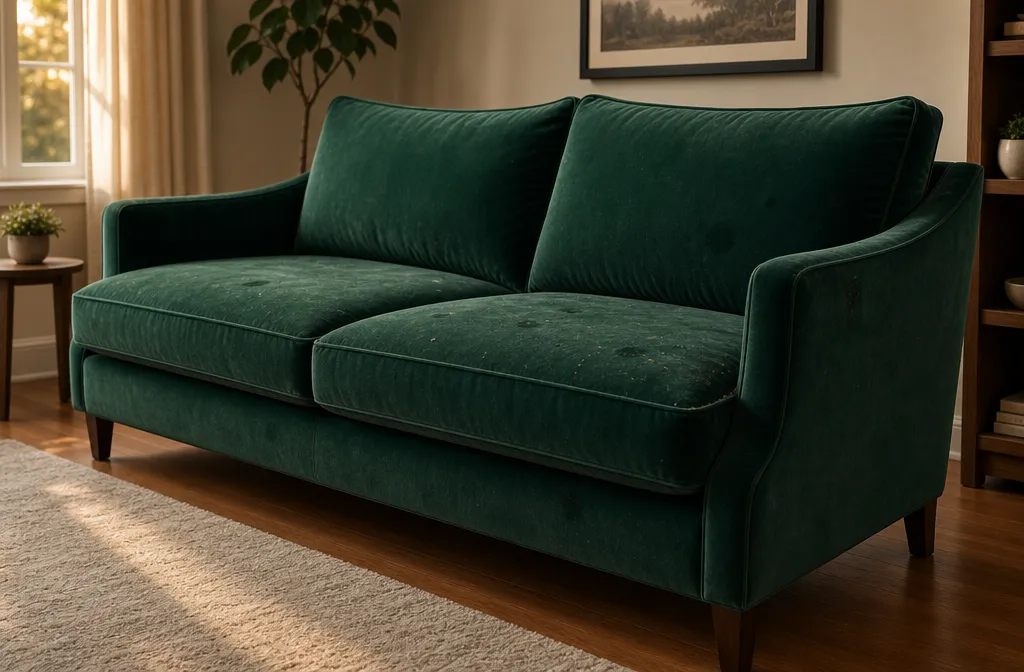
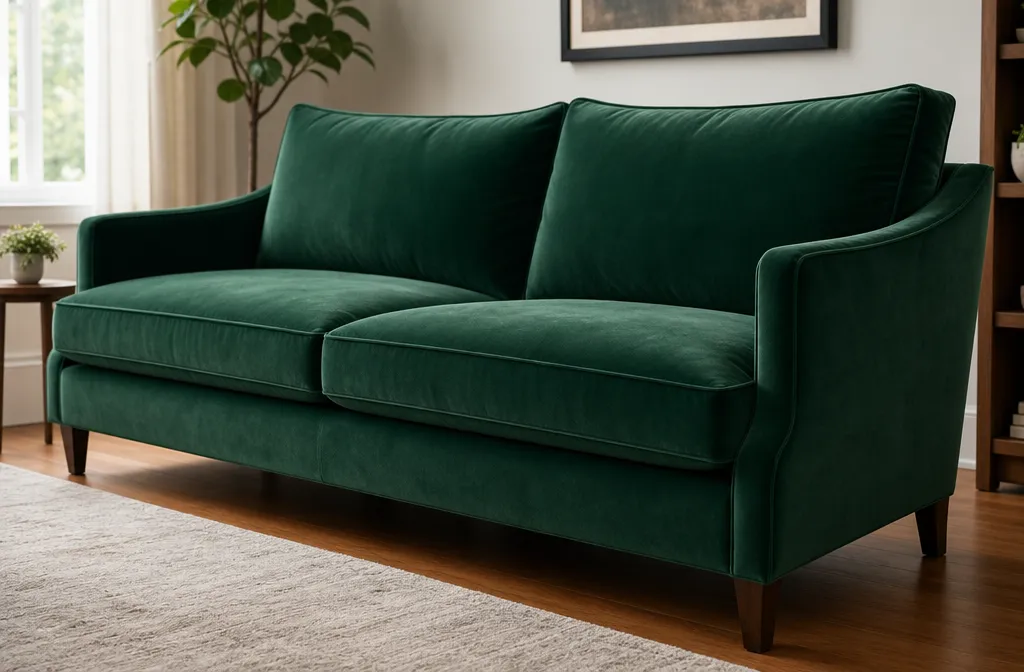 After
After
Request: Refresh a velvet sofa, remove dust and light stains.
Done: Cleaning with a carpet cleaner using a soft velvet attachment and conditioner.
Cost: 11 000 ₸
Master: Lyazzat Akhmetova, dry cleaning master
Total: Velvet restored its pile, no streaks, color became richer.
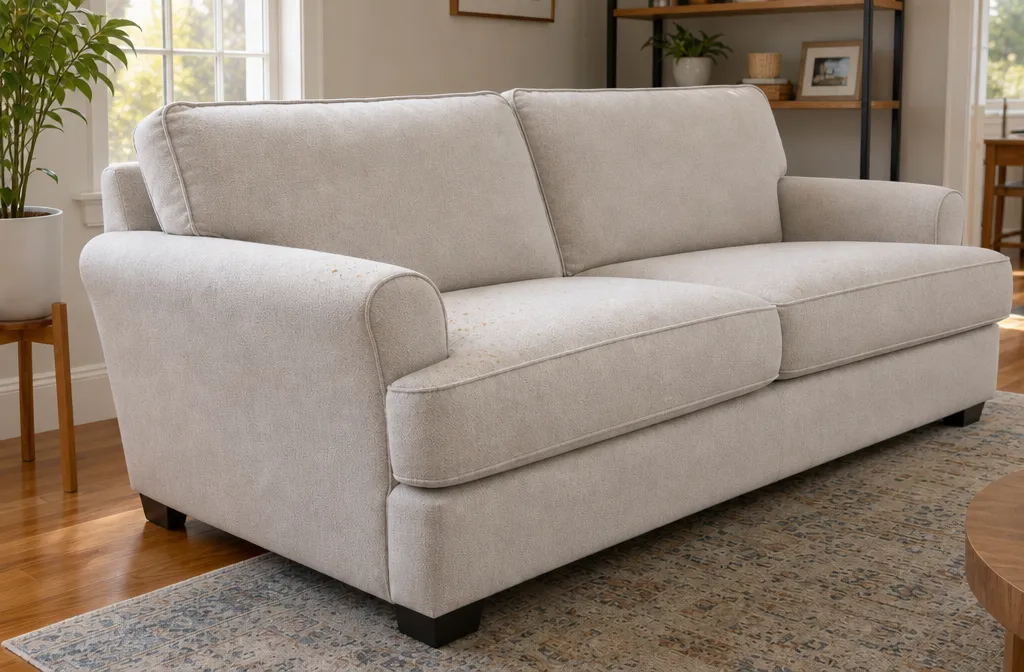
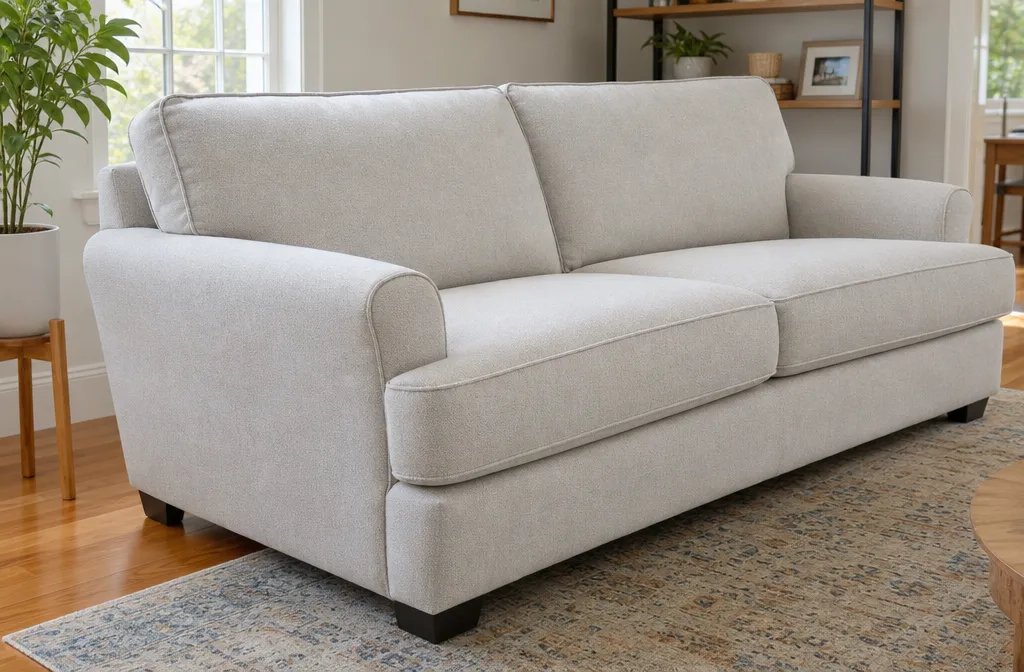 After
After
Request: Fabric sofa heavily dusted, needs deep cleaning.
Done: Cleaning with a carpet cleaner using antistatic and deodorizing agent.
Cost: 11 000 ₸
Master: Askhat Bekov, dry cleaning master
Total: Dust removed, upholstery fresh, no allergens or odor.
 After
After
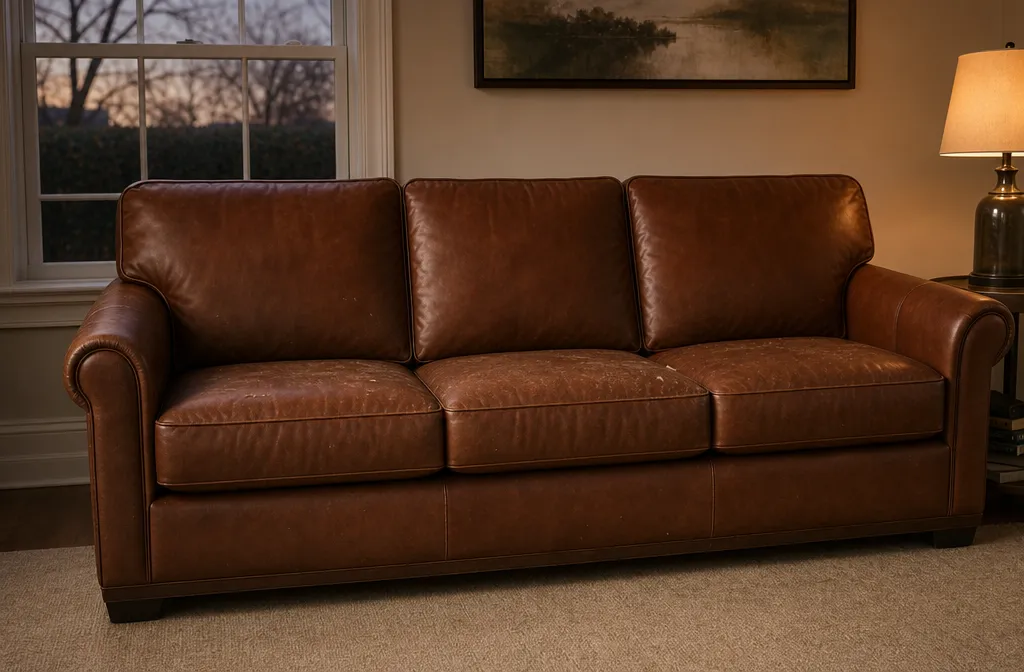
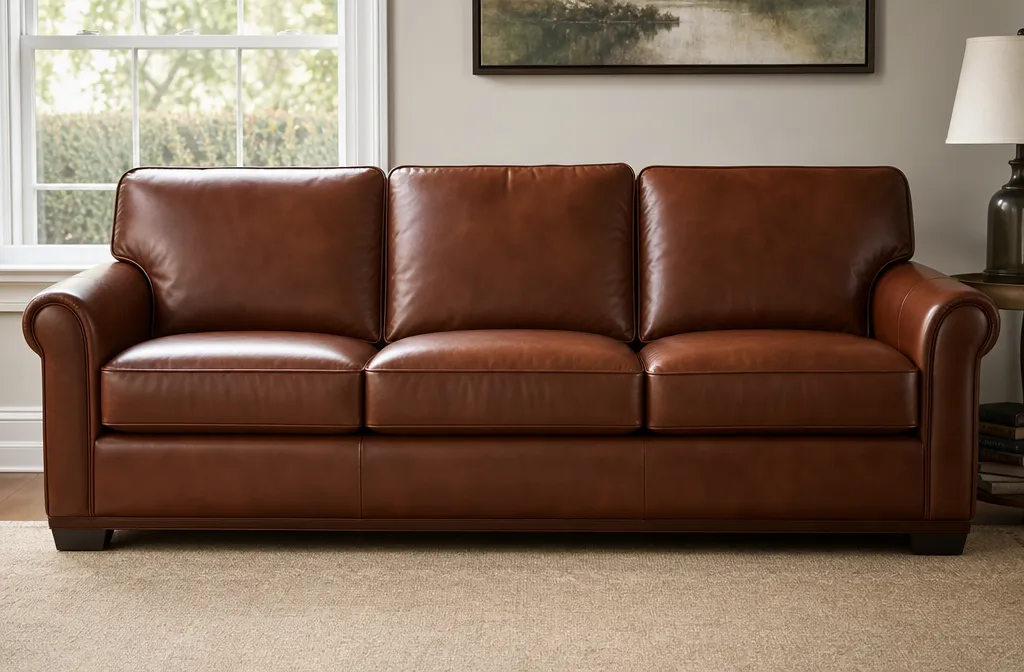
Request: Clean a leather sofa, remove scuffs and restore shine.
Done: Cleaning with a carpet cleaner followed by applying leather conditioner.
Cost: 11 000 ₸
Master: Gulnara Smailova, dry cleaning master
Total: Leather cleaned, scuffs less noticeable, soft sheen restored.
 After
After
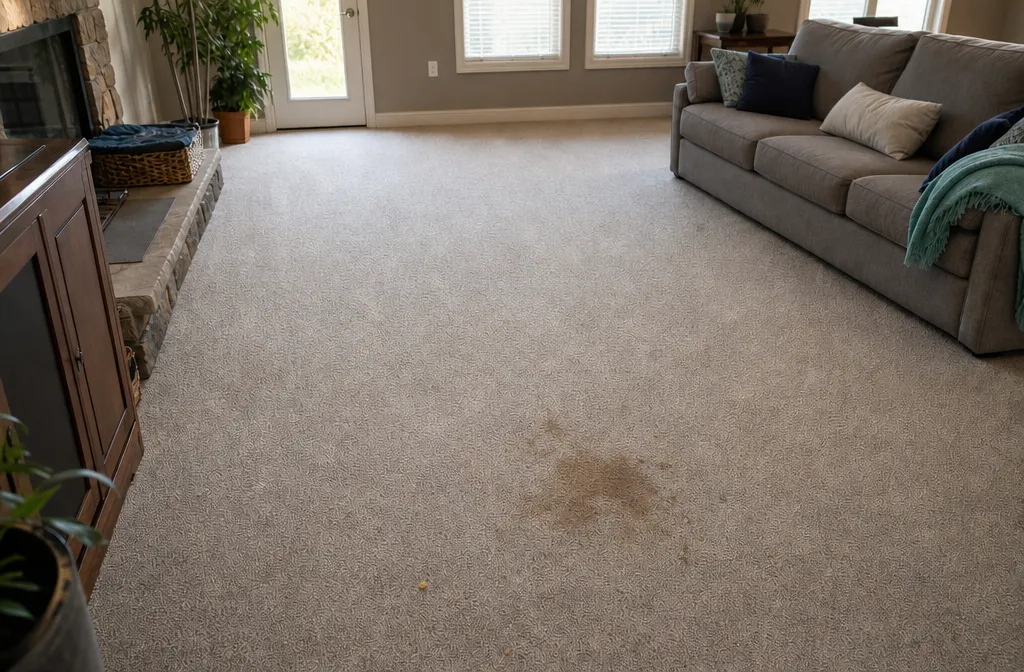
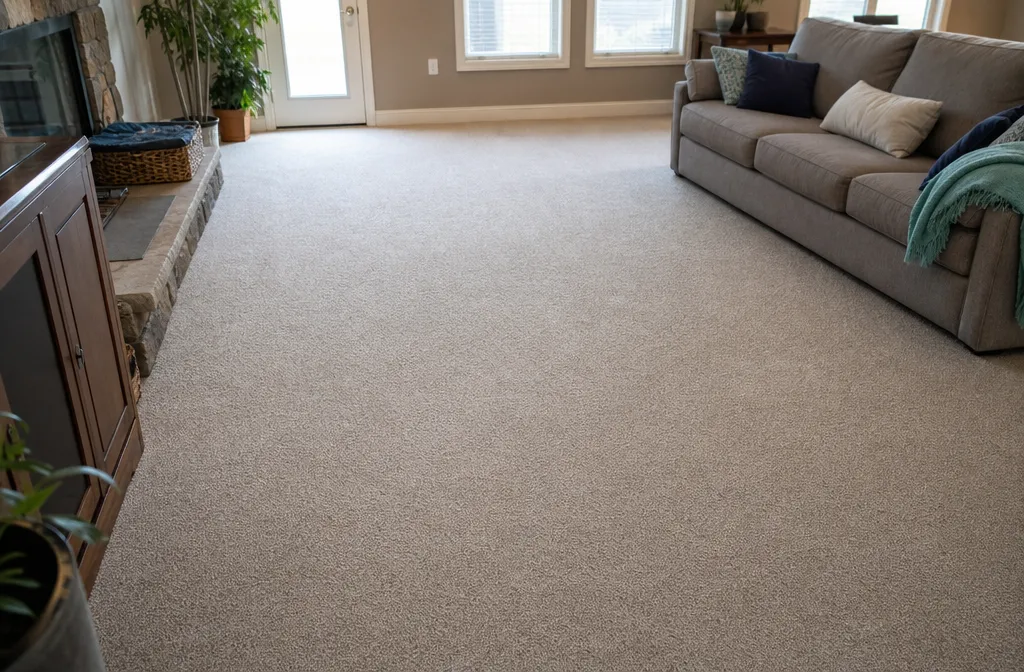
Request: Remove coffee stain from carpet urgently, without streaks.
Done: Local stain treatment and full carpet cleaning with a carpet cleaner.
Cost: 12 000 ₸
Master: Ruslan Ibrayev, dry cleaning master
Total: Coffee stain removed, carpet clean and without traces.
All cleaners are profi-clean staff with training, uniform and security check. Each order has a team leader who controls quality.
Set-in stains on your sofa are not a death sentence, but they require a completely different approach than fresh ones. Here at profi-clean, we see every day how ingrained traces of coffee, wine, grease, or pet urine are scrubbed with household chemicals — only to fix the pigment deeper into the fibers. This article explains why that happens and how to act correctly.
A household carpet cleaner (Karcher, Thomas, or Bissell) with standard chemicals handles fresh soiling 80–90% of the time, but it’s powerless against set-in stains. The reason is that within 2–4 weeks of inactivity, molecules of grease, tannin (from tea/coffee), or protein (from urine) form a strong chemical bond with the fabric fibers. A standard water extraction method (spraying water + suction) doesn’t break this bond — it only wets the surface, causing the stain to “spread” over a larger area. In our practice, we had a case: a client in the Auezov district washed their sofa three times with a Karcher after spilling red wine — the stain lightened, but reappeared a month later because the pigment remained in the backing layer. That’s why for old stains, we use a pre-treatment with enzymatic cleaners: we apply proteases (for urine) or lipases (for grease) 20–30 minutes before the main cleaning. This stage is what distinguishes a professional result from “I washed it myself — it looks clean, but a week later it’s dirty again.”
Urine odor is the most common reason for repeat service calls if the cleaning is done superficially. Urine contains urea, which breaks down to release ammonia and mercaptans — these penetrate not only the upholstery fabric but also the foam padding and the plywood base of the sofa. We use a two-phase method: first, an enzymatic spray with enzymes (neutralizes urea at the molecular level), then deep extraction with a hot water extraction cleaner heated to 60°C to open the pores of the foam. In practice, if the stain is older than three months, a second pass may be needed after 24 hours — the enzymes continue working after drying. For particularly severe cases (e.g., a sofa that served as a cat’s bed for years), we treat the foam through the technological openings on the underside of the sofa — this is the only way to remove the odor from the inside, rather than masking it with a deodorizer. Our cleaners in Almaty use a professional UV flashlight to detect invisible urine traces — often there are 3–4 times more than the eye can see.
| Parameter | Household Chemicals (Vanish, Amway) | profi-clean Hot Water Extraction Cleaning |
|---|---|---|
| Effect on Pigment | Fixes it due to alkalinity | Enzymatic breakdown + extraction |
| Depth of Penetration | 1–2 mm (surface fibers only) | Up to 10–15 mm (into the foam) |
| Risk of Streaks | High — uneven drying | Minimal — controlled water suction |
| Odor After Treatment | Chemical fragrance for 2–3 days | Neutral, hypoallergenic |
| Repeat Required | Every 2–4 weeks (stain returns) | Single treatment in 80% of cases |
| Equipment | Brush + cloth | Professional extractor with HEPA filter |
The primary instinct when seeing an old stain is to grab a stiff brush and scrub harder. This is the most destructive mistake: mechanical friction tears the fabric fibers, leaving a “bald spot” — a worn area that cannot be restored. On microfiber and velvet, the pile becomes matted, making the stain more noticeable due to the change in texture rather than color. On cotton and linen, friction strips the dye from the threads, creating a whitish stain that will require tinting to conceal. At profi-clean, we use only the extraction method: applying solution at a pressure of 4–6 bar and vacuuming creates a “frictionless washing” effect. If the stain is stubborn, we raise the solution temperature to 70°C (for heat-resistant fabrics) or adjust the pH from acidic to alkaline — but we never scrub. Before heading to a job in Almaty, our cleaners check the fabric type on the manufacturer’s tag: for silk and viscose, the temperature is limited to 30°C; for polyester and microfiber, up to 60°C. Ignoring this rule is why a sofa looks 5 years older after a “DIY” cleaning.
Pet urine penetrates deep into the sofa’s padding, and standard foam cleaning only removes the surface layer — the smell returns within 2–3 days. We’ve broken down four working methods that actually remove uric acid crystals instead of just masking them with fragrances.
Cat and dog urine contains uric acid, which crystallizes within the fabric fibers and foam. Regular shampoos and foams only break down urea (the surface layer), leaving the crystals behind — when humidity or temperature rises, the odor reactivates. In our experience on jobs in Almaty, 8 out of 10 sofas with “cat smell” had already been treated with household foam cleaners (Vanish, “Carpet Shampoo”), which only drove the crystals deeper. Only enzymatic or chemical hydrolysis with pH control works — enzymes break down uric acid into ammonia and carbon dioxide, which evaporate. On sofas with foam density below 25 kg/m³, crystals penetrate 3–5 cm deep — no surface spray will help here. Before ordering a cleaning, check if the protocol includes an enzymatic treatment step; if not, the smell will return within a week.
Enzymatic formulas (enzymes) are the only type of chemistry that breaks down uric acid into gaseous compounds without damaging the fabric. We use concentrates based on protease and urease (e.g., BioKleen and Nature’s Miracle), which are applied to dry fabric before the main cleaning. The process takes 15–20 minutes: the enzymes need to “work” without water, otherwise the pH shifts and the reaction stops. On sofas with flock and velvet fabrics, enzymes can leave streaks if left on for longer than 25 minutes — so we test on an inconspicuous area. In Almaty, winter indoor humidity drops to 25–30%, slowing enzyme activity — we moisten the treatment area with steam to 40–50% to speed up the reaction. After the enzymatic pause, we perform extraction with a hot water (70–80°C) cleaning vacuum — this flushes out remaining crystal residues and kills bacteria. On sofas with horsehair padding (antique models), we do not use enzymes — they destroy the natural protein of the padding; we use only ozonation.
Ozone oxidizes odor molecules at the molecular level, converting them into harmless compounds — this method works on sofas where urine crystals have soaked into the frame or hard-to-reach seams. We transport the sofa to our workshop or treat it on-site with an OZ generator with a productivity of mg/h: the session lasts 30–40 minutes with the windows closed. Ozone penetrates the seat cushion, backrest, and even under the upholstery where a carpet cleaner cannot reach. However, there is a limitation: ozone does not break down uric acid — it only oxidizes volatile compounds, so on sofas with fresh stains (up to 2 weeks), an enzyme treatment is needed first, otherwise the smell will return within a month. In our orders across Almaty, ozonation is most often combined with dry cleaning on sofas with leather upholstery — enzymes are ineffective on leather, while ozone draws out the smell from seams and porous coatings. After ozonation, the sofa dries in 4–6 hours, not 12–24 like after wet cleaning — convenient if you need to remove the smell before guests arrive the same evening. We do not perform ozonation in apartments with aquariums or birds — ozone is toxic to animals with fast metabolisms; we reschedule the cleaning for another date.
| Sofa type / Situation | Enzyme treatment | Ozonation | Dry cleaning with carpet cleaner | Combination |
|---|---|---|---|---|
| Fresh stain (up to 2 days), burlap fabric | Yes, one pass is enough | Not required | Needed for extraction | Enzymes + extraction |
| Old smell (months), 20 mm foam | Mandatory, 2–3 passes | Additional for the frame | Main stage | All three methods |
| Leather upholstery, smell from seams | Not used (damages leather) | Main method | Only leather conditioner | Ozonation + conditioner |
| Sofa with horsehair filling | Prohibited | Yes, main method | Carefully, low pressure | Ozonation + dry cleaning |
The most common mistake is using chlorine-based products (“Belizna”, Domestos): chlorine reacts with uric acid, forming toxic chloramine — the smell becomes sharper and lingers for years. In Almaty, we visited a sofa that the owner had treated with bleach three times — we had to replace the entire foam because chloramine had soaked 4 cm into the filling. The second mistake is using a steam cleaner without extraction: steam dissolves the crystals and spreads them across the fabric, increasing the odor area by 2–3 times. The third is drying with a hairdryer on a hot setting: heat fixes the protein in the fibers, and subsequent cleaning requires twice as many enzymes. On sofas with microvelvet and chenille fabrics, attempts to wipe off a stain with a sponge and soap push the urine deeper into the backing — later, removing the upholstery becomes unavoidable. If the smell does not disappear after two DIY attempts, call professionals with extraction equipment — each extra wash only solidifies the crystals in the filling.
Even a powerful carpet cleaner with a HEPA filter is not all-powerful — some contaminants become so embedded in the fabric or filling structure that water and foam are powerless. In our 8 years of practice in Almaty, there have been many cases where a client has already paid for cleaning, but the stain remains — and we had to explain that it is not a defect but a matter of material physics. Here is a list of stains that a carpet cleaner cannot handle, and what to actually do with them.
Oil, whether vegetable oil from the kitchen or cosmetic oil (hand cream, self-tanner), is not dissolved by water — it repels it. A carpet cleaner delivers an aqueous solution with surfactants, which only removes the surface film but does not extract the grease from the fibers. As a result, the stain spreads, becomes faint, but the outline remains. In practice: if vegetable oil is spilled on a sofa, the first step is an absorbent (starch, talc, baking soda) for 20–30 minutes, then treatment with an alcohol-based degreaser — and only then the carpet cleaner. Without pre-treatment, the oil will “seal” deeper.
Red wine, cherry juice, pen ink or marker — these are water-soluble dyes, but they bond with the fiber at a molecular level. A carpet cleaner washes away the excess, but the remaining pigment sets after drying. Actionable insight: if a wine or berry stain is not treated with cold water and an enzyme stain remover within the first 15 minutes, a carpet cleaner will only set it — after hot water, the protein in the dye coagulates, and the stain becomes permanent.
A carpet cleaner removes fresh urine excellently. But old yellow stains are uric acid crystals that do not dissolve in water at normal temperatures (requires pH < 2 or > 12 and enzymes). The foam from a carpet cleaner only removes the top layer, leaving the odor and yellow outline. In practice: on old urine stains, first apply an acidic neutralizer (9% vinegar or a specialized urine cleaner), wait 10–15 minutes, then treat with an enzyme solution — and only then use the carpet cleaner. Without this step, the stain becomes “sealed” and darkens within a month.
Any glue (PVA, rubber, superglue) and gum become sticky upon contact with water and smear across the surface. A carpet cleaner does not extract the polymer — it only pushes it deeper into the padding. Actionable insight: before cleaning, freeze the glue or gum (an ice pack for 10–15 minutes in a bag to avoid wetting the upholstery), then mechanically remove it with a spatula. After that, a carpet cleaner is effective for a final rinse, but not for removing the polymer itself.
| Stain Type | Why the carpet cleaner fails | What to use instead / before it |
|---|---|---|
| Oil, grease, cream | Water does not dissolve grease; surfactants only remove the surface film | Absorbent (starch/talc) + alcohol-based degreaser, then vacuum |
| Red wine, berries, ink | Dye bonds with the fiber; water sets it | Cold water + enzyme stain remover within the first 15 minutes |
| Old urine (yellow stains) | Uric acid crystals do not dissolve in neutral water | Acidic neutralizer + enzyme solution before vacuuming |
| Glue, chewing gum | Polymer smears with water, not extracted | Freezing (10–15 min) + mechanical removal with a spatula |
Brilliant green, potassium permanganate, some antibiotics (e.g., rifampicin) are stubborn dyes that oxidize and set into the fabric. A carpet cleaner washes away the excess, but the residual pigment remains. In practice: we removed brilliant green from a sofa in Almaty only with an alcohol compress (70% alcohol for 5 minutes, then a cold water rinse) — without alcohol, the green stain remains forever.
In professional sofa cleaning, there is no single best method — the choice between using a carpet cleaner and extraction cleaning is determined by the initial condition of the fabric, the type of soiling, and the padding structure. We use both approaches depending on the task because each solves a specific set of problems.
A carpet cleaner is better suited for regular preventive cleaning and removing surface dirt, provided the sofa has no old stains or deeply embedded odors. The machine sprays water with diluted shampoo under pressure, agitates the foam, and immediately vacuums up the dirty liquid. In practice, this yields results in one pass on sofas with smooth upholstery — velour, flock, microfiber — where the fiber does not retain moisture inside. In our experience with orders in Almaty, a carpet cleaner is effective when a client asks to “freshen up” a sofa before guests arrive or after light use, with no visible stains. The main caveat: the machine uses more water than an extractor, and when working on jacquard or chenille with a dense weave, the sofa can take 12-18 hours to dry, not 4-6 as after professional cleaning. Before choosing a carpet cleaner, check the sofa’s label — if it has a “W” symbol (water-based cleaning), the method is allowed, but for “S” (solvent), dry cleaning is required.
Extraction dry cleaning with low water consumption is the only way to remove old grease stains, pet urine odors, and dirt that has penetrated the filler deeper than 3-5 mm. Unlike a carpet cleaner, dry cleaning uses a specialized pre-spray applied to the stain, left for 5-15 minutes to break down protein or grease, and then extracted with a minimal amount of water. On sofas with orthopedic filler or high-density polyurethane foam, this is critical: excess moisture from a carpet cleaner can deform the block, leaving dents after drying. We use dry cleaning for sofas with upholstery made of natural cotton, linen, or viscose — these fabrics shrink with wet treatment, while dry cleaning with water consumption of up to 0.5 liters per square meter eliminates the risk. In Almaty, where humidity in apartments is high in spring and autumn (up to 70-75%), a sofa after dry cleaning with HEPA drying is ready for use in 3-4 hours compared to 10-12 hours after a carpet cleaner.
| Upholstery type | Recommended method | Why this method |
|---|---|---|
| Velvet, flock, microfiber | Carpet cleaner | Synthetic fiber does not absorb moisture, dries quickly, foam is easily extracted |
| Chenille, jacquard, tapestry | Dry cleaning (extraction) | Dense weave retains water inside — a carpet cleaner will leave streaks and increase drying time to a day |
| Cotton, linen, viscose | Dry cleaning only | Natural fibers shrink upon contact with a large volume of water; minimal moisture from dry cleaning preserves the geometry of the upholstery |
| Leather and eco-leather | Neither | A carpet cleaner will soak the seams, dry cleaning with pre-spray will damage the coating — a special foam for leather with manual rubbing is used |
| Acrylic, polyester | Both methods | Synthetics are resistant to moisture, but for heavy soiling, dry cleaning with a degreaser is more effective — a carpet cleaner may not remove grease |
Dry cleaning with hypoallergenic products and HEPA filtration is safer for allergy sufferers than a carpet cleaner because it does not stir up dust and mites into the air during operation. A carpet cleaner, even with an aqua filter, creates an aerosol when spraying water under pressure, which settles on surrounding surfaces and may contain dust mite particles if a dry vacuum treatment has not been performed beforehand. At profi-clean, we use a two-stage protocol: first, a dry vacuum with a H13 class HEPA filter, then dry cleaning with an enzyme-based pre-spray (Sodasan), which breaks down mite protein rather than just washing it away. A carpet cleaner without prior dry cleaning turns dust into dirt that is driven deeper into the filler — on sofas with low-density foam, this is a common mistake we see in orders after DIY attempts.
The most common mistake is using a carpet cleaner on sofas with foam filler and fabric upholstery without impregnation, leading to mold appearing inside within 2-3 weeks. In Almaty, especially in old houses with poor ventilation, humidity inside the sofa after washing persists for up to 48 hours, and if the filler is open-cell polyurethane foam, water gets trapped in the central area. Extraction dry cleaning with a consumption of 0.3-0.5 l/m² compared to 1.5-2 l/m² for a carpet cleaner reduces this risk by 4-5 times. The second typical mistake is choosing a carpet cleaner for sofas with button tufting (capitonné) or channel stitching: water accumulates in the folds and buttons, from where it cannot be fully extracted, and after a month a musty smell appears. For such sofas, we use manual dry cleaning with a brush followed by extraction — this is the only way to dry all the recesses. On sofa-beds with a metal frame, a carpet cleaner is not recommended at all: moisture gets onto the transformation mechanism hinges, and after 2-3 cycles, rust appears on the joints.
The frequency of cleaning a sofa is determined not by the calendar, but by three factors: the intensity of use, the type of upholstery, and the presence of allergy sufferers/children/pets in the home. In Almaty apartments with dry air and dust from open windows, standard intervals work less effectively — you have to adapt to the actual strain on the fabric.
In such an environment, the sofa accumulates fur, dander, food debris, and biological fluids faster than it seems. We at profi-clean have noticed: on sofas with velour upholstery in families with two children and a dog, after three months, the dust density in the filling increases so much that foam cleaning is no longer sufficient — extraction cleaning is needed. Moreover, visually the sofa may look clean, but when you press your hand on the cushion, gray air comes out. The optimal cycle is once a quarter, and between cleanings — weekly treatment with a vacuum cleaner attachment with a HEPA filter. If you miss the deadline, allergens penetrate the foam rubber, and removing them without removing the cover becomes impossible.
If the sofa is used by one person, without pets and chronic respiratory diseases, the accumulation of dirt is slow. The main sources are street dust on clothes and dead skin cells that settle in the pile. Over a year, about 1-2 kg of dust sediment accumulates on a standard three-seater sofa — this is invisible to the eye, but noticeable by smell in high humidity. In Almaty homes with central heating, the air is dry, so mold does not develop, but dust mites feel comfortable all year round. Annual cleaning with an extractor vacuum cleaner is sufficient, provided that once a month you go over the sofa with a regular vacuum cleaner with a turbo brush. Skipping even one year leads to the filling losing its elasticity — the foam rubber compacts and stops regaining its shape.
For this group, the sofa is the main accumulator of allergens: mites, mold spores, pollen that is brought in from the street and settles in the fabric. Standard vacuum cleaning only removes the top layer, while an extractor vacuum cleaner washes particles out of the depth of the filling. In our orders, there was a case: a client with bronchial asthma had symptoms worsen a month after moving into an old apartment with a sofa that hadn’t been cleaned in three years. After the first extraction treatment, the HEPA filter collected 400 grams of dust, and the attacks stopped. We recommend allergy sufferers set a reminder for cleaning every 10-12 weeks — this interval is enough to prevent the mite concentration from reaching the sensitization threshold. If there is an air humidifier in the home, the interval can be increased to 14 weeks: at humidity below 50%, mites reproduce more slowly.
Almaty’s air is one of the dustiest in Kazakhstan due to the city’s basin location, and this dust settles not only on windowsills but also deep into the fibers of upholstered furniture. We at profi-clean disassemble sofas after three years of use in the Medeu district and see that the density of the dust layer in the filling is 2–3 times higher than that of clients in suburbs with less air pollution. Therefore, standard dry cleaning or a weak extractor vacuum cleaner only provides a temporary cosmetic effect — the dust remains in the foam rubber and is thrown back into the room with every press on the seat.
In Almaty, humidity fluctuates from 30% in summer to 75% in rainy spring, and these fluctuations destroy the impregnation of upholstery fabrics — especially flock and velour. When the air is dry, the fibers lose elasticity and micro-cracks fill with dust; at high humidity, the dust turns into sticky dirt that penetrates deeper. In our practice, there were cases where a client from the “TaUgul” microdistrict ordered foam cleaning twice a year, but the sofa still darkened — we found out that after each rain, the fabric didn’t have time to dry, and the dust cemented inside. Now we recommend Almaty residents, after wet cleaning of upholstered furniture, to turn on a dehumidifier or at least open windows for ventilation for 4–6 hours, otherwise after three seasons the sofa will require not cleaning, but reupholstering.
The composition of street dust in Almaty is uneven: in the center (Abaya — Furmanova), fine soot from cars predominates — it is oily and sticks to synthetic fibers, while in the mountain microdistricts (Kamenka, Gorny Gigant), a sandy-clay suspension from Gorny Gigant prevails, which scratches the fabric during mechanical cleaning. We took dust samples from sofas in different areas: in the Bostandyk district, particles are 40% finer than in the Auezov district, and a regular filter washing vacuum cleaner does not trap them — you need a machine with an H13 class HEPA filter, which is installed on all our machines. If you clean a sofa from the central district with a weak vacuum cleaner, the fine soot will pass through the bag and settle back on the furniture within a week.
Almaty is one of the sunniest cities in the CIS: more than 250 clear days a year, and ultraviolet radiation destroys dyes in upholstery, especially in Italian fabrics with organic pigments. After cleaning a sofa with aggressive alkali (cheap “folk” remedies), fading accelerates twofold — pigment molecules become brittle and flake off with every rub. We use only neutral pH products from Kiehl and Sodasan, which do not open the top layer of dye, and apply a UV protector to light-colored fabrics — this extends the brightness of the upholstery by 1–2 years. In Almaty, without this protection, a sofa by the window fades to a “burnt-out” look in 18 months, while in Astana, with lower insolation, the same process takes 3–4 years.
Humidity in Almaty apartments in winter drops to 20–25% due to central heating, and sofa owners mistakenly believe that the furniture dries in an hour or two. In reality, moisture from the foam rubber evaporates in 8–12 hours at room temperature, and wet dust inside the filler turns into an ideal environment for mold — especially in corner sofas placed against cold walls. We recorded a case in the “Almaty City” residential complex: after self-cleaning, the client did not dry the sofa for a day, and a month later, black spots of fungus appeared on the foam rubber, eating right through it. Our advice: after wet extraction, profi-clean places a fan heater for 3–4 hours and moves the sofa 10–15 cm away from the wall — this way, mold does not form, even if the apartment is damp from the groundwater of the Turksib district.
I ordered sofa cleaning with a carpet cleaner — they removed an old wine stain, the sofa looks like new. Very satisfied.
Thank you, Aigerim! Glad we handled the stain.
After cleaning, the leather sofa shined, the sweat smell disappeared. The master arrived on time, neat work.
We had the sofa cleaned with a carpet cleaner — hair and dust were removed perfectly, but a slight damp smell remained. Aired it out — it went away.
Sorry for the inconvenience, Daniyar. Usually the smell dissipates in a couple of hours.
Revived an old sofa: stains gone, color became richer. I recommend.
Cat pooped on the sofa — ordered a sofa cleaning with an extractor. The smell was completely removed, no stains left. Super!
Thank you for your review, Erlan! Call us again.
The living room sofa looked terrible after a year of use. After treatment with an extractor, it became like new from the store.
Mold on the sofa — I was desperate, but cleaning with an extractor helped. Stains gone, musty smell disappeared. Downside: took long to dry.
Glad we helped! We recommend drying with a fan or hairdryer.
I was afraid to clean the light sofa myself, but the masters did it perfectly — no streaks, no stains. The color became brighter.
After renovation, the sofa was covered in dust and cement. I ordered a cleaning with an extractor — everything was washed off, even the fabric wasn't damaged.
Thank you, Timur! We take on any dirt.
Kids drew on the sofa with markers and spilled juice. Cleaning with an extractor saved it — everything came out without a trace.
Huge corner sofa — I was afraid they wouldn't clean it. But the cleaning with an extractor went great, even the seams were cleaned.
Had a sofa cleaning with an extractor — grease stains from food were almost all removed, one remained slightly visible. Overall good.
Thank you for your review! Next time we'll treat the stain additionally.
The sofa smelled of tobacco — after treatment the smell disappeared, the air in the room became cleaner. Very satisfied.
The cat kept marking the sofa — I ordered a sofa cleaning with an extractor. The smell is gone, the cat no longer marks. Miracle!
Thank you, Saule! Glad the problem is solved.
Before handing over the apartment, we cleaned the sofa — the tenants praised it, saying it looks like new. Fast and high quality.
I spilled ink on the sofa — thought it was over. I ordered a sofa cleaning with an extractor, and the stains disappeared. Thank you!
Always happy to help, Aliya!
The sleeper chair looked terrible after guests. Cleaning with an extractor restored its freshness. The technician was polite.
I ordered a sofa cleaning with an extractor for an old sofa — the stains were removed, but a musty smell remained, had to air it out additionally.
Sorry, Ainur. For old sofas, we recommend ozone treatment.
The kids spilled acrylic paint — the masters cleaned even the dried pieces. The sofa is clean again. Thank you!
Our child has allergies — we ordered a sofa cleaning with an extractor. After the procedure, the allergy decreased, the sofa became safe.
Children's health is most important. Glad we helped.
The living room sofa sat for a year without care — after treatment it looks like new, even the cushions were fluffed. Excellent!
Mold on the sofa — cleaning with an extractor handled it, but a small stain remained. Overall okay.
For heavy mold, we recommend additional antiseptic treatment.
After the New Year holidays, the sofa smelled of food. Cleaning removed all odors, now you can sit comfortably.
The office sofa got greasy — we ordered a sofa cleaning with a shampoo vacuum. Employees are happy, the sofa is tidy.
Depending on humidity and ventilation, the sofa dries in 2 to 6 hours. We recommend not sitting on it until completely dry. We use a final suction to speed up the process.
Yes, our Sodasan products are organic and safe for children and pets. No harmful residues remain after cleaning. We recommend airing out the room.
Remove pillows, blankets, and small items. Ensure access to a power outlet for equipment. If there are removable covers, take them off.
Yes, for orders of 2 or more items, pickup is free. There is also a 10% discount for cleaning 3 or more items.
We use professional products from Kiehl (Germany) and Sodasan (organic). They are certified, safe, and effective against stains and odors.
Yes, we guarantee the result. If a stain is not removed, we refund your money. The guarantee is valid for 24 hours after cleaning.
Cleaning a two-seater sofa is priced individually. The price includes a full cycle of 8 stages using an extractor.
Cleaning a corner sofa is priced individually. The price depends on the number of sections and accessibility.
Cleaning a sofa bed is priced individually. It includes treatment of the mechanism and upholstery.
Select the sofa type in the calculator on the website, specify the quantity and additional services. The final price will appear automatically. Or call us.
Tell us about your experience with profi-clean — it helps other clients and us improve.
We currently operate in Almaty. Other cities are coming soon.