Inspection and diagnostics
The master determines the carpet type, material, nature of soiling, and selects the optimal products and cleaning mode.
Deep carpet cleaning with stain and odor removal in Alatau district

We work with any types and materials
We clean with hot water up to 70°C using Karcher Puzzi 10/1 extractor — removes dust and stains without damaging fibers.
from 7,000 ₸We use neutral Kiehl shampoos for wool, preserving softness and color.
from 7,000 ₸Gentle manual cleaning with pH-balanced products, no scrubbing.
from 7,000 ₸Careful extraction with minimal moisture to avoid deformation.
from 7,000 ₸Deep cleaning with rotary brush and HEPA filtration to remove allergens.
from 1,200 ₸On-site cleaning without removal using portable equipment.
from 1,200 ₸Pre-fluffing of pile and drying with pile lifting for volume.
from 7,000 ₸Quick extraction cleaning with minimal water usage.
from 7,000 ₸Manual stain treatment and gentle cleaning with shrinkage control.
from 7,000 ₸Standard extraction cleaning with industrial products.
from 7,000 ₸We use bleaching enzyme stain removers without chlorine.
from 7,000 ₸Special products to prevent streaks and preserve color intensity.
from 7,000 ₸From inspection to result with guarantee
The master determines the carpet type, material, nature of soiling, and selects the optimal products and cleaning mode.
Thorough vacuuming with HEPA filter to remove dust, pet hair, and allergens from deep within the pile.
Application of Kiehl enzymatic stain remover on localized stains (wine, coffee, grease, urine).
Deep cleaning with rotary brush using hot water (up to 70°C) and Kiehl detergent under pressure.
Rinsing the carpet with clean water to remove detergent residues and dirt.
Moisture extraction with powerful extractor, carpet becomes 80% dry in 15 minutes.
Treatment with ozone or special deodorizer to eliminate unpleasant odors (pets, tobacco).
Quality check, re-treatment of stains if necessary. The master provides care recommendations.
We use vacuum cleaners with HEPA filters that trap 99.97% of particles up to 0.3 microns. This ensures removal of dust mites, pollen, and allergens. Your carpet becomes safe for children and asthmatics.
Each profi-clean master has at least 3 years of experience and certification for working with different carpet types. We know how to clean wool, silk, and viscose without damage.
Our technology includes inspection, dry cleaning, application of Kiehl enzyme stain remover, hot water extraction (up to 70°C), rinsing, drying, odor neutralization, and final check. Each step is mandatory.
If the stain does not disappear after cleaning, we refund your money. We use professional Kiehl (Germany) products and Karcher Puzzi 10/1 extractors to achieve perfect cleanliness.
In Alatau district, our specialist will come for free, assess the carpet condition, and choose the optimal cleaning method. Visit is carried out within the day.
All Kiehl and Sodasan products are hypoallergenic, phosphate-free, and chlorine-free. They are safe for children and animals, and fully biodegradable.
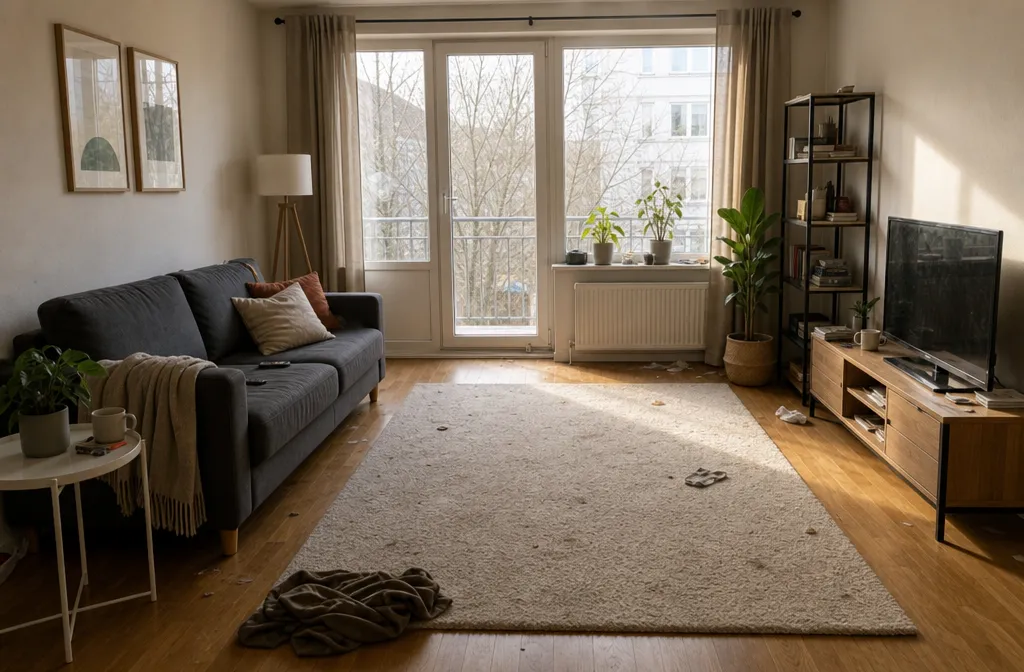
 After
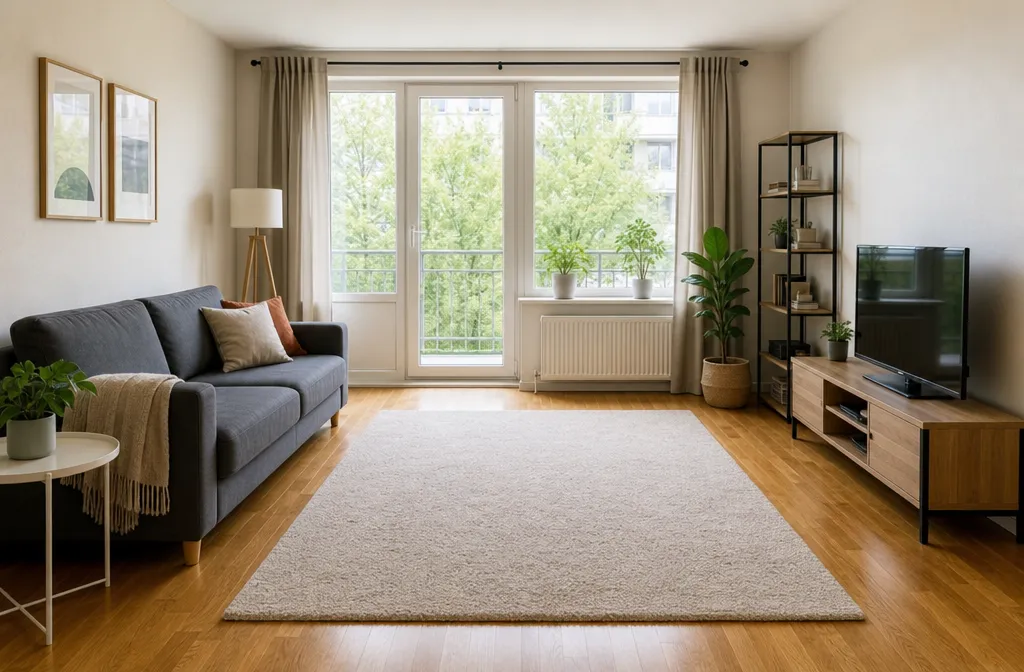
After
Request: Deep cleaning of the living room carpet was required after winter.
Done: Extraction cleaning with pre-treatment of stains and odor neutralization.
Cost: 7 000 ₸
Master: Aizhan Kusainova, dry cleaning master
Total: Carpet fully refreshed, old stains removed, color restored.
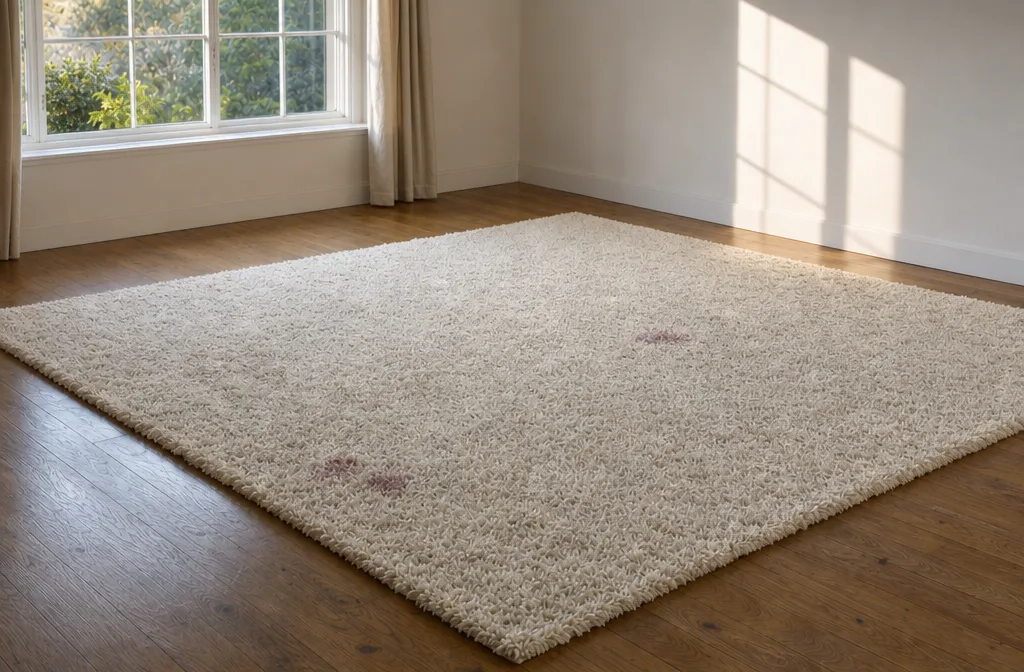
 After
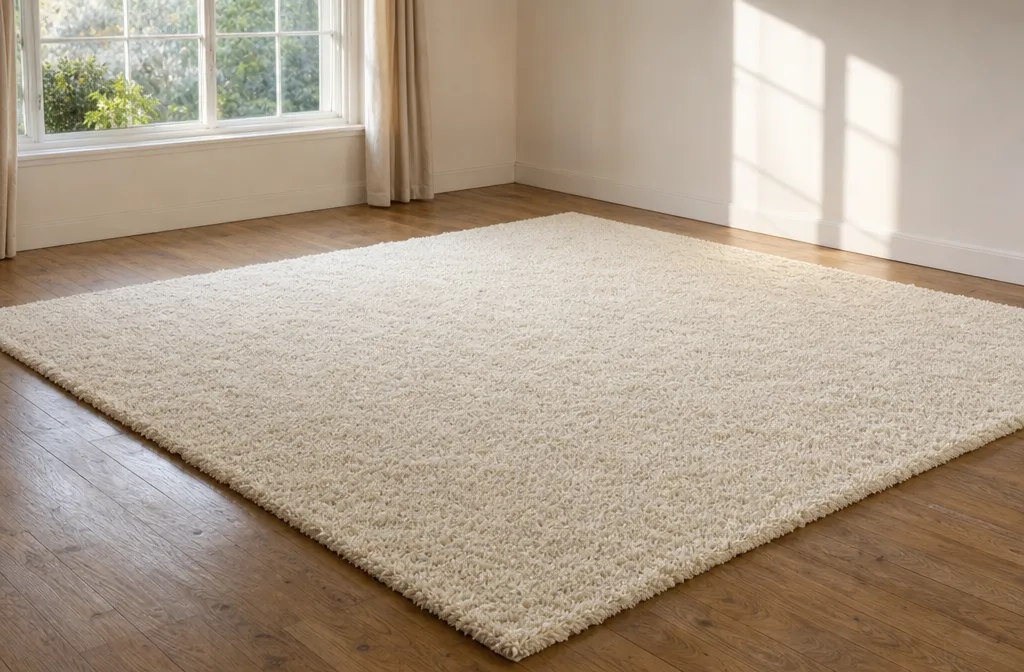
After
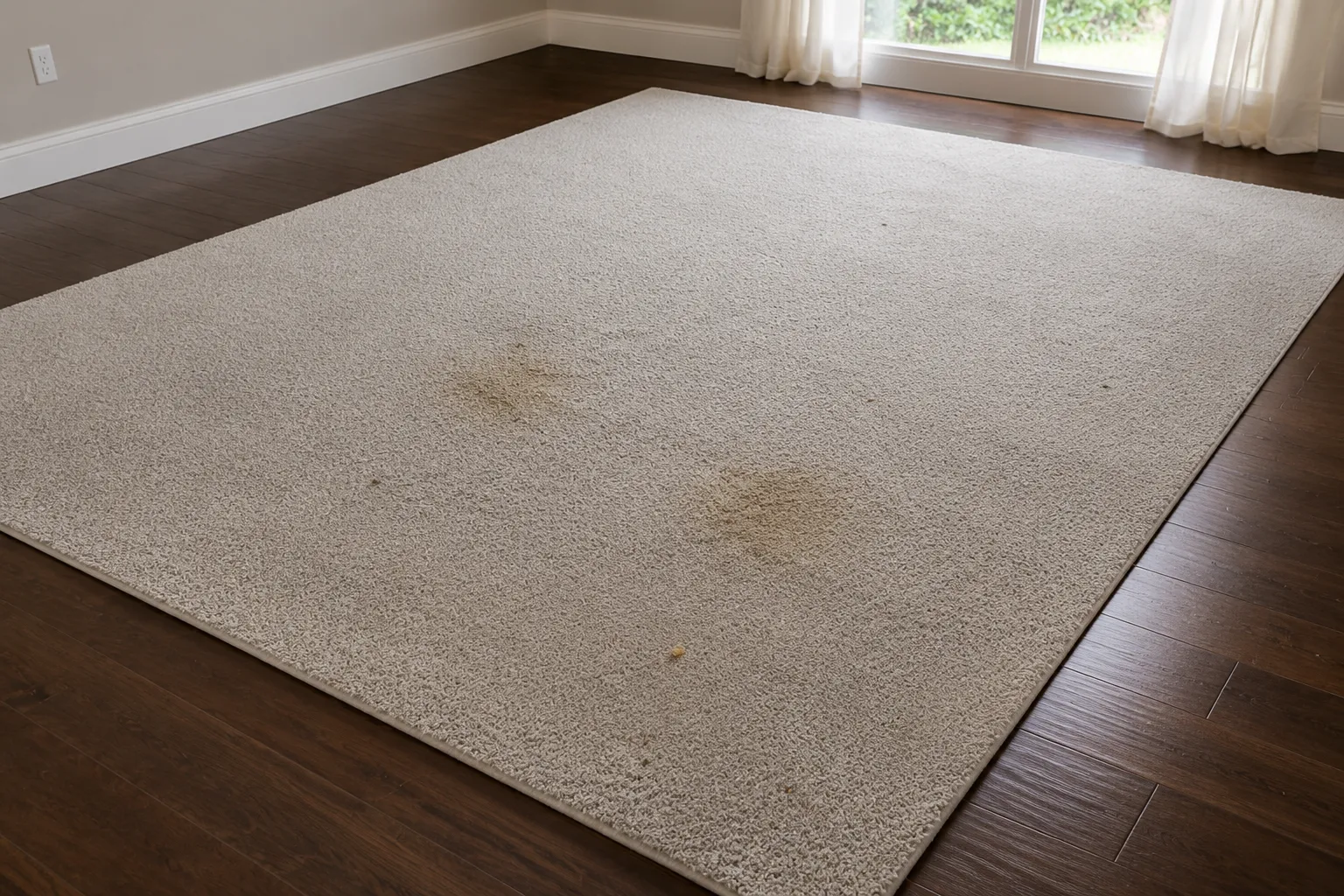
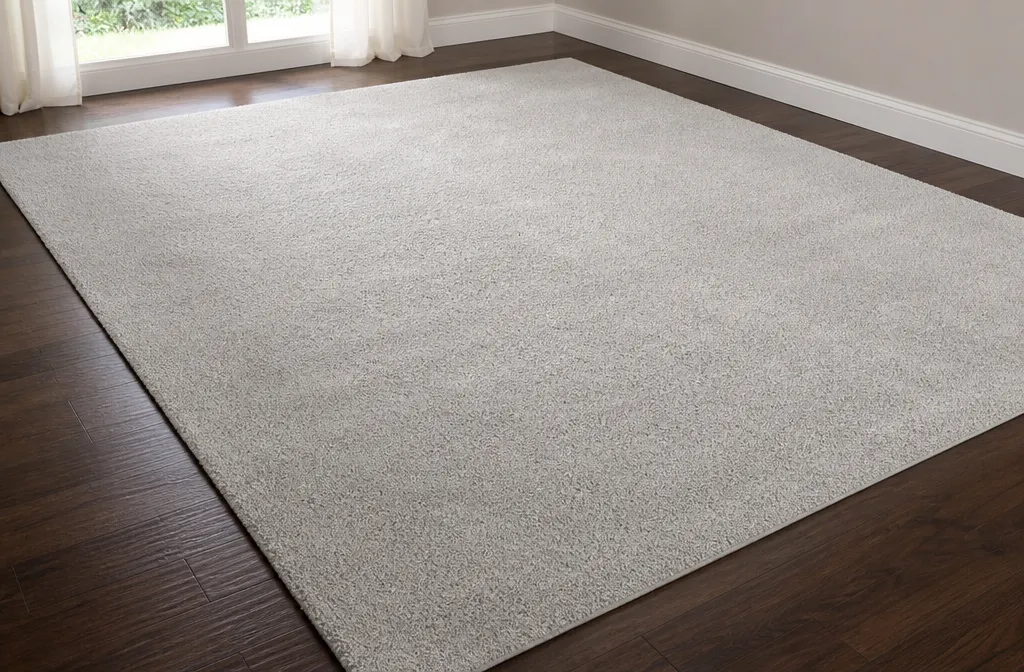
Request: Need to remove red wine stain from a wool rug.
Done: Gentle cleaning using enzyme cleaner and cold water.
Cost: 8 000 ₸
Master: Timur Zhaksybekov, dry cleaning master
Total: Wine stain completely removed, pile undamaged, even color.
 After
After
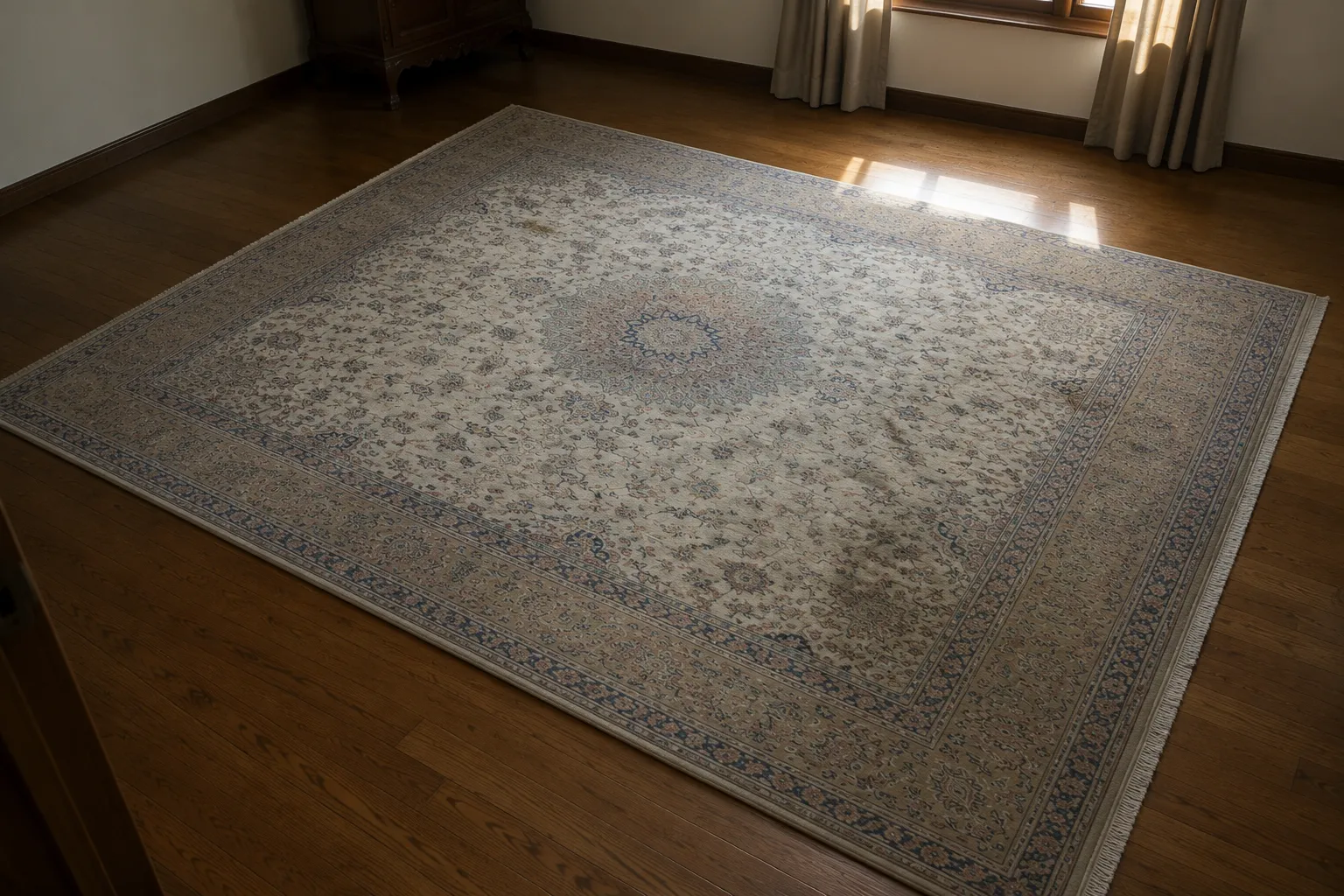
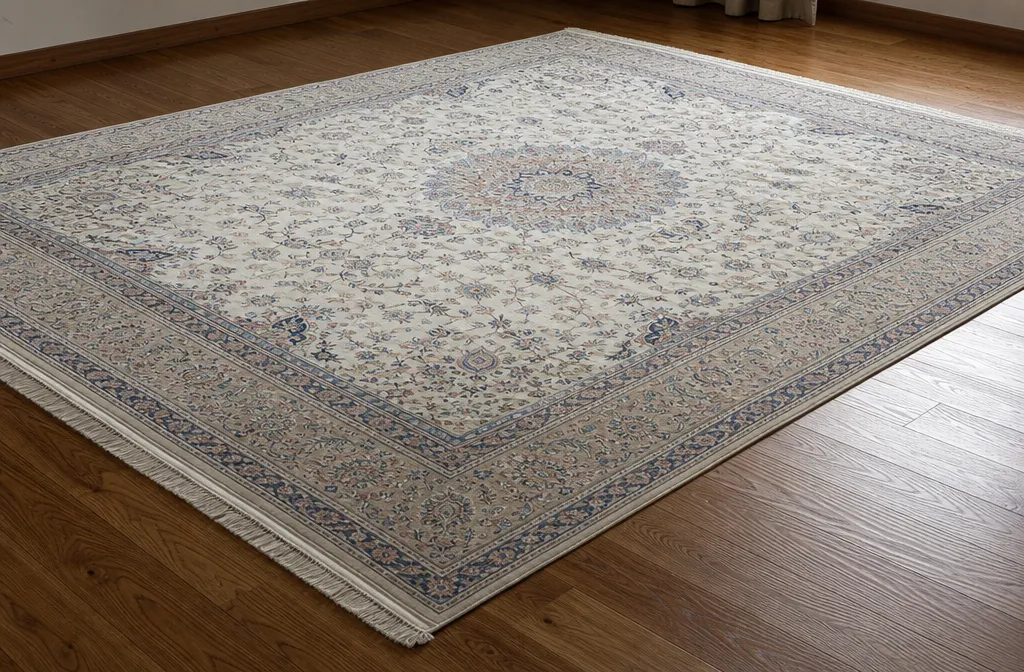
Request: Eliminate urine odor and stains on synthetic carpet.
Done: Cleaning with enzyme neutralizer and deep extraction.
Cost: 9 000 ₸
Master: Gulnara Akhmetova, dry cleaning master
Total: Odor completely removed, no stains left, carpet fresh.
 After
After
Request: Delicate cleaning of silk rug without damage was required.
Done: Hand cleaning with soft brush and pH-neutral shampoo.
Cost: 8 000 ₸
Master: Aizhan Kusainova, dry cleaning master
Total: Rug became brighter, pile soft, no shrinkage or deformation.
 After
After
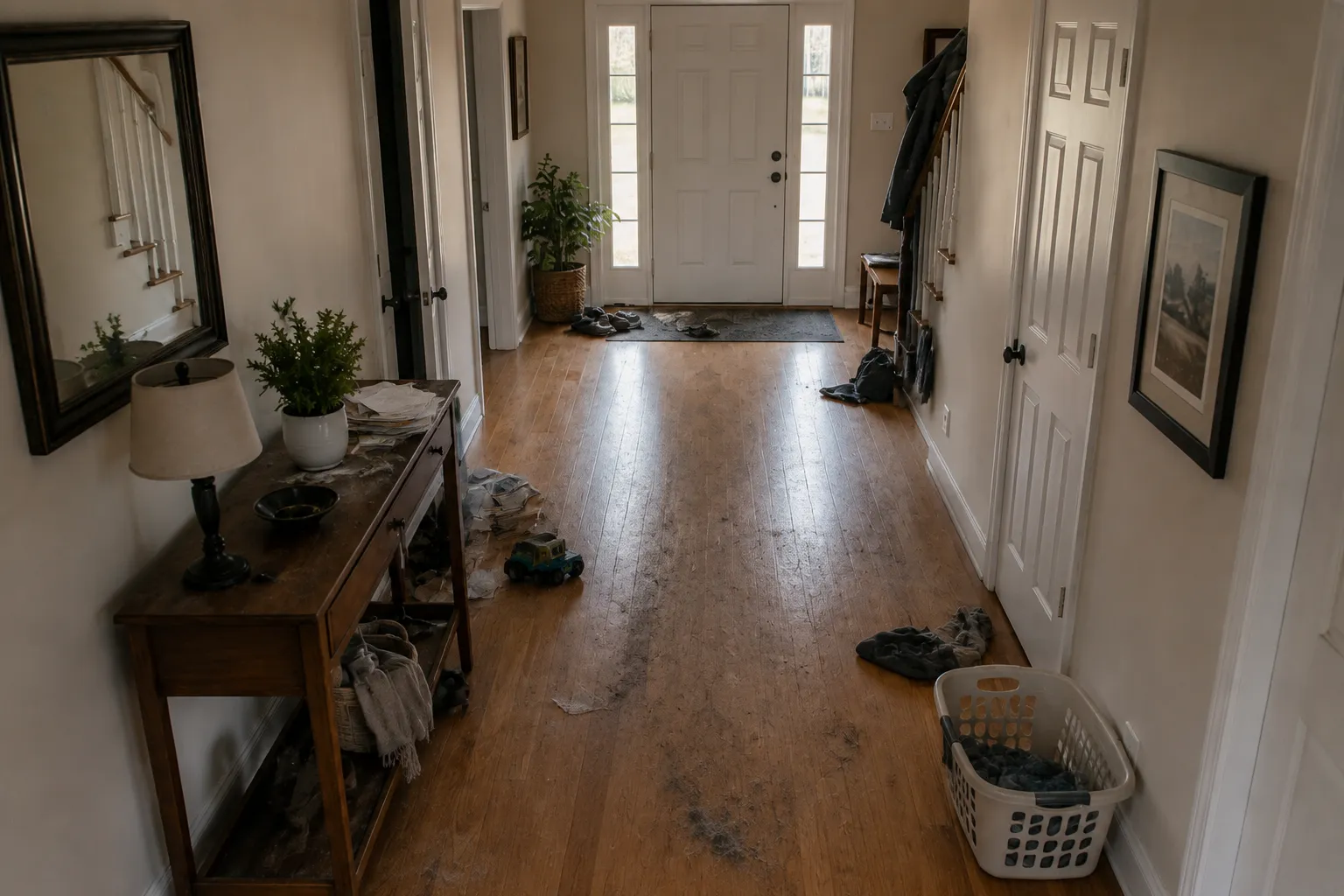
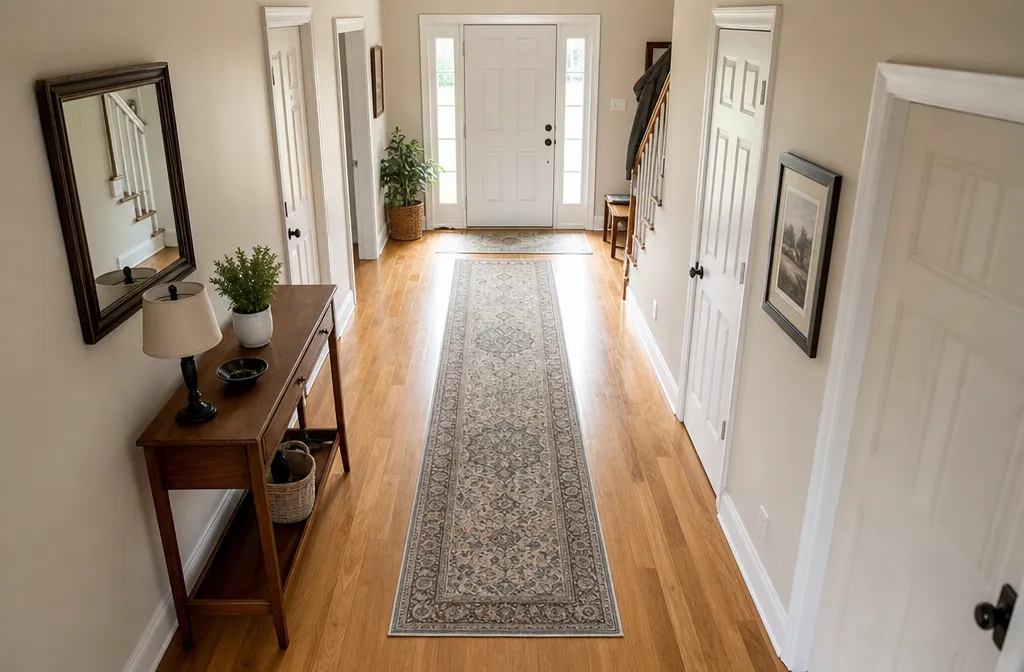
Request: Clean hallway runner from ingrained dirt and sand.
Done: Intensive cleaning with pre-soaking and extraction.
Cost: 7 000 ₸
Master: Timur Zhaksybekov, dry cleaning master
Total: Runner clean, no streaks, color restored.
 After
After
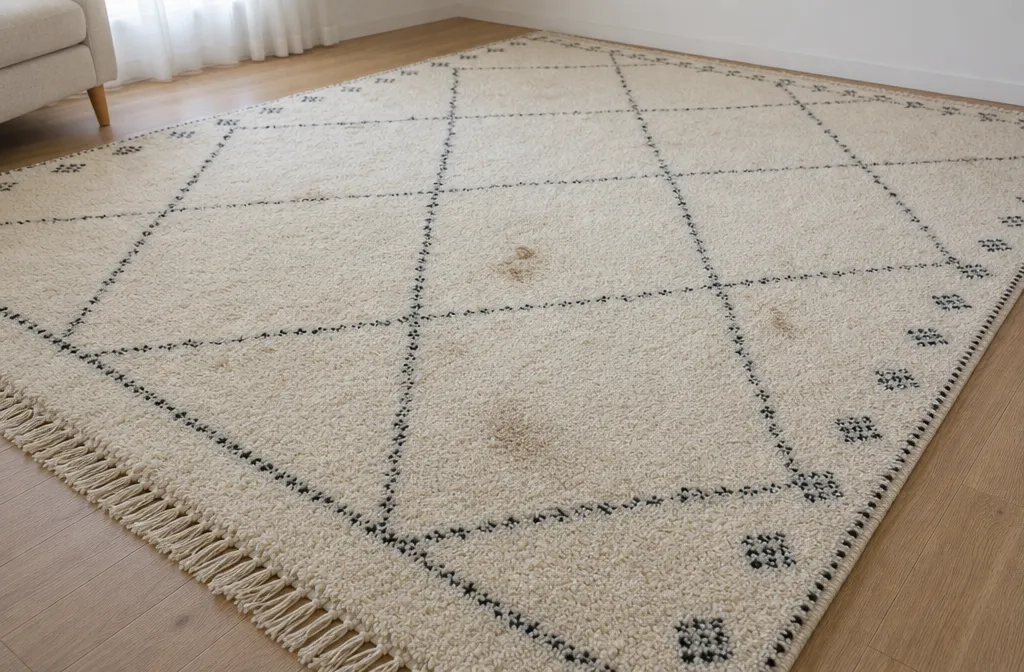
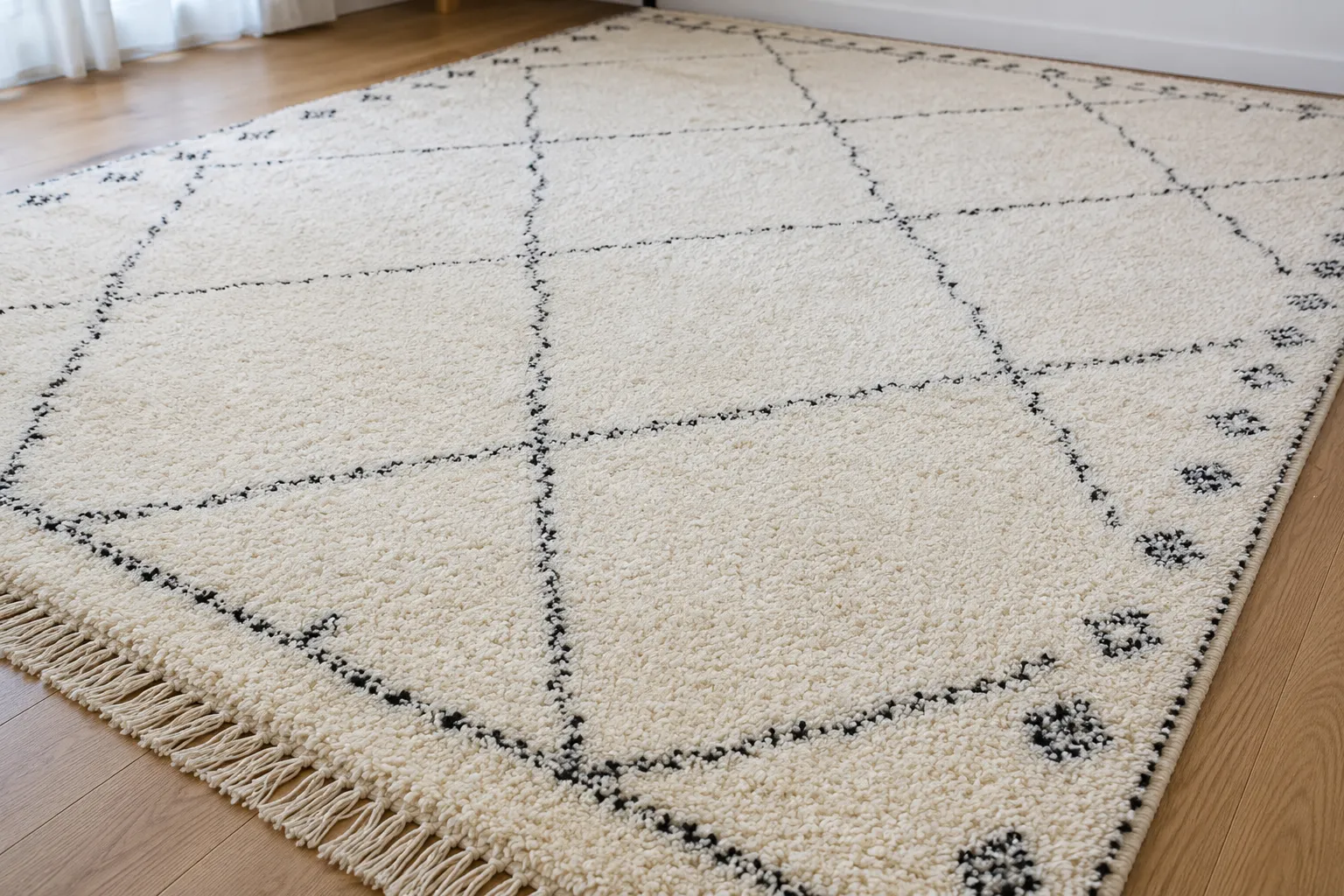
Request: Remove fresh coffee stain from Berber carpet.
Done: Blotting and cleaning using a coffee stain remover.
Cost: 9 000 ₸
Master: Gulnara Akhmetova, dry cleaning master
Total: Coffee stain completely removed, carpet with no traces.
 After
After
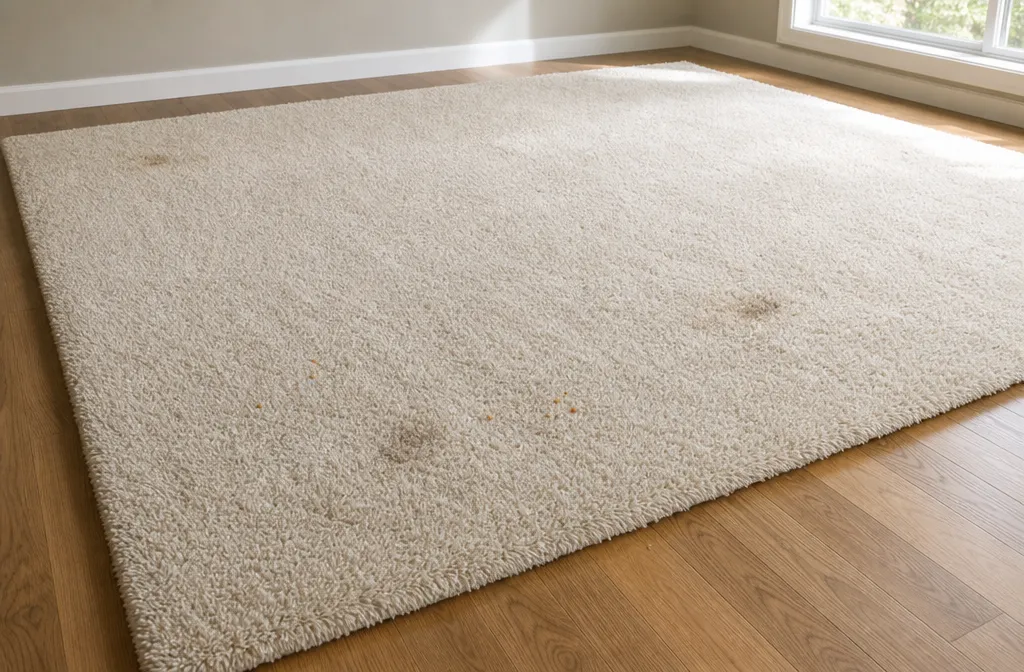
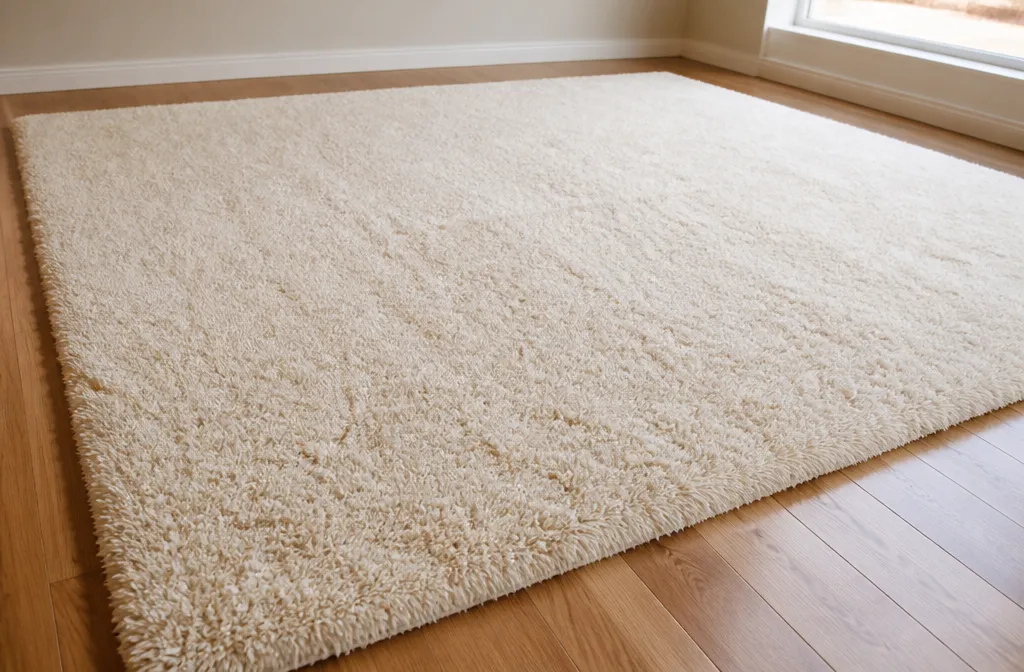
Request: Remove deep dust from a long-pile carpet.
Done: Cleaning using a vacuum cleaner with a turbo brush and extraction.
Cost: 8 000 ₸
Master: Aizhan Kusainova, dry cleaning master
Total: Fluff is fluffy, no dust, color has become more saturated.
 After
After
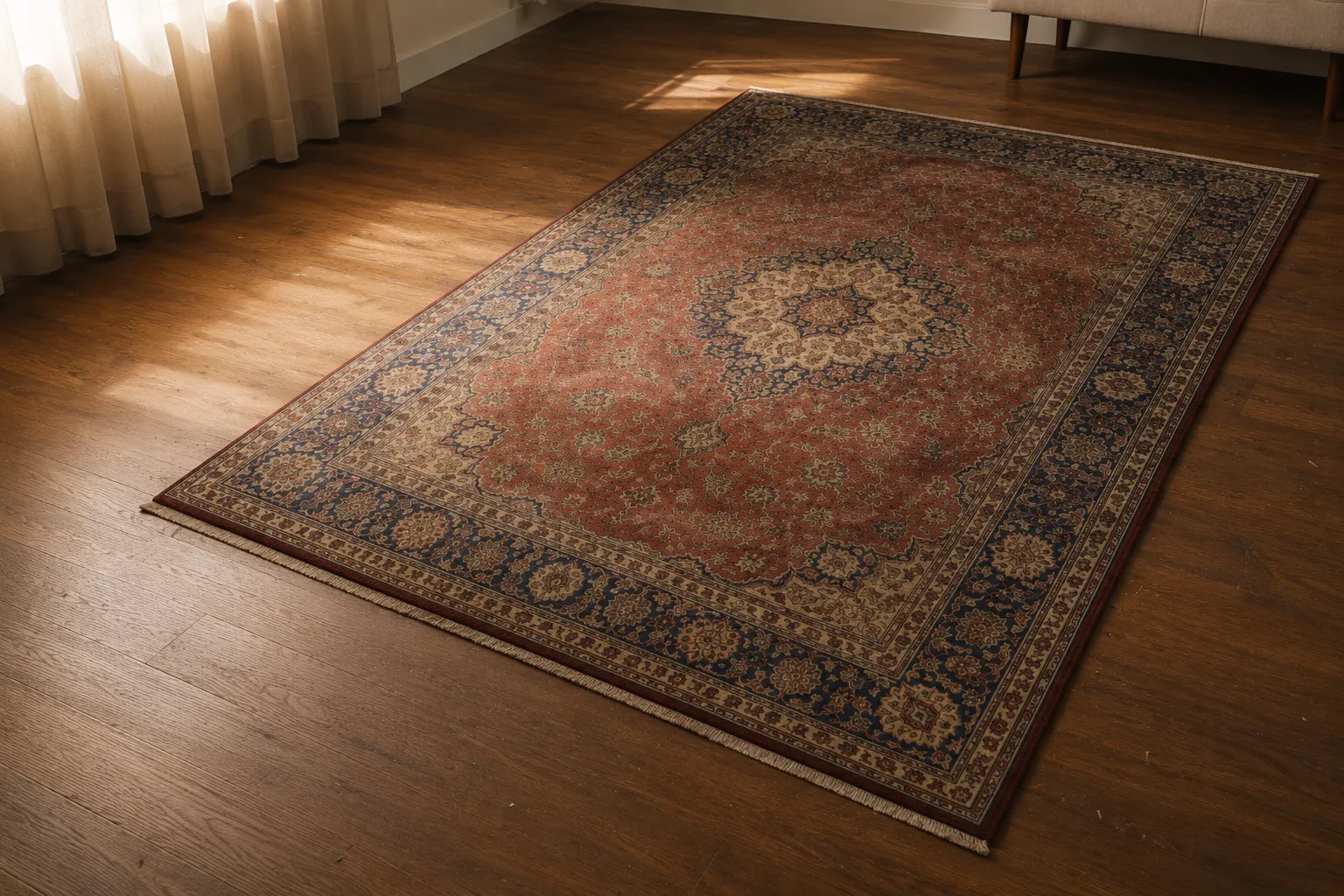
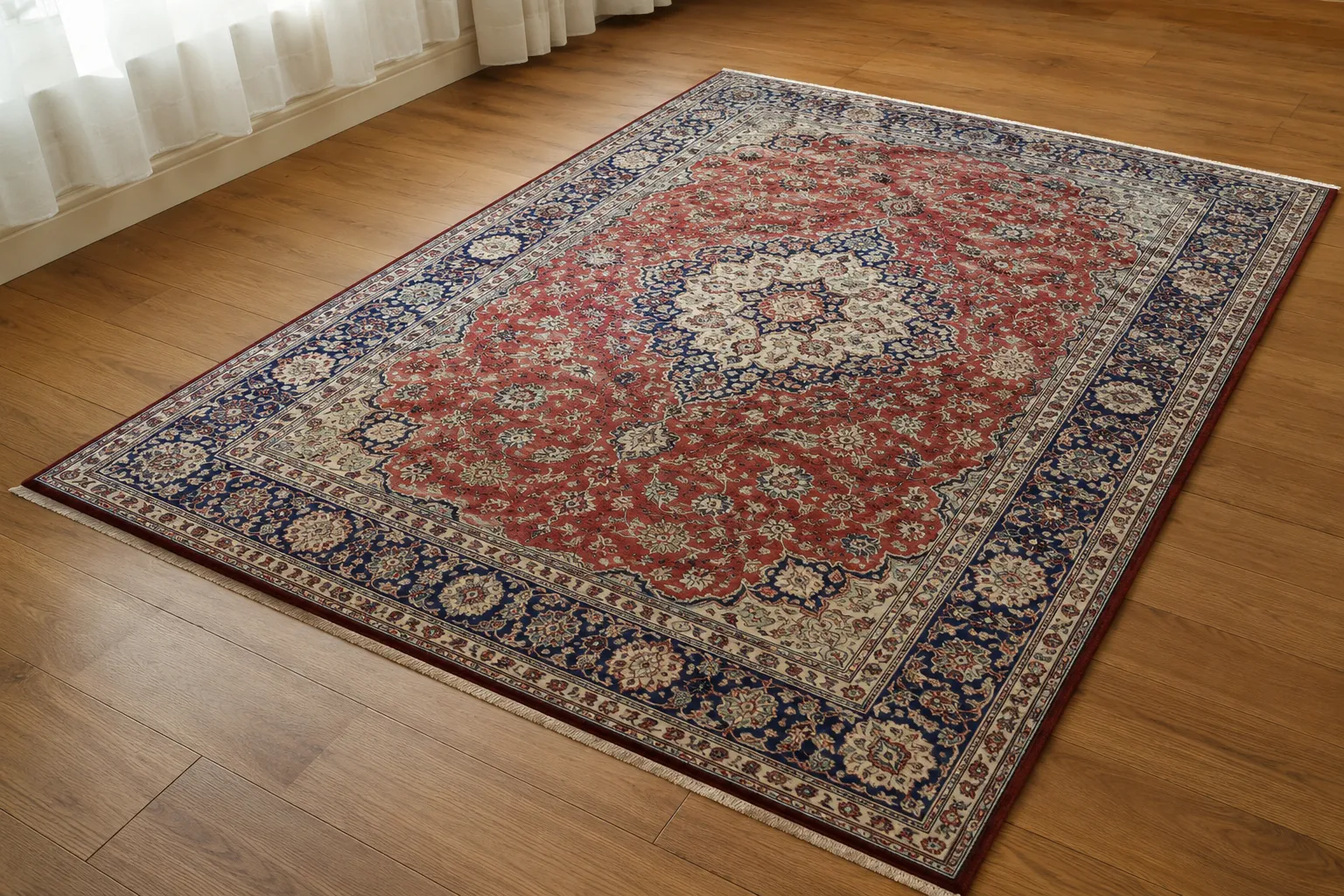
Request: Refresh faded areas of an oriental rug.
Done: Cleaning with pile conditioner and toning.
Cost: 7 000 ₸
Master: Timur Zhaksybekov, dry cleaning master
Total: The rug looks like new, colors restored.
 After
After
Request: Clean office carpet from shoe marks and dirt.
Done: Deep cleaning with a rotary machine and disinfection.
Cost: 9 000 ₸
Master: Gulnara Akhmetova, dry cleaning master
Total: Carpet clean, no streaks, room fresh.
 After
After
Request: Remove wax crayon marks from a kids room carpet.
Done: Cleaning using a wax solvent and extraction.
Cost: 8 000 ₸
Master: Aizhan Kusainova, dry cleaning master
Total: Crayon stains completely removed, carpet safe for children.
All cleaners are profi-clean staff with training, uniform and security check. Each order has a team leader who controls quality.
There is no universal cleaning schedule — the frequency depends on foot traffic, pile composition, and the microclimate in your apartment. Let’s break down three key scenarios so you can find your own rhythm.
In our practice, for homes with children under 7 and pets, we recommend deep carpet cleaning every 2–3 months. Within this period, up to 2–3 kg of dust per square meter accumulates in the pile (based on tests with HEPA filters), pet hair clogs the backing, and spilled juices and biological fluids leave protein stains that begin to decompose at room temperature within 48 hours. If not removed professionally, a persistent odor develops over time that household shampoos cannot eliminate. We use hypoallergenic chemicals from Kiehl and Sodasan — they break down protein at a molecular level without damaging the latex carpet backing. With this level of use, skipping one cleaning increases pile wear by 15–20% per year: dirt acts as an abrasive when walked on.
In bedrooms where the carpet doesn’t come into contact with outdoor shoes or pets, one professional cleaning every 6–8 months is sufficient. However, there is a nuance: in Almaty, due to smog and frequent ventilation, fine particulate matter (PM2.5) settles on the pile even with closed windows — up to 50–70 grams of dust per square meter accumulates in a month. If there are allergy sufferers in the home, we advise shortening the interval to 4–5 months, because a standard bagged vacuum cleaner traps particles larger than 5 microns, while a profi-clean HEPA filter captures 99.97% of particles as small as 0.3 microns. With infrequent cleaning, the carpet becomes a reservoir of allergens, and symptoms (sneezing, nasal congestion) appear even in those who previously had no reaction. Before ordering carpet cleaning in the Alatau district, check if the contract includes a clause for a free repeat visit if you are unsatisfied with the result — we offer a 24-hour guarantee, and not all companies are willing to redo the work.
Here, carpets come into contact with street dirt, sand, and de-icing agents year-round, so the optimal frequency is every 1–2 months depending on the season. In spring and autumn, when Almaty is slushy, a carpet can absorb up to 0.5 liters of moisture with dirt per week — this creates an ideal environment for mold fungi (Aspergillus, Penicillium), which germinate in the pile within 72 hours at humidity above 60%. If cleaned less frequently, microorganisms destroy the latex layer, and the carpet starts to “dust” even after drying — this is an irreversible process. In our orders above a certain amount, we include an antibacterial treatment that suppresses spore growth for 3–4 weeks, but it is only effective on a pre-cleaned surface. For hallways, choose models with short pile (up to 8 mm) — they dry in 4–6 hours compared to 12–18 hours for long-pile carpets, and our industrial extractor drying reduces this time to 2 hours.
Humidity in Almaty apartments drops to 20–25% in winter due to central heating and rises to 60–70% during summer rains. This changes the behavior of dust mites: in dry air, they die, but their fragments remain in the pile and cause allergies; in humid air, they actively reproduce. Therefore, we recommend adjusting the cleaning schedule based on the season: once every 4 months in winter is sufficient, and every 2–3 months in summer, especially if you frequently open windows. Another practical tip: do not schedule carpet cleaning alatau district price right before a rainy period — if the carpet does not dry within 6 hours after treatment, residual moisture will cause a musty odor that will only disappear after a repeat drying session. The best time is dry weather with heating or air conditioning running in dehumidification mode.
Dry carpet cleaning is a method where the pile is treated with a special powder or foam using minimal water, and the residue is removed with a vacuum cleaner. In Almaty, where air humidity ranges from 30% to 70% depending on the season, the choice between dry and wet cleaning directly affects the carpet’s lifespan. Let’s analyze when dry cleaning wins and in which cases wet cleaning is essential.
| Parameter | Dry Cleaning (profi-clean) | Wet Cleaning (profi-clean) |
|---|---|---|
| Water consumption per 1 m² | 0.1–0.3 liters (aerosol/powder) | 1.5–3 liters (extractor/shampoo) |
| Drying time | 20–40 minutes | 6–24 hours (depends on pile and ventilation) |
| Risk of base shrinkage (jute/latex) | Minimal (up to 1%) | Up to 5% on jute base |
| Effectiveness against set-in stains (oil/wine) | Low (surface dirt only) | High (deep extraction) |
| Hypoallergenic for asthmatics | High (HEPA filter + no dampness) | Medium (needs drying, otherwise mold) |
At profi-clean, our method selection always begins with a moisture and base type test: for carpets with jute or viscose, dry cleaning is the only safe option, while for wool carpets with oil stains, wet cleaning is mandatory.
Dry cleaning is indispensable for carpets with natural bases: jute, cotton, or sisal. In Almaty, where humidity fluctuations are common in the Alatau district due to the proximity of the mountains, wet cleaning such carpets leads to shrinkage of up to 5% and edge deformation. At profi-clean, we use Kiehl powder based on cellulose and wood flour — it absorbs dirt without water penetrating the backing. Another scenario is carpets in children’s rooms or allergy sufferers’ bedrooms: dry cleaning with a HEPA filter removes 99.7% of dust mites and mold spores, leaving the pile dry. In our practice, there was a case in the “Akbulak” residential complex: a client ordered dry cleaning for a 3×4 m wool carpet that could not be wet due to its latex backing — after treatment, the carpet dried in 35 minutes, and the child with asthma returned to the room the same evening. However, dry cleaning cannot handle greasy areas on kitchen carpets — there, fat and oil require emulsification with water.
The most common mistake is using household dry cleaning powders without professional equipment. In Almaty, some clients buy cheap soda and starch-based compounds from supermarkets: they leave a white residue on dark pile and clog fibers, making the carpet stiff. The second mistake is insufficient removal of powder residue: if you don’t go over it with a powerful HEPA-filter vacuum cleaner at least 5–7 times, abrasive particles scratch the pile when walked on, and the carpet loses its luster within 2–3 months. The third is cleaning an overly dirty carpet with a dry method: if the carpet has coffee, red wine, or oil stains, dry powder won’t extract them, but will only rub them deeper into the fibers. Our technician once received a carpet from a private home in the Alatau district, where owners had tried dry cleaning twice on their own — a cherry juice stain had set in so deeply that a wet extractor with an enzyme stain remover had to be used. The professional rule: dry cleaning is effective for maintenance and moderately soiled carpets, but for set-in stains, wet treatment is needed.
Pile length and structure dictate the method choice and powder consumption. For short-pile carpets (up to 8 mm) — such as “Bobrik” or synthetic polypropylene models — dry cleaning with a consumption of 50 g of powder per 1 m² gives excellent results: dust and sand are removed in one pass. For long-pile carpets (Saxony, Frieze, wool with a height of 15–25 mm), 1.5–2 times more compound is required, otherwise dirt remains at the base of the fibers. In Almaty, where many homes in the Alatau district have heated floors, long-pile carpets accumulate static electricity and attract more dust — dry cleaning with an antistatic component (available in the Sodasan line) reduces this effect by 60–70%. Loop-pile carpets (Berber, sisal) are risky to dry clean: powder gets trapped in the loops, and removing it without damaging the structure is nearly impossible — for such coverings, we recommend wet foam cleaning with low foaming. Before ordering dry cleaning, check the pile type and base — for carpets with viscose threads, the dry method is unacceptable, as the abrasive wears down the shiny fiber within 2–3 cycles.
Although dry cleaning is safer for asthmatics due to the absence of moisture, it is inferior to wet cleaning in removing biological contaminants — urine, mold, bacteria. Wet cleaning with disinfectants (e.g., hydrogen peroxide-based) eliminates 99.9% of microorganisms, while dry powder only adsorbs some moisture without killing spores. In Almaty, where humidity is high in spring and autumn (up to 80%), mold often appears on carpets in basements and first-floor apartments in the Alatau district — dry cleaning is useless here; wet treatment followed by UV drying is required. Another nuance: dry powders based on soda can cause skin irritation in people with contact dermatitis — after cleaning, the carpet must be thoroughly vacuumed, and children and allergy sufferers should not walk on it barefoot for 2–3 hours. If there are infants or elderly people with sensitive skin in the home, order wet cleaning with a hypoallergenic shampoo — after it, the carpet is safe within 4–6 hours of drying.
Wet cleaning is the most effective method for deep dirt removal, but it is not used every time, only when indicated. Let’s break down when it is indispensable and what risks those who choose “dry” treatment for complex stains face.
Dry cleaning with powder or foam removes surface dust and small debris but is powerless against three categories of stains. First — oily and greasy stains (traces of food, cream, motor oil): the dry reagent does not dissolve grease; it only masks it on the pile. Second — old, ingrained stains that have bonded with the fiber: for example, spilled coffee left untreated for a day forms a strong bond with nylon or polypropylene that no dry mixture can break. Third — deep contamination of the carpet base: if the carpet has not been cleaned for 6–8 months, dust and allergens penetrate the backing, and the only way to extract them is water extraction under pressure followed by vacuum suction. In practice in Almaty, we see that owners of wool or viscose carpets most often request wet cleaning precisely after unsuccessful attempts to “refresh” the carpet with dry shampoo — the stain remains, and the pile loses its original appearance due to powder residue. Before ordering wet cleaning, it is important to ensure the carpet has passed a colorfastness test — a drop of water on an inconspicuous area will show whether the dye will bleed upon contact with moisture.
For allergy and asthma sufferers, wet cleaning is not an option but a mandatory procedure with a frequency of once every 1–2 months. Dry cleaning only lifts mites and pollen into the air, after which they settle back onto the carpet within an hour. Wet extraction with hypoallergenic products (we use Kiehl and Sodasan) removes up to 97% of allergens, including the Der p1 protein from dust mite feces. This is especially critical during the Almaty flowering season (April–June), when pollen concentrations in lower-floor apartments peak. In our practice, there was a case: after three sessions of dry cleaning, a child still had a nighttime cough, while one wet treatment with extraction eliminated the symptoms for 2 months. An important nuance: after wet cleaning, the carpet must dry for 4–8 hours with open windows and a dehumidifier running — if this is not done, residual moisture will create an ideal environment for mold fungi, negating the entire anti-allergenic effect.
Natural wool, viscose, or silk carpets require a special approach: standard hot water extraction (60–70°C) can “cook” wool fibers, making them stiff and brittle. For such materials, we use cold water extraction (water at 20–25°C) with pH-neutral shampoos (pH 6.5–7.5) and minimal pressure — no more than 30 bar instead of the standard 50. Viscose is particularly finicky: its fibers lose shape when over-wetted, so water contact time does not exceed 3–5 minutes, and moisture after treatment is reduced to 12–15% using turbo drying. In Almaty, it’s common for owners of expensive Iranian wool carpets to try cleaning them themselves with a steam cleaner — steam deforms natural pile, and only professional restoration can fix it. Our recommendation: before wet cleaning a wool carpet, always perform a shrinkage test — wet a small piece of pile at the edge, measure the area before and after drying; if shrinkage exceeds 3%, use only cold water extraction without steam.
Three emergency scenarios where delaying wet cleaning is not an option. First — flooding (pipe burst, neighbor’s flood): water with rust and bacteria impurities penetrates the carpet backing, and if extraction isn’t done within 6 hours, mold (Aspergillus, Penicillium) begins to grow, releasing mycotoxins. Second — pet urine: uric acid crystallizes in the pile, and dry cleaning leaves a smell that the pet perceives as a territory marker — wet cleaning with an enzyme cleaner (e.g., Nature’s Miracle) breaks down crystals into ammonia and water. Third — sand and de-icing agents tracked in from the street: in Almaty courtyards in winter, sand-salt mixtures are used, leaving white stains on entryway carpets; dry cleaning doesn’t remove salt, which continues to damage the pile. In practice, we advise: after any flooding, first extract water with a wet/dry vacuum, then call professionals — DIY drying with a hairdryer leads to uneven drying and risks deforming the backing.
The choice between dry and wet carpet cleaning isn’t a matter of personal preference, but a decision dictated by pile type, soil composition, and Almaty’s climate. It’s easy to make a mistake, and the consequences range from wool carpet shrinkage to setting protein stains with steam. Let’s break down when each method works without risk.
Dry cleaning is indispensable for handcrafted wool, viscose, or silk carpets — these fibers shrink upon contact with moisture exceeding 15-20% humidity. At profi-clean, we use this method for carpets with natural latex adhesive: moisture destroys the glue layer, causing the carpet to “creep” across the floor. In Almaty’s spring conditions, when air humidity fluctuates from 30% to 70%, the dry method eliminates the risk of mold in the backing — the extractor leaves no moisture in the pile. For carpets with long pile (over 15 mm), dry cleaning is the only way to avoid deforming fibers: the powder penetrates the base, and a mechanical brush lifts dirt without pressing the pile down. In practice, if you have a sisal or coir carpet, wet cleaning will definitely ruin its structure — these materials rot when soaked.
Wet cleaning with low water pressure (extractor up to 3-4 bar) is the only method that removes deep soiling from synthetic pile: oil stains, stubborn pollen, ingrained dirt from shoes after walks at Almaty’s Medeu. We use it for polypropylene and nylon carpets — these fibers don’t shrink and can withstand up to 60°C. But a critical nuance: if the carpet has wine, juice, or coffee stains, wet cleaning with steam (above 80°C) permanently “sets” the protein — the stain becomes irremovable. In October, we had a case: a client in the Alatau district ruined a wool carpet with a home steam cleaner — a pomegranate juice stain was fixed forever. In such situations, we recommend first treating the stain with a cold enzyme solution, and only then performing wet cleaning.
According to our order statistics at profi-clean, 60% of carpet restoration requests result from self-cleaning with improper methods. Typical victims are Persian wool carpets (wet cleaning causes 5-8% shrinkage in length) and carpets with latex backing purchased at Almaty’s “Sary-Arka” flea market: latex dissolves at pH above 9, and household chemicals often have an alkaline composition. Another category is viscose carpets (“artificial silk”): wet cleaning makes them lose their luster and become stiff to the touch. In our orders above a certain threshold, we always check the fiber type with a drop test — a drop of water on wool absorbs in 3-5 seconds, on viscose instantly, and on polypropylene it beads up. This is the first diagnostic step to take before choosing a method.
Almaty’s climate, with sharp humidity fluctuations (from dry summers to damp transitional seasons), dictates its own rules. After wet cleaning from October to April, when heating is on in apartments, the carpet dries in 12-24 hours with room ventilation — if left damp for more than 8 hours, mold develops in the backing. In summer, with humidity below 30%, wet cleaning is safer — the carpet dries in 4-6 hours, but there is a risk of overdrying wool pile (it becomes brittle). Dry cleaning wins in Almaty’s conditions during the off-season: the powder requires no drying, and the carpet can be laid on the floor immediately. However, in dusty areas (near CHP-2, along Ryskulov Avenue), the dry method does not fully remove soot and grime — their particles are too fine and remain at the base of the pile. Here, wet cleaning with an acidic rinse (pH 5.5-6.5) is needed, which neutralizes the alkaline residues of dirt.
| Parameter | Dry Cleaning | Wet Cleaning (Extractor) |
|---|---|---|
| Pile Type | Wool, viscose, silk, sisal, coir | Polypropylene, nylon, polyester |
| Drying Time | 0-10 minutes (ready immediately) | 4-24 hours depending on humidity |
| Oil Stain Removal | Partial (surface only) | Deep (with enzyme pre-spray) |
| Shrinkage Risk | Zero | 2-8% for natural fibers |
| Hypoallergenic | High (no moisture for mites) | Medium (requires drying up to 8 hours) |
| Recommendation for Almaty | Off-season, children’s rooms, handmade carpets | Summer, synthetic carpets, heavy soiling |
Before choosing a method, perform a simple test: rub a section of the carpet with a damp white cloth — if the dye transfers to the cloth, wet cleaning is contraindicated. For wool carpets with hand-dyeing (common in Almaty carpet stores from Iran and Turkey), the dry method is the only safe option; otherwise, shedding will ruin both the carpet and the floor.
Almaty’s air — with dust from Clock Mountain, smog from cars, and poplar fluff — settles on carpets more densely than in the suburbs. We see this in every third order in the southern microdistricts: in a month, the pile accumulates as many solid particles as it does in the center in three. Therefore, the standard “clean once every six months” scheme doesn’t work for Almaty — adjustments are needed based on the district and season.
In winter, carpets in Almaty get covered with a sand-salt mixture used on sidewalks — it scratches the pile and leaves a white residue on dark surfaces. You can’t remove it with plain water: the salt crystallizes inside the fibers. In spring, the main enemy is poplar fluff, which gets embedded in the base of the pile and creates a breeding ground for dust mites. In our orders on Abaya and Sain streets after May, we see an increase in allergic reactions among residents — so before summer, we recommend an antistatic treatment and cleaning with hot water extraction at 60–65 °C, which kills mites at the egg stage.
Household vacuum cleaners with bags or cyclone filters let through PM2.5 and PM10 particles — the main components of smog. They blow back into the room and settle on the carpet again. Our equipment features HEPA H13 filters, which trap 99.95% of particles down to 0.3 microns. In practice, this means: after one pass with a profi-clean vacuum cleaner in an apartment on Rozybakieva Street, the air quality sensor showed a drop in PM2.5 from 45 to 12 µg/m³. Without a HEPA filter, the difference would be half as much — the particles would simply be redistributed throughout the room.
In Almaty, air humidity in spring and autumn reaches 70–80%, especially after rain. If you dry a carpet indoors during this period without forced ventilation, moisture remains in the base — after 48 hours, a musty smell appears, and after a week, mold fungus develops on the backing. We use air dehumidifiers at the final stage and do not hand over the order until the carpet’s moisture content is below 12% as measured by a moisture meter. Without this, even a perfectly cleaned carpet will need to be cleaned again in two weeks — this time for mold.
Many people think that cleaning carpets themselves with a household vacuum cleaner and shampoo is a smart way to save money. In reality, the difference between home care and professional treatment is not about money, but about the residual risk to the pile and your health.
Household vacuum cleaners develop a suction power of 250–400 AW, while profi-clean industrial extractors deliver 1200–1500 AW. The three-to-four-fold difference means that a home vacuum cleaner cannot extract moisture from deep within the pile: after manual cleaning, up to 40% of water with dissolved dirt remains inside the carpet. Within 12–24 hours, this moisture triggers mold growth.
I ordered carpet cleaning in Alatau district for a large living room carpet. Tea stains disappeared, the pile became fluffy and fresh.
Thank you, Aigerim! We're glad you loved the result.
After moving, the carpet was in terrible condition. The masters arrived quickly, cleaned everything thoroughly, now it's like new.
We had a wool carpet cleaned in Alatau district. Stains were removed well, but the schedule was slightly delayed.
We apologize for the delay. We will strive to be more punctual.
The carpet in the children's room after markers and plasticine — the masters handled it perfectly. The child is allergic, and there was no chemical smell.
I contacted for carpet cleaning in Alatau district for a Persian carpet. The pile was brushed, the color became brighter. I recommend.
Thank you, Erlan! Gentle approach is our pride.
The small rug at the entrance got dirty quickly. Cleaned in an hour, looks like new. Convenient that it's at home.
I ordered carpet cleaning in Alatau district for the bedroom. Coffee stains were removed, but there was a slight damp smell. It aired out after a day.
Thank you for your feedback! We'll use accelerated drying next time.
The rug in the kitchen had oil stains. After steam treatment - clean and fresh. Very satisfied.
Carpet cleaning in Alatau district is the best! Removed old wine stains, the carpet became soft.
Timur, glad to help! Contact us again.
The runners in the hallway were dirty after renovation. Cleaned perfectly, even the seams were not damaged.
Carpet cleaning in Alatau district handled the hair, but streaks remained on dark areas. Had to re-clean ourselves.
We apologize. We have improved the technology for dark carpets.
The yoga mat was cleaned from sweat - chemical-free, eco-friendly. Very pleasant to practice now.
For the office I ordered carpet cleaning in Alatau district. The carpets became fresh, employees are happy.
Thank you for your trust! We look forward to cooperating again.
I was afraid to trust the silk carpet, but everything went delicately. Only one corner was slightly crumpled.
Sorry for the inconvenience. We will pay more attention to the edges.
Carpet cleaning in Alatau district helped remove paint stains. The children play on the clean floor again.
The fringe didn't spoil after cleaning, the carpet looks like from a store window. Thank you for the carefulness.
Two masters cleaned a huge 4 by 6 meter carpet. The result is excellent, no musty smell.
Glad we managed! Always ready for large volumes.
The carpet at the door was cleaned well, but the furniture was moved a bit. We rearranged it ourselves.
We apologize. We will be more careful.
Pomegranate juice stains were completely removed. I highly recommend carpet cleaning in Alatau district.
We cleaned carpets in all rooms for a mini-hotel. Fast, no smell, guests didn't complain.
Thank you for the review! Glad to cooperate.
Carpet cleaning in Alatau district for the corridor — washed off shoe marks. Now it's light and clean.
Mold was removed from the carpet, but a slight darkening remained. For such neglect, it's acceptable.
Thank you for honesty. We are working on methods for tough stains.
The light carpet turned gray after winter. Carpet cleaning in Alatau district restored its whiteness and softness.
Thank you! We're glad you're satisfied.
The office carpet smelled of tobacco. After treatment, the smell disappeared and the pile refreshed.
We had carpet cleaning in Alatau district for a high-pile carpet. Everything's fine, but drying took longer.
We'll take note and speed up the process.
Carpet after a party — stains from beer and chips. Cleaned perfectly, no traces left.
Expensive handmade carpet — I trusted only profi-clean. Carpet cleaning in Alatau district is top-notch.
Thank you for your trust! We appreciate your loyalty.
After sleeping, allergies disappeared — the carpet became cleaner. I recommend regular cleaning.
The kitchen rug got greasy. I ordered carpet cleaning in Alatau district — now it's like new.
Great! Glad we could help.
The bathroom mat was cleaned of soap scum. Good, but could have been faster.
Thank you, we'll take note.
For the kindergarten, carpet cleaning in Alatau district was needed. Everything was done safely, without chemicals.
Happy to help children!
Cat carpet — removed odor and fur. Now you can sit on the floor without worry.
Gym carpets smelled of sweat. Carpet cleaning Alatau District — no odor, clean.
Thank you! Athletes need freshness.
Gum removed, but stain remains. Acceptable overall, but not perfect.
We apologize. We will work on quality.
Office carpet hadn't been cleaned in a while. Carpet cleaning Alatau District made it brighter and softer.
Fringe was not damaged, carpet became brighter. Very careful work.
On average, cleaning a carpet up to 10 m² takes 1-1.5 hours. The time depends on the carpet type and degree of soiling. After cleaning, the carpet dries completely in 2-4 hours.
Yes, we come to you in the Alatau district. Our technician brings all necessary equipment and products. You don't need to take the carpet to a dry cleaner.
Just remove small items (toys, shoes) from the carpet. The technician will move furniture if needed. If there are fresh stains, don't rub them — we'll treat them professionally.
We accept cash, Kaspi Gold, Halyk Bank, and card transfers. Payment is made after the work is done.
Yes, we guarantee that stains will be removed. If a stain cannot be removed, we refund your money. The guarantee applies to all types of carpets.
All products used (Kiehl and Sodasan) are hypoallergenic and free of harsh chemicals. They are safe for children and pets, leaving no toxic residues after cleaning.
Professional cleaning is recommended every 6-12 months. For households with pets or allergy sufferers, every 3-4 months. Regular cleaning extends the carpet's lifespan.
Yes, we clean carpets with any pile. For long-pile carpets, we use special attachments and settings to avoid damaging fibers and maintain volume.
The cost includes inspection, dry cleaning, stain removal, extraction cleaning, rinsing, drying, and final check. Additional services (antibacterial treatment, impregnation) are charged separately.
You can call or leave a request on the website. We'll contact you within 15 minutes to agree on a convenient time and address in the Alatau district.
Tell us about your experience with profi-clean — it helps other clients and us improve.
We currently operate in Almaty. Other cities are coming soon.