Inspection and assessment
Master visits the site, checks window seals, facade type, degree of soiling. We create a work plan.
Window, facade and storefront cleaning at any height with cleanliness guarantee
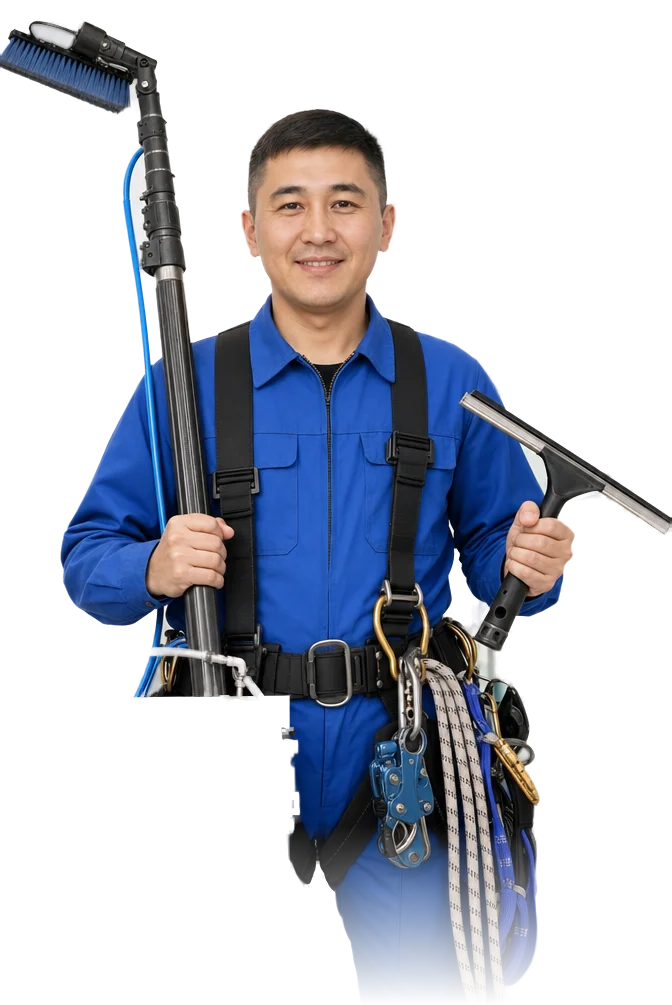
We work with any types and materials
Cleaning window units outside and inside using telescopic poles up to 18 m.
from 1,200 ₸Cleaning large-format glass without streaks using reverse osmosis system.
from 1,200 ₸Cleaning facades made of porcelain stoneware, alucobond and other materials with climbing equipment.
from 27,500 ₸Comprehensive cleaning of office facades of any complexity with quality guarantee.
from 33,000 ₸Streak-free storefront cleaning with professional Kiehl products.
from 27,500 ₸Regular office window cleaning with minimal disruption to employees.
from 1,200 ₸Cleaning balcony frames and glass outside using safety equipment.
from 1,500 ₸Cleaning loggia glazing from dust and deposits.
from 5,000 ₸Cleaning canopies at height, removing bird droppings and dirt.
from 25,000 ₸Gentle stained glass cleaning using organic Sodasan products.
from 1,500 ₸Cleaning glass roofs and walls of winter gardens with reverse osmosis system.
from 25,000 ₸Cleaning internal glass partitions in offices and shopping malls.
from 25,000 ₸From inspection to result with guarantee
Master visits the site, checks window seals, facade type, degree of soiling. We create a work plan.
Site fencing, installation of Petzl safety equipment, preparation of cleaning solution.
Pre-wetting the surface with pressurized water to remove dust and large dirt.
Application of Kiehl or Sodasan cleaning agent using telescopic pole or sprayer.
Use of nylon bristle brushes to remove stubborn dirt: cement, paint, glue.
Rinsing with reverse osmosis water — demineralized water leaves no streaks.
Water removal with professional squeegee with rubber blade for perfectly dry surface.
Check for streaks and drips, photo documentation of the result, signing the completion certificate.
We use a reverse osmosis system — water is purified from salts, so no white spots remain after drying. This is especially important for panoramic windows and storefronts where every defect is visible. Combined with professional Kiehl (Germany) and organic Sodasan products, perfect transparency is achieved.
Industrial telescopic poles allow cleaning windows up to the 6th floor without scaffolding or aerial platforms. The equipment is equipped with a water and detergent supply system, speeding up the process. For taller buildings, we use Petzl climbing equipment.
If streaks or drips remain after cleaning, we redo the work for free within 24 hours. We photograph each object before and after so you can verify the quality. The guarantee applies to all types of high-rise cleaning.
Our company is insured for 10 million tenge — your property is protected against accidental damage. All masters have access to high-rise work and use certified Petzl safety systems. Safety is our priority.
profi-clean employs over 40 in-house masters trained in high-rise cleaning. We do not use subcontractors — all work is performed by our employees. This guarantees consistent quality and adherence to technology.
Each object goes through 8 stages: from inspection to final control. We use professional Kiehl and Sodasan products, reverse osmosis system, and squeegees with rubber blades. This approach ensures perfect results without streaks.
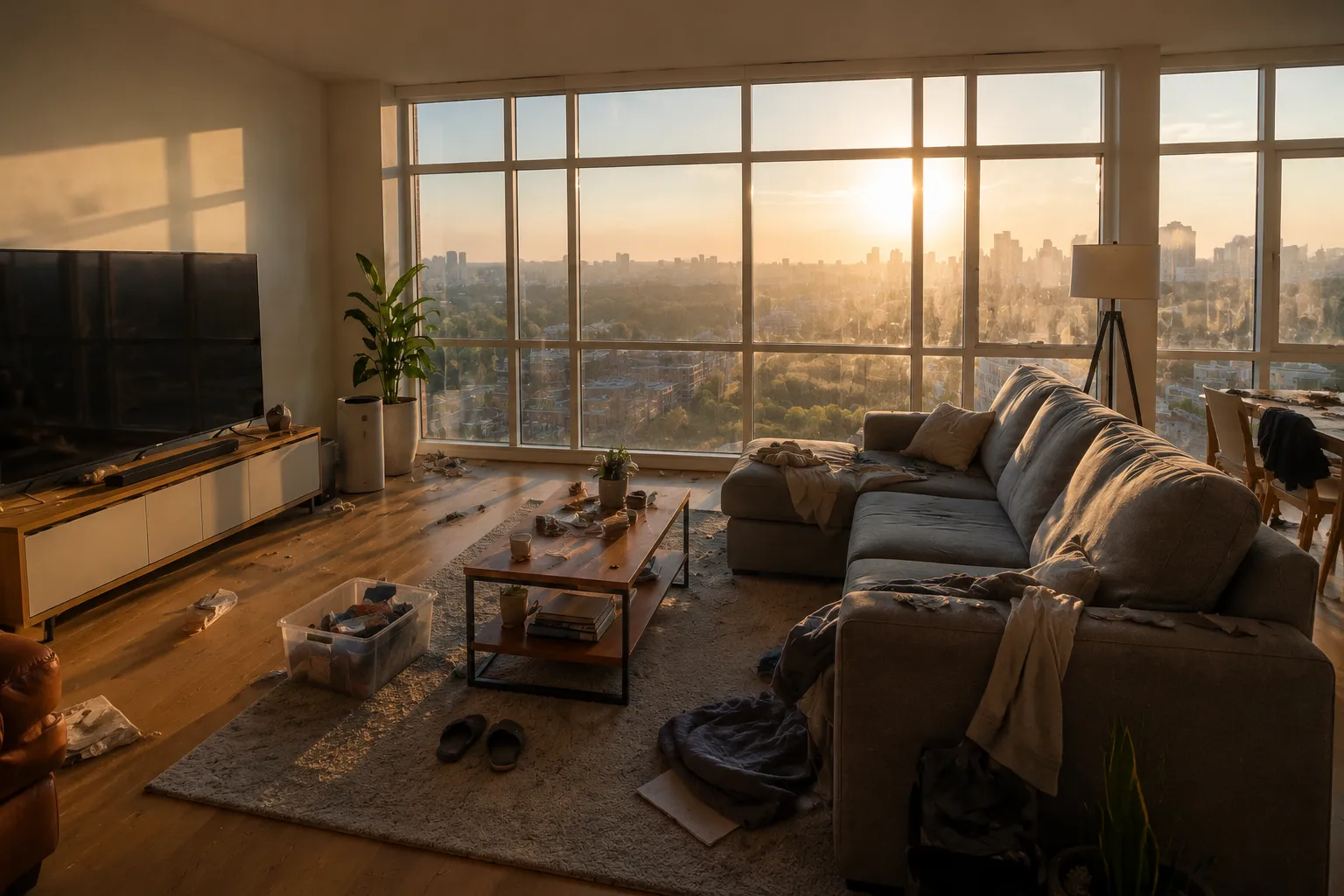
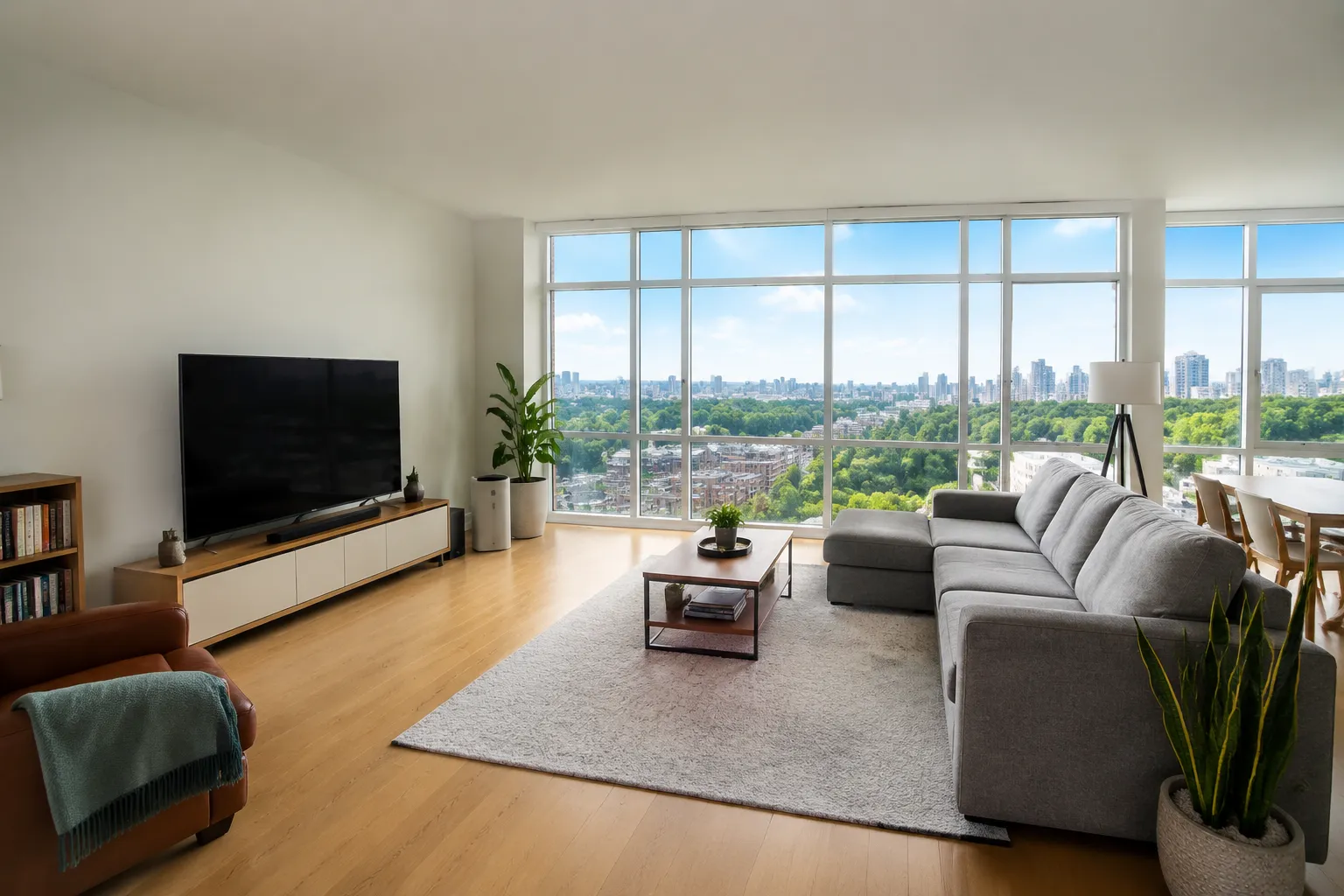 After
After
Request: The client requested cleaning of the 15th-floor panoramic window without streaks.
Done: profi-clean master performed a three-stage glass cleaning with distilled water and a squeegee.
Cost: 25 000 ₸
Master: Aigul Sadykova, High-Rise Cleaning Specialist
Total: The window became transparent, opening up an unobstructed panoramic city view.
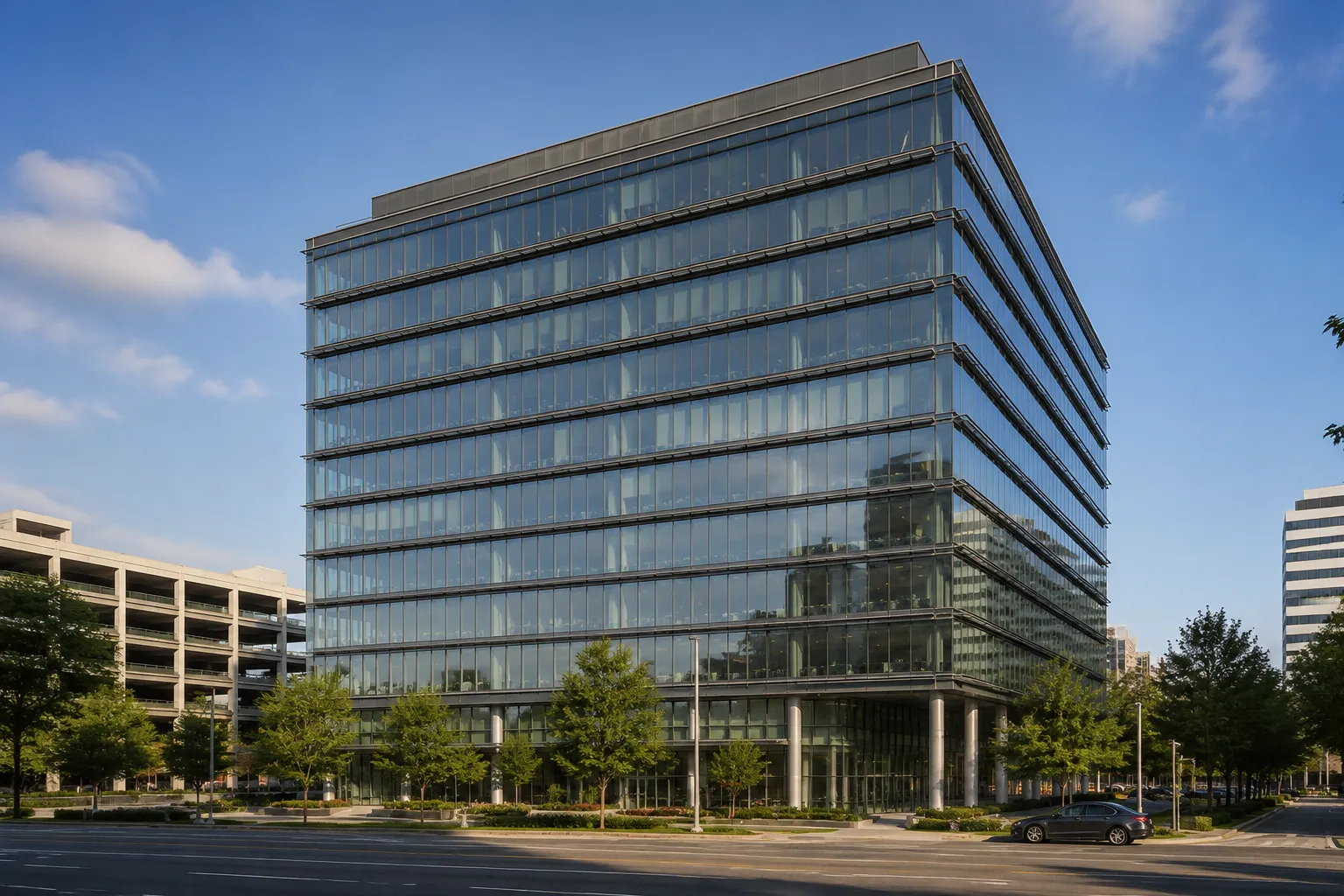
 After
After
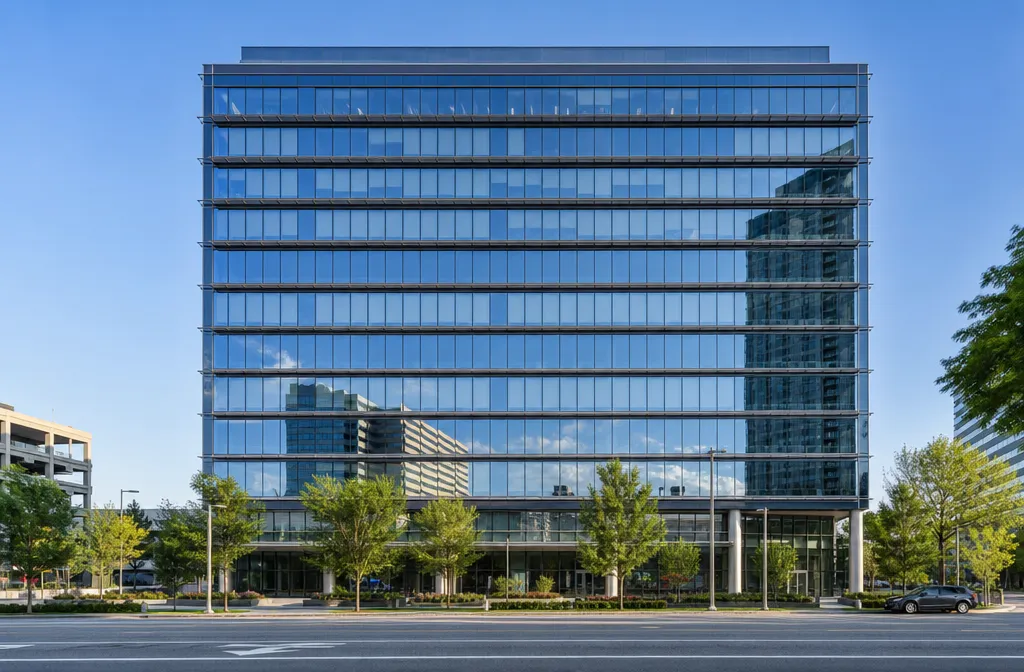
Request: The building owner ordered cleaning of the glass facade from the 1st to the 10th floor.
Done: profi-clean team performed industrial climbing with cleaning of 450 m² of glass.
Cost: 26 000 ₸
Master: Daniyar Akhmetov, Climber-Cleaner
Total: The facade became a single mirror surface without streaks or deposits.
 After
After
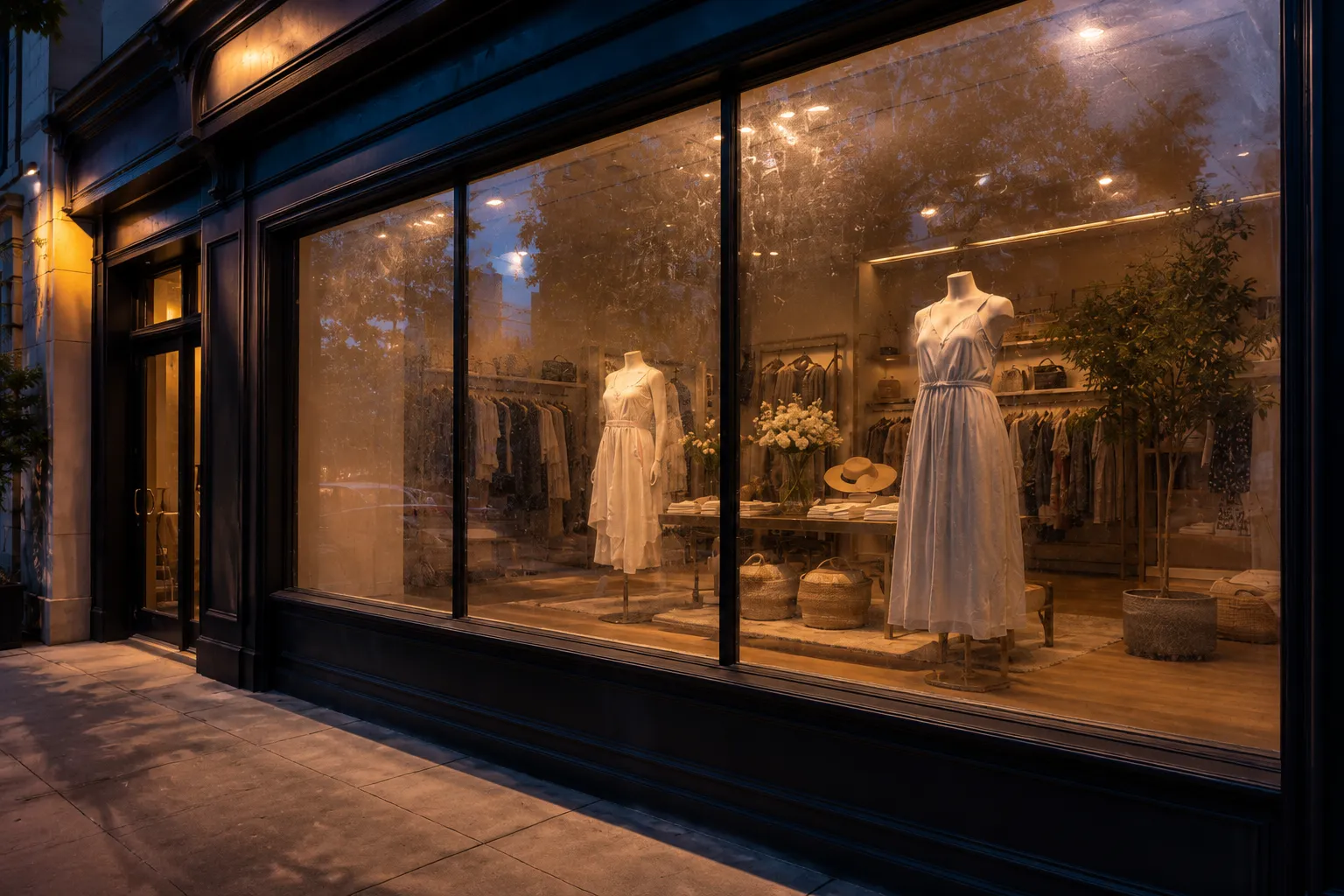
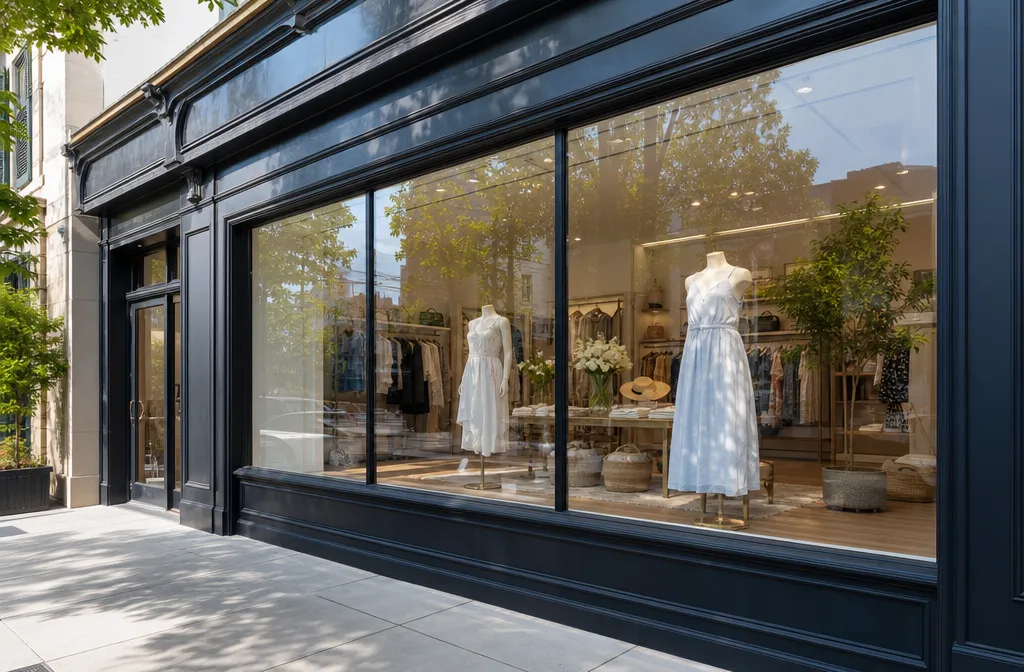
Request: The boutique owner asked to clean the storefront without streaks before the sale.
Done: profi-clean master cleaned the storefront glass from outside and inside, removed fingerprints.
Cost: 27 000 ₸
Master: Assel Zhumabayeva, Cleaning Specialist
Total: The storefront became crystal clear, merchandise is perfectly visible.
 After
After
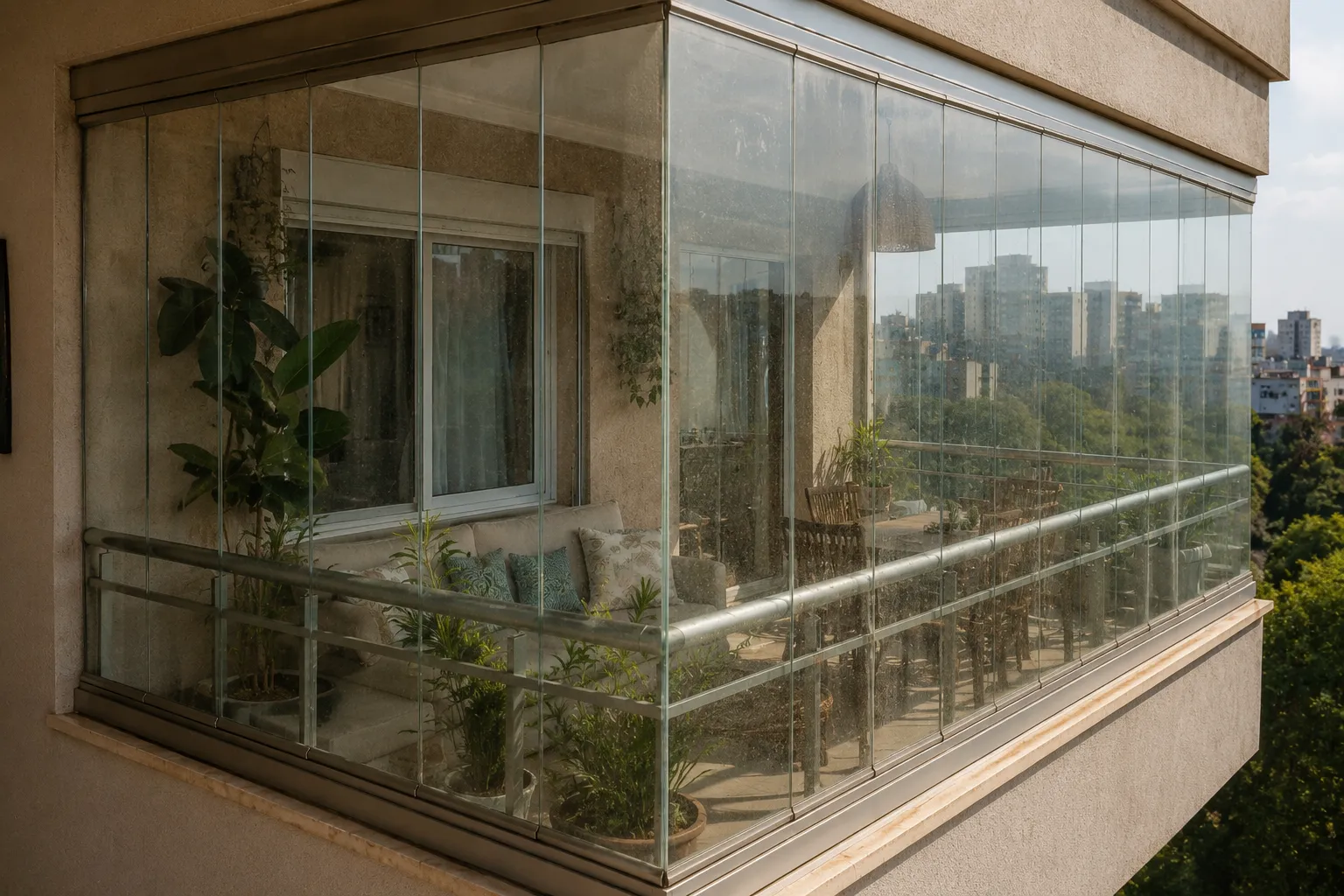
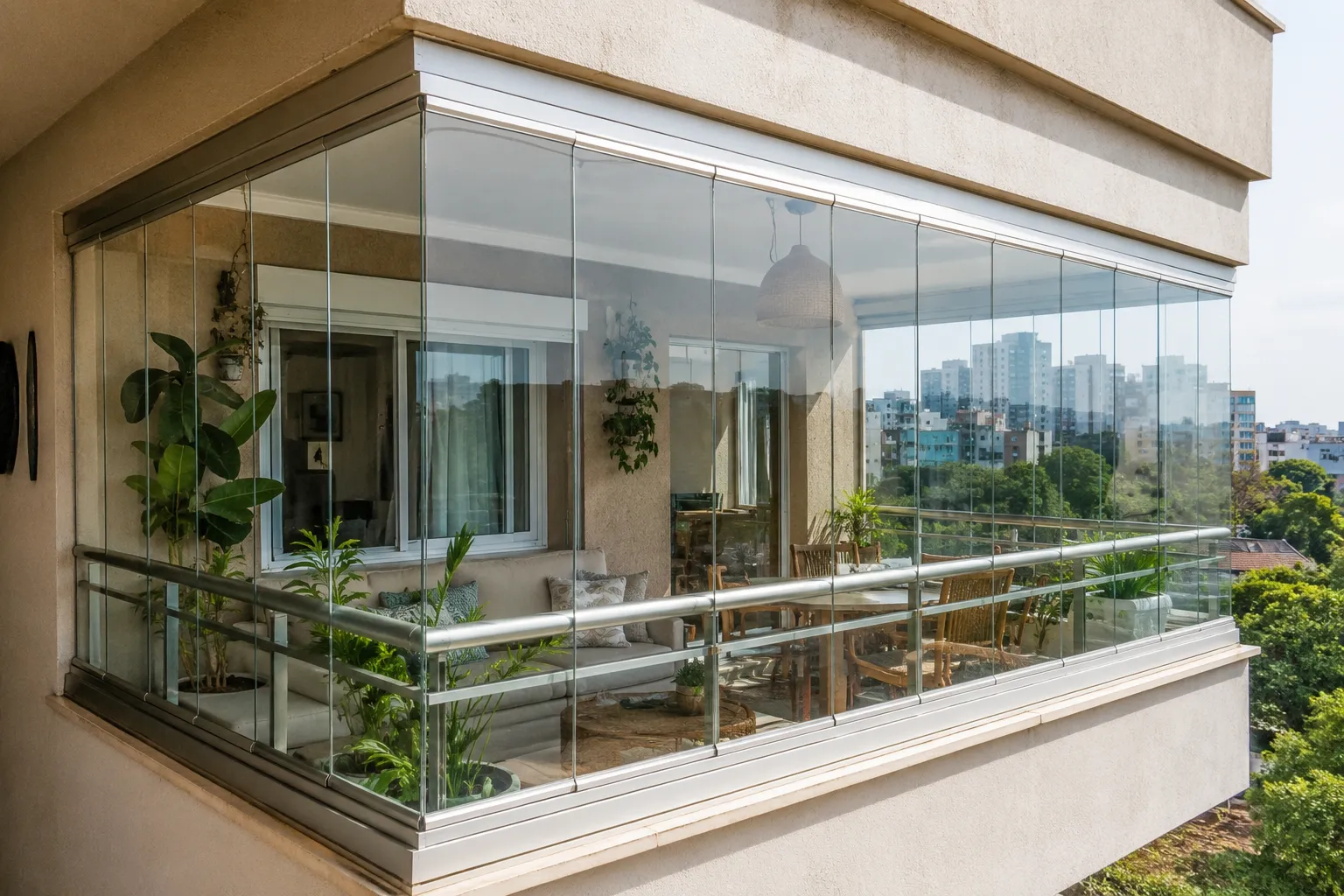
Request: The resident asked to clean the balcony glazing from both sides, including the exterior.
Done: profi-clean master used an extension pole and telescopic handle to clean 8 double-glazed windows.
Cost: 26 000 ₸
Master: Yerlan Nurlanov, High-Rise Cleaning Specialist
Total: The glazing became transparent, the balcony visually expanded.
 After
After
Request: The client was afraid to clean the window themselves due to the height and called professionals.
Done: profi-clean master with climbing gear and safety harness cleaned the window from outside.
Cost: 25 000 ₸
Master: Ruslan Kassymov, Climber-Cleaner
Total: The window became impeccably clean, the client is satisfied with the safe work.
 After
After
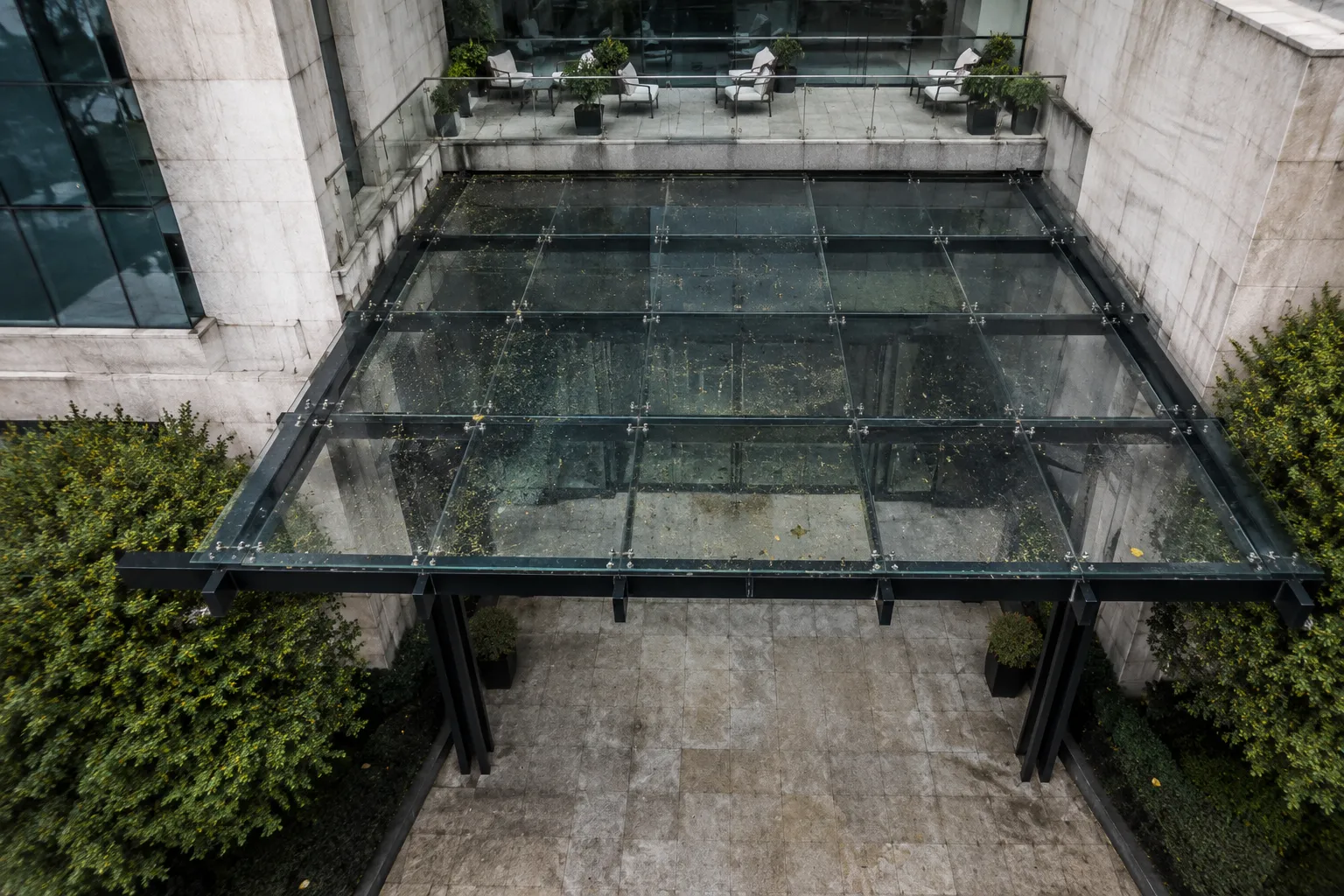
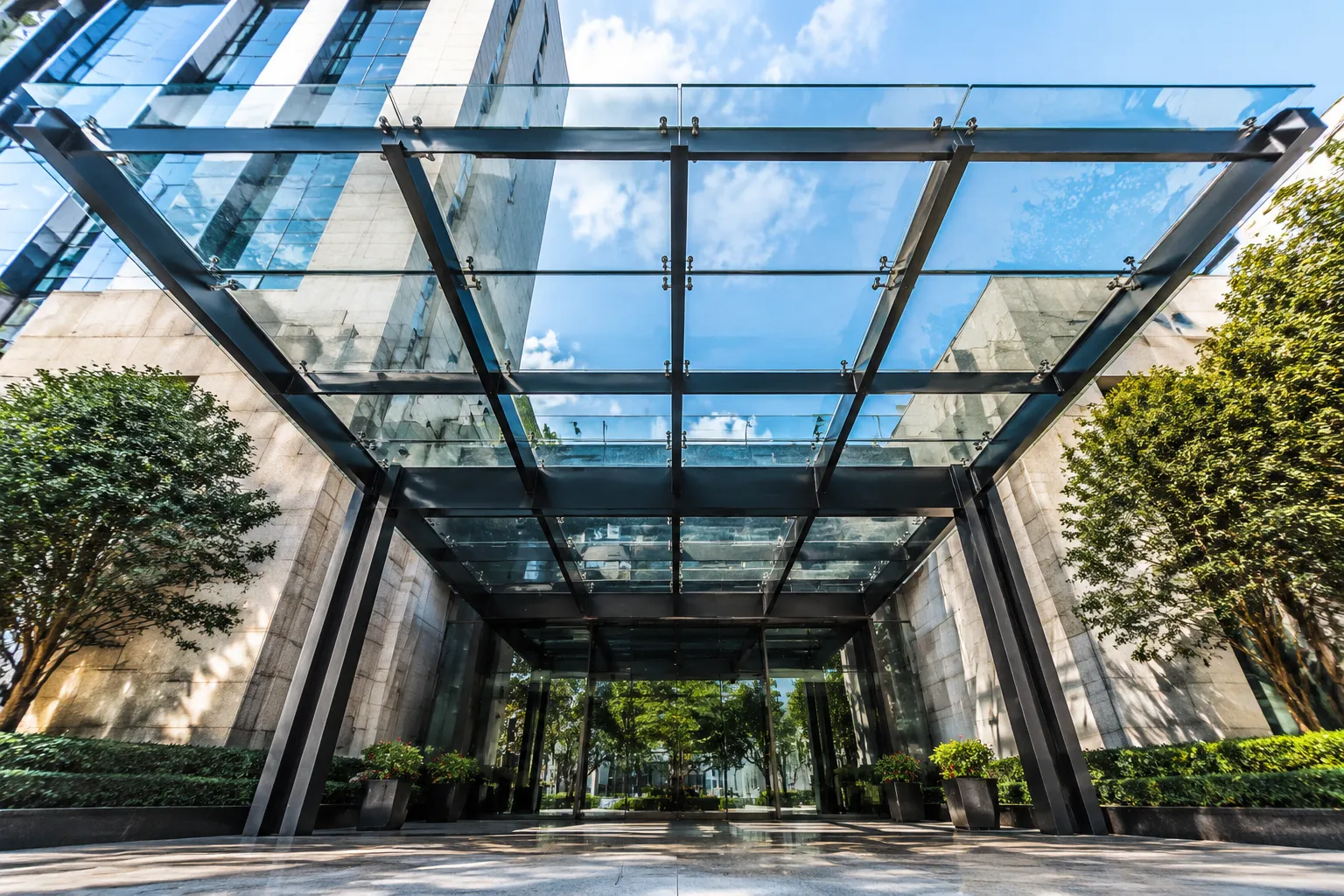
Request: The building manager ordered cleaning of the glass canopy over the entrance.
Done: profi-clean master cleaned the canopy from dust and bird droppings using a mop and cleaning solution.
Cost: 27 000 ₸
Master: Aidar Bekzhanov, cleaning master
Total: The canopy became transparent, the entrance area looks well-groomed.
 After
After
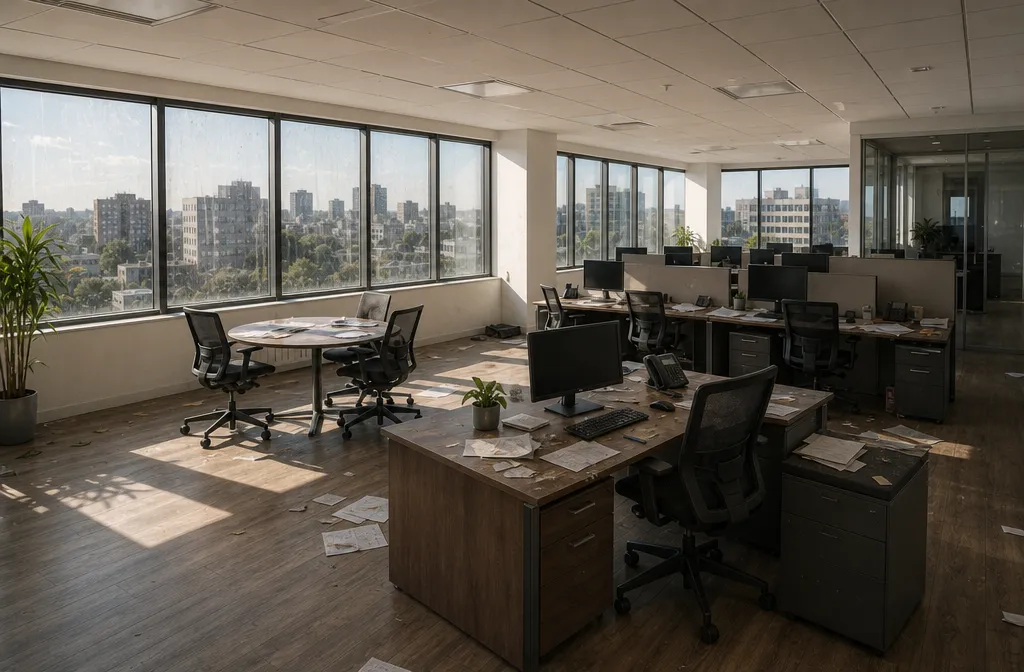
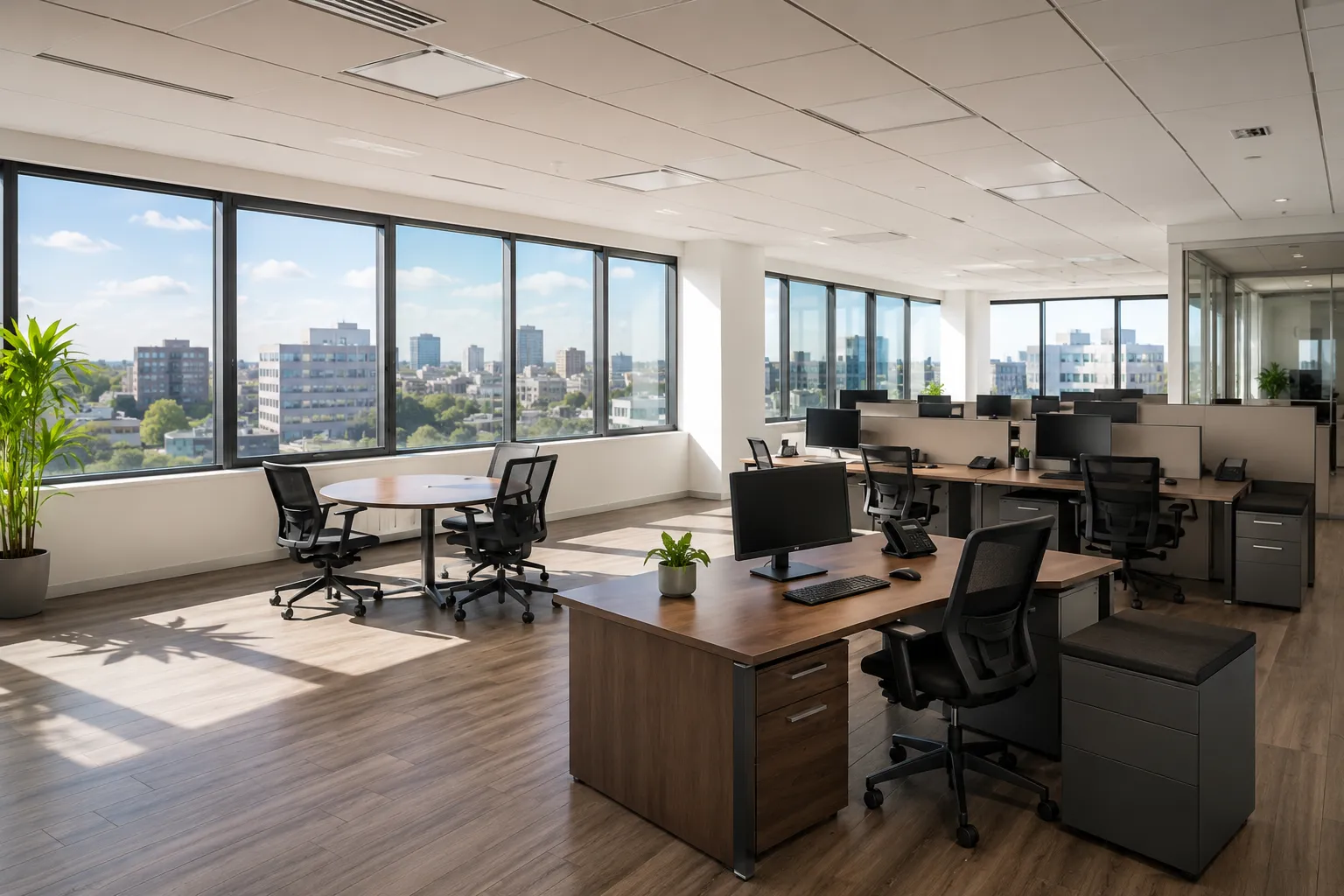
Request: The office manager asked to wash the windows in the meeting room on the 8th floor.
Done: profi-clean master washed 6 windows on both sides, removed streaks and dust from frames.
Cost: 26 000 ₸
Master: Gulnar Ibraeva, cleaning master
Total: The windows became transparent, the office became brighter and cozier.
 After
After
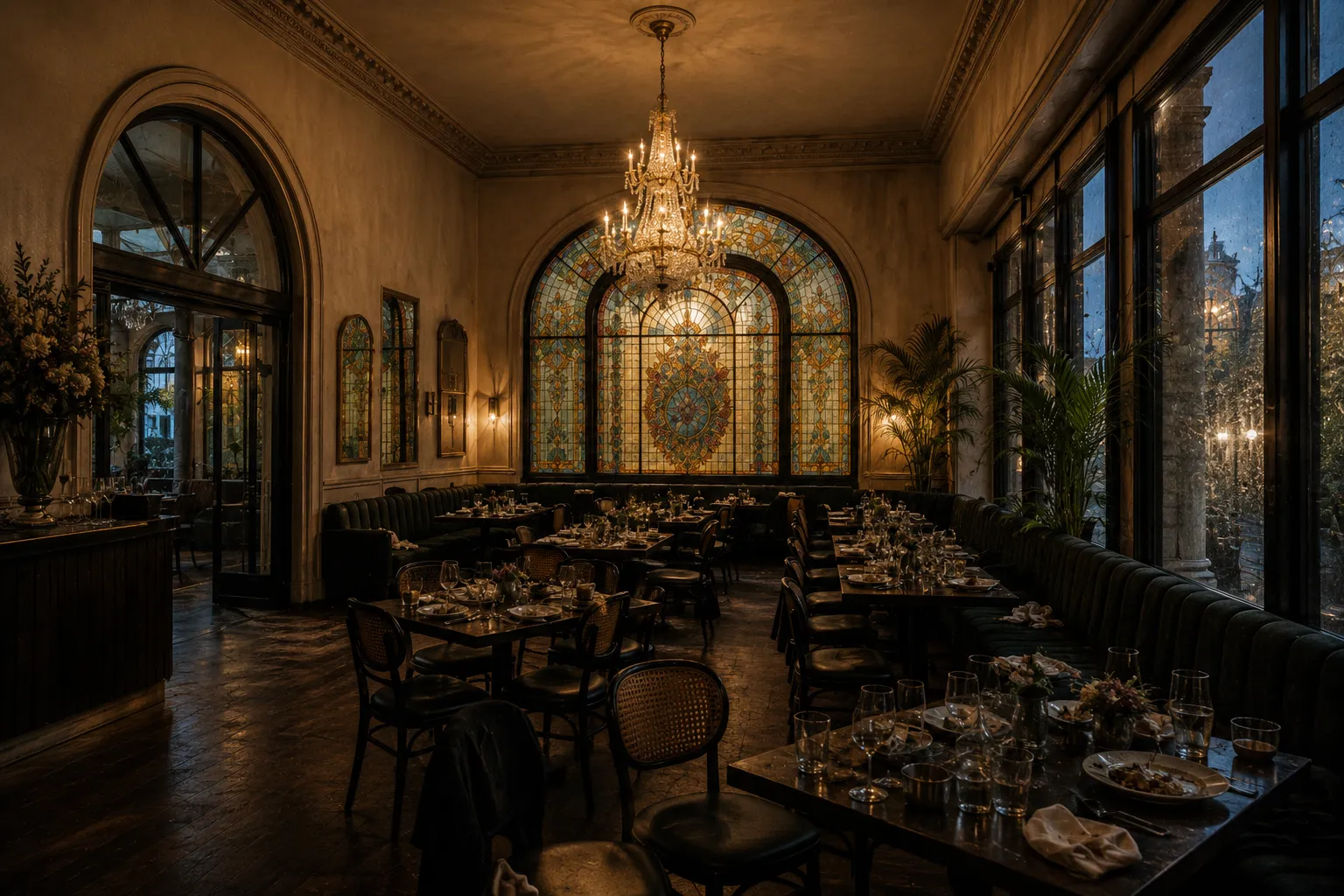
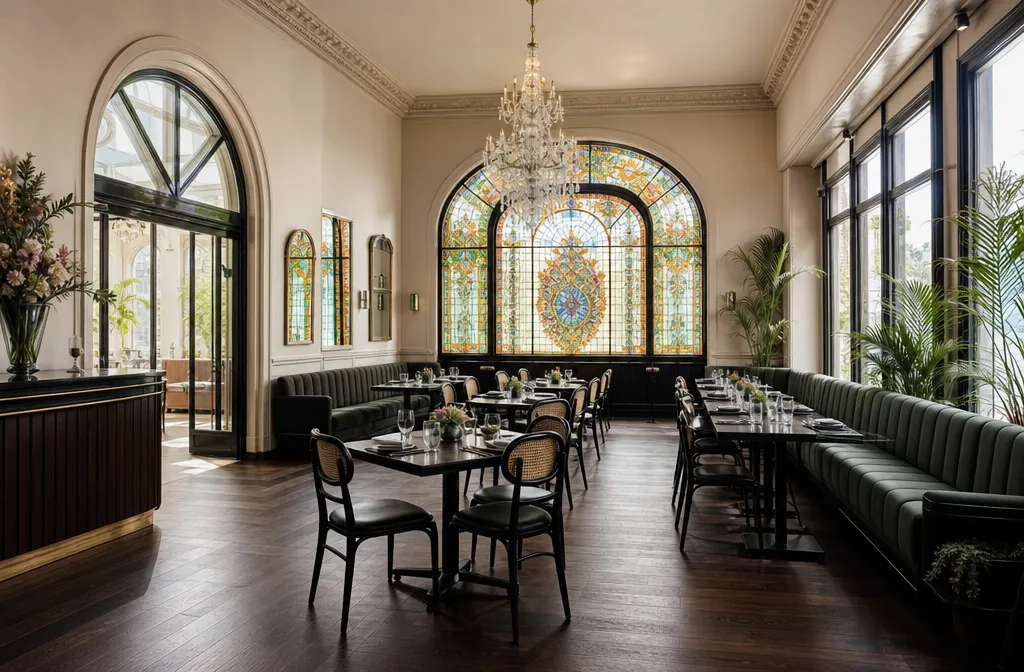
Request: The restaurant owner ordered stained glass cleaning for better hall lighting.
Done: profi-clean master cleaned the stained glass on both sides, removed grease and plaque.
Cost: 27 000 ₸
Master: Marat Zholdasov, cleaning master
Total: The stained glass shines, light passes evenly, the interior became brighter.
 After
After
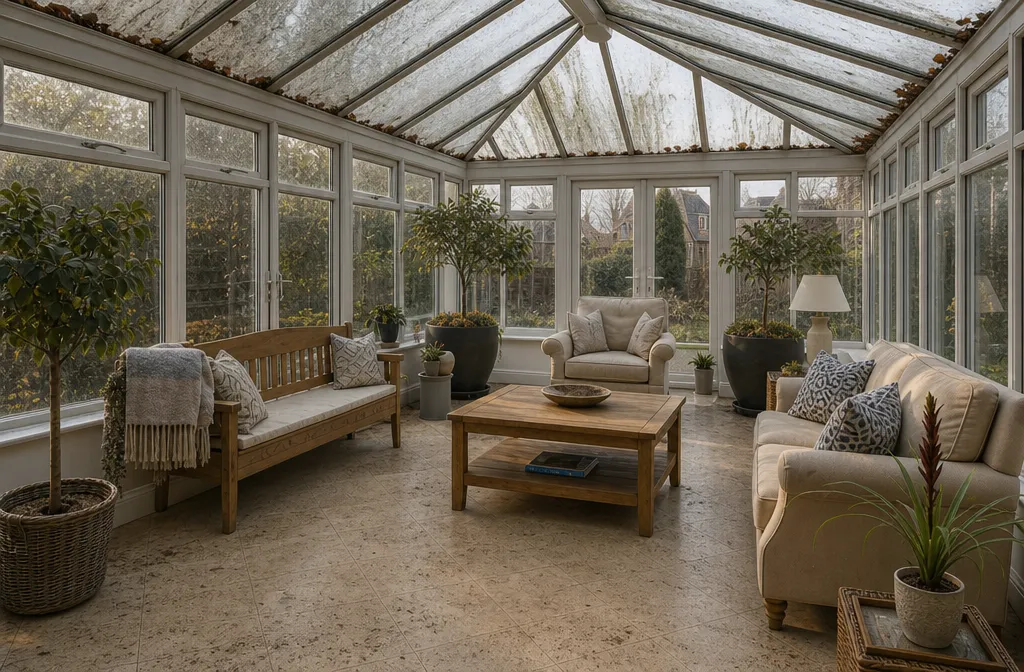
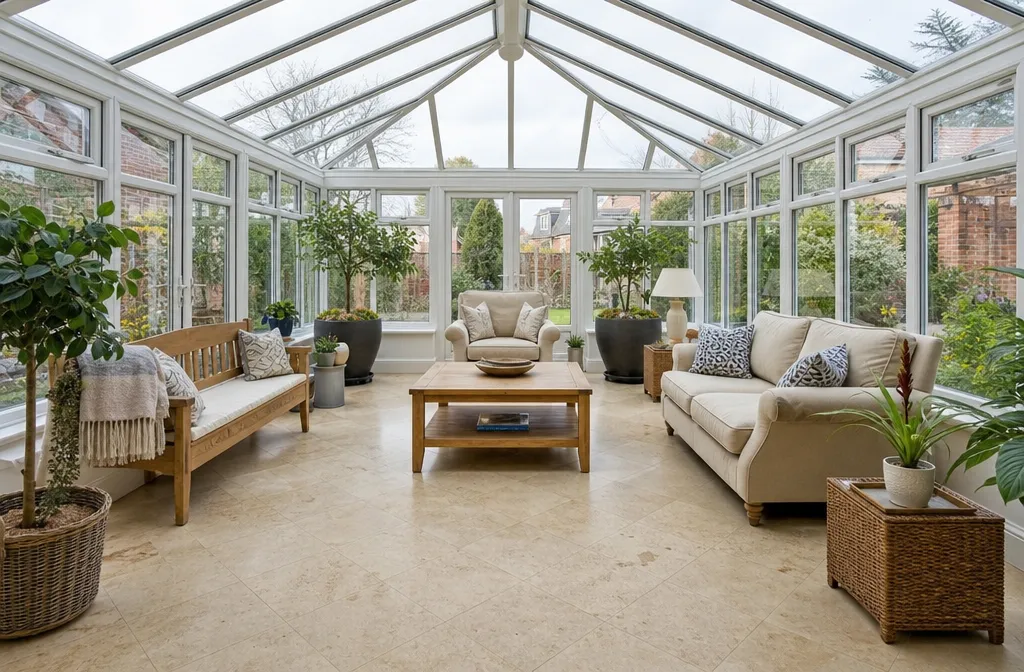
Request: The client asked to wash the winter garden glass roof for better plant lighting.
Done: profi-clean master with climbing gear cleaned 20 m² of glass from moss and dust.
Cost: 27 000 ₸
Master: Nurzhan Omarov, climber-cleaner
Total: The roof became transparent, plants get maximum light.
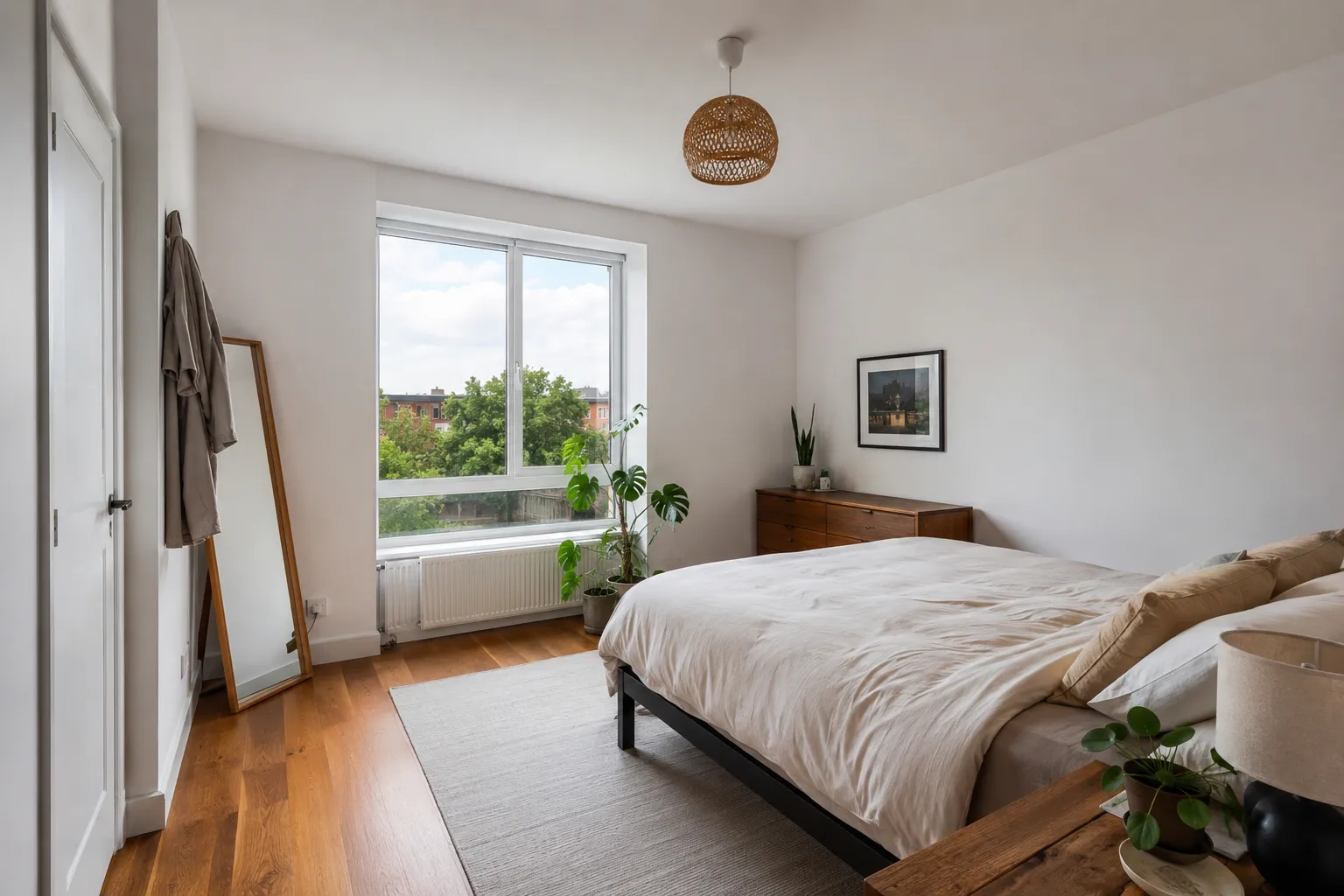 After
After
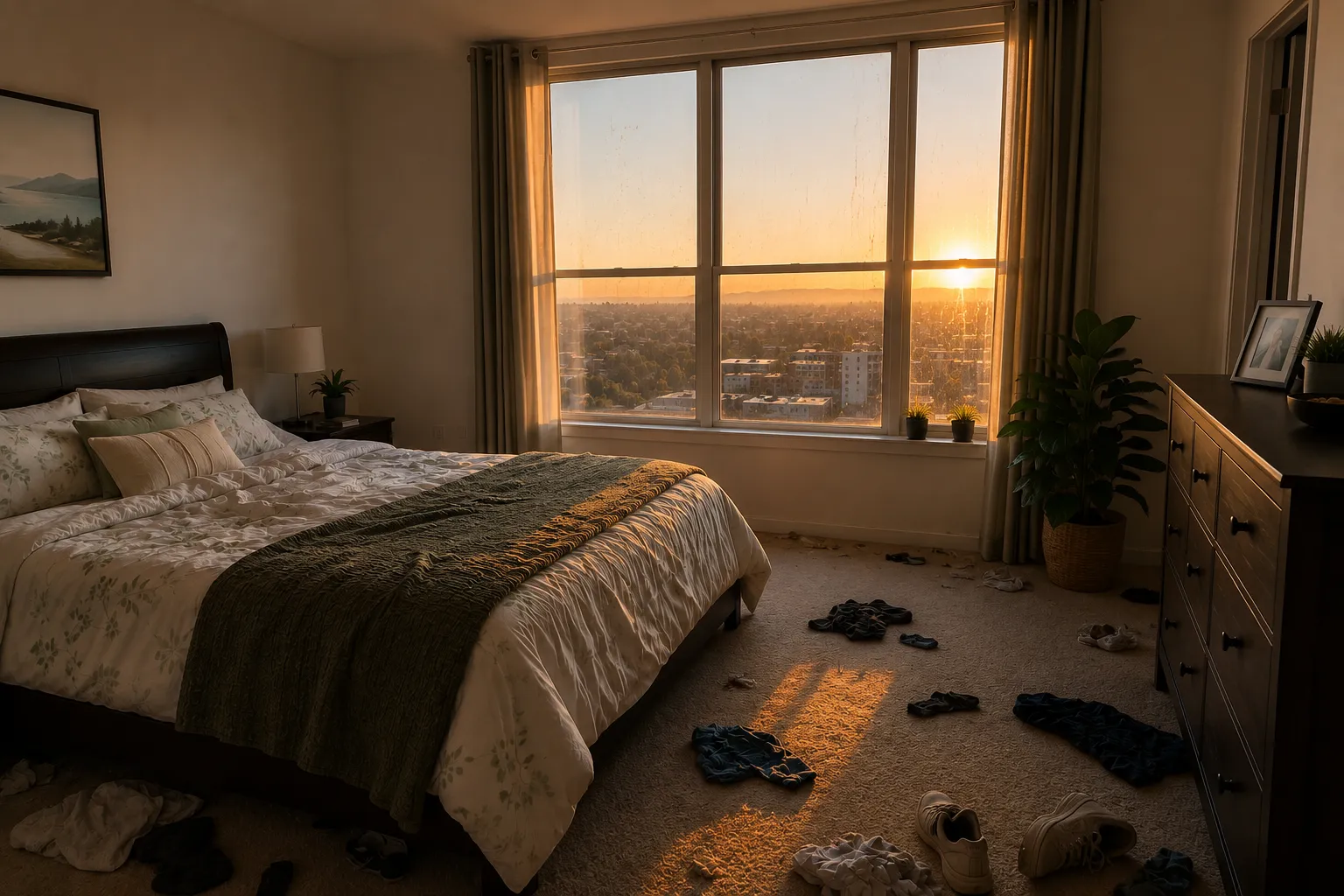
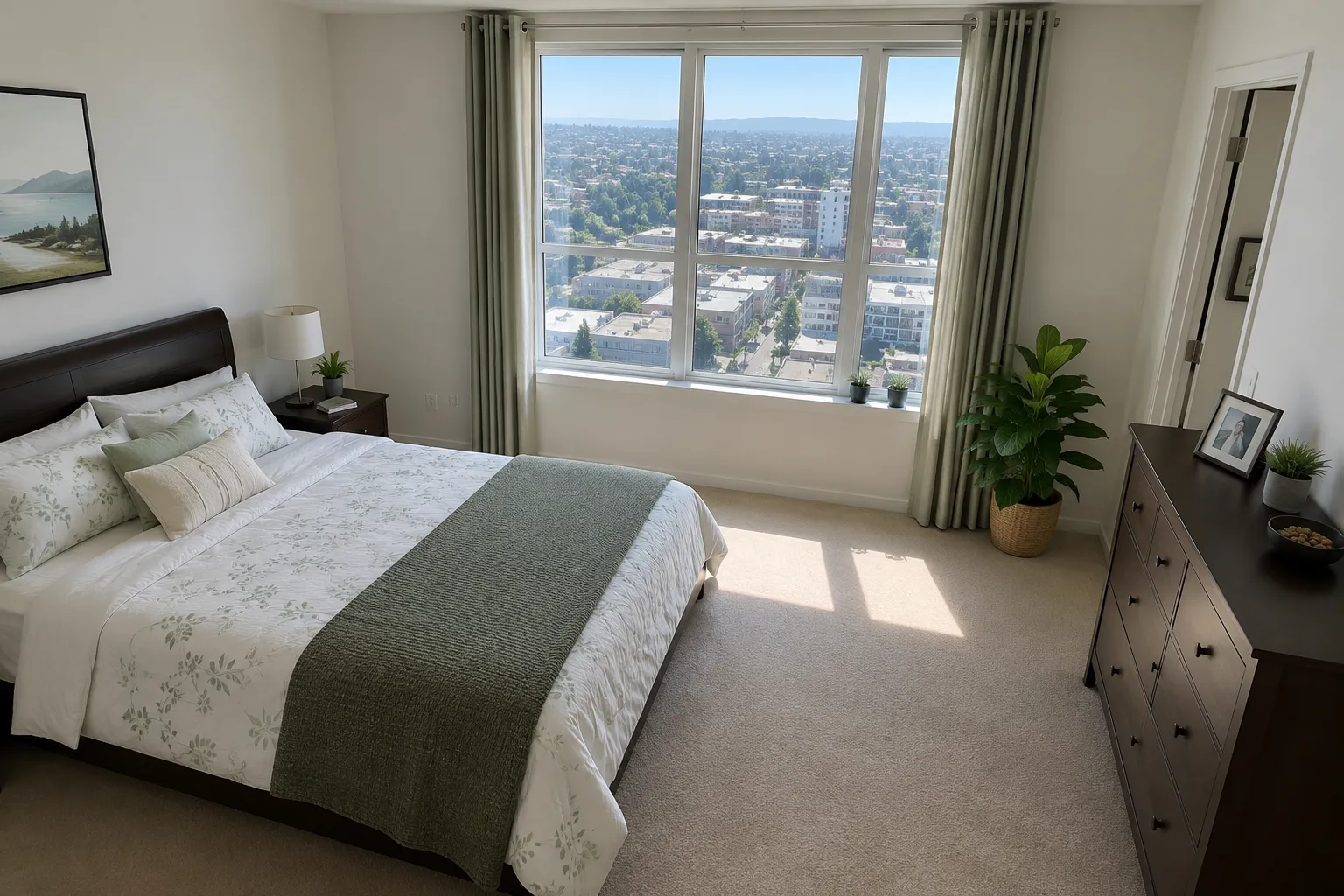
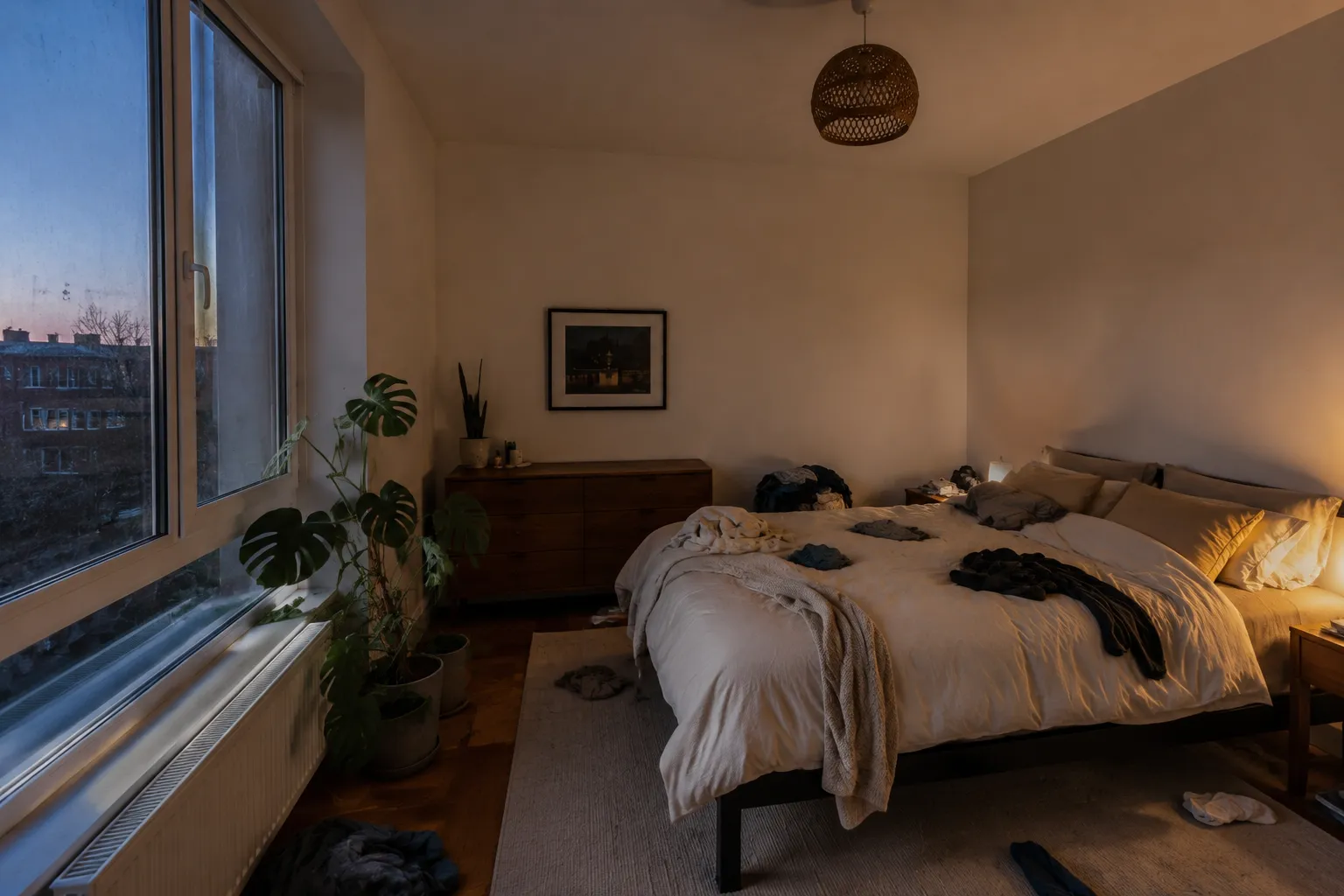
Request: The client asked to wash the window in the bedroom on the 3rd floor, including the mosquito net.
Done: profi-clean master washed the window on both sides, cleaned the frame and windowsill.
Cost: 26 000 ₸
Master: Zarina Aliyeva, cleaning master
Total: The window became clean, the room filled with light and freshness.
All cleaners are profi-clean staff with training, uniform and security check. Each order has a team leader who controls quality.
The frequency of facade washing directly depends on the cladding material, the building’s location, and seasonal loads. In Almaty, with its sharply continental climate and dust storms, there is no universal schedule, but there are proven intervals for each type of surface. Let’s break them down by category so you understand when a facade truly needs professional cleaning and when rain is sufficient.
Glass is the most easily soiled material: dust, exhaust fumes, and industrial emissions settle on it, and after rain, streaks from salts and dirt remain. In central areas of Almaty (Abay Avenue, Al-Farabi Avenue), the glass walls of business centers lose their transparency within 2-3 weeks after cleaning. The optimal cycle for office buildings is once every 1-1.5 months during the warm season and once every 2-3 months in winter. Residential complexes with panoramic glazing can be washed less frequently — once every 3 months in spring-autumn and once in winter if there is no ice. Dirt adheres less to glass with a protective coating, but the interval should not be shortened — smog residue eats into the coating within 6-8 weeks without washing. Before ordering high-rise cleaning, check the forecast: washing at temperatures below +5°C is useless — water freezes and chemicals don’t activate, leaving streaks.
Porcelain stoneware and granite are considered self-sufficient — they do not absorb moisture but accumulate dust in micro-cracks and joints. In Almaty, where winds from the Ili Valley bring dust in spring and autumn, stone facades of residential buildings darken within 4-5 months. We recommend washing porcelain stoneware once a year — usually in May-June, after the dusty season. For light marble and travertine, the interval is shorter: every 6-8 months, because yellow spots from exhaust fumes remain on the porous surface and penetrate deeper with each cycle. Our profi-clean cleaners use gentle Sodasan chemistry with pH 7 for stone — it does not erode the structure, unlike cheap alkaline compounds used by non-professionals. An important nuance: after washing, a stone facade needs to be treated with a water repellent — without it, dirt sticks twice as fast, and the next season will require not washing but restoration.
Facade plaster (bark beetle, lamb’s wool) and insulated systems are the most low-maintenance: they don’t shine, streaks aren’t visible, and rain partially washes away dirt. The real need for professional cleaning arises when green algae, black mold deposits, or paint fading appear on the surface. In Almaty, on the shady sides of buildings (north and east facades), moss grows within 2-3 years — this is a signal for washing. We recommend planned cleaning every 2-3 years, but with an annual inspection: if dark streaks or paint peeling are visible after winter, it’s better not to wait. Important: high-pressure washers without adjustment cannot be used for plaster — pressure over 120 bar washes out the cement laitance, and the facade begins to crumble. At profi-clean, we use low pressure (60-80 bar) and biocidal treatment for such surfaces, which suppresses moss growth for 3-4 years.
Composite (ACP) is a popular material for shopping centers and offices: it’s lightweight, doesn’t rust, but statically attracts dust. On light panels (RAL 9003, 9010), dirt becomes noticeable within 8-10 months — in Almaty, the contrast is particularly sharp due to smog. The optimal schedule is once a year, usually in spring, to wash off winter reagents and soot. In winter, sand from de-icing mixtures settles on ACP — if not washed off before summer, it scratches the coating during wind gusts. On dark panels (graphite, wenge), the interval can be extended to 2 years, but only if the building is not located near a busy highway. When washing composite, water temperature is critical: hot water (above +40°C) deforms the panels, while cold water doesn’t remove oily deposits. We use warm water at +30-35°C and neutral Kiehl chemistry — it removes bitumen stains in 3-5 minutes without damaging the paint layer.
The choice between telescopic poles and industrial climbing determines not only the speed of work but also the safety of glass, joints, and facade panels. Let’s break down when each method yields the best result and what the pitfalls are.
On facades up to 25 meters in Almaty, telescopic poles with a reverse osmosis system provide streak-free cleanliness without risk to the cladding. The method works on continuous glazing — business center stained-glass windows on Al-Farabi Avenue, panoramas of the “Nurly Tau” residential complex, “Mega” and “Yesentai Mall” shopping centers. The pole with water supply and a rotating brush does not touch the facade with its body, eliminating scratches on the glass and preventing moisture from entering the joints. At profi-clean, we use demineralized water for such objects — it leaves no salts, so there is no need to wipe the glass manually after drying. However, telescopic poles are not suitable for solid concrete or porcelain stoneware facades of old buildings — they require direct brush contact with stubborn dirt, which the pole cannot provide. Before choosing, request a test wash of one span — the difference in gloss will show whether osmosis handles your type of dirt.
An industrial climber with hand tools is indispensable on facades with architectural details — stucco molding, ledges, air conditioner boxes, stepped forms, as well as at heights over 30 meters, where the telescopic pole loses rigidity and cannot reach complex corners. In the “Ak Kent” and “Asyl Arman” residential complexes, there are facades with combined finishes — porcelain stoneware + aluminum cassettes, where each material requires different chemicals and friction techniques. The climber uses a cart with a Karcher pressure washer and a set of brushes of varying stiffness — soft (nylon) for aluminum, hard (bristle) for porcelain stoneware. But there is a nuance: when washing with a climber on a rope, water under pressure enters the joints, and if the facade sealing is compromised, moisture gets under the cladding. On objects with poor sealing in Almaty, we switch to a non-pressure method with a bucket and sponge — slower, but without the risk of tile delamination. When ordering climbing services, check if the contract includes a review of joint sealing before work begins — this removes responsibility for hidden defects.
The choice of facade washing method directly depends on the cladding material — there is no universal solution. Glass stained-glass windows and composite aluminum panels (ALUCOBOND) are cleaned with telescopic poles using neutral pH chemicals — alkaline compounds burn the polymer layer, leaving matte spots. On concrete and plastered facades (residential complexes “Grand Astana”, “Almaly”), the climber uses acidic foam cleaners — they lift soot and exhaust from roads that the pole with water cannot wash off. Porcelain stoneware is the most finicky: its porous structure absorbs dirt, and without mechanical action (hard brush + manual rubbing), the residue remains. For marble and travertine facades (several buildings on Zhambyla Street), both methods are dangerous — acid in any cleaning agent erodes the stone, requiring only clean water with a soft sponge and pH control every 2 sq.m. In our practice at the “Keruen” object, an alkaline foam damaged the marble base — we had to polish the area, adding 40% to the estimate. Before ordering, request a test on an inconspicuous area — if there is no matte finish or white residue after drying, the material is compatible with the method.
Almaty weather is the main factor we consider when planning facade washing. Sun, wind, rain, and dust directly change the adhesion of the cleaning solution, drying speed, and the climber’s behavior at height.
At +5°C and below, most professional facade products lose effectiveness: active components crystallize, forming a soapy film on the glass. At profi-clean, we switch to the winter Kiehl line with a lower freezing point — it maintains fluidity down to -10°C. In summer, at +35°C in the sun, the solution dries in 40-50 seconds, leaving streaks. Here, Sodasan compositions with delayed evaporation work — the cleaner has 2-3 minutes for rinsing. In practice, we adjust the concentration based on morning thermometer readings: colder — add an antifreeze additive, hotter — reduce the surfactant share by 15%.
When wind gusts exceed 10 m/s, we do not work at height — this restriction is stipulated in our SOPs. Wind changes the trajectory of the water jet: at 8 m/s, the spray washes onto neighboring windows, leaving streaks on dry glass. At a height of 20-30 meters in Almaty residential complexes “Nurly Tau” and “Aksai”, the wind intensifies by 30-40% relative to ground level — we verified this with an anemometer. On a windy day, a climber spends 25% more time securing their safety line, which increases the overall washing time but does not affect the final result if the timing is chosen correctly. Before leaving for a site, we check Windy and local weather stations — if the forecast predicts gusts, we reschedule for the morning of a windless day.
Direct sunlight on the southern facades of Almaty heats the glass to +50°C — water evaporates faster than the cleaner can remove the solution. The result is whitish spots from mineral salts. We schedule washing of southern sides for 7:00-10:00 AM or on cloudy days: in the shade, the solution remains liquid for 2-3 minutes longer. On northern facades, work can be done until 4:00 PM. In our practice, there was a case on Timiryazeva Street: the client insisted on washing at 2:00 PM at +32°C, and we spent an extra hour polishing the residue with a microfiber cloth. Since then, we include a solar exposure clause in the contract.
When humidity exceeds 80%, the cleaning solution does not dry completely — a sticky layer remains that collects street dust. In Almaty, such humidity is typical for morning hours in March-April and after rains. We use a moisture meter on site: if the reading is above 75%, we dilute the solution with an alcohol-based drying accelerator. Rain during washing is a stop factor: droplets dilute the concentrate, leaving dark streaks of dirt on the glass that then have to be washed off again. After rain, we wait 2-3 hours for the facade to dry before starting. This rule saved us dozens of repeat visits last season.
In spring and autumn, dust from wind and blooming is a common cause of unscheduled washes: the facade gets dirty within 3-5 days after cleaning. In summer, the main problem is poplar fluff, which sticks to wet glass and dries into a crust. In winter, at sub-zero temperatures, water at height freezes on winches and carabiners — we switch to waterless methods (foam washing followed by dry polishing). In the off-season, when rains alternate with sun, the optimal window for washing is 4-6 hours without precipitation, so the solution has time to work and is not washed away by a downpour. If the forecast is unstable, we suggest the client postpone for a day — this is cheaper than a repeat visit.
The Almaty climate dictates its own rules for high-rise cleaning — wind loads, mountain dust, and daily temperature fluctuations directly affect the technology, safety, and durability of the result. We consider these factors during every facade wash, and ignoring even one of them leads to defects or emergency situations.
In Almaty, due to the proximity of the mountains, the wind has a specific mountain-valley character: in the morning, the flow goes up the slope, in the afternoon — down to the foothills, with gusts up to 15-20 m/s. For industrial climbers, the critical threshold is 10 m/s — at higher speeds, the safety rope begins to vibrate, shifting the anchor point, and the cleaning composition is blown onto adjacent windows before rinsing, leaving streaks. We check data from the “Almaty-Airport” weather station and local high-altitude forecasts — in the city, in the area of Al-Farabi Avenue and Timiryazeva Street, the wind is 3-5 m/s stronger than at the foot of Kok-Tobe, due to the aerodynamic tunnel between high-rises. In practice, this means that in May-June after 2:00 PM, work at height often stops — the residue from the rinsed solution hardens on the facade within 10-15 minutes and has to be soaked off again.
Unlike cities on flat terrain, Almaty dust is not just sand, but a mixture of loess particles, coal ash from CHP-1 and CHP-2, and micro-particles of tire rubber from heavy traffic. After a dry week, this deposit embeds into porous facades (adobe, plaster, clinker) within 3-4 days — if regular foam without an acidic pre-activator is used, the dirt remains in the micropores and manifests as yellow stains after rain a month later. At profi-clean, we use a two-phase method: first, we apply an acidic pre-wash (pH 2-3) to aged areas — it breaks down bitumen inclusions and carbonate deposits, which are typical for Almaty’s hard tap water. Then, we use an alkaline solution (pH 10-11) to remove oily films from exhaust fumes. Without this sequence, black streaks from oxidized rubber will remain on light-colored facades in the Tastak-2 area.
Daily temperature fluctuations in Almaty reach 12-15°C: +5°C in the morning, +20°C at noon, even in April-October. This is critical for high-rise cleaning: most alkaline concentrates (Kiehl, Sodasan) are optimized for an application temperature of 15-25°C. At +5°C, the foam does not activate — it runs off vertical surfaces before it can work, increasing product consumption by 2-3 times. In practice, we start high-rise jobs no earlier than 9:30 AM, when the facade is warmed by the first rays of the sun, and finish rinsing by 3:00 PM to avoid the evening temperature drop — otherwise, water freezes in micro-cracks on the glass, and as the ice expands, it creates “spiderwebs” on the sealant of double-glazed windows. During sudden cold snaps, we switch to warm water heated in a mobile tank — this is the only way to maintain foam viscosity on the north side of a building, where the facade remains cold even at noon.
Choosing a contractor for facade cleaning is a decision that affects not only the building’s appearance but also the safety of people around it. We’ve broken down the criteria we use to evaluate ourselves and our colleagues — here’s what you should really look at.
Safety in high-rise cleaning is not a slogan but a strict set of requirements. At profi-clean, each of our professional industrial climbers works with two independent safety systems: a main rope and a backup safety lanyard. The equipment is certified to EN 1891 (static rope) and EN 361 (safety harness) and undergoes monthly tensile load testing. Helmets with visors, safety glasses, and non-slip shoes are a mandatory minimum, not an option. A first-aid kit and an evacuation plan approved by the chief engineer are always on site. When hiring a crew, request the equipment inspection report for the last month — if they don’t show it to you, the work is being done by illegal workers without liability insurance.
Real reviews of cleaning companies in Almaty are on 2GIS and Google Maps, where the profile is linked to a physical office address. Fake reviews are easy to spot: they are written in a single day, from accounts without profile pictures and with only one review. In our practice, there was a case: a client brought screenshots of 45 glowing reviews for a third-party company — upon closer inspection, all were left within two days by bots from the same region. Genuine reviews contain specifics: “cleaned the facade in three hours,” “left the walkways clean after themselves,” “warned us it would be wet.” Another marker is the company’s responses to negative feedback: if the contractor provides a reasoned rebuttal to a complaint and offers a solution, rather than writing “everything was according to the contract,” it’s a sign of a mature service.
Before the team arrives on site, the customer must receive a package of documents: a contract with a clear list of works, an estimate without hidden items, a permit for working at height (for buildings above 10 floors), and a copy of the contractor’s liability insurance policy for at least 10 million tenge. The contract must include clauses on deadlines, a guarantee on the result (24 hours on facades without heavy soiling), the acceptance procedure, and penalties for schedule delays. At profi-clean, we always attach photo documentation of the facade’s condition before washing — this eliminates disputes about which defects were pre-existing. If a contractor offers to work without a contract “for cash, cheaper” — it is a 100% risk of being left without a guarantee and with a damaged facade.
A professional company does not wash facades with household chemicals from the supermarket — this leaves streaks and destroys joint sealants. At profi-clean, we use Kiehl and Sodasan concentrates with a pH-neutral composition, which are safe for alucobond, porcelain stoneware, and double-glazed windows. Equipment with HEPA filtration is mandatory for work in residential areas, where washing dust must not blow onto playgrounds and balconies. Pay attention to the condition of the equipment: if the team has leaky hoses, rusty telescopic poles, and dirty rags, the washing quality will be correspondingly poor. We replace consumables (brushes, mops, scrapers) after every three projects to avoid transferring sand and dirt from one facade to another — this nuance distinguishes a systematic approach from a garage service.
The most common trick is underestimating the estimate by excluding preparatory work: protecting plants on the property, covering entrance groups, and air conditioners. In Almaty, after washing without covering, abrasive dust gets into the drainage holes of split systems — replacing the compressor costs more than the washing itself. The second mistake is refusing to use demineralized water on glass facades: regular tap water, after drying, leaves a whitish salt deposit that has to be removed with acid. The third is a team of 1-2 people working on a building higher than 7 floors: according to safety regulations, at least one person must belay on the ground for high-altitude work, and for a facade area of 500 m² or more, 3-4 climbers are required; otherwise, deadlines are extended and quality drops. Before signing the contract, request the site safety plan — its absence indicates that the company has not assessed the real risks specific to your building.
We ordered high-rise cleaning at a shopping center — they washed the glass facade and dome. There is much more light now, looks expensive.
Aigerim, thank you! Glad the result met expectations.
They cleaned the external walls of a 12-story office from dust and streaks. Now the building looks like new, colleagues noticed.
We did high-rise cleaning in a new building — washed the facade and windows at height. I was satisfied, but had to reschedule due to wind.
Daniyar, thank you for the feedback! Yes, weather is an important factor, next time we will adjust.
They washed the stained glass in a restaurant on the second floor. Now the interior is visible from the street, visitors praise it.
Ordered high-rise cleaning for a bank facade. They worked carefully, no streaks, everything on time.
Yerlan, thank you! We work with integrity.
Cleaned windows on the attic and second-floor balcony. Haven't seen such cleanliness in a long time, well done.
Assel, glad to help! Feel free to reach out again.
Did high-rise cleaning at a business center — washed the facade and logo. Quality is excellent, but the price could be lower.
Kuanysh, thanks for the feedback! We'll take your wishes into account.
Washed the store's sign and glass at height. Passersby started coming in more often.
Ordered high-rise cleaning for a hotel — washed the facade and windows on all floors. Guests are delighted, the view from the windows is perfect.
Timur, thank you! It's important for us that guests are satisfied.
Cleaned windows in the gym and hall on the second floor. It became brighter, kids are happy.
Did high-rise cleaning in an underground parking — washed the ceiling and walls. No dust left, lighting became brighter.
Alexey, thank you! Always happy to help.
Cleaned panoramic windows on the 15th floor. Clean, but left a couple of streaks on the frames.
Olga, sorry for the oversight! Next time we'll check more thoroughly.
Ordered high-rise cleaning at a warehouse — washed trusses and walls. Worked quickly, no downtime.
Cleaned the house facade from mold and dirt. Now the house looks like after renovation.
Saule, thank you! Glad you are satisfied.
Ordered high-rise cleaning for the atrium. Overall done well, but there were streaks on the glass, had to redo.
Bakhyt, we apologize! We usually control quality, this time we slipped up.
Cleaned the cinema facade and advertising structures. Bright, clean, noticeable from afar.
Did high-rise cleaning at the car dealership — washed glass showcases and signage. Cars look even more attractive.
Ruslan, thank you! Good luck with sales.
Cleaned the windows in the yoga hall on the third floor. Now a great view of the city.
Ordered high-rise cleaning for the workshop — washed walls and ceiling. It became cleaner, but didn't meet the promised hour.
Arman, sorry for the delay! We'll take it into account next time.
Cleaned the display window and canopy over the entrance. Visitors say it has become cozier.
Karlygash, thank you! Glad you liked it.
Yes, we use certified Petzl climbing equipment and safety systems. All technicians are authorized for high-altitude work. Additionally, liability insurance of 10 million tenge is provided.
Simply ensure access to windows and facade, remove valuables from windowsills. Our technicians will cordon off the area and set up equipment. It's best to keep pets in another room.
The cost of window cleaning on the 5th floor is at an individual rate per m². Minimum visit is at an individual rate. The final price depends on the area and condition of the windows.
The price for facade cleaning depends on the material: smooth — at an individual rate per m², porcelain stoneware — at an individual rate per m², alucobond — at an individual rate per m². For an accurate estimate, send a photo or call a technician.
Yes, when ordering window and facade cleaning together, a 10% discount is provided. Discounts are also available for regular maintenance (from 2 times a month).
Multiply the window height by the width to get the area in m². Then multiply by the price per m² depending on the floor. For example, a 2 m² window on the 5th floor: 2 × 1500 = at an individual rate.
We perform cleaning of windows, facades, shop windows, balcony glazing, canopies, stained glass, and winter gardens. We use telescopic poles up to 18 m and climbing equipment for high-altitude work.
Yes, stained glass and panoramic windows are our specialty. We use a reverse osmosis system for perfect transparency and Sodasan products for delicate cleaning.
High-altitude cleaning consists of 8 stages: inspection, preparation, wetting, applying the agent, mechanical cleaning, rinsing with osmosis, water removal, and final check.
We use professional Kiehl (Germany) products for heavy soiling and organic Sodasan for safe cleaning. They are effective and eco-friendly.
Tell us about your experience with profi-clean — it helps other clients and us improve.
We currently operate in Almaty. Other cities are coming soon.