Inspection and fabric identification
The technician assesses the upholstery type, degree of soiling, and selects the optimal products and cleaning mode.
Professional dry cleaning of upholstered furniture and carpets in Almaty

We work with any types and materials
Deep cleaning of seats and backrests with pillow disassembly.
from 11,000 ₸Cleaning of all sections, including corner elements and the linen compartment.
from 18,000 ₸Treatment of the sleeping area and transformation mechanism.
from 11,000 ₸Thorough cleaning of armrests, seat, and backrest.
from 3,500 ₸Removal of dust and stains from upholstery and headrest.
from 3,500 ₸Cleaning considering the inclined structure and hard-to-reach areas.
from 3,500 ₸Deep extraction of dust mites and allergens across the entire surface.
from 7,000 ₸Treatment of pile of any length with stain and odor removal.
from 12,000 ₸Gentle cleaning of seat and backrest without disassembly.
from 1,500 ₸Compact cleaning with dirt removal over the entire surface.
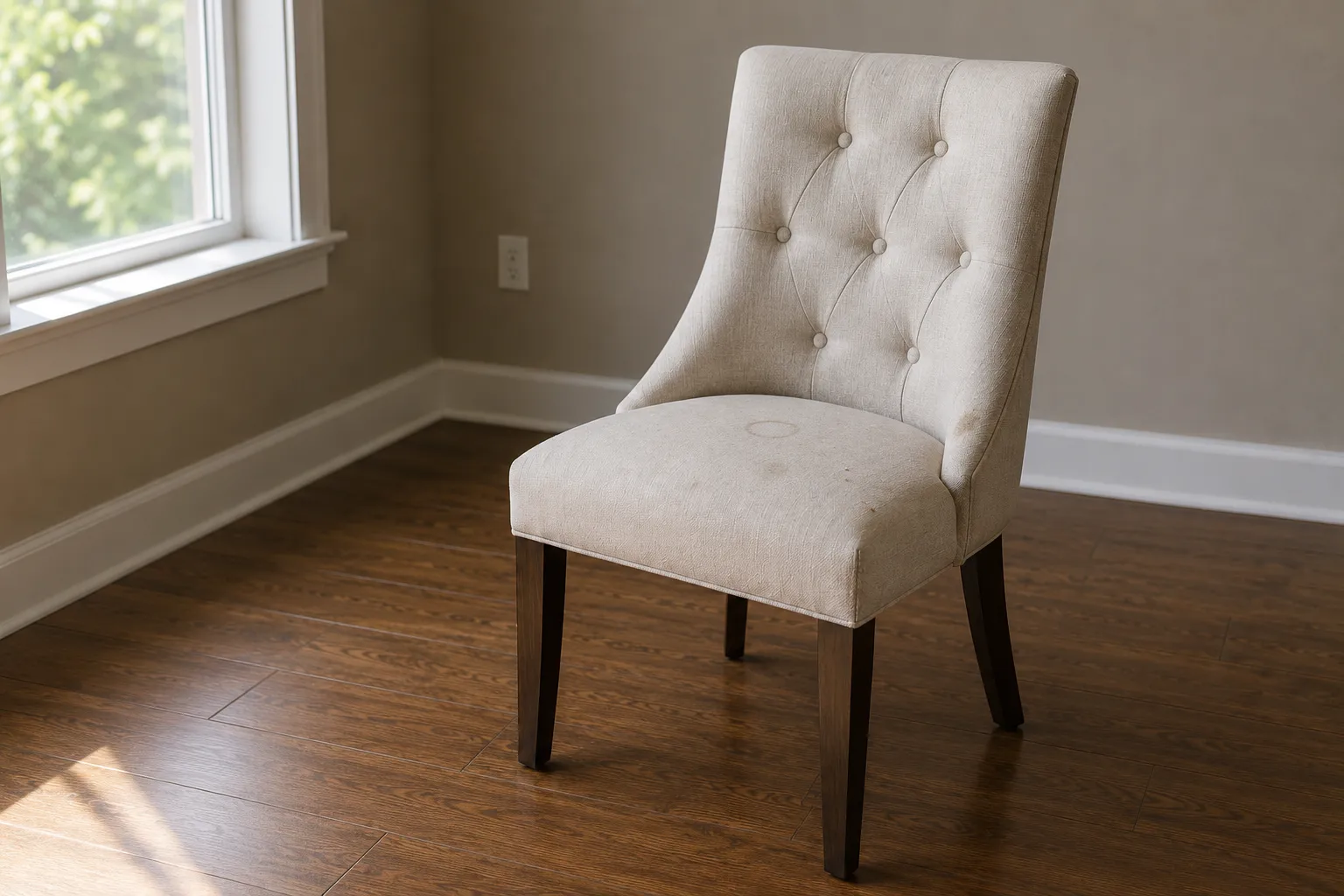
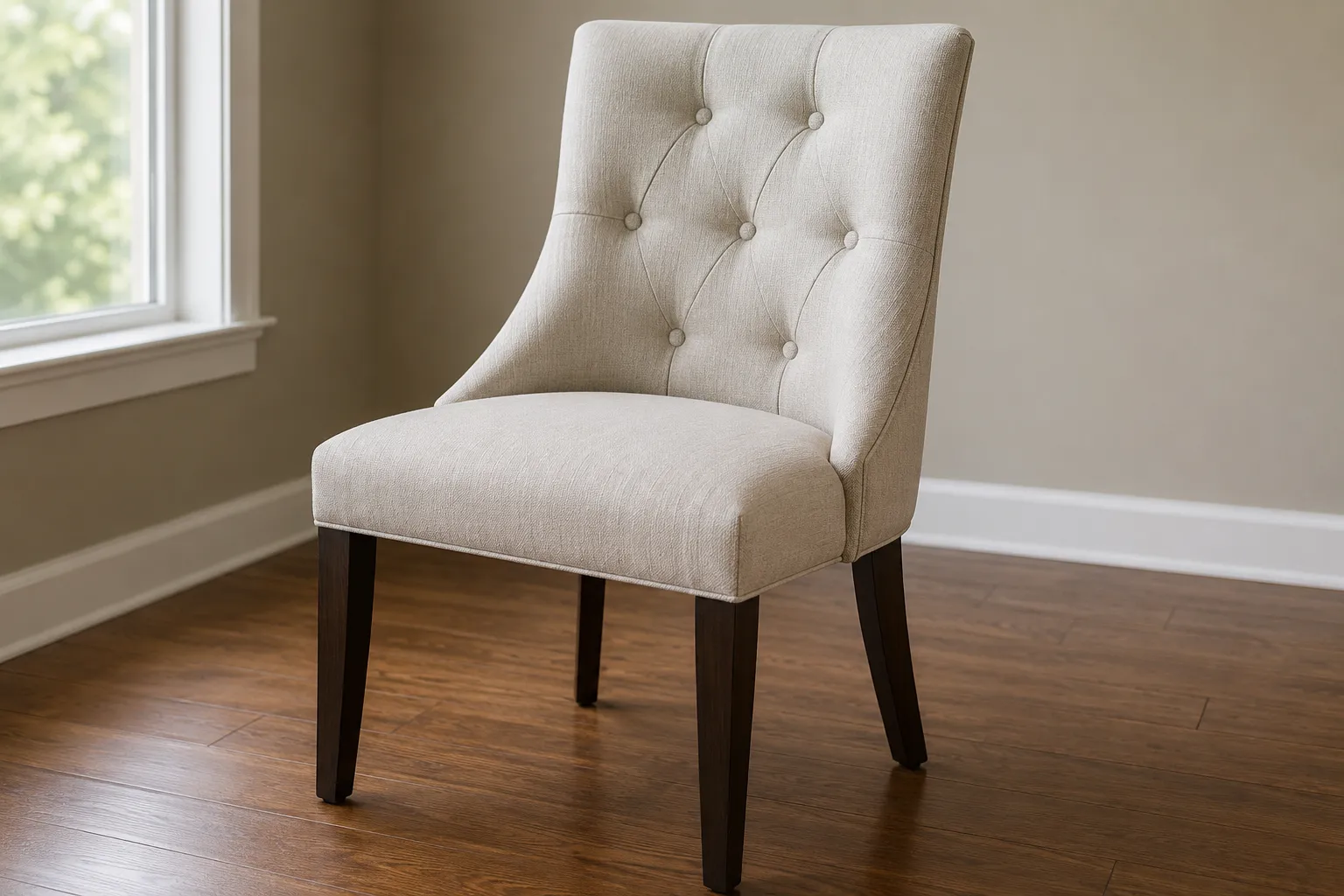
from 2,500 ₸Cleaning of seat and decorative elements.
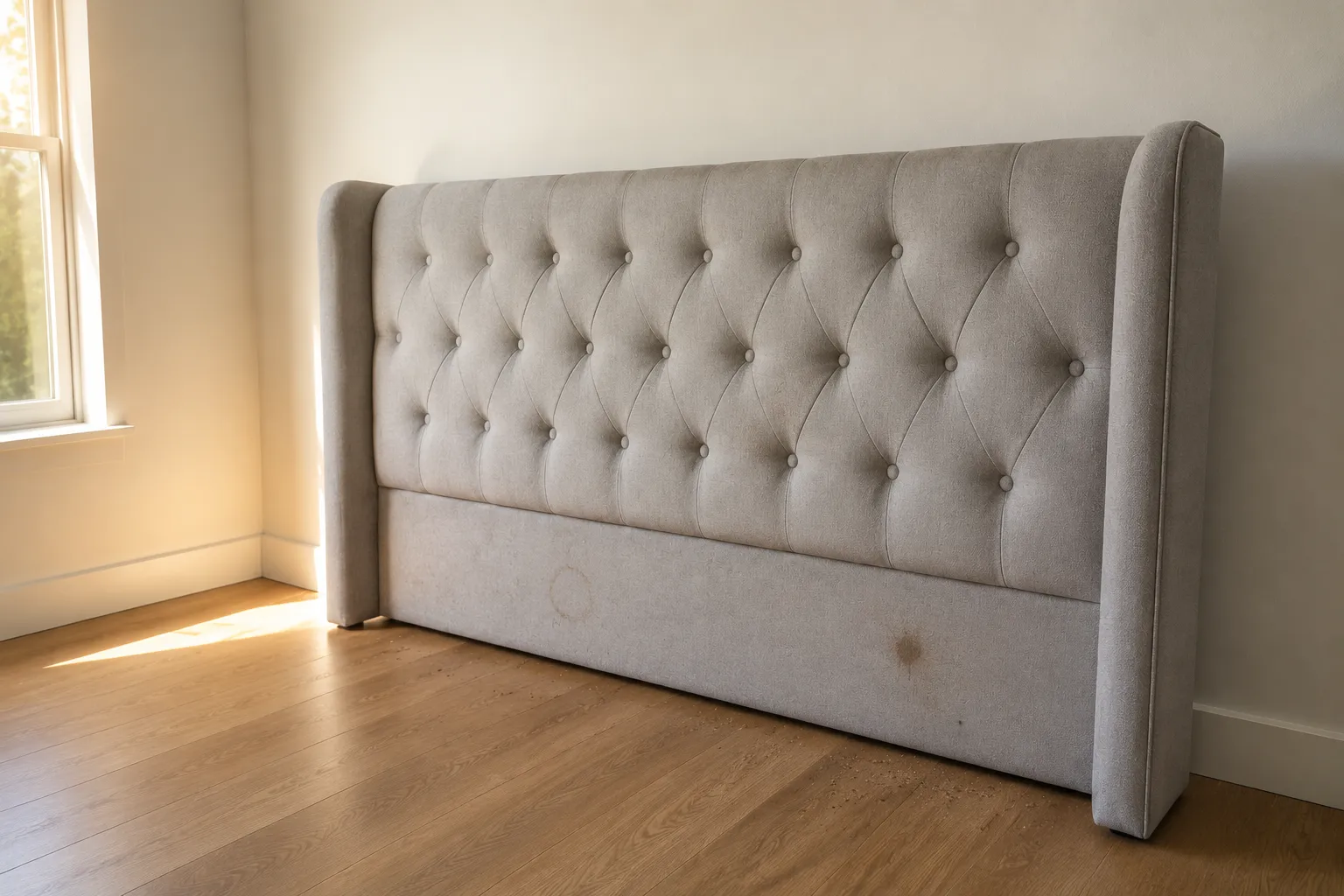
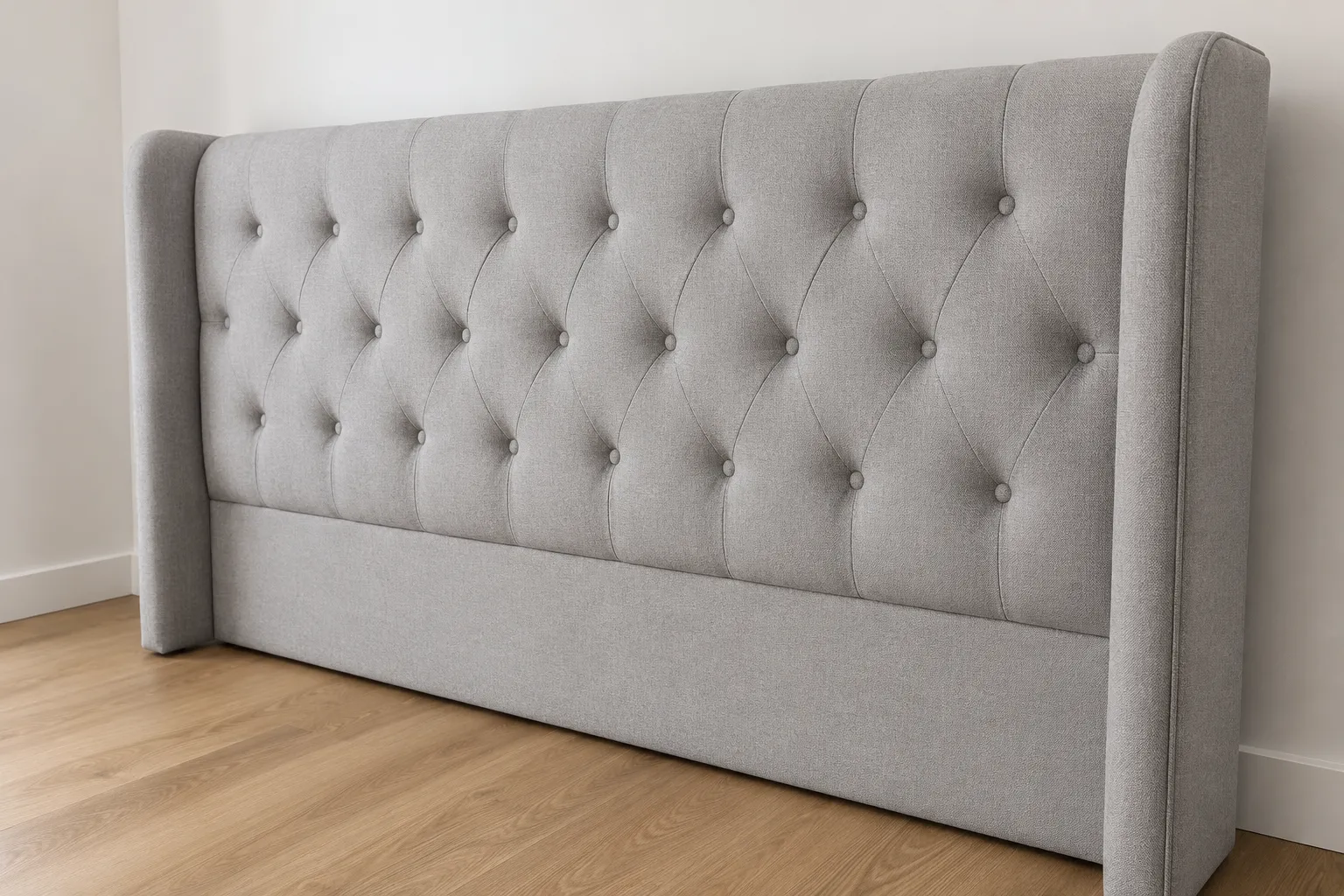
from 2,500 ₸Cleaning of headboard upholstery considering the vertical surface.
from 2,500 ₸From inspection to result with guarantee
The technician assesses the upholstery type, degree of soiling, and selects the optimal products and cleaning mode.
Thoroughly vacuum the entire surface with a HEPA-filter vacuum, removing dust, pet hair, and large debris.
Apply pre-treatment stain remover Kiehl or Sodasan directly to stubborn stains, allow time to react.
Karcher Puzzi 10/1 extractor applies cleaning solution under pressure, foaming and washing dirt out of fibers.
Powerful suction of the extractor removes solution along with dirt, leaving fabric slightly damp.
Re-treat stubborn stains and soiled areas with increased solution concentration.
Rinse the surface with clean water to remove chemical residues, preventing stickiness.
We turn on fans and open windows for active ventilation, reducing drying time to 2-4 hours.
The Karcher Puzzi 10/1 extractor applies cleaning solution under pressure and instantly vacuums dirt, removing up to 99.97% of allergens. This ensures deep cleaning without soaking the fabric. Equipment undergoes regular maintenance.
We use professional Kiehl (Germany) and Sodasan (Germany) products — they are safe for children and pets, and do not cause allergies. The formulas are biodegradable and leave no sticky residue. All products are certified for dry cleaning.
Each profi-clean technician holds a dry cleaning certificate and has at least 3 years of practice. They know the specifics of different fabrics from velvet to silk. They regularly undergo training on extractors and stain removers.
If stains or odors remain after cleaning, we will redo the work for free. The guarantee is valid for 3 days after the service. We are confident in our quality, so we guarantee every order.
We accept orders from 8:00 to 22:00. We travel to any location in Almaty, including suburbs. Average arrival time is 1.5 hours. Urgent arrival possible within 1 hour.
Call us, and a technician will advise which method is suitable for your upholstery: dry cleaning, extraction, or steam. Consultation is free and non-binding. We help determine fabric type and degree of soiling.
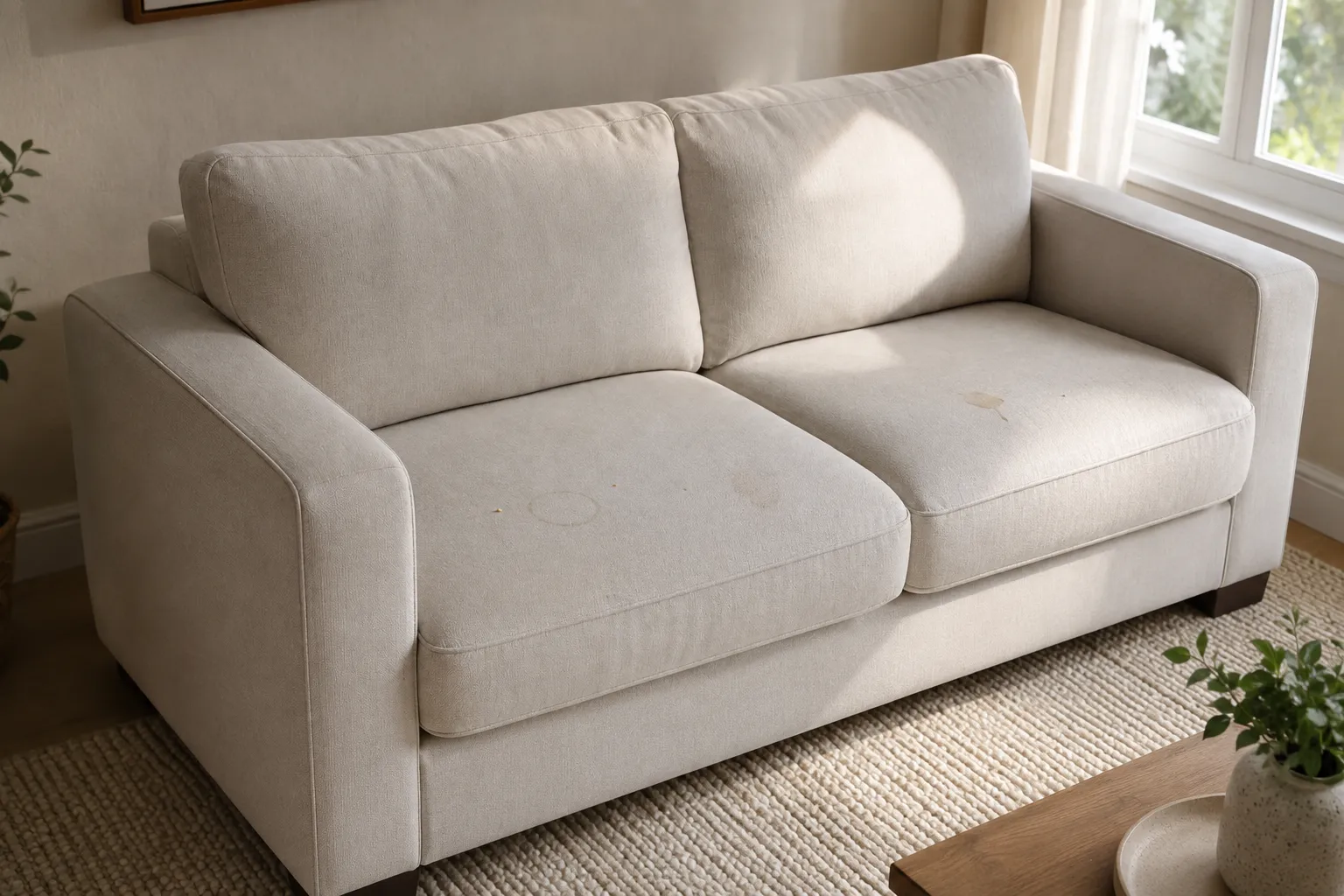
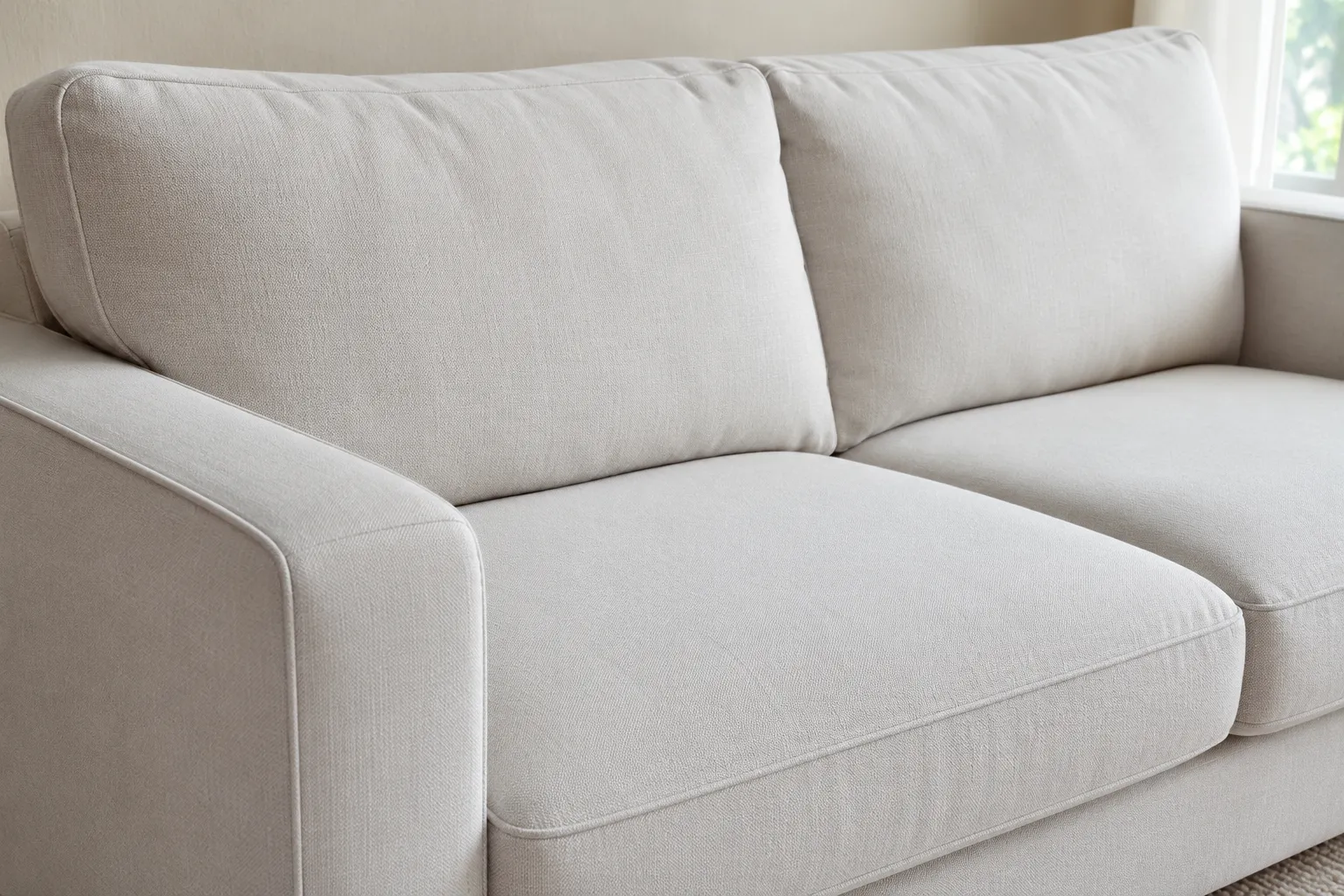 After
After
Request: Need to remove a stubborn grease stain on the armrest and refresh the upholstery.
Done: Applied stain remover, treated with steam, cleaned with an extractor, and dried.
Cost: 11 000 ₸
Master: Aizhan Bekova, Dry Cleaning Master
Total: The stain is gone, the pile is lifted, the sofa looks like new.
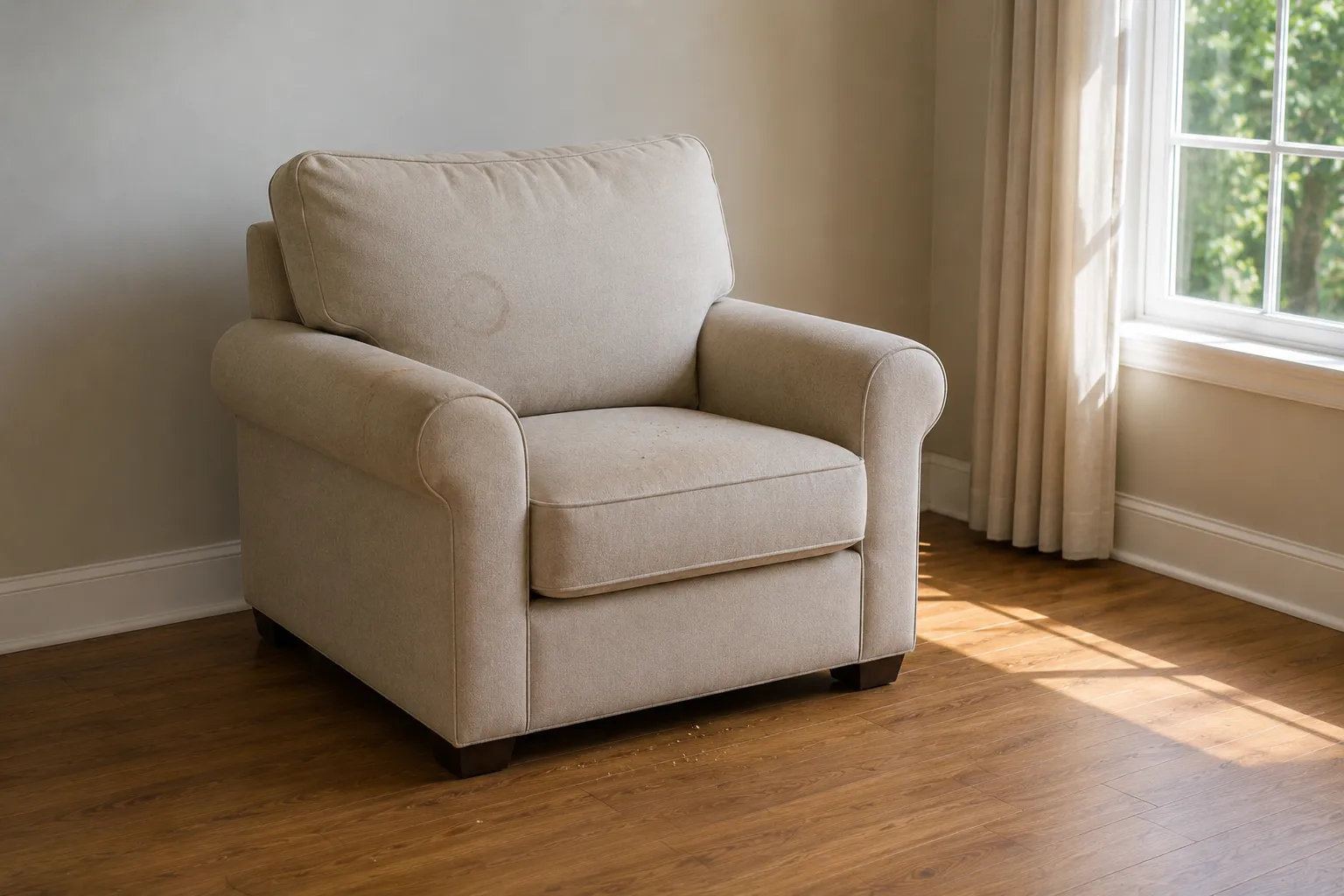
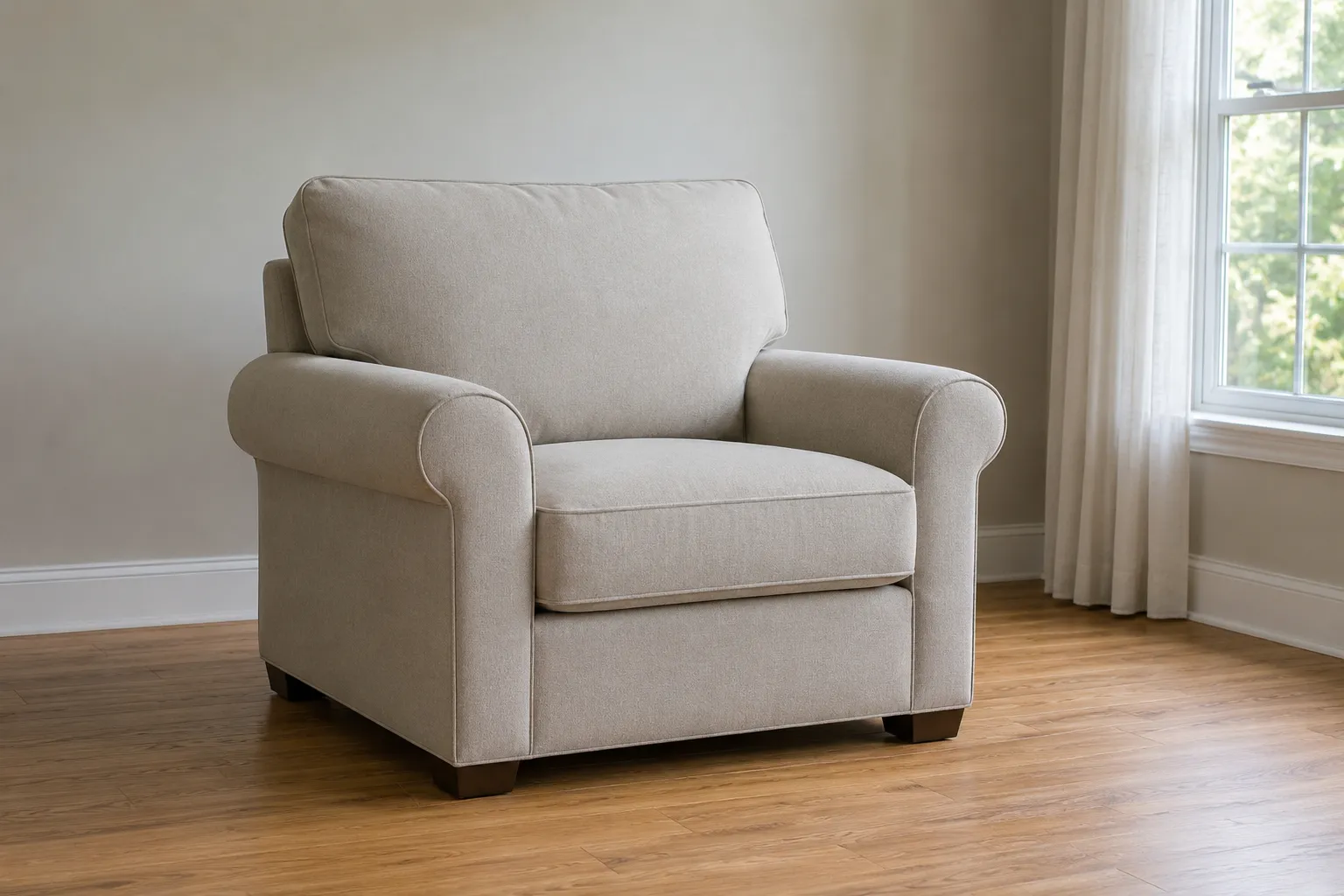 After
After
Request: The armchair in the living room is shiny, needs deep cleaning.
Done: Treated with an enzyme solution, brushed, and cleaned with an extractor.
Cost: 3 500 ₸
Master: Timur Zhaksybekov, Dry Cleaning Master
Total: The upholstery is refreshed, grease stains and odor are gone.
 After
After
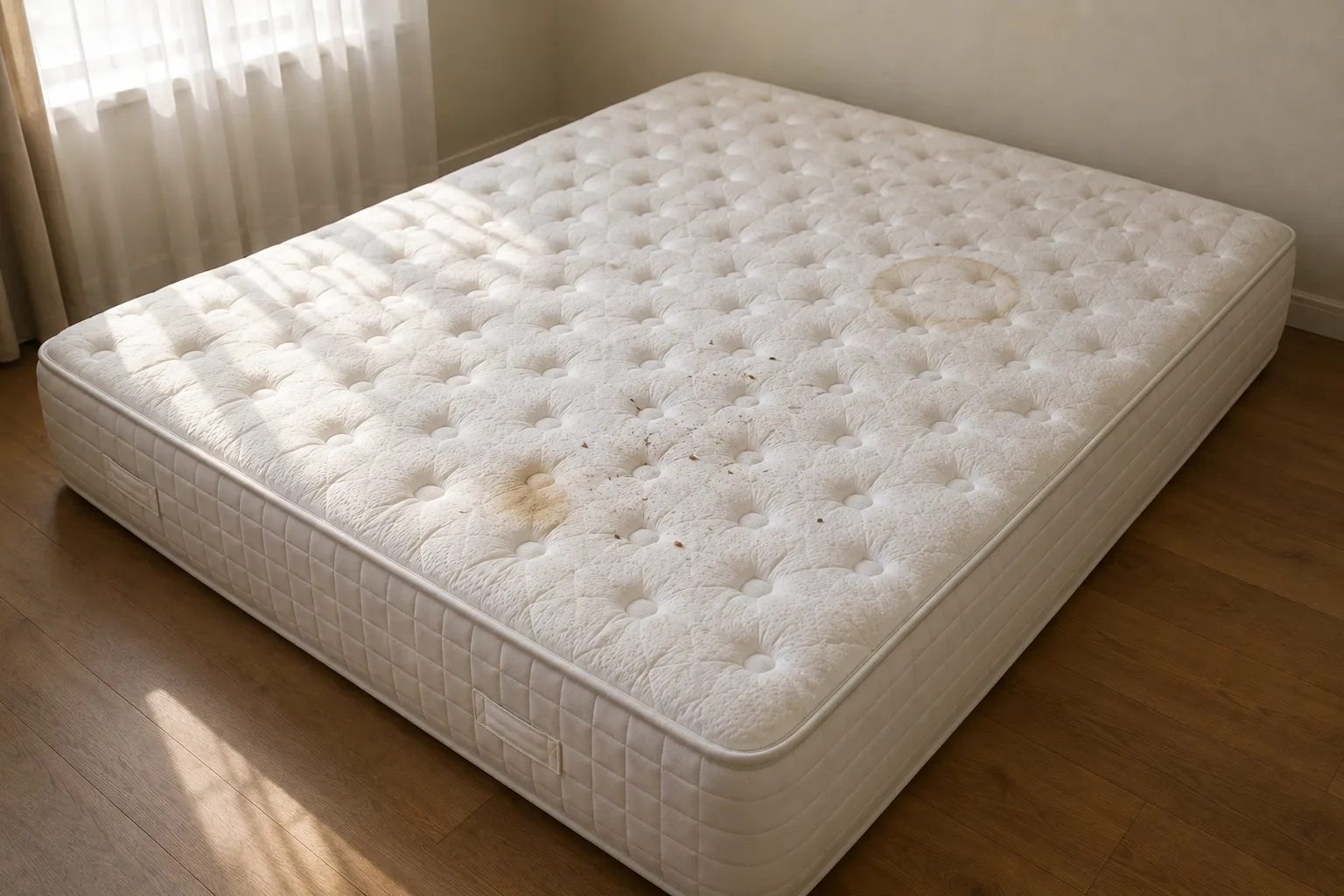
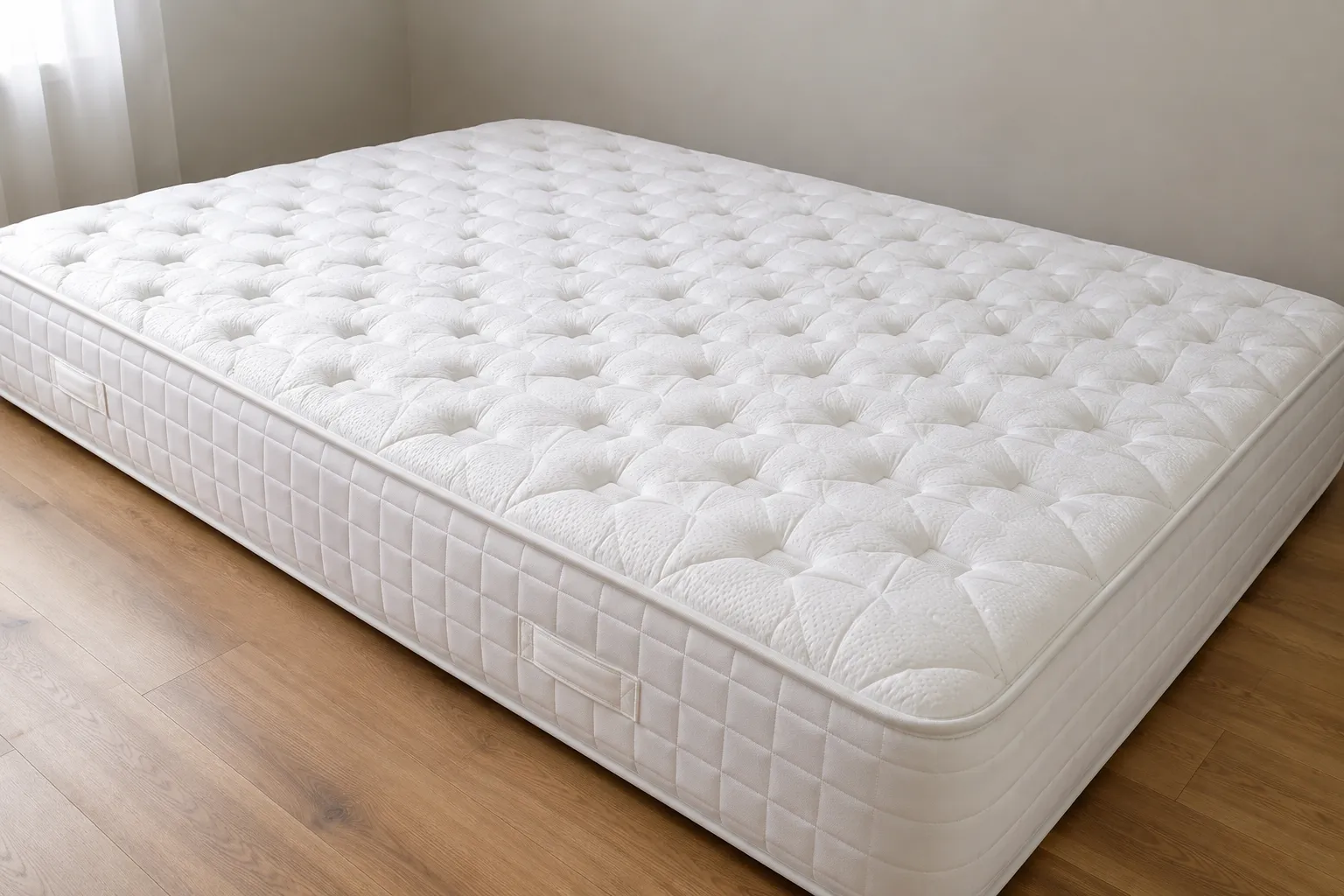
Request: The mattress has yellow sweat stains, needs disinfection.
Done: Applied oxygen bleach, treated with steam, and vacuumed.
Cost: 7 000 ₸
Master: Gulnara Sagieva, Dry Cleaning Master
Total: Stains removed, mattress disinfected and fresh.
 After
After
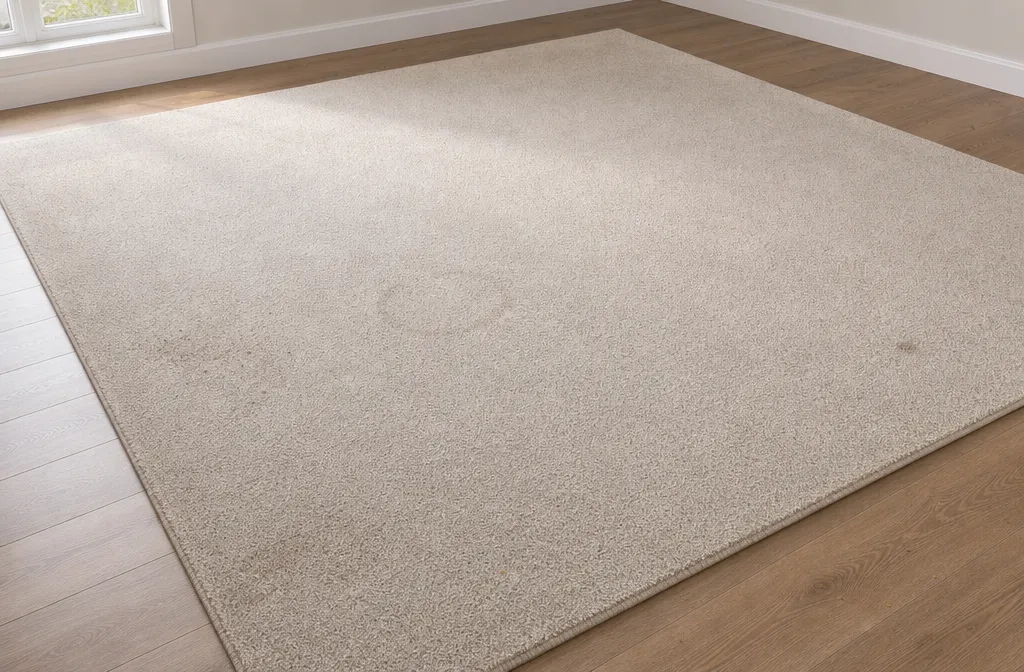
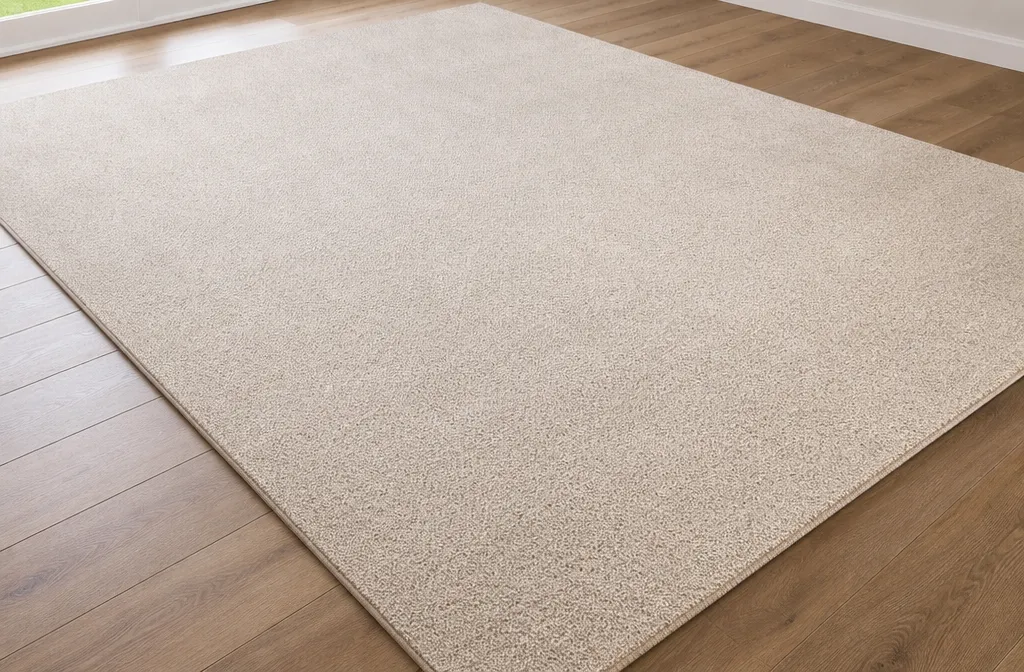
Request: The carpet in the living room hasn't been cleaned in a while, visible streaks and dust.
Done: Cleaned with an extractor and shampoo, removed stains, and dried.
Cost: 13 000 ₸
Master: Aizhan Bekova, Dry Cleaning Master
Total: The carpet is brighter, pile fluffy, without stains or odor.
 After
After
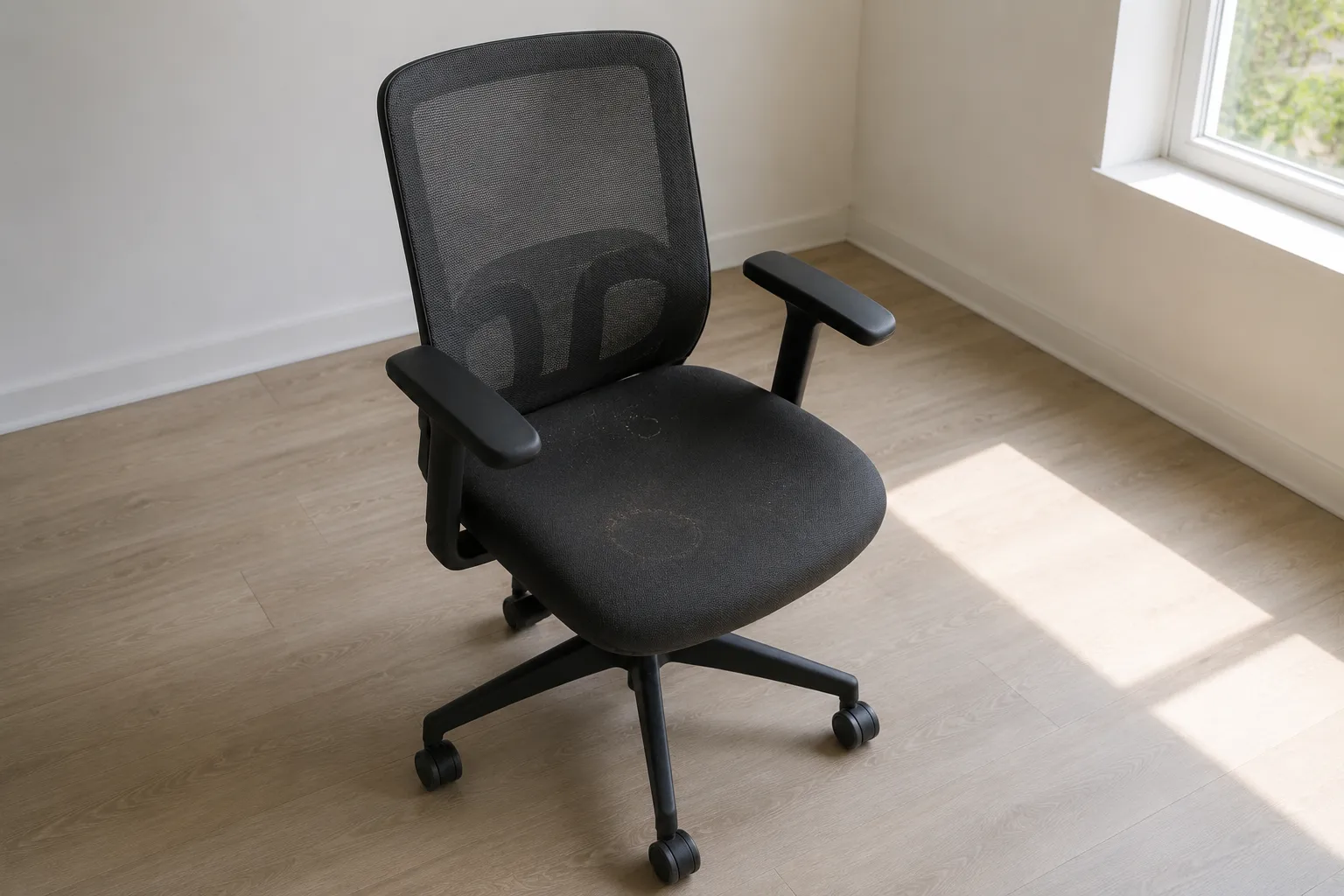
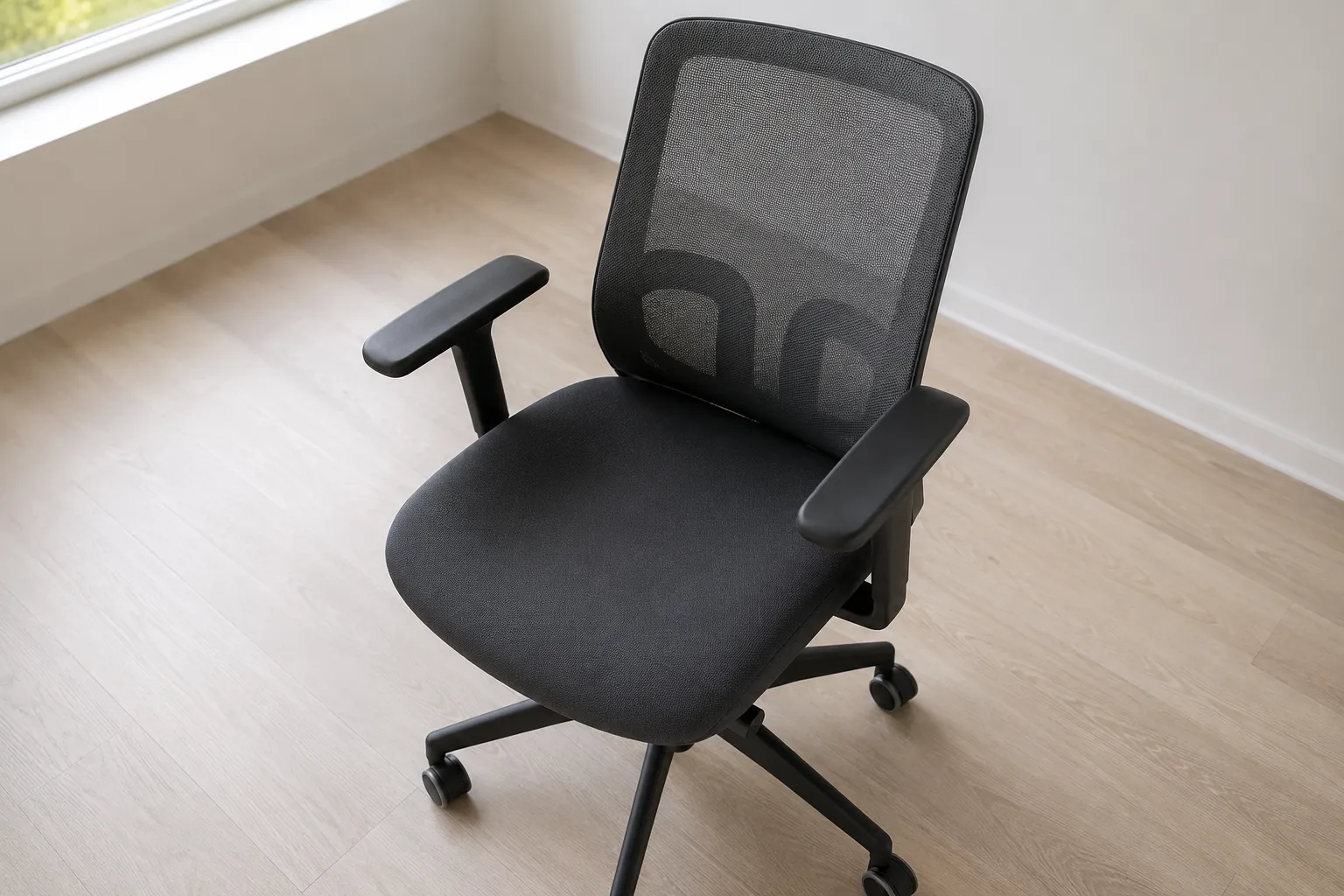
Request: The office chair is greasy, needs urgent cleaning.
Done: Treated with solvent, cleaned with an extractor, and dried.
Cost: 3 500 ₸
Master: Timur Zhaksybekov, Dry Cleaning Master
Total: Upholstery clean, without greasy marks, chair like new.
 After
After
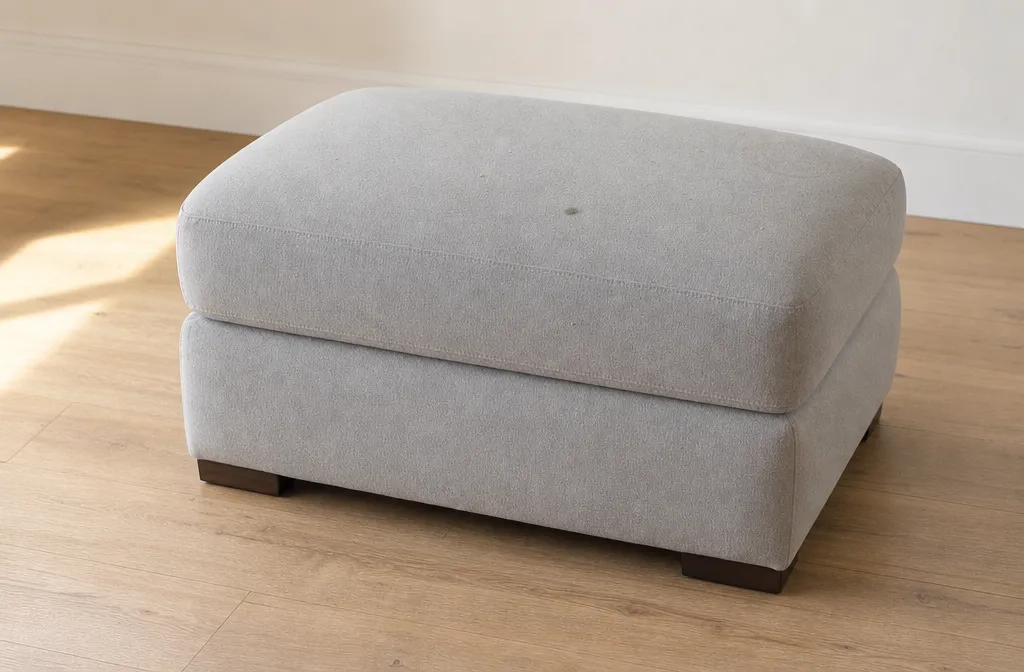
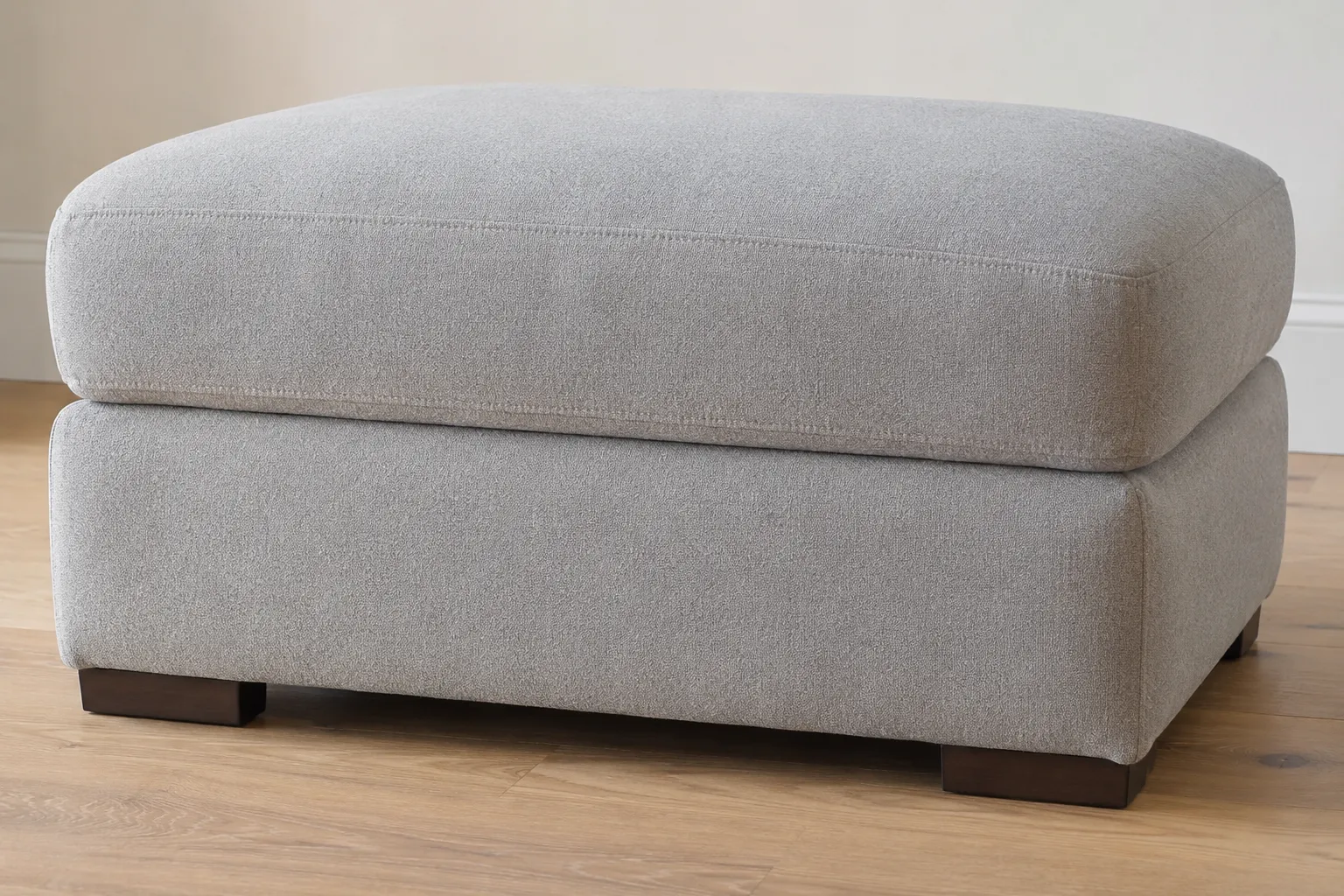
Request: Ottoman in hallway is dirty, needs cleaning.
Done: Applied foam, cleaned with brush and extractor.
Cost: 2 500 ₸
Master: Gulnara Sagieva, dry cleaning master
Total: Ottoman clean, stain-free, color refreshed.
 After
After
Request: Headboard with stains from hair and cosmetics, needs cleaning.
Done: Treated with stain remover, cleaned with steam and extractor.
Cost: 13 000 ₸
Master: Aizhan Bekova, dry cleaning master
Total: Headboard clean, no marks, fabric refreshed.
 After
After
Request: Chair upholstery is soiled, especially on the seat.
Done: Applied enzyme solution, cleaned with extractor and dried.
Cost: 1 500 ₸
Master: Timur Zhaksybekov, dry cleaning master
Total: Chair clean, stain-free, upholstery soft and fresh.
 After
After
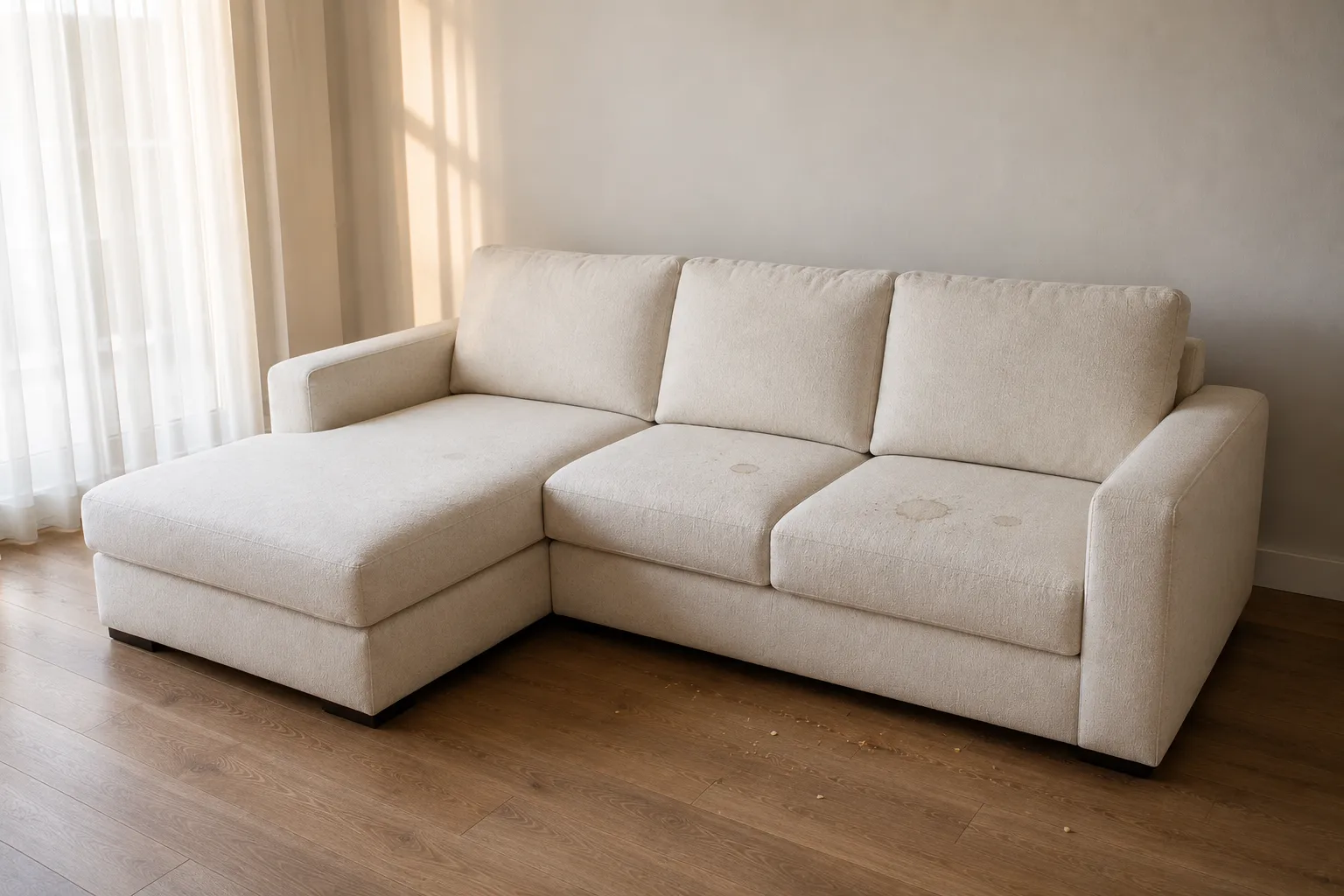
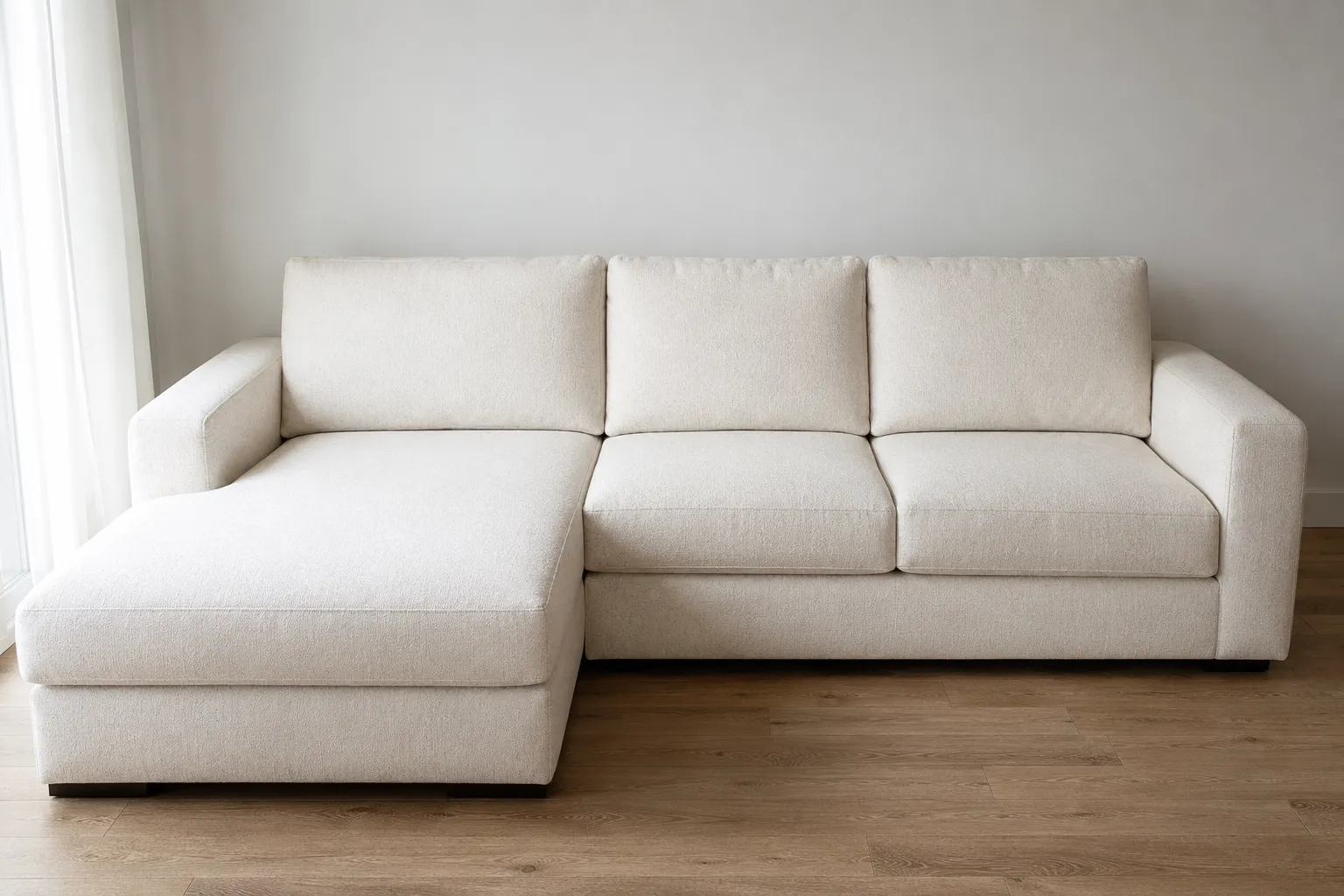
Request: Sectional sofa in living room is dusty, with stains on cushions.
Done: Treated with steam, cleaned with extractor and dried.
Cost: 18 000 ₸
Master: Gulnara Sagieva, dry cleaning master
Total: Sofa clean, stain-free, pile lifted, odor gone.
 After
After
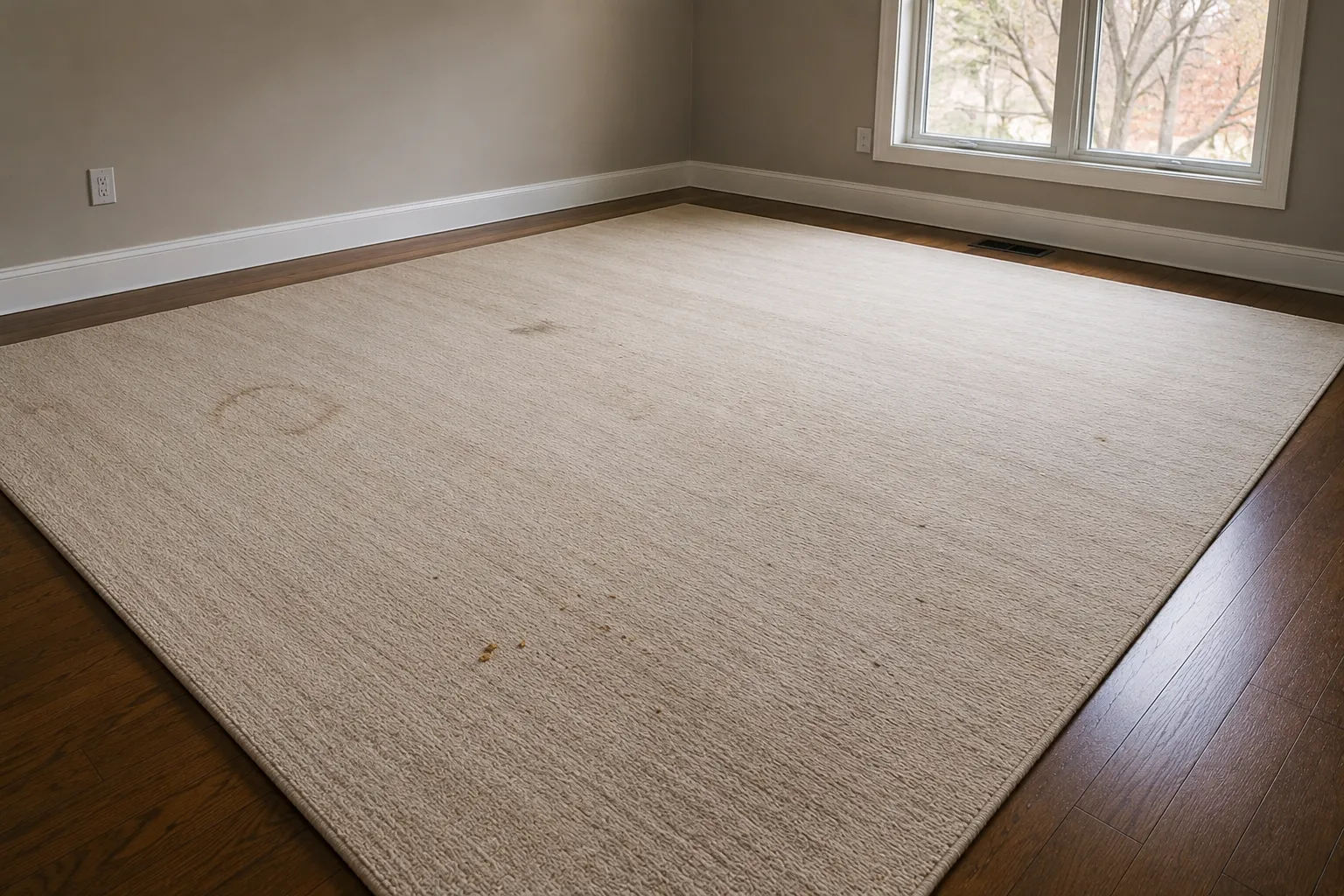
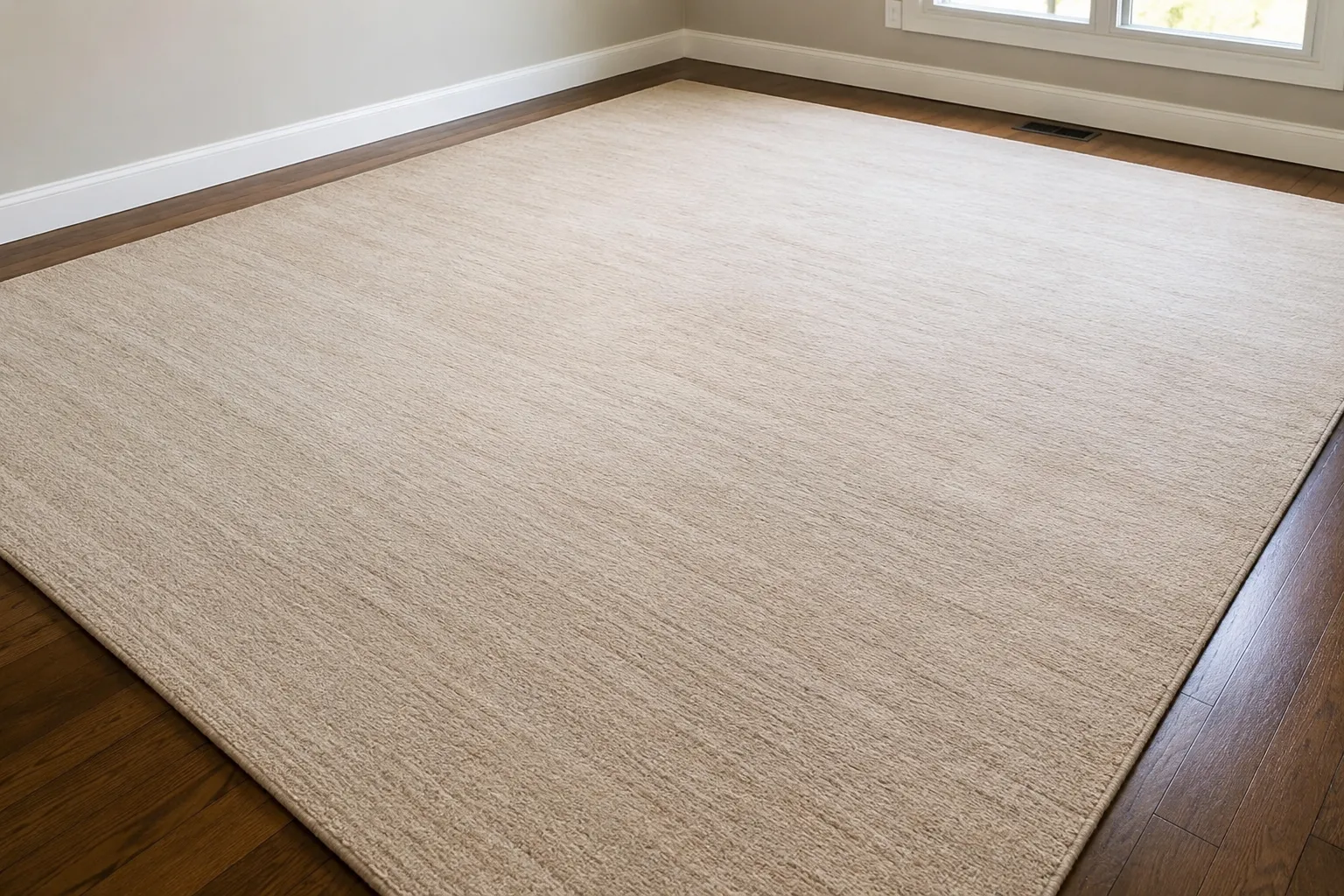
Request: Rug in children's room stained with paint and food.
Done: Removed stains with solvent, cleaned with extractor and shampoo.
Cost: 7 000 ₸
Master: Aizhan Bekova, dry cleaning master
Total: Rug clean, bright, no paint marks or odor.
All cleaners are profi-clean staff with training, uniform and security check. Each order has a team leader who controls quality.
The choice between dry and wet cleaning isn’t about budget or laziness; it’s about preserving the fabric’s texture. At profi-clean, we select the method based on fiber type, wear, and colorfastness; otherwise, even a perfectly removed stain can leave marks or cause shrinkage.
Dry cleaning is treating fabric with a specialized solvent (usually perchloroethylene or a hydrocarbon-based compound) that evaporates without water. Wet cleaning (aqua cleaning) uses water with controlled pH and low mechanical action. The former is essential for delicate fibers: wool, silk, cashmere, viscose — they shrink by 5-10% upon contact with water. The latter penetrates deeper into synthetics and cotton, washing out sweat deposits that organic solvents can’t handle. According to our measurements in Almaty apartments, aqua cleaning removes 40% more grease stains from kitchen sofas than dry cleaning, but on colored silk, the risk of pattern blurring doubles. When choosing a method, check the manufacturer’s label: if it has a ‘P’ (perchloroethylene) symbol — dry cleaning only; if ‘W’ — water is permissible, but with a caveat on contact time.
Raw silk, acetate silk, lining with polyurethane coating, and leather with aniline finish are destroyed by wet contact: acetate loses its shape, polyurethane peels off in bubbles, and aniline dissolves. We once received a sofa made of Italian viscose velvet — after aqua cleaning at another service, the pile stood on end, and we had to reupholster the cushion. Dry cleaning with a hydrocarbon solvent (GreenEarth or KWL) preserves softness and color because the solvent molecule doesn’t swell the fiber, only cleans its surface. In Almaty, air humidity is high (up to 70% in spring), so even after dry cleaning, we blow-dry the furniture with a fan heater for 20-30 minutes — otherwise, residual moisture from the air conditioner can cause odor in a closed room.
Aqua cleaning (wet cleaning) is indicated for cotton, linen, polyester, microfiber, and upholstery with stains from coffee, wine, or urine. The water-based solution with enzymes breaks down protein, which a dry solvent ‘bakes’ into the fiber — this is a common mistake: a client uses the dry method on a baby urine stain, and it turns yellow after drying. At profi-clean, we use an extraction machine with a HEPA filter and a hypoallergenic Kiehl concentrate: after treatment, the residual moisture level in the upholstery is 12-15% compared to 40% with household Karcher washers. This means a sofa in an Almaty apartment dries in 4-6 hours without forced drying, instead of 2-3 days when mold can develop. If you have a New Zealand wool carpet — aqua cleaning is only possible with cold water and neutral pH (5.5-6.5), otherwise the wool will felt and lose its pile.
| Fabric Type / Contamination | Dry Cleaning (Solvent) | Wet Cleaning (Aqua) |
|---|---|---|
| Silk, cashmere, viscose | Recommended — no shrinkage | Prohibited — shrinkage 5-10% |
| Cotton, linen, polyester | Permissible, but weak on sweat | Recommended — enzymes break down protein |
| Stains from wine, urine, coffee | Fixes odor when heated | Removes 90%+ in one cycle |
| Wool carpets | Preserves pile, but doesn’t remove pollen | Only cold water, pH 5.5-6.5 |
| Upholstery with UV fading | Less dye leaching | Risk of uneven color loss |
| Odors (tobacco, pets) | Masks, doesn’t fully remove | Washes out 85% of odor molecules |
The most common mistake when choosing to clean it yourself is trying to remove a grease stain from a silk pillow with a wet wipe. Soapy water spreads the grease along the fiber, and after drying, a dark halo remains that no solvent can remove — the fabric loses its marketable appearance. The same goes for sisal rugs: wet cleaning twists the fibers, and the rug “shrinks” in length by 3-5 cm. Before taking an item to the cleaners, test its reaction to water on an inconspicuous area (under a pillow or inside a pocket) — drop some water and blot it with a white napkin: if the dye transfers to the napkin, only dry cleaning with a hydrocarbon solvent is suitable, without water or steam.
When you decide to clean a sofa or rug yourself, it seems: “What’s so hard about it — rub, rinse, dry.” In practice, these very decisions lead to streaks, fabric shrinkage, and a persistent musty smell. Here at profi-clean, we see the consequences of home experiments every week — here are the five most common blunders that turn cleaning into a repair job.
The most common misconception is that more water means cleaner. On silk, viscose, wool, and microfiber, water penetrates the backing, washes out the adhesive layer, and deforms the filling. Wet cleaning causes shrinkage of up to 15% on natural fabrics — the sofa looks a size smaller after drying. These materials require dry cleaning with minimal moisture: a foam-based solution that works on the surface, not deep within. In our practice, there was a case where a client soaked a wool rug with water and powder — the pile matted, and the covering had to be replaced. Before cleaning, check the label: if it has a “dry clean only” symbol (P), do not use water at all.
Attempting to remove a grease stain with acetone or gasoline is a direct path to fading and holes. On synthetics (polyester, nylon), solvents destroy the dye — leaving a white spot that cannot be restored. On cotton and linen, acidic compounds (vinegar, lemon juice) weaken the fiber — after three or four treatments, the fabric tears. The rule is simple: a neutral pH solution for most stains, alkaline for protein-based stains (blood, milk), and enzyme-based for organic matter (grass, wine). We use professional lines like Kiehl and Sodasan, labeled by stain type — household remedies have the opposite effect. If a stain doesn’t come out with a gentle product on the first try, don’t increase the pressure — call a professional.
Intuitively, you want to rub a stain in circular motions or back and forth. This pushes the dirt deep into the filling — it looks clean on the surface, but an oily core remains inside, which resurfaces after a week. The correct technique is blotting motions from the edge to the center: the napkin absorbs the dirt without pushing it in. On long-pile carpets (Saxony, frieze), rubbing also pulls out fibers, leaving bald spots. At profi-clean, our cleaners use an extractor with directed suction: it pulls out the solution with dirt rather than spreading it. At home, use microfiber and change the napkin area after each blot to avoid transferring dirt to a clean zone.
After wet cleaning, a sofa may feel dry within an hour, but moisture remains inside the foam. Without ventilation (open windows, fan, heat gun), mold fungus develops in the filling within 48 hours — the musty smell won’t dissipate, and allergic reactions in household members are guaranteed. Complete drying of a sofa with foam filling takes 12-24 hours at a temperature of 22-25°C with constant airing. In Almaty apartments, humidity reaches 70% in spring and autumn — natural drying stretches to two days. We dry furniture with HEPA-filtered heat fans, reducing the process to 4-6 hours. At home, don’t place the sofa in a corner — move it 30 cm away from the wall for air circulation.
Apply the solution to an inconspicuous area (the lower part of the backrest, the inner side of the cushion) — a rule broken by 8 out of 10 DIY enthusiasts. The result: a light spot in a visible place that cannot be tinted. The test is done as follows: apply the product to a cotton pad, press it against the fabric for 30 seconds, and blot with a white napkin. If color remains on the napkin, the solution is too aggressive for that material. Owners of sofas with flock or velvet are especially at risk: the dyes on these fabrics are unstable, and even a gentle foam can remove the top layer. At profi-clean, before each dry cleaning, we conduct a test on three areas with different solutions — this is a mandatory step that eliminates surprises. At home, choose a product labeled “for colored fabrics” and test it each time, even if you are cleaning the same sofa — the protective layer may have thinned after the previous cleaning solution.
Dry cleaning is an effective method for many textile surfaces, but it has clear limitations. In our practice in Almaty, we encounter stains that organic solvents cannot handle, and it is important to know this to avoid paying for useless treatment. Let’s break down specific types of stains and situations where dry cleaning is powerless.
Blood, milk, eggs, urine, and traces of food proteins are not removed by dry solvents — they do not dissolve the protein but instead fix it to the fiber, turning the stain into a persistent yellow “mark.” Dry cleaning based on perchloroethylene or hydrocarbons leaves protein compounds in place due to polarity differences: the solvent molecules do not bond with the amino groups of the protein. In practice, a milk spill stain on a sofa treated with a dry method darkens when heated and remains visible. At profi-clean, for such stains, we use enzymatic prespots from Sodasan followed by wet extraction — this is the only way to break the peptide bond of the protein. Before ordering dry cleaning, inform the technician about such marks: they will direct you to a combined treatment rather than a standard cycle.
No organic solvent can handle an old oil stain mixed with dust or coloring pigment — for example, motor oil on a garage carpet or lipstick on a sofa upholstery. Dry cleaning spreads the oil base, but the pigment “rubs” deeper into the fiber, leaving streaks that look worse than the original stain. Wax contaminants (candle paraffin, depilatory wax) behave similarly: when in contact with the solvent, the wax melts and soaks into the backing, from where it is almost impossible to remove without dismantling the fabric. In our orders in Almaty, a case with wax on a wool carpet from Pavlodar required first freezing, then manual cleaning with an absorbent — the dry method at the first stage would have only worsened the problem. For such stains, our recommendation is: do not try a solvent, but immediately use an absorbent powder or wet cleaning with a degreasing agent.
PVA glue, superglue, latex paints, and sealants do not dissolve upon contact with organic solvents but polymerize — forming an insoluble film that fuses into the fabric structure. Dry cleaning a sofa that has been stained with paper glue turns the liquid stain into a hard crust, which can then only be removed mechanically, risking deformation of the pile. Latex (e.g., traces from a mattress or children’s plasticine) behaves similarly: the solvent coagulates the latex into lumps that get stuck between the fibers. In our practice in Almaty, there was a case with a glue stain on a velvet armchair upholstery — after dry cleaning, we had to use acetone spot treatment under an exhaust hood, which is unacceptable for synthetic fabrics. If you notice glue or latex on textiles, do not order dry cleaning: the correct algorithm is first mechanical removal of the hardened compound with a spatula, then treatment with alcohol or white spirit depending on the fabric type, and only then wet cleaning.
Dry cleaning in Almaty isn’t about universal recipes from the internet. The city sits in a mountain bowl, and the local dust, smog, and sharp humidity fluctuations create types of dirt not found in regions with flat climates. In 8 years of practice, I’ve seen carpets “killed” not by age, but specifically by Almaty’s air. Here’s how our profi-clean approach accounts for these features.
In Almaty, dust isn’t just sand and soil. Due to its location in a basin and smog from vehicles, the particles contain fine soot, bitumen compounds, and heavy metals. They settle on upholstery and carpets not as a dry film but embed into fibers along with condensation from nighttime humidity (in the off-season, day-night temperature differences reach 15 °C). Regular vacuuming with a HEPA filter removes up to 80% of surface dust, but the remaining 20% eventually forms a sticky film that water-based shampoos and home remedies can’t dissolve. In dry cleaning, we use solvents with higher polarity—they break down bitumen-oil compounds into molecules without damaging dyes. At profi-clean, we use a perchloroethylene-based formula with added surfactants for this. Before ordering dry cleaning in Almaty, check if the company uses professional solvents for bitumen stains—ordinary “foam” is powerless here.
Almaty’s spring brings ragweed, poplar fluff, and tree blossoms that settle on furniture and carpets. Pollen is a strong allergen, and if not removed properly, it stays in the fabric for years. In autumn, smog worsens the situation—due to the lack of wind in the city, PM2.5 concentrations in October-November are 2-3 times higher than in summer. Soot particles smaller than 2.5 microns penetrate deep into the pile structure, and during wet cleaning, they smear across fibers, leaving gray streaks. At profi-clean, we use pressure solvent extraction technology in dry cleaning—it pulls particles from the depths without smearing them. After treatment, residual pollen and soot are removed by an airflow through a carbon filter. If there are allergy sufferers at home, I recommend dry cleaning soft furniture twice a year—in May and November—to remove seasonal dirt before it sets into the fabric.
In Almaty, air humidity during the warm season stays at 55-65%, and during rainy weeks, it rises to 80%. Carpets with dense pile (wool, viscose, polypropylene) act like sponges in such conditions—absorbing moisture from the air along with dust. After 2-3 years without professional cleaning, mold fungus forms in the carpet’s lower layers, only noticeable when the carpet is lifted. Wet cleaning with shampoo and subsequent fan drying at humidity above 70% is a guaranteed path to mold: the carpet dries for 2-3 days, allowing spores to germinate. Dry cleaning solves the problem radically—the solvent evaporates in 30-40 minutes, leaving the carpet dry immediately after treatment. In our profi-clean practice, there was a case: a client brought a 4×3 meter wool carpet that “smelled musty” after three years in a ground-floor apartment. One dry cleaning removed the odor and restored the pile’s volume—moisture left the depths without the risk of mold.
Almaty’s streets feature elevation changes from 700 to 1000 meters above sea level, plus constant construction in new microdistricts (Almaty-1, Almaty-2, Aksai, Zhetysu areas). Dust from open ground and construction sites enters apartments through open windows and on shoes. It contains large abrasive particles (sand, cement chips) that, when walked on, cut into the carpet pile and damage fibers. After a year, “bald” paths appear on the carpet—not from wear, but from abrasive erosion. Dry cleaning with preliminary vacuuming using an industrial vacuum cleaner with a turbo brush removes up to 95% of abrasive particles before applying the solvent. If you live in an area with active construction (e.g., Almaty City residential complex or near new complexes on Navoi Street), order dry cleaning of carpets every 6 months—this extends pile lifespan by 3-4 years compared to home vacuuming.
In Almaty, due to dusty air, the upholstery of soft furniture (velvet, chenille, flock) loses its color within 8-10 months — light tones become gray-yellow, dark tones become dull. This is not fading, but a layering of smog microparticles on the fabric surface. Water cleaning with shampoo only washes away the top layer, leaving a “halo” at the seams of cushions and armrests — it becomes noticeable within a month. Dry cleaning evenly dissolves dirt across the entire surface, leaving no streaks at zone boundaries. At profi-clean, we recommend for Almaty apartments with windows facing busy roads (Al-Farabi, Abay, Raiymbek avenues) to perform dry cleaning of sofas and armchairs every 4-6 months — it’s cheaper than reupholstering after two years. Moreover, on microfiber and velvet, the effect is immediately noticeable: after dry cleaning, the fabric returns to its original shade, not a “washed-out” gray color.
After a carpet or furniture returns from our cleaning, you want the freshness to last a long time. I’ll share how care habits can double the effect.
Immediately after dry cleaning, a thin layer of protective compound remains on the pile, which we apply as a finish. If you go over the carpet with a damp mop and household chemicals an hour after it’s returned, this layer is washed away, and dirt embeds 2-3 times faster. In practice, due to this mistake, clients call back in a month instead of three or four. In Almaty, where tap water is hard (up to 7-8 mg-eq/L), even simple dampening leaves streaks that attract dust. Our advice: for the first 48 hours after cleaning, do not wet the surface at all — let the protective coating polymerize. If you need to remove crumbs, use a dry brush with soft bristles or a vacuum cleaner without a turbo brush.
On sofas and armchairs, armrests get soiled the fastest — they come into contact with hand skin, which leaves traces of cream and sweat. On carpets, the area by the door and in front of the sofa accumulates 4-5 times more dirt than the center of the room. In our repeat cleaning visits after 2-3 months, we see a clear pattern: if there is no doormat at the entrance, dirt spreads a meter inward. Silicone covers for armrests work well — they eliminate 90% of skin contact and are easily hand-washed. For a carpet in a walkway, it’s worth placing a transparent polyurethane runner — it doesn’t slip or yellow, unlike cheap PVC, which cracks within a month.
For velvet and chenille, only dry foam cleaners are suitable — any water-based composition softens the adhesive base, and after 5-6 months the fabric starts to “bubble.” For flock and microfiber, on the other hand, wet cleaning with a neutral pH product (5.5-6.5) is safe, while a dry brush only lifts the pile. Natural silk on upholstery is the most finicky: it cannot be wetted or rubbed with a brush, only vacuumed with a soft attachment once a week. In our orders, silk is most often ruined by attempts to remove a stain with a damp cloth — a dark halo remains that cannot be removed without professional reupholstery. Therefore, for each fabric type, we leave the client a memo with one or two allowed operations and a ban on everything else.
The optimal routine is to vacuum the carpet once every 3-4 days, and the sofa once a week, but only with a vacuum cleaner equipped with a HEPA filter. A regular cyclone vacuum releases fine particles back into the air, and they settle on freshly cleaned upholstery within 6-8 hours. In Almaty, due to dust storms in summer and coal smog in winter, the concentration of suspended PM2.5 particles in apartments reaches 40-60 µg/m³ — 2-3 times higher than the WHO standard. Once a month, it’s worth taking the carpet out onto the balcony for 2-3 hours, but not in direct sunlight (UV dries out the adhesive layer), but in the shade. If this isn’t possible, turn on a humidifier to 50-60% — in dry air, static attracts dust to the pile 1.5 times more actively.
We ordered dry cleaning for a corner sofa. Coffee stains disappeared, color became brighter, no chemical smell.
Thank you, Aigerim! Glad the result exceeded expectations.
Cleaned a wool carpet I was afraid to wash. Perfect, pile not damaged, all stains removed.
Had dry cleaning for a mattress – tea stains disappeared, but a faint smell remained, aired out in a day. Overall ok.
Hello, Daniyar! Thank you for the review. Usually the smell goes away faster, we'll take note about ventilation.
Armchair after pets looks like new. Fur removed, no smell. Very satisfied.
We did a dry cleaning of the car interior. The ceiling and seats were transformed, even old stains disappeared.
Yerlan, thank you! Glad the interior is in order.
We gave our down jacket after winter, stains on the sleeves were removed, the down didn't clump. Thank you, fast and neat.
I ordered dry cleaning for a leather sofa. Juice stains were removed, but the leather tightened a bit at the folds. Overall decent.
Kuanysh, thank you for your feedback. We will take measures to avoid tightening.
The sofa and two armchairs look like new after cleaning. Fresh scent, no allergies.
Dry cleaning of a large living room carpet – wine stains completely gone, color restored. Arrived on time.
Timur, thank you! We try our best.
The fabric upholstery of the chairs was greasy, after dry cleaning perfectly clean. No streaks, dries quickly.
We had dry cleaning of the car interior. Coffee stains on the mats were removed, seats are soft, smells nice.
Alexey, glad you liked everything!
The children's down jacket after dry cleaning looks like new. Stains from juice and grass disappeared, the down didn't clump.
The leather sofa was dry cleaned – scuffs became less noticeable, leather is soft. Very satisfied.
Thank you, Aigerim!
The carpet was cleaned well, but one corner wasn't dried completely, we had to dry it ourselves. Otherwise, great.
Marat, we apologize. We'll take your comment into account.
I ordered dry cleaning for a children's mattress – urine stains were removed without a trace, hypoallergenic. The child sleeps peacefully.
After stain removal, the sofa upholstery showed streaks. Had to redo it. The original was better.
Zhanna, we regret the inconvenience. We offered a free repeat cleaning and hope everything is fixed.
I gave seat covers for dry cleaning – returned perfectly clean, no shrinkage. Color unchanged.
The coat after dry cleaning looks like new, even the nap lifted. No trace of sauce stain left.
Assel, thank you for your review!
The fold-out sofa was dry cleaned – the mechanism wasn't damaged, fabric refreshed, stains gone.
The carpet in the children's room after cleaning is spotless, even though it was heavily stained with paints. The child is delighted.
Dry cleaning of velvet sofa – chocolate stains removed, but the nap is flattened in places. Progress made.
Timur, thank you. When cleaning velvet, we try to minimize flattening; we'll take note.
Decorative pillows after dry cleaning are fluffy and clean. Even feather pillows didn't lose shape.
We treated the leather car interior with dry cleaning – the leather is soft, without scratches, and smells new. I recommend it.
Alexey, glad you liked it!
Men's down jacket after dry cleaning – no pills, filling not clumped. Thanks for the promptness.
We cleaned the fabric sofa with dry cleaning – wine and juice stains gone, fabric didn't fade. Excellent result.
Aigerim, thank you for the review!
Silk carpet cleaned carefully, but some threads slightly stretched. Overall good.
Marat, we apologize. We'll be more careful with delicate fabrics in the future.
Orthopedic mattress from sweat and urine stains – dry cleaning handled 100%. No smell, pleasant to sleep on.
Rocking chair after cleaning looks like new. Mold on fabric removed, even didn't believe it was possible.
Zhanna, thank you! Glad we saved your favorite chair.
Removable sofa covers sent for dry cleaning – fit perfectly, color vibrant, no shrinkage.
Wool coat after dry cleaning became a bit stiffer than before. Stains removed, but material lost softness.
Asel, we regret that. For wool we use gentle products, but sometimes structure changes. Thank you for the feedback.
Sofa bed cleaned with dry cleaning – mechanism works perfectly, fabric fresh, no stains. Fast and high quality.
Kuanysh, thank you for the review!
Yes, we clean carpets made of wool and other natural materials. We use gentle Kiehl products that do not damage the fibers. After cleaning, the carpet does not shrink and retains its color.
After dry cleaning, furniture dries in 2-4 hours with good ventilation. We use fans to speed up the process. Complete drying takes up to 6 hours.
Call us or leave a request on the website. The master will arrive at a convenient time, inspect the furniture, and perform the cleaning. Payment in cash or via Kaspi/Halyk after completion.
Yes, velour can be cleaned with dry cleaning without any issues. We use special brushes and products that do not disturb the pile structure. After cleaning, velour becomes soft and fluffy.
Dry cleaning of a two-seater sofa takes about 1 hour, a three-seater up to 1.5 hours, and a corner sofa up to 2 hours. The time depends on the degree of soiling.
We accept cash, Kaspi, Halyk, as well as card transfers. Payment is made after the work is completed. Non-cash payment is available for legal entities.
Yes, we use special enzyme products that break down organic compounds. The odor is completely removed, even old stains. Treatment may require an additional cycle.
We recommend not sitting until it is completely dry (2-4 hours). Wet fabric can deform. We leave fans to speed up drying.
Just remove cushions and small items. The master will disassemble the sofa if needed. It is advisable to provide access to a power outlet for equipment.
No, dry cleaning is intended for fabric upholstery. For leather, we have a separate service using special products.
Tell us about your experience with profi-clean — it helps other clients and us improve.
We currently operate in Almaty. Other cities are coming soon.