Inspection and diagnostics
Determine fabric type, identify stains and defects. Check hardware and lining.
Restore your backpack's cleanliness and freshness: dry cleaning of any materials in Almaty

We work with any types and materials
Thorough cleaning of ink, paint, and food residue while preserving bright colors.
from 12,000 ₸Removal of urban dirt and dust with delicate treatment of hardware.
from 12,000 ₸Deep cleaning of large volumes with removal of stubborn stains and hiking odors.
from 12,000 ₸Elimination of sweat odor and dirt using antibacterial agents.
from 2,500 ₸Delicate cleaning of genuine leather with nourishment and color restoration.
from 2,500 ₸Gentle cleaning of eco-leather without damaging the coating.
from 12,000 ₸Cleaning of soft materials with reinforcement of seams and hardware.
from 2,500 ₸Special care for the tech compartment, cleaning without risk to electronics.
from 2,500 ₸Hypoallergenic cleaning with safe products for children.
from 2,500 ₸Cleaning of combined materials while preserving shape.
from 2,500 ₸Removal of travel dirt and oil stains with water-repellent impregnation.
from 12,000 ₸Exclusive care using premium Kiehl products and hand treatment.
from 2,500 ₸From inspection to result with guarantee
Determine fabric type, identify stains and defects. Check hardware and lining.
Apply specialized stain removers Kiehl or Sodasan to tough stains.
Use Karcher SE 4001 extractor with Kiehl cleaning solution for deep cleaning.
Use Polti Vaporetto steam cleaner to clean inner pockets and lining.
Clean zippers, buckles, and fasteners with a soft brush and degreaser.
Optional UV or steam treatment to kill bacteria.
Apply water repellent for moisture and dirt protection (for fabric backpacks).
We dry in a ventilated room, check cleaning quality and pack.
Kiehl products effectively remove stubborn stains, while the organic Sodasan line does not cause allergies. All formulations are certified and safe for any fabrics, including children's backpacks.
Our vacuum cleaner with HEPA filter traps particles as small as 0.3 microns, including pollen and mold spores. This is especially important for allergy sufferers and asthmatics.
We are so confident in the quality that we guarantee: if the stain remains after cleaning, we will refund the full cost. We provide preliminary consultation and assessment of removal chances.
Steam treatment at 120°C kills 99.9% of bacteria and viruses, leaving no chemical residues. Ideal for children's and sports backpacks.
Our master will inspect the backpack, determine the fabric type and complexity of stains, and select the optimal cleaning method. You will know the exact cost and timeline before work begins.
The extractor applies cleaning solution under pressure and instantly vacuums up dirt, leaving no streaks. Combined with Kiehl products, deep cleaning of even old stains is achieved.
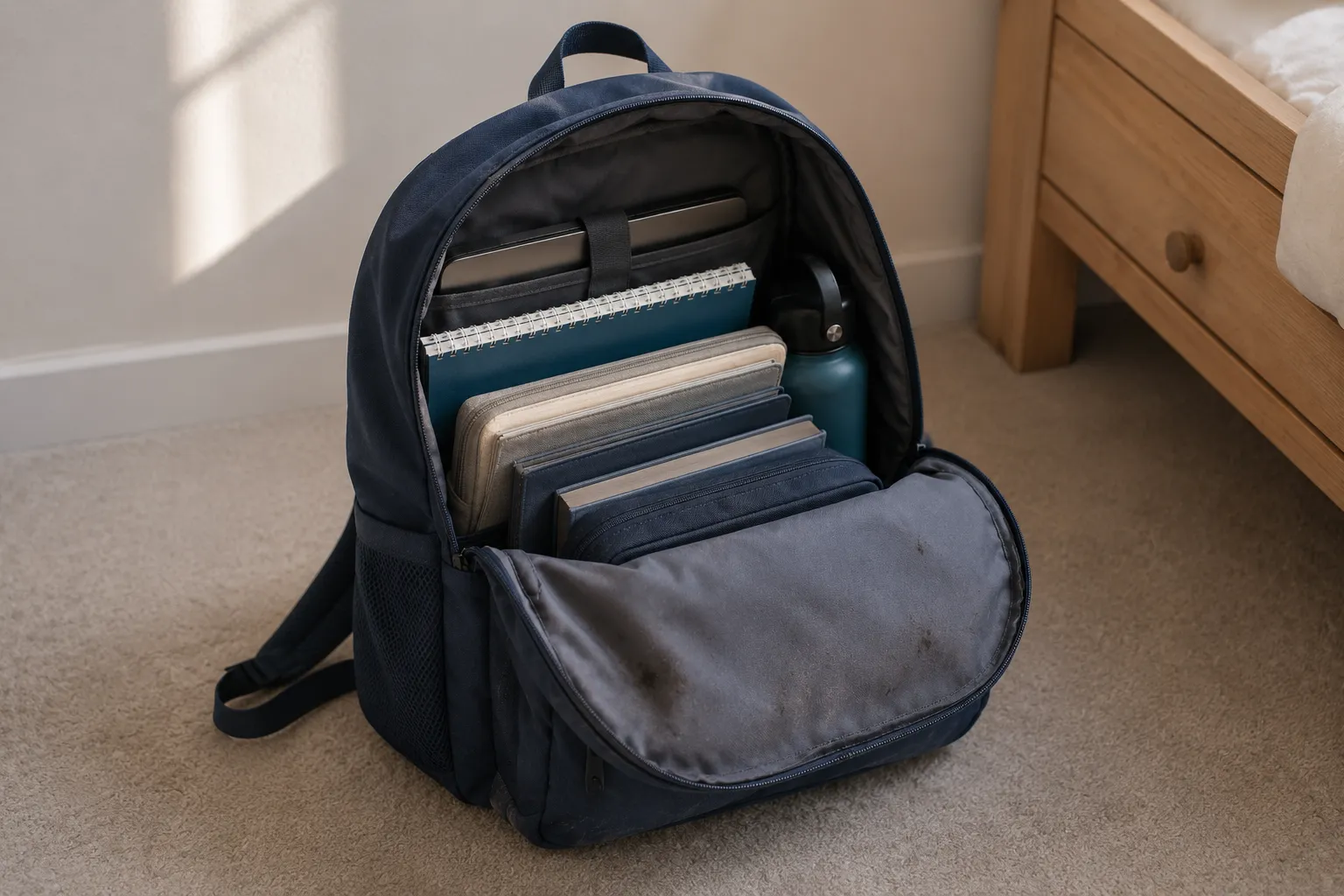
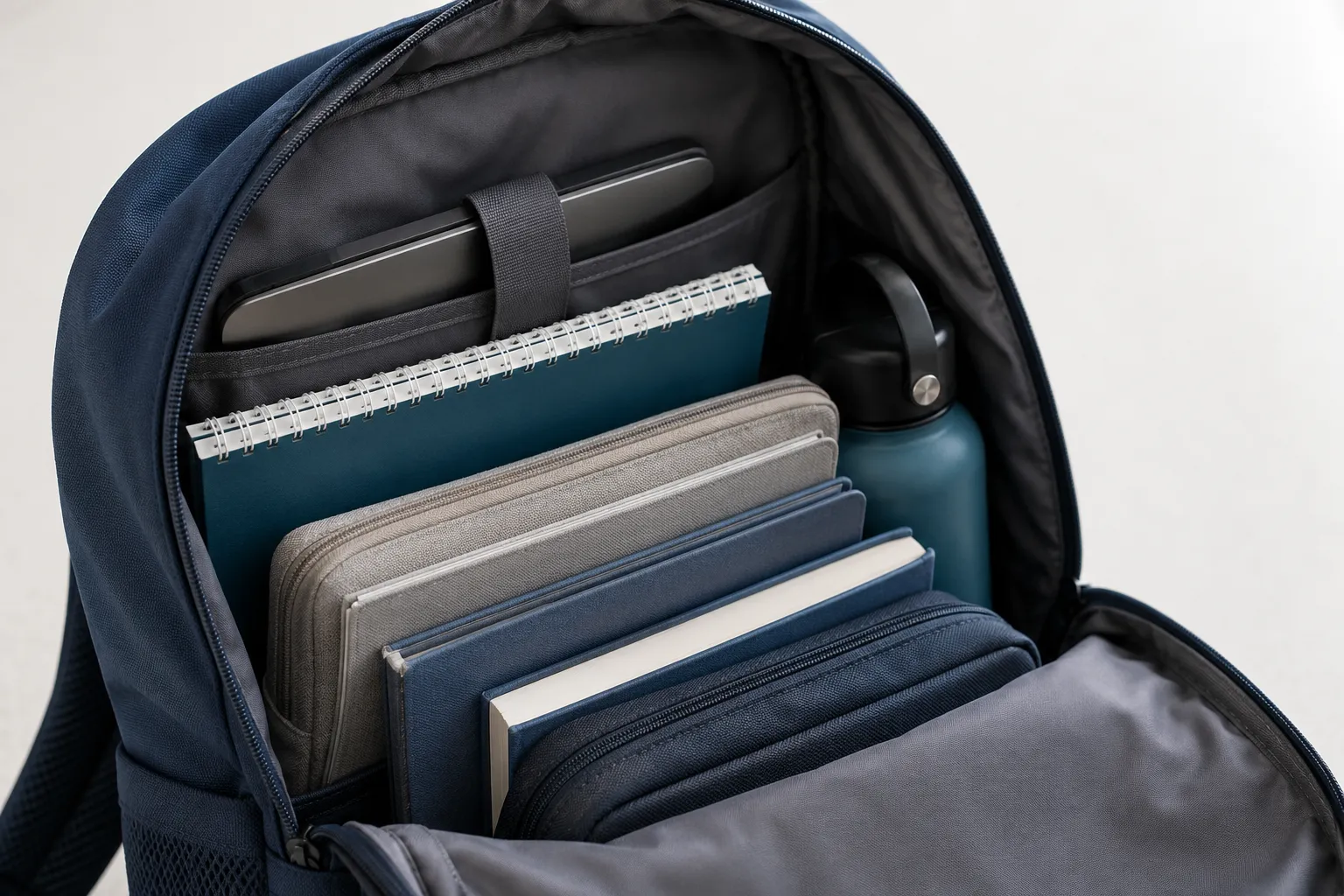 After
After
Request: Urgently remove ink and dirt from a child's backpack in 1 day.
Done: Ink stains removed, fabric soiling removed, deodorization performed.
Cost: 12 000 ₸
Master: Aigul Nurgaliyeva, dry cleaning master
Total: Backpack clean, stain-free, fresh — child is happy.
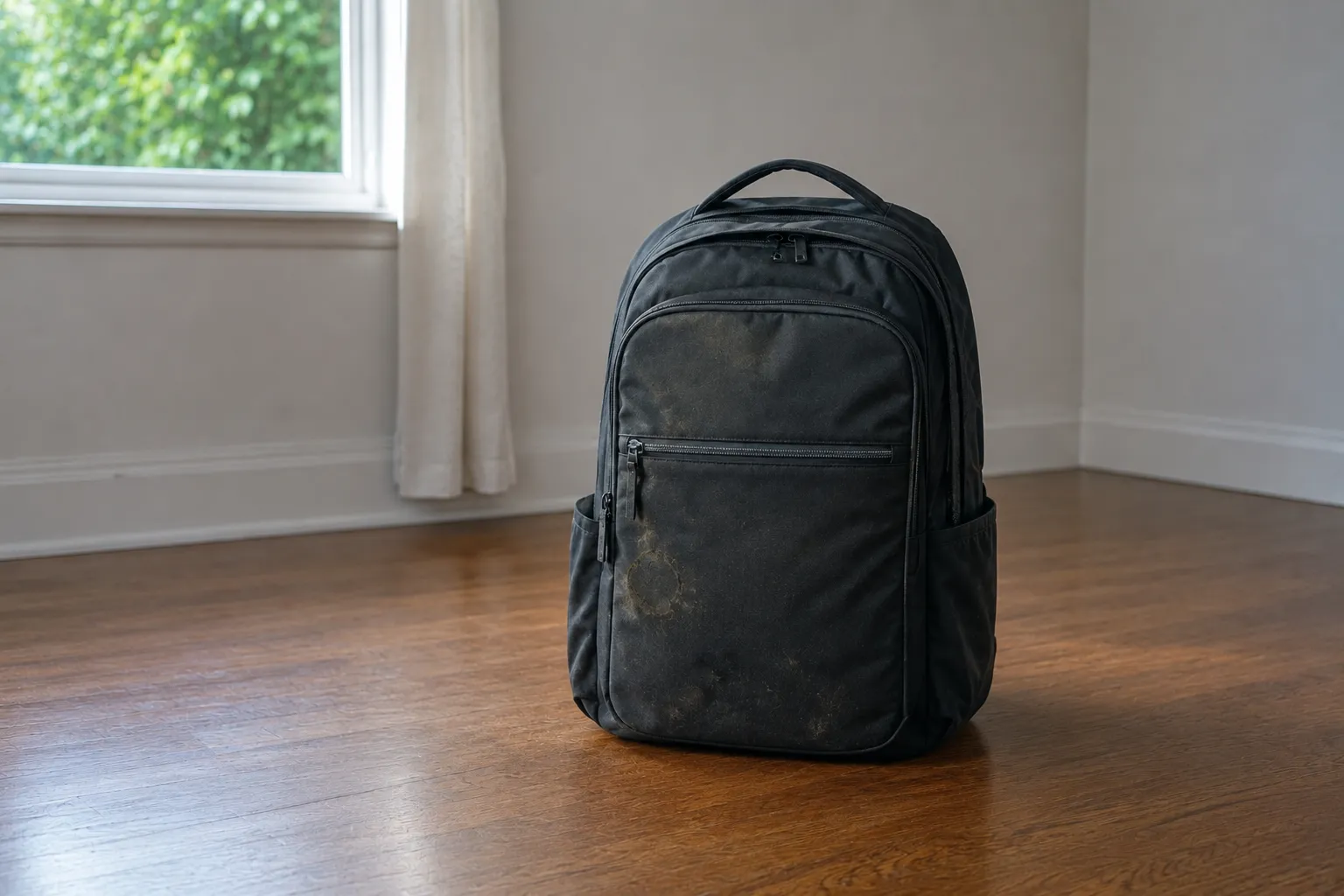
 After
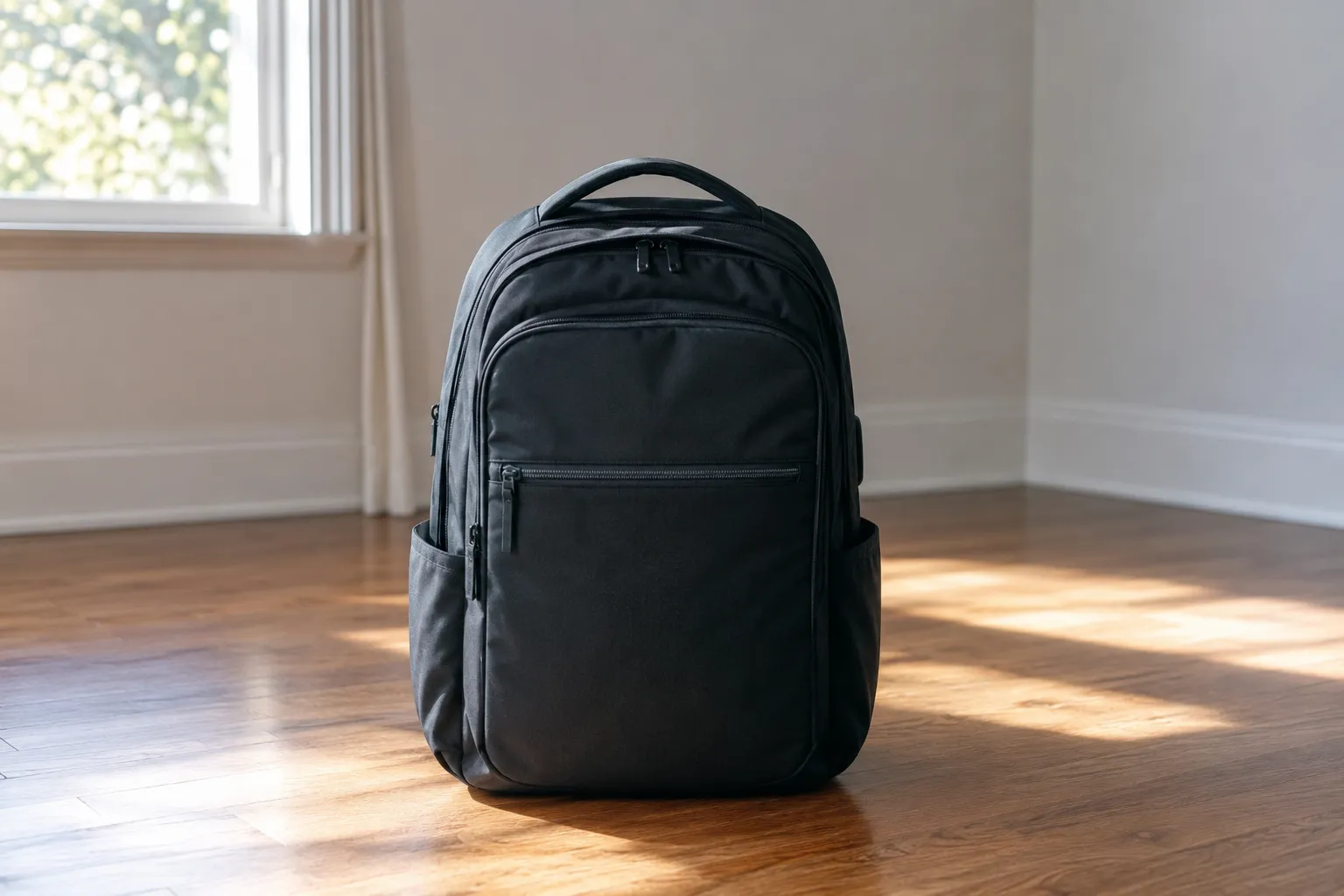
After
Request: Remove coffee stains and dust from an urban backpack.
Done: Deep fabric cleaning performed, coffee stains removed, color restored.
Cost: 13 000 ₸
Master: Timur Zhaksybekov, dry cleaning master
Total: Backpack looks like new, no coffee stains.
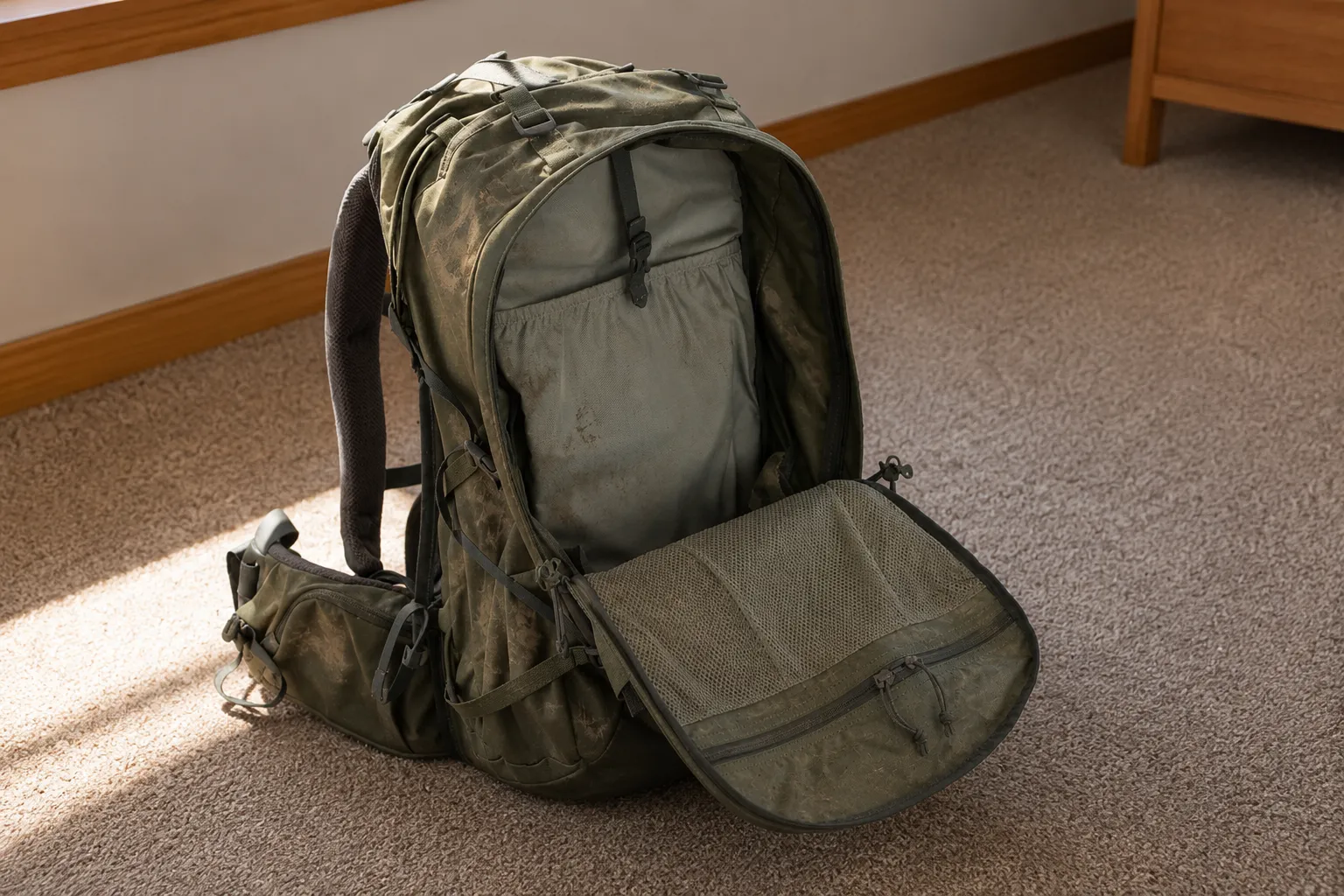
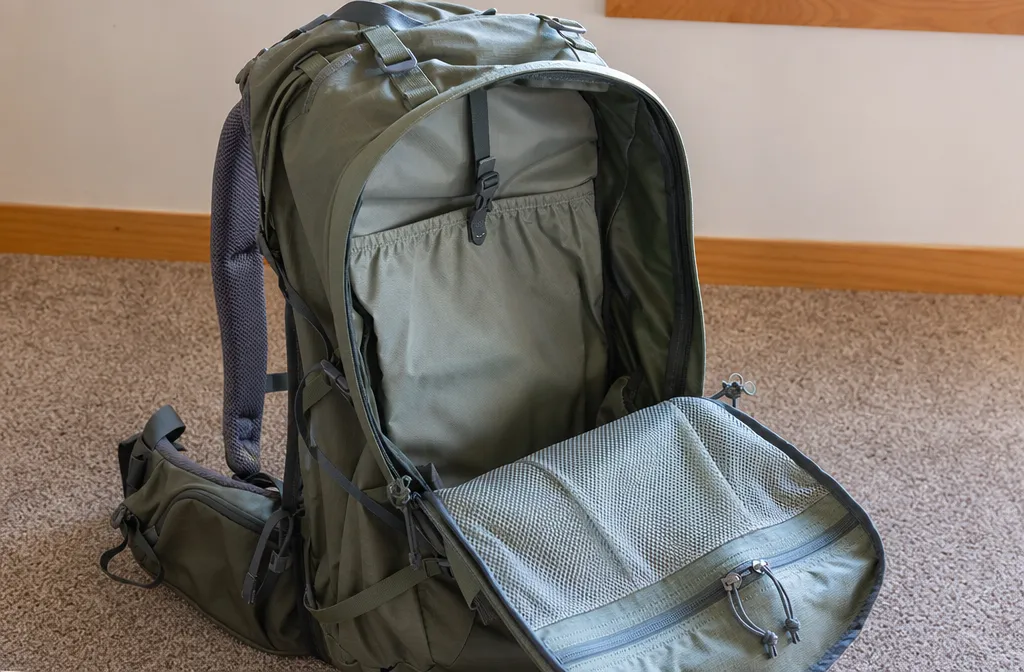 After
After
Request: Remove dirt and sweat odor from a large hiking backpack.
Done: Fabric cleaned from soil, odors removed, straps treated.
Cost: 14 000 ₸
Master: Aidar Kaliyev, dry cleaning master
Total: Backpack clean, odor-free, ready for new hikes.
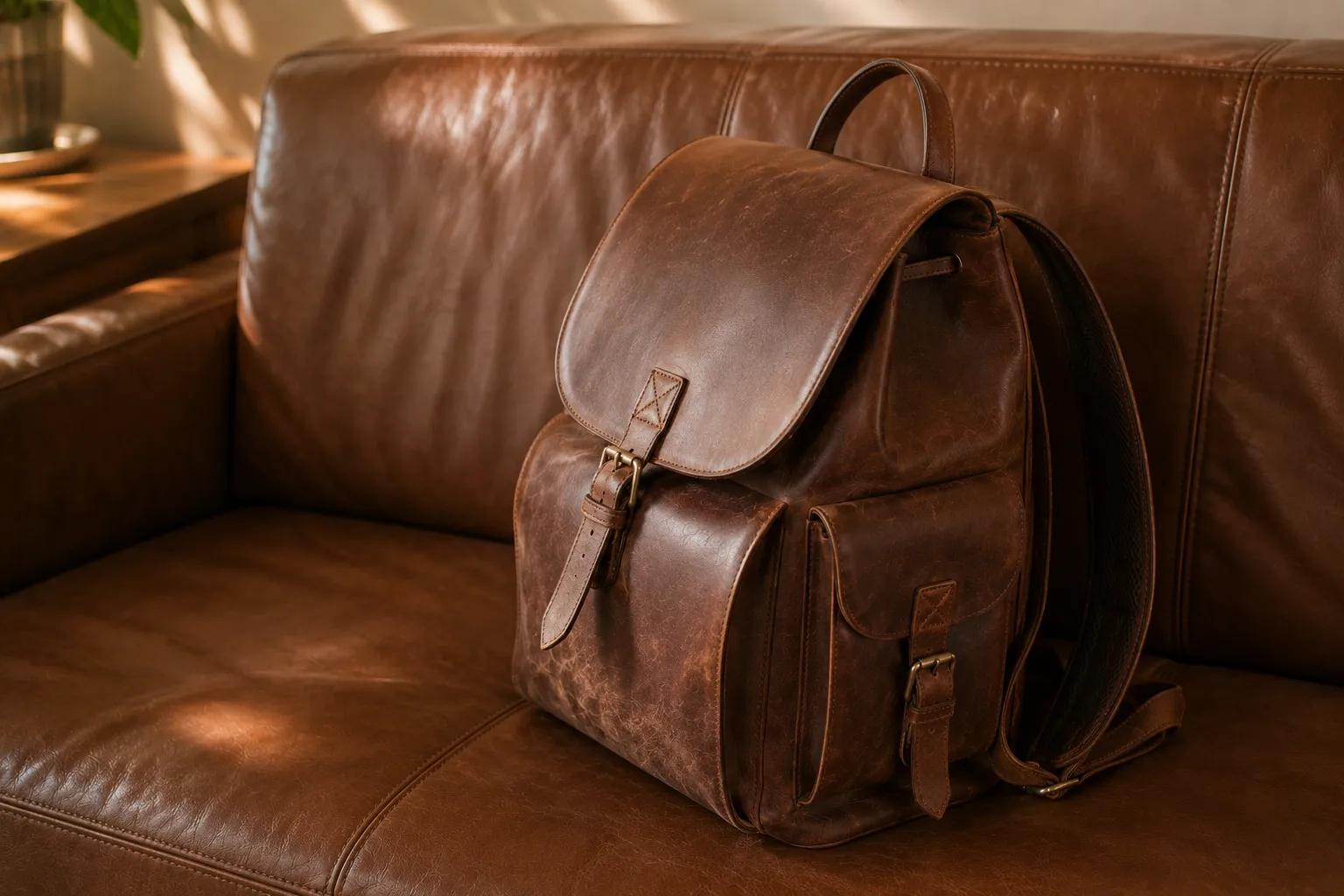
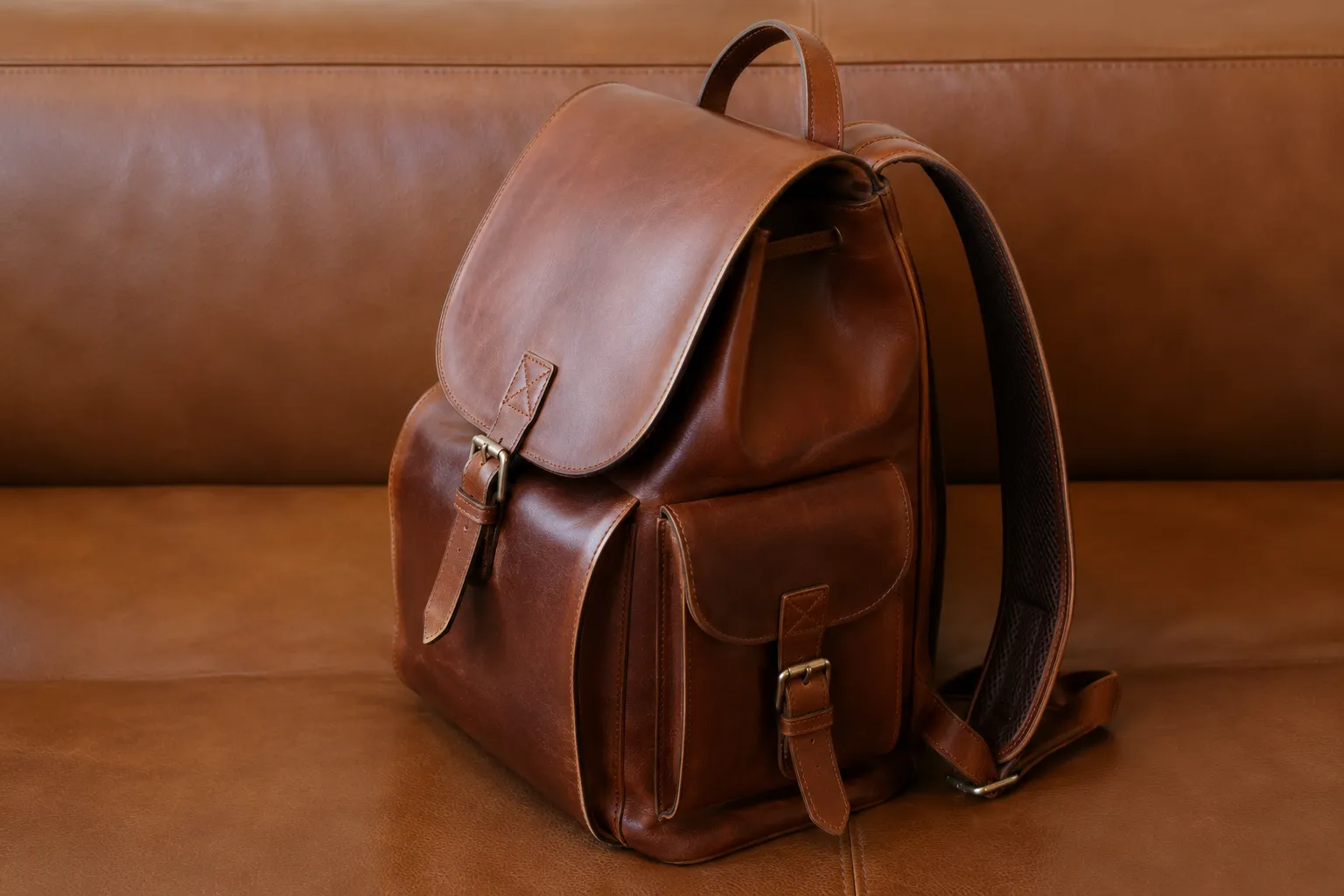 After
After
Request: Clean a leather backpack from salt stains and dirt.
Done: Salt stains removed, leather conditioner applied.
Cost: 13 000 ₸
Master: Gulmira Sadykova, dry cleaning master
Total: Leather soft, clean, no streaks, color restored.
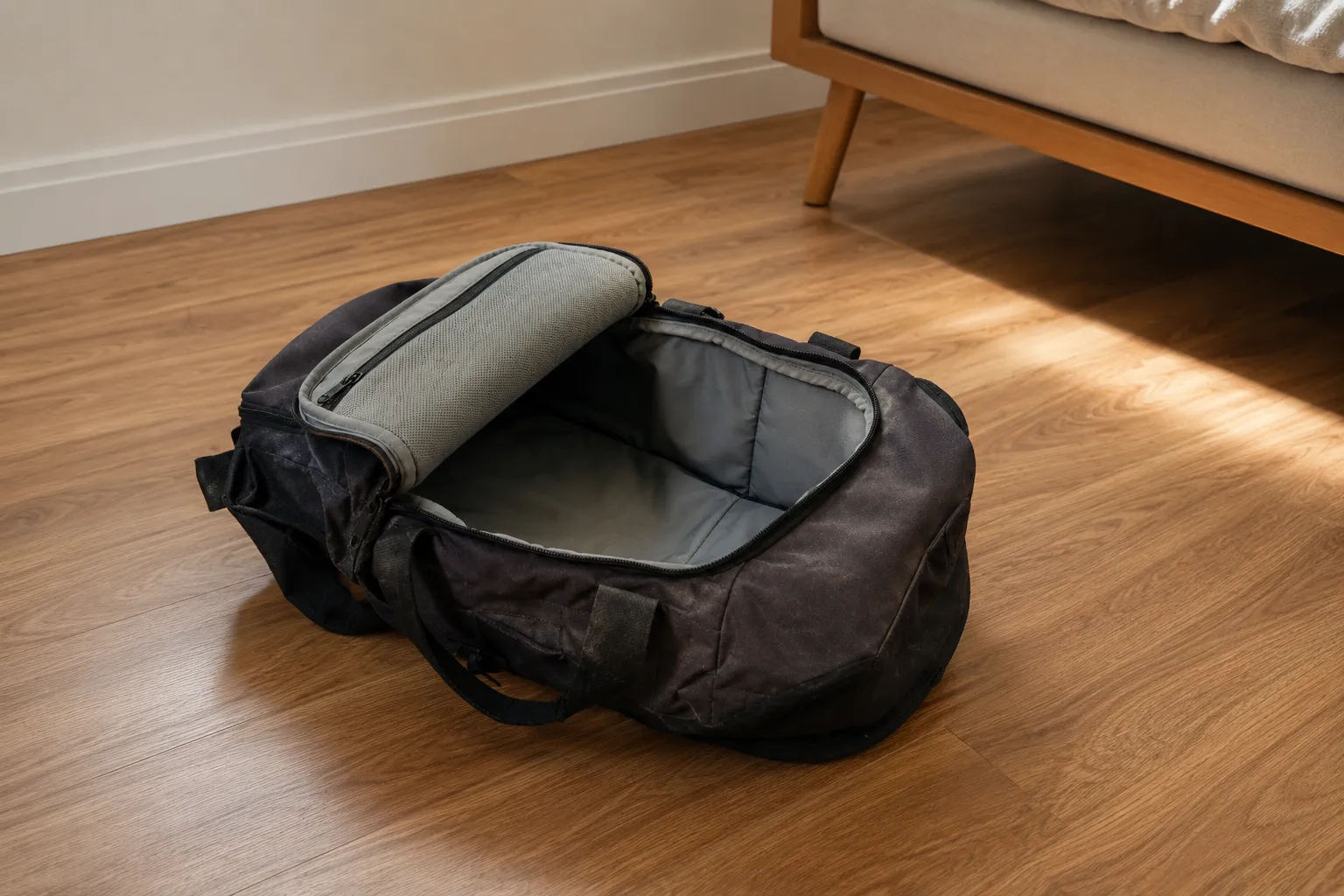
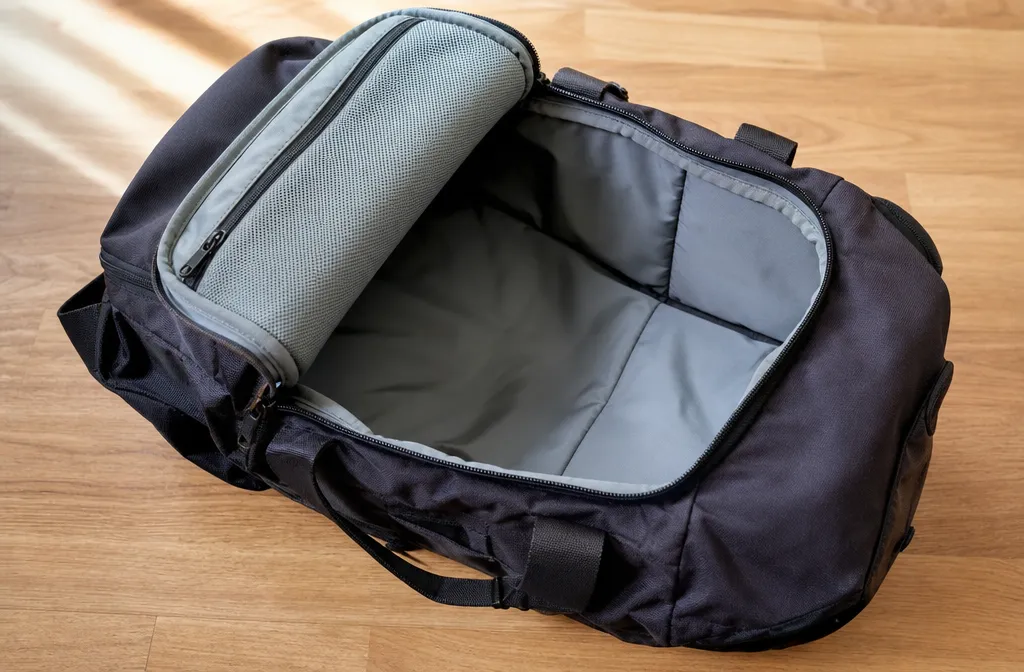 After
After
Request: Remove sweat stains and odor from a sports backpack.
Done: Deep cleaning performed, odors removed, lining treated.
Cost: 12 000 ₸
Master: Timur Zhaksybekov, dry cleaning master
Total: Backpack fresh, odor-free, ready for workouts.
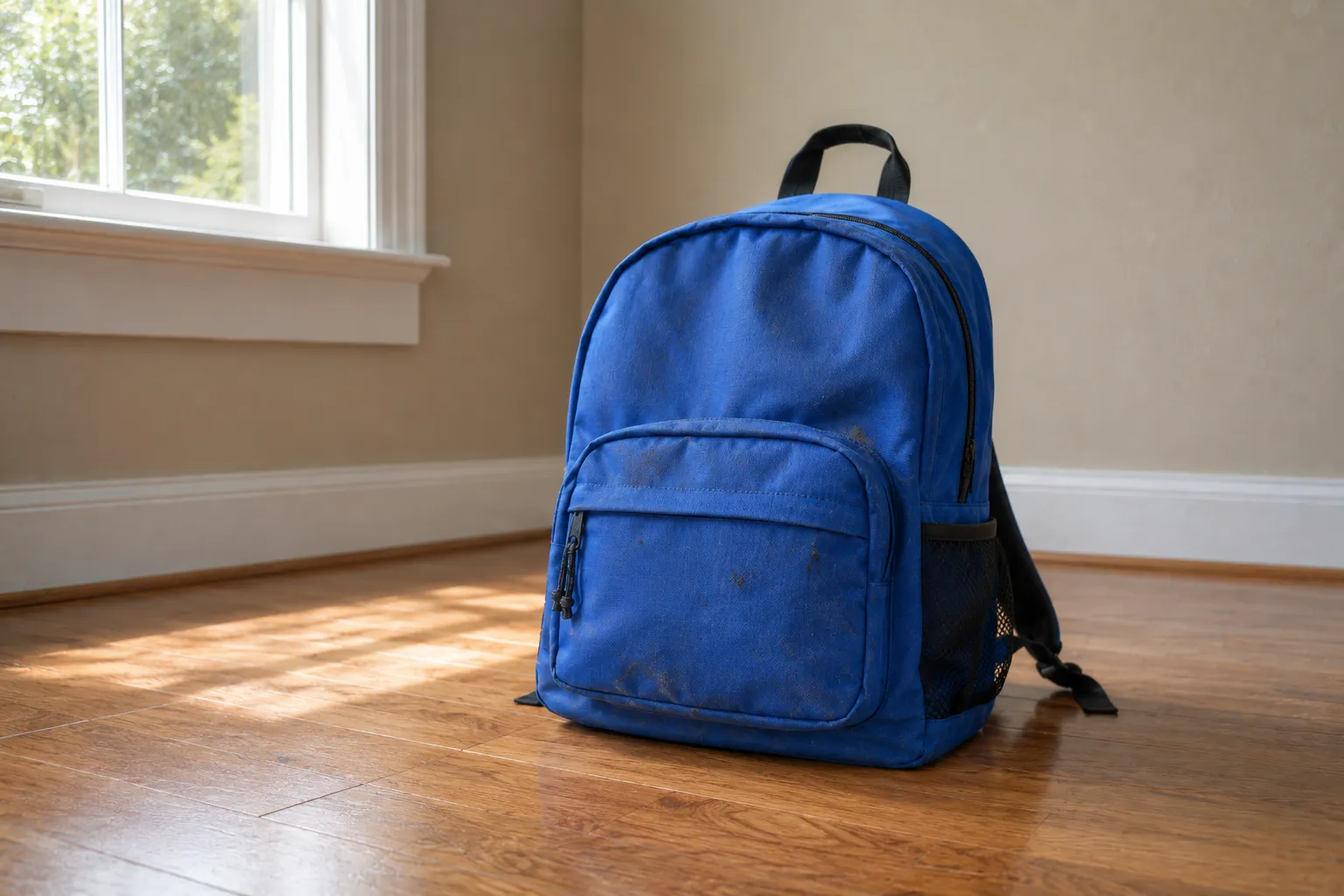
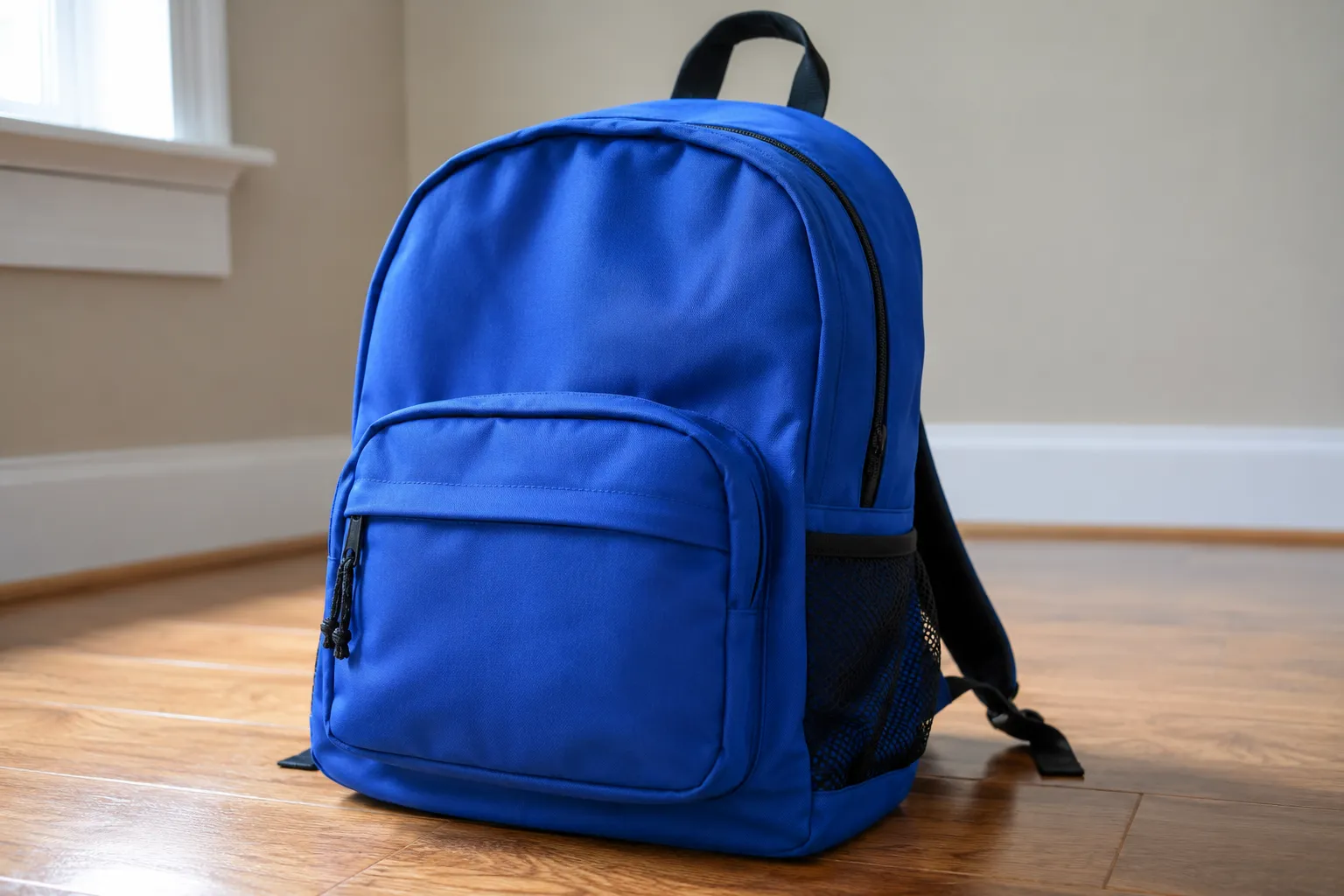 After
After
Request: Clean the backpack from dirt and juice stains.
Done: Juice stains and dirt removed, disinfection performed.
Cost: 14 000 ₸
Master: Aigul Nurgaliyeva, dry cleaning master
Total: Backpack is clean, bright, germ-free — your child is safe.
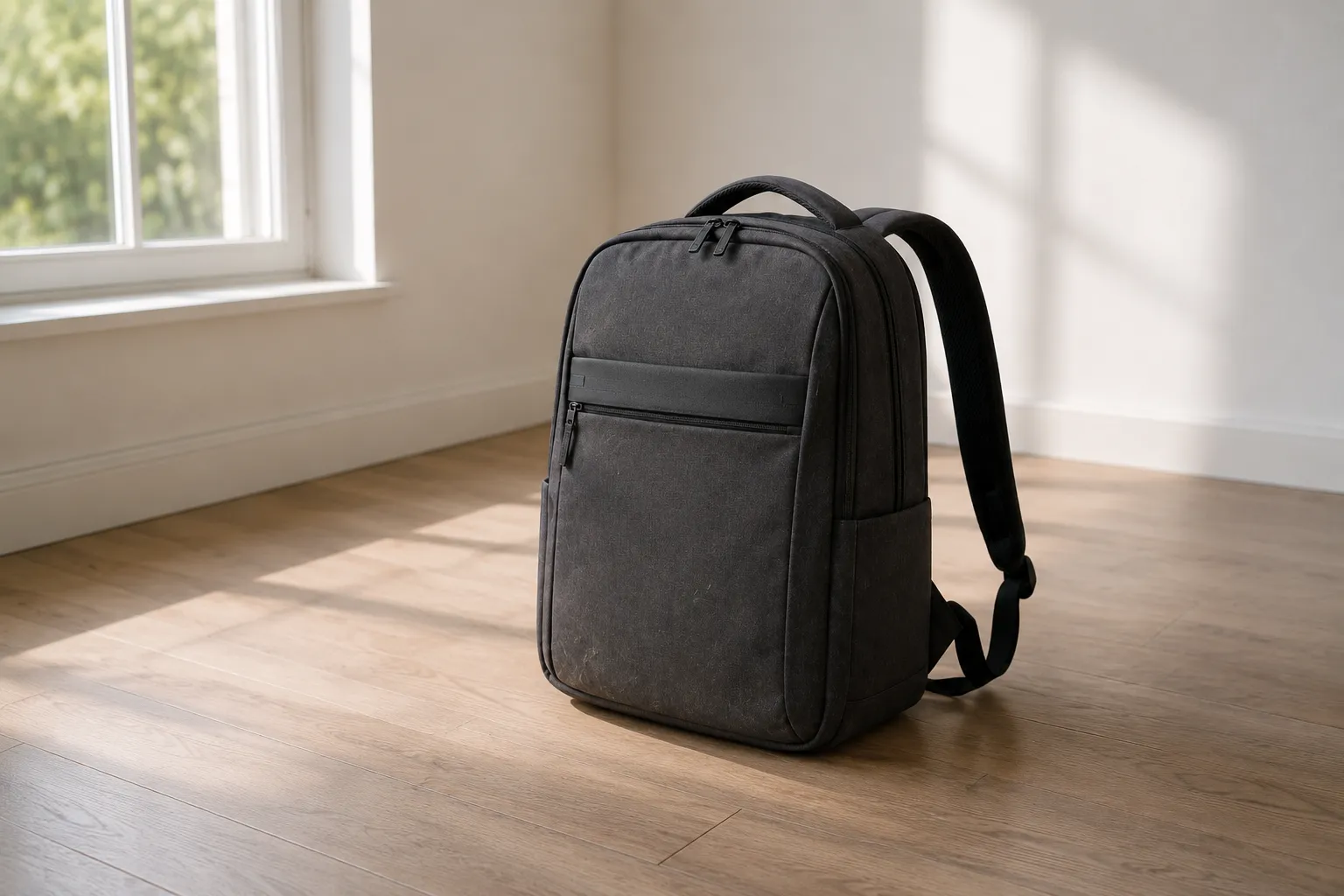
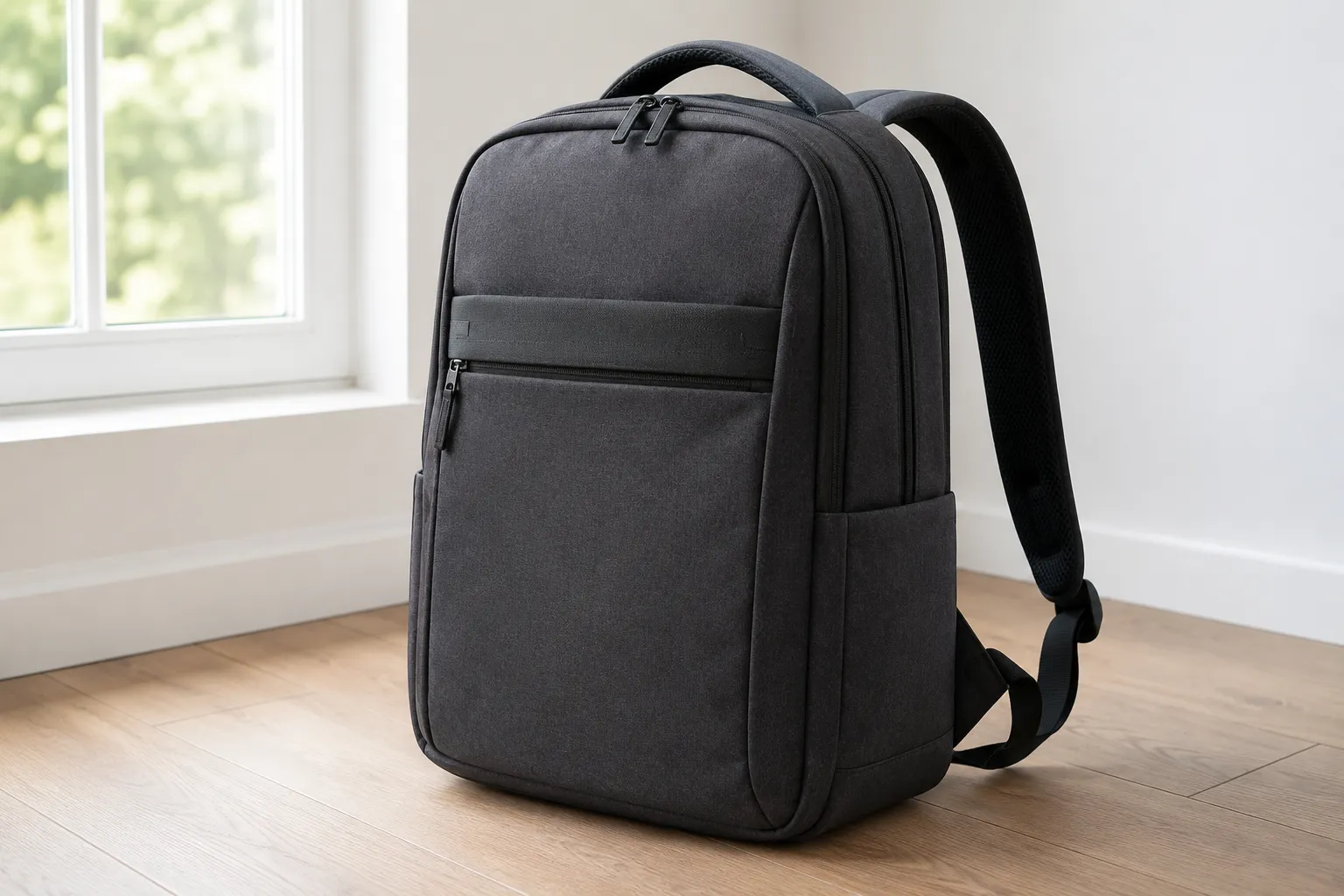 After
After
Request: Clean the laptop backpack from dust and grease stains.
Done: Fabric thoroughly cleaned, grease stains removed, zippers treated.
Cost: 15 000 ₸
Master: Aidar Kaliyev, dry cleaning master
Total: Backpack is clean, zippers work perfectly, no stains.
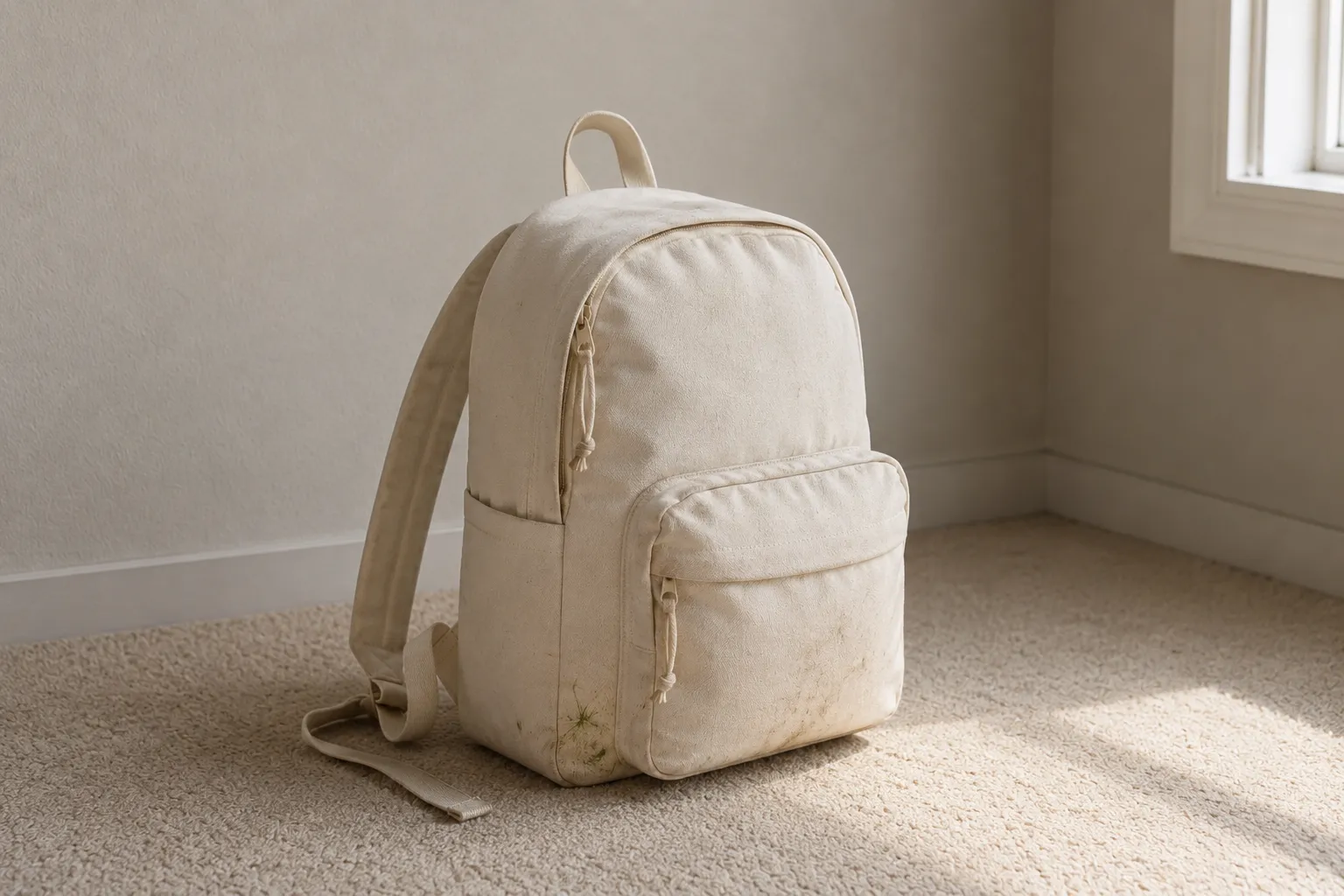
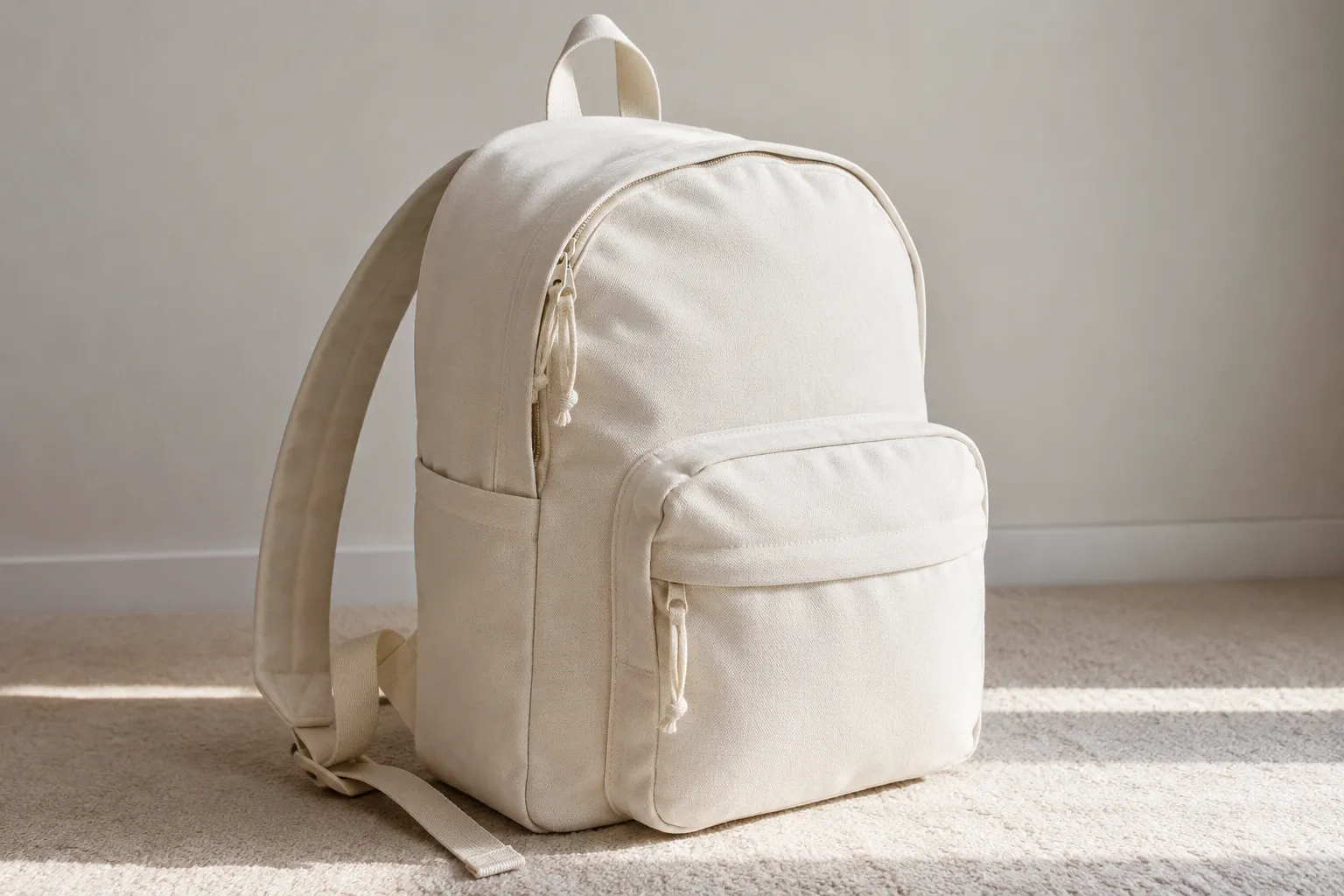 After
After
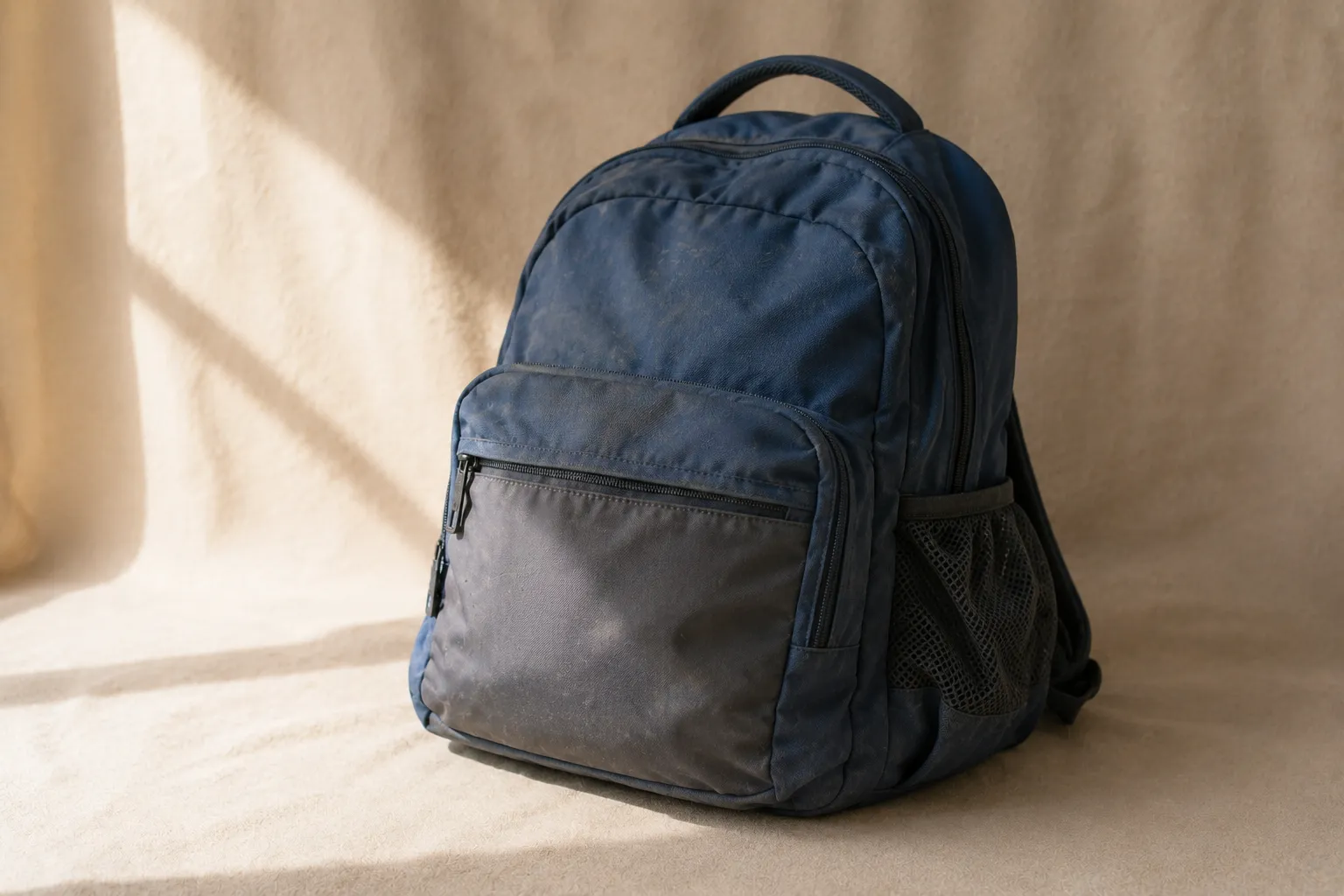
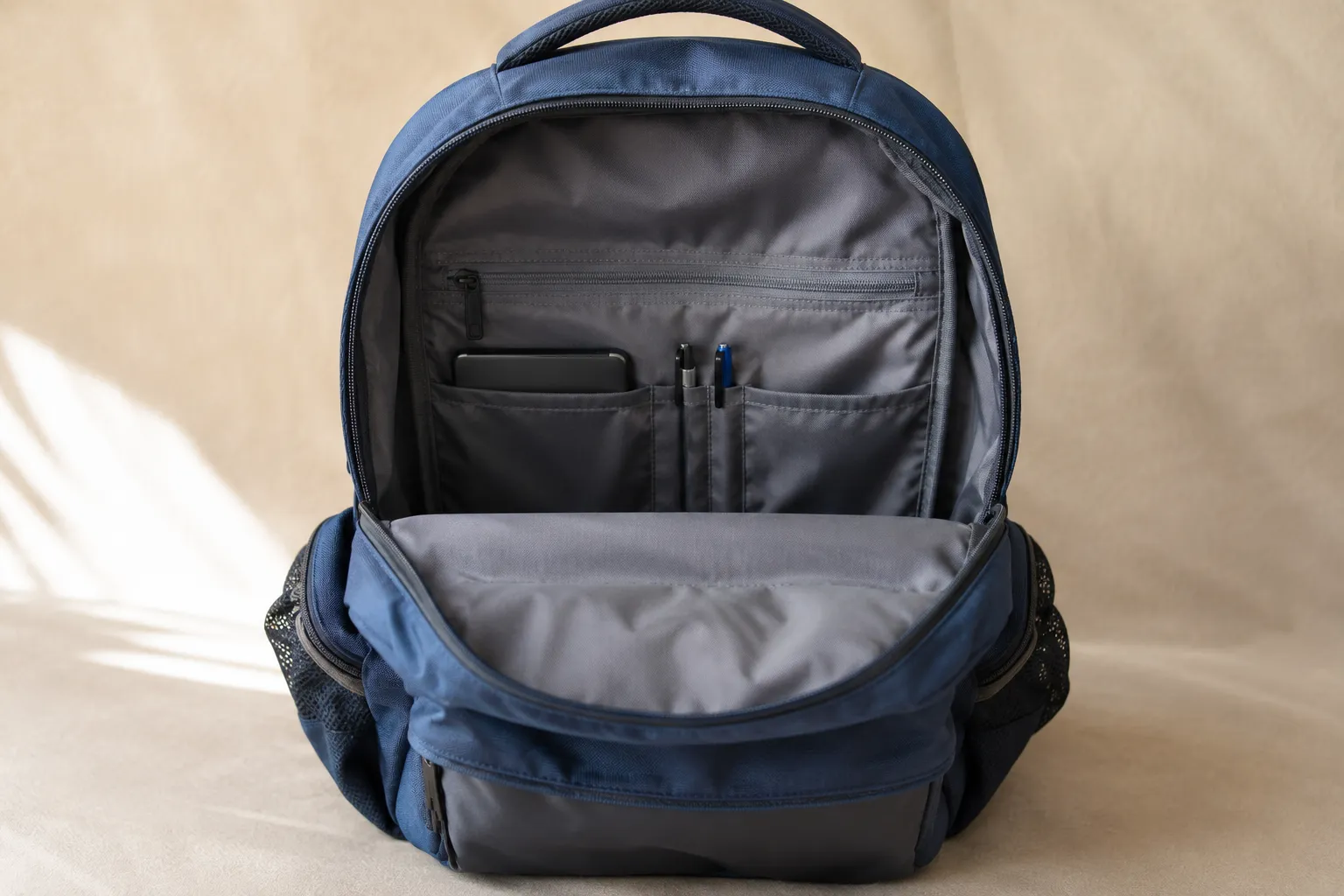
Request: Remove grass and food stains from the canvas backpack.
Done: Grass and grease stains removed, fabric refreshed.
Cost: 14 000 ₸
Master: Gulmira Sadykova, dry cleaning master
Total: Backpack is clean, stain-free, fabric is soft.
 After
After
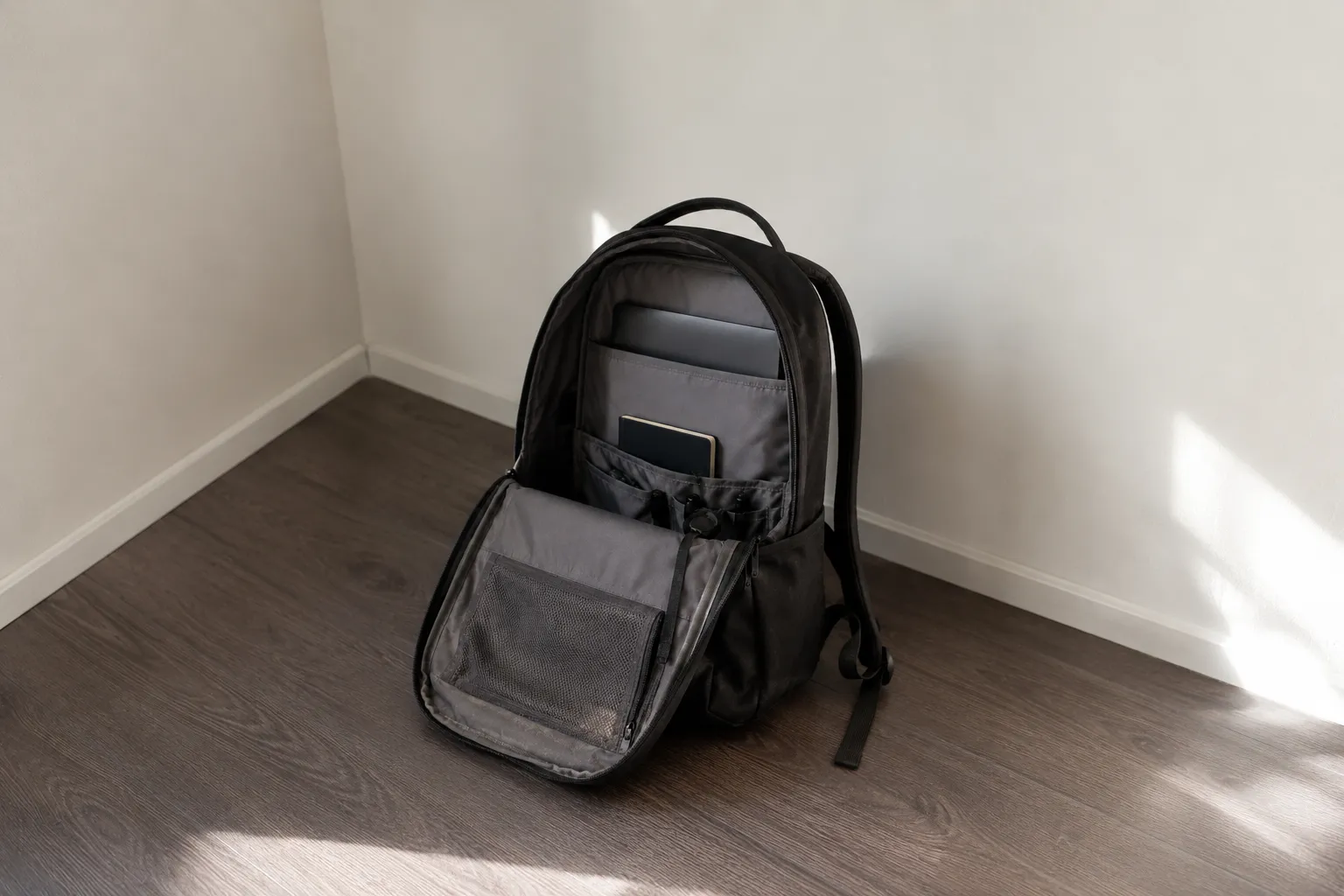
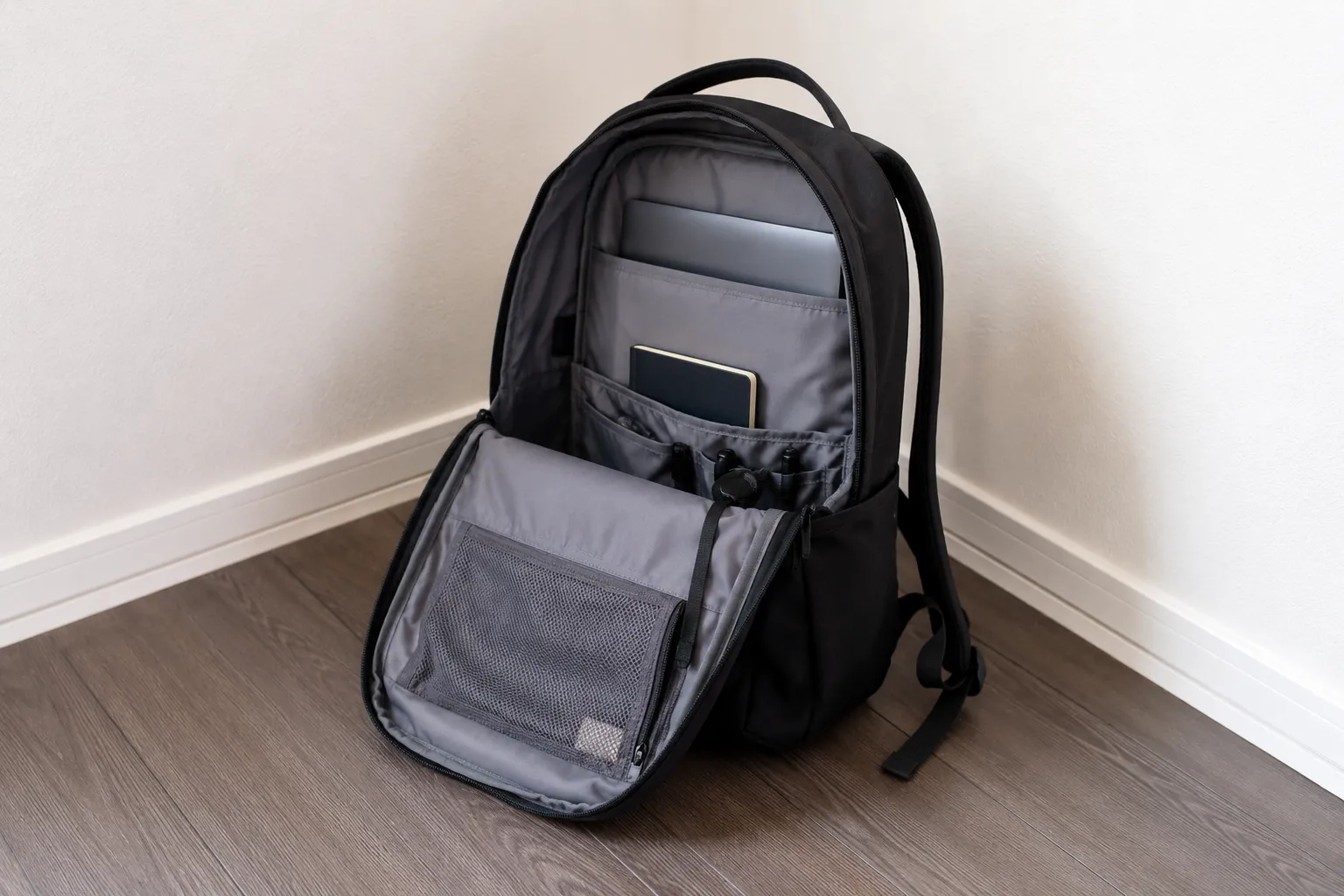
Request: Clean the nylon backpack from dirt and streaks.
Done: Deep cleaning performed, streaks removed, color restored.
Cost: 14 000 ₸
Master: Timur Zhaksybekov, dry cleaning master
Total: Backpack is clean, no streaks, looks like new.
 After
After
Request: Delicately clean the designer backpack made of expensive fabric.
Done: Hand cleaning performed with special products, texture preserved.
Cost: 13 000 ₸
Master: Aigul Nurgaliyeva, dry cleaning master
Total: Backpack is perfectly clean, fabric undamaged, premium look.
All cleaners are profi-clean staff with training, uniform and security check. Each order has a team leader who controls quality.
Many backpack owners in Almaty wonder: can you just toss the item in a washing machine and save on profi-clean services? At first glance — yes, but in reality, machine washing often destroys a backpack faster than years of wear. Let’s break down the difference and why professional backpack cleaning is the only safe way to extend the life of your accessory.
The washing machine drum is mechanical aggression: during a spin cycle at 800-1000 RPM, the backpack bangs against the walls, breaking the foam inserts in the straps and back panel. When wet, foam loses its elasticity: after 2-3 washes, the back panel stops holding its shape, straps become flat and lose their shock-absorbing ability. In our practice, there was a case where a client brought in a Deuter backpack after just one machine wash — the foam had turned into clumps that had to be cut out and replaced entirely. Even on a delicate cycle with a 400 RPM spin, the fabric experiences cyclic stress on the seams: threads fray, and the first to give way are the seams where the straps attach to the body. The problem worsens if the backpack has a rigid frame (like in trekking models from Osprey or Gregory) — the metal arch bends, and restoring the geometry is only possible in a workshop. So, if you want to preserve the anatomical fit of your backpack, machine washing is the worst solution.
Modern backpacks for Almaty often use membrane fabrics (Gore-Tex, eVent, Sympatex) or water-repellent DWR coatings. Laundry detergent with enzymes and phosphates destroys the molecular structure of the membrane: after 1-2 washes, the pores become clogged with detergent residue, and the fabric stops “breathing.” In practice, this means that on a rainy day, your shoulders sweat under the straps, and external moisture isn’t repelled — the backpack soaks through. At profi-clean, we use hypoallergenic chemicals from Kiehl and Sodasan — they contain no aggressive surfactants and won’t damage the membrane. For comparison: washing with regular detergent reduces the water-repellent properties of DWR coating by 60-70% after just one cycle, while professional cleaning followed by a fresh coating application restores protection to factory levels. If your backpack costs 50,000-100,000 tenge or more, saving on professional cleaning will lead to replacing the accessory within six months.
The most common scenario after machine washing is attempting to dry the backpack on a radiator or in direct sunlight. In Almaty, with its sharply continental climate, temperature fluctuations are especially damaging: synthetic fabrics (polyester, nylon) shrink unevenly when heated above 40°C — the back panel becomes wavy, and zippers warp. We’ve seen The North Face backpacks where, after drying on a radiator, the zipper only closed halfway. The second problem is moisture trapped inside the foam: if you don’t remove all the inserts (and many people don’t even know they’re there), water stagnates, and within 3-4 days, a musty mold smell appears that no fabric softener can remove. In profi-clean’s professional cleaning, we dry backpacks in ventilated chambers at 22-25°C with humidity control — this prevents deformation and biological damage. Before ordering cleaning, check if the company has industrial drying equipment: drying “on a hanger in the workshop” produces the same effect as drying at home.
Fastex buckles (three-pronged), plastic clips, and metal carabiners are the weak point in machine washing. In the drum, they bang against the walls and each other: plastic cracks, metal gets scratched, and the thin tongues of fastex buckles break at the base. After washing, the backpack might look clean on the outside, but you won’t be able to fasten the side compression straps — you’ll have to find replacement hardware. In Almaty, original fastex buckles (Duraflex, Woojin, ITW Nexus) aren’t available at every sewing supply store, and replacing them with cheap Chinese knockoffs won’t hold the load. At profi-clean, we remove all detachable hardware before cleaning and treat it separately by hand — this guarantees that no plastic element gets damaged. Note: if your backpack has reflective patches or heat transfers, machine washing will peel them off in a single cycle, and restoring the decoration is impossible.
Grease, acrylic paint, or spilled ink — each type of soiling requires its own chemistry and technique. In our 8 years of practice, we’ve developed an algorithm for the three most common “difficult” cases.
Oil (vegetable, motor, food grease) does not dissolve in water — laundry detergent simply spreads it across the fibers, and after drying, the stain turns yellow. Only molecular-level breakdown works: we apply a lipase-based concentrate (an enzyme that breaks down fats) from Kiehl to the stain, rub it in with a soft microfiber brush, and let it react for 15-20 minutes. Then, a damp cloth absorbs the emulsion, and the residue disappears without a trace. On synthetics (polyester, nylon), oil is removed in one pass; on cotton and linen, it may require two due to the fiber’s hygroscopic nature. In Almaty, we’ve encountered stains from kurt and kumis — these are animal fats that are harder to break down: for these, we use an alkaline pre-soak solution from Sodasan with a pH of 10.5. The main rule: do not rub an oil stain with a dry brush — you will push the grease deeper, making it twice as hard to remove.
Each type of paint requires its own solvent, and a mistake here is costly. Acrylic paint (the most common case in Almaty — from renovations or art classes) is removed with 70% isopropyl alcohol while fresh, and with a special glycol-based gel remover if dried. Oil-based paint is only tackled by white spirit or nitro solvent, but on delicate fabrics (silk, viscose), it destroys the dye — we test on a hidden area like a pocket seam. Water-based paint, despite its name, does not wash off with water after drying — it is removed with a melamine sponge with micro-abrasive, literally erasing the top layer of paint from the fiber. In our orders for backpack dry cleaning in Almaty, acrylic accounts for 70% of cases, oil-based for 20%, and water-based for 10%. On leather backpacks, we never remove paint with solvents — only mechanically, with polishing paste, to avoid stripping the coating. Before treating any type of paint, make sure the fabric doesn’t bleed: drop the solvent on a cotton pad and press it against the seam for 2 minutes.
Ballpoint pen ink is an oil-dye emulsion that penetrates deep into fibers within seconds. For a fresh stain (up to 30 minutes), we use 96% ethyl alcohol: a cotton pad is moistened, dabbed on the stain from the edges to the center, and changed every 10 seconds. Set-in ink (from days to months old) requires soaking in warm milk for 40 minutes — casein binds the dye, after which it is easily washed off with Sodasan soap solution. Gel pens leave stains that don’t react to alcohol — only 3% hydrogen peroxide combined with ammonia (2:1) works, but on colored fabrics, this mixture can lighten the background. Alcohol-based markers (permanent) are removed with acetone, but on nylon and polyurethane coatings, it leaves a matte spot — here we use medical-grade “Galosha” gasoline, which evaporates without a trace. In Almaty, a common case is ink from the Chinese brand Korona: it contains more pigment than European counterparts and requires three treatment cycles instead of one. Never use hot water on ink — it permanently fixes the dye into the fiber.
After profi-clean returns your backpack to perfect condition, proper final treatment and subsequent care lock in the results and prevent soiling from embedding again. We’ve compiled techniques that really work against Almaty’s dust, rain, and sharp humidity fluctuations.
Professional dry cleaning removes dirt but also washes away the factory-applied water-repellent layer. To restore protection, we use an aerosol impregnation spray like Collonil Carbon Pro or Nikwax TX.Direct — these are suitable for membrane and synthetic fabrics. We apply the product to a completely dry backpack from a distance of 20–25 cm, evenly covering the top, sides, and bottom. Special attention is given to seams and zippers — these are where moisture penetrates first. After impregnation, the backpack must dry for 12 hours at room temperature, away from radiators and heaters. In my opinion, leather backpack owners in Almaty often mistakenly skimp on impregnation, which is a shame: urban reagent dust in dry weather and sudden spring rains destroy leather in one season without protection.
Proper drying after dry cleaning is not just about “hanging it up and waiting.” The backpack should dry in an unfolded state, with compartments open and straps extended — we place rolled-up clean terry towels inside to maintain its shape. Direct sunlight is contraindicated: UV rays burn out the color in 2–3 drying cycles, especially on bright nylon backpacks. In the off-season, store the backpack in a fabric cover or a cotton pillowcase — a plastic bag creates a greenhouse effect, leading to mold on the inner lining. profi-clean handles mold with ozonation, but it’s easier to prevent its appearance: just air out the backpack on the balcony for at least an hour once a month on a dry day.
Between professional cleanings, we recommend wiping the backpack’s outer fabric with a soft microfiber cloth dampened in warm water with a drop of hypoallergenic Sodasan shampoo — this removes dust and skin oils from the straps and back. For suede and nubuck inserts, use a dry brush with brass bristles, moving in one direction along the surface. Vacuum the inner pockets every two weeks with a narrow nozzle attachment — crumbs and sand wear out the lining from the inside. If coffee or juice is spilled on the backpack, blot the stain with a dry napkin without rubbing, then treat it with a stain remover at home and bring it to us — an old stain will require not spot treatment but a full dry cleaning cycle with hardware disassembly.
In spring and autumn, Almaty has high humidity and sharp temperature fluctuations — a backpack left damp after rain becomes covered in streaks overnight. Before the rainy season, we advise renewing the hydrophobic impregnation, even if the backpack hasn’t undergone dry cleaning — just after a damp wipe-down with microfiber. In summer, on the other hand, the main enemy is UV radiation: bright sunlight burns out the color in 2–3 months of active wear, especially for budget models with polyester fabric. At profi-clean, we treat backpacks with a UV blocker before returning them to the client, but for daily protection, it’s enough to wear the backpack so that the side exposed to direct sunlight alternates — switch it from your right shoulder to your left every couple of weeks, and fading will be even and barely noticeable.
Even with perfect home care, a backpack requires professional cleaning every 3–4 months with active use. Signs it’s time to come to us: the straps start smelling of sweat even after airing out, white salt stains appear on the fabric after rain dries, or the inner lining has lost color on the back. In our practice, there was a case where a client brought in a backpack after six months — by then, dirt had embedded so deeply into the seams that we had to disassemble the hardware and clean each part separately. If you notice at least one of these signals, don’t wait — bring it in before the dirt becomes fixed by temperature and moisture.
Leather is a finicky material, and dry cleaning such a backpack requires a fundamentally different approach than working with textiles or synthetics. In Almaty, where dust, humidity fluctuations, and harsh sun quickly age leather, improper cleaning can ruin the item in a single cycle. Here are the key nuances we account for at profi-clean.
Natural leather is a porous material that absorbs moisture like a sponge when wet, and deforms and loses elasticity when drying. Machine washing is strictly contraindicated for it: the drum abrades the surface finish, the detergent washes out the oil-based impregnation, and the spin cycle creates creases that cannot be smoothed out. Even hand-soaking in a basin causes 3–5% shrinkage in length and width — for a backpack, this means distorted straps and loosening hardware. At profi-clean, we use only dry foams and emulsions with a pH of 5.5–6.5, which are applied to a microfiber cloth, not directly to the item. With this method, moisture content does not exceed 10% — the leather remains dry to the touch, does not lose its shape, and does not stiffen after drying.
Smooth leather (full-grain, with a polished surface) is relatively simple to clean: dirt is removed with a neutral foam, and the finish is restored with a conditioner containing carnauba wax. Suede and nubuck are a completely different story. They have a napped texture, and any friction pushes dirt deeper, while the wrong solvent “flattens” the nap, leaving unsightly shiny spots. For suede backpacks, we use a dry powdered enzyme compound that is applied for 20–30 minutes and removed with a brass-bristle brush — it lifts the nap without damaging it. Nubuck is additionally treated with an aerosol protector containing nano-silicon particles that repel water and dust. At the profi-clean workshop in Almaty, a separate set of products is used for each type of leather — mixing technologies for smooth and napped leather is not allowed, otherwise the item will be ruined.
The most common mistake is using alcohol-based wipes or acetone to remove stains. Alcohol instantly degreases the leather, leaving a light, matte spot where the stain was, which cannot be restored — only the entire backpack can be repainted. The second most common mistake is trying to scrub a stain with a dry brush: the abrasive scratches the top layer, and micro-cracks eventually turn into tears. The third mistake is applying shoe cream or a universal furniture conditioner: shoe products often contain silicones that clog pores, while furniture impregnations are not designed for the dynamic load of straps and back panels. In our practice in Almaty, there was a case where a client brought in a Prada backpack after treating it with an automotive leather conditioner — the material became sticky and started to peel. We had to remove the finish with a special solvent and apply a new one, which cost more than a standard cleaning. Therefore, the first rule is: if you don’t know the leather type and the composition of the product, don’t experiment — leave it to the professionals.
Microscopic dust particles, typical for Almaty, settle not only on the surface but also in the micro-cracks of the leather, acting as an abrasive with every movement of the straps. Over time, this leads to abrasion of the dye at the folds and points of contact with clothing. Ultraviolet radiation, especially during the summer months, accelerates fading — dark leather (black, dark blue) loses its richness in 2–3 seasons, while light leather (beige, gray) yellows unevenly. At profi-clean, after each cleaning, we apply a UV-blocking spray with SPF 30+, which does not change the shade but extends the life of the dye by 40–50%. Additionally, we recommend that clients store their leather backpack in a cotton bag, not a plastic one — leather needs to breathe, otherwise, in Almaty’s humidity (especially in spring and autumn), mold can appear on the inside, which cannot be removed without deep antifungal treatment.
Between visits to profi-clean, it’s enough to wipe your backpack with a dry microfiber cloth every 2–3 weeks to remove dust, and apply a wax-based conditioner once a month — it maintains elasticity and prevents cracking. It’s important not to use wet wipes for hands — they contain antibacterial additives that dry out the leather. If your backpack gets caught in the rain, blot it with a paper towel and let it dry at room temperature away from radiators and direct sunlight — sudden heat causes shrinkage and cracks. Straps made of natural leather require special attention: they accumulate sebum, which over time softens the material, and the strap may tear under the weight of your belongings. Treat the straps once a month with the same conditioner used for the main body — this doubles their lifespan.
The frequency of dry cleaning a backpack depends not on calendar dates, but on usage intensity, fabric type, and operating conditions — in Almaty’s dusty environment, the schedule shifts 30–40% more often than in regions with humid climates.
If you carry your backpack every day on the metro, bus, or taxi in Almaty — professional cleaning is needed every 2–3 months. The reason isn’t just visible dirt: road dust with micro-particles of tire rubber and reagents settles on the fabric, embedding into fibers and damaging the impregnation. In our orders, we’ve noticed that polyester backpacks develop a gray film after three months of daily use without cleaning, which can’t be removed with home remedies. On nylon models, dirt is less visually noticeable, but it accumulates in seams and under zippers — that’s where thread wear begins after six months. In my opinion, a reasonable interval is 10–12 weeks to prevent the DWR (Durable Water Repellent) coating from clogging with dust and continue repelling moisture. If this isn’t done, in autumn water will start absorbing into the fabric instead of beading up, and the backpack will take hours to dry.
A backpack used in the mountains of the Zailiysky Alatau or for out-of-town trips requires cleaning after each active season — that is, 1–2 times a year. The issue isn’t just sand and dust, but organic matter: sweat, skin particles, remnants of insect repellent and sunscreen create a favorable environment for bacteria inside the straps and back panel. In our practice, there was a case where an Osprey hiking backpack needed cleaning twice after one season of trips — the impregnation stopped working precisely due to the oily layer from sunscreen on the shoulder straps. Between trips, it’s enough to vacuum the inner pockets with a HEPA-filter vacuum cleaner once a month and air out the backpack on the balcony. Full dry cleaning is needed before winter storage — we remove all traces of organic matter, otherwise yellow spots may appear on the fabric after 3–4 months in the closet.
A kids’ backpack is a champion of dirt: it’s cleaned 2–3 times more often than an adult’s because it collects traces of food, juice, plasticine, markers, and street grime. The optimal schedule is every 4–6 weeks, especially in the autumn-spring period when children walk in wet shoes and place their backpacks on wet floors in locker rooms. At profi-clean, we recommend parents in Almaty not to wait until the child says the backpack smells — kids don’t notice sweat odor from the back and straps, but it appears within 2–3 weeks. If the backpack has reflective elements, they need to be cleaned especially carefully: harsh chemicals can erase the fluorescent layer, making the child less visible on the road in the dark. When dry cleaning a kids’ backpack at profi-clean, we always check for traces of saliva or chewing gum on the fabric — they attract ants and small insects if the backpack is left in the closet during holidays.
The backpack you use to carry spare shoes, a towel, and your gym clothes needs cleaning once a month — due to constant contact with sweat and bacteria. The damp environment inside the shoe compartment creates ideal conditions for fungus to grow, and if you clean such a backpack less often, the odor embeds into the fabric at a molecular level — it cannot be removed with household fabric softener. In Almaty fitness clubs, the humidity in locker rooms is above average, so sports backpacks here are often brought in with a black coating of mold on the inner bottom. If you notice that after a workout your backpack takes longer than 2–3 hours to dry, this is a sign that the fabric has lost its breathable properties due to pores clogged with dirt and sweat. In this case, dry cleaning using enzyme-based products (e.g., from Kiehl) restores the fabric’s structure, and the backpack dries again in 30–40 minutes. Between cleanings, it is helpful to wipe the inner shoe compartment once a week with a chlorhexidine spray — this inhibits bacterial growth until the next professional treatment.
I ordered dry cleaning for my backpack after a mountain trip — dirt and coffee stains were removed perfectly, the backpack looks like new.
Thank you, Aigerim! We're glad we restored your backpack's freshness.
My son brought the backpack covered in paint and plasticine — they cleaned everything, I couldn't even believe it. Very satisfied.
I gave my leather backpack for dry cleaning — scuffs were removed, but a slight smell remained. Overall good.
Daniyar, thank you for your feedback. Please note, we offer additional deodorization.
They cleaned my favorite kangaroo backpack — coffee stains disappeared, the fabric didn't fade. Great!
I had my gym backpack dry cleaned — sweat smell is gone, protein stains removed. Thank you!
Yerlan, glad to help! We look forward to seeing you again.
My daughter stained her backpack with markers — they washed everything off, I didn't even think it was possible. I recommend it.
The backpack dry cleaning didn't handle old oil stains — only lightened them a bit. Disappointing.
Kuanysh, we apologize. For such stains we recommend pre-treatment. Contact us, let's discuss.
My fur backpack became fluffier and cleaner after dry cleaning — it's a miracle!
I gave my laptop backpack for dry cleaning — they cleaned dust and ink, zippers work perfectly.
Timur, thank you! We handle tech with care.
I was afraid to give my expensive designer backpack, but the result exceeded expectations — clean, no streaks.
I ordered dry cleaning for my camera backpack — they removed dust and grass stains, inside is perfect.
Alexey, thank you for your trust! Your gear is safe.
My Hungarian backpack looks like new after dry cleaning — all stains removed, color vibrant.
Backpack dry cleaning was good overall, but one oil stain didn't come out. The rest is great.
Nurlan, thanks for the feedback. Oil requires special treatment — we can repeat it.
The sling backpack looks like new after dry cleaning — sauce stains are gone, fabric didn't shrink.
Had dry cleaning done on my bicycle backpack — dirt and oil removed, smell gone. Great!
Sergey, glad you're satisfied!
We gave the embroidered backpack for dry cleaning — worried about the decor, but everything intact, embroidery bright.
Dry cleaning of tool backpack — dirt cleaned, but one pocket remained slightly damp. Overall okay.
Ruslan, thank you. We'll monitor drying next time.
Eco-leather backpack shines after dry cleaning, scratches removed. Very high quality.
I gave my ski backpack for dry cleaning — removed salt and dirt, musty smell gone. Thanks!
Kanat, we'll be happy to help with gear!
My transformable backpack is like new after dry cleaning — all zippers work, no stains.
Dry cleaning didn't handle the paint stains — just smeared them. Expected more.
Arman, we apologize. Paint is difficult to remove; we recommend consulting paint removal specialists.
Picnic backpack is clean after dry cleaning, grease stains gone. Great!
Ordered dry cleaning for a fishing backpack — they removed the fish and algae smell, and got rid of scale stains.
Vladimir, thank you! We know how important freshness is.
My daughter's sequin backpack sparkles after dry cleaning, not a single sequin fell off. A miracle!
Dry cleaning for a hunting backpack — they removed the game smell well, but faint traces of blood stains remain.
Bakhtiyar, thank you. We use special products for blood — you can repeat the service.
We sent a backpack with appliqué for dry cleaning — all details are intact, colors became brighter. I recommend it.
Had dry cleaning for a boxing backpack — sweat and dirt were removed, the smell is gone. Super!
Yerzhan, glad to help!
My printed backpack became brighter after dry cleaning, no stains. Very satisfied.
Dry cleaning for a skateboard backpack — they cleaned the dirt from wheels, but scratches remain. Overall okay.
Aslan, thank you. Unfortunately, we don't remove scratches, but we can recommend a restorer.
I was afraid to send my beaded backpack, but the dry cleaning was done carefully — beads are in place and shiny.
I gave my bicycle backpack for dry cleaning — they removed dirt and oil, inside is fresh. Excellent!
Ilyas, thank you! We'll be glad to see you again.
Backpack with bead embroidery after dry cleaning is clean, beads did not fall off. Very neat.
Dry cleaning of backpack from mold — smell is gone, but stains remain. Disappointed.
Medet, we apologize. Mold is difficult to remove completely; we recommend ozone treatment.
Suede backpack after dry cleaning became soft, water stains removed. Excellent!
Ordered dry cleaning for hiking backpack — dirt and resin removed, fabric not damaged.
Bekzat, thank you! We look forward to seeing you.
Backpack with company logo after dry cleaning became clean, logo did not wear off. High quality.
Dry cleaning of swimming backpack — chlorine smell removed, but zipper became tighter. Overall okay.
Dauren, thank you. We will treat the zipper with silicone on your next visit.
My backpack with crystals after dry cleaning sparkles, all stones in place. Delight!
Usually 1-2 days, including drying. Express cleaning is possible in 4-6 hours (50% surcharge).
Leave a request on the website or call. Our courier will pick up the backpack or you can bring it to the office.
Yes, express cleaning is done in 4-6 hours. The cost increases by 50%.
On average 2-4 hours in a ventilated area. Leather backpacks take longer to dry — up to 12 hours.
We offer free courier pickup in Almaty when ordering under an individual tariff.
Yes, we work daily from 9:00 AM to 8:00 PM, including Saturday and Sunday.
Yes, for express cleaning — in 4-6 hours. Regular cleaning — the next day.
Cash, Kaspi Gold, Halyk Bank, Visa/Mastercard cards.
Yes, delivery in Almaty is free when ordering under an individual tariff. For smaller amounts, it's charged individually.
This is rare, but if a smell remains, we will re-treat it for free. We use ozonation to eliminate odors.
Tell us about your experience with profi-clean — it helps other clients and us improve.
We currently operate in Almaty. Other cities are coming soon.