What is the difference between cleaning after aerosol disinsection and fogging
Different methods of treating premises against insects leave fundamentally different residues on surfaces — and the approach to cleaning after disinsection in Almaty depends on what was used for treatment and where. Aerosol, cold fog, and gel produce different types of deposits, toxicity levels, and ventilation times. Let’s break down three key scenarios and show how we at profi-clean tailor cleaning to each one.
How insecticide settles during aerosol treatment
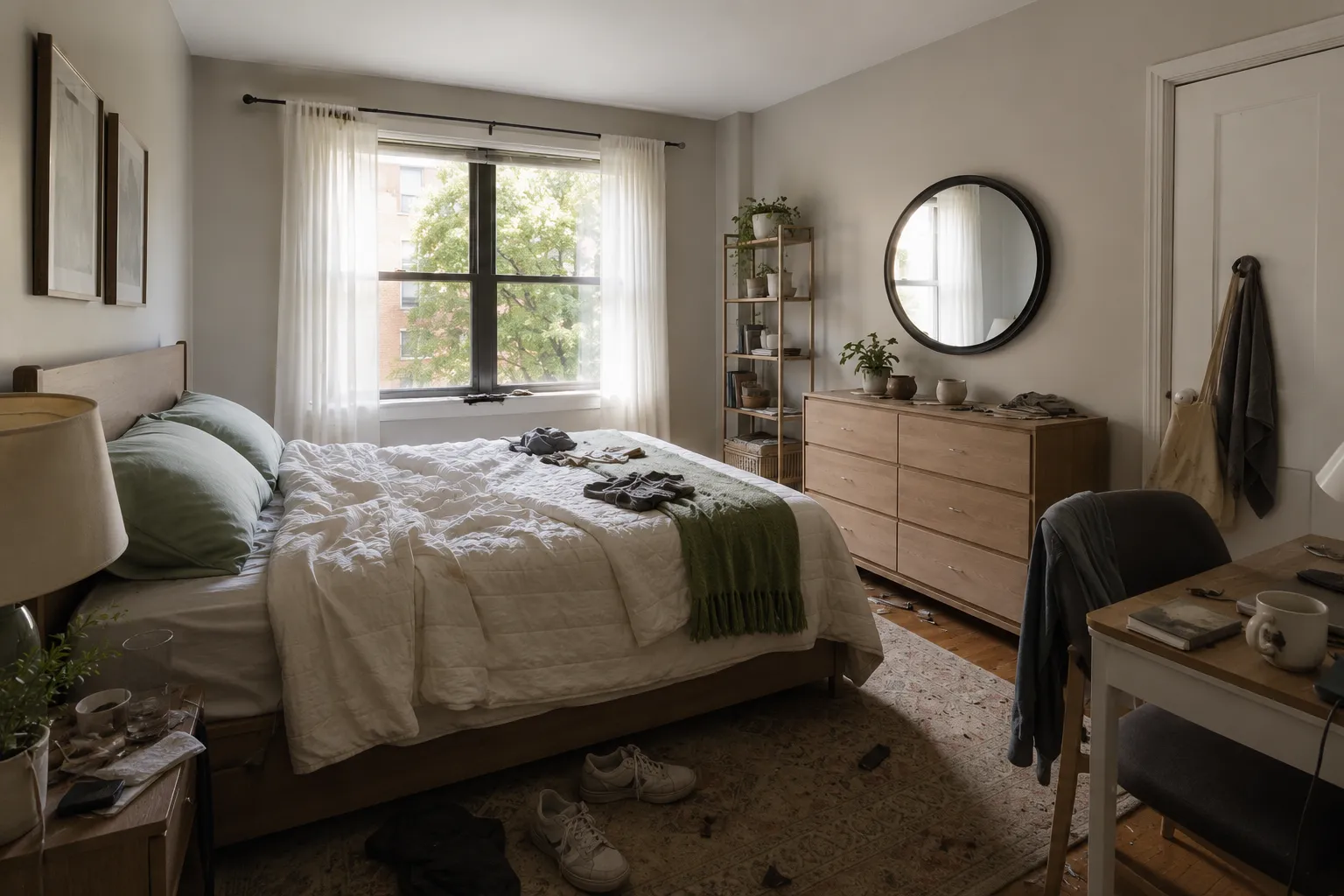
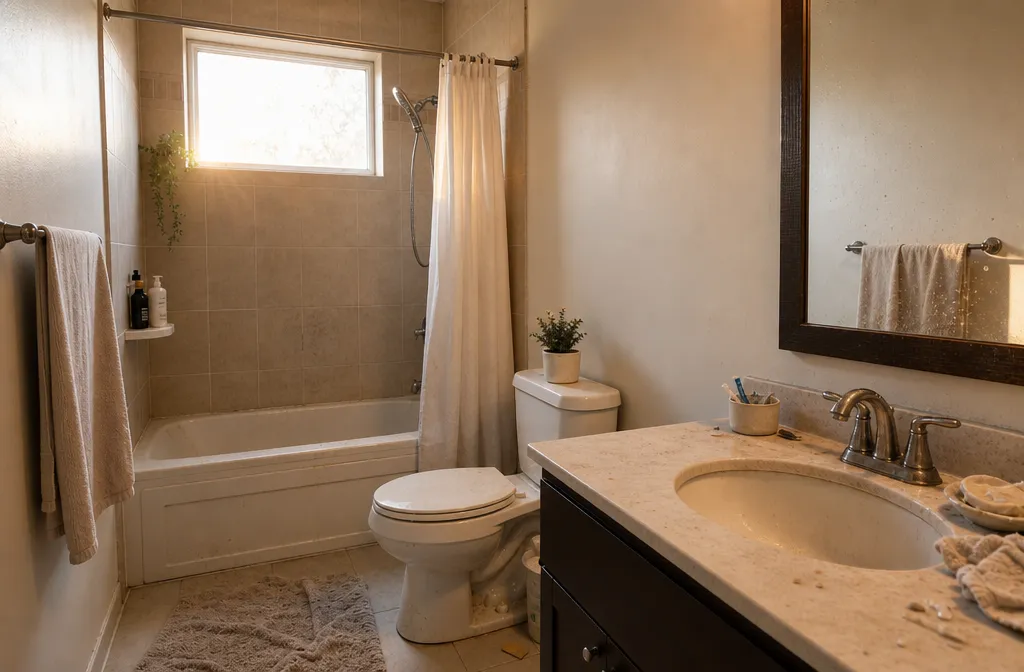
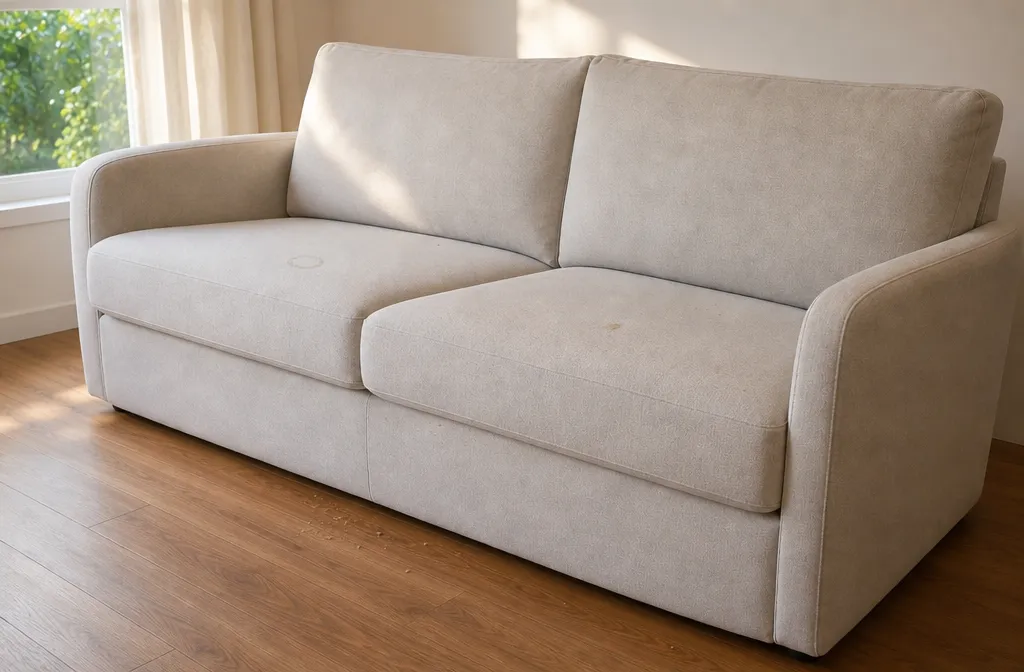
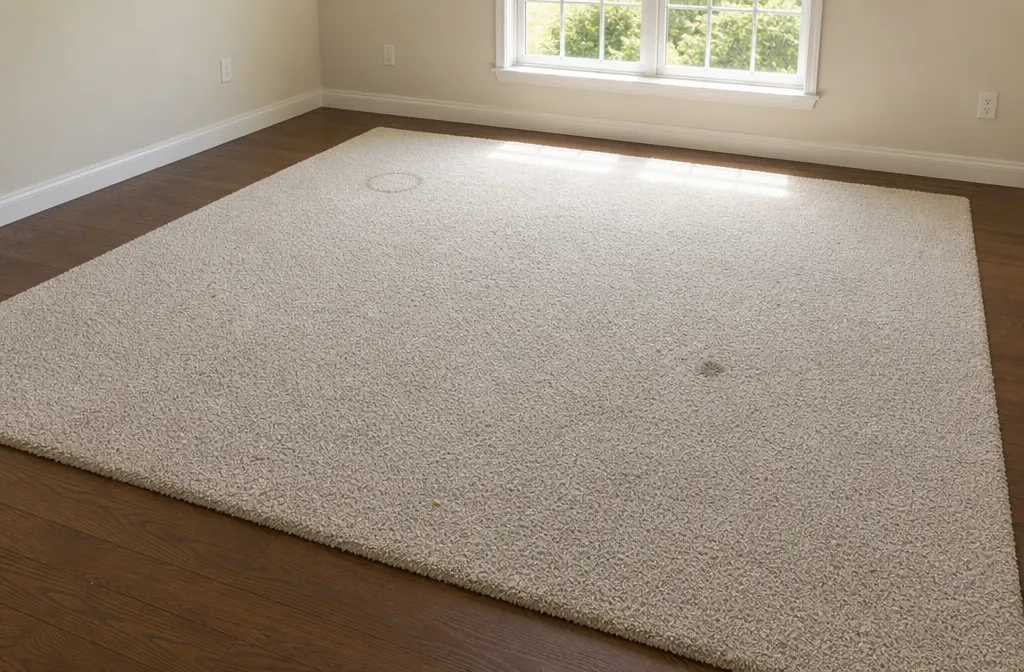
Aerosol disinsection leaves an oily, sticky film of tiny insecticide droplets on surfaces — the product is sprayed under pressure and settles on everything, including vertical walls, ceilings, and the insides of cabinets. In our practice in Almaty, this type requires the most thorough removal: after aerosol, a visible greasy residue remains on glass, plastic, and polished furniture. We remove it in two passes: first, we collect the bulk with a dry microfiber cloth, then we use a damp cloth with a hypoallergenic Kiehl product that neutralizes pyrethroid residues without smearing. It is important not to use alkaline compounds — they react with the insecticide, forming whitish streaks. Our technician checks every area with a UV flashlight: uncleaned zones glow yellow.
Residue after cold fog and its features
Cold fog leaves a lighter, almost invisible residue — droplets 10–30 microns in size evaporate faster than aerosol and leave a thin crystalline film on surfaces, noticeable only on glossy surfaces at a certain angle. In apartments with stretch ceilings in Almaty, we observed that after fog treatment, a matte residue remains on PVC fabric that regular water cannot remove — an alcohol-based solution is needed to dissolve the crystals. The danger lies elsewhere: fog penetrates into baseboard gaps, behind kitchen backsplashes, and inside ventilation ducts, where the insecticide remains active for up to three weeks. Therefore, our protocol includes not only washing open surfaces but also blowing out ventilation with a compressor followed by wet treatment of all corners. If this is not done, a chemical smell will appear in the room within a month — especially in hot weather when the crystals evaporate again.
Why gels and traps require almost no cleaning
Gel baits and glue traps are a spot method: the product is applied in drops in areas where insects travel and is not sprayed into the air. After such treatment, it is enough to wipe only the zones where the gel was applied (usually 5–10 spots in the kitchen and bathroom) and vacuum the floor — no general cleaning is needed. In our orders in Almaty, this option is chosen for prevention when cockroaches are already gone but clients want to consolidate the result. However, we warn: gel does not work against flying insects and does not penetrate nests in walls — it is useless for widespread infestations, and cleaning after disinsection may still be needed if aerosol was used in parallel. In practice, we have encountered situations where a client ordered only gel and then called us for a full cleaning a week later — after neighbors used aerosol, and the chemicals seeped through the ventilation.
Difference in ventilation time and re-entry into the premises
Aerosol requires a waiting period of 3–4 hours before airing and at least 6–8 hours before starting cleaning — during this time, droplets settle, and volatile components partially dissipate. Cold fog is safer: airing can be done after 1–2 hours, and cleaning can begin after 3–4 hours because the concentration of the active substance in the air drops faster due to the smaller droplet size. In Almaty during summer, with outdoor temperatures of +35°C, we recommend increasing the pause by an hour for both types — heated air slows down fog condensation, and part of the product remains airborne longer. Gel and traps have no time restrictions — you can stay in the room immediately after application, but children and pets should be kept away from application sites for 24 hours. We record the exact re-entry time in the acceptance certificate and always duplicate it to the client via WhatsApp message — this eliminates disputes if any household member has a reaction to residual chemicals.
How we adapt the protocol to the treatment type
For each cleaning order after disinsection in Almaty, we request a photo of the product packaging or the name of the agent used for treatment from the client — based on the active ingredient, we determine which solvent is needed for neutralization. If it is cypermethrin (the basis of most aerosol products), we use a weakly alkaline solution with a pH of 8.5 — it hydrolyzes the pyrethroid within 5–7 minutes of contact. For deltamethrin (often used in foggers), only neutral organic compounds based on citrus oils are suitable — alkali does not work. We carry test strips to determine the pH of the residue on glass: if the medium is acidic, we use one composition; if alkaline, another. In October, we had a case in an apartment on Abay Avenue: the client treated the room with a bug fogger, and we arrived with a protocol for an aerosol — we had to change the chemicals on-site because the residue turned out to be crystalline, not oily. Since then, we ask for photos of the treatment before departure — this saves an hour of the team’s work.
Table: Key Differences of Three Disinsection Types for Cleaning
| Parameter |
Aerosol |
Cold Fog |
Gel / Traps |
| Residue Type |
Oily sticky film, visible to the naked eye |
Thin crystalline film, noticeable only on glossy surfaces |
Spotty droplets, invisible on dark surfaces |
| Time Before Cleaning Starts |
6–8 hours |
3–4 hours |
Immediately, but isolate application zones for 24 hours |
| Main Risk |
Streaks after alkaline chemicals |
Residue in ventilation and crevices |
Accidental removal of gel by pets |
| Required Tool |
Microfiber + UV flashlight |
Compressor for blowing out + alcohol-based composition |
Only a cloth and vacuum cleaner |
| Frequency in Our Orders in Almaty |
~60% |
~30% |
~10% |
Before we start cleaning, we always check the residue type with a test wipe on glass: if a greasy mark remains, a two-phase protocol with preliminary dry cloth collection is needed; if only a matte finish remains, a single-phase wet treatment is sufficient. This check takes two minutes but eliminates chemical overuse and repeat visits.
Which Agents Effectively Neutralize Insecticides
Insecticide residues after treatment are not just a visible deposit but a chemical film that continues to evaporate and come into contact with the skin. At profi-clean, we select neutralizers based on the type of active substance: pyrethroids, organophosphates, or microcapsules.
Alkaline Solutions for Pyrethroid Preparations
Pyrethroids (cypermethrin, lambda-cyhalothrin, permethrin) are the basis of most aerosol and fog treatments in Almaty. These compounds are stable on surfaces for up to 3–4 weeks but break down in an alkaline environment at pH 9–10. In our practice, a soda solution of 2 tablespoons per liter of warm water is most effective — it hydrolyzes the ester bonds of pyrethroids, converting them into non-toxic salts. Industrial agents based on sodium carbonate (e.g., Kiehl Neutral) work faster: 10 minutes of contact is sufficient compared to 20–30 minutes for baking soda. However, alkali cannot be used on varnished floors, polished stone, or aluminum surfaces — it leaves a whitish residue and dulls the coating. On such surfaces, we use a neutral pH balance of 7–8 with an enzyme enhancer that breaks down the pyrethroid film without damaging the varnish.
Alcohol-Based Compositions for Organophosphates
Organophosphate insecticides (diazinon, fenthion, chlorpyrifos) are mainly used by professionals in offices and warehouses in Almaty — they are more toxic than pyrethroids but degrade faster. Residues of these substances are best dissolved with isopropyl alcohol at a 70% concentration: it emulsifies the oily base in which the active ingredients are dissolved. It is difficult to wash off organophosphates with water — they disperse poorly, leaving a sticky film that subsequently collects dust. On kitchen surfaces and plastic, alcohol is safe, but on acrylic paints and polycarbonate, it can cause cloudiness — there we use a water-alcohol emulsion at a 1:3 ratio with the addition of a nonionic surfactant. After alcohol treatment, ventilation for 30–40 minutes is mandatory because isopropanol vapors themselves irritate mucous membranes — this is especially relevant in closed studio apartments in Almaty.
Enzyme Neutralizers for Microencapsulated Suspensions
Microcapsules (e.g., based on chlorpyrifos in a polymer shell) are a modern trend among Almaty pest control stations: they work for up to 6–8 weeks, gradually releasing the poison. Regular cleaning products cannot remove them — the capsules are mechanically held in the pores of surfaces. Only enzymatic hydrolysis works here: proteases and lipases break down gelatin and polymer shells, after which the active substance is washed away with plain water. In our arsenal, we use the professional concentrate Sodasan Enzymatic — it contains a complex of bacterial proteases that work at 30–40°C. An important nuance: enzymes lose activity upon contact with bleach and acids, so preliminary disinfection with chlorine-based products is done only after enzyme treatment, not before — otherwise, the microcapsules will remain intact and continue to poison the air.
Mistakes when choosing a neutralizer
The most common mistake we see in Almaty is trying to wash off insecticides with vinegar or citric acid. Acid does not hydrolyze pyrethroids; instead, it preserves them: pH 3–4 stabilizes ester bonds, and residues become fixed on the surface longer. The second mistake is using chlorine-based bleaches: sodium hypochlorite reacts with pyrethroids, forming organochlorine compounds, some of which are more toxic than the original insecticide. The third is using a steam cleaner without prior chemical treatment: steam at 130–150°C melts the microcapsules but does not destroy the active substance, and it evaporates into the air in high concentration. In our orders from the average price range, we always check what the pest control specialist used and select a neutralizer for the specific preparation — there is no universal “insecticide wash-off,” and trying to save on analysis leads to residents returning a week later with complaints of headaches and a sore throat.
Are chemical residues dangerous for children and pets?
After pest control in an apartment, a chemical film of insecticides remains — and the question of its safety for children and pets worries every family. We break down the real risks, the breakdown time of toxins, and how to reduce the danger to zero.
How do insecticides differ by toxicity class for a child?
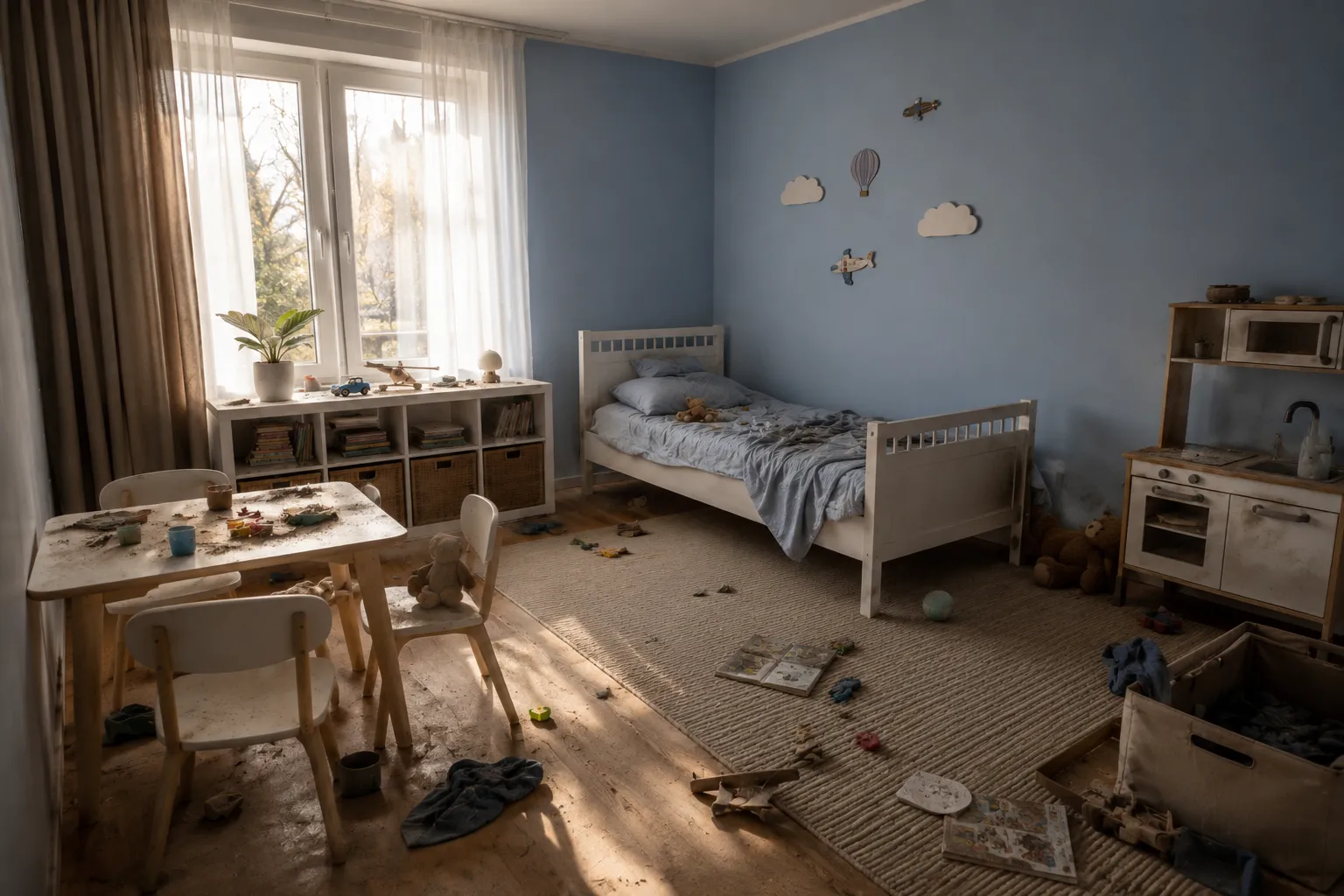
All insect control products are divided into four hazard classes according to WHO. In residential premises in Almaty, products of the 3rd and 4th classes are used — moderately and slightly hazardous. But for a child under three years old, even the 4th class carries a risk: toddlers put their hands in their mouths, rub their faces against floors and carpets, and their liver and central nervous system are 3–5 times more sensitive to pyrethroids (permethrin, cypermethrin) than an adult’s. Our cleaners use microencapsulated suspensions when treating children’s rooms — they fix onto surfaces and prevent dust drift. According to our observations, the residual concentration on the floor in a children’s room after proper pest control drops below the chronic toxicity threshold within 4–6 hours, but we recommend not letting the child into the room for at least 8 hours and performing a wet cleaning with a soda solution before their return — this removes the last 0.1–0.3% of residue that could cause contact dermatitis on delicate skin.
How do insecticides affect cats and dogs?
Cats are fundamentally more vulnerable to pyrethroids than dogs due to the lack of the enzyme glucuronyltransferase — their metabolism of permethrin is slowed to up to 72 hours compared to 12–24 hours in humans. For a 10 kg dog, the acute toxic dose of permethrin is about 100–150 mg/kg; the typical concentration of a working solution during pest control is 0.05–0.1%, meaning 5–10 mg of dry substance remains per 1 m² of floor. A cat will lick this dose off its paws in one grooming session — and receive 0.5–1 mg/kg, which is below the LD50 but causes hypersalivation and tremors in 15–20% of sensitive individuals. In our practice, there was a case where a Siamese cat started circling in place after pest control in the bedroom — the symptoms subsided 3 hours after washing its paws and mouth with soapy water. Therefore, before starting work, we always ask to isolate pets for 12 hours and treat their feeding areas and bedding only with steam without chemicals — this is the only way to rule out even subclinical poisoning.
Which surfaces retain residual toxicity the longest?
Fabric and porous surfaces retain insecticides 10-15 times longer than smooth ones — sofas, carpets, mattresses, and soft toys. On cotton, permethrin remains active for up to 14-21 days at room temperature, on synthetic pile — up to 30 days if dry cleaning is not performed. A child sleeping on a sofa or playing on a carpet receives daily micro-contact: about 2-5% of the residue is absorbed through the skin, and another 1-3% through breathing. For pets, the situation is worse — a cat or dog lies on the carpet for 12-16 hours a day, and transdermal intake increases to 8-12% due to constant contact with fur and paw pads. Our measurements after cleaning show: treating carpets and upholstered furniture with a steam generator at 120°C reduces the insecticide concentration on the carpet from 8-12 mcg/g to 0.3-0.5 mcg/g in one pass — this is a level at which even allergic children do not experience a reaction. Ignoring dry cleaning of soft surfaces after disinfection means leaving the family at risk for a month ahead.
The mistake that makes residues three times more dangerous
The most common mistake residents make is washing floors with bleach or vinegar immediately after disinfection. Chlorine (sodium hypochlorite) reacts with pyrethroids to form 3-phenoxybenzoic acid — a metabolite that causes severe skin irritation in 30-40% of people upon contact and bronchospasm in asthmatics when inhaled. Acetic acid, on the other hand, fixes the insecticide on the surface: pH 2-3 denatures emulsifiers, and permethrin crystallizes into microparticles that are not washed off with water — residual toxicity increases 2.5-3 times compared to a neutral detergent. In Almaty apartments with tap water pH 7.8-8.2, we use a slightly alkaline solution (pH 8.5-9.0) based on soda ash — it hydrolyzes the pyrethroid bond without toxic byproducts. If you have already washed the floor with bleach, the only safe solution is a repeat treatment after 24 hours with a soda solution (2 tablespoons per 5 liters of water) and ventilation for 2-3 hours, otherwise residues of chlorinated derivatives will continue to evaporate for another 48-72 hours.
How often to clean after repeat treatments
Repeat disinfection is standard practice for persistent infestations, and cleaning after it requires a different schedule than after the initial treatment. We have broken down three cleaning frequency scenarios in Almaty.
Weekly cycle after two treatments with a 7–14 day interval
If the exterminator performs two treatments one to two weeks apart (standard protocol for cockroaches and bed bugs), wet cleaning with insecticide neutralization is done twice: 3–4 days after the first spraying and 2–3 days after the second. The first cleaning removes the top layer of the chemical film without disturbing the “protective barrier” in baseboards and cracks — this is left for the duration of the product’s effectiveness (usually 7–10 days). In Almaty, where high humidity in older homes (microdistricts “Tastak”, “Zhetysu”) causes insecticides to dissipate 10–15% faster, the second cleaning is moved a day earlier. In practice, this means: the first cleaning on day four, the second on day nine, to prevent the accumulation of organophosphate residues on kitchen surfaces.
Daily light cleaning in food zones with triple treatment
With three treatments at 5–7 day intervals (a protocol for heavily infested sites — catering, canteens, food warehouses), a full cleaning with wall washing and waste removal is done after each spraying, and in between — light wiping of countertops, shelves, and thresholds with a hypoallergenic Sodasan solution without alcohol. At profi-clean, we recommend that our clients in Almaty cafes on Zharokova Street wipe contact surfaces daily (cutting boards, refrigerator handles) even on days between cleaner visits — this reduces the risk of pyrethroids getting into food by 3–4 times. A deep clean with replacement of exhaust hood filters is performed on the fifth day after the last treatment, when the active ingredient has completely broken down into safe metabolites.
Schedule for monthly preventive treatment
If disinsection is repeated monthly (typical for private houses in the suburbs of Almaty — Kargaly, Uzynagash, Irgeli), cleaning is carried out once a month immediately after the preparation has aired out — on the 3rd–4th day after spraying. With this regimen, insecticides accumulate in the dust layer on cabinets and mezzanines, so deep cleaning with washing of all horizontal surfaces at a height of 2 meters is mandatory once a quarter. For homeowners with basement spaces, we recommend cleaning the ground floors twice a month — chemical residues linger there twice as long due to poor ventilation, as confirmed by measurements of pyrethroid levels in the air after “cold fog” treatments.
Features of cleaning after disinsection in Almaty (climate, housing types)
The Almaty climate — sharply continental with a humid foothill microclimate — directly affects the rate of insecticide dissipation and the choice of cleaning techniques after disinsection. Let’s break down how housing type and weather conditions change the approach to cleaning.
Impact of high humidity and temperature fluctuations on the insecticide film
In Almaty, the average air humidity ranges from 55% in winter to 68% in summer, and in microdistricts at the foot of the Zailiysky Alatau (Aksai-1, Duman, Gorny Gigant) — up to 75-80% in the morning hours. At such humidity, water-soluble insecticides (pyrethroids, neonicotinoids) remain active on surfaces longer — the half-life period extends by 20-30% compared to the dry climate of Astana. At profi-clean, we use not just water for neutralization, but an alkaline solution with a pH of 8.5-9.0 (based on Sodasan Universal Cleaner), which breaks down residues even at 75% humidity. In winter, when central heating is turned on in apartments and the air dries out to 30-35%, the insecticide film crystallizes faster and is easier to remove with a dry microfiber cloth — but only on smooth surfaces (laminate, tile). On porous materials (unpainted plaster, drywall), the film absorbs deep into the material, and without wet treatment with an enzymatic agent (Kiehl K300), it remains active for 7-10 days. Before leaving for an order in high-humidity microdistricts, we increase the neutralizer exposure time by 5-7 minutes.
Types of housing in Almaty and their impact on cleaning tactics
The housing stock in Almaty is diverse: panel Khrushchev-era buildings (microdistricts Tastak-1, Orbita), brick Stalin-era buildings (city center, Panfilov Street), monolithic new buildings (Akbulak, Gorny Gigant), and private houses with basements (Alatausky district, Kargaly). In panel houses, the walls are concrete with low porosity — insecticides remain on the surface and are removed in a single pass with a microfiber cloth. In Stalin-era buildings with brick plastered walls, chemicals absorb into the plaster by 2-3 mm — requiring double wet treatment with a 15-20 minute interval. In new buildings, the problem is stretch ceilings: during aerosol treatment, the insecticide settles on the PVC film and cannot be rubbed with abrasives — only a lint-free cloth with a neutral solution, otherwise streaks appear. Private houses have their own specifics: basements and ground floors (in Almaty, due to the proximity of groundwater, they are often damp) require treatment not only of walls but also of the floor along the perimeter — there, the insecticide mixes with dust and dirt, and we use an industrial vacuum cleaner with a HEPA filter before wet cleaning. Owners of apartments in old houses with gypsum plaster should request extended wall treatment from profi-clean — a standard pass may not be enough for complete removal.
Seasonal factors: spring floods and summer heat
In spring (March-April) in Almaty, the groundwater level rises — especially in the Kamenka and Zhetysu-1 microdistricts — and humidity in basements and on ground floors reaches 85-90%. Under such conditions, the insecticide film does not dry naturally in 2-3 hours as stated in the instructions, but remains sticky for 12-14 hours. For spring orders, we use infrared lamps to locally dry walls before neutralization — this speeds up the process by 30%. In summer, at +35°C in the shade, especially in the southern part of the city (Gorny Gigant, Microdistrict A), insecticides evaporate faster, but their vapors concentrate in unventilated rooms — before cleaning, we require opening windows for 20-30 minutes. In autumn, during the rainy season (September-October), on open balconies and loggias, the insecticide is washed off by precipitation directly onto the facade — there we additionally treat slopes and window sills from the outside to avoid re-introducing chemicals indoors. If your home is located in a frequent flooding zone (Kamenka, Kulager), schedule cleaning after disinsection for a dry week — or order our service with a heat gun to dry the walls before washing.
Mistakes typical for Almaty apartments
The most common mistake is attempting to remove insecticide from the kitchen backsplash and tiles with chlorine-containing products (“Belizna”, Domestos). In Almaty, tap water is hard (8-10 mg-eq/L), and chlorine reacts with insecticides, forming insoluble organochlorine compounds — they remain on the tiles as a white residue and can irritate the respiratory tract. The second systemic mistake is washing wooden floors (parquet, planks) in old houses (Orbita, Tastak) with water without special chemicals: the insecticide gets into micro-gaps between the boards, and a month after treatment, the smell returns when air humidity increases. At profi-clean, we use only dry microfiber with a neutralizer spray on parquet — without spilling water. The third mistake is related to ventilation: in Almaty apartments from the Soviet era, ventilation ducts are often clogged, and insecticide settles inside the grilles — when the exhaust fan is turned on, the smell returns. Our cleaners remove the grilles and wash them separately in the sink with Kiehl enzyme cleaner. Owners of apartments with wooden floors and old ventilation should better coordinate an extended package with profi-clean right away — the cost does not increase dramatically, and the result is secured from the first time.