Fabric inspection
Carefully inspect the item, determine the fabric type and degree of pilling. Record any defects.
Restore your sweaters, coats, and knitwear to perfect condition without damaging the fabric

We work with any types and materials
Remove pills from any sweaters: wool, cashmere, acrylic — without damaging the knit.
from 2,800 ₸Treat wool and cashmere coats, preserving the fabric structure.
from 8,000 ₸Carefully cut pills from cardigans, including buttons and plackets.
from 2,800 ₸Gently remove pills from turtlenecks without stretching the collar.
from 2,800 ₸Treat knitted dresses of any length and style.
from 4,000 ₸Clean pills from pullovers, restoring their neat appearance.
from 2,800 ₸Remove pills from knitted vests, including small details.
from 2,500 ₸Treat scarves made of wool, cashmere, and synthetics.
from 1,500 ₸Carefully cut pills from knitted hats, preserving the shape.
from 12,000 ₸Clean pills from blankets, suitable for large knitted items.
from 2,500 ₸Remove pills from suit jackets without damaging the fabric.
from 6,000 ₸Treat fleece suits for pills, preserving softness.
от 4 500 ₸From inspection to result with guarantee
Carefully inspect the item, determine the fabric type and degree of pilling. Record any defects.
Remove dust and surface lint with a soft brush to make the machine work more efficiently.
Use a professional stripping machine to remove pills, adjusting the height according to fabric type.
Manually treat hard-to-reach areas: underarms, cuffs, collar, buttons.
Inspect the garment under a daylight lamp to identify missed pills.
Treat the garment with steam to restore the nap, disinfect, and freshen it.
Optionally apply fabric conditioner to make the garment soft and pleasant to the touch.
We pack the item in an individual bag to protect it from dust and moisture.
We only use professional equipment: Philips GC026/80 with adjustable cutting height and Gleener Fuzz Remover for delicate fabrics. These machines gently remove pills without catching the main fiber. We adjust the cutting height for each fabric type — from thin cashmere to dense wool.
All our masters undergo internal training lasting over 50 hours, where they study the characteristics of different fibers: wool, cashmere, acrylic, cotton, viscose. They know how to adjust the tool and which method to apply to avoid damaging the fabric. We regularly conduct skill assessments.
We are confident in the quality of our work and offer a 100% guarantee: if damage occurs after pilling removal, we will replace the item for free or refund your money. This is possible thanks to professional equipment and skilled masters. There have been no cases of item damage in our entire history.
After removing pills, we always steam the item at 120°C. This not only kills bacteria and refreshes the fabric but also restores the nap, making the item soft and fluffy. Steaming also helps lock in the result — pills appear less frequently.
At profi-clean, all masters are employees, not third-party contractors. This means we take full responsibility for every item. Each master has an employment contract and undergoes quality control. You always know who is doing the work and can file a claim directly.
When ordering pilling removal for 5 items or more, we send a courier for pickup and delivery for free within Almaty. This is convenient if you want to refresh your entire wardrobe. The courier will come at a convenient time, pack the items, and return them after treatment. Saves time and money.
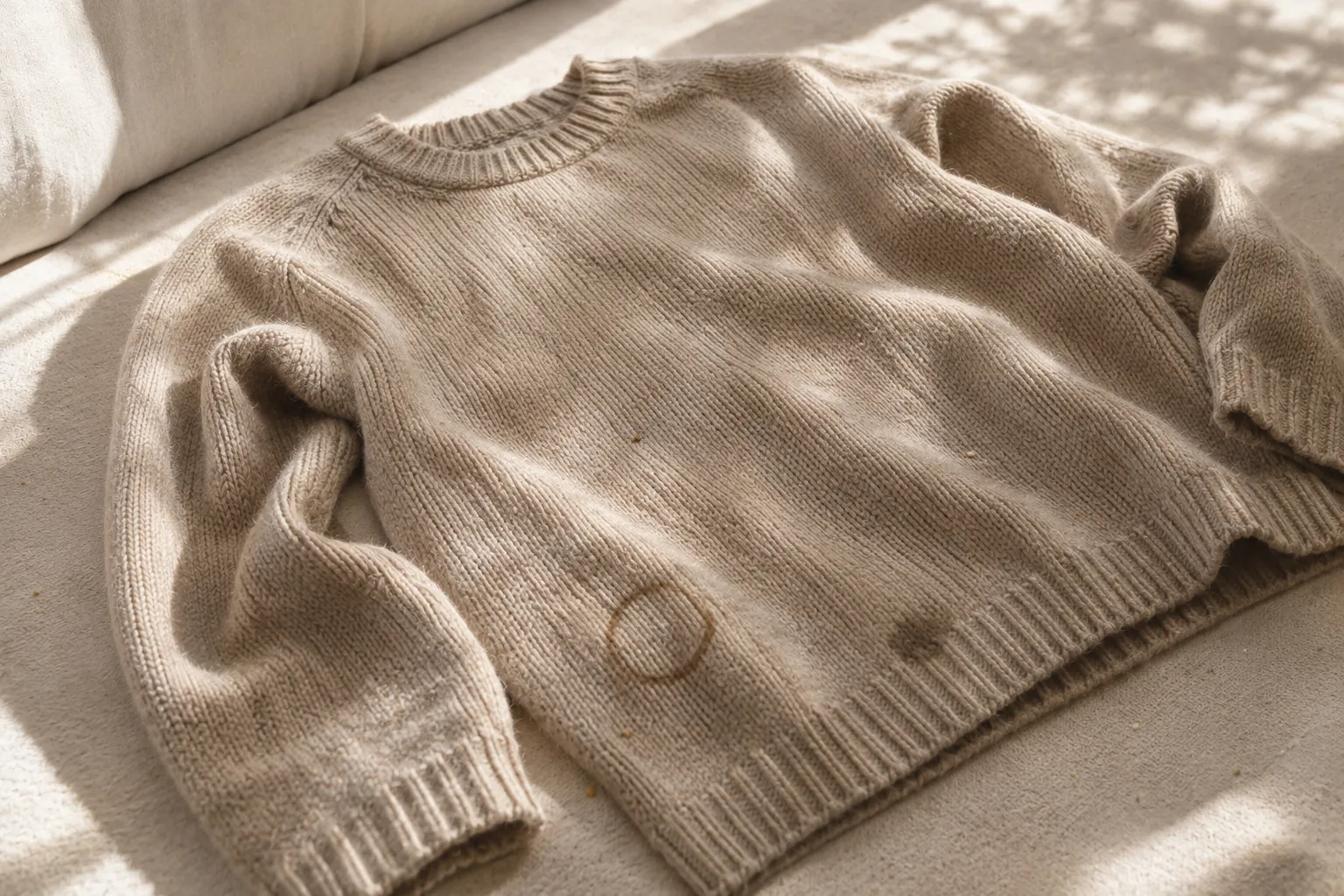
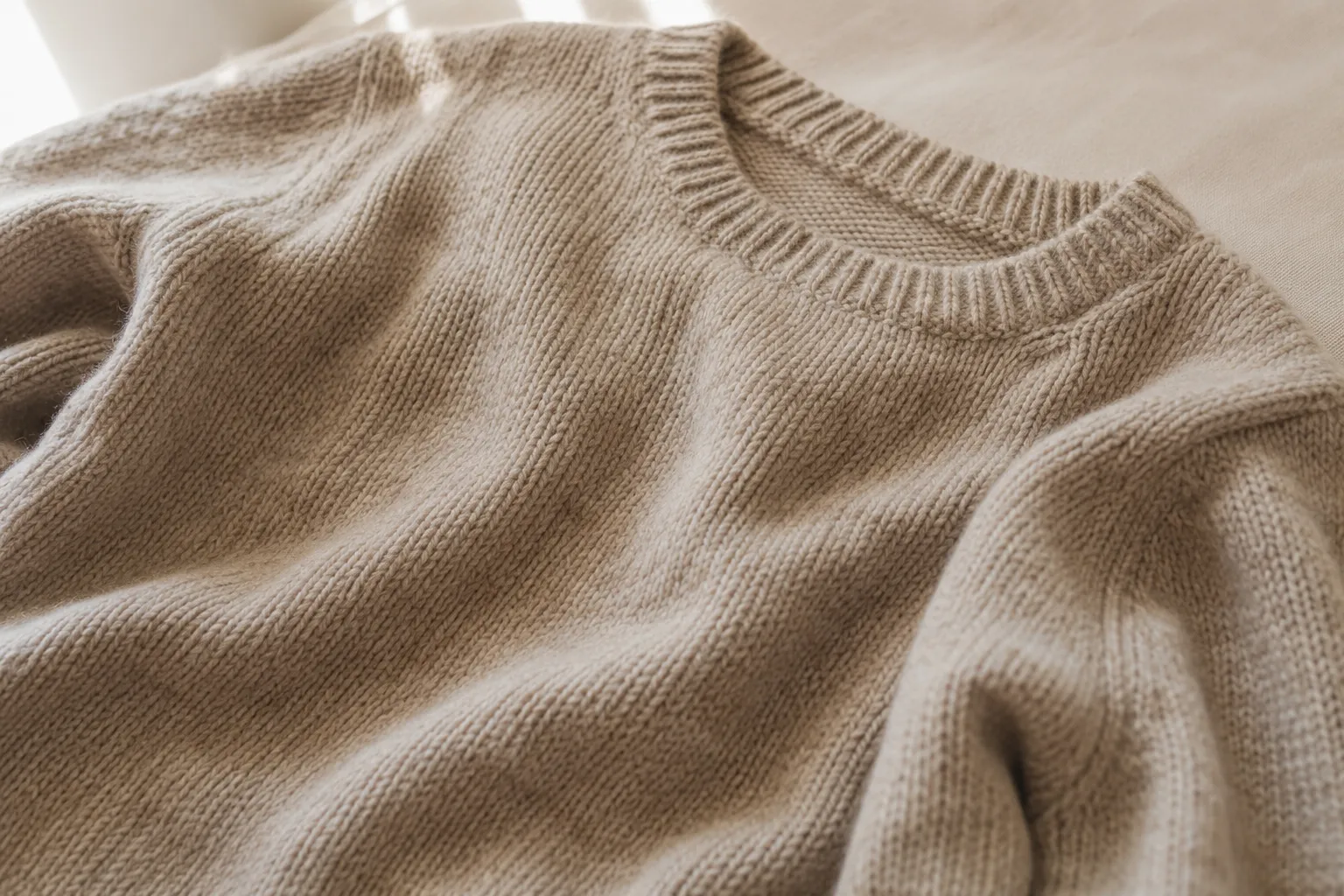 After
After
Request: My favorite cashmere sweater developed pills after wear, I want to restore its smoothness.
Done: The master treated the sweater with a pill remover and gently brushed the fibers.
Cost: 2 800 ₸
Master: Aigul Nurgaliyeva, dry cleaning master
Total: The sweater is smooth and soft like new, without a single pill.
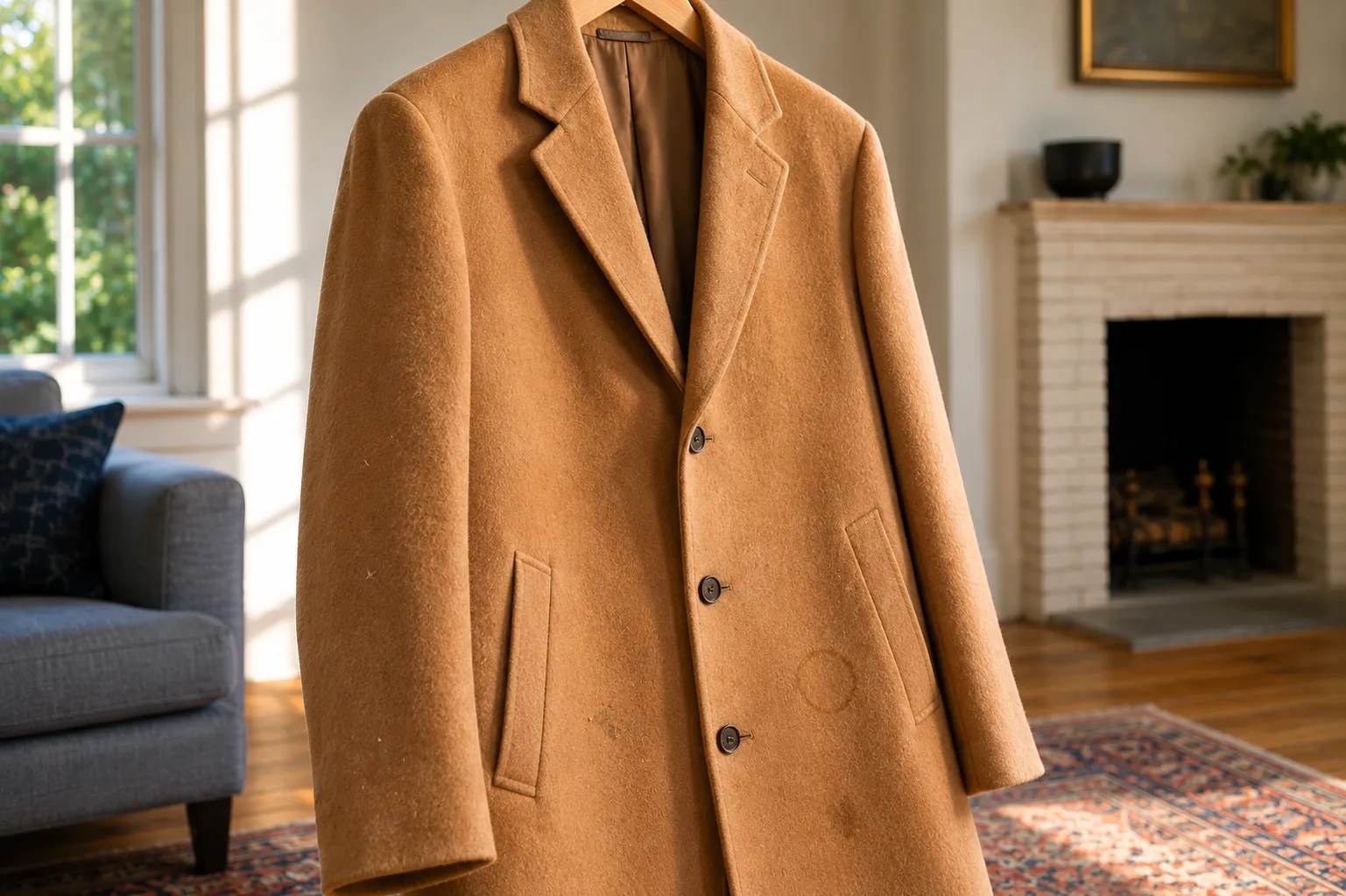
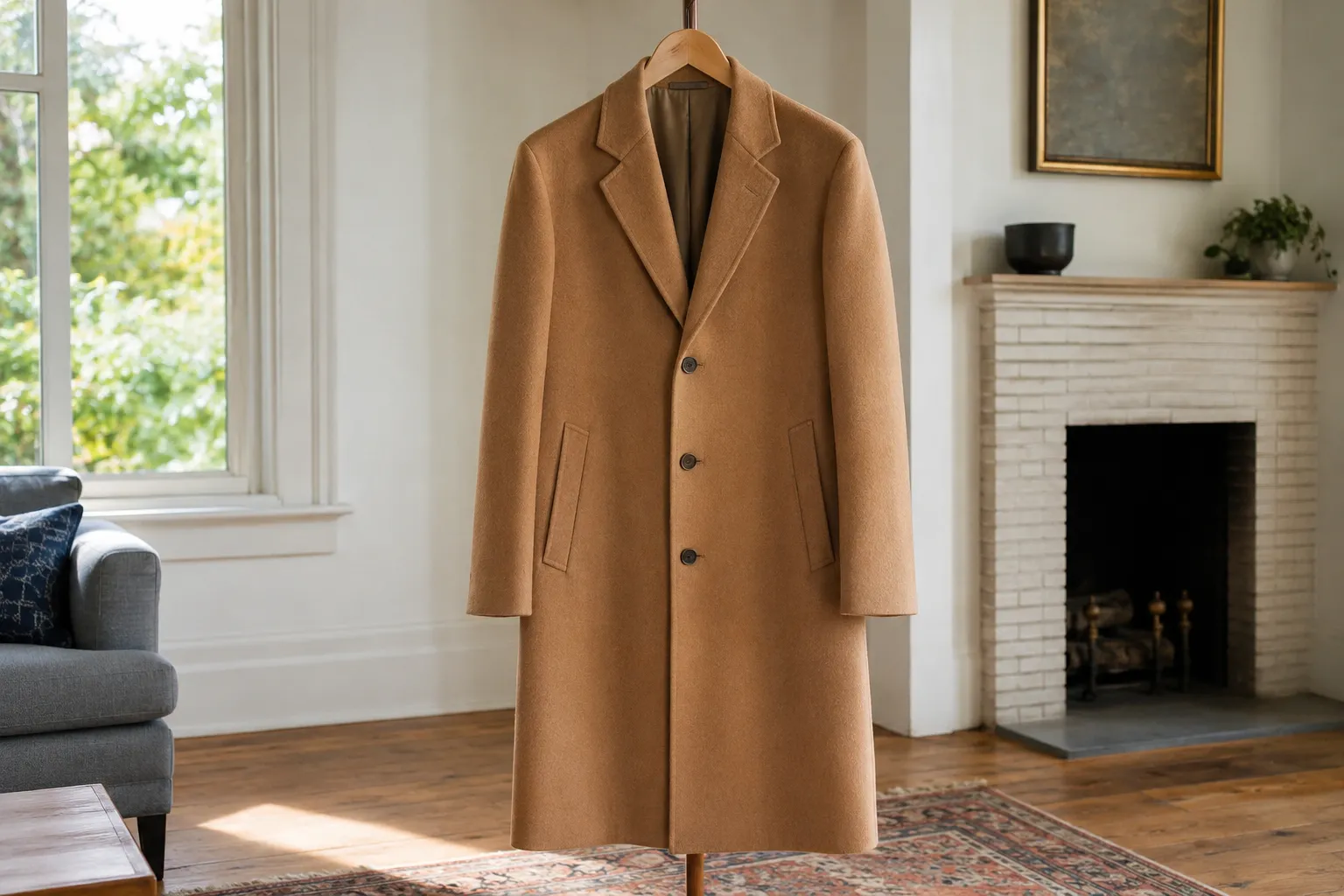 After
After
Request: The wool coat has pills on the sleeves and back, needs urgent cleaning.
Done: We performed a delicate treatment with an electric depilator and brushed the fibers.
Cost: 8 000 ₸
Master: Timur Zhaksybekov, dry cleaning master
Total: The coat looks neat, pills are completely removed, the fabric breathes.
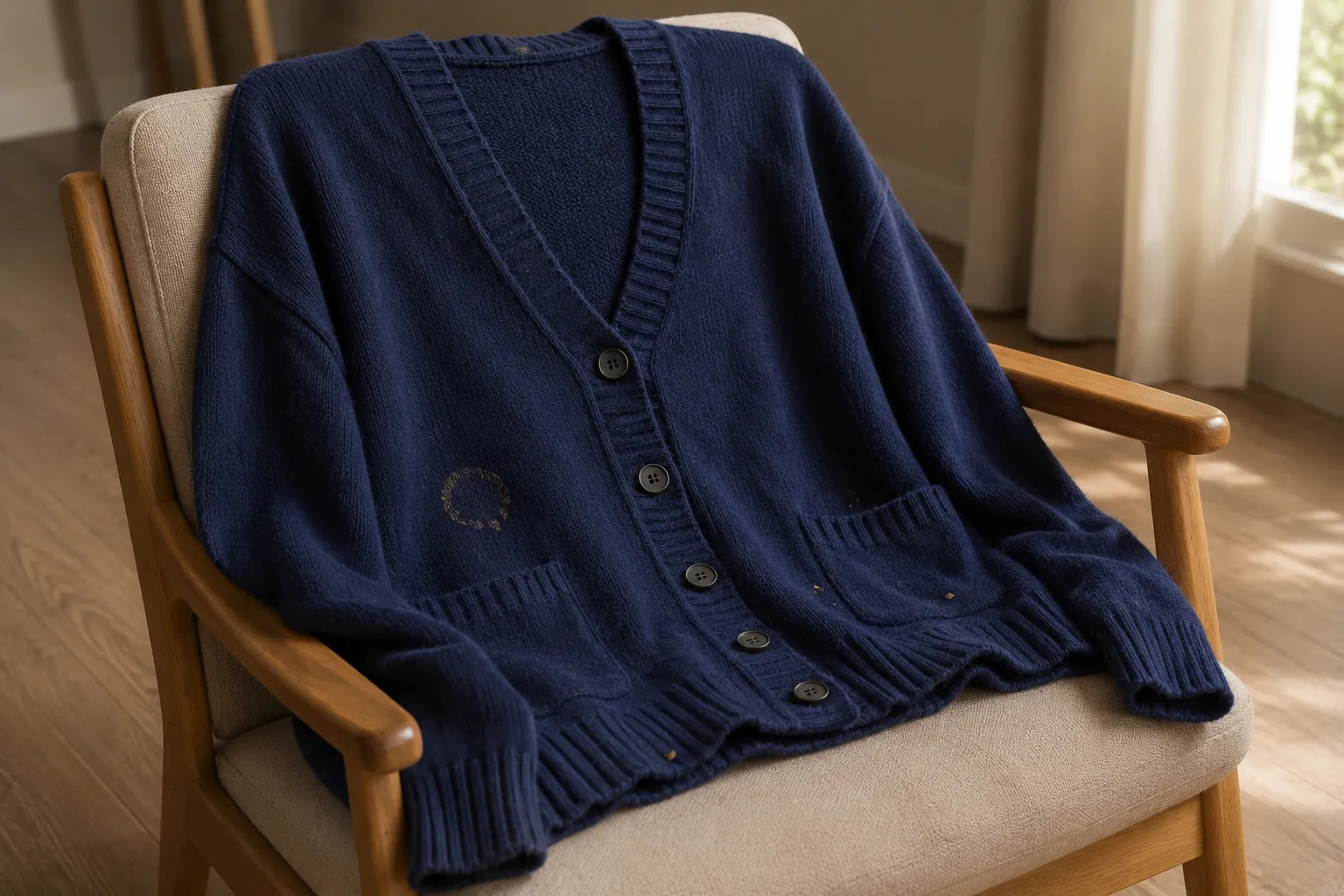
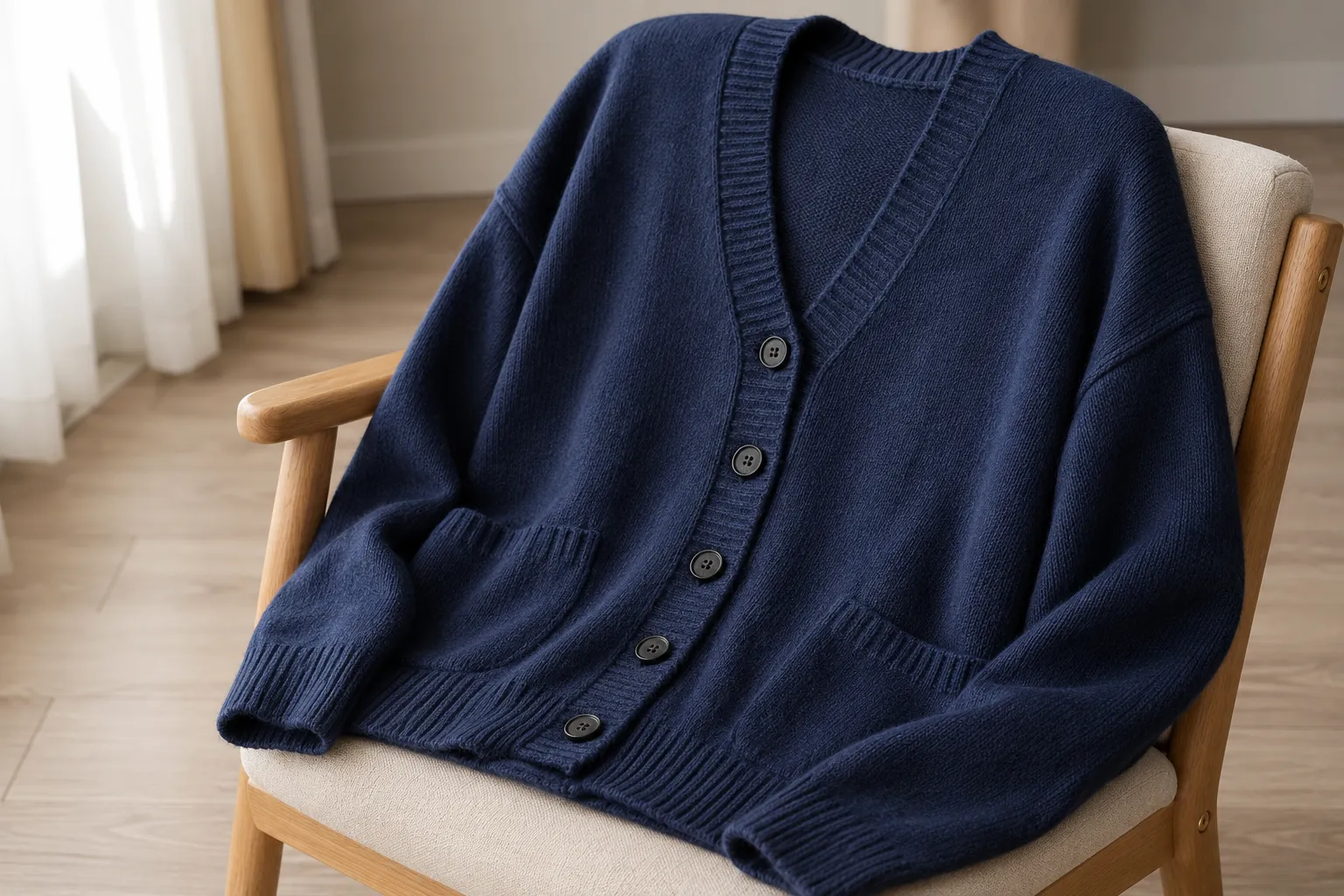 After
After
Request: The fine knit dress pilled after washing, I want to restore its appearance.
Done: The master carefully removed pills with a machine and steamed it.
Cost: 4 000 ₸
Master: Aizhan Kassymova, dry cleaning master
Total: The dress is even and soft, pills are completely gone.
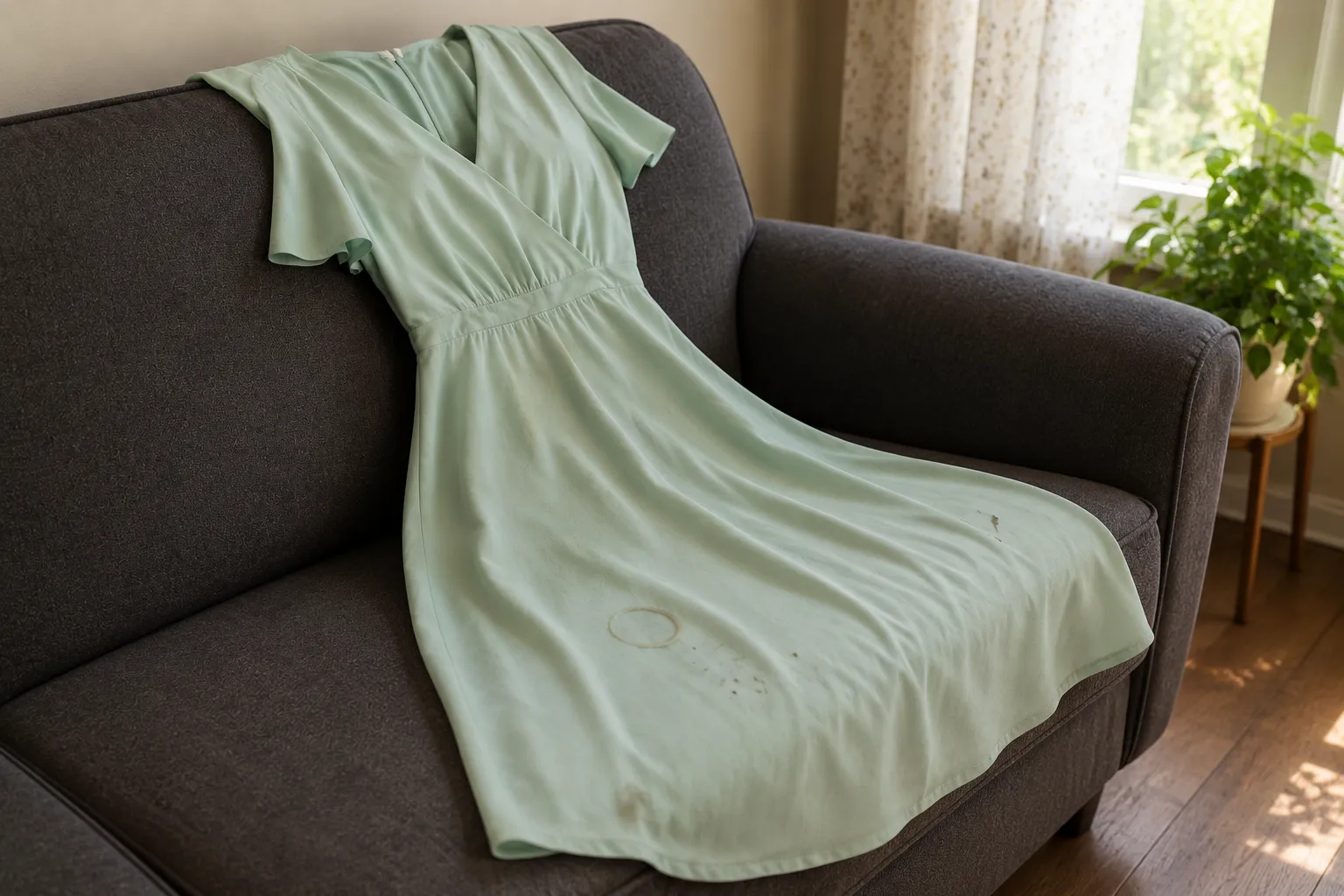
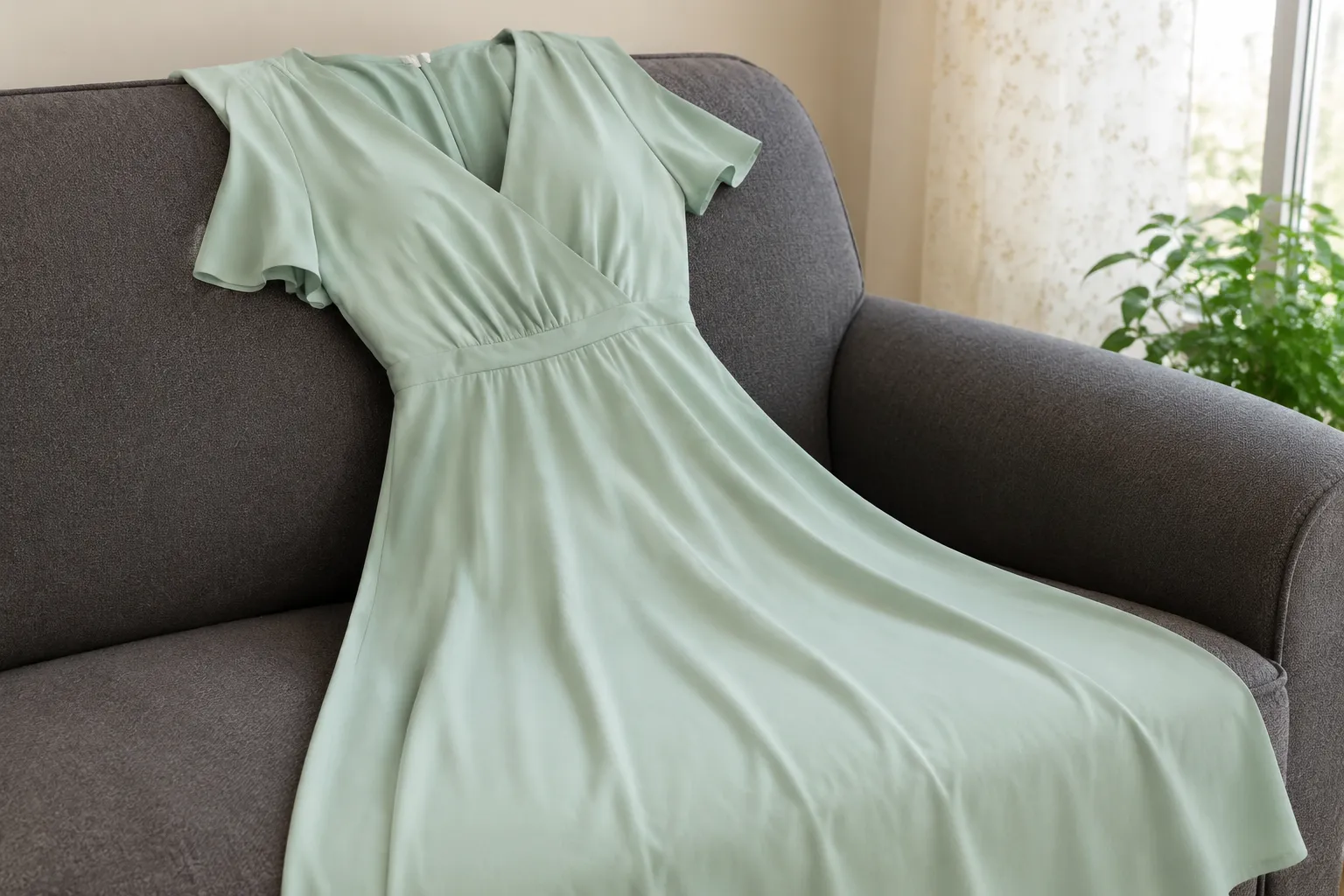 After
After
Request: The angora cardigan lost its appearance due to pills on the elbows and sides.
Done: We treated the cardigan with a professional lint remover and brushed it.
Cost: 2 800 ₸
Master: Bakhytzhan Alimbekov, dry cleaning master
Total: The cardigan is fluffy and soft again, without pills or creases.
 After
After
Request: The fine knit turtleneck developed pills after wear.
Done: The master removed pills with a machine and steamed the fibers.
Cost: 2 800 ₸
Master: Dinara Sagintayeva, dry cleaning master
Total: The turtleneck is smooth, pills are completely removed, color is vibrant.
 After
After
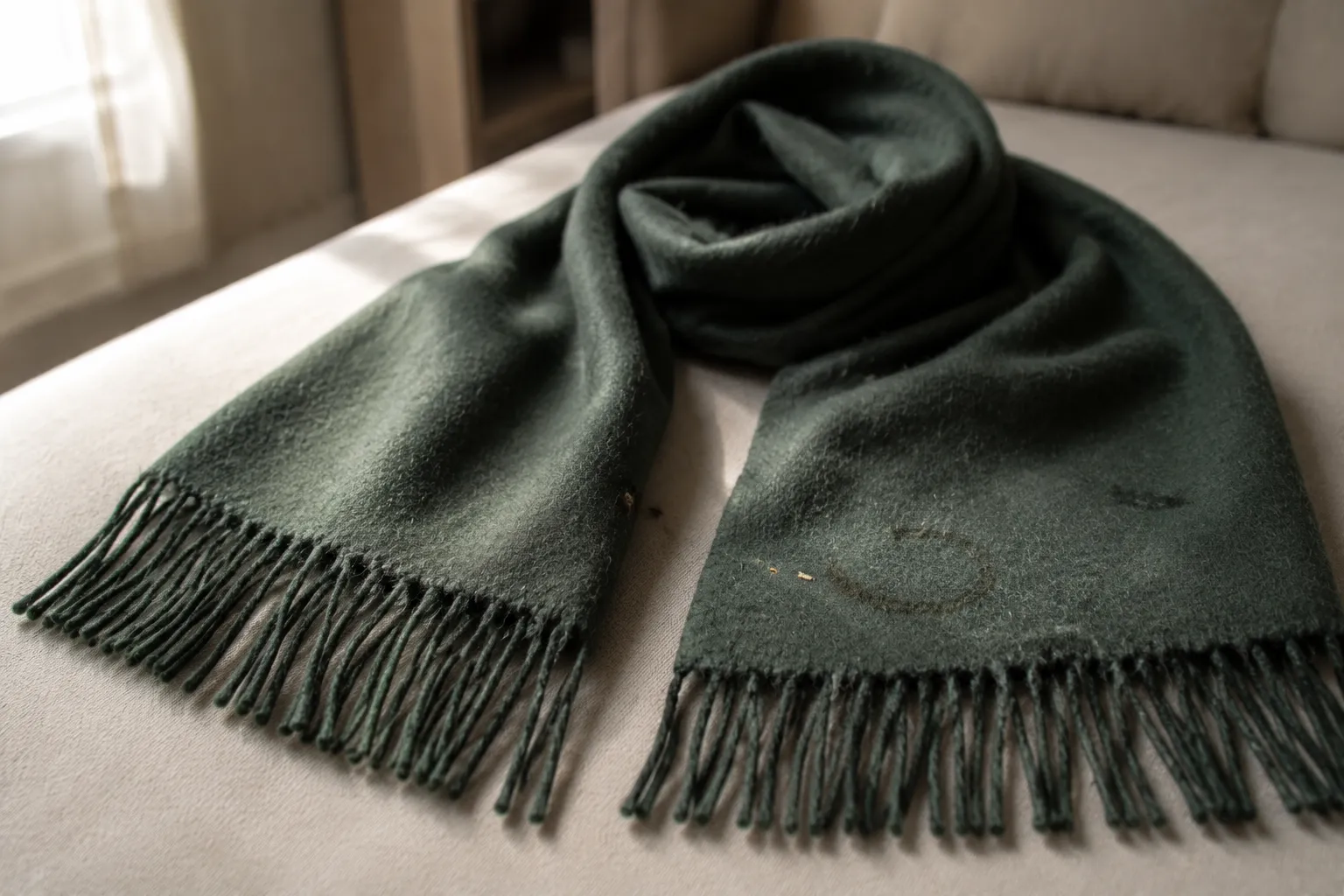
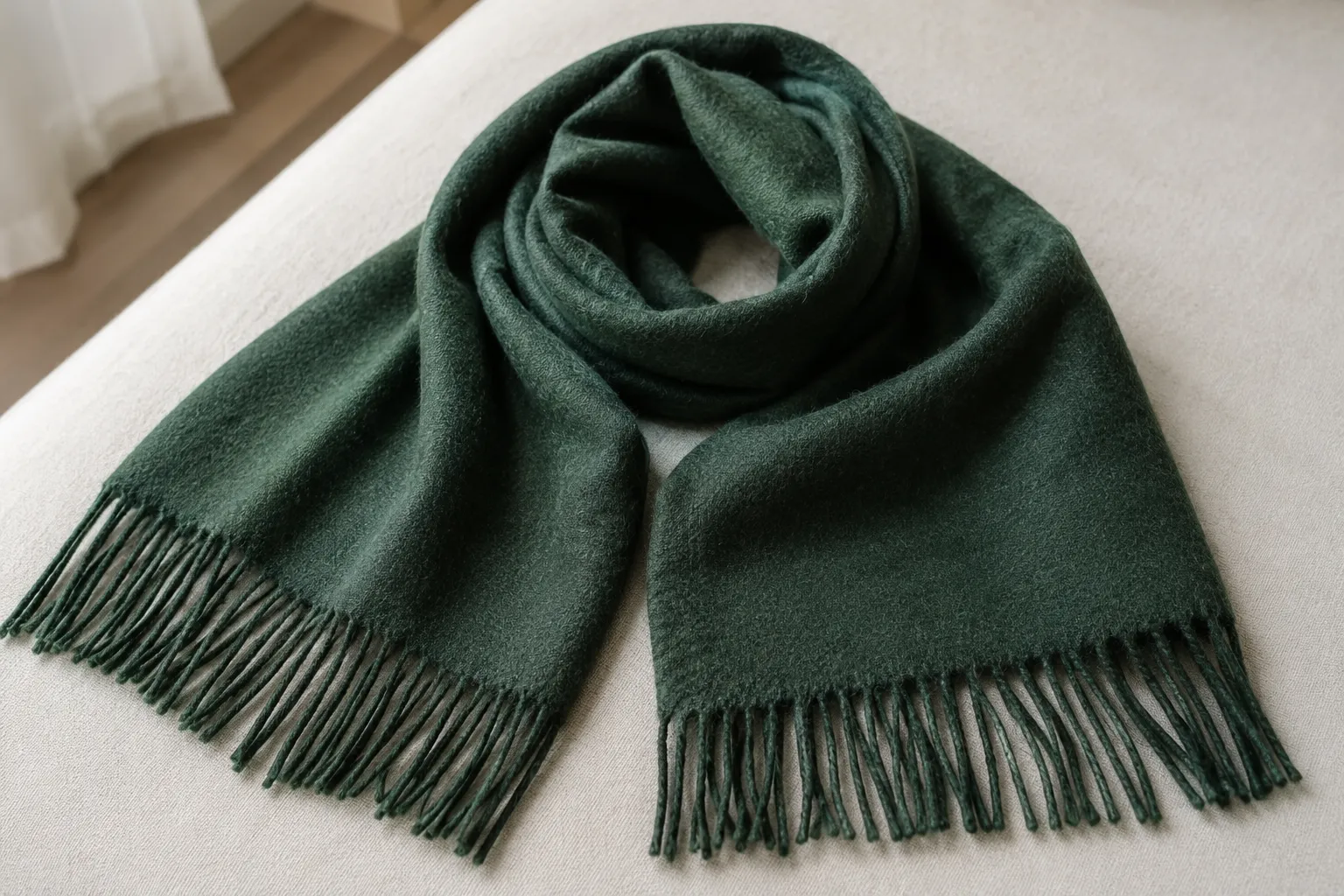
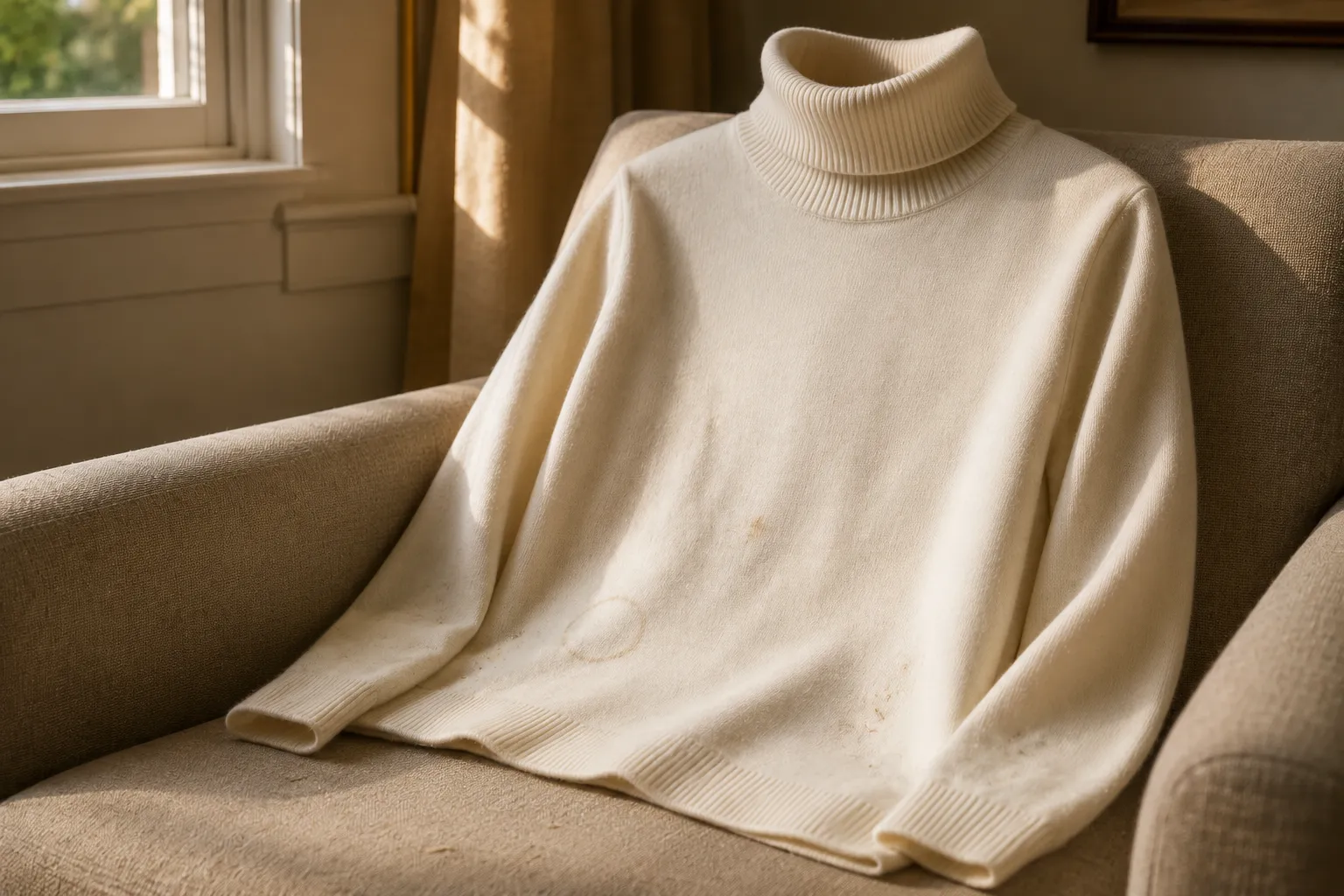
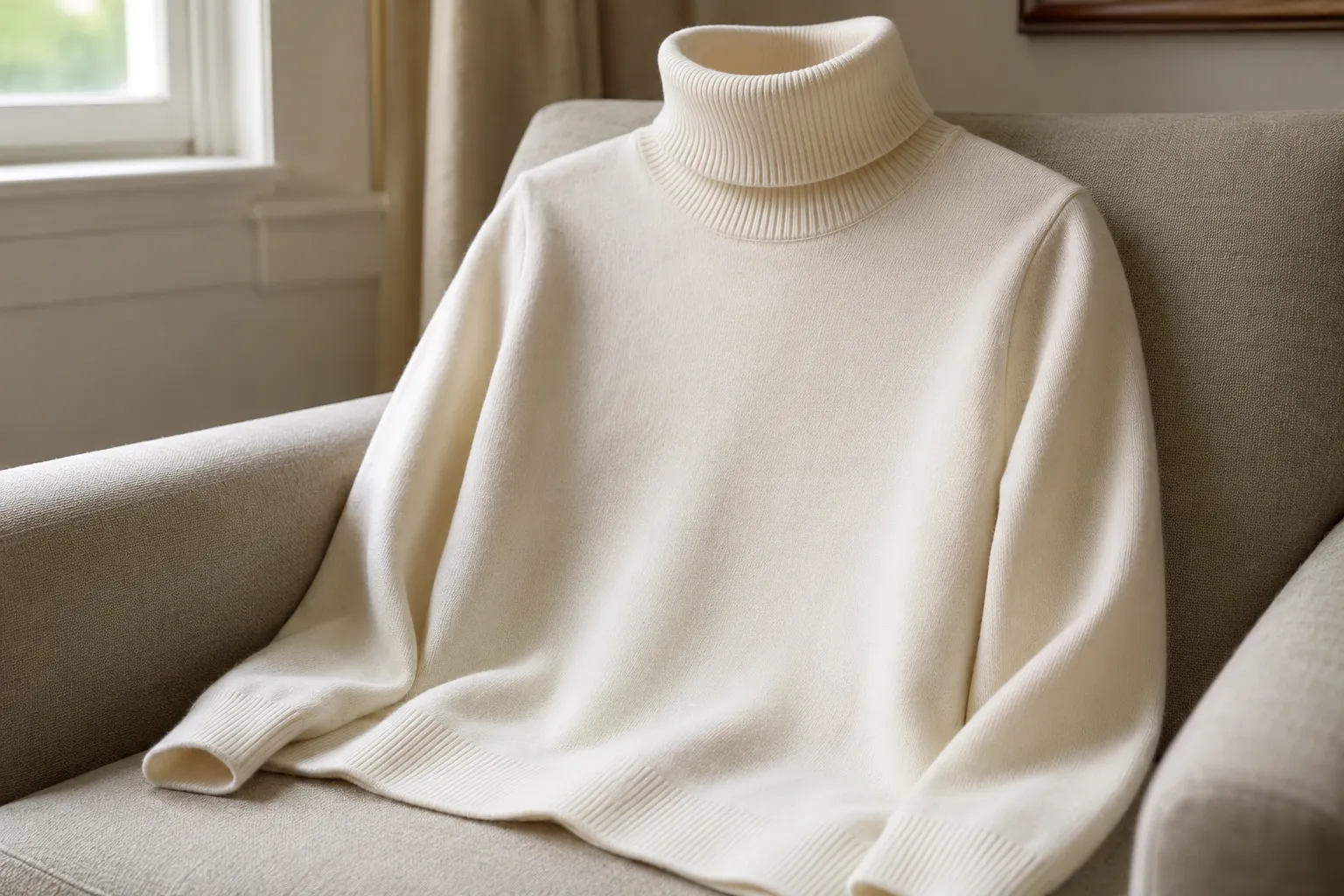
Request: Cashmere scarf pilled, pills appeared all over the surface.
Done: Gently treated the scarf with an electric depilator and brushed it.
Cost: 1 500 ₸
Master: Timur Zhaksybekov, dry cleaning master
Total: The scarf is soft and smooth, no pills, pile restored.
 After
After
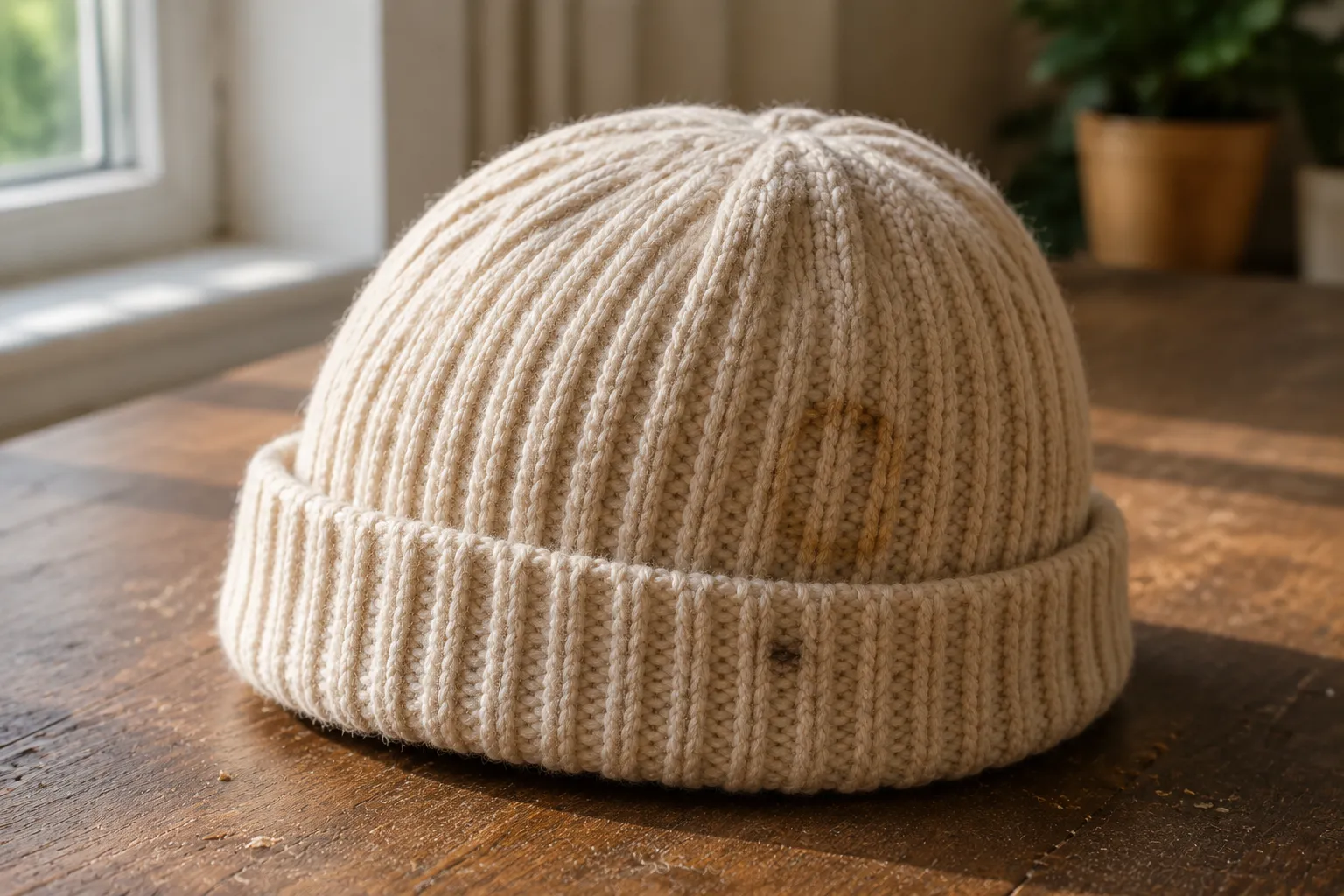
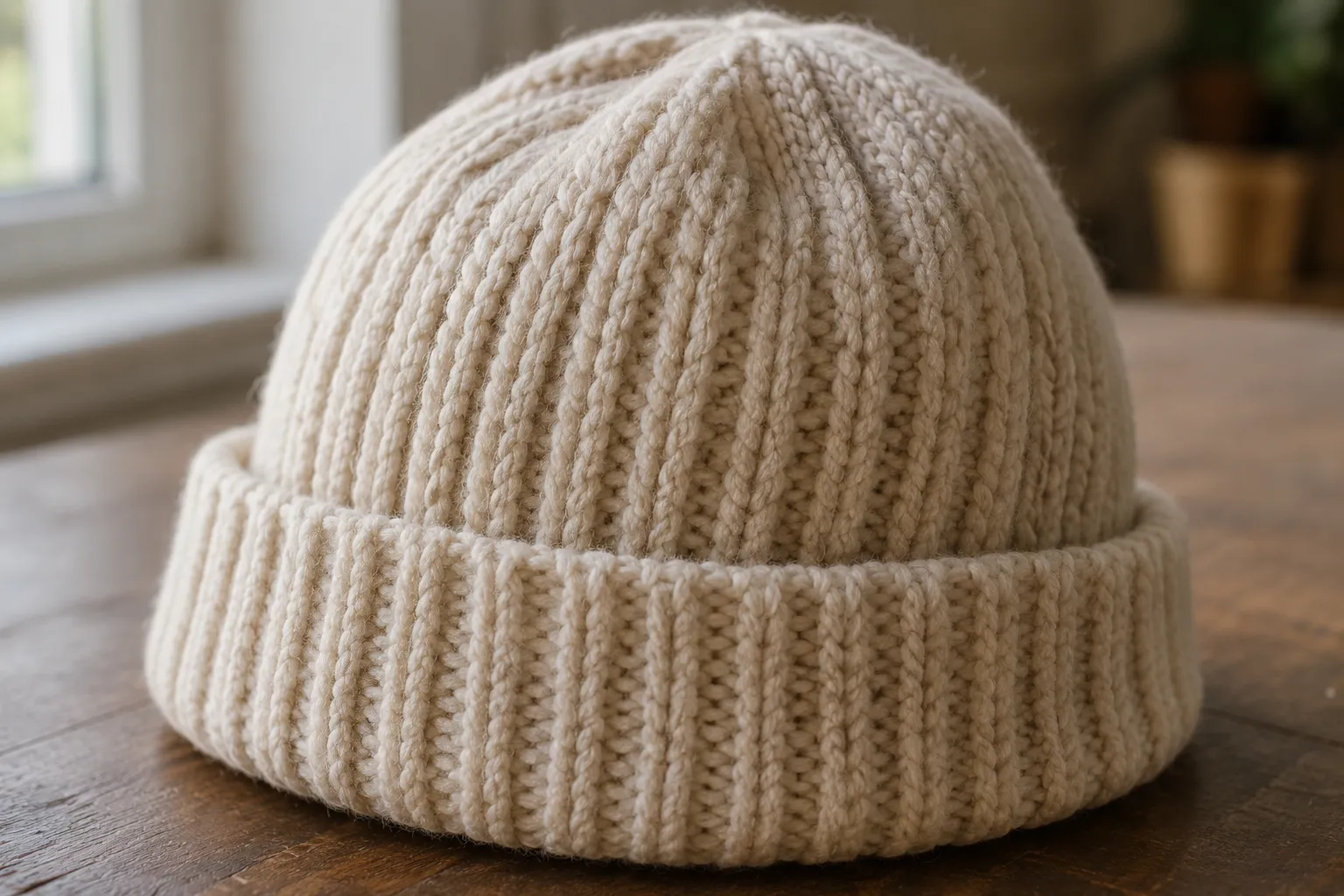
Request: Favorite knitted beanie covered in pills, looks untidy.
Done: Master removed pills by hand and machine, restored shape.
Cost: 13 000 ₸
Master: Aigul Nurgaliyeva, dry cleaning master
Total: Beanie like new, no pills, soft and clean.
 After
After
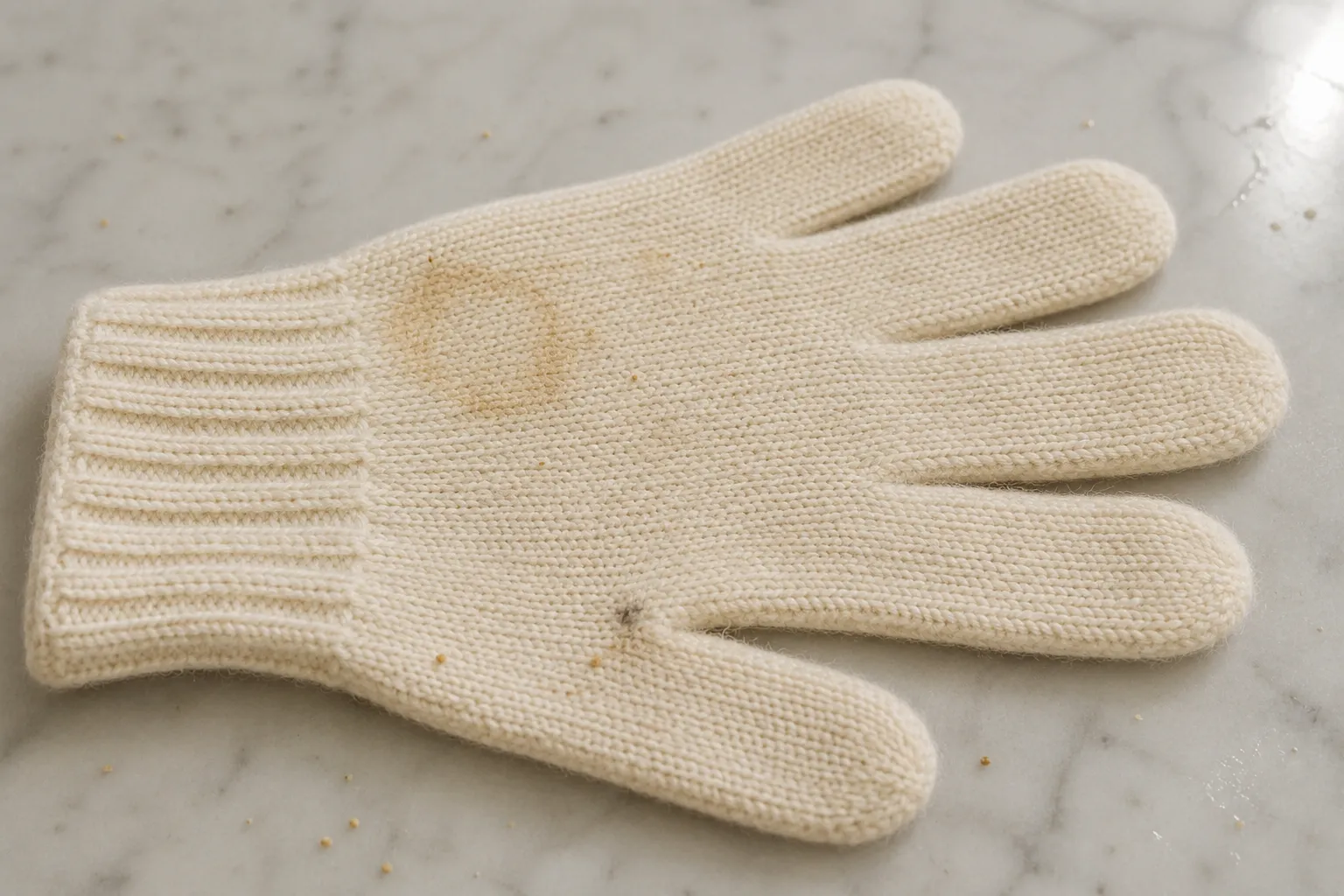
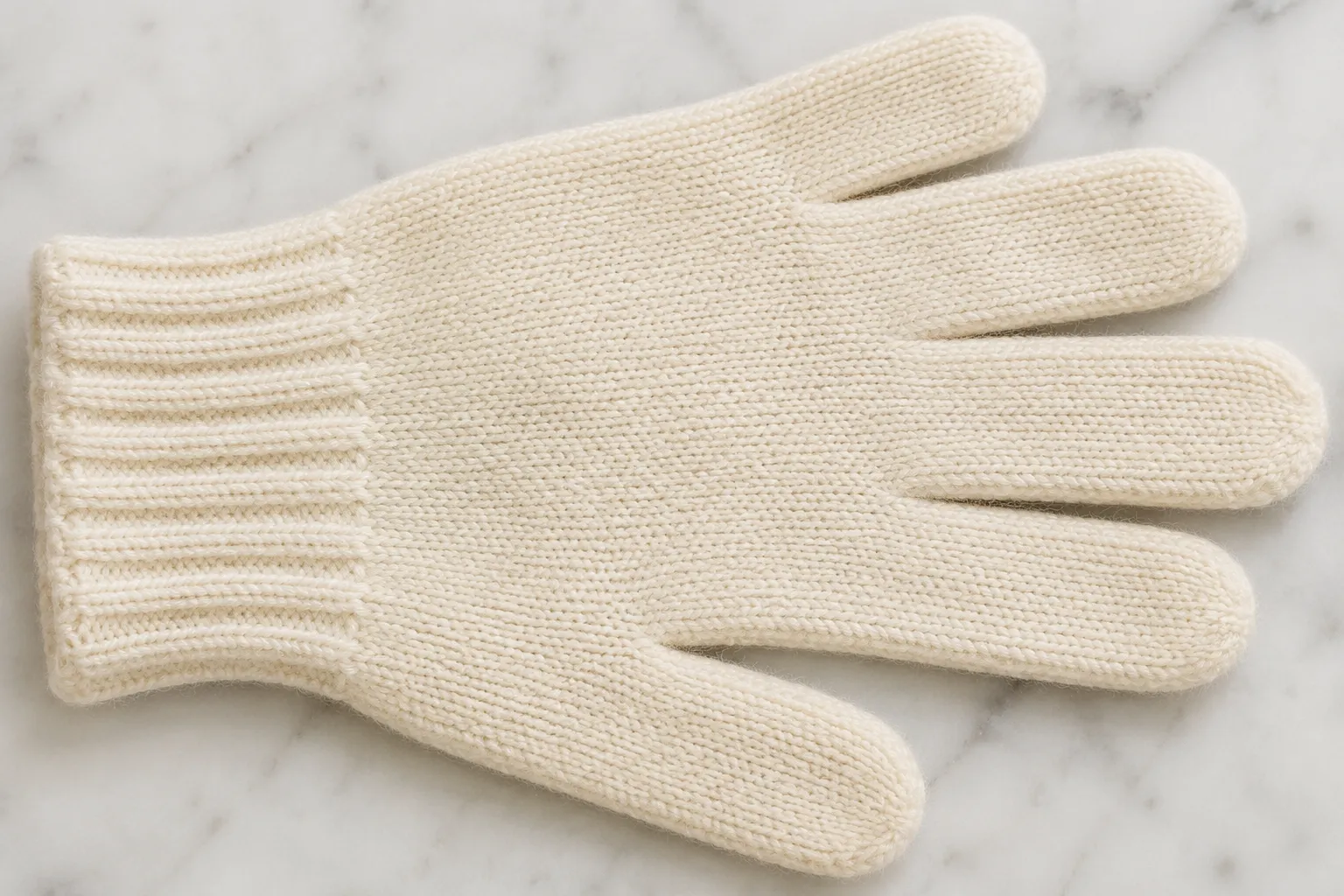
Request: Fleece jacket pilled after washing, pills appeared.
Done: Treated the jacket with a professional pill remover and brushed it.
Cost: 5 000 ₸
Master: Bakhytzhan Alimbekov, dry cleaning master
Total: Jacket became fluffy and soft, pills completely removed.
 After
After
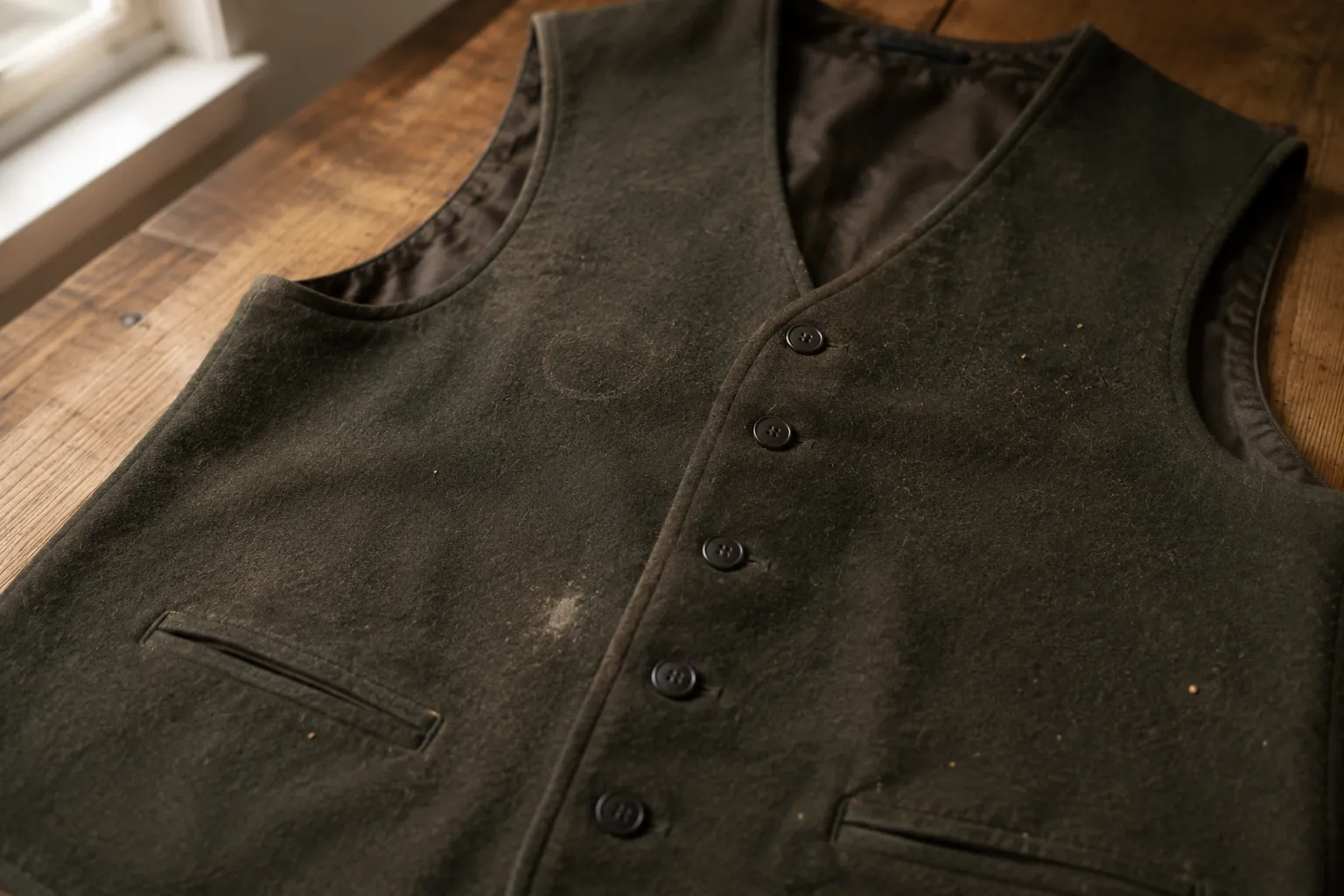
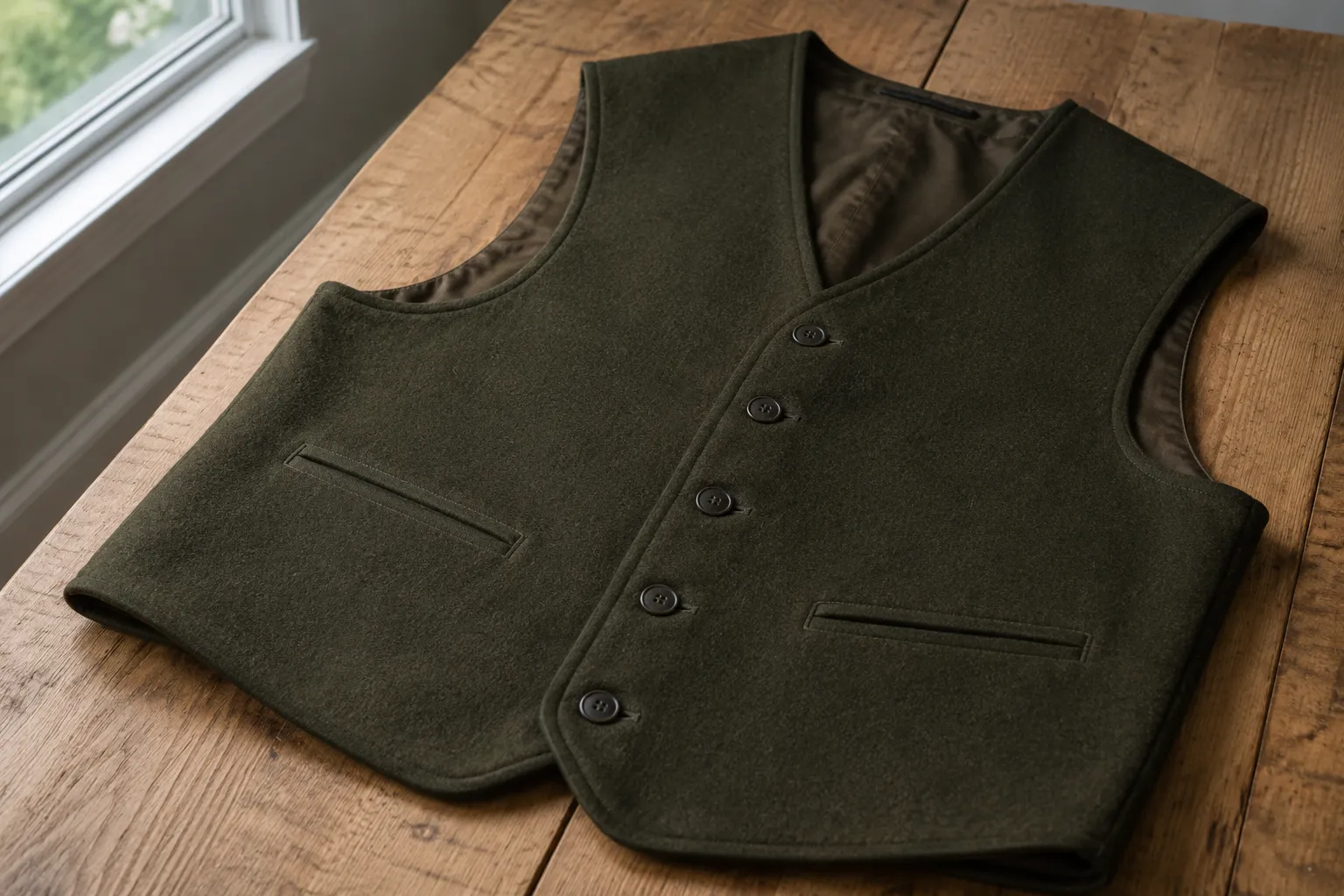
Request: Fine wool blazer pilled on elbows and collar.
Done: Master carefully removed pills with a machine and steamed the fabric.
Cost: 3 500 ₸
Master: Dinara Sagintayeva, dry cleaning master
Total: Blazer looks perfect, no pills, fabric smooth.
 After
After
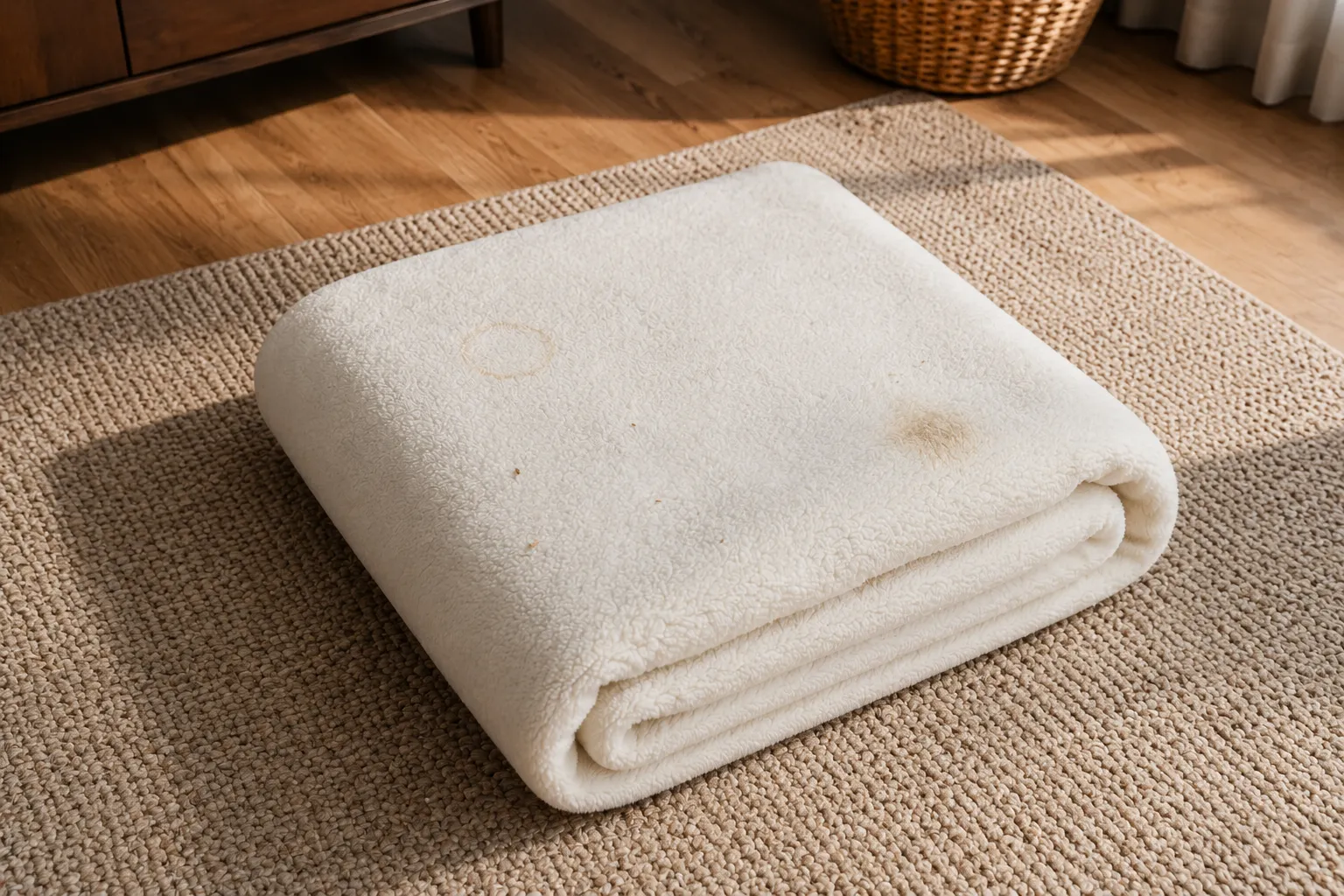
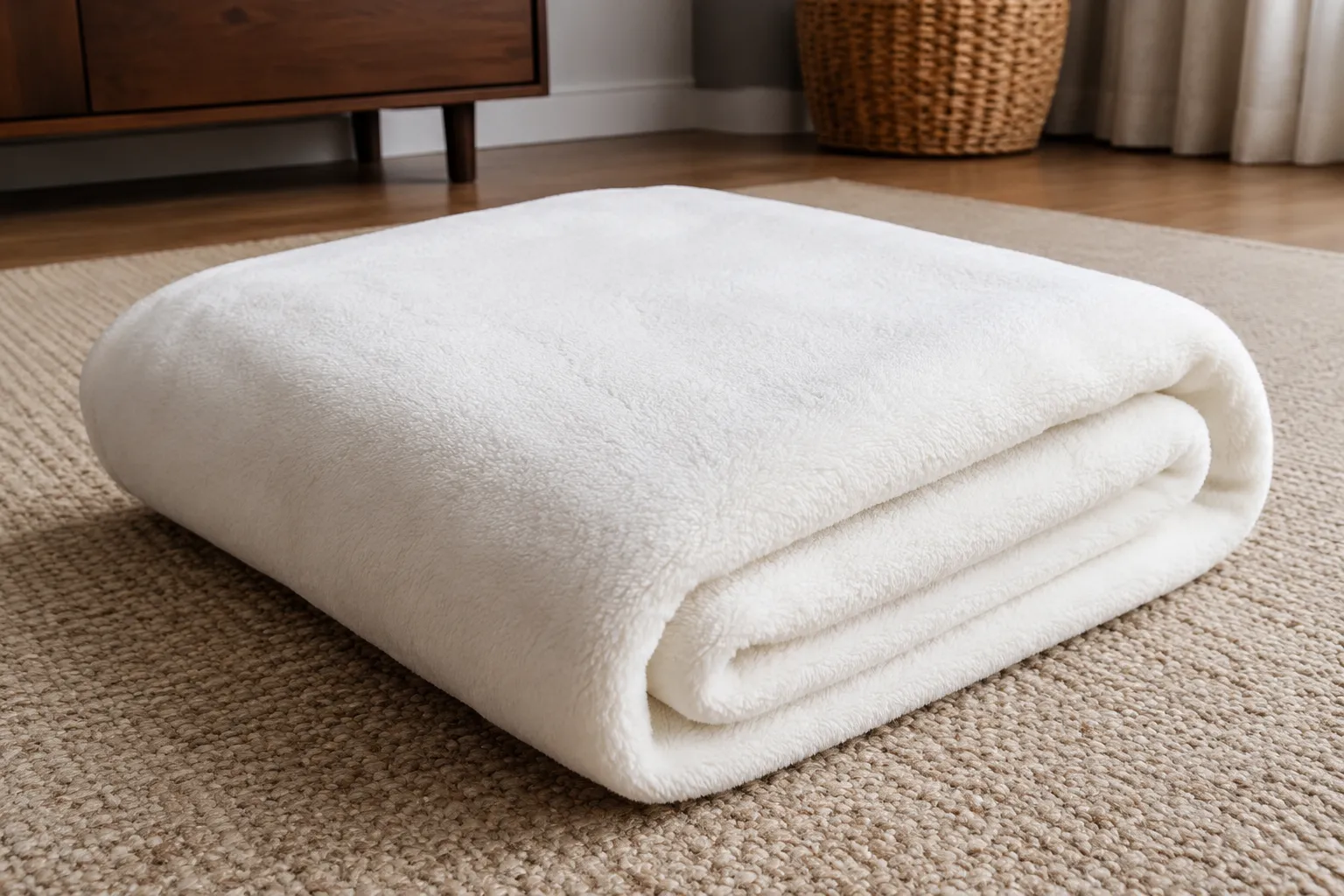
Request: Wool blanket pilled after use, needs cleaning.
Done: Treated the blanket with a pill removal machine and brushed the pile.
Cost: 13 000 ₸
Master: Aizhan Kassymova, dry cleaning master
Total: Blanket became soft and fluffy, no pills, like new.
All cleaners are profi-clean staff with training, uniform and security check. Each order has a team leader who controls quality.
Many have tried removing pills at home with a shaver bought for a significant sum from AliExpress or Kaspi Magazin — and have ruined an item at least once. Let’s break down why cheap devices are dangerous for fabric and how profi-clean’s professional approach differs from amateur methods.
Inexpensive shavers are equipped with blades made of low-quality steel — they become dull after 3–4 uses. Instead of cutting off the pill, the blade starts tearing the knit loops, pulling out the base threads. In our practice, items made of thin cotton (Uniqlo, H&M t-shirts) and cashmere suffer most often — they have a short pile, and a dull blade catches the fabric. The defect is less noticeable on acrylic sweaters, but on viscose and microfiber, “snags” appear that can no longer be removed. At profi-clean, we use professional shavers with Japanese blades — they are self-sharpening and cut only the pill without touching the fabric. In my opinion, the difference in blade quality is the main reason why a home shaver destroys an item after 2–3 uses.
Most budget shavers do not have blade height adjustment — they operate at a single cutting height, usually 0.5–0.7 mm. This is fine for dense cotton, but for cashmere or angora, this cutting height removes not only the pill but also the top layer of the pile. The fabric thins, loses its fluffiness, and bald spots appear. In Almaty, where people wear many cashmere coats and turtlenecks in winter, this problem is especially relevant. We use shavers with 3–5 adjustment levels: we set 0.3 mm for wool, 0.5 mm for acrylic, and 0.7 mm for dense synthetics. Moreover, on thin fabrics, we additionally use a manual method — a special razor comb that doesn’t touch the fabric at all. If you process cashmere or mohair at home with a single cutting height, the item will lose up to 30% of its thickness after 3–4 cleanings.
Home shavers run on batteries or USB, they have a weak motor that overheats during prolonged use (over 5 minutes). The plastic body heats up to 50–60 °C, which, upon contact with synthetics (polyester, nylon, elastane), leads to micro-melting of the fibers. The fabric loses elasticity, becomes stiff, and white streaks appear at the folds. In Almaty, where it’s +35 °C in summer and the air in apartments is dry in winter, synthetics are already overdried — additional heating from the shaver accelerates wear. profi-clean’s professional equipment has a metal body and a cooling system: the blade temperature does not exceed 35 °C even during continuous operation for 40 minutes. We process up to 15–20 items per shift, and none receive thermal damage. In practice, this means that synthetic sportswear (Nike, Adidas) does not lose elasticity after our treatment, but after a home shaver, it stretches out after just 2–3 washes.
When pills are distributed unevenly (e.g., on the sleeves and sides of a coat), a home shaver passes over the entire surface uniformly. Where there are no pills, the blade still cuts off the top layer of the pile — creating bald spots. Areas at the elbow bends and collars suffer especially: the pills there are large, and the shaver “bites” deeper, tearing out loops. At profi-clean, before treatment, we visually and tactilely assess the density of pills: we do not bring the blade to areas without pills, working only on problem zones. For uniform fabrics (knitwear, fleece), we use a shaver with a vacuum pile lifter — it lifts only the pill, not the entire fabric. In Almaty, where hand-knitted cardigans are popular, this approach is critical: one bald spot on an expensive item and it cannot be restored — only re-knitted.
Instead of one machine for all fabrics, profi-clean uses three types of equipment: a rotary machine for dense fabrics (cotton, linen, denim), a razor-comb for delicates (cashmere, wool, angora), and a steam steamer with an attachment for synthetics (polyester, nylon). Each tool is used with an individual cutting height and rotation speed. Before treatment, we conduct a test on an inconspicuous area: we check the fabric’s reaction to the blade and temperature. If the fabric is prone to pilling (rapid formation of pills), we additionally apply an antistatic agent — it reduces fiber friction by 2–3 times. In my opinion, the main difference is expertise: a profi-clean cleaner sees the difference between a pill and a weaving defect and does not touch what could ruin the item.
The difference between a home machine and professional equipment is not just in price, but in the operating principle: cheap devices cut with an attachment, while we cut strictly along the top layer, without touching the fabric base.
Our main tool is an industrial fabric shaver with a rotating cylinder and blades made of hardened steel, which operate at a fixed height of 0.3–0.5 mm from the fabric. Unlike household machines with plastic mesh heads that deform over time and start catching threads, professional blades are sharpened after every 40–50 treatments. For our orders on cashmere coats and wool blazers, we use an additional low-speed mode (1800 vs. standard 2500 rpm) — this eliminates overheating and stretching of the nap. If the item has decorative elements (rhinestones, sequins, large buttons), we manually bypass these areas rather than risking the attachment. Furthermore, the professional tool is equipped with an automatic stop when contacting a dense seam — home models lack this protection, and it is on seams that snags most often appear.
Before treatment with the fabric shaver, we apply a conditioner-antistatic agent based on natural oils (Kiehl, Sodasan) to the fabric — it lifts the pills to the surface, making cutting easier, and simultaneously binds microfibers, preventing them from rolling again. Household sprays from supermarkets, on the contrary, contain silicones that settle on the blades, reducing cutting sharpness after just 3–4 passes. In our practice, there was a case where a client brought in an expensive cashmere cardigan after home treatment with a cheap spray — the machine’s blades became greasy, leaving dark streaks from overheating on the fabric. We treated the item with a professional compound, let it rest for 15 minutes, then went over it with the fabric shaver at minimum speed — the cardigan returned to its original state without a single trace. On wool and acrylic items, we also use steam treatment before cutting: steam opens the fiber scales, and the pills separate more cleanly, without tension on the thread.
For cashmere, angora, mohair, and fine knitwear, we use a gentle protocol: first, a manual check of thread tension on the wrong side, then treatment with a steam-air stream at 60 °C (no higher — otherwise cashmere shrinks), and only then — a fabric shaver with a Teflon attachment that glides over the fabric without friction. Such an attachment is not available for home use — plastic analogs scratch the surface, leaving gray abrasions on light-colored items. For silk and viscose, we do not use mechanical cutting at all: pills are removed manually with a special microfiber comb that brushes them out without blade contact with the fabric. The mistake we see in 70% of items after self-treatment is attempting to cut pills on wet fabric: wet fibers lose elasticity, and the machine tears out entire sections. Our cleaners work only with dry fabric that has rested after washing — this is a basic rule that extends the life of an item by 2–3 seasons.
Our practice in Almaty shows: each fabric reacts to pill removal differently, and the wrong method can turn an item into a defect in seconds. We have broken down five groups of materials where a mistake costs more than the cleaning itself — from cashmere to synthetics.
Cashmere is the most finicky fabric for pilling removal: its fibers are thinner than human hair (14–16 microns versus 50–70), and any mechanical tension tears the thread. Home machines with a rotating mesh grab not the pill, but a loop of the weave — after such treatment, a hole remains on the sweater that cannot be invisibly mended. We treat cashmere at a minimum cutting height (0.3 mm) with a machine featuring a Japanese steel blade — it glides over the surface without catching the base. In our practice, there was a case: a client brought in a cashmere coat after using a home machine, with three through-damages on the sleeves — we saved the item, but restoring the density in those areas was no longer possible. Before treating any cashmere, check the knitting density on the inside seam — if the loops are loose, it’s better to remove pills manually with a trimmer at the lowest speed.
Angora (Angora rabbit down) and mohair (Angora goat wool) are characterized by long, fluffy fibers that are held in the fabric by friction, not weaving. Any cutting action tears off entire tufts of fiber — the sweater loses its fluffiness and becomes “bald” in a single pass. We do not use even professional machines with height adjustment on angora items — only manual treatment with a special pumice stone for delicate fabrics, which rolls off pills without cutting. A key nuance: on angora sweaters, pills often do not separate from the base but become tangled with it — an attempt to cut such a knot removes 2–3 mm of healthy surrounding fiber. If the pills on your angora sweater are tightly woven into the fabric, do not try to remove them yourself — take it to a professional cleaner for steam treatment, which softens the knot before cutting.
Corduroy and velvet have a distinct nap direction (the pile “lies” in one direction), and pills form not on the surface but in the inter-pile spaces. A standard machine with a rotating head going “against the grain” lifts the pile instead of cutting the pill — after treatment, the fabric becomes “mottled”: some areas are shiny, others are matte. We treat corduroy items strictly along the nap direction with a manual trimmer at a fixed height of 0.5 mm, making passes in only one direction. In Almaty’s climate with dry air (humidity drops to 35–40% in winter), corduroy becomes more electrified, and pills stick to the fabric — before treatment, we always apply an anti-static spray to the item to separate the pill from the base. If pills appear on corduroy trousers in the knee and seat areas, check: the pile may already be worn down to the base — cutting there will only worsen the appearance; colored touch-up is needed.
Lurex (metallized thread) and sequins (plastic or metal glitter) are woven into knitwear as separate elements, and they are easily caught by the blade. One snag on a sequin tears it out along with a piece of fabric — a white base remains on a black dress, which cannot be concealed. We treat such knitwear only by hand: each area around the sequins is bypassed with manicure scissors, and pills on open zones are cut with a minimal trimmer pass at a height of 0.2 mm. In our practice, there was a case: a client ordered pill removal for a New Year’s dress with Lurex — a home machine tore out three metallic threads, and the pattern could not be restored. Before treating any item with glitter, turn it inside out and check how the sequins are attached: if they are sewn on with thread (not woven in), it’s better to temporarily remove them and sew them back on after cleaning — this is safer than risking the fabric.
Fleece and Polartec are made from polyester, which melts at temperatures above 130°C — friction from a rotating machine heats the blade to 60–80°C within 30 seconds of operation, causing the fibers to fuse rather than cut. After such treatment, hard “bald patches” remain on the fleece — fused areas that cannot be restored. We treat fleece at the trimmer’s minimum speed (3500 rpm instead of the standard 6000) with mandatory blade cooling using compressed air after every 15 seconds of operation. In Almaty’s climate, fleece becomes more electrified due to dry air, and static electricity attracts cut pills back onto the fabric — we use an ionizer at the air outlet to blow particles away. If pills have appeared on the cuffs and collar (friction zones) of your fleece jacket, do not try to cut them off with a machine — the fused areas in these spots will rub against your skin; it’s better to replace the cuffs or have the jacket professionally steamed before cutting.
Our cleaners in Almaty see items that wear out in a single season — and often the reason is not the fabric quality, but that pills were not removed in time. Let’s break down how often you should perform this procedure to extend the life of a sweater, coat, or throw.
The most common request at profi-clean is for sweaters and cardigans that rub against a bag strap, desk edge, or armchair armrest. On such areas, pills form within 2–3 wears: wool or acrylic starts pilling after just the first wash. We recommend checking the elbow areas, side seams, and collar after every second wear. If pills are already visually noticeable — they need to be cut off, without waiting for them to mat into dense felt. Otherwise, after a month, you’ll have to remove not the pills, but the entire top layer of the pile — and the item will lose its color and softness. In practice, in Almaty, where the temperature contrast between indoors and outdoors forces people to wear thick sweaters from October to April, an interval of 3–4 treatments per winter saves even budget acrylic.
Coats and thick jackets made of wool with synthetic additives (50/50, 70/30) pill more slowly, but more insidiously: pills become embedded in the fabric structure and tear the threads from within. While a pill on a sweater is immediately visible, on a coat it is disguised among the pile — and the owner notices the problem only when bald patches have already appeared. Our clients from Almaty often bring in coats after 3–4 months of wear, and a 1–2 mm thick layer of matted wool has already formed on the elbows. We advise doing a manual check once a month: run your palm against the pile — if you feel bumps, it’s time to call a specialist. Regular trimming every 4–6 weeks preserves the factory pile and prevents the appearance of “bald spots” that cannot be restored even with professional napping.
Throws and knitted blankets are an area of rare but destructive pilling. They have less contact with the body than clothing, but are washed more often (every 2–3 weeks), and after each wash, fibers rise to the surface and curl up. As a result, after six months, a cotton-polyester throw looks like an old rug — completely covered in balls. The strategy here is different: cut off the pills once at the end of the season, before storing the item away. But it’s important not to miss the moment: if pills sit on a throw for more than 2–3 months, they become fused into the weave of the threads, leaving pits after removal. Advice from our technician: after the last wash of the season, let the item dry for 24 hours, then run a lint roller over it — if the roller collects more than 10–15 balls, order a cleaning with pill removal before packing it in a vacuum bag.
Blended fabrics are the most unpredictable category: viscose with polyester can pill after 1–2 wears or not pill at all, depending on the percentage of synthetics and weave density. There is no single rule here. In our practice at profi-clean, we had a case: a client brought in a blouse made of 70% viscose + 30% polyester — after the third wear, dense pills appeared on the cuffs, which had to be cut off manually with a blade because the machine was catching the main thread. For blended fabrics, the rule is simple: notice a pill — remove it that same day or the next. Every day of delay increases the depth of damage: a soft pill turns into a hard knot within 48 hours, which pulls out neighboring threads when removed. In Almaty, with its dry air (30–40% humidity in winter), static electricity increases pilling — so check blended items after each wear, especially on sleeves and the waistband.
Fleece, Polartec, and synthetic knitwear for fitness are leaders in pilling speed: after 2–3 washes in hot water (40–60°C), the nap clumps into dense balls, especially on backpack straps and the inner thigh. Athletes in Almaty often complain that their favorite sweatshirt looks like “it fought a cat” after a month. Here the interval is stricter: check friction zones every two weeks. If pills are already present, don’t wait — early-stage removal takes 3–5 minutes per item, while neglected fleece requires 20–30 minutes and risks losing up to 15% of its nap thickness. Our cleaners treat sportswear with a machine featuring adjustable cutting depth — on fleece, we set the minimum gap to avoid removing too much. And be sure to wash such clothing before treatment: damp nap is softer and cuts more evenly, while dry nap breaks and leaves burrs.
So many misconceptions surround pill removal that clients in Almaty often bring in items with irreversible damage — the result of “folk” methods. We break down the most persistent myths from profi-clean’s technological perspective.
On the contrary — frequent machine trimming thins the top layer of yarn, and after 3–4 treatments, the fabric starts pilling 2–3 times faster. In our practice, we had a case: a client treated a cashmere sweater with a home machine once a month — by the end of the season, the nap had shrunk by 60%, and the item lost its shape. Pill removal at our facility cuts only protruding fibers without touching the base: we use professional rotary knives with depth adjustment down to 0.1 mm, whereas home machines are fixed at 0.5–0.8 mm and are guaranteed to catch the fabric.
A razor blade does not adjust cutting height and works at an angle — on knitwear, it cuts not pills but base loops, leaving snags. We tested it: after one pass with a razor on a woolen jumper, 15–20 micro-snags form per 10 cm², which turn into holes when worn. The profi-clean professional knife cuts only fibers that protrude 1.5 mm or more above the surface — this eliminates damage to the weave, even on loose angora.
Fabric quality does not determine pilling tendency: pills form on any material with short fibers — even on expensive premium cashmere. The difference is that on high-quality knitwear, fibers roll into dense balls, while on cheap fabric, they form loose “clouds” that are easier to remove. Our cleaners distinguish 4 types of pilling: hard (polyester), soft (cotton), fluffy (angora), and mixed (wool with synthetics) — each requires its own attachment and rotation speed, otherwise either the pill remains or the fabric is damaged.
Steam softens fibers and temporarily presses lint to the fabric — visually, the item looks cleaner for 2–3 days, but after the first wash, the pills return in full force. Removing pills from clothing must be mechanical: steaming is prevention, not a solution. At profi-clean, we first trim with a machine and then finish by steaming the item with an industrial steam generator — this closes the fabric’s pores and slows down new pill formation by 3–4 weeks longer than dry trimming.
The roller only collects dust and loose hairs — it does not remove pills that cling to the surface due to twisted fibers. We conducted a measurement: after 20 passes of the roller on an acrylic sweater, 80% of the pills remain — the roller merely flattens them, making them less noticeable. The only working method is cutting followed by treatment with an anti-pilling conditioner, which reduces fiber-to-fiber friction by 30–40% according to our tests on blended fabrics.
Almaty’s climate is a test for clothing: sharp humidity fluctuations, dust, and frequent precipitation create conditions where pills form three times faster than in a conventionally dry climate. Over eight years of work in the city, we have identified typical scenarios that lead to pilling and developed treatment protocols for them.
In March-April, humidity in Almaty rises to 70–80%, wool and cashmere absorb moisture, fibers swell and wear out faster — pills appear after 2–3 wears. In summer, conversely, dry air and fine dust from the Medeu tract act as an abrasive: particles rub into the weave of threads, tear them, and roll the nap. We treat such items with a machine that has adjustable cutting height — for spring items, we set a minimum gap (0.3 mm) to avoid catching softened fiber; for summer items, slightly higher (0.5 mm) to remove the nap along with embedded dust. In my opinion, ignoring seasonal adjustment is the main mistake of home machines: they cut the same in winter and summer, turning an item bald in one pass.
September-October rains are the bane of synthetic down jackets: wet fabric rubs against bag and backpack straps, and within a month, dense clumps of polyester form on sleeves and shoulders. Unlike wool pills, they cannot be removed with a simple razor — the fibers are fused by friction and moisture. Our cleaners use a steam iron before cutting for such cases: steam softens compressed fibers in 10–15 seconds, after which the machine removes them without stretching the fabric. Without steaming, attempting to cut a dry pill pulls the base thread — leaving a hole in the jacket that cannot be invisibly mended. In October, we had a case: a client brought in a Columbia down jacket that they had cleaned at home with a roller lint remover — it tore the top layer of fabric on the cuff, and we had to apply a patch for an additional fee.
From November to March, the air in Almaty apartments is dried out by radiators to 20–25% humidity — cashmere becomes electrified, fibers stand on end and break off at the slightest friction. We see this on premium brand items (Ermenegildo Zegna, Loro Piana) that clients wear under coats — a dense layer of broken fibers forms on the collar and elbows within a month. Cutting is useless here without restoration: first, we treat the area with a wool conditioner (Lanadry or equivalent), which restores elasticity to the fibers, and only then use the machine with a minimum gap. Due to dryness, fibers become brittle, so the standard “cut and done” protocol provides a temporary effect for 1–2 wears — pills return faster. Before treating cashmere in the winter season, check the humidity in the room: if below 30%, apply an anti-static conditioner to the fabric, otherwise cutting will damage the knit structure.
I ordered pilling removal for clothes — all pills were removed from my favorite angora cardigan, it looks like new.
Thank you, Aigerim! We're glad your cardigan brings you joy again.
The sweater looks perfect after treatment, no pills left. Very neat.
I had pilling removal done on clothes — the down jacket became clean, but a couple of small pills were missed.
Sorry for the oversight, Daniyar. We promise to be more careful.
The dress after cleaning looks like from a store window — not a single pill. I've worn it twice already, still fine.
Removing pills from clothes took only 20 minutes, the cardigan became smooth and soft.
Thank you for the review, Yerlan! Speed is our pride.
The scarf stopped itching and looks expensive. Very pleased with the result.
Glad the scarf got a second life, Assel!
I ordered pilling removal for a tracksuit. There is an effect, but small pills remain on the cuffs.
Thank you for your honesty, Kuanysh. Come again and we'll fix it for free.
I was afraid they would damage the sequins, but everything is fine — pills removed, decor intact.
Had pilling removal done — the polyester shirt looks like new, not a single snag.
Thank you, Timur! It's always nice to hear such words.
The coat became cleaner, but a couple of pills remain on the collar. Overall good.
Sorry, Gulnara. We'll give a discount on your next order.
Pilling removal is a game changer! The pullover is now soft, without those stupid balls.
Jeans used to get pills after washing, now they're gone. Great job.
Glad to help, Olga! Jeans are like new again.
The t-shirt no longer looks like an old rag. Thanks, guys!
I ordered pilling removal for clothes — the mohair jacket looks like new, the pills are gone.
Thank you, Saule! Mohair is a tricky material, but we managed.
The blazer became neater, but there is still a slight fuzziness on the elbows. Overall not bad.
Thank you for your feedback, Bakhyt. Please pay attention to the elbows on your next order.
Pilling removal for children's overalls — the child now looks tidy.
The sweatshirt after treatment is awesome! Soft, no pills. I'll order again.
We look forward to seeing you again, Ruslan!
I had pilling removal done — the skirt no longer gets static and looks expensive.
Great, Aliya! Glad the skirt has regained its former look.
The jacket got better, but there are still traces of pills on the back. I expected more.
We apologize, Yerzhan. Come back for a repeat treatment — we'll fix it.
Pilling removal saved my favorite coat! It's like new now, not a single pill.
The turtleneck is no longer fuzzy. Very high quality, thank you!
Thank you, Arman! Enjoy wearing it.
I ordered fuzz removal for a suit. Overall good, but a couple of pills remained on the trousers.
Sorry for the inconvenience, Gauhar. We'll give you a discount next time.
On average, removing pills from one item takes 15–30 minutes, depending on size and degree of pilling. A sweater takes 15–20 minutes, a coat up to 30 minutes.
Yes, we work with cashmere, wool, acrylic, and other delicate fabrics. We use machines with adjustable cutting height and manual treatment to avoid damaging fibers.
Leave a request on the website or call us. We'll arrange a convenient time for courier pickup, or you can drop off the items yourself. Treatment takes 1–2 days.
We accept cash, Kaspi Gold, Halyk Bank, and Visa/Mastercard transfers. Payment is due after the work is done.
We cannot guarantee that pills won't reappear in the future, as it depends on fabric properties and care. However, after our treatment, the item looks like new, and regular removal extends its lifespan.
It's preferable that the item is clean. If there are stains, we recommend pre-treating them. We can also remove pills from a dirty item, but the result will be worse.
Yes, we treat children's sweaters, hats, and other knitwear. We use safe methods, no chemicals.
Just make sure there are no foreign objects in the pockets. If the item is heavily soiled, it's better to wash it beforehand.
Yes, for orders of 5 or more items, we offer a 10% discount and free courier pickup within Almaty.
We guarantee no damage. If a problem occurs, contact us—we will replace the item for free or refund your money.
Tell us about your experience with profi-clean — it helps other clients and us improve.
We currently operate in Almaty. Other cities are coming soon.