Reception and inspection
We determine the fabric type, identify stains, and draw up an act. We record the condition of the item.
Professional dry cleaning of raincoats made from any fabric with guaranteed results

We work with any types and materials
Delicate cleaning using mild solvents to preserve structure
from 6,000 ₸Cleaning with shrinkage control and gentle steaming
from 8,000 ₸Stain removal and restoration of water-repellent properties
from 6,000 ₸Quick cleaning with grease stain removal
from 6,000 ₸Special treatment without damaging the membrane
from 6,000 ₸Gentle drying with fluffing of the filler
from 7,000 ₸Hood cleaning without deformation
from 6,000 ₸Full cleaning cycle with final ironing
from 8,000 ₸Careful handling without stretching
from 6,000 ₸Cleaning with moisture protection
from 6,000 ₸Deep cleaning with odor removal
from 8,000 ₸Separate cleaning of fur and base
from 12,000 ₸From inspection to result with guarantee
We determine the fabric type, identify stains, and draw up an act. We record the condition of the item.
Apply stain remover to local stains (oil, coffee, dirt). Use KIEHL.
Place the coat in a professional dry cleaning machine with solvent (perchloroethylene or hydrocarbon).
Gentle cycle with temperature and time control. Gentle fabric treatment.
Remove solvent residues and gentle spin to preserve shape.
Drying on specialized equipment with humidity control. For down coats, fluffing.
Steaming on a steam mannequin or ironing for a perfect look.
Check for stains, odors, deformations. Packaging.
We have cleaned over 1000 raincoats from various fabrics. We use professional stain removers KIEHL (Germany) to remove tough stains without damaging the fabric. Each raincoat undergoes manual treatment before machine cleaning — attention to detail guarantees results.
Each raincoat goes through 8 stages: from reception and inspection to final quality control. Equipment: Bowe (Germany) dry cleaning machines with closed-loop solvent system — safe for clothes and the environment. 7-day guarantee: if a stain is not removed or a defect appears, we will redo it for free.
We are confident in quality: we offer a 7-day guarantee. If a stain is not removed or a defect appears, we will redo it for free. Each raincoat undergoes manual treatment before machine cleaning — attention to detail. We use professional stain removers KIEHL (Germany).
When ordering 2 or more items, the courier will come to you for free in Almaty. Save time — we will pick up and deliver your raincoat. Equipment: Bowe (Germany) dry cleaning machines with closed-loop solvent system — safe for clothes and the environment.
We use professional stain removers KIEHL (Germany) to remove oil, coffee, dirt without damaging the fabric. Each raincoat undergoes manual treatment before machine cleaning — attention to detail. 7-day guarantee: if a stain is not removed, we will redo it for free.
We have been cleaning raincoats in Almaty for over 5 years. Equipment: Bowe (Germany) dry cleaning machines with closed-loop solvent system — safe for clothes and the environment. Over 1000 cleaned raincoats — trust the professionals.
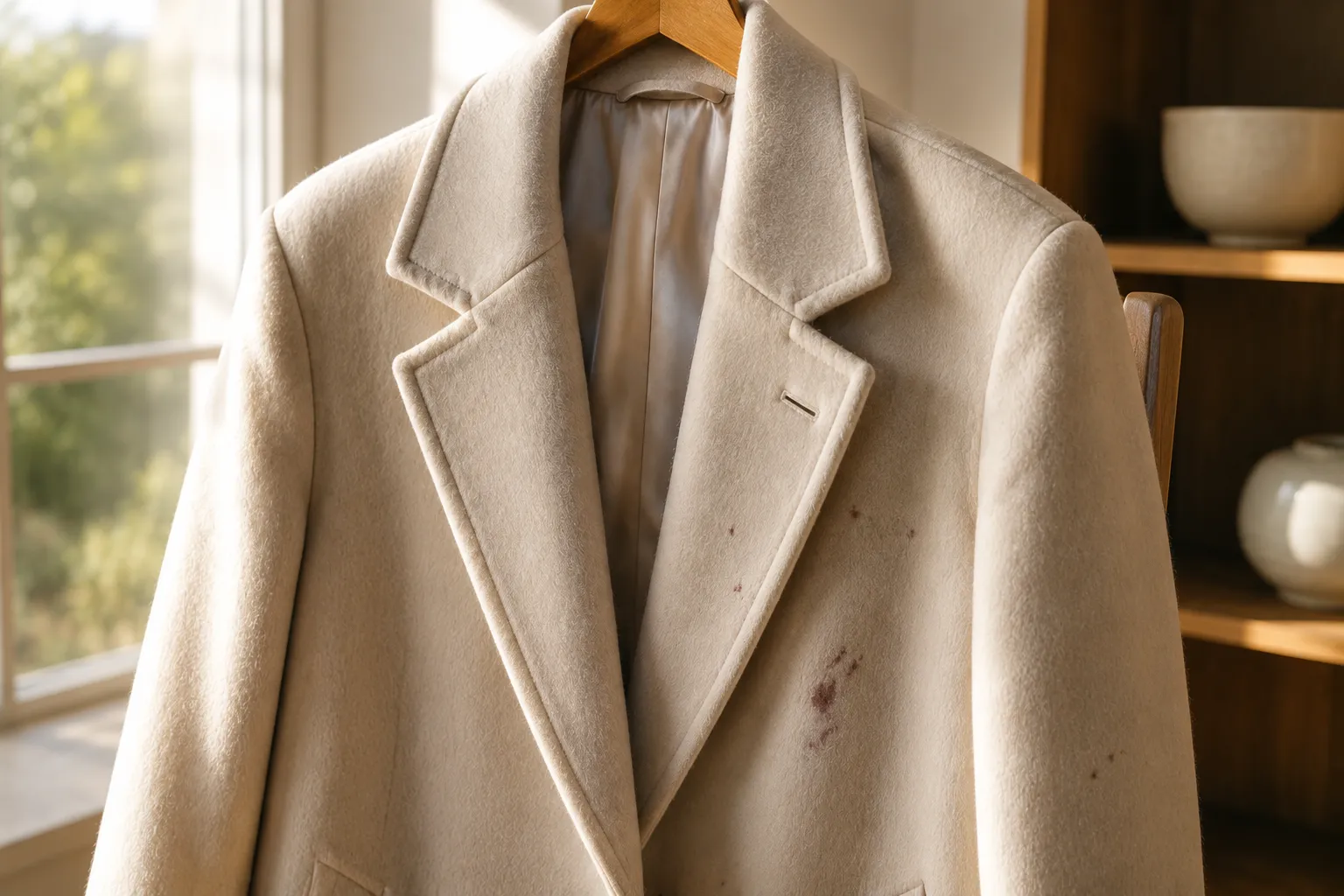
 After
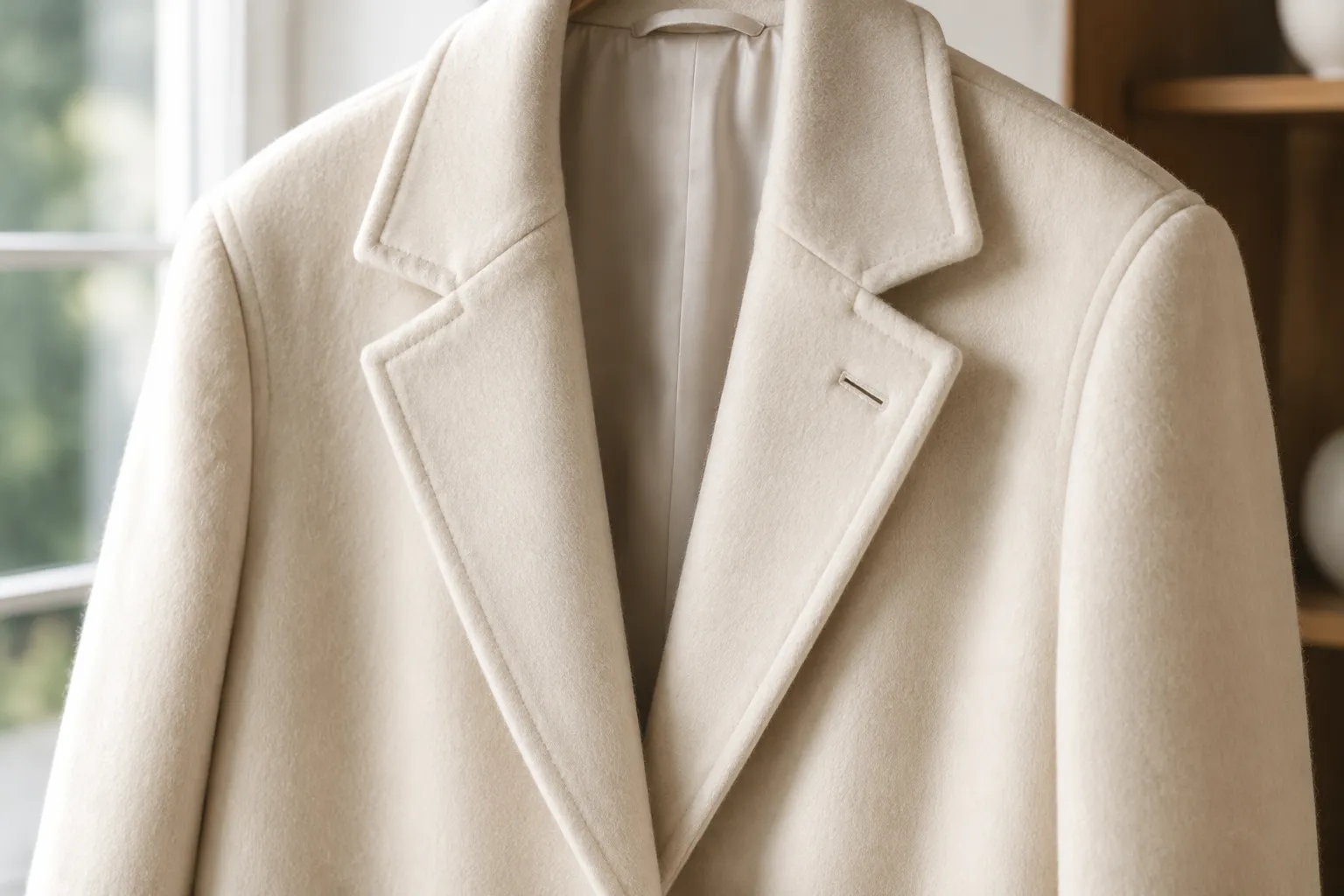
After
Request: Need to remove an old coffee stain from a cashmere coat.
Done: Applied local stain treatment, then full dry cleaning in special mode.
Cost: 8 000 ₸
Master: Aigul Sagindykova, dry cleaning master
Total: Stain completely gone, coat looks fresh and feels soft.
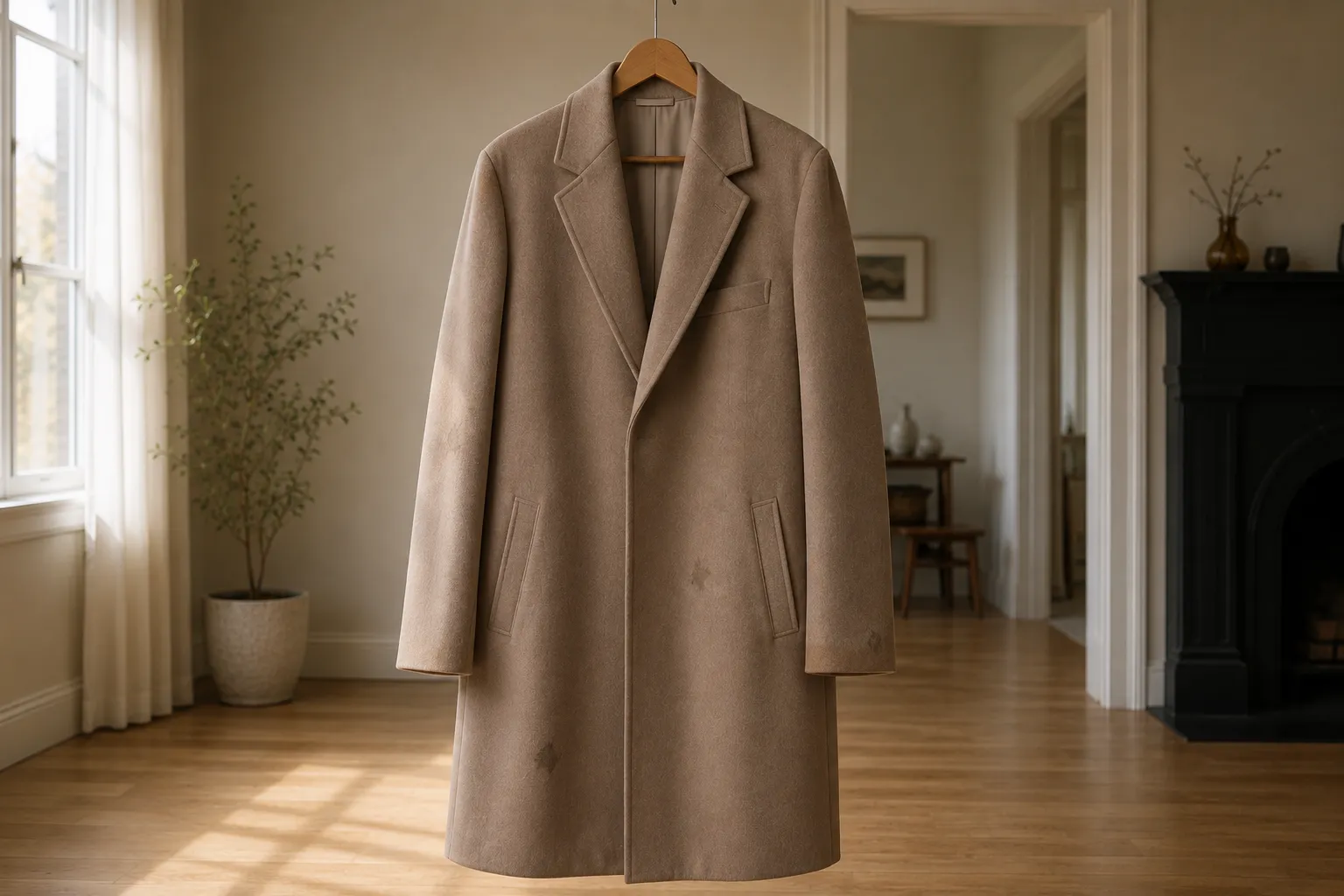
 After
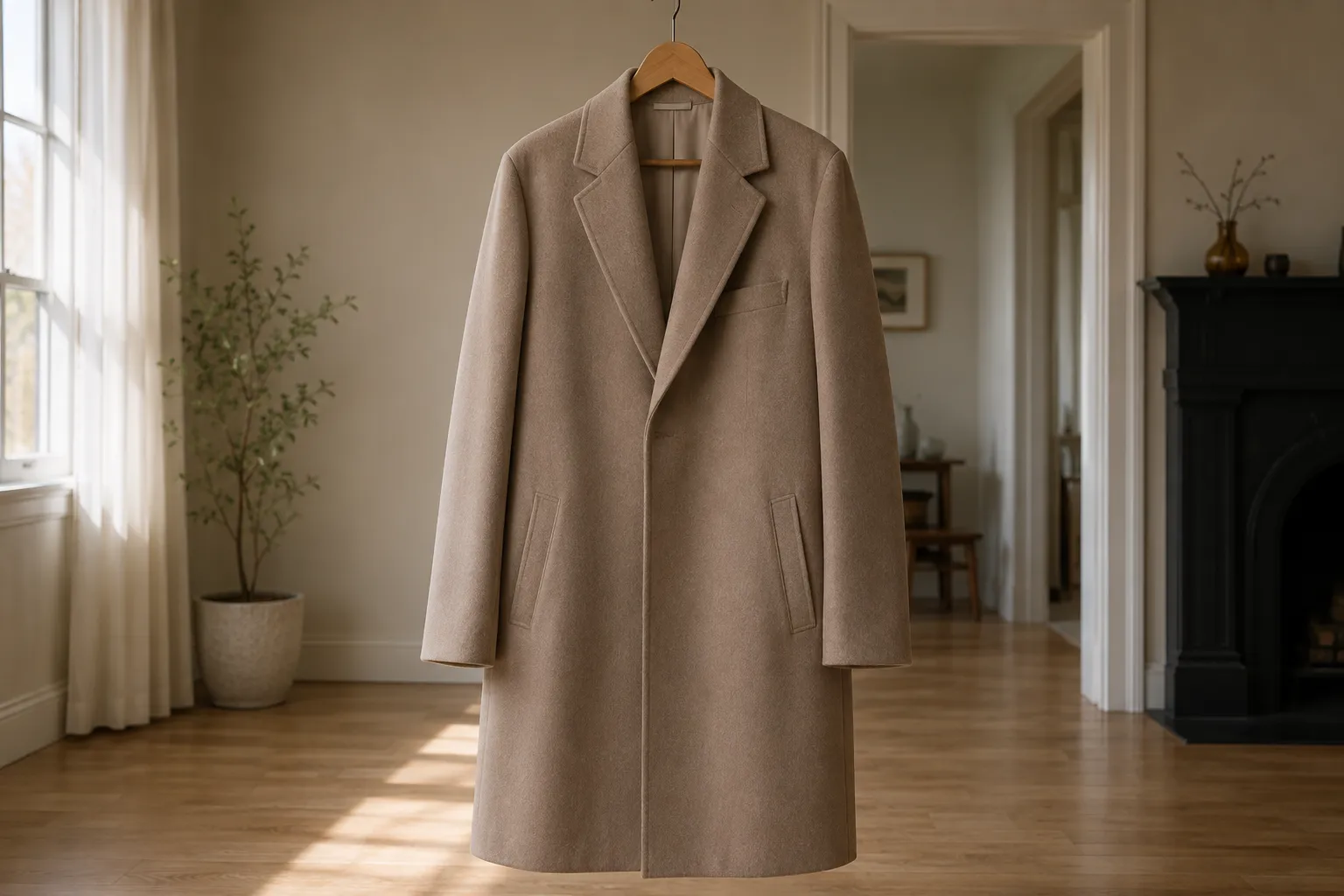
After
Request: Wool coat has a grease stain from sauce, needs dry cleaning.
Done: Treated stain with solvent, performed full dry cleaning with conditioning.
Cost: 8 000 ₸
Master: Timur Zhaksybekov, dry cleaning master
Total: Stain removed, coat clean, no odor or grease marks.
 After
After
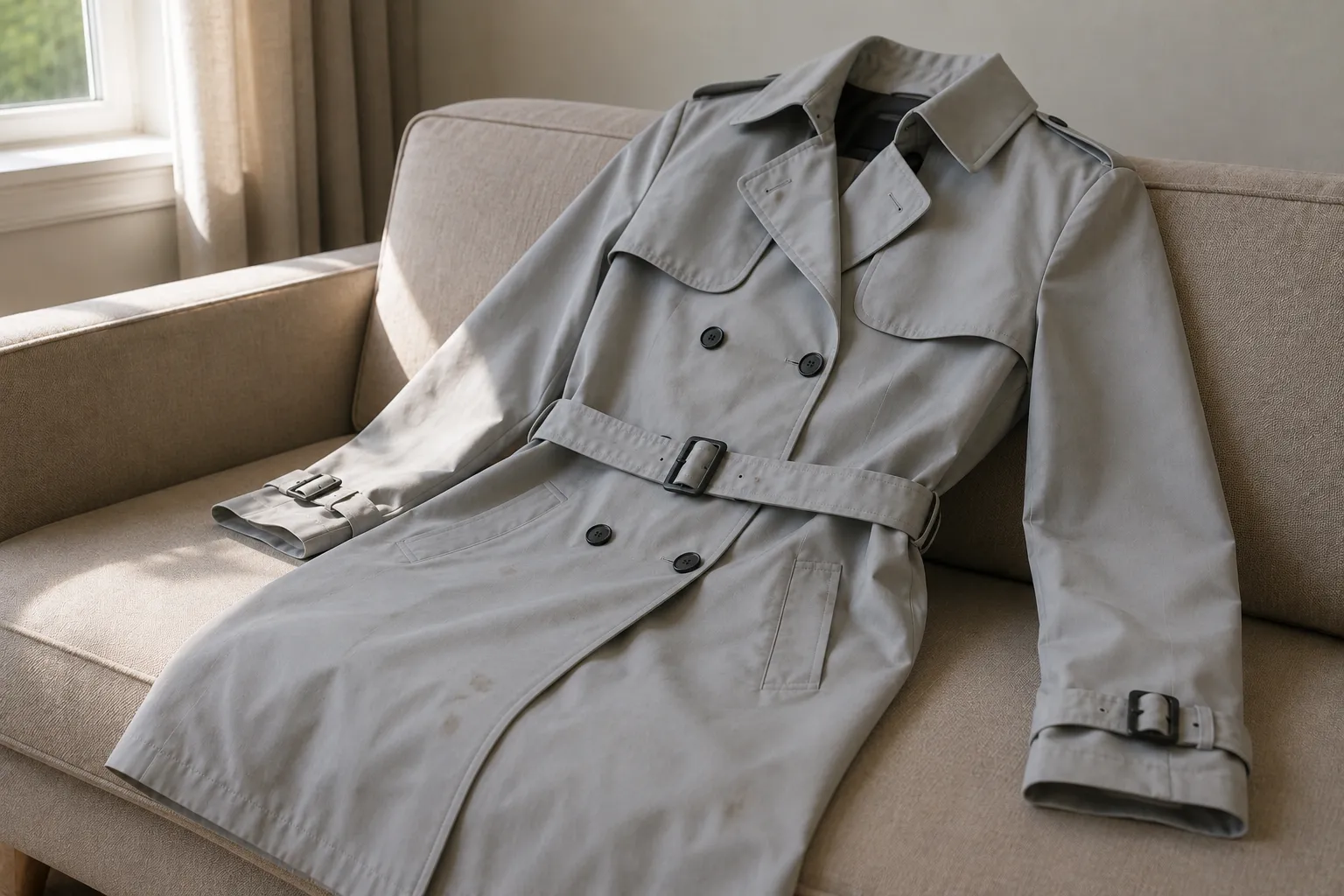
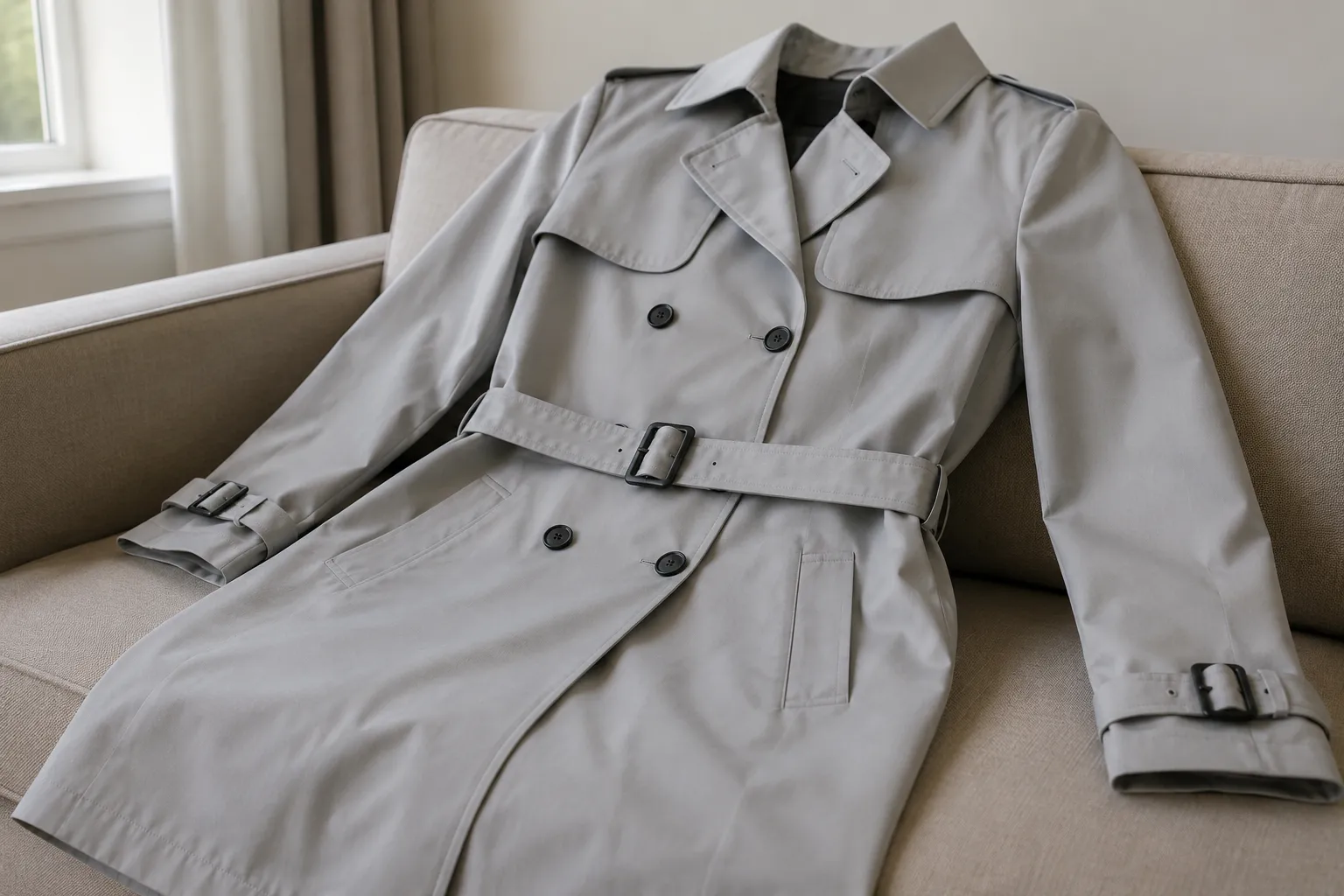
Request: Light trench coat dusty with rain stains.
Done: Performed dry cleaning with enhanced water stain removal.
Cost: 6 000 ₸
Master: Madina Akhmetova, dry cleaning master
Total: Trench coat clean, no streaks, color brighter and fresher.
 After
After
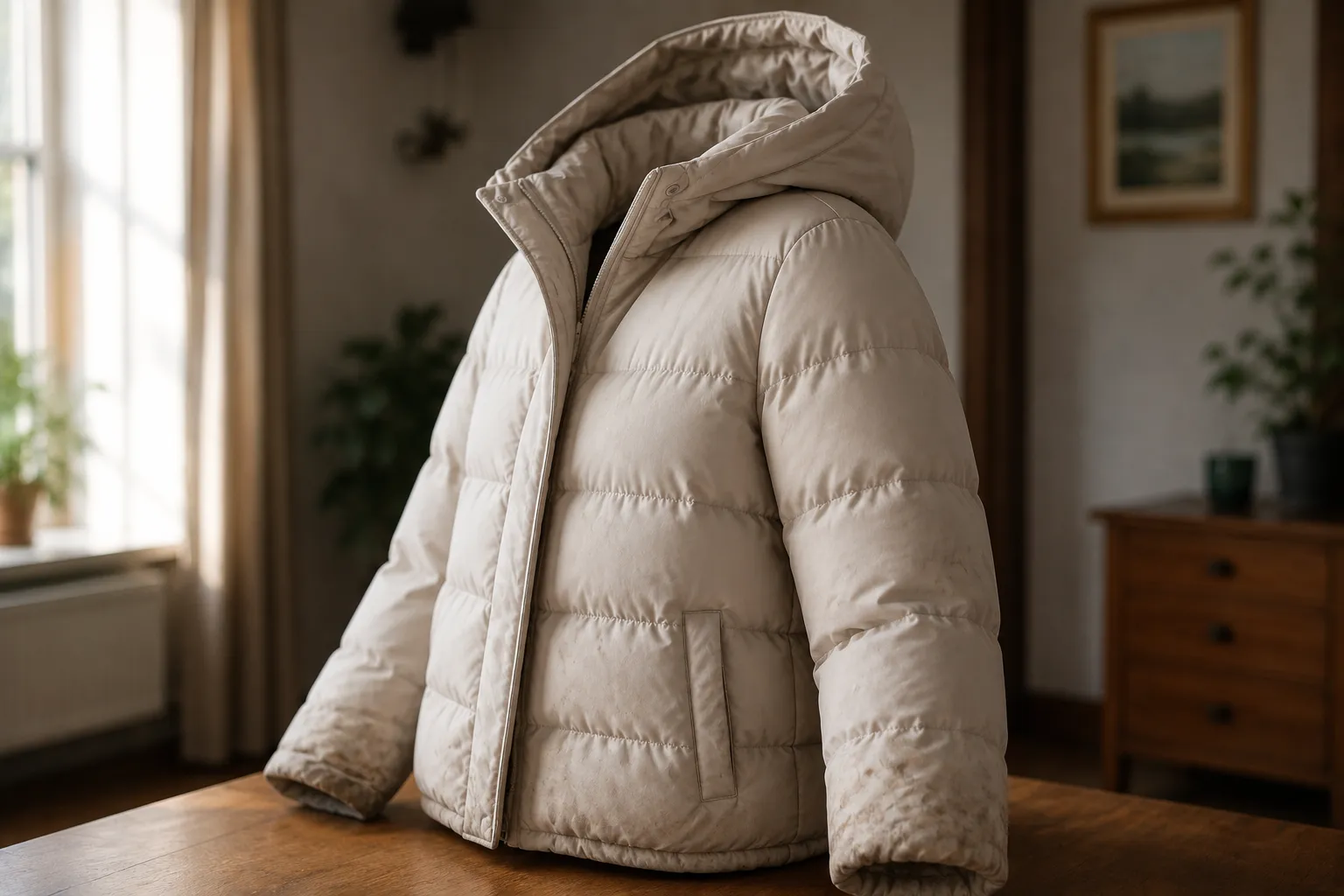
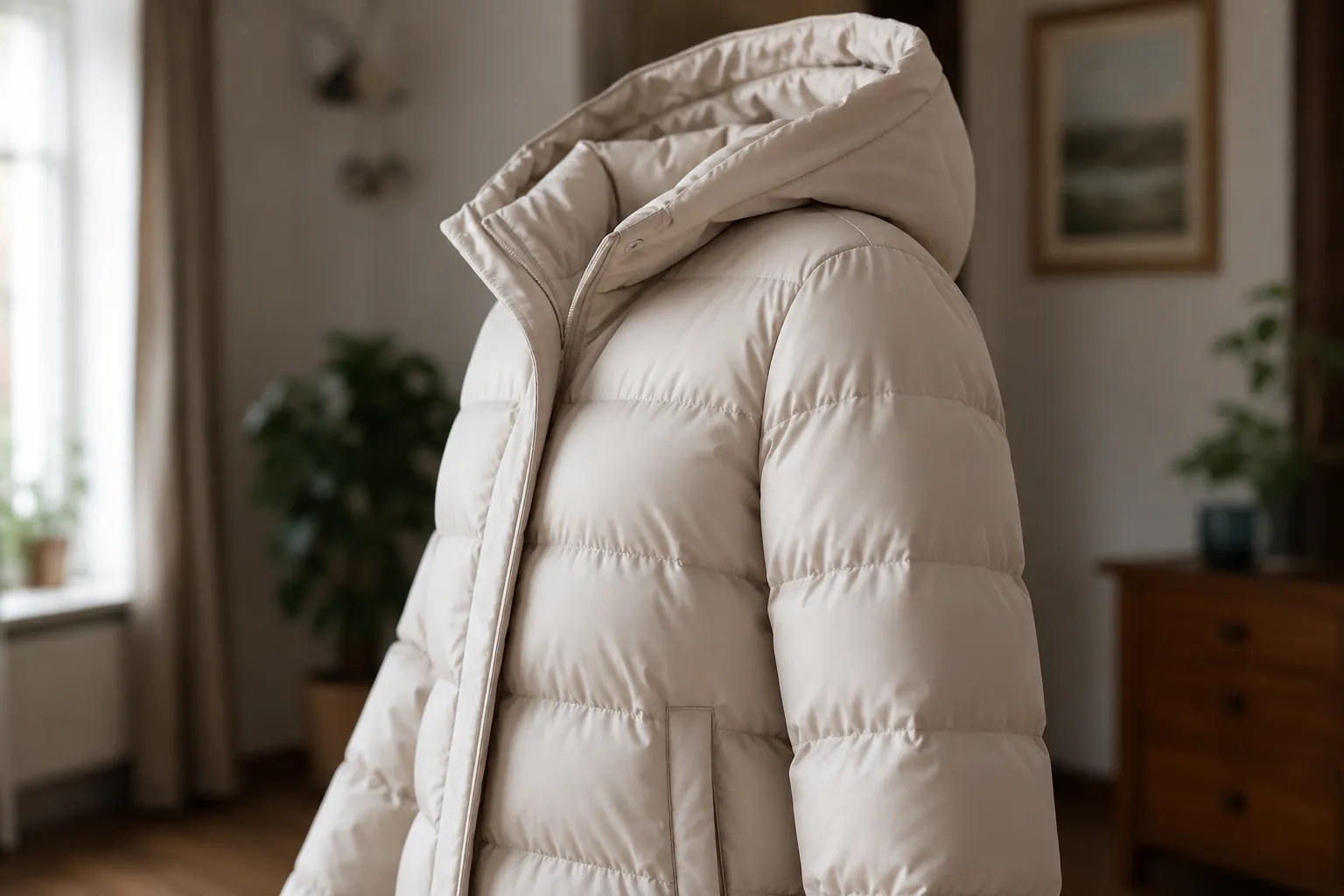
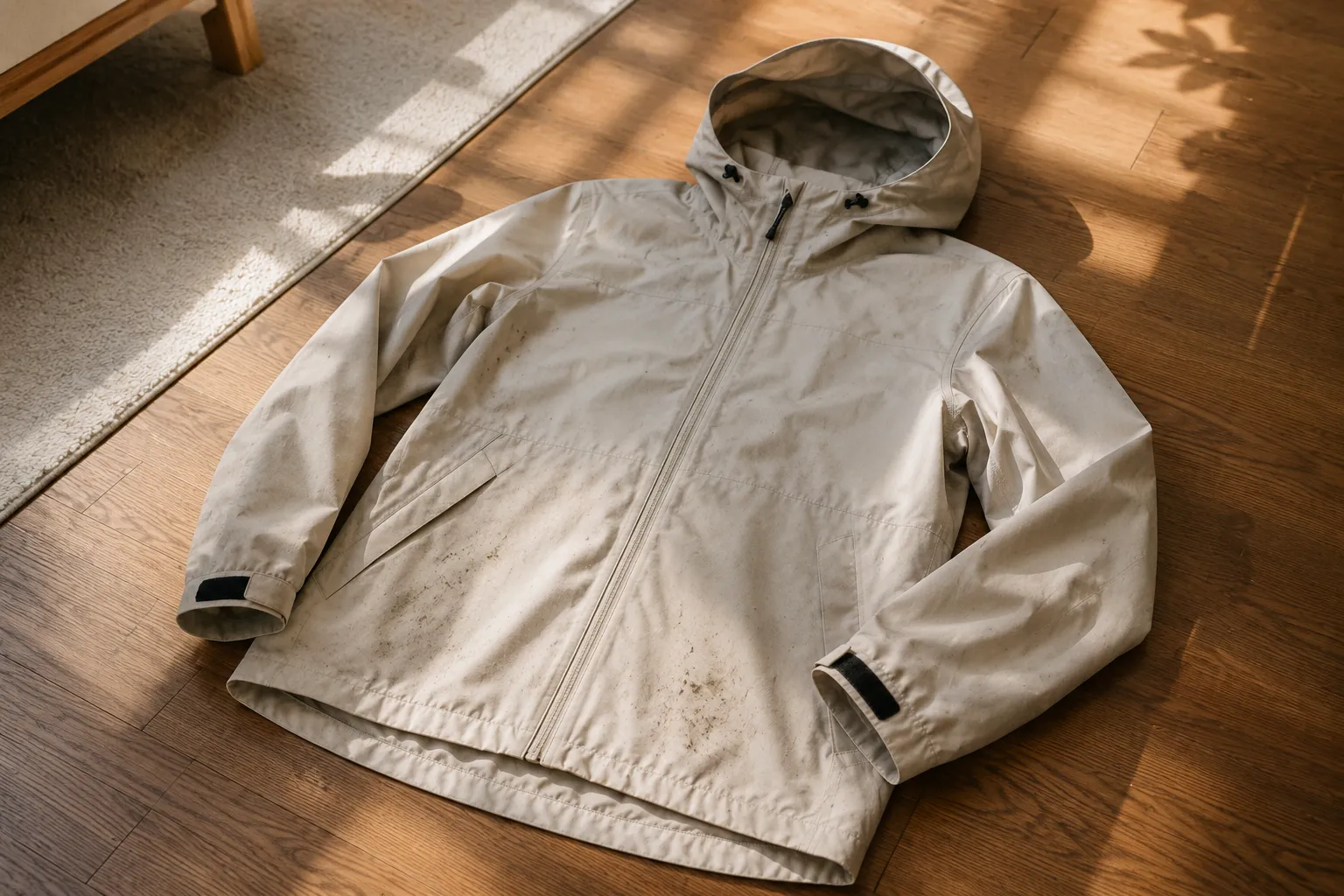
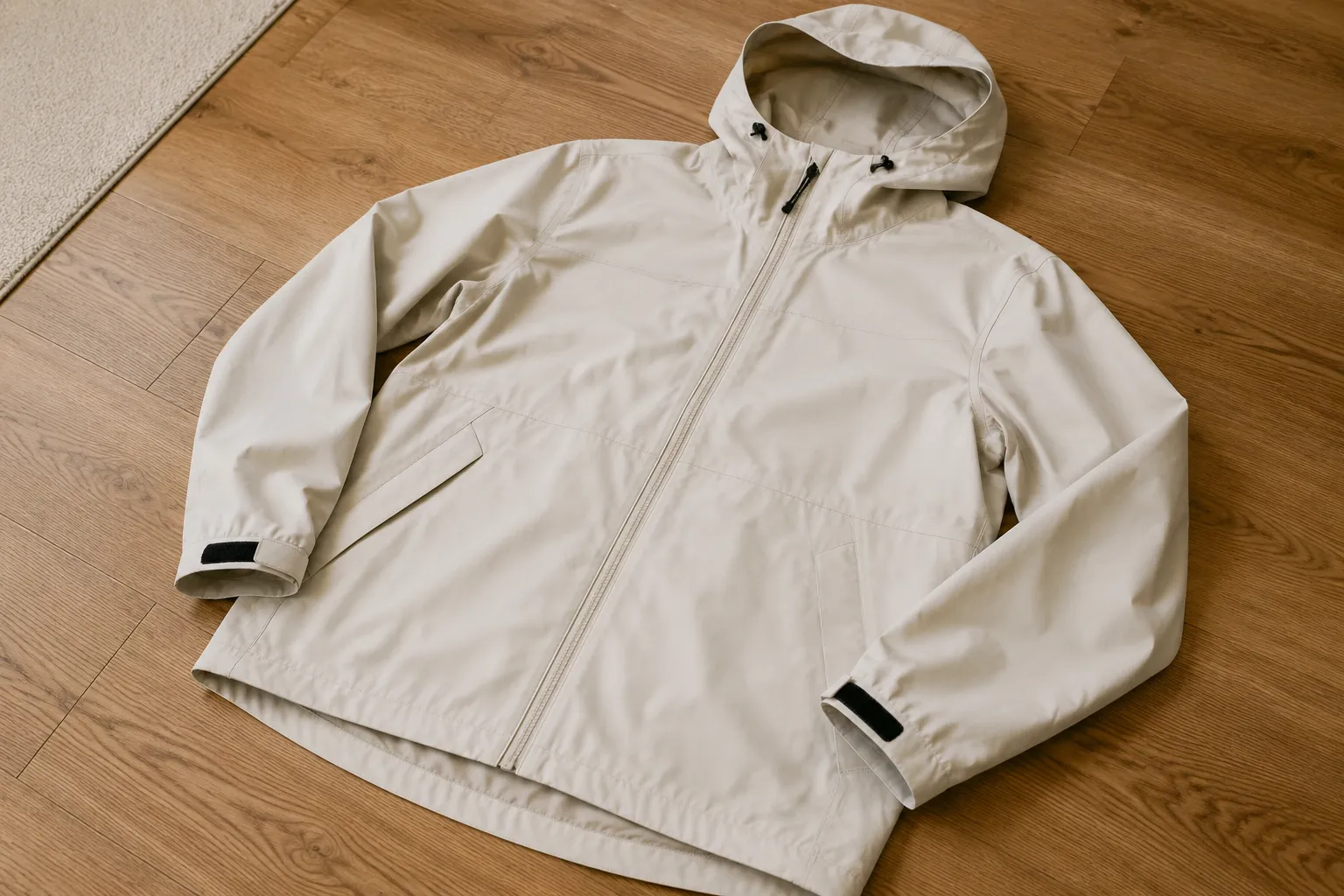
Request: Polyester raincoat soiled with dust and small stains.
Done: Performed dry and wet cleaning with antistatic treatment.
Cost: 6 000 ₸
Master: Aigul Sagindykova, dry cleaning master
Total: Raincoat completely clean, stain-free, pleasant to touch.
 After
After
Request: Membrane raincoat lost water-repellent properties.
Done: Cleaned with special solution and applied impregnation.
Cost: 6 000 ₸
Master: Timur Zhaksybekov, dry cleaning master
Total: Raincoat clean, water-repellent layer restored.
 After
After
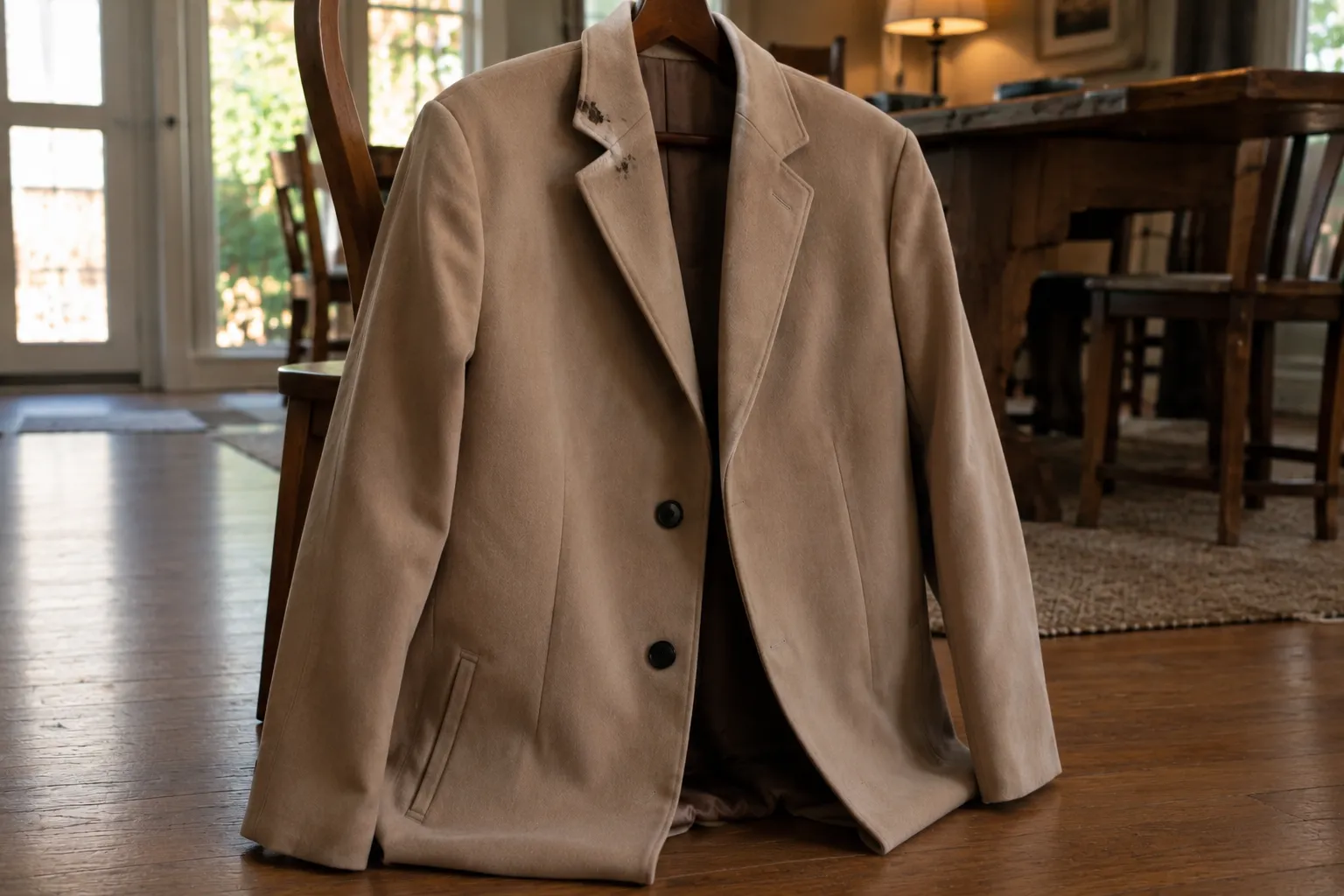
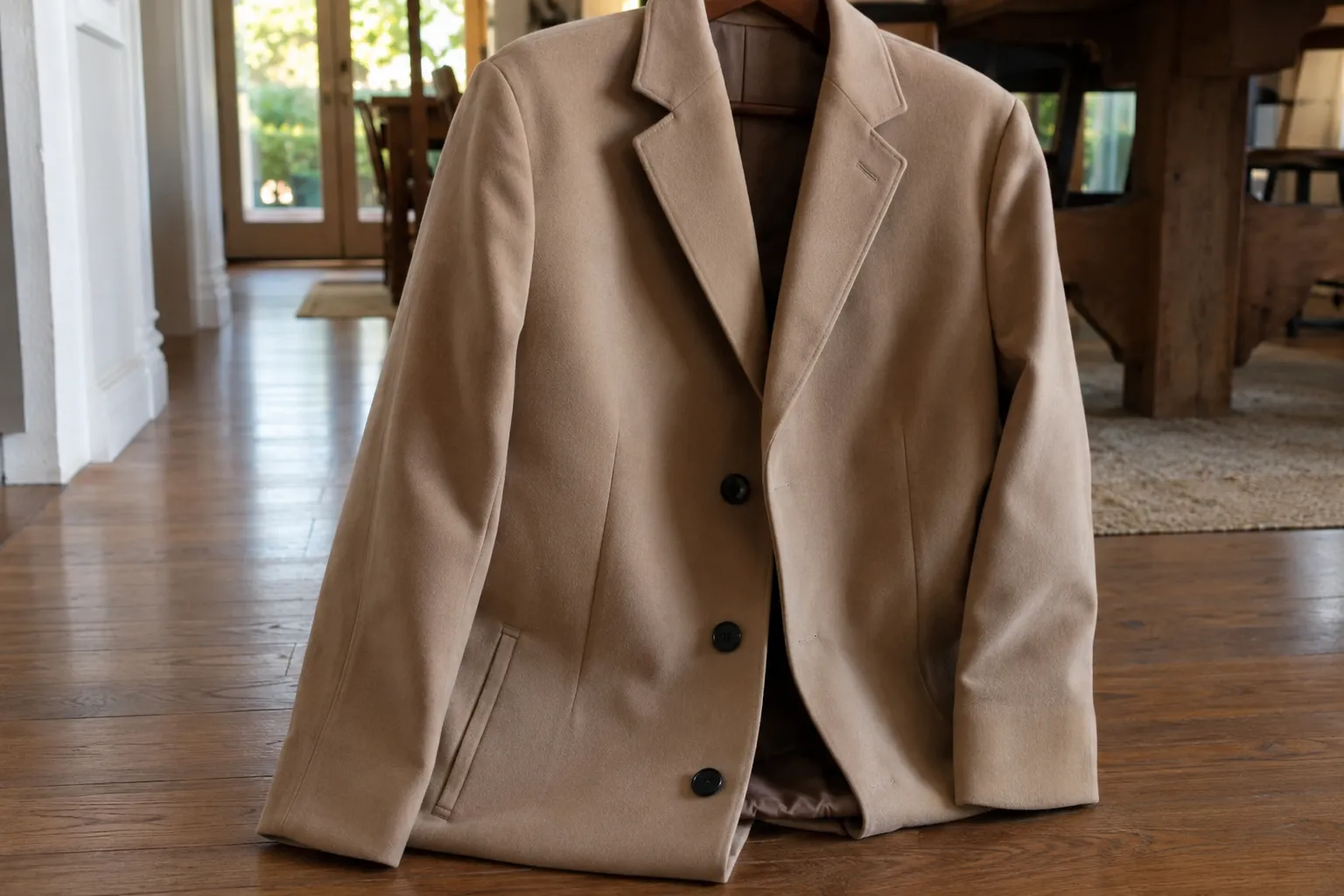
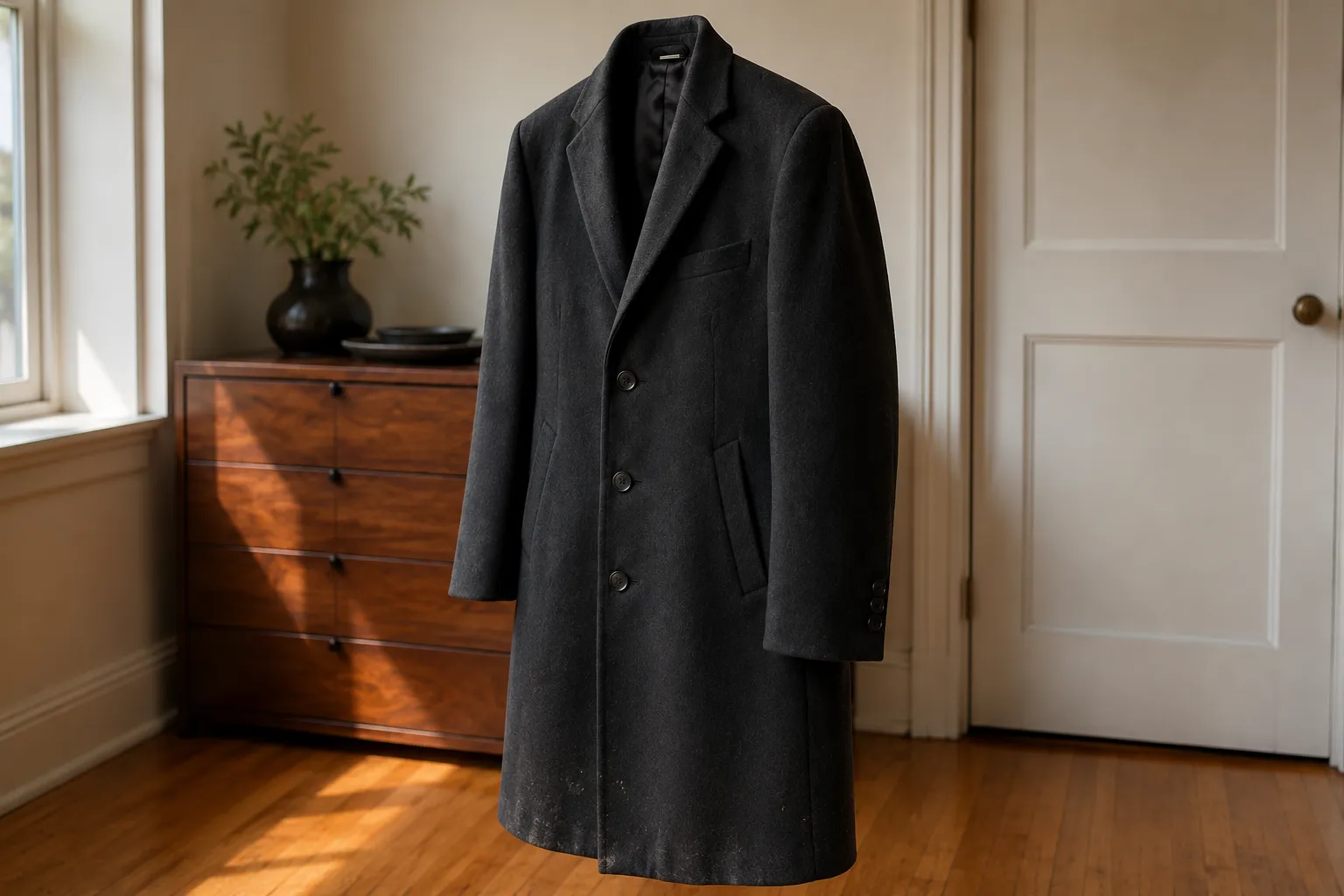
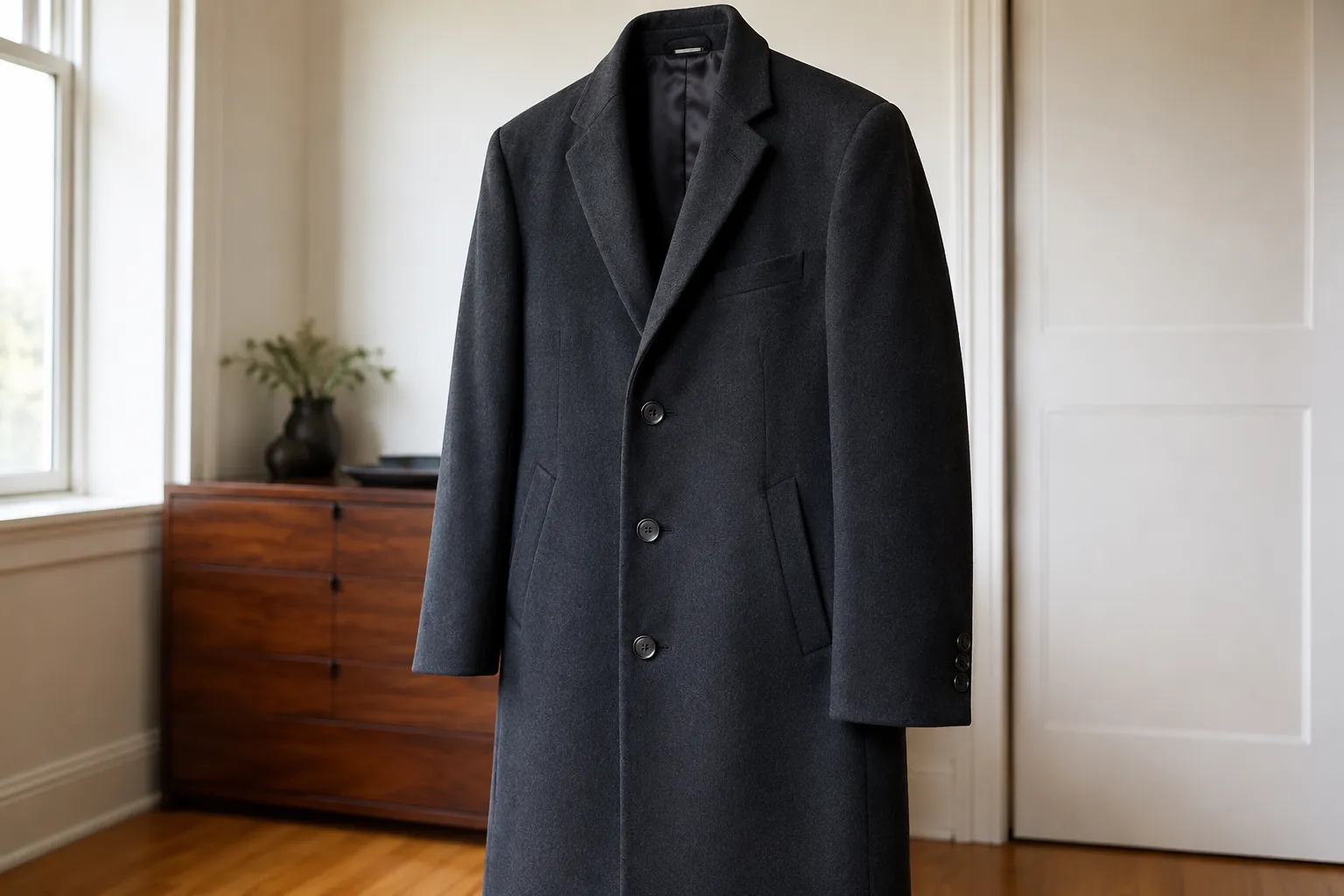
Request: Long wool coat with stains of unknown origin.
Done: Performed deep dry cleaning with complex stain removal.
Cost: 8 000 ₸
Master: Madina Akhmetova, dry cleaning master
Total: Coat perfectly clean, no stains, shape preserved.
 After
After
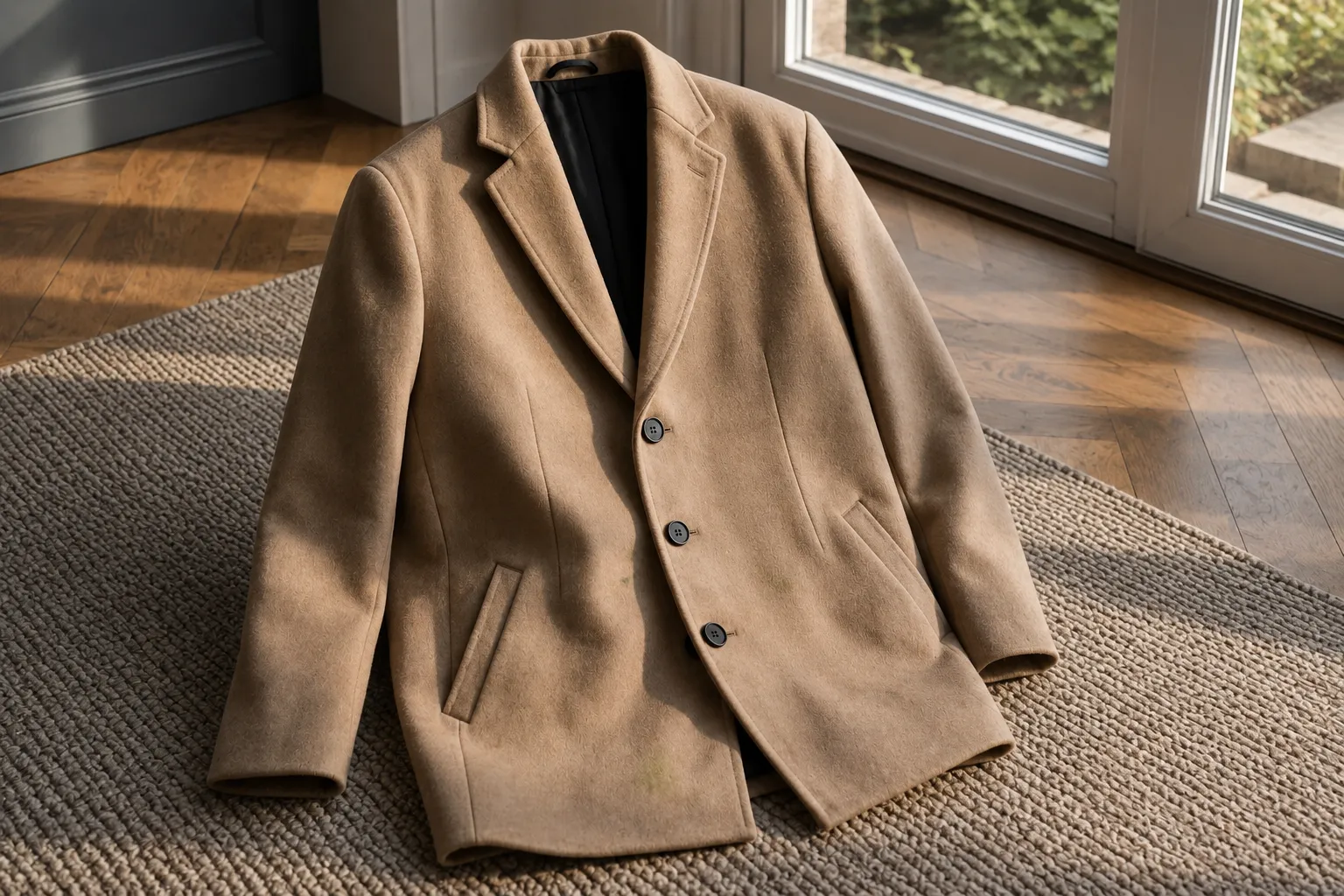
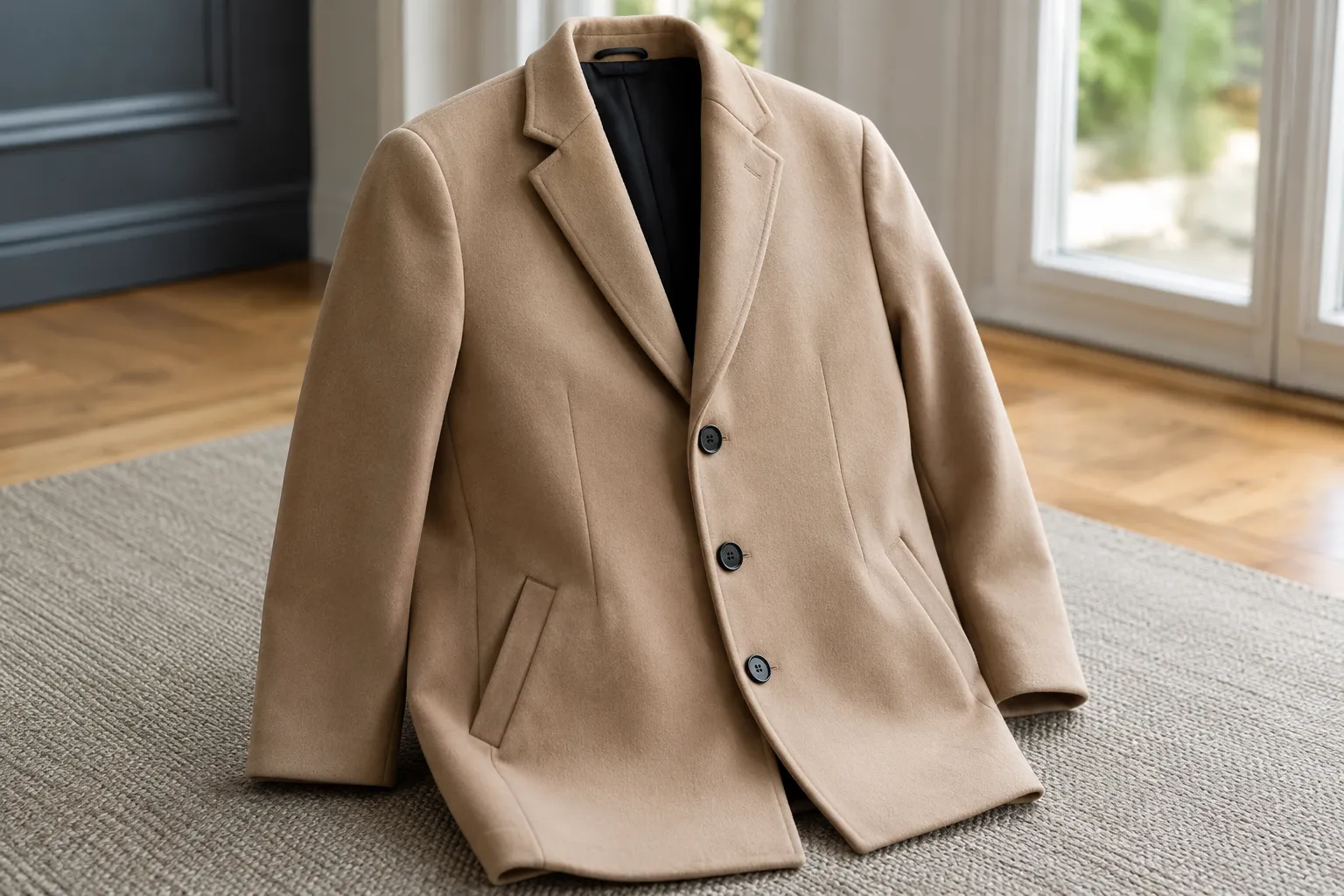
Request: Coat with fur collar needs delicate cleaning.
Done: Cleaned fur with special shampoo, coat with dry cleaning.
Cost: 8 000 ₸
Master: Aigul Sagindykovа, dry cleaning master
Total: Collar fluffy, coat clean and fresh.
 After
After
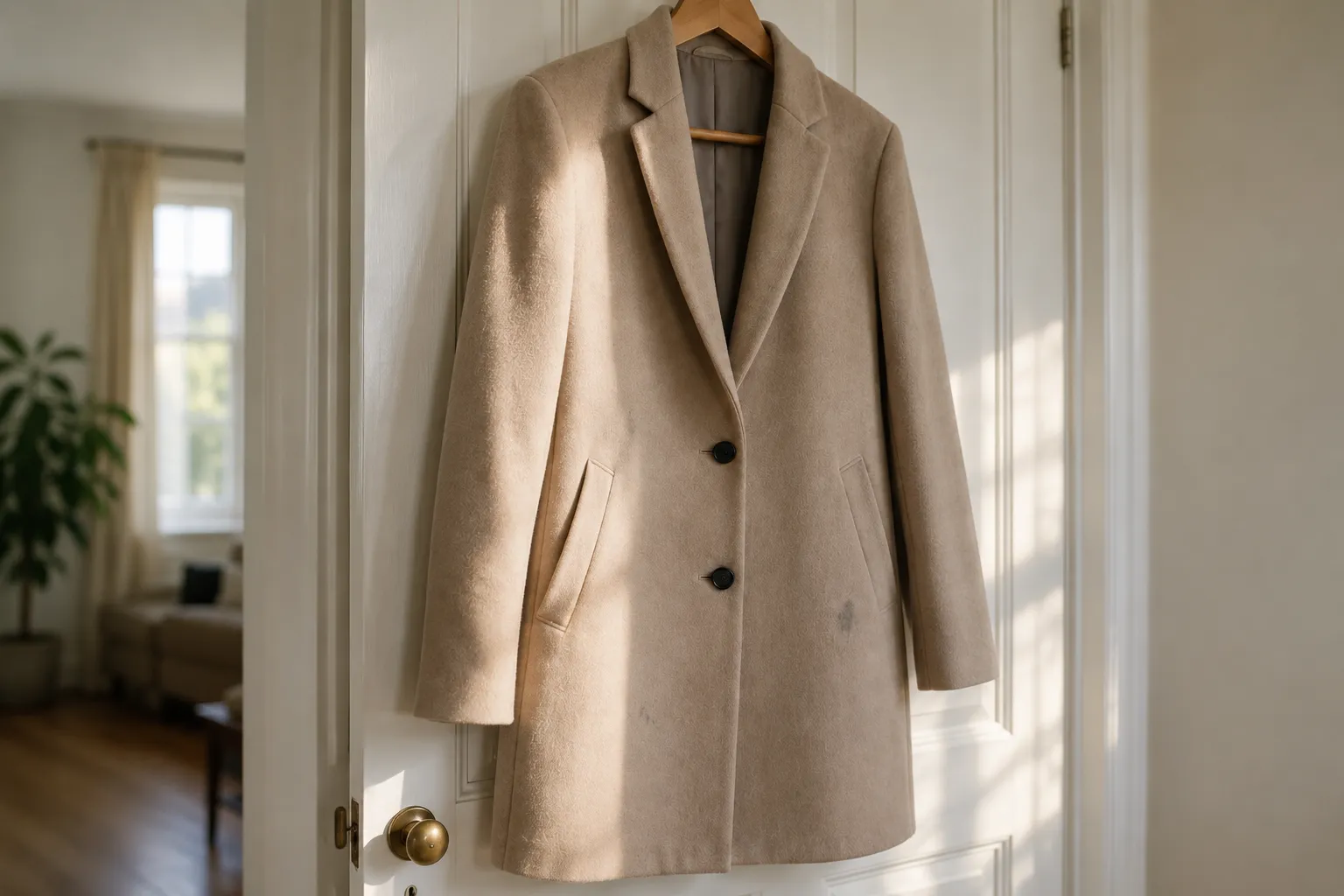
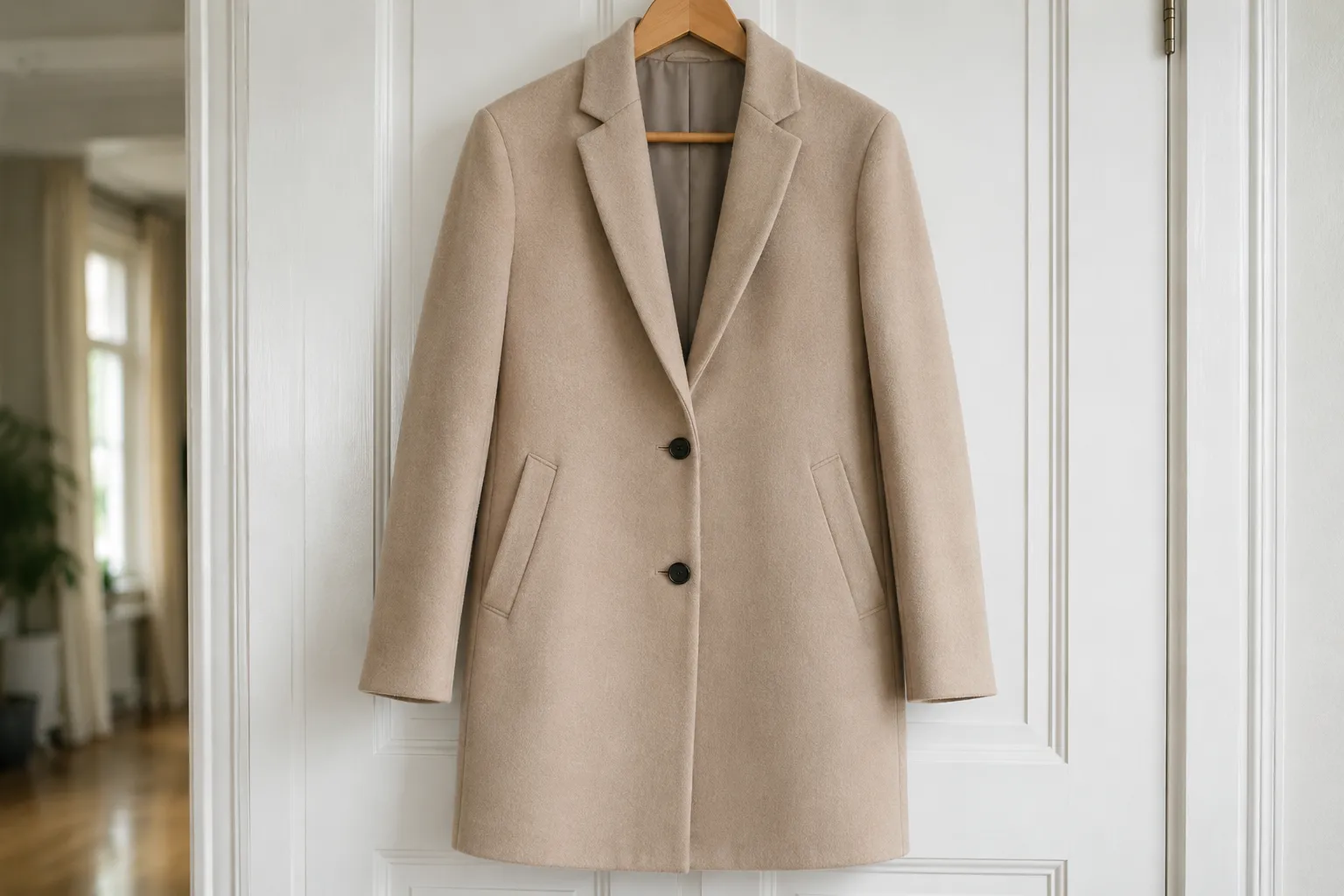
Request: White raincoat with yellow stains and scuffs.
Done: Bleaching and dry cleaning with enhanced pigment removal.
Cost: 6 000 ₸
Master: Timur Zhaksybekov, dry cleaning master
Total: Raincoat snow-white, no yellowing or stains.
 After
After
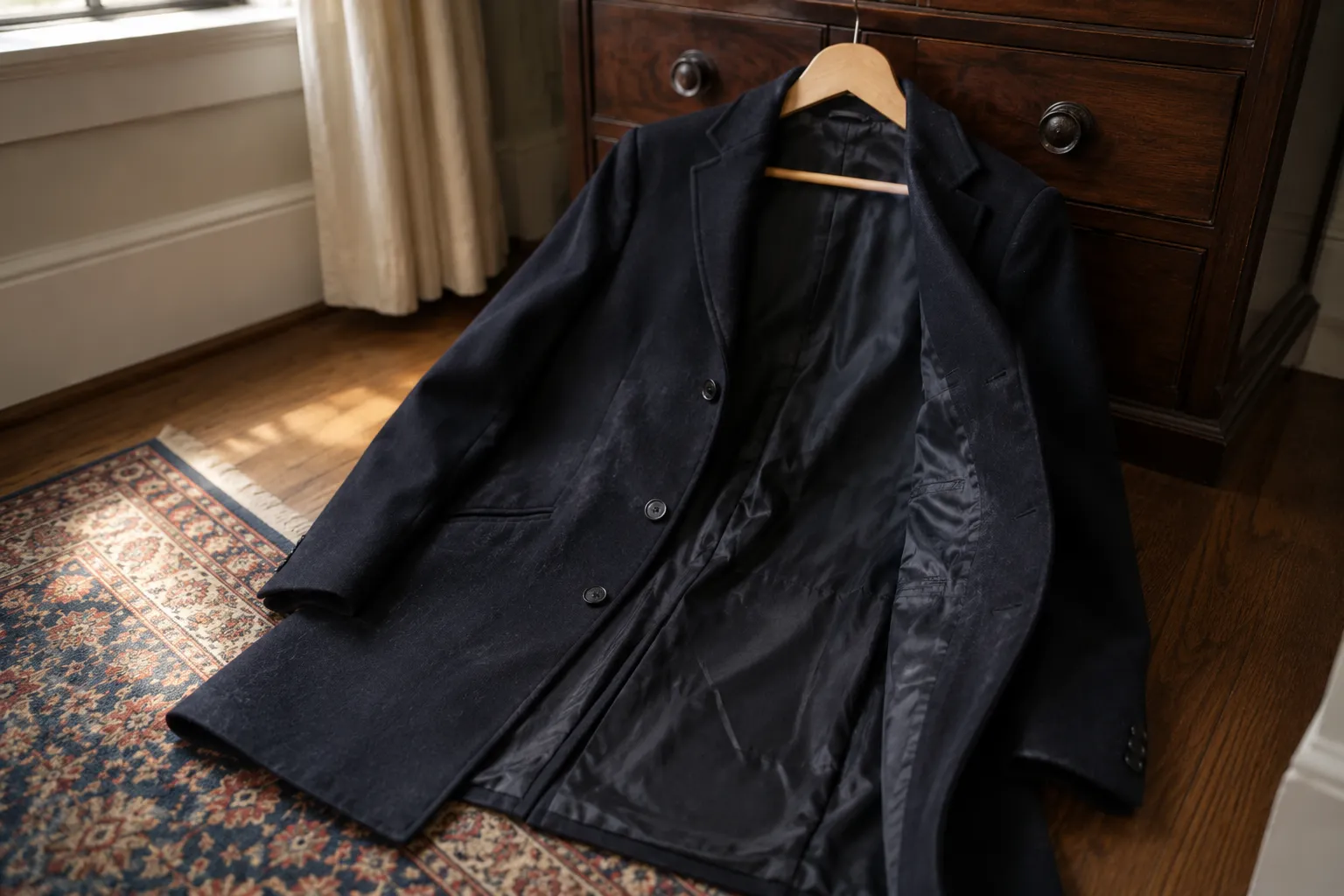
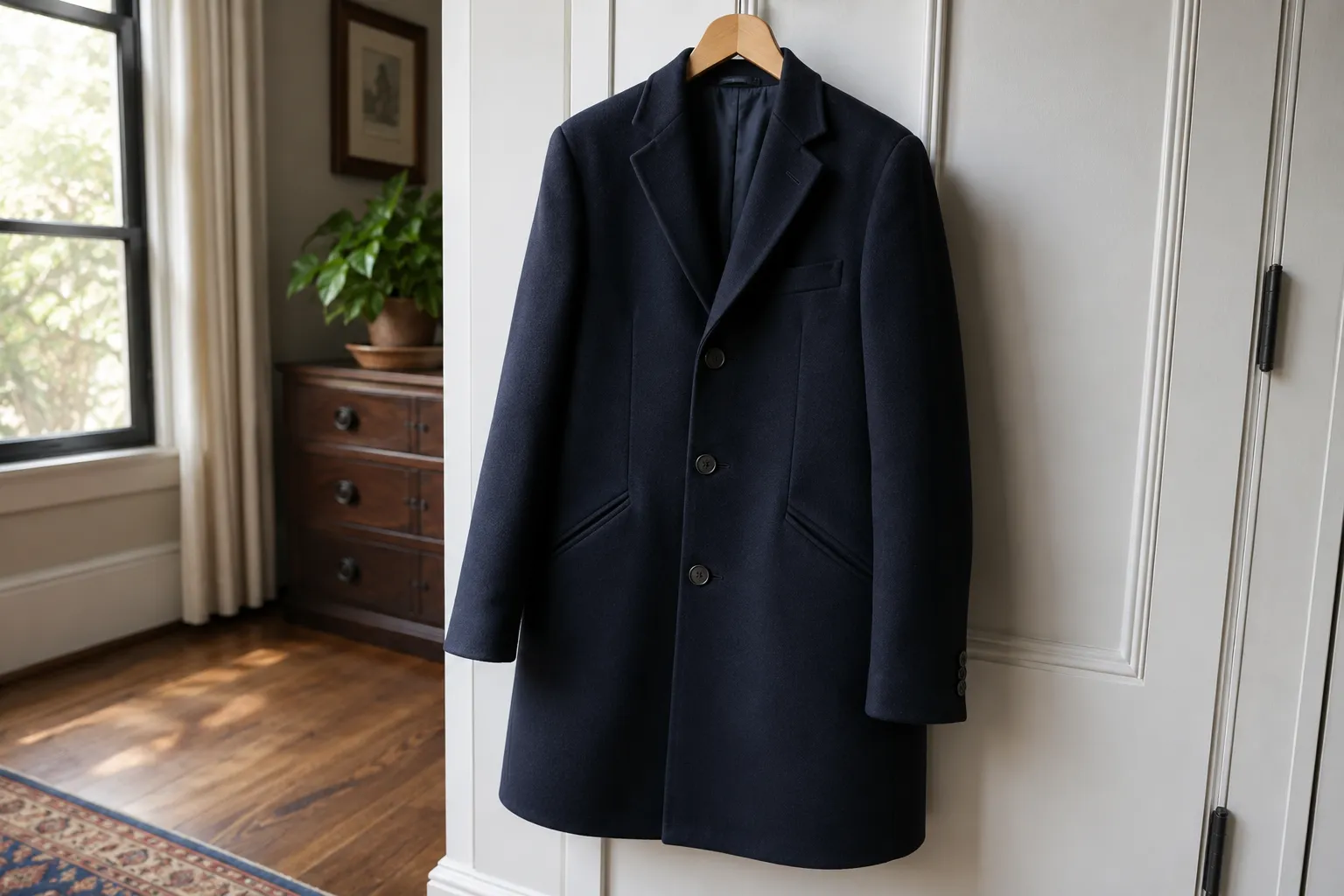
Request: Dark coat covered in pills and pet hair.
Done: Removed pills with a fabric shaver, performed dry cleaning with antistatic.
Cost: 8 000 ₸
Master: Madina Akhmetova, dry cleaning master
Total: Coat smooth, no pills or lint.
 After
After
Request: Coat with hood soiled after a walk in the rain.
Done: Performed dry cleaning with hood treatment and impregnation.
Cost: 6 000 ₸
Master: Aigul Sagindykovа, dry cleaning master
Total: Coat clean, hood without streaks, water-repellent treatment applied.
All cleaners are profi-clean staff with training, uniform and security check. Each order has a team leader who controls quality.
Yes, technically you can, but the cost of a mistake starts with a ruined item. Home washing or spot cleaning with household products does not account for the fabric type, lining construction, or the nature of the stain. In Almaty, where seasonal dust and precipitation mix with road reagents, improper trench coat care is one of the most common reasons an item loses its appearance after just one season.
A trench coat is not a puffer jacket or a regular jacket: its construction often includes rigid shoulder pads, a viscose or polyester lining, and an outer layer of blended wool, cashmere, or membrane. During hand or machine washing, water penetrates the layers unevenly — the pads deform, the lining shrinks, and the outer fabric can shrink by up to 5-7% on natural fibers. In Almaty, where tap water is hard (up to 7-8 mg-eq/L), home washing leaves white streaks from calcium and magnesium salts on dark trench coats. These streaks cannot be removed by repeated rinsing and require professional neutralization.
| Product Type | Why It’s Dangerous | profi-clean Alternative |
|---|---|---|
| Chlorine-based stain removers (Vanish, Bleach) | Destroy melanin pigments — color fades irreversibly after 2-3 treatments | Oxygen bleach based on sodium percarbonate (pH 10-11) — removes stains without discoloration |
| Vinegar essence (70%) | Dissolves glued seams on wool trench coats — the item falls apart at the seams | 10% alcohol solution for local removal of grease stains |
| Acetone / Nail polish remover | Washes off the factory water-repellent coating on membrane trench coats (Columbia, Napapijri) | Specialized compound for restoring DWR coating |
| Enzyme laundry detergent | Corrodes silk lining — leaving “burned” areas | Neutral soap (liquid, pH 5.5-6.5) for delicate fabrics |
A fur collar (especially from natural mink, fox, or raccoon fur) is a separate element that should not be cleaned together with the trench coat. At home, people either wet the collar with water — causing the leather base (skin) to stiffen and crack — or use a carpet cleaning spray, which mats the fur and makes it lose its luster. In Almaty, where winter humidity is low (40-50%), static electricity on the synthetic lining of the collar attracts dust, and after a home “cleaning,” the fibers stick together in clumps. The professional approach: the collar is removed (if detachable) or isolated, cleaned separately in a drum with cold air, and brushed with an anti-static brush — this is the only way to preserve the fur’s volume and shine without shrinking the leather base.
A musty or chemical smell is not a coincidence, but a symptom. Most often, it means moisture has been trapped inside the lining or between the fabric layers. In Almaty, where the average winter temperature is -5..-10°C, people dry items on radiators — hot air fixes the smell in the fibers instead of removing it. If, after home cleaning, your trench coat smells like a “wet dog” or vinegar, the only working method is ozone treatment in a professional chamber (ozone oxidizes odor molecules at the fiber level without heat). Drying outdoors in freezing temperatures is only effective for synthetics: on wool and cashmere, the cold slows evaporation, and the smell returns upon the first wetting. In our practice on service calls in Almaty, we recorded up to 12 inquiries per month about odor issues — in 9 out of 10 cases, the cause was an under-dried lining after home washing.
At the profi-clean dry cleaner, we see trench coats every day with stains that owners unsuccessfully tried to scrub out at home. The most difficult to remove are oil-based, protein-based, and set-in stains: they penetrate the fiber structure and become fixed there if you don’t know the correct solvent and temperature.
Oil cannot be washed off with water: fat is hydrophobic and only rubs deeper into the fabric when you try to scrub it with soap. On cashmere or drape, a greasy stain spreads into a halo that is visible even after drying. In our work with such stains, we use organic solvents (perchloroethylene or hydrocarbon compounds) at a controlled temperature of 30–40°C to emulsify the fat without damaging the fiber. On woolen raincoats, greasy stains from sauces or cream are removed in one cycle if the stain is fresh; old stains require pre-soaking in an enzyme-based stain remover. For raincoats made of blended fabrics with synthetics, the risk of shrinkage is higher — we test the composition on an inconspicuous area before applying the solvent. If you wipe an oil stain at home with a wet wipe, it sets — after such “help,” 1–2 more cycles will be needed.
Protein coagulates when heated above 40°C, turning into an insoluble residue that becomes permanently embedded in the fabric. Blood stains on light cashmere or wool are especially insidious: hot water during home washing fixes them forever. In professional practice, we treat protein stains with cold water (15–20°C) and a neutral enzyme stain remover that breaks down proteins into amino acids — they wash out easily. On raincoats with a viscose or acetate lining, a protein stain can migrate to the lining if the item has been left in warmth; this requires disassembling the garment and cleaning the outer fabric and lining separately. In October, we had a case: an angora raincoat with an old egg white stain — it took three cycles of enzyme treatment with intermediate drying to completely remove the yellowing. If you try to remove such a stain at home with an iron or steam, the protein bakes in — after that, the chance of saving the item drops to 30%.
Tannins from tea and coffee leave a yellow-brown pigment that oxidizes and darkens over time. On a woolen raincoat, a coffee stain older than a week penetrates the fiber cuticle and requires acid treatment (citric or oxalic acid in a weak concentration of 0.5–1%). We apply the solution spot-on, leave it for 10–15 minutes, and neutralize it with an alkaline compound to avoid damaging the wool structure. Red wine on a polyester raincoat is removed in one cycle, but on cashmere — in two, because the pile absorbs the pigment deeper. Home attempts to rub wine with salt are a myth: salt only absorbs moisture but does not remove tannin from the fiber; after such “help,” the stain remains and must be removed with a professional color restorer. If a coffee stain on a light raincoat has already dried and darkened, before placing it in the machine, we treat it with hydrogen peroxide (3%) and ammonia — the reaction takes 5–7 minutes, after which the pigment is bleached. Without such preparation, an old coffee stain may not come out even after two dry-cleaning cycles.
Foundation, lipstick, and self-tanner contain oils, pigments, and silicones that create a film on the fabric, repelling water and solvents. On a silk raincoat or microfiber raincoat, such stains look like dark greasy smudges that become sticky when wet. We use a pre-treatment with an alcohol-based compound (isopropyl alcohol 70%) to break the silicone film, followed by a hydrocarbon solvent in a gentle mode (30°C). On raincoats with prints or embroidery, a cosmetic stain can react with the dye — we test on a sample from the wrong side to avoid discoloration of the design. Home rubbing with a wet sponge spreads the pigment over a larger area, making the stain twice as wide. In practice, out of three raincoats with foundation stains, two require an additional cycle with an oxygen-based bleaching stain remover.
Berry, beet, and pomegranate juices contain bright pigments that, upon drying, bond almost irreversibly to cellulose fibers (cotton, viscose). On a wool-viscose blend raincoat, a cherry juice stain left untreated for an hour turns into a permanent discoloration. We use cold water with acetic acid (pH 4–5) to fix the pigment and prevent it from spreading, followed by an enzymatic stain remover to break down anthocyanins. If a beet stain has already dried, it is removed by soaking in an oxygen bleach at 25°C for 30–40 minutes. Home attempts to wash off juice with hot water and powder only set the pigment — on a white raincoat, such a mistake leaves a pink undertone that can only be removed by professional whitening restoration. On colored raincoats, the juice may partially strip the top layer of dye — after stain removal, a light spot appears, which is masked by tinting.
Proper care after professional cleaning extends the freshness of a raincoat by 2–3 times — we at profi-clean have noticed this from repeat orders of clients who return items in perfect condition after a season. Most fabric damage occurs in the first two weeks after dry cleaning, when the material’s structure has not yet restored its protective layer.
Immediately after treatment with professional solutions (we use hypoallergenic chemicals from Kiehl and Sodasan), the fabric fibers remain open and vulnerable. During this period, the raincoat should not be worn outside — especially in Almaty’s off-season weather with sharp humidity changes. Our cleaners always remove residual solvent during the final drying, but complete polymerization of the protective layer takes up to 24 hours. Moreover, this process takes longer on dense wool than on synthetic lining. If you wear the raincoat too early, dust and microparticles from the street become embedded in the softened fibers — and the next cleaning will be needed 30–40% sooner.
Immediately after dry cleaning, we recommend treating the raincoat with a water-repellent spray — on cashmere and wool, it lasts up to 4–5 weeks with 2–3 wears per week. In our orders, clients who use the spray after each cleaning return for re-treatment on average a month later than those who skip this step. On membrane raincoats (Gore-Tex, Sympatex), a water-repellent treatment is mandatory: without it, the outer layer gets wet within 15 minutes under Almaty rain, and dirt is driven into the membrane’s pores. Before applying the spray, check the label — some silicone-based formulations block the membrane’s breathability, so for such fabrics, use a fluorocarbon-based treatment.
A smell after dry cleaning is not normal but a sign of technology failure: residual solvent, insufficient drying, or a chemical reaction with the fabric. Let’s break down the three main causes and how to fix them, based on our experience in Almaty.
Professional dry cleaning uses perchloroethylene (PERC) or hydrocarbon solvents — they effectively dissolve grease and oils but require complete evaporation. If an item is removed from the machine too early or the drying cycle is shorter than normal, solvent molecules remain in the fabric fibers. On coats made of dense cashmere or double-sided wool, the smell lingers for 3–5 days, even if the item is hanging on a hanger. In our practice, there was a case: a client brought in an angora coat that smelled like a “pharmacy” after cleaning at another service — a repeat steam treatment with ventilation for 2 hours completely removed the odor. Before putting the item in your wardrobe, ask the masters to conduct a residual odor test — just sniff the lining in the armpit area, where the fabric is thickest.
Coats made of synthetics and blended fabrics (polyester, nylon) actively absorb sweat and deodorant — components of these substances react with alkaline stain removers. The result is an ammonia or “sour” smell that intensifies when wet or in rainy weather. In Almaty, where air humidity in spring and autumn reaches 70–80%, such a reaction occurs in every fifth coat with a dense lining. We recorded a case: a microfiber coat smelled like vinegar after cleaning — it turned out that traces of antiperspirant with aluminum remained on the lining, which neutralized the alkali. A neutralizing rinse with a pH of 5.5 at the final stage helps. If after cleaning you smell not “chemicals” but a sour or sharp odor — do not hang the item in the closet, but immediately air it out on the balcony for 24 hours and treat it with steam from a steamer.
The most common mistake in home dry cleaning and in services without industrial equipment is drying in a closed room without air circulation. Damp fabric, especially lining made of viscose or acetate, takes 12–18 hours to dry, and during this time mold fungi multiply in the folds and seams. The musty smell is their waste product, and it does not dissipate but only intensifies when worn. In Almaty, where winter heating dries the air to 20% and spring humidity fluctuates, the risk of mold on insulated coats is 2 times higher. At profi-clean, we dry coats in a chamber with forced ventilation and humidity control of 40–50% — this prevents moisture stagnation. Check the seams and collar after cleaning: if the fabric feels cool and damp to the touch 6 hours after pickup — demand additional drying in the chamber, otherwise a persistent smell of dampness will appear within a week.
Not all smells are equally dangerous. A light “factory” aroma of solvent dissipates within 2–3 hours of airing, and this is acceptable for items made of dense wool. Warning signs: the smell does not go away after overnight airing; it intensifies when wet or in warmth; you can smell it at arm’s length. In such cases, the item should be returned to the service for repeated degassing — this is free under warranty if less than 24 hours have passed. Keep a simple test at home: put the coat in a bag for an hour — if after opening the smell is concentrated and sharp, it means the solvent has not completely evaporated, and the item needs to be treated again.
The choice between home washing and professional dry cleaning determines not only the appearance of the coat but also its service life. Let’s break down the key differences based on parameters that actually affect the condition of the fabric.
When washing a coat at home in an automatic machine, you risk shrinkage of 3–8% of the original size — especially on cashmere, wool, and viscose, which make up to 60% of the outerwear assortment in Almaty stores. Professional dry cleaning at profi-clean uses a closed cycle with perchloroethylene at a temperature of 25–30 °C — the fabric does not heat above room temperature, and fibers do not compress. Coats made of polyester and nylon (e.g., sporty Columbia models) are less sensitive, but even with them, at 40 °C in a washing machine, the lining deforms at the seams. Shrinkage at home is irreversible — stretching the coat back is only possible on an industrial press, and this incurs additional costs.
Wool and cashmere coats lose their pile after machine washing — pilling appears on the surface after just 2–3 cycles, and viscose lining often shrinks, pulling the hem of the garment. At profi-clean, an in-house technologist assesses the fabric composition before starting work: for 100% cashmere, we only use dry cleaning with the hydrocarbon solvent KWL — it does not wash out lanolin, which preserves the softness of the fibers. Membrane coats (Gore-Tex, Dermizax) cannot be washed with powder — it clogs the pores, reducing breathability by 40–70%. In professional cleaning, the membrane is treated with special compounds that restore the water-repellent layer. At home, you simply “kill” the coat’s breathable properties in a single cycle.
Home washing only handles surface dirt — sweat, dust, light coffee stains. Grease marks, soiled collars and cuffs, and foundation stains require pre-treatment with solvents not found in household chemicals. In our practice, there was a case: a client washed her bouclé coat three times in a machine — a greasy sauce stain only spread, covering an area 4 times larger than the original. We removed it in one go using an enzyme-based stain remover and dry cleaning. The price of dry cleaning a coat at profi-clean is calculated individually based on area and condition — for complex stains, it is still cheaper than buying a new coat after a ruined wash.
Laundry powders with optical brighteners wash out pigment from dark fabrics — a black coat turns gray after 5–6 washes, a blue one fades. Professional solvents contain no alkalis or chlorine, so the color remains vibrant. The coat’s shape suffers from the spin cycle: spinning at 800–1000 rpm deforms the shoulder area, especially on models with shoulder pads. At profi-clean dry cleaning, the garment does not undergo mechanical twisting — after cleaning, it is steamed on a mannequin to restore factory lines. A thick wool coat after home washing often shrinks in length by 2–4 cm, and the hem becomes wavy — this can only be corrected with repeated wet-heat treatment.
Household powders and fabric softeners leave microparticles on the fabric that come into contact with the neck and wrists. In people with sensitive skin, this causes itching and redness — especially in spring when the coat is worn on bare skin or a thin turtleneck. At profi-clean, we use hypoallergenic chemicals from Kiehl and Sodasan — they are certified for children’s clothing. After cleaning, the coat undergoes a double rinse in a closed cycle, with residual chemicals not exceeding 0.02 mg/cm². Home washing with fabric softener leaves up to 0.5 mg/cm² of surfactants — a 25-fold difference. If you or your child are prone to dermatitis, professional cleaning is not a luxury but a medical necessity.
The most common defect after home washing is fabric distortion due to uneven drying on a line or radiator. Wet wool stretches downward under its own weight, causing a skewed hem and sleeves of different lengths. At profi-clean, drying takes place in a tumble dryer at 40 °C with humidity control — the fabric shrinks evenly without deformation. Cashmere coats are dried on a horizontal mesh in a spread-out position — this prevents stretching. After drying, the garment is steamed with a steam generator equipped with a HEPA filter that removes dust mites. Home drying on a radiator at 60–80 °C dries the fabric to brittleness — micro-cracks in the fibers appear after just one season.
I ordered dry cleaning for my raincoat — rain stains completely gone, item like new.
Thank you, Aigerim! We're glad you loved the result.
I ruined my raincoat with oil, thought I'd throw it away. After cleaning, not a trace remained.
I sent my raincoat for dry cleaning after repair — paint stains were removed, but the chemical smell remained.
Thank you for your feedback! We'll try to improve ventilation.
My beige raincoat shone after cleaning, even my husband noticed.
Leather coat dry cleaned — returned perfectly clean and soft.
Great! Leather requires a delicate approach.
Spilled red wine on the coat, stain removed perfectly. Thanks!
Coat dry cleaning took 5 days instead of promised 2. Stains removed, but service is lacking.
We apologize for the delay. We are working on speed.
Puffer coat became fluffy and clean, like new from the store.
Gave nylon coat for dry cleaning — collar dirt gone, no streaks.
Glad we handled the task!
Pen stain on coat removed, but had to wait longer than usual.
Thank you for your patience, we are working on deadlines.
Work coat got greasy — dry cleaning made it neat.
Foundation on collar — after cleaning no trace, item fresh.
Coat after construction — cement and dust. Dry cleaning handled it perfectly.
Tough stains are our specialty.
The coffee stain was removed, but a slight yellow tint remained on the cuffs.
We apologize; on your next visit, we'll offer a discount.
The drape coat became softer and cleaner after dry cleaning. I recommend it.
Grease stain on the chest — removed without a trace. The item looks like new.
I ordered dry cleaning for my coat due to sweat odor. The smell is gone, but the fabric shrank a bit.
Sorry for the shrinkage; we'll take your experience into account for delicate treatment.
Children's coat after a walk — grass and dirt stains disappeared.
The coat got paint during renovation — dry cleaning saved it, paint completely removed.
Glad to help! Come back again.
Lipstick on the collar — wiped off without issues. Excellent quality.
The coat smelled of fish after fishing. Dry cleaning removed the odor, but bait stains are barely visible.
Thanks for the feedback! We'll work on stubborn stains.
Cherry juice on the coat — removed quickly, no streaks. Very satisfied.
The raincoat got dirty with mud — dry cleaning restored its cleanliness.
Thank you for your trust!
Raincoat with rhinestones — cleaning was careful, rhinestones not damaged. But the stain on the back is slightly visible.
We apologize, we will try to improve.
Fuel oil on the raincoat — thought it was hopeless. Dry cleaning did an excellent job.
The raincoat was soaked in perfume — after cleaning the smell is neutral, pleasant.
After rain, streaks remained on the raincoat — dry cleaning removed them without a trace.
Great! We look forward to seeing you again.
Mold on the raincoat after storage. Cleaned for a long time, but stains remain, though smaller.
Sorry, mold is difficult to remove completely. We will give care recommendations.
Raincoat after a picnic with grass stains — dry cleaning removed everything.
Lipstick marks on the lining — cleaned carefully, lining intact, no stain.
Child drew on the raincoat with a pen — dry cleaning helped, but a faint trace remains.
Thank you for your feedback! We will try to improve the result.
Ketchup on the sleeve — removed quickly, without a trace. Quality is superb.
White trench coat turned yellow — dry cleaning restored its whiteness.
Glad we could help!
A standard cycle takes 2-3 hours. Usually, we return the item the next day if ordered before 12:00 PM.
Leave a request on the website or call. Courier arrives free of charge for orders of 2 or more items.
Yes, for orders of 2 or more items, free courier pickup. Seasonal discounts also apply.
We use professional KIEHL (Germany) products and Bowe solvents. They are safe for all fabric types and hypoallergenic.
Yes, we clean membrane trench coats (Gore-Tex, etc.) using special modes that do not damage the membrane.
We use Bowe (Germany) equipment, KIEHL products, and offer a 7-day guarantee. Over 1000 cleaned trench coats.
Basic cleaning includes removal of common stains. Complex stains (oil, coffee, dirt) are treated at an extra cost per individual rate.
Yes, our website gallery shows examples of dry cleaning for cashmere, wool, and polyester trench coats.
We accept all types: cashmere, wool, polyester, membrane, down, fur, trench coats, and overcoats.
Dry cleaning a cashmere trench coat is priced individually. It includes delicate cleaning and steaming.
Tell us about your experience with profi-clean — it helps other clients and us improve.
We currently operate in Almaty. Other cities are coming soon.