Assessment and cleaning plan
A manager visits the site, measures the area, and agrees on a schedule considering the class timetable. We create a cleaning plan specifying zones, frequency, and products used.
Professional cleaning of schools, lyceums, and kindergartens in Almaty with a guarantee of cleanliness and safety
We work with any types and materials
Washing desks, chairs, boards, windowsills, floors with disinfection
from 18,000 ₸Wet cleaning of floors, walls, doors, mirrors, dusting of surfaces
from 16,000 ₸Cleaning mats, washing floors, disinfecting wall bars and equipment
from 18,000 ₸Sanitary treatment of all surfaces, stoves, refrigerators, exhaust hoods
from 18,000 ₸Disinfection of toilets, sinks, tiles, mirrors, soap dispensers
from 22,500 ₸Cleaning the stage, chairs, curtains, wet cleaning of floors and walls
from 18,000 ₸Dusting bookshelves, washing floors, windows
from 18,000 ₸Treatment of tables, sinks, exhaust hoods, shelves with reagents
from 18,000 ₸Cleaning upholstered furniture, washing floors, windows, disinfecting surfaces
from 18,000 ₸Wet cleaning of benches, lockers, floors, disinfection
from 18,000 ₸Washing steps, railings, walls, dust removal
from 16,000 ₸Trash removal, sweeping paths, emptying urns
from 18,000 ₸From inspection to result with guarantee
A manager visits the site, measures the area, and agrees on a schedule considering the class timetable. We create a cleaning plan specifying zones, frequency, and products used.
We remove large trash, clear pathways, and rearrange furniture to access all surfaces.
Dusting desks, chairs, windowsills, boards, cabinets, and office equipment using microfiber and HEPA vacuum.
Washing floors, walls, doors, windowsills using disinfectants based on QAC. Use floor scrubbers for large areas.
Treatment of toilets, sinks, tiles, soap dispensers, door handles, and switches. In the kitchen, clean stoves, hoods, refrigerators.
Cleaning chairs, sofas in the teachers' lounge, carpets using steam cleaner and shampoo. Remove stains and odors.
Upon request, we wash windows outside and inside, mirrors, glass doors. We use professional squeegees and microfiber without streaks.
Quality check of cleaning according to checklist, elimination of deficiencies, signing of the work completion report with the school representative.
We use professional disinfectants based on quaternary ammonium compounds (QAC), which are effective against 99.97% of bacteria and viruses, but have no strong odor and are safe for children. All products are certified in Kazakhstan, do not cause allergies, and leave no sticky residue.
Our team has over 40 in-house employees, all with valid medical records and experience cleaning schools and kindergartens. Each cleaner undergoes training on sanitary standards and knows how to handle equipment. We do not use external contractors.
Cleaning is carried out in 8 stages using professional equipment: Karcher vacuums with HEPA filters (capture 99.97% of particles), steam cleaners for chemical-free disinfection, floor scrubbers for large areas. This ensures perfect cleanliness without streaks.
After cleaning, we provide a 24-hour cleanliness guarantee. If you notice dust, streaks, or other issues, we will fix them for free at a convenient time. All claims are accepted by phone or messenger.
We sign an official contract for one-time or regular cleaning. We provide a work completion certificate, invoice, and all necessary documents for the school or kindergarten's accounting. We work with and without VAT.
We adapt to the school schedule: cleaning is done after classes, on weekends, or during holidays to avoid disrupting the educational process. We can come at any time by prior arrangement.
 After
After
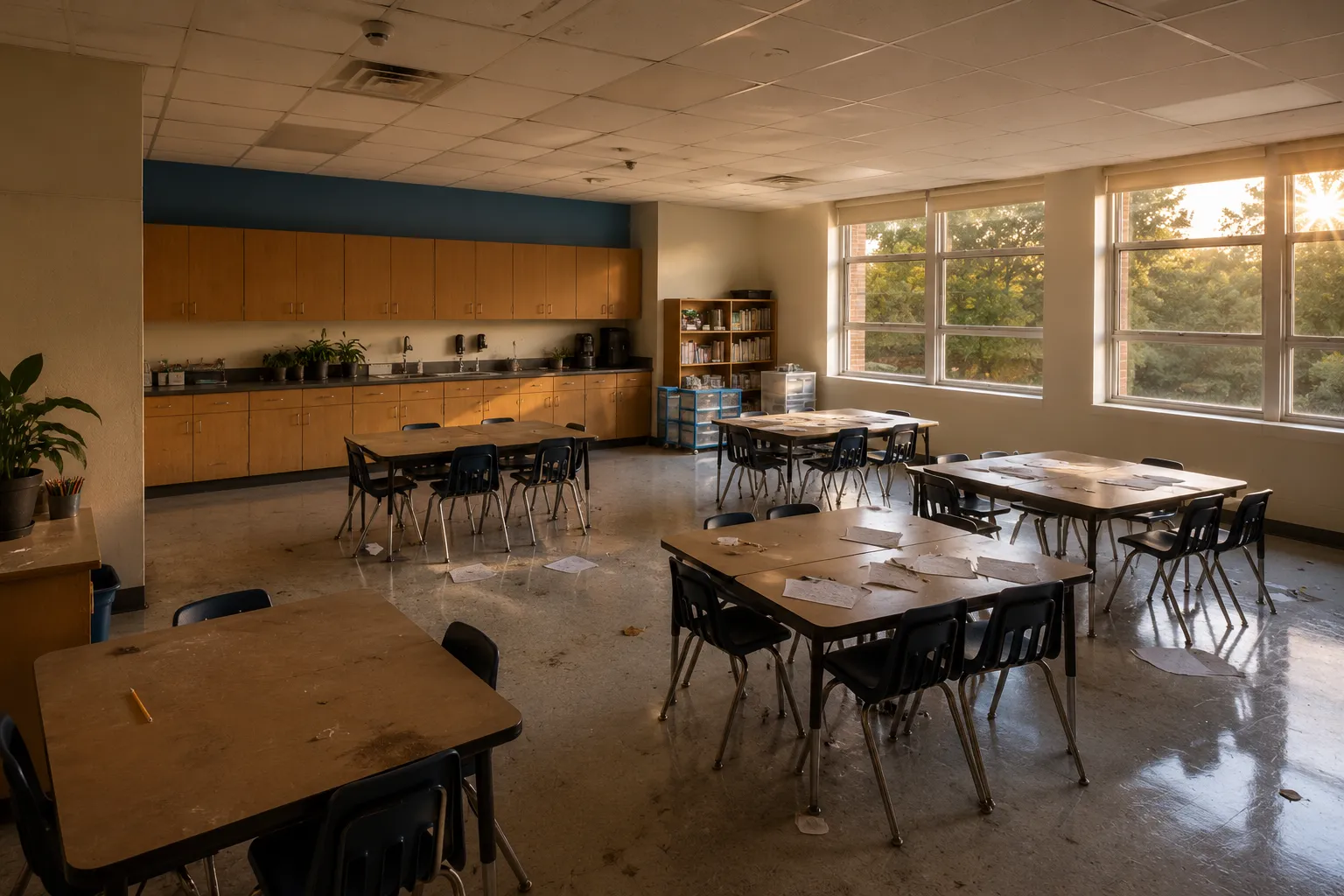
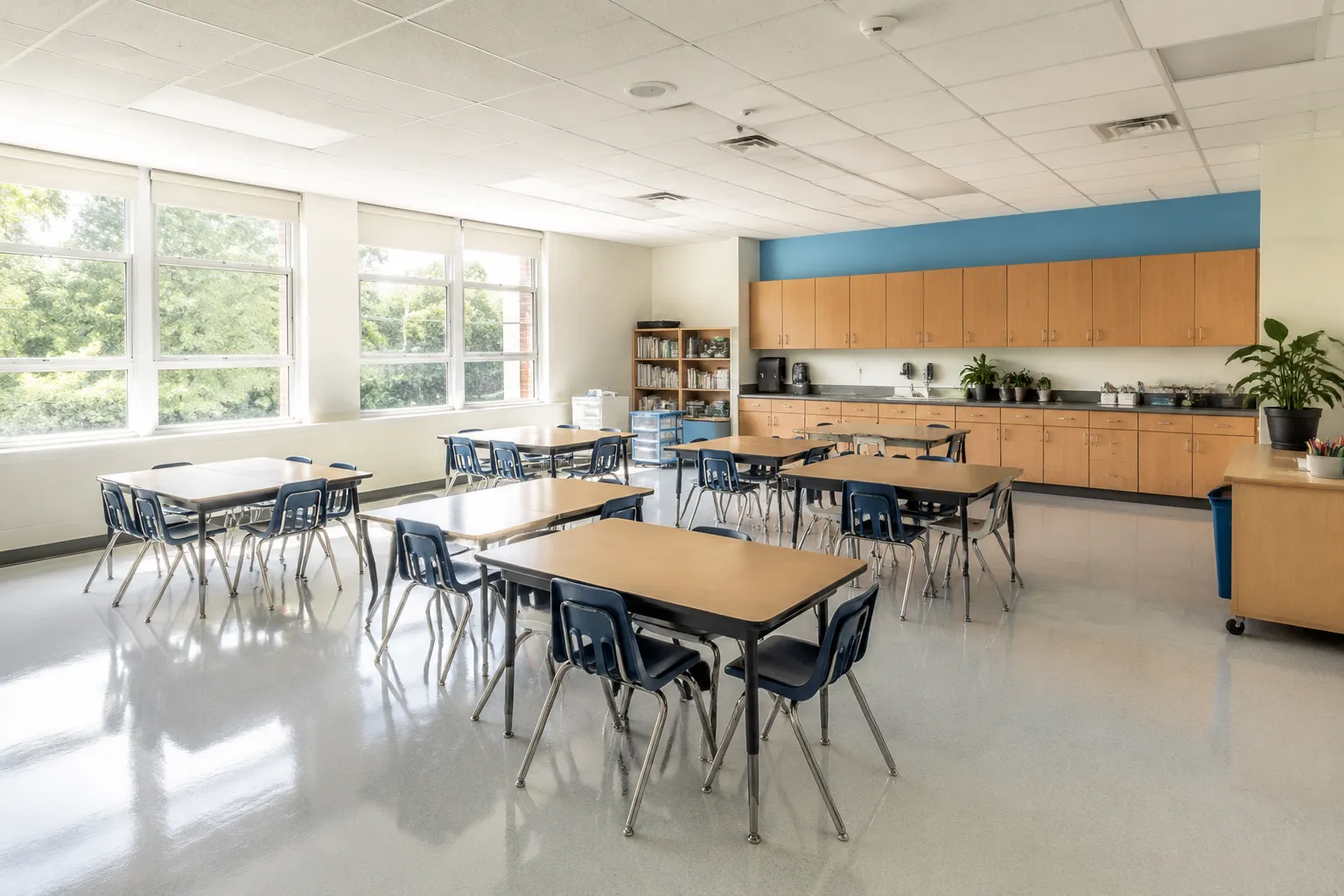
Request: Need to wash floors, desks and chairs, dust off cabinets.
Done: We performed wet cleaning of all surfaces, washed floors and desks.
Cost: 18 000 ₸
Master: Aigul Kassymova, Cleaning Master
Total: The classroom is clean and fresh, ready for classes.
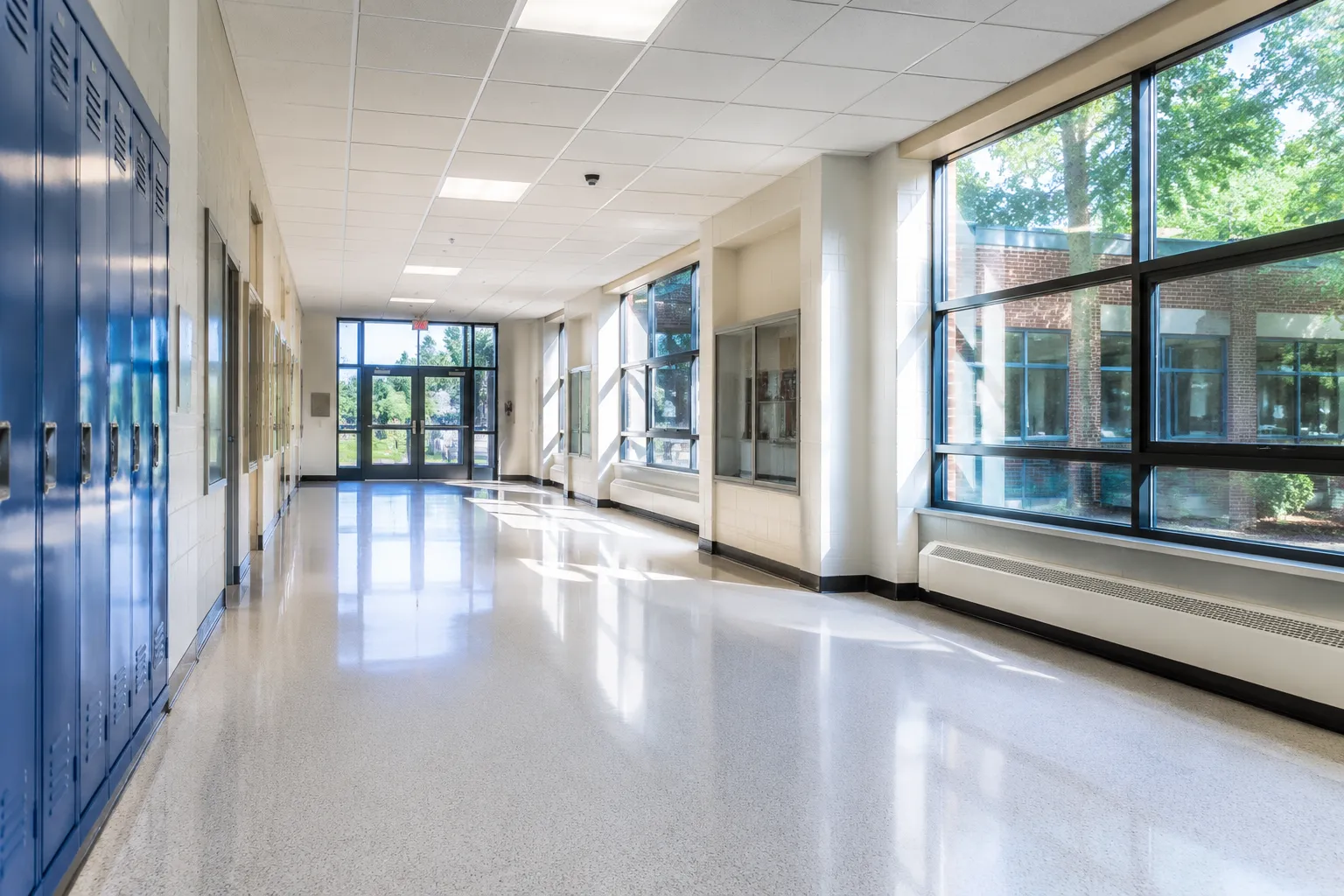 After
After
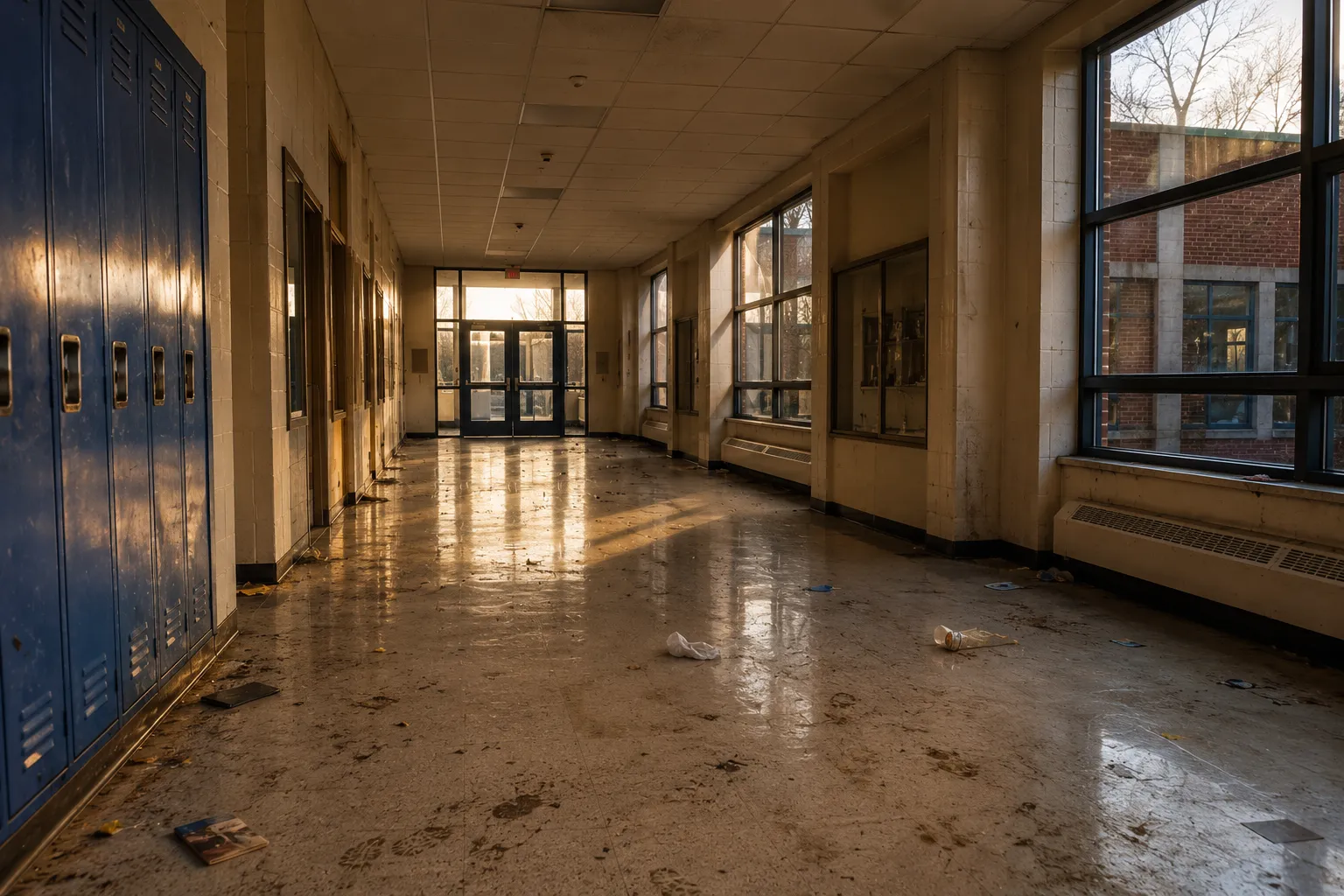
Request: Need to wash floors and walls, dust off window sills.
Done: We washed floors, walls and window sills, removed trash.
Cost: 21 000 ₸
Master: Bakhytzhan Nurpeisov, Cleaning Master
Total: The corridor is clean and bright, free of dust and dirt.
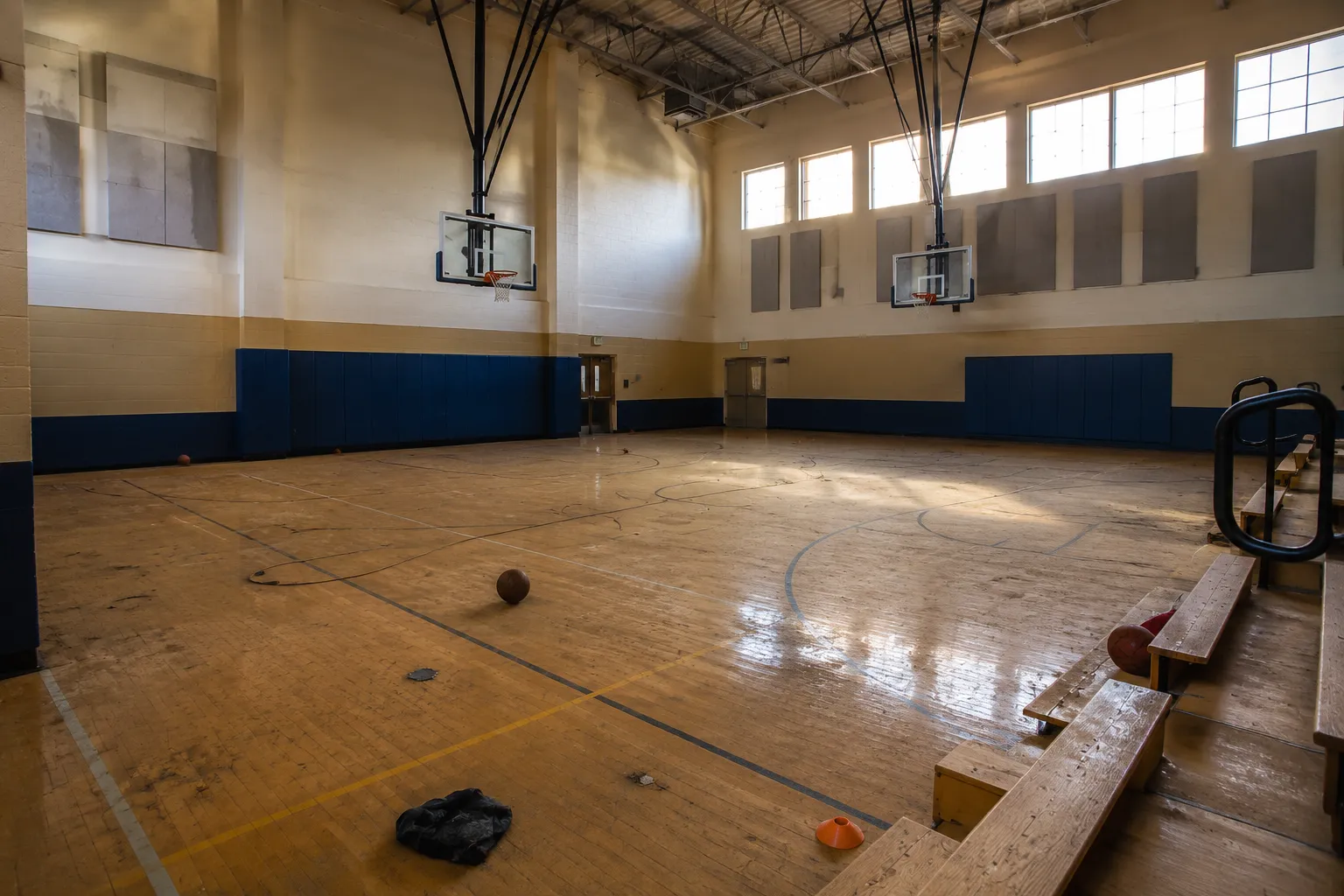
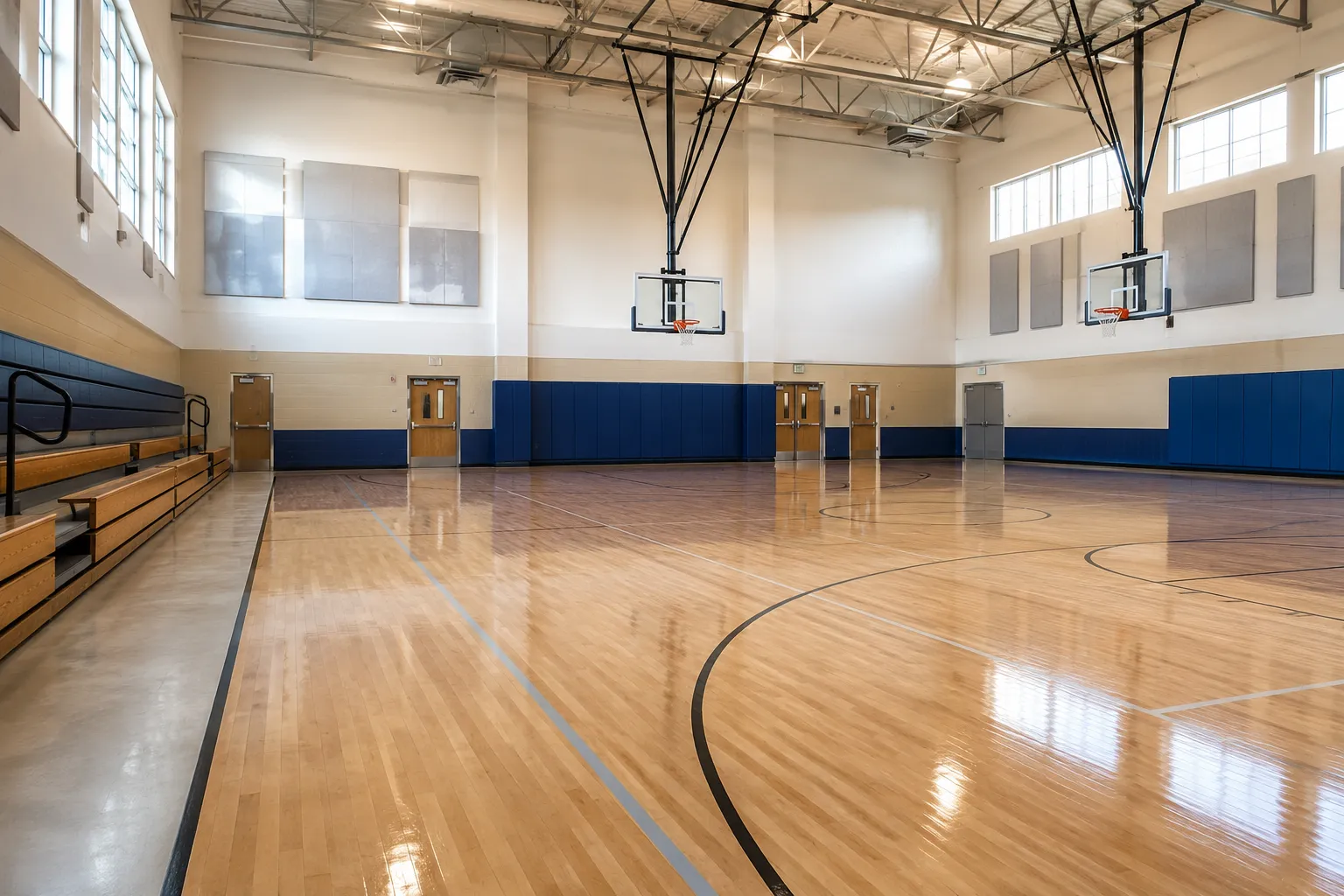 After
After
Request: Need to wash floors and benches, dust off equipment.
Done: We washed floors, benches and sports equipment.
Cost: 20 000 ₸
Master: Damir Suleimenov, Cleaning Master
Total: The gym is clean and ready for workouts.
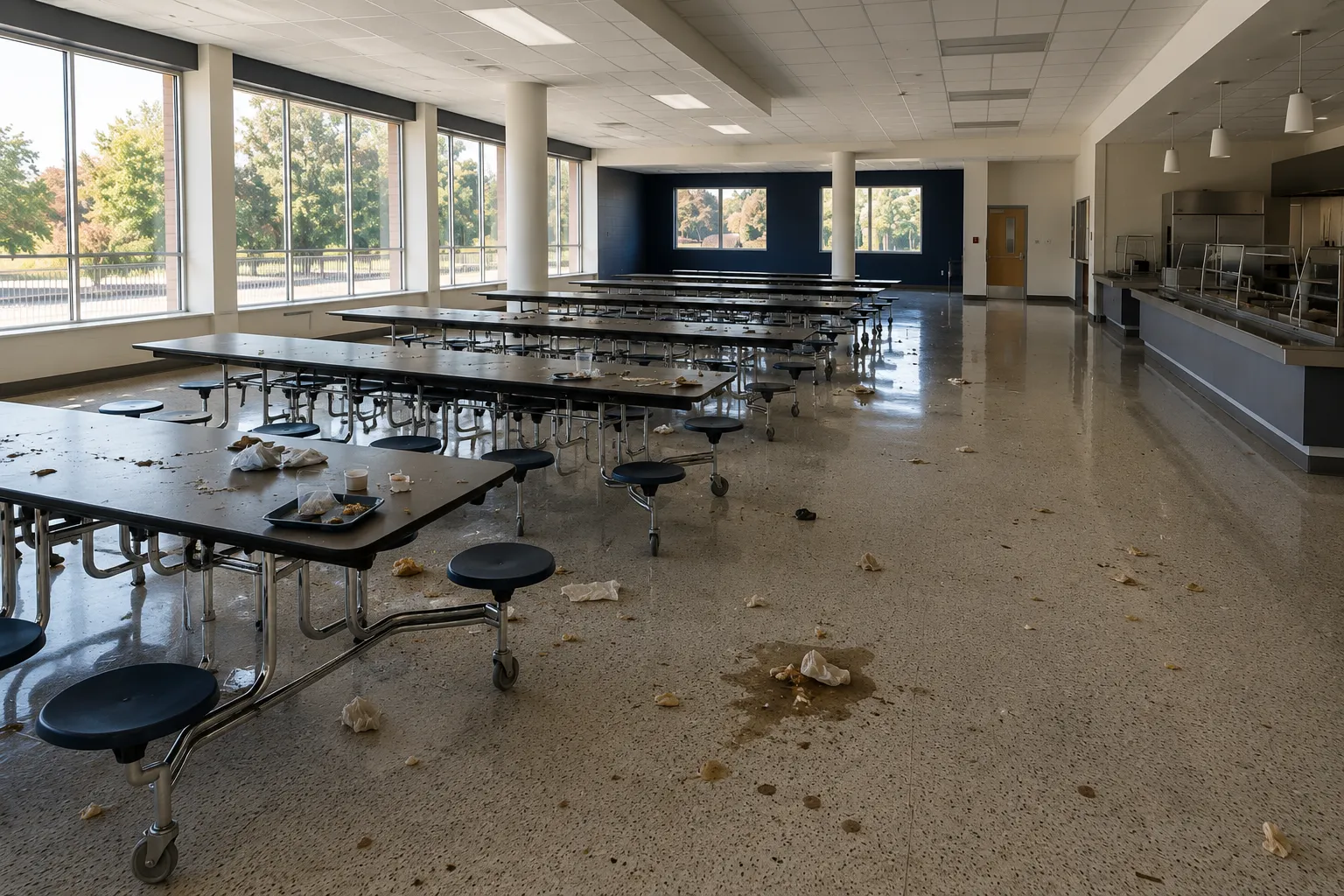
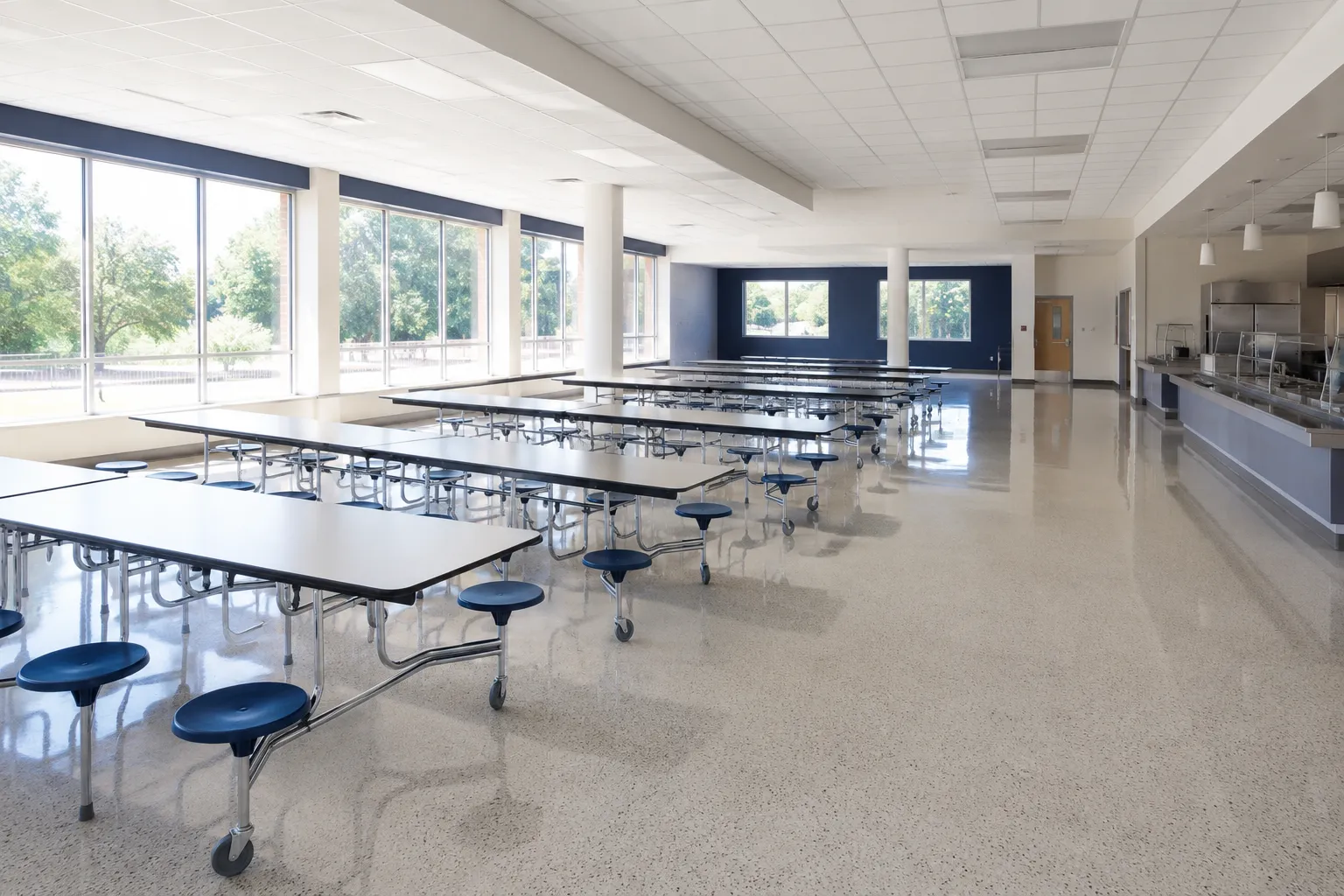 After
After
Request: Need to wash floors and tables, remove food leftovers.
Done: We washed floors, tables and chairs, removed trash.
Cost: 21 000 ₸
Master: Gulmira Akhmetova, Cleaning Master
Total: The cafeteria is clean and ready for meals.
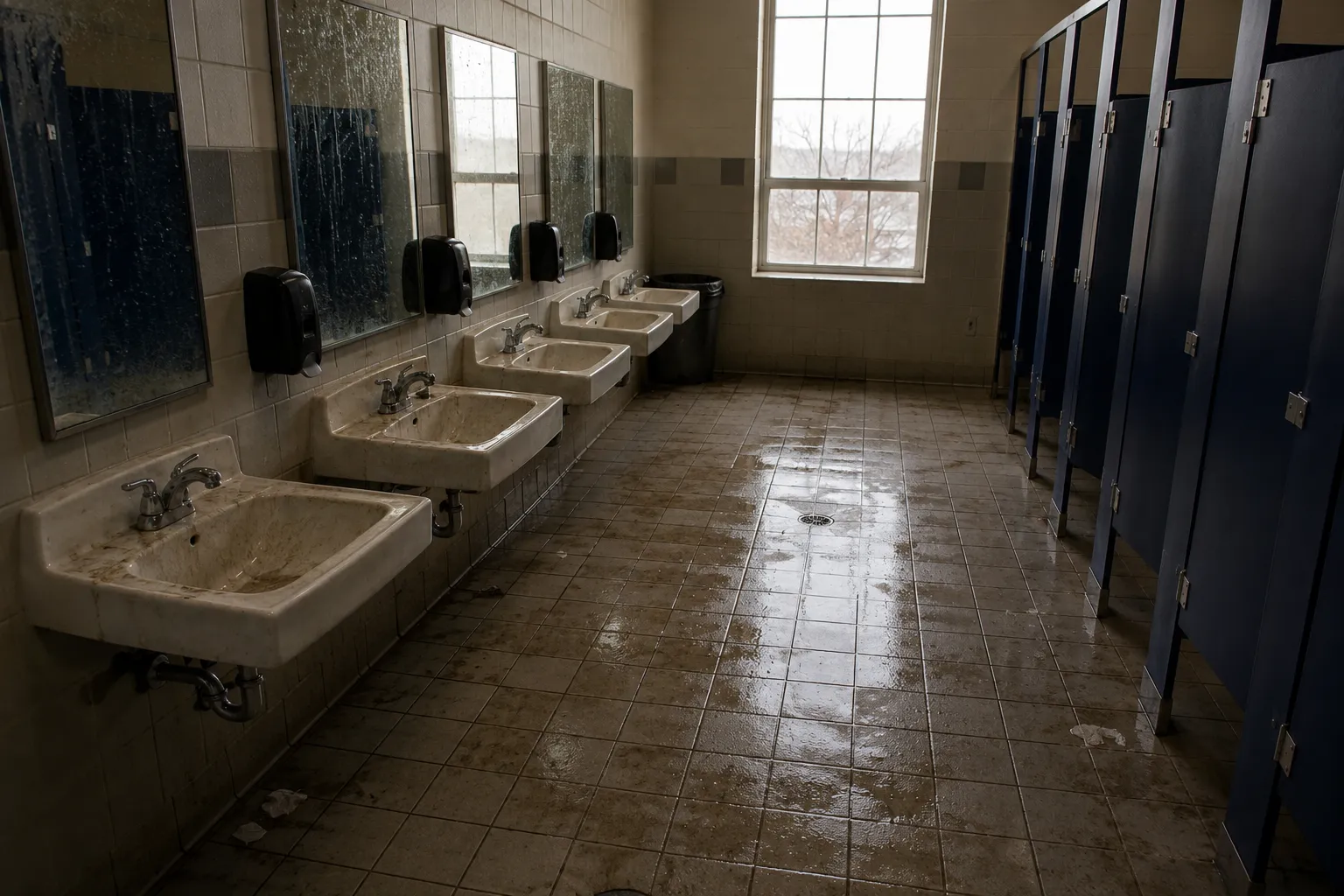
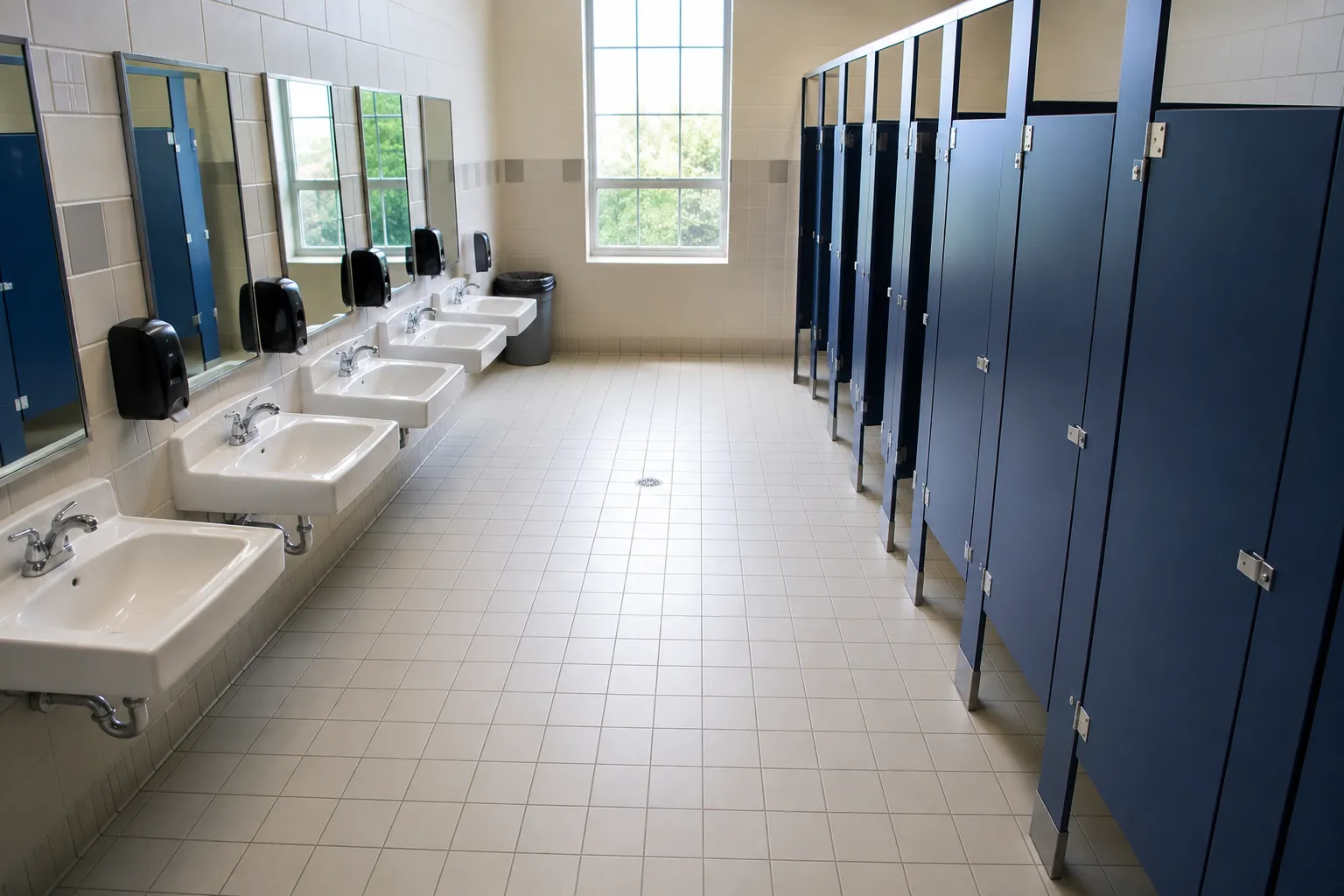 After
After
Request: Need to wash floors, sinks and toilets, remove odor.
Done: Disinfection and wet cleaning of all surfaces were carried out.
Cost: 18 000 ₸
Master: Aliya Sagintayeva, cleaning master
Total: The bathroom is clean and odor-free.
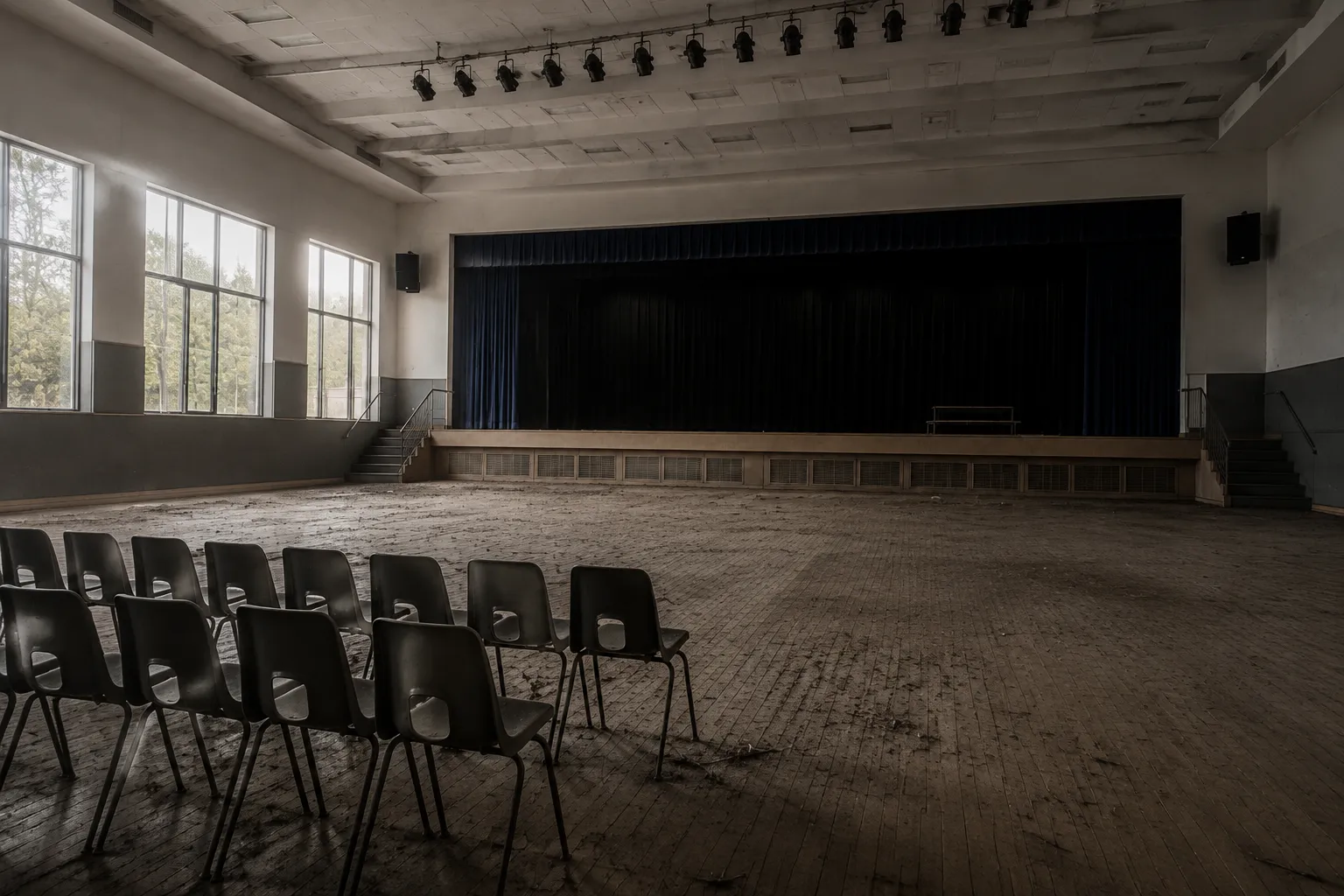
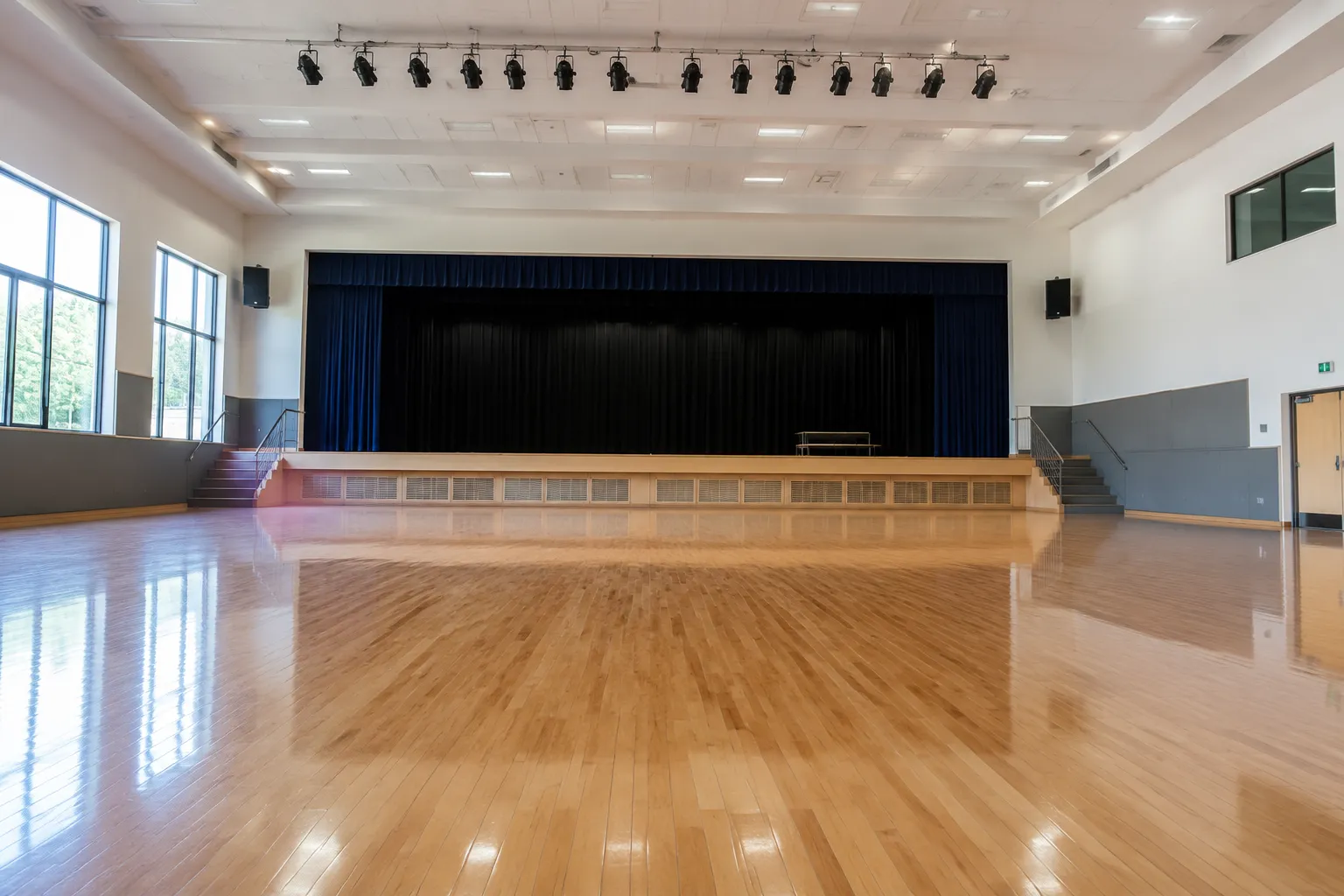 After
After
Request: Need to wash floors and seats, remove dust from the stage.
Done: Washed floors, seats and stage, removed dust.
Cost: 20 000 ₸
Master: Yerzhan Kaliyev, cleaning master
Total: The assembly hall shines with cleanliness.
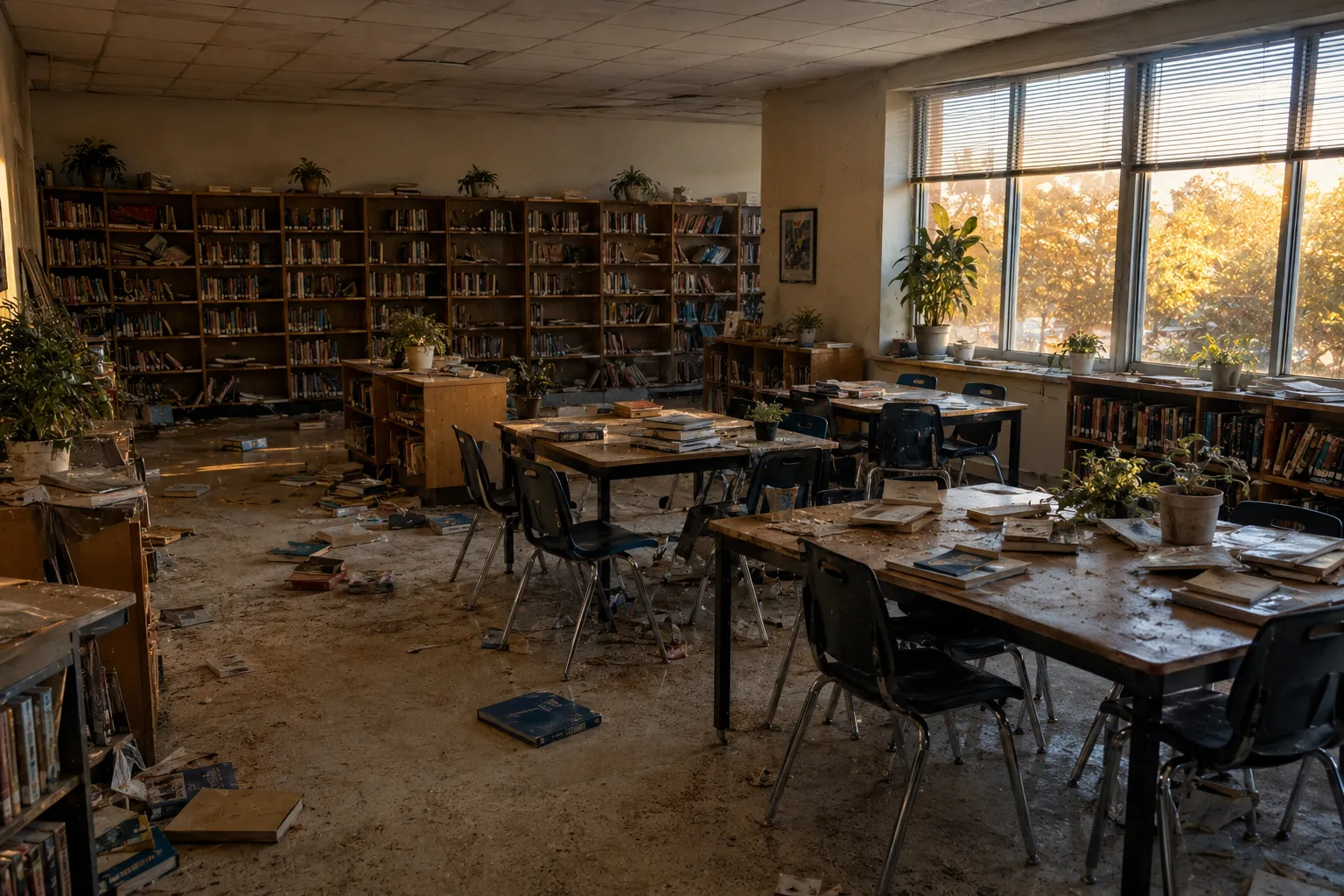
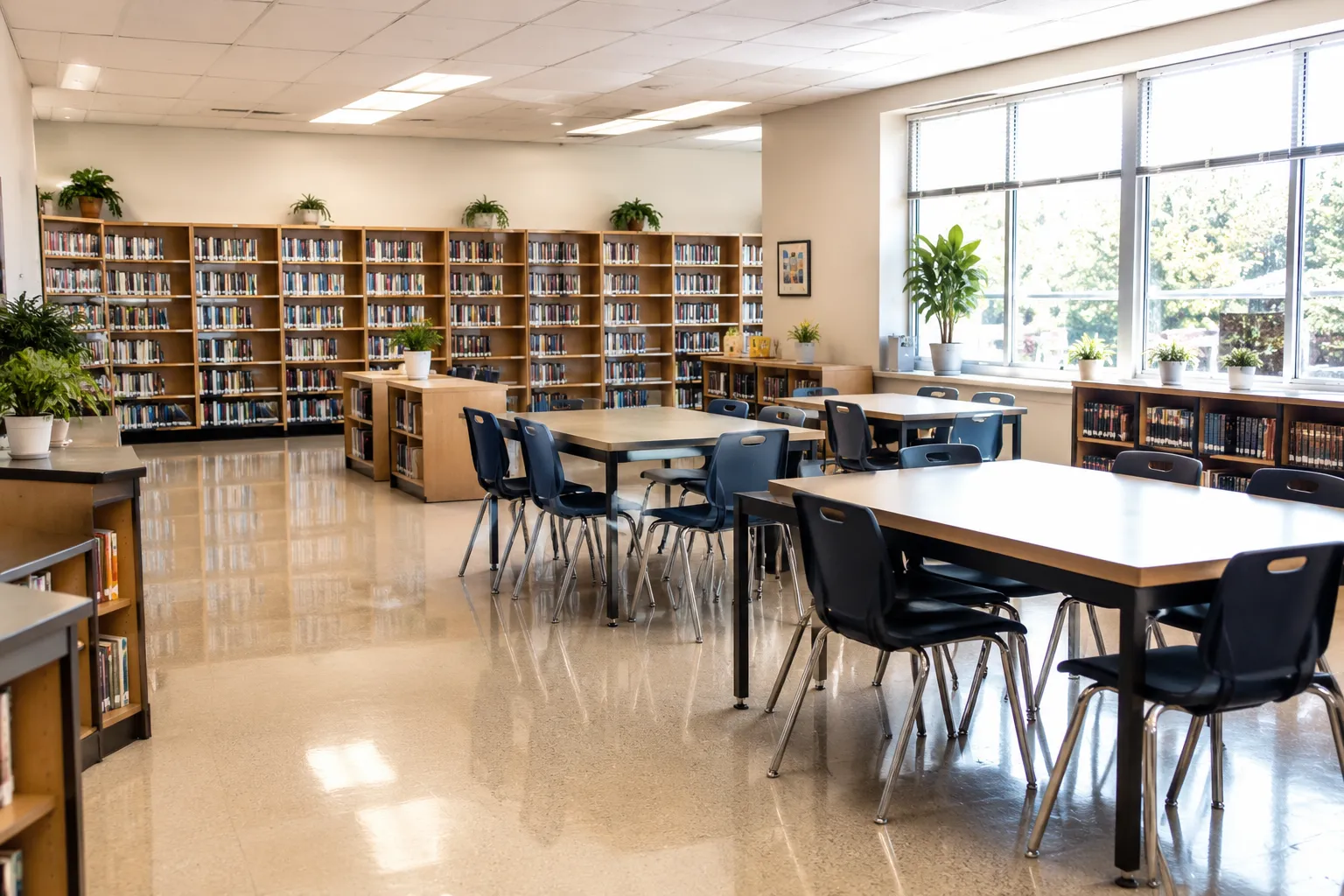 After
After
Request: Need to wash floors and shelves, remove dust from books.
Done: Wet cleaning of all surfaces and shelves was carried out.
Cost: 19 000 ₸
Master: Lyazzat Muratova, cleaning master
Total: The library is clean, books are in order.
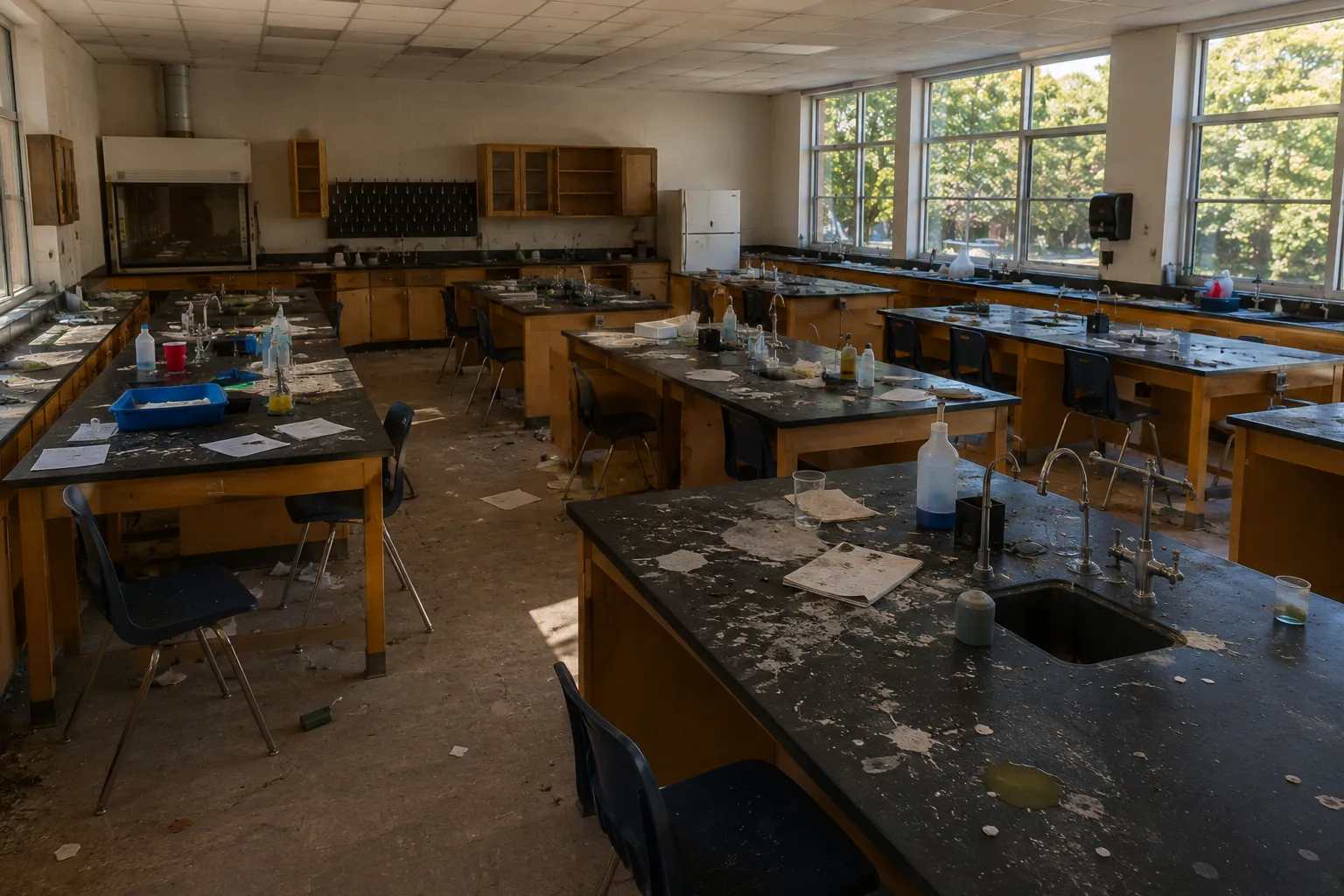
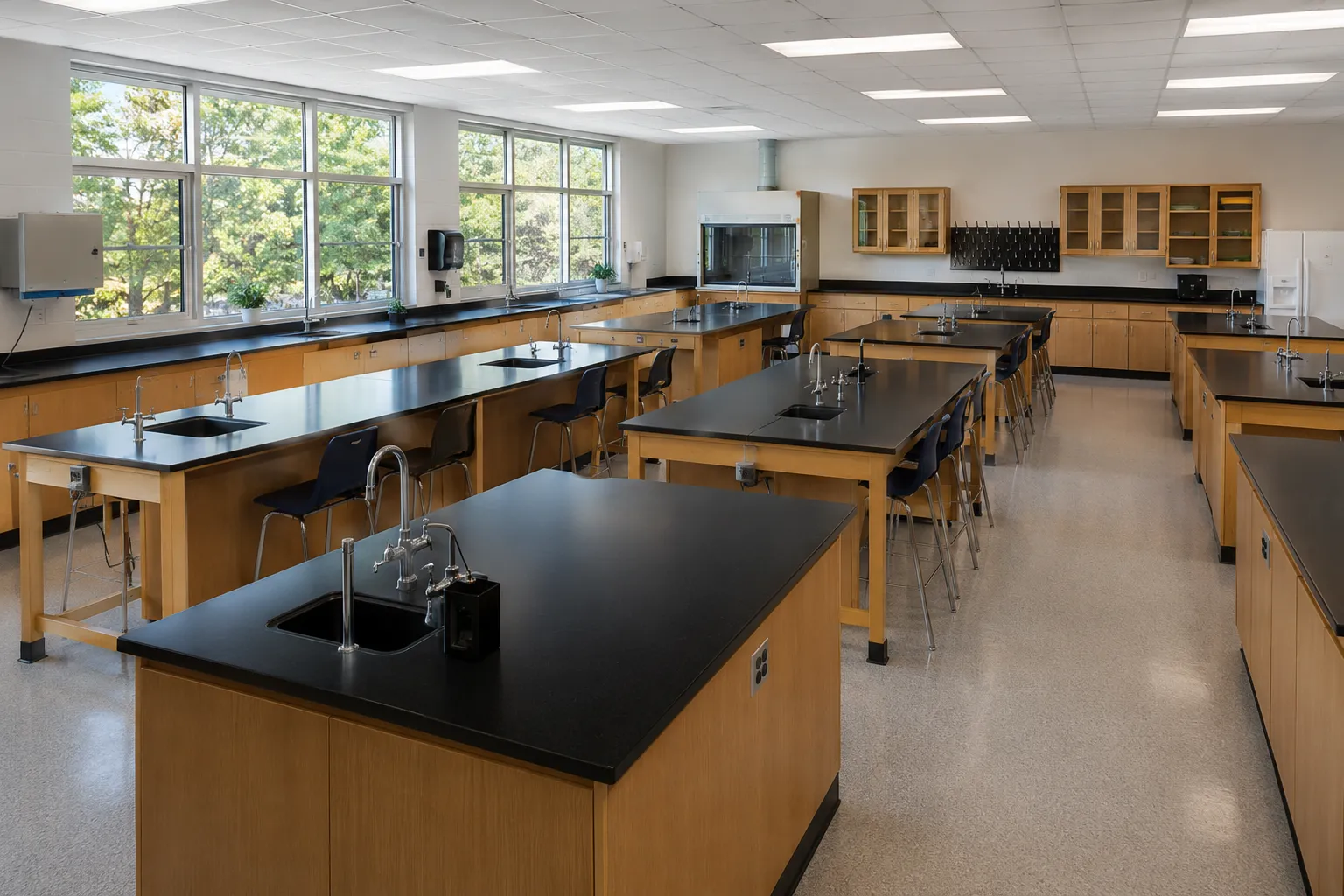 After
After
Request: Need to wash floors and tables, remove chemical traces.
Done: Washed floors, tables and equipment, removed stains.
Cost: 18 000 ₸
Master: Ruslan Abdrakhmanov, cleaning master
Total: The laboratory is clean and safe for work.
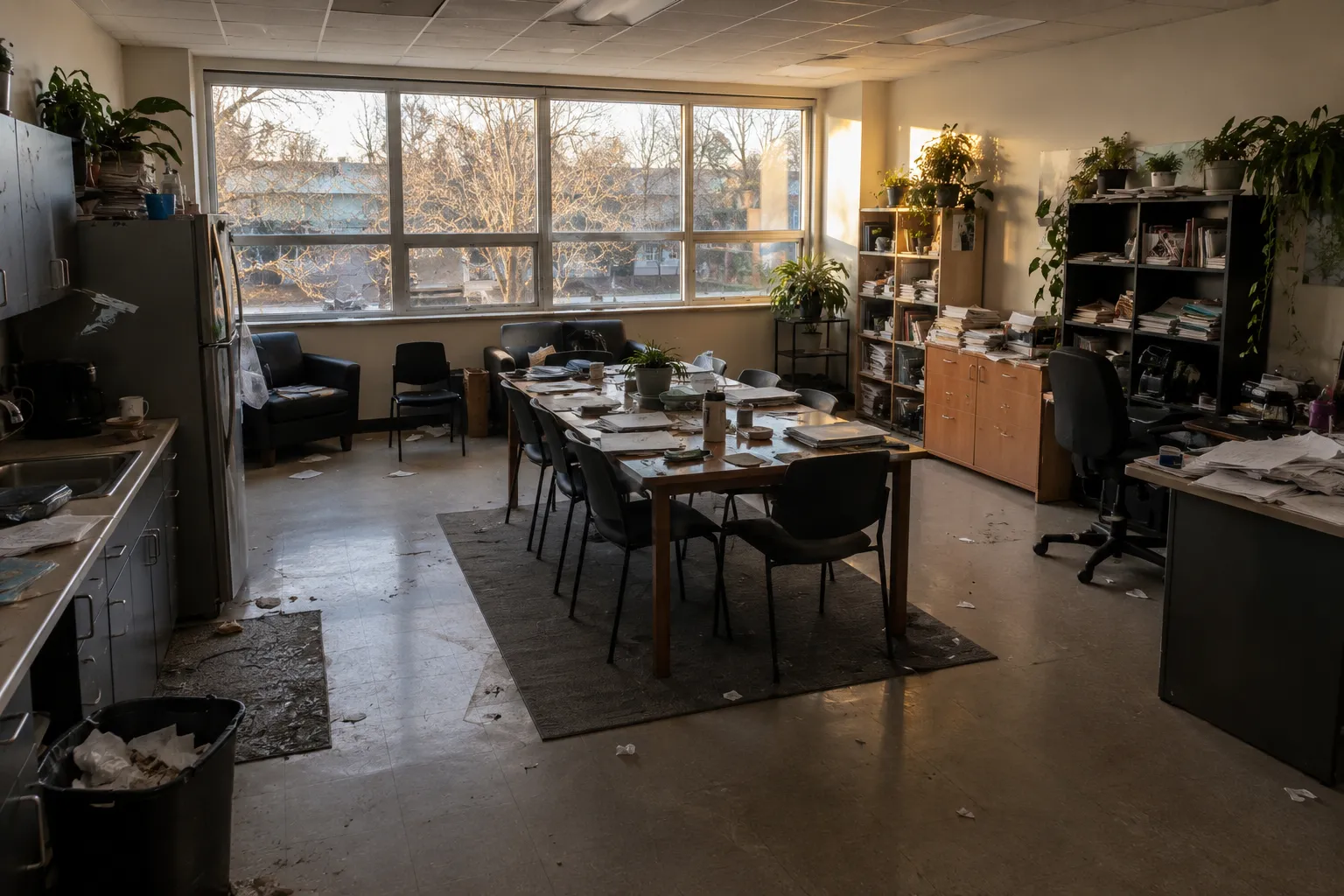
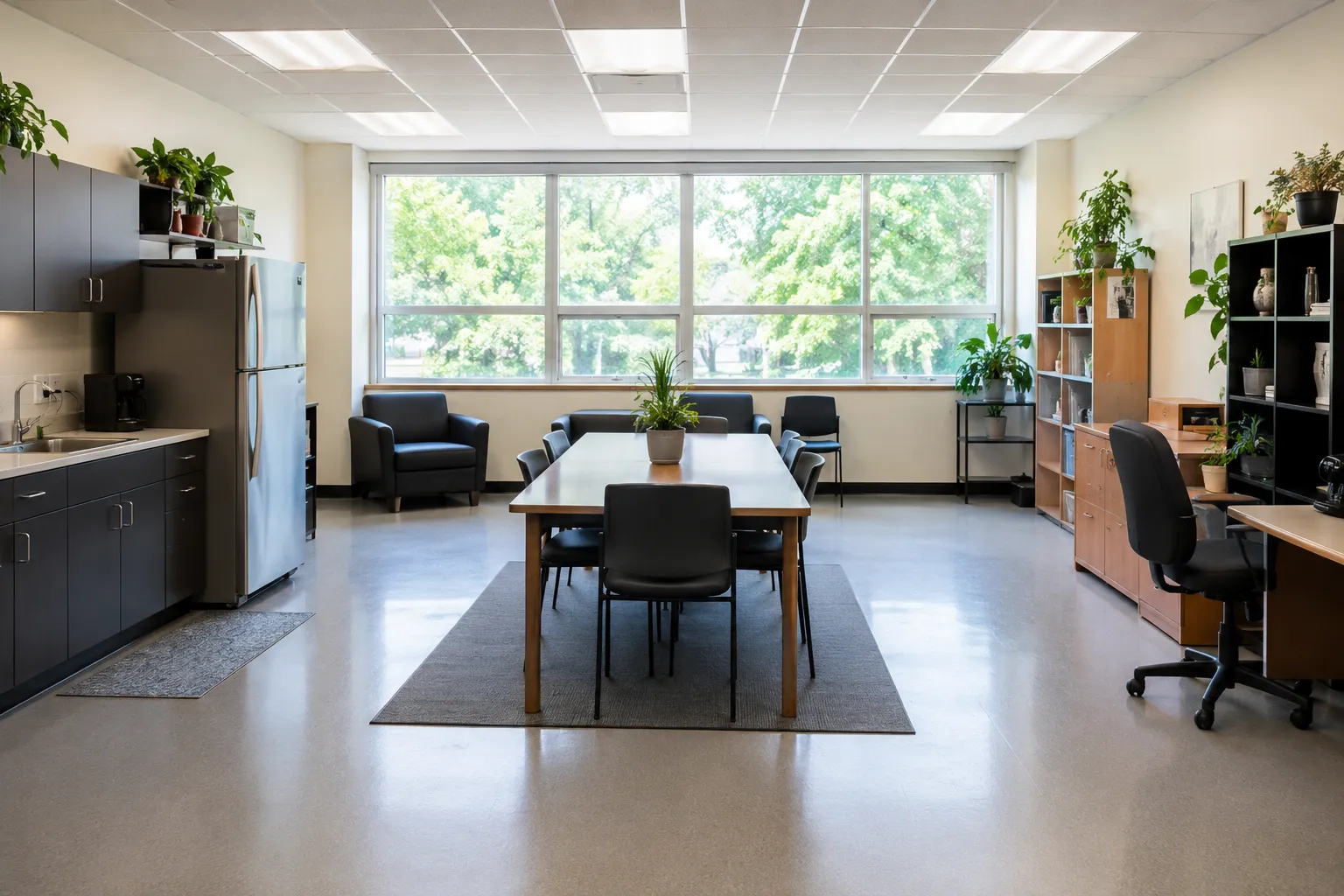 After
After
Request: Need to wash floors and furniture, remove papers and dust.
Done: Cleaned all surfaces, washed floors.
Cost: 20 000 ₸
Master: Saule Zhumabayeva, cleaning master
Total: The teachers' room has become cozy and clean.
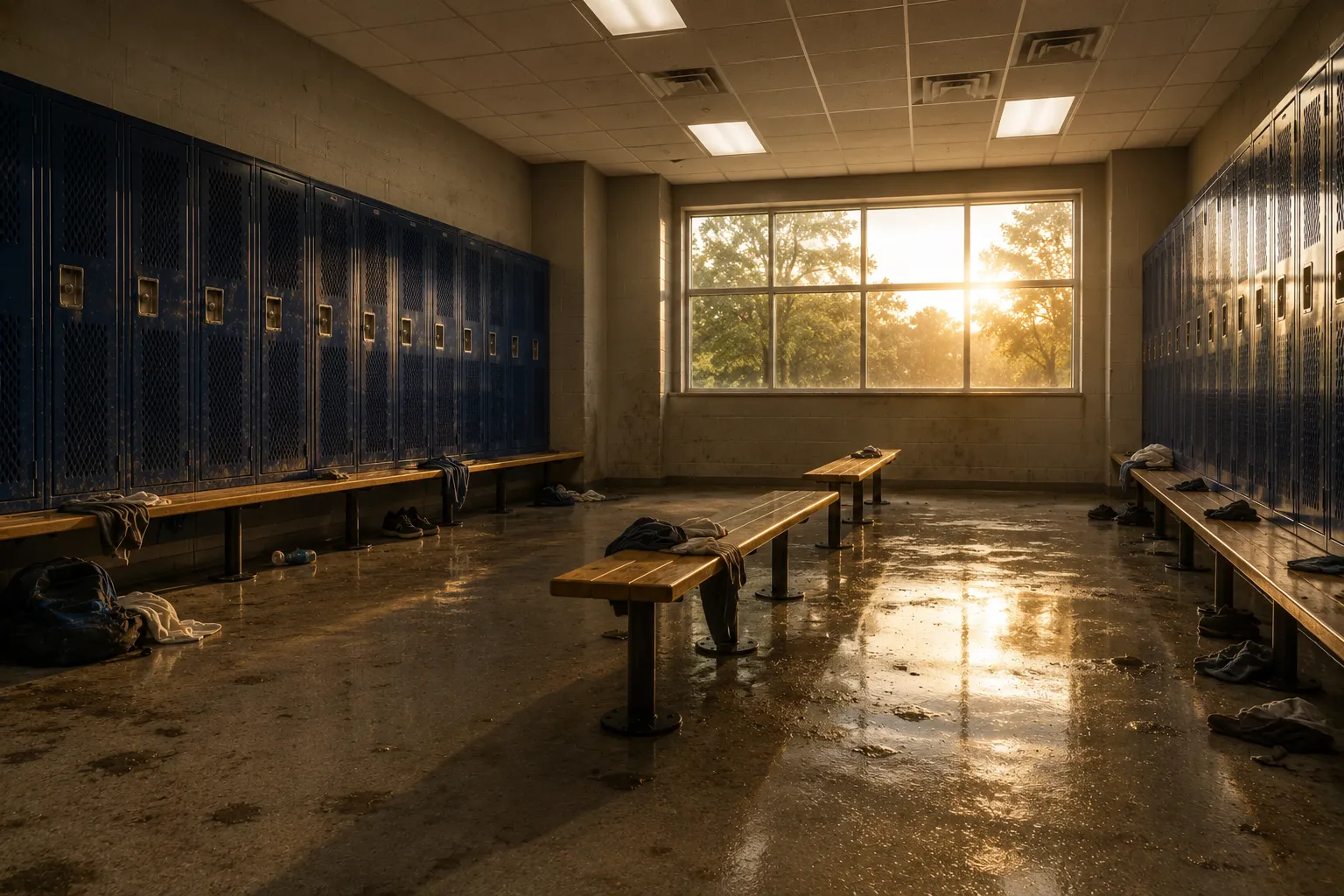
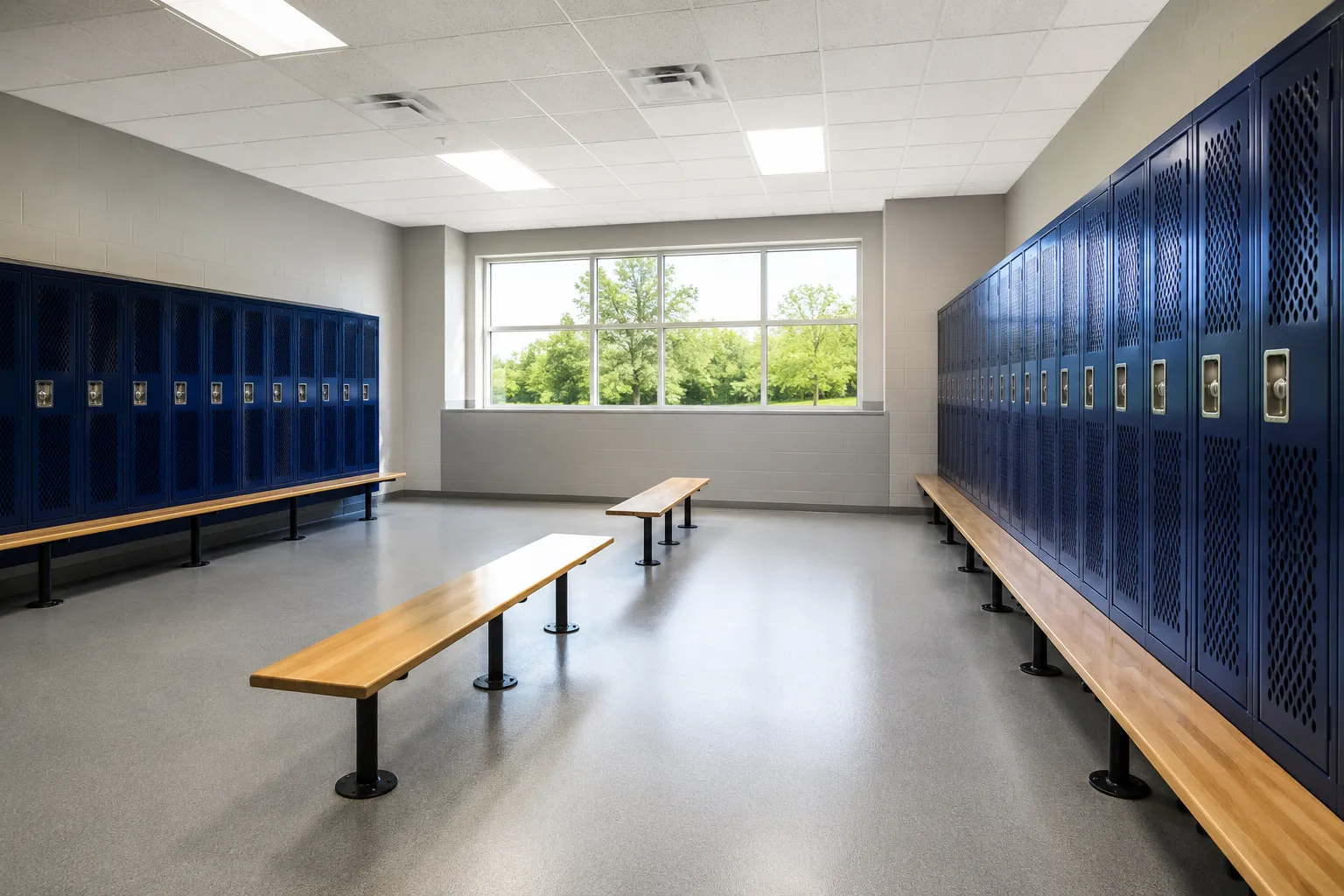 After
After
Request: Need to wash floors and lockers, remove odor.
Done: Washed floors, lockers and benches, carried out disinfection.
Cost: 19 000 ₸
Master: Nurlan Aliyev, cleaning master
Total: The locker room is clean and fresh.
All cleaners are profi-clean staff with training, uniform and security check. Each order has a team leader who controls quality.
A school building is not an office or an apartment: it simultaneously houses 500–1,500 children with varying levels of immunity, plus a catering unit, gym, and laboratories. Regular cleaning without considering sanitary standards and child safety turns the process into a farce, or in the worst case, into a source of allergies or infections. At profi-clean, we operate on the principle that each school zone (recreation area, classroom, cafeteria, restroom) requires a separate protocol — from the choice of chemicals to the frequency of surface treatment.
Universal teams working “as in an office” most often use household chemicals with fragrances and chlorine. In the confined space of a classroom (30–50 m² for 25 children), chlorine irritates mucous membranes, and perfumed products trigger asthma attacks — according to Almaty allergists, up to 12% of schoolchildren in the city have respiratory allergies. The second problem is equipment: an office vacuum cleaner without a HEPA filter releases fine dust (PM2.5) back into the air, whereas our equipment with a class H13 HEPA filter retains 99.95% of particles, including mold spores and dust mites. The third is disinfection: schools require not just cleaning compounds, but virucidal agents with a specific contact time (usually 10–15 minutes), and universal cleaners rinse off the disinfectant solution after a minute, not allowing it to work. In my opinion, a key marker of professionalism is requesting certificates for disinfectants and having a license for medical activities (if a sanitary-epidemiological regime is required). Before ordering, check with the contractor whether their products are registered with the State Committee for Sanitary and Epidemiological Surveillance of Kazakhstan — without this document, school cleaning is not legally considered sanitary treatment.
Schools in Almaty operate under Sanitary Rules No. ҚР ДСМ-15 (approved by order of the Ministry of Health of the Republic of Kazakhstan), which strictly regulate the cleaning regime. Wet cleaning of classrooms is required daily after the second shift, and general cleaning once a month with treatment of walls, light fixtures, and ventilation grilles. In restrooms and the cafeteria, disinfection of every contact point is needed: handrails, faucets, flush buttons — three times a day. The catering unit has a separate regulation: washing dishes at a temperature not lower than 45°C with rinsing under running water for 10 minutes, treatment of cutting boards and knives according to color coding (raw meat — red, vegetables — green, bread — yellow). In the gym, daily floor washing with a disinfectant and ventilation for at least 30 minutes after each group. An important nuance: all disinfectants must have a state registration certificate on the territory of the Republic of Kazakhstan, and cleaners must undergo biosafety training. In our practice, we often encounter schools where cleaners dilute the concentrate “by eye,” and during an SES inspection, a reduced dose of active chlorine is recorded — this threatens the director with an administrative fine. For this reason, we use dispensers and control test strips to check the concentration of the prepared solution — this provides accuracy that the “manual” method cannot guarantee.
Household chemicals from the supermarket contain anionic surfactants (up to 30% of the composition) and phosphates, which are poorly rinsed from surfaces and accumulate on desks — children touch them with their hands and then put their hands in their mouths. Schools need products based on non-ionic surfactants and enzymes: they break down into safe components (CO₂ and water) and do not leave a film. profi-clean uses German hypoallergenic chemicals Kiehl and Sodasan — both brands have the EU Ecolabel, which guarantees the absence of phthalates and synthetic fragrances. For disinfection, we use four-component formulations based on QACs (quaternary ammonium compounds) and guanidines — they are active against rotaviruses and noroviruses but safe upon skin contact. In practice, this looks like this: in classrooms, we use a dilution concentrate of 1:200 (5 ml per liter of water), in restrooms — 1:100, in the cafeteria — 1:50. Each product has a safety data sheet indicating the contact time and method of rinsing. I advise school directors to demand from the cleaning company not only certificates for the chemicals but also a logbook for recording the dilution of disinfectant solutions — this is the only document that will confirm the correctness of the treatment during an unscheduled SES inspection.
In a school building, there are three zones with the highest bacterial load: restrooms (especially boys’ stalls), the food preparation area, and the locker room area in the gym. According to our measurements with an ATP luminometer (measuring organic residues in Relative Light Units — RLU), the reading on handrails in Almaty school restrooms reaches 350–500 RLU, with the standard being < 100 RLU for a safe surface. After our treatment with a 15-minute disinfectant solution exposure, the reading drops to 15–25 RLU. In the food preparation area, the critical point is cutting boards: if they are not replaced every six months, E. coli accumulates in micro-cracks. We treat the boards with a steam generator at 140°C, which kills bacteria without chemicals. In the gym — mats: on porous surfaces (PVC, rubber), sweat and dirt create an environment for staphylococcus, so mats are wiped with a disinfectant solution after each shift, and once a week, they are treated with dry steam. It is important not to confuse “post-shift cleaning” (wiping mats) with “deep cleaning” (removing mats, washing the floor underneath, and treating fastenings) — schools often skip the second stage, but in vain, as condensation and mold form under the mats. A non-obvious fact: in the locker room area, the bacterial load on benches is higher than on toilet seats — due to damp sports uniforms. Therefore, we treat benches and shelves in locker rooms using the same protocol as for restrooms, with a dwell time of at least 10 minutes.
The most common mistake is using the same equipment for different zones. In Almaty schools, we have repeatedly seen the same mop used to wash the floor in a classroom and then in the cafeteria — this is a direct transfer of bacteria. We use a color-coding system for each zone: blue — classrooms, green — hallways, red — restrooms, yellow — food preparation area. The second mistake is saving on disinfection: instead of a certified concentrate, they use “Belizna” (bleach) in an arbitrary dose, which either does not kill viruses or eats away at linoleum and leaves chemical burns on children’s skin. The third is incorrect cleaning time: wet cleaning during breaks creates a slippery floor and high humidity (children breathe in chlorine fumes). We clean classrooms only after the second shift ends and air them out for 40 minutes before the technical staff arrives. The fourth is ignoring ventilation: in standard Almaty schools (series of 3-story panel buildings from the 70s–80s), natural ventilation often does not work, so after disinfection, you need to turn on supply ventilation units or open windows for micro-ventilation for 30 minutes. I recommend that directors invite an independent technologist once a quarter to measure the air environment for chlorine and formaldehyde content — this is cheaper than a fine from the Sanitary and Epidemiological Service or a child’s sick leave due to chemical fume poisoning.
School cleaning is regulated not by internal cleaning standards, but by state sanitary rules — and this is a key difference from regular cleaning. Kazakhstan has the “Sanitary and Epidemiological Requirements for Educational Facilities,” approved by Order of the Ministry of National Economy of the Republic of Kazakhstan No. ҚР ДСМ-76. At profi-clean, we work strictly according to these standards, and here is what is truly important in them.
The main difference lies in the frequency and strictness of disinfection. An office is cleaned once a day, while a school is cleaned at least twice: wet cleaning of all surfaces before classes begin and after the shift ends. This is a direct requirement of paragraph 16, chapter 2 of the SanPiN of the Republic of Kazakhstan. In offices, disinfection is carried out once a quarter; in schools, it is daily. Every windowsill, door handle, light switch, and stair railing is wiped with a disinfectant solution with an exposure time of at least 15 minutes. Our team uses concentrates based on QAC (quaternary ammonium compounds) for this — they kill 99.9% of bacteria and viruses but do not require rinsing with water, which is critical for occupied premises. In offices, such a protocol would be considered excessive; in schools, violating it carries administrative liability under Article 425 of the Administrative Code of the Republic of Kazakhstan.
SanPiN directly prohibits the use of chlorine-based products in schools at concentrations above 0.5% — this restriction was introduced due to the toxicity of fumes for children’s respiratory tracts. In regular cleaning, chlorine-containing powders are used without restrictions. At profi-clean, we have switched to the professional Kiehl (Germany) and Sodasan lines — they have the “Ecologically Safe for Children’s Institutions” certificate. In practice, this means that a floor cleaning product in a classroom must have a pH of 5.5–7.0 and contain no phosphates, optical brighteners, or synthetic fragrances. Allergic reactions to household chemicals are one of the common reasons for missed lessons, according to the Almaty Sanitary and Epidemiological Control Committee. Therefore, we use hypoallergenic chemicals that do not require room ventilation for longer than 10 minutes — between shifts, this is the only available window.
SanPiN of the Republic of Kazakhstan requires separate storage and labeling of cleaning equipment for different school zones — this prevents the transfer of microorganisms from restrooms to the kitchen or classrooms. In regular cleaning, equipment is often shared. In a school, we have five color zones: red — restrooms, blue — kitchen, green — classrooms and corridors, yellow — gym, white — medical office. Each set is stored in a separate ventilated cabinet, and buckets are marked with indelible paint. Microfiber cloths are single-use for the red and blue zones; for others, they are changed after each room. Violating this scheme is not just negligence but a direct violation of SanPiN clause 19, for which an inspection issues a fine of 50–100 MCI. In our practice, there was a case where a school received a fine because a contractor carried one bucket from the toilet to the cafeteria — we developed a zoning route map for them.
Requirements for air disinfection in schools are stricter than in offices — this is due to the high density of children. SanPiN mandates air treatment with closed-type recirculators in every classroom and gym, and during periods of epidemiological trouble, daily quartz treatment in the presence of children (for recirculators) or after they leave (for open UV lamps). In regular cleaning, air is not treated at all. At profi-clean, we use “Dezar-3” recirculators with two 30W UV lamps — one unit treats up to 80 m² in 40 minutes. An important nuance: after quartz treatment with an open lamp, the room needs to be ventilated for 20–30 minutes due to ozone, while a recirculator allows cleaning without interrupting lessons. When ordering regular school cleaning from us, we include daily air treatment with recirculators in the protocol — this is not a separate service but part of the sanitary minimum.
The most common mistake is using household chemicals from the supermarket instead of professional disinfectants approved for children’s institutions. The school saves 2-3 thousand tenge per liter of concentrate but receives a Rospotrebnadzor order and risks allergies in children. The second mistake is violating the frequency of water changes: the standard requires changing water in the bucket after every 20 m²; in practice, some cleaners wash 50-60 m² with one batch of water. The third is ignoring “red zones”: cloths from restrooms should not be used in classrooms, even after washing. At profi-clean, we have introduced a “5 Control Points” checklist: checking the cloth color before starting, measuring the disinfectant concentration with test strips, photographing the labeled bucket, recording the water change time, and the cleaner’s signature after each zone. A school principal can order an audit of the current cleaning from us — we come, inspect the equipment, measure the concentration, and provide a conclusion on whether the cleaning complies with SanPiN.
In a school, disinfection is not a formality but a barrier between the health of hundreds of children and seasonal outbreaks of ARVI, norovirus, and contact dermatitis. At profi-clean, we select chemicals and equipment not from a catalog but for specific zones of the school building — from the chemistry lab to the cafeteria — and here is what and how we work with.
Our equipment is not household-grade but professional, certified for medical facilities, and we adapt it to school workloads. The primary tool is the Nilfisk SC250 floor scrubber with pre-spray disinfectant application: it applies the solution in one pass, scrubs it into tile or linoleum with a brush, then collects dirty water in a separate tank — leaving no puddles where a child could slip. For recreation areas and hallways, we use a rotary machine with an H13 HEPA filter — it captures not only visible dirt but also fine allergen particles (pet dander, dust mites) that settle on floors between classes. Air in gyms and cafeterias is treated with closed-type ultraviolet recirculators: they circulate air through a UV lamp, destroying viruses, while children and staff can remain in the room — no ozone or retinal damage. In chemistry and biology classrooms, after wet cleaning, we additionally run the air through a Dantherm dehumidifier — it reduces humidity from 80% to 50% in 40 minutes, preventing mold growth on shelves with reagents and herbariums.
Restrooms and food service areas are zones with the highest risk of cross-contamination, and we handle them with different procedures, never using the same cloth for sinks and cutting boards. In toilets, we apply a two-step treatment: first, an alkaline foam cleaner (Kiehl Alkaline Foam) to remove uric scale and soap scum, rinse, then spray an aldehyde disinfectant with a 10-minute dwell time — it remains effective even with low water temperature (in winter, schools often supply water at +10 °C, where standard chlorine agents lose potency). For food service areas, we use a separate set — Sodasan Kitchen degreaser based on citrus oils for exhaust hoods and stoves, and for cutting boards and knives, thermal treatment with a Karcher SG 4/4 steam generator at 140 °C; steam penetrates micro-cracks in plastic and wood where bacteria accumulate — no chemicals, just heat. After cleaning, each restroom and food service block is marked with colored tape (green — disinfected, yellow — in process), so the head teacher or maintenance staff can visually check status without touching surfaces.
Schools with laboratories have a specific profile: ordinary chlorine-containing or acidic agents can react with reagent residues on tables, releasing toxic gases, so we use only neutral or slightly alkaline compounds with mandatory preliminary pH testing. Before starting work, a profi-clean cleaner checks the reagent logbook (schools are required to keep it by order of the Ministry of Education and Science of the Republic of Kazakhstan) — if an experiment with acids or alkalis is scheduled for the current day, we postpone wet cleaning to the next day and limit ourselves to dry wiping of surfaces. For fume hoods, we use a separate microfiber cloth with an antistatic impregnation — it does not leave lint that could clog ventilation grilles and does not electrify the glass (important for electronic scales and dispensers). In my opinion, the key mistake schools make is entrusting laboratory cleaning to the same cleaners who wash corridors and toilets, without separating the tools: if a rag from the restroom ends up in the lab, it poses a risk of chemical contamination of reagents, so we have a specific color code for sponges and cloths for each zone (red — restroom, blue — laboratory, green — classrooms, yellow — food unit).
A school building is not an office with open-space zones or an apartment with a familiar household schedule: it simultaneously houses hundreds of children with different immune systems, plus staff and a food unit, which dictates fundamentally different requirements for cleaning, disinfection, and the choice of chemicals.
In a school, 800–1200 people pass through recreation areas, the cafeteria, and restrooms per day — this is 3–4 times more than in an average business center of the same area. At profi-clean, we had a case: in one Almaty gymnasium, 14 cases of ARVI were recorded in a week — after switching from an office cleaning schedule (once in the evening) to twice-daily treatment of contact surfaces, the incidence dropped to 3–4 cases. In an office, it is enough to wipe tables and door handles once a day; in a school, the same handles, stair railings, and elevator buttons are touched by hundreds of children every hour — without intermediate sanitary treatment at lunchtime, a critical bacterial load accumulates on these surfaces by evening.
In Almaty schools, linoleum, PVC tiles, and polymer self-leveling floors predominate — they are cheaper than office carpeting and parquet, but aggressive alkaline agents (often used in offices to remove coffee stains) eat away the protective layer of PVC within 2–3 months. Our team tested a universal cleaning concentrate with a pH of 11 on tiles in the gym of school No. 178 — after 4 treatments, the coating became matte and began to crack in areas of heavy foot traffic. We switched to neutral compounds with a pH of 6–7 from Kiehl and Sodasan — they do not provide instant shine like office polishes, but preserve the integrity of the coating for 2–3 years longer. This problem is irrelevant for apartments: there, tiles are ceramic or laminate, resistant to any household chemicals.
The “hypoallergenic” label on a household product for the home does not mean it can be used in a school cafeteria or elementary school classroom. In Kazakhstan, certification under TR CU 009/ “On the safety of perfumery and cosmetic products” is mandatory for educational institutions — this includes testing for mutagenicity, sensitization, and acute toxicity. Office cleaners often use concentrates with fragrances and chlorine (cheap and fast), but chlorine in a closed classroom causes coughing attacks in children with asthma — in our practice, there was a case where, after cleaning the cafeteria with a chlorine-containing agent, three elementary school students developed a rash on their hands. We use only chlorine-free disinfectants based on QACs (quaternary ammonium compounds) and hydrogen peroxide — they break down into oxygen and water, do not leave a sticky layer on desks like office polishes, and do not require rinsing with water, which is critical for the food unit.
A standard office in Almaty with an area of 300 m² is cleaned in 1.5–2 hours by one cleaner: vacuuming, wiping tables, and taking out the trash. A school of the same area means 8–10 classrooms plus recreation areas, restrooms, a cafeteria, and a gym; each classroom requires not just sweeping up crumbs, but wet cleaning of desks (20–30 units) with an antiseptic, washing the board with a special compound (chalk dust oxidizes linoleum), and treating windowsills and radiators. Our team of two cleaners spends 3.5–4 hours on a 400 m² floor in a typical secondary school — with half the time taken not by floor cleaning, but by the sanitary treatment of contact surfaces, which is done once a week in an office but daily in a school.
A chemical laboratory and a physics classroom with reagents are high-risk areas where standard wet cleaning can create an emergency situation. We have a separate protocol for such rooms, which we developed in collaboration with lab technicians from Almaty schools.
In a chemistry classroom, we never use water to wash the floor if there are traces of reagents on it. The interaction of water with dry powders (e.g., copper sulfate or potassium permanganate) triggers a chemical reaction with heating or gas release. Our protocol: first, dry cleaning with a HEPA-filter vacuum cleaner, then a visual inspection of surfaces for spilled reagents, and only then — wet treatment with a specially selected neutral solution. A similar approach applies to biology classrooms, where traces of dyes or fixatives may remain on tables. In my opinion, the key mistake of non-specialized cleaners is the absence of this dry fixation stage, which has led to damaged linoleum and respiratory irritation in children in Almaty schools.
A fume hood in a school laboratory is not just furniture, but a forced ventilation system with filters and acid drains. We clean its work surfaces without abrasives, which scratch the protective layer of stainless steel and create corrosion points. Sinks in lab rooms are a separate story: they often have residues of acids and alkalis poured into them, so we check the pH balance of the rinse with indicator strips before draining into the general sewer. If the medium is acidic, we neutralize it with soda; if alkaline, with citric acid. In our practice, there was a case in one school in the Turksib district where a clogged acid drain led to a leak into the classroom below — now we check the flow rate and the tightness of the traps during every visit.
One hour before cleaning begins, the lab technician must remove all open reagents into a safe or locked cabinet, and also drain residues from conical flasks into special containers. If this is not done, our cleaner does not enter the classroom until the lab technician completes the preparation. After cleaning, we sign a bilateral act: the teacher confirms that the equipment has not been moved, reagents are untouched, and drains have been checked. At profi-clean, this is our “Red Line” rule: no job is closed without the signature of the responsible person, because in Almaty schools there have been precedents where careless cleaning led to the disappearance of labeled test tubes or misalignment of scale settings.
For a cleaning company to work in a school, it is not enough to simply show up with a mop — the state and the Sanitary and Epidemiological Service (SES) require documentary proof that disinfection is carried out according to regulations and with safe compounds. profi-clean undergoes accreditation annually, and here are the documents we keep on hand before entering a school.
In Kazakhstan, cleaning educational institutions using disinfectants is equated to sanitary and preventive measures and requires a license from the Committee for Sanitary and Epidemiological Control. profi-clean holds a valid license for disinfection, disinsection, and deratization — without it, we are not authorized to treat classrooms, the food unit, or the gym. The license is issued for three years, and each time the commission checks that we have certified products, chemical consumption logs, and trained employees. A school principal, when signing a contract, has the right to request a copy of the license — we provide it before the act is signed. In our practice, there was a case where a school refused an aggregator without a license, but signed a contract with us the very next day — the principal did not risk jeopardizing an SES inspection.
Every product we use in the school — from the “Alaminol” concentrate for wet cleaning to the chlorine-containing powder for restrooms — has a certificate of conformity from the Republic of Kazakhstan and a state registration certificate. These documents confirm that the preparation has passed toxicological testing and is approved for use in children’s institutions. We keep the original certificates in the office and carry copies with us to every site — during an SES inspection, the inspector cross-checks the batch number and production date of the product against the documents. In practice, this has saved schools from fines: profi-clean always has certificates on hand, while teams without documents face chemical confiscation and a protocol for 50 MCI (Monthly Calculation Index). We are especially thorough in checking the hypoallergenic Kiehl and Sodasan lines — their certificates confirm the absence of chlorine and phenol, which is critical for primary school classes.
Only a trained cleaner is authorized to work with disinfectants — without a certificate of completion of a disinfection course, access to the school is prohibited. profi-clean annually sends all its full-time cleaners to courses at the Almaty Center for Sanitary and Epidemiological Training, where they pass an exam on preparing working solutions and safety measures. Each employee holds a certificate with a hologram and personal signature — we check them before every site visit. If a cleaner loses their document, they do not work a shift until a copy is restored in the company archive. In October, we had a case where a school demanded to see the certificates of the entire crew before cleaning began — we showed five IDs within a minute, and the caretaker immediately signed the access permit.
After the first treatment of a school, we help the principal obtain a sanitary and epidemiological conclusion from the SES for the building — a document confirming that the premises meet microbial contamination standards. profi-clean takes surface swabs in classrooms, the cafeteria, and restrooms, sends them to an accredited laboratory, and receives a test report. If the result does not meet the standards, we redo the disinfection in the affected areas free of charge until a clean conclusion is obtained. In our practice, a school on Baizakov Street failed an inspection after doing its own cleaning — we went out the same evening, treated the food unit area with “Nikoy-extra,” and brought a clean report two days later. The principal has since renewed the contract without negotiation — the difference in documentation turned out to be more costly than saving on non-professional cleaning.
We ordered cleaning in schools after holidays — they washed walls, floors, even ventilation. Perfectly clean.
Thank you for the feedback, Aigerim! We are glad the result met expectations.
School cleaning was done quickly, but there was a slight chemical smell. It aired out after a day, carpets like new.
They cleaned the gym after competitions — disinfected mats, didn't erase the markings. Well done.
Thank you! We strive for your comfort.
The cafeteria is now sparkling, they even cleaned the stove from grease. The kids are happy, and the inspectors had no complaints.
The school cleaning for windows was done, but some still had streaks. We had to redo them ourselves.
We apologize. We promise to check the quality next time.
After the renovation, there was dust and paint on the floor in the classroom. The cleaners washed everything, even vacuumed the cracks.
We regularly order school cleaning — they clean classrooms, corridors, and toilets. No complaints.
Thank you for your trust! We will maintain cleanliness.
In the library, they dusted books and shelves, wiped the racks. Only one cabinet wasn't moved, leaving dirt underneath.
For the graduation, we ordered school cleaning — they washed the stage, chairs, and chandelier. The hall shone.
Great! Glad we helped prepare for the celebration.
In the chemistry lab, they cleaned tables from reagents, sinks, and the floor. Safe and clean.
We ordered school cleaning for the locker rooms — removed the smell, disinfected the lockers. Now it's pleasant to enter.
Thank you! It's important to have comfort.
The corridors were washed well, but baseboards were missed in some places. Overall clean.
Toilets in schools are an eternal problem. After cleaning in schools, it became flawless, no smell, no dirt.
We know it's important. Thank you for your rating!
In the recreation area, they washed the floors, walls, and even cleaned the poufs. Children now play on clean surfaces.
Before September 1st, we urgently ordered cleaning in schools — we made it in time, everything is clean, parents are happy.
Always happy to help on important dates!
After a pipe burst, they quickly pumped out the water and dried the floor. A small stain remains on the wall.
In the computer class, they cleaned the system units from dust, wiped the monitors — cleaning in schools with equipment is careful.
Thank you! We handle equipment with care.
The principal's office was cleaned perfectly, even the leather sofa was treated. Pleasant to work in.
Cleaning in schools for the gym was done, but the mats were poorly wiped, leaving marks. We asked for a redo.
Sorry for the oversight. We'll take note and improve.
The hall on the first floor was cleaned to a shine, even the doors and handrails. Now the school welcomes with cleanliness.
After the concert, we ordered cleaning in schools — they removed trash, washed the floor, rearranged furniture. Everything was fast.
Glad to help! Come again.
In the teachers' room, windows and floor were washed, but the tops of cabinets were wiped poorly. The rest is good.
The medical office was disinfected according to all rules — school cleaning did a great job with sanitation.
Children's health is important. Thank you!
After painting the walls in the corridor, drips and dust were cleaned. The floor is clean and not slippery.
The school basement was dried and cleared of junk — school cleaning handled the hard-to-reach area.
It was challenging, but we managed.
The cloakroom was washed, hangers wiped, but the floor under the hangers was not cleaned. Overall clean.
After major renovation at school — mountains of construction dust. School cleaning polished everything in one day.
A tough task, but the result was pleasing!
We recommend daily wet cleaning of classrooms and restrooms, with a general cleaning once a month. We offer flexible schedules: daily, every other day, weekly. Frequency depends on attendance and sanitary station requirements.
Time depends on the area and number of rooms. For example, cleaning a school of 500 m² takes 4-6 hours with a team of 3-4 masters. Exact time is calculated after a site visit.
Yes, we actively work during holidays to prepare the school for the new academic period. During this time, we perform general cleaning, window washing, carpet cleaning, and disinfection.
Yes, all products are certified, based on QAC, chlorine-free and without harsh odors. They are safe for children, non-allergenic, and effective against bacteria.
We offer a 24-hour cleanliness guarantee. If you find any issues, we will fix them free of charge at a convenient time. We also provide a photo report before and after cleaning.
Yes, you can order cleaning for individual areas: gym, cafeteria, restrooms, or any other. Minimum order amount is based on individual pricing.
Boards are cleaned with special products for marker and chalk boards, desks are wiped with disinfectant solution. We remove traces of pens, paints, and gum.
In restrooms, we use disinfectants with a 10-minute exposure, treating toilets, sinks, tiles, door handles. In food service areas, we clean hoods, stoves, refrigerators, walls, and floors with products for food industry.
Yes, we provide a photo report for each site. You can request examples of school cleaning in Almaty from our portfolio.
Principals note punctuality, cleaning quality, and product safety. Average rating is 4.9 out of 5. Reviews can be viewed on our website and Instagram.
Tell us about your experience with profi-clean — it helps other clients and us improve.
We currently operate in Almaty. Other cities are coming soon.