Reception and inspection
Assessment of fur type, dirt, defects. We sign an acceptance certificate with a description of the condition.
Professional dry cleaning of mink, fox, chinchilla and other fur coats. We remove greasiness, yellowing and odors, restore shine and softness.
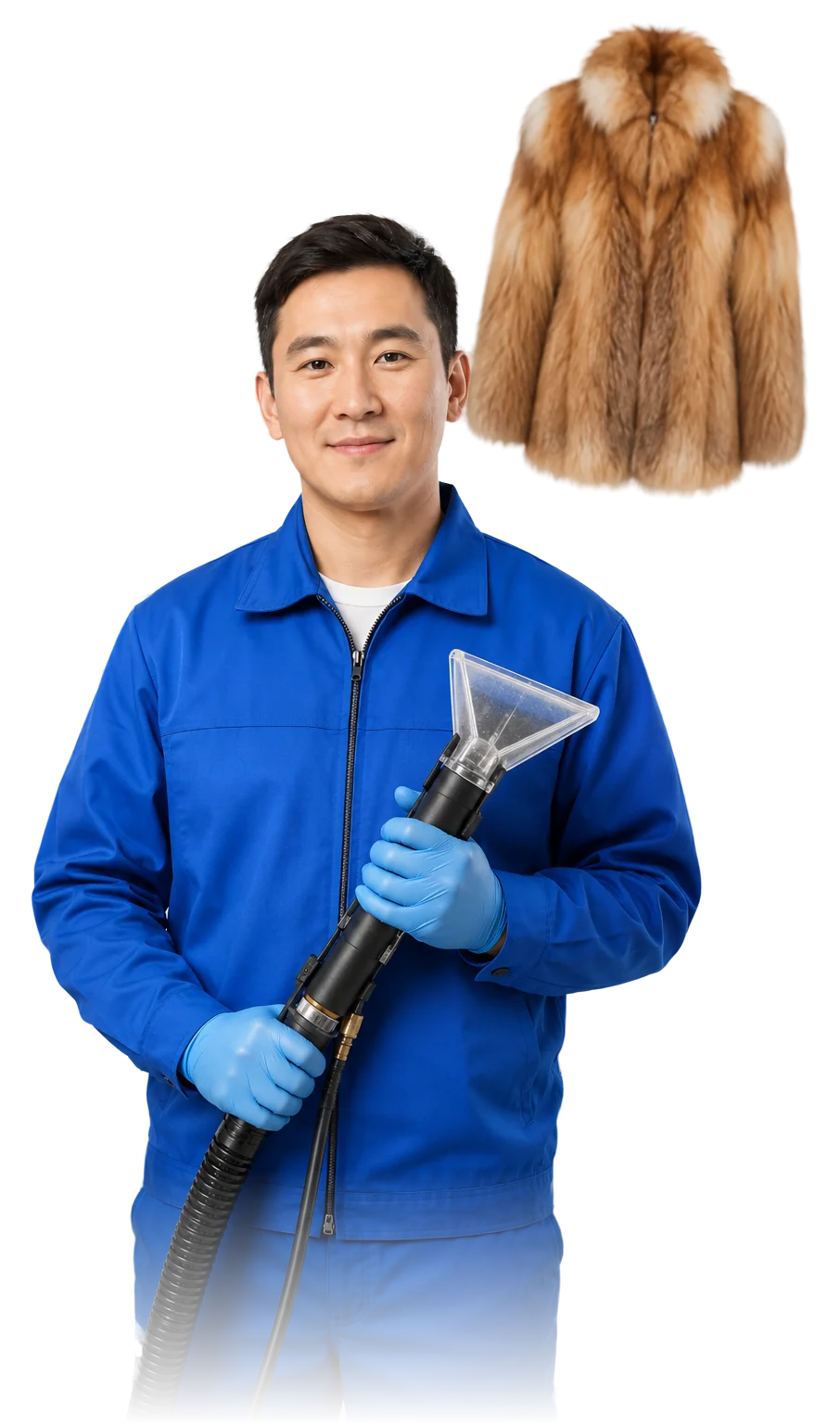
We work with any types and materials
Delicate cleaning preserving softness and shine of mink.
from 12,000 ₸Special attention to long pile: brushing and volume.
from 12,000 ₸Very delicate fur, only gentle products and low temperature.
from 12,000 ₸Removing greasiness and restoring shape of sheared fur.
from 12,000 ₸Gentle cleaning of curls without losing structure.
from 12,000 ₸Deep cleaning and adding volume to fluffy pile.
from 12,000 ₸Removing specific odor and restoring softness.
from 12,000 ₸Elite care: manual treatment and conditioning.
from 12,000 ₸Cleaning while preserving water-repellent properties.
from 12,000 ₸Removing grease stains and restoring shine.
from 12,000 ₸Gentle cleaning without risk of damaging synthetic fibers.
from 12,000 ₸Cleaning leather and fur, restoring softness and color.
from 9,000 ₸From inspection to result with guarantee
Assessment of fur type, dirt, defects. We sign an acceptance certificate with a description of the condition.
Removal of dust and surface dirt with a HEPA-filter vacuum cleaner.
Application of specialized fur stain remover (Kiehl, Sodasan) on local stains.
Soaking in a gentle solution followed by extraction to remove dirt from deep within the pile.
Removal of chemical residues, application of fur conditioner to restore softness and shine.
Drying in a special chamber at controlled temperature (not exceeding 40°C) to preserve fur structure.
Brushing the pile, removing pills, adding volume.
Quality check, packing in a cover, handover to the client.
We only use certified Kiehl and Sodasan products that do not contain aggressive solvents. They effectively remove dirt while preserving the fur structure and do not cause allergies. This is especially important for delicate furs like chinchilla or sable.
Our Karcher equipment allows us to control drying temperature up to 40°C, preventing overdrying and deformation of the leather. Steam cleaners gently remove dirt without mechanical impact. This guarantees preservation of your fur coat's shape and softness.
Each of our masters has a certificate and at least 5 years of experience with fur. We know the specifics of each fur type and select an individual cleaning mode. Your fur coat is in safe hands of professionals.
We are confident in the quality of our work. If a stain remains after cleaning, we will refund your money or re-treat it for free. The guarantee is valid for 30 days from the date of issue.
Our courier will come to your home or office, pick up your fur coat and deliver it back after cleaning. The service is free for orders of 1 item or more. Save your time and avoid risking your fur during transport.
When ordering dry cleaning of two or more fur coats, you get a 10% discount on each subsequent item. This is beneficial for couples or if you want to refresh the whole family's wardrobe.
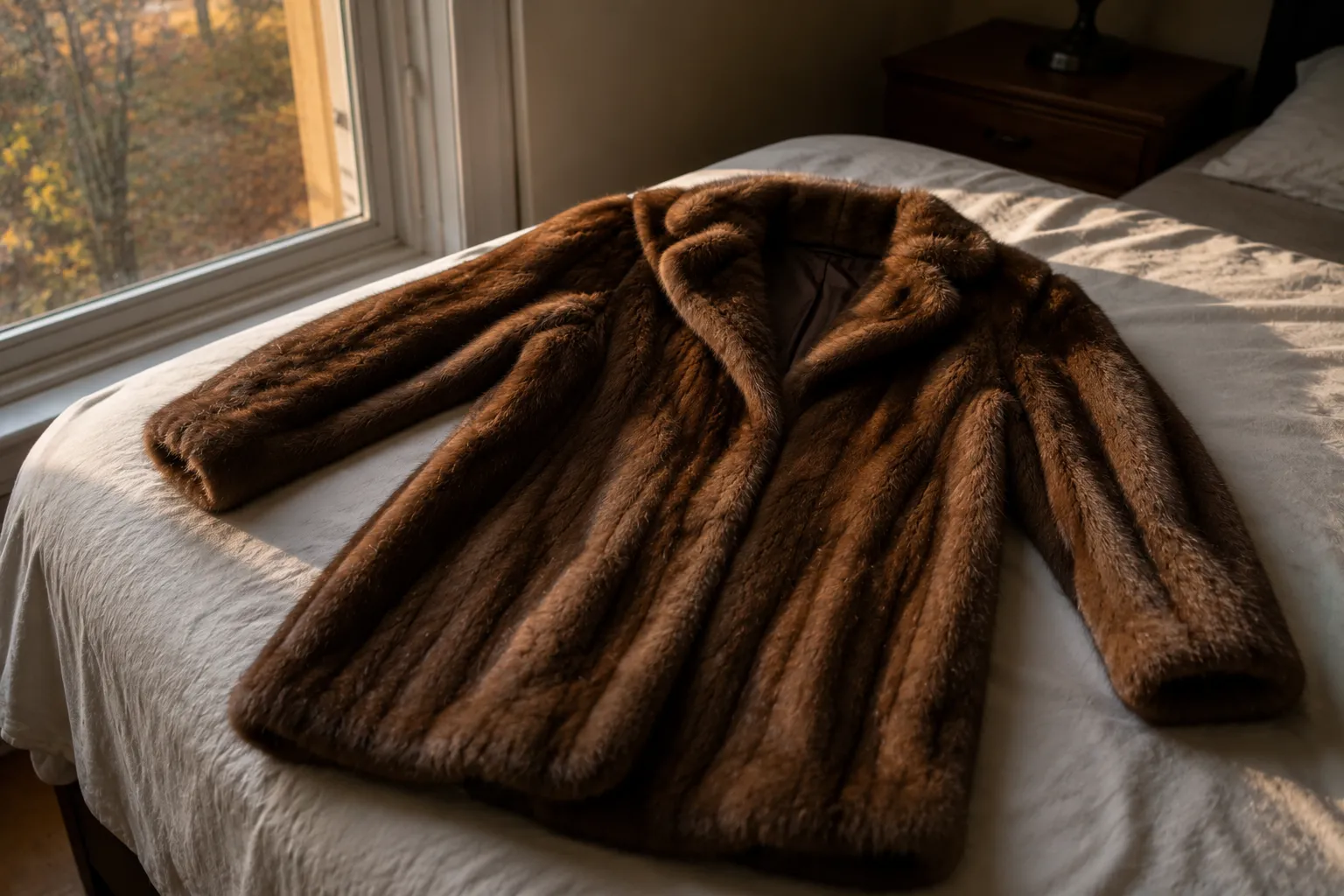
 After
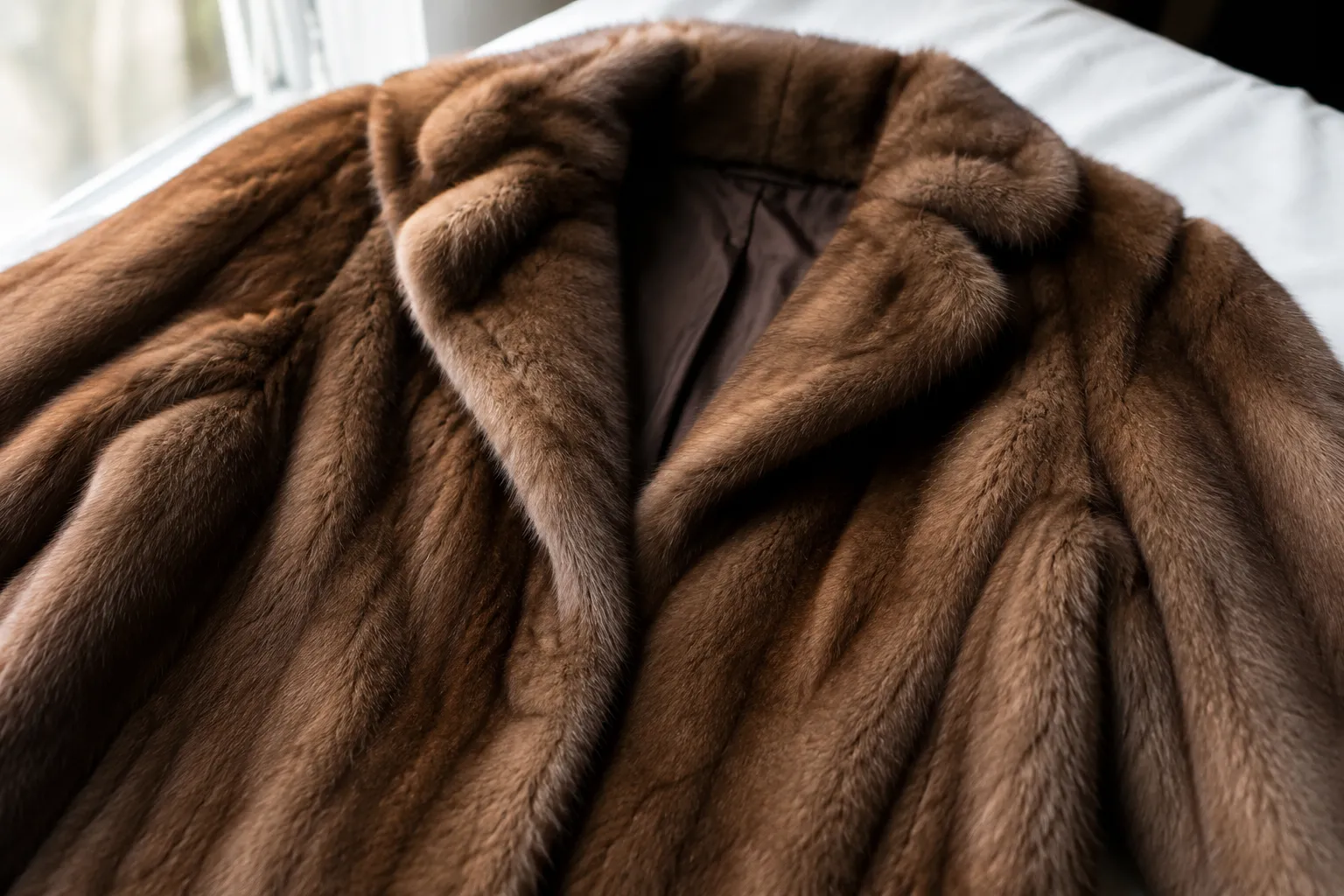
After
Request: The mink coat lost its appearance, stains appeared on sleeves and collar.
Done: We performed dry cleaning with localized stain removal, steamed and restored the pile.
Cost: 12 000 ₸
Master: Aigul Smailova, dry cleaning master
Total: The coat looks like new: clean, soft, no stains or odors.
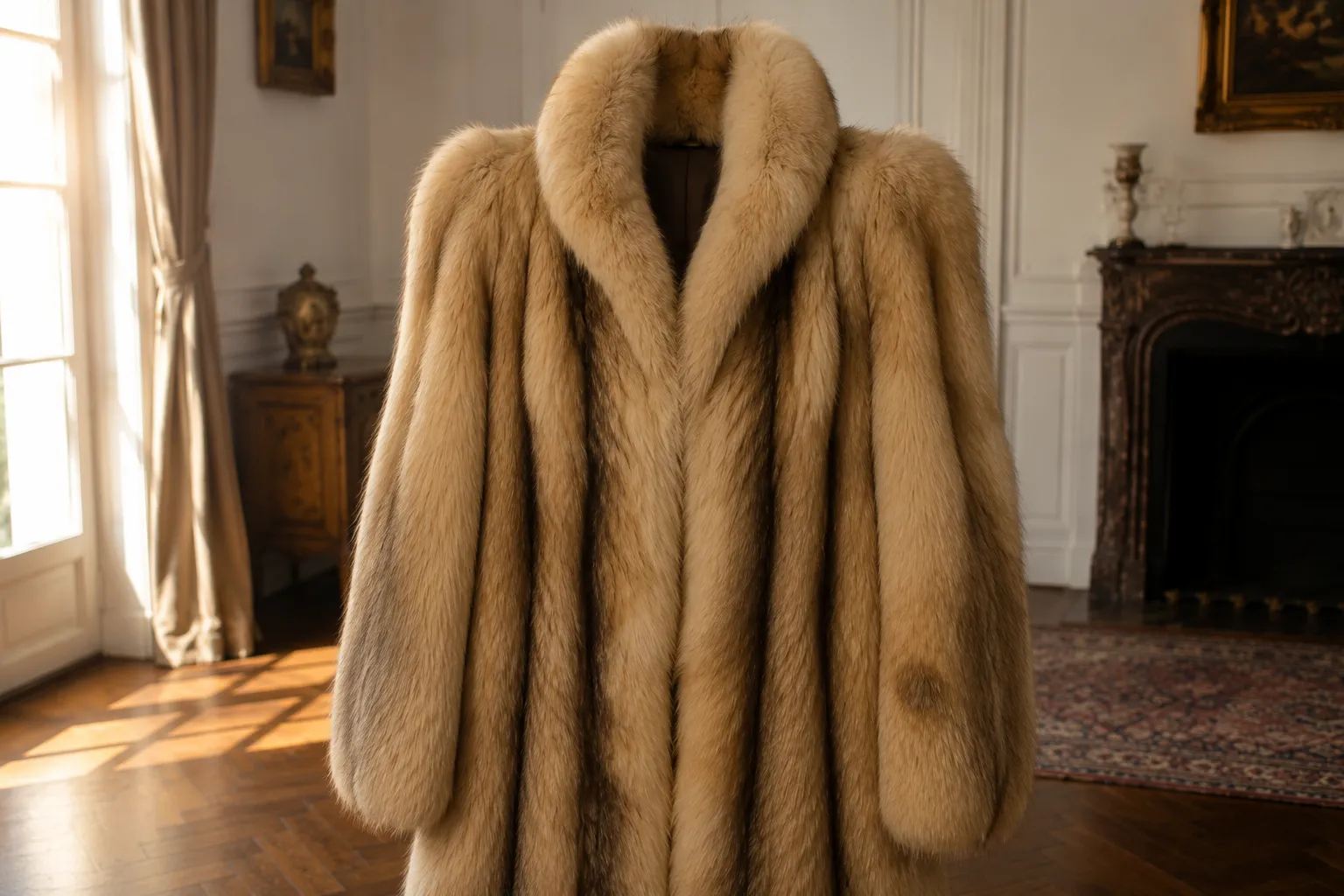
 After
After
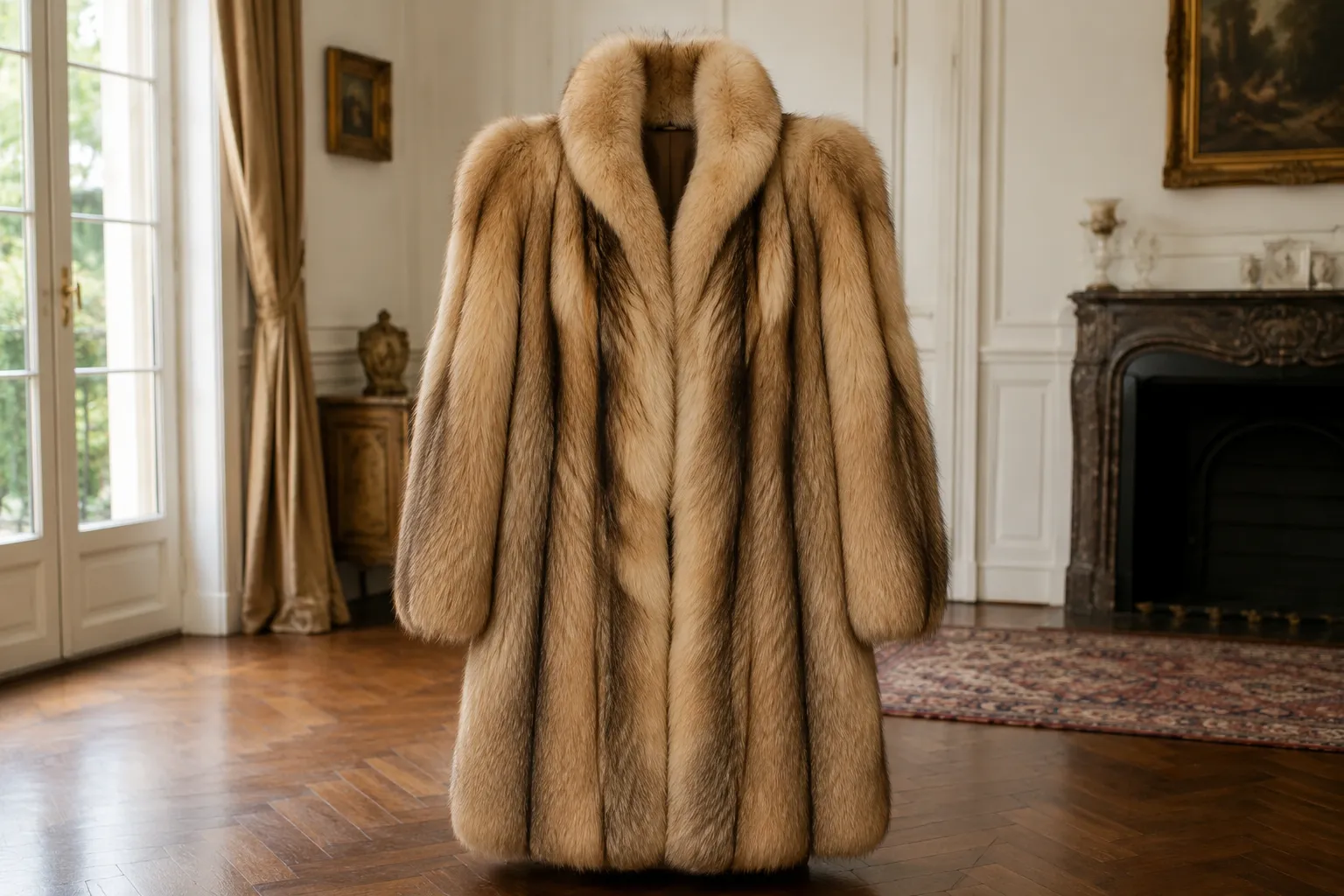
Request: The fox coat yellowed and the collar became greasy.
Done: We performed dust removal, chemical cleaning and fur conditioning.
Cost: 12 000 ₸
Master: Marat Nurgaliev, dry cleaning master
Total: The fur became snow-white, fluffy and pleasant to the touch.
 After
After
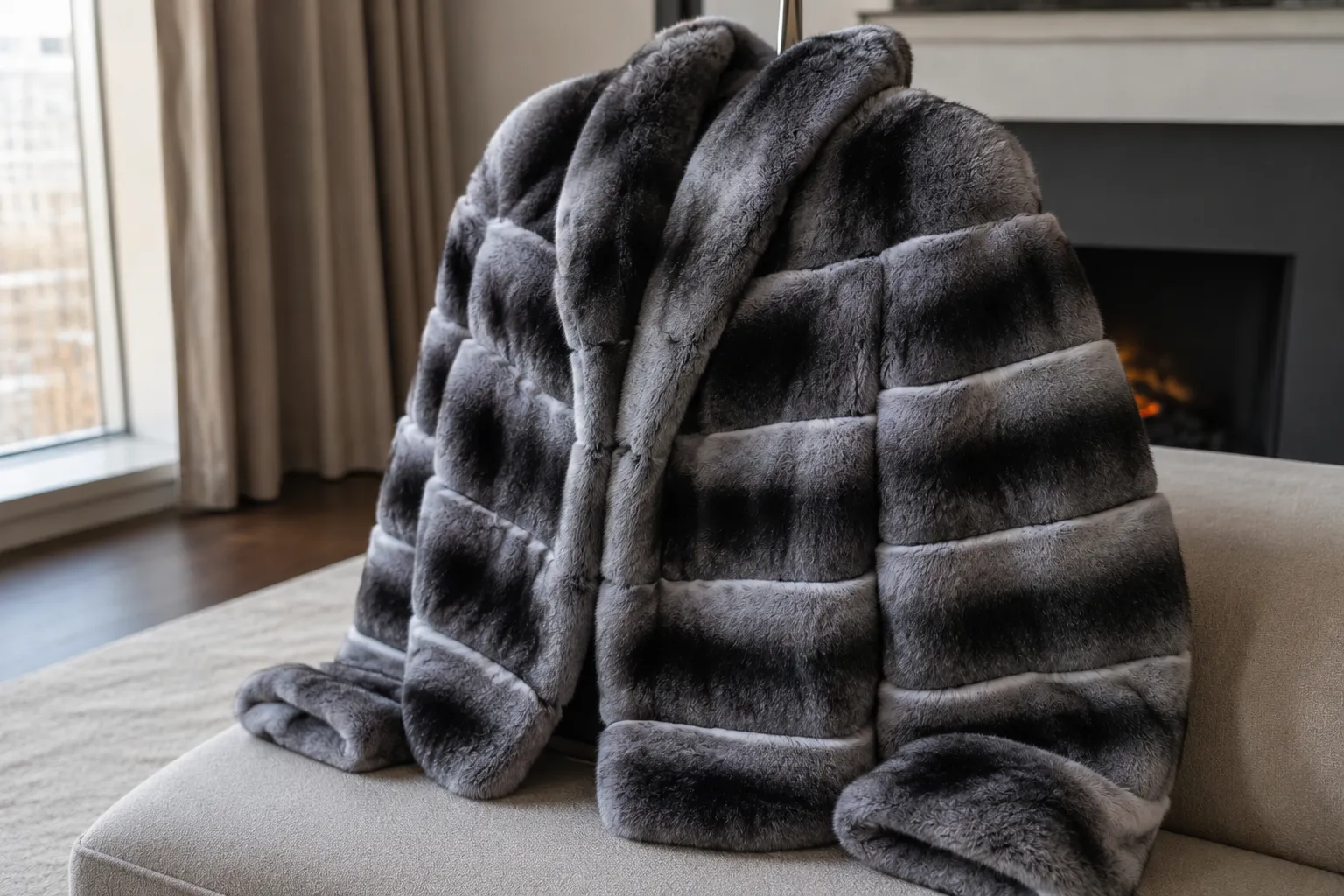
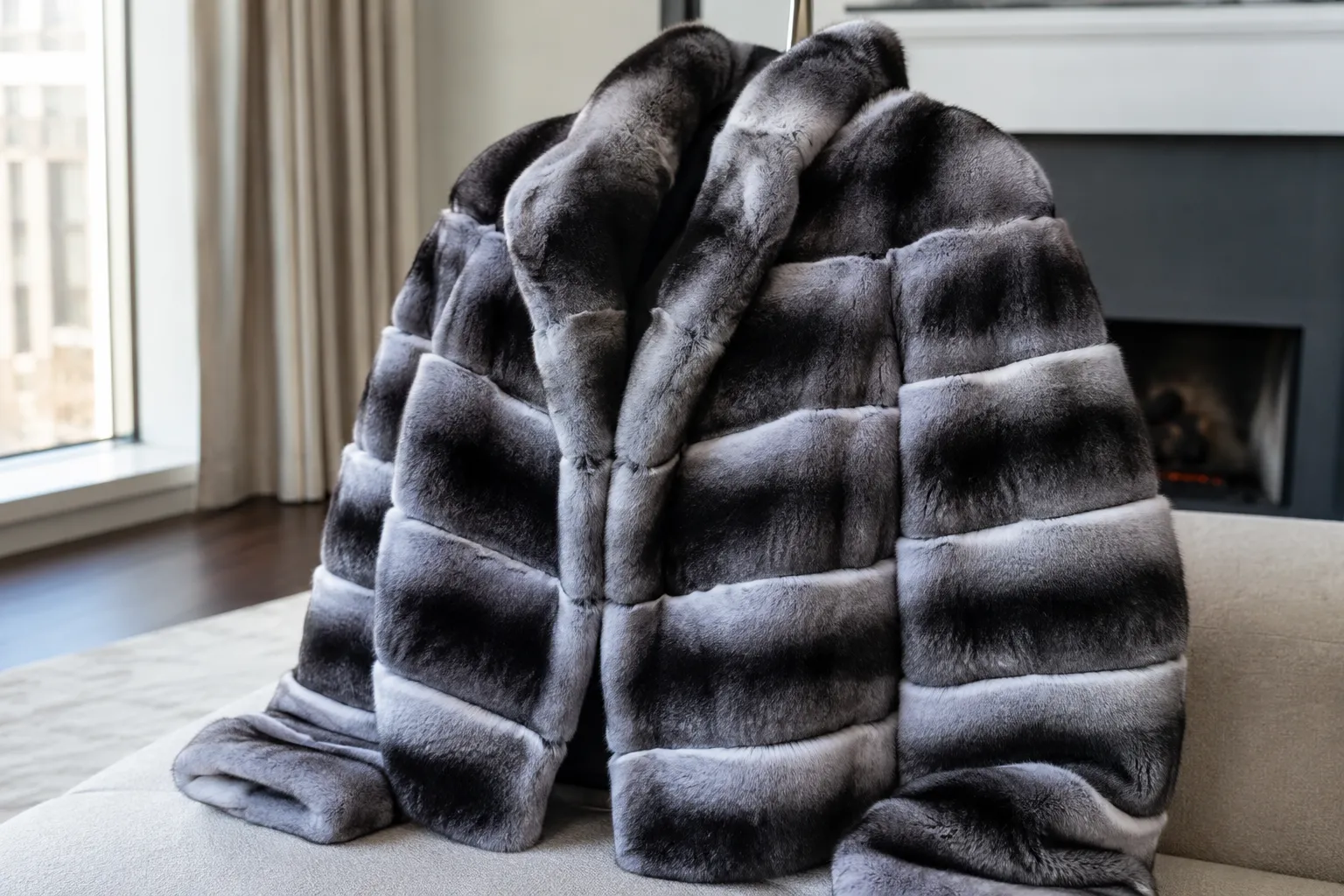
Request: The chinchilla coat lost volume and showed signs of wear.
Done: We performed delicate cleaning using special shampoos and a finishing treatment.
Cost: 12 000 ₸
Master: Dinara Kusainova, dry cleaning master
Total: The pile is restored, the coat looks voluminous and well-groomed.
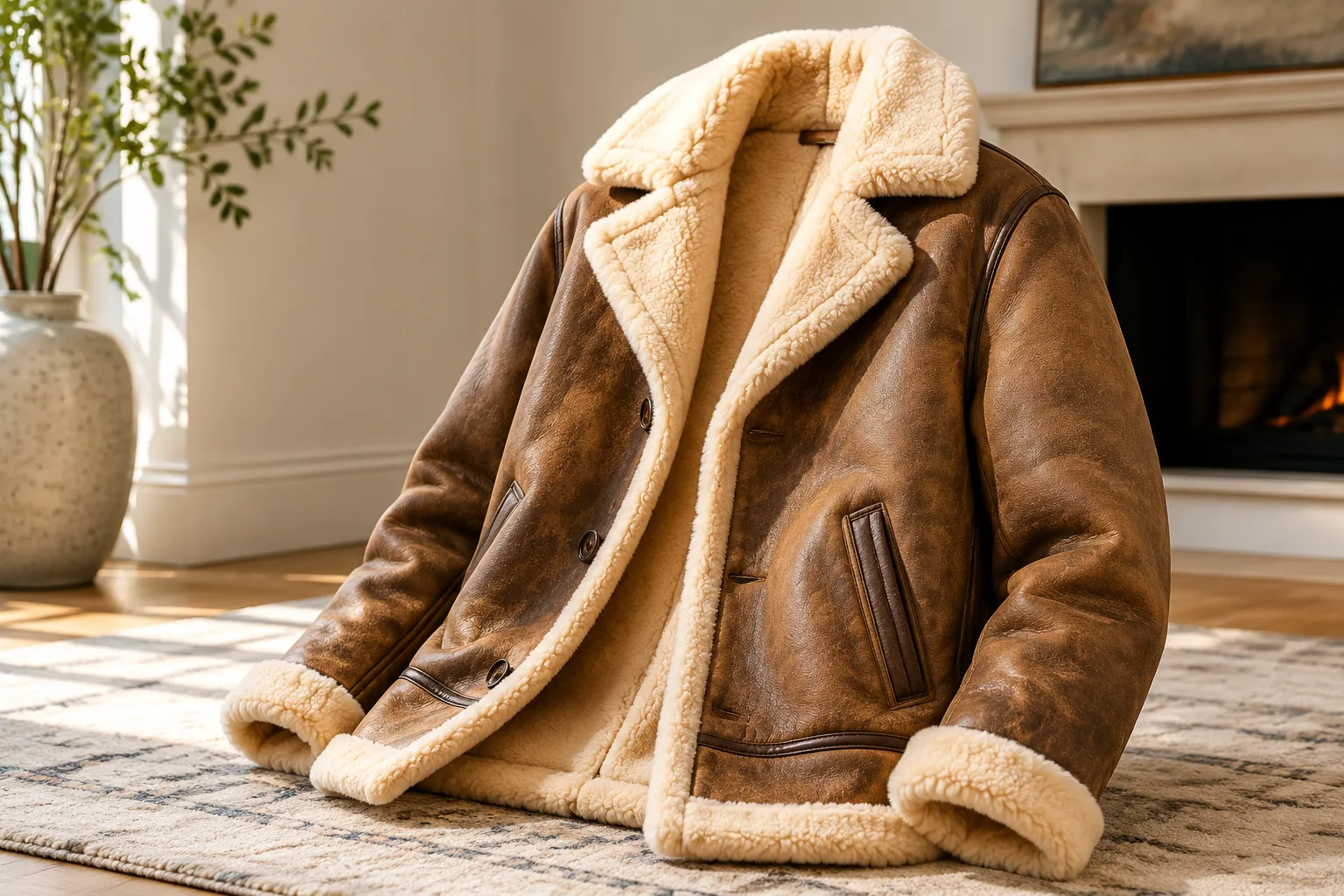 After
After
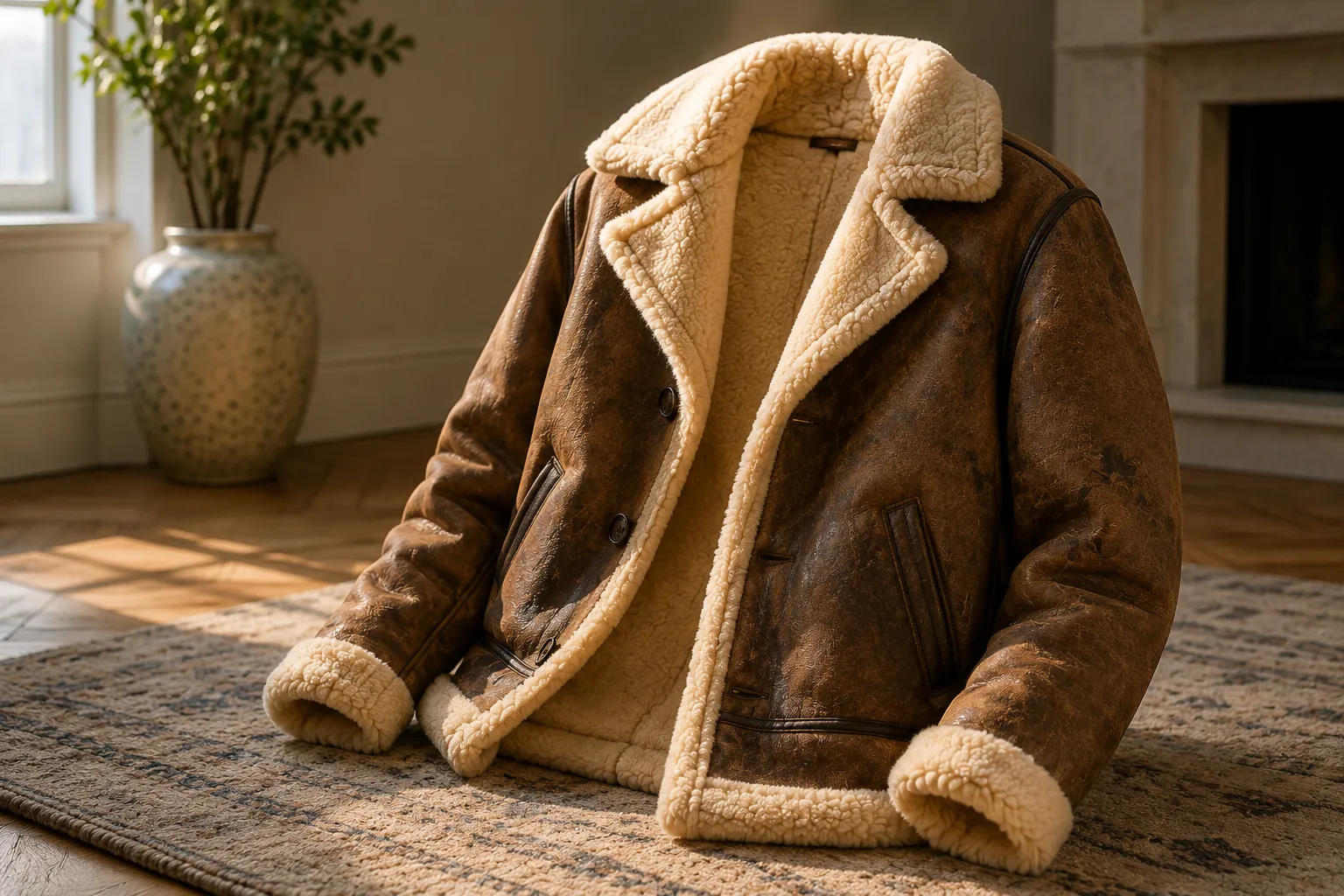
Request: The shearling coat became greasy on sleeves and pockets, stains appeared.
Done: We performed cleaning with stain removal and leather color restoration.
Cost: 9 000 ₸
Master: Bakhtiyar Alimov, dry cleaning master
Total: The shearling coat is clean, no stains, the leather is soft and elastic.
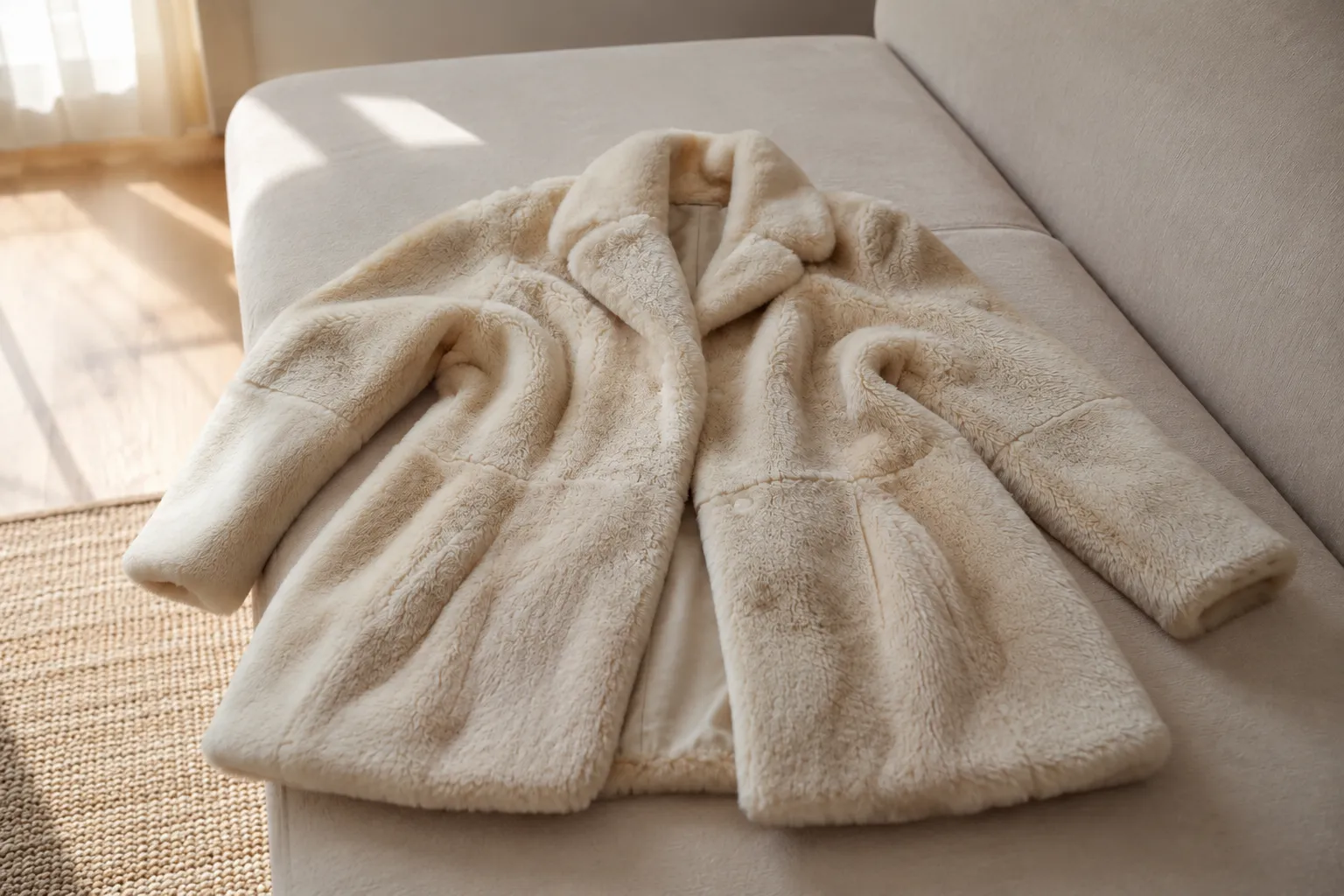
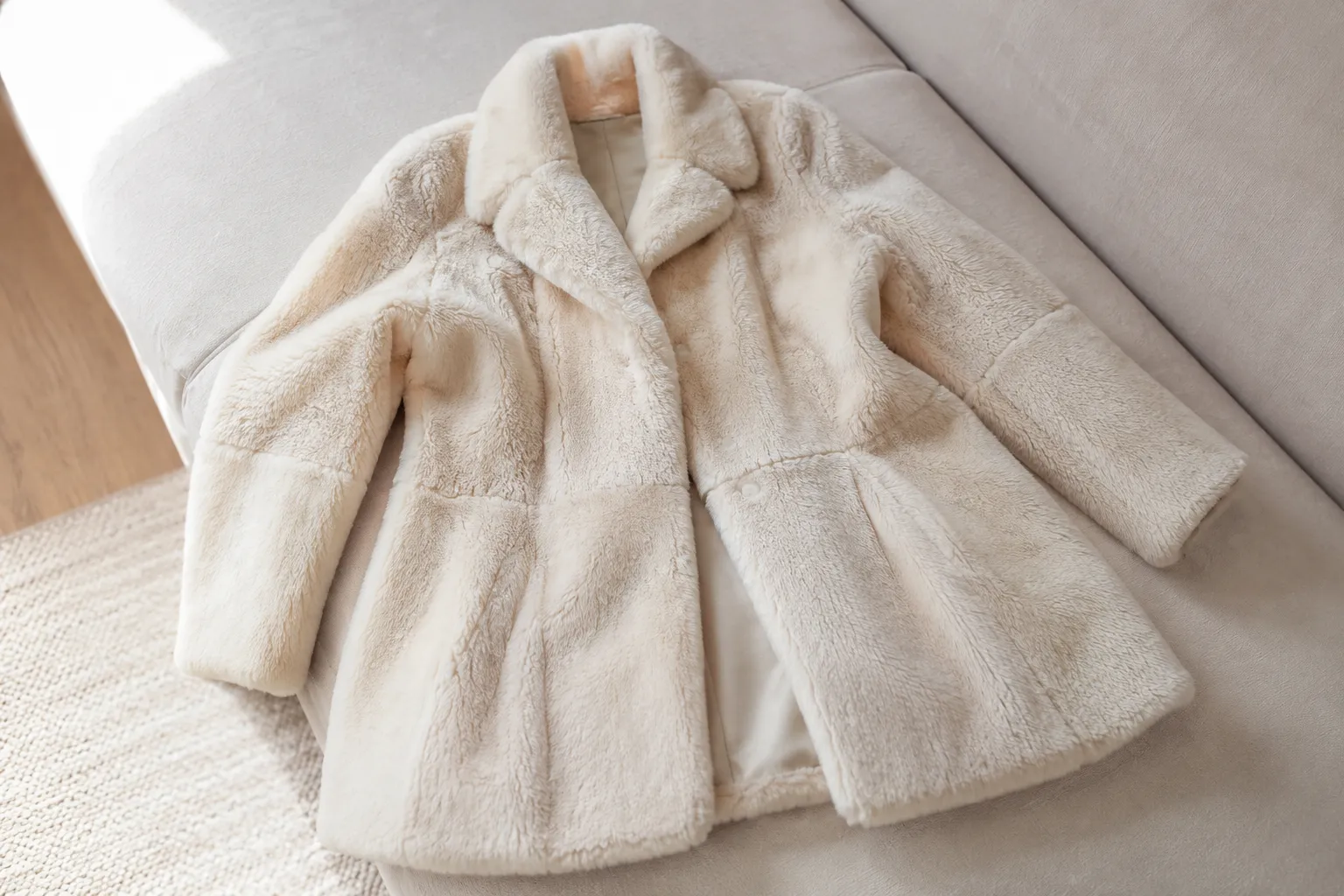 After
After
Request: The mouton coat faded and lost its shape.
Done: We performed cleaning with moisturizing agents and mechanical pile fluffing.
Cost: 12 000 ₸
Master: Assel Zhumabayeva, dry cleaning master
Total: The coat is refreshed: color is rich, pile is thick and even.
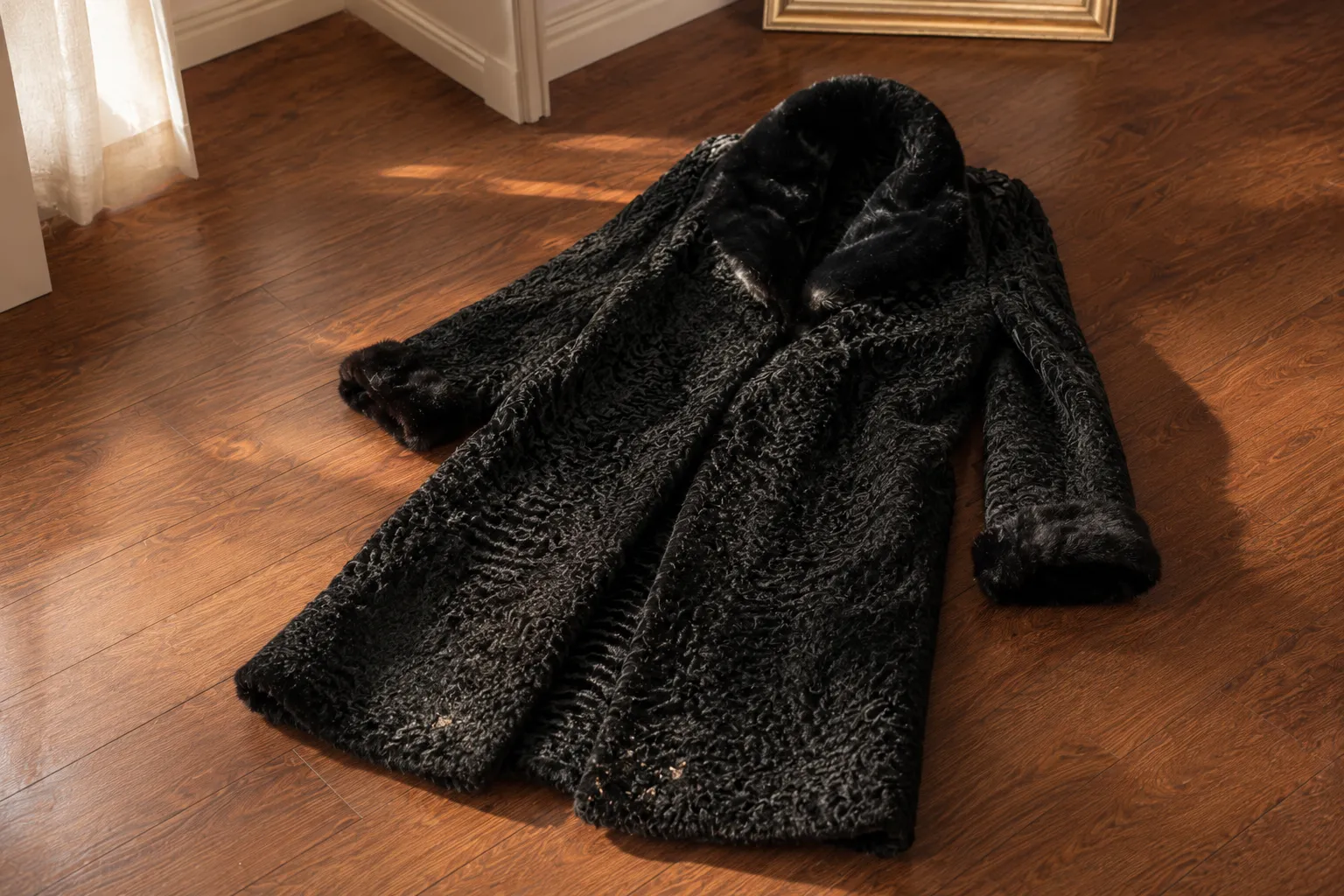
 After
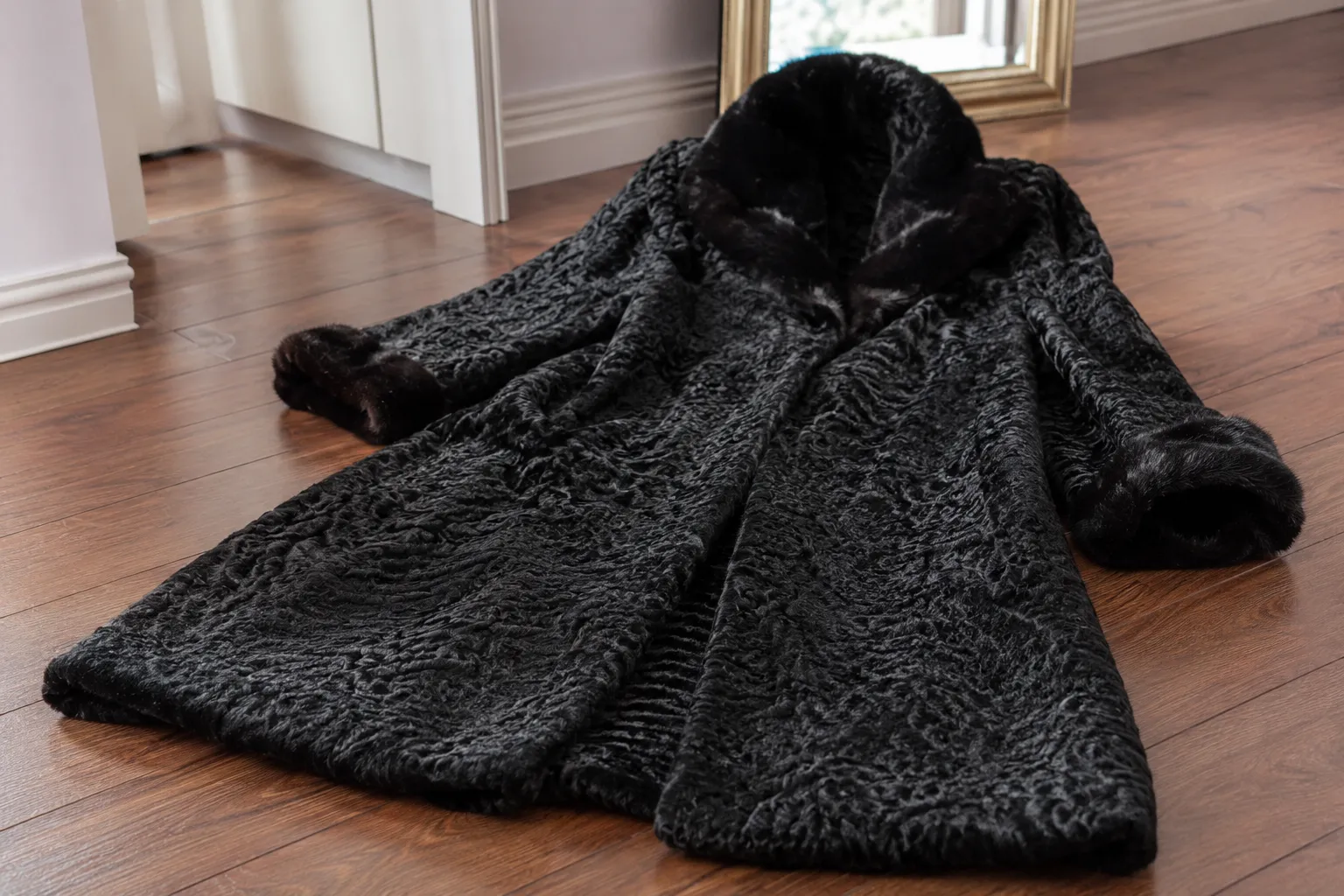
After
Request: Astrakhan fur coat has become dusty and matted in places.
Done: Performed dust removal, cleaning, and curl brushing.
Cost: 12 000 ₸
Master: Timur Zhaksybekov, dry cleaning master
Total: Curls are clear, fur is clean and shiny.
 After
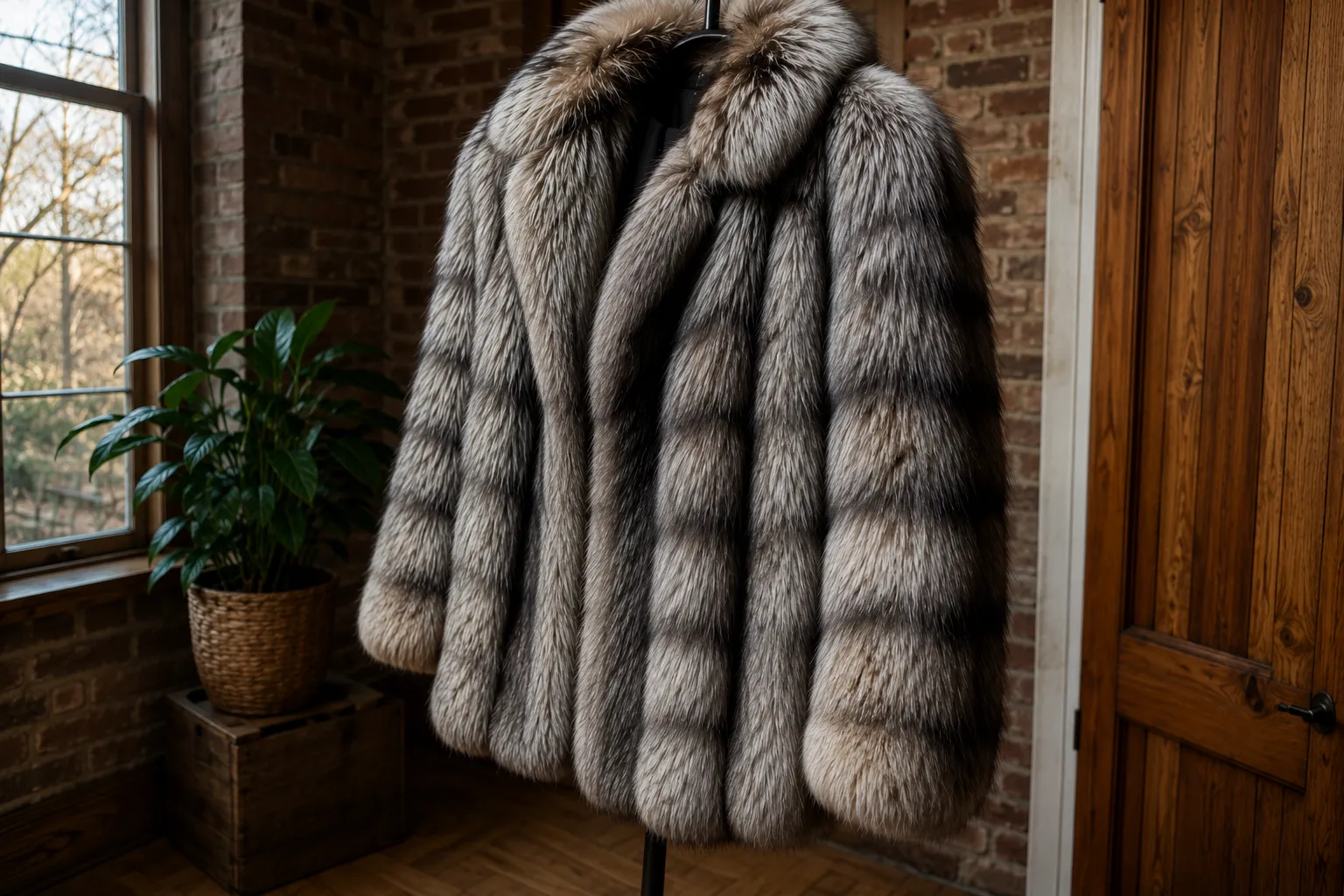
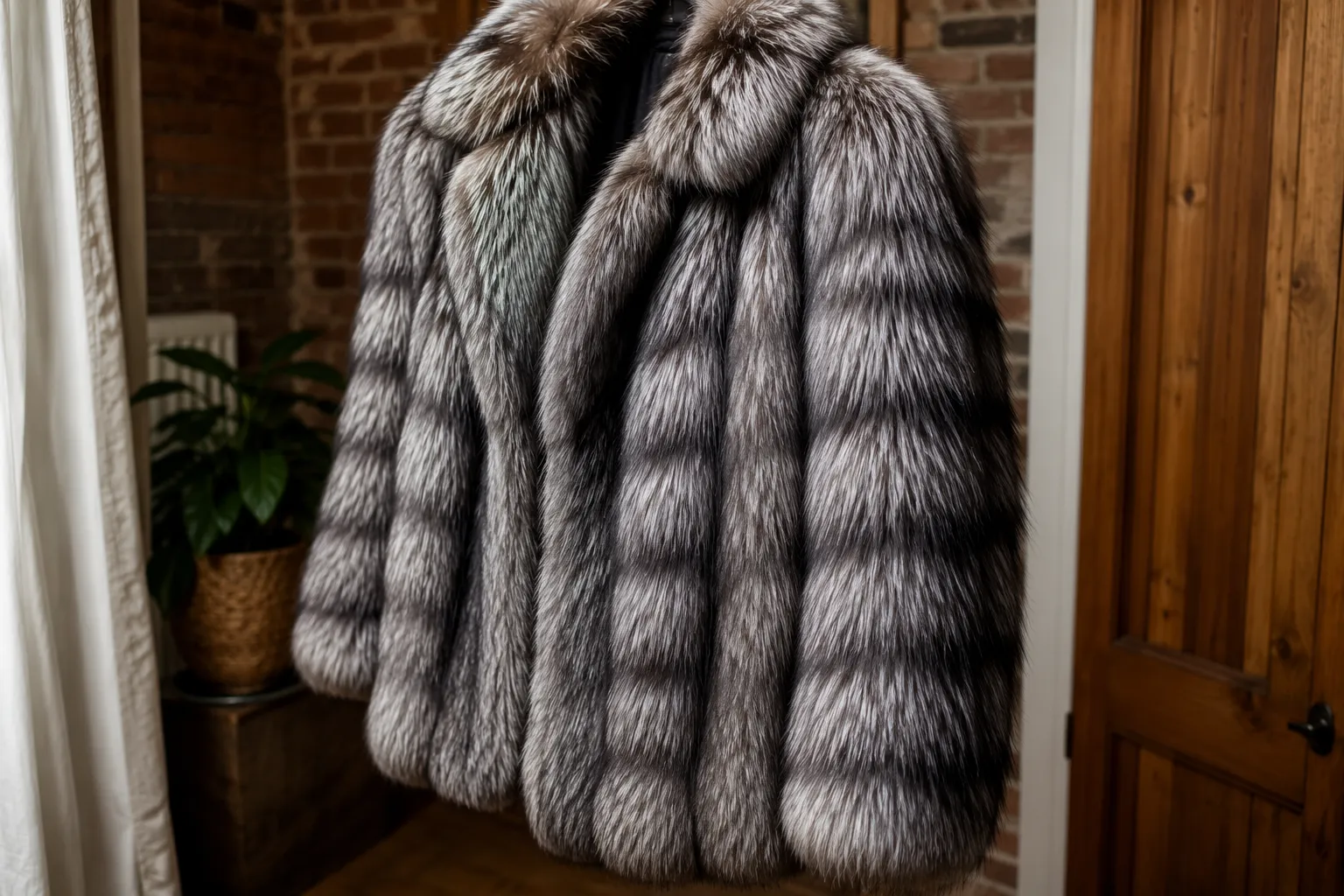
After
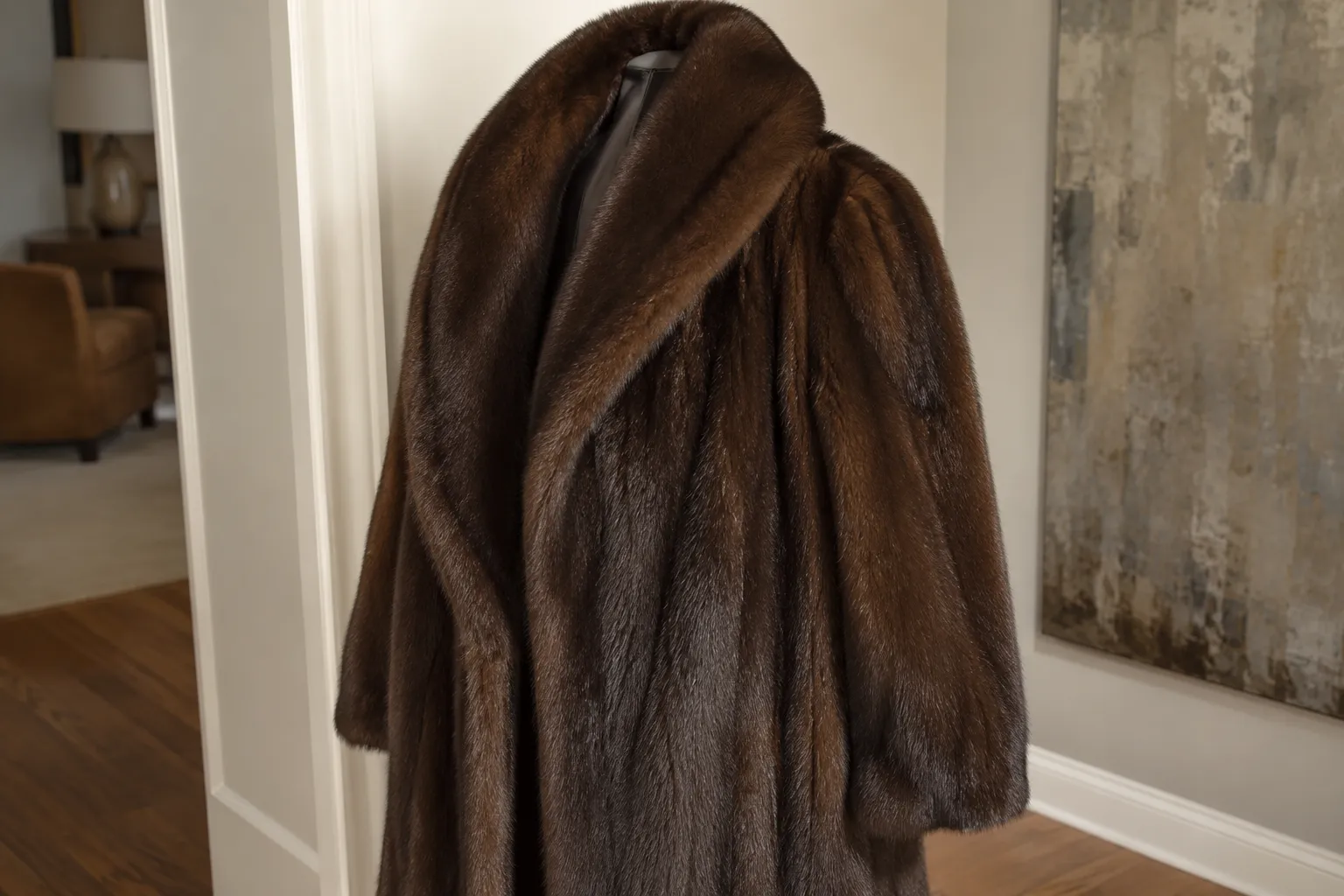
Request: Raccoon fur coat has become greasy and developed an unpleasant odor.
Done: Performed dry cleaning with deodorizing and fur structure restoration.
Cost: 12 000 ₸
Master: Gulnara Sagindykova, dry cleaning master
Total: Coat is fresh, odorless, fur fluffy and soft.
 After
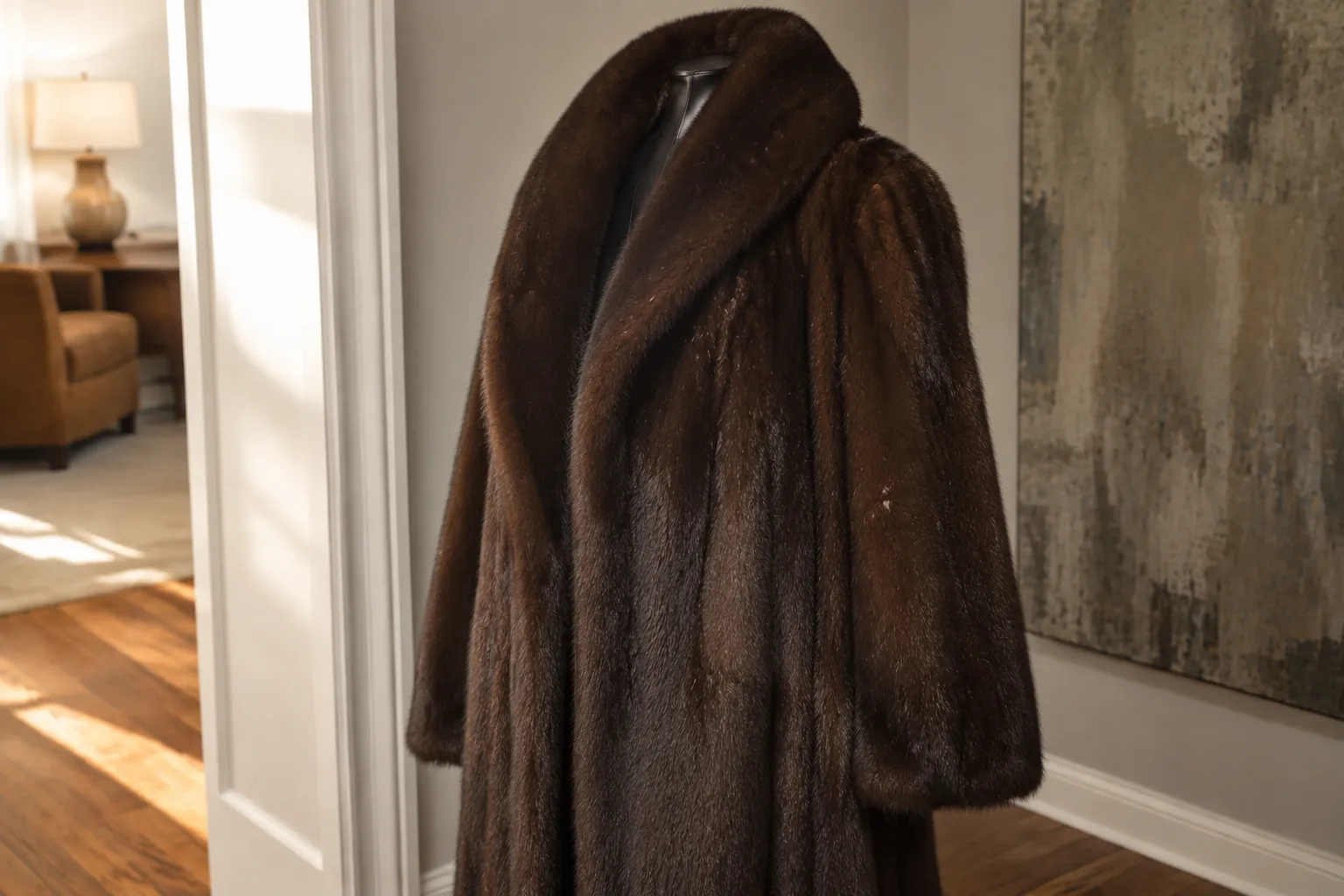
After
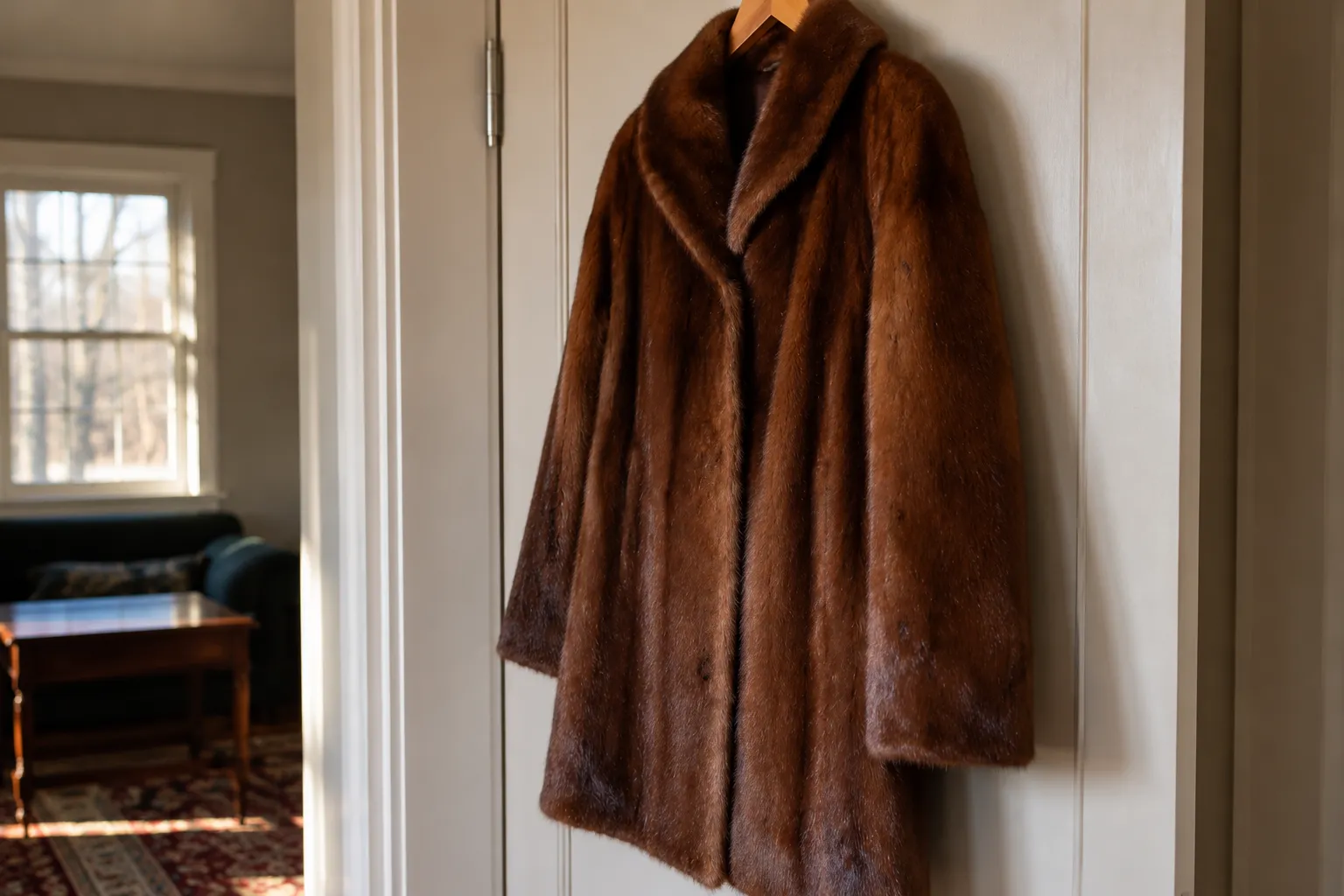
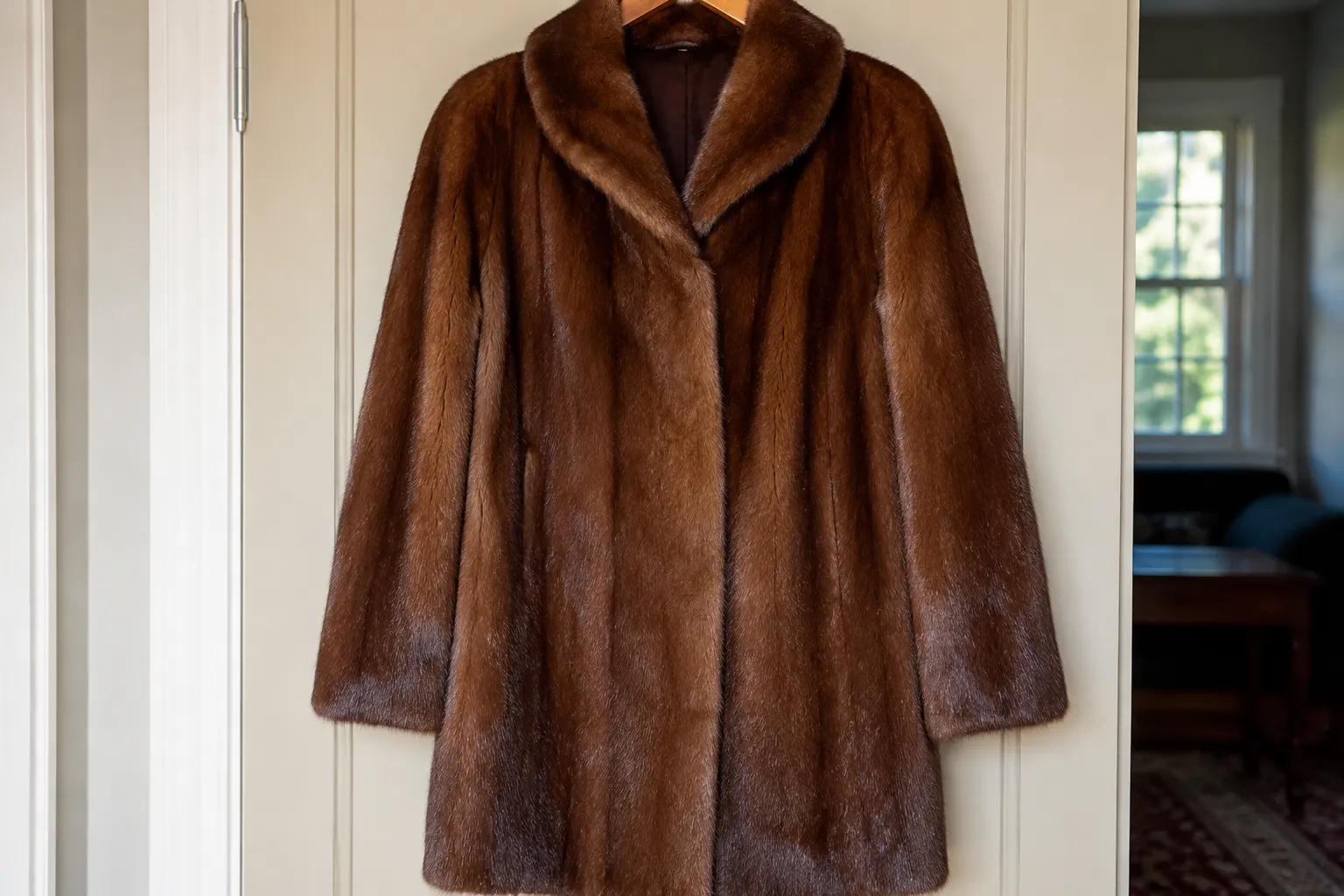
Request: Sable fur coat has lost its luster and developed wear marks.
Done: Performed delicate cleaning with nourishing oils and final brushing.
Cost: 12 000 ₸
Master: Aibek Kassymov, dry cleaning master
Total: Coat shines, fur is soft and silky, defects eliminated.
 After
After
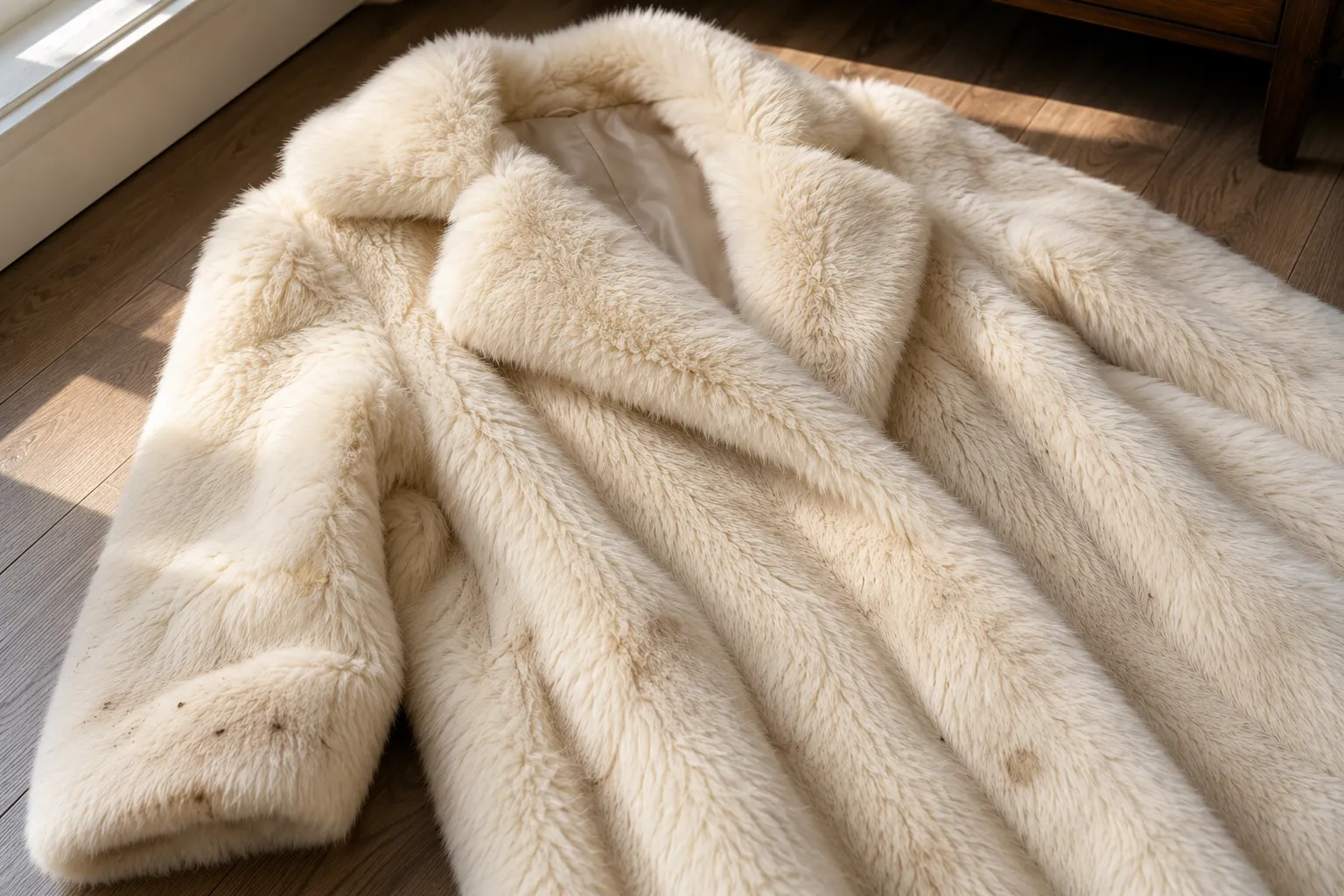
Request: Beaver fur coat has become dull and stiff.
Done: Performed cleaning with conditioning and mechanical pile restoration.
Cost: 12 000 ₸
Master: Lyazat Muratova, dry cleaning master
Total: Fur shines, coat is soft and pleasant to the touch.
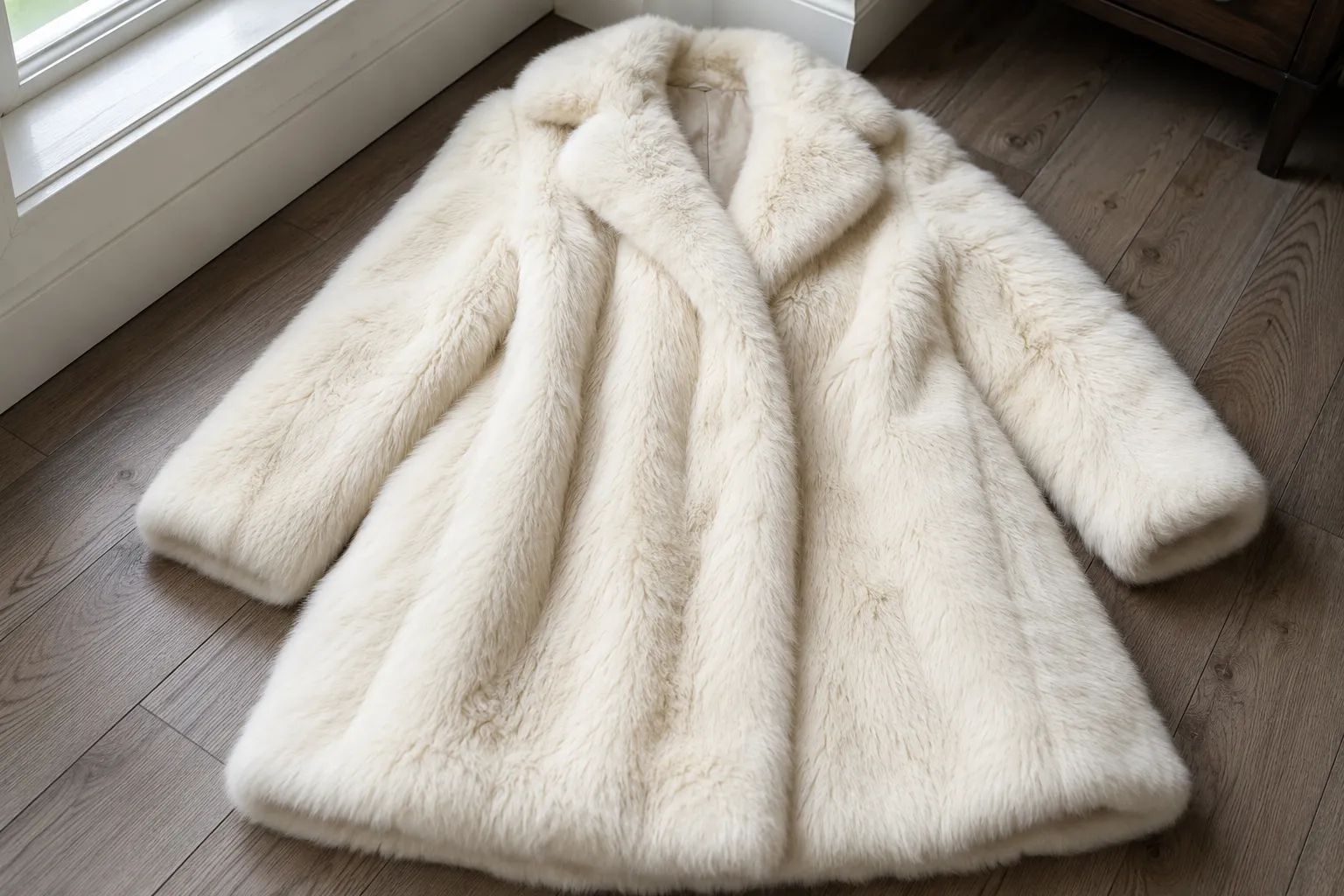 After
After
Request: Faux fur coat has become greasy and lost its shape.
Done: Performed cleaning with antistatic treatment and pile volume restoration.
Cost: 12 000 ₸
Master: Saule Akhmetova, dry cleaning master
Total: Coat is clean, fluffy, with no static electricity.
All cleaners are profi-clean staff with training, uniform and security check. Each order has a team leader who controls quality.
Many fur product owners try to freshen up their fur coat at home — washing it in a machine, scrubbing stains with home remedies, or “freezing” it on the balcony. Our experience shows that such methods almost always lead to irreversible damage. Let’s break down why home cleaning is a risk, and when it might still be acceptable.
Washing a mink coat: even a delicate cycle at 30°C disrupts the structure of the leather tissue — the skin becomes stiff and cracks after drying. The pile mats, creases appear that cannot be straightened by steaming or brushing. Our advice: if the label doesn’t have a “machine washable” symbol — don’t risk it. In Almaty, we receive coats after unsuccessful washing about once a month, and the leather base can no longer be restored — only re-lining onto a new lining is possible.
“Home” recipes: vinegar, ammonia, hydrogen peroxide, and baking soda are aggressive reagents for natural fur. Acetic acid washes out natural fats from the hair, the fur becomes dull and brittle. Peroxide lightens dark shades of mink and sable unevenly — leaving yellow spots. In our practice: after cleaning with peroxide, a black mink coat had to be fully tinted — the color “bled” in patches on the back and shoulders.
Freezing on the balcony: dry cold does not kill bacteria or remove grease stains — it only slows down the reproduction of microorganisms. With a sharp temperature change (from -15°C to +20°C), condensation forms on the fur — moisture is absorbed into the skin and causes rotting. Expert recommendation: if you want to freshen up your coat in winter, hang it out in the frost for no more than 2 hours in dry weather, and afterwards, be sure to dry it at room temperature for at least 24 hours before putting it back in the closet.
Local stains on smooth fur: a fresh water or coffee stain on mink or chinchilla can be blotted with a dry microfiber cloth — do not rub, just press. If the stain is greasy (traces of cream, oil), sprinkle it with cornstarch or talc for 30 minutes, then gently brush it off with a soft brush. But: on long-haired coats (arctic fox, fox, raccoon), this method doesn’t work — the starch gets stuck in the undercoat and sticks the hairs together.
Cleaning the lining without soaking the fur: if only the lining in the collar and sleeve area is dirty, carefully unpick it (or ask a tailor), hand wash it in warm water with a mild shampoo, and sew it back on. In our orders: clients most often come to us after the stain from the lining has already transferred to the fur — when washing the lining directly on the coat, water soaks the leather through the seams.
Vacuuming with a soft attachment: once a month, you can go over the dry fur with a vacuum cleaner using a soft furniture brush on the lowest power — this removes dust and prevents the pile from matting. But: do not use a turbo brush attachment — it pulls out hairs, especially on arctic fox and silver fox.
| Parameter | Home cleaning | Dry cleaning at profi-clean |
|---|---|---|
| Grease stain removal | Talc/starch — only surface level | Professional water-free solvents — dissolve grease within the hair structure |
| Effect on leather tissue | Skin gets wet, stiffens, or cracks | Dry steam treatment + leather conditioner — skin remains elastic |
| Pile restoration | Brushing only — doesn’t remove creases | Brushing on a steam cushion + antistatic agent — pile is lifted and set |
| Risk of shrinkage | High — up to 5-7 cm in length | Zero — all processes are water-free |
| Result guarantee | No | 24 hours — if you’re not satisfied with the result, we redo it for free |
Using fabric softener: after washing a coat in the machine, owners add fabric softener — it coats each hair with a film, the fur sticks together and loses its shine. From our practice: such a coat has to be rinsed several times with a special degreaser, which additionally dries out the skin.
Dry shampoo cleaning for fur coats: powder is rubbed into the fur and then vacuumed — but fine particles remain in the undercoat, creating an abrasive effect and wearing down the hair through friction against clothing. Our advice: if you use dry shampoo, choose only specialized products for fur — for example, Kiehl for mink.
Iron steaming: attempting to smooth creases with hot steam through gauze — steam penetrates the leather, the skin becomes damp and shrinks when drying. In Almaty with its humidity fluctuations: after steaming, a fur coat may shrink unevenly — the hem can become 2-3 cm shorter than the back.
The frequency of professional fur coat cleaning depends on the intensity of wear, fur color, and storage conditions — there is no universal schedule, and observation is more important here than a calendar.
If you wear your fur coat daily or every other day throughout the cold season (from November to March in Almaty), our recommendation is one professional dry cleaning per year, at the end of the season before summer storage. Over the winter, micro-particles of city dust, exhaust fumes, and cosmetics (powder, foundation on the collar) accumulate on the fur — they embed into the hair and undercoat, and home treatment does not remove them. We at profi-clean see this especially on light mink coats: if not cleaned once a season, the fur yellows unevenly, and restoring the original shade is more difficult. On dark coats (black mink, sable, beaver), dirt is less visually noticeable, but it weighs down the hair and reduces its shine — after cleaning, the fur “plays” in the light again. In my opinion, skipping seasonal cleaning is the main reason a fur coat loses its marketable appearance in 2–3 years, even though it could last 8–10 years.
For fur coats worn 5–10 times per winter (for outings to the theater, restaurant, or special occasions), annual dry cleaning is excessive — it is enough to bring them in every 2–3 years. In such conditions, the main threat is not street dirt, but dust from the closet and improper storage: fur loses elasticity if hung tightly against other items or on a plastic hanger. In practice, clients come in with a fox fur coat worn 4–5 times over three winters — the fur looks normal, but creases and slight yellowing from oxidized skin oils have appeared on the sleeve bends. In October, we had a case: a woman brought in a mink coat last cleaned 5 years ago with infrequent wear — the fur on the back and shoulders was dull, even though the item was objectively lightly worn. After treatment with a gentle water-based solution (Kiehl) and cold air blowing, the coat restored 80% of its shine, but marks remained on the elbows — these could only have been removed in the first season, not after 5 years. This illustrates that even with infrequent wear, an interval of 2–3 years is the maximum.
There are situations where waiting until the end of the season is not possible — the fur coat should be brought in for cleaning immediately after the incident. These include: spilled drinks (red wine, coffee, juice), perfume or deodorant getting on the collar (the alcohol base dries out the leather), contact with food (grease from shashlik or sauce on the sleeve), as well as wet snow with reagents that leave whitish streaks. In Almaty, roads are sprinkled with sand and salt in winter — if you fall or press your sleeve against a dirty curb, reagents embed into the fur within 2–3 days and begin to destroy the hair structure. Another common case is rain or wet snow without an umbrella: getting wet itself is not critical, but if the coat was then dried on a radiator (rather than at room temperature in a spread-out state), the leather stiffens, and the item requires professional moisturizing and softening. In such cases, bring the coat in within a week — the longer you wait, the higher the risk that the stain sets or the fur deforms. Our practice shows: postponing cleaning “for later” results in either more expensive restoration or irreversible marks.
Fur coat owners often doubt which soiling can be removed by professional dry cleaning and which is hopeless. In practice, profi-clean removes up to 90% of household stains from mink, fox, karakul, and faux fur — without damaging the hair or leather. Below, we break down the types of stains, their nature, and realistic chances of restoration.
Rain and snow residue on fur is one of the most common issues during an Almaty winter. Water mixed with urban dust and de-icing reagents leaves whitish streaks, especially on light mink and chinchilla. Our cleaners treat such areas with steam and a hypoallergenic Kiehl formula — it neutralizes alkaline residues without damaging the hair’s natural lipid layer. If the fur coat was dried near a radiator, the streaks become set: this requires a second treatment with the nap smoothed out. In my opinion, the main mistake is rubbing wet fur with a cloth — this drives the dirt deeper, and the stain becomes more noticeable after drying. Before dropping it off, let the fur coat dry at room temperature for 12 hours — the technician will then assess the depth of soiling more accurately.
Drops of vegetable oil, traces of hand cream, or greasy food on the collar — these contaminants penetrate the hair structure within 2-3 hours. profi-clean removes them using Sodasan, an organic sorbent that absorbs grease without abrasives. The difference from home methods is clear: starch or talc only removes the surface layer, but under a microscope, an oily film remains — over time, dust settles on it, and the stain darkens. In our practice, we had a case where an oil stain on fox fur had been there for a month — after two cleaning cycles, we restored 90% of the original color, but a slight yellowish tint remained. Moreover, the longer you wait, the more the oil oxidizes — making it harder to remove. If the stain is fresh (up to 3 hours), blot it with a dry tissue without pressing and bring it to the dry cleaner the same day.
Traces of foundation, lipstick, or perfume on the collar and cuffs are a classic winter wear issue. The alcohol base in perfume dries out the hair, while oils in cosmetics leave a sticky layer that attracts street dirt. We remove such contaminants with a water-alcohol Kiehl emulsion with a pH of 5.5 — it dissolves stubborn cosmetics without affecting the fur dye. An important nuance: on dyed mink, harsh solvents (acetone, gasoline) strip the pigment — leaving a light spot that cannot be restored. That’s why we never use them on colored fur. In our orders over 15,000 tenge, we most often receive fur coats with foundation stains on the collar — and after cleaning, they look like new if the soiling is less than a week old. For old cosmetic stains (over a month), a pre-treatment with Sodasan is applied for 40 minutes — this increases the chance of complete removal to 95%.
Spilled coffee on a light fur coat is stressful for the owner, but not a disaster. Tannin (the astringent in tea and coffee) penetrates the hair quickly but doesn’t bond with keratin if heat isn’t applied. Our cleaners treat fresh stains with cold water at 2 bar pressure — this washes out the pigment without rubbing. Red wine is trickier: anthocyanins (natural pigments) leave a purple tint that can’t be removed without a reagent. We use a Kiehl oxidizing formula based on 1.5% hydrogen peroxide — it bleaches the anthocyanins without affecting white fur. On colored mink, we apply this method spot-on using a microscope to avoid lightening the dye. Expert advice: if you spill red wine on your fur coat, don’t rub — immediately sprinkle it with salt (it will absorb the moisture), then take it for cleaning. The salt prevents the pigment from penetrating deep, and within 2 hours of the incident, the stain is 100% removable.
Yellow stains on the lining and fur in the underarm area result from the reaction of sweat with aluminum salts in antiperspirants. They are difficult to remove because the salt crystallizes inside the hair and damages its structure. profi-clean uses a protease-based enzyme formula — it breaks down the protein residues of sweat without damaging the fur. On faux fur (acrylic, polyester), this method yields 100% results in one cycle. On natural mink, after stain removal, slight hair brittleness may remain — we then apply a lanolin conditioner to restore elasticity. Furthermore, old, set-in stains (over 3 months) often leave irreversible yellowing — the hair is already destroyed by the salt. In our blog, we advise clients to have their fur coats dry-cleaned after each season of wear to prevent salt buildup — this extends the life of the fur by 2-3 years.
Random drops of “Moment” glue, water-based paint, or cement dust after renovation — rare but the most aggressive contaminants. Solvents from glue and paint chemically “weld” to the hair — removing them without losing fur quality is not always possible. We assess the chances individually: if the stain is fresh (up to 6 hours) and the glue hasn’t polymerized yet, we use white spirit in micro-doses followed by rinsing — on mink, the trace disappears in 70% of cases. Hardened glue is cut off with a micro-scalpel under 10x magnification — after fluffing the pile, the cut site is invisible. Construction dust that has settled on the fur after renovation is removed with a compressor at 4 bar pressure and a HEPA vacuum cleaner — this is safer than washing, which turns dust into dirt. In my opinion, the main rule is: do not try to wipe off paint or glue with a solvent at home — you risk removing the dye from the fur, and then the stain will become lighter than the background. Bring the fur coat immediately: the master will decide whether the contamination can be removed without losing the appearance, or whether it is better to mask it with tinting.
The most common request in our practice is a greasy collar on a mink coat after winter. Sebum, cosmetics, and street dirt accumulate on the pile, stick the hairs together, and form a dark coating. We remove it with dry cleaning using Sodasan absorbent and subsequent steam treatment: the fat is absorbed into the powder, and the steam straightens the stuck-together hairs. The difference before and after is immediately noticeable — the collar becomes fluffy and light. If the greasiness is advanced (the coat was worn for 3-4 seasons without cleaning), two cycles may be required with a 24-hour interval for the leather to dry. In our orders totaling 25,000 tenge or more, we often see such cases — after the second treatment, up to 95% of the original color returns. Moreover, on long-haired fur (arctic fox, fox), the greasiness penetrates deeper into the underfur, so cleaning takes 30% more time. Regular preventive cleaning once a year completely eliminates irreversible changes — the collar does not darken, and the coat lasts 8-10 years without losing its appearance.
The most common fear among fur coat owners is that professional cleaning will ruin the fur, making it dull, stiff, or causing hair loss. In practice, damage only occurs in two cases: the master uses inappropriate chemicals for the specific type of fur or violates the drying temperature regime. At profi-clean, we clean hundreds of fur coats every season, and not a single one has lost its marketable appearance — on the contrary, the fur returns fluffier and shinier than before cleaning. Let me explain why safe dry cleaning does not harm, but rather extends the life of a fur coat.
Wet treatment is the main enemy of natural fur. Fur skins are tanned and dressed in such a way that when wet, their structure is disrupted: the leather base (the dermis) loses elasticity, shrinks or, conversely, stretches, and the hair mats. Therefore, professionals use dry cleaning — treatment in a drum with wood shavings or absorbent powder. We use a method with cornstarch and organic solvents: the drum rotates at low speed, the shavings absorb dust and grease, and the fur remains dry. Wet stains (wine, coffee, urine) are treated spot-wise with water-alcohol solutions, rather than submerging the coat in water. Thus, the dermis does not get wet, the pile does not mat, and the coat retains its original softness. Before cleaning mink or arctic fox, we always check the dye fastness on an inconspicuous area — this eliminates the risk of shedding.
Mink, beaver, muton, black fox, arctic fox — each animal has its own hair structure and fat content. What is safe for muton can dry out mink or wash away the protective film from beaver. At profi-clean, we use German products Kiehl and Sodasan: for each batch of fur, a technologist selects the detergent concentration and dwell time. For example, for mink — a mild alkaline composition with lanolin, which restores the elasticity of the pile; for beaver — a stronger degreaser, as its hair is denser and oilier. For colored fur coats (dyed karakul, tinted mink) — exclusively neutral pH products to avoid washing out the pigment. If a fur coat has combined areas (leather + fur, shorn pile + long), the zones are treated with different compositions — this takes time but prevents damage. In my opinion, it is precisely the lack of an individual approach to the fur type that causes 90% of fur coats ruined in dry cleaning.
The most common mistake is trying to remove a stain with a solvent on the spot, without first testing it on an inconspicuous area. The second most common is too high a drying temperature. Fur is dried at 30–35 °C, no higher: if you set it to 50 °C, the leather dries out, cracks, and holes appear at the folds. The third is using aggressive “chemicals” from hardware stores (acetone, gasoline, white spirit): they dissolve not only the stain but also the natural fat lubrication of the hair, after which the fur becomes brittle and dull. At profi-clean, all these risks are covered by protocols: the stain remover tests each type of soiling, drying takes place in a climate-controlled chamber with humidity control, and the drum is loaded to no more than 60% of its capacity — so fur coats do not get creased. If the fur seems a bit dry after cleaning, we apply a silicone-based conditioner-restorer — it returns the pile’s natural shine without weighing it down. Moreover, this procedure is included in the cost, not offered as an extra charge.
There are three scenarios in which even professional cleaning is contraindicated: old leather (the fur coat is over 10–12 years old and the skin has already lost elasticity), manufacturing defects (poor-quality tanning, where the leather “crumbles” from any impact), and heavy contamination with mold or oil paints. In such cases, we do not take the fur coat for standard cleaning — we recommend restoration by a furrier or disposal. For prevention: bring your fur coat in for cleaning once a year, before the start of the wearing season, not when stains have already set in. Fresh dirt is removed more easily and without risk to the fur. And one more nuance: do not try to “freshen” your fur coat with folk methods (semolina, talc, vinegar) — these products clog the pores of the fur, and then professional cleaning requires more time and stronger compositions, which increases the load on the leather. The less chemical contact a fur coat has over its lifetime, the longer it lasts — so clean it rarely, but correctly.
Before handing over a fur product to professionals, it needs to be properly prepared — this will save time on diagnostics and reduce the risk of accidental damage during transportation.
Before handing it over, inspect the lining of the fur coat: it often retains traces of sweat, cream, or cosmetics, which during wet processing can transfer to the face side of the fur. “In our practice, there was a case where a stain from foundation cream on the lining of a mink coat appeared on the light-colored hair after cleaning,” says Aigerim Kassymova. “Therefore, we recommend unpicking the lining on items older than three seasons if you see yellowing or dark marks.” Remove metal hooks, buttons, and brooches in advance: they can oxidize from solvents and leave rusty stains on the leather. Large zippers and decorative chains are best taped over with masking tape on the back side — this will protect the delicate pile from snags.
Before handing it over, run a dry hand or a soft brush with natural bristles over the fur coat to remove pollen, sand, and small debris that get stuck between the hairs. Pay special attention to the collar, cuffs, and pockets — these areas come into contact with skin and hair and accumulate oily residue. Do not use wet wipes or water: they will leave streaks on mink and create stiff patches on fox fur that are difficult to restore later. Also check the pockets for coins, keys, or tissues — accidentally left paper will get wet and stain the lining. It is best to shake out the fur coat on the balcony and go over it with a vacuum cleaner using a brush attachment on the lowest power, keeping the nozzle 5–7 cm away from the fur.
If the fur coat has torn seams, cracks in the leather, or loose hairs, mark them with a pencil or a contrasting thread — this way the technician will immediately see the defect upon receipt and record it in the report. “We encounter situations where a client doesn’t notice a tear in the lining and, after cleaning, thinks we damaged the item,” comments Aigerim. “An honest inspection before handing it over protects both parties.” Heavily soiled areas — the collar, elbows, and waist area — do not try to clean yourself; simply photograph them in daylight: these photos will help the technologist choose the optimal treatment mode. Items with perfume or cigarette smoke odor are best aired out outside in dry weather a day before delivery — this will speed up deodorization during processing.
The fur coat should only be transported in a breathable cover made of spunbond or cotton — a plastic bag creates a greenhouse effect, causing the fur to sweat within 15–20 minutes in the car, especially when transitioning from outdoor to indoor temperatures. The optimal option: place the item unfolded on the back seat, without folding it in half. If the fur coat is long (ankle-length), one gentle fold at the waistline is acceptable, but for no more than 10–15 minutes. A damp or wet fur coat (after rain or snow) should be dried at room temperature in a spread-out position for at least 6 hours before packaging — wet leather stretches under its own weight and loses elasticity. When handing it over to profi-clean dry cleaning, remove the cover at the reception so the intake specialist can assess the fur’s condition under natural light.
I brought my mink fur coat to the fur dry cleaner — they returned it like new, the fur shines, the lining is clean.
Thank you, Aigerim! We're glad the result exceeded expectations.
I gave my shearling coat for cleaning, the coffee stain was completely removed, but the suede lost a bit of softness.
I ordered dry cleaning of fur coats for my wife, but I brought a down jacket myself — they clean down jackets perfectly too.
Daniyar, thank you for your trust! We clean not only fur coats.
The arctic fox fur coat turned gray after two seasons, after cleaning it's snow-white, like from a store window.
Zhanna, we're glad! Gentle fur care is our specialty.
I sent a sheepskin short fur coat to the fur cleaning service, but after a week the collar started shedding. Disappointed.
Yerlan, please bring it back — we'll check and fix the issue.
I cleaned my mink coat after rain — stains are gone, fur became fluffy and soft.
Fur cleaning for karakul coat was done perfectly: curls didn't straighten, color is even.
Thank you, Kuanysh! Karakul requires special care, we took that into account.
I sent a fur vest — they cleaned stains near pockets but slightly tightened the leather.
Dinara, sorry for the oversight. Come by, we'll fix it.
My wife asked me to say thanks: after fur cleaning, her favorite coat smells fresh, not a single hair fell out.
Timur, tell your wife — always at your service!
I separately cleaned a removable silver fox collar — it became fluffy, without perfume smell.
I was surprised that the fur cleaning service also takes leather — the jacket was cleaned perfectly, oil stains are gone.
Alexey, yes, we clean leather too. Glad to help!
After cleaning, I noticed one seam slightly came apart on my coat, but the stains themselves were removed perfectly.
Olga, bring it in — we'll re-stitch it for free.
I was very worried about my reversible coat, but the fur cleaning service handled it: both sides are clean, no deformation.
Saltanat, thank you for your review! Double-sided is our specialty.
Mouton fur coat got dirty on the sleeves after winter — now it's like new, the fur hasn't matted.
I sent a light mink for fur dry cleaning, but a yellowish tint remained on the elbows. I hope they fix it.
Lyazat, bring it in — we'll do a repeat treatment.
Fox fur coat after dry cleaning is fire! The fur became voluminous, not a single clump.
Nurlan, thank you! Fox is our favorite order.
I ordered fur dry cleaning for a coat with a fur collar — the collar became like fluff, the coat is fresh.
They cleaned the down jacket, the down didn't clump, but there's a slight wear on the cuffs.
Sergei, bring it in — we'll try to remove it.
I was afraid to clean the blue mink, but fur dry cleaning restored its original shade and shine.
Madina, thank you for your trust! Light fur is our pride.
The shearling coat smells fresh after dry cleaning, the leather is soft, the suede is renewed.
I sent a fur vest for dry cleaning — done in two days, excellent result.
Galiya, thank you! Fast and high-quality — our standard.
I cleaned a mink hat — it became fluffier but shrank a bit in size.
Arman, sorry. Bring it in — we'll try to stretch it.
I struggled with a black fur coat for a long time, afraid to ruin it. Fur dry cleaning saved it — now I wear it with pleasure.
The leather coat looks expensive after dry cleaning, rain stains are gone.
Kanat, glad you liked it!
We cleaned a beaver fur coat for the first time — fur dry cleaning made it soft and shiny, like new.
Elmira, thank you! Beaver is a grateful fur.
The removable mink collar became cleaner and fluffier, the sweat smell is completely gone.
I ordered fur dry cleaning for a coat with fur trim — the fur is great, but there's a faint shadow of a stain left on the fabric.
Zhibek, bring it in — we'll treat it again.
The sheepskin jacket after dry cleaning is soft, warm, no stiffness.
The brown mink became more vibrant in color after fur dry cleaning, the lining is snow-white.
Aliya, thank you! Colored minks are our love.
I cleaned a suede jacket — stains were removed, but the nap is flattened in places.
Dauren, come in — we'll restore the nap.
Long-haired arctic fox fur coat after dry cleaning — fluffy, without tangles, super!
The leather jacket was cleaned of greasy stains — looks like new, the leather didn't crack.
Azamat, thank you! Leather requires delicate care.
The standard time is 2-3 business days. Urgent cleaning is possible in 1 day with an extra charge at an individual rate.
Yes, when ordering urgent cleaning (1 day), you can pick up your fur coat in the evening of the same day. Regular cleaning takes 2-3 days.
Just remove all accessories and check the pockets. No pre-treatment is needed — we'll do everything ourselves.
Call us or leave a request on the website. Our courier will come to your address in Almaty for free, pick up your fur coat, and deliver it back after cleaning.
We don't recommend it. Home remedies can damage the fur and leather. Trust the cleaning to professionals with certified products and equipment.
Ideally once a year before the storage season. With heavy wear, more often as it gets dirty.
We remove grease, yellowing, perfume traces, food, wine, blood, and other stains. Complex stains are treated individually.
No, if professional products and gentle modes are used. We have been working with fur for over 5 years and guarantee its preservation.
Use the calculator on our website: select the fur type and length, add extra services — get the final cost.
Yes, when ordering two or more items, you get a 10% discount on cleaning each subsequent fur coat.
Tell us about your experience with profi-clean — it helps other clients and us improve.
We currently operate in Almaty. Other cities are coming soon.