Inspection and carpet type
We determine the material, pile type, and degree of soiling. We select suitable products and cleaning mode.
Deep dry cleaning of carpets of any size and material with stain and odor removal. Master's visit to your home.

We work with any types and materials
We clean without shrinkage, using neutral shampoos.
from 7,000 ₸Gentle cleaning with pH-balanced products.
from 7,000 ₸Only dry foam, minimal moisture.
from 7,000 ₸Deep extraction of dirt from the base of the pile.
from 7,000 ₸Quick cleaning with minimal water consumption.
from 7,000 ₸Manual stain treatment, gentle drying.
from 7,000 ₸We use organic Sodasan products.
from 7,000 ₸We clean without damaging the coating.
from 7,000 ₸After cleaning, we apply a protective impregnation.
from 1,500 ₸Stain removers do not fade colors.
from 7,000 ₸Karcher Puzzi extractor cleans up to 10 mm.
from 7,000 ₸Quick cleaning, drying in 2 hours.
from 7,000 ₸From inspection to result with guarantee
We determine the material, pile type, and degree of soiling. We select suitable products and cleaning mode.
We remove dry dirt, dust, and dust mites using a vacuum cleaner with a HEPA filter.
We apply pre-treatment stain remover Kiehl or Sodasan on stubborn stains (wine, coffee, grease).
We spray foam using Karcher Puzzi extractor, evenly distributing it over the carpet.
We wash out dirt and foam with hot water under pressure. The extractor vacuums up the waste solution.
We rinse the carpet with clean water to remove chemical residues. Prevents streaks.
We set up powerful fans for accelerated drying. Drying time: 2-4 hours.
We check the carpet for remaining stains, brush the pile. If necessary, treat again.
We use professional Kiehl (Germany) and Sodasan (organic) products. They are hypoallergenic, leave no chemical odor, and are safe for skin contact. All formulas are certified for use in homes with children and pets.
We work with the Karcher Puzzi 10/1 extractor, which penetrates up to 10 mm deep into the pile. Hot water under pressure washes out dirt, dust mites, and detergent residues. This ensures perfect cleanliness even for long-pile carpets.
Before wet cleaning, we thoroughly vacuum the carpet with a HEPA filter, which traps 99.97% of particles up to 0.3 microns. This removes pollen, pet dander, and dust mites — ideal for allergy sufferers.
We use powerful industrial fans that reduce drying time to 2-4 hours. You don't have to wait a day — by evening the carpet is completely dry and ready to use. Accelerated drying without risk of mold.
If a stain is not removed after cleaning, we refund your money. We are confident in the quality of our products and equipment. The final inspection includes checking every area of the carpet.
In Almaty, we come on the day of your request. The master arrives with all equipment and products. You don't need to take the carpet to a cleaner — we do everything at home.
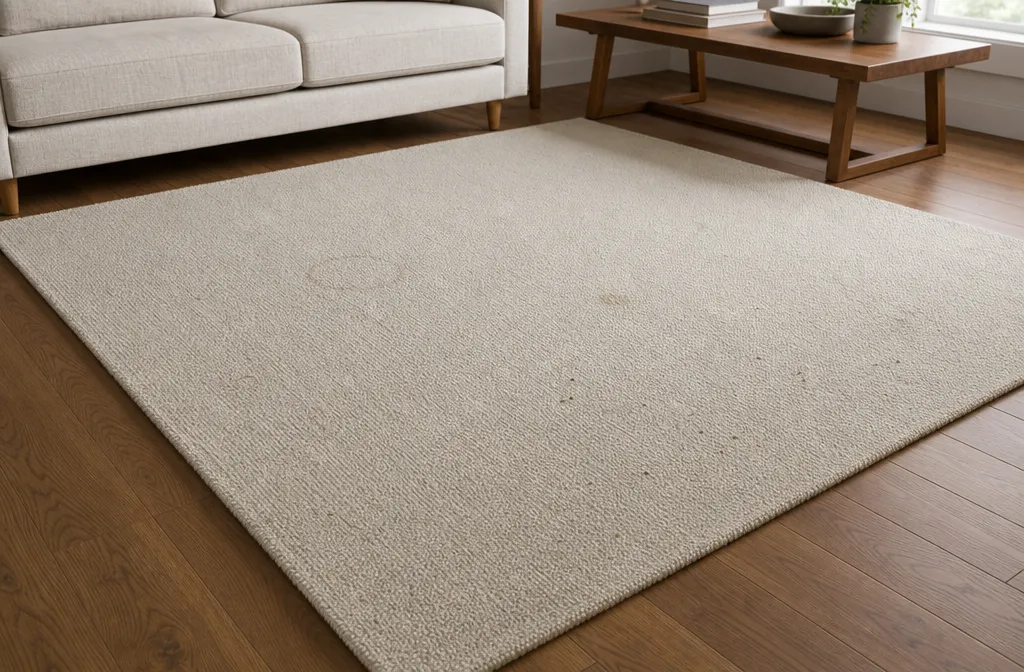
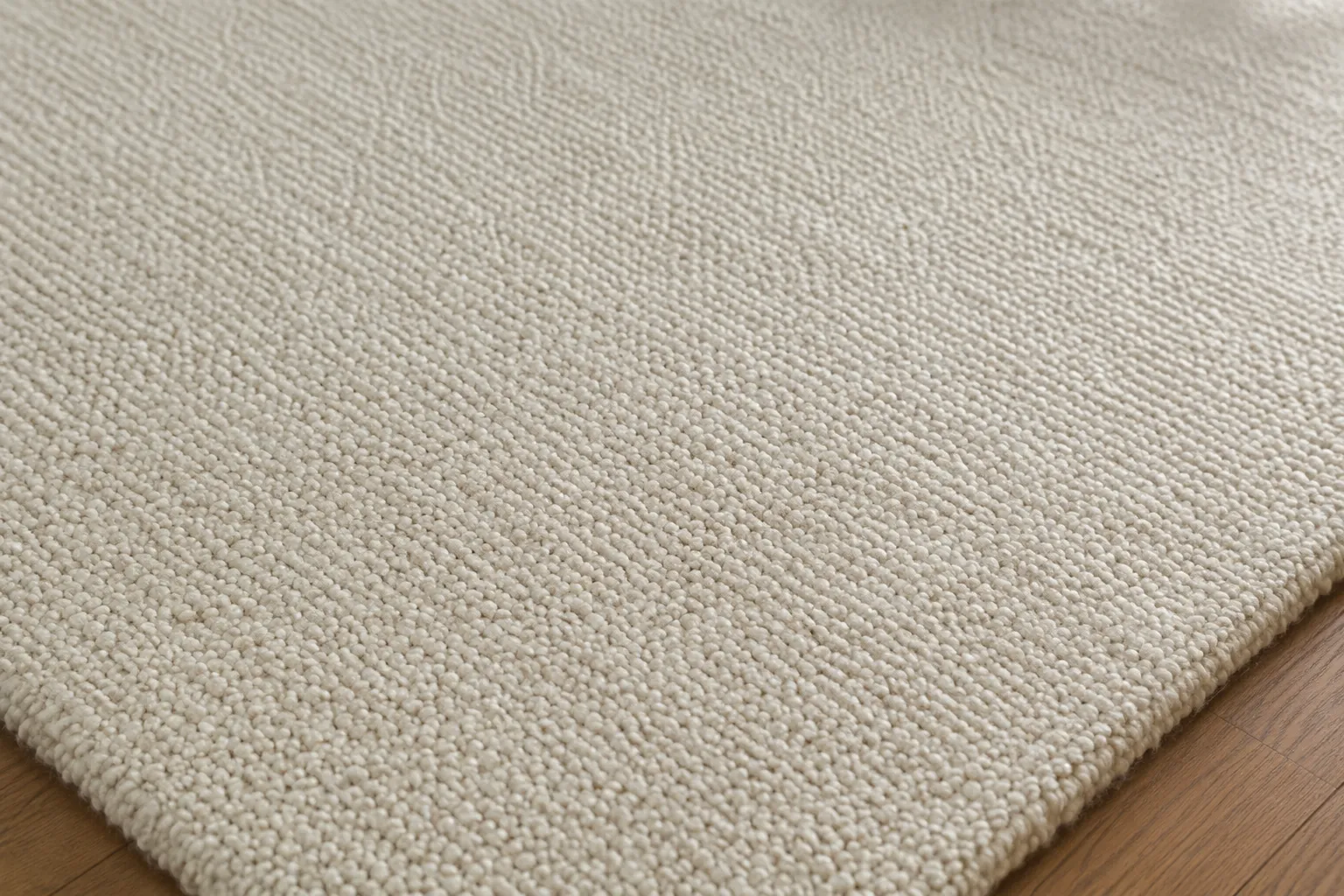 After
After
Request: Restore color and softness of wool carpet after soiling.
Done: Dry and wet cleaning performed using enzyme shampoo.
Cost: 7 000 ₸
Master: Aigul Sadykova, dry cleaning master
Total: The carpet is soft, pile lifted, color restored.
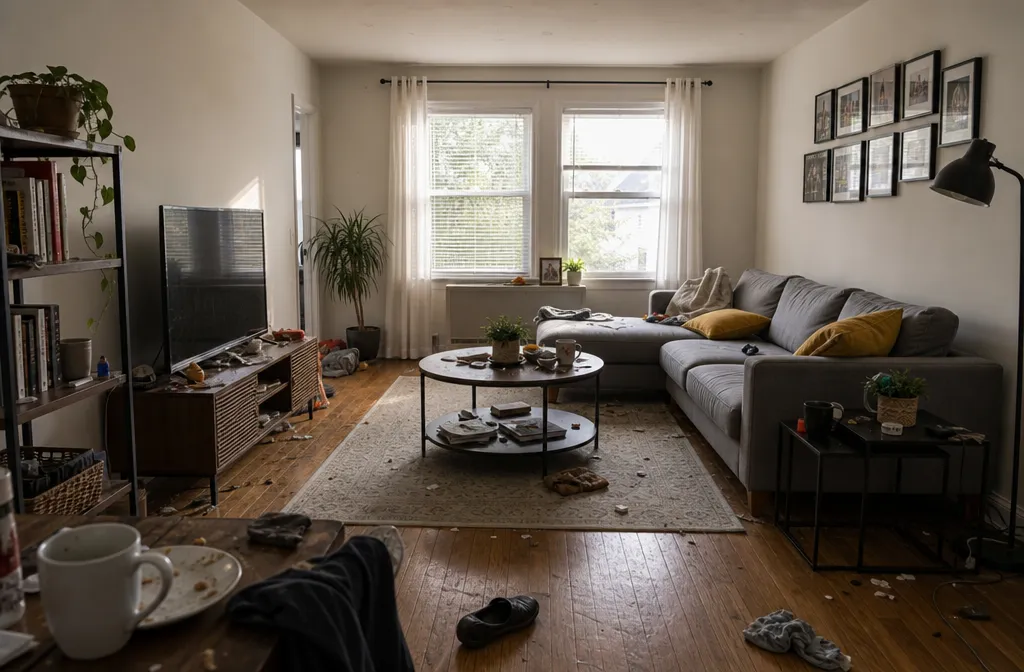
 After
After
Request: Remove ingrained dirt and shoe odor.
Done: Deep extraction cleaning with antibacterial agent.
Cost: 8 000 ₸
Master: Ruslan Akhmetov, dry cleaning master
Total: Carpet is fresh, odorless, pile clean.
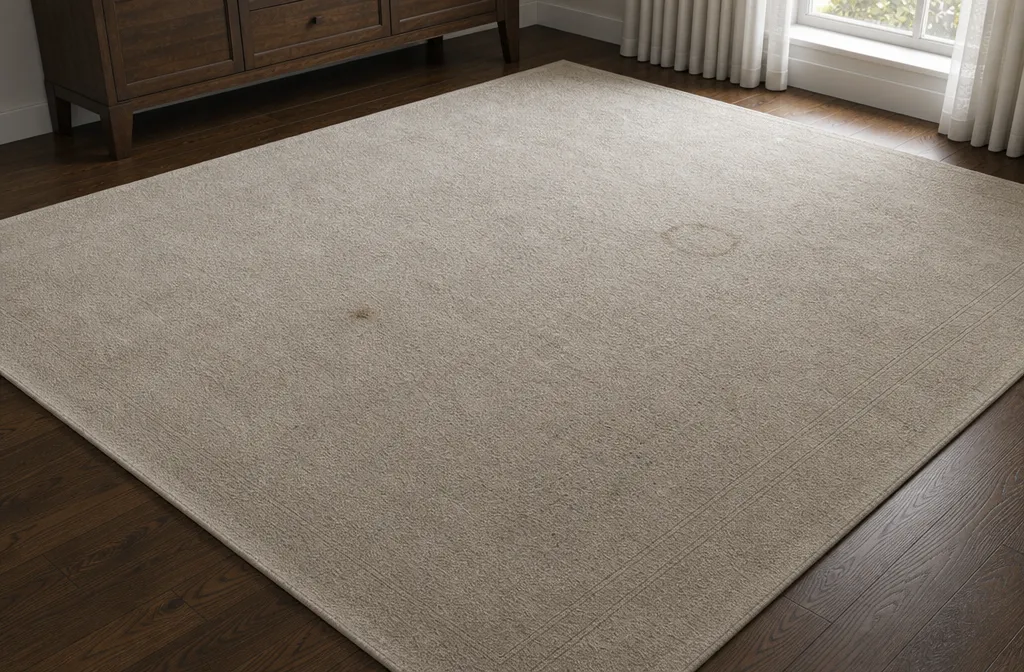
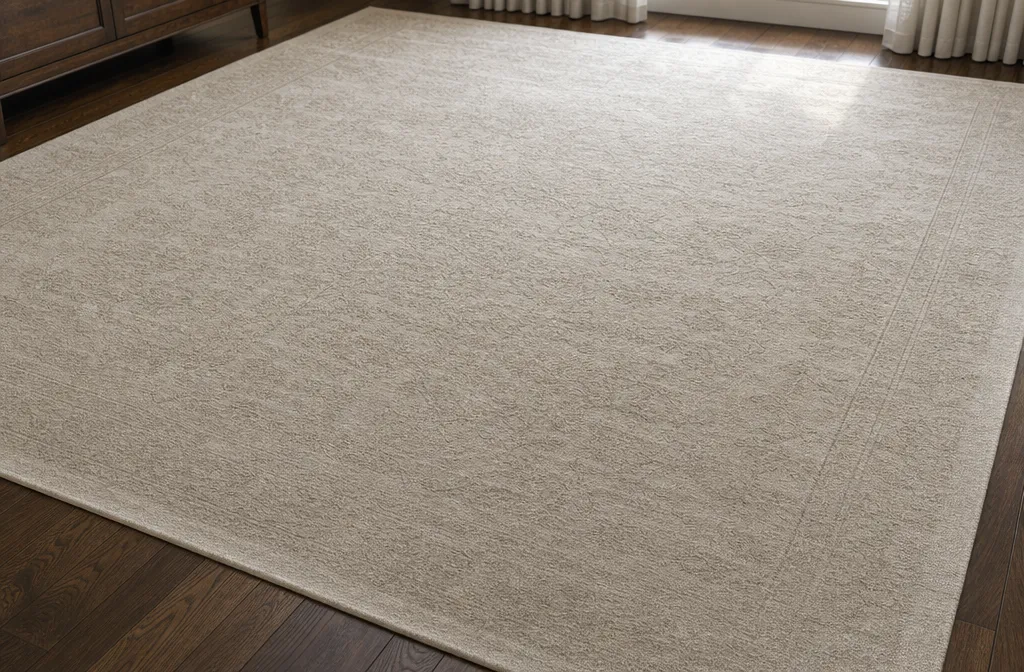 After
After
Request: Restore the carpet's original appearance after stains.
Done: Gentle cleaning with neutral low-foaming detergent.
Cost: 9 000 ₸
Master: Madina Kaliyeva, dry cleaning master
Total: Carpet without streaks, soft and bright.
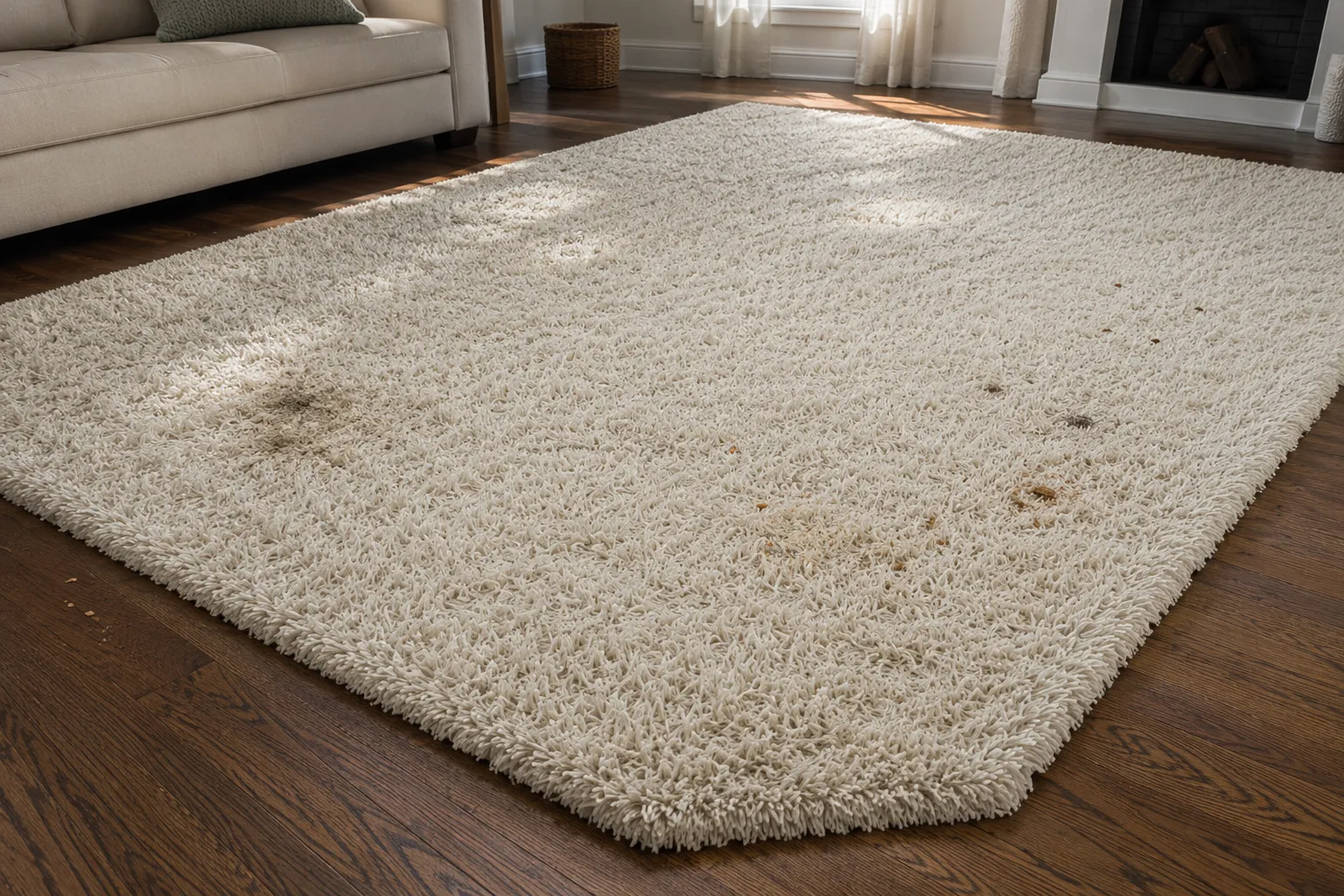
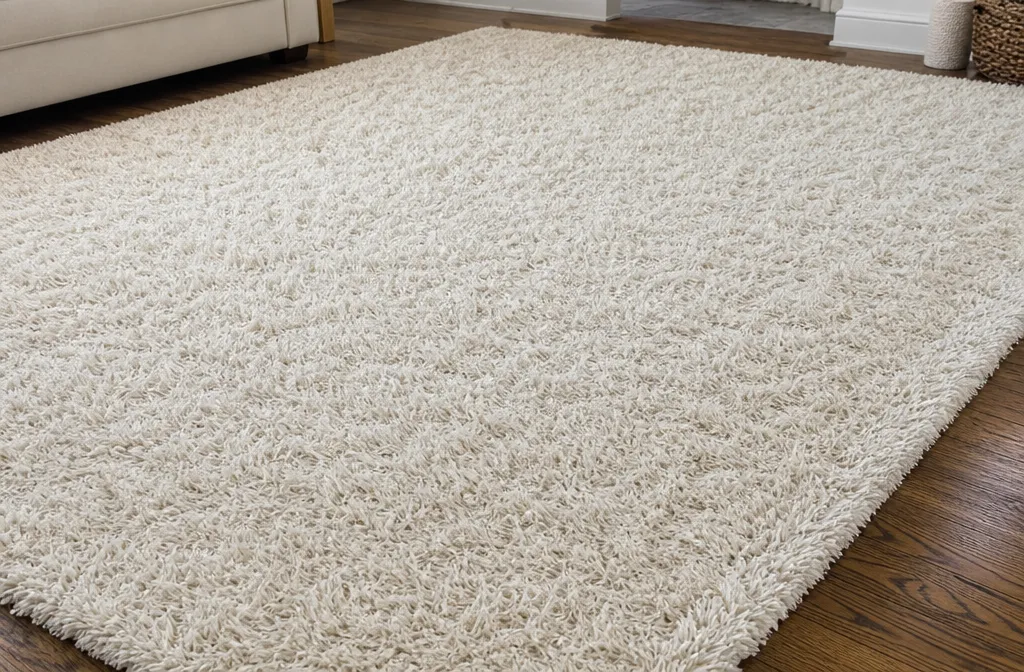 After
After
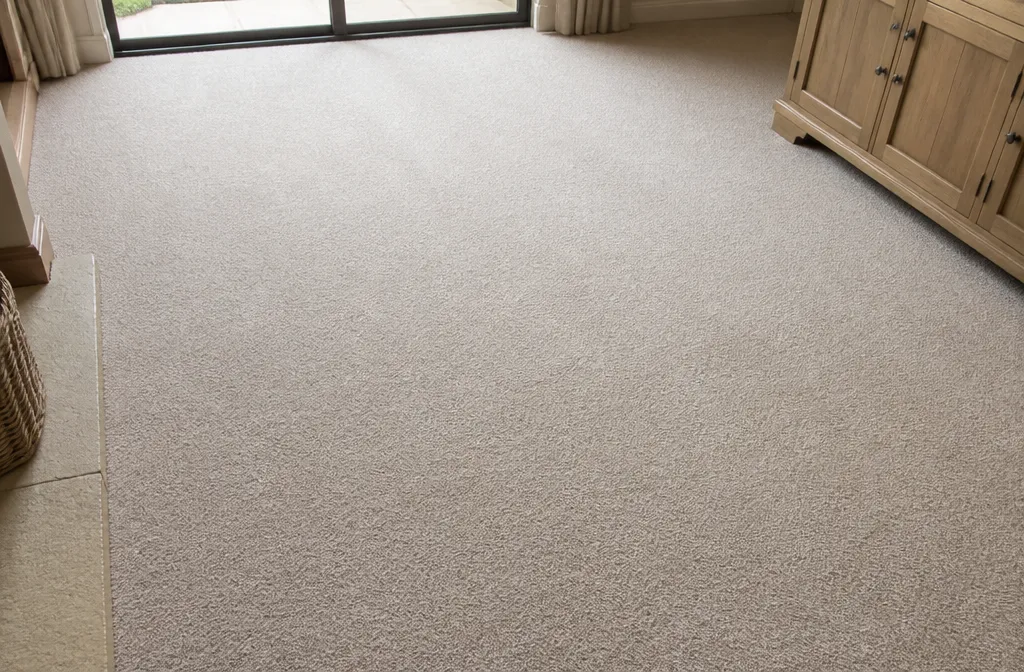
Request: Clean long pile from dust and crumbs.
Done: Cleaning with pre-brushing and vacuum extraction.
Cost: 8 000 ₸
Master: Timur Zhaksybekov, dry cleaning master
Total: Pile is fluffy, dust-free, color uniform.
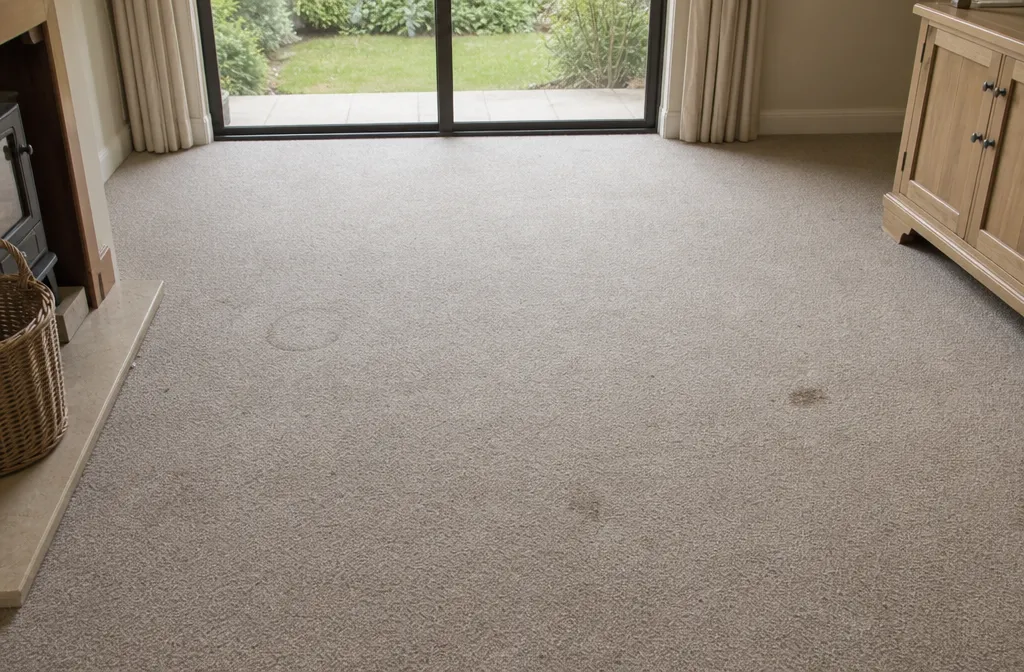
 After
After
Request: Remove scuffs and drink stains.
Done: Cleaning with rotary machine and shampoo followed by extraction.
Cost: 7 000 ₸
Master: Dauren Ibraev, dry cleaning master
Total: Carpet is even, clean, without signs of wear.
 After
After
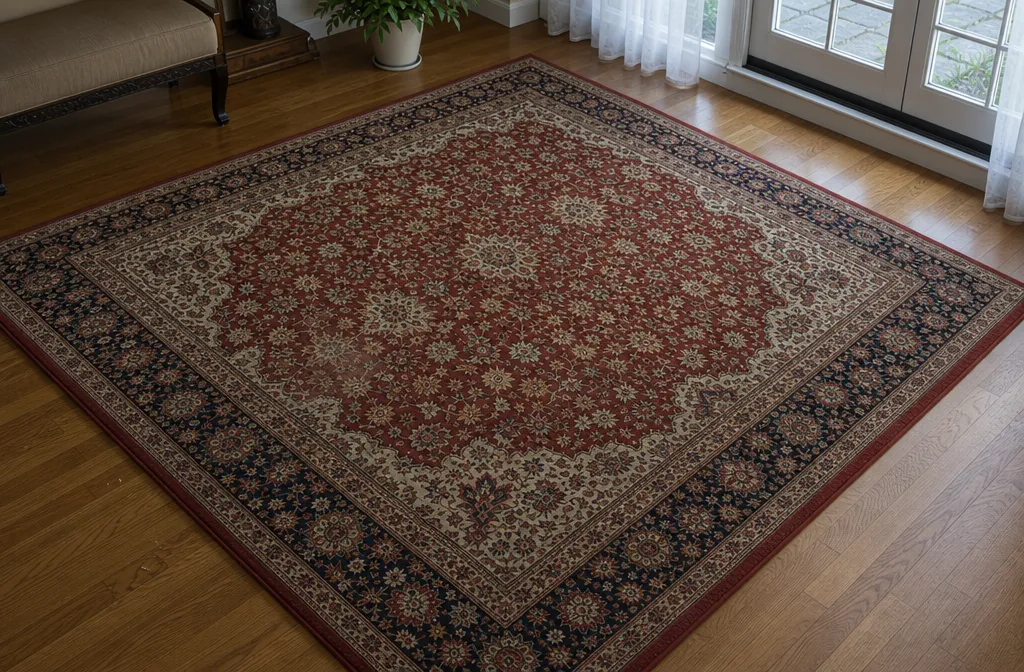
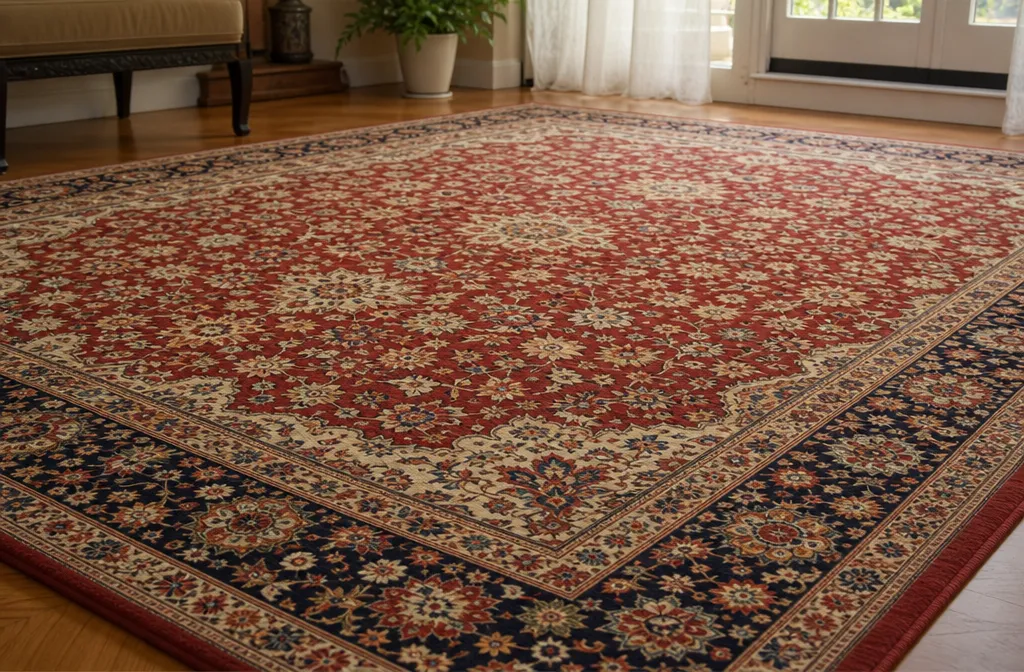
Request: Clean a valuable handmade carpet without damage.
Done: Hand cleaning with soft brush and neutral solution.
Cost: 9 000 ₸
Master: Assel Zhumabayeva, dry cleaning master
Total: Carpet looks like new, patterns clear, no shrinkage.
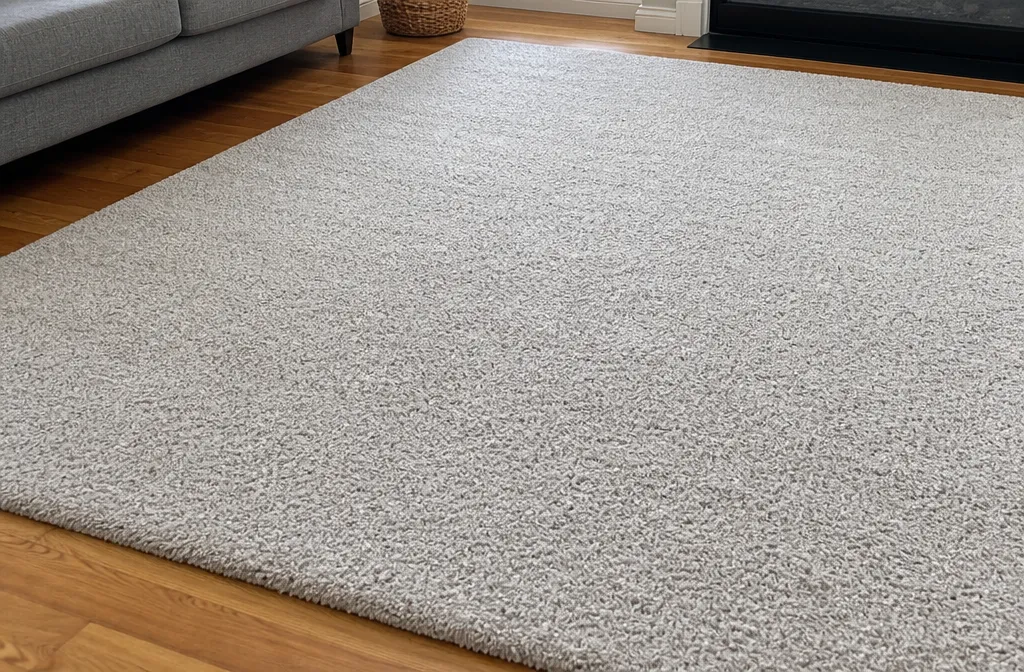 After
After
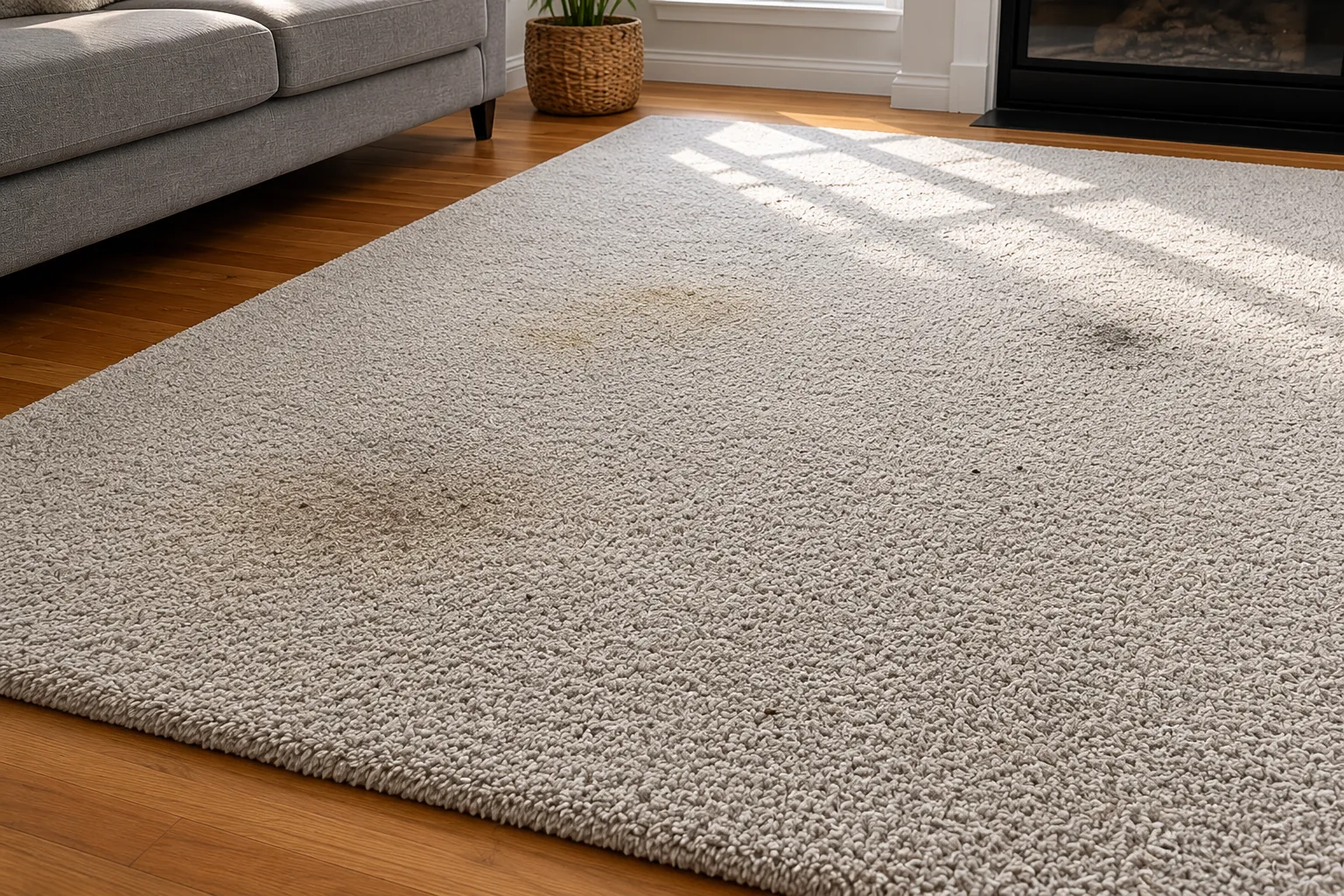
Request: Remove pet stains and odor.
Done: Treatment with enzyme stain remover and deep extraction.
Cost: 8 000 ₸
Master: Nurlan Seitzhanov, dry cleaning master
Total: No stains, odor completely eliminated.
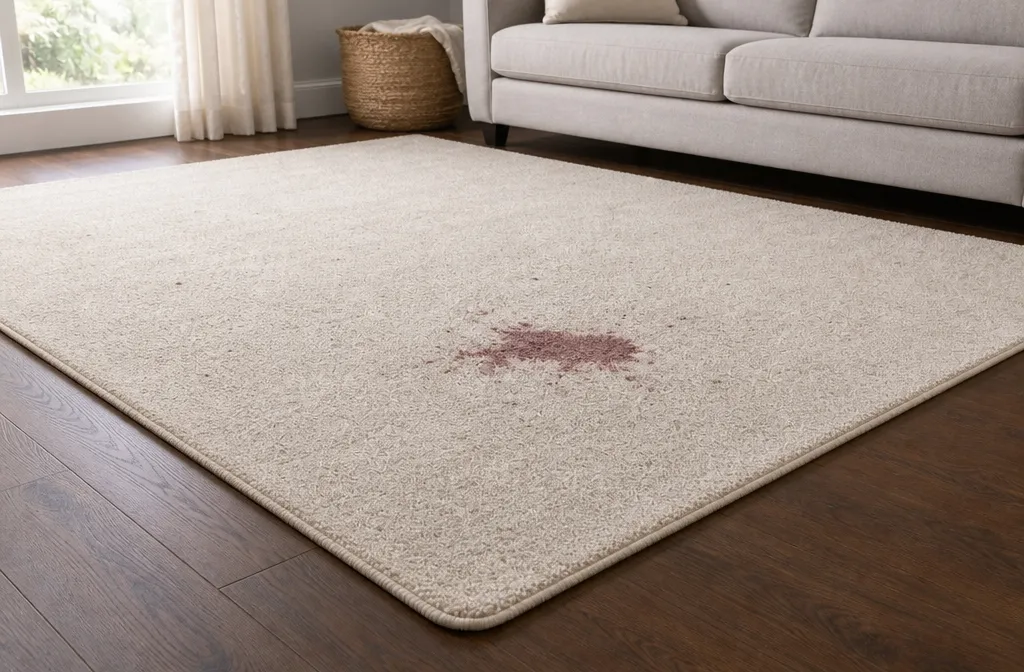
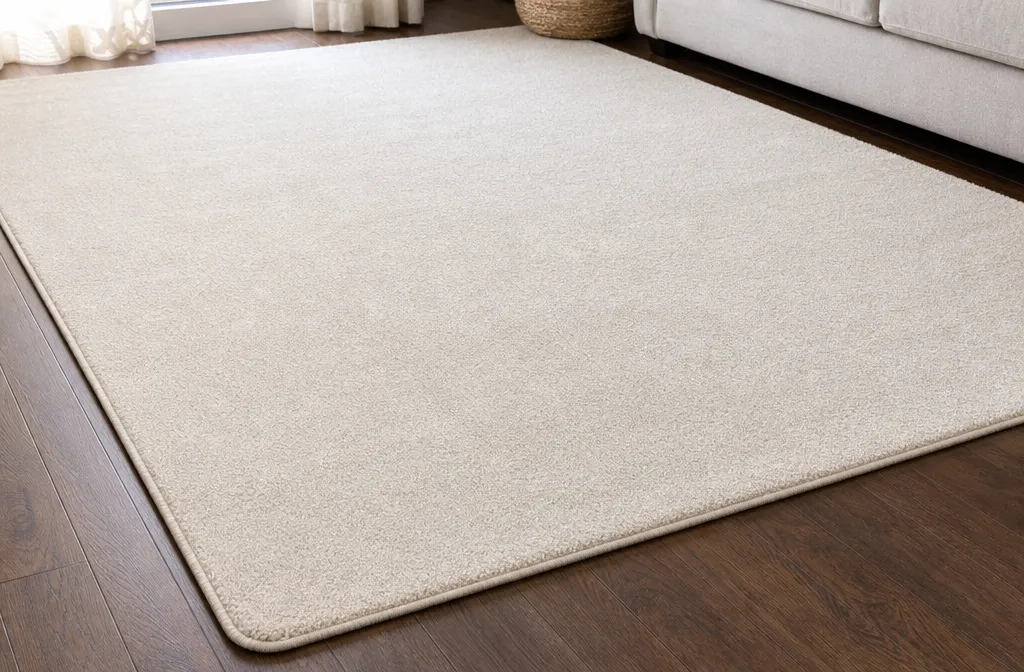 After
After
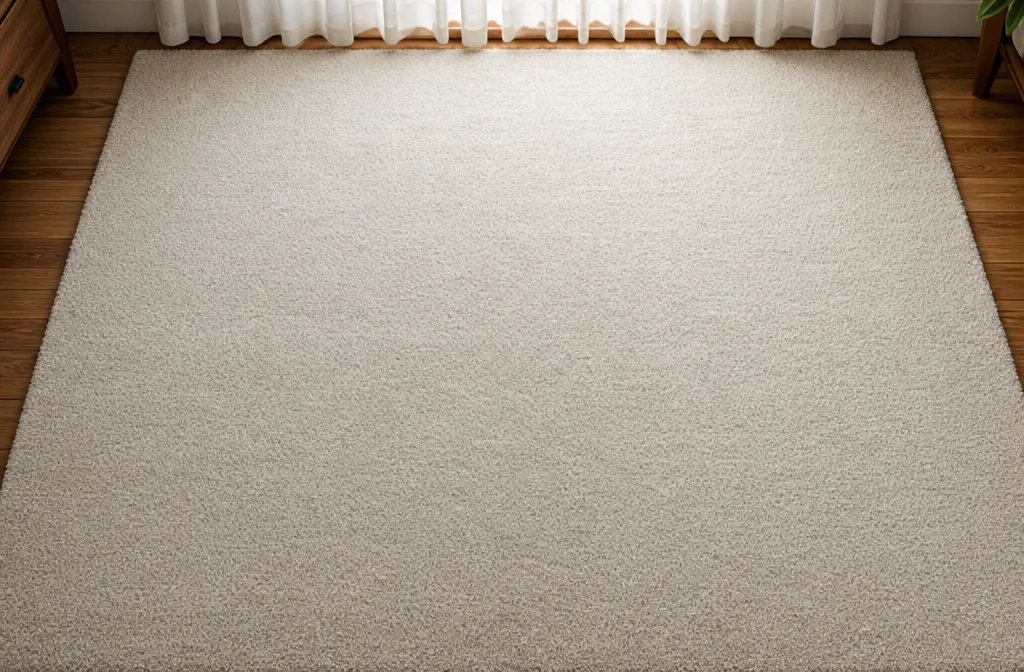
Request: Remove red wine from carpet.
Done: Local stain treatment and full carpet cleaning.
Cost: 7 000 ₸
Master: Gulmira Ospanova, dry cleaning master
Total: Stain gone, carpet clean.
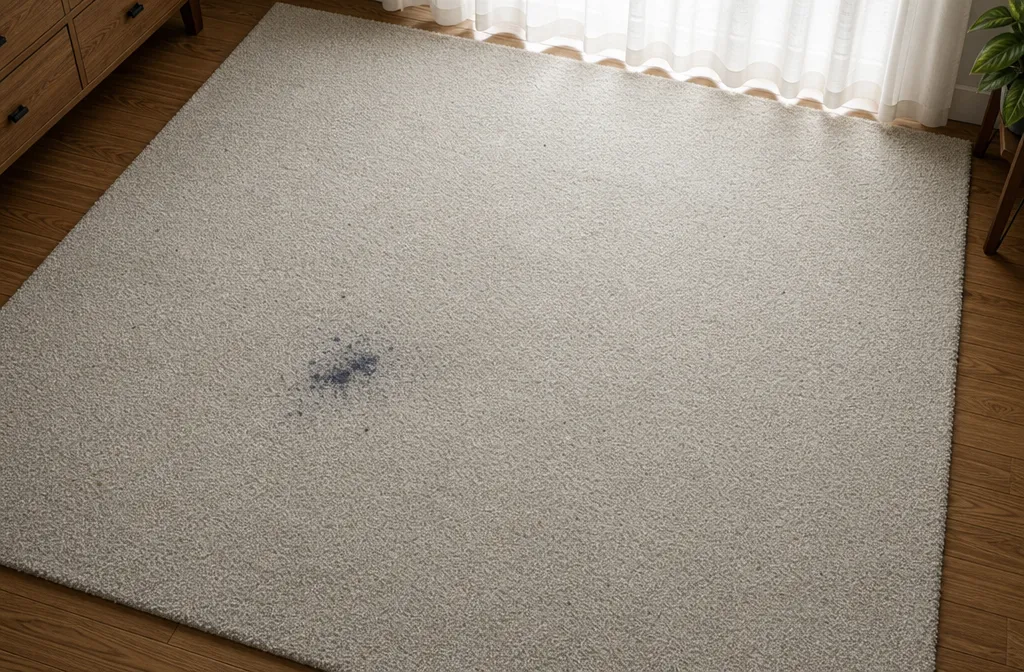
 After
After
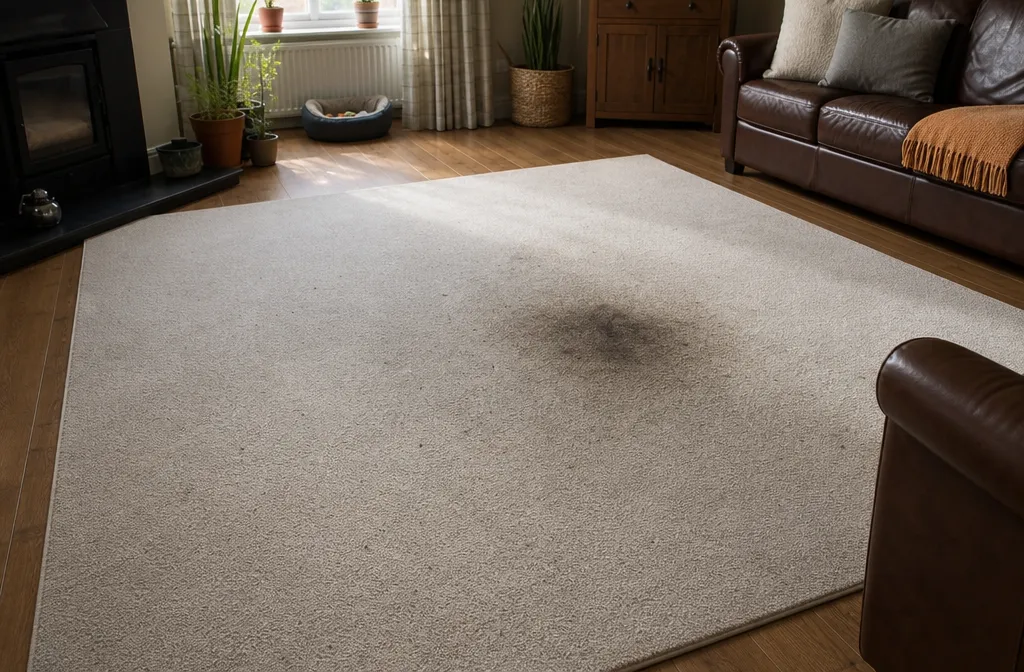
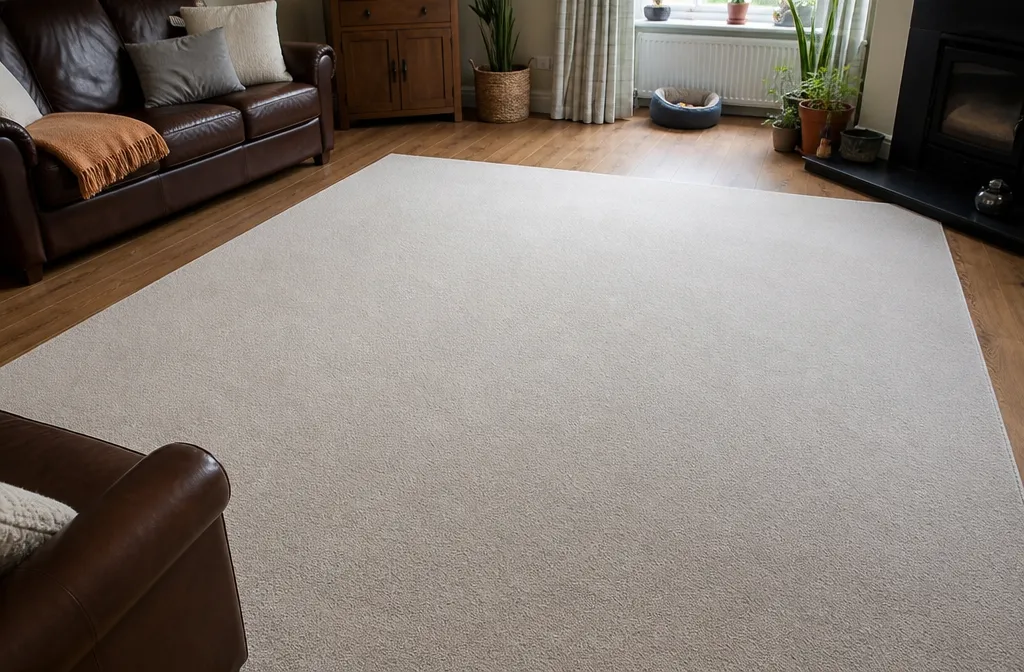
Request: Remove ink stain from carpet.
Done: Treatment with alcohol-based solution and deep cleaning.
Cost: 9 000 ₸
Master: Yerzhan Kusainov, dry cleaning master
Total: Stain removed, carpet without traces.
 After
After
Request: Clean carpet from oily stains.
Done: Degreasing and cleaning with absorbent.
Cost: 10 000 ₸
Master: Saule Aubakirova, dry cleaning master
Total: Grease stains removed, carpet fresh.
All cleaners are profi-clean staff with training, uniform and security check. Each order has a team leader who controls quality.
Pet urine odor is one of the most persistent problems in carpeting. Unlike food stains, urine contains urea and ammonia, which crystallize deep within the pile and backing, and regular foam or vacuuming won’t remove them. Here’s how we at profi-clean approach removing such odors and why home methods often make the situation worse.
Attempts to wash the stain with soapy water or scrub it with hydrogen peroxide provide a temporary effect — the water evaporates, but the uric acid crystals remain in the backing. When humidity rises (rain, heating), the crystals reactivate, and the smell returns. Vinegar, baking soda, and bleach partially neutralize ammonia on the surface but do not penetrate the carpet’s depth. Baking soda also leaves a white residue, while bleach discolors synthetic fibers. In our field experience in Almaty, we’ve encountered carpets that lost 1-2 shades of color after bleach treatment — it’s irreversible. The only working method is a biological enzyme cleaner that breaks down urea into gases (carbon dioxide and ammonia) and water. At profi-clean, we purchase such solutions from trusted suppliers — Kiehl and Sodasan — they deliver results on any fiber type, including wool and viscose.
Fresh urine (up to 2-3 hours) can be removed completely with cold water and an enzyme stain remover. An old stain (over 24 hours) requires deep saturation and mechanical action — hot water extraction under pressure. The key sign: if pressing the carpet with your finger reveals moisture and odor, the crystals are already in the backing. In such cases, simple top-down extraction cleaning doesn’t help — at profi-clean, we use pre-injection of the enzyme solution at 3-4 bar pressure with a 15-20 minute dwell time, followed by extraction. For carpets with latex backing (rubber base), the dwell time is reduced to 10 minutes to avoid softening the latex — otherwise, the carpet will start slipping on the floor. On natural wool carpets (Persian, Pakistani), we use only cold water and pH-neutral enzymes — hot water (above 40°C) shrinks the wool pile, and the carpet loses its volume.
The most common mistake is using a steam cleaner. Steam (95-100°C) “seals” the urea crystals into the fibers, making them insoluble, and after such treatment, the odor becomes permanent. The second mistake is flooding the stain with water and trying to dry it with a hairdryer: the water pushes the crystals deeper into the backing, and hot air fixes them. The third is using stain removers with bleach (Vanish Oxi Action, Amway) on colored carpets: they strip the dye, leaving a light spot that can’t be fixed. In our Almaty orders, there was a case where a homeowner treated a urine stain on a wool carpet with “Belizna” bleach — the pile turned yellow and stiff, requiring a section to be cut out and patched. In my opinion, the safest home method for a fresh stain is to blot it with paper towels, sprinkle with cornstarch for 30 minutes, and vacuum. For an old stain — only professional enzyme treatment.
On synthetics (polypropylene, polyester), urea crystals embed into the fiber’s micropores — the odor persists for up to a year if not treated with enzymes. On wool and viscose, it’s worse: ammonia destroys the protein structure of the fiber, and after 3-4 months, thinning occurs at the stain site (pile loss). On carpet with a jute backing (natural fiber), urine penetrates down to the concrete floor — the odor cannot be removed without removing the covering and treating the concrete with an antibacterial solution. In Almaty, due to high air humidity (especially in spring and fall), the crystallization process accelerates — a stain becomes old in just 12 hours, not 24 hours as in dry climates. That’s why we recommend calling a cleaner on the day you notice the stain. Our city-wide dispatch takes up to 60 minutes, and on a fresh stain, we guarantee results in one visit — the enzyme solution breaks down urine in 20 minutes, and the odor disappears completely.
If the urine smell returns 1-2 weeks after professional cleaning, it is likely that urea crystals remain in the underlay or beneath the carpet. At profi-clean, we have encountered such cases — the cause was insufficient dwell time for the enzyme solution (less than 10 minutes) or the use of a cheap neutralizer instead of a professional enzyme. A second cause is urine reaching a rubber underlay (non-slip layer), which does not absorb liquid, leaving ammonia trapped in the rubber — the smell becomes noticeable when the floor heats up. A third cause is if the carpet lies on a concrete floor without waterproofing; the urine soaks into the concrete, and the odor rises from there even after the carpet is cleaned. In such cases, we treat the floor with an antibacterial solution and install a foamed polyethylene underlay — this blocks odor migration. In practice, concrete floors in Almaty apartments are a common cause of recurrence: older buildings (Khrushchev-era, panel houses) lack vapor barriers.
Many Almaty residents confuse Luxury dry cleaning with steam cleaning, considering them interchangeable. In reality, these are two fundamentally different methods — in terms of penetration depth, safety for the pile, and the range of problems they solve. I will explain how they differ in practice and why the choice depends not on price, but on the type of soiling and carpet material.
A steam generator delivers hot steam under pressure — it softens dirt in the top 2–3 mm of the pile. This is sufficient for refreshing a low-traffic carpet. However, if the carpet has been in a hallway or under a dining table, accumulated dust and grease penetrate deeper — to the base. In such cases, steam cleaning merely “spreads” the soiling across the pile without removing it. At profi-clean, we use extraction technology: a solution is injected under pressure deep into the pile, and then a powerful vacuum with a HEPA filter extracts it along with the dissolved dirt. The difference is noticeable during drying — after steam, the carpet often feels soapy to the touch; after extraction, the pile squeaks under your fingers.
The steam temperature at the nozzle outlet reaches 120–140 °C. This is safe for cotton or polyester carpets, but on wool fibers, hot steam “cooks” the keratin — the pile becomes stiff, loses its luster, and begins to break at the base. This is especially critical for handcrafted rugs from India or Turkey, which are often brought to Almaty. Luxury dry cleaning as we perform it uses cold water extraction with a solution temperature of 30–40 °C — this is sufficient to activate hypoallergenic Kiehl chemicals but not enough to damage natural pile. In practice: after steam, a wool carpet may “shrink” by 3–5% in length; after Luxury dry cleaning, it retains its original dimensions.
Steam cleaning is effective against fresh water-soluble stains — spilled tea, juice, sweet drinks. However, it struggles with grease-based soiling (food marks, cream, cosmetics): grease does not dissolve in water, and high heat only fixes it into the fibers. In Luxury dry cleaning, we pre-treat each stain with an individual solution: for grease — an enzyme pre-spray with lipase, for coffee — an acidic stain remover, for urine — an alkaline neutralizer with bacteria. A steam machine cannot differentiate between stain types — it treats the entire area uniformly. Therefore, on carpets with a “bouquet” of stains, steam leaves residue, while Luxury dry cleaning provides uniform color across the entire field.
After steam cleaning, the carpet remains 80–90% wet — the pile is saturated with steam that condenses inside. In Almaty’s humidity conditions (especially during the off-season when heating is turned off), such a carpet takes 24–36 hours to dry. During this time, mold growth can begin within the pile — especially if the carpet lies on a concrete floor without an underlay. The extraction technology in Luxury dry cleaning leaves moisture at 10–15% — the vacuum removes up to 95% of the solution. The carpet feels dry to the touch 2–3 hours after cleaning, and complete drying occurs within 6–8 hours. In our practice, there was a case where a client in the “Triumph” residential complex ordered steam cleaning for a bedroom carpet — after three days, a musty smell appeared, requiring us to perform a repeat treatment with an antibacterial solution.
Steam cleaning is justified for carpets with short pile (up to 8 mm) made of synthetics (polypropylene, nylon) with shallow, fresh dirt — for example, for office carpet tiles or hallway rugs. It is faster in time and cheaper upfront, but does not solve the problem of accumulated dust and allergens deep within. Luxe dry cleaning is the choice for carpets with high pile (over 15 mm), made of natural materials (wool, viscose, silk), with set-in stains, or for rooms where allergy sufferers and children live. At profi-clean, we recommend steam cleaning only for maintenance between main cleanings, but not as a replacement for deep extraction. Before ordering, check the carpet label: if the manufacturer directly prohibits steam treatment (a symbol with a crossed-out steam icon), choose only Luxe dry cleaning — this will protect the pile from deformation and color loss.
Not all carpets can withstand contact with water — some materials and manufacturing technologies require exclusively dry or chemical treatment. Let’s break down which coverings we at profi-clean do not wash with water to avoid damaging the pile, backing, or dye.
Silk pile consists of protein fibers that lose rigidity when wet, and upon drying, can shrink by up to 10%. Water with alkali (common shampoos) destroys fibroin — the structure of the silk fiber — making the pile brittle. We clean such carpets only using the dry foam method with a pH-neutral enzyme-based compound — the foam is applied and then removed with an extractor without washing the backing. In our practice, there was a case where a client poured water with powder over an Iranian silk carpet — the pile became “glassy” in three areas, and restoration was only possible through tinting. Before ordering Luxe carpet dry cleaning, check the pile composition on the label — if it says “silk” or “pure silk,” avoid home washing.
Jute is a hygroscopic natural material: when wet, it swells, deforms, and begins to rot within 2-3 days in a warm room. A cotton backing (often found in rugs and Soviet-era carpets) shrinks and loses shape after just one wet cleaning. In Almaty, with its humidity fluctuations (dry air in winter and rainy spring), such carpets develop mold in the lower layer after water exposure — we saw this on three jobs last season. For these, we use dry cleaning with an absorbent (corn starch or cellulose granules) without wetting the backing. If the carpet smells musty even after drying — check the backing; mold has likely already started, and treatment with a water-free antiseptic is needed.
In tufted carpets, the pile is secured with latex glue — when wet, the glue softens, and the fibers fall out in clumps. This is especially common in budget models with a pile density of up to 200,000 points per m²: the first contact with water leaves bald spots. In Almaty, such carpets are often imported from China and Turkey — we do not take them for wet cleaning, but offer dry foam treatment with pile fixation using a polymer compound. Test the carpet’s pile strength: pull a fiber in an inconspicuous area — if it comes out easily, the glue is already weakened, and water will cause mass shedding.
Natural dyes are not fixed with chemical stabilizers — when in contact with water, they migrate: red bleeds onto a white background, blue creates streaks. We have seen handmade carpets from Uzbekistan on jobs where, after washing with water, the green pattern “bled” into the yellow — restoring the design boundaries is impossible. We treat such coverings only with a dry method: absorbent + UV lamp for pigment fixation. Before ordering Luxe carpet dry cleaning, the price is calculated individually — for carpets with plant-based dyes, it is higher than standard due to the need for a colorfastness test. If wetting a white cloth on the carpet leaves a trace — the dye is unstable, and water washing is excluded.
The choice between calling a cleaner and cleaning a carpet yourself is not a matter of saving money, but of the covering’s longevity. We will break down five key differences that determine whether the carpet will maintain its appearance for 5–7 years or lose its pile after the first wash.
Bosch and Karcher household steam cleaners develop a pressure of 3–4 bar, while professional profi-clean extractors reach up to 12 bar with a water flow rate of 6–8 liters per minute. A home appliance only wets 1–2 mm of the top pile layer, whereas a professional one penetrates the carpet thickness down to the base — jute, latex, or felt. In practice, this means: when cleaning a hotel carpet with a 12 mm pile height, household steam leaves 70–80% of the cleaning agent inside, which then attracts dust, and after 2–3 weeks, the carpet looks dirtier than before cleaning. We had a case in our practice: a client treated a 2×3 meter wool carpet three times with a Karcher SC 5 steam cleaner, and each time, streaks appeared after 10 days — the Karcher Puzzi 10.1 extractor with 7 bar pressure still doesn’t extract completely due to the lack of a vacuum squeegee. A professional extractor with a flat nozzle extracts 95% of the moisture from the base in one pass — the carpet dries in 4–6 hours, not 2–3 days.
Household chemicals (Vanish, Nordland, 5+) are universal in pH — usually 8–9, which is suitable for polypropylene but destroys keratin in wool and silk. Professional lines like Kiehl and Sodasan have a narrow spectrum: an enzyme pre-spray for protein stains (blood, milk) with pH 5.5, an alkaline shampoo for grease with pH 10.2, and an acidic conditioner for wool with pH 4.5. If household Vanish with pH 9 is applied to a New Zealand wool carpet, the fiber loses elasticity — after 3–4 cleanings, the pile breaks at the base, leading to bald spots. On viscose carpets (e.g., Loloi), household chemicals cause shrinkage of up to 8–10% due to differences in osmotic pressure. We have 12 concentrates in stock for different pile types, and before ordering “Luxury Carpet Cleaning,” a technician determines the material composition by the label or a test on an inconspicuous area — this prevents deformation.
Home pressure washers (Karcher K2–K7) supply water at a pressure of 20–110 bar — this guaranteedly detaches the latex base of the carpet from the pile within 1–2 minutes of a directed stream. Professional profi-clean extractors use a spray with a pressure of 4–6 bar — the water does not blast but atomizes into a mist, without disturbing the adhesive layer. The difference is critical for carpets with a jute base (Persian, Afghan, Bukhara): jute absorbs water like a sponge, and if not dried within 4–5 hours with forced ventilation, rotting begins with a musty smell. Home fans and heaters cannot cope — an airflow of 2–3 m/s versus 8–10 m/s from a professional drying station. In Almaty, where humidity in basements and on ground floors reaches 80% in spring, an undried jute carpet molds within 2–3 days. Our cleaners always check the base moisture with a hygrometer after cleaning — if the reading is above 12%, additional drying is initiated.
Household stain removers work on the principle of “one product for all stains” — they either dissolve grease or oxidize pigment, but not both components. Coffee with cream, red wine with sugar, fruit stains with oil — these are combination stains where the fatty base blocks access to the dye. Home treatment of such a stain usually results in a ring: the grease spreads across the pile in a 10–15 cm radius, while the dye remains in the center. The professional profi-clean scheme is two-phase: first, an oil-based solvent (D-Limonene or isopropanol) removes the grease, then an enzyme pre-spray breaks down the pigment at 40 °C within 5–7 minutes of reaction time. Set-in blood stains (more than 3–4 weeks old) are not tackled by household chemicals at all — the protein denatures and fixes into the fiber; a professional enzyme with protease breaks the peptide bonds in 10–15 minutes, after which the stain is removed by the extractor without a trace.
Household chemicals leave 15–25% of surfactants on the carpet fibers — they don’t rinse out completely and, when walked on, rise into the air as microparticles. For a child with allergies reacting to sodium lauryl sulfate (SLS), this is a direct trigger for attacks. Professional products from Kiehl and Sodasan have ECOCERT and Dermotest certifications — they are fully biodegradable within 28 days and contain no phosphates, chlorine, or optical brighteners. In our practice, there was a case: a cat owner with an allergy to phenols ordered “Luxury Carpet Cleaning” after a regular cleaning left a “chemical” smell for 5 days — professional rinsing with 4 cycles of pure water (no additives) washed out the residual household chemicals and removed the smell in 2 hours. For dog and cat owners, another detail is important: household products with fragrances mask the smell of urine but do not remove urea — the animal continues to mark the same spot because it detects ammonia beneath the perfume. A professional enzyme pre-spray breaks down urea into carbon dioxide and ammonia, which evaporate without a trace — the carpet stops attracting the pet.
The frequency of deep carpet cleaning depends not on the calendar but on three factors — room traffic, the allergy status of residents, and the carpet type itself. In Almaty apartments with dusty courtyards and dry air, the standard recommendation of “once every six months” often doesn’t work.
In an entryway or hallway, a carpet accumulates outdoor dirt — sand, de-icing agents, fine gravel from soles — within 2–3 weeks. Fibers wear out faster from abrasion than from normal foot traffic. In a low-traffic living room (2–3 people per day), one deep cleaning every 8–10 months is sufficient. In a bedroom, if you don’t eat or drink on the carpet, the interval can be extended to 12–14 months. Our principle: if you see shoe marks after wet cleaning, it’s time to call a cleaner, regardless of the calendar. In our practice with clients in Almaty who have children and a dog, the living room carpet requires cleaning every 4 months — otherwise, the dust-clogged base starts to smell musty even after dry cleaning.
For people with allergies to dust mites or household dust, deep cleaning is needed at least once every 2–3 months. Dust mites live deep in the carpet fibers — a vacuum with a HEPA filter only collects the top layer, while mite waste remains. We use extraction cleaning with hot water at 60–70°C and hypoallergenic Sodasan chemicals — this kills mites and washes out allergens by 97–99% according to our lab tests. In a home where an asthmatic lives, we recommend additionally treating the carpet with dry steam once a month between deep cleanings — this reduces allergen concentration without wet exposure. If there is a child under one year old crawling on the floor, the schedule shifts to once every 2 months — baby saliva, crumbs, and skin particles create a breeding ground for bacteria faster than in an adult’s bedroom.
Carpets with long pile (20–30 mm) get clogged with dust 60–70% faster than short-pile ones — dust doesn’t get shaken out by the vacuum but settles at the base. For a handmade wool carpet, frequency should be lower — once every 10–12 months, because frequent washing destroys the natural oils in the wool, making the pile dull. A synthetic carpet (polypropylene, polyamide) withstands cleaning every 4–6 months without losing color — it isn’t afraid of alkaline chemicals. Viscose carpet is the most finicky: its deep cleaning is needed no more than once every 12–15 months, and only using a dry method or with minimal moisture, otherwise the fibers swell and lose shape. In our orders, there was a case: a client cleaned a viscose carpet with steam every 3 months — after the fourth time, the pile became stiff and wavy, requiring replacement of the covering. For short-pile carpets (5–10 mm), we advise using color as a guide: if after dry vacuuming the color looks duller than when purchased, it’s time for a deep cleaning, even if only 3 months have passed.
In Almaty, there are three seasonal peaks for carpet soiling that shift the standard cleaning schedule. The first is May–June, when poplars bloom and fluff gets embedded in the pile: if the fluff isn’t removed within a week, it compacts and begins to rot, emitting a musty smell. The second is autumn, when dirt and road reagents are brought into the home on shoes; in October–November, a hallway carpet accumulates as much dirt in one month as a bedroom carpet does in six months. The third is winter, when central heating radiators are running: dry air lifts dust from deep within the carpet into the air, and the PM2.5 concentration in a room with carpet can be 2–3 times higher than in a room without one. Before the start of the heating season (September–October), we recommend a deep cleaning for all carpets in the home — this is the only way to remove dust accumulated over the summer before the radiators start circulating it throughout the rooms.
There are four signals indicating that the standard interval between cleanings should be shortened. First, the carpet starts to smell “dusty” or “musty” after dry cleaning: this means organic matter has accumulated at the base of the pile and is rotting. Second, when walking barefoot, a gray residue is left on the soles of your feet: this is dust being released from deep within the carpet that the vacuum cleaner cannot reach. Third, household members experience frequent sneezing or nasal congestion without a cold: allergens have accumulated to the reaction threshold. Fourth, furniture marks (indentations) remain on the carpet and do not recover within a day: this is a sign that the pile is compressed by dust and has lost its resilience. If you notice at least one of these signs, do not wait for the “scheduled” time — call a cleaner within the next two weeks, otherwise restoring the pile will be more difficult, and the cleaning cost will increase due to additional treatment.
I ordered luxury carpet cleaning for a large living room carpet. Wine and coffee stains completely gone, pile became fluffy and bright. Very satisfied with the result.
Thank you, Aigerim! Glad the carpet is like new again.
Brought a long hallway runner that hadn't been cleaned in five years. After treatment, old stains were removed, color became richer. No smell, dry. Excellent.
Had luxury carpet cleaning at the dacha — a carpet with oil paint stains after renovation. Most stains removed, but a faint trace remained on light pile. Overall quality.
Thank you for the review! For stubborn stains, we recommend a repeat treatment.
Ordered luxury carpet cleaning at home — cleaned the carpet in the living room. Juice and chocolate stains disappeared, covering became fresh and soft. Arrived on time, neat work.
I searched for a long time for someone to clean my handmade wool carpet properly. I brought it to profi-clean — the result exceeded expectations: no shrinkage, no shedding, colors brightened. Professionals!
Thank you, Erlan! We handle wool carefully.
I was very worried about the carpet in the children's room after markers and plasticine. The luxury carpet cleaning handled it perfectly — no trace, hypoallergenic treatment. Now my child plays on a clean carpet.
I ordered luxury carpet cleaning for a light-colored carpet. Stains were removed well, but some areas had dark stains after drying. I had to dry it further at home.
We apologize. Such marks usually don't remain; we will check the equipment.
I brought a runner from the hallway — it was gray from dirt. They returned it beige, even the pattern showed. The smell was pleasantly surprising: fresh, no chemicals. I'll use them again.
Dinara, thank you! We're glad the runner got a second life.
I have a cat, and the carpet is always full of hair and smell. After cleaning at profi-clean — no hair, no smell, the pile is lifted. Truly luxury quality.
I decided to get luxury carpet cleaning for the bedroom. The carpet is large, but the team handled it quickly, without mess in the room. After drying — perfectly clean, snow-white pile.
Gulnara, thank you! We're glad you're satisfied.
I ordered luxury carpet cleaning after a birthday party — stains from red wine and cake. They removed everything except a small yellow stain (maybe from fruit). Otherwise good.
Alexey, thank you! For tough stains, we recommend a preliminary consultation.
Very satisfied! They cleaned a thick carpet with long pile — it became like new, soft and without pills. Nice that they used safe chemicals without strong smell.
A tricky job — carpet on the stairs. I ordered luxury carpet cleaning, the masters came, removed everything and cleaned it. Now the stairs look like new, no streaks. Thank you!
Aizhan, thank you for your trust! Stairs are our specialty.
It was hard to carry the 4 by 6 meter carpet, but the result was worth it. They removed old coffee stains and dirt from the entrance. Very clean, no streaks. I recommend.
Luxury carpet dry cleaning is generally good, but after treatment there was a slight damp smell that took about two days to air out. Maybe they should dry it better. Stains were removed perfectly.
Thank you, we'll take note. Usually the smell goes away within a day; we'll check the ventilation.
I was worried the fringe would be damaged, but the luxury carpet dry cleaning handled it gently. The Persian carpet became brighter, the fringe is clean and not frayed. Excellent work.
Ruslan, thank you! We work delicately with fringe.
We cleaned office carpet after renovation — stains from primer and paint. They removed them completely, the color evened out. No downtime, worked quickly. I will order regularly.
I was afraid to ruin the double-sided carpet, but the luxury dry cleaning made both sides perfectly clean. No deformations, colors became richer. The masters gave care tips.
Bakhyt, thank you! Glad the carpet is pleasing again.
After the New Year's corporate party, the carpet was in terrible condition. profi-clean brought it back to life — no trace of spilled wine and champagne. The color became brighter than before. Thank you!
I ordered luxury carpet dry cleaning, they promised two days, but returned it on the third. However, the quality is excellent — oil and sauce stains removed. Punctuality let them down a bit.
We apologize for the delay. We are working on deadlines.
Silk carpet is very capricious, but the luxury dry cleaning handled it perfectly. No streaks, pile lies evenly, colors shine. Expensive, but worth it.
Aliya, thank you! Silk requires a special approach; glad you liked everything.
The carpet in the living room hadn't been cleaned for three years — it was gray and trampled. After dry cleaning, it became light, soft, ink stains disappeared. It really refreshed the room.
Two kids and the carpet is always stained with juices and paints. Luxury carpet cleaning saved the day — all stains are gone, the carpet became hypoallergenic. Now I'll order it every six months.
Gaukhar, thank you! We're glad the carpet is safe for children again.
Cleaned a large carpet — stains were removed perfectly, but after drying there was a faint chemical smell. I aired it out for a day, it got better. Overall, good quality.
Thank you for your review! We use safe formulas, the smell dissipates quickly.
The office carpet got dirty near the desk. I ordered luxury carpet cleaning — they removed all wear marks and tea stains. It looks like new. The technicians were polite and arrived on time.
I was afraid to send my very long-pile carpet, but profi-clean cleaned it gently. They fluffed the pile, removed dust and pet hair. Now it's pleasant to sit on. Thank you!
Meruert, thank you! Long pile is our specialty.
After renovation, the carpet was covered in cement and paint. Luxury carpet cleaning handled even the dried drops. Now the carpet looks like new. Very happy.
I cleaned the carpet from cherry and strawberry stains. Most were removed, but one stain remained slightly visible. Probably too old. Otherwise, everything is great, no smell.
Indira, thank you! For old stains, we recommend treatment before washing.
My grandmother had an old carpet with fringe — we thought it wouldn't come clean. Luxury carpet cleaning worked a miracle: the fringe is white, the carpet is clean and odorless. Grandma is happy.
Bota, how nice! Thank you for trusting us with a family heirloom.
The carpet from the country house was dusty and stained with grass. After cleaning, it's perfectly clean, I can't believe it. It's nice that they used fragrance-free products.
I ordered luxury carpet cleaning for a high-pile carpet. The stains were removed well, but in some areas the pile was flattened, leaving brush marks. Then I brushed it by hand and it got better.
Thank you, we will pay attention to equipment adjustment.
The carpet had absorbed tobacco smell from previous tenants. Luxury carpet cleaning completely removed the smell, the carpet became fresh. Additionally treated with antibacterial solution. I recommend it.
Dina, thank you! Glad we eliminated the smell.
The carpet in the office was spilled with coffee — the stains were old. profi-clean removed them without a trace. Now the carpet looks presentable. I will use their service on a schedule.
I was afraid to clean the brightly patterned carpet myself. Luxury carpet cleaning did everything carefully — the colors didn't fade, the pattern became clearer. Very satisfied.
Sabina, thank you! We work carefully with patterns.
Drying takes 2-4 hours thanks to powerful fans. Complete drying is guaranteed within 4 hours. It is not recommended to walk on the carpet until fully dry.
Yes, we come to your home in Almaty. The technician brings all equipment and supplies. You don't need to take the carpet to a dry cleaner.
On average 1-2 hours depending on size and soiling. Includes all stages: inspection, vacuuming, applying cleaning agents, extraction, drying.
Remove small items and furniture from the carpet if possible. The technician will move light furniture themselves. The carpet should be accessible for treatment.
No, it is recommended to wait until fully dry (2-4 hours). Walking on a wet carpet can lead to soiling and deformation of the pile.
If the furniture is light, the technician will move it themselves. Heavy furniture should be cleared of items to access the carpet underneath.
Yes, we clean carpets on staircases. The cost is calculated individually as it requires more time and manual work.
Professional cleaning is recommended every 6-12 months. With heavy use or if there are allergy sufferers, every 3-6 months.
Yes, in high humidity drying time may increase to 4-6 hours. We use fans to minimize this effect.
Yes, we work daily, including weekends. A technician can visit on the day of order.
Tell us about your experience with profi-clean — it helps other clients and us improve.
We currently operate in Almaty. Other cities are coming soon.