How to Eliminate Persistent Odors in a Short-Term Rental Apartment
Odors from tobacco, pets, or burnt food are a cause of refunds and bad reviews. At profi-clean, we deal with them daily and know: airing out doesn’t help, and cheap air fresheners only mask the problem for an hour. The right approach is to remove the source, not the smell.
Why Odor Absorbs into Walls and Furniture
Tobacco smoke and cooking grease are aerosol particles measuring 0.1–1 micron. They settle on porous surfaces: unpainted plaster, fabric sofas, carpets, and even the ceiling. Damp mopping with water only removes the top layer, while particles remain inside the fibers. When humidity rises (e.g., after a shower), they evaporate again—and the smell returns. In the kitchen, grease mixes with dust, forming a sticky film on the range hood, cabinets, and tiles. Regular detergent can’t handle it—you need an alkaline solution with a pH of 10–12 that breaks down oils. In our practice, there was an apartment on Abay Avenue where the owner smoked indoors for three years—we had to treat the walls with ozone using a generator, otherwise the smell wouldn’t go away even after three washes.
Mistake: Using an Ozonator Instead of a Fog Generator
An ozonator kills bacteria and partially neutralizes odors, but for stubborn tobacco and cat odors, it’s weak. Ozone only oxidizes the surface layer—up to 2–3 mm. A professional hot fog generator delivers a deodorizing solution (based on enzymes or chlorine dioxide) deep into upholstery and ventilation. Droplets sized 5–10 microns penetrate pores and break down odor molecules into water and carbon dioxide. We had a case in the Akbulak residential complex: after the fog generator, the cat urine smell disappeared in 40 minutes, and airing out took only 15 minutes—windows didn’t have to stay open for days. In my opinion, for short-term rentals in Almaty, a fog generator is an essential tool, especially after guests with pets.
What Chemicals Actually Remove Odor, Not Just Mask It
Masking agents (fragrances based on essential oils) create an illusion of cleanliness—an hour after cleaning, the smell returns. Only chemical deodorizers with active ingredients work. Enzyme-based solutions (e.g., Kiehl Odor Neutralizer) break down organics—urine, vomit, sweat—at the molecular level. Chlorine dioxide (Sodasan Fresh) oxidizes tobacco nicotine and tannin. Ozonation (via a generator, not a household unit) is for ingrained odors in non-residential areas. At profi-clean, we use a three-step scheme: first, enzyme treatment of problem areas (sofa, carpet), then a fog generator throughout the entire space, and finally, ozonation for 30 minutes with windows closed. Before guests check in, we air out the apartment for 20–30 minutes—this is enough for the chemical smell to dissipate, leaving a neutral freshness.
What to Do If the Odor Comes from the Ventilation
In Almaty’s multi-story buildings (Khrushchyovka series, panel houses from the 80s), ventilation ducts are often shared between several apartments. Tobacco smoke from neighbors gets pulled into your apartment through the vent grille. Standard cleaning doesn’t help—the source is outside. The solution is to install a backdraft damper on the vent duct with a G3 or F5 class filter. It allows air to flow only outward, not inward. If a damper is already installed but the smell persists, check the seal at the joint—it often comes loose due to vibration. In one house on Zharokova Street, we found the cause: the downstairs neighbor smoked in the bathroom, and the smoke came through a gap in the ceiling—we had to seal it with foam and install an additional damper. After that, the smell disappeared completely.
Top 5 Tough Stains and Methods for Their Removal
Over years of working with short-term rentals in Almaty, we’ve compiled a ranking of the most difficult-to-remove stains. Below are five types of stains that every second apartment encounters, along with proven methods for neutralizing them without damaging surfaces.
Grease Deposits on the Kitchen Backsplash and Range Hood
The oily layer on tiles and metal is the result of daily cooking without proper ventilation. We use Kiehl alkaline concentrate based on potassium soap: it breaks down old grease in 10-15 minutes without abrasive scrubbing. On range hoods with aluminum filters, we don’t use alkali — instead, we work with a Karcher steam cleaner at 140 °C, which melts the grease and rinses it away completely. A common mistake homeowners make is scrubbing the backsplash with a hard sponge and “Fairy”: the abrasive scratches glossy tiles, and grease bakes even deeper into the micro-cracks. In our practice, there was a case where buildup on a glass backsplash resisted three different chemicals — we had to apply a compress of baking soda and water for 40 minutes. Before cleaning a kitchen, check the type of backsplash coating: matte tiles can be cleaned with steam, while glossy tiles should only be cleaned with the soft side of a sponge.
Red Wine Stains on Carpet and Sofas
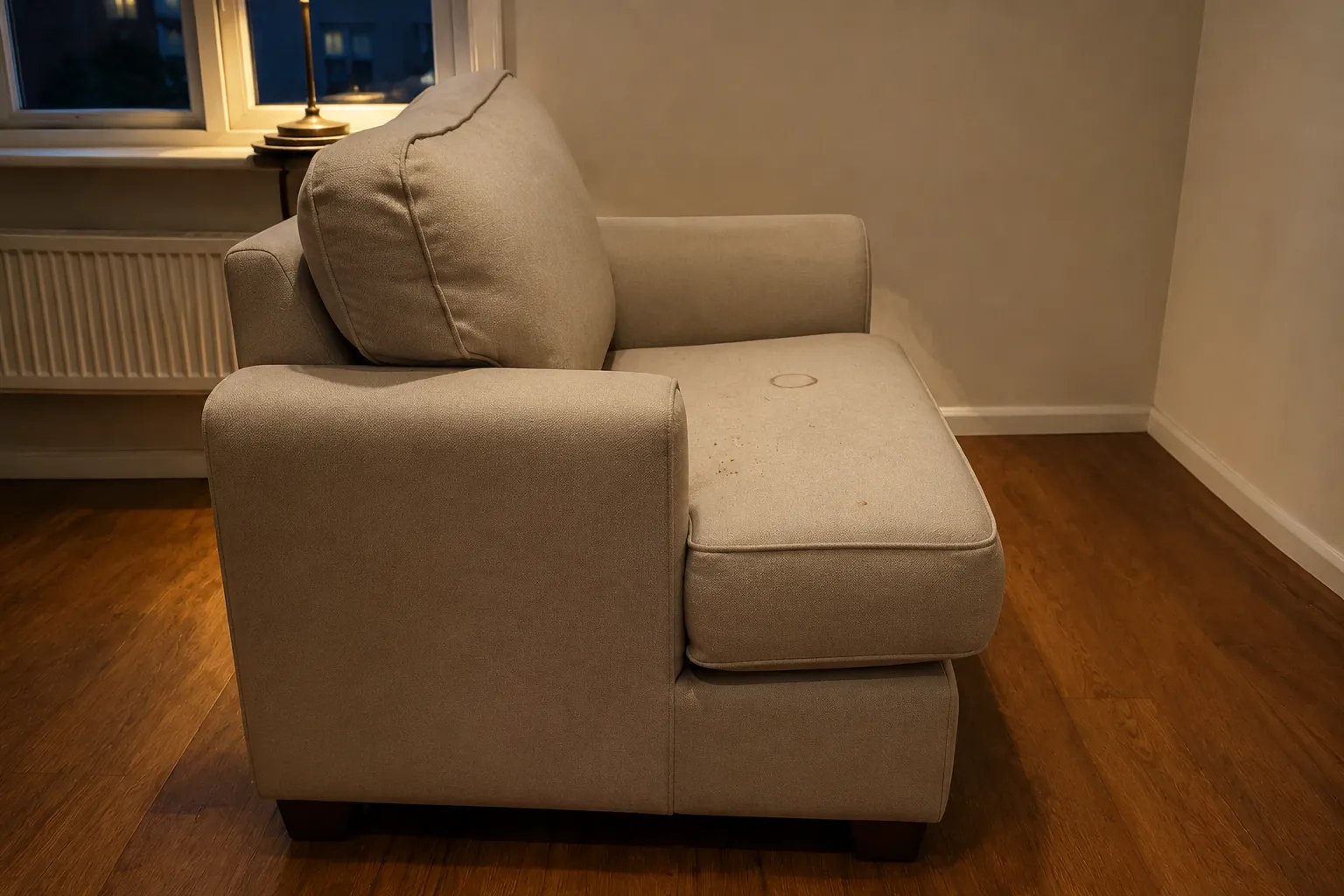
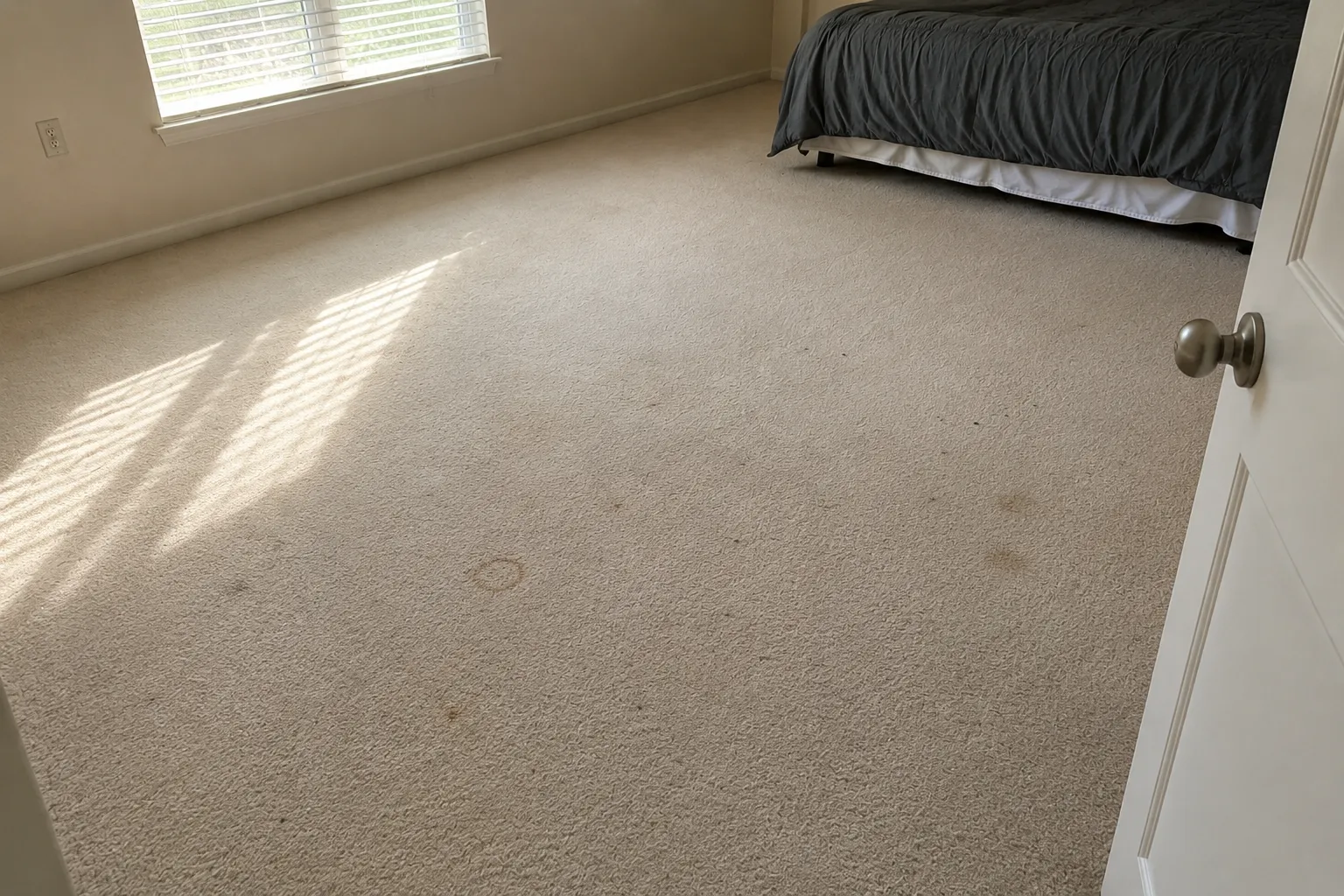
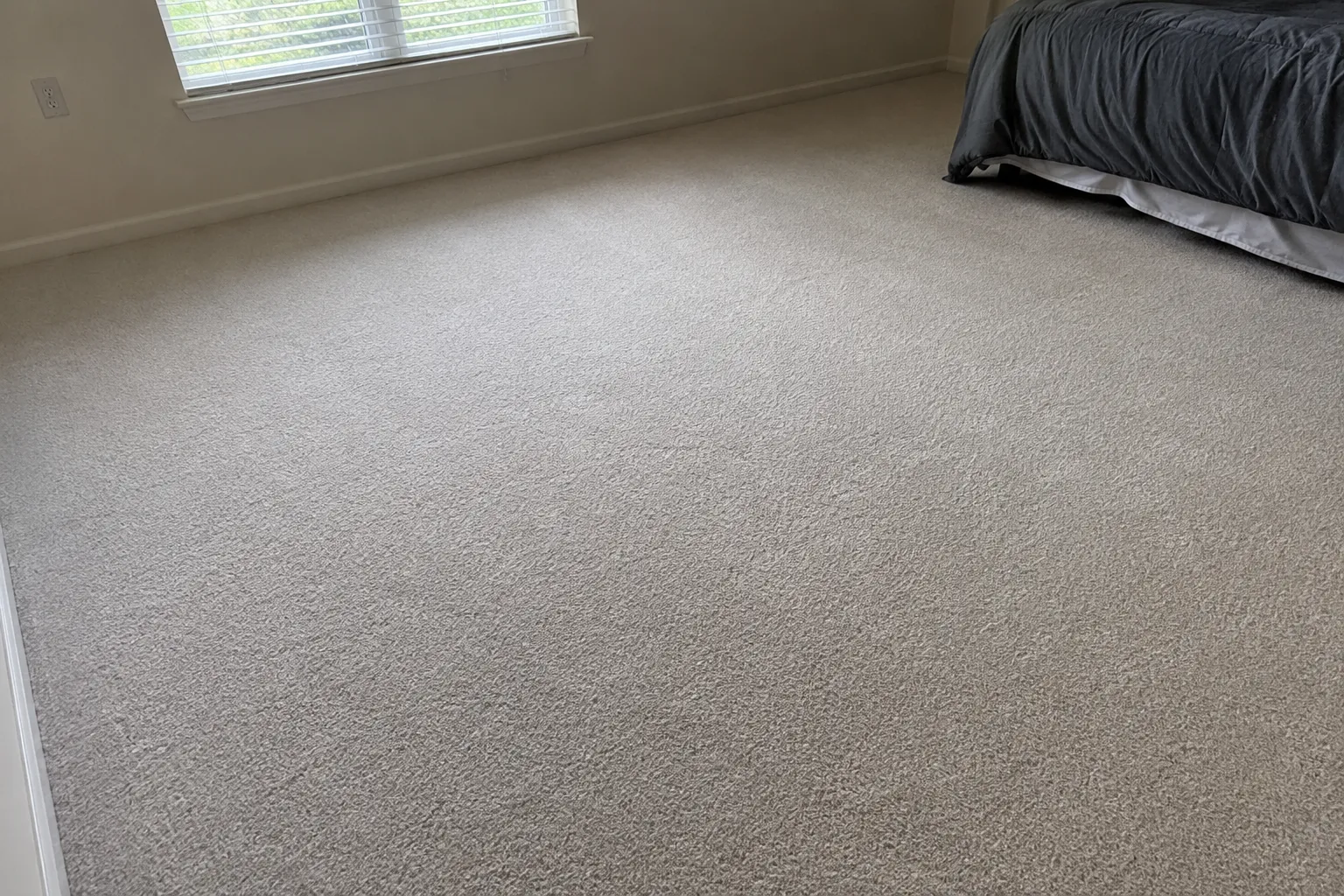
Tannins from grapes penetrate deep into the carpet fibers and polymer coating within 5-7 minutes. Our method — Sodasan enzyme stain remover based on bacteria: it “eats” organic matter without bleaches. For a fresh stain, we blot it with a dry microfiber cloth (don’t rub!), apply the concentrate, wait 15 minutes, and extract it with a Karcher SE 4001 extractor. Old wine is a different story: alcohol fixes the pigment, and it can’t be removed without oxidation with 3% hydrogen peroxide. After treatment, we must neutralize the peroxide with water, otherwise a white spot will remain on colored carpet. A mistake is pouring salt on wine: it draws out moisture, but the crystals scratch the fibers, and after a month, a pill forms in that spot. In short-term rental apartments on the first floor with carpet, we recommend placing a bar table: 90% of wine stains result from a guest placing a glass on the floor.
Shoe Marks on Light Laminate and Tiles
Black streaks from soles are a mix of bitumen, rubber crumbs, and street dust. Wiping with water only spreads the particles, while solvents (white spirit) remove the protective layer of laminate. At profi-clean, for laminate we use a spray based on limonene (orange oil), which dissolves bitumen in 2-3 minutes without damaging the HDF board. On porcelain stoneware — a gentle Kiehl acidic gel for stone: it removes black streaks without matte residue. An important nuance is the floor temperature: if the laminate is heated by the sun to +30 °C, the marks fuse into the top layer, and mechanical polishing with a felt disc is unavoidable. To check if the protective layer remains on the laminate, simply drop water: if it beads up, the wax is intact; if it spreads, the coating is worn and requires immediate treatment with mastic.
Old Limescale and Urine Scale in Toilets
Limescale deposits in the toilet bowl are calcium salts from Almaty water (which is harder than the average in Kazakhstan). The pH of our tap water is 8.2, which creates a white film within 2-3 days of apartment vacancy. We use 7% orthophosphoric acid (part of the professional Kiehl gel): it dissolves the scale in 20 minutes without the smell of chlorine. Urine scale — a denser layer of magnesium and ammonium phosphates — requires a double treatment with a 30-minute interval. On enameled toilets, we keep the acid for no longer than 15 minutes, otherwise the enamel dulls. A common mistake is pouring “Krot” drain cleaner: alkali is useless against scale, and on old toilets with micro-cracks, it widens them. If the scale doesn’t wash off after the second treatment, it means the enamel is already destroyed down to the ceramic, and the only solution is replacing the plumbing.
Cosmetics and Foundation Stains on Textiles
Foundation cream based on silicones and oils is the worst nightmare for pillowcases and towels. Water repels the fatty base, and soap fixes the pigment. Our protocol: an alcohol primer (70% isopropyl alcohol) breaks down the silicone film in 30 seconds, then Sodasan enzyme gel is applied for 10 minutes, followed by washing at 40 °C with oxygen bleach. On delicate silk (premium apartment pillowcases), we don’t use alcohol — instead, a 1:1 mixture of glycerin and water, which draws out the oil without the risk of fabric shrinkage. A mistake is rubbing the stain with a dry napkin: this pushes the cream deeper between the fibers. In one of our apartments, a guest left waterproof mascara stains on three pillowcases at once — without pre-soaking in isopropyl alcohol, the stains wouldn’t have come out even after three wash cycles.
Regular vs. Deep Cleaning: What to Choose for a Short-Term Rental Apartment
In daily rental apartments in Almaty, two cleaning modes work as complementary tools, not alternatives. We will break down their purpose, frequency, and typical owner mistakes.
How regular cleaning differs from deep cleaning
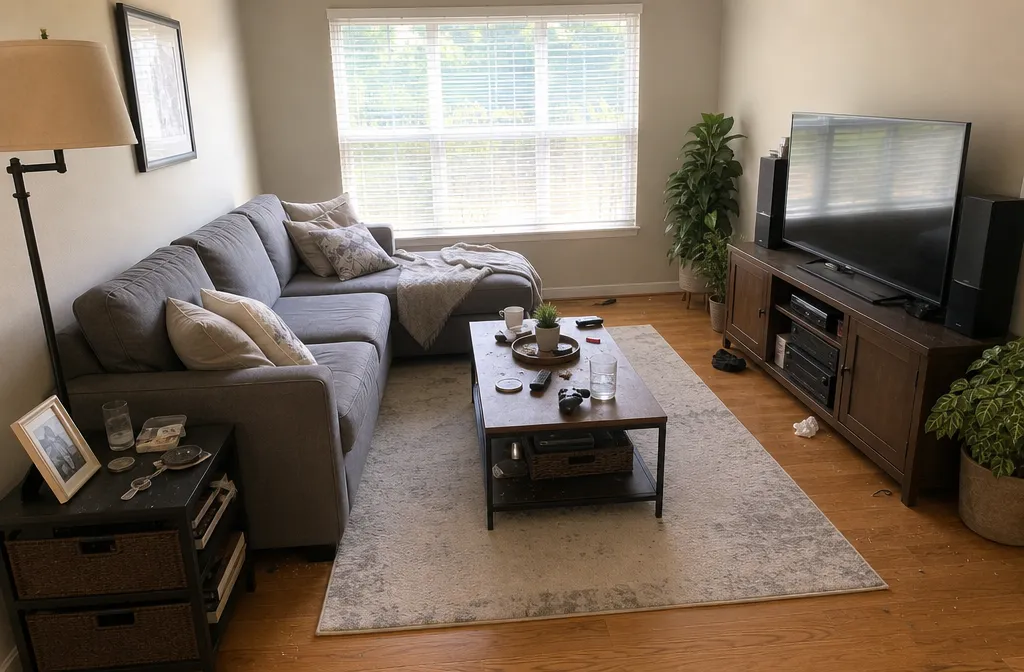
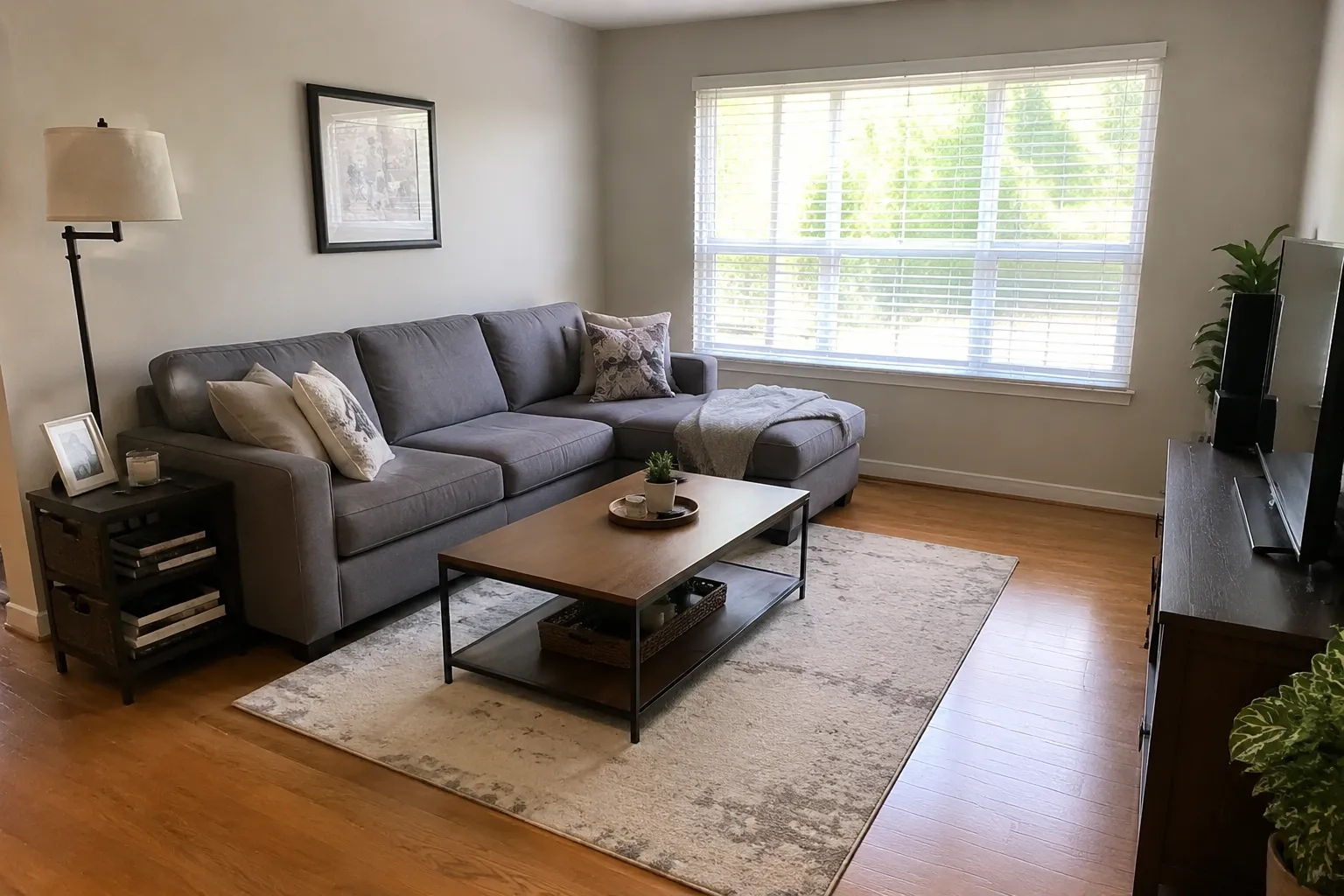
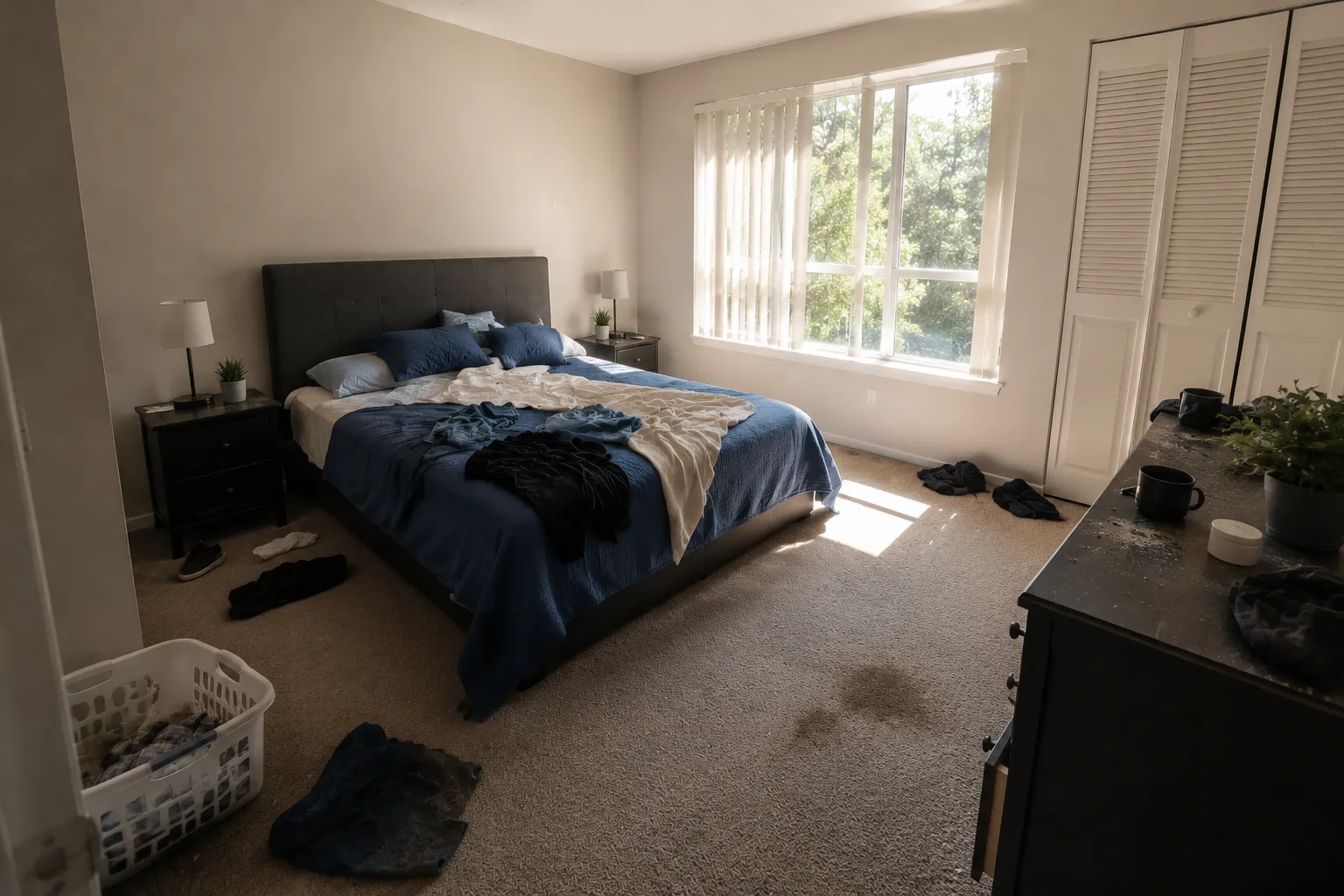
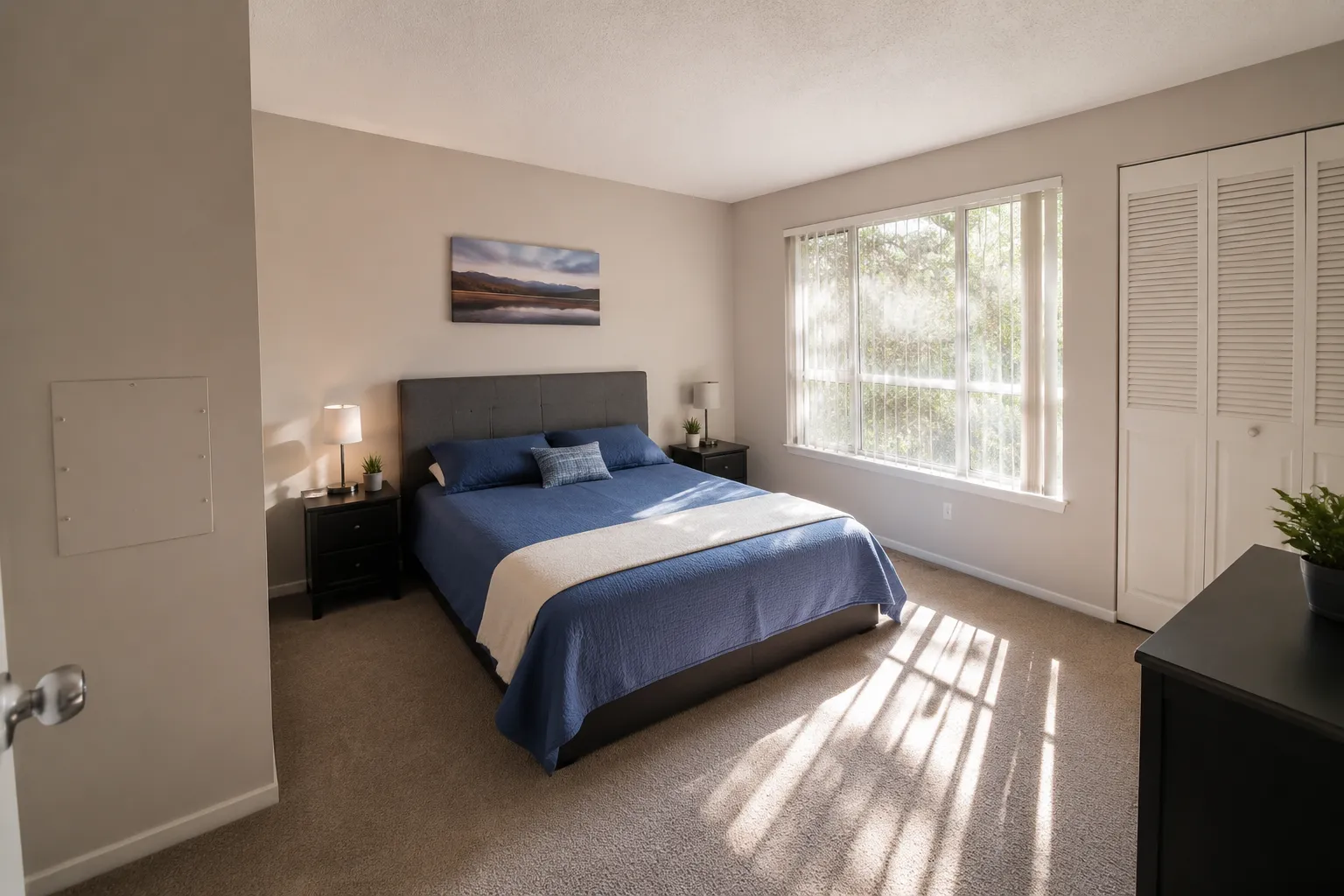
- Purpose: Regular cleaning maintains order between guests — vacuuming, wet mopping floors, cleaning bathrooms, changing linens. Deep cleaning removes accumulated grime: limescale on tiles, grease on kitchen surfaces, dust behind furniture, marks on carpets.
- Frequency: Regular cleaning is performed after each guest checkout. In our orders for daily rental apartments, deep cleaning is typically required once every 2–3 months for high turnover, or once every 4–5 months for lower occupancy.
- Depth of treatment: During regular cleaning, we wash visible surfaces; during deep cleaning, we take down curtains, move furniture, clean ventilation, and treat tile joints with a steam generator.
- Execution time: Regular cleaning of a one-bedroom apartment takes us 1–1.5 hours; deep cleaning takes from 3 to 5 hours depending on the level of neglect.
How often should you order deep cleaning for a daily rental apartment
In practice at profi-clean, we see a clear correlation: the higher the apartment occupancy, the faster grime accumulates that regular cleaning doesn’t tackle. With 15–20 check-ins per month (standard for popular studios in the Medeu and Almaly districts), deep cleaning is recommended every 6–8 weeks. For apartments with 8–12 check-ins — once every 4 months. The key indicator is the appearance of a dull film on bathroom and kitchen tiles: this is soap and grease residue that regular products don’t remove. If this moment is missed, the film turns into stubborn scale that can only be removed mechanically.
What mistakes do owners make when choosing a cleaning mode
- Skipping deep cleaning to save money: Owners limit themselves to regular cleaning, hoping it will “wash off on its own.” The result — greasy door handles, sticky kitchen floors, and odors absorbed into textiles. Our cleaners report: in apartments where deep cleaning hasn’t been done for over 5–6 months, a layer of grease forms on the kitchen backsplash that can’t be removed without an alkaline concentrate.
- Deep cleaning after every guest: An excessive measure that wears out surfaces and hurts the budget. Linoleum and laminate lose their gloss from frequent washing with chemicals, and curtains fade.
- Neglecting ventilation checks: During regular cleaning, ventilation grilles are usually wiped superficially. Within 2–3 months, a dense layer of dust accumulates on the blades and inside the duct — this reduces draft, allowing odors from one apartment to transfer to neighboring ones.
How we at profi-clean schedule cleaning for daily rental apartments
When signing a contract for daily rental apartment cleaning, we offer owners a fixed cycle: regular cleaning after each checkout + deep cleaning at an interval calculated based on the property’s occupancy. For a studio in the center with 18–22 check-ins per month, we schedule deep cleaning every 6 weeks. For a two-bedroom apartment in the Auezov district with 8–10 check-ins — once every 4 months. We adjust this schedule based on photo report results: if the cleaner sees that limescale on tiles or grease in the kitchen appears earlier, we move the date forward.
When deep cleaning is needed unscheduled
There are situations where waiting for the scheduled time isn’t advisable: after a stay with pets (fur gets embedded in sofas and carpets, leaving odors), after guests with children (food marks on wallpaper, stains on mattresses), or when mold appears in the ventilation or tile joints. In such cases, we recommend ordering deep cleaning immediately, without waiting for grime to accumulate — it’s cheaper than replacing furniture or doing cosmetic repairs later.
Specifics of cleaning apartments in new builds and old housing stock in Almaty
The difference in approach to cleaning between apartments in new and old housing stock in Almaty isn’t just a matter of building age. The type of surfaces, nature of dirt, and even layout dictate different cleaning methods and chemical choices.
Construction dust in new builds: the main enemy after renovation
After the handover of a house in new developments in Almaty, construction dust settles on all surfaces in a layer that cannot be washed off with ordinary water. Cement and gypsum suspension penetrates the micropores of linoleum, laminate, and tiles. We use professional industrial vacuum cleaners with HEPA filtration (our machines are class H13) — they trap particles down to 0.3 microns, rather than just moving dust around the room. Wet cleaning after such vacuuming is done only with special compounds that neutralize alkaline cement residues; otherwise, white streaks remain on the floor. An important nuance: construction dust can enter an apartment for up to six months after the handover of neighboring sections — therefore, for the first few months, we recommend that owners of short-term rental apartments order not standard, but enhanced cleaning with double-pass washing of windows and window sills.
Old housing stock: centuries-old soot, mold, and odors
Apartments in buildings constructed in the 1960s–1980s (areas of the “old” part of the city, for example, around Zhibek Zholy or Bogenbai Batyr streets) have their own specifics. Wooden frames and old window sills absorb tobacco and kitchen grease odors over decades — cleaning them with ordinary household chemicals is impossible. For such surfaces, we use Kiehl enzyme cleaners, which break down organic matter at the molecular level, rather than masking the odor with fragrance. Mold in ventilation shafts and corners is a separate issue: in Almaty’s old housing stock, where ventilation is often clogged, fungal spores reappear a month after cleaning. At profi-clean, on such sites, we apply Sodasan oxygen-based antiseptic to problem areas — it penetrates deep into the plaster and prevents recurrence for 3–4 months.
Windows and heating: seasonal differences
In new Almaty developments, especially in complexes with panoramic glazing (“Akbulak”, “Esentai”), windows are washed using a different technology than in old houses with Soviet-era wooden frames. Abrasive products cannot be used on double-glazed windows — scratches will remain, visible in the sun. For them — only professional scrapers and microfiber. In old apartments with wooden frames, the main problem is dried paint at the joints and putty, which has to be soaked with a special compound. From practice: in new buildings with central heating, radiators hardly get dirty, but in old houses, cast-iron batteries accumulate so much dust that without washing them, the overall effect of cleaning is lost — dust from the radiators settles again on the walls and floor.
Layout and access to surfaces
Modern apartments in Almaty are often studios with open-plan kitchen-living rooms and a large number of glossy facades (MDF kitchen sets). Even microscopic water streaks are visible on gloss, so we use a special compound with an antistatic effect for them — it repels dust for 5–7 days. In old housing stock, there are kitchens with oil paint on the walls: it cannot be rubbed with a hard brush — the layer will come off, and the wallpaper will start to peel. In such cases, we work with a soft sponge and a neutral detergent, without abrasives. Advice for the owner: if the apartment in the old housing stock has parquet or block parquet flooring, ordinary wet mopping is contraindicated — water swells in the joints, and within a year the floor will “stand on end.” For parquet, we use only a special disposable attachment with moisture control.
How to prolong freshness after cleaning: tips for owners
After professional cleaning, the apartment smells clean, but maintaining this effect until the next guest arrival is the owner’s task. We have gathered practical techniques that work in the conditions of Almaty apartments: from microclimate to textile selection.
Ventilation: mode and timing
Immediately after cleaning, open all windows for 15–20 minutes — moisture from floor washing and dry cleaning of upholstered furniture must escape. In Almaty, due to the proximity of the mountains, the air is often humid (especially in spring and autumn), so in wet weather, reduce ventilation to 5–7 minutes and turn on the kitchen exhaust hood. If the apartment has plastic windows with a micro-ventilation mode, keep them in this mode around the clock — the air inflow reduces the concentration of odors from household chemicals and prevents stagnation. In new buildings with sealed double-glazed windows without micro-ventilation, set the windows to open fully three times a day for 10 minutes. Our experience shows: owners who ventilate the apartment at least twice a day between arrivals prolong the feeling of freshness by 2–3 days longer than those who keep the windows closed.
Textiles: what to change between arrivals
Upholstered furniture and carpets are the main odor accumulators in short-term rental apartments. Between check-ins, it’s enough to go over the sofa with dry steam (a hand-held steamer) — this kills bacteria on the surface without deep cleaning. Treat carpets in the hallway and kitchen area with baking soda: spread a thin layer for 2 hours, then vacuum — the soda draws out grease and dust. Wash pillows and throws every 2–3 check-ins at 60°C, and mattress protectors monthly. In our orders for short-term rentals in Almaty, the smell most often returns from sofa cushions: if they are not steam-treated at least once a week, they start to smell like an “old house” within a month. Buy a spare set of covers for decorative pillows — changing them is faster than washing the entire sofa.
Bathroom and Kitchen Care: Mold Prevention
The bathroom in a short-term rental is a risk zone: after each guest, moisture remains on the tiles, grout, and silicone joints. After cleaning, wipe the walls and floor with a dry microfiber cloth, and treat the joints with a spray bottle containing 3% hydrogen peroxide — it kills mold spores without chlorine and leaves no odor. In the kitchen, after cleaning the stove and hood, leave the cabinet doors open for an hour — condensation often accumulates under the sink and behind the refrigerator, causing mustiness. In Almaty, due to humidity fluctuations (from 30% in summer to 70% in autumn), mold on silicone appears within 2–3 weeks if the joints are not dried. Tip: buy a dehumidifier for the bathroom (costs 10–15 thousand tenge on Kaspi) — it removes excess moisture 30 minutes after a shower and extends the freshness of the tiles until the next deep clean.
Scenting: Safe Methods
Essential oils and aroma diffusers work better in a short-term rental than aerosol air fresheners — they don’t mask the odor, but neutralize it. Drop 3–5 drops of tea tree or lavender oil onto a cotton pad and place it in the vacuum cleaner’s dust bin — the scent spreads through the rooms during cleaning. In the hallway, place a glass bowl with baking soda and 2–3 drops of citrus oil: the soda absorbs odors from shoes and outerwear. Avoid synthetic air fresheners labeled “fruit mix” — they often cause allergies in guests and leave a sticky residue on surfaces. In our practice, there was a case: the owner used a cheap strawberry-scented air freshener, and the apartment had to be aired out for three days afterward — guests complained of headaches. Natural oils in small doses work more safely and last up to 3–4 hours.