Inspection and assessment
The technician inspects the mats, determines the type of soiling (oil, dirt, odors) and selects the products.
We remove oil stains, dirt, and odors from car mats in Almaty

We work with any types and materials
We clean rubber mats from dirt and oil using gentle formulas to maintain elasticity.
from 1,200 ₸Deep extractor cleaning of polyester mats with removal of stubborn stains.
from 1,200 ₸Nylon mats require gentle care — we use neutral Kiehl detergents.
from 1,200 ₸Delicate cleaning of velour without damaging the pile, using soft brushes.
from 1,200 ₸We clean PVC mats from oil stains and dirt without leaving streaks.
from 1,200 ₸We clean large-format truck mats with a powerful Mytee extractor.
from 1,200 ₸High pile requires thorough washing and drying — we use special attachments.
from 1,200 ₸Low pile is cleaned quickly but with dirt removal from the base.
from 1,200 ₸Gentle cleaning of heated mats without damaging electrical elements.
from 1,200 ₸Large rug mats are treated with an extractor on both sides.
from 1,200 ₸We clean the rubber base separately, preventing slipping and odor.
from 1,200 ₸Enhanced cleaning of SUV mats from sand, dirt, and oil.
from 1,200 ₸From inspection to result with guarantee
The technician inspects the mats, determines the type of soiling (oil, dirt, odors) and selects the products.
Remove dust, sand, and fine debris with a HEPA vacuum and attachments for hard-to-reach areas.
Apply Kiehl or Sodasan spotter to oil-based and stubborn stains, let sit for 3-5 minutes.
Spray Kiehl cleaning solution over the entire surface, agitate with a brush for deep penetration.
Rinse carpets under pressure with a Mytee extractor, removing dirt and foam.
Rinse carpets with clean water to remove chemical residues, preventing streaks.
Dry carpets with hot air at 60°C until fully dry (about 30 minutes).
We check the quality of cleaning, and if necessary, re-treat problem areas.
We use a vacuum cleaner with a HEPA filter that traps 99.97% of particles up to 0.3 microns. This ensures removal of pollen, mold spores, and other allergens. Your mats become safe for allergy and asthma sufferers.
After extractor cleaning, we dry mats with hot air at up to 60°C. In 30 minutes, mats become completely dry, with no risk of mold. You can pick them up immediately.
We guarantee removal of oil stains, dirt, and odors. If a stain remains after cleaning, we redo the work for free. Our goal is 100% customer satisfaction.
All profi-clean technicians are in-house employees trained in the 8-stage cleaning technology. We control every stage, from inspection to final check. This guarantees consistent quality.
We use professional Kiehl and Sodasan water-based products, free of phosphates and harsh solvents. They are biodegradable and safe for people and pets. No toxic residues after cleaning.
The Mytee extractor with pressure up to 1000 psi and suction power of 130 CFM ensures deep penetration of the cleaning solution into the pile and complete dirt removal. The equipment is certified and used in premium detailing.
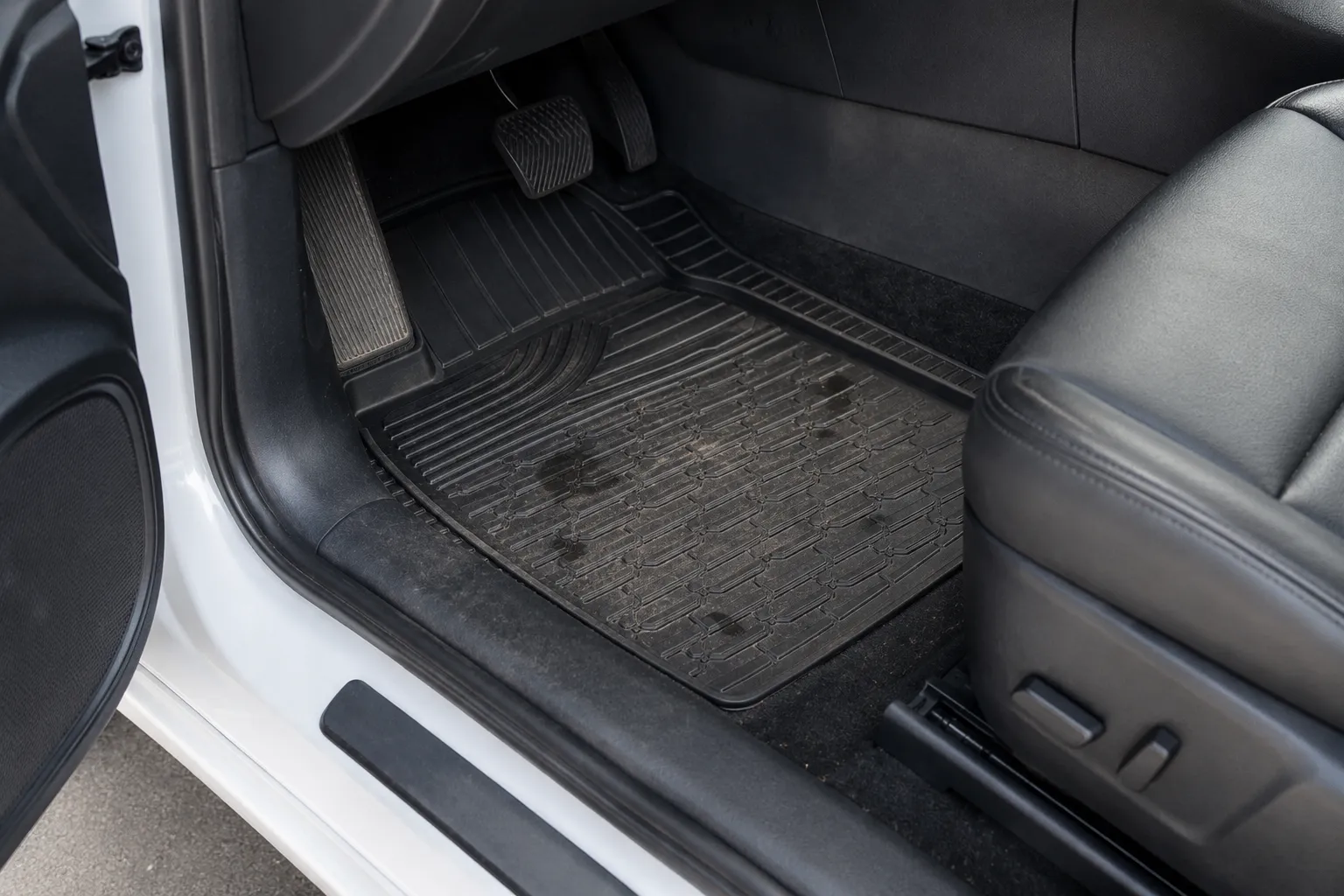
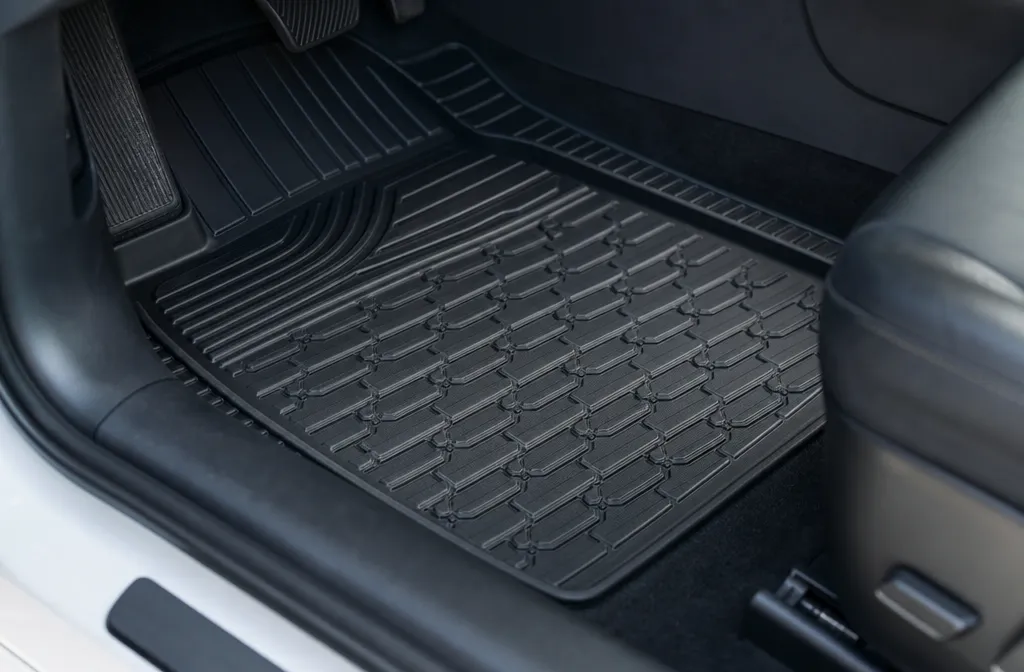 After
After
Request: Remove stubborn dirt and wear marks from the rubber mat.
Done: We treated the mat with a carpet cleaner using an alkaline solution, then applied rubber conditioner.
Cost: 7 000 ₸
Master: Aigul Serikova, dry cleaning master
Total: The mat became uniformly black, streaks and minor scratches disappeared.
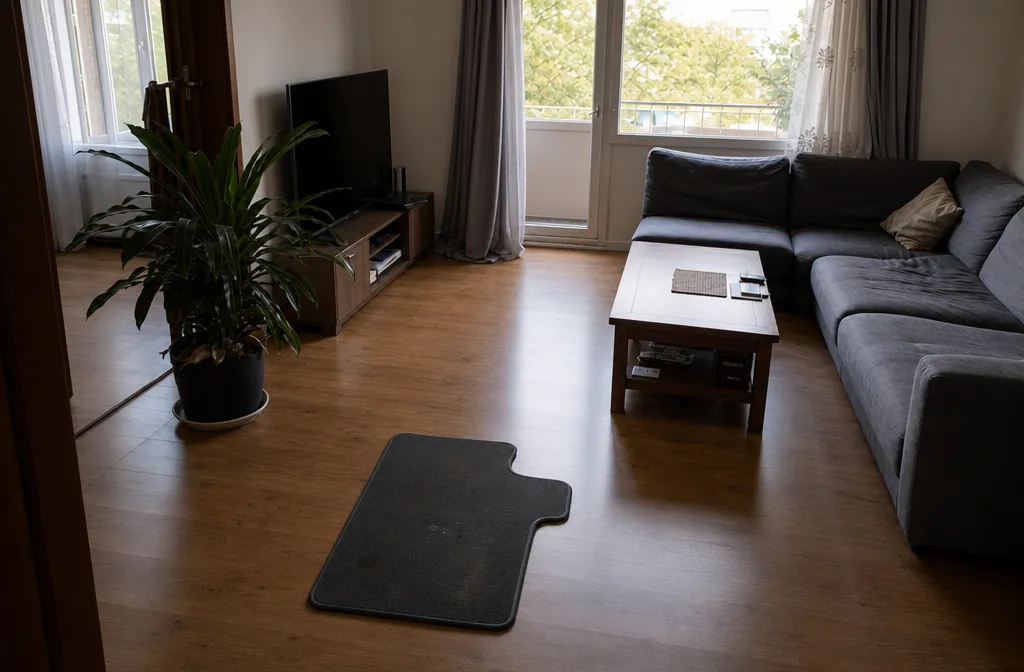
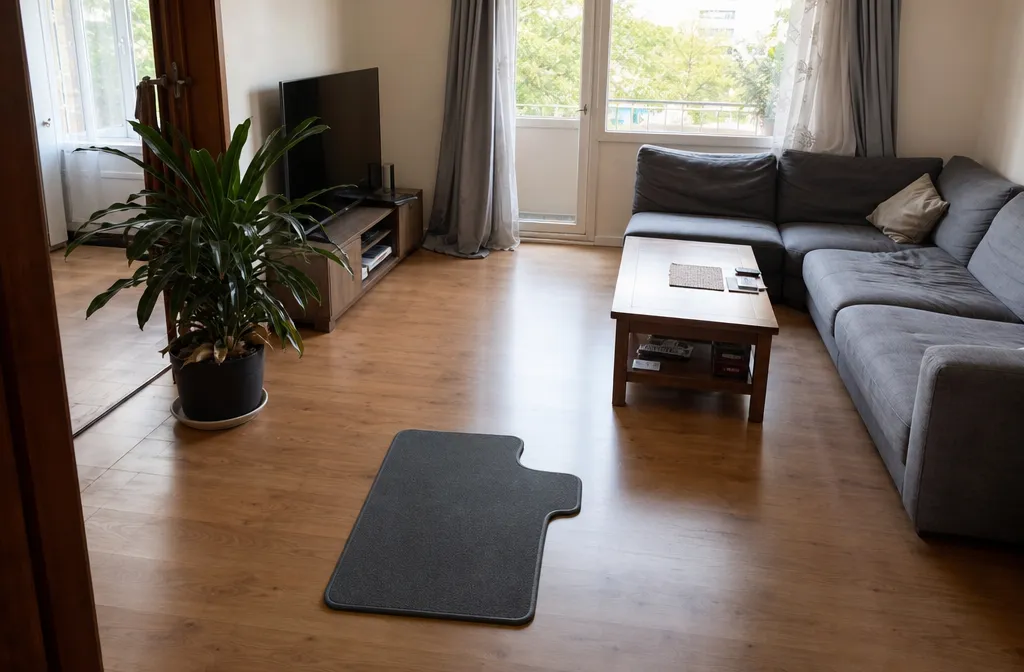 After
After
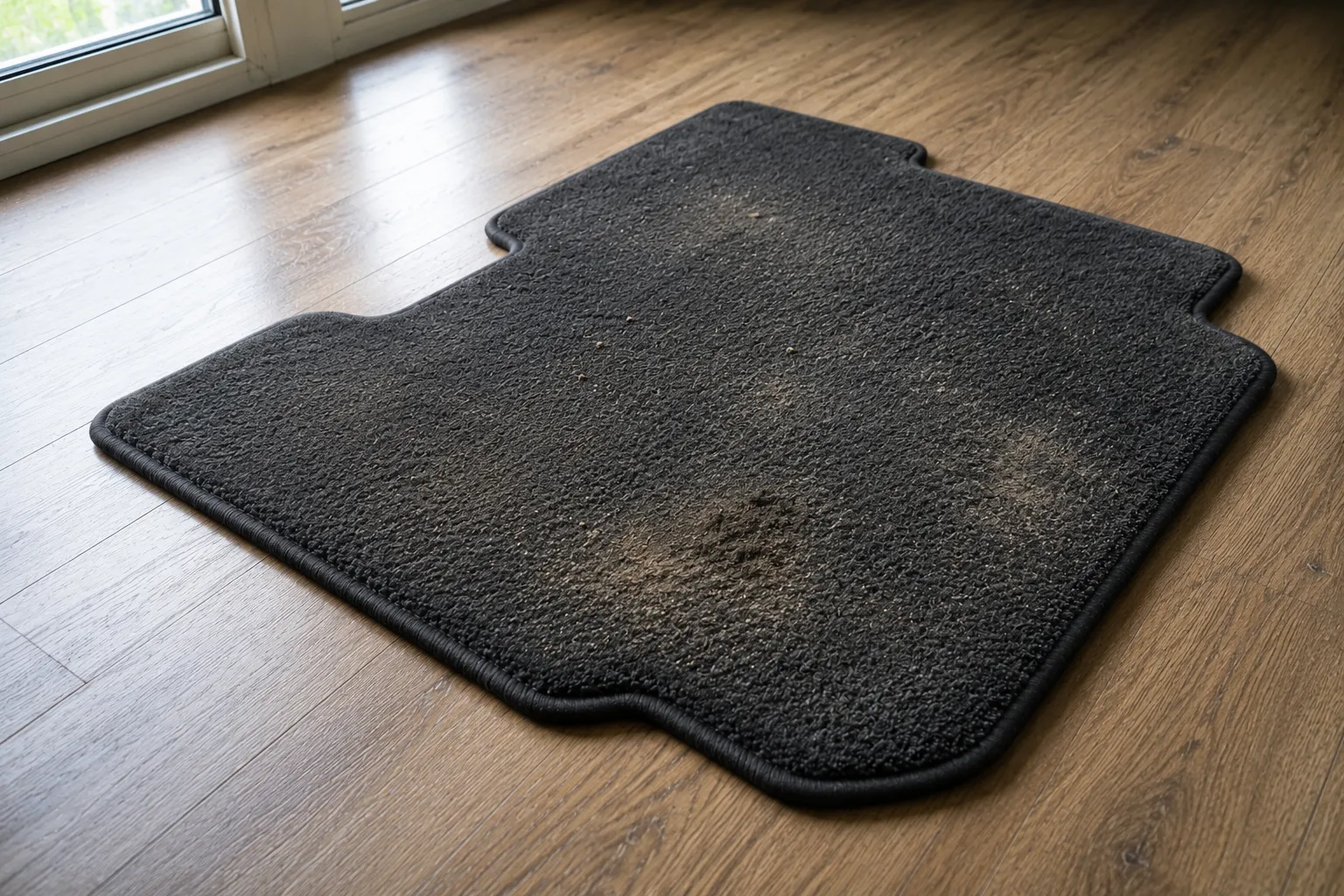
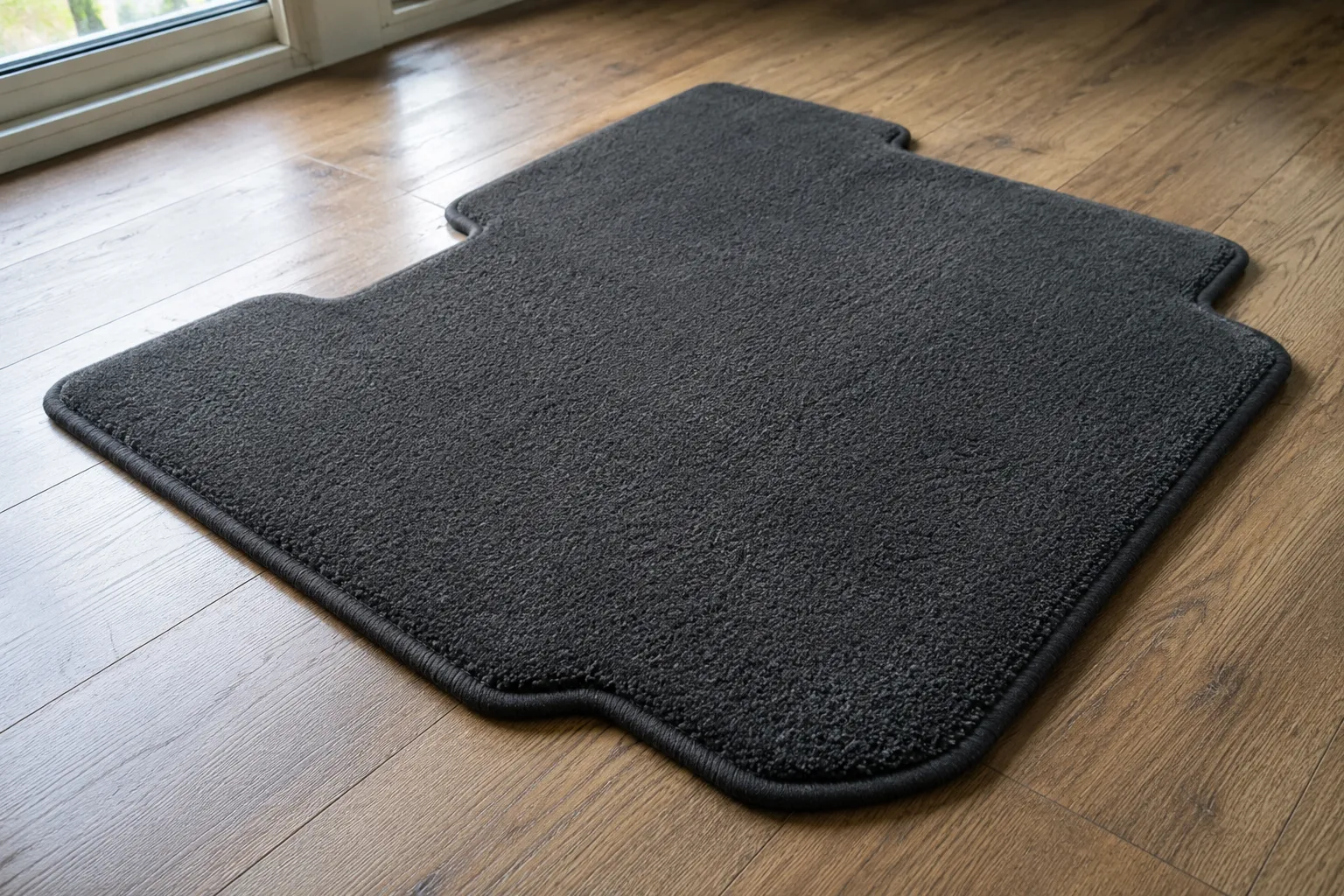
Request: Remove an oil stain from a fabric car mat.
Done: We used an enzyme stain remover and a steam cleaner for deep oil removal.
Cost: 7 000 ₸
Master: Timur Zhaksybekov, dry cleaning master
Total: The stain completely disappeared, the pile restored, without any traces of streaks.
 After
After
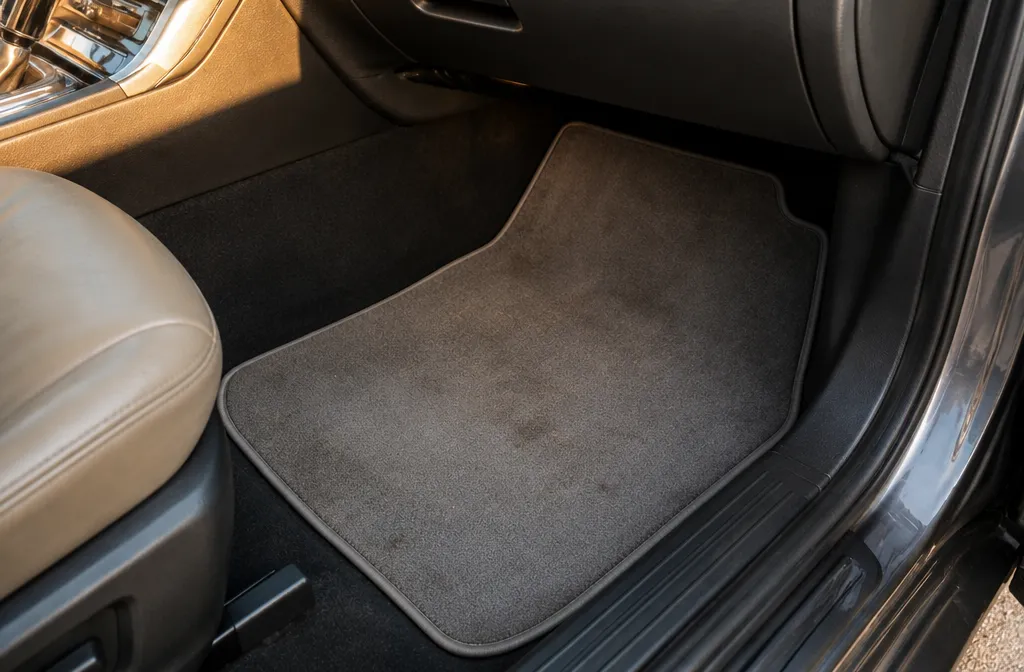
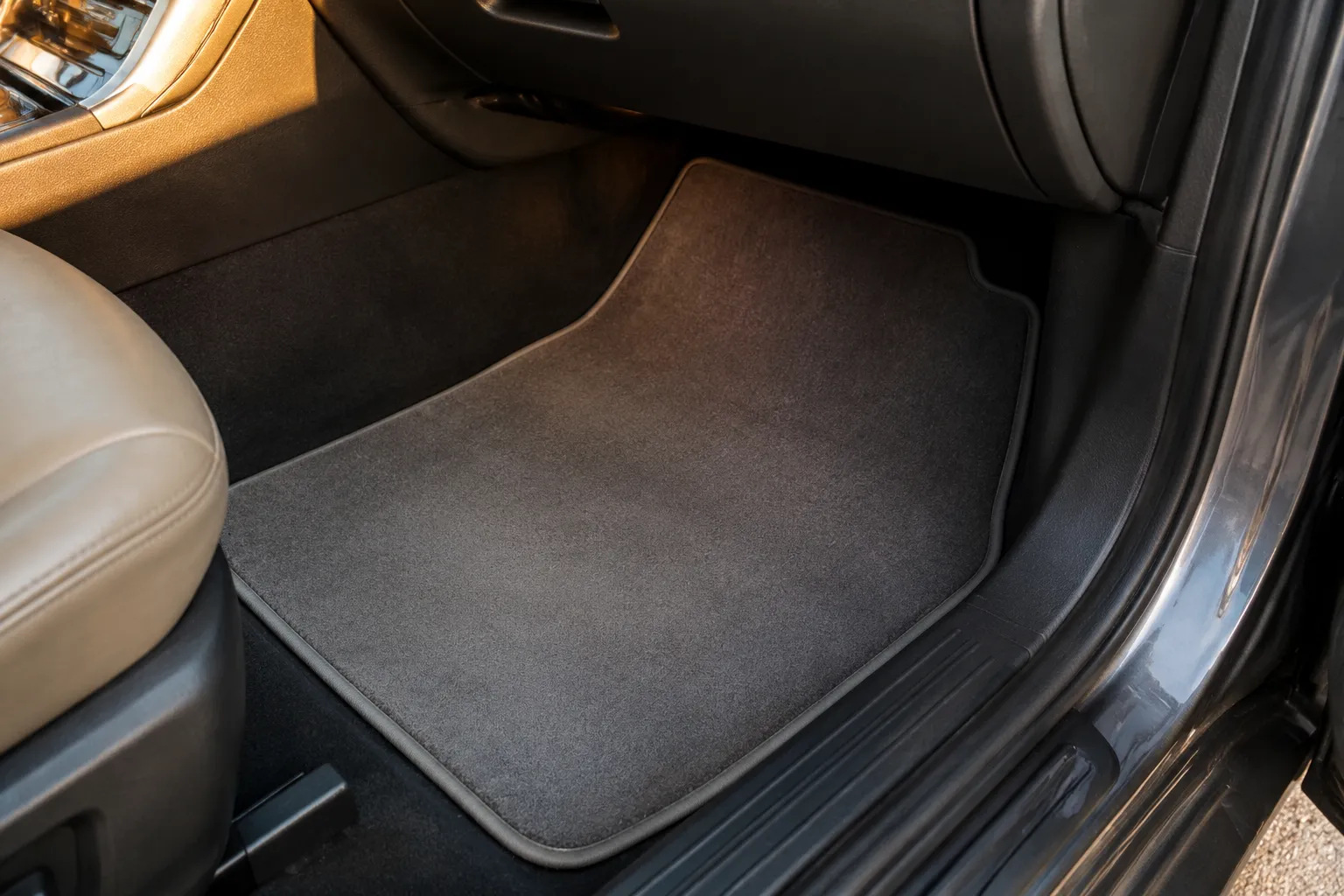
Request: Eliminate greasiness and unpleasant odor on the SUV mat.
Done: We performed dry cleaning with an absorbent and ozone treatment.
Cost: 7 000 ₸
Master: Nurzhan Abdrakhmanov, dry cleaning master
Total: The mat is fresh, odorless, the pile is fluffy and clean.
 After
After
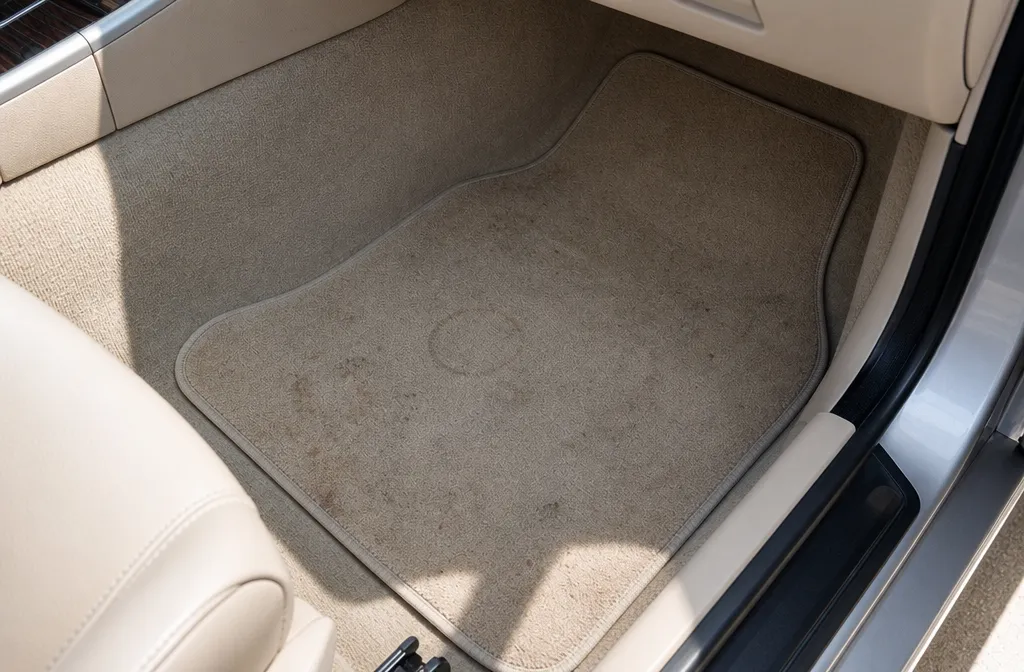
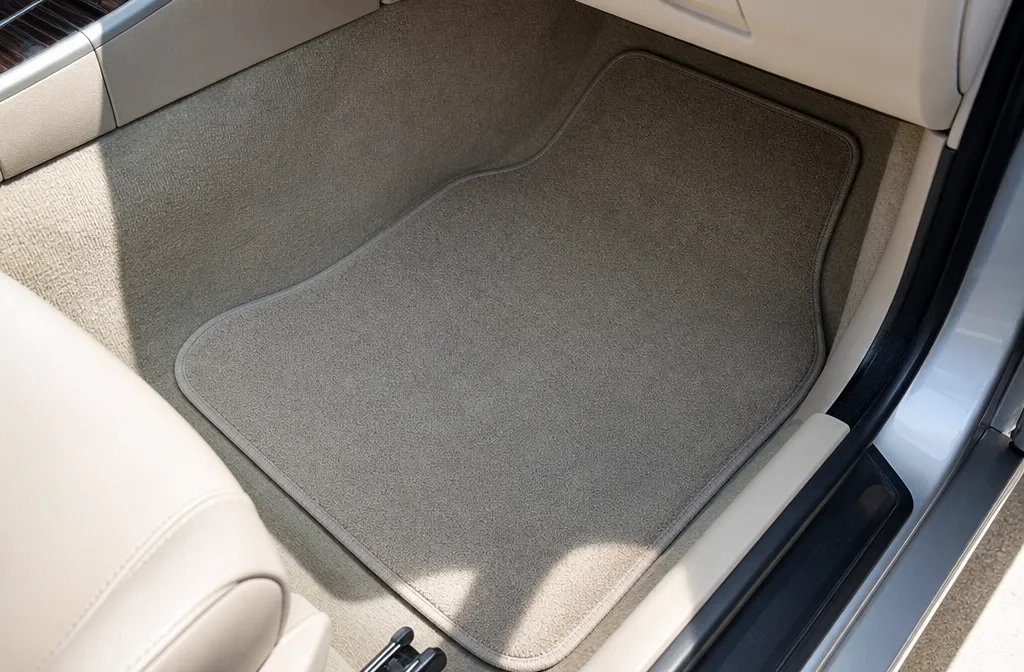
Request: Refresh the velour mat, remove dust and scuffs.
Done: We cleaned with a vacuum cleaner with a turbo brush and treated with velour conditioner.
Cost: 7 000 ₸
Master: Aigul Serikova, dry cleaning master
Total: The pile became soft and shiny, scuffs are not visible.
 After
After
Request: Remove old drink stains from a sedan mat.
Done: We applied an acidic stain remover and hot water extraction.
Cost: 7 000 ₸
Master: Timur Zhaksybekov, dry cleaning master
Total: The stains disappeared, the mat is evenly clean and dry.
 After
After
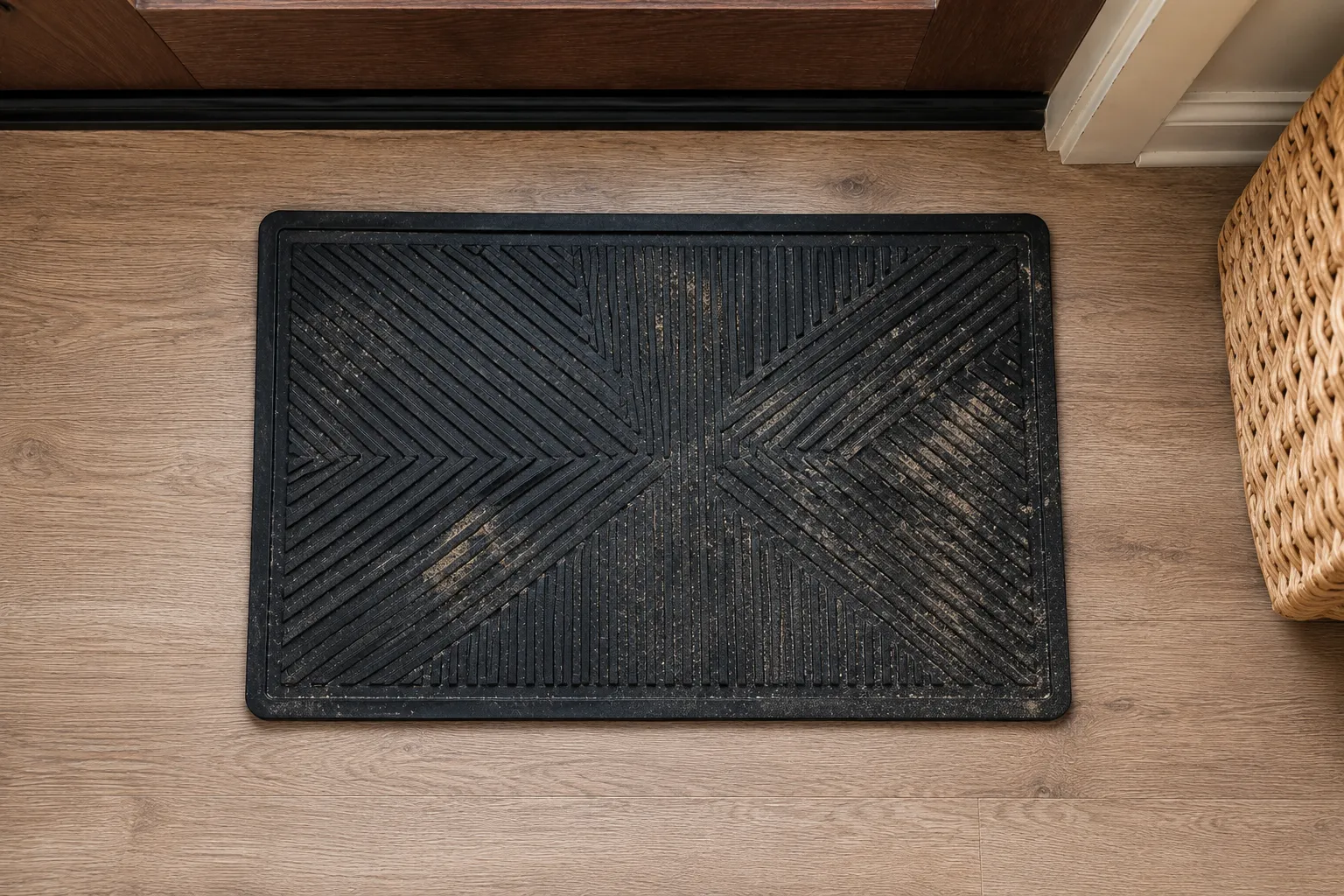
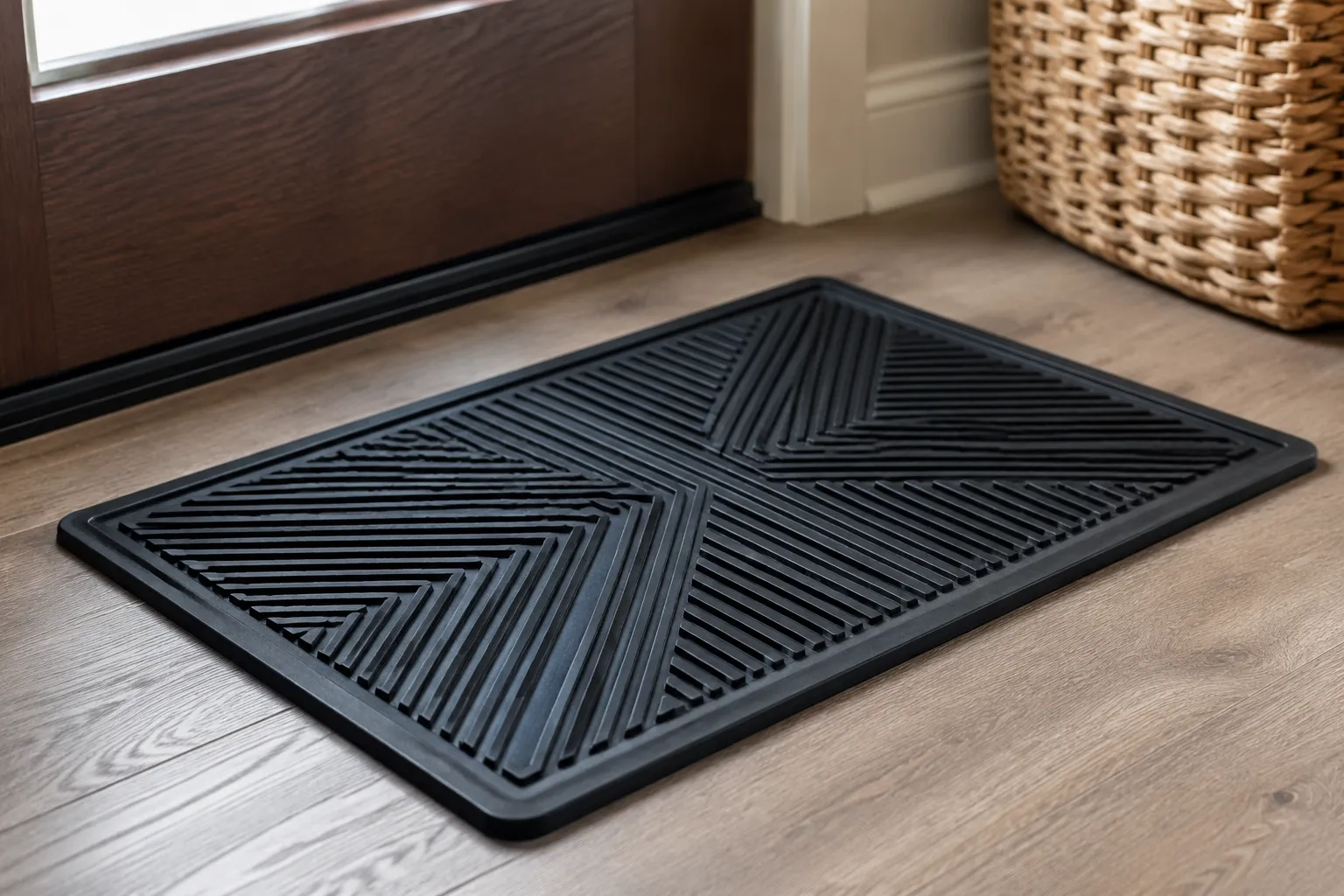
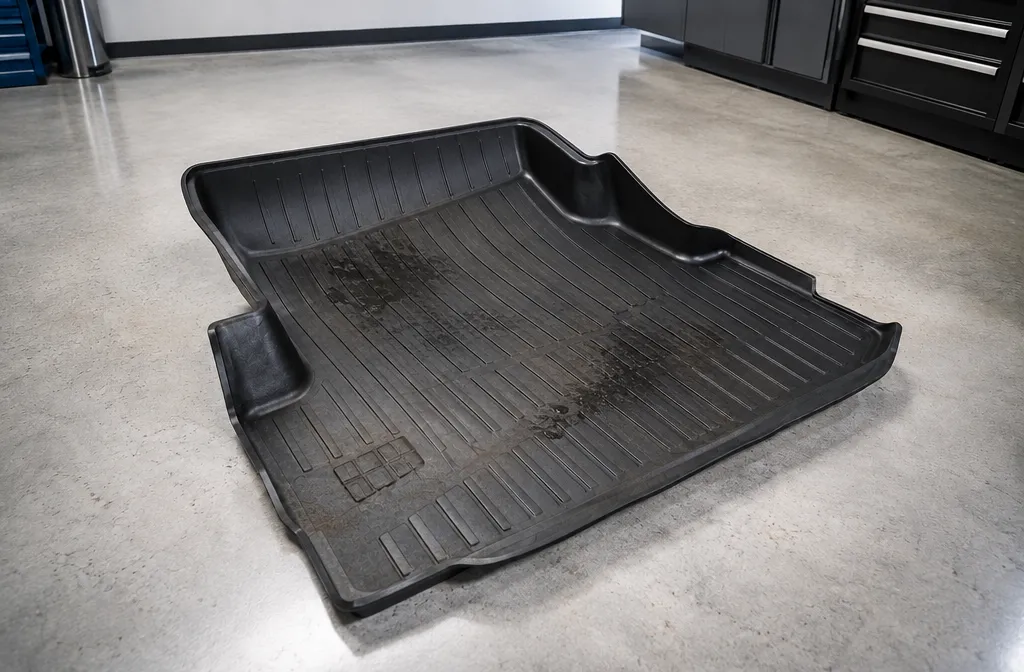
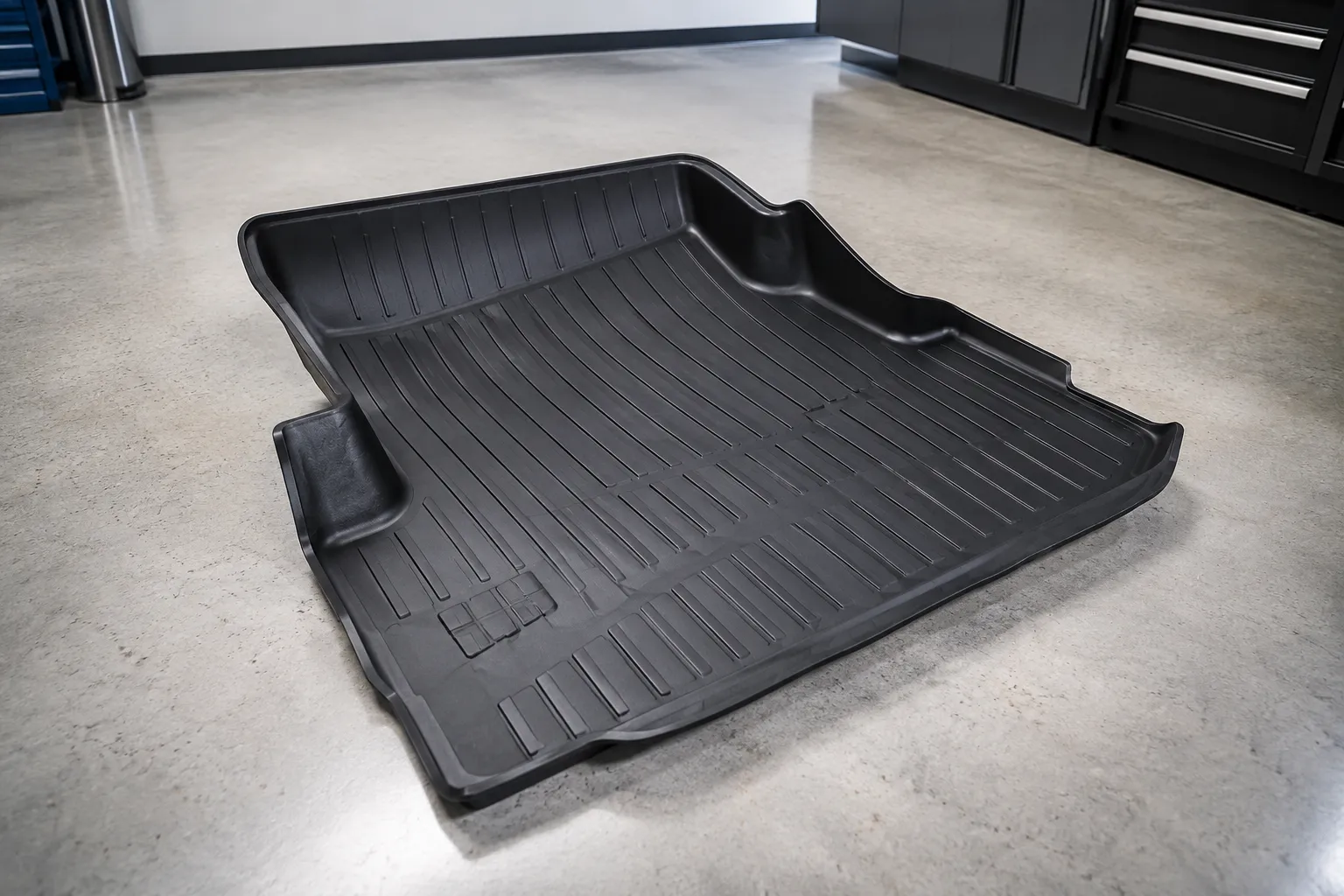
Request: Remove dried mud and salt from rubber mat.
Done: Soaked in alkaline solution, scrubbed with brush, and rinsed with water.
Cost: 7 000 ₸
Master: Nurzhan Abdrakhmanov, dry cleaning master
Total: Mat clean, no residue or odor.
 After
After
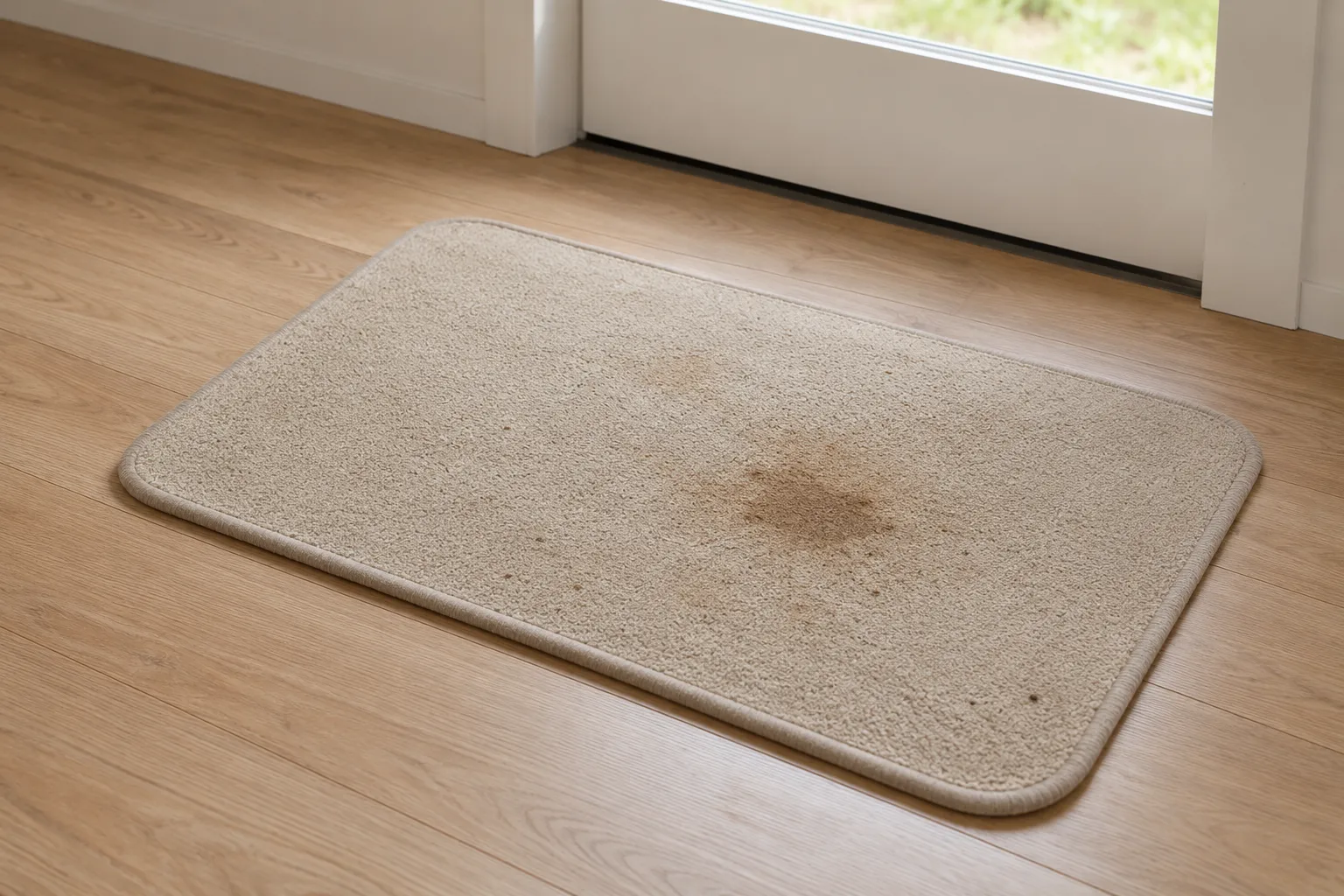
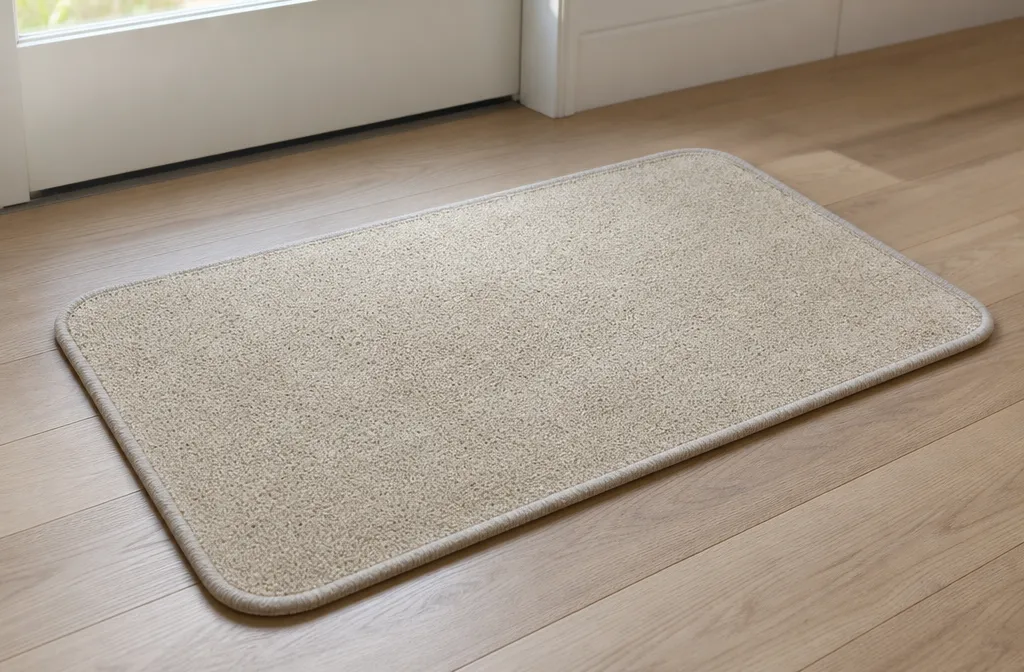
Request: Clean cargo van mat from oil stains and dirt.
Done: Treated with degreaser and washed with pressure washer.
Cost: 7 000 ₸
Master: Timur Zhaksybekov, dry cleaning master
Total: Mat fully cleaned, no traces of oil or odor.
 After
After
Request: Remove fresh coffee stain from car mat.
Done: Blotted stain, applied enzyme stain remover, and cleaned with extractor.
Cost: 7 000 ₸
Master: Aigul Serikova, dry cleaning master
Total: Stain gone, mat dry and clean.
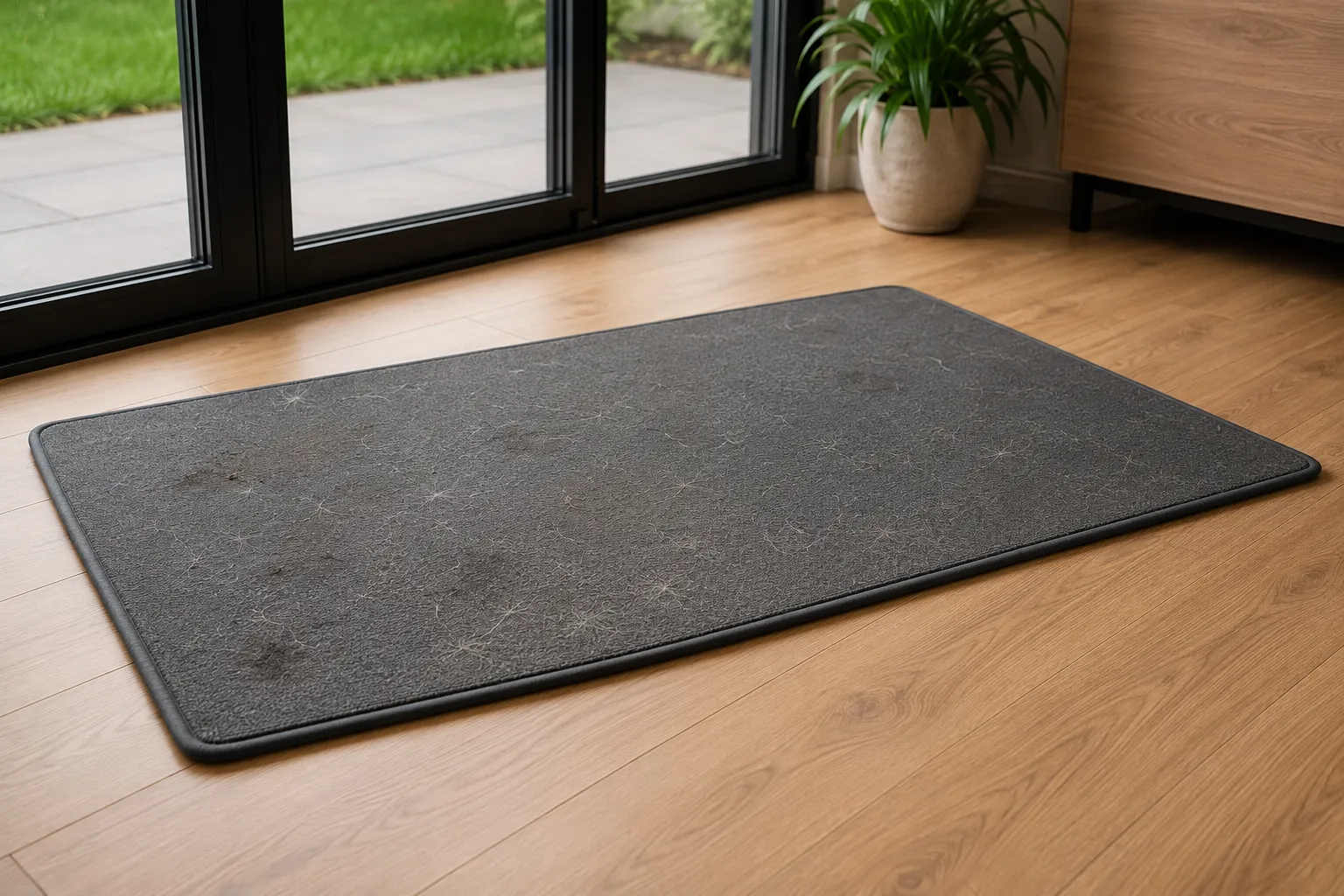
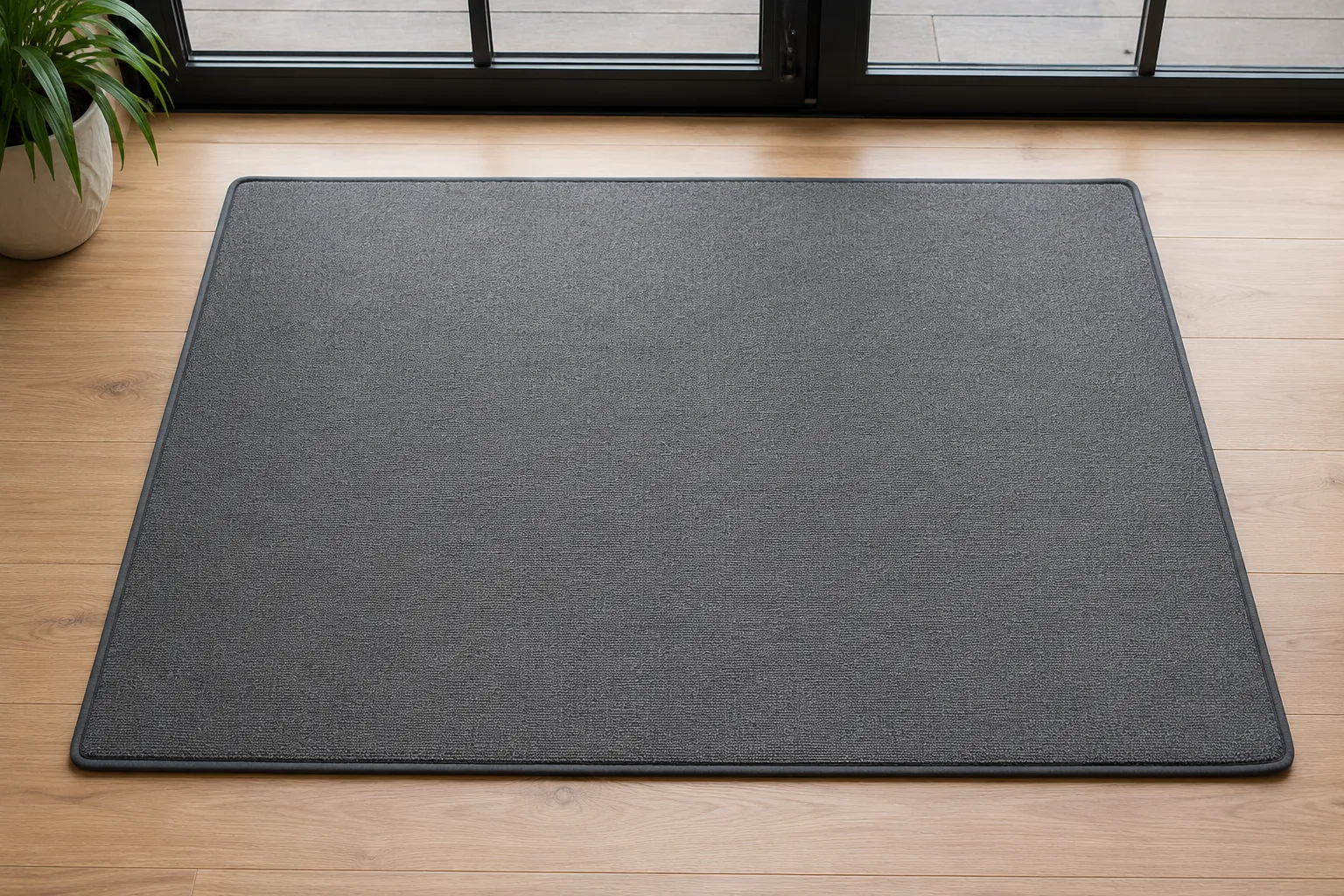 After
After
Request: Remove pet hair and neutralize odor on mat.
Done: Used rubber brush and antistatic spray, then ozonation.
Cost: 7 000 ₸
Master: Nurzhan Abdrakhmanov, dry cleaning master
Total: Mat free of hair and odor, pile clean.
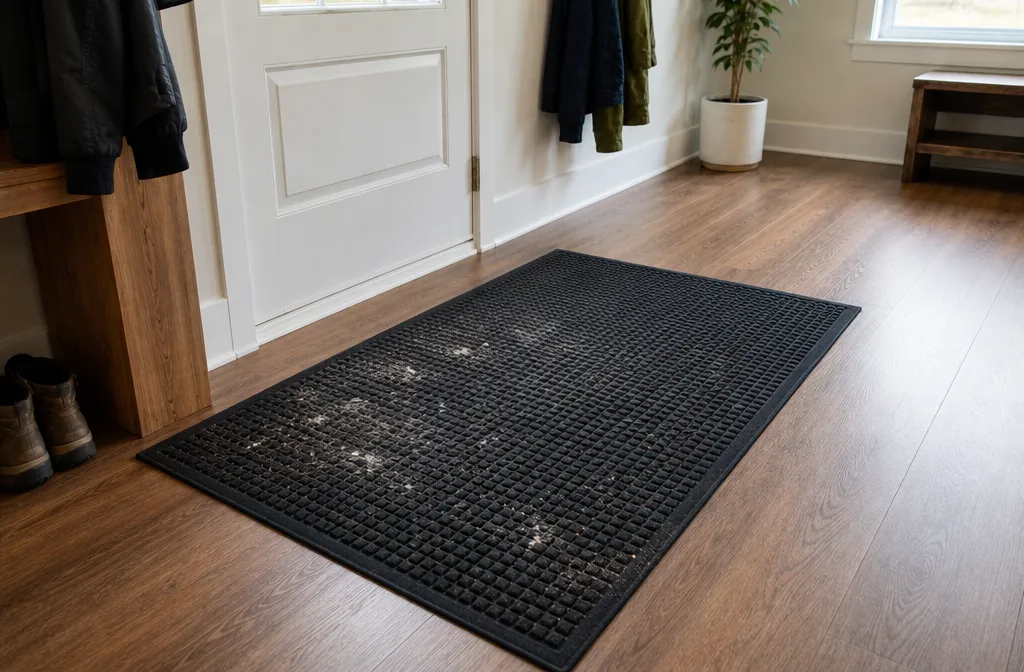
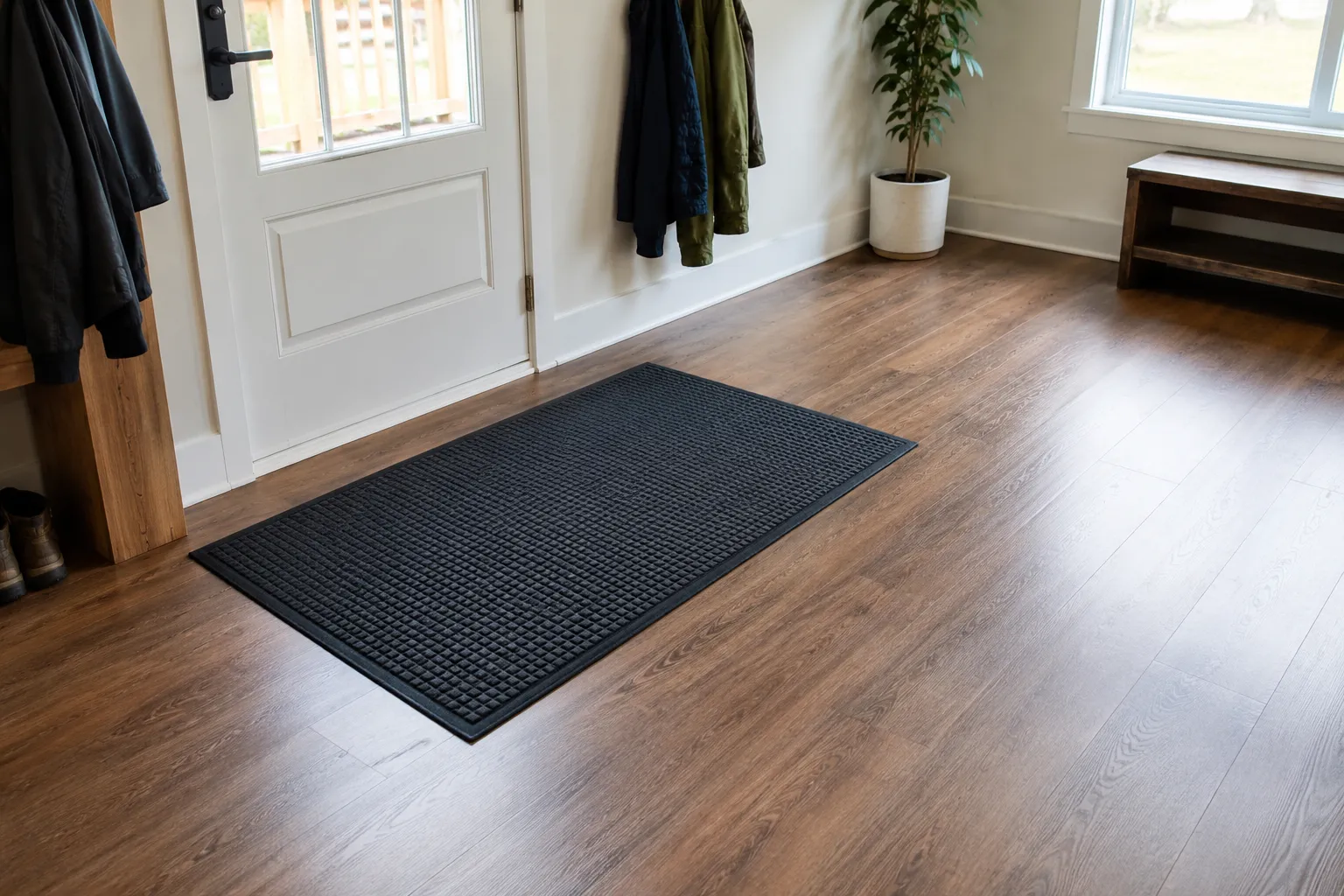 After
After
Request: Remove white salt residue and streaks from mat.
Done: Washed mat with acid solution and thoroughly rinsed.
Cost: 7 000 ₸
Master: Aigul Serikova, dry cleaning master
Total: Residue gone, mat clean without streaks.
All cleaners are profi-clean staff with training, uniform and security check. Each order has a team leader who controls quality.
Drivers often confuse regular mat washing at a car wash with professional dry cleaning — the difference lies in the depth of penetration, the chemicals used, and the result. Here at profi-clean, we see carpets daily that remain dirty inside after a dozen washes, and we explain to clients why foam treatment at a car wash doesn’t solve the problem.
Regular washing at a car wash involves water under pressure and automotive foam that only removes surface dust and sand. Such treatment penetrates no deeper than 1-2 mm of the pile, leaving oil stains, salt residue, and bacteria inside the fibers. Our auto carpet dry cleaning in Almaty uses professional extractors with pressure up to 8 bar and hypoallergenic Kiehl and Sodasan formulations — they flush out dirt from the entire depth of the pile, including the root zone. After foam cleaning, the carpet looks visually clean, but pressing it with your hand releases murky water with a musty smell. After our treatment, no detergent remains inside — the final rinse with clean water removes all chemicals. In October, we had a case: a client brought in carpets that had been washed at a car wash once a month for three years — the extractor flushed out a significant amount of dark gray sludge from them, even though they looked normal on the outside. In my opinion, the main criterion is: if a musty smell remains on the carpet after drying, the cleaning was superficial, and mold continues to grow inside.
Automotive foam, used at self-service car washes and tunnels, is designed for the bodywork — it dissolves road film and insects but is powerless against organic matter, spilled coffee, or pet urine. profi-clean’s auto carpet dry cleaning uses Sodasan enzyme stain removers, which break down protein-based dirt at the molecular level, and a deodorizing spray with silver ions — it neutralizes the odor even after the stain has dried. In our significant orders, we often see carpets with tobacco or gasoline smells — after a regular wash, the smell only intensifies, as water clogs the pores and creates a greenhouse effect. We treat such carpets with an ozone generator in a sealed chamber for 20 minutes, which kills 99% of bacteria and removes the odor permanently. Moreover, on new velour or polyester carpets, automotive foam often leaves white alkaline streaks — these then have to be rinsed off with a special neutralizer, otherwise the pile becomes stiff and brittle. Practical advice: if a carpet has a stain older than two weeks, don’t waste money on a wash — order dry cleaning immediately, otherwise the organic matter embeds into the fiber structure and can only be removed by mechanical extraction.
Not all automotive carpets can withstand contact with aggressive automotive chemicals and high pressure. At profi-clean, we classify materials into three risk groups — and at a car wash, they simply don’t distinguish between them.
| Carpet Type | Risk at Car Wash | Why |
|---|---|---|
| Rubber (tray-style mats) | Low | They withstand any foam and pressure, but at the car wash they aren’t dried — water remains in the recesses, causing mold in 2-3 days |
| Velour and Polyester | Medium | Alkaline foam makes them lose softness, high pressure causes “balding” — fibers are pulled out of the backing |
| Natural Wool Carpets (rare, in premium cars) | High | Wool shrinks and felts from hot water and alkali — impossible to restore, only replacement |
At a car wash, a velour carpet after 5-6 foam treatments becomes stiff and starts to dust when shaken — these are destroyed fibers. For velour, we use only cold water and pH-neutral Kiehl compounds with a rating of 7.0, which do not wash out the dye and preserve the softness of the pile. Rubber mats, on the other hand, are washed with water that is too hot at the car wash — from 60 °C, the rubber cracks and loses elasticity after 3-4 months. In our practice, there was a case: a Lexus LX owner brought in original rubber mats worth a significant amount, which developed cracks after a season of self-service car washes — the set had to be replaced. In my opinion, any carpet with a pile longer than 5 mm or made of natural material should only be cleaned professionally; otherwise, the savings at the car wash result in replacing the carpet for an amount comparable to several cleanings.
The frequency of carpet cleaning depends not on the calendar, but on the season, type of covering, and routes — Almaty dust and reagents on the roads dictate their own terms. At profi-clean, we have developed a schedule that preserves the pile and prevents dirt from embedding into the structure.
The main enemy of carpets is wet dirt with salt and reagents, which we bring in from the streets from November to March. Over winter, up to several kilograms of salt residue can accumulate on the pile of a standard set — it corrodes the latex backing and leaves whitish stains even after drying. At profi-clean, we recommend cleaning immediately after the winter season ends, in April, to remove chemical residues before they set under the summer sun. The second mandatory cleaning is at the end of October, before the cold sets in: sand and dust that have packed into the pile over the summer are removed. The third is in the middle of winter, in January, if the car is used daily and a musty smell is felt in the cabin. This three-season schedule extends the lifespan of carpets by 1.5–2 years compared to those who clean once a year or only before selling the car.
Rubber tray-style mats are sufficient to wash with water and shampoo every 2–3 weeks, and deep cleaning with an antistatic treatment should be done once every six months — rubber does not absorb odors, but it accumulates a greasy film from shoes, which yellows over time. Velour and carpet coverings require more frequent intervention: with standard city driving in Almaty — every 3–4 months, and with regular trips out of town or to construction sites — every 6–8 weeks. In our practice, there was a case: a client brought in velour carpets 5 months after the last cleaning — the pile was so compressed by sand that after extraction, two steam treatments were needed to restore the height. For carpets with long pile (10–15 mm), the interval is reduced by another month: long fibers trap dust deeper, and if cleaned less than once every 3 months, dense “nests” of dirt form between the fibers, which cannot be removed even with a powerful vacuum cleaner.
Relying solely on the calendar is a mistake: dirt accumulates unevenly. The first sign is when the carpet stops “springing” underfoot: if the pile compresses and doesn’t regain its shape, it means a dense layer of dust and sand has already formed between the fibers. The second is a gray residue left on dark shoes or socks after a ride: these are microparticles that rise from the carpet with every movement and settle on clothing. The third is visible streaks after a wet interior cleaning: if you wiped the floor with a damp cloth and dark stripes remain on the carpet, it means dirt has already soaked into the structure and cannot be washed away superficially. The fourth, and most reliable, is a persistent musty or “dust bag” smell after rain: moisture trapped deep in the pile creates a breeding ground for bacteria, which can only be neutralized by deep extraction with hot water and a disinfectant. At profi-clean, they recommend checking the condition of carpets once a month with a simple test: wipe the surface with a clean white napkin — if a dark mark remains, it’s time to schedule a dry cleaning.
In spring and early summer, Almaty carpets suffer from poplar fluff — it gets embedded in the pile and mixes with road dust, forming a sticky mass that attracts even more dirt. Owners of cars parked outdoors in areas with an abundance of poplars (Almaly, Abaya, Zhetysu) bring this fluff into the cabin on their soles, and just a month after a spring cleaning, the carpets look as if they haven’t been washed in six months. The second feature is sand and fine gravel from mountain roads: after a trip to Medeu or Kok-Tobe, abrasive particles remain on the carpets, acting like sandpaper, wearing down the pile with every press of the pedal. If you go to the mountains at least once a week, the interval between dry cleanings is reduced to 6–8 weeks; otherwise, by the end of summer, bald spots appear on the driver’s carpet — areas where the pile is worn down to the base. The third problem is de-icing reagents on winter roads: in Almaty, roads are sprinkled with a mixture of sand and salt, and after the snow melts, this mixture accumulates in the carpets, corroding the latex backing. For cars operated in the southern part of the city — closer to BAKAD and the industrial zone — carpets require cleaning every 2–2.5 months in winter because there are more reagents there than in the center.
Annual cleaning is the worst scenario for any covering except dense rubber. Over 12 months, a significant amount of dust and sand accumulates in the pile of a standard set — enough for the fibers to start breaking under the weight of passengers. Sand acts as an abrasive: with every step, it grinds the pile, and after 2–3 years of this regime, the carpet loses up to 30–40% of its pile height — it becomes stiff, prickly, with visible bald spots. At profi-clean, they often see 3–4-year-old cars whose carpets look like they are 8–10 years old — precisely because of infrequent cleaning. The second effect is old stains from spilled coffee, juice, or oil: if not removed within 2–3 weeks, they penetrate the backing, and even powerful extraction may not remove them completely — a yellow stain remains that cannot be eliminated. The third is odor: bacteria multiply in a moist environment, and after a year without cleaning, a persistent “swampy” smell emanates from the cabin, which masking with air fresheners only intensifies. A practical rule: if you are not prepared to clean your carpets at least twice a year — once after winter and once before winter — be ready to replace the set in 2–3 years instead of 5–6.
Carpets with a heating system are not uncommon in Almaty’s premium segment cars, but wet cleaning of such coverings carries hidden risks that are not mentioned at regular car washes. Let’s break down how to safely clean carpets with heating without damaging the heating elements.
Between the pile and the body of such mats, a heating mat is laid — a thin film with conductive tracks made of copper or carbon, filled with a dielectric. Unlike ordinary rubber or textile coverings, this layer is sensitive to mechanical deformation, kinks, and point pressure. In my practice, after careless cleaning with a stiff brush at an Almaty service center, one client experienced a short circuit in the front passenger mat. When working with such coverings, our cleaners are required to use only soft synthetic bristles and disconnect the car battery before starting — this is a standard protocol that is not followed everywhere.
The most common mistake is applying high-pressure water to a mat that has not been removed from the car. Moisture penetrates the connectors of the heating mat, and when the heating is turned on, a short circuit occurs. The second typical error is using aggressive chemicals with a pH above 9: alkaline compounds corrode the insulation of the conductive tracks. At profi-clean, we receive such mats after self-service car washes — the contacts are oxidized, and the film is blistered. The third risk is drying with a heat gun at temperatures above +60 °C: overheating deforms the dielectric, and the heating stops working. At Almaty cleaning points, this detail is often ignored, and then the owner pays for mat replacement — a significant amount just for the material.
We recommend removing the heated mat before cleaning — this is the only way to prevent moisture from entering the standard connectors. The algorithm is as follows: dry vacuuming with a HEPA filter to remove abrasives, then local application of a neutral cleaning agent (pH 6.5–7.5) with a soft brush, without pressure, and moisture extraction with an industrial vacuum cleaner with a collection bag. Drying — only at room temperature for 8–12 hours, without fan heaters. Before reinstalling, mandatory insulation resistance testing with a multimeter is required, although we perform this procedure on-site, not in the text of the instructions. If the mat has not been removed for years, sand accumulates underneath — it also needs to be removed, otherwise, vibration will wear through the film in 2–3 months.
If the mat has blisters, cracks in the dielectric, or signs of melting, wet cleaning is strictly contraindicated. In such cases, we first send the covering for diagnostics to an auto electrician, and only then make a decision. On the Almaty market, there are Chinese heated mats for an amount comparable to several cleanings — their track insulation is thinner, and after two or three wet cleanings, they fail. Before ordering dry cleaning, check whether the performer has experience with heating — the absence of this skill in the master’s profile is a direct signal to refuse.
Regular car washing with shampoo and a Karcher only handles surface dirt — dust, sand, and rain streaks. But in the mats of Almaty cars, contaminants settle that water and foam cannot handle: oily films, ingrained reagents, and bacteria in the deep layers of the pile. Let’s break down what exactly remains after standard washing and why it is a problem.
The asphalt of Almaty roads in spring and autumn “sweats” bitumen — a black viscous resin that sticks to the soles of shoes and transfers to the mats. Regular car shampoo does not dissolve bitumen: it hardens on the pile as black dots and streaks. Oil stains from engine oil that leaks onto the driver’s mat also remain — water simply rolls off the greasy surface. For such contaminants, we use organic solvents based on limonene (orange oil) — they soften the bitumen in 5-7 minutes to a liquid state that is extracted with an extractor without residue. In practice, a bitumen crust on the driver’s mat is a common find after winter, when roads are treated with reagents, and drivers bring this mixture into the cabin along with melting snow. If the bitumen is not removed in time, it eats into the polypropylene pile and can only be removed by mechanical grinding — and this already damages the mat’s structure.
Almaty roads are treated with de-icing agents based on calcium and sodium chlorides in winter — they leave white, frost-like deposits on carpets. Regular washing only removes the top layer of salt, but the crystals penetrate the base of the pile and the carpet backing — especially in rubber tray mats where water stagnates. Salt is hygroscopic: it draws moisture from the air and keeps the carpet damp even a day after washing, creating an ideal environment for mold. During dry cleaning, we first treat the carpets with an acidic pre-spray (pH 3-4), which converts the salt crystals into soluble compounds, and then rinse with a neutralizer — without this step, the salt remains and begins to “bloom” as white spots in the sun after a month. In our practice — a case with a Kia Sportage: after winter, salt stains on the passenger carpet had soaked through the backing; regular washing in three passes didn’t help, only extraction with an acidic pre-spray removed the deposit and musty smell.
Organic-based liquids — coffee, tea, sweet soda, pet urine — contain proteins and sugars that “bond” to carpet fibers as they dry. Regular washing only removes the top layer, but the sugar film remains and starts attracting dust — the stain darkens and becomes sticky. Cat and dog urine is a special case: it contains uric acid, which crystallizes deep in the pile and doesn’t dissolve in water. With standard washing, the acid remains, and when wet, it reactivates, causing a characteristic ammonia smell — which intensifies in hot weather. We use enzyme cleaners with degrading bacteria that break down uric acid into carbon dioxide and water — leaving no trace or odor. Our cleaners work with enzymes on an alkaline pre-spray (pH 10-11), which loosens protein bonds, and then the extractor pulls out the residue. If this step is skipped, a coffee stain can “reappear” two weeks after washing — the sugar film simply redistributes through the pile.
Almaty’s humid climate — sharp temperature changes and high air humidity in spring and autumn — creates conditions for mold growth in carpets, especially if the driver regularly washes carpets at a car wash but doesn’t dry them properly. Regular washing leaves moisture in the base of the pile and the backing — in a closed cabin at +25°C, mold spores germinate within 48 hours. Mildew appears as black or green dots on the underside of the carpet, and over time, it shows on the surface as dark spots with a characteristic musty smell. During dry cleaning, we apply fungicidal treatments with quaternary ammonium compounds (QACs) — they kill spores and prevent recurrence. An important nuance: mold in carpets is often mistaken for dirt, and drivers order a repeat wash, which only moistens the spores and accelerates their growth — the only solution is chemical sterilization followed by drying with a heat fan until all moisture has evaporated from the backing.
Professional auto carpet dry cleaning isn’t about “washing with foam and rinsing off,” but about comprehensive pile restoration at the molecular level. At profi-clean, we see carpets daily that have lost color, structure, or started to smell unpleasant after home or garage experiments. The difference between amateur treatment and a technician’s work lies in knowledge of chemistry, fabrics, and Almaty realities: our dust, de-icing agents, and humidity fluctuations require a special approach — otherwise, the carpet simply “seals” dirt deeper into the pile.
Owners often douse carpets with Vanish, Fairy, or drain cleaner — these are alkalis and chlorine that destroy the structure of polypropylene and velour. We use only professional Kiehl and Sodasan chemicals: they have a neutral pH (5.5–6.5) that doesn’t wash out dye or “mat” the pile. Household products leave a soapy residue — it attracts dust like a magnet, and within a week, the carpet looks dirtier than before cleaning. In practice, this means that after a “home” treatment, you’ll need a repeat dry cleaning in a month instead of six months.
An ordinary vacuum cleaner or a car wash with a Karcher 180 bar is a guaranteed way to “rip” the pile from the backing, especially on rubber and velour mats. profi-clean uses extractors with adjustable pressure up to 40 bar and HEPA filtration: water is supplied strictly under control, rather than “blasting” the fabric. In our practice, there was a case where a client brought in mats with a peeling backing after washing at a neighboring car wash — excessive pressure had delaminated the rubber layer. We restored the coating by treating it with an adhesive compound, but this took an additional day.
Non-professionals dry mats with a hairdryer, on a radiator, or in the sun — this deforms the backing and “bakes” detergent residue into the pile. We use forced drying in a chamber with 40°C air circulation and humidity control: the mat dries evenly, without temperature fluctuations. In Almaty, with its sharp humidity swings (from 30% in summer to 80% in spring), improper drying is the main cause of mold under mats. We measure residual moisture with a hygrometer: it must not exceed 5% before installation in the car.
A dirty mat is not just an aesthetic issue, but also an abrasive: sand and salt cut the pile, and moisture under the mat destroys the factory anti-corrosion treatment of the floor. Professional cleaning extends the life of mats by 2–3 times: we don’t just wash away dirt, but apply a protective hydrophobic polymer-based layer after cleaning. This barrier repels water and dirt, meaning the next cleaning can be delayed by 2–3 months. In Almaty’s conditions, where road reagents appear as early as October, such protection is the only way to keep mats presentable until spring.
When a driver sees an old stain on a mat, a dilemma arises: professionally remove it or buy a new set. A direct price comparison is often misleading — the real difference is revealed in long-term costs, vehicle compatibility, and preserving the car’s residual value.
Dry cleaning mats at profi-clean is a one-time payment for work with pile restoration. Replacement, however, entails a chain of additional costs: purchasing a new set (originals for many BMW, Mercedes, Toyota models are made to order from the factory), delivery, and installation with seat removal. In my opinion, the key point is service life: a professionally cleaned factory mat lasts another 3–5 years, while a budget alternative from the “Bars” or “Aksai” market loses its shape within a year. Moreover, the original mat fits the body more tightly — it doesn’t shift or create folds under the pedals. In Almaty’s conditions with temperature swings and dust, the durability of factory polypropylene or velour is higher than that of a replacement. Before replacing, it’s worth measuring the actual pile height — if it still holds its volume, dry cleaning will extend the coating’s life for two seasons without losing aesthetics.
The situation where buying a new mat is justified is rarer than it seems, but it does exist. This refers to mechanical damage: a burn-through from a cigarette, a tear from a sharp heel, or “bald” pile under the driver’s heel — dry cleaning cannot handle this as the fabric’s structure is destroyed. In such cases, we at profi-clean honestly recommend replacement because even deep extraction won’t restore the coating’s integrity. The second reason is deformation of the backing: if the mat has “bubbled” after being soaked with antifreeze or oil, its geometry is compromised, and it won’t lie flat on the factory fasteners. On Almaty cars with mileage from Japan, mats that have “settled” over time are common — their density has decreased, and dry cleaning won’t restore the factory stiffness. In such cases, the cost of a new factory mat is comparable to two or three cleanings, but the purchase solves the problem once and for all. However, a non-original mat made of foamed rubber is cheaper than dry cleaning, but it doesn’t hold its shape and emits an odor when the interior heats up — the savings lead to discomfort.
The direct price of a new carpet is just the tip of the iceberg. Installation requires dismantling door sills, the center console, and front seats — in Almaty service centers, this work is priced separately and can exceed the cost of the dry cleaning itself. Furthermore, not all carpets have cutouts for standard fasteners and hatches for accessing the heating control unit — this is a common problem on Kia Sportage and Hyundai Tucson models. The third hidden cost is ventilation: the factory carpet has drainage channels for moisture evaporation, while a cheap alternative lacks them, leading to floor souring and metal corrosion. In our
I ordered car carpet dry cleaning at profi-clean — after the procedure, the carpets are like new, even old coffee stains disappeared. Very satisfied.
Aigerim, thank you for your review! Glad the result exceeded expectations.
We had car carpet dry cleaning — we carried a dog in the car, fur and smell completely disappeared. I recommend.
They washed the carpets from construction dust and paint. Almost everything was cleaned, but a couple of small stains remained. Overall good.
Daniyar, thank you for your honest review. We will take note and try to improve quality.
I ordered car carpet dry cleaning — the ingrained tobacco smell disappeared, the interior became fresh. Pleasantly surprised.
Carpets from a large family — juice stains, crumbs, dirt. profi-clean masters did an excellent job, it's clean now.
Yerlan, thank you! We are happy to help families with children.
Ordered dry cleaning of car carpets to remove fuel oil stains. Most of it was removed, but a faint smell remained. I expected more.
Assel, we apologize. Contact us, we will try to treat it again.
Brought carpets from a pickup truck — sand, dirt, oil. After cleaning, they look like new. Fast and high quality.
Had dry cleaning of car carpets on light carpets — was afraid they wouldn't wash them, but they became snow-white. Super!
Dinara, we use safe products that do not damage the color.
Cleaned carpets from dirt after winter. Great result, but had to wait longer than promised. Otherwise no complaints.
Timur, sorry for the delay. We try to meet deadlines.
Ordered dry cleaning of car carpets — the cat pooped on the carpet, they removed both the smell and stains. Very grateful.
Carpets smelled of fish and were covered in scales. After cleaning, no smell, clean. Well done.
Alexey, thank you! Complex odors are our specialty.
Had dry cleaning of car carpets in a crossover. Kids spilled juice, everything was washed out, not even a trace left. Price is reasonable.
Cleaned dirt after off-roading. Almost perfect, but one oil stain wasn't completely removed. Overall okay.
Nurlan, thanks for the feedback. We'll try to fix it next time.
I ordered dry cleaning of car carpets — I spilled hair dye. The masters removed it completely, the carpet is like new. Thank you!
I carried construction materials, the carpets were covered in cement and dust. After cleaning — clean, I can't even believe it. I recommend.
Bakhyt, we are glad we handled such a difficult task.
We had dry cleaning of car carpets due to mold after a flood. The mold was removed, but a slight musty smell remains. Not perfect.
Saule, we apologize. Please contact us, we will carry out additional treatment.
The carpets in the taxi were worn to holes, but after cleaning they look great. Clients are happy, thank you profi-clean.
I ordered dry cleaning of car carpets — I spilled perfume, the smell was unbearable. Now the car is fresh. Very happy.
Madina, thank you! Glad we solved your problem.
I cleaned the carpets from dirt and dust. It became clean, but the pile is a bit flattened after cleaning. Otherwise good.
Yerzhan, thanks for the feedback. We'll try to be more careful with the pile.
We did dry cleaning of car carpets — I spilled vegetable oil, the stain was huge. They removed it without a trace. Now only to you.
The carpets faded in the sun, after cleaning they became brighter. No stains, smells nice. Excellent work.
Arman, thank you! We use products that restore color.
I ordered dry cleaning of car carpets — I spilled red wine on a light carpet. The stain disappeared completely. Incredible!
Cleaned carpets in a work van. There was a lot of dirt, they washed it well, but not all oil stains. Overall satisfied.
Vladimir, thank you. We'll try to remove everything next time.
We did dry cleaning of car carpets — we transported lawn, grass had set in. After cleaning everything was removed, carpets like new.
The carpets in the car were covered in oil and dirt after repairs. profi-clean handled it perfectly, the interior became spotless.
Ilyas, thank you! Glad you are satisfied.
I ordered dry cleaning of car carpets to remove ink. The stain became lighter but did not disappear completely. Disappointed.
Karlygash, we apologize. Ink is difficult to remove, but we are ready to try again.
Carpets after dirt and salt. After cleaning — like new. Fast and high quality. Thank you.
We did dry cleaning of car carpets — a child smeared chocolate all over the carpet. Everything was cleaned without a trace. Huge thanks!
Natalya, glad to help! Children are everything.
Cleaned carpets in a minibus. It became clean, but there is a faint smell of old dirt. Overall not bad.
Raushan, thank you for your feedback. Contact us, we will do additional deodorization.
I ordered dry cleaning of car carpets — I spilled foundation cream. The stain was removed perfectly. Now only to you.
The carpets in the truck were covered in fuel oil and dirt. After cleaning, they are clean with no smell. Great job.
Talghat, thank you! We're glad we handled such a tough task.
Had auto carpet dry cleaning — spilled coffee with milk. The stain disappeared, not even a coffee smell remained. Super!
Cleaned carpets in a pickup after construction. Most of the dirt was removed, but some streaks remained. Overall good.
Farkhat, thanks for the review. We'll try to do better next time.
Ordered auto carpet dry cleaning — spilled fabric paint. The masters removed it completely, the carpet became clean. Thank you!
Haven't cleaned the carpets in two years. After the procedure, they look like new. Pleasantly surprised by the result.
Almas, thank you! Regular cleaning extends the life of carpets.
Had auto carpet dry cleaning to remove gum. The gum was removed, but a sticky residue remained. Not perfect.
Botagoz, we apologize. Please contact us, we will treat that spot with a special product.
The carpets in the car were in terrible condition. After cleaning, they are clean and smell fresh. I recommend profi-clean.
Ordered auto carpet dry cleaning — spilled beer on the back seat. The stain and smell were completely removed. Excellent!
Yelena, thank you! Beer is one of the most common requests, we know how to remove it.
Cleaned carpets after dirt. It became clean, but the pile is a bit matted. Otherwise no complaints.
Zhanibek, thank you. We'll try to handle the pile more carefully.
We had auto carpets dry cleaned — kids spilled ketchup. Stains removed, carpets like new. Very satisfied.
After hot air drying, carpets are completely dry in 30 minutes. You can pick them up immediately.
Yes, thanks to hot air drying, carpets are ready for use in 30 minutes.
Leave a request on the website or call us. We will come to your address or you can bring the carpets to us.
Yes, we use biodegradable products from Kiehl and Sodasan, safe for children and pets. There are no toxic residues after cleaning.
Standard drying takes 30 minutes. Additional hot air drying is available at an individual rate.
You can remove the carpets yourself or order a master visit — he will remove them on site.
Yes, we work daily from 9:00 AM to 8:00 PM, including weekends.
No, the products have no strong odor. After drying, carpets smell fresh.
If the carpets are not fully dried, contact us — we will dry them with hot air for free.
Yes, a master visit in Almaty is free when ordering at an individual rate.
Tell us about your experience with profi-clean — it helps other clients and us improve.
We currently operate in Almaty. Other cities are coming soon.