Inspection and diagnosis
The master determines the fabric type (cotton, jacquard, velvet, etc.) and the nature of stains. Selects optimal products and cleaning mode.
We restore freshness and cleanliness to your mattress cover without damaging the fabric

We work with any types and materials
Gentle cleaning without shrinkage for natural cotton.
from 7,000 ₸Careful stain removal while preserving the embossed pattern.
from 7,000 ₸Cleaning with a soft brush and extraction to restore the pile.
from 7,000 ₸Quick cleaning with low water consumption, dries in an hour.
from 7,000 ₸Cleaning without damaging the membrane, followed by impregnation restoration.
from 1,500 ₸Gentle cleaning without clogging pores, maintaining breathability.
from 7,000 ₸Extraction cleaning with neutral agents for antibacterial fiber.
from 7,000 ₸Universal cleaning with removal of stubborn stains.
from 7,000 ₸Gentle cleaning without abrading the pile, with low pressure.
from 7,000 ₸Cleaning with moisture control to prevent deformation.
from 7,000 ₸Careful cleaning preserving the shine and smoothness of the fabric.
from 7,000 ₸Deep extraction to remove dust and allergens from the loops.
from 7,000 ₸From inspection to result with guarantee
The master determines the fabric type (cotton, jacquard, velvet, etc.) and the nature of stains. Selects optimal products and cleaning mode.
We remove dust, pet hair, and fine debris from the surface and folds of the cover. We use a HEPA vacuum cleaner with an H13 filter for allergy sufferers.
For stubborn stains (blood, wine, urine), we apply Kiehl or Sodasan stain removers. The products are left to sit to break down the soiling.
The Karcher SE 4001 extractor applies cleaning solution under pressure and immediately vacuums it up. It removes dirt from deep within the fabric without streaks.
The cover is rinsed with clean water to remove detergent residues. This prevents allergic reactions and fabric stickiness.
Dry steam at 120°C disinfects the cover, kills bacteria and mites, and neutralizes odors. Safe for all fabric types.
A powerful blower directs warm air onto the cover, reducing drying time to 30-60 minutes. The cover is ready for use on the day of cleaning.
The master checks the quality of cleaning, absence of stains and odors. If necessary, problem areas are re-treated.
All Kiehl and Sodasan products have dermatological safety certificates. They leave no aggressive chemical residues, so the cover is safe even for newborns and people with asthma. At the same time, they effectively remove stubborn stains and odors.
The Karcher SE 4001 extractor applies cleaning solution under pressure and immediately vacuums it up, leaving no streaks. This removes dirt from deep within the fabric without damaging fibers. Professional cleaning technology available only in service centers.
Before wet cleaning, we always vacuum the cover with a HEPA vacuum cleaner with an H13 filter. It traps dust mites, pollen, and mold spores, which is critical for allergy sufferers. The exhaust air is cleaner than the room air.
After extraction, we treat the cover with dry steam at 120°C. This kills up to 99% of bacteria and mites without using chemicals. Steam also neutralizes unpleasant odors, leaving the cover fresh.
When ordering dry cleaning of two or more covers, the master's visit in Almaty is free. We work daily from 8:00 to 22:00, including weekends. You can place an order via the website, WhatsApp, or phone.
We guarantee stain removal if possible for the given fabric type. If a stain remains after cleaning, we will refund the full cost of the service. Our reputation is hundreds of positive reviews from clients in Almaty.
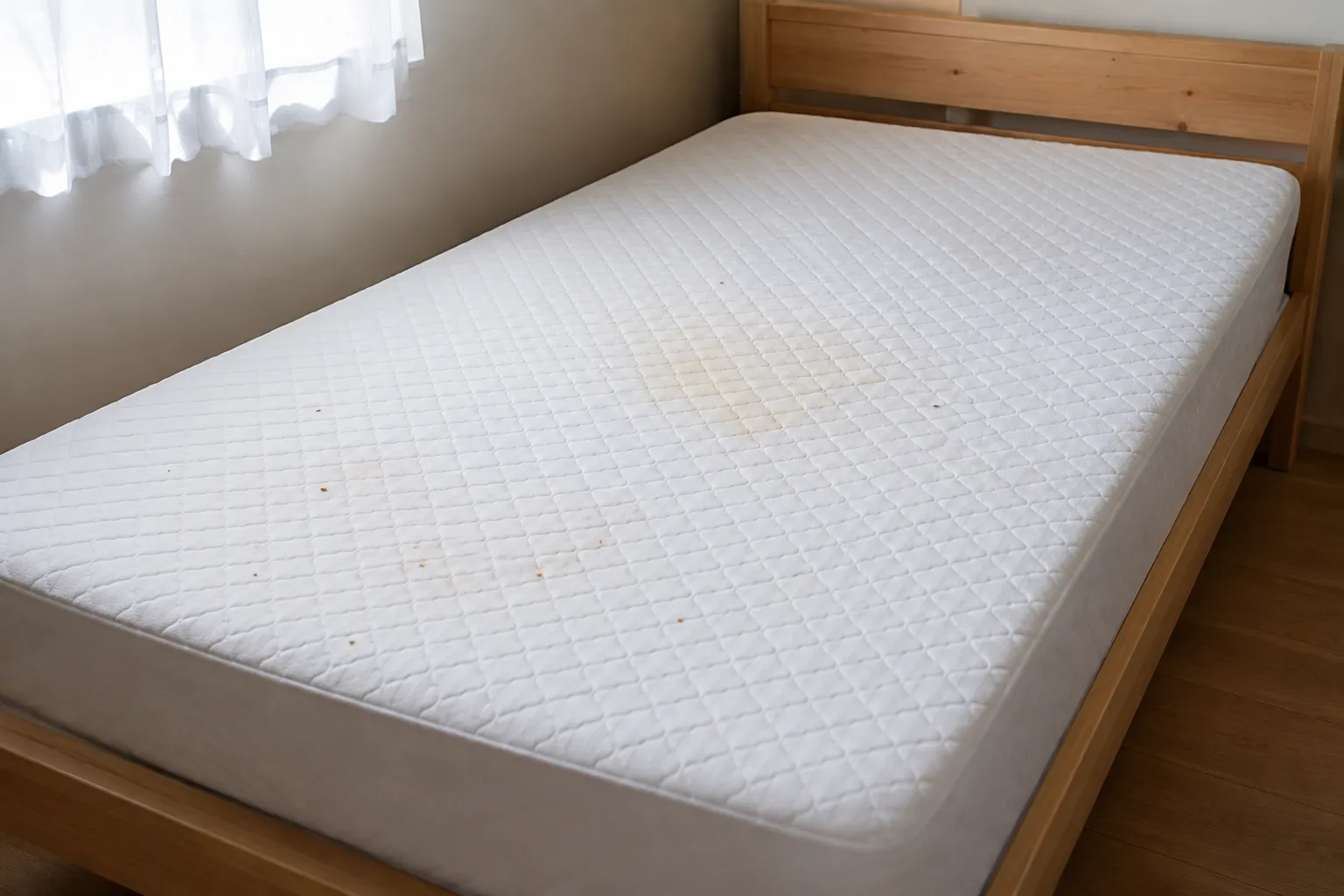
 After
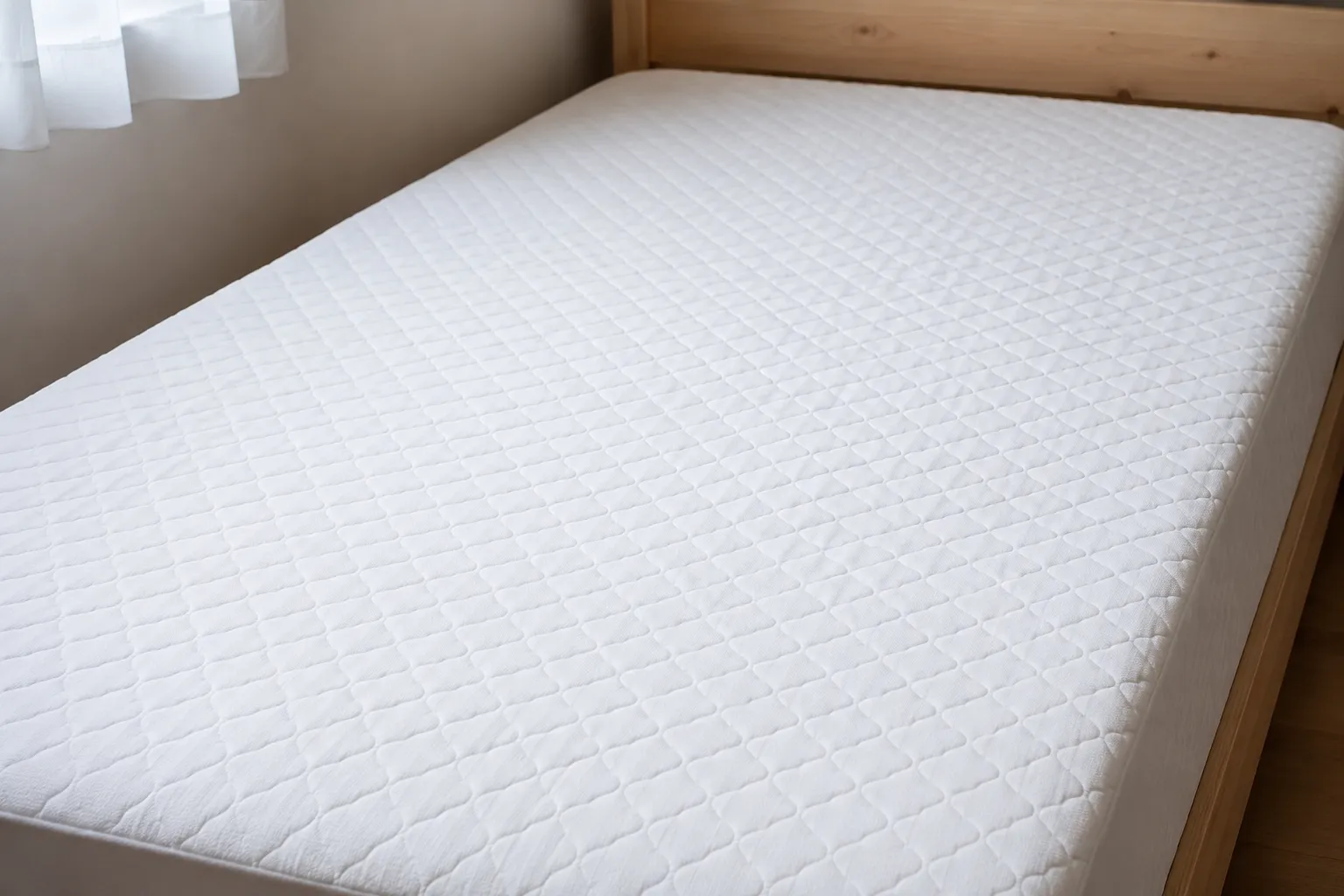
After
Request: Need to remove old stains from a single bed mattress cover.
Done: Performed deep dry cleaning of the cover with stain removal and deodorization.
Cost: 7 000 ₸
Master: Aigerim Muratova, dry cleaning master
Total: The cover is clean, stain-free, fresh-smelling and soft.
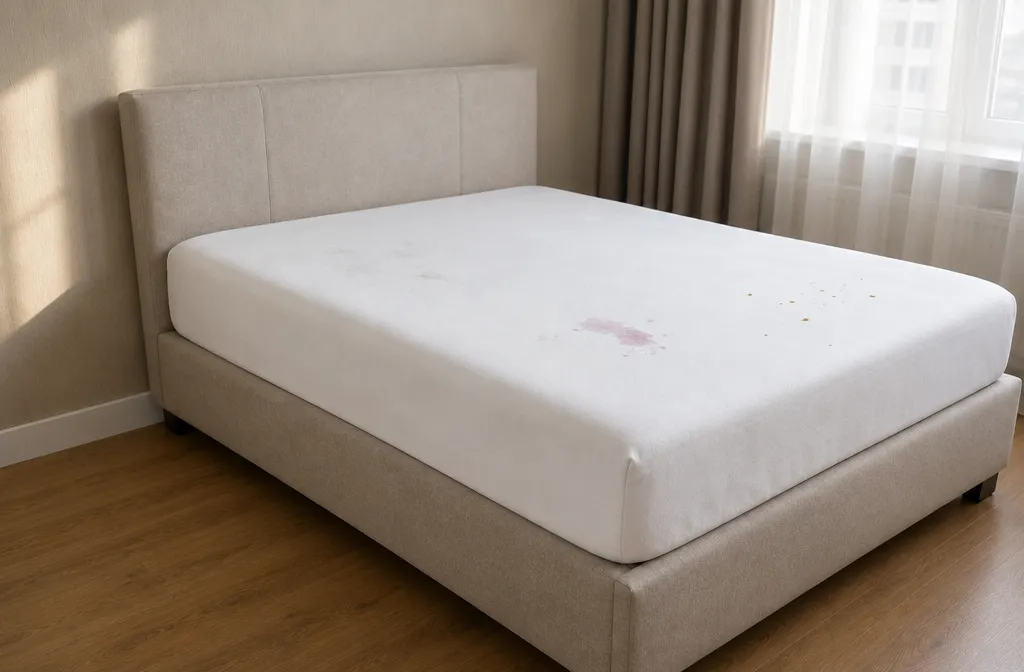
 After
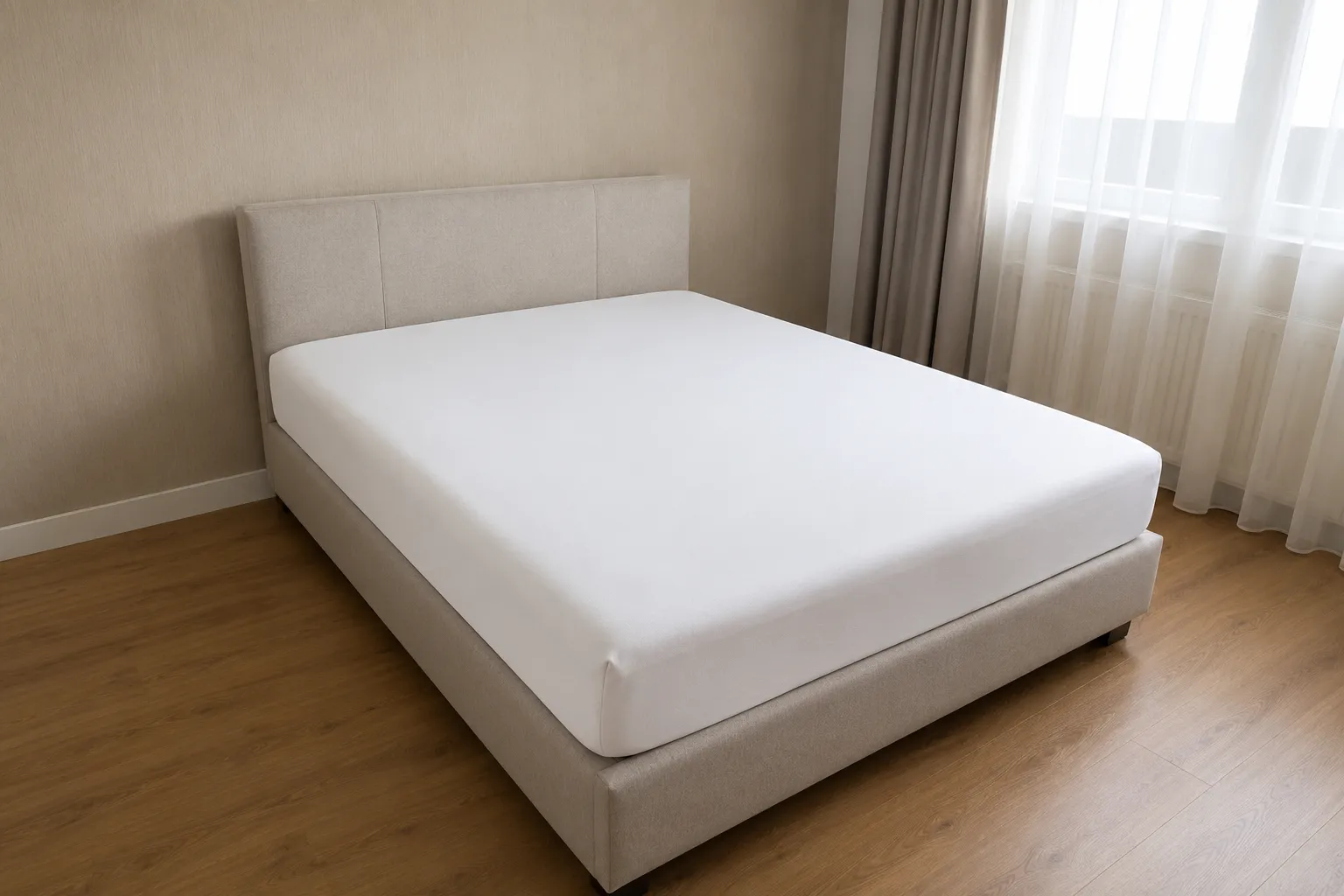
After
Request: I want to clean the double bed mattress cover from dust and stains.
Done: Performed dry cleaning of the cover using eco-friendly products and disinfection.
Cost: 8 000 ₸
Master: Timur Zhaksybekov, dry cleaning master
Total: The cover is completely refreshed, stain-free, with a pleasant smell.
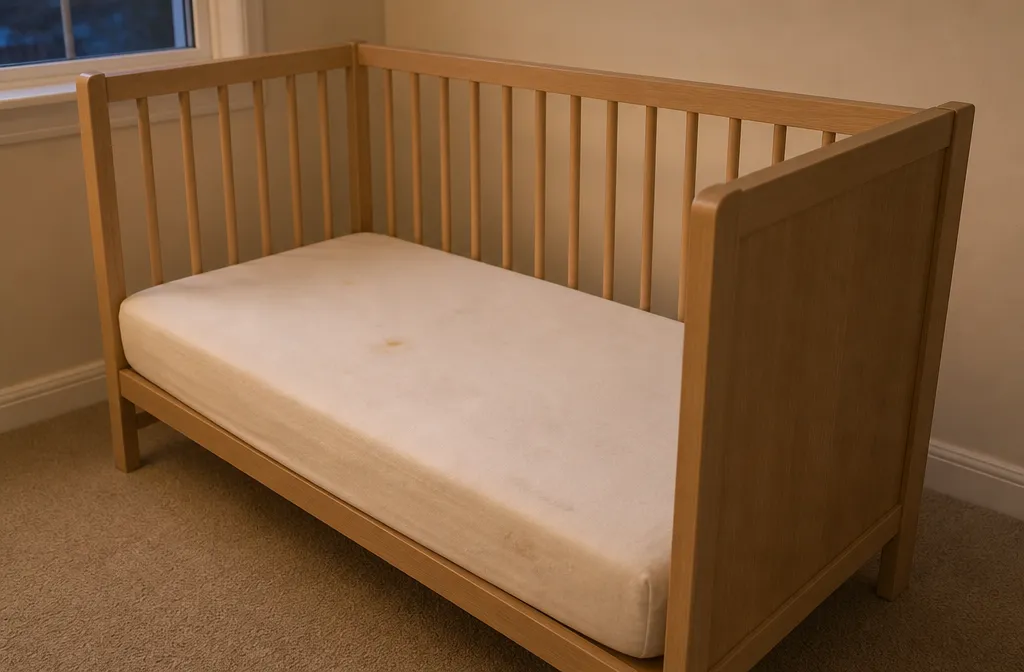
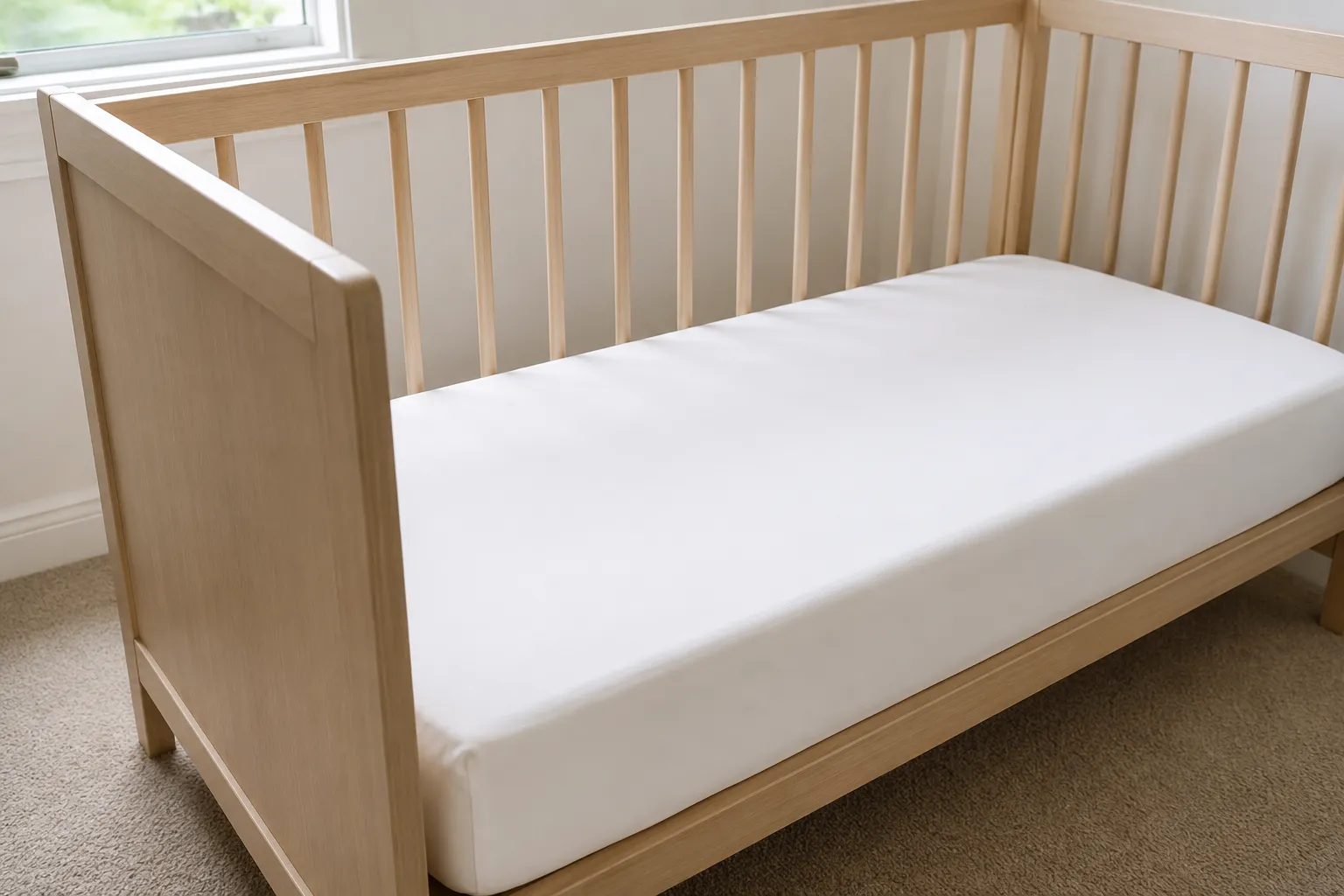 After
After
Request: Need to clean the crib mattress cover from stains.
Done: Performed gentle dry cleaning of the cover with hypoallergenic products.
Cost: 9 000 ₸
Master: Aigerim Muratova, dry cleaning master
Total: The cover is safe for the baby, clean and soft.
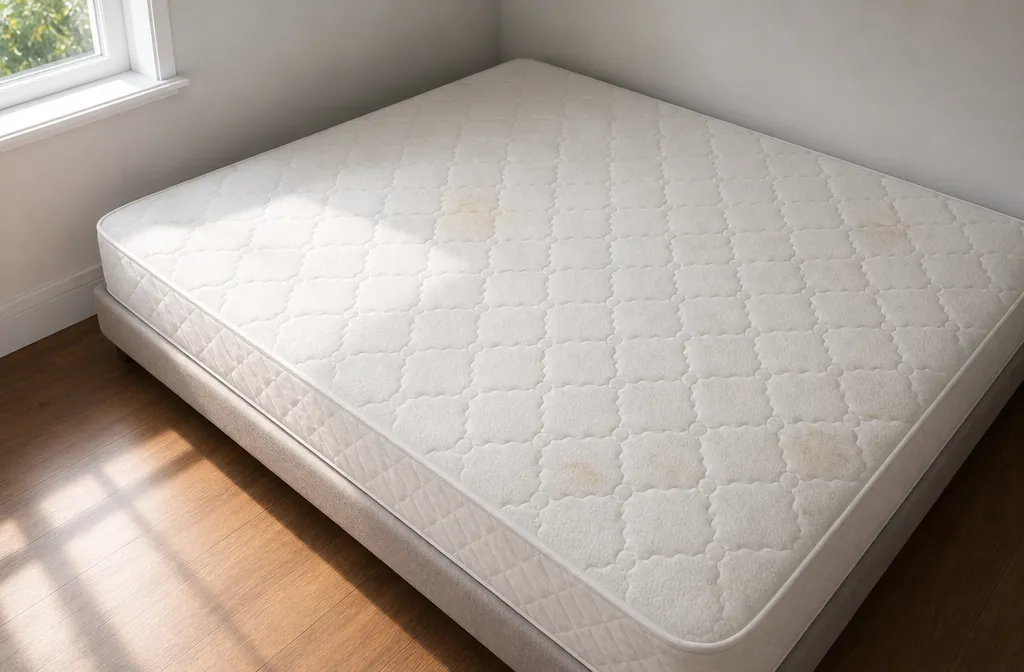
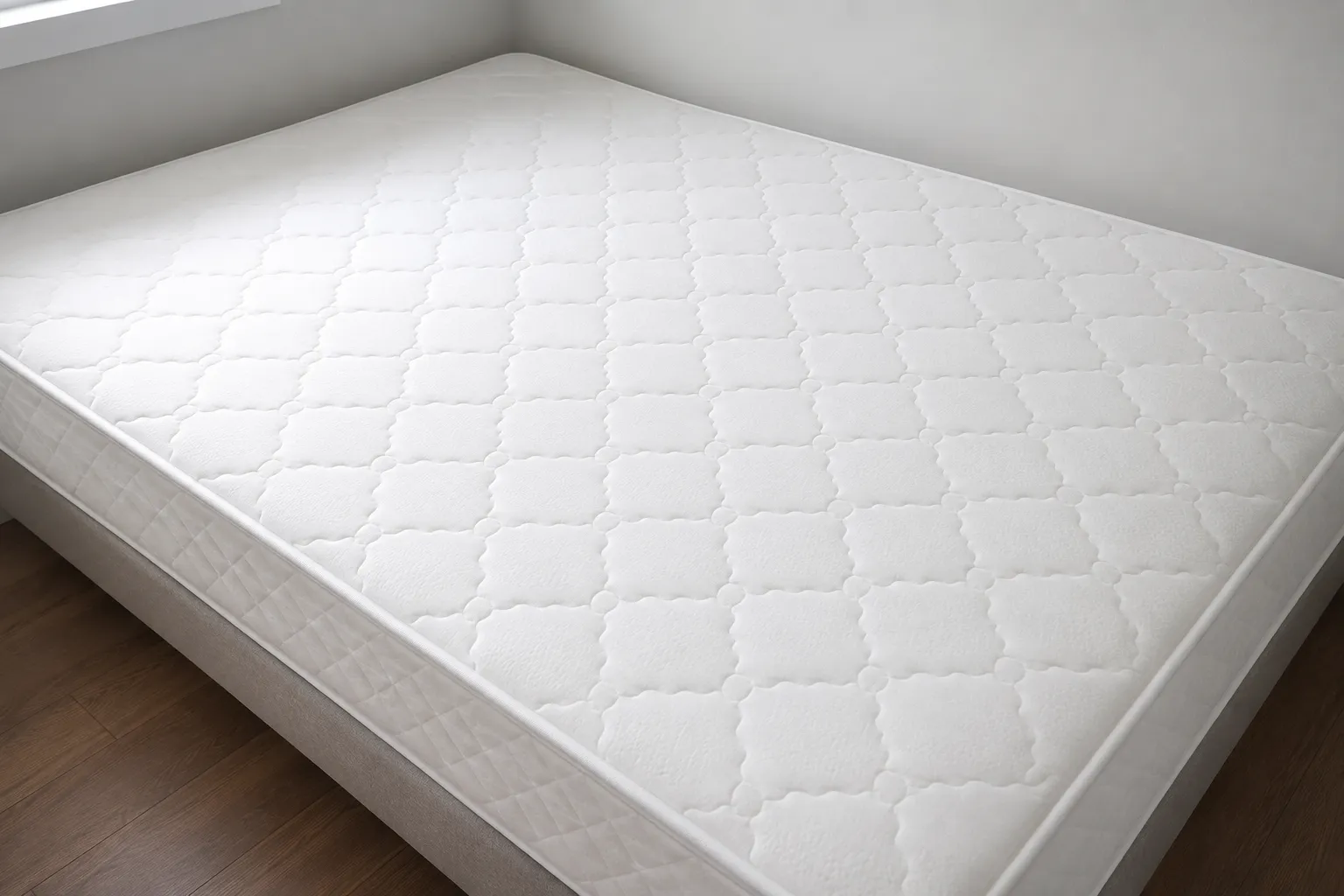 After
After
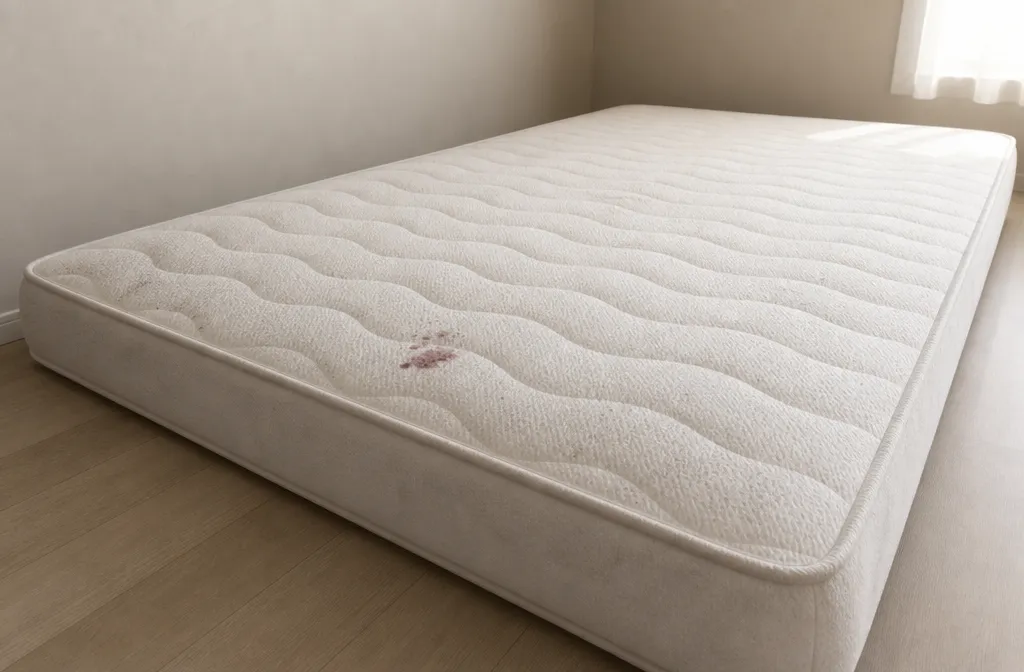
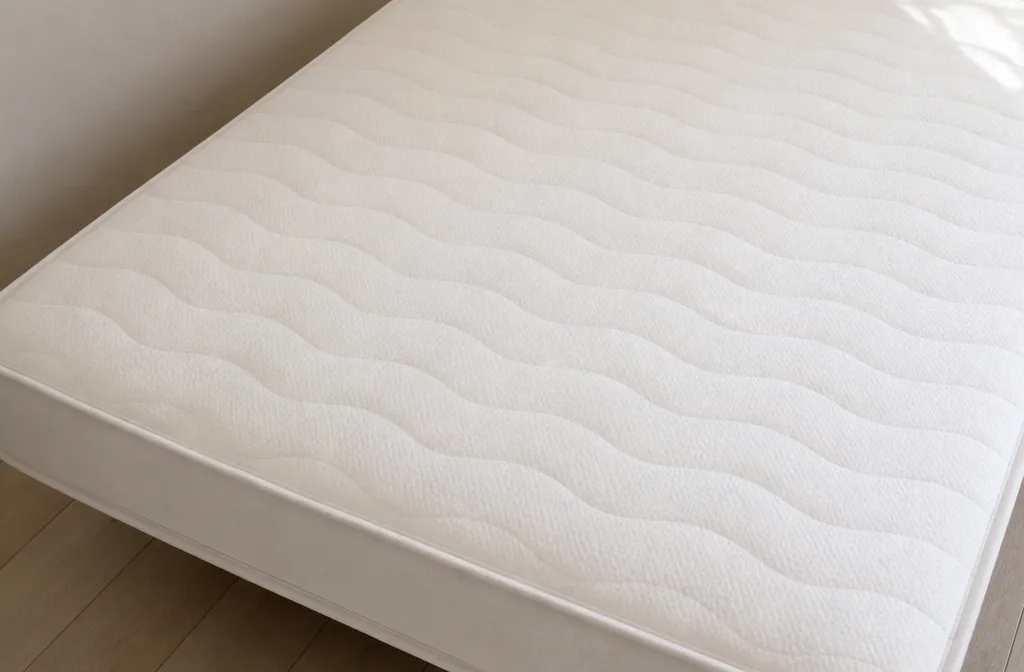
Request: Yellow stains on mattress cover, need to remove.
Done: Removed yellow stains using bleaching agent and extraction.
Cost: 8 000 ₸
Master: Timur Zhaksybekov, dry cleaning master
Total: Yellow stains completely gone, cover white and fresh.
 After
After
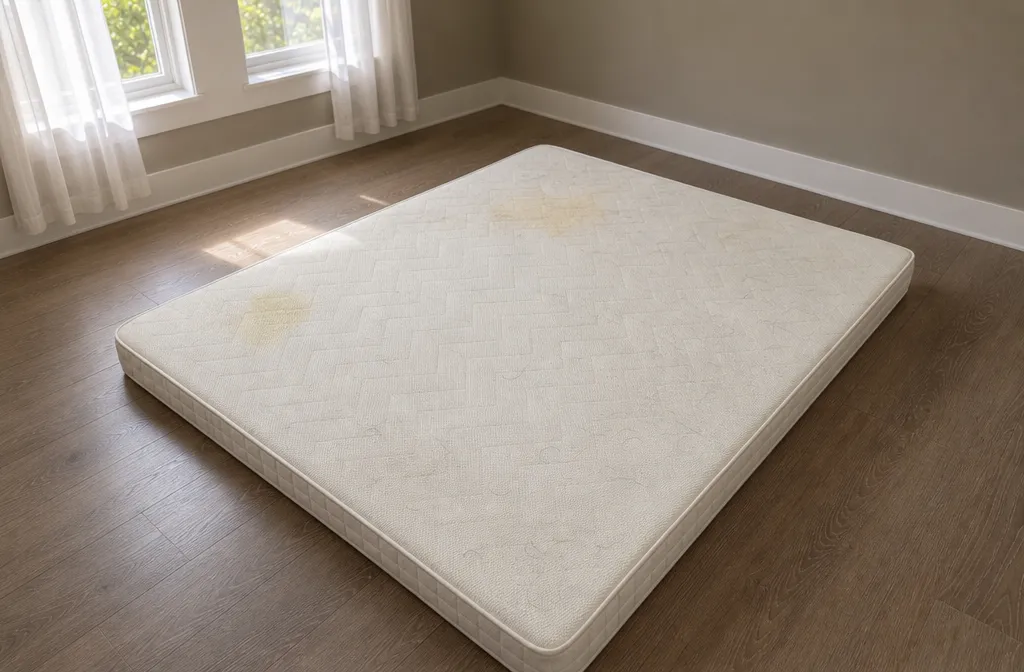
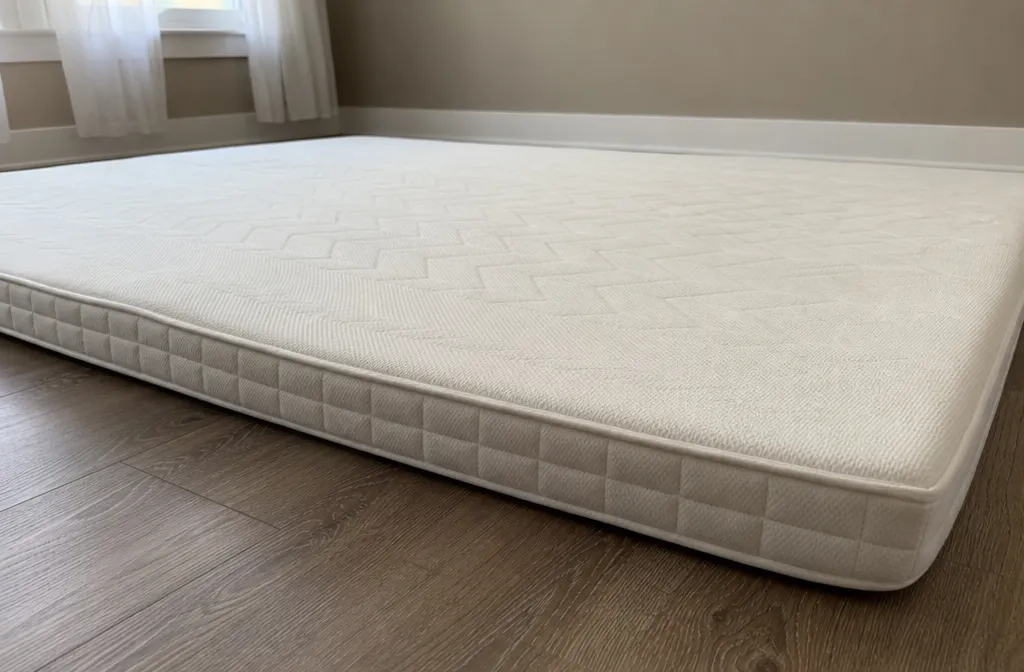
Request: Spilled red wine on mattress cover, need urgent cleaning.
Done: Treated wine stain with special solution and performed dry cleaning.
Cost: 7 000 ₸
Master: Aigerim Muratova, dry cleaning master
Total: Wine stain completely removed, cover without traces.
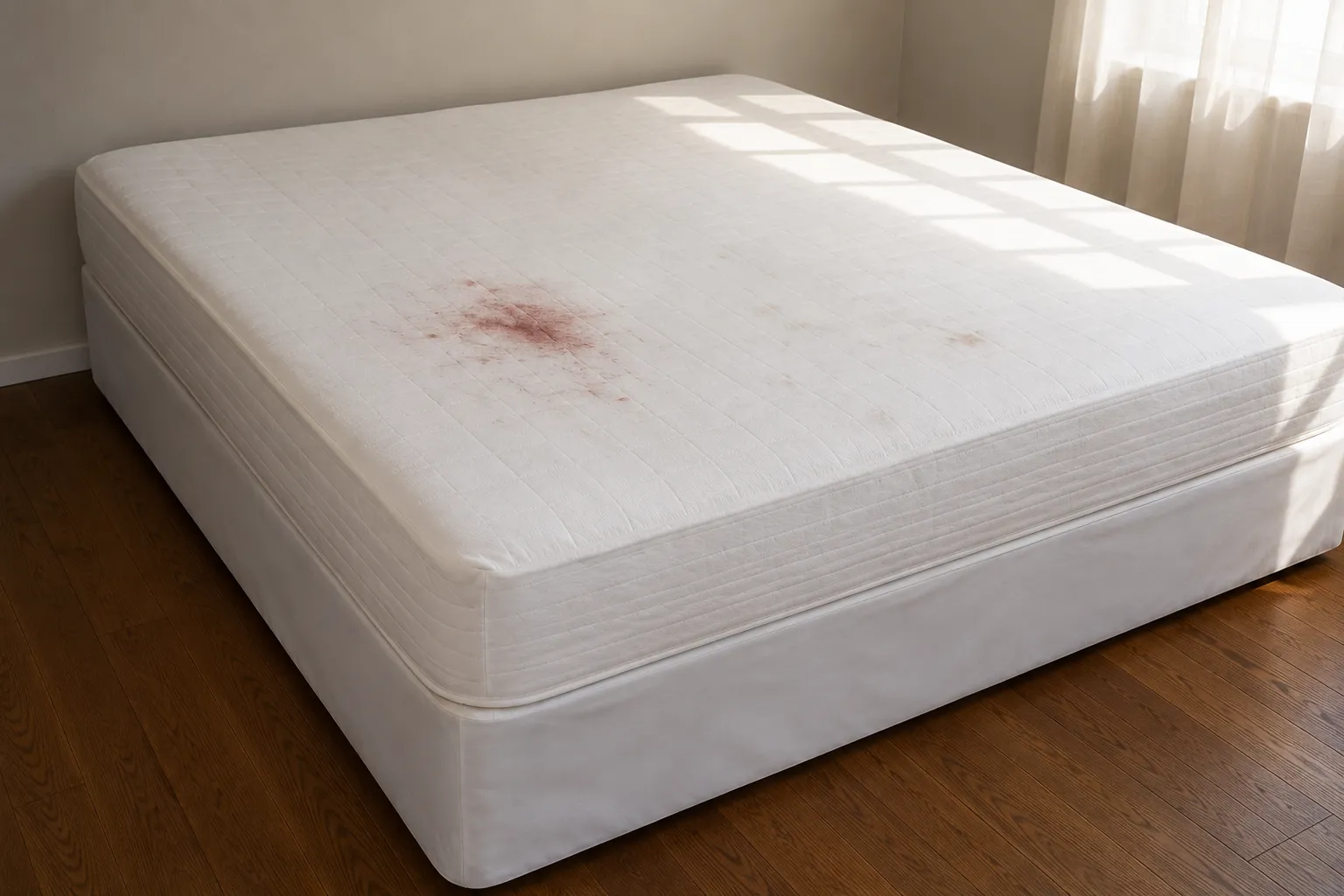
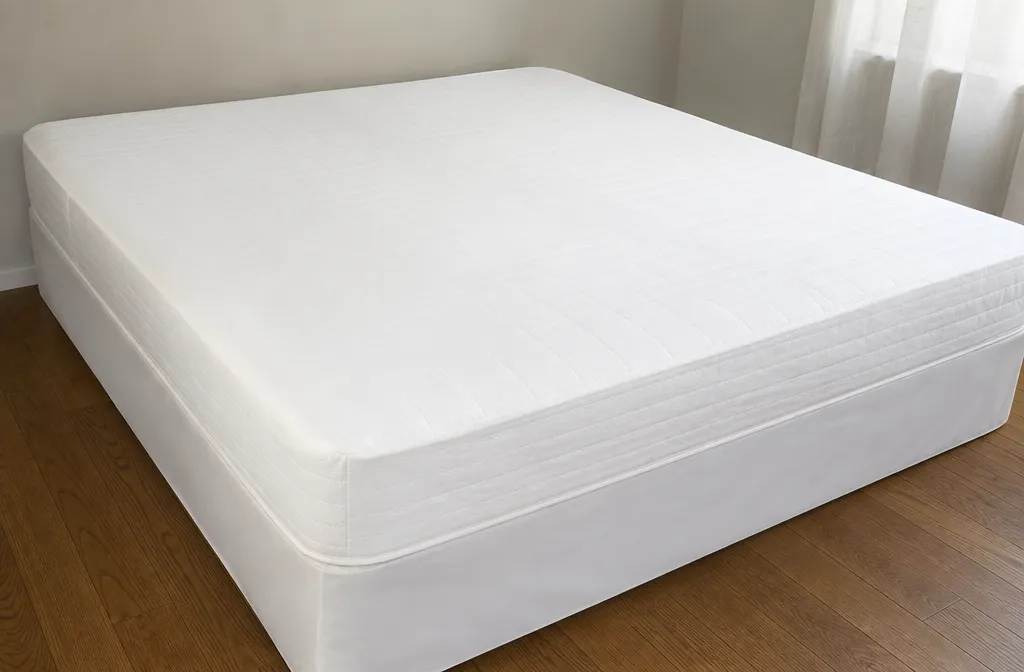
 After
After
Request: Cat marked the mattress cover, need to remove odor and stain.
Done: Removed urine stain and neutralized odor with enzyme cleaner.
Cost: 9 000 ₸
Master: Timur Zhaksybekov, dry cleaning master
Total: Urine stain and odor completely removed, cover clean.
 After
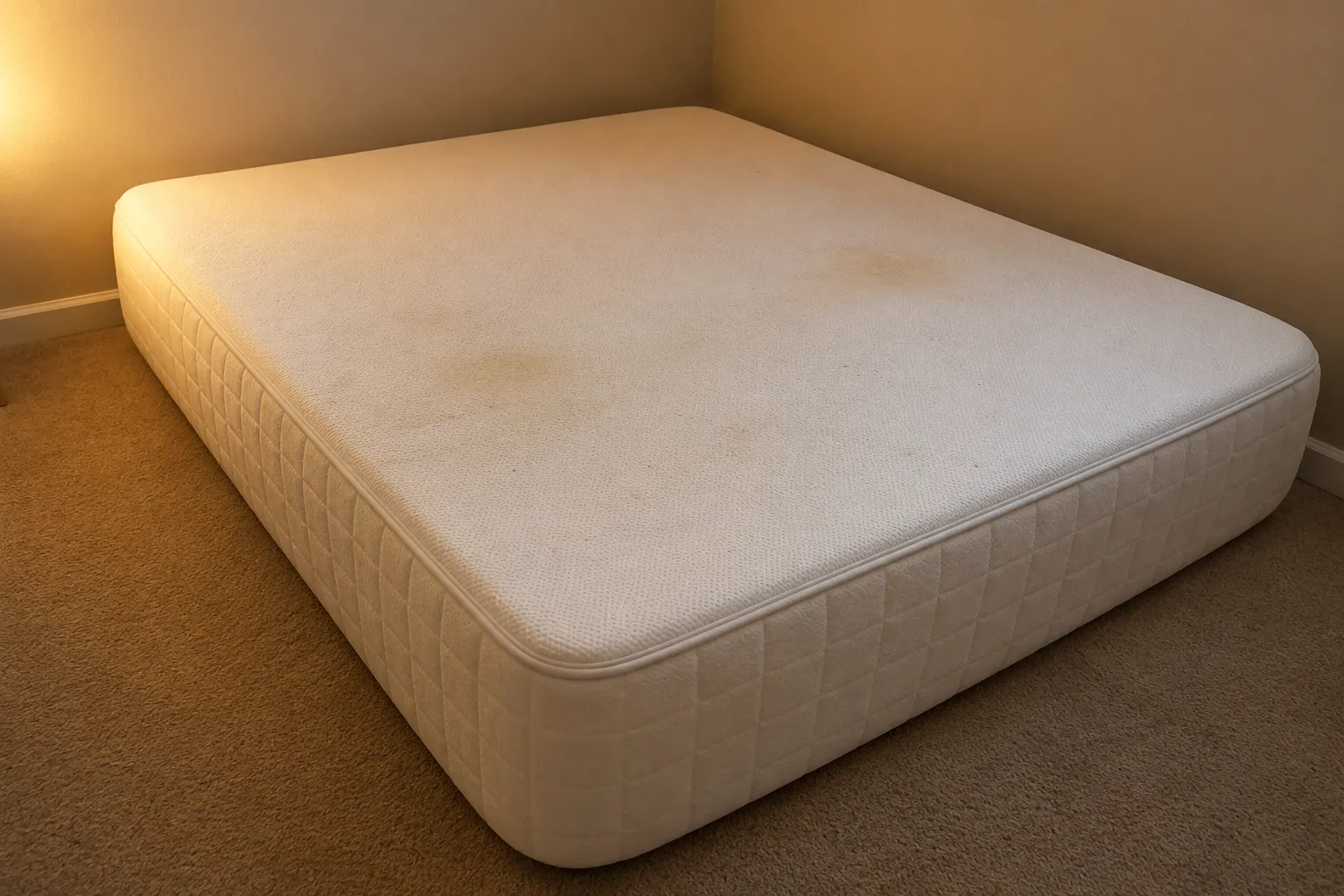
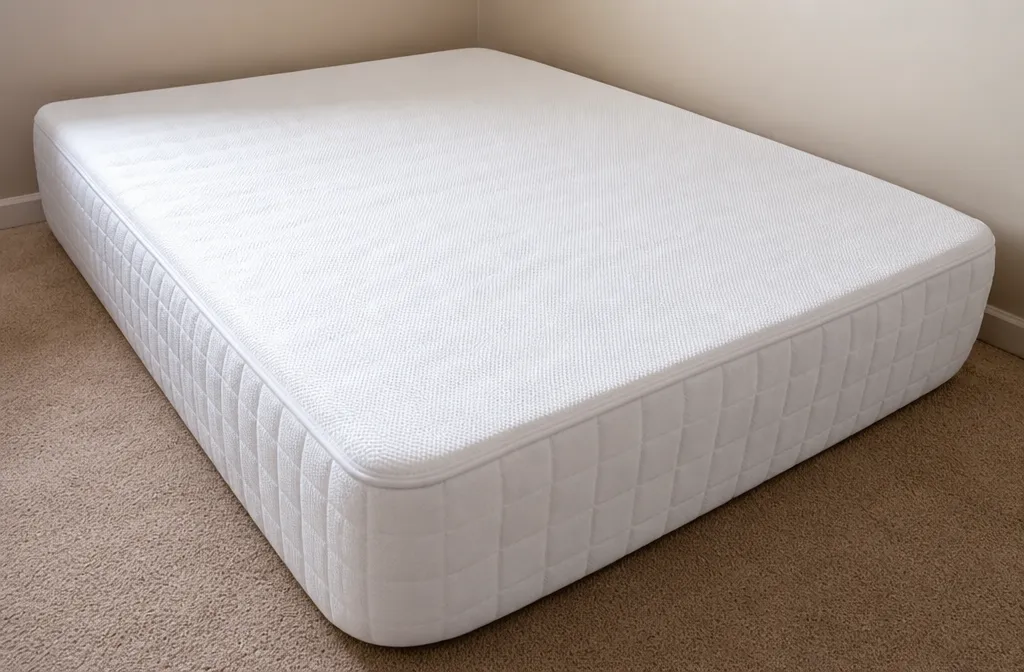
After
Request: Blood stain appeared on mattress cover, need to remove.
Done: Removed blood stain with cold water and enzyme stain remover.
Cost: 8 000 ₸
Master: Aigerim Muratova, dry cleaning master
Total: Blood stain completely gone, cover without traces.
 After
After
Request: Mattress cover yellowed from sweat, need to restore whiteness.
Done: Performed deep cleaning with bleach and deodorization.
Cost: 7 000 ₸
Master: Timur Zhaksybekov, dry cleaning master
Total: Yellow sweat stains removed, cover white and fresh.
 After
After
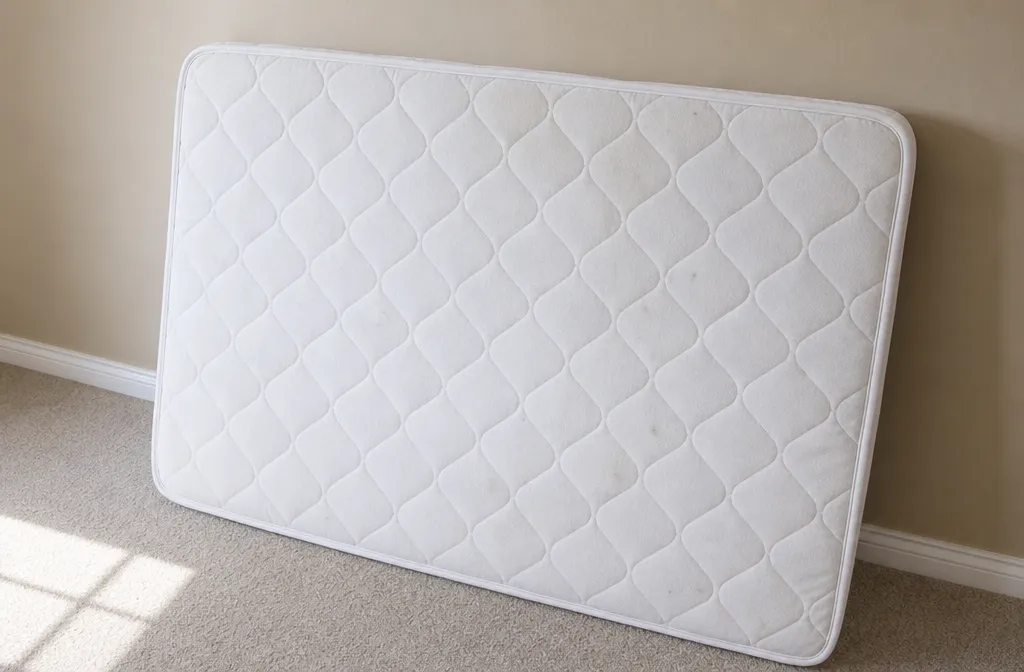
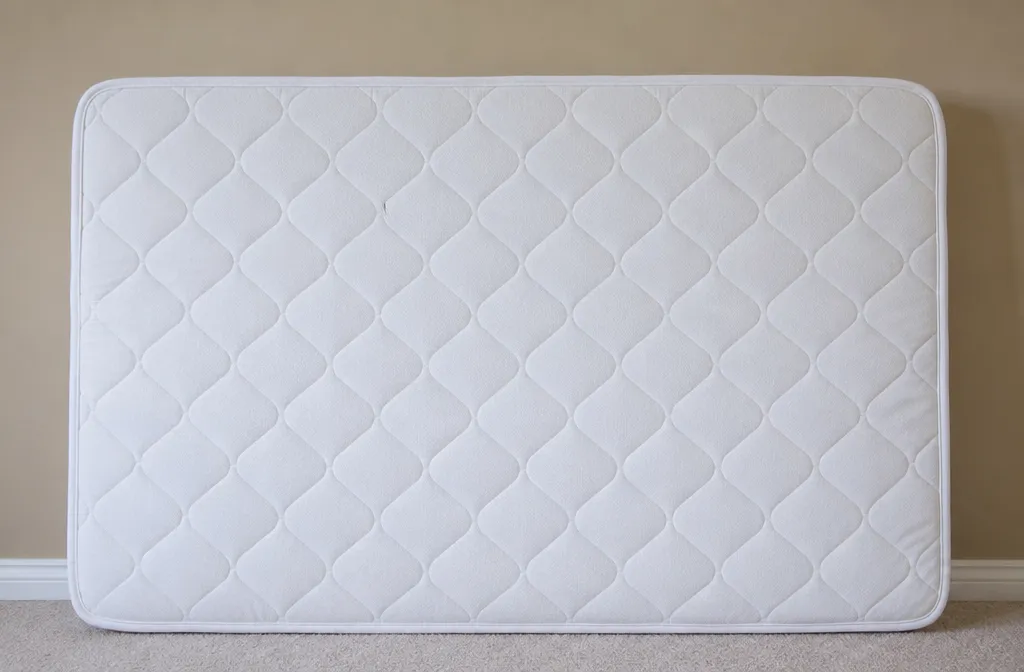
Request: Child has dust mite allergy, need deep cleaning of cover.
Done: Performed dry cleaning with anti-allergenic agent and UV treatment.
Cost: 9 000 ₸
Master: Aigerim Muratova, dry cleaning master
Total: Cover hypoallergenic, mite and dust free, safe.
 After
After
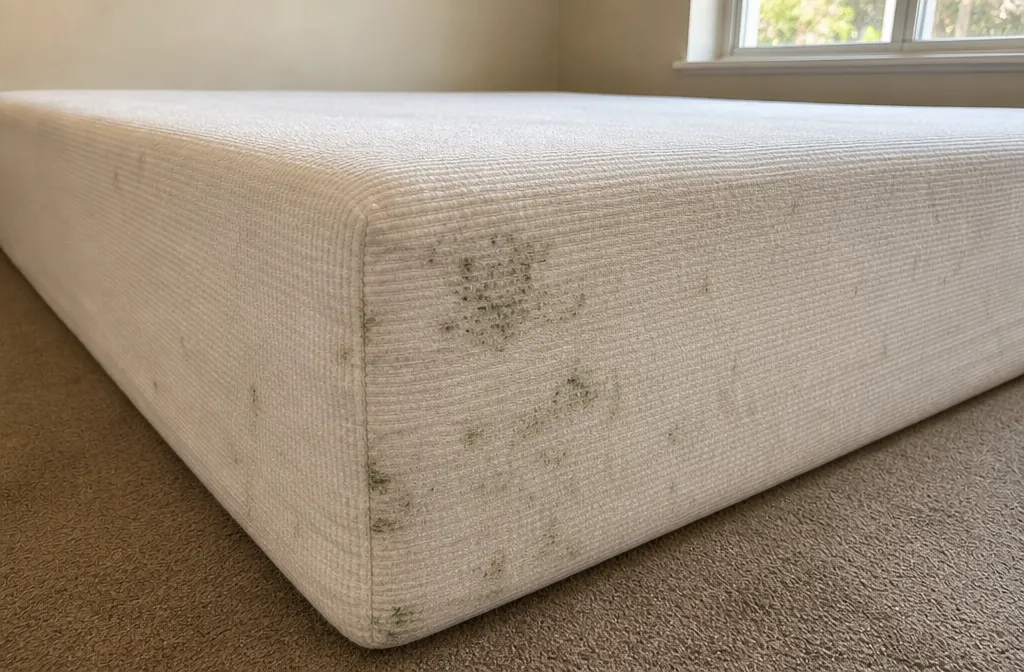
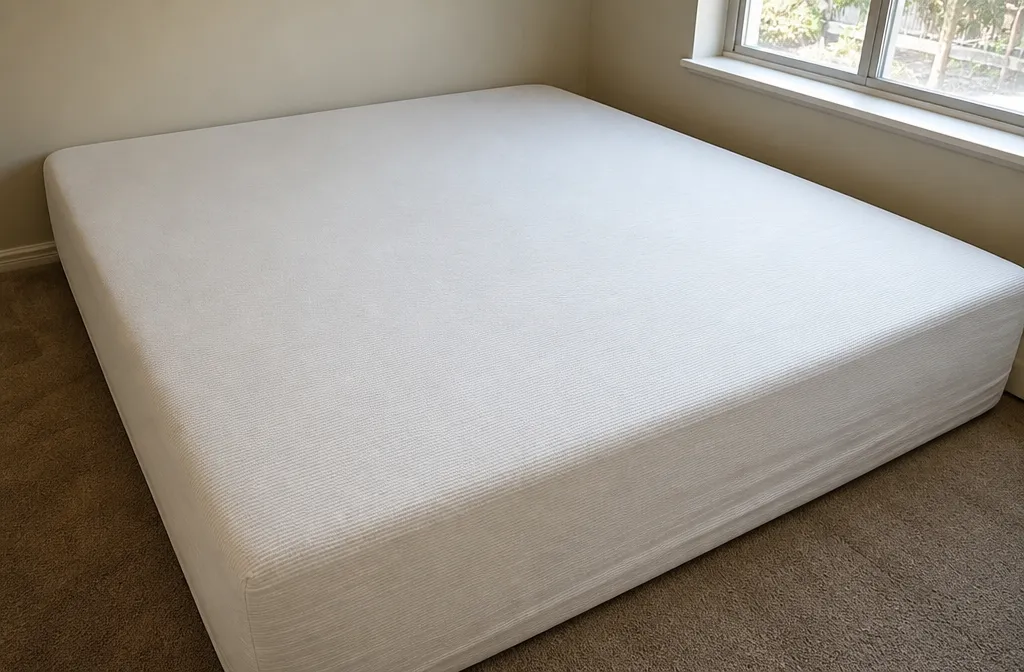
Request: Mold spots appeared on mattress cover, need to remove.
Done: Treated mold with antifungal agent and performed dry cleaning.
Cost: 10 000 ₸
Master: Timur Zhaksybekov, dry cleaning master
Total: Mold completely removed, cover disinfected and fresh.
All cleaners are profi-clean staff with training, uniform and security check. Each order has a team leader who controls quality.
The short answer: yes, but only for removable covers made of cotton or polycotton, and with major caveats. For most mattress toppers with fillers (hollow fiber, memory foam, bamboo fiber), machine washing destroys the structure, and for fitted models with foam rubber, it will guarantee deformation in a single cycle. Let’s break down when washing is safe, when it’s better to call for professional dry cleaning at home, and how to tell the difference.
You can only wash thin quilted zippered covers at home that are removed separately from the mattress and have no adhesive layer. The optimal setting is “delicate” or “hand wash” at 30–40 °C, with a spin cycle no higher than 600 RPM. Use a liquid detergent for delicate fabrics — powder clogs fibers and rinses poorly from synthetics. In Almaty, the water is hard (up to 7–8 mg-eq/L), so limescale settles inside the cover, and after 3–4 washes, the fabric becomes stiff and loses breathability — this is an obscure consequence not mentioned in instructions. Before loading, check the label: if the “machine wash” symbol is crossed out, don’t risk it.
Mattress toppers with memory foam or latex filler are destroyed in a single machine cycle: the drum tears the porous structure, the foam clumps up, and loses its orthopedic properties. Fitted covers with foam rubber filler are another problematic type: foam rubber absorbs water like a sponge, its weight after soaking increases by 5–7 times, the drive belt can’t handle it, and the spin cycle deforms the edges — the elastic stretches, and the cover no longer stays on the mattress. Waterproof covers with a membrane (e.g., marked “waterproof”) lose their properties after the first machine wash — laundry detergent clogs the membrane’s pores, and the coating stops repelling moisture. In practice at profi-clean, we receive covers every week that were “killed” by home washing — this can only be fixed with professional coating using specialized equipment.
Machine washing affects the cover mechanically — friction, centrifuge, temperature fluctuations. Professional dry cleaning uses extraction technology: spraying solution under pressure, vacuum suction of dirt, steam treatment up to 90 °C without soaking. This is critical for Almaty conditions: dust and smog settle deep into the fabric layers, and water with powder doesn’t wash them out — a gray residue remains, which darkens over time due to humidity (in Almaty, average humidity is 55–65%, and during the heating season in apartments, it drops to 40%). Dry cleaning removes dust, bacteria, and allergens — in one of our orders, a cover after two years of use in a bedroom in Tastak-1 showed dust mite levels 4 times above normal; after treatment, the test showed zero. Home washing only provides visual cleanliness, not sanitary. If you have a cover with filler, a membrane, or a waterproof coating — order dry cleaning at home: a profi-clean cleaner arrives with equipment within 60 minutes, treats the cover on-site without removing it from the mattress, and it dries in 2–3 hours without shrinkage.
The first and most costly mistake is washing a mattress cover with non-removable filler in an automatic machine: foam rubber or hollow fiber absorbs water, the drum becomes overloaded, bearings fail, and the cover is ruined. The second is drying on a radiator (in Almaty apartments with central heating, radiator temperatures reach 60–70 °C): synthetic fibers melt, the elastic loses elasticity, and the cover no longer stays on the mattress. The third is using bleaches: chlorine-based products destroy colored fabrics, while optical brighteners create an illusion of cleanliness, leaving a chemical residue that irritates the skin. The fourth is washing the cover together with bed linen: the mattress cover is heavier, friction is uneven, and the fabric wears out at the seams. In our practice, clients often bring in covers after washing with torn elastic corners — these can only be restored by re-stitching, which costs almost as much as a new cover. Always check the composition on the label before washing: if polyurethane, memory foam, latex, or foam rubber is listed — machine washing is excluded, and dry cleaning is needed.
Even careful dry cleaning won’t restore a mattress cover if the fabric is worn through to holes, the filling has clumped into lumps, or the elastic is stretched and no longer secures the edges. Professional treatment removes dirt, odors, and bacteria, but does not restore shape. The lifespan of a quality mattress protector is 3–5 years with regular cleaning every 6–12 months. If the cover has permanent sweat or urine stains that haven’t come out after two dry cleaning cycles, it means the contamination has penetrated the filling, and cleaning is useless. In such cases, we recommend replacing the cover: buy a new one at the Kaspi Store or a specialized salon, and send the old one for recycling — in Almaty, textile collection is available at “Ecobox” points at the intersection of Satpayev and Timiryazev streets.
The frequency of treatment directly depends on the intensity of mattress use — there is no universal number, but there are clear scenarios that determine the schedule. At profi-clean, we distinguish three basic modes.
In a standard scenario — one person, no pets, no allergies — professional dry cleaning of a mattress cover is needed every 6-8 months. This is enough to remove dead skin particles, dust mites, and sweat-oil stains that accumulate unnoticed. In practice, we see: if a cleaner comes every six months, the depth of contamination doesn’t have time to set into the fabric fibers, and the mattress lasts longer. Moreover, for double beds, the interval is reduced to 4-5 months — twice as many biological secretions on the same area. In our orders from the “Akbulak” and “Grand Alatau” residential complexes, regular clients in their second year complain less about loss of mattress firmness — precisely because of the timely removal of sweat salts that destroy the filling.
For children’s cribs and mattresses for allergy sufferers, we recommend dry cleaning every 3-4 months. In a child under 3 years old, the skin renews 2-3 times faster, and sweat contains more urea — this is an aggressive environment for the fabric and filling. In families with asthmatics or a tendency to dermatitis, accumulating Dermatophagoides mites begin active reproduction as early as 8-10 weeks after the last cleaning. In our practice, we have encountered cases where a mattress was not cleaned for a year — a visit for an allergic rash in a child ended with the removal of three layers of dust plaque from the cover, which could not be washed off by regular washing. Therefore, for allergy sufferers, it is better to set a reminder in the calendar: spring and autumn are mandatory points, plus an unscheduled treatment after an illness with a high fever.
There are situations when the planned schedule is canceled and dry cleaning is needed immediately. The first sign is if a visible coating or stains appear on the cover that do not go away with wet vacuum cleaning. The second is a persistent odor, even a faint one: it means bacteria are already multiplying inside the fabric layer. The third is if the humidity in the room has increased (for example, after a leak or moving into an apartment with poor ventilation), mold on the cover develops within 2-3 weeks. Our cleaners respond to urgent requests from the Medeu and Bostandyk districts, where old houses with basement dampness are a common cause of mold on mattresses, and in such cases, we treat the cover with an antifungal agent based on Sodasan, which does not spoil the fabric impregnation. The main rule: if you doubt whether to call a specialist — call, because advanced contamination is more difficult to remove and may require replacing the cover.
Not all stains are equally easy to clean — some eat into the structure of the fabric and filling at the molecular level, and without a professional approach, they cannot be removed, while amateur methods only set the contamination.
The most common and dangerous type of soiling: urine, sweat, blood — they contain urea, salts, and enzymes that form strong protein bonds when they come into contact with polyester or cotton fibers. Answer-first: Urine and biological fluid stains are the most difficult to remove because when they dry, the protein “bonds” to the fibers, and regular washing at 30–40 °C does not break it down. If you rinse the stain immediately with cold water, there is a chance, but if more than an hour has passed, the denaturation process begins: the protein coagulates and becomes fixed in the fabric’s structure. In our orders ranging from по запросу to по запросу, almost 70% of calls in Almaty are related specifically to biological stains on upholstery — especially in families with small children and bedridden patients. Actionable insight: Under no circumstances should a urine stain be rubbed with hot water or soap — high temperature “cooks” the protein, making it impossible to remove even with industrial enzyme cleaners.
Food stains are tricky due to their multi-component nature — coffee contains tannins and oils, red wine contains anthocyanins and tannins, and grease penetrates deep into the filling. Answer-first: Stains from coffee, red wine, and greasy sauces require different approaches: tannins are neutralized by acid, while grease requires only non-aqueous solvents. We had a case where a client from the Samal-2 microdistrict tried to remove a pomegranate juice stain with citric acid — the acid discolored the pigment but left a yellow “halo” stain that had to be removed with oxygen bleach in three passes. For coffee and wine, our technology is cold water + an enzyme pre-spray with a pH of 5–6, which breaks down tannins without heat, while greasy stains are treated with a hydrocarbon solvent followed by hot steam extraction. Actionable insight: Blot a fresh wine stain with a dry napkin without rubbing, then cover it with coarse salt — it will absorb the moisture along with the pigment but prevent the stain from spreading across the fibers.
Creams, foundations, iodine, brilliant green — these substances contain oils, waxes, and durable dyes designed for prolonged contact with skin, and therefore with fabric. Answer-first: Stains from cosmetics and medications are among the most stubborn because their base (silicones, waxes, oils) does not dissolve in water and requires organic solvents. Iodine and brilliant green, common in Almaty households, leave stains on microfiber upholstery that only spread when you try to rub them with alcohol — alcohol dissolves the dye but does not remove it from the fiber. For such soiling, we use a two-phase treatment: first, an absorbent to soak up the oil base, then an enzyme stain remover with a neutral pH to remove the pigment. Actionable insight: Never rinse stains from greasy cream or ointment with water — water “seals” the oil into the fabric; first, treat the stain with starch or talc, wait 15 minutes, then remove it with a dry brush.
The most insidious type is mixed soiling that accumulates over months: sweat (protein + salts), deodorant (aluminum + alcohols + fragrances), street dust, and sebum. Answer-first: Combined stains in the head and shoulder area are a multi-layered problem: each component requires its own solvent, and applying products in the wrong sequence fixes the soiling permanently. In Almaty, where tap water hardness exceeds 7 °dH, calcium and magnesium salts react with aluminum from deodorant — forming insoluble compounds that yellow over time and cannot be removed by either powder or fabric softener. Our method for these areas is an alkaline pre-treatment (pH 9–10) to dissolve fats and salts, followed by an acidic finish (pH 4–5) to neutralize aluminum residues and restore fabric color. Actionable insight: If yellow stains have already appeared on the upholstery in the shoulder area — do not use chlorine bleach: chlorine reacts with aluminum, causing irreversible gray discoloration that will remain forever.
Many mattress owners confuse dry cleaning of a removable cover with cleaning the mattress core itself, but they are two fundamentally different processes with different goals, methods, and risks. Let’s break down the key differences so you understand which service your sleeping surface actually needs.
A removable cover is typically a thin fabric (jacquard, satin, velvet, ticking) with a light filling of holofiber or synthetic padding. It can be treated with steam and active cleaning agents because, once removed from the mattress, it is not connected to the spring block or layers of coconut coir. The mattress itself is a multi-layer construction: polyurethane foam, latex, coconut coir, springs. Each layer is sensitive to over-wetting. If you try to apply the same amount of cleaning solution to the mattress as to the cover, moisture will penetrate the fillers, and rotting will begin inside — mold will appear within 2-3 weeks. Therefore, for the mattress, we only use low-moisture extraction cleaning with a water consumption of 50-80 ml per square meter, and for the cover, a standard wash with foam and rinsing using up to 300 ml of water for the same area. In our practice, there was a case: a client soaked an orthopedic mattress with foam from a Karcher machine — a month later, the entire block had to be replaced due to mold, while the cover remained intact.
After dry cleaning the cover, it can be hung on hangers or laid out on a drying rack — at room temperature with ventilation, it dries completely in 2-3 hours. The mattress remains on the frame after treatment, and we turn on an industrial dehumidifier (DryAir Pro 200) for 6-8 hours to remove moisture from the depth of the fillers. If the mattress is not dried thoroughly, residual humidity above 8% creates an ideal environment for dust mites — the population recovers within 3-4 weeks. For the cover, there is no such risk: the thin filler airs out in an hour. Therefore, when ordering mattress dry cleaning, we warn: you can only sleep on it after 24 hours, while the cover can be put back on immediately 3-4 hours after cleaning. This is a fundamental difference in logistics: if you need it urgently, it is easier to clean the cover separately.
The cover, especially if made of synthetics (polyester, microfiber), actively absorbs odors from sweat, urine, and tobacco, but due to its thin structure, they are easily removed in one extraction cycle with an enzymatic formula like Bio-Enzymatic 7X. The mattress behaves differently: odors are trapped in the foam and latex at a molecular level, and a single application of solution is insufficient. For the mattress, 2-3 sequential treatments are required with a 3-day interval: the first pass neutralizes surface molecules, the second targets those that have risen from the depths due to the capillary effect, and the third handles residual odors. We had a case: the cover was cleaned of pet odors in one visit, but the smell from the mattress was only eliminated on the third visit using an ozonator. The difference is clear: the cover is textile, the mattress is a sponge. If you want to eliminate an odor, order mattress dry cleaning as a separate service, even if the cover is already clean.
The cover can be machine washed at 30-40°C (if permitted by the manufacturer), scrubbed with a brush, and treated with oxygen-based stain removers — the fabric can withstand this. The mattress, however, must absolutely not be soaked heavily, scrubbed with a stiff brush (this damages the non-removable cover or topper), or treated with aggressive chemicals — chlorine, ammonia, solvents. These destroy latex and polyurethane foam: latex becomes sticky, and PU foam loses 30-40% of its elasticity after a single contact. For the mattress, we only use pH-neutral formulations with a value of 6.5-7.5 (profi-clean Neutral line). For mattress covers in Almaty, enzymatic and alkaline agents (pH up to 10) are allowed — they handle biological stains. The mistake is using a cover cleaner on the mattress: we have seen mattresses that had to be written off after such treatment due to foam degradation. In my opinion, it is better to pay extra for a cleaner’s visit than to risk an expensive mattress.
| Scenario | What to Clean | Why |
|---|---|---|
| Stain on a removable cover (coffee, juice, grease) | Cover only | The cover fabric takes the impact; the mattress underneath remains clean |
| Urine or sweat odor, cover is removable | Cover + mattress together | The odor has penetrated the fillings; cleaning the cover without treating the mattress won’t solve the problem |
| Dust and allergens, cover is non-removable | Mattress only | A non-removable cover is part of the structure; it’s cleaned in place using extraction |
| Fresh blood stain on a removable cover | Cover only with cold water | The blood hasn’t had time to soak into the mattress; we treat the cover separately |
| Mattress is over 3 years old, no visible stains | Mattress for preventive maintenance | Dust mites and sweat have accumulated in the fillings; the cover may not be affected |
If you’re unsure which option you need, call us — we’ll provide free consultation and determine whether dry cleaning the cover is sufficient or if deep treatment of the mattress itself is required. In our practice, 70% of mattress orders start with the cover, but after inspection, we recommend treating both parts — this is the only way to completely eliminate the problem.
The choice of fabric directly determines how the cover will react to professional cleaning: some materials come out of the process looking like new, while others shrink or lose color. Let’s break down the three most durable and two problematic options — so you know what to expect from your cover.
Jacquard weave — dense, with a thread diameter of 0.3 mm and cross-weaving in 4-6 layers — gives the fabric high mechanical strength. At profi-clean, we treat such covers most often and have never recorded shrinkage or deformation after wet dry cleaning. Jacquard is not afraid of extraction: at a water gun pressure of up to 80 bar, the thread structure is not disturbed, and residual cleaning agent is completely removed in 1-2 extractor passes. The only recommendation: do not use chlorine-based bleaches — they destroy the dye in the jacquard thread after 3-4 cycles. In practice, a jacquard cover withstands up to 10-12 professional cleanings without losing its appearance — this is the best indicator among all mattress fabrics.
Microfiber is polyester with a fiber thickness of 0.06-0.1 microns, which is 100 times thinner than a human hair. This structure creates a capillary effect: the fibers draw moisture and dirt inward rather than leaving them on the surface, so stains are not rubbed in but are extracted along with the cleaning agent. During dry cleaning, we use neutral enzyme agents with a pH of 5.5-6.5 — they break down protein-based soiling (blood, sweat, urine) without damaging the microfiber. An important nuance: microfiber cannot tolerate high-temperature drying above 50°C — the fibers fuse, and the fabric loses breathability. In our drying chamber, the temperature does not rise above 40°C, and a microfiber cover dries in 2-3 hours without losing its properties.
Covers made of 100% cotton (sateen, percale, poplin) are more finicky than synthetics: they shrink by up to 3-5% with improper drying, and fungi quickly develop on wet cotton at humidity levels above 65%. For cotton covers, we use dry foam cleaning with minimal moistening — up to 15% of the fabric’s weight — and drying with forced airflow. Blended fabrics (60% cotton + 40% polyester) behave more stably: the polyester thread prevents shrinkage, while the cotton provides a skin-friendly surface. In Almaty’s heat of up to +35°C, a cotton cover without impregnation absorbs sweat 40% faster than a blended one, but also releases moisture during drying 1.5 times slower. If you have a cotton cover without a synthetic additive, we recommend ordering dry cleaning every 3-4 months — this extends the fabric’s service life by 2-3 years by removing sweat salts that destroy the natural fiber.
Velvet with a pile height of 2-4 mm and chenille with a relief weave require a special approach: aggressive brushing crushes the pile, and the fabric loses its volume. We treat such covers only with dry steam at 120°C and a pressure of 4 bar — the steam penetrates between the fibers, pushing out dirt without mechanical impact. It is strictly forbidden to use drum washing machines for velvet — friction against the drum walls over a 30-minute cycle wears down the pile by 20-30%, and the cover becomes bald. In practice, a chenille cover after proper dry cleaning looks like new, but only if the technician knows that the fabric must not be rubbed in circular motions — only vertically, in the direction of the pile.
Covers made of bamboo fiber and Tencel (lyocell) are the most demanding to handle. Bamboo loses up to 15% of its tensile strength when in contact with water, and Tencel shrinks by up to 7% when dried above 40°C. We only accept such covers for dry cleaning using hydrocarbon solvents — they do not cause fiber swelling. In Almaty, where air humidity drops to 30% in winter, a bamboo cover without care dries out and cracks within a year. Our advice: if you have a Tencel cover, schedule dry cleaning once every 2 months — this prevents the buildup of skin oils, which oxidize upon contact with air and make the fibers brittle.
Even with regular professional dry cleaning every six months, daily care for the cover extends its life and maintains the hygiene of the sleeping area. Let’s look at specific techniques that won’t damage the fabric or filling.
After waking up, do not make the bed immediately — let the cover “breathe” for 20-30 minutes. Overnight, the mattress releases up to 200 ml of moisture in the form of sweat and breath, and if you cover it with a bedspread or blanket, the moisture remains in the fabric and filling fibers. In Almaty apartments with sealed double-glazed windows, the humidity inside the cover is higher than in homes with wooden windows — condensation does not evaporate, creating an environment for dust mites. At profi-clean, we recommend throwing the blanket back to the foot of the bed, opening the window for 15 minutes, and using a dehumidifier if the room humidity stays above 60%. Our cleaners have noticed: on mattresses in bedrooms without daily airing, sweat stains appear 2-3 weeks earlier than with regular ventilation.
Fresh stains from coffee, urine, or cosmetics should be rinsed with cold water — hot water coagulates protein and sets the stain permanently. Never use chlorine-based bleaches: they destroy the water-repellent coating (if present) and discolor colored fabrics, especially on jacquard and ticking covers. For spot treatment, a solution of 1 part hydrogen peroxide (3%) and 2 parts water is suitable — apply it to the stain with a spray bottle, wait 5-7 minutes
I ordered dry cleaning for my mattress cover — the result is excellent, coffee stains are completely gone, the cover looks like new.
Thank you, Aigerim! We're glad you're satisfied.
The cover on the orthopedic mattress had long needed cleaning. After treatment, old stains disappeared, and the fabric became fresh.
I had my mattress cover dry cleaned — overall good, but a couple of small stains remained, though I hardly notice them.
Sorry, Daniyar. Next time, ask the master to treat problem areas again.
The baby mattress cover was cleaned of juices and paints — now it's like new. The child sleeps peacefully.
I ordered dry cleaning of a mattress cover after spilling wine. No stains left, very satisfied.
Great! We work with any stains.
Couldn't wash the zippered cover, but after dry cleaning it became perfectly clean and soft.
Dry cleaning of the mattress cover helped refresh it, but strong yellow stains weren't completely removed, unfortunately.
Kuanysh, thank you for your feedback. With old stains, we can't always remove 100%, but we try our best.
After cleaning the cover, my child's allergy disappeared — apparently, dust mites were removed. I recommend it!
Glad to help your family's health!
Preparing the guest room, ordered dry cleaning of the mattress cover — now it smells fresh, no stains.
The cover with down filling was refreshed, but the down inside clumped a bit. However, after fluffing it became normal.
Sorry for the inconvenience. This usually doesn't happen.
Had the mattress cover dry cleaned — they removed coffee stains that I couldn't get out myself. Super!
I was afraid to ruin the ruffled cover, but the masters handled it carefully — all lace intact, perfect cleanliness.
Thank you, Olga! Carefulness is our priority.
Ordered dry cleaning of the mattress cover for a double bed — large area, but done quickly and with quality.
Blood stains on the cover were removed without a trace. I thought I'd have to throw it away, but what a saving.
We work with any biological contaminants.
Dry cleaning of the mattress cover was done well, but the chemical smell lingered for a couple of days. A bit inconvenient.
We apologize, we use safe products, sometimes airing is needed.
The mattress cover is made of expensive fabric — after cleaning, not a single lint, color is bright. Very satisfied.
My son spilled juice on the mattress — I urgently ordered dry cleaning of the mattress cover. Everything was removed, even the smell disappeared.
Glad we saved the mattress!
I was afraid to give the cover with hand embroidery, but in vain — everything was delicate, the embroidery was not damaged, cleanliness is excellent.
Thank you for your trust!
Mold appeared on the cover after dampness — dry cleaning of the mattress cover handled it, the fungus was removed, the musty smell disappeared.
The cover with elastic was cleaned well, but the elastic stretched a bit after drying. Otherwise fine.
We apologize. We'll take note.
I ordered dry cleaning of the mattress cover on a bed with a lifting mechanism — the craftsmen handled it without dismantling, convenient.
After dry cleaning of the children's mattress, stains and a strange smell disappeared. The baby sleeps peacefully.
Children's health is our concern!
The mattress cover dry cleaning was done, but old greasy stains are still visible. I expected more.
Askhat, thank you for your feedback. For old stains, sometimes a repeat treatment is needed.
The cover with synthetic padding was perfectly refreshed, the filling didn't clump and became fluffy. I recommend it!
I spilled oil on the mattress — thought it was ruined. Ordered mattress cover dry cleaning, and the stains are gone! Thank you.
Always happy to help!
The cover with high sides was cleaned perfectly, even the corners are not dirty. Excellent.
The mattress cover dry cleaning removed the stains, but afterwards my husband developed a rash. Maybe the product didn't suit him.
We apologize, we use hypoallergenic products. In case of individual intolerance, we recommend informing us in advance.
The microfiber became like new, soft, without streaks. Very high quality.
I ordered mattress cover dry cleaning — they removed tea stains, even though they were a week old. Super!
Thank you, Aiman! Glad to help.
The cover from the sofa bed was cleaned — now you can sleep peacefully without fear of dirt.
Mattress cover dry cleaning with water-repellent impregnation — the impregnation was not damaged, stains are gone. Good.
We try to preserve the fabric's properties.
The cover absorbed sweat smell, after dry cleaning it smells fresh, like new. I recommend.
I had a mattress cover with lace inserts dry cleaned — everything was delicate, the lace wasn't damaged, cleanliness is excellent.
Thank you for your review!
The paint couldn't be removed completely, faint traces remain. But overall it's better.
Paint is a tough stain, not always 100% removable.
I ordered dry cleaning for a faux fur mattress cover — excellent result, the pile wasn't damaged.
I just wanted to freshen up the mattress, but got a perfectly clean cover. A nice bonus — the smell disappeared.
Glad we exceeded expectations!
The full cleaning cycle takes about 1.5–2 hours, including drying. The mobile master performs all stages on-site.
Leave a request on the website, via WhatsApp, or call us. We will agree on a convenient time and address. Free travel within Almaty for orders of 2 or more covers.
Yes, we use hypoallergenic products Kiehl and Sodasan, which are safe for children and people with allergies. No harmful residues remain after cleaning.
The price depends on the cover size and additional services (stain removal, antibacterial treatment, protective impregnation). Use the calculator on the website for an accurate estimate.
For a single cover (90x200 cm), the price is individual. The cost includes extraction cleaning, steam treatment, and drying.
For a double cover (160x200 cm), the price is individual. When ordering two or more covers, master's travel is free.
For a baby cover (60x120 cm), the price is individual. Only safe products recommended for children are used.
We clean covers made of cotton, jacquard, velvet, microfiber, bamboo, polycotton, flock, chenille, satin, terry, as well as with water-repellent impregnation and membrane.
Yes, we clean such covers without damaging the membrane. After cleaning, we can apply a protective impregnation to restore water-repellent properties.
Yes, we effectively remove urine odor using enzyme products and steam treatment. The odor is neutralized at the molecular level.
Tell us about your experience with profi-clean — it helps other clients and us improve.
We currently operate in Almaty. Other cities are coming soon.