Inspection and assessment
The master inspects the boat, identifies oil stains, salt residue, and mold. A cleaning plan is created.
Professional boat dry cleaning in Almaty: removal of oil, mold, and stains from upholstery and plastic
We work with any types and materials
Deep cleaning of upholstery, carpets, and plastic from oil stains and soot.
from 12,000 ₸Gentle cleaning of sails and rigging, delicate treatment of upholstery.
from 12,000 ₸Compact cleaning of seats and hull, removal of water scale.
from 12,000 ₸Gentle cleaning of PVC material without damaging seams.
from 12,000 ₸We use Kiehl products, safe for vinyl.
from 12,000 ₸Extraction cleaning with Sodasan to remove stubborn stains.
from 12,000 ₸Soft brush and microfiber to remove salt residue.
from 12,000 ₸Cleaning without abrasives to avoid scratching the surface.
from 12,000 ₸Special compounds for rubber to prevent cracking.
from 12,000 ₸Karcher SE 4001 extractor for deep pile cleaning.
from 1,200 ₸Removal of UV residue and restoration of shine.
from 12,000 ₸Delicate cleaning and conditioning of wood.
from 12,000 ₸From inspection to result with guarantee
The master inspects the boat, identifies oil stains, salt residue, and mold. A cleaning plan is created.
Removal of dust and debris with a HEPA vacuum cleaner with 99.97% filtration.
Spraying specialized cleaning agent Kiehl or Sodasan on upholstery and plastic.
Karcher SE 4001 extractor applies solution and vacuums dirt, providing deep cleaning.
Using a soft brush and microfiber to remove deposits from plastic and fiberglass.
Antibacterial solution is applied to affected areas, eliminating fungus.
Surfaces are rinsed with clean water and dried with microfiber.
Inspect the result, apply protective coating if desired.
Our masters use only certified Kiehl and Sodasan compounds that effectively remove oil stains and mold without damaging upholstery and plastic. The products are hypoallergenic and safe for people and animals. This guarantees preservation of materials and color brightness after cleaning.
Karcher SE 4001 extractors provide pressurized detergent application and instant dirty water suction. This removes dirt from deep within fabric or vinyl fibers without leaving streaks. The equipment is certified for professional use.
Before wet cleaning, we thoroughly vacuum all surfaces with a HEPA vacuum that traps 99.97% of particles as small as 0.3 microns. This removes pollen, dust, and mold spores, improving air quality inside the boat. Especially important for people with allergies.
Each profi-clean master has undergone training on different types of upholstery and plastic, and holds certificates from chemical manufacturers. 3+ years of experience allows accurate identification of stain type and selection of optimal cleaning method without risk of damage.
We are confident in the quality of our work: if a stain remains after cleaning, we will refund your money. The guarantee covers all types of stains, including oil stains and mold. The master assesses removal chances beforehand.
We visit your boat anywhere in Almaty for inspection and assessment free of charge. Consultation on upholstery and plastic care is also free. You receive an accurate estimate with no hidden fees.
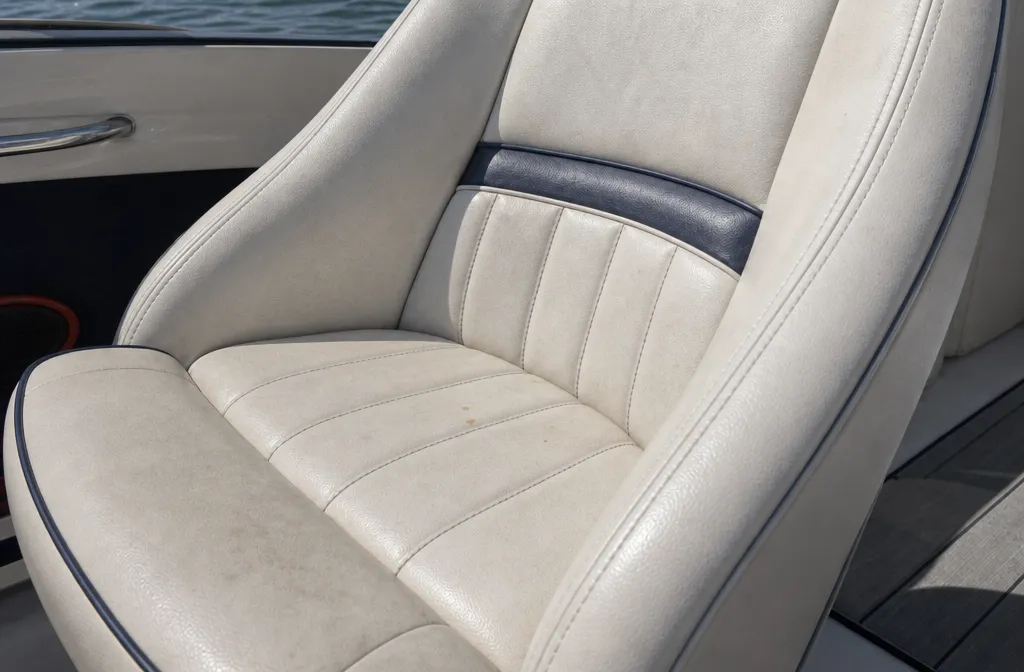
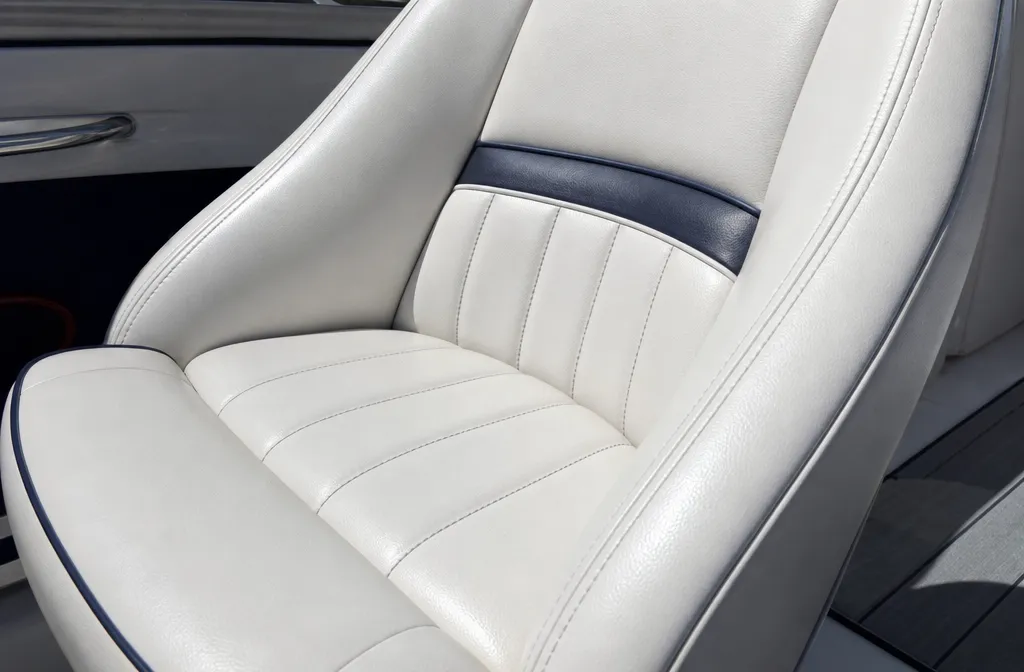 After
After
Request: Food and sweat stains on seats, need deep cleaning.
Done: Treated vinyl with foam solution, removed dirt with brush, rinsed with extractor.
Cost: 12 000 ₸
Master: Aigul Sadykova, dry cleaning master
Total: Seats are clean, stain-free, material fully restored.
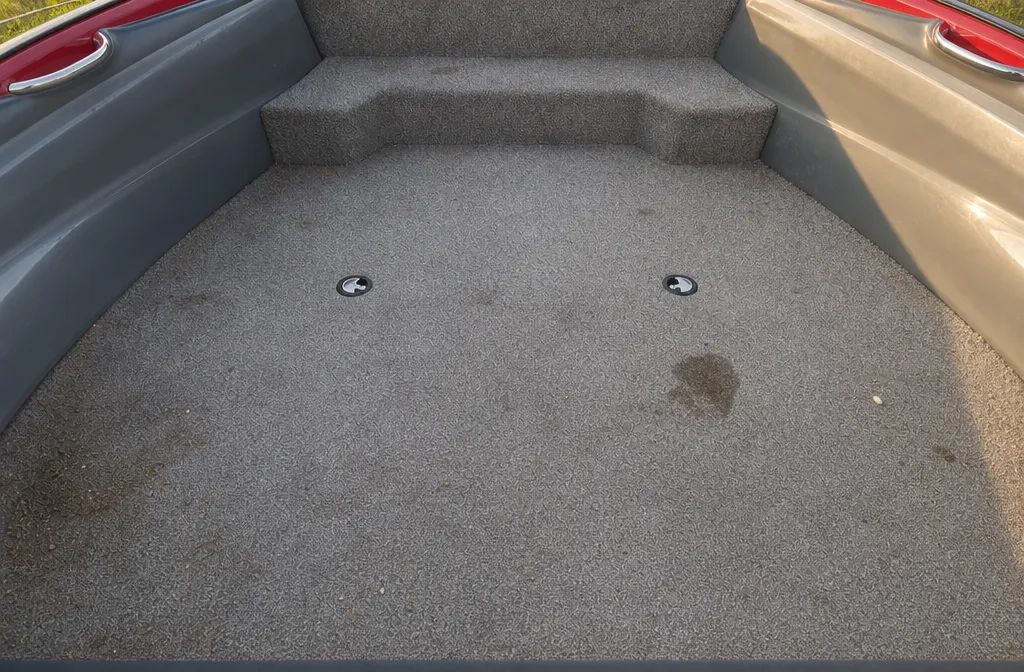
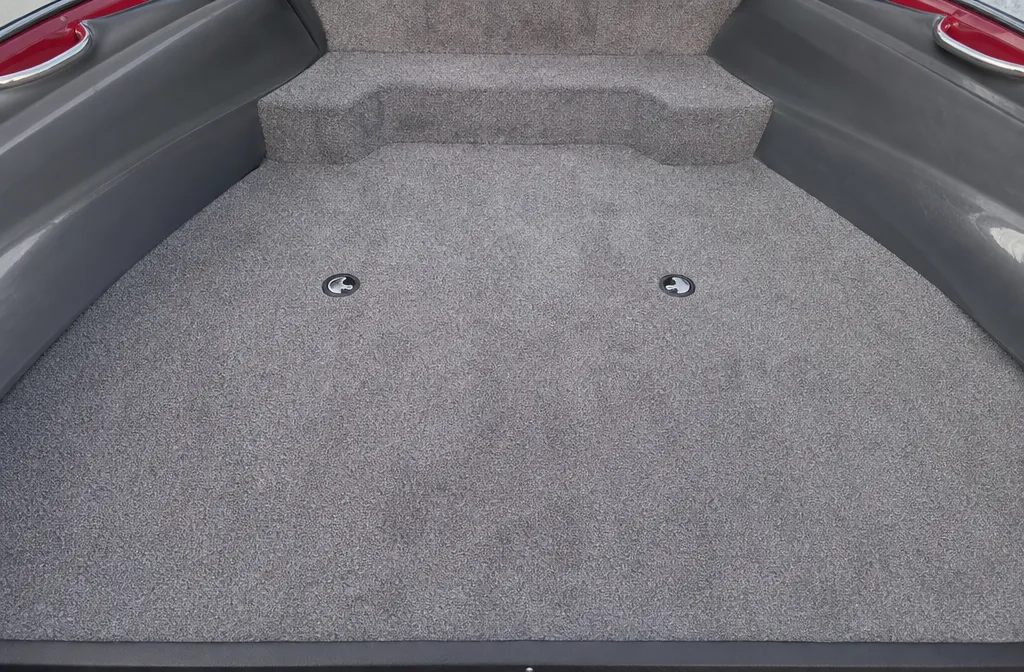 After
After
Request: Boat carpet dusty with spilled drink stains.
Done: Applied carpet shampoo, treated stains, vacuumed with extractor.
Cost: 7 000 ₸
Master: Timur Zhaksybekov, dry cleaning master
Total: Carpet fully cleaned, no stains, pile restored.
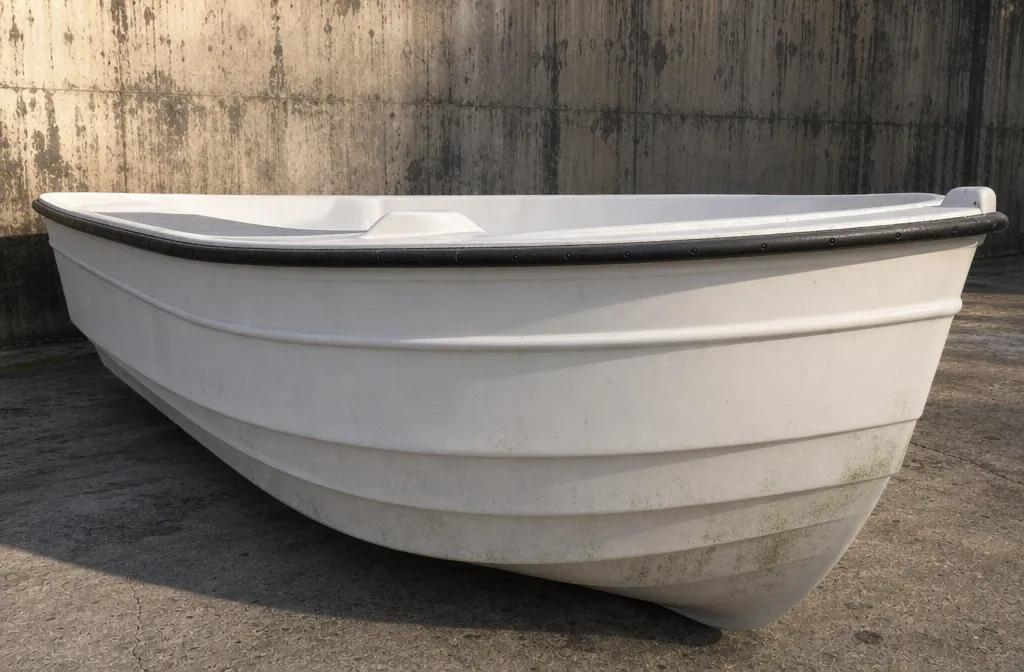
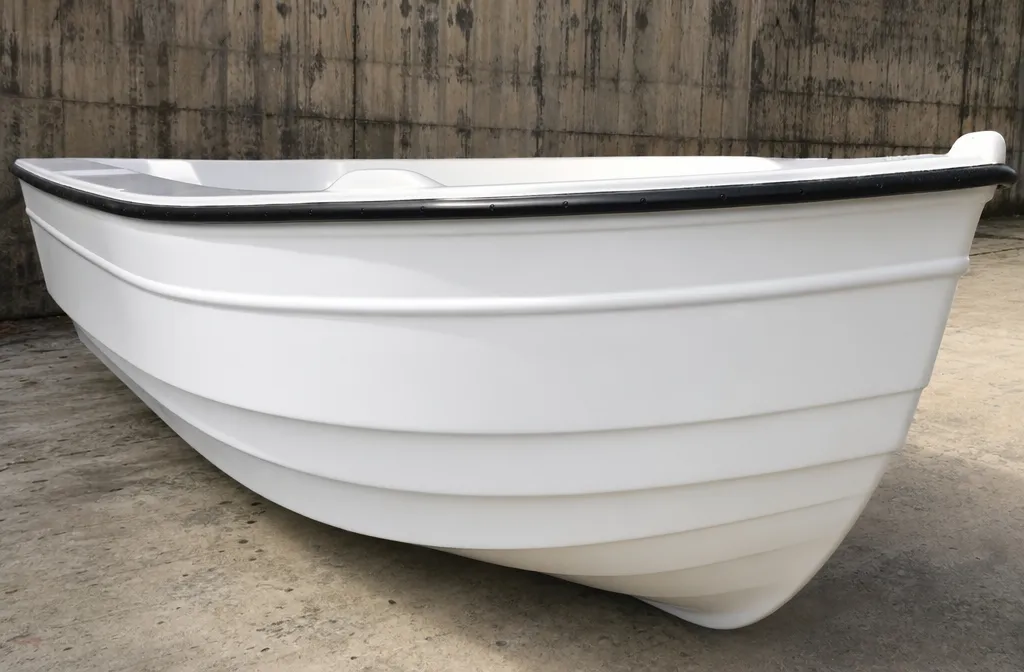 After
After
Request: Boat hull has film and water spots, needs polishing.
Done: Washed hull with car shampoo, removed film, polished with protective compound.
Cost: 14 000 ₸
Master: Nurlan Aliyev, dry cleaning master
Total: Hull shines, no streaks or water spots.
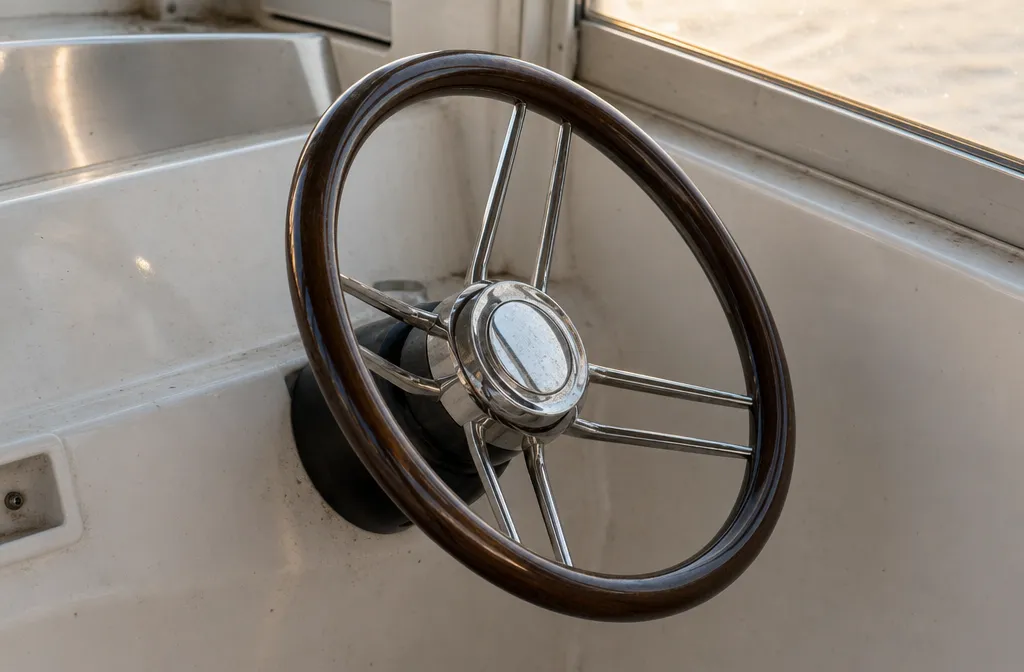
 After
After
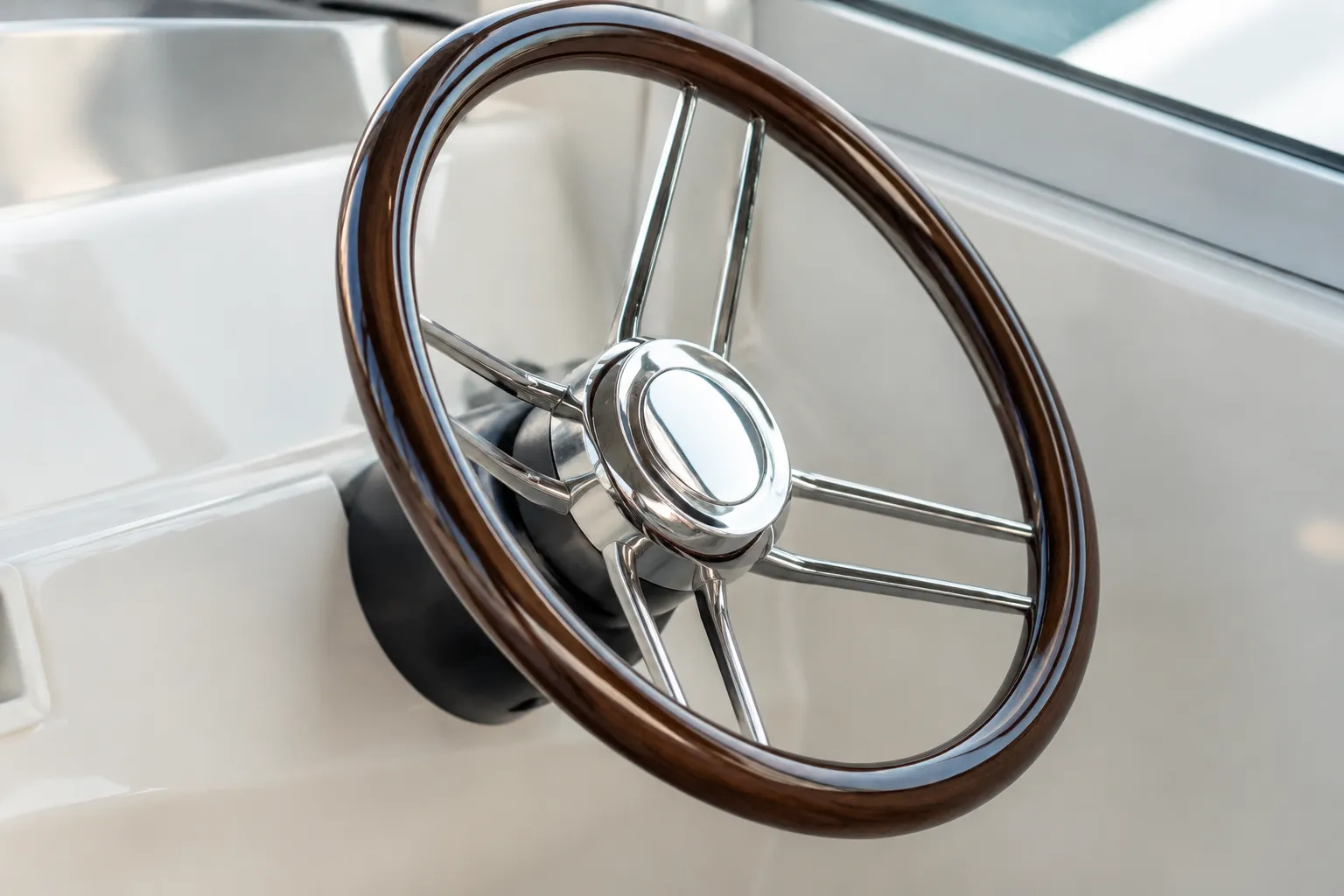
Request: Wheel sticky from oil and dirt, needs disinfection.
Done: Cleaned wheel with degreaser, treated with antibacterial solution.
Cost: 15 000 ₸
Master: Aigul Sadykova, dry cleaning master
Total: Wheel clean, non-slip, odor-free.
 After
After
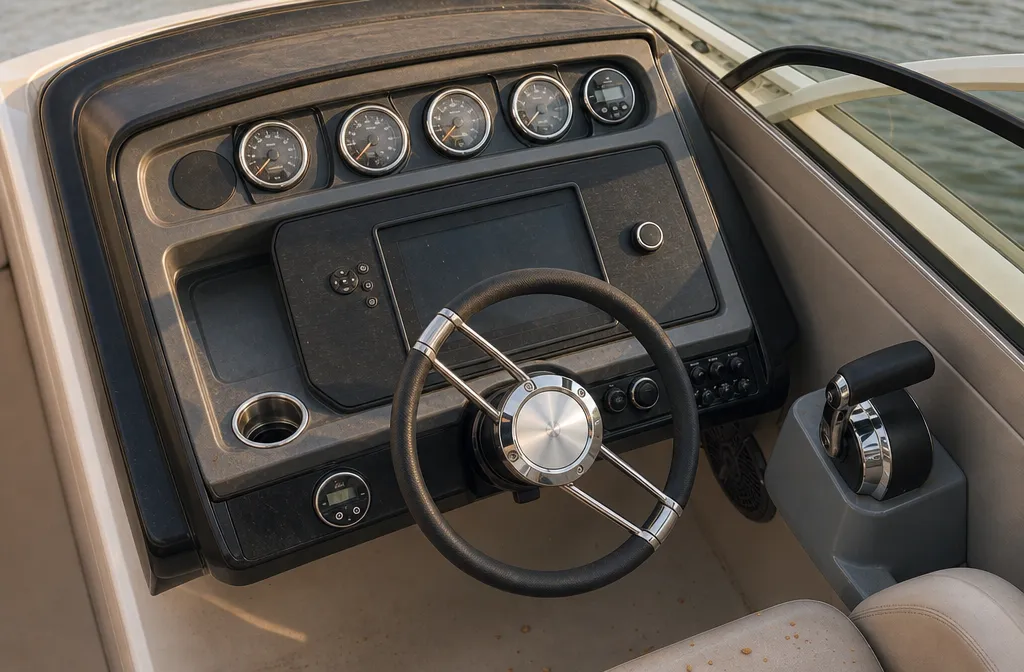
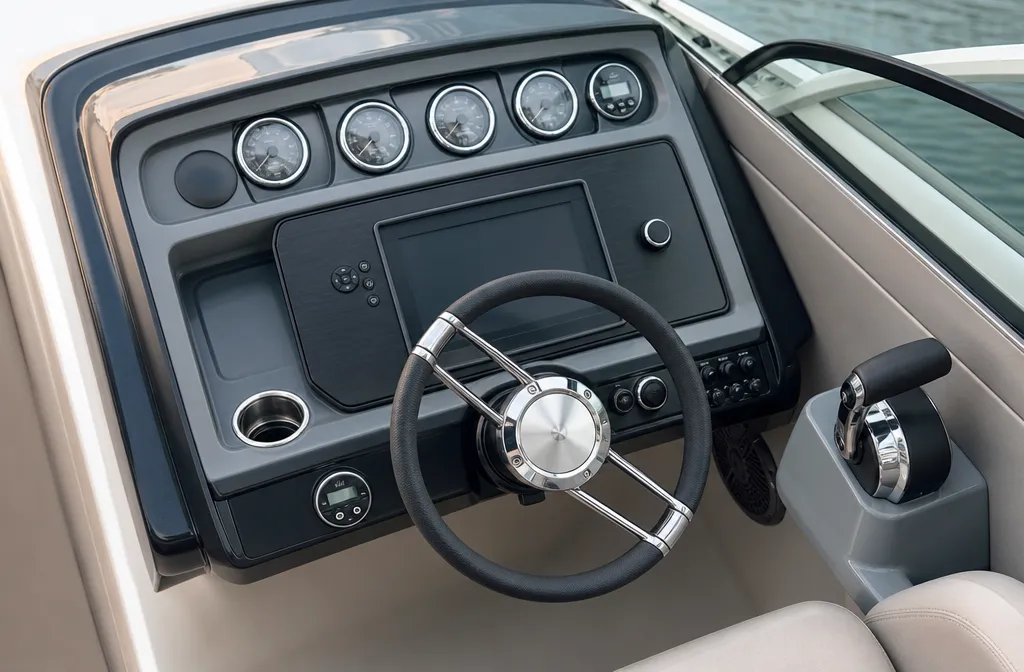
Request: Dashboard dusty with streaks, instruments hard to read.
Done: Blow out crevices, wipe dashboard with microfiber and plastic cleaner.
Cost: 12 000 ₸
Master: Timur Zhaksybekov, dry cleaning master
Total: Dashboard clean, instruments clearly visible, no streaks.
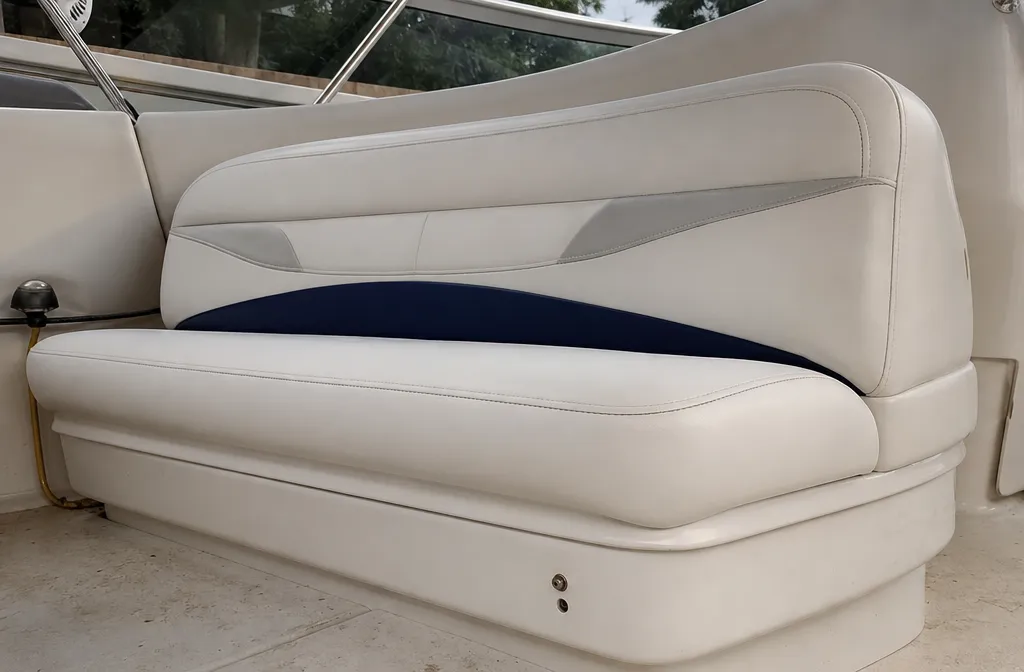 After
After
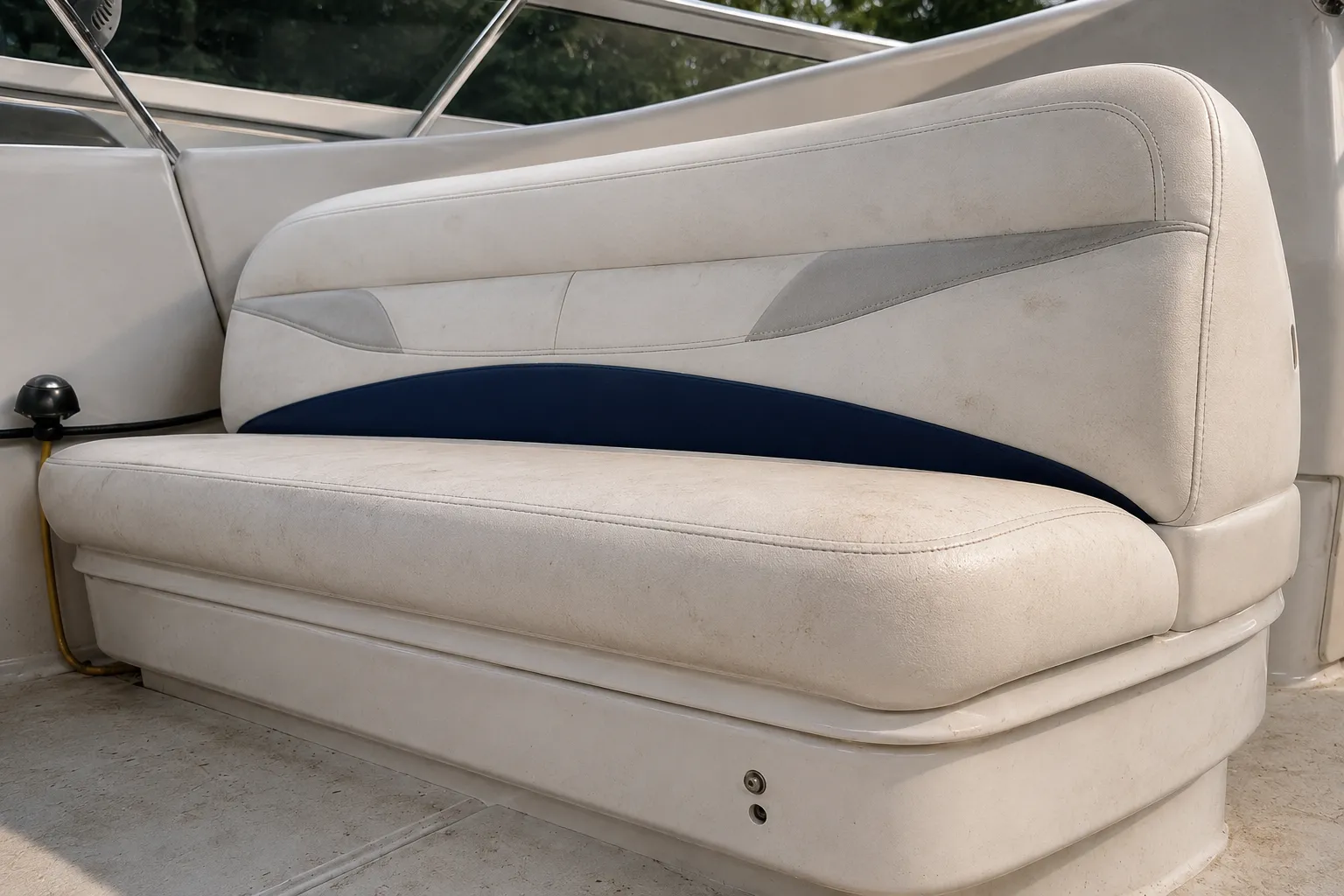
Request: Seat upholstery is greasy with sunscreen stains.
Done: Applied foam, treated stains, rinsed with extractor, dried.
Cost: 14 000 ₸
Master: Nurlan Aliyev, dry cleaning master
Total: Upholstery is clean, stain-free, color refreshed.
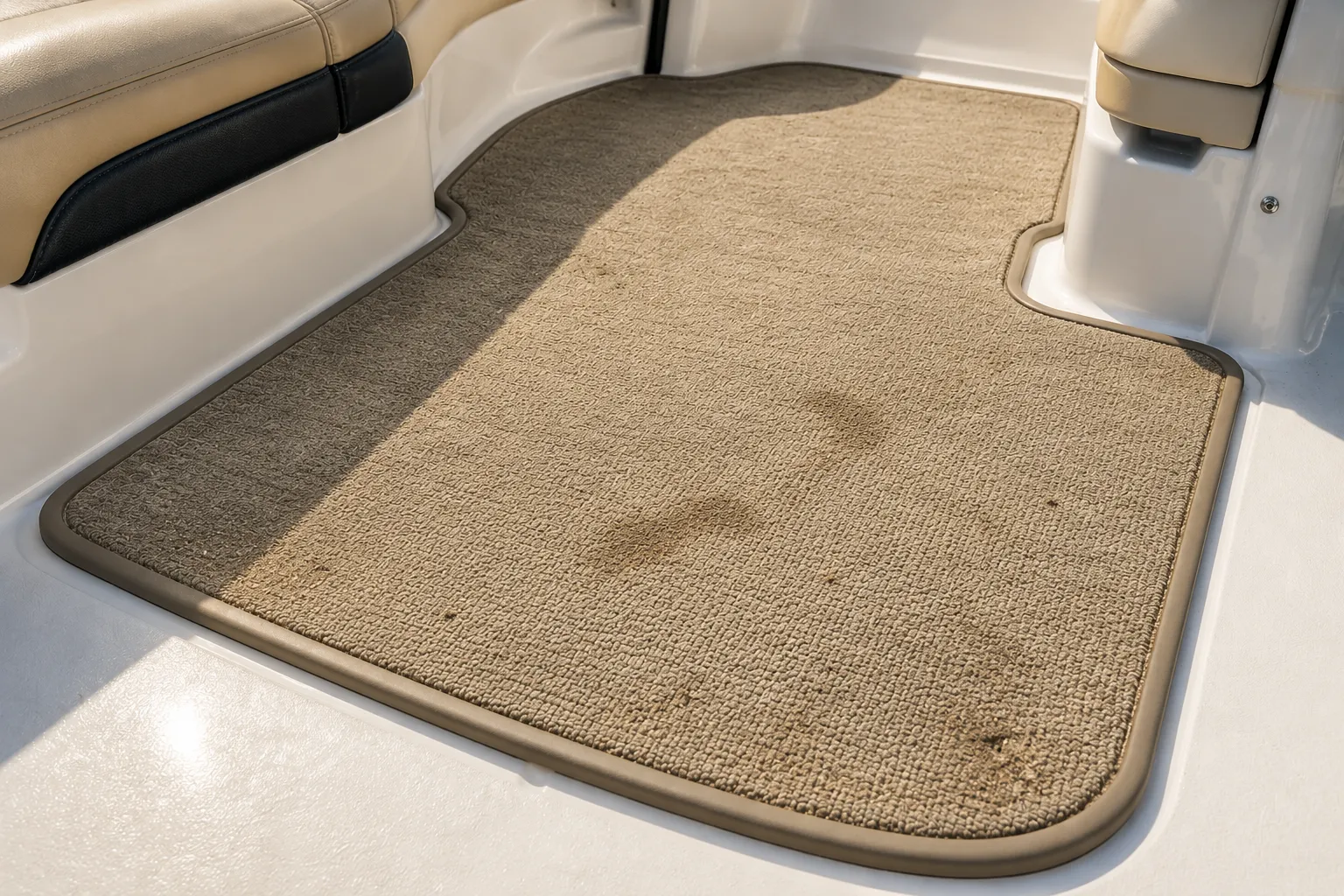
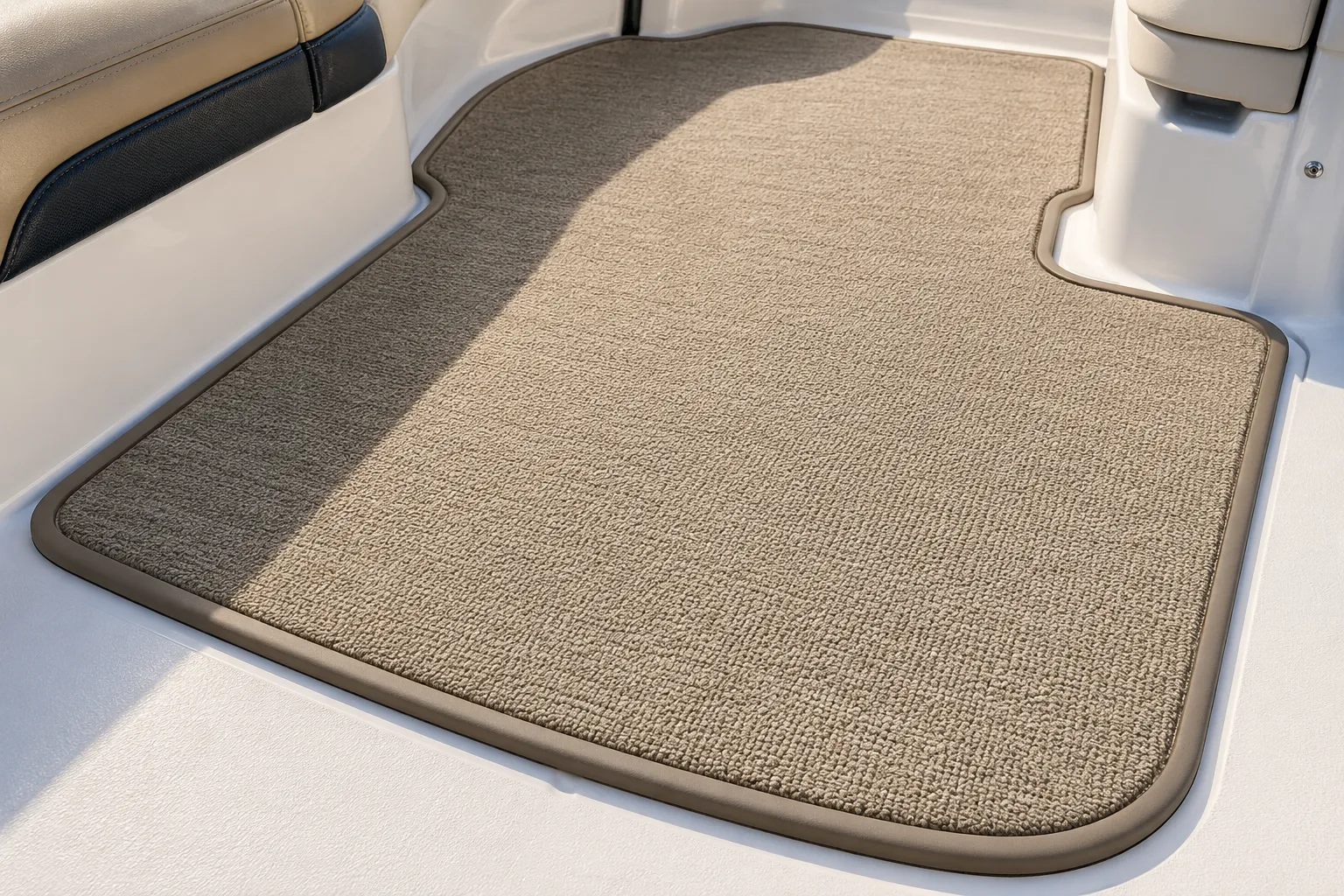 After
After
Request: Floor mat has sand and shoe stains.
Done: Beat out dust, treated stains, cleaned with shampoo, dried.
Cost: 7 000 ₸
Master: Aigul Sadykova, dry cleaning master
Total: Mat is clean, free of sand and stains, dry.
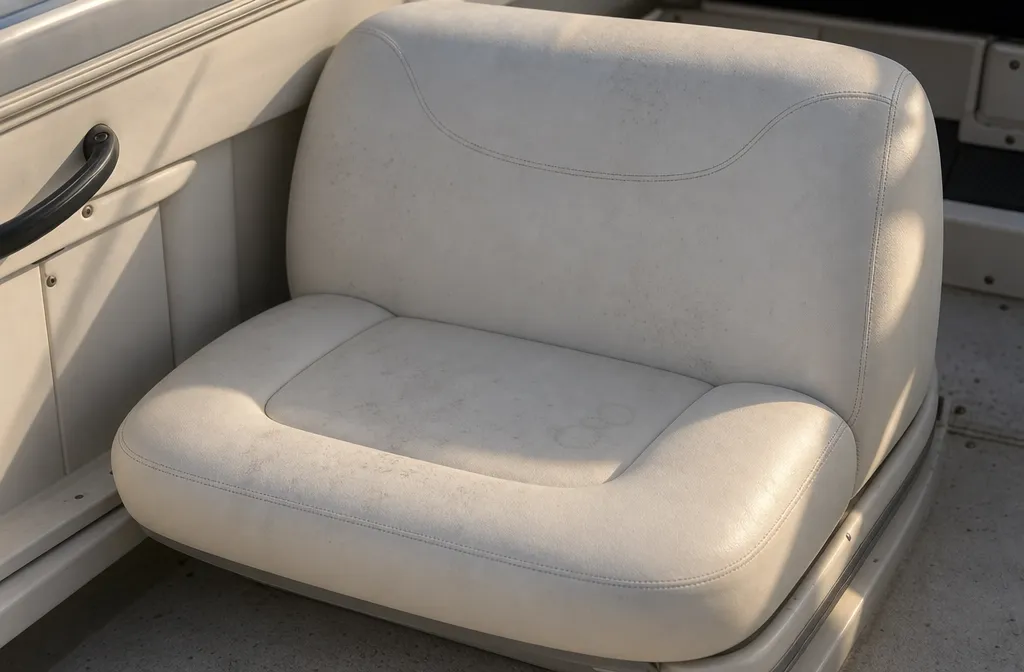
 After
After
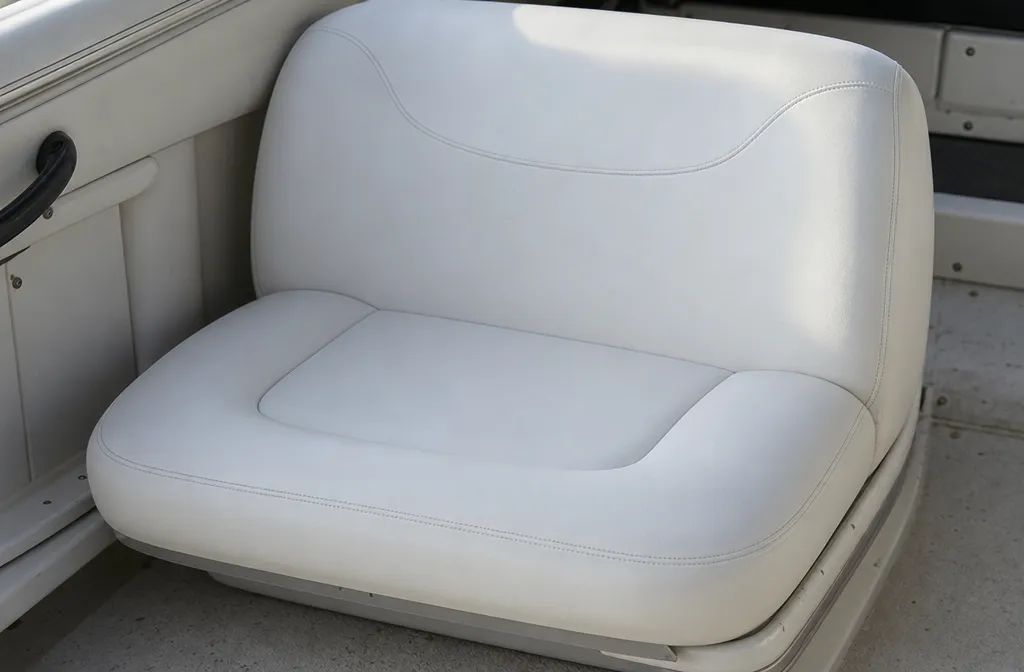
Request: Cushions have mold and water stains, need deep cleaning.
Done: Treated with antifungal agent, cleaned with foam, dried.
Cost: 14 000 ₸
Master: Timur Zhaksybekov, dry cleaning master
Total: Cushions are clean, free of mold and musty smell.
 After
After
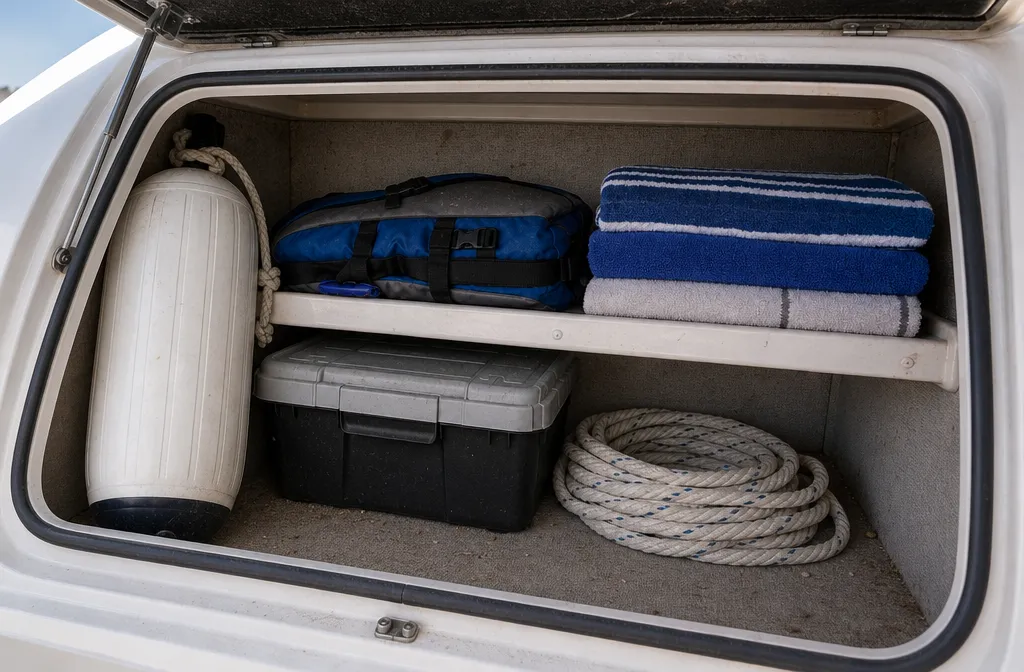
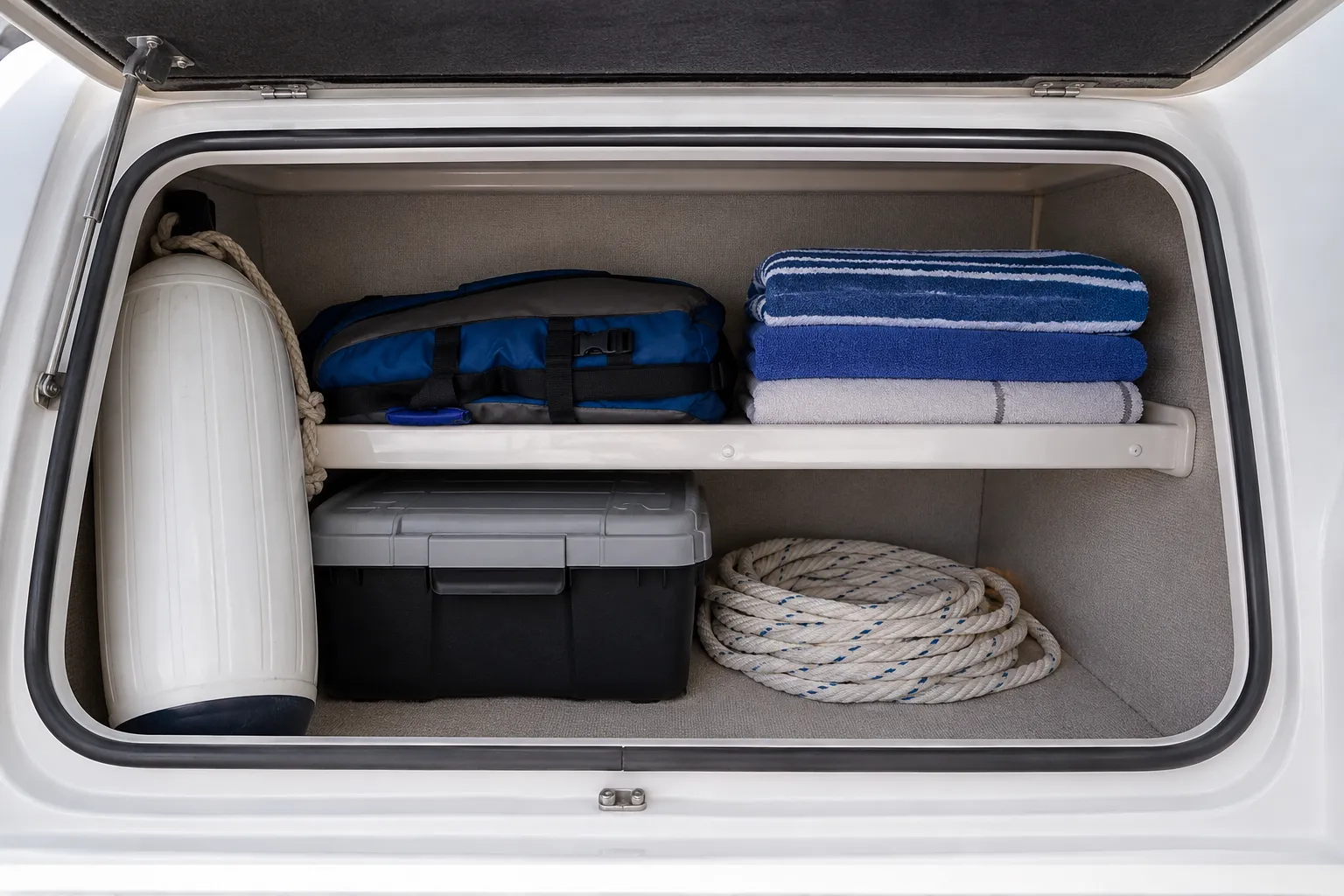
Request: Compartment has dirt, crumbs, and unpleasant odor.
Done: Vacuumed, washed with disinfectant, dried.
Cost: 14 000 ₸
Master: Nurlan Aliyev, dry cleaning master
Total: Compartment is clean, odor-free, ready for use.
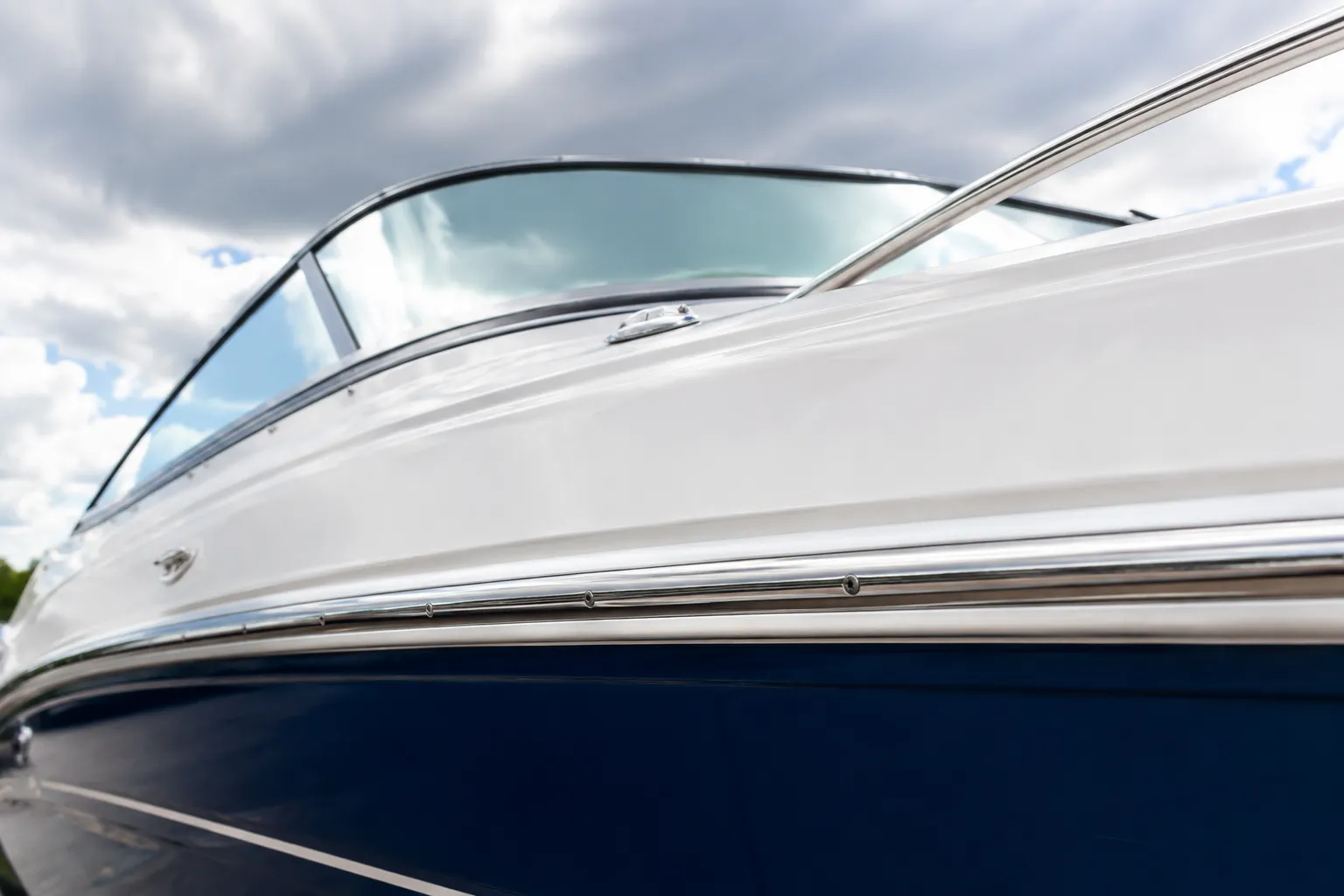 After
After
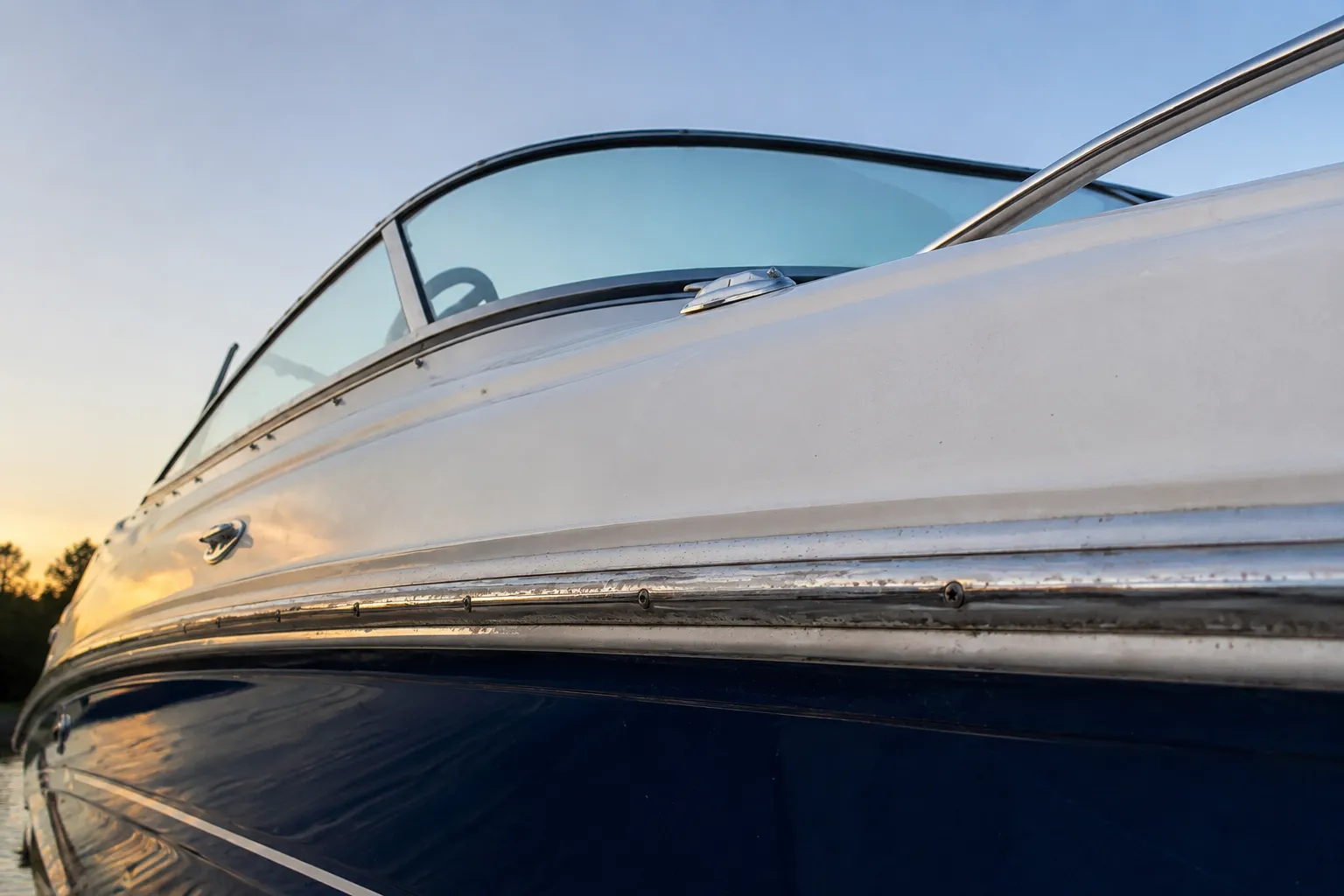
Request: Trim is dull with white residue and scratches.
Done: Polished trim with restorative compound, applied protection.
Cost: 13 000 ₸
Master: Aigul Sadykova, dry cleaning master
Total: Trim is shiny, free of residue and scratches.
All cleaners are profi-clean staff with training, uniform and security check. Each order has a team leader who controls quality.
Over a season, four types of contaminants accumulate on a boat’s hull and upholstery, each requiring a specific approach — regular household chemicals won’t work here, and a mistake can ruin the material.
Traces of motor oil, diesel, and gasoline are the most aggressive contaminants on a boat. They penetrate fiberglass and vinyl upholstery within hours, especially in Almaty’s water bodies, where the water is warm and accelerates adhesion. We use d-limonene-based organic solvents to remove them — they break down petroleum products without damaging the gelcoat. For old stains (older than a week), we apply the compound for 15–20 minutes under a thermal film: the heat opens the material’s pores, and the oil rises to the surface. After rinsing, we remove residues with an absorbent sponge — it soaks up the emulsion without smearing it across the hull. On faux leather upholstery, we first blot oil stains with a dry cloth (do not rub — it pushes it deeper), then treat with a pH 9–10 foam cleaner. In my opinion, the most common mistake owners make is trying to wipe off oil with solvent 646: it eats into the plastic and leaves matte streaks that can’t be hidden later. That’s why we never use abrasives or aggressive acids on oil stains — only targeted compounds with a timed dwell period.
On Kapshagay and other Altai reservoirs, the water is hard — after drying, a white residue of calcium and magnesium carbonates remains. It doesn’t just ruin the appearance: salt crystals left in the sun act like lenses and burn the paint coating. We remove salt deposits with an acid cleaner based on sulfamic acid — it reacts with carbonates, converting them into soluble salts that rinse away with water. For vertical surfaces (sides, cabin), we apply the compound with a low-pressure sprayer — so it doesn’t drip and works for 3–5 minutes. On horizontal surfaces (deck), we use a gel formula: it takes longer to dry and doesn’t leave streaks. We remove limescale from glass and chrome parts separately — with a weak citric acid solution (5–7%), because sulfamic acid can dull chrome. Moreover, salt deposits are easier to prevent than to remove: if you wash the boat with fresh water immediately after returning from the water body, the density of deposits decreases by 80%, and acid treatment is needed once a season, not after every outing.
In Almaty, with its humidity fluctuations (from 30% in dry weather to 80% after rains), mold on boats is a chronic problem, especially if the boat is stored in a closed boathouse or under a tarp. Spores germinate on vinyl upholstery, rubber seals, and ventilation grilles within 48–72 hours at temperatures above 20°C. We treat affected areas with a fungicidal compound containing benzalkonium chloride — it kills the mycelium on contact and leaves a protective film for 2–3 weeks. On upholstery, we first dry the mold with a heat gun (not steam — steam activates spores), then clean with a dry nylon-bristle brush, and only then apply the chemicals. We treat fiberglass differently: with a soft sponge and a hydrogen peroxide-based bleaching compound — chlorine-based products leave yellow stains on white gelcoat. In our practice, there was a case where a boat owner tried to remove mold with “Belizna” (a chlorine bleach) — a month later, indelible streaks appeared at the treatment site, and the section had to be repainted. Expert recommendation: after removing mold, be sure to dry the boat with open hatches and a running dehumidifier for 4–6 hours — without this, spores will recur within a week.
Bird droppings on a boat are not just an eyesore: their pH reaches 3–4, and in 2–3 hours in the sun, they etch the varnish to a matte stain that cannot be polished out. On the Kapshagai reservoir, seagulls and cormorants actively “mark” boats moored at the dock, especially white hulls — they attract heat. We remove fresh traces immediately by generously wetting them with water (dilutes the acid) and neutralizing with an alkaline shampoo at pH 8.5. Dried droppings are first softened with a damp cloth for 10–15 minutes — scraping them off dry is not allowed, as it scratches. After softening, we rinse with a water jet at 80–100 bar pressure (no higher, to avoid damaging the gelcoat). For hard-to-reach areas (seams, rivets), we use a soft-bristled brush. Insect marks (midges, mosquitoes — abundant on Kapshagai in May-June) are removed with the same alkaline shampoo, but with the addition of isopropyl alcohol (10% by volume) — it dissolves chitinous residues. Before seasonal mooring in open water, we recommend applying a protective wax emulsion to the hull: it creates a barrier, so bird droppings do not absorb but are washed off with the first water.
Boats transported on trailers along Almaty highways (Kuldzhinka, Raiymbek Avenue) become covered with a layer of road dust and bitumen splashes. Bitumen is a separate problem: it sticks to the bottom and wheel arches of the trailer, hardens, and does not wash off with regular foam. We remove bitumen stains with a citrus solvent — it softens the resin in 2–3 minutes, after which it wipes off with a rag without residue. Road dust from the hull is washed off with a contactless foam at neutral pH (6–7) — acid is excessive for this task and washes off the factory wax. On the trailer, dust and salt (winter road treatment, though minimal in Almaty) are treated with the same neutral compound, but using a mechanical brush on a telescopic handle — for hard-to-reach frame cavities. In my opinion, owners often forget to wash the trailer, which is a mistake: dirt under the arches accelerates corrosion of welded seams, and after 2–3 seasons, the trailer may need element replacement. Therefore, our boat detailing service includes trailer washing — this extends its lifespan for years.
Boat owners often confuse a regular hull wash with professional detailing — the difference lies not only in the price but also in the approach, materials, and result. Let’s break down the key differences so you understand what your vessel needs.
A regular wash removes the top layer of dirt — dust, sand, bird marks — but does not penetrate the pores of fiberglass or the structure of vinyl. Boat detailing from profi-clean works differently: we apply the compound under pressure and leave it for 3-5 minutes for capillary absorption. During this time, active components — non-ionic surfactants from the Kiehl line — draw out oil stains and fuel residue from micro-cracks where water simply does not reach. In my opinion, this stage determines whether “shadows” from petroleum products remain on the hull or not. After detailing, the surface becomes uniformly clean; after a regular wash, it is simply wet.
Car washes and boat stations often use aggressive alkali or acid — they quickly wash off dirt but destroy the protective gelcoat layer and fade the upholstery. In boat detailing, we use only pH-neutral Sodasan compounds — they do not react with polymer coatings and do not leave whitish streaks on plastic. The difference becomes apparent after 2-3 seasons: a hull washed with regular chemicals dulls and begins to chip, while one professionally cleaned retains its factory shine. Moreover, the hypoallergenic nature of the compounds is critical for enclosed cabins — after washing with a caustic agent, an ammonia smell lingers inside for a day or two; with us, zero volatile compounds.
Pier cleaners use high-pressure washers to blast off dirt, but this forces water into cracks and under the hull lining, creating a breeding ground for mold. At profi-clean, for boat dry cleaning, we use extractor machines with HEPA filtration: they don’t just rinse away dirt; they vacuum the solution along with contaminants from deep within the fabric and plastic. This is especially crucial for seat upholstery—after washing, water remains inside the foam and starts to rot within a week, whereas after extraction, the material is 90% dry in a single pass. Our experience shows that boats which undergo only regular washing start to smell musty in the cabin by August—with dry cleaning, this problem doesn’t exist.
Regular washing with a stiff brush or an abrasive sponge leaves micro-scratches on glossy surfaces—under the sun, these turn into a “spider web” of fine lines. Boat dry cleaning is completely contactless during the application stage: we spray the solution through a nozzle with a soft fan pattern and remove it with the extractor without any friction. The only contact is manual treatment of hard-to-reach seams with microfiber, which doesn’t scratch the gelcoat. If a boat has a matte plastic finish, abrasive washing makes it glossy and uneven—after dry cleaning, the texture remains original. In Almaty’s conditions, where the water is hard (up to 7 mg-eq/L), salt deposits remain on the hull after washing, which burn the coating—our formulations contain chelating agents that bind the salts and prevent them from crystallizing.
If a boat has been at the dock for a week and only has poplar dust on it, a regular wash is enough to restore its appearance. But if after the season there are oil stains from the engine on the hull, traces of fish slime or bird droppings on the upholstery, and a smell in the cabin—washing won’t solve the problem. It’s worth ordering boat dry cleaning after winter storage: over winter, condensation accumulates in the cabin, and bitumen traces from road dust settle on the hull, which washing would only smear. I recommend assessing the condition based on three signs: are there sticky spots on the plastic, does the smell remain after washing with water, is there a visible color difference between the deck and the sides—if at least one point is “yes,” choose dry cleaning.
The navigation season in Kazakhstan lasts from May to October, and during this time, a boat accumulates contaminants that are not washed away by ordinary water. At profi-clean, we recommend following a schedule of three mandatory treatments per season plus one unscheduled one—this extends the lifespan of the upholstery and hull by 3–5 years without needing material replacement.
After winter storage in an open lot or a boathouse, a layer of dust, traces of mold, and hardened oil stains from preservation lubricants remain on the upholstery and plastic. This dry cleaning is done immediately after launching, before the first outings—it removes microorganisms that have started to break down the vinyl and fiberglass over the winter. In my opinion, the main mistake is to skip this step and go for a ride, because the moist environment and warmth trigger fungus growth under the covers. After the spring treatment, we apply a protective polymer film to the hull and treat the upholstery with a water-repellent impregnation—this reduces dirt adhesion in the summer by 60–70%.
In July-August, the boat is used most intensively: 3–5 outings per week, the water in Kapshagai and Balkhash is blooming, and limescale and algae deposits settle on the hull. If not removed in time, they grow into the gelcoat and leave permanent matte stains. A scheduled mid-season dry cleaning takes 4–6 hours and includes treating the bottom for fouling, a gentle wash of the upholstery, and cleaning the plastic. We had a case where a client brought in a boat in August with a 3 mm thick deposit—we had to use an acidic formulation, which can only be applied once a year.
Mandatory treatment before winter storage — it removes all organic matter (fish scales, bird droppings, fuel residues) that turns into an aggressive acidic environment over the winter and destroys the paintwork. In autumn, we focus on drainage systems and hidden cavities — water accumulates there, which, when frozen, tears plastic and upholstery seams. Moreover, after washing, we always dry the boat with heat guns for 6–8 hours, because moisture under the cover in freezing temperatures creates an icy crust on the seats.
A separate case is a boat that was moored at a pier in the Ili Bay or at a river mouth where the water is stagnant and silty. There, plaque builds up within 2–3 weeks, and waiting until mid-season is not an option — fouling blocks the water intakes of the engine cooling system. Unscheduled treatment is done urgently, within 2–3 days after detection, and costs 20–30% more than scheduled cleaning due to the urgent dispatch and additional flushing of the cooling system. Our recommendation: if you notice a green coating on the hull after a trip, plan a chemical cleaning for the nearest weekend — don’t put it off until autumn.
Boats feature three main types of upholstery, each requiring its own set of products — universal chemicals either won’t work or will damage the material. At profi-clean, we select formulations for the specific coating type, and here’s how it works in practice.
Vinyl is the most common material on boats in Almaty: it’s not afraid of moisture, easy to clean, but vulnerable to aggressive solvents and UV radiation. We use neutral foam formulations with a pH of 7–8 for it — they lift grease and oil stains without softening the top layer. It is strictly forbidden to use acetone, gasoline, or chlorine-containing cleaners: they make vinyl sticky and matte in a single contact. After cleaning, we always apply a water-based UV protector — under the Kazakh sun, vinyl without protection fades within 2–3 weeks. In my opinion, the main mistake owners make is trying to scrub off fish or bird droppings with a stiff brush: vinyl gets scratched, dirt gets into micro-cracks, and then it can only be removed with deep impregnation. In our orders for boats with vinyl upholstery, we always check the coating with a tester on an inconspicuous area — if the material starts to “run,” it means the pH was chosen incorrectly.
Fabric on boats is usually polyester or acrylic with a water-repellent impregnation, and the main problem is that dirt penetrates the fibers rather than staying on the surface. For fabric, we use water-based enzyme stain removers — they break down organic matter (oil, fish blood, fruit juice) at the molecular level without damaging the threads. After applying the solution, we always use an extraction machine with hot steam (supply temperature 90–95 °C) — this washes out residual dirt from deep within the layer. An important nuance: fabric after wet cleaning dries for 6–8 hours with good ventilation, and if the boat is on an open lot in Almaty, it’s better to cover it overnight with a breathable tarp — otherwise, moisture under the sun creates a greenhouse effect and a musty smell appears. Before extraction, we always check the dye fastness with a white napkin: if it bleeds, we lower the steam temperature to 70 °C to avoid “cooking” the color.
Leather upholstery is less common on boats — mainly on premium motor yachts — but it is the most demanding to maintain. For leather, we use gentle lotions with lanolin and beeswax: they dissolve salt stains and grease without drying out the surface. Never use alcohol or acetone — they tighten the pores, and the leather cracks within a month. After cleaning, we always apply a conditioner with a UV filter: under the Kazakh sun, natural leather without protection dries out and loses elasticity within 10–14 days. Eco-leather is simpler — it doesn’t absorb dirt but is afraid of abrasives: we clean it with a soft microfiber cloth and an alkali-free foam formulation. In our practice, on one boat, a client treated the leather upholstery with engine degreaser — the surface turned into sandpaper, and we had to replace a section. Expert recommendation: on leather upholstery, it’s worth doing a preventive impregnation with hypoallergenic wax once a season — this extends the material’s service life by 2–3 seasons without replacement.
Fiberglass and plastic on a boat are the two most vulnerable materials that lose their appearance faster than upholstery or running gear if cleaned incorrectly. We have broken down the common mistakes owners make and how to avoid them.
Fiberglass is a composite of polyester resin and fiberglass; it withstands pH-neutral and mildly alkaline solutions up to pH 9.5 without consequences. Plastic (ABS, polycarbonate, acrylic) is softer: at pH above 8.5, micro-scratches appear from abrasive particles in the foam, and aggressive solvents — acetone, white spirit, gasoline — dissolve the top layer, leaving “burns” in the form of matte spots. In our practice, there was a case where a boat owner treated a plastic instrument panel with engine degreaser — within a month, cracks formed in the sun because the compound pulled plasticizers out of the polymer. The same chemicals would have left no trace on fiberglass due to its thermosetting structure. Therefore, before cleaning, we always test the product on an inconspicuous area — on plastic under the dashboard, on fiberglass near the transom.
Glossy gelcoat: owners scrub it with a stiff brush or sponge with an abrasive side — by morning in the sun, a “spider web” of micro-scratches is visible. Matte plastic: they try to polish it with silicone polish — the greasy film collects dust and looks dirtier than before cleaning within a day. Dried algae stains: they scrape them off with a spatula or knife — a deep scratch on the gelcoat cannot be polished without professional equipment. Abrasive pastes on plastic: they use automotive polishes with aluminum oxide — on plastic, these remove the protective UV stabilizer layer, and after two seasons, the material yellows. Steam generator at full power: they direct steam at plastic from a distance of less than 15 cm — at 150°C, ABS plastic deforms in 3-4 seconds. Steam is safe on fiberglass if not held on one spot for longer than 5 seconds.
In Kazakhstan, boats are operated in three fundamentally different bodies of water — Kapshagay with hard water (up to 7 mg-eq/L), lakes with soft water up to 3 mg-eq/L, and mountain rivers with low mineralization. Hard water leaves limescale on fiberglass that embeds in the gelcoat pores over a season — regular washing won’t remove it; an acid treatment (pH 3-4) for 2-3 minutes followed by neutralization with baking soda is needed. Plastic suffers less from hard water, but whitish streaks remain from dried droplets — these are only removed with a microfiber cloth and distilled water, otherwise the salts crystallize and scratch the surface. In mountain rivers, the water contains many suspended particles of sand and silt — they act as an abrasive during washing, so we first rinse the hull with water without pressure to avoid grinding sand into the gelcoat. After each season on Kapshagay water, we recommend applying a protective wax emulsion to the fiberglass — it fills micropores and reduces scale adhesion by 60-70%.
Yellowing of plastic on a boat is not a cosmetic defect but the destruction of the polymer’s top layer under UV radiation, which in Almaty at an altitude of 800 meters is 15-20% more intense than at sea level. You cannot restore the color with bleaches or chlorine — they only deepen the degradation. We use a two-stage restoration treatment: first, mechanical sanding with a fine-grained paste (grit 3000-5000) at low speeds of 1200-1500 rpm to remove the oxidized layer 10-15 microns thick, then application of an acrylic-based UV blocker with SPF 50 protection. Fiberglass does not yellow — gelcoat contains titanium dioxide, which reflects UV. If the plastic has yellowed unevenly — for example, only on the port side that faced the sun — the entire part must be sanded, otherwise the boundary will be visible after restoration.
After professional detailing, the boat looks like new, but without proper care, grime and stains return within two or three trips. Here’s how to extend the cleanliness until the next season and avoid damaging the materials.
Immediately after cleaning vinyl or fabric upholstery, we apply a hydrophobic impregnation — it creates a barrier that repels water, oil, and dirt. At profi-clean, we use 303 Aerospace Protectant for vinyl and Scotchgard for fabric — they do not change the color or texture of the material. The impregnation lasts 3-4 months with active use, but if the boat is parked under the sun in Alatau or on Balkhash, the UV filter in the composition burns out faster. We apply a thin layer to a clean, dry surface, rub it in with a microfiber cloth, and leave it for an hour until fully absorbed. Here’s a tip: do not use silicone sprays from auto shops — they create a sticky film that attracts dust, and the upholstery gets dirty the very next day after going on the water.
A fiberglass or plastic hull just needs to be rinsed with fresh water after each trip on salt water — salt crystallizes in the sun and eats into the gel coat within 12 hours. In Almaty, where boats are stored on Kapchagay and the Ili River, the water is hard, so after rinsing, we wipe the hull with a chamois — otherwise, white streaks from calcium salts remain. Every two weeks, we use a contactless cleaner, Star Brite Hull Cleaner, with a pH-neutral formula: spray, wait 3 minutes, rinse with low-pressure water. Never scrub the hull with a stiff brush — it leaves micro-damage on the fiberglass where dirt gets embedded, and the next detailing will require abrasive polishing. For boats that stay on the water all season, we add Marykate Boat Wash to the rinse water once a month — it neutralizes alkaline deposits.
Plastic panels and chrome handrails need protection from fading and corrosion after detailing — especially on boats stored openly in Alatau or on Balkhash. For plastic, we use UV blocker 303 Marine Aerospace Protectant: it is applied once a month, giving a matte finish without a greasy shine. Chrome is wiped with Meguiar’s Marine Metal Polish every two weeks — it removes oxides and creates a protective layer for 2-3 outings. Direct sunlight in Kazakhstan has a UV index of up to 9, and unprotected chrome parts dull within one season. There is a nuance: do not use abrasive products on plastic — even a soft polish leaves scratches visible in the sun, and the plastic has to be sanded again.
The main mistake owners make is using household detergents like Fairy or scouring powders between professional cleanings. The alkali in the composition destroys the protective impregnation layer, and the upholstery starts absorbing dirt like a sponge after just the second use. The second mistake is drying the boat in the sun after washing: water droplets act like lenses, leaving stains on the fiberglass that can only be removed by polishing. The third is storing wet life jackets and covers on the upholstery: moisture under the vinyl creates a greenhouse effect, and within a month, mold appears, which can only be removed by another detailing. Before winter storage, we always treat the upholstery with an antiseptic and leave the boat with open hatches to dry for 24 hours — this is the only way to prevent fungus during six months of downtime.
Ordered boat dry cleaning after purchase — removed old stains and smell. Excellent result.
Thank you, Aigerim! Glad the boat looks like new.
Washed the yacht after wintering. Salon shines, but carpets could have been cleaned more thoroughly.
Marat, thanks for the feedback! We'll take note about the carpets.
Had boat dry cleaning done before the season. Oil stains disappeared, plastic shines.
Cleaned sails and deck from bird droppings. Everything perfect, no streaks.
Zhanna, thank you! We'll be happy to help again.
I ordered dry cleaning for boats, but not all wine stains came out. I expected more.
Yerlan, we apologize. Please contact us and we'll treat it again.
We put the jet ski in order after rental. Even tough stains were removed.
Dry cleaning for boats is the best service. After it, the boat looks like it just came off the assembly line.
Kuanysh, thank you! Your praise means a lot.
We cleaned the rubber boat from algae and silt. The material was not damaged, it's fresh.
I used dry cleaning for boats — they did a great job with grease in the galley. But I had to wait longer than promised.
Timur, sorry for the delay. We strive to be more punctual.
They restored the whiteness of the seat upholstery. I couldn't believe it could be cleaned so well.
I ordered dry cleaning for boats for a fishing vessel — they removed the fish smell and grease. Now it's pleasant to be inside.
Alexey, glad the smell is gone. Thank you!
After cleaning, the cabin has not a single stain. Clients are happy, thanks to the team!
Dry cleaning for boats — masters of their craft. They also refreshed the wooden elements.
They cleaned the cockpit well, but there are still traces from fishing rods on the deck.
Aliya, thank you! We'll pay attention to this on your next order.
I had the boat dry cleaning done — they surprised me by even cleaning hard-to-reach places.
After a long rental, the catamaran was in terrible condition. Thank you for restoring its appearance.
Saule, you're always welcome! Feel free to reach out.
The boat dry cleaning couldn't handle the stubborn grime on the deck. Disappointed.
Ruslan, we apologize. We'll suggest alternative methods.
My jet ski looks like new after their service. Very thorough.
I ordered dry cleaning for my workboat — they removed oil stains. Now the equipment is in order.
Maxim, thank you for your feedback!
They cleaned the sails separately — no streaks, like new.
Boat dry cleaning is superb! They washed off even embedded dirt.
Yerzhan, thank you! Your trust inspires us.
They cleaned the children's boat — everything is fine, but there's a faint chemical smell left.
Maria, we apologize. We'll use more neutral products.
We did dry cleaning of boats — the result exceeded expectations. I recommend it.
The whole team is delighted. The yacht shines, thank you for your professionalism.
Kamilla, glad we pleased you!
Dry cleaning of boats is a must. Removed bait smell, boat is ready for the season.
Cleaned the inflatable boat from algae. Very gentle.
Dry cleaning of boats was done well, but the cost was higher than expected.
Serik, thank you for your feedback. Prices match the scope of work.
After winter, the boat was dirty. Now it's like from the showroom.
Ordered dry cleaning of boats — algae stains disappeared. Fast and high quality.
Ilyas, thank you!
Had cleaning before the regatta. Everything shines, thank you!
Sveta, good luck at the regatta!
Dry cleaning of boats helped, but not everywhere: some stains remained. Disappointed.
Bekzat, sorry. We'll come again.
Jet ski after cleaning looks like new. Works great!
Boat dry cleaning is just what you need. Pleasant smell inside.
The small boat was cleaned to a shine. Thank you for attention to detail.
Assel, glad to help!
Did dry cleaning of boats for a tourism business — guests are happy. Thanks!
Clean, but there are marks on the windows. Otherwise great.
Galiya, we'll take note. We'll wipe the windows on the next visit.
Dry cleaning of boats — I recommend. They even wiped the engine.
After long storage, the boat looks like new. Thank you!
Natalya, you're always welcome.
On average, cleaning a boat up to 6 meters long takes 2-3 hours. For larger yachts, it may take up to 5 hours. The exact time depends on the degree of soiling and the type of upholstery.
Yes, we use professional products from Kiehl and Sodasan that are safe for vinyl, fabric, and plastic. They do not cause fading or damage surfaces.
Simply remove personal items and removable accessories. If there are valuables, put them away. The technician will conduct a preliminary inspection.
Yes, we accept payments via Kaspi Gold, Halyk Bank cards, as well as cash and bank transfer. All payments are confirmed with a receipt.
Yes, if a stain is not removed after cleaning, we refund your money. The technician assesses the likelihood of removal beforehand.
Free travel is available within Almaty. Outside the city, it is by arrangement, and an additional transport fee may apply.
Yes, we clean eco-leather and faux leather with special products that do not dry out the material and preserve elasticity.
It is recommended to dry clean once per season (spring and fall) to maintain cleanliness and prevent mold.
Yes, extraction cleaning removes musty, moldy, and gasoline odors. We also use deodorizers.
Yes, we offer individual services: carpet, upholstery, or plastic cleaning. The minimum order cost is based on an individual rate.
Tell us about your experience with profi-clean — it helps other clients and us improve.
We currently operate in Almaty. Other cities are coming soon.