Surface inspection
We assess the type of coating, degree of contamination, identify mold and damage. We select safe products.
We remove dust, soot, grease, and mold from any walls and ceilings in Almaty

We work with any types and materials
We wash without streaks using special products for PVC.
from 12,000 ₸We polish to a shine using soft microfiber attachments.
from 12,000 ₸We carefully remove dust and stains without damaging seams and paint.
from 12,000 ₸We wash without streaks using pH-neutral products.
from 1,500 ₸We clean with a damp microfiber cloth, avoiding soaking.
from 1,200 ₸We remove dust and dirt without damaging the coating.
from 1,200 ₸We wash carefully using minimal moisture.
from 1,200 ₸We wash with antistatic for long-lasting cleanliness.
от 1 000 ₸We remove soap scum and mold in the seams.
from 3,000 ₸We clean with special products for wood.
от 1 800 ₸We treat with antifungal compounds, remove spores.
from 6,000 ₸We remove soot after renovation or fire.
from 12,000 ₸From inspection to result with guarantee
We assess the type of coating, degree of contamination, identify mold and damage. We select safe products.
Remove dust from ceiling and walls with a vacuum cleaner and soft brush. Use HEPA filter for allergy sufferers.
Dilute pH-neutral Kiehl (Germany) cleaner in warm water. For mold, add antifungal agent.
Wash walls with microfiber attachment, starting from the ceiling. Move top to bottom to avoid streaks.
Use telescopic mop with microfiber for ceilings. For stretch ceilings, use special soft attachments.
Treat stubborn stains: kitchen grease, soot, marker marks. Use Karcher steam cleaner.
Wipe surfaces with clean water and dry microfiber. Remove residue and streaks.
We air out the room and check the quality of the cleaning under bright light. If necessary, we fix any imperfections.
We use professional Kiehl (Germany) chemicals — they are safe for any surfaces: stretch ceilings, wallpaper, paint. The products do not cause allergies and do not leave streaks. All compounds are certified for use in children's and medical facilities.
We use Karcher steam cleaners with steam temperature up to 140°C. This allows removing stubborn grease, soot, and mold without chemicals. Steam penetrates pores and destroys 99.9% of bacteria.
We have been working with stretch ceilings for over 8 years. We use only soft microfiber attachments and telescopic mops to avoid damaging the fabric. No scratches or cuts.
We guarantee no streaks. If streaks remain after washing, we redo it for free. We control quality during final inspection with lighting.
All masters have been trained to work with different surfaces: wallpaper, paint, plastic, stretch ceilings. They know which chemicals and tools to use for each type. We regularly improve our skills.
We use vacuum cleaners with HEPA H13 filters that trap 99.97% of dust particles and allergens. This is safe for asthmatics and allergy sufferers. The air after cleaning becomes cleaner.
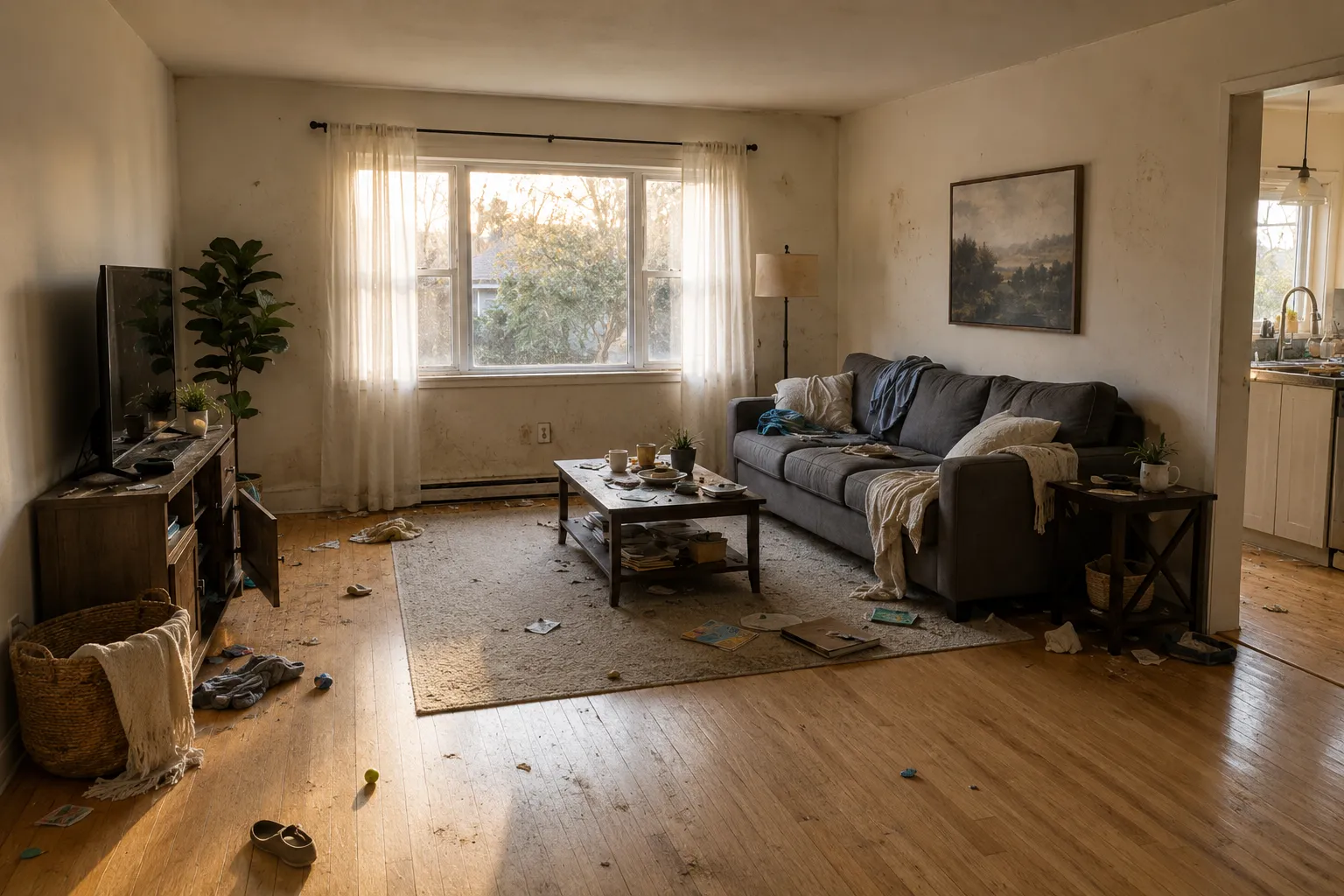
 After
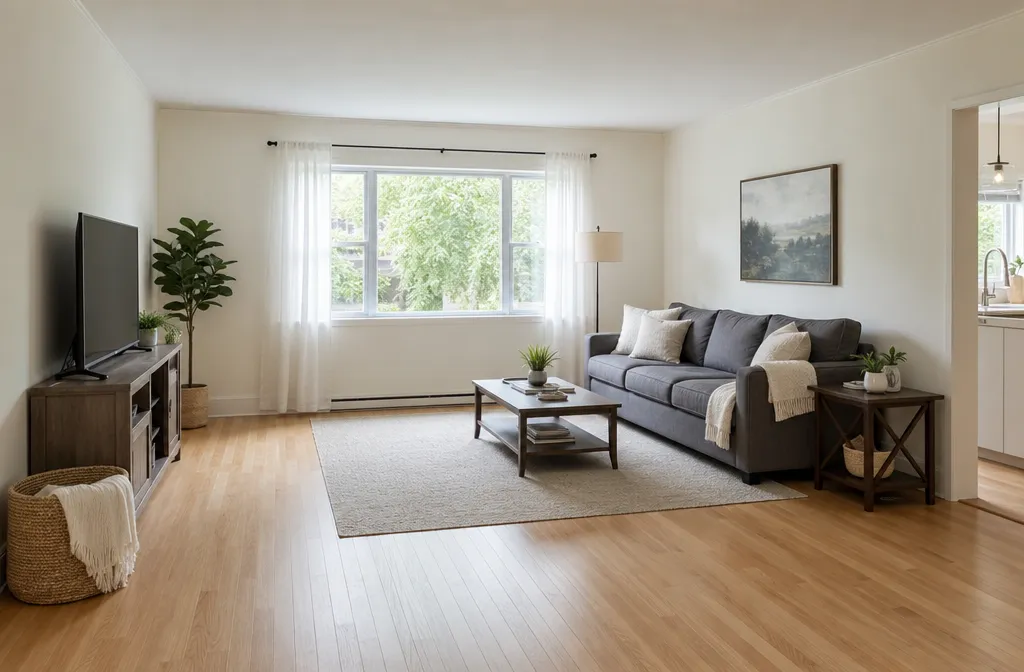
After
Request: Remove grease stains and drink marks on a light wall in the living room.
Done: Removed grease stains and streaks from matte paint, restored uniform wall color.
Cost: 14 000 ₸
Master: Aigul Nurova, wall washing master
Total: The wall is clean, with no traces of stains, color is even.
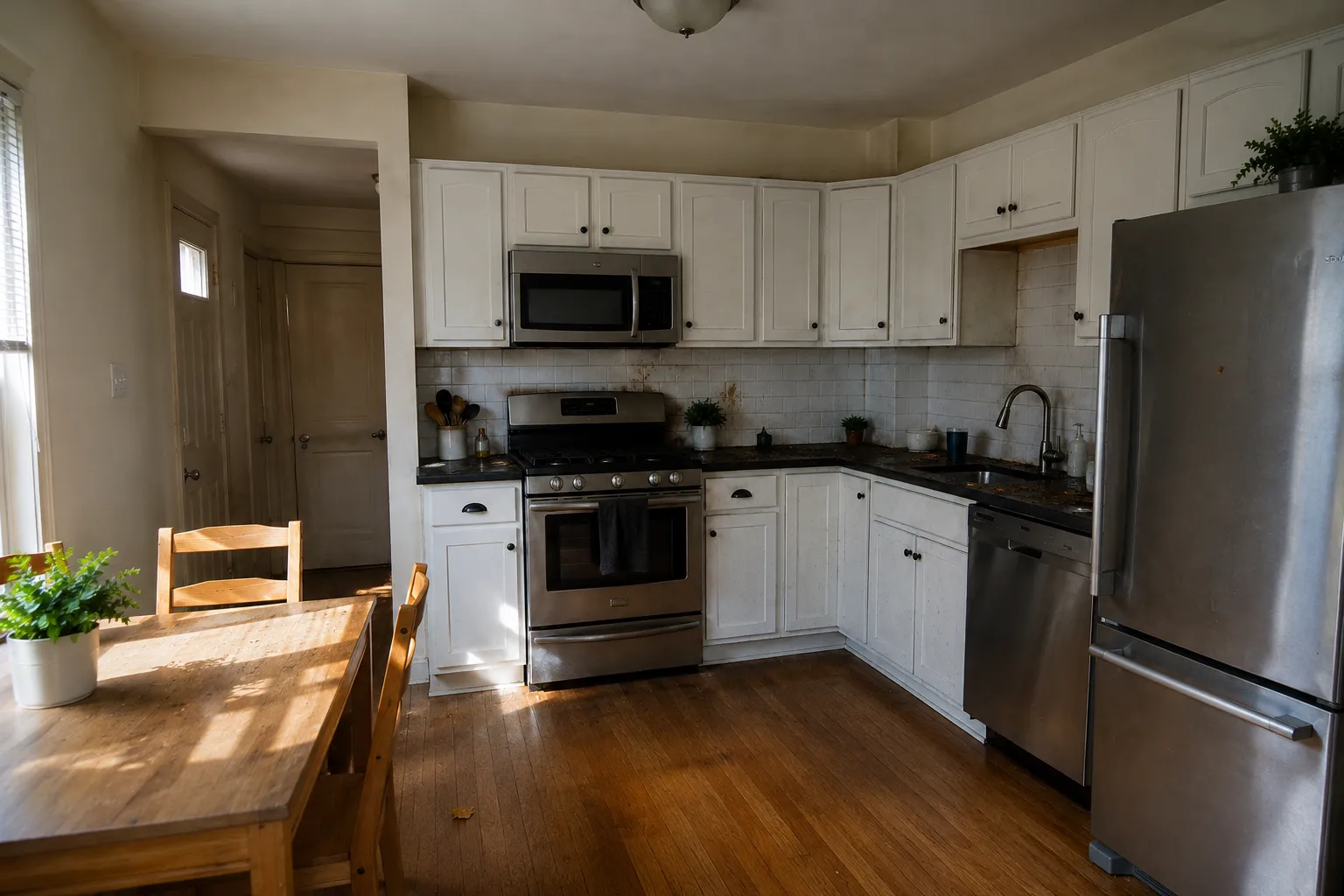
 After
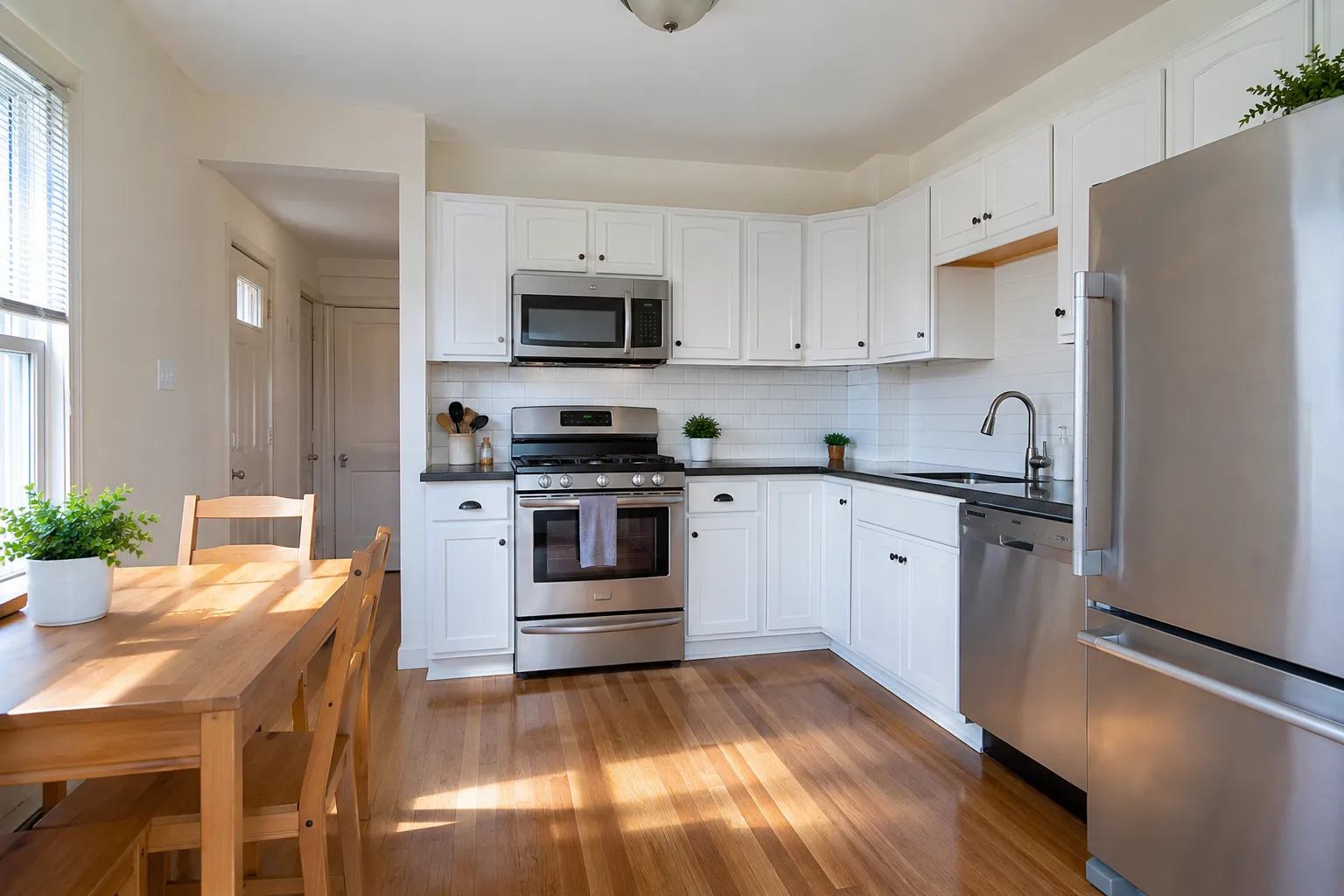
After
Request: Clean old grease on the wall near the cooktop.
Done: Removed grease buildup and oil splatters from tiles and paint, used a degreaser.
Cost: 15 000 ₸
Master: Ruslan Bekov, cleaning master
Total: The wall and tiles shine, grease completely removed.
 After
After
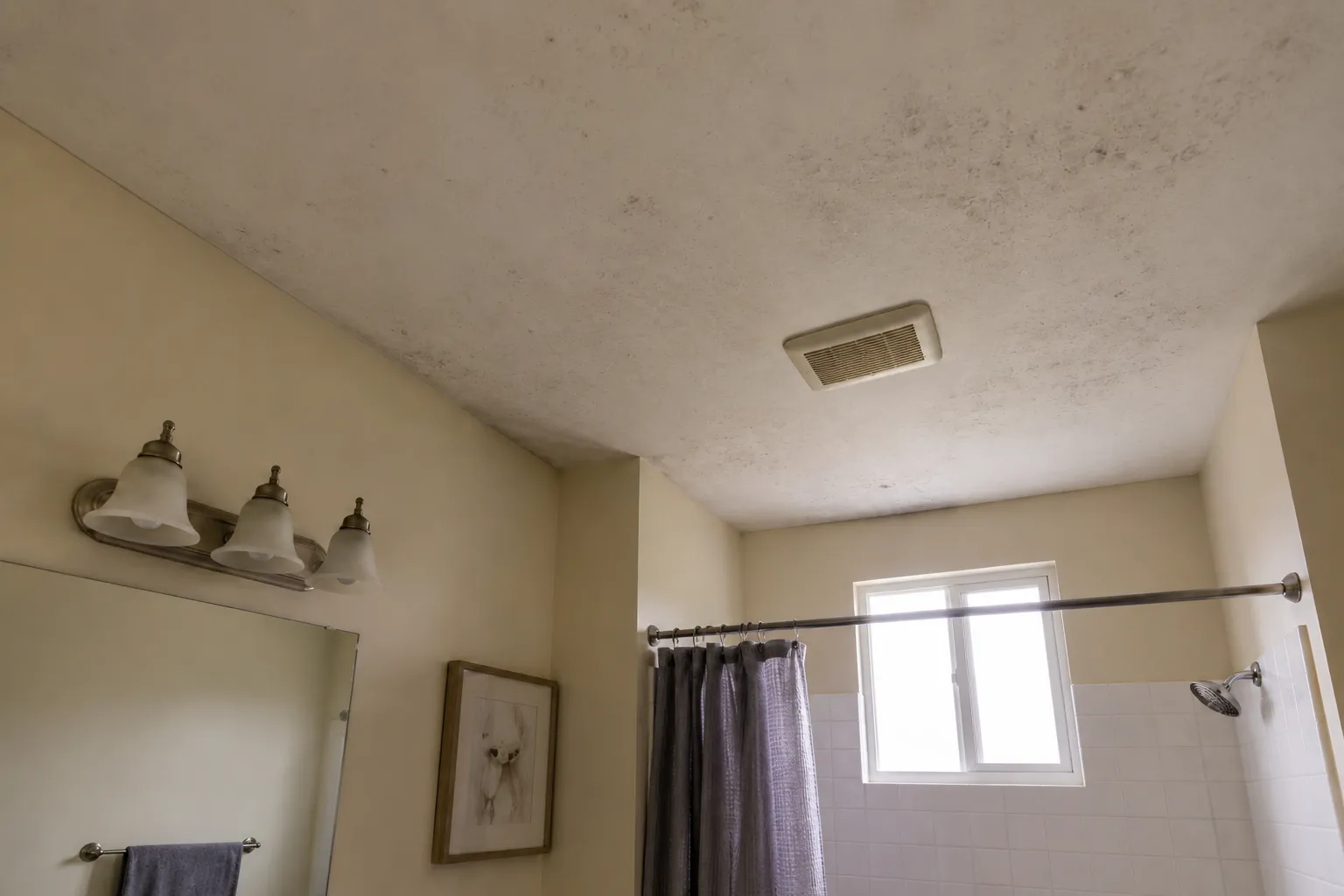
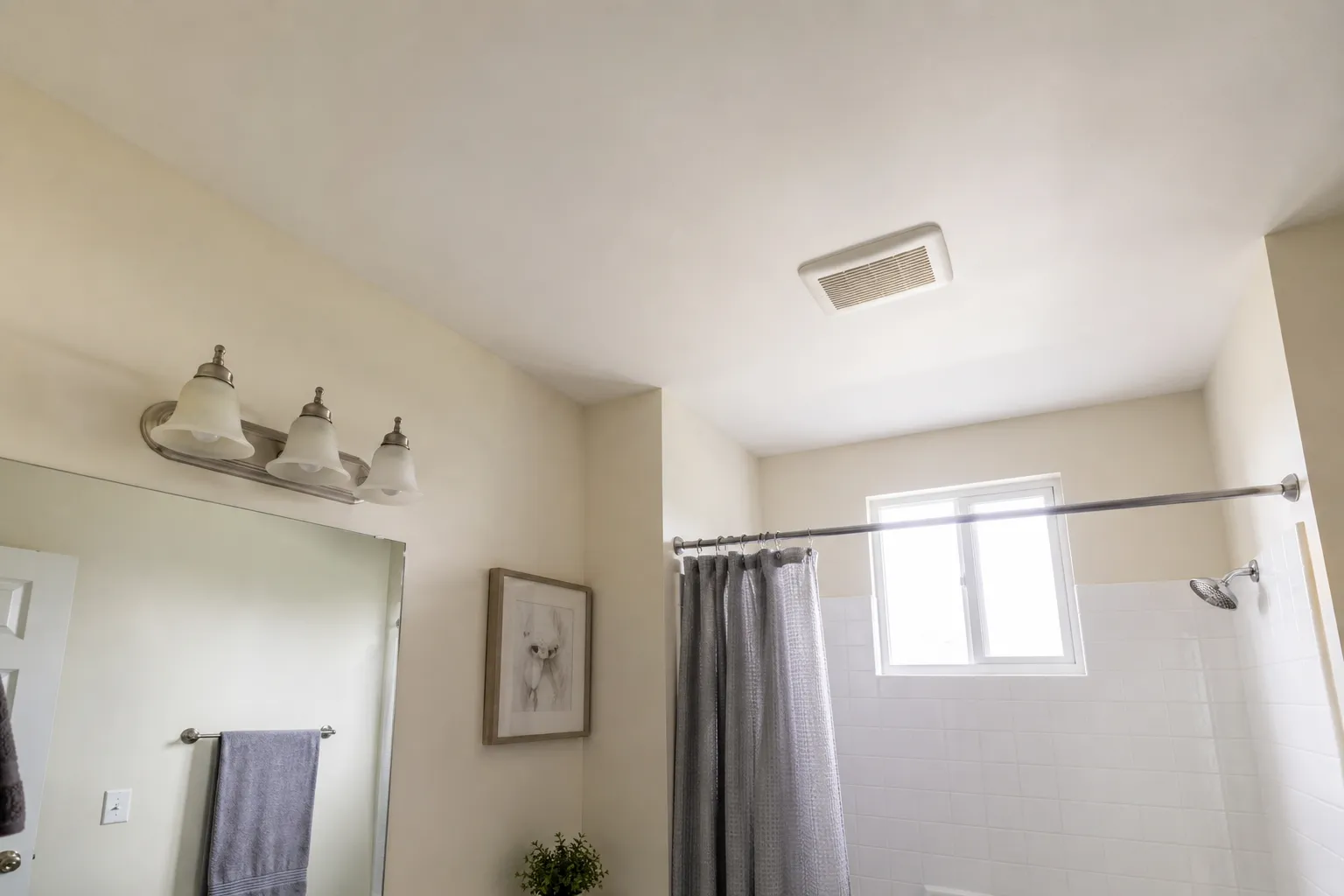
Request: Remove black mold spots from the bathroom ceiling.
Done: Treated the ceiling with an anti-mold compound, whitened and sanded the surface.
Cost: 16 000 ₸
Master: Damir Sagitov, ceiling master
Total: The ceiling is white, with no traces of mold or mildew.
 After
After
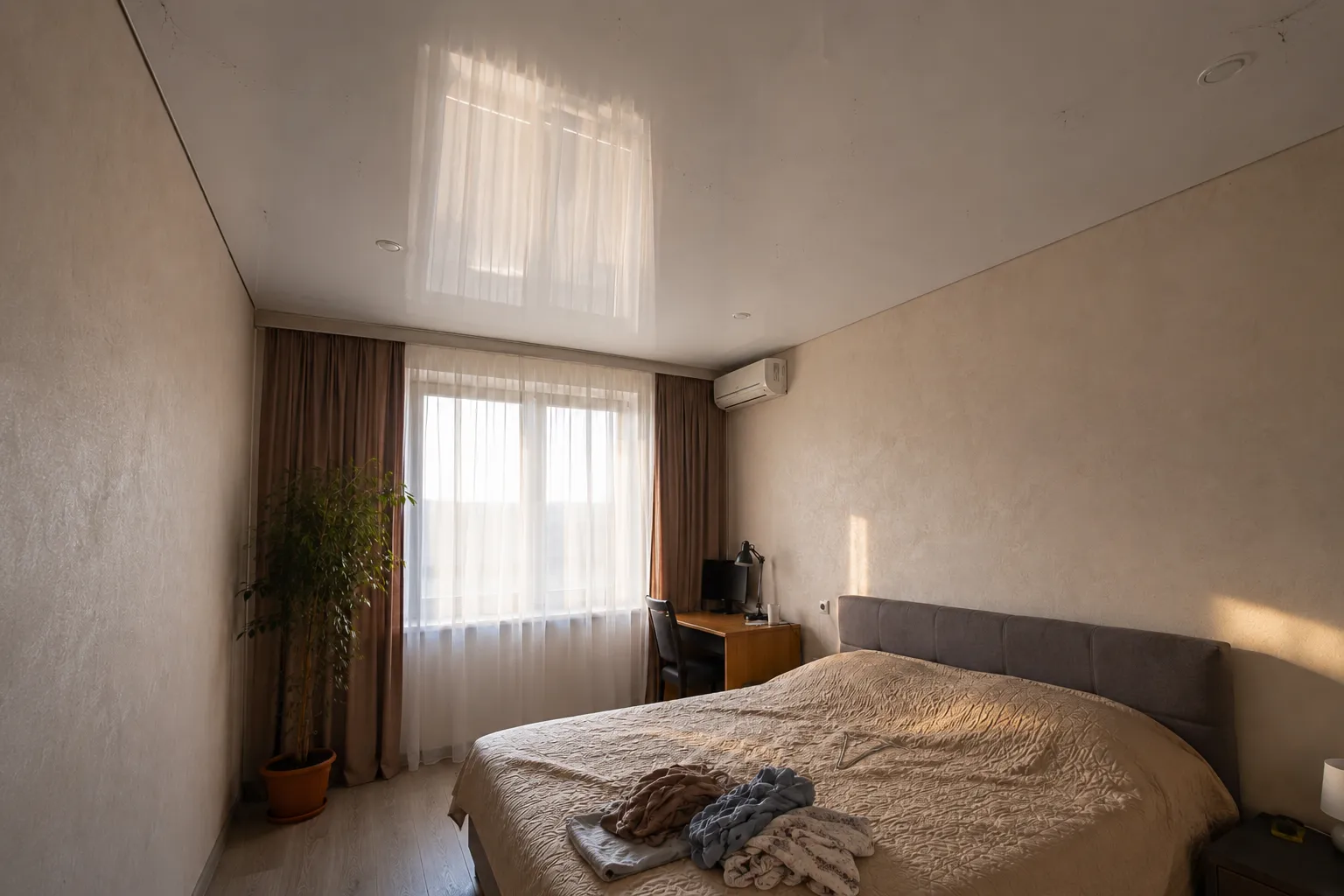
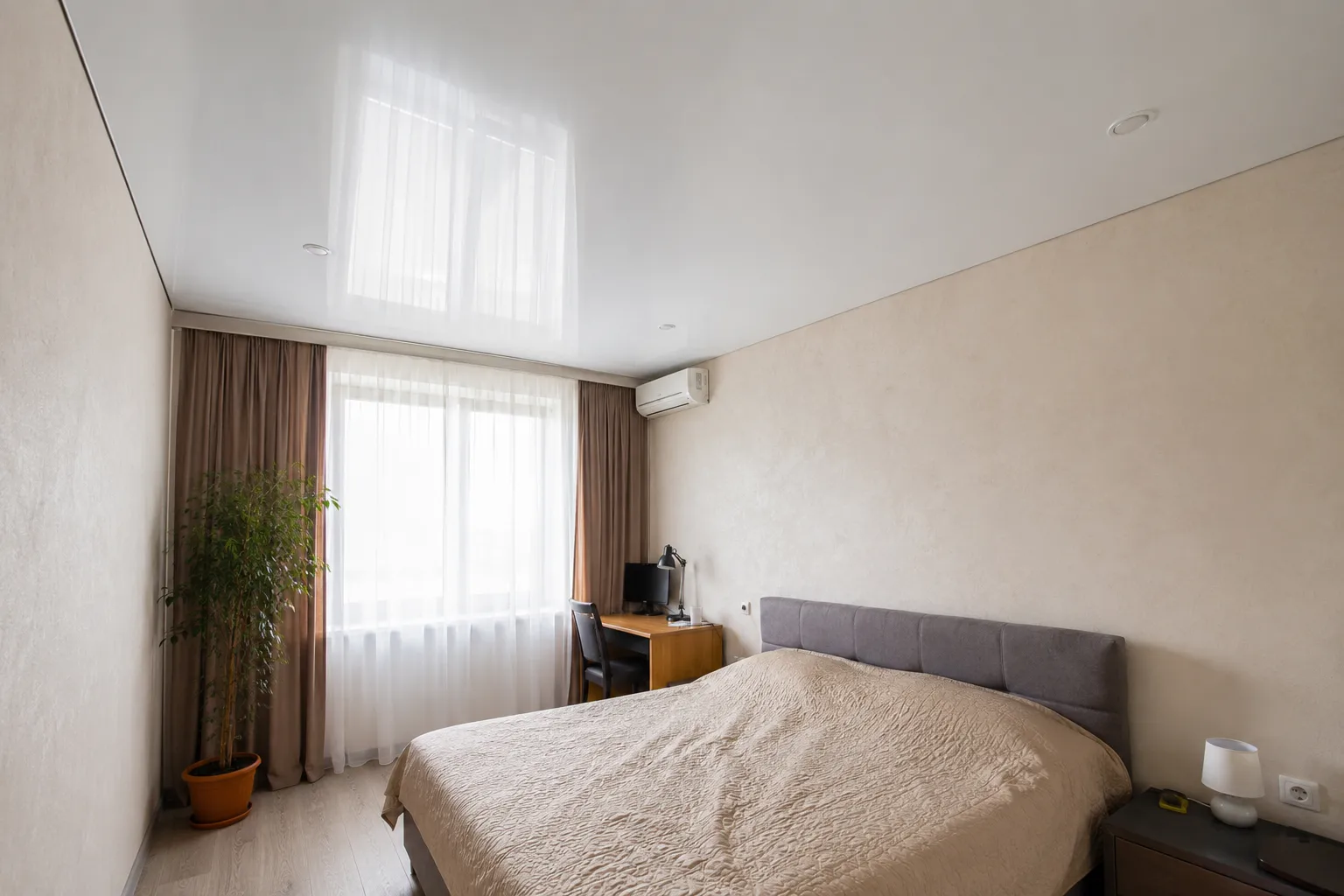
Request: Wash the stretch ceiling without streaks in the bedroom.
Done: Washed the stretch ceiling with a special solution, wiped dry without streaks.
Cost: 13 000 ₸
Master: Aliya Zhumataeva, ceiling master
Total: The ceiling is clean, without dust or streaks, matte shine.
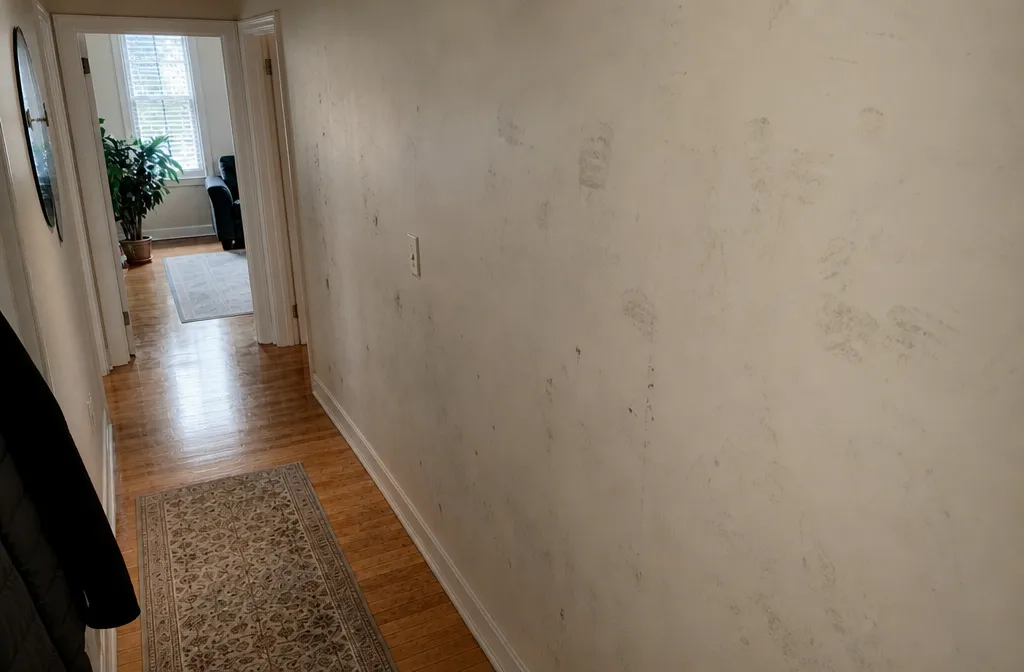
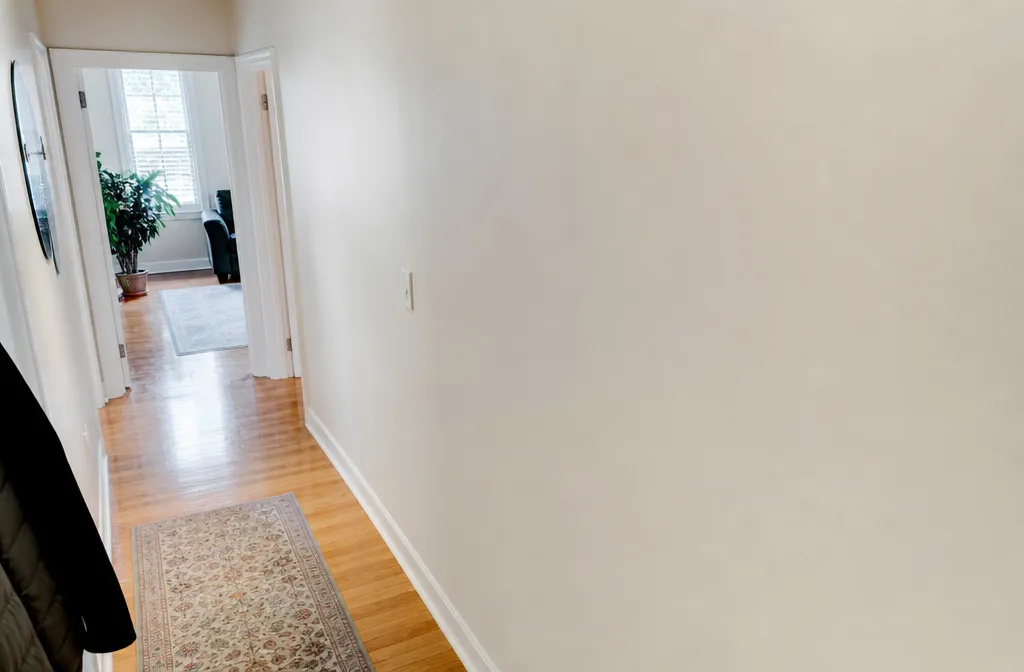 After
After
Request: Clean dark streaks on the painted wall in the hallway.
Done: Removed dirty streaks and hand marks from matte paint, restored color.
Cost: 12 000 ₸
Master: Yerzhan Aliyev, wall master
Total: The wall is evenly painted, without streaks or dirt.
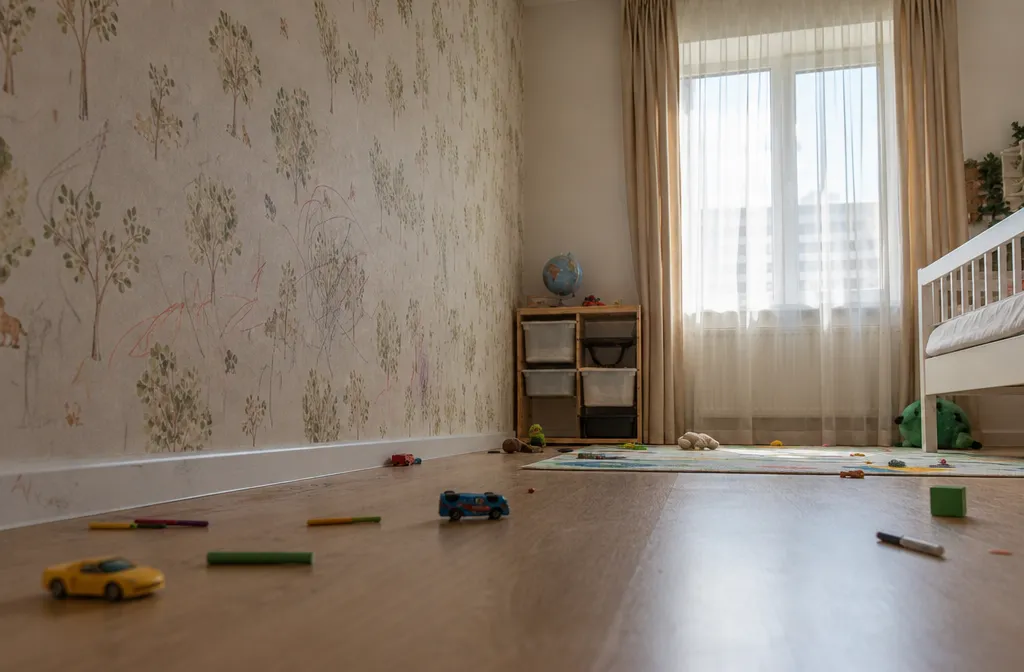
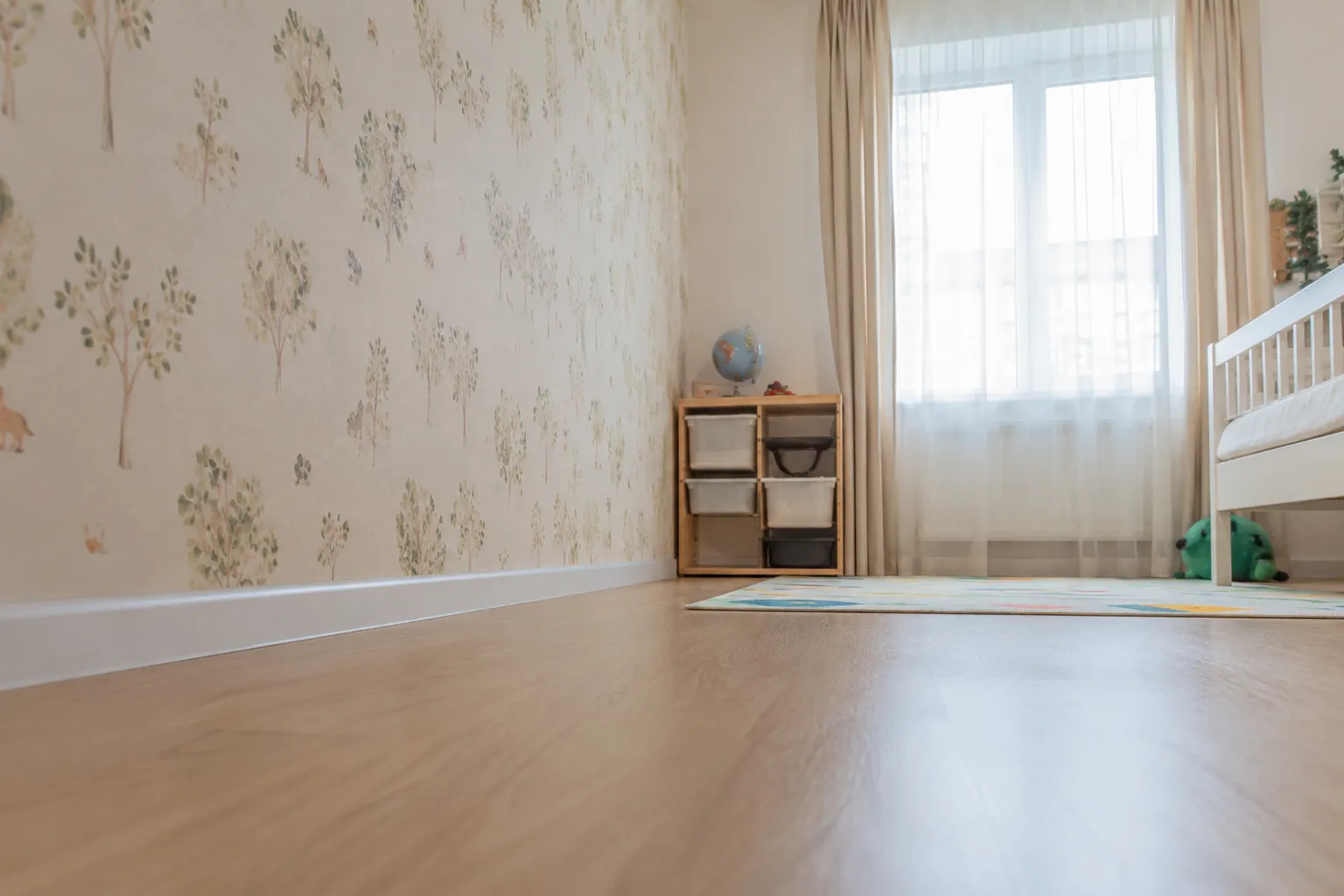 After
After
Request: Remove marker stains and dirt from paper wallpaper in children's room.
Done: Carefully removed marker and pencil stains from wallpaper without damaging the paper.
Cost: 14 000 ₸
Master: Gulmira Sadvokasova, wallpaper master
Total: Wallpaper clean, no traces of drawing or dirt.
 After
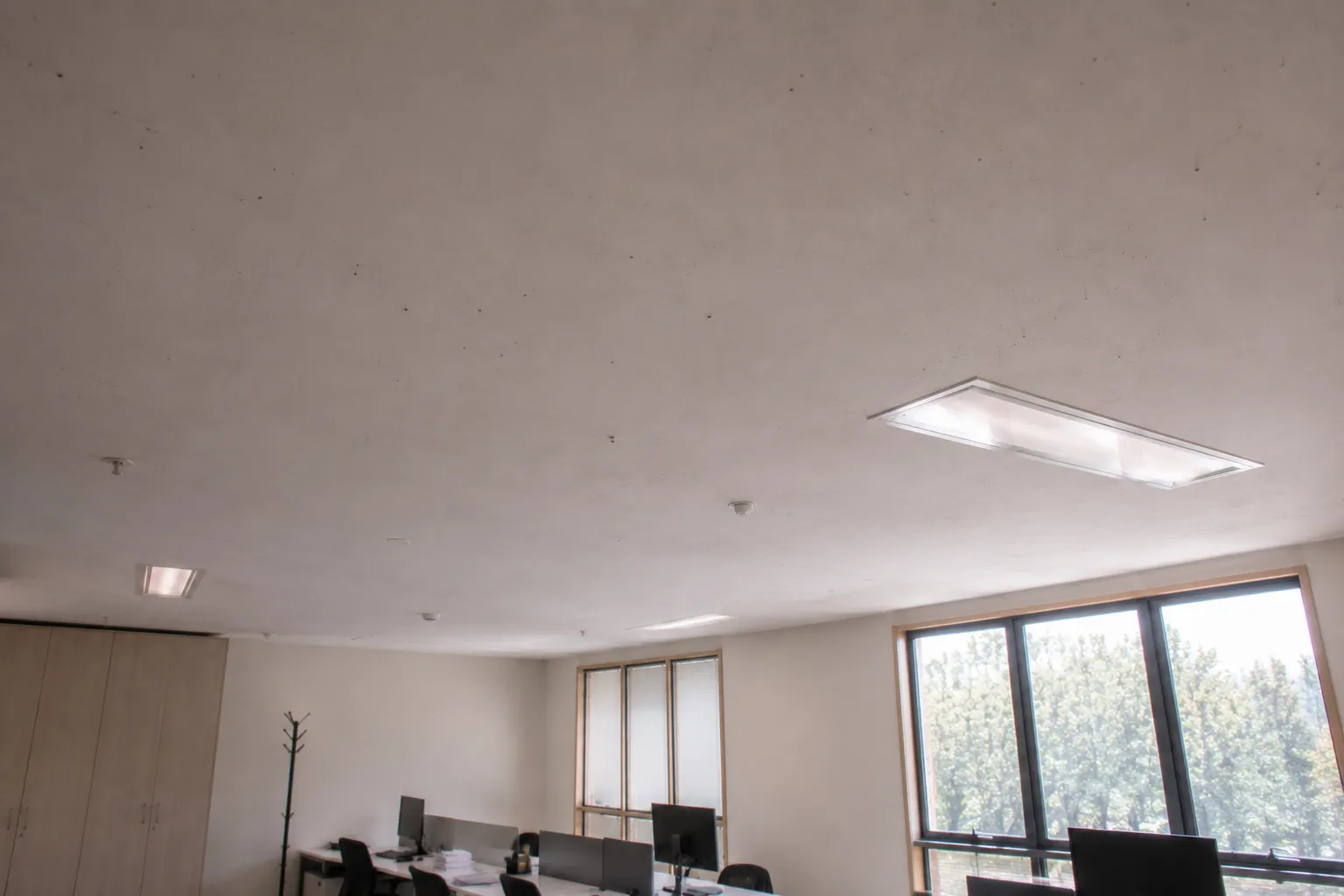
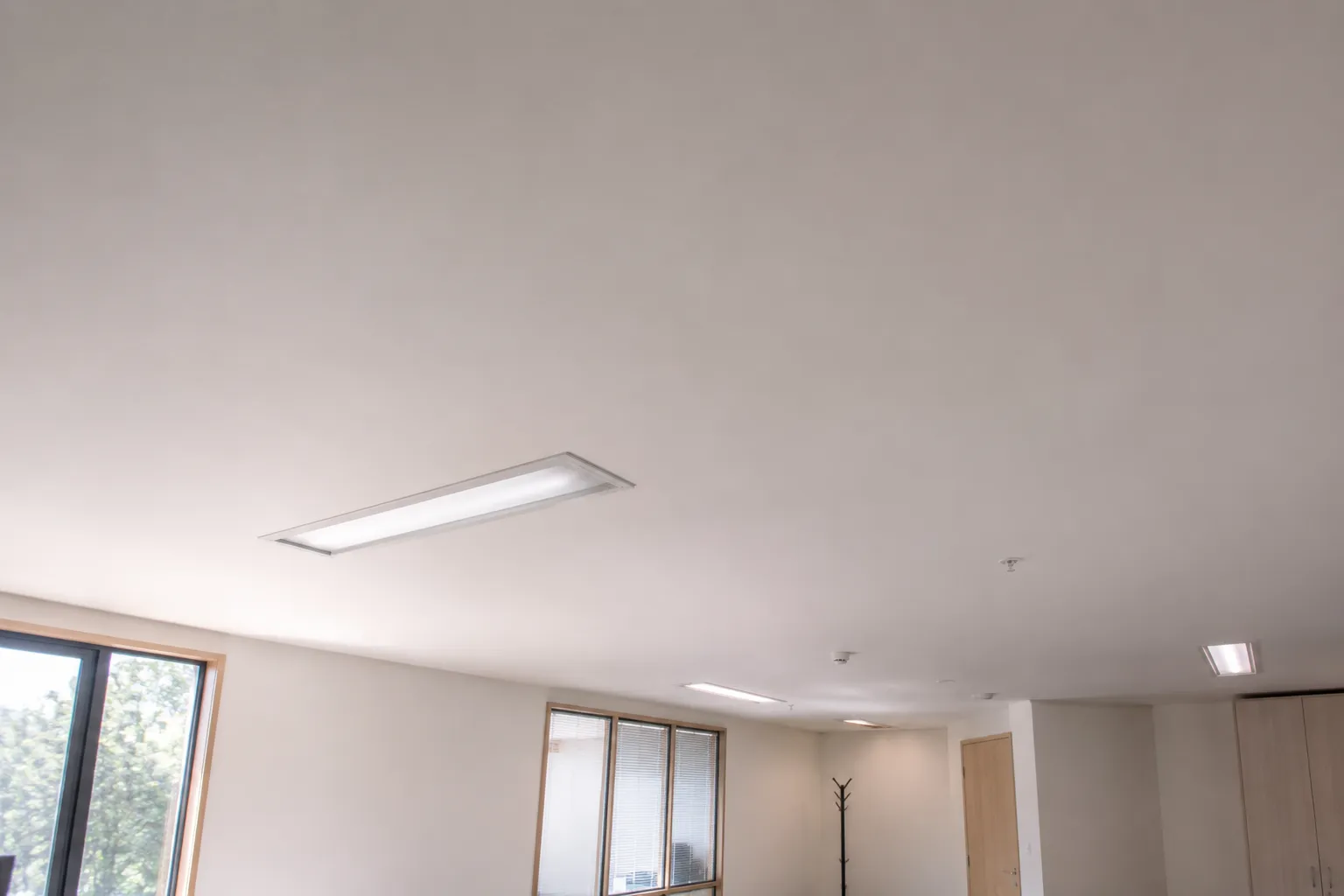
After
Request: Clean plasterboard ceiling from dust and cobwebs in office.
Done: Dry and wet cleaning of ceiling, removal of cobwebs and dust from surface.
Cost: 13 000 ₸
Master: Nurlan Kassymov, cleaning master
Total: Ceiling clean, no dust or cobwebs, refreshed.
 After
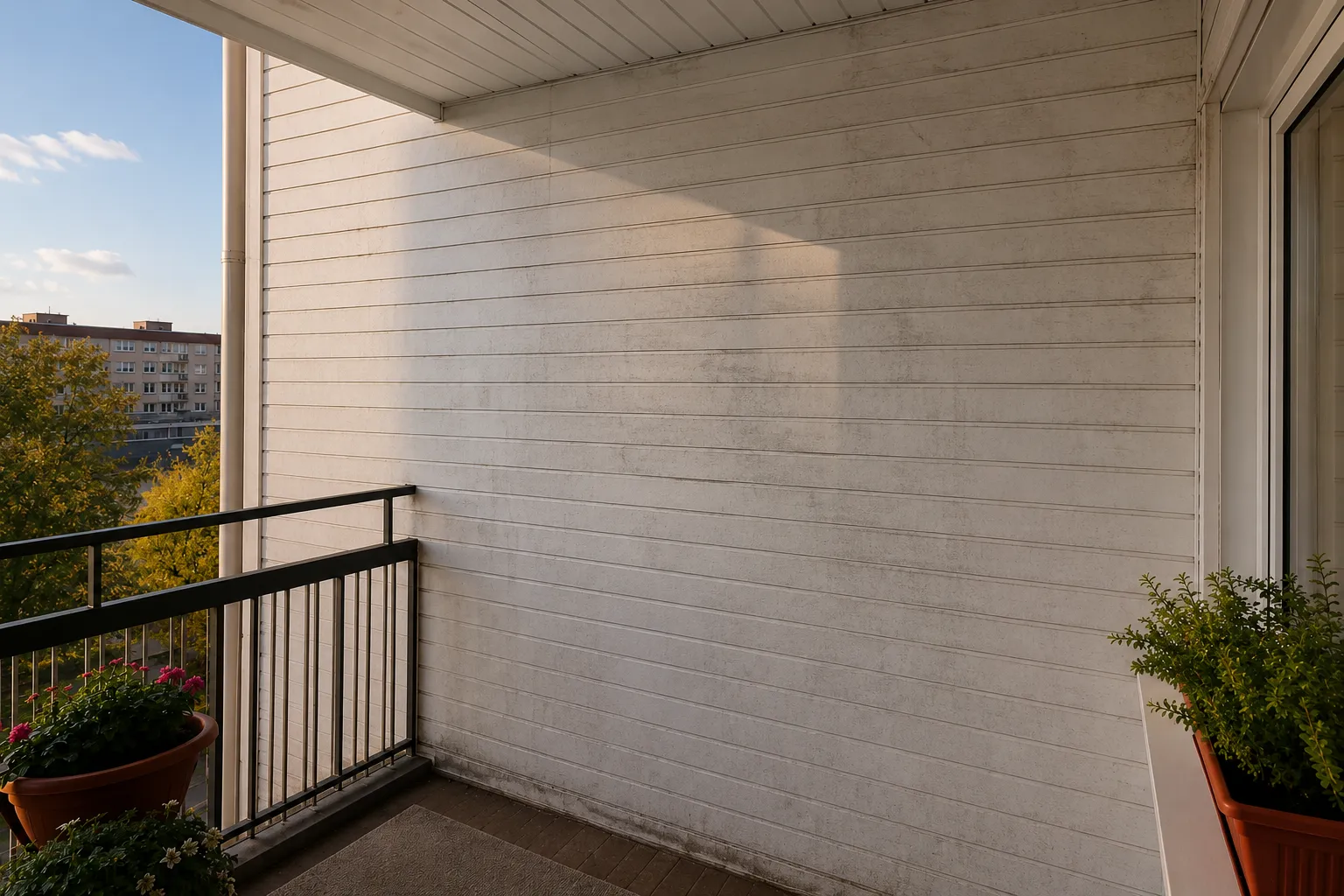
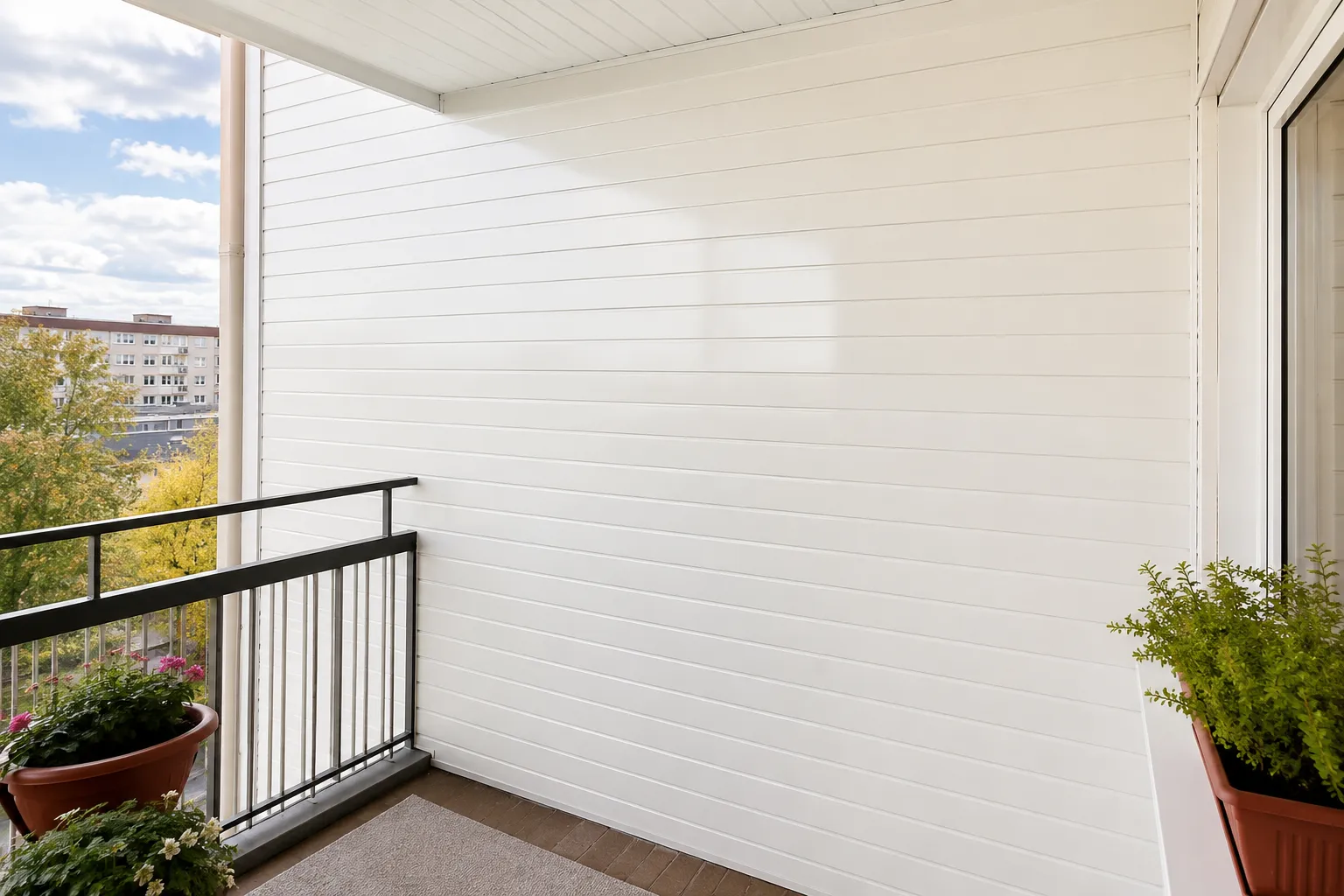
After
Request: Wash plastic panels on balcony from deposits and dust.
Done: Washed plastic panels with cleaning agent, removed deposits and dirt.
Cost: 12 000 ₸
Master: Azamat Tulegenov, cleaning master
Total: Panels shine, no dirt or deposits.
 After
After
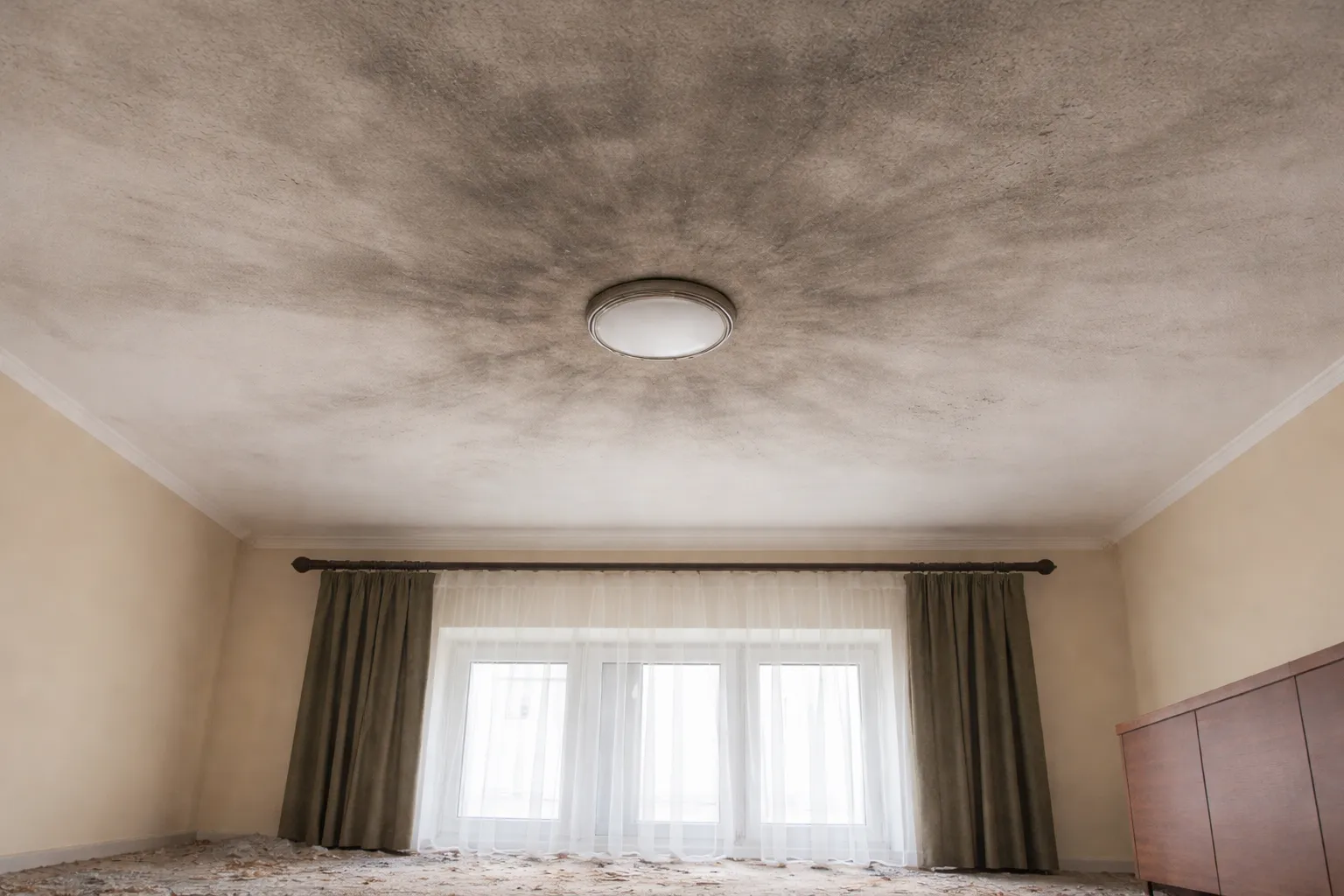
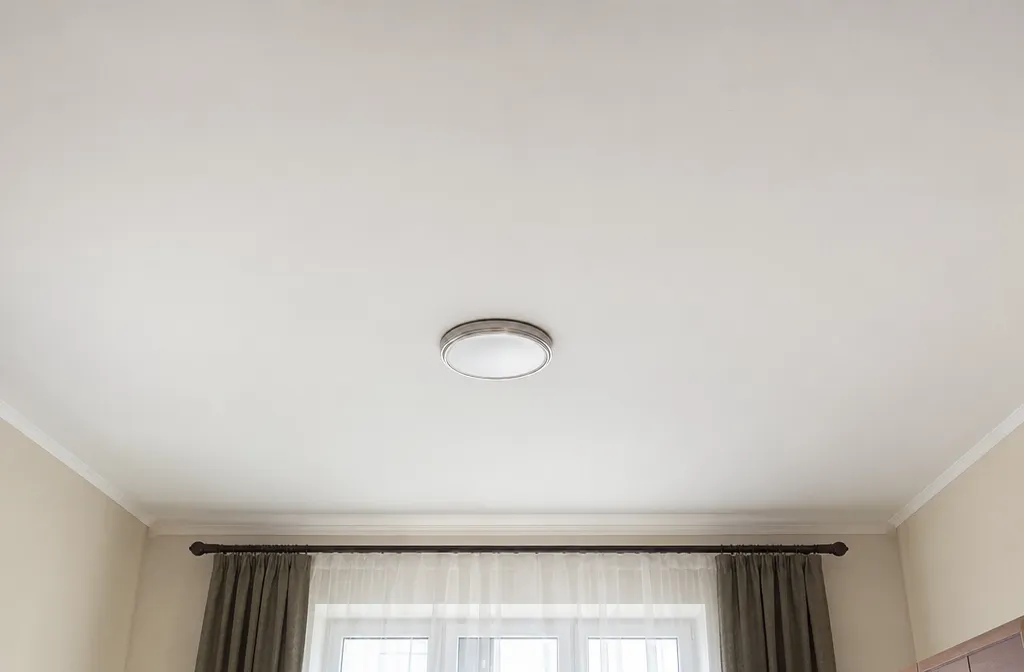
Request: Remove soot and smoke from ceiling after renovation.
Done: Removed soot and smoke from ceiling with special products, restored whiteness.
Cost: 14 000 ₸
Master: Bakhtiyar Seitzhanov, ceiling master
Total: Ceiling white, no traces of soot or smoke.
 After
After
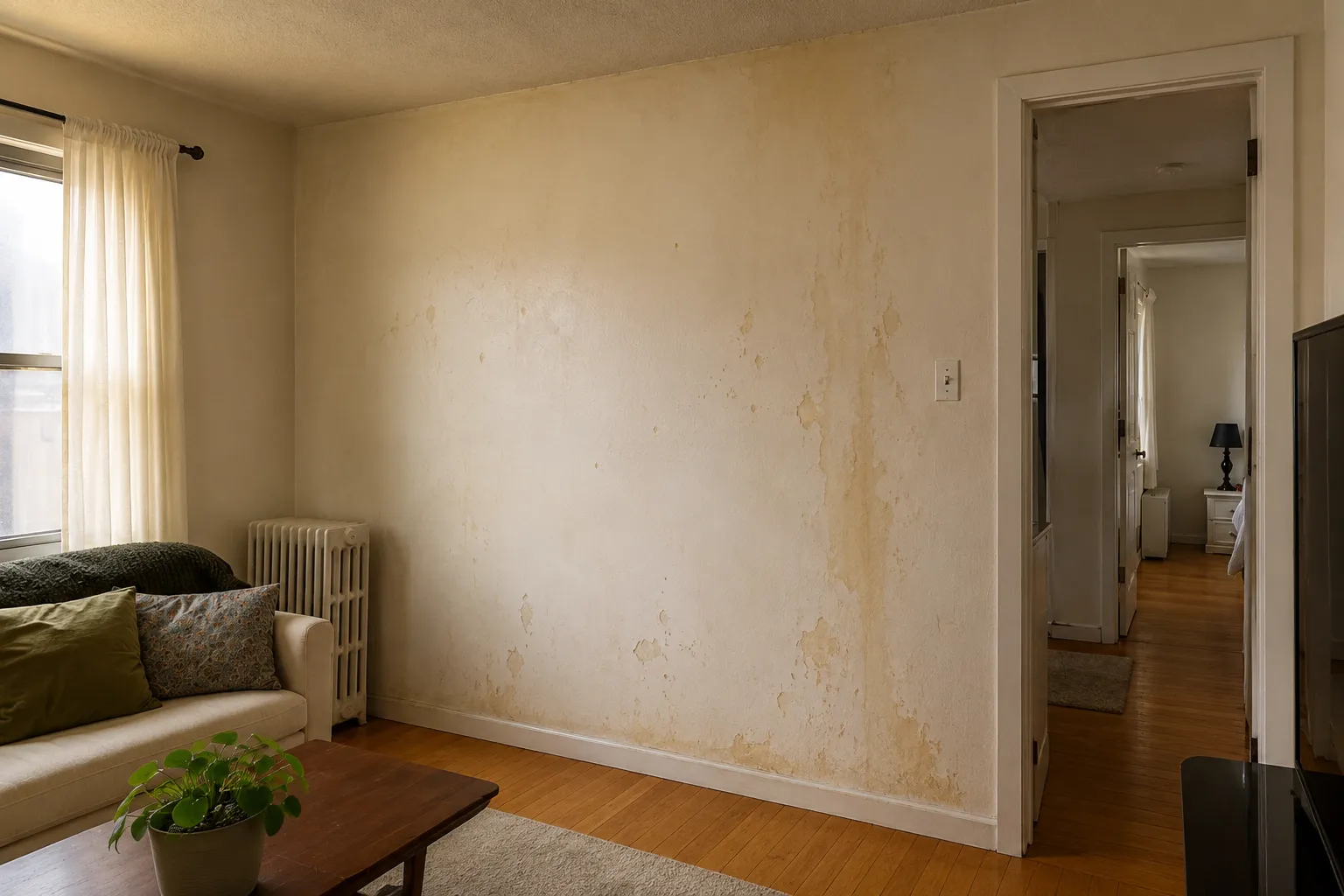
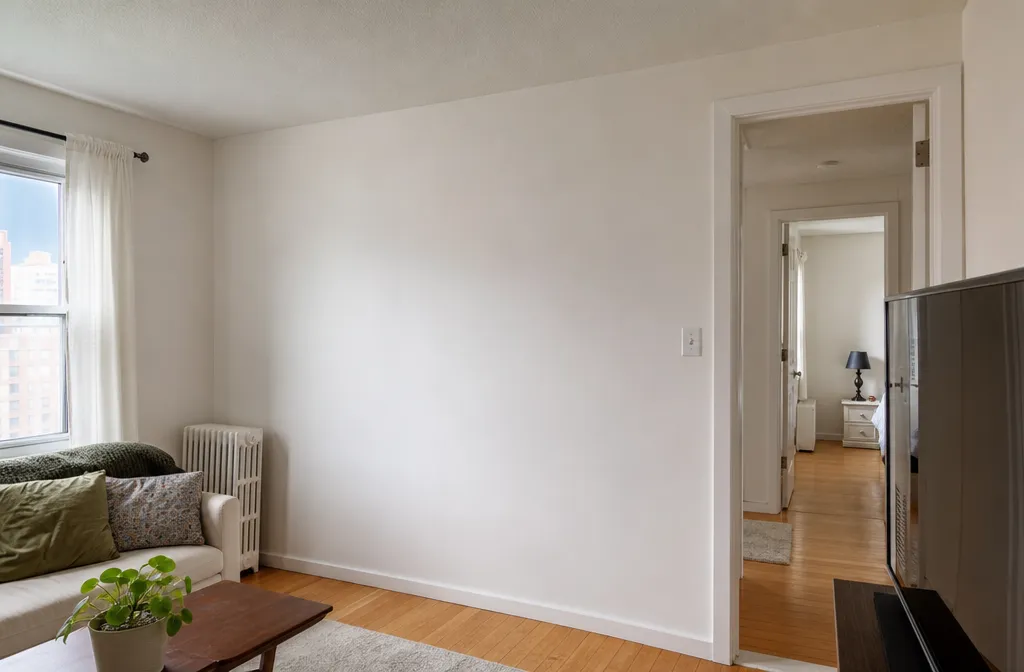
Request: Remove yellow water stains on wall after leak.
Done: Treated wall with bleaching compound, primed and painted the area.
Cost: 13 000 ₸
Master: Marat Iskakov, wall master
Total: Wall without yellow stains, color even.
All cleaners are profi-clean staff with training, uniform and security check. Each order has a team leader who controls quality.
Choosing safe cleaning chemicals is a top priority for families with children and pet owners in Almaty. At profi-clean, we use only formulations that do not accumulate in the air or leave harmful residues on surfaces.
Standard store-bought wall cleaning products often contain chlorine, phosphates, and aggressive surfactants that can evaporate for 2-3 hours after cleaning and settle on floors, furniture, and toys. For a child crawling on the floor or licking their hands, this means direct contact with residual chemicals. Pets (cats, dogs) have olfactory receptors 14 times more sensitive than humans — strong fragrances and ammonia compounds can cause allergic rhinitis and food refusal. The professional Kiehl and Sodasan products we use have a zero mucous membrane irritation index (OECD 405 rabbit test) and an Ecogarantie certificate — meaning the composition fully breaks down into water and carbon dioxide within 48 hours. In Almaty apartments with closed windows in winter, this difference is especially critical: without ventilation, the concentration of volatile compounds from regular chemicals increases 5-7 times within an hour. Our products can be applied without removing a child from the room — we have verified this at sites with infants.
The Ecogarantie certificate guarantees the absence of formaldehyde, phthalates, synthetic dyes, and fragrances — these are “red flags” for pediatric allergology. Sodasan concentrates undergo biodegradability testing per OECD 301B: 90% of the composition degrades within 28 days, not 200-300 years like phosphate-based alternatives. For Almaty apartments with duct ventilation, where air stagnates in bathrooms, this means that after washing walls and ceilings in the bathroom, a child can bathe immediately — without the risk of skin contact with reagent residues. Kiehl (Germany) additionally tests its formulations for dermal compatibility according to ISO 10993 for medical devices — the strictest standard for skin contact. In practice, this allows us to work in Almaty kindergartens and nurseries, where chemical requirements are stricter than in residential apartments. If a pet is a brachycephalic breed (pug, Persian cat) with narrow nasal passages, even a mild “lemon” fragrance can cause spasms: we use completely fragrance-free lines. The only downside of eco-formulations is that they do not mask mold odors, so for fungal walls we use separate antiseptics rather than universal chemicals.
The most common mistake made by Almaty housewives is diluting bleach or vinegar for wall cleaning “to kill germs” and then rinsing with water. Chlorine binds with organic matter (dust, wallpaper microparticles) to form chlorinated organic compounds — trihalomethanes — which penetrate through skin and mucous membranes. Acetic acid (vinegar) reacts with lime deposits on plaster to form toxic calcium acetate — it cannot be rinsed off with water and leaves a white residue on the wall that a child could lick. The second mistake is using steam cleaners without temperature control: steam at 140°C destroys PVC film on wall panels and releases volatile chlorides that irritate the respiratory tract. The third is “eco-recipes” with citric acid and baking soda: baking soda scratches glossy surfaces (paint, plastic), while citric acid leaves a sticky film that attracts dust. In Almaty apartments with dry air (25-30% humidity in winter), this film becomes electrified and collects allergens. The correct solution is to use ready-made professional concentrates with a pH of 6-7 (neutral) and apply them with a sprayer, followed by wiping with microfiber cloth that traps the chemical in the fiber rather than leaving it on the wall.
The frequency of washing walls and ceilings depends on the surface type, room usage intensity, and the microclimate in Almaty — a city with humidity fluctuations and dusty winds, the schedule differs from standard recommendations.
In the kitchen, walls and ceilings get dirty fastest due to grease deposits and condensation. We recommend washing walls above the stove and work area every 2–3 months, and the ceiling every six months. If you have an open-plan kitchen-living room, grease also settles on distant surfaces — on matte paint it becomes noticeable within a month. In our practice, there was a case: in an apartment on Baizakova Street, clients noticed yellowing of the ceiling 8 months after renovation — with weekly cooking, the grease had embedded so deeply into the water-based paint that a full repaint, not just washing, was required. To avoid this, use a range hood with a capacity of at least 600 m³/h and wipe the backsplash with a soft sponge and degreaser once a month — this postpones a major wall wash by a year.
In living rooms without pets, washing walls once a year and ceilings every 2–3 years is sufficient. But if there are allergy sufferers or asthmatics in the family, the schedule changes: dust on vertical surfaces and ceilings accumulates unnoticed, yet it triggers flare-ups. Almaty dust mixed with exhaust fumes and poplar fluff settles in a layer on wallpaper and paint — in a bedroom on Abay Avenue, we measured: 4 months after renovation, up to 2 grams of dust per square meter accumulates on walls. For allergy sufferers, it’s optimal to wash walls every 3–4 months and the ceiling once a year, using hypoallergenic products without fragrances (e.g., Sodasan). An important point: dry cleaning with a vacuum cleaner equipped with a HEPA filter between washes reduces the respiratory load by 40–50%, according to our observations.
In a children’s room, walls need washing more often — every 2–3 months, especially if the child draws on the wallpaper or touches surfaces with their hands. Washable wallpaper (vinyl, non-woven with coating) withstands this frequency without losing its appearance, while paper wallpaper allows only dry cleaning or replacement. We recommend using paint with a scrub resistance class of 1–2 in the children’s room (e.g., Tikkurila Euro Power 7) — it withstands up to 10,000 passes with a damp sponge and does not release harmful substances. The ceiling in a children’s room is sufficient to wash once a year, but if the child throws toys upward or dust from textiles settles there — then every six months. In a real example on Zharokova Street, a family with two children ordered wall washing in the children’s room every 2 months — after 3 years, the paint remained without scuffs or streaks.
The hallway is a high-contact zone: dirty shoes, street dust, moisture from rain and snow. Here, walls get dirty fastest — we recommend washing them every 2–3 months, and during the rainy and snowy season (October–March in Almaty) — once a month. Areas up to 1.5 meters in height suffer the most: marks from bags, jackets, and children’s hands remain on light wallpaper or paint. If you have glossy plastic or paint, water with a neutral detergent is sufficient; matte surfaces require more attention — streaks are more noticeable on them. The ceiling in the hallway can be washed every 2 years, as it has less contact with dirt. Our cleaners have noticed: in apartments with dark hallway finishes, owners less often notice deposits, but they accumulate just the same — check the ceiling above the front door a year after renovation.
Due to high humidity, walls and ceilings in the bathroom require regular washing — optimally every 3–4 months for walls and every six months for the ceiling. If ventilation in Almaty homes (especially in older series — “Khrushchevkas” on Kaldaiakova Street or “Brezhnevkas” on Sain Street) works poorly, mold appears on the ceiling and upper parts of walls — it needs to be removed at the first signs. In such cases, we advise washing walls every 2 months with an antifungal solution (based on hydrogen peroxide or low-concentration chlorine) and installing a forced exhaust fan — it reduces humidity by 30–40% and extends the washing schedule. On stretch ceilings in the bathroom, condensation and soap dust deposits become noticeable after 4–5 months — wipe them with a microfiber cloth without pressure to avoid damaging the fabric.
The climate of Almaty — sharply continental with dust storms in spring and dry summers — accelerates wall soiling. We recommend following this schedule: kitchen — every 2–3 months, hallway — every 2–3 months (during the season — once a month), bedroom — once a year, children’s room — every 2–3 months, bathroom — every 3–4 months. If there are smokers or pets in the home, increase the frequency twofold: for the kitchen — every 1.5–2 months, for the bedroom — every six months. Ceilings in standard apartments are sufficient to wash once every 1–2 years, but in the kitchen and bathroom — every 6–12 months. And remember: regular washing of walls and ceilings extends the lifespan of the finish by 2–3 years — this is cheaper than repainting or re-papering ahead of schedule.
Do-it-yourself washing of walls and ceilings often leads to coating damage and streaks — at profi-clean we fix the consequences of such cleaning daily. To avoid spending money on repainting or replacing wallpaper, let’s break down the typical mistakes.
The main mistake is applying water or cleaning solution directly to the wall or ceiling with a sponge. Water seeps into wallpaper seams, under baseboards, and into the joints of stretch ceilings. In Almaty, where humidity fluctuations are common in panel houses, this is guaranteed to cause wallpaper peeling and yellowing on paint. On stretch ceilings, excess moisture causes sagging and deformation of the fabric, especially during the cold season. The correct technique is to dampen and wring out a microfiber cloth until it is damp, not wet. If a drip mark has already formed, it cannot be wiped away — you will have to wait for it to dry completely and then paint over it.
Many people use universal products with chlorine, acetone, or alkali without checking the composition. For matte paint and paper wallpaper, alkaline compounds eat away the top layer — leaving whitish stains that cannot be washed off. On glossy stretch ceilings, alcohol and acetone-based products cause irreversible dullness and cracks. Even popular glass cleaning solutions in Kazakhstan often contain ammonia — on painted walls, it leaves streaks. We use hypoallergenic Kiehl and Sodasan products with a neutral pH — they are not aggressive towards coatings but require proper dilution according to instructions. For DIY cleaning, choose pH-neutral formulations for the specific surface type.
The mistake is wiping the surface in circular motions or haphazardly. On matte paint, this leaves “tracks”; on glossy ceilings, rainbow streaks from uneven drying. Even on paintable wallpaper, circular motions leave visible stripes noticeable in side lighting. The correct technique is to move the cloth from top to bottom in parallel lines, overlapping each pass by 10-15 cm. For ceilings — from the window to the door, so light doesn’t highlight the boundaries. Change the cloth to a dry one every 2-3 passes, otherwise dirty water gets smeared back. In our practice, orders to fix streaks account for about 60% of wall washing requests after DIY cleaning.
Cotton rags or synthetic sponges are a common cause of lint and micro-damage. Cotton leaves lint on textured wallpaper and matte paint; the rough side of a sponge scratches glossy surfaces and PVC ceilings. Only microfiber cloths with a density of 300-400 g/m² are suitable for walls and ceilings — they trap dust and water in their structure without scratching the coating. Mops with telescopic handles for ceilings should have a soft pad without a mechanical clamp — otherwise, metal parts leave scratches on the fabric. In Almaty, quality microfiber can be bought at hardware stores or ordered via Kaspi Shop — but even an expensive cloth won’t help if it’s not changed in time.
Almaty’s water, with a carbonate hardness of 7–9 mg-eq/L, leaves a whitish residue on vertical surfaces, and city dust mixed with soot and cement embeds itself into textured coatings — these two factors make washing walls and ceilings a technically complex procedure, different from standard cleaning in regions with soft water.
When drops of Almaty tap water evaporate, they leave carbonate streaks on matte paints and wallpaper — these are calcium and magnesium salts that crystallize on the surface. At profi-clean, we use demineralized water with an electrical conductivity below 10 µS/cm for washing walls and ceilings — we prepare it on-site using a reverse osmosis filter. A regular cloth with soapy water only spreads the salts, and after drying, the residue becomes visible under side lighting, even on white walls. In practice: if cloudy streaks remain after cleaning, it’s not dirt but a chemical precipitate that can only be removed with a special compound containing complexing agents (e.g., based on EDTA), not with additional water.
Urban dust in Almaty contains up to 30% particles of concrete chips and road soot — these abrasive components scratch glossy surfaces during mechanical friction and embed into the pores of matte coatings. We encounter that in kitchens and hallways, dust mixes with a greasy film, forming a sticky layer — regular washing of walls and ceilings with water and powder does not remove this film but spreads it thinner. In our significant orders, we pre-treat such areas with an alkaline compound at pH 9–10 (Kiehl line for grease removal), then rinse with demineralized water and microfiber — this is the only way to remove the film without streaks and without leaving scratches on acrylic paints.
In Almaty, the issue of choosing techniques for different coating types is particularly acute: matte walls (water-based paint, textured plaster) absorb moisture, and hard water leaves difficult-to-remove salt stains on them, while glossy stretch ceilings and lacquered panels instantly show every streak. At profi-clean, for matte coatings, we use the “dry wash” method: apply foam with low surface tension (Sodasan products), rinse with a damp microfiber cloth, and immediately go over with a dry cloth — this prevents salt absorption into the pores. For glossy surfaces, we use a pH 7 solution and mandatory polishing with dry chamois: with water hardness above 7 mg-eq/L, even a single drop left on a glossy surface, after drying, creates a spot visible against the light. In my opinion, the key mistake of Almaty residents is washing glossy ceilings with the same water used for floors — this almost guarantees a residue that requires re-treatment with a vinegar solution (1:10), but only if the coating is acid-resistant.
In spring in Almaty, the concentration of poplar and birch pollen in the air reaches 200–300 grains per cubic meter — these particles settle on walls and ceilings, especially in apartments with open windows, and upon contact with moisture, release protein that fixes to the surface like a sticky substance. In winter, the main problem is soot from coal heating in the private sector and exhaust gases: they form a thin layer of soot on walls, which is not visually apparent but appears as a gray residue when attempting to wash walls and ceilings with regular water. In such cases, we apply preliminary dry treatment: go over the walls with a special rubber brush to remove dry particles, and only then apply foam — otherwise, the soot mixes with water and is rubbed into the paint pores. In practice: if dry collection is not done, dark streaks remain after washing, which can only be removed by re-treatment with an abrasive sponge — and this risks damaging the coating.
In apartments on lower floors (1–5) in Almaty, street dust with an admixture of sand and cement predominates — up to 60% of solid particles sized 10–50 µm, settling on walls and ceilings as a gray residue, while on upper floors (15+), fine soot and exhaust gases rise from roads, creating a sticky greasy layer. We account for this factor when calculating time: washing walls and ceilings in a 1st-floor apartment takes 20–30% less time than on the 16th floor, because soot requires longer soaking with an alkaline compound. In my opinion, owners of apartments on upper floors often mistakenly believe they have “cleaner” conditions — in reality, soot is invisible to the eye, but when wet, it produces black streaks that are difficult to remove without professional chemicals with emulsifiers.
The result differs not only in the absence of streaks — professional wall and ceiling cleaning extends the life of the coating by years, whereas DIY cleaning often cuts it in half due to harsh chemicals and incorrect technique.
Mass-market products, such as Cif, Mr. Proper, or all-purpose gels, contain aggressive surfactants and chlorine that do not rinse completely from porous surfaces — matte paint, textured plaster, or paper wallpaper. Residues of these reagents crystallize upon drying, creating a whitish film visible on walls under side lighting. At profi-clean, we use hypoallergenic concentrates from Kiehl and Sodasan — they break down into neutral components within 24 hours and leave no salts. For water-based paint on drywall, which absorbs moisture like a sponge, aggressive chemicals destroy the top latex layer after 3–4 cleanings — the coating starts to chalk and lose color. On kitchen walls with grease buildup, household products require 3–4 times more scrubbing than a professional degreaser, and excessive friction wears away the gloss.
An ordinary mop with a microfiber pad presses dirt into the surface and spreads it in a thin layer — after drying, streaks remain, especially on dark and glossy finishes. The professional extraction machines we use deliver water at a pressure of 2–3 bar and immediately vacuum up the used solution — dirt does not re-contact the surface. The built-in HEPA filter captures 99.97% of particles as small as 0.3 microns: cement dust, mold spores, and pet hair are not dispersed throughout the apartment but remain in the vacuum tank. On ceilings 2.7 meters high or more, working with a hand mop is physically difficult — water drips on your face and floor, whereas a telescopic pole with an extractor collects 95% of moisture without splashes. After manual cleaning, a ceiling dries in 6–8 hours and often requires a second pass due to drips; after ours, it dries in 40–60 minutes and needs no touch-ups.
DIY cleaning of walls and ceilings in a two-bedroom apartment (walls ~120 m², ceiling ~50 m²) takes 6–8 hours, including breaks for changing water and wringing out cloths. During this time, 40–60 liters of water, 2–3 packs of wipes, and 1 bottle of cleaning solution are used — the total cost of consumables is comparable to a professional cleaning, but without a result guarantee. A team of two cleaners with an extraction machine completes the job in 1.5–2 hours, with the equipment filtering and reusing up to 80% of the water — total consumption is 10–12 liters per apartment. The paradox: DIY cleaning is not cheaper than calling professionals if you honestly account for the cost of chemicals, wipes, clothing wear and tear, and your own time, which could be spent on work or leisure.
With DIY cleaning, there is no insurance against mistakes: if streaks remain on matte paint, you can try to wash them off again, but if the top layer has worn away from scrubbing, the entire wall needs repainting. Contaminants cannot be removed from PVC stretch ceilings with abrasive sponges — scratches are permanent, and the matte surface loses its uniformity. We offer a 24-hour guarantee on the result: if defects appear after drying, we come back for free and fix them. In practice, this happens in 1 out of 50 cases — only on complex combined coatings that require individually adjusted settings.
I ordered wall and ceiling washing in the kitchen after renovation – all dust and paint splatters were removed perfectly, even stubborn stains. The ceiling is now snow-white, walls are clean.
Thank you, Aigerim! Glad the result exceeded expectations.
We washed the stretch ceiling in the living room – removed water streaks. Small traces remained in the corners, but overall good.
In the office, we did wall and ceiling washing after redevelopment. High ceilings were cleaned without streaks, walls like new. Very prompt and high quality.
Daniyar, thank you for the review! Always happy to help with commercial properties.
After the child drew on the walls with markers, I thought I'd have to repaint. The cleaners washed everything without a trace, also refreshed the ceiling. Very satisfied.
Ordered wall and ceiling washing in the hallway. The walls were cleaned well, but yellow stains remained on the ceiling; they said the old paint can't be washed off. A bit disappointed.
Yerlan, we apologize. In such cases, we recommend a preliminary consultation. We'll offer a discount on your next order.
After renovation in the bedroom, there was construction dust on the walls and ceiling. The cleaners arrived and washed everything quickly without streaks. I recommend.
The apartment had soot from a kitchen fire. We had wall and ceiling washing done – the smell and coating were removed, now it's easy to breathe. Thank you for the thorough work.
Kuanysh, we're glad we could help! Health is most important.
In the hallway, there were dark stains on the walls from dirty hands. Almost everything was washed off, but faint traces remained on textured wallpaper. Overall great.
At the restaurant, we ordered wall and ceiling washing – grease and soot were removed everywhere, even in hard-to-reach places. The room became brighter, the smell disappeared. Professionals.
Timur, thank you! For food service establishments, this is especially important.
In the bathroom, black mold appeared on the walls and ceiling. The cleaners treated it with a special solution and washed it off, now it's clean and odor-free. Very high quality.
Ordered wall and ceiling washing in the garage – oil stains were not completely removed, but it became significantly cleaner. For a garage it's okay, but I'd prefer perfect.
Alexey, thanks for the feedback. Garages have tough stains, we'll take your comment into account.
The walls in the children's room were painted with paints and crayons. The cleaners washed everything off, even old drawings. The ceiling was also refreshed. The child is delighted.
In the gym, the ceilings are high – I thought they wouldn't clean them. But they did wall and ceiling washing, everything is clean, no dust. Very satisfied, thank you.
Aidar, thank you! We work with any heights.
There were cobwebs and dust on the walls in the living room, the ceiling had yellowed. After cleaning, it became fresh and bright, like after renovation. Thank you!
We had wall and ceiling washing done in the kitchen – the greasy residue was removed well, but traces remained at the tile joints. Overall satisfied.
After a long absence, the walls and ceiling in the bedroom were covered with dust. The cleaners came and washed everything, even the corners. Now it's livable.
Lyazzat, we're glad you liked everything!
The walls and ceiling in the office hadn't been washed for a long time – we ordered wall and ceiling washing. The result is excellent, the room has transformed. I will order regularly.
There were water streaks on the walls and ceiling in the hallway. They washed it completely, I didn't even think it was possible. Very satisfied.
I ordered wall and ceiling washing in the pantry – the mold was removed, but the musty smell remained. Maybe additional treatment is needed.
Arman, thank you for your feedback. We recommend our mold treatment service. We will contact you.
Old stickers were peeled off the walls in the children's room and the glue was washed off. The ceiling was also cleaned. Everything is perfect, no traces.
The living room has a high ceiling – we had wall and ceiling washing done. Overall clean, but dust remained on the stucco. Probably hard to reach.
Vladimir, we'll take your comment into account. Next time we'll pay more attention to the stucco.
In the bedroom, the child stained the walls with chocolate. They cleaned it without any problem, also freshened up the ceiling. Now it's clean.
Before moving to a new office, we ordered wall and ceiling cleaning. Everything was washed perfectly, even the ventilation was cleaned. I recommend it.
Bakhyt, thank you! Good luck at your new place.
There was a burnt smell from scorched food on the walls and ceiling in the kitchen. Almost everything was removed, but a faint smell remained on one wall. Otherwise, it's good.
The walls in the hallway were very dirty – I ordered wall and ceiling cleaning. The result exceeded expectations, the walls look like new.
There was limescale on the walls and ceiling in the bathroom. The cleaners cleaned everything to a shine, even the tiles. I'm very satisfied.
Dana, thank you! We're glad you liked it.
I ordered wall and ceiling cleaning in the corridor, but the paint on the walls started peeling from moisture. The cleaners warned me, but it left a bad taste.
Maral, we apologize. We recommend consulting with us before cleaning.
On average, 2-3 hours. The time depends on the area, type of surfaces, and degree of dirt. We give an accurate estimate after inspection.
Yes, you can order only wall washing or only ceiling washing. The minimum visit cost is based on an individual rate.
It is advisable to remove paintings and shelves from the walls and move furniture away from the walls. If this is not possible, we work carefully around them.
We accept cash, Kaspi Gold, Halyk Bank, and card transfers. Payment after the work is completed is possible.
Yes, we guarantee no streaks. If streaks remain after cleaning, we redo it for free within 24 hours.
Yes, we use Kiehl (Germany) water-based products without harsh odors. They are safe for children and pets.
Yes, we remove mold from any surfaces. We treat with antifungal agents that prevent recurrence.
The cost includes: inspection, dry cleaning, washing with professional products, streak removal, final inspection. Mold removal is paid separately.
We work in Almaty and suburbs within a 30 km radius. Travel outside the city is charged extra (individual rate per km).
We recommend washing walls and ceilings once a year. In the kitchen, every 6 months due to grease. If mold is present, as needed.
Tell us about your experience with profi-clean — it helps other clients and us improve.
We currently operate in Almaty. Other cities are coming soon.