Inspection and assessment of dirt.
We visit the site, determine the type of dirt: cement, paint, glue, construction film. We create a work plan.
We will remove construction film, cement, paint, and glue from glass and frames. No streaks or damage.

We work with any types and materials
Clean PVC profiles from cement and paint without damaging the surface.
from 1,200 ₸Carefully remove film and glue from wooden frames without damaging the paintwork.
from 1,200 ₸Clean aluminum structures without oxidation using neutral agents.
from 1,200 ₸Standard single-sash window – fast and quality cleaning.
from 1,200 ₸Two sashes – thoroughly wash each and the joint between them.
from 1,200 ₸Three sashes – remove dirt from all surfaces and corners.
from 1,200 ₸Wash the door leaf and frame, including threshold and handles.
from 5,000 ₸Floor-to-ceiling windows – treat the entire height with a telescopic pole.
from 1,200 ₸Large glass surfaces – polish without streaks, price per m².
from 1,200 ₸Clean windows on a glazed balcony, including hard-to-reach areas.
from 1,200 ₸Windows on a loggia – clean from dust and construction traces.
from 1,200 ₸Skylight windows – special cleaning technique without drips.
from 1,200 ₸From inspection to result with guarantee
We visit the site, determine the type of dirt: cement, paint, glue, construction film. We create a work plan.
Protect floor and furniture with film, gather tools: scrapers, poles, solutions.
Remove remaining protective film from frames and glass using a heat gun to soften adhesive.
Use a special scraper with ceramic blade to remove cement and grout without scratching glass.
Apply Kiehl solvent to paint and glue stains, let sit, then remove with soft sponge.
Wash glass with professional Sodasan solution, remove water with squeegee without streaks.
Wash frames, sills, and reveals with soft sponge, remove dust and construction residue.
We polish glass with microfiber to a shine, check for streaks and drips.
We use certified Kiehl (Germany) compounds for cement removal, Sodasan for glue, and Unicum for final polishing. All products are safe for children and pets, leave no streaks.
We use Unger poles with soft attachments for safe window cleaning up to the 5th floor. No ladders needed – everything is done from the ground.
Marmorit ceramic blades cut cement and grout without scratching glass. Hardness is lower than glass, so the surface remains perfect.
After final polishing with microfiber, we check each glass. If you notice streaks, we come and re-clean for free within 24 hours.
All work is carried out under a contract with liability insurance up to 1 million tenge. You are protected from accidental damage to frames or glass.
In 3 years of work, we have cleaned over 500 windows after renovation. We know how to remove dried cement without damaging plastic and how to wipe off glue from film.
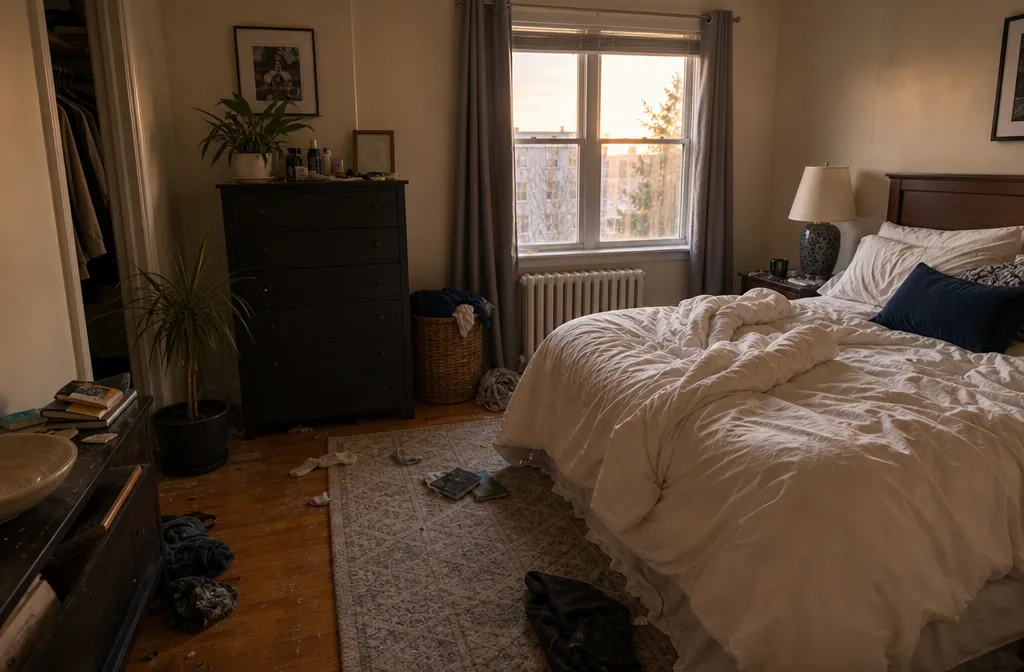
 After
After
Request: Remove cement splatters from the window after renovation in the bedroom.
Done: Cleaned glass and frame from cement with special products, polished the surface.
Cost: 6 000 ₸
Master: Aigul Nurlanova, cleaning master
Total: Window transparent, no traces of cement or streaks.
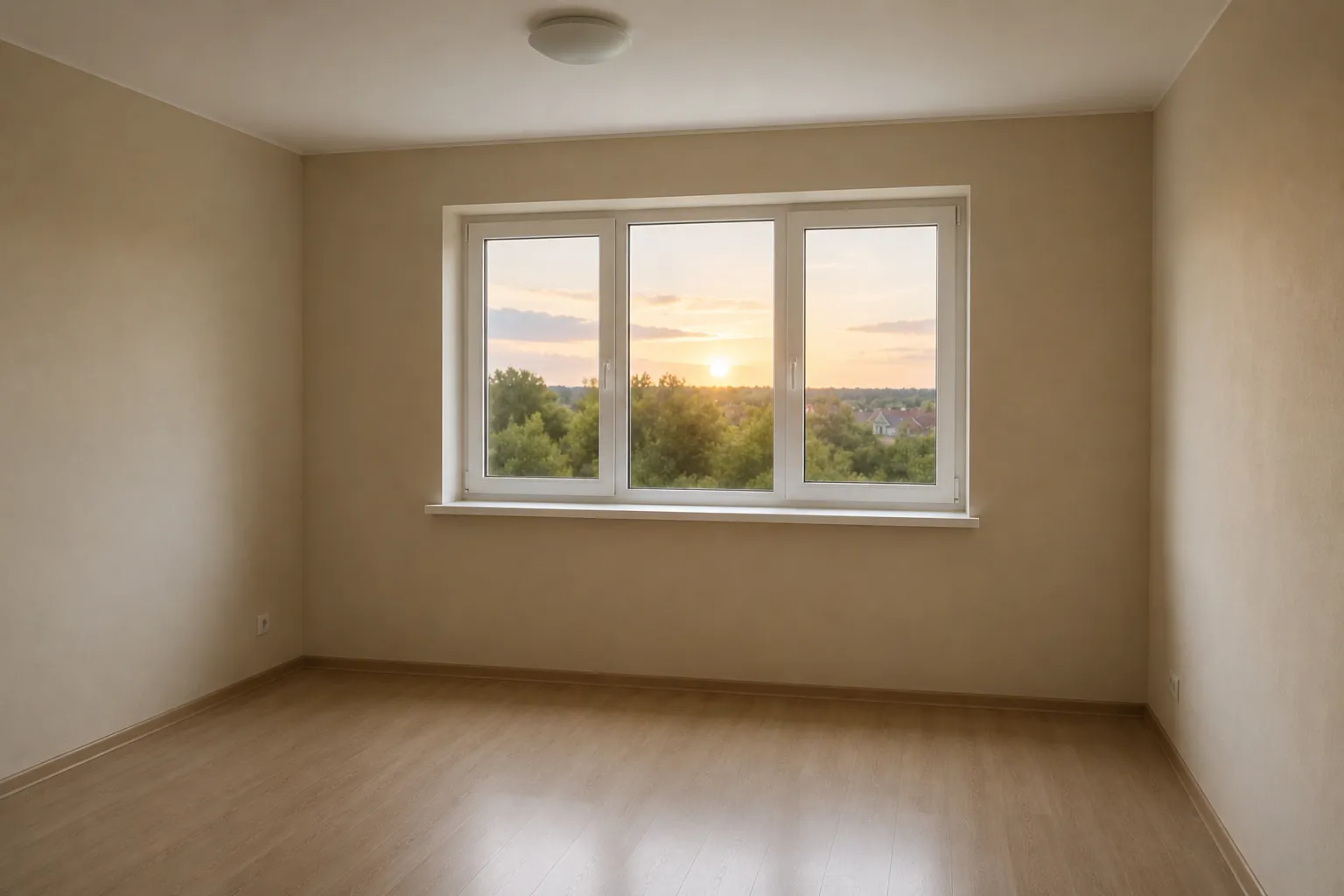
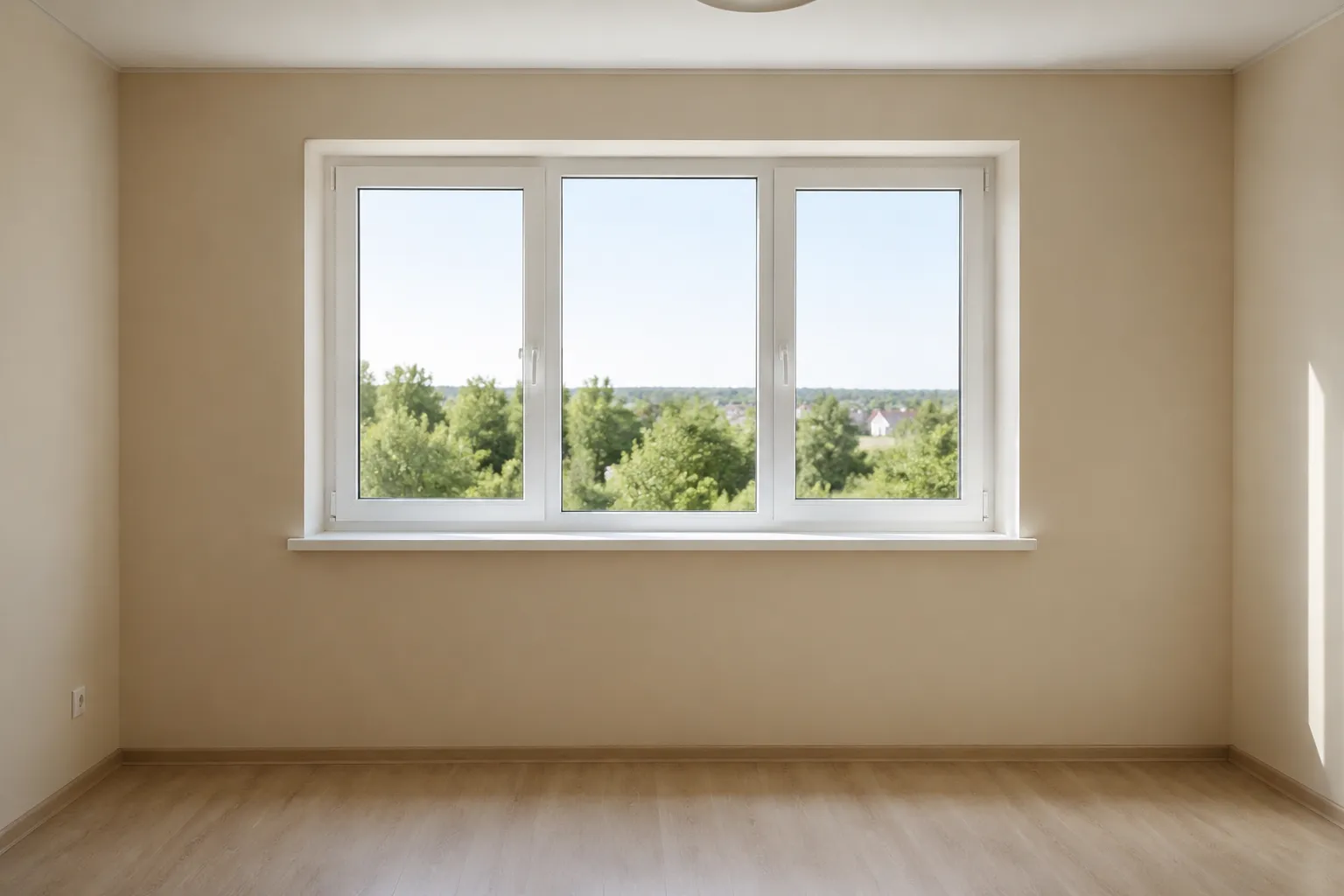 After
After
Request: Remove glue residue from plastic frame after installation.
Done: Removed glue from profile with solvent without damaging plastic.
Cost: 7 000 ₸
Master: Timur Zhaksybekov, dry cleaning master
Total: Frame clean, no sticky traces or damage.
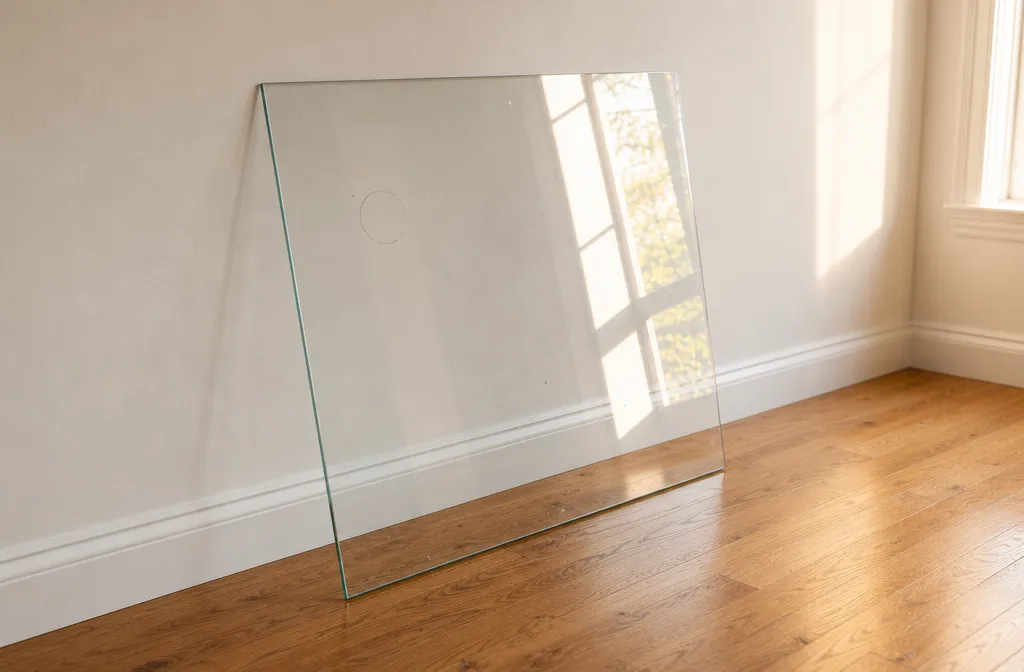
 After
After
Request: Clean glass from paint drops after wall painting.
Done: Removed paint from glass with scraper and special products, washed to a shine.
Cost: 8 000 ₸
Master: Dinara Sadykova, cleaning master
Total: Glass perfectly transparent, no traces of paint.
 After
After
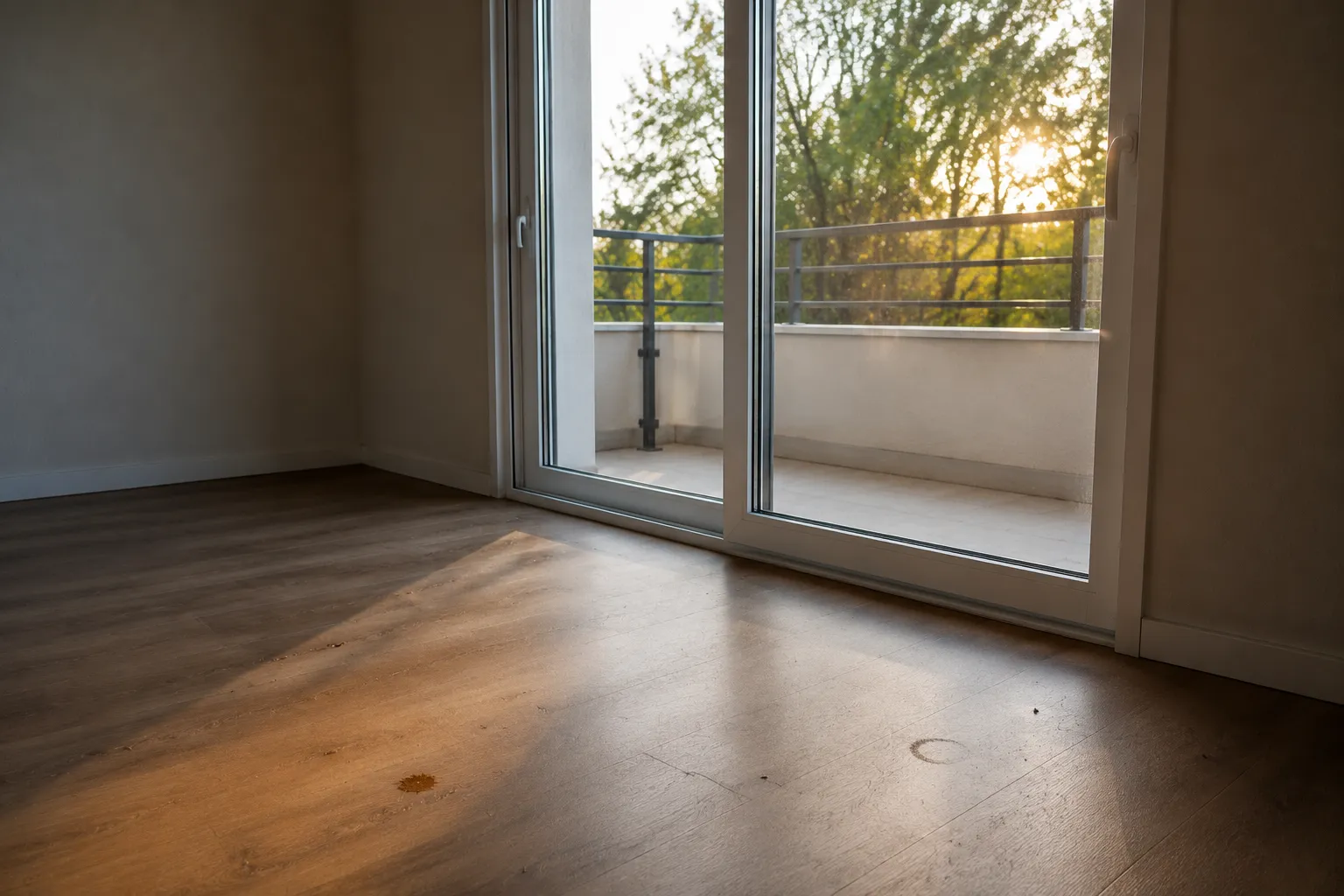
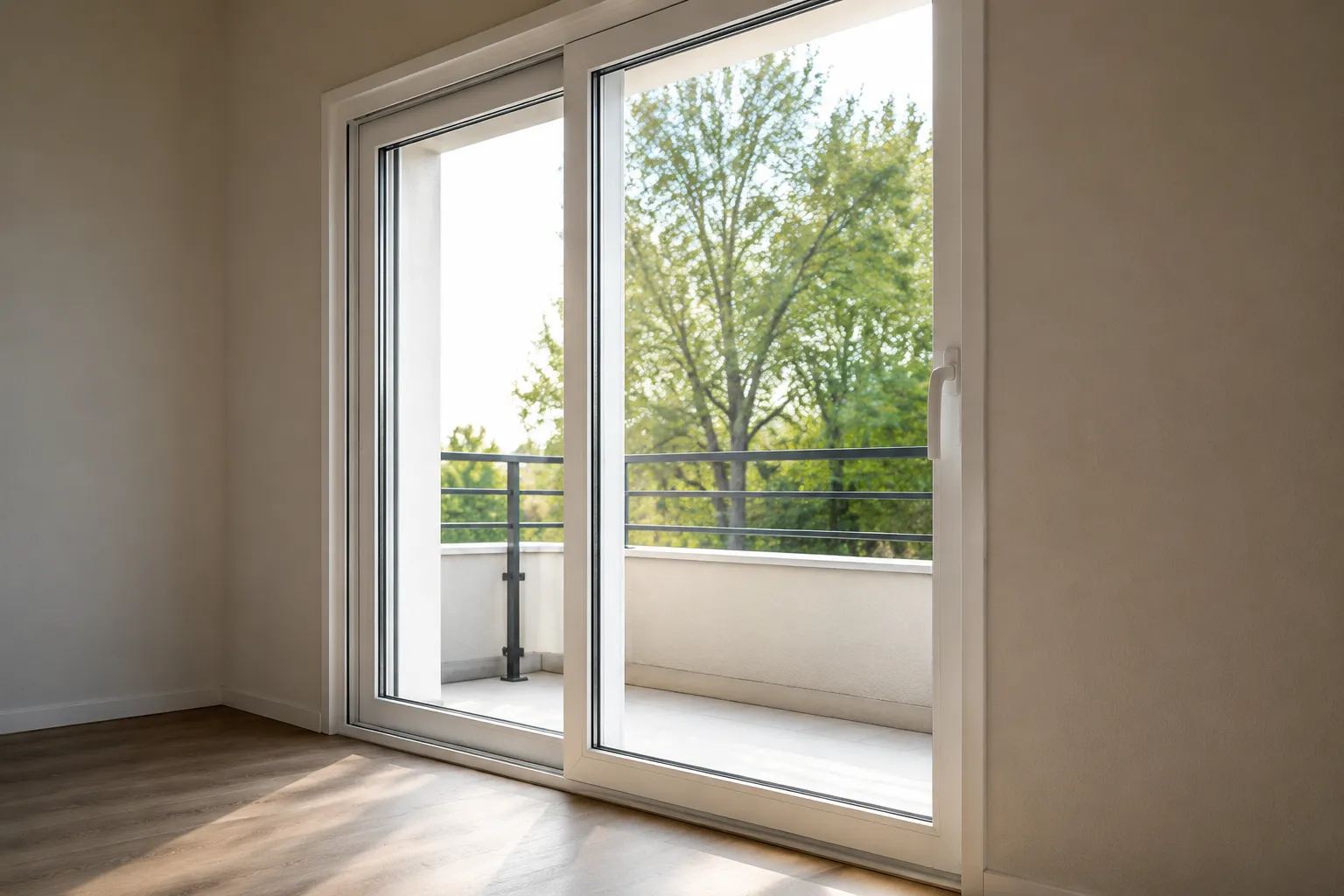
Request: Remove construction film and glue from balcony door.
Done: Removed film, cleaned frame and glass from glue, polished.
Cost: 9 000 ₸
Master: Aidar Kuatov, cleaning master
Total: Door clean, no film or glue residue.
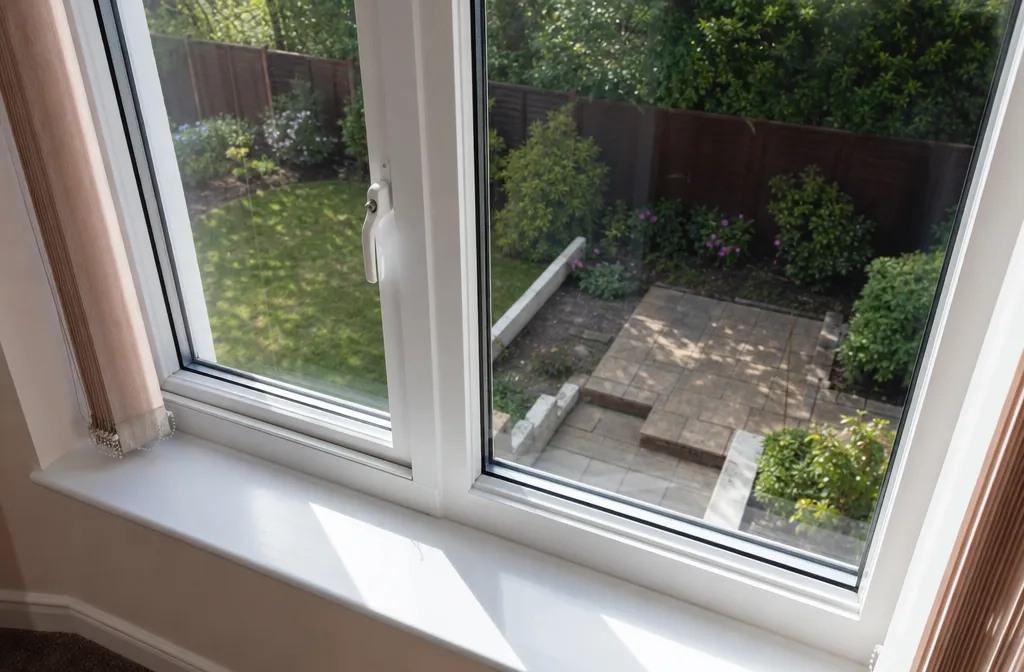 After
After
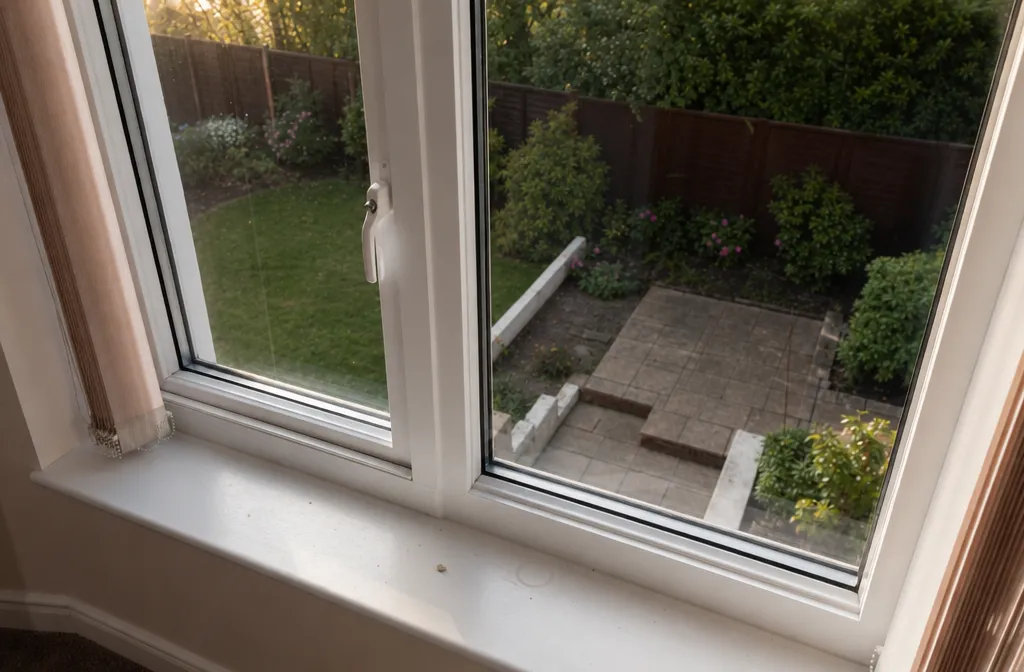
Request: Remove dried construction mortar from windows.
Done: Softened and scraped off mortar, washed glass to transparency.
Cost: 8 000 ₸
Master: Gulmira Askarova, cleaning master
Total: Double-glazed window clean, no streaks or deposits.
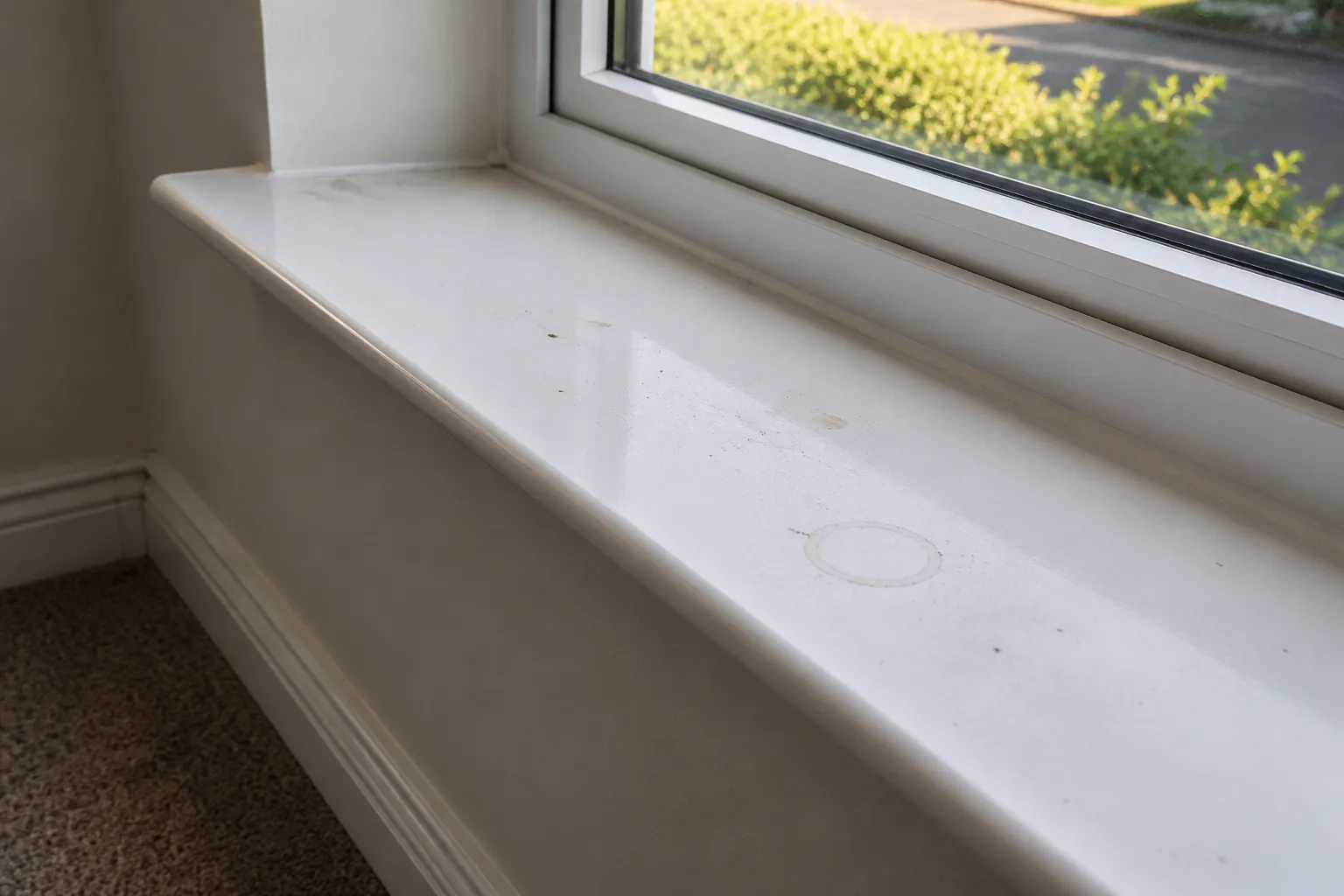
 After
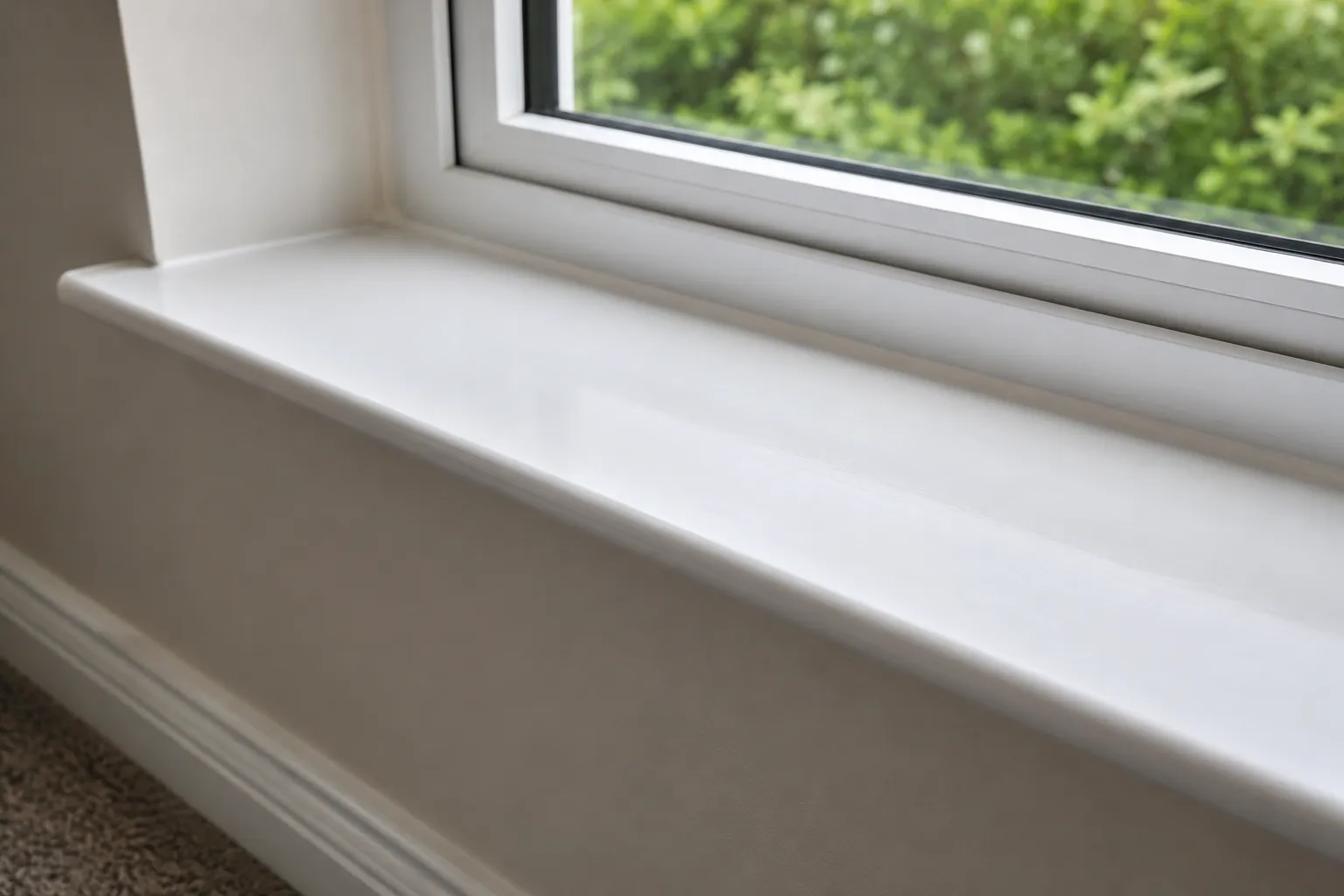
After
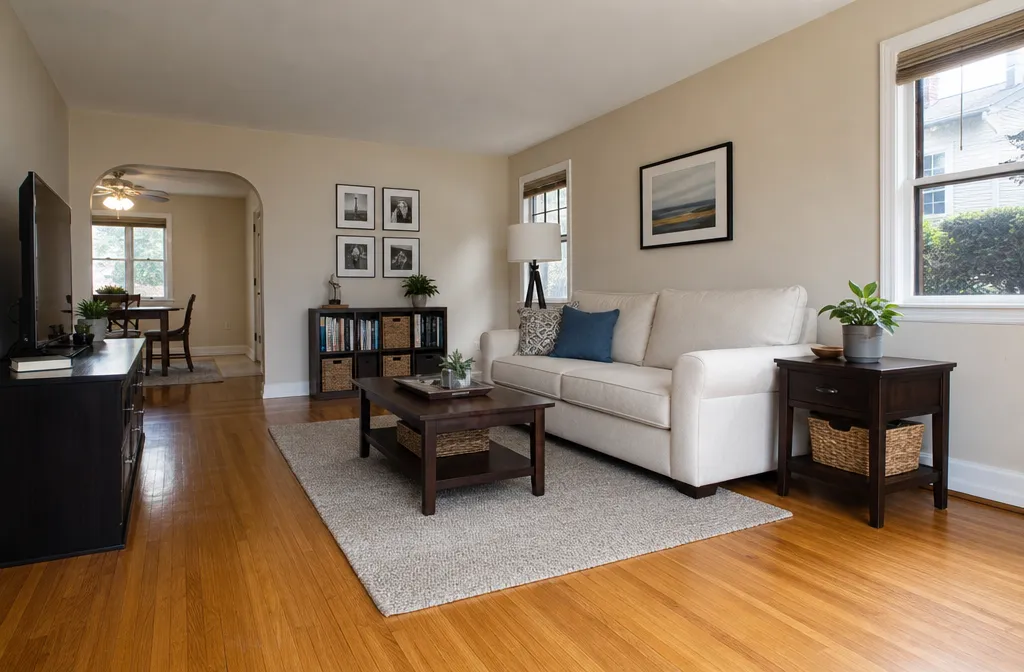
Request: Clean the window sill from dried plaster.
Done: Scraped off plaster, washed and polished the window sill.
Cost: 8 000 ₸
Master: Nursultan Yermekov, cleaning master
Total: White, smooth window sill, no traces of mortar.
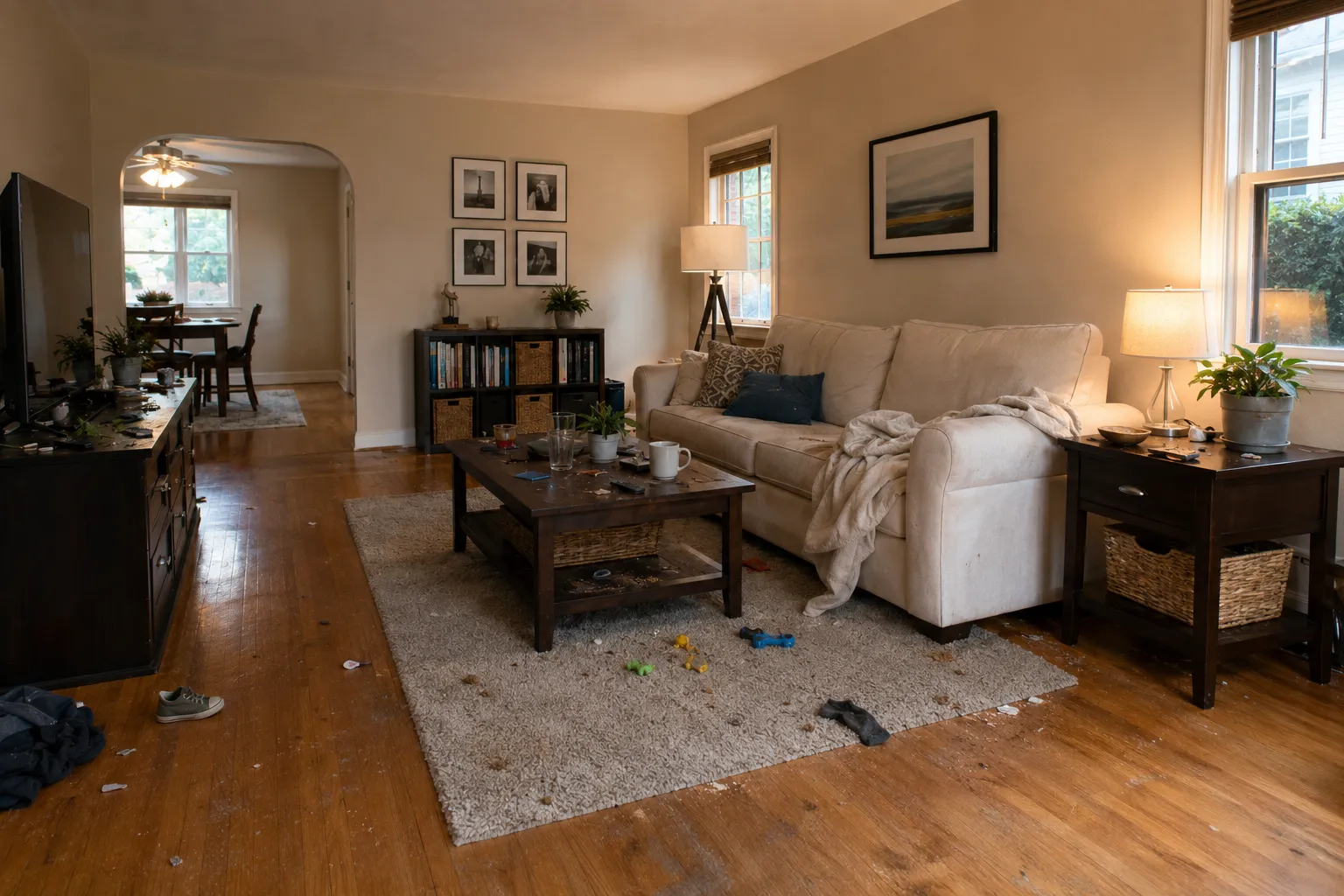
 After
After
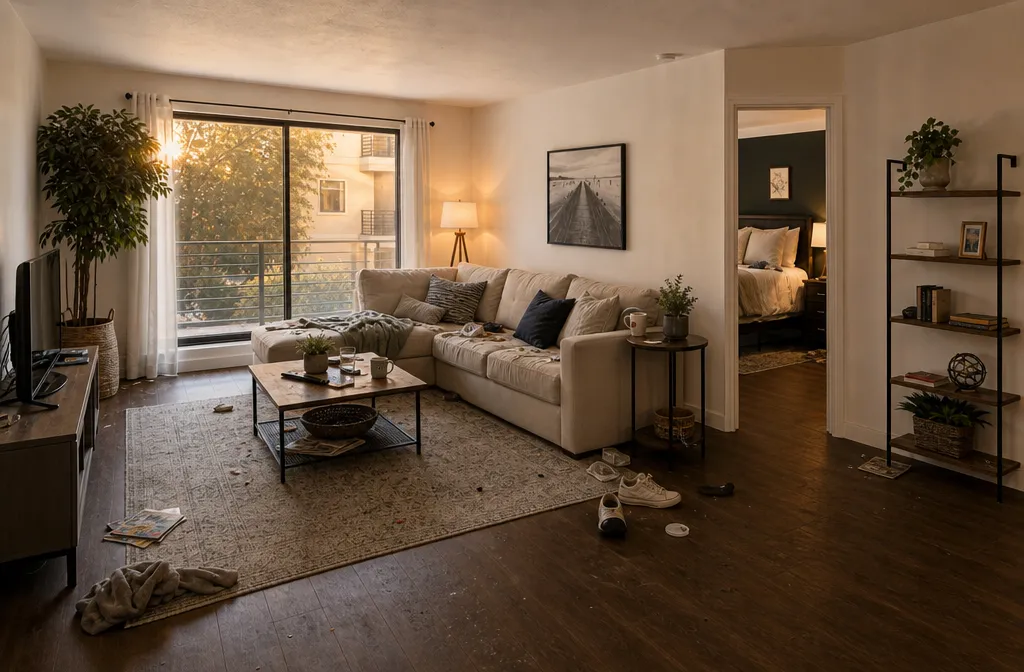
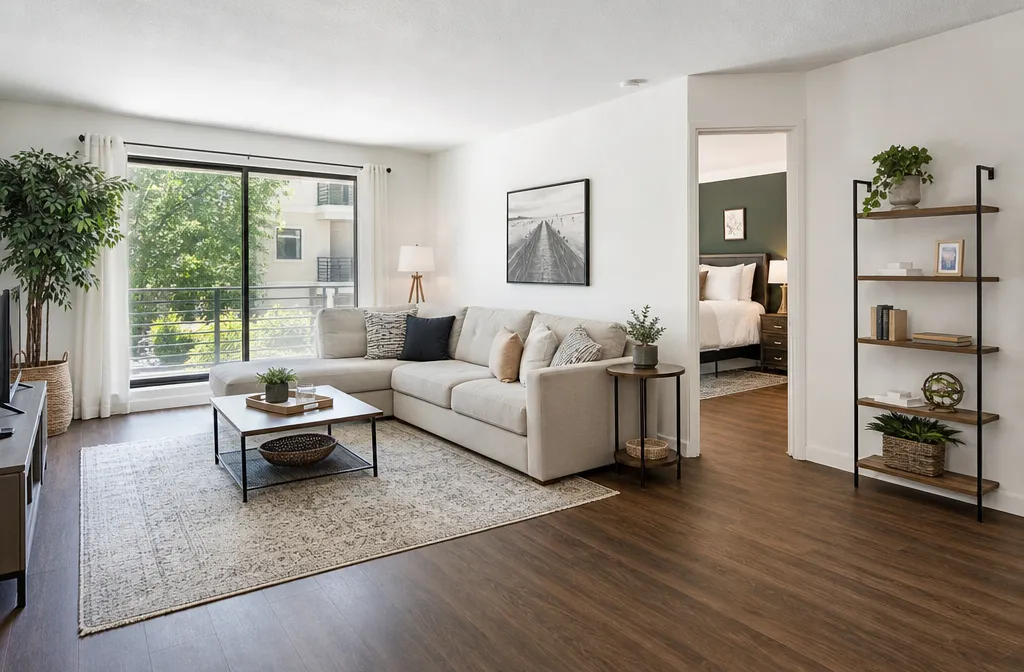
Request: Clean the French window from construction dust and dirt.
Done: Washed all sashes, frames and window sill, removed smudges.
Cost: 9 000 ₸
Master: Aizhan Bekzhanova, cleaning master
Total: Window shines clean, no dust or streaks.
 After
After
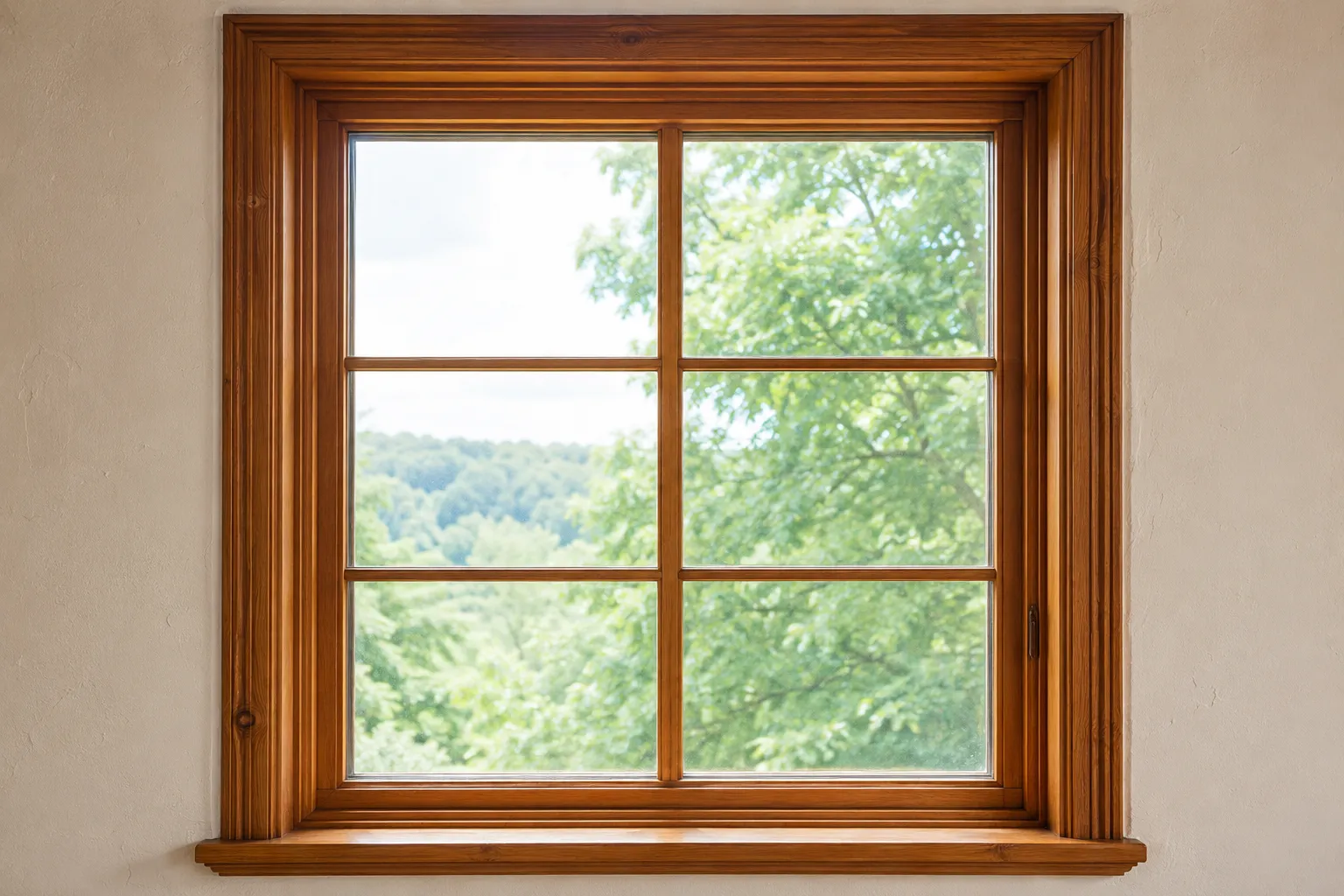
Request: Clean the panoramic window from dust and glue residue.
Done: Removed glue, washed glass and frames, polished.
Cost: 6 000 ₸
Master: Ruslan Ibraev, cleaning master
Total: Window transparent, no smudges or sticky spots.

 After
After
Request: Remove paint drips from the wooden frame.
Done: Carefully removed paint without damaging the wood, polished.
Cost: 8 000 ₸
Master: Aigul Nurlanova, cleaning master
Total: Frame clean, no paint, texture preserved.
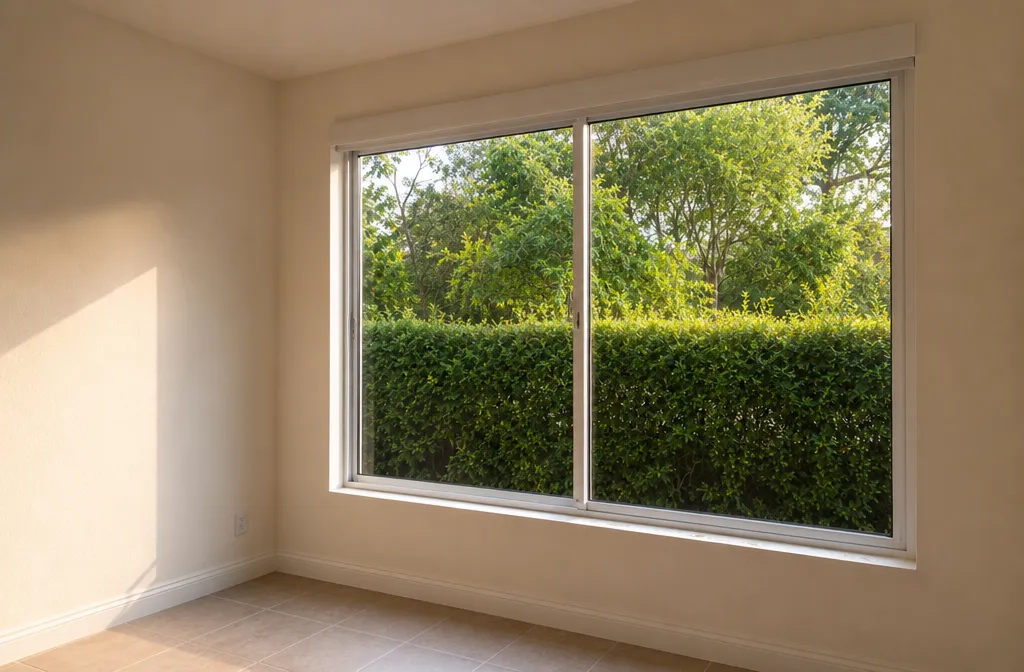
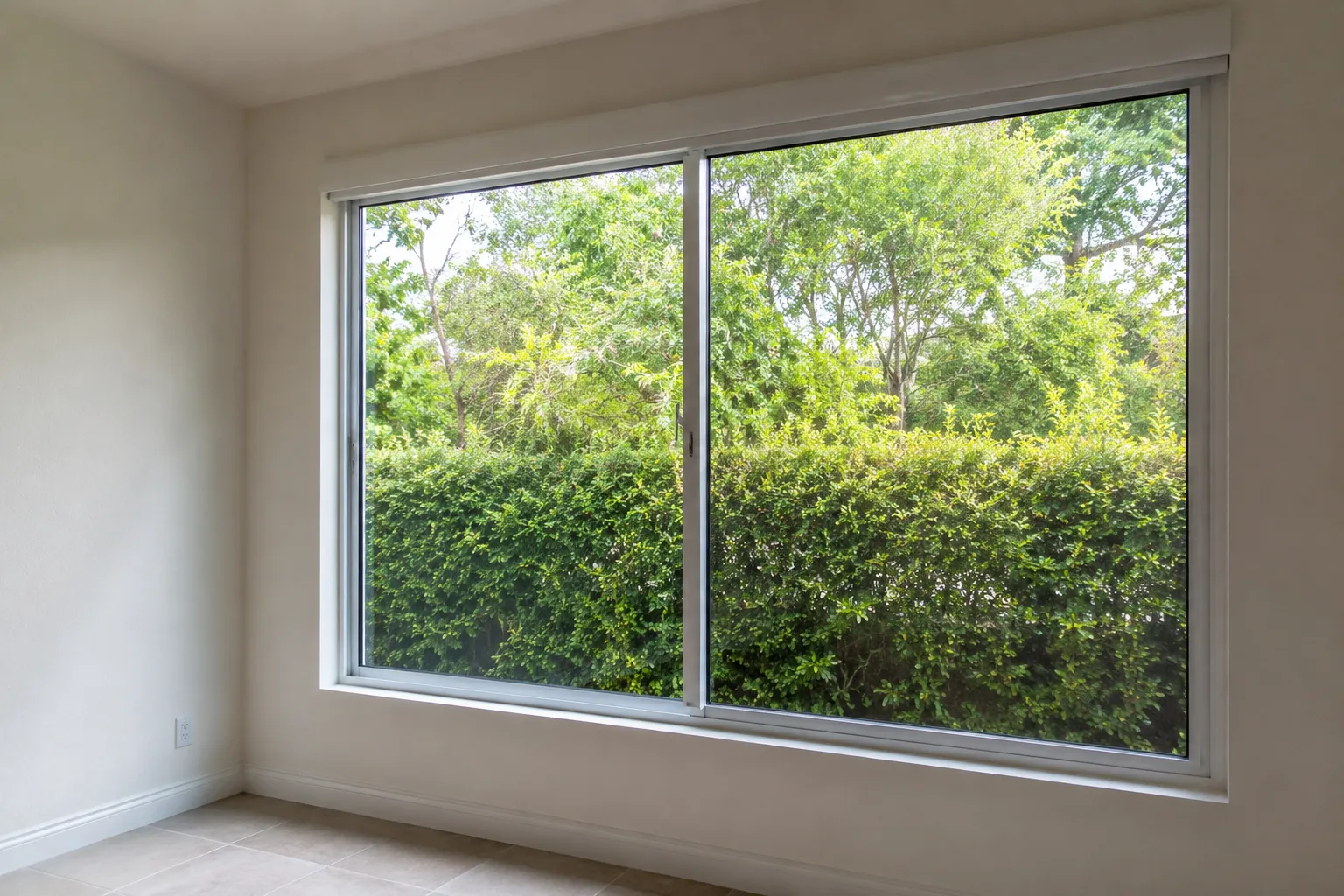 After
After
Request: Remove dried sealant from the aluminum frame.
Done: Removed sealant with solvent, washed and polished the frame.
Cost: 7 000 ₸
Master: Timur Zhaksybekov, dry cleaning master
Total: Frame clean, no traces of sealant or smudges.
All cleaners are profi-clean staff with training, uniform and security check. Each order has a team leader who controls quality.
When the renovation is over, windows are often in the worst condition: dried cement, paint splatters, mounting foam on the frames, and ingrained construction dust in the crevices. Here at profi-clean, we see such windows daily, and here is why trusting their cleaning to random people or trying to do it yourself is almost always a mistake.
Construction dust isn’t just dust; it’s a suspension of cement, gypsum, putty particles, and microscopic fiberglass fragments. It settles on the glass, frames, and sills, and upon contact with moisture, turns into an abrasive paste. If you wipe such a window with a regular cloth and water, the tiny particles scratch the glass, leaving dull streaks visible in the sunlight. Dried cement mortar is comparable in strength to concrete – it cannot be washed off without special acidic compounds that break down the set bonds without damaging the glass. Water-based paint washes off easily, but alkyd enamel and nitro paint require solvents that are aggressive to plastic frames – unprofessional use of removers leaves yellow stains and dull spots on PVC. Mounting foam that gets on the glass hardens within 12–24 hours, and after that, it can only be removed mechanically with a blade, and on the profile – with a special gel remover that doesn’t corrode the plastic. In my opinion, the main mistake is trying to clean everything with one universal chemical: each type of dirt requires its own reagent and its own tool.
Regular household window cleaner cannot handle the greasy residue from mounting foam and silicone sealant – these substances leave a thin film on the glass that attracts dust and creates a “foggy window” effect within a week. The professional window concentrates we use contain surfactants with different polarities: some break down silicone residues, others neutralize the alkaline environment of cement dust. Another issue is that the water in Almaty is hard, with a high content of calcium and magnesium salts. If you wash windows with regular tap water without demineralization, white salt streaks remain after drying, which are especially noticeable on dark frames. Our arsenal includes demineralized water and a finishing squeegee with natural rubber that collects water without streaks. Moreover, on double-glazed windows with energy-saving coating, it’s crucial not to use abrasive sponges – they wear away the low-emissivity layer, and the window loses up to 30% of its thermal insulation properties.
After a major renovation involving window unit replacement, plastering of sills, and wall painting – one professional cleaning is sufficient, provided it’s done immediately after all “wet” work is completed. If the renovation is phased and windows sit under construction plastic for months, condensation accumulates on the glass and frames, promoting mold in the grooves of rubber seals – in such cases, pre-treatment with an antiseptic is required before the main washing. In Almaty homes with poor ventilation (typical panel series), windows fog up more actively after renovation, and if construction dirt isn’t removed before the cold weather sets in, fungus develops in the frame joints, which later has to be cut out along with the seal.
Cement dust, construction mixtures, paint, and mounting foam settle on the glass, frames, and profiles – each type of dirt requires its own removal approach. Without understanding the chemistry and physics of these materials, it’s easy to damage the coating or leave scratches.
Hardened cement on glass is an alkali that eats into the silicate glass structure within 2-3 hours. If you simply scrape it with a blade, micro-scratches remain on the surface — they become visible in sunlight as matte streaks. We use acidic cleaners with a pH of 2-3 (e.g., Frosch Cement Remover) — they react with the cement stone, softening it in 5-7 minutes, after which the solution is rinsed off with water without mechanical friction. On plastic frames, we remove cement using Kiehl gel compound — it does not scratch PVC, unlike abrasive powders often used in DIY cleaning. In our practice, there was a case where a client in Almaty tried to remove cement with vinegar — white spots from chemical burns remained on the frame, and the seal had to be replaced. Before treating cement, check the glass type: on tinted or energy-efficient glass, acidic compounds should not be left for longer than 3 minutes — otherwise, the coating is damaged.
Water-based emulsion paint can be washed off with plain water if it hasn’t dried — after drying, it forms a polymer film that water cannot remove. Acrylic compounds dissolve with alcohol-based cleaners (isopropanol 70%), while oil-based ones require white spirit or specialized removers. A common beginner mistake is rubbing paint with the rough side of a sponge — the abrasive strips the gloss from the profile, and dirt accumulates there afterward. We apply the solvent to a microfiber cloth and press it against the stain for 10-15 seconds — the paint softens and comes off without pressure. On glass, oil paint should not be left for longer than 30 minutes — it penetrates micropores and leaves a yellow tint that cannot be removed even with professional products. If the stain has been dried on the glass for over a day, we use steam cleaning at 120°C — the steam softens the film, and it peels off in a layer.
Fresh foam can be removed with acetone or a specialized cleaner like “Makroflex” — it’s crucial to act before it fully hardens (6-8 hours). Hardened foam is mechanically cut off with a blade, but on plastic frames, a yellow UV stain remains — this can only be removed by sanding the profile followed by polishing. Silicone sealant is removed with acetic acid (for acidic silicones) or white spirit (for neutral ones). In Almaty apartments with high ceilings (3+ meters), sealant is often applied carelessly — it seeps into the hardware grooves and hardens, blocking the mechanism. In such cases, we disassemble the window sash and clean each component in an ultrasonic bath — otherwise, the handle will turn stiffly, and the sash will warp. When removing foam from aluminum profiles, do not use acetone — it destroys the anodized coating, leading to corrosion in that area.
Fine cement dust gets into the hardware guides and lubricant — within a week, the window starts to squeak, and within a month, the handle jams. Dust on frames and glass should not be washed off with water — it turns into an abrasive paste that scratches the surface. We first collect the dust with a HEPA-filter vacuum cleaner, then wipe with an antistatic microfiber cloth. Construction film on frames is a separate issue: when heated by the sun (in Almaty up to +40°C in summer), the adhesive polymerizes and turns into a hard-to-remove mass. Fresh film is removed with a hairdryer (60°C, without contact with the plastic), while old film requires a chemical remover based on citrus oils. If the film has been on for more than a month, the adhesive penetrates the PVC, and profile sanding is unavoidable — this takes an additional 30-40 minutes per window.
The most frequent mistake Almaty residents make is using “Belizna” or chlorine-containing products to whiten frames. Chlorine reacts with the PVC plasticizer, making the profile brittle — within a year, cracks appear at the joints. The second most common mistake is abrasive powders (Comet, Pemolux): they leave micro-scratches on the glass, making the window appear matte when viewed through. The third is using kerosene to remove paint: it leaves a greasy film that attracts dust, and within a week, the window looks dirtier than before cleaning. The fourth is washing windows in hot weather (above +30°C): water and chemicals dry within 30 seconds, leaving streaks that cannot be removed without retreatment. In Almaty, peak solar activity is from 11 AM to 4 PM — during this time, even professional compounds dry faster than they can be wiped off.
Regular glass cleaning involves removing dust and streaks after a season or rain. Post-renovation window cleaning tackles a different level of tasks: removing construction films, dried cement and mounting foam, and neutralizing aggressive chemical residues. In Almaty’s new developments and homes after major renovations, windows are often in a state where plain water and household spray are useless.
A regular window has an even gloss, showing dust and a few paint drops. A post-renovation window has a matte coating of cement dust ground into the glass by improper wiping, dried splatters of acrylic paint on the profile, and chunks of mounting foam that have hardened in the sun. If foam is left on plastic in the Almaty sun (and in southern areas, glazing heats up to 50 °C) for a week, it polymerizes into stone — removing it without a scraper and solvent is impossible. A regular sponge with “Fairy” won’t touch such a layer, and trying to peel off the foam with a fingernail leaves scratches on the profile lamination. In our practice, there have been cases where apartment owners in the “Akbulak” residential complex tried to clean the windows themselves — resulting in micro-scratches on the glass from abrasive cement dust, visible under side lighting.
In regular window washing, the main risk is streaks. After renovation, it’s damage to the glass and profile. If cement dust remains on the glass and a wet cloth is wiped over it, the sand particles act like sandpaper: after a few passes, a “web” of micro-scratches appears on the gloss. Under side lighting (and in Almaty apartments, windows are often south or west-facing), these scratches produce a matte sheen that no polishing can remove. A second common mistake is using vinegar solutions to remove cement: the acid reacts with aluminum and plastic profiles, leaving whitish spots. In the Almaty market, there have been cases where, after DIY cleaning with vinegar, owners of apartments in the “Baitursyn” series homes contacted us to replace the lamination on their profiles — which is no longer cleaning, but repairs costing tens of thousands of tenge.
We don’t use household microfiber cloths for the first pass — for cement dust, we use disposable lint-free wipes that are discarded immediately after contact with the abrasive. For greasy paint and mounting foam residues, we use professional Sodasan solvents based on citrus oils — they are non-toxic for residents and safe for PVC. Unlike regular cleaning, where a rubber squeegee and water suffice, after renovation, each section of glass is treated in three passes: first, mechanical removal of solid particles with a spatula, then chemical treatment with a solvent, and finally, polishing with a hypoallergenic Kiehl concentrate and water removal. For windows in Almaty’s new buildings, where labels and stickers from the manufacturer often remain on the double-glazed units, we heat them with a hairdryer to 70 °C — the adhesive comes off completely, leaving no sticky layer on the glass.
Even with thorough window cleaning after DIY renovations, the result is often worse than before cleaning — due to typical mistakes with tools, chemicals, and sequence. Let’s break down what goes wrong and how to avoid it.
The most costly mistake is trying to scrape off dried cement or mounting foam with a knife, steel wool, or the rough side of a sponge. This leaves micro-scratches on the glass, which become visible in side sunlight — the glass loses its transparency, and the matte scratches collect dust. At profi-clean, we use only plastic scrapers with replaceable blades and special water-based softeners to remove construction dirt — they dissolve cement and foam without damaging the glass. Even on PVC profiles, abrasives wear away the top protective layer — the frame starts to yellow and gets dirty faster. Before cleaning any contamination, first apply a softener for 3–5 minutes — this preserves the surface.
The logic of “wash the glass first, then wipe the frame” works against you. When you clean the frame after the glass, dirty water from the profile runs onto the already clean glass, leaving streaks with cement dust residue. The correct order we use in cleaning: first, dry clean the frames and windowsills of large debris, then wet clean the profiles and rubber seals, and only then — wash the glass. Moreover, each surface is cleaned with a separate cloth: one napkin for frames, another for glass, to avoid transferring oily dirt. If mounting foam remains on the frame, it is removed before washing the glass — with a professional polyurethane compound.
Household glass cleaners often fail to handle cement film or paint, and attempts to boost the effect with vinegar or soda backfire: the acid reacts with alkaline cement residues, forming hard-to-remove whitish streaks. We use professional Kiehl concentrates for removing construction dirt — they have a neutral pH and do not react with mineral deposits. Another mistake is pouring the product directly onto the glass: it runs onto the seal rubbers, corroding them. The correct method is to apply the solution to a microfiber cloth. Aggressive alkaline paint removers are used spot-wise, with mandatory rinsing after 2–3 minutes.
Many people rub the glass in circular motions — this leaves streaks and lint. Professional technique: “snake” movements from top to bottom — first horizontal passes with a squeegee, then vertical ones at the finish. The squeegee is moved without lifting, at a 30-degree angle, wiping the blade with a dry cloth after each pass. A damp microfiber cloth after washing is mandatory: it removes residual chemicals that cause rainbow spots in the sun. If you wash windows in winter and indoor humidity is above 60%, streaks dry unevenly — at profi-clean, in such conditions, we use room heating or air dehumidification before final glass drying.
The most overlooked mistake is skipping the rubber seals and drainage channels in the lower part of the frame. After renovations, cement dust accumulates in the rubbers, which, when wet, turns into an abrasive paste — the next time you open the window, it scratches the profile. Drainage holes get clogged with construction debris, water stops draining — in winter, it freezes and ruptures the seal. In our practice, there was a case: a client washed windows himself after cosmetic repairs, and two weeks later, cracks appeared on the frame from frozen water in a blocked drain. Channels should be cleaned with a thin brush or blown out with a compressor — a toothpick or needle damages the plastic.
When washing windows in an apartment, water runs onto the windowsill, then onto walls and floors. If absorbent cloths are not placed under the frame, moisture gets under the windowsill, swelling the chipboard and peeling the laminate on the slopes. In professional cleaning, special drip trays or multi-layer absorbent mats are used, which hold up to 2 liters of water. Without such protection, even careful washing leaves microscopic streaks on walls — after drying, yellow spots remain on the wallpaper. If you wash windows yourself, place old towels or diapers under the frame and change them as they get wet.
The frequency of washing windows after renovation depends on the stage of construction work and its intensity — a single cleaning is not enough here, because dust settles in waves over several weeks. At profi-clean, we recommend clients break the process into two or three passes with an interval of 7–10 days.
Putty, plaster, and wall sanding produce the finest dust, which penetrates into micro-gaps in the hardware and under the seals. The first window wash should be done immediately after these stages are completed, before painting and wallpapering. By this point, cement dust has already settled on the glass, frames, and sills, which etches into the surface as it dries. At this stage, our cleaners work with a neutral surfactant-based solution — it lifts dust from the plastic without streaks, and dried drops of construction mixture are softened with a special gel for 3–5 minutes. If you skip this pass, the cement crust will harden to the point where it must be removed mechanically — risking scratches on the glass.
Once the wallpaper is hung, the ceiling is painted, and the final coating is applied to the walls, the dust settling on the windows is no longer construction dust, but light polymer dust and microscopic paint particles. The second pass is usually done 7–10 days after the first. In Almaty’s conditions — with dry air and frequent wind — a thin, oily film from volatile components of acrylic paints manages to set on the glass within this week. Regular water with vinegar won’t remove this film; for this second stage, we use an alkaline concentrate with a pH of 9–10, which emulsifies latex and acrylic residues. After this stage, the windows already look clean, but fine dust that has settled from the air may remain on the profiles and in the joints of the sashes.
The third pass is the most important, although many clients skip it. 14–21 days after the renovation is complete, all the dust that was floating in the air finally settles on horizontal surfaces. During this period, a layer appears on window sills, in drainage holes, and on the top edges of frames that wasn’t noticeable before — it consists of the finest particles of gypsum, cement, and textile fibers from carpet or linoleum. During the final wash, we remove the sashes (if they are tilt-and-turn designs) and wash the internal cavities of the profile — this is where the most aggressive cement dust accumulates, which can eventually block the operation of the hardware. The final pass at profi-clean includes a mandatory wipe-down of the seal with silicone lubricant — this extends its elasticity by 1–2 years.
If the renovation is carried out in winter, when the windows are constantly closed, the interval between washes is reduced to 5–7 days — due to condensation, construction dust sticks to the glass faster. In private houses with panoramic glazing, we recommend three passes with mandatory removal of the protective construction film during the second stage: if left on for a month, UV light “bakes” the adhesive, making it impossible to remove the film without damaging the glass. At sites in central Almaty, where there are construction sites of neighboring buildings nearby, the exterior side of windows after renovation may require an additional wash within a week — the wind brings a new portion of sand and cement dust from adjacent facades.
Almaty’s water and sharply continental climate create two main challenges for window washing: hard water leaves deposits, and temperature fluctuations and dust negate the effect of regular cleaning. In our practice, these factors are the main cause of streaks and rapid re-soiling.
Tap water in Almaty has an elevated content of calcium and magnesium salts — up to 7-8 mg-eq/L compared to the norm of 3-4 mg-eq/L. When drops dry, the salts crystallize on the glass, forming a whitish residue that is especially noticeable in sunlight. Regular cleaning agents do not dissolve these deposits — they only smear them across the surface. Therefore, when working with Almaty water, we use demineralized water for the final rinse and special formulations with chelating agents that bind hardness ions. In my opinion, ignoring this step is the main reason why windows look worse after self-cleaning than before: streaks become visible immediately after drying.
Almaty is one of the most dust-polluted cities in Kazakhstan: the average annual concentration of PM2.5 suspended particles reaches 40-50 µg/m³ against the WHO standard of 15 µg/m³. After washing windows without antistatic treatment, dust settles on the damp glass within the first 2-3 hours, especially on lower floors and in areas with active construction (Alatau, Nauryzbai districts). At profi-clean, we apply a protective layer with an antistatic effect to the glass — it reduces the rate of re-soiling by 3-4 times compared to regular washing. If you wash your windows yourself and do not use an antistatic agent, be prepared to repeat the procedure every 5-7 days in the dry season instead of 2-3 weeks with protection.
Daily temperature fluctuations in Almaty reach 15-20°C in spring and autumn, when post-renovation cleaning is usually ordered. Washing windows at +25°C during the day and +5°C at night risks microcracks on the glass due to uneven expansion, and on aluminum and plastic profiles, condensation can freeze if droplets remain in the evening. In our practice, we only wash windows at temperatures not lower than +10°C and not higher than +35°C, and we always dry all grooves and drainage holes thoroughly with a rubber squeegee and microfiber. For clients in the Auezov and Bostandyk districts, where winds from the mountains are more frequent, we additionally check the seals — temperature changes age rubber faster if moisture remains on it.
In Almaty, winds of up to 15-20 m/s are common, lifting fine sand and pollen from the mountain slopes. After washing without protection, open frames become covered with a layer of sandy suspension within 30 minutes, which scratches the glass during the next wipe. We use a two-pass washing method: first, we rinse off the main dirt, then apply a finishing layer with protection against abrasive wear. On windy days (April-May and September-October), we recommend that clients do not open windows for 4-6 hours after treatment — during this time, the protective layer polymerizes and begins to work. Otherwise, sand settling on still-damp glass turns the next cleaning into micro-polishing — and over a year, the surface loses its transparency.
Ordered window cleaning after renovation in a new apartment. They cleaned everything to a shine, even removed paint marks from frames.
Thank you, Aigerim! Glad you were satisfied.
After office renovation, the glass was in terrible condition. The masters arrived on time and cleaned perfectly. I recommend.
Had window cleaning after renovation in a house. The windows are large, panoramic, they did an excellent job but were a bit late.
We apologize for the delay, we'll take it into account for the future.
After painting walls, there were white drops on the windows. The guys wiped everything without streaks, the glass is transparent. Very satisfied.
Bought an apartment in a new building, windows were covered in cement dust. Post-renovation window cleaning made them perfectly clean. Thank you!
Yerlan, thank you for your review! Always happy to help.
After insulation, the balcony windows were dirty. They came, washed quickly, even wiped the profiles. Great job.
Ordered post-renovation window cleaning for a cottage. Overall okay, but some frames had tape residue. Had to re-clean myself.
Kuanysh, thanks for the feedback. We'll pass it to the team to be more careful.
After replacing the kitchen backsplash, the window was covered in grout. Washed flawlessly, no streaks. Will order again.
Needed post-renovation window cleaning for a store. Done well, windows sparkle. Customers are happy.
Timur, glad we helped your business!
Windows in the studio after renovation were washed. Almost perfect, but one window had a couple of streaks. Overall good.
Gulnara, sorry for the oversight. We'll give a discount on your next order.
After renovation, the terrace windows were dusty. Ordered post-renovation window cleaning – result exceeded expectations. Glass like new.
Panoramic windows in the living room after renovation were washed perfectly. Now the view from the window is delightful. Many thanks!
Olga, thank you for your kind words! Come again.
After plastering, window glass had a coating. Post-renovation window cleaning saved the day – everything clean, no streaks.
After wallpapering in the bedroom, the windows got dirty. They came, washed quickly and neatly. Very pleasant masters.
Laura, thank you! We'll be happy to help again.
We ordered window cleaning after renovation for the restaurant. Now the hall is bright, clients are delighted. Thanks for the promptness.
In the children's room after renovation, we washed the windows. Overall clean, but there was some dust left on the windowsill. They fixed it quickly. Thank you.
Saule, sorry for the oversight. We'll be more attentive.
In the garage after renovation, the windows had oil stains. Window cleaning after renovation washed everything off. Now it's light and clean.
After replacing tiles in the bathroom, the window was covered in grout. They cleaned it to a shine, even removed the silicone. Well done!
Aliya, glad you appreciated the work!
I ordered window cleaning after renovation at the warehouse. The windows are large, they washed for a long time. Quality is average, some streaks remained. Hope next time will be better.
Nurlan, thanks for the feedback. We will take measures to improve quality.
In the hallway after painting the walls, the windows got splattered. The masters wiped everything off, even cleaned the handles. Very neat.
In the office after renovation, we did window cleaning after renovation. Now it's pleasant to work, light comes in without obstruction. I recommend.
Dauren, thank you! Get in touch.
On the loggia after glazing, we washed the windows. Almost perfect, but one glass had to be rewashed due to a streak. Overall satisfied.
Marzhan, we apologize. We will take your comment into account.
In the new house after construction, the windows were dirty. Post-renovation window cleaning made them transparent. Very satisfied with the result.
At the dacha after renovation, the window glass was cleaned of paint. Now the view from the window is pleasing to the eye. Thank you for your thoroughness.
Gaukhar, thank you! Come to the dacha with comfort.
For an open space office, we ordered post-renovation window cleaning. Done quickly, employees are happy. The price is reasonable.
In the spa salon after renovation, the windows were dusty. The masters came and washed them perfectly. Now we have cleanliness and coziness.
Kamila, thank you! Glad we helped create coziness.
I ordered post-renovation window cleaning for the studio. Overall good, but one window had to be rewashed due to streaks. The rest is excellent.
Askhat, sorry for the inconvenience. Next time we'll give a discount.
At the dacha after painting the windows, they washed the glass. The guys did an excellent job, even cleaned the screens from dust. Very satisfied.
After a major renovation of the apartment, post-renovation window cleaning was a lifesaver. The windows are large, washed perfectly. Thanks to the team.
Bekzat, glad you are satisfied!
In the kitchen-dining room after renovation, the windows were dirty. They came, washed quickly, without streaks. Now the room is bright.
At the business center, we ordered post-renovation window cleaning. Done qualitatively, all windows shine. Employees are happy.
Aidar, thank you for your review! Glad to cooperate.
We washed windows in a country house after renovation. Overall great, but one window had a paint stain. Fixed after a call.
Lyazzat, sorry for the oversight. Glad we fixed it.
After office redevelopment, I ordered post-renovation window cleaning. Everything clean, windows transparent. Work done on time.
After European renovation, windows in the apartment were covered in cement. Washed to a shine, even cleaned the corners. Highly recommend.
Anar, thank you! We'll be happy to help again.
In the gym after renovation, we did post-renovation window cleaning. Now the hall is bright, pleasant to train. Thank you.
Washed windows in a room after painting. Good, but the windowsill wasn't wiped very well. The rest is clean. Overall okay.
Dina, thank you for the feedback. We'll pass it to the team.
For a clothing store, we ordered post-renovation window cleaning. Showcases shine, customers come in more often. Excellent work.
Yerkebulan, glad we helped attract customers!
In the living room after renovation, windows were cleaned of putty. Everything perfect, no streaks. Thank you for professionalism.
In a cottage after renovation, I ordered post-renovation window cleaning. Windows are large, but they handled it perfectly. The view is like a picture.
Rustem, thank you! Come again.
After replacing the plumbing, the windows in the bathroom were dirty. They cleaned well, but were a bit late. Overall satisfied.
Ainur, sorry for the delay. We'll try to be faster.
Yes, we wash windows year-round. We use non-freezing solutions and dry the frames thoroughly after washing to prevent ice.
Clear the windowsills of items and remove curtains. If there is access to the window, open it for the technician's convenience.
Yes, all products used (Kiehl, Sodasan, Unicum) are safe once dry. We recommend ventilating the room after cleaning.
On average, 1-2 hours per apartment. Time depends on the number of windows and the level of dirt.
We accept cash, Kaspi Gold, Halyk Bank, and card transfers. Non-cash payment is available for legal entities.
Yes, we work officially. We provide a contract, completion certificate, and receipt upon request.
Let us know within 24 hours, and we will rewash the windows for free. This is covered by our guarantee.
Yes, for windows above the 5th floor we use climbing equipment. Please inquire about the cost separately.
No, we only remove fresh construction dirt after renovation. We do not remove old paint.
Yes, for orders of 10 or more windows or a full apartment, we offer a discount of up to 10%. The exact amount will be calculated after inspection.
Tell us about your experience with profi-clean — it helps other clients and us improve.
We currently operate in Almaty. Other cities are coming soon.