Inspection and diagnostics
We determine the carpet type, material, degree of soiling. We identify stubborn stains and areas with odor.
Deep carpet cleaning with stain removal and color restoration. Safe for all materials.

We work with any types and materials
We clean with hypoallergenic shampoos safe for polypropylene and nylon.
from 7,000 ₸Gentle cleaning with neutral pH, preserving wool structure.
from 7,000 ₸Careful aqua cleaning with minimal moisture to avoid shrinkage.
from 7,000 ₸Deep washing with nap direction, removal of old dirt.
from 7,000 ₸Fast drying and effective dust removal from dense pile.
from 7,000 ₸Manual treatment with preliminary dye testing.
from 7,000 ₸We use enzyme products for wool and cotton.
from 7,000 ₸Spot stain removal with professional stain removers.
from 7,000 ₸We remove odors using ozonation and enzyme neutralizers.
from 7,000 ₸Enzyme cleaning that eliminates biological contaminants and odors.
from 7,000 ₸Fast drying to not disrupt the work process.
от 8 500 ₸Hypoallergenic cleaning with Sodasan products safe for children.
от 7 500 ₸From inspection to result with guarantee
We determine the carpet type, material, degree of soiling. We identify stubborn stains and areas with odor.
Thoroughly vacuum the carpet with a HEPA-filter vacuum. Remove dust, pet hair, allergens.
Apply Kiehl or Sodasan stain remover to stubborn stains. Leave for 5-10 minutes to soften.
Treat the carpet with professional shampoo using a Karcher Puzzi extractor. Foam and vacuum dirt.
Rinse the carpet with clean water under pressure, remove chemical and dirt residues.
Treat stubborn stains spot-wise if any remain. Use enzyme-based products.
Optionally apply a protective coating that repels dirt and water.
We dry the carpet with industrial air movers. We monitor humidity.
We use Karcher Puzzi 10.1 extractors that supply water at 10.1 bar pressure and instantly suck up dirt. This ensures deep cleaning without chemical residues. Unlike household vacuum cleaners, our equipment removes up to 99% of contaminants from deep within the pile.
We use certified hypoallergenic products Sodasan and Kiehl, which are safe for children and animals. They leave no toxic residues and are suitable for allergy sufferers. All formulations are biodegradable and environmentally friendly.
Each master undergoes aqua cleaning training and has at least 3 years of experience. We are certified by equipment and chemical manufacturers. We regularly improve our skills to work with any type of carpet.
If a stain is not removed after cleaning, we refund your money or reclean for free. The guarantee covers all types of stains. We are confident in the quality of our services and are not afraid to be responsible for the result.
We use industrial air blowers that reduce drying time to 2-4 hours. You don't have to wait a day to lay the carpet again. We control humidity with a hygrometer to avoid mold.
For complex carpets (handmade, antique) we provide a free assessment visit. The master determines the material type and optimal cleaning method. The visit is carried out in Almaty at a convenient time for you.
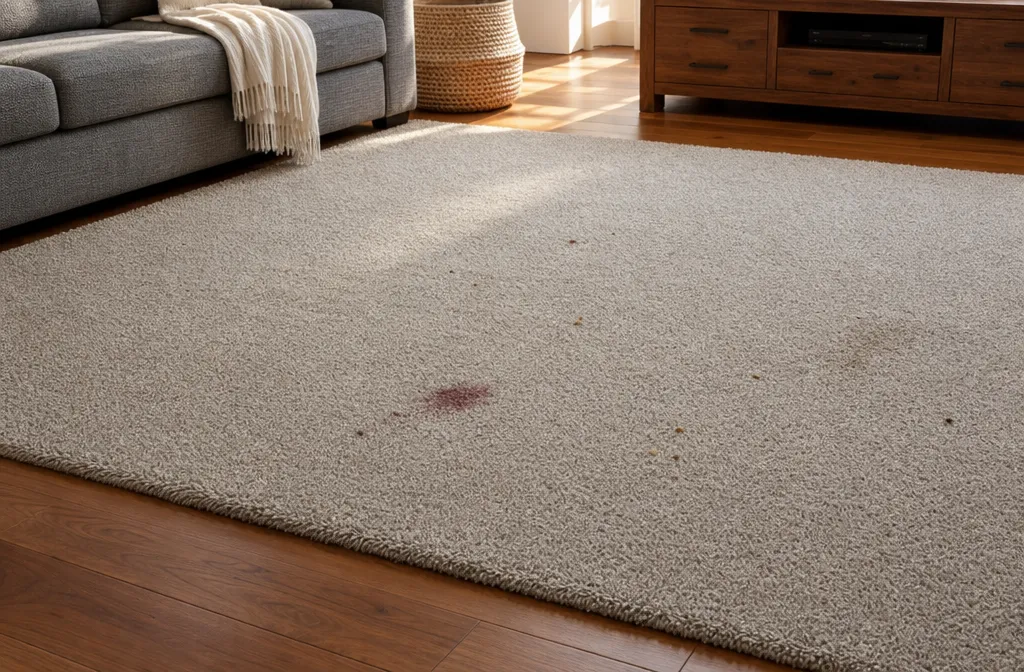
 After
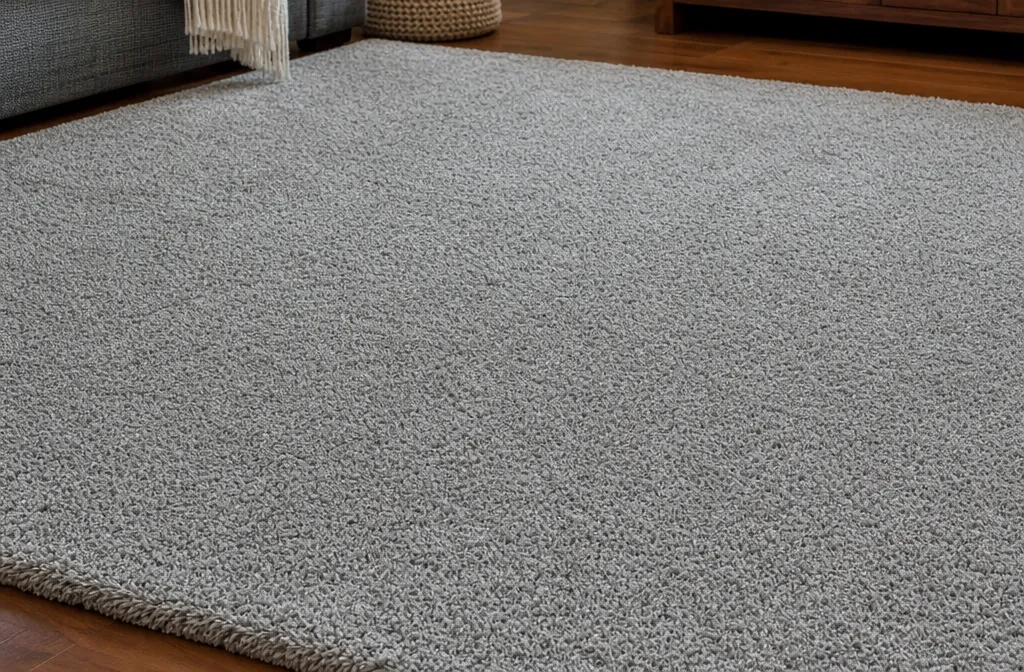
After
Request: Remove an old red wine stain from a synthetic carpet in the living room.
Done: We applied aqua cleaning with an enzymatic stain remover and dirt extraction.
Cost: 7 000 ₸
Master: Aizhan Nurtazina, dry cleaning master
Total: Stain completely removed, carpet fresh, no streaks or odor.
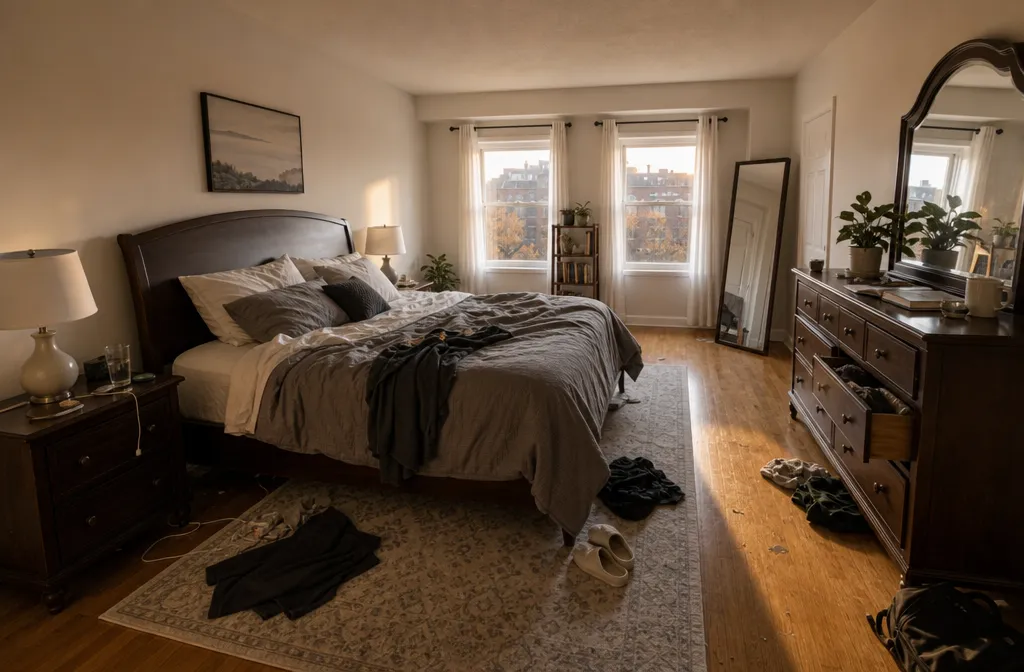
 After
After
Request: Eliminate urine odor and stains from a wool carpet in the bedroom.
Done: We performed aqua cleaning with an odor neutralizer and antibacterial treatment.
Cost: 7 000 ₸
Master: Timur Zhaksybekov, dry cleaning master
Total: Odor and stains gone, carpet disinfected and safe.
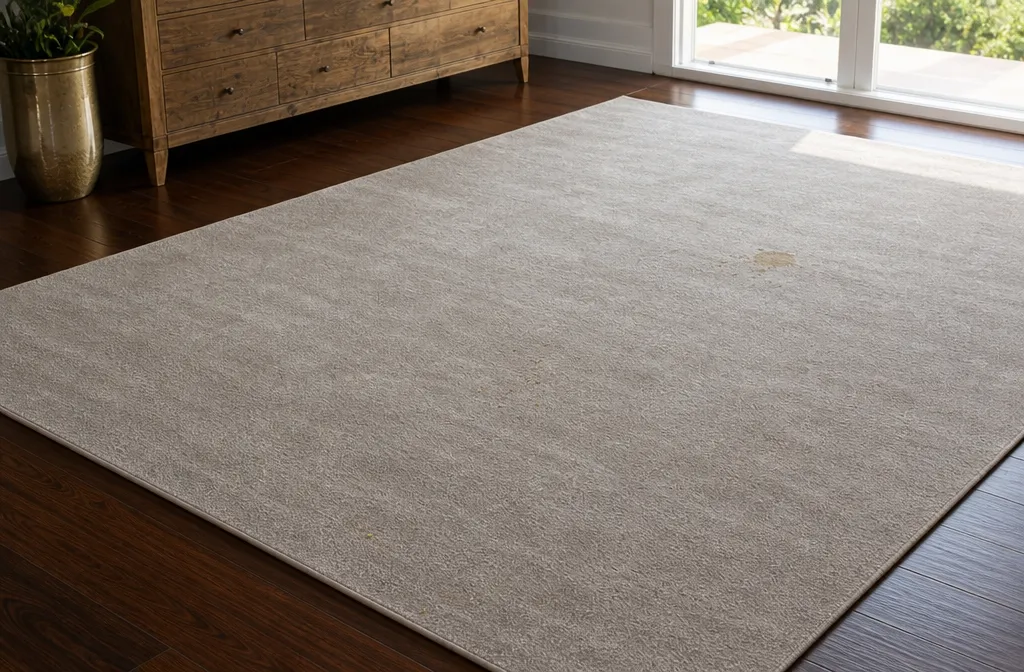
 After
After
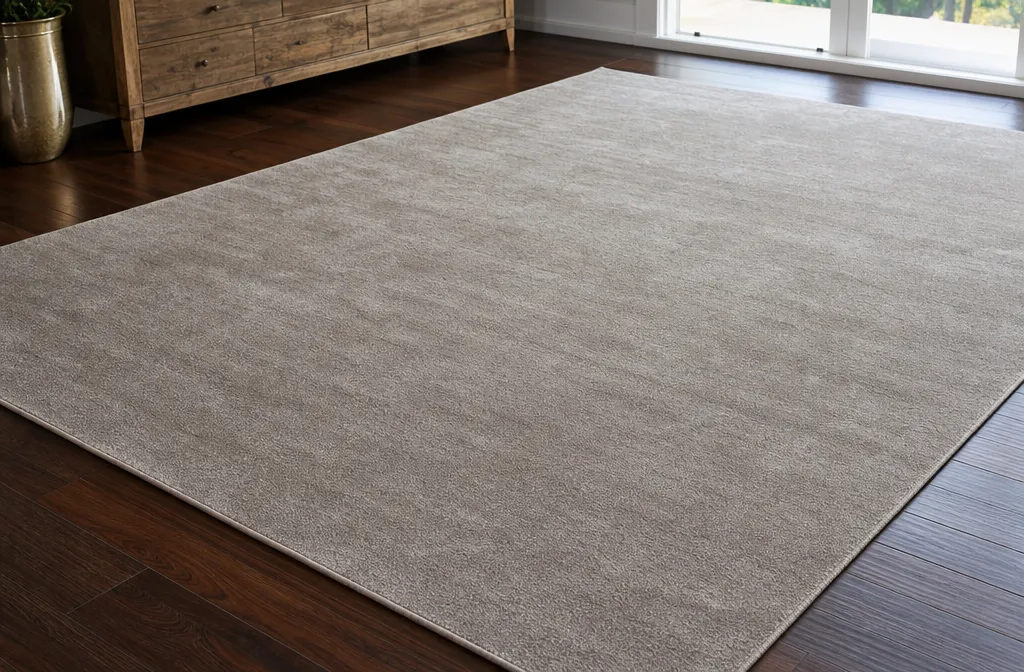
Request: Remove a coffee stain from a viscose carpet in the dining room.
Done: We applied gentle aqua cleaning with a neutral shampoo and careful care.
Cost: 7 000 ₸
Master: Gulmira Sadykova, dry cleaning master
Total: Stain removed, pile restored, color bright and even.
 After
After
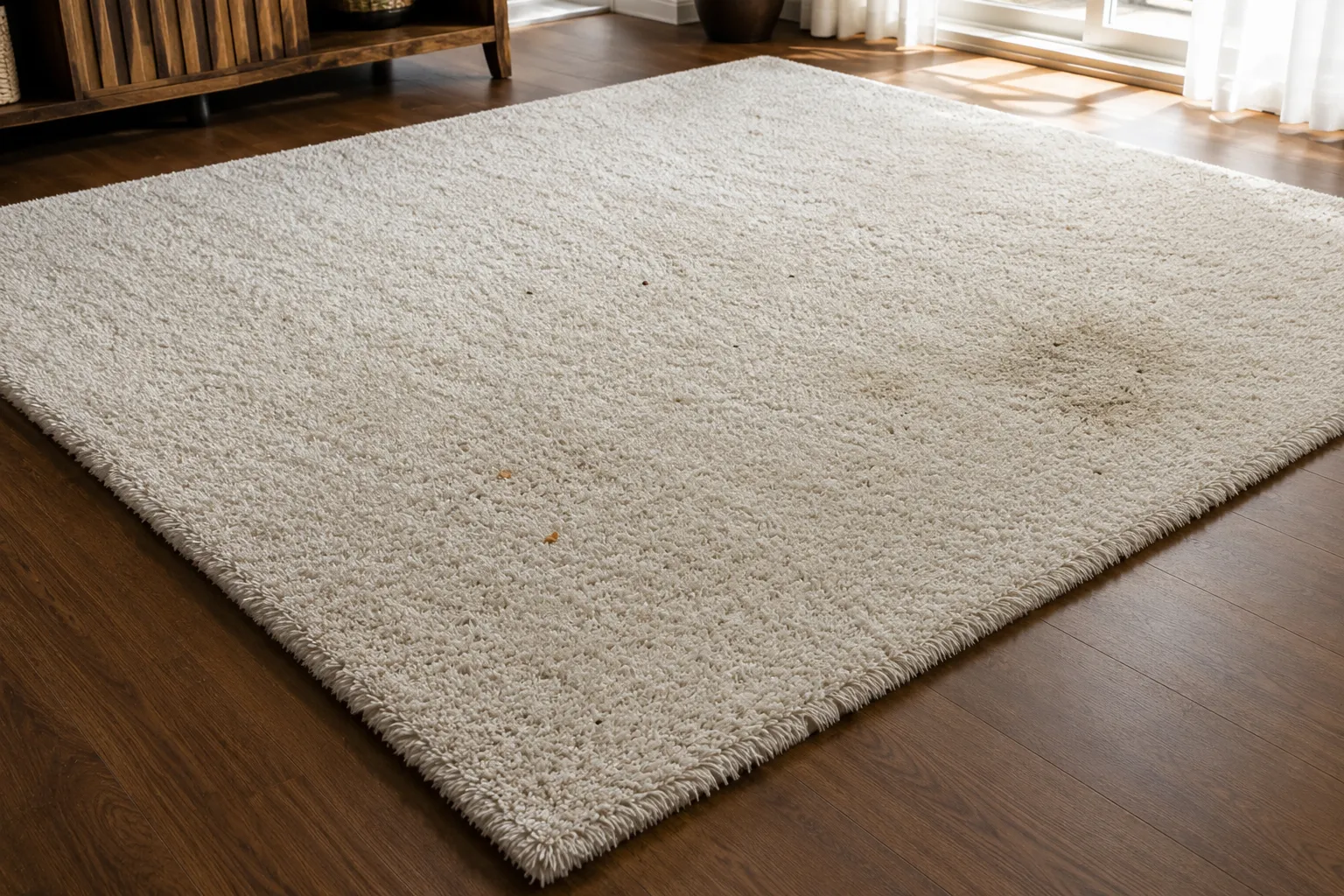
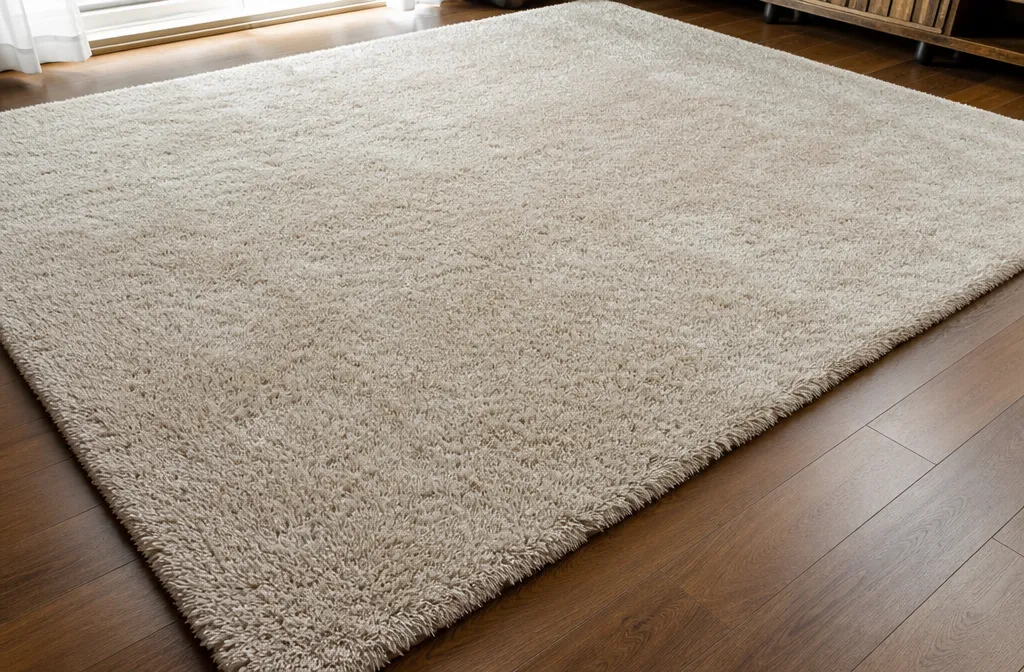
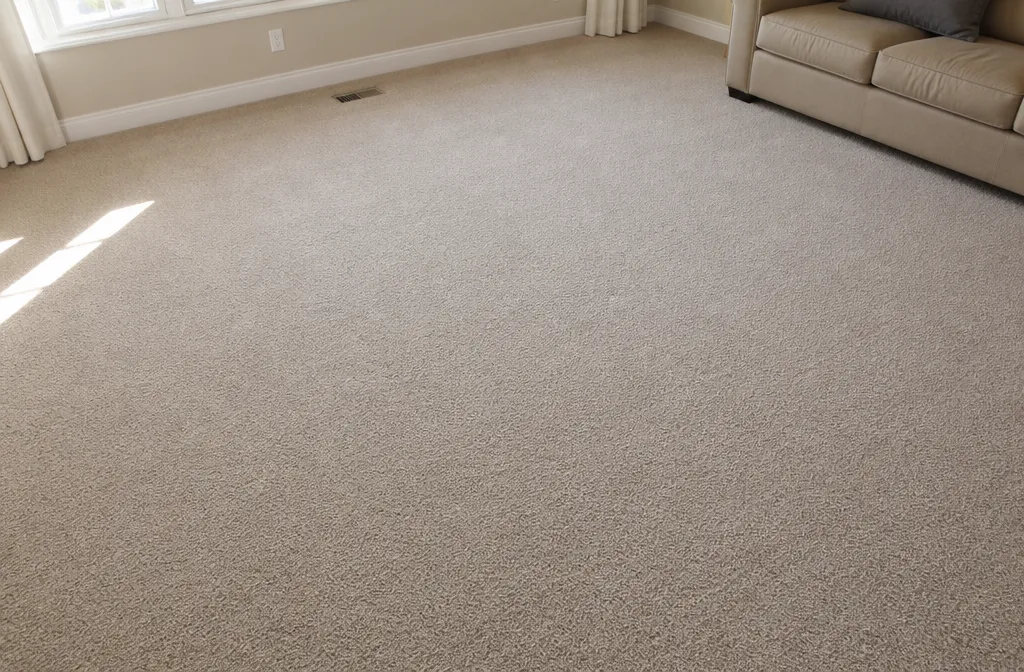
Request: Clean a long-pile carpet from deep dust and dirt.
Done: We performed aqua cleaning with preliminary dry cleaning and extraction.
Cost: 7 000 ₸
Master: Yerzhan Aliyev, dry cleaning master
Total: Carpet fluffy, dust-free, colors brighter.
 After
After
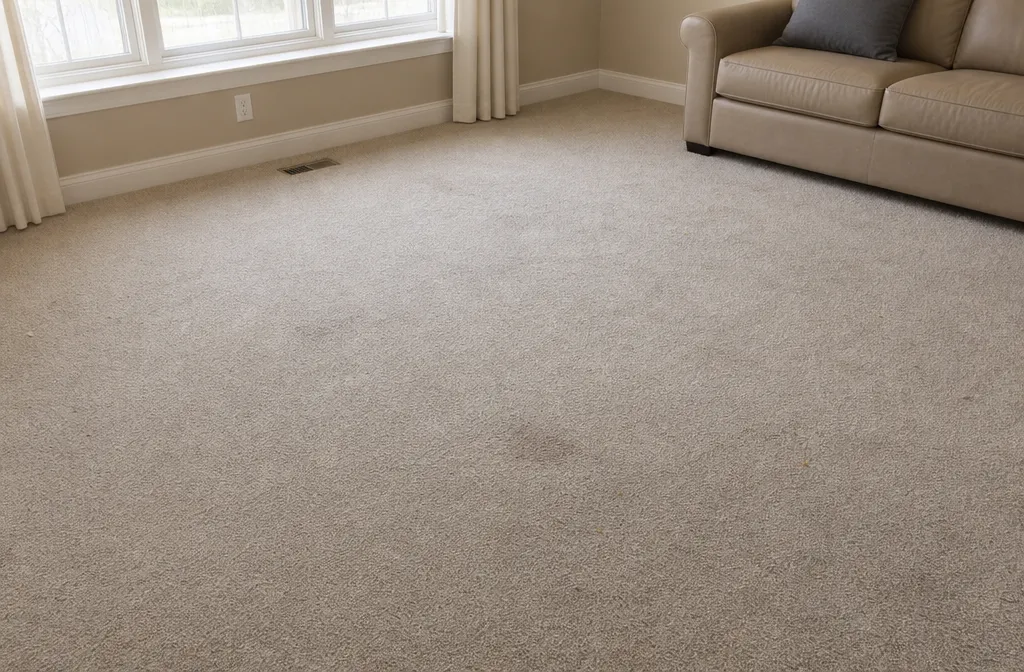
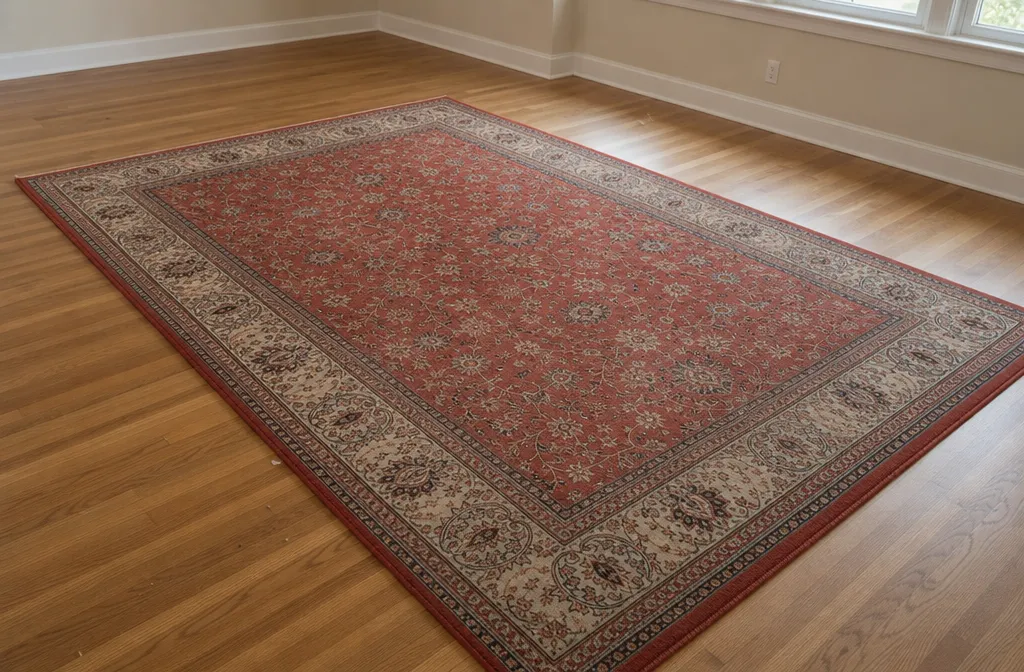
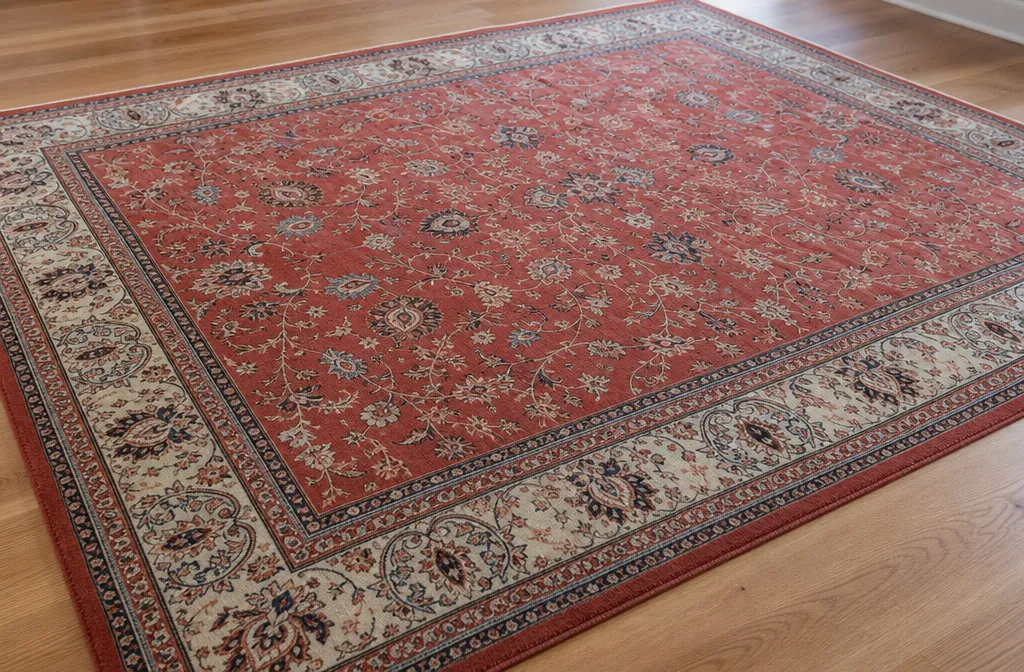
Request: Refresh a short-pile carpet in a high-traffic hallway.
Done: We applied aqua cleaning with a heavy-duty detergent and deodorization.
Cost: 7 000 ₸
Master: Nurlan Bekov, dry cleaning master
Total: Carpet clean, no wear marks, hallway smells fresh.
 After
After
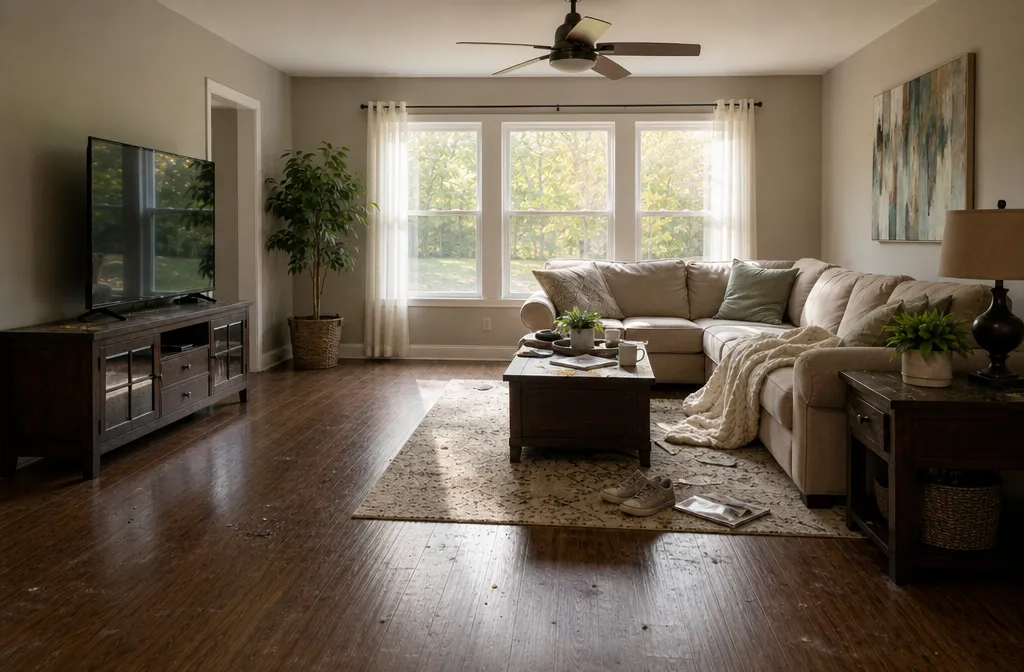
Request: Restore the brightness of colors of a faded handmade carpet.
Done: Performed aqua cleaning with mild shampoo and color conditioner.
Cost: 7 000 ₸
Master: Marat Zhangaliyev, cleaning master
Total: Colors became vibrant, the carpet looks like new.
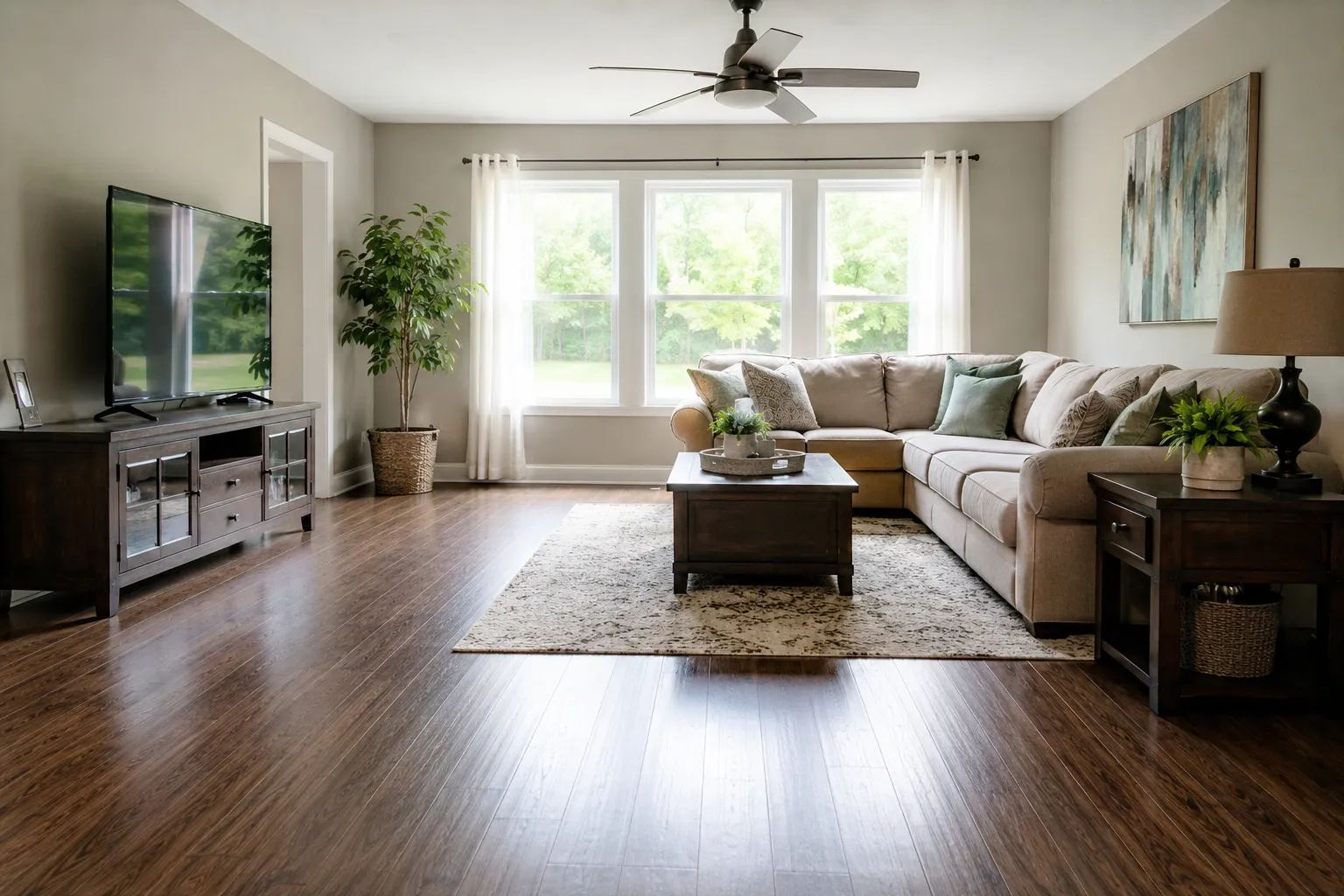 After
After
Request: Deep cleaning of a large living room carpet from dust and stains.
Done: Performed aqua cleaning with extraction and protective coating.
Cost: 7 000 ₸
Master: Aliya Kenzhebayeva, cleaning master
Total: The living room transformed, the carpet is fresh, the air is clean.
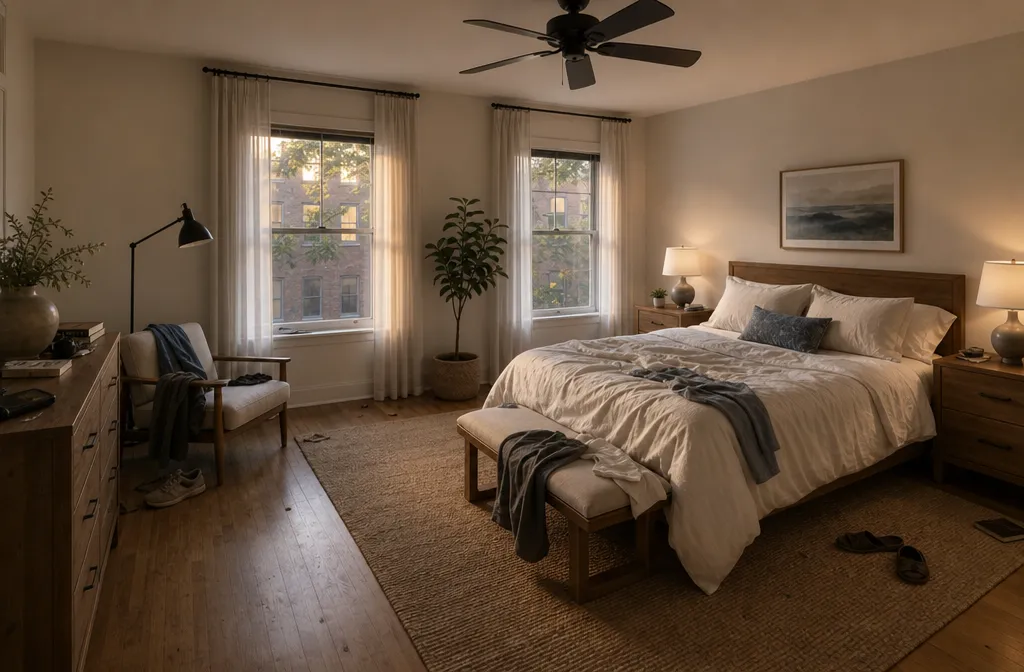
 After
After
Request: Remove dust and allergens from the bedroom carpet.
Done: Performed aqua cleaning with anti-allergenic solution and thorough drying.
Cost: 7 000 ₸
Master: Diana Suleimenova, cleaning master
Total: The bedroom became safe, the carpet is soft and clean.
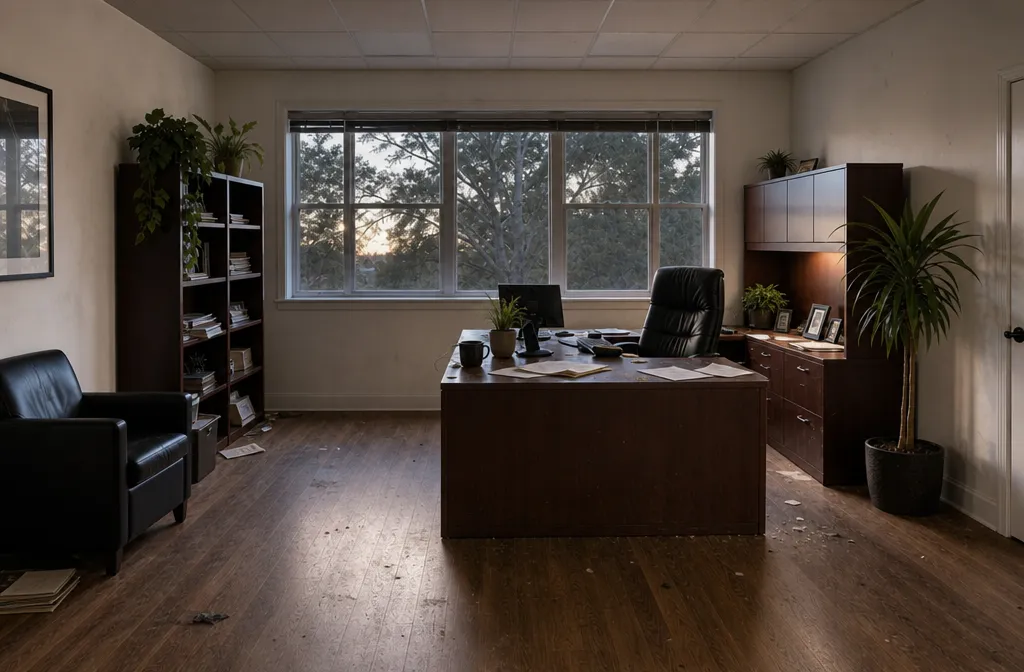
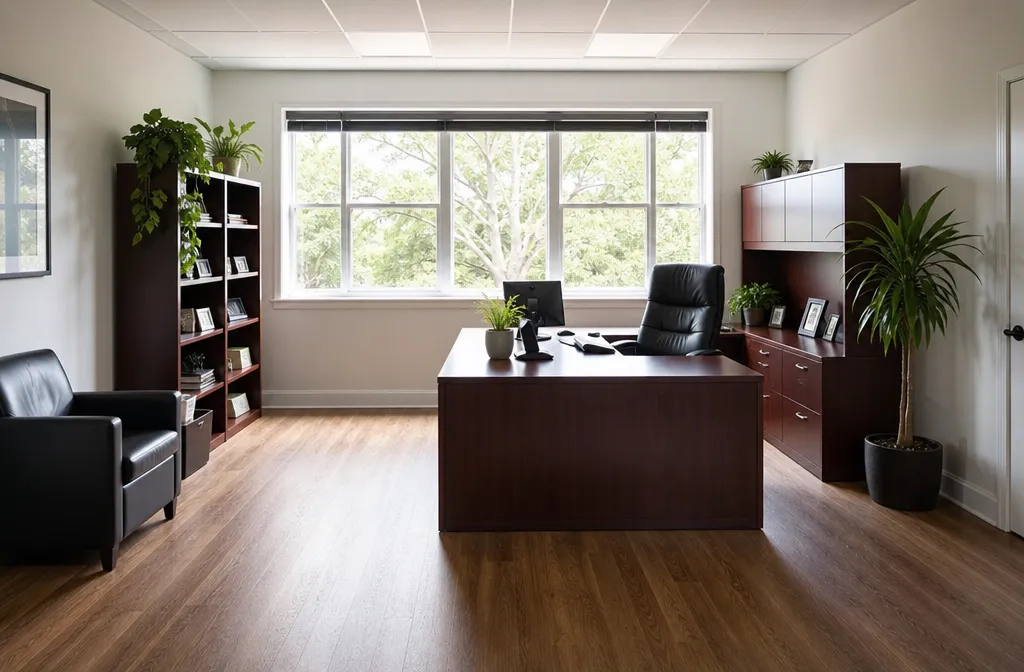 After
After
Request: Clean the office carpet from coffee and dirt after a conference.
Done: Applied aqua cleaning with quick-drying formula and disinfection.
Cost: 7 000 ₸
Master: Ruslan Ibraev, cleaning master
Total: The office is tidy, the carpet is stain-free, ready to welcome guests.
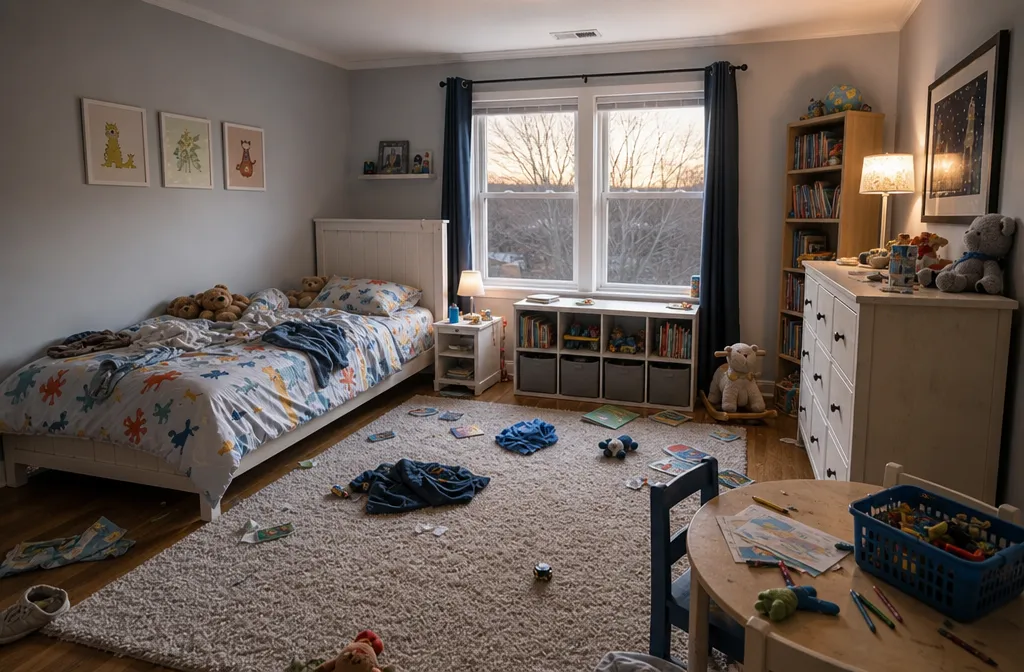
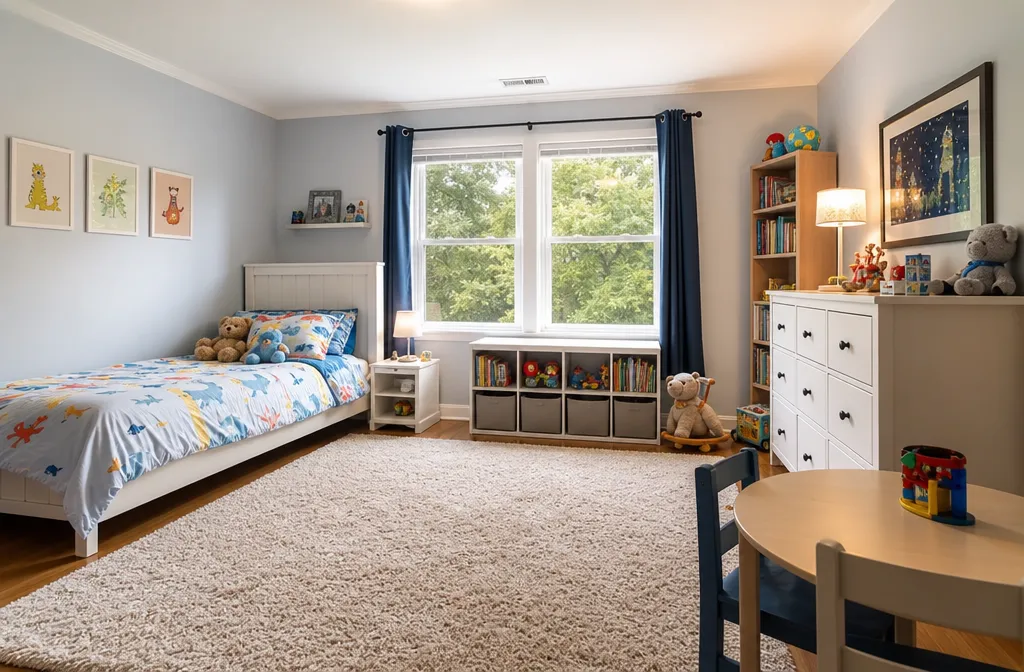 After
After
Request: Remove paint and juice stains from the kids' room carpet.
Done: Performed aqua cleaning with safe products and removal of stubborn stains.
Cost: 7 000 ₸
Master: Lyazzat Muratova, cleaning master
Total: The kids' room is clean and safe, the carpet is free of stains and bacteria.
All cleaners are profi-clean staff with training, uniform and security check. Each order has a team leader who controls quality.
Most carpet owners in Almaty only notice dirt visually — but in reality, aqua cleaning is needed long before stains become visible. Over 8 years of work, we have developed clear criteria to determine when a carpet requires deep washing, not just a simple vacuum cleaning.
If your carpet starts to smell “musty” or “dusty” even after airing out, the decomposition process of organic residues has already begun in the fibers. Wool, skin, food particles, animal urine — all of this, at humidity levels above 45% (typical for an Almaty winter), becomes a breeding ground for mold fungi. We tested it: after three months without aqua cleaning, a carpet accumulates up to 200 grams of dust and organic matter per square meter. Animal urine odor is a separate marker: regular shampoo and steam cleaners only “seal” the smell in the backing, and it returns after 2-3 weeks. profi-clean’s aqua cleaning with extraction and a urea-splitting enzyme removes salt crystals from deep within — after this, the smell does not return, provided there is no new soiling.
When a carpet loses its original shade — not fading, but becoming unevenly “gray” or “yellow” — it means abrasive dust is clogged between the fibers. In Almaty, with its construction and road dust (loess and concrete particles), a carpet dulls within 4-6 weeks of heavy use. If you run your hand over the pile and a white residue remains on your palm — aqua cleaning is urgently needed. Another sign: the pile “clumps” at the base — this is due to oil deposits from human and pet skin that a vacuum cleaner cannot remove. On synthetic carpets, such a clumped base begins to destroy the thread structure after 2-3 months — the fibers break at the root, and the carpet goes bald.
If someone in the family suddenly develops a runny nose, watery eyes, or a cough that worsens at home and subsides outdoors — the cause is almost always the carpet. Dust mites (Dermatophagoides) thrive at humidity above 50% and temperatures of 20-25°C — ideal conditions in Almaty apartments with central heating. One square meter of carpet can contain up to 100,000 mites, and their excrement is a potent allergen. Regular foam cleaning (extractor) does not kill mites — they survive temperatures up to 60°C. profi-clean’s aqua cleaning with hot water at 85-90°C and hypoallergenic Sodasan chemicals destroys both mites and their waste. Our recommendation: if an allergy appears, order urgent carpet aqua cleaning in Almaty, without waiting for a seasonal flare-up.
Stains from coffee, red wine, beets, or berries that don’t disappear after the first treatment with a stain remover are a sign that the dye has penetrated deep into the fiber and set. Home remedies (soda, vinegar, citric acid) often make things worse: they alter the pile’s pH, and the stain “sets” — after that, it can only be removed with professional acid-alkaline complexes. In our practice, there was a case: a client tried for six months to remove a pomegranate juice stain with hydrogen peroxide — she ended up with a yellow, bleached spot 10 cm² on a wool carpet. We had to restore the color with tinting after aqua cleaning. If a stain is older than two weeks and doesn’t respond to household products — don’t experiment, call in cleaners with professional diagnostics.
| Type of Contamination | External Signs | profi-clean Method |
|---|---|---|
| Organic residues (food, sweat, urine) | Odor, stickiness at the base of the pile | Hot water extraction at 85°C + enzymes |
| Dust and abrasives | Graying, white mark on hand | Pre-vacuuming with HEPA + pressure washing |
| Grease deposits (skin, cosmetics) | Matting at the base of the pile | Alkaline pre-spray + mechanical pile grooming |
| Mold and mildew | Dark spots on the backing, musty odor | Antibacterial treatment + fan-forced heater drying |
Here’s a key point that is often overlooked: water-based cleaning isn’t needed on a calendar schedule, but based on the carpet’s condition. If the carpet is in the hallway of an Almaty apartment exposed to shoe dirt and moisture, it needs washing every 2-3 months. If it’s in a bedroom used with bare feet and no pets, every 6-8 months is sufficient. But as soon as even one of the described signs appears, don’t delay cleaning: every day of delay increases the depth of soiling and the cost of carpet restoration.
The choice between water-based cleaning and dry cleaning is the main question for carpet owners in Almaty, determining the longevity of the flooring and the health of your household. We explain how the methods differ and how to avoid mistakes in your choice.
Water-based cleaning is a deep wash of the carpet with pressurized water followed by extraction of the dirt solution. Our cleaners use an extractor machine that delivers a mixture of water and hypoallergenic Kiehl concentrate at 10-15 atmospheres, then uses a powerful vacuum to pull out the liquid along with dissolved dirt, dust, and microparticles from the carpet’s base. Dry cleaning works differently — an absorbent powder based on cellulose or synthetic granules is applied to the pile, worked in with a rotary machine, and then vacuumed up. Water is not used in this method. In our practice, the difference in penetration depth reaches 10-15 times: the extractor’s water reaches the base of the pile and the primary backing layer, while dry powder only treats the top third of the pile. If the carpet has residues of spilled sweet drinks, animal urine, or kitchen grease, dry cleaning won’t remove them — the powder will simply dust the surface, and the odor will remain inside. Before ordering water-based carpet cleaning in Almaty, it’s worth checking the manufacturer’s label: if it says “dry clean only,” dry cleaning is safer for that specific model.
Water-based carpet cleaning is mandatory for three types of soiling: stubborn stains with a protein or oil base (blood, milk, sauces, grease), deeply embedded dust after renovation or prolonged use, and allergens — dust mites, mold spores, pet dander. Our cleaners visit homes weekly where residents complained of allergies or asthma — after water-based cleaning with hypoallergenic Sodasan, the amount of dust particles in the air decreases by 70-80% according to household air quality monitors. For carpets made of natural wool or viscose, water-based cleaning is only suitable if the water temperature does not exceed 40°C and a neutral pH solution is used — exceeding the temperature shrinks wool pile by 5-10%, as we recorded on test samples. Another nuance: carpets with latex or jute backing tolerate water-based cleaning less well — water can soften the latex and deform the carpet, so we check the backing type before cleaning. If the backing is synthetic (polypropylene, polyester), water-based cleaning is completely safe.
Dry cleaning wins in three scenarios: viscose and silk carpets (water destroys their fibers at a molecular level), carpets with glued pile-to-backing bonds (e.g., budget models from hypermarkets), and situations where the carpet cannot be removed from the room or taken off the floor, and drying with ventilation is impossible. Our cleaners recommend dry cleaning for carpets in offices where room downtime of 6-8 hours for drying is unacceptable. The average drying time after aqua cleaning in an Almaty apartment with a dehumidifier running is 4-6 hours, and with natural ventilation, 12-24 hours, which is critical for high-traffic areas. The dry method leaves the carpet ready for use immediately after collecting the powder. However, there is a catch: the absorbent compound can leave a white residue on dark piles if not collected properly — so after dry cleaning, we always go over the carpet with a HEPA-filter vacuum cleaner and check the pile against the light.
A typical owner mistake is ordering aqua cleaning for a carpet without checking its composition and backing. We have encountered cases: a client brought in a handmade wool carpet with no label, and after aqua cleaning, the pile shrank by 15%, and the pattern became distorted. A second common mistake is trying to save money and ordering dry cleaning for a heavily soiled carpet in the hallway: the powder does not remove the oily residue from shoes, and dirt reappears within a week. Our recommendation: if the carpet is over 5 years old, has never been cleaned, or has stains of unknown origin — choose aqua cleaning, but with a mandatory preliminary test on an inconspicuous area (usually a corner near the fringe). For carpets with long pile (over 15 mm), aqua cleaning is more effective than dry cleaning because the powder does not penetrate deep into the pile — the fibers simply mat together, and dirt remains at the base. If in doubt, send a photo of the carpet to us at profi-clean via WhatsApp — a technician will advise on the method within a minute.
The carpet cleaning schedule depends not on the calendar, but on the load on the pile and the type of room. We distinguish three scenarios — a home with children and pets, a shoe-free bedroom, and an office space with a high-traffic area — and each has its own frequency.
The living room, children’s room, and hallway collect street dirt, pollen, and skin particles faster than other rooms. At profi-clean, we recommend deep aqua cleaning in such areas every 3–4 months. Over this period, up to 2–3 kg of dust per square meter accumulates in the pile, according to our measurements on the HEPA filters of extractors. If there is a child under three years old or a dog that goes for walks twice a day, the interval is reduced to 2 months — allergens and hair clog the carpet base, and a dry vacuum cleaner with a cyclone filter can no longer extract them. Intermediate steam treatment once a month helps but does not replace a full extractor wash — only it washes out salt stains from shoes and residues of cleaning agents that attract new dirt.
In a bedroom where people walk barefoot or in house slippers, the carpet gets dirty more slowly: the main threat is dust mites and dead skin flakes. We advise cleaning such coverings every 5–6 months, but with mandatory pre-treatment with a hypoallergenic compound based on Sodasan. The fact is that the mite Dermatophagoides pteronyssinus is active at humidity above 50%, and in Almaty apartments with central heating in winter, humidity drops to 25–30%, and the mite dies naturally — but its feces remain in the pile and cause allergies even with a low population. Aqua cleaning with hot water (up to 70°C) breaks down these proteins, while dry cleaning with powder only mixes them into the pile. If there is a humidifier in the bedroom, the interval is reduced to 4 months — a humid environment prolongs the mite’s life.
In offices in Almaty, carpet in corridors and open-space areas loses its appearance within 2–3 months without professional cleaning — and it’s not just about dirt from shoes. We service business centers on Al-Farabi Avenue and Timiryazev Street, and our statistics show: in high-traffic areas with an intensity of over 200 people per day, the carpet accumulates an oily film from shoe leather and spilled coffee within 6–8 weeks. This film is invisible to the eye, but under an ultraviolet lamp it glows with yellow spots — a sure sign that it’s time to call the cleaners. The recommended schedule for office carpets is aqua cleaning every 2 months for high-traffic areas and once every 4 months for offices. Skipping one cleaning in the corridor leads to the fact that during the next wash, the water runs dark brown — this is the “old” dirt being washed out, which has already embedded into the latex backing and reduces the carpet’s service life by 30–40%.
Natural materials require less frequent but strictly regulated cleaning — and a mistake in frequency costs more. For handmade wool carpets, often brought from Turkestan or Iran, we recommend cleaning no more than once a year, and only with aqua cleaning using a pH-neutral shampoo. Frequent washing washes out the natural lanolin from the wool fiber — the pile becomes brittle and loses its shine after just the third treatment. Viscose behaves differently: it cannot tolerate alkaline agents or soaking for longer than 15 minutes, so the optimal frequency for it is once every 8–10 months, with humidity control in the room (no higher than 40–45% during drying). Sisal and coconut fiber carpets, which are placed in hallways, cannot tolerate water at all — they are cleaned using the dry method once every 3–4 months, otherwise the fiber becomes waterlogged and delaminates. In practice in Almaty, we encounter owners confusing wool with acrylic and cleaning a wool carpet once a quarter — after the second procedure, the pile begins to shed, and restoration is no longer possible.
The city’s specifics make their own adjustments to the cleaning schedule. In spring and autumn in Almaty, it’s the rainy and slushy season: from November to March, carpets in hallways accumulate up to 70% of the year’s dirt, according to our measurements. During this period, we recommend placing dirt-trapping mats at the entrance and performing an aqua cleaning of the main flooring immediately after the rainy season ends — in mid-April. In summer, when the city is dry and dusty from construction and mountain winds, carpets in homes without air conditioning accumulate static dust faster — the cleaning interval shortens to 2–2.5 months. In winter, with the heating on, the pile becomes electrified and attracts street dust through open doors — paradoxically, in January-February, the carpet can be dirtier than in October. We advise clients in Almaty to tie the cleaning schedule not to the calendar, but to the change of seasons: one cleaning after the snow melts, one before the start of the heating season, and another in mid-summer if there are allergy sufferers in the home.
Animal urine is one of the most difficult contaminants for a carpet: unlike spilled coffee or wine, it penetrates the backing and leaves uric acid crystals that are not washed away with ordinary water. Aqua cleaning with enzyme-based products is the only method capable of guaranteed removal of both the odor and biological compounds, but only with the correct technology.
At profi-clean, we deal with this every week: owners try to remove urine odor with home remedies like vinegar or baking soda, but the smell returns within a week. The cause is uric acid crystals: they don’t dissolve in water at a neutral pH and remain in the carpet fibers. Only an alkaline solution (pH 10–12, like professional enzyme concentrates) breaks these crystals down into ammonia and carbon dioxide, which evaporate. Regular vacuum cleaning or shampooing without pH control only temporarily masks the odor—when humidity rises, the crystals reactivate. In the Almaty market, we see many complaints after cheap express home cleaning, where cleaners simply apply foam and rinse with water—within a month, the carpet smells worse than before treatment. In our practice, on high-density carpets (1000–1500 g/m²), uric acid settles at the base of the fibers, where household chemicals can’t reach—only deep extraction cleaning with a pressure of 6–8 bar removes the residue. If the crystals aren’t fully removed, the carpet will eventually start to smell even in dry air—due to the hygroscopic nature of urea, which absorbs moisture from the air.
Natural wool carpets are the most finicky material for urine removal: wool has a porous structure, and uric acid absorbs into the fiber within 10–15 minutes. In Almaty, handcrafted Turkmen and Iranian carpets are popular—on these, we exclusively use water-based enzyme products without alcohol to avoid damaging natural dyes. Synthetic carpets (polypropylene, polyester) are easier to clean—their fibers don’t absorb liquid, but the odor lingers in the backing and adhesive. On carpets with latex backing (typical budget models from Kaspi Shop), uric acid corrodes the glue—attempting to remove the odor with hot water causes the glue to peel, and the carpet delaminates. We’ve encountered this on 2×3 m polypropylene carpets with foam backing—after a failed DIY steam cleaning, the backing separated from the fibers. For such carpets, we use cold water extraction cleaning (water at 30–35 °C) with an odor neutralizer that fixes ammonia into safe salts. Viscose carpets are a separate challenge: viscose loses strength when wet, and mechanical extraction cleaning can tear the fibers. On viscose carpets, we treat the urine stain spot-wise without full soaking, then use an ultraviolet lamp to check for residual traces—uric acid crystals glow under UV light.
The most common mistake in the Almaty market is using chlorine-based bleaches. Chlorine reacts with ammonia in urine, forming toxic chloramines—a pungent gas that irritates the respiratory tract. We’ve seen a case where an owner poured bleach on a wool carpet—the fibers discolored, and the smell turned chemical. The second mistake is using a steam cleaner without pre-treating with enzymes: steam (100 °C) fixes uric acid in the fiber, making it nearly impossible to remove afterward. In Almaty, where winter humidity drops to 30%, owners often try to dry the stain with a hairdryer—this bakes the crystals into the fibers, and with the next moisture exposure (e.g., mopping floors), the smell returns. The third mistake is using air fresheners and deodorizers to mask the odor: they don’t remove the cause but mix with the ammonia smell, creating an even more persistent chemical “bouquet.” On long-pile carpets (30–50 mm), owners often scrub the stain with a brush—this pushes the contamination deeper into the fiber base, requiring 2–3 times more cleaning cycles. In our practice, on a 40 mm pile carpet after such scrubbing, five extraction cleaning cycles with drying intervals were needed to fully remove the odor.
We use a three-stage protocol for set-in urine stains: first, we apply an alkaline pre-spray with enzymes and leave it for 15–20 minutes to break down uric acid, then we rinse with an extractor using hot water (50–55 °C) at 8 bar pressure, and finally, we apply an acidic neutralizer (pH 5–6) that stops the reaction and removes residual ammonia odor. For carpets with multi-year stains (over a year), a repeat treatment may be necessary after 24 hours when the carpet is completely dry — we guarantee the result, so we perform a second pass for free if needed. Unlike household steam cleaners that merely spread the odor around the room, our system is equipped with a HEPA filter and captures up to 99.97% of ammonia particles from the exhaust air. For carpets in children’s rooms and areas where pets sleep, we use hypoallergenic Sodasan (Germany) products — they are free of phosphates and fragrances, safe for contact with a child’s or pet’s skin. In Almaty, where apartment buildings have poor ventilation, we recommend leaving windows open for 6–8 hours after cleaning — this accelerates the evaporation of residual moisture and ensures the odor does not return. If a carpet has urine stains from multiple animals (cats and dogs), we treat the zones separately with different enzyme exposure times — cat urine requires a more concentrated solution due to its high urochrome content.
Natural fibers — wool and viscose — require a fundamentally different approach in aqua cleaning compared to synthetics: an incorrect mode or chemicals can irreparably ruin a carpet in a single procedure. We will break down the key risks and techniques for each material.
Wool fiber is a natural protein with a scaly structure that, when wet and subjected to friction, begins to felt — fibers interlock and cause irreversible shrinkage of up to 10-15% of the original size. In Almaty, with its sharp humidity fluctuations (dry air in winter from radiators versus 60-70% in spring), this risk is doubled: the carpet “moves” in size with each seasonal change in microclimate. For aqua cleaning wool, we strictly use cold water (up to 25°C) and neutral pH-balanced shampoos — alkalinity above pH 8 opens the scales and triggers felting. After moisture extraction with the extractor, we do not dry the carpet indoors with a flow of hot air, but leave it spread out at room temperature with forced ventilation — this allows the fiber to settle evenly, without warping at the edges. If a wool carpet has old wine or coffee stains, they are treated before the main cycle with an enzymatic stain remover (e.g., Kiehl Leder-Reiniger for gentle protein removal) — otherwise, hot water will “set” the stain permanently.
Viscose is a regenerated cellulose fiber that is strong when dry but loses up to 50-60% of its tensile strength when wet: ordinary mechanical friction from a brush or rotary machine tears the pile, leaving “bald spots.” In our orders for viscose carpets from the Medeu and Bostandyk districts, we use only contactless aqua cleaning — spraying foam through a low-pressure nozzle (4-6 bar) and collecting dirt with a powerful extractor without rotating brushes. The second critical point is that viscose fears prolonged contact with water: if foam is left for 15+ minutes, the fiber swells and loses its shape, so our foam exposure time on viscose does not exceed 3-5 minutes. After cleaning, we do not roll the carpet into a tube but dry it on a horizontal mesh with airflow — viscose in a wet state easily deforms under its own weight, and rolling creates creases that cannot be smoothed out. Before aqua cleaning a viscose carpet with long pile (10+ mm), it is checked for color bleeding — if the pile is dyed with aniline dyes, water may “pull” the color onto light areas, and then cleaning is performed only using the dry foam method.
In Almaty, many people try to refresh a wool or viscose carpet with a regular washing vacuum cleaner and soap solution — and end up with an overly wet backing that cannot be dried with a fan in a day: moisture remains in the latex base and triggers rotting of the natural jute (wool carpets often have a jute backing). After two or three such cleanings, the carpet starts “dusting” with backing crumbs and loses its shape. At profi-clean, we encounter such cases every autumn — after the rainy season, owners bring in carpets with mold on the underside. An industrial extractor (we use machines with a water pump of 6-8 bar and suction power of 1800+ W) removes 95% of moisture from the pile and backing, while a household one removes a maximum of 60-70%. If the carpet has already been over-wetted, before aqua cleaning we treat the underside with an antifungal agent (Sodasan Anti-Schimmel) and dry it in a spread-out state for 24-36 hours in a ventilated room — this is the only way to save it from delamination.
| Parameter | Wool (sheep, New Zealand) | Viscose (artificial silk) | Blends (wool + synthetic) |
|---|---|---|---|
| Water temperature | Cold, up to 25°C | Cold, up to 20°C | Warm, up to 35°C |
| Detergent pH | 6.5-7.5 (neutral) | 5.5-6.5 (slightly acidic) | 7.0-8.0 (slightly alkaline) |
| Mechanical action | Extraction only, no brushes | Contactless foam, extraction | Soft brushes, low speed |
| Foam contact time | 5-7 minutes | 3-5 minutes | 8-10 minutes |
| Drying time after cleaning | 6-10 hours indoors | 4-6 hours with airflow | 3-5 hours |
| Risk if violated | Shrinkage 10-15%, felting | Pile breakage, color loss | Backing deformation |
In our practice, we use a simple test to determine the fiber type: singe a few fibers from the edge of the carpet — wool burns with the smell of burnt horn and forms a fused bead, viscose burns odorlessly with white ash, and synthetic melts and smells like plastic. If you cannot perform this test, bring your carpet to us for diagnostics — we determine the composition for free and provide a cleaning recommendation. Moreover, for expensive hand-knotted wool carpets (e.g., Persian or Turkmen), we offer only manual aqua cleaning with a soft sponge and extractor — a rotary machine, even with a soft brush, can pull the base thread and break the knot. In Almaty, such carpets are often taken to market dry cleaners, where they are cleaned “on a conveyor belt” with aggressive chemicals — after that, restoring the knot geometry is impossible.
The difference between carpet aqua cleaning and regular dry cleaning is not in marketing but in the physics of the processes: a vacuum cleaner only picks up what lies on the surface, while aqua cleaning extracts dirt from deep within the fibers. In Almaty’s conditions, with dust from thermal power plants and sand from the desert, this is crucial.
A household vacuum cleaner with a HEPA filter collects only 15–25% of micro-particles smaller than 10 microns in a single pass — the bulk of street dust and carpet wear products. The rest settles at the base of the pile and in the backing. A profi-clean vacuum cleaner with a cyclone filter and turbo brush raises this figure to 35–40%, but this is still the ceiling for the dry method. According to measurements on carpets from Almaty apartments, after three passes with a vacuum cleaner, the filter retains 4–5 times less dust than after one cycle of aqua cleaning — the difference is visible to the naked eye when the water in the tank turns black. In practice, this means that weekly vacuuming does not solve the allergen problem: mites and mold spores remain in the carpet’s thickness and rise into the air with every step.
The principle of aqua cleaning is not blowing away, but dissolving and extraction: water at a pressure of 6–8 bar (up to 12 bar for profi-clean industrial machines) penetrates between fibers, detaches dirt particles from the base, and extracts them along with the chemical solution back into the recovery tank. For comparison: the dry method can only remove loose dirt, while fats, oils, detergent residues, and animal saliva are simply smeared across the surface. In Almaty, where carpets are actively used to dry shoes with de-icing reagents in winter, without aqua cleaning, salts and chemicals remain in the pile and destroy its structure within 2–3 seasons. Hot water extraction (70–80 °C) additionally expands the fibers and opens pores — so dirt is removed even from micro-cracks in synthetic threads.
A micrograph of the pile after vacuuming shows that particles sized 1–5 microns are tightly packed between the fibers, forming a “crust” of dust, oils, and static electricity — this is what gives the carpet a gray tint and a stiff feel. After aqua cleaning with a neutral pH solution (6.5–7.5), each fiber is washed from all sides, the crust dissolves, and the pile restores its original volume and color. On hand-woven wool carpets brought from Turkestan or China, the difference is especially noticeable: after dry cleaning, they remain dull and “flattened,” while after profi-clean’s aqua cleaning, their natural luster and softness return. Important: for synthetics (polypropylene, nylon), the water temperature should not exceed 50 °C, otherwise the fibers will deform — profi-clean uses adjustable heating based on the carpet type.
In the Almaty market, there are technicians who offer “wet cleaning” with a household carpet cleaner — for example, Karcher or Thomas. This is not aqua cleaning: such machines have 2–3 times lower pressure (2–3 bar), and the suction cannot remove all the water, leaving the carpet overly wet and taking 2–3 days to dry. During this time, mold develops in the backing, especially in apartments with poor ventilation — a typical situation in old buildings in central Almaty. A profi-clean industrial extractor removes up to 95% of moisture in a single pass, and the carpet dries in 4–6 hours — critical for offices and children’s rooms where downtime is unacceptable. If the carpet smells musty even a day after “wet cleaning,” it means household equipment was used, not professional aqua cleaning.
I ordered carpet water extraction cleaning from profi-clean — they restored the whiteness of the light pile, coffee stains disappeared.
Thank you, Aigerim! We're glad the result exceeded expectations.
After cleaning the office carpet, old streaks disappeared, the air became fresher.
We had water extraction cleaning of carpets in the hallway — shoe stains went away, but there was a slight damp smell, aired it out — okay.
Daniyar, thanks for the feedback! Next time we'll speed up drying.
My fluffy carpet became like new, even the color brightened.
Ordered aqua cleaning of carpets for the children's room — juice stains were removed, but the cleaning time dragged on, had to wait.
Yerlan, we apologize for the delay. We are optimizing the schedule.
The wool carpet did not shrink or fade after treatment, the pile became soft.
Assel, thank you! Gentle technology is our priority.
Aqua cleaning of carpets in the bedroom removed dust, the child stopped sneezing.
The hallway rug was cleaned of dirt, but one corner was slightly dampened — dried normally.
Dinara, thank you! We will take note of your comment.
Professional aqua cleaning of carpets — the pattern became brighter, all streaks were removed.
After cleaning, the carpet in the living room looks like new, even the pet smell disappeared.
Gulnara, glad to help! We recommend repeating every six months.
Ordered aqua cleaning of carpets — the carpet brightened, but dried longer than promised.
Alexey, thank you! We are improving the drying process.
Grease stains on the kitchen carpet disappeared without a trace.
Aqua cleaning of carpets is the best way to restore freshness, tested on a light carpet.
The carpet in the meeting room is clean, employees noticed the difference.
Marat, thank you for your feedback! Glad the office has become more comfortable.
We did aqua cleaning of carpets in the hallway — the dirt is gone, but the pile was slightly flattened; we brushed it — it's fine.
My favorite carpet is fluffy and stain-free again.
Zhanna, thank you! Gentle care is our specialty.
I ordered aqua cleaning of carpets for the children's room — paint stains were removed, the child is happy.
The wool carpet is soft after cleaning, no pills.
Assel, thank you! We use gentle formulas.
Aqua cleaning of carpets in the bedroom — stains removed, but a chemical smell remained, had to air it out.
Kuanysh, sorry for the inconvenience. We'll select hypoallergenic products.
The entryway rug looks like new, even the rubber base wasn't damaged.
Aqua cleaning of carpets — the pattern on the carpet became clear, like after purchase.
Timur, glad you're satisfied!
The living room carpet was refreshed, but a few light streaks remained — possibly my old stains.
Gulnara, thank you! We'll remove them with a repeat treatment.
Ordered carpet aqua cleaning — the bedroom carpet is clean, allergies are gone.
The kitchen rug was cleaned of oil and wine, looks great.
Olga, thank you! Please come again.
Carpet aqua cleaning in the living room — the white carpet is white again, no yellow stains.
The office carpet was cleaned well, but there are still marks in high-traffic areas.
Marat, thank you! Next time we'll pay more attention to walkways.
Had carpet aqua cleaning in the hallway — the runner dried quickly, no stains.
The long-pile carpet became fluffy and free of dust smell.
Zhanna, thank you! We use a special attachment.
Ordered carpet aqua cleaning for the nursery — marker stains removed, child plays on clean carpet.
The wool carpet was cleaned carefully, but after drying it became slightly stiff.
Assel, brush the pile — it will become softer. Thank you!
Carpet aqua cleaning in the bedroom — easier to breathe, no dust.
The doormat in the hallway was cleaned of dirt and salt, looks like new.
Dinara, glad to help!
Yes, we clean carpets with any length of pile. We use special attachments that do not tangle the pile and adjust water pressure to avoid damaging the structure.
With industrial air movers, the carpet dries in 2-4 hours. Humidity is monitored with a hygrometer. If drying naturally, it may take up to 12 hours.
Remove furniture and small items from the carpet. If there are stains, do not rub them — we will treat them professionally. Ensure access to an electrical outlet for equipment.
Leave a request on the website or call us. We will agree on a convenient time and arrive within the day. For complex carpets, a free appraiser visit is possible.
Yes, we use hypoallergenic products from Sodasan and Kiehl, which are safe for children and pets. They leave no toxic residues and are suitable for allergy sufferers.
We remove stains from coffee, wine, blood, urine, grease, grass, and other organic contaminants. For each type of stain, we use a specialized stain remover.
Yes, we guarantee stain removal. If a stain remains, we refund your money or re-clean for free. The guarantee applies to all types of stains.
We accept cash, Kaspi Gold, Halyk Bank, and transfers. Payment is due after the work is completed. For legal entities, non-cash payment is possible.
Yes, we clean handmade carpets. Before cleaning, we conduct a dye-fastness test and use the most gentle settings.
We recommend aqua cleaning every 6-12 months. With heavy use or if allergy sufferers are present, every 3-4 months. Dry cleaning can be done more frequently.
Tell us about your experience with profi-clean — it helps other clients and us improve.
We currently operate in Almaty. Other cities are coming soon.