Inspection and diagnostics
We determine the bag material, identify stains, scuffs and defects. We create a cleaning plan.
Professional bag cleaning from any materials in Almaty. We remove stains, odors, and restore a fresh look.

We work with any types and materials
Gentle leather cleaning using Leather Master and Collonil products that preserve structure and color.
from 12,000 ₸Careful removal of dirt from suede with special brushes and foam cleaners without streaks.
from 12,000 ₸Nubuck cleaning with pile restoration and removal of grease stains using professional compounds.
from 12,000 ₸Deep cleaning of textiles using Karcher steam cleaner and fabric stain removers.
from 12,000 ₸Comprehensive backpack cleaning inside and out, including treatment of straps and pockets.
from 12,000 ₸Miniature bags are cleaned by hand with maximum care to preserve shape.
from 12,000 ₸Cleaning of large fabric or leather totes with removal of hand and bottom stains.
from 12,000 ₸Treatment of large tote bags with opening of all seams and corners.
from 12,000 ₸Cleaning of shoulder bags with attention to the strap and clasps.
from 2,500 ₸Hybrid models are cleaned using backpack technology considering materials.
from 12,000 ₸Narrow baguette bags require careful cleaning of locks and chains.
from 2,500 ₸Compact crossbody bags are cleaned preserving embossing and hardware.
from 2,500 ₸From inspection to result with guarantee
We determine the bag material, identify stains, scuffs and defects. We create a cleaning plan.
Remove dust and dirt from the surface with a soft brush and HEPA-filter vacuum.
Check material reaction to cleaning agent on an inconspicuous spot (inside pocket).
Apply product manually or with Karcher steam cleaner, treat stains with circular motions.
Gently remove interior dirt: cosmetics, crumbs, pen marks.
Remove residue with damp microfiber, dry bag at room temperature.
Apply leather conditioner or water-repellent treatment for suede/nubuck.
We polish the bag with a soft cloth, check cleaning quality, and pack it.
Our specialists undergo internships working with Gucci, Louis Vuitton, Prada bags. They know the features of leather, suede and nubuck, use only certified Saphir and Collonil products. Each master has a portfolio of completed work.
Karcher steam cleaners allow removing stubborn stains without aggressive reagents. Steam penetrates the material structure, washing dirt out of pores. It is safe for the color and shape of the bag.
Vacuum cleaners with HEPA filters trap 99.97% of dust particles, pollen and allergens. Bag cleaning is safe for people with allergies and asthma. The air in the room remains clean.
We guarantee removal of 90% of stains. If after cleaning the stain remains, we will refund the full cost of the service. The guarantee is valid for 24 hours after receiving the bag.
The courier will pick up the bags from your home or office and bring them back after cleaning. The service is free for orders of 2 or more bags. Time saving and convenience.
These brands are approved by luxury bag manufacturers. The products do not contain aggressive solvents, suitable for leather, suede, nubuck and textiles. Each composition is applied using technology.
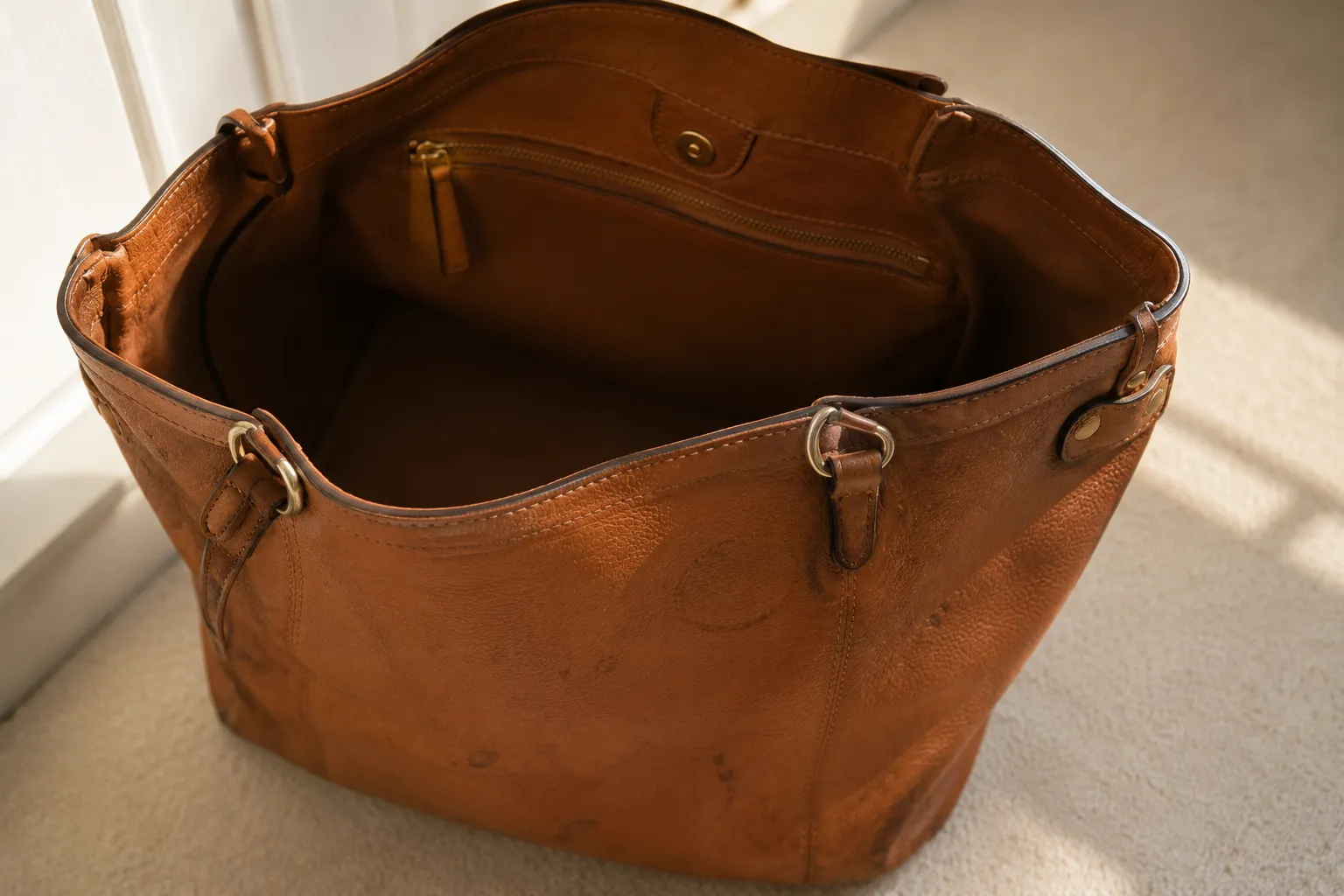
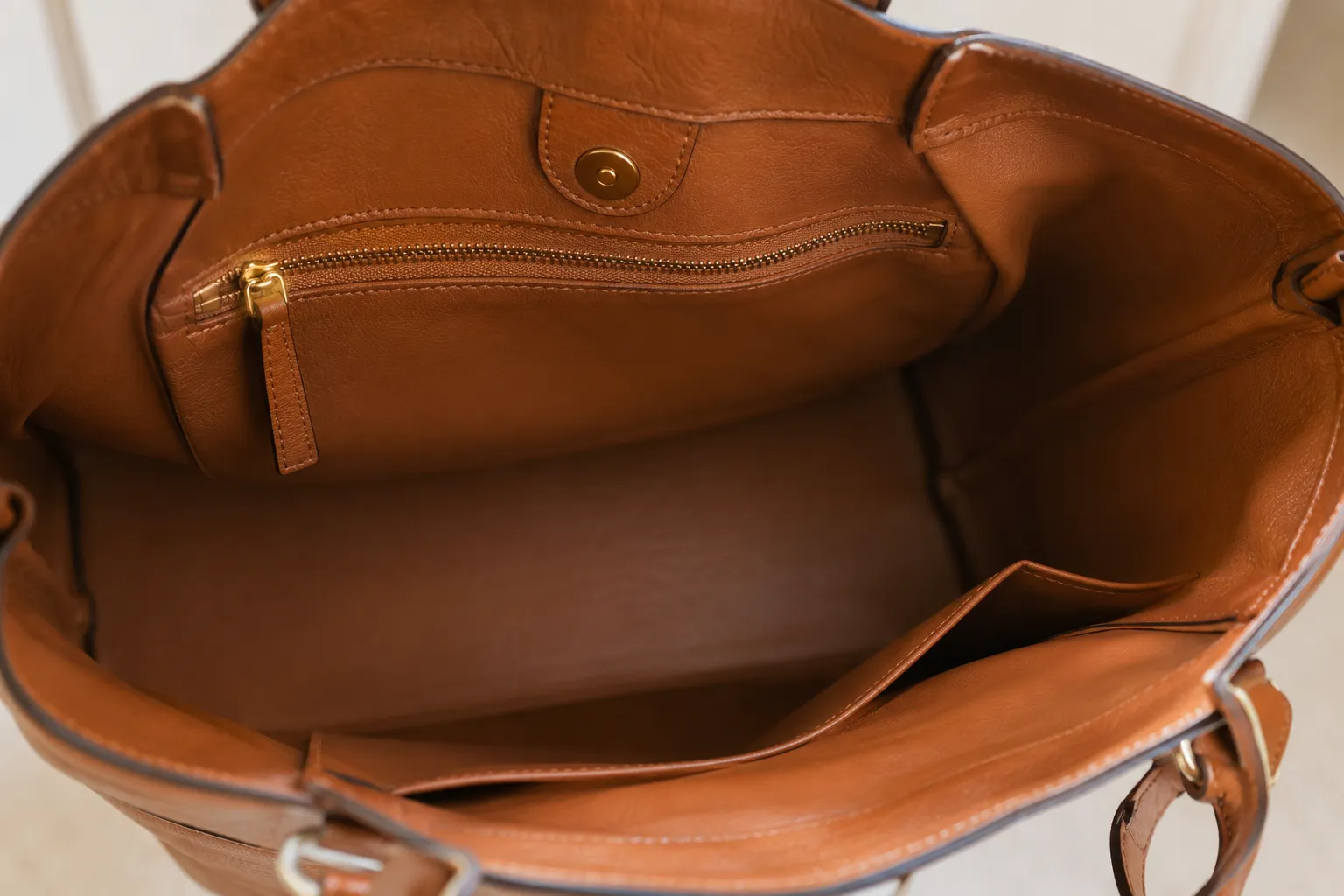 After
After
Request: Need to remove scuffs and dirt from a leather bag.
Done: Deep leather cleaning performed, conditioner and protective cream applied.
Cost: 12 000 ₸
Master: Timur Zhaksybekov, dry cleaning master
Total: The bag restored its color and softness, scuffs disappeared.
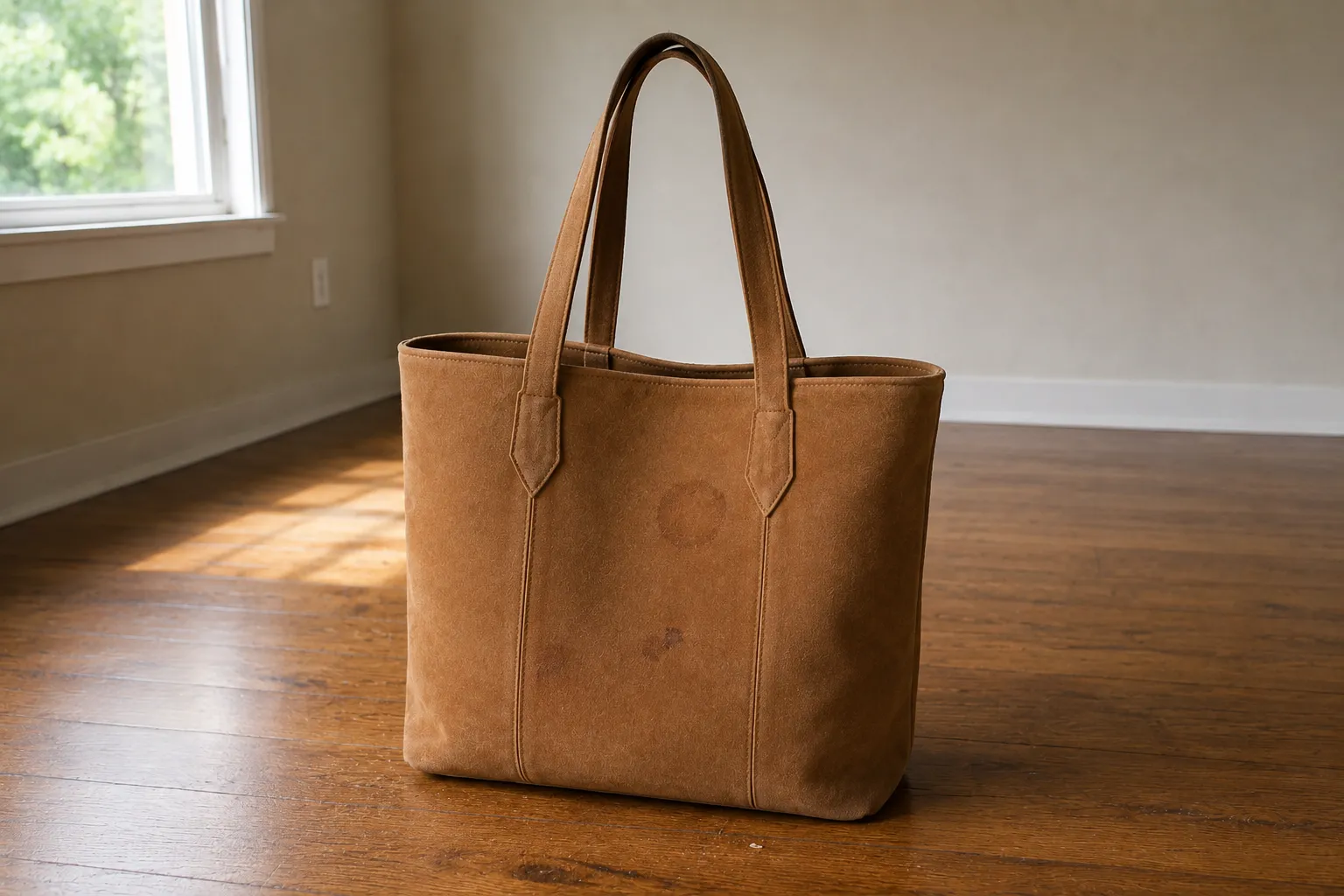
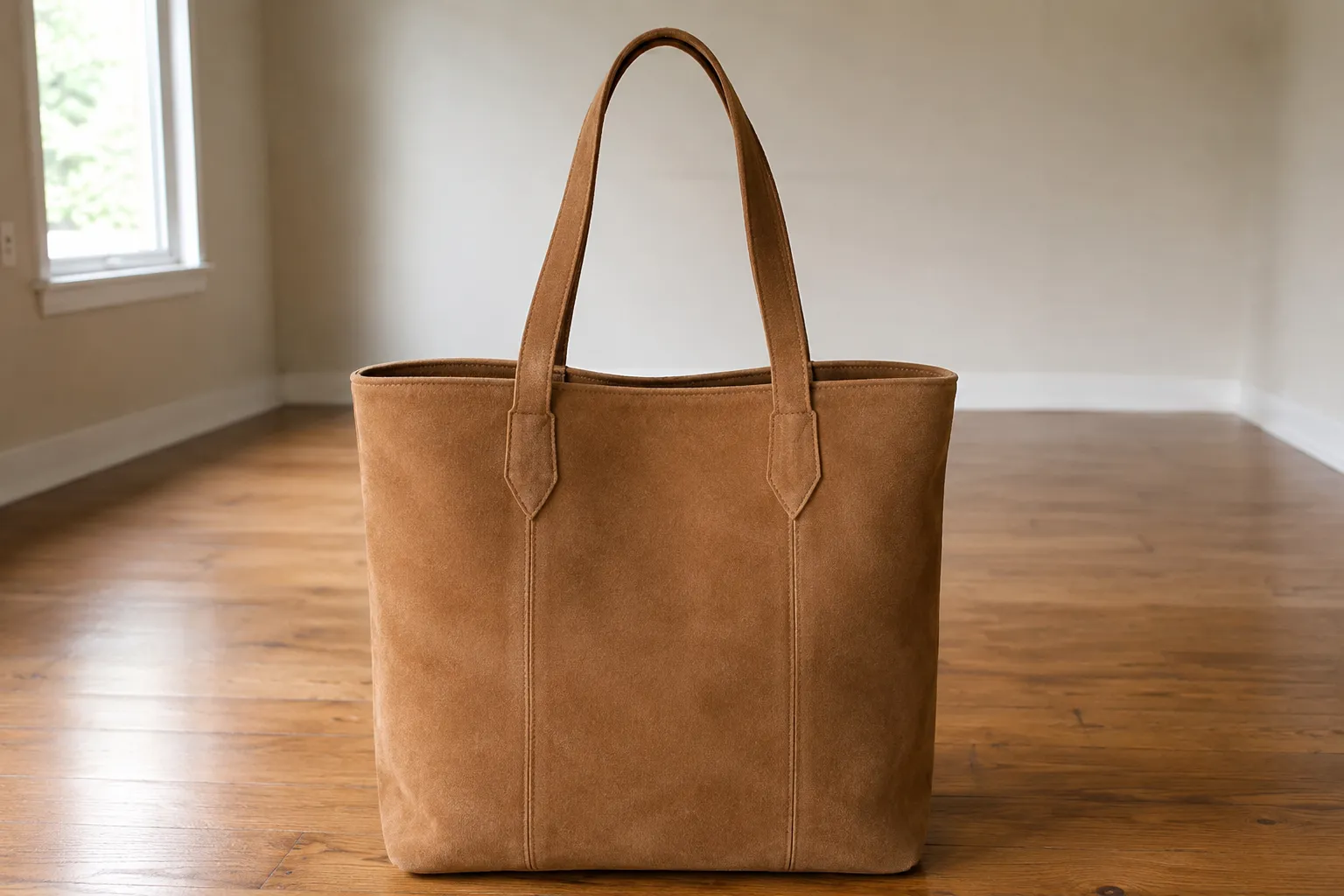 After
After
Request: I want to clean a suede bag, there are stains and scuffs.
Done: Professional suede cleaning using special shampoo.
Cost: 13 000 ₸
Master: Aigul Sagintayeva, dry cleaning master
Total: Suede became soft and uniform, stains removed.
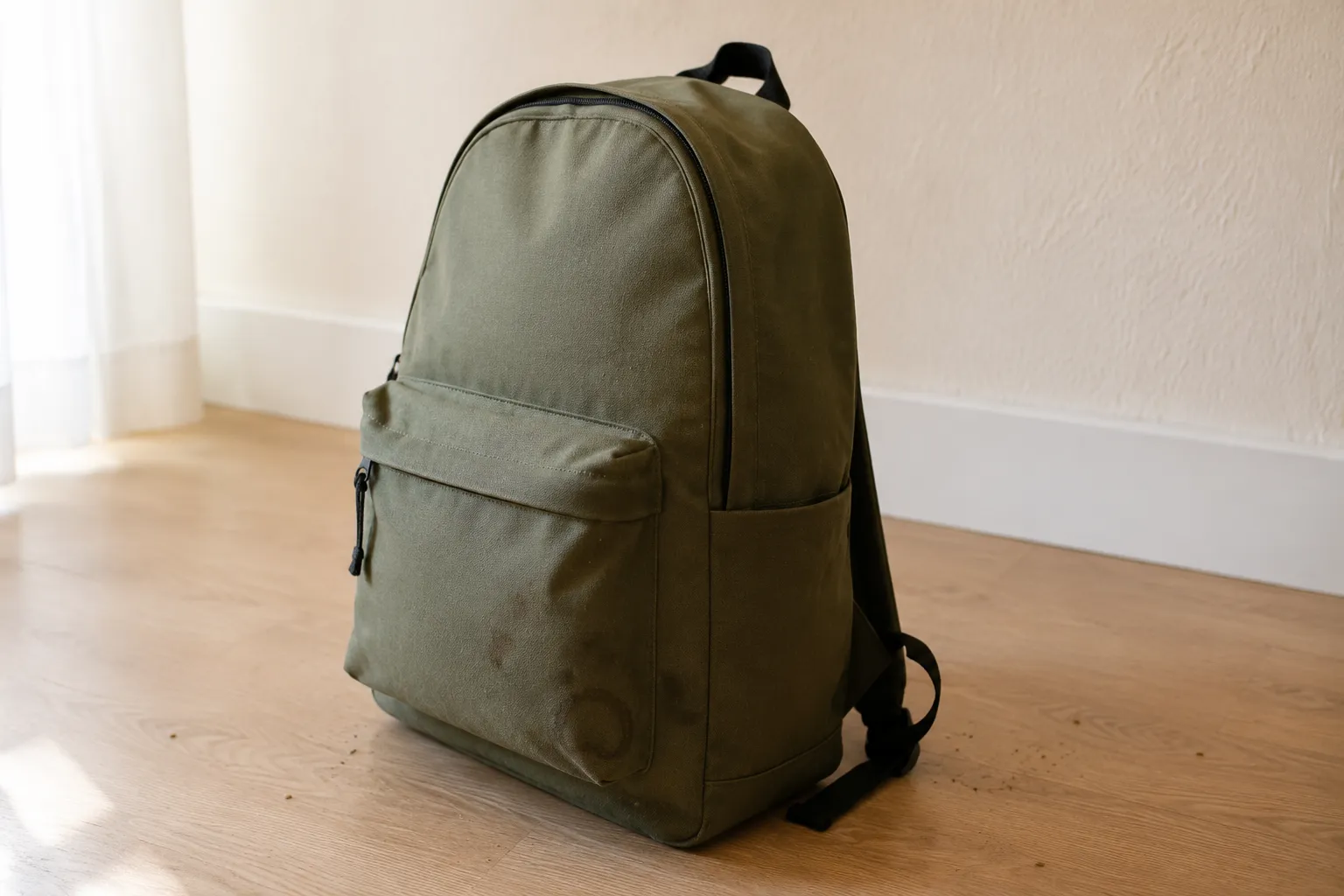
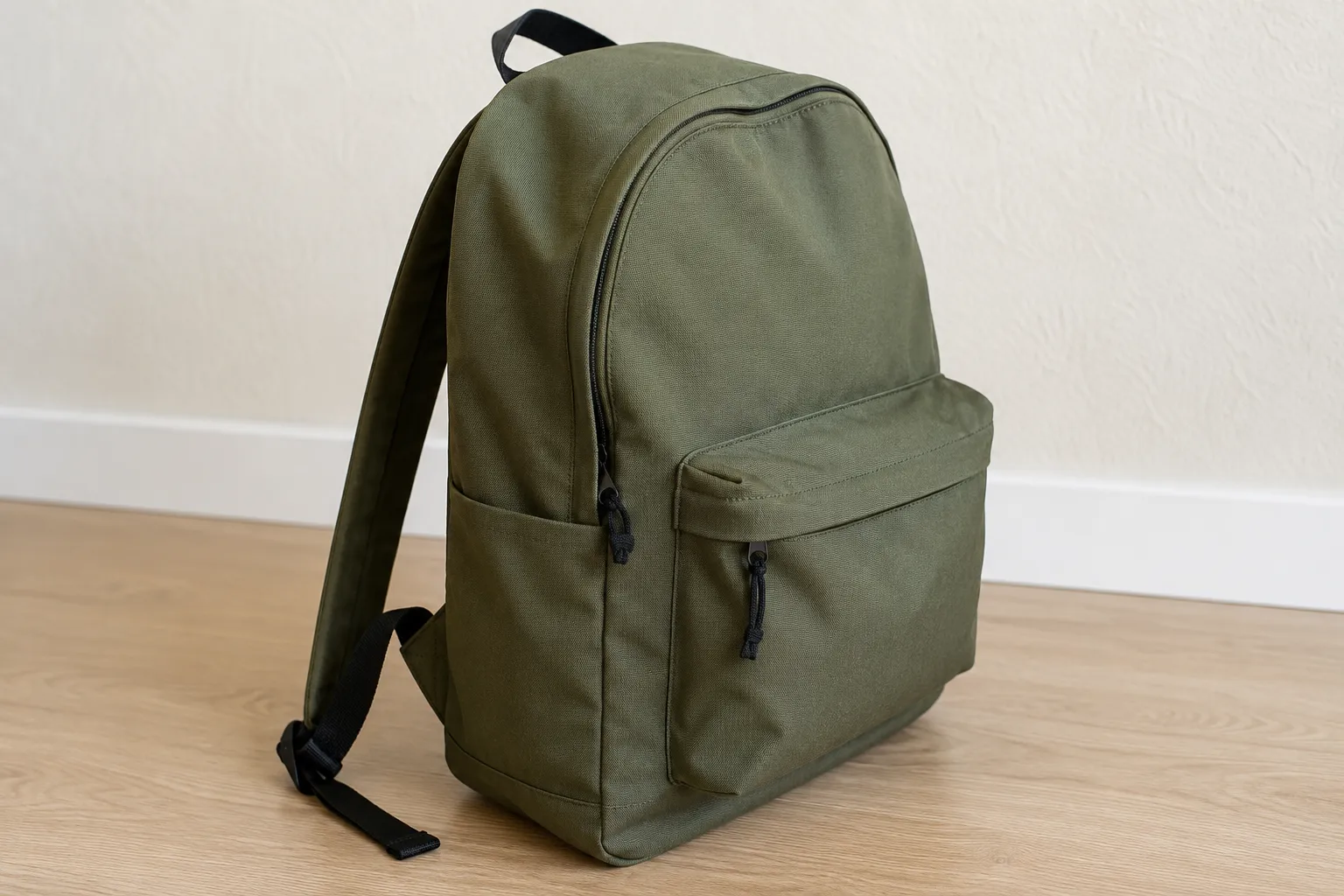 After
After
Request: Backpack is dirty, need to remove stains and freshen up.
Done: Fabric cleaning with stain remover and deodorization.
Cost: 14 000 ₸
Master: Dauren Nurgaliyev, dry cleaning master
Total: Backpack is clean, without stains or odors, like new.
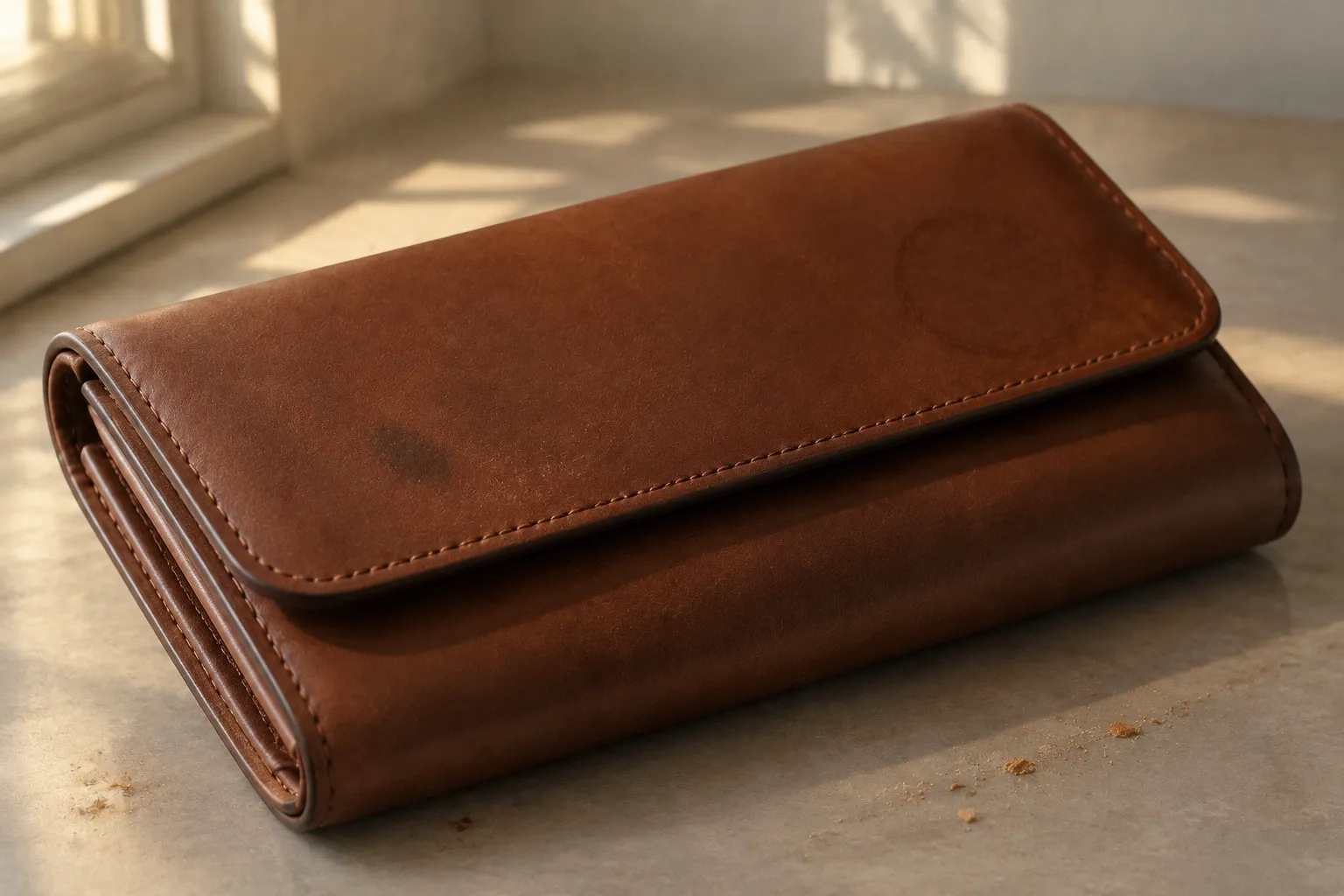
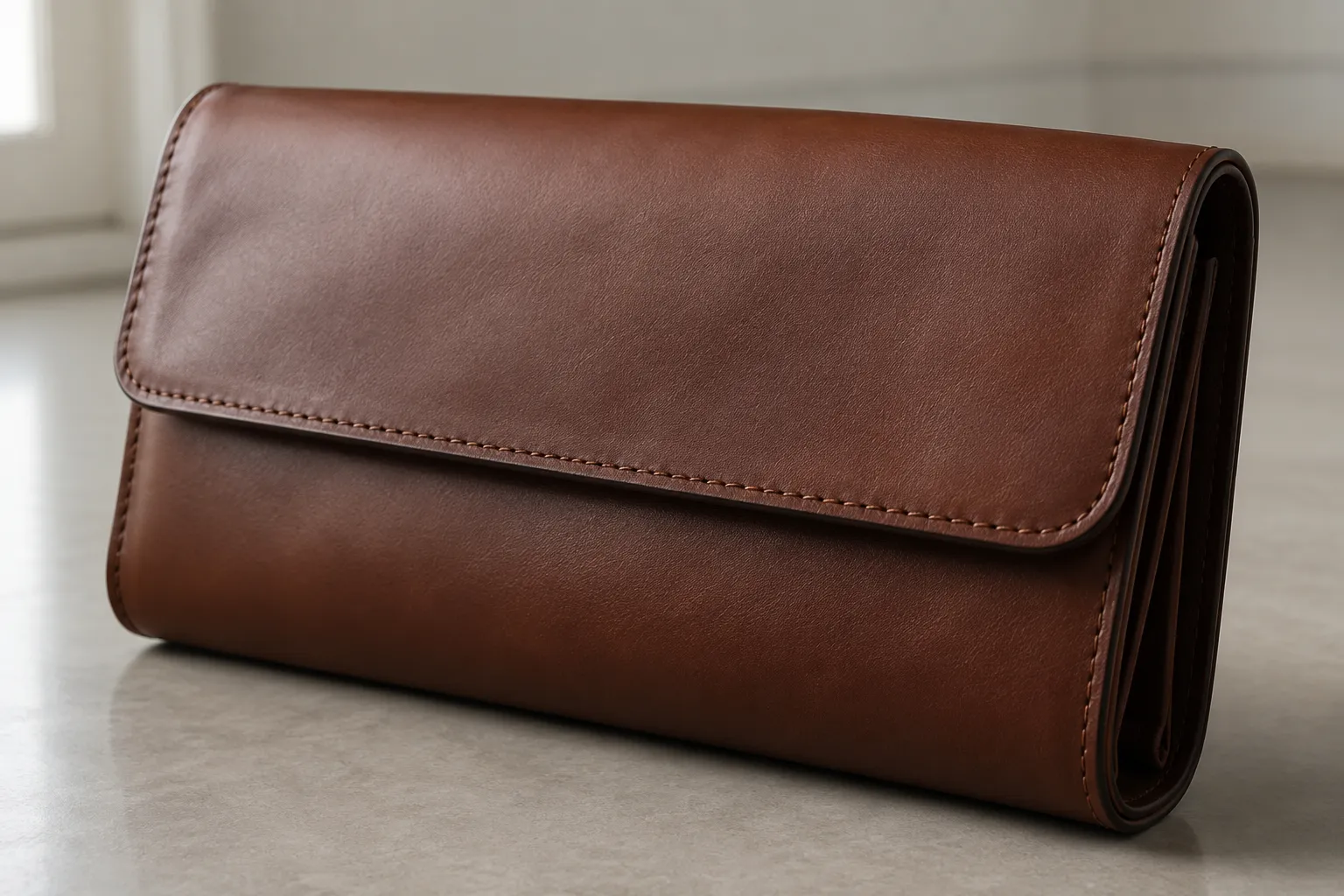 After
After
Request: Clutch has dulled, has scratches, want to restore shine.
Done: Leather cleaning, polishing and protective wax application.
Cost: 13 000 ₸
Master: Saule Akhmetova, dry cleaning master
Total: Clutch shines, scratches polished, color rich.
 After
After
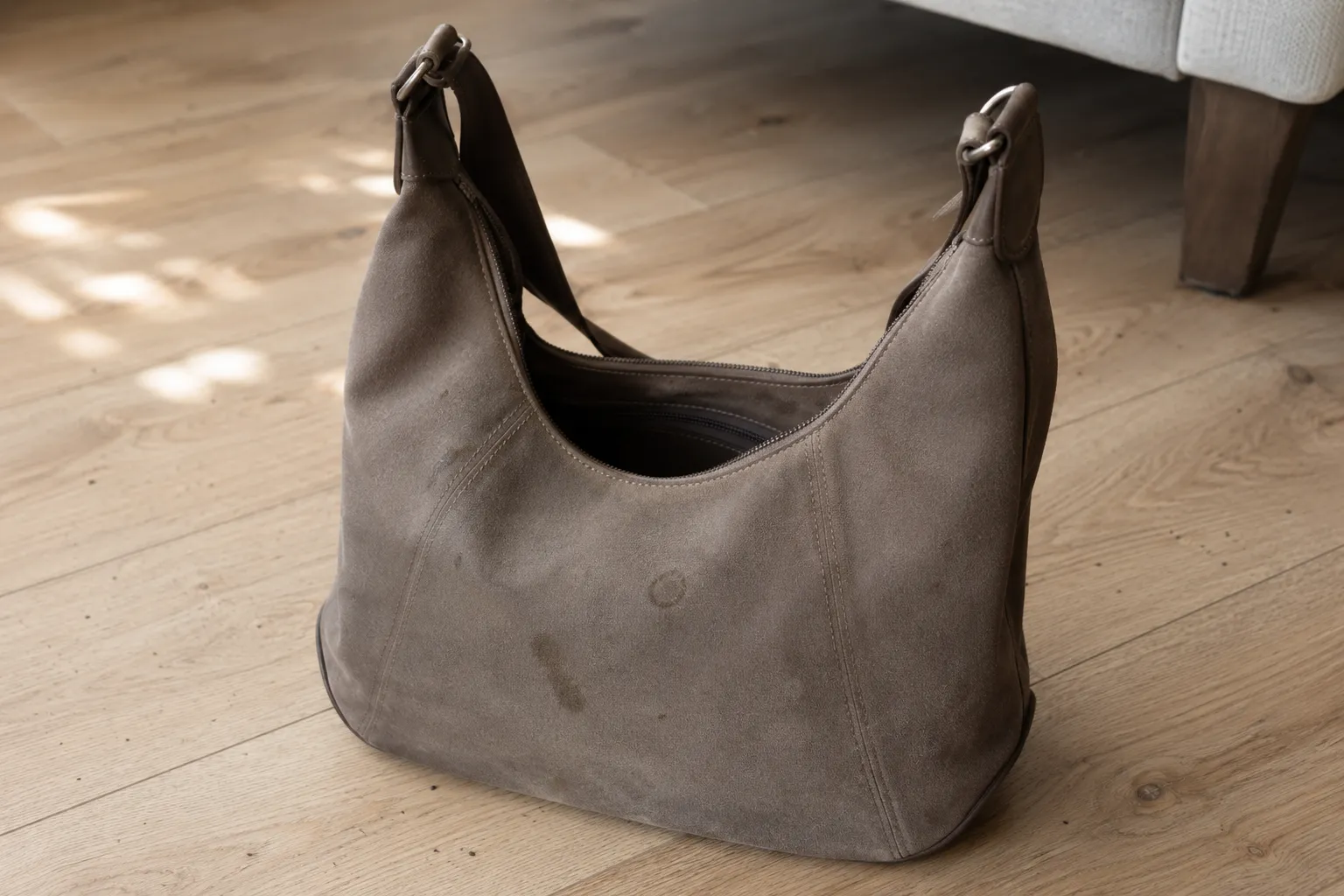
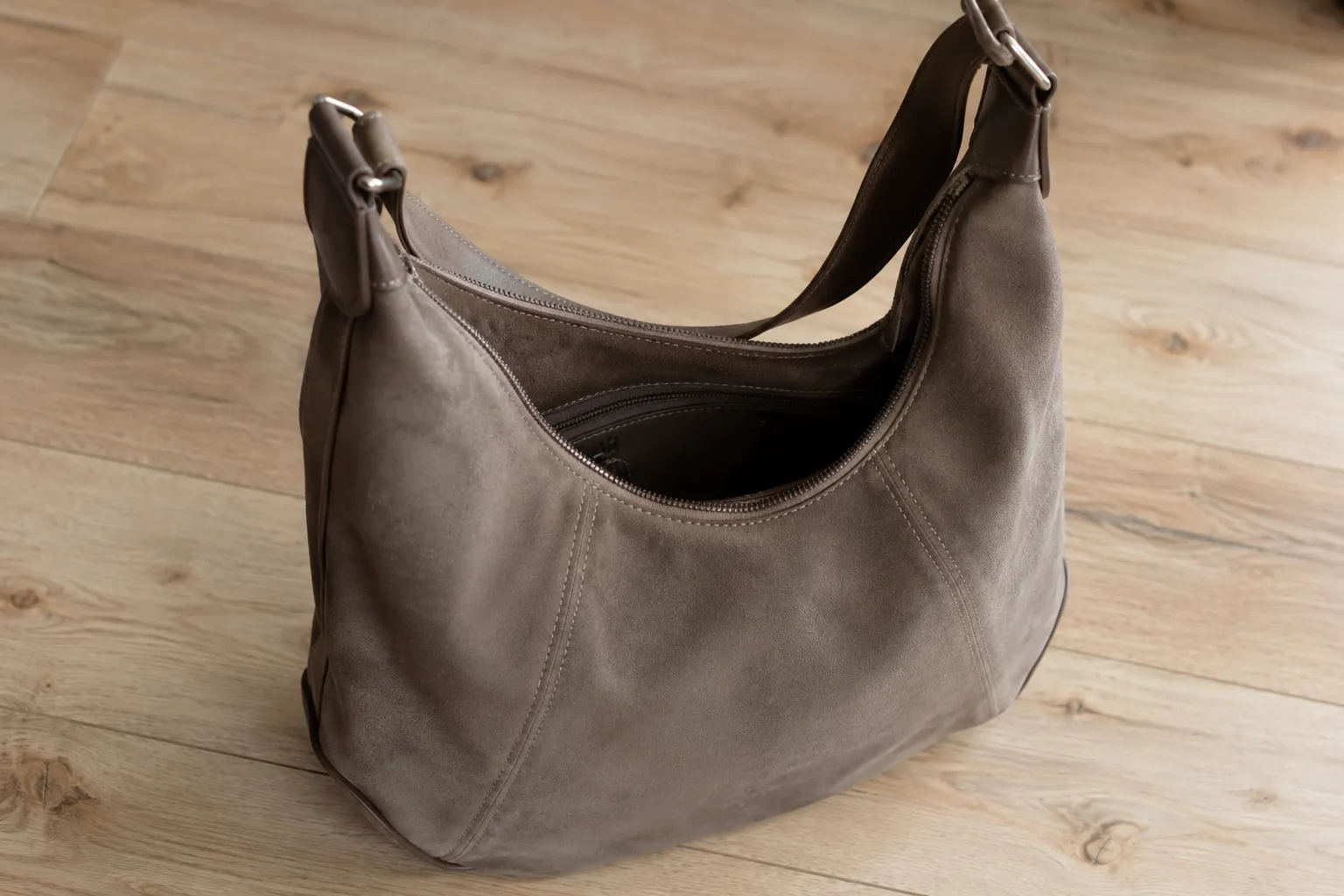
Request: Nubuck bag has become greasy, needs gentle cleaning.
Done: Nubuck cleaning with special eraser and brush, application of impregnation.
Cost: 12 000 ₸
Master: Aliya Zhumabayeva, dry cleaning master
Total: Bag is soft, nap raised, color evened out.
 After
After
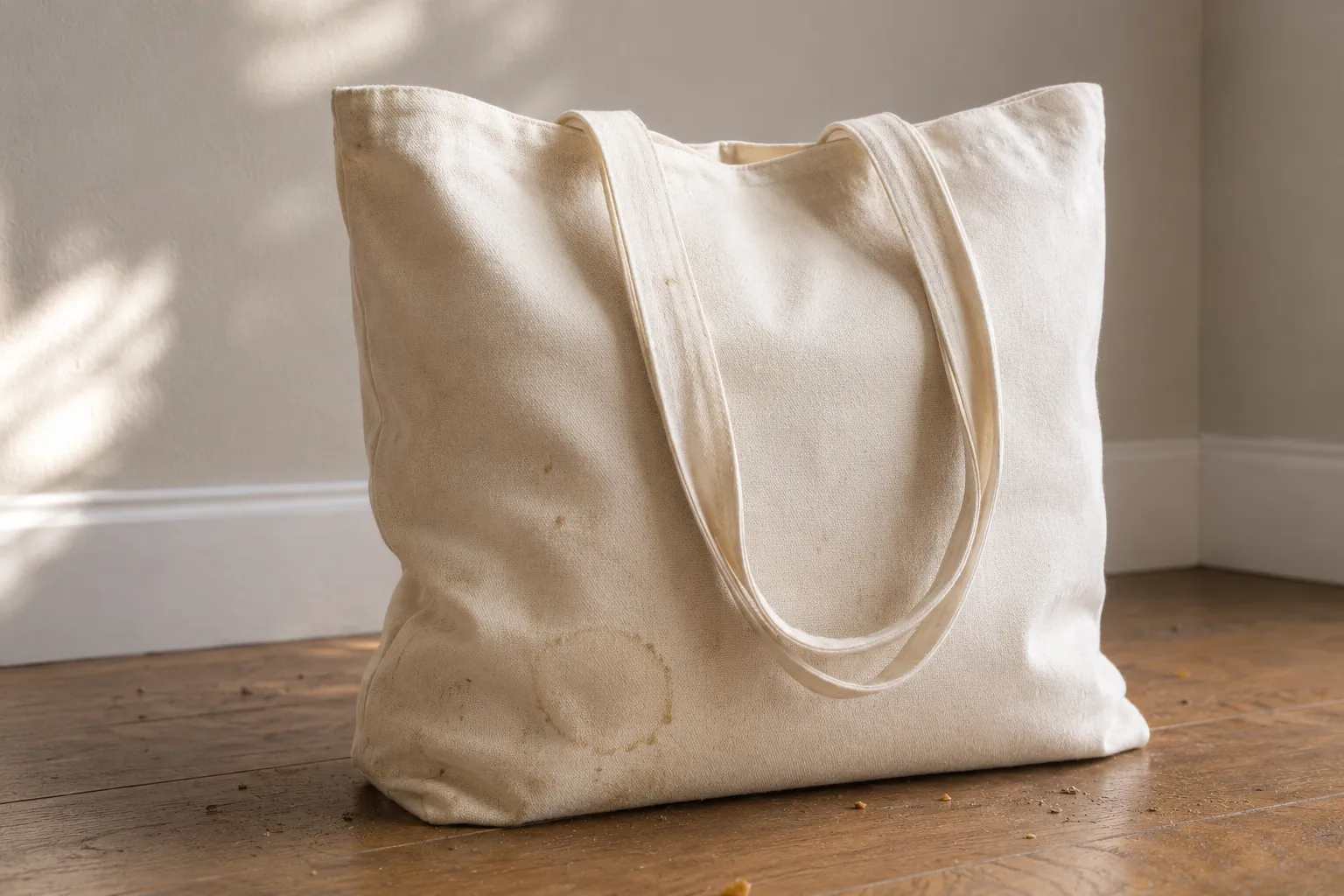
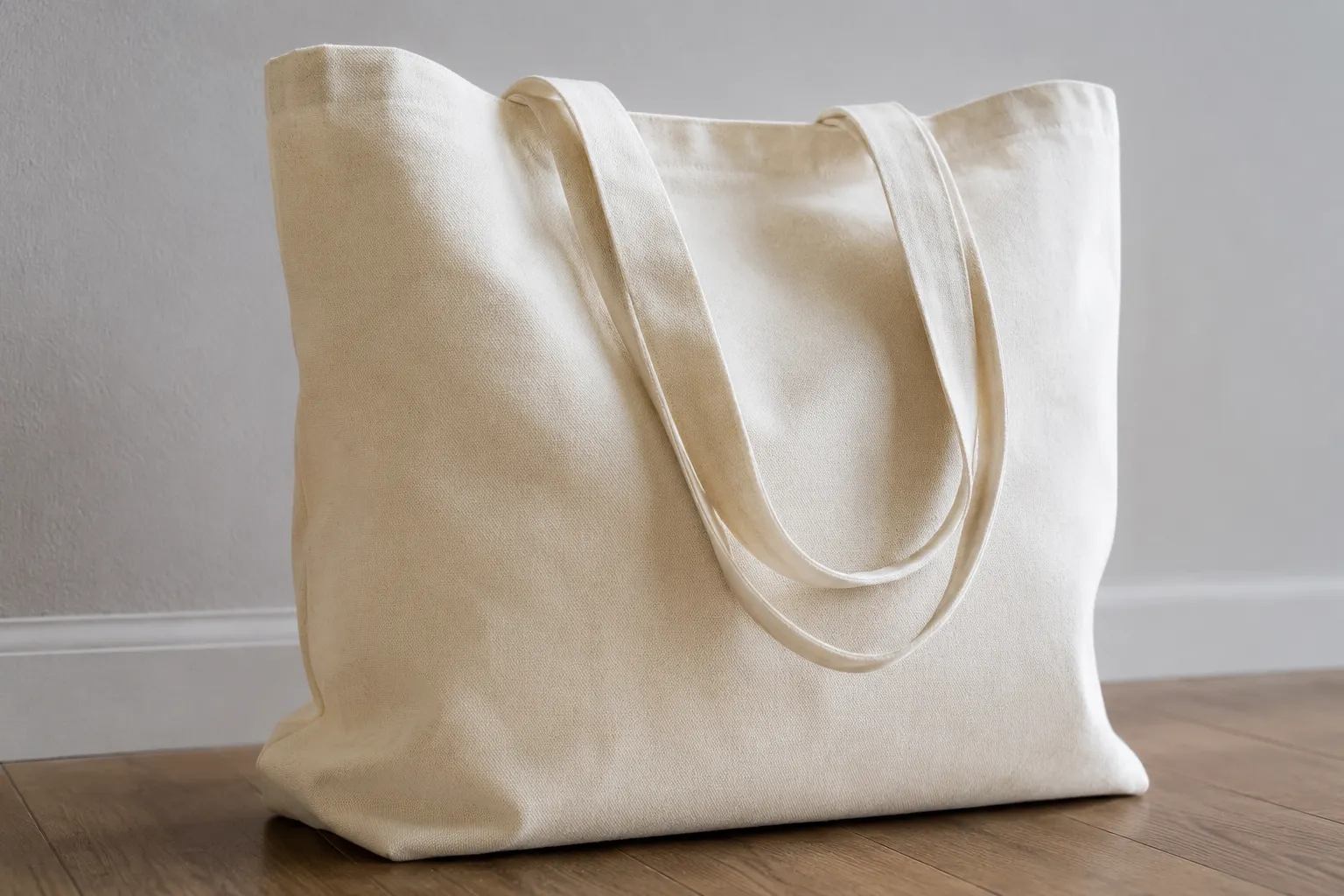
Request: Canvas bag has coffee and grass stains, needs washing.
Done: Deep fabric cleaning with enzyme stain remover.
Cost: 14 000 ₸
Master: Marat Iskakov, dry cleaning master
Total: Stains completely removed, bag looks like new.
 After
After
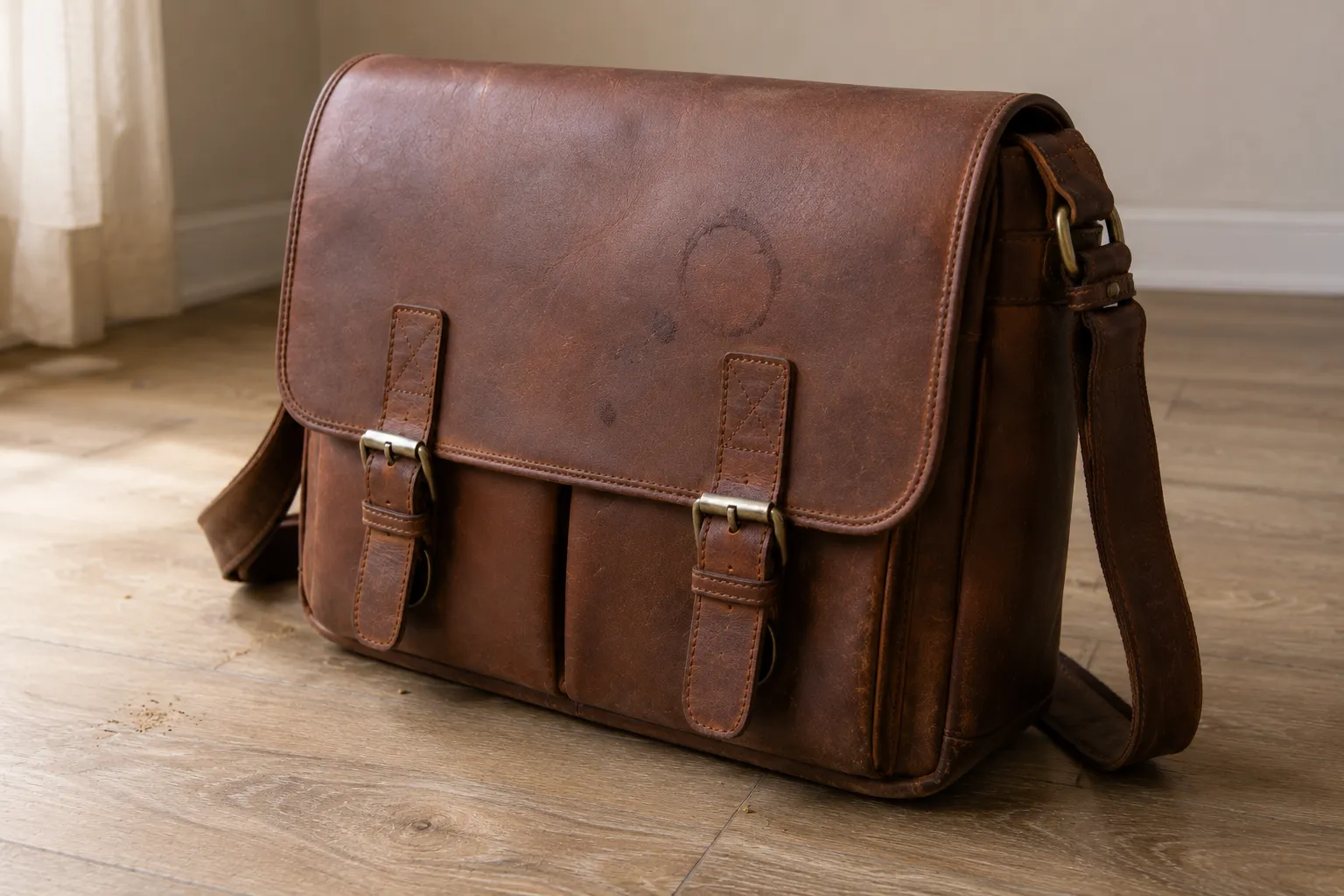
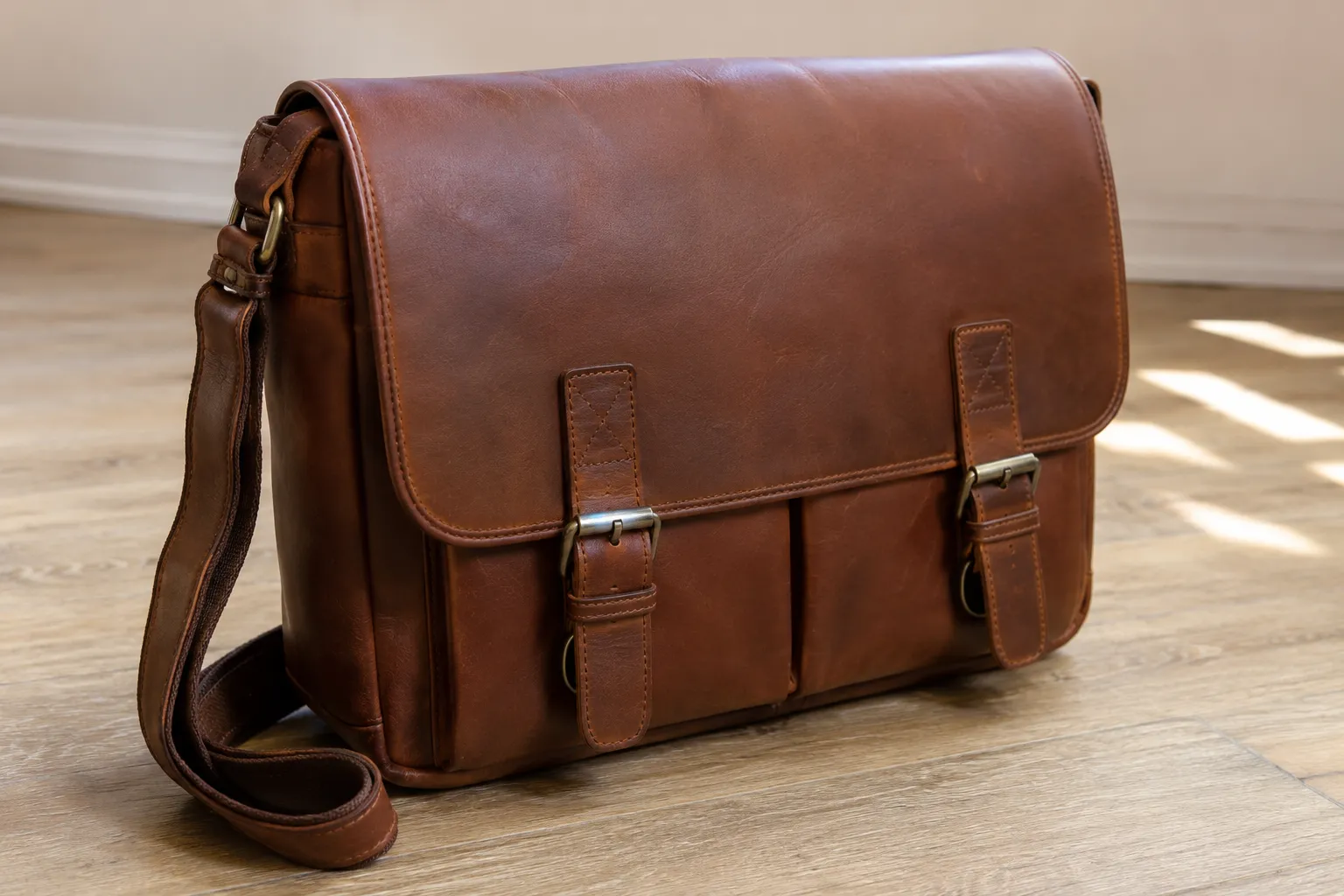
Request: Messenger bag got dirty, needs cleaning and leather conditioning.
Done: Leather cleaning with mild shampoo, nourishment and water-repellent impregnation.
Cost: 13 000 ₸
Master: Gulmira Seidakhmetova, dry cleaning master
Total: Leather is soft, shiny, free of dirt.
 After
After
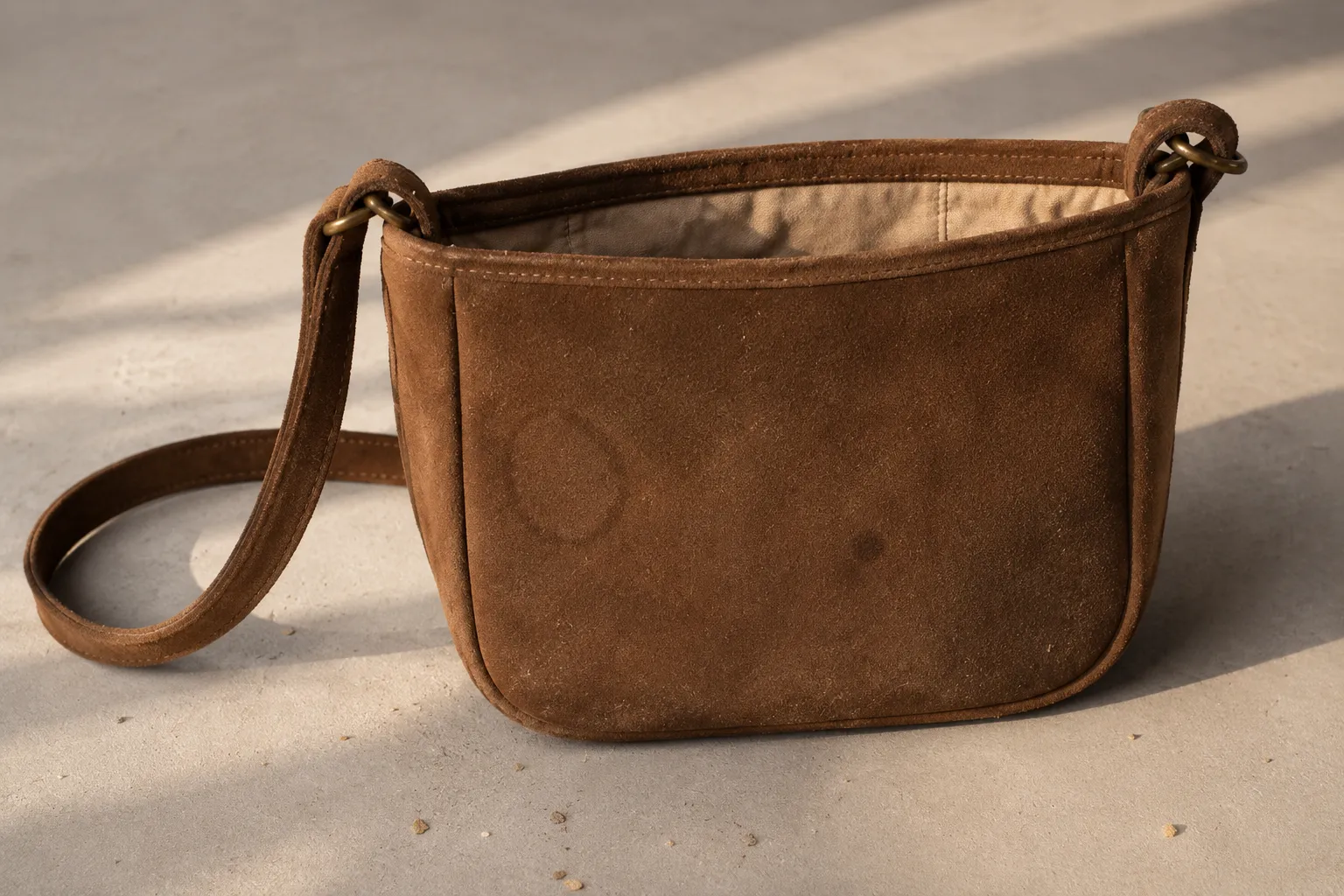
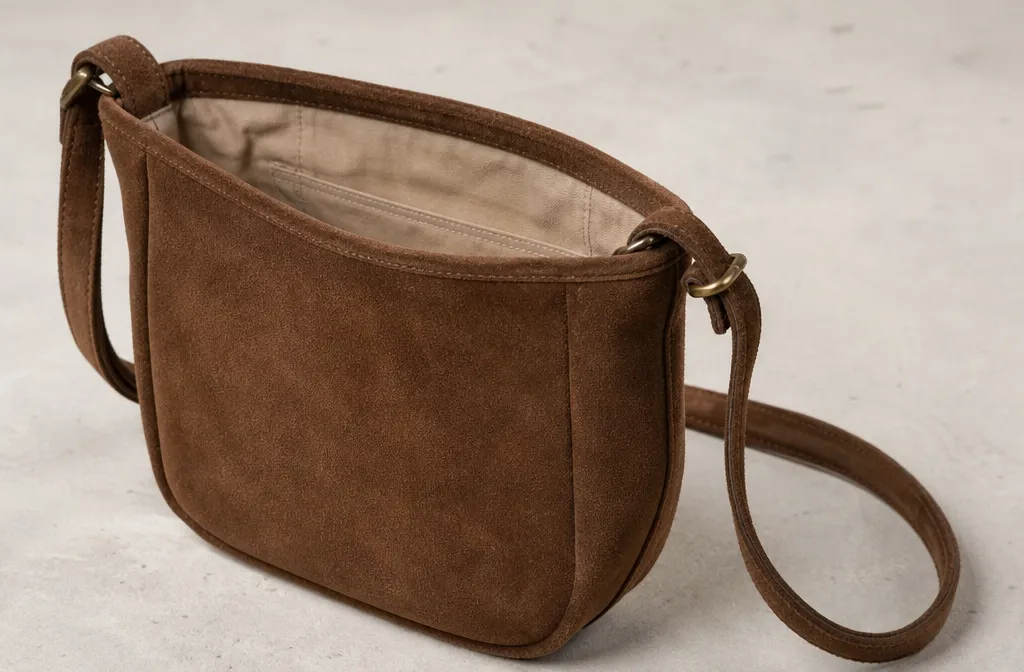
Request: Suede crossbody bag has become shiny, needs cleaning.
Done: Suede cleaning with steam and brush, nap restoration.
Cost: 12 000 ₸
Master: Nursultan Kassymov, dry cleaning master
Total: Suede refreshed, nap even, color vibrant.
 After
After
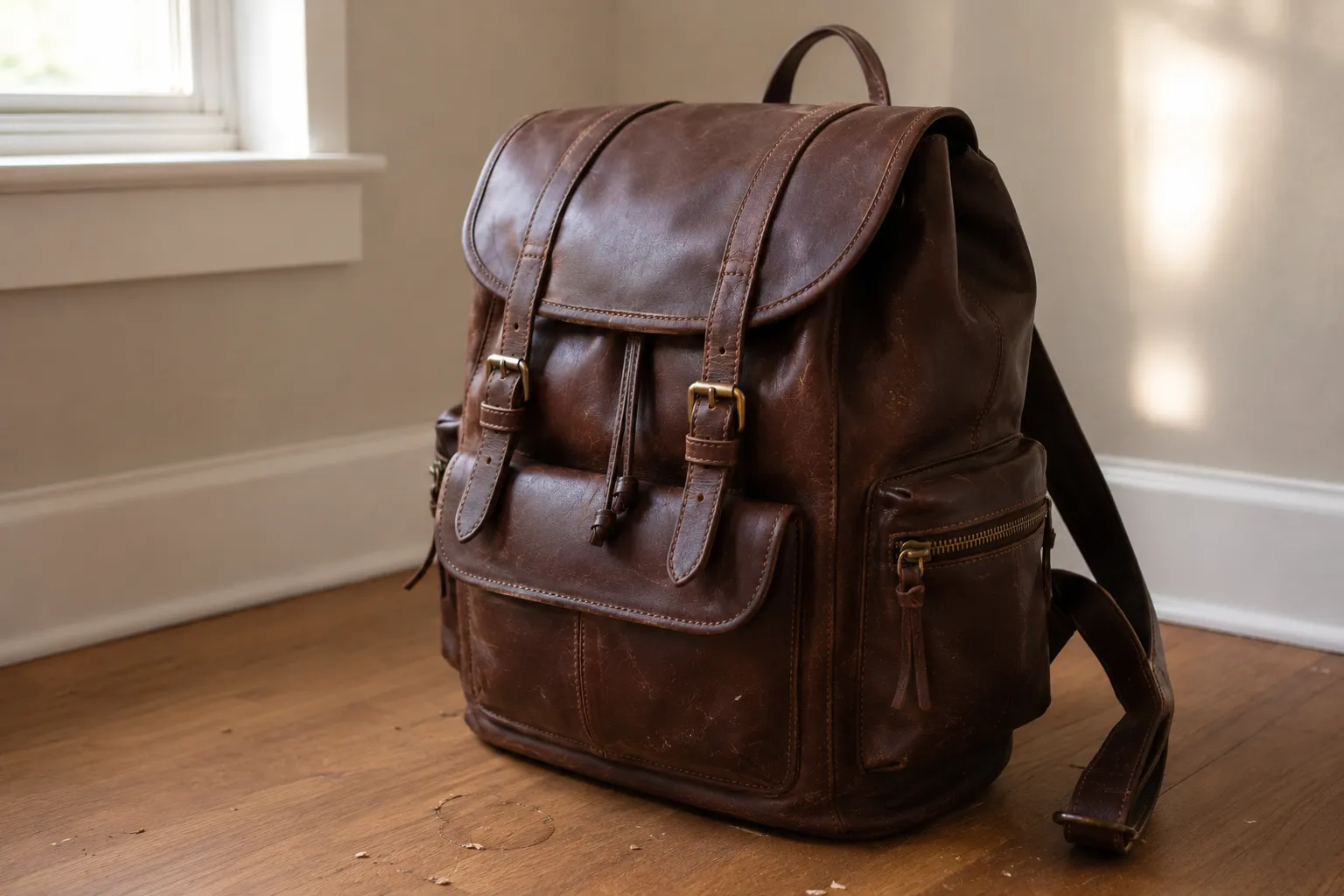
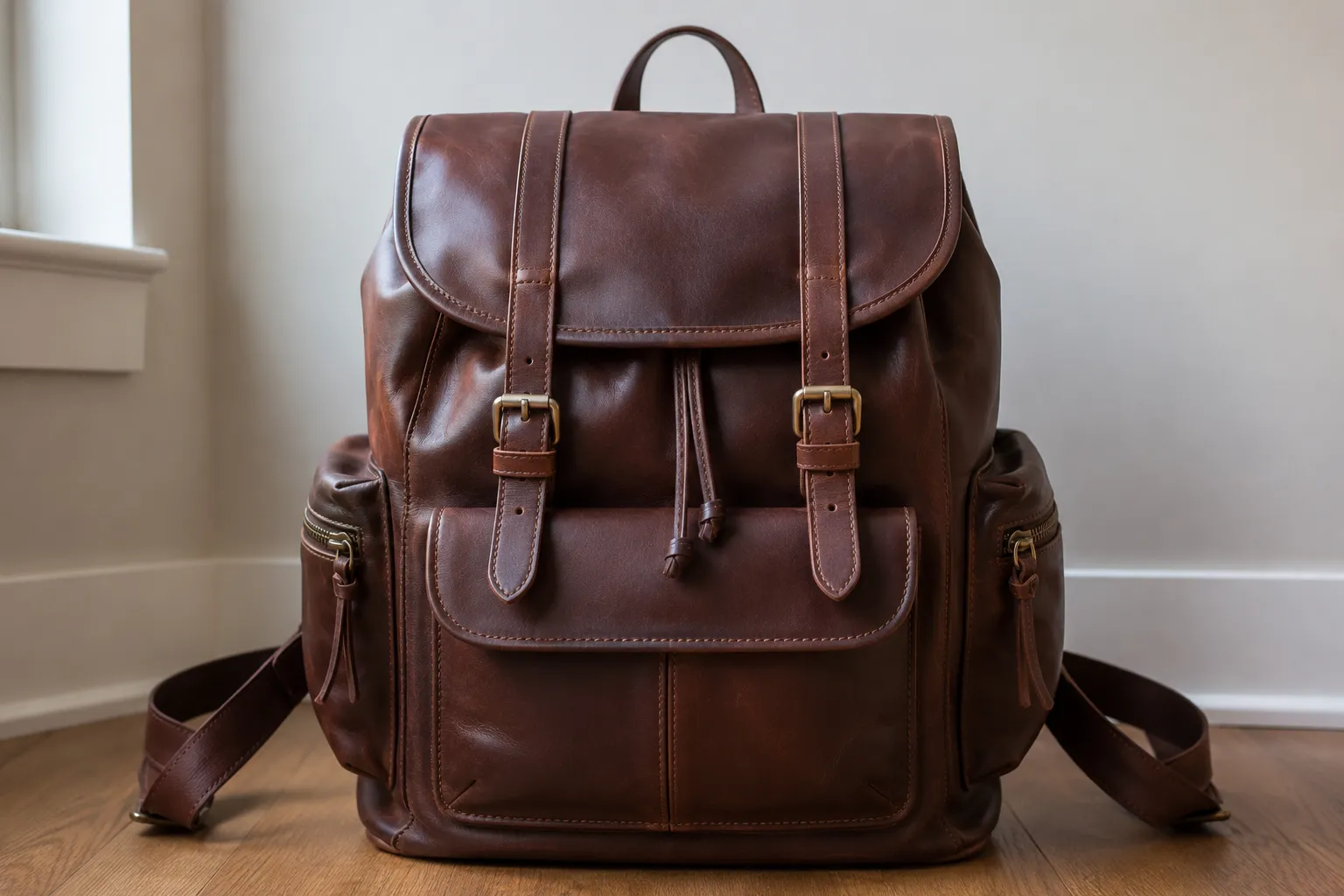
Request: Leather backpack is worn, want to restore its appearance.
Done: Leather cleaning, scuff removal, conditioner application.
Cost: 14 000 ₸
Master: Aizhan Bekzhanova, dry cleaning master
Total: Backpack looks like new, leather is elastic.
 After
After
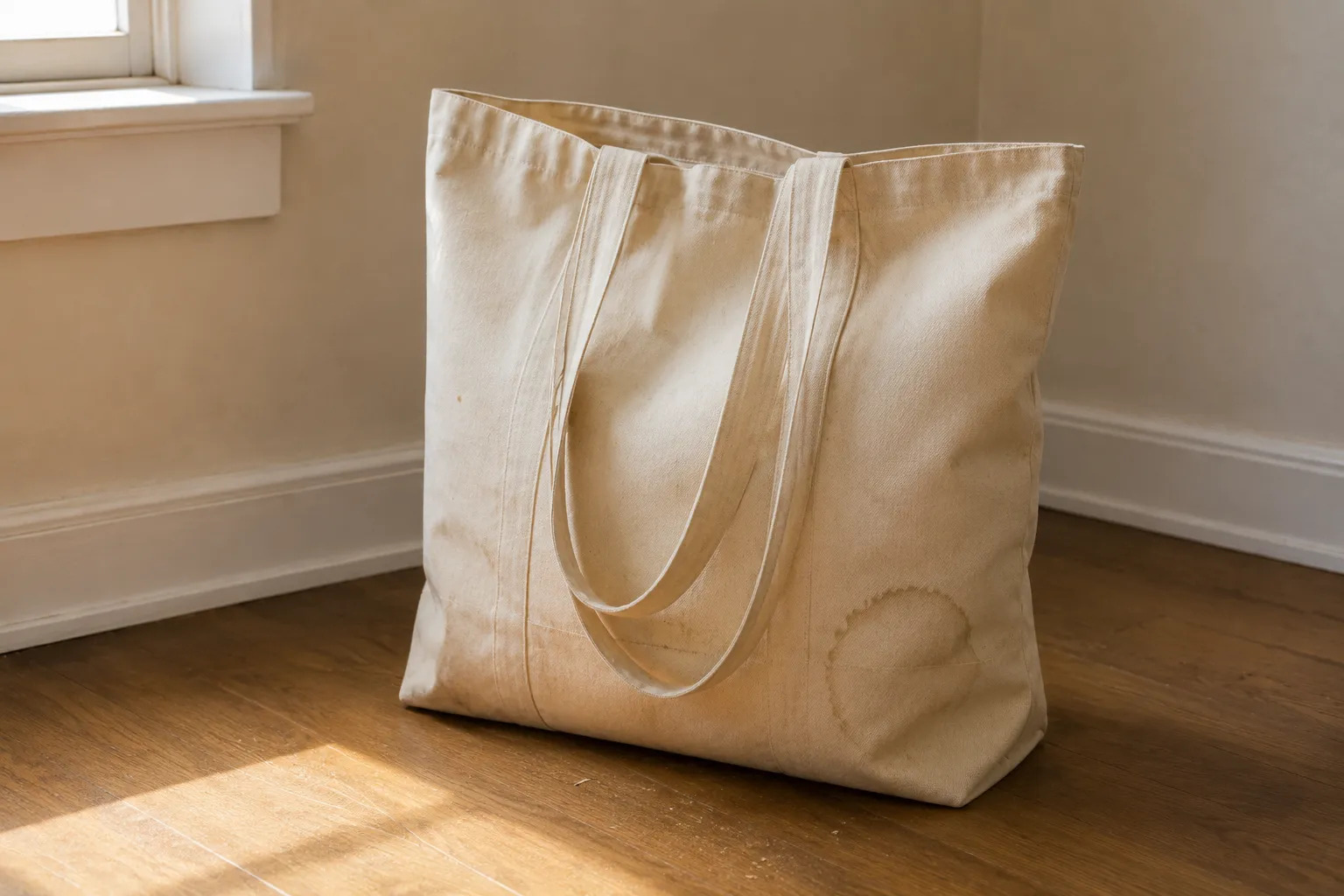
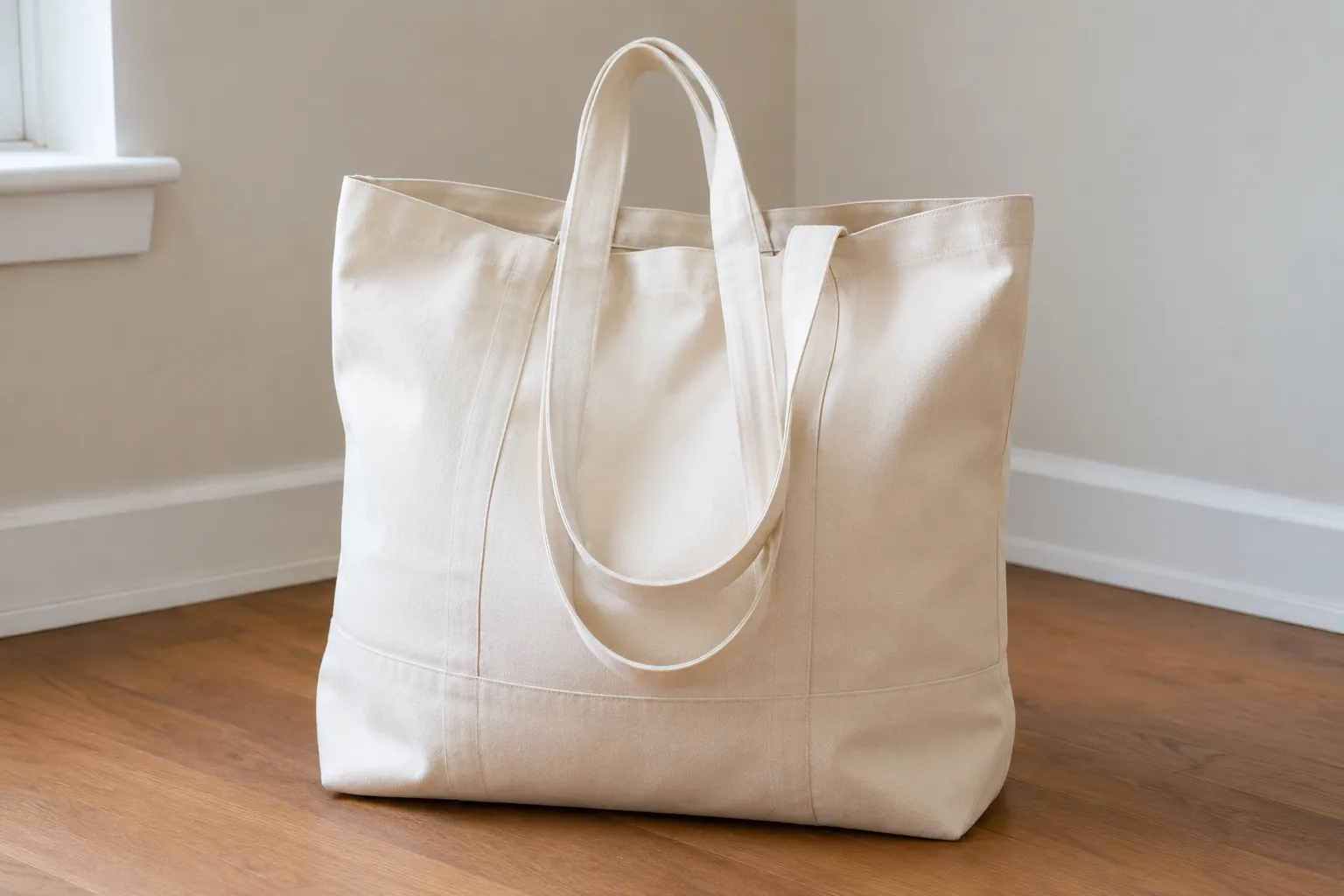
Request: Shopper bag got dirty, needs cleaning and odor removal.
Done: Fabric cleaning with deodorization and stain removal.
Cost: 13 000 ₸
Master: Yerlan Sagintayev, dry cleaning master
Total: Bag clean, no stains or odors, ready to use.
All cleaners are profi-clean staff with training, uniform and security check. Each order has a team leader who controls quality.
After professional cleaning, a bag becomes vulnerable: the pores of the leather are open, the suede nap is raised, and the textile has lost its factory impregnation. It is at this stage that improper storage negates the result — the material deforms, fades, or becomes stained within two to three weeks. Here at profi-clean, we have compiled rules for four main types of materials that will extend the freshness of the cleaning by two to three times.
Smooth leather loses part of its fat layer after cleaning — without proper care, it dries out and cracks within 1-2 months. The first rule: never put a leather bag in a plastic bag — the leather suffocates, and a sticky film from condensation appears on it. Instead, use a cotton bag or a breathable non-woven cover. Second: stuff the bag with soft paper (not newspaper — printing ink can transfer) or bubble wrap to maintain its shape. Third: store it on a shelf, not on a hook — the handles stretch under the weight, causing irreversible creases within 3-4 months. The humidity in the closet should be 50-60%, otherwise the leather stiffens and loses its elasticity. In my opinion, the most common mistake clients make is storing a leather bag on the balcony in Almaty: temperature swings from +35°C during the day to +15°C at night in summer tighten the leather faster than a year of active wear.
Suede and nubuck after cleaning are like new shoes: the nap is raised, and any friction leaves unsightly bald patches. They should not be stored in a stack with other bags — the weight of the one on top flattens the nap, leaving dents in the material that cannot be restored. The ideal solution is a separate shelf with a distance of at least 5-7 cm to neighboring items. The second critical rule: suede is afraid of ultraviolet light — within 2-3 weeks on a windowsill or an open shelf near a window, it fades by 1-2 shades, especially during Almaty’s sunny spring. We recommend storing such bags in a dark textile bag with a moisture absorber (silica gel) inside — suede is hygroscopic, and excess humidity causes the nap to stick together. After storage for more than a month — before wearing, go over the surface with a rubber suede brush to lift the flattened nap.
Fabric bags (cotton, linen, canvas, nylon) are the least fussy, but they have their own vulnerability — dust and odors. After cleaning, textile fibers are open and absorb everything floating in the closet within 2-3 days. Store them in vacuum bags only if you are sure the bag is completely dry — residual moisture in the fabric’s thickness will cause a musty smell within 2 weeks, which is harder to remove than a stain. An alternative is a cotton bag with a lavender or cedar sachet: this repels moths and preserves freshness. For nylon backpacks, there is one rule — do not fold them in three or stuff them into a drawer under pressure: polyester “remembers” creases within a month, and they remain forever. If the bag has a print or embroidery — store it with the front side up so the decoration does not imprint on neighboring items.
Patent leather after cleaning is a different story: its lacquer layer becomes brittle, and when stored near heat sources (radiator, heater), it cracks within 1-2 weeks. The optimal temperature is 18-22°C, with no fluctuations. In Almaty, where radiators work at full capacity in winter, we advise keeping patent leather bags in the coldest room or in the hallway, away from radiators. The second nuance: patent leather does not tolerate contact with dark fabrics — dye from a denim jacket or black coat can transfer to the patent surface within a month of tight contact. For combined bags (leather + textile, suede + patent), the “weakest link” principle applies — store according to the most demanding material. For example, if a bag is leather with suede inserts, stuff it with paper so that the inserts do not touch the box walls — otherwise, indelible marks from the cardboard will remain on the suede.
A leather bag after professional cleaning needs protection — open pores absorb dirt and moisture faster than a new item. We use a finishing impregnation immediately after cleaning to close the pores and extend the effect.
Water-repellent impregnation is not a film, but a pore filler. It creates micro-droplets on the surface from which water rolls off without being absorbed. We only apply it to clean leather: if applied to dirty leather, the impregnation will seal stains and dust inside — removing them later is nearly impossible. For this, we use Collonil and Saphir aerosols — they do not alter the color or texture of the material. Before application, test the impregnation on an inconspicuous area (inner flap or bottom seam) — on porous leather, some compounds can leave dark streaks that are only removable with a repeat dry cleaning.
| Leather type | Treatment method | How often to renew | What not to do |
|---|---|---|---|
| Smooth (goat, calf) | Aerosol impregnation Collonil Carbon Pro | Every 2–3 weeks with active wear | Use oils and waxes — they clog pores, leather stops breathing and becomes dull |
| Patent | Silicone spray without solvents | Only after each cleaning | Wipe with alcohol wipes — the patent finish cracks and cannot be restored |
| Matte (nappa, aniline) | Cream impregnation Saphir with beeswax | Once a month | Apply silicone — the matte surface becomes greasy to the touch |
On a patent leather bag, even a drop of perfume leaves an indelible matte stain — do not spray perfume on the bag, only on clothing.
In winter, reagents on sidewalks (a mixture of sand and salt) penetrate the leather within 10–15 minutes — after a walk, wipe the bag with a damp microfiber cloth without soap, then with a dry cloth. In spring and autumn, rain with dust leaves gray streaks on light-colored leather — if not washed off within a day, they set and require professional cleaning. In summer, ultraviolet light burns out the dye pigment in dark bags (black turns gray-brown, blue fades to light blue) — store the bag in a closet, not on a hanger by the window. In Almaty’s +35 °C heat, do not leave the bag in the car: the leather heats up to 60–70 °C, the glue on the seams melts, and the lining separates from the base — restoration costs as much as half a new bag.
Suede is a finicky material: improper care leaves marks that even dry cleaning cannot remove. In our practice, the most common requests come after home experiments with water, brushes, and folk remedies. Here is what is strictly forbidden to do with a suede bag.
Water is suede’s main enemy: wet nap fibers clump together, lose volume, and after drying, whitish streaks from dried dirt embedded in the structure remain. In Almaty, where rain is frequent in spring and autumn, owners of suede bags bring in items with “waterlogged” stains — we see such cases weekly. A damp cloth does not wash away dirt but rubs it deeper between the fibers, from where the stain can only be removed with steam or a special shampoo. If the bag gets wet in the rain, do not rub it — blot it with a dry microfiber cloth and let it dry at room temperature away from radiators and hairdryers.
Metal brushes, stiff erasers, and kitchen sponges with an abrasive layer strip the top layer of suede — leaving bald spots on the bag that cannot be restored. At home, many try to “refresh” suede with a shoe brush with metal bristles, but for bags this is a disaster: the leather is thinner, the nap is shorter, and one careless move leaves an irreversible defect. For suede bag care, use only special latex or rubber brushes with soft bristles — they lift the nap without damaging it. Our recommendation: if a “flattened” area appears on the bag, hold it over steam for 10-15 seconds, then gently go over it with a rubber brush — this is enough to restore volume.
Suede is not smooth leather: greasy compounds clog pores, make the nap feel oily, and attract dust like a magnet. In Almaty, where summers are dry and dusty, a suede bag treated with a silicone impregnation from an auto shop becomes covered in a sticky layer — street dust clings to it, and within a week the item looks dirtier than before treatment. We had a case where a client brought in a Prada bag after a “folk recipe” with castor oil — the oil soaked through the suede, and even professional dry cleaning with solvents couldn’t completely remove the stains. For suede, use only special water-based water-repellent sprays — they form an invisible film that doesn’t change the nap’s structure, and are applied in a thin layer from a distance of 20-25 cm.
A sharp temperature change “sets” moisture inside the fibers — suede becomes stiff as cardboard and cracks at the folds. In Almaty apartments in winter, radiators are hot, and many put a wet bag on the radiator “to dry faster” — after such drying, the material loses elasticity, and micro-cracks may appear at the seams that cannot be glued. A hairdryer with hot air is even more dangerous: local overheating dries one area faster than another — leaving “bald patches” with different nap textures on the bag. The only correct method is to dry suede at room temperature (18-22°C) in a well-ventilated area, stuffing the bag with white paper (not newspaper — printing ink will transfer) to maintain its shape.
Oil on suede doesn’t absorb deep like on smooth leather, but spreads across the nap, and salt or starch only fixes the grease on the surface — after removing the powder, a greasy stain remains that darkens over time. In Almaty, where cafes with fatty foods (beshbarmak, samsa, baursaks) are popular, oil drops on a bag are a common story, and home methods worsen the situation. The correct approach is to immediately blot the stain with a dry napkin (without rubbing!), and then send the item for professional dry cleaning: specialists use solvents that lift the grease to the surface without damaging the suede’s structure. The sooner you contact us — the higher the chance of removing the stain without a trace; after 48 hours, the oil oxidizes and sets into the nap, after which even professional cleaning may leave a barely noticeable outline.
The frequency of professional bag cleaning depends not on the calendar, but on three factors: the material, intensity of use, and seasonal conditions in Almaty. At profi-clean, we have developed a frequency based on thousands of orders — it differs for an everyday bag, a special occasion accessory, and a winter model.
A bag you carry to work or school five to six days a week comes into daily contact with hands, tables, transport floors, and Almaty dust. In two to three months, a layer of grease and dirt accumulates on the handles and bottom, which is visually unnoticeable but has already set into the pores of the leather or textile. If a leather bag is not cleaned longer, the dirt “bakes” into the material’s structure under the influence of sun and body heat — removing it later requires aggressive chemicals that age the leather. We recommend an interval of 10–12 weeks for smooth leather, 8–10 weeks for textiles, and 6–8 weeks for suede and nubuck — pile materials get clogged with dust faster. If you notice wear on the handles or color fading at the folds, don’t wait for the calendar date — bring the bag for cleaning immediately, otherwise restoration will cost more than prevention.
Bags that you only wear in spring-summer or autumn-winter are usually stored in a closet for 4–6 months. Before putting them away for storage, we recommend professional cleaning — even if the bag looks clean, it still has traces of hand sweat, micro-particles of cosmetics, and dust from inside the bag. If left on the material for six months, stains oxidize and set: a yellow film appears on light leather, and dark streaks appear on suede. At the start of the season, when you take the bag out of its dust bag, a refreshing steam and conditioner treatment is sufficient — this takes profi-clean 20–30 minutes and does not require a full cleaning cycle. This approach extends the life of the material: leather does not dry out from frequent washing, and suede does not lose its nap from excessive contact with water.
An evening clutch, wedding bag, or designer accessory worn 2–5 times a year only needs cleaning every 12–18 months — before putting it into long-term storage. The paradox is that such bags suffer not from dirt, but from dry air and dust in the closet: over a year, leather without moisturizing loses its elasticity, and micro-cracks appear at the folds. For these items, we recommend coming not for cleaning, but for preventative care — moisturizing and protection, once a year. Bags made of patent leather or with sequins generally do not require professional cleaning more than once every two years, because their surface does not absorb dirt — wiping at home with a microfiber cloth is sufficient. If a stain appears on such a bag, it is an emergency case, not routine cleaning.
| Sign | What to Do | Maximum Time Before Cleaning |
|---|---|---|
| Wear on handles and corners | Cleaning with color restoration on problem areas | 2–3 weeks, before cracks appear |
| Dull color over the entire surface | Full cleaning with tinting | 1 month, before pigment sets in deeply |
| White film on suede / nubuck | Dry cleaning without water | 1–2 weeks, otherwise the film turns into stains |
| Sweat or cosmetic stains | Immediate spot cleaning, don’t wait for a full cycle | 48 hours — old grease stains cannot be removed |
| Odor inside the bag | Ozonation or dry cleaning of the lining | 1 week — odor absorbs into seams and lining |
If you notice at least one of these signs, professional cleaning is needed now, not according to a schedule. Our practice at profi-clean shows: a bag cleaned based on visual triggers, rather than a calendar, lasts 1.5–2 times longer than one cleaned “once a year.”
Almaty’s climate is unique: sharp humidity changes, spring dust storms, and aggressive winter reagents create specific risks for all materials. Here’s how the season affects your bag’s condition and in which months professional cleaning is especially important.
In March–April, Almaty is hit by dust storms from the northern outskirts — micro-particles of loess soil settle on bags, embedding into leather pores and textile fibers. Dozens of bags come to us with micro-scratches precisely after such days: sand acts as an abrasive, wearing away the top layer with every rub against clothing. I recommend treating your leather bag with a dry microfiber cloth every two weeks during this period — removing dust before it gets packed into the seams. For suede and nubuck, use a special brush with soft brass bristles: it lifts the nap and sweeps sand out from the depths without scratching. If the dust has already absorbed, do not try to wipe it off with a wet wipe — the dirt will smear and penetrate deeper, and then professional cleaning will be unavoidable.
The July sun in Almaty gives a UV index of up to 9–10 units — this is enough for light-colored skin to develop a yellowish tint after 2–3 weeks of constant wear, and for dark skin to lose its saturation. In our orders, it’s noticeable that after summer, bags with faded handles and front flaps are brought in more often — these are the areas exposed to the sun on public transport and during walks. In my opinion, the best prevention is not to leave your bag on the back seat of a car under direct sunlight and to use water-based sprays with a UV filter (e.g., from Collonil or Salamander). Suede and textiles fade unevenly in the sun — darkened areas near the hardware contrast with the faded fabric, and color can only be restored with professional pigment-impregnated treatment. After summer use, I recommend a scheduled cleaning in early September: it removes oxides and sweat accumulated during the hot months.
September–October in Almaty is a period of prolonged rain, and in November, wet snow is added. Leather bags, especially those made from soft types (goat, calf), absorb moisture completely within 15–20 minutes — the seams swell, the glue loses strength, and a month after the rainy season, we see seams coming apart at the handles and the lining peeling off. We had a case: a client brought in an expensive Italian bag after two weeks of wearing it in the rain — the inner fabric had detached from the leather, and we had to re-glue the entire frame. To avoid this, be sure to apply a water-repellent treatment in September (wax-based for smooth leather, fluorocarbon-based aerosol for suede). If the bag gets wet, dry it at room temperature, stuffed with paper to maintain its shape — never use a radiator or hairdryer, otherwise the leather will crack. Mold on the inner lining appears if the bag remains damp for more than a day: if you notice a musty smell, bring it immediately for professional antiseptic treatment.
From December to February, the roads and sidewalks of Almaty are sprinkled with technical salt and a sand-salt mixture. When you place your bag on a wet floor on a bus or in a store, crystals of the de-icing agent settle on the bottom and metal feet — they eat away at the dye in 2–3 contacts, leaving white stains that cannot be washed off with water. In our practice, most winter requests are for stains on light-colored leather and suede from salt and de-icing agents. They can only be removed in a dry-cleaning setting: we use neutralizers that bind salt deposits, followed by deep cleaning with extraction. A home tip: after every outing in snowfall, wipe the bottom and feet of the bag with a damp sponge soaked in a weak vinegar solution (1:10 with water) — the acid neutralizes alkaline de-icing agents. This method is not suitable for suede bags: vinegar eats away the nap; only use dry cleaning with a soft brush after the reagent has completely dried.
To ensure your bag lasts for years without losing its appearance, we recommend following a simple seasonal calendar: spring cleaning at the end of April (removing dust and sand after dust storms), summer cleaning in early September (color restoration after UV exposure), and winter cleaning at the end of February (neutralizing de-icing agents and salt). Autumn deep cleaning is usually not required if a high-quality water-repellent treatment was applied in September. Between professional cleanings, home care is sufficient: for leather, wipe with a microfiber cloth once a week; for suede, brush after every second outing. If you notice stains after rain or snow that won’t come off with a damp cloth, don’t wait for the next season — bring the bag in immediately: fresh dirt is removed in one cycle, while old dirt requires two or three procedures with a risk of damaging the dye. In my opinion, a seasonal approach saves not only the appearance but also your budget: scheduled cleaning costs less than restoring a neglected item after winter or summer fading.
I ordered bag cleaning — the leather bag was cleaned of old stains, now it's like new. Very satisfied.
Glad we could help! Gentle care is our priority.
The backpack was dirty after a mountain trip — cleaned perfectly, even the seams became clean.
They did a good job cleaning the bags, but there was a slight smell of the product. It aired out in a day.
Thank you for the feedback! We select products to minimize the smell.
The light suede clutch was cleaned — stains gone, nap restored. Thank you!
Ordered shoulder bag cleaning — ink removed from lining. Excellent result.
My favorite light leather bag was cleaned — original color restored, scuffs removed. Flawless!
Thank you for the high rating! Always ready to delight.
Had gym bags cleaned — sweat smell removed, but streaks remained on the fabric. Expected better.
We apologize. Contact us — we'll redo it for free.
Son's backpack with jam stains washed out — no trace, toys unharmed. Super!
Professional bag cleaning — genuine leather briefcase looks like new from the store. Recommend.
Thank you! Your comfort is our goal.
Evening bag with sequins cleaned carefully — shine restored, nothing damaged. Delight!
Travel bag cleaning — dirt on wheels removed, but had to wait longer than promised.
Sorry for the delay! We'll take it into account for future orders.
Canvas tote after summer whitened — white became snow-white. Perfect!
Dropped off backpack for cleaning — handled oil stain in one go. Well done!
Glad to help! Come again.
After winter, the brown leather bag had salt stains — they cleaned it and applied conditioner. Like new.
I ordered bag cleaning — coffee stains were removed, but the price seemed high. Quality is excellent.
Thank you for the review! We try to keep prices reasonable.
They cleaned the eco-leather after rain — no streaks, matte surface restored. Great!
I gave a tablet in a case for bag cleaning — the case itself was cleaned of dirt, the tablet was unharmed.
They cleaned a bag with chain handles — polished the hardware, refreshed the fabric. Thank you!
Thank you! Always happy to help.
I ordered bag cleaning for a picnic — they didn't damage the thermal insulation, removed odors. Super!
They cleaned the fabric bag, but the color became slightly paler. Probably due to the product.
We apologize. Next time we'll choose a gentler formula.
I had bag cleaning for a briefcase — they covered scratches, moisturized the leather. Pros!
Thank you! We work with leather with passion.
Standard cleaning takes 1-2 days depending on the material and complexity of stains. Express cleaning is possible within 4 hours.
Leave a request on the website or call us. We will agree on a time, a courier will pick up the bag, and after cleaning, we will deliver it back.
Yes, we use professional products from Leather Master and Collonil, which have passed dermatological tests and do not affect color.
The price depends on size: small — at an individual rate, medium — at an individual rate, large — at an individual rate.
Suede bag cleaning costs at an individual rate (small) and at an individual rate (large). Complex stains may require an additional fee.
Fabric backpack — at an individual rate, leather backpack — at an individual rate. The price includes lining cleaning.
Use the calculator on the website: select the bag type, size, and additional services. The system will calculate the total cost.
We clean leather, suede, nubuck, fabric bags, backpacks, clutches, shoppers, totes, messengers, baguettes, and crossbody bags.
Yes, we clean nubuck with special Saphir products, restore the nap, and remove grease stains.
Yes, if a stain is not removed, we will refund your money. The guarantee is valid for 24 hours after receiving the bag.
Tell us about your experience with profi-clean — it helps other clients and us improve.
We currently operate in Almaty. Other cities are coming soon.