Inspection and assessment
Visually inspect the chandelier: material type, mounts, any damage. Determine complexity and work time.
Professional chandelier cleaning in Almaty: crystal, glass, metal, fabric. Safe and high-quality.

We work with any types and materials
Requires delicate cleaning without abrasives to preserve shine and transparency.
from 2,500 ₸Cleaned with glass cleaner, streak-free.
from 2,500 ₸Cleaned from dust and grease, polished to a shine.
from 2,500 ₸Fabric is treated with vacuum and dry cleaning, no water used.
from 2,500 ₸Each pendant is removed and cleaned separately, then polished.
from 2,500 ₸Compact model, cleaned without removal using a telescopic pole.
from 2,500 ₸Requires careful handling of hanging elements.
from 2,500 ₸Shades are removed and hand-washed, then reinstalled.
from 2,500 ₸Metal parts are cleaned from dust and grease, matte texture preserved.
from 2,500 ₸Wrought iron is cleaned with a soft brush, no scratches.
from 2,500 ₸Beads are washed in solution, then restrung.
from 2,500 ₸Paint is protected from moisture, dry cleaning used.
from 2,500 ₸From inspection to result with guarantee
Visually inspect the chandelier: material type, mounts, any damage. Determine complexity and work time.
Cover floor and furniture with plastic to prevent water and dust.
Carefully remove fragile parts: pendants, shades, beads. Label each for correct reassembly.
Use a soft brush to remove dust from the body and non-removed elements. For fabric shades, use a vacuum with an attachment.
Wash all parts in Kiehl or Sodasan solution. Use separate agents for glass and crystal. Do not wet fabric elements.
Remove grease and insect residue using cotton swabs and special compounds.
Polish crystal and glass to shine with microfiber. Polish metal to a mirror finish.
We install all elements in place, connect the light, and check operation. We remove the protection.
We only use certified German products Kiehl and Sodasan. They contain no aggressive acids or alkalis, so they are suitable for crystal, glass, metal, and fabric. The products effectively remove grease and soot without leaving streaks or damaging the coating.
For chandeliers up to 5 m high, we use telescopic lifts; for higher ones, industrial ladders with locking. All equipment is regularly inspected. Masters are certified for working at height and use safety harnesses.
Our team has over 40 certified specialists. Each has undergone training in handling fragile elements and has liability insurance. Average experience is 3 years. We guarantee careful treatment of your chandelier.
Before starting work, we draw up an acceptance certificate recording the chandelier's current condition. If damage occurs due to our fault during cleaning, we compensate for repair or replacement. The guarantee is valid for 24 hours after completion.
For dry cleaning, we use soft natural bristle brushes; for wet cleaning, microfiber cloths. They leave no scratches even on delicate crystal and polished metal. All tools are sterilized after each order.
Our specialist will come to you at a convenient time to assess the chandelier type, height, and condition. The visit is free and non-binding. After assessment, we provide an exact price and timeline.
 After
After
Request: The crystal chandelier has dimmed, pendants are covered with dust and film.
Done: Removed the pendants, soaked them in a special solution, washed each by hand, wiped the frame.
Cost: 12 000 ₸
Master: Aigul Serikova, dry cleaning master
Total: The chandelier shines, pendants are clear, the light became brighter and warmer.
 After
After
Request: The glass shade above the table is covered with greasy film and dust.
Done: Removed the shade, washed it in degreaser, wiped the frame and bulbs.
Cost: 15 000 ₸
Master: Timur Zhaksybekov, dry cleaning master
Total: The shade is clear, no streaks, the kitchen visually brighter.
 After
After
Request: The metal chandelier has darkened, the shades have film and dust.
Done: Treated the frame with metal polish, washed the shades by hand.
Cost: 14 000 ₸
Master: Nurzhan Abdrakhmanov, dry cleaning master
Total: The metal shines, the shades are clean, the dining room looks festive.
 After
After
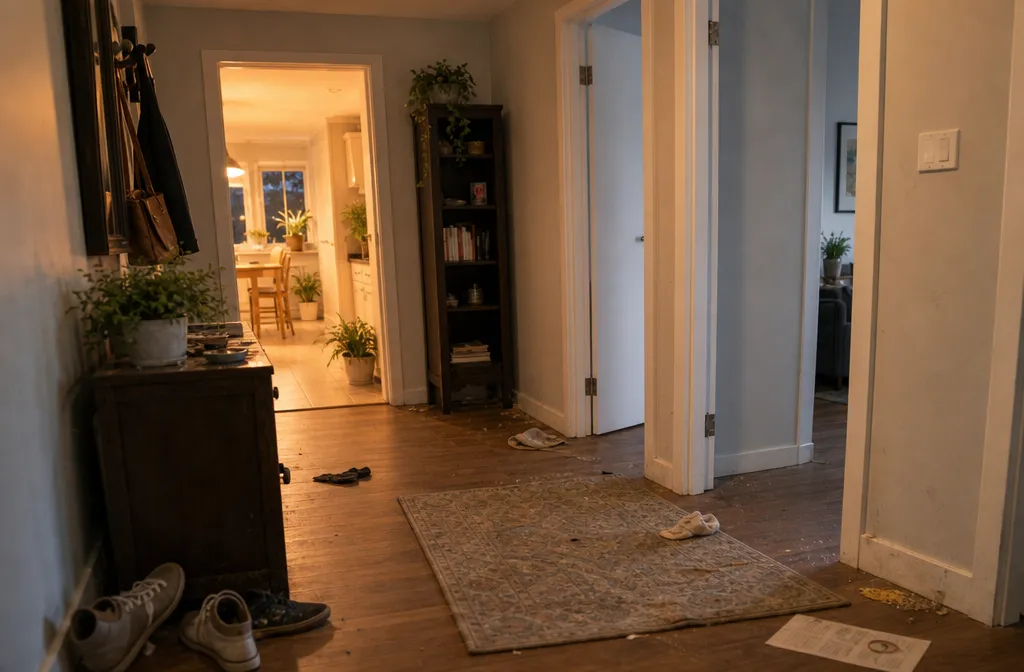
Request: The fabric shade has yellowed and is covered with dust.
Done: Cleaned the shade with a vacuum cleaner with a soft brush, wiped the frame.
Cost: 13 000 ₸
Master: Aigul Serikova, dry cleaning master
Total: The shade has freshened up, no dust, the bedroom has become cozier.
 After
After
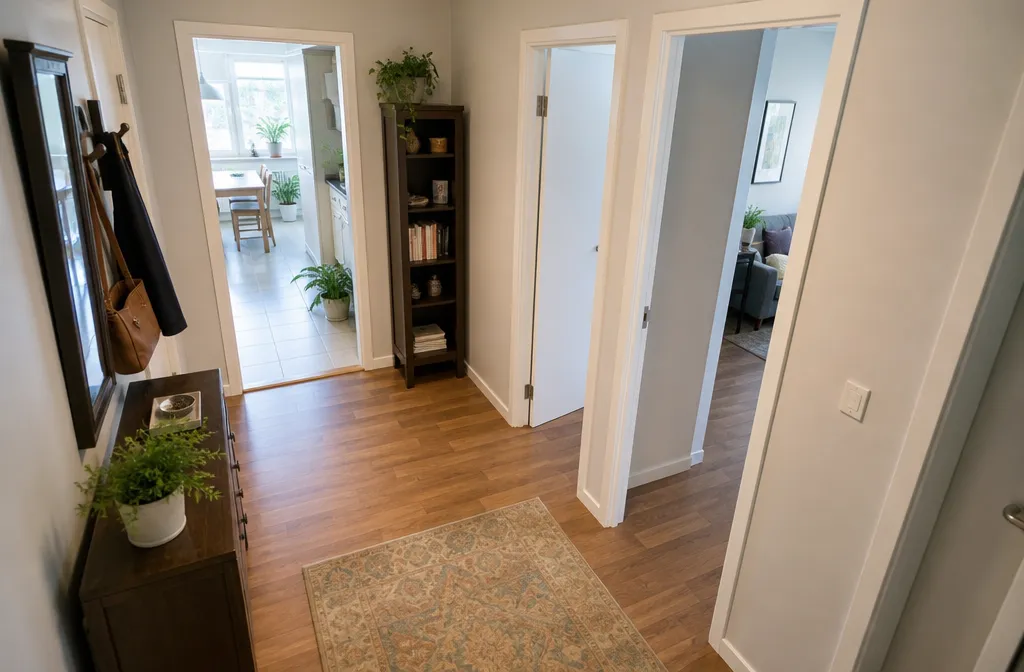
Request: The pendants have dulled, with dust and streaks on them.
Done: Removed the pendants, washed them in soapy water, wiped the frame.
Cost: 12 000 ₸
Master: Timur Zhaksybekov, dry cleaning master
Total: The pendants are clear, the chandelier shines, the hallway is brighter.

 After
After
Request: The antique chandelier with a bronze frame is covered with a layer of grease and dust.
Done: Treated the frame with a special compound for bronze, washed the pendants.
Cost: 15 000 ₸
Master: Aigul Serikova, dry cleaning master
Total: The bronze shines, the pendants are clear, the chandelier looks like new.

 After
After
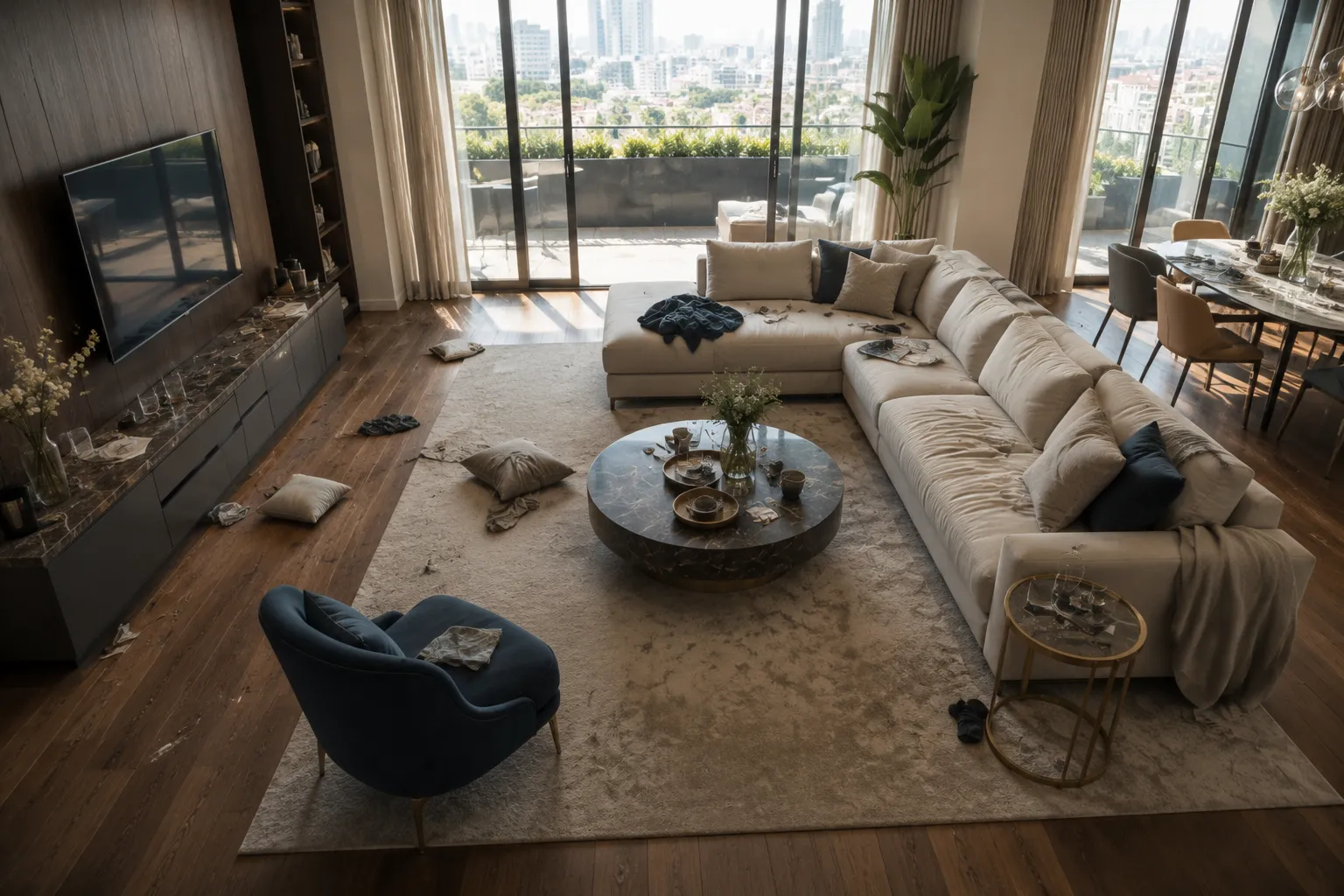
Request: The multi-tiered crystal chandelier has tarnished, the pendants are dusty.
Done: Disassembled the tiers, washed every detail, reassembled.
Cost: 12 000 ₸
Master: Timur Zhaksybekov, dry cleaning master
Total: The chandelier shines, the crystal sparkles, the lobby has become luxurious.
 After
After
Request: The golden coating of the chandelier has tarnished, there is a visible film.
Done: Polished the frame with a special paste, washed the shades.
Cost: 14 000 ₸
Master: Nurzhan Abdrakhmanov, dry cleaning master
Total: The gold shines, the shades are clean, the chandelier decorates the interior.
 After
After
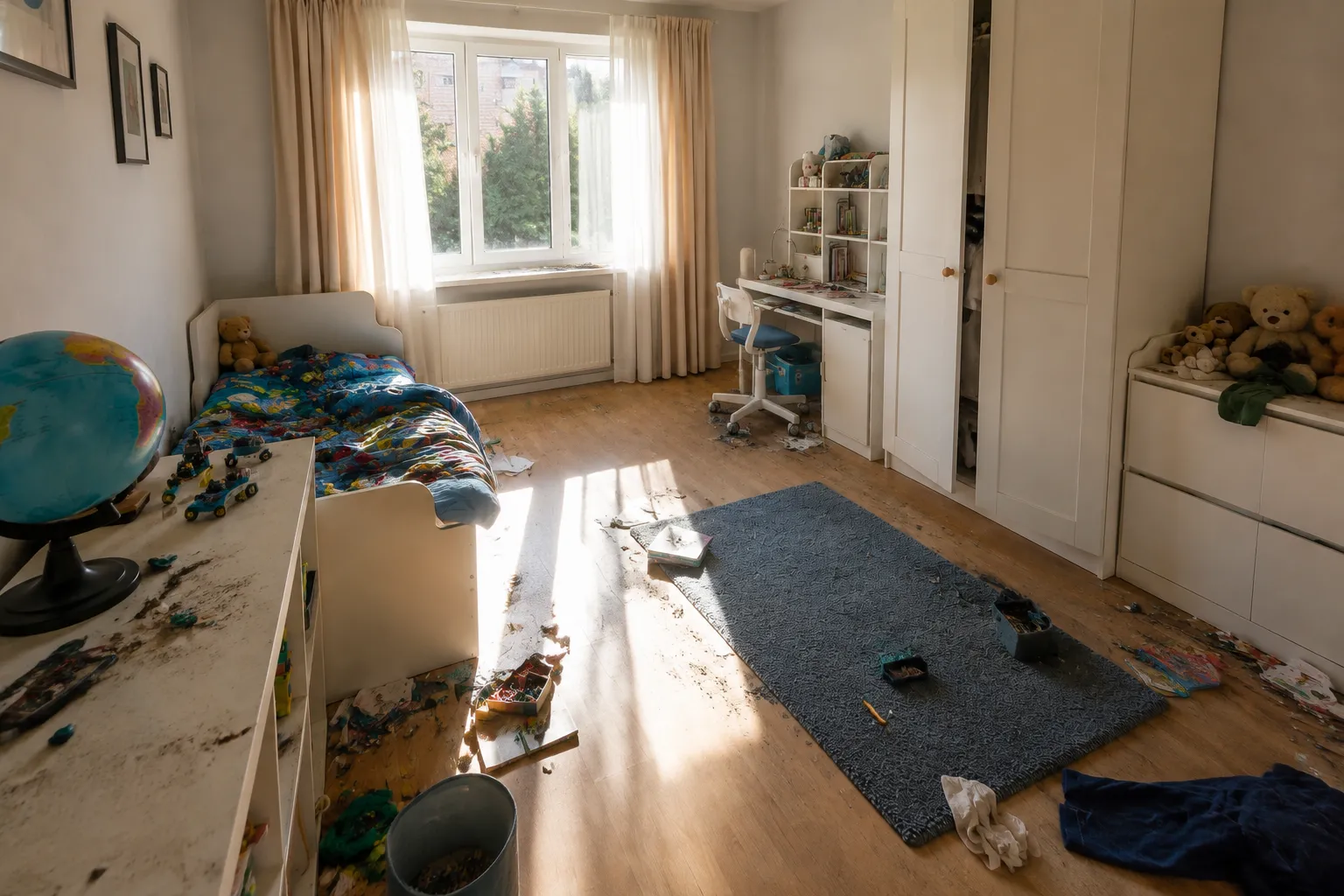
Request: The colored glasses have tarnished, there is dust and fingerprints on them.
Done: Washed each glass with a soft cloth, wiped the frame.
Cost: 13 000 ₸
Master: Aigul Serikova, dry cleaning master
Total: The glasses are bright, the chandelier is clean, the children's room has become more cheerful.
All cleaners are profi-clean staff with training, uniform and security check. Each order has a team leader who controls quality.
Attempting to clean a chandelier yourself is one of the main reasons clients come to profi-clean: customers often arrive after damaging pendants, scratching the finish, or shorting the wiring. In this section, we’ll break down the most common mistakes and how to avoid them.
Standard glass and kitchen cleaning products contain abrasive particles, harsh alkalis, or alcohol — for gilding, brass, crystal, and frosted glass, this is a disaster. For example, a cleaner with ammonia leaves invisible micro-scratches on crystal pendants, which after 3–4 cleanings turn the sparkle into a cloudy film that no amount of polishing can remove. At profi-clean, we use hypoallergenic chemicals from Kiehl and Sodasan — professional concentrates with a neutral pH that dissolve grease and dust without reacting to plating or patina. In practice, the difference is immediate: after our treatment, crystal chandeliers regain their light play, and brass elements don’t darken at the joints. So, before cleaning, ask the technician about the solution — if they offer regular “Mr. Muscle,” refuse it: it’s a sign of an unprofessional approach.
The most common mechanical injury to a chandelier is broken plastic pendant clips when trying to remove them by hand without a diagram. On many models (Czech crystal, Chinese fixtures, Italian designer chandeliers), pendants are attached with fragile clasps that break at the slightest misalignment — they can only be repaired by soldering or replacing the entire module. Another issue is thin glass shades: when washed in a basin of water, they rub against each other, creating micro-cracks that later spread from the heat of the bulbs. Our cleaners remove each pendant one by one, mark their position on a diagram, and wash them separately on soft mats — in 8 years of work, we haven’t damaged a single one. If you still decide to clean it yourself, photograph each tier before disassembly — it’s the only way to reassemble everything without mixing up the parts.
Water getting into the socket or onto the contacts is the cause of 70% of calls to electricians after DIY chandelier cleaning in Almaty. Even if you’ve turned off the breaker, moisture remains in the bulb base threads and condensation inside the shade — when turned on, a short circuit occurs, tripping the fuses or melting the wiring. The professional profi-clean approach includes mandatory insulation of contacts with painter’s tape before removing shades and drying each part with compressed air (using a compressor) before reassembly. In our orders for multi-arm chandeliers with 12+ bulbs, we additionally check the terminals for oxidation — if present, we treat the contacts with a dielectric spray. Advice: after DIY cleaning, do not turn on the chandelier for at least 4 hours — let the entire structure dry naturally, or better yet, blow-dry (without heat) each socket with a hairdryer.
Cleaning a chandelier from a stepladder or stool is a risk not for the chandelier, but for you: a fall from a height of 1.5–2 meters can result in wrist or collarbone fractures or a concussion. In Almaty, in private homes and new buildings, ceiling heights reach 3.2–3.5 meters — a standard household stepladder doesn’t reach the mount, so people stand on the top platform, losing stability. Our cleaners only work with telescopic lifts or industrial stepladders with locks — this equipment costs a significant amount and is not available to everyone. Additionally, at height, it’s difficult to control the pressure applied to fragile parts: one awkward move, and a pendant falls. At profi-clean, we secure each element with foam pads and work in pairs — one holds the platform, the other cleans. If you plan to clean it yourself, make sure the stepladder is on a level floor with no rug or cable underneath — these are the most common causes of legs slipping.
| Parameter | Self-Cleaning | profi-clean Cleaning |
|---|---|---|
| Chemicals | Household (alkali, alcohol, abrasive) | Professional (Kiehl, Sodasan, neutral pH) |
| Risk of damage to pendants | High (broken clasps, scratches) | Zero (assembly diagram, soft mats) |
| Electrical safety | 70% short circuit cases | Contact insulation + compressor drying |
| Equipment | Household stepladders | Industrial scaffolding + safety harness |
| Time for an 8-arm chandelier | 3–4 hours (with risk of rework) | 1.5 hours (with guaranteed results) |
If you have a chandelier with crystal pendants, gold plating, or complex geometry, professional cleaning is not more expensive but cheaper in the long run due to the absence of costs for restoring broken parts.
In professional chandelier cleaning, the result is determined not only by the cleaner’s skill but also by the arsenal of products and equipment. At profi-clean, we use chemicals and tools that eliminate the risk of damage to decorative elements, patina, and fragile pendants.
Household chemicals from the supermarket (Fairy, Mr. Muscle, Cif) contain aggressive surfactants and abrasives that leave micro-scratches on brass, bronze, and crystal with gold plating. At profi-clean, we work with hypoallergenic concentrates from Kiehl (France) and Sodasan (Germany) for chandelier cleaning — they break down grease and deposits without ammonia or chlorine, are pH-neutral for metal, and do not dull gold plating. We had a case: a client in Medeu tried to clean a 1950s crystal chandelier with vinegar — the pendants lost their transparency after two attempts, and we restored them with an acid-free Kiehl compound in one treatment. When choosing chandelier dry cleaning in Almaty, check if the masters work with a professional line — household chemicals are not designed for the multi-layered soiling from kitchen soot and dust.
Chandelier cleaning in Almaty is not just a stepladder and a rag: in homes with high ceilings (from 3.5 meters in the center to 5 meters in penthouses on Dostyk Avenue), we use telescopic poles made of anodized aluminum with a 180-degree rotating nozzle and a clamp for fragile shades. For particularly valuable crystal chandeliers (Czech “Egermann,” Italian “Massimiliano”), we use a sprayer with a microfiber cover — it eliminates direct contact of the solution with solder and patina. Transformer stepladders with anti-slip pads and a safety harness are mandatory for chandeliers weighing over 15 kg. When ordering chandelier cleaning, check if the company has certified equipment for height — working with a household stepladder at 4 meters is dangerous for both the master and the chandelier.
The material of the nozzle and cloth determines whether scratches and streaks will remain on the chandelier — we have a specific tool for each type of coating.
| Type of Decor | profi-clean Tool | What it Provides |
|---|---|---|
| Crystal, glass, faceted pendants | Lint-free microfiber cloth 300 g/m² | Leaves no lint, polishes without scratches |
| Brass, bronze, gold plating | Soft suede + finishing wax polish | Preserves patina and shine, does not wear off plating |
| Fabric lampshades (silk, linen) | Vacuum cleaner with HEPA filter and soft-bristle brush attachment | Removes dust without streaks, does not deform fabric |
| Plastic, acrylic | Foam sponge + antistatic agent | Does not scratch matte surfaces, repels dust |
In my opinion, the main rule is to never use the same cloth for metal and crystal: metal microparticles remain on the fabric and scratch the glass. Before cleaning a chain chandelier with pendants, we blow-dry each link with a compressor — this knocks out dust from grooves that a damp cloth cannot reach.
The frequency of chandelier cleaning in Almaty depends on three factors: dust settling from dry air, kitchen grease, and seasonal insect activity. Here at profi-clean, we recommend different intervals for different rooms and types of dirt — there is no universal schedule.
In living areas without a constant source of grease, the main pollutant is dust mixed with smog from Almaty traffic, which settles in a layer within 2–3 months. After six months, the film thickens: a gray coating appears on crystal pendants that can no longer be removed with a vacuum cleaner. Our experience shows that cleaning every 4 months keeps the chandelier looking “like new,” while a 6-month interval is the acceptable minimum for frosted glass and fabric shades. If someone in the home has allergies, reduce the interval to 3 months — hypoallergenic Kiehl chemicals leave no odor and do not trigger reactions.
The kitchen chandelier in Almaty is the most problematic scenario. Steam from kazans and frying pans, oil splatters, and smoke from high-heat cooking settle on the shades within 6–8 weeks. After 3 months, the grease on cascade-style pendants hardens so densely that it must be soaked in a special solution for 40–60 minutes — regular wiping is no longer effective. Moreover, grease behaves differently on crystal versus metal: on brass elements, oil polymerizes faster, forming a sticky film that attracts dust 2–3 times more actively. Our recommendation: clean your kitchen chandelier every 2 months, and if you cook daily on 3+ burners, every 6 weeks. This is cheaper than ordering a deep chemical cleaning for stubborn, aged grease.
Almaty summer is a story of its own. In July–August, midges, mosquitoes, and small beetles fly in through open windows, accumulating inside shades and on the back side of pendants. By autumn, a closed lampshade can contain 20–30 dried insects — when the lamp is turned on, they start to smolder, producing a burning smell and reducing light output by 15–20%. We recommend an unscheduled cleaning in September, even if it’s not yet due on your regular schedule. For cafes and restaurants with open verandas, this is a mandatory procedure after each summer season; otherwise, insects become embedded in frosted glass so deeply that they cannot be removed without abrasives, which scratch the surface.
Don’t wait for a calendar date if you notice even one of these symptoms: the light has become 30–40% dimmer (visually seeming like a burnt-out bulb), a sticky layer is felt on the shades, a heated dust smell is noticeable when turning on the light, or yellow spots have appeared on white shades. In our practice, we had a case where a client delayed cleaning their kitchen chandelier for 8 months, and the grease had baked into a 2–3 mm thick crust so dense that we had to remove the layer from the brass with a special solvent that cost more than the cleaning itself. So, it’s easier to call us at the first signs than to pay later for restoring the fixtures.
Crystal and glass are fundamentally different materials, and the approach to cleaning them differs not only in the cleaning agents used but also in the cleaner’s working technique. In our practice in Almaty, crystal chandeliers require twice as much cleaning time as glass chandeliers of the same configuration, due to their refractive facets and the alloy composition.
Crystal is a lead-silicate glass containing between 10% and 33% lead oxide (British crystal requires a minimum of 24%). Lead gives the material its characteristic ring and light refraction but makes it softer and more porous than ordinary glass. For crystal, we use only neutral cleaning agents with a pH of 7.0 – 7.2 (Kiehl range) and warm water up to 35°C, because alkaline solutions or hot water leach lead oxide from the surface layer, causing the pendant to lose its shine after just 2-3 cleaning cycles. For glass lampshades, on the other hand, mildly alkaline solutions up to pH 8.5 are acceptable — they dissolve kitchen grease and stove soot faster, which are typical in Almaty apartments with gas stoves. Glass is harder than crystal on the Mohs scale (5.5 versus 4.5–5), so it is wiped with a 300 g/m² microfiber cloth, while crystal is only cleaned with natural chamois or an alcohol wipe to avoid scratching the facets. Before washing a crystal chandelier, we always check the type of pendant attachment: wet crystal must not be hung on wire loops — the weight of the water deforms the loop, causing the pendant to fall.
A typical Almaty problem is microcrystals of quartz dust that settle on crystal during dry weather and nearby construction work. If you rub crystal with an ordinary cloth without first rinsing off the dust, the quartz scratches the facets more severely than abrasive paste — restoring frosted crystal costs many times more than professional cleaning. The second risk is temperature fluctuation: in Almaty apartments with central heating, the difference between room temperature (+22°C) and cold tap water (+8°C in winter) creates thermal shock for the crystal. We always let the water reach room temperature before it contacts the chandelier; otherwise, microcracks appear on the facets, visible only under ultraviolet light. The third risk is improper disassembly: on Chinese crystal chandeliers, which are common in Almaty’s new buildings, the thread of the fasteners often does not match the European standard, and the lampshade can crack when unscrewed. Glass chandeliers are less finicky, but their bulbs, especially frosted ones, must not be washed with the rough side of a sponge — scratches are immediately visible when the light is turned on due to light scattering.
In Almaty, chandeliers are made from three main materials, each requiring its own care strategy due to the characteristics of the urban environment.
| Material | Reaction to Almaty Dust | Acceptable Cleaning Agents | Care Feature |
|---|---|---|---|
| Crystal (leaded) | Quartz dust leaves micro-scratches on facets | Neutral pH 7.0–7.2, chamois | Do not wash with hot water above 35°C, dry naturally |
| Glass (soda-lime) | Dust washes off easily, but grease penetrates frosted surfaces | Mildly alkaline pH 8.0–8.5, microfiber | Frosted lampshades require rinsing with distilled water for shine |
| Acrylic (plexiglass) | Dust becomes statically charged and is re-attracted | Water only or 70% alcohol, soft cloth | Alcohol-based products are prohibited — ethanol makes acrylic cloudy |
Acrylic chandeliers are popular in Almaty’s new buildings due to their lightness and price, but cleaning them is a separate challenge: static electricity attracts dust back within 2-3 days after cleaning, so we treat acrylic with a water-based antistatic agent (Sodasan), which lasts up to 2 weeks. We do not use antistatic agents on crystal — they clog the facets and reduce light refraction, making the chandelier visually dull.
Multi-tiered chandeliers (3-4 levels of pendants) are the most complex object in our practice in Almaty, especially in older homes on Abay and Al-Farabi Avenue with high ceilings from 3.2 meters. The main mistake is attempting to wash the chandelier as a whole without disassembling the tiers: water seeps into the sockets of the upper level, and when the light is turned on, a short circuit occurs due to moisture in the contacts. We always disconnect the chandelier from the mains at the breaker panel, dismantle the pendants tier by tier, and wash them in a basin on a table, not while hanging. The second mistake is confusing the assembly order: on multi-tiered chandeliers, pendants often have different lengths and tilt angles, and during reassembly, a 2 mm misalignment is noticeable to the eye. The third mistake is not recording the wiring connection diagram: on Soviet-era chandeliers in Almaty’s Khrushchev-era buildings, the wire markings are worn off, and during connection, the phase and neutral can be mixed up. On glass multi-tiered chandeliers with metal frames, it is important not to scratch the chrome-plated elements with the abrasive side of a sponge — corrosion on chrome appears within a month under Almaty’s humidity conditions in spring and autumn.
In commercial interiors, washing chandeliers is not a bonus but a sanitary necessity tied to fire safety regulations and SES certificates, but each type of facility dictates its own working conditions.
The main problem in restaurant kitchens is sticky grease buildup that settles on lampshades and pendants within 2–3 weeks, turning crystal pendants matte. In open dining areas, steam from hot dishes and bar counters adds to this. At profi-clean, we remove such a chandelier entirely and transport it to the workshop for washing — it is impossible to thoroughly clean 200–300 pendants from hardened grease on-site without a degreaser bath. The second nuance is time: a restaurant cannot stop operations for 4–5 hours, so we work according to an agreed schedule, most often between 10:00 AM and 3:00 PM when the kitchen is on break, or on a day off. If the chandelier remains in the hall, we cover the furniture and floor with film, and the cleaner works in a respirator — the fumes from the grease remover are aggressive. In my opinion, owners often save on this stage, but the SES inspection wipes the deposit with a finger during a check, and the fine for dirty light fixtures is a significant amount.
In Almaty offices, the main enemy of a chandelier is not grease but static dust, which accumulates due to the round-the-clock operation of air conditioners and ventilation systems. After six months without washing, the light output of an LED chandelier drops by 20–30%, although the dust is visually unnoticeable — it settles on the upper side of the lampshades and inside the housing. We wash office chandeliers without dismantling if the ceiling height is up to 4 meters: we use a telescopic pole with microfiber and an anti-static compound that repels dust for a week. The difficulty is that offices often have complex LED modules that are sensitive to moisture — we wipe them with a dry cloth rather than washing them. In our practice, there was a case in a business center on Al-Farabi where a cleaner from another company flooded the driver with water, and the chandelier, worth a significant amount, failed. When ordering chandelier washing in an office, it is better to warn the administrator in advance to turn off the electricity in that segment — this is a safety rule that saves the budget for electronics replacement.
Proper preparation of a chandelier for washing and aftercare determine whether the light fixture will retain its appearance until the next cleaning or require unscheduled repairs. At profi-clean, we have developed a sequence that eliminates breakage and material damage.
The golden rule: the fewer decorative elements left on the chandelier, the higher the cleaning quality and the lower the risk of damage. Before the technician arrives, remove everything attached by clips or threads from the lampshades and pendants — glass caps, small crystal drops, fabric lampshades. Cover the floor under the chandelier with thick fabric or two layers of cardboard, overlapping an area with a radius of at least 1.5 meters from the center. In Almaty, where laminate and parquet flooring are common in homes, water drops from a height of 2–3 meters leave streaks that can only be removed by sanding. Throw polyethylene film over furniture and carpets under the chandelier — it is sold in rolls of 10 meters at hardware stores. If the room has an air conditioner running or a window open, cut off the airflow during cleaning: a draft lifts fine dust from the floor, and it settles on wet pendants faster than you can wipe them. In my opinion, the best insurance is to notify the technician an hour before departure so they can bring an extra set of microfiber cloths if there is a lot of dust in the apartment.
Incandescent lamps and halogen sources heat metal bodies to 60–80 °C, and crystal pendants to 40–50 °C. Water at a temperature of 20–25 °C upon contact with a hot surface creates thermal shock: microcracks appear on the crystal, which over time turn into visible chips. In our practice, there was a case — a client in the elite residential complex “Akbulak” decided to speed up the process and turned on the water immediately after turning off the chandelier: two crystal pendants cracked before their eyes, replacement cost half the price of the cleaning. The optimal interval is 30–40 minutes after turning off the circuit breaker in the panel. During this time, the body cools to room temperature, and condensation does not form on the glass. If the chandelier has LED lamps, they heat up weakly, but we still pause for 15 minutes — the cooling radiators on the drivers retain heat longer than it seems. Before cleaning, be sure to check that the voltage is off with an indicator screwdriver: even a switched-off switch can pass a phase to the body through old wiring.
Crystal and glass pendants after cleaning should only be air-dried at room temperature — a hairdryer, even on a cool setting, creates a turbulent flow that blows drops from some parts onto already dry ones, leaving whitish streaks from hardness salts. In Almaty, tap water is of medium hardness (5–7 °dH), so without a final wipe with a microfiber cloth, streaks are guaranteed. We do this: after rinsing with distilled water, we dry each pendant with a lint-free cloth, then let the chandelier sit for 2–3 hours with open windows (no draft), and only then turn on the light. Metal parts — brass, chrome, gold plating — are dried last: not a single drop should remain on them, otherwise oxides appear within a week, which can only be removed by polishing. If the chandelier has fabric lampshades, they are dried separately on a horizontal surface away from radiators — vertical drying deforms the frame, and the lampshade loses its shape. In commercial premises (restaurants, office lobbies), we recommend turning on the chandelier no earlier than 4 hours after cleaning, so that all moisture is guaranteed to evaporate from the threaded connections of the sockets.
Ordered chandelier cleaning — the crystal beauty shines like new. They arrived on time, carefully disassembled and reassembled everything.
Thank you, Aigerim! We're glad you're satisfied.
Cleaned the chandelier in the living room. There was a lot of dust, now it shines brighter. Only they were a bit late.
Had chandelier cleaning at the office — 7 pieces. Fast work, no streaks. Recommend.
Thank you for your review! Always happy to help.
The chandelier in the bedroom looks like new after cleaning. Even my husband noticed the difference.
Ordered chandelier cleaning in a new house. The master did everything neatly, even wiped each pendant individually.
Thank you, Yerlan! Feel free to reach out again.
Cleaned the kitchen chandelier from grease — now it sparkles. Very satisfied.
Performed chandelier cleaning in a restaurant. Fast and high-quality, not a single dirty detail left.
Glad you liked it! See you next time.
The chandelier in the hallway became clean, but one cloudy lampshade remained. Apparently, they missed it.
We apologize! Ready to redo it for free.
Ordered chandelier cleaning in the living room. Excellent result, the light became much brighter.
Cleaned the chandelier in the children's room — now it's beautiful and safe, dust-free.
Thank you, Gulnara! We care about your comfort.
Did chandelier cleaning in a cafe. All chandeliers sparkled, visitors noticed.
The chandelier in the bathroom used to fog up, after cleaning the problem is gone. Great.
Glad to help! Stay healthy.
Cleaning chandeliers with pendants — I was afraid they'd break, but everything is intact. It shines.
We washed the chandelier in the hallway, it became brighter. But the price seemed high.
We try to keep prices reasonable. Thank you for your feedback!
I ordered chandelier cleaning in the bedroom. Now the room seems bigger and brighter.
The chandeliers in the office were cleaned of dust, it became pleasant to work. Thank you.
Always at your service!
We cleaned the chandeliers in the hotel lobby. Great result, guests praise it.
The chandelier was washed, but after assembly one bulb does not light. Had to call an electrician.
We apologize for the inconvenience. We promise to fix it.
Chandelier cleaning in the kitchen — grease was washed off perfectly. Now you can cook every day.
Thank you! Contact us.
We washed the chandeliers in the gym, it became light and clean. Well done.
We ordered cleaning of ball chandeliers. They took them down, washed them, assembled them — everything shines.
Glad you are satisfied!
The chandelier was washed well, but the lampshade was slightly scratched. Not critical.
Sorry for the oversight. We will offer a discount on your next order.
Chandelier cleaning in the living room — transformed the room. Thank you for the neatness.
Chandeliers in the store became brighter, sales increased. Just kidding, but it's a fact.
Happy to help your business!
Had chandelier cleaning in the bedroom — as happy as a clam. Now reading before bed is pleasant.
The chandelier in the study was cleaned, but dust remained in the corners. Overall not bad.
We'll take note of your feedback. Thank you!
Ordered chandelier cleaning in the dining room. Now the dining table is lit in a new way.
Enjoy your meal and light!
The chandelier on the terrace was cleaned of dust and cobwebs. It became cozier.
First time ordering chandelier cleaning — no regrets. Everything is clean and fast.
Thank you for your trust!
The chandelier was cleaned, but after cleaning it stopped working. Had to replace the wiring.
We apologize. Ready to compensate for the damage.
Chandelier washing in the children's room — the child is happy that their room has become even more beautiful.
The chandeliers in the bar sparkled, the atmosphere improved. Customers are satisfied.
Great! Come again.
I ordered chandelier washing in the hallway. Now the shine greets guests.
The chandelier was washed well, but they were an hour late. Please notify in advance.
Sorry for the delay. We'll try to be more punctual.
Chandelier washing in the kitchen — grease and soot are gone. Now cooking is a pleasure.
Thank you, Nazgul!
The chandeliers in the office were washed — employees noticed it became brighter.
We had chandelier washing in the bedroom. The result exceeded expectations.
Thank you!
The chandelier was washed, but not fully disassembled — there are traces of dust on the frame.
Send a photo, we'll fix it.
Washing crystal chandeliers — like new. Thank you for the careful handling.
The chandeliers in the store are shining, the goods are better visible. I recommend.
Glad we could help!
On average, 1 to 2 hours depending on size and complexity. A simple ceiling chandelier takes about 40 minutes, a crystal one with pendants up to 2 hours.
Leave a request on the website or call us. We'll agree on a convenient time, and a master will come for a free assessment. Then we start the work.
We use professional German products Kiehl and Sodasan. They are safe for all materials, leave no streaks, and are hypoallergenic.
Yes, our masters are certified for high-altitude work, use safety harnesses and professional ladders. All equipment is certified.
We sign an acceptance certificate recording the condition before work begins. If damage occurs due to our fault, we cover repair or replacement.
The price depends on diameter: up to 50 cm – individual rate, 50-80 cm – individual rate, over 80 cm – individual rate. The exact cost is determined by the master after inspection.
Complex chandeliers with many pendants are charged at an individual rate. Each pendant is removed and cleaned separately, increasing work time.
For crystal: up to 50 cm – individual rate, 50-80 cm – individual rate, over 80 cm – individual rate. For glass: up to 50 cm – individual rate, 50-80 cm – individual rate.
Yes, we do. Fabric shades are cleaned dry: with a vacuum and soft brush. Wet cleaning is not used to avoid damaging the fabric.
Yes, we service commercial properties. We work outside business hours to avoid disturbing visitors and staff. Discounts are available for orders of 5 or more chandeliers.
Tell us about your experience with profi-clean — it helps other clients and us improve.
We currently operate in Almaty. Other cities are coming soon.