How Daily Cleaning Differs from Deep Cleaning
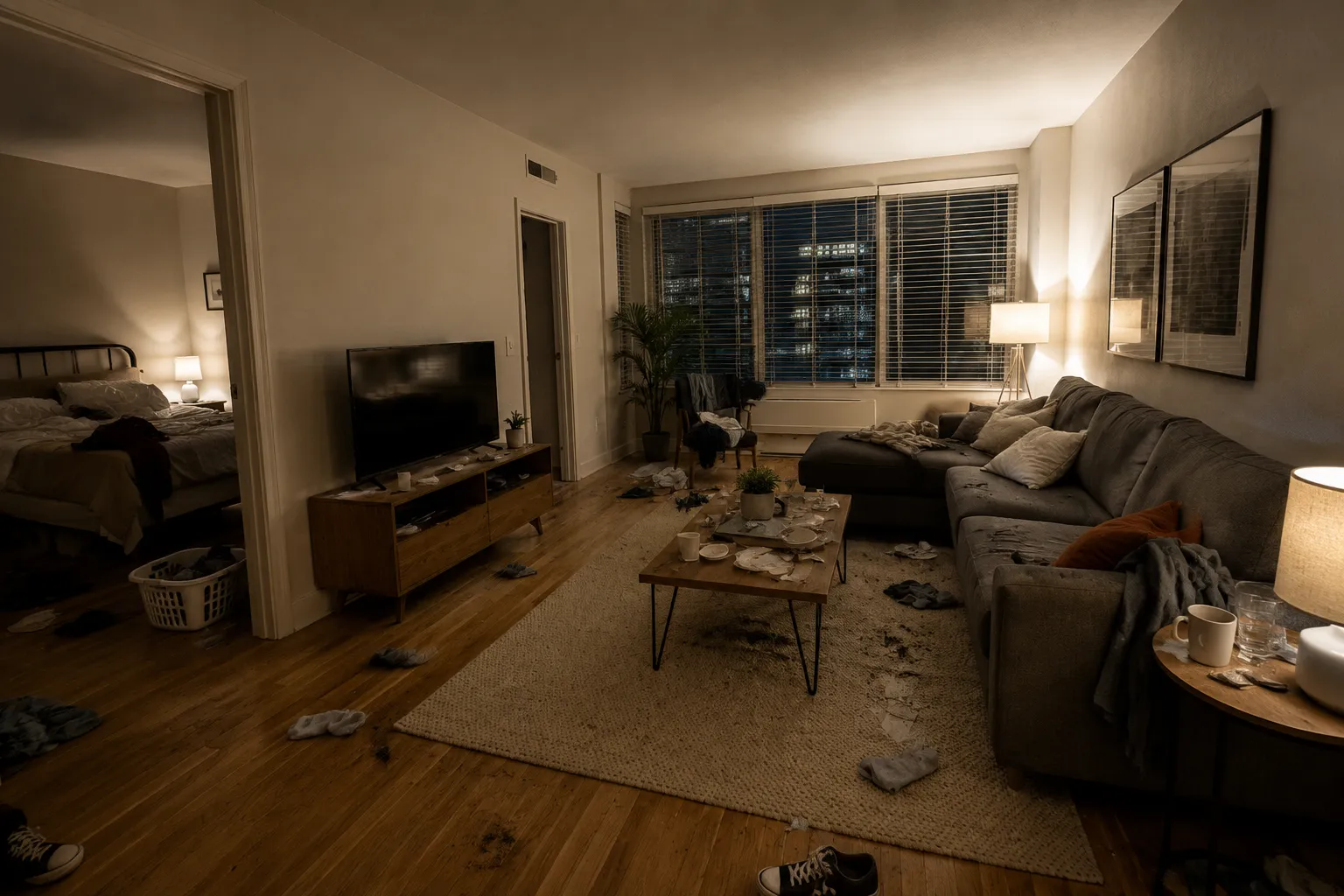
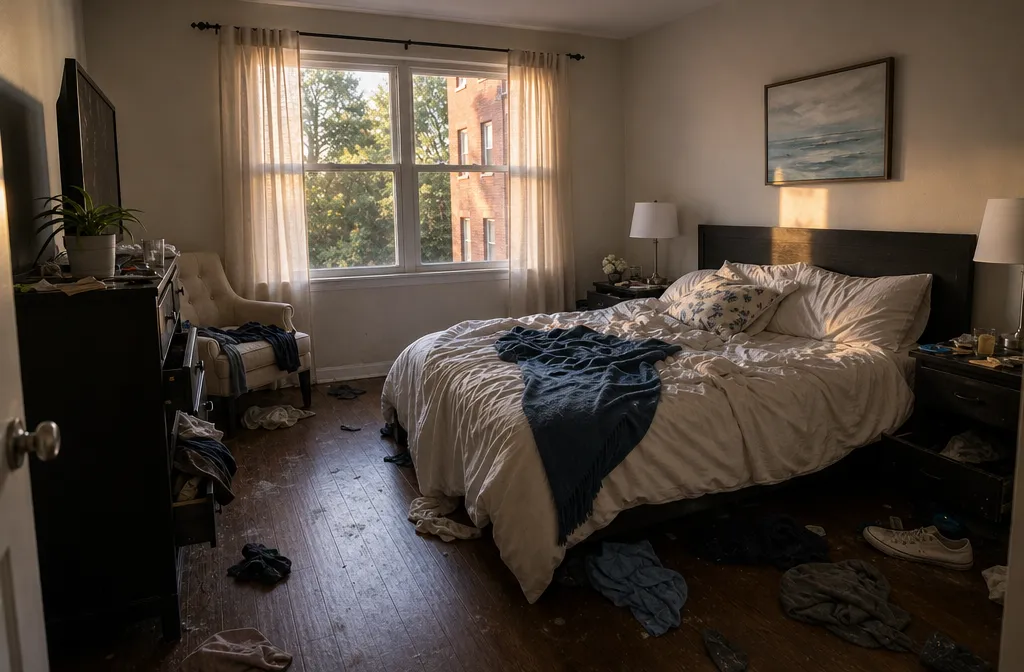
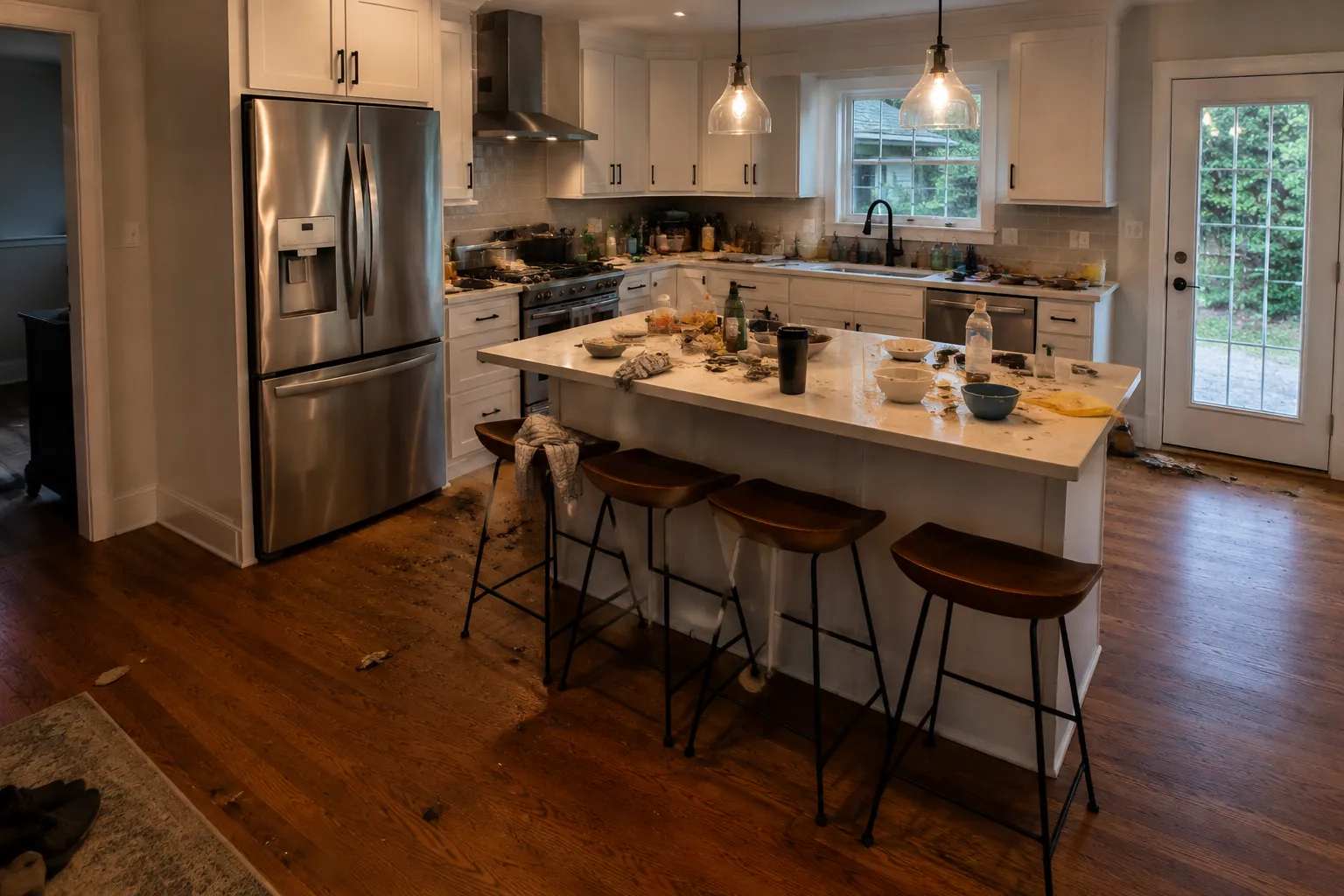
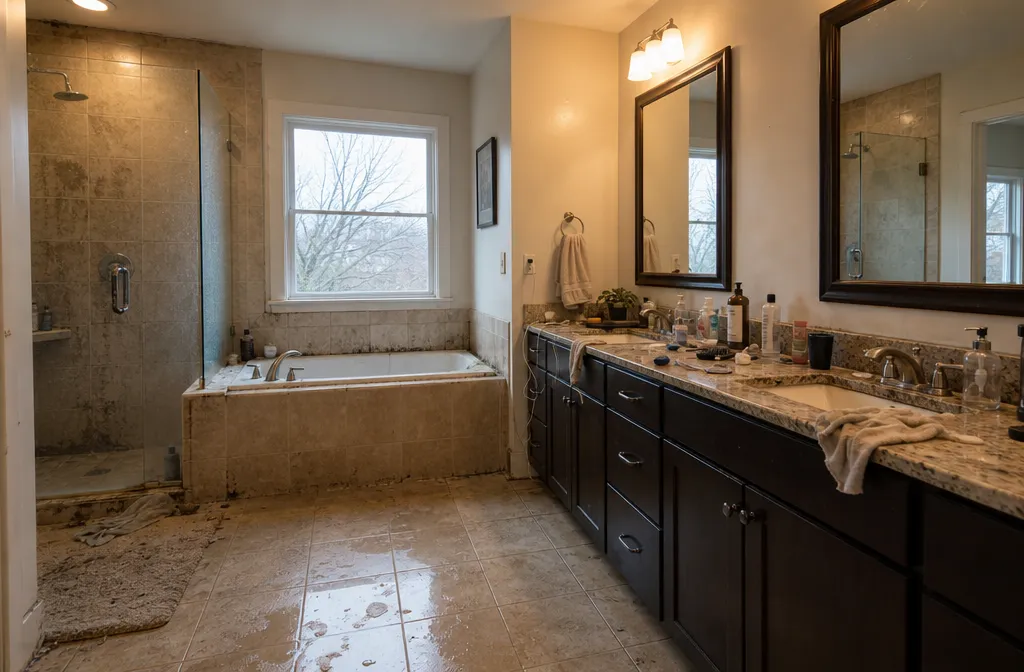
The difference between these formats isn’t about the number of rags, but the very philosophy of maintaining cleanliness. Daily cleaning prevents dirt from accumulating; deep cleaning rectifies neglect. Let’s break down the key differences in terms of goals, workload, and safety.
Goal and Frequency: Maintenance vs. Restoration
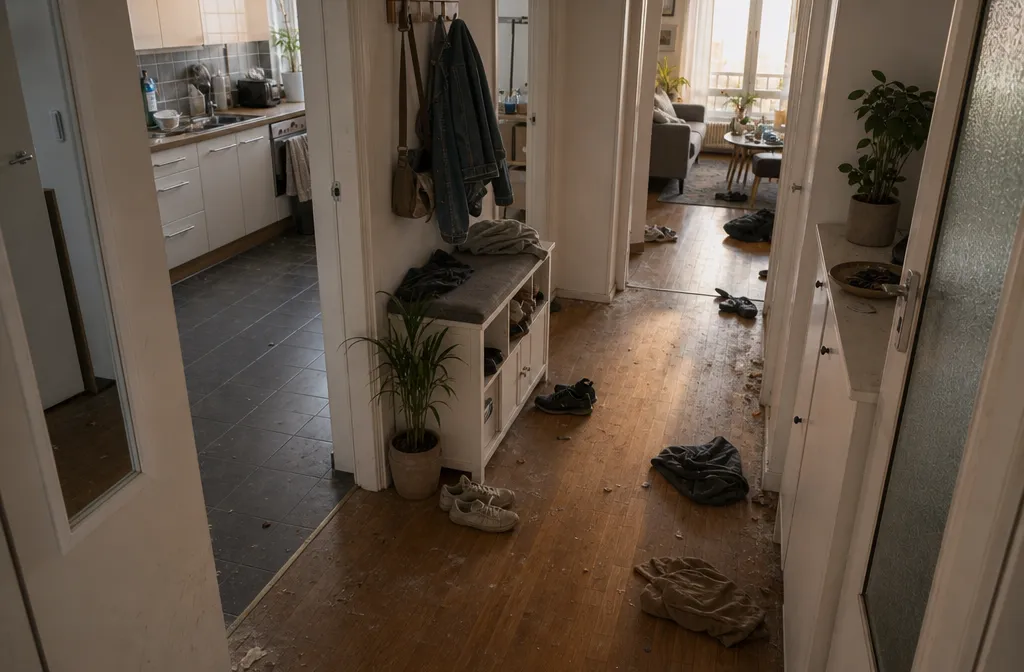
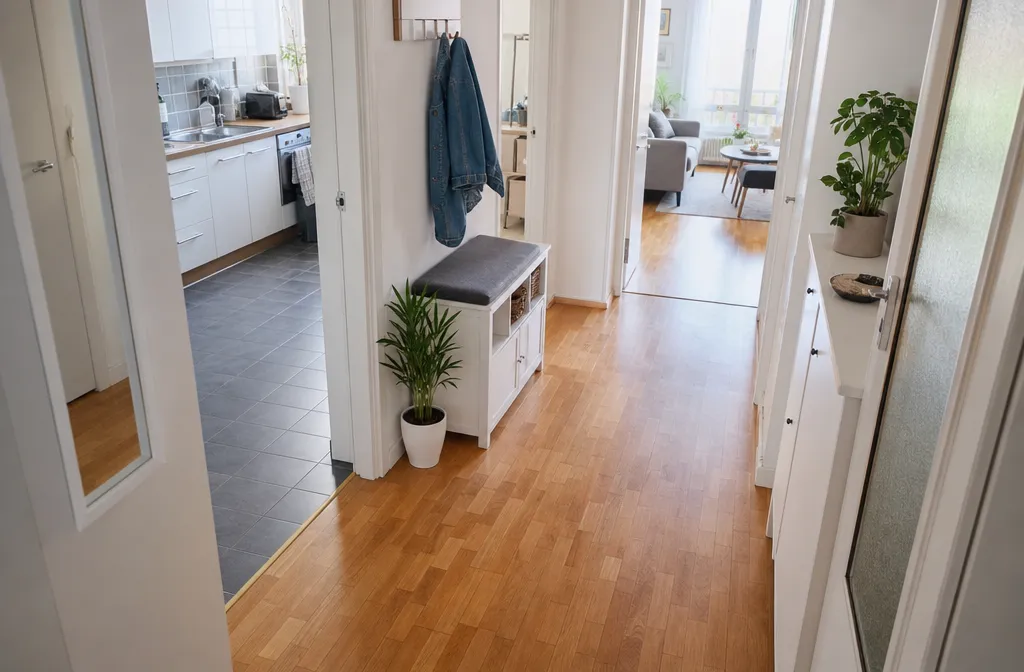
Daily cleaning is systematic prevention, not a fire drill. Its task is to prevent the formation of stubborn stains, dust deposits in ventilation, and buildup in bathrooms. Deep cleaning, on the other hand, is initiated when prevention has been missed: to remove old kitchen grease, mold in tile grout, and dust behind furniture that hasn’t been moved for months. At profi-clean, we recommend the daily format for apartments with children who have allergies, open-plan offices, and as a maintenance routine after renovations. We recommend deep cleaning every 3–6 months, even with regular cleaning, to address hard-to-reach areas. At Almaty properties with panoramic windows and open balconies, dust settles 20–30% faster than in densely built-up areas, so clients in Medeu or the Samal-2 microdistrict order daily maintenance more often than apartment owners in the lower part of the city.
Scope of Areas and Depth of Treatment: Surface vs. Total
In the daily format, the cleaner treats contact surfaces: tables, countertops, sinks, toilets, open floor areas, and light switches. Hypoallergenic Kiehl and Sodasan chemicals and equipment with HEPA filters are used – this is the profi-clean standard for every visit. Deep cleaning adds areas inaccessible during routine cleaning: inside shelves, the tops of curtains, the back of the refrigerator, heating radiators, baseboards, and floor covering joints. For example, during weekly cleaning in an apartment on Abay Avenue, we wash the floors and dust open surfaces, but during deep cleaning, we organize mezzanine storage, clean the air conditioner, and steam clean upholstered furniture. If daily bathroom cleaning is limited to washing the sink and toilet, deep cleaning includes treating water stains behind the washing machine and cleaning the siphon of hair – areas where bacteria breed and insects appear.
Impact on Surface Wear and Safety
Cleaning frequency directly affects the longevity of finishes. Daily damp mopping with a properly selected pH-neutral product (exactly what profi-clean uses) preserves laminate and parquet longer than monthly intensive cleaning with abrasive compounds. The paradox: the less often you wash the floor, the more aggressive the products needed to remove the old layer of dirt, which wears away the protective coating. On Almaty’s hard water (average 5–7 mg-eq/L), daily wiping of fixtures with soft microfiber prevents the formation of limescale, which during deep cleaning can only be removed with acidic compounds that thin the enamel. Therefore, for homes in the Alatau district, where the water is harder than in the center, we recommend a daily regime as a way to preserve plumbing and tiles without chemical aggression.
Which Products Are Safe for Children and Pets
Choosing cleaning chemicals for a home with children or animals is a fundamentally different task than cleaning an office or a bachelor’s apartment. Common concentrates with chlorine, phenols, and fragrances leave a film on surfaces that, when dry, settles as micro-dust – this is exactly what a child crawling on the floor or a cat licking its paws after washing inhales.
Why “Supermarket Household Chemicals” Are a Risk for a Child
Most mass-market products contain anionic surfactants – they are cheap and lather well, but after drying, they remain on tiles and linoleum as a crystalline residue. A child who picks up a toy from the floor and puts it in their mouth ingests a dose of these compounds. We had a case: a family complained of a rash on their one-year-old after damp mopping – we replaced the product with a certified phosphate-free Sodasan compound, and within three days, the skin cleared up. Therefore, in homes with small children, we only use products labeled “safe for contact with skin and mucous membranes” – this is not marketing, but a real parameter verified by the material safety data sheet.
Which Chemicals Don’t Harm Cats and Dogs
For dogs and especially cats, the factor of olfactory toxicity is critical—they have 14–40 times more scent receptors than humans, and strong “lemon-lavender” fragrances cause stress and sneezing in animals. We have switched to the Kiehl line—these are German concentrates based on lactic acid and plant-based essential oils without synthetic fragrances. They break down into oxygen and water within 15 minutes after application, leaving no sticky film on paws. In our practice, there was a case where a husky owner noticed the dog stopped rubbing its face after cleaning—it turned out the previous cleaning service used a product with chlorhexidine, which dried out the nasal planum. For owners whose pets have pollen allergies, we additionally run the floors through a HEPA-filter vacuum after wet cleaning—this reduces the concentration of suspended particles to background levels.
How to distinguish a hypoallergenic product from marketing
The label “eco” or “bio” on a bottle is not a guarantee of safety—many manufacturers simply add a green color to the label. The real criterion is the presence of an Ecogarantie or EU Ecolabel certificate, which verifies biodegradability of 90% over 28 days. We select products based on the principle “you can accidentally swallow a sip without hospitalization”—this is the LD50 scale, which for our chemicals is above 5000 mg/kg, corresponding to the category of low-toxicity substances. In practice, this means that if a child licks a freshly washed windowsill, there will be no consequences—unlike formulations with ammonia or chlorine, which cause mucosal burns. For Almaty apartments with underfloor heating systems, we additionally use concentrates with reduced foaming—they do not clog in tile joints and do not rot in the heat, eliminating mold in the nursery.
How often should daily cleaning be done in Almaty
The frequency of ordering daily cleaning in Almaty depends not on the calendar, but on the intensity of surface contamination—in a city with high dust levels and humidity fluctuations, it is better to adjust the schedule to specific zones of the apartment, rather than the general rule of “once a week.”
Why dust in Almaty settles faster than in other cities
Due to the basin location and frequent temperature inversions in Almaty, the concentration of suspended dust in the air is 20-30% higher than in flat cities at the same latitude. PM2.5 and PM10 particles settle on horizontal surfaces within 3-4 hours after wet cleaning. On kitchen cabinets and windowsills, a layer of dust becomes visible by evening if only dry treatment was done in the morning. Moreover, during the poplar flowering period (May-June), fluff brings not only pollen but also fine sand from open construction sites—this is especially noticeable in the Zhetysu and Alatau microdistricts. In our practice, clients from houses with mountain views (Gorny Gigant, Kamenka microdistricts) order daily cleaning more often—wind-borne soil transfer from the foothills adds an extra coating on furniture. Therefore, in Almaty, a reasonable minimum is wet vacuuming with a HEPA filter every 2 days, and in high-traffic areas (kitchen, hallway)—daily.
How to adapt the cleaning schedule to the season and type of housing
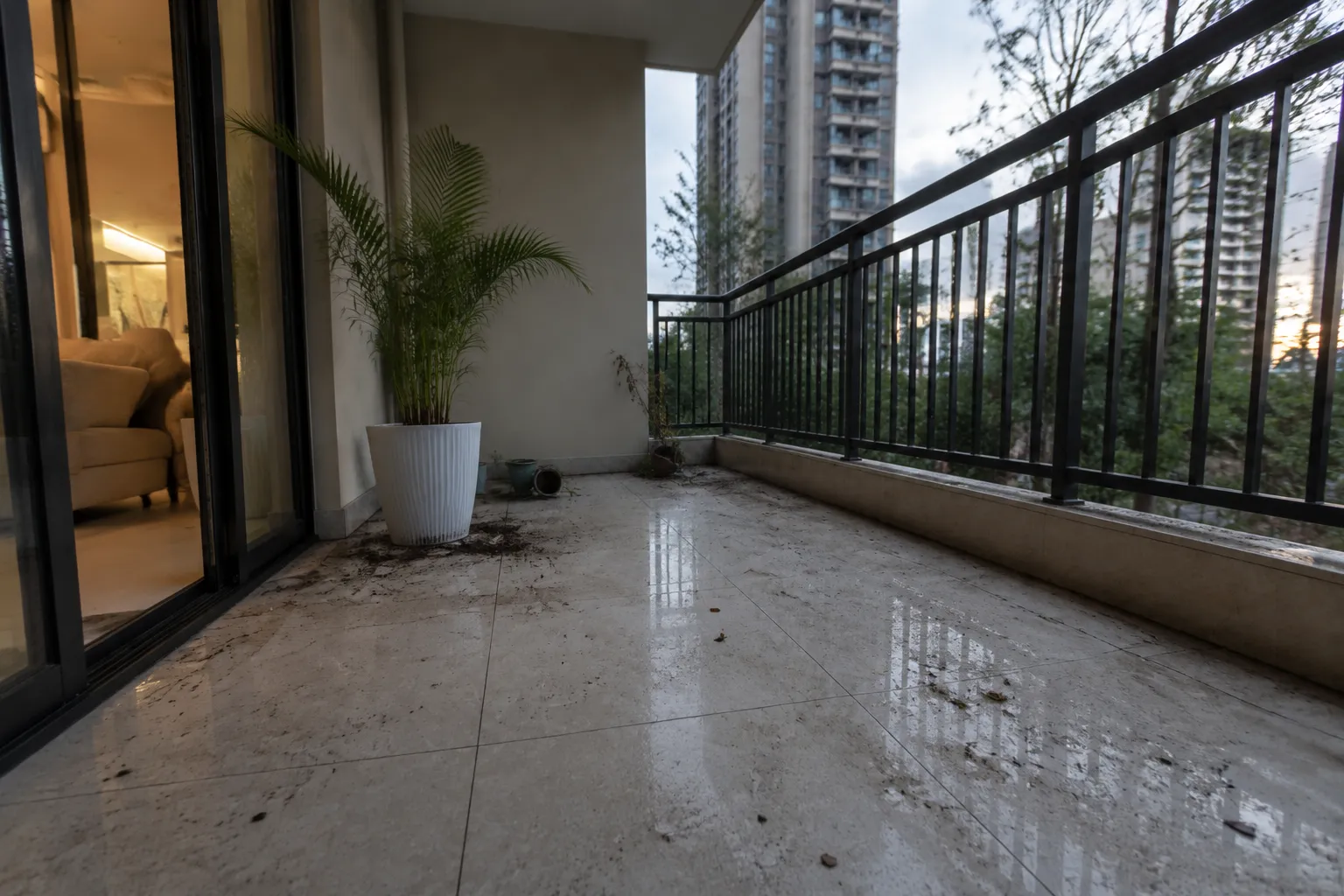
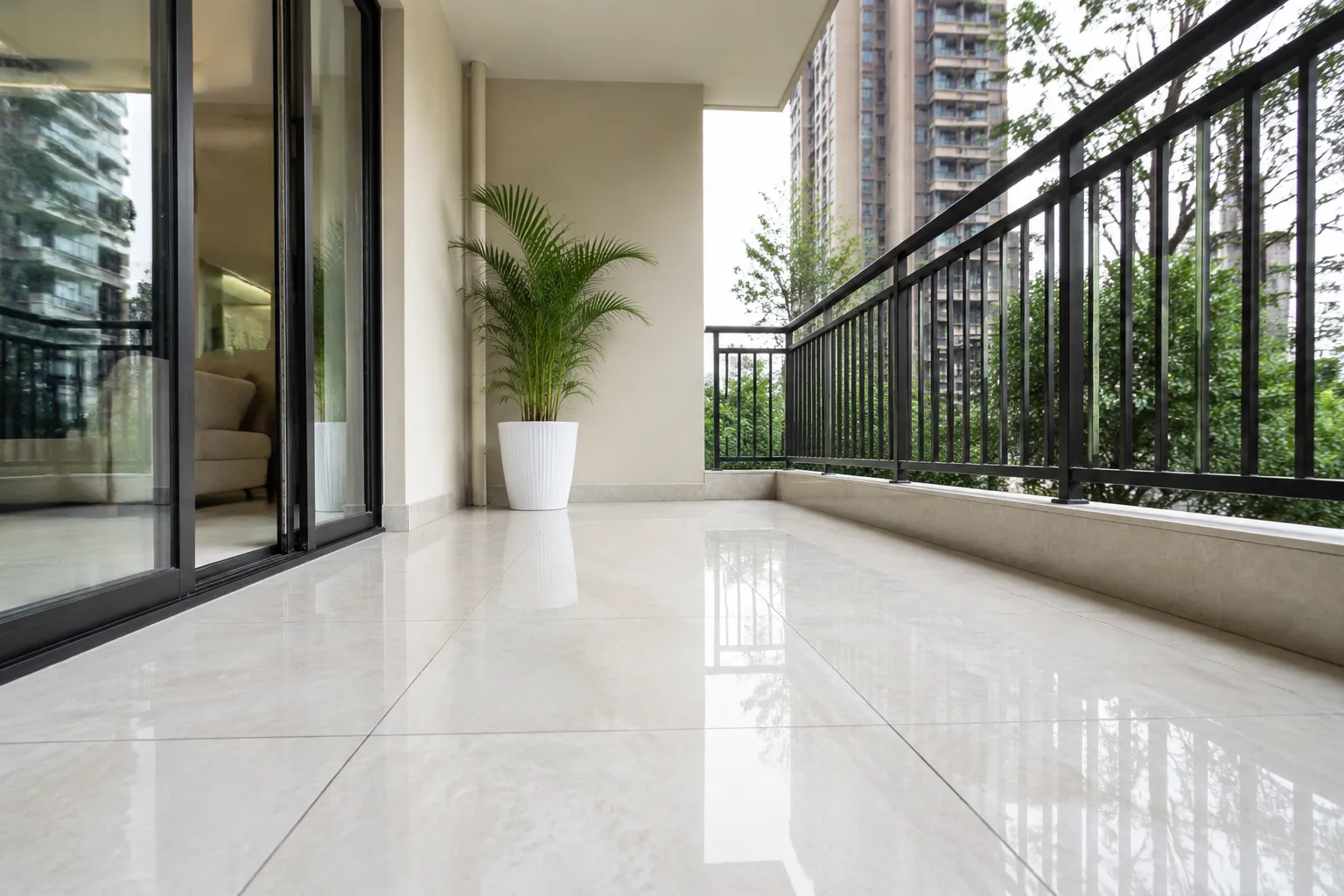
In winter, when windows are closed and central heating is on, the main problem is not street dust, but dry air and static electricity, which attracts micro-particles of textiles and fur. In apartments with carpeting or upholstered furniture, dust accumulates 2-3 times faster than on smooth floors. In summer, on the contrary, street dust inflow through open windows adds up—especially in first-floor houses and near major highways (Al-Farabi Avenue, Sain Street). The optimal scheme for an Almaty apartment of 60-80 m²: twice a week maintenance cleaning with wet wiping of all horizontal surfaces and once a week—deep cleaning with floor washing and textile treatment with a steam cleaner. For apartments with unglazed balconies, it is better to increase the frequency by one additional day—sand from open balcony slabs enters the room even with closed doors.
Common mistakes when creating a cleaning schedule
The first mistake is cleaning the entire apartment with the same frequency, ignoring zoning. In the kitchen, a greasy film from cooking settles on the backsplash and hood within 1-2 days, while in the bedroom with closed doors, dust is only noticeable after 4-5 days. The second is using the same chemicals for different surfaces: all-purpose cleaners with ammonia leave streaks on glossy facades and can damage lacquered furniture coatings. The third is forgetting about “quiet zones”: top shelves of cabinets, curtain rods, back walls of the refrigerator — up to 200-300 grams of dust accumulates there in a month, which gets stirred into the air every time the door is opened. Before creating a schedule, it’s useful to do a test day: wipe all horizontal surfaces with a damp cloth in the morning and check for residue in the evening — this way you’ll understand the real intensity of soiling in your specific apartment, rather than relying on average standards.
5 Common Mistakes in DIY Cleaning
Even with a conscientious approach, home cleaning often leaves micro-contaminants that gradually damage coatings and furniture. We’ve broken down five typical mistakes made by Almaty residents and explain why they are dangerous.
Incorrect Detergent Dosage
Many people think “the more product, the cleaner” and pour concentrate directly onto the surface. In reality, excess chemicals leave a sticky film that attracts dust faster than before cleaning. Professional profi-clean formulations (Kiehl, Sodasan) work in micro-doses: 10-15 ml of concentrate per bucket of water is enough — doubling the amount increases floor drying time by 1.5 times and creates streaks on glossy tiles. In the kitchen, this film mixes with grease, turning into a hard-to-remove residue. Before using any product for the first time, measure the dosage with a measuring cap, not “by eye” — Almaty tap water with a hardness of 5-7 mg-eq/L foams chemicals less effectively, so relying on foam as a guide doesn’t work.
Using One Cloth for the Entire Apartment
A cloth that has been through the hallway, toilet, and kitchen carries bacteria and sand to all other surfaces. In Almaty, where street dust contains particles of asphalt grit and de-icing agents, one cloth leaves micro-scratches on laminate and parquet. Our arsenal includes a set of colored microfiber cloths: blue for the bathroom, yellow for the kitchen, green for living areas. Each is changed after treating 10-15 m², and all are washed at 60 °C with color separation. At home, the rule is simple: at least three separate cloths for different zones, and never use a kitchen sponge for mopping the floor — it accumulates grease and breeds E. coli within 6-8 hours of damp storage.
Ignoring Vertical Surfaces
Dust settles not only on the floor — cabinets, curtain rods, top shelves, and doors accumulate up to 40% of all dust in an apartment. When only the floor is wet-cleaned, the dust particles become airborne and settle back down within an hour, negating the effort. In Almaty apartments with high ceilings (270-300 cm), mezzanines and upper kitchen cabinet fronts suffer the most — they are rarely reached. Our cleaners tackle all horizontal and vertical surfaces from top to bottom, using a telescopic pole with a brush attachment up to 3 meters. At home, it’s enough to go over the tops of cabinets once a week with a dry “dust-collecting” cloth — this reduces overall air dustiness by 25-30%, according to Almaty’s Center for Sanitary and Epidemiological Expertise data.
Neglecting Clog Prevention
Daily cleaning often bypasses the kitchen sink and shower drain — as long as water flows, the problem isn’t visible. Meanwhile, grease, soap scum, and hair accumulate inside the pipes, and within 2-3 months, a dense blockage forms. In Almaty, where hard water accelerates limescale buildup, clogs occur 30% more often than in cities with soft water. We recommend pouring 200 ml of baking soda and 100 ml of vinegar down the drain every two weeks, then flushing with boiling water after 15 minutes — this dissolves fatty deposits at an early stage. Do not use granular products like “Krot” for prevention: the alkali corrodes the rubber gaskets of the trap, leading to leaks within six months.
Improper Care for Different Floor Types
Laminate, parquet, porcelain stoneware, and linoleum each require different humidity levels and cleaning chemicals. The most common mistake is washing laminate with an overly wet mop: water seeps into the joints, the boards swell, and bulges appear within a year. Parquet is sensitive to steam cleaners — hot steam washes away the oil-wax coating. Conversely, porcelain stoneware in the hallway needs a neutral detergent without wax; otherwise, it shows streaks from street shoes. In our orders, we use separate chemicals and moisture settings for each surface: for laminate — wring the mop to a semi-damp state, for parquet — only spray and dry polishing with microfiber. At home, keep two bottles handy: one for laminate and one for tile, and never pour water on the floor from a bucket — only use a sprayer.
Why It’s Profitable to Order Cleaning Regularly
Many perceive regular cleaning as an expense, when in fact it reduces costs for repairs, furniture, and health — especially in the conditions of Almaty’s dust and sharp humidity fluctuations. Let’s break down what this savings consists of.
Extending the Lifespan of Finishes and Furniture
Dust in Almaty contains fine particulate matter from construction, exhaust fumes, and desert sand — it settles on all surfaces and acts as an abrasive. With daily wiping, microparticles are removed before they embed into the paint coating or wood texture. In our experience, apartments where a cleaner comes every 2-3 days require repainting walls or replacing laminate 2-3 years later than those with one-time cleaning. This is especially noticeable on kitchen units: the oily film from cooking, mixed with dust, clogs into the joints of facades — within a year it can erode the protective layer of MDF, and restoration will cost many times more than a subscription for regular cleaning. The bottom line: the money spent on a weekly service over a year is insurance against major renovations for a significant amount.
Reducing the Load on Household Appliances
Filters for range hoods, air conditioners, and humidifiers in Almaty apartments become clogged in 3-4 weeks, not 3-4 months as in regions with cleaner air. When we come for regular cleaning, profi-clean cleaners remove and wash the removable ventilation and air conditioner elements — this is not included in standard cleaning but is part of our subscription plans. With overloaded filters, the compressor of a split system works 15-20% longer to reach the set temperature, which accelerates motor wear and increases the electricity bill. The same story in the kitchen: if the grease layer on the hood is not removed weekly, after six months the motor starts to hum, and efficiency drops by a third. Regular cleaning of these components extends the life of appliances by 2-3 years without repairs — it’s easier to include cleaning in a subscription than to replace an air conditioner compressor for a significant sum.
Saving on a Hypoallergenic Lifestyle
In Almaty, the flowering season for poplars and ragweed lasts from April to September, and dust mites are active year-round due to heating and humidity during the off-season. When a cleaner comes once a week and treats surfaces with hypoallergenic compounds (we use Kiehl and Sodasan labeled “for asthmatics”), the concentration of allergens in the air drops to a safe level — this is confirmed by measurements we take with a PM2.5 particle tester at the end. Without regular cleaning, a family spends from 5,000 to 15,000 tenge per month on antihistamines and sprays, plus a significant one-time amount on humidifiers and air purifiers. Add to that missed workdays due to allergies: even one sick day during the season costs more than a month of professional cleaning. In my opinion, prevention here is clearly more cost-effective than treatment — especially when there are children under 7 in the home, whose immunity to pollen is still developing.
Protecting Upholstered Furniture and Textiles
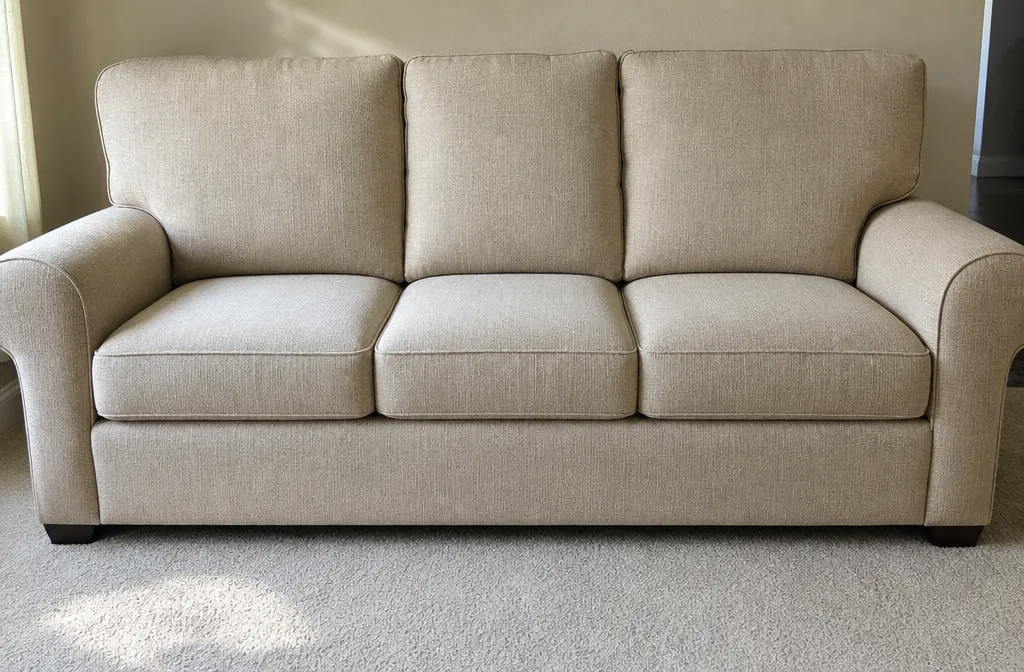
Sofas, armchairs, and carpets in Almaty apartments accumulate dust 2-3 times faster than in coastal cities, due to dry air and constant ventilation from the street. During weekly cleaning, we perform dry cleaning of the upholstery with a special HEPA vacuum cleaner attachment — it beats dust out of the filling without pulling the pile. If done once a month, microparticles penetrate the foam rubber and synthetic padding, breaking down its structure — after 2 years, the sofa sags by 3-5 cm, and restoration by reupholstering costs a significant portion of the price of a new item. High-pile carpets (wool, viscose) without regular treatment lose their color in sunny areas within one season: dust acts as a lens, intensifying fading. We advise clients with children and pets to budget not for a one-time dry cleaning once a year, but for a subscription with monthly treatment of upholstered furniture — it is 40% cheaper and preserves the appearance for 5-7 years.
Optimizing Personal Time for Almaty Residents
Rush hour traffic jams and the remoteness of many districts from the center make DIY cleaning not so much a saving as a hidden expense: an hour on the road to the hypermarket for chemicals, two hours washing floors and windows, another hour cleaning carpets — a total of 4-5 hours per week. If you value this time at the average rate of an office worker in Almaty (calculated individually), the monthly loss amounts to a significant sum. At the same time, the quality of home cleaning, as we discussed above, is inferior to professional cleaning: streaks remain, dust on cabinets, bacteria in the sink. A regular cleaner visit is not an expense, but a redistribution of resources: you pay for the result, not the process, and free up time for work, rest, or family. In our daily cleaning subscriptions, we take this factor into account and tailor visits to the client’s schedule — for example, the cleaner comes while the owners are at work, and by their return, the apartment is already clean.