Reception and inspection
We determine the material, type of dirt, identify hidden defects. We record the jacket's condition before cleaning.
Professional dry cleaning of jackets of any materials in Almaty — down jackets, leather, suede, membrane
We work with any types and materials
Gentle cleaning preserving heat-retaining properties of down.
from 7,000 ₸Removal of stubborn stains with water-repellent coating.
from 6,000 ₸Cleaning with moisturizing and color restoration without damaging leather.
from 5,000 ₸Nap cleaning and removal of water stains with special brushes.
from 5,000 ₸Cleaning without damaging the membrane layer and pores.
from 5,000 ₸Separate cleaning of fur and base to preserve volume.
from 12,000 ₸Hypoallergenic cleaning with safe products for children's clothing.
from 5,000 ₸Removal of sweat and odors while preserving fabric elasticity.
from 5,000 ₸Cleaning with color fixation and removal of ink stains.
from 5,000 ₸Increased down volume requires gentle drying and fluffing.
from 7,000 ₸Heavy winter jackets with fur and dense filler.
from 6,000 ₸Light cleaning with delicate removal of grease stains.
from 5,000 ₸From inspection to result with guarantee
We determine the material, type of dirt, identify hidden defects. We record the jacket's condition before cleaning.
Apply stain remover Kiehl or Sodasan on tough stains: oil, grease, grass, wine. Leave for 10-15 minutes.
Remove detachable parts: fur, belt, hood. Fasten all zippers and buttons for protection.
Professional dry cleaning in machine with safe solvents. For down, membrane, and leather — separate modes.
Remove residue, disinfect and smooth fabric with steam. Eliminate odors.
Special chamber with temperature and humidity control. Preserves shape and volume of filling.
Apply water-repellent impregnation for membrane and leather. Restore color with special compounds.
We check for stains, odors, and defects. Pack in a protective cover.
Our masters have certificates for working with down, leather, and membrane. They know the specifics of each material and select the cleaning mode individually. Experience allows avoiding shrinkage, color loss, and deformation.
We use professional equipment: Karcher extractor for deep cleaning, steam cleaner for disinfection, and HEPA vacuum that removes up to 99% of allergens, dust, and microbes. This guarantees cleanliness without detergent residue.
We guarantee stain removal or money back. Each jacket undergoes quality control after cleaning. If a stain remains, we repeat the treatment for free or refund the money.
For new clients, 10% discount on first dry cleaning. Regular clients receive bonuses: every 5th cleaning is free. Accumulated points can be spent on any services.
Before cleaning, we conduct a free inspection: determine fabric type, degree of soiling, identify defects. We advise on care and give recommendations. You will know the exact cost and time without obligation.
For cleaning, we use only professional products: Kiehl — German quality for stubborn stains, Sodasan — organic enzymes for delicate fabrics. They are safe for health and the environment, do not cause allergies.
 After
After
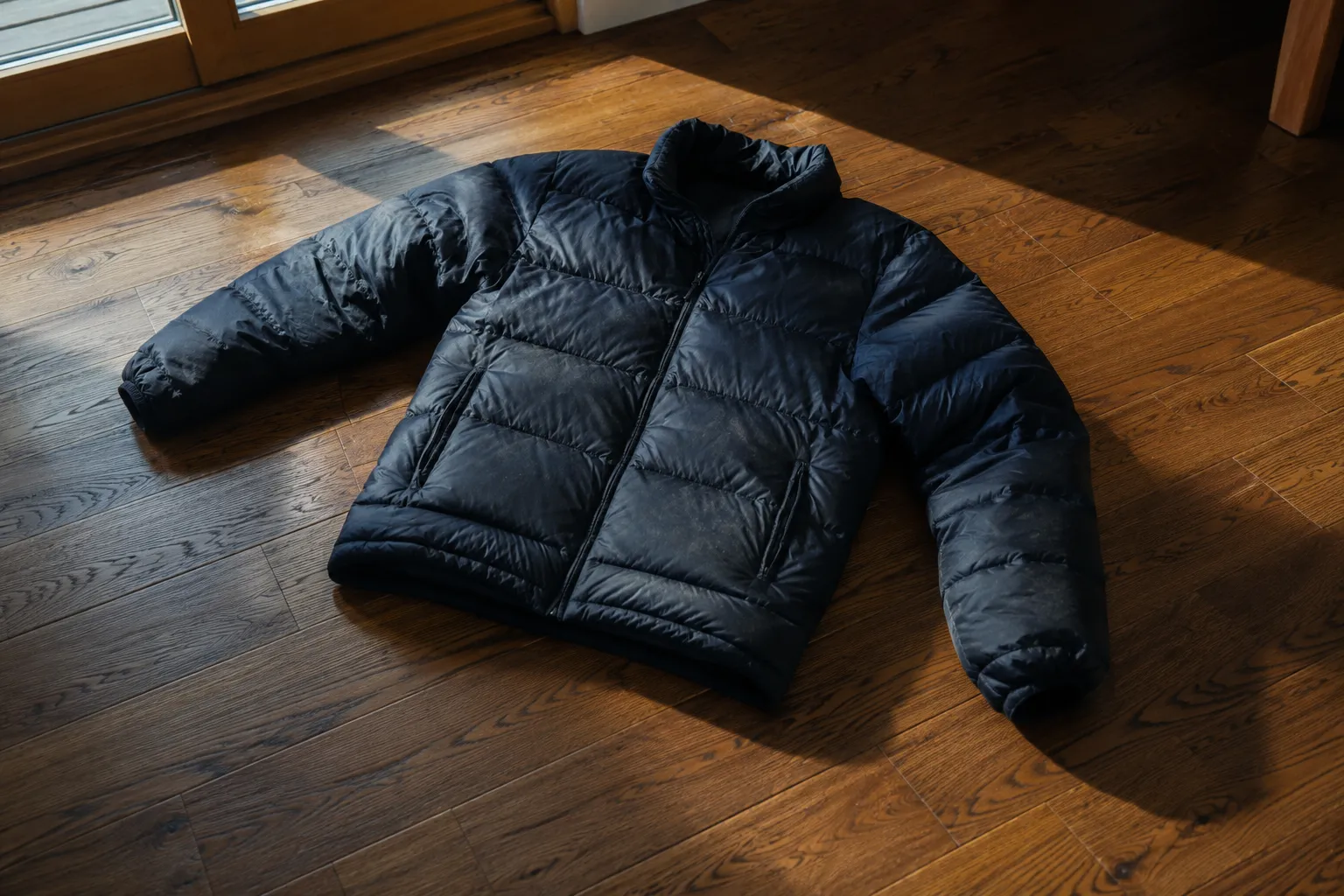
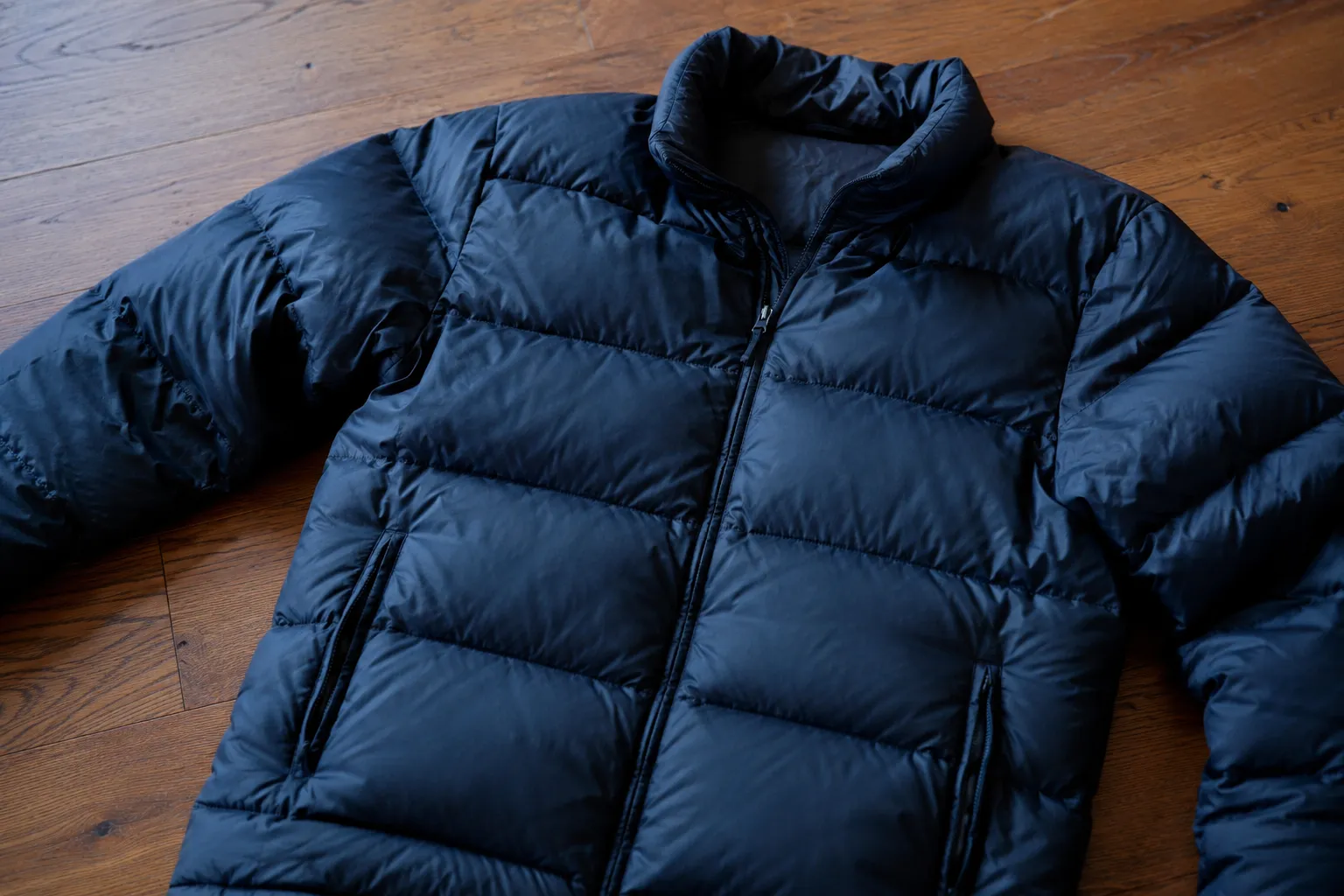
Request: Remove grease stain from down jacket sleeve without damaging the fabric.
Done: Treated the stain with solvent, performed delicate washing and restored the filling.
Cost: 7 000 ₸
Master: Aigul Sagintayeva, dry cleaning master
Total: Grease stain completely removed, down jacket looks like new.
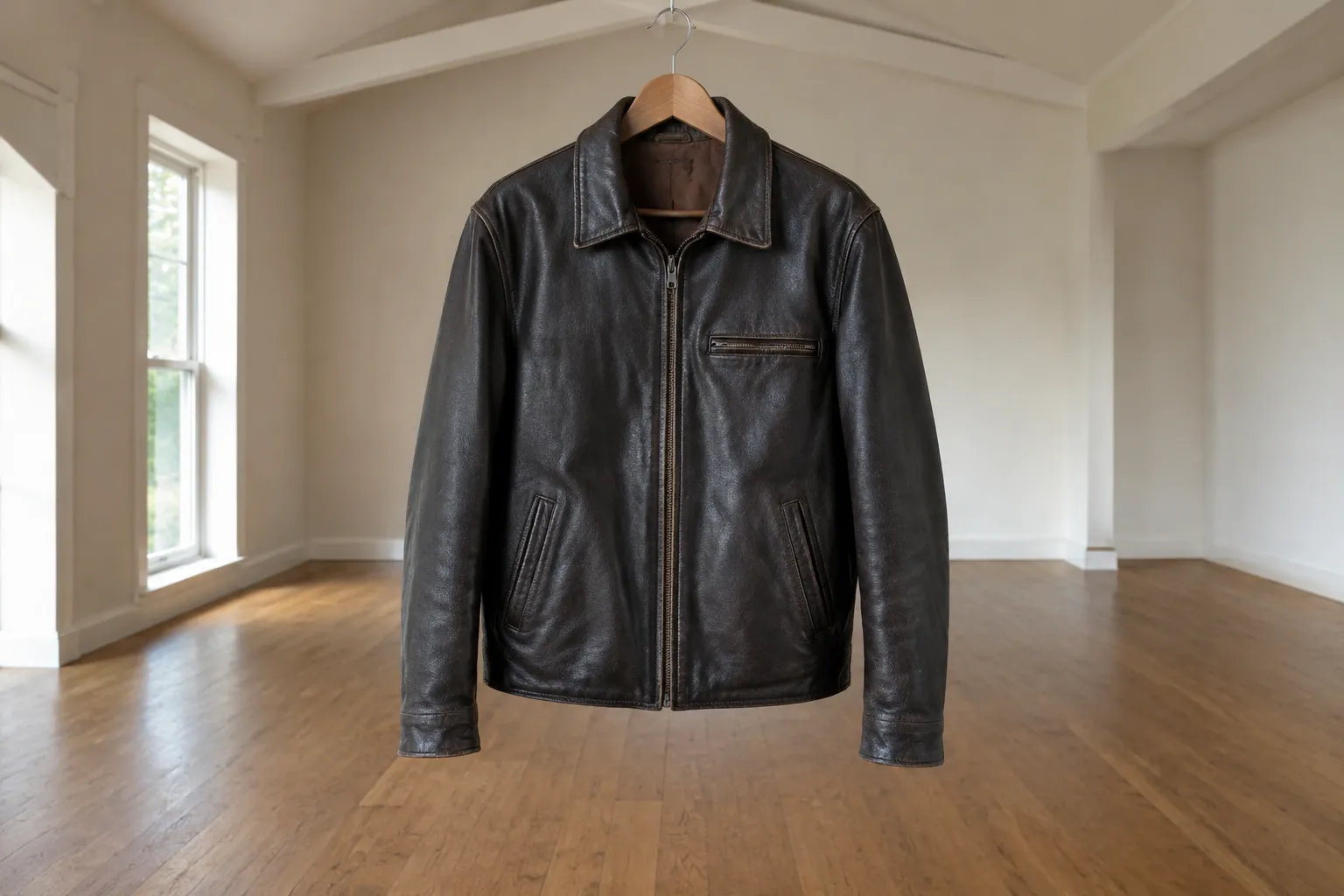 After
After
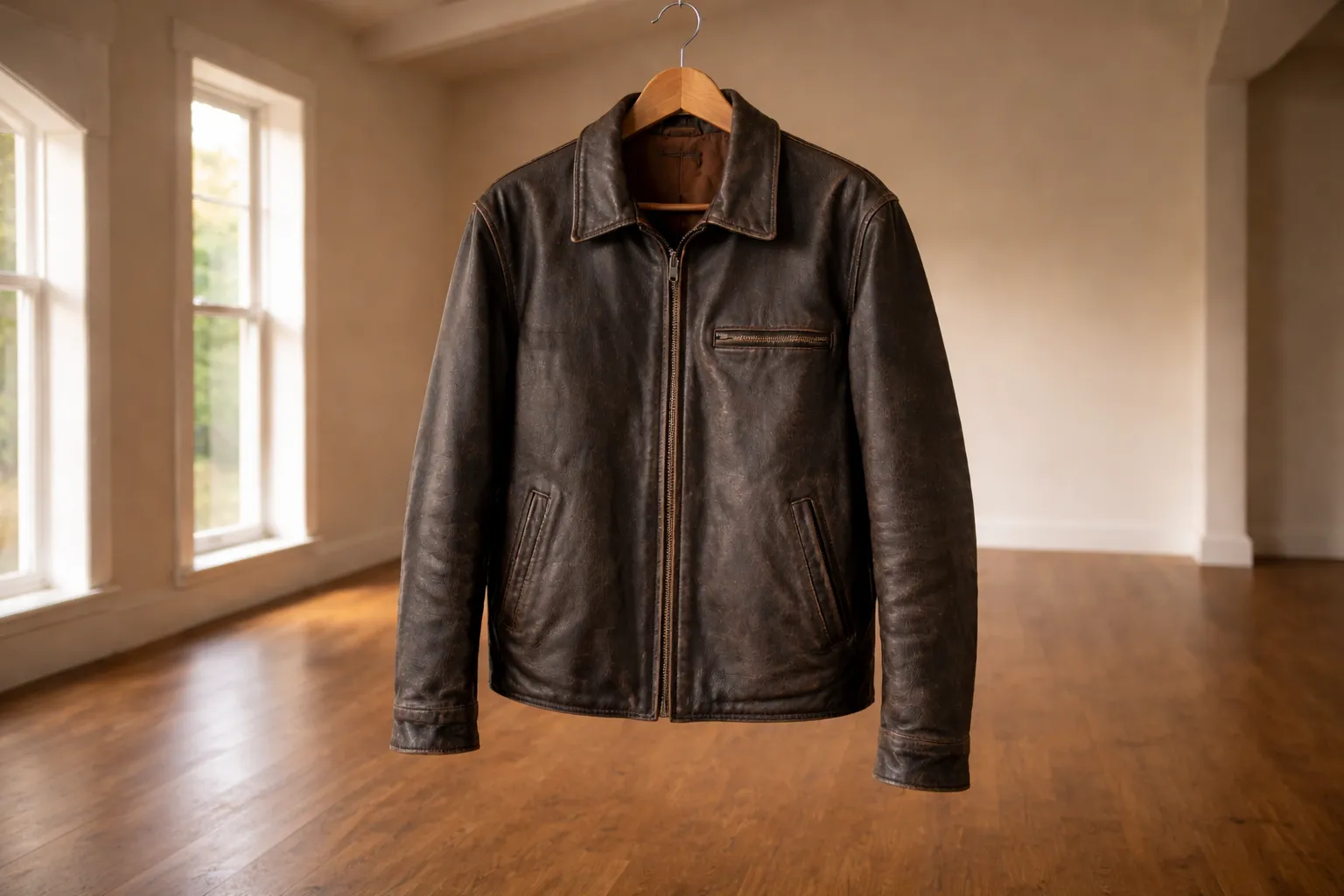
Request: Remove scuffs on sleeves and collar of leather jacket.
Done: Applied restorative paint, polished and treated with protective cream.
Cost: 5 000 ₸
Master: Timur Zhaksybekov, dry cleaning master
Total: Scuffs gone, leather soft and shiny.
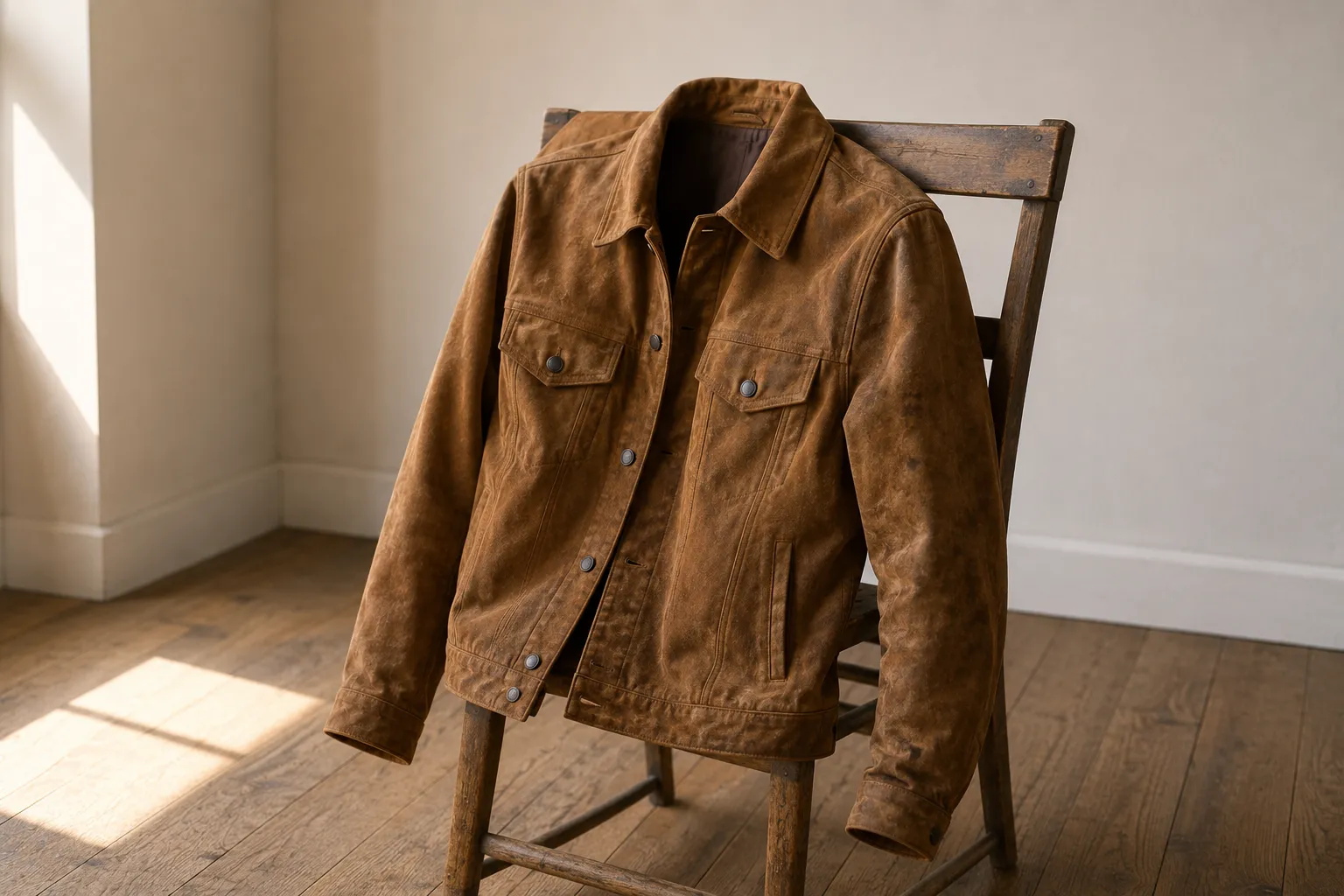
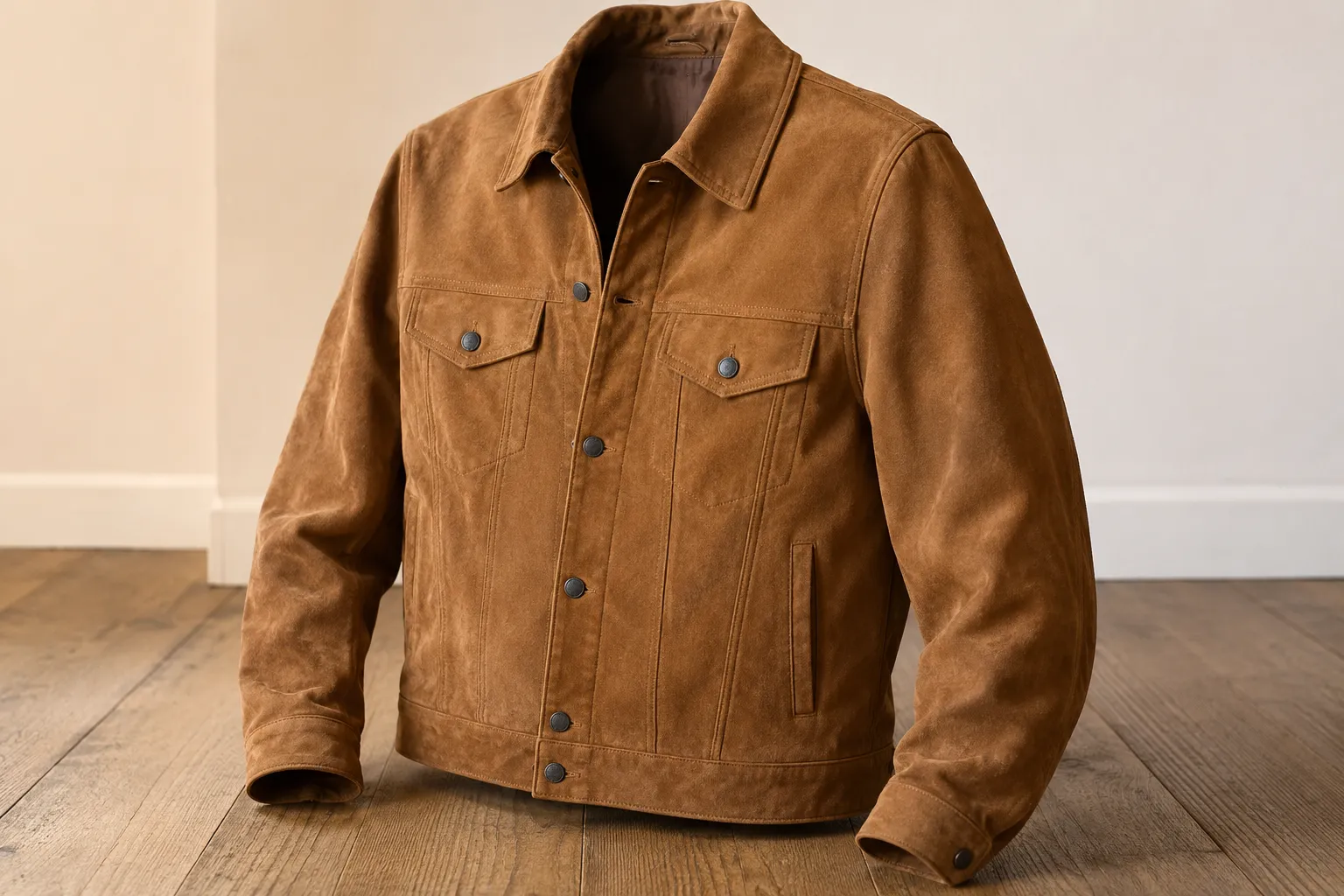 After
After
Request: Remove water stains and refresh suede jacket.
Done: Cleaned suede with special shampoo, restored nap and applied water-repellent treatment.
Cost: 5 000 ₸
Master: Aigerim Nurgaliyeva, dry cleaning master
Total: No stains, suede soft and even color.
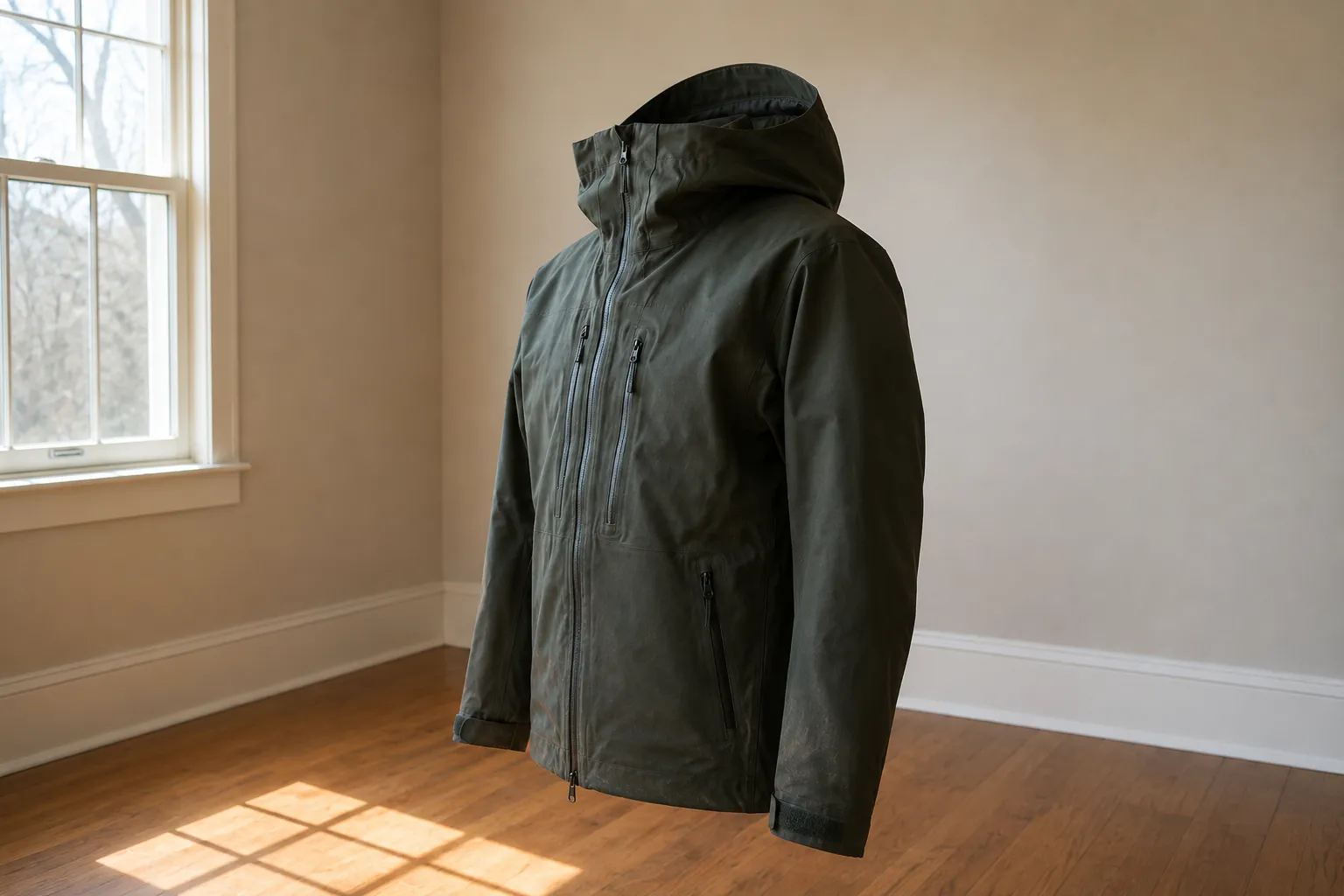
 After
After
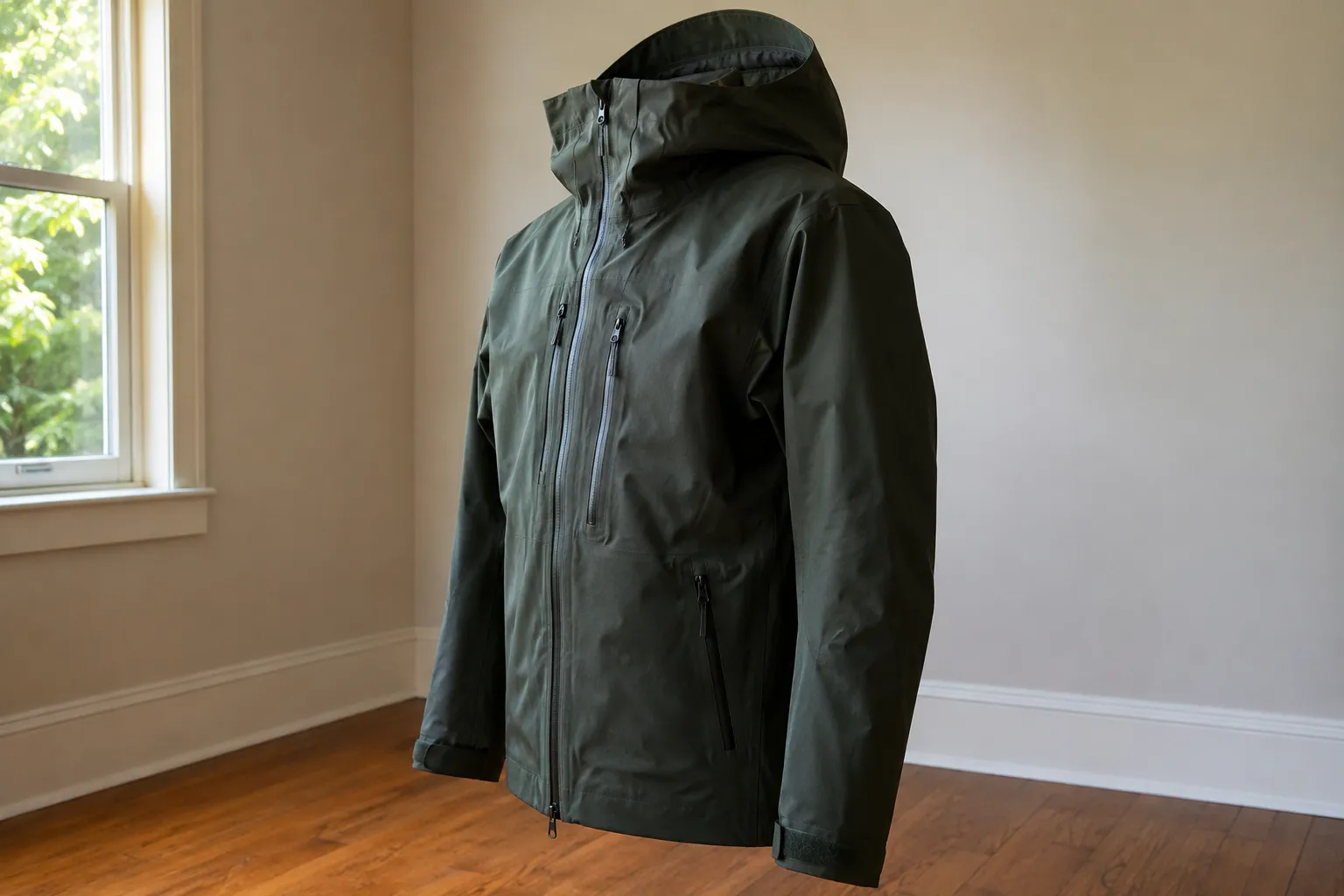
Request: Clean membrane jacket without losing fabric properties.
Done: Washed with special membrane cleaner, restored DWR coating.
Cost: 5 000 ₸
Master: Dauren Akhmetov, dry cleaning master
Total: Jacket clean, breathable properties preserved.
 After
After
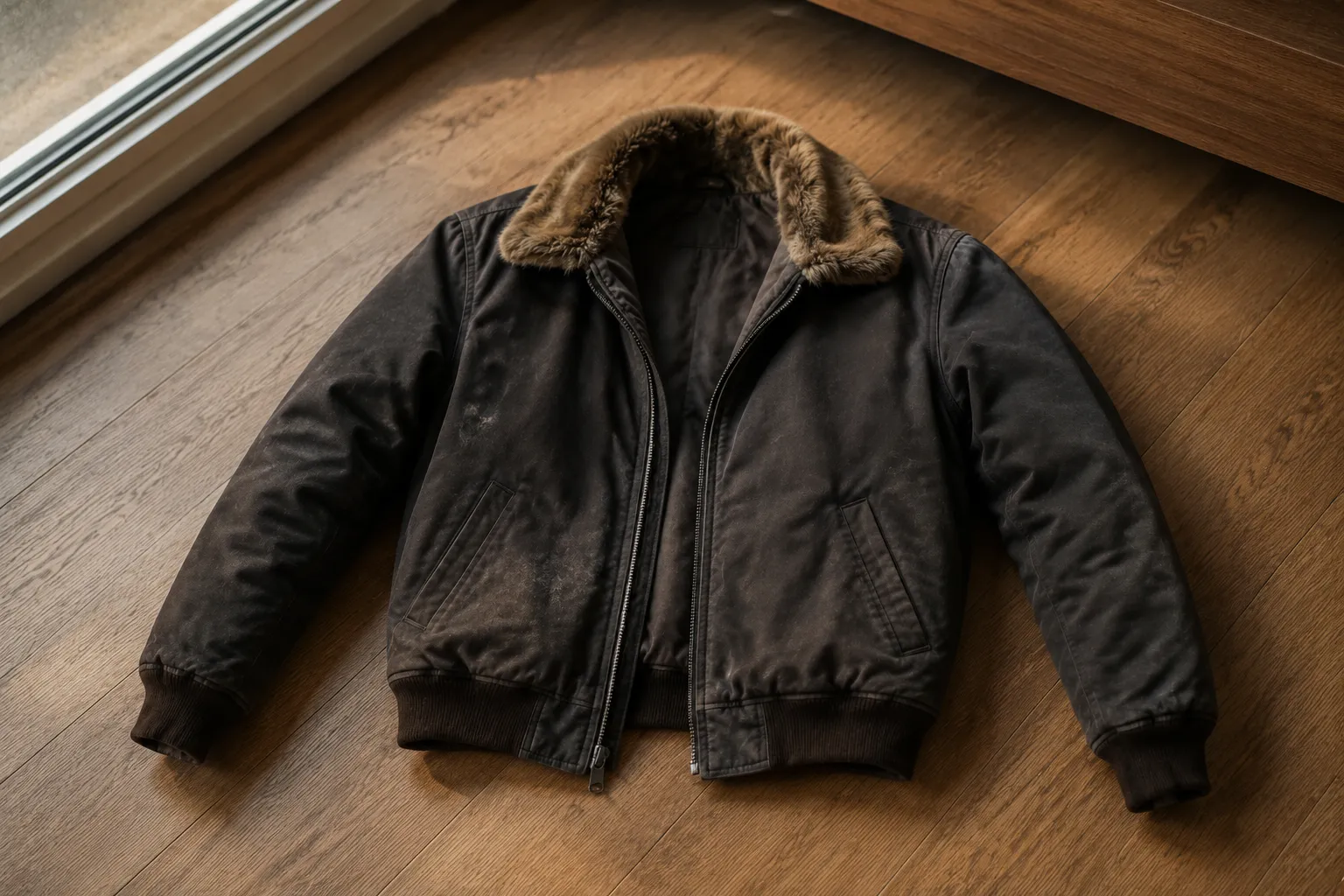
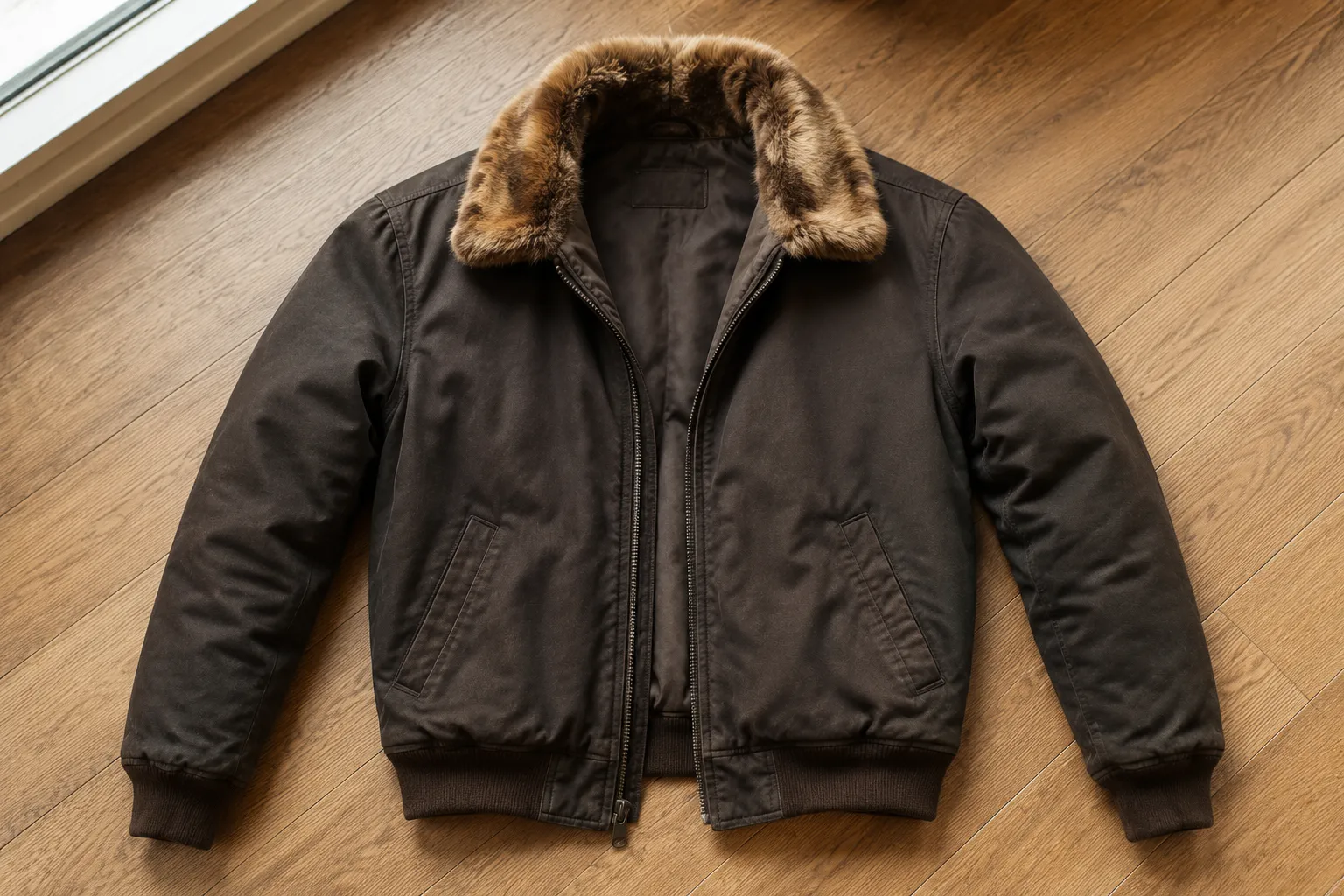
Request: Clean fur collar and refresh main fabric of jacket.
Done: Gently cleaned fur, removed stains from fabric and steamed.
Cost: 5 000 ₸
Master: Meruert Kassymova, dry cleaning master
Total: Fur fluffy and white, jacket stain-free.
 After
After
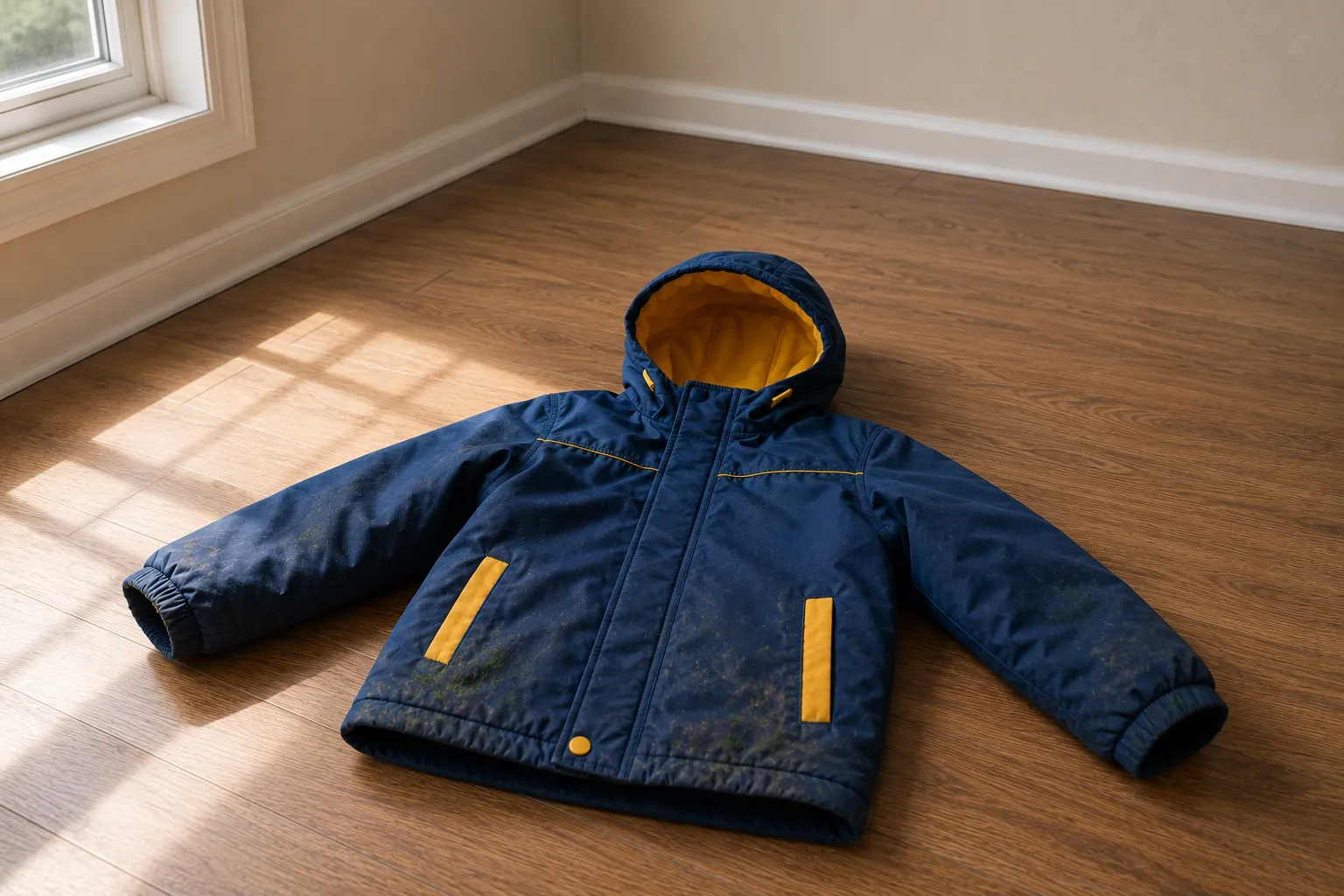
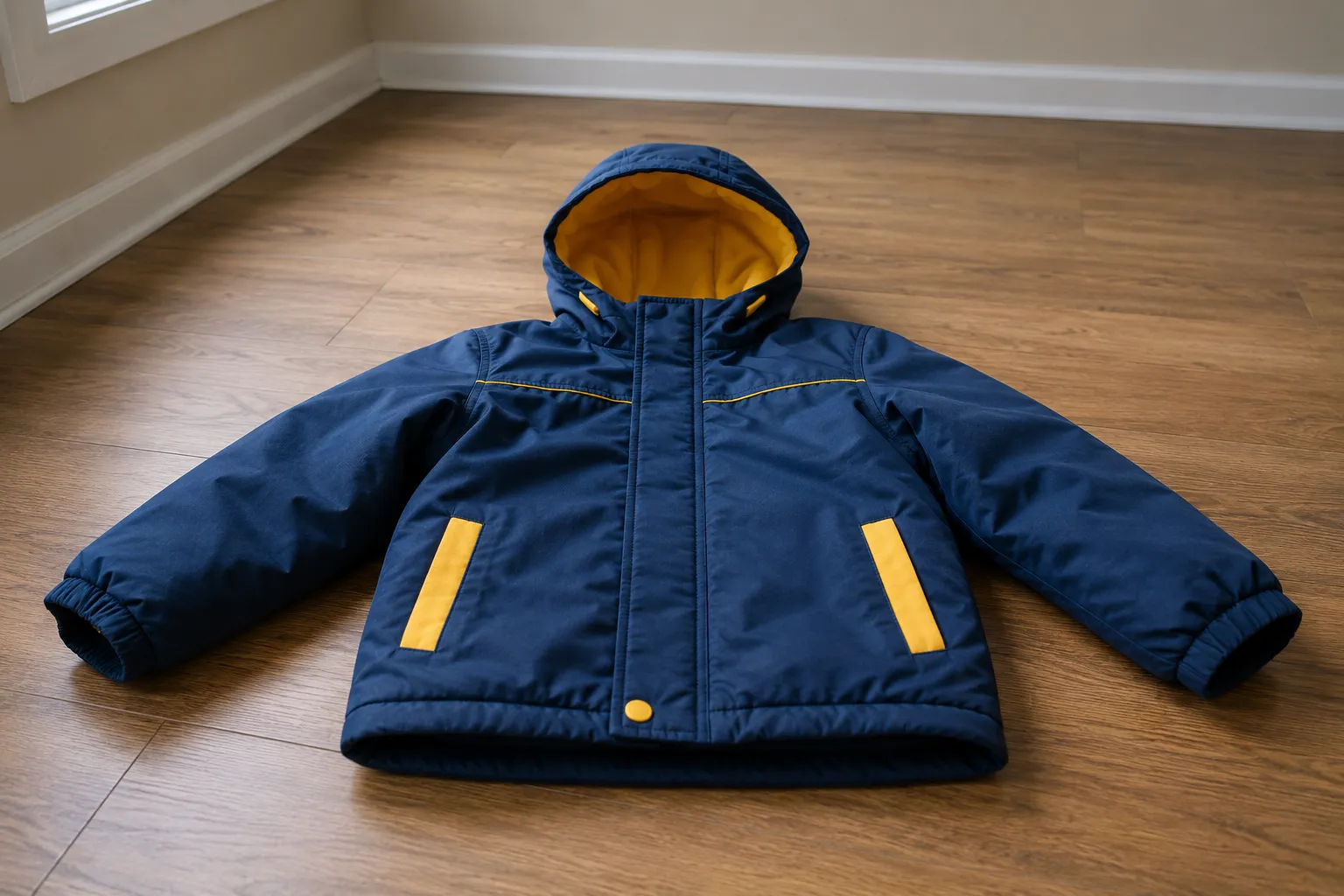
Request: Remove grass stains from children's jacket after a walk.
Done: Treated stains with enzyme stain remover and washed on gentle cycle.
Cost: 4 000 ₸
Master: Aigul Sagintayeva, dry cleaning master
Total: Grass stains completely gone, jacket bright.
 After
After
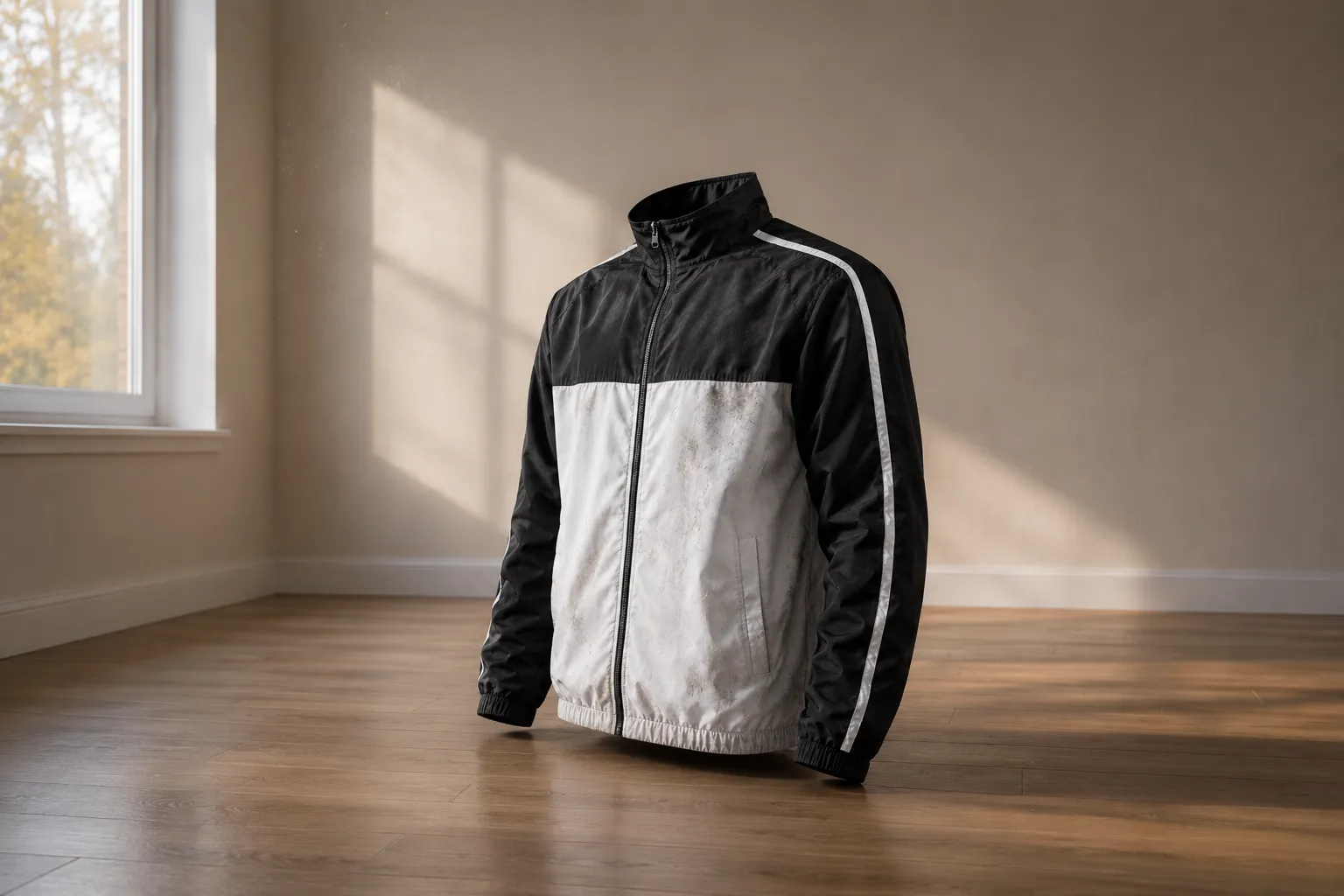
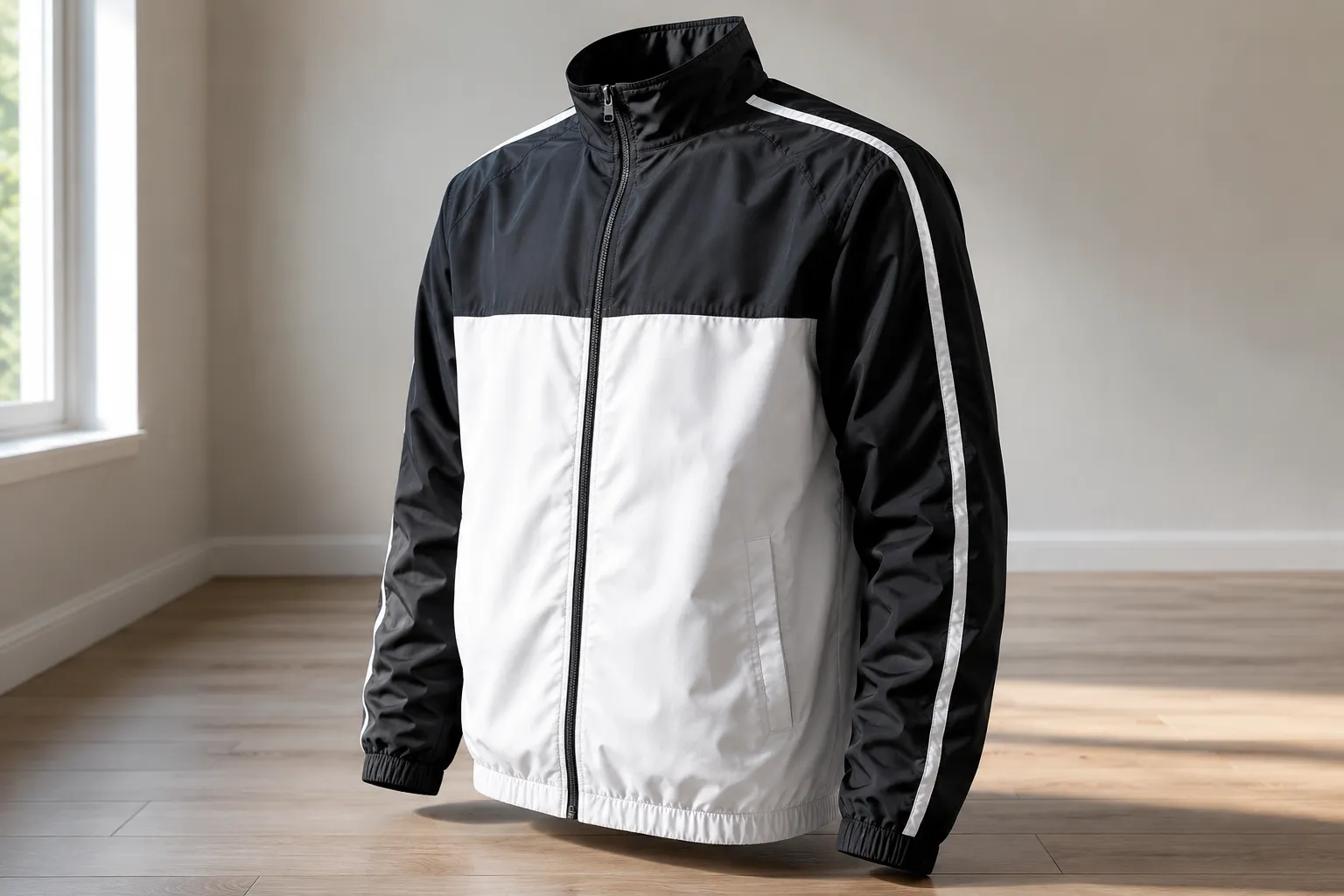
Request: Remove old sweat stains from underarms of sports jacket.
Done: Applied oxygen bleach and deodorizing treatment.
Cost: 5 000 ₸
Master: Timur Zhaksybekov, dry cleaning master
Total: No sweat stains, jacket fresh and odor-free.
 After
After
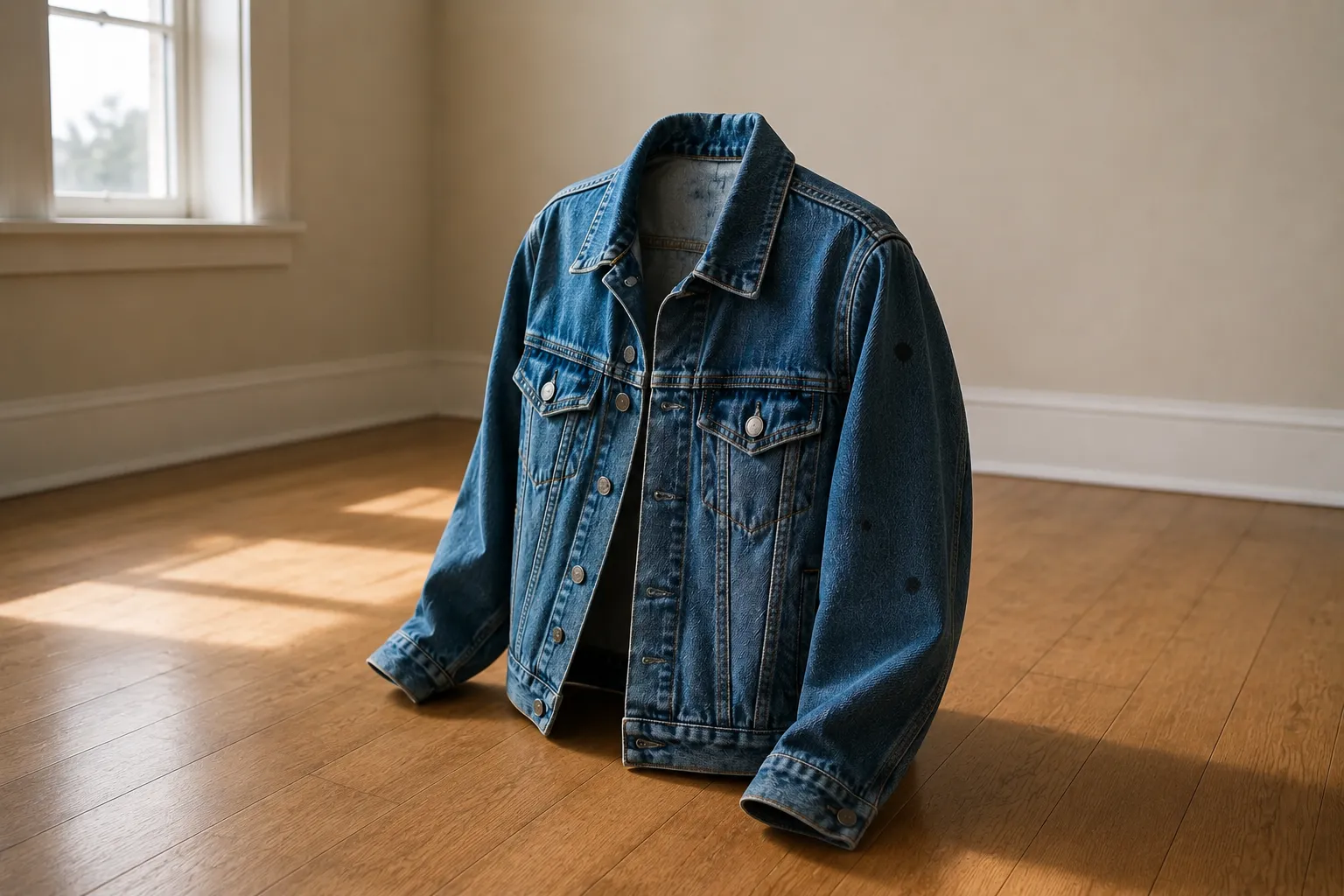
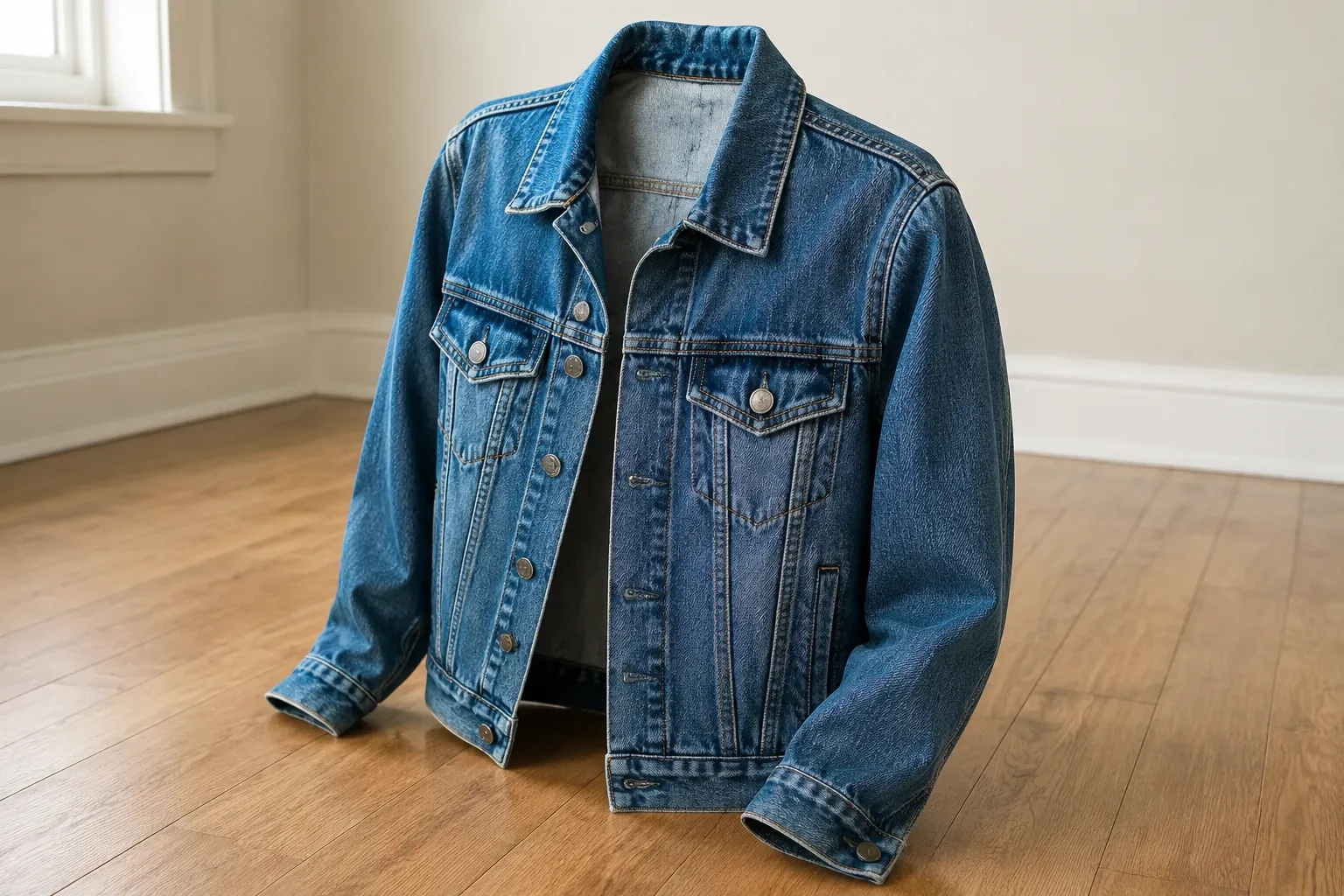
Request: Remove ink stain from denim jacket.
Done: Treated stain with alcohol solution and washed with enzyme powder.
Cost: 3 000 ₸
Master: Aigerim Nurgaliyeva, dry cleaning master
Total: Ink stain completely removed, denim color even.
 After
After
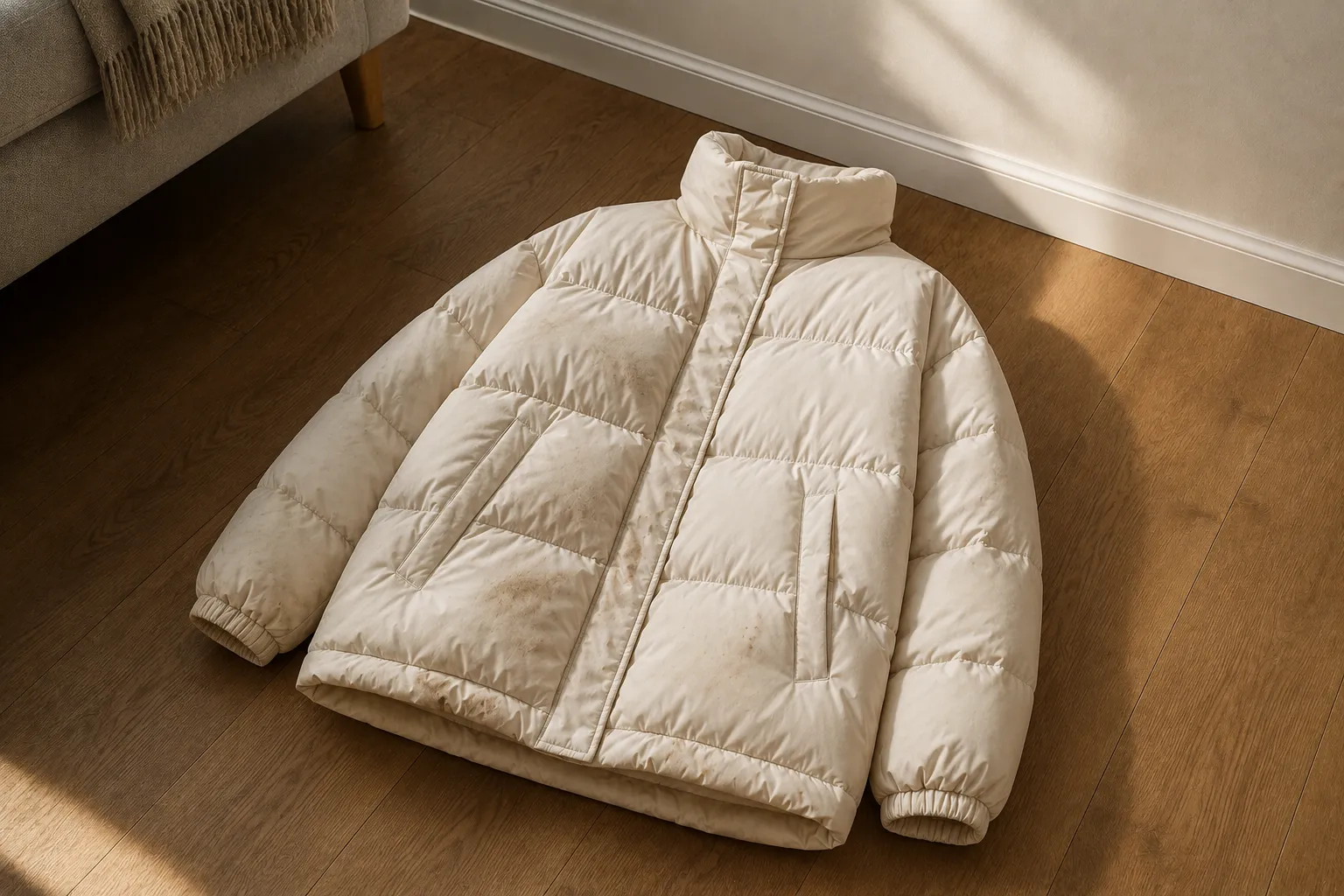
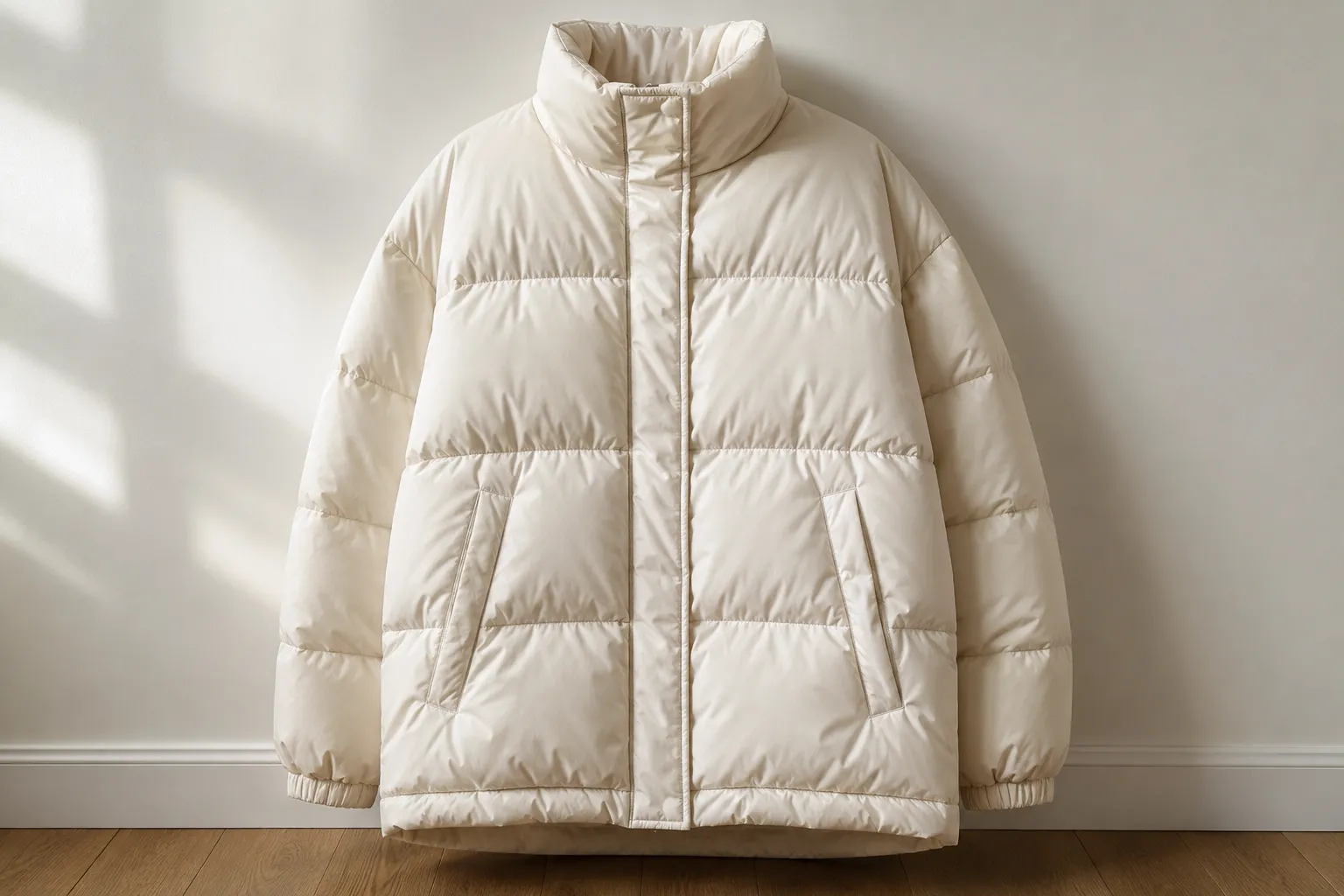
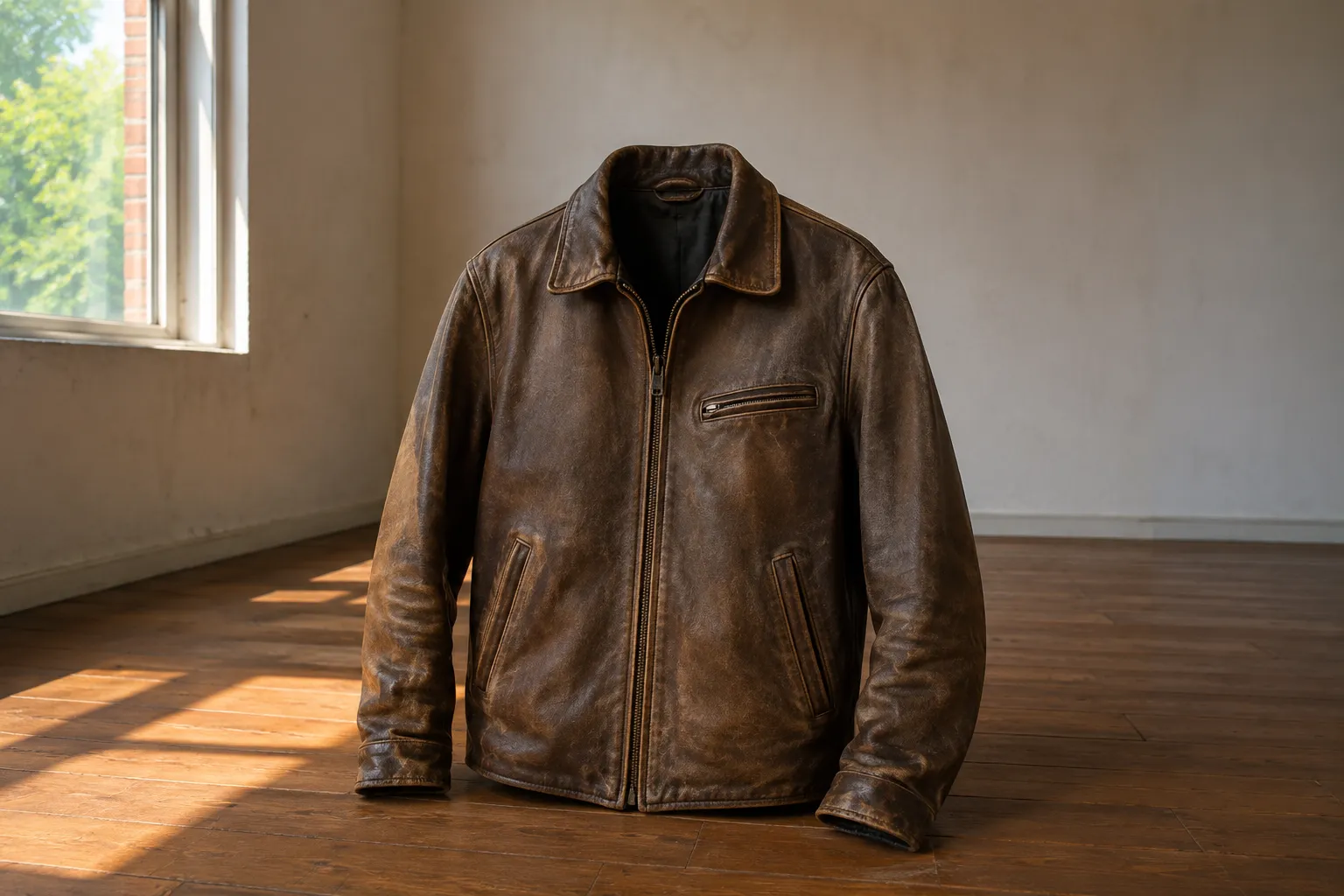
Request: Clean puffer coat from general dirt and refresh appearance.
Done: Washed with down cleaner, restored volume, and treated with water repellent.
Cost: 7 000 ₸
Master: Dauren Akhmetov, dry cleaning master
Total: Puffer coat clean, down evenly distributed.
 After
After
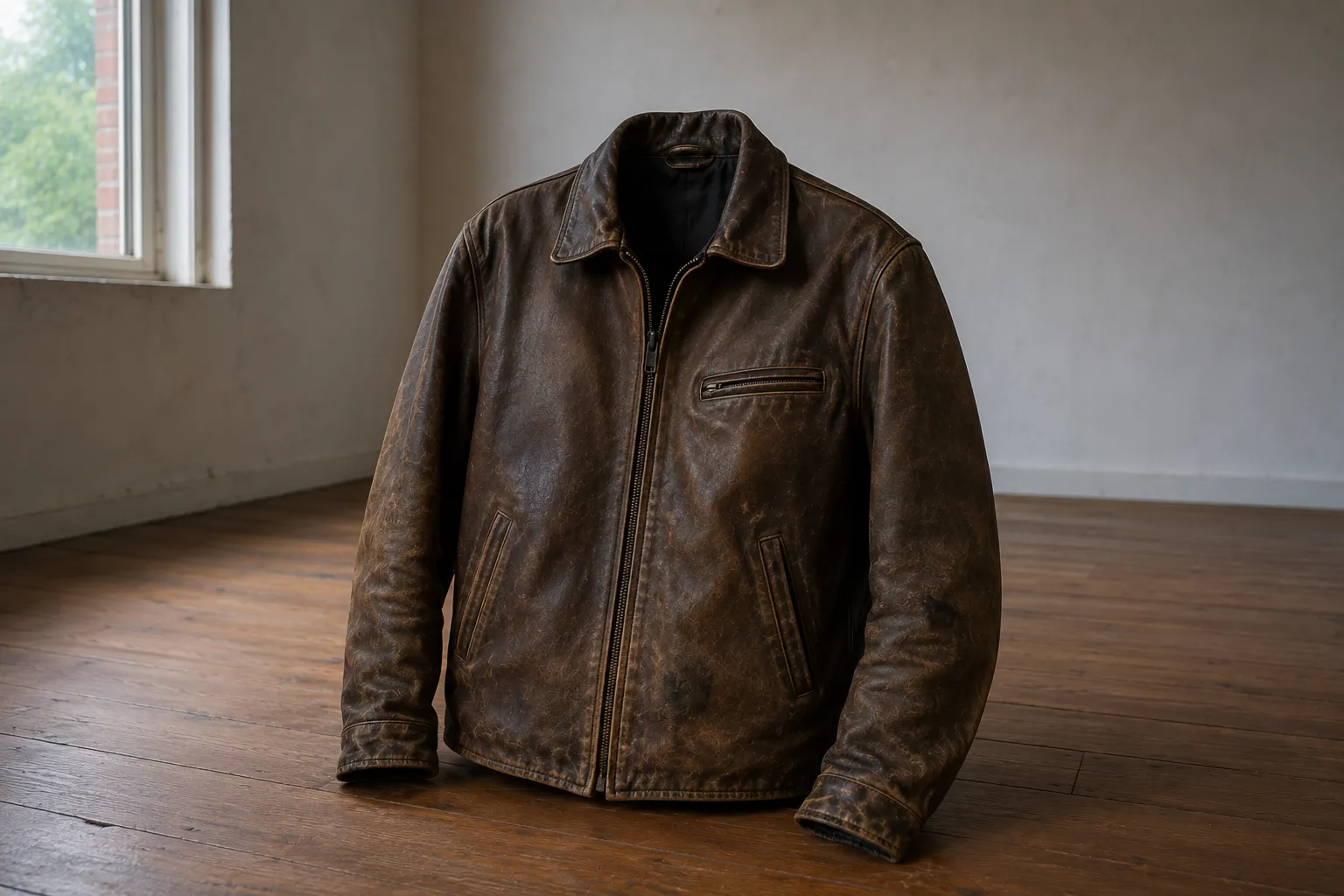
Request: Remove grease stains from bolong jacket.
Done: Treated stains with degreaser and washed with fabric softener.
Cost: 5 000 ₸
Master: Meruert Kassymova, dry cleaning master
Total: Grease stains removed, jacket without streaks.
All cleaners are profi-clean staff with training, uniform and security check. Each order has a team leader who controls quality.
This question arises for everyone who has ever washed a jacket in a machine and ended up with deformed filling or stains on the fabric. The difference between professional dry cleaning and home washing is not just in the name, but in fundamentally different approaches to cleaning, which determine how long the item will last.
The drum of a washing machine creates mechanical impact that professional dry cleaning avoids. Down jackets, synthetic winter coats, and membrane models suffer from three factors. The first is filling clumping: during spin cycles at 800-1000 RPM, down or holofiber clumps together, forming dense lumps that cannot be fluffed up later without tearing the fabric. The second is coating destruction: laundry detergent with enzymes washes away the water-repellent coating, and after 2-3 washes, the jacket starts to get wet. The third is lining shrinkage: synthetic lining shrinks unevenly at 40°C, pulling the fabric, causing “bubbles” on the shoulders and sleeves. At profi-clean, after machine washing, clients bring in jackets where the filling is no longer recoverable — the only option is to replace it, which costs as much as a new item. If the jacket’s label has a “dry clean” symbol, washing it in a machine is a guaranteed path to replacement within a season.
Unlike water, which penetrates all layers of fabric and affects adhesive bonds, organic solvents in dry cleaning work only with stains. At profi-clean, we use perchloroethylene and hydrocarbon solvents — they evaporate at low temperatures, leaving no moisture inside the filling. This is critical for jackets with Gore-Tex or Sympatex membranes: water washing clogs the membrane’s pores with detergent residue, reducing breathability by 40-50%. Hardware — zippers, snaps, buttons — does not come into contact with water during dry cleaning, so it does not corrode or lose its function. Plastic parts (hood locks, drawstring adjusters) do not crack from temperature changes. In practice, this means that after professional cleaning, the jacket’s zipper fastens as tightly as on the day of purchase, rather than becoming “loose” after machine drying. For Almaty winters with temperature swings from -10 to +5°C and frequent slush, this is especially important: a jacket cleaned in dry cleaning lasts 2-3 seasons longer.
Not all dry cleaners are equally gentle, and the difference between them is like the difference between hand washing and a 1200 RPM spin cycle. The first criterion is the type of solvent: professional companies use closed-loop systems where the solvent is filtered and does not come into contact with the operator’s skin; such machines cost from 3 million tenge and are not available everywhere. The second is certification for cleaning delicate fabrics: cashmere, silk, thin leather require a mode with reduced mechanical impact and a softer solvent. The third is drying: after professional cleaning, the jacket is not dried in a chamber at 80°C, but is kept in a ventilated box at 30-35°C to avoid overdrying the leather or membrane. When choosing a dry cleaner, ask for equipment certification and clarify which solvent is used — hydrocarbon is safer for colored fabrics, perchloroethylene is more effective for grease stains.
Almaty residents often try to “save money” and wash jackets by hand or in a machine on a delicate cycle, but make three fatal mistakes. The first is using fabric softener: it clogs membrane pores and makes down sticky, so the filling does not regain its volume after drying. The second is drying on a radiator: down at 60°C loses its elasticity, becomes brittle, and the jacket stops providing warmth. The third is steaming grease stains with an iron: oil-based stains under high heat become embedded in polyester fibers, and removing them afterward is only possible by cutting out the fabric section. In our practice, there was a case where a client tried to remove a motor oil stain from a down jacket using liquid soap and a scrub brush — the oil spread to a 20 cm diameter, and the jacket could not be restored. Before any home washing, check the label: if it has a “P” or “F” symbol (dry clean), take the item to professionals — this saves not money, but the jacket itself.
The frequency of professional cleaning depends not on the season, but on the intensity of wear, the material, and weather conditions — in Almaty, with its humidity fluctuations and dust, the schedule shifts towards more frequent visits than the average for Kazakhstan.
Even if less than a month has passed since your last dry cleaning, pay attention to three signals: a persistent smell of sweat or dampness in the armpit area (indicating bacteria growth inside the insulation), loss of shape — sleeves or collar have “shrunk” and don’t recover after airing, and visible marks on the cuffs and collar that can’t be removed with a wet wipe. We had a case in October: a client brought in a down jacket three weeks after the first cleaning — the collar had yellowed from foundation, and the delayed treatment meant the stain had to be removed in two sessions instead of one. If you notice at least one of these signs, don’t wait for the end of the season — schedule a cleaning within a week, and the jacket will last 2–3 seasons longer without needing the filling replaced.
Theoretically, you can clean a jacket at home, but in practice, a quality result without risking the fabric is only achieved with a professional approach — too many variables affect the outcome.
Home treatment is only acceptable for jackets made of synthetic fabrics (polyester, nylon, Bologna) with a “machine washable” label. If the tag says “professional dry clean only,” washing destroys the water-repellent coating in one cycle. On membrane jackets, home washing with regular powder clogs the pores, and the fabric stops “breathing” — breathability drops by 60-70% after just one contact with harsh chemicals. In our practice, there was a case where a client washed a down jacket with a motor oil stain using liquid dish soap — the filling clumped together, and the oil stain only spread wider. Before home washing, check the filling composition: natural down and feathers lose up to 30% of their volume in a machine wash without special tennis balls in the drum.
Home remedies are powerless against three types of soiling: old grease stains (oil, sauces, cosmetics), protein-based traces (blood, dairy products, egg), and deeply set pigment stains (ink, grass, berries). Grease stains “set” into the fibers upon contact with hot water — temperatures above 40°C denature the fat, crystallizing it inside the fabric, after which no solvent can remove the stain. Protein-based soiling, on the other hand, is fixed by cold water — blood penetrates the inter-fiber space when wet, and can only be removed with enzyme stain removers with a pH of 7-8, which aren’t found in household chemicals. The most difficult are jackets combining different materials — for example, eco-leather sleeves and a textile body: home washing causes uneven shrinkage (leather shrinks by 3-5%, synthetics by 1-2%), deforming the garment. Many jackets sold in Almaty markets have a “dry clean only” label on the inner seam — ignoring this leads to a loss of the garment’s appearance within one season.
After home washing, jackets must be dried strictly horizontally on a rack and only at room temperature — radiators and heaters cause local overheating, which makes the filler clump unevenly, and down jackets develop bald patches without down. Vertical drying on hangers stretches wet textiles under their own weight — the jacket length can increase by 5-7 cm, especially in viscose and cotton models. Drying in direct sunlight in Almaty (UV index in the city is above 7 from April to September) burns out dyes on dark jackets — black color fades to gray after 2-3 drying cycles, and colored fabrics lose 40-50% of their saturation per season. Paradox: many Almaty residents dry jackets on loggias, not considering that the difference between day and night temperatures (up to 15°C in spring) creates condensation inside the filler, and down starts to rot with a characteristic musty smell that doesn’t dissipate for months. When drying indoors with closed windows, room humidity rises to 80-90% — this risks mold on seams and lining, especially on jackets with synthetic padding, which retains water for a long time.
Some stains disappear after one treatment cycle, while others require individual solvent selection and repeated cycles. In our 8 years of practice in Almaty, we have developed a ranking of the most problematic stains — they depend not only on the composition of the contaminant but also on the jacket material and the city’s climate.
Oil, sauce, hand cream, or bicycle chain marks — grease penetrates deep into the filler structure and sets there upon first heating (sun, radiator, hairdryer). On a down or synthetic-padded jacket, a grease stain visually disappears after treatment, but after a week or two, it reappears as a yellow outline due to residual grease migrating along the fibers. At profi-clean, we use a two-phase method: first, we apply an absorbing powder based on zeolite (it draws grease from the depths), then treat the stain with an enzyme stain remover at 30°C — at higher temperatures, the grease “bakes” into the fabric. Our cleaners check the result after 24 hours under a UV lamp: if glow remains, they repeat the cycle. In my opinion, the main mistake at home is rubbing a grease stain with a wet wipe: this pushes the grease deeper into the filler, and it can no longer be removed without a professional extractor.
Protein coagulates (curdles) upon contact with hot water or steam — the stain becomes insoluble and acquires a persistent gray-yellow tint. This is especially difficult on silk linings, viscose, and thin polyester — harsh alkalis destroy the color, while mild enzymes cannot handle “cooked” protein. In our practice, there was a case: a client washed a coffee-with-milk stain on an Italian wool jacket with hot water — a yellow ring formed, which we removed in three stages with intermediate drying. For protein stains, we use only cold water (18–22°C) and neutral proteolytic enzymes at pH 7–8, without mechanical friction — we use a steam attachment with micro-vibration. In Almaty, where tap water hardness is 7–8 °dH, we additionally soften the water to 2 °dH, otherwise calcium salts fix the protein on the fabric. If you notice a protein stain — do not rub or heat it, just blot it with a dry napkin and take it to the dry cleaner within 2-3 hours.
Chlorophyll is a pigment that bonds firmly to polyurethane membranes and, upon drying, forms a film that is insoluble in both water and standard solvents. Acetone, alcohol, or gasoline cannot be used on Gore-Tex or Sympatex membranes — they destroy the lamination, and the jacket loses its water-repellent properties. A light-colored membrane (white, beige, light gray) worsens the problem: even a microscopic residue of chlorophyll creates a noticeable green spot when wet. At profi-clean, we use a cold absorption method: we apply a gel based on polyvinylpyrrolidone (it draws out chlorophyll without mechanical action), leave it for 40–60 minutes, then remove it dry and finish with a DWR treatment to restore the protective layer. Moreover, on membrane jackets after removing the greenery, we always check the integrity of the membrane under a microscope — if there are micro-damages, we apply a repair compound. In autumn in Almaty, after rains and walks in parks, the share of such orders grows to 20–25% — this is the peak season for green spots.
A mixture of fats, salts, aluminum (from antiperspirants), and bacteria crystallizes on the fabric over time — forming a yellow-white residue that cannot be washed off with regular powder and gives off a persistent sour smell even after washing. This is especially noticeable on the lining of a down jacket or bomber jacket: the collar and underarm inserts darken and become stiff to the touch. The problem is exacerbated if the jacket was worn without a lining against bare skin — sweat absorbs directly into the seams and insulation. We treat such areas with an acidic solution (citric acid + water 1:10) to dissolve aluminum salts, then with an enzyme compound to break down the protein-fat complex, and finish with ozone treatment in a chamber for 30 minutes (ozone kills bacteria and neutralizes odor at the molecular level). On jackets with a polyurethane coating, we skip the acid stage — we use only enzymes and ozone to avoid damaging the coating. In Almaty, where summer temperatures reach +35 °C, such stains form after 2–3 active wears — I recommend sending your jacket to dry cleaning after each season of active wear, without waiting for yellowing.
Each type of paint requires its own solvent — a mistake in selection “sets” the pigment permanently. Oil-based paint on linseed oil dissolves with white spirit, acrylic with isopropyl alcohol, nitro enamel with acetone, but on a polyester or nylon jacket, any of these solvents can melt the fibers. At profi-clean, we first determine the paint type with a test on an inconspicuous area (apply a drop of solvent — if the paint softens, it’s suitable), then apply the solvent to a cotton pad and press it against the stain from the reverse side of the fabric — this removes the pigment without damaging the face layer. For colored jackets (red, blue, green), we additionally check colorfastness: apply solvent to a seam and blot with a white napkin — if the dye transfers, we switch to a gentler solvent (e.g., Nefras solvent naphtha instead of acetone). In Almaty, such stains are often brought in after apartment renovations or painting a fence at the dacha — fresh marks we remove in one visit, old ones (more than a week) require two cycles with intermediate drying. In my opinion, it’s better to bring a jacket with a paint stain to professionals right away than to try to scrub it off at home with acetone — last December we had a case where a client ruined an expensive sheepskin coat by wiping off acrylic paint with nail polish remover.
After professional cleaning, the jacket returns refreshed, but improper storage or wear can negate the effect in just a couple of weeks. Let’s break down what to do with the item immediately after receiving it and how to prolong its neat appearance.
After dry cleaning, a jacket, especially a down jacket or a membrane model, should “rest” for at least 24 hours in a straightened form on hangers. Residual moisture in the filling or between layers of fabric dissipates within 12–24 hours — if you put the item in the closet immediately, a musty smell will appear. In our practice, there was a case: a client picked up a down jacket in the evening, put it on in the morning and went to work, and by lunchtime noticed that the filling had clumped together — it had to be returned for re-drying. Place the jacket in a well-ventilated room, away from radiators and direct sunlight: ultraviolet light fades dyes, especially on bright fabrics. After adaptation, check if any stains remain on the cuffs or collar — if you notice any, do not rub them, but immediately report it to the service before the stain sets.
Immediately after dry cleaning, the fabric is most open to absorbing dirt and moisture — it is optimal to apply a water-repellent spray before the first time you go outside. For membrane jackets (Gore-Tex, Sympatex), use impregnations based on fluorocarbons — they do not clog pores and do not compromise breathability. Treat down jackets with aerosols for down and feathers: regular water repellents glue the down particles together, causing the filling to lose volume. In Almaty, where precipitation is frequent in spring and autumn, and snow in winter comes with reagents on sidewalks, impregnation extends the interval between cleanings from 2–3 weeks to 2–3 months. Apply the product from a distance of 20–30 cm, let it dry for 15–20 minutes, and only then put the item in the closet or wear it.
The most common mistake is folding a down jacket or a jacket with filling onto a shelf in the closet in a stack under the weight of other items. The down gets compressed, loses its thermal insulation, and creases form on the fabric folds, which turn into abrasions when worn. Store the jacket on wide hangers (at least 40 cm at the shoulders) — narrow ones deform the shape of the sleeves. Use a breathable cotton or non-woven cover: a polyethylene one creates a greenhouse effect, and mold may appear on the leather or membrane. For leather jackets, additionally place a silica gel packet in the pocket — it absorbs excess moisture during Almaty’s humid winters. The average storage duration without quality loss is up to 6 months; after that, re-cleaning and impregnation are needed before the season.
I ordered dry cleaning for my jacket — the down jacket became like new, even the greasy sleeves were cleaned.
Glad you liked the result! We take care of down products.
We handed in a leather jacket, the oil stain was removed almost completely, a slight shade remained, but overall great.
Dry cleaning saved my favorite coat after coffee — no trace left, and the color didn't change.
Thank you for your trust! We work with any stains.
Dry cleaning of the jacket was generally good, but one stain remained, had to redo it. The second time it was clean.
We apologize for the inconvenience. We improved it — now stains are removed the first time.
Returned a children's jacket after walks — ingrained dirt, paints. Returned perfectly clean, the child is happy.
Was worried about the velour, but the dry cleaning went great: the pile didn't flatten, stains are gone.
Thank you! For delicate fabrics we use only gentle solutions.
Cleaned a puffer jacket after rain and dirt — fluffed up the down, no streaks. Super!
Very pleased! We monitor drying quality.
Ordered dry cleaning for a leather jacket, refreshed the color, but there's slight wear on the cuffs. Overall okay.
Removed red wine from a white jacket — couldn't believe my eyes. No trace, no streaks.
This is one of the toughest stains, but we did it!
Dry cleaning for a work jacket — removed machine oil and dirt, jacket like new. Will come again.
Gave a wool coat with greasy elbows — cleaned gently, didn't damage the pile, became fresh.
Thank you! Wool requires special care.
Had dry cleaning for a jacket (down jacket), the smell after washing disappeared, but one feather came out. Overall good.
Thanks for the feedback! We'll check seam quality next time.
Raincoat with stains after rain — gave it in, returned clean and with water-repellent treatment. Very satisfied.
Dry cleaning of a leather jacket — refreshed the color, removed scratches, now looks like new from the store.
We're glad the result exceeded expectations!
Cleaned the running jacket: dirt was removed, but white streaks appeared on the cuffs. Had to rinse at home.
We apologize, we'll fix it. Next time we'll rinse more thoroughly.
Dry cleaning of an old quilted jacket — removed stubborn stains, shape unchanged, excellent.
White down jacket turned gray after winter — now shines white. No yellowing, thank you!
We remove grayness and yellowing with special products.
Dry cleaning of a leather jacket went well, but one seam faded a bit. Probably it's supposed to be that way.
Cleaned children's overalls from porridge and grass — everything removed, fabric didn't fade. Child is happy.
For children's items we use hypoallergenic formulas.
Ordered dry cleaning of a windbreaker jacket, refreshed, removed sweat smell. Wears great.
Light jacket became cleaner after dry cleaning, but yellowing remained on the collar. A bit disappointed.
We apologize! We offer free re-treatment of the collar.
Dry cleaning of a leather jacket — the master recommended impregnation, now I'm not afraid of rain. High quality.
Glad to help! Impregnation extends the life of leather items.
Hooded raincoat after a mountain vacation — we washed off the dirt and even masked small scratches. Excellent.
Usually 1-2 business days. Express cleaning in 24 hours — surcharge at individual rate.
Yes, with express dry cleaning (ordered before 12:00) — pick up next day before 12:00.
Yes, we use safe solvents and settings for each material. All products are certified.
No, we use a special down mode and gentle drying with fluffing. Down retains volume and warmth.
Leave a request on the website or call. We accept the jacket at our center or arrange courier pickup.
Yes, express dry cleaning in 24 hours costs extra at an individual rate.
We use professional products Kiehl (Germany) and Sodasan (organic). They are safe for fabric, skin, and health.
Yes, fur is removed and cleaned separately to preserve its volume and softness.
We accept cash, Kaspi, Halyk, and cards. Payment upon receipt is possible.
After drying in the chamber, the jacket is completely dry and ready to wear. Drying time is 60-90 minutes.
Tell us about your experience with profi-clean — it helps other clients and us improve.
We currently operate in Almaty. Other cities are coming soon.