Damage Assessment
Technician visit, photo documentation, area and contamination level measurements. A work plan is created considering fire type and materials.
Professional Fire Cleanup in Almaty: Removing Soot, Smoke Deposits, and Odor
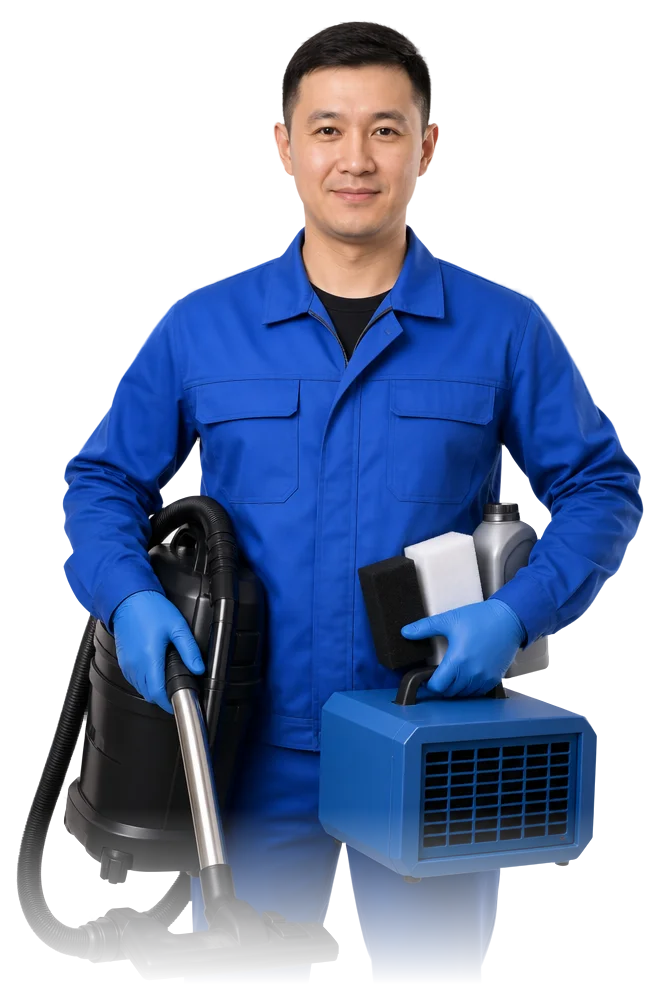
We work with any types and materials
Compact space requires thorough cleaning of all surfaces from soot and smoke deposits.
from 16,000 ₸Removing smoke odor and cleaning furniture, walls, and ceiling in a one-bedroom apartment.
from 20,000 ₸Comprehensive cleaning of two rooms, kitchen, and hallway with ventilation treatment.
from 24,000 ₸Deep cleaning of all rooms, including dry cleaning of upholstered furniture and carpets.
from 28,000 ₸House cleaning with cleaning of facades, roof, and surrounding area from soot.
from 32,000 ₸Full cycle of work for a cottage: from debris removal to ozonation.
from 44,000 ₸Restoring workspace after a fire with minimal downtime.
from 24,000 ₸Cleaning retail equipment, display windows, and goods from smoke deposits.
from 20,000 ₸Cleaning large areas using industrial vacuum cleaners and extractors.
from 16,000 ₸Specialized cleaning of kitchen equipment and ventilation.
from 24,000 ₸Removing soot from equipment and structures using Kiehl chemicals.
from 20,000 ₸Cleaning basement areas from smoke deposits and odor with waterproofing.
from 20,000 ₸From inspection to result with guarantee
Technician visit, photo documentation, area and contamination level measurements. A work plan is created considering fire type and materials.
Removing burnt items, furniture, and construction debris. Large fractions are packed into bags for disposal.
Using special sponges (chemical erasers) to remove soot from hard surfaces. Collecting fine dust with a Nilfisk HEPA vacuum cleaner.
Washing walls, ceilings, and floors using Kiehl and Sodasan products. Removing soot and neutralizing odors on all surfaces.
Cleaning upholstered furniture and carpets with a Karcher extractor and shampoo. Removing embedded soot and odors.
Cleaning air ducts, replacing filters. Using brushes and a HEPA-filter vacuum. Eliminating the source of odor.
We install the AirFree ozonator for 2-24 hours. Ozone destroys smoke odor molecules at the molecular level.
We check the cleaning quality and absence of odor using a gas analyzer. We sign the acceptance certificate.
We only use certified Kiehl (Germany) products for soot removal, Sodasan for delicate surfaces, and Pro-Brite for final cleaning. These formulations are safe for people and animals, effectively break down smoke deposits, and neutralize odor. Each product is selected based on surface type: wood, plastic, metal, or fabric.
HEPA filters class H14 capture 99.97% of soot particles and allergens, preventing them from resettling. Karcher extractors with hot water under pressure effectively wash smoke deposits out of material pores. This guarantees deep cleaning without streaks or traces of smoke.
We use industrial AirFree ozonators that generate ozone in safe concentrations. Treatment takes 2 to 24 hours depending on area. Ozone oxidizes odor molecules, completely eliminating smoke smell rather than masking it. After airing, the room is safe for occupancy.
Every profi-clean technician has undergone training in fire aftermath cleanup and holds certificates. Average experience is 5 years. We know how to clean electronics, documents, and valuables without damage. We work in personal protective equipment, following safety protocols.
We are confident in our work quality. After final inspection using a gas analyzer, if smoke odor persists, we perform re-ozonation and ventilation cleaning at no extra charge. Guarantee is valid for 30 days.
We tailor technology for each material: for wood – gentle sponges and polishes, for plastic – antistatics, for metal – polishing, for fabric – extraction. This restores up to 90% of surface appearance after a fire.
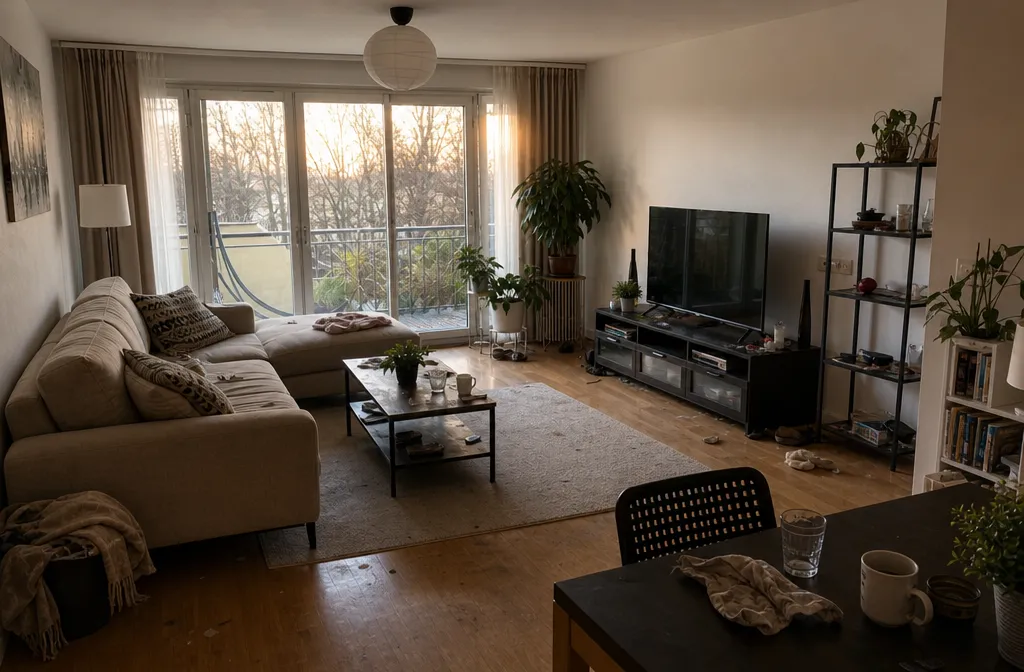
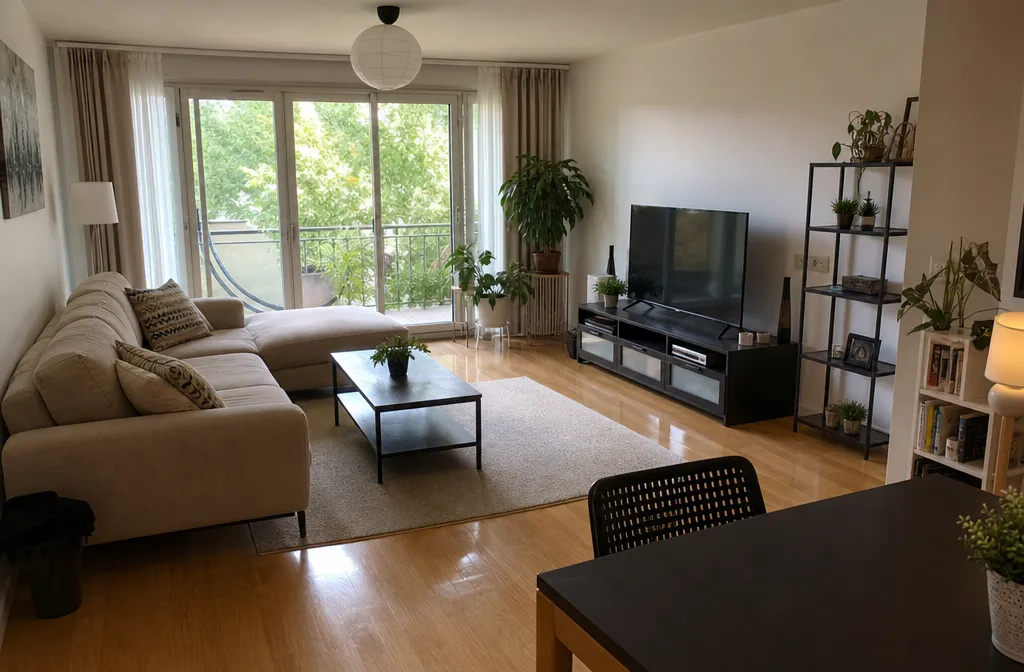 After
After
Request: A full cleaning of the living room was required after a small fire.
Done: Deep cleaning of walls, floor, furniture, and appliances from soot and smoke was performed.
Cost: 20 000 ₸
Master: Aigul Serikova, Cleaning Master
Total: The living room is completely cleaned of soot and smoke odor.
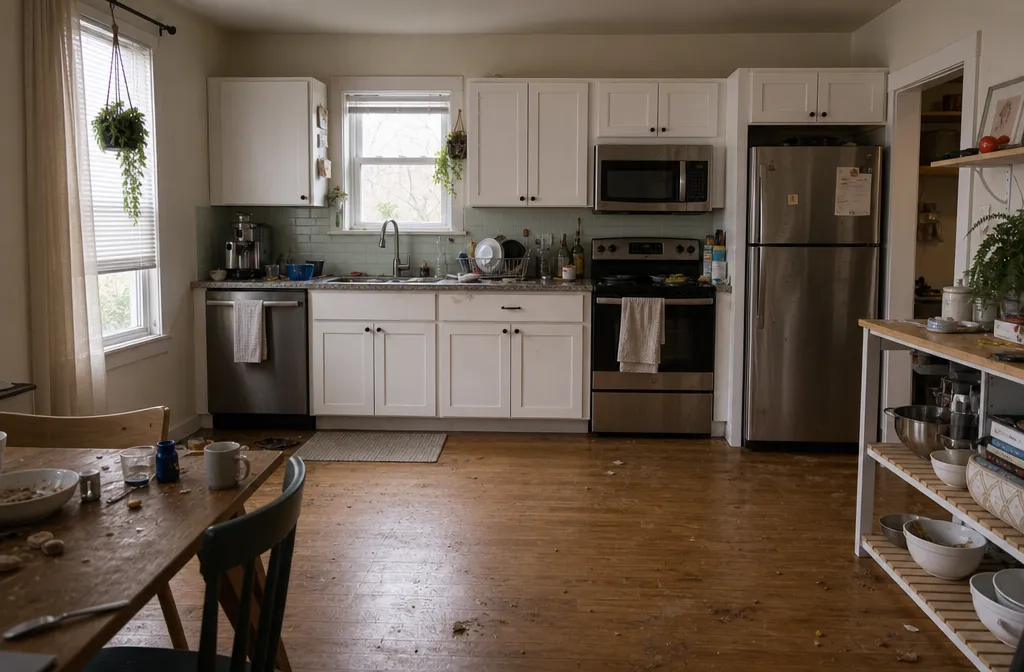
 After
After
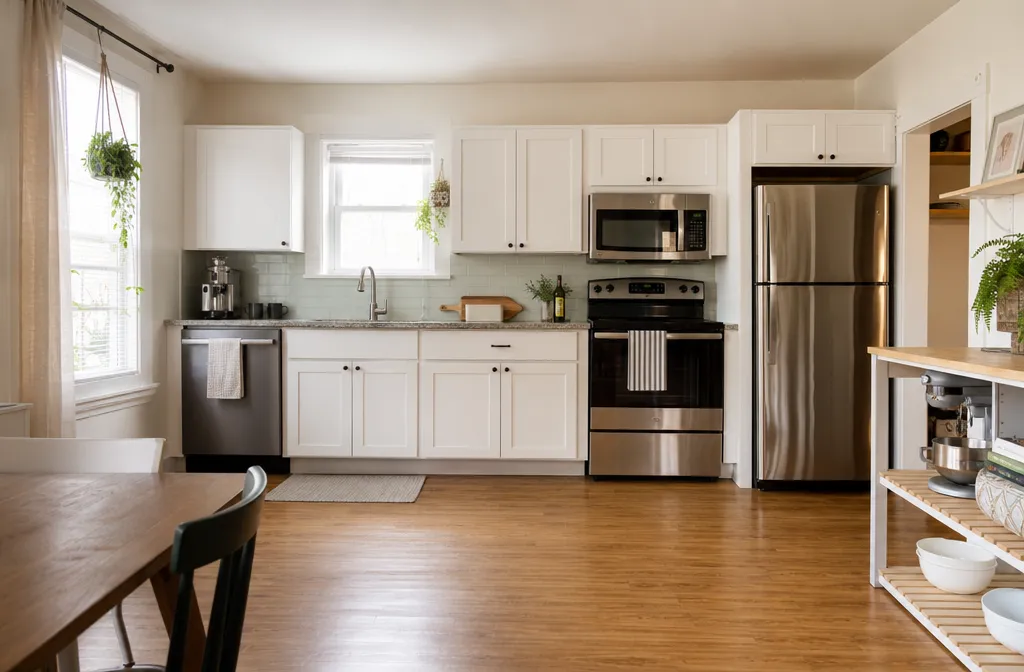
Request: The client asked to remove soot and smoke in the kitchen after a fire.
Done: All surfaces, hood, and stove were cleaned of carbon deposits.
Cost: 23 000 ₸
Master: Daniyar Nurgaliyev, Cleaning Master
Total: The kitchen sparkles with cleanliness, smoke odor completely eliminated.
 After
After
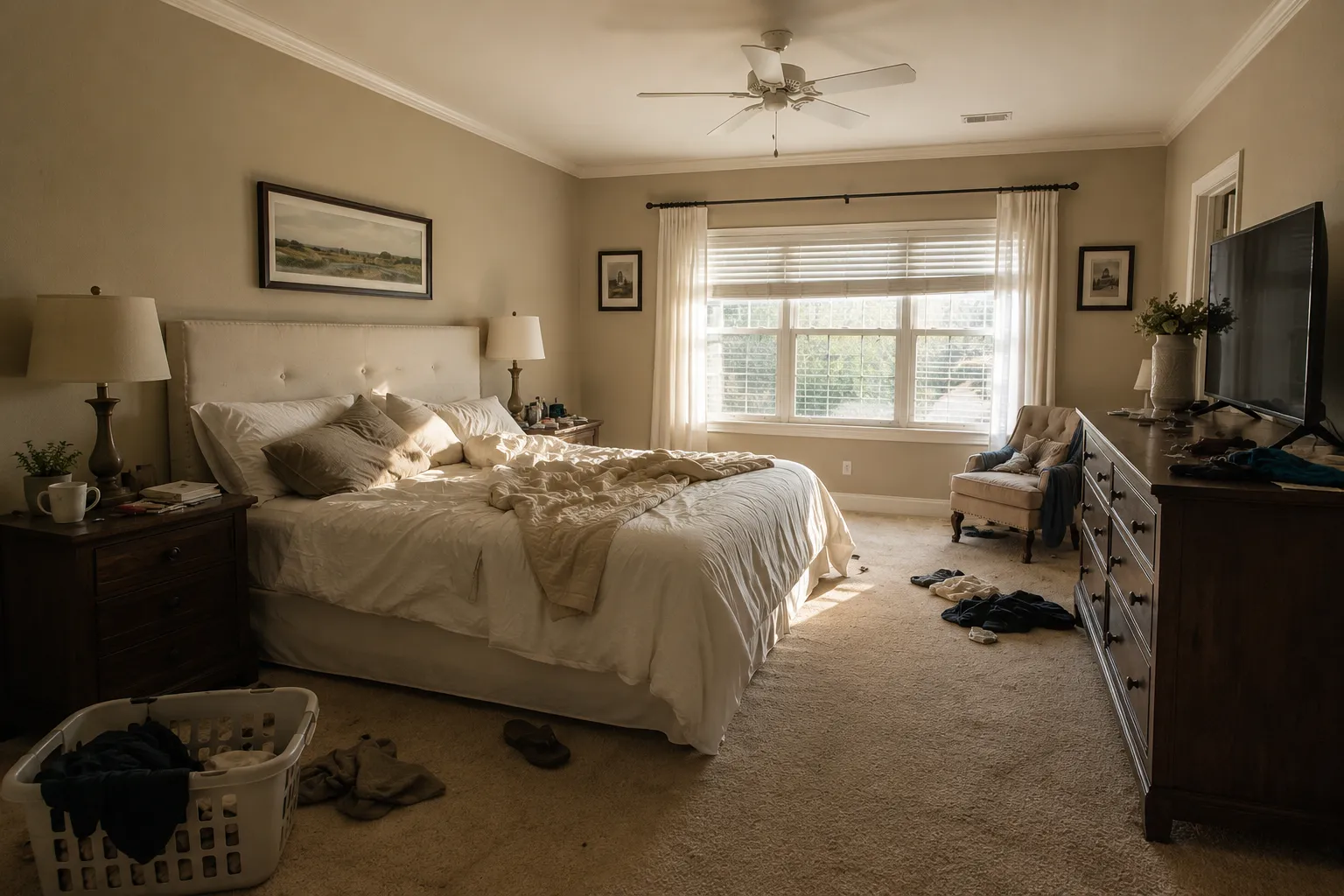
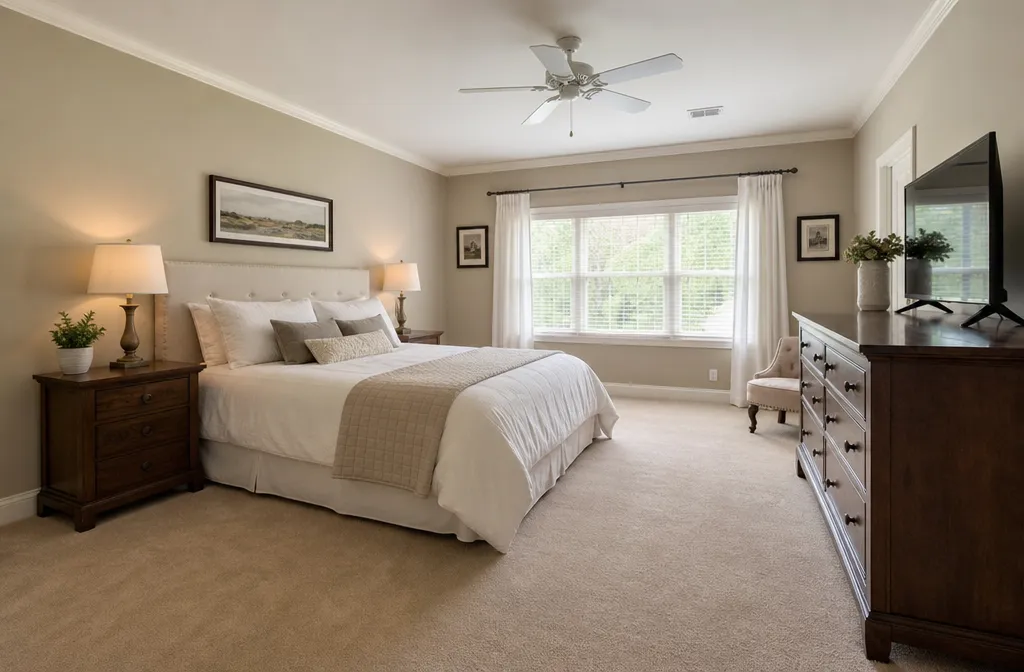
Request: Needed to clean the bedroom from soot and smoke smell.
Done: Dry cleaning of carpet, upholstered furniture, and wall treatment were performed.
Cost: 22 000 ₸
Master: Mereyert Abdrakhmanova, Cleaning Master
Total: The bedroom is completely cleaned, the air is fresh, without smoke odor.
 After
After
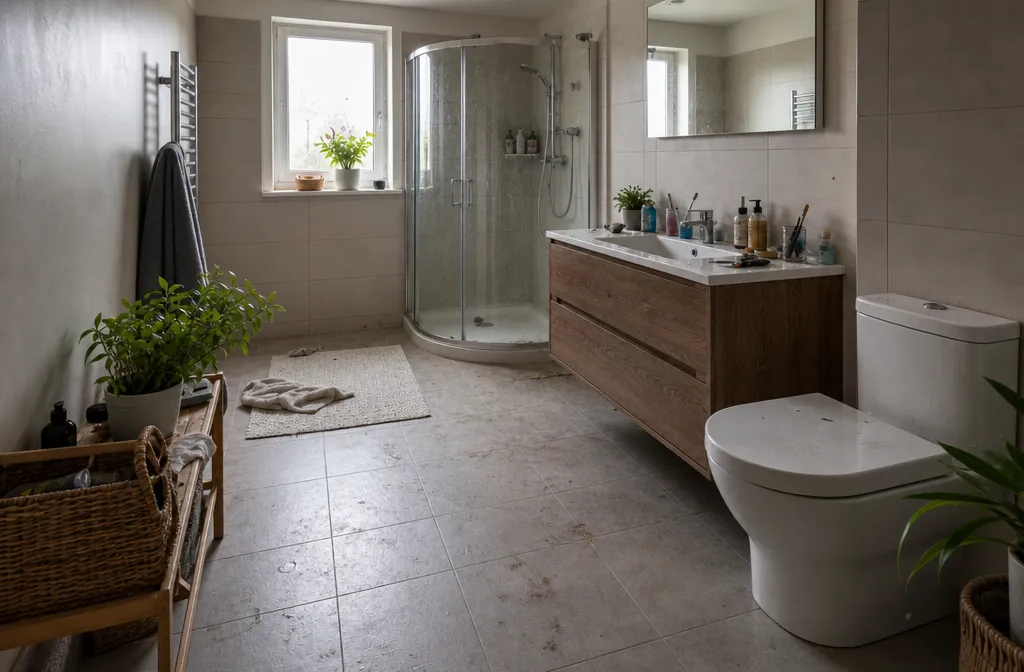
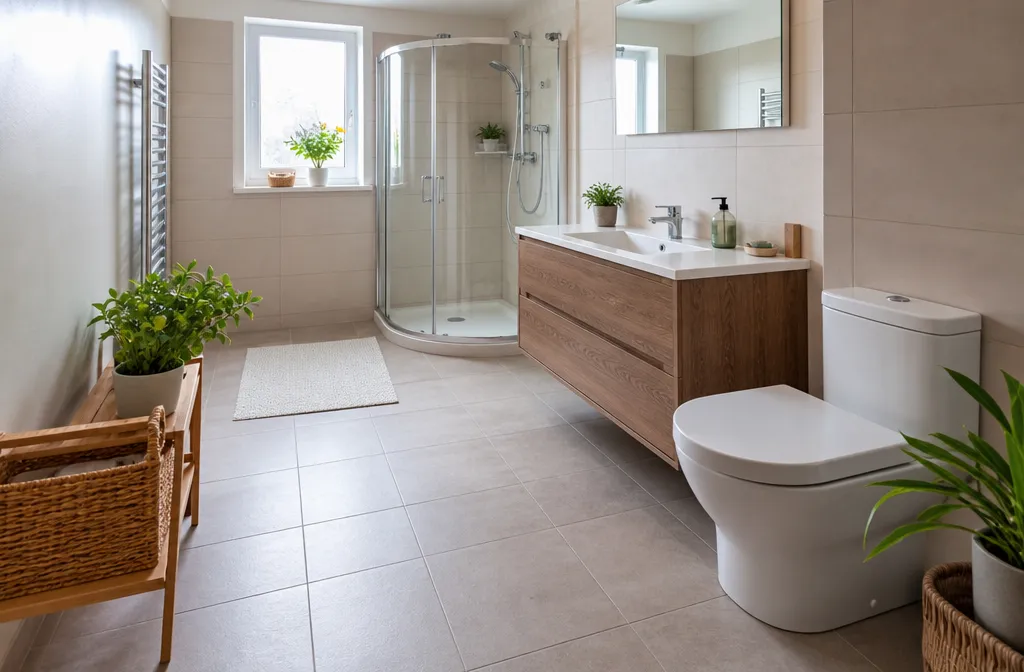
Request: Bathroom cleaning was required after smoke damage.
Done: Walls, ceiling, plumbing, and tiles were cleaned of soot.
Cost: 21 000 ₸
Master: Azamat Kaliyev, Cleaning Master
Total: The bathroom is impeccably clean, with no traces of soot.
 After
After
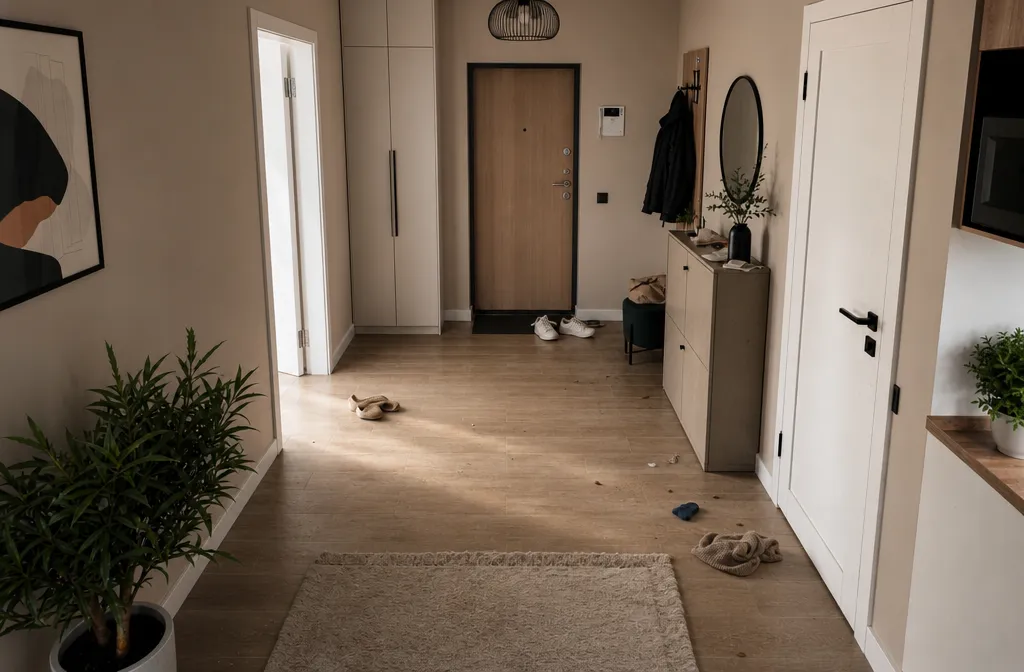
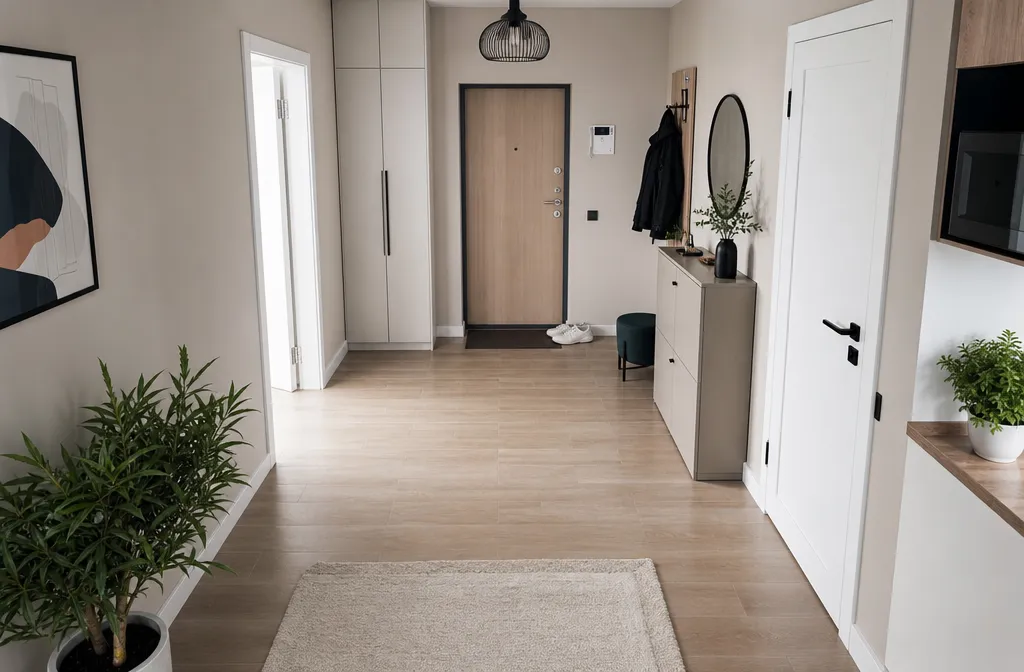
Request: Client ordered hallway cleaning after a small fire.
Done: Cleaning of walls, floor, shoe rack and mirror from soot was carried out.
Cost: 20 000 ₸
Master: Gulnaz Sadykova, cleaning master
Total: Hallway clean, no smoke smell or soot traces.
 After
After
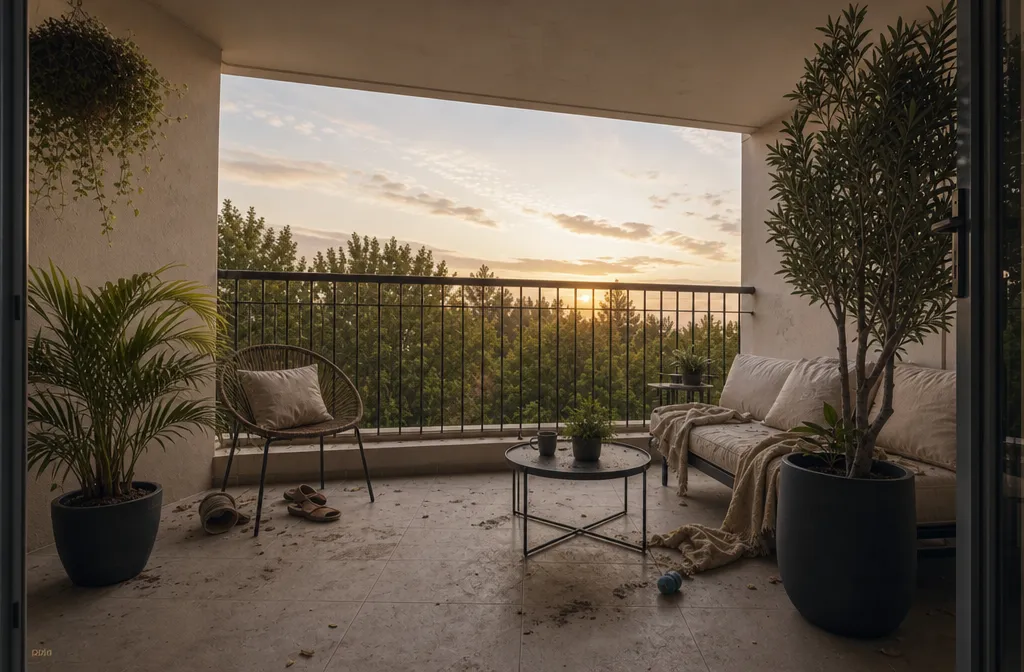
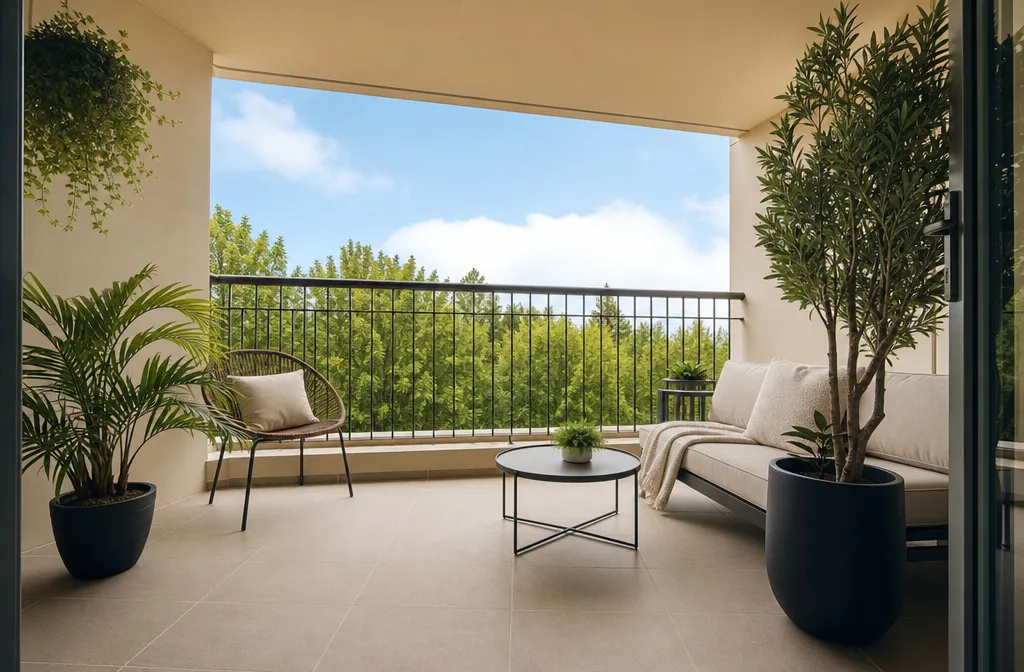
Request: Need to clean balcony from soot after fire.
Done: Cleaning of walls, floor, glazing and items from soot was performed.
Cost: 22 000 ₸
Master: Yerzhan Bekmukhambetov, cleaning master
Total: Balcony fully cleaned, ready for use.
 After
After
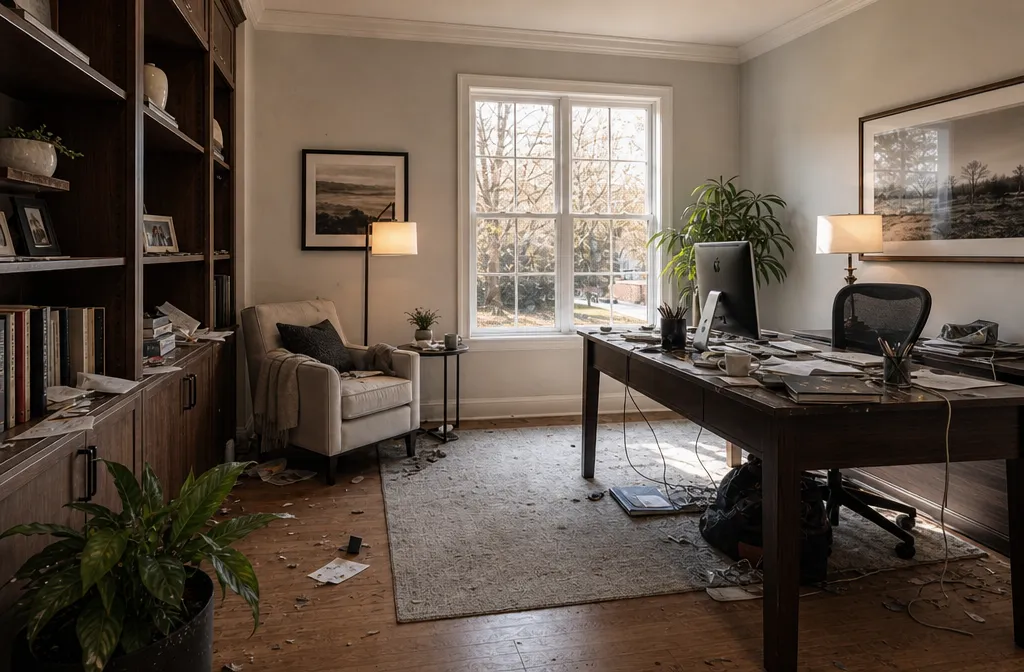
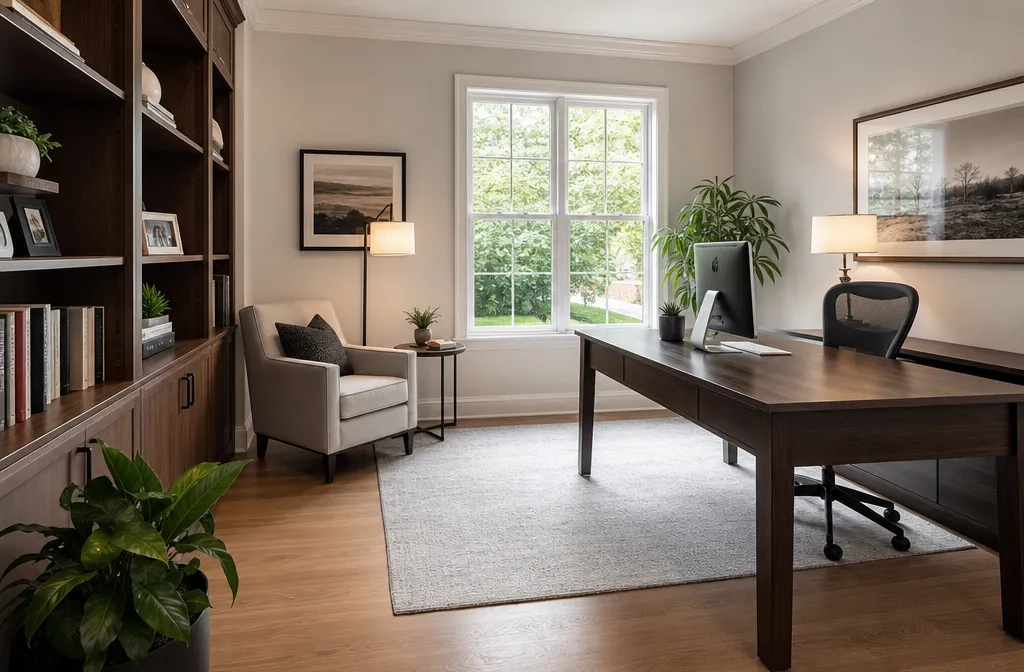
Request: Required cleaning of home office after smoke damage.
Done: Cleaned desk, chair, equipment and floor from soot.
Cost: 21 000 ₸
Master: Aliya Zhumabayeva, cleaning master
Total: Office clean, equipment working, no smoke smell.
 After
After
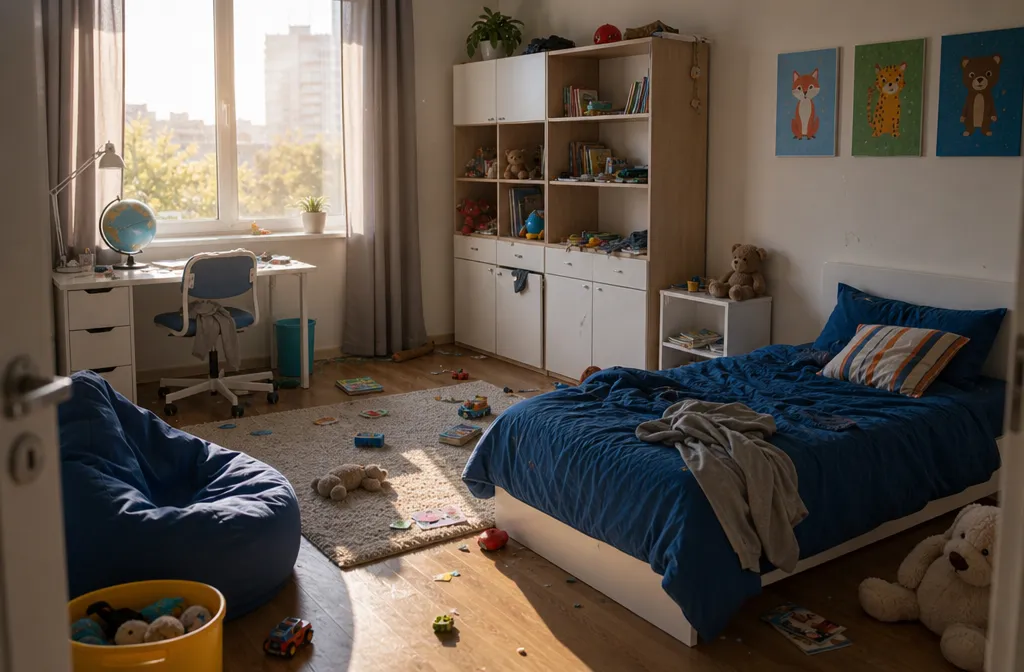
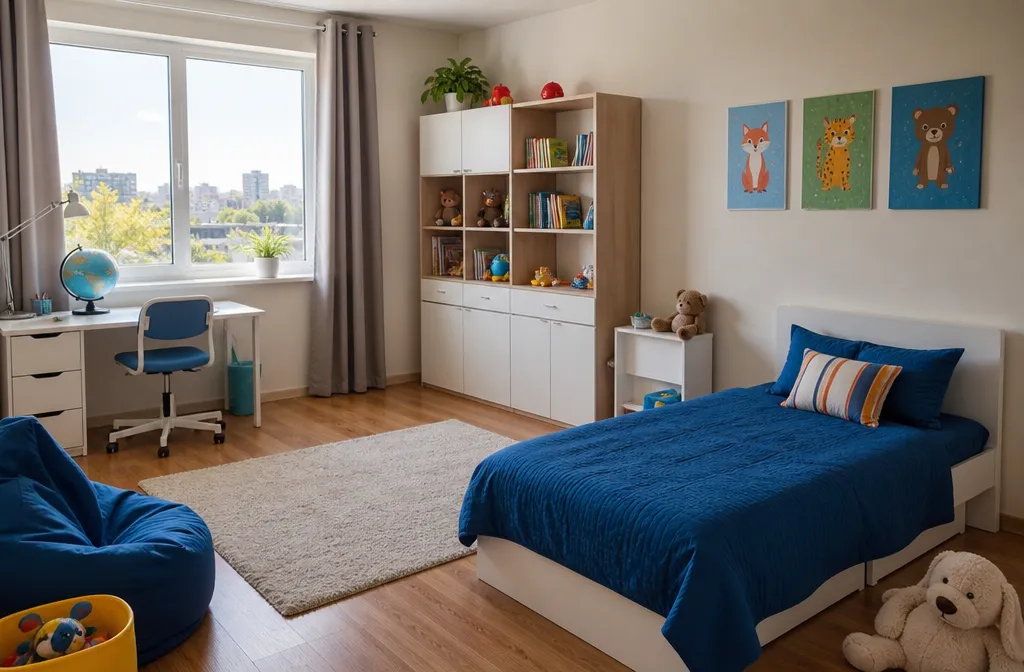
Request: Client asked to clean kids room after fire.
Done: Deep cleaning of toys, furniture and walls from soot was performed.
Cost: 20 000 ₸
Master: Nursultan Tulegenov, cleaning master
Total: Kids room safe, clean, no smoke smell.
 After
After
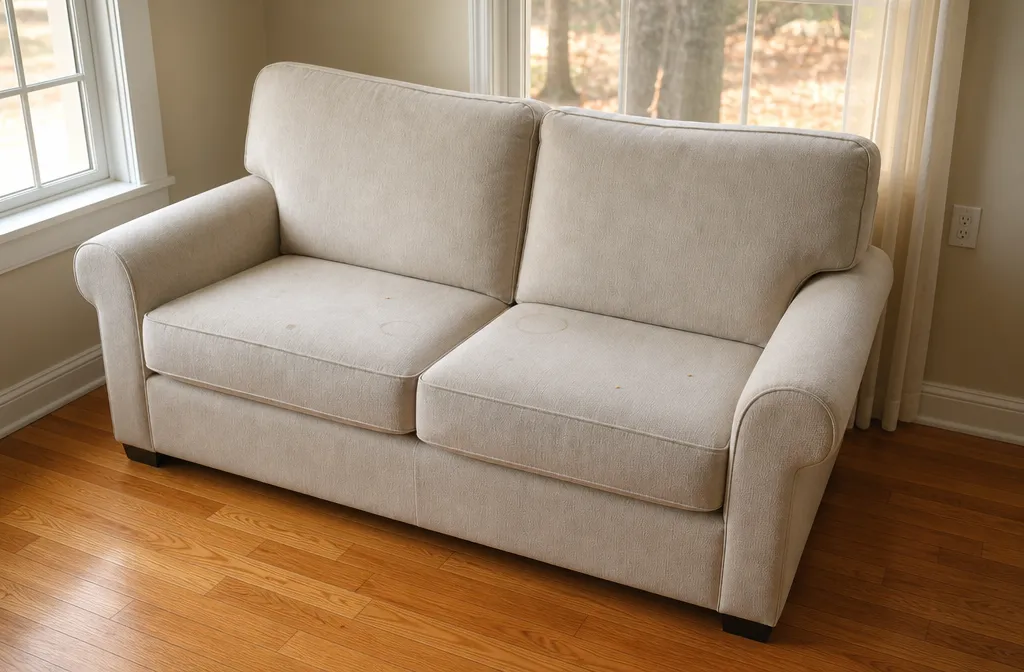
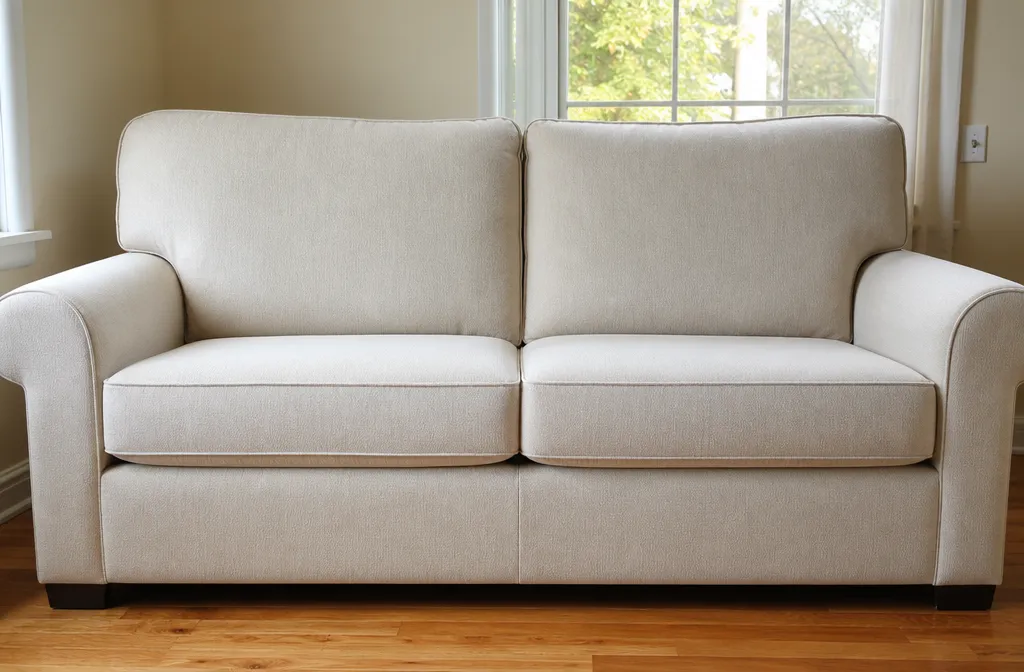
Request: Need to clean sofa from soot and smoke smell.
Done: Dry cleaning of sofa with removal of stubborn stains was performed.
Cost: 11 000 ₸
Master: Aizhan Muratova, dry cleaning master
Total: Sofa clean, fresh, no smoke smell or stains.
 After
After
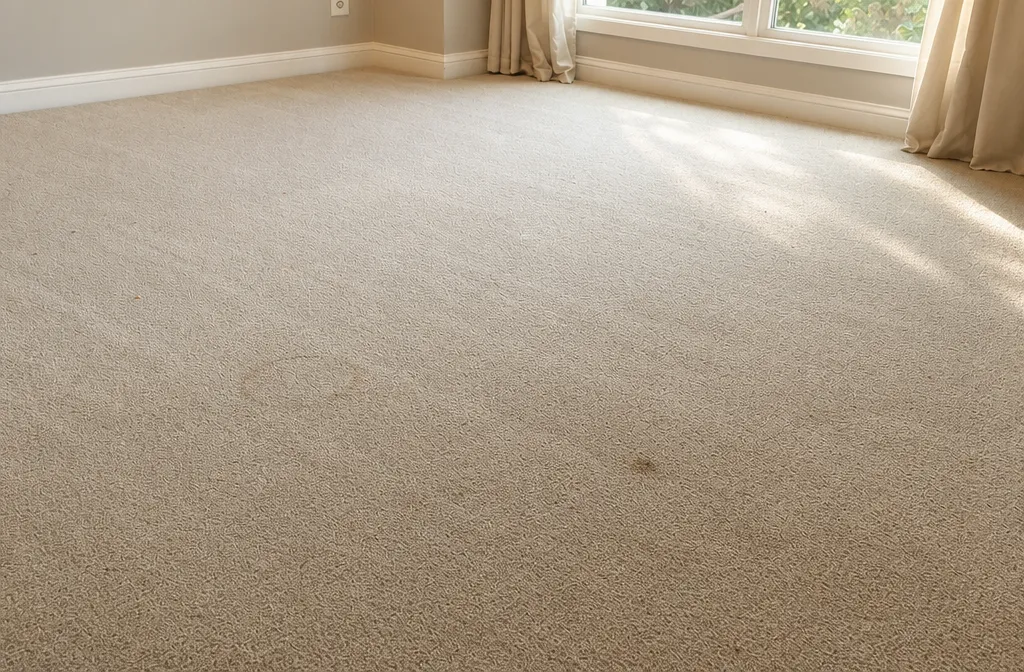
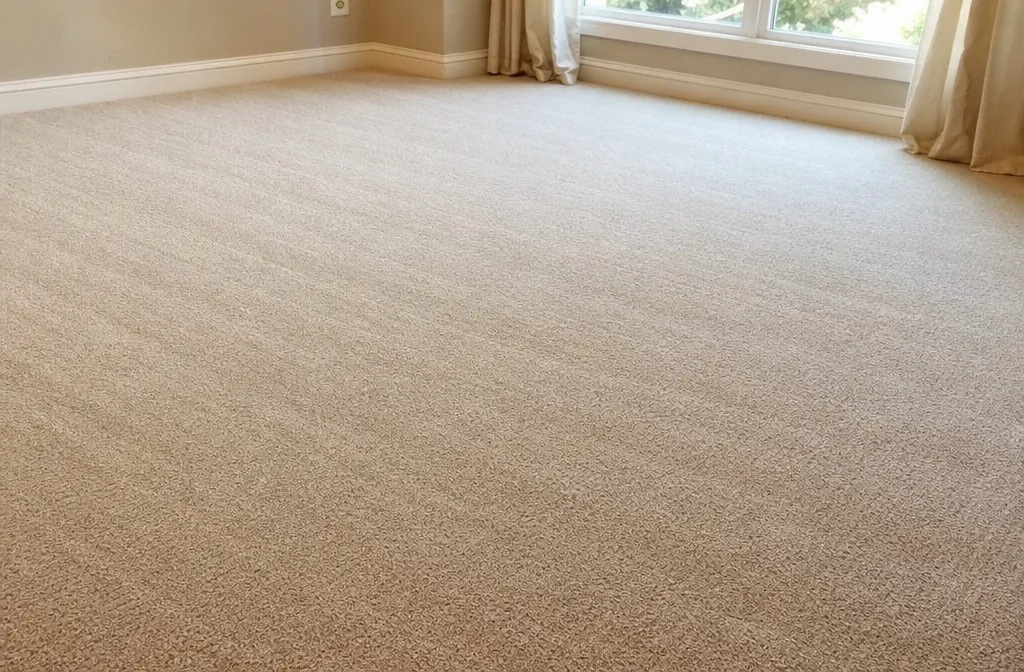
Request: Required dry cleaning of carpet from soot after fire.
Done: Deep carpet cleaning with soot removal completed.
Cost: 23 000 ₸
Master: Bakhytzhan Aliyev, cleaning master
Total: Carpet fully cleaned, colors restored, no smell.
All cleaners are profi-clean staff with training, uniform and security check. Each order has a team leader who controls quality.
In our practice, profi-clean cleaners visit properties after fires every month, and the first thing we explain to the client is: deep cleaning and fire cleanup are two fundamentally different services. Regular cleaning washes away dust and dirt, while post-fire cleanup neutralizes chemically aggressive compounds, soot, and smoke residue that penetrate the micropores of materials. Let’s break down the key differences so you understand why a mop and vacuum cleaner won’t suffice here.
During a standard deep clean, we deal with dust, pet hair, sand, and grease stains—all of which are removed with alkaline or neutral cleaning agents in one pass. After a fire, surfaces are left with soot (fine carbon particles), smoke residue (a mixture of soot and volatile organic compounds), and a film from the combustion of synthetics—plastic, foam, particleboard. These substances are chemically active: they react with paint, varnish, and wallpaper, embedding into the structure within 6–12 hours. Regular dish soap or chlorine bleach is useless here—they fix the soot in the pores, making stains permanent. At our Almaty sites, we use specialized solvent-based formulations from Kiehl and Sodasan, which break down the carbon bonds of smoke residue at a molecular level. If more than a day has passed since the fire, restoring white walls or light-colored furniture without professional chemicals is impossible—the soot particles fuse permanently with the lacquer coating.
During a deep clean, contaminants are on the surface—on the floor, countertop, glass. After a fire, smoke penetrates the hardest-to-reach places: behind baseboards, inside ventilation ducts, under stretch ceilings, into gaps between parquet boards. In Almaty, where old housing stock (Center, Tastak, microdistricts “A”–”G”) often features wooden floors and loose plaster, the smoke suspension absorbs 3–5 mm deep into the material. Regular wet cleaning only washes off the top millimeter, leaving the smell of smoke and toxins inside. Our technology involves treatment with a steam generator at 140 °C, applying an alkaline solution under pressure—this flushes soot out of the capillaries. If this step is skipped, the smell of smoke will reappear in the room a month after cleaning: air humidity activates the compounds remaining in the pores. In our practice, there was a case on Abay Avenue where, after a “regular deep clean,” the smell returned in three weeks—we had to remove the top layer of plaster and treat the walls again.
A deep clean does not require dismantling—open surfaces are washed, furniture is moved, carpets are beaten. After a fire, a quality cleanup is impossible without partially disassembling structures. Soot accumulates behind wall-mounted cabinets, under raised floors, inside exhaust ducts, and in window sill cavities. At Almaty sites (especially in “Panel-6” series houses with hollow partitions), we often open suspended ceilings and remove wall cladding—only then can we reach the layer of soot that has settled in the cavity. Without dismantling, the smell of smoke persists for years, especially in summer when air heating activates the hardened resins in the soot. We warn clients in advance: if ventilation ducts are not opened, the smell will return in the heat after six months—this is not a cleaning defect, but the physics of particle settling in enclosed spaces.
For a deep clean, a vacuum cleaner with a dust bag and a regular mop are sufficient. After a fire, household appliances are strictly prohibited: they allow micro-particles of soot (size 0.1–10 microns) back into the air, spreading toxins throughout all rooms. profi-clean uses industrial vacuum cleaners with HEPA H14 filtration, which trap 99.995% of particles up to 0.3 microns in size. Soot is carbon dust; it is electrostatically charged and sticks to the plastic inside a regular vacuum cleaner; when turned on next time, it is expelled into the room. At our Almaty sites, we use three-stage filtration: a cyclone pre-separator + HEPA H14 + a carbon post-filter. Without this, cleaning turns into spreading soot around the apartment—the client breathes in combustion products for another week after “washing” the walls.
General cleaning is safe with standard ventilation and household chemicals. Working indoors after a fire without PPE is a direct risk of poisoning: soot contains polycyclic aromatic hydrocarbons (PAHs), benzene, and formaldehyde, which are released when synthetics (linoleum, plastic, foam rubber) burn. Inhaling these compounds for even an hour causes headaches, nausea, and irritation of mucous membranes. Our cleaners on sites in Almaty work in respirators with A1B1E1 filters and protective suits. If you try to clean it yourself, be sure to use an industrial respirator (not a medical mask), nitrile gloves, and goggles. Regular clothing after such cleaning must be disposed of: PAHs do not wash out completely and remain in the fabric. During one of our April call-outs on Zharokova Street, a client who tried to clean soot without protection ended up in toxicology with respiratory tract edema — after that, we always insist on professional treatment with certified protective equipment.
After a fire, a room contains not one, but three fundamentally different fractions of contaminants — and each must be removed using its own method. On the sites where profi-clean works in Almaty, we see owners trying to wash everything with one solution, only for the smell to return a week later and yellow stains to appear on the walls. Let’s break down the three main types of contaminants and how they are professionally removed.
Soot is not a homogeneous substance, but a mixture of carbon particles that, depending on the combustion temperature, can be dry (temperature above 600 °C) or oily (smoldering at 200–400 °C). Dry soot is a fine dust that settles on vertical surfaces and embeds itself in the pores of plaster and wallpaper. Oily soot forms when synthetics, plastic, or linoleum burn — it is sticky and penetrates deeply into paint coatings and wood. At profi-clean, on sites in Almaty, we first determine the type of soot with a test wipe: if the cloth glides, the soot is dry; if it smears and drags, it is oily. We remove dry soot with an industrial vacuum cleaner with a HEPA filter and a dry natural rubber sponge (it absorbs carbon without smearing). Oily soot is removed only chemically: we apply an alkaline solution based on potassium soap (Kiehl), let it sit for 5–7 minutes, and rinse with a hot water extractor. A common mistake: trying to wash dry soot with water — it turns into mud that then has to be sanded off the surface.
Soot is a mixture of carbon particles with products of incomplete combustion of resins, plasticizers, and paint coatings. It doesn’t just sit on the surface but penetrates deep: into drywall — 2–3 mm, into untreated wood — up to 5 mm, into porous plaster — through the entire layer thickness. In our orders in Almaty, the most difficult case is soot on textured “bark beetle” plaster: its relief collects particles in the grooves, and a regular brush can’t reach them. For such surfaces, we use the absorption method: we apply a special paste based on cellulose and hydrogen peroxide, which draws soot out of the pores in 20–30 minutes, then rinse with an extractor. On glossy surfaces (tiles, laminate, plastic), soot is removed with a neutral detergent and microfiber. Actionable insight: on drywall after soot removal, be sure to check the wall’s moisture level — if the material has absorbed water, without antiseptic treatment, mold will appear within a month, and the wall will have to be replaced.
When modern materials (polyester, acrylic, PVC, polyurethane foam) burn, they produce not soot but fatty aerosols — tiny droplets that cool and coat all surfaces with a thin, sticky film. This film is invisible to the eye but feels greasy to the touch, and it is precisely this that creates that lingering “chemical” burning smell that persists for months. We had a case in an apartment in Almaty after a polyurethane foam sofa caught fire: the client washed the walls three times with water and powder, but the smell returned after two days because the film was not removed, only smeared. To remove fatty films, we use only professional solvent-based degreasers (Sodasan Industrial Degreaser) — they emulsify the oily layer, which is then washed away with hot water under pressure. Expert recommendation: on kitchen units and plastic windows after film removal, be sure to apply a protective compound with a UV filter — without it, the surface yellows faster in the sun, and within six months, the difference between the treated and adjacent area will become noticeable.
The burning smell is not a “spirit” in the air but volatile organic compounds (VOCs) that adsorb into porous materials: wallpaper, wood, textiles, drywall. Phenol and cresol molecules (combustion products) bond with cellulose and polymers on a chemical level — simple airing does not help because the compounds are released for years with changes in temperature and humidity. At profi-clean on sites in Almaty, we use a three-stage neutralization: first ozonation (ozone oxidizes VOCs into harmless compounds), then application of a water-based catalytic neutralizer (it reacts with residual molecules and turns them into salts), and final treatment with UV lamps to destroy the smell in hard-to-reach places. Actionable insight: do not use air fresheners or candles to mask the burning smell — they do not remove VOCs but mix with them, creating toxic secondary compounds that, when inhaled, irritate mucous membranes twice as much.
The least obvious consequence of a fire is not soot, but the water used to extinguish it. It seeps under baseboards, into floor screeds, behind drywall, and leaves two types of contamination: rust from metal structures (rebar, pipes, door frames) and biological damage (mold and mildew). In Almaty, where humidity in basements and on first floors is higher than the city average, mold after firefighting appears as early as day 3–5 if forced drying is not started. In our practice, on post-fire sites, we always first measure wall and floor moisture with a moisture meter — if the reading is above 18%, we run heat guns and dehumidifiers for 48 hours. Rust on tiles and plumbing is removed with orthophosphoric acid (5–7% solution); on wooden surfaces, only by mechanical sanding, because the acid corrodes the wood structure. Expert recommendation: mold on drywall after firefighting cannot be removed with bleach — it only goes away with replacement of the affected area, so before drying, immediately cut off the bottom 10–15 cm of the wall, otherwise in a month you will have to replace the entire sheet.
At first glance, it seems that a draft and a couple of damp cloths will solve the problem. But on sites where we have worked, self-directed soot removal most often ends in overspending and lost time. Let’s break down why home methods do not work and what the risks are.
Smoke after a fire is not a gas but a suspension of solid soot particles measuring 0.1–1 micron. This fraction does not obey the laws of diffusion: it does not “fly away” with the air flow but settles on all surfaces due to Brownian motion and electrostatics. Almaty cleaners at profi-clean measured the residual contamination level after 12 hours of airing — the soot concentration on walls and ceilings decreased by only 8–12% of the original. The remaining part penetrates into the pores of plaster, concrete, and drywall to a depth of 3–5 mm. A draft blows away only what has not yet settled — the bulk remains inside the material and, with increased humidity or temperature, re-enters the air.
After a fire, three fractions of soot form indoors, and each behaves differently. Coarse soot (from 10 microns) — visible black deposits on furniture and floors — can be washed off with soapy water but leaves a greasy film that continues to smell. Fine soot (0.5–5 microns) — which penetrates wall pores and textiles — cannot be removed without special chemical compounds with low surface tension. Ultrafine soot (less than 0.3 microns) — lingers in the air for weeks and settles in the lungs; it is captured by HEPA filters of class H13 and higher. In our orders for apartments after kitchen fires in 1-464 series houses (panel buildings, Almaty), we found soot on the reverse side of stretch ceilings and inside ventilation ducts — places an ordinary cloth simply cannot reach.
The most common mistake is treating walls and furniture with vinegar or bleach. Acetic acid reacts with the alkaline components of soot, forming acetates — volatile salts that create a new chemical odor mixing with the smell of smoke. At a site in the “TaUgul” microdistrict, after such treatment, profi-clean cleaners recorded a persistent “vinegar-smoke” trail that required triple washing with a neutralizing compound with a pH buffer. Bleach, on the other hand, reacts with organic residue from smoke, releasing organochlorine compounds — which are toxic when inhaled. Household stain removers like Vanish or Amway Home are not designed for oily soot: they wash off the top layer but leave a greasy base that, when heated by radiators, starts to smell again.
Mechanical friction is the second most common mistake. Soot contains abrasive carbon particles with a hardness of 1–2 on the Mohs scale. When vigorously wiping painted walls or lacquered furniture, these particles act like sandpaper: they leave micro-scratches that later trap new dirt. On matte acrylic ceilings (a common choice in new Almaty buildings), soot embeds so deeply that trying to wash it off with a sponge and baking soda leaves white streaks that cannot be removed without a full repaint. Another typical scenario is carpets and carpeting. Home steam cleaners with water filters (Karcher, Thomas) push soot deeper into the pile rather than extracting it: water forces particles to the carpet base, from where they can only be removed with an industrial extractor at 80–100 bar pressure. In our practice at sites in the “Nurly Tau” residential complex, after DIY carpet cleaning, the smoke smell returned within 2–3 days — moisture activated the remaining micro-particles.
The Almaty microdistrict “Samal” with panoramic windows and a Stalin-era building in the center with wooden floors — the consequences of the same fire look different and are eliminated differently. Climate and building type dictate cleaning methods.
Almaty has a sharply continental climate with humid springs and dry summers — this changes the behavior of contaminants. Our practice shows: at humidity above 65% (March-April and October-November), soot absorbs moisture from the air, turning into a sticky paste that penetrates deeper into plaster and wood pores. During a dry July fire, soot remains on the surface and washes off faster. The difference in cleaning time per square meter of walls is up to two times. Temperature fluctuations in the off-season (from +5°C at night to +25°C during the day) cause condensation on cooled structures — moisture mixes with soot and seeps into panel joints and under baseboards. Therefore, when cleaning premises after a fire in Almaty, we always measure indoor humidity with a hygrometer and, if the reading is above 60%, use an enhanced drying cycle with heat guns before applying absorbents. Without this step, the smoke smell returns within a week — moisture “pushes” soot particles back to the surface.
Stalinka apartments in central Almaty (Gogol, Kunaev streets area) have wooden floor beams and lime-sand plaster — a sponge for soot. On buildings constructed in the 1950s, we encounter soot penetrating 3-5 mm deep into the plaster, making mechanical cleaning without removing the layer ineffective. In Khrushchyovka apartments in the “Tastak-1” and “Orbita” microdistricts, the problem lies in panel joints — during a fire, smoke is drawn into inter-panel voids, and the smell later comes from neighboring apartments. New buildings (Akbulak residential complex, Grand Alatau) with plasterboard partitions and stretch ceilings are a different story: soot is not absorbed but settles on all horizontal surfaces, including hidden cavities behind false walls. There, we have to dismantle part of the structure to treat the internal cavities with ozone. In our practice, cleaning a stalinka takes 30-40% more time than a new building of the same area, due to the need to remove a layer of plaster in the kitchen.
In any Almaty apartment building — whether it’s a 1-464 series building in “Aynabulak” or a business-class residential complex on Dostyk — ventilation ducts connect apartments along the riser. During a fire, smoke is drawn into the ventilation shaft and spreads 5-8 floors upward. Even if the source is contained in one apartment, the smell of burning appears at neighbors’ apartments above within 2-3 hours. A typical mistake residents make is sealing the ventilation with tape: this doesn’t help, as smoke penetrates through micro-cracks in the ducts. When cleaning premises after a fire in Almaty, we always inspect the shafts with an endoscope for soot and, if contaminated, treat them with an antibacterial solution using a dry fog generator. If this is not done, the smell will return every time the exhaust hood is turned on in a neighboring apartment — and complaints from neighbors are guaranteed.
While our cleaners are on their way to the site, the client can do several things that will reduce the overall work time and lower the risk of additional damage. At profi-clean, we have compiled a memo of four mandatory steps — they should be completed before our arrival.
Before entering the room, check that the electricity is turned off at the panel — during a fire, wire insulation often melts, and turning on the switch can cause a short circuit. Open all windows wide, but only if there is no rain or strong wind outside that could spread soot to adjacent rooms. In Almaty apartments with plastic double-glazed windows, we recommend removing mosquito nets — up to 30% of fine particulate deposits settle on them, and a draft blows them outside rather than back into the room. If there are working split systems in the room, do not turn them on: soot clogs the drainage and evaporator, and repairing the air conditioner after such use costs more than the cleaning itself.
First, remove passports, money, electronics, and property documents — even if they seem clean, soot particles penetrate the micro-pores of paper and plastic, making them harder to clean after a week. Remove covers from clothing and textiles that were not damaged by fire — they are sent to dry cleaning separately, and in the room they will only collect extra soot. Do not try to wipe soot off furniture with a damp cloth: water “seals” the deposit into the surface, and later our cleaners have to use more aggressive chemicals that can damage the varnish coating. Leave items on the balcony or in the hallway — smoke has barely penetrated there.
If wallpaper is blistered or melted, remove it yourself before the masters arrive: damp condensation often remains underneath, which can trigger mold within 48 hours. For carpet coverings saturated with soot and firefighting water, it is better to immediately cut out the affected areas — they cannot be restored, and their removal speeds up floor treatment. In Almaty homes with stretch ceilings, check if the fabric has sagged due to temperature changes: if there is sagging, call a specialist for dismantling, otherwise the ceiling may tear from equipment vibration during cleaning. Remove and discard plastic blinds and curtain rods — oily soot settles on them, and cleaning them costs more than buying new ones.
Clear pathways of movable furniture — this reduces cleaning time by 20-30% as technicians don’t have to navigate around obstacles. Pack small items (dishes, books, decor) into boxes and move them to the hallway or an adjacent room: each item is handled manually, and scattered belongings lengthen the work shift. If there are pets in the home, temporarily relocate them to neighbors or relatives — the smell of chemicals and the noise of industrial vacuums stress animals, and soot can settle on their fur. Our advice: lay old sheets or cardboard from the entrance to the work area — this prevents you from tracking soot into clean rooms, and you won’t have to wash the hallway again after cleaning.
Standard household chemicals and vacuum cleaners cannot handle soot, grime, and toxic gases after a fire — professional-grade solutions and industrial equipment are required. We use several classes of products and machines, each tailored to a specific type of contamination.
Soot and grime after a fire have different chemical natures depending on what burned: wood, synthetics, plastic, or oils. Alkaline cleaners (pH 10–13) work against greasy soot from synthetic materials — they saponify oily films and turn them into a water-soluble emulsion. Acidic formulations (pH 2–4) are effective against mineral deposits and carbon residue from burning plastic — they dissolve carbonate and oxide crusts. At profi-clean, we use the professional Kiehl line with pH differentiation: for walls and ceilings after wood smoldering, an alkaline concentrate is used; for glass and tile, an acidic one. Our practice shows that universal “2-in-1” formulations leave streaks on porous surfaces — so on-site, we always have two canisters and pH test strips to check before application.
Soot particles sized 0.1–1 micron (PM0.1–PM1) are not captured by household filters and are expelled back into the air, settling in the lungs. Industrial extractors — such as our machines with three-stage HEPA H13 filtration — capture 99.97% of particles down to 0.3 microns, including fine soot and mold spores. We use a combination: a dry vacuum for initial collection, then a wet extractor applying solution at pressures up to 6 bar — it washes soot out of concrete and wood pores. Without HEPA filtration, you simply redistribute the soot around the room; on every job, we carry spare filters, which are changed after sites with heavy smoke damage.
After a fire, the space becomes chemically vulnerable: residual soot reacts with aggressive cleaning agents, releasing volatile compounds. We chose the plant-based Sodasan line — they contain no chlorine, phosphates, or synthetic fragrances that mask odors rather than neutralize them. At sites in Almaty with children or dogs, profi-clean cleaners use these formulations: they are biodegradable within 28 days and leave no film on surfaces. Moreover, Sodasan’s effectiveness against soot is comparable to major brands’ alkaline chemicals — the only difference is speed: on greasy deposits, the plant-based concentrate takes 10–15 minutes longer, but without the risk of allergies for the client.
An ozonator is the only device that oxidizes odor molecules into carbon dioxide and water, without masking them. At profi-clean, we use industrial ozone generators with an output of 5–10 g/h — in 30–40 minutes of treatment in an empty room, ozone destroys up to 95% of volatile organic compounds, including phenols from burnt plastic. However, there is a catch: ozone is hazardous to breathe, so treatment is only carried out after furniture removal and with ventilation turned off. An alternative is photocatalytic filters with a UV lamp: they break down odors on a titanium dioxide surface without ozone, but slower — for a 30 m² room, it takes up to 4 hours. On sites with heavy charring, we combine both methods: first ozonation, then photocatalysis for final polishing.
Ventilation ducts and the indoor unit of a split-system accumulate soot and grease deposits — after a fire, they become a constant source of odor that returns 1–2 days after cleaning. For cleaning, we use steam generators with an alkaline solution supply at a pressure of 8 bar, followed by vacuum extraction through a HEPA filter. On air conditioners, we additionally clean the drainage system and the fan impeller — soot settles on them as the hottest point. In our orders in Almaty over the past year, every third odor recurrence was linked specifically to uncleaned ventilation, so we now include its inspection in the standard protocol after a fire.
Ordered post-fire cleaning in an apartment — amazed by speed and quality. Soot stains completely removed, odor gone.
Thank you, Aigerim! Glad we could help.
After a small fire in the office, profi-clean quickly put everything in order. Walls and furniture like new.
Did post-fire cleaning in a warehouse — handled excellently, but started a bit late. Result was pleasing.
Apologies for the delay, glad you're satisfied with the result.
The kitchen burned down in the house, we thought we'd have to replace the floors. profi-clean cleaned it to a shine, even saved the tiles.
Ordered post-fire cleaning in the garage — a faint smell of smoke remained, had to air it out for a long time. Overall okay.
Thank you for your feedback, we'll take note of the smell issue.
After smoke damage from neighbors, profi-clean cleaned the studio perfectly. Even belongings were unharmed.
Post-fire cleaning in the store — the team worked carefully, windows are clear, goods untouched.
We strive for you, Kuanysh!
After a toy fire in the children's room, profi-clean washed the walls, but a slight smell remained. It aired out after a day.
Ordered post-fire cleaning in the restaurant — everything was fast, the kitchen shines, no smell. Thank you!
Thank you, Timur! Always happy to help.
Fire in the bedroom due to wiring. profi-clean cleaned the ceiling and walls, now the room looks like new.
Did post-fire cleaning in the workshop — equipment cleaned of soot, but some marks remained on the floor. Overall good.
We'll take note, thank you.
After a short circuit, profi-clean tidied up the living room. The sofa was cleaned of soot, and the smell is gone.
Cleaning of premises after a fire in the basement — dark and smoky, but profi-clean handled it. The walls turned white.
Glad that the result met expectations.
Fire in the bathroom, profi-clean washed it, but the tiles yellowed in some places. Had to re-scrub ourselves.
Sorry for the oversight, we passed it on to the team.
Ordered cleaning of premises after a fire in an open space — employees returned the next day, no traces.
In the corridor after the fire, profi-clean cleaned well, but slightly scratched the door. Otherwise, great.
We apologize for the scratch, ready to compensate.
Cleaning of premises after a fire in the garage — equipment was not damaged, the floor was cleaned of fuel oil and soot. Well done.
Kitchen after a fire — the kitchen set was cleaned, facades like new. Very satisfied.
Thank you, Assel! We'll be happy to help again.
Did cleaning of premises after a fire in the office — papers were not damaged, walls were washed. It smelled for a few days.
Thank you for the feedback, we are working on improvement.
In the children's room after a toy fire, profi-clean washed everything, even cleaned the stuffed animals. The child is happy.
Cleaning after a fire at a construction materials warehouse — worked quickly, didn't touch the cement bags. Thank you.
Glad to help, Damir!
Fire on the balcony, profi-clean cleaned, but the glass remained cloudy. Had to re-clean myself.
Sorry, we will check the quality of work.
Ordered cleaning after a fire in a woodworking shop — machines cleaned, sawdust removed. Resumed work.
In the hallway after smoke damage, profi-clean washed the walls, but the shoes had to be thrown away. Overall okay.
Thanks for the feedback, sorry about the shoes.
Cleaning after a fire in a sauna — wood cleaned, no smell. The bathhouse is working again.
Great, glad the sauna is fine!
Pantry after a fire — profi-clean removed all trash, washed the walls. Now usable.
Did cleaning after a fire at an auto repair shop — tools cleaned, but stains remained on the floor. Overall good.
Will take action, thank you.
At the gym after a fire, profi-clean cleaned mirrors and equipment. No smell, training continues.
Glad the gym is back in action!
Cleaning after a fire in an office building — worked at night, everything clean by morning. Recommend.
After the fire in the guest room, profi-clean cleaned up, but the smell remained. Had to air it out for a week.
Sorry for the inconvenience, we will improve.
Ordered post-fire cleaning in the workshop — workbenches washed, tools intact. Excellent.
Thank you, Bekzat!
Kitchen after the fire — profi-clean cleaned the facades, but the stove still had residue. Had to clean additionally.
We apologize, we have informed the team.
Post-fire cleaning in the library — books not damaged, shelves washed. Thank you for your care.
In the vestibule after the fire, profi-clean cleaned quickly. Walls white, floor clean.
Did post-fire cleaning in the dressing room — clothes saved, but a slight smell remained. Gone after a couple of days.
Thank you, glad the clothes are fine.
Boiler room after the fire — profi-clean cleaned the equipment, boiler works. No complaints.
Post-fire cleaning in the dining room — all tables and chairs clean, kitchen shines. Thank you.
Glad to help, Anar!
After the fire, profi-clean washed the veranda, but streaks remained on the glass. Had to re-wash.
Sorry, we'll take note.
Standard apartment cleaning takes 1-2 days, house or office — 2-4 days. Time depends on area, degree of contamination, and need for furniture dry cleaning. Exact deadlines are determined after damage assessment.
Yes, after work and ventilation, the room is safe. We use non-toxic products, and ozone decomposes into oxygen after treatment. We issue a safety certificate.
Call us or leave a request on the website. A technician will visit the site within 2 hours for assessment. After agreeing on the plan and cost, we start work. Payment by cash, Kaspi, or Halyk.
If possible, clear access to walls and furniture. It's better to remove valuables and documents. If not possible, our technicians will carefully treat everything on site.
We accept cash, Kaspi Gold, Halyk Bank, and card transfer. Non-cash payment for legal entities is possible.
Yes, we guarantee complete elimination of smoke odor. If the smell remains after cleaning, we will re-treat for free within 30 days.
All products used (Kiehl, Sodasan) are safe after drying. During ozonation, the room must be empty; after ventilation, it is safe.
Yes, we work throughout Almaty and Almaty region. Travel cost depends on distance, but usually free within the city.
Basic cleaning includes debris removal, dry and wet cleaning of all surfaces, floor cleaning, ventilation treatment, and ozonation. Furniture and carpet dry cleaning is paid separately.
Smoke odor is removed comprehensively: first we clean surfaces from soot, then treat ventilation and perform ozonation. Ozone oxidizes odor molecules, completely neutralizing it.
Tell us about your experience with profi-clean — it helps other clients and us improve.
We currently operate in Almaty. Other cities are coming soon.