Carpet inspection
We determine the carpet type, material, and degree of soiling. We test for colorfastness.
Professional carpet cleaning with onsite service in Nauryzbai district. We remove any stains and odors.

We work with any types and materials
Dries quickly, cleaned by extraction without shrinkage.
from 7,000 ₸Gentle cleaning with hypoallergenic Kiehl products to preserve structure.
from 7,000 ₸Only dry cleaning and low water pressure to avoid deformation.
from 7,000 ₸Deep extraction with HEPA filtration removes dust and allergens.
from 1,200 ₸Cleaning on site or in workshop, possible double-sided treatment.
from 1,200 ₸Hand cleaning with soft brushes and natural compounds.
from 7,000 ₸Extended drying time and special nozzles for deep penetration.
from 7,000 ₸Quick cleaning, minimal drying time.
from 7,000 ₸Removal of dirt and sand, treatment for shoe odor.
from 7,000 ₸Removal of food and drink stains, color refreshment.
from 7,000 ₸Hypoallergenic cleaning for healthy sleep.
from 7,000 ₸Safe products certified for children.
от 7 500 ₸From inspection to result with guarantee
We determine the carpet type, material, and degree of soiling. We test for colorfastness.
Thoroughly vacuum the carpet with a HEPA vacuum to remove dust, pet hair, and allergens.
Apply pre-treatment stain remover to tough stains (wine, coffee, grease) and leave for 5-10 minutes.
The Karcher Puzzi extractor delivers hot water with hypoallergenic shampoo under pressure and immediately vacuums up the dirt.
Disinfect the carpet with steam at 120°C, eliminating bacteria and allergens.
Intensively rinse the carpet with clean water to remove chemical residues and foam.
The extractor collects remaining moisture, leaving the carpet almost dry to the touch.
We dry the carpet with powerful fans and monitor humidity with a hygrometer.
We use the powerful Karcher Puzzi 10.8 extractor with pressure up to 6 bar. It supplies hot water (up to 85°C) and immediately vacuums the dirty solution, ensuring deep cleaning without streaks. This allows removal of even old stains and allergens.
We use professional Kiehl (Germany) chemicals — all products are hypoallergenic, phosphate-free, and chlorine-free. They are safe for children, allergy sufferers, and pets. Certified for use in childcare facilities.
Our vacuum cleaners are equipped with H13 HEPA filters, capturing 99.97% of particles up to 0.3 microns. This is especially important for allergy and asthma sufferers — the air becomes cleaner after cleaning.
When ordering under an individual tariff, the master's visit to Nauryzbai district is free. We work daily from 8:00 to 22:00, urgent visit possible within 2 hours.
If a stain remains after cleaning, we refund your money. We guarantee removal of 95% of stains on the first visit. For tough stains, we use enzyme products.
We have been working in Almaty since 2015, with over 2000 satisfied clients. Our masters undergo training and certification. Average rating on Yandex Maps is 4.9.
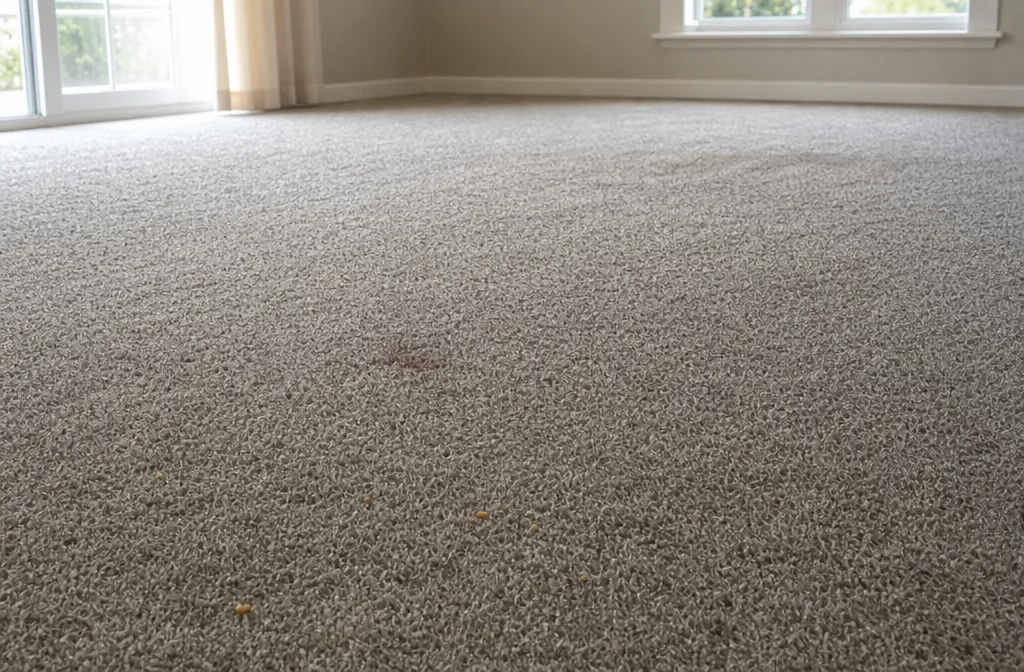
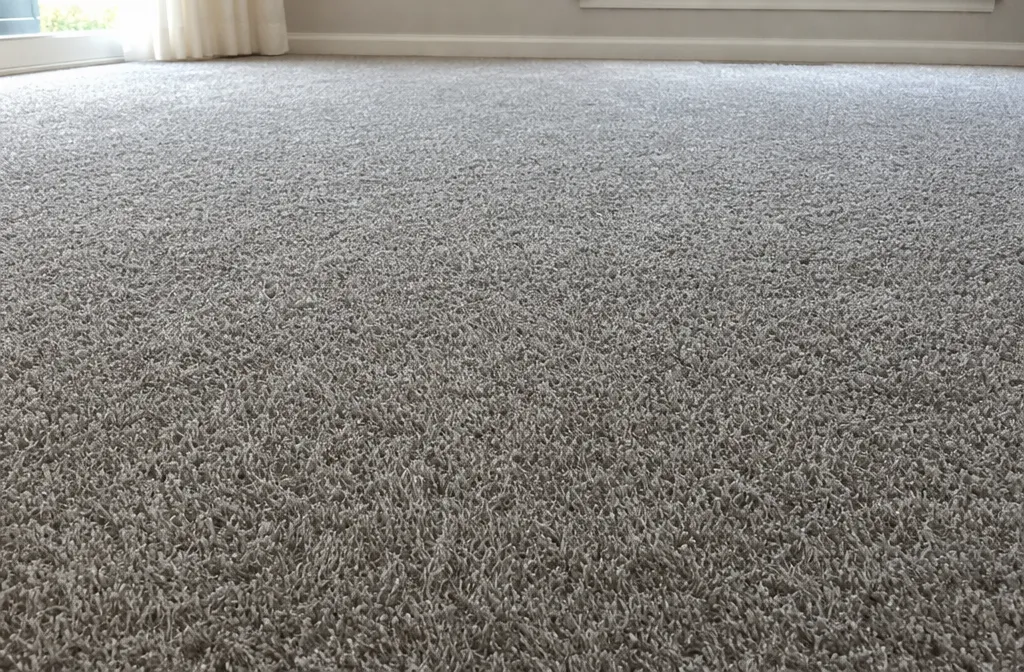 After
After
Request: The client asked to remove old stains from spilled juice on a synthetic carpet in the living room.
Done: We performed extraction cleaning with an enzymatic stain remover and odor neutralizer.
Cost: 7 000 ₸
Master: Aidar Nurlybekov, dry cleaning master
Total: The carpet is completely clean, stains are gone, the pile is fluffy and fresh.
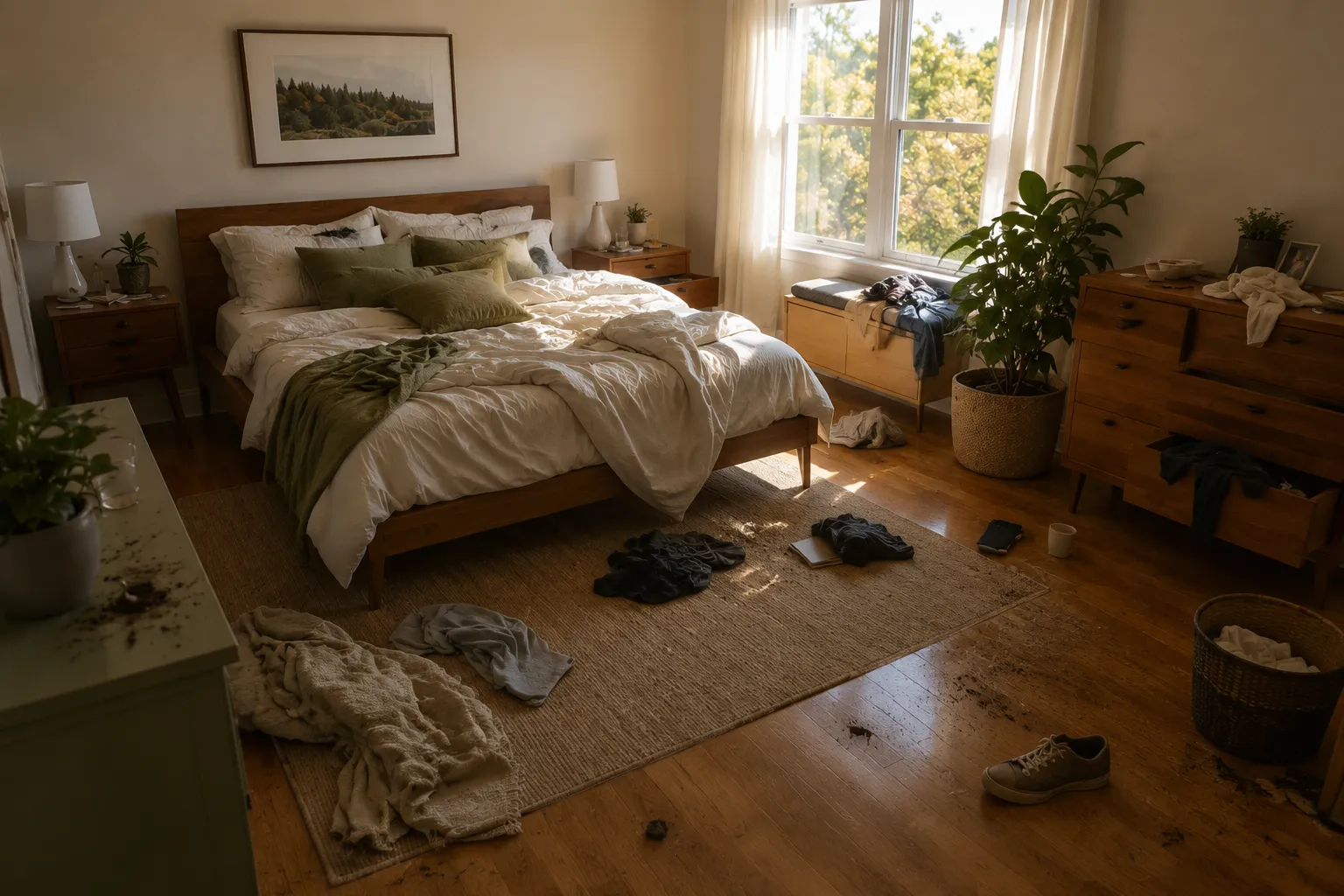
 After
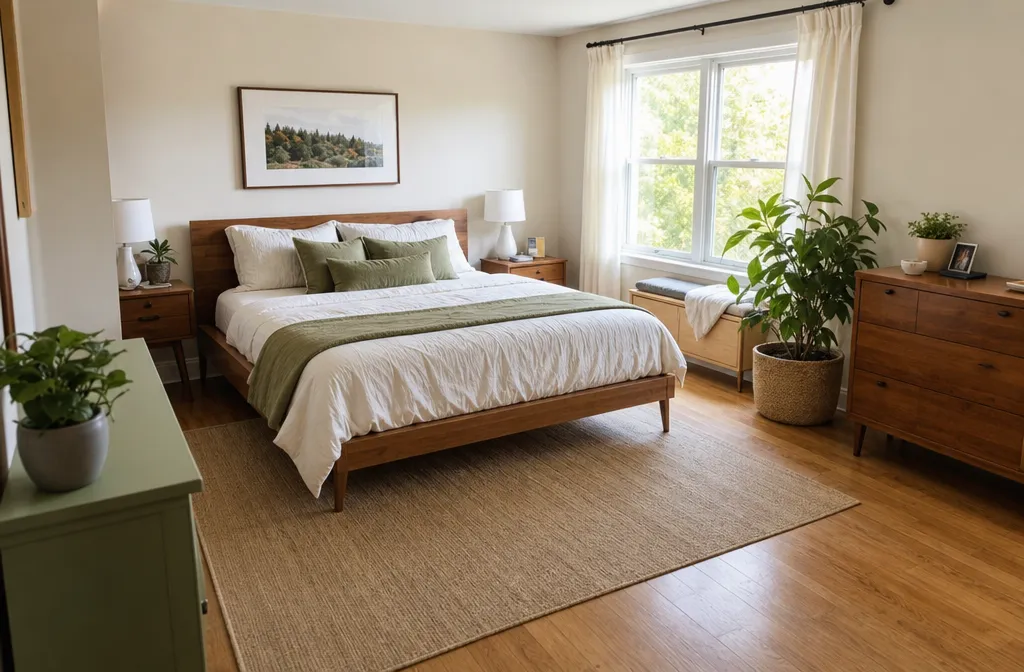
After
Request: The client wanted to refresh the wool carpet in the bedroom after winter and remove dust.
Done: We performed dry cleaning using organic wool shampoo and a HEPA vacuum.
Cost: 8 000 ₸
Master: Gulmira Sadykova, dry cleaning master
Total: The carpet became soft, dust-free, color restored, pile not matted.
 After
After
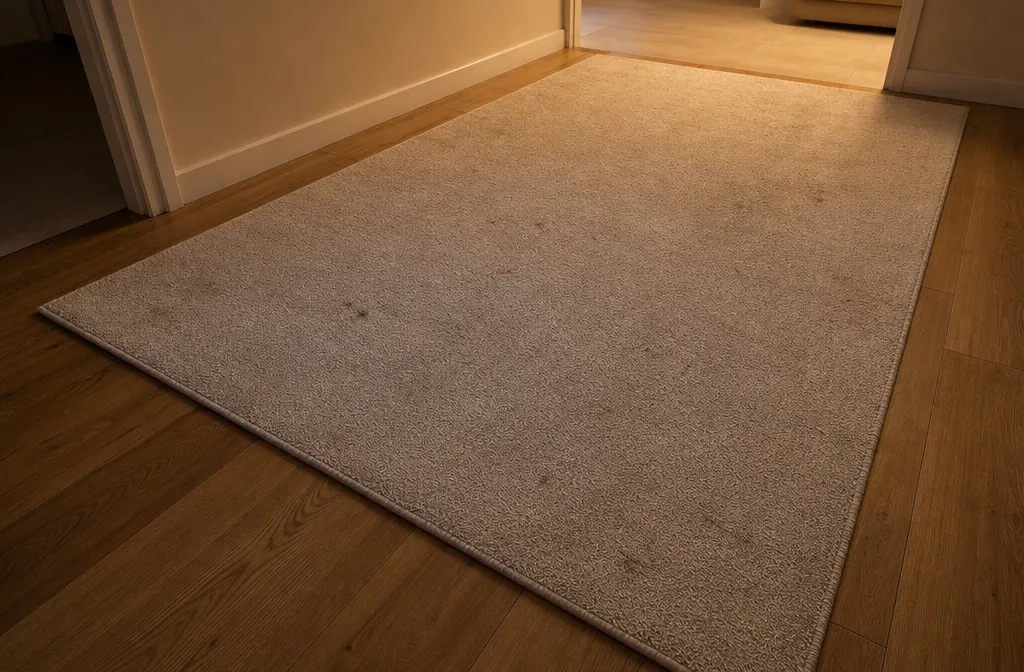
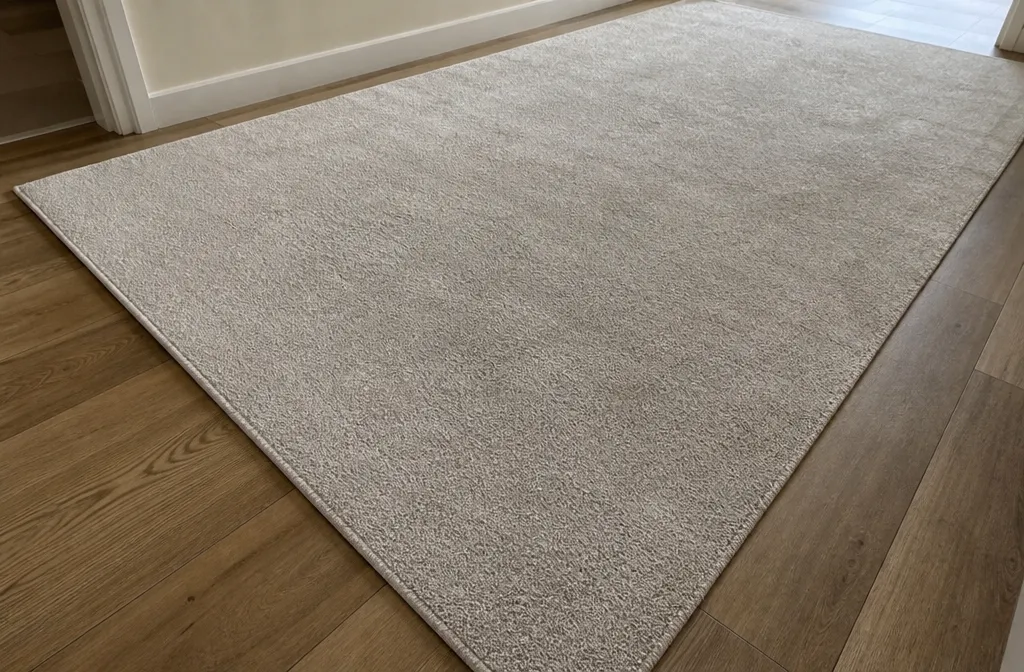
Request: The client asked to clean a viscose carpet in the hallway from street dirt and shoe marks.
Done: We used foam cleaning with a soft brush and vacuum extraction.
Cost: 9 000 ₸
Master: Arman Kaliyev, dry cleaning master
Total: The carpet is clean, no streaks, pile restored, color bright.
 After
After
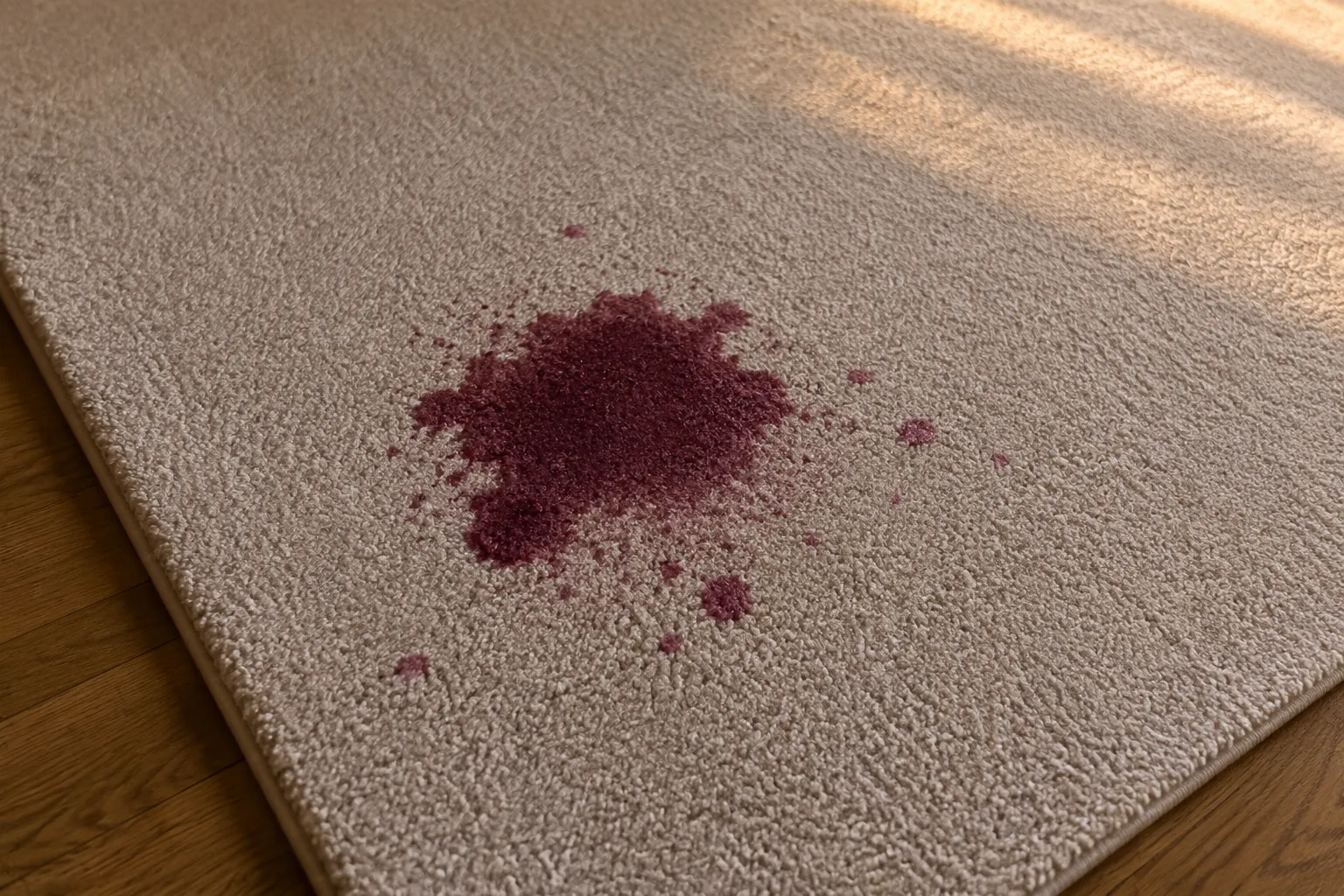
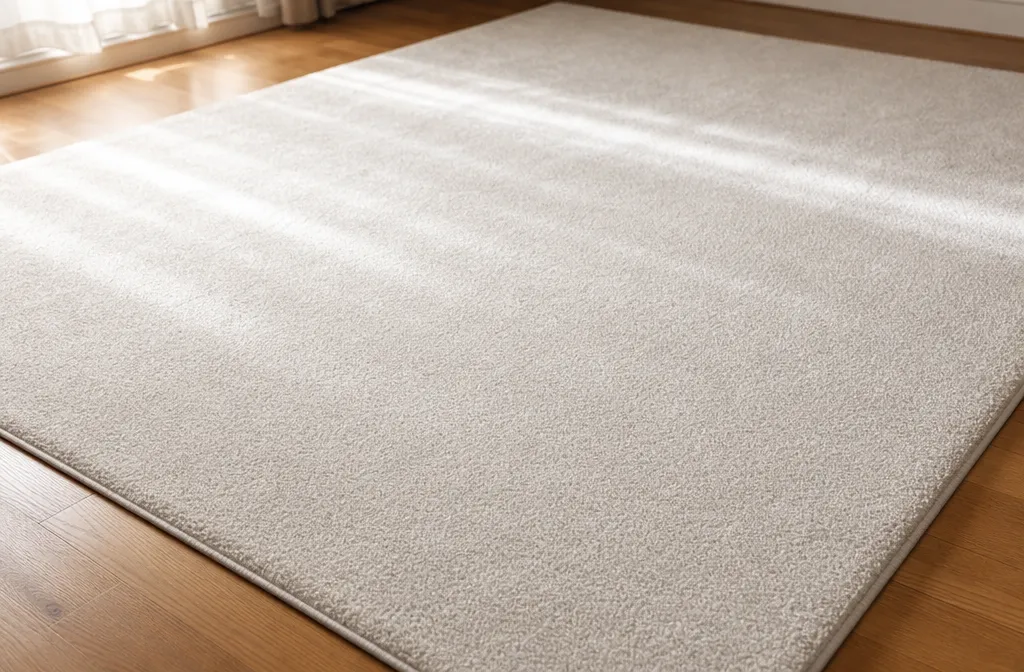
Request: The client spilled red wine on the carpet in the living room and wanted to completely remove the stain.
Done: We applied cold water, enzymatic stain remover, and hot water extraction.
Cost: 8 000 ₸
Master: Daniyar Yermekov, dry cleaning master
Total: The wine stain is completely removed, the carpet is clean, no traces.
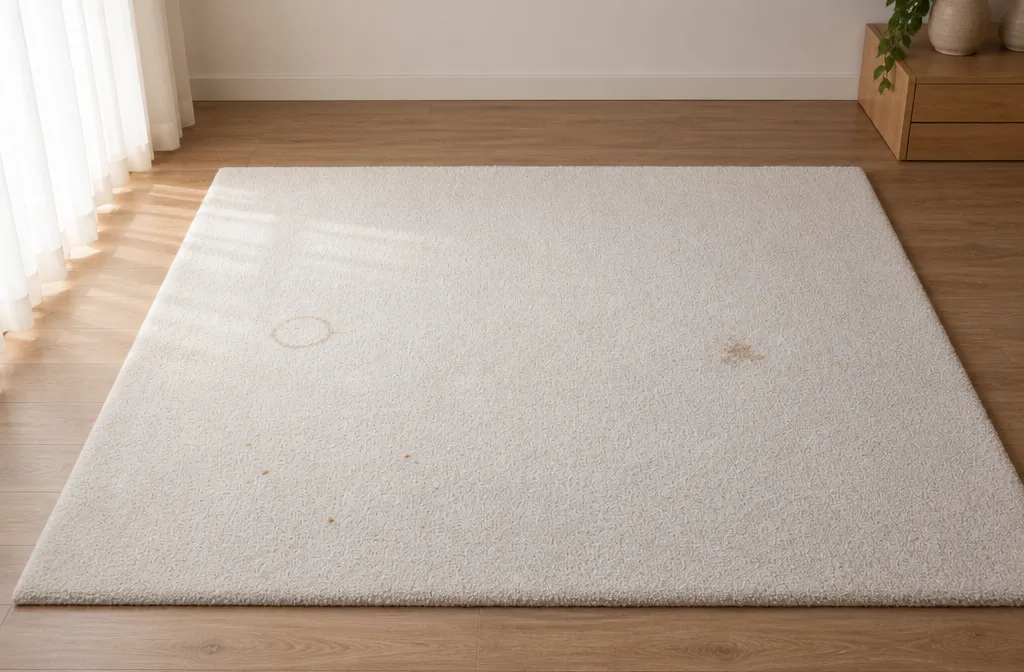
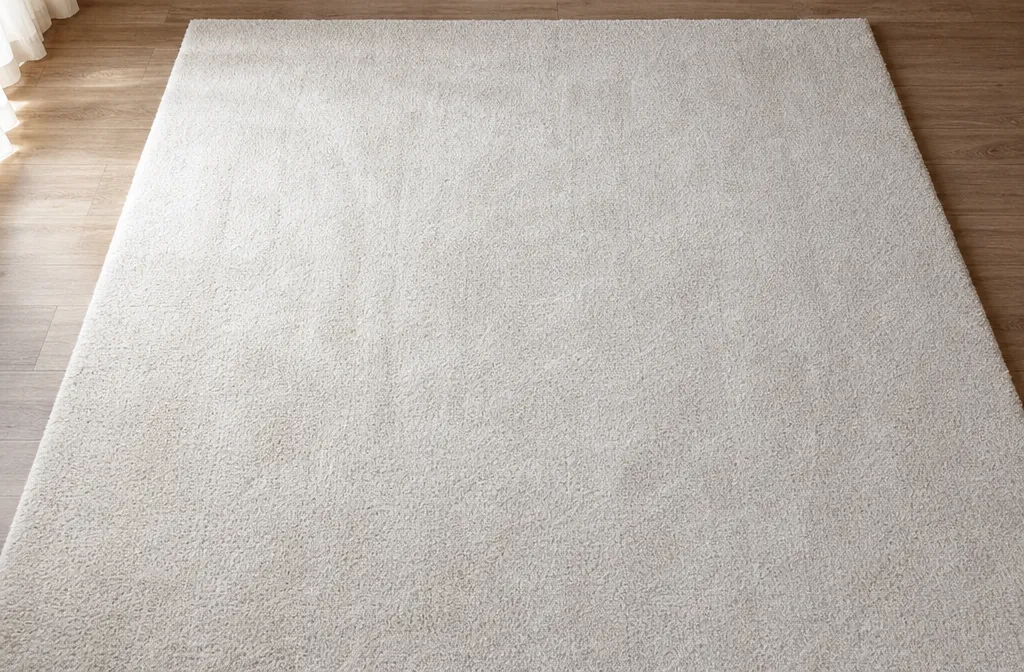 After
After
Request: The client asked to remove a fresh coffee stain on the carpet in the kitchen.
Done: We performed spot treatment of the stain, then extraction cleaning of the entire carpet.
Cost: 7 000 ₸
Master: Assel Zhumabayeva, dry cleaning master
Total: The coffee stain is gone, the carpet is clean, odor-free.
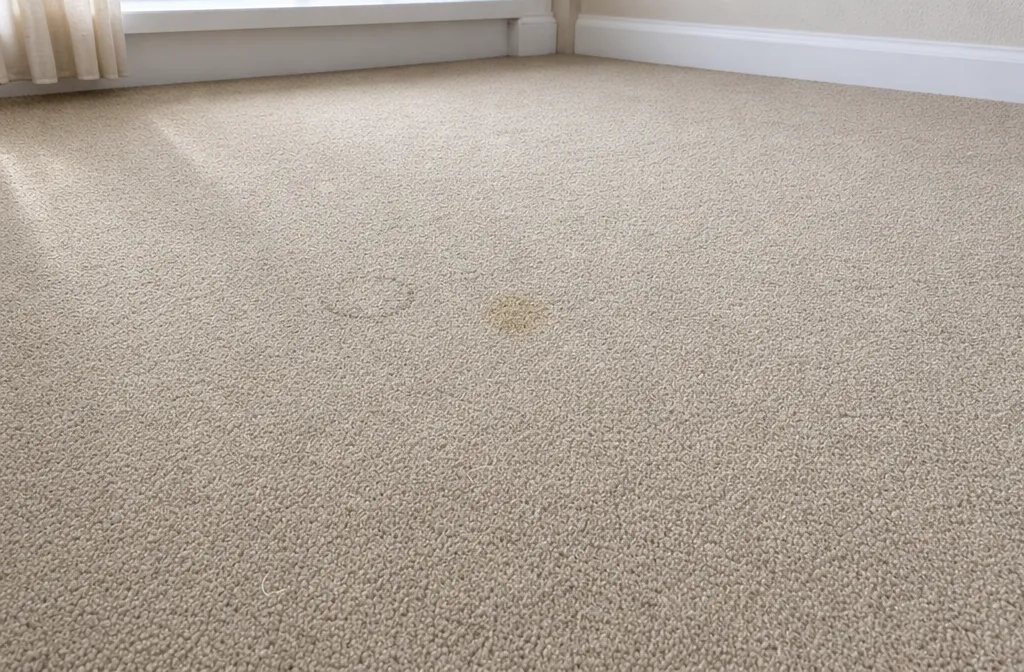
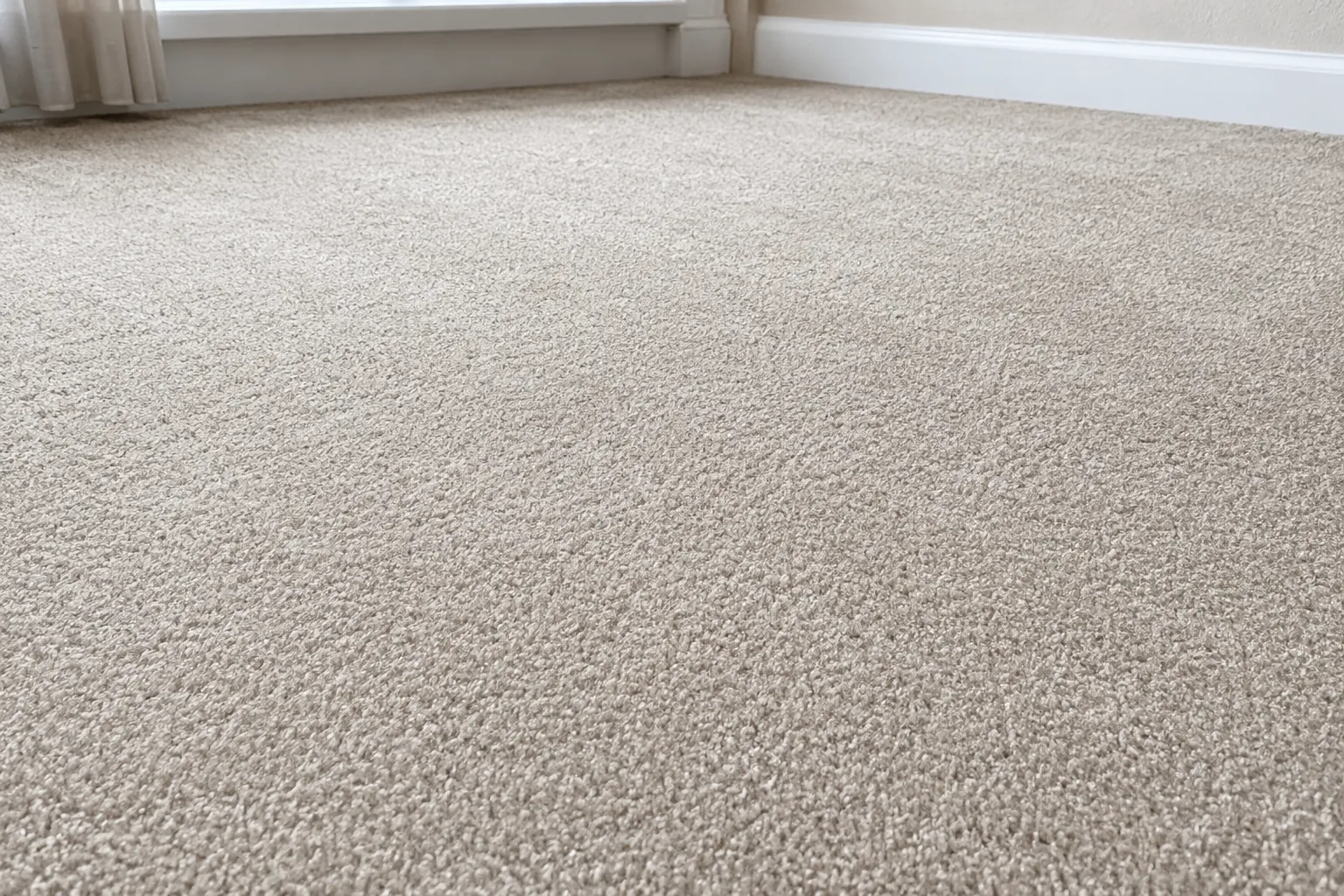 After
After
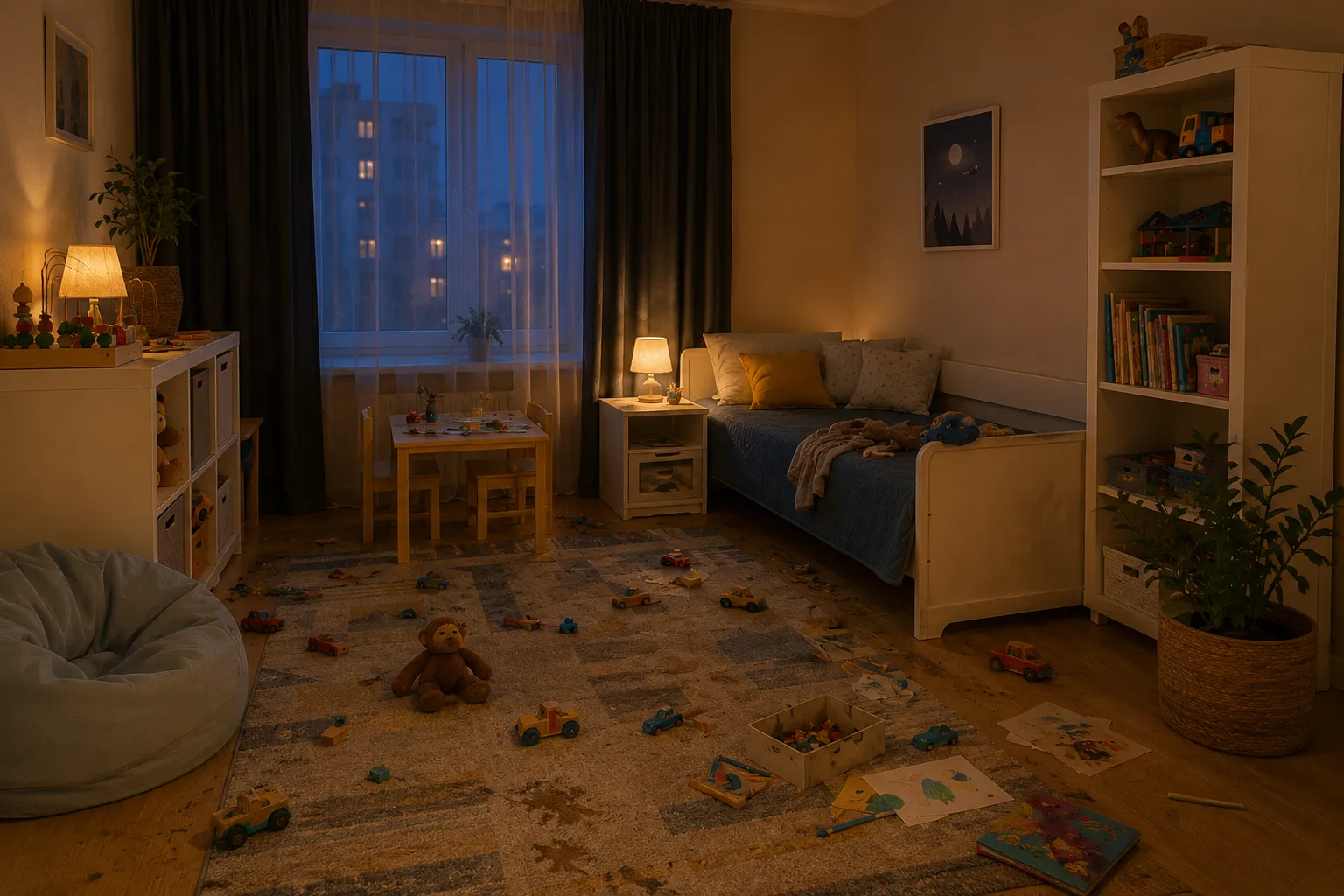
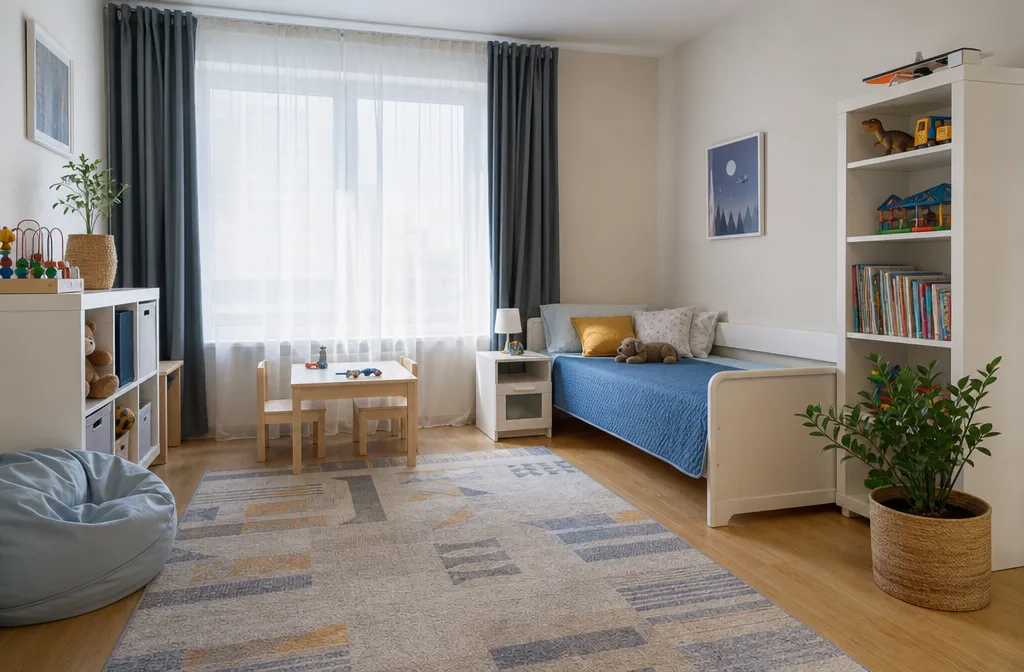
Request: Client requested removal of dog urine odor and stain on living room carpet.
Done: Used enzyme neutralizer and deep hot water extraction.
Cost: 9 000 ₸
Master: Ruslan Abdrakhmanov, cleaning master
Total: Odor and stain completely eliminated, carpet disinfected.
 After
After
Request: Client wanted to clean the children's room carpet from paint and food stains.
Done: Performed foam cleaning with safe solution and stain remover for paint.
Cost: 8 000 ₸
Master: Aliya Bekzhanova, cleaning master
Total: Carpet clean, stain-free, safe for child.
 After
After
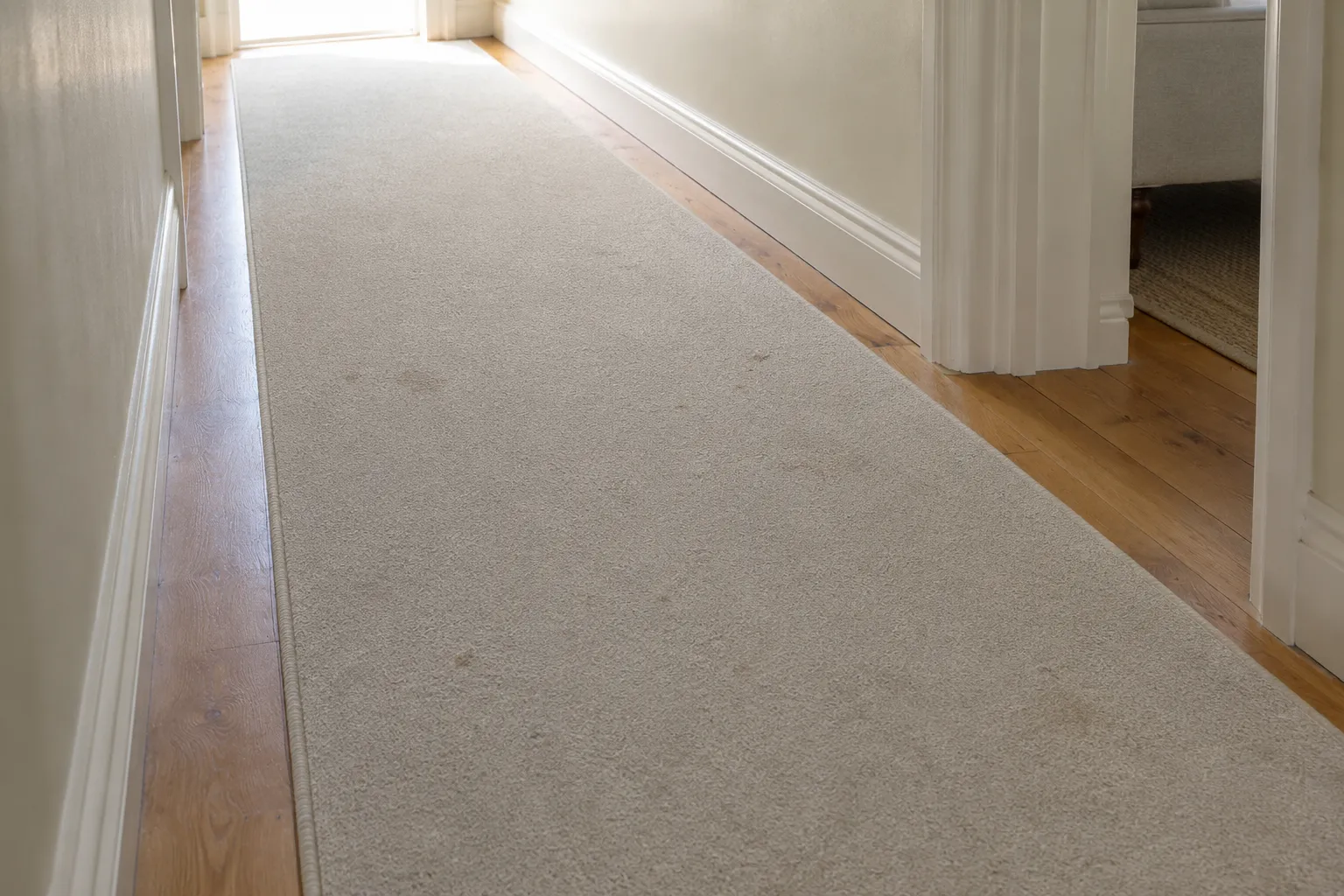
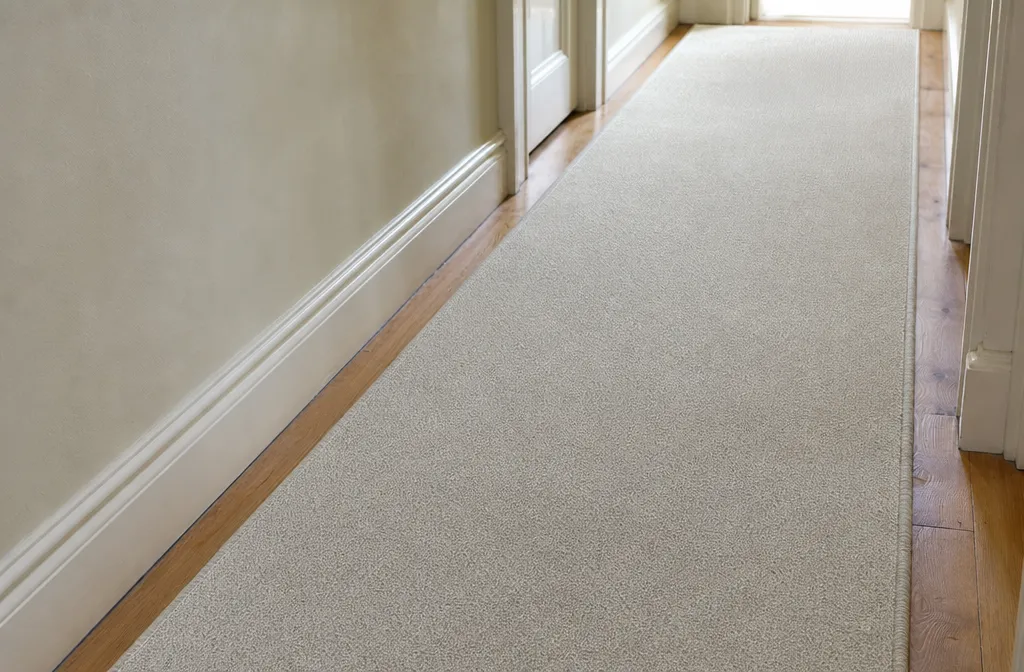
Request: Client requested cleaning of hallway carpet runner from dirt and dust.
Done: Applied dry cleaning with powder and vacuum for high-traffic areas.
Cost: 7 000 ₸
Master: Zhandos Temirbekov, cleaning master
Total: Runner clean, no streaks, refreshed color.
 After
After
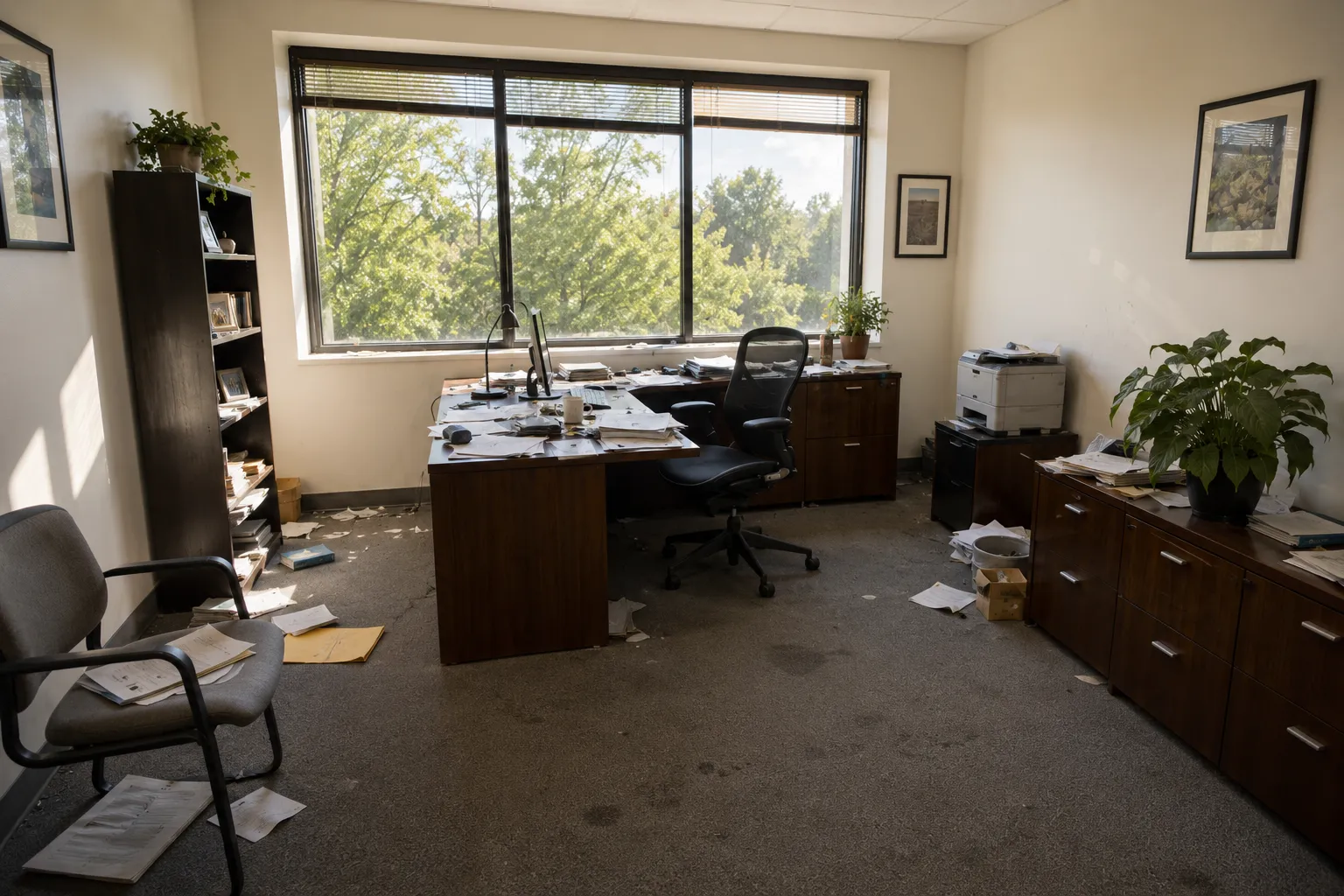
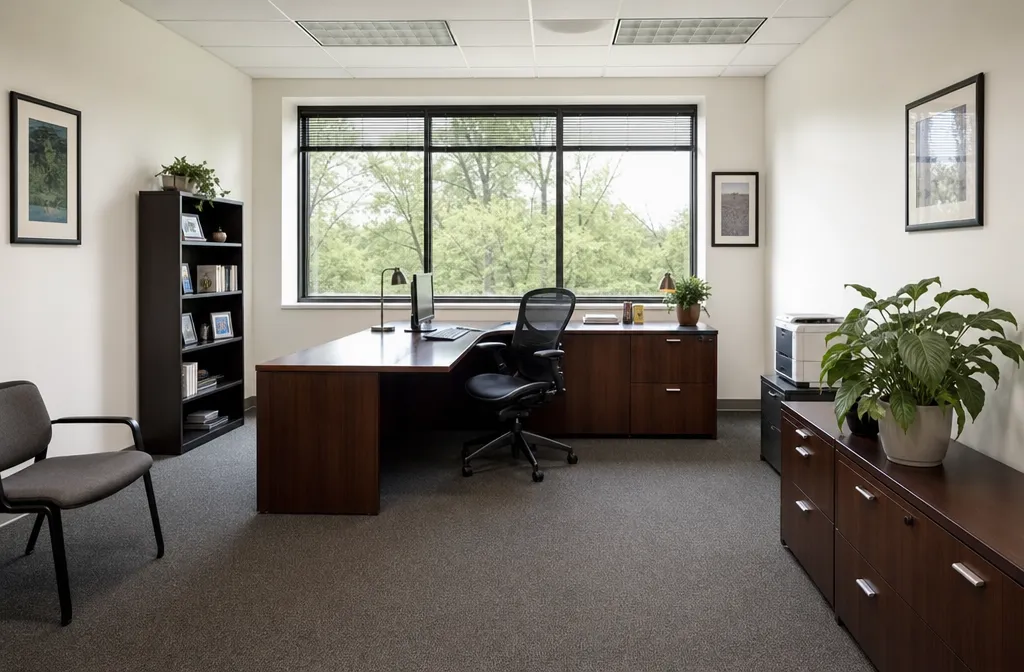
Request: Office manager requested cleaning of high-pile carpet from dust and crumbs.
Done: Performed deep extraction with shampoo and deodorization.
Cost: 9 000 ₸
Master: Marat Iskakov, cleaning master
Total: Carpet clean, pile fluffed, office feels fresh.
 After
After
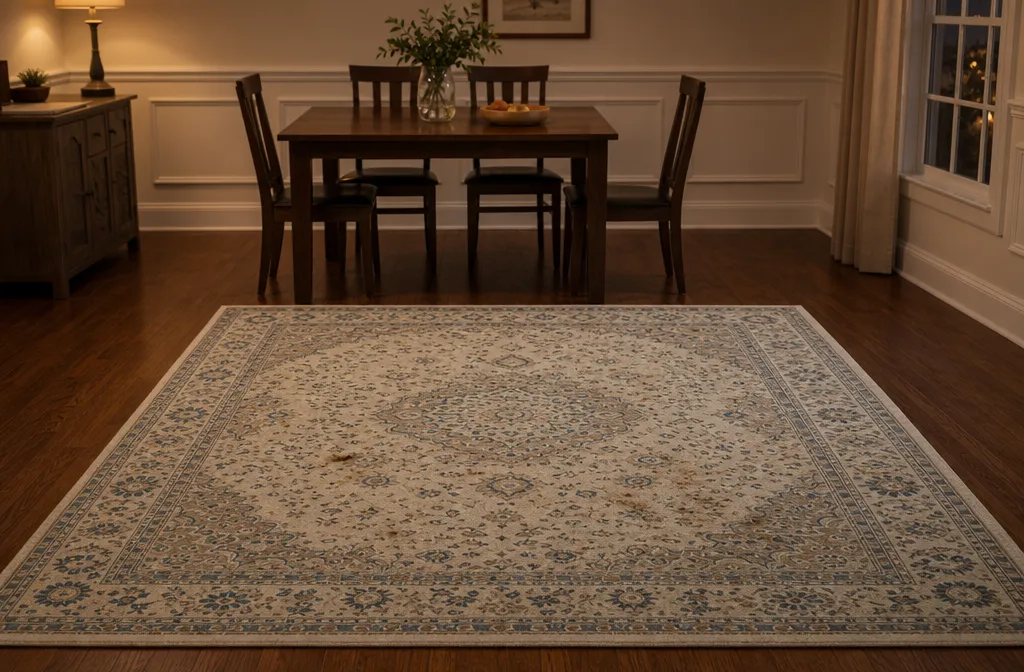
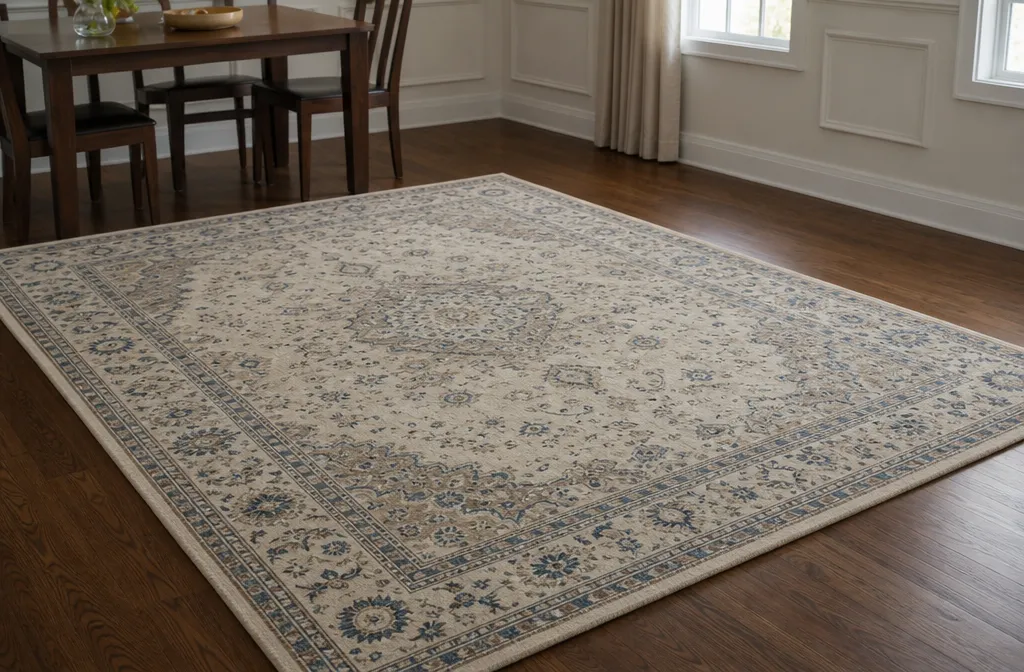
Request: Client requested gentle cleaning of handmade dining room rug from grease and sauce stains.
Done: Used hand cleaning with soft brush and enzyme solution.
Cost: 10 000 ₸
Master: Nurzhan Akhmetov, cleaning master
Total: Rug clean, colors vibrant, structure undamaged.
All cleaners are profi-clean staff with training, uniform and security check. Each order has a team leader who controls quality.
Preparing your carpet before the cleaners arrive directly impacts the final result — properly done preliminary work speeds up the process and reduces the risk of pile damage by 20-30%.
Before our arrival, make sure there is clear access to the electrical outlets in the room — this reduces equipment setup time by 10-15 minutes, allowing us to start cleaning immediately upon arrival.
Handmade wool carpets — they should not be soaked or scrubbed with a stiff-bristled brush. Before cleaning, be sure to vacuum both sides to remove sand, which turns into an abrasive when wet and cuts the wool fibers — this will take 5-7 minutes, but it will keep the pile intact.
Viscose and silk carpets — these materials are sensitive to direct contact with water and chemicals. Before our arrival, use painter’s tape to secure areas where the threads have started to unravel, or cover them with a dry cotton cloth — moisture penetrates the backing through damaged areas and causes deformation that cannot be fixed.
Long-pile carpets (Saxony, frieze) — before cleaning, be sure to brush them with a special comb or brush for long-pile carpets. If you skip this step, the pile tangles during water extraction and remains “crushed” after drying — restoring the texture will require additional drying with a hairdryer.
Synthetic carpets with latex backing — check if the latex is peeling at the edges. If you find peeling, secure it with construction tape on the underside — during wet cleaning, water seeps under the latex and detaches it from the backing, causing the carpet to “shift” on the floor.
Carpet tiles — they cannot be cleaned without checking the interlocking mechanism. Lift one tile and make sure the lock is intact — if it is broken, moisture will get under the adjacent tiles, and mold will appear on the concrete floor, which we cannot remove without dismantling the entire covering.
Stains that MUST NOT be touched before arrival: fresh traces of red wine, berry juices, coffee, and fruit — attempting to wipe them with a damp cloth pushes the dye deeper into the fibers and sets it, after which it can only be removed with an acidic solution that discolors the pile. Simply blot the stain with a dry paper towel without applying pressure.
Stains that need to be treated yourself: oily marks (grease, oil, shoe cream) — sprinkle them with starch or baby powder in a 2-3 mm layer and leave for 20-30 minutes before our arrival. The starch absorbs the oil to the surface, and we remove it with an extractor without using solvents that eat away the dye.
Stains that require preliminary marking: if there are old detergent residue rings (white salt circles) on the carpet — mark their boundaries with a sticker or chalk. We apply an alkali neutralizer to these areas to restore the color, but without marking, we might miss the boundary and only treat the center of the circle.
Stains we remove without pretreatment: animal urine traces, biological fluids, and mold — do not touch them at all. Our cleaners use enzyme-based formulas with bacteria that break down organic matter into molecules, and pre-washing with water only spreads the contamination and increases the treatment area by 2-3 times.
The Nauryzbai district of Almaty is a private sector zone, where sand and clay are often brought into homes from the street. If your carpet is in the hallway, before cleaning, be sure to sweep the sand with a broom from the center towards the edges — otherwise, when wet, the dirt turns into an abrasive paste that scratches the pile, and after drying, light stripes remain that cannot be masked.
When a master offers two methods — dry cleaning and extraction — the difference is not in price, but in the physics of the process and the type of soiling. We break down how they differ, which method is safer for a specific pile, and how the specifics of Almaty apartments come into play.
Extraction is the injection of water with a cleaning solution under pressure deep into the pile and simultaneous suction of the dirty solution with an extractor. We use it on carpets with dense synthetic pile (nylon, polypropylene, polyester) and on items that haven’t been professionally cleaned for years — for example, on rugs in the hallways of private homes in the villages of the Alatau district. Water washes out dust, sand, and salt residues brought in by Almaty’s icy road reagents on shoes. Our equipment — Karcher Puzzi — delivers the solution at 60°C, killing bacteria and mites without boiling the pile. After extraction, the carpet dries for 8-12 hours with running dehumidifiers equipped with profi-clean HEPA filters. The downside of the method is the risk of shrinkage of wool pile and leaching of the adhesive base on rubber mats.
Dry cleaning minimizes contact with water: a foamed solvent-based compound (from Kiehl) is applied to the pile, which envelops dirt particles, after which they are removed with a vacuum cleaner with a turbo brush and pile extractor. This method is the choice for wool, viscose, and hand-made carpets from the Medeu district, where high humidity from water cleaning can deform threads or wash away natural dyes. In our practice, there was a case with a Persian carpet from the 1960s — dry cleaning preserved the luster and color, whereas extraction would have left streaks on the silk knots. Drying time is 40-60 minutes, the carpet is ready for use the same day. However, dry cleaning does not wash out deep salt deposits and does not remove animal urine odor — extraction is needed for such tasks.
| Carpet type / situation | Recommended method | Why |
|---|---|---|
| Wool or viscose pile | Dry cleaning (dry foam) | Water causes shrinkage and washes out natural wool oils |
| Synthetic (nylon, polypropylene) | Extraction (water-based) | Material is not afraid of moisture, water washes out reagents and dust |
| Heavy soiling or odor (urine, mold) | Extraction with deodorizing compound | Water penetrates the backing where bacteria live |
| Antique or hand-made carpet | Only dry cleaning with a hand applicator | Risk of irreversible deformation upon contact with water |
| Carpet in a children’s room | Dry cleaning with hypoallergenic Sodasan compound | Minimum moisture → dry pile in an hour, no environment for fungus |
Many clients in Almaty, after reading reviews on 2GIS, request “dry cleaning” for all carpets, considering it safer. In reality, extraction is not more aggressive, but simply deeper: it penetrates 2-3 cm of pile versus 0.5 cm for dry foam. If a carpet from the Nauryzbai district — with street dirt, poplar fluff, and sand — only gets dry cleaning, the dust will rise into the air again within a month when walked on. Our cleaners check the pile for water permeability before departure: they drip water on an inconspicuous area and see if the thread deforms. If the carpet “runs” — we schedule dry cleaning with preliminary dry vacuuming; if it holds its shape — extraction with reduced pressure to avoid over-wetting the backing.
The humidity level in the city ranges from 35% in summer (Zhetysu district, dry winds) to 80% in winter (Medeu district, near the mountains). If a carpet dries in a room with humidity above 65%, extraction creates a risk of mold in the backing — especially in apartments with poor ventilation on the first floors of Khrushchev-era buildings. For such addresses, we recommend dry cleaning or extraction with forced drying using profi-clean dehumidifiers — they reduce humidity to 40% in 2 hours, which is safe for any pile. Conversely, in dry apartments with central heating on the Northern Slope, extraction is the best choice: water evaporates in 6 hours, and reagent salts are washed out completely. Our technologist Aigerim Kassymova advises measuring the room’s humidity with a household hygrometer before ordering — if it’s above 60%, insist on dry cleaning, otherwise the 24-hour warranty will not cover mold damage.
There is no universal schedule for all carpets — the cleaning frequency depends on foot traffic intensity, pile composition, and the indoor microclimate. In Almaty apartments and houses, where sand and street dust are tracked in with shoes during spring and autumn, standard manufacturer recommendations often don’t work. Below is a breakdown based on real usage scenarios.
For hallways, entryways, staircases, and living rooms where 10+ people pass daily, the optimal interval between professional cleanings is once every 3–4 months. At this frequency, the pile doesn’t have time to accumulate ingrained dust that a household vacuum cleaner can no longer lift. In practice, in our orders for the Nauryzbai district, we most often deal with such areas — due to the proximity to mountain roads, sand gets embedded in the carpet base within 6–8 weeks. If the carpet is light-colored or has a long pile (Saxony, frieze), it’s better to shorten the interval to 2.5 months — dirt becomes visually noticeable earlier on light surfaces.
In rooms where people spend 6–8 hours a day lying or sitting on the floor, professional cleaning should be ordered once every 5–6 months. This is related not so much to visible dirt, but to the accumulation of dust mites, dead skin cells, and mold microspores, which are invisible to the eye but affect sleep quality and allergy levels. In a children’s room, if a child plays on the carpet daily, we at profi-clean recommend shortening the interval to 4 months — especially if the pile is synthetic (polypropylene, polyester), which electrifies faster and attracts dust. Before the flowering season (April–May in Almaty), it’s worth doing an additional treatment with a hypoallergenic composition.
For carpet tiles and commercial carpets with high wear resistance (abrasion resistance class 33–34 according to EN 1307), professional extraction is needed once every 2–3 months. In meeting rooms and reception areas with lower traffic, the interval can be increased to 4 months. The main indicator is a visible color change of the paths on main routes: if the path is darker than the main background, the pile is compressed and it’s time to call the masters. In Almaty offices, we often encounter carpets being moistened during wet mopping — this accelerates wear and requires cleaning 2–3 weeks earlier than scheduled.
The city’s climate makes its own adjustments. In winter, from November to March, reagents and salt from shoes settle on carpets in entryways, embedding into the pile within 2–3 weeks — here cleaning is needed once every 2 months. In spring and autumn, during the rainy season and snowmelt, indoor humidity rises to 70–80%, and the carpet takes longer to dry after washing, creating an environment for bacteria. If the carpet doesn’t dry within 8–10 hours after cleaning (forced ventilation or dehumidifier), there is a high risk of a musty smell — in such cases, the interval between cleanings is reduced to 3 months instead of 4. In summer, with open windows and pollen load, once every 4–5 months is sufficient.
Relying only on the calendar is not advisable — there are objective signals. The pile has lost volume and looks flattened even after vacuuming — this means the fibers are clogged with fine dust. Marks from furniture or feet remain on the surface after dry cleaning — this is a sign of a greasy film. An indefinite smell has appeared that doesn’t go away after airing — bacteria are multiplying inside the pile. If dark spots or mold are noticeable on the back of the carpet (on the latex), cleaning should be done immediately, without waiting for the scheduled time.
While you’re waiting for a profi-clean cleaner, the right actions with a stain determine whether it disappears without a trace or becomes permanently embedded in the carpet fibers. We’ll break down three of the trickiest scenarios — wine, grease, and biological stains — so you don’t make the situation worse before the specialist arrives.
Fresh wine is removed with cold water — hot water “sets” the tannins, making the stain irreversible. Blot the puddle with a dry napkin (don’t rub, to avoid spreading it), then cover it generously with coarse salt — it will absorb the moisture along with the pigment. After 10 minutes, sweep away the salt and apply a solution of 1 part 3% hydrogen peroxide to 10 parts cold water — gently dab with a sponge, moving from the edge to the center. On light wool carpets in the Abay — Sain area, where we’ve had several call-outs after parties, this method removed 80% of the mark within 5 minutes. For old, set-in wine, salt no longer works — here you need a concentrated oxygen bleach without chlorine, but its application is best left to the master to avoid discoloring the dyes.
Grease cannot be washed away with water — it only spreads deeper into the fibers. We recommend immediately applying cornstarch or talc: the powder absorbs the oil within 15-20 minutes, after which it is vacuumed off with a brush attachment. The residue is treated with dish soap — 5 drops per cup of warm water, applied with a foamy sponge, and blotted with a dry cloth. On synthetic carpets (polypropylene, polyester), medical alcohol is acceptable — it breaks down grease without harming the fiber, but on natural wool, alcohol dries and makes the fibers brittle. In our orders in the Nauryzbai district, we’ve encountered stains from kumis and kurt — here the grease combines with protein, so the algorithm is the same, but after the starch, treatment with an enzyme stain remover is mandatory, otherwise the smell will remain.
Hot water coagulates protein — a blood or urine stain becomes permanently fixed, and removing it without dismantling the fibers is impossible. We recommend generously dousing the stain with cold water under pressure (from a spray bottle or a bottle with a dispenser), then blotting with a clean white cloth — repeat until the cloth comes away almost clean. If the stain is old or has soaked into the backing, apply a solution of an enzyme cleaner (enzymes break down protein into amino acids) — a concentrated urine remover will work. On carpets with a latex backing (up to 5-6 mm thick), it’s important not to over-wet: excess water seeps under the carpet and creates a breeding ground for mold, especially in apartments on lower floors in the Turksib area, where dampness comes from the basement. For old urine stains, the ammonia smell remains — it can only be removed by ozonation or professional hot water extraction at 70-80°C, which is done by profi-clean masters.
Carpets in the Nauryzbai district of Almaty wear out differently than in the city center or on the outskirts — due to the proximity to the mountains, soil characteristics, and older housing stock. Ignoring these local factors negates the results of even expensive cleaning.
The Nauryzbai district is located on the southern periphery of the city, closer to the foothills — fine dust from drying riverbeds and dirt roads settles on carpets 2–3 times more densely than in the center. We receive such carpets with a gray coating that cannot be removed by vacuuming — particles 2–5 microns in size get trapped between the fibers and are cemented by moisture. In our practice, a standard extraction cycle with room-temperature water does not wash out this dust: it requires pre-heating the fibers with steam at 120°C and washing with an acidic shampoo that dissolves mineral deposits. Before heading to an address in Taugul or Kalkaman, we always check the type of ground cover near the entrance — if there is exposed soil around, we increase the drying time by 2 hours due to the hygroscopic nature of the settled dust.
In older buildings (the “Tausamaly” and “Kulager” microdistricts), basement floors and first-floor entrances suffer from capillary rise of groundwater — carpets on the floor absorb moisture year-round, not just in spring. In such rooms, we measure the pile’s moisture content with a hygrometer before cleaning: if the reading is above 45%, standard extraction will only wet the carpet and trigger mold growth under the backing. Our protocol for basement apartments in the Nauryzbai district is dry chemical cleaning with a foam shampoo followed by UV lamp treatment, without applying pressurized water. After the procedure, the pile’s moisture content should not exceed the original by more than 5% — otherwise, a musty smell appears within a week, which air fresheners mask but do not eliminate.
In private homes and townhouses (the “Aksai-5” and “Aksai-4” microdistricts), owners more often choose high-pile carpets — wool or polypropylene with a pile height of 15–25 mm — because they hide dust and maintain their appearance longer. However, this type of pile is a trap for coarse sand and gravel tracked in from the street on shoe soles. In wool carpets, abrasive particles grind the fibers at the base, causing the carpet to “go bald” in 2–3 years. At profi-clean, we use only soft nylon brushes with adjustable pressure for such coverings — stiff bristles leave irreversible snags on long pile after just 3–4 passes. Short-pile carpets (6–10 mm) in “Tausamaly” apartments are cleaned using extraction with water supplied at a pressure of 50–60 bar — sand is washed out of the backing in a single cycle, with no risk of damage.
In autumn and winter, when central heating is turned on in Almaty, the relative humidity in apartments in the Nauryzbai district drops to 20–25% — synthetic carpets accumulate static electricity, which attracts dust with even greater intensity. Owners notice that the carpet “dusts” again just 3–4 days after cleaning — this is not poor workmanship, but physics: dry air keeps particles suspended. We recommend using an air ionizer after our cleaning, or at least setting a humidifier to 50–60% — then the carpet stays clean for a week longer. For synthetic carpets with polyester pile, static is removed with an antistatic conditioner during the final rinse — without it, dust sticks to the fibers within a day.
Ordered carpet cleaning Nauryzbay district for a large living room carpet. Coffee stains disappeared, pile became fluffy. Arrived on time, worked carefully.
Thank you, Aigerim! Glad you liked the result.
Cleaned the bedroom carpet. Wine stains removed, but a slight damp smell remained. After airing for a day, it's fine.
Did carpet cleaning Nauryzbay district for carpet in the living room. Kids spilled juice — no stains left. Color became brighter, fresh smell. Recommend.
Daniyar, thank you for your review! We'll be glad to see you again.
The kitchen rug had oil stains, thought to throw away. After cleaning — like new! Pleasantly surprised by the quality.
Ordered carpet cleaning Nauryzbay district for the children's room. Marker and plasticine stains removed perfectly. Hypoallergenic treatment — super.
Erlan, thank you! We care about your children's health.
Cleaned the large carpet. Stains were removed, but some areas still have streaks. Had to redo it ourselves.
Assel, we apologize. Contact us and we will re-treat it for free.
Carpet cleaning in Nauryzbai district is an excellent service. The hallway carpet was dirty from shoes, now it's like new. Fast and high quality.
The natural wool carpet was cleaned gently, without damaging the pile. Tea stains disappeared. Very satisfied.
Dinara, thank you! We work with any materials.
Ordered carpet cleaning in Nauryzbai district for the office. 10 carpeted areas were treated in one day. Employees are happy, the air is cleaner.
Timur, glad to help your business! Contact us.
Cleaned the carpet on the stairs. Stains were removed well, but one corner stayed damp longer than usual. Overall okay.
Carpet cleaning in Nauryzbai district — did the carpeting in the hallway. Old dirt stains were completely removed. I recommend!
Alexey, thank you for your review!
The old Persian carpet looks luxurious after cleaning. Colors revived, pile is soft. Very careful work.
Ordered carpet cleaning in Nauryzbai district for the country house. The carpets on the terrace were dusty and dirty — now perfectly clean. Thank you!
Nurlan, thank you! We will come at any convenient time.
After renovation, the carpet had lime and paint. Most of it was removed, but a couple of small spots remained. Overall good.
Lyazzat, sorry for the oversight. Call us — we'll make it perfect.
Carpet cleaning Nauryzbai District — removed pet odors. The bedroom carpet now smells fresh. Excellent!
The rug in the children's room after a runny nose and spilled juice — cleaned without a trace. The child has allergies, no reaction.
Saule, glad everything is fine! We use safe products.
Ordered carpet cleaning Nauryzbai District for a mini-hotel. 15 rooms — handled in two days. Guests are happy with the cleanliness.
Ruslan, thank you! Always ready to help with commercial properties.
I was afraid to ruin the long-pile carpet, but the masters did it perfectly. The pile was brushed, no stains. Very grateful.
Carpet cleaning Nauryzbai District for a balcony carpet. Bird stains removed, but a slight odor remained. Aired it out — ok.
Bakhyt, thank you! Next time we'll treat it additionally.
The carpet in the dressing room was cleaned of dust and cosmetics. Looks like new. Nice that they came at a convenient time.
Yes, we use hypoallergenic Kiehl products that are safe for children and pets. All formulas are certified and leave no toxic residues.
Drying time depends on the carpet type and humidity. Usually 2-4 hours. We use powerful fans to speed up the process.
Yes, we come to you in the Nauryzbay district. Free dispatch when ordering at an individual rate.
Remove small items from the carpet and clear access. If there are fragile items, notify the technician.
Dry cleaning uses solvents and minimal water, suitable for delicate materials. Extraction is deep cleaning with hot water and shampoo, effective for most carpets.
We recommend every 6-12 months. For families with children or pets, every 3-6 months.
Yes, for 2 or more carpets — 10% discount, for 3 or more — 15%. Check with the operator.
Multiply the carpet area (length × width) by the price per m² for your type. For example, a 2×3 m synthetic carpet: 6 m² × individual rate = individual rate.
Yes, we clean wool carpets with special gentle products to avoid shrinkage and pile damage.
We use professional Kiehl (Germany) products — hypoallergenic, chlorine-free and phosphate-free. For tough stains, enzymatic formulas.
Tell us about your experience with profi-clean — it helps other clients and us improve.
We currently operate in Almaty. Other cities are coming soon.