Inspection and diagnostics
We determine the fabric type, type of dirt (sweat, grease, dust, stains). Assess colorfastness.
Restore your cap's freshness and shape without damaging the fabric
We work with any types and materials
Gentle cleaning of cotton while preserving color and shape.
from 12,000 ₸Removal of sweat and grease from polyester without damaging the mesh.
from 2,500 ₸Careful cleaning of foam and mesh to avoid deformation.
from 2,500 ₸Soft brush and steam to restore shape.
from 2,500 ₸Special products for leather without moistening or deformation.
from 2,500 ₸Dry cleaning of suede while preserving the nap.
from 2,500 ₸Gentle cleaning of wool without shrinkage.
from 2,500 ₸Hand cleaning of embroidery to avoid damaging threads.
from 2,500 ₸Careful removal of dirt without detaching rhinestones.
from 2,500 ₸Cleaning of Panama hats from various materials while preserving the brim.
from 2,500 ₸Cleaning of caps with stiff brims without losing shape.
from 2,500 ₸Hypoallergenic products for children's items.
from 2,500 ₸From inspection to result with guarantee
We determine the fabric type, type of dirt (sweat, grease, dust, stains). Assess colorfastness.
Apply Kiehl stain remover to stubborn stains. Soak in warm water with shampoo.
Remove sweat and oil from the inner band and lining using a brush and degreaser.
Use Karcher SE 4001 extractor with Kiehl shampoo for deep cleaning of the entire surface.
Hand clean the visor with a soft brush to avoid damaging its shape. For hard visors, gently wipe.
Thoroughly remove cleaning product residues with clean water to avoid streaks.
Place the cap on a form to maintain its shape. Dry in a ventilated area away from direct heat.
We check cleanliness, steam for freshness, pack in a protective bag.
The Karcher SE 4001 extractor ensures deep penetration of shampoo into fibers and complete removal of dirt along with water. Minimal moisture residue speeds up drying. Combined with professional Kiehl (USA) products, perfect cleanliness without streaks is achieved.
Kiehl (USA) products are certified and safe for all fabric types, including colored and delicate ones. They effectively remove grease, sweat, and odors without causing fading. For leather and suede, we use specialized formulas.
After cleaning, each cap is dried on a form that exactly replicates the head shape. This prevents deformation of the brim and crown. Brims are additionally fixed to maintain the curve.
When ordering dry cleaning for three or more caps, the courier will pick up and deliver them for free. For smaller quantities, delivery is available at an individual rate. We operate throughout Almaty.
We guarantee removal of most stains. If a stain remains after cleaning, we will refund the full cost of the service. Each case is documented before and after.
Our masters are trained to work with cotton, polyester, leather, suede, wool, and synthetics. An individual cleaning mode and products are selected for each material.
 After
After
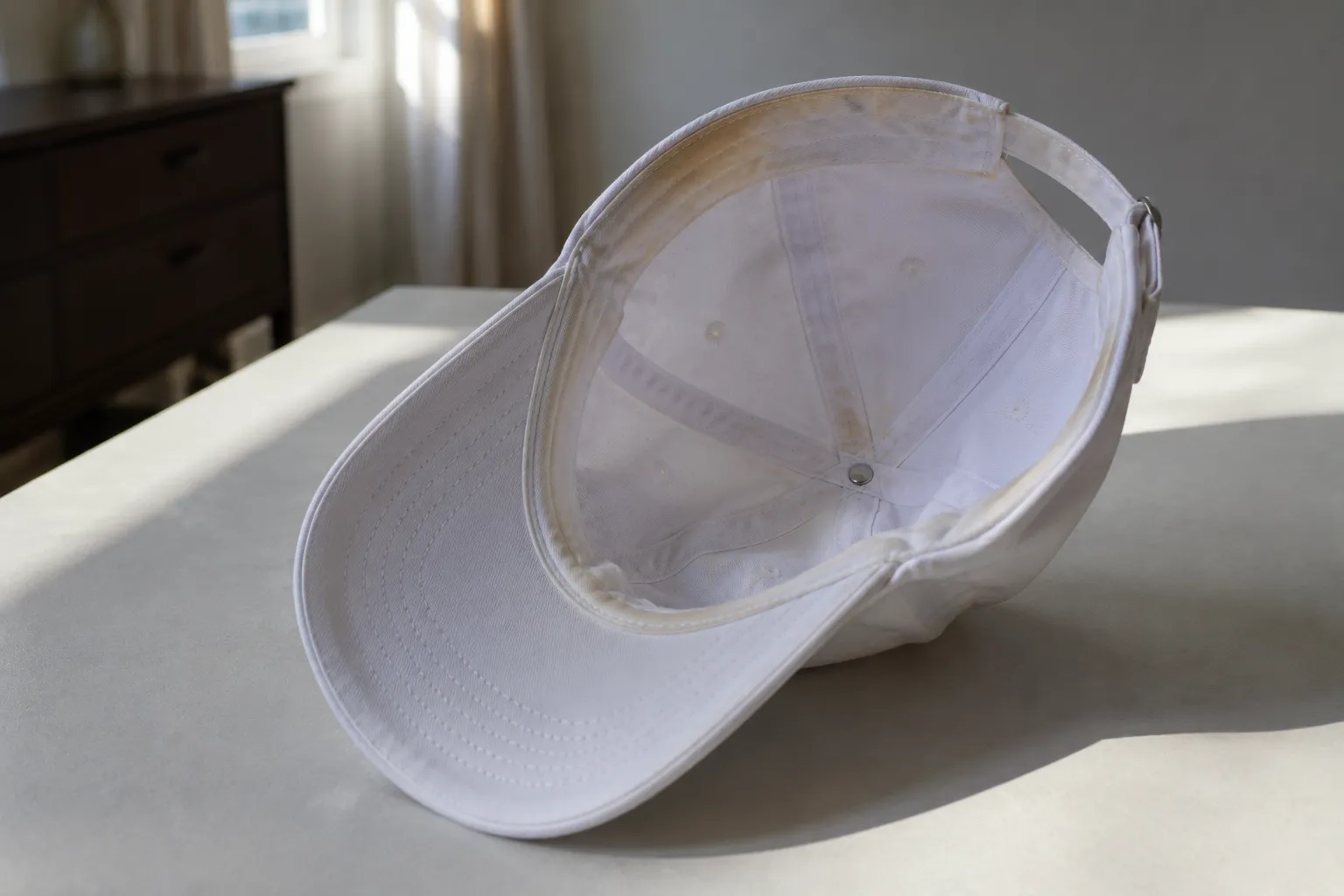
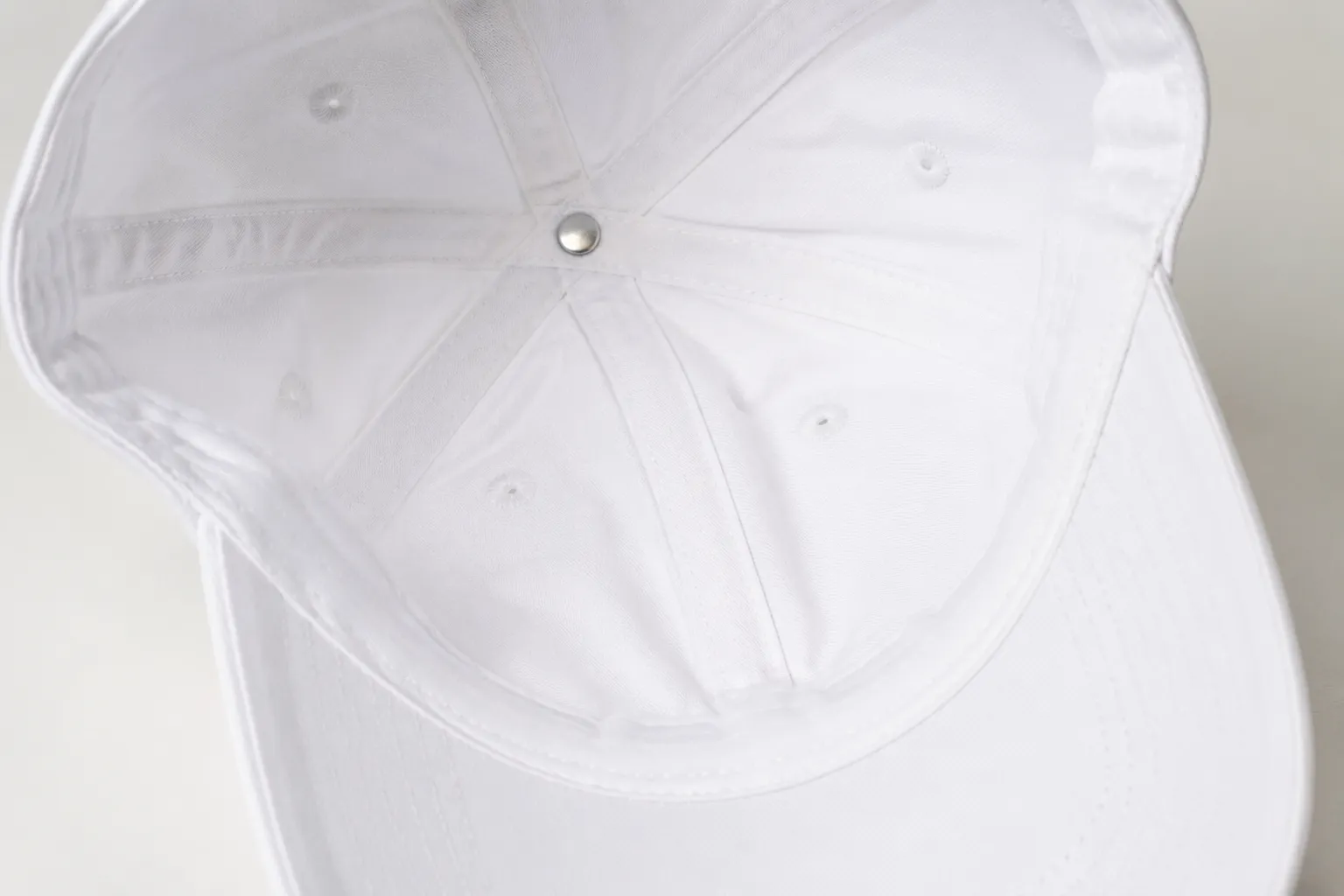
Request: Need to remove yellow sweat stains from a white baseball cap, cotton fabric.
Done: Treated stains with enzyme stain remover, cleaned with steam, and dried.
Cost: 12 000 ₸
Master: Aigul Sadykova, dry cleaning master
Total: Stains completely gone, cap is snow-white and fresh.
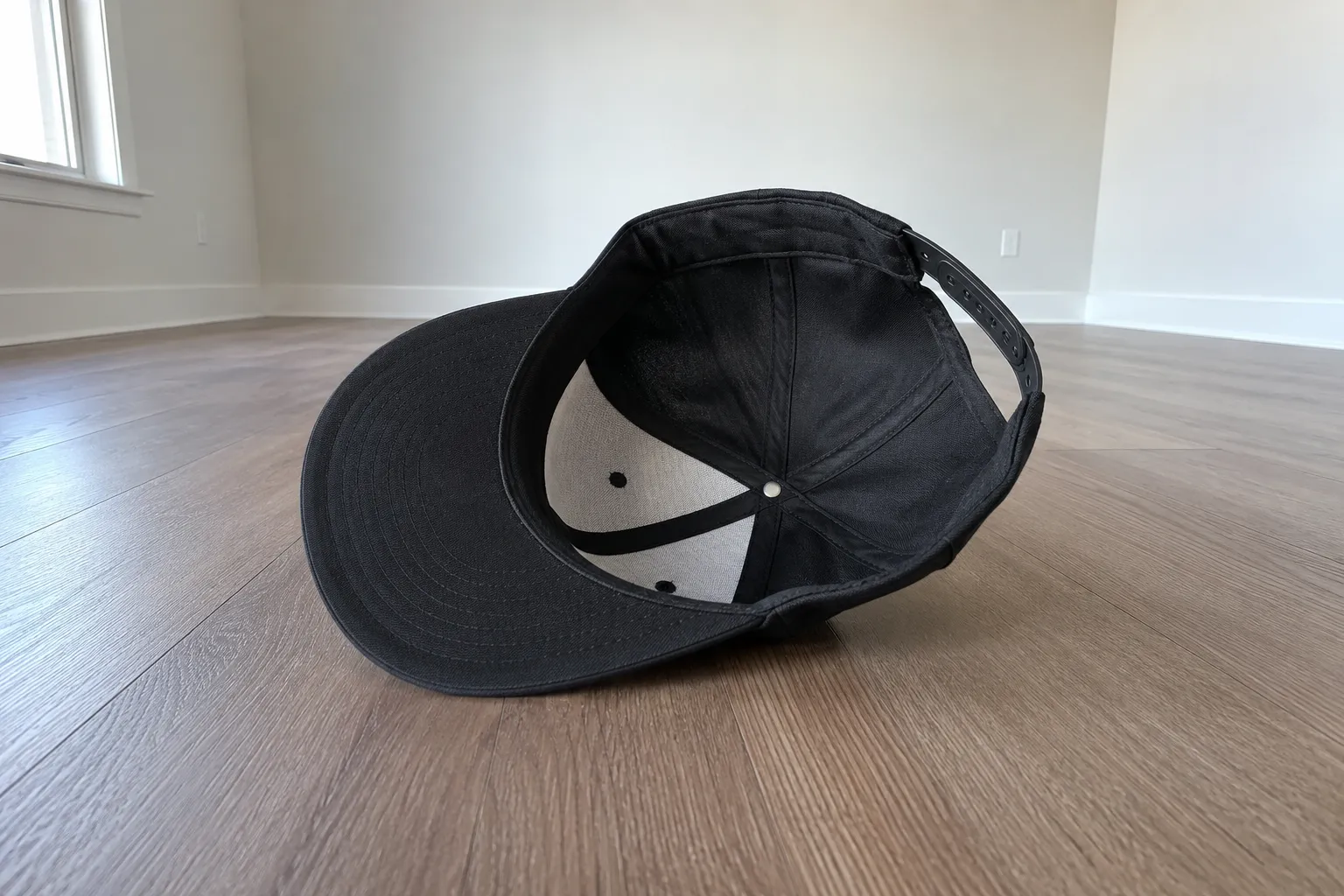 After
After
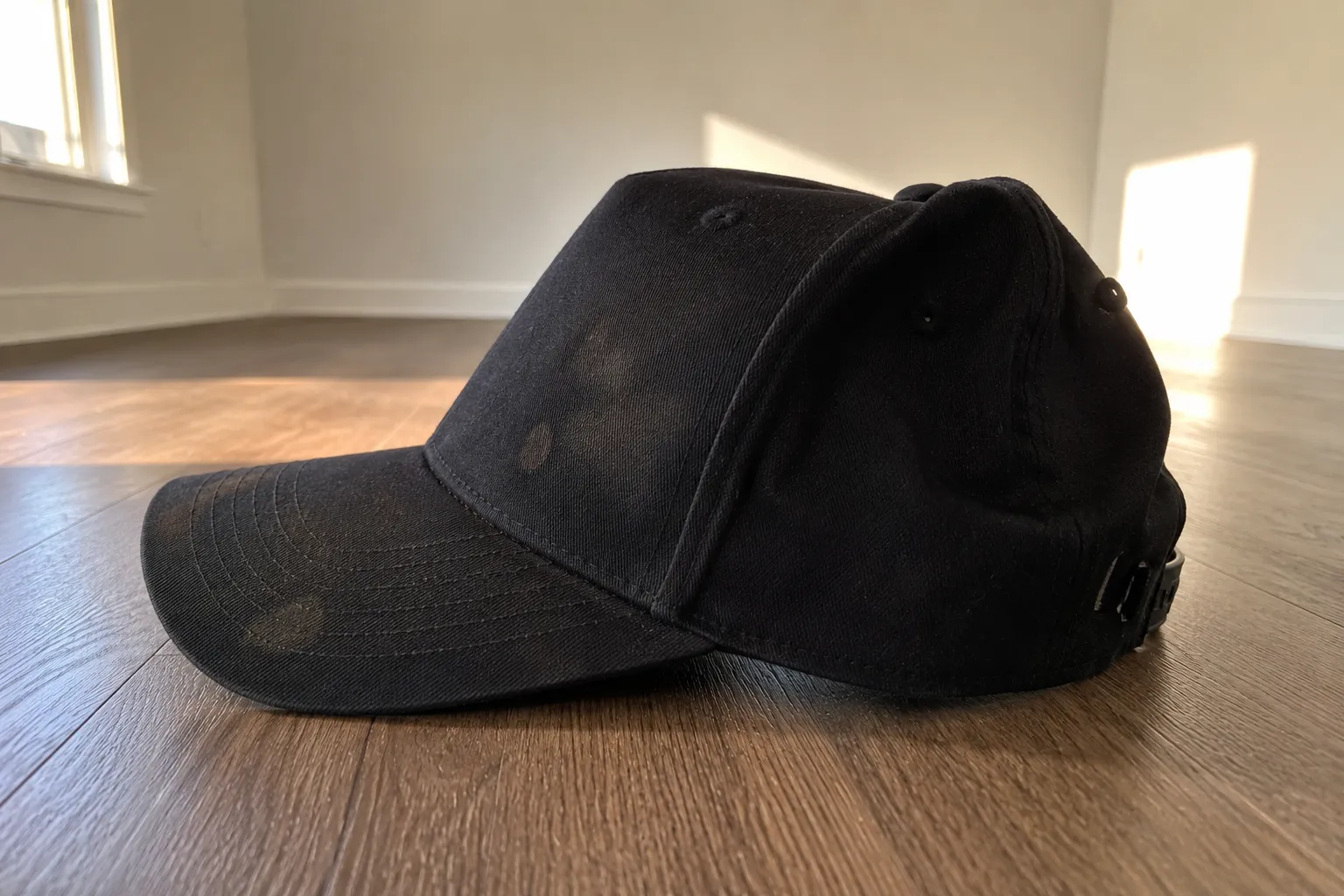
Request: Brim is shiny from grease, I want to restore the matte look.
Done: Cleaned the brim with degreaser, rinsed and dried.
Cost: 15 000 ₸
Master: Timur Zhaksybekov, dry cleaning master
Total: Brim is matte, no greasy shine, cap looks like new.
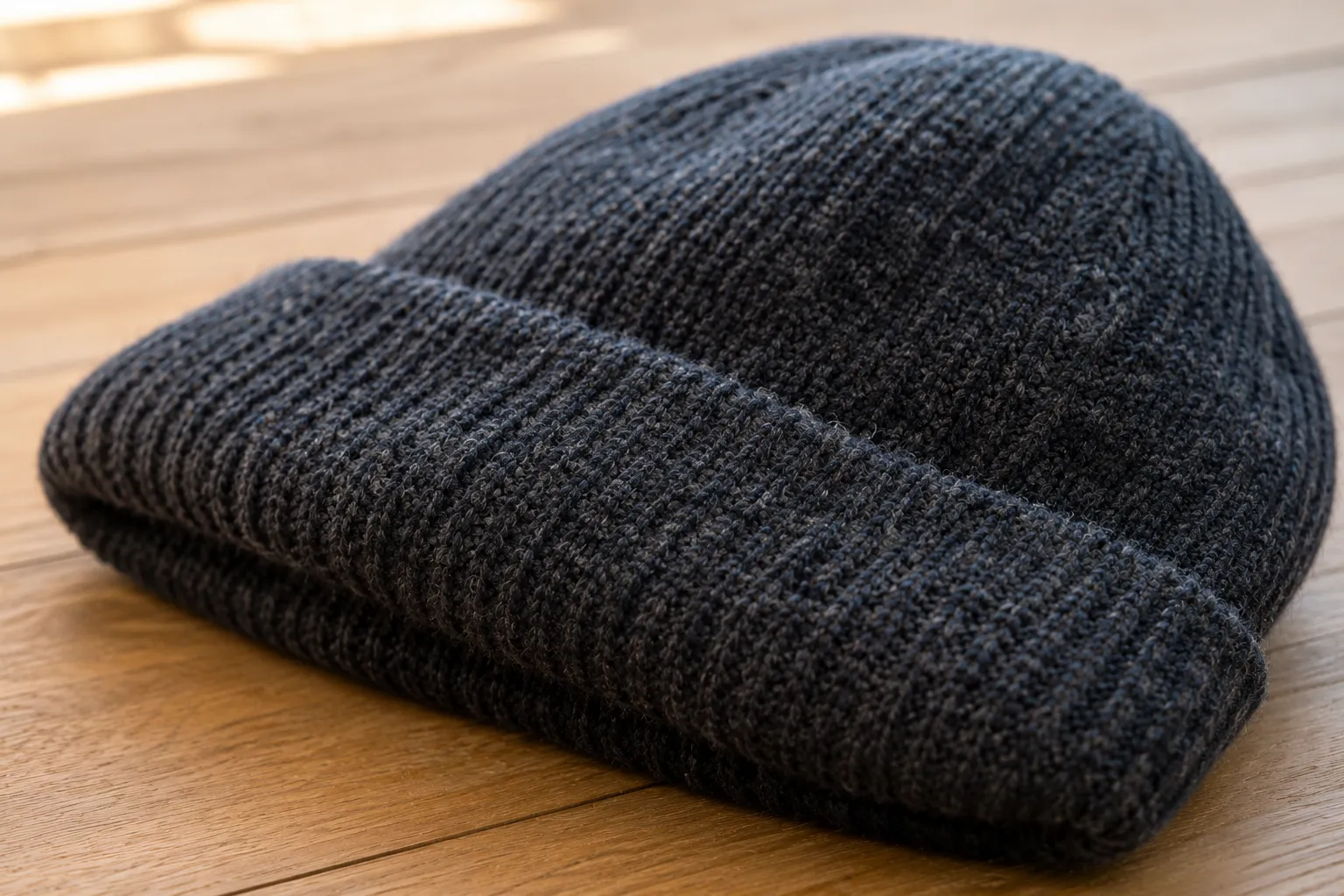
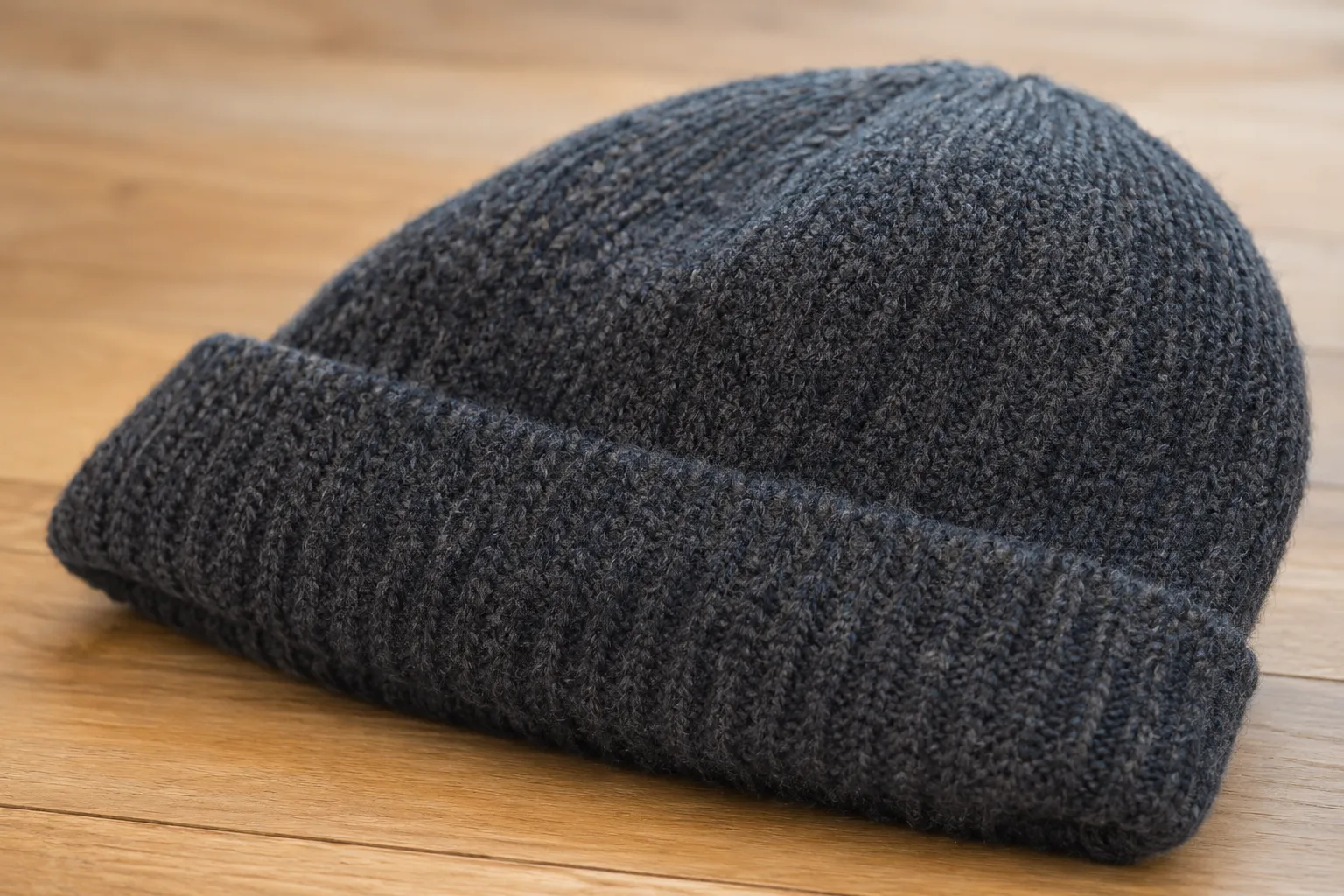 After
After
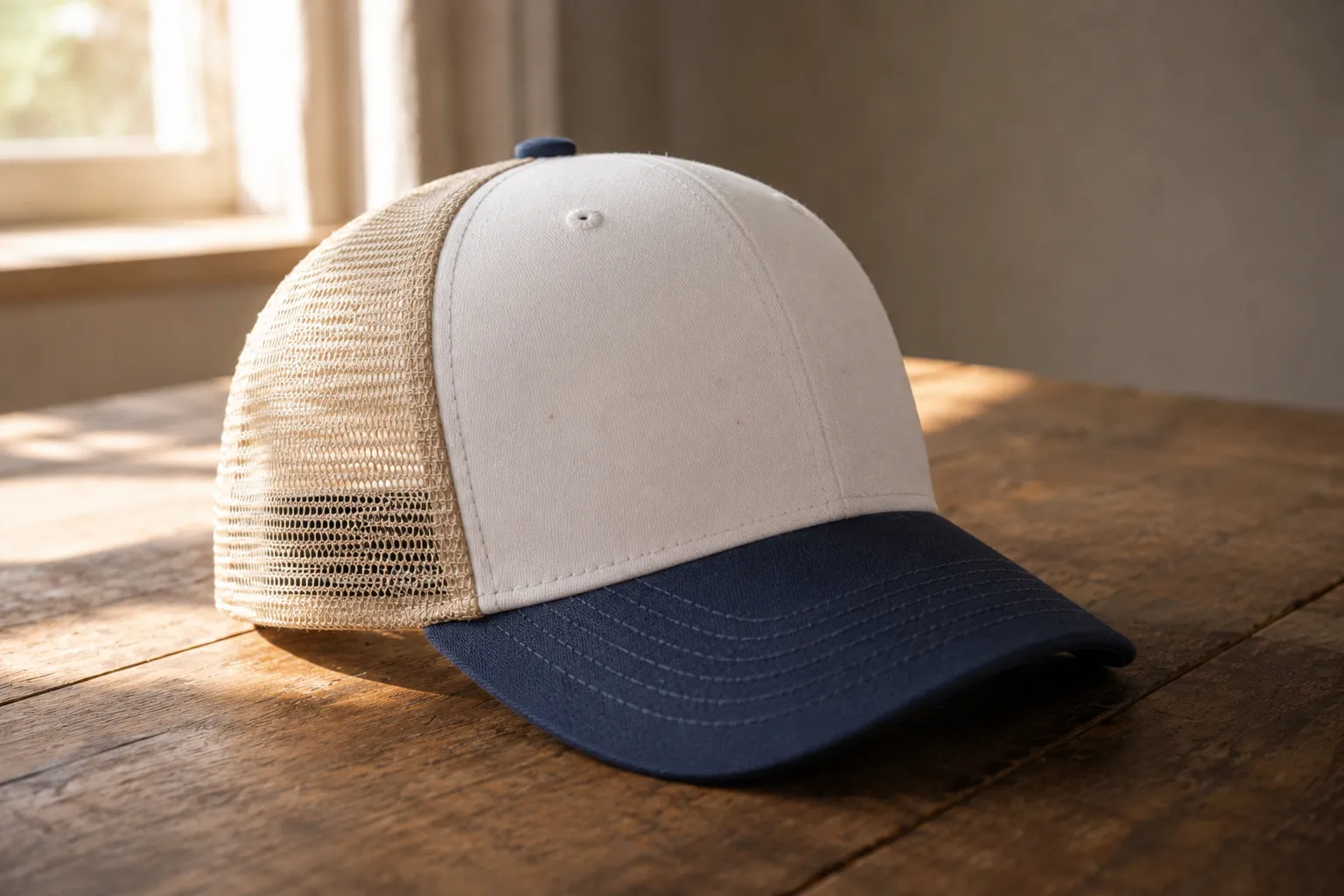
Request: Mesh and front panel are gray from dust, need cleaning.
Done: Soaked in warm solution, cleaned with soft brush, rinsed.
Cost: 14 000 ₸
Master: Diana Nurlanova, dry cleaning master
Total: Mesh and front panel are clean, bright, no traces of dirt.
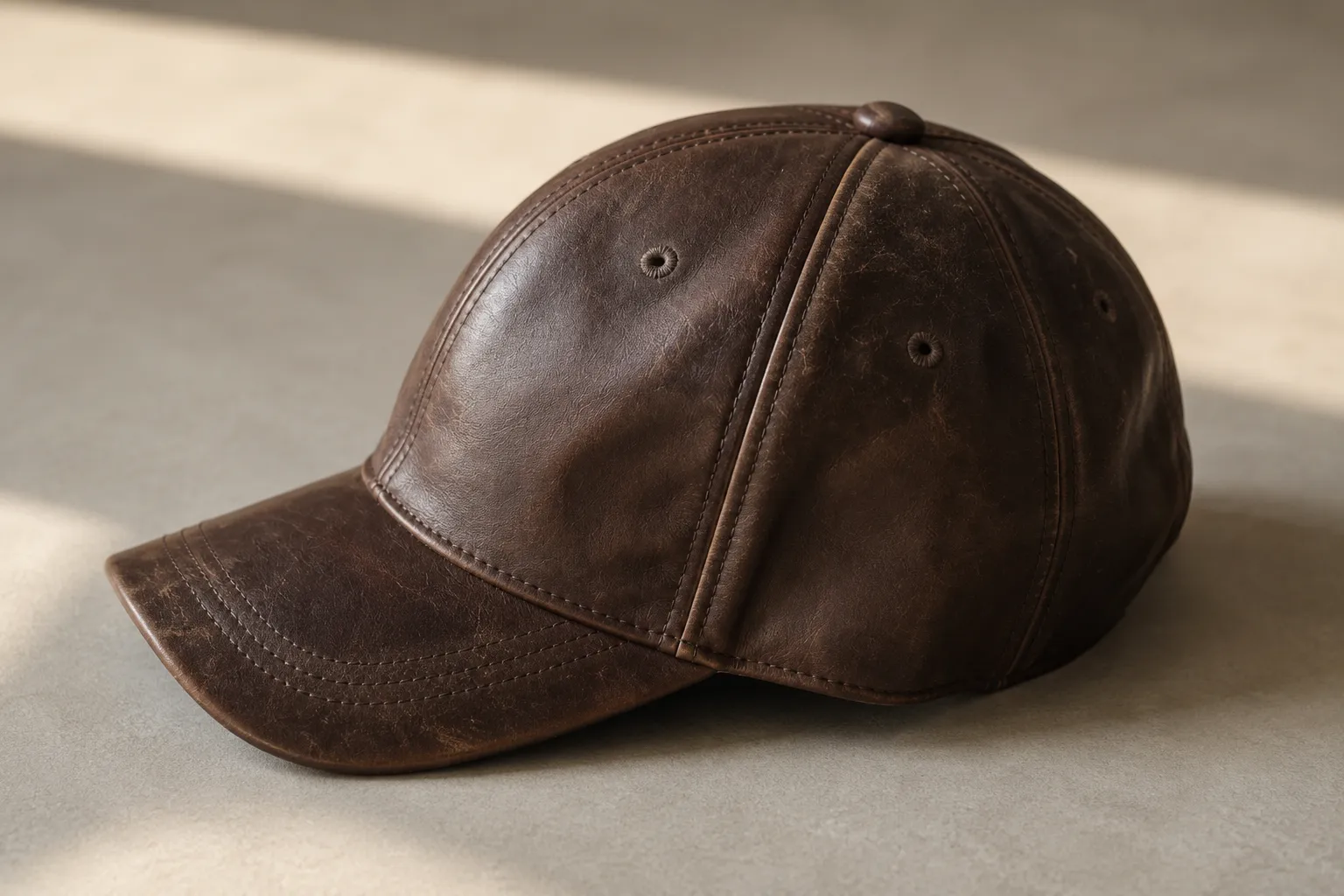
 After
After
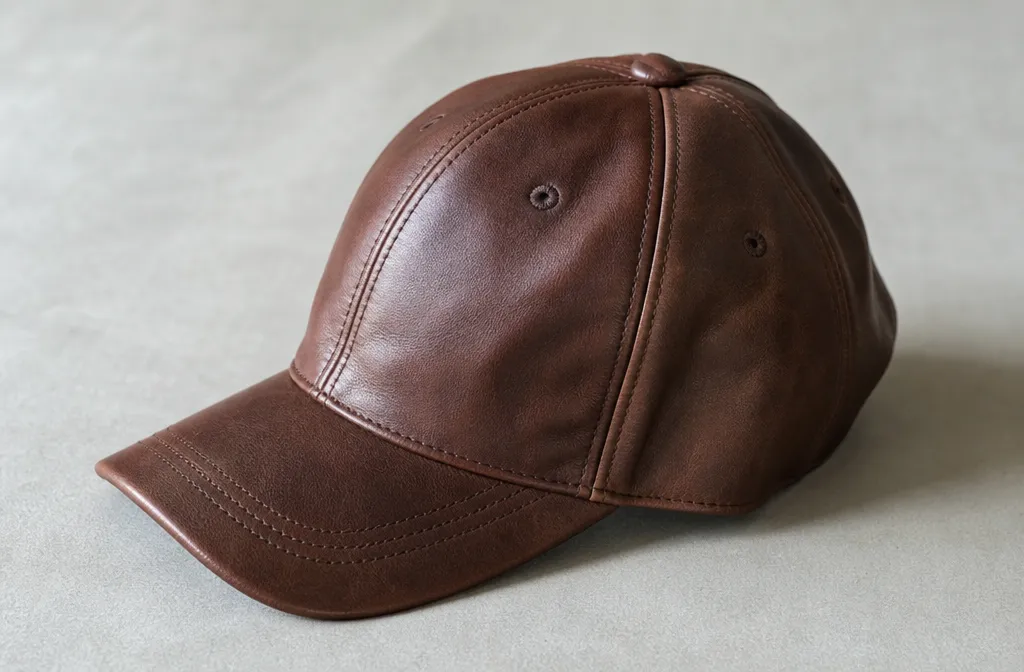
Request: Scuffs on brim and crown, I want to refresh the leather.
Done: Cleaned leather with special product, applied conditioner and protective cream.
Cost: 13 000 ₸
Master: Askhat Makhanov, dry cleaning master
Total: Leather is soft, scuffs are gone, color is even.
 After
After
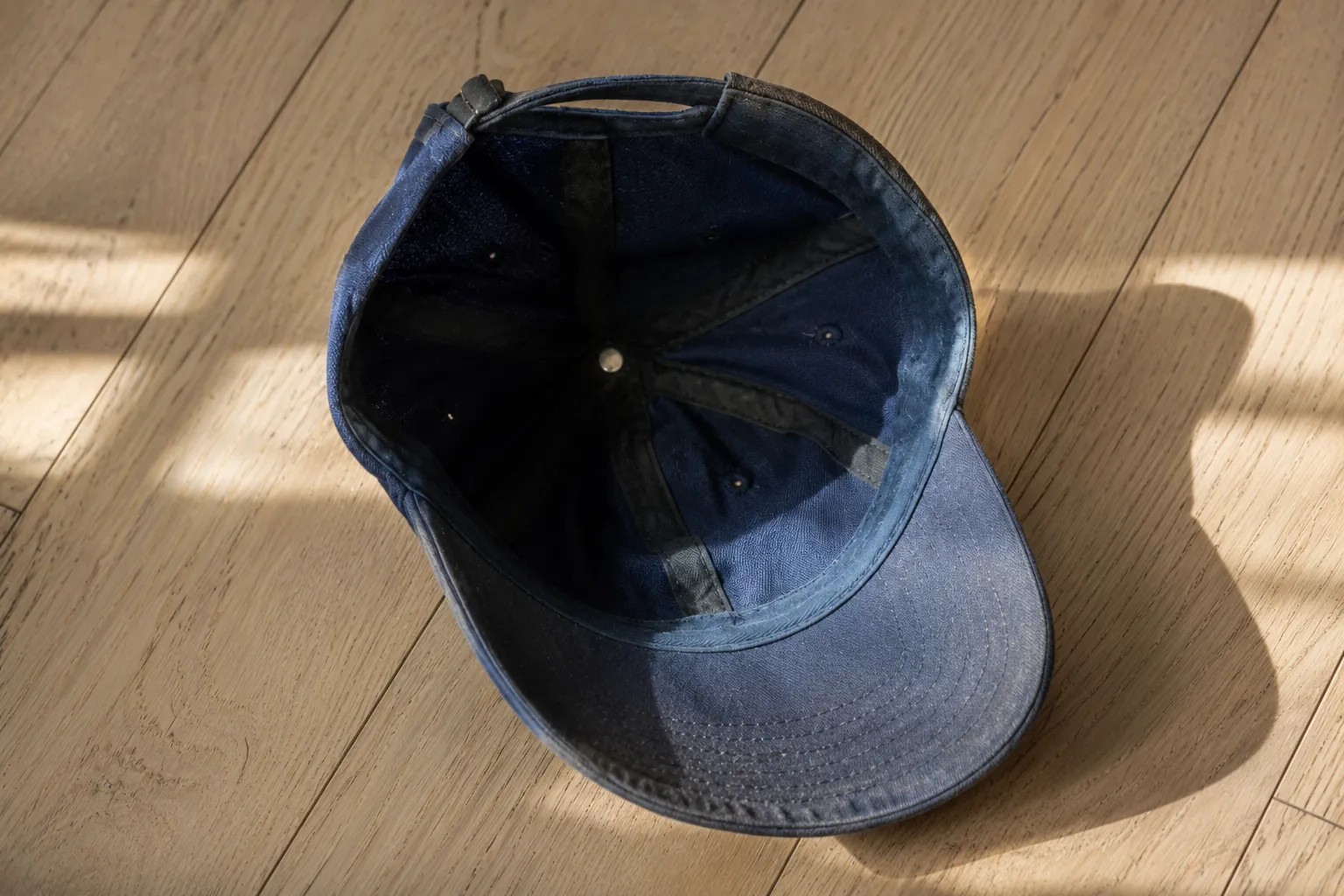
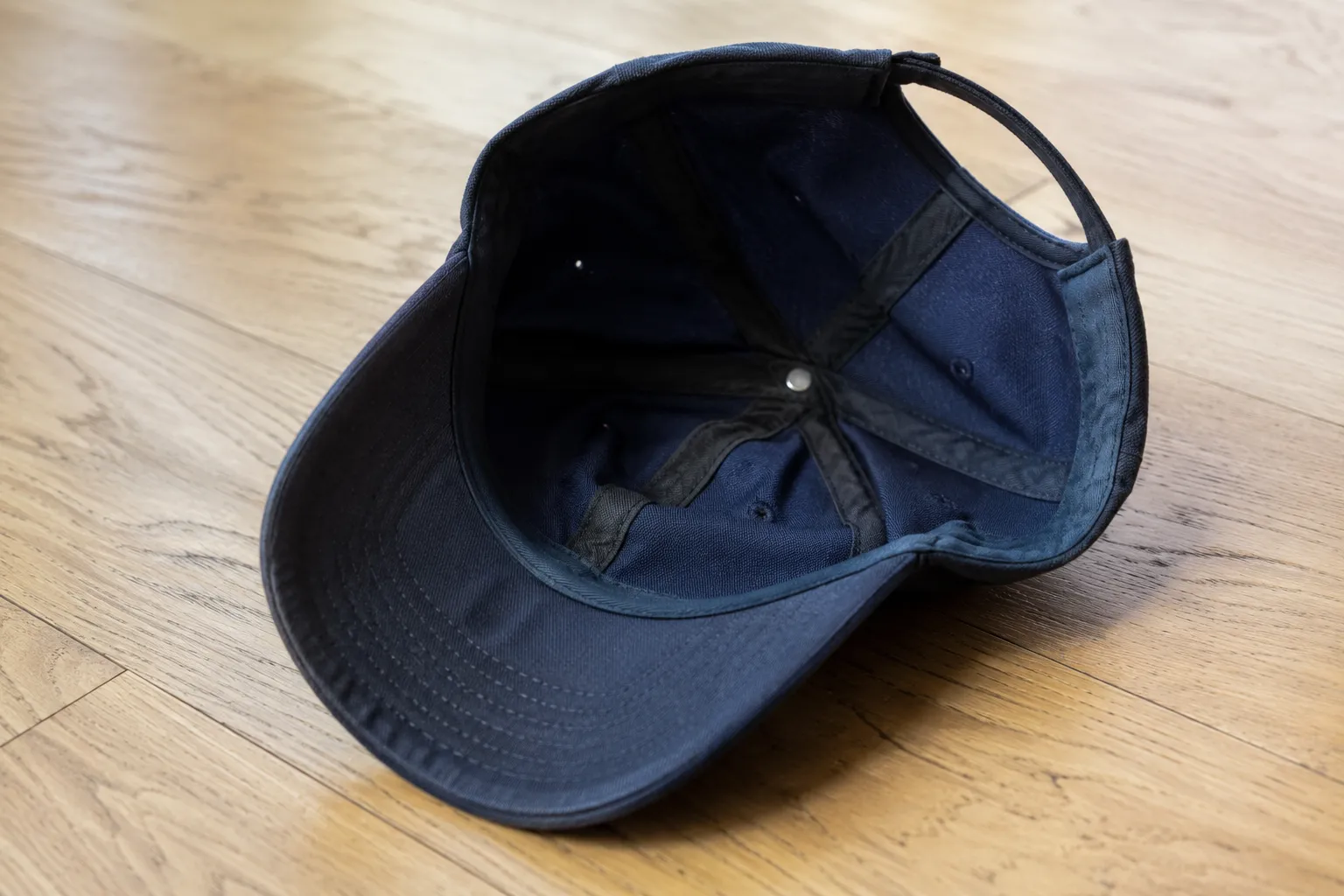
Request: Covered in pills and fluff, I want a smooth surface.
Done: Removed pills with a fabric shaver, cleaned with lint roller, and steamed.
Cost: 12 000 ₸
Master: Zhanna Kaliyeva, dry cleaning master
Total: Surface is smooth, no pills or lint, soft.
 After
After
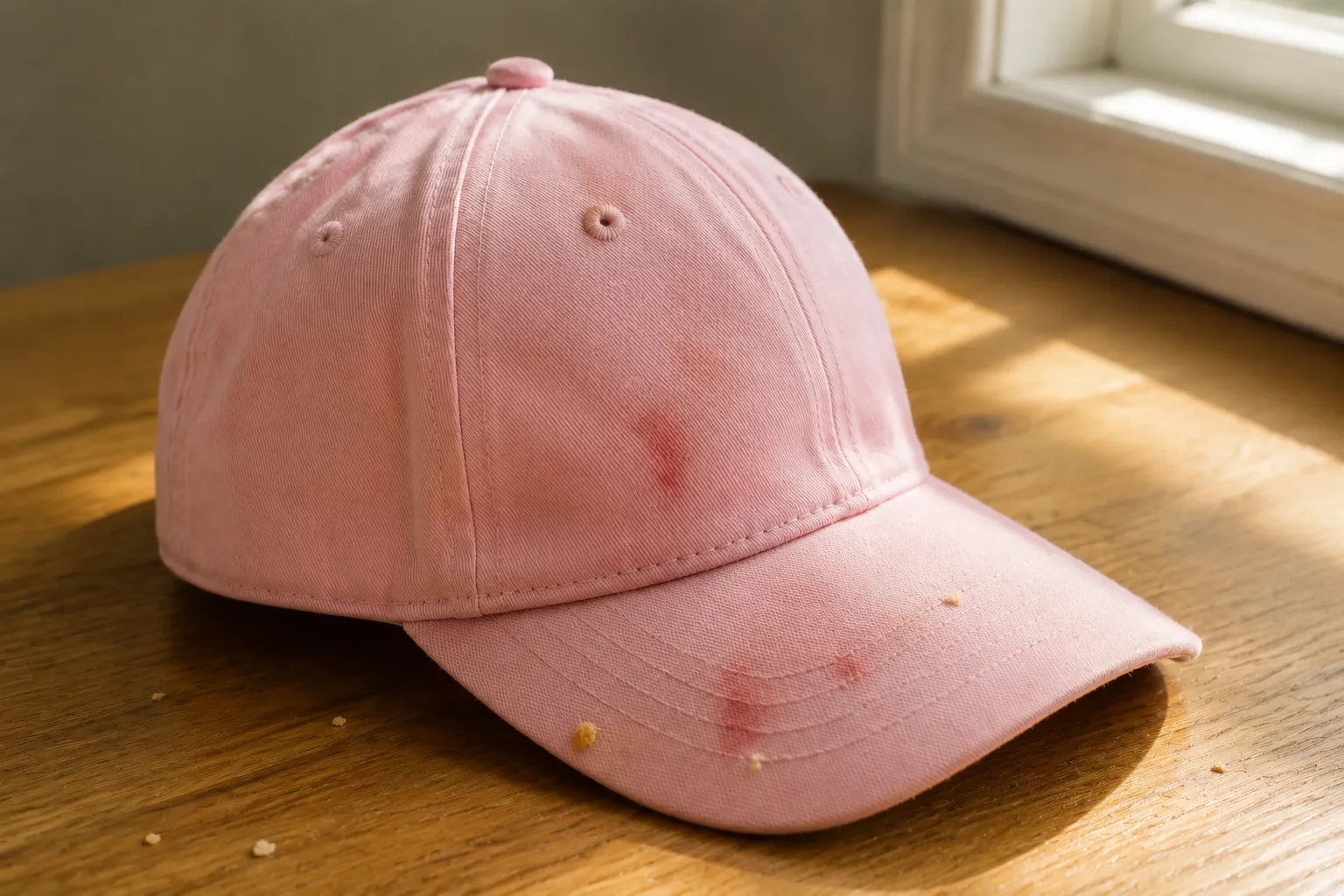
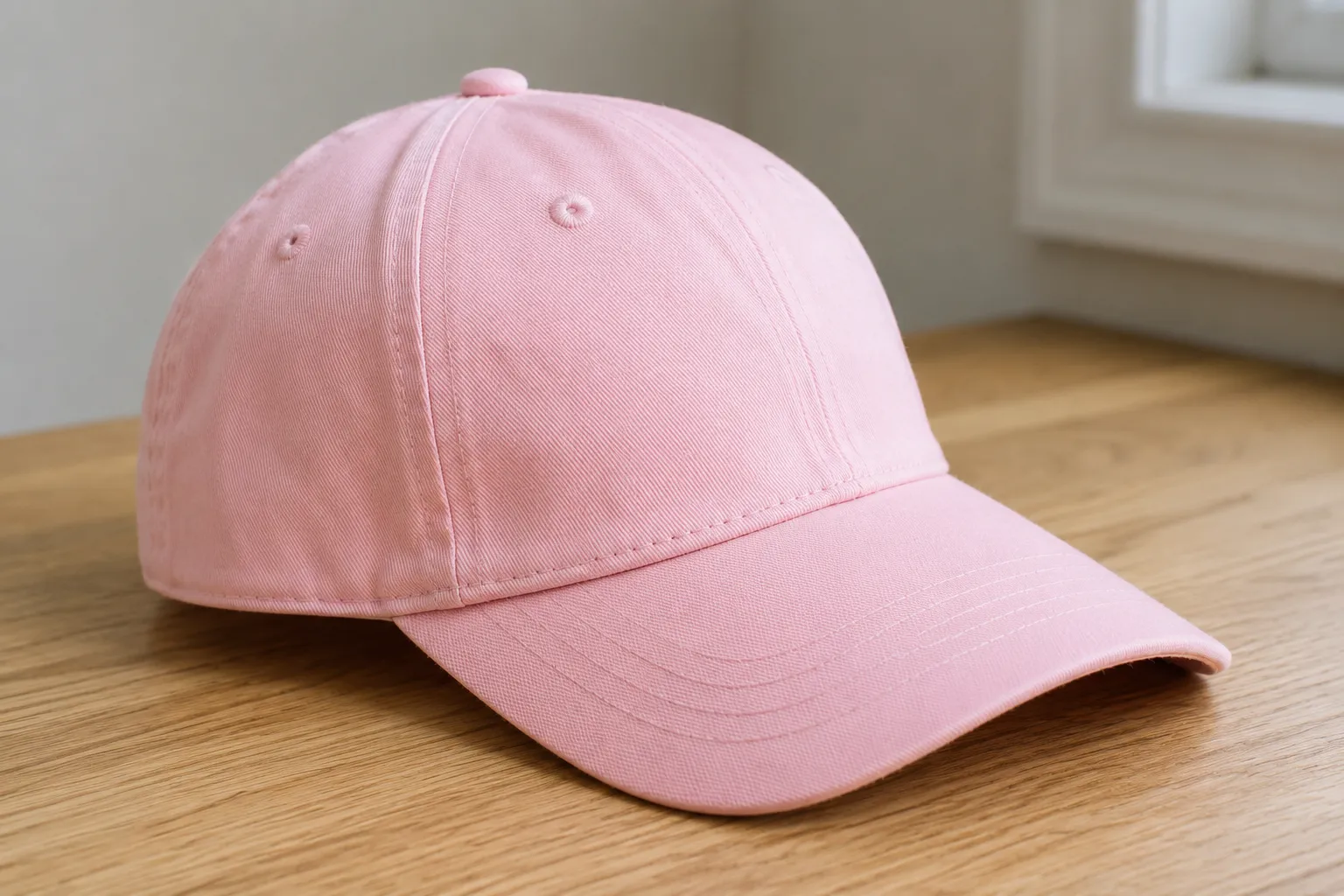
Request: Color faded in the sun, became dull, want saturation.
Done: Cleaned and treated with fabric color restorer.
Cost: 14 000 ₸
Master: Aigerim Bekzhanova, dry cleaning master
Total: Color became bright and saturated, like new.
 After
After
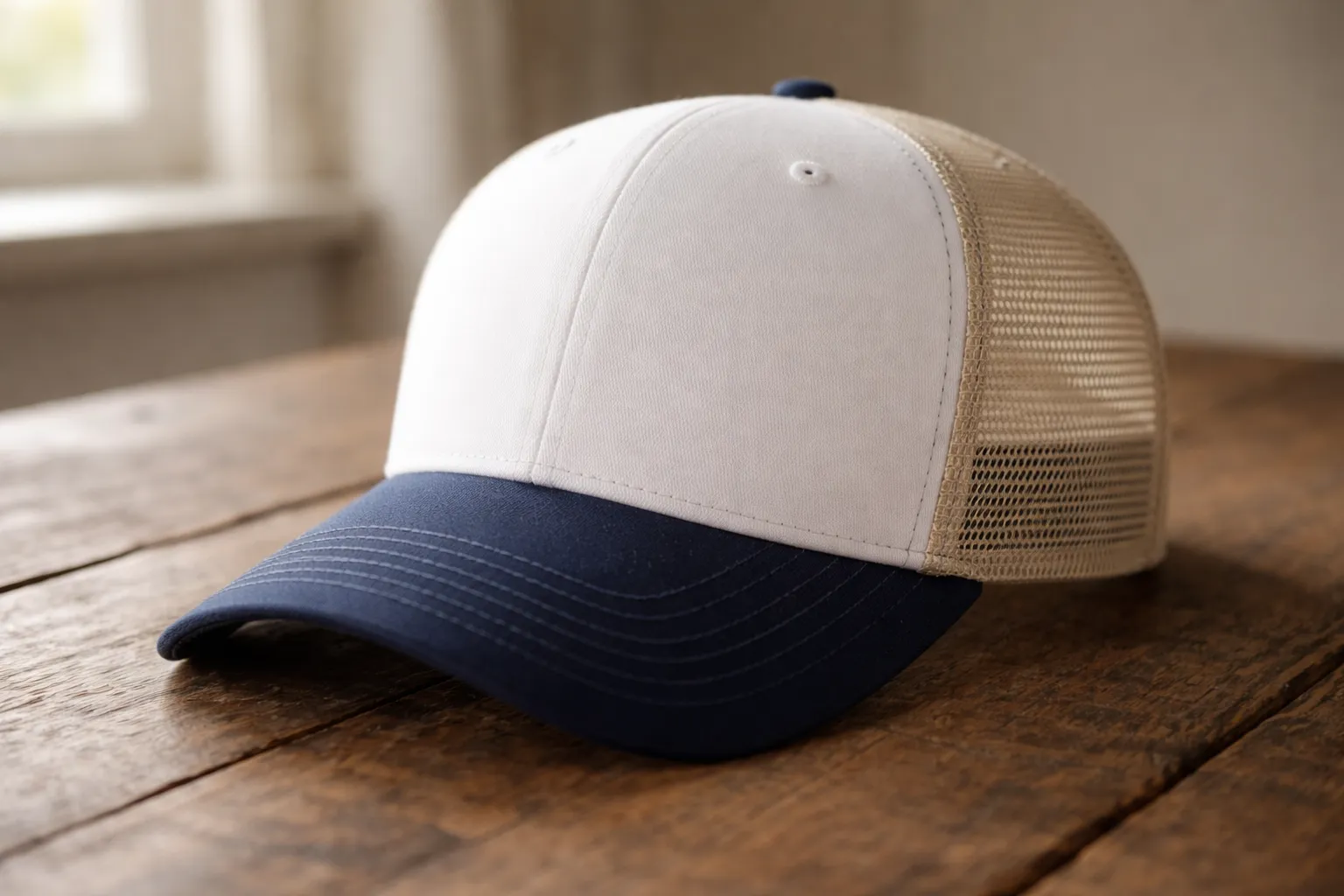
Request: Juice and yogurt stains, cannot be washed out in machine.
Done: Applied stain remover, soaked, cleaned with steam.
Cost: 13 000 ₸
Master: Aliya Serikova, dry cleaning master
Total: Stains completely removed, cap clean and bright.
 After
After
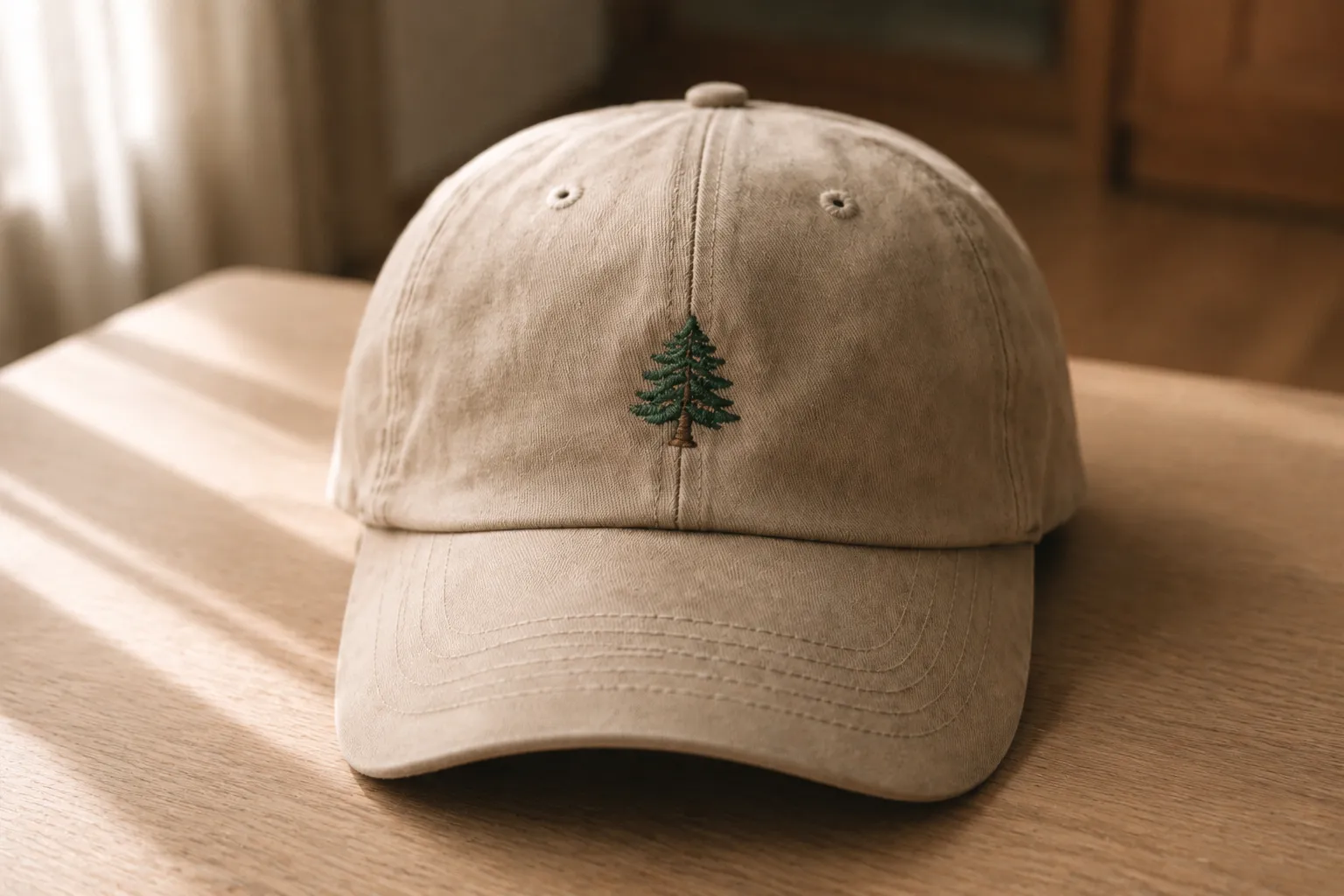
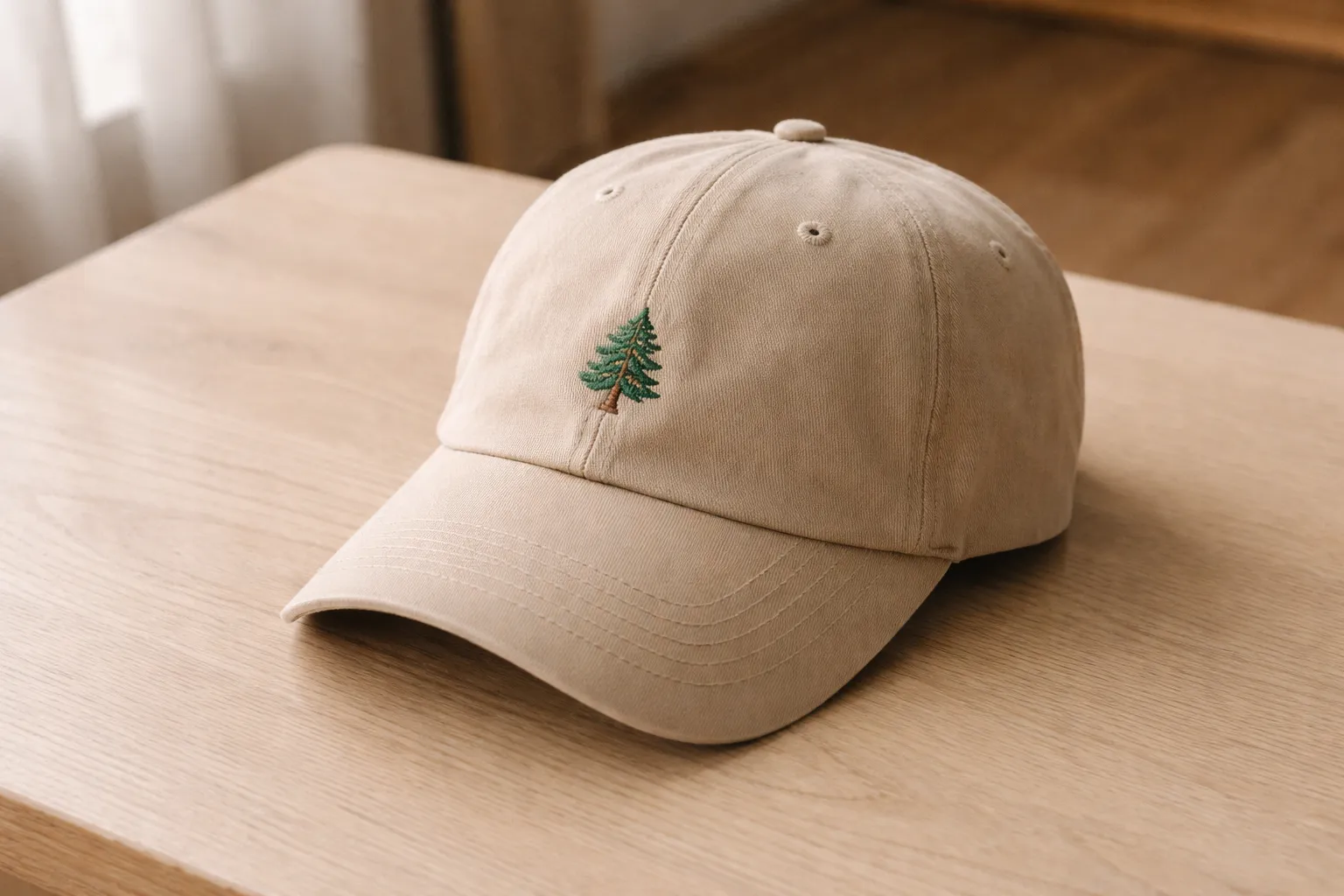
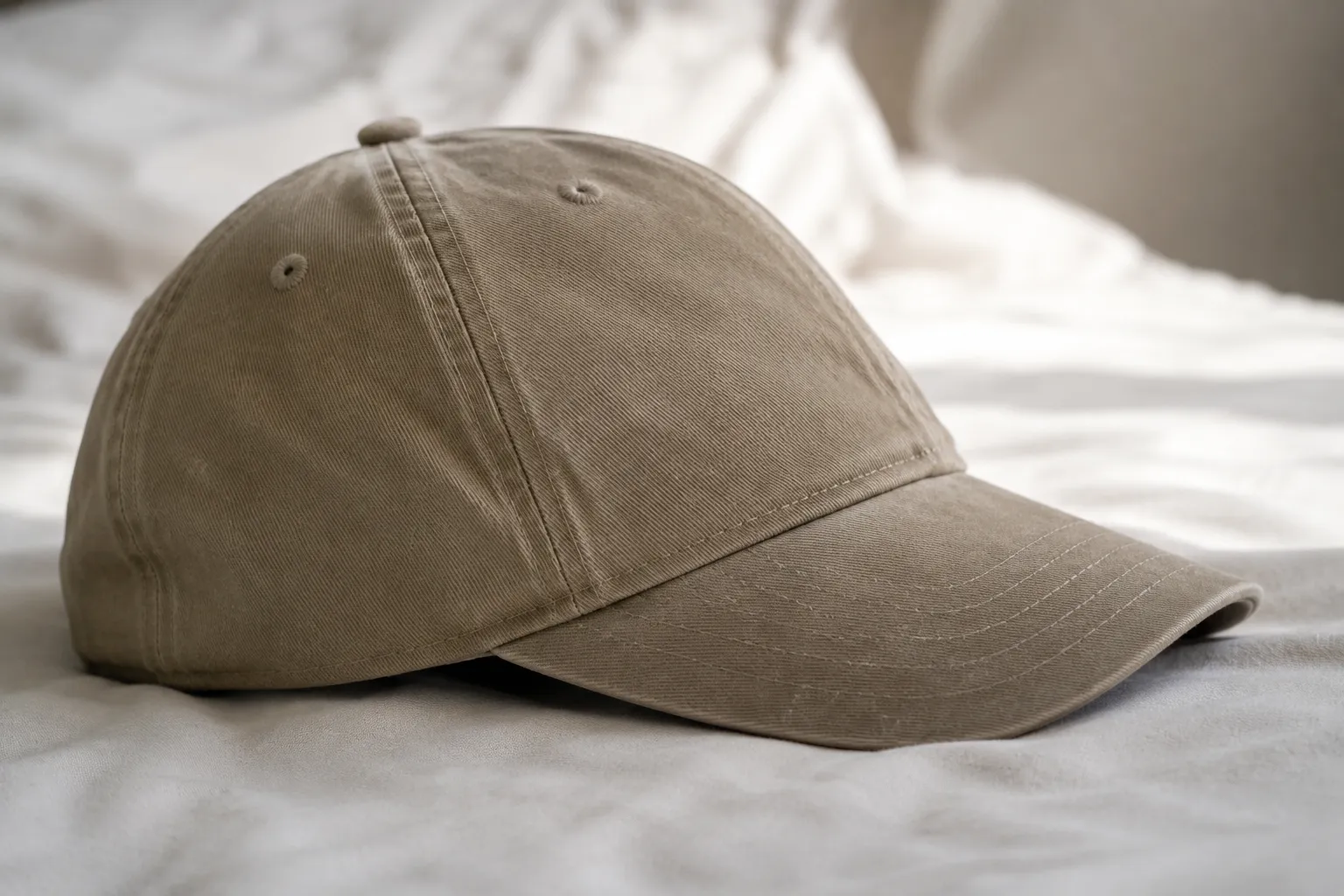
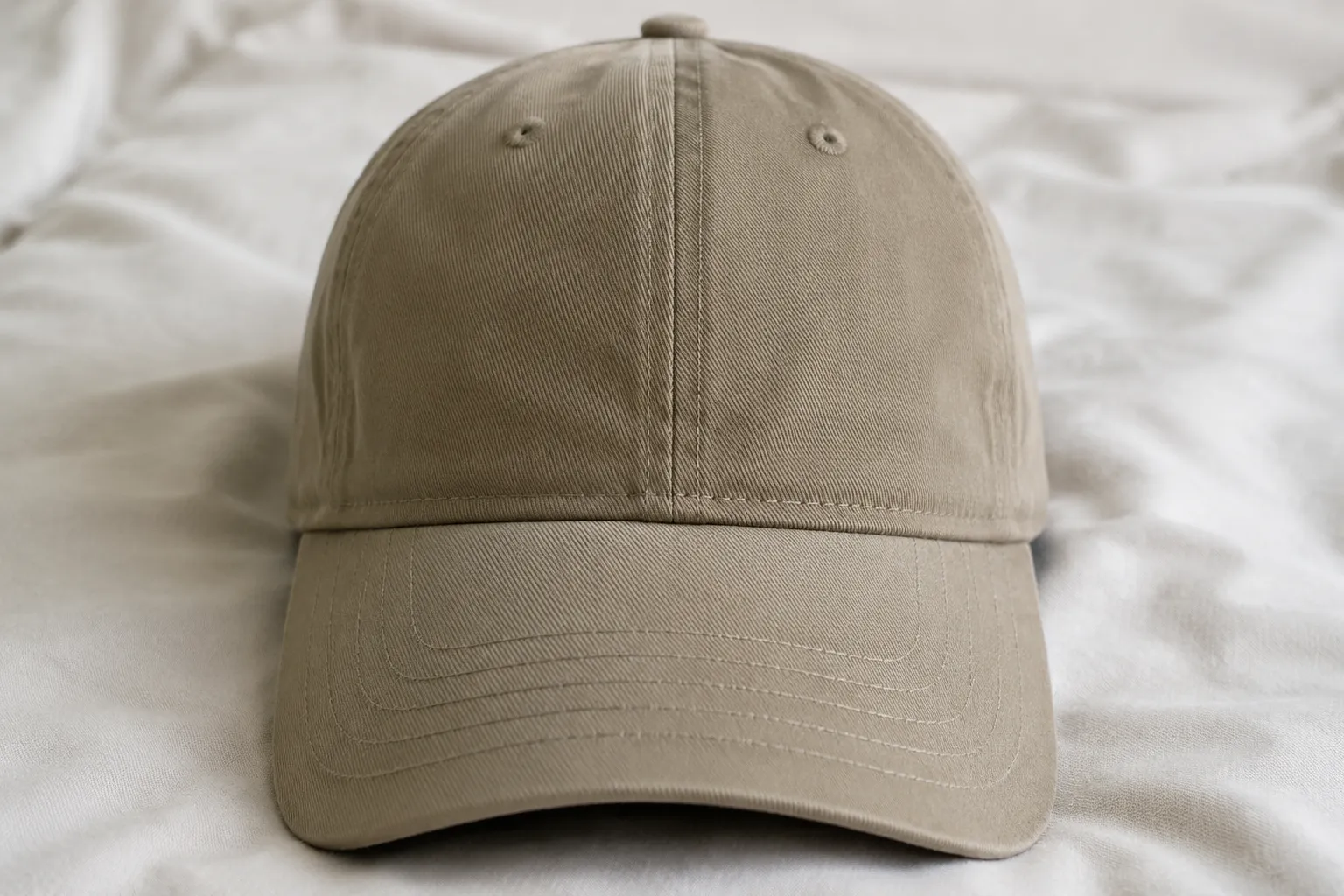
Request: White cap with embroidery turned yellow, especially on crown.
Done: Bleached with oxygen bleach, gently cleaned embroidery.
Cost: 12 000 ₸
Master: Yerzhan Muratov, dry cleaning master
Total: Yellowing gone, embroidery bright, fabric white.
 After
After
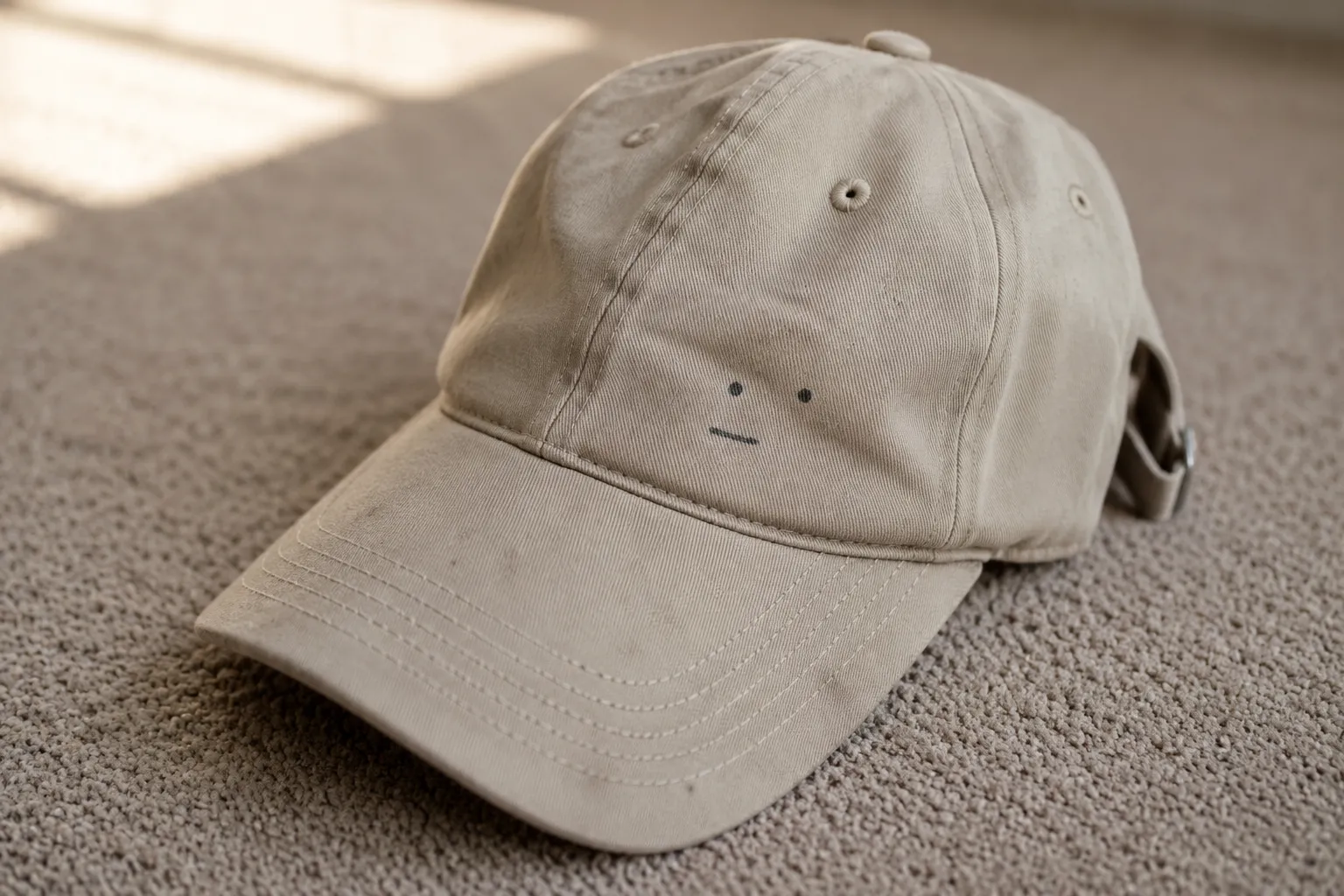
Request: Panama hat covered with gray dust, looks old.
Done: Vacuumed, cleaned with damp sponge, dried.
Cost: 14 000 ₸
Master: Gulnara Temirova, dry cleaning master
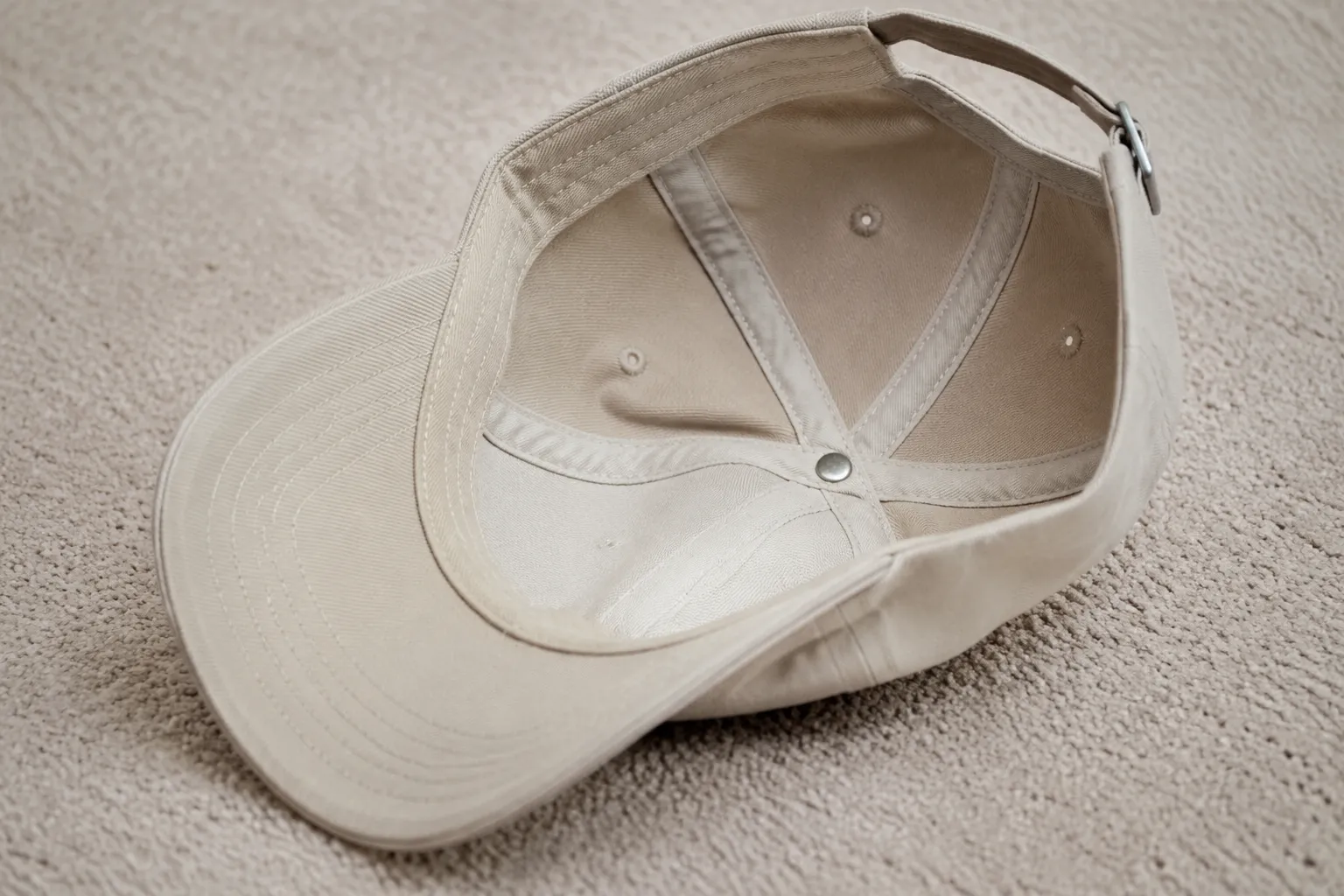
Total: Panama hat clean, dust-free, color fresh.
 After
After
Request: Pen ink on crown, cannot be removed with home remedies.
Done: Treated with alcohol solution, rinsed, residue removed.
Cost: 13 000 ₸
Master: Ruslan Akhmetov, dry cleaning master
Total: Ink stain completely gone, cap clean.
All cleaners are profi-clean staff with training, uniform and security check. Each order has a team leader who controls quality.
Washing a baseball cap in a drum might seem like a simple solution, but for caps with a stiff brim and structured crown, it’s almost a guaranteed way to cause deformation. Let’s break down why the machine ruins the accessory and what the consequences are.
In 80% of inexpensive and mid-range baseball caps, the crown (front panel) is reinforced with cardboard or pressed adhesive-backed textile. When soaked in water, the cardboard softens within 5–7 minutes, and during a spin cycle at 800–1000 RPM, the adhesive layer delaminates. In our cleaning practice in Almaty, we had a case: a client washed a New Era 59FIFTY cap in a machine — the cardboard crown turned into mush, and the brim hung like a rag. Even subsequent drying on a can didn’t restore its shape. An alternative is caps with a plastic crown (polyethylene, polypropylene): they can withstand 1–2 washes, but the brim still deforms due to temperature differences in the water and centrifugal force. For Almaty’s spring with its humidity fluctuations, a cardboard crown is especially vulnerable — it absorbs condensation even during wear, and machine washing finishes it off in one cycle.
A baseball cap’s brim is a multi-layer construction of fabric, an insert (cardboard, plastic, felt), and securing stitches. During machine washing, water seeps between the layers, the insert loses its stiffness, and the centrifugal force during spinning stretches the stitches — the brim becomes wavy. After drying, it’s impossible to return it to its original curve: the fabric has shrunk, and the insert has deformed unevenly. We tested restoration on a steam mannequin — even a professional steamer can’t restore the shape if the adhesive base is destroyed. In Almaty, where caps are worn both in the sun and the rain, humidity fluctuations accelerate delamination. The only way to preserve the brim is to avoid machine washing and use dry cleaning with controlled moisture, where steam pressure doesn’t exceed 2 bar and doesn’t affect the inner layers.
Baseball caps are made from cotton, polyester, wool, nylon, leather, and their combinations — and each material reacts to water differently. Cotton shrinks by 3–5% at 40 °C, changing the fit on your head. Polyester doesn’t shrink but loses color when in contact with chlorine from tap water — in Almaty’s water, the active chlorine content reaches 0.5 mg/L, which washes out the dye in 2–3 washes. Wool (woolen beret-style caps) felts and loses its volume — it would need manual restoration on a frame. Leather baseball caps (calf, goat leather) stiffen, crack, and lose elasticity from water: restoration requires special oils and conditioners that not every service has. Nylon mesh on summer baseball caps (like running models) stretches by 10–15% after machine washing and no longer secures the brim. Each fabric requires its own temperature and chemicals — at profi-clean, we select a solution for the specific material rather than throwing everything into one drum. Before washing, check the label: if it shows the “do not wash” symbol (a crossed-out tub) — the machine is out of the question, only professional treatment.
The first and most common mistake is washing caps with jeans or zippered jackets: metal hardware tears the crown fabric, leaves snags on cotton, and scratches the plastic brim. The second is using fabric softener: it leaves a greasy film on polyester and nylon that attracts dust and makes the color look dull. In Almaty with its dusty winds, this film gets clogged in 1–2 days of wear. The third is drying on a radiator: at 60–80 °C, the glue on the crown melts, and the brim irreversibly loses its stiffness. The fourth is bleaching with chlorine-based products: they destroy cotton and wool fibers, leaving yellow stains on white caps. The fifth is soaking for longer than 15 minutes: water penetrates the seams and insert, after which the shape cannot be restored. In our practice in Almaty, we had a case with a Supreme cap — after washing with fabric softener and drying on a radiator, the crown “melted,” and we couldn’t restore it even with professional equipment. If you accidentally washed a baseball cap in a machine, immediately take it out, stuff the wet crown with paper towels, and dry it on a horizontal mesh rack without heat — this is the only chance to minimize deformation, but it only works for plastic crowns.
The frequency of cleaning a baseball cap depends on how often it is worn, the material, and the conditions of use, but the general rule is simple: preventative professional cleaning every 2-3 months extends the life of the headwear by two to three times.
If you wear a baseball cap daily (for work, walks, sports), sweat and sebum accumulate on the lining and crown within 2-3 weeks. The buildup of sweat, dust, and UV rays damages the dye and deforms the fibers — especially on cotton and wool caps. In our practice, clients who bring in their baseball cap every 3-4 weeks rarely encounter stubborn yellow stains on the lining. We recommend scheduling a professional cleaning for your baseball cap on a monthly basis — for example, on payday or once per Kaspi Gold cycle, so you don’t forget.
For baseball caps worn only in summer or only for hiking, two cleanings per year are sufficient: before the first use and after the last. A spring cleaning removes dust and preservatives from winter storage, while an autumn cleaning solidifies the result and protects against mold in Almaty’s humid climate. Our cleaners have encountered caps that, after a winter in the closet, were covered in a gray film — this is settled household dust mixed with condensation. If this film is left until the next season, it becomes embedded in the fabric’s structure and requires not preventative, but deep cleaning with pigment removal.
Caps for running, CrossFit, or football absorb 3-5 times more sweat than everyday caps. Sweat with a high pH (especially after intense cardio) attacks the dye more aggressively — whitish streaks appear on synthetic mesh inserts after just 5-6 workouts. We recommend sending your sports baseball cap for professional cleaning after every 3-4 sessions. If you wash it at home by hand with soap, the brim loses its shape due to uneven drying — our dry steam cleaning restores the geometry without the risk of deformation.
| Sign | What It Indicates | What To Do |
|---|---|---|
| Yellow ring on the lining | Accumulation of sebum and sweat | Professional cleaning within 3 days — otherwise the stain sets |
| Whitish streaks on the crown | Salt deposits from sweat | Dry cleaning with a neutralizer — water will make it worse |
| Gray film on the outer fabric | Settled dust + exhaust fumes (relevant for Almaty) | Preventative cleaning with an anti-static agent |
| Musty smell after drying | Bacteria multiplying inside the fibers | Immediate steam treatment at 120°C |
| Loss of shape — brim “droops” | Frame compromised due to moisture | Cleaning with shape fixation on a block |
Almaty’s air contains a high concentration of PM2.5 and PM10 solid particles — especially in the lower part of the city (Bostandyk, Almaly districts). These particles settle on a baseball cap within 2-3 days of wear and create an abrasive layer that, with friction (e.g., against a bus seat), microscratches the dye. In our orders, clients from the Medeu district bring caps for cleaning every 2-3 months, while those from the Zhetysu district bring them monthly, and the difference in soiling is visible to the naked eye. If you live or work in a high-traffic area, schedule cleaning 2 weeks more often than the recommendations above.
Chemical cleaning is versatile, but it is categorically unsuitable for some baseball caps: aggressive solvents can destroy the material or deform the structure. Let’s break down which caps are better cleaned by hand and why.
Cheap caps from mass-market retailers often have a brim made of pressed cardboard or thick paper, not plastic. During chemical cleaning, the solvent penetrates inside, softening the cardboard — the brim loses its stiffness and warps. In my opinion, such baseball caps aren’t worth the cost of professional cleaning, but if you decide to try and save it — only hand washing with soapy foam, without soaking the brim. Checking the brim material is simple: bend it — if you hear a paper crunch or it bends without resistance, you have cardboard.
Prints applied via thermal transfer or flock (velvety appliqués) peel or crack from chemicals. Solvents eat away at the adhesive layer, causing the design to fall off in pieces. In our practice, there was a case: a client brought in a cap with a large flock logo, insisted on dry cleaning, and after drying, the print blistered. For such models, we only recommend manual foam cleaning from the back side of the print, without rubbing the front. Flock and thermal film are water-based — chemicals are destructive to them.
Old caps from the 80s, 90s, and early 2000s were often made from thin, already weakened cotton. Dry cleaning is stressful for the fiber: the solvent washes out residual natural oils, making the fabric brittle and prone to tearing at the slightest tension. The seams around the crown perimeter are especially vulnerable, as the load is highest there. If you have a vintage baseball cap with history, the safest method is manual cleaning with a cotton pad and soapy water, followed by drying on a cap form without wringing. Chemicals destroy such items in a single cycle.
Suede and nubuck are porous materials that absorb solvent deeper than cotton or polyester. After dry cleaning, suede develops stains and greasy marks that cannot be removed — the solvent redistributes the oil across the surface. Additionally, suede cannot withstand high drying temperatures, and dry cleaning often includes heat treatment. For such caps, the only method is dry cleaning with a special rubber brush and suede eraser. At profi-clean, we do not take suede caps for chemical cleaning — we honestly warn the client and offer manual treatment.
Leather on the brim is a common detail on premium baseball caps (e.g., New Era with a leather patch). Textile chemicals tan the leather — it becomes stiff, cracks, and loses color. Solvents based on surfactants are especially dangerous: they wash out the leather’s fat impregnation, after which it cannot be restored. A leather insert requires separate cleaning with special products, not a full dry cleaning cycle. The conclusion: if a cap has a leather element, do not send it for dry cleaning as a whole.
Deformation of a baseball cap is not a death sentence if you know how to properly restore its shape: at profi-clean, we even restore caps that have been crushed under a suitcase or lost crown volume after improper drying.
The cause of deformation: the washing machine drum creates centrifugal forces that crush the voluminous crown and break the plastic or cardboard brim. For caps with an integrated frame (e.g., New Era 59FIFTY), the stiffener rib breaks — after machine washing, the crown becomes flat, and the brim warps. Our technologist Aigerim Kassymova explains: “Wet cardboard inside the brim deforms irreversibly — drying on a radiator fixes this bend, and the cap loses its geometry forever.” That is why we do not accept caps for dry cleaning that have already been through a drum — restoring the original shape is possible, but the chance of a 100% result drops to 70%. Before ordering dry cleaning for a baseball cap after machine washing, check the brim’s integrity: if the plastic is cracked, the shape cannot be restored even with a steam generator.
The essence of the method: treatment with saturated steam at 120-130°C softens polyester or cotton fibers, and then the crown is fixed on a form of the required volume. At profi-clean, we use a professional Karcher SC 5 steam cleaner with an output temperature of 140°C and an ironing nozzle for thermoforming — this allows smoothing wrinkles without metal contact with the fabric. On cotton caps (100% cotton), steam works more gently: the fiber becomes pliable after 30 seconds of treatment, while on synthetics (polyester, nylon) — after 20 seconds, but precise temperature is required, otherwise the material may melt. In our practice, there was a case: a client brought in a Lacoste cap made of nylon mesh — after 25 seconds of steam, the crown regained volume, and the mesh did not deform because we held the nozzle 5 cm from the fabric. Thermoforming is only effective for caps without a damaged frame — if the stiffener rib is broken, steam will not restore the geometry, and brim replacement is needed.
When is it necessary: the visor with a plastic insert cracked after a fall or bend, the cardboard base got soaked and shrunk, the original curve became wavy after machine washing. At profi-clean, we do not replace visors as part of dry cleaning — this is a separate service from a sewing workshop, but our recommendation is: before ordering dry cleaning for a cap with a deformed visor, make sure the insert is intact. If the plastic is cracked, steam and drying won’t help — replacing the visor will cost less than buying a new cap, but finding a workshop in Almaty that works with caps is difficult: we only know two — on Zharokova Street and in the Samal-3 microdistrict. We only accept caps with an intact visor for dry cleaning, because after our steam treatment, cracked plastic may split completely, and the client will be left without a cap altogether.
Proper drying: after thermoforming or manual restoration, the cap should not be dried on a radiator, in direct sunlight, or in a tumble dryer — shrinkage of the cotton crown can reach 5-7%, and a cardboard visor will be permanently deformed. At profi-clean, we dry caps on mesh racks at room temperature (20-22°C) and humidity of 50-60% — this takes 8-12 hours depending on fabric density. Cotton caps take longer to dry (up to 14 hours), polyester caps take 6-8 hours, but never speed up the process with a hairdryer: the hot air stream tightens the threads on the crown, and the shape is lost again. If you restored the cap at home, place it on an oven rack (without heat) in a ventilated room — this is the only way to preserve the geometry after steam treatment.
Leather and suede are finicky materials that do not forgive care mistakes or contact with unsuitable chemicals. Let’s break down how cleaning such caps differs and why you should trust professionals.
Natural and artificial leather absorbs moisture unevenly: water penetrates the pores, leaving streaks and drying out the material. After wet cleaning, the leather crown often loses elasticity, cracks at the bends, and deforms the visor. In our practice, there was a case where a client soaked a leather cap in a soap solution — after drying, the visor curved into an arc, and whitish salt stains remained on the crown. Restoring such a cap was only possible with deep conditioning with leather conditioner followed by mechanical stretching on a block. For leather, we only use dry foam-based cleaners with a neutral pH — they clean without wetting the base. Moreover, for colored leather (red, blue, green), a preliminary dye test on an inconspicuous area under the crown is necessary to ensure the pigment doesn’t wash off with the dirt.
Suede is a porous leather with open pores that absorbs grease and dust more actively, but it is afraid of alcohol-based solvents — they tighten the nap, making the surface stiff and bald. For suede caps, we use neither water nor organic solvents — only dry powder cleaning followed by steam treatment from a distance of 30 cm. The steam lifts the nap, and the powder adsorbs dirt without friction. On suede, wear marks are especially visible on the visor and at points of contact with the forehead — we correct these with a colored restorative spray, selected according to the RAL catalog to match the cap’s shade. We had a case with a beige suede cap that developed dark sweat stains after a year of wear — standard cleaning didn’t remove them, requiring a three-stage treatment: dry powder, steam, then application of an absorbent paste for 4 hours. If suede has rain spots (drops), they are removed only with a suede brush before cleaning — after wetting, they become fixed.
The most common mistake is using wet wipes on leather: the alcohol in them instantly dries out the surface, leaving micro-cracks that expand when worn in the sun. The second is cleaning suede with a shoe brush: stiff bristles tear out the nap, creating bald patches that cannot be restored. The third is drying on a radiator: leather and suede lose their flexibility when heated above 40°C, the brim warps, and hard-to-remove creases appear on suede. In Almaty, where the sun is intense in summer and dust rises from the asphalt, many people wear leather baseball caps without impregnation — dirt embeds into the pores after just two or three wears, and can only be cleaned with a professional extractor with vacuum suction. Another local peculiarity: after rain, suede caps are often dried on an open balcony, but ultraviolet light burns out the pigment in one season — even black suede develops reddish stains. Before sending to the dry cleaner, do not attempt to remove stains yourself with gasoline or acetone — these solvents leave indelible halos that no professional cleaning chemicals can handle.
I ordered dry cleaning for my son's cap — they removed juice and grass, it's like new.
Thank you, Aigerim! Glad we managed.
The white cap became whiter than white after cleaning, sweat stains disappeared.
Dry cleaning of the running cap went great, just a bit delayed on time.
Daniyar, sorry for the delay. We'll try to be faster.
My husband's mesh cap looks like new after cleaning, even the logo is intact.
I sent a baseball cap with embroidery for dry cleaning — it's clean, the threads didn't fade.
Yerlan, we work carefully with decor. Thanks for the review!
My daughter's baseball cap was terrible after summer, now it's fit for a holiday.
Dry cleaning of a baseball cap with a soft visor — shape holds, no stains, but a faint smell remains.
Kuanysh, bring it again — we'll treat it with an ozonator for free.
The white baseball cap with yellowing was returned perfectly white, thank you!
Had a baseball cap dry cleaned that I wore on a hike — sweat and dirt stains are gone.
Timur, glad we helped! See you again.
The gradient on the baseball cap didn't fade, everything was cleaned carefully.
I sent my work baseball cap for dry cleaning — oil and dust were removed, the fabric wasn't damaged.
Alexey, thanks for your trust! Tough stains are our specialty.
The sequin baseball cap shines after cleaning, but one sequin came off.
Olga, bring it in — we'll glue the sequin back for free.
I ordered dry cleaning for an oversized baseball cap — it didn't lose its shape, became fresh.
The dark baseball cap didn't fade after cleaning, grease stains disappeared.
Dry cleaning of a printed baseball cap — the print faded a bit, though stains were removed.
Madina, sorry. Next time we'll use a gentle mode.
Camouflage baseball cap looks like new after cleaning, no dirt stains left.
I sent a baseball cap with text for dry cleaning — the text is intact, white became white.
Laura, thank you! We handle decor carefully.
Fitness baseball cap smells fresh after cleaning, but slight shrinkage is noticeable.
Bakhyt, we'll take it into account for your next order. Thanks!
Dry cleaning of a baseball cap with company logo — logo didn't wear off, coffee stains gone.
Gave a clean baseball cap to a friend — he didn't believe it had stains.
I ordered dry cleaning for a baseball cap with fur trim — the fur became fluffy, no odor.
Saule, great! We work carefully with fur.
Velour baseball cap is soft after cleaning, but slight streaks are visible in light.
Arman, bring it in — we'll treat it with steam for free.
Dry cleaning of a baseball cap with rhinestones — all stones in place, shiny, no stains.
Everyday baseball cap after cleaning looks like new from the store, very satisfied.
My son got paint on his baseball cap — dry cleaning saved it, everything was washed off.
Zere, great! Children's items are our love.
Sports baseball cap after cleaning retained the stiffness of the visor, grass stains gone.
Dry cleaning of a baseball cap with beads — beads didn't fall off, but one thread loosened.
Nazgul, bring it in — we'll tighten the thread for free.
Vintage baseball cap after cleaning looks neat without losing its appearance.
Standard dry cleaning takes about 1 hour of active work plus 2-4 hours of drying. Urgent order (2 hours) is possible with an extra charge.
Leave a request on the website or call — the courier will come to your address in Almaty. Free for orders of 3 or more caps, otherwise at an individual rate.
No, we use safe Kiehl products and drying on forms to preserve shape and color. For delicate fabrics, a special mode is used.
The price depends on the material: individual rate for children's, individual rate for leather. The average price for a classic cap is individual rate.
Yes, for orders of 3 or more caps — free delivery. A bulk discount is also possible, check with the manager.
Dry cleaning of leather or suede baseball cap — individual rate. We use special water-free products.
Yes, we clean trucker and snapback caps with mesh. The mesh is handled carefully to avoid damage.
Yes, the brim is cleaned manually with a brush, preserving its shape. Hard brims are not soaked.
Yes, embroidery is cleaned by hand to avoid damaging the threads. Price is individual rate.
We remove sweat, grease, dust, food stains, grass, ink, paint. Stubborn stains are treated separately (extra charge at individual rate).
Tell us about your experience with profi-clean — it helps other clients and us improve.
We currently operate in Almaty. Other cities are coming soon.