Inspection and type
We visually assess the material, design, and degree of contamination. We check the mechanisms for serviceability.
Professional cleaning of all types of blinds in Almaty — streak-free and damage-free cleanliness

We work with any types and materials
Require careful cleaning of each slat without bending.
from 12,000 ₸Cleaning considering the direction of the pile and gentle drying.
from 12,000 ₸Cleaning the fabric without stretching, with mechanism control.
from 12,000 ₸Special care when cleaning folds.
from 12,000 ₸We use only water-free products to avoid deformation.
from 12,000 ₸We clean with antistatic agents to reduce dust settling.
from 12,000 ₸Cleaning without soaking to avoid delamination.
from 2,000 ₸Thorough cleaning of two panels while preserving functionality.
from 2,000 ₸Combined approach for different materials.
from 12,000 ₸We consider the tilt angle and mounting features.
from 1,200 ₸Protection of electronics during cleaning.
from 2,000 ₸Industrial climbing and special equipment.
from 2,000 ₸From inspection to result with guarantee
We visually assess the material, design, and degree of contamination. We check the mechanisms for serviceability.
Carefully remove blinds without damaging brackets. For vertical blinds, remove slats; for horizontal, remove the entire unit.
Remove main dust with a soft brush vacuum attachment. For fabric, use a power-adjustable nozzle.
Soak removable parts in a bath with Sodasan solution (15 ml per 5 L water) for 10-15 minutes.
Wash each slat with a soft sponge or brush on both sides. For fabric, avoid heavy scrubbing.
Treat with Karcher SC 5 steam cleaner to remove grease and nicotine. Steam is delivered at 4 bar pressure.
Rinse with clean water, wipe with soft cloth. Dry in an unfolded position.
We mount the blinds in place, check the mechanism operation, wipe the cornice and windowsill.
We use only certified Kiehl and Sodasan formulations, safe for any material — aluminum, fabric, wood. They leave no streaks and cause no allergies. This is confirmed by hypoallergenic tests.
Karcher SC 5 steam cleaner with steam temperature up to 140°C removes stubborn dirt — grease, nicotine, insect traces — without chemicals. Steam penetrates microcracks without damaging slats.
We use a vacuum cleaner with a HEPA filter that traps 99.97% of dust particles. This prevents secondary air pollution and is especially important for allergy sufferers.
Each master has been trained in working with delicate materials: from bamboo to electric drives. We regularly improve our skills at manufacturer seminars.
If streaks or dirt remain after cleaning, we will redo the work for free. The guarantee is valid for 24 hours after the service.
For complex objects (facade blinds, dormer windows), our appraiser visits for free. He will take measurements, determine the degree of contamination, and select the optimal cleaning method.
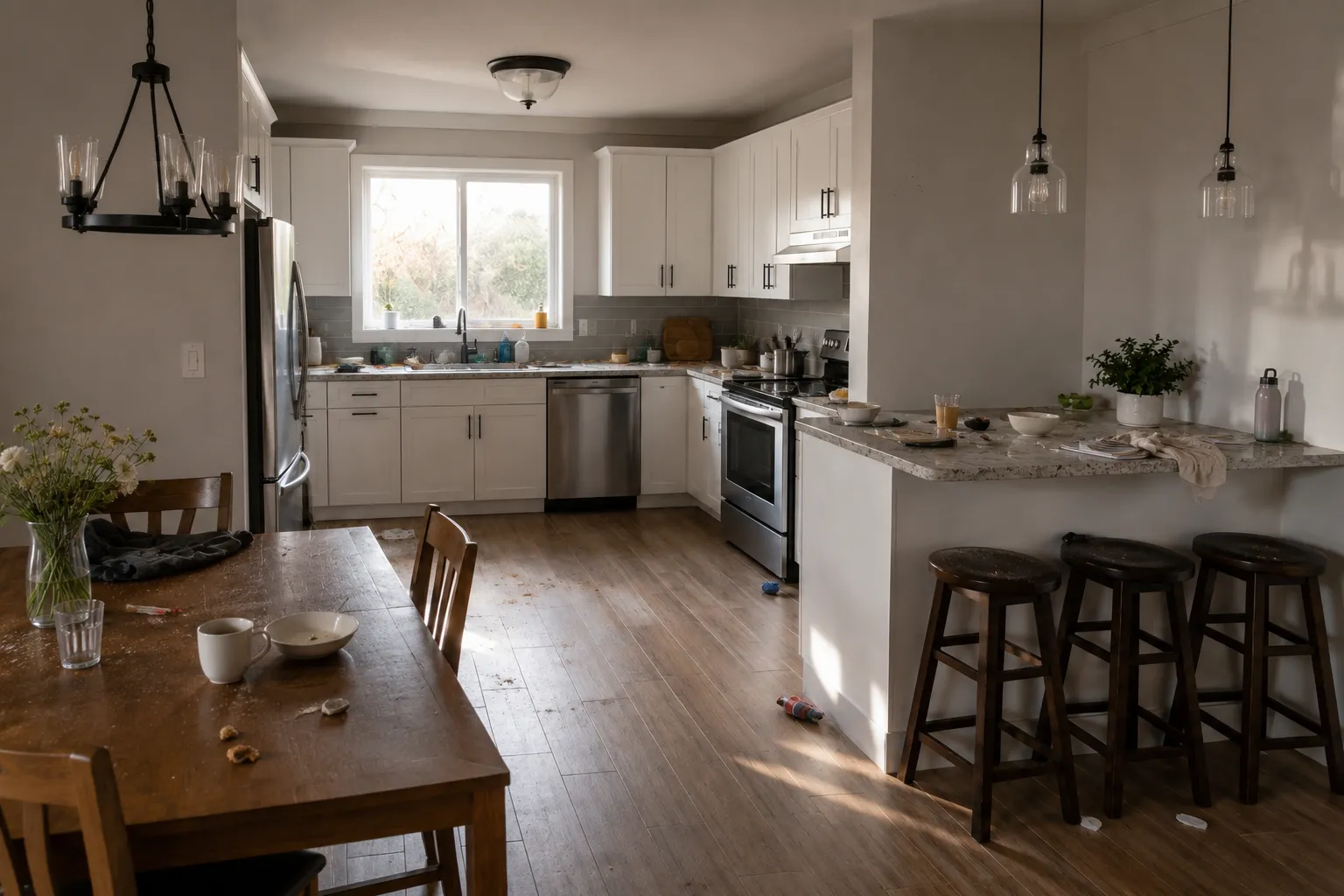
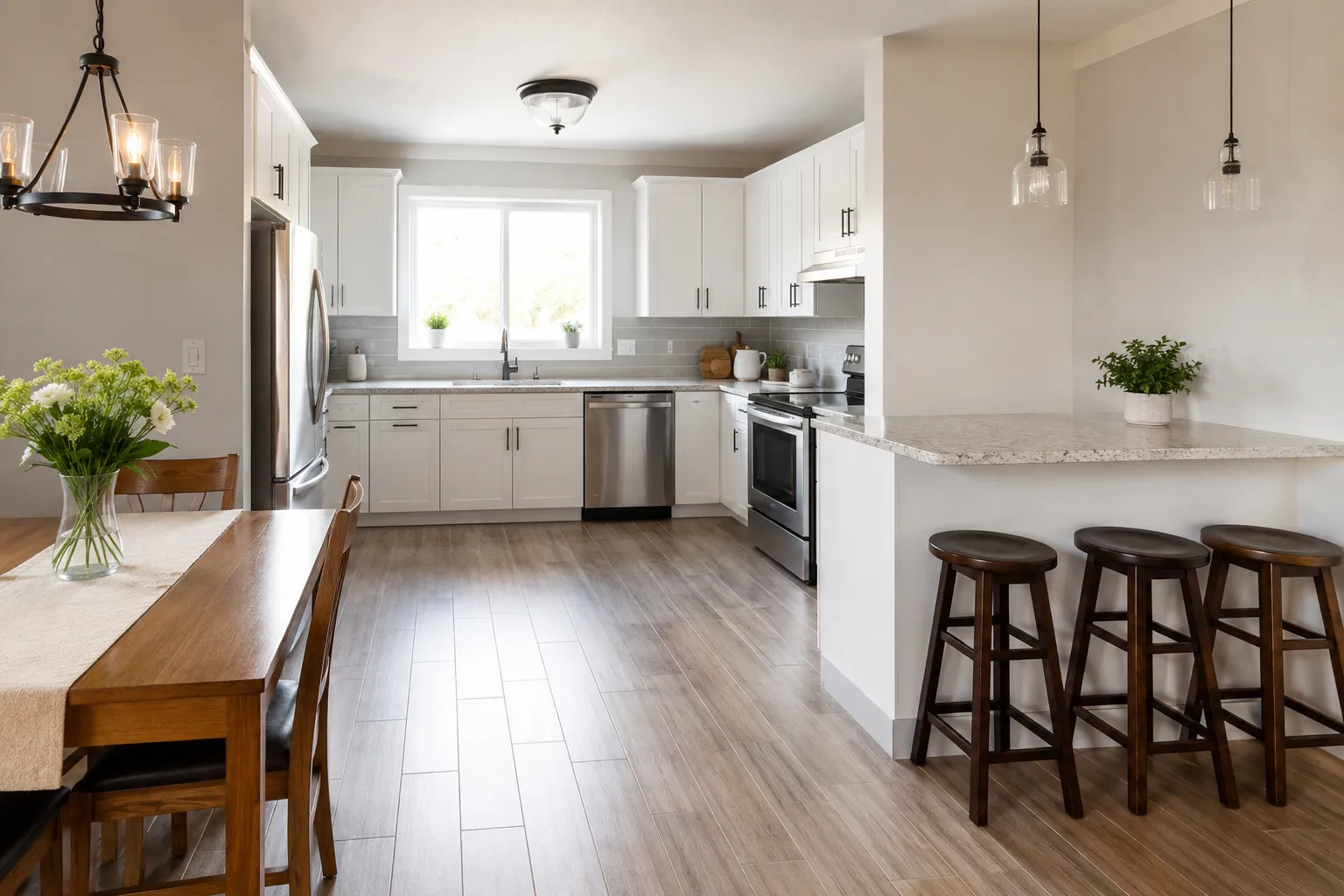 After
After
Request: Kitchen blinds are covered with greasy film and dust, need deep cleaning.
Done: Washed each slat with a special aluminum cleaner, removed grease and grime.
Cost: 14 000 ₸
Master: Aigul Smagulova, washing master
Total: Blinds shine, no streaks, the kitchen became brighter.
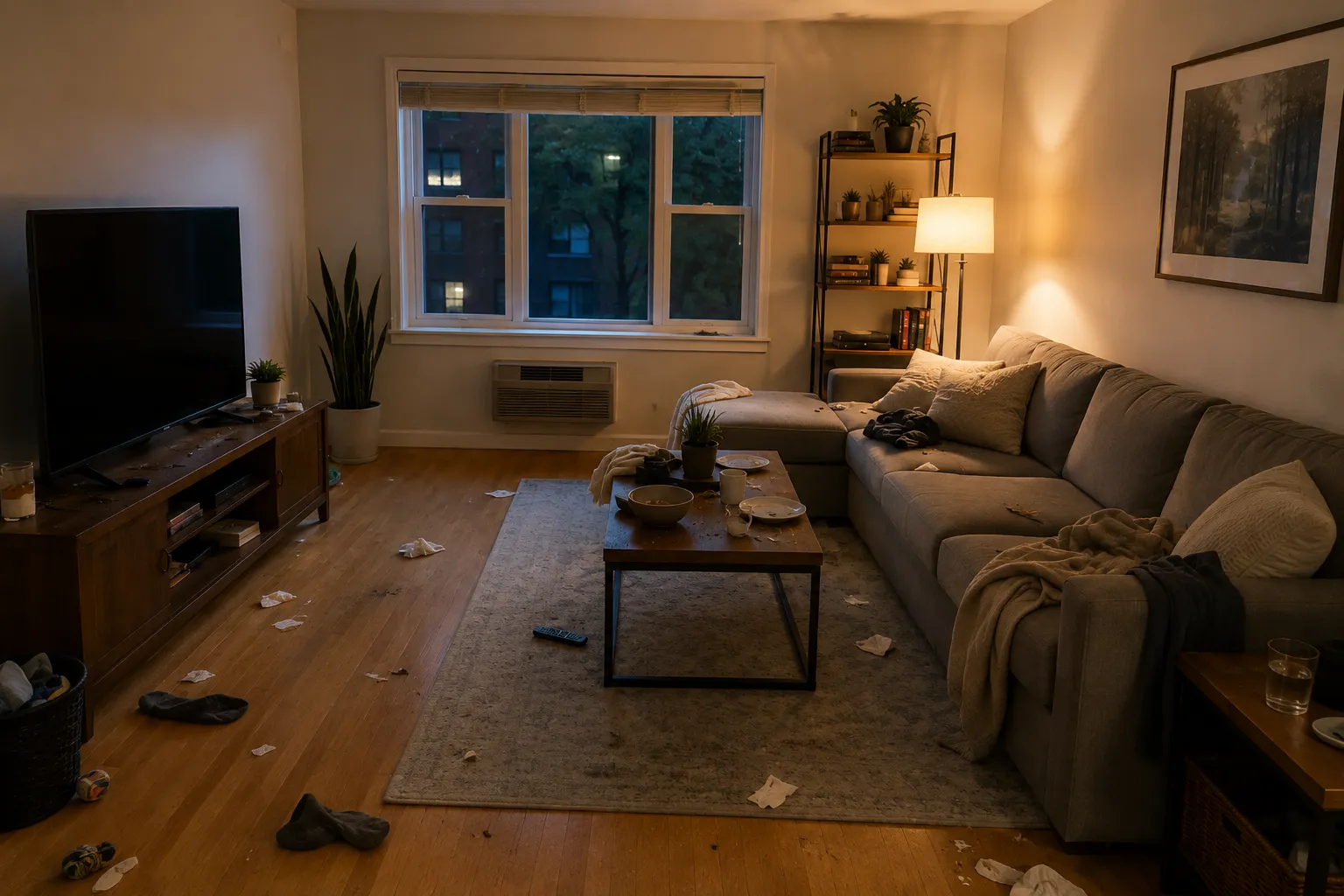
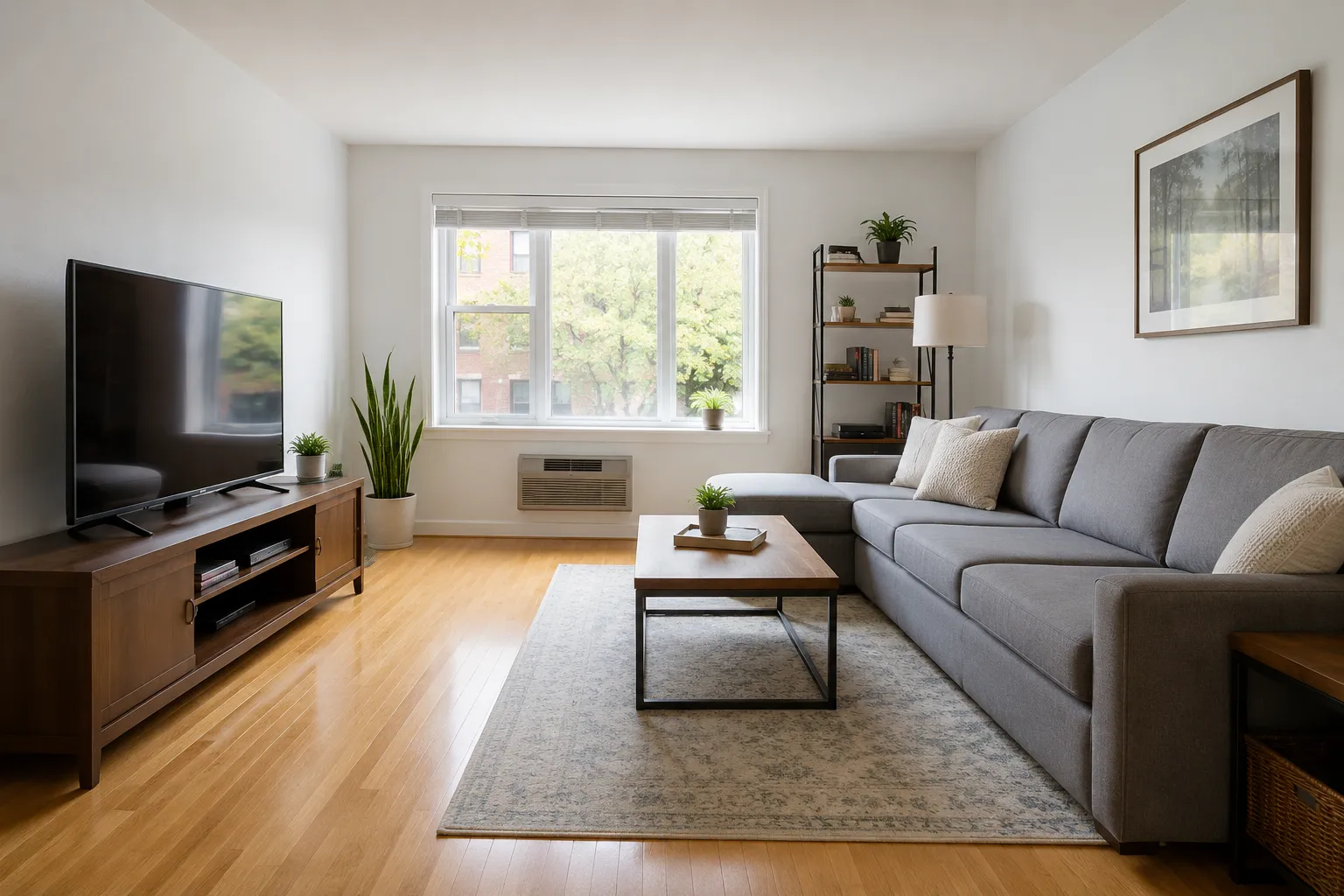 After
After
Request: Fabric blinds yellowed from sun and dust, want to restore color.
Done: Treated each strip with steam and stain remover, vacuumed.
Cost: 13 000 ₸
Master: Dauren Kaliev, dry cleaning master
Total: Blinds became brighter, no yellowing or dust smell.
 After
After
Request: Roller blinds have water stains and dust, need delicate cleaning.
Done: Removed blinds, soaked in special solution, dried and reinstalled.
Cost: 14 000 ₸
Master: Meruert Abdrakhmanova, dry cleaning master
Total: Blinds without stains, even color, mechanism works smoothly.
 After
After
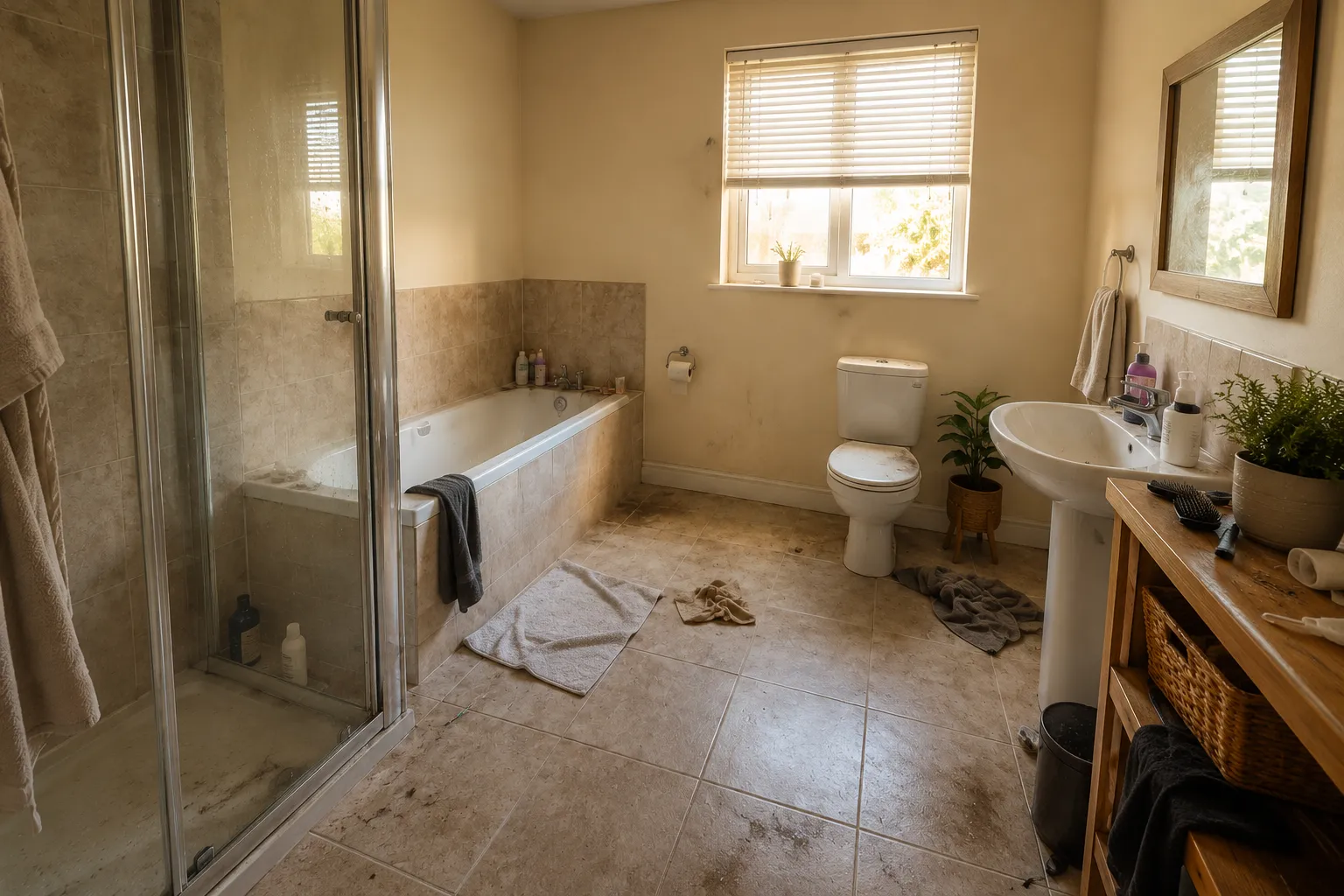
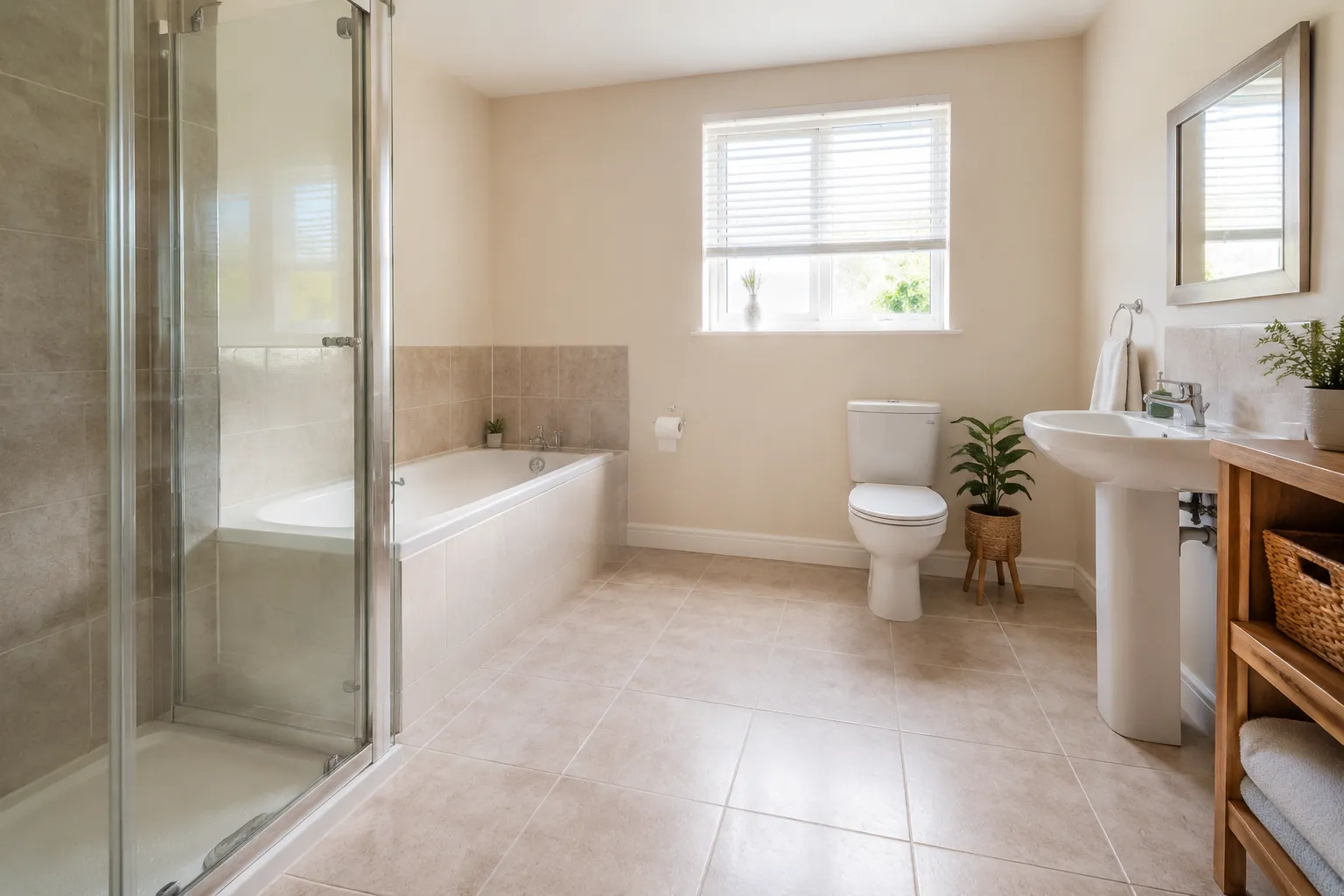
Request: Mold and limescale on pleats due to humidity.
Done: Treated with anti-mold, washed each fold with a brush.
Cost: 15 000 ₸
Master: Askhat Nurgaliev, washing master
Total: Blinds clean, no mold or streaks, bathroom fresh.
 After
After
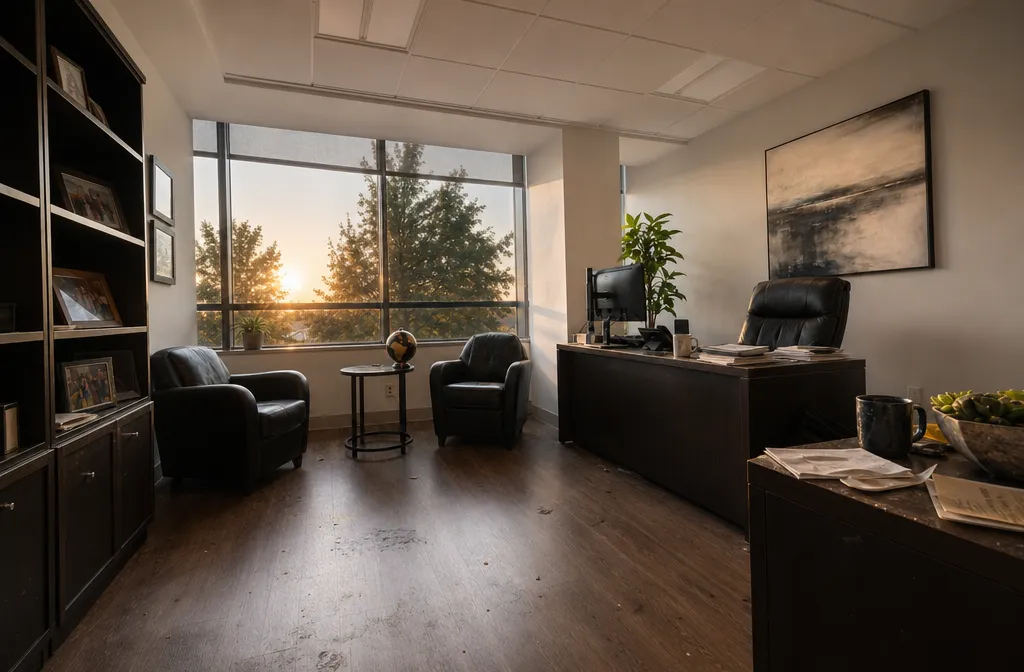
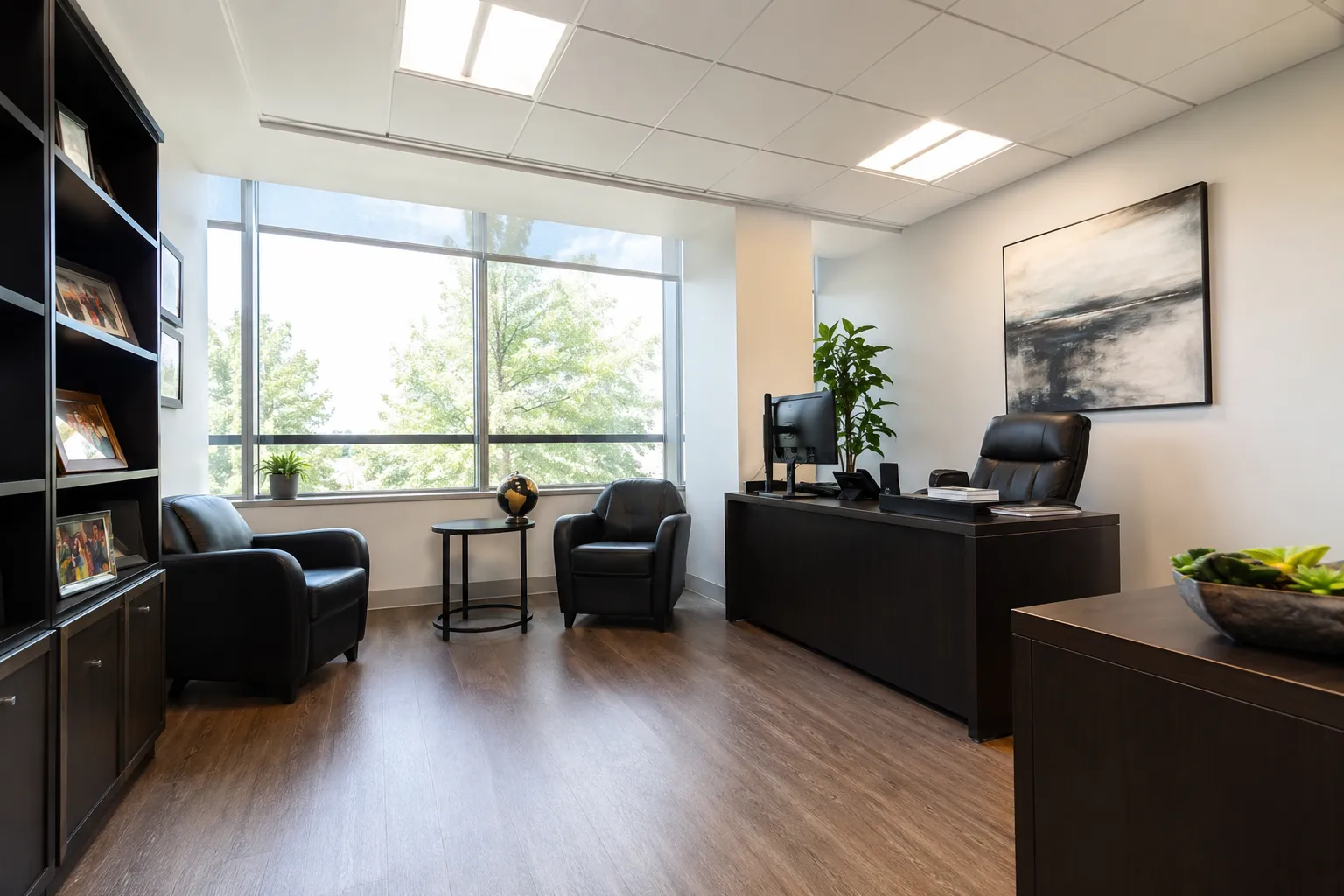
Request: Wooden slats darkened over time, need gentle cleaning.
Done: Wiped each slat with restorative oil, removed dust.
Cost: 12 000 ₸
Master: Bakhytzhan Temirbekov, washing master
Total: Wood restored color and shine, office looks more solid.
 After
After
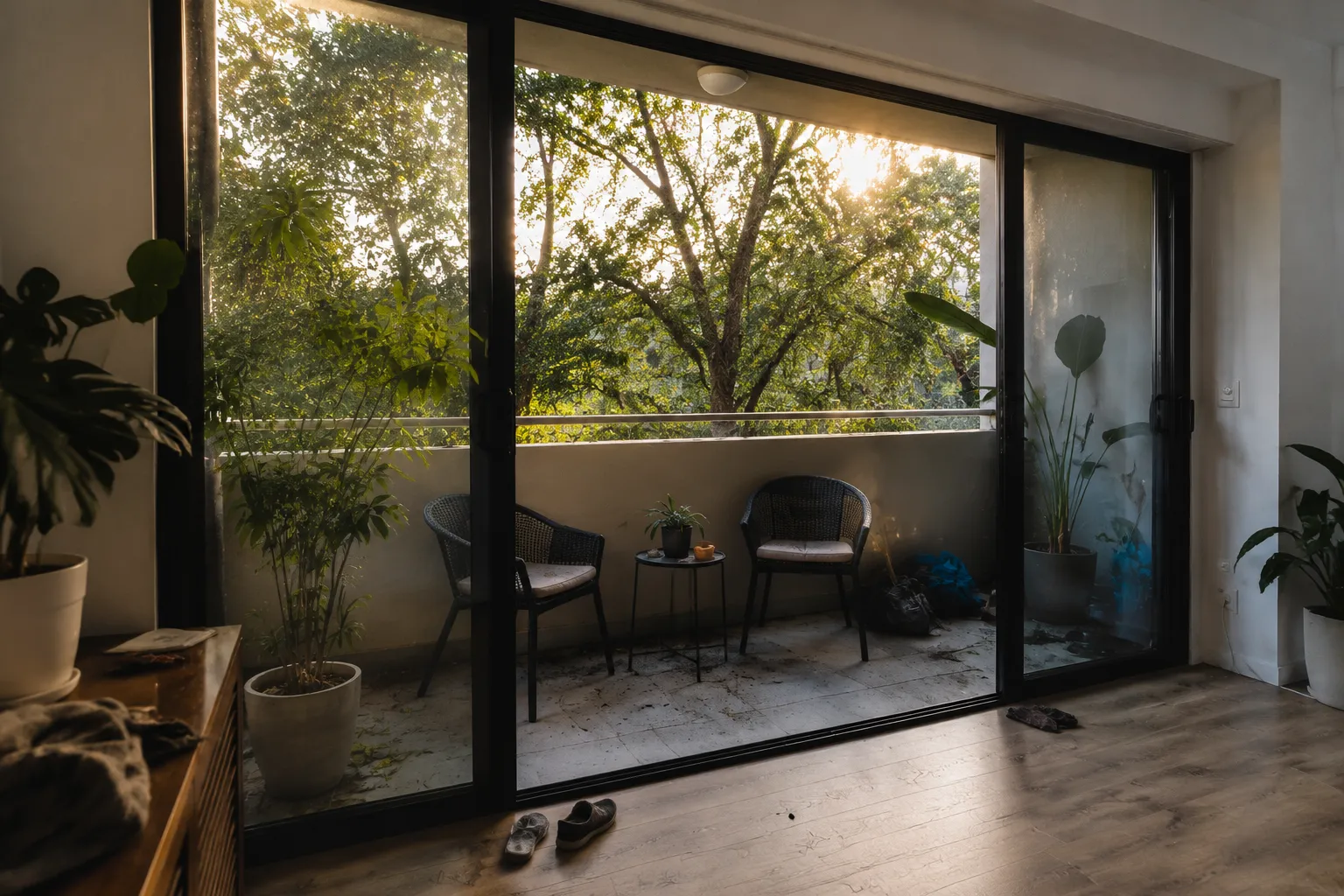
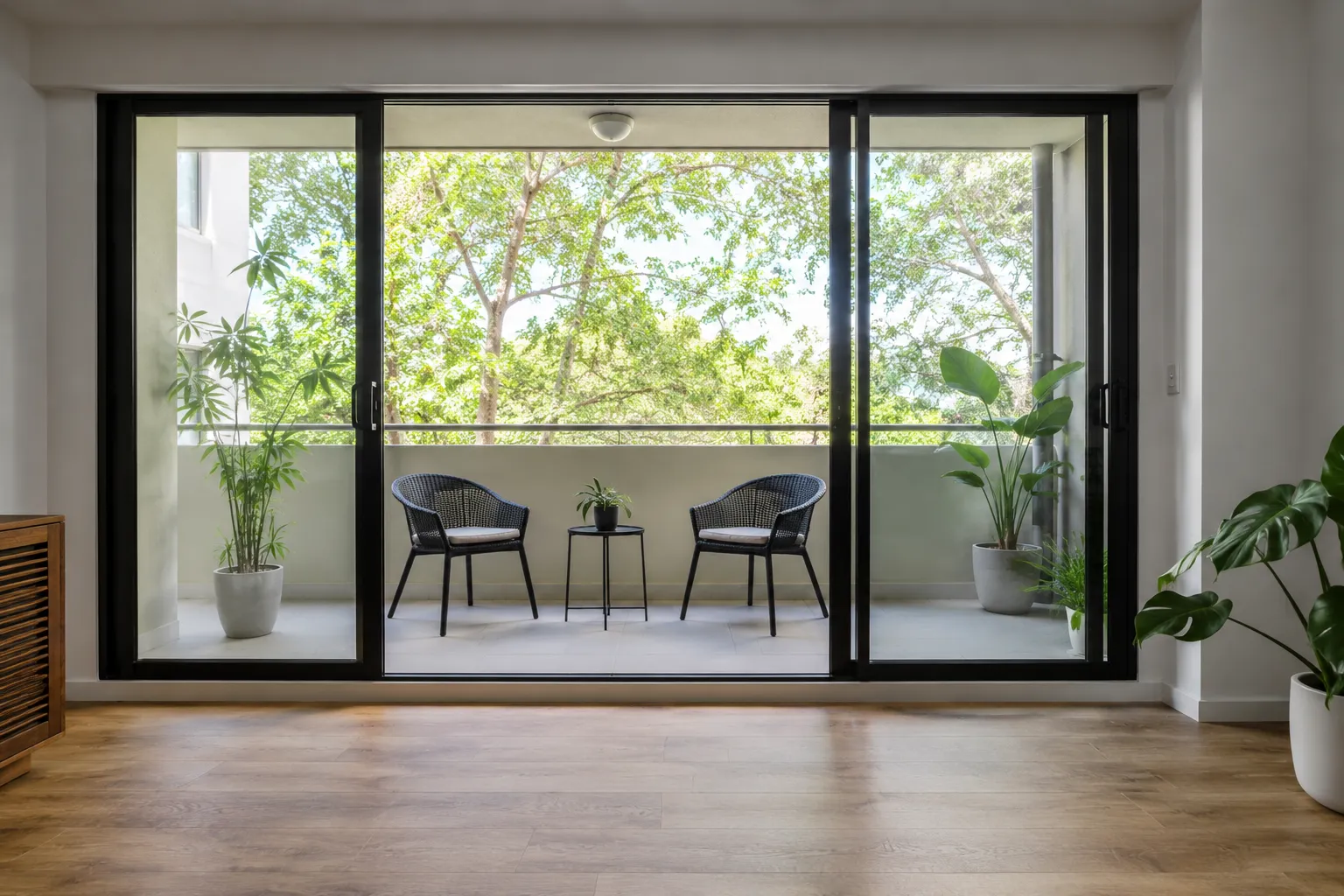
Request: Balcony blinds covered in dust and dirt after winter.
Done: Washed with water and detergent, wiped dry.
Cost: 14 000 ₸
Master: Aliya Zhumabayeva, washing master
Total: The blinds are clean, the balcony has become cozier and brighter.
 After
After
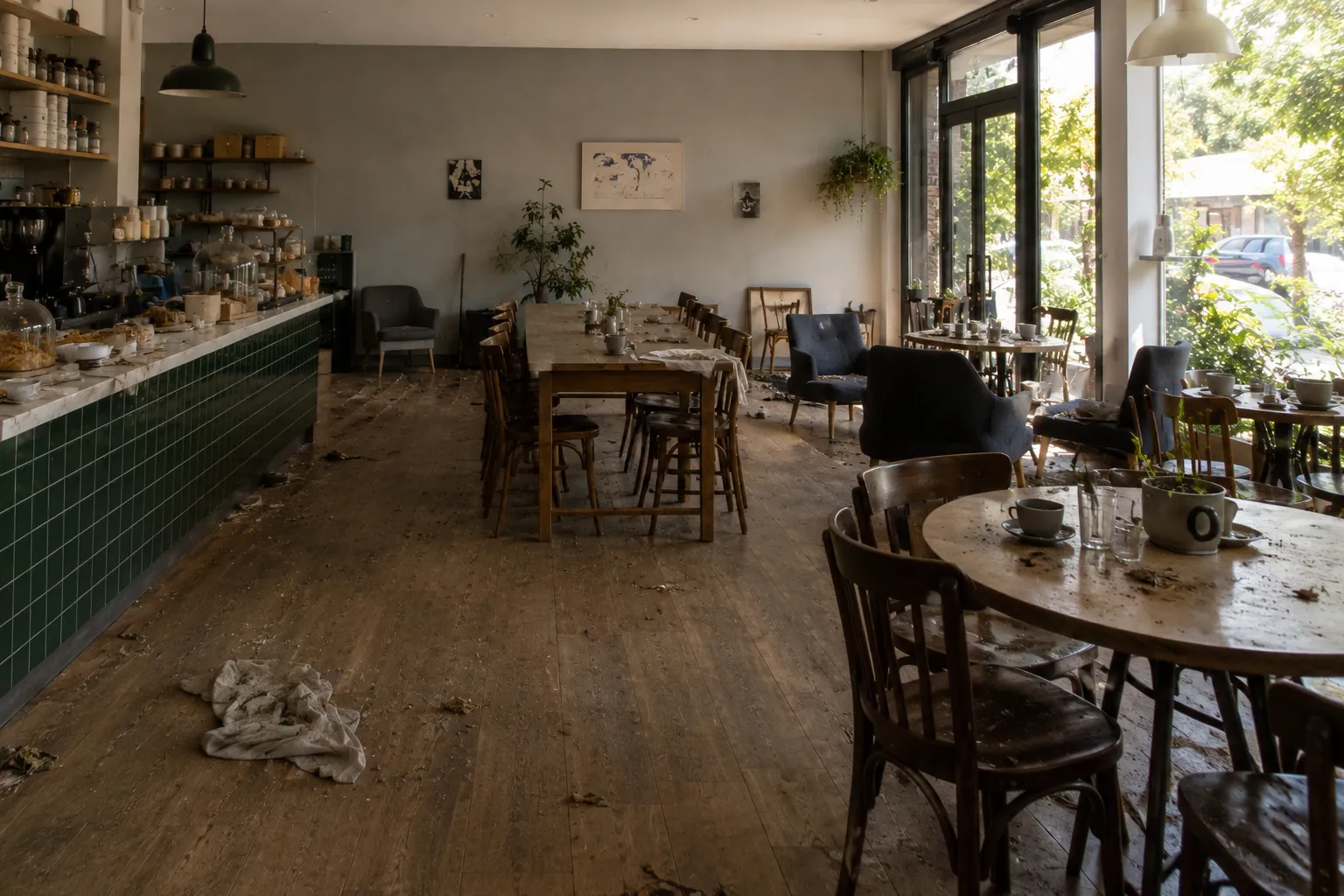
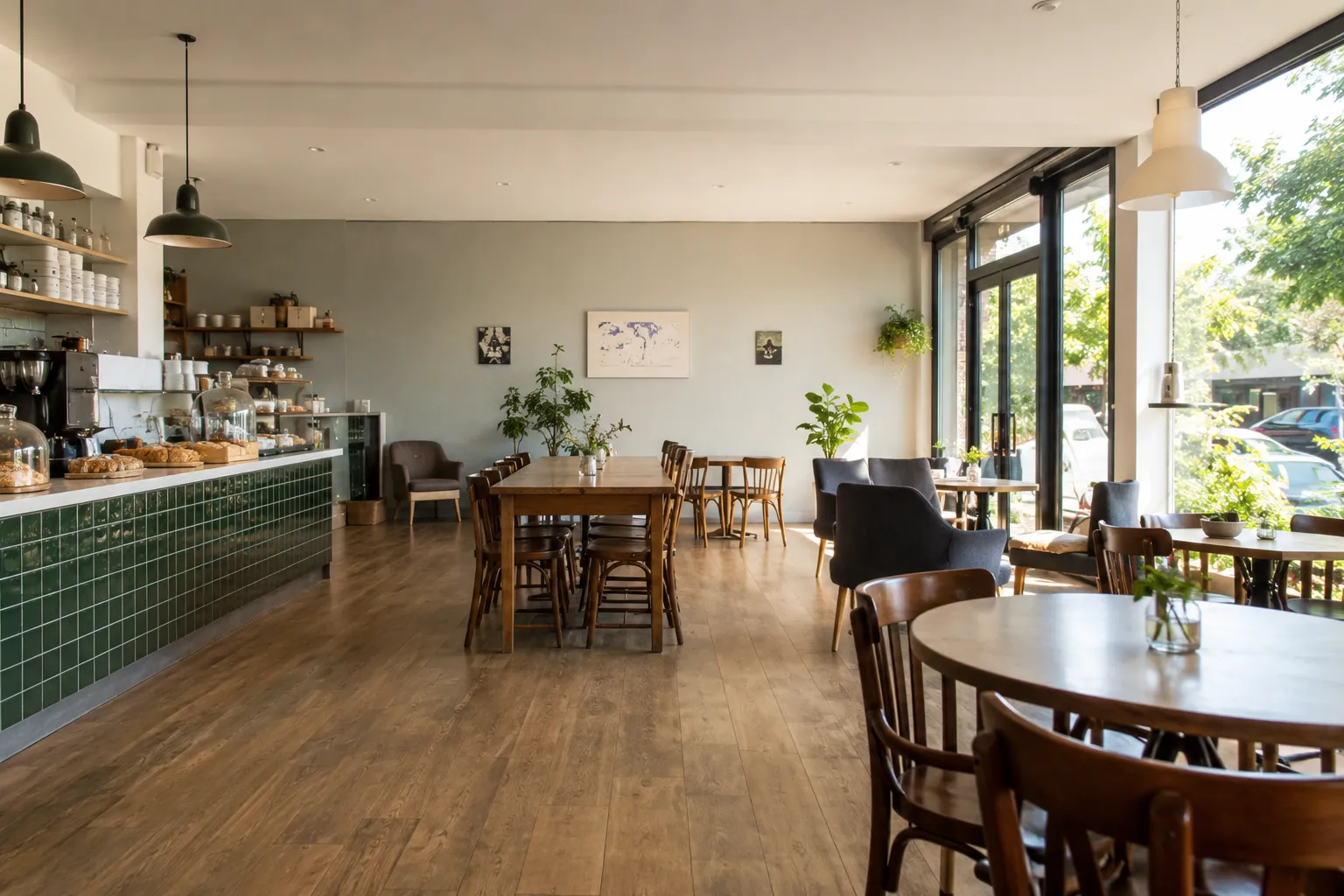
Request: Bamboo blinds turned yellow from grease and dust in the cafe kitchen.
Done: Treated with steam and a gentle detergent, removed grease.
Cost: 15 000 ₸
Master: Ruslan Ibraev, washing master
Total: The blinds have regained their natural shade, the interior looks refreshed.
 After
After
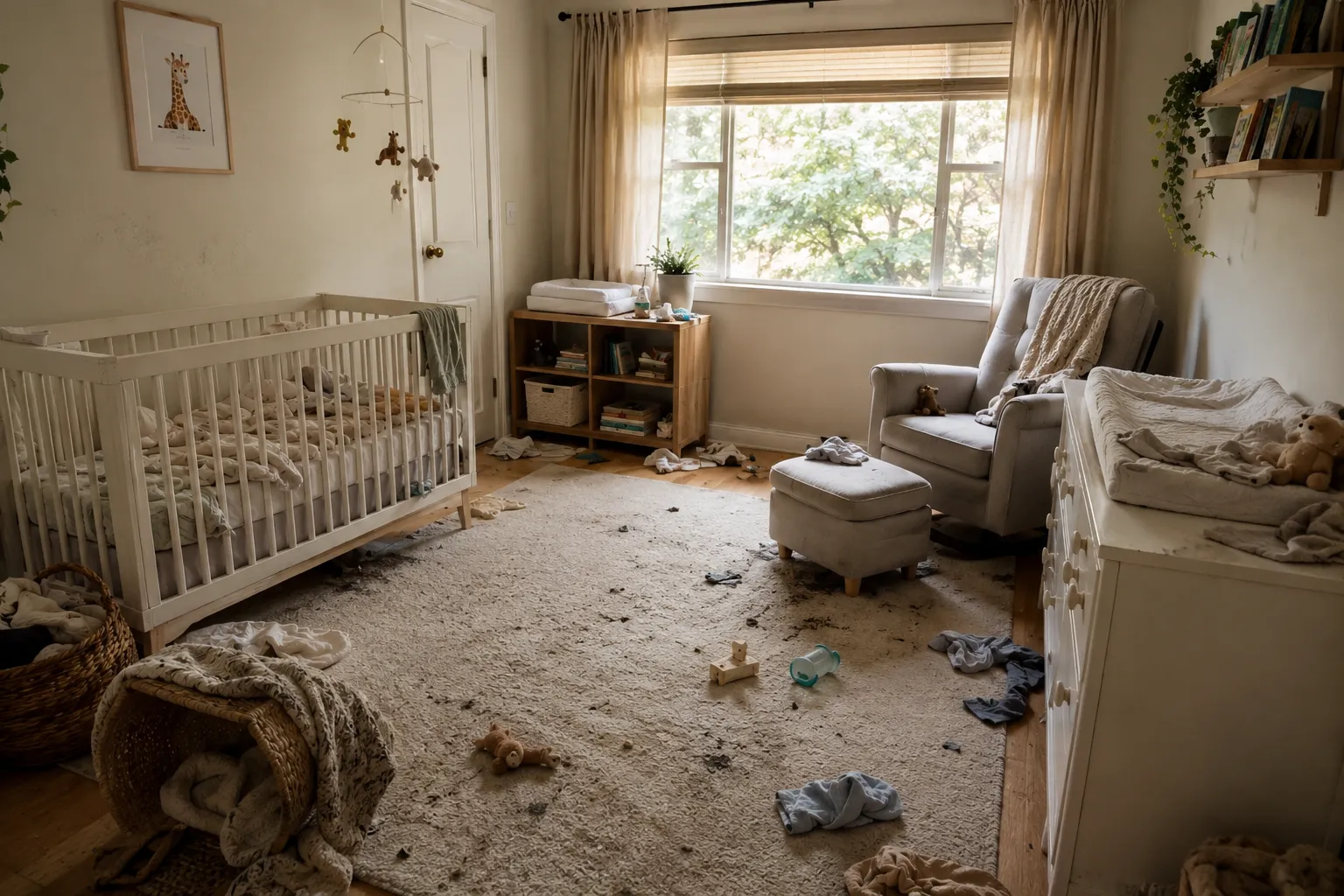
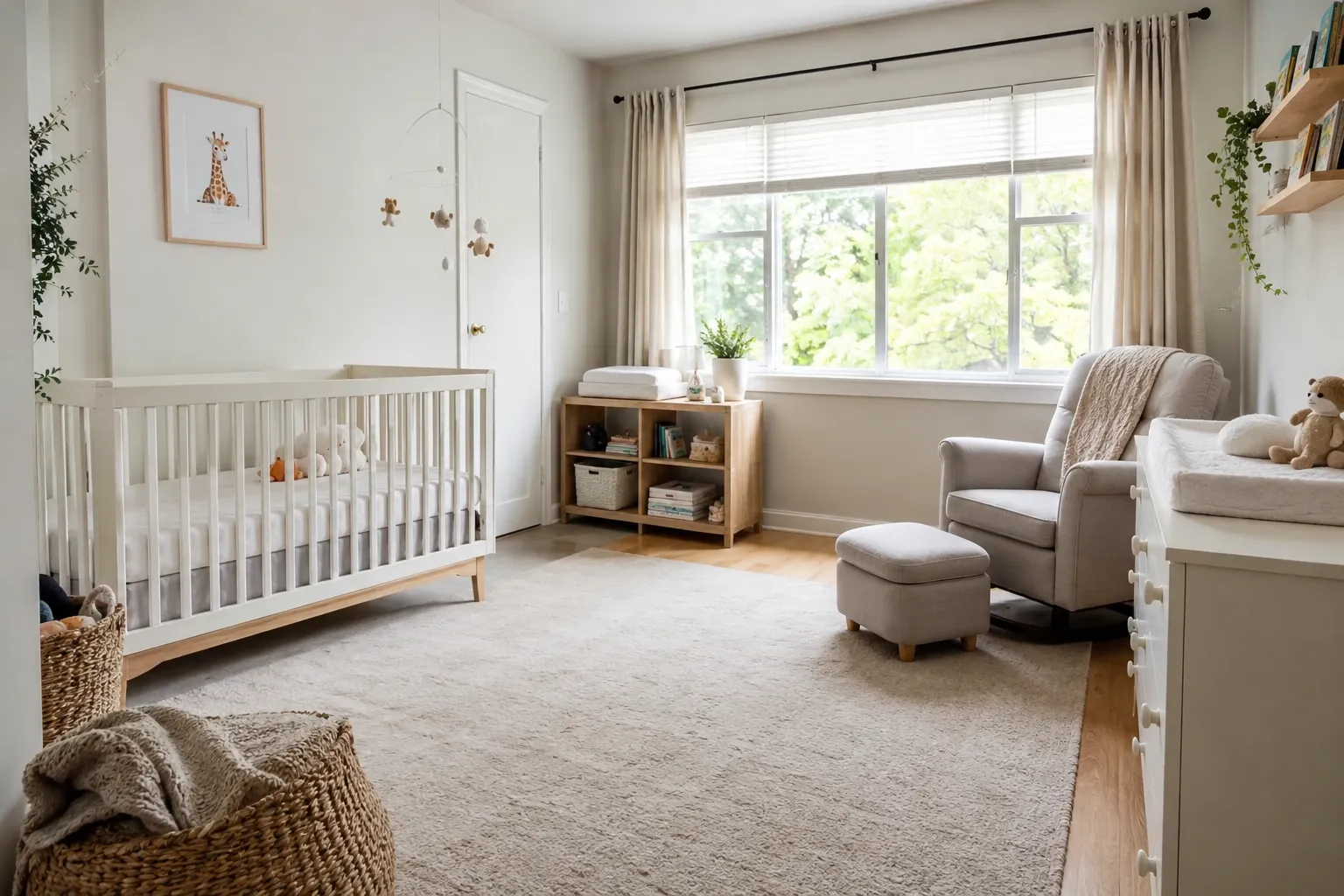
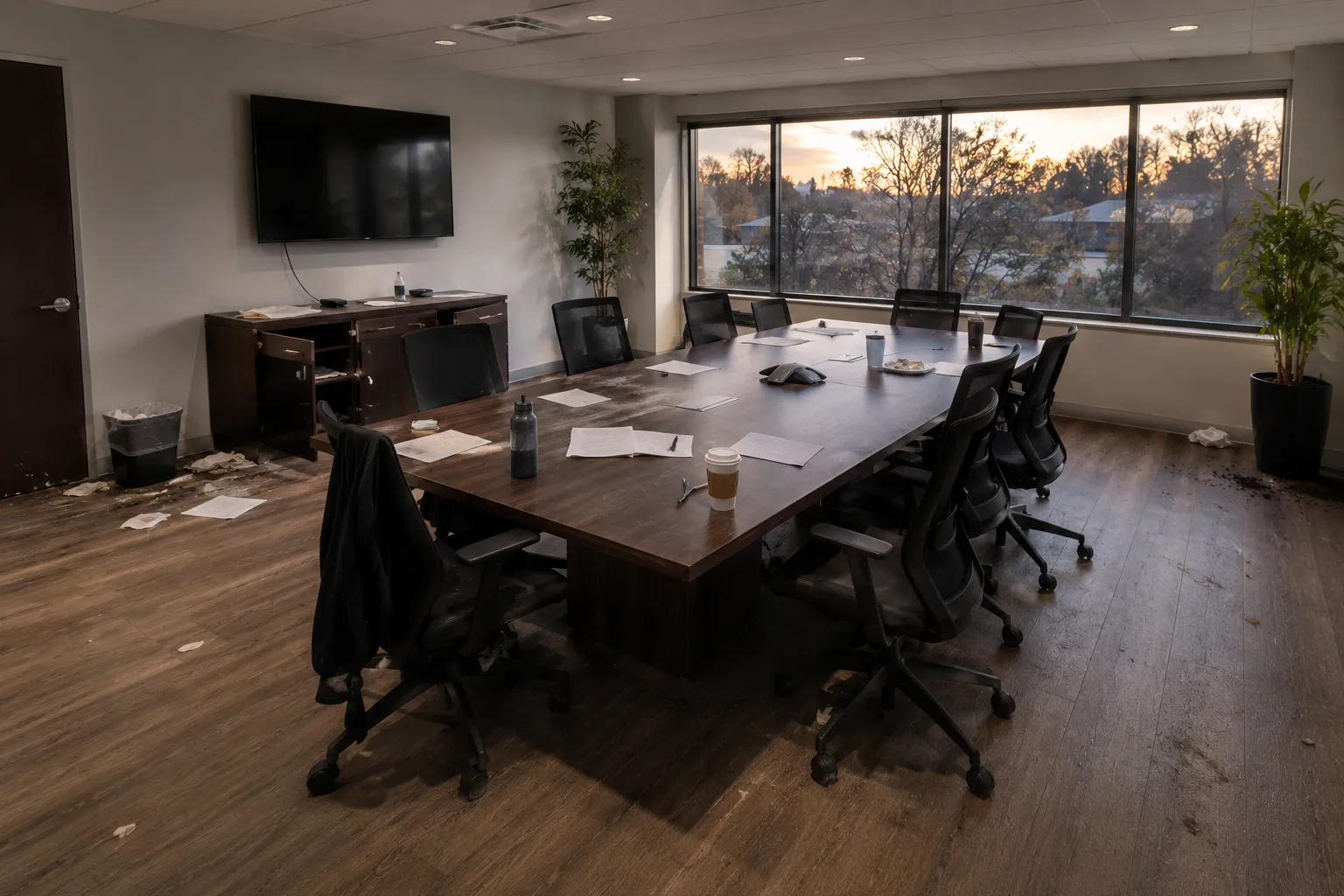
Request: Day-night blinds are dusty, the sliders are stiff.
Done: Cleaned each slat, lubricated the mechanism, adjusted the tension.
Cost: 12 000 ₸
Master: Gulmira Sadykova, washing master
Total: The blinds move smoothly, dust-free, the nursery feels cozier.
 After
After
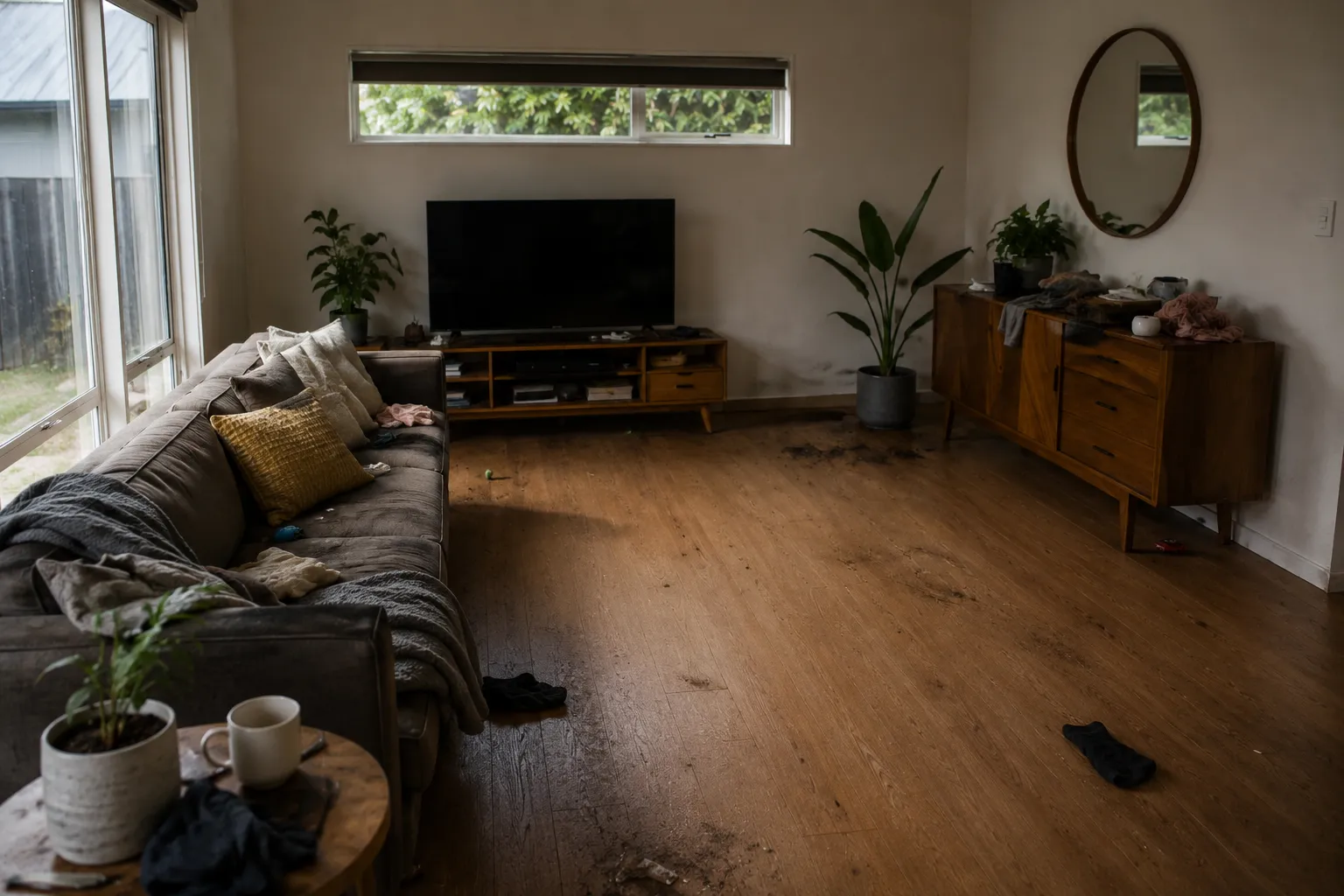
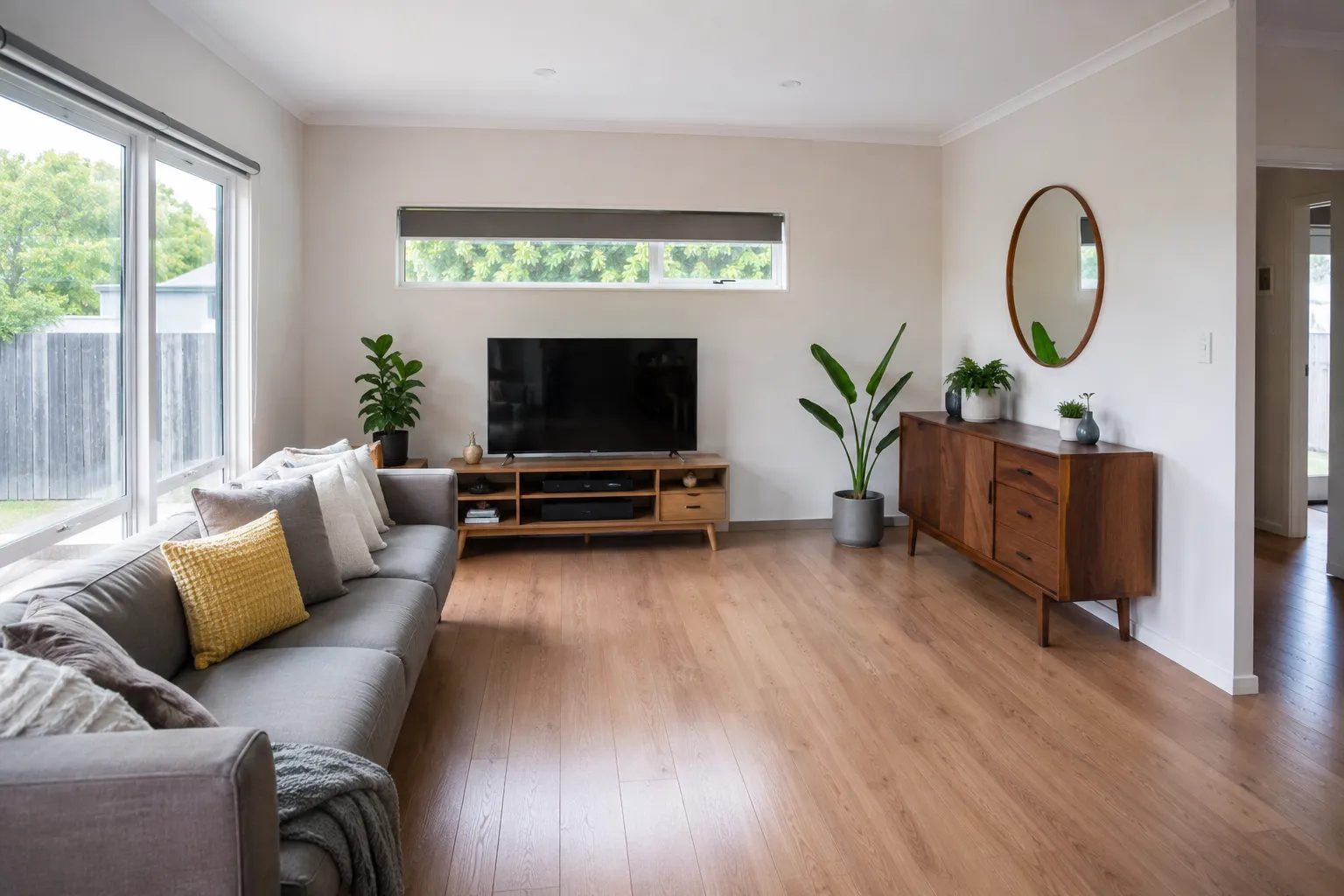
Request: Electric blinds are covered in dust, the remote responds intermittently.
Done: Dusted, cleaned the tracks, checked the motor.
Cost: 14 000 ₸
Master: Yerzhan Muratov, washing master
Total: The blinds are clean, the motor runs quietly, the remote is responsive.
 After
After
Request: Facade blinds are clogged with dust and cobwebs, spoiling the appearance.
Done: Pressure washed, treated with antistatic for dust protection.
Cost: 13 000 ₸
Master: Nurlan Akhmetov, washing master
Total: The facade blinds shine clean, the building looks well-maintained.
All cleaners are profi-clean staff with training, uniform and security check. Each order has a team leader who controls quality.
Many people decide to clean their blinds themselves to save on calling a professional cleaner — but in practice, DIY blind cleaning often leads to damaged slats, color loss, or mechanism deformation.
DIY cleaning usually involves a basin of water, laundry soap or dishwashing liquid, and a sponge. Professional blind cleaning involves working with the material type: aluminum, plastic, wood, fabric (blackout, zebra) all require different approaches. At home, blinds are rarely disassembled, so water seeps inside the cornice, causes bearing corrosion, and jams the rotation mechanism — after 3–4 such cleanings, the blinds stop opening. At profi-clean, we use hypoallergenic chemicals from Kiehl and Sodasan, which leave no streaks and don’t dry out the slats, and our HEPA-filtered equipment removes dust without smearing it around. Before washing blinds at home, check the slat type: aluminum ones cannot be scrubbed with abrasives, fabric ones cannot be soaked, and wooden ones should not be wetted at all.
Almaty dust isn’t just sand; it’s a fine particulate suspension mixed with emissions from thermal power plants and exhaust fumes, which settles on blinds as a greasy film. Tap water at home (hard in Almaty, 8–10 mg-eq/L) combined with this dust forms a deposit that regular soap can’t wash off — it has to be scrubbed forcefully, wearing away the protective layer of the slats. We’ve encountered this in every second order: a client cleaned their blinds themselves, they looked visually cleaner, but after two weeks, the dust embedded itself into micro-cracks even worse than before cleaning. It’s far more effective to call for professional blind cleaning with the right chemicals and equipment once, rather than fixing the consequences of a DIY job every two months.
When blinds lose their appearance after just one DIY cleaning, the problem is usually not effort, but the tools. The difference between a household and professional approach isn’t the price, but the compatibility of the chemicals with the slat material and the cleaning power without damaging the coating. Let’s break down three key differences: the composition of the products, the type of equipment, and the impact on the blinds’ lifespan.
Household chemicals from the supermarket are designed for universal surfaces — tile, plastic, glass — and often contain aggressive surfactants, alkalis, or abrasive particles. For aluminum and fabric blinds, this is a disaster: alkali eats away the protective lacquer, abrasives scratch the slats, and bleaches discolor the pigment. At profi-clean, we use hypoallergenic concentrates from Kiehl and Sodasan — they work on the principle of enzymatic breakdown of grease and dust without reacting with the coating. The difference is clear: household products leave micro-cracks on the slats where new dirt accumulates, while professional products have a neutral pH balance (5.5–6.5) that preserves the factory layer. In practice, this means that after our cleaning, blinds stay clean 2–3 times longer than after a DIY treatment with “Fairy” or “Cif”.
Home washing usually means a bucket of water, a sponge, and a spray bottle. Water seeps inside the slats, softens the glue on fabric blinds, and leaves streaks on aluminum ones. A professional steam cleaner with an extractor nozzle (e.g., Karcher SC 5 with a steam pressure of 4.2 bar) delivers dry steam at a temperature of 140–160 °C, which dissolves deposits without liquid on the surface. The steam does not penetrate the control mechanism, does not deform horizontal slats, and does not require subsequent drying with a hairdryer. In Almaty, where windows are rarely opened during the heating season, it’s not just dust that settles on blinds, but a greasy film from kitchen fumes and exhaust. A steam cleaner handles it in one pass, while a household cloth simply smears the grease along the entire length of the slat.
After wet washing, home blinds are dried on the window — naturally, which takes 4–6 hours and leaves streaks from drops of hard Almaty water. In the professional cycle, we use infrared drying racks with HEPA-filtered air blowing (flow 2.5 m/s, temperature 35 °C). This eliminates streaks, fabric shrinkage (relevant for day-night blinds), and corrosion of metal fittings. After drying, we apply an antistatic silicone-based spray — it creates a repellent layer that reduces the rate of dust settling by 60–70%. Home washing does not provide such a finishing treatment, so blinds in Almaty apartments have to be washed every 2–3 months, whereas after professional cleaning, it’s once every six months to a year.
The frequency of washing blinds in Almaty directly depends on the season, the side of the windows, and the density of dust load — in a city at the foot of the Trans-Ili Alatau, the rules are different from regions with a humid climate. There is no universal formula, but we have derived three scenarios based on the experience of hundreds of orders.
In the residential districts of Almaty (Almalinsky, Bostandyk, Medeusky), with windows closed most of the day, blinds become covered with a layer of dust in 3-4 months. This is enough for the slats to lose their shine and start raising dust with every draft. In my opinion, this interval is the sweet spot: the dust does not have time to embed into the micropores of aluminum or plastic, and washing takes 20-30% less time than with a neglected coating. In our orders across Almaty, clients most often come with this frequency — owners notice the light has become dimmer and call a cleaner.
Windows facing Abay, Dostyk, Al-Farabi avenues or busy intersections in the center receive 2-3 times more particles from car exhaust and road dust. In two months, a visible gray coating settles on the blinds — it not only spoils the appearance but also reduces light transmission by 15-20%. Moreover, on vertical fabric blinds made of polyester, this coating is absorbed into the fibers faster, and if the deadline is missed, it can no longer be removed without professional dry cleaning. Therefore, for central districts, we recommend washing every 8-10 weeks, especially during the dry season from April to October.
Kitchen blinds are a different story: cooking grease mixes with dust, forming a sticky layer that can clog the slat rotation mechanism in a month. If the kitchen has a gas stove, the grease film appears within 2-3 weeks — faster than with an electric stove. In Almaty, where old housing stock (Khrushchev-era buildings, “Stalinist” buildings) often has poor ventilation, kitchen blinds require washing every 4 weeks. First-floor windows are another case: proximity to lawns and paths adds pollen, poplar fluff in spring, and sand after rain. During such periods, we wash blinds on the first floors once a month, otherwise the slats start to scratch when folding.
Two seasons in Almaty — March-April and September-October — put the most strain on blinds. Spring brings poplar fluff and pollen: they settle on the slats in a layer that won’t blow off even with a strong air current. If you don’t wash the blinds at the end of April, the fluff sticks to the damp morning condensation and dries into a crust — which then has to be soaked off by hand. In autumn — dust from drying leaves and smog from private sector heating in the foothills (Kok-Tobe, Gorny Gigant microdistricts). During these months, we recommend unscheduled washing: don’t wait for the standard interval, but clean immediately after the poplars stop blooming and after the first rains, when street dust is washed into the air.
We teach clients a simple rule: run your finger along the top slat — if a clear mark remains, it’s time to wash. This test is more accurate than any calendar intervals because it takes into account the actual dustiness of your specific entrance and floor. In practice, blinds in Almaty are washed on average 3-4 times a year, but for kitchens and windows on busy highways, the frequency reaches 6-8 times. It’s better to call a cleaner an hour earlier than to replace a jammed mechanism in a month due to dried-on grease.
Aluminum, plastic, fabric, wood — each material requires its own washing technology, and there is no universal approach. We break down the nuances that will save blinds from deformation, fading, or shrinkage.
Aluminum blinds are the most low-maintenance, but they are easy to bend if wiped carelessly. We wash vertical aluminum slats in their straightened position on the window: apply foam from a sprayer with a hypoallergenic Kiehl compound, rinse with a damp microfiber cloth, and immediately wipe dry with a second cloth. We remove horizontal (mini) blinds and soak them in a bathtub with warm water and Sodasan detergent for 15 minutes, then rinse with a shower — but no longer, otherwise water flows inside the hollow slat and causes corrosion of the fasteners. After washing, we blow out each slat with compressed air from a compressor to remove moisture from the joints. In our practice, there was a case where a client washed horizontal aluminum blinds in the bathtub themselves and left them wet overnight — by morning, the paint had blistered on two slats due to standing water. Therefore, drying aluminum must be instantaneous: no longer than 5 minutes after contact with water.
Plastic is afraid of temperatures above 50 °C — a steam generator or boiling water deforms the slats in seconds. Plastic blinds are found in offices and kitchens of profi-clean in Almaty, and we wash them exclusively using the cold method: foam treatment, a soft-bristle brush, then a damp cloth without pressure. Hot steam or a hair dryer for drying plastic is prohibited — the slats lose their geometry and cannot be straightened. In Almaty kitchens, plastic often becomes coated with a greasy film (especially if the windows face south and the stove is nearby). In such cases, we add a citrus-based degreaser to the solution — it breaks down grease without abrasives. Important: plastic should not be rubbed with the rough side of a sponge — scratches remain, into which dust gets packed, and the blinds look dirty within a week of washing. Use only microfiber or foam rubber.
Fabric blinds absorb dust into the fiber, and wet washing without prior dry cleaning turns dirt into streaks. Before wet treatment, we always go over each roller shade with a vacuum cleaner with a brush attachment (HEPA filter to avoid stirring dust back up). Then — spot stain removal: on Almaty dust, which contains sand and exhaust fumes, gray streaks from condensation often remain at the junction of the glass and fabric. For fabric, profi-clean uses only foam compounds without alcohol — alcohol dries out the fiber, and the fabric loses elasticity, starting to crack at the folds. Pleated and “day-night” blinds should not be soaked at all: water flows into the pocket for the weight, weighs down the fabric, and the lifting mechanism stops working. Therefore, we wash fabric blinds right on the window, with foam, minimal moisture, and dry them with a cool fan — not a hair dryer. If mold appears on the fabric (common on north-facing windows in Almaty due to high humidity), we treat it with a water-based antifungal spray — it is safe for fabric and leaves no white marks.
Wooden blinds are the most finicky: even a single drop of water left on a slat will be absorbed within 10 minutes, deforming the wood. We clean wood only using a dry method: a vacuum cleaner with a soft brush, followed by a damp microfiber cloth wrung out until “almost dry” (water should not drip). In Almaty, where humidity swings from dry summers to rainy autumns reach 40%, wooden blinds on south-facing windows dry out faster — and washing with excess water only accelerates cracking. No cleaning agents with ammonia or acetone — they strip the tint and varnish. If greasy stains appear on the wood (e.g., in the kitchen), we use a special wax-based wood cleaner — it doesn’t remove the protective layer but polishes it. After washing, wooden slats are always treated with an antistatic agent for wood — this slows down dust settling by 2-3 times compared to an untreated surface.
Even with a good product, home washing of blinds often backfires — slats lose their shape or become covered in streaks. Let’s break down five typical mistakes we see in orders after DIY attempts.
Products for kitchen stoves and plumbing are the number one enemy of blinds. Alkalis and acids in their composition corrode the protective coating of aluminum and plastic slats: the matte layer peels off like film, fabric loses its impregnation and starts collecting dust twice as fast. In our practice, there was a case: a client washed horizontal aluminum blinds with an oven cleaner — a month later, rusty corrosion spots appeared on the slats, which couldn’t be removed even with an industrial enzyme-based stain remover. For safe washing, only neutral compounds with a pH of 5–7 are suitable — for example, the hypoallergenic Kiehl chemicals we use on all jobs. Before buying any product, test it on an inconspicuous area: if a matte residue remains after drying, the product is not suitable.
Water temperatures above 40 °C deform plastic slats — they bend into an arc and cannot be straightened. Fabric blinds washed in hot water shrink by 5-7% in length, causing the fabric to warp. Drying in direct sunlight is equally dangerous: UV rays accelerate fading, and uneven evaporation leaves salt stains. We dry slats in a straightened position in the shade at room temperature — the process takes 2-4 hours but preserves geometry and color. In Almaty, with its sharp continental climate and 300 sunny days a year, the difference between shade drying and direct sunlight is especially noticeable: on the south side, fading is visible after just two incorrect washes.
Attempting to wash blinds without removing them from the cornice is the most common mistake: water seeps into the control mechanism, corrodes the lubricant, and within a month the cords start to tangle or break. Vertical water runoff down the slats leaves streaks on the lower slats — especially on fabric and wood, where moisture is absorbed into the end grain. The correct approach is to dismantle each slat, wash them horizontally on a flat surface, and dry them separately. Our cleaners remove standard aluminum blinds in 5-7 minutes, vertical fabric blinds in 10-12, which prevents water contact with the cornice and fittings. If the mechanism has started to jam after a DIY wash, before a new dismantling, it’s worth treating the bearings with silicone lubricant — WD-40 is not suitable for this as it washes out the factory lubricant.
The rough side of a sponge, metal scrapers, and stiff-bristled brushes leave micro-scratches on aluminum and plastic. Dust gets trapped in these micro-cracks, and the slat darkens irreversibly — it can no longer be cleaned. Fabric and wooden blinds lose their top layer from friction: the fabric’s nap “pills,” and the varnish peels off the wood. We use only microfiber cloths with a pile density of 300-400 g/m² and soft rollers — they collect dirt without applying pressure to the surface. A useful test: run a white microfiber cloth over a dry slat — if a gray mark remains on the fabric, the blinds already have micro-scratches and require gentle professional treatment.
The fabric softener leaves a hydrophobic film on the fabric, which attracts dust through static electricity — after such washing, blinds get dirty in 3–4 days instead of the usual two weeks. Additionally, fabric softener components react with pollen and exhaust fumes typical of Almaty’s air in spring and summer, forming a sticky residue that cannot be washed off with plain water. For fabric blinds, only neutral detergents without silicones, optical brighteners, or fragrances are needed — for example, professional Sodasan formulations for delicate fabrics, which we use at profi-clean.
Ordered blind cleaning for the office. They arrived on time, cleaned all 15 windows from dust in 3 hours. Blinds look like new, breathing became easier.
Aigerim, glad you are satisfied! We look forward to seeing you again.
I washed blinds myself — got tired. Decided to call profi-clean. The guys came, cleaned all slats spotless in 2 hours. No more dust, great look.
Had blinds cleaned in the bedroom. Result is good, but they were 15 minutes late. Otherwise no complaints.
Daniyar, we apologize for the delay. We will try to be more punctual next time.
After renovation, the blinds were covered in dust and paint. profi-clean cleaned them perfectly, even removed stains. Very satisfied.
Zhanna, thank you! Quality is important to us.
We ordered blind cleaning at a restaurant. They did it quickly without disturbing guests. The blinds are sparkling, and the hall feels fresher immediately.
I was very worried about the chemicals, but the specialists used safe products. The blinds are clean, and the child is safe.
Assel, we only use hypoallergenic solutions. Thank you for your trust!
Blind cleaning in the hotel lobby went well. The only issue was some streaks on a couple of slats, but they fixed it quickly.
Kuanysh, thank you for pointing out the flaw. We re-did it. We'll be more careful!
The kitchen blinds were covered in grease; I thought they couldn't be cleaned. profi-clean handled it—now they look like new, no smell.
We decided to clean the blinds throughout the office. Three masters came and cleaned everything in half a day. Employees are happy.
Timur, glad to help! Contact us again.
The vertical blinds were dusty. After cleaning, we could breathe freely. Thanks for the promptness!
Gulnara, thank you for your feedback!
I ordered blind cleaning on the balcony. The price seemed high, and the result was average—some slats remained a bit cloudy.
Alexey, we apologize. Contact us, we are ready to fix the issues.
I was afraid to wet the fabric blinds, but the masters did everything carefully. They dried without creases, and the color didn't change.
The store needed the blinds cleaned urgently. The blind cleaning took only an hour, and the window shone.
Maksat, thank you! We work fast.
The blinds in the group hadn't been washed for years. profi-clean cleaned everything, even hard-to-reach places. Now it's bright and clean.
Ordered blind cleaning for the office. The job was done well, but a bit noisy due to the equipment. Overall okay.
Bakhtiyar, thank you for your feedback. We'll try to be quieter next time.
Horizontal blinds are dust collectors. After profi-clean's cleaning, it became much easier to breathe, and my allergies subsided.
Aliya, we're glad you noticed the difference!
The whole office asked for blind cleaning, and we finally did it. The team finished in 4 hours without damaging anything. All windows are sparkling.
The blinds in the cafe were covered in grease and dust. After cleaning, it became cozy, and customers compliment it.
Laura, thank you! It's a pleasure working with clients like you.
Ordered blind cleaning for the whole house. Many windows, but the masters finished in a day. Excellent result.
Before tenants moved in, the blinds needed cleaning. profi-clean did it, but we had to wait 40 minutes for the master. Otherwise fine.
Nurgul, sorry for the delay. We'll take it into account next time.
The blinds on the terrace were dirty after winter. Blind cleaning restored their original appearance.
Ivan, thank you! Glad you're satisfied.
Even the blinds in the pantry were cleaned to a shine. It's nice to open the door and see cleanliness.
In the gym, dust constantly settles on the blinds. I ordered blind cleaning — now the air is cleaner.
Sergey, great! Exercise in comfort.
Cleaned the pleated shades for the first time, was afraid to ruin them. The masters handled it carefully, now they look like new.
Ordered blind cleaning in the garage. Done quickly, but streaks remained. Had to wipe them myself.
Damir, we apologize. Contact us, we'll finish the job.
Grease on kitchen blinds is a nightmare. profi-clean washed everything, even wiped the ventilation along the way. Well done!
Zhanar, thank you! Always happy to help.
The accounting department requested blind cleaning. They came and did it without distracting from work. No more dust.
I was afraid the white blinds would turn yellow. After cleaning, they became whiter, but one corner was slightly torn. Overall good.
Elmira, we apologize for the damage. Call a master, we will replace the slat.
On average, cleaning one set of blinds (3-5 pieces) takes 1-1.5 hours. The time depends on the type, material, and degree of soiling.
Just clear access to the window. It is not necessary to remove the blinds — our technicians will do it themselves. Remove fragile items from the windowsill.
Yes, for some types (roller blinds, pleated shades) on-site cleaning is possible. However, for a thorough cleaning of horizontal and vertical blinds, we recommend removal.
We accept cash, Kaspi Gold, Halyk Bank, as well as transfers by phone number. Card payment via terminal is also possible.
Yes, we offer a 24-hour guarantee against streaks and damage. If anything is wrong, we will redo it for free.
We use hypoallergenic Kiehl and Sodasan solutions that are safe for people and pets. No harmful fumes remain after cleaning.
Yes, we service commercial properties. For large volumes, we offer discounts and work at a time convenient for you, including weekends.
We will assess the condition on site. If there is a risk of damage, we will suggest a gentle cleaning method without removal or with minimal impact.
We work in Almaty and nearby suburbs (up to 30 km from the city). For trips beyond, a transportation surcharge may apply.
We recommend professional cleaning every 6-12 months. In areas with high dust levels (kitchen, balcony), every 3-4 months.
Tell us about your experience with profi-clean — it helps other clients and us improve.
We currently operate in Almaty. Other cities are coming soon.