How Post-Construction Cleaning Differs from General Cleaning
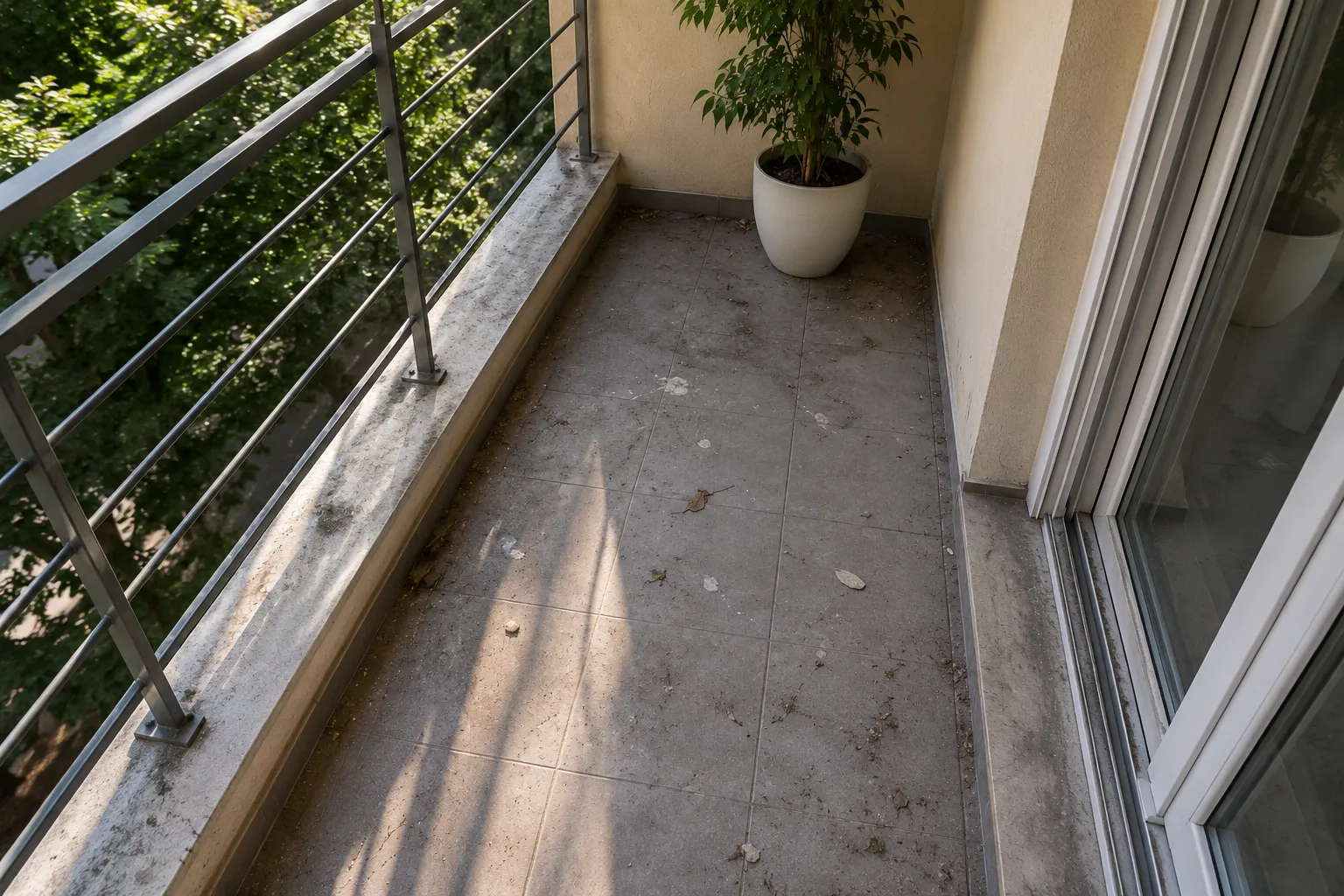
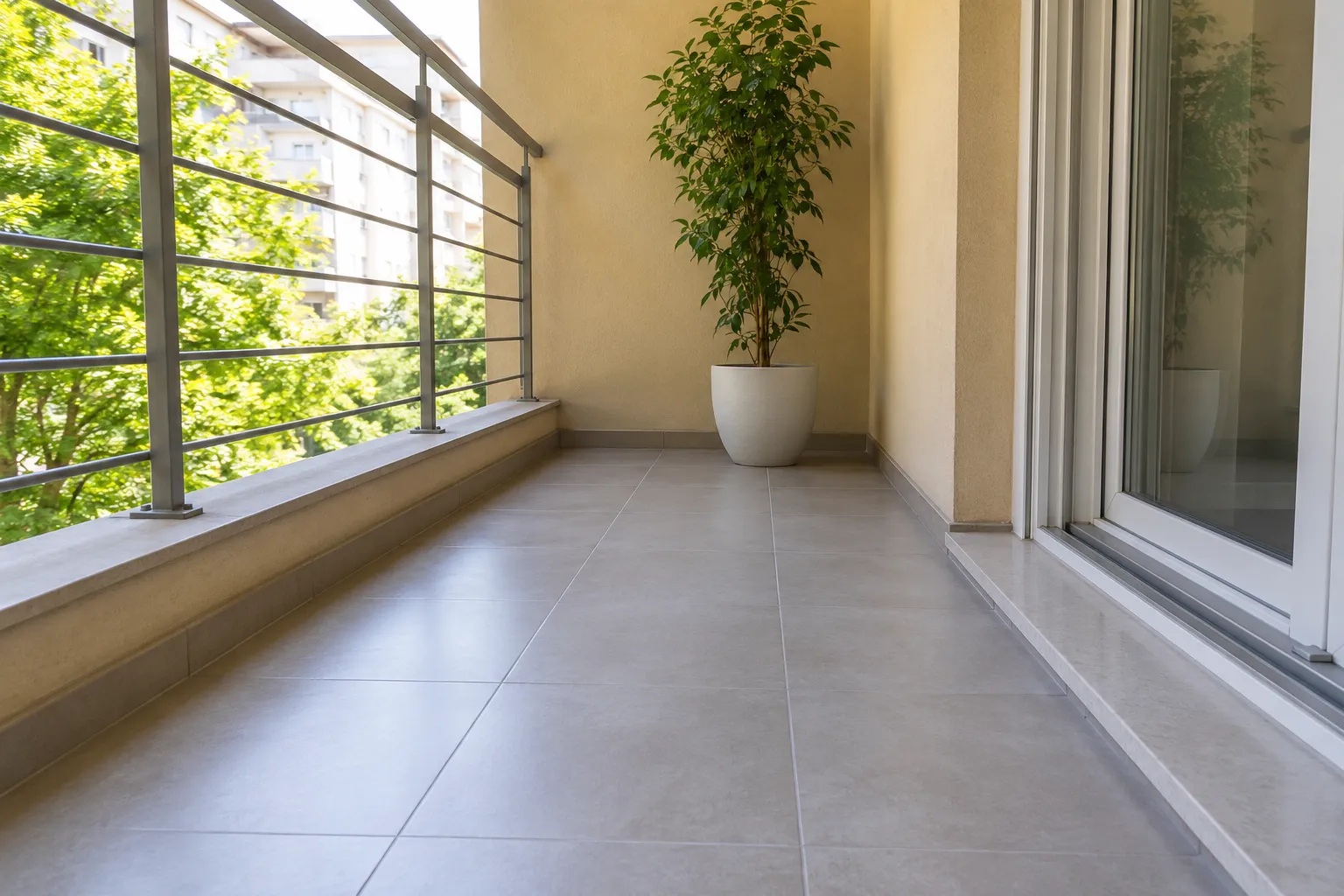
Many people think that cleaning after renovation is the same as general cleaning, only dirtier. In reality, these are two fundamentally different processes: construction dust and ingrained dirt require different tools, chemicals, and sequences of action. A mistake at the start can ruin coatings that were just installed for tens of thousands of tenge. Let’s break down the key differences so you understand what you are paying for.
Type of Contamination: Cement, Silicone, Paint vs. Household Dust
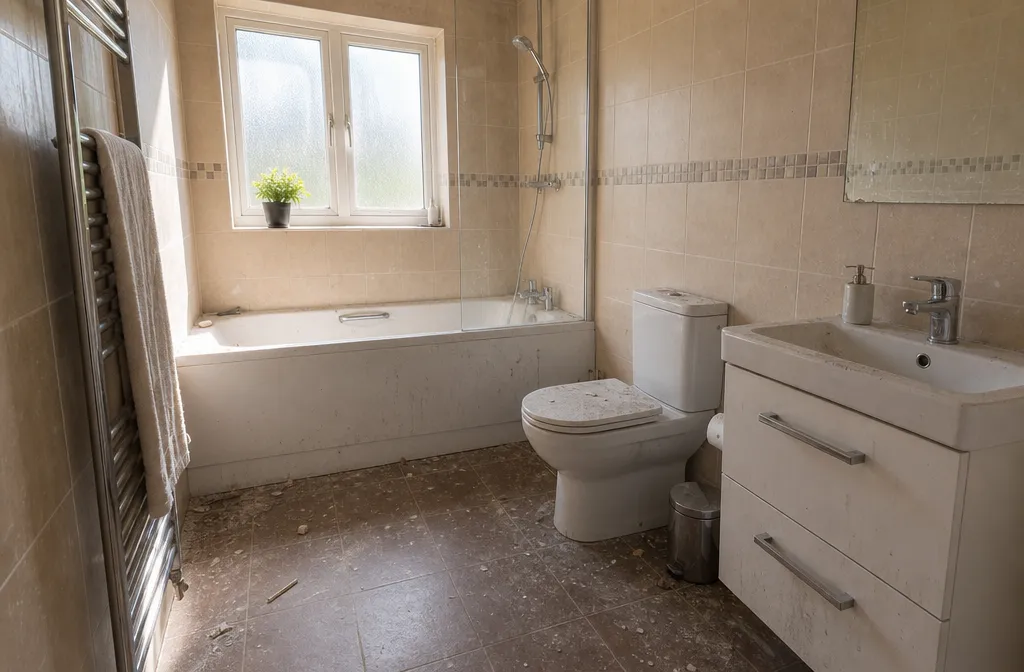
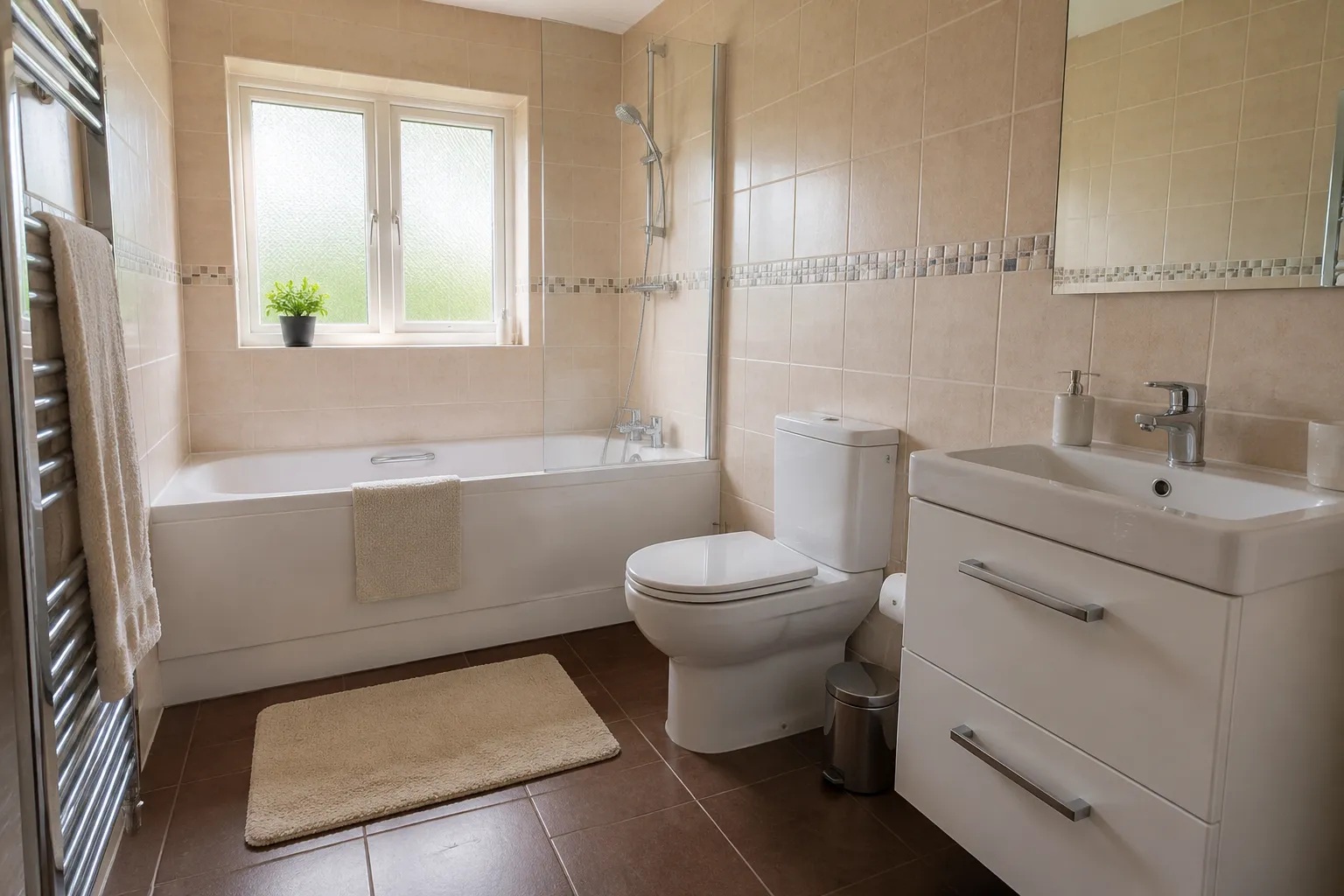
After construction, surfaces are left not just with dust and dirt, but with hardened mixtures: cement splatters, remnants of silicone, spray foam, putty, and paint drips. General cleaning does not involve such substances — it predominantly deals with household dust, grease, limescale, and pet hair. Removing hardened cement from tiles requires a special acidic compound that won’t damage the grout. Silicone stains are removed mechanically with a scraper and then treated with a solvent — but this method cannot be used on plastic or laminate. In our practice, the most common mishap is trying to wipe spray foam off a windowsill with vinegar: the foam hardens, and the gloss becomes cloudy. On a construction site, we use up to four different types of chemicals (acidic, alkaline, solvents, abrasive pastes) compared to one or two for general cleaning. Equipment used after such a job is disposed of — it cannot be reused for a residential cleaning order to avoid spreading microscopic cement particles.
Equipment: Industrial Vacuum with HEPA vs. Household Cyclonic Vacuum
Construction dust is a suspension with particles as small as 0.1 microns, which a regular vacuum cleaner cannot trap. It seeps through the bag and resettles within an hour. Therefore, cleaning after renovation requires an industrial vacuum cleaner of class L or M with an H13-H14 HEPA filter — it captures 99.97% of particles down to 0.3 microns. On all our jobs, we use German Nilfisk and Kärcher units with 35-50 liter capacity and a filter back-flush system. For general cleaning, such power is excessive: an upright vacuum with a turbo brush and cyclonic filter is sufficient. Additionally, after construction, we use steam generators with a steam temperature of 150°C to soften dried glue and paint stains, and orbital sanders for polishing glass from grout residue. The difference in equipment inventory ranges from 8 to 15 items per site.
Work Sequence: Dry Phase → Wet Phase → Finish vs. Single Cycle
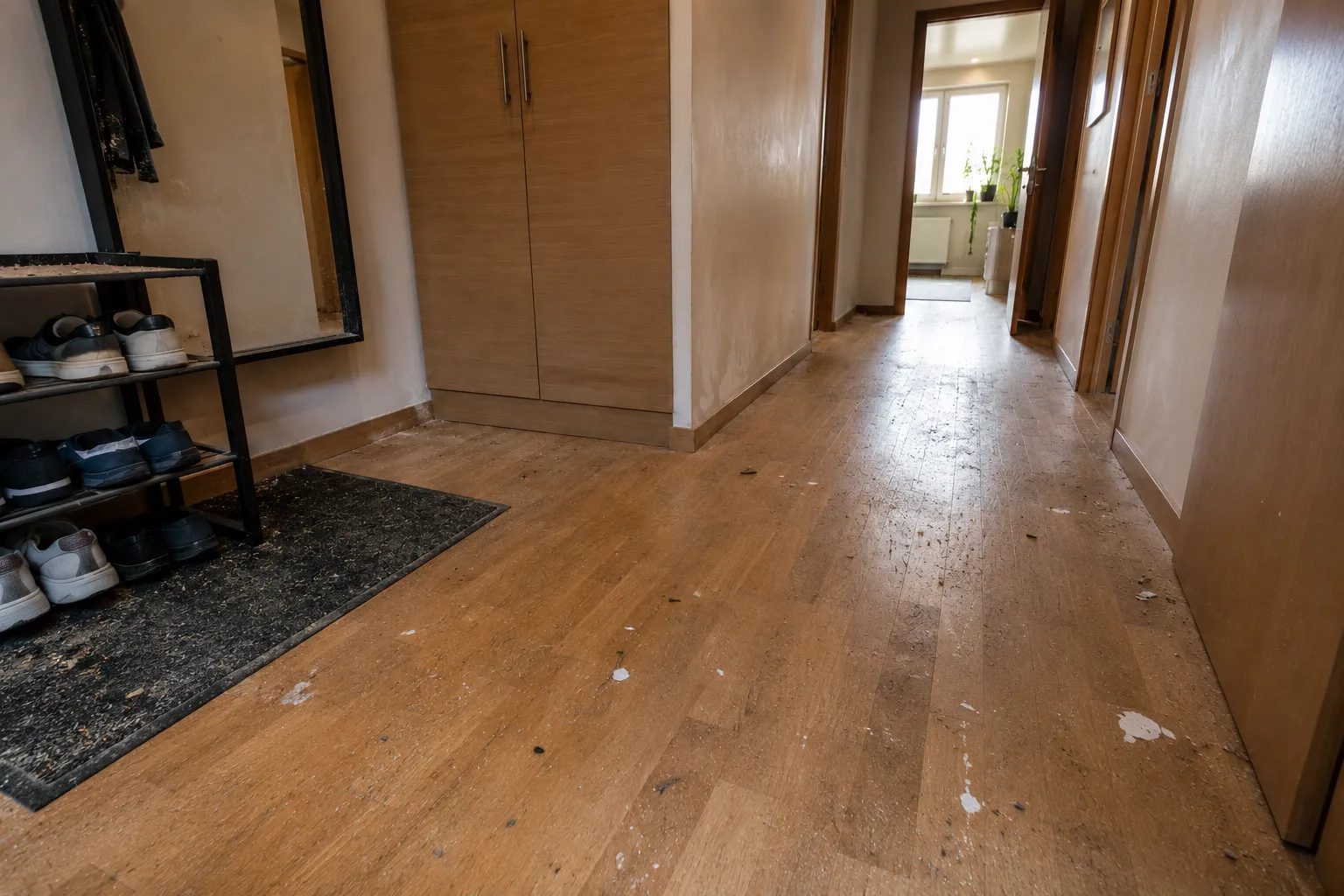
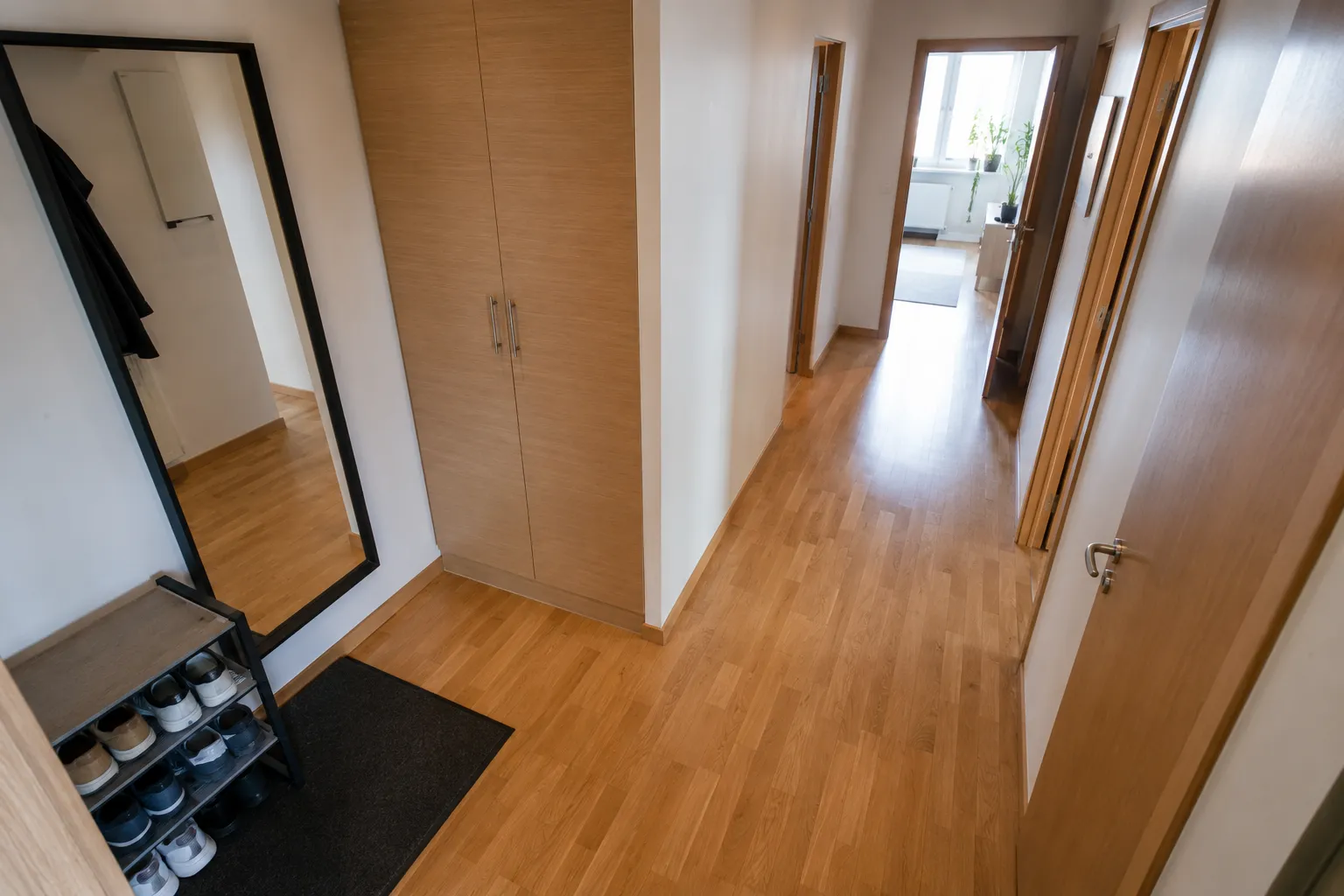
In general cleaning, the sequence is classic: vacuum, mop floors, wipe surfaces. After construction, the order is strictly regulated, and skipping a stage drives dirt deeper. First comes the dry phase: collecting large debris, trimmings, packaging — then an industrial vacuum without water to lift dry cement dust. The wet phase only begins after the suspension is completely removed; otherwise, water turns the dust into an abrasive paste that scratches laminate and polished fixtures. The finish is dry cleaning of upholstered furniture and carpets, if they have already been delivered. In one condominium on Al-Farabi Avenue, we encountered a situation where the client vacuumed the apartment themselves with a household vacuum and then called us for wet cleaning. A week later, gray streaks appeared on the white laminate — cement dust had settled in the pores and reacted with water. We had to re-sand the flooring for an additional fee. Therefore, before the wet phase, we always run the industrial vacuum three times: over the floor, walls, ceiling, and inside cabinets.
Material Safety: Hypoallergenic Chemicals vs. Aggressive Solvents
In our general cleaning, we use hypoallergenic concentrates from Kiehl and Sodasan — they are safe for children and animals, and are biodegradable. This approach is not possible on construction sites: these compounds cannot handle cement, silicone, or grout. We have to use acidic cleaners based on hydrochloric or phosphoric acid, organic solvents (white spirit, acetone), and alkaline concentrates with a pH of 12-14. After using them, mandatory neutralization is required — rinsing surfaces with clean water to a neutral pH, otherwise the acid will continue to destroy the grout in the joints. At sites in the “Triumph” and “Nurly Tau” residential complexes, we measure the floor pH with indicator paper after each stage. If the acid is not neutralized, cracks will appear in the grout within a month, and corrosion will appear on chrome faucets. In Almaty’s residential buildings with hard water, this effect is amplified: calcium salts react with acid residues, forming a white coating that cannot be washed off later with regular household chemicals.
Almaty Specifics: Dry Climate and Seismic Dust
Post-construction cleaning in Almaty has two specific features. The first is the dry continental climate: in summer, humidity drops to 25-30%, and cement mixtures set faster than in Moscow or St. Petersburg. If mortar splashes are not removed within 2-3 hours after pouring, they harden permanently — then mechanical grinding is required, which removes a layer of tile. On call-outs, we carry a supply of water and sprayers to wet fresh stains before arriving at the site. The second feature is seismic activity: in Almaty’s new buildings, vibration from pile driving causes fine concrete dust to fall from walls and ceilings, which is invisible to the eye but settles on all horizontal surfaces within a month. In the “Akbulak” and “Grand Alatau” residential complexes, we perform a mandatory final wet cleaning 14 days after the main one — clients order it as an addition to remove this dust, otherwise it becomes embedded in textiles and wallpaper.
Why You Shouldn’t Confuse the Two Types of Cleaning: Typical Mistakes and Their Consequences
The most common misconception is to order a general cleaning after renovation and save 30-50% of the cost. A general cleaner does not have acidic chemicals, an industrial vacuum cleaner, or the skills to handle mounting foam. The result: cement dust remains in the pores of the laminate, silicone on the glass is not removed, and mounting foam on door frames hardens permanently — it is then cut off along with the paint. The second mistake is trying to remove construction debris yourself and then calling a cleaning service for a “final clean.” After self-cleaning with a household vacuum cleaner, 80% of microparticles remain in the air and settle within 24 hours — wet cleaning on such a surface turns the dust into an abrasive. The third is ordering window washing before the dry phase: streaks from cement suspension remain on the glass, which cannot be washed off without polishing. Our advice: if concrete, plastering, or painting work was done in the room, order a construction cleaning, not a general one, otherwise you will have to redo it for the same money in a month.
What Contaminants Are Removed During Post-Renovation Cleaning
Construction dust is just the tip of the iceberg: after renovation, up to a dozen types of contaminants remain, each requiring its own approach and solvent. We have broken down six main categories — from cement crust to hardened mounting foam.
Cement and Concrete Dust
Cement dust consists of tiny SiO₂ particles 0.5–10 µm in size that settle on all surfaces and, when moistened, form an alkaline crust (pH 12–13). Plain water and a cloth only smear it across tiles and laminate, clogging micro-cracks. At profi-clean, we remove the cement film using acidic compounds based on phosphoric or citric acid — they neutralize the alkali and dissolve the coating in 3–5 minutes without abrasives. On matte porcelain stoneware tiles, for example, a gray coating remains after screed grinding that cannot be washed off even with a stiff brush — only a chemical reaction works. We apply an acidic concentrate (dilution 1:10 with water), wait for the reaction until the coating darkens, and rinse it off with an industrial vacuum cleaner with a HEPA filter. Important: acidic compounds cannot be used on marble and limestone — they etch the stone, leaving matte spots; for natural stone, we use neutral pH-neutral cleaners with microfiber.
Construction Dust on Vertical Surfaces
Construction dust settles on walls, windows, doors, and cabinet facades in a layer up to 2–3 mm thick, and on matte wallpaper and textured plaster, it embeds into the relief. Dry cleaning with a vacuum cleaner and a brush attachment removes up to 70–80% of the volume, but the residue is held by static electricity — especially on plastic windows and lacquered MDF facades. In our practice, we use a two-stage method: first, dust removal with an industrial vacuum cleaner (suction power from 25 kPa), then a wet wipe with an antistatic solution (Sodasan Anti-Static concentrate, dilution 1:50) — it reduces surface resistance from 10¹² to 10⁸ Ohms, and dust stops being attracted. On wallpaper for painting (non-woven, fiberglass), we only do wet cleaning with a microfiber cloth wrung “dry” — excess water softens the glue, and the sheet may peel off the wall within a week.
Hardened mounting foam and sealant
Mounting foam is a polyurethane compound that polymerizes upon contact with air within 2–6 hours, turning into a hard, difficult-to-dissolve mass. Fresh foam (up to 30 minutes) is removed with acetone or a special cleaner, but hardened foam — only mechanically: with a blade, scraper, or grinder with an abrasive disc (grit P80–P120). On plastic windows and doors, the foam is carefully trimmed to avoid scratching the profile — leaving a 0.5–1 mm layer, which is then dissolved with Dimexide (dimethyl sulfoxide) after 15–20 minutes of softening. Sealants (silicone, acrylic, hybrid MS-polymers) are removed differently: silicone — only mechanically + a remover based on white spirit; acrylic — soaked with water for 10–15 minutes; MS-polymer — only with a special product (e.g., Soudal Sealant Remover). Tip: before applying sealant to bathtub-wall joints, tape the edges with painter’s tape — residues won’t need to be cleaned off, just remove the tape before it sets.
Tile adhesive, painter’s tape, and film
Remains of tile adhesive on the floor — a cement-sand mixture with polymer additives that hardens to a hardness of 5–7 on the Mohs scale. It is removed with a spatula or scraper followed by sanding, but on ceramic tiles and porcelain stoneware, we only use plastic scrapers — metal leaves scratches visible on glossy surfaces. Painter’s tape and protective film after renovation often “bond” to the paint, especially if left for more than 2–3 weeks in the sun. The adhesive base is softened with an industrial heat gun (temperature 80–100 °C) or a spray remover (e.g., HG Sticker Remover), after which the film is removed in one sheet without tearing. If the film is already crumbling into small pieces (UV aging), each fragment is heated point-by-point — this takes 3–4 times longer than removing fresh film. In our practice, there was a case where the client removed the film only a month after painting — we had to treat each window for 40 minutes instead of the standard 10.
Oil and silicone stains from tools
Oil stains from rotary hammers, angle grinders, and screwdrivers — a mixture of lubricating oils, graphite, and metal dust. On concrete floors, they soak into pores to a depth of 1–3 mm and cannot be removed with regular household chemicals. We use degreasers based on isopropyl alcohol (concentration 70–99%) or alkaline compounds (pH 11–12) — they emulsify the oil, turning it into a water-soluble suspension that is washed off with water and surfactants. On laminate and parquet, oil stains are not removed with solvents — they destroy the protective varnish layer; here, an absorbent (chalk, talc, starch) is applied to the stain for 2–4 hours, then vacuumed off. Silicone lubricant (WD-40, technical Vaseline) is only removed with white spirit or kerosene — water repels it, and soap smears it. We recommend checking areas near sockets and switches after cleaning: oil drops from mechanism lubrication often remain there, attracting dust and yellowing within a month.
Dust from drywall and putty
Gypsum dust consists of calcium sulfate particles (CaSO₄·2H₂O) measuring 1–20 microns, which form a gypsum paste when wet and harden like stone. If this dust is washed away with water without prior collection, it clogs sink and bathtub drains — the gypsum hardens in the pipes, causing the drain to stop working. We collect gypsum dust only with an industrial vacuum cleaner equipped with a collection bag (Class M or H), then wipe surfaces with a slightly damp microfiber cloth — without excessive wetting. On wooden floors, gypsum dust is especially dangerous: it is hygroscopic, absorbs moisture from the air, and expands with temperature fluctuations, causing squeaking and deformation of the boards. For wet cleaning on parquet after puttying, we use a minimal amount of water — employing a spray system (200 ml per 10 m²) to prevent swelling.
“`markdown
Typical Mistakes in DIY Post-Construction Cleaning
Even thorough washing of floors and walls won’t achieve cleanliness if you don’t know where construction material residues hide. Let’s break down the five most costly mistakes that turn DIY post-construction cleaning into a second renovation.
Pushing Dust Deeper Instead of Collecting It
Using a wet cloth on dry construction dust is the first step toward streaks and dirt embedded in the micropores of the coating. Almaty’s water, with its high salt content (up to 350 mg/l in hardness), reacts with cement dust, forming a difficult-to-remove film. Instead of water, the first step requires an industrial vacuum cleaner with an H13 HEPA filter — it captures particles down to 0.3 microns without stirring them into the air. Our experience shows that after dry vacuuming, wet wiping takes three times less time and leaves no gypsum stains on laminate flooring.
Using Household Chemicals Against Cement
Standard household cleaning products do not dissolve residues of grout, PVA glue, or mounting foam. Alkaline cement film requires pH-neutral or mildly acidic compounds — for example, the professional concentrate Kiehl for removing construction dirt. Using household Fairy or Mr. Proper will require 5–7 times more effort, and glossy surfaces will develop matte halos from the reaction of alkali with liquid glass. Our crews use pH test strips: if the surface reaction is above 8, household chemicals are useless — a professional neutralizer is needed.
Washing Windows and Mirrors Before General Cleaning
Glass is the final touch, not the first step. If you wash windows before the main dust is removed from the floor, microparticles of gypsum and putty will settle on the wet surface, embedding into the silicone sealant upon drying and leaving a whitish film on the frames. Almaty’s high-rises with panoramic glazing suffer especially: mountain winds bring sand that scratches the glass when wiped with a dry cloth. The correct sequence is: first the ceiling and walls, then the floor, followed by wet cleaning of all hard surfaces, and only at the end — windows with a double-sided squeegee and lint-free microfiber.
Not Protecting Ventilation and Appliances
Dust from grout and tile cutting settles in exhaust grilles and inside household appliances within hours. In Almaty, where homes often have forced ventilation with duct fans, clogged filters reduce draft and cause motors to work under overload. We always seal ventilation grilles with painter’s tape before cleaning, and cover refrigerators, washing machines, and ovens with thick plastic film. If this is not done, dust will settle on condensers and radiators, potentially damaging the appliances within 2–3 months — warranty repairs do not cover such cases.
Not Checking for Glue Residues Under Film
Builders often leave protective film on plastic windows and doors for a month or longer. Underneath, a sticky layer accumulates, which polymerizes under Almaty’s sun (up to 300 sunny days per year) and turns into a yellow crust. Scraping it off with a dry scraper risks scratching the PVC profile or the door’s lacquer coating. At profi-clean, we first heat the film with an industrial hairdryer to 50–60 °C and remove it at a 45° angle, then remove glue residues with a special citrus-based solvent — it is non-aggressive to plastic and leaves no greasy stains. Trying to wipe off the glue with vinegar or acetone is not advisable: it will leave permanent white streaks on matte surfaces. “`
Which Products Are Effective for Post-Construction Cleaning
We test dozens of professional cleaning agents each month before approving them for use on site: construction chemicals must dissolve cement, silicone, and paint without damaging parquet, laminate, or stainless steel. We break down what actually works and what leaves streaks and odors behind.
Acidic and Alkaline Concentrates: How They Work
Cement residue and limescale can only be dissolved by acids—organic agents are powerless here. We use hydrochloric and phosphoric acid concentrates (pH 1–2) to remove hardened mortar from tiles and porcelain stoneware. Alkaline compounds (pH 12–14) handle oil stains, bitumen, and leftover mounting foam—they saponify fats into water-soluble salts. In profi-clean’s practice, there was a case where a client tried to clean silicone lubricant off a concrete floor with vinegar—the stain remained, and the surface dulled. We applied the alkaline concentrate “profi-clean Power Degreaser” (pH 13.5) with a 15-minute exposure time—no traces were left. Key nuance: acid should never be applied to marble, travertine, or natural stone—it etches the surface, and restoring the matte finish requires sanding.
Neutral pH Compounds: When Aggression Isn’t Needed
On finished surfaces—varnished parquet, painted walls, plastic panels—acids and alkalis leave irreversible marks. Here, neutral surfactant concentrates with pH 6–8 work: they emulsify dust and soot without damaging the protective layer. profi-clean’s range includes “profi-clean Neutral Floor Cleaner”—a phosphate-free formula based on alkyl polyglycosides, biodegradable within 28 days. It leaves no rainbow streaks on glass and no white residue on dark laminate. At a site in the “Almaty Towers” residential complex, we cleaned tinted double-glazed windows after installation—regular cleaning agents left streaks, while the neutral compound removed both construction dust and installers’ fingerprints without residue. We recommend checking the product’s pH on an inconspicuous area before mass treatment—especially on glossy facades and stained glass.
Specialized Removers: For Cement, Silicone, and Paint
Universal products rarely handle stubborn stains—here, targeted removers are needed. For cement splatters on glass, we use gel-like acidic removers with a thickener—they don’t drip off vertical surfaces and work within 5–10 minutes. Silicone and sealants are removed with organosolvent compounds based on dimethyl sulfoxide—they soften the polymer to a gel-like state, after which the residue is scraped off with a plastic scraper. Acrylic and polyurethane paint from PVC panels and linoleum is removed with alkaline gels requiring up to 30 minutes of dwell time. In our team, there was a case where a plumber spilled sealant on an acrylic bathtub—a white spirit-based remover would have ruined the gloss, but a dimethyl sulfoxide remover removed the silicone without a trace in 8 minutes. Important: after any aggressive remover, the area must be washed with a neutral solution and rinsed with water—otherwise, reagent residues continue to damage the coating.
Eco-Friendly and Hypoallergenic Lines: For Nurseries and Bedrooms
After construction in residential spaces, fine dust remains that absorbs chemical residues—if reagents aren’t rinsed to a neutral pH, they can evaporate for weeks. profi-clean uses hypoallergenic chemicals from Kiehl and Sodasan—these are concentrates based on citric acid, coconut surfactants, and essential oils, certified by Ecolabel and free of volatile organic compounds. In a child’s room at the “Akbulak” residential complex, after puttying and painting, we washed the walls and floor with Sodasan Floor Cleaner solution at pH 7.2—VOC analyzer readings showed zero levels just an hour after cleaning. For allergy sufferers and asthmatics, this is critical: standard alkaline cleaning agents leave a film on surfaces that collects dust and triggers attacks. On sites with children, we always request safety certificates—and select a formula that requires no additional rinsing.
Checklist for Choosing a Product by Surface Type
- Porcelain stoneware and tiles: Acid concentrates (hydrochloric or phosphoric acid, pH 1–2) — for cement and lime; alkaline (pH 12–14) — for oil and bitumen.
- Natural stone (marble, granite, travertine): Only neutral pH-neutral surfactant formulations (pH 6–8) — acids etch pores, alkalis cause efflorescence.
- Varnished parquet and laminate: Neutral phosphate-free concentrates (pH 6–7.5) — no abrasives or solvents, wetting time no more than 3 minutes.
- Glass and mirrors: Neutral surfactant formulations with antistatic agent (pH 7) — ammonia-free to avoid leaving rainbow streaks.
- Plastic panels and PVC: Alkaline gels (pH 11–12) for paint and sealant, with exposure up to 10 minutes — followed by mandatory rinsing with a neutral solution.
- Painted walls (water-based emulsion, acrylic): Neutral detergents (pH 6–8) — alkali softens the paint, acid leaves stains.
Why you should trust post-renovation cleaning to professionals
The difference between “visually clean” and “technically clean” after renovation is months of hidden problems. DIY cleaning leaves micro-particles of cement and glue on surfaces, which later embed into the coatings. The professional approach at profi-clean eliminates these risks at the initial treatment stage — without repeat visits or replacing damaged finishes.
Risk of damaging final coatings with DIY cleaning
Abrasive cement dust left on tiles or laminate acts like sandpaper during wet cleaning with a regular cloth. At profi-clean, we’ve documented cases where apartment owners rubbed glossy porcelain stoneware to a matte finish in a single washing cycle — simply because they didn’t rinse off the construction dust before the main wash. On laminate, the same mistake leads to irreversible scratches on the protective layer, which cannot be restored — only the planks can be replaced. Professional post-construction cleaning begins with dry dust collection using an industrial vacuum cleaner with a HEPA filter, which captures 99.97% of particles down to 0.3 microns, and only then proceeds to wet treatment with special formulations that neutralize alkaline cement residues.
Hidden contaminants: silicone, spray foam, and glue
After renovation, invisible chemical films remain on surfaces: silicone sealant, spray foam residue, acrylic and tile adhesive. Standard household chemicals cannot handle them — they simply spread the compounds across the area, and within a week, sticky spots appear that attract dust. Our technicians use solvents with selective action: one formulation removes silicone without damaging the paint coating, another removes spray foam from plastic windows without causing dullness. In October, we had a case in the “Akbulak” residential complex: the owner washed the kitchen backsplash three times after installation, but sealant stains only appeared a month later — requiring profi-clean for a final chemical cleaning. If you order professional post-construction cleaning immediately, such problems do not arise — the compounds are removed before polymerization.
Hypoallergenic chemicals and certified equipment
Household chemicals from supermarkets often contain chlorine and aggressive surfactants that react with construction mixture residues and release toxic compounds — in a closed apartment after renovation, this is a direct respiratory hazard. profi-clean uses hypoallergenic chemicals from German brands Kiehl and Sodasan: they are biodegradable, leave no chemical odor, and are safe for children and allergy sufferers. Equipment with HEPA filtration (Nilfisk industrial vacuum cleaners, Karcher steam cleaners) extracts micro-particles from cracks and ventilation that a regular broom or mop cannot reach. Our standards include mandatory disinfection of tanks and hoses after each job to prevent bacteria transfer between orders.
Speed and 24-hour result guarantee
A professional team of 2–3 cleaners can clean a standard two-bedroom apartment in 3–5 hours — compared to 8–12 hours of DIY cleaning with breaks and wear on your household vacuum. We arrive at any location in Almaty within 60 minutes of your request, and all work comes with a 24-hour guarantee: if you notice dust or marks on surfaces within a day, we’ll come back and redo it for free. For our orders on properties over 80 m², the guarantee period even covers the re-settling of dust from ventilation — a common issue in new buildings, which we address with a final wipe-down of walls and ceilings.
Liability Insurance and Property Safety
When cleaning on your own, accidentally damaging a stretch ceiling with a mop or scratching an acrylic bathtub can cost more than hiring professionals. profi-clean insures its liability on every job: if a cleaner damages a surface, the company will cover the repair costs. Our staff are trained to handle different surface types — matte and glossy laminate are washed using different protocols, and separate pH-neutral solutions are used for polished granite and travertine. The Almaty cleaning market is full of private workers without insurance, but when you order post-construction cleaning from a licensed company, you are protected from financial losses in case of accidental damage to finishes.