Departure and diagnostics
We go to the site, measure the humidity of walls, floor, and ceiling with a Testo moisture meter. We assess the extent of flooding and draw up a work plan.
Industrial drying of apartments after flooding in Almaty: remove moisture, mold, and odor in 1-3 days

We work with any types and materials
Compact space, drying all surfaces in 1-2 days
from 20,000 ₸Drying walls, floors, and ceilings in two rooms
from 24,000 ₸Intensive drying of a large area with humidity control
from 28,000 ₸Drying all floors, including basement and attic
from 32,000 ₸Comprehensive drying of a cottage using powerful dehumidifiers
from 44,000 ₸Quick drying to resume office operations
from 24,000 ₸Drying of sales floor and storage rooms
from 20,000 ₸Drying large areas with high ceilings
from 16,000 ₸Moisture removal from basements, mold treatment
from 20,000 ₸Drying of basement with water pumping and antiseptic treatment
from 20,000 ₸Drying of garage after flood, including inspection pit
from 20,000 ₸Drying of open and closed balconies, moisture removal
from 5,000 ₸From inspection to result with guarantee
We go to the site, measure the humidity of walls, floor, and ceiling with a Testo moisture meter. We assess the extent of flooding and draw up a work plan.
If there is standing water, we pump it out with an industrial pump. We remove remaining water from the floor and cracks.
We place industrial Dantherm dehumidifiers and Master heat guns for active drying. The equipment operates around the clock.
We apply a certified antiseptic to walls and floors to prevent mold and mildew. The composition is safe for people and animals.
We use injectors to dry the space under baseboards, behind wallpaper, and in other hidden places. This prevents hidden moisture.
We perform ozonation of the room to remove musty smell and disinfect the air. Ozone kills bacteria and mold spores.
After 24-48 hours, we re-measure the moisture of all surfaces with a Testo moisture meter. We ensure the readings are normal.
We dismantle equipment, remove debris, and perform wet cleaning. We sign the work completion certificate.
We use Dantherm dehumidifiers with a capacity of up to 200 liters per day. This allows removing moisture from walls, floors, and ceilings 2 times faster than household appliances. The equipment operates around the clock, automatically maintaining optimal humidity.
Powerful Master heat guns with a capacity of up to 30 kW direct hot air to wet areas, accelerating evaporation. We use several guns simultaneously for uniform heating of the entire area. This is especially effective when drying concrete screeds and brick walls.
Precise Testo moisture meters with an error of 0.1% allow monitoring the residual moisture of materials. We take measurements before, during, and after drying to guarantee complete drying. Results are recorded in the report.
We treat walls and floors with certified antiseptics that are safe for people and animals. The preparations destroy mold and fungus spores, preventing their reappearance. The composition has no strong odor and does not cause allergies.
We sign a work completion report with moisture measurements before and after drying. If after completion the humidity exceeds the norm, we carry out additional drying for free. The guarantee is valid for 30 days.
We work around the clock, seven days a week. We accept applications by phone and in messengers. We travel to any point in Almaty within 2 hours after the call. In emergency cases, we can arrive within 1 hour.
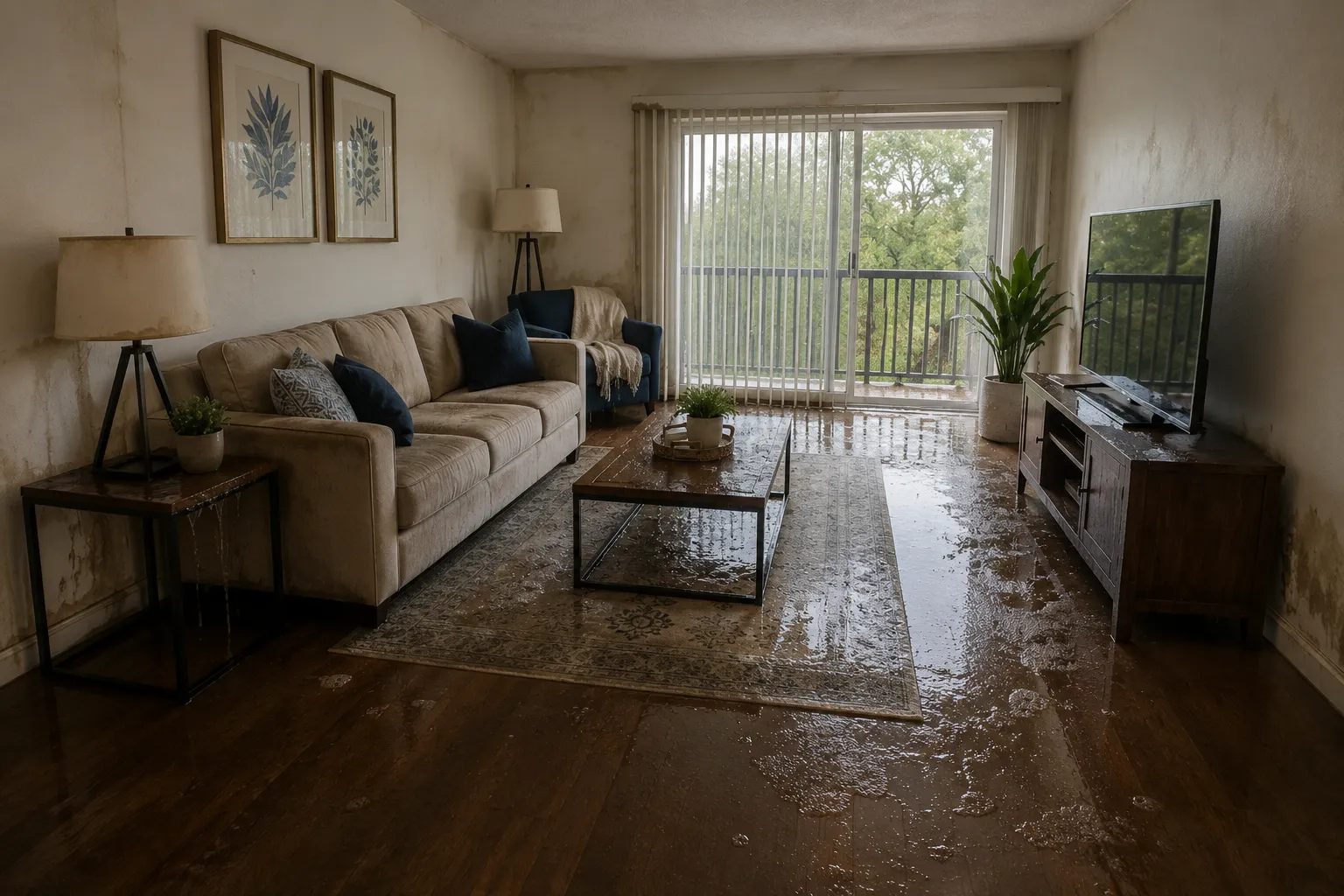
 After
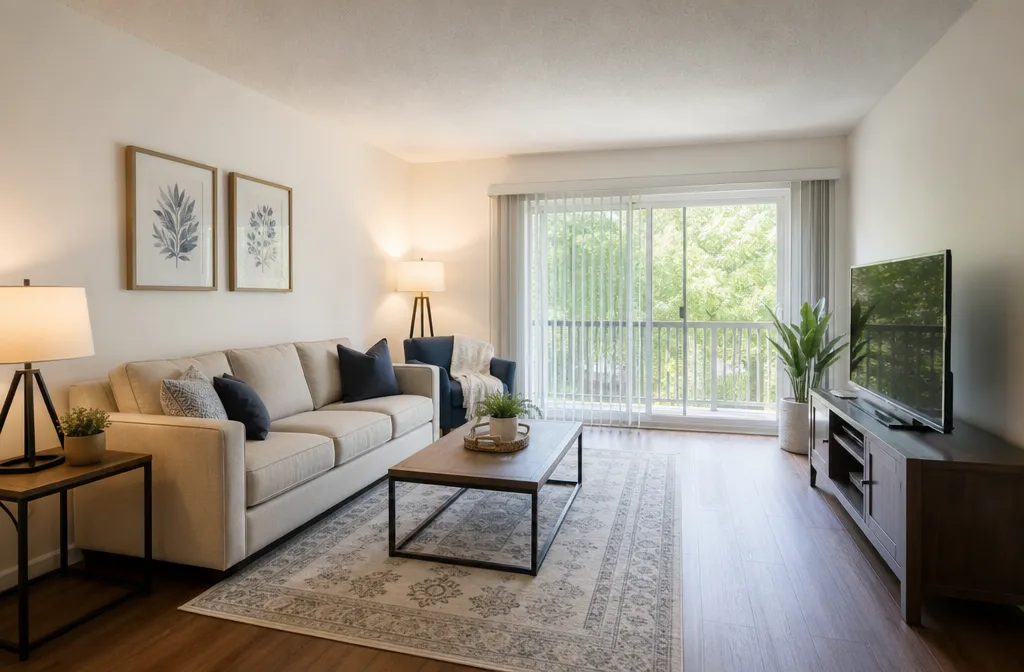
After
Request: The upstairs neighbors flooded the apartment, water was standing on the floor, needed drying.
Done: We pumped out the water, installed 3 heat guns and 2 dehumidifiers for 48 hours.
Cost: 22 000 ₸
Master: Aibek Nurlanov, drying master
Total: Completely dry floor and walls, no mold, ready for renovation.
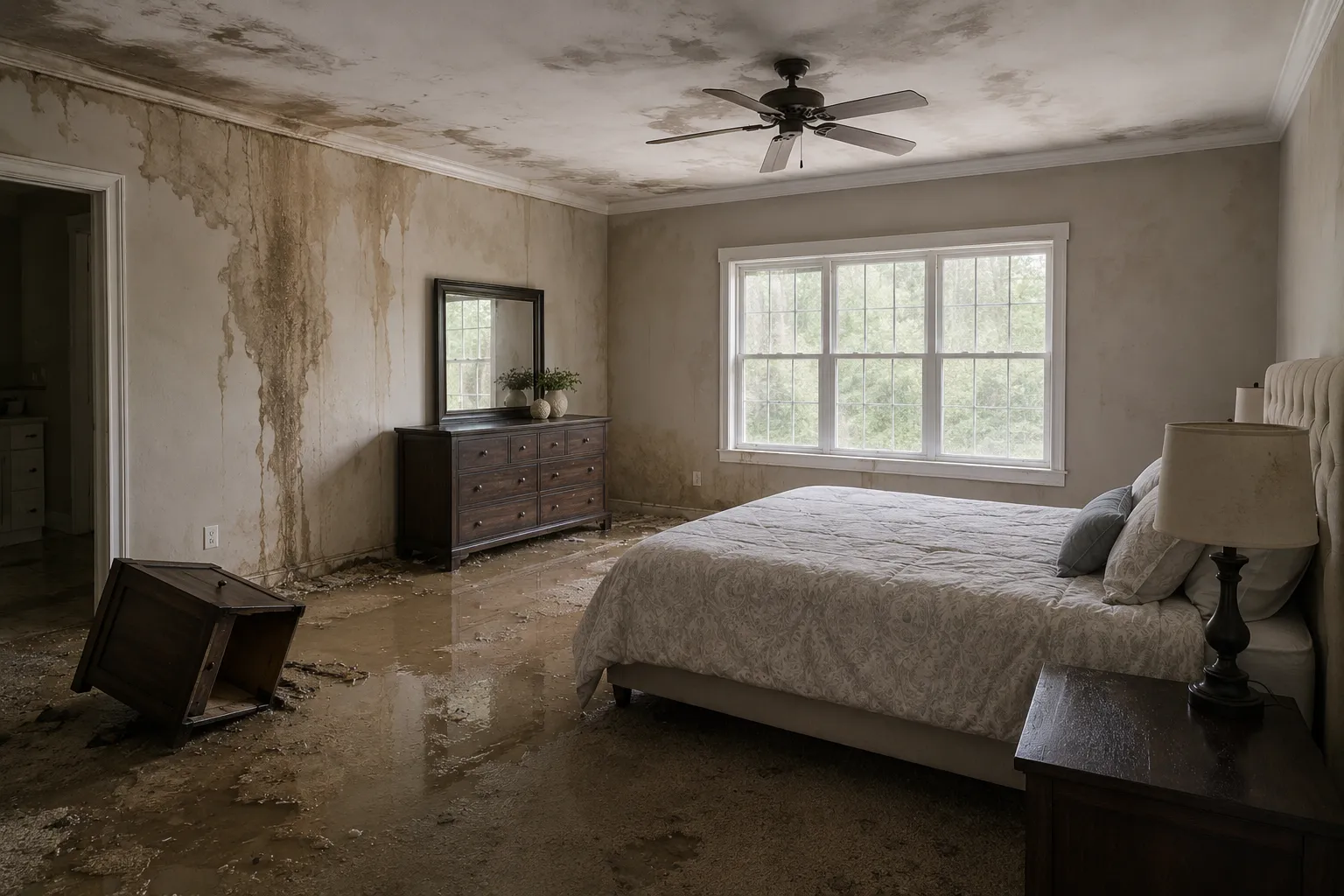
 After
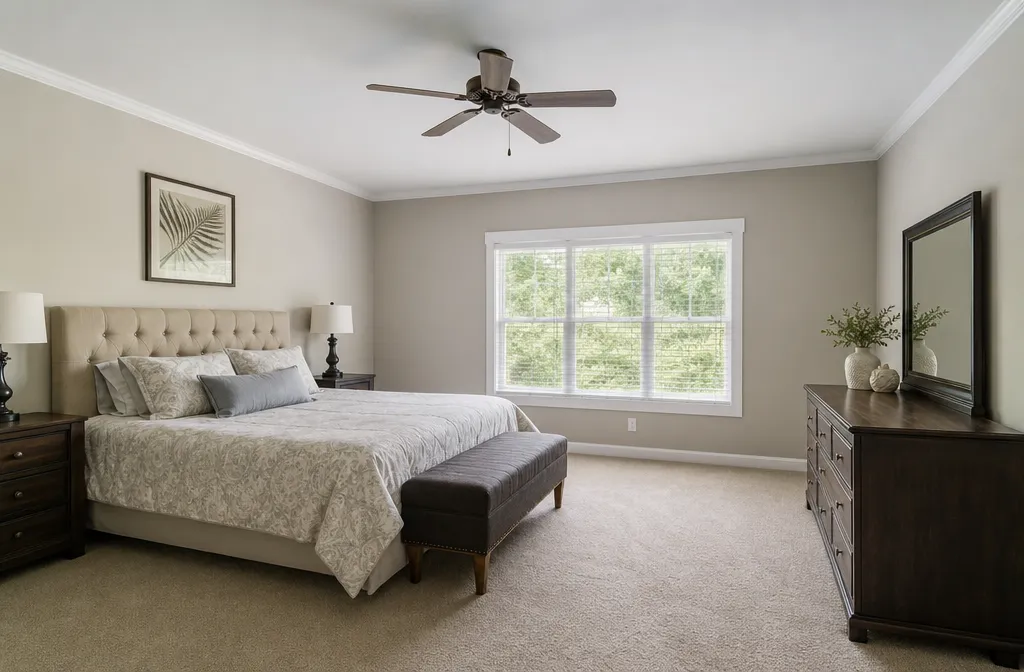
After
Request: The roof leaked in the bedroom, walls are wet, urgent drying needed.
Done: We dried the walls with heat guns and fans, treated with antiseptic.
Cost: 21 000 ₸
Master: Damir Serikov, drying technician
Total: Walls are dry, without mold or stains, the room is habitable.
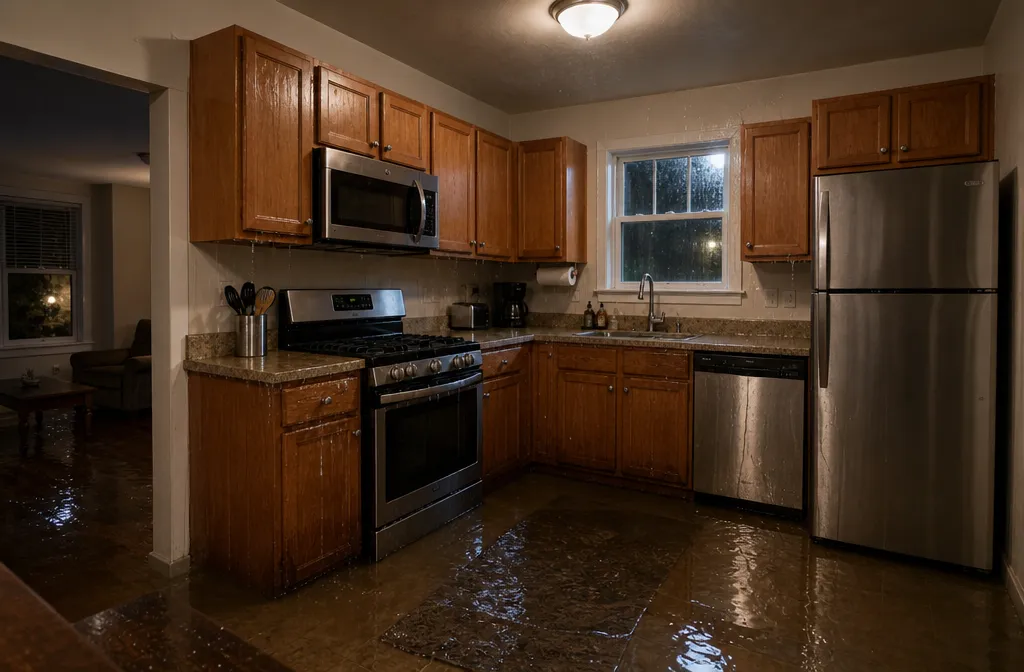
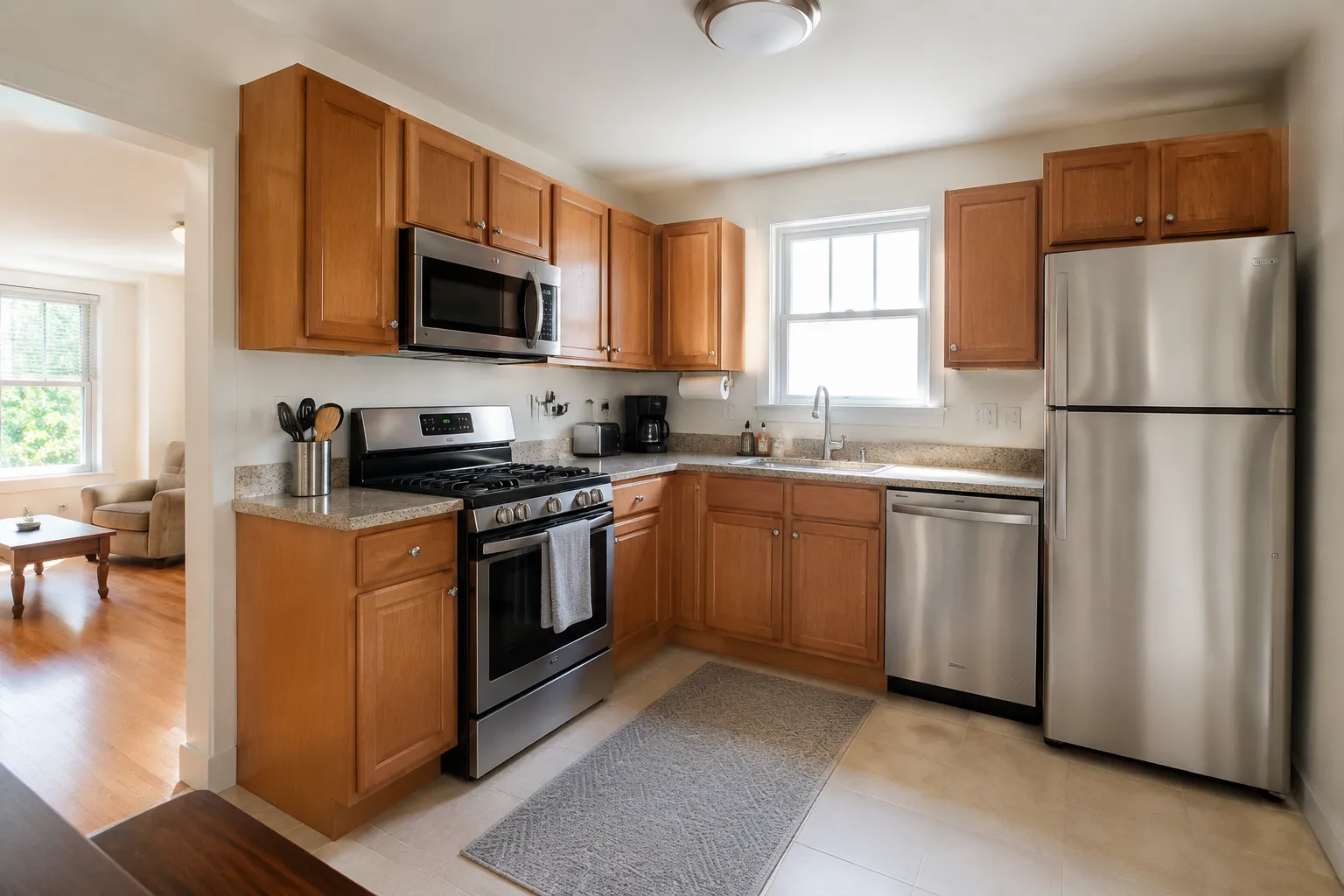 After
After
Request: A pipe burst under the sink, kitchen flooded with water, needed drying.
Done: We pumped out the water, removed baseboards, dried the floor and walls for 3 days.
Cost: 22 000 ₸
Master: Yerzhan Kaliyev, drying master
Total: Kitchen is dry, no musty smell, furniture undamaged.
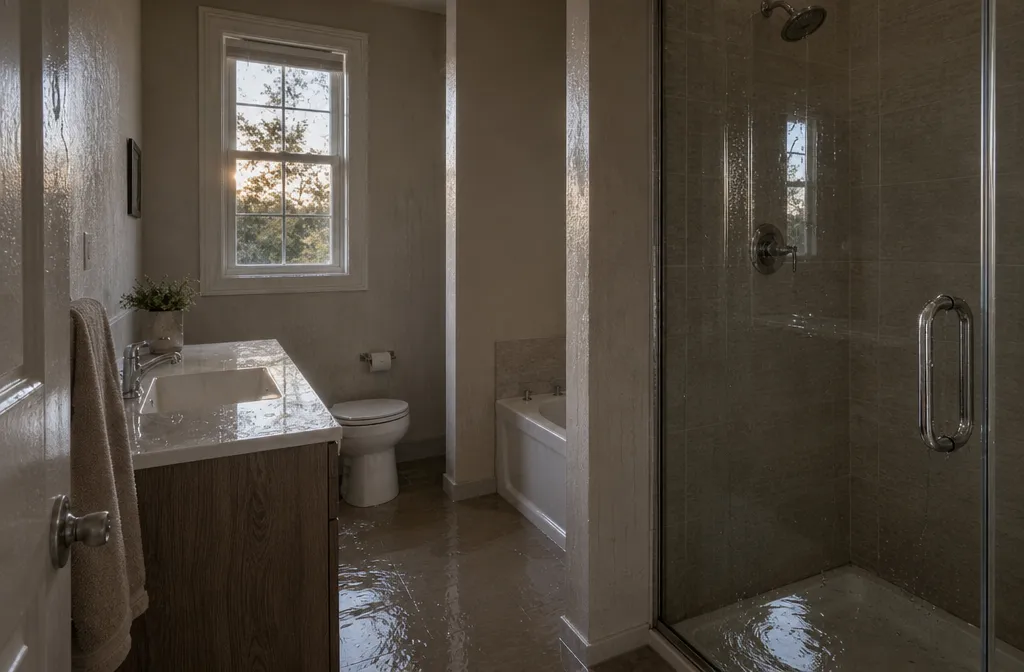
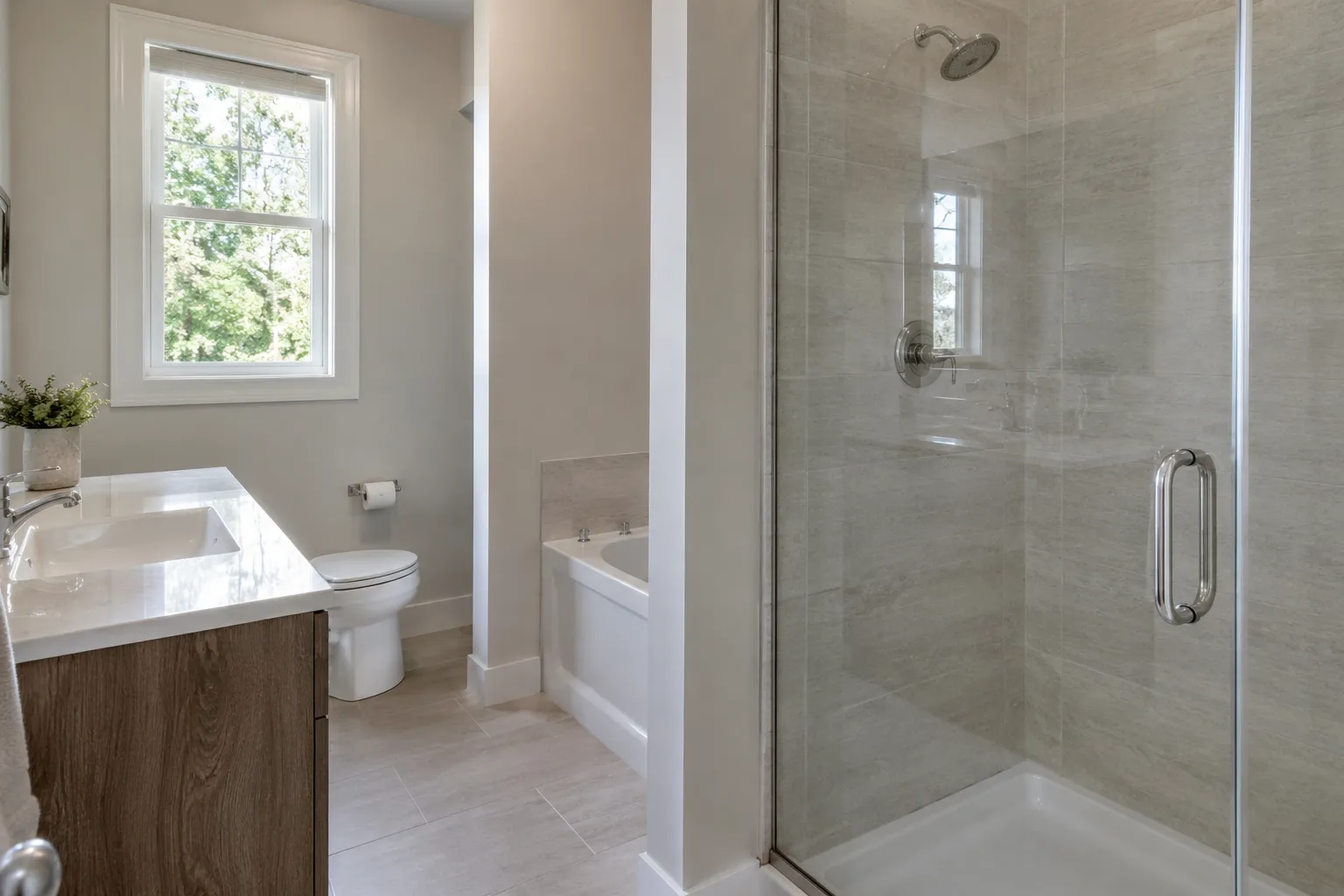 After
After
Request: Bathroom is flooded, water is not draining, needs pumping and drying.
Done: We pumped out the water, dried the floor and walls, treated for mold.
Cost: 23 000 ₸
Master: Marat Akhmetov, drying technician
Total: Bathroom is dry, clean, without traces of mold or dampness.
 After
After
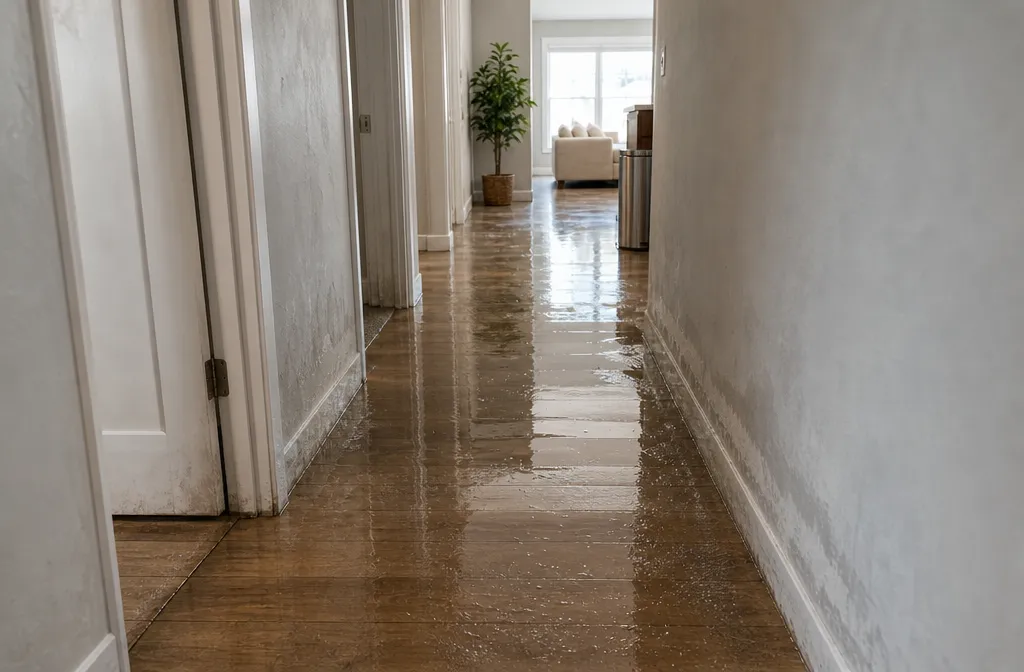
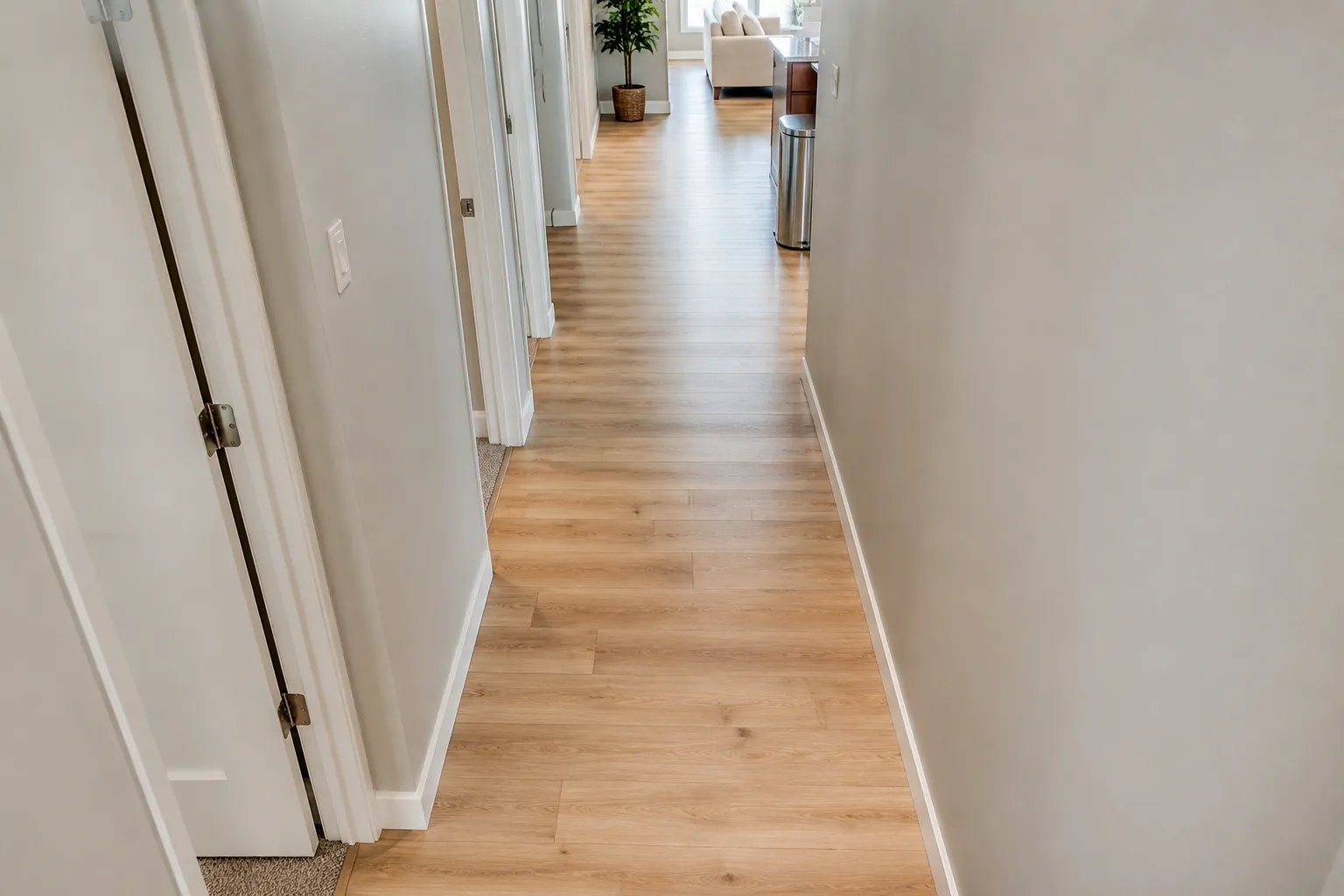
Request: Hallway was flooded due to a radiator burst, floor soaked through.
Done: We pumped out the water, removed the soaked linoleum, dried the base.
Cost: 20 000 ₸
Master: Ruslan Bekov, drying master
Total: Floor is dry, base ready for new flooring installation.
 After
After
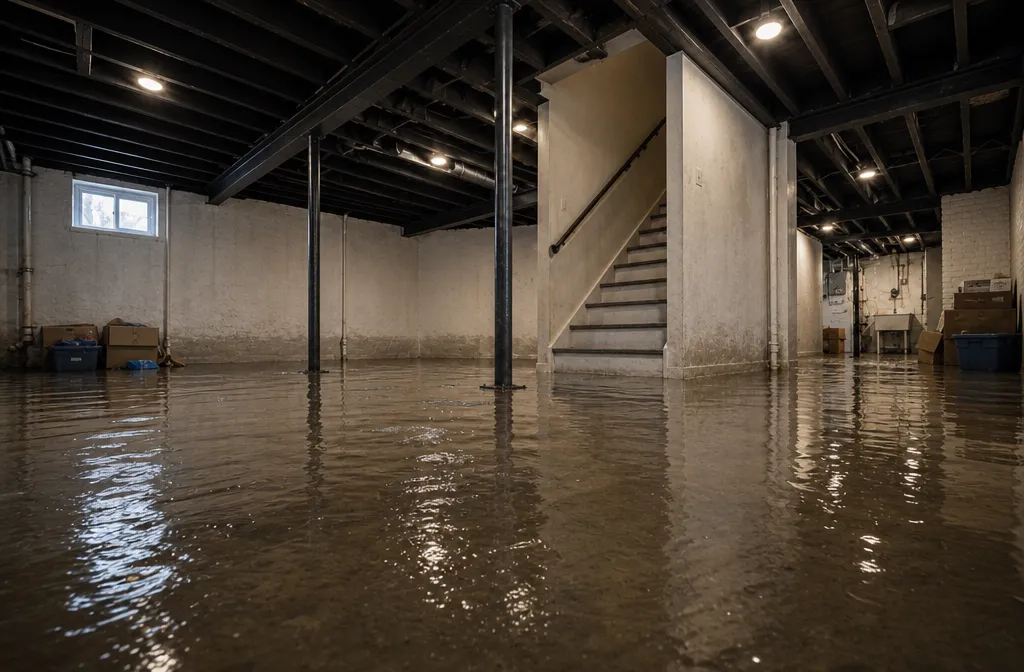
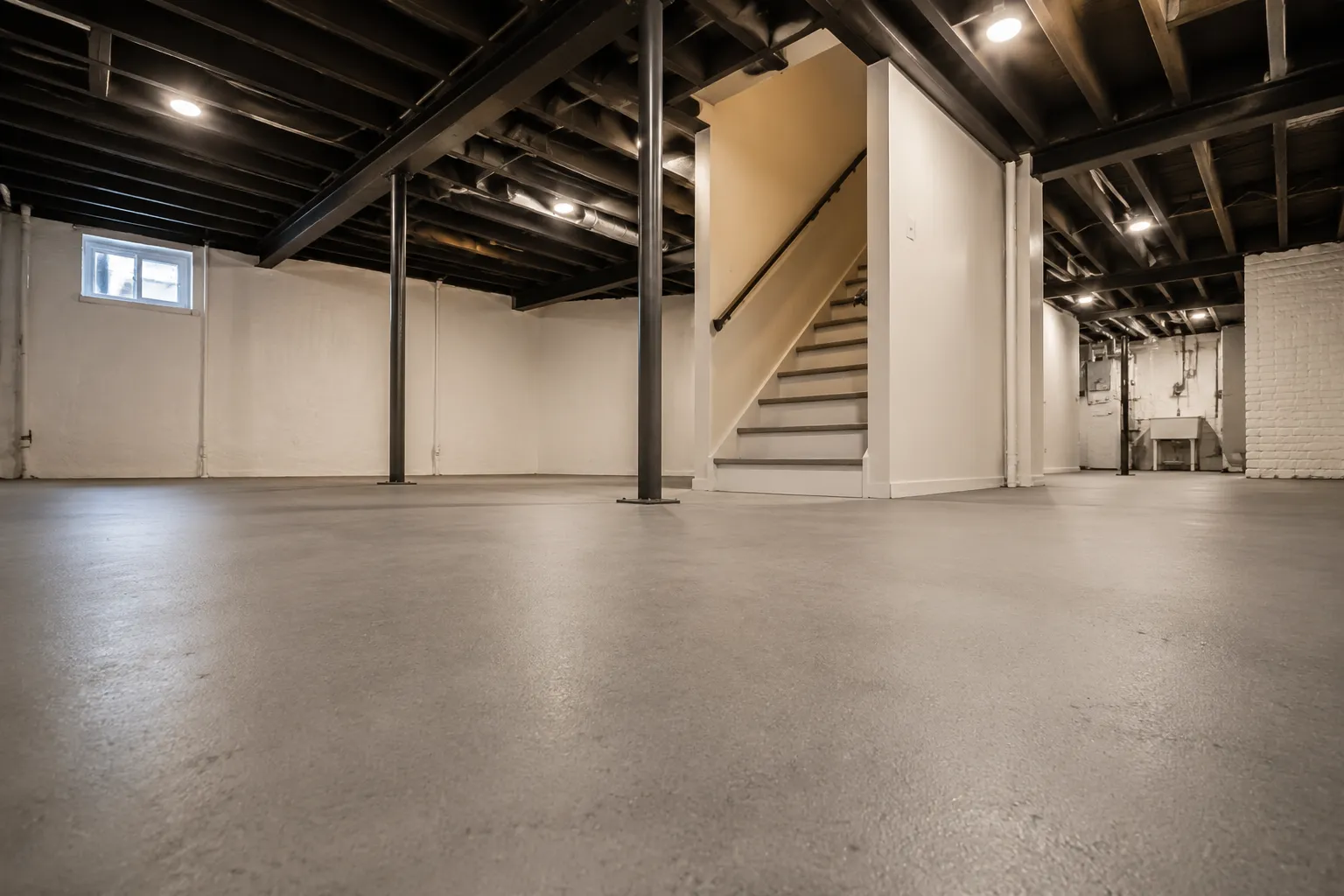
Request: The basement was flooded with groundwater, needs complete drying.
Done: Pumped out 500 liters of water, installed dehumidifiers and fans for 72 hours.
Cost: 22 000 ₸
Master: Nurzhan Aliev, drying technician
Total: The basement is dry, free from dampness and mold, suitable for storage.
 After
After
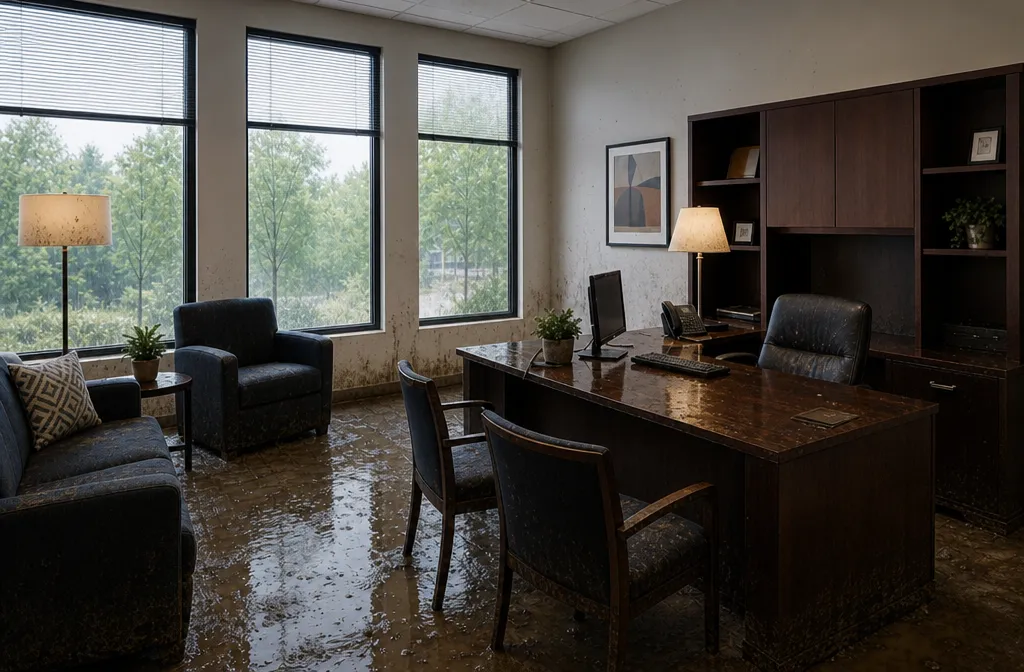
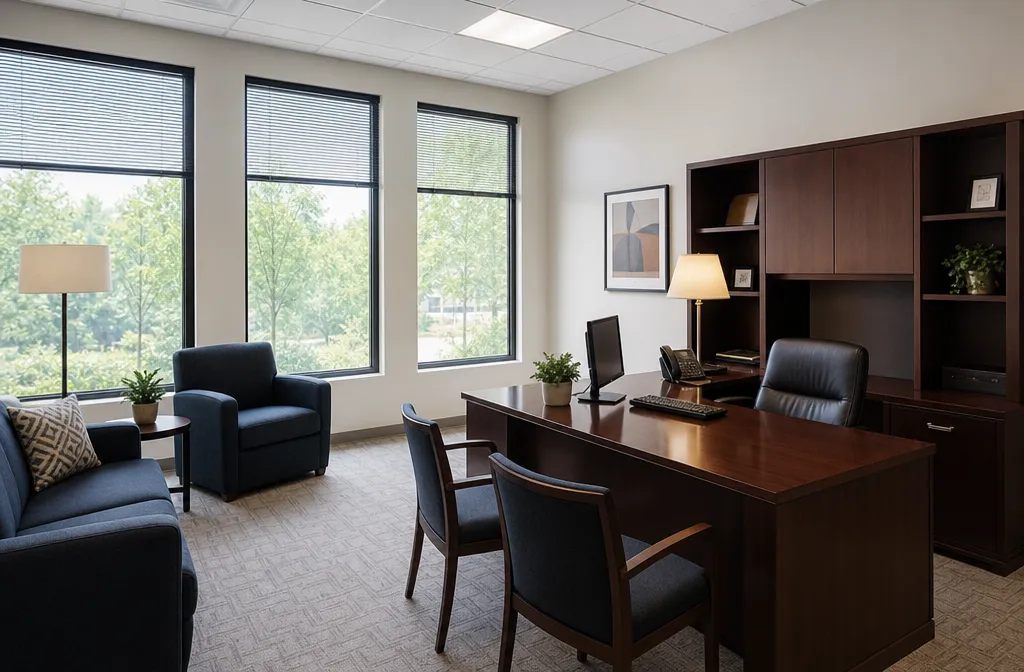
Request: The office was flooded due to a pipe burst, water on the floor, urgent drying needed.
Done: Pumped out water, dried carpet and walls, treated with antiseptic.
Cost: 23 000 ₸
Master: Timur Zhaksybekov, drying master
Total: The office is dry, odor-free, employees can return to work.
 After
After
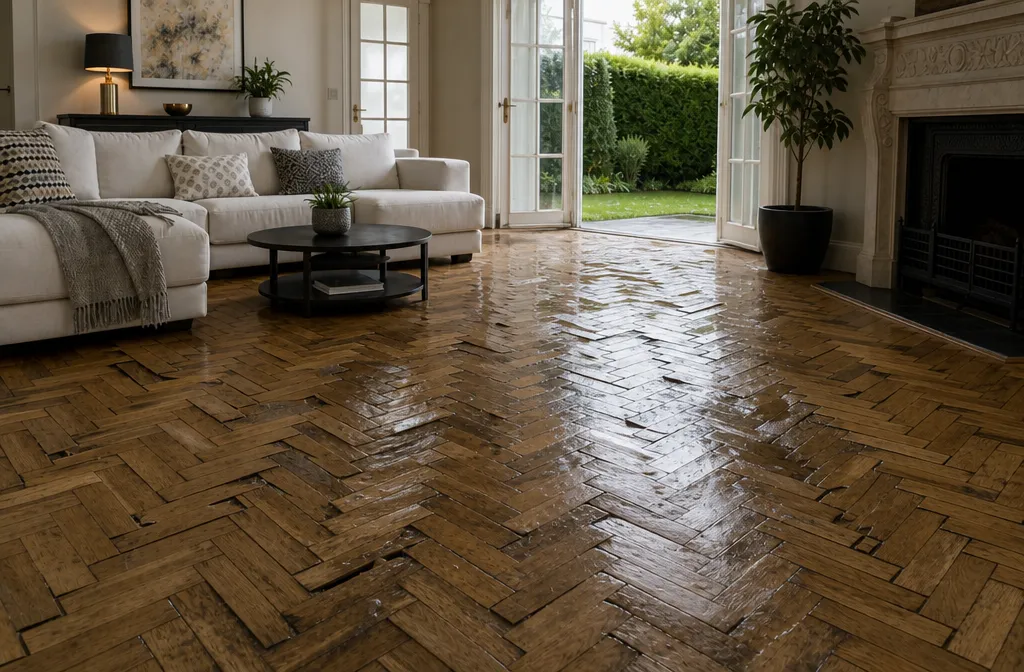
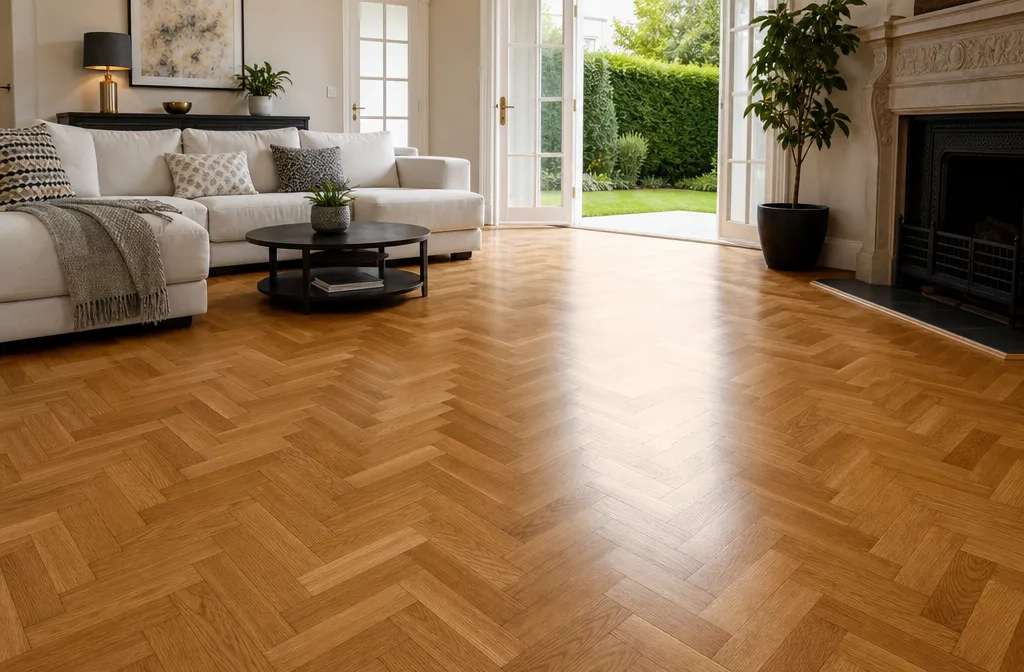
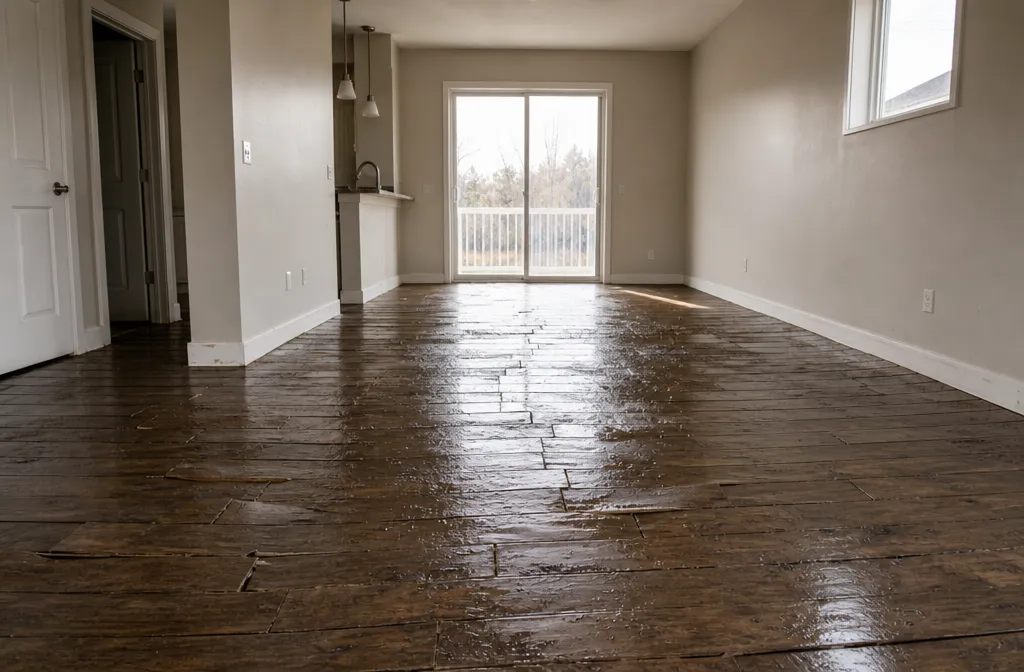
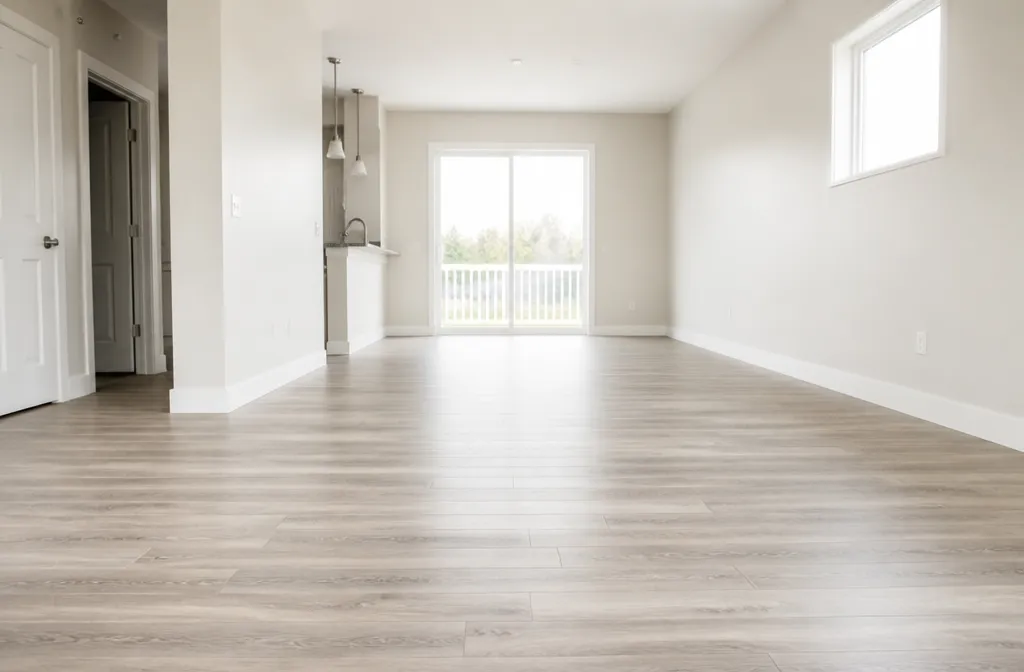
Request: Parquet swelled after flooding, needs drying without dismantling.
Done: Dried parquet with heat guns and dehumidifiers, secured the boards.
Cost: 22 000 ₸
Master: Askhat Muratov, parquet master
Total: The parquet is dry, boards back in place, no gaps or deformation.
 After
After
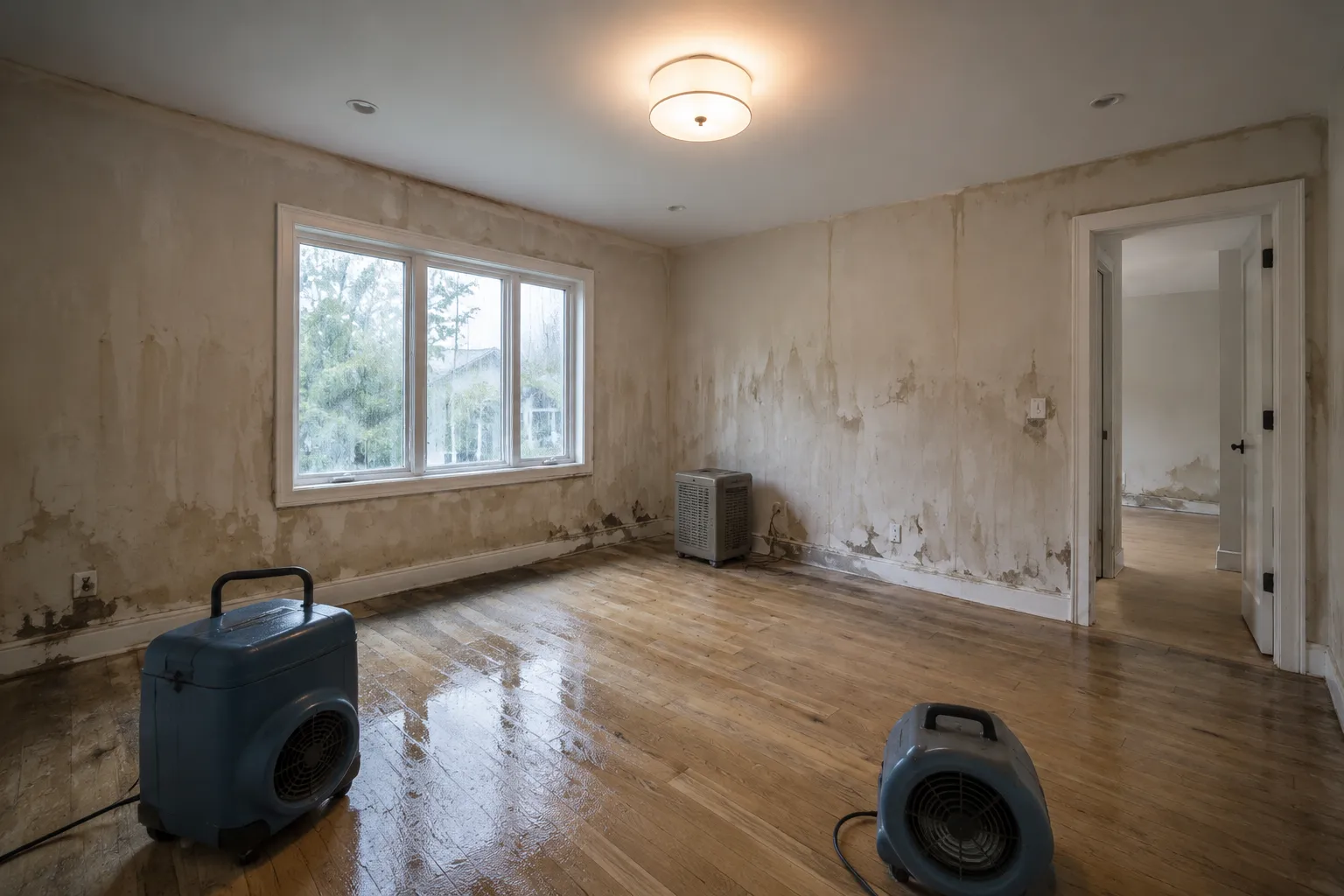
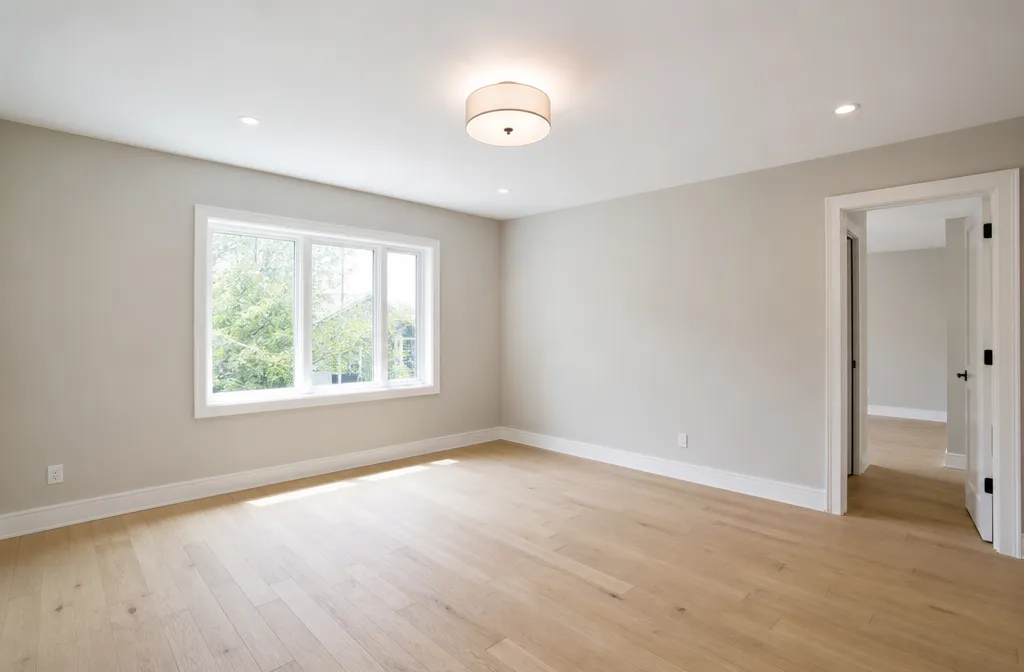
Request: Laminate swelled after flood, needs drying and saving the covering.
Done: Disassembled wet panels, dried the base, replaced damaged ones.
Cost: 24 000 ₸
Master: Yermek Sagintayev, floor master
Total: Laminate restored, floor level, no swelling or gaps.
 After
After
Request: Walls wet after flooding, need professional drying.
Done: Installed heat guns and dehumidifiers, monitored humidity for 2 days.
Cost: 23 000 ₸
Master: Bakhtiyar Kozhakhmetov, drying technician
Total: Walls are dry, humidity normal, ready for finishing.
All cleaners are profi-clean staff with training, uniform and security check. Each order has a team leader who controls quality.
After the water has been pumped out, many apartment owners mistakenly believe the worst is over. In reality, the most insidious stage is drying. Moisture left in walls, screeds, and under floor coverings triggers irreversible processes: from concrete degradation to mold colonies that penetrate deep into the ceilings within 72 hours. In Almaty, where homes often feature wooden floors in “Khrushchev-era” buildings and a humid climate at the foot of the mountains, drying without professional equipment is a gamble with your property and health.
Moisture trapped in the multi-layered “pie” of a floor or partition acts like a hydraulic press. Concrete’s water absorption is up to 6% of its mass — when drying without forced ventilation, moisture migrates upward through capillaries, causing screed delamination and reinforcement corrosion. Laminate and parquet boards swell irreversibly: the former develops “waves” when the underlay moisture exceeds 12%, the latter warps at the ends, and locking joints break. Wooden floors in Almaty’s older homes (microdistricts “Orbita”, “Koktem”) after a flood, without drying using industrial dehumidifiers, lose their geometry within 4-5 days: boards buckle, and gaps don’t close even after complete drying. Gypsum plasterboard partitions absorb moisture like a sponge — at humidity levels of 18% or higher, the sheet loses strength and begins to crumble. In our practice, there was a case: apartment owners on Abay Avenue decided to “air out” the room after a riser burst — within a week, the drywall had sagged by 4 cm, and the entire partition had to be replaced. The cost of such savings is complete demolition and renovation, which is at least two to three times more expensive than timely drying.
Within 24-48 hours after a flood, in a warm, humid environment (above 20°C and 70% humidity), spores of Aspergillus and Penicillium begin to multiply. These fungi release mycotoxins that, when inhaled, settle in the lungs and cause chronic rhinitis, bronchial asthma, and allergic alveolitis. Black mold Stachybotrys chartarum is particularly dangerous — it appears on wallpaper and drywall within 5-7 days of stagnant moisture and requires not just drying, but complete removal of the affected layer followed by biocide treatment. In Almaty, due to frequent temperature fluctuations between day and night (up to 15°C in the off-season), condensation on cooled walls creates an ideal environment for mold even on visually dry surfaces. Symptoms residents complain of after a flood: persistent nasal congestion, sore throat, morning headaches — these are not a “cold,” but a reaction to spores in the air. We recommend measuring humidity with a thermal imager and moisture meter on all surfaces, including areas behind baseboards and under kitchen cabinets — mold develops there unnoticed, but its spores spread throughout the apartment via the ventilation system.
Household fan heaters and open windows are the most common, yet the most useless methods after a serious flood. Warm air from a heater only dries the surface: the top 2-3 mm of plaster or laminate. Moisture from the depth of the screed or insulation remains in place and begins to condense on cold areas — under baseboards, in the corners of exterior walls. According to tests we conducted on sites in Almaty, using only a fan heater reduces the humidity in a 5 cm thick screed from 25% to 18% in 10 days, while industrial dehumidifiers with forced ventilation bring it down to 6-8% in 3-4 days. The difference is critical: at 18% humidity, concrete continues to release moisture into the air, and mold develops in the joints of the ceilings. Additionally, ventilation from the street in Almaty during spring and autumn carries fungal spores and pollen, which settle on damp surfaces — so you are not drying the apartment, but populating it with new microflora. The mistake we constantly see: people place a heat gun in the center of the room and leave for a week. As a result, the walls dry unevenly — the area near the gun is overdried (cracks in the plaster), while the corners behind cabinets remain damp and become covered with black mold. Proper drying requires isolating the zone, controlling the dew point, and forcibly removing moisture from the air — this can only be done with professional equipment.
Parquet and laminate have different structures, and the chance of saving them depends on the type of flooring and the time elapsed since the flooding. For laminate class 32 and higher with Click locks, in most cases it can be disassembled, each board dried separately in stacks with spacers (at an air humidity of 40-50% and a temperature of 22-25°C for 5-7 days), and reassembled. But only if the locks have not swollen: if a board has “settled” with a gap of less than 1 mm, gaps will appear during reassembly. The situation with parquet is more complex: solid wood boards 15-20 mm thick behave unpredictably after getting wet. Block parquet made of oak or ash can be saved if it is removed, dried in spreaders (special clamps to fix the shape), and then sanded — this gives a 70-80% chance of restoration. Parquet made of birch or beech (common in Almaty apartments) almost always warps after getting wet — it is easier to replace it. A key nuance: if water has been standing on the parquet for more than 6 hours, the glue under the boards loses its properties, and even after drying, the boards start to “move” when walked on. In such cases, we recommend not taking risks — dismantling and replacement are cheaper than redoing the work six months later. At a site in a house on Gogol Street, we dried oak parquet after a radiator burst: we disassembled it, dried it for 8 days with dehumidifiers using forced air supply, treated it with an antiseptic — the boards settled into place with gaps of no more than 0.5 mm, and after sanding, the coating looks like new. But this is only possible if work starts within the first 12 hours and a professional moisture meter is used to monitor each board.
Water that has seeped into the screed and floor slabs is not just an aesthetic problem. In concrete floor slabs, moisture causes reinforcement corrosion: when concrete humidity exceeds 4% and oxygen is present, the steel begins to rust, and the volume of corrosion products is 2-4 times greater than the volume of the metal — this expands the concrete from within, causing cracks and delamination of the protective layer. In houses of the “1-464” series (common in Almaty in the “Almaly” and “Bostandyk” districts), the floor slabs are thin (14-16 cm), and water from the upper floor reaches the reinforcement in the lower zone of the slab within 2-3 hours. If the screed is not dried within 72 hours, irreversible processes begin: after 2-3 months, rust stains appear on the ceiling of the lower apartment, and after a year, cracks appear along the reinforcing bars. Apartment owners often do not associate these defects with flooding, attributing them to “house settlement,” but in reality, this is a direct result of an undried slab. Another risk is wooden floor beams in old houses (built before the 1970s). Moisture in them causes rot: when wood humidity exceeds 20% and the temperature is 15-25°C, destructive fungi (Serpula lacrymans) break down cellulose, and the beam loses its load-bearing capacity within 3-6 months. In Almaty, such floors are found in houses on Kabanbay Batyr and Zheltoksan streets — drying them without opening the floor and treating with antiseptics can lead to ceiling sagging and an emergency situation. Before starting any work, we always check the type of floor structure according to the house’s technical passport — this determines the drying strategy and the need to open up the structures.
The temptation to dry out an apartment on your own is understandable: it seems that opening windows and turning on a heater is enough. In practice, DIY drying only works on a surface level — water from the screed and walls does not escape this way, and the consequences of a delayed decision are more expensive than calling in cleaners.
A household fan and a heat gun only handle visible moisture on the floor and furniture — this is the first layer, up to 2-3 mm deep. If the flooding was local (a burst washing machine hose, a bucket of water spilled on linoleum) and the water did not have time to seep under the baseboard or into tile joints, three days of airing with a rented dehumidifier will indeed solve the problem. But when water has been standing in a layer of 1 cm or more for longer than 30 minutes — it has already seeped into the screed, under the laminate, into plasterboard partitions, and into the insulation. There, moisture persists for weeks, and without professional dehumidifiers with dew point control, you simply “seal” the water inside, creating an ideal environment for mold. In our practice, there was a case where a client dried their apartment with heaters for two weeks, and a month later, the wall behind the kitchen unit turned black — we had to remove all the finishing and treat the screed with an antiseptic.
Household fan heaters and oil radiators heat the air but do not remove moisture — they only convert it from a liquid to vapor, which then condenses on cold surfaces: windows, exterior walls, and tiles. In Almaty homes with concrete floors and brick walls, this is especially critical: condensation seeps into micro-cracks in the plaster, and within 2-3 weeks, you get black spots at the wall-ceiling junction. The professional dehumidifiers we use at profi-clean work differently — they force air through an evaporator, condense moisture into a drain tank, and blow dry, hot air back out. In 24 hours, one such unit extracts up to 30-40 liters of water from a 20 m² screed — this is 5-7 times more effective than a household heat gun. Plus, we place thermo-hygrometers in each zone and maintain humidity at 40-50% to avoid over-drying parquet and damaging doors.
The most problematic area is the floor screed under laminate or engineered wood flooring. Water seeps under the covering through gaps near the baseboard and spreads across the entire concrete base; in the center of the room, it can persist for 3-4 weeks without forced drying. In Almaty new builds with monolithic frames, water often flows into voids between floor slabs — there it circulates, feeding mold on neighboring floors. The second area is drywall partitions: they get wet quickly, dry slowly, and if the bottom of the sheet isn’t opened (cutting off 10-15 cm), moisture rises capillary-wise up to 30-40 cm, destroying plaster and wallpaper. The third is wall insulation: mineral wool loses 80% of its thermal insulation properties after getting wet, dries only with forced air, and if not dried within 5-7 days, it must be replaced. At profi-clean, we scan each zone with a thermal imager and moisture meter — this is the only way to guarantee finding all hidden pockets that remain unnoticed during DIY drying until mold appears.
If moisture remains in the screed for longer than 7-10 days, the concrete begins to release salts and alkalis to the surface — this destroys the tile adhesive layer and causes paint on walls to bubble. Laminate made from HDF board swells irreversibly: swollen locks prevent the boards from fitting back into place after drying, and the entire flooring must be replaced. In Almaty apartments with electrical wiring in the screed (a common option in homes from the 2000s), moisture causes contact corrosion and short circuits — we know of cases where, a month after a flood, circuit breakers in the panel would trip, requiring wall chasing to replace the cable. Another less obvious risk is the shrinkage of wooden elements: doors, baseboards, and MDF furniture, after getting wet and drying on their own, can warp, making it impossible to close them without gaps. The optimal window for professional drying is the first 24-48 hours after water extraction: during this period, 2-3 days of dehumidifier operation is sufficient, but if the process starts in the second week, 7-10 days and partial dismantling of finishes will be needed.
After water extraction, the main risk is irreversible floor deformation. Each material reacts to moisture differently: parquet warps, laminate swells at the seams, linoleum peels from the screed. In our practice in Almaty, 80% of floor damage is a result of incorrect drying speed or temperature, not the water itself.
Parquet is a living material made of natural wood, and upon contact with water, it swells unevenly: the staves form a “tent,” and the veneer can detach from the base. We start drying parquet no later than 24 hours after the flood — this is a critical threshold. If the process is started later, the boards will not return to their original geometric size, and sanding will be required, removing 2-3 mm of the top layer. Our dehumidifiers with HEPA filters (Munters, Dantherm) reduce room humidity from 95% to 40% within 36-48 hours; we use heat guns on a minimal setting of 30°C to avoid cracking the varnish. Before turning on the equipment, we check the moisture content of each stave with a Testo 606-2 moisture meter — the variation between boards should not exceed 4%, otherwise gaps will appear after drying.
Laminate is less demanding than parquet, but its weak point is the HDF board locking joints: water seeps into the seams within 10–15 minutes, and the board swells irreversibly. Unlike solid wood, laminate cannot be dried directly with heat guns — at 40°C and above, the HDF board delaminates. Our protocol: first, we remove the baseboards and lift the laminate near the walls to ensure airflow under the floor, then we set up adsorption dehumidifiers (without heating) for 72–96 hours. If the flooding was with hot water or a sewer backup, the laminate must be replaced — the locks no longer hold a seal, and within six months, “wandering” panels will appear. On one job in the “Duman” microdistrict, we dried laminate for 5 days and saved 70% of the flooring, but the joints near the riser still had to be relaid — this is a typical scenario for Almaty panel houses, where water flows through the ceilings.
Linoleum (PVC or natural marmoleum) does not allow water to pass through from above, but moisture penetrates underneath it through the edges at seams and baseboards — there it stagnates, and within 3–4 days without drying, mold forms on the screed. Visually, the linoleum may look dry, but underneath there is black residue and a musty smell. We remove the linoleum completely if the flooding lasted more than 2 hours; otherwise, the fungus grows into the concrete. Drying the base under the linoleum is a separate stage: the screed dries longer than the flooring itself (up to 7–10 days), and the process can only be accelerated with injection needle nozzles that supply warm air into the concrete mass. At a site in “Almaty-Arena,” we encountered an old screed from the 1970s — it absorbed moisture like a sponge, and drying took 11 days instead of the planned 5. If the linoleum is not removed, moisture will remain in the ceiling and, after six months, manifest as tile delamination in the bathroom on the floor below.
Ceramic tiles in the flood zone (bathroom, kitchen) are not a problem if the grout is sealed, but with damaged grout, water seeps under the tile and detaches it from the screed within 2–3 days. We check every seam with a moisture meter: if readings are above 10%, we remove the tiles in the flood zone, dry the base, and relay them. Carpet is the most problematic material: it absorbs up to 5 liters of water per square meter, and without extraction (washing with an extractor using hot water at 70°C), dirt and bacteria remain inside. In Almaty, we recommend replacing carpet after flooding with a sewer backup — chemical cleaning does not remove microorganisms from the underlay. At a site in “Almaty-City,” the client insisted on drying the carpet, but a month later, a child developed allergic reactions — the flooring had to be replaced anyway.
Once the water is pumped out, a race against time begins: mold spores germinate within 24–48 hours on damp surfaces. At profi-clean, we have learned over 8 years that fungus can only be prevented through comprehensive treatment before the first black spots appear. Humidity in a room after a flood reaches 80–95%, and even visually dry walls remain a breeding ground for spores.
Mold is not just “dirt” but a colony of microscopic fungi that require humidity above 60% and temperatures of 20–30°C to grow. After flooding in Almaty, these conditions are created everywhere: water penetrates into concrete pores, under baseboards, and into drywall joints. Our cleaners have recorded Aspergillus niger spores on walls that “dried” within two days — the moisture remained inside the partition. The problem is exacerbated if the apartment has plastic windows and the heating is on: condensation on cold surfaces gives mold a second growth wave 5–7 days after drying. In older housing stock (Khrushchev-era buildings in the “Kalkaman,” “Ainabulak” microdistricts), capillary suction from the basement adds moisture from below — even if the upper part of the wall is dry, the fungus breaks through at the floor-wall joint. Conclusion: a visually dry surface ≠ a safe one; spores remain viable for up to 12 months at relative air humidity above 55%.
To destroy spores, professional formulations are divided into two types: biocides based on quaternary ammonium compounds (QACs) and fungicides based on chlorine or triazoles. profi-clean uses hypoallergenic Kiehl antiseptics — they do not emit toxic fumes and are approved for children’s rooms. Treatment is carried out in three passes: the first is a coarse spray of all affected areas using a backpack sprayer with a consumption rate of 200-250 ml/m², the second — after 4 hours, reapplication to joints and corners with a brush (spores accumulate more densely there), the third — final aerosol air treatment with a STELTH dry fog generator. An important nuance: chlorine-containing “Belizna” and its analogues destroy spores only on the surface, without penetrating 3-5 mm deep into the concrete where the mycelium hides. In Almaty new buildings (residential complexes “Symphony”, “Nurly Tau”) with thin interior partitions made of aerated concrete, treatment must be two-sided — otherwise the fungus spreads through the wall from the adjacent room. Before applying the antiseptic, be sure to mechanically remove visible mold with a scraper with a rubber attachment — spores from destroyed colonies are not dispersed into the air but are collected on the tool.
Without reducing air humidity, the antiseptic will not work — spores die only at humidity below 40-45%. For this, Dantherm condensation dehumidifiers with a capacity of 50-80 liters of water per day and Master heat guns with a power of 10-30 kW are used. The former work on the refrigerator principle: they pass air through an evaporator, and the condensate drains into a drain. The latter heat the air to 40-50°C, reducing relative humidity through temperature. In profi-clean’s practice, the combination yields results in 2-3 days: the dehumidifier extracts moisture from materials, the heat gun prevents condensate from settling on cold walls. A typical mistake is placing one heat gun in the center of the room: it only dries the air, while the walls and floor remain wet. Dehumidifiers should be placed in corners and near external walls — that’s where humidity persists the longest. In apartments on the first floors of Almaty houses (groundwater flooding in the “Tastak-2” area), additional subfloor ventilation through technological openings in the ceiling is required.
Mold spores travel through the air via ventilation ducts and gaps between ceilings. After flooding in Almaty, we always treat ventilation shafts and cavities under stretch ceilings — these are areas where water flows unnoticed. For this, we use fumigators with a dry biocide aerosol — it penetrates cracks up to 1 mm and settles on surfaces. Under a stretch ceiling after a flood, a “water lens” forms — an accumulation of water that is not visible from above. If it is not removed and treated, mold grows on the rough ceiling and begins to smell musty within 2-3 weeks. In Almaty apartments with plasterboard boxes above kitchen sets, moisture accumulates behind false panels — there, fungus develops unnoticed until it affects the walls of adjacent rooms. Treatment standard: 1 treatment for every 10 m² of hidden cavity with a 48-hour interval for complete destruction of the mycelium.
Even after professional drying and antiseptic treatment, the risk of mold reappearance persists for 3-4 weeks — until building structures are completely dried to the standard 2-3% concrete moisture. During this period, it is necessary to maintain indoor air humidity at 40-50%: ventilation 3-4 times a day for 15 minutes (in winter — 5-7 minutes to avoid freezing the walls), use of a household dehumidifier with a capacity of 20-30 liters/day. In Almaty apartments on the south side (microdistricts “Samal”, “Koktem”), sunlight helps — ultraviolet kills spores on the surface; on northern facades and in basement floors, additional ventilation is needed. We recommend installing a hygrometer in the room where the flooding occurred — if humidity stays above 60% for more than 3 consecutive days, repeated treatment is required. On furniture and textiles (sofas, mattresses), spores persist for up to 6 months at room temperature — they need to be treated with a steam cleaner with a steam temperature of 120-140°C or order on-site dry cleaning. Before returning items to the room, check them for a musty smell — if present, the item is still damp and will become a source of fungus.
Winter drying in Almaty differs radically from summer drying — low outdoor temperatures and central heating create specific risks that don’t exist in the warm season. Let’s break down three key features we account for during winter service calls.
In winter, temperatures in Almaty drop to -15…-25 °C, which is critical for two parameters: the humidity of incoming air and the dew point inside structures. At -20 °C, outdoor air contains less than 1 gram of water per cubic meter — it seems ideally dry. The paradox is that when ventilating, this cold air enters a warm room (+20…+22 °C), its relative humidity drops to 5–10%, and it begins to “pull” moisture from walls and floors. But if you open a window wider than for micro-ventilation, the room temperature drops by 5–8 °C in 10 minutes, and the dew point shifts — moisture from the air condenses on cold wall surfaces instead of escaping outside. In our practice, there was a case in the “Aksai-3” microdistrict: owners opened windows wide open in -18 °C frost, hoping to dry a flooded laminate floor in a day — after 24 hours, the walls were covered with frost, and ice formed under the laminate, which released even more water when it thawed. Our cleaners use thermo-hygrometers to measure the dew point before starting ventilation: if the difference between room and outdoor temperature exceeds 30 °C, windows are opened for only 15–20 minutes with heat guns directed at wet areas.
In Almaty’s panel houses from the 70s–80s (especially in the “Kazakhfilm” and “Almaly” districts), exterior walls freeze through in 2–3 days of frost. When drying after a flood, warm, moist air rises to the ceiling and condenses on cold wall panels — this is called the “cold bridge effect.” We use pyrometers to measure wall surface temperature: if it’s below 12 °C with room humidity above 55%, we don’t turn on standard dehumidifiers without preheating the walls with heat guns. Otherwise, condensation on walls produces exactly the same effect as the flood itself — wallpaper peels off in 3–4 days, and black mold *Aspergillus niger* develops underneath. In January of this year, we had a call on Zhandosov Street: after a riser burst, the client started drying the apartment themselves, turning on a heater at full power. Two days later, water droplets appeared on the kitchen walls, even though the leak was in the bedroom. It turned out that the warm air from the heater became saturated with moisture from the flooded floor and condensed on the frozen exterior kitchen wall. We moved the heat guns to the wall, warmed it to +18 °C over 3 hours, and only then started the dehumidifiers — the condensation disappeared within an hour. If the wall remains cold, any dehumidifier will extract moisture from the air, but the wall will “release” condensation back into the room, dragging the process out for weeks.
Central heating in Almaty in winter supplies coolant at 70–90 °C at the inlet, and radiators in apartments heat up to 45–55 °C. It seems this should help drying, but in reality, hot batteries create uneven heating: air near the ceiling is +25 °C, while near the floor it’s +16…+18 °C. Water from a flood always accumulates at the bottom — under laminate, linoleum, or in the floor screed. With such a temperature difference, moisture evaporates from the floor slowly because the cold air near the floor cannot hold much water vapor. We recommend turning radiators down by 2–3 notches below the average (to +18…+20 °C on the thermostat) before starting professional drying, to even out the temperature across the room’s height. Our dehumidifiers with forced air circulation (up to 800 m³/h) mix the layers, and moisture from the floor evaporates 2–3 times faster than with radiators alone. If the apartment has modern aluminum radiators with thermostats, we advise setting them to position “3” (approximately +20 °C) — this is the optimal balance between evaporation speed and the risk of condensation on walls.
A flood in a new building is a trickier case than in older housing stock: under-dried screed and walls shrink, causing cracks, and construction dust on wet surfaces turns into an ideal environment for mold. Let’s examine how drying a newly completed home differs and what mistakes owners make.
In new homes, pouring a floor with a cement-sand screed 50–80 mm thick is standard. This layer absorbs water like a sponge: when flooding 10 m² with a water height of 3 cm, the screed absorbs up to 200–300 liters of moisture. Drying it with household fans is impossible — water penetrates 3–5 cm deep and remains there for weeks. In our practice, there was a case: in the Akbulak residential complex (Almaty), the owner dried the screed with a fan heater for 10 days, but the humidity under the laminate remained at 28%, and after a month the flooring warped. Only industrial dehumidifiers with a capacity of 80–120 liters/day and infrared heaters can handle such a volume in 4–6 days. Before starting, be sure to check the screed with a moisture meter — if readings are above 12%, it’s too early to lay the final coating.
In new buildings, interior partitions and suspended ceilings are most often made of drywall — a material that loses up to 40% of its strength upon contact with water. After flooding, drywall doesn’t just get wet: it swells at the edges, deforms, and “waves” form at the joints. If water has been standing for more than 6 hours, the sheet will have to be replaced — drying will not restore its geometry. Additionally, moisture remains inside the frame, triggering corrosion of metal profiles: after 2–3 months, screws may rust, and the structure will “shift.” At a site in the Almaly residential complex, we removed the ceiling 2 weeks after drying — the profiles were covered in a rusty coating. Our advice: after drying, treat the frame with an anti-corrosion compound, and the edges of new drywall with waterproofing tape.
In new buildings, cement dust, fine putty crumbs, and insulation particles remain on walls and floors. During flooding, this suspension mixes with water and creates a nutrient medium for fungus that is not found in older homes. Mold spores germinate not on the final finish, but directly in the plaster and concrete joints — this doesn’t happen in classic panel houses. We measured the wall humidity in a new building on Zharokova Street: after drying, the wall appeared dry on the surface, but the moisture meter showed 14% at a depth of 2 cm — a month later, black mold appeared there. Owners often rely on “breathable” walls made of aerated concrete, but after flooding, moisture clogs the pores, and natural ventilation stops working. Be sure to dry walls with heat guns directed at each zone for at least 3 hours and treat with a deep-penetration antiseptic.
In new homes, ventilation ducts are often clogged with construction debris or covered with bags during renovations. After flooding, moist air is not removed but condenses on the ceiling and walls — this is a direct path to mold throughout the entire apartment. In one case in the Samal residential complex, we found that the ventilation was sealed with film: the humidity in the room remained at 70% even with dehumidifiers running. After cleaning the ducts, the reading dropped to 45% in 4 hours. Before starting drying, check the draft — hold a sheet of paper to the grille: if it doesn’t stick, call a ventilation specialist. If the ducts are clean but humidity doesn’t drop, use supply valves on the windows — they reduce condensation by 30–40%.
Many owners of new buildings don’t know that the warranty on rough finishing (screed, plaster, waterproofing) is valid for 1–2 years, but only if the damage is not caused by accidents inside the apartment. If the flooding occurred due to the fault of upstairs neighbors or a riser burst, the developer may refuse repairs — then all work falls on you. In Almaty, there was a precedent in the Astana residential complex: the owner dried the apartment himself for three weeks, the screed cracked, and the developer declared the case non-warranty. Our experience shows: if you’ve flooded a new building, call professionals within the first 12 hours, document the condition with an act from the developer, and demand their signature — this removes disputes over the warranty.
We ordered apartment drying after flooding from profi-clean — water from upstairs neighbors flooded three rooms. They worked quickly, we moved back in after two days.
Aigerim, glad we could help! We value your time.
A pipe burst in the office, water was ankle-deep. profi-clean arrived within an hour, pumped out the water and dried everything in a day. We saved the equipment.
We had apartment drying after flooding in a private house — basement and first floor. Everything is fine, but we had to wait for the team for two hours.
Daniyar, thanks for the feedback! We are working on improving response time.
Neighbors flooded us, walls were wet, musty smell. profi-clean set up heat guns, after three days everything was dry, no mold.
Zhanna, great that we managed to avoid mold!
The heating burst in the store — I ordered drying of apartments after flooding, although it's a commercial space. They handled it in two days, trade resumed.
In the new building, neighbors flooded, walls got wet. profi-clean dried well, but left a little trash behind.
Assel, we apologize for the inconvenience. We'll pass it on to the team.
After a heavy rain, the basement flooded. profi-clean did drying of apartments after flooding — fast, high quality, fair price.
In a rental apartment, the washing machine burst, flooded the floor. profi-clean arrived, dried the laminate and walls. The landlord was satisfied.
Dinara, glad everything was sorted!
I ordered drying of apartments after flooding for a warehouse. They dried it, but one corner remained damp, had to dry it ourselves.
Timur, thanks for the feedback! We'll address this with the team.
In the bedroom, the ceiling leaked from neighbors, wallpaper peeled. profi-clean dried the walls and ceiling in two days, no smell remained.
The office was flooded — urgently needed drying of apartments after flooding. profi-clean arrived the same day, worked carefully, documents were not damaged.
Alexey, thank you for your trust! Always ready to help businesses.
In the kitchen, a faucet burst, water under the stove. profi-clean dried it, but were a bit late — had to wait three hours.
Olga, sorry for the delay! We are improving logistics.
There was a leak from the neighbors in the children's room — we ordered apartment drying after flooding. Everything was done quickly, the child sleeps peacefully.
The living room was flooded, walls were wet. profi-clean dried it in a day, furniture was not damaged. Very satisfied.
Saule, thank you for your review! We strive to work efficiently.
The basement was flooded with meltwater. profi-clean did apartment drying after flooding — pumped out water, dried the walls. No more dampness.
A pipe burst in the hallway, the floor swelled. profi-clean dried it, but the parquet warped a bit. Overall okay.
Lyazzat, we regret that the parquet was damaged. We provide a guarantee on the work.
The balcony was flooded by rain, water went into the room. profi-clean performed apartment drying after flooding efficiently, everything is dry.
The neighbors upstairs flooded us, the ceiling and walls are wet. profi-clean arrived, dried it, no mold will appear. Thank you!
Aliya, glad to help! Take care.
A pipe burst in the garage, water was knee-deep. I called profi-clean — apartment drying after flooding, even though it's a garage. Dried in a day.
There was a leak in the bathroom, walls became damp. profi-clean dried it, but left a chemical smell. Ventilated — it went away.
Kamila, thank you for your review! We use safe compounds.
After a fire in the office, everything was flooded with water. profi-clean did apartment drying after flooding — removed moisture, saved furniture.
Dauren, glad we could minimize the damage!
After a rainstorm, the dacha was flooded. profi-clean came out of town, dried everything. Reasonable price.
I ordered apartment drying after flooding — neighbors forgot to close the tap. profi-clean worked, but didn't clean up construction debris.
Yelena, we apologize! We'll take note and improve service.
A pipe burst in the restaurant, flooding the kitchen. profi-clean dried it overnight, by morning they were cooking again. Super!
Maksat, glad your business wasn't affected!
The heating burst in the gym — urgently needed apartment drying after flooding. profi-clean handled it in a day, the gym is operational.
A pipe burst in the pantry, things got wet. profi-clean dried it, but the musty smell lingered for a couple of days. Then it aired out.
Talgar, thank you! We recommend additional ventilation.
The workshop was flooded by neighbors — did apartment drying after flooding. profi-clean worked carefully, tools are dry.
Flood from neighbors in the corridor, wallpaper peeled. profi-clean dried the walls, now preparing for repairs. Thank you!
Sanjar, good luck with the repairs! Contact us again.
The roof leaked, bedroom wet. profi-clean did apartment drying after flooding, but had to wait three days for an appointment.
Maira, sorry for the wait! We're expanding our team.
We depart within 2 hours after the request. We work around the clock, including weekends and holidays. We accept calls and messages in messengers.
Usually 1-3 days depending on the area and moisture level. A one-bedroom apartment dries in 1-2 days, a three-bedroom apartment up to 3 days. We use powerful equipment to speed up the process.
If possible, turn off the electricity in the flooded area, remove valuables and furniture. If water is standing, do not try to remove it yourself — we will do it professionally.
Yes, we provide all documents for the insurance company: work completion certificate, humidity measurements, photo report. We work with any insurance.
Yes, when ordering drying of the entire apartment, we provide a 10% discount. Discounts also apply when combined with anti-mold treatment and ozonation.
We accept cash, Kaspi, Halyk, bank transfer. Non-cash payment is possible for legal entities.
Yes, we guarantee complete drying. After completion, we sign an act with humidity measurements. If humidity exceeds the norm, we carry out additional drying free of charge.
Yes, all antiseptics used are certified and safe. Dehumidifiers and heaters do not emit harmful substances. During ozonation, we recommend temporarily leaving the premises.
We perform ozonation, which eliminates the musty smell. If the smell remains, additional antiseptic treatment may be required — this is covered by the guarantee.
Yes, the service includes debris removal: debris, damaged materials, packaging. The cost of removal is included in the price or paid separately.
Tell us about your experience with profi-clean — it helps other clients and us improve.
We currently operate in Almaty. Other cities are coming soon.