Assessment of dirt
The technician inspects the room, determines the type of dirt (dust, grease, stains) and selects appropriate products and equipment.
Professional cleaning of hotels and inns in Almaty — cleanliness, safety, comfort for your guests.
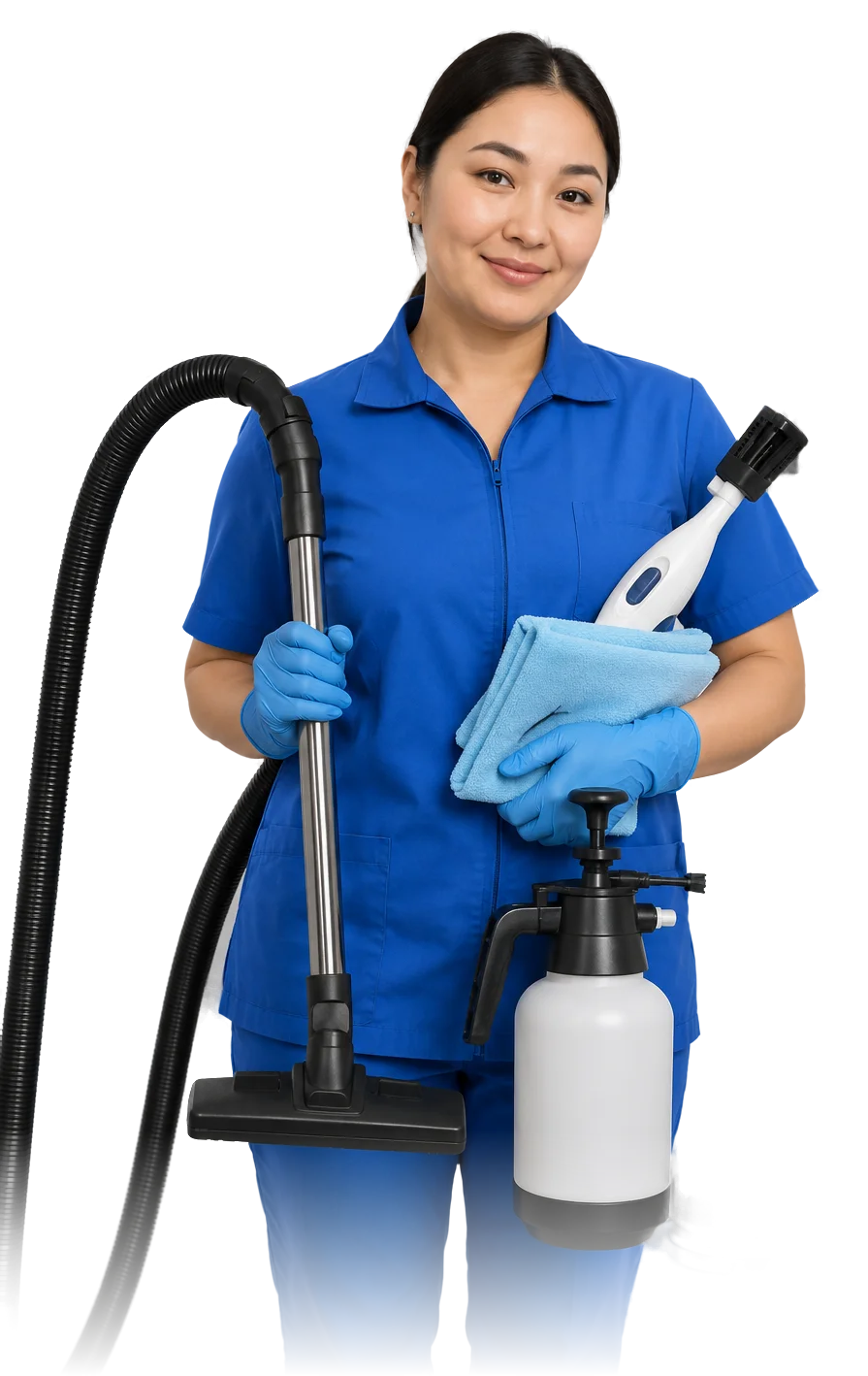
We work with any types and materials
Full room cleaning: changing linens, vacuuming carpets, wiping all surfaces, cleaning the bathroom.
from 18,000 ₸Enhanced comfort cleaning: furniture polishing, upholstery cleaning, window washing, and disinfection.
from 18,000 ₸Reception area cleaning: wet mopping floors, cleaning sofas, washing glass doors and display cases.
from 18,000 ₸Corridor cleaning: vacuuming carpets, wet mopping floors, wiping baseboards and doors.
from 16,000 ₸Post-event cleaning: vacuuming carpets, washing tables and chairs, disinfecting microphones and remote controls.
from 18,000 ₸Dining area cleaning: cleaning tables and chairs, wet mopping floors, disinfecting menus and bar counter.
from 21,500 ₸Kitchen cleaning: cleaning stoves, hoods, refrigerators, washing floors and walls, disinfecting work surfaces.
from 21,500 ₸Gym cleaning: cleaning exercise equipment, mats, wet mopping floors, disinfecting equipment.
from 18,000 ₸Restroom cleaning: cleaning toilets, sinks, mirrors, disinfection, washing floors and walls.
from 22,500 ₸Pool area cleaning: washing tiles, cleaning loungers, wet mopping floors, disinfecting handrails.
from 18,000 ₸Office cleaning: vacuuming carpets, wiping desks and office equipment, trash removal, window washing.
from 18,000 ₸Parking lot cleaning: sweeping, floor washing, trash removal, cleaning walls and columns.
from 12,500 ₸From inspection to result with guarantee
The technician inspects the room, determines the type of dirt (dust, grease, stains) and selects appropriate products and equipment.
We collect and sort trash by category: paper, plastic, glass. We take it out to special containers.
We vacuum carpets, upholstered furniture, curtains using Nilfisk HEPA vacuums. We remove dust from shelves and lamps.
We wipe all hard surfaces: tables, windowsills, doors, baseboards. We use microfiber and Kiehl products.
We disinfect toilets, sinks, showers. We polish mirrors and faucets. We use a Karcher steam cleaner.
We wash windows and mirrors with a special shine product. We use a microfiber mop and rubber squeegee.
We treat contact surfaces: switches, remotes, phones, door handles. We use Kiehl antiseptics.
We check the quality of cleaning according to the checklist: no streaks, no odors, cleanliness of all areas. We accept comments.
Kiehl (Germany) products are hypoallergenic and contain no harsh chemicals, so cleaning is safe for guests with allergies. They effectively remove any dirt without leaving streaks on surfaces. All formulas are biodegradable and approved for use in hotels.
Nilfisk vacuum cleaners with HEPA filters capture up to 99.97% of dust particles, including allergens and microorganisms. This is especially important for hotels requiring high hygiene standards. Nilfisk equipment is certified for professional use and features low noise levels.
Karcher steam cleaners heat steam to 140°C, destroying 99.9% of bacteria and viruses without chemicals. Ideal for cleaning bathrooms, kitchens, and contact surfaces. Steam penetrates hard-to-reach places, providing deep cleaning.
Our technicians have profi-clean certificates and at least 3 years of hotel experience. They know hotel cleaning standards: how to handle different surface types, how to clean a room quickly and efficiently. Each technician undergoes monthly training on new technologies.
We have insured our liability for 10 million tenge, so you are protected against accidental property damage. If a technician accidentally breaks a mirror or damages furniture, the insurance company will compensate for the loss. This is a standard for professional cleaning companies.
We guarantee the quality of cleaning: if you find any deficiencies within 24 hours, we will fix them for free. Our technicians are always available and ready to come back. The guarantee covers all types of services, including window washing and carpet cleaning.
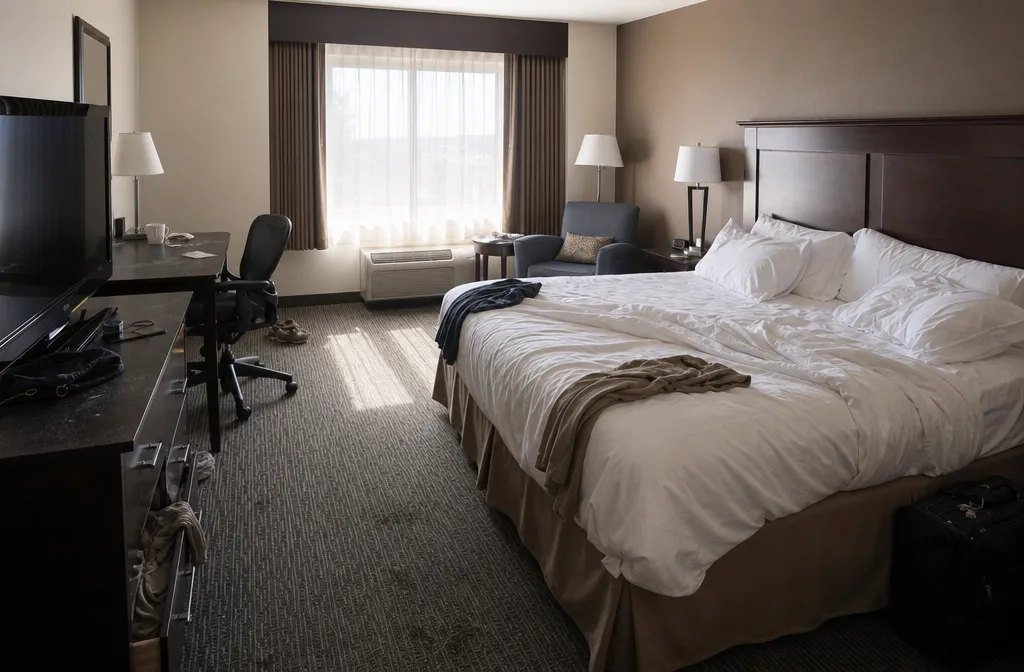
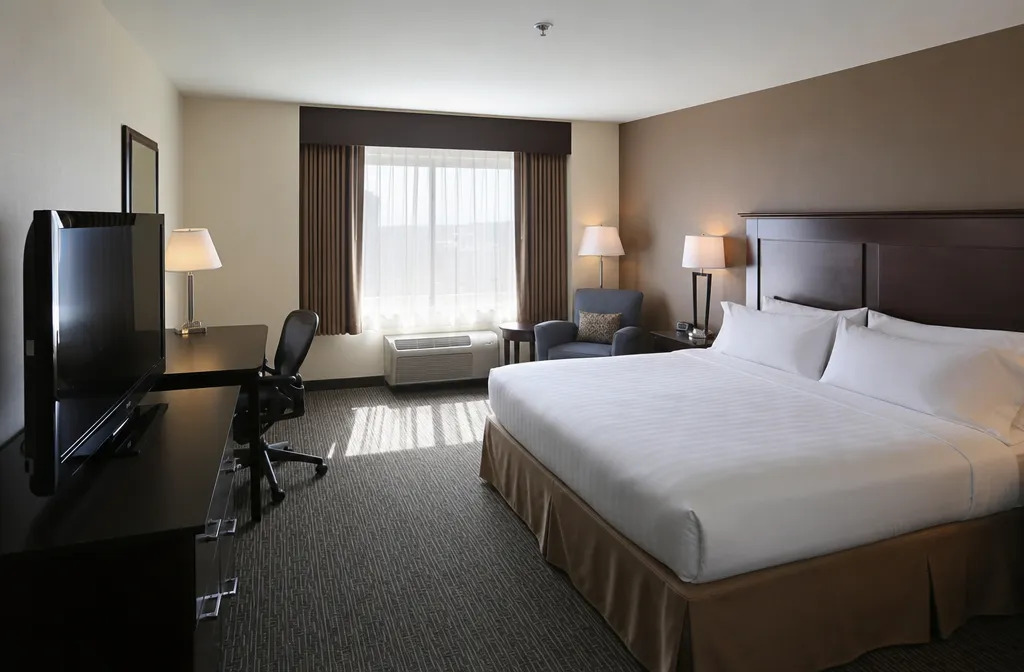 After
After
Request: A general cleaning of the room was required after guests checked out.
Done: Dry and wet cleaning of all surfaces, vacuuming carpets, washing windows were carried out.
Cost: 18 000 ₸
Master: Aigul Serikova, cleaning master
Total: The room is completely clean, fresh smell, linen changed.
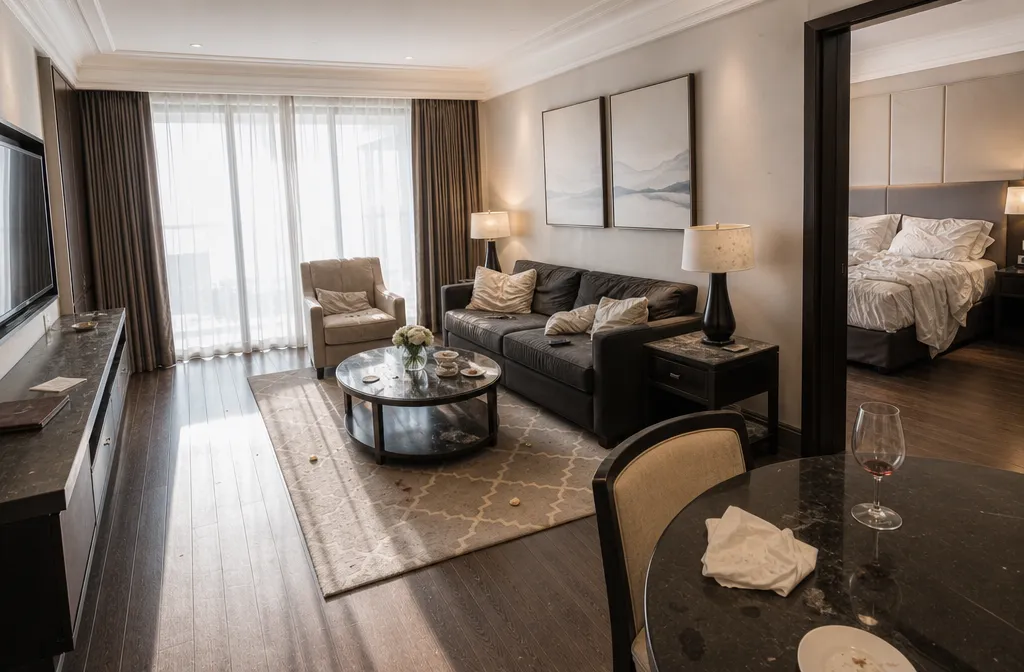
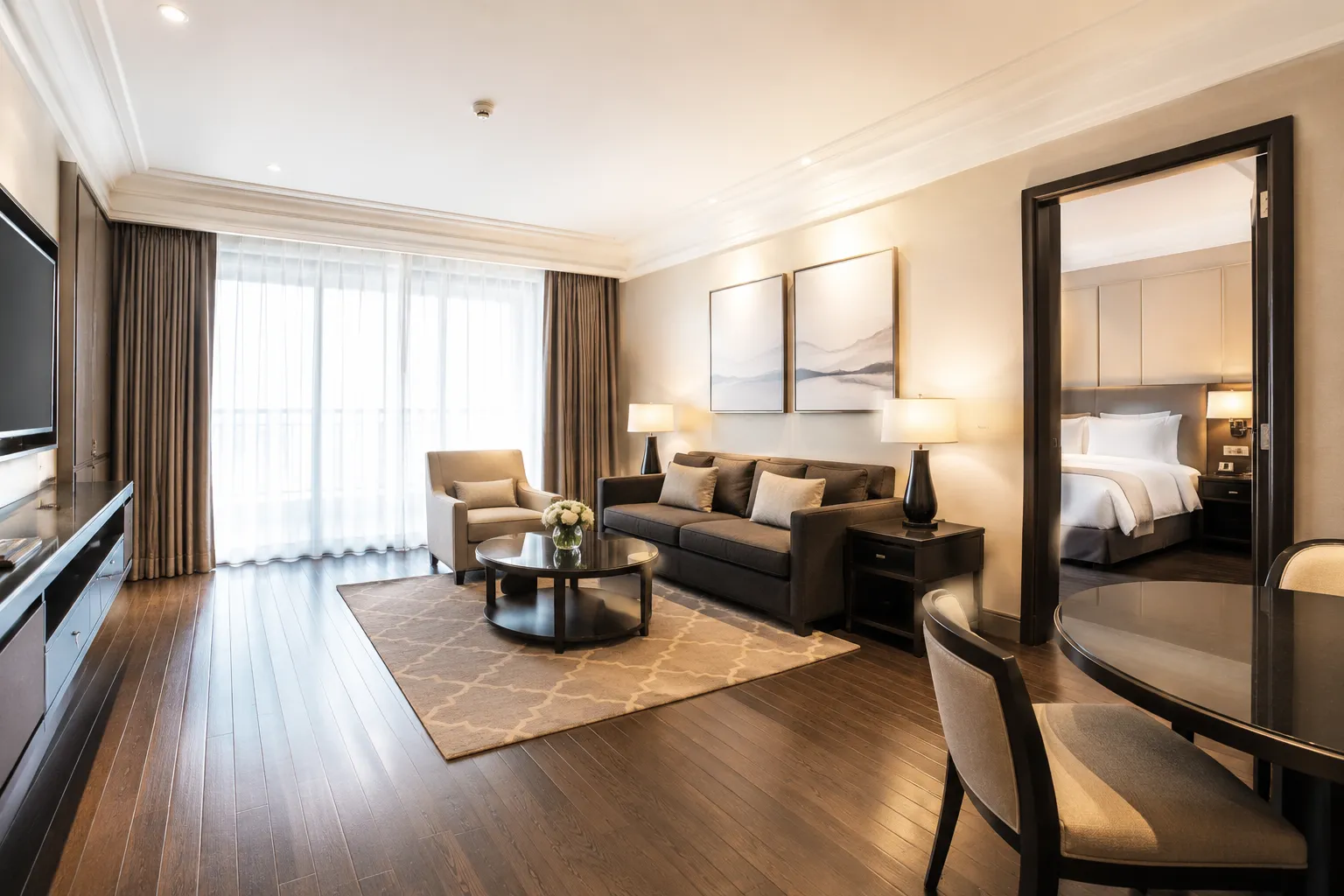 After
After
Request: The luxury suite required thorough cleaning before the VIP guest's arrival.
Done: Deep cleaning performed: upholstery cleaning, wood polishing, window washing.
Cost: 19 000 ₸
Master: Bakhytzhan Nurgaliyev, cleaning master
Total: The luxury suite shines with cleanliness, furniture dust-free, windows transparent.
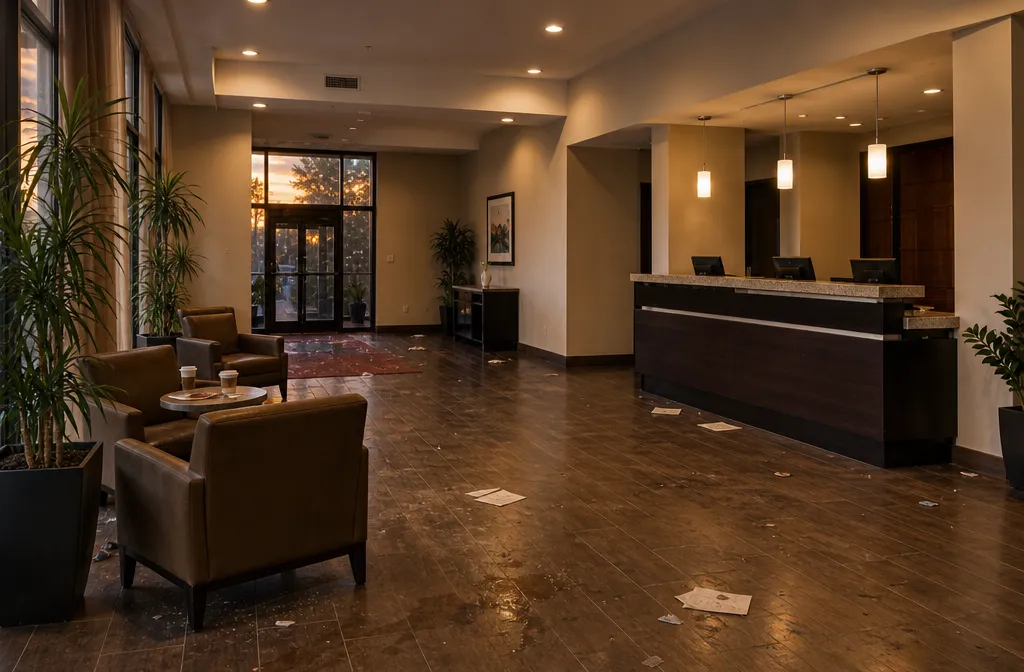
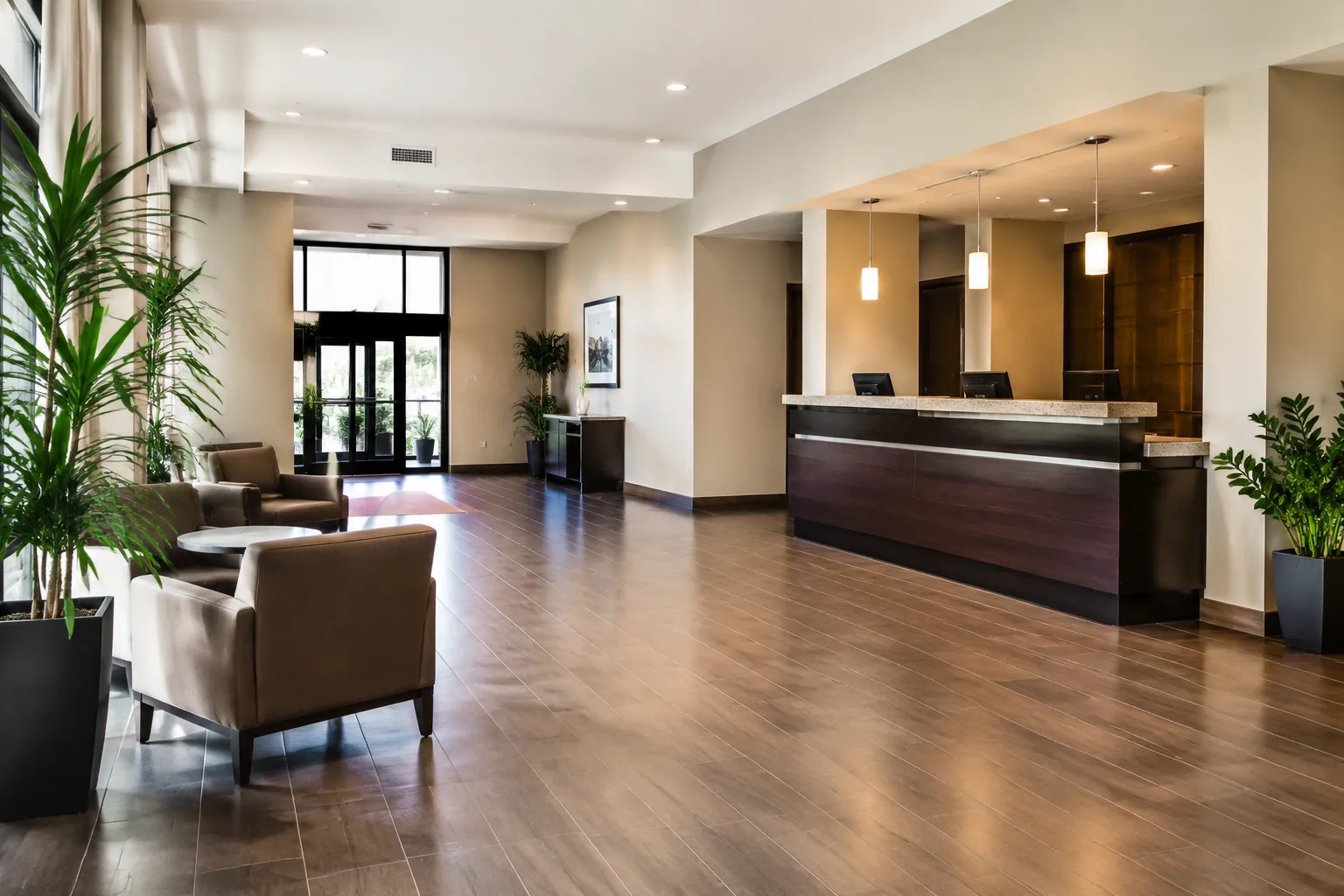 After
After
Request: The hotel lobby needed cleaning after an evening event.
Done: Floor cleaning, sofa cleaning, glass door washing were carried out.
Cost: 20 000 ₸
Master: Daniyar Sagintayev, cleaning master
Total: The lobby sparkles, sofas stain-free, floor clean.
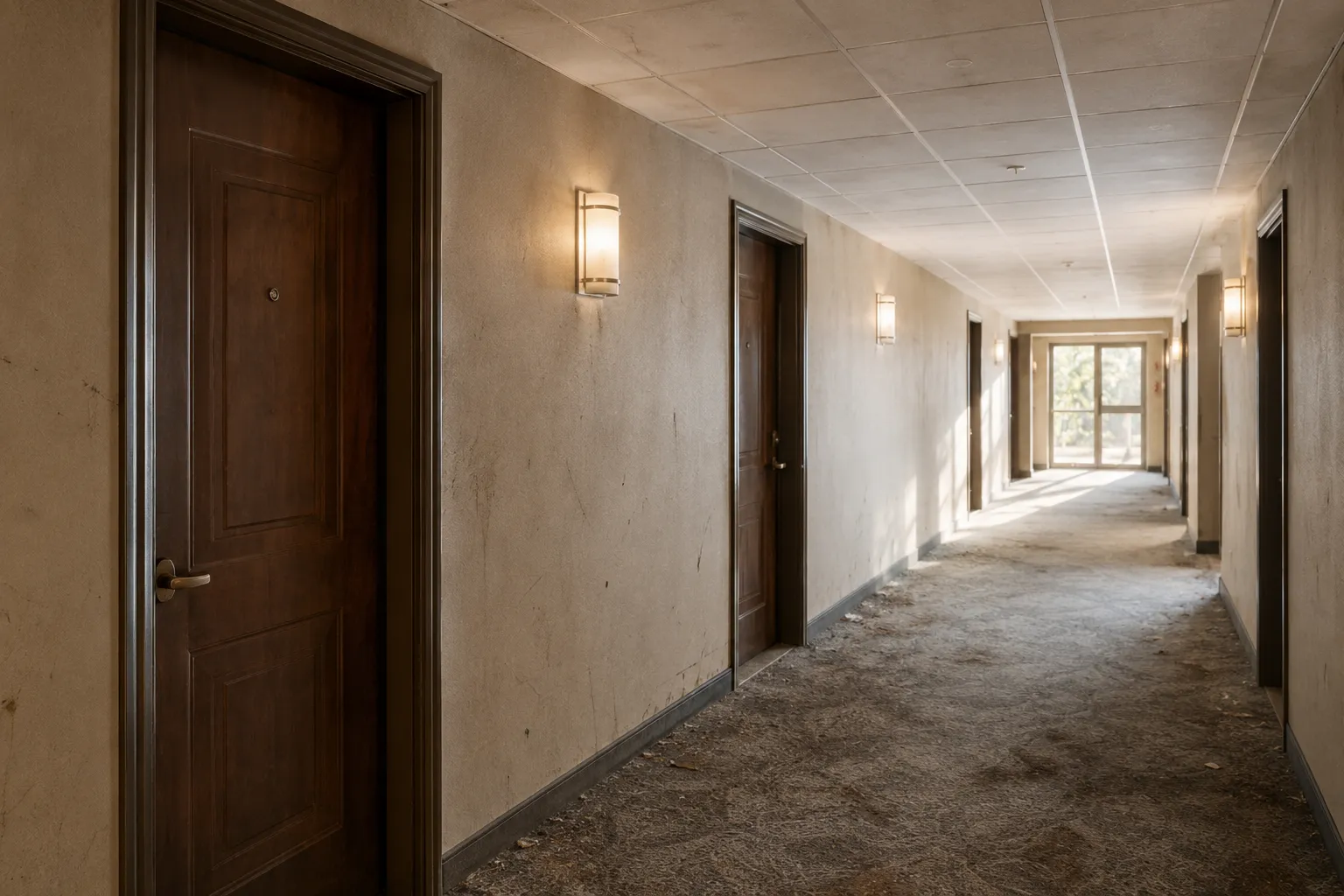
 After
After
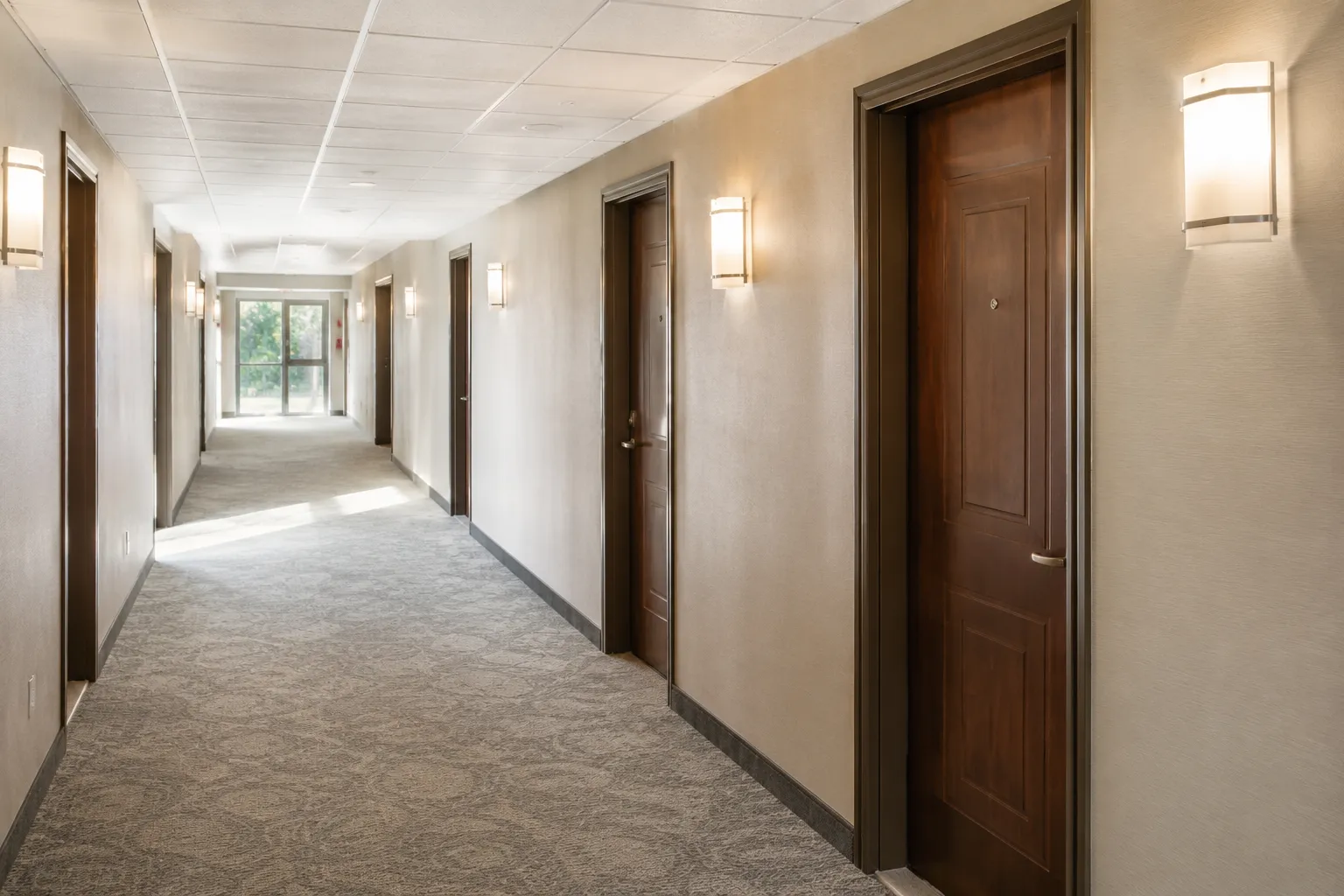
Request: The corridor required cleaning after renovation of neighboring rooms.
Done: Removal of construction dust, mopping floors, cleaning the carpet runner.
Cost: 21 000 ₸
Master: Aliya Kassymova, cleaning master
Total: The corridor is clean, dust-free, carpet fresh.
 After
After
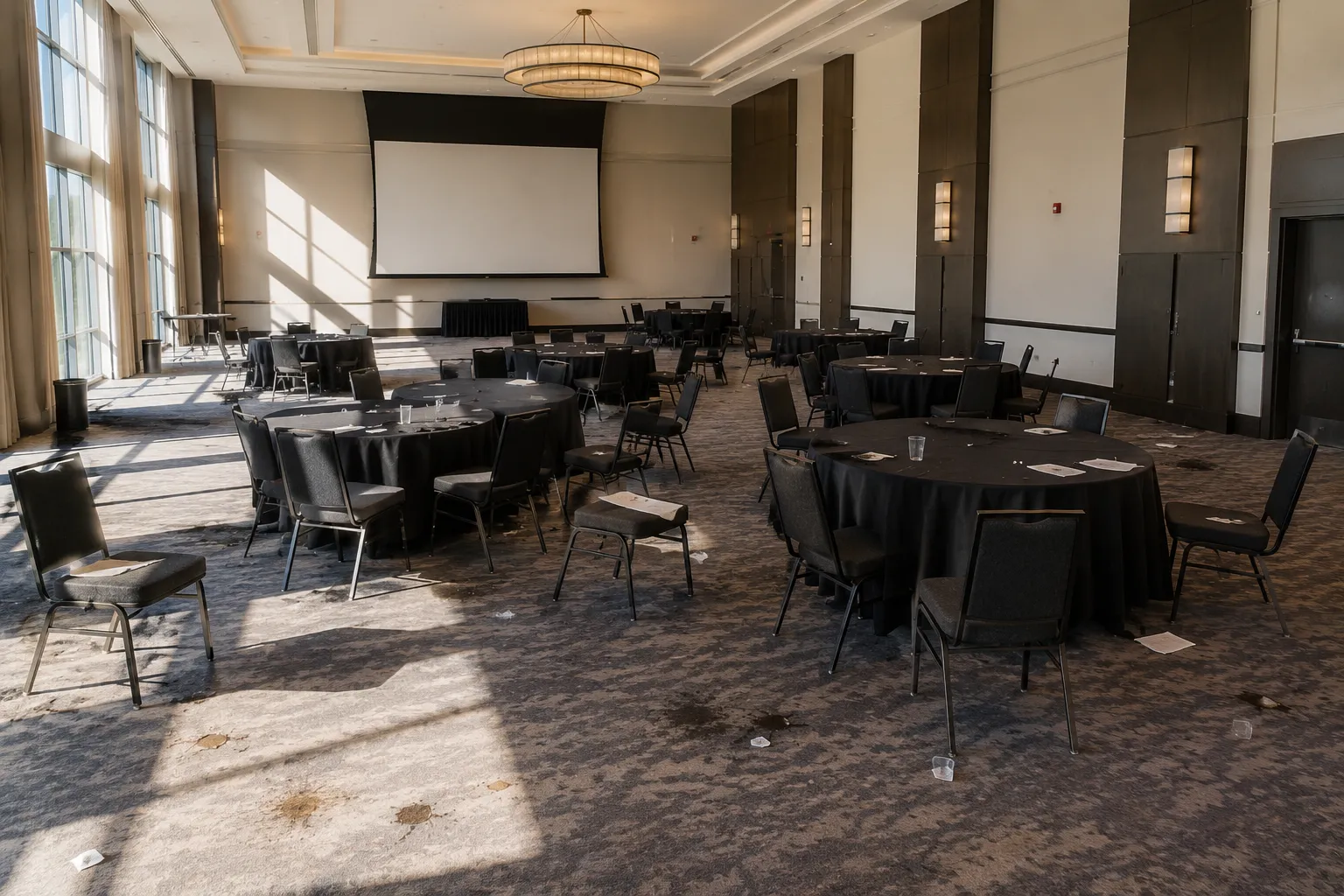
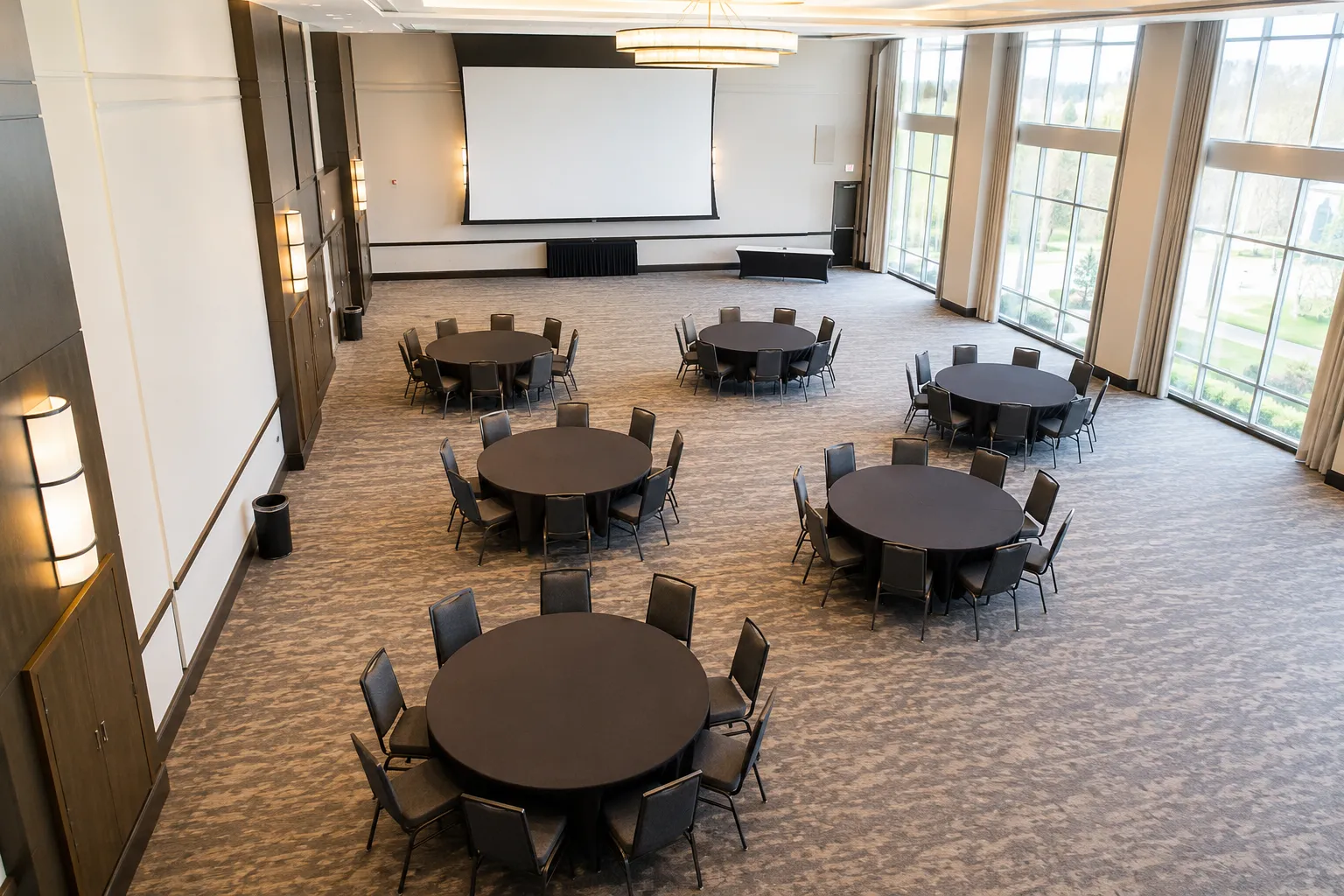
Request: The conference room needed to be prepared for a business event.
Done: Floor, table, and chair cleaning, carpet cleaning, window washing.
Cost: 18 000 ₸
Master: Yerzhan Mukhamedzhanov, cleaning master
Total: The hall is ready to receive guests, everything is clean and tidy.
 After
After
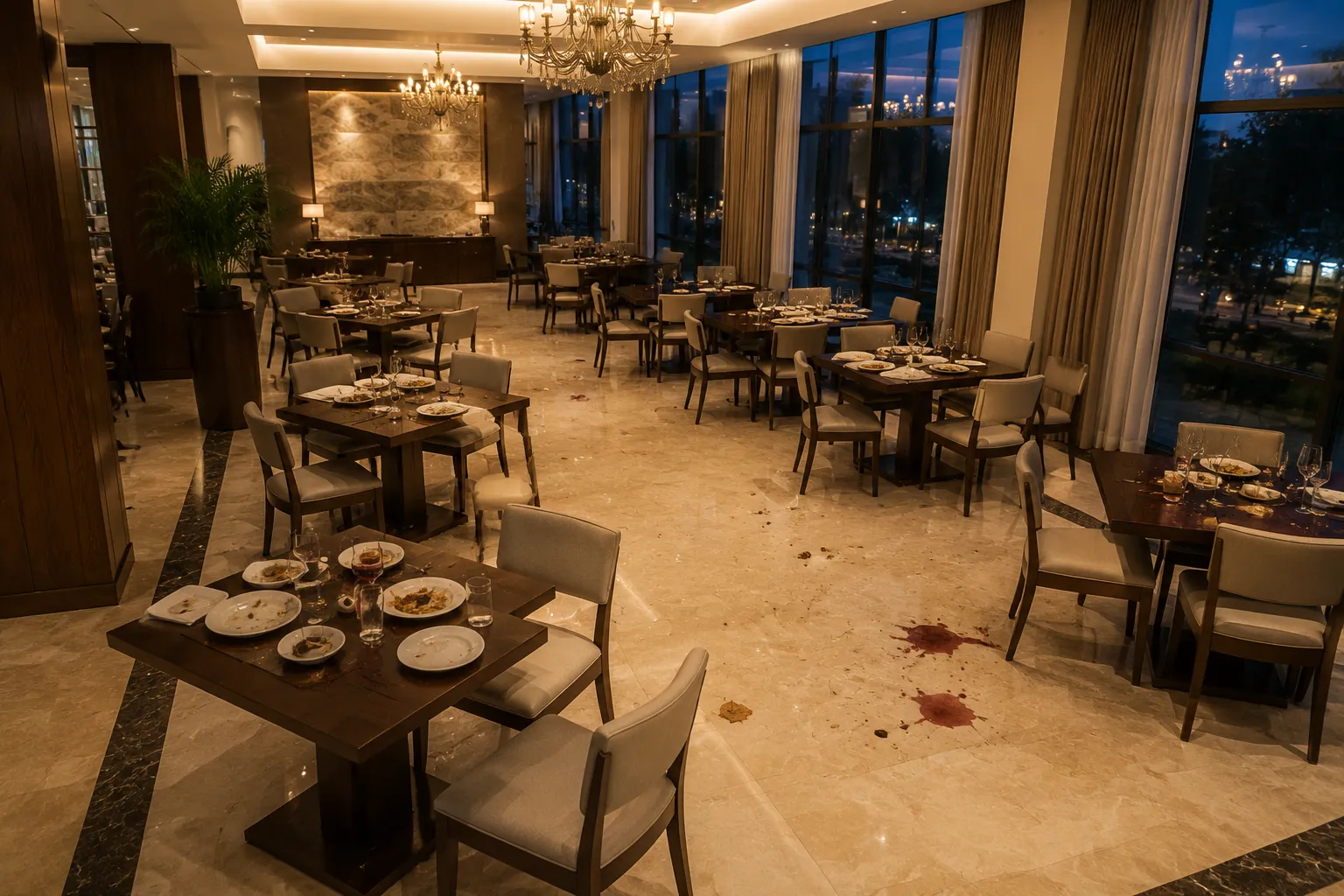
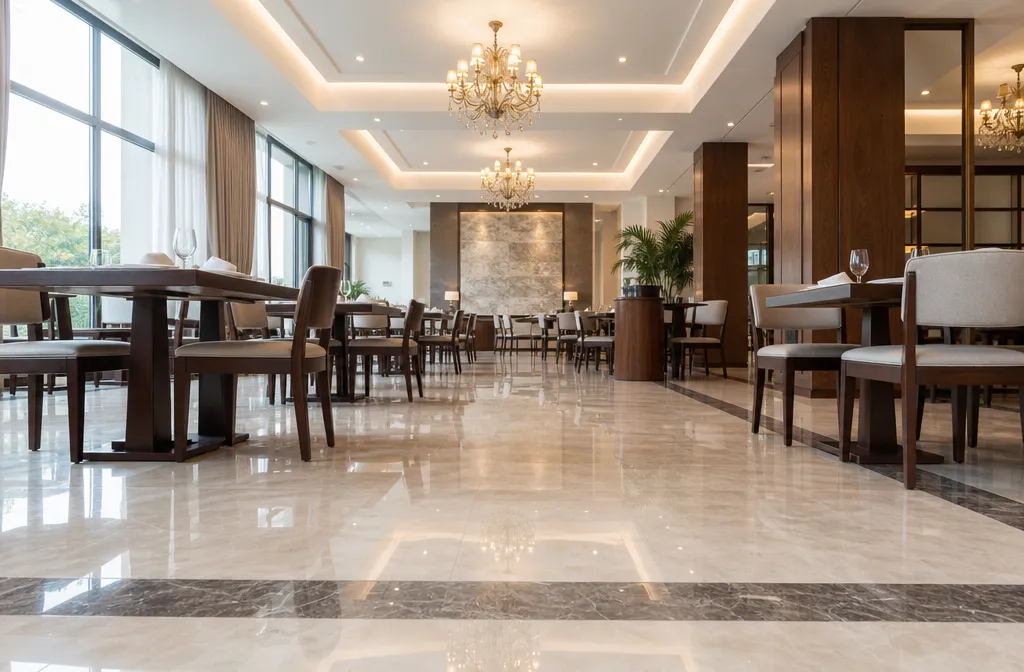
Request: The restaurant required cleaning after dinner, including carpet cleaning.
Done: Vacuuming carpets, mopping floors, cleaning tables and chairs, polishing.
Cost: 20 000 ₸
Master: Gulmira Akhmetova, cleaning master
Total: The restaurant shines, carpets are stain-free, tables are polished.
 After
After
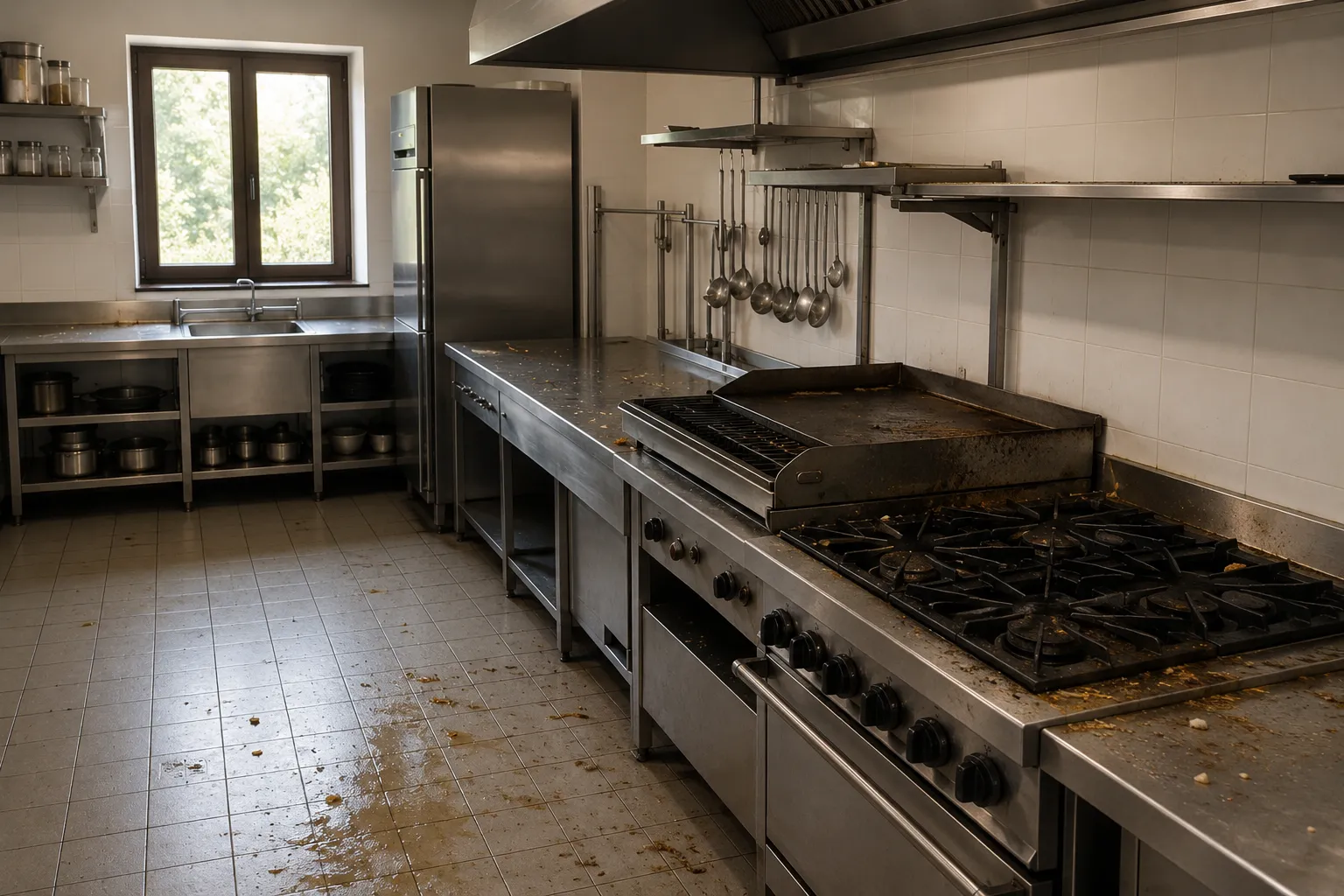
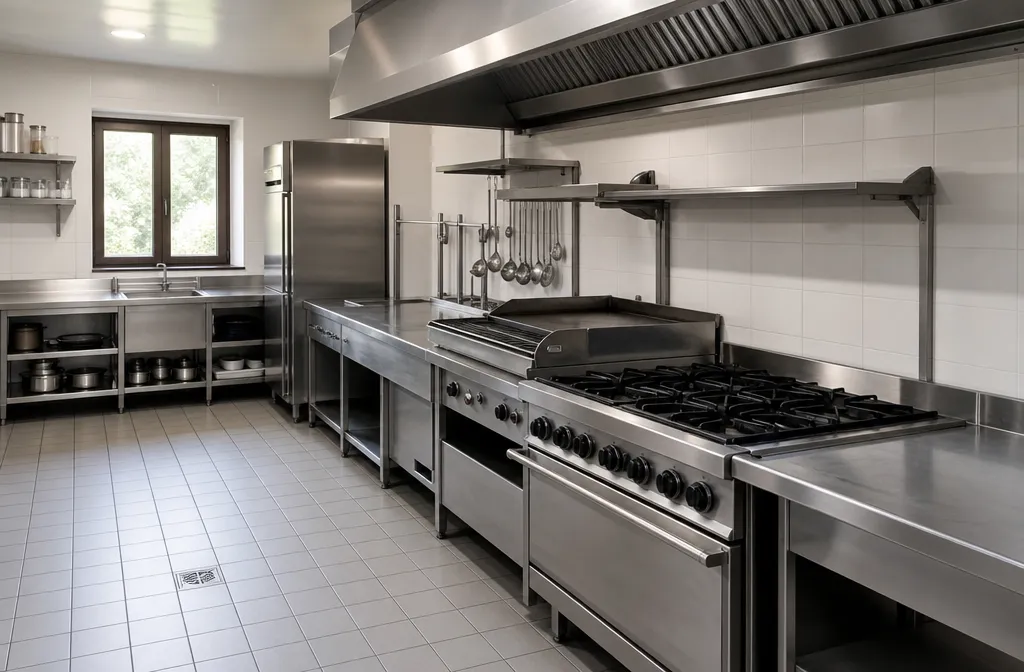
Request: The hotel kitchen needed deep cleaning after an intense shift.
Done: Degreasing stoves and hoods, washing floors and walls, disinfection.
Cost: 21 000 ₸
Master: Nurzhan Iskakov, cleaning master
Total: The kitchen is impeccably clean, grease removed, surfaces sterile.
 After
After
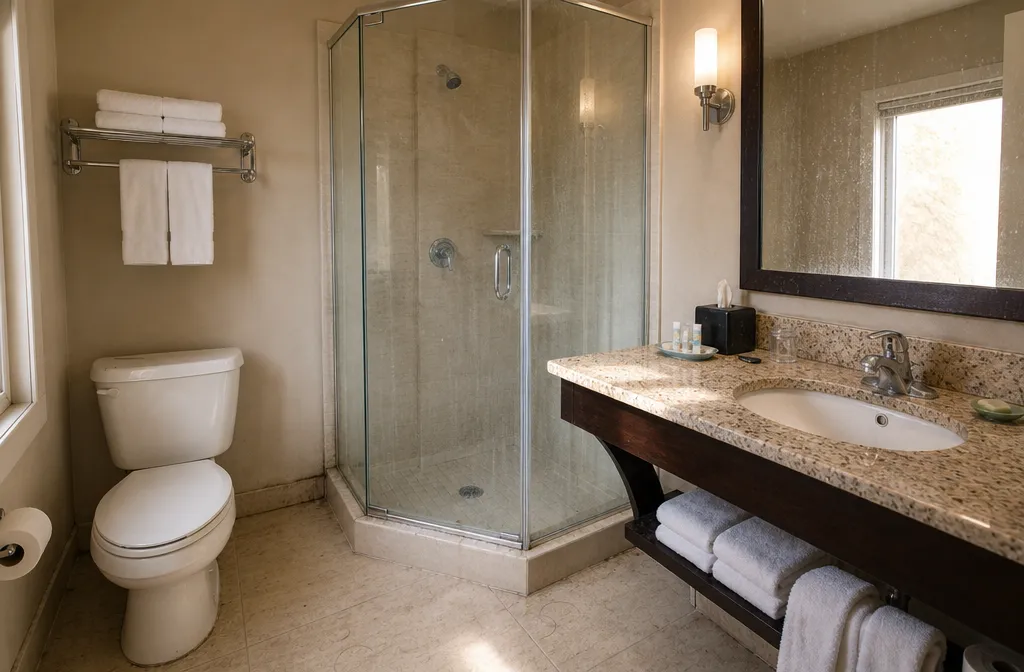
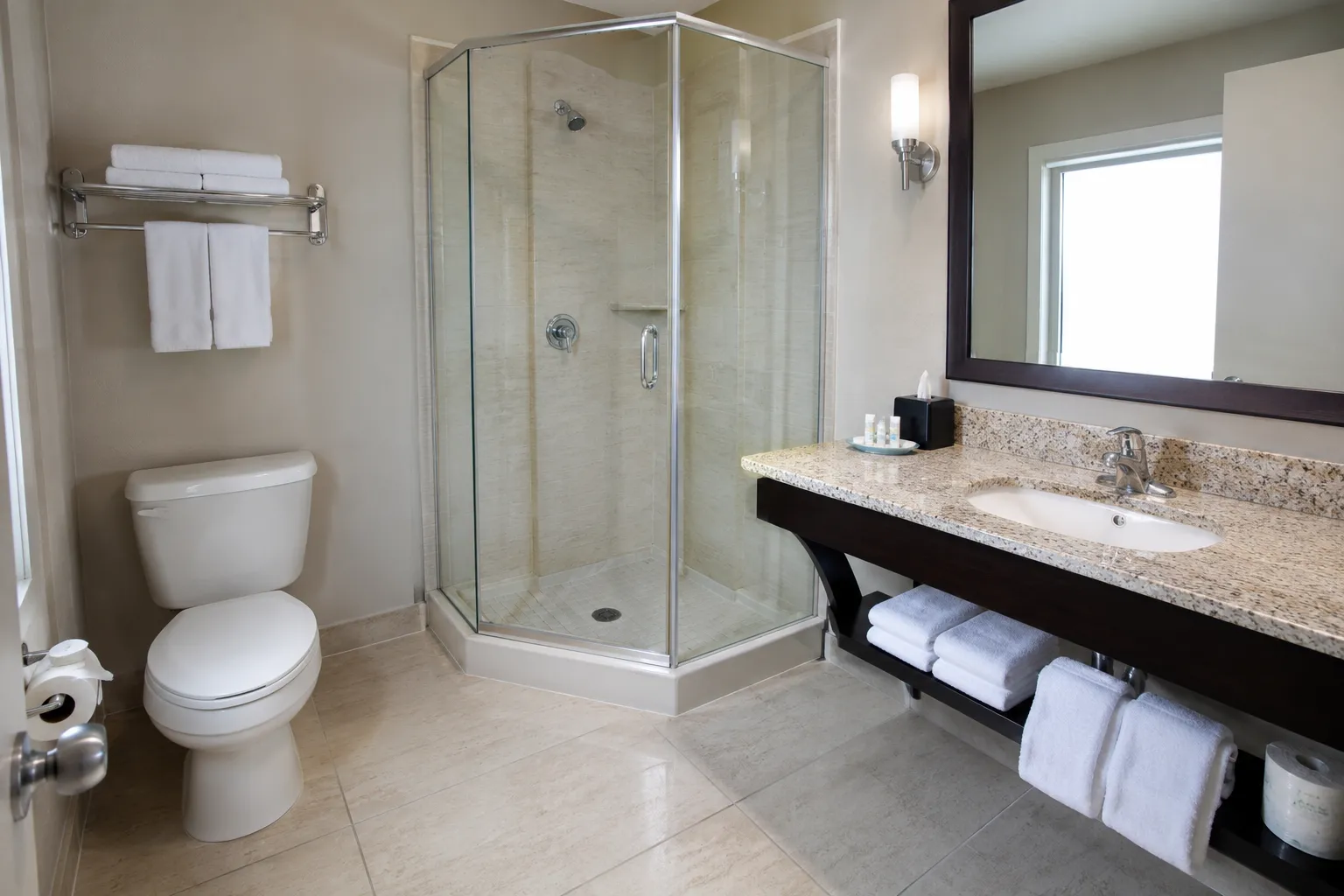
Request: The hotel bathroom required mold and limescale removal.
Done: Cleaning tiles, fixtures, mirrors, mold removal, polishing.
Cost: 20 000 ₸
Master: Saule Zhumabayeva, cleaning master
Total: The bathroom sparkles, mold removed, fixtures like new.
 After
After
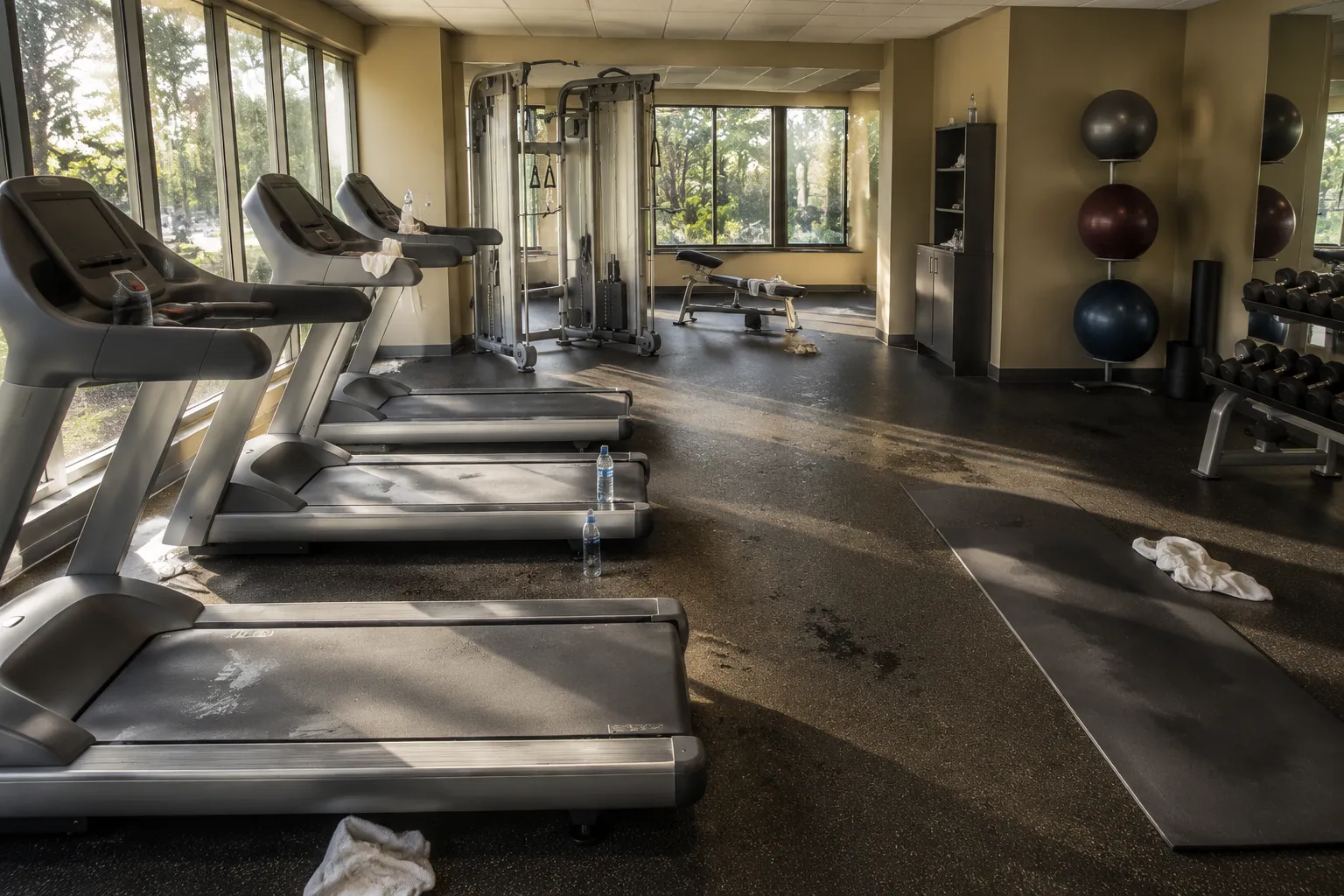
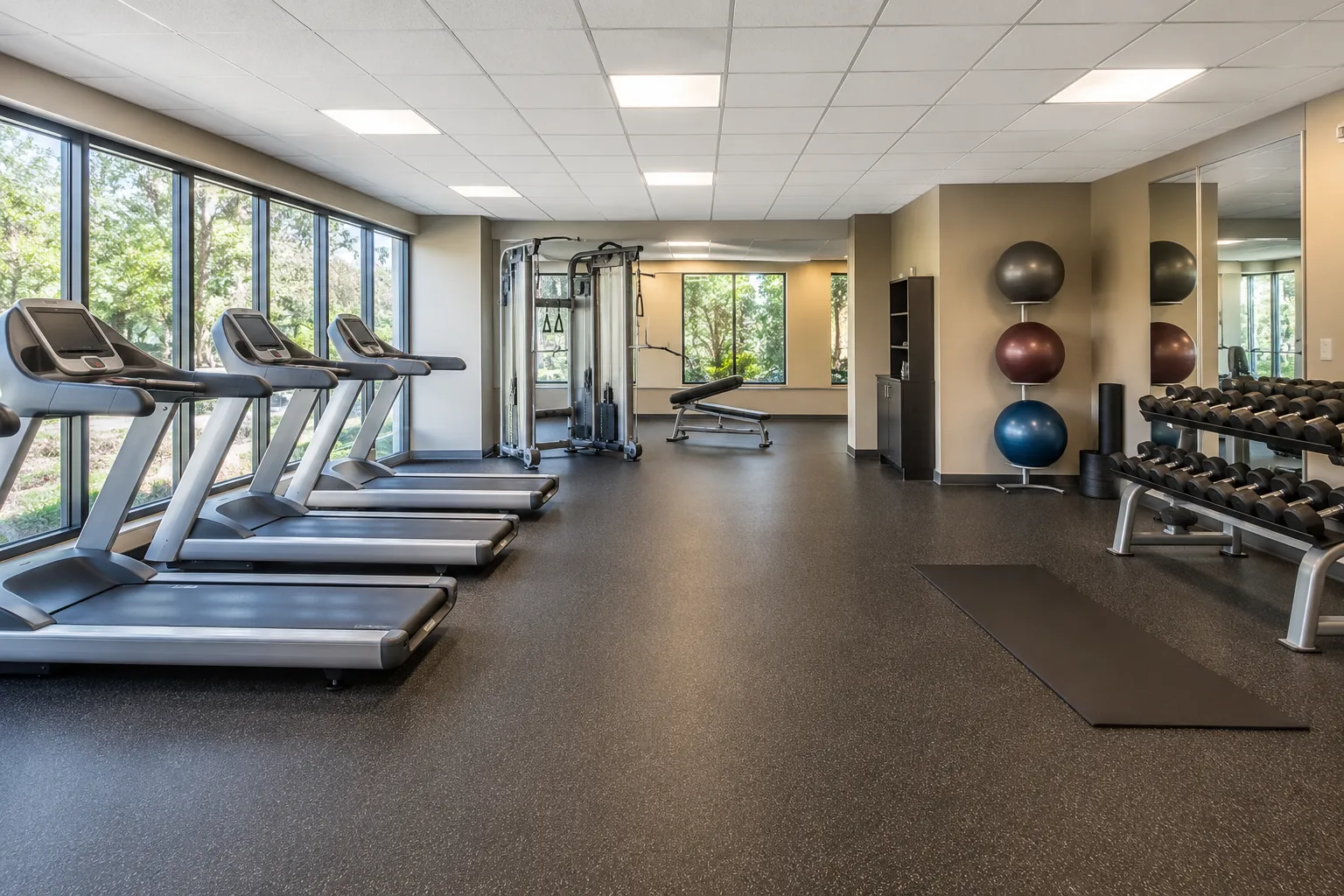
Request: The gym required cleaning after an intense day.
Done: Floor cleaning, equipment cleaning, mat disinfection.
Cost: 20 000 ₸
Master: Ruslan Abdrakhmanov, cleaning master
Total: The gym is clean, equipment dust-free, floor spotless.
 After
After
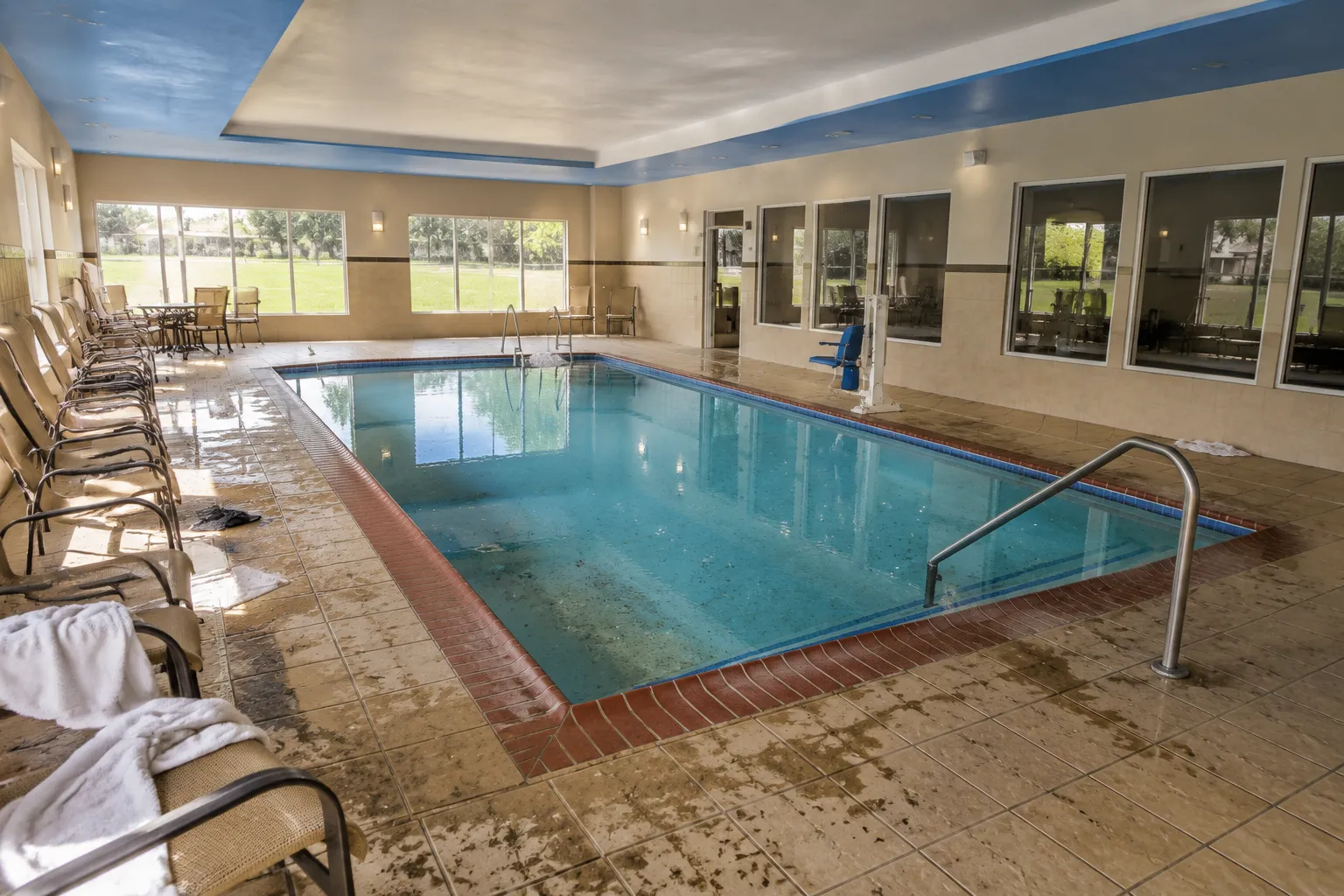
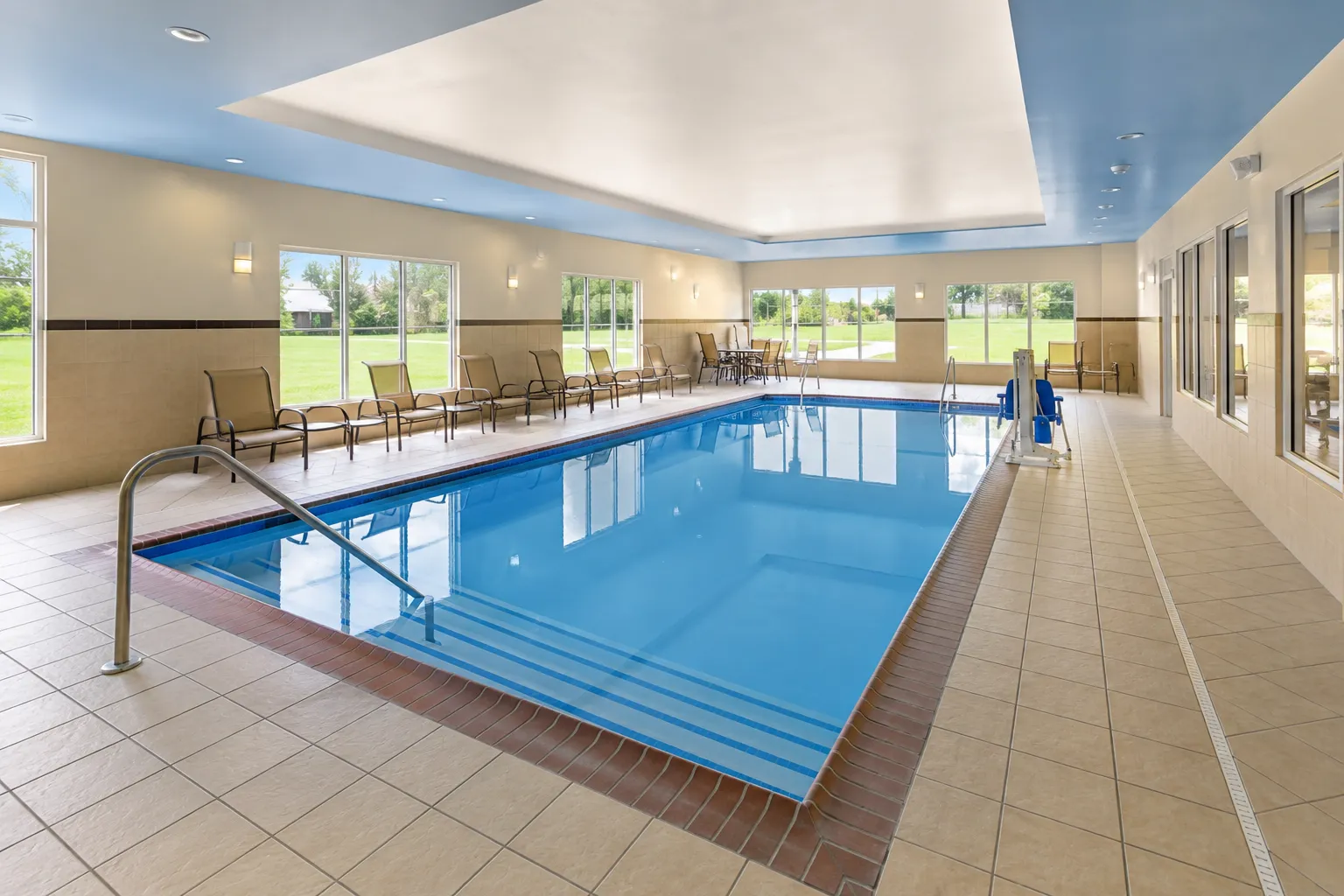
Request: The pool area needed cleaning after the season closure.
Done: Tile cleaning, lounger washing, surface deposit removal.
Cost: 19 000 ₸
Master: Aizhan Sadvakasova, cleaning master
Total: The pool and lounge area are impeccably clean.
All cleaners are profi-clean staff with training, uniform and security check. Each order has a team leader who controls quality.
The result of hotel cleaning directly depends on how thoroughly the room is prepared before the team arrives. At profi-clean, over 8 years we have developed a checklist for hotel administrators — it reduces cleaning time by 25–30% and prevents damage to guests’ belongings.
Preparing upholstered furniture and carpets before dry cleaning is a step that is often skipped, but it shouldn’t be. Without it, even professional cleaning won’t completely remove old stains. Here’s what needs to be done.
The bathroom is the area with the highest concentration of dirt in a hotel room. Our profi-clean statistics show that 40% of complaints from hotels are related to the quality of bathroom cleaning. Preparation helps avoid these issues.
For a profi-clean cleaner to treat every surface thoroughly, the hotel administrator must ensure free access to all areas of the room. Here is what is done for this.
Even experienced hotel administrators in Almaty sometimes make mistakes when preparing a room for cleaning. Let’s look at the most frequent ones and their impact on the result.
The main difference between hotel cleaning and apartment cleaning lies in the scale, standards, and time allocated for each object. At profi-clean, we work with rooms where every minute of downtime costs the hotel money, and cleanliness standards are regulated by the SanPiN of the Republic of Kazakhstan and internal network protocols.
Hotels in Almaty are subject to strict requirements — SanPiN “Sanitary and epidemiological requirements for accommodation facilities” (order of the Ministry of National Economy of the Republic of Kazakhstan). They mandate mandatory disinfection of all surfaces after each guest, changing bed linen according to the “one guest — one set” standard, and treating bathrooms strictly according to the “clean and dirty” regime. In an apartment, there are no such standards: the owner decides when to change the linen and what products to use for floor cleaning. At profi-clean, for each hotel order, we create a checklist with control points — checking the disinfectant concentration, measuring residual chlorine on the sink, visual inspection with ultraviolet light to identify biological contaminants. These procedures are excessive for apartment cleaning, but in a hotel, their absence leads to fines from Rospotrebnadzor (analogous to the SES) and loss of star rating.
Time to clean a standard room (20-25 m²) in our practice is 30-40 minutes for current cleaning and up to 2 hours for deep cleaning after a guest checks out. For an apartment of a similar area, we allocate 1.5-2 hours for maintenance cleaning and 4-6 hours for deep cleaning. The difference in speed is achieved through a well-established route: a profi-clean cleaner enters the room with a cart containing clean towels, linens, mini-cosmetics, and disposable slippers, and moves clockwise — from the entrance through the sleeping area to the bathroom, without backtracking. In an apartment, such a rigid conveyor system is impossible due to personal belongings, pets, and non-standard layouts. In my opinion, a typical mistake of mini-hotel owners is demanding apartment-cleaning speed from cleaners in rooms, which leads to missed corners and streaks on mirrors.
In hotels, we use professional Nilfisk floor scrubbers with HEPA filtration and Karcher steam cleaners heated to 140°C — such equipment is excessive and bulky for apartments. The chemicals also differ: for hotels, we use a three-component system “cleaner-disinfectant-neutralizer” from Kiehl, which kills 99.9% of bacteria in 60 seconds and leaves no film on surfaces. In apartments, the hypoallergenic Sodasan series with plant-based surfactants is sufficient. Moreover, in Almaty hotels, we often encounter limescale from hard water (according to “Almaty Su,” the water hardness level in the city is 7-8 mg-eq/l), so for hotel bathrooms, we add monthly acid-based treatment to the protocol — this procedure is not done in apartments, leading to faucet breakdowns after 2-3 years.
Hotel cleaning in Almaty involves working with variable occupancy: during peak season (May-September and New Year), the number of rooms to clean increases 2-3 times, and we need to process 15-20 rooms in 4-5 hours without losing quality. For this, profi-clean has formed a “fast team” — three cleaners with a refined algorithm where one cleans the bathroom, the second changes linens, and the third vacuums and wipes mirrors. In an apartment, such a conveyor scheme is unnecessary, but guest house owners often try to apply it by hiring one cleaner for 10 rooms — the result: streaks on glass, dust on curtain rods, and forgotten trash under the bed.
Hotel contaminants differ from household ones — they accumulate faster, have a mixed nature, and require professional removal methods rather than household chemicals. We have broken down the five most common types and ways to eliminate them.
In Almaty hotels, up to 70% of removed stains come from drinks and cosmetics left by guests. Coffee penetrates the fibers of terry robes and bed linens within minutes; wine leaves tannin marks that set upon contact with oxygen. For removal, we use oxygen bleaches based on sodium percarbonate — they work at 40–60°C and do not destroy fabric structure, unlike chlorine. Blood is soaked only in cold water (protein coagulates when heated above 37°C) with enzyme stain removers that break down organics. Traces of foundation and mascara require pre-treatment with a silicone-based solvent — regular powder won’t remove them. Before loading into the machine, each stain is marked with chalk by color according to the type of contamination to avoid mixing up the temperature regime.
Stale grease on hoods, stoves, and surrounding walls is the most labor-intensive area in hotel cleaning, especially in Almaty hotels with their own kitchen. Regular alkaline agents (pH 11–12) soften grease but drip off vertical surfaces before they can work. We apply a gel alkaline concentrate with a thickener — it stays on the tile for up to 15 minutes, during which it hydrolyzes even layered carbon deposits. On stainless steel, a neutralizer (pH 6–7) must follow the alkali, otherwise, reagent residues cause corrosion and matte spots — a common mistake of inexperienced cleaners. On hoods that haven’t been cleaned for years, grease polymerizes into a film, which must be removed mechanically with a scraper and then washed with a solvent — without this, grease clogs the ventilation and creates a fire hazard.
Tap water in Almaty has medium hardness (5–7 mg-eq/l), so visible limescale forms on faucets, showerheads, and glass partitions within a week. We use acidic products based on sulfamic or citric acid — they dissolve calcium carbonate without damaging chrome, unlike hydrochloric acid which burns the coating. Soap scum on shower trays and tiles is only removed with at least 5 minutes of acid contact — quick rinsing leaves a matte layer. Toilets with old uric scale require applying a thick acidic paste overnight — by morning, the deposit flakes off mechanically without abrasives. An important nuance: after any acidic treatment, we rinse surfaces with a neutralizing solution; otherwise, acid residues react with cleaning agents used by room attendants and cause streaks.
Hotel carpets accumulate up to 4–5 kg of dust per 100 m² over a season — this includes skin particles, outdoor dirt, food debris, and dust mites. A HEPA H13-class vacuum captures 99.97% of particles down to 0.3 microns, but deep cleaning of carpets and sofas requires extraction washing: water with a hypoallergenic shampoo (Kiehl) is injected under pressure into the pile and immediately suctioned out with dissolved dirt. Odors — tobacco smoke, mold, sweat — are absorbed into furniture foam and carpet latex. We remove them by ozonating the empty room: ozone (O₃) oxidizes odor molecules into harmless compounds, but after treatment, ventilation for 30–40 minutes is mandatory, as ozone is toxic when inhaled. For biological odors (urine, vomit), we use enzyme neutralizers — bacterial enzymes break down protein into water and carbon dioxide, eliminating the cause rather than masking it with a fragrance.
Hotels in Almaty periodically encounter non-standard stains — from stickers on furniture to wax from decorative candles and dried plasticine in children’s rooms. Glue from price tags and tape is removed with orange solvent (d-limonene) — it is safe for lacquered surfaces, unlike acetone which leaves white marks. Wax is first frozen with an ice pack — in its brittle state, it crumbles without being rubbed deeper into fabric or carpet. Chewing gum hardens the same way, and residual oil stains from it are removed with a solvent-based stain remover. Plasticine on carpets is removed with an iron through a paper towel — at 100°C, the oil base melts and is absorbed into the paper. After mechanical removal, we always treat the area with a steam generator at 150°C — this kills bacteria and smoothes the pile, which looks unnatural after hardening.
The frequency of cleaning in a hotel depends not on the calendar, but on room occupancy, traffic in areas, and the type of dirt — at profi-clean, we select a rhythm for each task to ensure even coverage and minimal wear on surfaces.
With current occupancy above 60%, the room inventory requires daily surface cleaning: changing bed linens, damp wiping all horizontal surfaces, treating the bathroom with disinfectant, vacuuming with a HEPA filter, and replenishing consumables (shampoo, paper, tea). During peak season (July–August, New Year), our norm in Almaty is 25–35 minutes per standard room, and every third morning we change not only linens but also towels upon guest request — this reduces water and chemical usage by 15–20%. Our experience shows that daily cleaning with a fixed checklist (12–15 touchpoints) reduces cleanliness complaints by 2.5 times compared to “on-demand” cleaning, so in contracts with hotels, we always include a daily minimum.
Guests staying longer than 5–7 days accumulate dirt that daily wiping cannot remove: grease in the kitchen area, dust behind furniture, streaks on glass, greasy stains on the carpet. We recommend a deep clean of each room every 30 days or immediately after a guest who has stayed more than a week checks out. This cycle includes washing windows on both sides, treating mattresses with a steam cleaner, washing all textile elements (pillows, bedspreads, curtains), and cleaning tile joints and baseboards with a brush. In Almaty hotels with high humidity (Medeu, Gorny Gigant areas), we enhance antifungal treatment of bathrooms — monthly deep cleaning here is mandatory, otherwise mold on silicone seams appears within three months. Our technicians have measured: without monthly deep cleaning, carpet wear accelerates by 40% over six months.
The lobby, reception, elevator halls, and staircases are the highest-traffic zones: 200 to 700 people pass through them daily. Here we apply cyclical cleaning at intervals of 2–4 hours depending on hotel occupancy. During peak hours (check-ins 12:00–15:00, check-outs 10:00–12:00) — every 2 hours: wet wiping of counters, mirrors, handrails, trash collection, and treating elevator buttons with antiseptic. In the off-season or on weekdays — every 4 hours, but with mandatory wet mopping of the lobby floor twice per shift. For carpeted areas (floor corridors), we use dry cleaning with a rotary machine once a week and extraction (deep) cleaning once a quarter. In Almaty hotels with a “smart home” system and motion sensors, we set the schedule automatically: if the sensor shows traffic above 50 people per hour, the system assigns an unscheduled cleaning task — this saves up to 25% on chemicals compared to a fixed interval.
Twice a year — in April and October — we conduct a total inspection of the entire building: washing the facade and windows from the outside (for buildings up to 9 floors, we use industrial climbing), dry cleaning all upholstered chairs and sofas in the lobby, treating ventilation grilles, cleaning kitchen hoods (for hotels with a restaurant), and washing air conditioning systems. In Almaty, the spring cycle is especially important due to dust storms and poplar blooming — fluff clogs air conditioners and ventilation, and without seasonal cleaning, the cooling system loses up to 30% of its power by June. The autumn deep cleaning prepares the hotel for winter: we treat carpets with a water-repellent compound (less reagents from shoes are absorbed), replace filters in HEPA vacuums, and check window sealing. Our clients among hotels in central Almaty who skipped the autumn cycle experienced ice on windows in winter due to gaps — after seasonal sealing, heat loss decreases by 12–15%, which pays for the cleaning cost within one heating season.
If a hotel rents out conference halls, banquet halls, or meeting rooms, cleaning after each event must be immediate — within a maximum of 2 hours after the end, otherwise coffee, wine, or food stains set into the carpet and furniture. For catering areas, we use a two-phase protocol: first, collecting large trash and wiping tables with disinfectant (10–15 minutes), then after 30 minutes — wet mopping the floor and deep cleaning carpet stains with an extractor. In Almaty hotels with regular business breakfasts and corporate events, we recommend having a separate set of equipment for banquet areas — this prevents the transfer of odors and bacteria to guest rooms. Our practical tip: immediately after an event, pour cold water (not hot — hot water sets the protein) over spilled coffee and cover the stain with a dry cloth for 5 minutes — this increases the chance of complete removal to 90% without expensive carpet dry cleaning.
The choice of chemicals in hotel cleaning is not just about cleanliness but also health: allergy sufferers, children, and asthmatics spend hours in rooms, and cleaners work with the compounds daily. At profi-clean, we use only hypoallergenic chemicals (Kiehl, Sodasan), which are certified to EU Ecolabel standards and contain no chlorine, phosphates, or aggressive surfactants. Let’s break down how this differs from household chemicals and how it affects safety.
Standard supermarket products (Domestos, Cif, Mr. Proper) contain chlorine, ammonia, and non-ionic surfactants that settle on surfaces and in the air as they evaporate. In a closed hotel room, the concentration of such substances after wet cleaning remains 2–3 times above the safe threshold for 4–6 hours — this is confirmed by RIVM (Netherlands) studies on indoor air quality. For a guest with allergies or bronchial asthma, this is a direct trigger: coughing, mucous membrane irritation, headaches. For staff with daily contact without a respirator, occupational dermatitis develops (according to WHO data — up to 15% of hotel cleaners suffer from skin reactions). In practice, we switched to professional eco-friendly chemicals precisely after complaints from cleaners about dry hands and a sore throat — replacing the products solved the problem within two weeks.
Household products mask odors with fragrances (lemon, aloe, sea breeze) — an hour after cleaning, the room smells of synthetics, not cleanliness. Professional eco-friendly chemicals (Kiehl Neutralreiniger, Sodasan Allzweckreiniger) work differently: they neutralize odors at the molecular level without leaving their own scent. After such cleaning, the room smells only of freshness — damp air without chemical notes. This is critical for hotels with a ventilation system, where smells from one room can drift into the corridor and neighboring rooms. Our clients from hotels in central Almaty (on Abay Avenue and Gogol Street) note that after switching to Kiehl, the number of complaints about “chemical smell” in rooms dropped from 3–4 per week to zero. At the same time, the durability of cleanliness is higher: without the oily film from household chemicals, dust settles more slowly, and the surface remains visually clean longer. Before the first order of professional cleaning, it is worth checking with the contractor which certificates for the products they provide — this is the only way to verify that the chemicals are truly safe, and not just labeled as “eco.”
Ordered hotel cleaning for 15 rooms — everything was washed perfectly, linen changed, fresh smell.
Thank you, Aigerim! Glad you are satisfied.
Carpets in the lobby were cleaned of stains, but a slight musty smell remained.
Sorry for the inconvenience, we will treat the carpets additionally.
We cleaned the hotel after renovation — removed dust, paint, and even washed the windows.
The windows in the restaurant became transparent, you can see every snowflake.
Thank you! We work for you.
Ordered hotel cleaning after a banquet — they tidied up but didn't take out all the trash, had to finish it myself.
We apologize, we will strengthen control.
Rooms are cleaned quickly, linen is always fresh, staff is polite.
Hotel cleaning included sofa cleaning — coffee stains disappeared, upholstery like new.
We try our best for you!
The kitchen was washed well, but they forgot to clean the hood.
We'll fix it, we'll send a team.
Did hotel cleaning after construction — removed cement, paint, took out trash on time.
The parquet in the lobby was polished to a shine, guests are satisfied.
Thank you for the review!
We regularly order hotel cleaning — never let us down, always clean.
We appreciate your trust.
The carpets were cleaned well, but we had to wait longer than promised.
We apologize for the delay.
We did a full cleaning of the hotel before the season — everything is sparkling, ready for guests.
After the renovation, dust remained — the team cleaned everything, even hard-to-reach places.
Glad to help!
Hotel cleaning is not always done on time, sometimes we have to remind them.
We will take measures regarding the schedule.
The windows in the rooms were cleaned of deposits, the view became excellent.
I ordered hotel cleaning with dry cleaning of armchairs — wine stains disappeared, furniture smells fresh.
Thank you for choosing us!
The kitchen was cleaned well, but the stove was not completely cleaned of grease.
We will send a technician to finish it.
Hotel cleaning in the lobby — the chandelier is washed, the floor shines, it's pleasant to enter.
The carpets in the corridors became soft and clean, without allergies.
Thank you for your feedback!
After the conference, we ordered hotel cleaning — they cleaned quickly, the hall is ready for the next event.
Always happy to help.
They vacuumed and mopped the floors but missed the baseboards.
We'll take note of that.
Hotel cleaning — rooms are always spotless, guests praise it.
Windows after washing have no streaks, you can see through clearly.
Thank you!
Hotel cleaning: carpets were cleaned, but old stains remain.
We'll try a different method.
After painting, everything was speckled — they washed it perfectly, no streaks.
Daily hotel cleaning is well organized, the staff is friendly.
We do our best for you.
The kitchen was tidied up, but they forgot to change the sponges.
We'll fix it, thank you.
Ordered a general cleaning of the hotel — everything was cleaned to a shine, even the ventilation.
Sofas smell fresh after dry cleaning, no stains.
Glad you liked it.
The hotel cleaning was done well, but one room was missed — had to call.
Sorry, we will strengthen control.
The windows in the lobby were cleaned of efflorescence, it became bright.
After the banquet, we urgently needed hotel cleaning — they arrived quickly, cleaned everything in an hour.
Always ready to help.
They clean superficially, dust remains on the shelves.
We will conduct additional training.
We recommend deep cleaning rooms once a month and common areas once a week. Daily maintenance cleaning is mandatory for all areas.
Yes, we accept same-day requests if we have available cleaners. Call before 12:00 PM for dispatch within 2 hours.
During daily room cleaning, we change linen upon guest request or every 3 days. During deep cleaning, change is mandatory.
We use professional Kiehl (Germany) products — hypoallergenic, chlorine-free, and phosphate-free. For disinfection, we use Karcher steam cleaners.
Window washing is not included in basic cleaning but can be added as an option at an individual rate per sash.
Simply clear surfaces of personal items and valuables. We will prepare furniture and carpets ourselves.
Yes, we accept payment via Kaspi Gold, Halyk Bank cards, as well as cash and bank transfer.
Yes, we guarantee quality: if you find any issues within 24 hours, we will redo the cleaning for free.
Absolutely: Kiehl products are safe and leave no toxic residues. Guests can check in immediately after cleaning.
Yes, we offer post-renovation cleaning: removal of construction dust, glue, and paint. Price is individual per m².
Tell us about your experience with profi-clean — it helps other clients and us improve.
We currently operate in Almaty. Other cities are coming soon.