Sign inspection
Visually assess the condition of the sign, determine the type of dirt (dust, grease, soot, bird marks). Check the integrity of the structure.
Professional sign washing in Almaty: restore brightness and appeal to your advertising

We work with any types and materials
Thorough cleaning of the front panel and edges from dust, grease, and soot.
from 8,000 ₸Delicate washing of each letter with access to hard-to-reach places.
from 8,000 ₸Washing at height using climbing equipment.
from 2,500 ₸Quick cleaning of mobile advertising from street dirt.
from 2,500 ₸Cleaning large banners without damaging the print.
from 8,000 ₸Gentle removal of dust from fragile glass tubes.
from 2,500 ₸Cleaning small surfaces from dust and fingerprints.
from 2,000 ₸Glass washing and careful cleaning of stickers without peeling.
from 2,500 ₸Cleaning plastic and metal surfaces.
from 2,500 ₸Washing sloped surfaces with removal of bird droppings.
from 2,500 ₸Cleaning textile or plastic surfaces without deformation.
from 2,500 ₸Careful washing with protection of electronics from moisture.
from 2,500 ₸From inspection to result with guarantee
Visually assess the condition of the sign, determine the type of dirt (dust, grease, soot, bird marks). Check the integrity of the structure.
We cordon off the work area with warning tapes, alert passersby. If necessary, we use protective covers on nearby objects.
We remove dry dust, cobwebs, and large particles with a soft long-handled brush to avoid scratching the surface.
We evenly apply pH-neutral Kiehl detergent to the entire sign surface using a sprayer or sponge.
We wash the sign with a telescopic pole with a soft attachment; for small details, we use manual microfiber washing.
We rinse off remaining detergent with clean water at low pressure to avoid damaging seals.
We wipe the surface with a dry microfiber cloth, removing water streaks and polishing to a shine.
We inspect the sign in daylight, take a photo report, and sign the certificate of completion.
We use pH-neutral cleaning products from the German brand Kiehl, which effectively remove dirt but do not damage the sign coating. The products are certified for acrylic, plastic, and metal, do not cause corrosion, and leave no streaks. Even for delicate neon tubes, we use only safe compounds.
Our telescopic poles reach heights of up to 15 meters, allowing us to wash signs on facades without installing scaffolding. This saves time and money for the client. For objects above 15 m, we involve industrial climbers with insurance.
We have insured our liability for up to 10 million tenge. If during washing we accidentally damage the sign or facade, the insurance company will fully compensate for the damage. You receive a work completion certificate and a safety guarantee.
In 3 years of work, we have washed over 500 signs: from small plaques to huge rooftop installations. We know the specifics of each type: how not to damage neon, how to clean acrylic without scratches, how to remove bird marks from plastic. Our experience is your confidence.
We guarantee no streaks or dirt after washing. If after drying you notice defects, our technicians will come and rewash the problem area for free. We document the result with a before and after photo report.
All products used are biodegradable and do not contain aggressive acids or alkalis. They are safe for children, animals, and plants, and do not damage the sign coating. We care about the ecology of Almaty.
 After
After
Request: The sign has dimmed and is covered with a layer of dust, please restore brightness.
Done: We performed contactless washing of the sign using a neutral detergent.
Cost: 8 000 ₸
Master: Aidar Nurpeisov, Sign Washing Master
Total: The sign is bright again, light is even, no streaks.
 After
After
Request: The lightbox is dusty, needs professional washing.
Done: We cleaned the lightbox using a special solution and a soft brush.
Cost: 9 000 ₸
Master: Daniyar Bekzhanov, Sign Washing Master
Total: The lightbox shines clean, light transmission restored.
 After
After
Request: The letters are covered in dirt, please wash and polish.
Done: We washed each letter by hand using a non-abrasive cleaner.
Cost: 10 000 ₸
Master: Yerzhan Kaliyev, Sign Washing Master
Total: The letters shine, dirt removed, color became more saturated.
 After
After
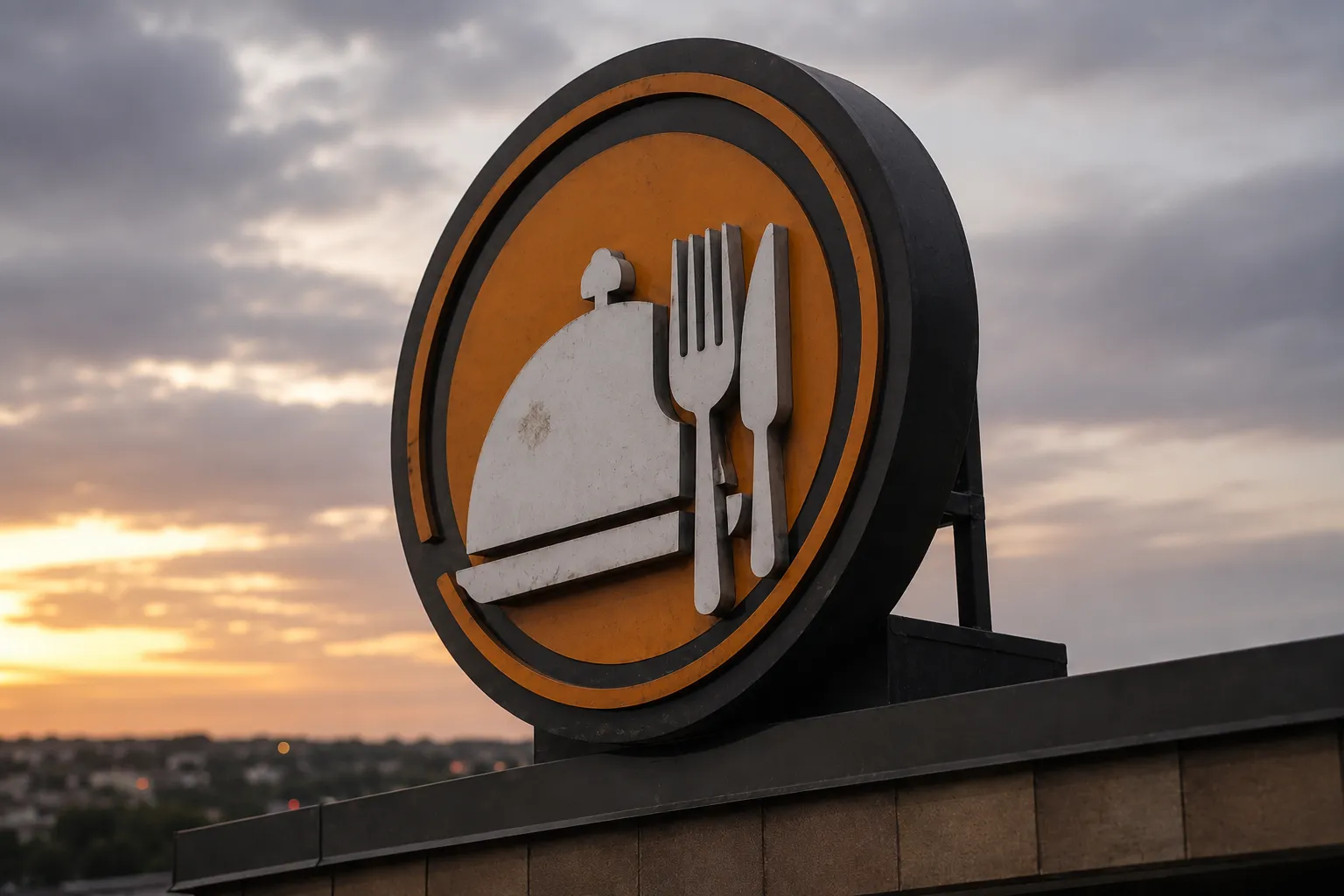
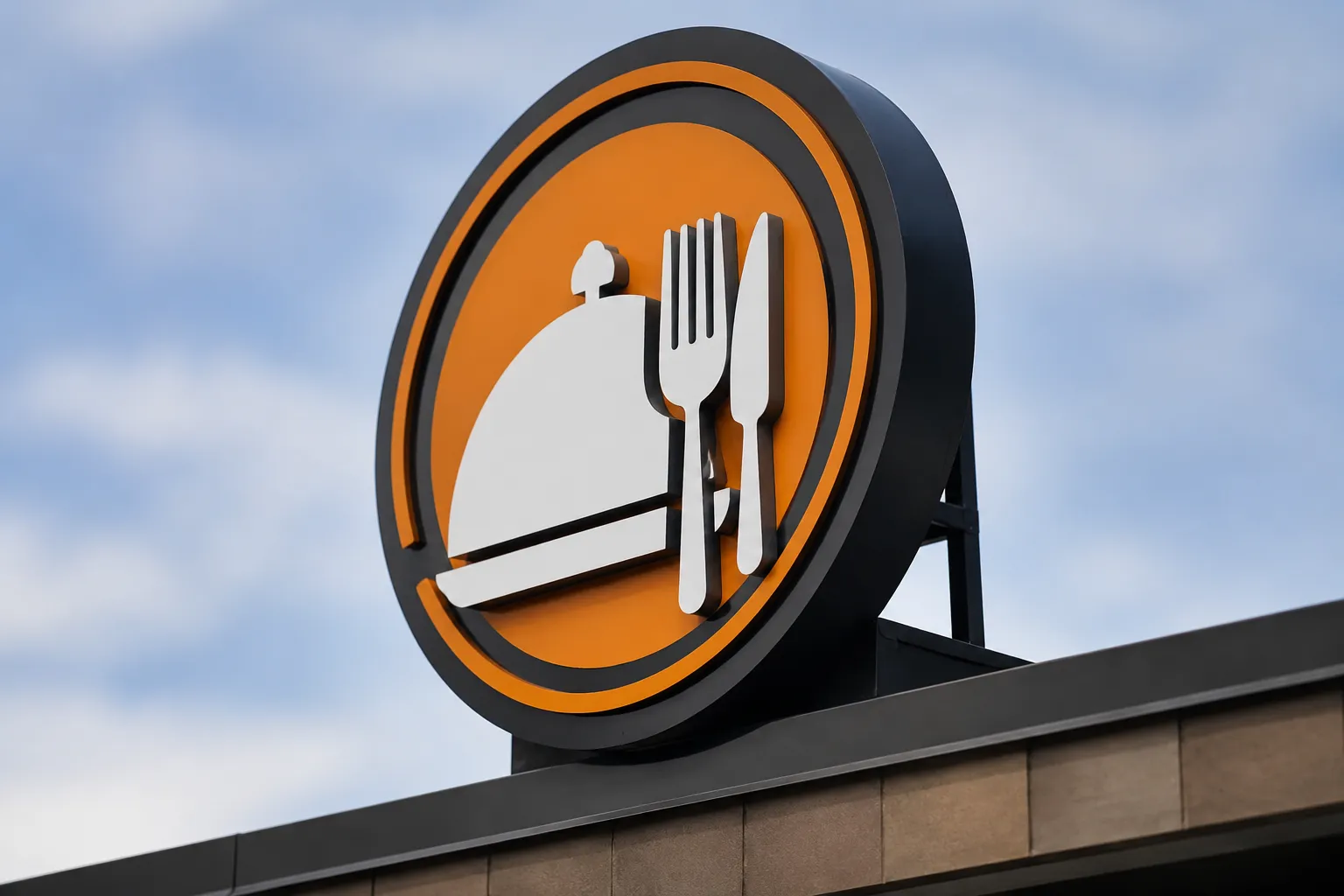
Request: The rooftop sign is heavily soiled, needs washing.
Done: We washed the sign using a telescopic pole and biodegradable cleaner.
Cost: 11 000 ₸
Master: Marat Sagintayev, Sign Washing Master
Total: The sign is clean, visible from afar, no streaks.
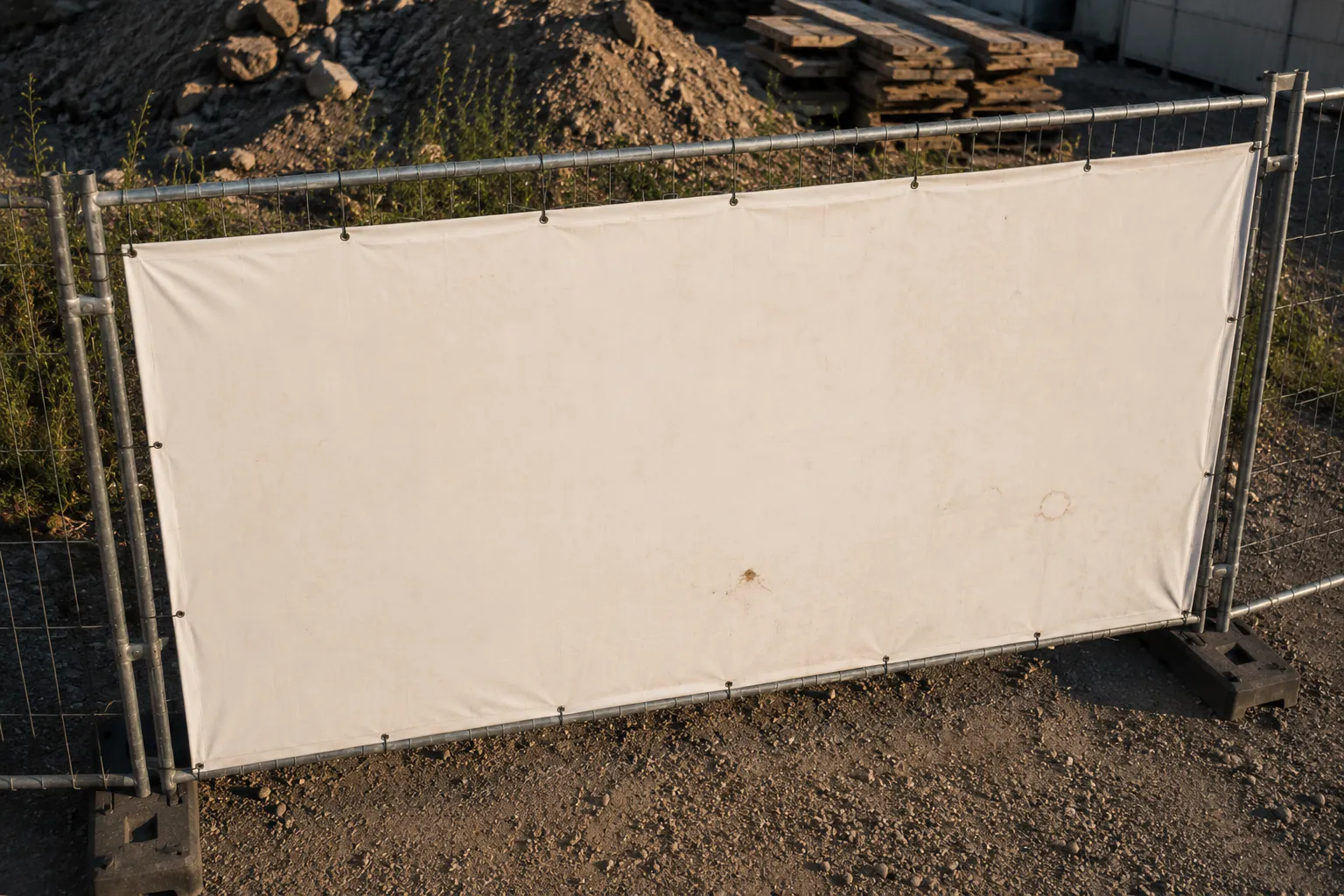
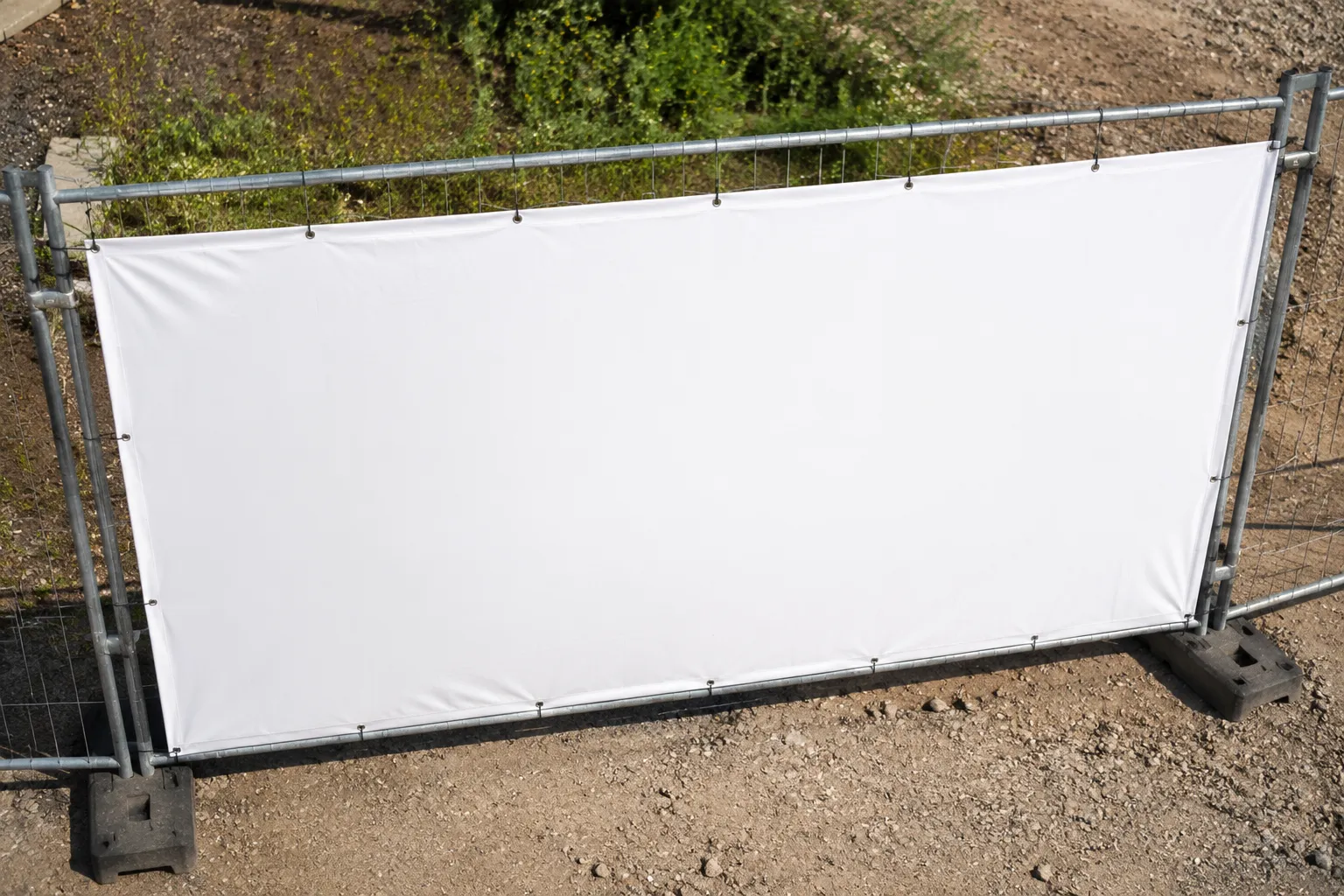 After
After
Request: The banner is dusty and faded, please wash.
Done: We cleaned the banner with pressure water and detergent.
Cost: 8 000 ₸
Master: Ruslan Akhmetov, Sign Washing Master
Total: The banner is bright, text is readable, no stains.
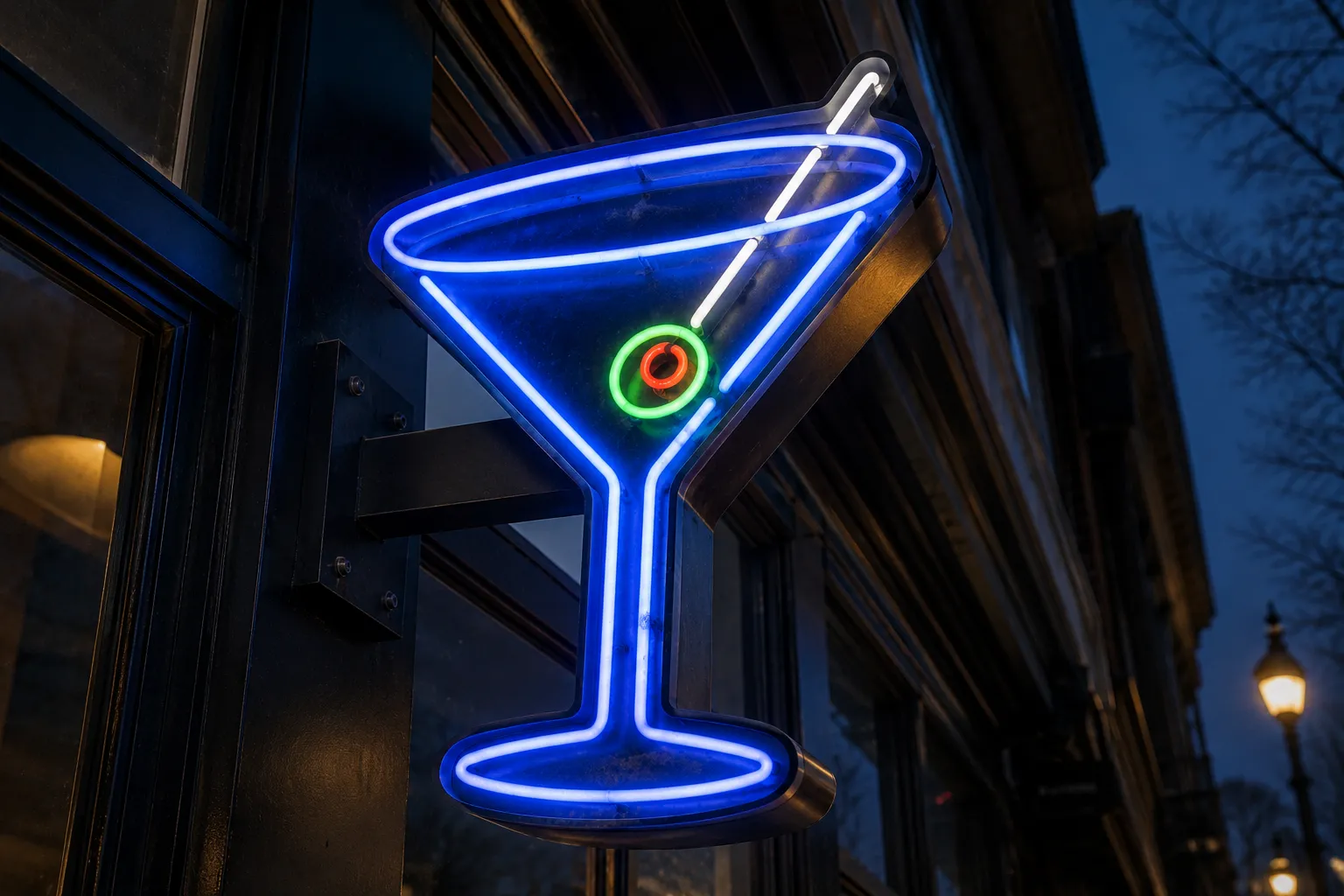
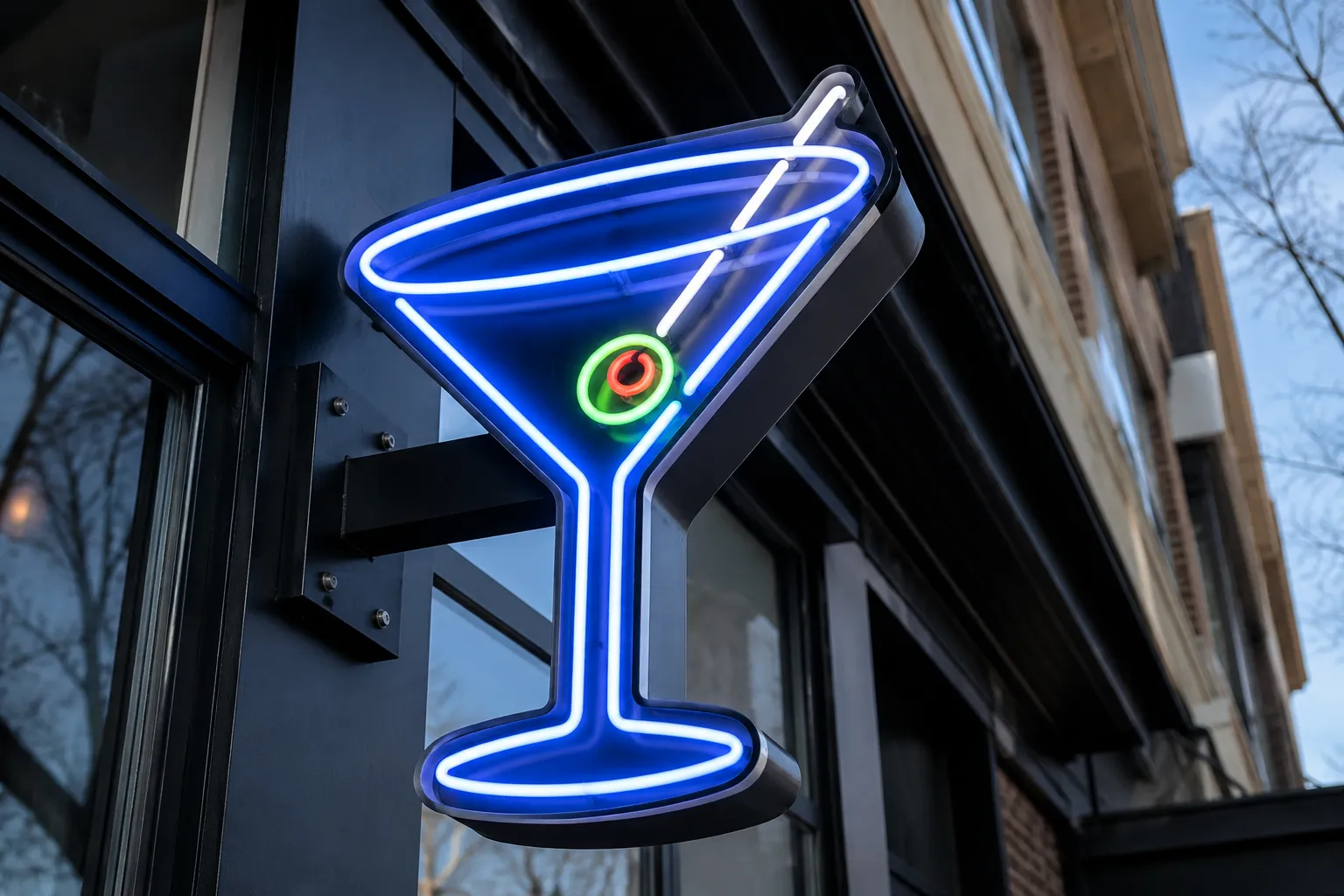 After
After
Request: Neon sign has faded, needs delicate washing.
Done: Cleaned neon tubes with soft cloth and special spray.
Cost: 10 000 ₸
Master: Timur Zhaksybekov, sign washing master
Total: Neon shines bright, no dust or streaks.
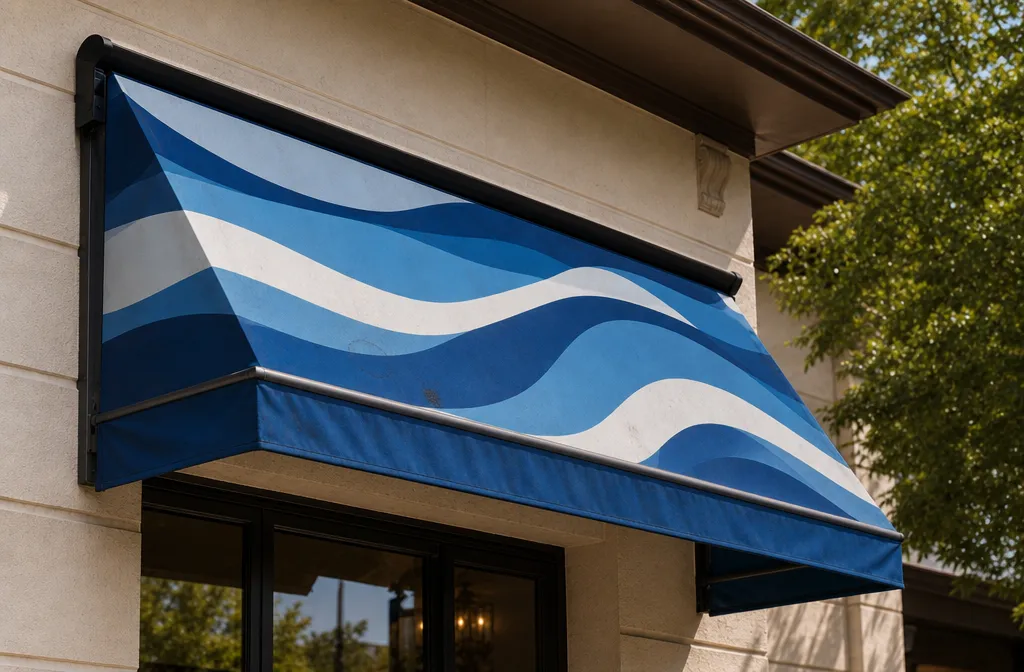
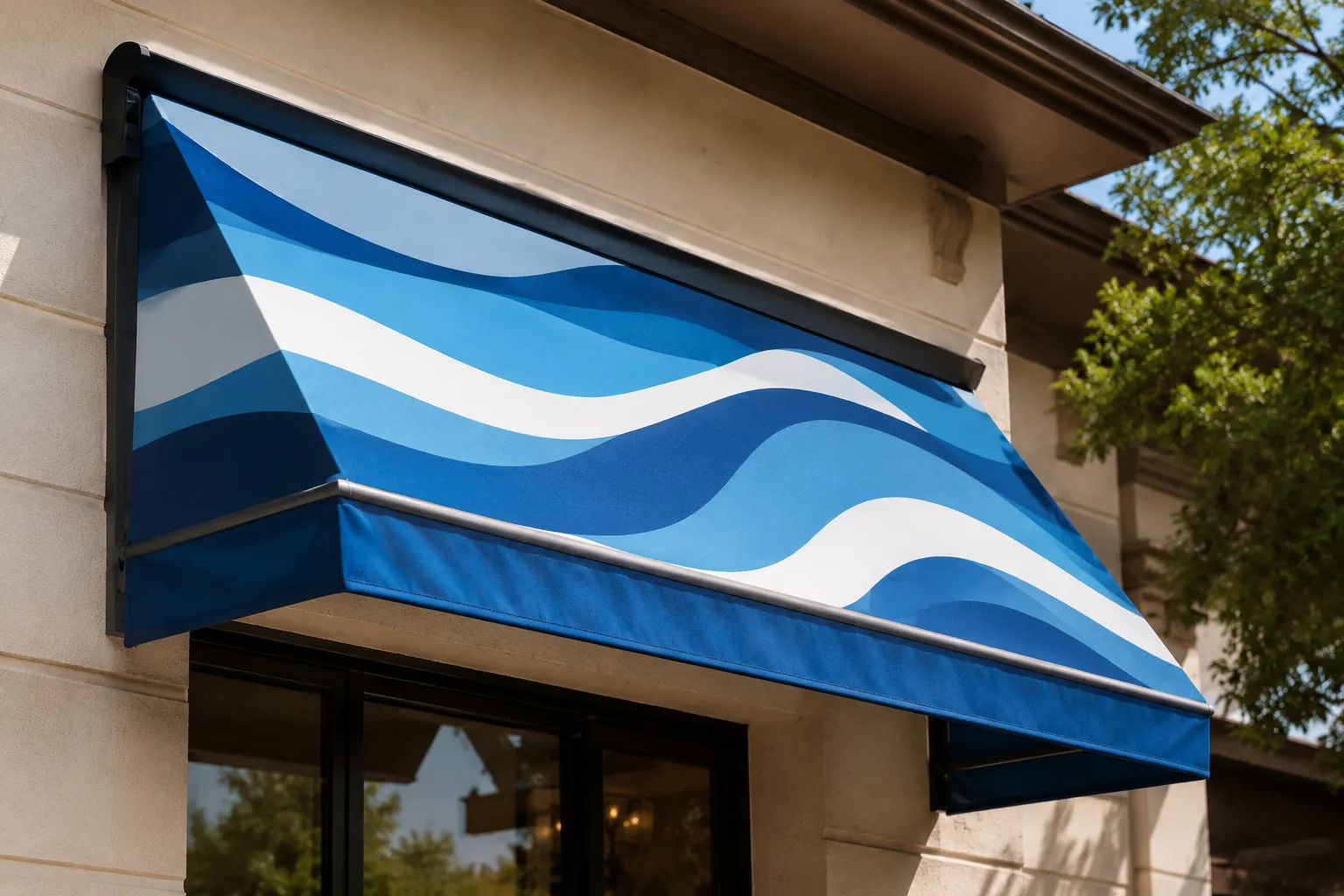 After
After
Request: Awning over entrance is dirty, please wash.
Done: Washed the awning using a brush and fabric cleaner.
Cost: 9 000 ₸
Master: Alisher Smagulov, sign washing master
Total: Awning clean, ad bright, no mold.
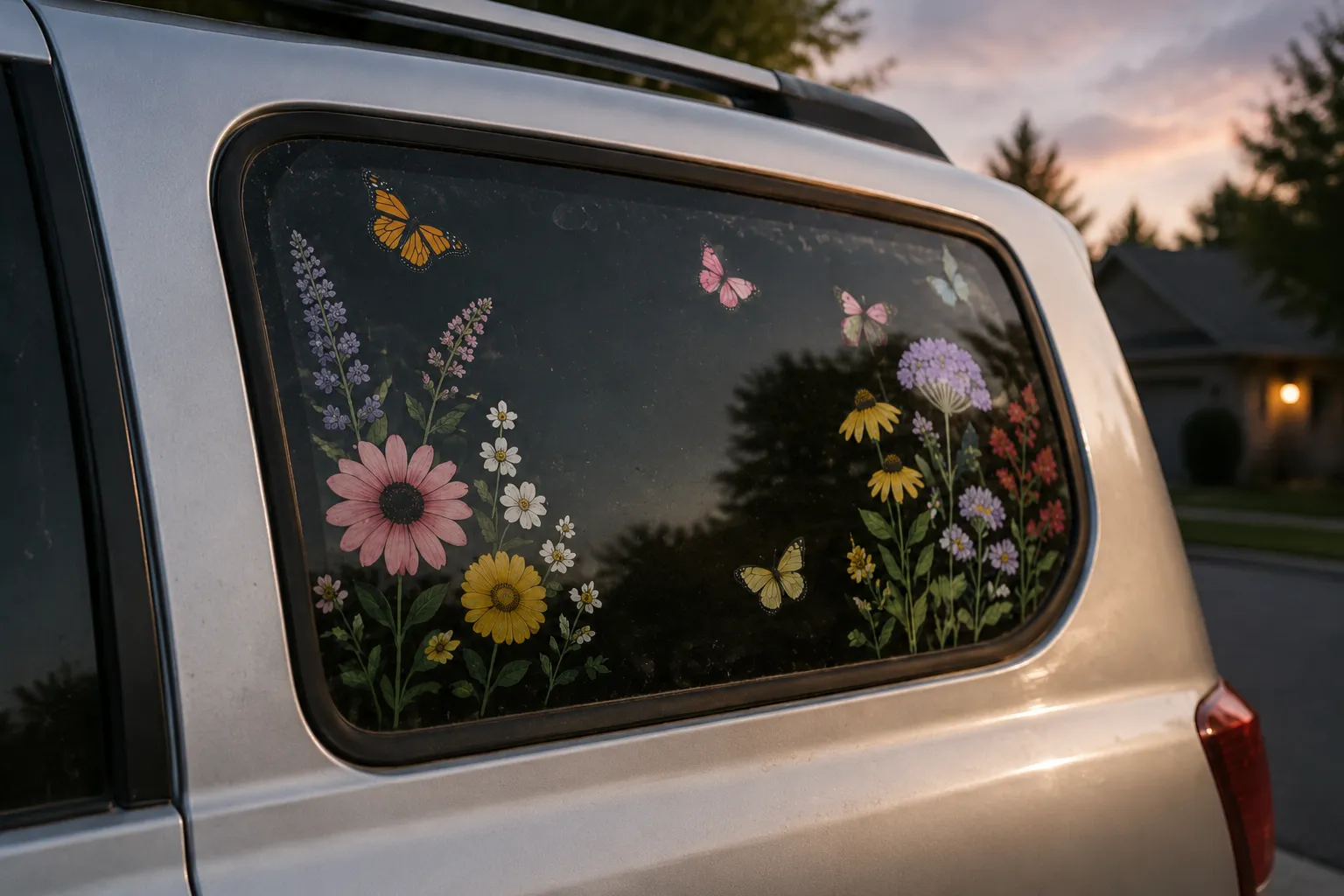
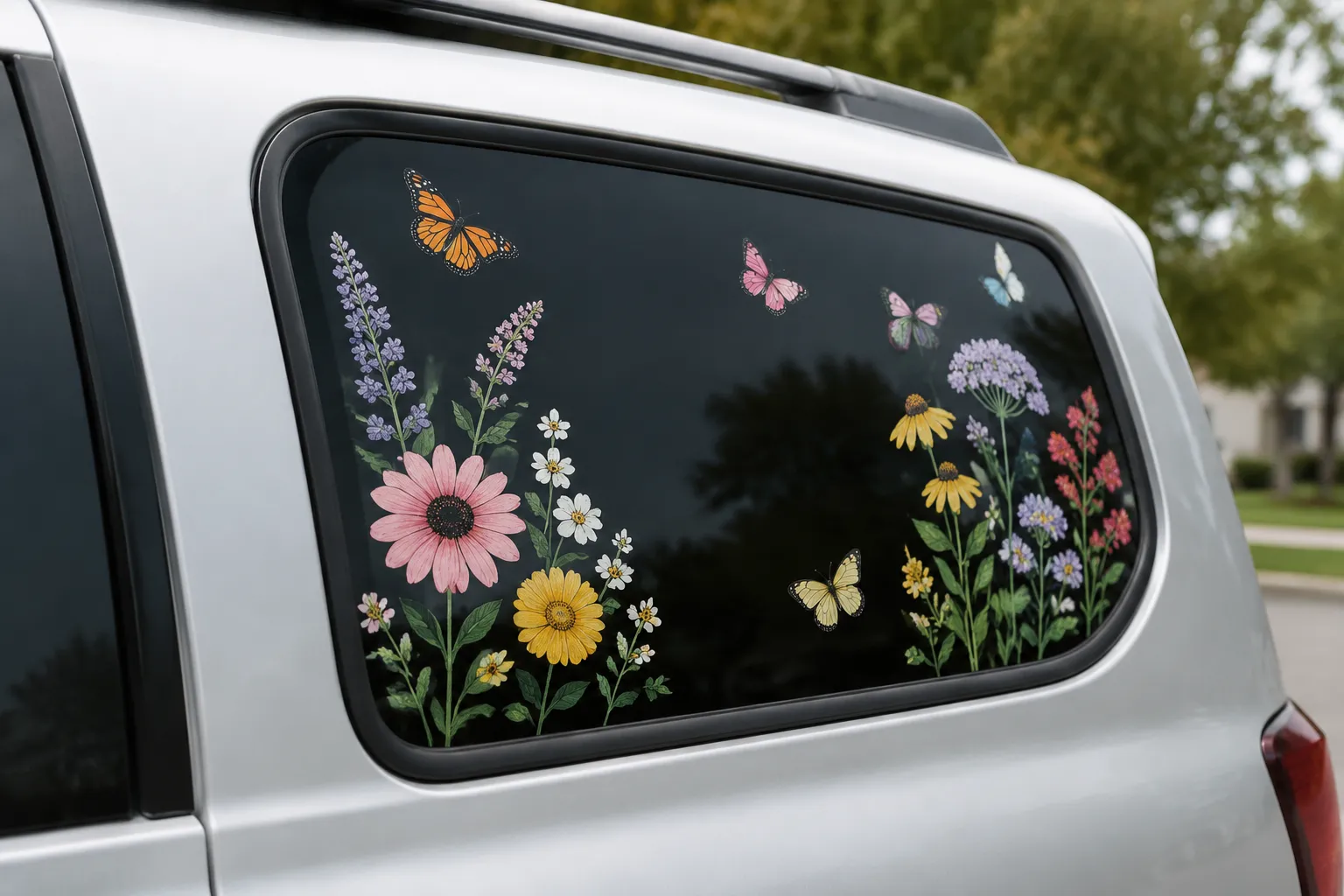 After
After
Request: Old stickers and glue residue on window, please remove.
Done: Removed stickers and glue residue using scraper and solvent.
Cost: 8 000 ₸
Master: Nurzhan Abdrakhmanov, sign washing master
Total: Window clear, no sticker residue.
 After
After
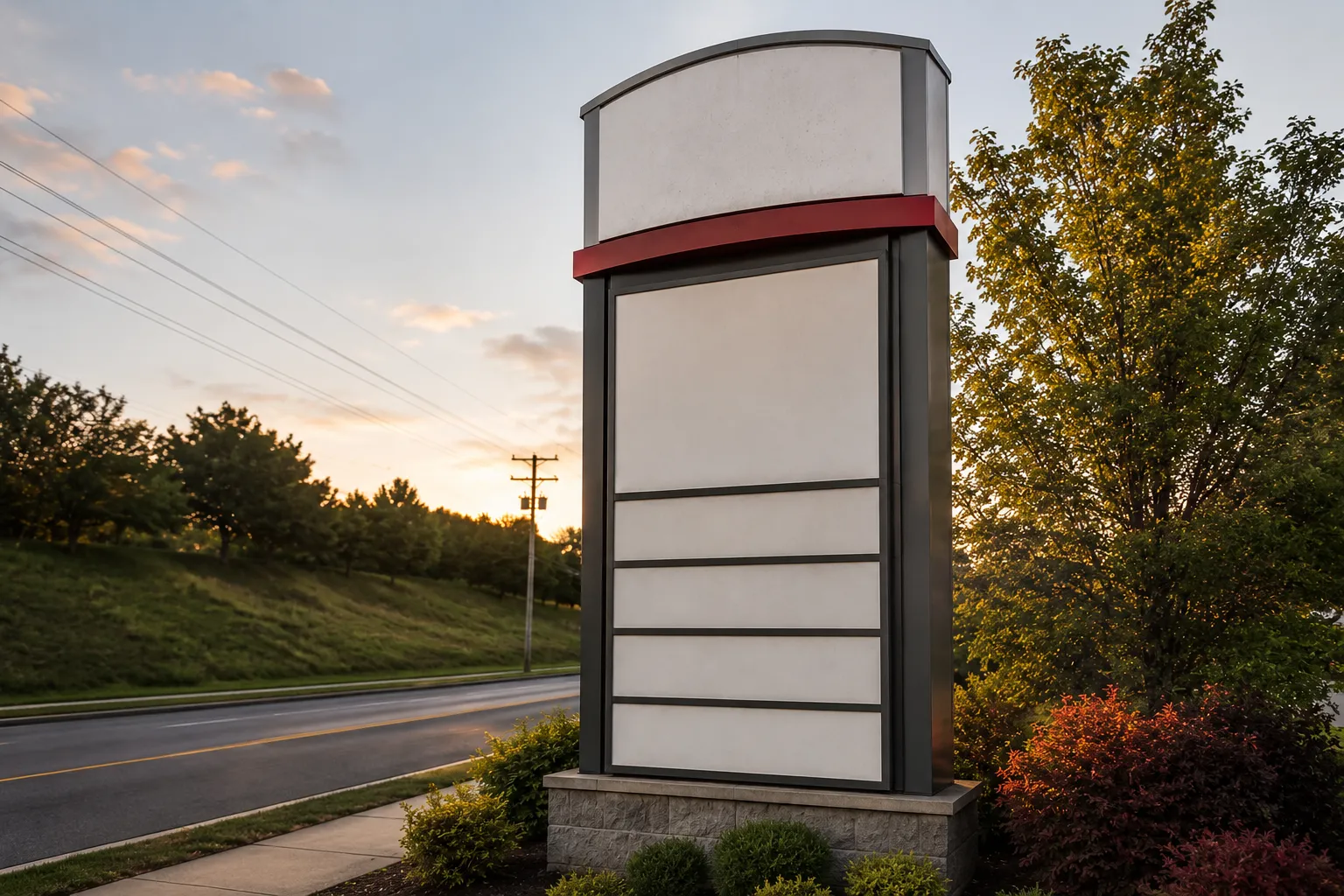
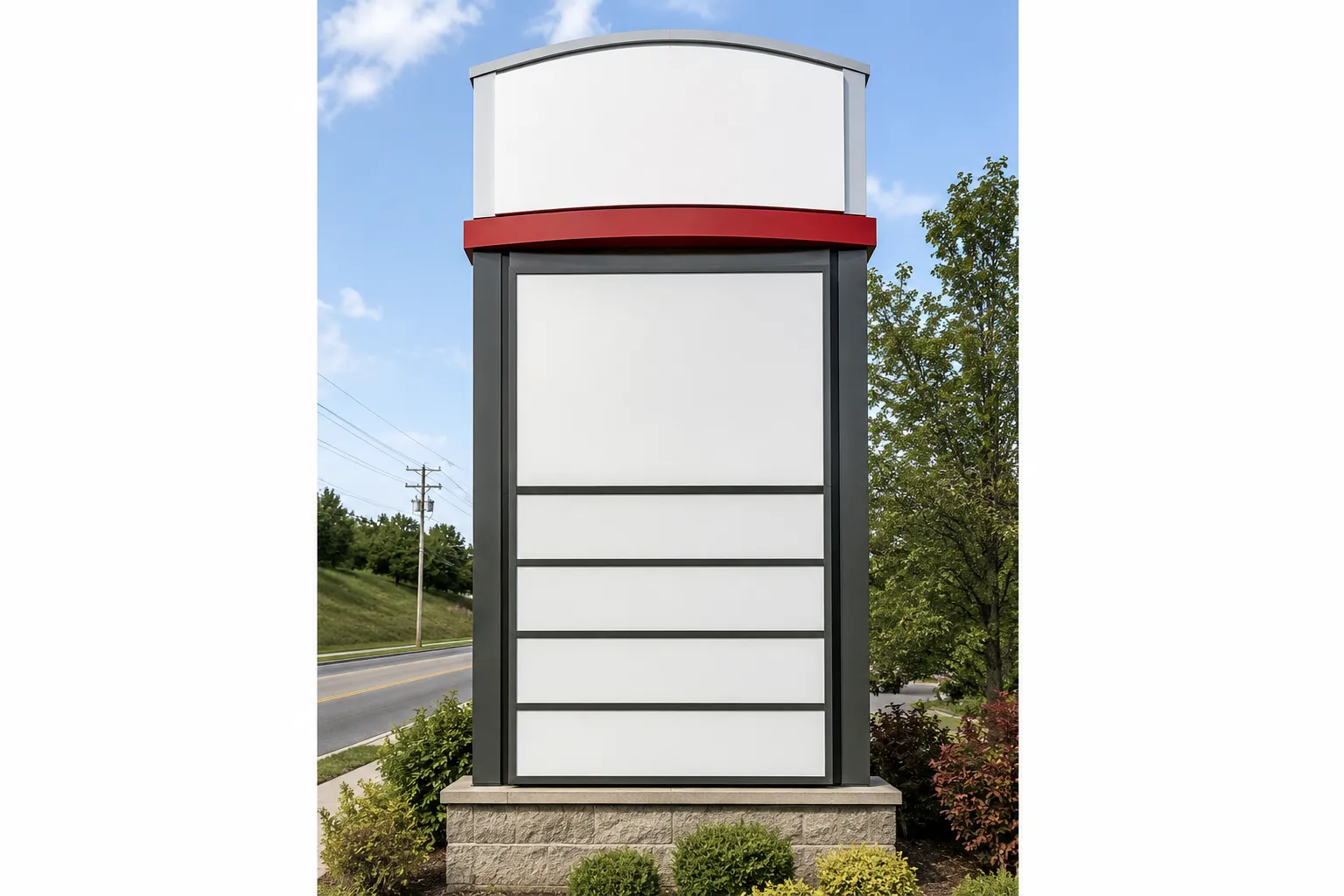
Request: Gas station totem covered in dust and dirt, needs washing.
Done: Cleaned the totem with pressure washer and detergent.
Cost: 10 000 ₸
Master: Bakytzhan Muratov, sign washing master
Total: Totem clean, logo bright, visible from afar.
 After
After
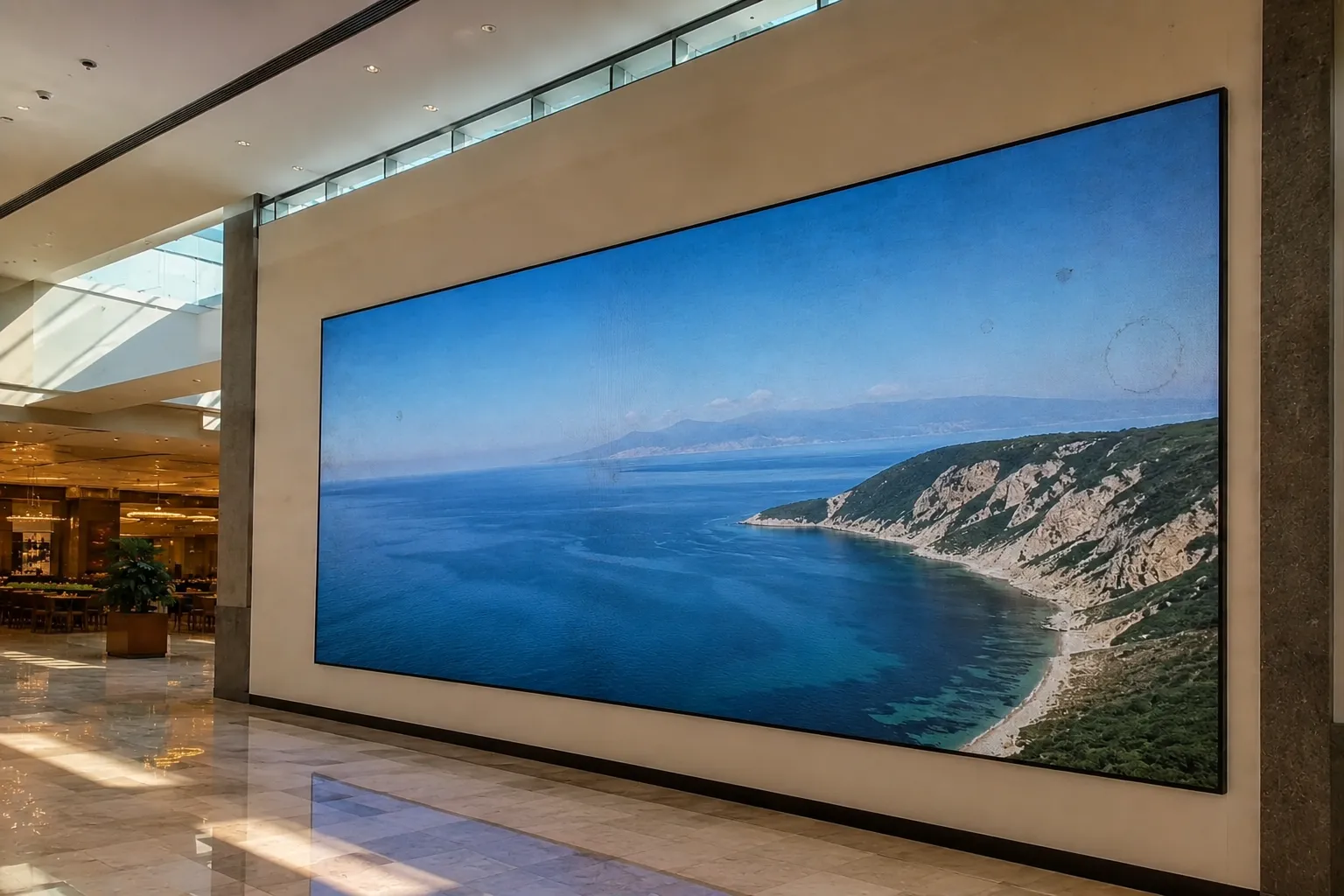
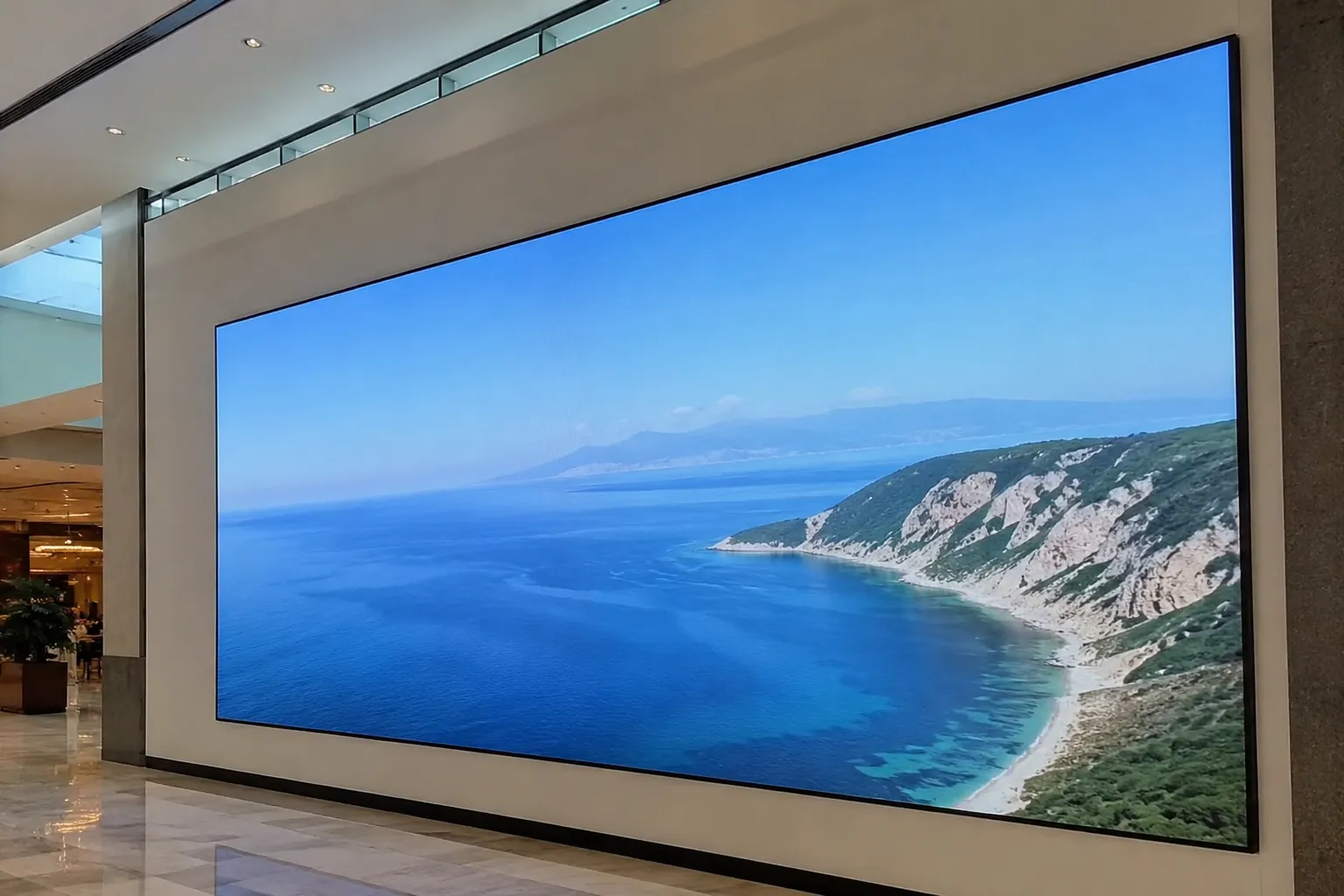
Request: LED screen dusty, needs gentle washing without damage.
Done: Cleaned screen with microfiber and special electronics spray.
Cost: 9 000 ₸
Master: Yermek Saparbayev, sign washing master
Total: Screen clean, image bright, no streaks.
All cleaners are profi-clean staff with training, uniform and security check. Each order has a team leader who controls quality.
We clean outdoor advertising with professional chemicals from Kiehl and Sodasan — these are German formulations with a hypoallergenic formula, approved for contact with acrylic, composite, and LEDs. Washing signs with such agents eliminates plastic clouding, corrosion of the aluminum profile, and oxidation of backlight contacts, which is critical for Almaty’s climate with humidity fluctuations.
Kiehl is an industrial line with pH-neutral concentrates (pH 6.5–7.5) that contain no chlorine, ammonia, or abrasive particles. Unlike “Fairy” or “Mr. Proper,” which leave a soapy film on glossy surfaces and corrode the seams of lightboxes, Kiehl rinses off completely without streaks and does not react with UV varnish. In practice: after treatment with Kiehl Reiniger, no yellowing remains on an acrylic lightbox even after a year of regular washing, whereas household gels cause micro-scratches after just the third application. For Almaty signs, which are additionally treated with anti-icing agents in winter, Kiehl is the only safe option.
Sodasan is an organic chemical based on plant-derived surfactants (coconut oil, sugar tensides), free from synthetic fragrances and enzymes, certified by Ecocert. We use it for signs with plastic dimensional letters, unpainted aluminum, and matte acrylic, where aggressive alkali leaves irreversible white stains. In our practice, there was a case: a client at the “Nurly Tau” business center ordered a wash for a matte composite sign that had been previously cleaned with Cif — the surface became cloudy. Sodasan Glas- und Flächenreiniger restored the shine without polishing, and the formulation works even with cold water, which is important for winter call-outs. It is worth ordering a sign wash with Sodasan if the sign has silk-screen printing or film appliqué — the organic formula does not dissolve the adhesive layer.
The most common mistake is using concentrates for building facades on illuminated signs. Alkaline formulations (pH above 9) destroy the sealant of LED modules within 3–4 cycles, moisture gets inside the lightbox, and power supplies fail. The second most common is using abrasive pastes on cast acrylic: even fine powder leaves a network of scratches that looks like a “cobweb” in sunlight. The third is ignoring water hardness: Almaty tap water contains up to 7 mg-eq/L of salts, and without a softener (we use BWT filters), white streaks remain after drying, which become embedded in the pores of the PVC base. Washing signs in Almaty with incorrect chemicals results in plastic replacement within six months — we record such cases in 30% of orders after other cleaners.
Before the first wash of an unknown sign type, we perform a test on an inconspicuous area — on the inner side of the bottom rail or the back side of a dimensional letter. We apply the concentrate diluted 1:50 (for Kiehl) or 1:80 (for Sodasan), leave it for 5 minutes, and rinse. If the surface has not changed color, and no bubbles or matte spots have appeared, the formulation is safe for the entire sign. For lightboxes with IP65 LED strips, we additionally check the tightness of the seams: if the silicone sealant crumbles on touch, we only wash manually without Karcher pressure to prevent water from getting inside. This approach eliminates warranty disputes — we provide written confirmation that the sign has not been damaged by the chemicals.
Externally, both procedures look similar — water, brush, cleaner at height — but washing signs and cleaning facades solve fundamentally different tasks and require different qualifications. A facade is cleaned to remove dust and soot, while a sign is washed to restore light transmission and color rendition. The difference lies in materials, technique, and the consequences of errors.
The main difference is the construction. A facade, whether it’s porcelain stoneware, plaster, or sandwich panels, is a monolithic surface resistant to abrasives and water pressure. A sign is a prefabricated structure made of acrylic, polycarbonate, aluminum profiles, and LED modules, joined with sealant. If a scratch from a stiff brush appears on a facade, it’s an aesthetic defect. However, a scratch on the acrylic face of a sign scatters light, reducing brightness by 15–20% according to our measurements. In October, the owner of a cafe on Abaya Avenue came to us: he washed the sign with a regular brush and soda — after drying, white streaks remained on the black acrylic that nothing could wash off. We had to replace the front panel. The second nuance is sealing the joints. A facade cleaner delivers water at a pressure of 100–150 bar — for a sign, this guarantees the sealant will rupture at the lightbox joints, moisture will get inside, and the LEDs will fail within 2–3 cycles. We use units with pressure regulation down to 40 bar and only fan nozzles — a pinpoint stream at a right angle forces out the sealant even at 50 bar. Before ordering sign washing, ask the contractor what pressure they use — if they can’t give you a number, look for another one.
The first systematic mistake is using household chemicals with alkali (Fairy, Mr. Proper, powders). Alkali corrodes the lacquer coating of acrylic and polycarbonate: the surface becomes cloudy, loses its gloss, and after 2–3 washes, instead of a bright sign, you get a matte rectangle. The second is washing with hot water above 60 °C. Acrylic deforms at 70 °C, polycarbonate begins to warp at 80 °C — this is irreversible. The third is trying to remove bird droppings or bitumen with a solvent (acetone, white spirit). The solvent reacts with the acrylic — microcracks remain on the surface, dirt gets embedded in them, and it becomes impossible to wash out. On Almaty streets, where poplars fluff in spring and dust with fine abrasive particles settles on advertising in summer, the fourth mistake is especially dangerous — dry wiping with a cloth. Dust scratches acrylic like sandpaper. We always pre-wet the surface and use microfiber with a density of 300–400 g/m² — it leaves no scratches. If you notice that after washing, the sign has become duller, even though the dirt is gone, the top layer is likely damaged. In such cases, it’s not washing but polishing that is needed, and that’s a separate service that costs more.
A facade is a flat or low-texture surface; the cleaner can work it evenly. A sign has complex geometry: protruding letters, backings, internal corners of lightboxes, ventilation gaps. Dirt accumulates differently in each of these elements. For example, with dimensional letters with open neon — dirt gets packed inside the letter and needs to be flushed out through technical holes, otherwise the light dims from within. With lightboxes with a front acrylic face — dirt accumulates on the bottom shelf inside the box, where a brush can’t reach without disassembly. We had a case on Tole Bi Street — a clothing store’s sign was shining at half brightness, even though it was clean on the outside. The cause was a 2 mm layer of grease and dust on the inner side of the acrylic. We had to remove the front panel, wash it from the inside, and reseal it. Plus, the material: acrylic (PMMA) is soft, gets scratched by a stiff brush; polycarbonate is stronger but afraid of solvents; silicone is elastic but easily torn upon contact with the housing edge. Facades don’t have such nuances — the material either forgives a mistake, or it’s only visible up close. On a sign, a mistake is visible from 50 meters — as a dark spot or uneven glow. Therefore, for complex geometry, we use a set of brushes with different bristle stiffnesses and separate nozzles for narrow gaps — this isn’t a universal tool, but a specific technique for each element.
Washing outdoor advertising yourself without experience and specialized products often leads to damage to the structure and accelerated wear of the lighting. At profi-clean, over the years of work, we’ve seen the consequences of such experiments — here are the three most common mistakes and their real consequences.
Ordinary household products for the kitchen or bathroom contain alkali, chlorine, and solvents that corrode the protective layer of acrylic glass and vinyl film. In our practice, there was a case where a store owner on Abay Avenue cleaned a lightbox with an oven cleaner — a month later, yellow stains appeared on the white background that even professional polishing couldn’t remove. Abrasive sponges and powders leave micro-scratches — dust gets trapped in them, and the sign looks dirty within a week. It is much safer to use neutral compounds with a pH of 7 — exactly the kind we use at profi-clean for all types of surfaces. Before the first wash of a new sign, test the material’s reaction to the product on an inconspicuous area at the edge — if the film starts to bubble, the compound is not suitable for you.
A water jet from a high-pressure car wash (Karcher) seeps into the joints of the box and floods the LED modules — even IP65 doesn’t help with a directed stream from a distance of less than a meter. We have repeatedly gone out to replace power supplies on signs in the Mega area — the reason was the same: owners washed the boxes themselves with a Karcher, and the units short-circuited within the third week. In summer, water dries quickly, but in winter it freezes inside, expands, and cracks the plastic casing — the cost of replacing a lightbox is comparable to the price of three professional washes. The only safe method is a damp cloth or sponge with wrung-out water, without direct pouring. If the box is already flooded, disconnect the power for 48 hours and dry it with a hairdryer on a cool setting — this sometimes saves the electronics.
The most insidious mistake is washing the sign in daylight and not checking the result in the dark. The sun hides a thin layer of dust and exhaust soot, but in the evening, when the backlight turns on, each micro-layer creates a “fog” effect — the light scatters unevenly, and brightness drops by 15–20%. In Almaty, this problem is especially noticeable on signs along Raiymbek Avenue — due to heavy traffic, the coating settles in 3–4 days. At profi-clean, we always wash boxes in two passes: first a wet cleaning with a degreaser, then a dry polish with microfiber — this is enough to restore 100% light transmission. Schedule a first control check for the evening of the same day you washed — turn on the backlight and look at the box at a 45-degree angle: if streaks are visible, it means a layer of grease remains, and in a week it will collect new dust.
The schedule for washing outdoor advertising in Almaty is stricter than the average for Kazakhstan — due to dust storms, poplar fluff, and smog. We have derived regularity based on seasons and construction type.
From April to September, the sign loses its appearance fastest. Poplar fluff sticks to the wet surfaces of lightboxes and forms a crust that blocks up to 40% of light transmission. Pollen and road dust mix with night dew — whitish streaks appear that are visible even in daylight. If there is a construction site or a busy intersection nearby (for example, Abay Avenue or Furmanov Street), it is better to shorten the interval to 10–14 days. Our cleaners during this season visit sites on average 3–4 times a month — for the facades of cafes and boutiques on the first lines, this is normal. In my opinion, the spring-summer schedule cannot be skipped: within a month, the coating eats into the porous acrylic, and removing it without abrasives is no longer possible.
From October to November, the main problem is wet smog and leaves. In Almaty, autumn has high humidity (60–80%), and exhaust gases condense on the cold surface of the sign, leaving an oily layer. It is not visible to the naked eye but holds dirt stronger than dry dust. Leaves from poplars and maples get clogged in the joints of volumetric letters and under the pockets of lightboxes — if not removed within a month, they begin to rot and release acid that corrodes the sealant. We recommend a planned wash once a month, and after leaf fall — an unscheduled visit with joint inspection. We had a case in October: a restaurant owner on Dostyk missed a wash for two weeks, and rotten leaves damaged the LED strip seal — the replacement cost more than three washes.
In winter, the frequency decreases, but other risks emerge. At sub-zero temperatures (in Almaty, it can reach –15–20 °C), dirt doesn’t stick as actively, but reagents and sand-salt mixtures from sidewalks settle on the lower edge of the sign. If the structure is located low (up to 3 meters), splashes from wheels and feet carry salt onto the acrylic — it crystallizes and scratches the surface when you try to wipe it off with a dry brush. In winter, we only wash with Kiehl non-abrasive compounds using warm water (not above +30 °C — to prevent the plastic from cracking due to temperature changes). The schedule is once every one and a half to two months, but with mandatory inspection of joints and seals: salt destroys silicone seams the fastest. Before ordering a winter wash, check the three-day forecast — it should be dry and not below –5 °C after washing to prevent water from freezing in micro-cracks.
Complex signs require more frequent attention regardless of the season. Dimensional letters with exposed neon tubes (e.g., on nightclub facades) accumulate dust inside the contour — just three weeks without washing is enough for the glow to lose 30% of its brightness. Light boxes with milky acrylic on the south side of a building (sun-facing) fade faster, and dirt on them is noticeable as early as the second week. Anti-vandal coatings, which we apply after washing, extend cleanliness by 5–7 days — this allows shifting the schedule but does not cancel it. In our practice, owners of gas stations and 24-hour stores on Raiymbek Avenue order washing every 10–12 days year-round — due to proximity to a road with heavy truck traffic. If your sign is on the first line and operates 24/7, rely on visual inspection once a week: run your hand over the acrylic — if you feel an oily layer, it’s time to wash, without waiting for the calendar.
LED and neon signs require different approaches to cleaning — mixing technologies or using a universal product means guaranteed damage to the surface. We understand the construction of each type to extend the service life of the client’s advertising, not shorten it.
An LED sign is a sealed housing with modules potted in silicone and a protective acrylic or polycarbonate screen. The main vulnerability is micro-cracks in the potting, where water flows in during pressure washing, causing a short circuit. A neon sign consists of glass tubes filled with gas, sealed at both ends. Glass is fragile: even a light touch from stiff bristles or a temperature change from washing with hot water causes a crack, and the tube loses its seal. In our practice, there was a case where a cafe owner on Al-Farabi decided to wash a neon sign with a pressure washer — after drying, two out of three letters didn’t light up due to a broken gas contact. Therefore, on LED signs, we work with manual rinsing without pressure, and neon is only wiped with a microfiber cloth and sprayer — no jets or abrasives.
For LED signs, the most dangerous is bitumen and oil film — it settles from exhaust fumes at busy intersections in Almaty (corner of Tole bi — Baitursynova, Abay Avenue near markets) and, when the LED module heats up, melts into the silicone potting, reducing thermal conductivity. Module overheating shortens the diode lifespan from 50 to 15 thousand hours. For neon, the main enemy is construction dust and cement suspension, typical for new building areas (Nurlytau, Aksai-3, Zhetysu-3): tiny particles scratch the glass when drying, leaving a matte coating that cannot be washed off with regular foam. We had a client from the Mega Park shopping center who contacted us a month after facade renovation — the neon sign had become dim due to micro-scratches from construction dust. Restoring the glass transparency was only possible with a non-abrasive polishing paste followed by an antistatic coating. On LED signs under the same conditions, a 5-minute enzyme pre-soak and rinsing with demineralized water is sufficient — without polishing.
The most common failure is a broken contact at the solder point of the wire to the LED module, caused by vibration from a stiff brush or high-pressure water jet. We have recorded this on signs along Dostyk Avenue: shop owners called in cleaners with car wash equipment, and after 2-3 washes, 20–30% of the modules stopped lighting up. The contact is held by a drop of solder — vibration causes it to break off, and it can only be restored by re-soldering, not simply by replacing the power supply. At profi-clean, for LED signs we use only soft foam sponges and manual rinsing without the brush contacting the modules — water is supplied from a hose with a spray nozzle. If there is dried bird droppings or bitumen on the surface, we apply Kiehl F5 gel for 3 minutes; it softens the dirt, and it washes off without friction. When ordering sign washing, clarify whether the cleaners will rub the casing with a brush — if so, be prepared for module repairs within six months.
Sharp daily temperature fluctuations in spring and autumn (from +5°C at night to +25°C during the day) create condensation inside the LED box if it is not sealed. If the sign is washed in the morning at +8°C, and by noon the casing heats up in the sun to +30°C, the moisture inside evaporates and leaves salt deposits on the diode lenses — the light output drops by 15–20%. For neon signs, condensation is not critical (glass is not afraid of moisture from the inside), but the temperature change when pouring cold water on a sun-heated tube is dangerous: the glass cracks from thermal shock. We wash LED signs only in the morning (before 10:00 AM) or evening (after 6:00 PM), when the casing is not heated, and use water at a temperature of 20–25°C — not colder. For neon, we do not use water at all: dry cleaning with a microfiber cloth and Sodasan anti-static spray is sufficient to remove dust and soot in Almaty conditions. For heavy soiling (oil stains near shashlik places on Saina Street), we apply foam for 2 minutes and remove it with a damp cloth without directly pouring water on the tube.
We ordered sign washing for a shopping mall. Height 15 meters, they made it perfectly clean, not even bird droppings remained.
Thank you, Aigerim! Glad we handled the height and dirt.
The cafe sign had streaks after rains. After washing it became like new, but they were slightly delayed.
We washed the bank's signs — they perfectly removed dust and car exhaust residue. Clients noticed.
Thank you for the review! Always happy to help.
The illuminated sign was dim — after cleaning it shines. The guys were careful, nothing damaged.
The car service sign was washed, but there are streaks left on the glass. We had to rewash it ourselves.
Yerlan, we apologize. Contact us, we'll do it again for free.
After winter, the sign was gray — now it's bright and attracts attention. Thanks for the promptness.
The restaurant sign needed washing. They cleaned even hard-to-reach places. I recommend.
Kuanysh, thank you! We'll be glad to see you again.
The pharmacy sign shines, but they slightly moved a letter — we fixed it ourselves. Overall good.
Dinara, sorry for the oversight. We'll take it into account next time.
I ordered sign washing at the warehouse — fast and high quality. I didn't even think it could be cleaned so well.
The sign had soot from the neighboring shashlik — now it's clean. No chemical smell.
The business center sign washing was done at a high level. They vacuumed and washed. Grateful.
Alexey, thanks for the review! Glad to help.
The sign became noticeably cleaner, but there is a paint stain on the edge. Otherwise excellent.
Olga, we can come and clean it up. Write to us.
We did sign washing for a dentistry — arrived on time, removed dust and dirt. Professional.
After the rain, the sign was streaky — now it shines. Flowers against a clean sign look gorgeous.
The sign washing was done, but the soap solution was poorly rinsed off — white spots remained. Had to call again.
Ruslan, sorry. We promise to fix the situation.
Plastic sign — cleaned to a shine. Even the backlight became brighter. I recommend.
Ordered school sign washing for September 1st. Everything is clean, kids are happy. Thank you.
Bakhyt, glad to help for the holiday!
The coffee shop sign became brighter, but the corner wasn't fully cleaned — apparently old soot. Overall okay.
Hotel sign washing — fast, high quality. Now guests see our logo from afar.
Arman, thank you! Always at your service.
A clean sign attracts more customers. Very satisfied with the result.
Did the fitness center sign washing — perfectly cleaned from dust and dirt. No complaints.
The sign was cleaned well, but left some water on the floor. A small thing, but unpleasant.
Karina, thanks for the feedback. We'll take it into account.
Car dealership sign washing — perfect. They even wiped the windows. I'll order regularly.
Yerzhan, thank you! Glad you liked it.
After washing, the sign shines like new. The work was done neatly.
Sign washing was a bit expensive, and quality was average. There are streaks left. Not recommended.
Daulet, we apologize. Contact us for a fix.
The sign was dusty — now it's clean and bright. It's very pleasant to enter the store.
Ordered bar sign washing. They arrived on time, cleaned perfectly. I'll recommend.
Maxim, thank you! We look forward to seeing you again.
The sign was cleaned well, but we had to wait longer than promised. The result pleased.
Gaukhar, sorry for the delay. We'll try to be more punctual.
Vet clinic sign washing — everything clean, no streaks. Thanks for the work.
We recommend cleaning the sign every 2-3 months during warm seasons and once a month in winter due to road reagents. If the sign is located near a road or a food service establishment, the interval is reduced to 1-2 months.
Yes, we only use pH-neutral Kiehl (Germany) products that are safe for acrylic, plastic, metal, and neon. They do not cause corrosion, scratch the surface, or leave streaks.
Yes, we clean signs year-round. In winter, we use warm water and products effective at low temperatures. During severe frosts, we work with climbers to avoid icing.
Leave a request on the website or call us. We will agree on a convenient time and arrive within 1-2 business days. For urgent orders, arrival within 2 hours is available.
The cost depends on the type and size of the sign. For example, cleaning a light box up to 2 m costs at an individual rate, and up to 10 dimensional letters at an individual rate. Our calculator will give you the exact price.
A 3-meter light box falls into the 2-5 m category; the cleaning cost is at an individual rate. The price includes a full range of work using professional products.
Cleaning a set of up to 10 dimensional letters costs at an individual rate, from 10 to 20 letters at an individual rate. For larger quantities, the price is negotiated individually.
We clean all types: light boxes, dimensional letters, roof-mounted signs, A-frames, banners, neon signs, plaques, windows, information stands, canopies, roll-ups, and LED screens.
The service includes: inspection, area preparation, dry cleaning, application of safe solution, cleaning with telescopic pole or by hand, rinsing, streak removal, and final check. We also provide a before-and-after photo report.
We use professional telescopic poles up to 15 m, soft attachments, and microfiber. For neon and fragile signs, only hand cleaning is used. All products are safe and leave no streaks.
Tell us about your experience with profi-clean — it helps other clients and us improve.
We currently operate in Almaty. Other cities are coming soon.