Receipt and labeling
We inspect the item, determine the fabric type, identify stains. We photograph the condition before cleaning. We label with a tag containing the order number.
Professional dry cleaning of delicate fabrics in Almaty: silk, wool, cashmere, viscose, suede — no shrinkage or damage

We work with any types and materials
Cleaning without shrinkage using organic solvents and fiber conditioning.
from 2,500 ₸Delicate treatment with mild stain removers and gentle drying to preserve shine.
from 2,800 ₸Professional cleaning with pile restoration and anti-static treatment.
from 8,000 ₸Cleaning without deformation with delicate steaming and shape fixation.
from 5,000 ₸Cleaning using brushes and steam cleaner, color restoration.
from 5,000 ₸Dry cleaning of filler and cover with anti-allergenic treatment.
from 2,500 ₸Cleaning of large items with shrinkage control.
from 2,500 ₸Gentle cleaning while preserving shape and softness.
from 4,000 ₸Dry cleaning of jacket and trousers with professional steaming.
from 6,000 ₸Cleaning with fluffiness restoration and disinfection.
from 7,000 ₸Dust and stain removal while preserving pile.
from 1,200 ₸Hand treatment and delicate drying to preserve fabric softness.
from 1,500 ₸From inspection to result with guarantee
We inspect the item, determine the fabric type, identify stains. We photograph the condition before cleaning. We label with a tag containing the order number.
We apply specialized stain removers Kiehl or Sodasan on delicate stains. We allow time for softening. We use soft brushes.
We place the item in a Bowe machine. We use organic solvents (perchloroethylene, hydrocarbon) at low temperature. Gentle cycle for each fabric type.
We remove solvent residues with steam. We smooth out wrinkles, disinfect the item. We use a professional steamer.
Manual removal of pills with a special machine. We restore the nap with a brush. We apply antistatic to reduce dust attraction.
We check the item under a lamp for stains and damage. If necessary, we repeat the treatment. Only after the master's approval is the item packaged.
We place the item in a vacuum bag or cover for dust protection. We use breathable materials for storage. We attach a tag with recommendations.
We return the item, provide care recommendations. We offer a guarantee on the work. We accept payment via Kaspi, Halyk, and cash.
We use German Kiehl products and organic Sodasan — they are safe for allergy sufferers and do not cause irritation. These formulations effectively remove stains without damaging delicate fibers of silk, wool, and cashmere. All products have environmental safety certificates.
We use professional Bowe dry cleaning machines that operate on a closed-loop system: solvents are regenerated and reused. This is eco-friendly and safe for items. The processing temperature is minimal, eliminating shrinkage and deformation.
All masters have undergone training in working with delicate fabrics and hold certificates. Experience with silk, cashmere, suede — from 3 years. They know how to treat stains without damaging the item.
If an item is damaged, we compensate its full value, as stated in the contract. We insure each item for its full value. We work responsibly, so we offer this guarantee.
When ordering under an individual tariff, the courier comes for free. We pick up items and deliver after cleaning. You save time and avoid risking your car interior.
For regular customers — 10% discount on repeat orders within a month. Just provide your phone number, and we will apply the discount. It's beneficial to clean items regularly.
 After
After
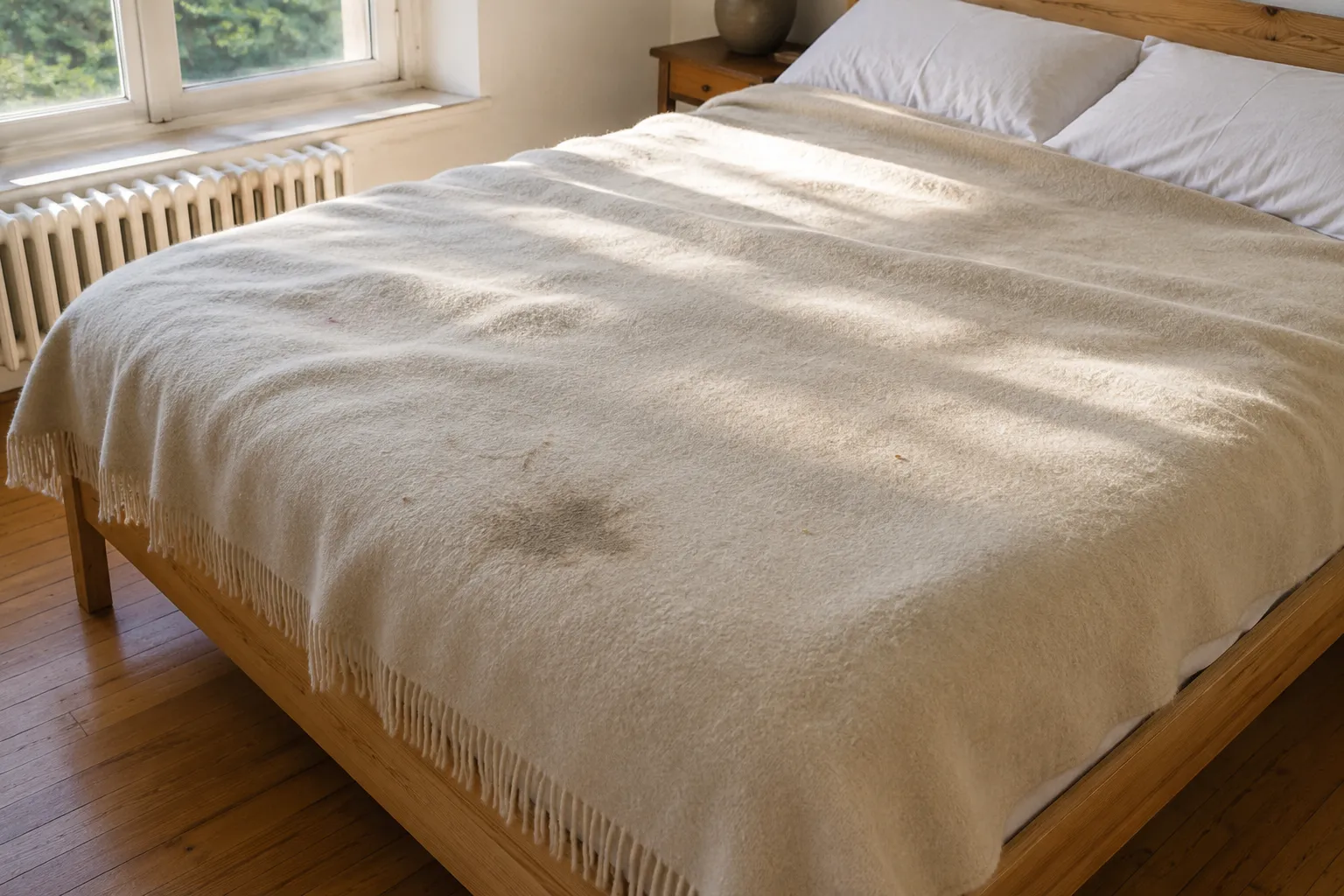
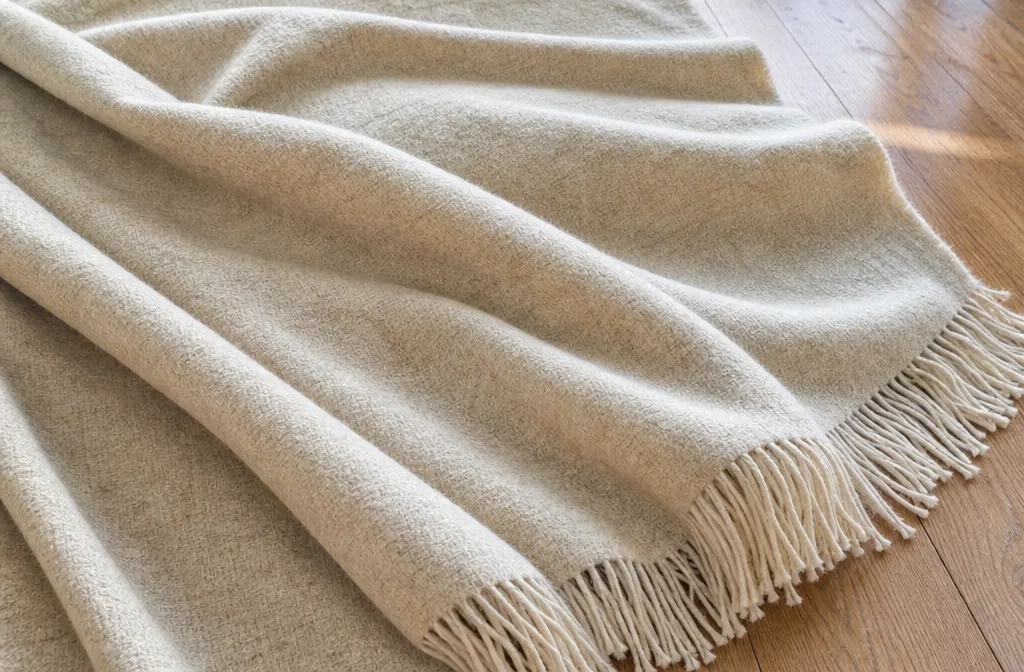
Request: Need to freshen up a wool blanket after storage — stains and odor appeared.
Done: Gentle dry cleaning using an enzyme stain remover and wool conditioner.
Cost: 12 000 ₸
Master: Aigul Sadykova, dry cleaning master
Total: The blanket became soft, stain-free and odor-free, the pile structure was restored.
 After
After
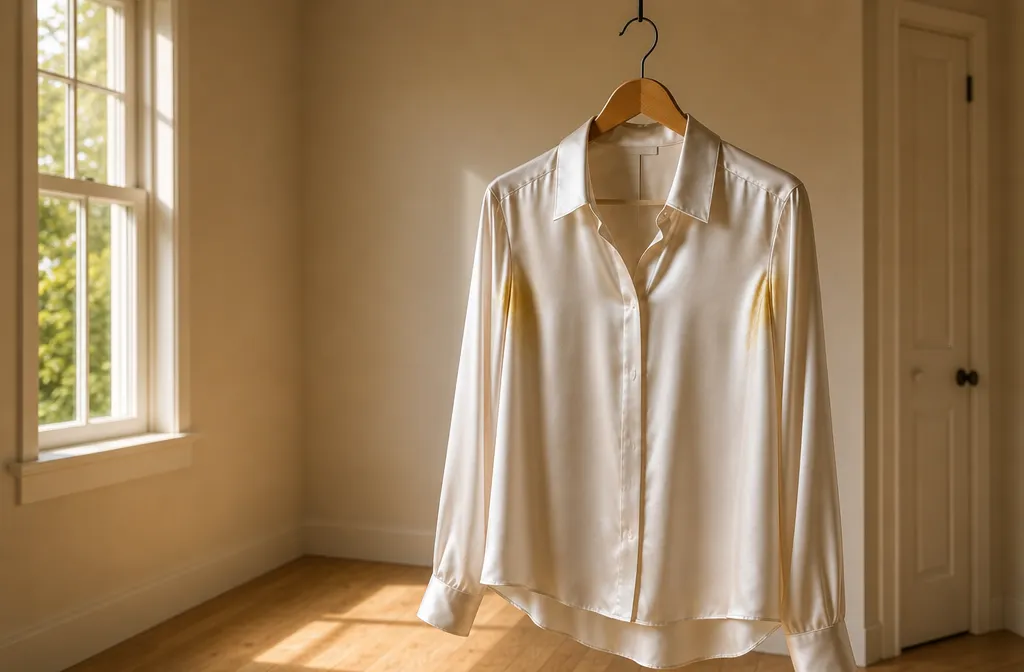
Request: A white silk blouse with yellow sweat and deodorant stains.
Done: Hand dry cleaning using a mild alkaline solution and color fixation.
Cost: 2 800 ₸
Master: Marat Nurpeisov, dry cleaning master
Total: The blouse is completely cleaned, no streaks, the silk sheen preserved.
 After
After
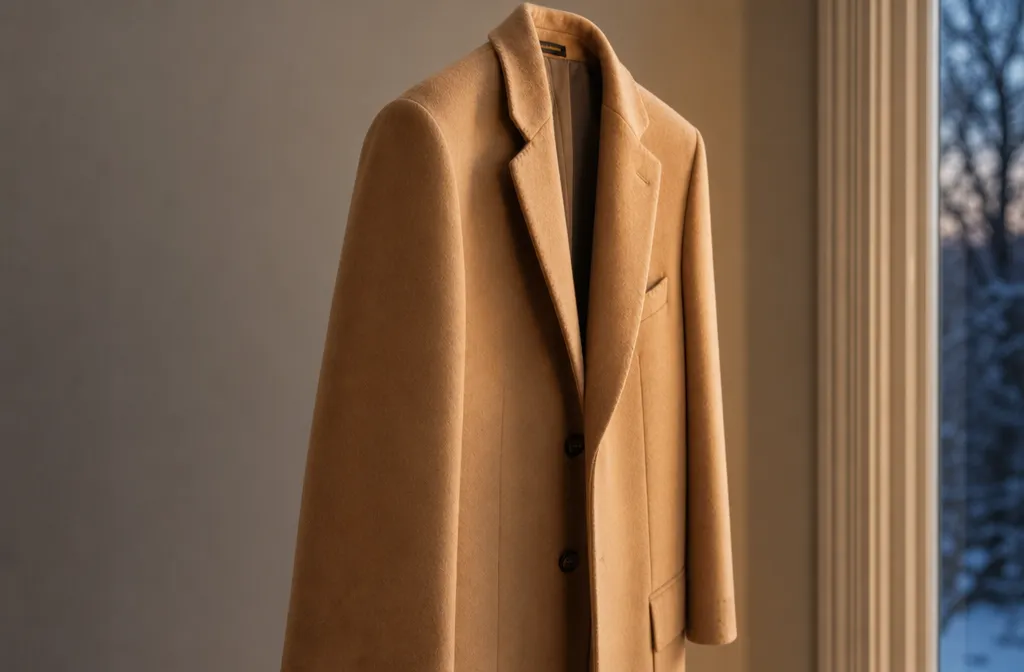
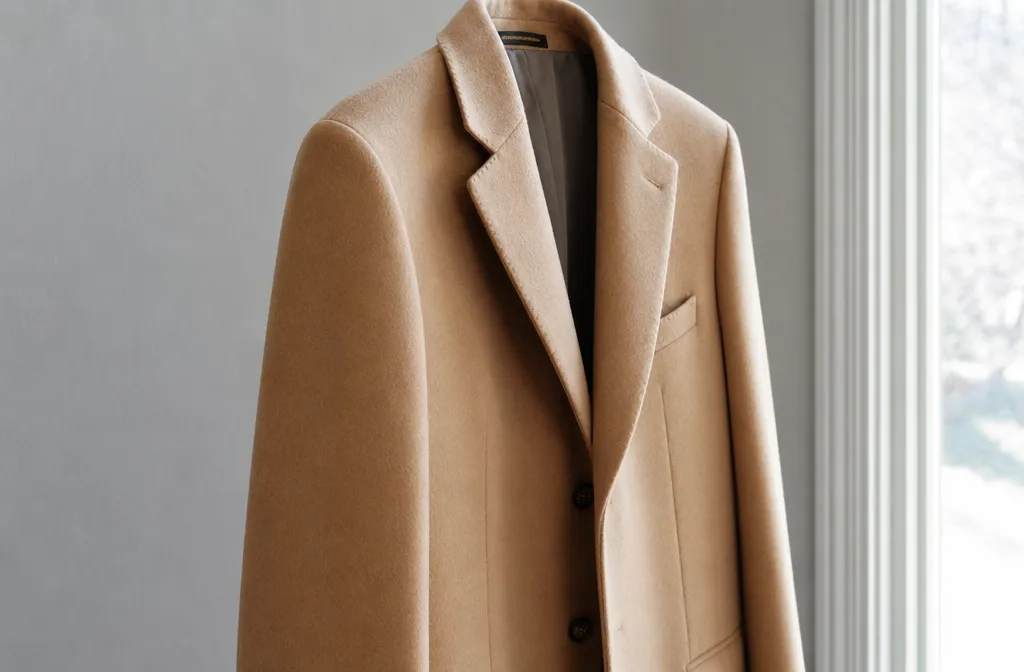
Request: Cashmere coat has greasy collar and cuffs.
Done: Gentle dry cleaning with steam and stain remover treatment of problem areas.
Cost: 8 000 ₸
Master: Aliya Kaliyeva, dry cleaning master
Total: Collar and cuffs are clean, the coat has a fresh look.

 After
After
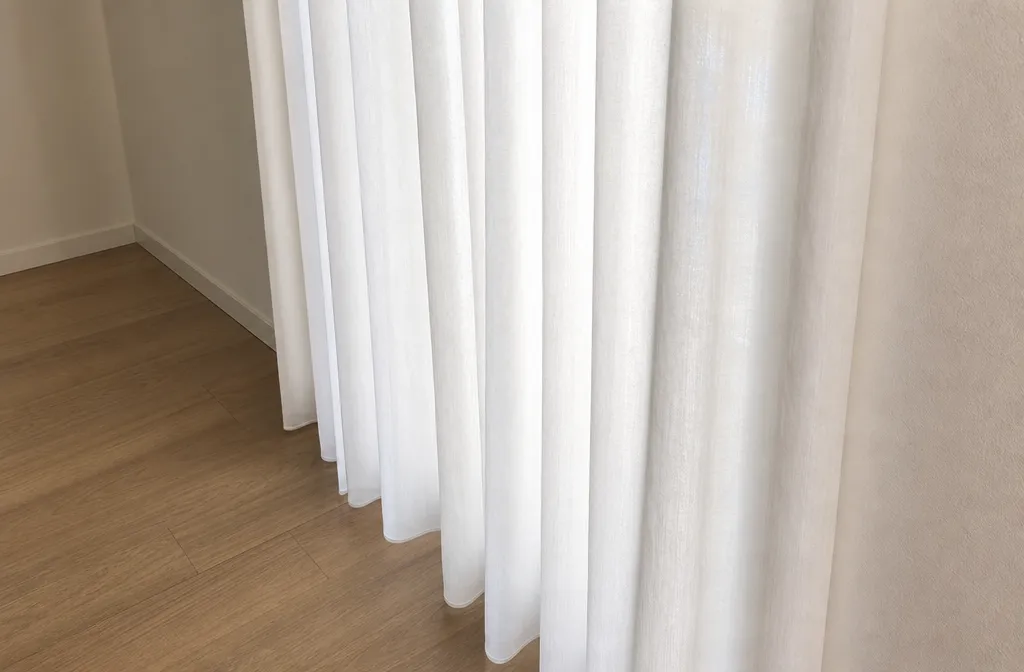
Request: Viscose curtains have yellowed from sun and dust.
Done: Dry cleaning with optical brightener and antistatic agent.
Cost: 5 000 ₸
Master: Daniyar Akhmetov, dry cleaning master
Total: The curtains regained their original color, became soft and do not attract dust.
 After
After
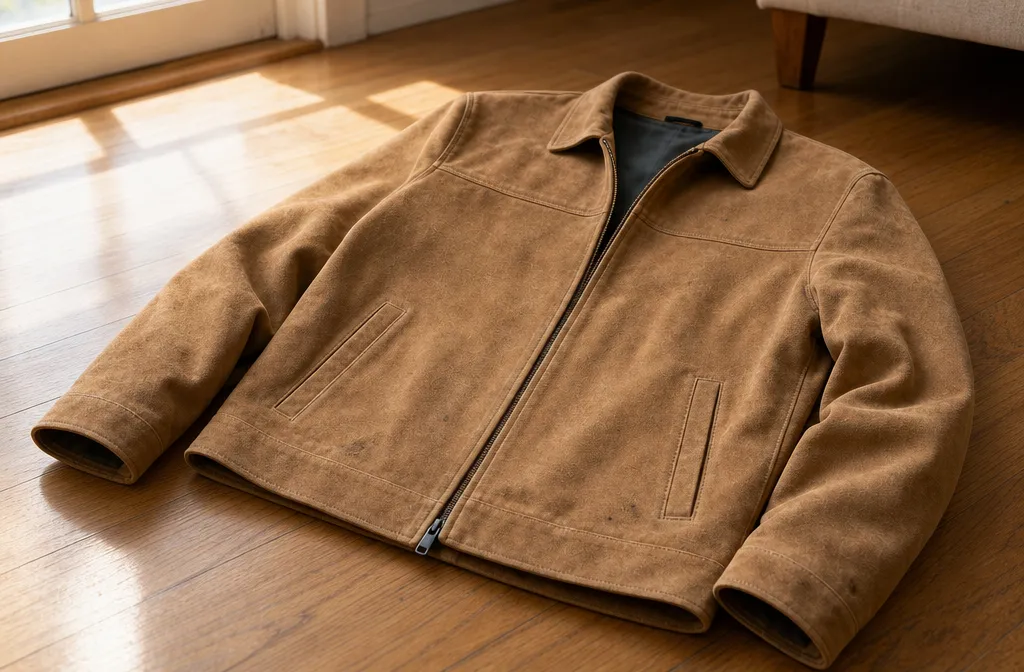
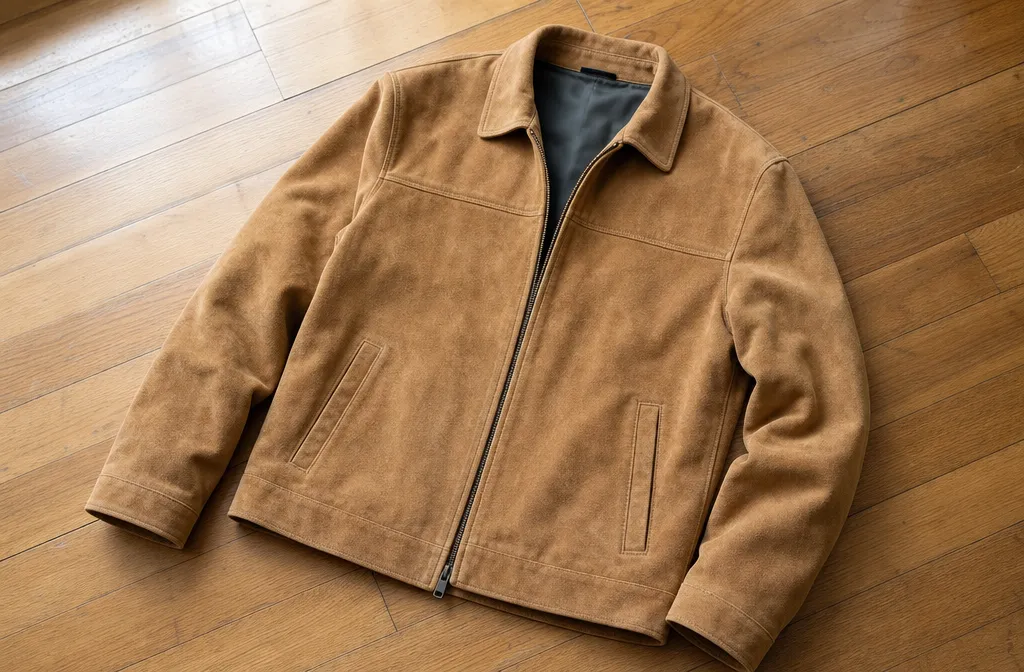
Request: Suede jacket stained with oil marks and scuffs.
Done: Suede cleaning with special shampoo and nap restoration with a brush.
Cost: 5 000 ₸
Master: Zhanna Sergazina, dry cleaning master
Total: Stains removed, nap lifted, jacket looks like new.
 After
After
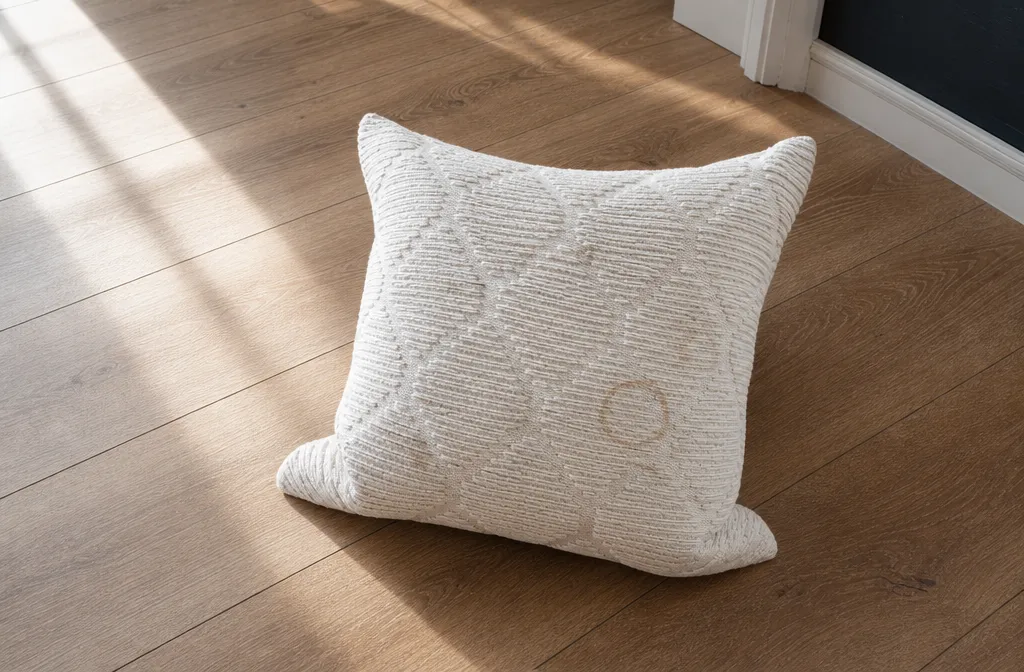
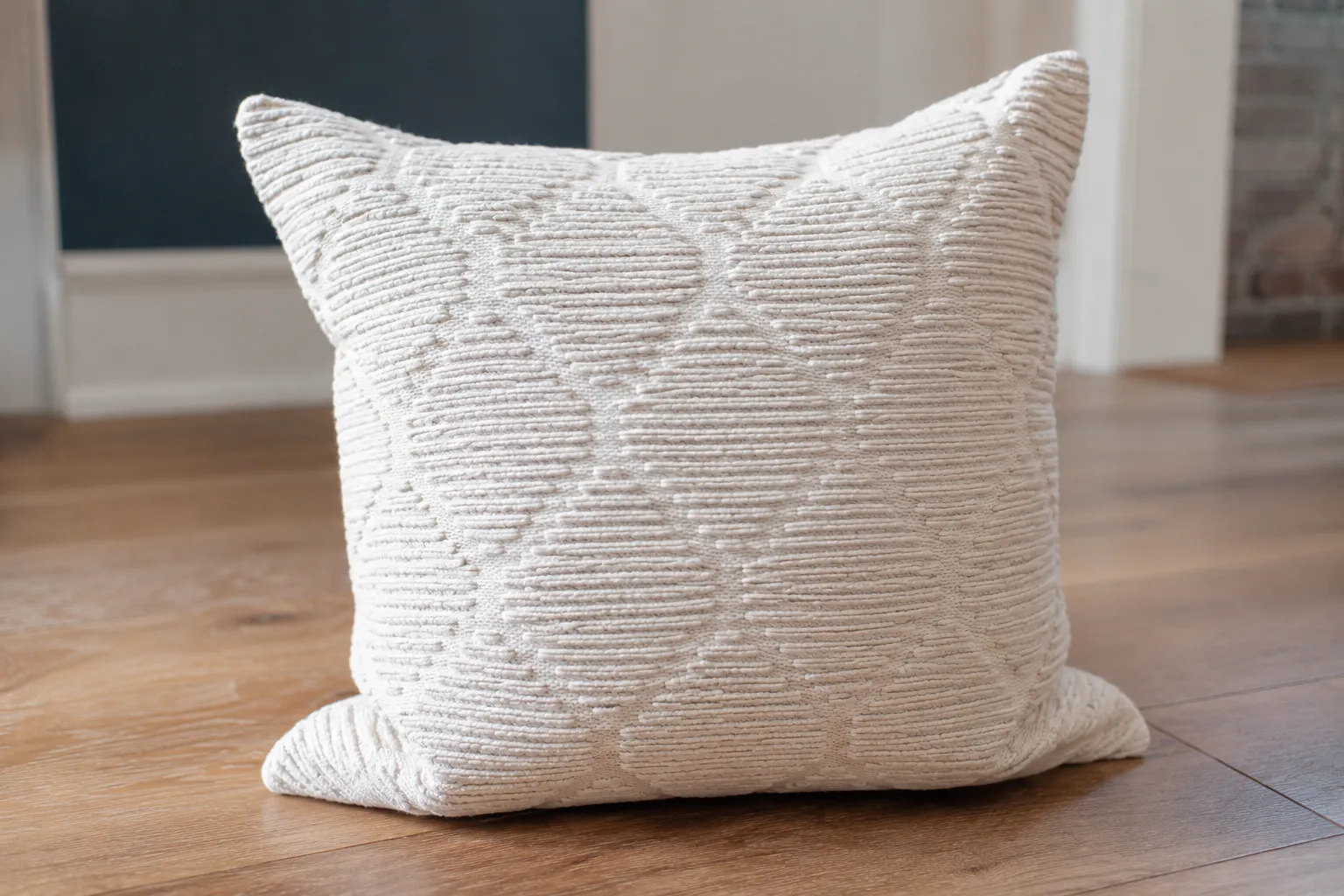
Request: Decorative pillow with coffee stains and dust.
Done: Foam dry cleaning with stain extraction and deodorization.
Cost: 14 000 ₸
Master: Timur Zhaksybekov, dry cleaning master
Total: The pillow is clean, fresh, with no stains or foreign odors.
 After
After
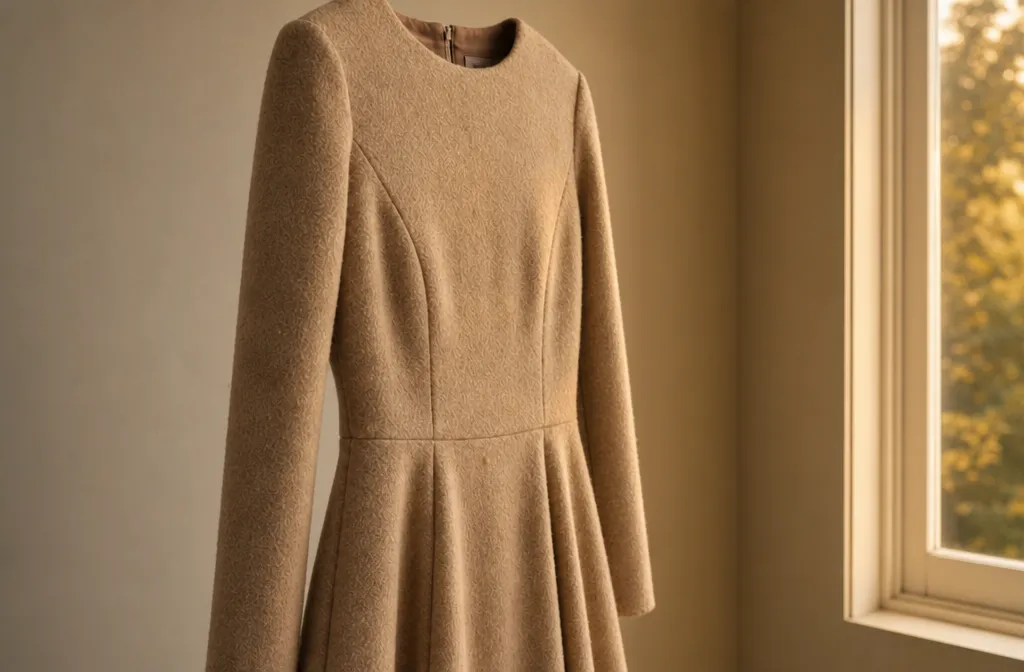
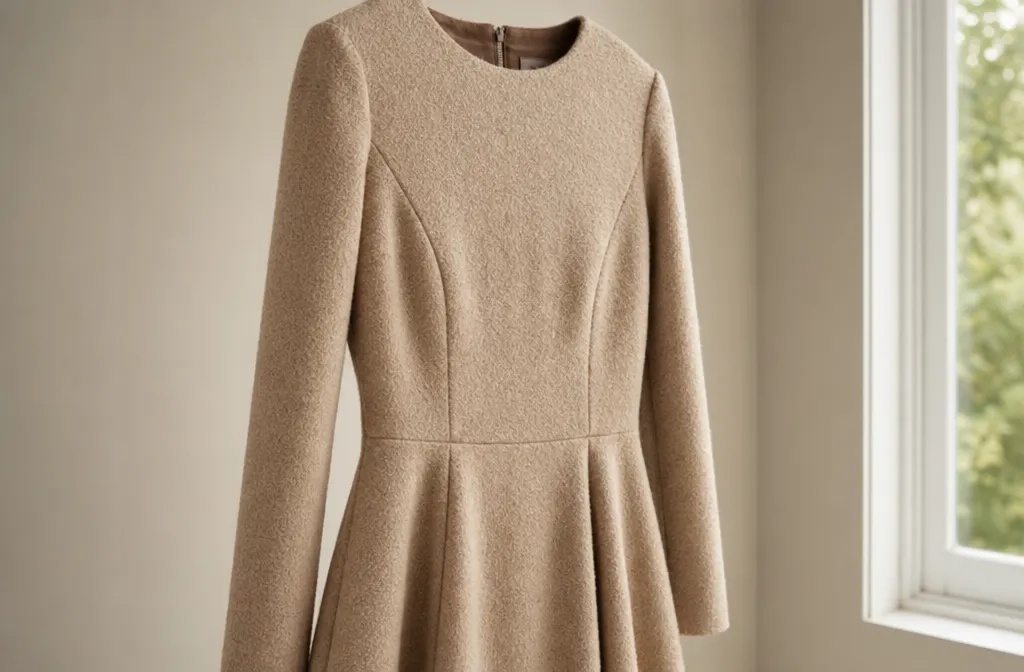
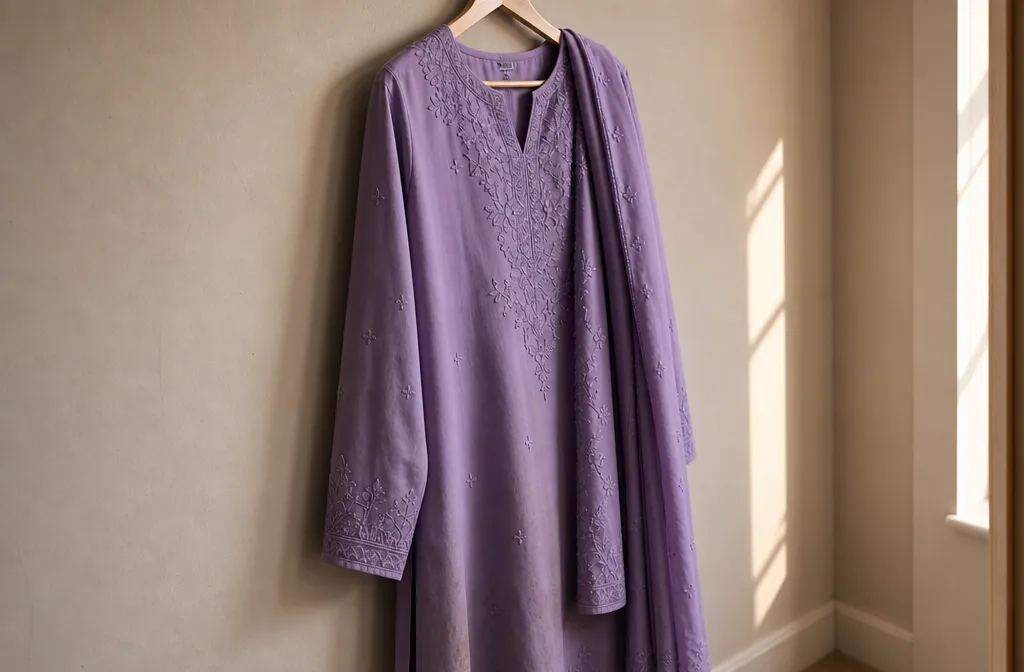
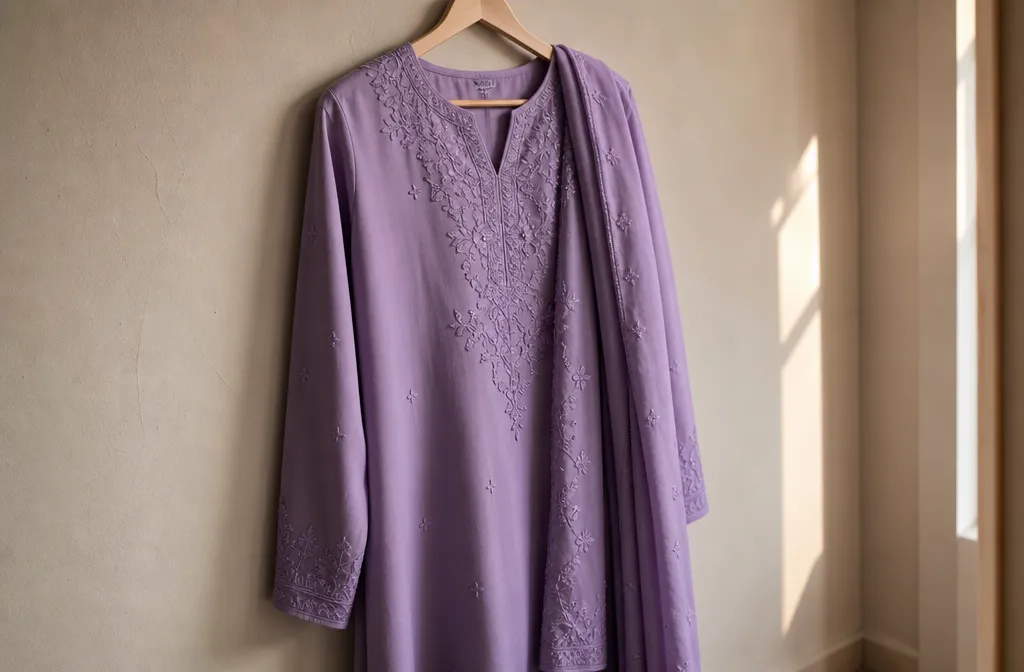
Request: Wool dress shrank and pilled after washing.
Done: Delicate dry cleaning with stretching and pilling removal.
Cost: 4 000 ₸
Master: Aizhan Muratova, dry cleaning master
Total: The dress is restored, no pilling, shape preserved.
 After
After
Request: Viscose suit has shiny elbows and knees.
Done: Dry cleaning with grease stain removal and fabric refreshing.
Cost: 6 000 ₸
Master: Yerzhan Ospanov, dry cleaning master
Total: The suit is clean, no shiny areas, fabric is soft.
 After
After
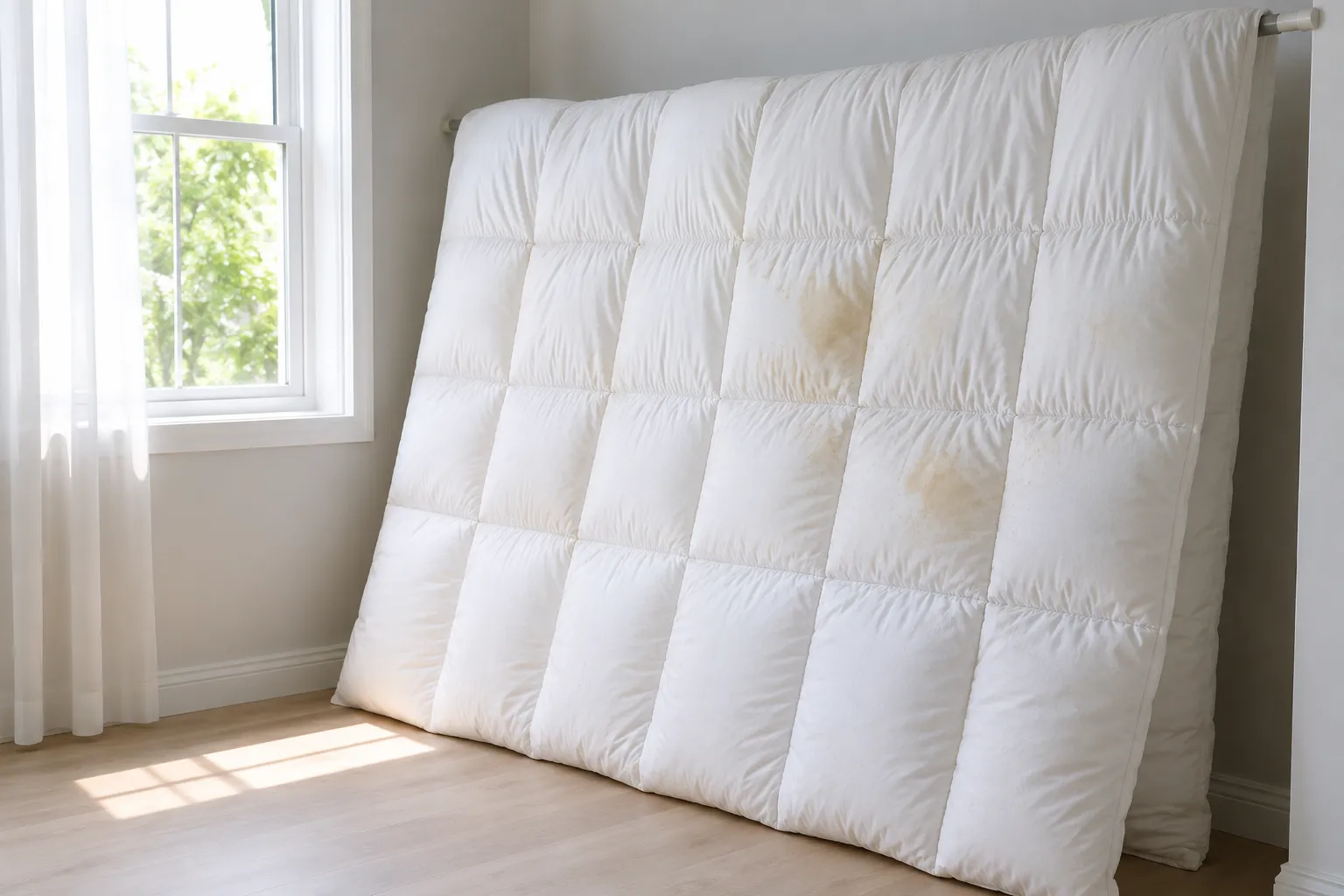
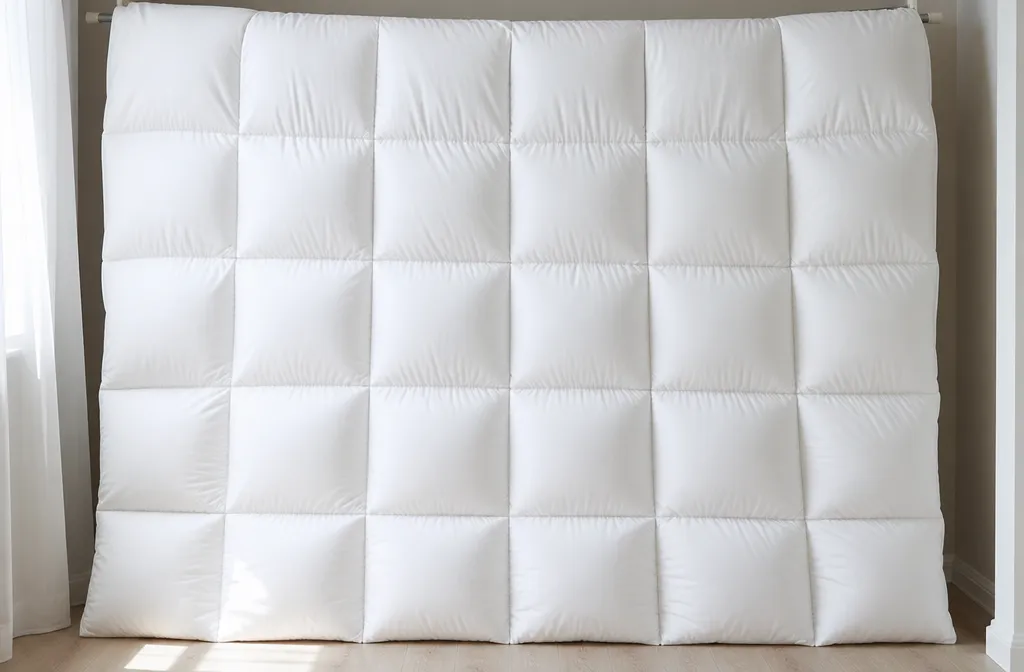
Request: Down duvet has clumped feathers and yellow stains.
Done: Dry cleaning with down fluffing and yellowing removal.
Cost: 7 000 ₸
Master: Lyazzat Bekzhanova, dry cleaning master
Total: The duvet is fluffy, white, with no stains or odor.
 After
After
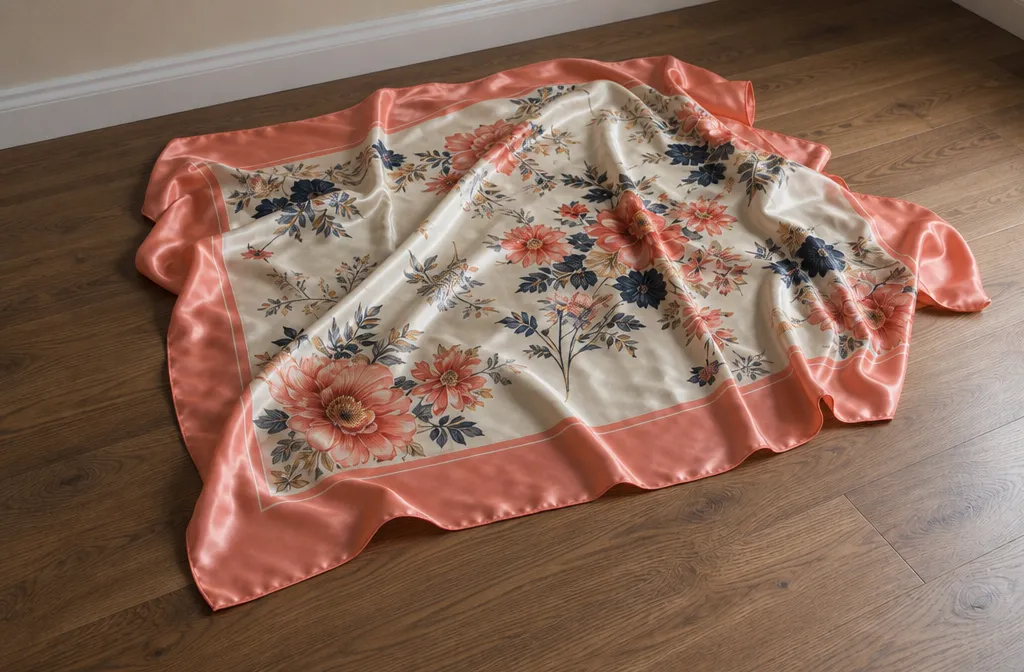
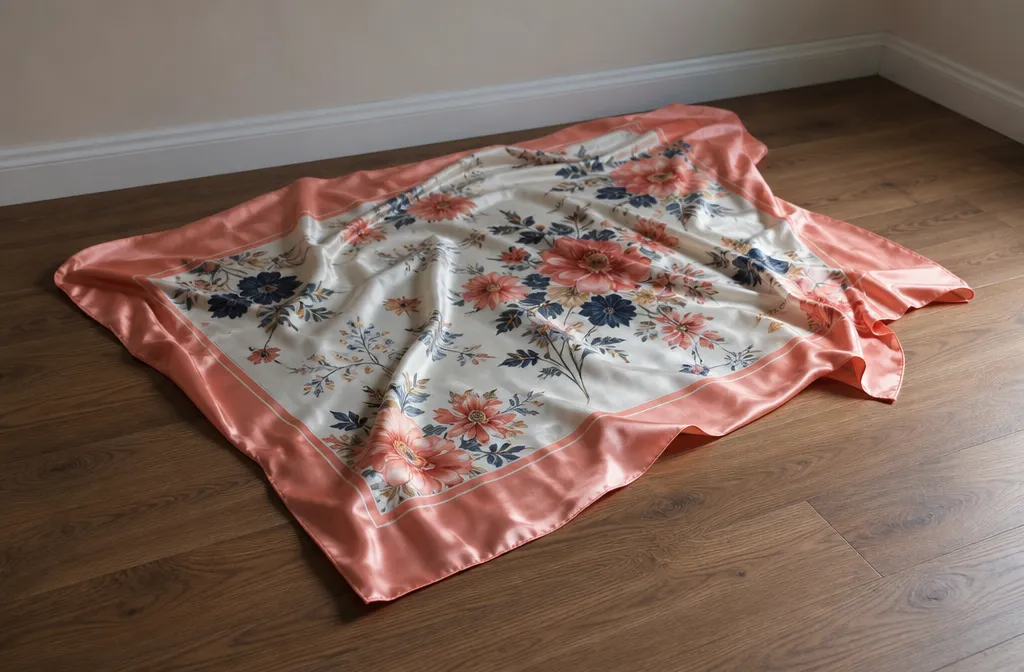
Request: Silk scarf has faded and lost its brightness.
Done: Hand dry cleaning with color fixing and delicate conditioner.
Cost: 1 500 ₸
Master: Gulnara Iskakova, dry cleaning master
Total: The scarf is bright, soft, with no streaks or wear.
All cleaners are profi-clean staff with training, uniform and security check. Each order has a team leader who controls quality.
Silk, cashmere, viscose, and wool require a fundamentally different approach than cotton or synthetics — the mechanical action of the drum and harsh powders irreversibly destroy their structure. In our practice at profi-clean, more than half of the requests for garment restoration are related precisely to the consequences of home washing: a shrunken cashmere coat, a faded silk scarf, or a deformed viscose blouse. To understand why this happens, let’s break down three key risk factors.
The washing machine drum is an aggressive environment for fine fibers: during a standard cycle, the fabric experiences up to 40-50 impacts per minute against the perforated walls, which for silk or cashmere is equivalent to intense rubbing with sandpaper. Silk fibroin threads lose up to 30% of their tensile strength in a single cycle under such contact, and cashmere fibers are pulled from the base, forming pills after just the first wash. The situation is more complex with wool: the scaly layer of the fiber opens under the influence of water and friction, causing the threads to interlock — this is the felting process, which causes a wool sweater to shrink by 2-3 sizes. The delicate dry cleaning in Almaty that we perform at profi-clean completely eliminates mechanical action: items are treated in special chambers with a steam-air mixture, where the fibers are smoothed without friction. For wool and cashmere items, this is critical — if a coat has already shrunk after home washing, restoring its original size is only possible on a professional stretching form, and even then, by no more than 5-7% of the shrinkage.
Most home laundry powders contain alkaline components with a pH of 9-11, which destroy the protein compounds of silk and wool — fibroin and keratin literally dissolve upon contact with such an environment. At a temperature of 30-40°C, which most users consider “cold,” the chemical reaction accelerates: dye molecules are washed out of the fiber, and the item loses up to 40% of its color saturation after 3-4 washes. Fabrics with natural dyes are especially vulnerable — indigo on denim, madder on silk, or plant pigments on linen; they react to alkali almost instantly. Anti-duplicate: in a separate FAQ block, we answer in detail which products we use for delicate fabrics — here, it’s important to understand that even the “delicate” cycle with liquid gel does not solve the problem. Our hypoallergenic Kiehl and Sodasan chemicals are neutral compositions with a pH of 5.5-6.5 that do not react with the fiber and fix the dye rather than washing it out. Before ordering delicate dry cleaning in Almaty, check the label on the item: if it specifies dry clean only, washing it in a machine means guaranteed loss of color or shape.
The most common mistake owners of delicate items make is trying to rub a fresh stain with soap or stain remover directly on the fabric, which leads to blurring the stain’s boundaries and damaging the fiber in the friction area. When red wine gets on a silk blouse or cashmere dress, tannin instantly binds to the protein chains of the fiber — and if it is not neutralized with an acidic compound within the first 30 minutes, the stain becomes practically impossible to remove at home. In our practice at profi-clean, there was a case: a client washed a wine stain on a silk dress with laundry soap, and within an hour, the wine dye had “fused” into the fiber so deeply that even a professional solvent could not remove it completely — we had to bleach and recolor the area. The delicate dry cleaning price is calculated individually, but the cost of restoring a damaged item is always higher than preventive stain treatment before it sets. If a stain from wine or coffee appears on delicate fabric, blot it with a dry napkin without rubbing and hand the item over to professionals as soon as possible — in Almaty, our cleaner’s dispatch takes up to 60 minutes, which saves up to 95% of fresh stains.
Drying is the stage that finally finishes off delicate fabric after washing: the hot air of the drum or a central heating radiator evaporates residual moisture unevenly, creating tension differences in the fibers. Wool and cashmere items lose up to 15% of their linear dimensions when dried on a radiator due to shrinkage in direct heat zones, while silk, when exposed to temperatures above 40°C, loses its elasticity — the threads become brittle and tear at the slightest stretch. Viscose, being a hygroscopic material, deforms especially strongly: when dried unevenly on hangers, it stretches under its own weight, forming “bubbles” at the elbows and knees. Delicate dry cleaning in Almaty solves this problem with professional drying in profi-clean climate chambers with temperature control of 25-30°C and humidity of 40-50% — the item is dried in a flat state on horizontal mesh racks, preserving its geometry. We strongly recommend not drying delicate items in the bathroom after home washing — steam and condensation create the same uneven drying as a radiator, only slower, and mold in the folds of a wool coat appears within 48 hours of moisture.
In the Almaty dry cleaning market, there are dozens of offers, but the actual level of service varies dramatically. At profi-clean, we daily receive items that have been damaged after “professional” treatment by unverified masters. Here are the signs to distinguish those who truly work with delicate fabrics from those best avoided.
A reputable company does not take an item silently. Before processing an order, a technologist or administrator must conduct a diagnosis: inspect the product under light, check the lining, collar, cuffs, and all visible defects. They ask specific questions: what stain remover have you already tried to remove the soiling, did you wash the item in a machine, is there a factory label with the fabric composition. If the master simply takes a coat or blouse, says “come back in three days,” and does not record the condition — this is a red flag. In our practice, about 70% of disputed situations arise precisely because the client and the performer did not record the initial condition: snags, abrasions, weakened dye. Before drop-off, request a photo of the item with clear defects — this will protect you if a claim arises after dry cleaning.
Smell is one of the most reliable but rarely used indicators. Quality dry cleaning with professional solvents (perchloroethylene, hydrocarbon Solvon K4 or DF-) after drying and airing leaves no foreign odor on the item. If you pick up a coat and smell a sharp chemical aroma — “hospital-like,” “acetone-like,” “sweet-chemical” — it means the degassing cycle was disrupted. This most often happens in workshops that cut corners on cycle time: the item is removed from the machine before the solvent has evaporated. Chemical residues not only smell — they continue to destroy the fibers. On cashmere and wool, such residue causes yellowing within 2–3 weeks, on silk — loss of luster and brittleness. In my opinion, this is the simplest test: smell the item immediately upon pickup. If there is an odor — refuse this company’s services forever.
Dishonest masters promise to remove any stain — just to get the order. A professional, on the contrary, will honestly tell you which soiling cannot be removed: old grease marks on silk, red wine stains on viscose without a label, rust embedded in cotton more than a year ago. At profi-clean, we always warn: if the stain is older than 6 months, the probability of complete removal is below 50%, and we record this in the report. People ask us: “Why don’t you take on some items?” — because attempting aggressive treatment can destroy the fabric, leaving the client without the item and without money. A reputable company will refuse an order if it sees that the risk is higher than the chance of success. If you are told “we’ll do it, 100% guarantee” for an old stain on cashmere — run.
The difference between professional dry cleaning and amateur treatment lies in the equipment. A real facility uses closed-circuit dry cleaning machines (perchloroethylene or hydrocarbon), where the solvent undergoes distillation and recirculation, rather than being drained into the sewer. Such machines cost a significant amount, and their maintenance requires a license and regular inspection. Amateur “dry cleaners” often work with household stain removers and manual spray guns — this is not dry cleaning, but aerosol treatment that only spreads the dirt. In Almaty, we know of at least three addresses where, under the guise of dry cleaning, items are simply washed in a regular washing machine with added Vanish. Check: ask what brand of machine is in the facility and what solvent is used. If you hear “special liquid” or “imported composition” without a name in response, you are most likely being deceived. A professional will name a specific brand: Kiehl, Sodasan, perchloroethylene, hydrocarbon DF-.
Quality dry cleaning offers a guarantee on the result — usually 24 hours after pickup. This means that if you brought the item home, hung it on hangers, and 6 hours later noticed the stain reappeared or a streak appeared, the company is obliged to redo it for free. Unscrupulous services do not provide a guarantee or formulate it in a way to refuse: “guarantee only on the absence of damage,” “guarantee on color” — without specific deadlines. In our practice, about 15% of repeat requests are related to a client bringing an item treated elsewhere with a “guarantee” — and we see that the stain was simply fixed by heat treatment, not removed. It returns after a week. Before handing over the item, clarify: what exactly does the guarantee cover, how long does it last, what should you do if you are not satisfied with the result. If they cannot answer these questions clearly, look for another company.
In Almaty, real reviews about dry cleaners are on 2GIS, Google Reviews, and the companies’ Instagram accounts. Russian services like Flamp or Otzovik do not work for our city — they only have fake reviews and outdated data. When evaluating reviews, look at three things: the date (should be within the last 3-4 months to reflect current quality), details (the client describes a specific item and result, not just “everything is super”), and the company’s response (do they respond to negative feedback, do they offer a solution). If a company has hundreds of five-star reviews without text, it’s fake. If any negative feedback gets a template response “write to us in direct messages,” the company does not want to publicly address mistakes. At profi-clean, we respond to every review, even negative ones, and offer to redo the work if the client is dissatisfied — this is the only way to maintain a reputation in Almaty, where the market is small and word-of-mouth works faster than any advertising.
“`markdown
Even with gentle wear, delicate fabrics accumulate dust, sweat, and sebum — if you do not care for them between professional cleanings, the fibers lose their luster and elasticity within 2-3 months. Here is how to extend the life of silk and cashmere in Almaty conditions without the risk of ruining the item.
Silk is a protein fiber called fibroin, which is destroyed by alkali (pH > 8.5) and ultraviolet light. Airing it out on the balcony under the direct Almaty sun (UV index 6-8 in summer) for 3-4 hours reduces thread strength by 15-20% — the fabric becomes brittle at the folds. Cashmere, being goat wool, is afraid of friction: even gentle hand rinsing in a basin shifts the fiber scales, causing pilling after just 2-3 washes. Therefore, for silk between cleanings, only dry cleaning with a soft brush with natural bristles (ideally horsehair) is acceptable, and for cashmere — steam treatment from a steamer at a distance of 20-25 cm, without touching the fabric. At profi-clean, we have noticed: clients who steam their cashmere coat once a month bring it to the dry cleaner 40% less often — the fiber remains straightened and does not absorb odors.
Silk absorbs moisture from the air (hygroscopicity up to 11% of its weight), so in Almaty apartments with central heating (humidity 30-35% in winter), it dries out and cracks at the folds — store silk blouses and dresses in breathable cotton or tick covers, not in plastic bags, where condensation causes yellow stains within 2 weeks. Cashmere, on the other hand, is afraid of moths — in a warm closet at +22-25 °C, larvae hatch in 10-14 days. Use sachets with lavender or cedar (not naphthalene — it embeds into the fiber and requires professional deodorization). Fold cashmere sweaters on a shelf in a stack, not on a hanger — under the weight of hangers, the knitted fabric stretches by 3-5 cm per month. In practice, if a client stores cashmere on a hanger, we measure the length of the item upon receipt and warn: restoring the shape will require additional steam treatment during dry cleaning.
At home, only fresh (up to 2 hours) water-soluble stains are acceptable to remove — traces of sweat, coffee without milk, clear juices, but with the condition: on silk — spot-clean with a cotton pad moistened with distilled water (not tap water — chlorine leaves streaks) and blot, do not rub; on cashmere — sprinkle with cornstarch for 30 minutes to absorb grease. Everything else — greasy stains (oil, cream, sauce), protein stains (blood, milk, egg), coloring stains (red wine, berries, ink), and set-in stains (older than 2 hours) — require professional delicate dry cleaning with solvent selection based on fiber type. At profi-clean, there was a case: a client tried to remove a red wine stain from a silk scarf with lemon juice — the acid (pH 2-3) partially dissolved the fibroin, creating an irreversible “etching” at the stain site that even subsequent dry cleaning could not hide. The same mistake with cashmere — vinegar or lemon juice destroys keratin, and the item loses its softness forever. Therefore, the golden rule: if you are unsure about the stain’s composition — do not experiment, but immediately bring it to a technician.
| Parameter | Silk | Cashmere |
|---|---|---|
| Afraid of | Alkali, UV rays, chlorine, friction | Friction, high temperature, moths, stretching |
| Home care | Dry brush, steaming from a distance of 25 cm | Steaming from a distance of 20 cm, starch for grease |
| Prohibited | Soaking, hand washing, wringing | Machine washing, drying on a radiator, hanger |
| Storage | Cotton cover, dark place, humidity 50-60% | Flat stack, moth sachet, temperature up to +20 °C |
| Dry cleaning frequency | Every 4-6 months or after 5-6 wears | Every 3-4 months or after 8-10 wears |
| Sign it’s time to come to us | Dullness, yellow stains on underarms | Pills, loss of shape, persistent odor |
First — the item has stopped “sounding”: silk does not rustle when moving, cashmere does not spring back when compressed — this means the fibers are clogged with microparticles of dust and sebum that steaming cannot remove. Second — creases have appeared on the collar and cuffs that do not smooth out with steam: on silk, these are traces of fibroin hydrolysis from sweat; on cashmere, fiber deformation from pressure. Third — even after airing, a musty smell remains: bacteria multiply in the porous structure of cashmere, releasing volatile compounds. In our practice, clients often bring an item with the phrase “it just hung in the closet for six months” — and under a microscope, we find fungal colonies on silk or moth larvae in cashmere. Therefore, if you notice at least one of the three signals — do not wait for stains to become visible: delicate dry cleaning at this stage will be cheaper and preserve 90% of the fabric’s original appearance. “`
80% of stain removal success depends on how you react in the first minutes — an incorrect action fixes the contamination in the fibers forever. In our practice, eight out of ten hopeless cases are the result of a client trying to rub off the stain with household remedies before contacting us.
Friction forces pigment particles deeper between the fibers — on silk and viscose, this irreversibly destroys the fabric’s structure. When you rub cashmere, the fibers mat together, and the dirt becomes trapped in the resulting felt — removing it later is only possible by chemically dissolving the fiber. On wool, friction causes a “felting” effect: the stain literally becomes woven into the fabric’s structure. Instead of rubbing, only blotting: place the item on a flat surface, put a clean terry towel underneath, and blot the stain from the edges towards the center with a dry, lint-free cloth. The less mechanical action, the higher the chance that our delicate dry cleaning will restore the item to its original appearance without any traces.
Hot water coagulates the protein in stains from blood, milk, and eggs — above 40 °C, such contamination becomes practically insoluble, even with professional solvents. The same applies to fruit and berry stains: high temperature “sets” natural pigments (anthocyanins) into the cellulose fibers of cotton and viscose. The only exception is grease stains: before washing, these should be warmed with a hairdryer through a paper napkin to melt the solidified fat. For all other stains, use only cold or slightly warm water (up to 30 °C), and always from the wrong side to avoid pushing the pigment to the face side. If you are unsure about the nature of the stain, it is better not to wet the item at all until you bring it to us for cleaning.
Salt, citric acid, vinegar, hydrogen peroxide, ammonia, mass-market stain removers — each of these “folk” remedies destroys a specific type of delicate fiber. Acetic acid dissolves acetate silk — the item literally falls apart in your hands. Hydrogen peroxide discolors natural dyes on cashmere, leaving irreversible white spots. Ammonia destroys wool keratin — the fabric becomes brittle and loses elasticity. Stain removers with chlorine or optical brighteners leave a yellow undertone on silk after contact, which cannot be removed by anything. At profi-clean, we use only professional pre-spotters from Kiehl and Sodasan — they work selectively, dissolving the stain, not the fabric. If the stain is fresh, it is better to bring the item to us immediately rather than experimenting with household chemicals.
Red wine on silk, coffee on cashmere, ink on viscose, grass on wool, beetroot on any delicate material — these stains contain stubborn natural or synthetic pigments that irreversibly react with the fiber upon contact with water and friction. In our practice, there was a case: a client tried to scrub red wine from a silk blouse with soapy water — after drying, the stain darkened to purple and covered an area three times larger than the original. Even professional removal took three cycles with drying breaks, and a faint trace remained. If the stain is brightly colored (fruits, berries, wine, juice, tomato-based sauces) — do not touch it at all. Simply blot the excess with a napkin without touching the fabric, and bring it to us immediately.
Suede and viscose are two materials most often ruined at home: wet treatment deforms the fibers, and incorrect stain removers leave streaks. Let’s break down how professional dry cleaning handles each of them.
The nap of suede consists of millions of microscopic scales that open up and lose their shape when wet. If you rub a suede boot with a damp brush, after drying, hard whitish spots will remain — this is raised nap that can no longer be laid back down. At profi-clean, we use dry cleaning for suede: first, dust is removed with a stream of compressed air, then stains are treated with a special powder absorbent based on kaolin — it absorbs grease and dirt without contact with water. After that, the nap is “raised” with a rubber brush in one direction, restoring the velvety texture. In our practice, clients often try to wipe a stain on a suede down jacket with a wet wipe — as a result, the dirt is rubbed in deeper, and removing it becomes possible only after 2–3 cleaning cycles. Therefore, for local suede soiling, do not rub the stain — immediately sprinkle it with talc or starch to absorb the grease before the technician arrives.
Viscose is an artificial fiber made from cellulose, but when wet, it loses up to 40% of its strength, unlike cotton, which can withstand machine washing. This means that when soaked, a viscose blouse can tear under its own weight. In our service, viscose is treated only on a horizontal surface: the item is spread out on a perforated table, a water-based stain remover with a pH of 5.5–6.0 (neutral for cellulose) is applied, and the soiling is blotted with a vacuum extractor — without rubbing or wringing. After that, viscose is not dried in a drum but left on a mesh frame under natural conditions at 22–24 °C: accelerated drying shrinks the fiber by 5–7%. An important observation: viscose blended with elastane (5–10%) behaves more stably than 100% viscose — elastane threads help maintain shape, and such an item deforms less during cleaning.
Natural suede smells like leather when wet and darkens evenly, while artificial suede (microfiber with nap) often bleeds — the dye transfers to a cloth even during dry cleaning. Before starting work, profi-clean cleaners always perform a test on an inconspicuous area: they run a white cotton cloth over the nap with light pressure. If a mark remains on the cloth, the dye is unstable, and such material is cleaned only with cold
I sent my drape coat for delicate dry cleaning — the result is perfect: no stains, no pills, even creases were smoothed out.
Thank you, Aigerim! We're glad the coat has a fresh look.
The suit after dry cleaning looks like new, fits perfectly, and the smell faded quickly.
I ordered delicate dry cleaning for my down jacket — the down didn't clump, the color became brighter, but the delivery was delayed by a day.
Sorry for the delay. We're glad you liked the quality.
The dress was cleaned perfectly after the wedding: the veil is snow-white, the lace is intact, the chiffon is not wrinkled.
Thank you! It's important for us to preserve the memory of a special day.
I thought a leather jacket couldn't be cleaned, but delicate dry cleaning handled it — grease stains are gone, leather is soft.
The wool carpet was cleaned of ingrained dirt, the pile became fluffy, colors vibrant.
Thank you, Assel! Carpets require special care.
I sent my winter parka for delicate dry cleaning — the fur didn't spoil, the filling didn't clump, salt stains are gone.
Great! We take care of your jacket like our own.
The cashmere coat became softer, but one button was left unbuttoned after treatment.
We apologize. We usually check the hardware.
Before the interview, I had my suit delicately dry cleaned — looks impeccable, creases hold, fabric breathes.
Wool blanket is hard to wash at home, we gave it to profi-clean — they returned it soft, without pills and with a pleasant scent.
Glad to help! Blankets are our specialty.
I sent my long down coat for delicate dry cleaning — the down didn't clump, the membrane breathes, coffee stains disappeared.
Thanks for the review! Your down coat is in safe hands.
The silk dress shrank a bit at the waist after dry cleaning, although they promised a delicate mode. Disappointed.
We're sorry. Please contact us for compensation.
I ordered delicate dry cleaning for car seat covers — the fabric didn't fade, ingrained dirt is gone, the cabin smells fresh.
The palace carpet looks like new after dry cleaning, it even removed the old paint smell from previous residents.
Wonderful! Fighting odors is our forte.
I gave my sneakers for delicate dry cleaning — the white sole became snow-white, but a slight gray tint remained on the fabric.
Thank you for your feedback. Next time we will use enhanced treatment.
The mink fur coat was refreshed — the fur shines, the pile doesn't shed, and creases smoothed out.
Thank you! Fur requires special care.
The terry robe became fluffy and soft after delicate dry cleaning, ingrained cosmetic dirt was removed.
The cocktail dress with sequins was returned in perfect condition — sequins intact, fabric didn't fade.
Thank you! Sequins are always a risk, but we managed.
I gave my leather jacket for delicate dry cleaning — stains were removed, but the leather became a bit stiffer, had to soften it with cream.
Sorry for the inconvenience. Next time we will apply conditioner.
The curtains after dry cleaning are white, without yellowing, folds lie evenly, no chlorine smell.
I gave my cashmere sweater for delicate dry cleaning — no stains, no pills, softness restored.
Cashmere loves delicacy. Glad everything is great.
After dry cleaning, the down pillows regained their volume, the down didn't clump, and sleeping became more comfortable.
Wonderful! Pillows are an underrated service.
I sent the velour suit for delicate dry cleaning — the nap wasn't crushed, the color is bright, and even the shiny areas are gone.
After dry cleaning, the knitted dress didn't stretch, the shape is preserved, and the color became more saturated.
Thank you! We work carefully with knitwear.
I sent the football uniform for delicate dry cleaning — the sweat smell is gone, the numbers didn't wear off, and the fabric didn't fade.
Great result! Professional care for athletes.
After dry cleaning, the linen tablecloth became softer, and red wine stains were removed without a trace.
I sent the white down jacket for delicate dry cleaning — it became white, but the down was distributed unevenly, I had to fluff it.
Sorry. Next time we'll check the filling before handing it over.
The wool coat after dry cleaning looks like from a store window: no pills, even nap, even the buttons were tightened.
Thank you for your trust! It's nice when details are noticed.
I sent the insulated vest for delicate dry cleaning — the filling didn't clump, the fabric breathes, and oil stains are gone.
Usually 1-2 business days. Urgent cleaning is possible within 4 hours for an additional fee.
Call or leave a request on the website. Courier delivery is free when ordering under an individual tariff.
Yes, we use organic products Sodasan and Kiehl that do not cause allergies. After cleaning, items undergo steam disinfection.
Yes, we accept down blankets and decorative pillows. Cleaning restores fluffiness and removes dust mites.
Kaspi, Halyk, cash, bank transfer. For legal entities — non-cash payment.
We compensate the cost of the item as stated in the contract. Our craftsmen are experienced, so such cases are rare.
No, we treat stains ourselves. Just hand over the item as is.
Check pockets, fasten buttons. If there are removable elements, remove them. We'll do the rest.
Yes, a 10% discount on repeat orders within a month. There are also promotions for new customers.
We store items for up to 30 days free of charge. After that, a storage fee applies.
Tell us about your experience with profi-clean — it helps other clients and us improve.
We currently operate in Almaty. Other cities are coming soon.