Inspection and assessment
We determine the carpet type, degree of wetness, presence of mold, and type of dirt. We create a cleaning plan.
We remove dirt, silt, musty smell and mold from carpets after flooding. Service available in Almaty.

We work with any types and materials
Dries quickly, resistant to chemicals, cleaned without risk of shrinkage.
from 20,000 ₸Gentle cleaning with neutral pH to preserve pile structure.
from 20,000 ₸Requires minimal moisture and special products to prevent deformation.
from 20,000 ₸Deep extraction removing dirt from the base, drying with air mover.
from 1,200 ₸Thorough rinsing of each fiber, removing silt from deep within.
from 20,000 ₸Quick cleaning with high efficiency in stain removal.
from 20,000 ₸Individual approach, testing products on an inconspicuous area.
from 20,000 ₸Standard cleaning using professional extractors.
from 20,000 ₸We avoid over-wetting to prevent damage to the glue.
from 20,000 ₸Careful drying to prevent base deformation.
from 20,000 ₸Streak-free cleaning, color fixation if necessary.
from 20,000 ₸Even cleaning without risk of discoloration.
from 20,000 ₸From inspection to result with guarantee
We determine the carpet type, degree of wetness, presence of mold, and type of dirt. We create a cleaning plan.
We extract standing water using a Karcher water vacuum (extractor). Removes up to 90% of moisture.
Apply Kiehl enzyme cleaner to soiled areas to break down organics (silt, dirt).
We rinse the carpet with hot water under pressure using Kiehl or Sodasan detergent. The extractor immediately vacuums out dirty water.
Apply biocidal solution against fungus and mold over the entire carpet surface. Protection up to 30 days.
We use an ozone generator or deodorizing agent to eliminate musty smell. Ozone destroys odor molecules.
We set up powerful air movers to accelerate drying. Reduces drying time to 2-4 hours.
We inspect the pile, assess cleanliness and smell. If necessary, we re-treat problem areas.
We use the powerful Karcher Puzzi 10.8 extractor with pressure up to 4 bar for deep carpet washing. It delivers hot water with detergent under pressure and immediately extracts dirty water, removing silt and dirt from deep within the pile. This achieves up to 99% removal of contaminants.
We use Kiehl enzyme products that break down organic contaminants (silt, dirt, biological fluids) at the molecular level. The products are safe for children and pets, leave no chemical odor, and are suitable for all carpet types including wool and viscose.
We apply a biocidal composition based on quaternary ammonium compounds that prevents mold and fungus growth for up to 30 days. The treatment is applied after cleaning, penetrates deep into fibers, and does not affect carpet color.
If any musty or moldy odor remains after cleaning, we will perform a repeat treatment for free. We use an ozonator to neutralize odors at the molecular level and deodorizing agents with a neutral scent.
We accept orders from 8:00 to 22:00, arrive within 2 hours anywhere in Almaty. We bring all necessary equipment: extractor, fans, products. Average cleaning time for one carpet of 10 m² is 1.5 hours.
In 10 years of work, we have cleaned carpets made of wool, viscose, synthetic, as well as carpet tiles and handmade carpets. We use correct pH-neutral products and water temperature up to 70°C for synthetics and up to 40°C for wool to avoid shrinkage and pile damage.
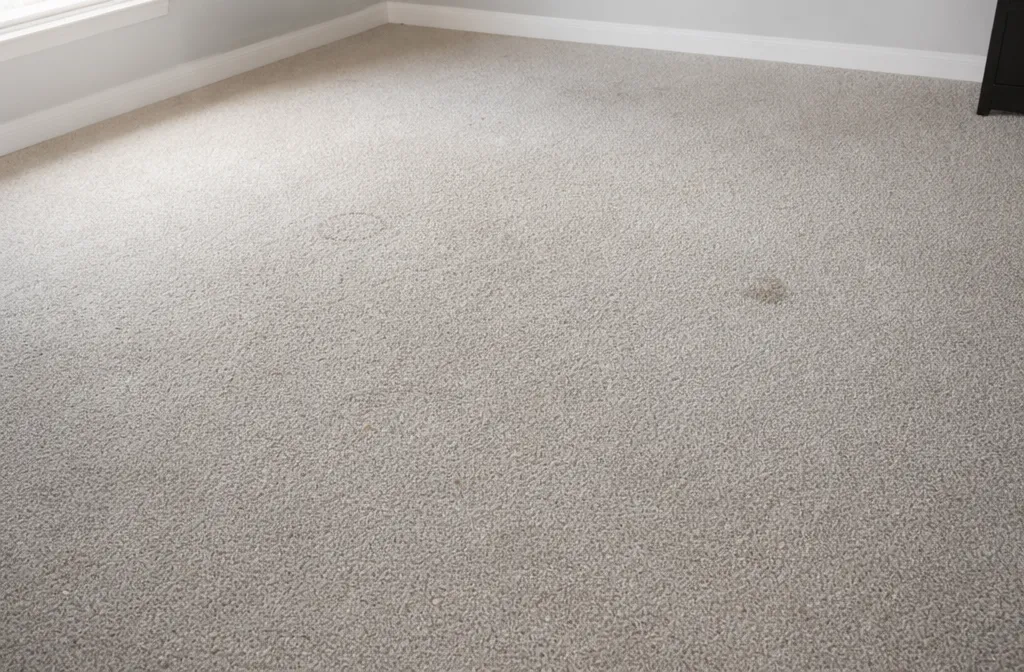
 After
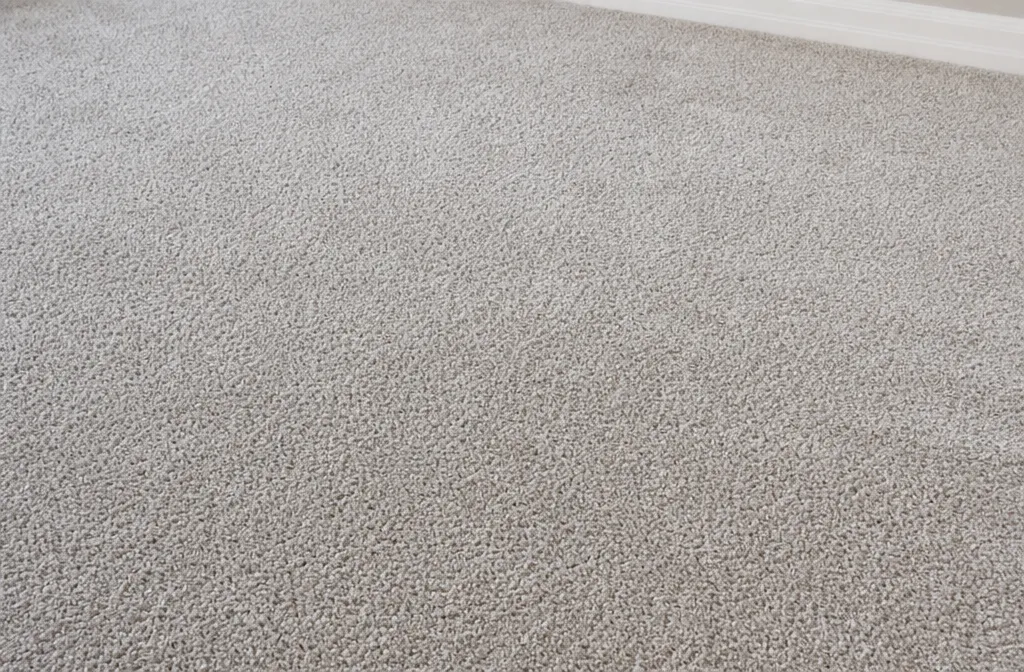
After
Request: Urgent dry cleaning needed for synthetic carpet after apartment flooding.
Done: Performed deep dry cleaning with dirt extraction and disinfection of synthetic carpet.
Cost: 22 000 ₸
Master: Aigul Serikova, dry cleaning master
Total: Carpet fully restored, odor and all water-related contaminants removed.
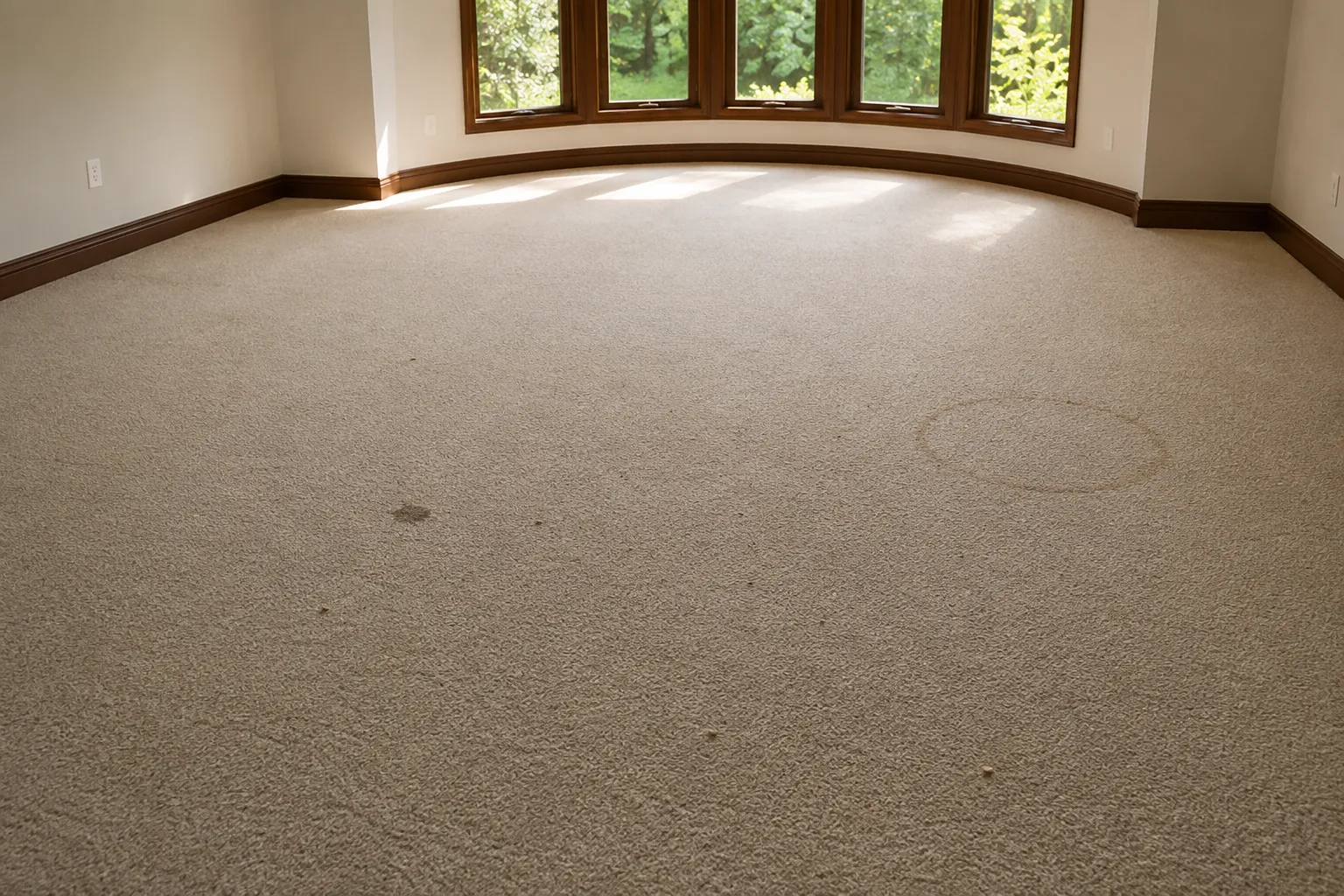
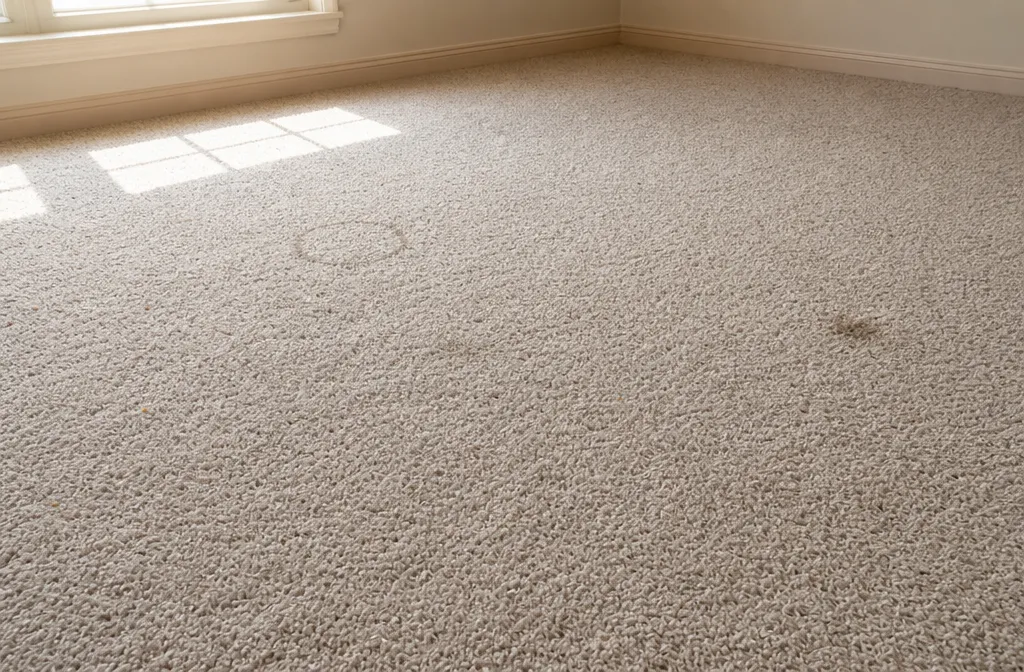
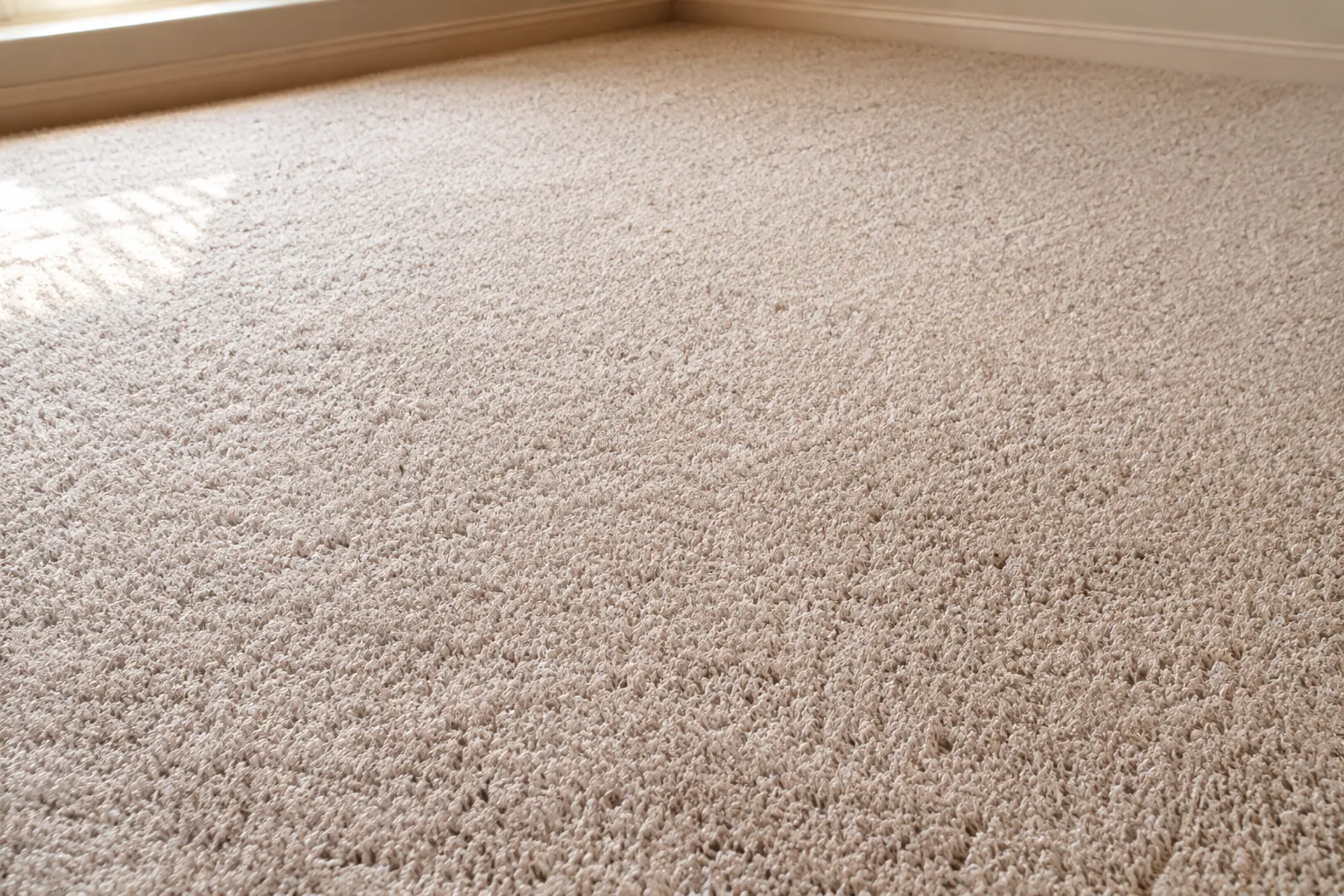
 After
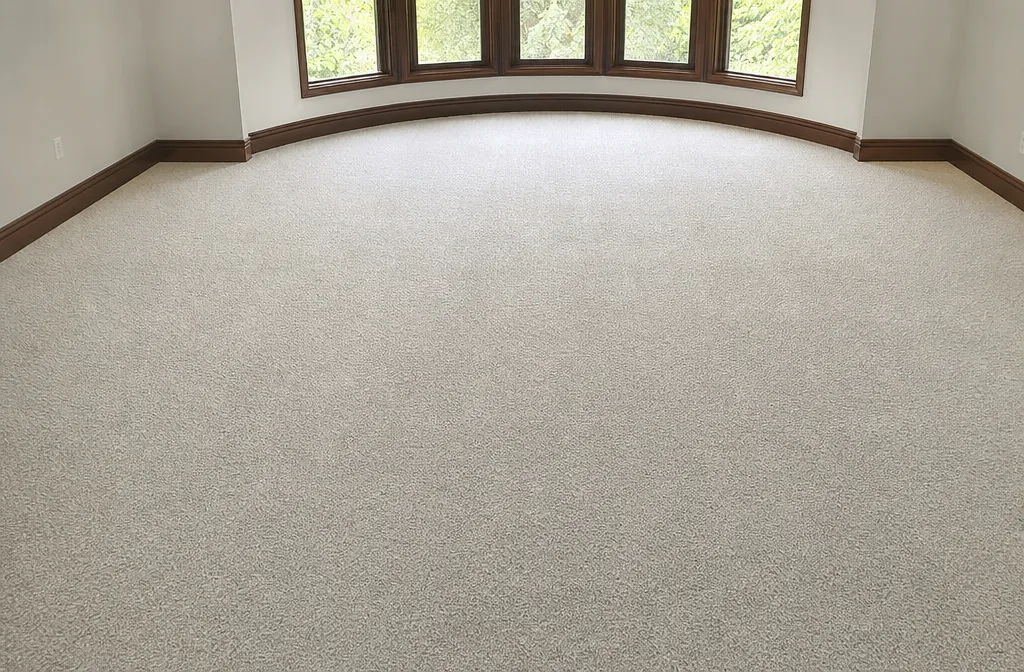
After
Request: Need to clean wool carpet after flooding, risk of shrinkage.
Done: Performed delicate dry cleaning of wool carpet with moisture and temperature control.
Cost: 23 000 ₸
Master: Nurlan Abdrakhmanov, senior master
Total: Wool carpet cleaned without deformation, pile soft and fluffy.
 After
After
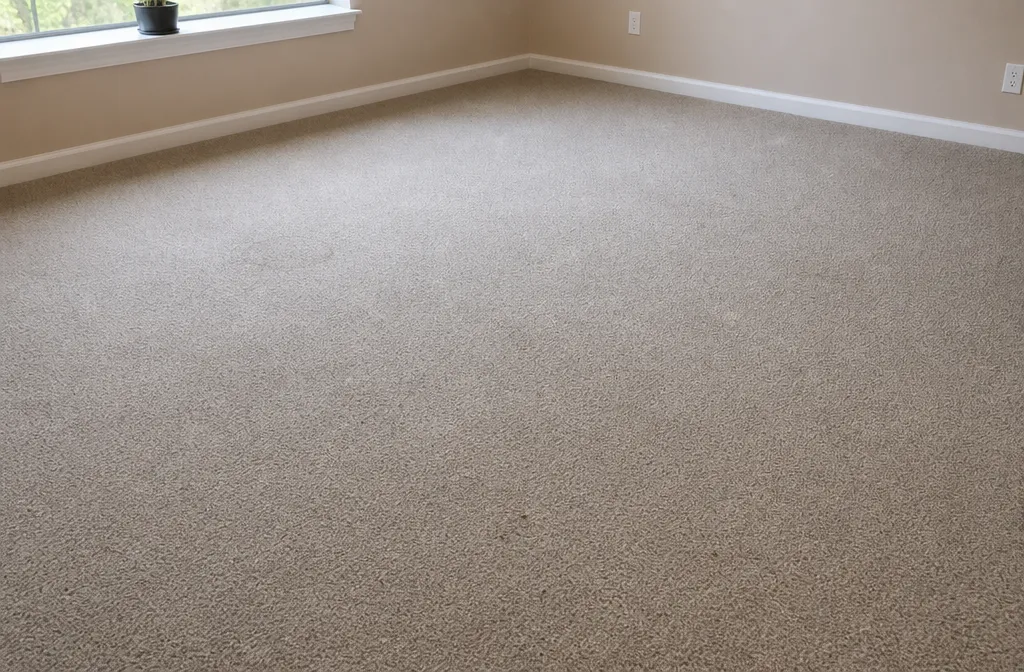
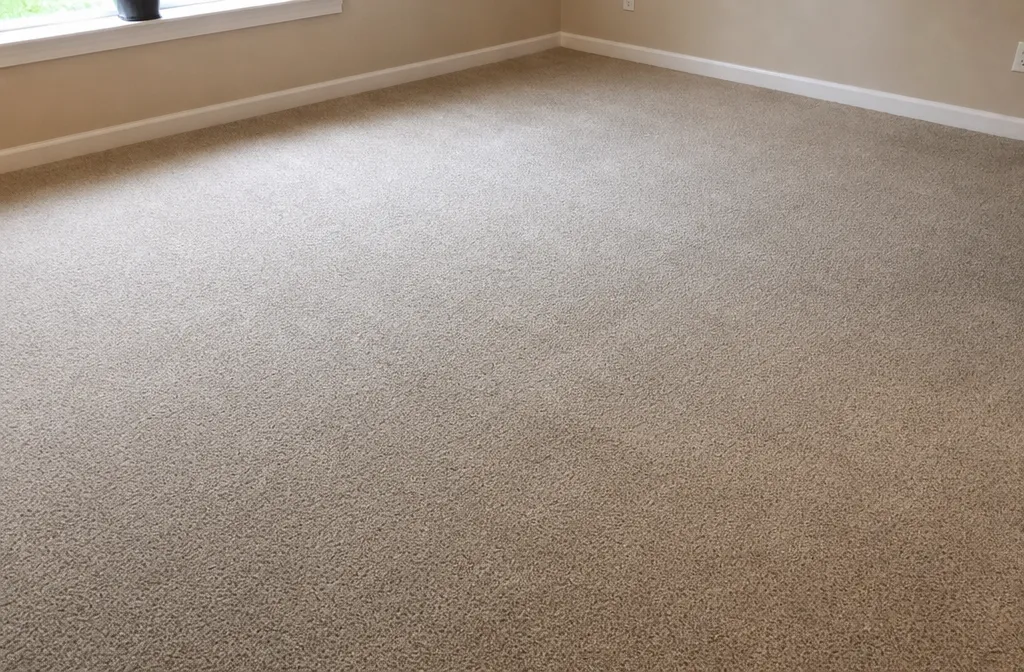
Request: Dry cleaning required for long-pile carpet after apartment flooding.
Done: Performed deep cleaning using shampoo and extractor for long pile.
Cost: 24 000 ₸
Master: Aliya Bekmukhambetova, dry cleaning master
Total: Long-pile carpet fully cleaned, pile straightened and fresh.
 After
After
Request: Need dry cleaning for short-pile carpet after basement flooding.
Done: Cleaned short-pile carpet using rotary machine and deodorization.
Cost: 23 000 ₸
Master: Damir Ibraev, dry cleaning technologist
Total: Short-pile carpet perfectly clean, no streaks or musty smell.
 After
After
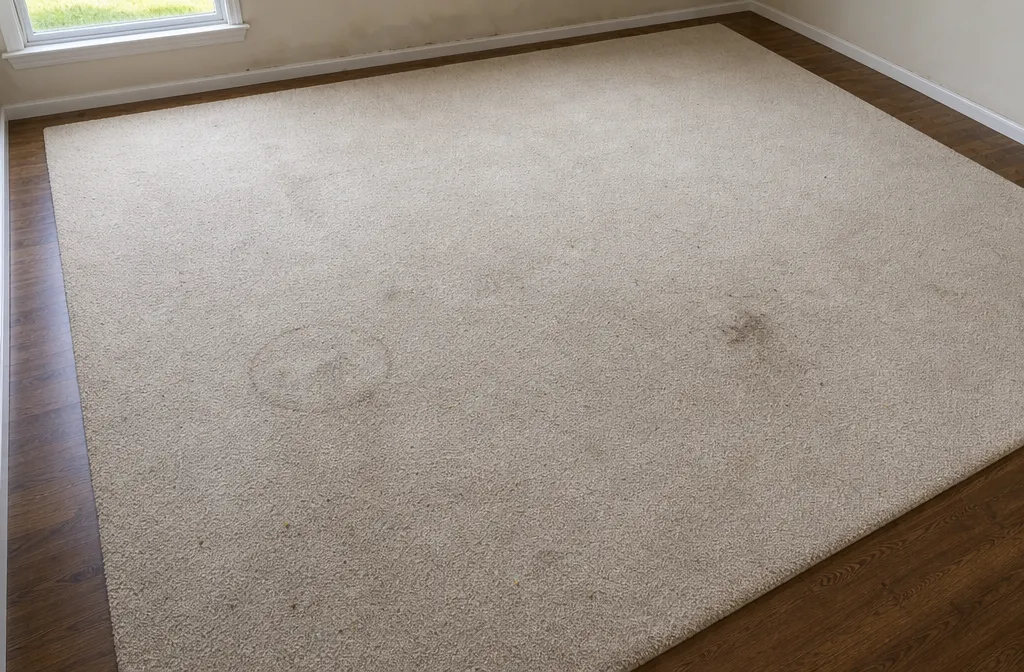
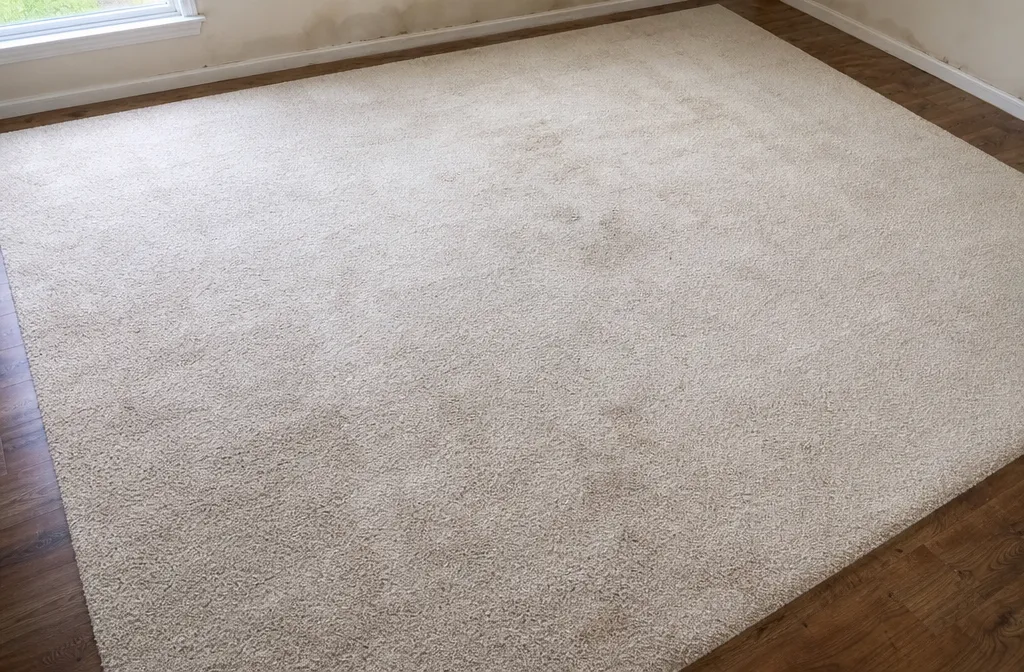
Request: Mud stains remain on carpet after water pumping, cleaning needed.
Done: Removed mud stains from carpet using enzyme stain remover and extraction.
Cost: 22 000 ₸
Master: Zhanat Sagindykov, dry cleaning master
Total: Mud stains completely removed, carpet looks like new.
 After
After
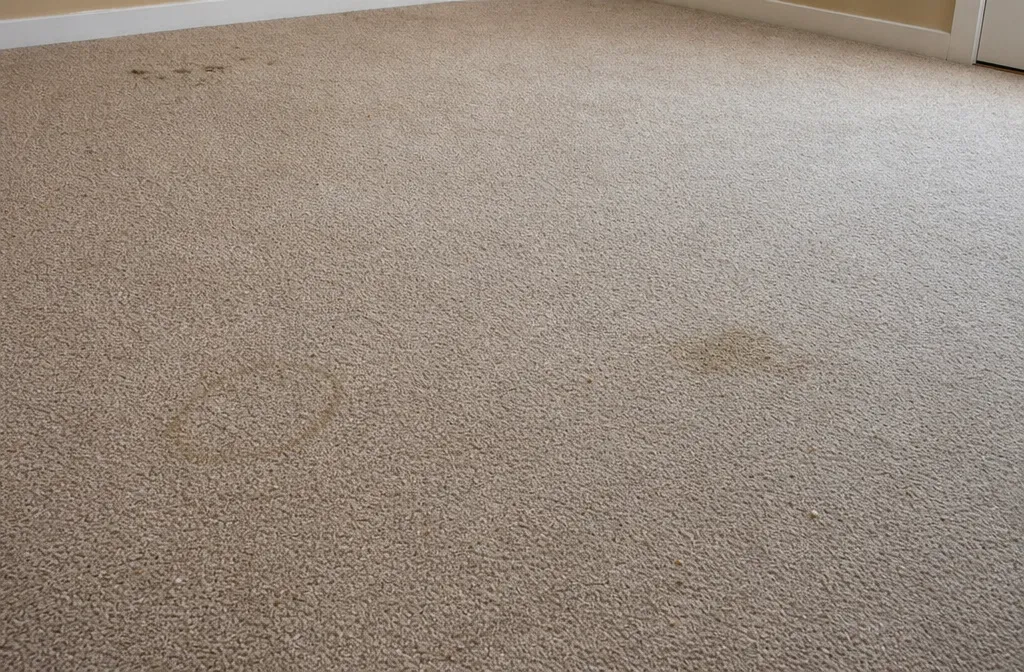
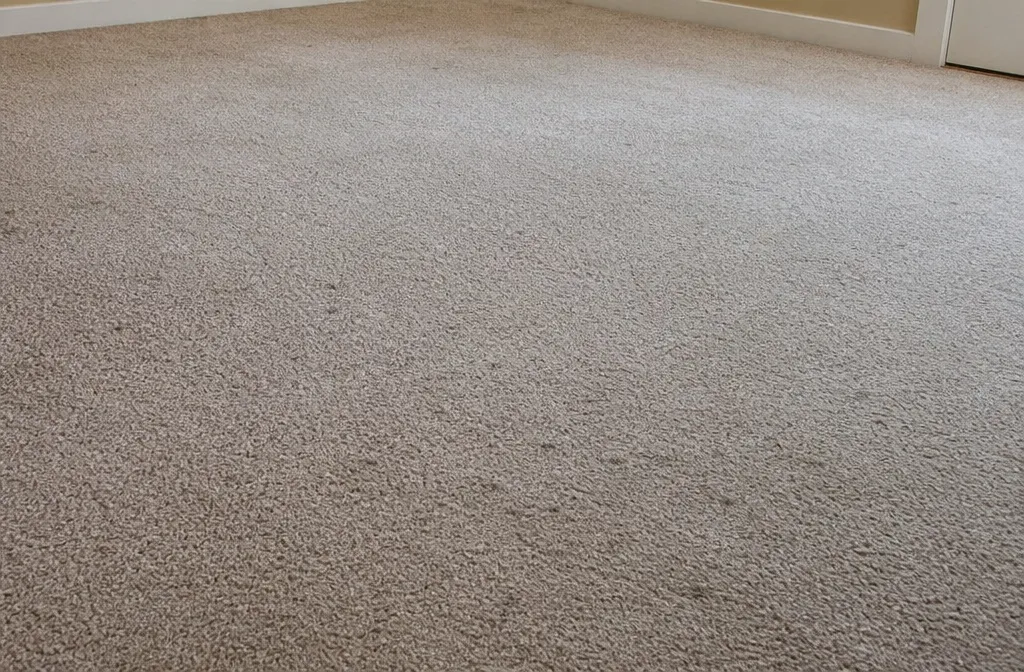
Request: After the flood, mold stains appeared on the carpet, requiring treatment.
Done: We performed antibacterial treatment and dry cleaning of the carpet with mold removal.
Cost: 24 000 ₸
Master: Marat Zhumabayev, disinfection master
Total: Mold completely removed, carpet disinfected and safe.
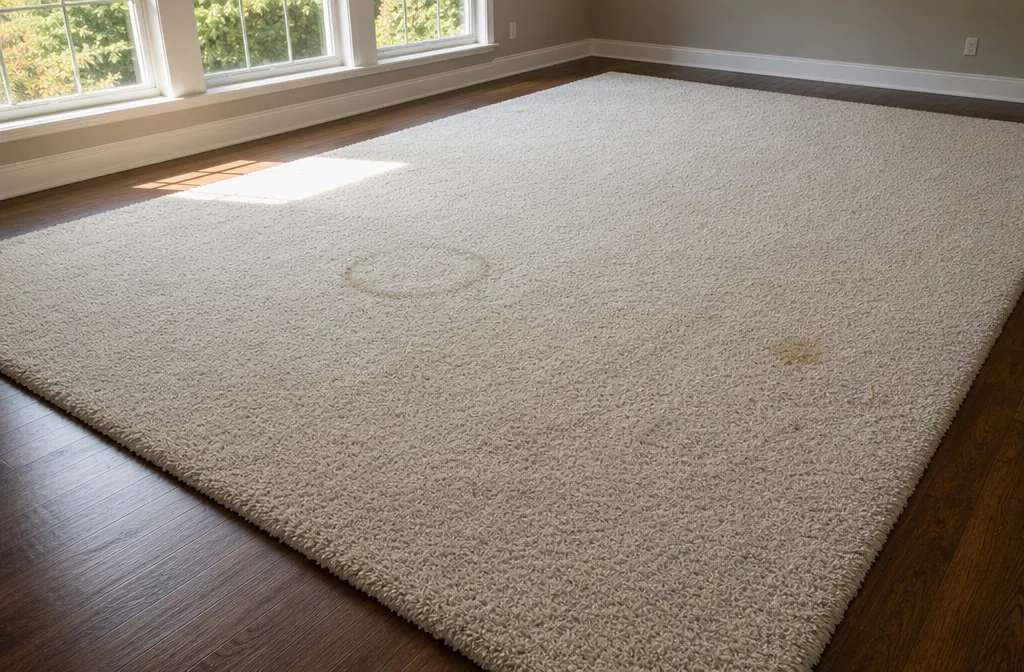
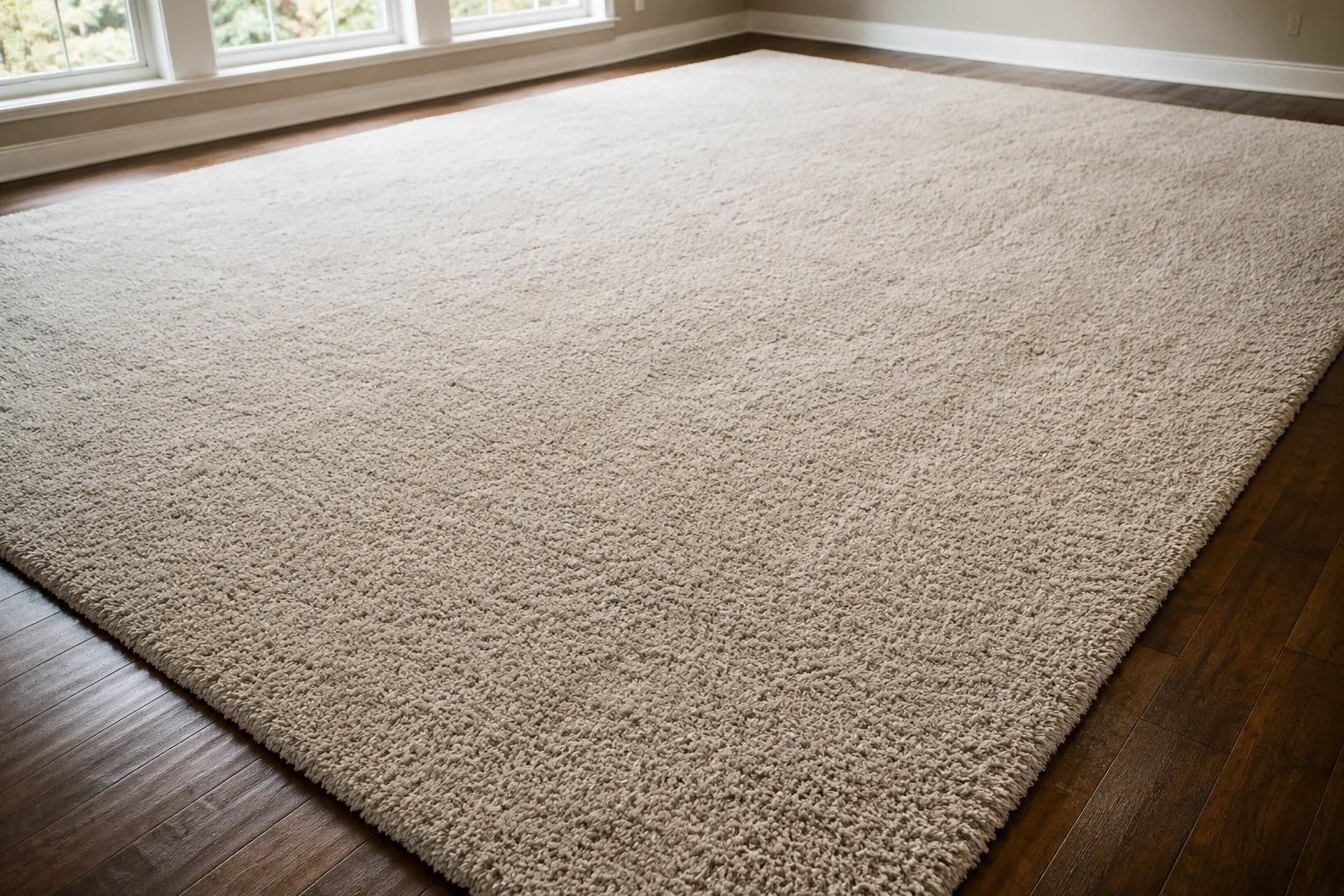 After
After
Request: Carpet got wet and deformed after a pipe burst, needs drying and cleaning.
Done: We dried the carpet with an industrial dehumidifier and performed dry cleaning with conditioning.
Cost: 21 000 ₸
Master: Aizhan Muratova, dry cleaning technologist
Total: Carpet restored after water damage, no shrinkage or deformation.
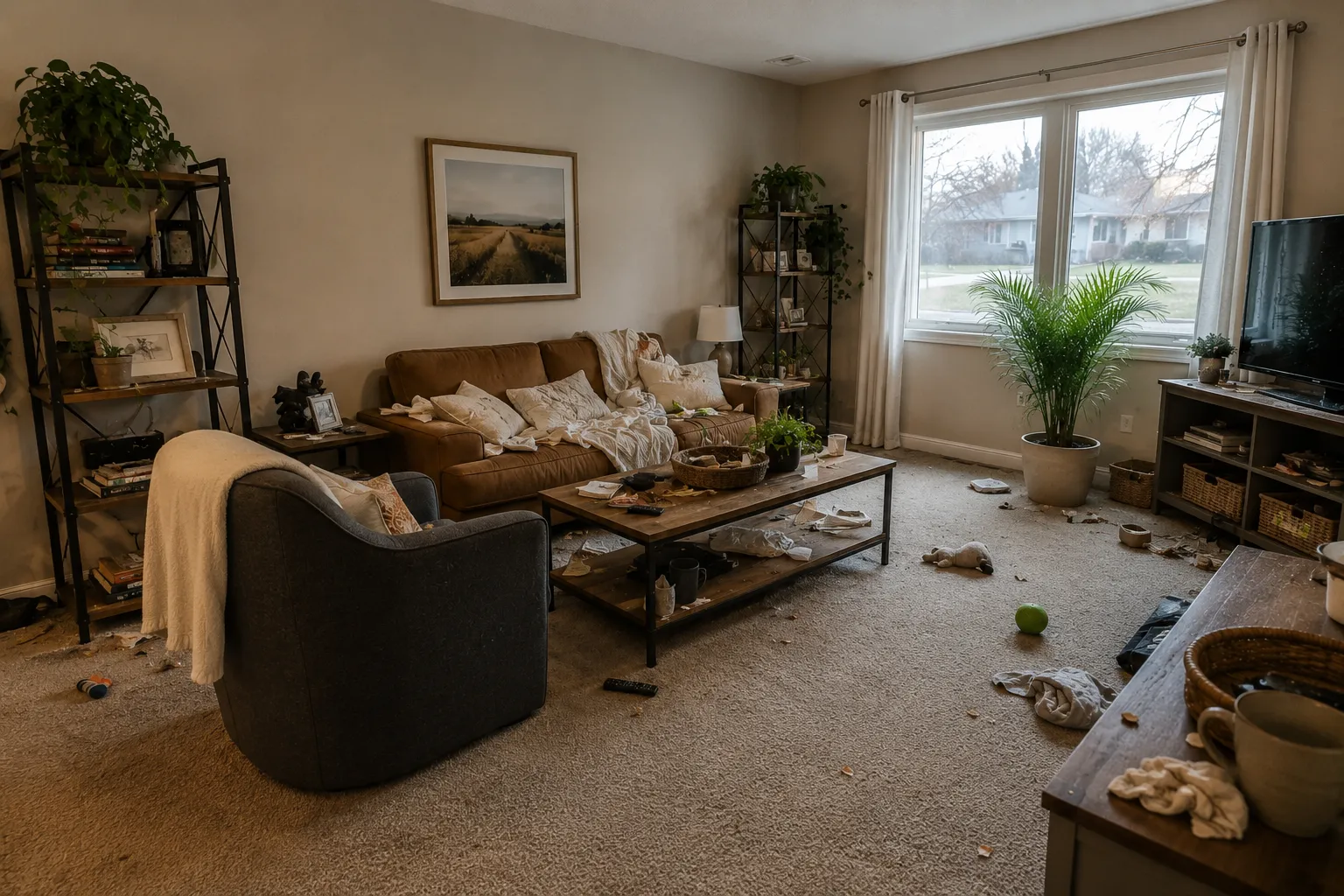
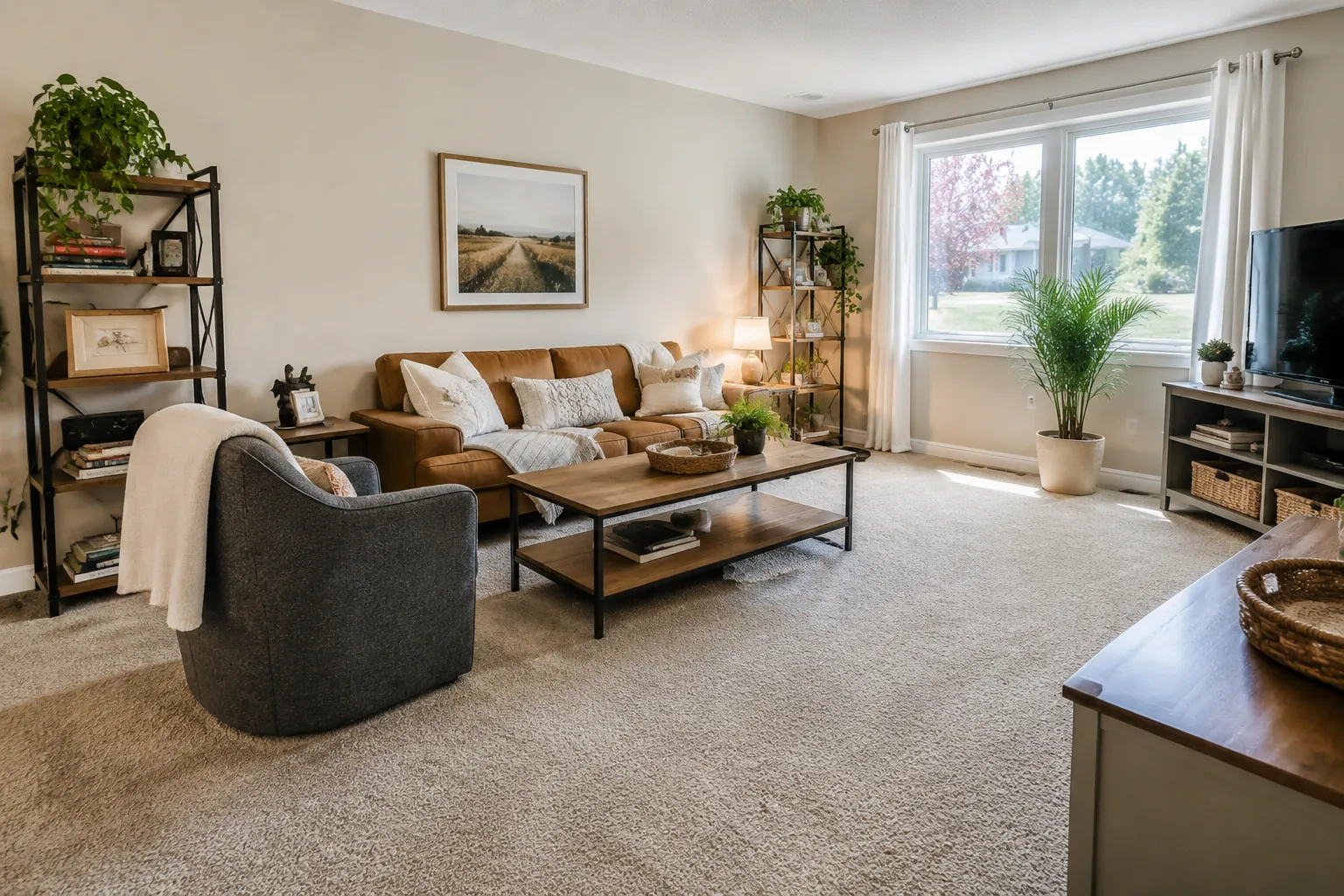 After
After
Request: In the living room, the carpet is soiled after flooding, requires on-site dry cleaning.
Done: We performed dry cleaning of the living room carpet with home visit and complete drying.
Cost: 22 000 ₸
Master: Yerlan Kaliyev, dry cleaning master
Total: Living room carpet clean, room free of musty smell.
 After
After
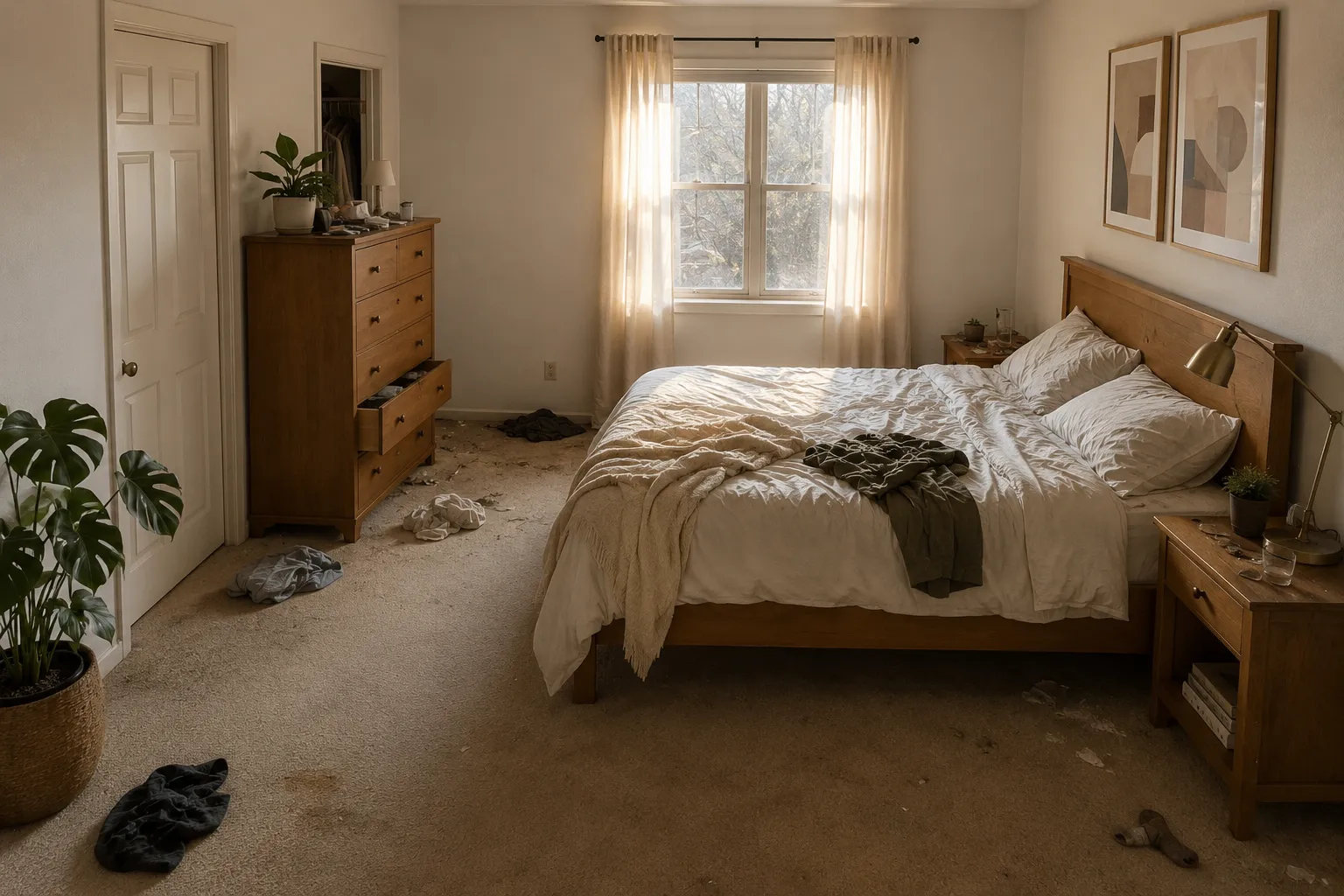
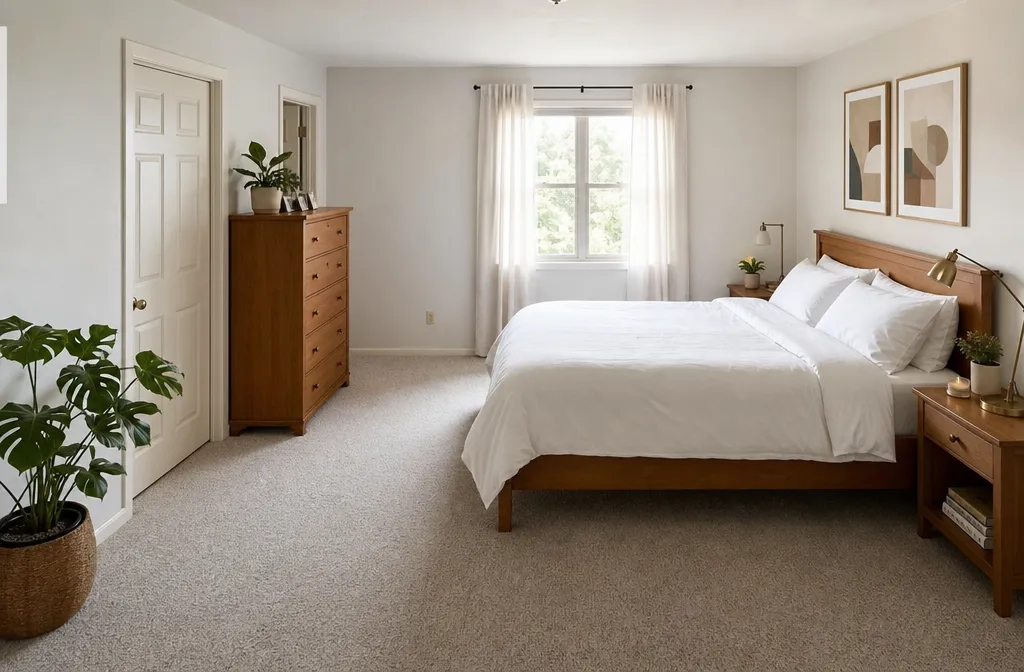
Request: In the bedroom, the carpet was damaged by water, needs urgent dry cleaning and drying.
Done: Cleaned the bedroom carpet using extraction and antibacterial treatment.
Cost: 24 000 ₸
Master: Gulmira Yessenova, dry cleaning master
Total: Bedroom carpet fresh and clean, comfortable to sleep.
 After
After
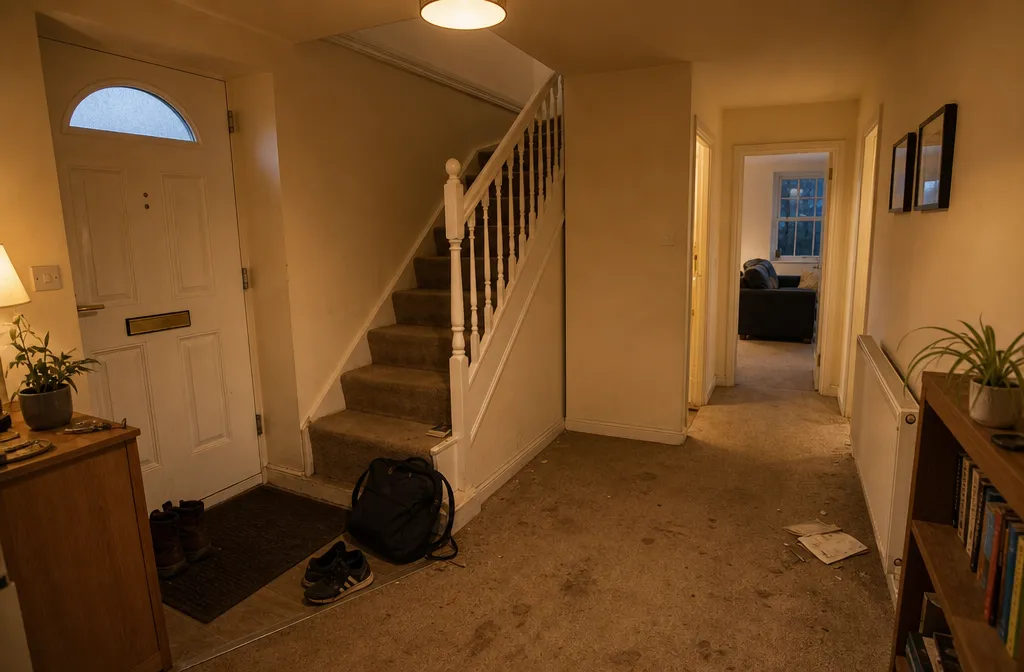
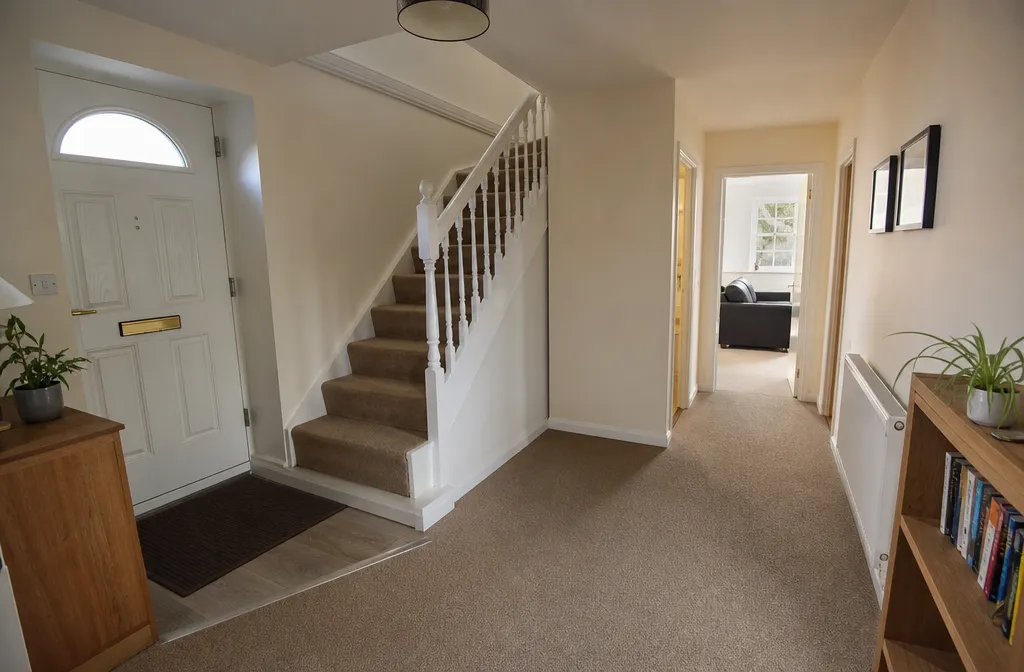
Request: In the hallway, the carpet got wet and soiled after the flood, requires dry cleaning.
Done: We performed dry cleaning of the hallway carpet using a rotary machine and disinfection.
Cost: 23 000 ₸
Master: Bakhytzhan Omarov, dry cleaning master
Total: Hallway carpet clean and dry, no streaks.
All cleaners are profi-clean staff with training, uniform and security check. Each order has a team leader who controls quality.
A flood in your apartment or house isn’t just a puddle on the floor; it triggers three processes that irreversibly destroy your carpet within 48-72 hours. Moisture containing impurities from the water (silt, sewage from a sewer backup, chemicals from pipes) penetrates the pile, backing, and base, creating an ideal environment for microorganisms. In Almaty homes, where tap water is often hard and heating system water contains rust impurities, even a one-day delay turns a carpet from a salvageable item into a source of toxic mold.
The first 12-24 hours are the “golden period” when profi-clean can remove moisture and contaminants without damaging the pile. Water with dissolved salts (especially in Almaty water, where hardness reaches 7-8 mg-eq/L) begins to crystallize in the fibers – after drying, white streaks remain that cannot be removed with regular shampoos. Simultaneously, hydrolysis of the adhesive layers begins: if the carpet has a latex backing, moisture softens the binders within 12 hours, and after drying, the pile starts to “float” and delaminate. Natural fibers (wool, viscose) absorb water like a sponge – they swell, lose their shape, and if dried incorrectly with a hairdryer or heater, they shrink irreversibly. In practice, when we receive calls on the second day after a flood, in 30-40% of cases, we determine that the backing is no longer restorable.
Within 24-36 hours, mold fungi of the genus Aspergillus and Penicillium begin to multiply in the wet pile – they grow deep into the backing, where regular hairdryer drying cannot kill them. In Almaty, where air humidity in basements and ground floors often exceeds 70% due to proximity to groundwater (especially in the “Duman” and “Samal-1” microdistricts), mold develops 8-10 hours faster than in a dry climate. Mold spores penetrate the pile to a depth of 5-7 mm – after drying, they remain in the structure and reactivate at the slightest increase in humidity (e.g., after mopping the floors). If a characteristic white or green coating has already appeared on the carpet and the musty smell has become “metallic,” it means the fungus has affected the backing. In such cases, we use steam treatment at 120°C with a hypoallergenic hydrogen peroxide-based solution (Kiehl) that penetrates the base and destroys the mycelium – but even this does not guarantee 100% restoration if more than 72 hours have passed.
A wet carpet after a flood is not just a ruined item but a direct source of allergens and toxins in your apartment. Mold spores released into the air with every step or air movement cause allergic rhinitis, bronchial asthma, and chronic cough – especially in children and the elderly. In our practice, there was a case in the “Nurly Tau” residential complex: after a radiator burst, a family dried their carpet with a fan for three days, and on the fourth day, a child developed angioedema – analysis showed a high level of Aspergillus fumigatus in the apartment. Besides mold, water from pipes (especially in old houses along Abay Avenue) contains coliform bacteria and Legionella – at room temperature, they multiply in the pile every 20-30 minutes. Without disinfection using specialized solutions (regular chlorine bleach destroys color and structure), these bacteria remain in the carpet for months. Therefore, our recommendation is: for any flood – even if the water looks clean – the carpet must be treated with an antibacterial solution within the first 12 hours, not just dried.
When the water recedes, three types of contaminants remain on the carpet, each with its own chemistry and physics. At profi-clean, we classify them as dissolved (silt, sewage from sewer flooding), suspended (sand, clay, rust from pipes), and biological (bacteria, mold spores, fungus). The mistake is trying to remove everything with one product: organic matter requires enzymes, mineral deposits require an acidic pH, and spores require fungicides with penetrants.
Sludge and Clay: After a flood or pipe burst, water carries fine soil particles that embed 2–3 mm into the carpet pile. Drying such a carpet without first removing the dirt is impossible—the particles cement into the fibers and, with every step, cut the pile like sandpaper. Rust from Old Pipes: In Almaty homes built in the 70s and 80s, water lifts iron oxide, which leaves indelible yellow-brown stains on light-colored carpets. Regular shampoo won’t remove them—a restorer based on oxalic acid with a pH of 2–3 is needed, but only on synthetics; on wool, it destroys keratin. Oily Film: If the flood is from sewage, the water contains fats and surfactants from neighbors’ detergents—they coat the pile and block oxygen access, creating an ideal environment for anaerobic bacteria. In our practice, there was a case where a client washed their carpet three times with a household vacuum cleaner, but the musty smell returned after a week—precisely because of the unbroken fatty film. On industrial extractors, we wash it off with hot water at 85°C and a degreaser that breaks down fats into glycerin and soap.
Coliform Bacteria: During a sewage flood, water carries E. coli and enterococci, which remain viable in the pile for up to 30 days at room humidity. Our standard disinfection with 0.5% sodium hypochlorite works, but only on cotton and synthetics—on wool and silk, chlorine destroys the fiber, so we use an oxygen bleach with 3% hydrogen peroxide and a 20-minute dwell time. Aspergillus and Penicillium Mold Spores: They germinate in the carpet backing within 48 hours of wetting if the base (concrete screed) moisture exceeds 12%. In Almaty, with its humid spring climate, we measure floor moisture with a moisture meter before drying—in half of the calls, the screed was wet 3–5 cm deep. Until it is dried with a construction dryer or heat gun, the spores will recur from the backing into the pile. Dust Mites: A humid environment accelerates their reproduction by 4–5 times—at 75% humidity, the population doubles in 7 days. Mite allergens are not the insects themselves, but their excrement, which cannot be washed off with water without an enzyme pre-spray. Before extraction, we apply a proteolytic enzyme that breaks down the Der p 1 protein into amino acids—then the allergen goes into the wastewater, not remaining in the pile.
Calcium and Magnesium Carbonate: Almaty tap water has a hardness of 7–8 mg-eq/L—above the Kazakhstan average. After drying, white streaks remain on dark carpets, and a matte film on light ones, giving the pile a “fiberglass” stiffness. An acidic rinse with 0.3% citric acid dissolves the salts in 5–7 minutes of contact, but if the concentration is exceeded, “scorching”—an irreversible shade change—appears on wool carpets. Chlorine and Its Compounds: City services may add shock doses of chlorine to water for disinfection during floods. Chlorine oxidizes dyes in the pile—red and blue shades on natural fibers are especially vulnerable. We check residual chlorine with a test strip (norm 0.3–0.5 mg/L) and, if exceeded, use a sodium thiosulfate neutralizer before the main cleaning. Humic Acids: If water has stood for a long time and organic residues (leaves, street dirt) have entered it, persistent yellow-brown stains from humic compounds form. They dissolve neither in acid nor alkali—only in 6% hydrogen peroxide with ultraviolet light (photooxidation). In practice, we apply a gel bleach for 40 minutes and cover it with film to allow the reaction to proceed without evaporation. If the stain is deeper than 2 mm, it is irremovable, and we honestly warn the client before starting work to avoid complaints about the result.
Mold in a carpet after a flood is not just a defect, but a biological threat that develops within 24–48 hours and affects not only the covering but also the health of the residents. In Almaty’s humid conditions and frequent temperature fluctuations, this danger is exacerbated, and without professional intervention, stopping it is nearly impossible.
Mold spores are present in the air of any room, but they need humidity above 65% and a nutrient medium to germinate. A carpet after a flood provides both conditions: the pile and backing retain water for up to 72 hours, and organic matter (dust, hair, dirt particles sucked in by the vacuum cleaner) becomes an ideal substrate. At room temperature of +20–24 °C, the mycelium begins active growth by the end of the first day. On the second day, a characteristic musty smell appears — the first sign of colonization. By the third day, gray or greenish spots are visible on the back of the carpet. In our practice, there was a case where a client from the Auezov district called us on the fourth day after a riser burst — by that time, the mold had penetrated the jute backing completely, and the carpet could not be saved. Moreover, the covering looked almost dry on the surface, but irreversible biodegradation was already underway underneath.
Microscopic mold spores are a powerful allergen and toxin that enter the respiratory tract with every step on the carpet. In a healthy person, contact causes irritation of the mucous membranes, tearing, and a dry cough within 30–40 minutes of being in a room with an infected carpet. In children, asthmatics, and the elderly, the consequences are more severe: exacerbation of bronchial asthma, allergic rhinitis, and dermatitis upon skin contact with the pile. The most dangerous are black strains of *Aspergillus niger* and *Stachybotrys chartarum*, which release mycotoxins that suppress the immune system with prolonged inhalation. In Almaty, where windows are closed during the heating season and humidity in apartments reaches 70–80% due to frequent temperature fluctuations, the concentration of spores in the air doubles every 12 hours without ventilation. Therefore, after a flood, we recommend not entering a room with a wet carpet without a respirator — this is not overcaution, but a basic safety measure.
| Carpet material | Mold damage rate | Recoverability after a flood | Specifics for Almaty |
|---|---|---|---|
| Natural wool | High — 24–36 hours | Low: mold eats through the fiber, leaving a hole | The humid foothill climate accelerates the rotting of the protein base |
| Viscose | Very high — 12–24 hours | Almost zero: cellulose decomposes from spores | Often confused with silk, but viscose absorbs water like a sponge |
| Polypropylene / Nylon | Moderate — 48–72 hours | High: synthetics do not rot, mold only on the backing | Found in 70% of Almaty apartments — usually salvageable |
| Jute backing (any carpet) | Critical — 12–24 hours | Zero: jute is organic, only replaceable | Common reason for “saved the pile, but the smell remained” |
The key takeaway from this table: even if the pile is synthetic and undamaged, a jute or felt backing turns into a mold breeding ground within a day. In Almaty, we most often encounter a situation where the owner dries a polypropylene carpet with a hairdryer, the top seems dry, but black mold is already growing underneath — and the smell returns within a week.
While the professional team is on the way, you can slow down mold development with three actions. First, lift the carpet off the floor and place plastic bottles or slats underneath to ensure air circulation from below. On a wet concrete floor, spores germinate twice as fast as on a ventilated surface. Second, direct airflow from a fan or air conditioner onto the carpet, but not a heat gun: hot air + humidity = a greenhouse for mold, the temperature should not exceed +25 °C. Third, treat the affected areas with 3% hydrogen peroxide from a spray bottle: it kills spores on the surface but does not penetrate deep into the pile and backing. This is a temporary measure for 2–4 hours, not a substitute for professional treatment. In our practice, there have been cases where such actions saved the carpet from being thrown away if the technician arrived within 4–6 hours — the mycelium had not yet managed to grow into the base.
A typical mistake is trying to dry a carpet with a household hair dryer or heater. Heated air only evaporates moisture from the surface, while the lower layers (backing, latex coating) remain wet. At the same time, the heat creates an ideal environment for thermophilic strains of mold, which multiply at +30–35 °C — exactly the temperature a floor heater provides. A second mistake is using chlorine-containing bleaches (like “Belizna”). Chlorine discolors the pile, destroys the latex backing, and crucially, does not kill spores in the material’s pores: within 5–7 days, the mold returns, and the carpet starts to smell musty with a chemical undertone. A third common situation in Almaty is drying a carpet on the balcony during the off-season (spring/autumn), when outdoor humidity reaches 80–90%. Under these conditions, water does not evaporate from the carpet; instead, it condenses on the pile, and within a day, the covering becomes wetter than right after the flood. This is why we always recommend not relying on home methods, but calling a team with industrial extractors and dehumidifiers — they remove moisture from the entire thickness of the carpet in 40–60 minutes, giving mold no chance.
Attempting to dry a carpet after a flood with makeshift tools is one of the riskiest mistakes, which in 80% of cases leads to damage to the covering and mold growth. Three key factors make DIY drying ineffective: the thickness of the pile and backing, the evaporation rate of moisture from the lower layers, and the lack of professional disinfection.
Household fans and heaters only evaporate moisture from the surface of the pile, while water remains in the latex backing and primary layer — it is there that the rotting process starts within 24–48 hours. At profi-clean, we use extractors with water pumps that create a vacuum and draw moisture from the carpet’s depth by 95% in a single pass. Moisture left in the backing does not evaporate naturally, even with a week of drying — it causes pile delamination and deformation of the covering. In practice, clients who dried their carpet themselves bring it to us with a characteristic “crunch” in the backing — this means the latex has started to break down, and restoring elasticity is no longer possible. Before drying, be sure to check the back of the carpet: if it remains damp after two days of airing, household drying is not working.
Each material reacts to uneven drying differently, and without professional equipment, it’s easy to ruin a carpet permanently. Wool carpets, when overheated with a household hair dryer or heater, can shrink by 10–15% — restoring the geometry is then impossible. Viscose coverings (Buddha, Safavieh) lose color upon contact with hot air, and the latex backing of synthetic carpets becomes brittle and crumbles under heat. In Almaty’s realities, where humidity in basements and on first floors is above average, DIY drying often drags on for 5–7 days, during which mold has time to grow deep into the fibers. Our fleet of dehumidifiers with HEPA filters and temperature-controlled heat guns allows us to dry a carpet in 6–8 hours without the risk of shrinkage — this is critical for hand-made and antique carpets. Choose professional drying if the carpet is wool, viscose, or has a pile height of more than 15 mm — a household method will guaranteed ruin such a covering.
There are three scenarios where you can do without professional dry cleaning — but only under strict conditions. First: a synthetic carpet with short pile (up to 10 mm) and a waterproof base impregnation — it can be dried with a powerful industrial hair dryer on a cold setting in a well-ventilated room. Second: a small carpet (up to 2 m²) that can be vacuumed with a moisture-removing vacuum cleaner with a HEPA filter and hung outside in dry, sunny weather. Third: if the flood was caused by clean water without sewage impurities and the carpet was treated with an antiseptic within the first 2 hours — then mold doesn’t have time to develop, and drying with a fan on a cold setting may work. In all other cases, DIY drying is just a delayed purchase of a new carpet. For example, in our practice, there was a case where a client dried a wool rug with a fan for three days, and on the fourth day brought it to us with mold on the backing and a musty smell — restoration cost more than professional drying from the start. If you’re unsure about the material or the amount of water, call a technician for a diagnosis — it’s cheaper than buying a new carpet later.
Carpets damaged by flooding in Almaty have two specific problems not found in cities with soft water and dry climates: salt stains from hard tap water and prolonged drying in high humidity conditions. Let’s break down how these factors affect the result and how we compensate for them.
After a flood in Almaty, the carpet retains not just dirt, but a solution of calcium and magnesium salts from the water supply — as it dries, these crystallize into white spots on the pile, especially noticeable on dark coverings. These salt stains cannot be washed off with ordinary water — on the contrary, re-wetting only redistributes the salt deeper into the carpet’s structure. In our practice at sites in the “Duman” and “Samal” microdistricts, we recorded residual water hardness of 8–12 mg-eq/L (with a norm of up to 7). For neutralization, we use not ordinary tap water at the initial rinsing stage, but water filtered through a reverse osmosis system — it reduces the salt load by 95%. Then we introduce a chelating agent (e.g., EDTA-based) into the extractor, which binds calcium ions into soluble complexes and removes them along with the waste water. If salt stains have already crystallized and set, we use an acidic rinse with a pH of 4–5 (Sodasan Fleckenwasser) — it dissolves the limescale without damaging wool or synthetic pile. Without this step, even a visually clean carpet will develop white spots a week after drying — clients mistake them for mold, but it’s actually salt.
Due to frequent humidity fluctuations (from 35% in summer to 80% in autumn) and smog that settles on wet pile, ordinary airing is ineffective — the carpet takes 3–5 days to dry, and during that time microbiological processes start in its depths. We dry carpets not passively, but forcibly: after wet cleaning, we place the covering in a drying chamber with Munters dehumidifiers for 6–10 hours at 20–25% humidity. For on-site orders (when the carpet stays in place), we use a combination of turbo fans and heat guns controlled by a hygrometer — maintaining a temperature of 32–35 °C and moisture removal of 2–3 liters of water per hour. A critical mistake made by non-professionals: drying with windows closed in winter — condensation on cold glass creates a closed cycle, room humidity doesn’t drop below 70%, and the carpet dries for a week with guaranteed mold growth. Our protocols state: after a flood, the carpet is dried in a room with forced air intake and a dehumidifier; otherwise, residual pile moisture above 12% guarantees a return of musty smell within 10–14 days.
Wool carpets (especially handmade ones from Nepal and Iran, popular in Almaty) are the most vulnerable: hard water destroys the lanolin coating of the wool fiber, making it brittle and dull — after a flood with tap water, wool loses up to 30% of its original softness. Synthetics (polypropylene, polyester) are more resistant to salts, but salt stains are more visible on them due to the smooth surface — they are not absorbed but crystallize into a crust, which can easily be mistaken for detergent residue. Viscose (bamboo silk) is the most problematic material for Almaty water: upon contact with hard water, the fibers swell and deform irreversibly, and after a flood, such a carpet is often easier to replace than restore. Our tactic: before starting work, we test the water hardness on site with a portable TDS meter — if the reading is above 200 ppm (parts per million), we connect an inlet filter or use distilled water from 20-liter bottles for the final rinse. On wool carpets, we additionally apply a lanolin-based fiber conditioner (profi-clean Lanolin Shield) — it restores elasticity and prevents shrinkage during drying.
The most common mistake among non-professionals is using regular detergents (laundry powder, Fairy) to remove dirt after a flood: they react with hard water salts, forming insoluble soap residues (calcium soaps) that clog the pile and make it stiff to the touch. The second most frequent is drying the carpet on a balcony under direct sunlight: ultraviolet light fades dyes, especially in Persian and Turkmen carpets, and hard water crystallizes faster in the sun, intensifying salt stains. The third is attempting to speed up drying with a heater without a fan: local overheating (above 45 °C) “bakes” dirt and salt into the top layer of the pile, after which they can only be removed by mechanical cleaning with abrasives, which damages the fibers. In our practice on assignments in Almaty, we have encountered all three scenarios — each required an additional cleaning cycle with sediment neutralization and repeated drying. Our advice: if after a flood you see white stains or feel the pile is stiff to the touch — do not try to remove them with vinegar or citric acid at home; this temporarily dissolves the salt but leaves acid in the carpet, which then destroys the latex backing.
In Almaty, due to high air dustiness (average annual PM2.5 concentration — 45–60 µg/m³, 2–3 times higher than WHO standards), carpets after a flood accumulate not only silt and salts but also suspended heavy metal particles that settle on the wet pile and become fixed during drying. Conventional aggressive surfactants (alkylbenzene sulfonates) do not remove these particles but only redistribute them deeper into the carpet — after cleaning, they remain in the fibers, and when walking or using a fan, they rise back into the air. We use hypoallergenic chemicals from Kiehl and Sodasan based on enzymes (protease, lipase) and plant-based surfactants (cocoglucoside, decyl glucoside) — they break down organic matter at the molecular level and bind metals into complexes that are completely washed out with water. At the final stage, we apply a residual alkalinity neutralizer with a pH of 6.5–7.0 — it prevents skin and respiratory tract irritation, especially important in families with children and allergy sufferers. In our orders in Almaty, up to 40% of clients report allergies or asthma in the family — for them, we additionally treat the carpet with a chitosan-based antistatic agent, which reduces dust attraction by 60–70% for a month after cleaning.
We ordered flood-damaged carpet cleaning — water stood for two days, the smell was terrible. The team arrived quickly, treated it with professional products, the carpet looks like new. Thank you!
Aigerim, glad we could help! We take care of your carpets.
After a pipe burst, the hallway rug was soaked through. profi-clean dried it, cleaned out dirt and mold. Looks great, no smell.
We had flood-damaged carpet cleaning — a hand-made wool carpet, I was afraid of ruining it. The masters treated it carefully, the color didn't suffer. The only thing was a slight musty smell, but it dissipated after a day.
Daniyar, thanks for the feedback! Usually the smell goes away after complete drying. If anything, call us — we'll treat it again.
Neighbors flooded us, the carpeting in the children's room got wet. profi-clean came the same day, dried it, cleaned it, even removed juice stains. The child plays on the floor again.
Ordered carpet cleaning after a flood, the carpet is large 3x4. They arrived on time but worked long, almost 4 hours. Stains were removed, but in the morning I noticed streaks at the edge. Had to wipe it ourselves.
Yerlan, we apologize for the inconvenience. Usually there are no streaks left. Call us — we'll come and fix it for free.
After the flood, the long-pile carpet matted, I thought to throw it away. profi-clean restored it — brushed the pile, removed dirt, even brighter.
The hose under the sink burst, the kitchen rug got completely wet. Called carpet cleaning after a flood, the masters arrived in an hour. Dried, disinfected, no smell. Recommend.
The bedroom carpet was damaged by a roof leak. profi-clean removed rust stains and mold. Almost perfect, but one corner remained slightly yellowish. Otherwise satisfied.
Dinara, thanks for the review! The yellowness might have set in deep. If you wish, we can treat it with bleach — book a repeat visit.
A radiator burst in the office, the carpet got wet. Urgently needed carpet cleaning after a flood. profi-clean handled it in a day, now the office smells fresh. Thanks for the promptness.
Grandma's carpet from the 50s got wet during flooding. profi-clean cleaned it carefully, didn't damage the fringe. Looks like new, the whole family is happy.
Gulnara, thank you! We work with rarities especially carefully.
After a pipe burst, the hallway carpet was soaked through. Ordered carpet cleaning after a flood — the masters arrived, dried everything, cleaned. Excellent result, no streaks.
The living room carpet was damaged by flooding, had dark stains. profi-clean removed most, but one stain remained barely noticeable. Overall good, but expected perfection.
Olga, sorry for the imperfect result. Call us — we'll try to remove the stain with a different solution.
The children's rug with cartoons got wet after a flood. Ordered carpet cleaning after a flood for it. Colors became brighter, no stains. The child is happy.
After a riser burst, the hallway rug turned into a dirty rag. profi-clean came, cleaned, and dried it. Now it's like new, I can't believe it.
A viscose carpet was damaged by a leak; I thought it was hopeless. They did carpet cleaning after the flood — the masters knew how to handle delicate material. The carpet is saved, thank you!
Svetlana, viscose requires a special approach. Glad everything worked out!
The living room rug got wet from flooding and developed a musty smell. profi-clean treated it with an antibacterial solution, the smell disappeared. Very satisfied.
I ordered carpet cleaning after the flood for an ornamental carpet. The stains were removed, but the ornament faded a bit in places. Probably due to the water. Overall okay.
Lyazzat, thank you! The fading might be due to the dye. Contact us — we can tint it.
After the flood, the bedroom carpet got wet; we feared mold. profi-clean quickly dried and treated it. Dry, clean, can sleep peacefully.
A handmade silk carpet got wet during flooding. I contacted profi-clean — they did carpet cleaning after the flood very delicately. The carpet is like new, the thread is undamaged.
Gaukhar, thank you for your trust! Silk is our specialty.
The hallway carpet looked worse after the flood. profi-clean cleaned it, but not all dirt stains came out. And the price seemed high for such a result.
Ilyas, thank you for the feedback. Usually stains are removed; maybe a repeat treatment is needed. Call us — we'll discuss.
The living room carpet got wet after a leak. I called carpet cleaning after the flood — the masters came, dried everything, removed the smell. Now I can place furniture.
The children's rug was damaged by flooding, had dirt stains. profi-clean removed everything, even old ones. My child is allergic — after treatment, no sneezing.
We did carpet cleaning after a flood for the bedroom carpet. Stains were removed, but there was a slight damp smell. It went away after a couple of days. Overall good.
Tatiana, thank you! Sometimes the smell persists until the backing is completely dry. If it doesn't go away, call us and we'll treat it again.
After a pipe burst, the living room carpet was dirty. profi-clean cleaned it to a shine. Even the pile became fluffier. Very happy.
The hallway carpet got wet from a flood. I ordered carpet cleaning after a flood — they arrived quickly and treated it. Now it's like new, no traces of flooding.
The fringed carpet was damaged by water. profi-clean cleaned it, but the fringe became a bit stiff after drying. Otherwise, the carpet is clean.
Yermek, thank you! The fringe might have dried out. Try combing it or call us — we'll soften it.
After the flood, the living room carpet was in terrible condition. I called carpet cleaning after a flood — the masters did an excellent job. Colors became more vibrant. Thank you!
The balcony rug got wet from rain and flooding. profi-clean dried and cleaned it. Now it's even pleasant to go out.
I ordered carpet cleaning after a flood for the hallway carpet. Water had stagnated, there was a smell. The masters removed everything, now it's fresh.
The office carpet got wet after a flood. profi-clean cleaned it, but there are some water stains left in places. Had to replace in one corner. Otherwise fine.
Vadim, sorry about the stains. Usually they don't happen. We'll come and redo the problem area for free.
The short-pile carpet got wet from a leak. We did carpet cleaning after a flood — the pile was restored, no stains. Very high quality.
After the flood, the living room rug was dirty. profi-clean cleaned it to perfection. Even the seams were not damaged.
The children's carpet suffered from a flood and had paint stains. I ordered carpet cleaning after the flood — they removed everything. The child is happy.
Using our air mover fans, the carpet dries in 2-4 hours. Without drying, drying time can be up to 24 hours depending on humidity and carpet type.
We depart within 2 hours after the request in Almaty. We work daily from 8:00 to 22:00.
Yes, we use certified Kiehl and Sodasan products that are safe for children and pets. They do not contain harsh chemicals and leave no residue after drying.
We clean carpets on-site at your home or office. We bring all equipment, including an extractor and fans. For carpeting, cleaning is only on-site.
The price depends on the carpet type: from 1000 KZT/m² for carpeting to 2200 KZT/m² for viscose. The exact cost is calculated after inspection.
Yes, when ordering cleaning of two or more carpets, we provide a 10% discount. Discounts for regular customers also apply.
We clean all types of carpets: synthetic, wool, viscose, carpeting, long and short pile, hand-made and machine-made.
Yes, we clean carpeting on-site. We use an extractor for deep washing and anti-mold treatment. Price from 1000 KZT/m².
Yes, we use hot water up to 70°C for synthetic carpets and up to 40°C for wool carpets. This ensures disinfection without damaging the pile.
Yes, we guarantee complete odor removal. If the smell remains after cleaning, we will perform a repeat treatment for free.
Tell us about your experience with profi-clean — it helps other clients and us improve.
We currently operate in Almaty. Other cities are coming soon.