How Periodic Cleaning Differs from Deep Cleaning
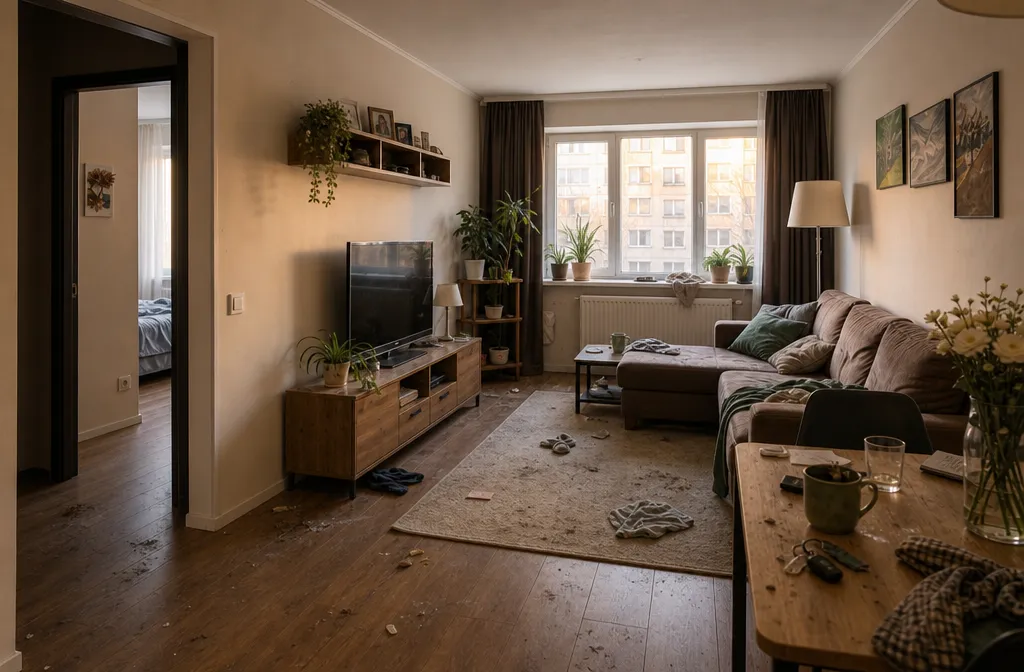
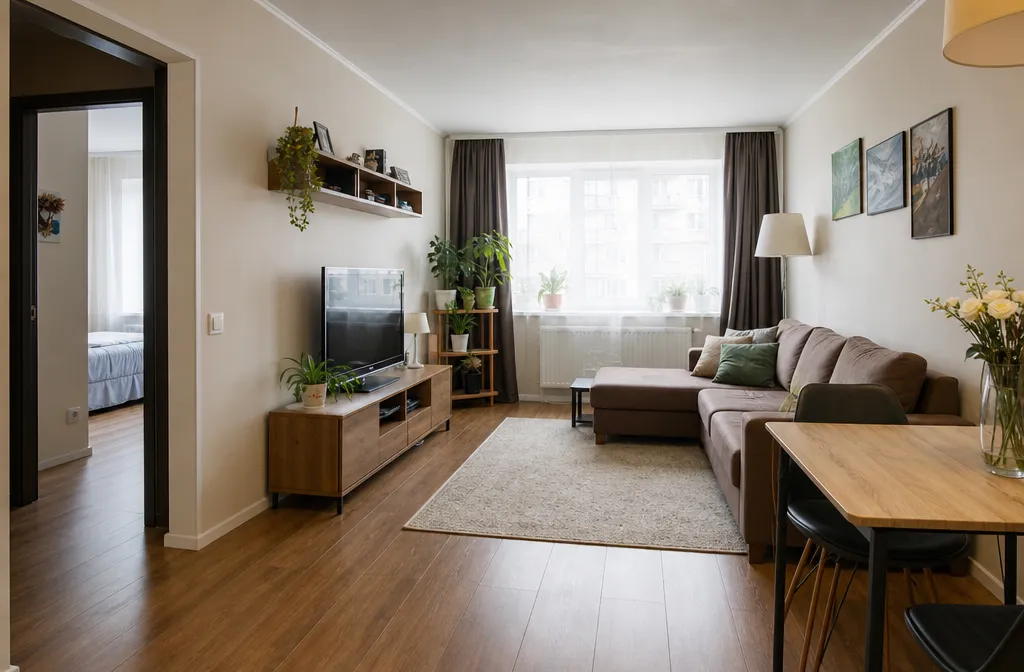
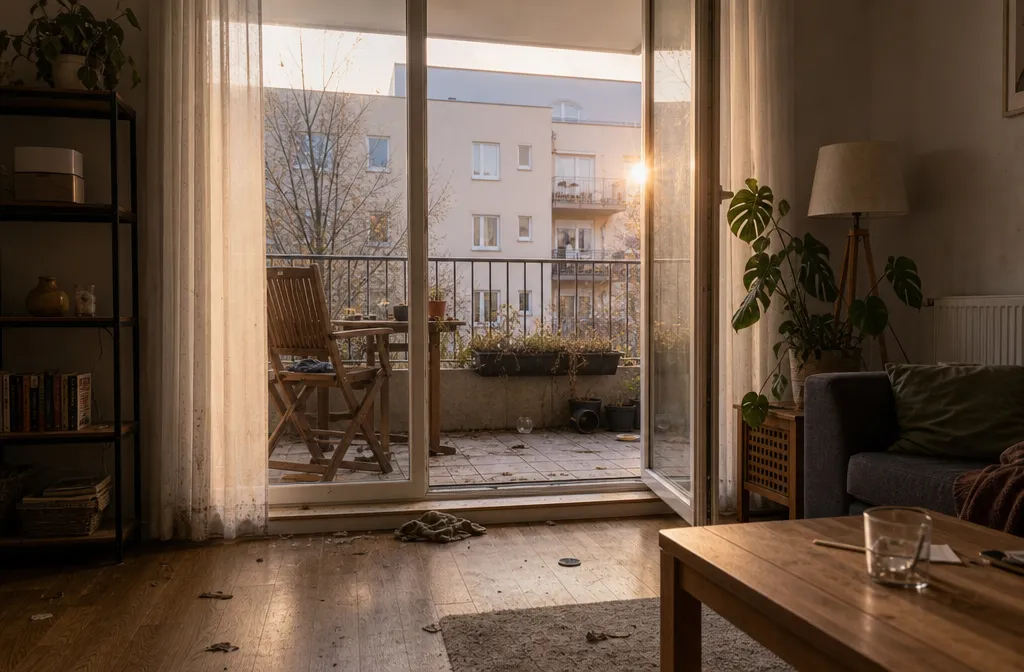
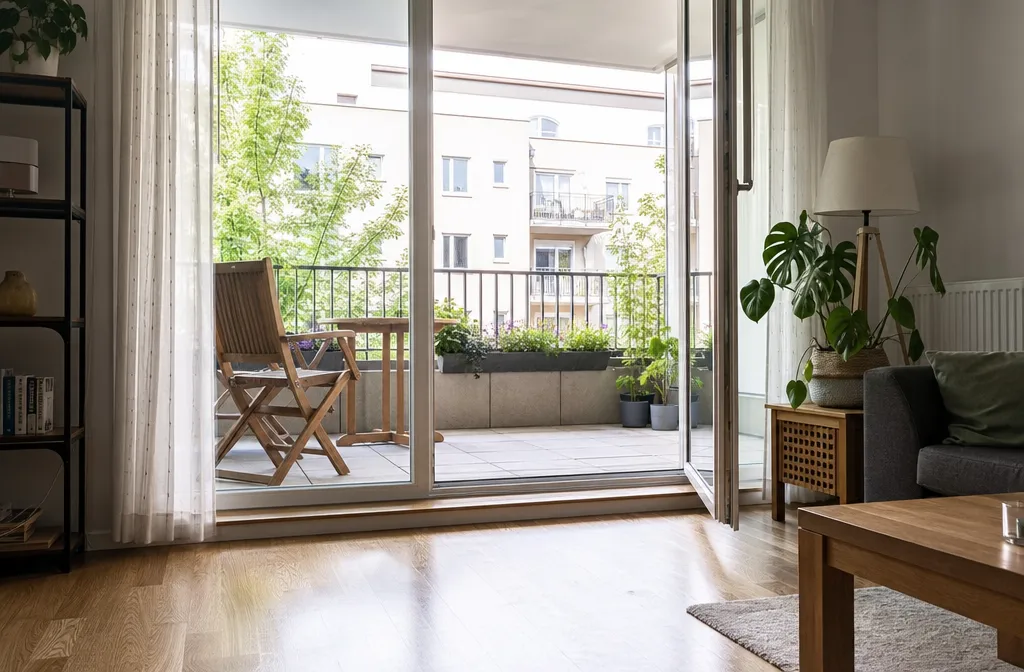
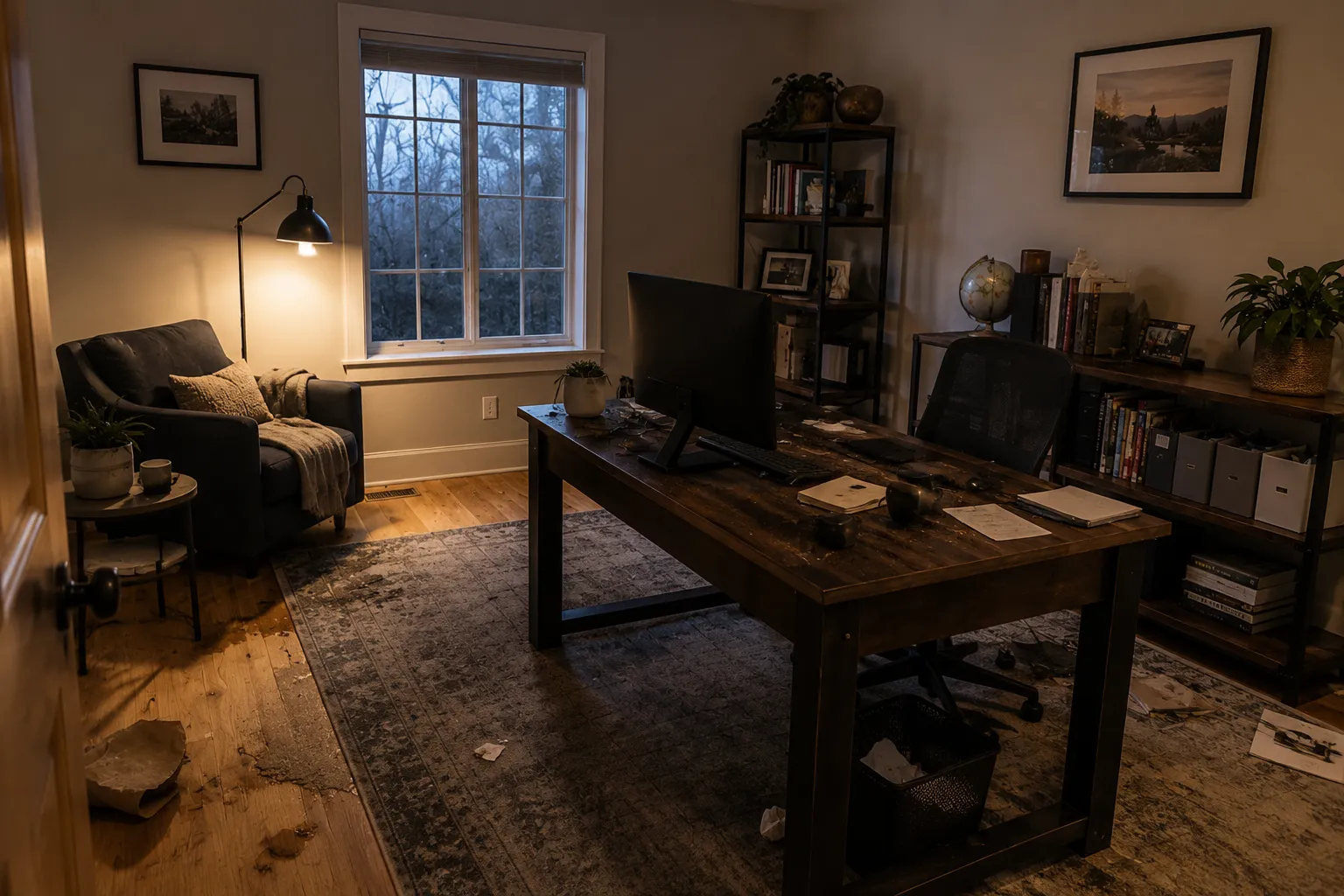
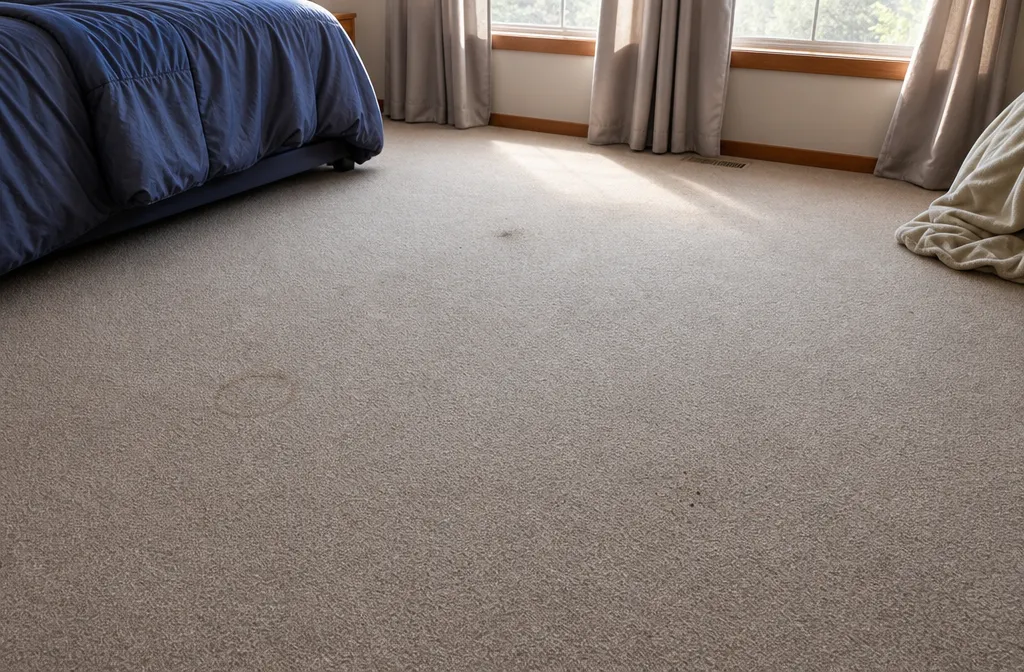
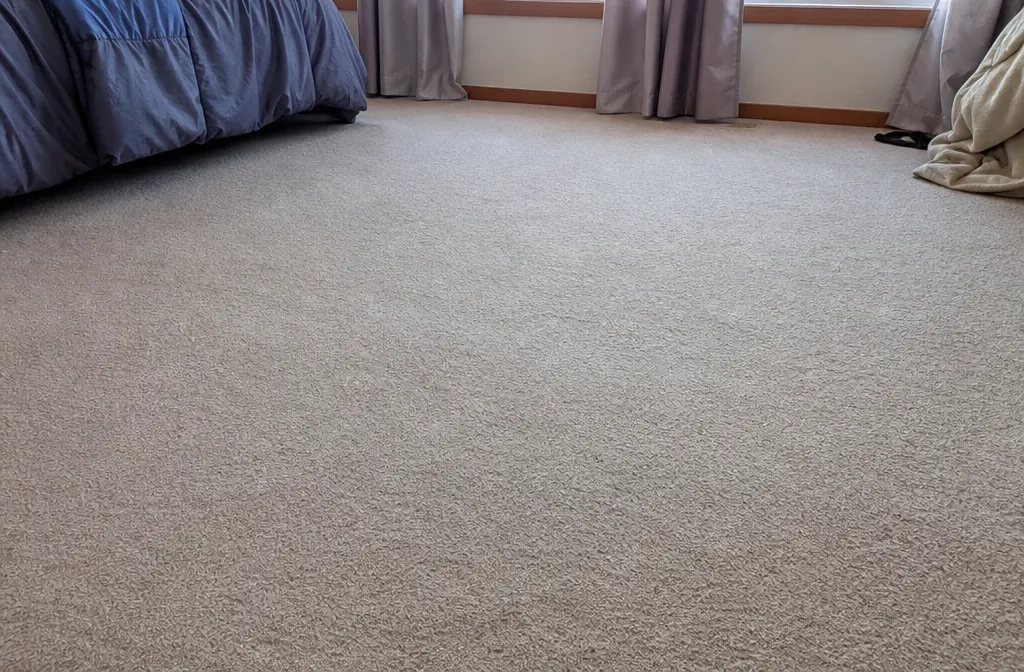
The main difference between periodic and deep cleaning is not in the set of actions, but in the goals and depth of surface treatment. Periodic cleaning maintains order on an already clean base, while deep cleaning restores it after neglect.
Target Depth of Treatment
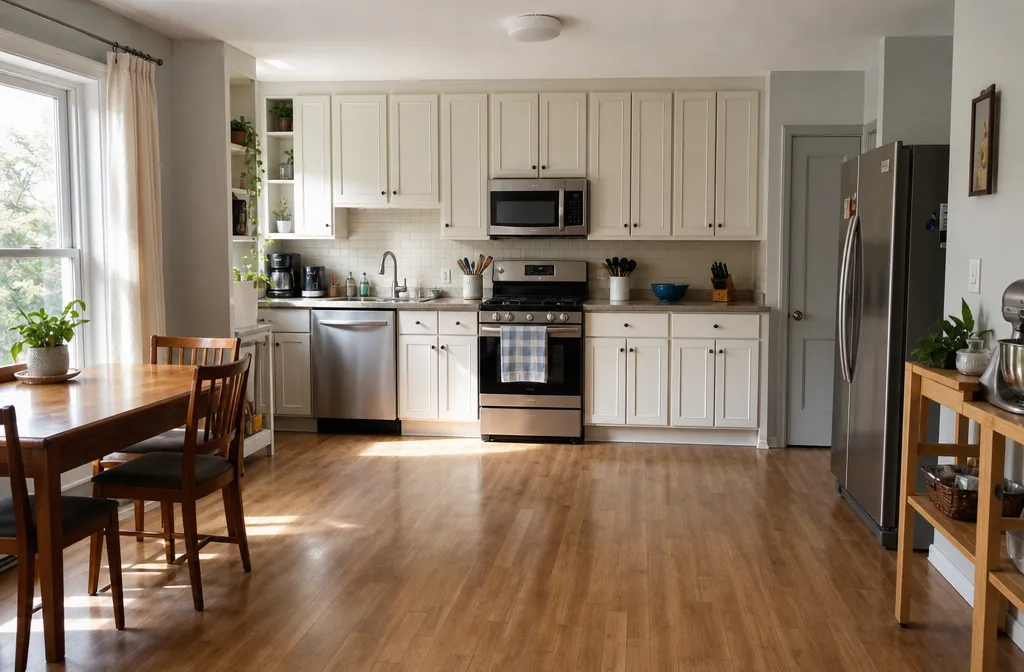
Periodic cleaning: we remove visible dirt — dust from horizontal surfaces, stains on the kitchen backsplash, streaks on mirrors and plumbing fixtures. We work with the top layer: wipe down facades, vacuum upholstered furniture, mop floors. Deep layers — grease under the hood, buildup in tile joints, dusty radiators — remain untouched. Deep cleaning: we treat every surface down to the base — wash the kitchen set from the inside, remove and clean light fixtures, scrub tile joints with a brush, flush radiators with a steam generator. The difference in labor costs: a deep cleaning of a two-room apartment takes 3–4 times longer than a periodic one, because every square centimeter undergoes manual treatment.
Frequency and Logic of Ordering
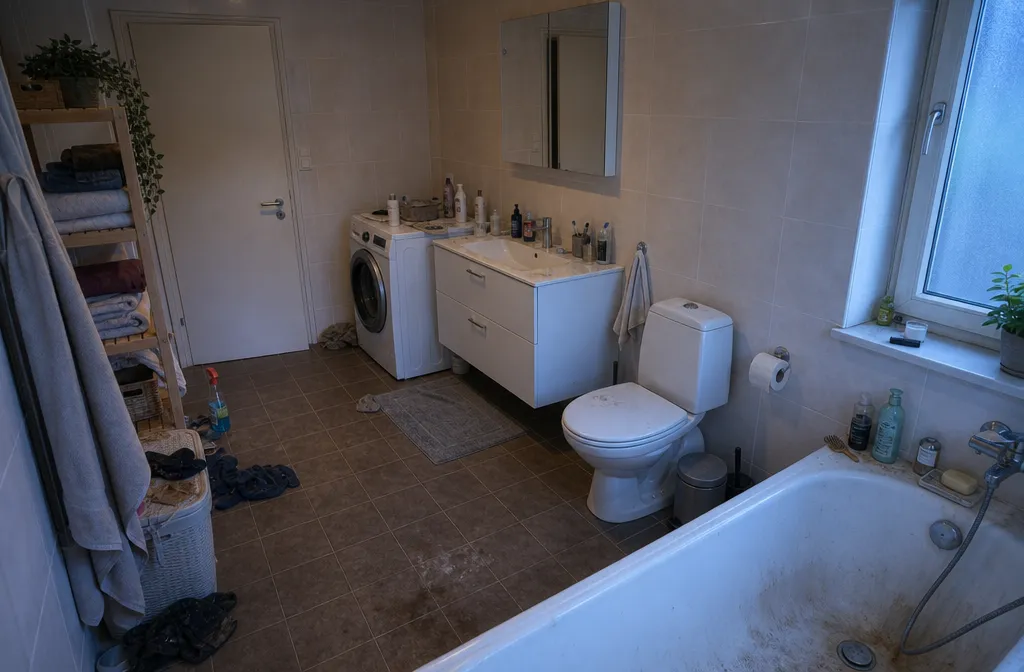
Renters and apartment owners in Almaty often confuse the two formats: they order deep cleaning once a month and periodic cleaning once every six months. In practice, the logic is reversed. Periodic cleaning is set on a regular basis — once every 1–2 weeks (for active residents with children) or once a month (for singles and couples without pets). Deep cleaning is ordered as needed — after renovations, before moving in, when tenants change, in spring after closed windows. In our practice from October: a client ordered a deep cleaning after not doing periodic cleaning for three months — in the kitchen, the grease on the hood had to be soaked for 40 minutes, and mold was found on the floor under the refrigerator. With regular periodic cleaning every two weeks, this doesn’t happen — dirt doesn’t have time to set. Due to skipping regular treatment, the cost of restoration increases by 2–3 times, because deep cleaning requires more chemicals and cleaner time.
Equipment and Chemicals: A Different Arsenal
For periodic cleaning, we use universal products and standard inventory: microfiber, a vacuum cleaner with a HEPA filter, neutral floor cleaner, mirror spray. This allows us to work quickly — 60–90 minutes for a one-room apartment. Deep cleaning requires a steam generator (for steaming grease and disinfecting seams), a rotary machine for carpeting, acidic products for removing limescale from plumbing fixtures, and alkaline compounds for kitchen grease. Without a steam generator, it’s impossible to clean the grout lines in the kitchen where condensation and grease have accumulated for months — a regular cloth will only smear the buildup. For deep cleaning, we send a team of two cleaners with a full set of professional equipment, while for periodic cleaning, one employee with a basic set is sufficient. Before ordering a deep cleaning, check the condition of the kitchen hood and bathroom — if there is visible grease or mold, a standard periodic cleaning won’t remove it; you need a steam generator and at least an hour per zone.
What Contaminants Are Removed During Periodic Cleaning
Periodic cleaning is aimed at removing surface and ingrained dirt that accumulates over 1–2 weeks. Our cleaners work with three main types of deposits, each requiring its own approach and chemicals.
Dust and Its Hidden Fractions
Ordinary dust in Almaty apartments is a mixture of street suspension, textile lint, and skin particles that settle on horizontal surfaces within 2–3 days. During periodic cleaning, we remove not only the visible layer from shelves, windowsills, and appliances, but also fine dust that accumulates on the back walls of cabinets and under beds. Special attention is paid to plant pollen and pet hair: they are invisible to the eye but cause allergies. Our equipment with HEPA filters captures particles down to 0.3 microns, and microfiber collects deposits without smearing. Before cleaning during the flowering season, we recommend closing the windows during work — otherwise, pollen settles again within an hour.
Grease and Oil Stains in the Kitchen
Periodic cleaning in the kitchen handles light grease deposits on cabinet fronts, the range hood, and countertops — this is oil condensate that settles during frying over 3–4 days. Unlike deep cleaning, we don’t scrub aged grease from ventilation grilles, but we do remove fresh splatters from the stove and backsplash. For this, we use alkaline Kiehl compounds that break down grease in 40–60 seconds without damaging the lacquer coating. In Almaty kitchens with gas stoves, the deposit is thicker due to combustion byproducts — here we apply an exposure time of 3–5 minutes. A typical mistake: trying to wash off grease with cold water — it only solidifies, so our team always carries warm water in thermoses.
Salt streaks and limescale in bathrooms
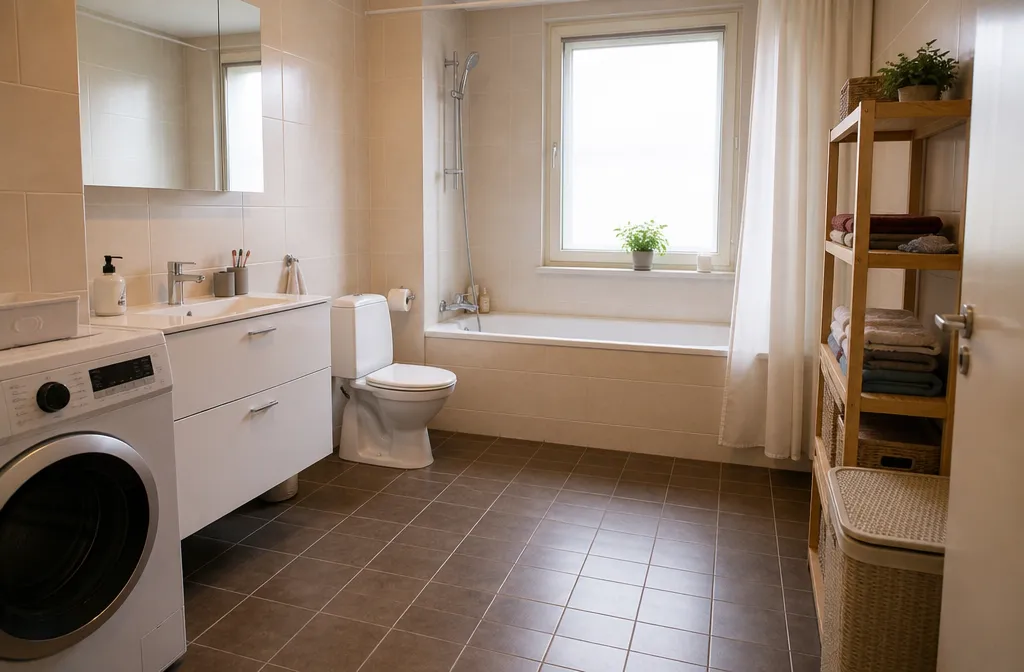
In the bathroom and toilet, periodic cleaning removes soap scum from tiles and faucets, as well as fresh limescale streaks from hard water. In Almaty, the water is moderately hard (5–7 mg-eq/L), so within a week, a matte layer of calcium carbonate forms on glass shower doors. Our cleaners treat such surfaces with Sodasan acidic cleaner with an exposure time of 2–3 minutes — it dissolves the deposit without damaging the enamel. Traces of toothpaste and shampoo on shelves are removed with regular foam without abrasives to avoid scratching the gloss. If allergy sufferers live in the home, we replace household chemicals with a hypoallergenic line without fragrances — this extends cleaning time by 10–15% but eliminates reactions to chlorine and phosphates.
“`markdown
How often should you schedule periodic cleaning for different types of homes
The optimal frequency of periodic cleaning depends on the apartment’s area, number of residents, presence of children and pets, and the intensity of room usage. We’ve derived an empirical formula based on 8 years of practice in Almaty: the more “dirt zones” (kitchen, hallway, loggia) and the higher the traffic, the shorter the interval between cleaner visits.
Studio and one-bedroom apartment for one or two people
For a studio or one-bedroom apartment where one or two adults live without children or cats, we recommend calling a cleaner once every two to three weeks. This is enough to remove dust from open surfaces, freshen up the bathroom, and wipe the kitchen floor after cooking. If residents work from home and spend 16+ hours indoors daily, 30–40% more dust settles — then the interval is shortened to 10–14 days. In our practice, a frequent request from studio owners in the “Akbulak” and “Nurly Tau” residential complexes is cleaning every two weeks with an emphasis on the kitchen backsplash and countertop, because smells and grease spread faster in a small area. In my opinion, the main mistake is trying to save money and ordering cleaning once a month: by the end of the third week, dust on windowsills and appliances becomes visible to the naked eye, and limescale appears in the bathroom, which is harder to remove without special products.
Two-bedroom apartment with children or pets
In a two-bedroom apartment with a child or dog, the optimal frequency is once every 7–10 days. Children bring in sand from the street, scatter crumbs, and leave marks on the floor — in a week, as many microparticles accumulate as in a studio in a month. Pet fur and dander settle on upholstered furniture and carpets, and after 10 days without wet cleaning, their concentration becomes noticeable to allergy sufferers. We use hypoallergenic Kiehl chemicals and vacuum cleaners with HEPA filters, so even with weekly cleaning, we don’t damage surfaces or leave streaks. If a family has two children or a large dog (German Shepherd, Labrador), it’s better to increase the frequency to once every 5–6 days — especially during the heating season, when dust rises faster due to dry air. Moreover, in Almaty homes with central heating (old housing stock on Baitursynov, Zheltoksan streets), humidity drops to 15–20% in winter, and dust mites become active — weekly cleaning with an antistatic agent becomes not a recommendation but a necessity.
Three-bedroom apartment and spacious lofts
In a three-bedroom apartment or loft with an area of 80 m² or more, we recommend scheduling periodic cleaning every 10–14 days if a family of 3–4 people lives there. In a large area, dust distributes more evenly, but its total volume is higher: over two weeks, as many particles settle per square meter as in a one-bedroom apartment in a month. Pay special attention to the hallway and corridor area: in Almaty lofts (residential complexes “Almaly”, “Symphony”), a dressing room with panoramic glazing is often provided, and through it, more street dirt is brought in. If there is an allergy sufferer in the family, the interval is reduced to 7 days — we treat all horizontal surfaces with a damp microfiber cloth and Sodasan anti-static spray. Owners of three-bedroom apartments in new buildings (residential complexes “Aksai”, “Grand Alatau”) often combine modes: once every two weeks — a full cycle with floor and bathroom washing, and between client visits, they wipe dust in the bedrooms themselves. This is a sensible strategy that extends freshness until the next professional treatment.
Private house or townhouse
For a private house in Almaty (microdistricts “Taugul”, “Aksai-4”, “Koktobe”), we recommend periodic cleaning once every 7–10 days in the warm season and once every 14 days in winter. In summer, a lot of dust, sand, and pollen are brought in from the street — especially if there is construction or a dirt road nearby. In houses with their own plot, the factor of plants is added: leaves, petals, seeds get into the hallway and living room. In winter, the main problem is dirt from shoes after rain or slush: in first-line townhouses (“Nursat”, “Zhas Kanat”), we prioritize wet floor cleaning in the hallway because as much sand accumulates there in a day as in an apartment in a week. Our practice shows that homeowners with children and dogs more often switch to a weekly regime, while those without children switch to a bi-weekly one. An important nuance: in houses with panoramic windows (second line of Koktobe), dust on double-glazed windows and window sills accumulates faster due to temperature changes, so once every two weeks it is worth including window treatment in the order — otherwise, after a month they become matte.
“`markdown
Features of periodic cleaning in Almaty: climate and dust
Almaty air is a specific mixture of desert dust, exhaust gases, and flower pollen, which settles in a dense layer just 2–3 days after cleaning. Our experience shows that standard approaches to periodic cleaning in other cities do not work here — adaptation to local realities is required.
Why Almaty dust is more challenging than in other cities
Due to the basin geography and the large number of construction sites in the city, dust particles have higher abrasiveness and a fine fraction — up to 2.5 microns (PM2.5). At profi-clean, we use attachments with HEPA filters in vacuum cleaners so that they not only stir up dust but capture it. Regular wet cleaning with a cloth smears this suspension over the surface without removing it from the air. During periodic cleaning, we first dust all horizontal surfaces with a HEPA vacuum cleaner, and then wash them with microfiber — otherwise, after an hour, a layer is visible on the window sills again.
How climate cycles affect window and windowsill contamination
In Almaty, the change of seasons is accompanied by sharp fluctuations in humidity and temperature, causing a sticky coating of pollen and exhaust to condense on glass and frames. In spring, this coating is especially difficult to remove with plain water — it requires the use of acidic compounds that do not leave streaks. In our practice, at sites near the southern slopes (microdistricts Gorny Gigant, Kamenka), the amount of pollen in the air in April-May is so high that a yellow-green crust forms on window sills. During periodic cleaning in these months, we always treat glass and frames with specialized chemicals to remove flower deposits, otherwise, it eats into the plastic.
Mistake when cleaning floors: using unsuitable cleaning products
The most common mistake we see during self-cleaning in Almaty is using universal gels with chlorine or ammonia for washing floors. Ammonia reacts with hard water salts, leaving a white coating on laminate and tiles, which attracts new dust. We use hypoallergenic Kiehl concentrates that neutralize static and do not leave a sticky film. In my opinion, in the Almaty market, this is the only way to extend floor cleanliness to at least 5 days instead of the usual 2–3.
How often to change water during periodic cleaning in Almaty conditions
Due to the high concentration of suspended particles in the air, the water in a bucket becomes contaminated 60% faster than in regions with a humid climate. Our cleaners change the water every 10–15 square meters, and in the kitchen — after each window. If this is not done, dirty water spreads grease and dust back onto the surface, creating a “smearing” effect. When ordering periodic cleaning, we take this nuance into account and immediately allocate time for frequent water changes — this does not increase the cost but guarantees a streak-free result. “`
Tips for Maintaining Cleanliness Between Cleanings
Even with regular periodic cleaning orders in Almaty, there are daily rituals that reduce the workload and extend freshness between cleaner visits. Here is what really works in urban conditions.
Daily Protection from Street Dust
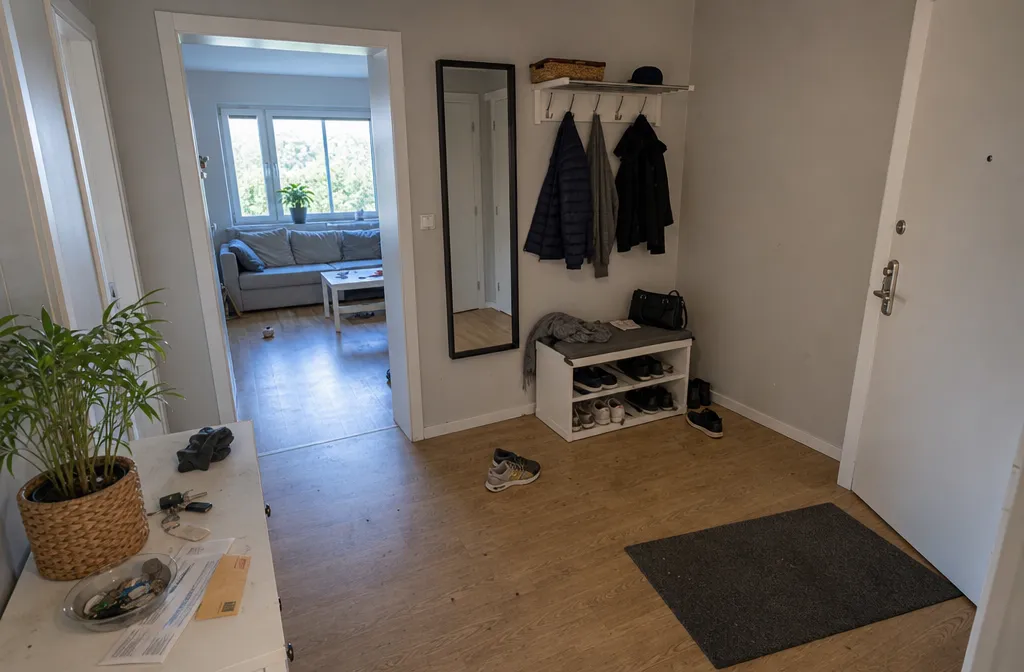
Street dust in Almaty is a suspension of sand, soot, and tiny granite particles that settles on all horizontal surfaces within 4–6 hours after airing. We recommend placing a double-layer mat at the apartment entrance — a hard bristle mat for soles and a pile mat for moisture absorption. Keep a spray bottle with water in the hallway: lightly moistening the air before sweeping reduces secondary dust lift by 70%. In the kitchen and bedroom, install mosquito nets with a dust filter — they trap up to 40% of pollen and poplar fluff without reducing ventilation. In our orders, clients using such protection save up to 30 minutes of the cleaner’s time on each visit.
Caring for High-Contamination Areas
The most problematic areas between cleanings are the kitchen backsplash, cabinet handles, and the surface behind the refrigerator. In the kitchen, grease with steam settles on the tiles and hood within 2–3 days of cooking, turning into a sticky film that attracts dust. We advise wiping the backsplash and facade handles every three days with a damp microfiber cloth and a drop of dish soap — this takes 5 minutes but prevents the buildup of grime that can only be removed with a stiff brush. In the area behind the refrigerator and stove, up to 80% of kitchen dirt accumulates, invisible to the eye. Once a month, move the appliances 15–20 cm away and vacuum with a crevice tool — this reduces the risk of moths and unpleasant odors when the compressor turns on.
Fighting Odors Without Chemicals
In Almaty apartments with plastic windows, stagnant air intensifies odors from cooking, shoes, and pets. Instead of synthetic air fresheners, we recommend natural absorbents: a bowl of baking soda on the kitchen table (change once a week) or a bag of activated charcoal inside the shoe rack. These products neutralize odor molecules rather than masking them. As an express method before guests arrive — wet mop the floor with 2–3 drops of tea tree essential oil: it kills odor-causing bacteria and leaves a light pine trail that dissipates within 30 minutes. In practice, profi-clean clients who use baking soda in the kitchen note that the smell of fried onions disappears within an hour, rather than lingering until the next morning.