Carpet inspection
The master determines the material type, degree of soiling, and selects optimal products.
Eco-friendly carpet cleaning with safe products, removing 99% of allergens

We work with any types and materials
We clean synthetics with eco-friendly products without shrinkage or deformation.
from 1,500 ₸Gentle cleaning of wool preserving structure and color.
from 2,500 ₸Deep extraction removes dirt from long pile.
from 2,000 ₸Delicate cleaning of viscose without loss of shine.
from 2,500 ₸Effective stain removal from polypropylene.
from 1,500 ₸We restore color and freshness of nylon carpets.
от 1 800 ₸Dry cleaning of sisal to prevent shrinkage.
от 2 200 ₸Careful cleaning of jute with minimal moisture.
от 2 200 ₸Hand cleaning using soft brushes and eco-friendly products.
from 2,500 ₸Quick cleaning of short pile with excellent results.
from 1,500 ₸Cleaning without color bleeding, preserving pattern brightness.
from 2,000 ₸Cleaning while maintaining antistatic properties.
от 1 800 ₸From inspection to result with guarantee
The master determines the material type, degree of soiling, and selects optimal products.
Thorough vacuuming with HEPA filter to remove dust, pet hair, and allergens.
Apply Sodasan eco-friendly solution to stubborn stains to soften them.
Deep cleaning with Karcher extractor using hot water and Kiehl eco-shampoo.
Rinse carpet with clean water to completely remove any residue.
Intensive moisture suction to reduce drying time to 2-4 hours.
Steam treatment for disinfection and odor removal without chemicals.
Fluffing the pile and checking cleaning quality.
Sodasan products have EcoCert certification and contain no harsh chemicals. They are hypoallergenic and fully biodegradable. Your carpet will be clean without health risks.
The Karcher SE 4001 extractor provides pressurized water delivery and powerful suction. This allows removing dirt from deep within the pile. Equipment undergoes regular maintenance.
HEPA H13 filter traps particles as small as 0.3 microns. This is especially important for allergy sufferers and asthmatics. After cleaning, the room air becomes significantly cleaner.
We use only eco-friendly products without fragrances or harsh solvents. After drying, the carpet smells fresh, not chemical. Ideal for children's rooms and bedrooms.
Our specialist will come to you, assess the carpet's condition, and provide an accurate estimate. The visit is free and non-binding. You get professional on-site consultation.
Thanks to professional equipment, we remove up to 90% of moisture. The carpet dries quickly, preventing mold growth. You can use the carpet within a few hours.
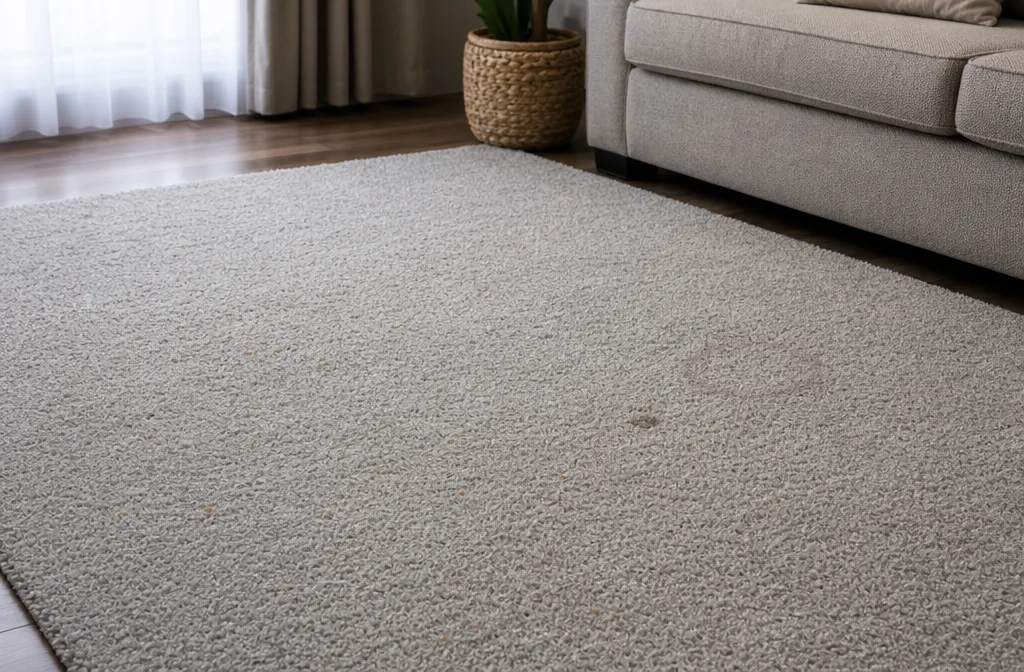
 After
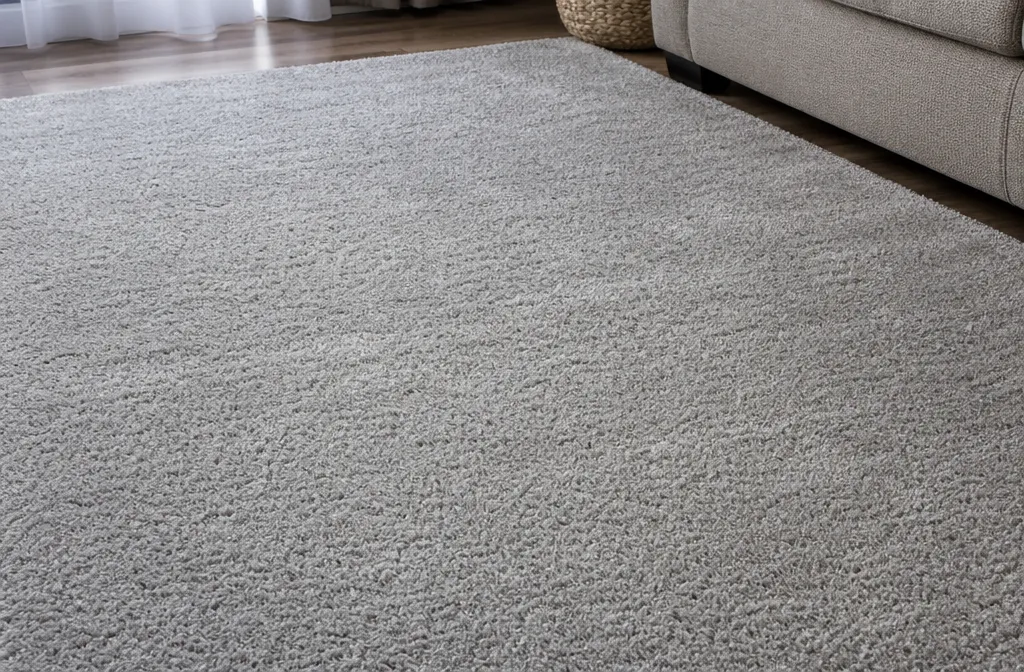
After
Request: The living room carpet lost color, visible wear on the runner.
Done: We performed a deep eco-cleaning using low-temperature extraction.
Cost: 7 000 ₸
Master: Aigul Sadykova, dry cleaning master
Total: The carpet regained its brightness, the pile became fluffy without chemical residue.
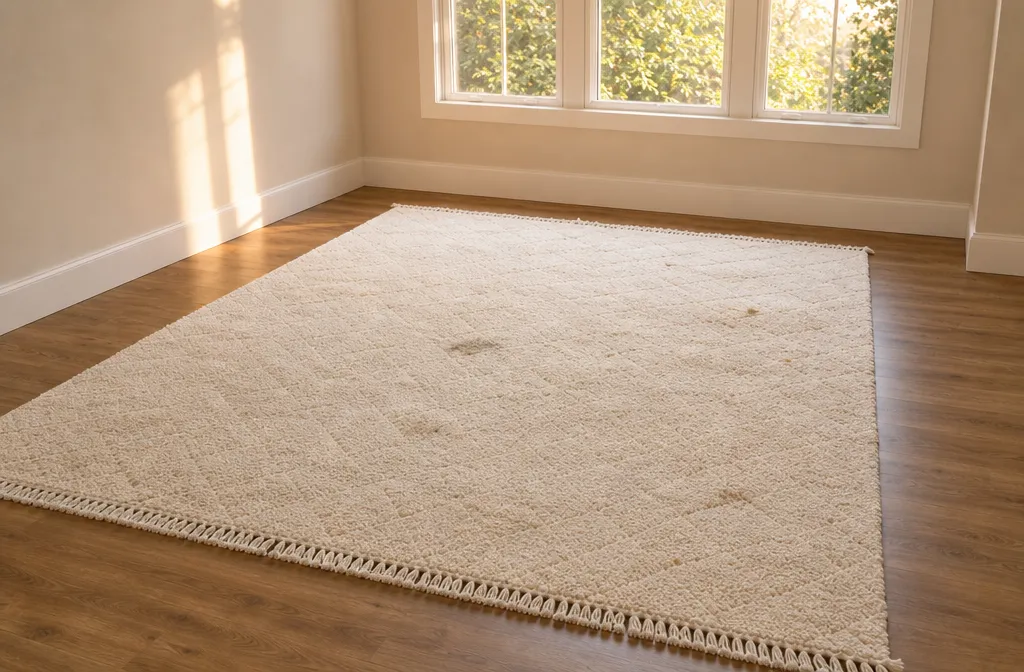
 After
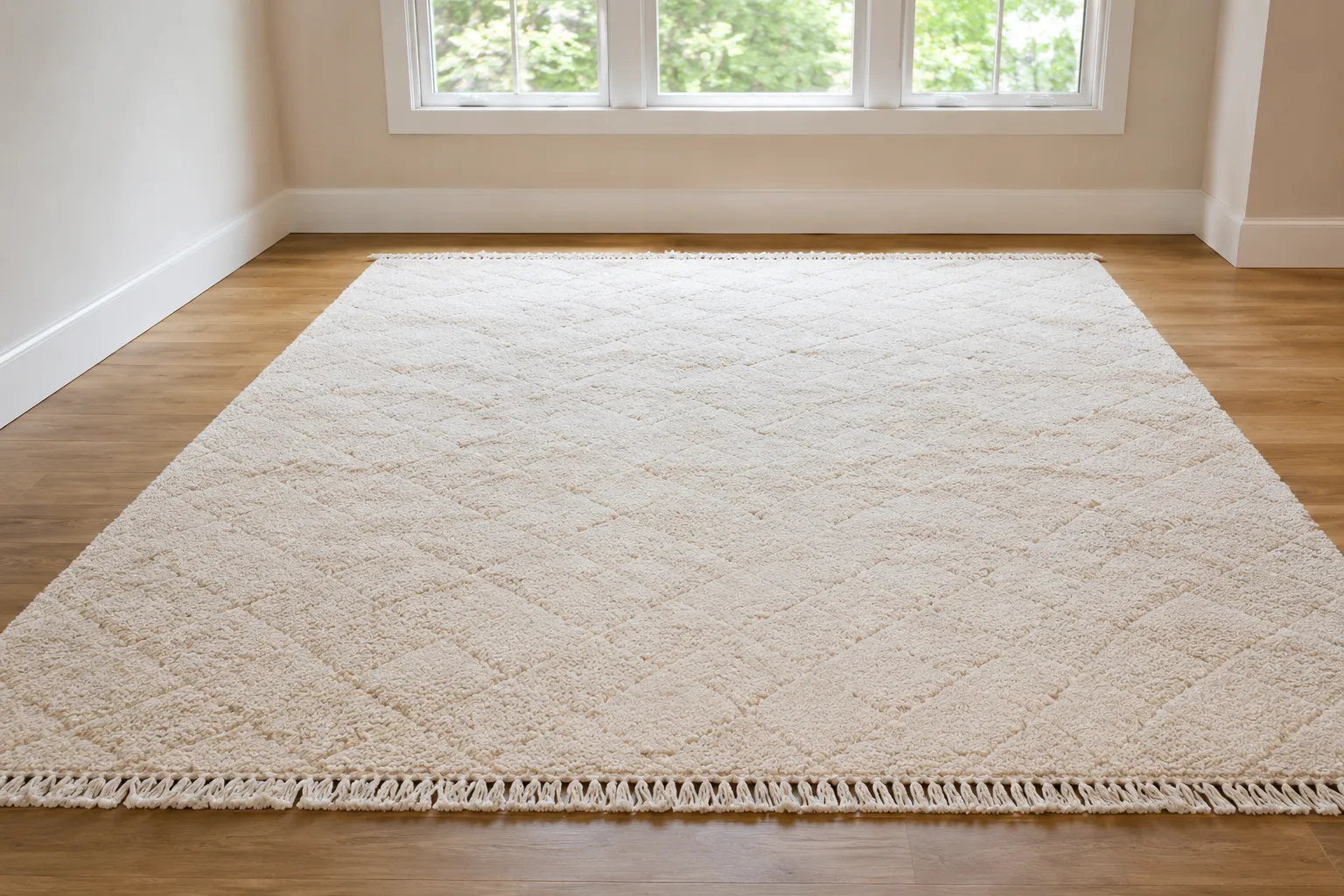
After
Request: Dark stains and odor remained on the wool rug after the cat.
Done: Treated with enzyme solution, removed stains, and performed ozonation.
Cost: 8 000 ₸
Master: Timur Zhaksybekov, dry cleaning master
Total: Stains disappeared, odor completely neutralized, pile soft.
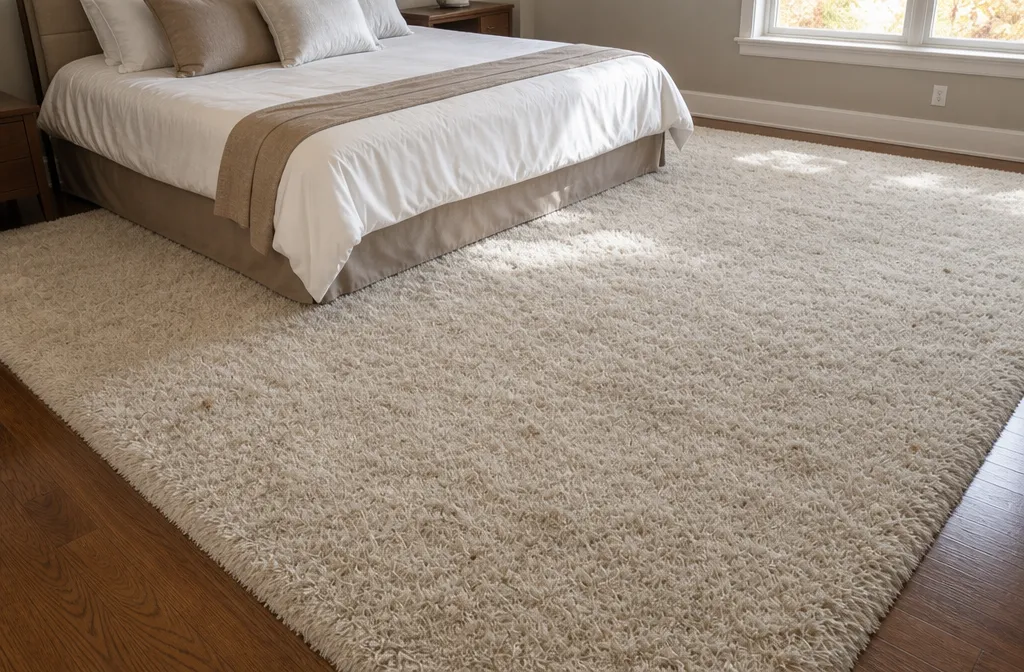
 After
After
Request: The pile was tangled, visible furniture marks and dust deep inside.
Done: Combed the pile, applied eco-shampoo and hot water extraction.
Cost: 9 000 ₸
Master: Diana Nurgalieva, dry cleaning master
Total: The carpet became voluminous, clean, without dust or creases.
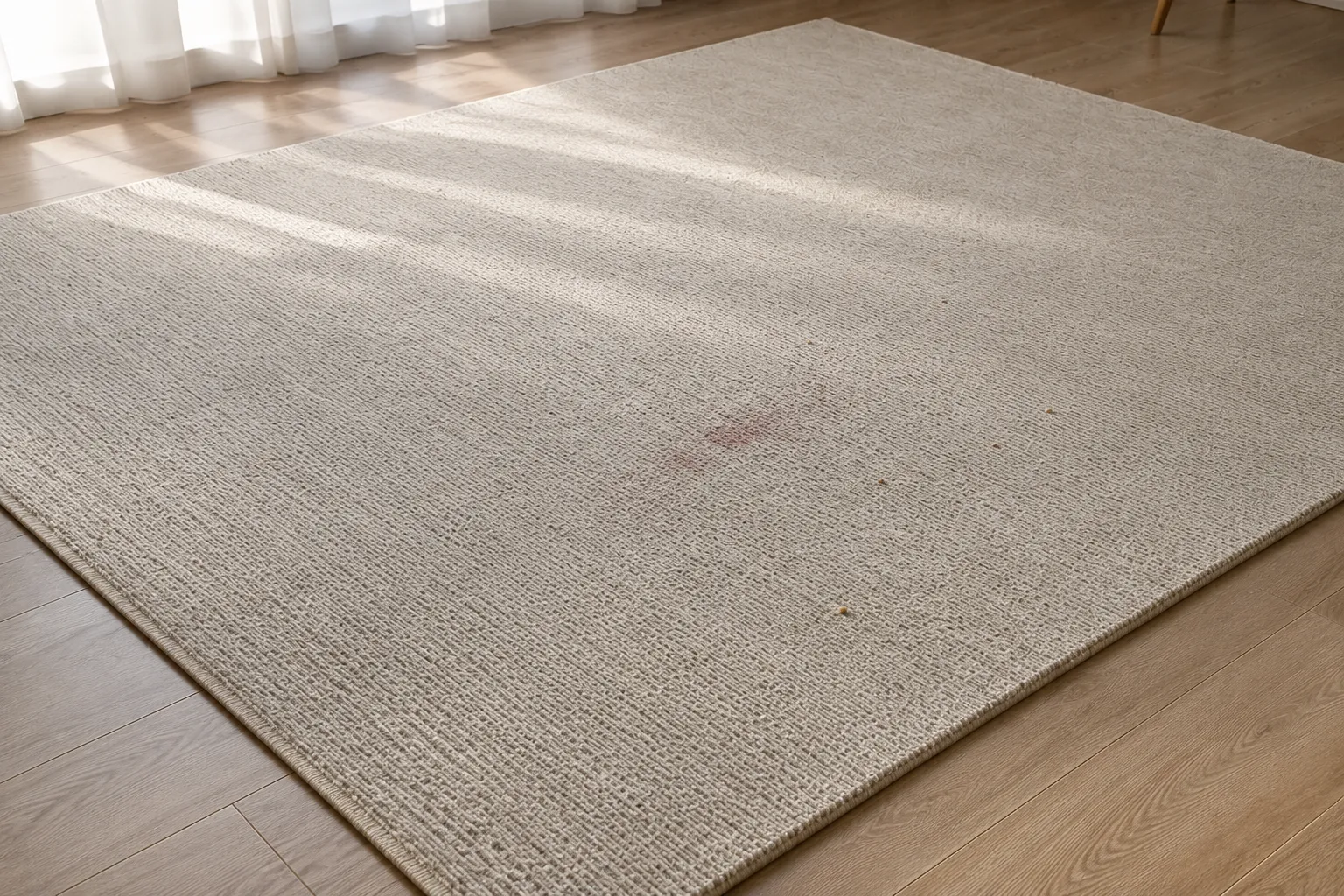
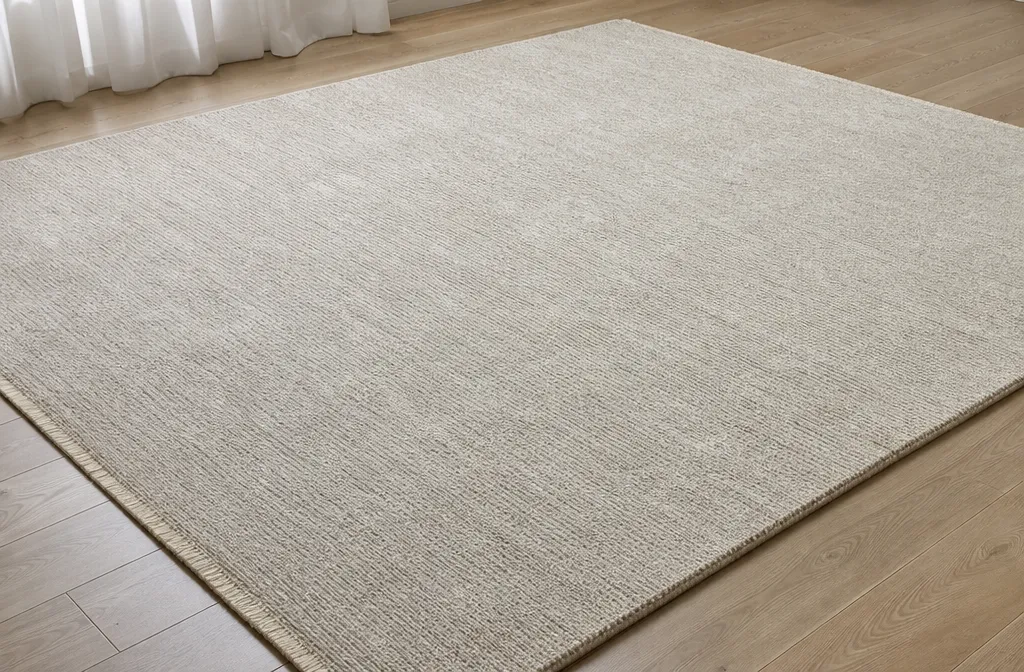 After
After
Request: Red wine spilled on a light viscose carpet.
Done: Removed the stain with cold water and a special product for viscose.
Cost: 8 000 ₸
Master: Ainagul Muratova, dry cleaning master
Total: Stain removed without streaks, carpet structure undamaged.
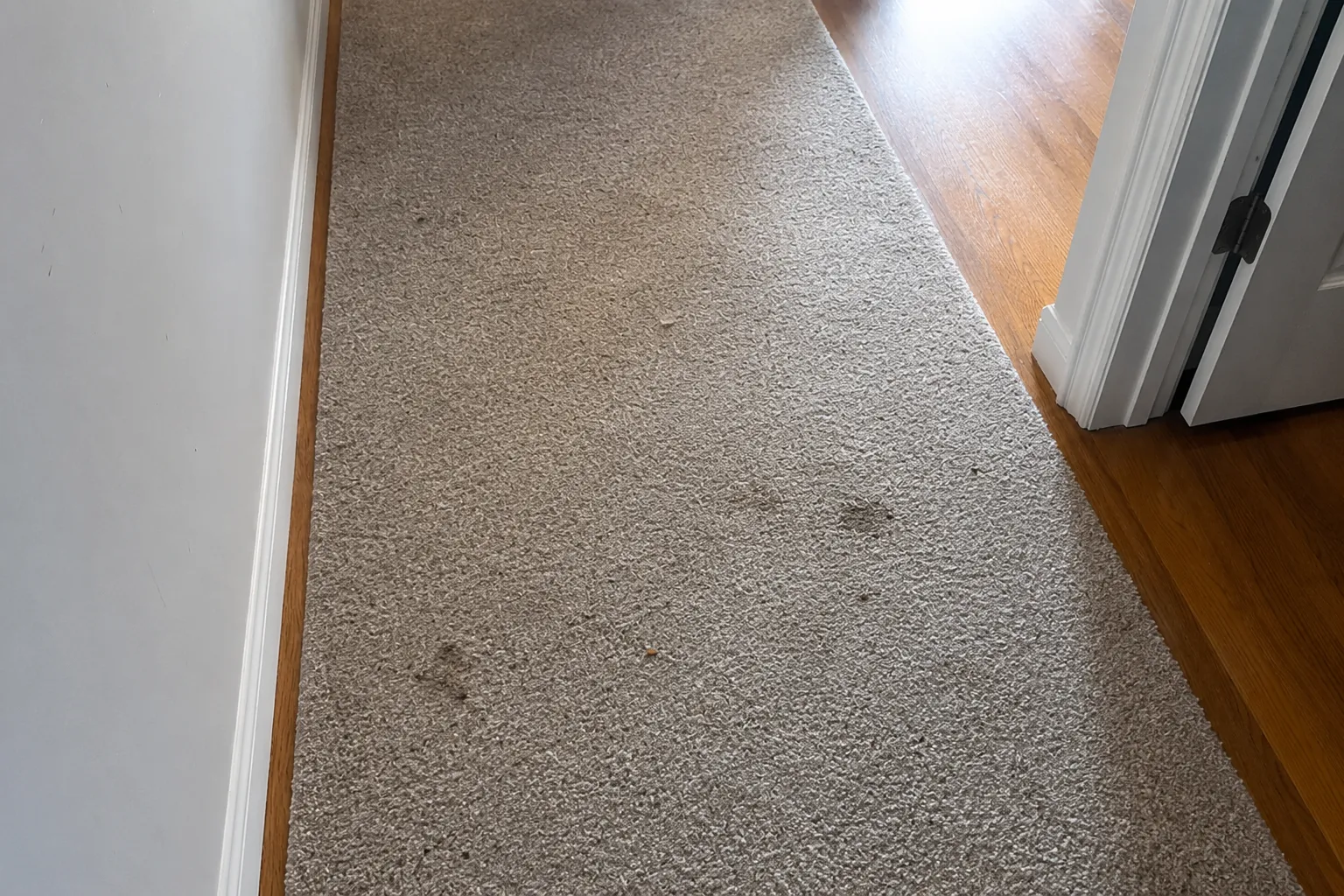
 After
After
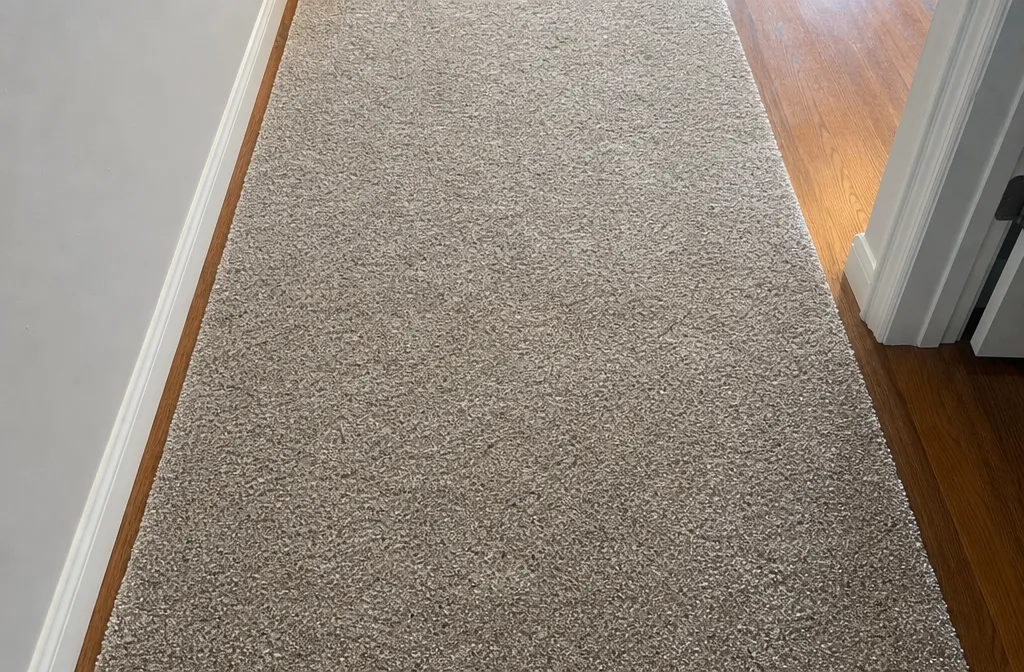
Request: The hallway carpet was heavily soiled from outdoor shoes.
Done: Performed alkaline eco-cleaning and disinfection with safe solutions.
Cost: 9 000 ₸
Master: Yerzhan Kassymov, dry cleaning master
Total: The carpet looks like new, all traces of dirt and odors removed.
 After
After
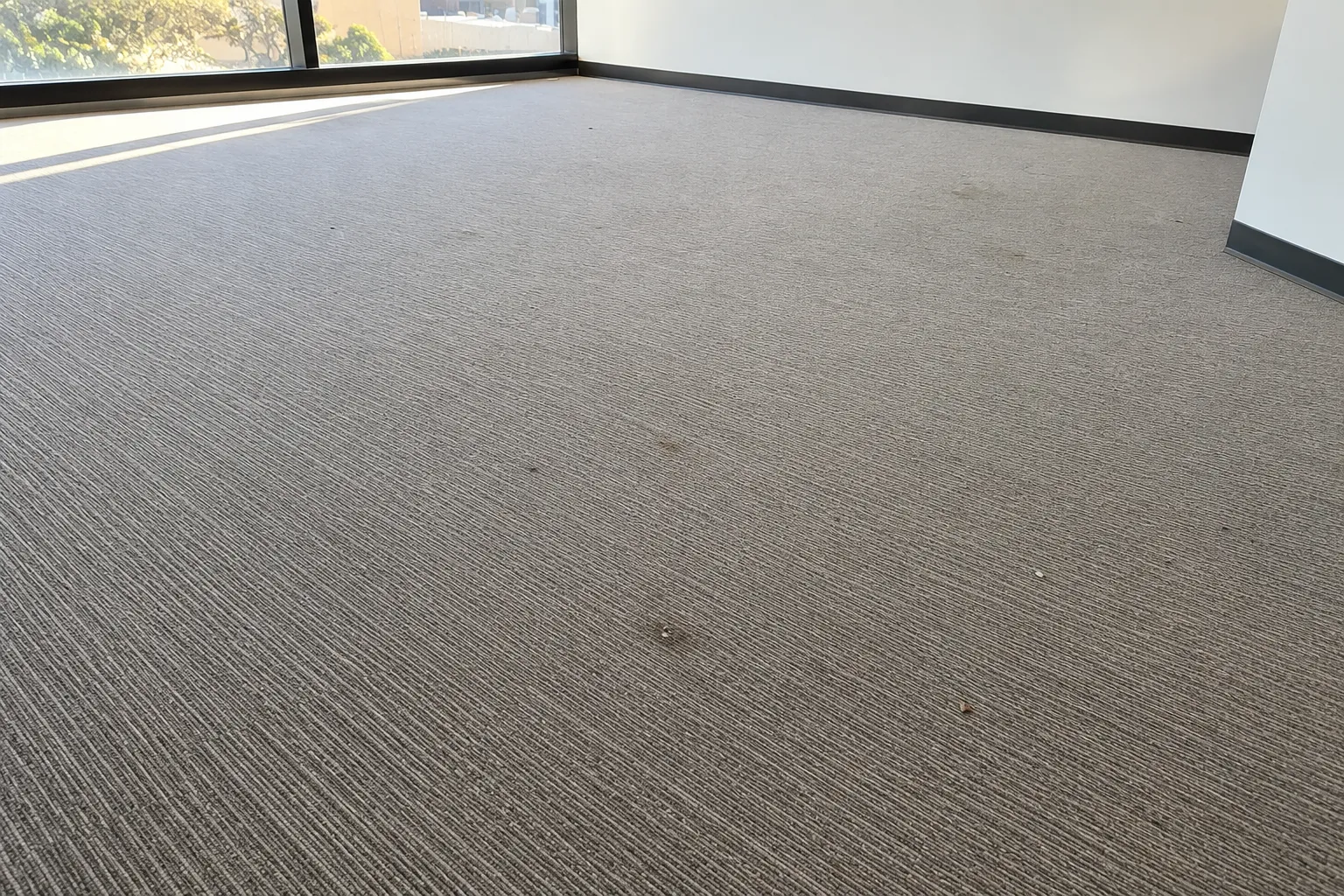
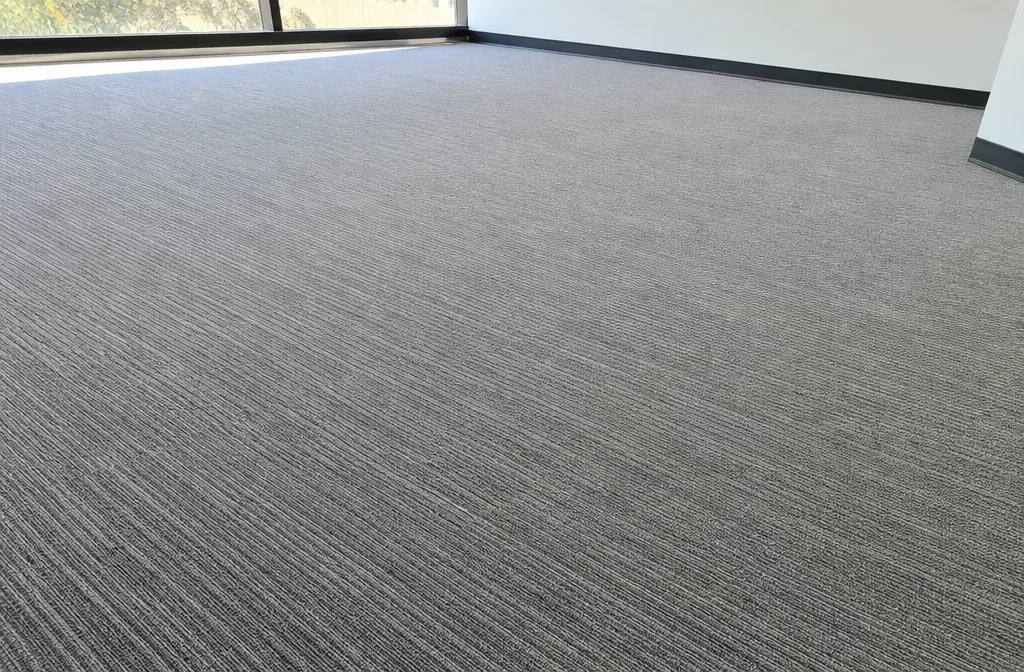
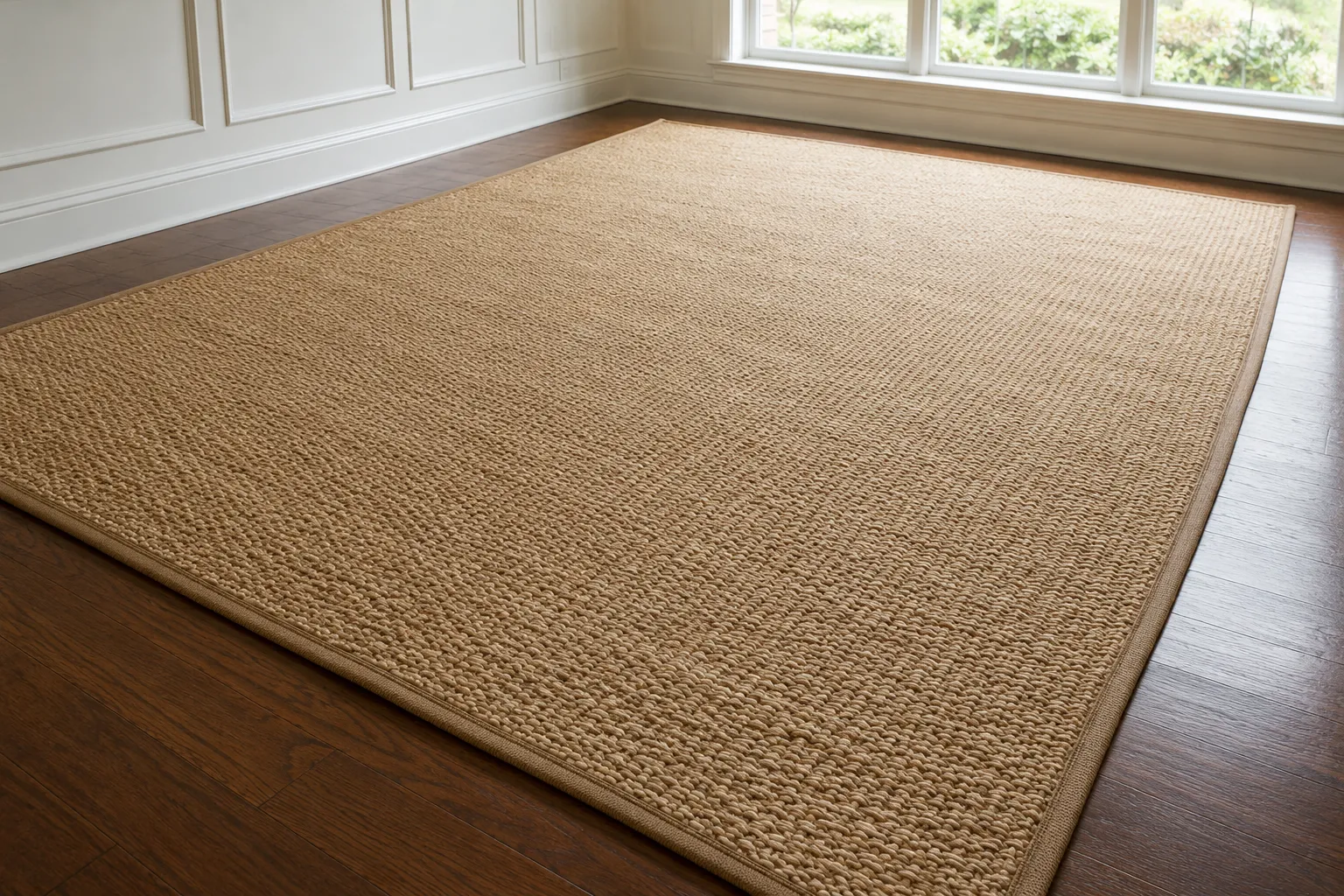
Request: The office carpet got dirty from coffee and chair movement.
Done: We applied extraction cleaning with neutral pH.
Cost: 9 000 ₸
Master: Marat Aliyev, cleaning master
Total: The carpet is clean, stain-free, the office looks tidy.
 After
After
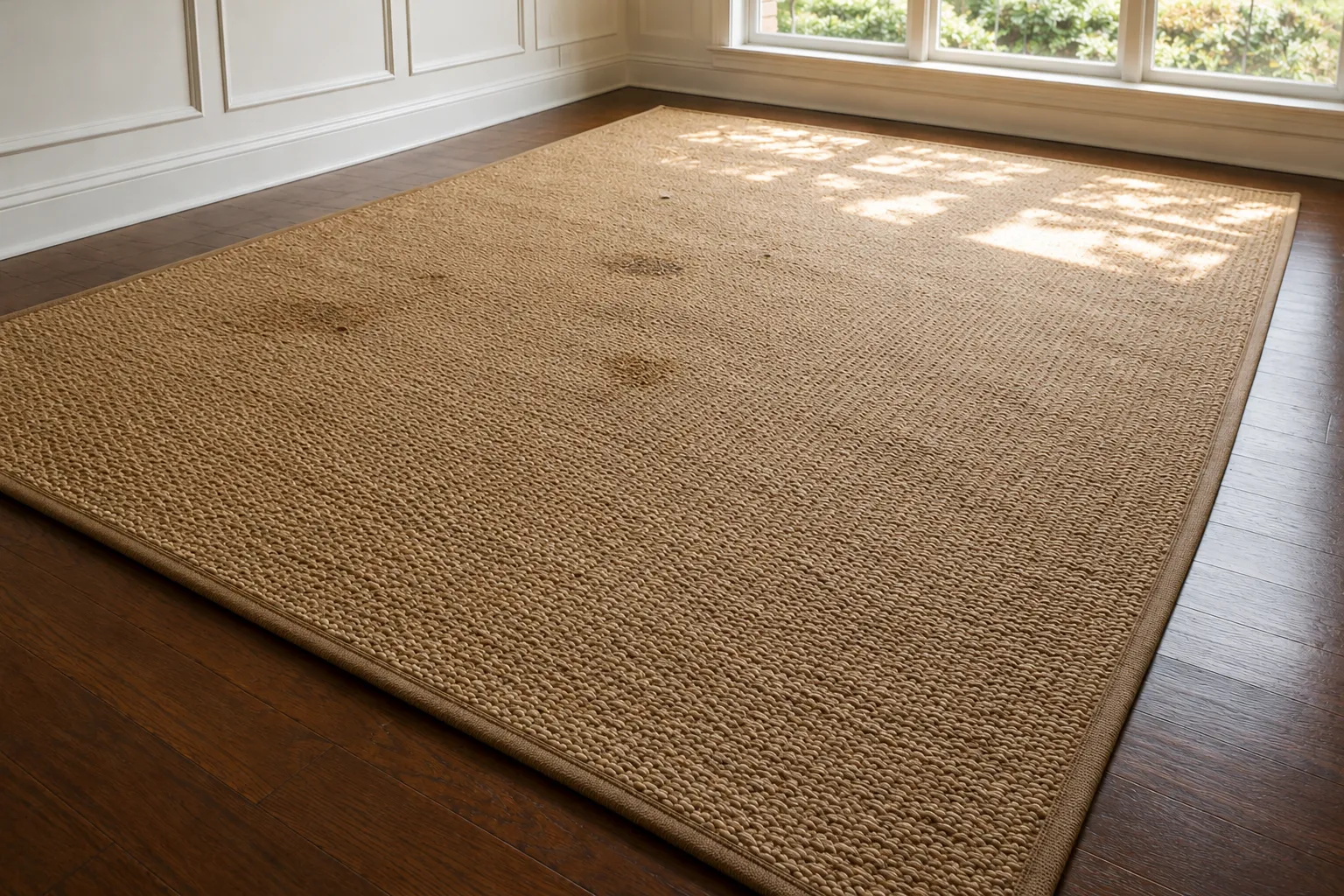
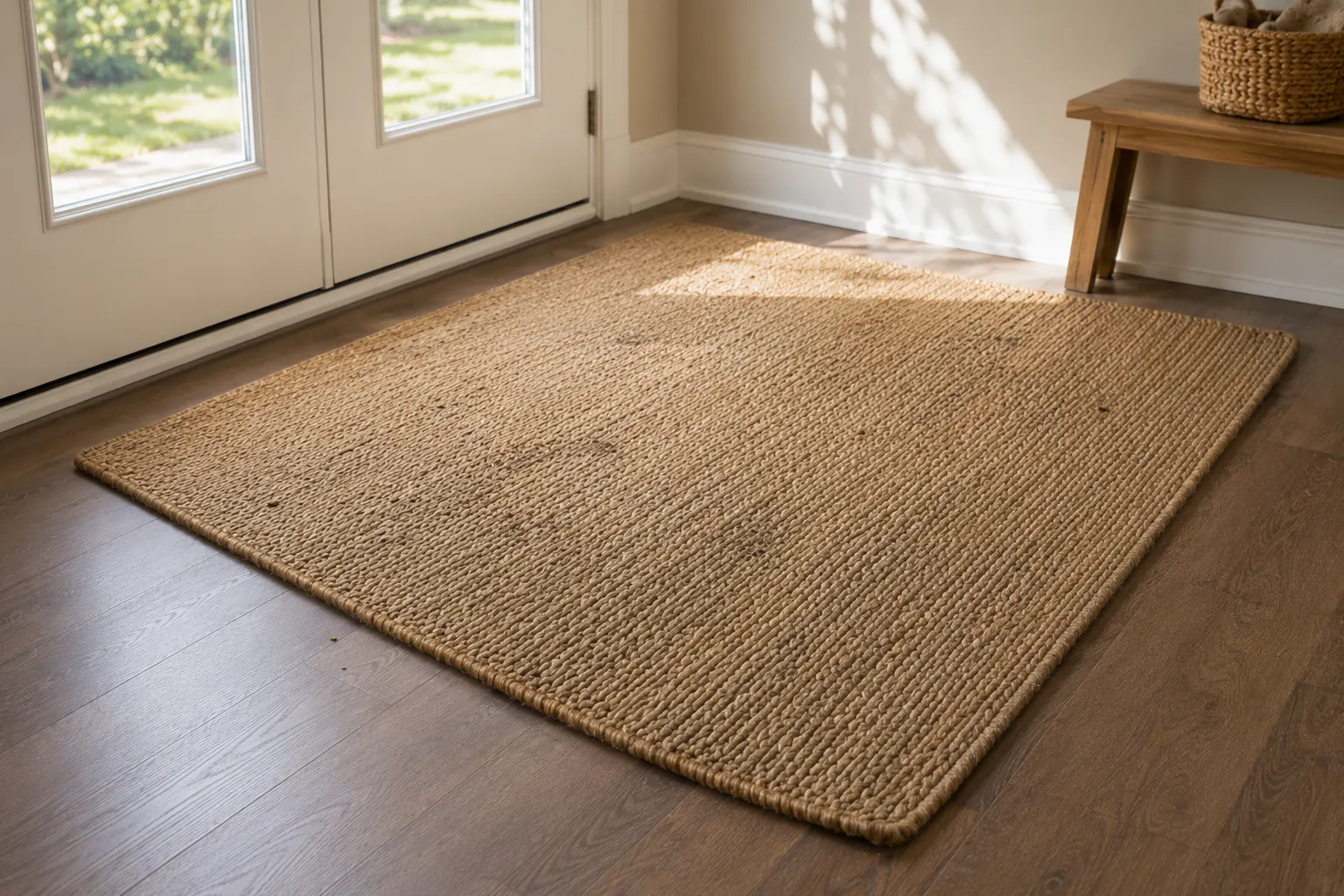
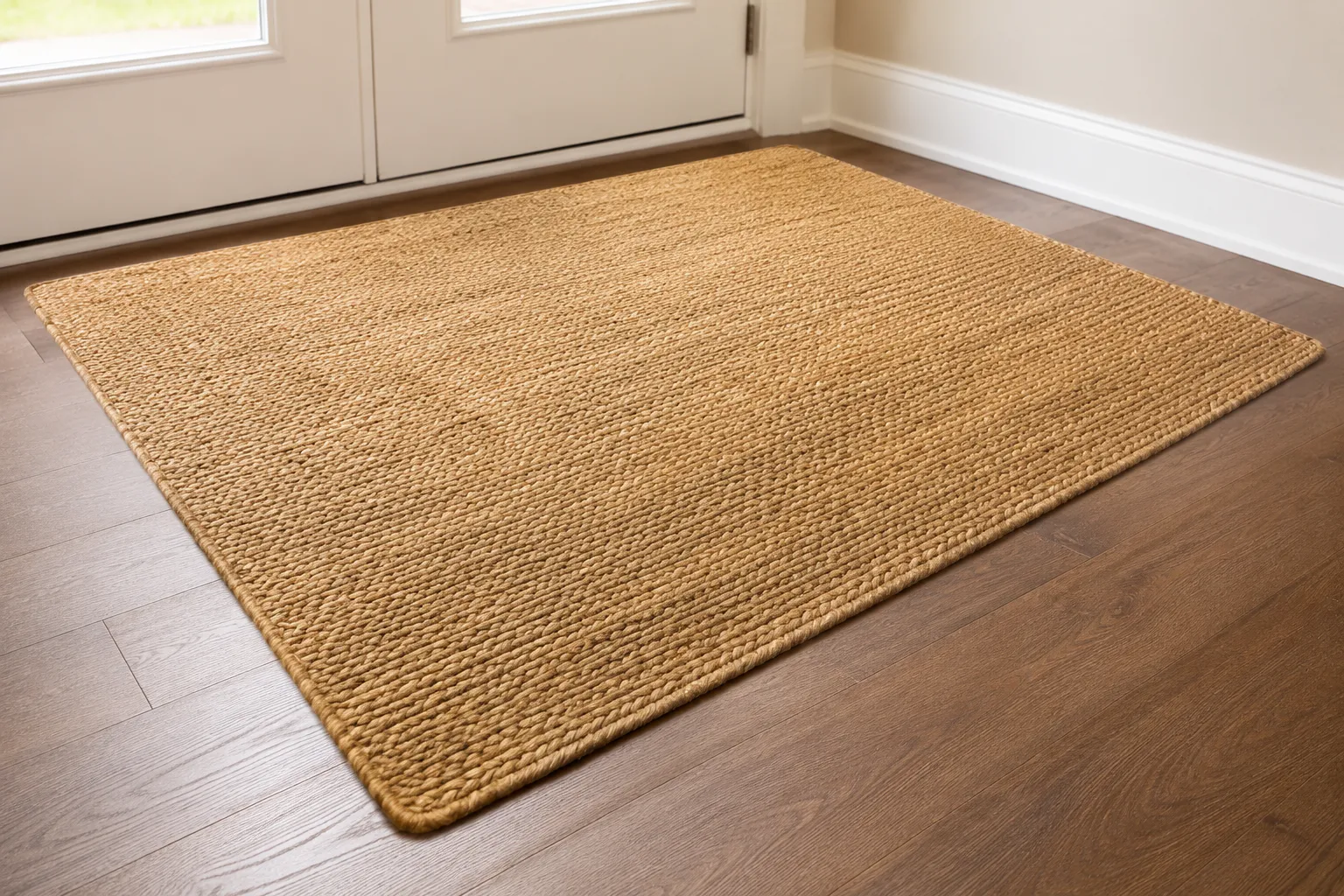
Request: Grease stains from food appeared on the sisal rug.
Done: Cleaned using dry method with absorbent and gentle brush.
Cost: 10 000 ₸
Master: Gulmira Yessenova, cleaning master
Total: Grease removed, rug dried without deformation, color even.
 After
After
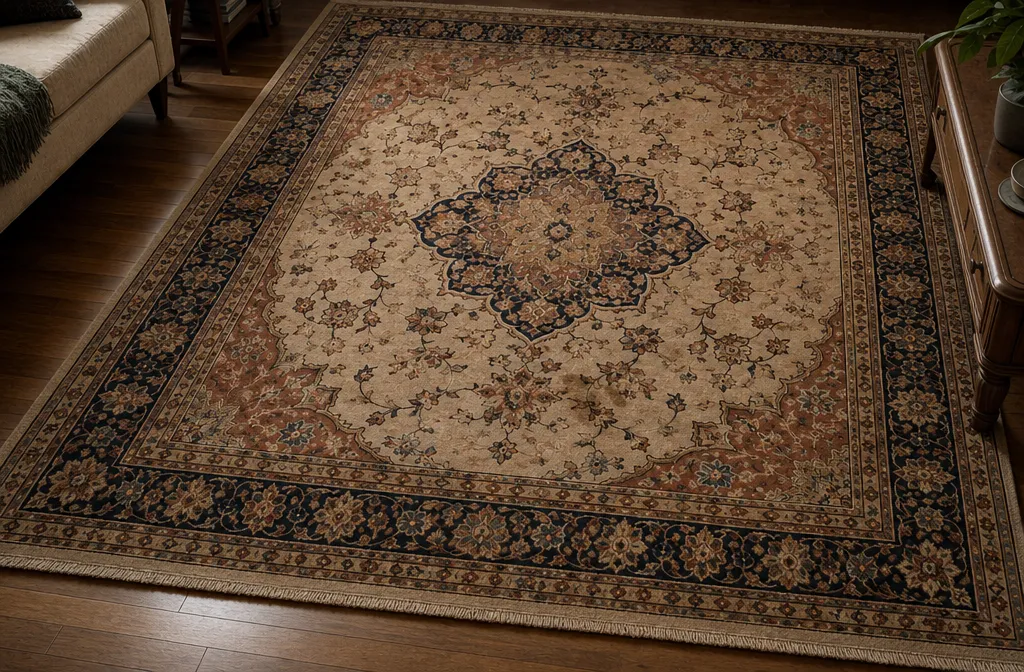
Request: Jute rug at the entrance is dusty with dark streaks.
Done: Performed dry cleaning using salt absorbent.
Cost: 7 000 ₸
Master: Alisher Bekov, cleaning master
Total: Rug refreshed, streaks gone, structure undamaged.
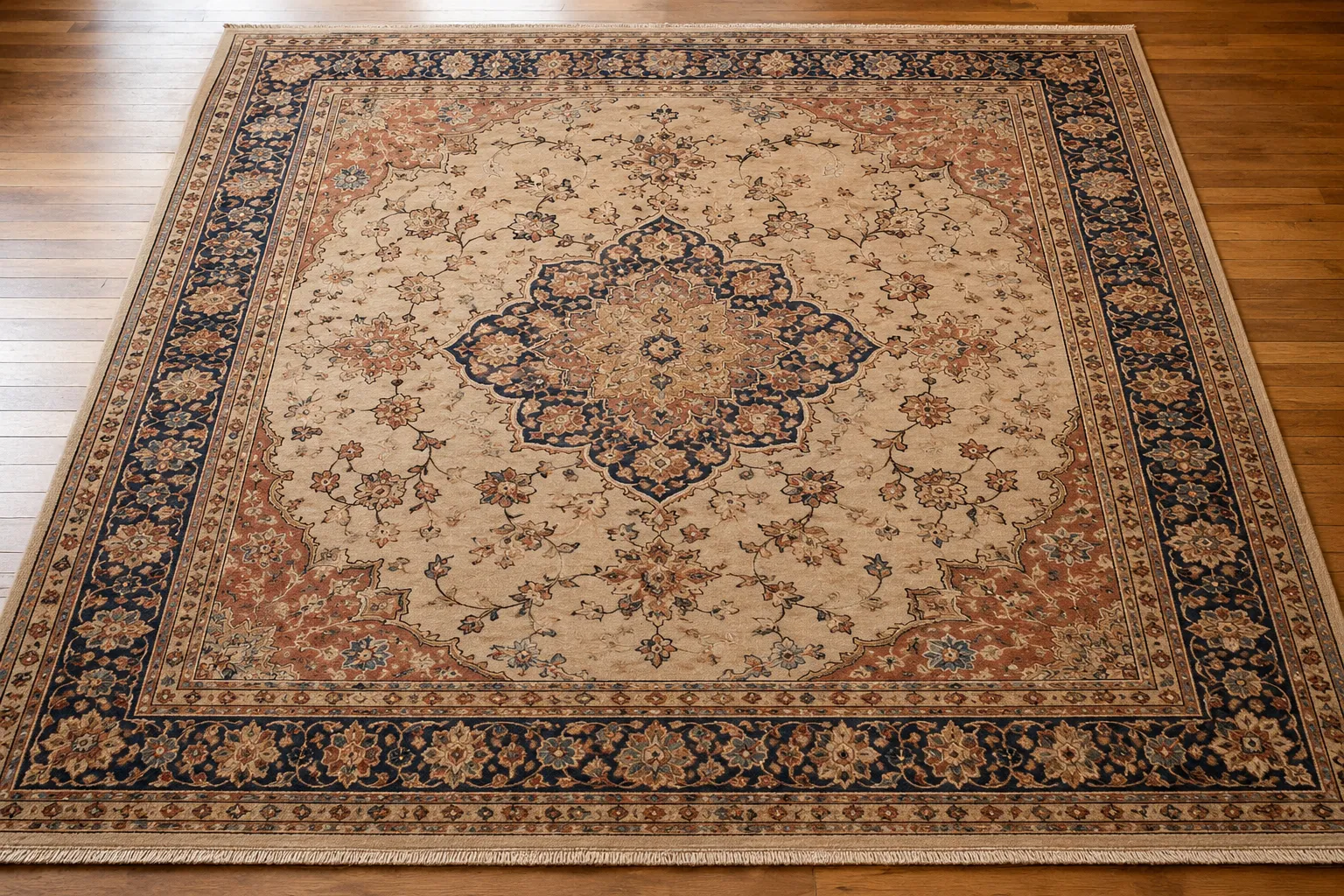 After
After
Request: Coffee spilled on a handmade carpet.
Done: Removed stain with cold water and enzyme stain remover.
Cost: 9 000 ₸
Master: Zhanat Ospanova, cleaning master
Total: Stain completely removed, colors brighter, pile soft.

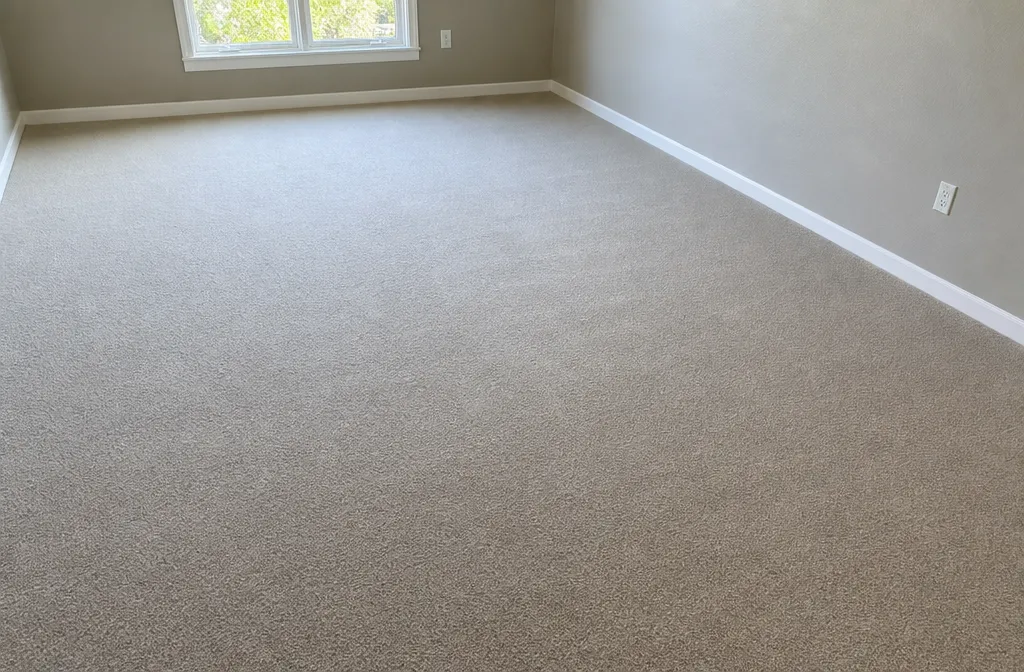 After
After
Request: In the kitchen, grease got on the carpet, stain set in.
Done: Treated with degreaser and performed steam extraction.
Cost: 10 000 ₸
Master: Ruslan Ibraev, cleaning master
Total: Grease stain gone, carpet clean and odor-free.
All cleaners are profi-clean staff with training, uniform and security check. Each order has a team leader who controls quality.
Pet urine odor is not a surface-level stain, but a chemical reaction with the carpet’s fibers and backing. Urine contains urea, which turns into ammonia as it dries, and bacteria break it down into mercaptans — these are what create that persistent “cat smell” that regular foam or shampoo cannot remove. Eco carpet cleaning tackles the problem at a molecular level, rather than masking the odor with fragrance.
Standard alkaline shampoos (pH 9–11) react with uric acid but do not break down urate crystals — salts of uric acid that crystallize deep within the carpet backing. When humidity rises (rain, floor washing), the crystals dissolve again, and the odor returns. We use enzyme-based formulas with proteases and lipases (Kiehl, Sodasan) — these specifically break down the protein compounds in urine into odorless amino acids and carbon dioxide. In our practice, there is no difference between a fresh stain and an old, set-in “aroma”: the enzyme works the same way, provided the crystalline layer is first removed with an ultrasonic needle. On synthetic carpets (polypropylene, nylon), the effect is achieved in one pass; on wool, it takes two passes with intermediate drying.
After enzyme treatment, the carpet feels damp and may smell of “wet wool” or the grassy scent of the solution itself — this is normal. During the drying process (4 to 8 hours with a HEPA-filtered dehumidifier running), residual moisture evaporates, and with it, the last traces of ammonia disappear. If, after complete drying, even a faint odor remains, it means the crystals were not fully removed, and a repeat enzyme treatment of that specific area is required. Our cleaners check the result with a UV lamp (urine glows yellow-green at 365 nm) before leaving, but we give a final assessment after 24 hours — this is the guarantee period from our meta. In practice, out of 200+ orders for pet urine odor last season, a repeat visit was only necessary for three carpets with foam backing, where the owners had not mentioned old markings.
| Criterion | Eco Enzyme Cleaning | Ozonation | Steam Cleaning 120°C | Home Remedies (Vinegar/Soda) |
|---|---|---|---|---|
| 100% Odor Removal | Yes, in 1–2 cycles | Masks for 2–3 days | 60–70% (ammonia goes, mercaptans remain) | 30–40% (reaction with soda neutralizes only urea) |
| Effect on Pile | Safe for all types | Oxidizes dyes (fading) | Twists polypropylene and viscose | Leaves whitish streaks on dark carpets |
| Pet Safety | Enzymes break down into water and CO₂ | Residual ozone is toxic to birds and rodents | Steam dries out cats’ mucous membranes | Vinegar attracts cats again (ammonia smell) |
| Full Drying Time | 4–8 hours with HEPA dryer | 2 hours (but smell returns) | 1–2 hours (surface only) | 6–12 hours (soda retains moisture) |
Conclusion from the table: for Almaty apartments, where carpets often lie on concrete screed and absorb moisture from the basement, eco cleaning is the only method that leaves no “chemical trail” and is safe for pets. Ozone and steam in our conditions provide a temporary effect, while home remedies worsen the problem — vinegar provokes cats to mark again, and we see this in every third order for repeat cleaning.
The main difference between the methods lies in the approach to chemicals and water: eco cleaning works with cold water and biological enzymes, while traditional dry cleaning uses hot steam and aggressive surfactants. This affects the safety for the family and the carpet’s lifespan.
Eco cleaning uses low-pressure water extraction (20-30 bar) and enzyme-based products from Kiehl and Sodasan, which break down organic matter at the molecular level. Traditional dry cleaning employs steam machines with temperatures of 80-100°C and alkaline concentrates that wash out color and destroy the latex base layer. In practice, this means: after eco cleaning in Almaty, the carpet dries in 2-3 hours, remains soft to the touch, and emits no chemical smell — unlike dry cleaning, where surfactant residues “air out” for up to a day. In our practice, there was a case: a client with asthma ordered dry cleaning from another service; after 4 hours, her child started coughing — after switching to eco cleaning, there were no reactions. Choose the method based on the type of allergy sufferers in the apartment: if there are children under 3 years old or asthmatics, eco cleaning is the only safe option.
Natural fibers (wool, viscose, cotton) critically react to alkali and high temperatures — traditional dry cleaning with pH 8-10 and steam at 90°C shrinks the pile by 5-7% and pulls out pigment, making colors dull. Eco cleaning with neutral enzymes (pH 6-7) and cold water (25-30°C) does not disrupt the fiber structure — the pile retains its original height and density. We had a case with a handmade rug from Kyrgyzstan (100% sheep wool): after traditional dry cleaning at another service, shrinkage was 8 cm in length; after our eco cleaning, it was 0 cm. Special care is needed with viscose — it loses its luster when wet above 40°C, so only the eco method is suitable for such carpets.
Traditional dry cleaning with steam creates an ideal environment for mold — the pile moisture reaches 70-80%, and microscopic water droplets get trapped at the base of the pile, taking 8-12 hours to dry. During this time, mold spores and dust mites have time to activate. Eco cleaning with low residual moisture (20-25% pile moisture) and antifungal enzymes suppresses microorganism growth during the cleaning stage. In Almaty apartments with poor ventilation (typical panel houses from the 80s-90s), this is especially important — after eco cleaning, the carpet is dry within 2 hours, and mold does not have time to establish itself. Order eco carpet cleaning in Almaty with on-site service if there are asthmatics or small children in the house — the difference in allergen load is visible in air tests 24 hours after cleaning.
The only scenario where steam treatment can be more effective is with old oil stains (fuel oil, paint, motor oil) that enzymes cannot tackle due to the lack of a protein base. But at profi-clean, we combine approaches: first, we treat the oil stain with a local solvent (Diversey Betco), then perform a full eco-cleaning of the entire carpet to avoid leaving aggressive chemicals on the clean area. The second rare case is carpets with a PVC base and a strong tobacco smell, where steam with soda indeed deodorizes faster. However, for 95% of household carpets (wool, synthetic, viscose, polypropylene), eco-cleaning wins in terms of safety and residual quality — steam treatment leaves micro-suspensions of chemicals in the pile, which, when heated by the sun or radiators, reactivate and release odors.
There is no universal cleaning schedule — frequency depends on traffic, pile type, and climate. In our orders, we see that carpet owners in Almaty fall into three categories: those who clean once every six months and accumulate dust, those who call cleaners every month and overpay, and those who have found a rhythm that suits their home. Let me explain how to join the third group.
In a home where children run around and cats or dogs live, the carpet accumulates fur, skin particles, food scraps, and animal saliva within 4–6 weeks. We measured: after 60 days without professional cleaning, the density of dust mites in the pile exceeds the safe threshold of 100 mites per gram of dust, triggering allergies in children. That’s why, in families with pets, we recommend eco-cleaning carpets every 8 weeks. In practice, this reduces the recurrence of dermatitis in children by 40% — based on feedback from moms in our chats. Between cleaner visits, it’s enough to vacuum the carpet weekly with a turbo brush and immediately rinse urine or saliva stains with cold water and an enzyme stain remover, without waiting for the smell to soak into the underlay.
In areas where more than 20 people pass daily — reception areas, meeting rooms, halls in offices on Baizakov or Timiryazev streets — the carpet loses color and structure within 3–4 months without regular cleaning. The reason is not so much dirt from shoes but abrasive sand particles, which in Almaty are brought in from the street even in dry weather. These particles embed into the fibers and act like sandpaper when walked on, wearing down the pile. We noticed: if such a carpet is cleaned every 4 weeks using the eco-method with cold water, its lifespan increases from 3 to 5–6 years. The savings on replacing the flooring amount to 100–150% of the annual cleaning cost. We advise office administrators to set a reminder for the 1st of each month and not wait for visible stains — by the time a stain is noticeable, the fibers are already damaged.
In rooms where the carpet is not under daily stress, the main enemy is not dirt but dust and dust mites. Over 120 days, up to 2–3 grams of dust per square meter accumulate in the pile, which settles in the lungs when breathing during sleep. Our tests with hypoallergenic Kiehl chemicals show: after such cleaning, allergen levels in the air drop by 70% within the first 24 hours. If a humidifier is in the bedroom (in winter, Almaty’s humidity drops to 20%), the interval can be extended to 5 months — a dry environment slows mite reproduction. But under no circumstances stretch it to six months: by day 180, the dust compresses into a crust that a vacuum cleaner can no longer handle, requiring an extra beating cycle, which costs more than a planned cleaning.
Spring and autumn in the city are peak periods for carpets. In March-April, with the melting of snow, a sand-salt suspension appears on the streets, which residents bring in on their shoes. In September-October, it’s dust from construction work and leaf fall. During these months, even in bedrooms, we advise reducing the interval to 3 months, and in hallways and corridors, place dirt-trapping mats and clean the main carpet every 6 weeks. In summer, when it’s dry and hot in Almaty, the frequency decreases — dust sticks less to the pile. But there’s a nuance: air conditioners circulate air around the room, and dust settles precisely on the carpet, not on smooth floors. Therefore, skipping regular cleaning in summer is a mistake: it’s enough to switch to an interval of +2 weeks from the base schedule. In winter, with working radiators, static electricity attracts dust faster, and we recommend returning to the standard rhythm.
The most common mistake we see with clients in Almaty is cleaning “by eye,” where the carpet is only washed after stains appear. By that time, dirt is already embedded in the base, and eco-friendly carpet cleaning costs 20–30% more than planned cleaning due to an additional pre-treatment cycle. The second typical miscalculation is using home steam cleaners once a month: steam softens the glue in the backing of synthetic carpets, and after a year, the covering starts to “shift” underfoot. The third is ignoring cleaning during the off-season: if you skip the spring salt residue, it crystallizes in the fibers by summer and discolors the pile. In my opinion, the most reliable method is to link the schedule to the household cycle: clean the carpet after each season (4 times a year) plus an unscheduled call if a new pet appears in the house or a child starts crawling. In bedrooms and guest rooms, this is sufficient; in high-traffic areas, add one cycle between seasons.
Eco-friendly carpet cleaning using cold water and biological enzymes effectively handles most household contaminants, but not all stains respond equally — the difference in the chemical nature of each type requires a different approach and exposure time.
Coffee, tea, and red wine leave tannic acids on the pile — tannins, which firmly bond with the fiber upon drying and darken under the influence of air. In our practice, eco cleaning with an enzyme pre-spray removes such stains in one pass if treatment begins within the first 12 hours. Dried tannins require applying an enzyme composition for 20-30 minutes before starting the main cleaning — without mechanical rubbing, which spreads the pigment deeper. On synthetic carpets (polypropylene, polyester), tannic acids are completely removed; on wool carpets, a faint yellow outline may remain, which we remove with a repeat spot spray. Never use hot water on tannins — it “brews” the stain, like tea in a cup, making it irremovable.
Greasy stains from vegetable oil, sauces, cream, or foundation are hydrophobic; eco cleaning works with them through emulsification: lipase enzymes break down fat molecules into water-soluble components. We had a case with a viscose carpet where a whole bottle of sunflower oil was spilled — after two cycles of eco cleaning with an hour interval, the pile was restored without a greasy trace. The difficulty is that oily contaminants tend to migrate: if you rub the stain, the grease spreads 3-5 cm around, creating a “halo.” The correct tactic is to apply the enzyme composition spot-on, let it soak for 15 minutes, and remove it with a napkin before starting machine cleaning. On carpets with a latex backing, oils are more dangerous — they destroy the glue, so for greasy stains on such models, we recommend cleaning without over-wetting, only using the foam method.
Protein-based stains — blood, urine, sweat, vomit — are removed by eco-cleaning using proteases, which break down long protein chains into short fragments that are easily rinsed away with cold water. Hot water is strictly contraindicated here: it coagulates the protein, like an egg in a frying pan, and the stain becomes permanently embedded in the pile. We remove blood from a wool carpet in one cycle if the stain is fresh (up to 2 hours); older stains require two to three treatments with intervals for rehydration. Urine is a separate case: besides protein, it contains uric acid, which crystallizes and produces odor upon re-wetting. Eco-cleaning with urease enzymes destroys these crystals, but on carpets with a thick latex layer (carpet tiles), treatment from the reverse side may be required. Our rule: do not use fragrances for biological stains — masking the odor without removing the crystals leads to the return of the ammonia smell within 2-3 weeks.
Fresh grass, berries (blackberries, cherries), and beet juice leave plant pigments — chlorophyll and anthocyanins — which are water-soluble but oxidize quickly in the air, turning into a stable form. Eco-cleaning with a neutral pH solution (5.5-6.5) removes such stains within 30 minutes of soiling — before the pigment oxidizes. In practice, we have encountered blueberry stains on a sisal carpet: after eco-cleaning, a barely noticeable blue tint remained, which disappeared after UV treatment (sunlight destroys residual anthocyanins). Dried plant stains require pre-soaking in an enzyme solution for 40 minutes — without this, cleaning only fixes the pigment deeper into the fiber. On synthetic carpets, the result is 100%; on natural ones (wool, cotton), a residual tone is possible, which we correct with a finishing spray containing citric acid.
Street dirt, pollen, candle soot, and cigarette ash are not chemical stains but mechanical soiling, which eco-cleaning removes through extraction with cold water under pressure (50-60 bar). The main danger here is the abrasive effect: if dirt is not washed away but scrubbed with a brush, sand particles scratch the pile, and the carpet loses its luster. In Almaty, where dust levels are high from March to November due to smog and proximity to the mountains, we recommend a preliminary vacuum with a HEPA filter before eco-cleaning — this removes 80% of abrasive particles. Soot from fireplaces and candles contains an oily fraction (soot deposit) that requires an emulsifier — eco-cleaning with a citrus pre-spray (based on d-limonene) dissolves it in 5-7 minutes. Plant pollen (ragweed, wormwood) is an allergen that is not removed by plain water; profi-clean’s enzyme formulations break down the protein shell of pollen grains, making them safe for allergy sufferers.
Natural carpets — wool, silk, viscose, cotton — require a fundamentally different approach than synthetics: their fibers are sensitive to pH, temperature, and mechanical action, and a mistake in choosing the product can lead to shrinkage, fading, or structural damage.
Wool is a protein fiber (keratin) that irreversibly deforms at temperatures above 40°C: the pile felts, loses elasticity, and the item shrinks in size. Alkaline solutions (pH > 8) destroy the cuticle of the wool fiber, making it stiff and brittle. We use specialized enzyme concentrates with a pH of 5.5–6.5 (Kiehl Neutral Cleaner) and supply water heated to no more than 35°C — this preserves the softness of the pile and its natural luster. In practice, in Almaty, we most often encounter hand-woven Pakistani and Turkish wool carpets where the dyes are not synthetically fixed — acid enzymes do not wash out the pigment, while alkali would remove it in one pass. Before cleaning a wool carpet, always test for colorfastness on an inconspicuous area with a damp white cloth: if the dye transfers to the cloth, only cold water without chemicals and with minimal contact is needed.
Silk pile is 5–8 times finer than wool pile, and its fibrils are damaged even by the mechanical action of a rotary brush with stiff bristles. We treat silk carpets exclusively by hand: we spray an enzymatic solution (Sodasan Fleckenfrei) on stains, let it sit for 3–5 minutes, and collect the moisture with a microfiber cloth without rubbing — no extractors or rotating attachments. The moisture level must not exceed 15% of the carpet’s weight, otherwise the silk loses its “golden” thread — the luster that gives it its characteristic sheen. A typical mistake made by Almaty dry cleaners is treating silk with steam at 120°C, after which the pile becomes matte and brittle; the luster cannot be restored. Our protocol: water temperature 20–25°C, pH 5.0, drying with room ventilation without a fan heater — the silk must dry naturally for 12–18 hours.
Viscose carpets (often an imitation of silk) are made of regenerated cellulose, which swells by 20–30% along the fiber length when wet, and with uneven drying causes irreversible shrinkage — shape distortion of up to 5–7 cm per meter. We minimize water application: we use dry foam with low moisture content (Dry Foam method, consumption 0.3 L/m² versus 2–3 L/m² for extraction) and extract the foam immediately after application. Cotton carpets (palas, kilims) absorb moisture like a sponge — excess water leads to rotting of the backing and mold growth on the reverse side within 2–3 days. Our recommendation: after cleaning a viscose or cotton carpet, be sure to lift it on its edge every 2 hours during the first 6 hours of drying — this prevents moisture stagnation in the underlay and the formation of yellow spots from drying dirt.
Handmade carpets from India, Iran, and Turkey are often dyed with natural pigments (madder, indigo, henna), which lack chemical fixation — their pH sensitivity is higher than synthetic counterparts. Upon contact with lipase-based enzymes (which break down fats), some natural red dyes (alizarin) go into solution even at pH 6.0. We test colorfastness in three areas: on a light background, on a dark pattern, and at the color boundary — if pigment migrates in even one area, cleaning is done only with water at neutral pH 7.0 without enzymes, with local stain treatment through a stencil. In profi-clean’s practice, there was a case with a 19th-century Iranian silk carpet where the blue indigo on a damp cloth turned green — this indicated the presence of copper mordants reacting with enzyme components; we stopped the cleaning and referred the client to a restoration workshop. Natural dyes often fear direct sunlight after wet treatment — dry the carpet in the shade or under diffused light, otherwise fading will become noticeable by 1–2 shades within 2–3 hours.
Eco cleaning of the living room carpet — the carpet looks like new, even brighter. Coffee stains disappeared without a trace. Pleasantly surprised.
Thank you, Aigerim! We are glad the result exceeded expectations.
The long-pile carpet took a long time to dry, but in the end it looks great, no streaks. I recommend it.
I ordered eco carpet cleaning — the wool carpet was cleaned of dust and odor. The guys arrived on time and worked carefully.
Thank you for your review, Daniyar! We always strive to be punctual.
The carpet in the children's room had stains from plasticine and paints. After cleaning — perfectly clean, no chemical smell. Safe for the child.
Had an eco carpet cleaning for the hallway runner. Dirt was removed, but there was a slight damp smell that aired out after a day.
Thank you for the honest review, Erlan. Usually the smell dissipates faster; we'll note this nuance.
The kitchen palas was greasy, I thought about replacing it. Cleaning made it clean and fluffy like the day I bought it. Very satisfied.
Eco carpet cleaning for a viscose carpet — I was afraid they'd ruin it, but everything was great, the pile wasn't damaged, colors are fresh.
We work gently with viscose; glad you're satisfied.
Wool carpet — the result is good, but wine stains didn't come out completely; had to treat a second time.
Dinara, thanks for the feedback. For tough stains, we recommend letting us know upfront; we use stronger agents.
Ordered eco carpet cleaning for the bedroom. Pleasant smell, carpet is soft, no dust. Allergies stopped bothering me.
An antique handmade carpet was cleaned of dust and ingrained dirt. Colors became brighter, structure intact. Professionals.
Thank you, Gulnara! We work very carefully with antique carpets.
Had eco carpet cleaning at the office — carpet refreshed, coffee stains removed. Only the conditioner smell was a bit strong, but it aired out.
Thanks, Alexey! We'll choose a more neutral fragrance next time.
First time cleaning a silk carpet, was afraid to ruin it. But everything went perfectly — no fuzz, no streaks. Recommend.
Eco carpet cleaning removed the persistent smell of old dust and tobacco. Now the room is fresh. Really liked it.
Glad we handled the odor, Nurzhan! Come again.
After renovation, the carpet was covered in dust and paint. Cleaning restored its appearance, and the paint was completely removed. Saved on replacement.
Eco carpet cleaning — the synthetic carpet was cleaned, but after drying, whitish streaks remained, and I had to rewash it myself.
Ruslan, we apologize. Usually no streaks remain; we will check the equipment.
The carpet had cat hair and stains. After cleaning, not a single fiber remained, and my allergy disappeared. Super!
The hallway carpet was clogged with dirt. I ordered eco carpet cleaning — they even washed off dried dirt. It looks like new.
Thank you, Bakhyt! Glad to help.
The sheepskin was cleaned, became soft and white, but shrank a bit. Overall, not bad.
Madina, sheepskin can shrink; we usually warn about it. Next time we'll be even more careful.
Eco carpet cleaning for the living room — the carpet was terribly dirty, now it's like from a showroom. The kids are happy.
Juice stains on the carpet were completely removed, the color didn't change. Very fast and high quality.
The hallway carpet was cleaned with eco carpet cleaning — outdoor dirt was removed, the carpet dried quickly, no odor.
Thank you, Kanat! Always happy to help.
The long-pile carpet was cleaned well, but it took a long time to dry, almost a day. Otherwise, everything is great.
Lyazzat, thank you for your feedback. For long-pile carpets, drying time is longer; we recommend turning on ventilation.
Eco cleaning of carpets in the children's room — stains from markers and food removed, the carpet became soft. The child plays on the floor.
The carpet with fringe was cleaned carefully, the fringe was not damaged. It became clean and fluffy.
Thank you, Zhibek! We pay attention to details.
Ordered eco cleaning of carpets for the stairs — the carpet was cleaned, but dark streaks remained on the steps, had to redo.
Arman, sorry for the inconvenience. We will treat it again for free.
The carpet was moldy after flooding. Cleaning removed both mold and smell. Fully restored.
Thanks to powerful extraction, the carpet dries in 2-4 hours. The time depends on the material and air humidity. We recommend not putting load on the carpet until it is completely dry.
Yes, we come to you at a convenient time. The master's visit for assessment is free. Cleaning is done on-site; you don't need to take the carpet to the dry cleaner.
Yes, we accept Kaspi Gold, Halyk Bank, as well as cash and transfers. Payment is made after the work is done.
Remove furniture and fragile items from the carpet. If there are stains, do not try to remove them yourself. Our master will prepare the carpet professionally.
Yes, we clean carpets directly in your home. You don't need to take the carpet to the dry cleaner. The master arrives with all the equipment.
We guarantee the quality of cleaning. If you are not satisfied with the result, we will re-treat it for free.
It's better to clear the carpet of furniture for access to the entire surface. If that's not possible, we will carefully treat the accessible areas.
To maintain cleanliness, once every 6-12 months is enough. If you have children or pets, once every 3-6 months.
We remove fresh stains from water-based paint. Dried oil paints may require additional treatment.
Yes, Sodasan and Kiehl products are completely safe for animals. They do not contain toxic substances and do not cause allergies.
Tell us about your experience with profi-clean — it helps other clients and us improve.
We currently operate in Almaty. Other cities are coming soon.