Camel Blanket Dry Cleaning Almaty
Professional dry cleaning of camel blankets in Almaty. Gentle stain removal, softness…
on requestWe will restore freshness and cleanliness to your blanket in 1 day

Professional dry cleaning of camel blankets in Almaty. Gentle stain removal, softness…
on requestFrom inspection to result with guarantee
The master evaluates the fabric, filling, and degree of soiling. Selects the optimal cleaning method.
Apply special Kiehl or Sodasan products to stains. Gently soften dirt.
Use Karcher extractor with hot water and cleaning solution. Rinse filling thoroughly.
Steam cleaner delivers pressurized steam. Destroys bacteria, mites, and allergens without chemicals.
Multiple rinses with clean water to remove detergent residues. Safe for skin.
Blanket dried in a special chamber at controlled temperature. Preserves volume and shape.
Check blanket for streaks, stains, and odors. Re-treat if necessary.
The blanket is packed in a protective cover. Free delivery in Almaty for orders of 2 or more.
We use only certified Kiehl (Germany) products and organic Sodasan line. They do not cause allergies and are suitable for children's blankets. Remove up to 99.97% of allergens, including dust mites.
We use professional Karcher extractors with hot water and steam cleaners. This allows us to destroy 99% of bacteria and dust mites without harsh chemicals. Deep penetration into fibers.
All profi-clean masters have certificates and experience from 3 years. We specialize in delicate fabrics: cashmere, wool, silk. We know the features of each material.
We are confident in quality. If after dry cleaning a stain remains — we refund your money. We provide a 14-day guarantee on all work. Transparent reporting.
For orders of 2 or more blankets — free courier pickup and return delivery. Save time and money. We pick up and deliver at a convenient time.
Standard dry cleaning takes 24 hours, but we offer express service in 4 hours. Convenient if you need the blanket urgently. No extra charge for urgency — only +according to individual tariff.
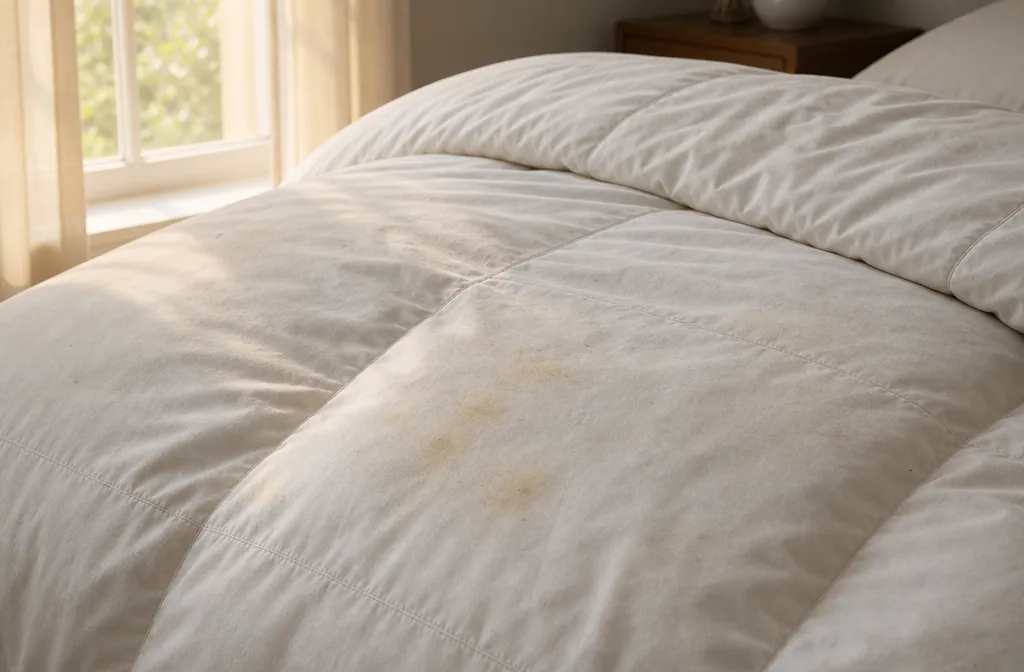
 After
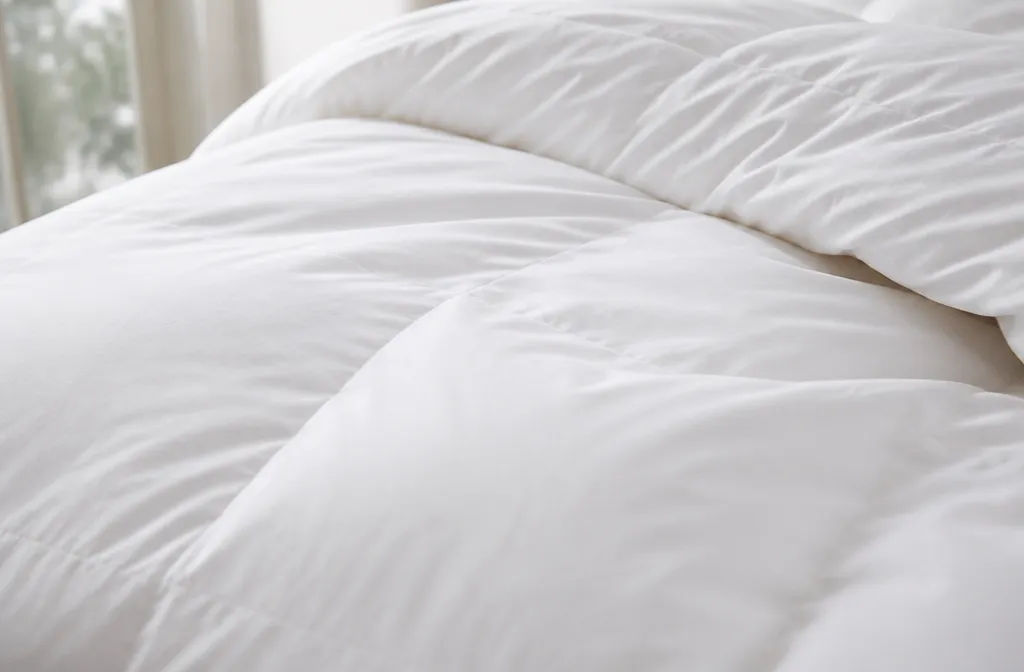
After
Request: The client asked to whiten a white duvet after several years of use.
Done: We used oxygen bleach and stain remover, then performed a gentle wash.
Cost: 12 000 ₸
Master: Zhanar Mukhamedzhanova, dry cleaning master
Total: The duvet became snow-white, without gray tint or stains.
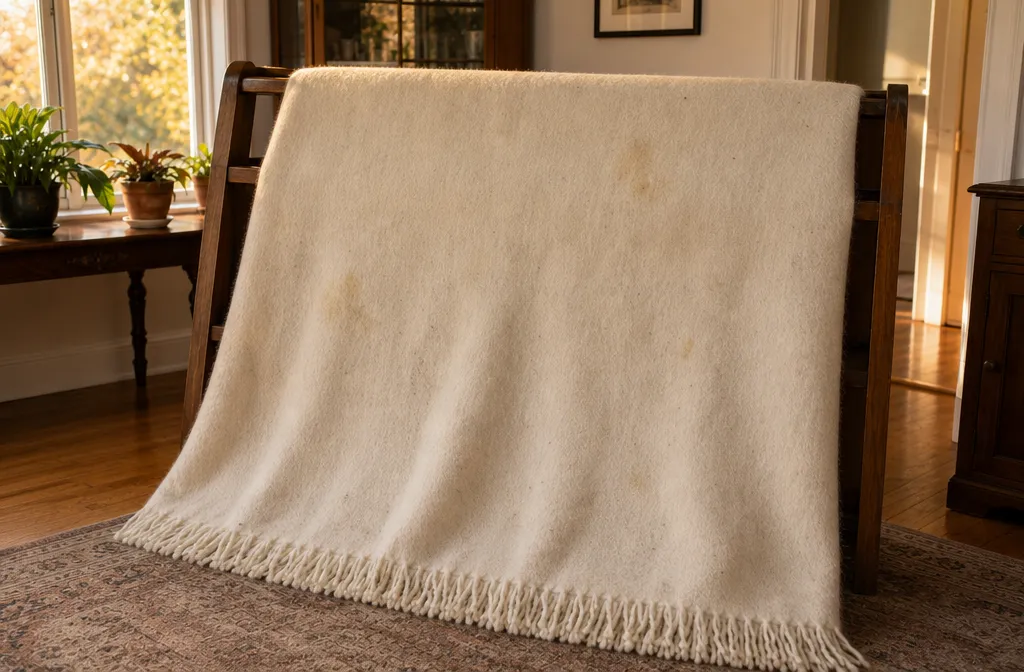
 After
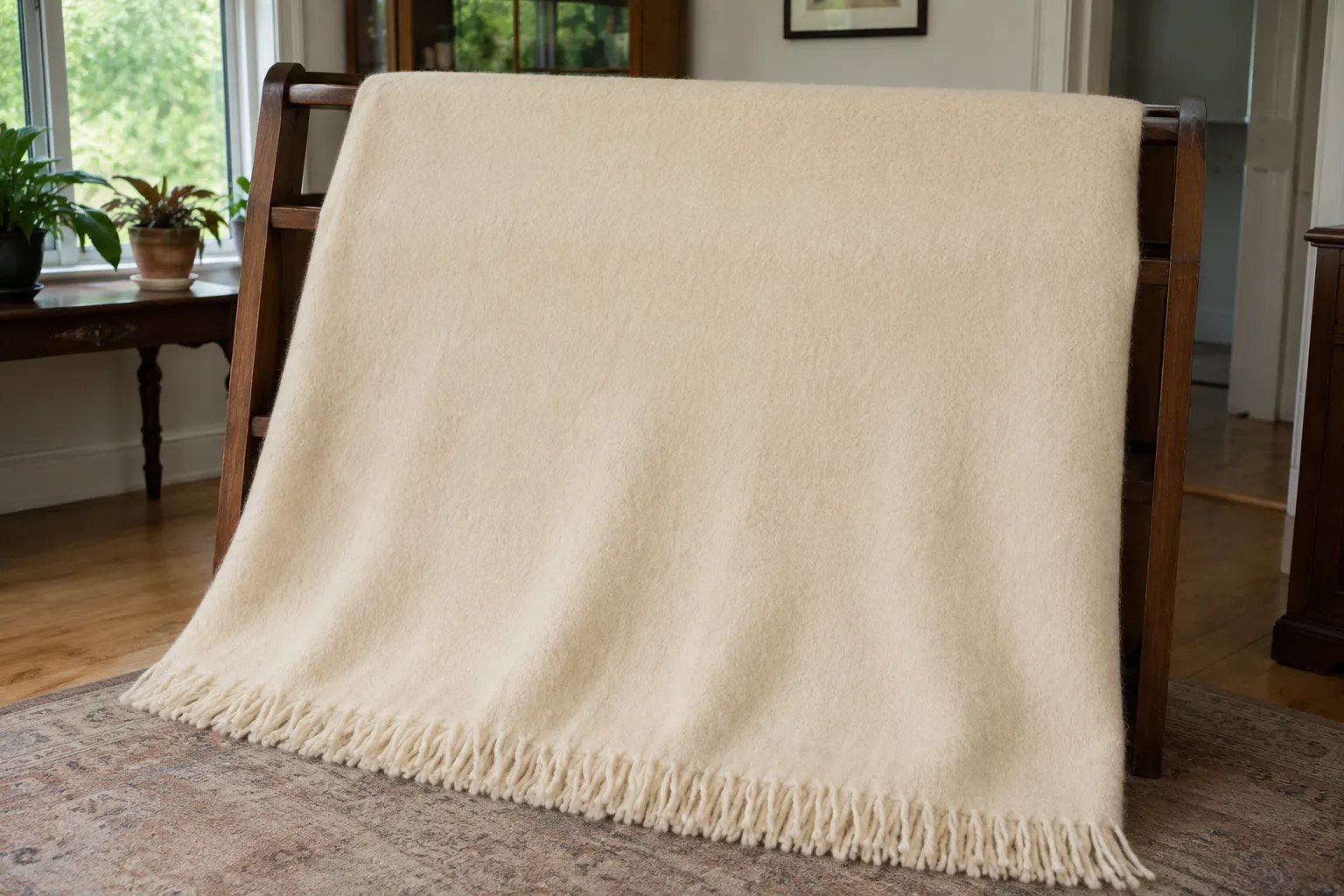
After
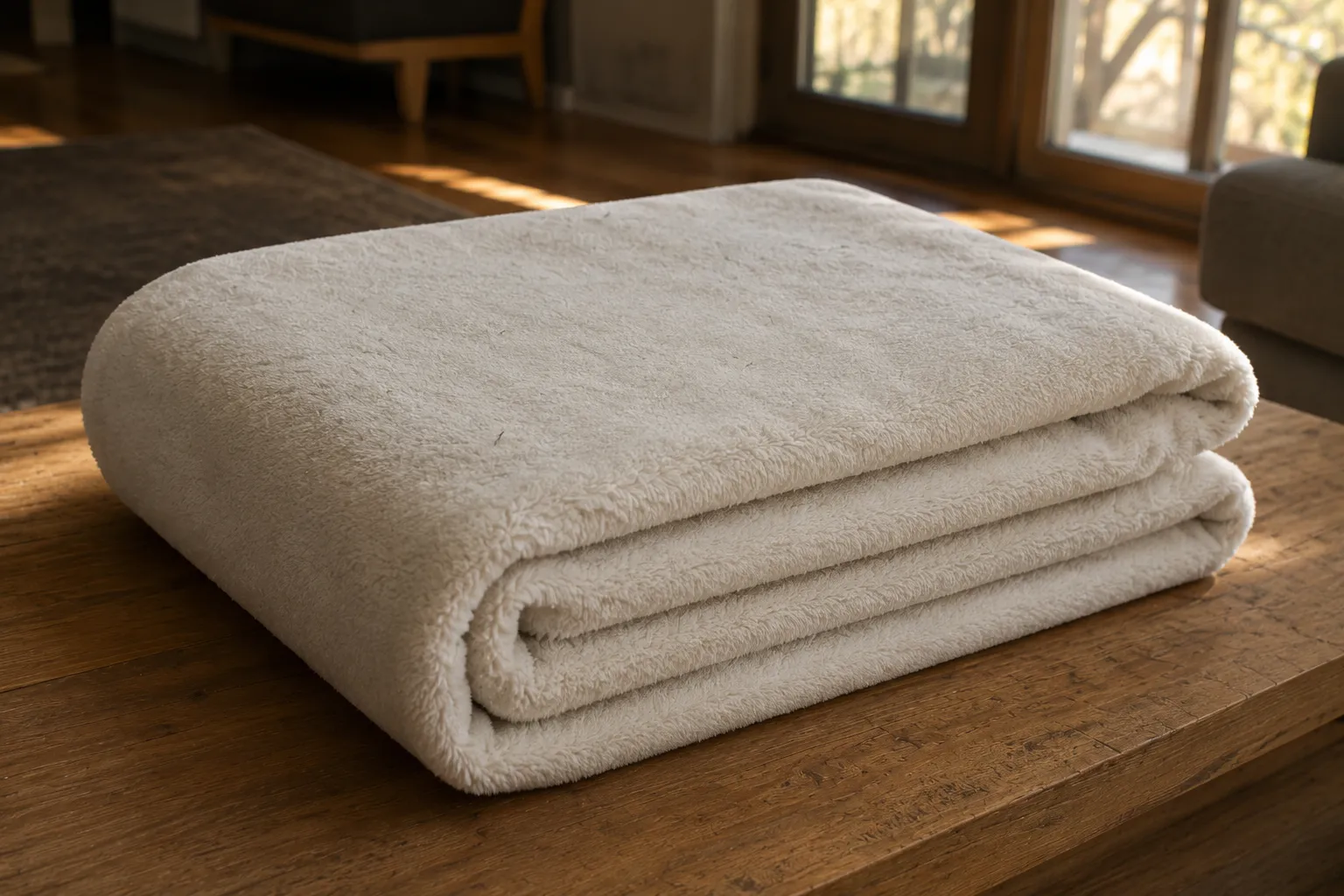
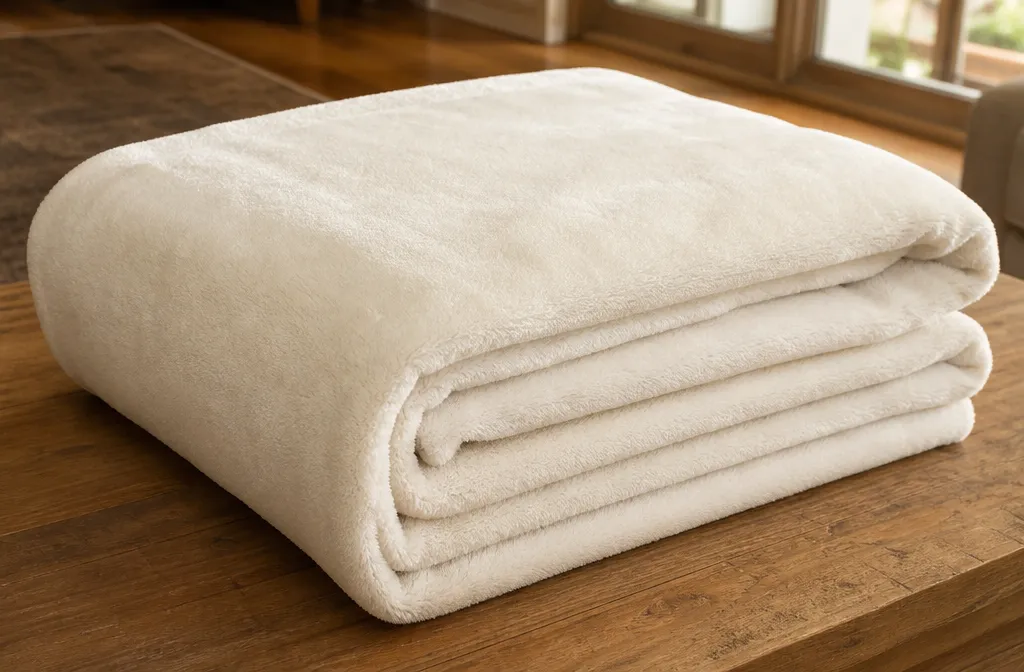
Request: The owner wanted to remove yellow stains from a wool blanket.
Done: We treated the stains with an enzyme stain remover and washed in cold water.
Cost: 13 000 ₸
Master: Ainur Sagintayev, dry cleaning master
Total: Stains completely disappeared, the blanket retained its softness and shape.
 After
After
Request: The client complained of allergies and asked to treat the blanket for dust mites.
Done: We performed hot steam treatment and anti-allergenic cleaning.
Cost: 14 000 ₸
Master: Daniyar Kusainov, dry cleaning master
Total: The blanket became hypoallergenic, clean, and fresh.
 After
After
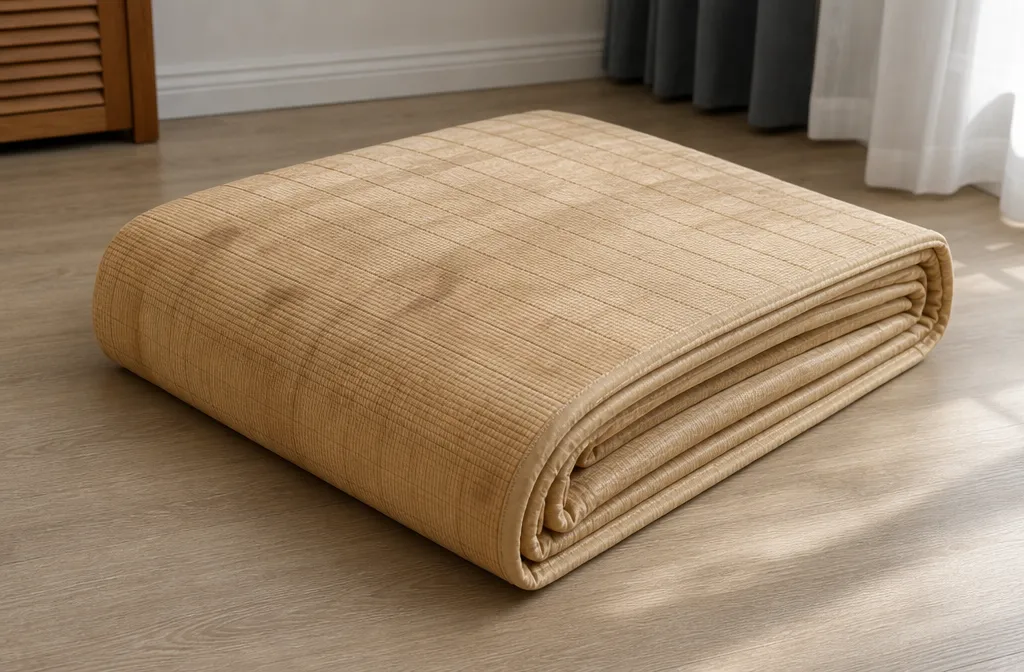
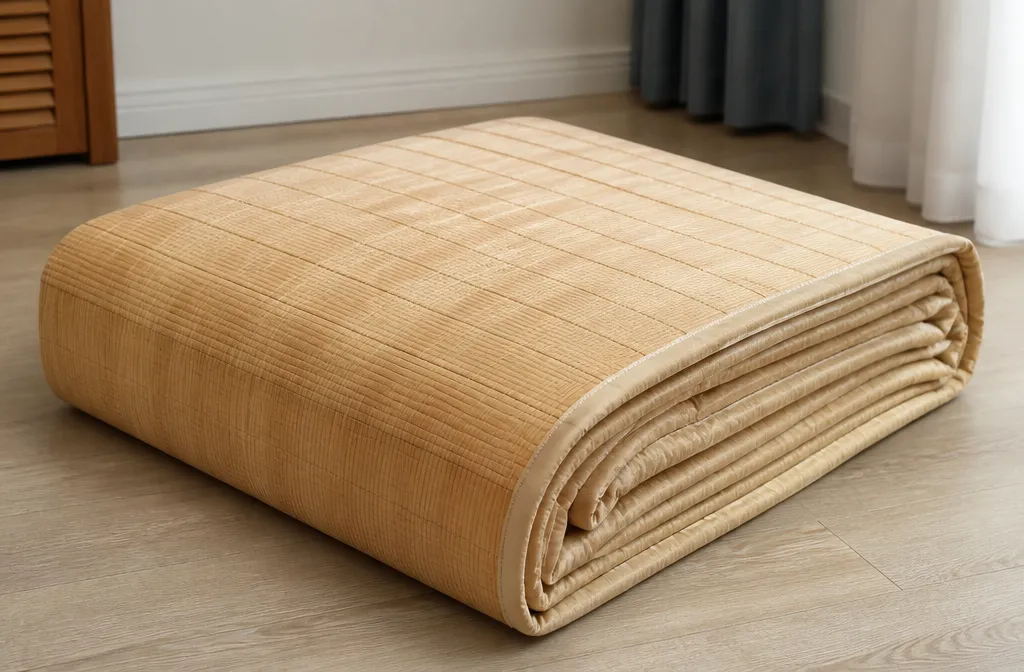
Request: The client wanted to refresh a bamboo blanket and remove washed-out areas.
Done: We cleaned the blanket with a mild shampoo and rinsed with conditioner.
Cost: 13 000 ₸
Master: Meruert Abdrakhmanova, dry cleaning master
Total: The blanket became soft, bright, and without streaks.
 After
After
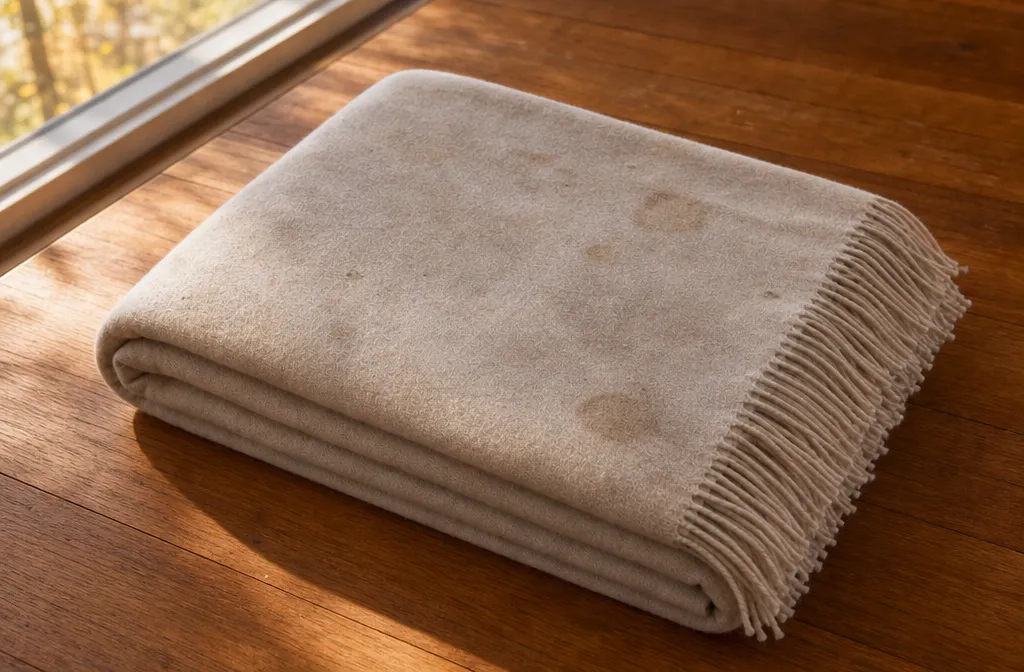
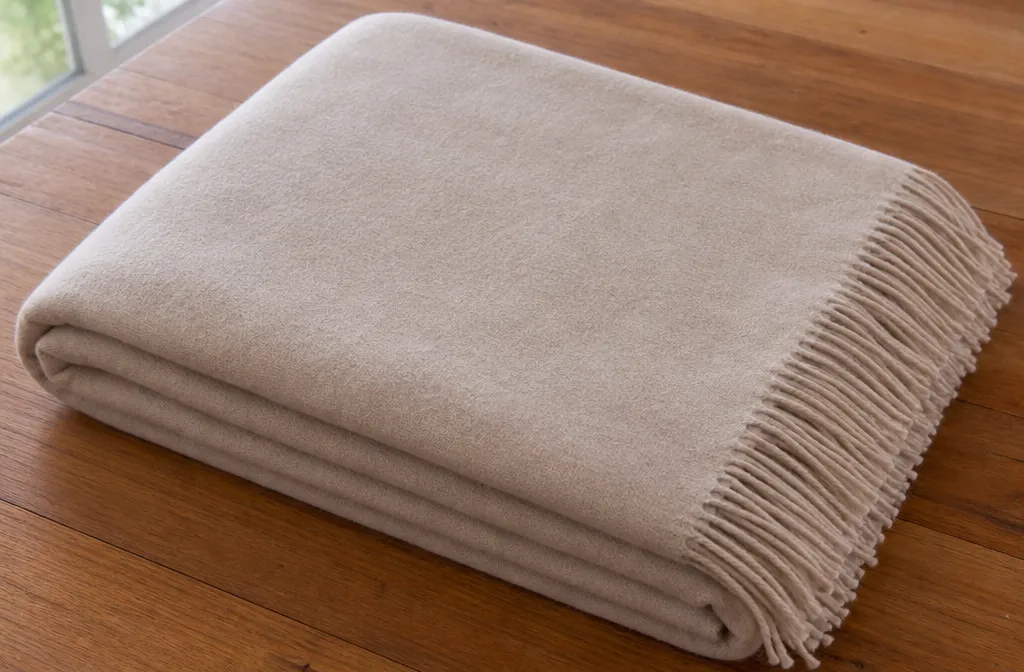
Request: The client asked to remove coffee stains from a cashmere blanket.
Done: We spot-treated the stains and performed a gentle dry cleaning.
Cost: 12 000 ₸
Master: Timur Zhaksybekov, dry cleaning master
Total: Stains disappeared, the blanket retained its pile and softness.
 After
After
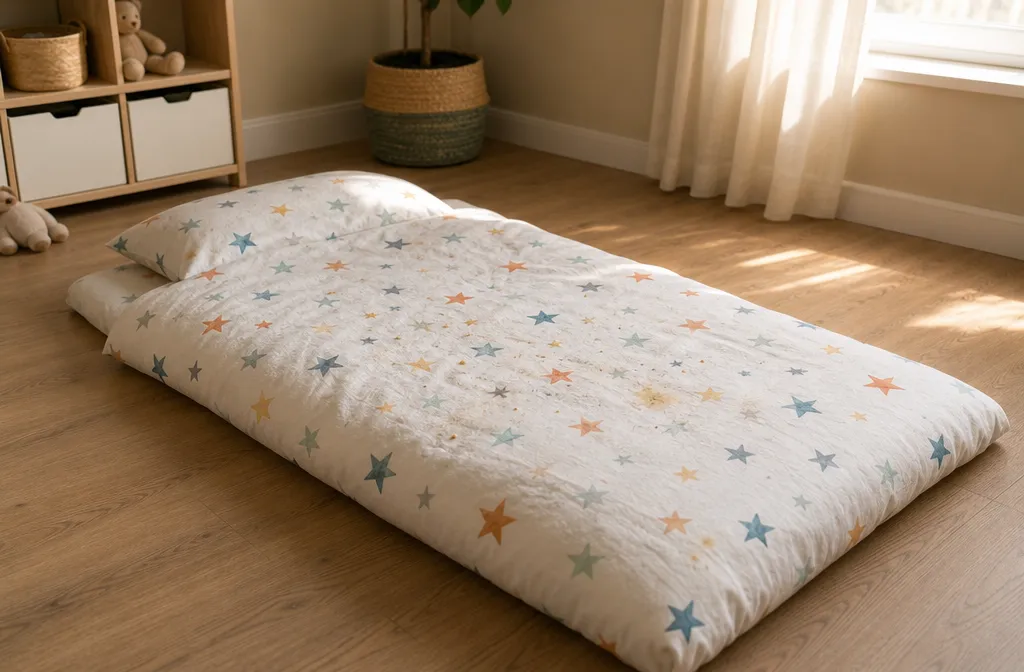
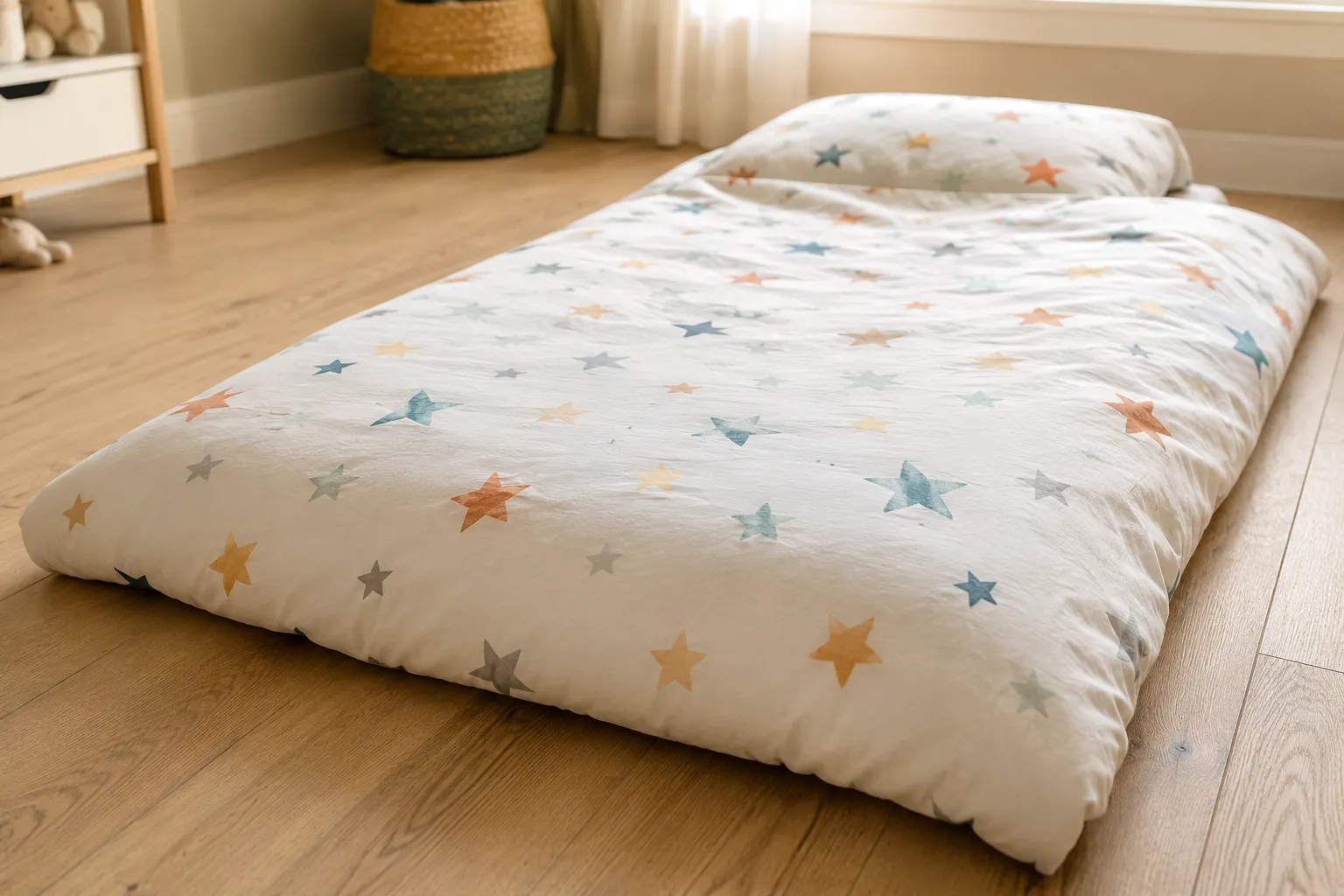
Request: Mom asked to wash off juice and porridge stains from the kids duvet.
Done: We soaked the duvet in an enzyme solution and washed it at 40°C.
Cost: 14 000 ₸
Master: Aliya Serikova, dry cleaning master
Total: The duvet became clean, with no traces of food or odors.
 After
After
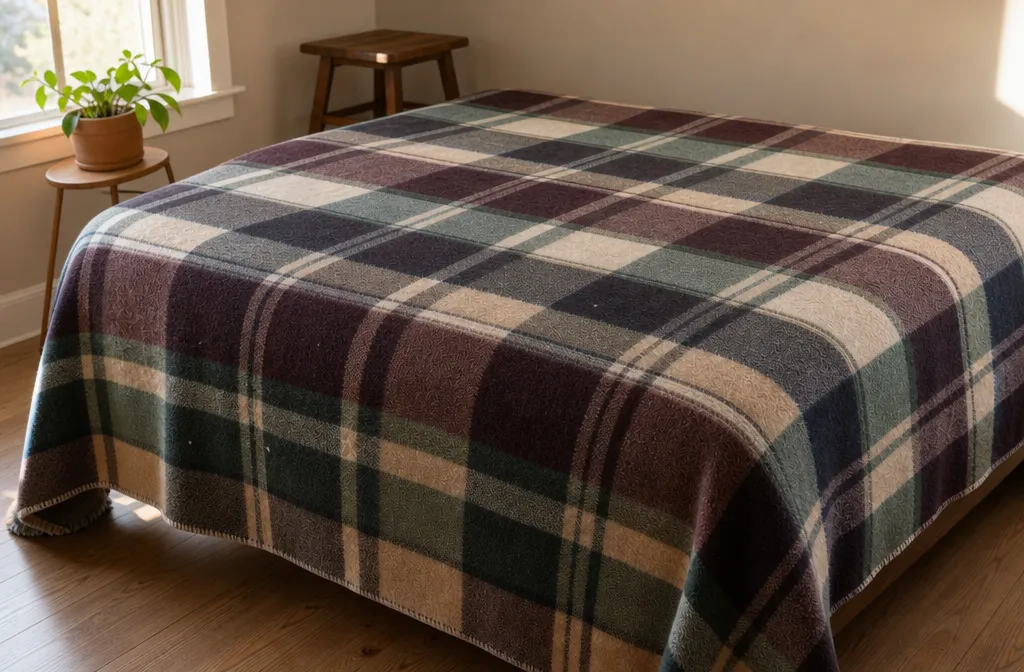
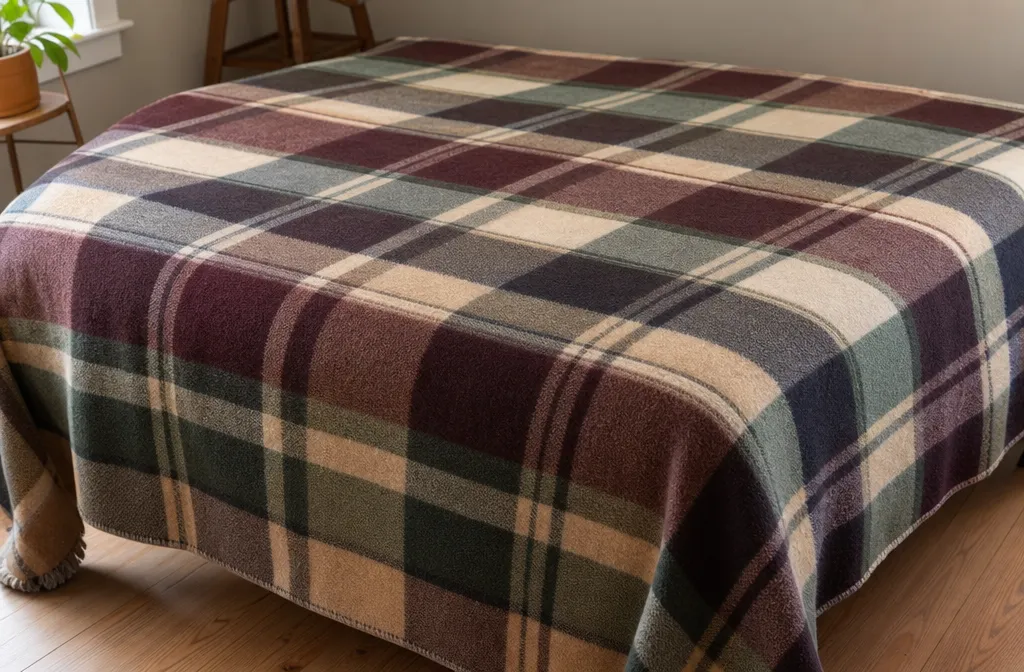
Request: The client wanted to deep clean the plaid blanket from dust and odor.
Done: We treated the plaid blanket with steam and performed dry cleaning.
Cost: 13 000 ₸
Master: Yerzhan Nurgaliyev, dry cleaning master
Total: The plaid blanket became fresh, fluffy, and odor-free.
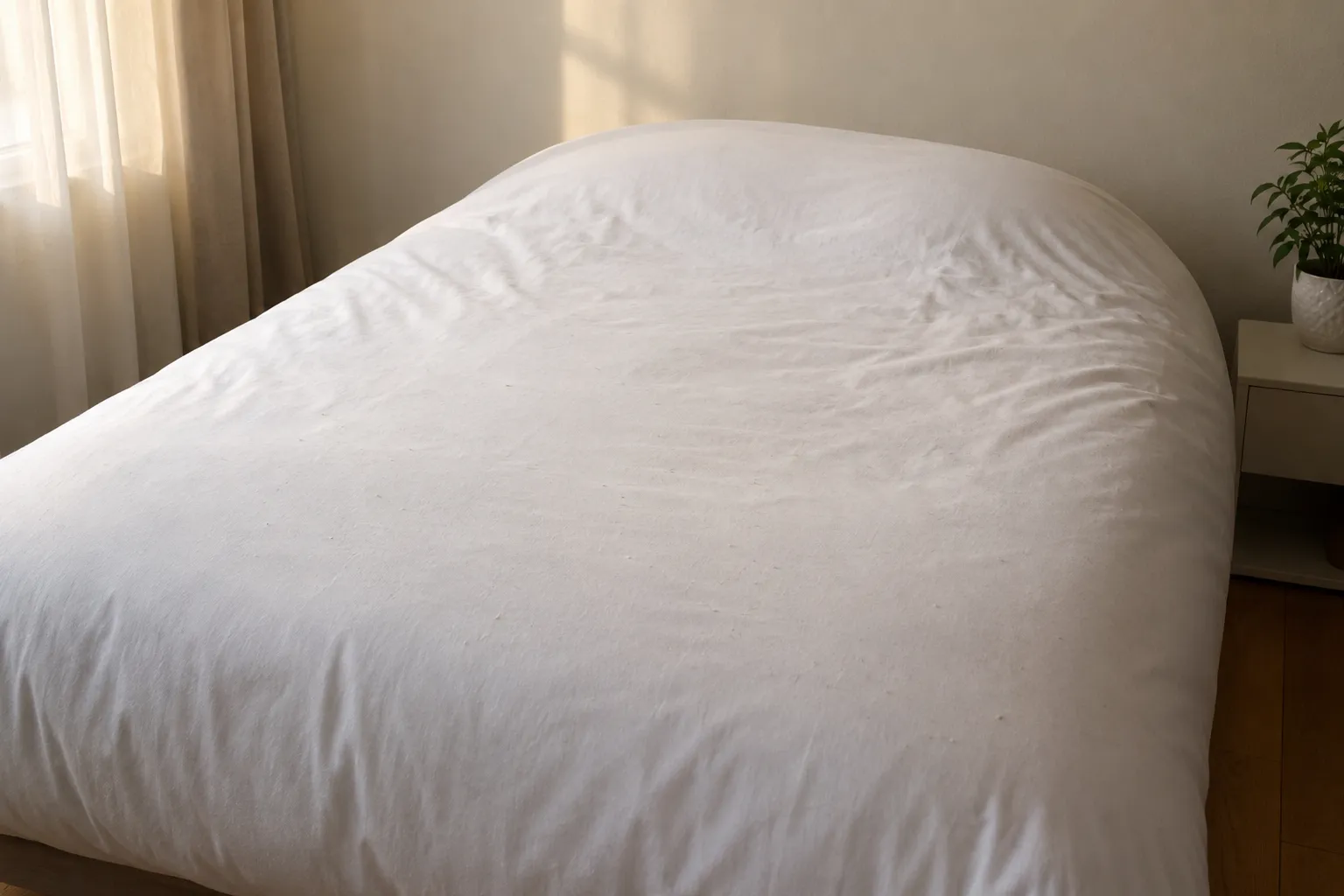
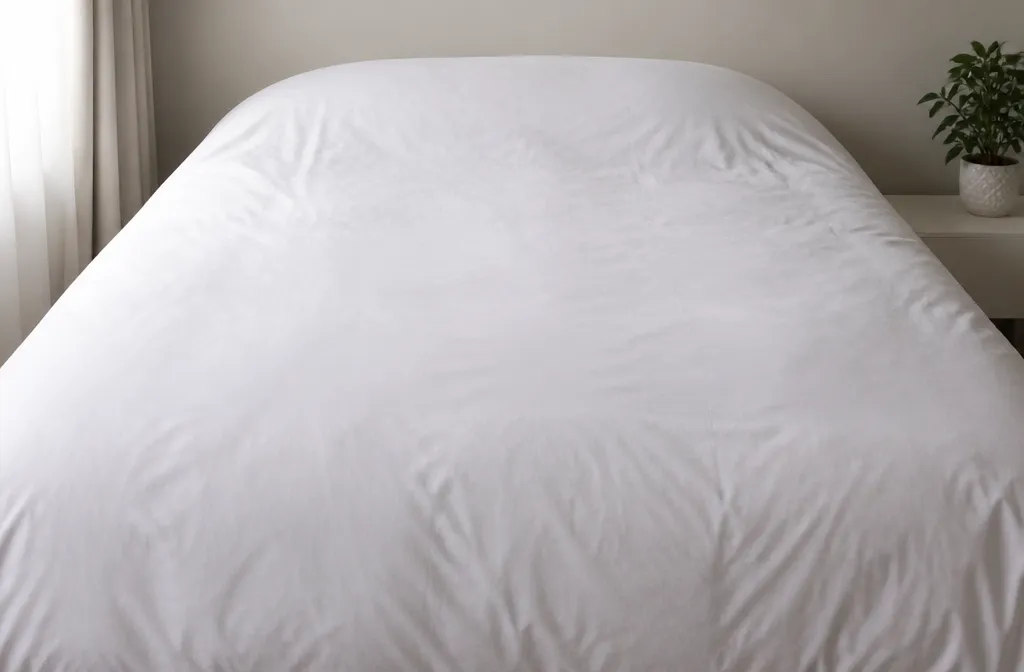
 After
After
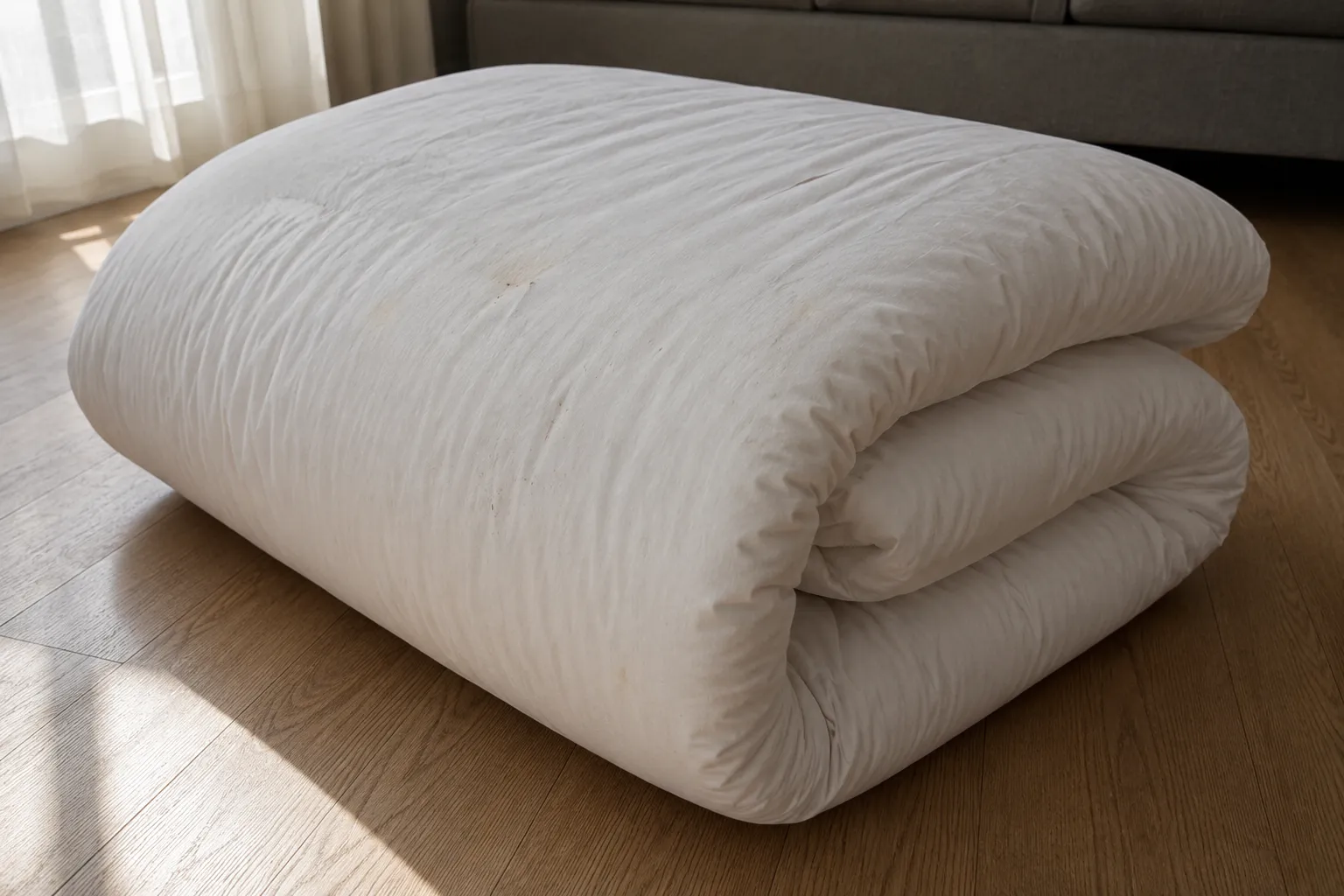
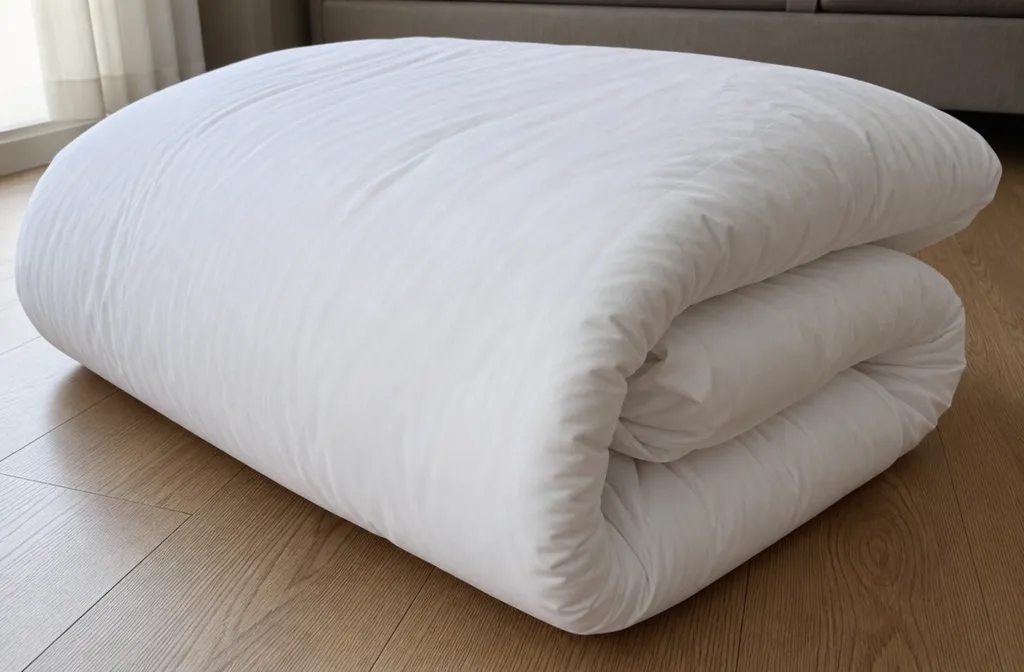
Request: The client asked to remove old stains from the double duvet.
Done: We applied a stain remover and washed it in a large drum.
Cost: 12 000 ₸
Master: Gulmira Bektasova, dry cleaning master
Total: The duvet is completely cleaned, without streaks or stains.
 After
After
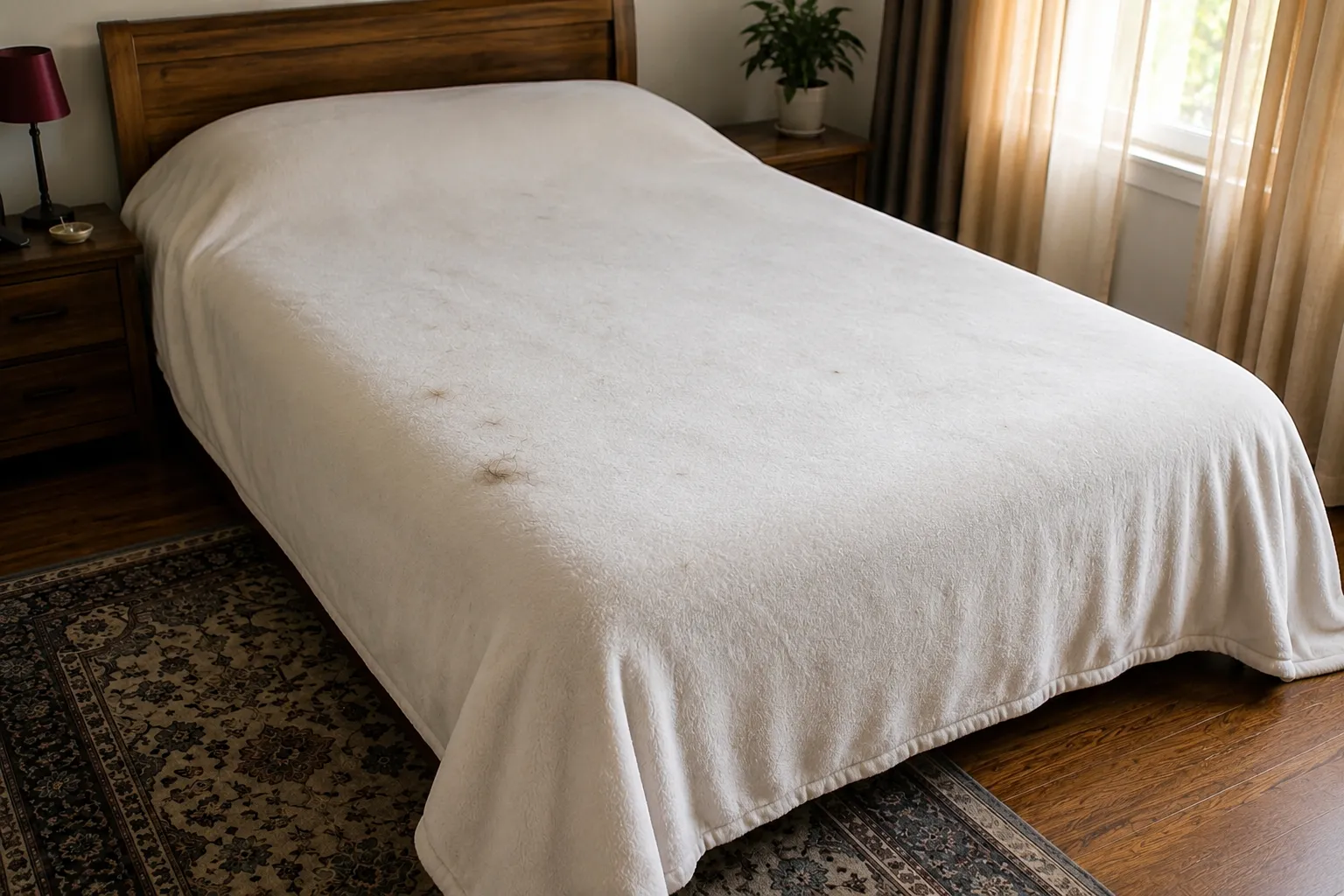
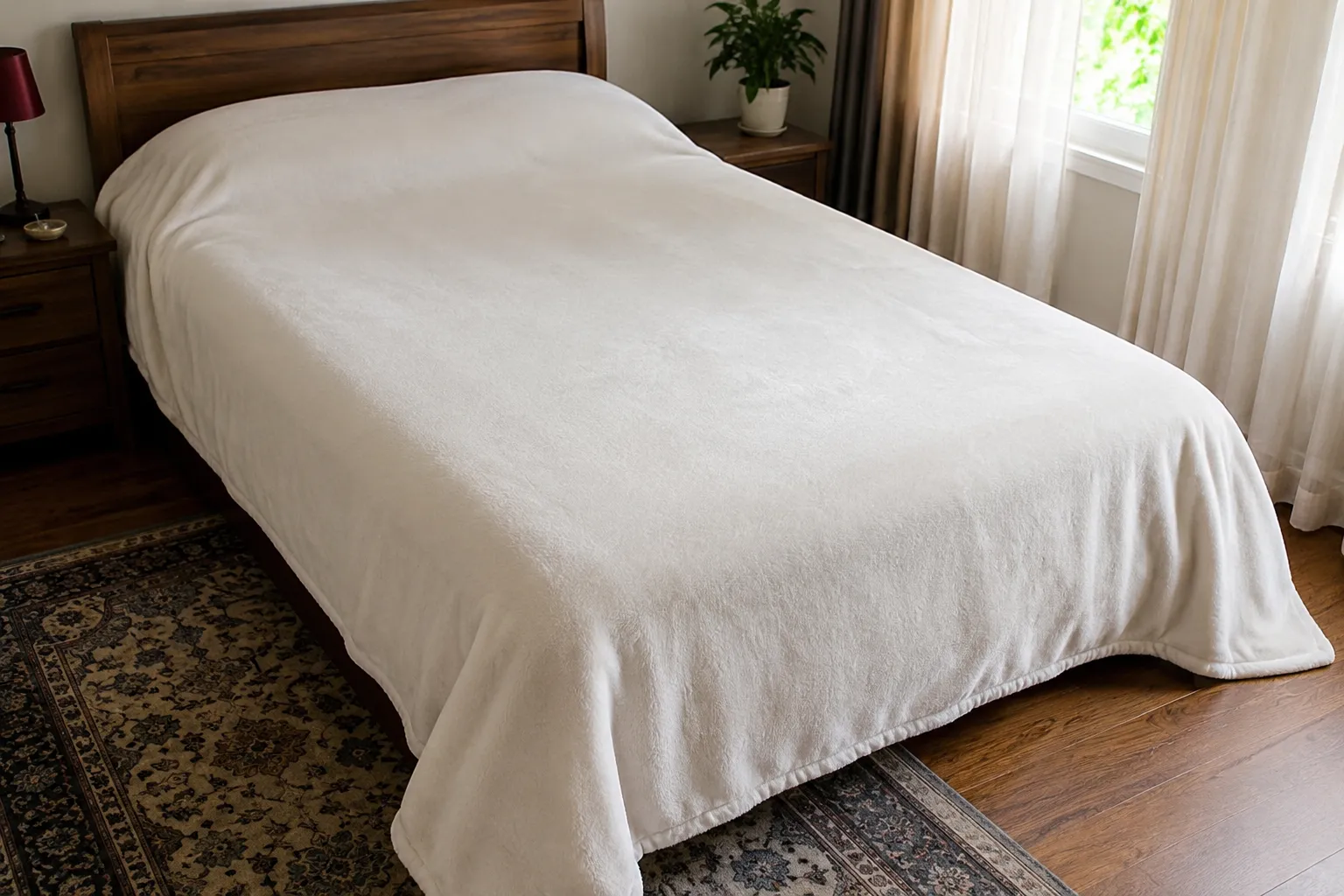
Request: The client wanted to freshen up the single duvet after long storage.
Done: We washed it with fabric softener and machine dried it.
Cost: 14 000 ₸
Master: Askhat Zhumabayev, dry cleaning master
Total: The duvet became soft, clean, and smells pleasant.
 After
After
Request: The dog owner asked to remove hair from the blanket and freshen it.
Done: We used a lint roller for hair removal and performed dry cleaning.
Cost: 13 000 ₸
Master: Saule Iskakova, dry cleaning master
Total: The blanket is completely free of pet hair and animal odor.
All cleaners are profi-clean staff with training, uniform and security check. Each order has a team leader who controls quality.
Most Almaty residents wash their duvets once every 1–2 years, or never at all — and this is a mistake. In the sharply continental climate and urban pollen, which is especially abundant in Almaty during spring and autumn, the filling accumulates allergens, dust mites, and bacteria significantly faster than in regions with humid air. Our cleaners on site see duvets that appear clean externally but, upon laboratory testing, show a 3–4 times higher microbial contamination level. Below, I break down the frequency for different types of filling and usage conditions — based on real profi-clean cases.
Each material has its own threshold for dirt accumulation and its own rate of fiber degradation. We derived the optimal intervals from 8 years of analyzing orders.
In our orders, down duvets are most often cleaned once a year, although the correct interval is twice a year. In October, we had a case: a client brought in a camel wool duvet that hadn’t been cleaned for 3 years — after dry cleaning, the weight of the filling decreased by a significant amount due to beaten-out dust and dead skin particles.
Even if you follow a schedule, there are clear signals that your duvet needs an unscheduled dry cleaning. The first is morning nasal congestion or sneezing immediately after waking up, which subsides 15–20 minutes after getting up. The second is the appearance of yellowish stains on the edges of the duvet (usually near the neck and shoulders) — this is oxidized sebum that doesn’t come out with home washing. The third is a musty smell that doesn’t disappear after airing on the balcony. In our practice, there was a case: a family complained of a persistent cough in their child; pediatricians diagnosed a pollen allergy, but the cause turned out to be a down duvet that hadn’t been cleaned for 2 years — a colony of Aspergillus mold had formed inside. After dry cleaning, the cough disappeared within a week.
Also, unscheduled cleaning should be ordered after an illness (flu, ARVI, COVID-19) — viruses and bacteria persist in the porous filling for up to 3 weeks. And after moving: in Almaty’s old buildings (Khrushchev-era apartments in the “Koktem”, “Samal” microdistricts), construction dust and microscopic insulation particles, invisible to the eye, settle in the filling.
The city’s climate creates two peak pollution seasons that shift the recommended schedule. Spring (March–May) is the blooming period for poplars, wormwood, and ragweed: pollen settles on duvets dried on open balconies and penetrates the filling through the cover. By the end of May, the pollen concentration in a down duvet can reach a significant number of particles per gram — a level at which allergy sufferers start reacting. Autumn (September–November) is the rainy and foggy season: humidity in apartments without dehumidifiers rises to 75–85%, creating an ideal environment for dust mites. If you dry your duvet on an unglazed balcony in October, it absorbs moisture and doesn’t dry completely — the process of down decay starts inside.
We recommend scheduling dry cleaning around these cycles: down and bamboo — at the end of May (before the summer heat, when pollen subsides) and at the end of October (before the heating season, when radiators dry the air and mites die). Wool — once a year, in October, so it works as a thermostat in winter without being overloaded with moisture. Synthetic — once every 1.5 years, any month is fine, but not during the rainy season — after dry cleaning, it needs to dry in a chamber for 8–10 hours, not on a balcony.
Cleaning a blanket at home is possible — for light soiling and synthetic fillers. But when it comes to down, wool, bamboo fiber, or deep stains, home methods more often ruin the item than save it. Let’s break down what is safe to do yourself and what is guaranteed to lead to deformation or loss of thermal insulation.
Washing in a machine is only acceptable for synthetic and hollow fiber blankets with a label that permits it. Machine washing destroys down, wool, and bamboo models: the filler clumps into balls, fibers break from mechanical action, and up to 40% of volume is lost during spinning. Even on a delicate cycle (30 °C, 400 rpm spin), a down blanket loses uniform feather distribution after the first wash — bald spots appear that cannot be restored. Wool shrinks by two to three sizes, bamboo loses its antibacterial properties. At profi-clean, we receive blankets after home washing at least once a month — most often the filler is already partially deformed, and professional cleaning only restores 70–80% of the original quality. If the label allows machine washing, use a laundry bag and a liquid chlorine-free detergent — powder gets trapped between fibers and doesn’t rinse out completely, causing itching and allergies in sensitive people.
Soda, vinegar, hydrogen peroxide, and citric acid are common “home recipes” for stains, but on blankets, they work against you. Alkali (soda) destroys wool fiber — it becomes brittle, with pills and bald spots. Acid (vinegar, citric acid) discolors colored fabrics and leaves streaks visible on light blankets after drying. Hydrogen peroxide on down filler triggers oxidation of fat secretions in the feather — a persistent “wet chicken” smell appears that doesn’t dissipate for weeks. Even if a coffee or tea stain is removed locally, the treated area’s border remains a yellowish halo due to uneven moisture distribution. In our practice, a client tried to remove a blood stain on a bamboo blanket with vinegar — the fibers at the treatment site thinned, and after two washes, a hole formed. For safe stain removal at home, use only enzyme-based stain removers without chlorine or alkali, apply spot-on, and rinse with cold water — hot water fixes protein stains permanently.
Drying horizontally on a flat surface is the only correct method for any blanket after wet treatment. Vertical drying on a line under its own weight stretches the filler: down slides down, wool stretches, synthetic loses its shape. A radiator or heater overdries the outer layer, leaving the inside damp — creating an ideal environment for mold and dust mites at 25–30 °C. Even in the sun, ultraviolet light destroys wool fiber in 3–4 hours — it becomes stiff, prickly, and loses 20–30% of its thermal insulation. Proper drying at home takes 12 to 48 hours, depending on thickness and filler: a down blanket needs to be shaken and turned every 2–3 hours to prevent the feathers from matting. If after drying the blanket remains uneven in thickness or has a musty smell — the filler has started to rot, and professional cleaning with ozone treatment may not save it. Before home washing, make sure you have a space for horizontal drying with air access — this is impossible on a balcony in winter or in a bathroom without ventilation.
A vacuum cleaner with a HEPA filter and an upholstery attachment is the only safe way to refresh a blanket between cleanings. Go over both sides of the blanket on medium power, spending 2–3 minutes per square meter — this removes up to 80% of dust and dust mites from the surface. Using a turbo brush is strictly prohibited: it pulls out threads and damages the fabric, especially on silk and satin covers. A steam cleaner is only suitable for synthetic blankets with a dense cover — steam penetrates inside, moistens the filling, and without subsequent drying, creates a greenhouse effect for bacteria. On down and wool models, steam treatment is contraindicated: moisture is retained deep inside, and the blanket does not dry out within 24 hours, even in a ventilated room. At profi-clean, we use industrial steam cleaners with controlled temperatures of 110–120 °C and subsequent vacuum extraction — such technology is not available at home. If the blanket has lost its freshness but has no visible stains, it is enough to air it out on the balcony in the shade for 2–3 hours in dry weather and vacuum it — this extends the time until professional cleaning by 1–2 months without the risk of deformation.
There are three scenarios in which home methods are guaranteed to ruin a blanket. First — stains of biological origin (blood, urine, sweat): protein coagulates at temperatures above 40 °C, and hot water or an iron fixes the stain permanently. Second — down and wool blankets with clumps: attempting to break up clumps by hand or in a washing machine breaks the feather, and it stops retaining heat — irreparable. Third — a musty or moldy smell: it means microorganisms are already living inside, and home washing without disinfection with ozone or UV lamps will only intensify the smell. In Almaty, due to humidity fluctuations (dry in winter, humid in spring and autumn), such cases are especially frequent — in a month we receive up to 15–20 blankets with mold ruined by home washing. If the blanket is worth a significant amount or has a label prohibiting machine washing, home cleaning is a saving that results in a complete replacement of the item. Professional dry cleaning with dry treatment and controlled humidity is cheaper than buying a new blanket and extends its lifespan to 5–7 years, whereas one unsuccessful home wash shortens it to 1–2 seasons.
Down, wool, and synthetics are three different worlds with opposite care requirements. Our cleaners see the consequences of home washing every month: down matted into clumps, matted camel wool, deformed holofiber. Let’s break down how the technologies differ for each filling and what they do not forgive.
During drum washing, wet down loses its fluffiness, clumps into dense balls, and stops retaining heat. An anaerobic environment is created inside the clump — an ideal place for mold fungus, which is not washed out even during rinsing. We treat down blankets in specialized chambers with air aerodynamics: the filling is fluffed up by an air stream, and Kiehl chemicals penetrate inside each down fiber without damaging its structure. After drying in a tunnel dryer at 40°C, the down restores its original volume. In Almaty, with its humid spring and autumn air, the risk of under-drying down at home is especially high — moisture remains in the core of the clump and starts rotting within 2–3 weeks.
Wool is a protein fiber that shrinks from hot water and is destroyed by alkaline powders. Home washing at 40°C and above shrinks the wool fabric by 15–20% of its area, and harsh chemicals wash out natural lanolin — the fiber’s natural fatty lubricant. At profi-clean, wool blankets are cleaned using a cold method with pH-neutral Sodasan compounds: they dissolve dust and grease without affecting the keratin structure. Drying is only horizontal on mesh frames, without hanging, so the fiber does not stretch under its own weight. In Almaty apartments with dry heating air, wool becomes stiff and prickly after improper drying — our final steam treatment restores softness.
| Filling | Feature | Method at profi-clean | What to avoid |
|---|---|---|---|
| Goose/duck down | Hygroscopic, clumps together | Air-chemical chamber with aerodynamics | Drum washing, hot water |
| Camel/sheep wool | Shrinks from heat and alkali | Cold cleaning with pH-neutral compounds | Washing >30°C, spinning >600 RPM |
| Bamboo fiber | Brittle when overdried | Gentle wet treatment + low-temperature drying | Radiator, steam generator, fabric softener |
| Hollow fiber/synthetic padding | Thermoplastic, melts from steam | Dry cleaning with HEPA-filter vacuum + ozonation | Steam, iron, hot drying |
In practice, we often see blankets that were cleaned using a universal method — down, wool, and synthetic padding were all loaded into one machine on the “delicate” cycle. Result: three ruined items with different defects. Before ordering dry cleaning for a blanket, check the label — if it shows the “dry clean only” symbol, home washing voids the manufacturer’s warranty, and no technology can restore the filling.
Dust mites are the main cause of year-round allergies in apartments, and blankets become their ideal hiding place. We break down why home washing doesn’t solve the problem and how professional blanket dry cleaning truly removes allergens.
Microscopic mites of the genus Dermatophagoides live in the bedding of every second resident of Almaty — this is confirmed by studies from allergists at city clinics. The optimal environment for them: a temperature of 20–25°C and humidity above 55%, typical for apartments with closed plastic windows. Mites enter blankets with dust, skin flakes, and pet hair — a person loses up to 1.5 grams of shed epidermis per day, which mites feed on. Inside the filling (down, wool, synthetic padding), a microclimate with low ventilation is created, where the colony grows exponentially: one female lays up to 60 eggs in her lifetime. During home washing at 40°C, only 10–15% of mites die — the majority survive and continue to reproduce within a week after drying.
Allergies are caused not by the mites themselves, but by their fecal pellets, 10–20 microns in size — they contain the Der p1 protein, which damages the respiratory tract lining. One gram of dust from an uncleaned blanket can contain up to 1,000 such particles — enough to trigger an asthma attack, chronic rhinitis, or atopic dermatitis in a sensitized person. A feature of Almaty: high humidity in spring and autumn (up to 70%) accelerates mite reproduction 2–3 times compared to dry regions. Mite waste products are insoluble in water — regular detergent does not remove them from fibers, but only spreads them over the surface. Professional blanket dry cleaning uses extraction with vacuum suction and bactericidal treatment at temperatures above 60°C — this destroys the Der p1 protein and physically removes feces from deep within the filling.
Store-bought products labeled “hypoallergenic” often contain surfactants that only wash away the top layer of dirt but do not penetrate the thickness of the blanket. For a down filling 5–7 cm thick, a water column pressure of at least 3 bar is required — this is only provided by industrial equipment with high-pressure nozzles. At profi-clean, we use professional Kiehl and Sodasan solutions that work on a molecular level: they bind allergenic proteins and evacuate them along with the cleaning solution, rather than leaving them on the fibers. Home washing in a drum-type machine creates centrifugal force up to 800 g, but it is insufficient to completely remove mite metabolites from the middle of a down clump. In practice, this means: after a “hypoallergenic” wash at home, the concentration of Der p1 decreases by 20–30%, while after professional treatment it decreases by 95–98%, as confirmed by tests from an allergology laboratory.
Dry cleaning a blanket at profi-clean includes a three-stage treatment: preliminary dust removal in a chamber with a turbine extractor, washing with a bactericidal agent at 65 °C, and final drying with hot air and HEPA filtration. Each stage removes a specific fraction of allergens: dust and pet hair mechanically, mites and their eggs thermally, and waste products chemically with subsequent extraction. After cleaning, the blanket is not just visually clean — it ceases to be a source of constant allergization, which is especially important for children’s bedrooms and rooms of people with bronchial asthma. Pet owners in Almaty often notice: after professional blanket cleaning, their pet’s itching disappears and shedding on the bedding stops — this is a side but telling effect of removing animal allergens along with mite allergens.
When a blanket loses its freshness, you face a choice: send it for professional dry cleaning or try washing it at home. The difference between these methods is not in the price, but in the preservation of the filling, service life, and hygienic result. Let’s break down how they differ in practice.
Washing in a home machine involves mechanical action with a spin cycle of up to 800–1000 rpm. For a down blanket, this guarantees the feather clumping into lumps: after 2–3 washes, the filling loses up to 30% of its volume. A wool blanket shrinks by 5–10% during washing and felts — it is impossible to restore the structure. During dry cleaning at profi-clean, we treat the blanket in perchloroethylene without drum rotation: the filling is not deformed, down retains its elasticity, and wool retains its softness. In my opinion, for down and wool, washing is a path to replacing the blanket in a year or two, whereas dry cleaning extends its life by 5–7 years without loss of heat retention.
Home washing at 40°C removes surface dirt but does not kill dust mites — they only die at 60°C and above, and for down and wool this is a critical temperature after which the filling loses its shape. Synthetic blankets can be washed at 60°C, but mite secretions and allergens remain in the fabric structure. Dry cleaning with perchloroethylene dissolves organic contaminants at the molecular level — after treatment at profi-clean, the allergenicity of the filling is reduced by 95–98%, as confirmed by HEPA air filtration tests after drying. Almaty dust mixed with smog settles deep into the fibers — washing simply cannot reach it.
| Blanket material | Home washing | Professional dry cleaning |
|---|---|---|
| Down (goose/duck) | Shrinkage 3–5%, clumping into lumps after 2–3 cycles | Preservation of volume and uniformity, no deformation |
| Wool (sheep/camel) | Shrinkage 5–10%, fiber felting, loss of softness | No shrinkage, fiber structure not damaged |
| Polyester fiberfill/hollow fiber | Shrinkage up to 3%, possible deformation during spin | Preservation of shape and uniformity of the filling |
| Bamboo/eucalyptus | Shrinkage 4–7%, loss of elasticity after 3–5 washes | No changes, fiber remains elastic |
After washing, a blanket needs to be dried for 12–24 hours in a spread-out position with forced ventilation — in Almaty apartments without a dryer, this is impossible. A damp filling is an ideal environment for mold and bacteria: a down blanket that is under-dried by 3–5% humidity starts to smell musty within a week. At the profi-clean dry cleaner, the blanket is dried in a chamber with temperature control at 40–50°C and residual humidity no higher than 2% — this prevents the growth of microorganisms. A typical mistake: people dry the blanket on a radiator — this overdries the down, makes it brittle, and the filling loses 15–20% of its thermal protection in one cycle.
Washing with fabric softener masks the smell of sweat or dampness but does not remove it — the molecules remain in the fibers and return when humidity rises. This is especially noticeable with wool blankets: after washing, a specific “wet wool” smell appears that does not dissipate for weeks. profi-clean dry cleaning with perchlorethylene dissolves volatile organic compounds and removes them during the solvent distillation stage — the odor disappears completely, without masking. For Almaty apartments with closed windows in winter, this is critical: stagnant air amplifies any residual odors, which become noticeable 3–4 days after washing.
After professional treatment, the blanket returns clean, but its freshness lifespan directly depends on how you care for it at home. We at profi-clean have noticed: clients who follow three simple rules bring items for cleaning 40% less often.
The first 24 hours after cleaning are a critical period for restoring the filling’s structure. In our practice, there was a case: a client put a down blanket in an airtight vacuum bag an hour after receiving it — the down clumped into lumps, and it had to be re-cleaned.
I ordered dry cleaning for a goose down blanket — it came back fluffy and odorless. Very satisfied!
Thank you, Aigerim! We're glad the blanket is like new.
I handed in a wool blanket — stains were removed, but it felted a bit. Overall okay.
I had a synthetic blanket dry cleaned — they removed an old coffee stain. Returned fresh.
After my child's allergy, we washed the blanket — all irritants were gone. Excellent result.
Thank you, Zhanna! Children's safety is important to us.
Dry cleaning of a large blanket took 5 days, though they promised 3. Stains were removed, but the wait was long.
We apologize for the delay. We will take your comment into account.
I took a silk blanket for cleaning—it came back with perfectly smooth fabric, not a single snag.
I sent a wool throw for dry cleaning—they removed yellowing and pills. It looks like new.
Wine stains were not completely removed, but other dirt came off. Overall, not bad.
Dinara, thank you for your feedback! We will try to improve the result on your next visit.
I ordered machine dry cleaning for a blanket—they delivered it the next day, smells fresh. I recommend.
I didn't take a down jacket, but the blanket became fluffy and lightweight after cleaning. Great!
Thank you, Gulnara! We are glad you are satisfied.
I had a blanket dry cleaned for musty smell—the smell is gone, but a faint chemical odor remains. Aired it out—it's fine.
Alexey, we use hypoallergenic products. The smell dissipates within a day.
After cleaning, the children's blanket became soft, and juice stains disappeared. The child sleeps peacefully.
I sent an electric blanket for dry cleaning—they didn't damage the wires, it heats like before. Stains were removed.
Aidar, we handle electrical appliances carefully. Thank you!
A button came off the blanket after cleaning. They sewed it back on, but the feeling remains.
We apologize. In the future, we will check the fittings more carefully.
Ordered dry cleaning for an old cotton blanket — they whitened it and removed lumps. Like new.
The terry blanket became fluffy after cleaning, no fading. Very careful.
Thank you, Saule! Glad the color remained bright.
Dry cleaning of the blanket-coverlet was inexpensive, tea stains were removed, but it shrank a bit in length.
The cashmere blanket became soft, like in a store. No pills.
The fleece blanket is softer than new after dry cleaning. Grease stains disappeared without a trace.
Aliya, thank you! Fleece handles our cleaning perfectly.
The wool blanket stopped itching and became pleasant to the touch. Great job.
I ordered dry cleaning for a polyester blanket — marker stains were removed, but a faint chemical smell remained.
Gaukhar, we recommend airing it out for a day or two. The smell is safe and will dissipate.
I handed in my favorite throw — returned without a single lint, perfectly clean.
Dry cleaning of a hand-embroidered blanket — the threads didn't fade, the embroidery is intact. Thank you for the delicacy.
Dina, we are proud of our gentle approach. Thank you!
After construction, the blanket was dusty — cleaned well, but small particles remained in the folds.
The fringe was not damaged during dry cleaning of the blanket, cherry stains were removed. Very satisfied.
The large blanket was cleaned entirely — no shrinkage or deformation. Perfect.
Thank you, Bakhytzhan! We work carefully with large sizes.
Dry cleaning of a feather blanket — after drying, the feathers clumped together. Had to fluff it myself.
Natalya, we apologize. For feather products, we recommend additional drying with tennis balls.
The bamboo blanket became softer and more pleasant than after washing at home. No streaks.
I gave a sheepskin blanket for dry cleaning — the wool became snow-white and soft. Amazing!
Meruert, thank you! Sheepskin requires special care, we handled it.
Microfiber didn't pill after cleaning, but the oil stain remained faint. Overall OK.
Dry cleaning of a goose down blanket — returned super fluffy, without any bird smell. Thank you!
The plaid wool blanket hasn't lost its color, it's become softer. I recommend it.
Dauren, thank you! We preserve bright colors with special products.
The children's blanket was made hypoallergenic — I ordered specifically dry cleaning of the blanket, the result is excellent.
The blood stains were not completely removed, a trace remained. But other dirt is gone.
Ilya, sorry. Blood stains are difficult, but we could treat it again.
The silk blanket became flowing after dry cleaning, not a single snag. Professionals!
The polyester blanket stopped getting static, sweat stains disappeared. Good.
Azamat, the antistatic effect is a nice bonus of our cleaning.
Dry cleaning of the waffle fabric blanket — old stains were removed, but the fabric shrank slightly. Acceptable.
The car blanket became fresh after cleaning, no gasoline smell. I recommend it.
Yuri, thank you! We clean car blankets with special care.
I was afraid to give the lace blanket, but the dry cleaning was gentle — the lace is intact, the color is bright.
After treatment for dust mites, the blanket became cleaner, but it took 2 days to dry completely.
Standard cycle is 24 hours. Express dry cleaning takes 4 hours. Time depends on fabric type and soiling level.
Yes, we use hypoallergenic Kiehl and Sodasan products. No chemical residues remain after cleaning. Recommended for people with allergies.
We use professional German brand Kiehl and organic line Sodasan. They are safe for fabrics and health.
Yes, we offer express dry cleaning in 4 hours. Surcharge applies per individual rate. Pick up your blanket the same day.
Yes, Karcher extractors and steam cleaners destroy up to 99% of dust mites and their eggs. The blanket becomes safe.
No, after rinsing and drying no foreign odors remain. Fragrance can be added upon request.
Leave a request on the website or call. Courier arrives free for orders of 2+ blankets. We pick up, clean, and return.
Yes, we clean down blankets with special care. We use delicate cycles to avoid damaging the feathers.
We take on any stains but do not guarantee removal of old oil or dye pigments. In such cases, we warn in advance.
Yes, delivery within Almaty is free for orders of 2+ blankets. For one blanket, individual rate applies. We work daily from 9 AM to 9 PM.
Tell us about your experience with profi-clean — it helps other clients and us improve.
We currently operate in Almaty. Other cities are coming soon.