Receipt and inspection
The master inspects the suit in your presence: identifies stains, defects, determines the type of fabric. Records the condition in the acceptance report.
Professional dry cleaning of suits in Almaty with pickup and delivery

We work with any types and materials
Delicate cleaning of wool and synthetics while preserving shape
from 6,000 ₸Careful treatment of jackets and skirts/trousers considering decor
from 6,000 ₸Comprehensive cleaning of all elements with special thoroughness
from 6,500 ₸Gentle cleaning of satin lapels and delicate fabrics
from 7,000 ₸Professional cleaning preserving the structure of pleats
from 7,000 ₸Deep cleaning without shrinkage using safe solvents
from 6,000 ₸Special delicate treatment for softness and no pilling
from 6,000 ₸Removal of dirt while preserving natural texture
from 6,000 ₸Effective stain removal without damaging fibers
from 6,000 ₸Hypoallergenic cleaning with safe products
from 4,000 ₸Freshening and odor removal with steam generator
от 4 500 ₸Hand treatment of silk elements to preserve shine
from 6,000 ₸From inspection to result with guarantee
The master inspects the suit in your presence: identifies stains, defects, determines the type of fabric. Records the condition in the acceptance report.
Kiehl or Sodasan stain remover is applied to local stains. The product is left for 5-15 minutes to dissolve dirt.
The suit is placed in a Bissell BigGreen extractor. Safe solvents selected for the fabric type are used. Cleaning cycle with vacuum extraction.
Karcher SG 4/4 steam generator at 140°C treats the suit to remove odors, disinfect, and smooth wrinkles.
The technician checks the suit under a lamp for remaining stains. Repeats treatment if necessary.
Professional steam iron smooths all suit elements: jacket, trousers, skirt. Trouser creases on request.
The suit is hung on wide hangers and placed in a protective breathable garment bag.
Courier delivers the suit to your address within 2 hours, or you can pick it up yourself.
We use German stain removers Kiehl, which effectively remove even old stains without damaging the fabric. For sensitive materials, we use organic Sodasan products, safe for allergy sufferers. Each composition is selected individually based on the type of stain and fabric.
The Karcher SG 4/4 steam generator delivers dry steam under pressure, destroying 99.9% of bacteria and mites. The temperature of 140°C allows disinfecting the suit without using harsh chemicals, preserving color and fabric structure.
The professional Bissell BigGreen extractor provides deep penetration of cleaning agents into fibers and complete removal of dirt. The vacuum extraction system removes contaminants without leaving streaks or stretching the fabric.
All our masters have dry cleaning certificates and at least 3 years of experience. They know the specifics of different fabrics: wool, cashmere, linen, silk. Each suit undergoes quality control at all stages.
We guarantee stain removal in 99% of cases. If after dry cleaning a stain remains, we will refund the money for that item. We use only proven technologies and products, so we are confident in the result.
Order dry cleaning before 2:00 PM — the master will come on the day of order. After cleaning, we will deliver the suit back within 2 hours at a convenient time for you. We work daily, including weekends.
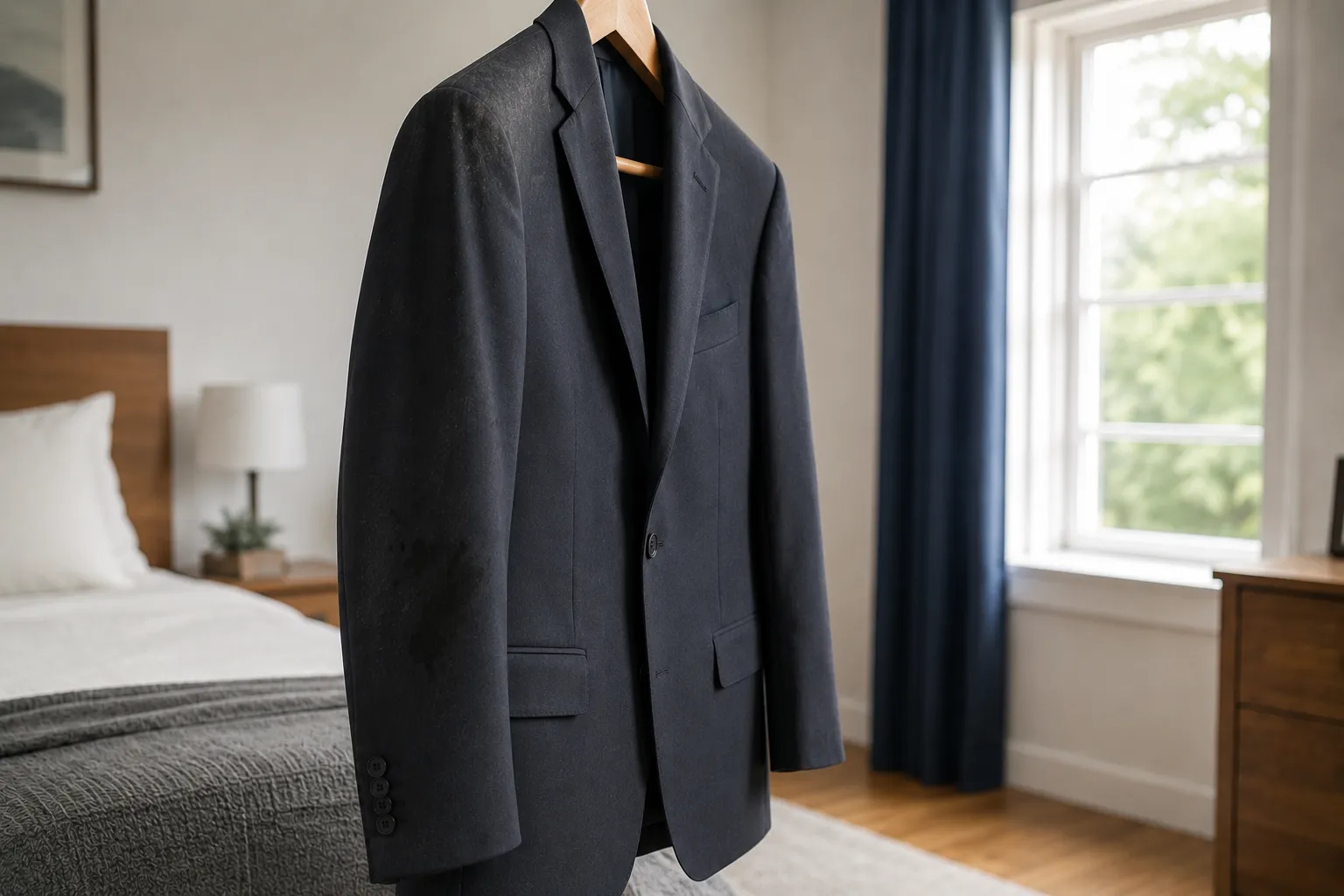
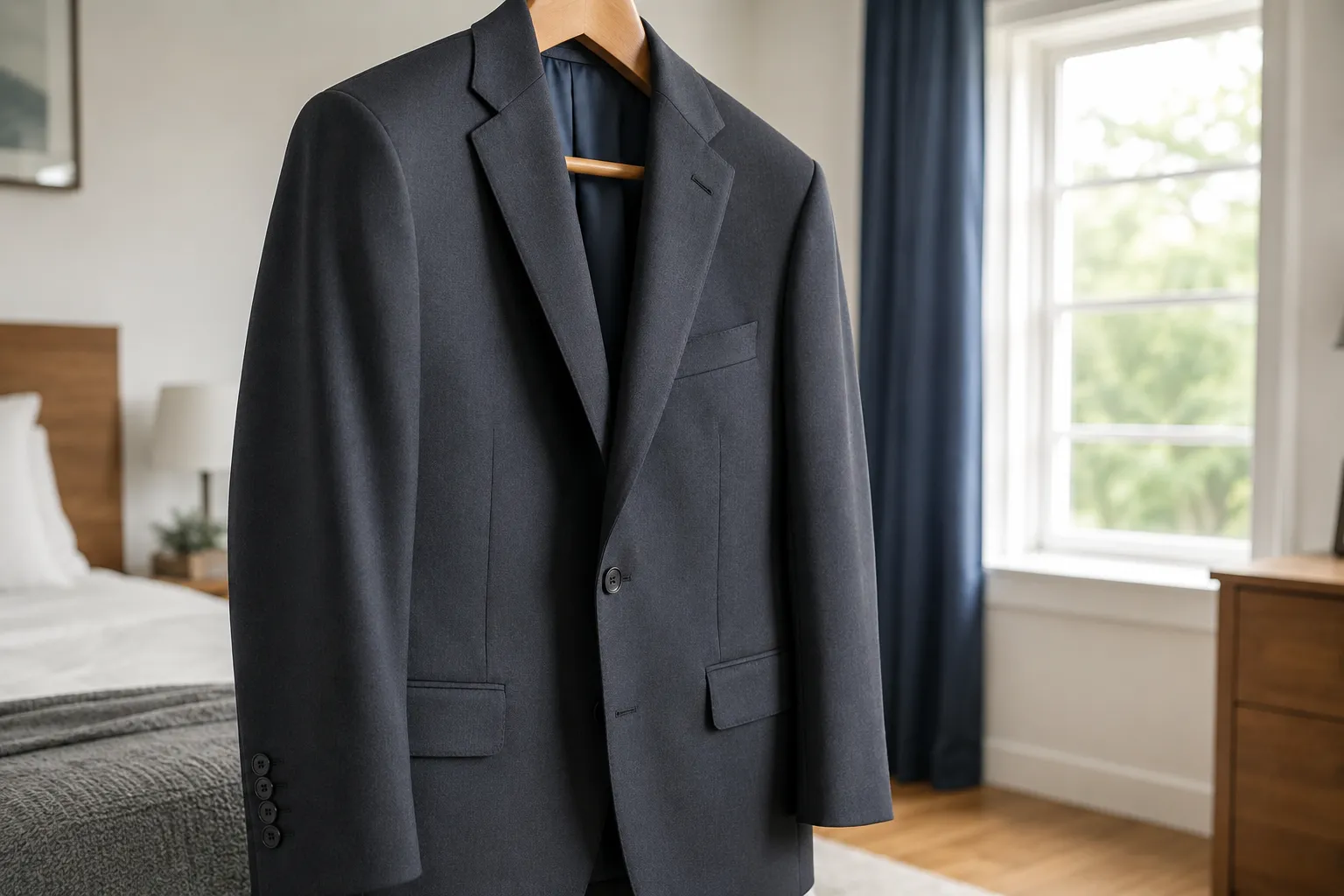 After
After
Request: Remove an unknown stain from the jacket.
Done: Applied stain remover for fabric and performed dry cleaning.
Cost: 3 500 ₸
Master: Aizhan Nurgaliyeva, dry cleaning master
Total: Stain completely gone, fabric refreshed.
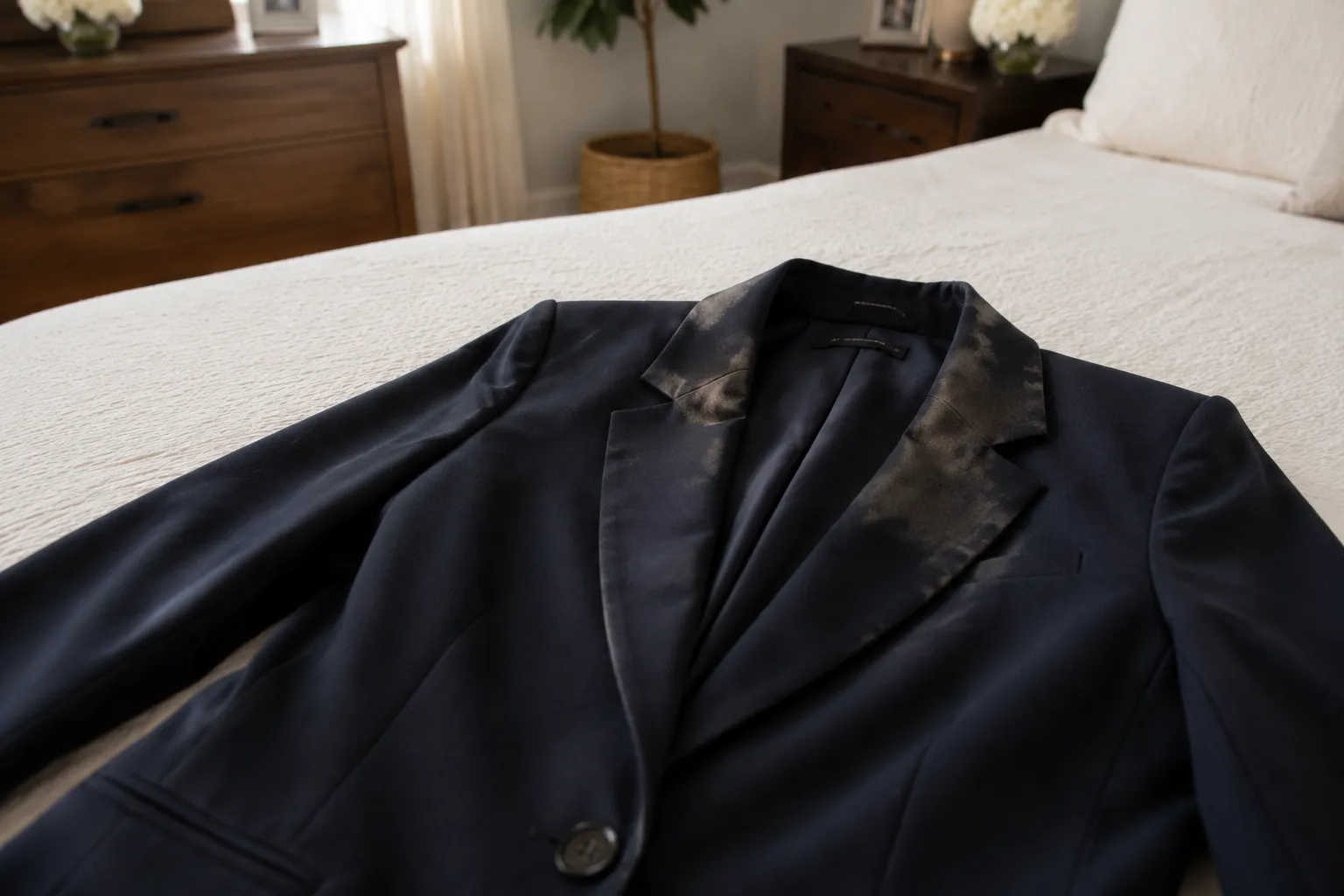
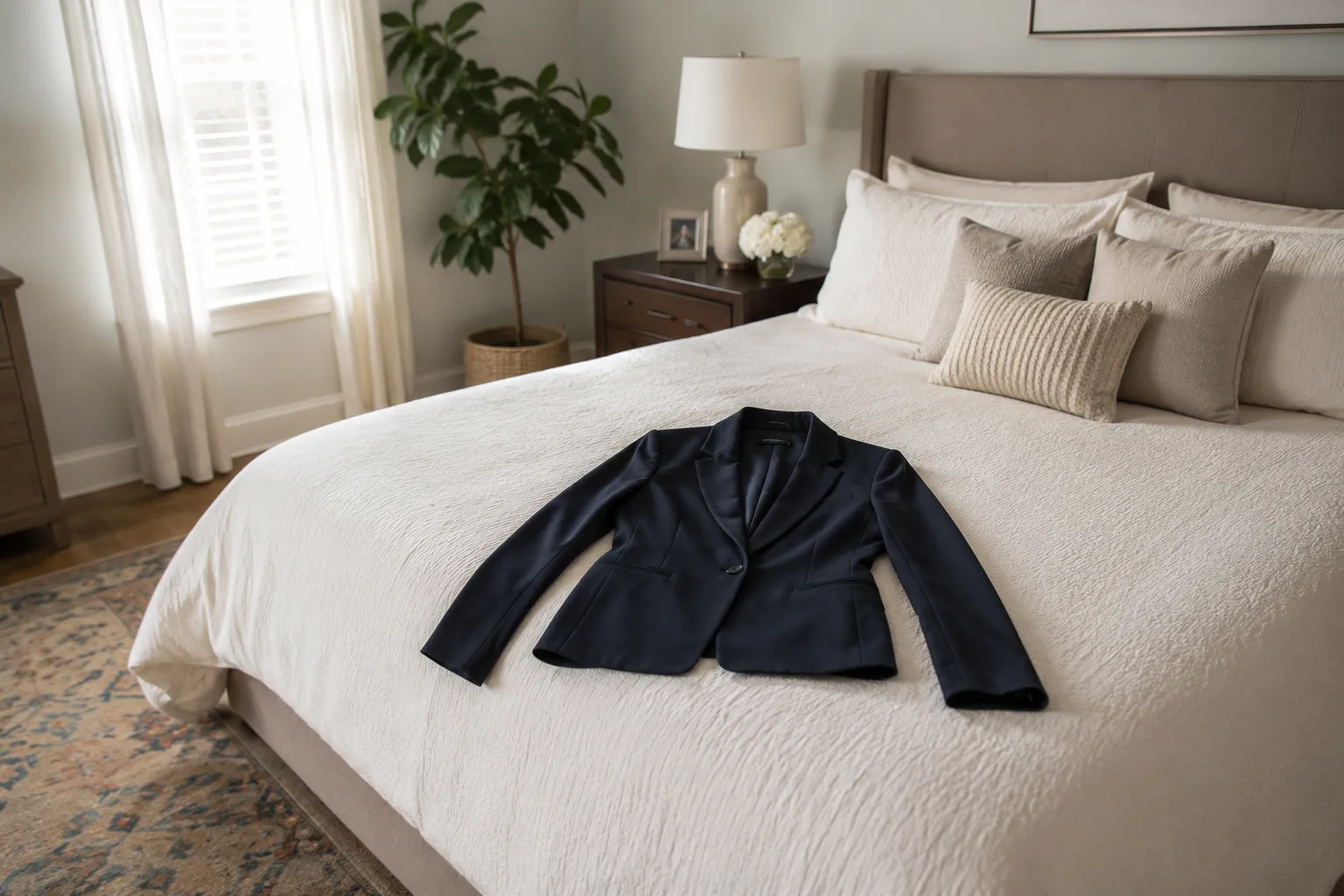 After
After
Request: Clean the blazer from dirt on sleeves and collar.
Done: Treated problem areas and performed dry cleaning.
Cost: 3 500 ₸
Master: Diana Kim, dry cleaning master
Total: Blazer is clean, no traces of stains.
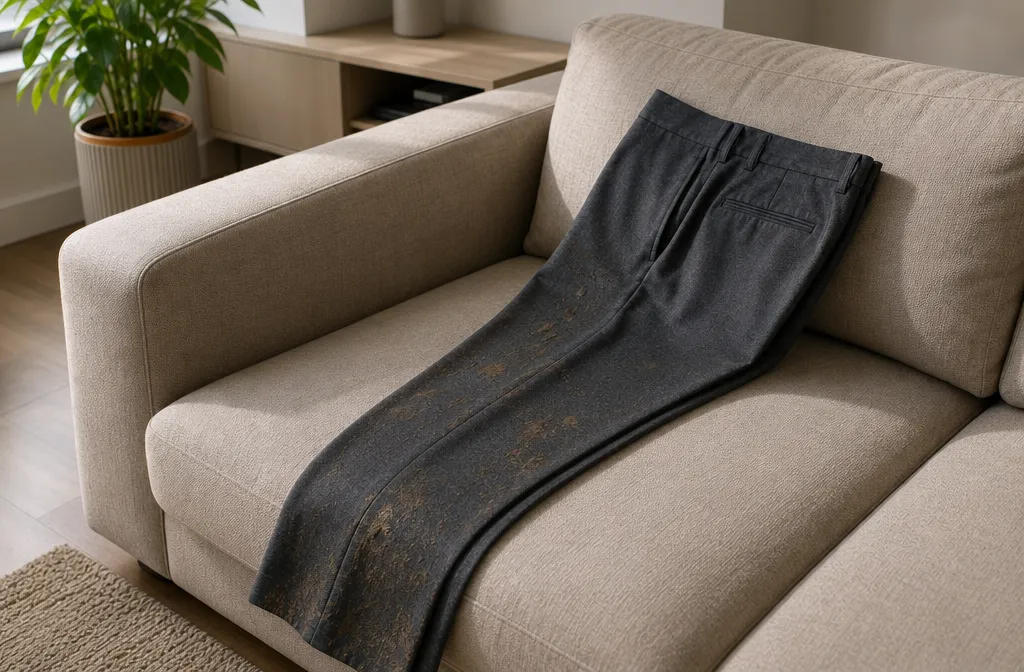
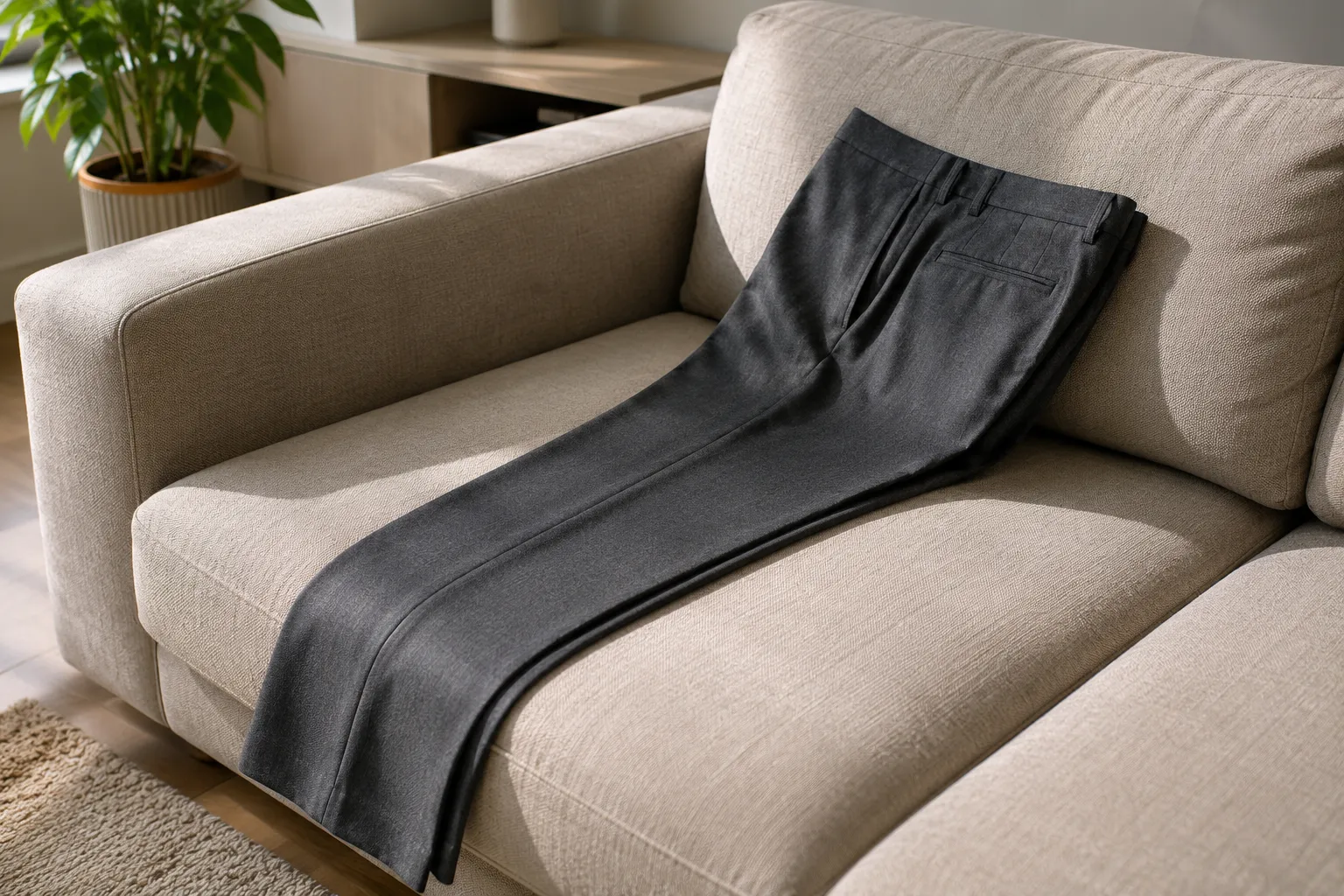 After
After
Request: Smooth out creases and refresh the trousers.
Done: Steamed and ironed the trousers, removed pills.
Cost: 2 800 ₸
Master: Yerzhan Sagindykov, dry cleaning master
Total: Trousers perfectly smooth, no creases or pills.
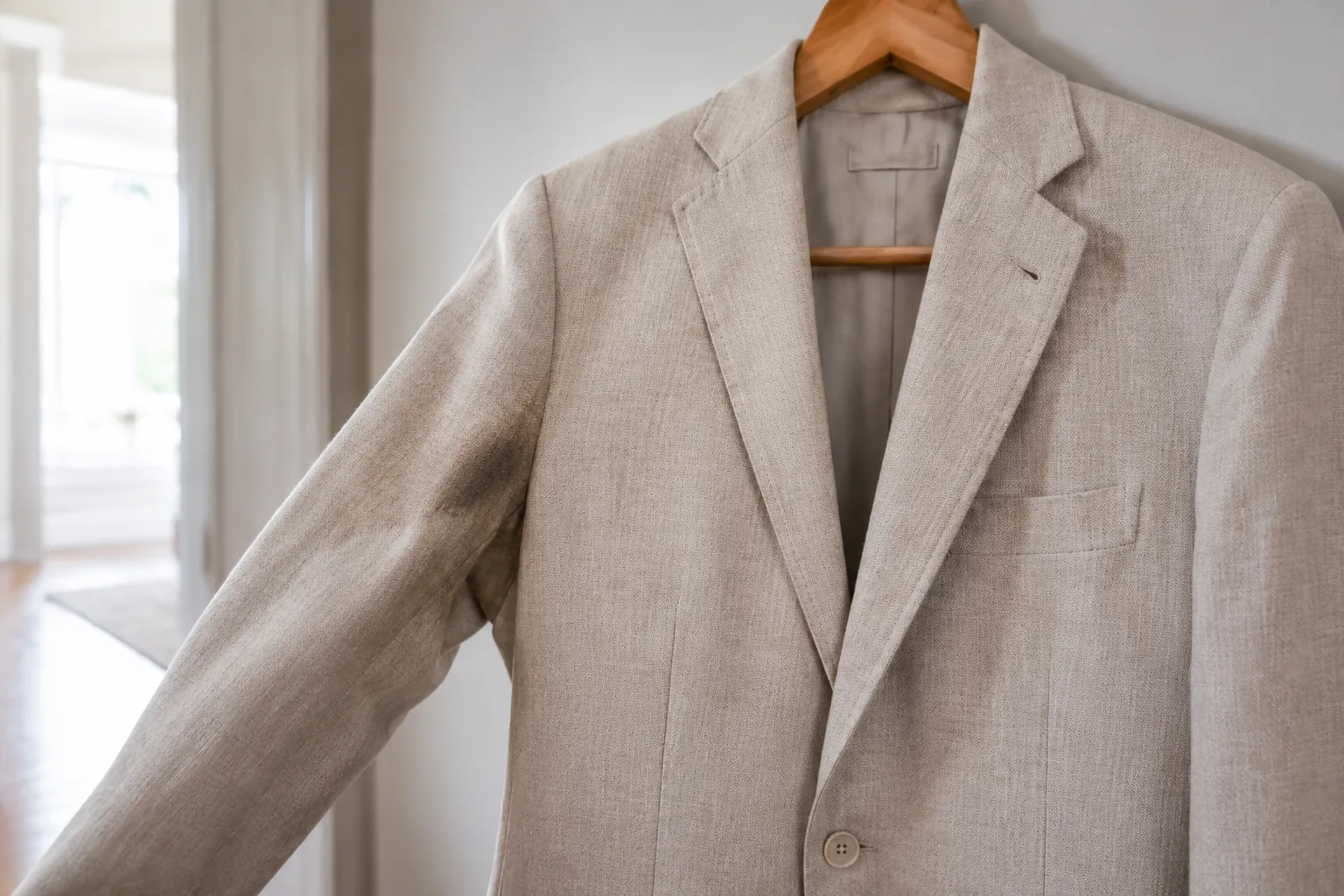
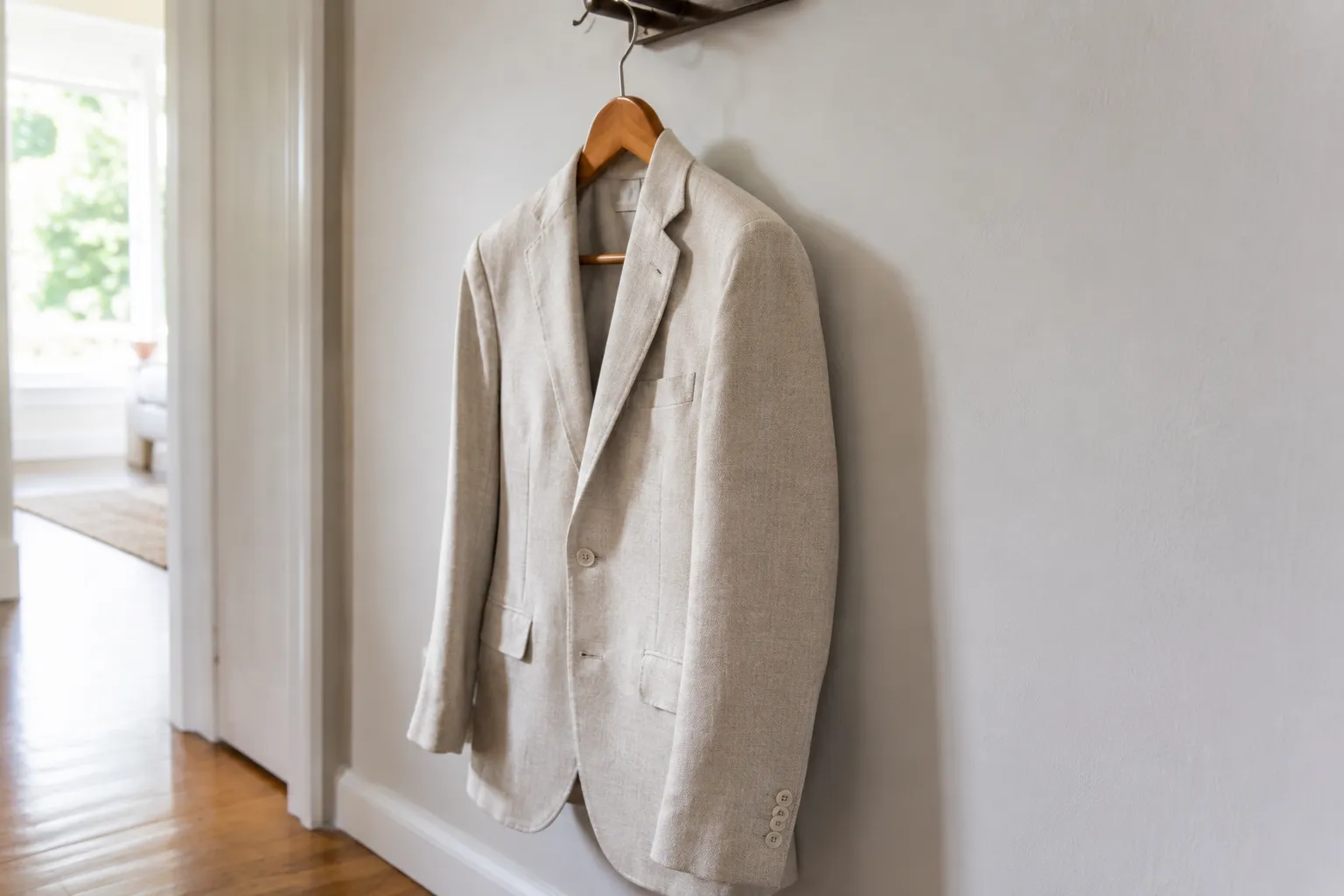 After
After
Request: Clean the linen suit for a wedding.
Done: Performed dry cleaning with enhanced stain removal.
Cost: 6 000 ₸
Master: Marat Aliyev, dry cleaning master
Total: Suit fresh, stain-free, ready for celebration.
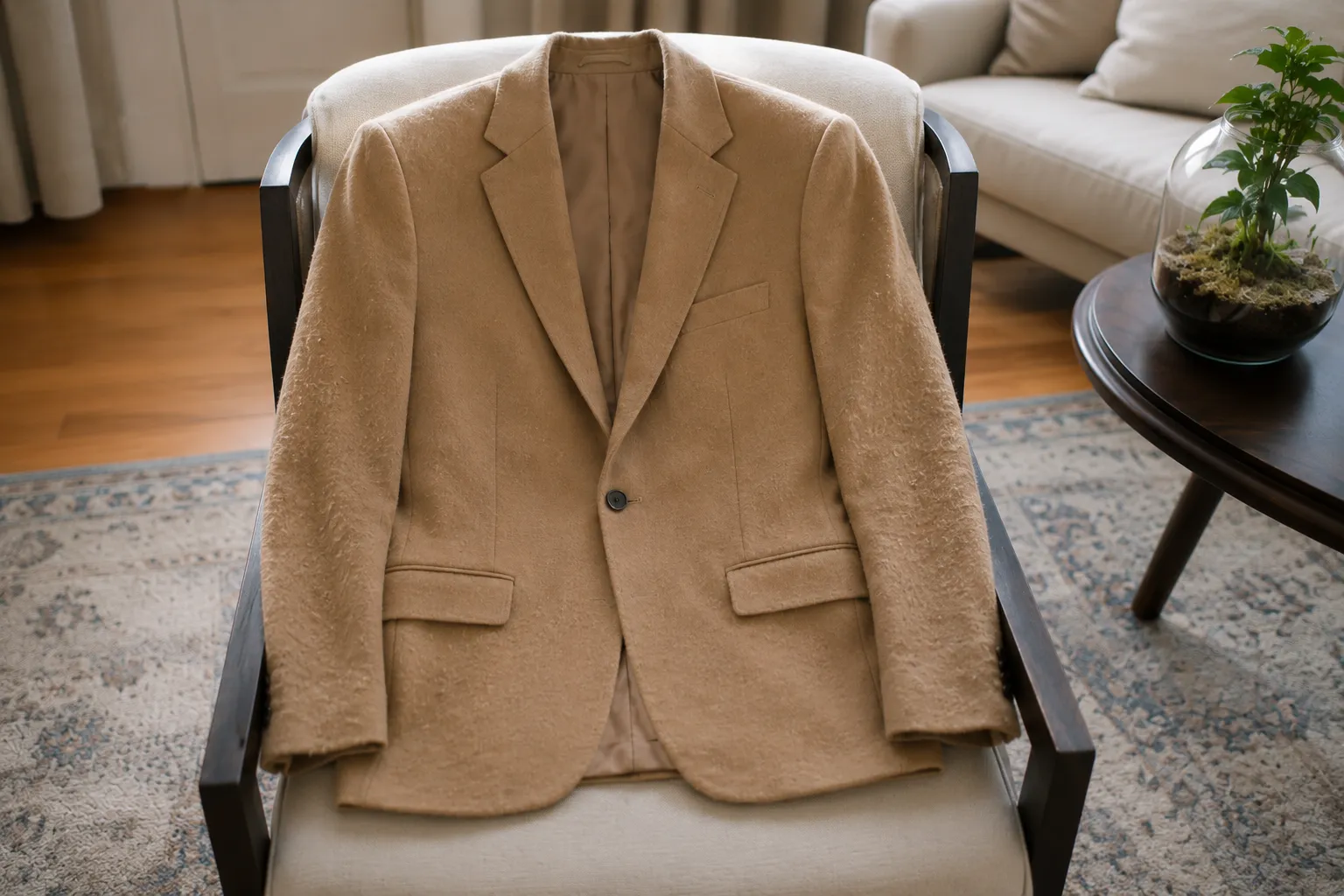
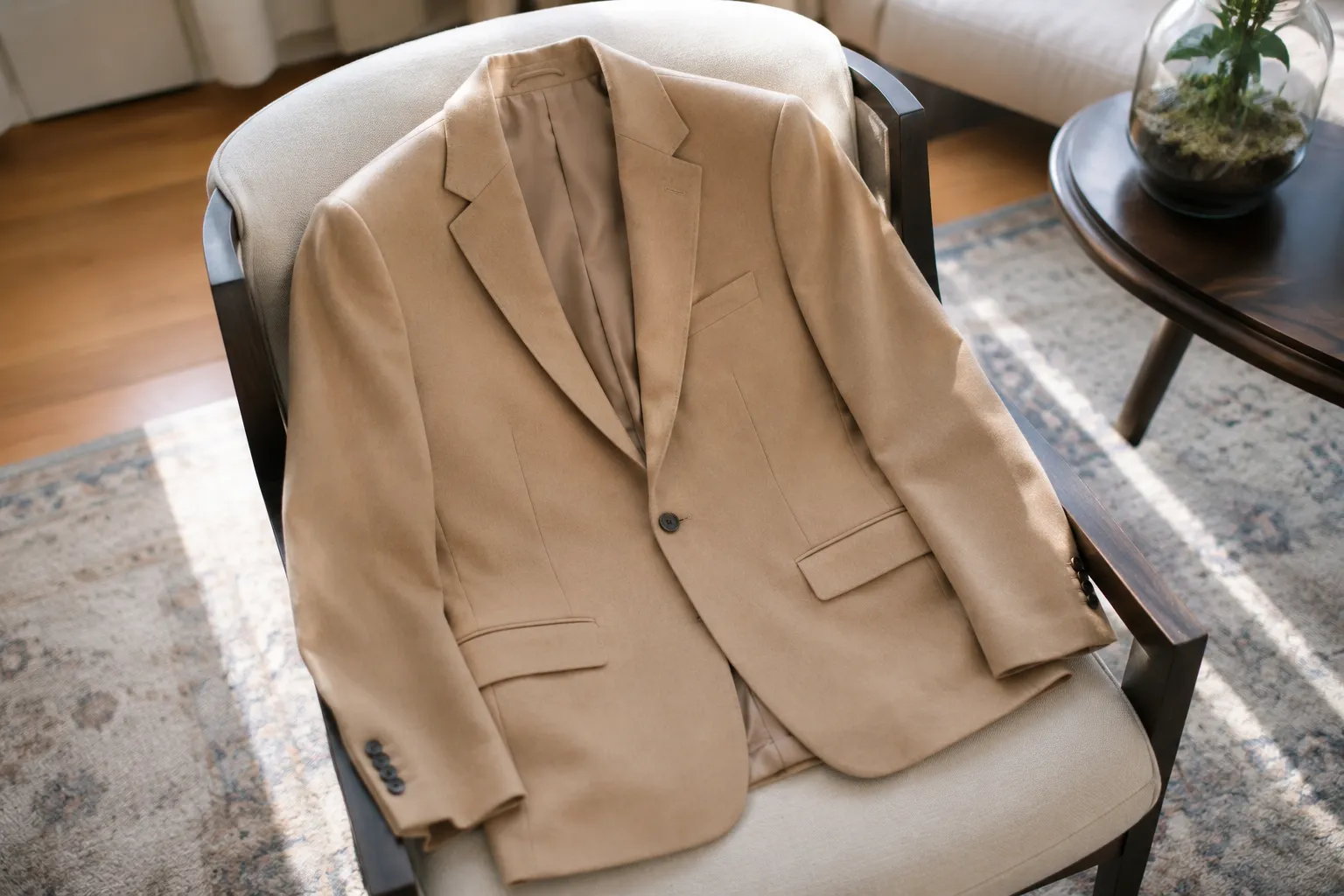 After
After
Request: Remove sweat marks and refresh cashmere.
Done: Delicate dry cleaning of cashmere with conditioning.
Cost: 3 500 ₸
Master: Gulnara Kassymova, dry cleaning master
Total: Jacket is soft, odor-free, and stain-free.
 After
After
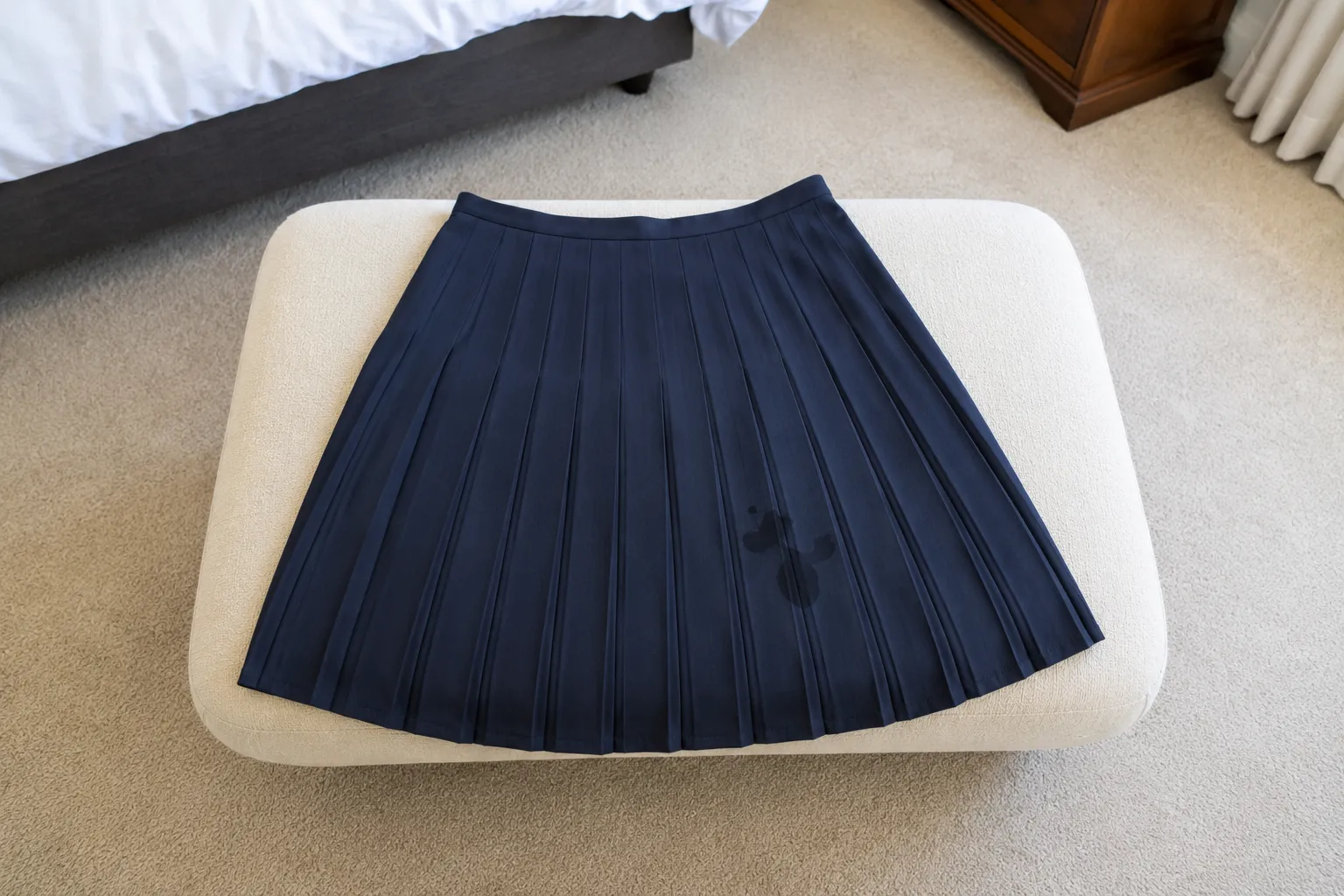
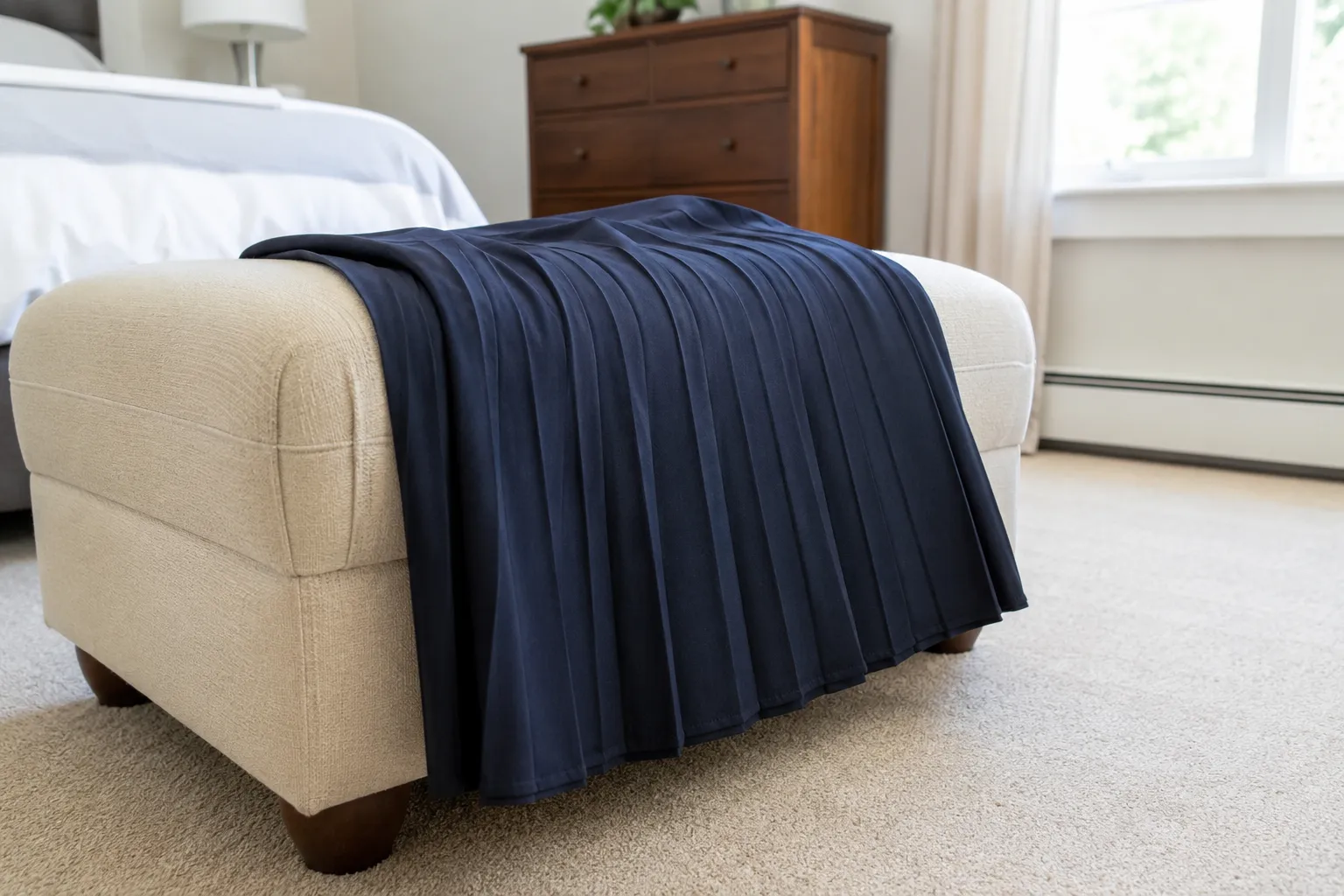
Request: Clean the navy blue pleated skirt from the suit, preserving all pleats.
Done: Delicate dry cleaning with manual pleat fixing and hem treatment.
Cost: 3 000 ₸
Master: Aigerim Bekzhanova, dry cleaning master
Total: Skirt is clean, pleats are even, no streaks or creases on the fabric.
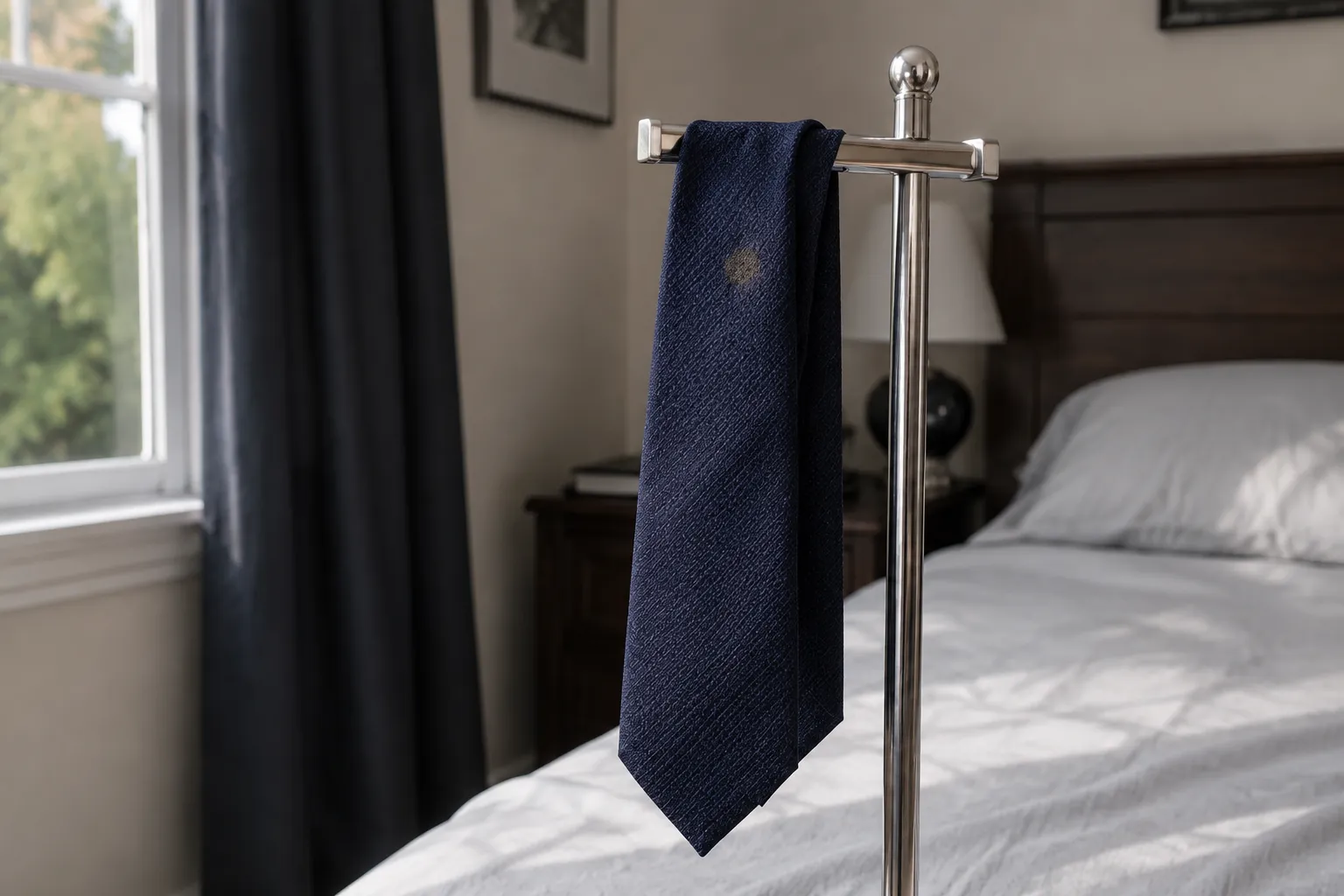
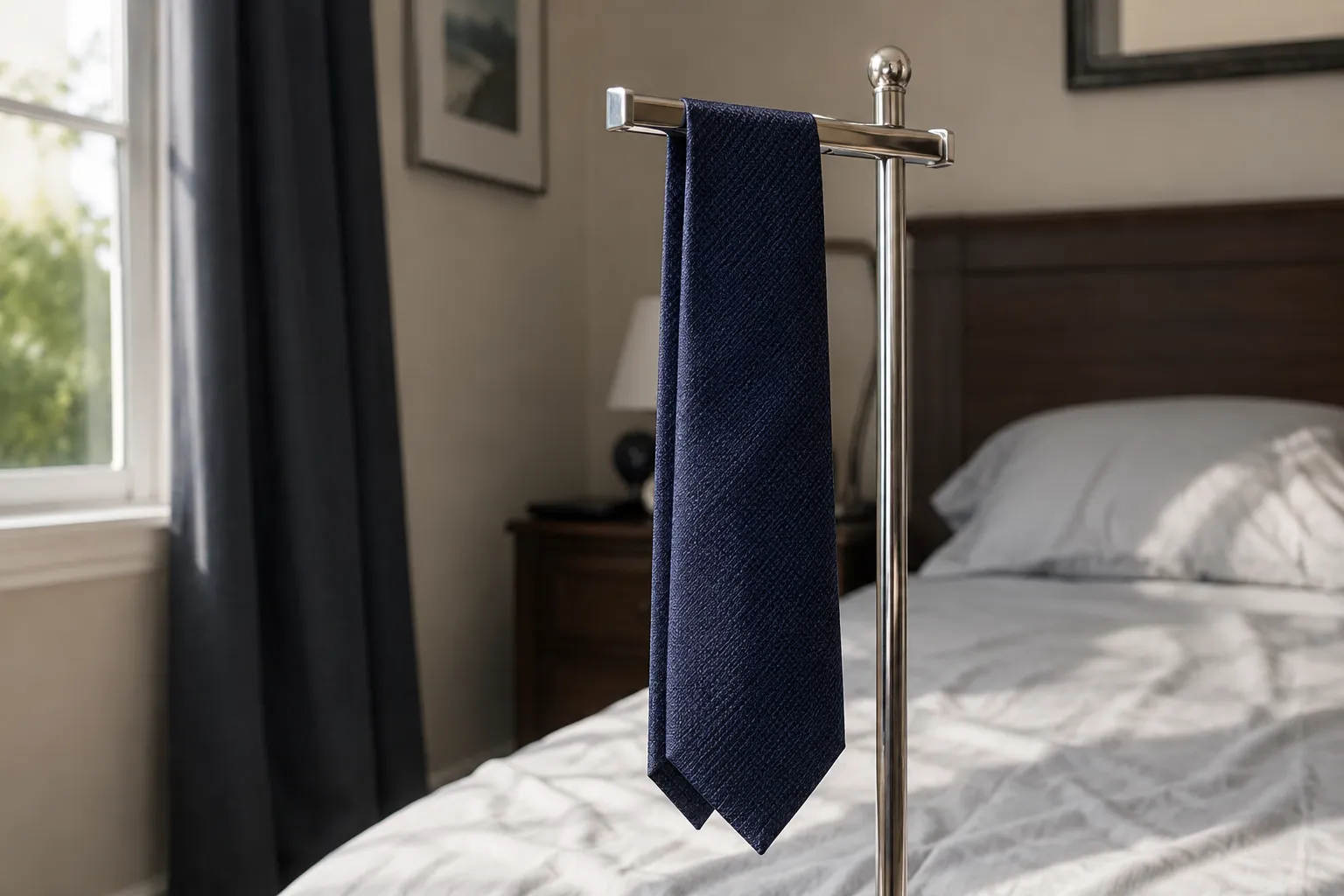 After
After
Request: Refresh the navy blue silk tie, removing shine from the knot and stains.
Done: Delicate dry cleaning of silk with careful treatment of the knot and tip.
Cost: 1 500 ₸
Master: Lyazzat Muratova, dry cleaning master
Total: Tie is clean, silk is smooth, shape and rich color preserved.
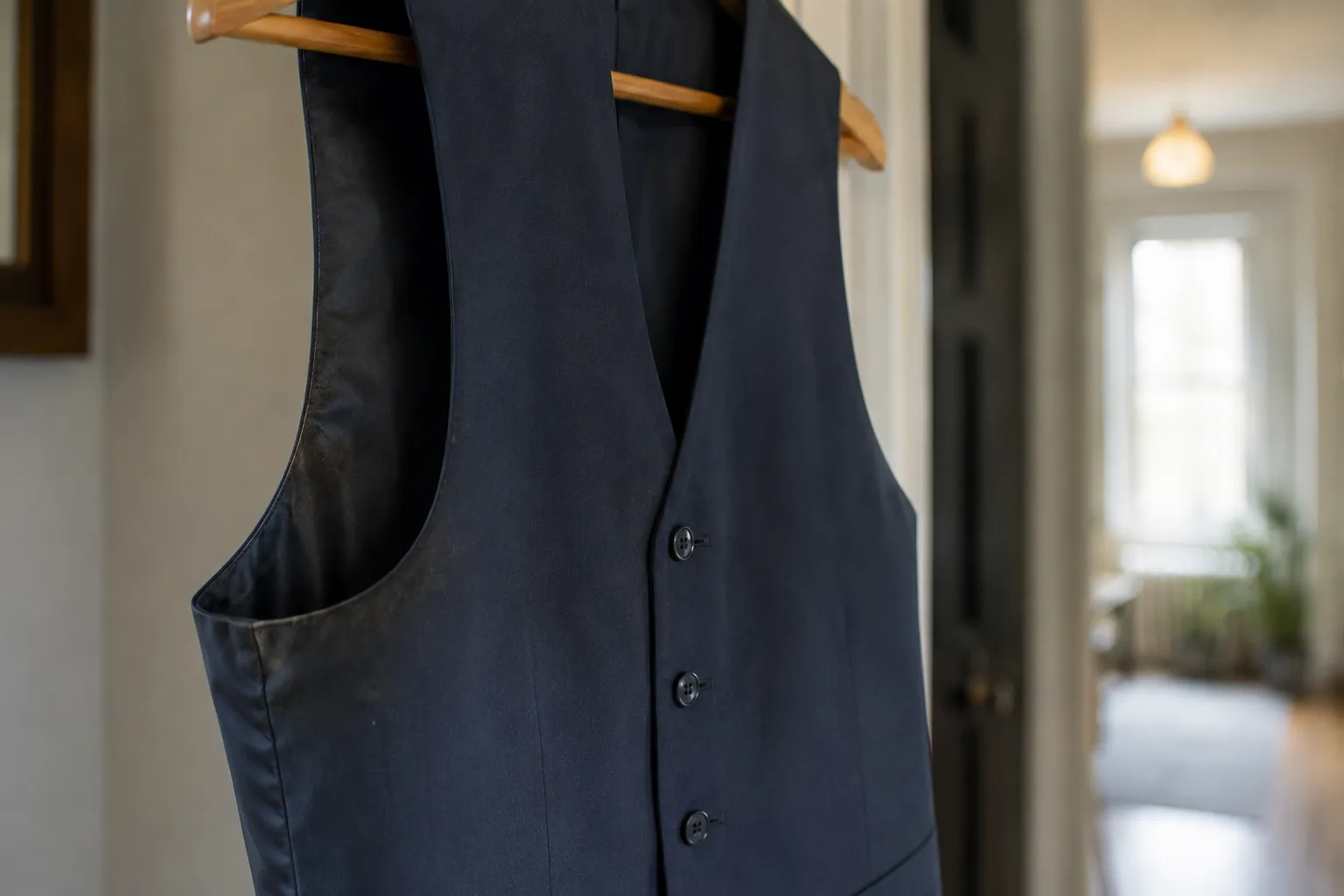
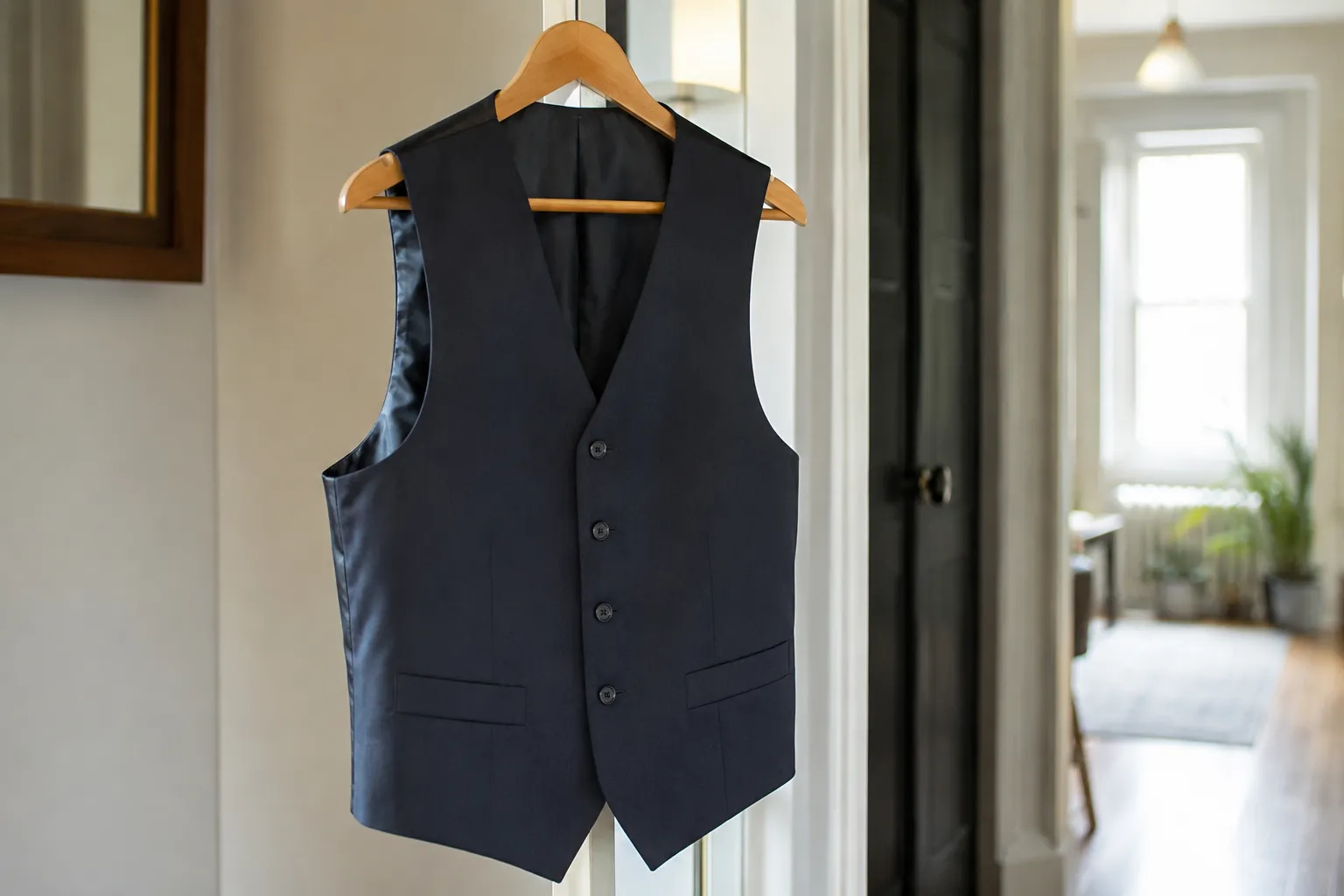 After
After
Request: Refresh the navy blue vest from a three-piece suit before an important event.
Done: Dry cleaning of the vest with treatment of edges, pockets, and lining back.
Cost: 2 500 ₸
Master: Ruslan Ibraev, dry cleaning master
Total: Vest is fresh, fabric is smooth, no wear or greasy shine.
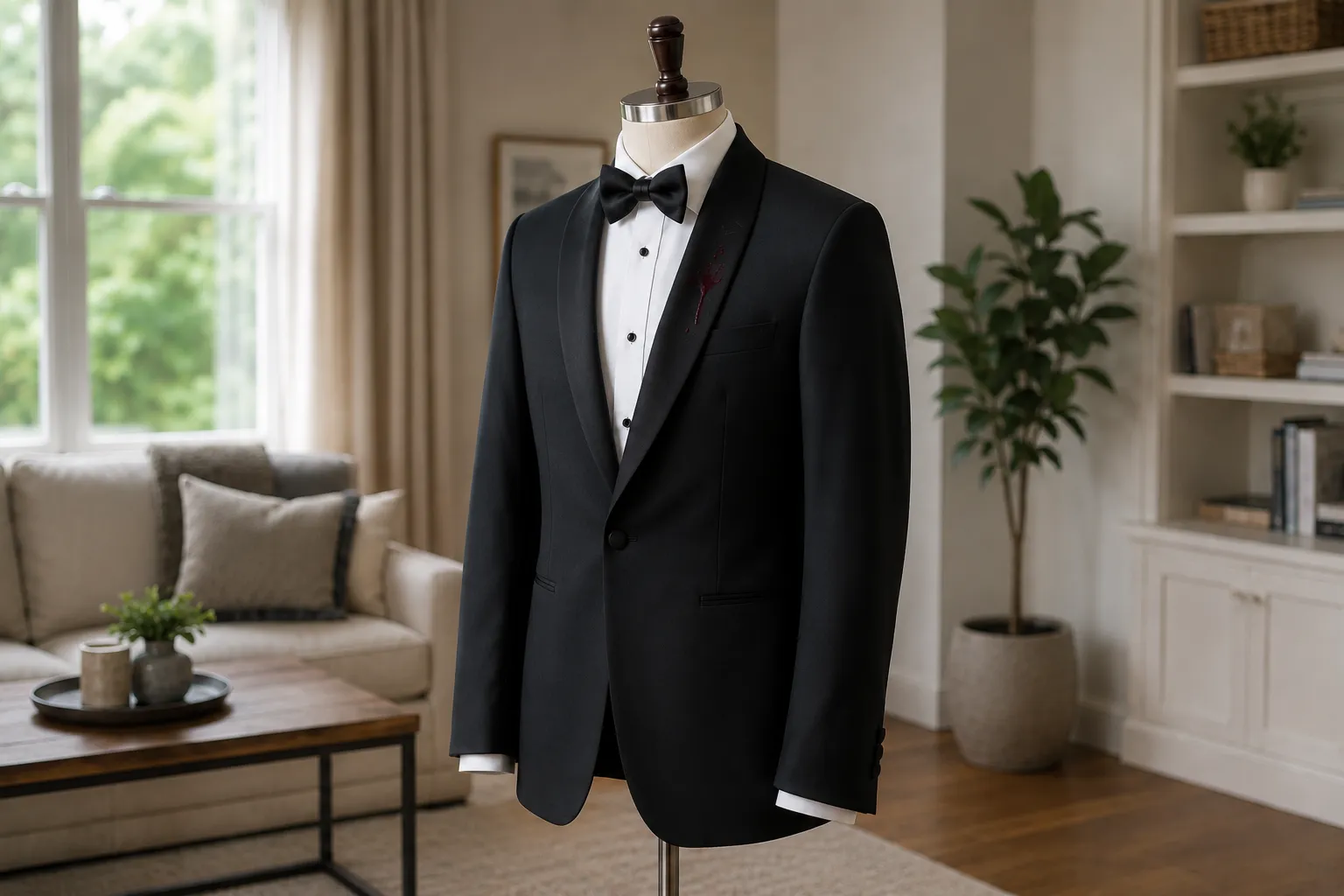
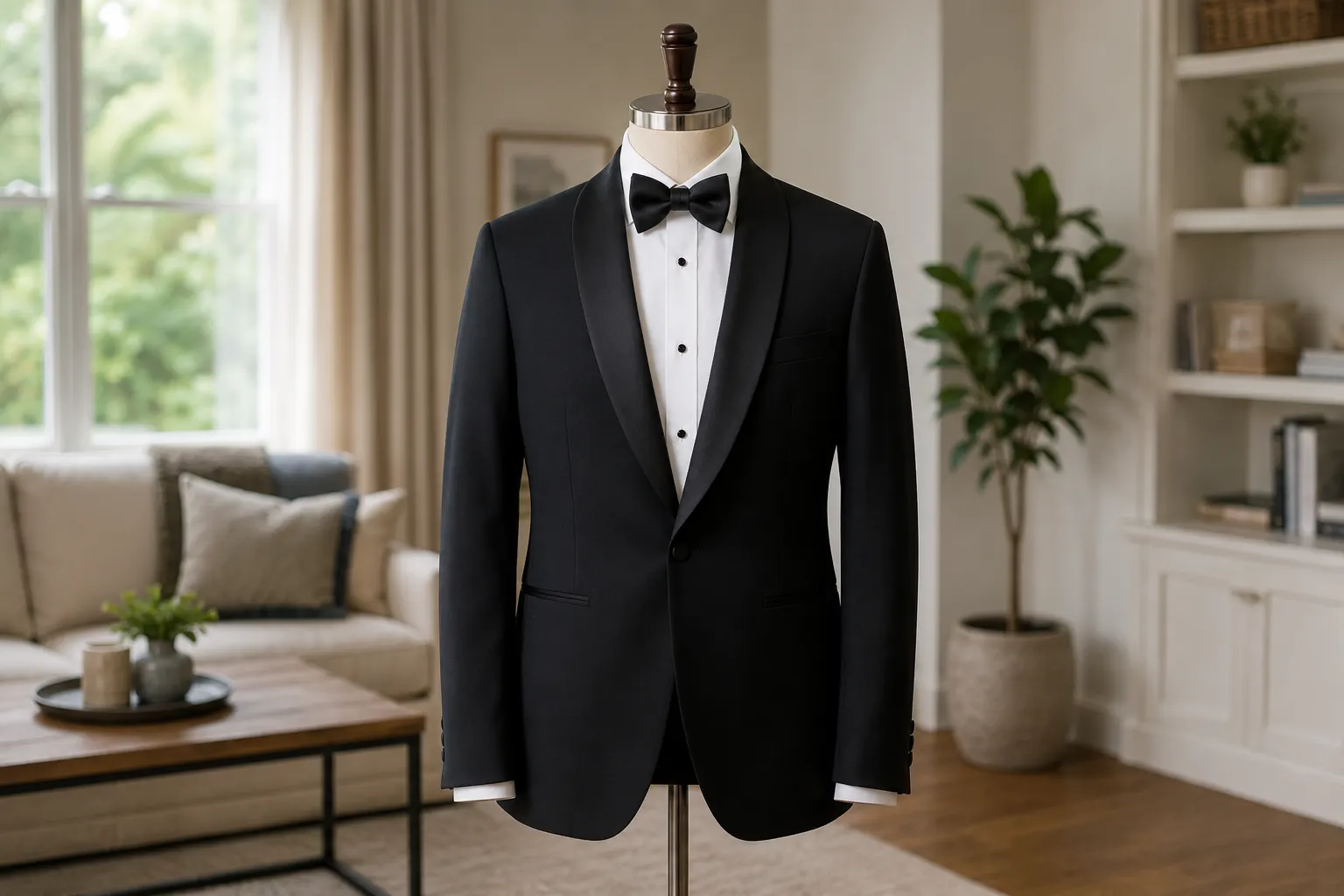 After
After
Request: Remove grease stain from the suit.
Done: Applied degreaser and dry cleaning.
Cost: 6 000 ₸
Master: Saule Zhumabayeva, dry cleaning master
Total: Oil stain completely removed.
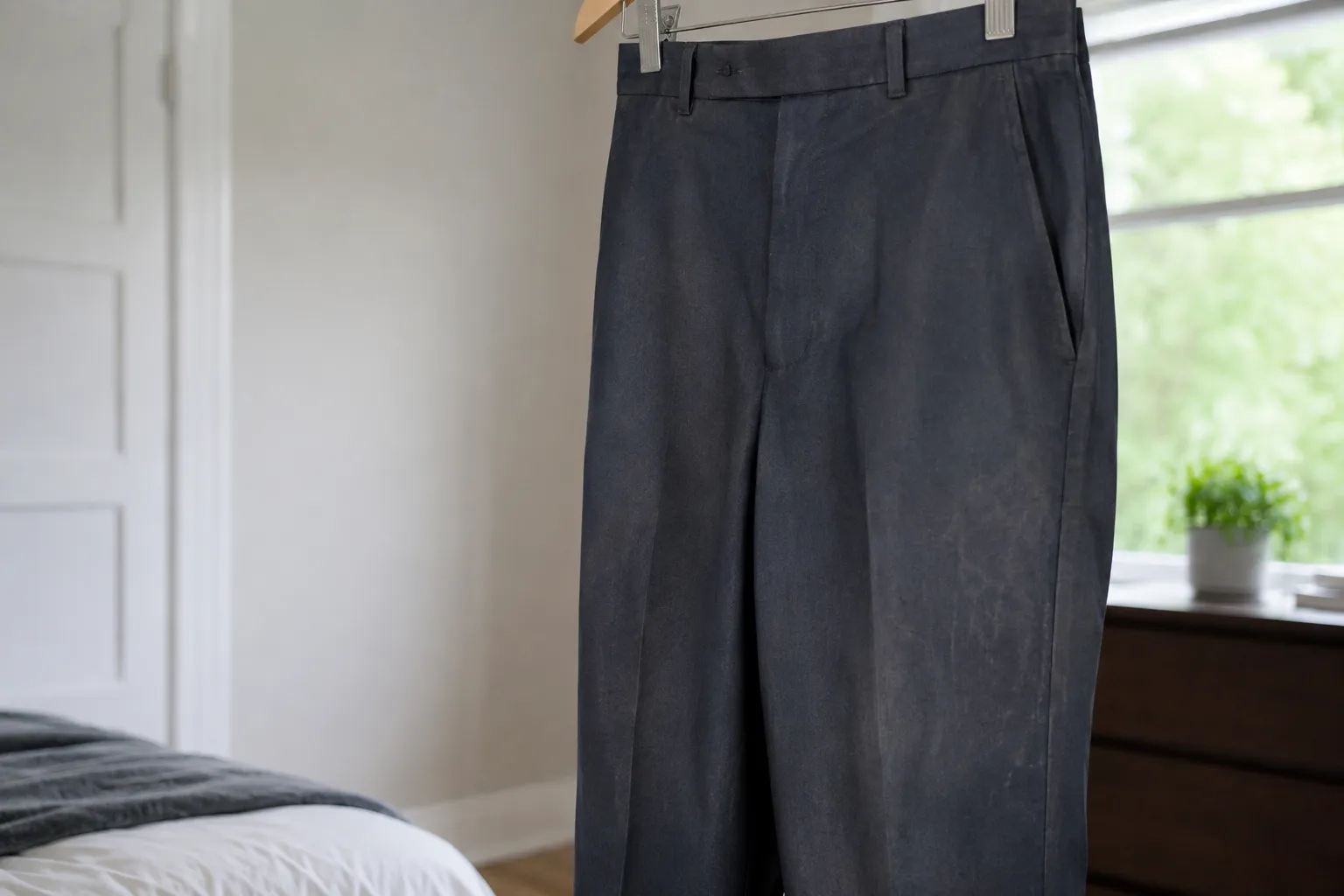
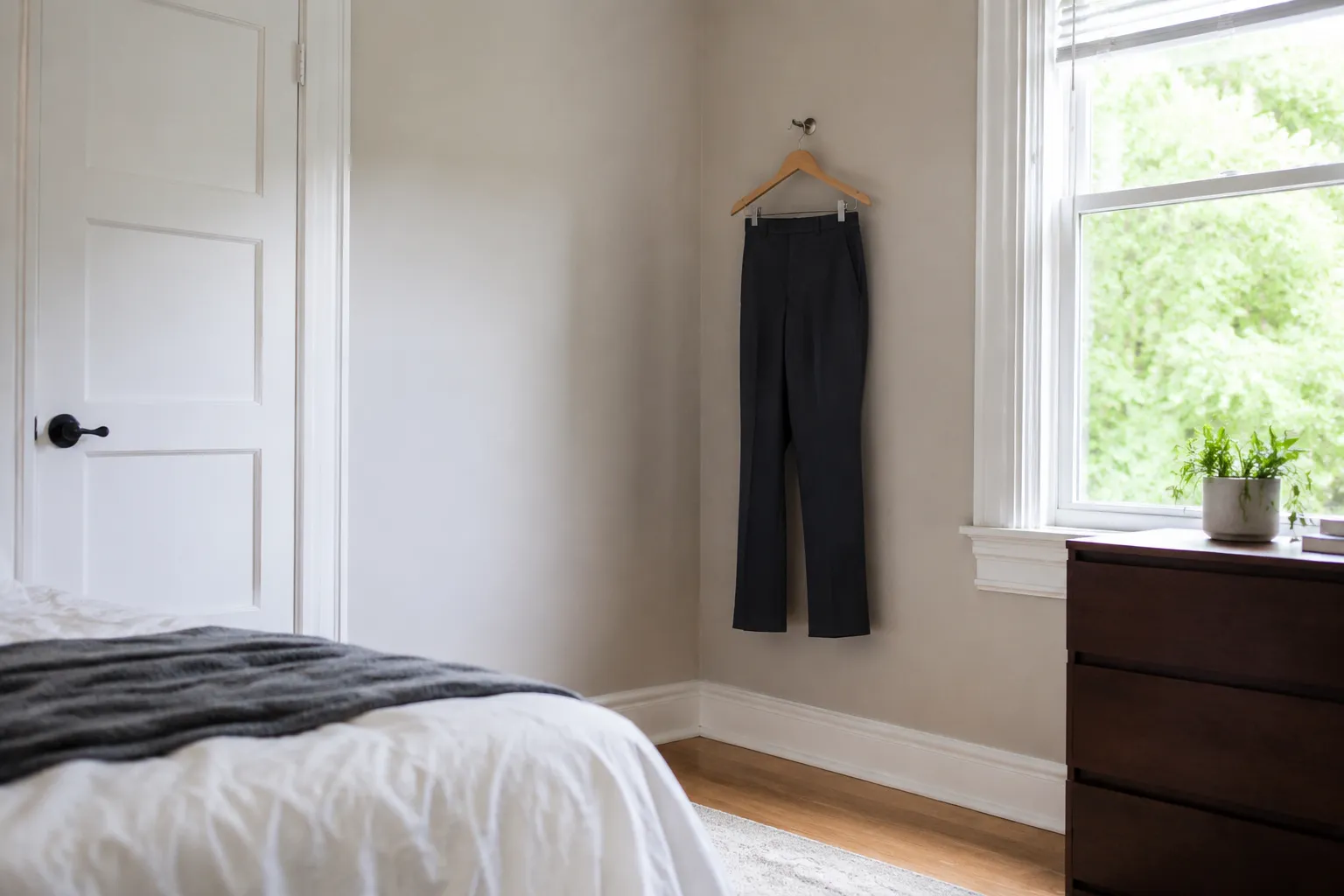 After
After
Request: Remove ink stain from dark suit trousers without damaging the fabric.
Done: Local ink treatment and gentle dry cleaning with crease preservation.
Cost: 2 800 ₸
Master: Aliya Serikova, dry cleaning master
Total: Ink removed, creases sharp, fabric undamaged and without streaks.
All cleaners are profi-clean staff with training, uniform and security check. Each order has a team leader who controls quality.
Many clients bring in suits after unsuccessful machine washing — with a shrunken jacket, stretched sleeves, or stains that have been “set” by hot water. The difference between professional suit dry cleaning and home washing is not about the price, but about preserving the fit, fabric structure, and color. We will explain why even a delicate cycle in a washing machine is a risk for a business suit, and how a professional approach solves problems that washing cannot handle.
Suit fabric is a multi-layered system: the face fabric, adhesive interlining (canvas), lining, and shoulder pads. When washed in a machine, even on the “wool/silk” setting, all layers get wet unevenly. The adhesive interlining, which holds the shape of lapels and the collar, loses its stiffness when wet — after drying, the lapels “pull away” from the fabric and bubble. In our practice, there was a case: a client hand-washed a wool Hugo Boss suit in warm water — the jacket shrank by a size, the shoulder pads shifted 3 cm towards the neck, and the geometry could not be restored even on a professional mannequin. In suit dry cleaning, solvents (perchloroethylene or hydrocarbon Solvon K4) only work on the face layer, without affecting the interlining — thus preserving the shape. Before the first dry cleaning of a new suit, check the label: if it has a “dry clean only” symbol (a circle with the letter P or F), machine washing voids the manufacturer’s warranty.
During washing, dyes are leached from the fibers unevenly: on the folds of sleeves and the collar, the fabric fades faster, creating “chafing” — lighter areas on dark tones. Suit dry cleaning uses a closed loop with solvent filtration: it passes through carbon and distillation filters that remove dirt but leave the dye in the solution — the color does not wash out. For delicate fabrics (cashmere, mohair, linen with viscose), we use GreenEarth technology — a silicone solvent with a pH of 7.0 that does not disrupt the fiber’s acid-base balance. For example, a linen-viscose suit (50/50) can shrink up to 5% in sleeve length after machine washing, but no more than 0.5% after dry cleaning. If the suit has a contrasting lining (silk or viscose), ask the technician to check its resistance to the solvent on an inconspicuous area — some bright lining fabrics may bleed upon contact with perchloroethylene.
Even experienced homemakers make three critical mistakes that turn a suit into casual wear:
Before taking your suit to the dry cleaner, do not try to remove stains with home remedies (vinegar, baking soda, citric acid) — they set grease and protein into the fibers, and professional stain removers may not be able to handle them.
In Almaty, humidity is high in spring and autumn (up to 70–80%) with sharp temperature fluctuations. If you wash a suit and dry it in an apartment without a dehumidifier, moisture from the air is absorbed into the fabric — the drying process stretches to 2–3 days. During this time, mold (microscopic fungi) develops in the adhesive layer of the interfacing, producing a musty odor that cannot be removed by regular washing. At the profi-clean dry cleaner, the suit is dried in a heated drum at 45 °C with forced ventilation in 40–50 minutes — moisture is removed evenly from all layers. Additionally, Almaty tap water is hard (up to 8 mg-eq/L) — calcium and magnesium salts settle on the fibers, making the fabric feel stiff, and after ironing, a “shiny” gloss appears. Professional treatment uses distilled water for steam and final steaming — no salt residue remains. If you wear your suit in rainy weather, dry it on hangers at room temperature for 12 hours before putting it in the closet — damp fabric folded in a garment bag will shrink and develop a musty smell overnight.
There is no universal cleaning schedule — frequency depends on wear intensity, material, and storage conditions. Here’s how to determine the right interval for your suit without risking fabric damage.
A suit requires treatment after every use if worn in hot weather or a smoky environment. Wool and cashmere fabrics absorb sweat and odors within 4-6 hours of active wear — fat molecules settle in the fibers and begin to break down the structure within 2-3 days without cleaning. In Almaty’s summer heat of +35°C, where air conditioning in public transport isn’t always available, even 2 hours in a jacket leaves sweat marks on the lining visible under UV light. Linen and cotton are less demanding — they can be aired for 1-2 days, but after an evening in a smoky restaurant or bar, order cleaning immediately, otherwise the odor sets into the fibers within 12 hours and won’t dissipate with airing.
For office suits made of wool or wool blends, the optimal schedule is professional treatment every 2 months when worn 3-4 times a week. Over this period, a micro-layer of skin oil and dust accumulates on cuffs, collars, and inner thighs — it’s invisible to the eye but under a microscope accelerates fabric wear by 30-40% compared to clean areas. In our experience, clients who bring in their suit once a month extend the jacket’s lifespan to 5-7 years versus 2-3 years for those who clean it every six months. Before ordering, check the label: if it specifies dry clean only, steam treatment without solvents can extend the interval between deep cleanings — use it every 2-3 weeks for refreshing.
Before storing a suit in the closet for 2-3 months, have it cleaned — even if it looks clean. Moth and carpet beetle larvae are attracted to keratin from skin particles and sweat left on the collar and lining; they won’t infest a clean suit, but in a worn one, they appear within 2-3 weeks of storage in a warm closet. In Almaty, where indoor humidity drops to 20-25% in winter due to heating, dry air makes wool fibers brittle, and sweat residue crystallizes, acting as an abrasive — over a storage season without cleaning, fabric loses up to 15% of its strength. After treatment, hang the suit on wide, padded hangers (not wire ones — they deform the shoulders) and cover it with a breathable tick garment bag: plastic bags create a greenhouse effect and cause mold on wool within 2 weeks.
Immediate cleaning is required if red wine, coffee, oil, sauce, or blood gets on the suit — stains from these substances set into the fibers within 15-20 minutes after drying and can only be removed with a risk of fabric damage. Grease stains on wool dissolve within an hour, after which they form an irreversible yellow mark. Alcoholic and sugary drinks (juice, lemonade) leave a sticky layer that attracts dust and turns into a gray film visible in daylight within 2-3 days. If you spill something on your suit at a restaurant in central Almaty, don’t rub the stain with a napkin — blot it with a dry cloth without pressure and take it to the cleaner within an hour, otherwise the wool or cashmere pile will be irreversibly flattened.
In our practice, the main criterion for removability is not the stubbornness of the stain, but how long it has been on the fabric. A fresh coffee stain we remove in 40 minutes in a stain removal chamber, while one that has set in for a month already poses a risk to the dye. I’ll break it down by category: which stains professional dry cleaning handles, and which ones even we cannot guarantee a 100% result for.
Grease and oil stains (sauces, oil drops, food marks): removed 95-100% during the pre-wash stage — a degreaser based on perchloroethylene or hydrocarbon solvent breaks down lipids before the main cleaning. Blood (fresh and set-in up to 3 days): treated with a cold enzyme stain remover (temperatures above 40°C fix the protein), then goes into the machine. Coffee, tea, red wine: tannins are neutralized with an acidic pre-spotting treatment — if the stain is no more than a week old, it disappears without a trace. Ink and pen paste: an alcohol-based solvent removes the pigment, but only if the ink is not gel-based or permanent — we take those with a caveat. Sweat and deodorant: removed with a steam generator with a vacuum extractor and deodorizing spray — set-in yellow stains on cotton linings may leave a faint mark, but we eliminate the odor completely. Grass and greenery: chlorophyll is broken down by hydrogen peroxide in an acidic environment — on light fabrics (linen, cotton) it goes in one cycle, on wool it may require two.
Before ordering dry cleaning for a suit, send a photo of the stain to our Instagram or WhatsApp — I’ll tell you if we can take it and how many cycles are needed. A free preliminary inspection at our drop-off point takes 3 minutes.
Glue and resin (gum, superglue, epoxy): frozen with liquid nitrogen (-196°C) until brittle, then mechanically chipped off. Gum we always remove, superglue — only if it hasn’t soaked into the fibers: on thin fabrics (silk, viscose) a matte stain remains. Hair dye and henna: oxidative pigments do not dissolve in organic solvents — we try a restorative pre-spotting treatment on an alcohol base, but the guarantee is 70% on light fabrics and 40% on dark ones. Rust and mineral deposits: a salt-based solvent neutralizes iron oxide, but on white shirts, a micro-roughness may remain at the stain site after removal. Grease stains with powder (talc, powder, starch): the powder absorbs grease deep into the fiber — a double pre-wash with a 12-hour interval is required to draw out the lipids.
Due to the different porosity of wool and polyester in two-piece suits (jacket + trousers), a grease stain on the sleeve may come out in one cycle, while the same on the trouser leg may take two. During the inspection, I mark such areas and warn the client.
Bleach and chlorine (bleach stains on colored fabrics): the chemical reaction has permanently destroyed the dye — restoring the color is impossible, only re-dyeing. Iron scorch marks (brown/black stains from overheating): the fibers have fused, the fabric structure is irreversibly altered — removal is impossible, only masked by restorative tinting (a separate service). Mold older than 3 months: the mycelium has grown deep into the fiber, the fungus leaves non-removable pigment traces — on wool suits with viscose lining, we do not take such items and recommend replacement. Iodine and brilliant green (alcohol-based antiseptics): they absorb quickly and become fixed in the fiber — on light fabrics, up to 60% can be removed, on dark ones, a pale yellowish stain remains. Hot melt adhesive and iron-on patches: the melted polymer seals the fabric pores — solvents do not penetrate, and mechanical removal tears the threads.
In October, we had a case: a client brought in a wool suit with a brilliant green stain on the lapel that was six months old. We tried three cycles with different pre-spotting treatments — the result: the stain lightened by 40%, but the outline remained. The client agreed to tint the lapel — it turned out decently, but that’s an exception, not the rule. If the stain is older than three months and pigment-based, don’t expect a miracle — order a preliminary consultation, and I’ll give you a realistic forecast.
Red clay (mountain trails, Medeu, Kok-Tobe): fine iron oxides penetrate wool and linen, leaving a pinkish residue even after washing — removed only by acid prespotting followed by a double rinse. Pollen and poplar fluff (May-June): the sticky protein composition of the fluff adheres to synthetic linings — requires pre-soaking in an enzyme solution, otherwise yellow stains remain after cleaning. Street dust with petroleum fractions (central Almaty, Abay and Dostyk Avenues): a mixture of sand and fuel/oil residues settles on cuffs and collars — removed during the rinsing stage, but if the suit is not cleaned for 3+ months, the oils penetrate the lining and require additional deodorization.
In our spring dry cleaning orders for suits, 60% of clients bring items with a red clay residue — we have refined the protocol on 200+ such cases with zero errors. If you wear a suit to an office in the city center, plan cleaning every 2–3 months, otherwise petroleum fractions bake into the seams.
At the profi-clean workshop, we receive dozens of suits each season — and the main factor determining our approach is the fabric composition. Wool, cashmere, linen, cotton, synthetics, and blended options behave differently during cleaning, and a mistake at the start is costly.
For wool and cashmere suits, we exclusively use dry cleaning with perchloroethylene — water shrinks natural fibers by 2–3 sizes, and the jacket cannot be restored. We use hypoallergenic perchloroethylene from Kiehl, which leaves no odor and does not dry out the nap, unlike harsher solvents. For cashmere, we additionally set a gentle cycle with a reduced drum temperature to avoid damaging the delicate texture. Before loading, we check the lining for shrinkage — on some branded models (Ermenegildo Zegna, Brioni), it is made of viscose, which can shrink even from steam.
Linen and cotton suits are cases where wet cleaning is acceptable, but with strict water temperature limits (up to 30 °C). Linen shrinks by up to 5–7% on first contact with water, so we pre-measure sleeve and trouser lengths — after drying on a form stretcher, deviation should not exceed 1 cm. Cotton is less finicky, but yellow sweat stains under the arms are more common: we treat them locally with Sodasan enzyme solution before loading, otherwise machine rinsing sets the stain. After wet cleaning, a linen suit is dried only horizontally on a mesh rack — vertical drying stretches the shoulders.
Suits made of polyester, nylon, or blends with elastane (typical office segment from Zara, H&M, Massimo Dutti) require reduced ironing temperatures — an iron above 110 °C melts synthetic fibers, leaving irreversible shiny patches on the fabric. At profi-clean, for such models, we set the steam mannequin temperature no higher than 100 °C and avoid direct contact of the iron soleplate with the fabric — only steaming through a pressing cloth. We are especially cautious with blended viscose linings: at 40 °C in the machine, they shrink up to 3 cm along the seam, pulling the jacket front. Our practical advice: if the suit label says “dry clean only” and the composition is 100% polyester, do not risk water — a steam generator on minimal output is safer than machine washing.
“`markdown
Before handing over a suit for professional treatment, it is important to prepare it properly — this affects the cleaning quality and fabric preservation. At profi-clean, we encounter the consequences of DIY preparation: torn-off buttons, pens left in pockets, embedded perfume. Here is what you need to do before visiting the service.
Documents and valuables: check all pockets — business cards, earphones, coins, tissues, keys. Left-behind paper soaks in the solvent and leaves hard-to-remove fibers on the lining. Metal objects: coins and keys scratch the machine drum, while pens and markers stain the pocket interior — the stain cannot be removed afterwards. Removable elements: detach fur collars, brooches, cufflinks, belts — they have no care labels, and we are not responsible for their damage. Tie and pocket square: remove them separately — ties are cleaned using a different technology due to their bias cut and silk material.
Our experience shows: every third button on a suit is sewn on with decorative thread that cannot withstand chemical treatment. Fragile buttons: mother-of-pearl, horn, bone, wood, lacquered — under the influence of perchloroethylene (the main solvent in dry cleaning), they crack or lose their shine. Metal hardware: buckles with coating, chains, snaps oxidize and leave rusty streaks on the surrounding fabric. What to do: if you doubt the durability, unpick the button and apply a cotton swab with solvent to it for 5 minutes; if the color or texture has changed, replace it with a spare one before cleaning. At our reception, the cleaner always warns about the risks and offers to remove the hardware in 3–5 minutes — this is free of charge.
Before bringing in your suit, recall the nature of the stains — this will save time and increase the chance of complete removal. Grease stains (sauces, oil): do not rinse with water — the grease spreads through the fiber and increases the affected area. Coffee and tea: do not rub with a dry napkin — you are driving the pigment deeper; blot with a damp cloth without pressure. Perfume and cologne: on wool, they leave a discolored stain that cannot be restored — immediately tell the receptionist exactly where the contact occurred; we will treat this area using a special method. Sweat and deodorant: underarm inserts lose color due to the reaction of aluminum salts with the dye — this area requires pre-treatment before the main cleaning. In Almaty, especially in summer at +35°C, sweat stains are the most common problem, and without a hint from the client, we might not notice them on dark fabric.
Before dropping off, go over the suit with a lint roller — pills, pet hair, dust from car seats settle on the fabric and clog the dry cleaning machine filters. Animal hair: in Almaty, many people own dogs and cats; hair embeds into wool suits due to static electricity — a regular roller won’t work; use a rubber brush. Pills: on the back of trousers and on jacket elbows — they need to be removed with a fabric shaver or razor before cleaning, otherwise the solvent will set them into the fabric. Pollen and small debris: in autumn, the city has a lot of poplar fluff and pollen — if the suit was in the car or on the balcony, shake it off outside to avoid clogging the filters.
Photograph defects: take a picture before dropping off — tears, abrasions, faded areas, so you can compare upon pickup and eliminate disputes about new damage. Labels with notes: if there is a specific stain (sauce, wine, grass), attach a sticker directly to that spot — the master will immediately see it and treat it purposefully, without wasting time searching. Odors: tobacco smoke, kitchen smells, mustiness — inform the receptionist; we will add ozonation to the cycle, which removes 95% of volatile compounds but requires a separate mode setting. In Almaty, a common case is a suit smelling of smoke after a party at a restaurant; without warning, we clean it standardly, and the smell remains in the lining.
I ordered dry cleaning of a suit after a wedding — stains from champagne and grass were removed perfectly, the suit looks like new.
Thank you, Aigerim! We are glad we could preserve your festive look.
The jacket looked worn after a year of use — after cleaning, the color returned, pilling disappeared. Excellent.
We had the suit dry cleaned — coffee was almost completely removed, a faint trace remained, but overall good.
Thank you for your review! For tough stains, we recommend letting us know in advance — we'll use stronger products.
Urgently needed to freshen up a stage costume — done in 24 hours, no chemical smell, perfectly ironed.
Brought a suit with tobacco and dust smell — ordered dry cleaning, no smell, fabric breathes.
Glad we could eliminate the odors! Looking forward to seeing you again.
Oil stain on trousers was set in — after treatment it disappeared, not even noticeable. Thank you!
Dry cleaning of a wool-viscose suit — stain came off, but fabric shrank slightly. Had to steam it.
We apologize for the inconvenience. For delicate fabrics, please indicate the composition — we'll choose a gentle cycle.
Preparing for an important interview — the suit looks like from a store window, fits perfectly and shines clean.
Good luck with the interview! Glad to help.
Old tweed suit — was afraid to hand it over, but dry cleaning restored its shape and softness.
After painting, a paint stain got on the suit — removed almost everything, slight tint remains, but fine for everyday wear.
For old paint stains, results may not be 100%, but we try our best.
My son stained his suit at graduation — ordered dry cleaning, everything clean, no streaks.
My husband's underarm area had yellowed — they removed the yellowing, and the suit became fresh. Very satisfied.
Thank you! We use special enzyme products for protein stains.
Needed urgent dry cleaning of a suit before a conference — done quickly, high quality, no complaints.
Glad we made it! Always available.
I was afraid to clean the sequin suit, but we gave it — not a single sequin fell off, stains gone.
Got soaked in a suit during a downpour — gave it for dry cleaning, dried without shrinkage, same shape.
Work suit got greasy at the elbows — after cleaning like new, recommend.
Thank you! Regular cleaning extends the life of clothes.
Spilled red wine on light trousers — dry cleaning saved the suit, no stain.
Wine is a tough stain, but we handled it! Glad.
Perfume smell had soaked into the jacket — they aired it out well, but a faint chemical scent remains. Overall ok.
We apologize. Trying new odor neutralizers.
Needed an impeccable suit for a photoshoot — dry cleaning did its job, not a speck of dust.
Child dropped a hot dog on the suit — ketchup stain completely removed, you can't even tell.
We remove household stains effectively! Contact us.
The linen suit got wrinkled and yellowed — after dry cleaning, the linen became soft and white.
Linen is a finicky material, glad you liked it.
The buttons became dull after cleaning, although they said they would remove them. Otherwise clean.
We apologize! We usually remove them, might have missed it. We'll take measures.
Preparing for the anniversary — dry cleaning refreshed the suit, barbecue stains are gone.
A pen burst in the pocket — the ink was removed, the fabric is not damaged. A miracle!
Ink is our specialty! Thank you.
Ordered dry cleaning of the suit — the sweat smell was removed, but a slight yellowness remained on the cuffs.
Thank you, we'll take note. For old sweat stains, we recommend pre-treating.
After another dry cleaner, there were streaks — here they fixed it, the suit is clean and smooth.
Bicycle oil on trousers — dry cleaning handled it perfectly.
We remove technical oils with special solvents.
Suit for the premiere — after cleaning it looks more expensive than new. Liked the packaging very much.
After storage, mold appeared — dry cleaning removed the smell and stains, but a faint trace remains.
Mold is hard to remove completely, glad we could help.
My husband received an award — the suit was perfectly cleaned, sharp creases, everything perfect.
Congratulations! Happy to be part of the event.
After a long flight, the suit was wrinkled — I ordered dry cleaning, it came back fresh and pressed.
White cuffs turned gray — they whitened them well, but they became a bit stiffer. Overall okay.
Thank you! For white accents, we use gentle bleaching.
The mourning suit needed to be tidied up — dry cleaning did it neatly and quickly.
Our condolences. Glad to help in a difficult time.
Fell in mud — the suit was cleaned without a trace, even the lining is clean.
Dry cleaning of a suit with shiny thread — the shine faded, stains gone, but not perfect.
We apologize. Decorative threads require special care.
Before an interview, I gave the suit — it came back flawless, all pills removed. Thank you!
Good luck with the interview!
My son drew on the jacket — dry cleaning removed all the ink.
After the party, the costume smelled of smoke and spilled beer — after cleaning, it's fresh and odorless.
We remove odors professionally!
Standard dry cleaning of a suit takes 1-2 days. Urgent dry cleaning is done within 24 hours. Master's visit and delivery are included in the price.
Leave a request on the website or call us. The master will come to the specified address in Almaty on the day of order (before 2:00 PM). After cleaning, we will deliver the suit back.
Yes, we accept individual items: jacket/blazer — at an individual rate, trousers/skirt — at an individual rate. The cost is indicated in the price list.
Check pockets for small items, fasten buttons. If there are removable elements (brooches, badges), remove them. The master will inspect the suit in your presence.
We accept cash, Kaspi Gold, Halyk Bank, as well as transfers by card number. Payment upon receipt or after delivery.
Yes, we guarantee stain removal. If a stain is not removed, we will refund the money for that item. The guarantee applies to all types of stains.
We use organic Sodasan products, which are hypoallergenic and safe for children. Steam treatment at 140°C destroys allergens without chemicals.
We remove tough stains using professional Kiehl products. Additional service — at an individual rate per stain. The master will assess the stain during inspection.
Yes, we have special modes for delicate fabrics. Cashmere suit — at an individual rate, linen suit — at an individual rate. We use gentle solvents.
The guarantee on the result is valid until the suit is handed over. After receiving, you can check the quality. If you find any defects, we will fix them free of charge.
Tell us about your experience with profi-clean — it helps other clients and us improve.
We currently operate in Almaty. Other cities are coming soon.