How Often to Change Bedding with Regular Cleaning
Even with impeccable wet cleaning of the bedroom, bedding remains the main accumulator of allergens and sebum. We figure out how often it needs to be refreshed so that cleaning truly improves the microclimate, rather than masking dirt.
Why the Standard “Once Every Two Weeks” Schedule Doesn’t Work for Almaty
In Almaty, the average annual air humidity stays at 55–65%, and during the heating season in apartments with central radiators, it drops to 30–35%. At low humidity, dust mites reproduce more actively – their population doubles every 20 days when humidity is below 40%. In our regular cleaning orders, we noticed: if a client changes bedding once every two weeks, the concentration of allergens in the bedroom increases by 40–60% by the end of the second week compared to the first. With high traffic (children, pets, allergy sufferers), the interval is reduced to 5–7 days, and in apartments with air conditioners without a humidifier – to 5–6 days. In practice, we advise relying on smell and tactile sensations: if the pillowcase no longer feels cool to the touch or a slight musty odor appears – it’s time to change it, even if less than a week has passed.
How profi-clean’s Hypoallergenic Chemicals Affect Bedding Lifespan
We use professional products from Kiehl and Sodasan – they contain no phosphates, chlorine, or aggressive surfactants, so fabric fibers are not destroyed with each wash. Cotton bedding washed with such compounds at 40°C retains thread weave density 25–30% longer than when washed with cheap powders containing bleaches. This means that with weekly changes, a high-quality sateen set lasts 3–4 years without losing color or softness. For comparison: when washed with chlorine-based products, the same set starts to fade after just 12–14 cycles, and the fabric thins by the 18th–20th cycle, which is especially critical for allergy sufferers – through micro-cracks in the fibers, pollen and mold spores accumulate faster. In Almaty, where during the poplar and wormwood blooming season, pollen concentration in the air reaches 200–400 units per cubic meter, fabric integrity is not about aesthetics but health. Before the first wash of a new set, we recommend soaking it for 30 minutes in cool water with added vinegar (50 ml per 5 liters) – this fixes the dye and washes out the factory treatment, which often causes irritation for sensitive skin.
Mistakes When Changing Bedding That Negate the Effect of Cleaning
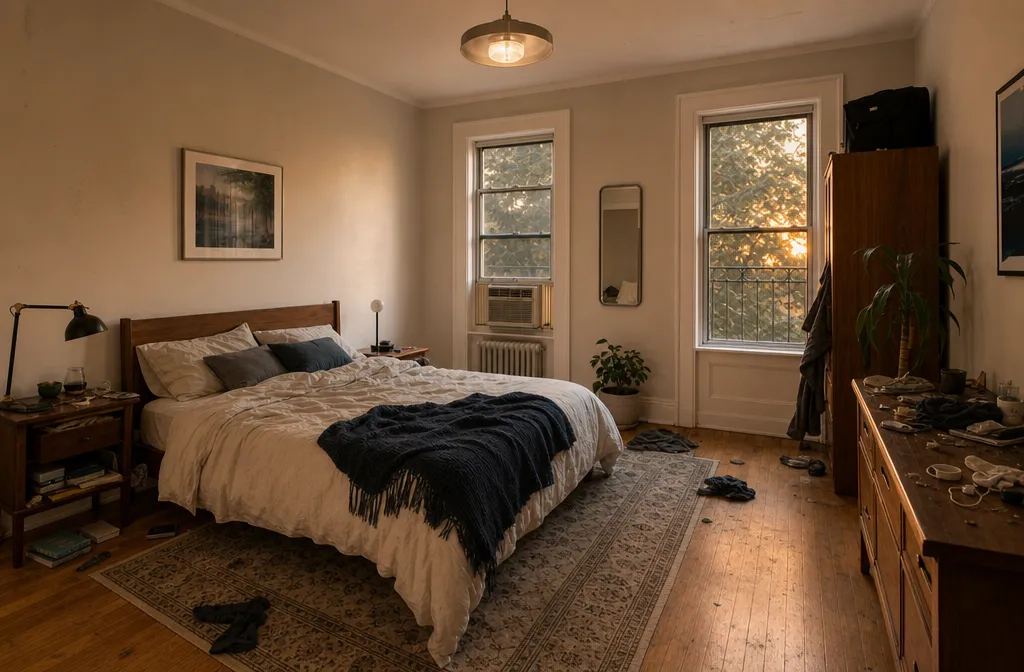
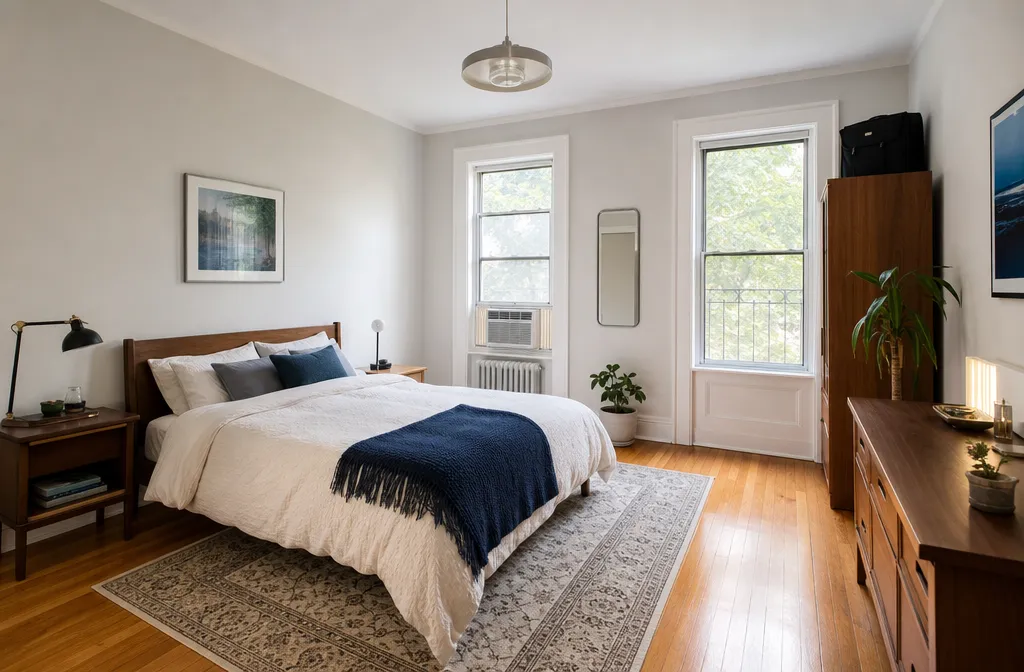
The first and most common mistake is placing clean bedding on an unventilated mattress. After wet cleaning in the bedroom, humidity levels can rise to 70%, and if you immediately make the bed, a greenhouse effect is created under the sheet – an ideal environment for mold. Our cleaners always recommend waiting at least 40–60 minutes after cleaning before putting on a fresh set. The second mistake is using fabric softeners with silicones: they clog fabric pores, reduce breathability by 15–20%, and the bedding gets dirty faster from sweat, meaning it needs to be changed more often. The third is washing at temperatures below 40°C: at 30°C, dust mites and their excrement are not destroyed, and the allergen load remains on the fabric even after washing. At profi-clean, we insist on the “cotton 40–60°C” cycle for all types of bedding except silk and bamboo – these are washed at 30°C with special liquid detergents without enzymes. If you have a coarse water filter installed in your apartment, add 2 tablespoons of citric acid to the detergent compartment once a month – this removes limescale, which makes the fabric stiff and wears it out faster.
“`markdown
Which Cleaning Products Are Suitable for Allergy Sufferers
Choosing cleaning products for an allergy sufferer is not a matter of personal preference but a medical necessity. Ordinary household chemicals with chlorine, phosphates, and fragrances do not remove allergens; they themselves become a source of them. At profi-clean, we use hypoallergenic chemicals from Kiehl and Sodasan, which are certified for asthmatics and leave no volatile irritants after drying.
Classification of Products by Type of Action
- Enzyme concentrates: break down protein allergens (pet dander, saliva, dander, pollen) at the molecular level, rather than masking them. They work at temperatures from +30 °C.
- Chlorine-free oxygen bleaches: oxidize organic stains and kill mold spores without releasing toxic gases. Suitable for laundry and wet cleaning.
- Plant-based surfactants from coconut and corn: foam just as well as synthetic ones but do not dry out the skin or cause contact dermatitis. They are 95–100% biodegradable.
- Products based on citric and lactic acids: remove limescale and soap scum without the harsh smell of vinegar. Safe to inhale.
- Filtered distillates for humidifiers: prevent secondary release of hardness salts and bacteria into the air during spraying.
Why regular chemicals are dangerous for allergies
Phosphates and chlorine-containing compounds don’t just smell — they destroy the protective lipid layer of the nasal mucosa, making it vulnerable to allergen penetration. According to the German Institute for Environmental Medicine (IUG), up to 30% of household allergy cases are triggered not by dust, but by volatile components of cleaning products — phthalates, formaldehyde resins, and synthetic fragrances. In the confined space of an apartment, the concentration of these substances after cleaning can exceed the maximum permissible concentration by 2–3 times for 1.5–2 hours. At profi-clean, we completely exclude such chemicals — our arsenal contains no products labeled “dangerous” or “keep away from children.”
Mistakes when choosing safe products
The first and most common mistake is confusing “eco” with “hypoallergenic.” The label “organic” on the packaging does not guarantee the absence of essential oils: lavender, tea tree, citrus fruits are strong allergens for 5–8% of people. The second mistake is using concentrated products without dilution: even a safe composition in a high dose can cause irritation. The third is buying anti-static sprays for dust: they create a film on surfaces that attracts new particles and complicates subsequent wet cleaning. Check the composition for the absence of methylchloroisothiazolinone (MCI/MI) — this is an allergen preservative banned in leave-on cosmetics but still found in household chemicals.
Specifics of Almaty air and product selection
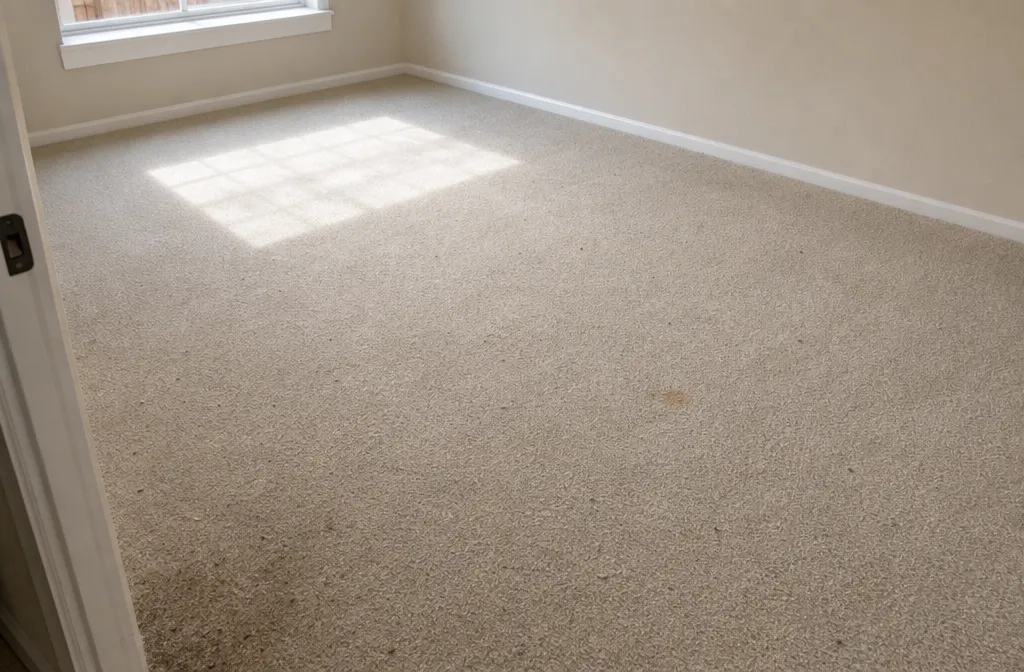
The high dust content in Almaty’s air — up to 150–200 µg/m³ during peak hours — requires not just cleaning, but binding of suspended particles. Ordinary water leaves up to 40% of fine PM2.5 dust on surfaces — when it dries, it rises back into the air. We use products with cationic surfactants that electrostatically attract and hold particles until the next wet treatment. Also, in conditions of hard Almaty water (8–10 °dH), plant-based surfactants work more effectively than synthetic ones — they do not form insoluble calcium and magnesium salts that leave a white residue and themselves become a mechanical irritant. Before cleaning rooms with carpets, we additionally treat them with a dry enzyme spray 15 minutes before wet cleaning — this destroys allergens deep in the pile where a cloth cannot reach.
Effective ways to eliminate odors in an apartment
Persistent odors in an apartment — tobacco smoke, pet odors, mold, or stale kitchen fumes — are not masked by air fresheners but are removed only by neutralizing the source and deep cleaning porous surfaces. In Almaty apartments with high humidity and old ventilation, the problem is exacerbated, so we have broken down four working methods that actually work.
Ozone air treatment: when it works and when it doesn’t
Ozone treatment is the only method that breaks down odor molecules at the O₃ level, rather than just “masking” them with fragrances. An industrial ozone generator destroys the smell of tobacco, animal urine, and mold in an empty room within 30–60 minutes of treatment. But there is a nuance: ozone is toxic to people and plants — no one should be in the apartment during treatment, and a two-hour ventilation period is needed afterward. In our orders, the cost of which is calculated individually, we use ozonators with a timer and concentration sensor, but only at the final treatment stage after wet cleaning. Much more important before ozonation is to remove the source of the odor itself — otherwise, after ventilation, the smell will return in 2–3 days.
Enzymatic cleaners against organic odors
Standard household chemicals with chlorine or alcohol only “dry out” the stain but do not kill the bacteria that produce the odor. Enzymatic products, on the other hand, break down organic matter — urine, vomit, blood — into water and carbon dioxide. We use professional formulations based on protease and lipase: they penetrate deep into sofa upholstery, mattresses, or high-pile carpets where regular foam cannot reach. In practice: if a cat has marked a corner in the living room, you need to treat not only the stain but also 20–30 cm around it — bacteria have already spread through the filler pores. In Almaty, with its sharp humidity fluctuations in spring and autumn, enzymatic treatment is mandatory for apartments with pets — without it, the smell returns within a week after regular cleaning.
Chemical Neutralization of Kitchen Odors
Kitchen odor — a mix of fatty acids, aldehydes, and combustion byproducts — is not removed by simply washing the floor and countertop. Grease absorbs into tile grout, the range hood, curtain fabric, and even the ceiling. We use alkaline formulations with a pH of 11–13 for initial grease removal — they emulsify the fat, which is then rinsed off with plain water. Next, we apply a neutralizer based on cyclodextrins: these molecules “capture” volatile compounds and block their evaporation. In orders for daily comprehensive kitchen cleaning in Almaty homes with gas stoves, we always include treatment of the range hood and the ceiling above the stove — up to 70% of odors accumulate there, which then “off-gas” every time the air conditioner is turned on.
Steam and Extractor Treatment for Upholstered Furniture
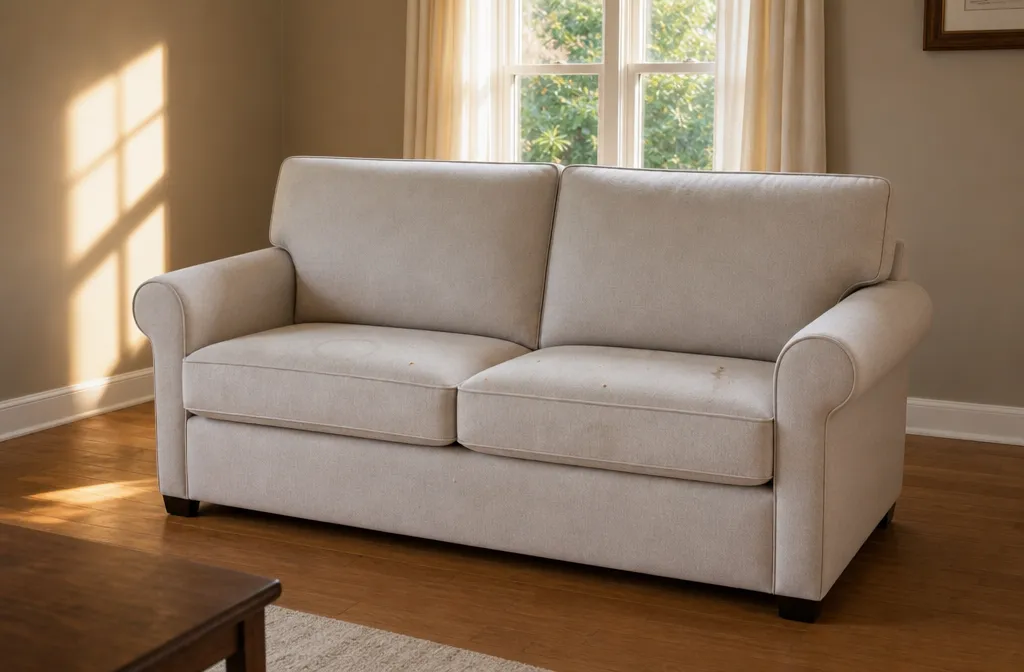
A steam generator at 120–140 °C softens old stains on sofas and armchairs, while an extractor (a vacuum cleaner with a water filter and spray nozzle) flushes them out along with water and chemicals. This method is 3–4 times more effective than dry foam cleaning because it doesn’t just spread the cleaning agent on the surface but physically removes dirt from deep within the padding. We use a combination: first, we steam each cushion from a distance of 10–15 cm to open the fabric pores, then apply an enzymatic solution, wait 15 minutes, and extract it. In Almaty apartments with high humidity (especially on the first floors and in houses near the river), the sofa dries for 6–8 hours after this treatment — this is normal; otherwise, moisture remains inside and can trigger mold.
Should Walls Be Washed During Comprehensive Cleaning
The question of washing walls during comprehensive cleaning is one of the most common from our clients in Almaty. The answer is not straightforward: walls are not always washed, but only when indicated — depending on the type of covering, the degree of soiling, and the season.
When Washing Walls Is Mandatory
We recommend including wall washing in daily comprehensive cleaning if there are smokers, pets, or small children in the home. Nicotine resin settles on wallpaper as a film that a dry cloth cannot remove — after 3–4 months, the surface turns yellow, and the smell becomes embedded in the wall. In apartments with cats or dogs, fur, skin oils, and saliva accumulate at a height of 30–50 cm from the floor — this is food for dust mites. If a child rubs the wall with their hand and then puts their fingers in their mouth, the risk of acute respiratory infections increases by 20–30%, according to allergists. In the kitchen, walls above the work area and stove become coated with a layer of oily condensate — it is visible to the naked eye and attracts dust like a magnet. In our regular maintenance orders, we include wall washing in the kitchen and children’s room by default, and in the living room upon request if the client notices a gray coating. On matte paints, this coating is invisible until side lighting is turned on — we recommend checking walls with a flashlight at a 45-degree angle once a month.
Which Walls Should Not Be Washed
Water-based paint without a varnish layer, paper wallpaper, gypsum plaster without primer, and cork panels are materials that absolutely cannot be wetted during comprehensive cleaning. Wet cleaning of such walls leads to soaking, swelling, and peeling of the coating — we have encountered this in 15–20% of our callouts when a client asked to “just wipe down” an unknown surface. Paper wallpaper develops waves from water within 2–3 minutes, and it’s impossible to restore — only re-papering will do. Gypsum plaster without acrylic primer absorbs moisture like a sponge and, after drying, leaves white salt stains. Cork is afraid of water due to its adhesive base — if water gets under the panel, it will peel off and deform. In such cases, we use only dry microfiber with a HEPA vacuum cleaner brush attachment or a special dry melamine sponge for spot cleaning. If there is a greasy fingerprint on the wall, we first try to remove it with a dry melamine sponge, and only if that doesn’t work, we apply Kiehl foam to a cotton pad and rinse it off after 30 seconds.
What professionals use to wash walls
For painted walls, vinyl wallpaper, and ceramic tiles, we use a two-phase technology: first, dust removal with electrostatic microfiber, then washing with a solution of hypoallergenic Sodasan concentrate at a 1:200 ratio with water. The electrostatic cloth collects 97–99% of dust without smearing — this is critical because if you rub a dry wall with a wet cloth, the dirt turns into a muddy film and clogs the paint pores. The Sodasan solution is neutral (pH 7.0) — it leaves no streaks and is safe for allergy sufferers, unlike chlorine bleaches used by cheap cleaning services. For greasy stains in the kitchen, we add 10 ml of dishwashing liquid per 5 liters of water — this emulsifies oils without damaging the paint. On glossy surfaces (paint coating, tiles), a second pass with dry microfiber is mandatory — otherwise, streaks from hard water salts remain, which are especially noticeable in Almaty due to a hardness level of 7–8 mg-eq/L. The microfiber should be “wrung out” — the cloth does not drip, but only leaves a damp trace that dries in 30–40 seconds.
Walls as an indicator of air cleanliness
Washing walls is not just about aesthetics but also a way to assess the ventilation quality in an apartment. If a gray coating reappears on the walls 7–10 days after cleaning, it means the room has high humidity (above 60%) or poor exhaust ventilation. We have verified this on our sites: in Almaty’s older housing stock (panel buildings from the 1970s–1980s), the coating settles 2–3 times faster than in new buildings with supply ventilation. The reason is the lack of fresh air inflow: dust particles are not carried away by drafts but settle on vertical surfaces. In such cases, we recommend the client install a breather or at least regularly ventilate for 10 minutes every hour — this reduces the frequency of wall washing from monthly to once a quarter. If the coating appears in the kitchen, we check the exhaust filter: a clogged grease filter reduces efficiency by 70–80%, and all kitchen fumes settle on the walls and ceiling.
Cleaning specifics in Almaty: climate and dust
Almaty’s air is a special topic in cleaning: due to the city’s basin location and heavy traffic, dust settles 2–3 times more intensively than in flatland cities. This directly dictates how often we recommend wet cleaning and which surfaces require priority attention.
Why dust settles faster in Almaty than in other cities
The city is located in a basin at the foot of the Zailiysky Alatau, and in calm weather (about 70% of days per year), exhaust gases, fine PM2.5 dust, and sand from vacant lots settle not on the ground, but on horizontal surfaces in apartments. Our cleaners note: in residential areas on upper floors, a dust coating appears 6–8 hours after wet cleaning, and in houses along Al-Farabi Avenue or Abay Avenue — within 3–4 hours. Wet wiping of all open shelves and windowsills every two days is the minimum regime to prevent dust from caking and turning into a sticky coating on plastic windows.
Which surfaces suffer the most from Almaty dust
- Glossy kitchen cabinet fronts: dust becomes visible within an hour of cleaning, and greasy kitchen residue sticks to fine dust, forming a gray film that cannot be removed with plain water — alkaline chemicals are required.
- Dark laminate and parquet floors: on black or dark brown surfaces, white calcareous dust (from construction work and road grit) is four times more noticeable than on light floors, requiring daily wet mopping with wax-free microfiber.
- Textile wallpaper and blackout curtains: they act as filters, accumulating up to 15–20 grams of dust per square meter in a month — twice the norm for regions with frequent precipitation. We recommend vacuuming walls with a soft brush attachment every two weeks and sending curtains for dry cleaning every three months.
Seasonal pollution peaks: when cleaning is needed more often
In Almaty, two distinct periods stand out when the dust load on an apartment sharply increases. From late February to May is the time of mass flowering and windy weather: poplar fluff, pollen, and sand from southern wastelands fly in even to the 15th–20th floors. Wet cleaning every two days during this period is not a whim but a necessity for allergy sufferers: pollen concentration in the air reaches 80–120 units per cubic meter, and dry cleaning only stirs it back up. The second peak is October–November, when heating is turned on and the smog season begins: hot radiators lift settled dust from the floor, and outdoor PM10 particulate matter penetrates through micro-gaps in windows. During this period, we advise replacing HEPA H13-class vacuum filters with new ones every two months — a clogged filter stops trapping particles as small as 0.3 microns and starts releasing them back into the room.
How Almaty’s climate influences the choice of cleaning chemicals
Calcareous water in Almaty (hardness 7–9 mg-eq/L) leaves white streaks on glass and chrome surfaces after regular cleaning. In our practice, we use products with anti-scale components and a pH of 5–6 for mirrors and plumbing — they neutralize hardness salts. For floors, especially laminate, we use low-foaming concentrates: in soft water, they work less effectively, and in hard water, they leave a film that attracts dust faster. Our choice is hypoallergenic Kiehl chemicals labeled “for hard water”: they require no rinsing and leave no sticky layer. Before ordering daily comprehensive cleaning, specify the type of floor covering and the presence of pets — the treatment scheme differs for parquet and tiles, and a universal product will not provide the desired effect.
Common mistakes when cleaning Almaty apartments
- Dry cleaning before wet cleaning: many start with a broom or dry cloth, stirring dust into the air, where it settles 20–30 minutes later on already cleaned surfaces. The correct order: first vacuum with a HEPA filter, then wet wipe from top shelves to the floor.
- Using chlorine-based products in the kitchen: chlorine reacts with exhaust gas particles settling on windowsills, forming volatile compounds — in a closed kitchen, this can irritate mucous membranes. We use oxygen bleaches based on sodium percarbonate — they are effective against grease and safe when ventilated.
- Washing windows on a sunny day: due to rapid water evaporation, salt streaks remain on the glass, which are difficult to remove without special chemicals. In Almaty with its hard water, it is better to wash windows on cloudy days or early in the morning, using a squeegee and distilled water for the final pass.