Trash collection and sorting
We collect trash from all bins, sort waste (paper, plastic, glass) if required, and replace bags with new ones. We use durable trash bags.
We maintain cleanliness in your office daily: mopping floors, taking out trash, cleaning restrooms and kitchen.
We work with any types and materials
Daily cleaning of open space with many workstations and walkways.
from 15,000 ₸Cleaning of individual offices considering furniture and office equipment.
from 15,000 ₸Comprehensive cleaning of common areas and rented offices in a business center.
from 15,000 ₸Maintaining cleanliness in a shared space with a variable number of visitors.
from 15,000 ₸Daily cleaning of the kitchen area: washing sink, stove, microwave, tables.
from 21,500 ₸Cleaning and disinfection of the restroom: toilet, sink, mirror, replenishing supplies.
from 22,500 ₸Cleaning after meetings: wiping table, chairs, board, mopping floor.
from 15,000 ₸Maintaining cleanliness in the reception area: wiping furniture, glass, floor.
from 15,000 ₸Thorough cleaning considering expensive furniture and equipment.
from 15,000 ₸Cleaning of warehouse premises: sweeping, trash removal, wiping shelves.
from 14,500 ₸Cleaning with surface disinfection and compliance with sanitary standards.
from 15,000 ₸Salon cleaning: disinfection of workstations, mopping floors, trash removal.
from 12,000 ₸From inspection to result with guarantee
We collect trash from all bins, sort waste (paper, plastic, glass) if required, and replace bags with new ones. We use durable trash bags.
We wipe all horizontal surfaces: tables, windowsills, shelves, office equipment (monitors, keyboards). We use microfiber and antistatic for office equipment.
We mop floors using a wet method with microfiber and safe Kiehl cleaning products. Depending on the flooring (laminate, tile, linoleum), we adjust the mode.
We disinfect toilets, sinks, mirrors, doors. We replenish supplies: toilet paper, soap, towels. We use Kiehl disinfectants.
We wash the sink, stove, microwave, tables. We take out the trash. We wipe cabinet fronts. We use degreasing agents.
We wash glass and mirrors with a professional streak-free product. We use a squeegee and microfiber. Special attention to display cases and partitions.
Upon request, we perform extractor carpet cleaning with shampoo. We use a Karcher machine that deep cleans and dries quickly.
We check the cleaning quality against a checklist: are all surfaces clean, no streaks, are supplies replenished. We fix any issues and sign the report.
We use professional HEPA vacuum cleaners that trap up to 99.97% of particles as small as 0.3 microns. This removes 99% of allergens, dust mites, and bacteria. Your employees with allergies and asthma will breathe clean air. Combined with safe Kiehl products, we create a hypoallergenic environment.
If you notice any shortcomings after cleaning, we will fix them for free within 24 hours. Our quality standards are stipulated in the contract. You can check the result using a checklist and sign the certificate only when fully satisfied.
We have insured our liability for 10 million tenge. If we accidentally damage furniture, office equipment, or other property, the insurance company will compensate for the damage. You get financial protection and peace of mind.
Each of our cleaners has a medical record, wears a uniform, and undergoes training once a quarter. We teach proper use of professional Kiehl products, work with Karcher equipment, and service standards. You get predictable quality.
For wet cleaning of carpets, we use a Karcher extractor. It supplies water with shampoo under pressure and immediately sucks out dirt, leaving no chemicals. The carpet dries in an hour, not a day. Ideal for offices that need to quickly return the space to work.
All chemicals are German Kiehl products, certified for use in children's and medical facilities. They contain no chlorine, phosphates, or allergens. Cleaning without strong odor, safe for employees working in the office immediately after cleaning.
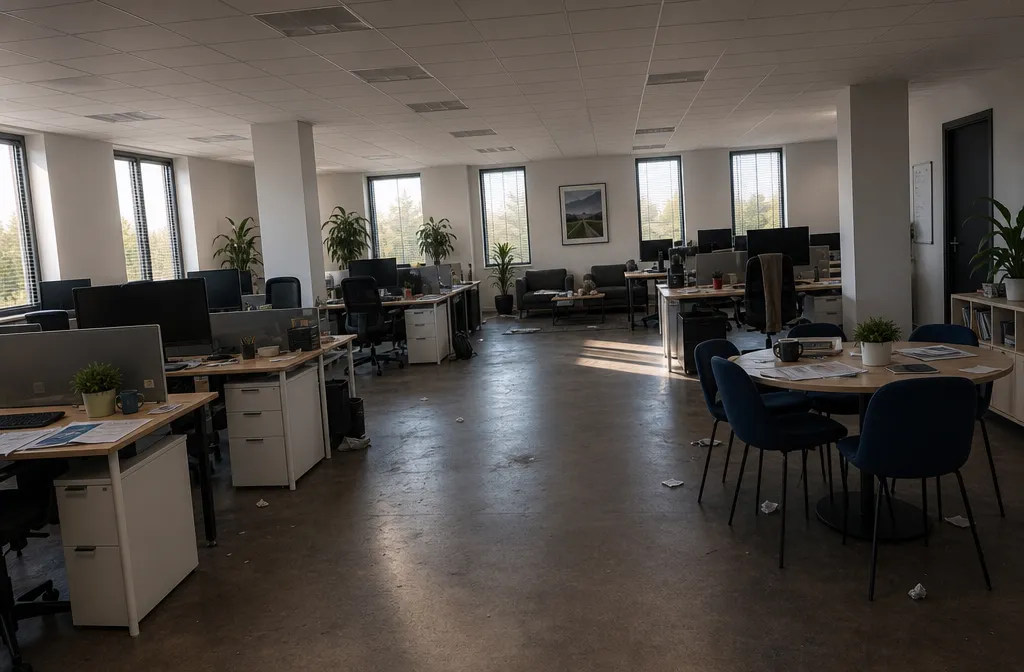
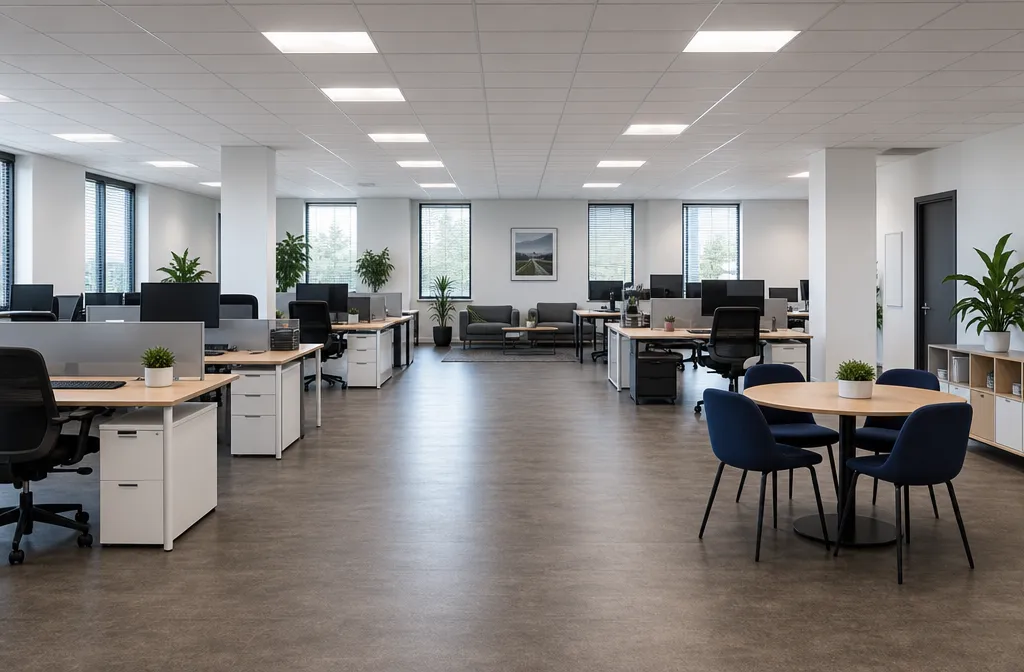 After
After
Request: Daily cleaning was required for a 200 sqm open space office.
Done: Wet mopping of floors, trash removal, and cleaning of all surfaces were performed.
Cost: 17 000 ₸
Master: Aigul Serikova, master of comprehensive cleaning
Total: The open space is clean and fresh, ready for the workday.
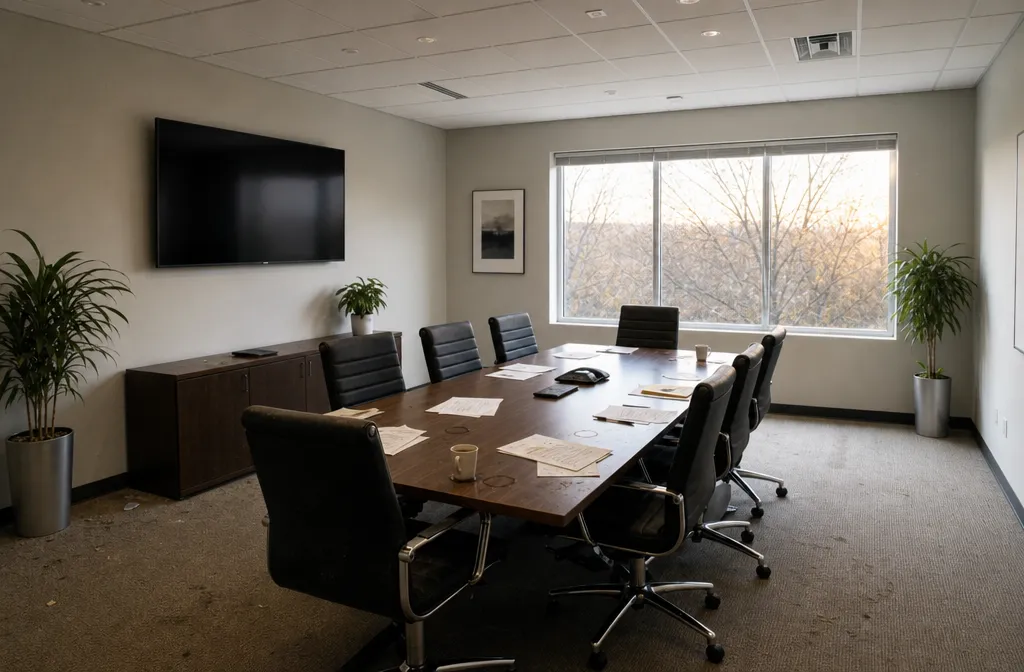
 After
After
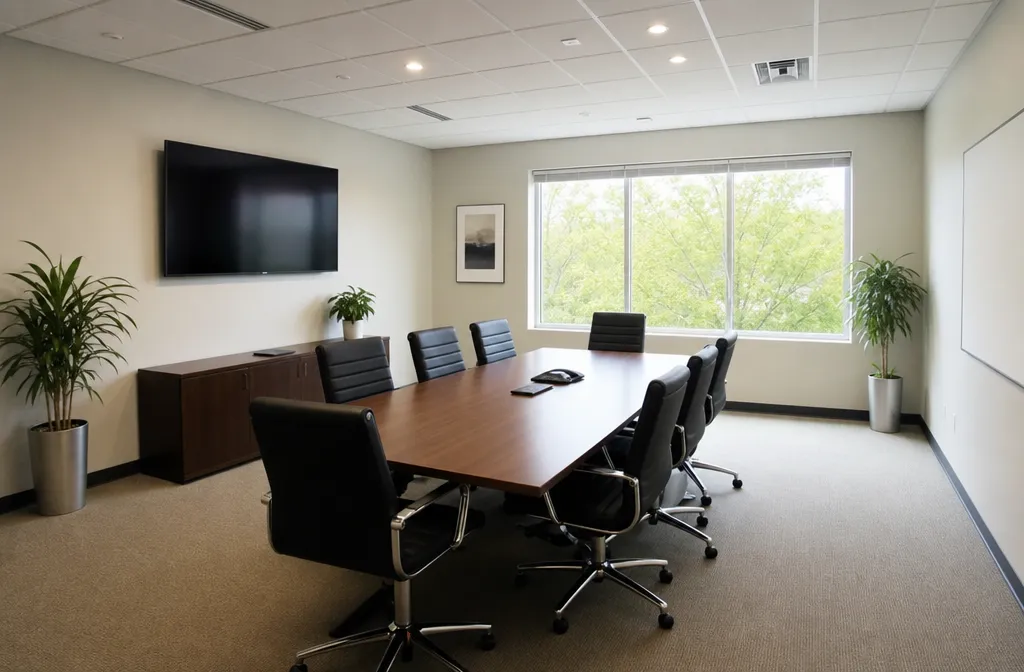
Request: The conference room needed to be tidied up after a meeting.
Done: Wet cleaning, table polishing, chair and floor cleaning were performed.
Cost: 16 000 ₸
Master: Yerzhan Nurgaliyev, master of room cleaning
Total: The room shines with cleanliness, the table gleams, chairs are spotless.
 After
After
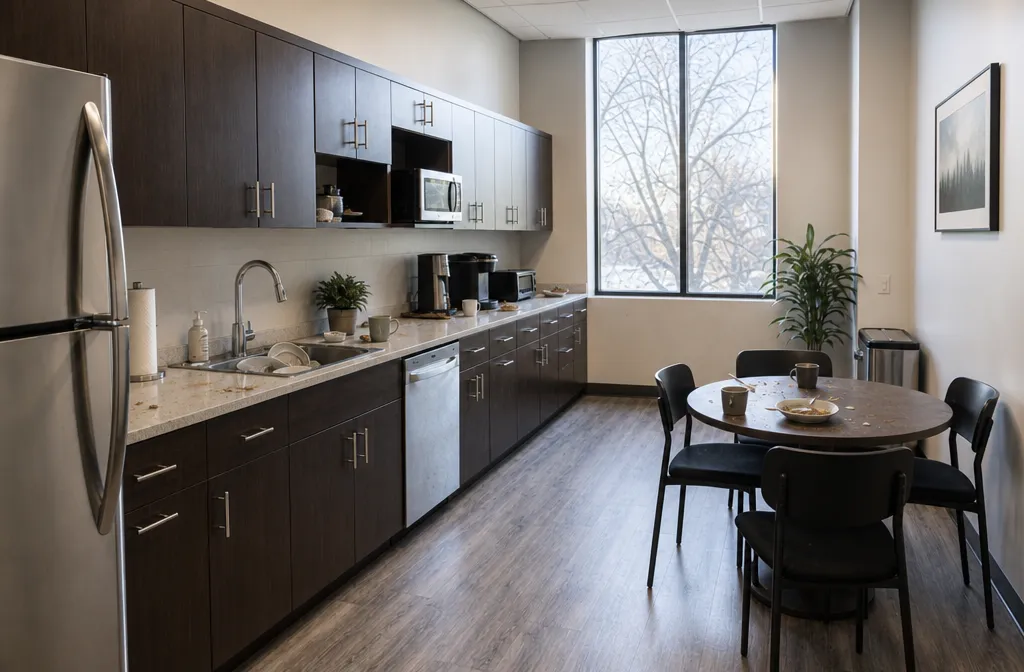
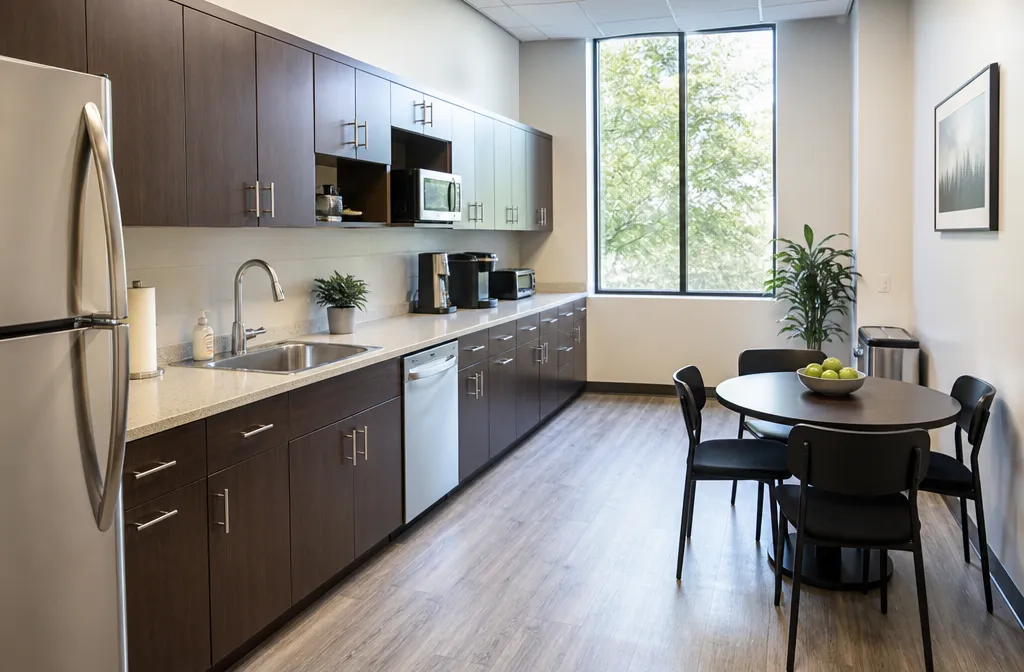
Request: The office kitchen required thorough cleaning after lunch.
Done: We washed the sink, stove, microwave, countertops, and floor.
Cost: 17 000 ₸
Master: Gulmira Askarova, master of kitchen cleaning
Total: The kitchen is clean, free of grease and crumbs, ready for use.
 After
After
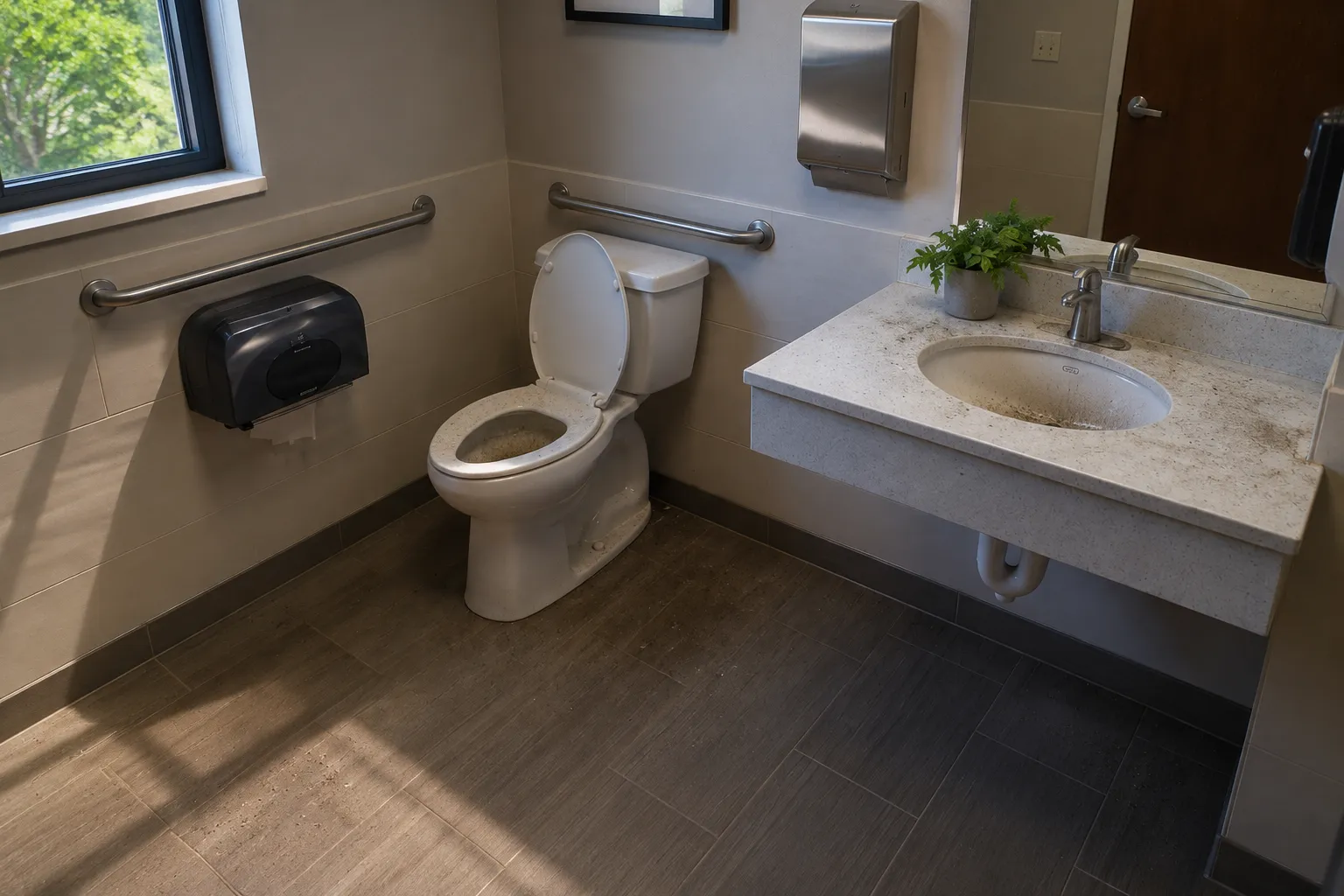
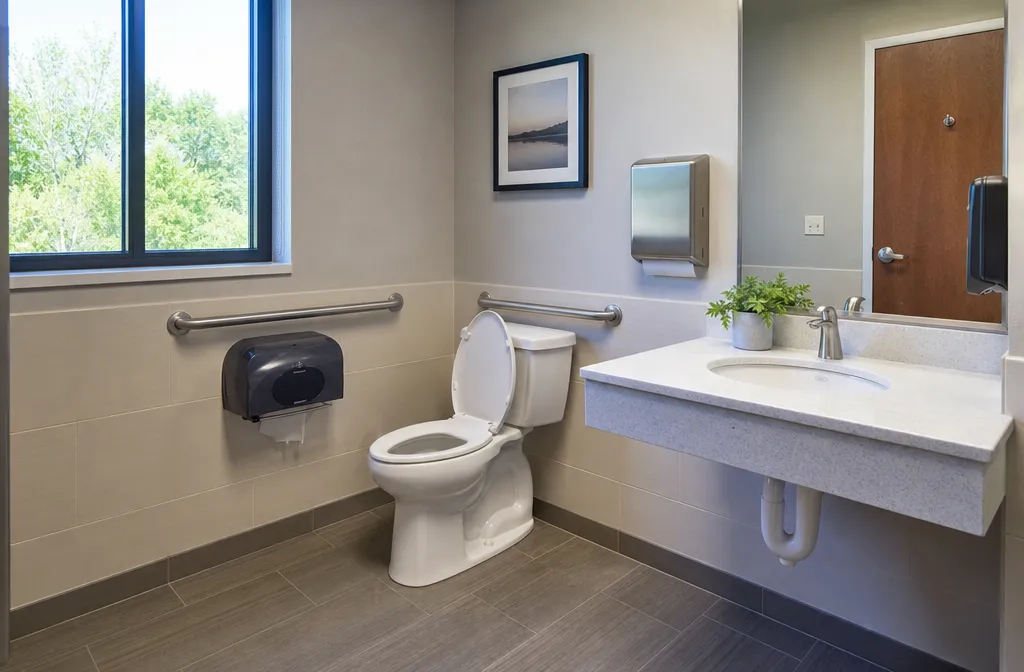
Request: Deep disinfection of the office toilet was required.
Done: Disinfection of the toilet bowl, sink, floor, and walls was performed.
Cost: 16 000 ₸
Master: Marat Abdrakhmanov, master of sanitary treatment
Total: The toilet is fully disinfected, odor-free, and sparkling.
 After
After
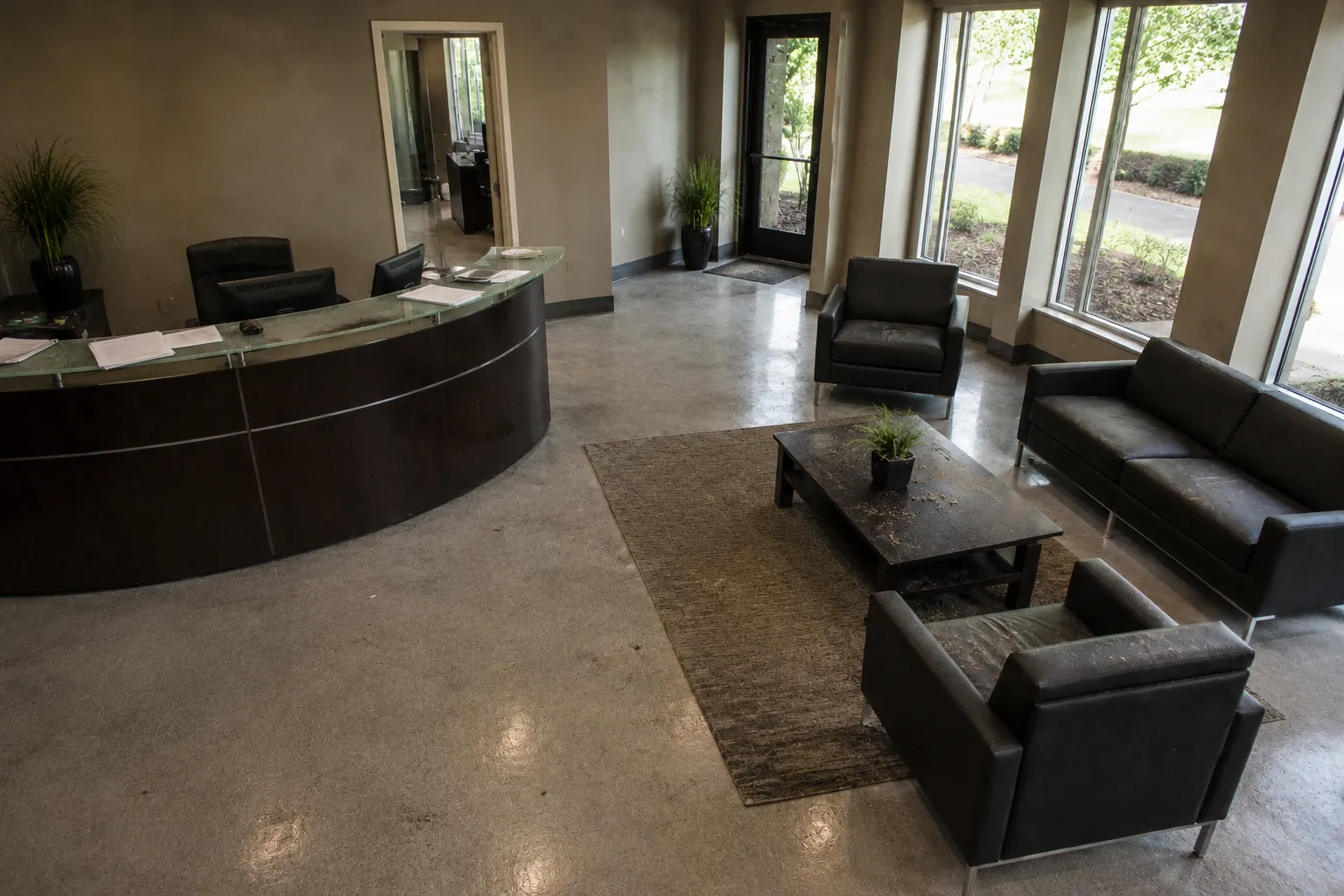
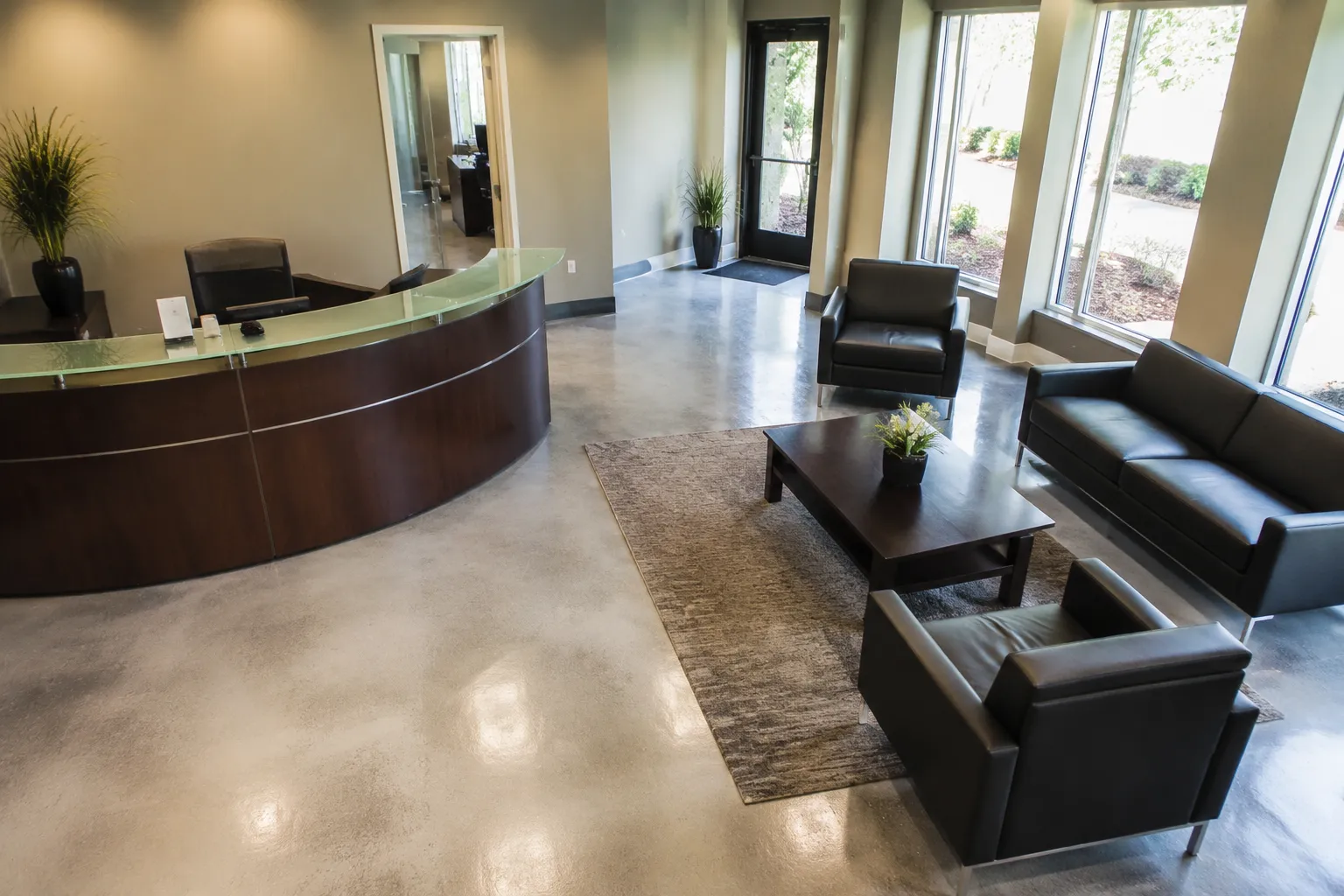
Request: The reception area needed cleaning for guest meetings.
Done: We wiped the counter, cleaned the sofas, washed the floor and windows.
Cost: 15 000 ₸
Master: Dana Amangeldieva, reception cleaning master
Total: The reception looks presentable, all surfaces are clean.
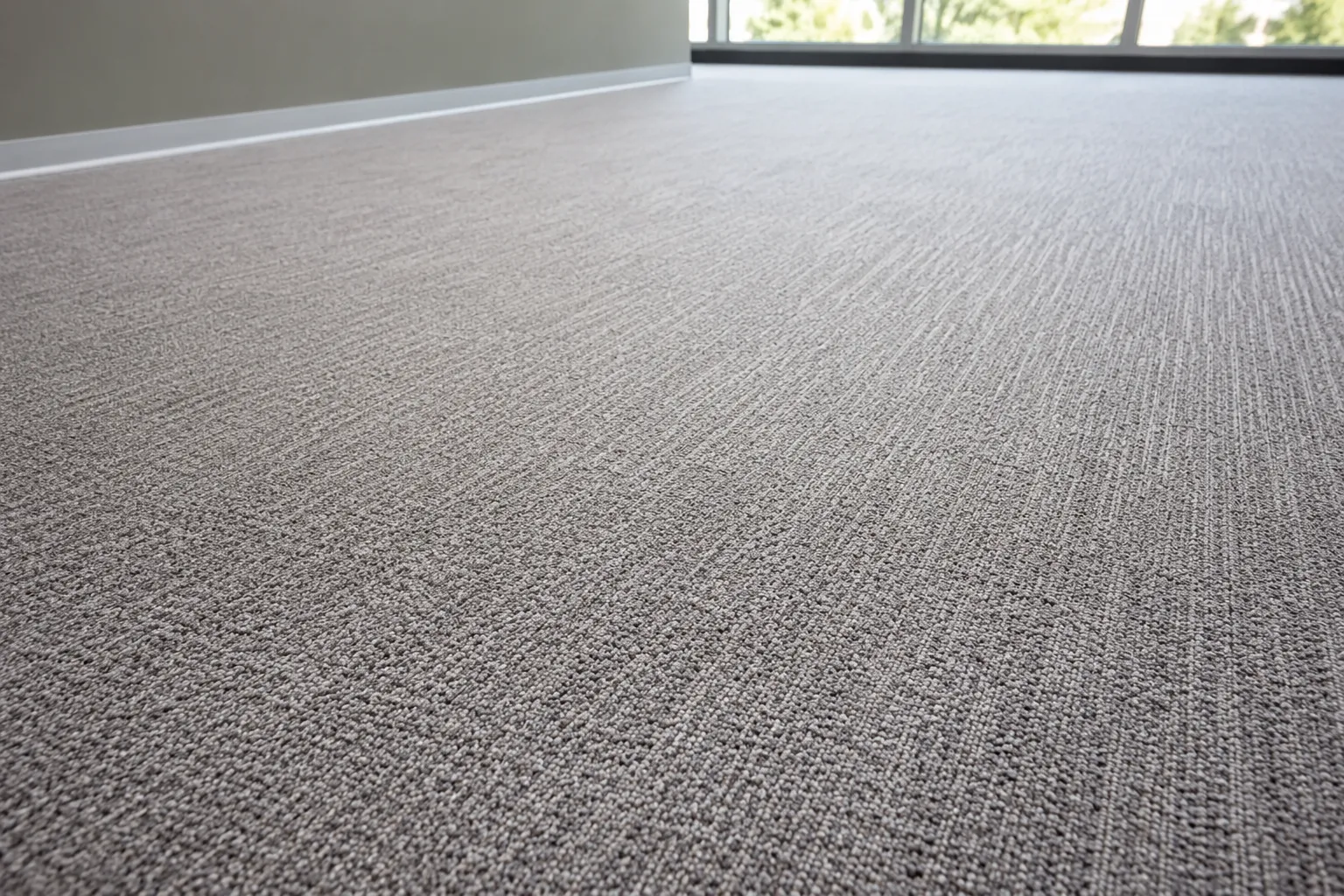 After
After
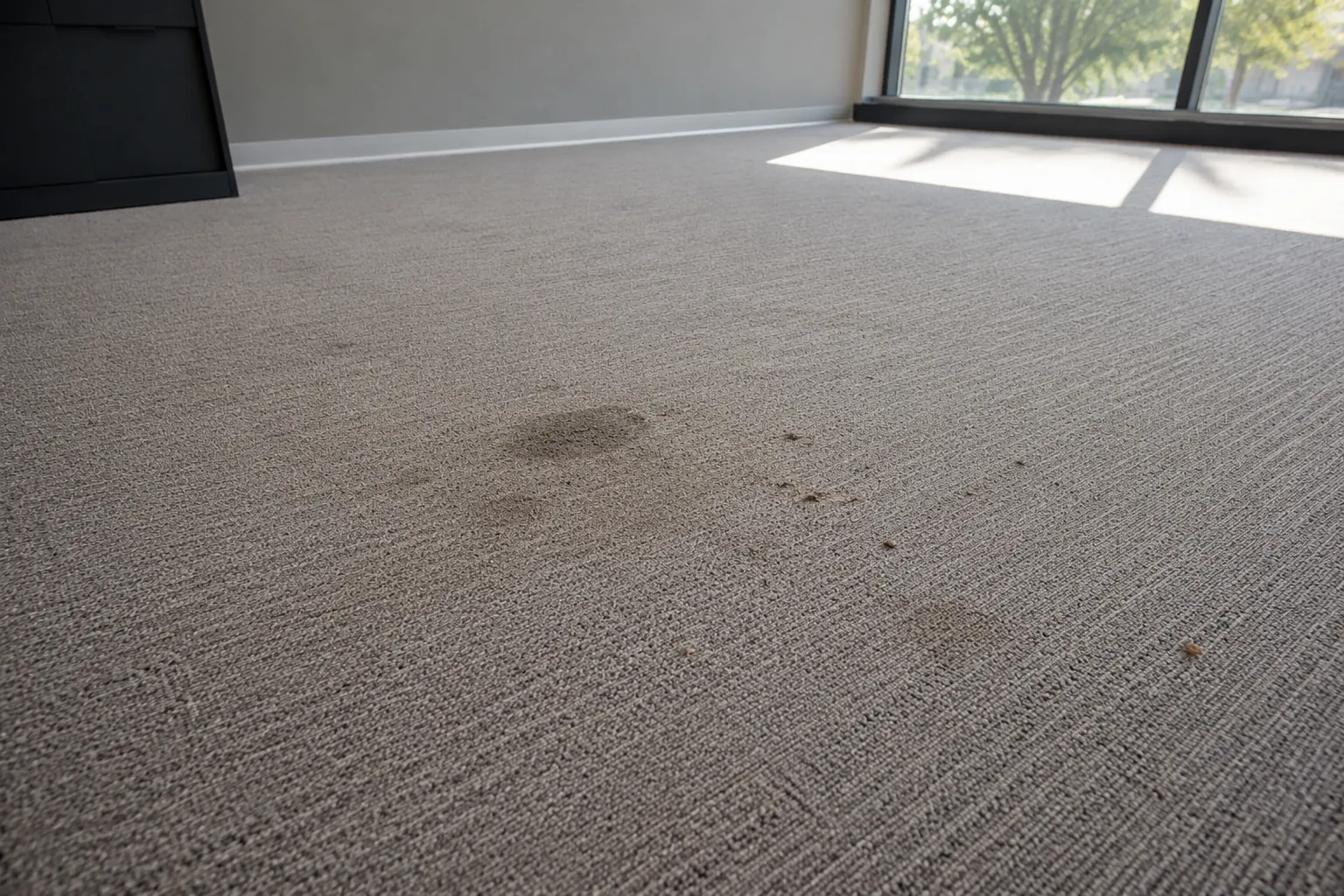
Request: The office carpet needed deep cleaning.
Done: Carpet dry cleaning performed using an extractor.
Cost: 17 000 ₸
Master: Timur Zhaksybekov, carpet cleaning master
Total: Carpet clean, no stains, pile lifted and fresh.
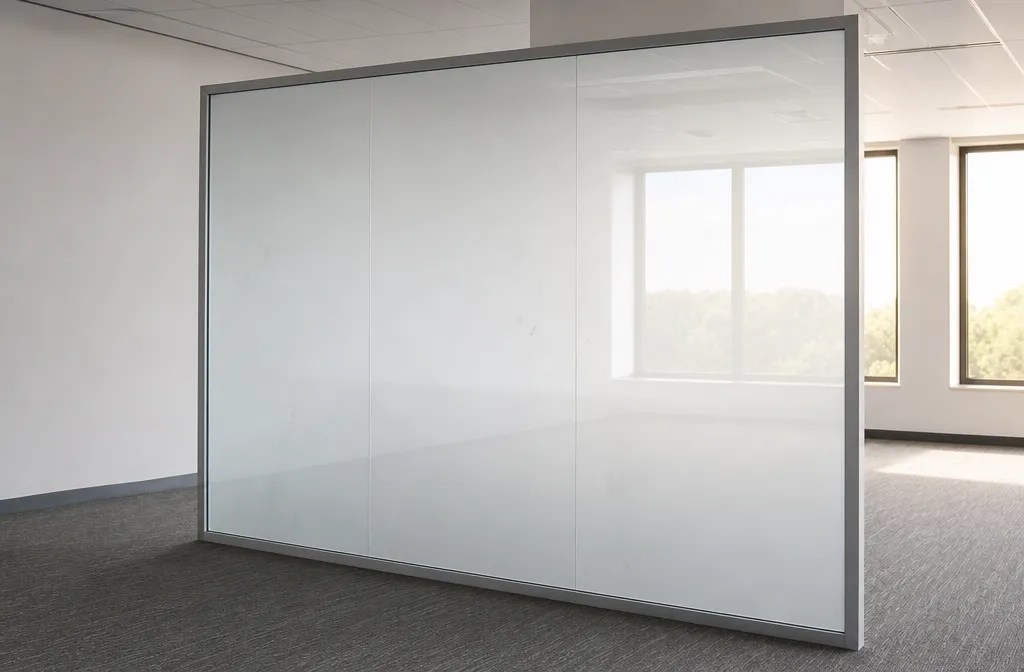
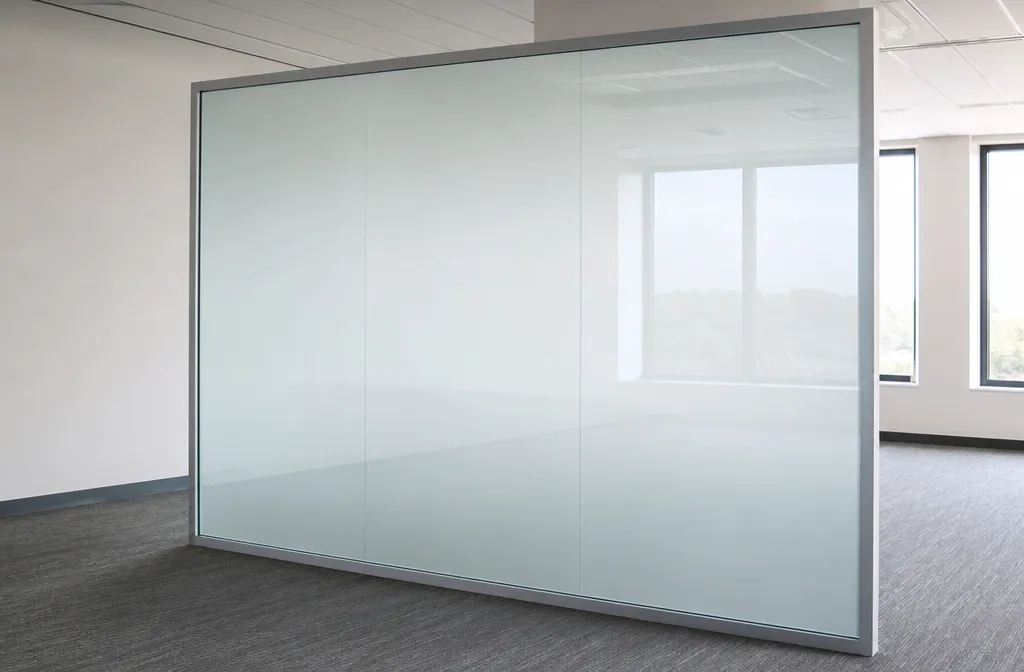 After
After
Request: The glass partitions in the office were streaky.
Done: Glass cleaned with professional product.
Cost: 16 000 ₸
Master: Nurzhan Ibraev, glass cleaning master
Total: Partitions transparent, no streaks or fingerprints.
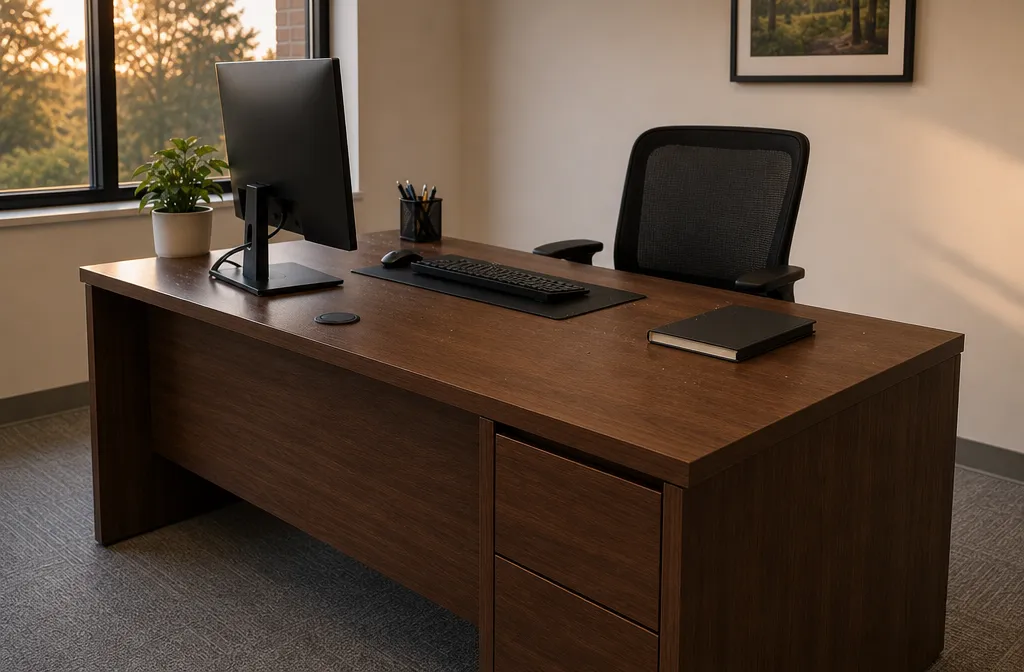
 After
After
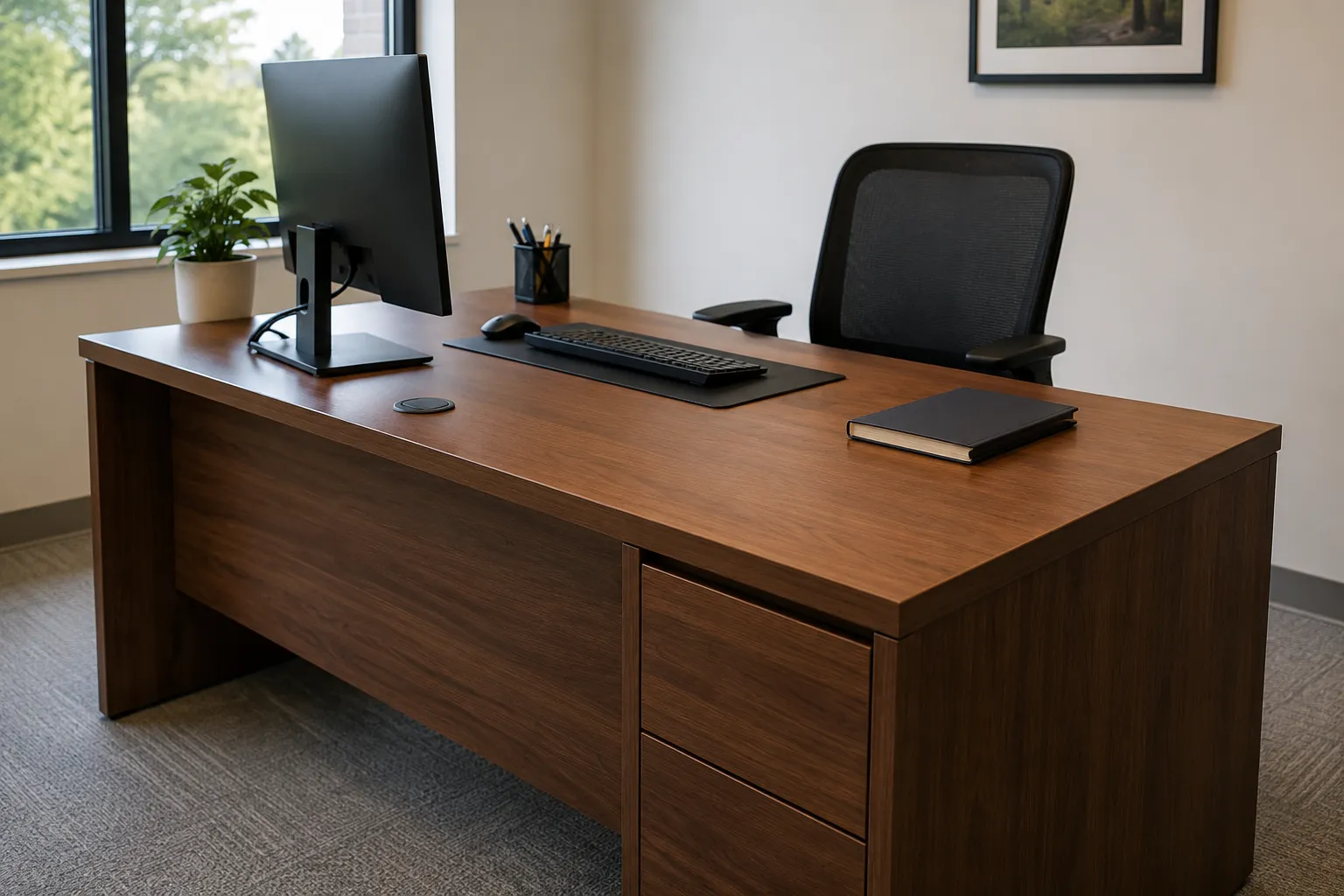
Request: The desks in the office were dusty and needed cleaning.
Done: All desks, monitors and office equipment wiped from dust.
Cost: 15 000 ₸
Master: Aliya Zhumabaeva, workstation cleaning master
Total: Desks clean, no dust, equipment shiny.
 After
After
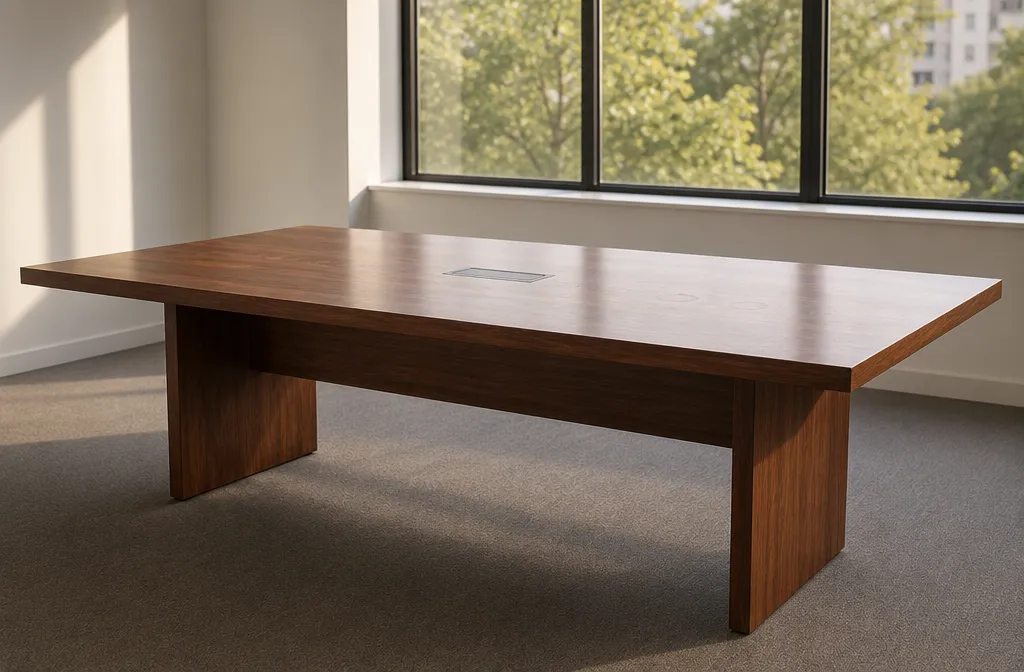
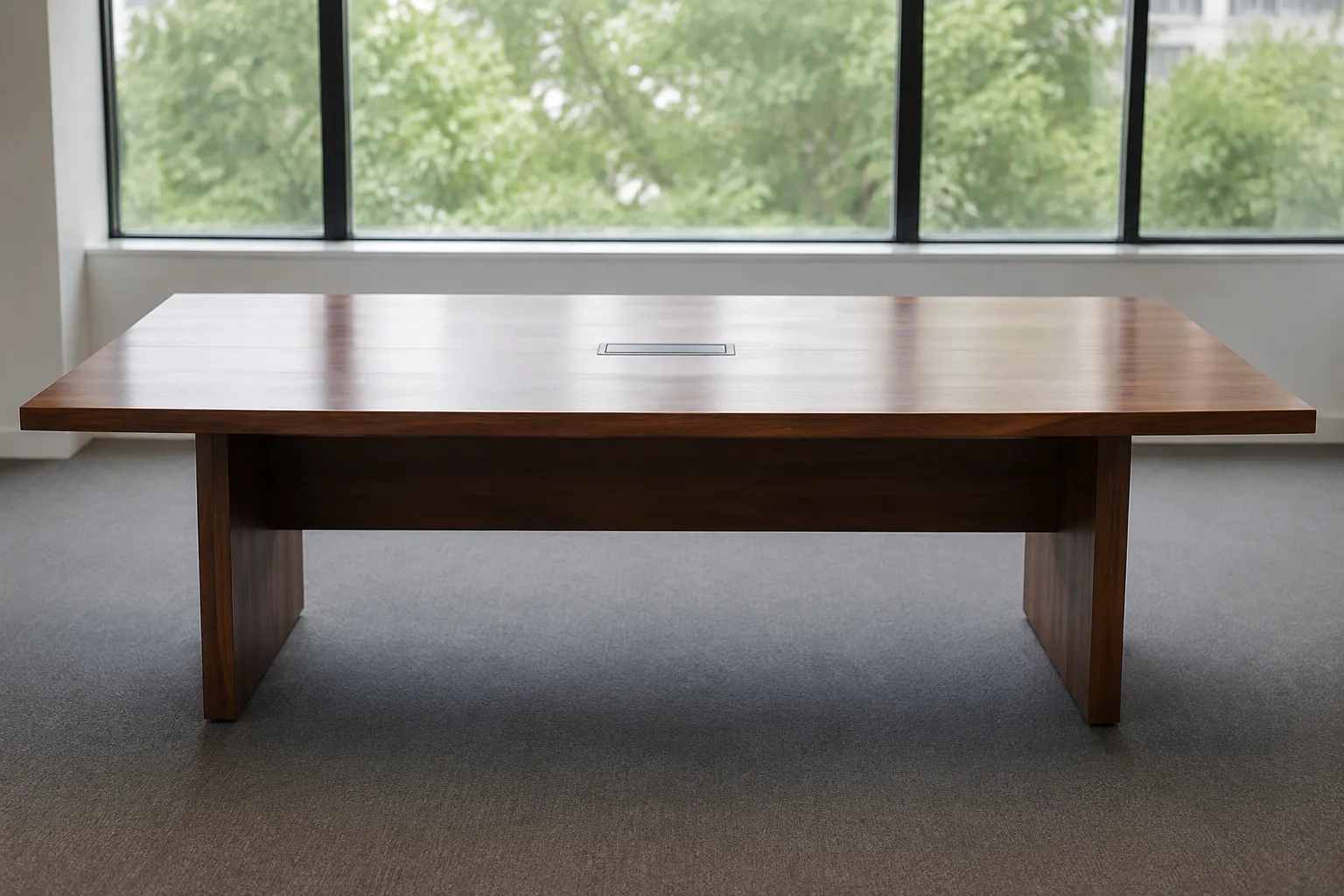
Request: The table in the meeting room was dull and stained.
Done: Table surface polished with special compound.
Cost: 17 000 ₸
Master: Yermek Kassymov, furniture polishing master
Total: Table shiny, no scratches or stains, like new.
 After
After
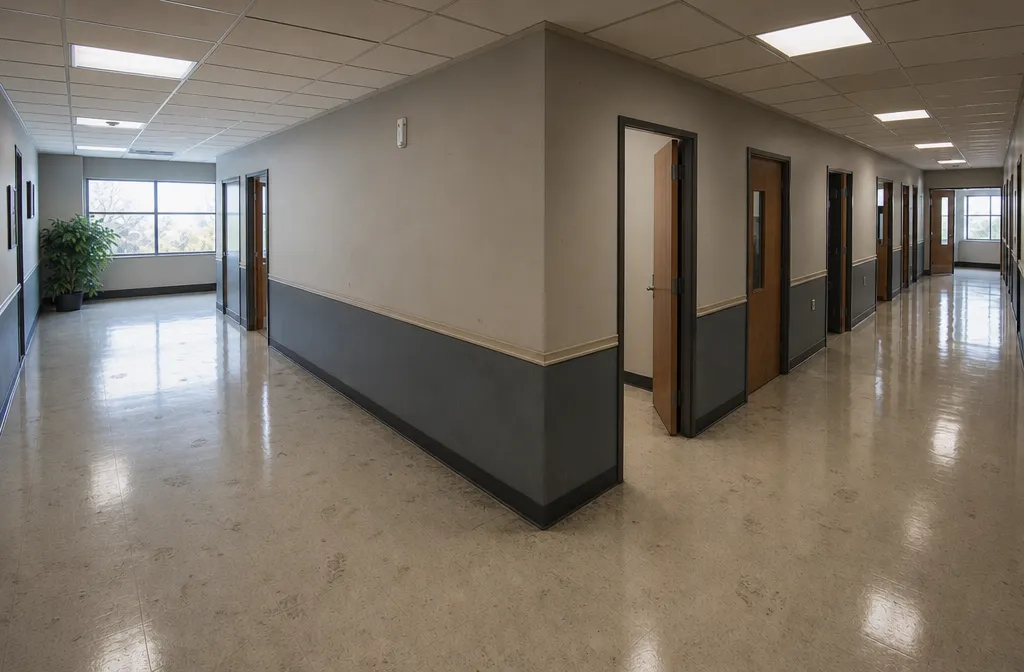
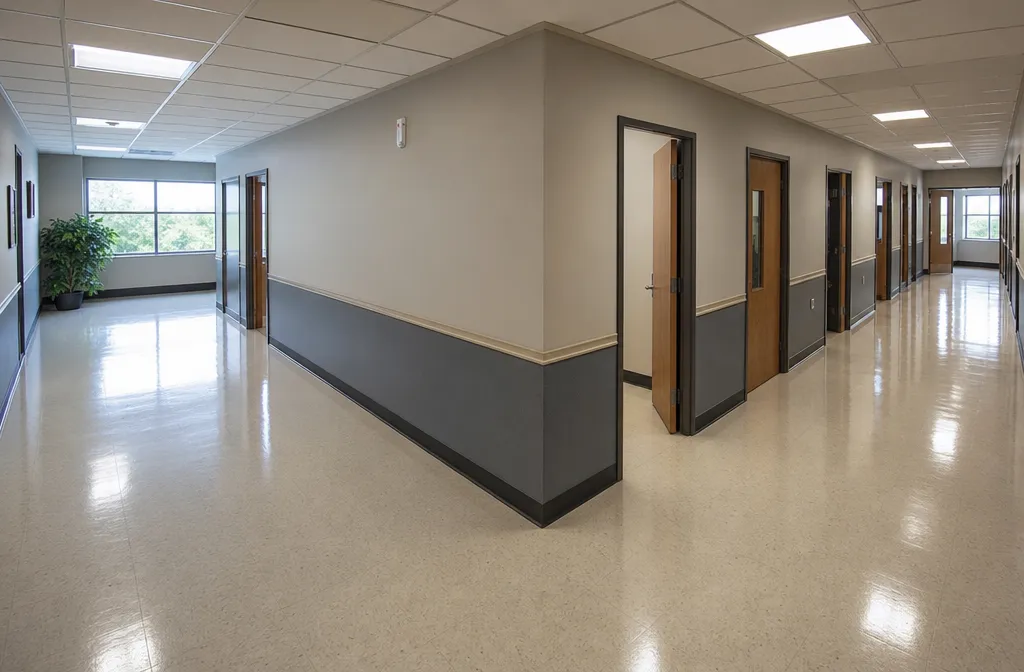
Request: The office hallway was dirty, needed floor mopping.
Done: Floors mopped throughout the hallway with disinfectant.
Cost: 16 000 ₸
Master: Saltanat Kussainova, hallway cleaning master
Total: Hallway clean, floor shiny, no shoe marks.
All cleaners are profi-clean staff with training, uniform and security check. Each order has a team leader who controls quality.
Daily office cleaning isn’t about aesthetics; it’s about air hygiene and preserving finishes. In Almaty, where dust from Kok-Tobe and exhaust fumes from the avenues settle on surfaces within 6-8 hours, skipping just one day leads to an accumulation of 0.3–0.5 g/m² of dust. By the evening of the second day without damp cleaning, the concentration of PM2.5 particulate matter in the office rises by 40–50% — a direct risk for employees with asthma or allergies. We at profi-clean measured this effect with a laser analyzer: after three consecutive missed cleanings, the readings in a 40 m² room become comparable to street levels near Abay Avenue during rush hour.
Using the same cloth without changing it transfers bacteria from the floor to the desk. In practice: after wiping 10 m² of floor, the microflora on the cloth reaches 10⁴ CFU/cm² — using that same cloth for damp-wiping a desk spreads E. coli and staphylococcus across the work surface. In our profi-clean protocol, microfiber is changed every 20 m² or whenever moving from a restroom to a work area. Water in the bucket is changed every 40 m²: dirty water loses 60% of its cleaning power after just 10 m², meaning you’re simply spreading grime across the floor. On sites over 100 m², we use a two-bucket system — one with clean water and a disinfectant dispenser, the other for waste water. This is the only way to guarantee that daily office cleaning in Almaty doesn’t turn into a distribution of contaminants.
Dust in Almaty offices settles faster than in cities with lower air pollution. According to our measurements, a visible layer of dust appears on windowsills and office equipment within 12 hours — due to high humidity in spring and dry emissions in summer. If you clean every other day, surfaces in between become coated with a sticky film that clogs the pores of plastic monitor casings and erodes the coating on MDF tabletops. Externally, this looks like a “greasy film” that, after a month, turns into matte stains that cannot be removed with plain water. We had a case: a client at the “Nurly Tau” business center switched to cleaning every two days, and after three months, the laminate flooring in the meeting room had to be replaced — sand from shoes, not removed in time, had scratched the protective layer down to the base.
In an open-plan space with 20+ workstations, high-touch areas — door handles, light switches, elevator buttons, printer panels — accumulate up to 300 CFU/cm² by lunchtime. Standard damp cleaning without disinfection reduces this to 80–100 CFU/cm² but does not kill viruses or mold spores. At profi-clean, on such sites, we use a two-step protocol: first, cleaning surfaces with a hypoallergenic Kiehl product (removes grease and dust), then treating contact zones with a Sodasan spray containing lactic acid. The microbiological difference — after the second step, CFU drops to 5–10 per cm², meeting standards for food production facilities. The mistake we see from contractors is using one universal product for all surfaces: an alkaline solution leaves rainbow streaks on glass, while an acidic one on chrome bathroom faucets destroys the coating within three months.
In spring and autumn, the city experiences high humidity (70–85%), which promotes mold growth on window reveals and in ventilation if cleaning doesn’t include surface drying. In summer — dust from construction and poplar fluff clogging split-system filters. In winter — de-icing reagents from sidewalks that employees track in on their shoes: chlorides erode linoleum in the entryway within one season if floors aren’t washed daily with a neutralizing solution. At profi-clean, we adjust our protocol for each season: in spring — mandatory treatment of window reveals and ventilation grilles with an antifungal agent; in summer — washing external air conditioner units every two weeks; in winter — using a pH-neutral floor shampoo with an anti-corrosion effect. Without such seasonal adaptation, daily office cleaning, the price of which is calculated individually based on area and condition, does not protect the finishes, and within a year, the owner receives a bill for replacing the flooring.
Water in a bucket is an ideal breeding ground for bacteria at room temperature. Within 30 minutes after the first dip of the mop, the number of microorganisms in the water doubles. If a cleaner mops an entire floor with one bucket, the last 50 m² are treated with water containing up to 10⁶ CFU/ml of bacteria — this is higher than in a toilet bowl flush. profi-clean’s regulations require a water change every 40 m² or at any visible cloudiness — for sites over 200 m², this means 4–5 changes per cleaning. Our cleaners carry a spare 20-liter tank to avoid running to the client’s restroom faucet every 15 minutes. The standard for clean water is not a whim, but the only way to make daily office cleaning truly hygienic, not just visually clean.
Even with a regular office cleaning schedule, most companies in Almaty make the same mistakes — from improper equipment selection to ignoring hidden areas, which nullifies the hygienic effect.
When the same cloth goes through the restroom, kitchen, and work area, bacteria are spread throughout the office. Professional cleaning uses color coding: red for restrooms, blue for glass and mirrors, green for kitchen surfaces, yellow for work desks and office equipment. At profi-clean, each cleaner receives a set of 8 colored microfiber cloths per shift, and after each area, the cloth is sent for washing at 60 °C. Violating this rule is why an office smells of bleach instead of freshness after cleaning, especially during the hot Almaty months.
In daily office cleaning, floors are most often washed and trash is taken out, but walls, door handles, light switches, and blinds remain untouched for weeks. Dust mixed with street dirt settles on these surfaces — this is especially relevant in Almaty due to smog and poplar pollen in spring. Research from 2GIS shows that offices where vertical surfaces are wiped once a week receive 40% fewer complaints about employee allergies. In our practice, we include treating door handles and light switches in the daily checklist — it takes 5 minutes but radically affects the room’s microbiology.
Using household chemicals from a supermarket or exceeding the product concentration is a common problem in self-cleaning. Aggressive formulas leave a sticky residue on desks that attracts dust faster than an unwashed surface. We use hypoallergenic chemicals from Kiehl and Sodasan — they are safe for employees with asthma and allergies but require precise dilution: 30 ml of concentrate per 5 liters of water, no more. In Almaty, the water is hard (up to 300 ppm), so without a softener, the product works less effectively, leaving streaks on glass.
Door handles, elevator buttons, coffee machine panels, keyboards, and phones — surfaces touched by dozens of people daily, yet disinfected the least. In daily office cleaning, it is enough to treat these areas with an alcohol-based solution with a 30-second exposure — this kills 99.9% of bacteria. In an office on Baizakova Street, we had a case: after introducing twice-daily treatment of contact zones, the incidence of ARVI among employees dropped by 25% over a quarter. If someone in your office is constantly sneezing, start with these points.
Carpets in Almaty offices are the main dust collectors: the pile retains up to 80% of street dirt brought in on shoes. Daily dry vacuuming with a HEPA filter is mandatory, but deep extraction cleaning is needed once a month — it washes out dust mites and mold spores from the base of the pile. Without it, the carpet becomes a source of allergens, and airing out doesn’t help. Our recommendation: in offices with a traffic of more than 50 people per day, extraction cleaning is needed every three weeks, not once a quarter.
The replacement schedule for equipment and consumables directly affects the quality of daily office cleaning — an expired cloth spreads dirt, and an old solution loses its disinfecting properties. Let’s break down the specific timelines for each item.
The working life of a microfiber cloth is 30–50 wash cycles, after which the fibers tangle and the fabric stops holding dust. In daily office cleaning, this translates to 1.5–2 months of active use if you change cloths by zone (bathroom — separate, kitchen — separate, desks — separate). Our technician checks microfiber with a “water test”: a drop of water should absorb in 2–3 seconds — if it takes longer, the cloth is discarded. In Almaty, hard tap water accelerates fiber salting, so we use professional Vermop microfiber with a density of 350 g/m² — it withstands up to 80 washes, but only when washed without fabric softener (it clogs the pores). A sign it’s time to replace: after wiping a desk, streaks or lint remain — meaning the fabric has lost its adhesion.
A microfiber floor pad lasts 3–4 months with daily use on an area up to 500 m², after which it stops picking up fine dust and starts “pushing” water. The mop handle itself is replaced every six months — plastic handles develop micro-cracks over time where bacteria breed. In my opinion, the most common mistake in Almaty offices is using one mop for all zones: bacteria from the bathroom are transferred to the work area. At profi-clean, we use color coding: red pad — bathroom, green — kitchen, blue — desks. This is not a whim but a HACCP standard for food production, which we have adapted for offices. Pads must be replaced strictly on schedule, not “when it tears”: after 120 wash cycles, microfiber loses 40% of its absorbency, increasing floor drying time and the risk of slipping in the morning.
Concentrate for daily office cleaning, once diluted with water, lasts 24 hours — bactericidal components in the ready solution break down within a day, especially when stored in plastic containers exposed to light. The original undiluted chemicals (Kiehl, Sodasan) can be stored for up to a year in a sealed package, but after opening the canister, the concentrate must be used within 6 months. In Almaty, summer temperatures of +35°C in non-air-conditioned warehouses accelerate spoilage: at temperatures above +25°C, active chlorine in disinfectants loses 50% effectiveness within 2 weeks. We store chemicals in a dark room at +15–20°C and never pour them into old bottles — residues of the old product react with the new one. For daily office cleaning, the cost of a mistake here is employee allergies or under-disinfected surfaces.
A professional cleaning bucket lasts 8–12 months under daily load, after which micro-scratches appear on the plastic where bacteria get trapped. Even with daily disinfection of buckets using a chlorine solution, a biofilm forms on the walls after 6 months — it’s only visible under a UV lamp. In our profi-clean standards, buckets are replaced quarterly, and organizer carts for equipment — every six months. This may seem frequent, but in practice, old plastic starts to smell even after washing, and the smell transfers to the cloths. If you have ordered daily office cleaning from us, the technician shows the replacement date on each bucket at the first meeting — this is a requirement of our internal audit.
When choosing a contractor, ask for a consumables replacement schedule — a company that cannot specify exact intervals for microfiber or mops is likely cutting costs on materials. In the Almaty market, there are cleaners who use one cloth across multiple sites — this is a direct path to cross-contamination. Ideally, the contractor keeps an inventory replacement log with dates and photos of disposed cloths. Another marker is the type of chemicals: hypoallergenic products like Kiehl and Sodasan cost more than household chemicals from the supermarket, but they are biodegradable and safe for asthmatics. Before signing a contract, ask to see warehouse stock — if there are no dated canisters and color coding on mops on the shelves, cleaning quality will decline within a month.
Choosing a contractor for daily office cleaning in Almaty is a decision that affects not only cleanliness but also employee health, furniture preservation, and the company’s budget. Let’s break down the key criteria that distinguish a professional service from questionable offers.
Many companies in Almaty operate as aggregators: they find a client, pass the task to freelancers, and take a commission. When complaints arise, they throw up their hands — “that’s not our employee.” profi-clean, on the contrary, enters into a direct contract with the legal entity and sends in-house cleaners to the site. Our specialists undergo certification every quarter — a test on knowledge of Kazakhstan’s SanPiN standards and skills in working with professional Karcher equipment. We also bear full financial responsibility for loss or damage to property, as stipulated in the contract. In my opinion, direct hiring guarantees consistent quality: the employee values their job and follows the standard, rather than doing it “any which way.”
For daily office cleaning, the choice of cleaning agents is critical — cheap bleach or aggressive alkalis destroy laminate, linoleum, and chipboard within 3-4 months. At profi-clean, we use hypoallergenic chemicals from Kiehl and Sodasan — German water-based concentrates that leave no streaks and are safe for allergy sufferers. Our vacuum cleaners are equipped with H13 HEPA filters — they capture up to 99.97% of particles as small as 0.3 microns, including pollen and bacteria. For offices with carpeting or carpet tiles, we use the Karcher Puzzi 10.8 extractor — it washes dirt from deep within the pile, rather than just “dampening” the surface like household steam cleaners. Without quality chemicals and a powerful vacuum cleaner, daily cleaning turns into redistributing dust around the room.
Daily office cleaning must be performed strictly at the agreed time — before employees arrive or after they leave, so as not to disrupt work. In Almaty, with its traffic jams on Abay Avenue and Satpayev Street, the contractor’s punctuality is a separate criterion. profi-clean ties its cleaners’ routes to your address so that travel to the site takes no more than 60 minutes from our base in the Zhetysu District. We use an internal tracking app: the client can see when the cleaner arrived and finished work — without calls or reminders. If a cleaner is more than 15 minutes late, we notify you an hour in advance and assign another employee, maintaining the schedule. When choosing a company, be sure to ask if they have backup staff in case the primary cleaner falls ill — without this, the regularity of cleaning is at risk.
After each daily office cleaning, profi-clean compiles a checklist with before/after photos and marks for completing 18 items: from wet mopping floors to disinfecting door handles. This report is sent to you via WhatsApp or email within 30 minutes of work completion. If you find a flaw — for example, streaks on a glass partition or a missed corner — we fix it free of charge within 24 hours. Such a result guarantee only works with direct contractors: an aggregator would have to find a cleaner again and waste time on coordination. When selecting a contractor, ask to see a real checklist from a previous site — its detail immediately shows how the company approaches standards.
Before signing a contract for daily office cleaning, check reviews on 2GIS and the company’s Instagram account — look for mentions of specific office spaces, not private apartments. In Almaty, it’s common for a cleaning company to do an excellent job on a three-bedroom apartment but fail to handle a 200 m² open-plan office with a kitchen and meeting rooms. profi-clean specializes specifically in commercial properties — our portfolio includes over 40 offices in the “Nurly Tau,” “Atakent,” and “Alatau” business centers. We provide contacts of current clients for references — this is standard practice in the B2B market in Almaty. If a company avoids providing contacts of real clients, it’s a red flag: they likely have no experience with daily office cleaning.
The switch to eco-friendly products in daily office cleaning is surrounded by stereotypes — from “they don’t clean well” to “it’s expensive and useless.” Let’s break down what’s true and what’s marketing, based on real experience with hypoallergenic chemicals in Almaty’s business centers.
The main myth is that eco-friendly products are inferior to conventional chemicals in effectiveness. In practice, the professional hypoallergenic concentrates from Kiehl and Sodasan that we use at profi-clean handle grease, limescale, and bacteria just as well as chlorine-based alternatives, but without the harsh odor and toxic fumes. The difference lies in the mechanism of action: instead of aggressively dissolving dirt with acid or alkali, they work using enzymes and plant-based surfactants, which requires slightly more contact time but delivers the same result. In our experience at facilities with high hygiene standards—such as medical centers and kindergartens—we switched to the eco-line two years ago and have not received a single complaint about cleaning quality. The key is not to confuse household “green” products from the supermarket with professional certified chemicals: the former have a truly low concentration, while the latter have a working formula that is diluted according to instructions.
Conventional cleaning products based on chlorine, ammonia, and phosphates leave a chemical residue on surfaces that, when dry, turns into microparticles circulating in the office air. This is especially critical for rooms with closed ventilation—typical Almaty business centers with central air conditioning, where the air is recirculated 4–6 times a day. For employees with sensitive respiratory tracts, this triggers headaches, a sore throat, and an allergic cough by mid-day. We have recorded such complaints at facilities where cheap household chemicals from hardware stores were used before us—after switching to a hypoallergenic line, the number of visits to the office medical station roughly halved. Additionally, aggressive formulas destroy the protective coating on melamine and lacquered tables—after six months of such cleaning, tabletops become dull and start absorbing dirt. Eco-friendly products with a neutral pH (5.5–6.5) extend the lifespan of office furniture and equipment, without washing out silicone seals or oxidizing metal elements.
The Kazakhstani market is flooded with products labeled “eco” that actually contain the same surfactants, just in a lower concentration. A genuine professional hypoallergenic concentrate is one certified to the EU Ecolabel or Ecocert standard, with a full ingredient list on the label (not just “natural ingredients” without details), and free of chlorine, phosphates, optical brighteners, and synthetic fragrances. At profi-clean, we select chemicals based on three criteria: biodegradability of at least 90% over 28 days, a pH of 5.0–7.0 in the working solution, and allergy tests from an independent laboratory. These are the products we use for daily office cleaning—they do not require ventilation after application and are safe for employees who remain in the room during cleaning. This is especially relevant for open-plan offices, where cleaning often takes place during the day: with conventional chemicals, you would need to evacuate people for 20–30 minutes; with eco-friendly products, simply informing them about the wet cleaning is enough.
Different surfaces in the office react differently to cleaning agents, and a universal “all-in-one” product is a compromise that reduces quality in every area. Kitchen countertops and stainless steel sinks are best cleaned with alkaline compounds at pH 9–10, but only chlorine-free eco-friendly options are suitable—otherwise, rainbow streaks and corrosion appear within a month. Glass partitions and mirrors require low-foaming, anti-static products—regular glass cleaned with cheap chemicals gets dusty faster. Restrooms are the most problematic area: they need a disinfectant that does not eat away at silicone joints or leave white residue on chrome faucets. At profi-clean, we use an eco-friendly disinfectant based on peracetic acid for restrooms—it kills 99.9% of bacteria and viruses in 5 minutes, yet is safe for enamel and acrylic. For carpets and upholstered furniture, we use enzyme-based stain removers—they break down organic matter (coffee, juice, grease) without heat and without leaving a residue that attracts new dirt. The mistake is trying to clean all surfaces with one universal product: you either fail to achieve cleanliness in challenging areas or damage expensive materials.
We ordered daily office cleaning after renovation. Everything was cleaned, even construction dust from ventilation was removed.
Thank you, Aigerim! Glad we handled the renovation aftermath.
The office carpets are like new now. Cleaners come every day, no stains, fresh smell.
Daily office cleaning includes meeting rooms. Tables shine, but sometimes they forget to wipe the remote controls for screens.
Thank you for the feedback, we'll take note. We'll be more attentive to details.
It's pleasant to have lunch in the cafeteria now — floors are clean, tables crumb-free, sinks sparkling.
Needed daily cleaning of an office with an aquarium. The team carefully wiped the glass and didn't disturb the fish.
We tried our best, glad you liked everything.
Generally clean, but on the first day they missed a corner behind the cabinet. From the second day they improved.
We apologize. We are now monitoring quality more strictly.
Ordered daily office cleaning for three floors. The team finishes in 2 hours, everything shines.
Kitchen and toilet are now perfect. The stove is cleaned of burnt residue, mirrors are streak-free.
Thank you, Dinara! Glad you noticed.
We've been using daily office cleaning for a month. They don't touch the server room, which is good. Sometimes dust remains on monitors.
Understood, we will wipe the equipment more often.
The reception is always tidy, sofas without stains. Clients come in and immediately see order.
Ordered daily office cleaning along with the gym. They disinfect equipment, mop the floor — no sweat smell.
Glad the gym has become comfortable.
In accounting there are always a lot of papers, but the cleaners carefully go around everything, don't move anything. Cleanliness is pleasing.
Does daily office cleaning include watering flowers? They watered ours but overwatered a bit. Otherwise excellent.
Sorry, we'll warn the employees about the measure.
They come after 8 PM, by morning the office shines. No one is disturbed at work.
We needed daily office cleaning with coffee machine cleaning. They handled it perfectly, coffee tastes better now.
Glad you noticed. The coffee machine is our pride.
They clean the terrace, but leaves from trees fall quickly. We have to ask for extra.
We'll try to increase the frequency of terrace cleaning.
Daily office cleaning — now the company's business card. All glass partitions are transparent.
Carpet is vacuumed daily, stains are removed immediately. Even after spilled coffee, no traces left.
Thank you, Lyazzat! We use professional products.
After painting the walls, we ordered daily office cleaning. They didn't touch the walls, cleaned the floor from paint. Well done.
They clean both the sales floor and the back room. Floors are polished to a shine, customers are happy.
Glad to help your business.
Daily office cleaning includes the children's room. Toys are disinfected, carpets are cleaned — we are calm for the children.
Children's safety is a priority.
Paper warehouse cleaning — dusty, but the guys wore masks. However, the boxes were moved to the wrong place. Corrected the next day.
We apologize for the inconvenience. We fixed the situation.
We recommend daily cleaning for high-traffic offices (more than 10 people). For small offices, 2-3 times a week is enough. We will tailor a schedule to your working hours.
We work from 7:00 AM to 10:00 PM. You can choose morning before employees arrive, evening after they leave, or daytime. We arrive strictly on schedule.
Yes, this is the most popular option. Cleaning is done after 6:00 PM to avoid disturbing employees. We use silent equipment and odorless products.
Yes, we use German Kiehl products that are hypoallergenic and free of chlorine and phosphates. They are certified for children's facilities. The office is ready for immediate use after cleaning.
Yes, we work with dozens of companies in Almaty. We can provide references upon request. Our clients note punctuality and quality.
When signing a contract for daily cleaning for a month, we offer a 10% discount. Individual terms are also available for long-term cooperation.
Window washing is not included in the basic daily cleaning rate but can be added for an extra fee. The cost is per sash on an individual basis.
Yes, cleaning the kitchen and bathroom is included in standard daily cleaning. We wash the sink, stove, microwave, disinfect the bathroom, and replenish supplies.
We clean open spaces, private offices, business centers, coworking spaces, offices with kitchen/bathroom, meeting rooms, reception areas, executive offices, as well as medical offices and beauty studios.
Yes, we regularly clean offices in Almaty business centers. We have access at any time, comply with access control, and use silent equipment.
Tell us about your experience with profi-clean — it helps other clients and us improve.
We currently operate in Almaty. Other cities are coming soon.